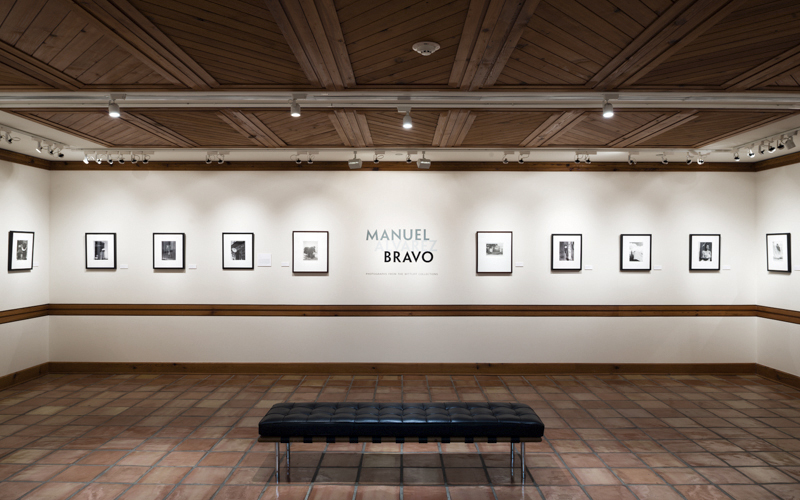
Installation view of the exhibition Manuel Álvarez Bravo at The Wittliff Collections, Texas State University
This photographer will always be in my top ten photographers of all time. His lyricism and sensitivity to subject matter and narrative is up there with the very best that the medium has to offer. He was a great influence on my photography when I started taking black and white photographs in 1990. In this posting, it is nice to see some of the less well known of his images.
Dr Marcus Bunyan
Many thankx to The Wittliff Collections for allowing me to publish the photographs in the posting. Please click on the photographs for a larger version of the image.
Manuel Álvarez Bravo (Mexican, 1902-2002)
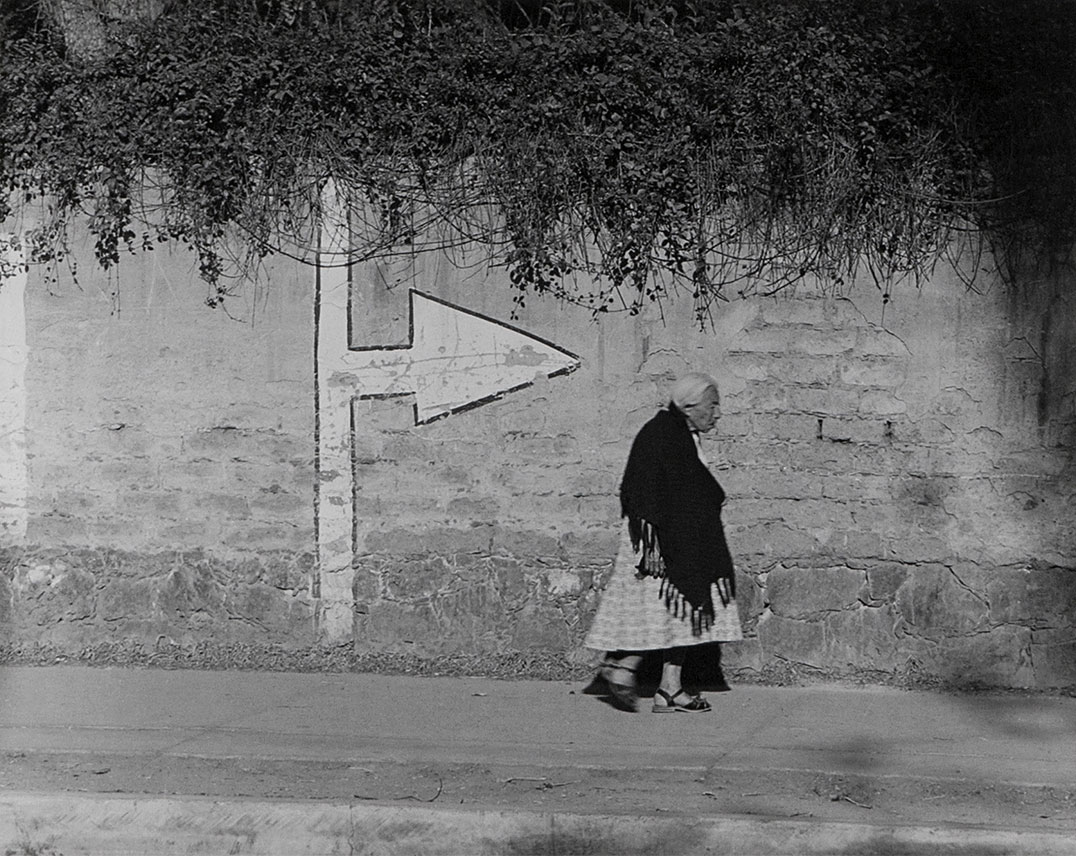
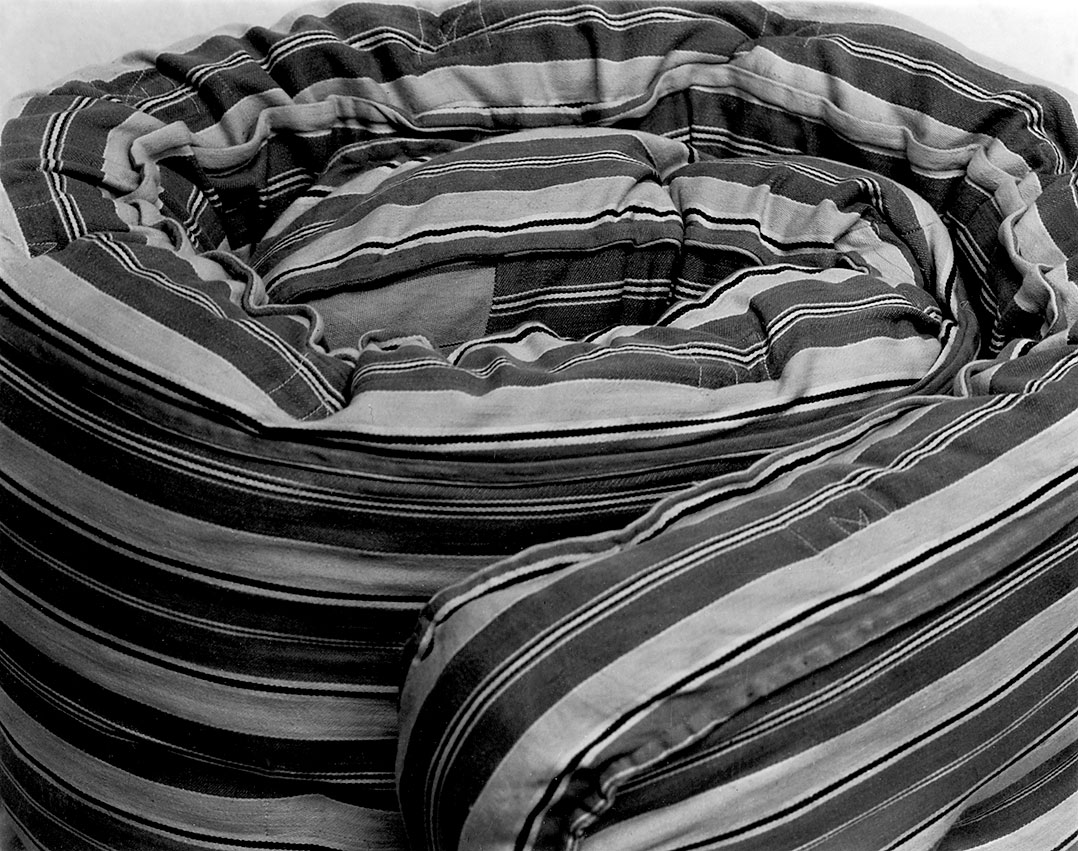
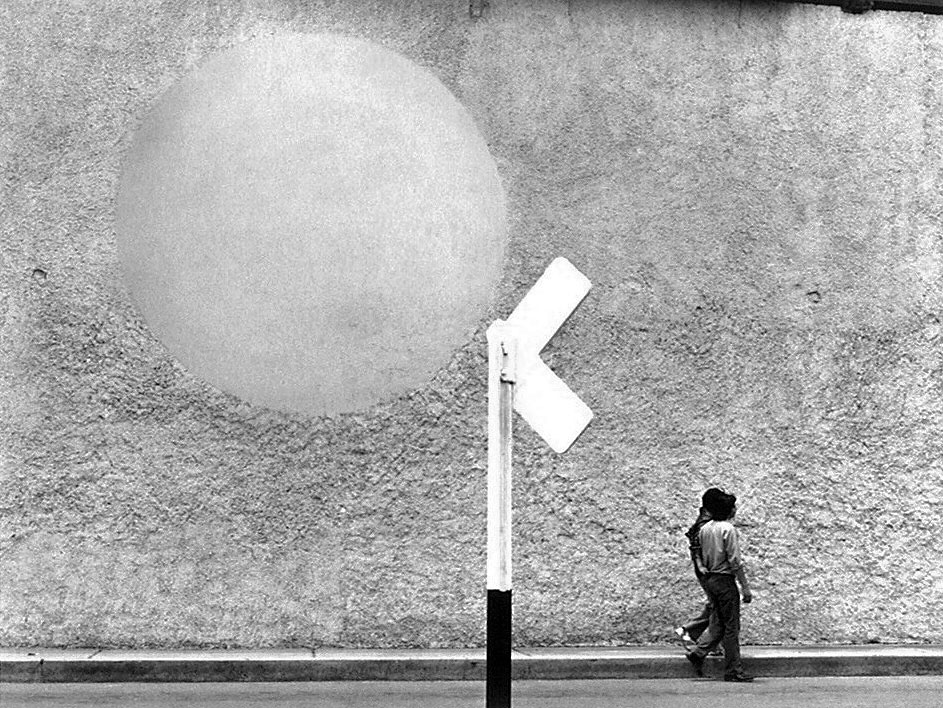
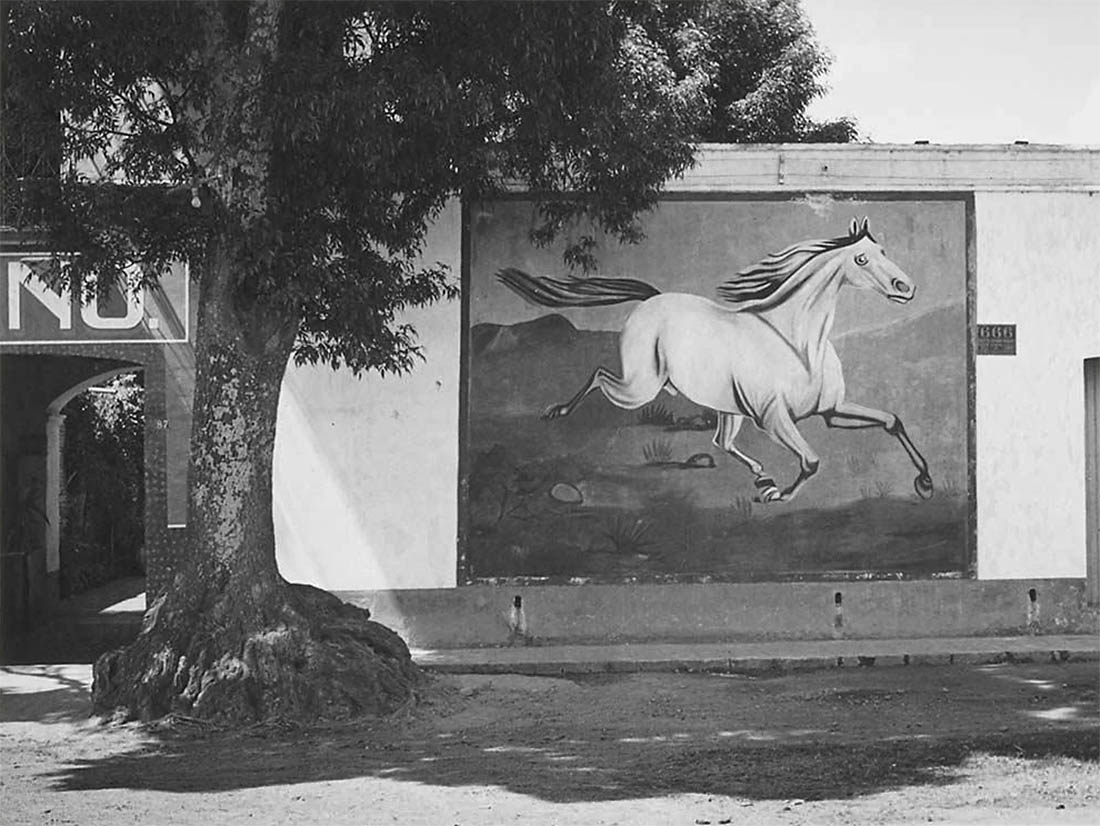
La señal / The Sign 1967 Gelatin silver print
Gift of Patricia and Keith Carter
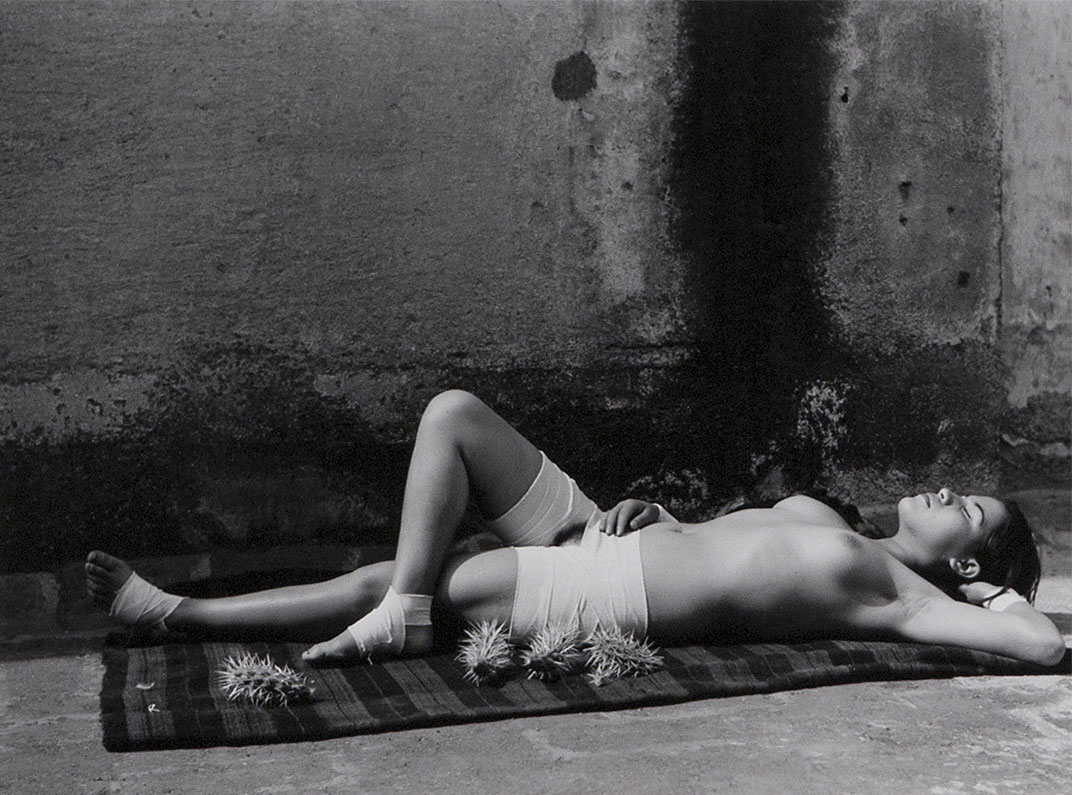
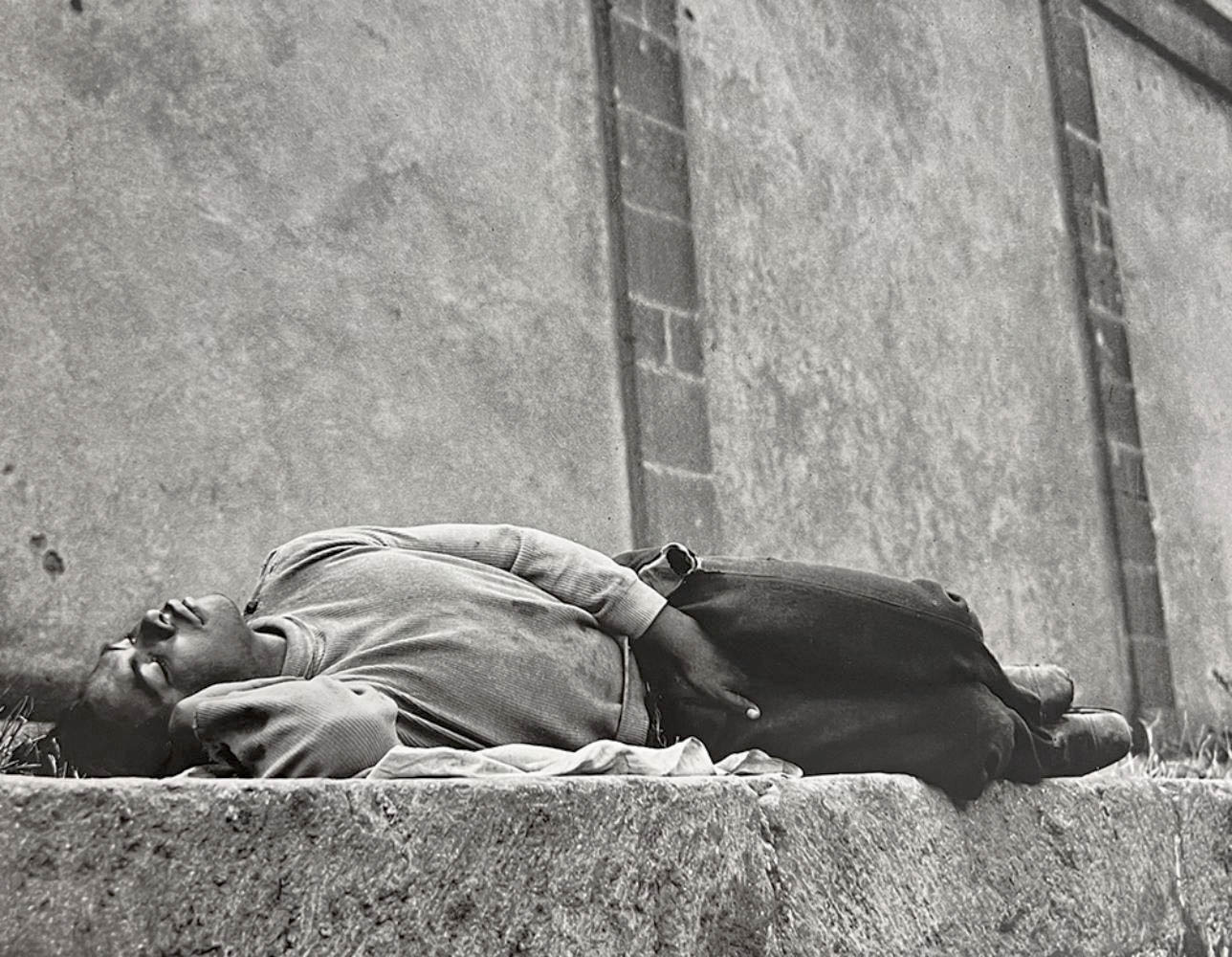
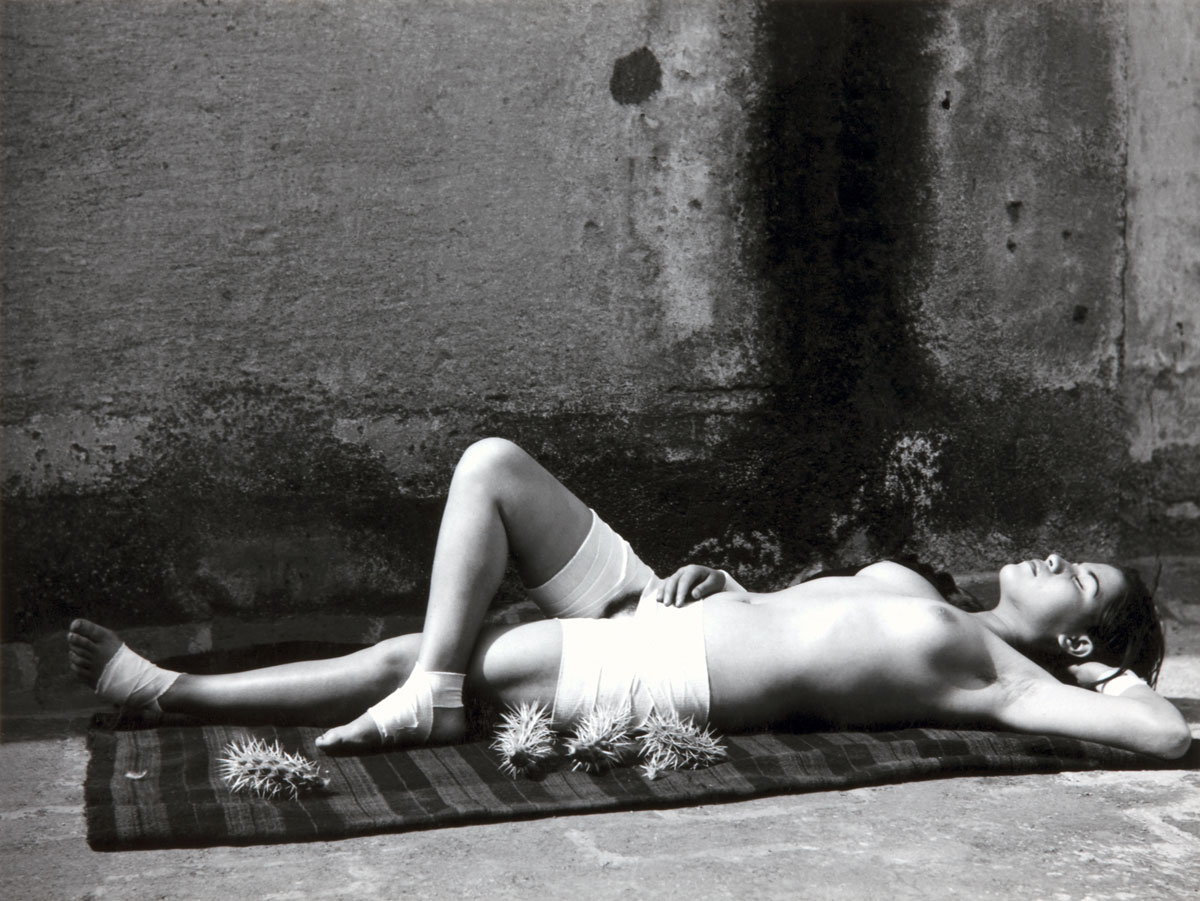
Manuel Álvarez Bravo (Mexican, 1902-2002) La buena fama durmiendo / The Good Reputation Sleeping
1938-1939
Gelatin silver print
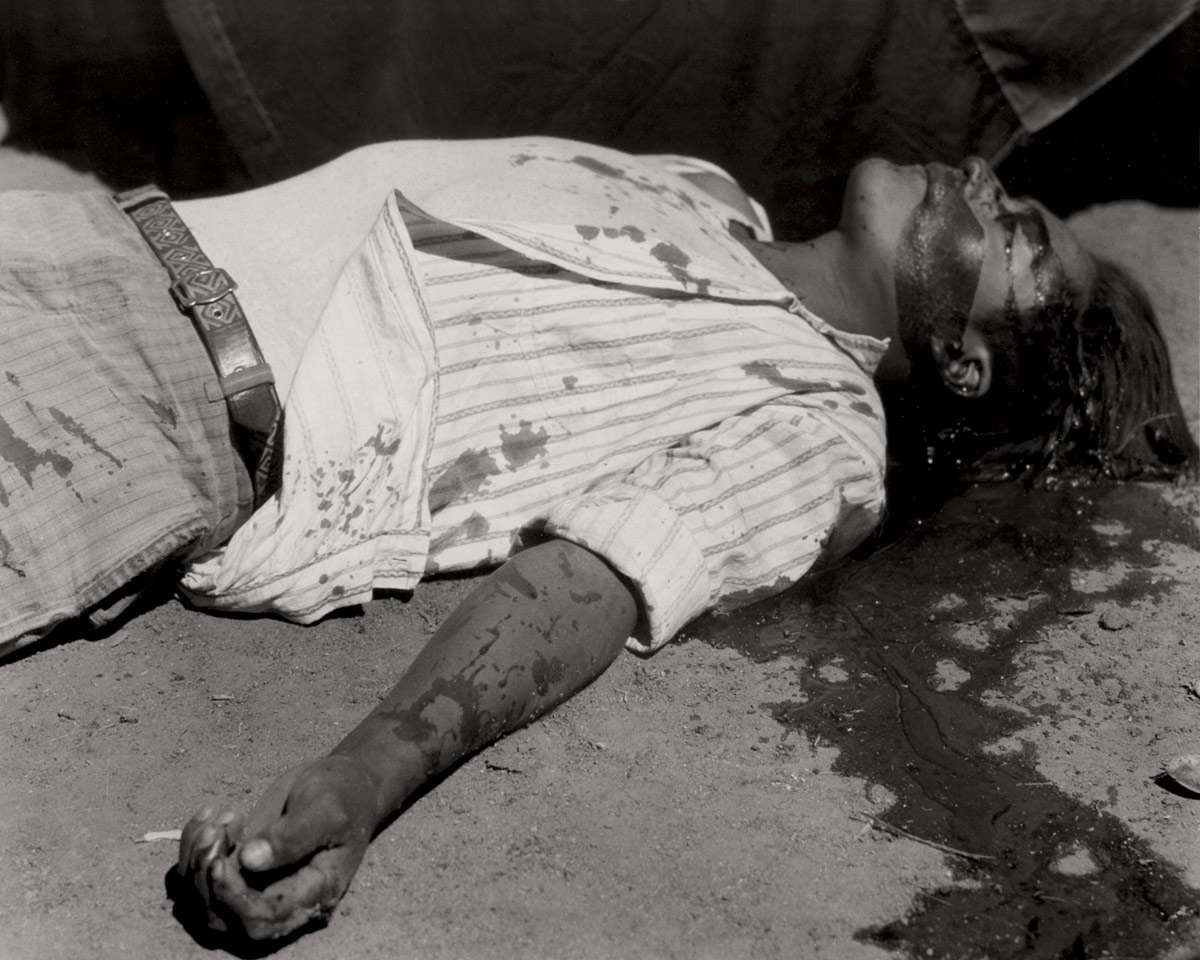
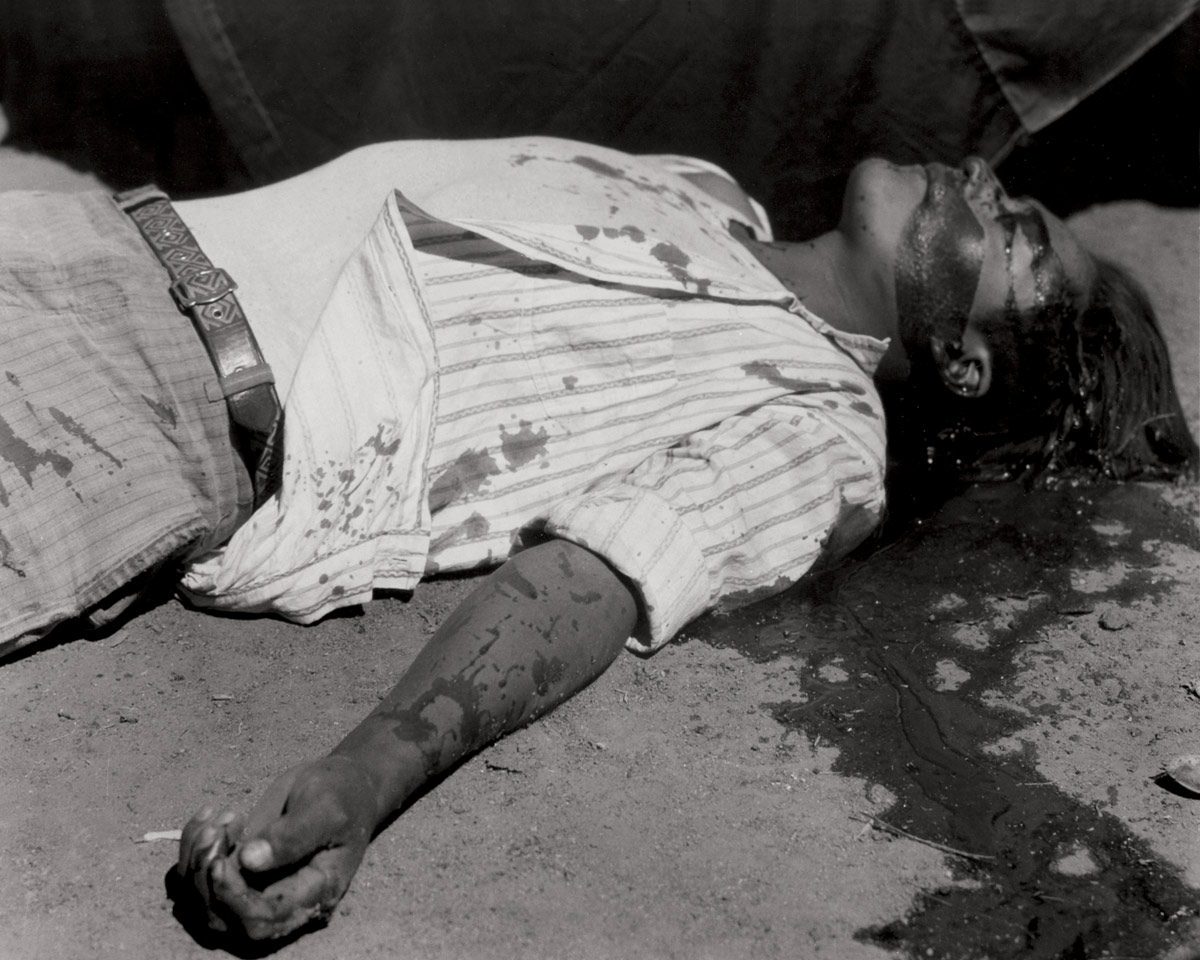
Manuel Álvarez Bravo (Mexican, 1902-2002) Obrero en huelga, asesinado / Striking Worker, Assassinated
1934
Gelatin silver print
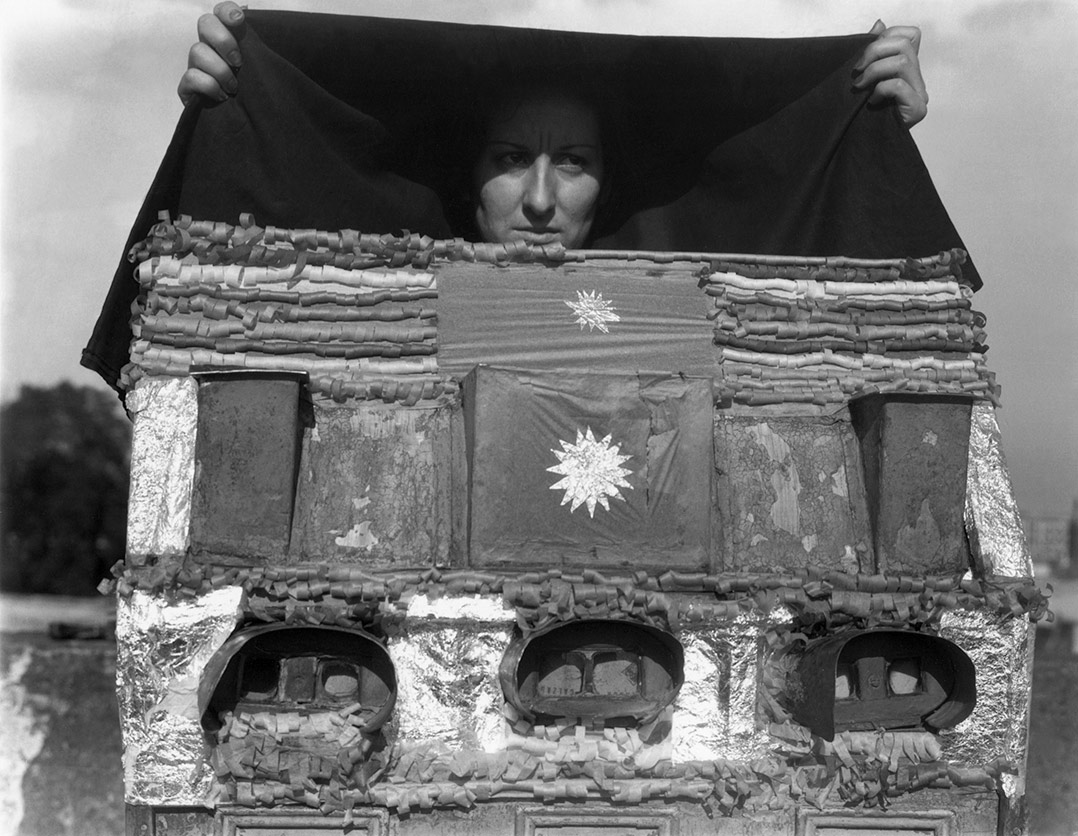
Manuel Álvarez Bravo (Mexican, 1902-2002) Caja de visiones / Box of Visions
1938
Gelatin silver print
One of the founders of modern photography, Manuel Álvarez Bravo (1902-2002) is Mexico’s most accomplished and renowned photographer. His images are masterpieces of post-revolutionary Mexico, composed with avant-garde and surreal aesthetics that resonate with stylised vision. Álvarez Bravo’s signature landscapes, portraits, and nudes translate reality into dream-like moments that have become iconic. “Don Manuel,” as he was called, taught photography at various schools in Mexico City and mentored generations of Mexico’s finest photographers. The Wittliff is proud to present its first-ever solo exhibition of works by this esteemed master – the result of more than 20 years of collecting – more than 50 of Álvarez Bravo’s signed prints. Included among the many famous images are: Bicicletas en domingo / Bicycles on Sunday; Caja de visiones / Box of Visions; El ensueño / The Day Dream; Obrero en huelga asesinado / Striking Worker Murdered; Parábola óptica / Optical Parable; and Retrato de lo eterno / Portrait of the Eternal.
Born in 1902 in Mexico City into a family that supported the arts, Manuel Álvarez Bravo learned photography largely on his own but was encouraged by other well-known photographers, including Hugo Brehme, Tina Modotti, and Edward Weston, as well as the French surrealist writer André Breton. Álvarez Bravo’s art – which matured into a transcendence of culture, time, and place – was inspired by the times, during post-Revolutionary Mexico when Mexico City flourished as one of the major creative and intellectual centers of the world. In 1955, Edward Steichen included his work in the landmark exhibition The Family of Man for the New York Museum of Modern Art (MoMA). Álvarez Bravo’s imagery has been featured in over 150 solo exhibitions, and he garnered many honours throughout his career.
The interests of “Don Manuel,” as he was called, went beyond his own photographic work, and his influence was far-reaching. He co-founded the Mexican Foundation for Publishing in the Plastic Arts devoted to books about Mexican art, planned the Mexican Museum of Photography in Mexico City, and mentored and befriended a great many younger, emerging photographers and artists in Mexico. He died at the age of 100 in October 2002. On view in addition to the Álvarez Bravo photographs are portraits of him by Graciela Iturbide, Rodrigo Moya, and Bill Wittliff. The poem Facing Time, an ode to Álvarez Bravo’s work by Nobel Laureate Octavio Paz, is featured among other supplementary materials. Paz, a collaborator and friend of Álvarez Bravo’s, describes the photographer’s vision as “the arrow of the eye / dead center / in the target of the moment.
Text from The Wittliff Collections website
Manuel Álvarez Bravo (Mexican, 1902-2002) Retrato de lo Eterno / Portrait of the Eternal 1977
Gelatin silver print
Manuel Álvarez Bravo (Mexican, 1902-2002) En el templo del tigre rojo / In the Temple of the Red Tiger
1949
Gelatin silver print
Manuel Álvarez Bravo (Mexican, 1902-2002)
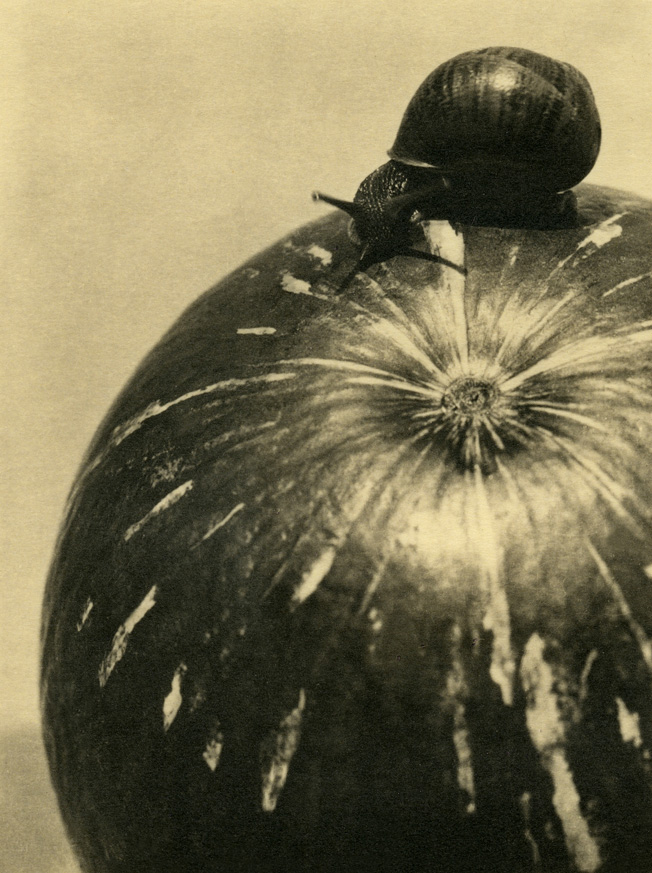
Calabaza y caracol / Squash and Snail
1928, printed 1980
Platinum print
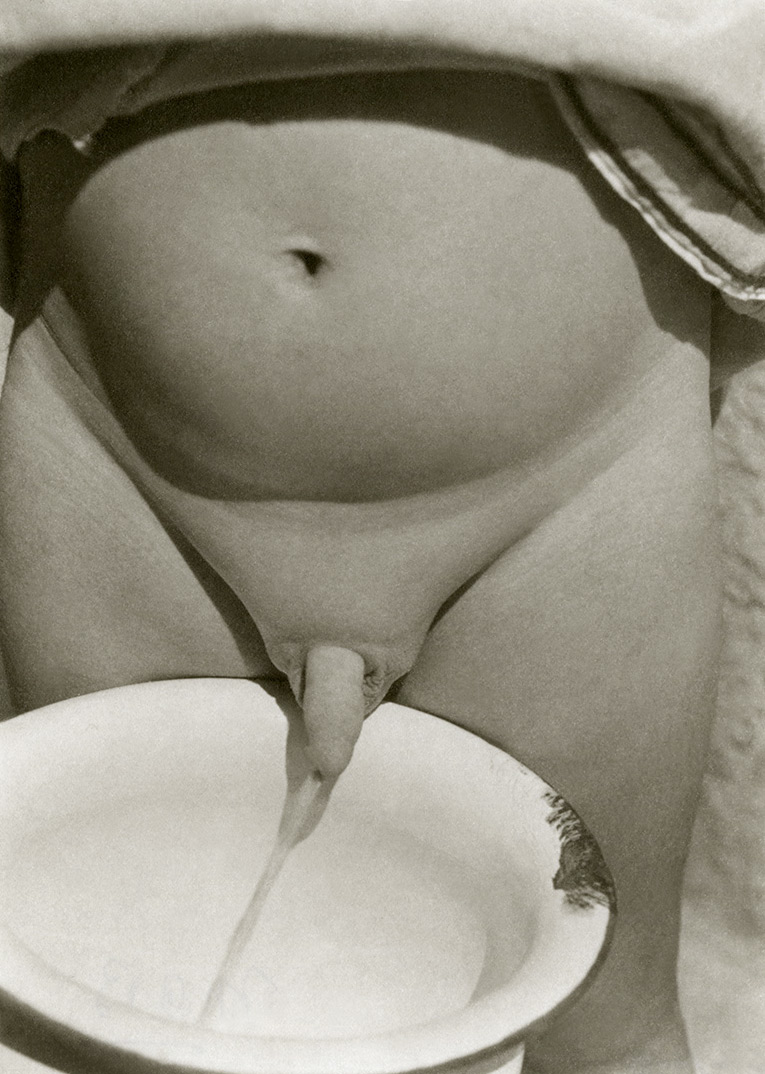
Manuel Álvarez Bravo (Mexican, 1902-2002) Nino Orinando
1927
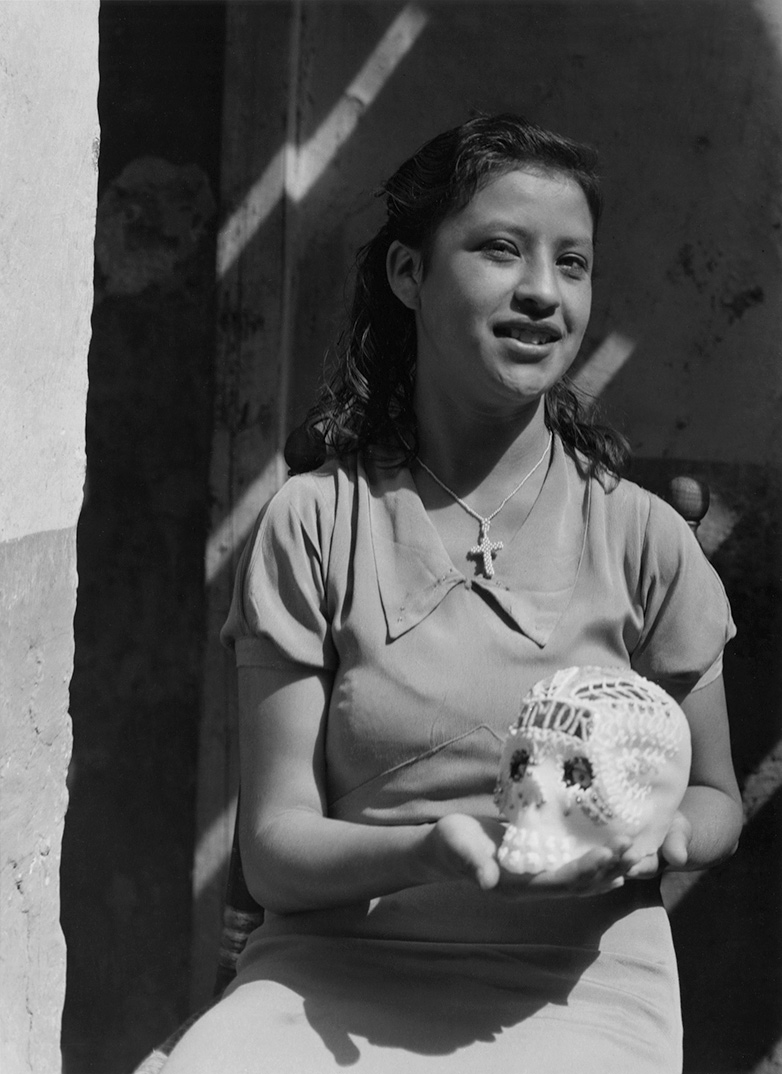
Manuel Álvarez Bravo (Mexican, 1902-2002) Día de todos muertos / Day of the Dead
1933
Gelatin silver print
Courtesy of Bill and Sally Wittliff
Manuel Álvarez Bravo (Mexican, 1902-2002)
Las lavanderas sobreentendidas / The Washerwomen Implied 1932 Gelatin silver print
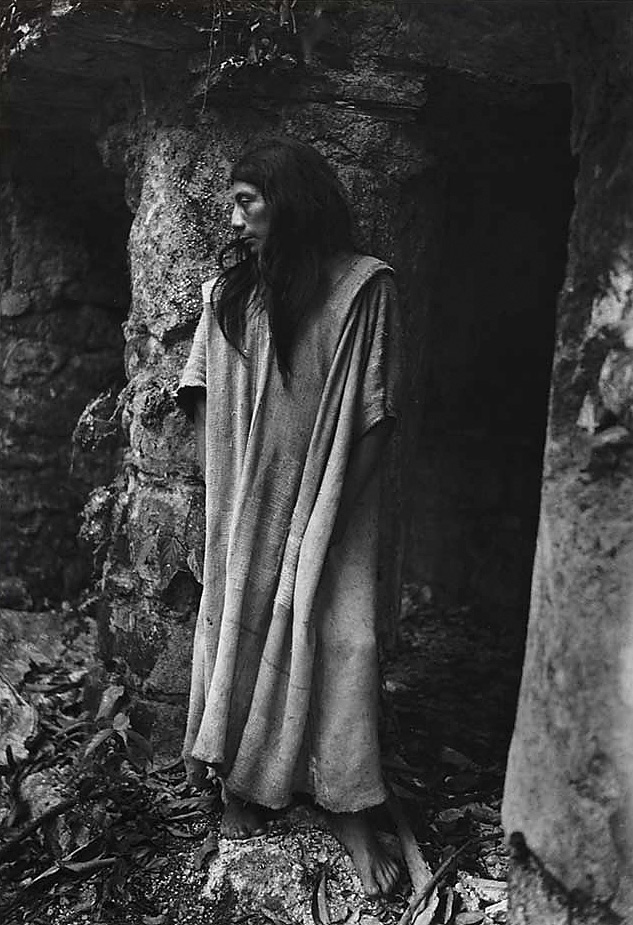
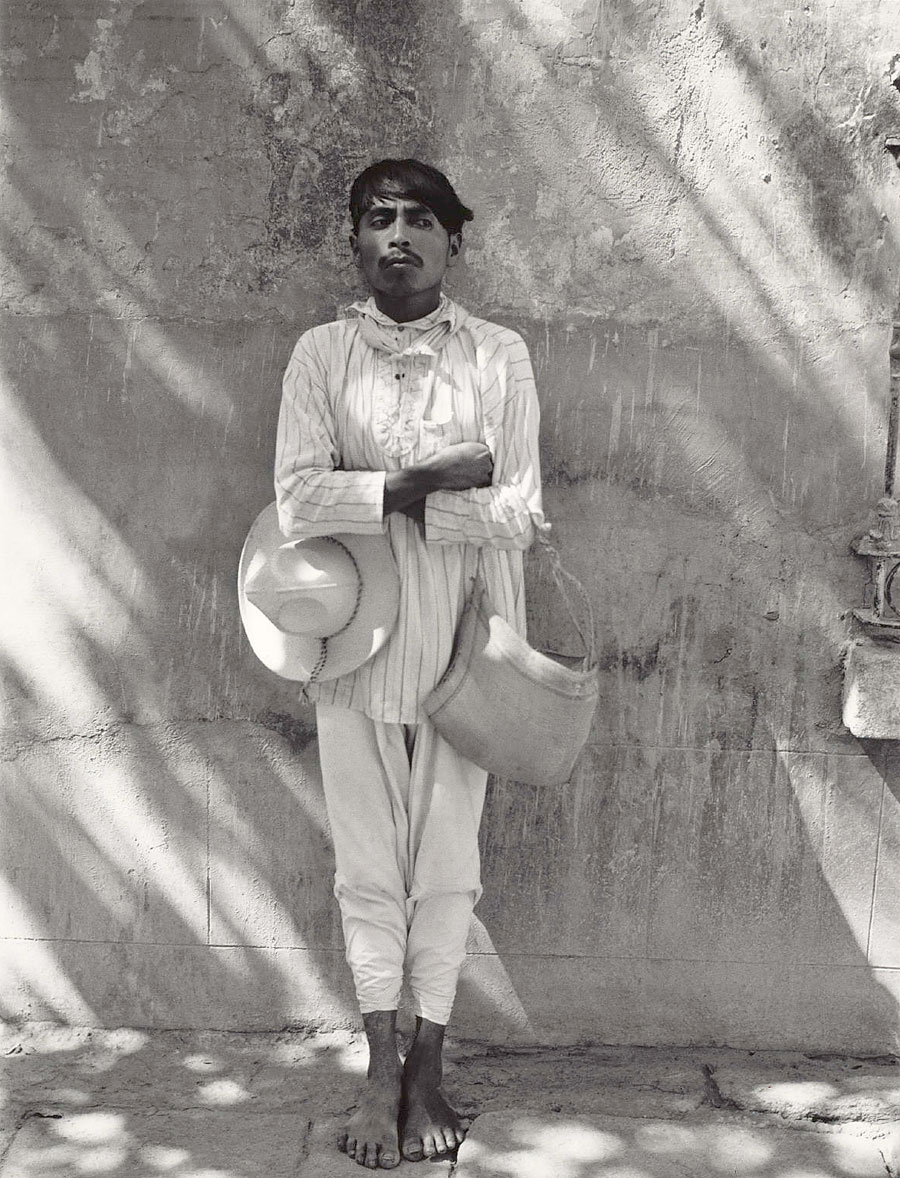
Manuel Álvarez Bravo (Mexican, 1902-2002) Señor de Papantla / Man from Papantla 1934
Gelatin silver print
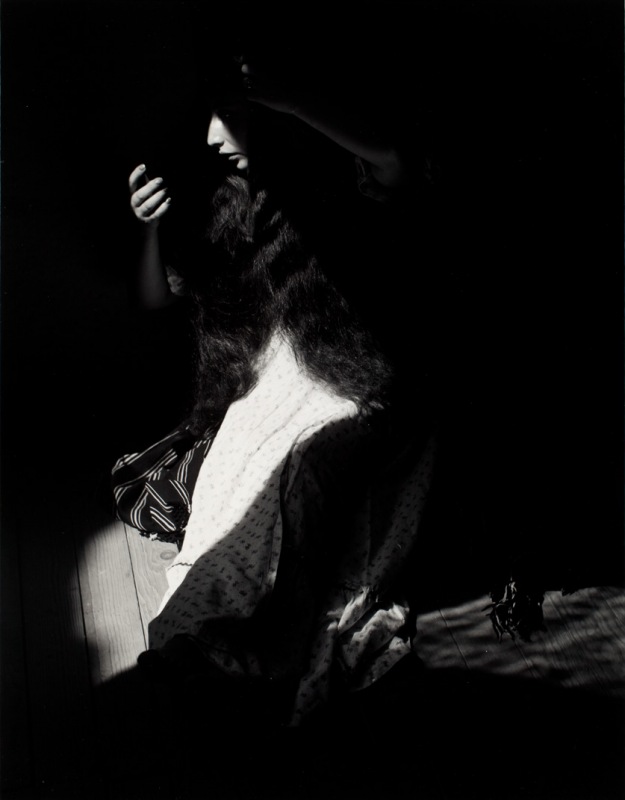
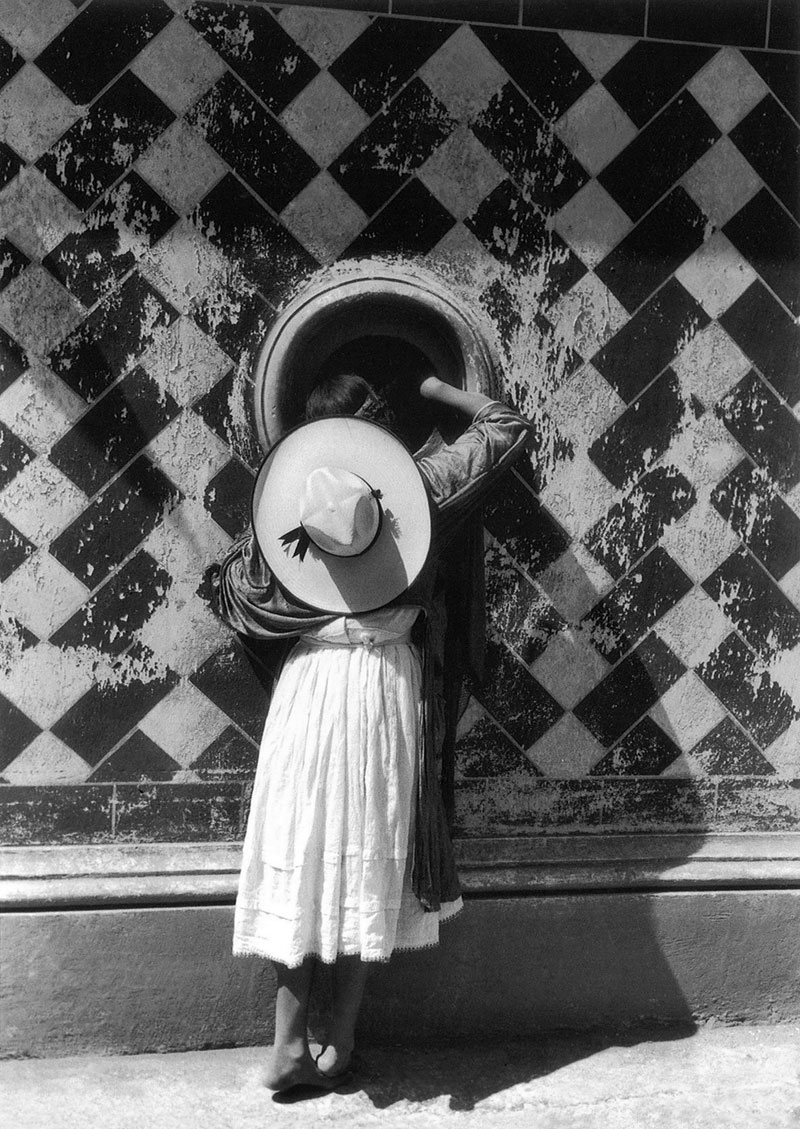
What a dazzling, sensual (sur)realist Manuel Álvarez Bravo was, one of my favourite photographers of all time. What an eye, what an artist! The beauty of some of his images simply takes my breath away – such as The daughter of the dancers (La hija de los danzantes / La Fille des danseurs) (1933, below). Álvarez Bravo was one of a triumvirate of photographers that greatly influenced me when I started to study photography, along with Eugene Atget and Minor White. I feel a special affinity to him as we share the same initials.
The posting also includes two colour photographs, the first I have ever seen of Manuel Álvarez Bravo. Unfortunately the quality of some of the media photographs was again incredibly poor and I had to spend an inordinate amount of time repairing damage to the scans in order to bring them to you in this posting. Enjoy.
Many thankx to the Jeu de Paume, Paris for allowing me to publish the photographs in the posting. Please click on the photographs for a larger version of the image.
Manuel Álvarez Bravo au Jeu de Paume
Developed over eight decades, the photographic work of Manuel Álvarez Bravo (Mexico City, 1902-2002) constitutes an essential milestone in 20th-century Mexican culture. Both strange and fascinating, his photography has often been perceived as the imaginary product of an exotic country, or as an eccentric drift of the surrealist avant-garde.
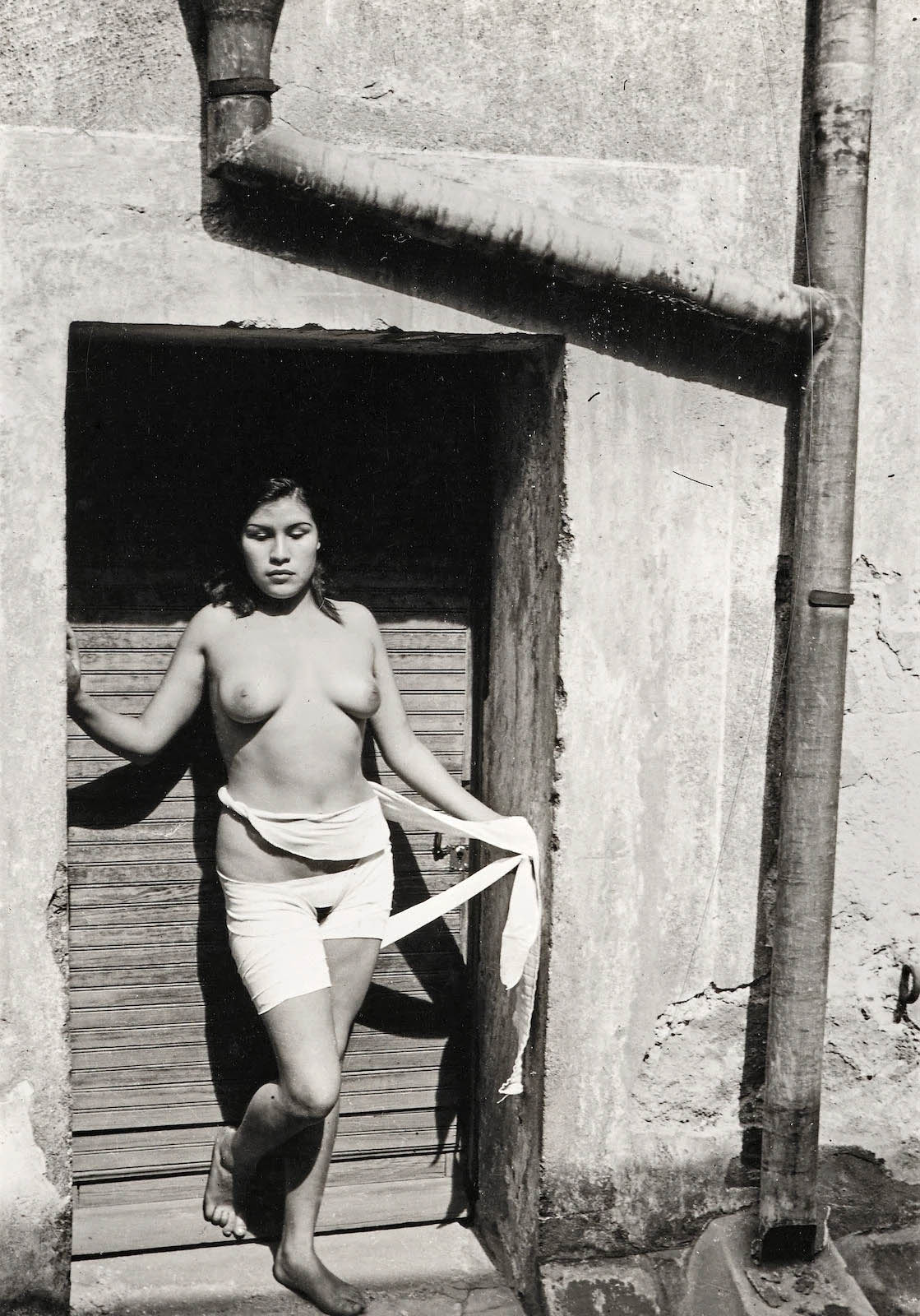
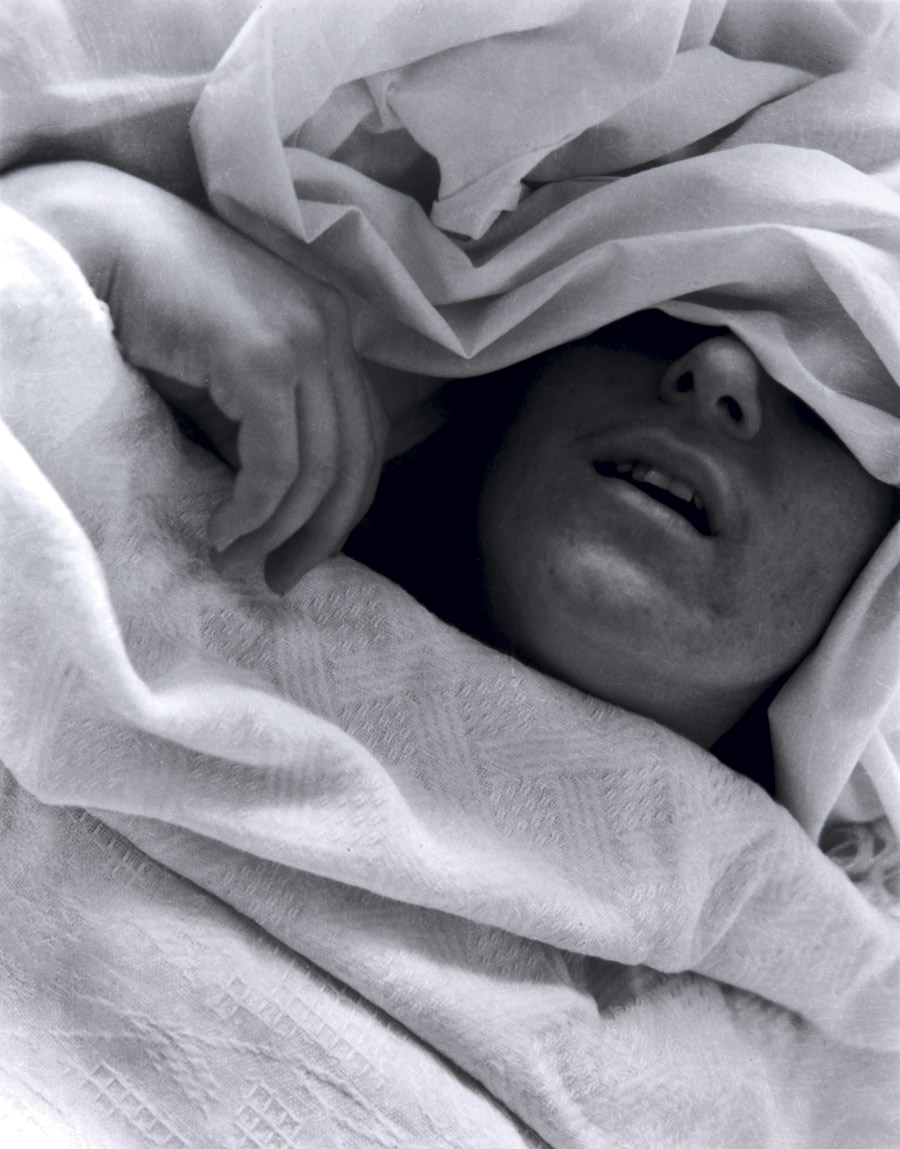
“When will we have sleeping logicians, sleeping philosophers? I would like to sleep, in order to surrender myself to the dreamers….,” wrote André Breton in the first Surrealist manifesto of 1924. Alvarez Bravo, a compatriot of Breton and the Surrealists in Mexico City during the 1920s and ’30s (although he was not an official member of the movement), made photographs that consistently seem to conjure Breton’s wish. His deep appreciation for the folklore and popular history of his native country-in which common objects were often imbued with a mystical symbolism of life and death and daily situations could easily assume political significance-produced moving images that seem to bask in sensuality while maintaining a connection to the intellectual process of metaphor. In this photograph, these seemingly paradoxical elements are solidly in evidence. Alvarez Bravo wrote of it: “There at number 20 Calle de Guatemala, I saw many things that marked me forever. I walked a lot through the adjoining streets; I especially liked to watch the customs porters in Santiago Tlatelolco station, who after work would fall asleep exhausted on the sidewalk. I felt great compassion for them. … I am happy to have lived in those streets. There everything was food for my camera, everything had an inherent social content; in life everything has social content.” His ability to render in this image Mexican life’s visceral confluence of pleasure, exhaustion, vulnerability, and reverie at the intersection of everyday life and the world of dreams is exceptional.
Getting away from the stereotypes about exotic Surrealism and the folkloric vision of Mexican culture, this exhibition of work by Manuel Álvarez Bravo at Jeu de Paume offers a boldly contemporary view of this Mexican photographer.
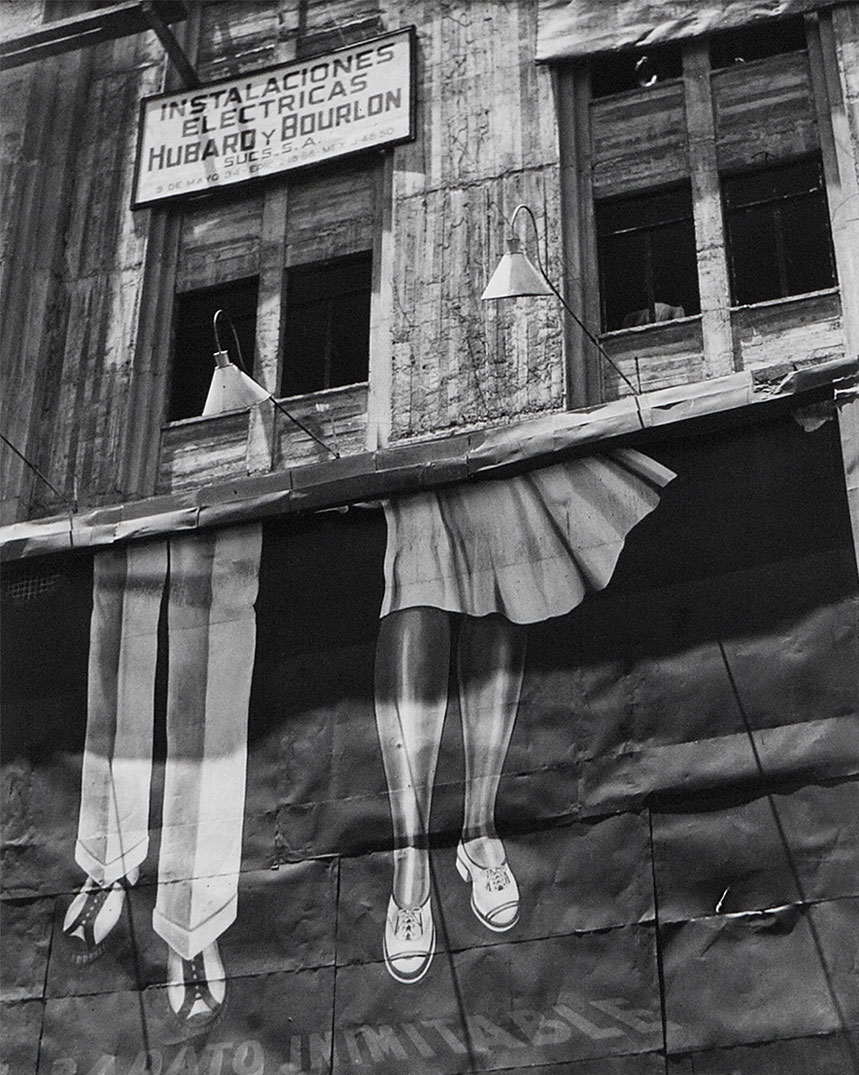
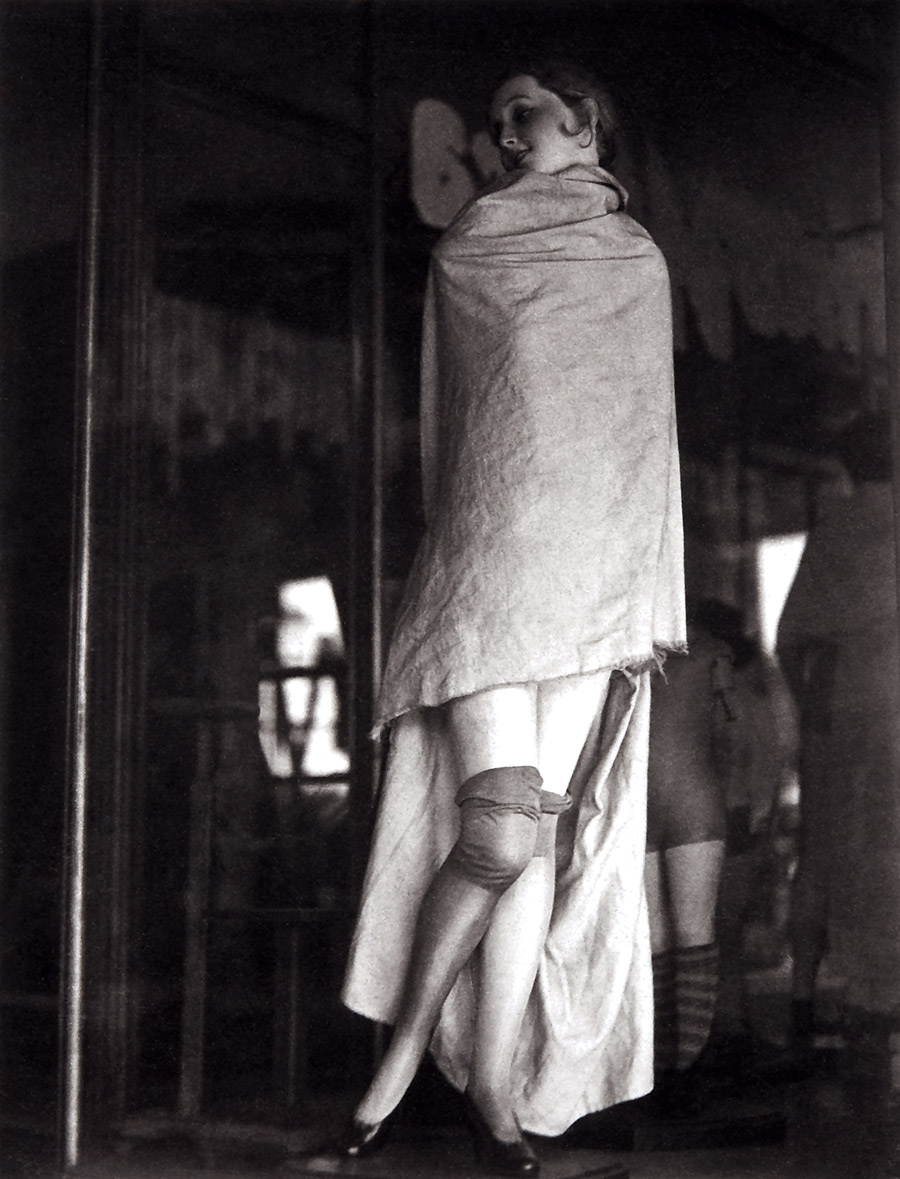
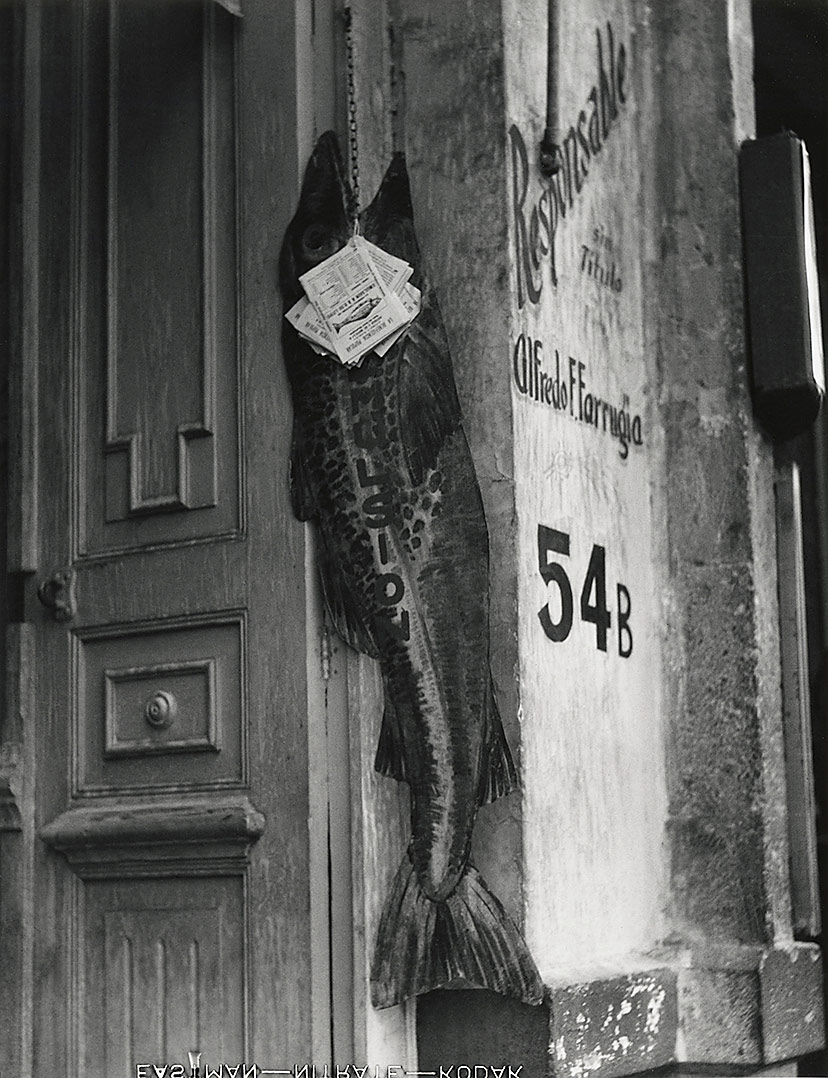
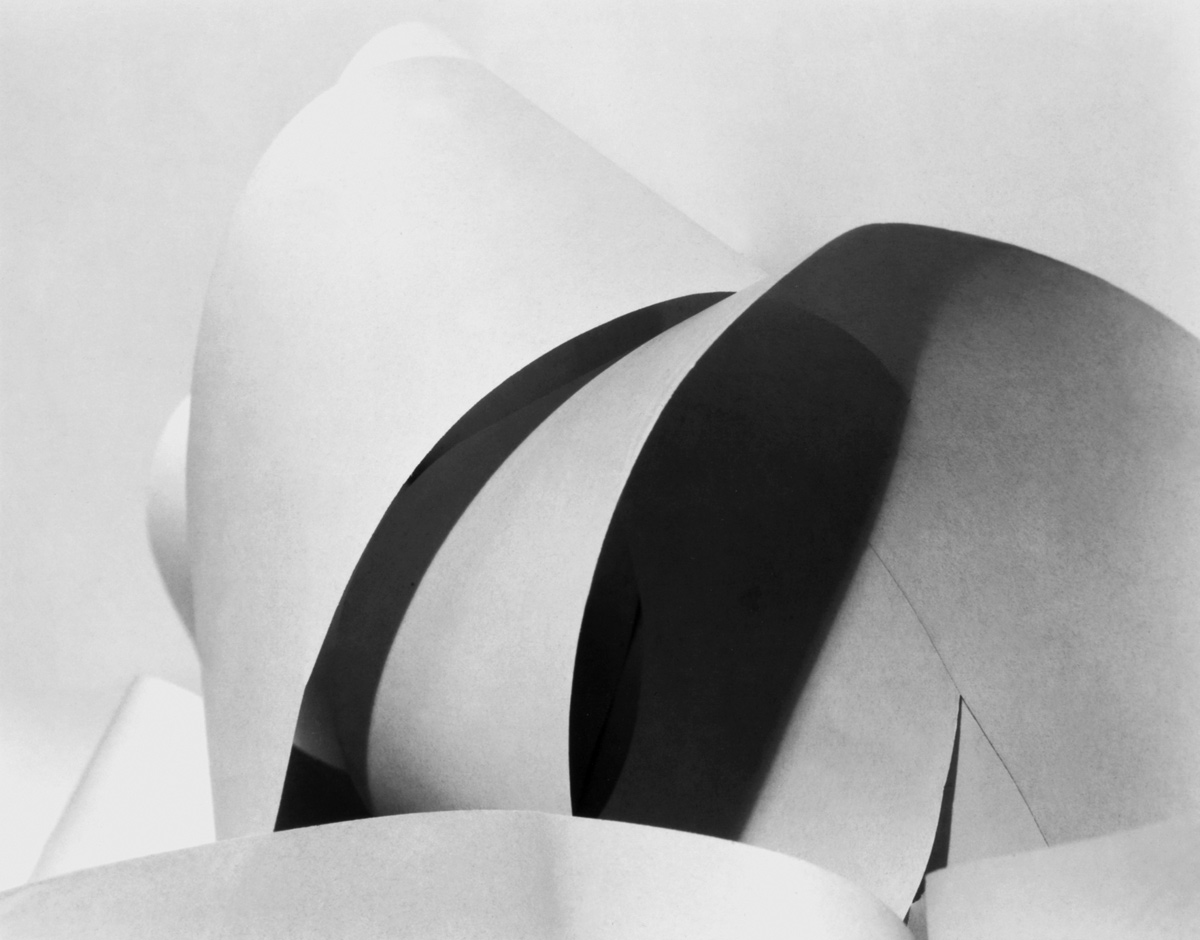
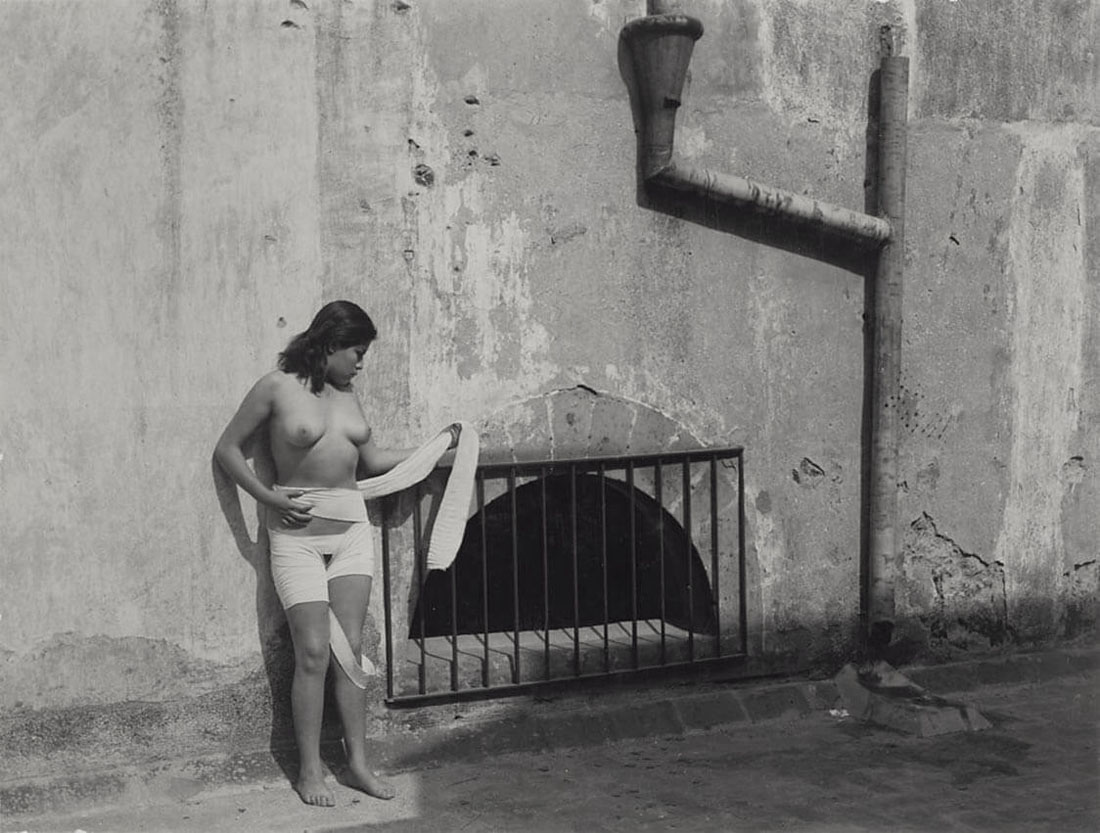
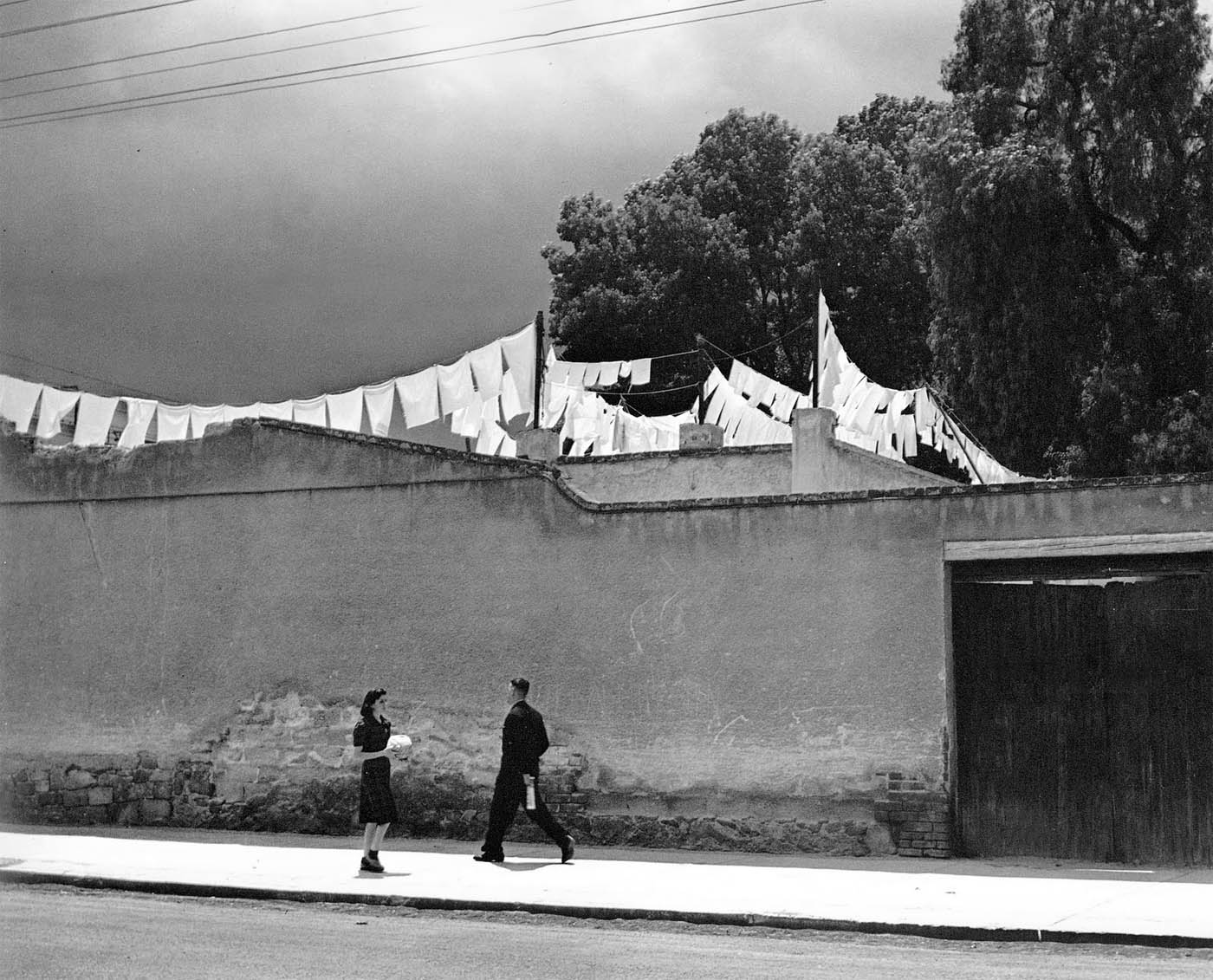
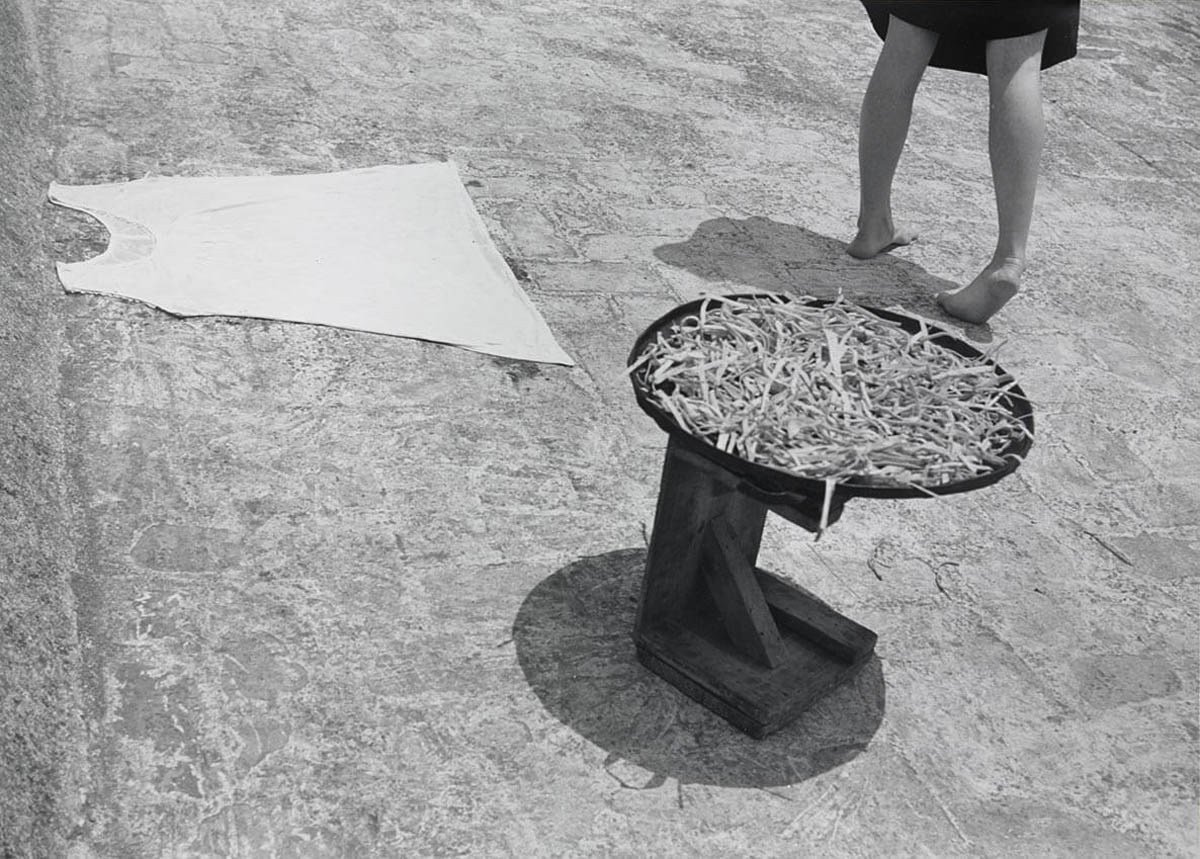
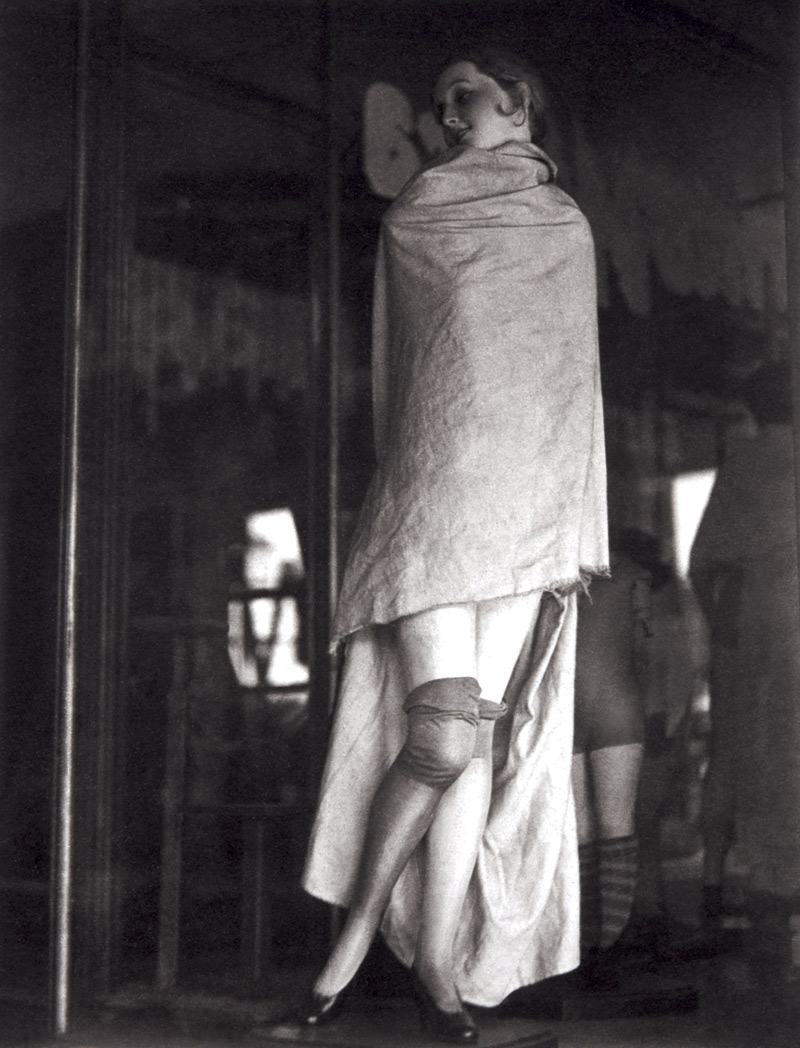
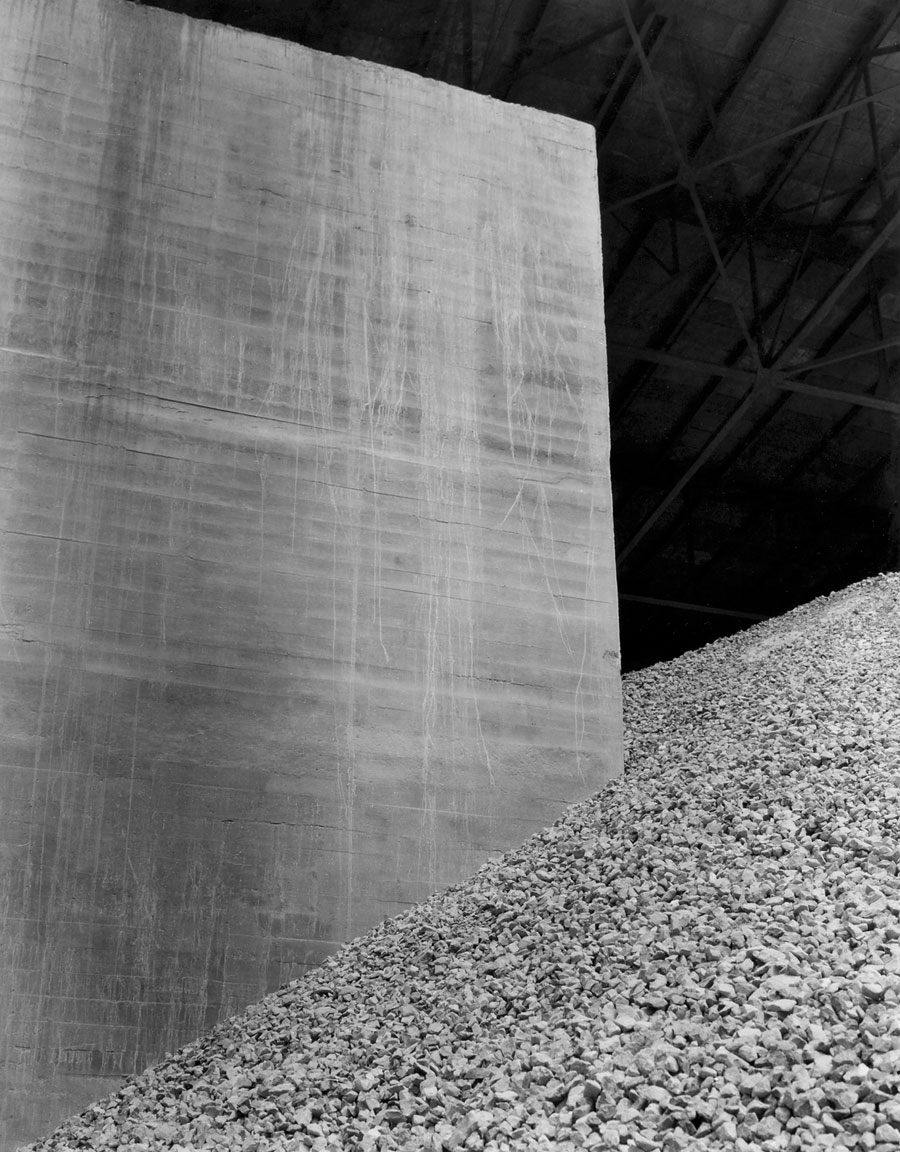
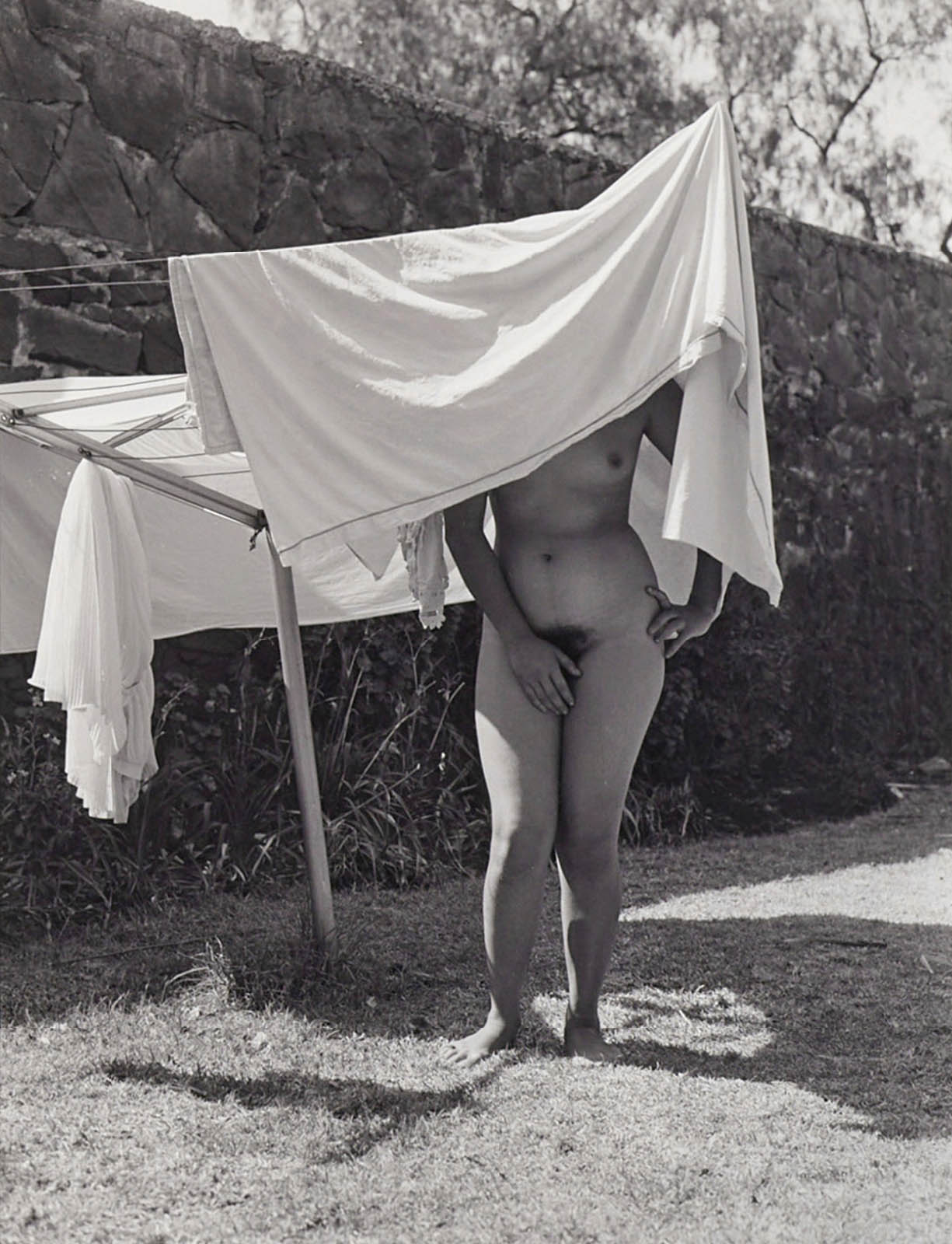
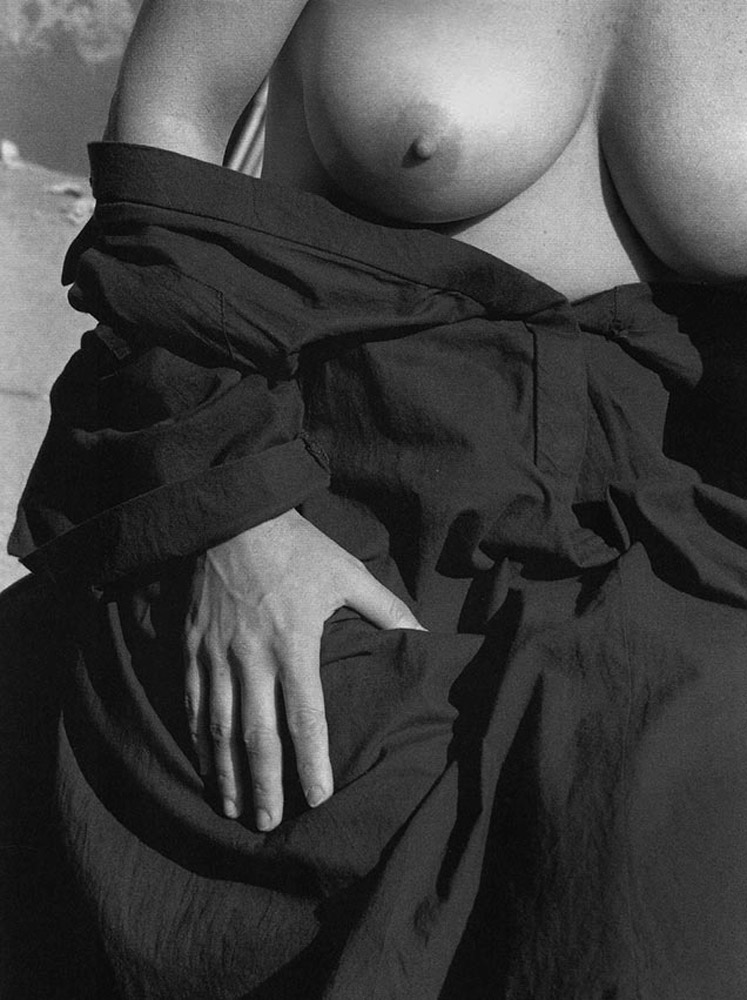
The photographic work done by Manuel Álvarez Bravo (Mexico City, 1902-2002) over his eight decades of activity represent an essential contribution to Mexican culture in the 20th century. His strange and fascinating images have often been seen as the product of an exotic imagination or an eccentric version of the Surrealist avant-garde. This exhibition will go beyond such readings. While not denying the links with Surrealism and the clichés relating to Mexican culture, the selection of 150 photographs is designed to bring out a specific set of iconographic themes running through Álvarez Bravo’s practice: reflections and trompe-l’œil effects in the big city; prone bodies reduced to simple masses; volumes of fabric affording glimpses of bodies; minimalist, geometrically harmonious settings; ambiguous objects, etc.
The exhibition thus takes a fresh look at the work, without reducing it to a set of emblematic images and the stereotyped interpretations that go with them. This approach brings out little-known aspects of his art that turn out to be remarkably topical and immediate. Images become symbols, words turn into images, objects act as signs and reflections become objects: these recurring phenomena are like visual syllables repeated all through his œuvre, from the late 1920s to the early 1980s. They give his images a structure and intentional quality that goes well beyond the fortuitous encounter with the raw magical realism of the Mexican scene. Indeed, Álvarez Bravo’s work constitutes an autonomous and coherent poetic discourse in its own right, one that he patiently built up over the years. For it is indeed time that bestows unity on the imaginary fabric of Álvarez Bravo’s photographs. Behind these disturbing and poetic images, which are like hieroglyphs, there is a cinematic intention which explains their formal quality and also their sequential nature. Arguably, Álvarez Bravo’s photographs could be viewed as images from a film. The exhibition explores this hypothesis by juxtaposing some of his most famous pictures with short experimental films made in the 1960s, taken from the family archives. The show also features some late, highly cinematic images, and a selection of colour prints and Polaroids. By revealing the photographer’s experiments, this presentation shows how the poetic quality of Álvarez Bravo’s images is grounded in a constant concern with modernity and language. Subject to semantic ambiguity, but underpinned by a strong visual syntax, his photography is a unique synthesis of Mexican localism and the modernist project, and shows how modernism was a multifaceted phenomenon, constructed around a plurality of visions, poetics and cultural backgrounds, and not built on one central practice.
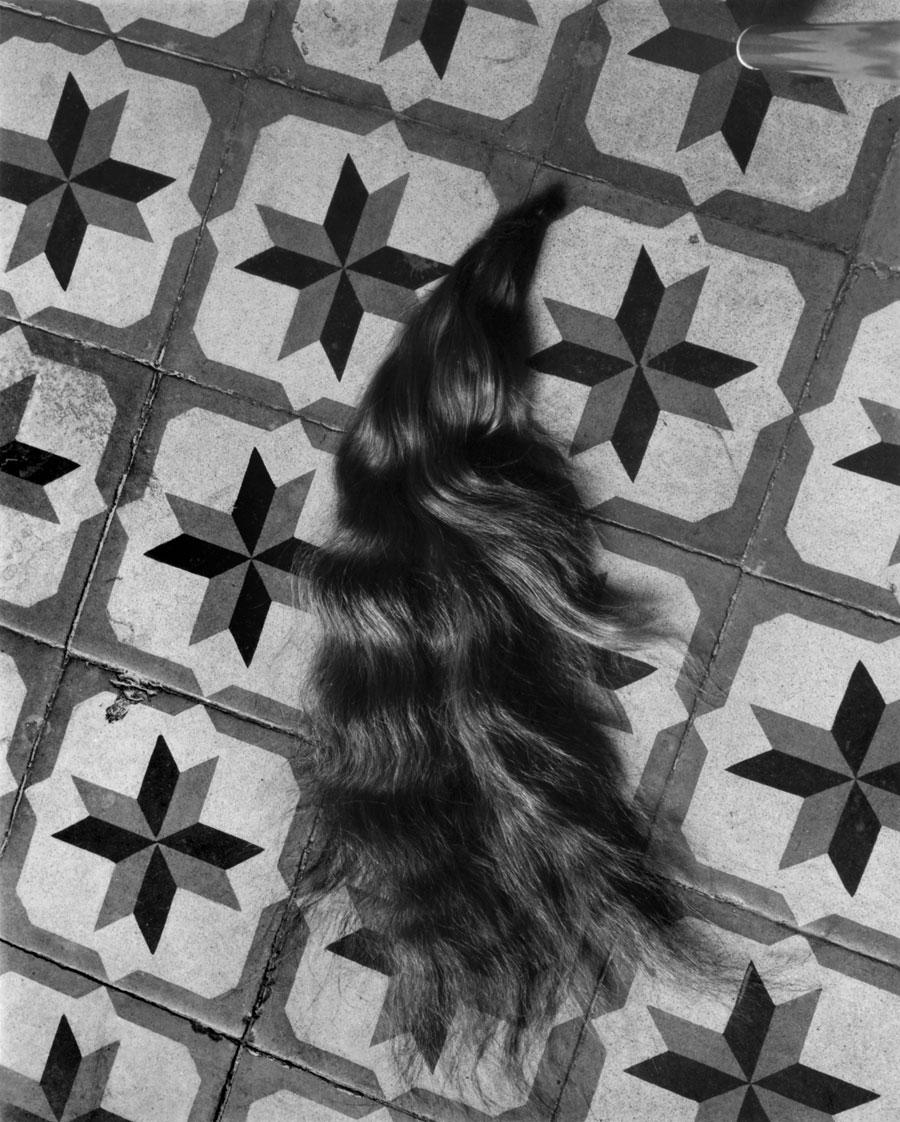
Manuel Alvarez Bravo’s photograph of a long lock of wavy hair lying on a geometrically patterned floor juxtaposes texture and materials, dreams and taboos, and invokes questions about the drama taking place outside the photograph. Was this hair placed on the floor intentionally, or did it fall accidentally? The natural presumption is that the hair belonged to a woman, but could it have belonged to a man? Stripped of a luxurious mane, so symbolic of power and passion, is its one-time “owner” now weak and indifferent? This complex image has led one writer to assert that “in theme and form, the photograph is divided between the hint of seduction and that of punishment.”




 Art Blart _ art and cultural memory archive
You must be logged in to post a comment.