Exhibition: ‘A World Apart: Photographing Change in London’s East End 1970-76’ at Four Corners, London

Exhibition dates: 24th October – 6th December, 2025
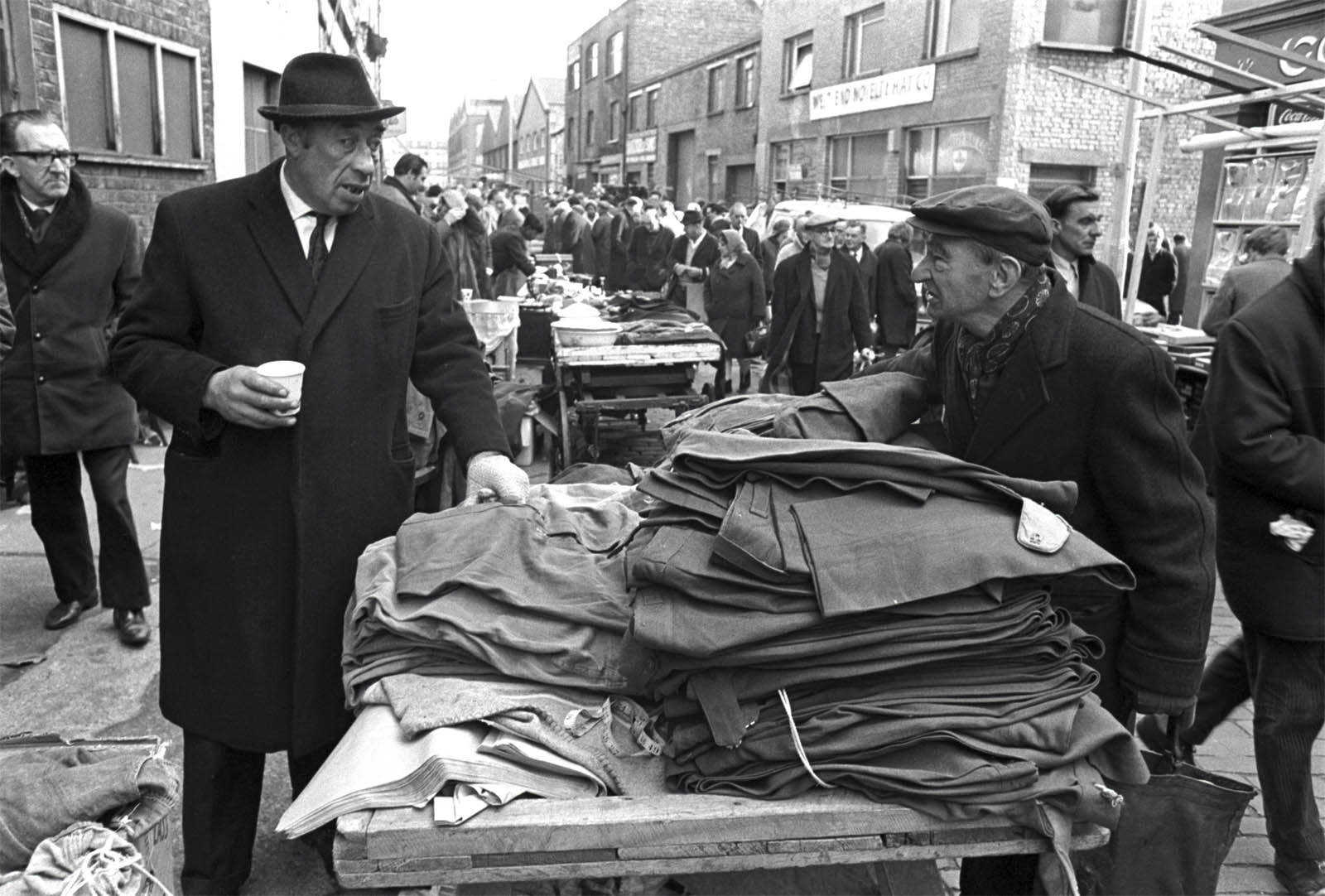


Val Perrin (English) 'Brick Lane market' 1970 or 1972 from the exhibition 'A World Apart: Photographing change in London's East End 1970-76' at Four Corners, Oct - Dec, 2025


Val Perrin (English)
Brick Lane market
1970 or 1972
Gelatin silver print
© Val Perrin


The heroes of this posting (I don’t know about the exhibition for I haven’t seen it!) are the photographs of Ron McCormick (English, b. 1947) which are deeply rooted in the traditions of photography and the community from which they emanate.

They picture an era of change in the East End of London in the 1970s with all the working class grittiness that area was renowned for. I remember going to Brick Lane market in the mid-1970s and it was a rough area. At that time, the East Enders seemed to be a throw back to a vanishing race born out of the Second World War: flat hats, heavy overcoats and a toughness to just carry on regardless. But things were changing.

“As the docks closed, and wholesale slum clearance replaced old neighbourhoods, many communities were being transformed beyond recognition… Yet a different East End was also coming into being, as new migrant communities created a space for themselves,” one that has become equally as British as previous white iterations. The narrow definition of an “East Ender” was gradually replaced with something more multicultural.

McCormick’s photographs picture such a transformation: Jewish, White, Muslim, Indian, Black, etc., all mixing together in a potpourri of ethnicities, “a vibrant cultural landscape with a variety of traditions, languages, and backgrounds existing together,” while his photographs are rooted in strong social documentary traditions.

In his work I can feel (the critical observation) the influence of Lewis Hine and Walker Evans, more recently that of Lisette Model and the interior photographs of Diane Arbus, Roman Vishniac’s photographs of Jewish life in Eastern Europe between the two World Wars, possibly even the contemporaneous portraits by Milton Rogovin.

Undoubtedly this blending of influences in his photographs ultimately reveals McCormick’s insightful eye and generous spirit: his love for the people he is photographing and his embeddedness in local social networks, deeply influenced by the social and cultural environment from which they emerge – a community in a time of rapid transition and social change.

Dr Marcus Bunyan


Many thankx to Four Corners for allowing me to publish the photographs in the posting. Please click on the photographs for a larger version of the image.
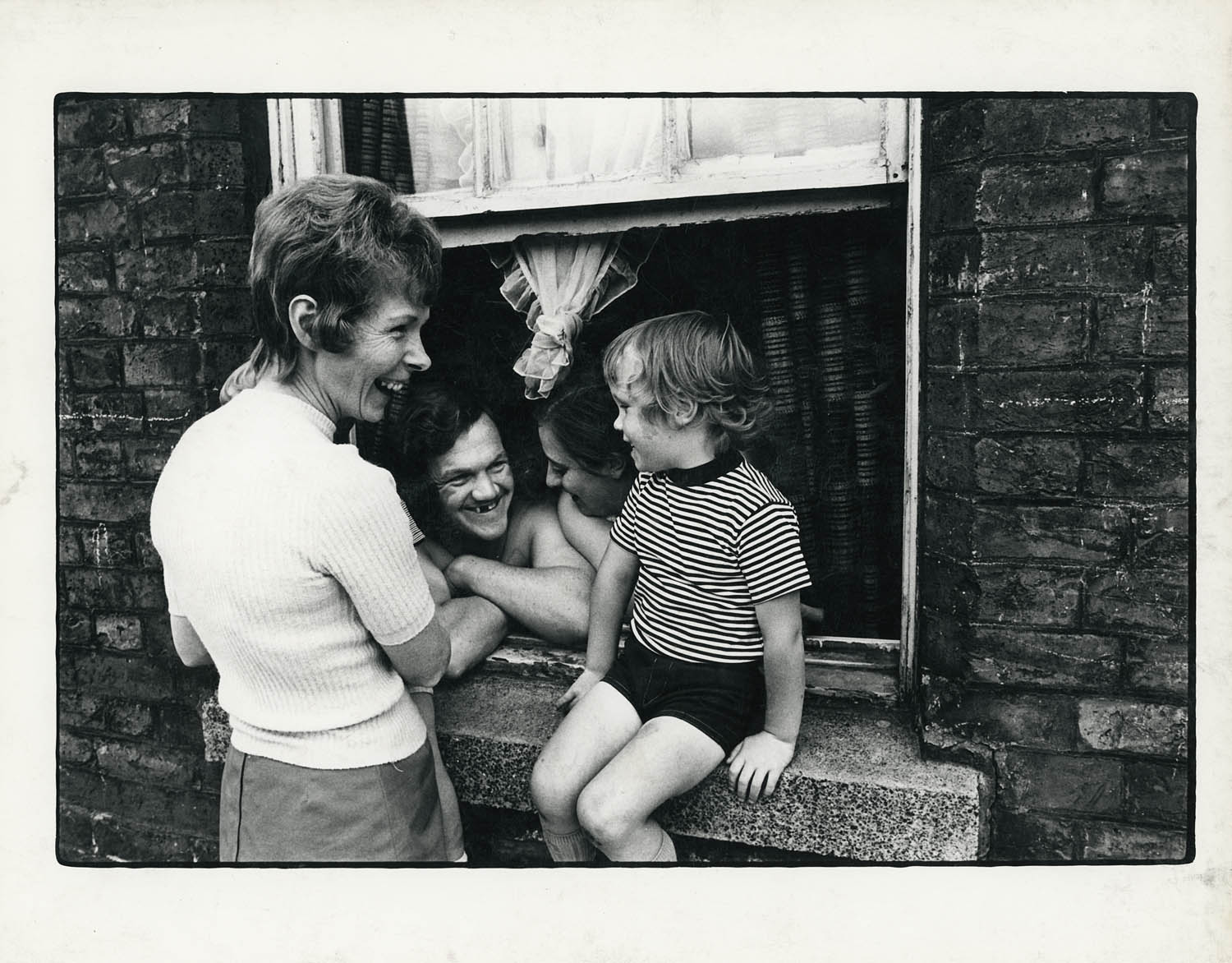


Paul Trevor (English, b. 1947) 'Wapping family at window' 1973 from the exhibition 'A World Apart: Photographing change in London's East End 1970-76' at Four Corners, Oct - Dec, 2025


Paul Trevor (English, b. 1947)
Wapping family at window
1973
Gelatin silver print
© Paul Trevor


Paul Trevor (English, b. 1947) 'Mr and Mrs Kelleher in members pub' 1973


Paul Trevor (English, b. 1947)
Mr and Mrs Kelleher in members pub
1973
Gelatin silver print
© Paul Trevor
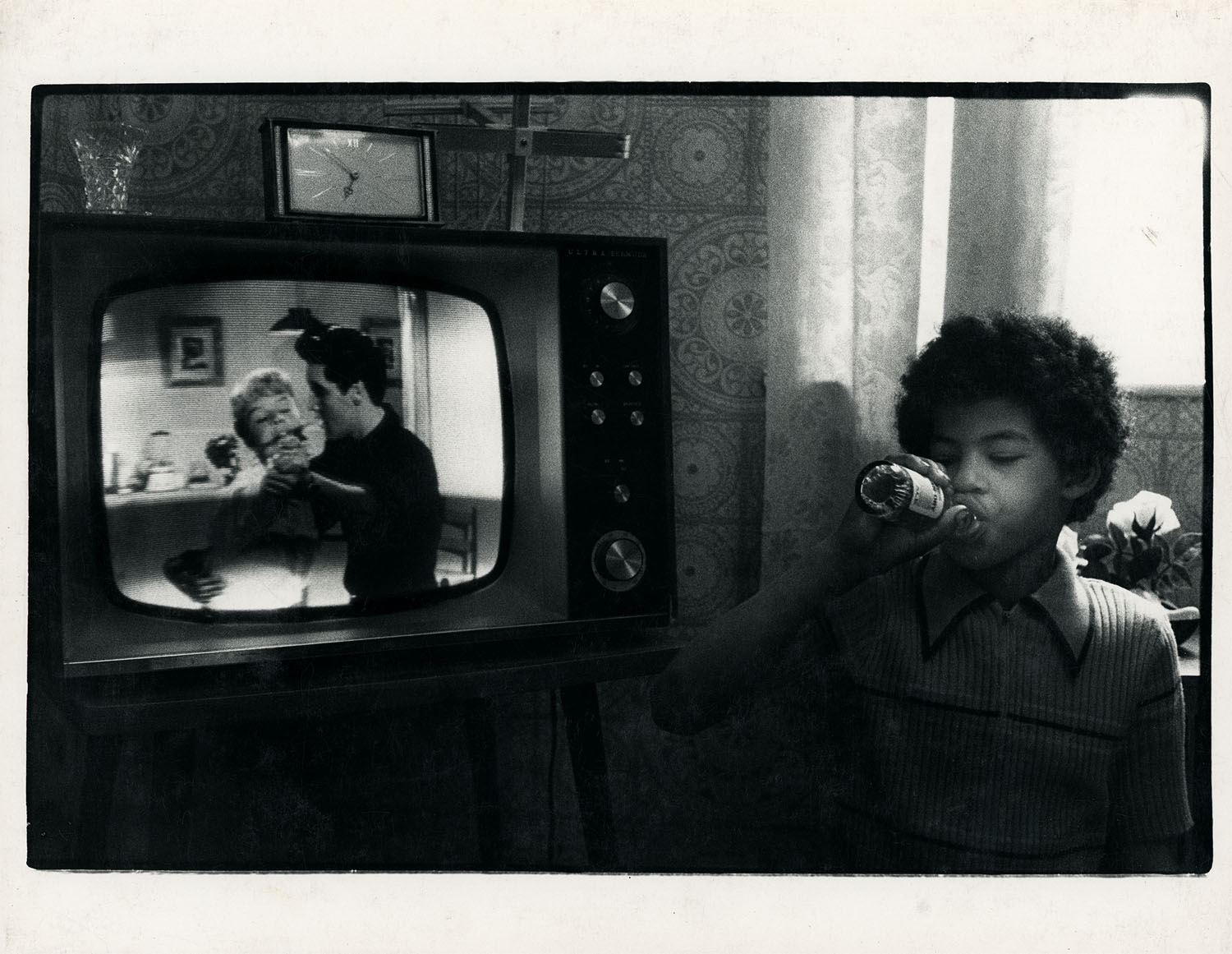
 

Nicholas Battye (British, 1950-2004) / Exit Photography. 'Floyd Wilson' 1973


Nicholas Battye (British, 1950-2004) / Exit Photography
Floyd Wilson
1973
Gelatin silver print
© Nicholas Battye/Exit Photography
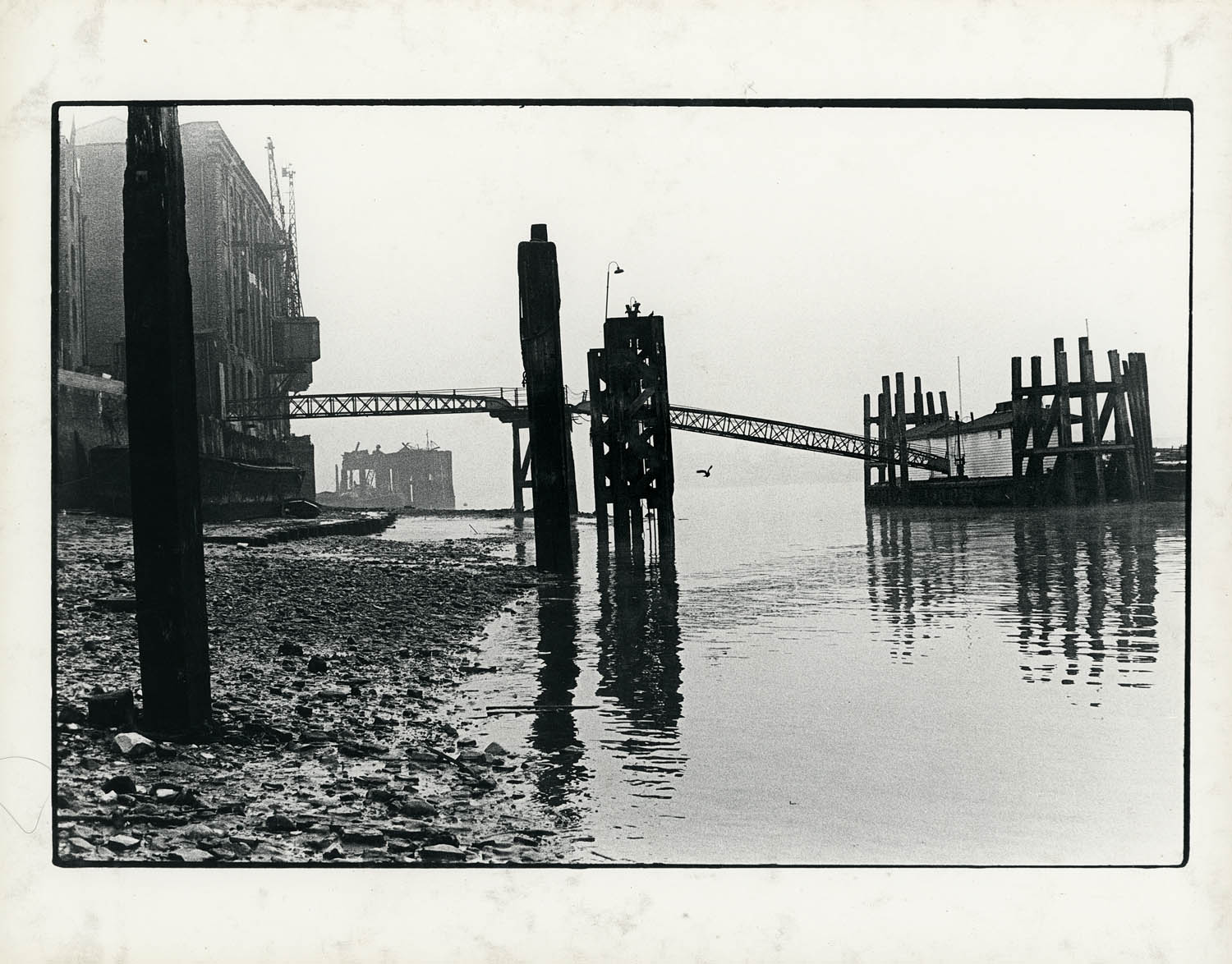
 

Exit Photography. 'Wapping pier' 1973


Exit Photography
Wapping pier
1973
Gelatin silver print
© Exit Photography
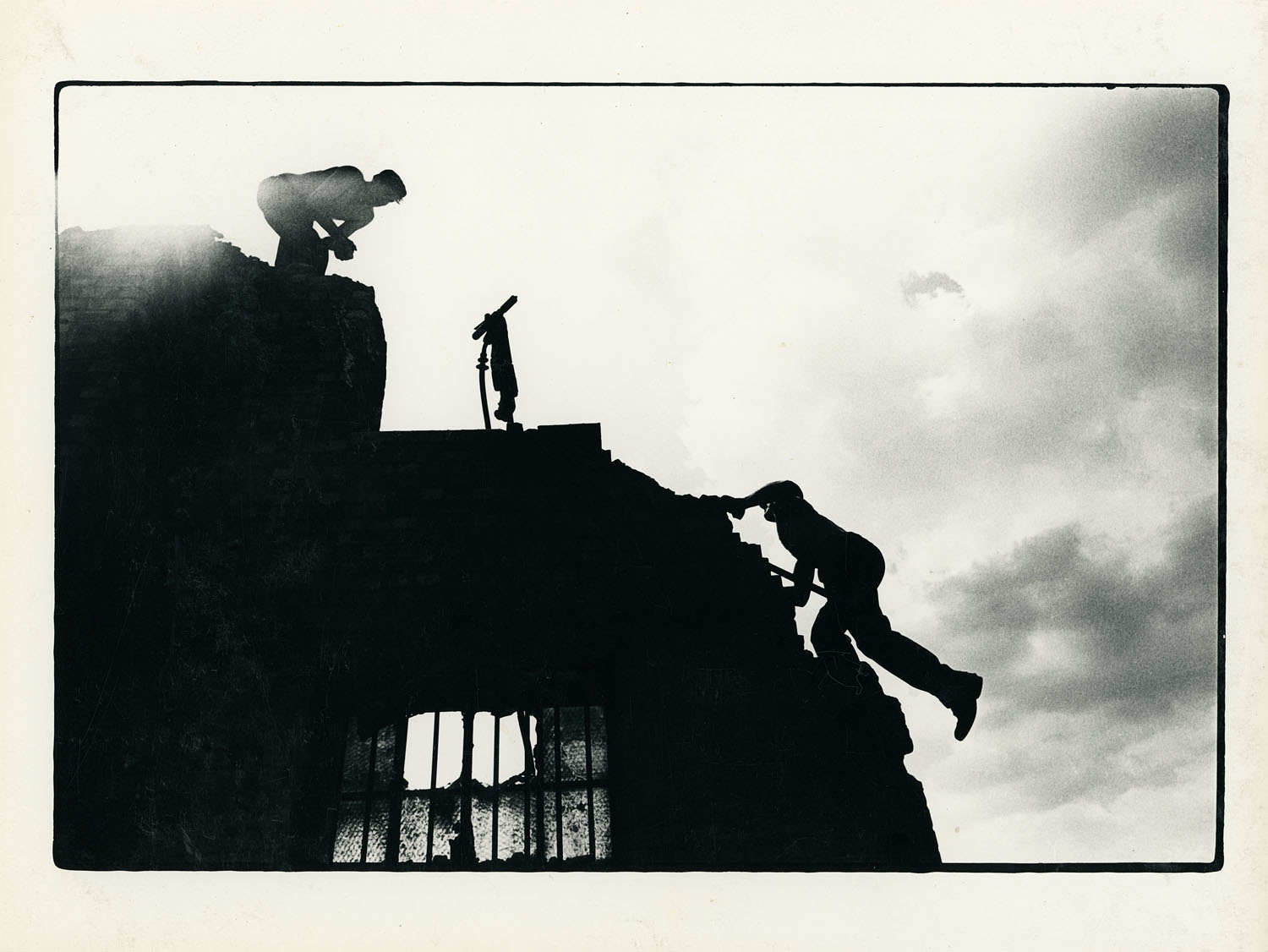
 

Exit Photography. 'Demolition at Colonial Wharf' 1973


Exit Photography
Demolition at Colonial Wharf
1973
Gelatin silver print
© Exit Photography


Four Corners’ autumn exhibition captures a unique moment of change in London’s East End.

As the docks closed, and wholesale slum clearance replaced old neighbourhoods, many communities were being transformed beyond recognition. Yet a different East End was also coming into being, as new migrant communities created a space for themselves.

­­A new generation of photographers were drawn to document ordinary people’s lives and give visibility to working-class experiences. They showed their photographs in everyday spaces where local people could view images of themselves and their own communities.

The exhibition features remarkable photographs by Ron McCormick and the Exit Photography collective of Nicholas Battye, Diane Bush, Alex Slotzkin, and Paul Trevor, alongside work by Ian Berry, John Donat, David Hoffman, Jessie Ann Matthews, Dennis Morris, Val Perrin, and Ray Rising.

With many thanks to Tower Hamlets Local History Library and Archives, Hackney Museum, the Royal Institute of British Architects, and Spectrum Photographic.

Text from the Four Corners website
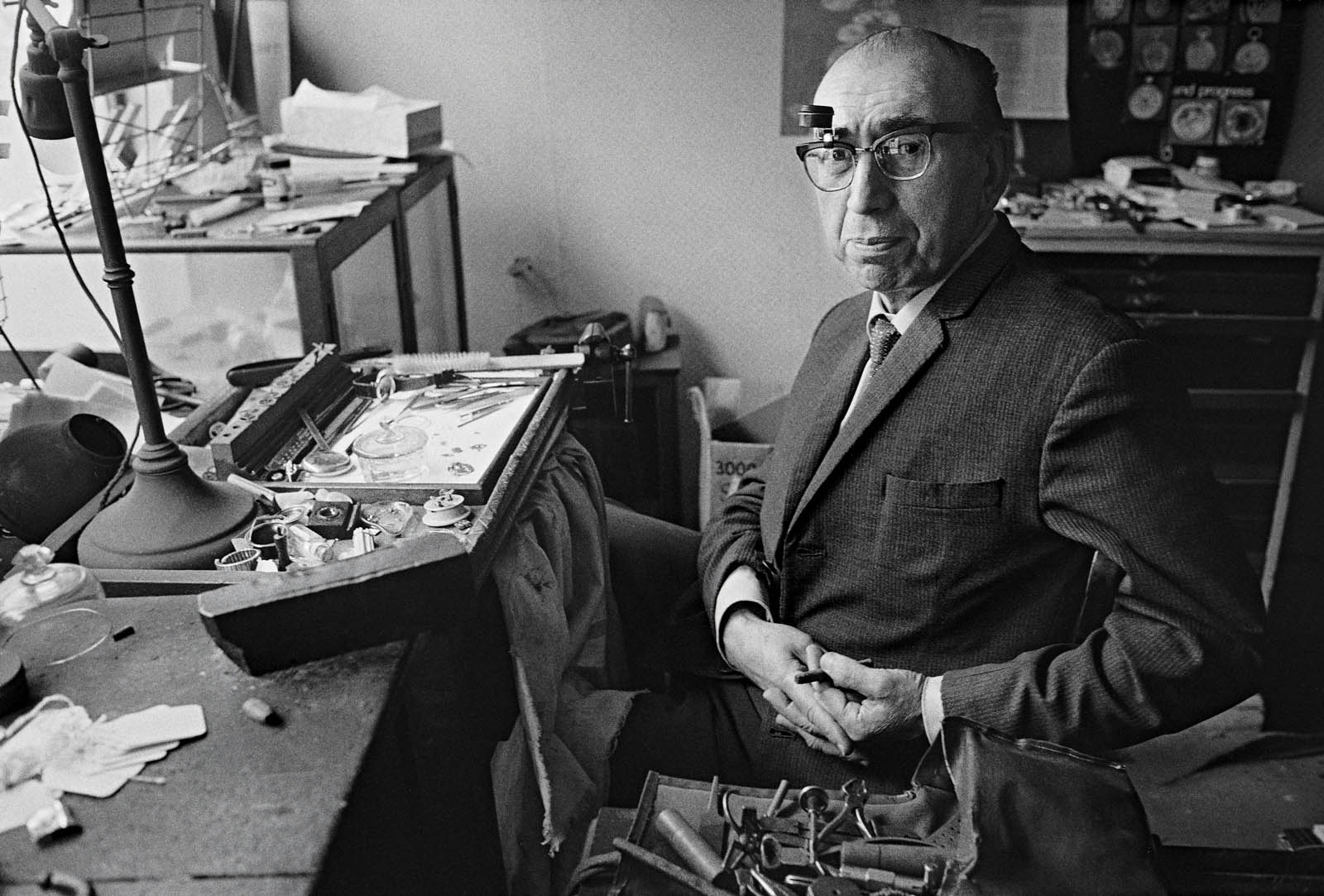
 

Ron McCormick (English, b. 1947) 'Watch repairer, Black Lion Yard, Whitechapel' 1973 from the exhibition 'A World Apart: Photographing change in London's East End 1970-76' at Four Corners, Oct - Dec, 2025


Ron McCormick (English, b. 1947)
Watch repairer, Black Lion Yard, Whitechapel
1973
Gelatin silver print
© Ron McCormick
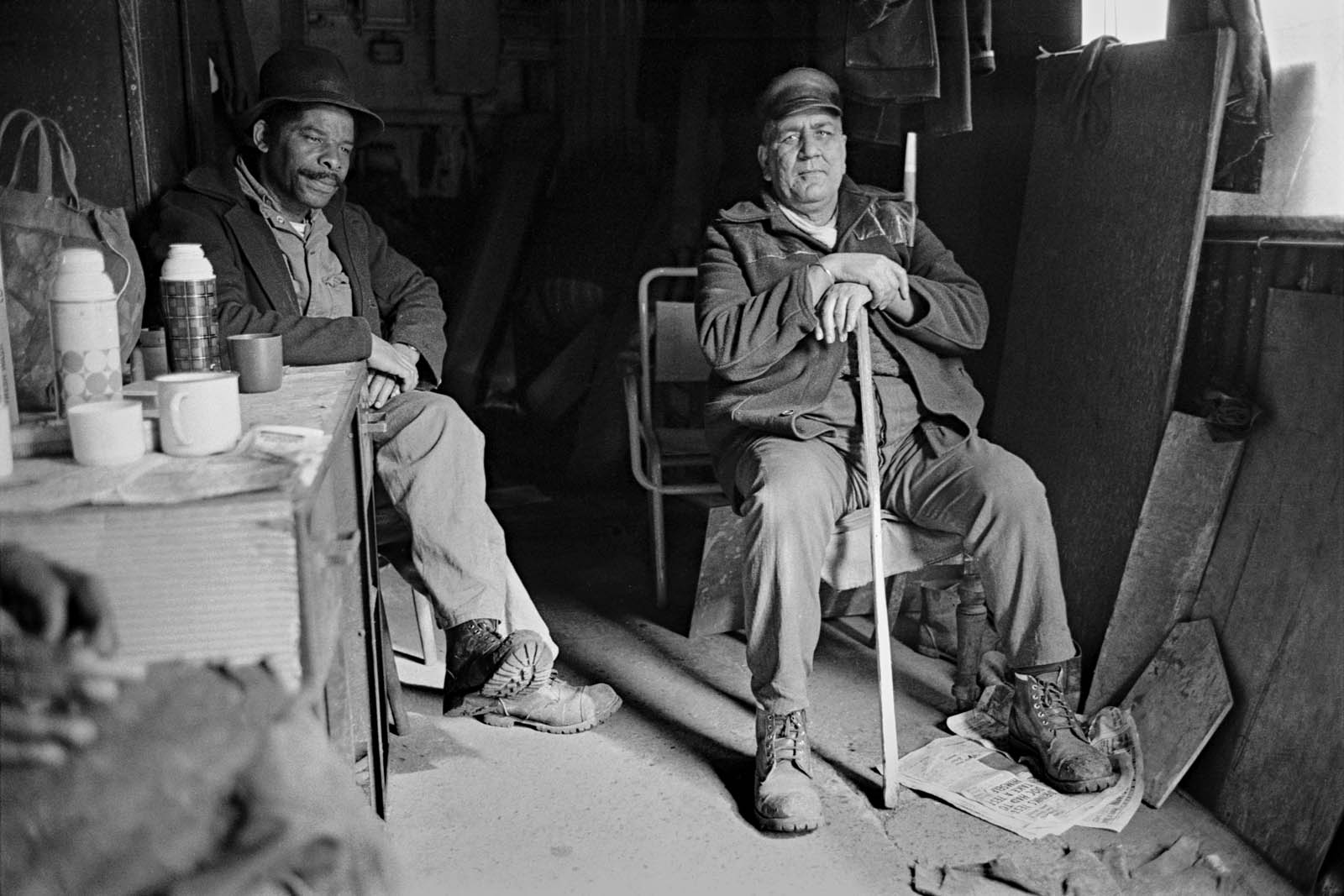
 

Ron McCormick (English, b. 1947) 'Tea break, P & L Engineering, Heneage Street, East London' 1973


Ron McCormick (English, b. 1947)
Tea break, P & L Engineering, Heneage Street, East London
1973
Gelatin silver print
© Ron McCormick
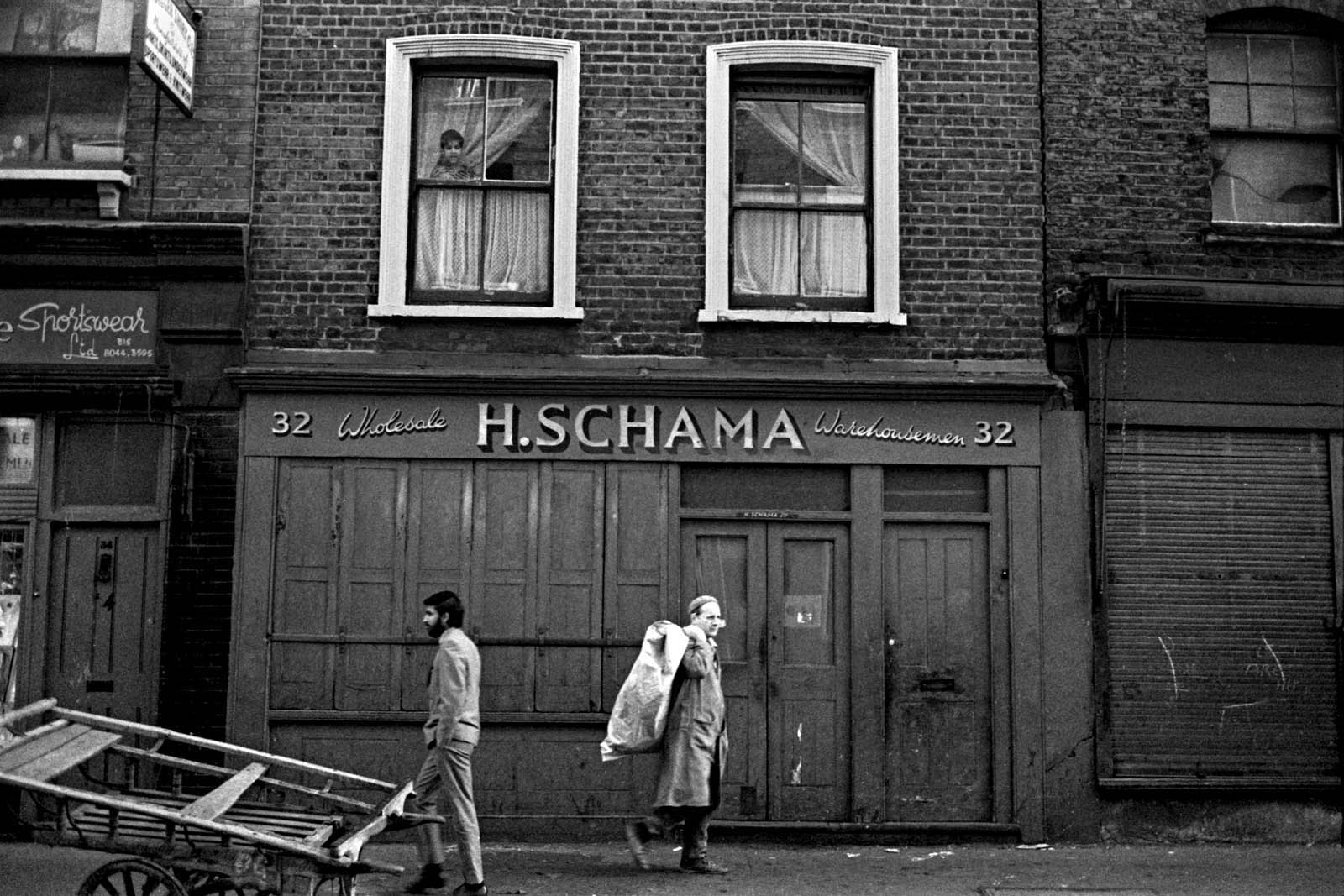
 

Ron McCormick (English, b. 1947) 'Street scene Spitalfields' 1971


Ron McCormick (English, b. 1947)
Street scene Spitalfields
1971
Gelatin silver print
© Ron McCormick
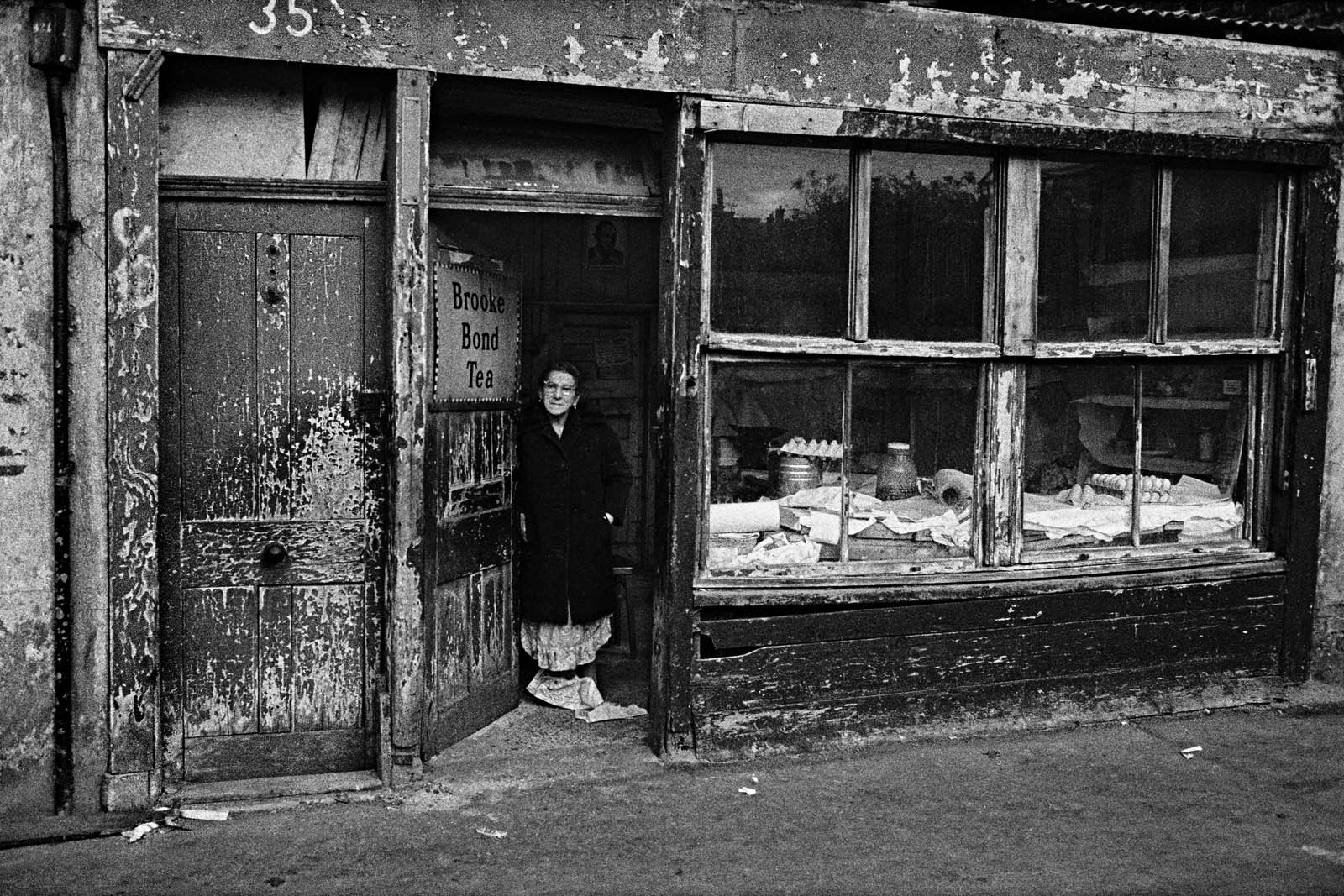
 

Ron McCormick (English, b. 1947) 'Schmaltz herring shop, 35 Old Montague Street' 1971


Ron McCormick (English, b. 1947)
Schmaltz herring shop, 35 Old Montague Street
1971
Gelatin silver print
© Ron McCormick
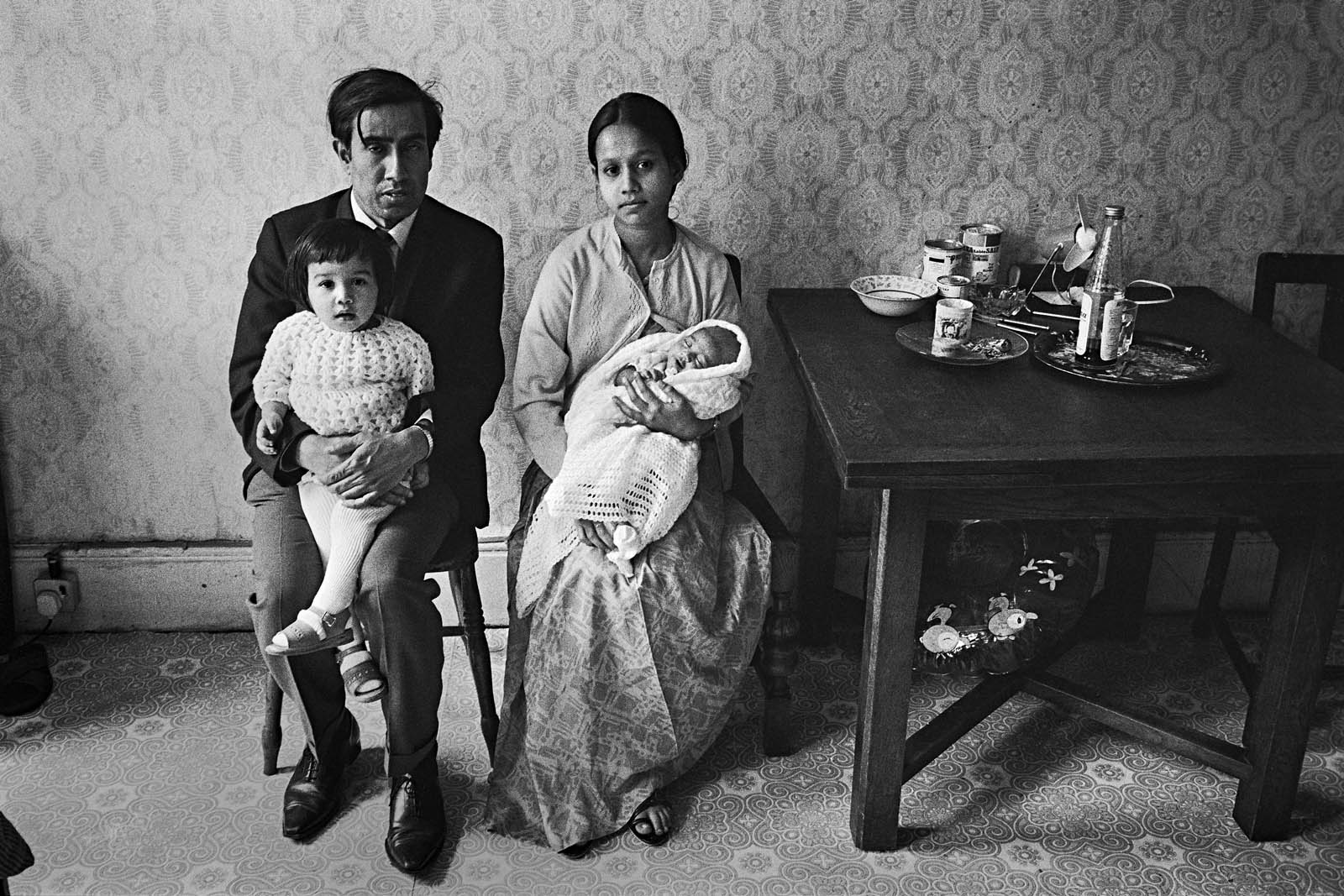
 

Ron McCormick (English, b. 1947) 'Mr and Mrs Ali, Brick Lane' 1973


Ron McCormick (English, b. 1947)
Mr and Mrs Ali, Brick Lane
1973
Gelatin silver print
© Ron McCormick
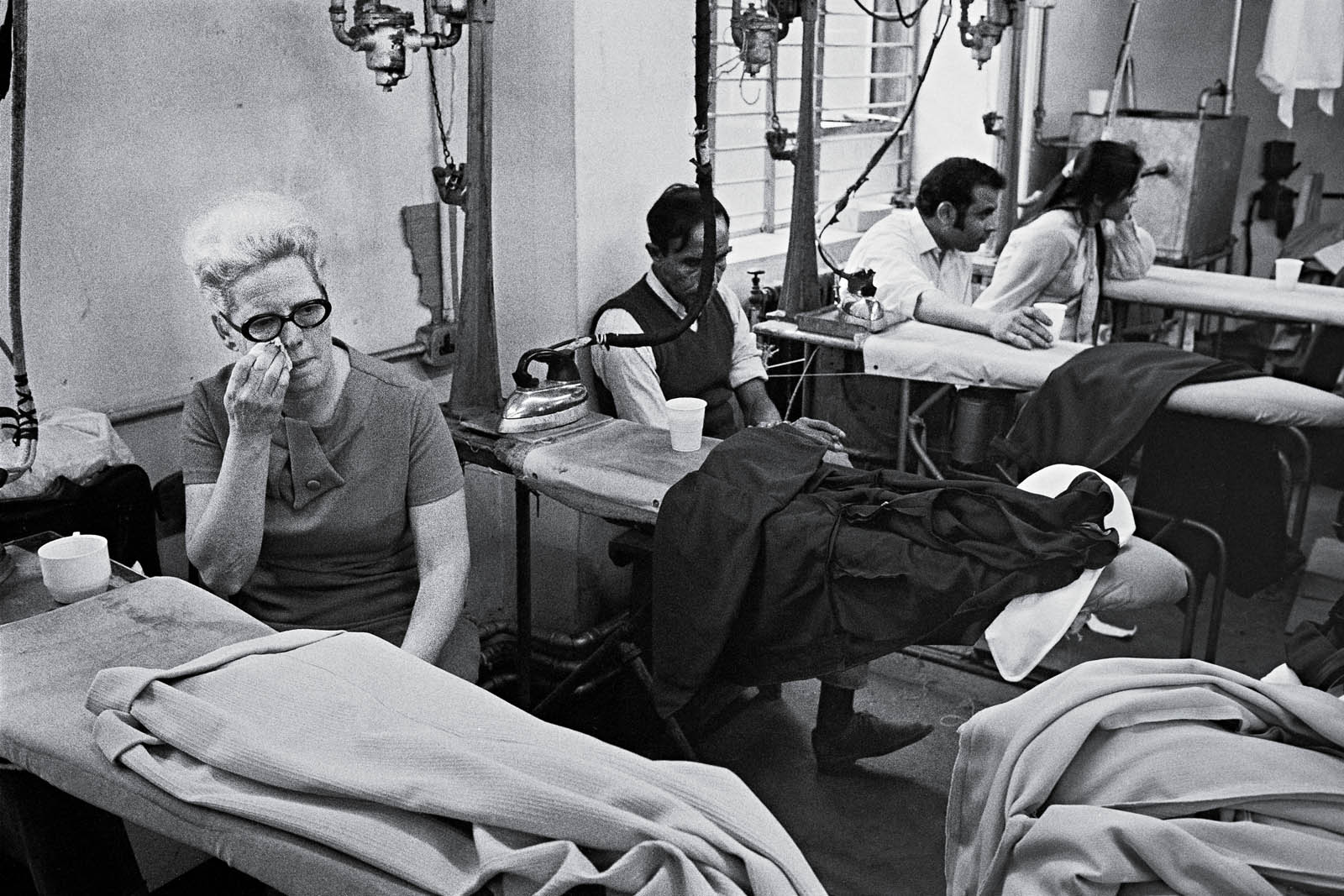
 

Ron McCormick (English, b. 1947) 'Clothing sweatshop in Whitechapel' 1973


Ron McCormick (English, b. 1947)
Clothing sweatshop in Whitechapel
1973
Gelatin silver print
© Ron McCormick
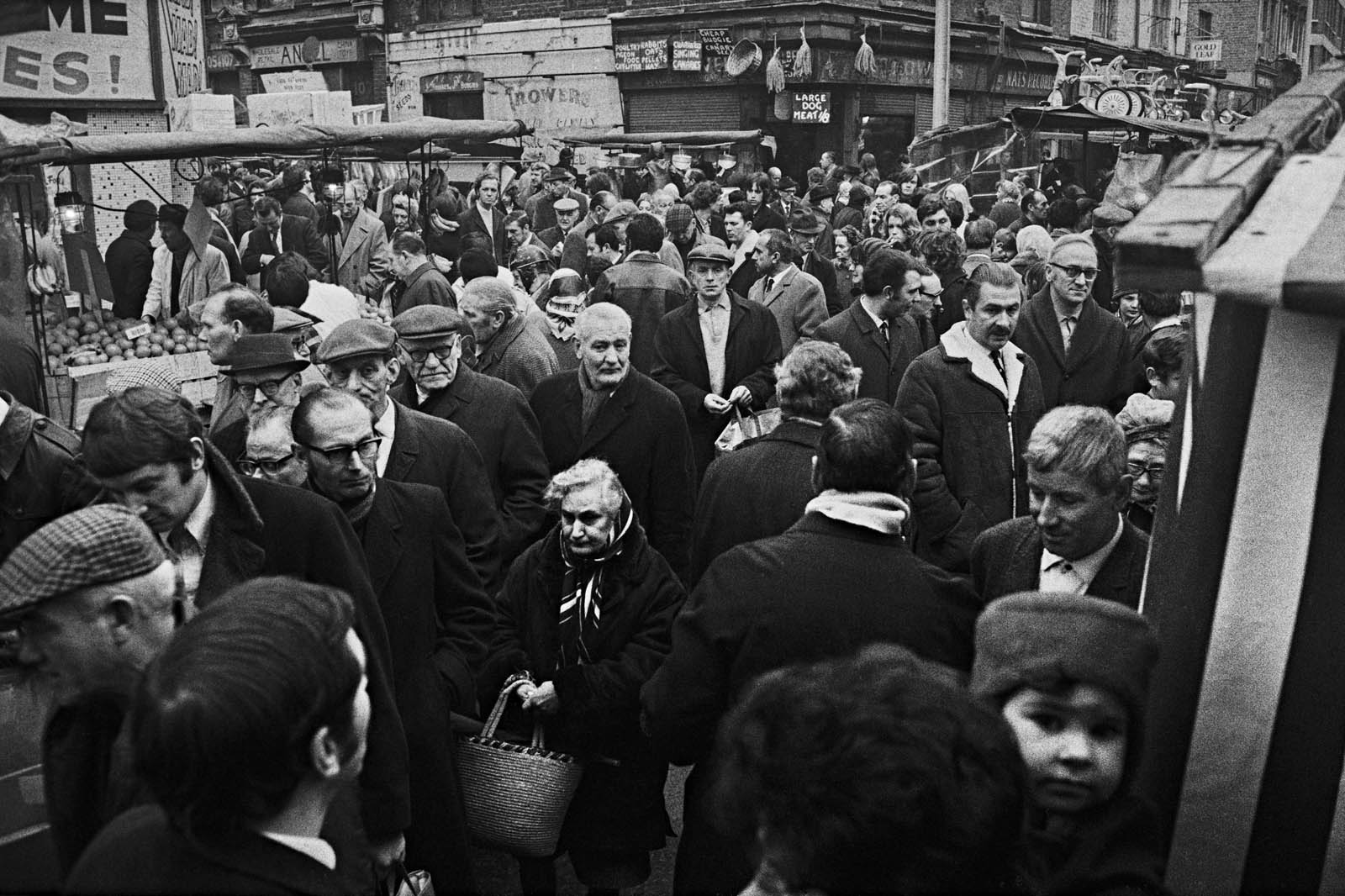
 

Ron McCormick (English, b. 1947) 'Brick Lane Sunday market' 1971


Ron McCormick (English, b. 1947)
Brick Lane Sunday market
1971
Gelatin silver print
© Ron McCormick
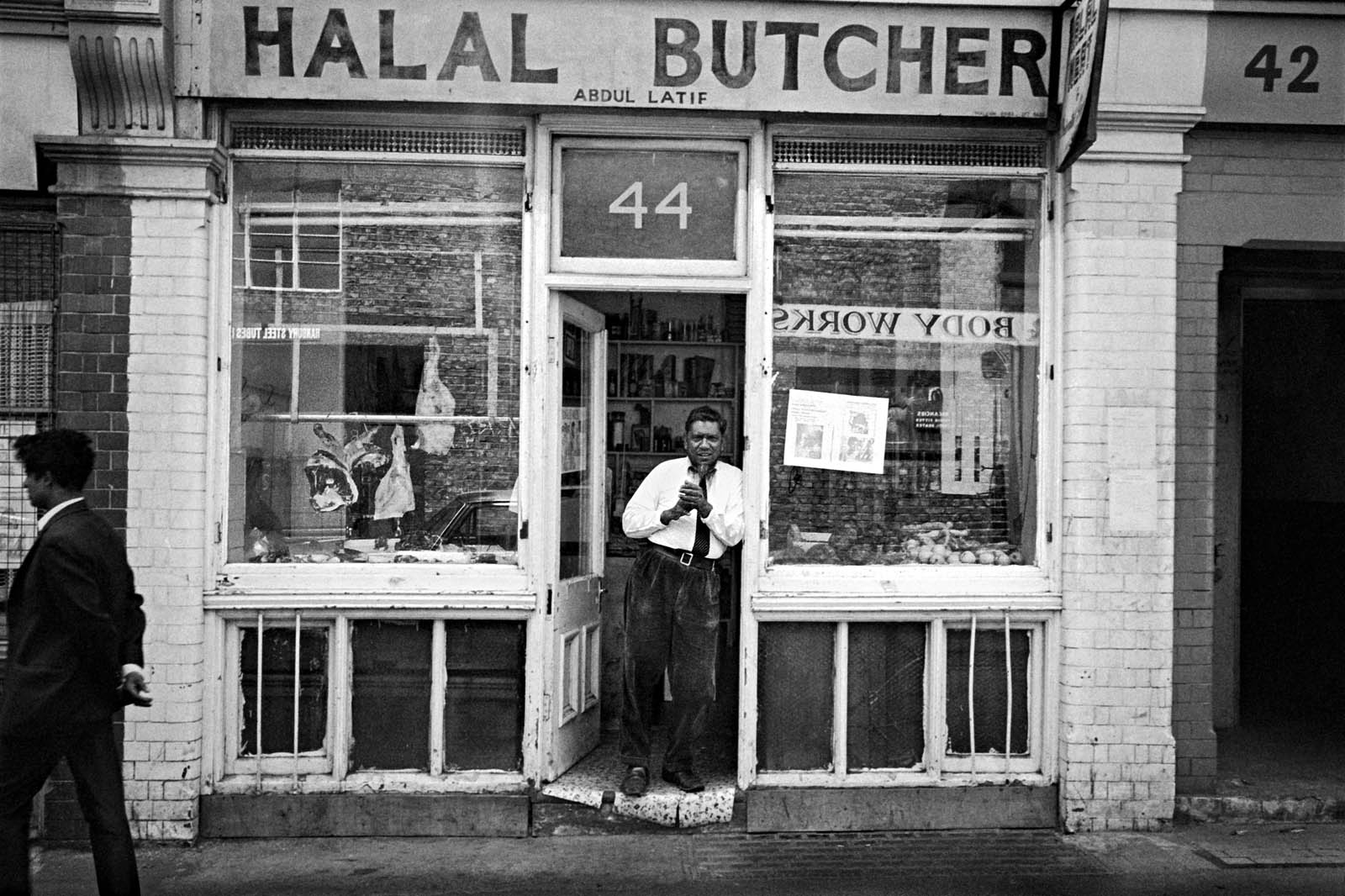
 

Ron McCormick (English, b. 1947) 'Abdul Latif, Halal butcher, 44 Brick Lane' 1973


Ron McCormick (English, b. 1947)
Abdul Latif, Halal butcher, 44 Brick Lane
1973
Gelatin silver print
© Ron McCormick
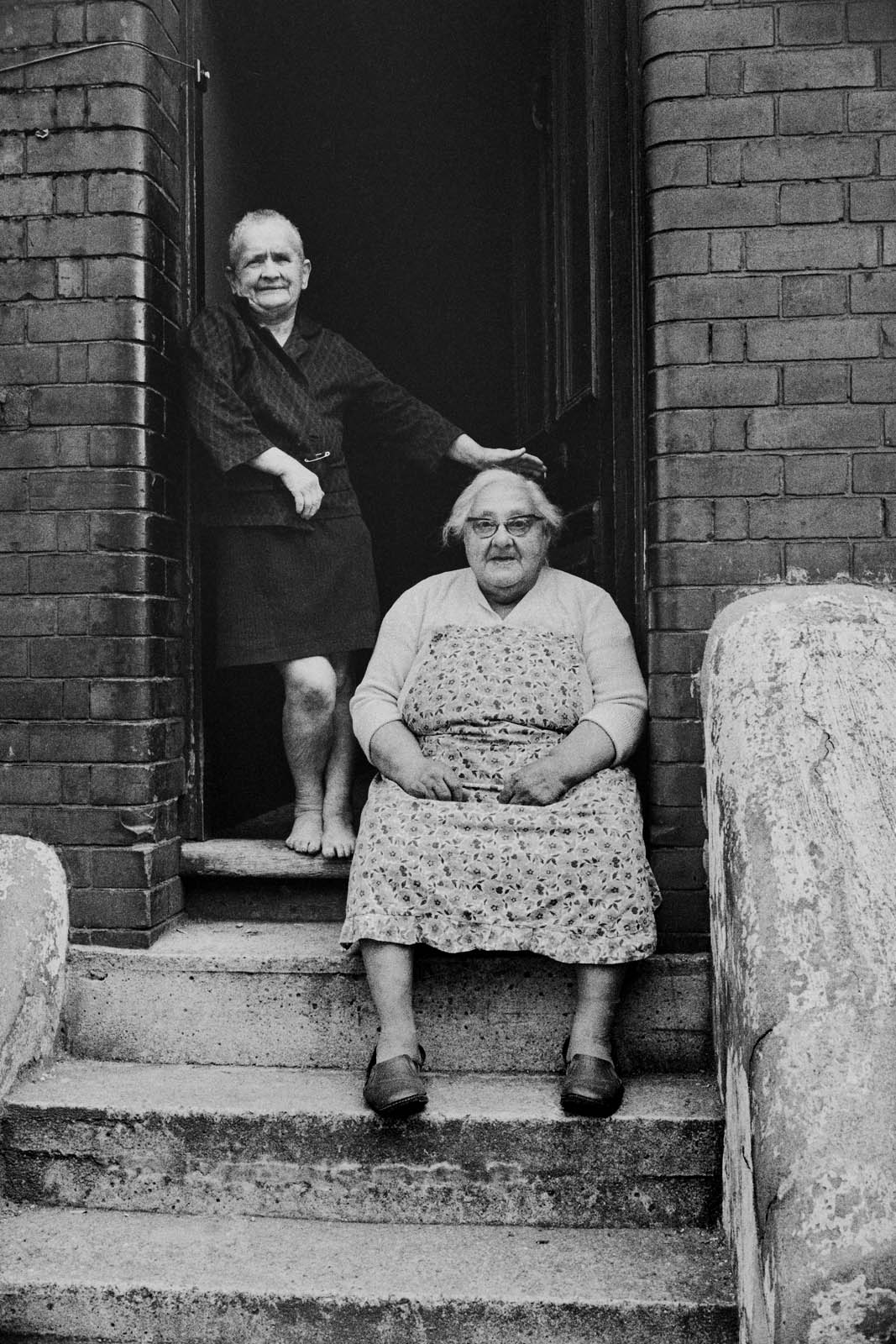
 

Ron McCormick (English, b. 1947) 'Mother and daughter, Fieldgate Street, Whitechapel' 1971


Ron McCormick (English, b. 1947)
Mother and daughter, Fieldgate Street, Whitechapel
1971
Gelatin silver print
© Ron McCormick
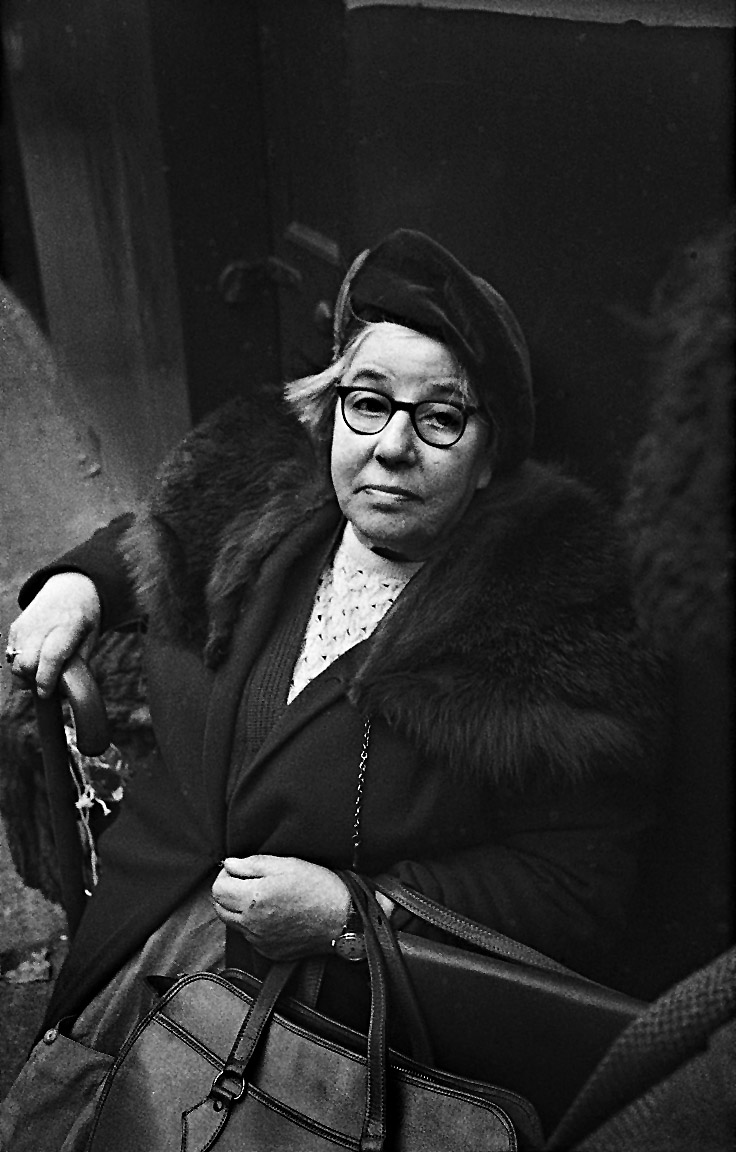
 

Ron McCormick (English, b. 1947) 'Lady in Sunday best Brick Lane market' 1970


Ron McCormick (English, b. 1947)
Lady in Sunday best Brick Lane market
1970
Gelatin silver print
© Ron McCormick
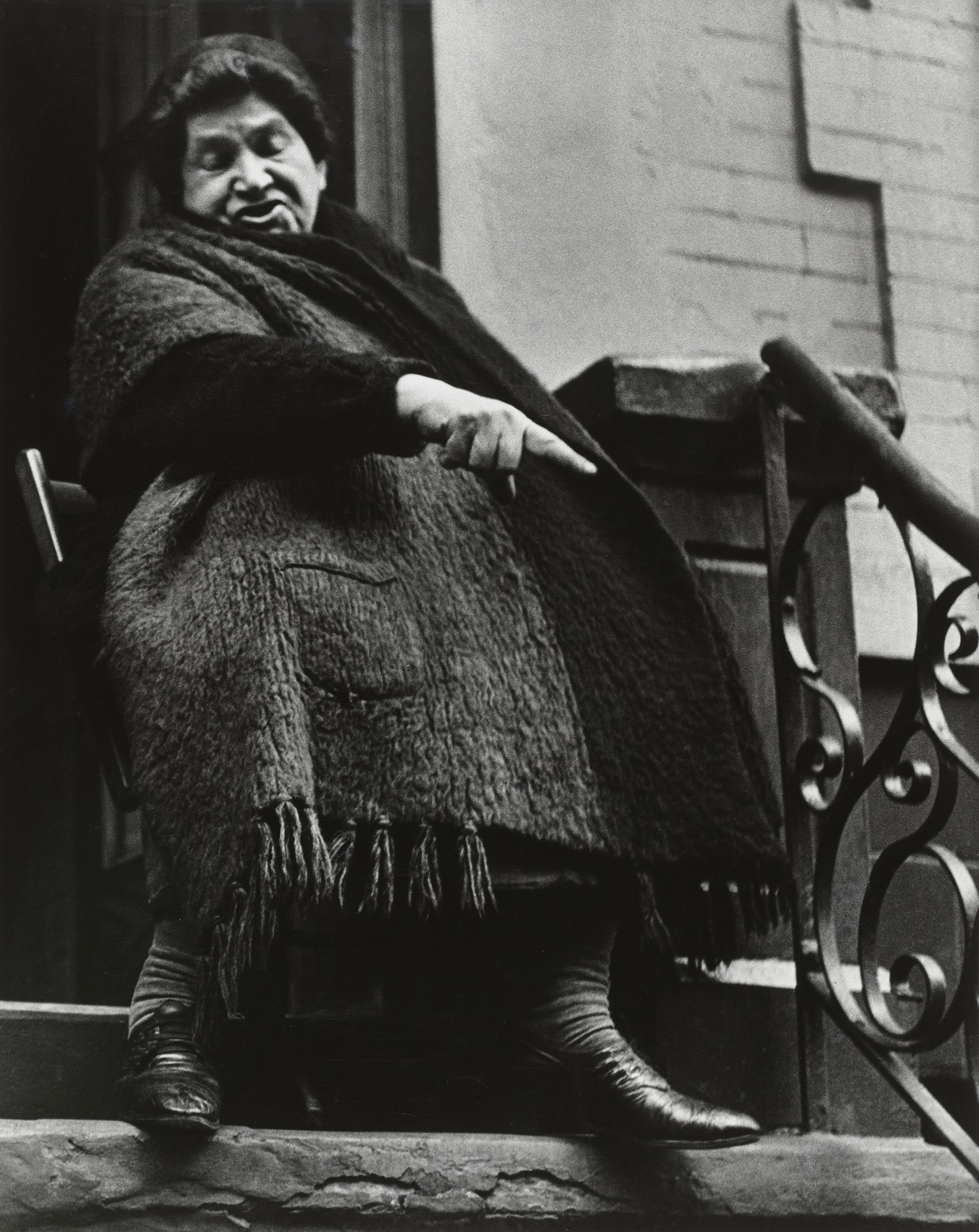
 

Lisette Model (American, born Austria 1901-1983) 'Lower East Side' c. 1942


Lisette Model (American, born Austria 1901-1983)
Lower East Side
c. 1942
Gelatin silver print
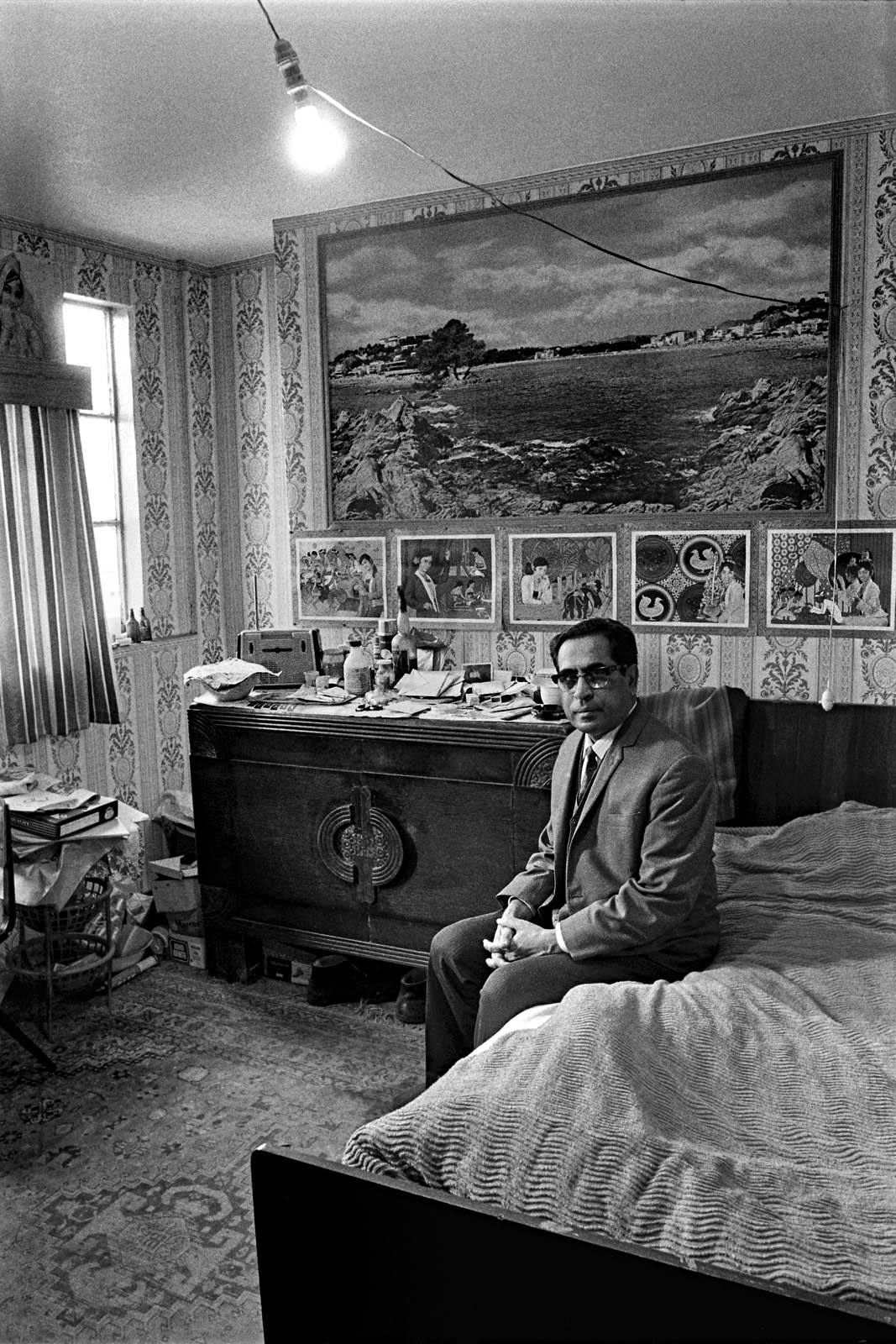
 

Ron McCormick (English, b. 1947) 'Mohamhed Truffant in his bedsit, Hanbury Street, Spitalfields' 1973


Ron McCormick (English, b. 1947)
Mohamhed Truffant in his bedsit, Hanbury Street, Spitalfields
1973
Gelatin silver print
© Ron McCormick
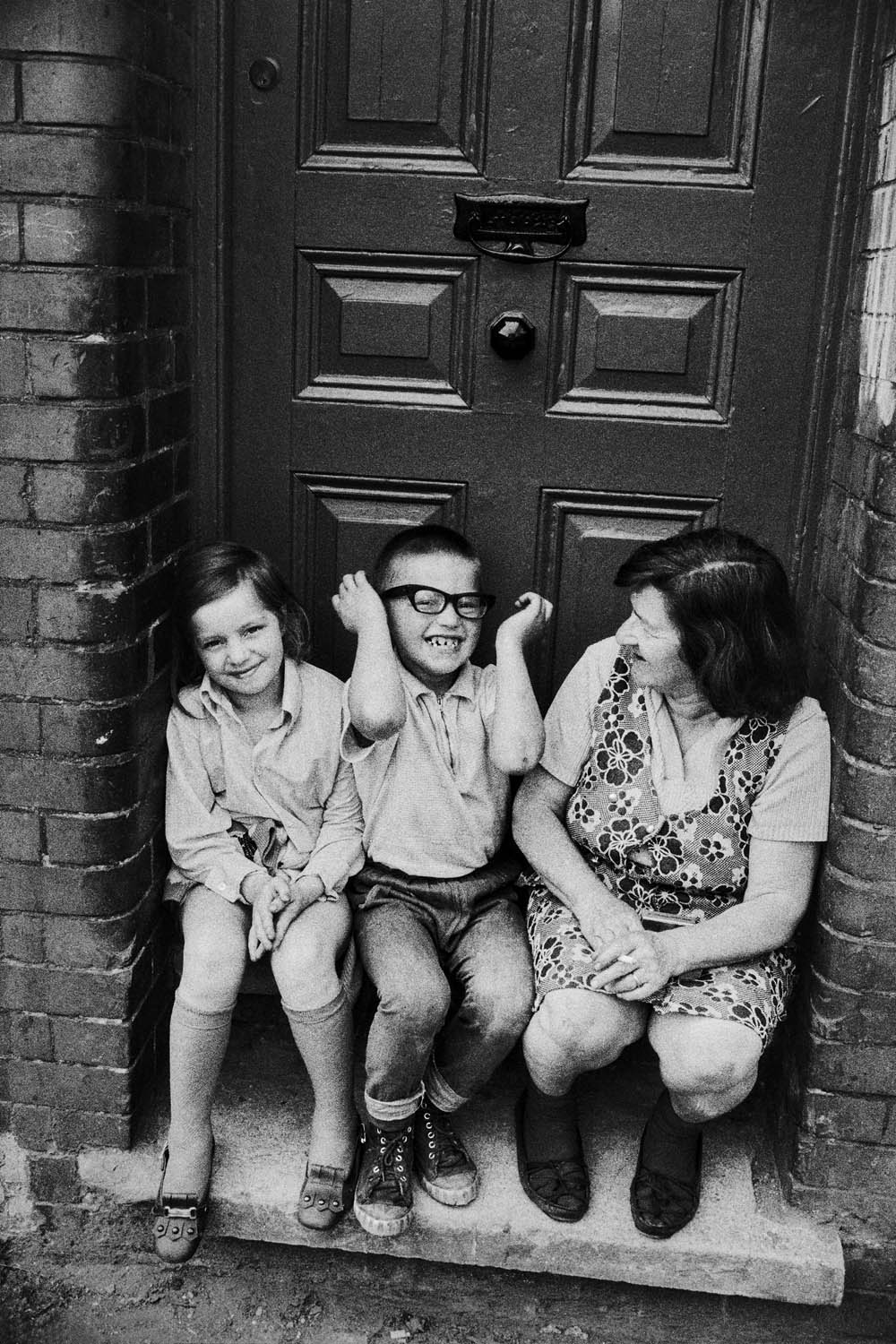
 

Ron McCormick (English, b. 1947) 'Family group, Settle Street, Whitechapel' 1971


Ron McCormick (English, b. 1947)
Family group, Settle Street, Whitechapel
1971
Gelatin silver print
© Ron McCormick
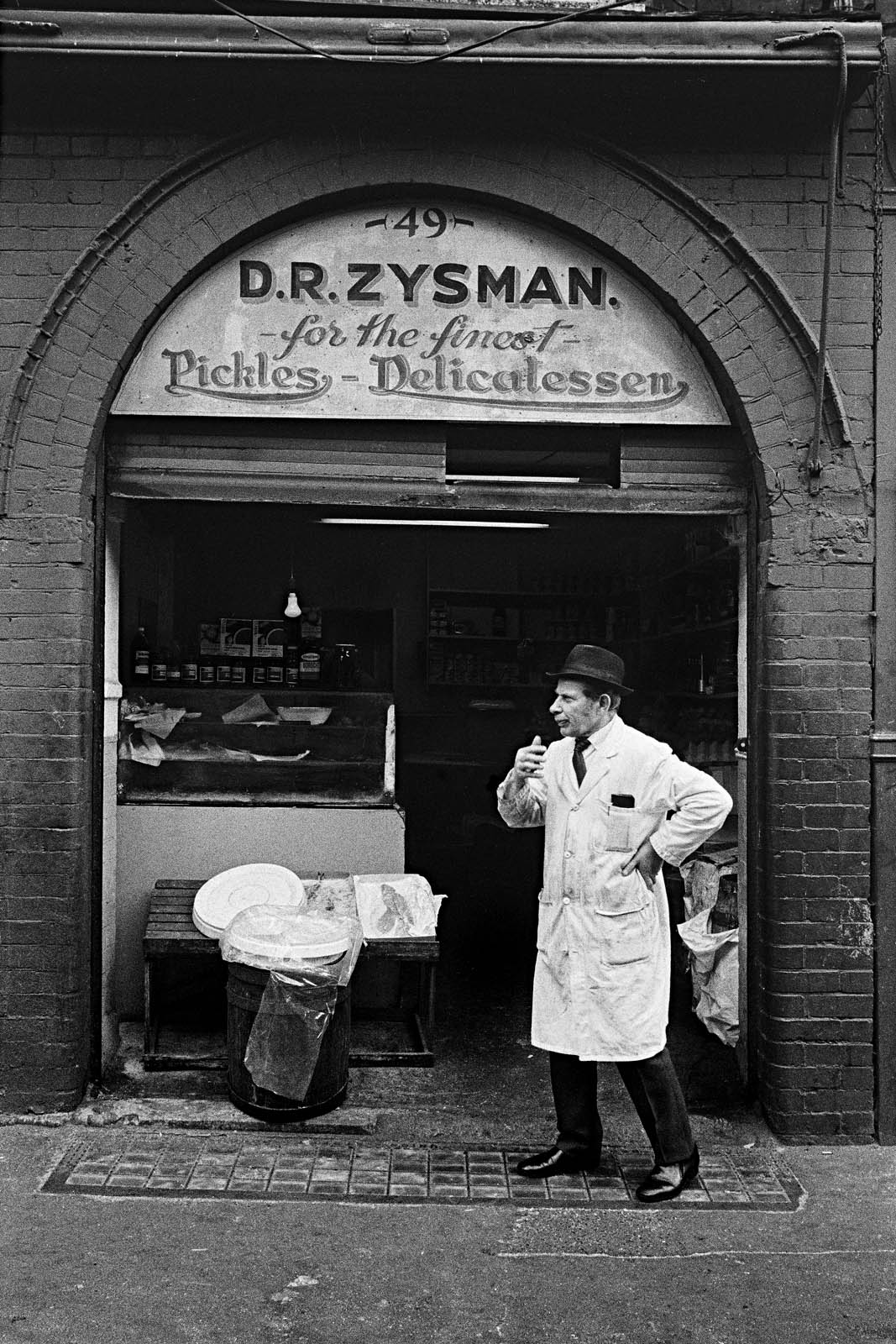
 

Ron McCormick (English, b. 1947) 'Zysman's delicatessan and pickle shop, 49 Hessel Street' 1973


Ron McCormick (English, b. 1947)
Zysman’s delicatessan and pickle shop, 49 Hessel Street
1973
Gelatin silver print
© Ron McCormick


Brought together for the first time, these rarely seen photographs document a now-disappeared world. Bengali migrants live side-by-side with elderly Jewish shopkeepers and artisans, dockers socialise in Wapping’s clubs and pubs, neighbours and children celebrate at a raucous, multicultural Stepney festival. 

But the images reveal streetscapes and communities in upheaval. Desolation hangs over the soon-to-be demolished streets, dock cranes stand lifeless over empty quays awaiting speculative redevelopment. Amid this apparent wasteland a different East End was coming into being. New migrant communities were creating a space for themselves as economic decline displaced earlier neighbourhoods. 

A young generation of photographers were drawn to record ordinary people’s lives at this moment of rapid transition and to advocate for social change. Their exhibitions at the Half Moon Gallery attracted people to view images of themselves and their neighbours. At a time when photography was largely unrecognised by the art world, these photographers mounted ‘guerrilla’ exhibitions in launderettes, on estate walls, and even on portable sandwich boards. They were part of a flourishing community arts scene that gave a voice to local people, including at pioneering shows at the Whitechapel Art Gallery. 

A World Apart features photographs by Ron McCormick and Exit Photograph – Nicholas Battye, Diane Bush, Alex Slotzkin, and Paul Trevor – alongside work by Ian Berry, John Donat, David Hoffman, Jessie Ann Matthews, Dennis Morris, Val Perrin, and Ray Rising. 

These remarkable photographs celebrate the people of the East End, an area whose identity has been defined by centuries of migration. In an age of increasing social division and intolerance, its strong community history is ever more important today. 

A World Apart is made possible through a National Lottery Heritage Fund project, which is helping build Four Corners’ archive collection and opening up its history to new audiences. The exhibition celebrates the early history of the Half Moon Gallery, Britain’s second independent photography gallery, as part of Four Corners 50th anniversary programme in 2025. 

Photographers 

Ron McCormick is a self-taught photographer who has exhibited and published for fifty years. His early photographs of Whitechapel were first shown alongside the poetry of east London schoolchildren in the controversial book Stepney Words produced by school teacher Chris Searle. He taught at the renowned School of Documentary Photography in Newport, where he ran the NEWPORT SURVEY, an annual record of the community life. A dynamic contributor to the revitalisation of British photography of the 1970s and 1980s, he was the second director the Half Moon Gallery, and the founding director of Side Gallery, Newcastle on Tyne. He runs Communimedia, a community design and production enterprise in South Wales. He has exhibited widely at the Institute of Contemporary Art, Whitechapel Art Gallery, Serpentine Gallery, Photographers Gallery, Barbican, MIT Cambridge USA; La Photo Galeria, Madrid, among others. 

Exit was a collective of four photographers, Nicholas Battye, Diane Bush, Alex Slotzkin, and Paul Trevor. Their first project, Down Wapping, focused on Wapping’s working class community that was threatened by the closure of the docks and imminent redevelopment. It was shown at the E1 Festival in Stepney in 1973, and at the Photographers Gallery later that year. A booklet of the photographs was designed by Exit and published by the East End Docklands Action Group in 1974. After some changes, Paul Trevor, Nicholas Battye and Chris Steele-Perkins went on to create Survival Programmes from 1974-79, a significant study of social and economic poverty in Britain’s inner-cities. A with. Side Gallery in Newcastle toured the exhibition around the country, and a book of the work was published by Open University Press in 1982. Find out more 

Ian Berry is a Magnum photojournalist who worked for Drum magazine in South Africa, where he was the only photographer to document the Sharpeville massacre in 1960. In 1972 he was commissioned by the Whitechapel Art Gallery to photograph the changing local community, creating work which contributed to his book The English (1978). He has worked internationally, covering the invasion of Czechoslovakia, the Irish Troubles, famine in Ethiopia, and conflicts in Israel, Vietnam, and the Democratic Republic of Congo. His work is represented in Black and Whites: L’Afrique du Sud (1988) and Living Apart (1996). His project Water focused on the disaster of climate change, and was published by GOST in 2023. 

John Donat (1933-2004) was one of Britain’s foremost architectural photographers of his generation. After studying architecture, he took up photography full-time. His early images can be seen in Crete 1960 (Crete University Press, 1999). Donat captured the built environment with a social documentary, almost photojournalistic approach. He was commissioned by the Whitechapel Art Gallery to capture change taking place in the area for the exhibition This is Whitechapel in 1972, although the focus of the show became the work of another important photographer, Ian Berry. 

David Hoffman is a documentary photographer of protest and social issues. Living in a squat in Fieldgate Mansions, east London in the 1970s, he recorded homelessness, anti-racism and protest. In particular, he documented homeless people at St Botolph’s refuge in Aldgate. He has covered many of the key moments in contemporary British protest – from Brixton in 1981 and Broadwater Farm in 1985, to the poll tax riots and the Occupy movement. Recent books are A Place to Live, Endurance and Joy in Whitechapel, published by Spitalfields Life Books and accompanied by a exhibition at The Museum of the Home in 2024; and Protest!, published by Image and Reality, 2025.

Jessie Ann Matthew was born in 1952 and educated at the Central School of Art and Design, London. She worked as a portrait photographer for the Scottish National Portrait Gallery, including The Seven Poets (1981) with paintings by Alexander Moffat. She participated in Men Photographed by Women at Half Moon Gallery in 1975, and Gaining Momentum: 8 women photograph women, a Half Moon touring show in 1981. More recently, Matthew has been making with texiles, in particular wall-hangings and paintings. 

British-Jamaican photographer Dennis Morris is world-renowned for his images of music icons such as Bob Marley and Marianne Faithfull. Growing up in Dalston, east London, he started his career aged just eleven. His early documentary photographs include powerful work such as Growing Up Black, Southall and This Happy Breed, images that show everyday life and Black British culture which capturing the pride and resilience of London’s communities. While still a teenager, he showed his early work, Dalston Photographs at the Half Moon Gallery in 1973.

Ray Rising is an ex-docker and self-taught photographer, whose exhibition Redundant River was shown at the Half Moon Gallery in 1973. He went on to be a reportage photographer for Report Digital, covering issues such as the 1984 miners’ strike, the death of Colin Roach in police custody in 1983, anti-racist protests, CND campaigns, among others. 

Press release from Four Corners
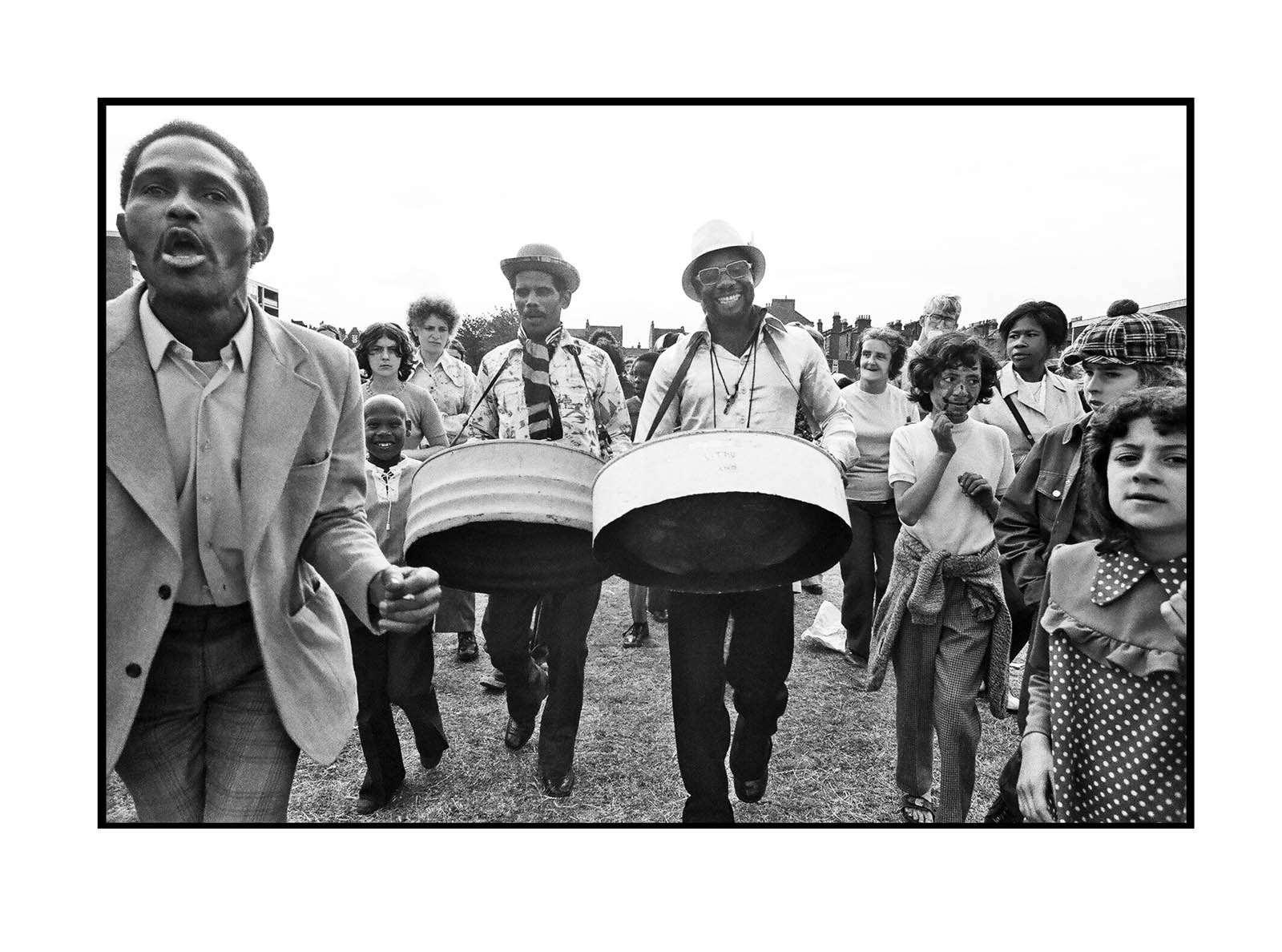
 

Diane Bush (British born America, b. 1947) 'E1 Festival steel band performers' Early 1970s


Diane Bush (British born America, b. 1947)
E1 Festival steel band performers
Early 1970s
Gelatin silver print
© Diane Bush
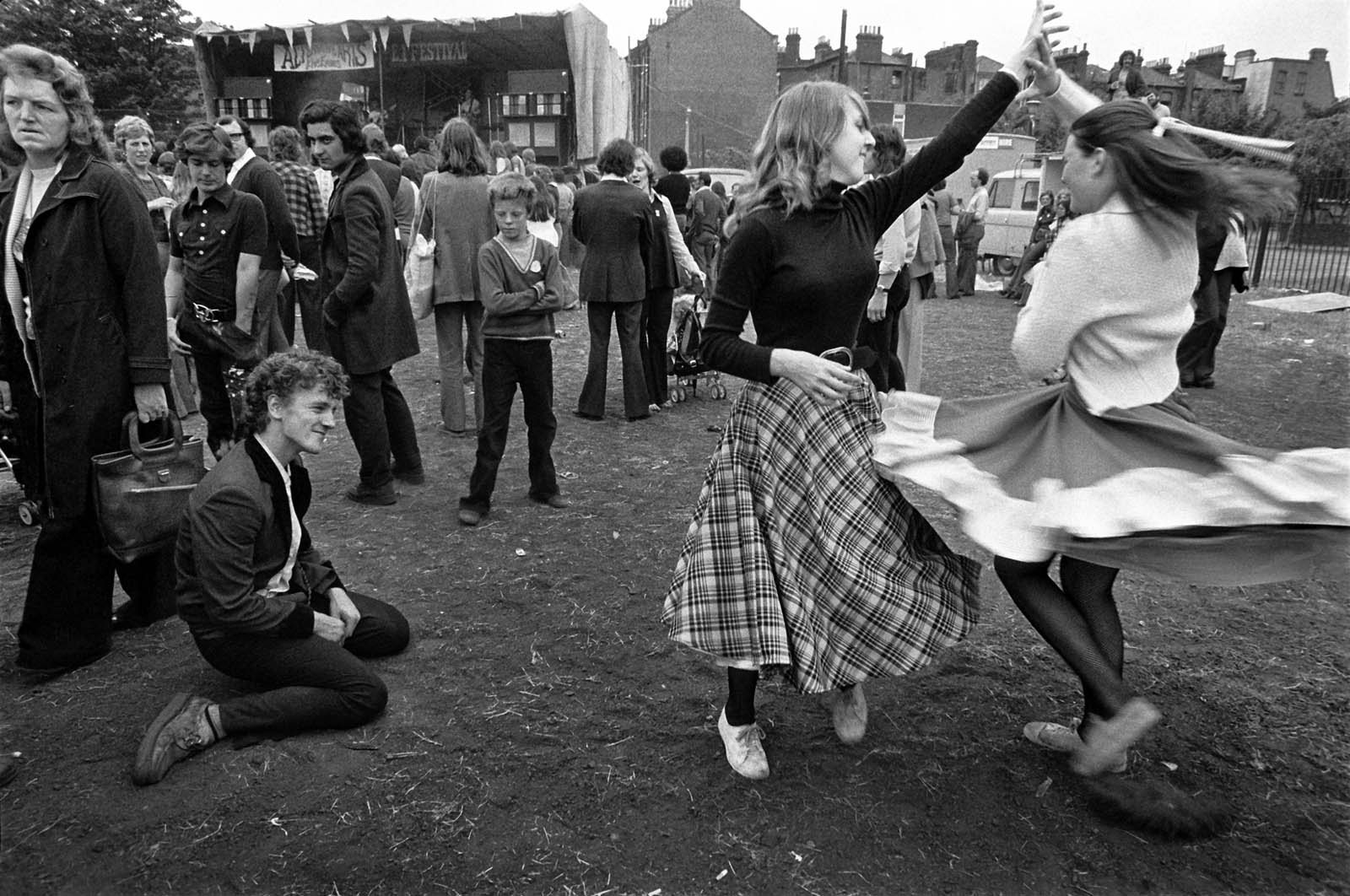
 

David Hoffman (British, b. 1946) 'Dancing at E1 Festival' 1975


David Hoffman (British, b. 1946)
Dancing at E1 Festival
1975
Gelatin silver print
© David Hoffman


David Hoffman (British, b. 1946) 'One of the last remaining shops in Hessel Street, Whitechapel' c. 1972


David Hoffman (British, b. 1946)
One of the last remaining shops in Hessel Street, Whitechapel
c. 1972
Gelatin silver print
© David Hoffman
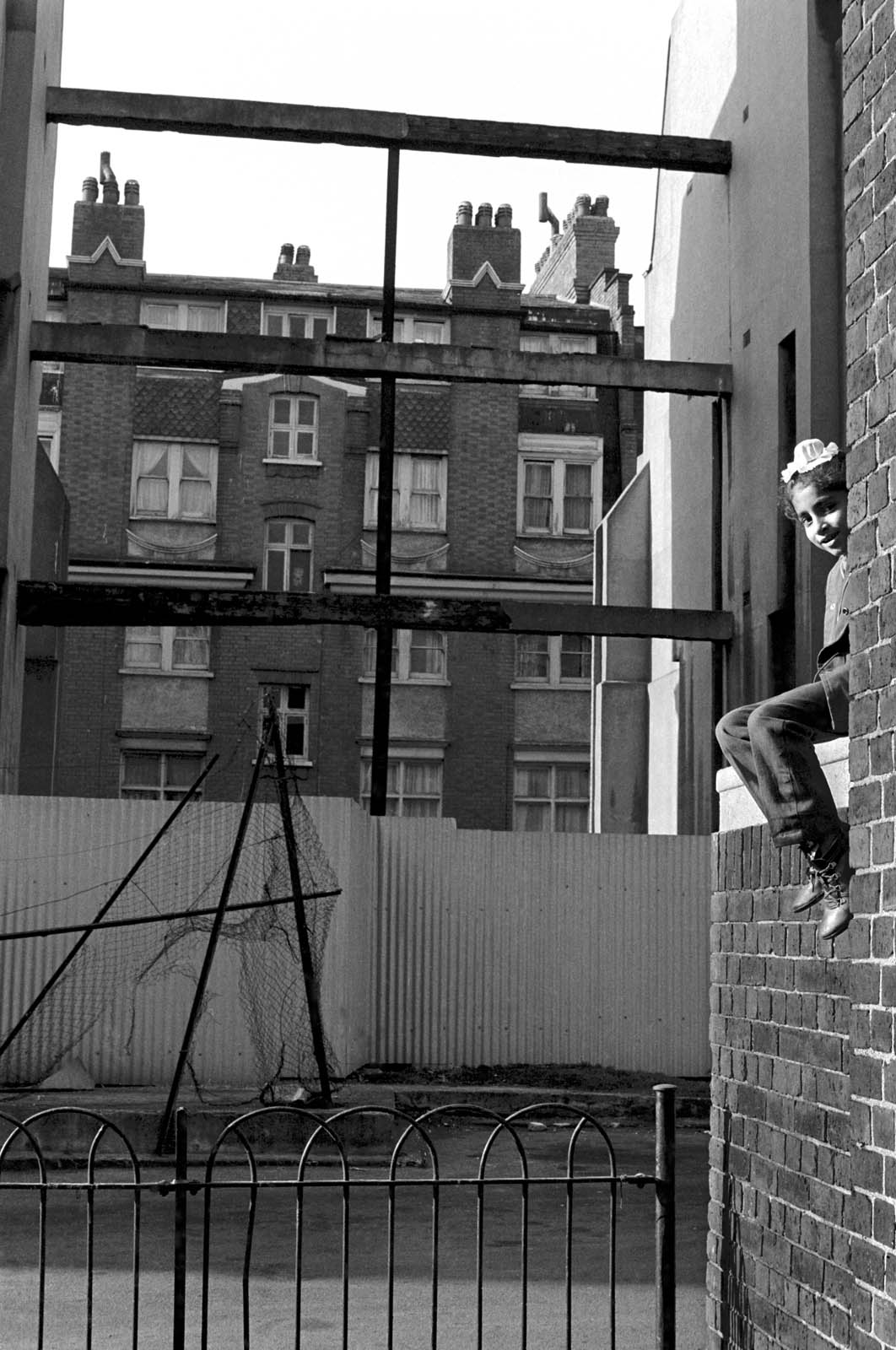
 

David Hoffman (British, b. 1946) 'Child playing in tenement block, Whitechapel or Wapping' 1972


David Hoffman (British, b. 1946)
Child playing in tenement block, Whitechapel or Wapping
1972
Gelatin silver print
© David Hoffman


Four Corners
121 Roman Road, Bethnal Green
London E2 0QN
Phone: 020 8981 6111

Opening hours:
Wednesday – Saturday 11am – 6pm

Four Corners website

LIKE ART BLART ON FACEBOOK

Back to top

Display: ‘Stan Firm inna Inglan’ at Tate Britain, London

November 2017


James Barnor (Ghanaian based in London, b. 1929) 'Mike Eghan at the BBC Studios, London' 1967, printed 2010 (installation view) from the display 'Stan Firm inna Inglan' at Tate Britain, London, November 2017


James Barnor (Ghanaian based in London, b. 1929)
Mike Eghan at the BBC Studios, London (installation view)
1967, printed 2010
Gelatin silver on paper
Gift of Eric and Louise Franck London Collection 2013
Photo: Marcus Bunyan


This was the best photography exhibition which wasn’t an exhibition – because it was a “display” – that I saw on my recent trip to Europe.

Why was it the best? Because this is what strong, insightful photography can do: it can capture life; it can document different cultures; and it can be a powerful agent for social change.

I remember London in the 1970s. I lived in Clapham (Claiff-ham Heights) and Stockwell (we called it St. Ockwell) near Brixton at the time. I remember the Brixton riot of 1981, as I was living in my little room down the road, as the cars burnt and the buildings were smashed. “Brixton in South London was an area with serious social and economic problems. The whole United Kingdom was affected by a recession by 1981, but the local African-Caribbean community was suffering particularly high unemployment, poor housing, and a higher than average crime rate.” (Wikipedia) People felt oppressed by recession, racism, the police, and by the establishment, for this was the era of Margaret Thatcher and her bullies. But as these photographs show, there was such a vibrant sense of community in these areas as they sought to ‘stand firm in England’ because it was their home.

It is our great privilege that we have the images of this very talented group of photographers who documented Black communities in London during this time: Raphael Albert, Bandele ‘Tex’ Ajetunmobi, James Barnor, Colin Jones, Neil Kenlock, Dennis Morris, Syd Shelton and Al Vandenberg. And I find it heartening that all of these photographers were documenting their community at the same time. The African-Caribbean diaspora is part of the genetic makeup of the UK and multiculturalism, from where ever it emanates, should be valued in societies around the world. It enriches contemporary culture through an understanding and acceptance of difference.

Against racism; against fascism; against discrimination. For freedom from oppression and the right to be heard.

Dr Marcus Bunyan

PS. There were no media images so I took iPhone installation photographs of the display, so please excuse any reflection of the gallery in the images. I have cleaned and balanced them as much as possible.

All installation shots are © Dr Marcus Bunyan. Please click on the photographs for a larger version of the image.


James Barnor wall text from the display


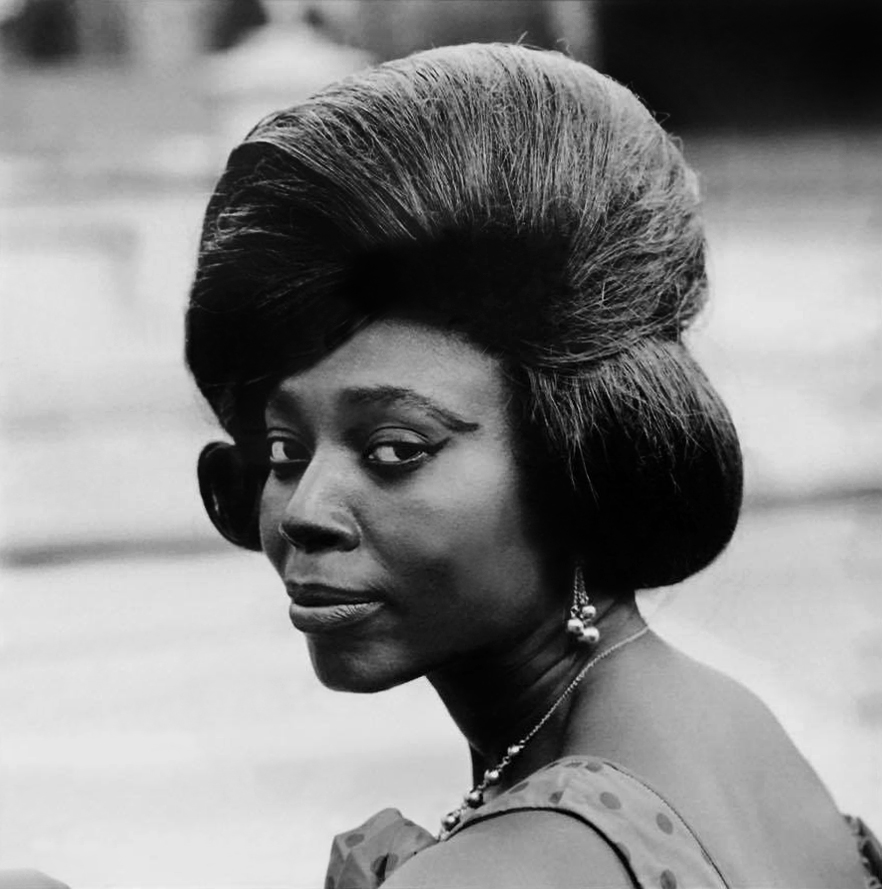
James Barnor (Ghanaian based in London, b. 1929) 'Drum Cover Girl Erlin Ibreck, London' 1966, printed 2010 (installation view) from the display 'Stan Firm inna Inglan' at Tate Britain, London, November 2017


James Barnor (Ghanaian based in London, b. 1929)
Drum Cover Girl Erlin Ibreck, London (installation view)
1966, printed 2010
C-print on paper
Gift of Eric and Louise Franck London Collection 2013
Photo: Marcus Bunyan


“The picture of a young woman leaning against a shiny grey Jaguar was taken in Kilburn, north London, in 1966. The pastel minidress, heavy fringe and costume jewellery feel instantly familiar as belonging to the era, but while we’re used to seeing a pallid Twiggy or Penelope Tree striding about London in fashion shoots from the same time, we rarely see images in which the model is black.

The pictures shown here of young women with 1960s-style beehives and miniskirts were shot as fashion stories for Drum , an influential anti-apartheid magazine based in Johannesburg, and Africa’s first black lifestyle magazine. …

Erlin Ibreck, the model in the main photograph who was 19 at the time, remembers Barnor asking her to pose in Trafalgar Square while flocks of excited pigeons landed on her. ‘I was more nervous about the pigeons than people around us who were staring.’

Some of the models were professional, but Ibreck was someone Barnor spotted in a bus queue at Victoria station. Ibreck was living in Cheshire but visiting her sister, who lived in London. Barnor asked if she would like to be photographed for Drum magazine and eventually she agreed.

Encouraged by Barnor, Ibreck enrolled at the Lucie Clayton modelling school in Manchester, but finding work as a black model in the 1960s was not easy.

‘It was very tough as there were very few black models,’ she says. ‘I was selected by Lucie Clayton to model De Beers diamonds – a South African company, and this was during apartheid. When they discovered that I was black De Beers cancelled the booking and chose a white model.

‘That booking would have enhanced my career, so it was a very painful experience to have been rejected on the basis of my colour. This experience made me realise what I was up against.’ After two years Ibreck gave up modelling and moved to New York.”

Although Barnor says he wasn’t consciously attempting to chronicle ‘black culture’ in England, and was simply taking photographs of things that interested him and the readers of Drum, the effect was, none the less, an optimistic suggestion that these cosmopolitan young African women were part of the exciting new, multicultural society in London that people were talking about.

Barnor’s memories of the time seem to be largely positive, and he says he doesn’t remember experiencing any overt racism. ‘I moved in enlightened circles so I did not have to put up with most of what other black people had to go through, though I did notice when I sat on a bus many people didn’t want to sit next to me’.”

Kate Salter. “Colour me beautiful: James Barnor’s photographs for Drum magazine,” on the Telegraph website 07 December 2010 [Online] Cited 08/10/2017. No longer available online


James Barnor (Ghanaian based in London, b. 1929) 'Wedding Guests, London' 1960s, printed 2010 (installation view)


James Barnor (Ghanaian based in London, b. 1929)
Wedding Guests, London (installation view)
1960s, printed 2010
Gelatin silver on paper
Gift of Eric and Louise Franck London Collection 2013
Photo: Marcus Bunyan


James Barnor (Ghanaian based in London, b. 1929) 'Eva, London' 1960s, printed 2010


James Barnor (Ghanaian based in London, b. 1929)
Eva, London
1960s, printed 2010
Gelatin silver on paper
Gift of Eric and Louise Franck London Collection 2013


Stan Firm wall text from the display


This display brings together works from the 1960s and 1970s by eight photographers who documented Black communities in London: Raphael Albert, Bandele ‘Tex’ Ajetunmobi, James Barnor, Colin Jones, Neil Kenlock, Dennis Morris, Syd Shelton and Al Vandenberg.

The photographs reveal the many and varied experiences of individuals who travelled from the Caribbean region and West Africa to live in London, from everyday family life to political engagement. They show people as they respond to, react against and move beyond the racial tension and exclusion that were part of life for Black communities in the British capital. The title of the display, ‘Stan Firm inna Inglan’, is taken from the poem It Dread inna Inglan by Linton Kwesi Johnson, who in the 1970s gave a voice and poetic form to the Afro-Caribbean diaspora and its resistance in the face of racism. The poem expresses in Jamaican patois (creole) the resolve of African, Asian and Caribbean immigrants to ‘stand firm in England’, asserting the determination of Black British communities to remain in Britain and declare it as their rightful home.

The work of most of the photographers has gained prominence in recent years through the research and curatorial work of Autograph ABP, which was established in London in 1988 to advocate the inclusion of historically marginalised photographic practices. All works in the display have been gifted to the Tate collection and form part of the Eric and Louise Franck London Collection, an important collection of photography which was assembled over more than 20 years.

This display has been curated by Elena Crippa, Allison Thompson and Susana Vargas Cervantes. Alison and Susana worked at Tate as part of the Brooks International Fellowship programme for three months in 2016, fully funded by the Rory and Elizabeth Brooks Foundation and in partnership with the Delfina Foundation.

Text from the Tate Britain website


Dennis Morris wall text from the display


Dennis Morris (British, b. 1960) ''Mother's Pride', Hackney' 1976, printed 2012 (installation view)


Dennis Morris (British, b. 1960)
‘Mother’s Pride’, Hackney (installation view)
1976, printed 2012
Gelatin silver print on paper
Gift of Eric and Louise Franck London Collection 2016
Photo: Marcus Bunyan


Dennis Morris (British, b. 1960) 'Young Gun, Hackney' 1969, printed 2012 (installation view)


Dennis Morris (British, b. 1960)
Young Gun, Hackney (installation view)
1969, printed 2012
Gelatin silver print on paper
Gift of Eric and Louise Franck London Collection 2016
Photo: Marcus Bunyan


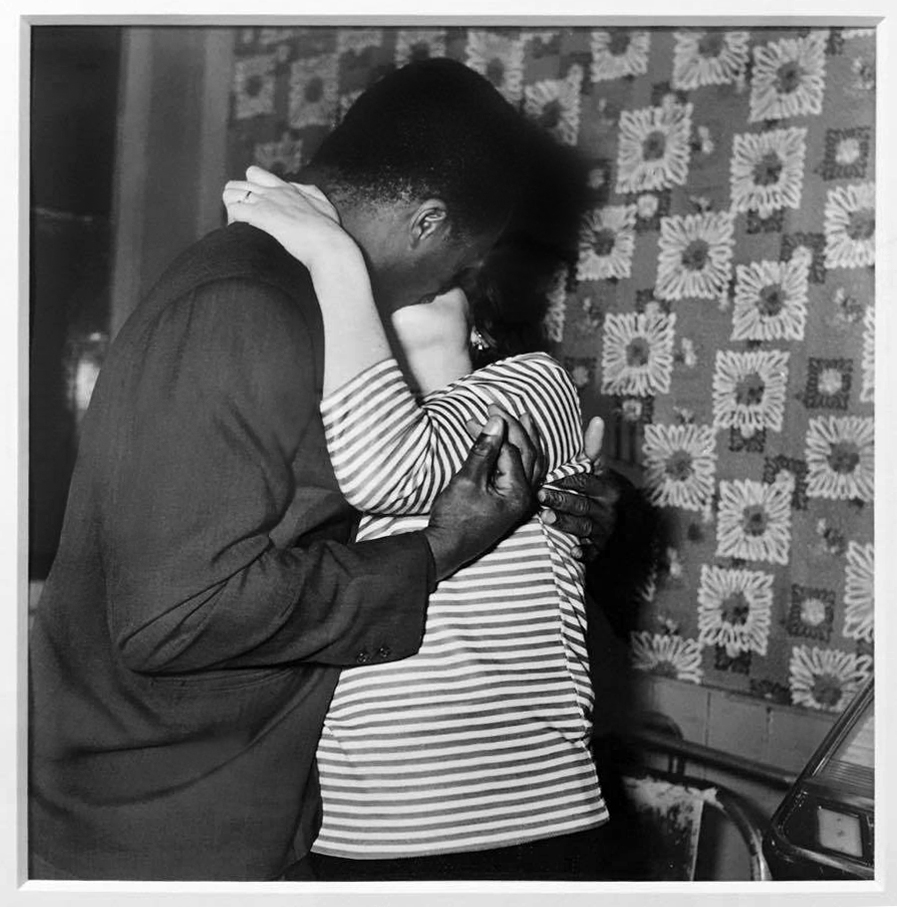
Bandele Ajetunmobi (British, 1921-1994) 'Couple Kissing, Whitechapel, London' 1960s, printed 2012 (installation view)


Bandele Ajetunmobi (British, 1921-1994)
Couple Kissing, Whitechapel, London (installation view)
1960s, printed 2012
Gelatin silver print on paper
Gift of Eric and Louise Franck London Collection 2016
Photo: Marcus Bunyan


“Bandele Ajetunmobi – widely known as Tex – took photographs in the East End for almost half a century, starting in the late forties. He recorded a tender vision of interracial camaraderie, notably as manifest in a glamorous underground nightlife culture yet sometimes underscored with melancholy too – creating poignant portraits that witness an almost-forgotten era of recent history.

In 1947, at twenty-six years old, he stowed away on a boat from Nigeria – where he found himself an outcast on account of the disability he acquired from polio as a child – and in East London he discovered the freedom to pursue his life’s passion for photography, not for money or reputation but for the love of it.

He was one of Britain’s first black photographers and he lived here in Commercial St, Spitalfields, yet most of his work was destroyed when he died in 1994 and, if his niece had not rescued a couple of hundred negatives from a skip, we should have no evidence of his breathtaking talent. …

“He did all this photography yet he didn’t do it to make money, he did it for pleasure and for artistic purposes. He was doing it for art’s sake.He had lots of books of photography and he studied it. He was doing it because those things needed to be recorded. You fall in love with a medium and that’s what happened to him. He spent all his money on photography. He had expensive cameras, Hasselblads and Leicas. My mother said, ‘If you sold one, you could make a visit to Nigeria.’ But he never went back, he was probably a bit of an outcast because of his polio as a child and it suited him to be somewhere people didn’t judge him for that. …

He used to do buying and selling from a stall in Brick Lane. When he died, they found so much stuff in his flat, art equipment, pens, old records and fountain pens. He had a very good eye for things. Everybody knew him, he was always with his camera and they stopped him in the street and asked him to take their picture. He was able to take photographs in clubs, so he must have been a trusted and respected figure. Even if the subjects are poor, they are strutting their stuff for the camera. He gave them their pride and I like that.” (Victoria Loughran)

The Gentle Author. “Bandele “Tex” Ajetunmobi, Photographer,” on the Spitalfields Life website December 2, 2013 [Online] Cited 08/10/2017


Bandele Ajetunmobi (British, 1921-1994) 'East End, London' c. 1975, printed 2012 (installation view)


Bandele Ajetunmobi (British, 1921-1994)
East End, London (installation view)
c. 1975, printed 2012
C-print on paper
Gift of Eric and Louise Franck London Collection 2016
Photo: Marcus Bunyan


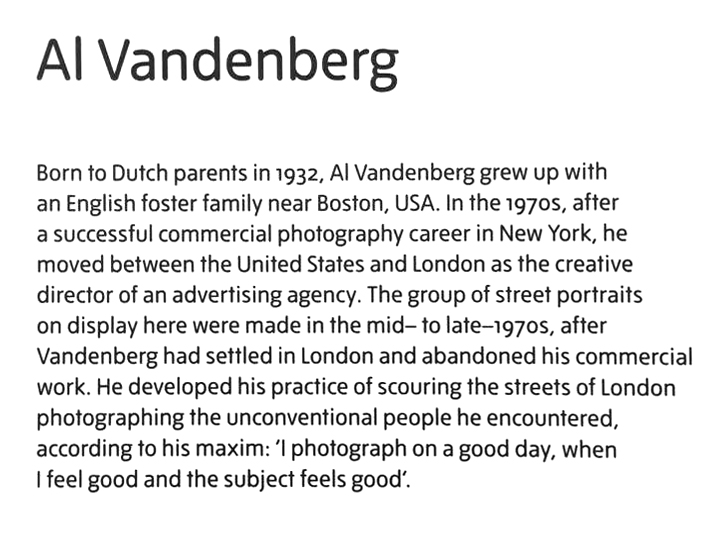
Al Vandenberg wall text from the display


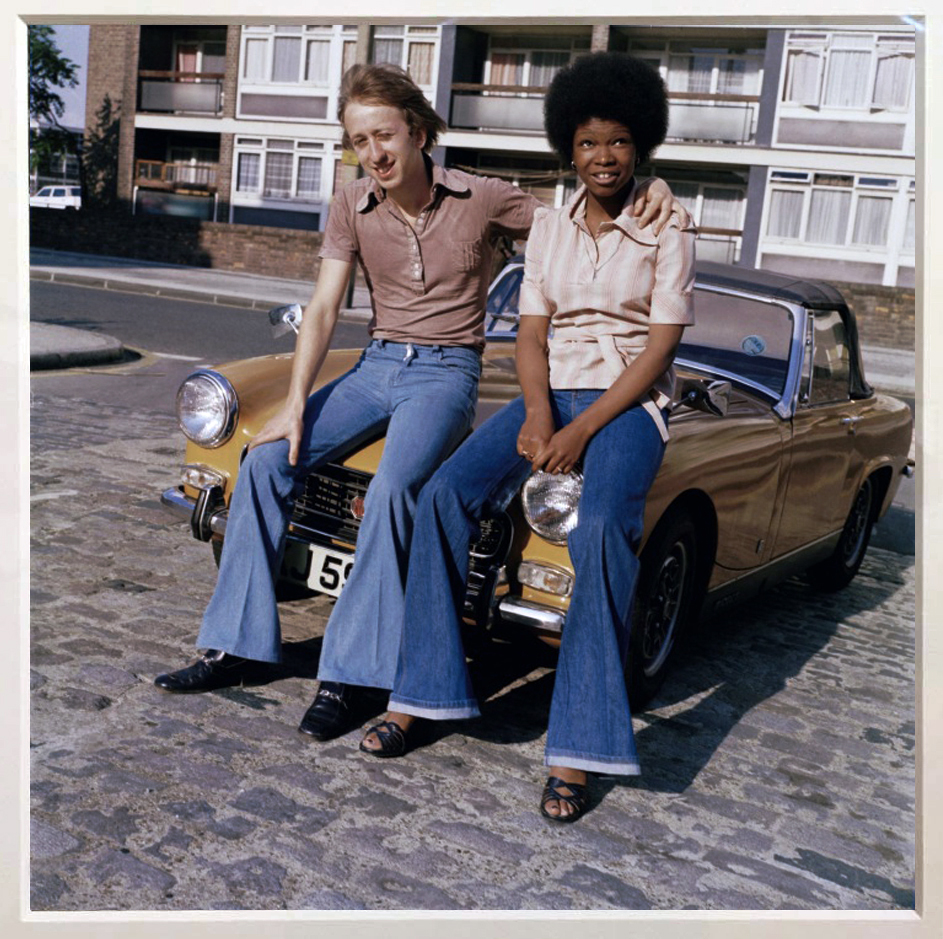
Al Vanbenberg (American, 1932-2012) 'Untitled' c. 1975-1980 (installation view)


Al Vanbenberg (American, 1932-2012)
Untitled (installation view)
c. 1975-1980
From the series On a Good Day
Gelatin silver print on paper
Gift of Eric and Louise Franck London Collection 2013
Photo: Marcus Bunyan


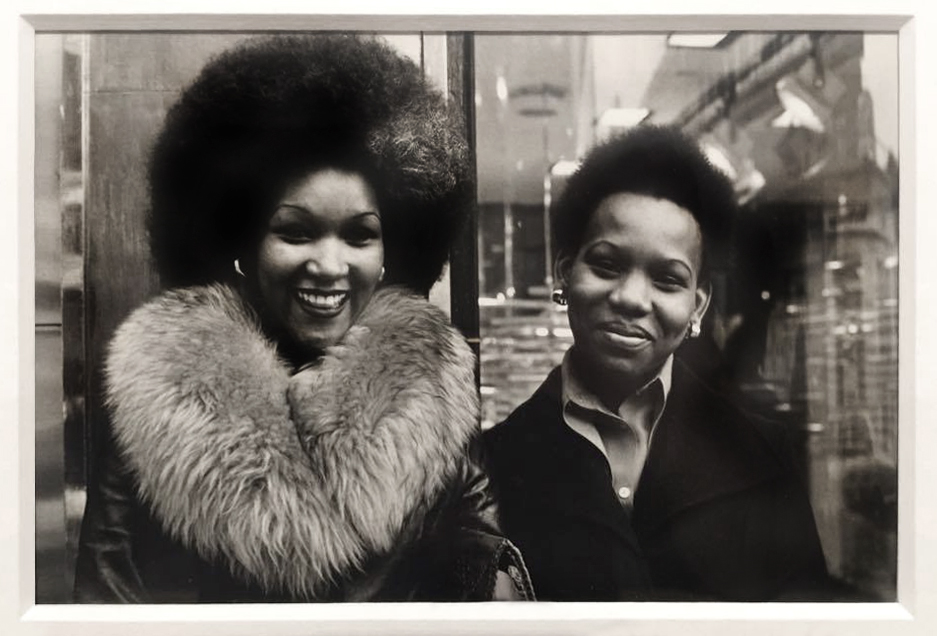
Al Vanbenberg (American, 1932-2012) 'Untitled' c. 1975-1980 (installation view)


Al Vanbenberg (American, 1932-2012)
Untitled
c. 1975-1980
From the series On a Good Day
Gelatin silver print on paper
Gift of Eric and Louise Franck London Collection 2013
Photo: Marcus Bunyan


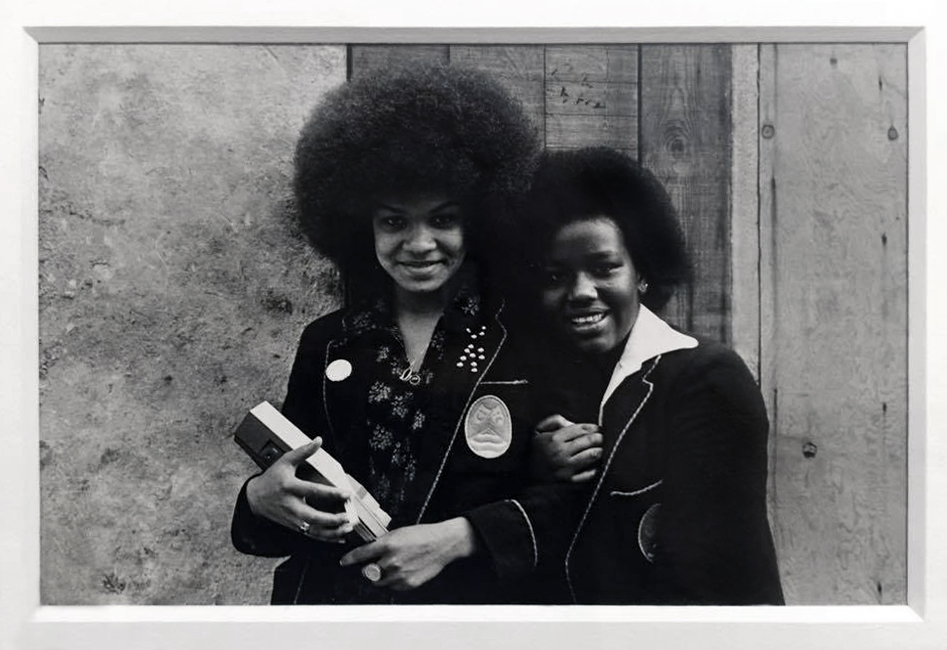
Al Vanbenberg (American, 1932-2012) 'Untitled' c. 1975-1980 (installation view)


Al Vanbenberg (American, 1932-2012)
Untitled (installation view)
c. 1975-1980
From the series On a Good Day
Gelatin silver print on paper
Gift of Eric and Louise Franck London Collection 2013
Photo: Marcus Bunyan


Colin Jones wall text from the display


Colin Jones (English, 1936-2021) From the series 'The Black House, 571 Holloway Road, London' 1976, printed 2012 (installation view)

Colin Jones (English, 1936-2021) From the series 'The Black House, 571 Holloway Road, London' 1976, printed 2012 (installation view)

Colin Jones (English, 1936-2021) From the series 'The Black House, 571 Holloway Road, London' 1976, printed 2012 (installation view)

Colin Jones (English, 1936-2021) From the series 'The Black House, 571 Holloway Road, London' 1976, printed 2012 (installation view)

Colin Jones (English, 1936-2021) From the series 'The Black House, 571 Holloway Road, London' 1976, printed 2012 (installation view)

Colin Jones (English, 1936-2021) From the series 'The Black House, 571 Holloway Road, London' 1976, printed 2012 (installation view)


Colin Jones (English, 1936-2021)
From the series The Black House, 571 Holloway Road, London (installation views)
1976, printed 2012
Gelatin silver print on paper
Gift Eric and Louise Franck London Collection 2016
Photo: Marcus Bunyan


Syd Shelton wall text from the display


Syd Shelton (British, b. 1947) 'Southhall Carnival against the Nazis' 1979, printed 2012 (installation view)


Syd Shelton (British, b. 1947)
Southhall Carnival against the Nazis (installation view)
1979, printed 2012
Gelatin silver print on paper
Gift Eric and Louise Franck London Collection 2016
Photo: Marcus Bunyan


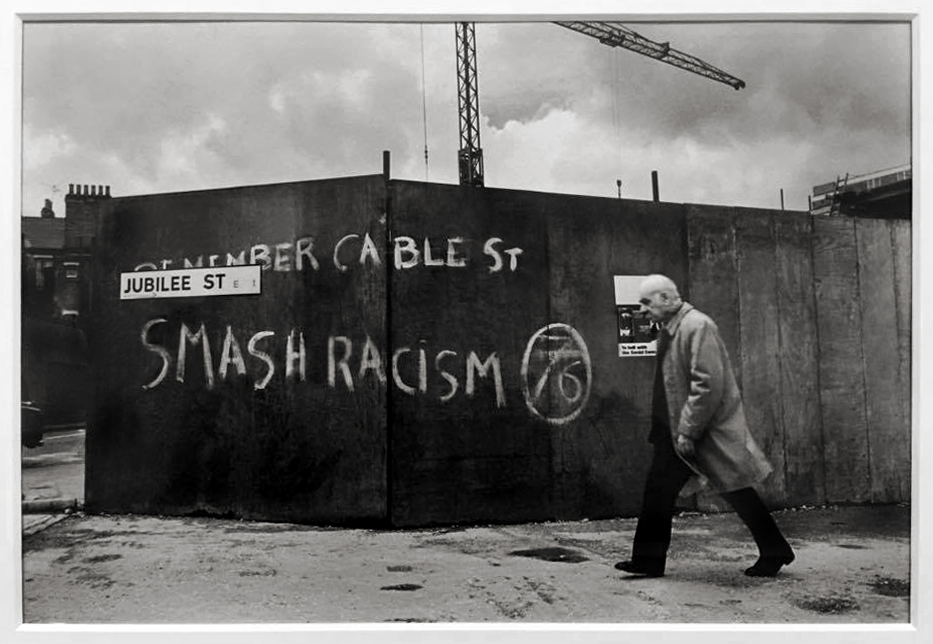
Syd Shelton (British, b. 1947) 'Jubilee Street, Stepney, London' 1977, printed 2012 (installation view)


Syd Shelton (British, b. 1947)
Jubilee Street, Stepney, London (installation view)
1977, printed 2012
Gelatin silver print on paper
Gift Eric and Louise Franck London Collection 2016
Photo: Marcus Bunyan


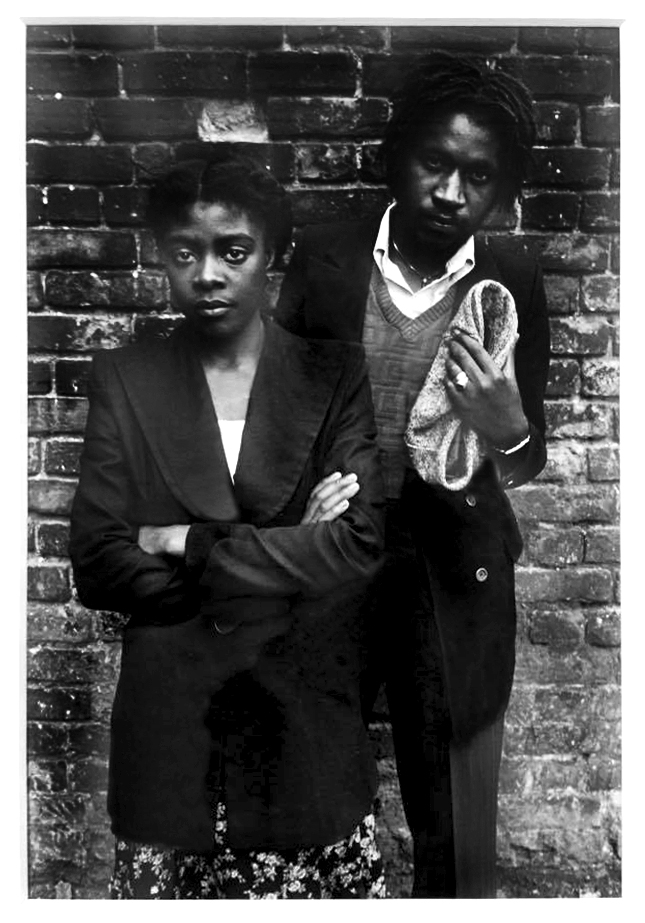
Syd Shelton (British, b. 1947) 'Bagga (Bevin Fagan), Hackney, East London' 1979, printed 2012 (installation view)


Syd Shelton (British, b. 1947)
Bagga (Bevin Fagan), Hackney, East London (installation view)
1979, printed 2012
Gelatin silver print on paper
Gift Eric and Louise Franck London Collection 2016
Photo: Marcus Bunyan


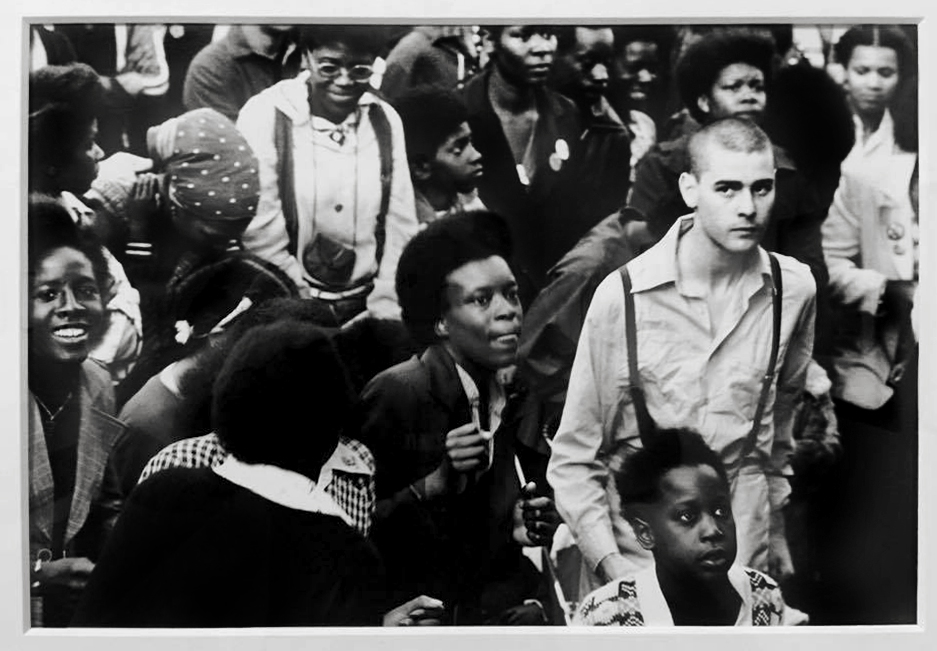
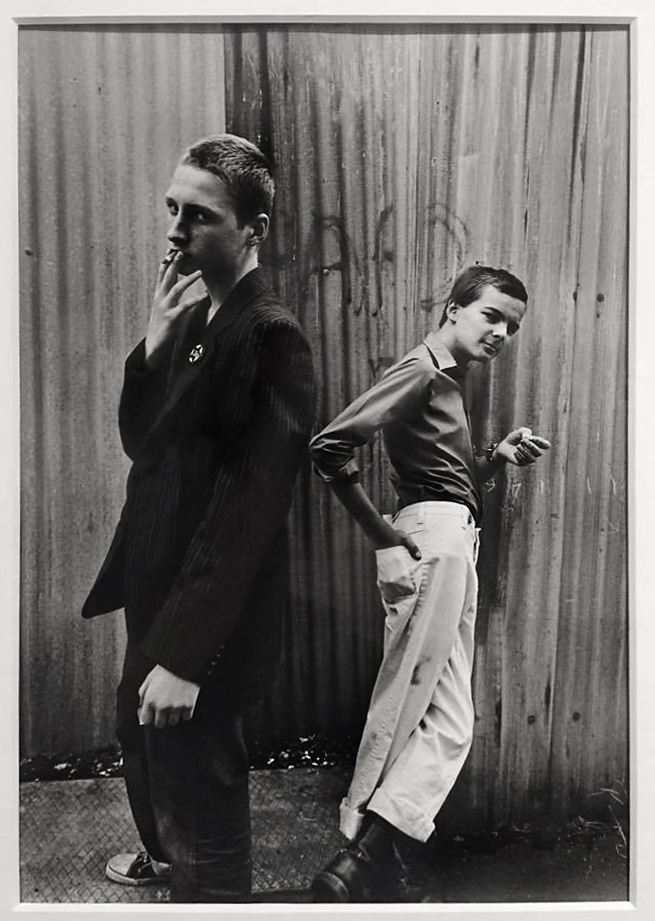
Syd Shelton (British, b. 1947) 'Skinheads, Petticoat Lane, East London' 1979, printed 2012 (installation view)


Syd Shelton (British, b. 1947)
Skinheads, Petticoat Lane, East London (installation view)
1979, printed 2012
Gelatin silver print on paper
Gift Eric and Louise Franck London Collection 2016
Photo: Marcus Bunyan


Syd Shelton (British, b. 1947) 'Anti racist Skinheads, Hackney, London' 1979, printed 2012 (installation view)


Syd Shelton (British, b. 1947)
Anti racist Skinheads, Hackney, London (installation view)
1979, printed 2012
Gelatin silver print on paper
Gift Eric and Louise Franck London Collection 2016


Neil Kenlock wall text from the display


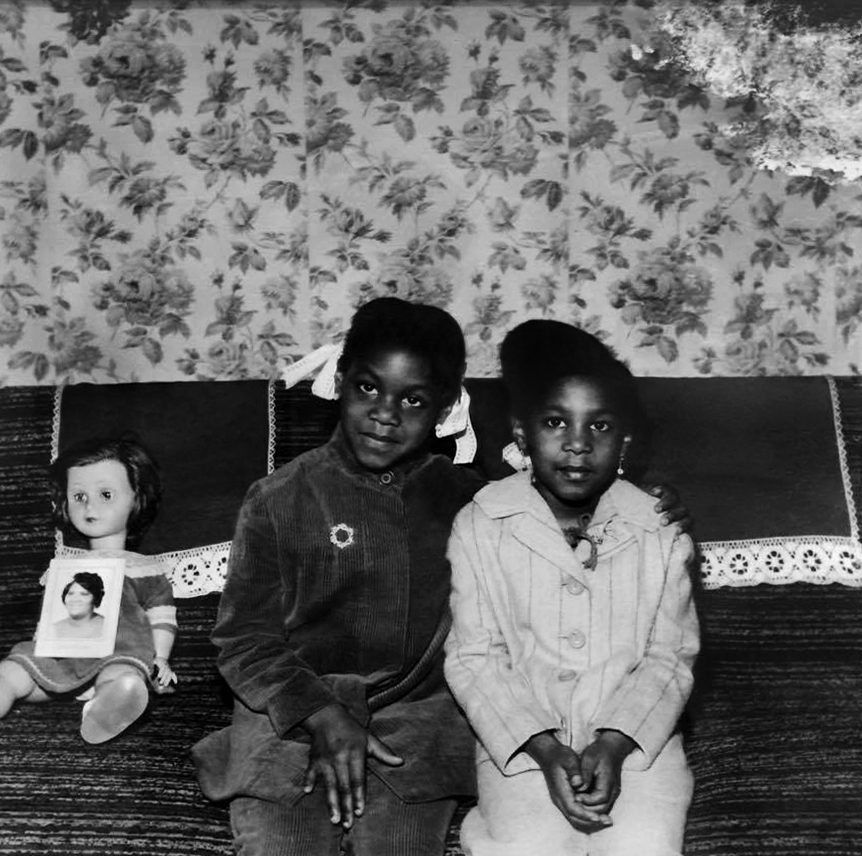
Neil Kenlock (British born Jamaica, b. 1950) 'The Bailey Sisters in Clapham' c. 1970, printed 2010 (installation view)


Neil Kenlock (British born Jamaica, b. 1950)
The Bailey Sisters in Clapham (installation view)
c. 1970, printed 2010
Gelatin silver print on paper
Presented by Tate Members 2013 and forming part of the Eric and Louise Franck London Collection
Photo: Marcus Bunyan


Neil Kenlock (born 1950) 'Demonstration outside Brixton Library' 1972, printed 2010


Neil Kenlock (British born Jamaica, b. 1950)
Demonstration outside Brixton Library (installation view)
1972, printed 2010
Gelatin silver print on paper
Presented by Tate Members 2013 and forming part of the Eric and Louise Franck London Collection
Photo: Marcus Bunyan


Neil Kenlock (British born Jamaica, b. 1950) ''Keep Britain White' graffiti, Balham' 1972, printed 2010 (installation view)


Neil Kenlock (British born Jamaica, b. 1950)
‘Keep Britain White’ graffiti, Balham (installation view)
1972, printed 2010
Gelatin silver print on paper
Presented by Tate Members 2013 and forming part of the Eric and Louise Franck London Collection
Photo: Marcus Bunyan


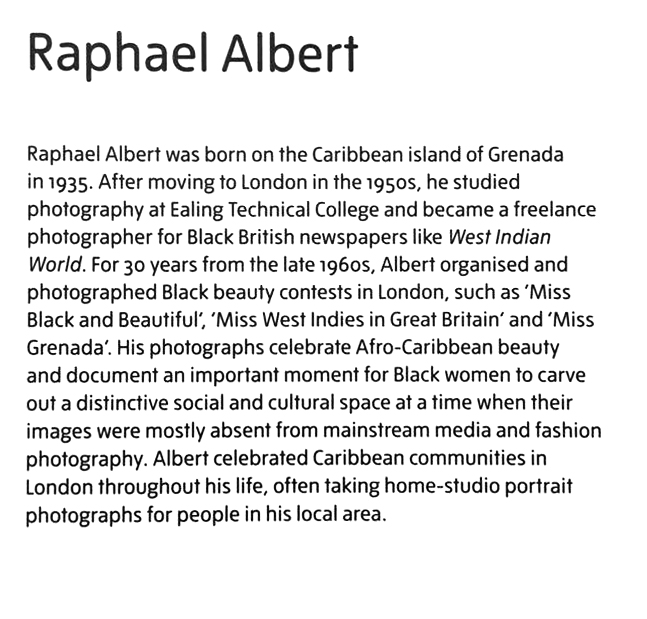
Raphael Albert wall text from the display


Raphael Albert (British born Grenada, 1935-2009) 'The Golden Chip, Hammersmith, London' c. 1970, printed 2012 (installation view)


Raphael Albert (British born Grenada, 1935-2009)
The Golden Chip, Hammersmith, London (installation view)
c. 1970, printed 2012
Gelatin silver print on paper
Gift Eric and Louise Franck London Collection 2016
Photo: Marcus Bunyan


Raphael Albert (British born Grenada, 1935-2009) 'Hammersmith, London' 1960s, printed 2012


Raphael Albert (British born Grenada, 1935-2009)
Hammersmith, London (installation view)
1960s, printed 2012
Gelatin silver print on paper
Gift Eric and Louise Franck London Collection 2016


Raphael Albert (British born Grenada, 1935-2009) 'The Harder They Come, Hammersmith Apollo' c. 1972, printed 2012


Raphael Albert (British born Grenada, 1935-2009)
The Harder They Come, Hammersmith Apollo (installation view)
c. 1972, printed 2012
Gelatin silver print on paper
Gift Eric and Louise Franck London Collection 2016


Raphael Albert (British born Grenada, 1935-2009) 'Holley posing at Blythe Road, London' c. 1974, printed 2012 (installation view)


Raphael Albert (British born Grenada, 1935-2009)
Holley posing at Blythe Road, London (installation view)
c. 1974, printed 2012
Gelatin silver print on paper
Gift Eric and Louise Franck London Collection 2016
Photo: Marcus Bunyan


Tate Britain
Millbank, London SW1P 4RG
United Kingdom
Phone: +44 20 7887 8888

Opening hours:
10.00am – 18.00pm daily

Tate Britain website

LIKE ART BLART ON FACEBOOK

Back to top