Exhibition: ‘Sun and Silver: Early Photographs of China by Lai Fong and John Thomson’ at the Loewentheil Photography of China Collection, New York

Exhibition dates: 13th March – 10th June, 2025

Curator: Stacey Lambrow


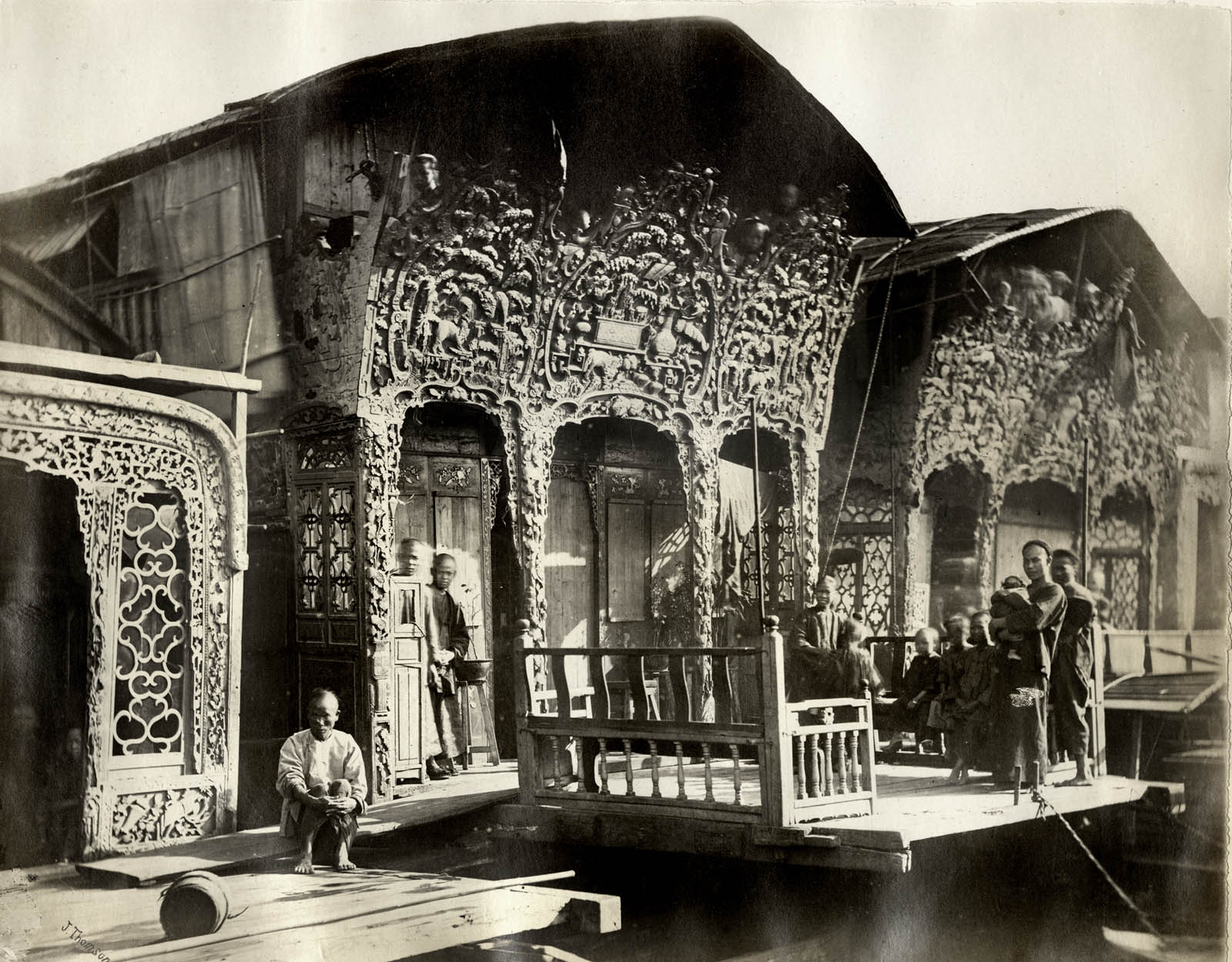
Lai Fong (Chinese, c. 1838 or 1839-1890) (Lai Afong / Afong Studio) 'Interior of a Flower Boat'
c. 1870


Lai Fong (Chinese, c. 1838 or 1839-1890) (Lai Afong / Afong Studio)
Interior of a Flower Boat
c. 1870
Albumen silver print


A Monday posting!

It is a privilege to be able to publish these beautiful photographs together with installation photographs of the exhibition.

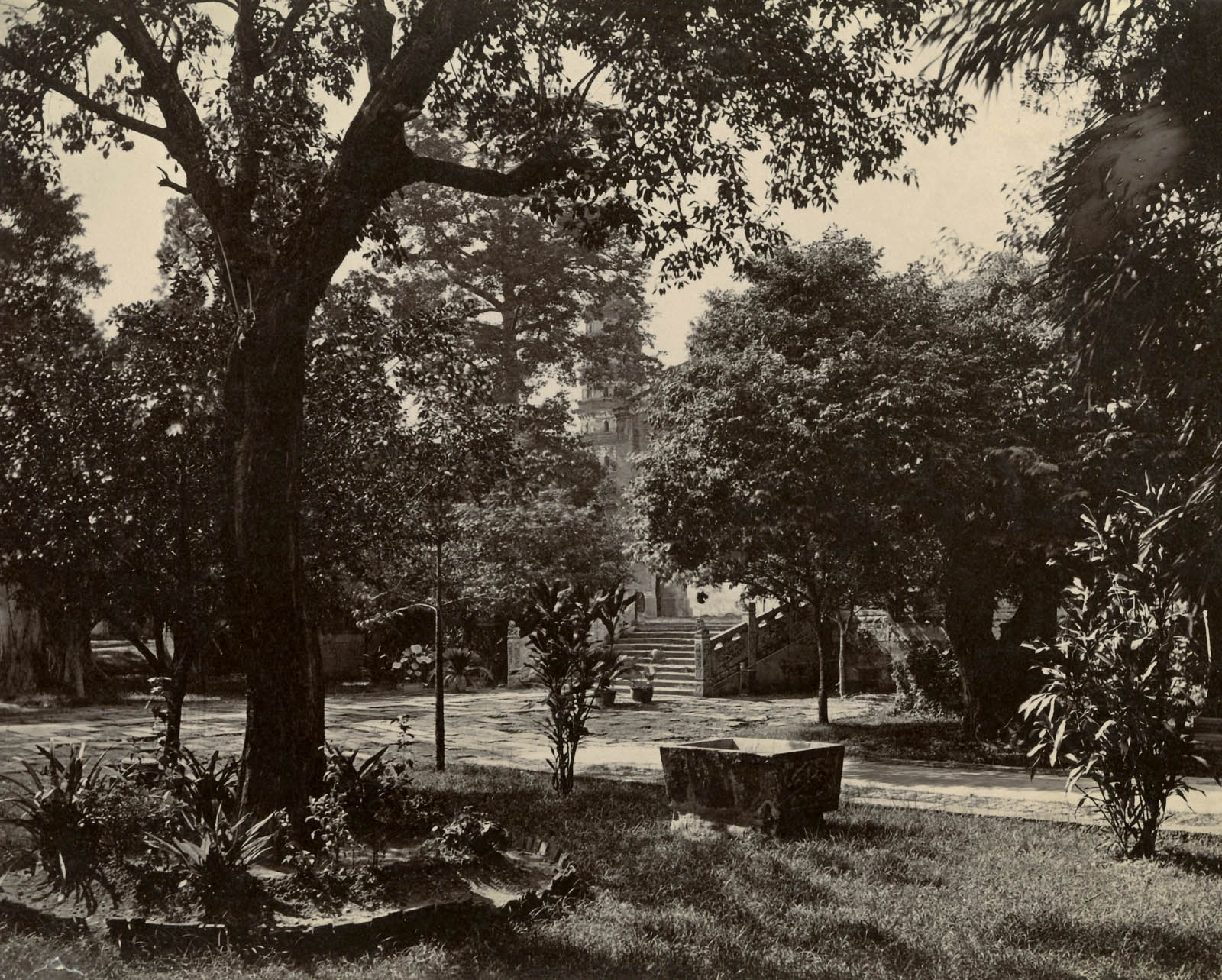
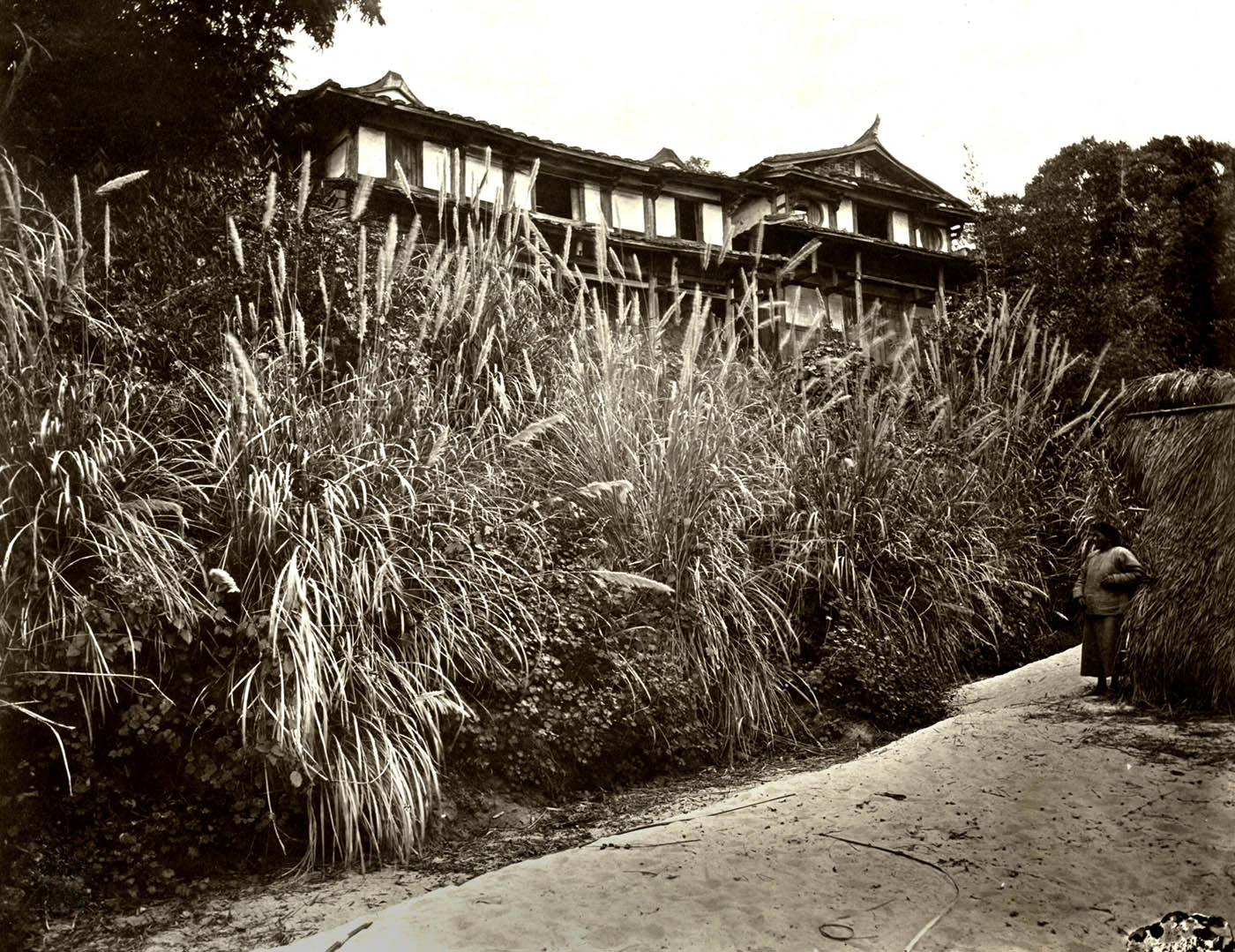
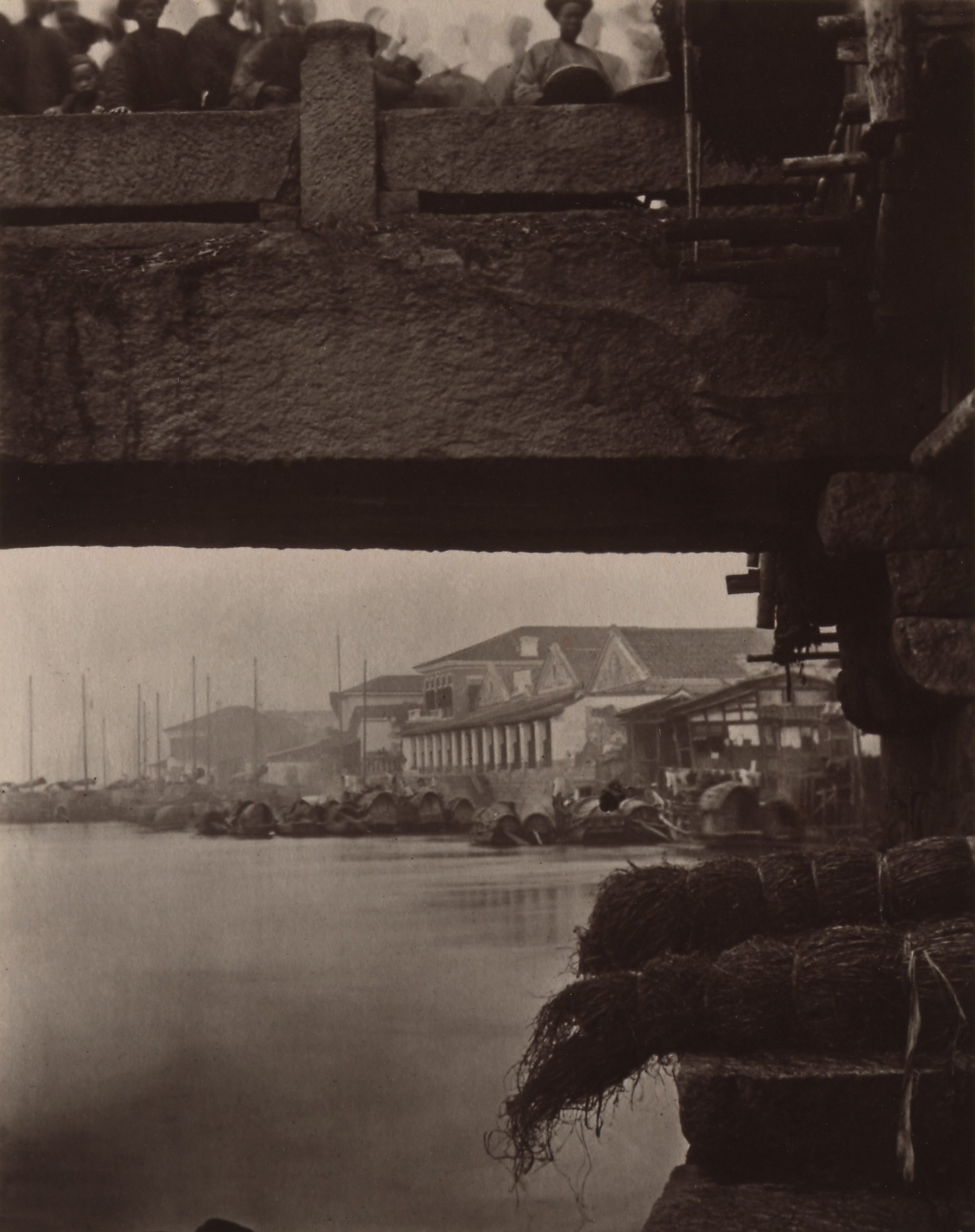
The synthesis of light, perspective and feeling for subject matter is superb. Just look at John Thomson’s River Reeds (c. 1870, below) or Lai Fong’s View in Garden (c. 1870, below), both are which are virtuoso examples of the art of early photography.

The older I get the more attuned I become to these early photographs, a moment in time captured forever in perfect tonality, synchronous to the opening guitar solo of the Adagio of Rodrigo’s Concierto de Aranjuez for guitar and orchestra.

Many thankx to the curator Stacey Lambrow for sending me the media images and installation photographs, the latter allowing us to understand the structure and layout of the exhibition. It is very much appreciated.

Dr Marcus Bunyan


Many thankx to the Loewentheil Photography of China Collection for allowing me to publish the photographs in the posting. Please click on the photographs for a larger version of the image.

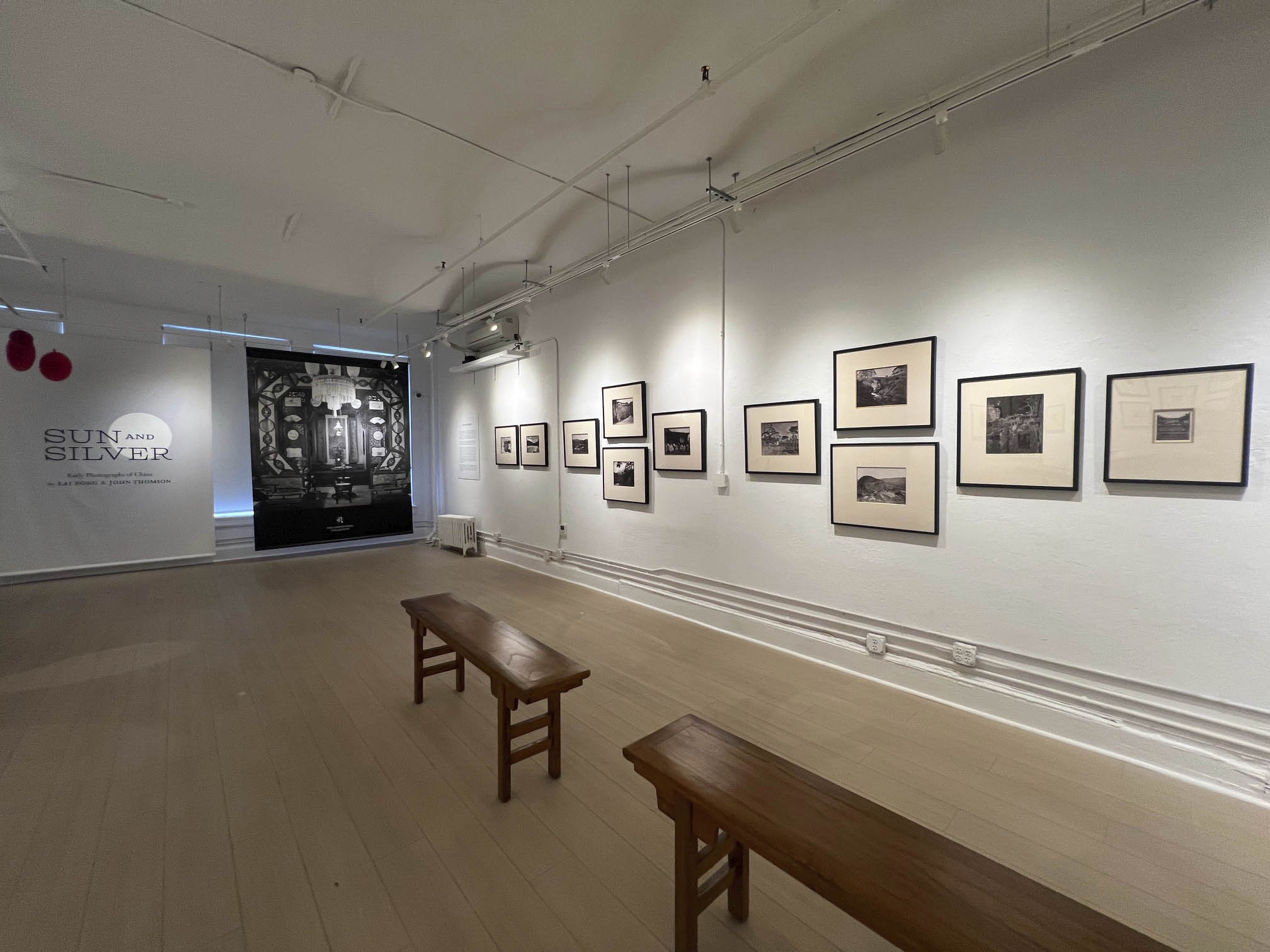


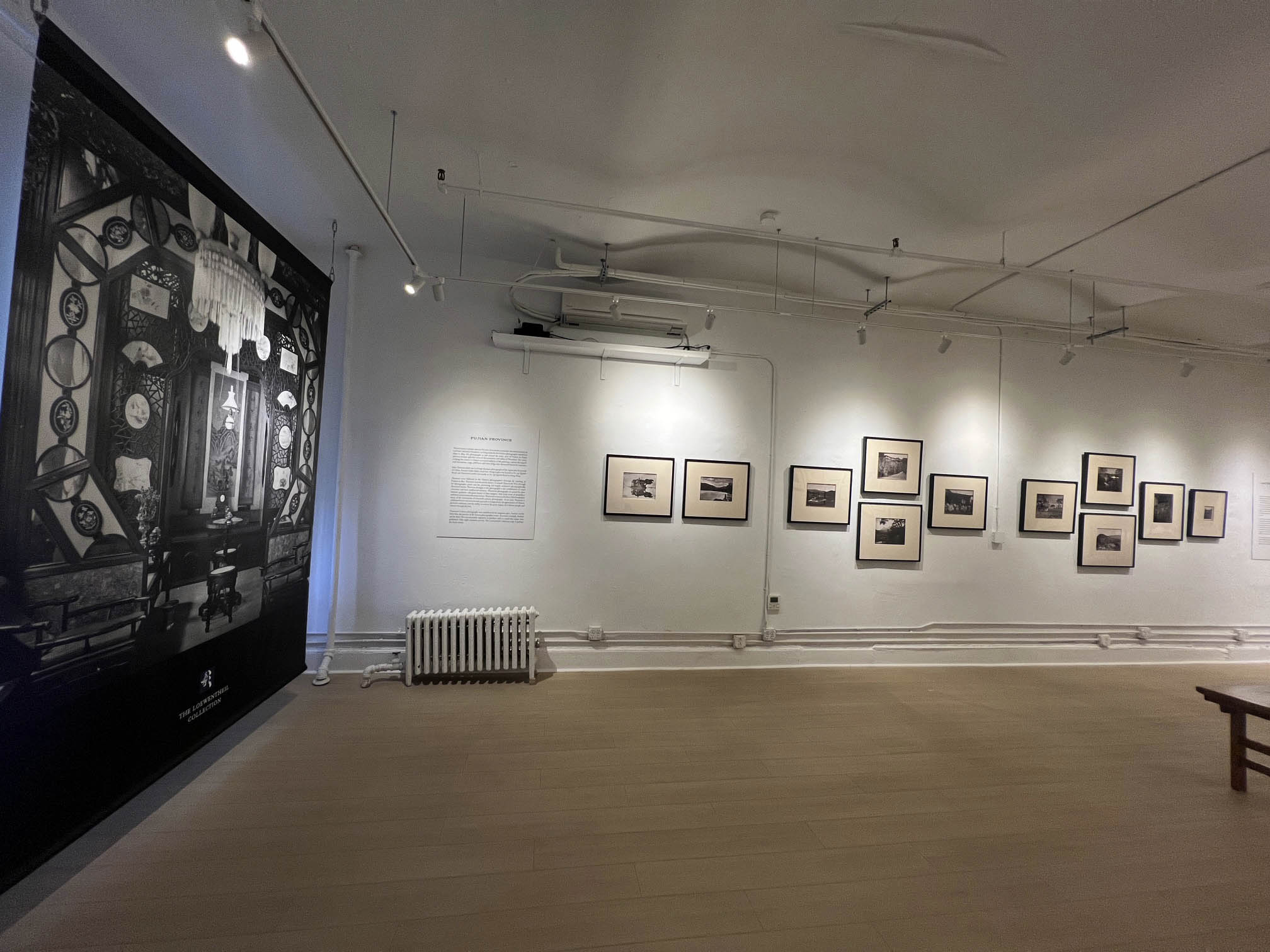
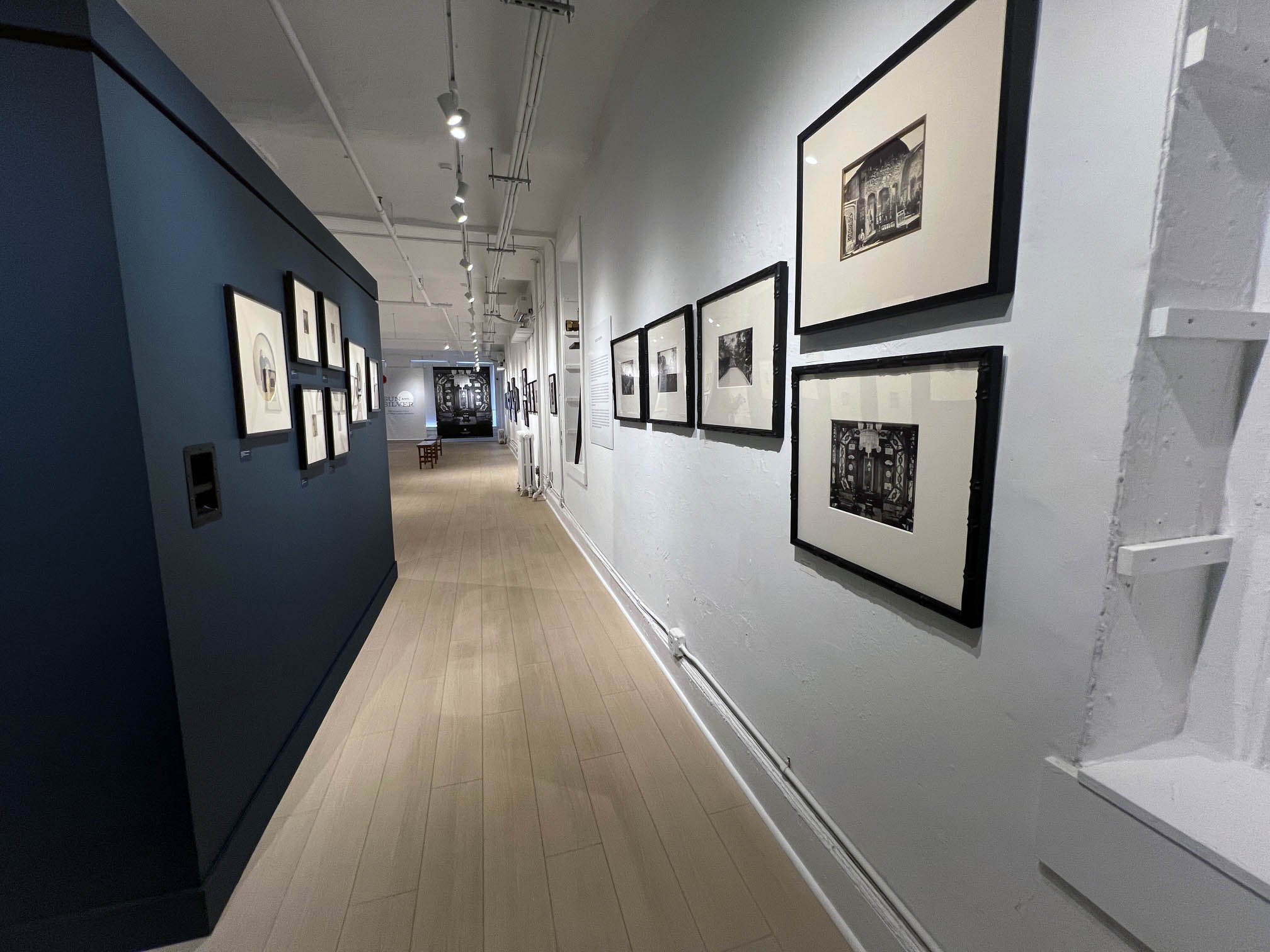
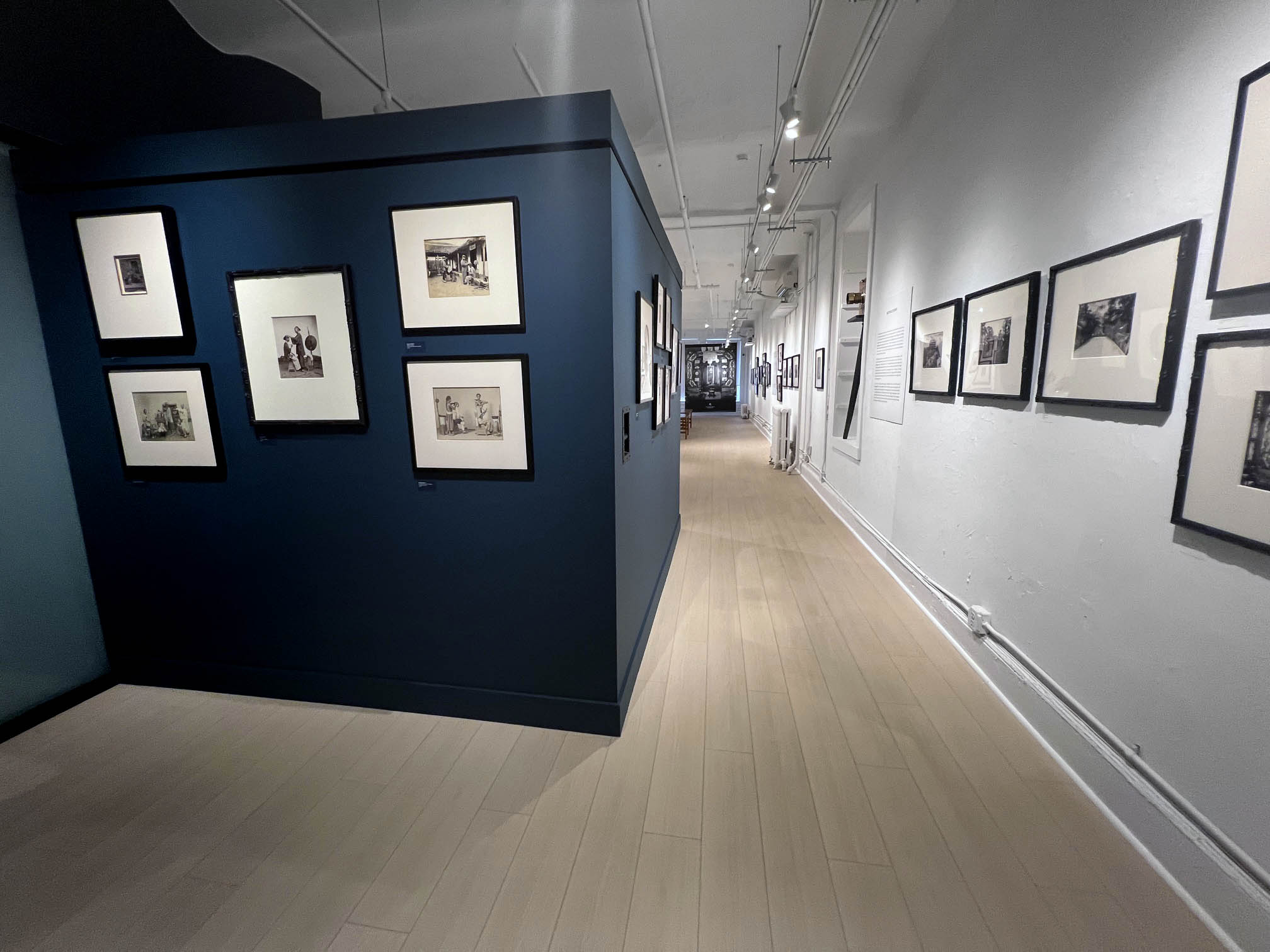
Installation view of the exhibition 'Sun and Silver: Early Photographs of China by Lai Fong and John Thomson' at the Loewentheil Photography of China Collection, New York
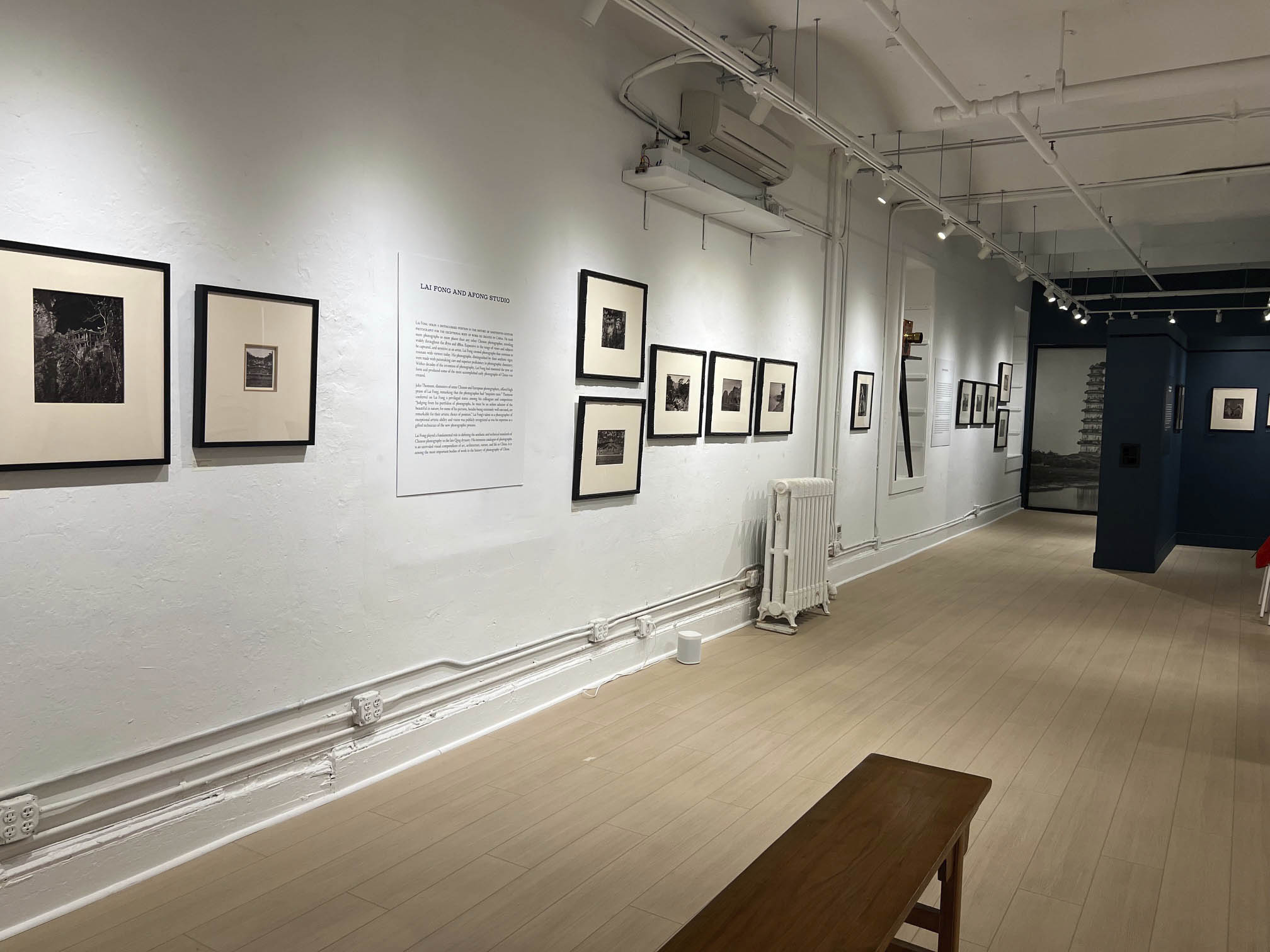
Installation view of the exhibition 'Sun and Silver: Early Photographs of China by Lai Fong and John Thomson' at the Loewentheil Photography of China Collection, New York
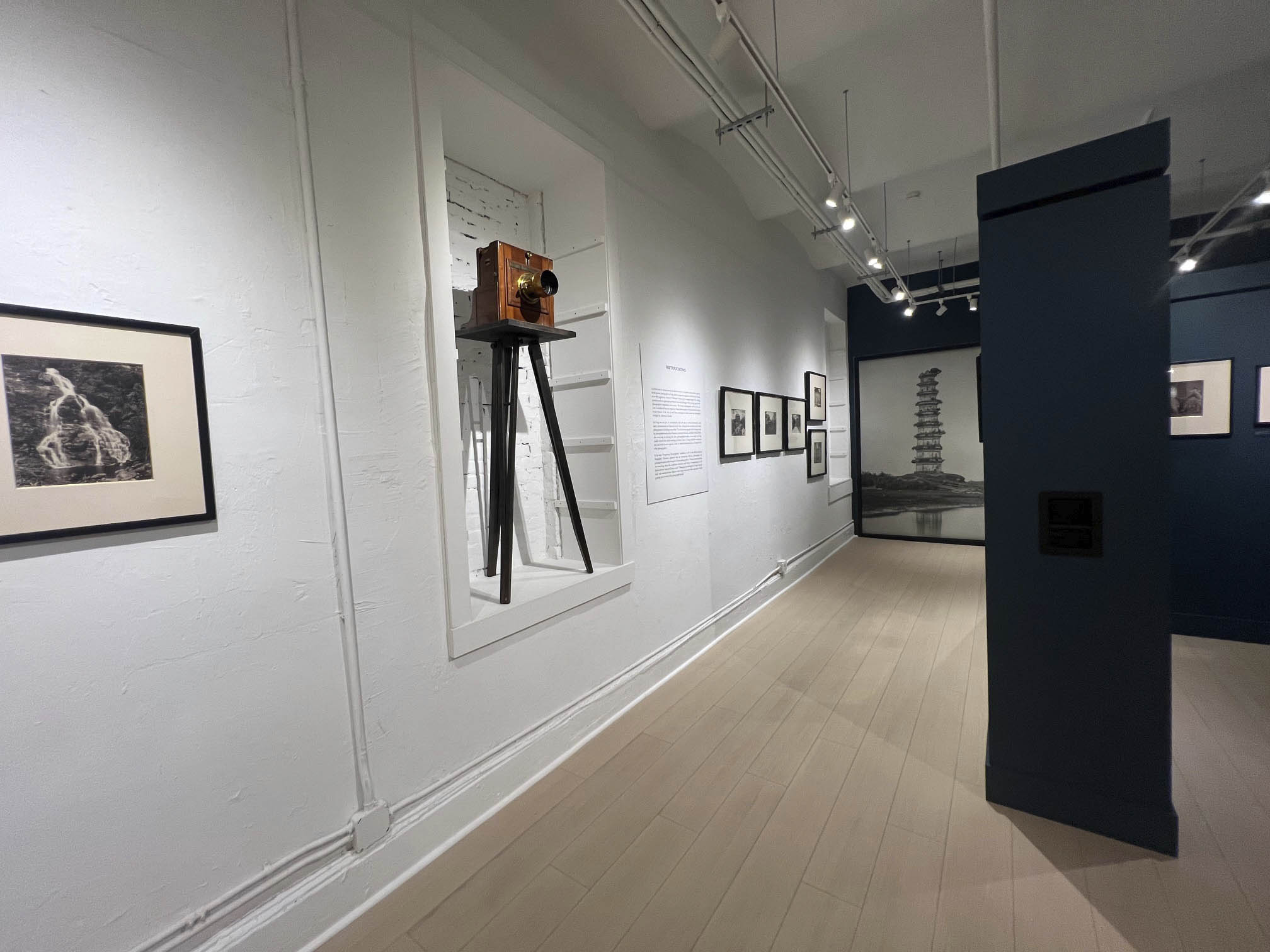
Installation view of the exhibition 'Sun and Silver: Early Photographs of China by Lai Fong and John Thomson' at the Loewentheil Photography of China Collection, New York
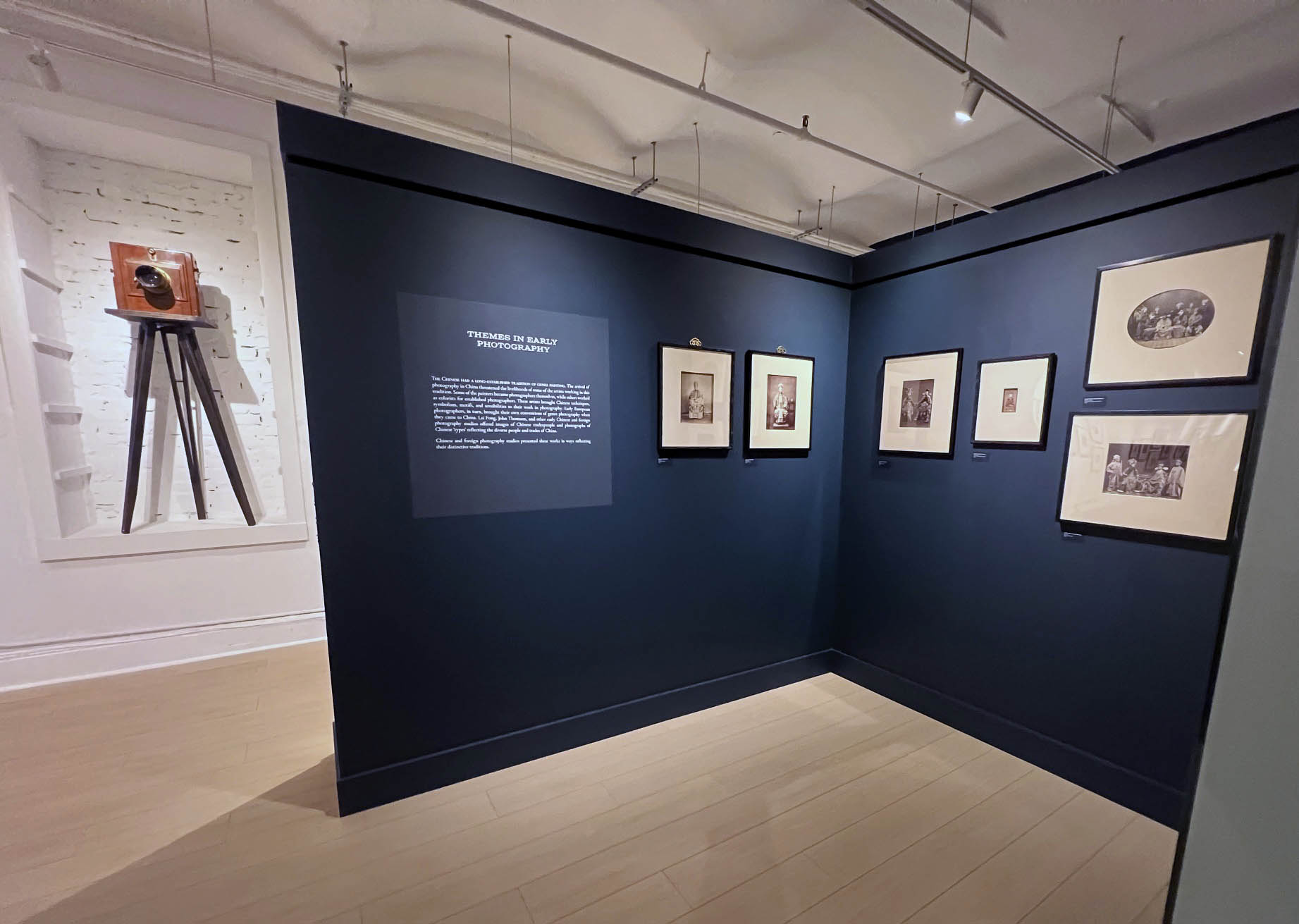
Installation view of the exhibition 'Sun and Silver: Early Photographs of China by Lai Fong and John Thomson' at the Loewentheil Photography of China Collection, New York


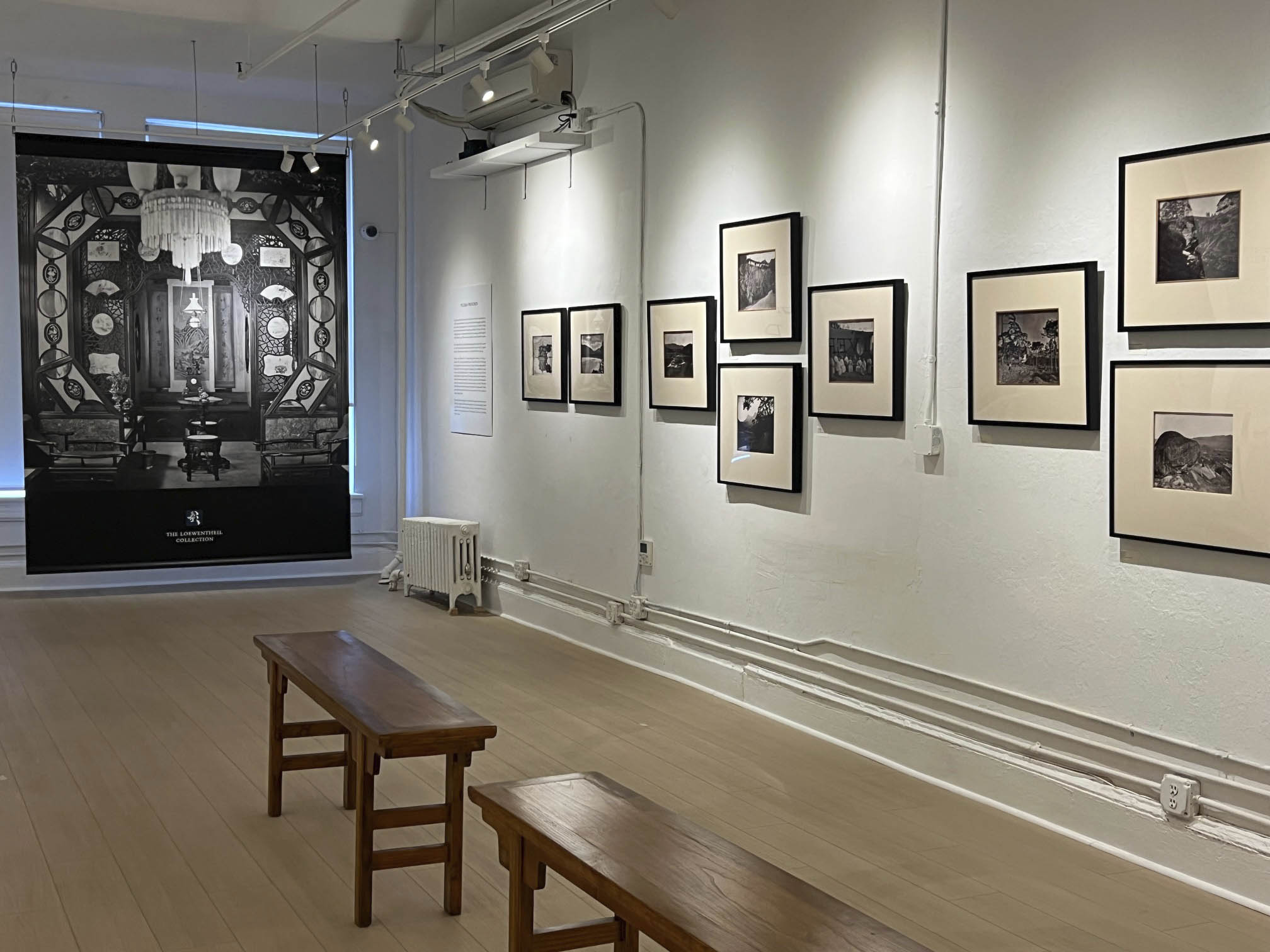
Installation views of the exhibition Sun and Silver: Early Photographs of China by Lai Fong and John Thomson at the Loewentheil Photography of China Collection, New York


The Loewentheil Photography of China Collection presents Sun and Silver: Early Photographs of China by Lai Fong and John Thomson curated by Stacey Lambrow. This exhibition brings together masterpieces by two giants of 19th-century photography of China. Lai Fong and John Thomson originated many of the most significant developments in the early art of photography in China. This show reveals the intricate and fascinating relationship between the works of the most famous early Chinese photographer and those of his leading foreign contemporary. The two photographers crossed paths, competed for patrons, and had a meaningful influence on one another and the art of photography.

This major exhibition gives viewers the opportunity to compare and contrast Lai Fong’s expressive artistry and technical ingenuity alongside Thomson’s stylistic virtuosity.

Sun and Silver: Early Photographs of China by Lai Fong and John Thomson spans the careers of both artists through the finest examples of vintage prints, all dating to the 1860s and 1870s. It also presents works by other 19th-century photography studios in China that share the themes and subjects of Lai Fong’s and Thomson’s photographs. The exhibition suggests new ways of looking at the origins of photography in China.

This exhibition of works by Lai Fong and John Thomson presents a tiny sliver of the holdings of the Loewentheil Collection, the most important collection of early China photographs in the world.

Text from the Loewentheil Photography of China Collection website


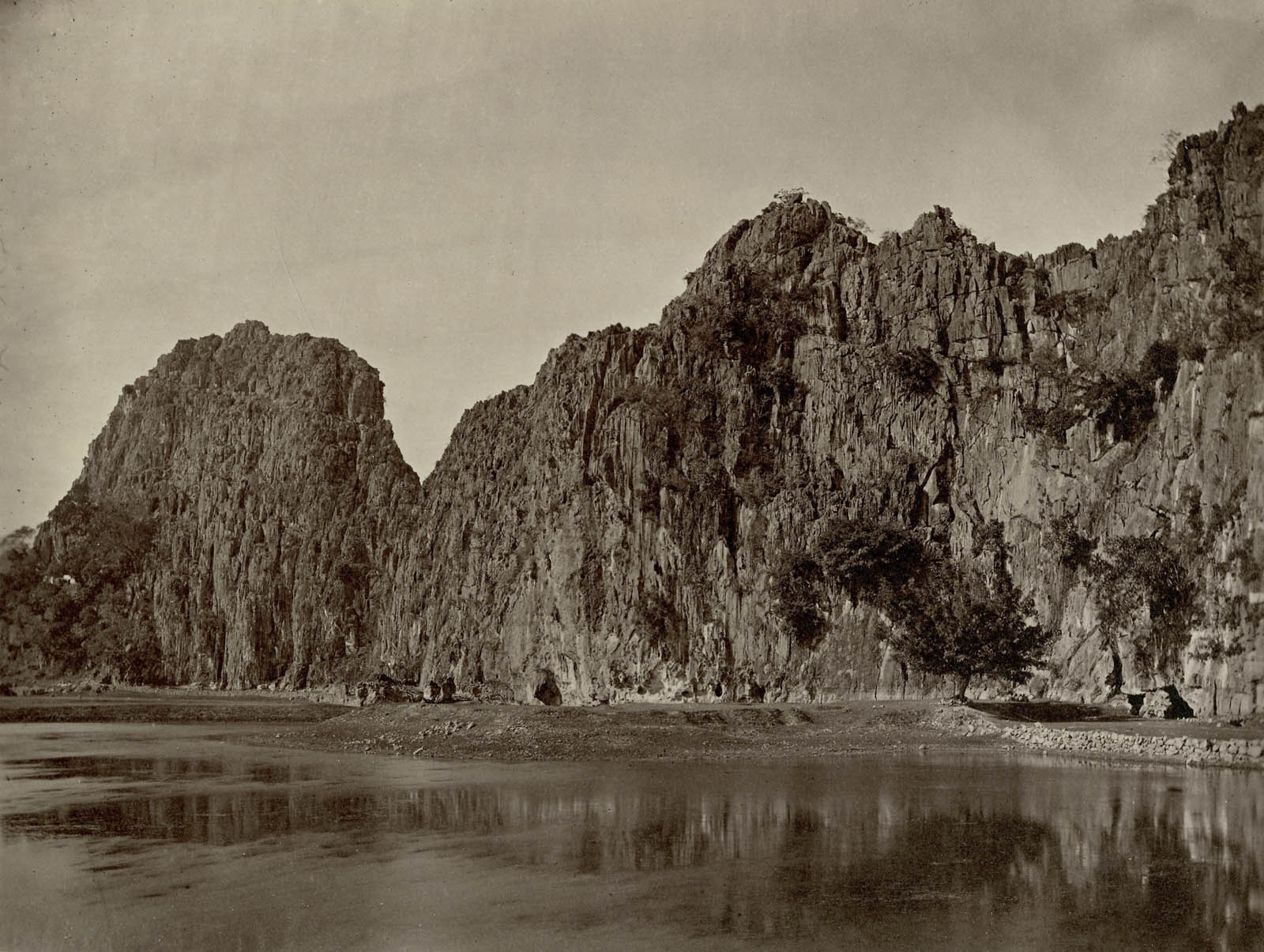
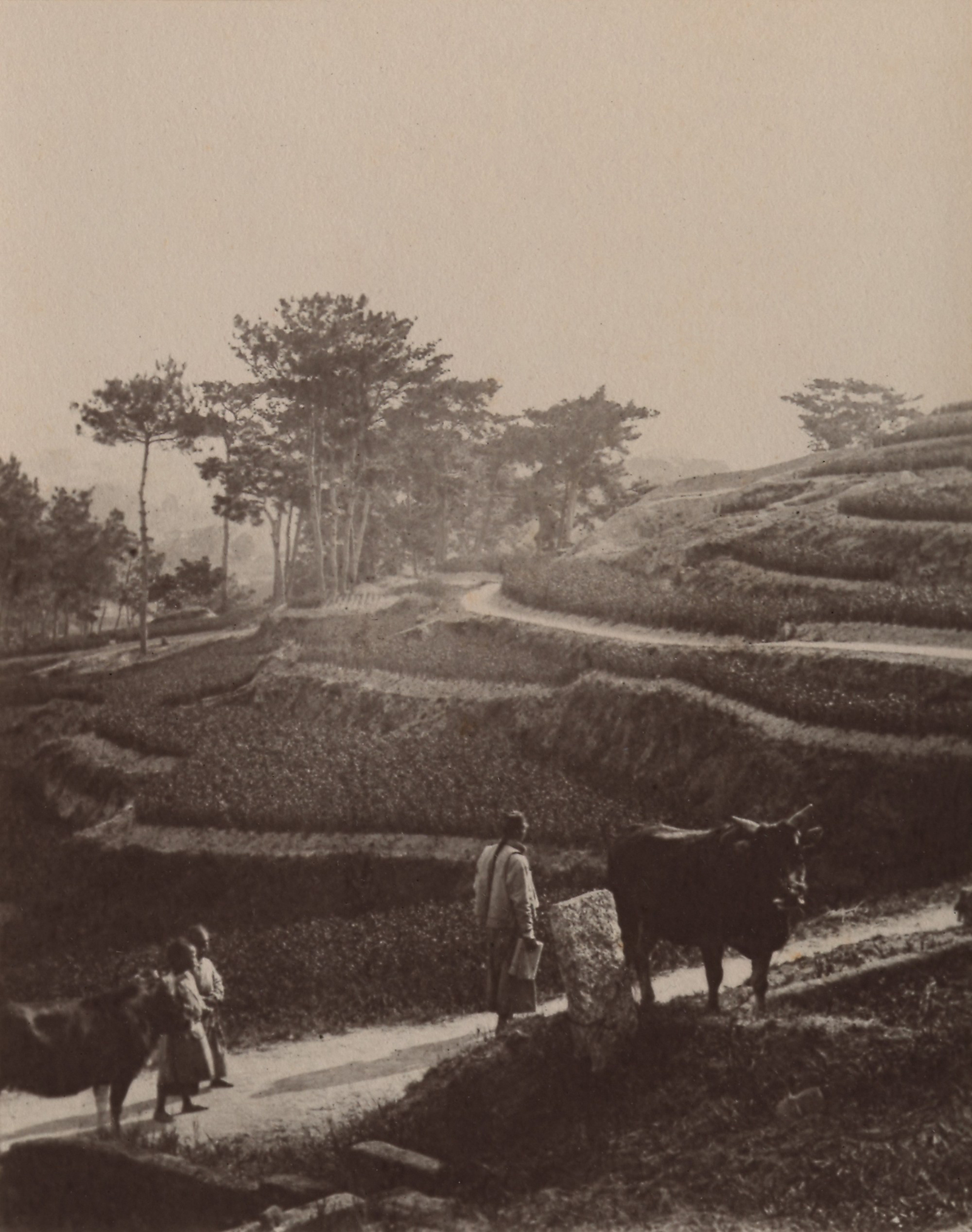
Lai Fong (Chinese, c. 1838 or 1839-1890) (Lai Afong / Afong Studio) 'Cliffs View' c. 1870


Lai Fong (Chinese, c. 1838 or 1839-1890) (Lai Afong / Afong Studio)
Cliffs View
c. 1870
Albumen silver print


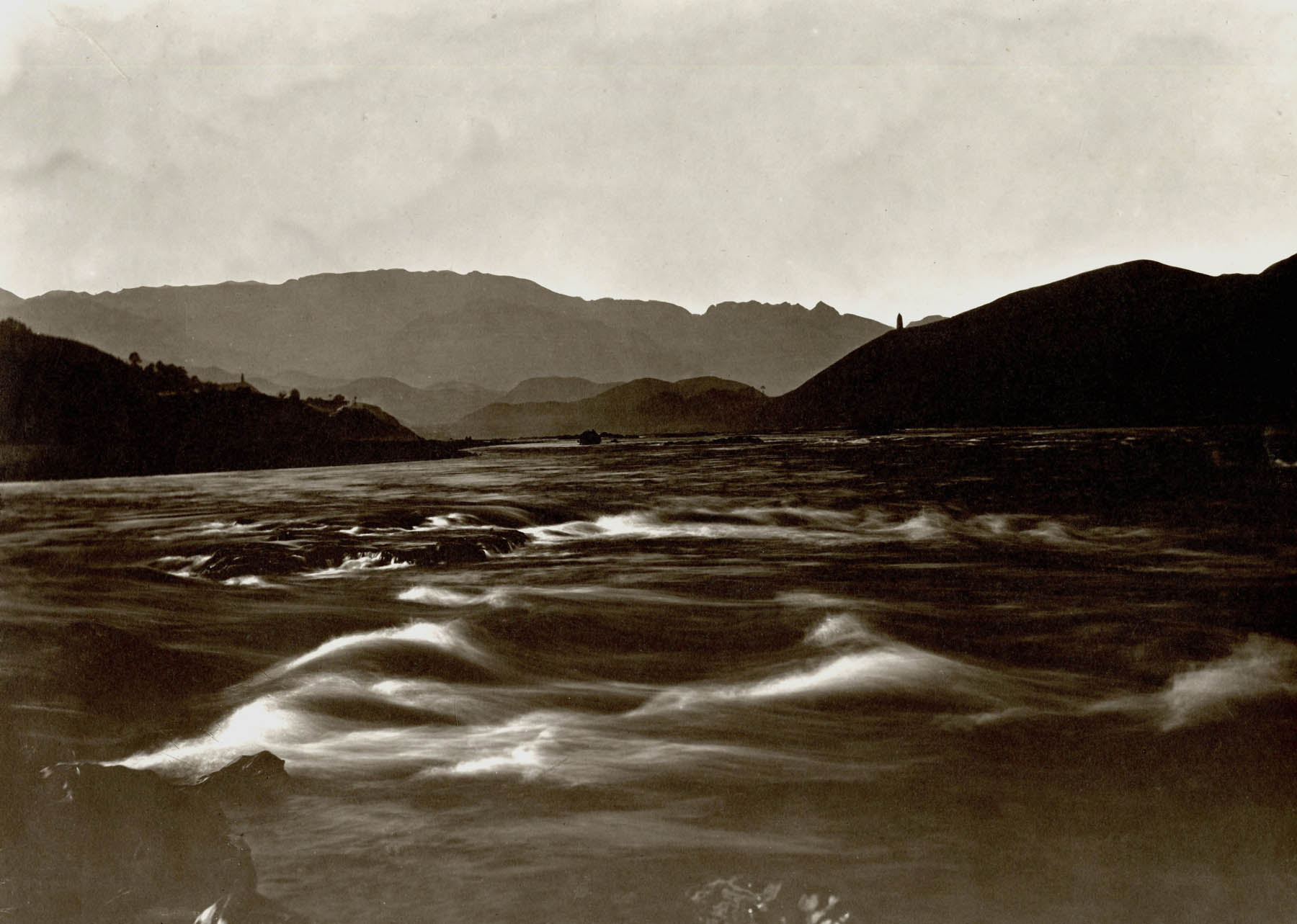
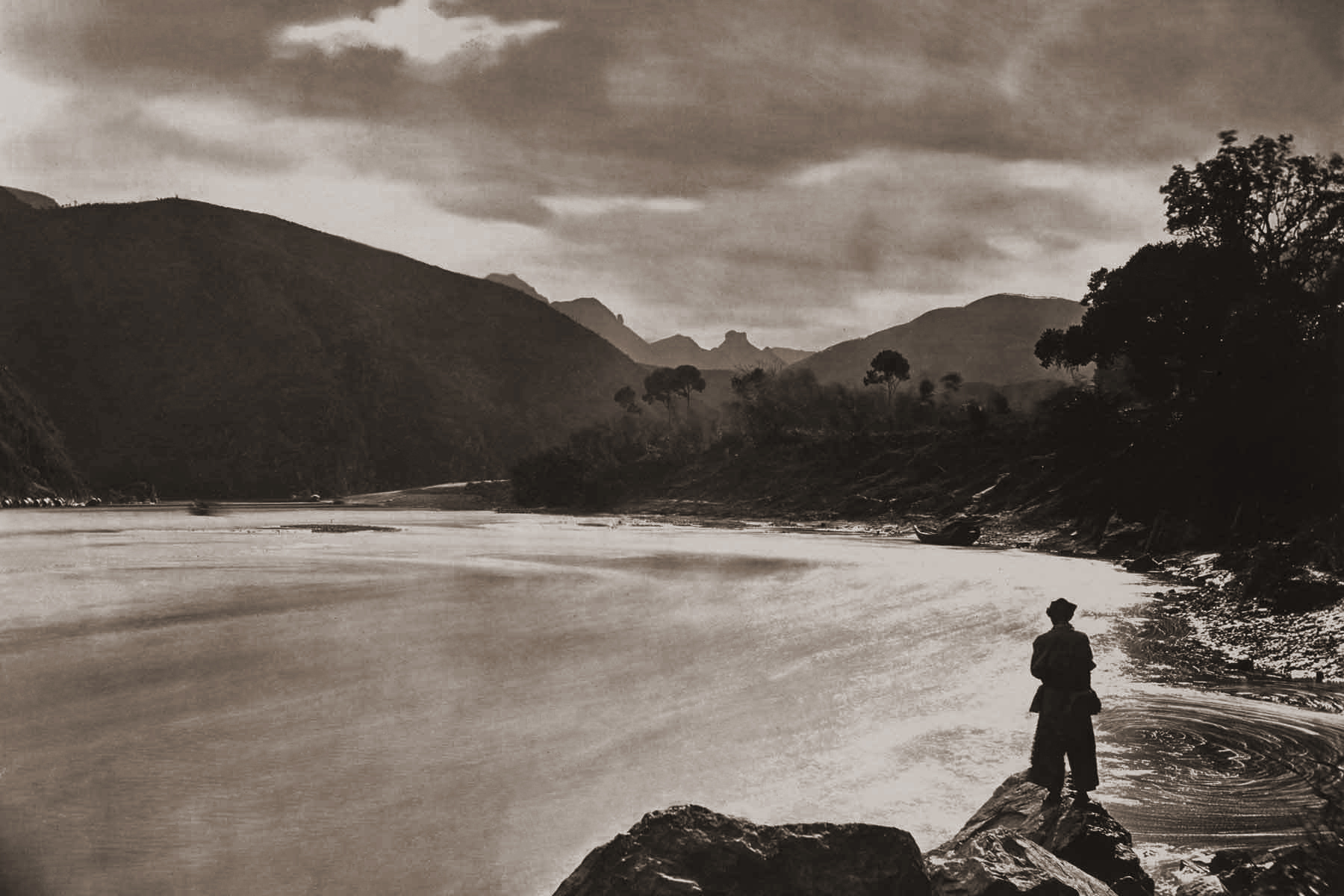
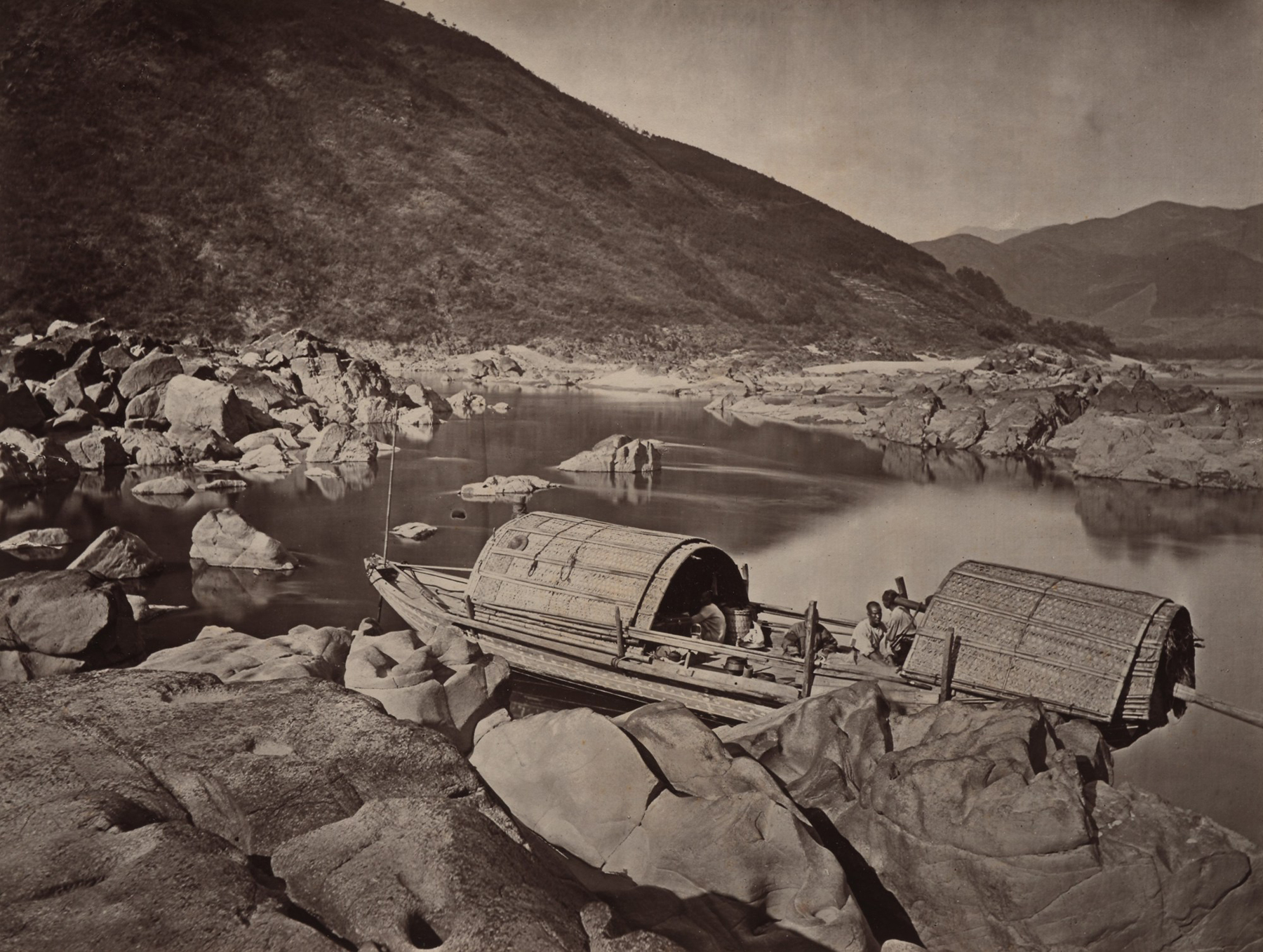
John Thomson (Scottish, 1837-1921) 'Yuen Fu Rapids' c. 1870


John Thomson (Scottish, 1837-1921)
Yuen Fu Rapids
c. 1870
From Foochow and the River Min
Carbon print


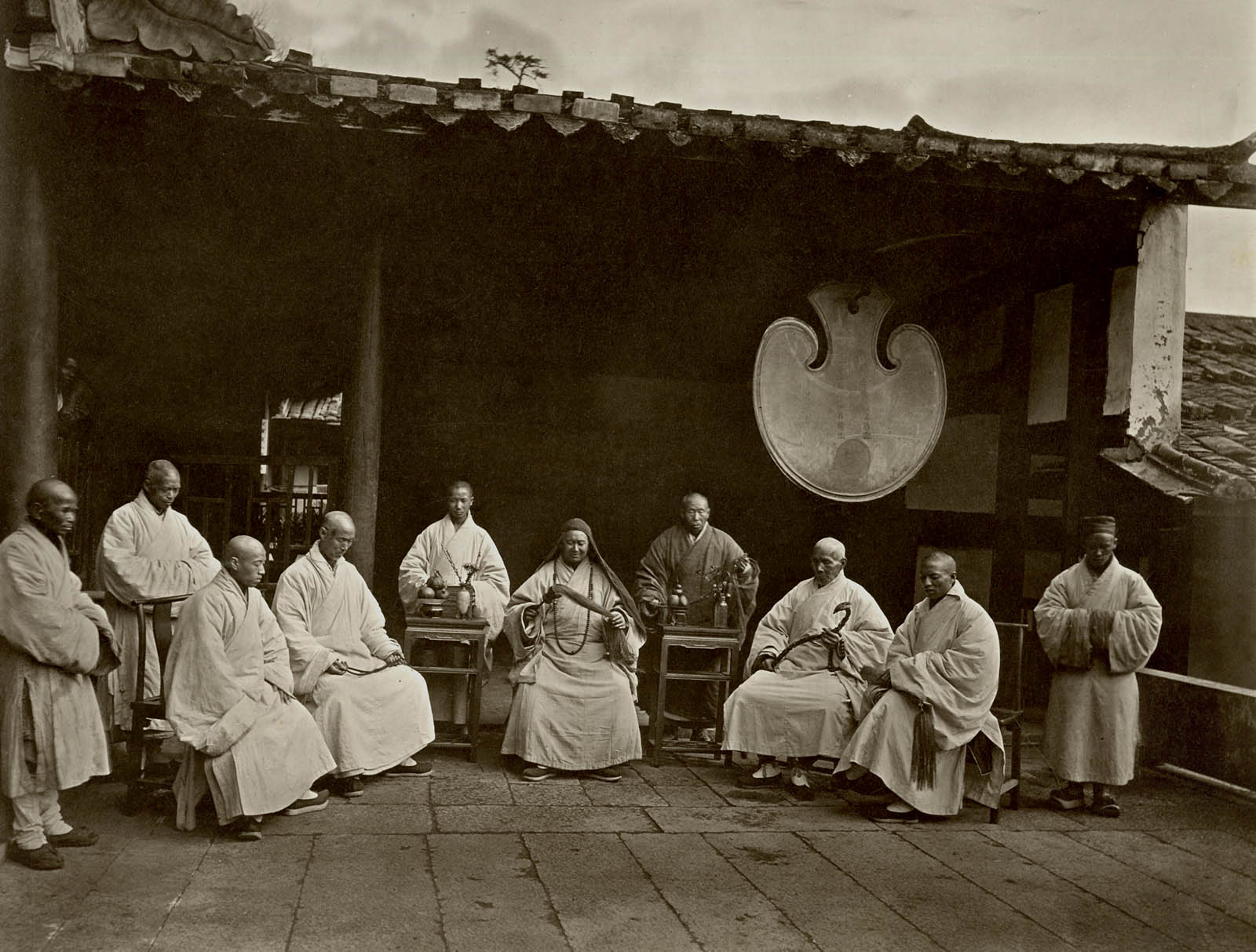
John Thomson (Scottish, 1837-1921) 'Buddhist Monks' c. 1870


John Thomson (Scottish, 1837-1921)
Buddhist Monks
c. 1870
Albumen silver print


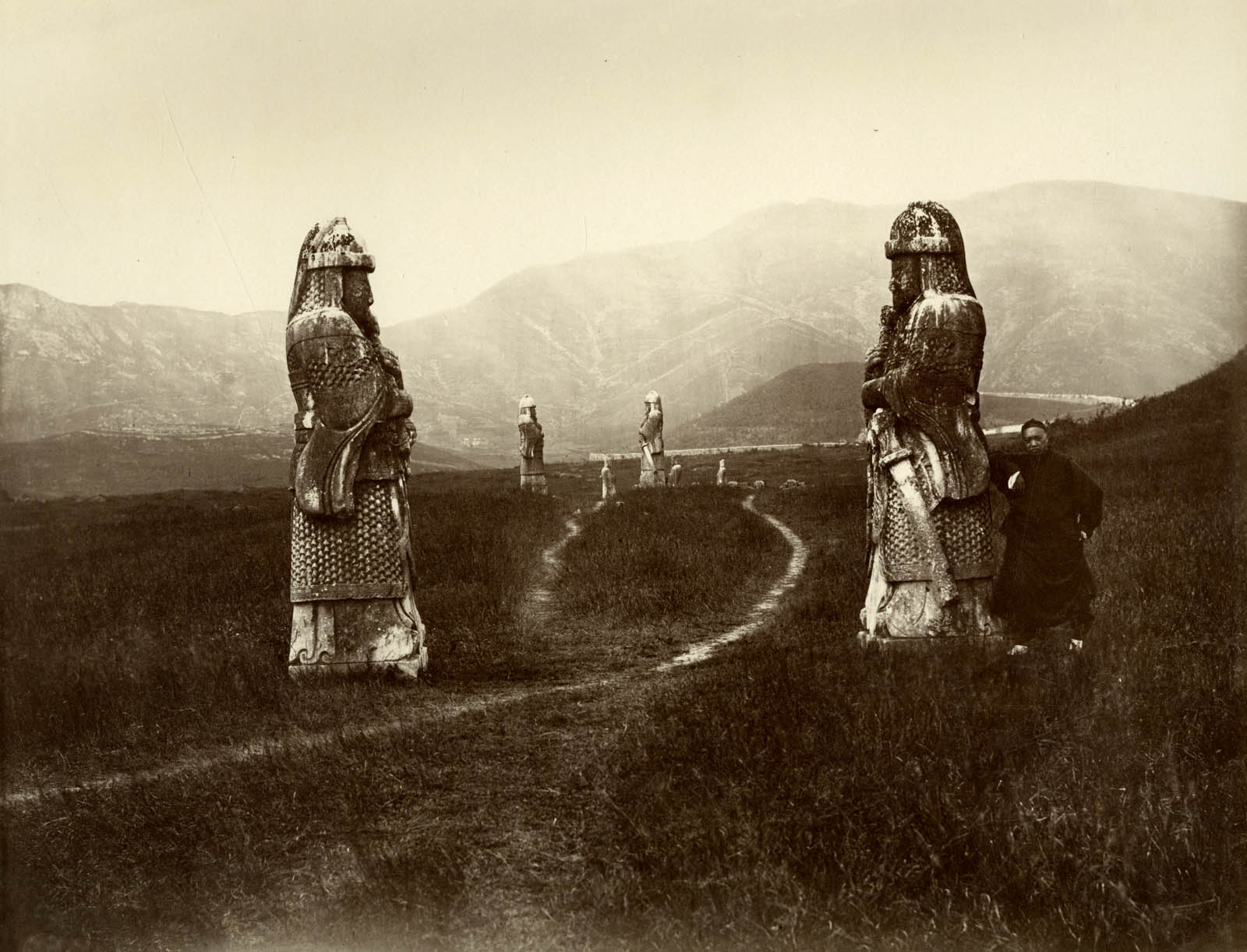
Lai Fong (Chinese, c. 1838 or 1839–1890) (Lai Afong / Afong Studio) 'Spirit Way Nanjing' c. 1870


Lai Fong (Chinese, c. 1838 or 1839–1890) (Lai Afong / Afong Studio)
Spirit Way Nanjing
c. 1870
Albumen silver print


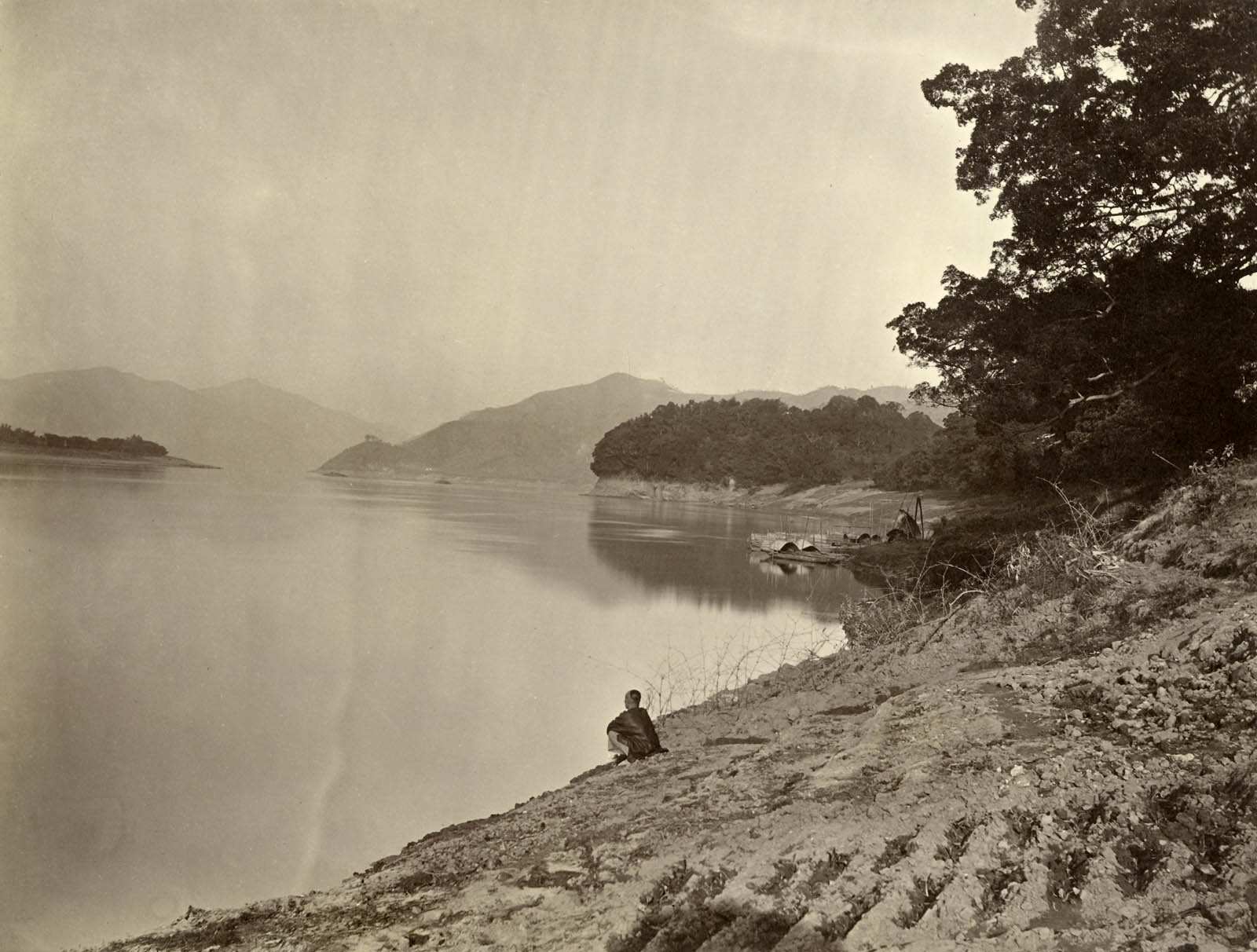
Lai Fong (Chinese, c. 1838 or 1839–1890) (Lai Afong / Afong Studio) 'Mountain View' c. 1870


Lai Fong (Chinese, c. 1838 or 1839-1890) (Lai Afong / Afong Studio)
Mountain View
c. 1870
Albumen silver print


Lai Fong (Chinese, c. 1838 or 1839–1890) (Lai Afong / Afong Studio)
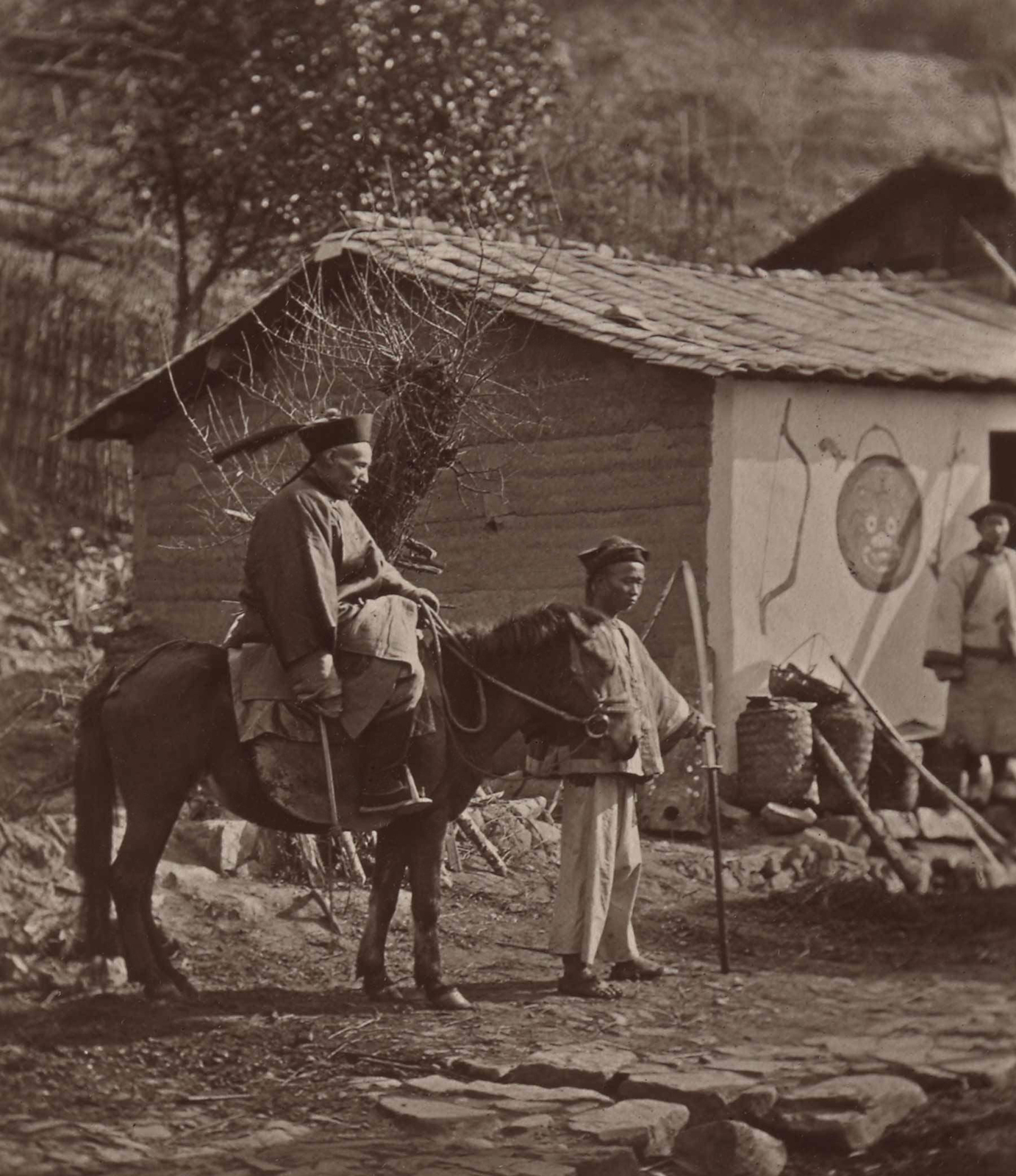
'Portrait of a Naval Officer' c. 1870


Lai Fong (Chinese, c. 1838 or 1839–1890) (Lai Afong / Afong Studio)
Portrait of a Naval Officer
c. 1870
Albumen silver print


Ye Chung (Yi chang studio) 'Portrait of Buddhist Nuns' c. 1870


Ye Chung (Yi chang studio)
Portrait of Buddhist Nuns
c. 1870
Albumen silver print


LAI FONG AND AFONG STUDIO (c. 1839-1890)

Lai Fong, also known by his trade name Afong, was the leading Chinese photographer of the nineteenth century. His career appears to have started around 1859, and by the 1870s he was the most successful Chinese photographer. A gifted businessman as well as a skilled artist, he developed both a Chinese and foreign cosmopolitan clientele. Lai Afong advertised in English-language newspapers – offering a “Larger, and more complete collection of Views than any other Establishment in the Empire of China” – and the artist captioned much of his work in both Chinese and English. Lai Fong’s talent and reputation secured him photographic sessions with distinguished men and women and everyday citizens of nineteenth-century China. The artist also took striking photographs of Chinese landscapes, cities, landmarks, and architecture. 

The Afong studio survived its founder’s death in 1890 and continued to flourish selling prints from negatives made by Lai Fong and his studio decades earlier. Lai Fong’s son Lai Yuet-chen and his daughter in law Cheung Yuen Ming ran the Hong Kong studio until sometime in the 1940s. Thus the studio that Lai Fong established became one of the most prosperous and longest standing photography studios in China.

LAI FONG and AFONG STUDIO

Lai Fong holds a distinguished position in the history of nineteenth-century photography for the exceptional body of work he created in China. He took more photographs in more places than any other Chinese photographer, traveling widely throughout the 1870s and 1880s. Expansive in the range of views and subjects he captured, and sensitive as an artist, Lai Fong created photographs that continue to resonate with viewers today. His photographs, distinguished by their aesthetic rigor, were made with painstaking care and superior proficiency in photographic chemistry. Within decades of the invention of photography, Lai Fong had mastered the new art form and produced some of the most accomplished early photographs of China ever created.

John Thomson, dismissive of some Chinese and European photographers, offered high praise of Lai Fong, remarking that the photographer had “exquisite taste.” Thomson conferred on Lai Fong a privileged status among his colleagues and competitors: “Judging from his portfolios of photographs, he must be an ardent admirer of the beautiful in nature; for some of his pictures, besides being extremely well executed, are remarkable for their artistic choice of position.” Lai Fong’s talent as a photographer of exceptional artistic ability and vision was publicly recognised as was his expertise as a gifted technician of the new photographic process.

Lai Fong played a fundamental role in defining the aesthetic and technical standards of Chinese photography in the late Qing dynasty. His immense catalogue of photographs is an unrivaled visual compendium of art, architecture, nature, and life in China. It is among the most important bodies of work in the history of photography of China.

JOHN THOMSON (1837-1921)

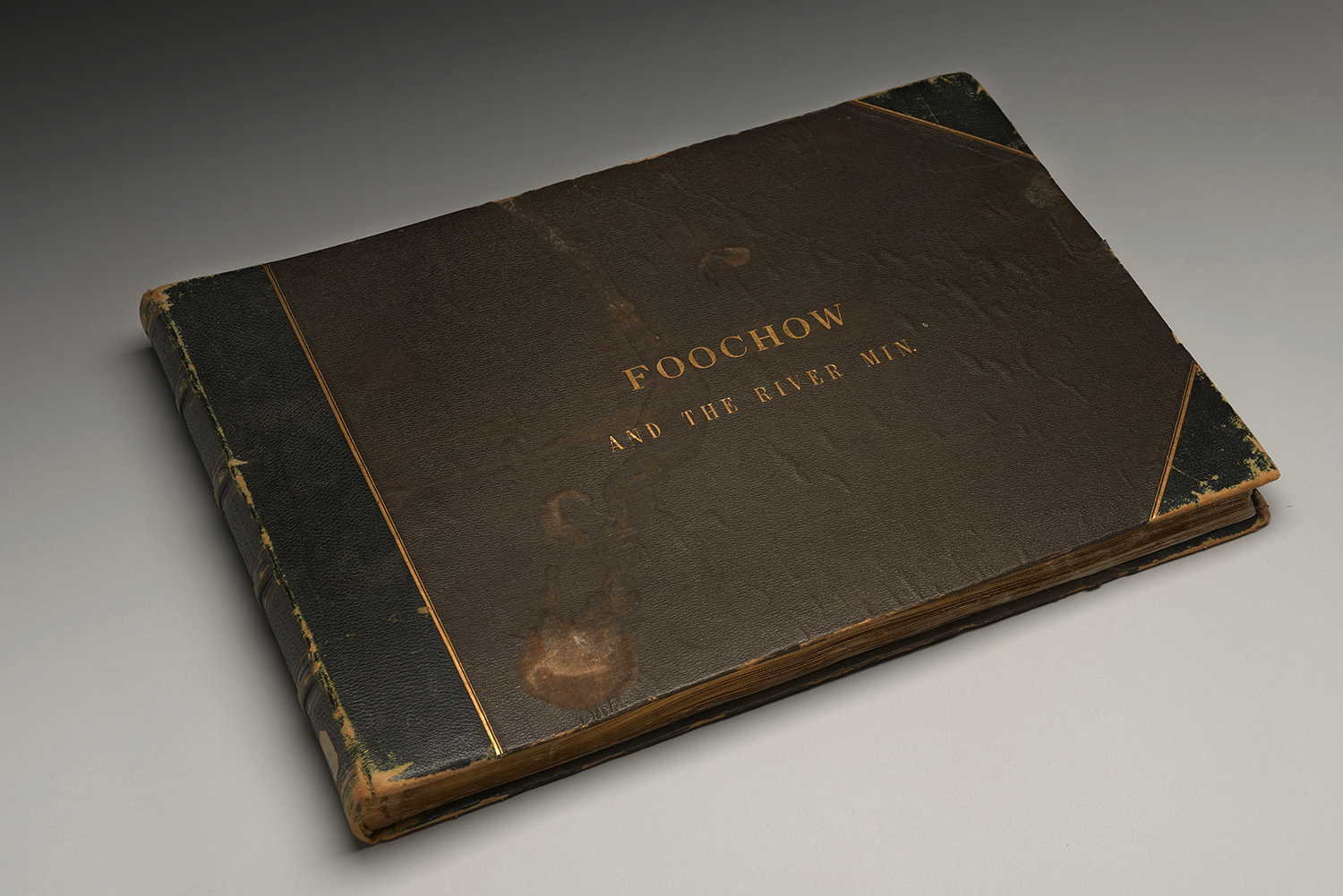
John Thomson is one of the most important figures in nineteenth-century photography of China. He was one of the first European photographers to travel to Asia. Thomson established a photography studio in Hong Kong in 1868 and made photographic journeys throughout China, venturing up the Min and Yangtze rivers. Thomson introduced the beauty of inland China to the world through his photographic prints and his highly acclaimed photographically illustrated books. Thomson’s magnum opus is his photographically illustrated work Foochow and the River Min (1873), which survives in only eight known sets. Thomson’s photographs are prized for his unconventional approach to composition and his ability to convey his great appreciation for Chinese people, culture, and art in the late Qing dynasty.

When Thomson returned to London from his photographic journeys, the publication of the monthly magazine Street Life in London (1876-1877) containing his poignant photographs of the working class and poor cemented his reputation as an important artist. He is considered an early photojournalist. Thomson was elected a member of the Royal Photographic Society in 1879 and was appointed photographer to the British royal family by Queen Victoria in 1881.

FUJIAN PROVINCE

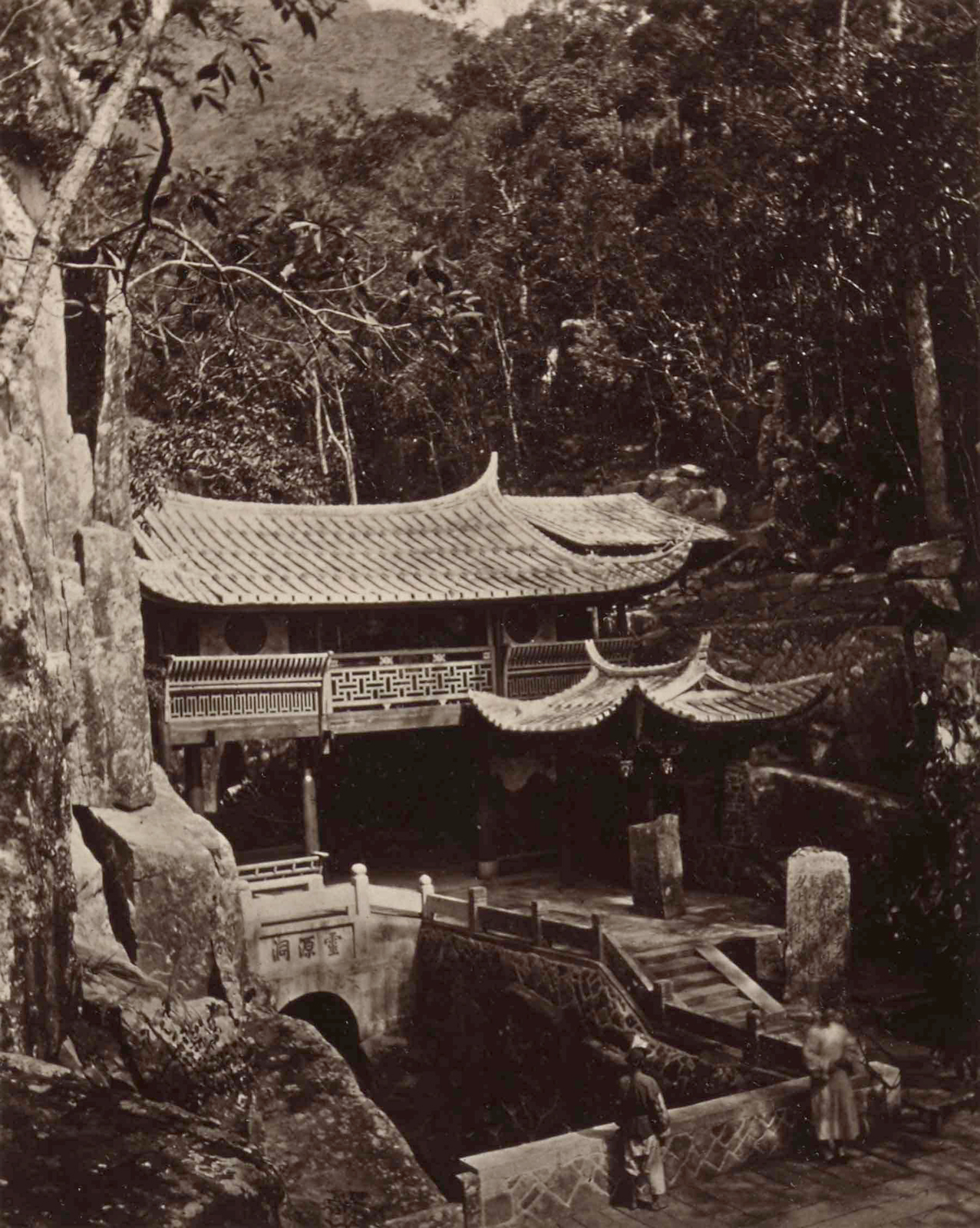
The stunning scenery of around Fuzhou (Foochow) captured the imaginations of Lai Fong and John Thomson. Lai Fong made the first known photographic expedition there in 1869. His photographs in and around the treaty port of Fuzhou in Fujian province include splendid views of the mountains and valleys of Wuyishan. The views, evoking the scenery in China’s venerated tradition of ink paintings, capture the region’s rock formations, crags, cliff faces, and stone ledges that fascinated literati for centuries.

John Thomson likely saw Lai Fong’s dramatic photographs of the region after he arrived in China. Printed studio labels reveal that Afong studio was located at No. 54 Queen’s Road and Thomson’s studio was nearby at No. 29 Queen’s Road in Hong Kong.

Thomson soon followed in the Chinese photographer’s footsteps by traveling to Fuzhou in 1870. Thomson introduced the beauty of inland China to the West through his photographic prints and his pioneering and highly acclaimed photographically illustrated books. Thomson brought to his photography a rare combination of visual virtuosity and keen intellectual curiosity. Thomson’s photographs are prized for their intrinsic qualities – the great beauty of their imagery, their acute sense of immediacy and their unconventional compositions. Thomson’s scenes on the River Min foreshadow many of the innovations of twentieth century photography. As an artist Thomson is celebrated for his unconventional approach to composition, his appreciation of Chinese pictorial traditions, and his ability to convey his great respect for Chinese people and culture through his lens.

Thomson’s Fuzhou photographs were published in his magnum opus, Foochow and the River Min, the greatest of all Chinese photographic works. An artistic triumph, Foochow and the River Min was extremely expensive to produce, and as a result few copies were published. Only eight examples survive. The Loewentheil Collection copy is perhaps the finest extant.

THEMES IN EARLY PHOTOGRAPHY

The Chinese had a long-established tradition of genre painting. The arrival of photography in China threatened the livelihoods of some of the artists working in this tradition. Some of the painters became photographers themselves, while others worked as colourists for established photographers. These artists brought Chinese techniques, symbolism, motifs, and sensibilities to their work in photography. Early European photographers, in turn brought their own conventions of genre photography when they came to China. Lai Fong, John Thomson, and other early Chinese and foreign photography studios offered images of Chinese tradespeople and photographs of Chinese ‘types’ reflecting the diverse people and trades of China.

Chinese and foreign photography studios presented these works in ways reflecting their distinctive traditions.

PORTRAITURE IN CHINA

Lai Fong’s portraits are among the most important of the late Qing dynasty. After 150 years, viewers continue to sense the sitter’s inner thoughts, feelings, personality, and even their response to being photographed. Posing for the camera was a formal event for most people in the nineteenth century. Lai Fong was able to collaborate with his Chinese clients to create portraits that at times presented an idealized self. Through the position and gaze of his sitters, their clothing, and the use of symbolic props, Lai Fong conveyed the dignity and character of his sitters. Similarly, John Thomson’s respect for the Chinese people he encountered is evident in his sympathetic and sensitive portraits.

Most late Qing dynasty photographs of Chinese women were created by Chinese photography studios which were culturally sensitive to the needs of their sitters. Appreciation for these portraits of women requires an understanding of the strong influence of traditional Chinese visual culture. Lai Fong’s portraits of women are often rich with Chinese symbolism for beauty, longevity, joy, longing, and love expressed through props such as chrysanthemums and peonies, and folding and round fans. As numerous Chinese art historians and scholars note, Chinese photographers including Lai Fong refashioned compositions, motifs, and tropes from traditional Chinese paintings as they created photographic studio portraits. The art historian Yi Gu observes that all twelve Chinese words for photography in the first decades after its invention were preexisting terms for portrait painting.

Lai Fong and Thomson made significant portraits of the diverse people of late Qing dynasty China, from portraits of princes of the late Qing dynasty and high-ranking government officials to women and children, and others living humble lives in remote rural villages.

The camera’s ability to create an accurate depiction of a human being, together with its power to reveal and touch human emotions, enchanted the Chinese imagination. While contending with the demands of the highly technical wet-plate collodion process, Lai Fong and Thomson created portraits that are haunting and intimate, direct and visceral.

RETOUCHING

Lai Fong was an innovator in his manipulation of negatives for artistic effect. In the present photograph Lai Fong used a composite negative to add dramatic clouds to an 1863 negative by Dutton & Michaels. Enhancing the original negative by adding painted clouds to a glass plate presented technical challenges while giving scope for the photographer’s imagination and artistry. The French photographic artist Gustave Le Gray is considered the most important French photographer of the nineteenth century in part because of the way he used these techniques to create mood and atmosphere through the addition of clouds.

Lai Fong was not just an accomplished artist but also an astute businessman. Like many contemporaries in China and in the West, Afong Studio used the work of other photographers in building its portfolio. The studio’s photographs include images taken by photographers such as John Thomson, Dutton & Michaels, and Milton Miller. Rather than removing or covering the other photographer’s credit, as was usual, Lai Fong usually retained the studio markings of others. Once Lai Fong travelled to important sites and made his own superior views, he often discontinued his use of negatives by other photographers.

In his essay “Hong-kong Photographers,” published in 1872 in the British Journal of Photography, Thomson explained that the relationship between photography and painting was particularly strong for Chinese photographers. Thomson stated that there was something about the complicated chemistry and “nicety of manipulation” in the darkroom that “suits the Chinese mind.” Thomson acknowledged Lai Fong’s “exquisite taste” and understood Chinese artist’s deep connection with traditional Chinese painting was revealed in his photographic prints.

Wall text from the exhibition from the Loewentheil Photography of China Collection


Lai Fong (Chinese, c. 1838 or 1839–1890) (Lai Afong / Afong Studio) 'View in Garden' c. 1870


Lai Fong (Chinese, c. 1838 or 1839–1890) (Lai Afong / Afong Studio)
View in Garden
c. 1870
Albumen silver print


John Thomson (Scottish, 1837-1921) 'River Reeds' c. 1870


John Thomson (Scottish, 1837-1921)
River Reeds
c. 1870
from Foochow and the River Min
Carbon print


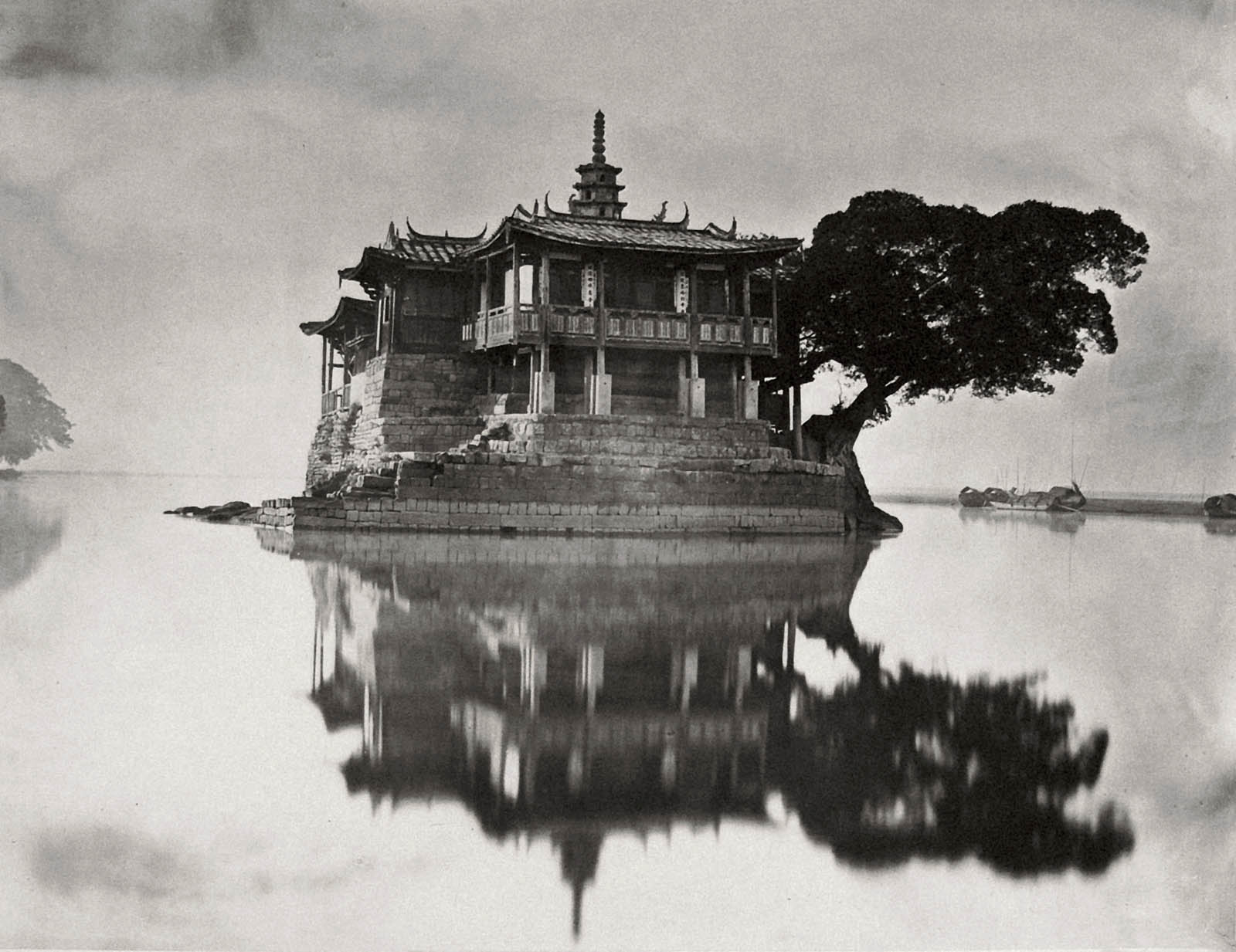
John Thomson (Scottish, 1837-1921) 'The Island Pagoda' c. 1870


John Thomson (Scottish, 1837-1921)
The Island Pagoda
c. 1870
From Foochow and the River Min
Carbon print


John Thomson (Scottish, 1837-1921) 'Exterior of a Flower Boat' c. 1870


John Thomson (Scottish, 1837-1921)
Exterior of a Flower Boat
c. 1870
Albumen silver print


John Thomson (Scottish, 1837-1921) 'Foochow Ladies' c. 1870


John Thomson (Scottish, 1837-1921)
Foochow Ladies
c. 1870
From Foochow and the River Min
Carbon print


John Thomson (Scottish, 1837-1921) 'Portrait of a Woman' c. 1870


John Thomson (Scottish, 1837-1921)
Portrait of a Woman
c. 1870
Albumen silver print


Loewentheil Photography of China Collection
10 West 18th Street 7th Floor

Open by appointment only: 646-838-4576 or 410-602-3002

Loewentheil Photography of China Collection website

LIKE ART BLART ON FACEBOOK

Back to top

Exhibition: ‘A Lasting Memento: John Thomson’s Photographs Along the River Min’ at the Peabody Essex Museum (PEM), Salem MA

Exhibition dates: 1st June, 2019 – 17th May, 2020

Curator: Sarah Kennel, PEM’s Byrne Family Curator of Photography


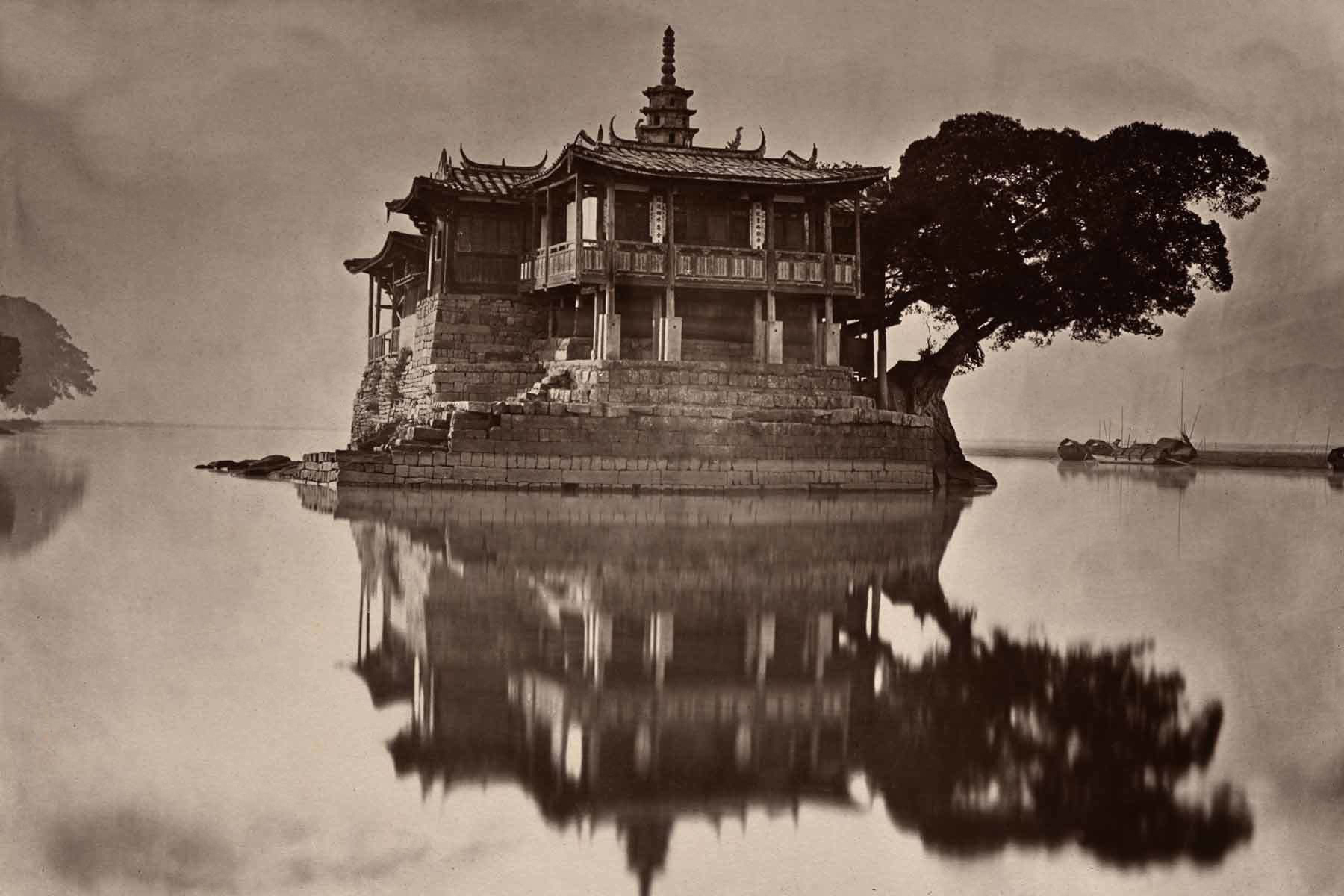
John Thomson (Scottish, 1837-1921) 'The Island Pagoda' 1873 from the exhibition 'A Lasting Memento: John Thomson's Photographs Along the River Min' at the Peabody Essex Museum (PEM), Salem MA, June 2019 - May 2020


John Thomson (Scottish, 1837-1921)
The Island Pagoda
1873
Carbon print
Gift of the Estate of Mrs. Anthony Rives
© Peabody Essex Museum. Photography by Ken Sawyer


Greetings from Australia.

Since we can’t go travelling ourselves at the moment let us travel, virtually, through time – back to the 19th century – and space, to journey with Scottish-born travel photographer up the River Min to the Chinese city of Fuzhou (Foochow). Let us wonder at these European colonial photographs, reflections of pagoda, bucolic landscapes, Eastern temples, Western churches and dangerous rapids. Thomson “portrayed a halcyon land, with romanticised vistas that reference the ethereal atmosphere of Chinese paintings and the sweeping panoramas of European paintings.”

Let us luxuriate, then, in these stunning carbon prints – their rich colour, their stillness – as lasting mementos of a vanished land, as memory objects reanimated in our imagination, so that we can travel beyond our current confinement.

Dr Marcus Bunyan


Many thankx to the Peabody Essex Museum for allowing me to publish the photographs in the posting. Please click on the photographs for a larger version of the image.


As far as travel souvenirs go, few can beat John Thomson’s leather-bound photo album Foochow and the River Min. From 1870 to 1871, the Scottish-born photographer traveled 160 miles up the River Min to document the area in and around the city of Fuzhou (Foochow), an important centre of international trade and one of the most picturesque provinces in China. Thomson sold his book by advance subscription to the foreign residents of Fuzhou – tea planters, merchants, missionaries and government officials 0 who wanted a way to share their experiences with friends and family back home.

Fewer than 10 of the original 46 copies of this album survived, and the Peabody Essex Museum is privileged to own two of them. A Lasting Memento: John Thomson’s Photographs Along the River Min presents this rare collection of photographs for the first time at PEM. The exhibition also features 10 works by contemporary Chinese photographer Luo Dan.


Installation view of the exhibition 'A Lasting Memento: John Thomson's Photographs Along the River Min' at the Peabody Essex Museum (PEM), Salem MA 


Installation view of the exhibition A Lasting Memento: John Thomson’s Photographs Along the River Min at the Peabody Essex Museum (PEM), Salem MA


John Thomson (Scottish, 1837-1921) 'Foochow and the River Min' 1870-1871


John Thomson (Scottish, 1837-1921)
Foochow and the River Min
1870-1871
Leather-bound photo album
© Peabody Essex Museum
Photography by Ken Sawyer


John Thomson (Scottish, 1837-1921) 'Pagoda Island' 1870-1871 from the exhibition 'A Lasting Memento: John Thomson's Photographs Along the River Min' at the Peabody Essex Museum (PEM), Salem MA, June 2019 - May 2020


John Thomson (Scottish, 1837-1921)
Pagoda Island
1870-1871
Carbon print
Gift of the Estate of Mrs. Anthony Rives
© Peabody Essex Museum
Photography by Ken Sawyer


John Thomson (Scottish, 1837-1921) 'Yuen-Fu Rapid' 1870-1871 from the exhibition 'A Lasting Memento: John Thomson's Photographs Along the River Min' at the Peabody Essex Museum (PEM), Salem MA, June 2019 - May 2020


John Thomson (Scottish, 1837-1921)
Yuen-Fu Rapid
1870-1871
Carbon print
Gift of the Estate of Mrs. Anthony Rives
© Peabody Essex Museum
Photography by Ken Sawyer


John Thomson (Scottish, 1837-1921) 'Yen Ping Rapid' 1870-1871


John Thomson (Scottish, 1837-1921)
Yen Ping Rapid
1870-1871
Carbon print
Gift of the Estate of Mrs. Anthony Rives
© Peabody Essex Museum
Photography by Ken Sawyer


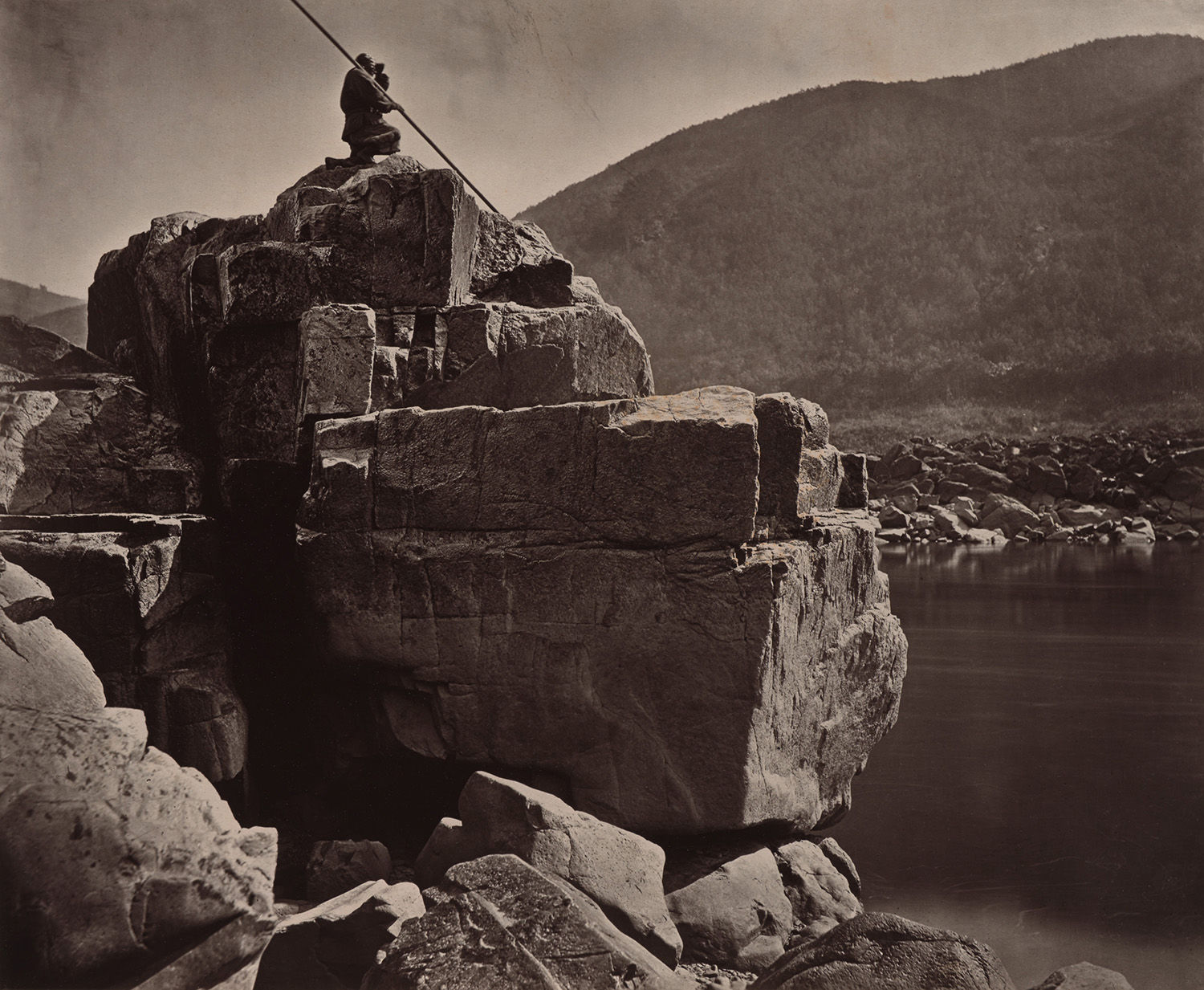
John Thomson (Scottish, 1837-1921) 'Rocks in the Rapids' 1870-1871


John Thomson (Scottish, 1837-1921)
Rocks in the Rapids
1870-1871
Carbon print
Gift of the Estate of Mrs. Anthony Rives
© Peabody Essex Museum
Photography by Ken Sawyer


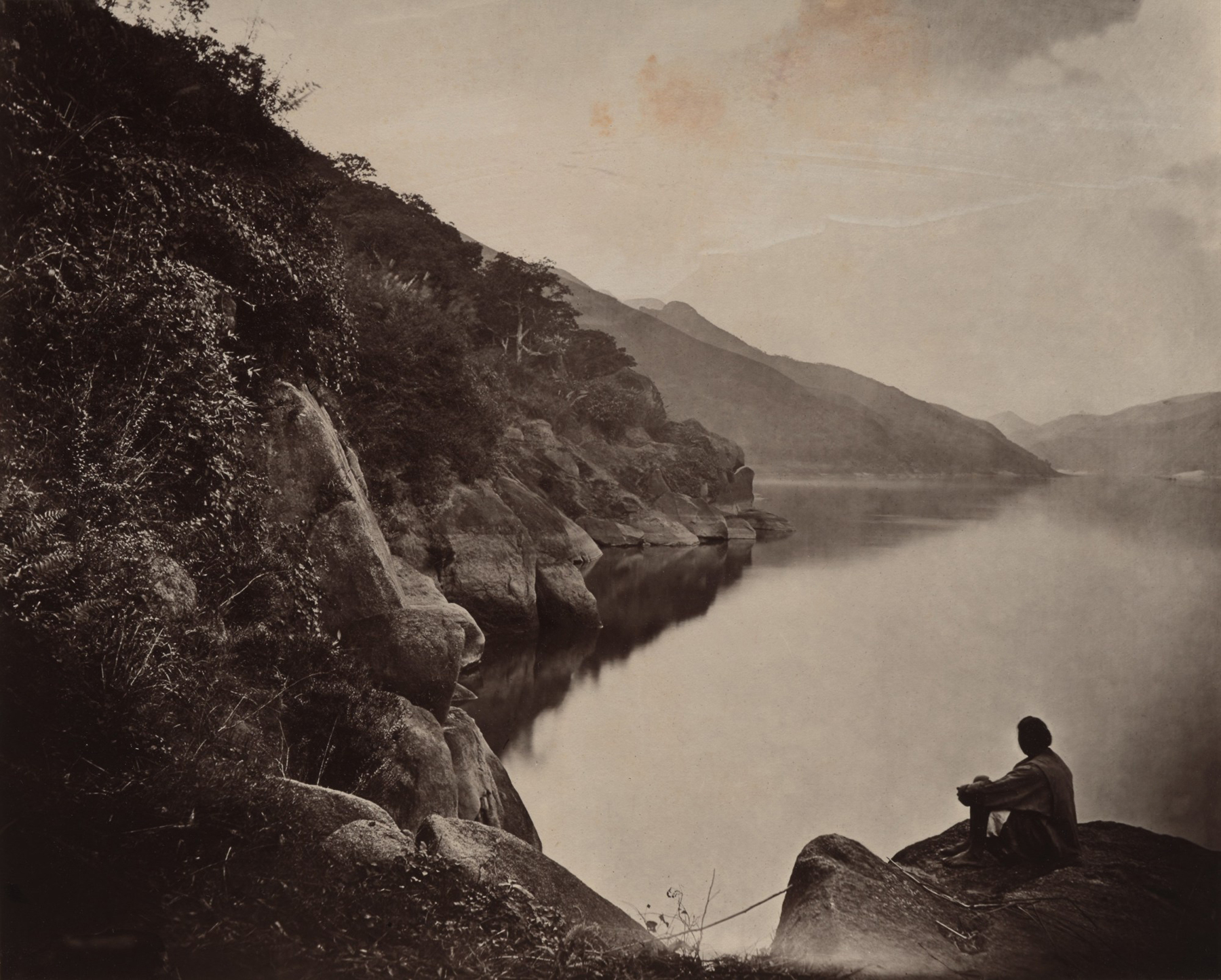
John Thomson (Scottish, 1837-1921) 'A Reach of the Min' 1870-1871


John Thomson (Scottish, 1837-1921)
A Reach of the Min
1870-1871
Carbon print
Gift of the Estate of Mrs. Anthony Rives
© Peabody Essex Museum
Photography by Ken Sawyer


John Thomson (Scottish, 1837-1921) 'A Rapid Boat' 1870-1871


John Thomson (Scottish, 1837-1921)
A Rapid Boat
1870-1871
Carbon print
Gift of the Estate of Mrs. Anthony Rives
© Peabody Essex Museum
Photography by Ken Sawyer


Photographic Journeys Past and Present Show China in a New Light

The Peabody Essex Museum (PEM) presents a voyage into 19th-century China through one of PEM’s photographic treasures, John Thomson’s rare album Foochow and the River Min. More than forty striking landscapes, city views, and portrait studies will be on view, captured by Thomson as he travelled in the Fujian province in Southeast China from 1870 to 1871. These prints are complemented by a selection of photographs by contemporary artist Luo Dan, who was inspired by Thomson to undertake his own journey in southwestern China in 2010. A Lasting Memento: John Thomson’s Photographs Along the River Min is on view at PEM from June 1, 2019 through May 17, 2020.

From 1870 to 1871, Scottish-born photographer John Thomson traveled 160 miles up the River Min to document the area in and around the city of Fuzhou (Foochow), one of the most picturesque regions in China. Thomson gathered eighty photographs from this voyage into an album titled Foochow and the River Min which was sold by advance subscription to the foreign residents of Fuzhou – tea planters, merchants, missionaries and government officials – who wanted a way to share their experiences with friends and family back home. Of the 46 copies originally published, fewer than 10 survive today and PEM is privileged to own two of them, both of which are featured in the exhibition.

“Many people have a conception of China as very industrialised and modern, even sterile, but these photographs complicate that notion and reveal the country’s incredible beauty and geographic diversity,” says Sarah Kennel, PEM’s Byrne Family Curator of Photography. “The roots of China’s rapid modernisation go back to the 19th-century and are part of a larger history of maritime culture, trade, and globalisation that are also entwined with PEM’s origin story. This exhibition affirms how photography can bring us back to another place in time and can change the way we see the world.”

Thomson was a renowned photographer, focusing on fine art, landscape, and architectural photos, and was often credited with being one of the first photographers to use pictures in conjunction with journalistic commentary. Foochow and the River Min is accompanied by introductory text, presenting a pictorial journey featuring the character of the growing city of Fuzhou, the beauty of the landscapes surrounding the River Min, as well as Thomson’s studies of the people he encountered there.

Documenting Eastern culture

Thomson is considered one of the first photographers to document East and South Asia. Born in Scotland, he learned photography while still in school, working as an apprentice to a maker of optical and scientific instruments. In 1862, he joined his older brother William, also a photographer and watchmaker, in Singapore, where they established a studio. Thomson spent the next several years photographing throughout Asia, including Cambodia, India, and Thailand. By 1866, he had joined the Royal Ethnological Society of London, was elected a Fellow member of the Royal Geographic Society, and styled himself as an expert on Eastern cultures. In 1868, he established a studio in Hong Kong, a burgeoning centre of photography and trade. For the next four years, Thomson traveled and photographed throughout China before returning in 1872 to Britain, where he remained until his death in 1921.

The exhibition follows Thomson’s journey up the River Min, from the city of Fuzhou to Nanping. “Thomson’s extraordinary gifts as a photographer are evident in his compositions, including his famous view of the floating island pagoda,” says Kennel. “You can look at these as merely beautiful pictures, but if you unlock them a little bit they tell the story of an important moment of economic trade, cultural exchange, and political tension.”

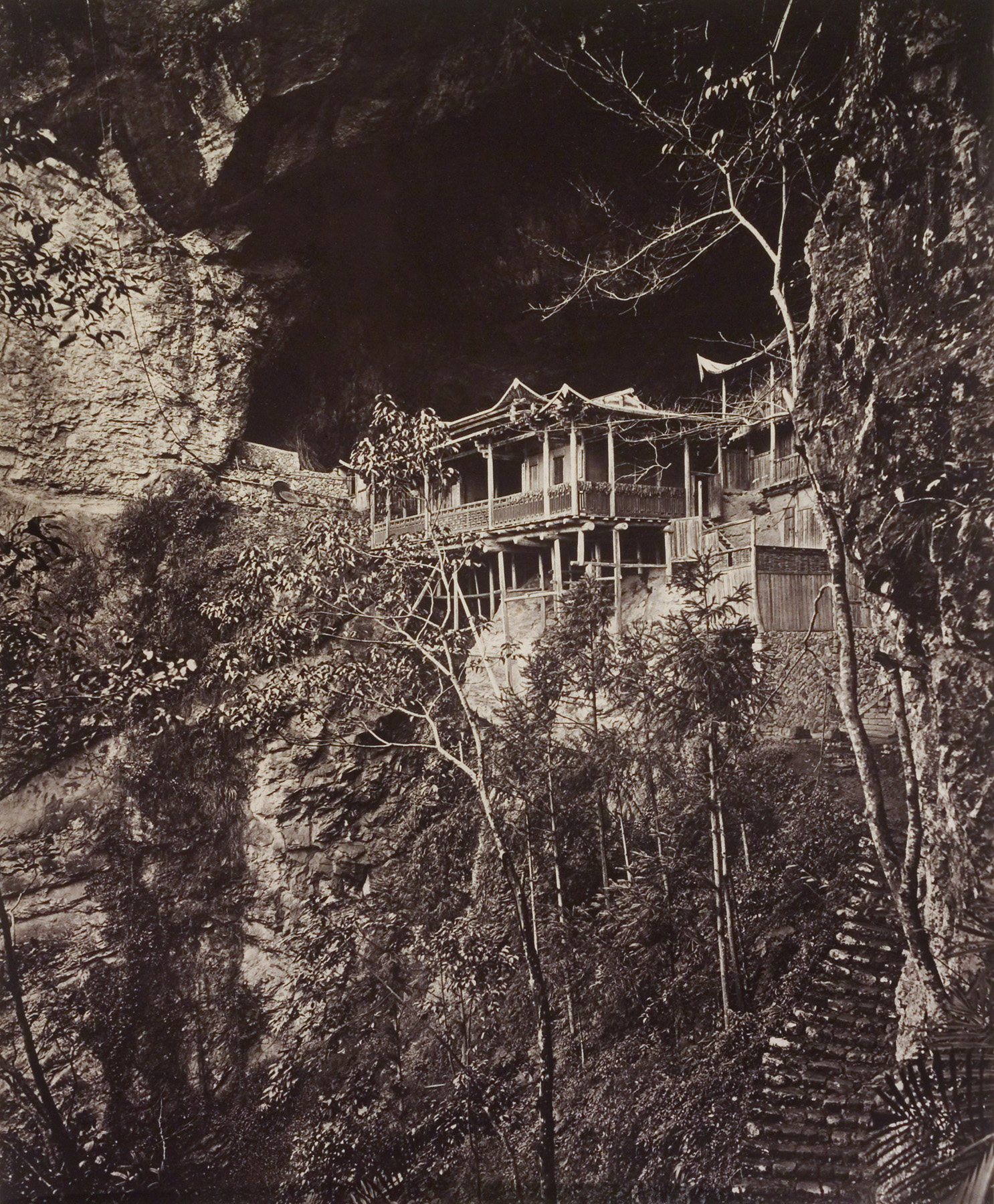
Among the works on view are an extraordinary series on the Yuen Fu monastery, tucked high up a steep, rocky ravine. A strain of wistful romanticism is present, particularly in landscape photographs that incorporate a solitary figure.

In order to make his negatives, Thomson used the wet-collodion process. This required him to set up a large camera on a tripod and prepare the photographic plate on the spot by dipping it into light-sensitive chemicals in a makeshift darkroom, putting it in a plate holder and making the exposure within five minutes. He experimented with these processes while traveling by boat or ascending very steep hills and traversing rough terrain with a coterie of Chinese employees who not only hauled his equipment but also sometimes carried Thomson himself. Missionary and business colleagues helped facilitate introductions and provide access to unique locations so that Thomson could make his landscapes and portraits. The albums were printed using the carbon process, which imbues them with a rich, purplish tonality.

Inspired by Thomson

Contemporary Chinese photographer Luo Dan’s work focuses on the impact of modernisation and globalisation in China. Inspired by Thomson’s example, Luo traveled to the remote Nu River Valley in southwestern China, where he lived with and photographed the Lisu and Nu Christian ethnic minority communities for nearly two years, using the same hand-made wet-collodion process that Thomson had employed some 150 years earlier. Luo was especially interested in what he perceived as the villagers’ connection to local cultural traditions. A Lasting Memento features 10 works by Luo that reflect on and reverberate with the spirit and enterprise of Thomson’s 19th-century project.

Press release from the Peabody Essex Museum website


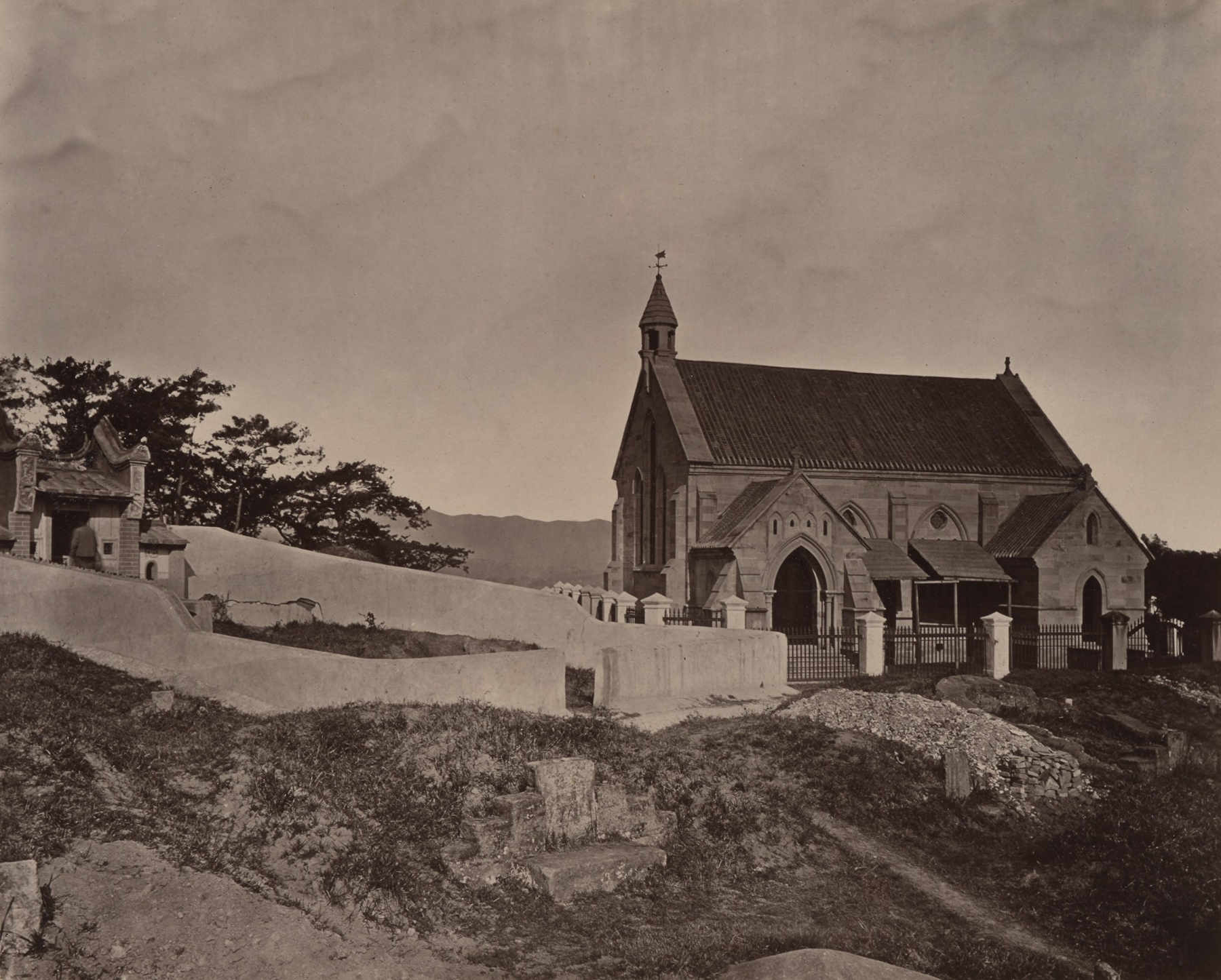
John Thomson (Scottish, 1837-1921) 'Foochow Church' 1870-1871


John Thomson (Scottish, 1837-1921)
Foochow Church
1870-1871
Carbon print
Gift of the Estate of Mrs. Anthony Rives
© Peabody Essex Museum
Photography by Ken Sawyer


John Thomson (Scottish, 1837-1921) 'Foochow and the River Min (Yuen Fu monastery)' 1870-1871


John Thomson (Scottish, 1837-1921)
Foochow and the River Min (Yuen Fu monastery)
1870-1871
Carbon print
Gift of the Estate of Mrs. Anthony Rives
© Peabody Essex Museum
Photography by Ken Sawyer


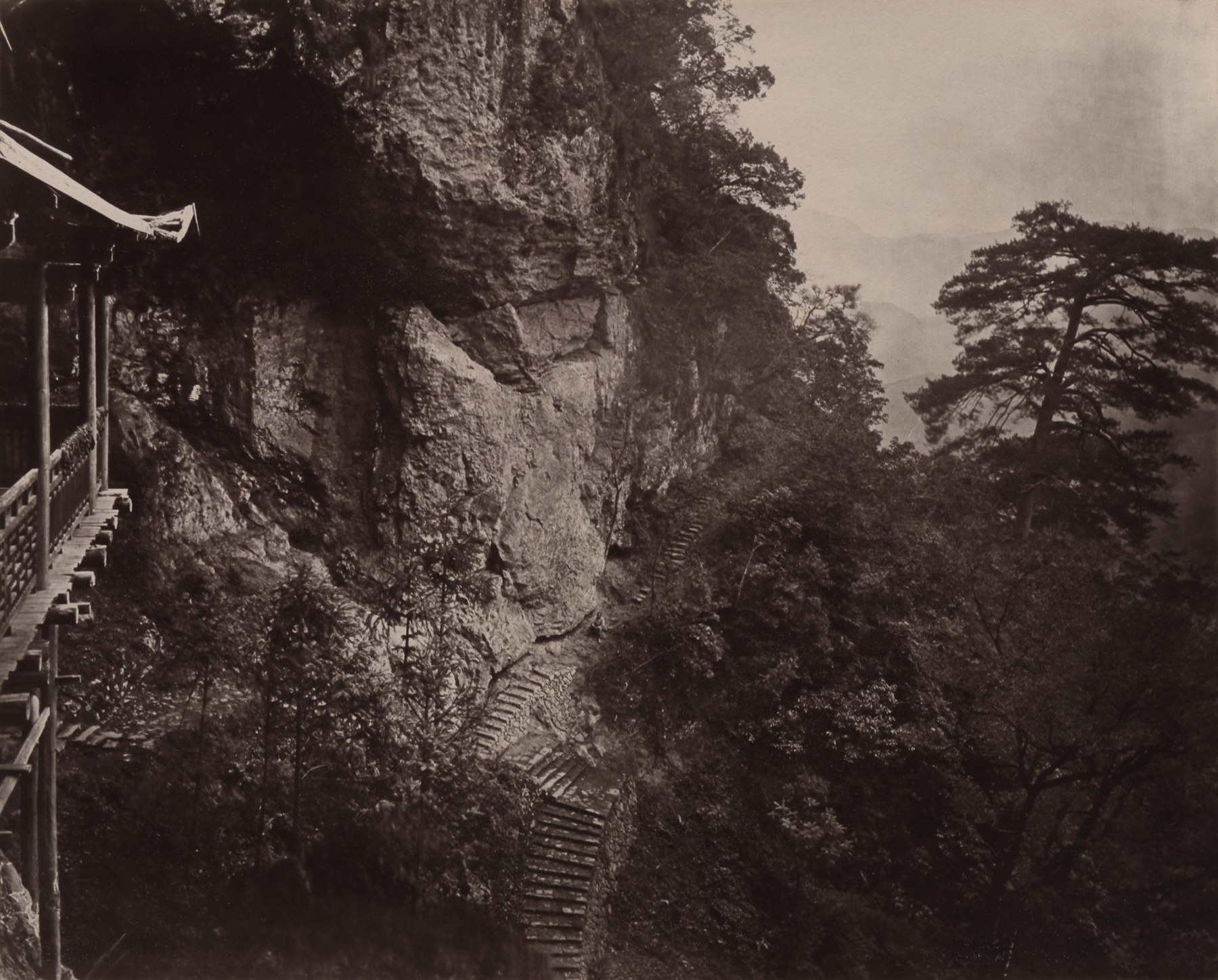
John Thomson (Scottish, 1837-1921) 'Right Shoulder of Cave' 1870-1871


John Thomson (Scottish, 1837-1921)
Right Shoulder of Cave (view from the building above looking down to the left)
1870-1871
Carbon print
Gift of the Estate of Mrs. Anthony Rives
© Peabody Essex Museum
Photography by Ken Sawyer


John Thomson (Scottish, 1837-1921) 'A Small Temple at Ku-Shan' 1870-1871


John Thomson (Scottish, 1837-1921)
A Small Temple at Ku-Shan
1870-1871
Carbon print
Gift of the Estate of Mrs. Anthony Rives
© Peabody Essex Museum
Photography by Ken Sawyer


John Thomson (Scottish, 1837-1921) 'Road to the Plantation' 1870-1871


John Thomson (Scottish, 1837-1921)
Road to the Plantation
1870-1871
Carbon print
Gift of the Estate of Mrs. Anthony Rives
© Peabody Essex Museum
Photography by Ken Sawyer


“In an eerie parallel to today, the late 1800’s represented an international inflection point, with rampant Western industrialisation spurring expansive global trade, cultural exchange and attendant political tension. The invention of photography in 1839 enabled our earliest photographs of faraway lands and exotic cultures, most often brought back by wealthy amateurs (many of those images are held in the rich archives of the PEM.) Not so with John Thomson, a renowned professional photographer who garnered capital through pre-paid subscriptions to his album “Foochow and the River Min.” Thomson photographed the project on a two-year journey, traveling 160 miles up the River Min, from the city of Fuzhou (Foochow) to Nanping, considered one of the most picturesque regions in China.

In this scenic southeast region of China, a new British tea trade was flourishing. Thomson’s album catered to the interests of foreign tea planters, merchants, missionaries and governmental officials. These ex-patriots clamoured to share with their European family and friends Thomson’s skilfully crafted documentary photographs of the Chinese land and people who shaped their new lives. Interestingly, Thomson did not photograph much industry or commerce. Rather, he portrayed a halcyon land, with romanticised vistas that reference the ethereal atmosphere of Chinese paintings and the sweeping panoramas of European paintings. …

Thomson’s carbon prints are technically awe-inspiring. Utilising the cumbersome wet-plate collodion method of creating negatives on large, delicate glass plates that must be exposed while still wet in a hefty view camera on a tripod, Thomson then created his photographic prints on paper with the tricky but stable carbon method in his studio. I imagine this undertaking bore similarities to Hannibal crossing the Alps and that Thomson must have been a robust and determined 33 year-old. Perhaps he was also a perfectionist, because Thomson’s prints from the 1870’s are impeccably pristine. Come see, it is uncanny.”

Elin Spring. “Images of China, Then & Now,” on the What Will You Remember? website [Online] Cited 29/03/2020


John Thomson (Scottish, 1837-1921) 'Part of Lower Bridge' 1870-1871


John Thomson (Scottish, 1837-1921)
Part of Lower Bridge
1870-1871
Carbon print
Gift of the Estate of Mrs. Anthony Rives
© Peabody Essex Museum
Photography by Ken Sawyer


John Thomson (Scottish, 1837-1921) 'A Military Mandarin' (detail) 1873


John Thomson (Scottish, 1837-1921)
A Military Mandarin (detail)
1873
Carbon print
Gift of the Estate of Mrs. Anthony Rives, 1972


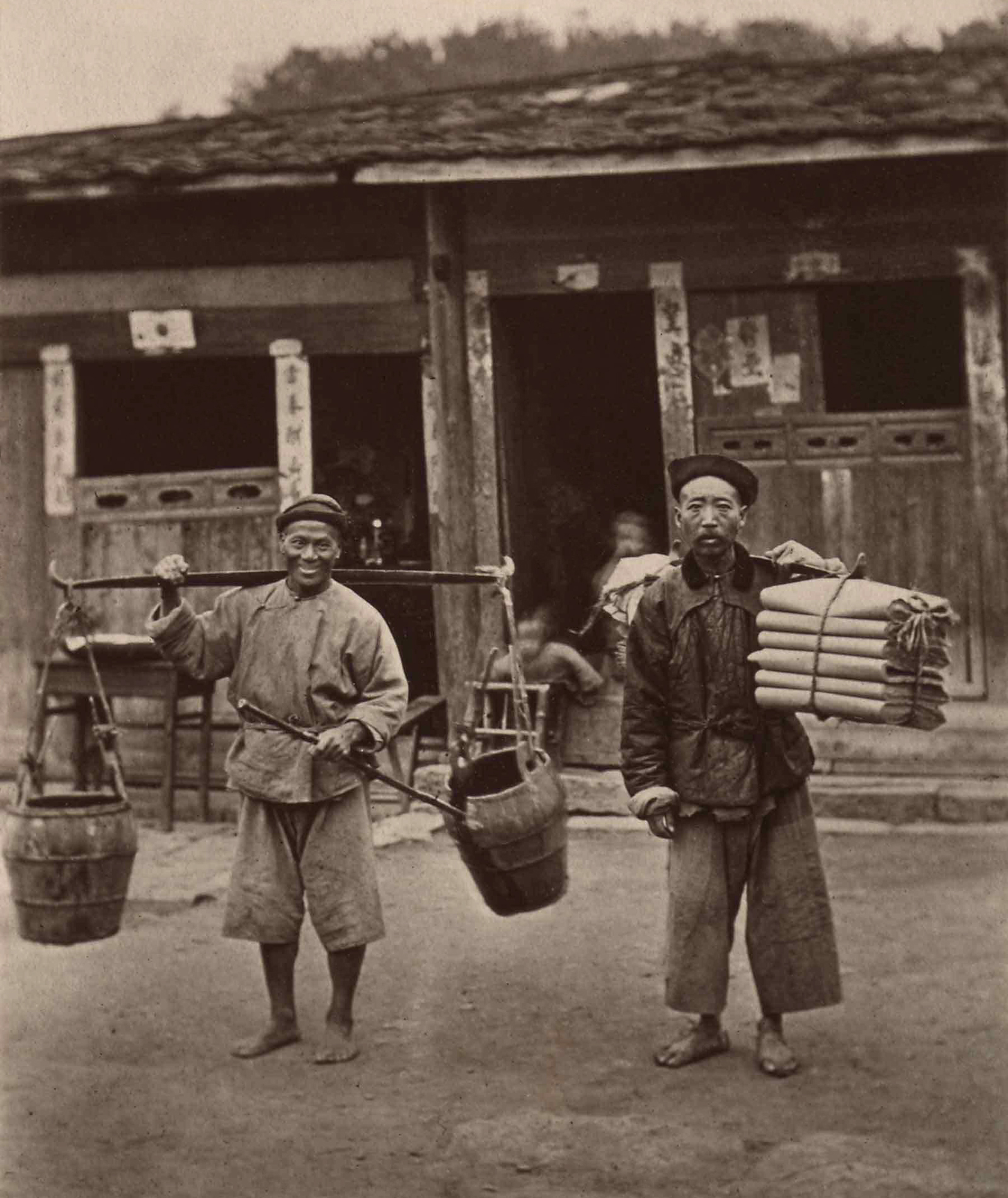
John Thomson (Scottish, 1837-1921) 'Hired Labourers' 1870-1871


John Thomson (Scottish, 1837-1921)
Hired Labourers
1870-1871
Carbon print
Gift of the Estate of Mrs. Anthony Rives
© Peabody Essex Museum
Photography by Ken Sawyer


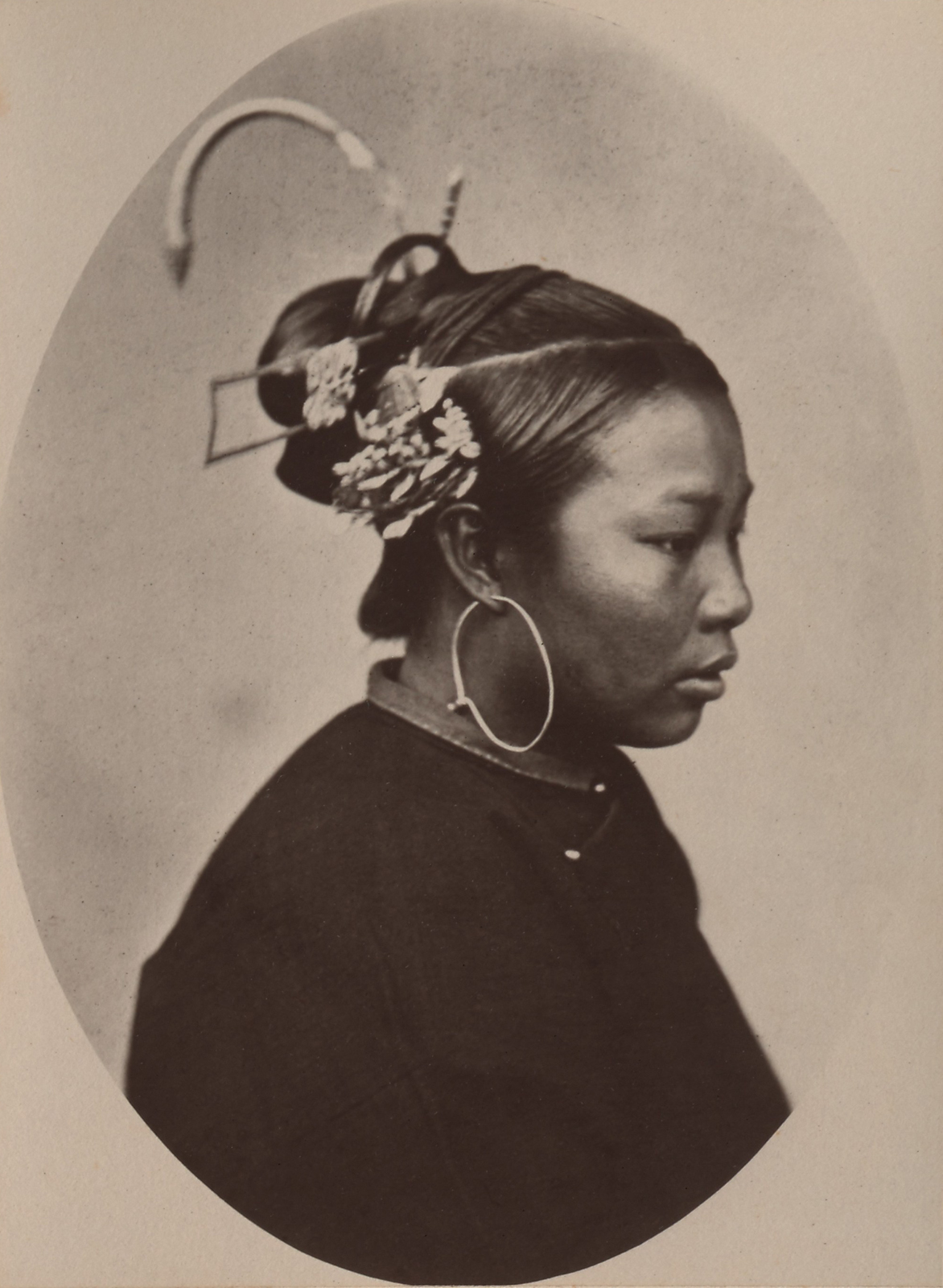
John Thomson (Scottish, 1837-1921) 'Mode of Dressing the Hair' 1870-1871


John Thomson (Scottish, 1837-1921)
Mode of Dressing the Hair
1870-1871
Carbon print
Gift of the Estate of Mrs. Anthony Rives
© Peabody Essex Museum
Photography by Ken Sawyer


John Thomson (Scottish, 1837-1921)

John Thomson (14 June 1837 – 29 September 1921) was a pioneering Scottish photographer, geographer, and traveller. He was one of the first photographers to travel to the Far East, documenting the people, landscapes and artefacts of eastern cultures. Upon returning home, his work among the street people of London cemented his reputation, and is regarded as a classic instance of social documentary which laid the foundations for photojournalism. He went on to become a portrait photographer of High Society in Mayfair, gaining the Royal Warrant in 1881. …

Travels in China

After a year in Britain, Thomson again felt the desire to return to the Far East. He returned to Singapore in July 1867, before moving to Saigon for three months and finally settling in Hong Kong in 1868. He established a studio in the Commercial Bank building, and spent the next four years photographing the people of China and recording the diversity of Chinese culture.

Thomson traveled extensively throughout China, from the southern trading ports of Hong Kong and Canton to the cities of Peking and Shanghai, to the Great Wall in the north, and deep into central China. From 1870 to 1871 he visited the Fukien region, travelling up the Min River by boat with the American Protestant missionary Reverend Justus Doolittle, and then visited Amoy and Swatow.

He went on to visit the island of Formosa (modern-day Taiwan) with the missionary Dr James Laidlaw Maxwell, landing first in Takao in early April 1871. The pair visited the capital, Taiwanfu (now Tainan), before travelling on to the aboriginal villages on the west plains of the island. After leaving Formosa, Thomson spent the next three months travelling 3,000 miles up the Yangtze River, reaching Hupeh and Szechuan.

Thomson’s travels in China were often perilous, as he visited remote, almost unpopulated regions far inland. Most of the people he encountered had never seen a Westerner or camera before. His expeditions were also especially challenging because he had to transport his bulky wooden camera, many large, fragile glass plates, and potentially explosive chemicals. He photographed in a wide variety of conditions and often had to improvise because chemicals were difficult to acquire. His subject matter varied enormously: from humble beggars and street people to Mandarins, Princes and senior government officials; from remote monasteries to Imperial Palaces; from simple rural villages to magnificent landscapes.

Thomson returned to England in 1872

See the full Wikipedia website entry


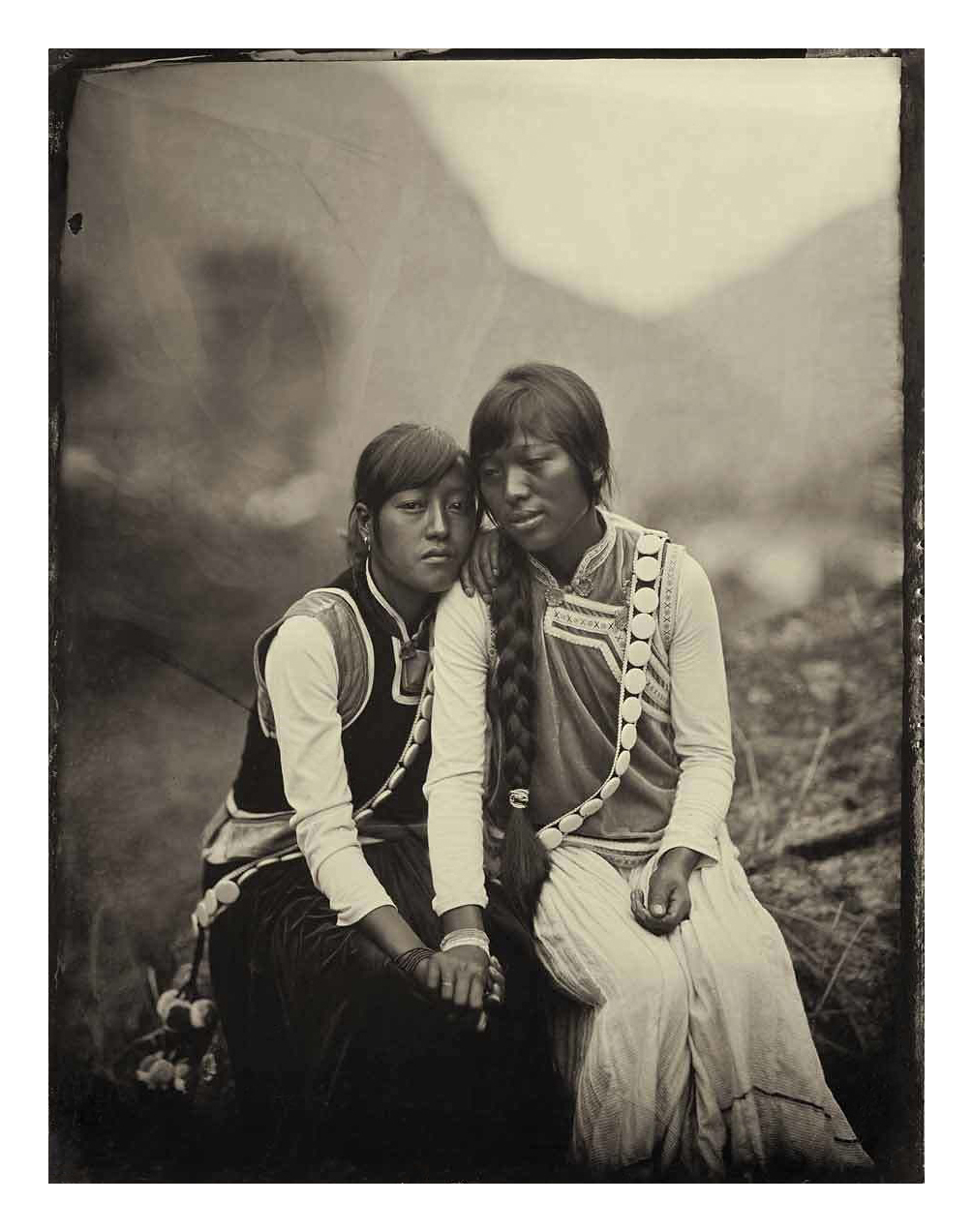
Luo Dan (Chinese, b. 1968) 'Simple Song No. 4 (Yang Du Lei and Her Sister Yang Hua Lin, WaWa Village)' 2010


Luo Dan (Chinese, b. 1968)
Simple Song No. 4 (Yang Du Lei and Her Sister Yang Hua Lin, WaWa Village)
2010
Inkjet print from collodion negatives
© Luo Dan, Courtesy of M97 Gallery


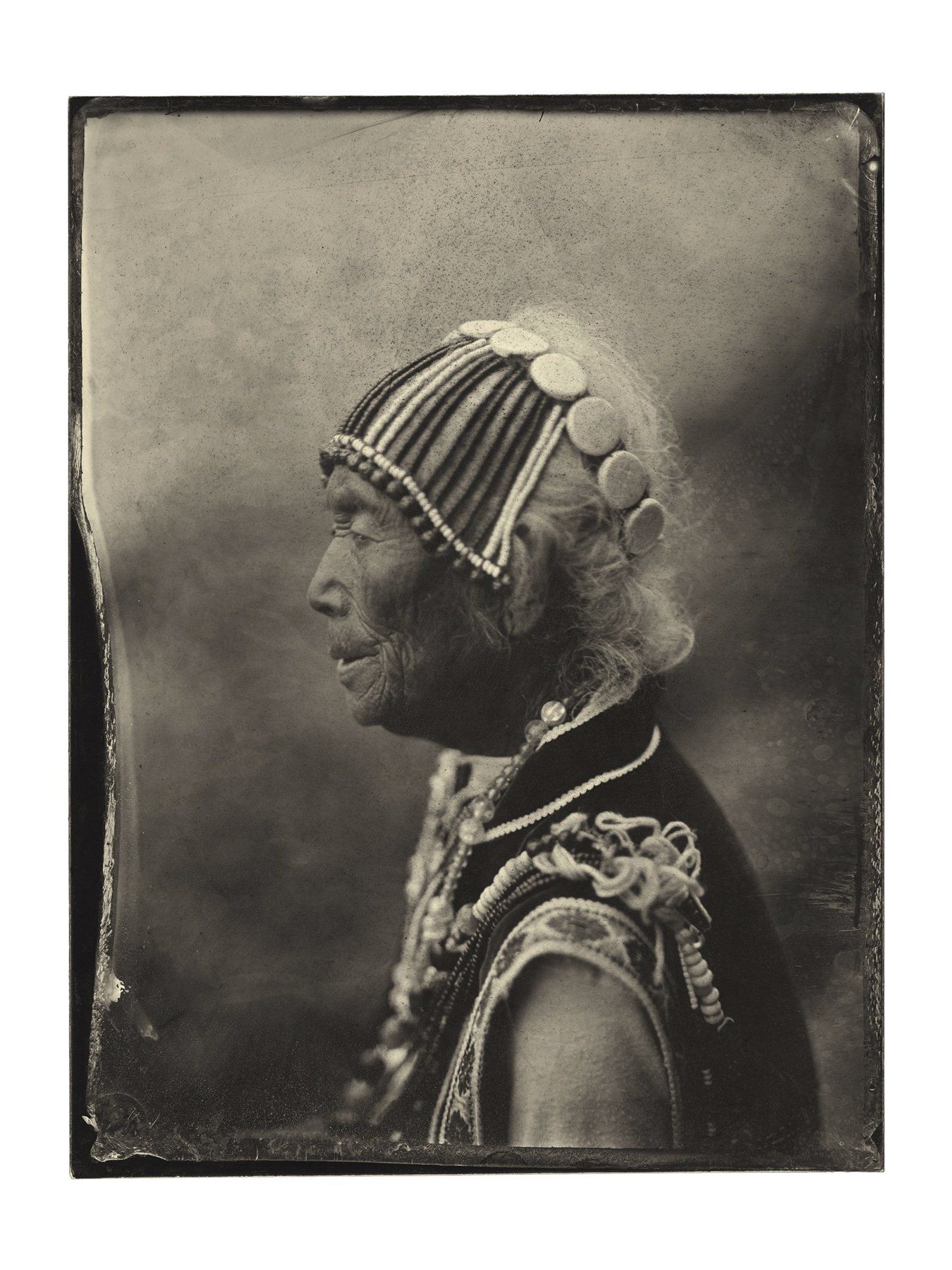
Luo Dan (Chinese, b. 1968) 'Simple Song No. 7 (Jin Ma Wei, Lao Mu Deng Village)' 2010


Luo Dan (Chinese, b. 1968)
Simple Song No. 7 (Jin Ma Wei, Lao Mu Deng Village)
2010
Inkjet print from collodion negatives
© Luo Dan, Courtesy of M97 Gallery


Luo Dan (Chinese, b. 1968)

Luo Dan was born in Chongqing, China, in 1968 and graduated from the Sichuan Fine Art Academy in 1992. He currently lives and works in Chengdu, China.

On another trip, Luo Dan found a remote village, in the Nu River valley in the western part of Yunnan Provence that still remained authentic to a simple agricultural life. This was a predominantly Christian village, the Lisu (a Chinese minority nationality), who were converted to Christianity by missionaries many years before. Luo Dan was attracted to their lifestyle and beliefs.

Luo Dan returned to photograph the villagers with a wooden box camera that he had found in Shandong. The camera was really a museum piece with a lens from 1900 that was slightly soft in its focus. Luo Dan decided to use a wet plate collodion process. This process was first used in the 1850s, using glass plates to make a negative. The process required the photographic material to be coated, sensitised, exposed and developed within the span of about fifteen minutes, necessitating a portable darkroom for use in the field. Luo Dan converted a minivan to a travelling darkroom.

Luo himself says,

“As photography grew ever more technologically complete, it drifted ever farther from its earliest starting point. External factors entered in, and its purity was gradually lost. …

The collodian process is from the earliest times of photography and although laborious, produces remarkable detail and a sense of timelessness that comes from the historic nature of the process. This area is very remote and has almost been forgotten by the modern world. In his photographs, titled “Simple Song”, Luo Dan wishes to show something of the human condition that goes beyond the preoccupations of modern China; materialism, urban development and economic growth. China’s economic achievements are remarkable but on other levels there are many gaps and voids in human experience due to this rapid development. Luo Dan’s work holds a mirror to show that there is an alternate view, one that may have a more spiritual value.

Luo Dan photographs his subjects with a very clear, steady gaze with an awareness of placement and composition. The collodion process makes very slow exposures and the subject must hold the position for up to a minute depending on the light. Often the images are slightly soft due to the movement of the subject or the surroundings. There is also a limited depth of field at times that selectively isolates the subject in front of the softer focus of the background.

His interest in this place and its people has some reference to anthropology in his scrutiny, however the photographs are so much more than an anthropological or ethnographic study by an outsider. The photographs document the lives of the Lisu people through their daily activities, their possessions and traditional costumes. The people are often posed in their Sunday best. They have a timelessness, a ‘difficult to place’ sense of being from the past but also the present and the future. The villagers could continue with this traditional lifestyle for many years to come. There is some concern however, that China’s demand for power will result in dams for hydropower, forever changing this region. Luo Dan stayed in the villages for about twelve months while making this series and he keeps returning.

The wet-plate process necessitates a very hands-on approach by the photographer. It reaches back to the basic fundamentals of photography; the effect of light on silver halide crystals that results in an image. Luo Dan’s photographs show the collodion process through the peeling and painterly edges of the prints, the marks and imperfections and the incredible detail of the collodion. The final works are the result of scanning the glass plates and printing the works to a larger scale on Ilford gold silk fibre paper. They are incredibly beautiful and capture a moment in time with great sensitivity. For some photographers who use this process it becomes all about the technique, however this is not the case. Luo Dan uses the wet-plate collodion technique as a way to return to a handcrafted skill of the past that mirrors the primitive tools and farming methods of the villagers. He is an alchemist in the way he creates ‘magic’ with his wooden box, glass and chemicals. The immediacy of the technique enables the villages to share this magic in the making of the glass plates. He is an authentic cultural observer.

In his words, “I travelled a long road, saw a lot of things, and in the end realised that all differences are actually similarities. And so I stopped, and looked in a single place for something unchanging, tried to figure out why this place had the power to stand still in time.”

Anonymous text from the China Photo Education website [Online] Cited 31/03/2020


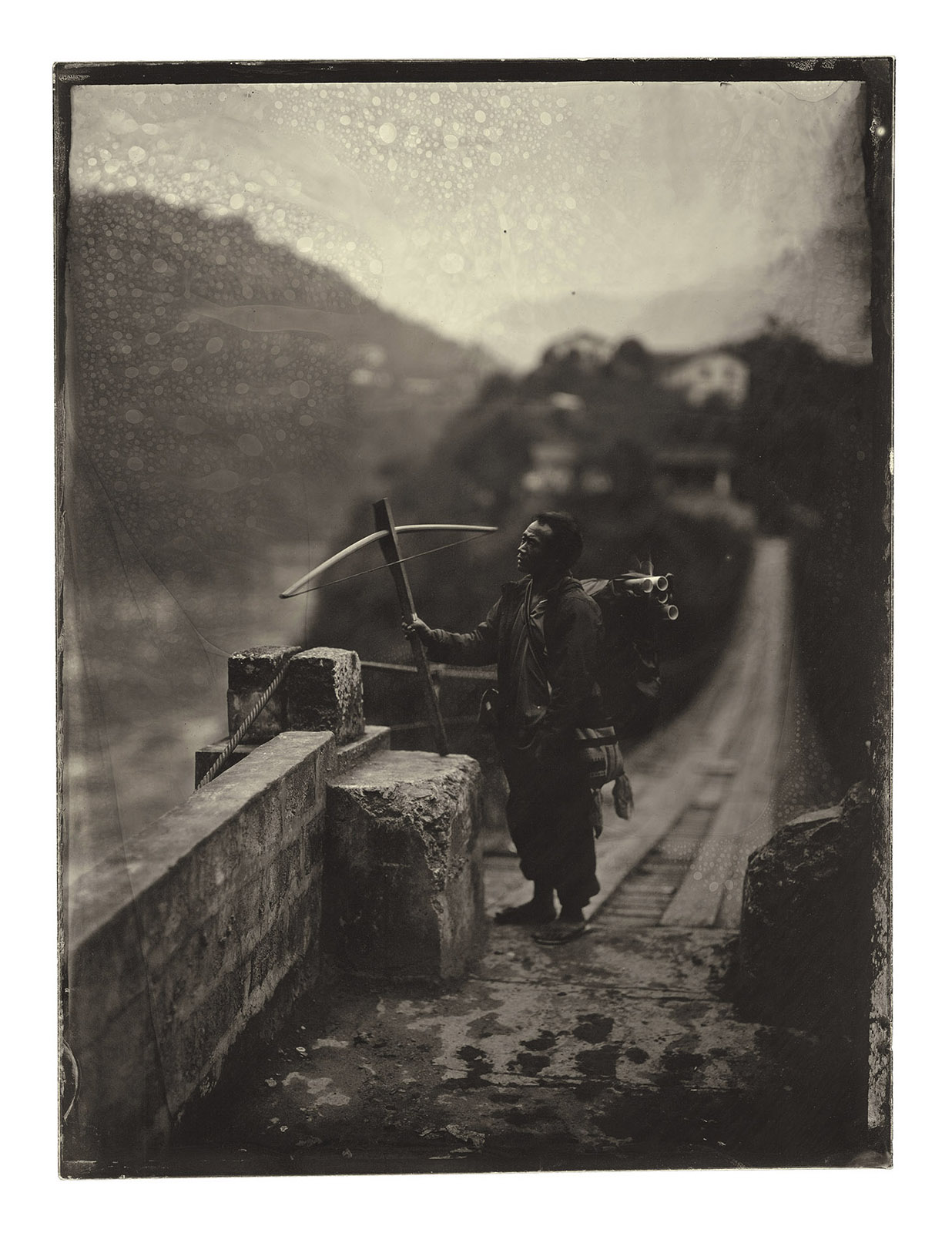
Luo Dan (Chinese, b. 1968) 'Simple Song No. 28 (Sha Yi Hai with His Crossbow, Shi Di Village)' 2010


Luo Dan (Chinese, b. 1968)
Simple Song No. 28 (Sha Yi Hai with His Crossbow, Shi Di Village)
2010
Inkjet print from collodion negatives
© Luo Dan, Courtesy of M97 Gallery


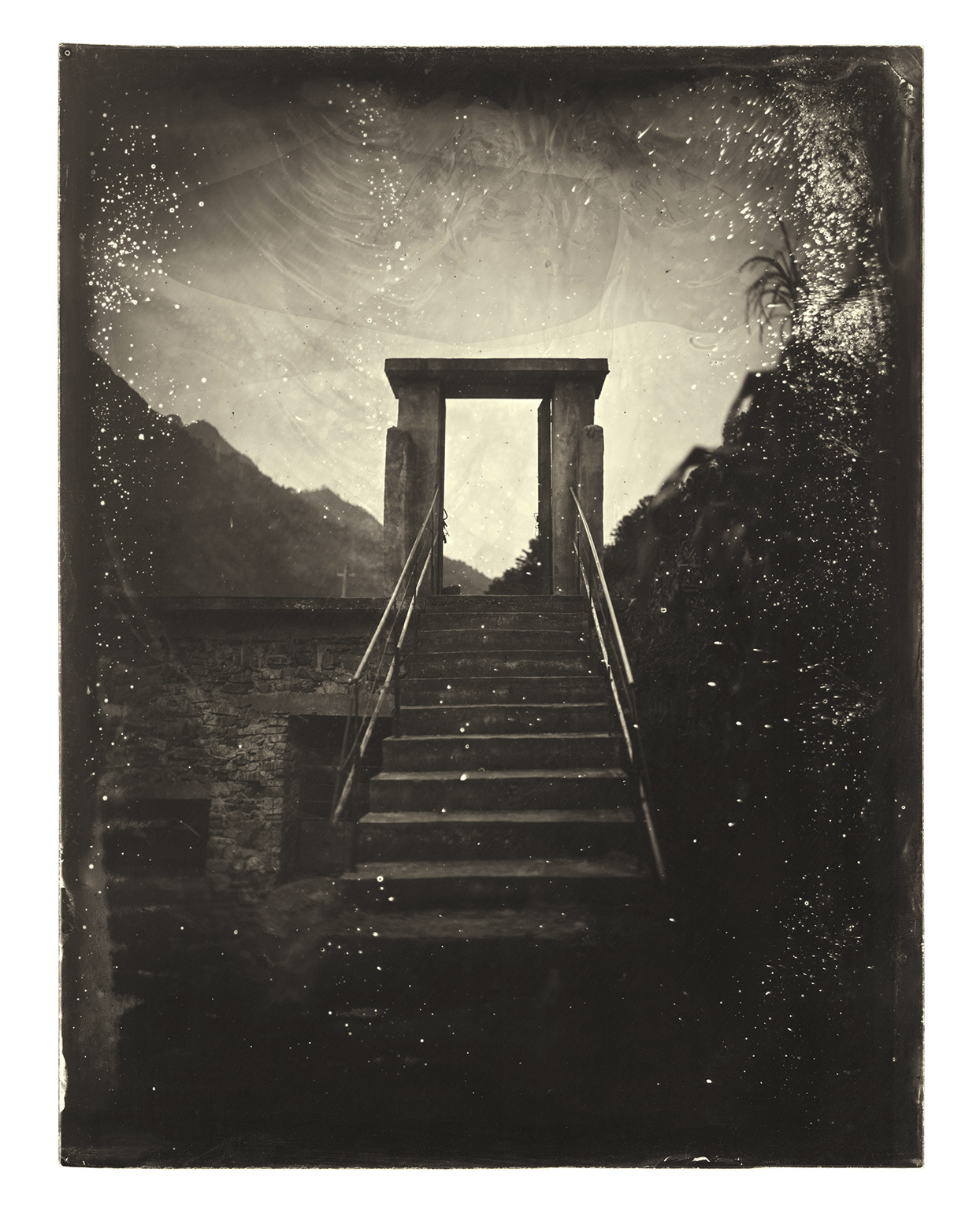
Luo Dan (Chinese, b. 1968) 'Simple Song No. 62 (Door)' 2012


Luo Dan (Chinese, b. 1968)
Simple Song No. 62 (Door)
2012
Inkjet print from collodion negatives
© Luo Dan, Courtesy of M97 Gallery


Peabody Essex Museum
East India Square
161 Essex Street
Salem, MA 01970-3783 USA
Phone: 978-745-9500, 866-745-1876

Opening hours:
Open Thursday – Monday 10am – 5pm
Closed Tuesday and Wednesday

Peabody Essex Museum website

LIKE ART BLART ON FACEBOOK

Back to top