Exhibition: ‘Harry Callahan Retrospective’ at the House of Photography at Deichtorhallen Hamburg

Exhibition dates: 22nd March – 9th June 2013


Harry Callahan (American, 1912-1999) 'Eleanor, Chicago' 1948


Harry Callahan (American, 1912-1999)
Eleanor, Chicago
1948
Gelatin silver print
© The Estate of Harry Callahan. Courtesy Pace/MacGill Gallery, New York


Great to see some early colour photographs from this master.

Marcus


Many thankx to the House of Photography, Deichtorhallen Hamburg for allowing me to publish the photographs in the posting. Please click on the photographs for a larger version of the image.


“I wish that people felt that photography was an adventure the same as life itself and felt that their individual feelings were worth expressing.”


Harry Callahan
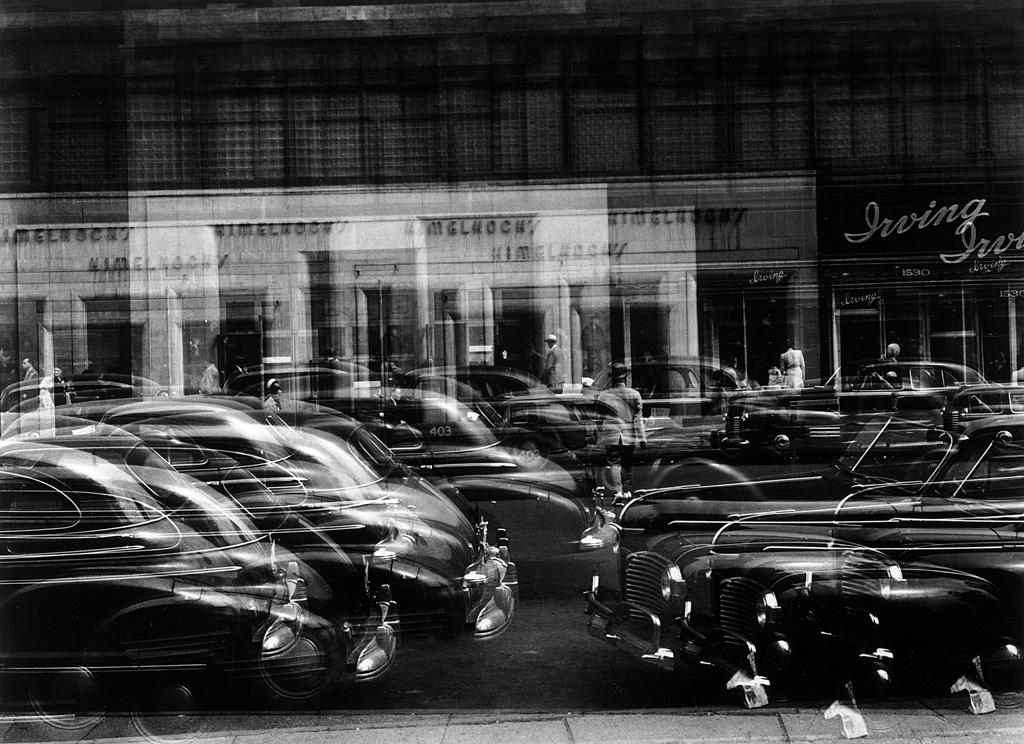


Harry Callahan (American, 1912-1999) 'Detroit' 1943


Harry Callahan (American, 1912-1999)
Detroit
1943
Gelatin silver print
© The Estate of Harry Callahan. Courtesy Pace/MacGill Gallery, New York


Harry Callahan (American, 1912-1999) 'Chicago' 1949


Harry Callahan (American, 1912-1999)
Chicago
1949
Gelatin silver print
© The Estate of Harry Callahan. Courtesy Pace/MacGill Gallery, New York
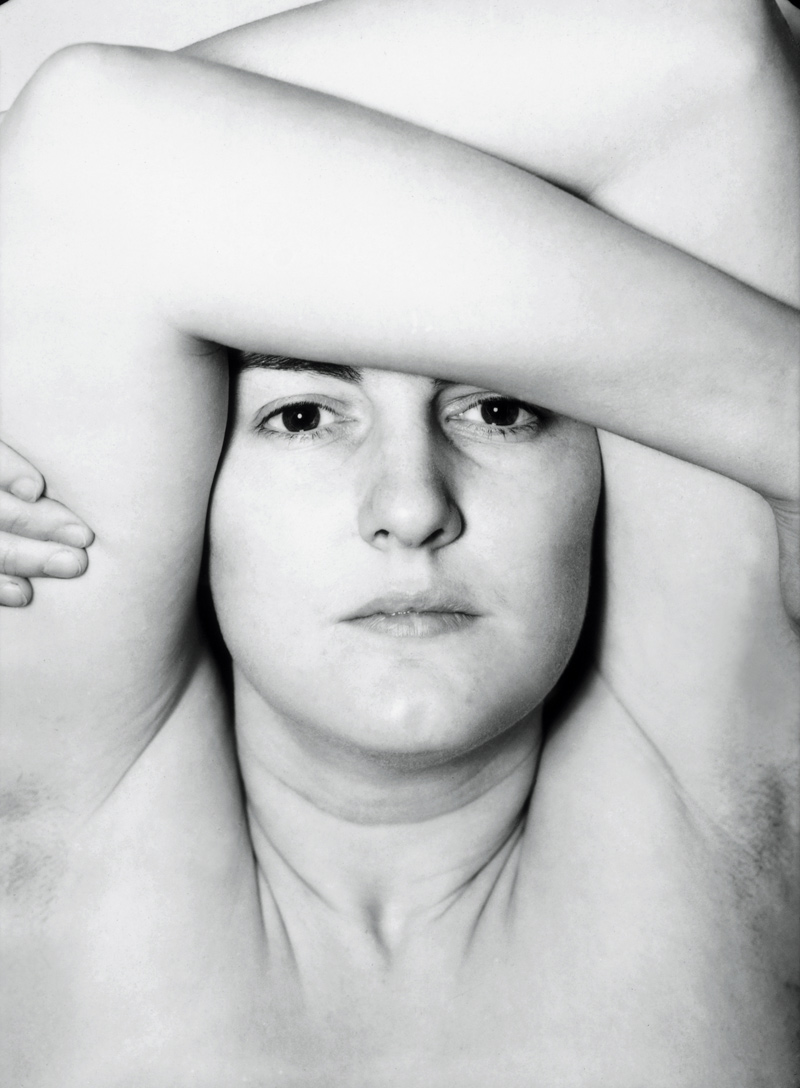
 

Harry Callahan (American, 1912-1999) 'Eleanor' 1947


Harry Callahan (American, 1912-1999)
Eleanor
1947
Gelatin silver print
© The Estate of Harry Callahan. Courtesy Pace/MacGill Gallery, New York


Harry Callahan (American, 1912-1999) 'Harry Callahan, Bristol' 1993


Stephan Brigidi (American, b. 1951)
Harry Callahan, Bristol
1993
© Stephan Brigidi


Harry Callahan (American, 1912-1999) 'Providence' 1979


Harry Callahan (American, 1912-1999)
Providence
1979
© The Estate of Harry Callahan. Courtesy Pace/MacGill Gallery, New York


Harry Callahan (1912-1999) is regarded as one of the most innovative and influential artists in the history of 20th-century US photography. Deichtorhallen Hamburg is taking the artist’s creative intensity, the aesthetic standing his oeuvre enjoys in the context of 20th-century US photography and the fact that 2012 marked the 100th anniversary of his birth as an opportunity to present his oeuvre in an extensive retrospective with over 280 works from March 22 through June 9, 2013. The exhibition is to date the most extensive show of his work, and includes both his black-and-white gelatin silver prints and his colour works produced using the dye-transfer process.

Harry Callahan was one of the first to overcome the prevailing aesthetics of Realism by advancing the New Vision, which László Moholy-Nagy had established in the New Bauhaus in Chicago, and Ansel Adams’ so-called “straight photography” in an innovative, highly sensitive way. Between 1946 and 1997 the Museum of Modern Art in New York alone honoured Callahan’s photographic oeuvre in a total of 38 exhibitions. Together with the painter Richard Diebenkorn, Callahan represented the USA at the 1978 Venice Biennale, the first photographer ever to do so. Nonetheless, in Europe Callahan’s multifaceted work is still considered a rarity in the history of photography.

In addition to photographs of nature and landscapes, Callahan’s oeuvre, spanning a period of nearly 60 years as of 1938, embraces pictures of his daily strolls through cities such as Detroit, Chicago, Providence, Atlanta, and New York. Portrayed frequently in very intense light, his leitmotifs were streets, shop windows, buildings and pedestrians hurrying past. Very early on he regarded photography as a purely artistic medium, and saw himself as an art photographer rather than a representative of applied photography. In later years other works, in which his wife Eleanor and daughter Barbara were the focal point, were superseded by another major experiment: the photographs he took on numerous trips to France, Italy, Morocco, Portugal, and Ireland. His works document the emergence of Modernism, which was taking an ever-greater hold on everyday life. Relating to his three main themes, nature, the familiar figure of his wife Eleanor, and cities, Callahan’s images reflect his life in ever-new references that become increasingly less interwoven with one another. At the same time they trace the social and cultural transformation in the USA discreetly, elegantly, and with a tendency to abstraction, recording the changes as a seismograph does earth tremors. In his images Callahan consistently reflects on both his own and the camera’s way of seeing.

Compiled by Sabine Schnakenberg, the exhibition at the House of Photography continues the series of major photographic retrospectives of internationally renowned representatives of photographic history previously staged at the Deichtorhallen in Hamburg, including Martin Munkacsi (2005), Lillian Bassman, Paul Himmel (2009), and Saul Leiter (2012). The exhibition is based on loans from two generous lenders, namely the Estate of Harry Callahan together with the Pace / MacGill Gallery in New York, and the extensive selection of Callahan’s images from F.C. Gundlach’s photographic collection, both those on permanent loan to Deichtorhallen as well as those in the collection of the F.C. Gundlach Foundation.

Press release from Deichtorhallen Hamburg website


Harry Callahan (American, 1912-1999) 'Atlanta' 1943


Harry Callahan (American, 1912-1999)
Atlanta
1943
© The Estate of Harry Callahan. Courtesy Pace/MacGill Gallery, New York


Harry Callahan (American, 1912-1999) 'Detroit' 1943


Harry Callahan (American, 1912-1999)
Detroit
c. 1943
© The Estate of Harry Callahan. Courtesy Pace/MacGill Gallery, New York


Harry Callahan (American, 1912-1999) 'Chicago' 1951


Harry Callahan (American, 1912-1999)
Chicago
1951
© The Estate of Harry Callahan. Courtesy Pace/MacGill Gallery, New York


Harry Callahan (American, 1912-1999) 'Eleanor, Chicago' 1951


Harry Callahan (American, 1912-1999)
Eleanor, Chicago
1951
© The Estate of Harry Callahan. Courtesy Pace/MacGill Gallery, New York


Harry Callahan (American, 1912-1999) 'Chicago' c. 1952


Harry Callahan (American, 1912-1999)
Chicago
c. 1952
© The Estate of Harry Callahan. Courtesy Pace/MacGill Gallery, New York
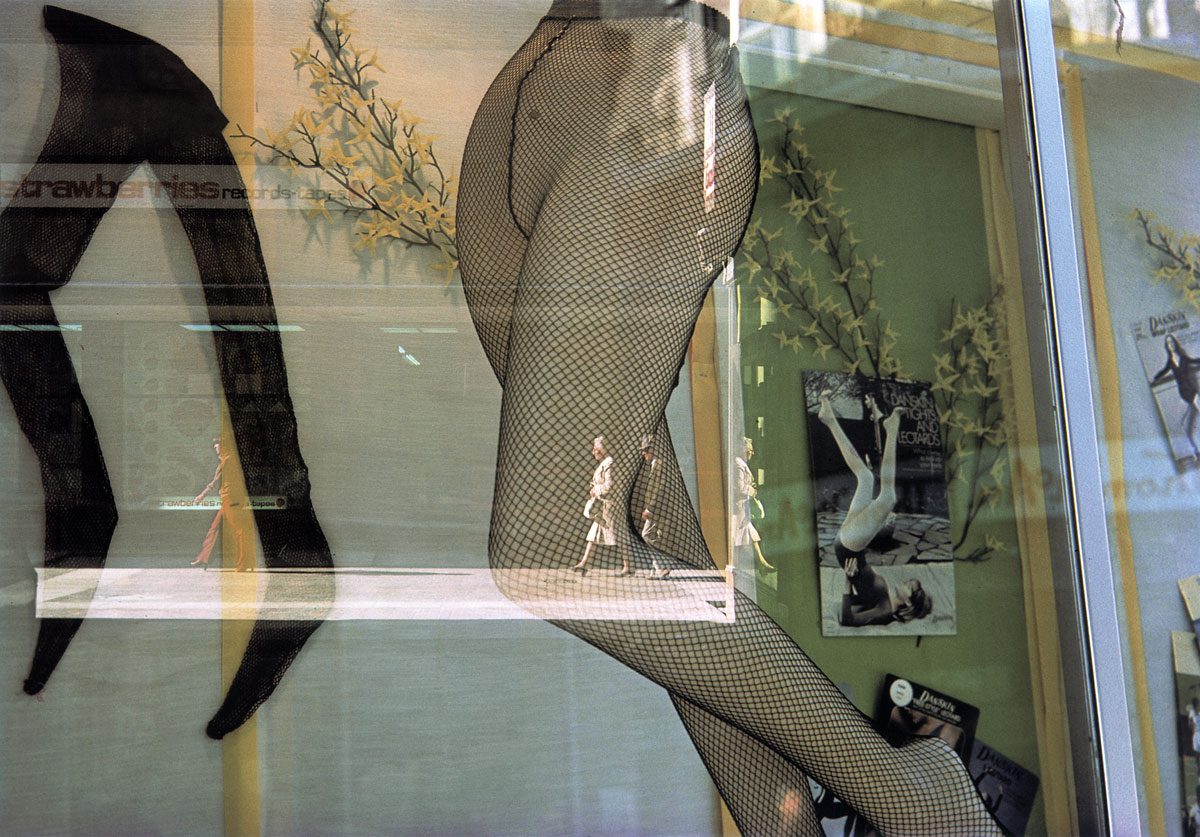
 

Harry Callahan (American, 1912-1999) 'Providence' 1978


Harry Callahan (American, 1912-1999)
Providence
1978
© The Estate of Harry Callahan. Courtesy Pace/MacGill Gallery, New York


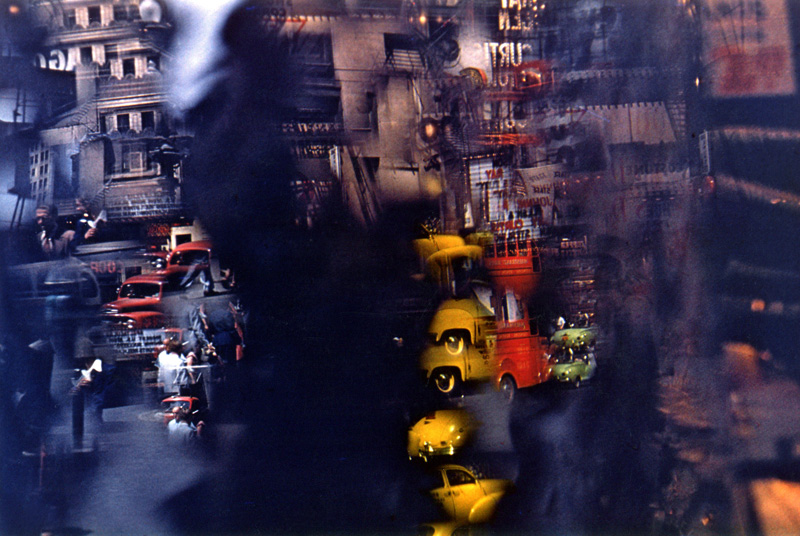
Harry Callahan (American, 1912-1999) 'New York' c. 1975


Harry Callahan (American, 1912-1999)
New York
c. 1975
Dye-transfer print
© The Estate of Harry Callahan. Courtesy Pace/MacGill Gallery, New York


Harry Callahan (American, 1912-1999) 'Ireland' 1979


Harry Callahan (American, 1912-1999)
Ireland
1979
© The Estate of Harry Callahan. Courtesy Pace/MacGill Gallery, New York


Deichtorhallen Hamburg
Deichtorstrasse 1-2
20095
Hamburg
Phone: +49 (0)40 32103-0

Opening hours:
Tuesday – Sunday 11am – 6pm
Closed Mondays
Deichtorhallen Hamburg website

LIKE ART BLART ON FACEBOOK

Back to top

Exhibition: ‘Beyond COLOR: Color in American Photography, 1950-1970’ at Bruce Silverstein Gallery, New York

Exhibition dates: 15th September – 23rd October 2010


Many thankx to Yvonne Gomez and the Bruce Silverstein Gallery for allowing me to publish the photographs in the posting. Please click on the photographs for a larger version of the image.


Arthur Siegel (American, 1913-1978) 'Untitled', from the series 'In Search of Myself' 1951, printed c. 1950s from the exhibition 'Beyond COLOR: Color in American Photography, 1950-1970' at Bruce Silverstein Gallery, New York, Sept - Oct 2010


Arthur Siegel (American, 1913-1978)
Untitled, from the series In Search of Myself
1951, printed c. 1950s
Dye transfer print mounted to board
Signed, initialed and dated by Adam Siegel on mount verso
6 7/8 x 10 inches
© Arthur Siegel, courtesy of Bruce Silverstein Gallery, NY


Harry Callahan (1912-1999). 'New York' 1955 printed c. 1970 from the exhibition 'Beyond COLOR: Color in American Photography, 1950-1970' at Bruce Silverstein Gallery, New York, Sept - Oct 2010


Harry Callahan (American, 1912-1999)
New York
1955 printed c. 1970s
Dye transfer print
Signed on recto
14 x 10 1/4 inches
© Harry Callahan, courtesy of Bruce Silverstein Gallery, NY


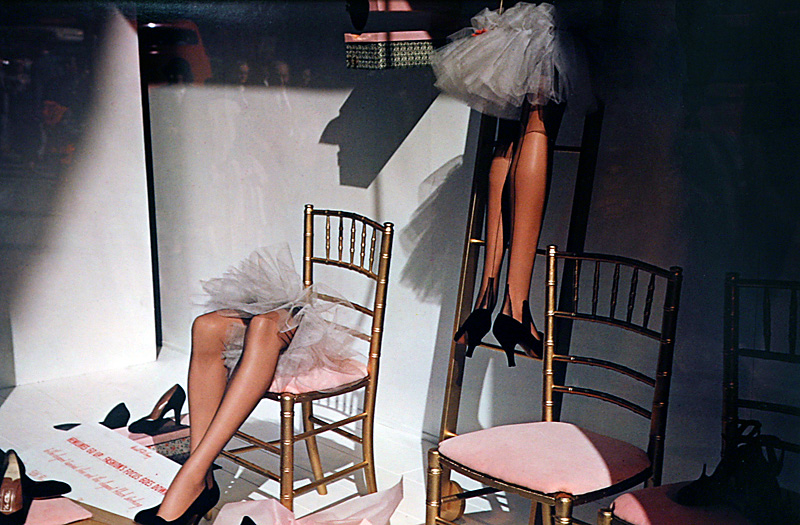
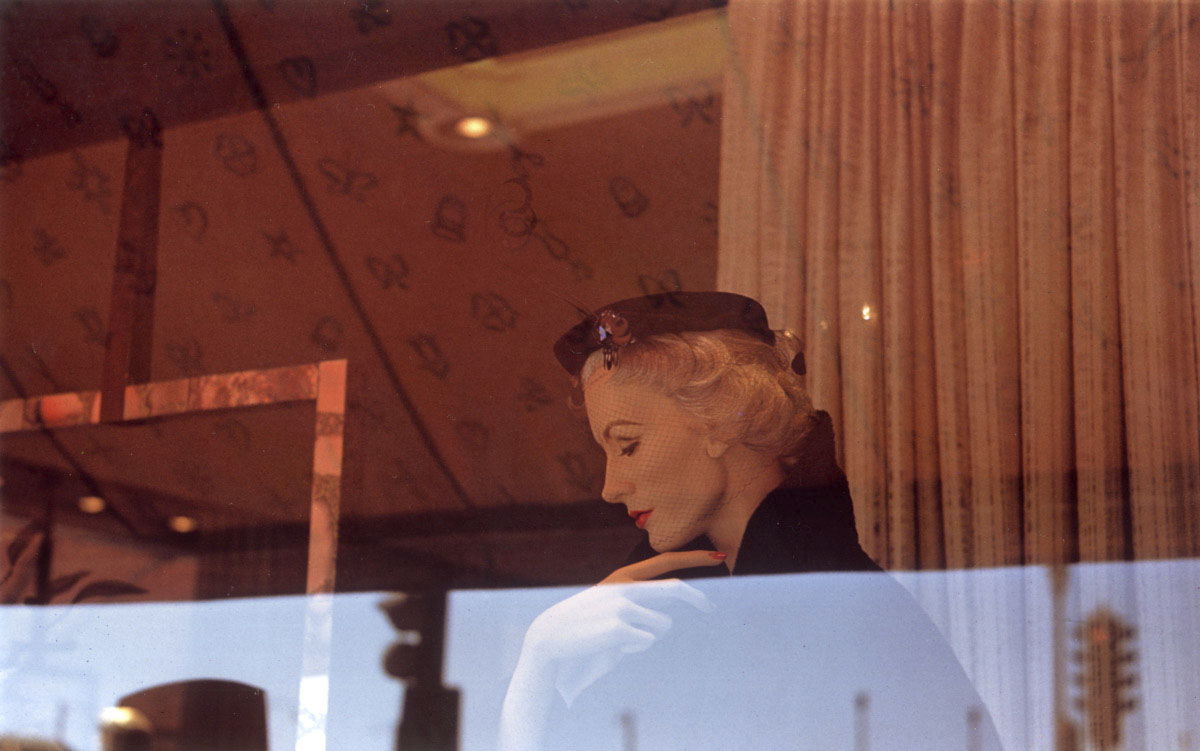
Inge Morath (American, 1923-2002)
'New York City' 1958


Inge Morath (American, 1923-2002)
New York City
1958
Archival pigment print
© Inge Morath / Magnum Photos


“If I had to do color and black and white simultaneously,” Morath recalled, “I’d finish one, then do [the other], trying not to think of both at the same time; the thinking is so different!”


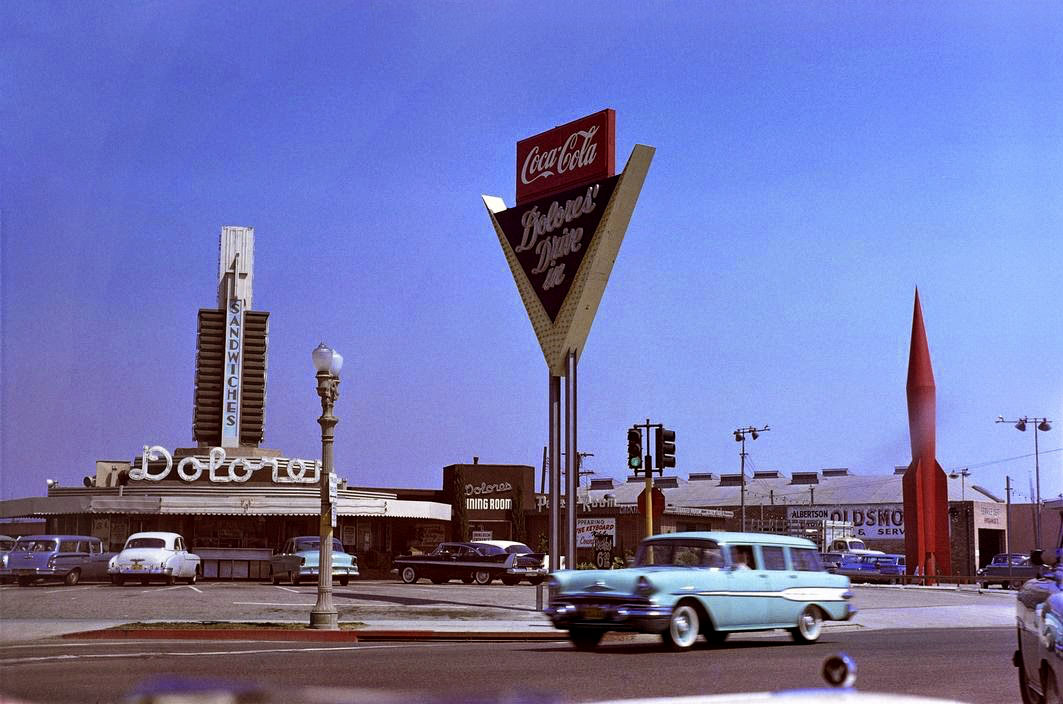
Inge Morath (American, 1923-2002)
'Hollywood, California' 1959


Inge Morath (American, 1923-2002)
Hollywood, California
1959
Archival pigment print
© Inge Morath / Magnum Photos


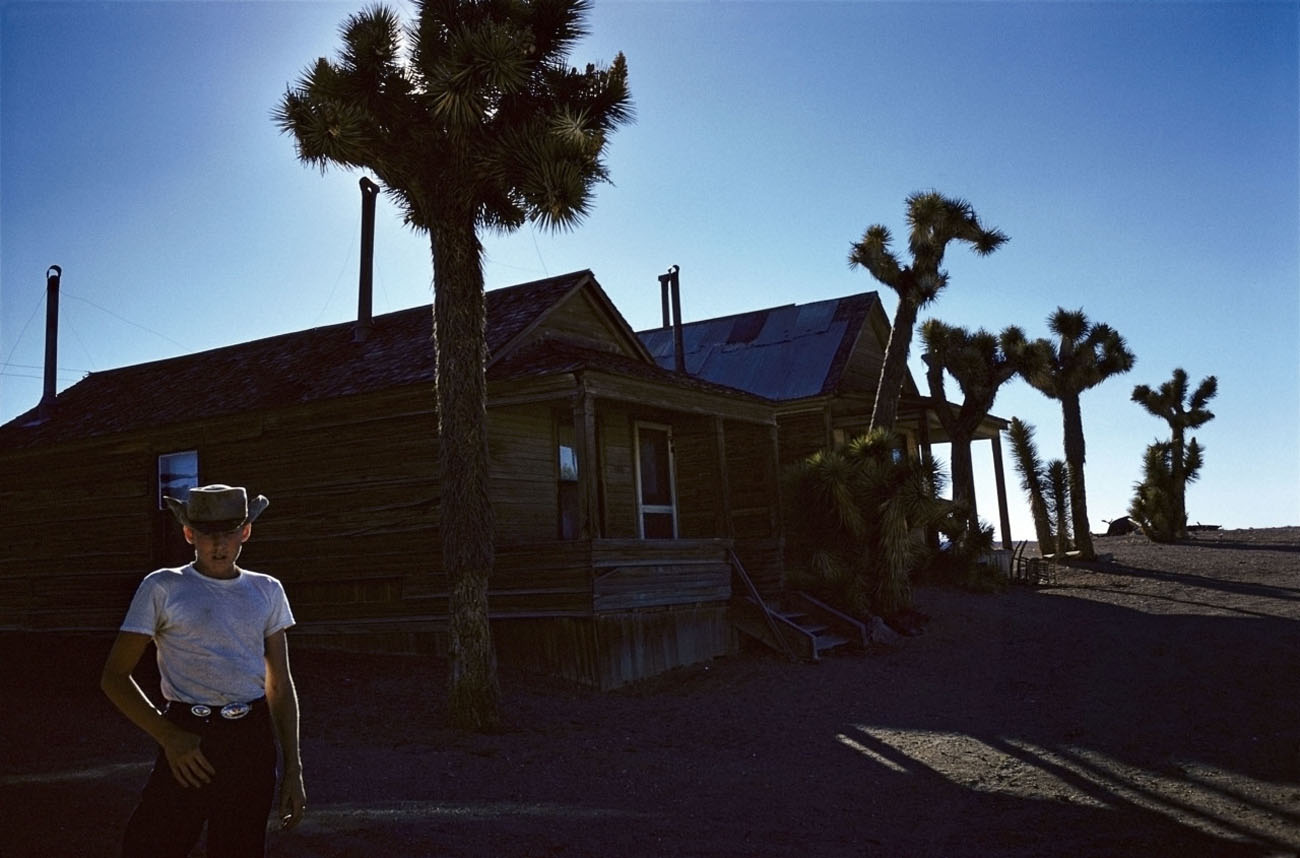
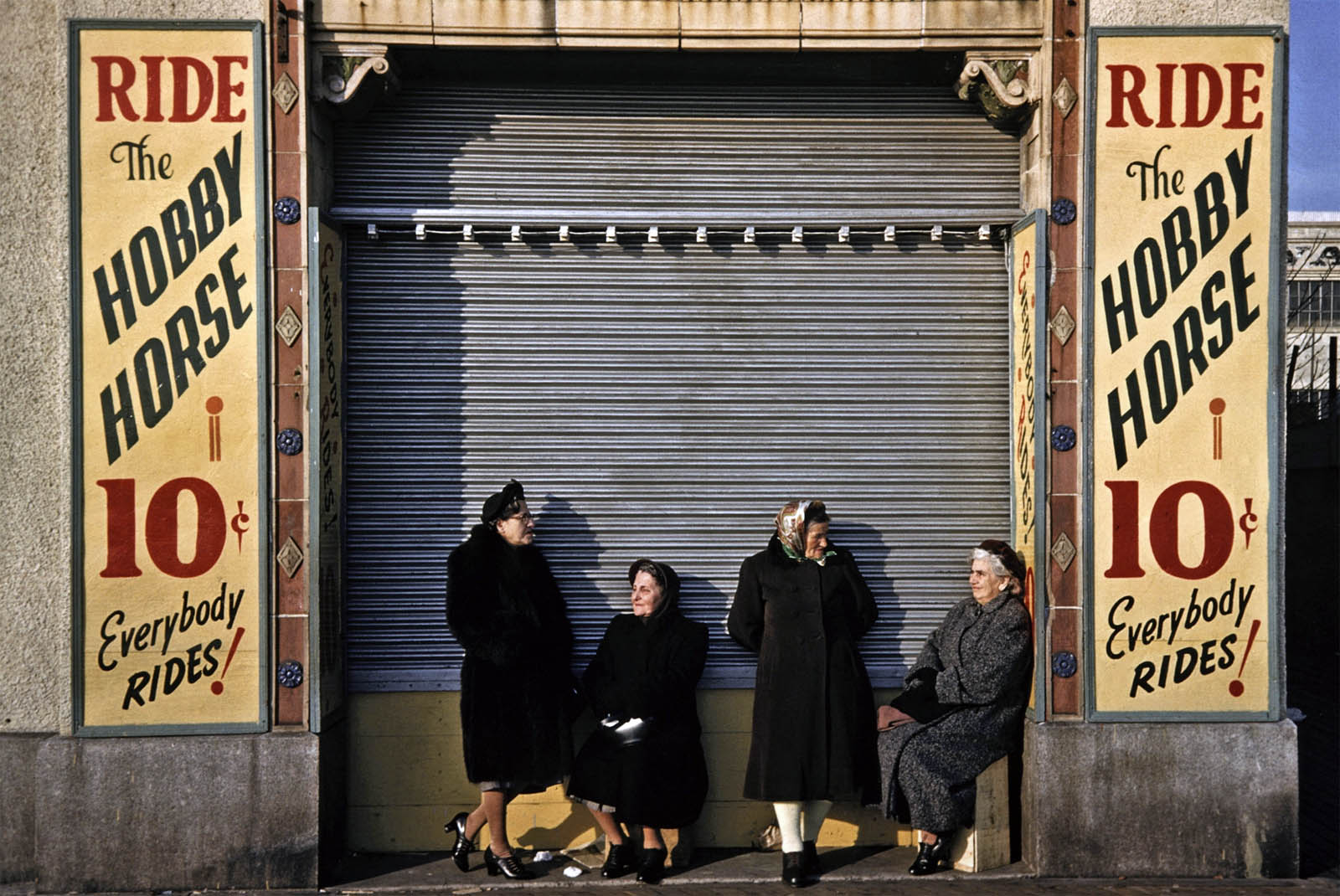
Inge Morath (American, 1923-2002) 'Ghost Town, Goldfield, Nevada'
1960, printed later from the exhibition 'Beyond COLOR: Color in American Photography, 1950-1970' at Bruce Silverstein Gallery, New York, Sept - Oct 2010


Inge Morath (American, 1923-2002)
Ghost Town, Goldfield, Nevada
1960, printed later
Archival pigment print
Edition of 11
Estate stamp on verso
13 x 17 1/2 inches
© Inge Morath / Magnum Photos


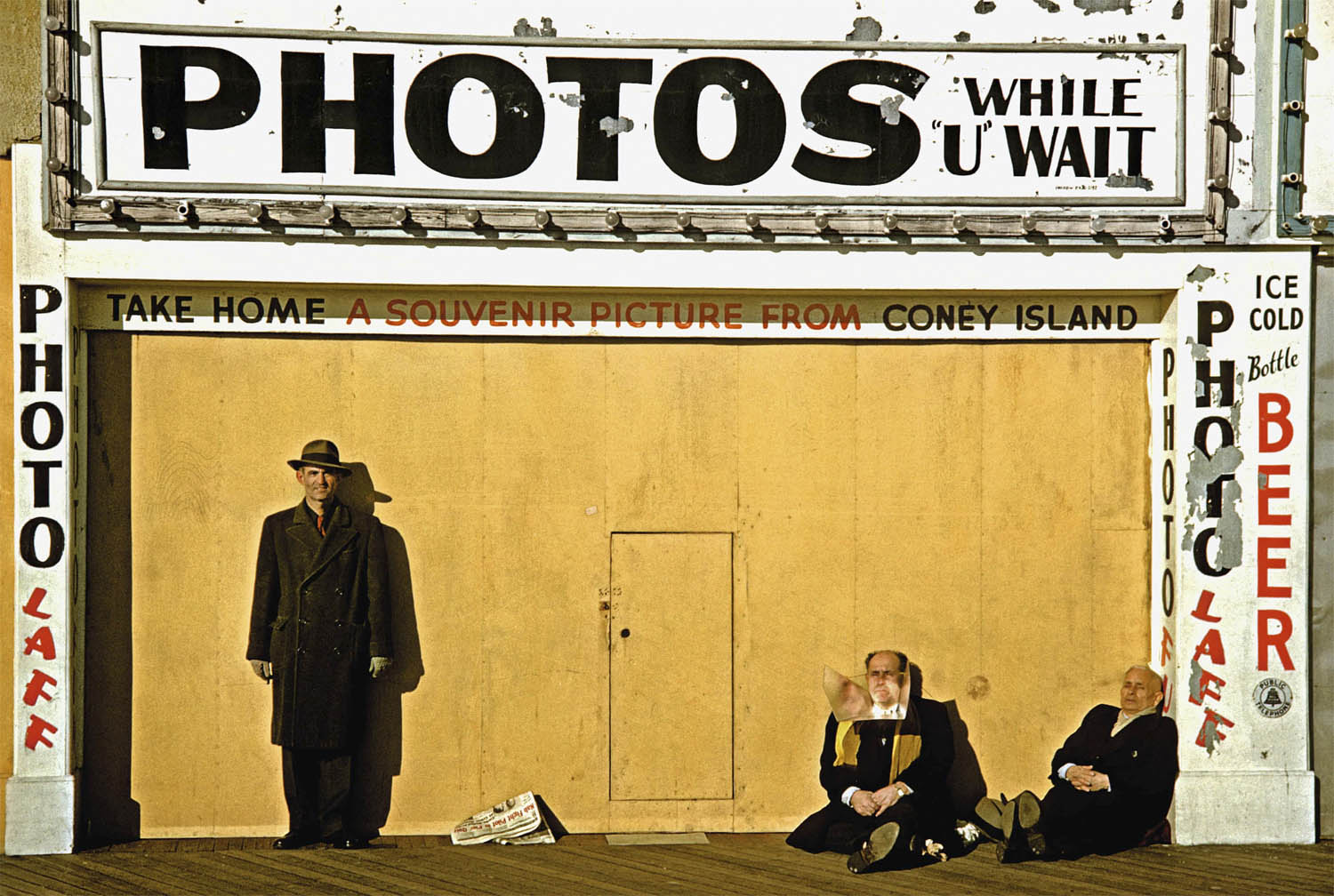
Marvin Newman (American, 1927-2023) 'Coney Island I' 1953, printed 2010


Marvin Newman (American, 1927-2023)
Coney Island I
1953, printed 2010
Archival inkjet print
Signed and dated on verso
Edition of 10
13 x 19 inches
© Marvin Newman, courtesy of Bruce Silverstein Gallery, NY


Marvin Newman (American, 1927-2023) 'Coney Island II' 1953, printed 2010


Marvin Newman (American, 1927-2023)
Coney Island II
1953, printed 2010
Archival inkjet print
Signed and dated on verso
Edition of 10
13 x 19 inches
© Marvin Newman, courtesy of Bruce Silverstein Gallery, NY


Marvin Newman (American, 1927-2023) 'Coney Island IV' 1953, printed 2010


Marvin Newman (American, 1927-2023)
Coney Island IV
1953, printed 2010
Archival inkjet print
Signed and dated on verso
Edition of 10
13 x 19 inches
© Marvin Newman, courtesy of Bruce Silverstein Gallery, NY


Bruce Silverstein Gallery is pleased to present, Beyond COLOR: Color in American Photography, 1950-1970, a re-examination of a pivotal period in photography’s short history, when the artistic relevance of color in fine art photography had yet to be determined. The exhibition unites works for the first time by many of the “first generation” practitioners of color photography including artists Marie Cosindas, Arthur Seigel, Harry Callahan, Eliot Porter, Saul Leiter, Marvin E. Newman, Pete Turner, Ruth Orkin and Ernst Haas. Other highlights include images exhibited for the first time by Magnum’s first female member, Inge Morath, as well as a special slide projection of color images by Garry Winogrand, images that were never printed by the artist. Beyond COLOR attempts to reclaim this moment of photographic history that only today has begun to receive critical attention.

After the conclusion of World War II, innovations in technology combined with the public’s desire to “see the world as it is” resulted in an explosion in the usage of color imagery by the mass media. By 1951, commercial color television broadcasting had begun, and in 1954, half of all American films were made in color. In the early 1960’s color imagery was so prevalent that National Geographic magazine introduced a new era when it became the first major American periodical to print an all-color issue. While color photography during this period was widely embraced by mass culture – advertising and journalism – it continued to suffer from second-class status in the fine art world when compared with images in black & white. For most in the fine art establishment, black & white photography represented the medium of choice, steeped in a century-old tradition it was easily accessible and affordable to artists, and possessed known archival stability. For this reason, few artists chose to work in color and even fewer produced finished prints. Although color works had begun to selectively appear in museum exhibitions, most notably at the Museum of Modern Art, where single artist exhibitions of works by Eliot Porter (1943), Ernst Haas (1962) and Marie Cosindas (1966) were displayed, academic and institutional attention and support for this new technology was scant.

Over the past forty years, work in color created by artists during this formative period has received little attention. Most critical analysis through writings and exhibitions have focused on color work created during the 1970’s and 1980’s after the now famous Museum of Modern Art exhibition, Photographs by William Eggleston (1976), curated by John Szarkowski. This MoMA exhibition set the groundwork for defining a new purpose for color photography – one that focused more on the conceptual implications of the photograph and its creation, and away from the formalistic attributes of the image as well as the attention to color itself. The effects of Eggleston’s exhibition and Szarkowski’s essay reverberate to this day.

With a certain distance from this era when color photography was new – its place in the art world no longer a question – this exhibition offers a crucial consideration of works created during this period and encourages a new perspective on the significance of these artists’ contributions to the history of photography.

Text from the Bruce Silverstein Gallery website


Harry Callahan (American, 1912-1999)
'Providence' 1963


Harry Callahan (American, 1912-1999)
Providence
1963
Dye transfer print


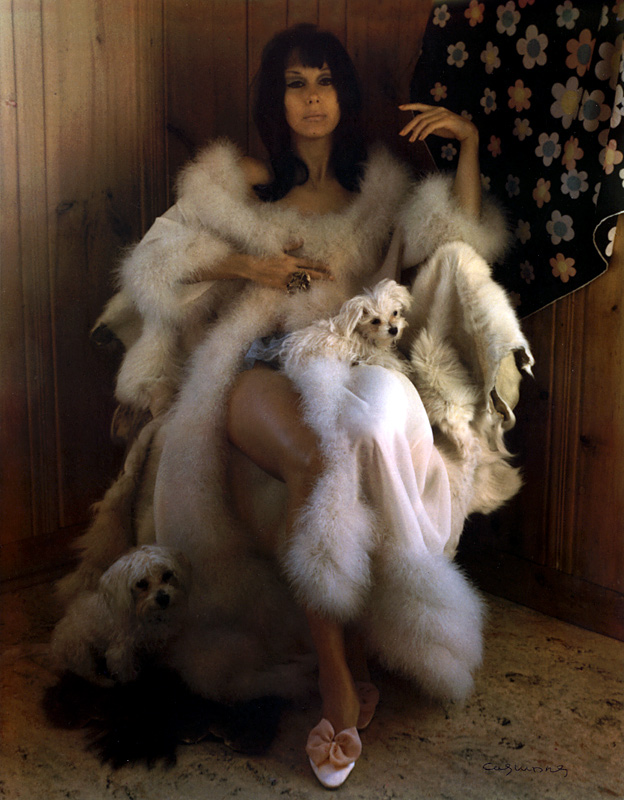
Marie Cosindas (American, 1923-2017) 'Amy, Boston' 1965, printed c. 2010


Marie Cosindas (American, 1923-2017)
Amy, Boston
1965, printed c. 2010
Archival inkjet print
Signed, titled and dated on verso
11 3/4 x 16 1/2 inches
© Marie Consindas, courtesy of Bruce Silverstein Gallery, NY


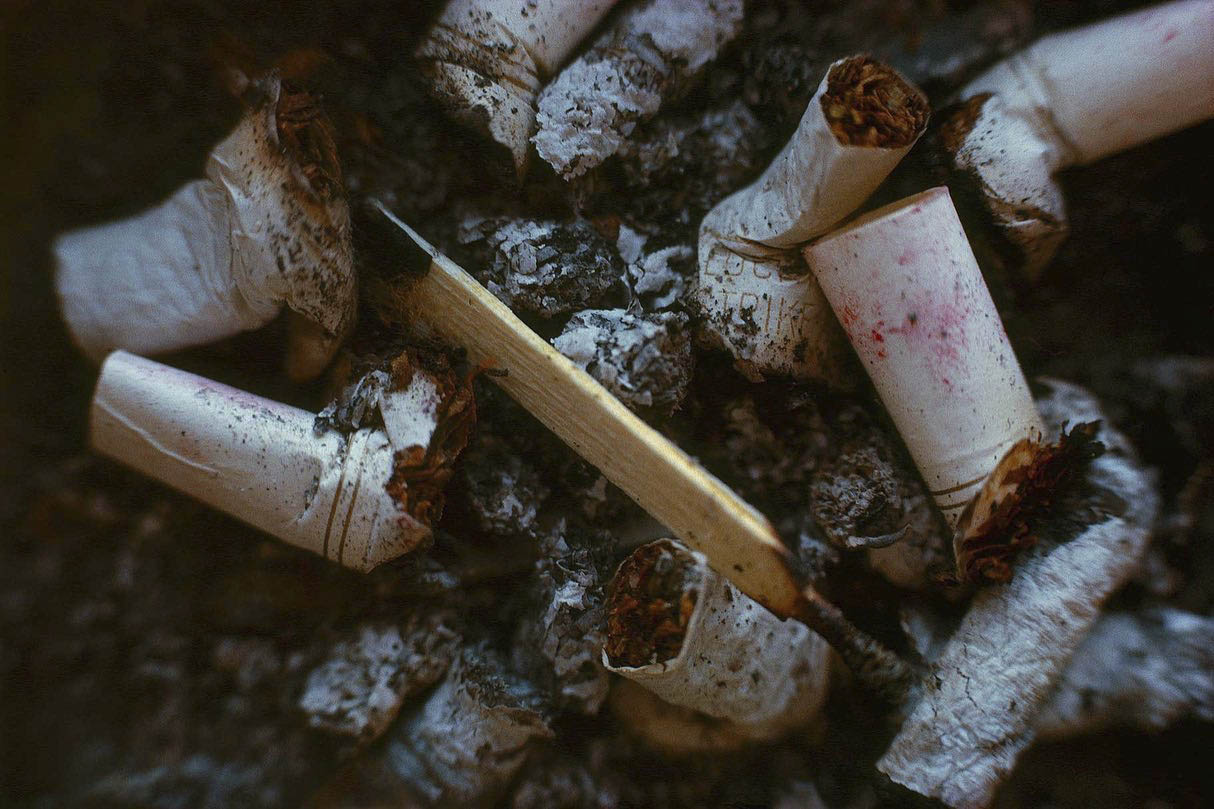
Pete Turner (American, 1934-2017)
'Cigarette Butts' 1963, printed early 1970s


Pete Turner (American, 1934-2017)
Cigarette Butts
1963, printed early 1970s
Unique dye transfer print
Signed, titled and dated on recto
30 x 40 inches
© Pete Turner, courtesy of Bruce Silverstein Gallery, NY


Pete Turner (American, 1934-2017)
'Texascape' 1968, printed c. 1976-1980


Pete Turner (American, 1934-2017)
Texascape
1968, printed c. 1976-1980
Signed with artist stamp on recto
Dye transfer print
Edition of 50 (#28/50)
6 x 9 in (15.24 x 22.86cm)


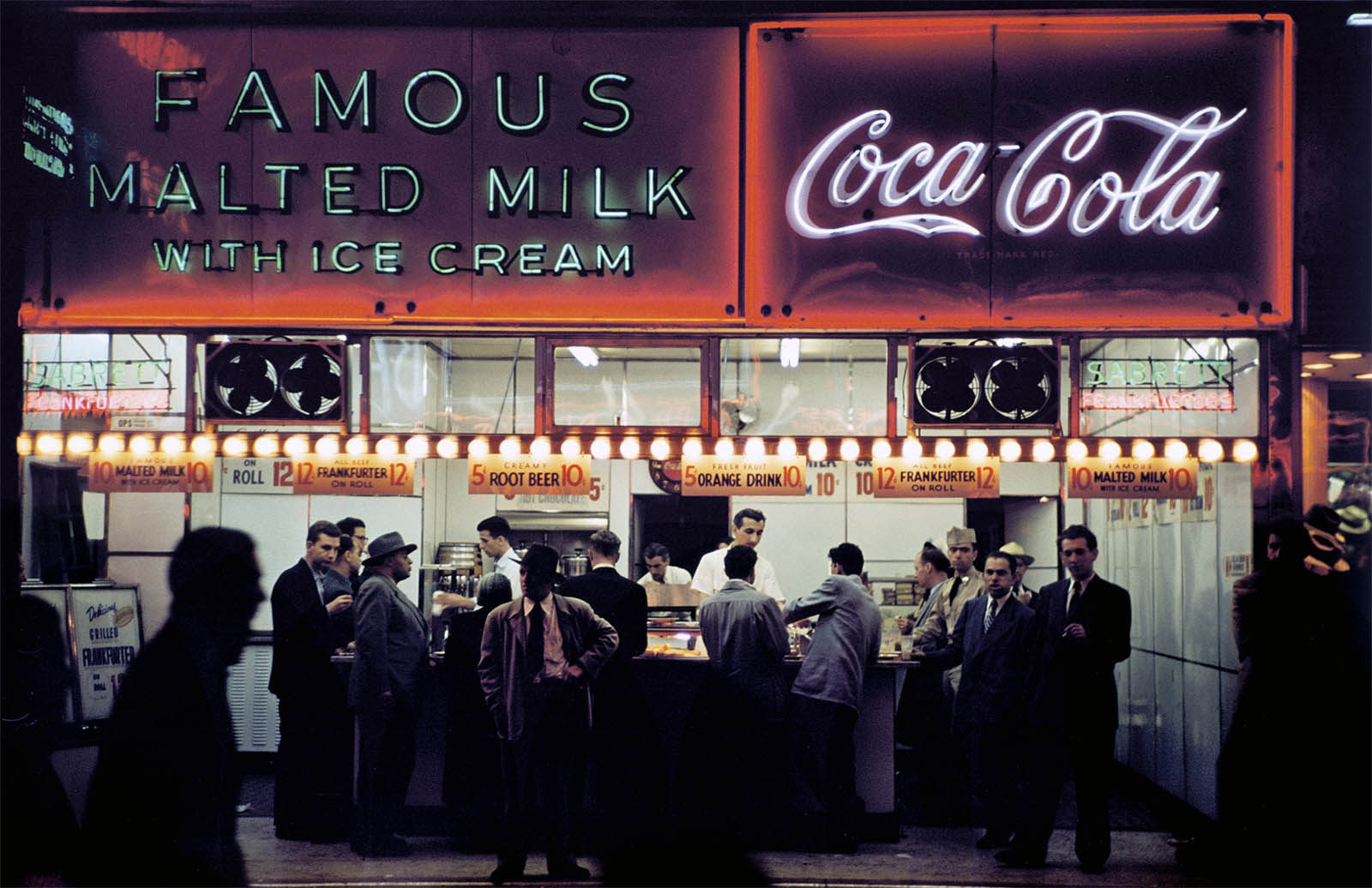
Ruth Orkin (American, 1921-1985)
'Famous Malted Milk, NYC' c. 1950, printed 2010
Screenshot


Ruth Orkin (American, 1921-1985)
Famous Malted Milk, NYC
c. 1950, printed 2010
Archival inkjet print
Estate stamp on verso
Edition of 15
11 x 14 inches
ROR-00008-SP
© Ruth Orkin, courtesy of Bruce Silverstein Gallery, NY


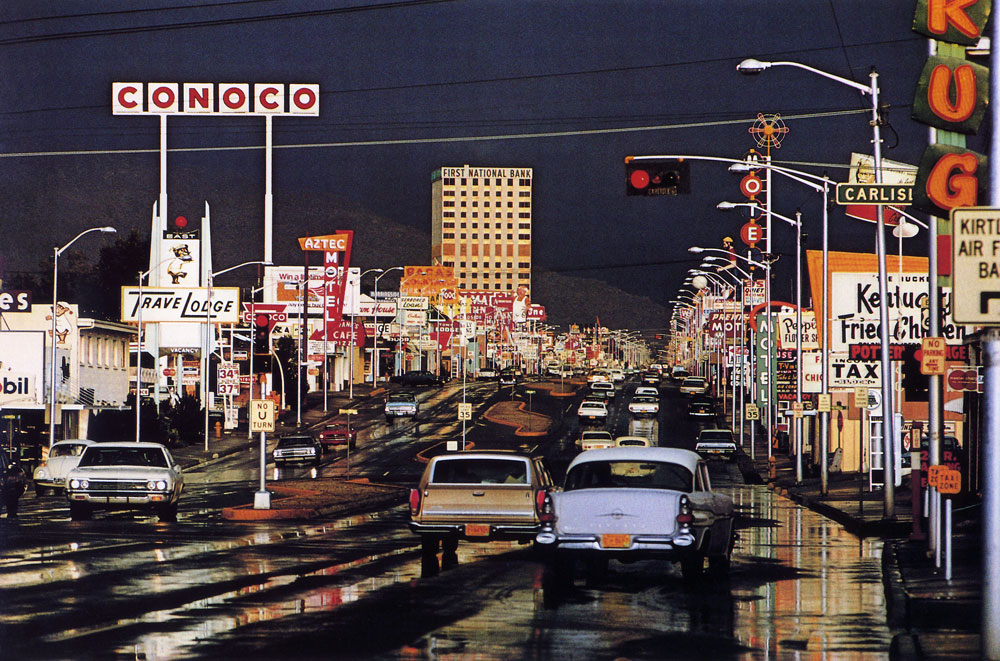
Ernst Haas (American, 1921-1986) 'Route 66, Albuquerque, New Mexico, USA' 1969, printed later


Ernst Haas (American, 1921-1986)
Route 66, Albuquerque, New Mexico, USA
1969, printed later
Chromogenic print mounted to board
Estate stamp on verso
30 x 40 inches
EHA-00898-SP
© Ernst Haas, courtesy of Bruce Silverstein Gallery, NY


Bruce Silverstein Gallery
529 West 20th Street
3rd Floor / Suite 3W
New York, NY 10011
Phone: 212-627-3930

Opening hours:
Tuesday – Friday
10am – 5pm

Bruce Silverstein Gallery website

LIKE ART BLART ON FACEBOOK

Back to top