Exhibition: ‘Every Past Is My Past’ (photographs from the Fortepan digital photo archives) at the Hungarian National Gallery (MNG), Budapest

Exhibition dates: 16th April – 25th August 2019

Curator of the exhibition: István Virágvölgyi
Co-curator: Miklós Tamási
Curatorial assistant: Mária Madár

The catalog is a richly illustrated catalog in Hungarian and English.


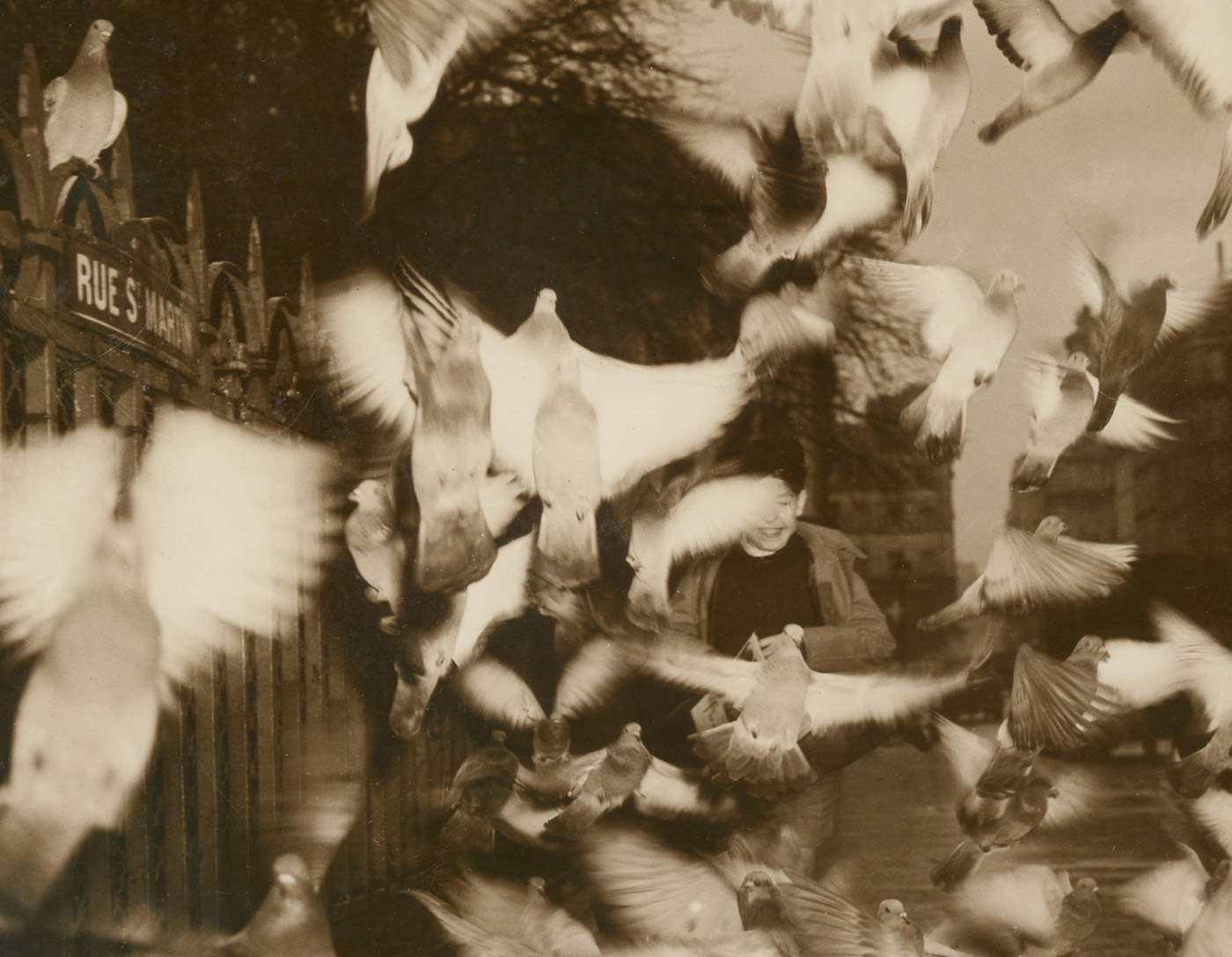
Unknown photographer. 'Untitled' 1948 from the exhibition 'Every Past Is My Past' (photographs from the Fortepan digital photo archives) at the Hungarian National Gallery (MNG), Budapest, April - August, 2019


Unknown photographer
Untitled
1948
Fortepan / Capital of Budapest Archives


In seeking to understand the past, present and future of a people and a country, the importance of analysing the pictures stored within a historical photographic archive cannot be underestimated. The photographs in an archive such as the Hungarian Fortepan digital photo archive are a form of cultural memory, a collective consciousness, in pictures, of the numerous lifelines of the people of that country, its history, it triumphs, its trials and tribulations. Jean-Paul Sartre observes, “Time … is everywhere a self-transcendence and a referring of the before to the after and of the after to the before…” Photographs do this very well, as the future beyond the click of the shutter, becomes past time; that very time is then transcended back into present time, the past into the present embracing the future, when someone looks at an “old” photograph. The old is young again.

The Fortepan digital photo archive usually de/pics anonymous people taken by unknown photographers in sometimes known, sometimes unknown settings. It represents “Hungary’s 20th century history, the images focusing on the lives of ordinary people and their experiences, as conveyed by private photographers.” These vernacular photographs act as a tabula rasa,1 a touchstone for hidden stories and histories. The prima materia, the base material of chaos, forms a clean slate (tabula rasa) on which is written the order of the image. Out of light emerges darkness, the inversion that is the negative, which is then made positive again during printing. The etching of light onto the negative builds up a story first seen in the mind’s eye – that knowledge then decoded (or not) through experience and perception: how do you interpret a photograph? What language does it speak? Do you understand what it is saying? The before to the after and the after to the before…

And then we see. Images of happy human beings hanging from a crossbar; a young boy with amputation looking quizzically at the camera while a doctor and nurses pose stiffly, sullenly; and the horrors of war and an uprising that failed. The bits and pieces of lives and people and places and things and events and wars and death and youth and happiness and fun. A palimpsest. The past presently emerging, the present being constantly overwritten, the future embedded in the past. We are but a speck, an infinitesimal speck in the cosmos, not even a micron of a grain of sand in the fluidity of space/time.

“Even our experience of time and space, argues Jameson, has been transformed under postmodernism. Time has collapsed into a perpetual present, in which everything from the past has been severed from its historical context in order to circulate anew in the present, devoid of its original meanings but contributing to the cluttered texture of our commodified surroundings. The result, he writes, is historical amnesia, a lack of knowledge about the past that, in its pathological form, resembles the schizophrenic’s inability to remember anything and consequent inability to sustain a coherent identity.”2

What the photographs of the Fortepan archive let us achieve is to compile an incomplete, an in/coherent but valid identity from a certain perspective (and that is very important). As with any system of classification, it all depends who is looking and from what point of view. They also let us meditate on our brief existence in order to say, we were/are/will be here. And it mattered.

I look forward to hopefully meeting my friends Tamás Németh and Miklós Tamási when I am in Budapest soon.

Dr Marcus Bunyan


1/ Tabula rasa is the theory that individuals are born without built-in mental content and that therefore all knowledge comes from experience or perception.

2/ Jameson, Frederic. Postmodernism, or, The Cultural Logic of Late Capitalism. Duke University Press, Durham, N.C., 1991, p. 419 quoted in Springer, Claudia. Electronic Eros: Bodies and Desire in the Postindustrial Age. Austin: University of Texas Press, 1996, p. 40


Many thankx to the Hungarian National Gallery, Tamás Németh, Ákos Szepessy and the Fortepan digital photo archives for allowing me to publish the photographs in the posting. Please click on the photographs for a larger version of the image.


“Time … is everywhere a self-transcendence and a referring of the before to the after and of the after to the before … If time is considered by itself, it immediately dissolves into an absolute multiplicity of instants which considered separately lose all temporal nature and are reduced pure and simply to the total a-temporality of the this.”


Satre, Jean-Paul. Being and Nothingness. (trans. Hazel Barnes). London: Methuen, 1966, p. 215.


“Fortepan is a collective effort at “codebreaking” the assembled scanned negatives, to decipher what is there before us in the image. Fortepan has become a public resource of the Hungarian audio-visual culture.”

“In a word, Fortepan perhaps helps to make the 20th century, with all its turns and twists, a little more understandable, bearable and emotionally fathomable.”


Miklós Tamási, Founder of Fortepan


“The archive is one that is free, high resolution, and operates based on Creative Commons 3. This means that it can be used free of charge even for commercial purposes. Even in such cases, people don’t owe us anything.”


András Török, Cultural Manager of Fortepan


FORTEPAN ADOMANYOZÓK, FELHASZNÁLÓK


Unknown photographer. 'Untitled (amputation)' 1916 from the exhibition 'Every Past Is My Past' (photographs from the Fortepan digital photo archives) at the Hungarian National Gallery (MNG), Budapest, April - August, 2019


Unknown photographer
Untitled (amputation)
1916
Fortepan / Capital of Budapest Archives
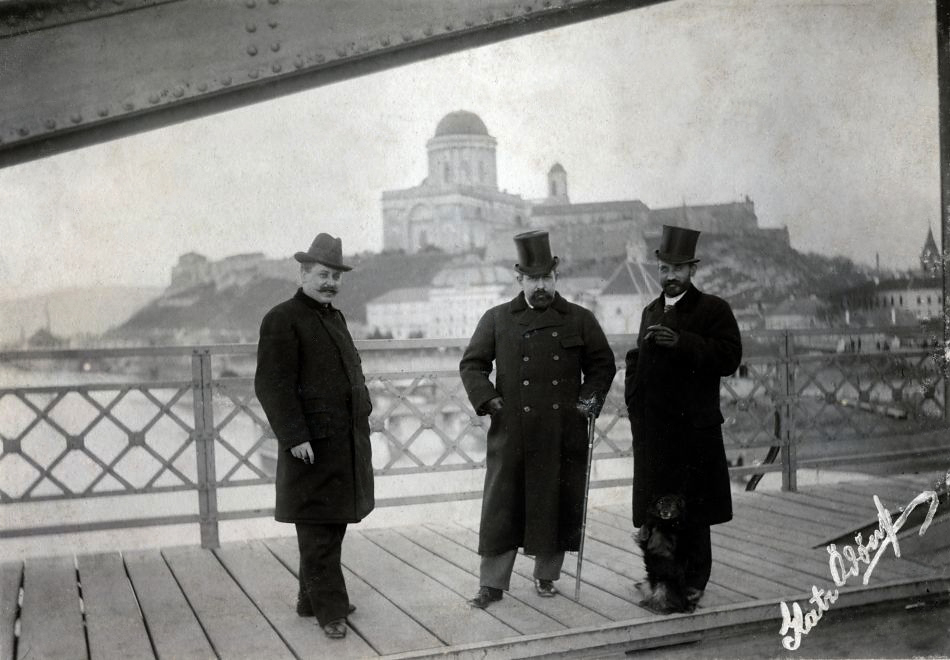
 

Unknown photographer. 'Hungary, Slovakia, Esztergom the Castle Hill and the Basilica from the Maria-Valeria Bridge' 1900


Unknown photographer
Hungary, Slovakia, Esztergom the Castle Hill and the Basilica from the Maria-Valeria Bridge
1900
Fortepan / Capital of Budapest Archives


Unknown photographer. 'Hungary, Balaton, Siofok' 1920


Unknown photographer
Hungary, Balaton, Siofok
1920
Fortepan / Capital of Budapest Archives


Unknown photographer. 'Hungary, Rácalmás opposite the Catholic Church (demolished in 1969)' 1920


Unknown photographer
Hungary, Rácalmás opposite the Catholic Church (demolished in 1969)
1920
Fortepan / Capital of Budapest Archives


Unknown photographer. 'Hungary, Budapest III., Óbuda Óbuda Shipyard, Danube branch next to Hajógyári Island, BL floating crane and two DDSG barge' 1920


Unknown photographer
Hungary, Budapest III., Óbuda Óbuda Shipyard, Danube branch next to Hajógyári Island, BL floating crane and two DDSG barge
1920
Fortepan / Capital of Budapest Archives


From the material of the popular Fortepan digital photo archive, a selection of more than three hundred pieces at the Hungarian National Gallery is presented. The exhibited pictures are closely related to Hungary’s 20th century history. The age in which they were made is manifested in many different ways in these images, but the emphasis is on the view and life events of the average person through the private photographs that provide the backbone of the collection.

Representing Hungary’s 20th century history, the images focus on the lives of ordinary people and their experiences, as conveyed by private photographers.

The founders of the collection, two high school classmates Miklós Tamási and Ákos Szepessy, began to collect the photographs in the digital Fortepan archives back in the 1980s. They launched an online site with 5,000 digitised images in 2010. Today the collection numbers 110,000 photos.

Each photograph in the exhibition tells a story. In some cases these stories can be reconstructed, but in most others the people in the pictures are no longer known, and neither are the circumstances in which the photo was taken, allowing visitors to use their imagination and invent their own stories linked to the images.


Unknown photographer. 'Untitled (woman and boy)' 1935


Unknown photographer
Untitled (woman and boy)
1935
Fortepan / Capital of Budapest Archives


Unknown photographer. 'Romania, Transylvania, Strait of Békés' 1935


Unknown photographer
Romania, Transylvania, Strait of Békés
1935
Fortepan / Capital of Budapest Archives


Unknown photographer. 'Slovakia, Three Revuca highway between Veľký Šturec pass and village, opposite Čierny Kameň' 1935


Unknown photographer
Slovakia, Three Revuca highway between Veľký Šturec pass and village, opposite Čierny Kameň
1935
Fortepan / Capital of Budapest Archives


Unknown photographer. 'Hungary, Szentes St. Imre street, opposite number 5' 1936


Unknown photographer
Hungary, Szentes St. Imre street, opposite number 5
1936
Fortepan / Capital of Budapest Archives
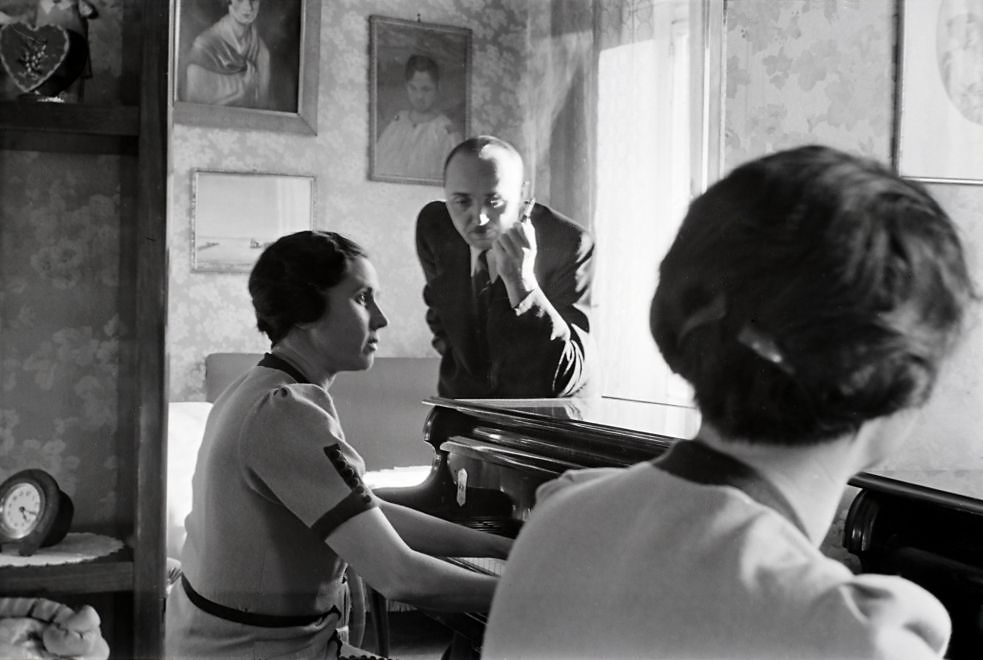


Unknown photographer. 'Hungary, Budapest VIII. Tavaszmező utca 1, Gartner Károly, writer of sipotei Golgotha' 1942


Unknown photographer
Hungary, Budapest VIII. Tavaszmező utca 1, Gartner Károly, writer of sipotei Golgotha
1942
Fortepan / Capital of Budapest Archives


Gartner Károly (author) Gyula Komjáti (graphics). A Sipotei Golgotha: Romániai Rabmagyarok Története (A Sipotei Golgotha: The history of the Romanian prisoners of Hungarians). G. Z. Hartrampf I, 1932

The name of Șipotele, even for those interested in history, is mostly unknown. One of the most inhumane prisoners of war prisons in the First World War was established near this Romanian settlement, and most of the prisoners were Hungarian. Șipotele was located near the Romanian-Russian border at the time, eight kilometres from the Prut River and 40 kilometers south of lași.


Gartner Károly. 'A Sipotei Golgotha: Romániai Rabmagyarok Története' 1932 book cover


Gartner Károly (Hungarian born Transylvania, 1908-1972) (author)
Gyula Komjáti (Hungarian, 1894-1958) (graphics)
G. Z. Hartrampf I (publisher)
A Sipotei Golgotha: Romániai Rabmagyarok Története
Golgotha ​​Sipotei: The history of the Romanian prisoners of Hungarians
1932
Book cover


Gartner Károly (1908-1972) was born in Transylvania and married Irén Weigand, an officer of the Waterworks in Székesfehérvár, in 1936. Károly Gartner was mentioned in his thirties and forties as a result of his reminiscences of Golgotha, which depicts the death of fourteen thousand Hungarian prisoners of war from the experiences of the First World War. Together with his wife he also wrote a Hungarian song titled Cherry Blossom, was former director of the Phoenix Chocolate Shop, was the national director of the Bethlen István National Unity Party, and from 1938 he was the head of the Municipal Food Plant in Budapest.

Gyula Komjáti (1894-1958) was a Hungarian graphic artist, painter and teacher. He studied at Olgyai Viktors at the College of Fine Arts in Budapest. He was captured in World War I; it has become known through the graphics and etchings of the Sipotei prison camp. In 1926 he won the Ernst Prize and the Zichy Prize. Between 1927 and 1929 he spent a longer time in London with a state scholarship. He also captured World War II in drawings. From 1953 he was a teacher at the Budapest School of Fine Arts and Applied Arts.


Gyula Komjáti (Hungarian, 1894-1958) 'Csendélet Sipotén' 1917


Gyula Komjáti (Hungarian, 1894-1958)
Csendélet Sipotén
1917
Drawing for the book Golgotha Sipotei
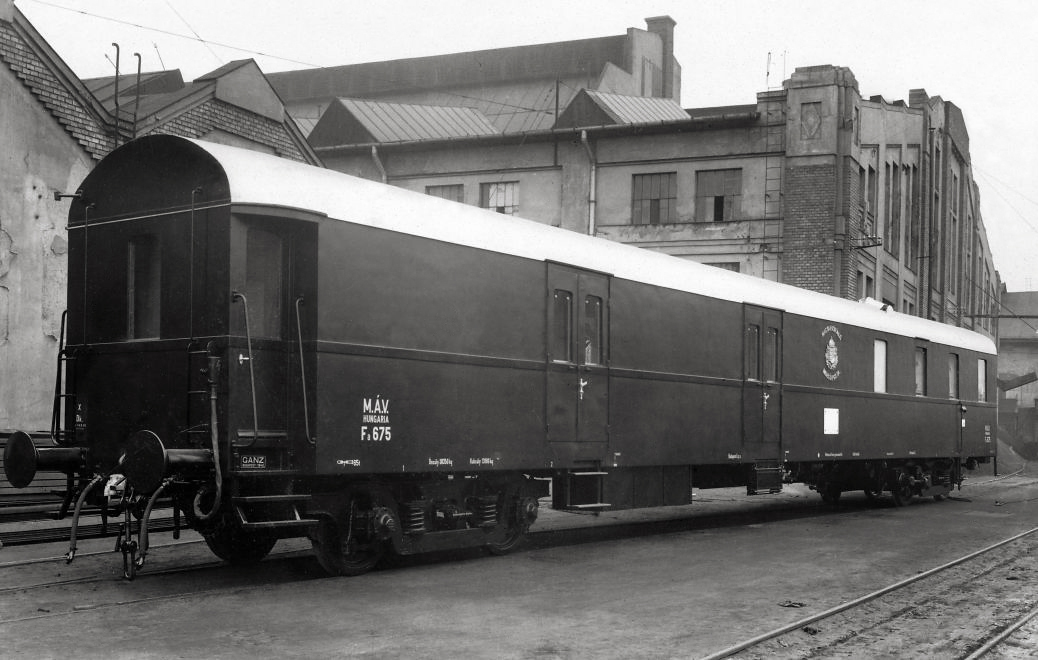
 

Unknown photographer. 'Untitled' 1942


Unknown photographer
Untitled
1942
Fortepan / Capital of Budapest Archives


Unknown photographer. 'Hungary, Budapest XIV., City Park, Budapest International Fair showing captured Soviet I-15 Csajka fighter wreck' 1942


Unknown photographer
Hungary, Budapest XIV., City Park, Budapest International Fair showing captured Soviet I-15 Csajka fighter wreck
1942
Fortepan / Capital of Budapest Archives


Polikarpov I-15

The Polikarpov I-15 (Russian: И-15) was a Soviet biplane fighter aircraft of the 1930s. Nicknamed Chaika (Russian: Чайка, “Seagull”) because of its gulled upper wings, it was operated in large numbers by the Soviet Air Force, and together with the Polikarpov I-16 monoplane, was one of the standard fighters of the Spanish Republicans during the Spanish Civil War, where it was called Chato (snub-nose).

More than 1,000 I-15bis fighters were still in Soviet use during the German invasion when the biplane was employed in the ground attack role. By late 1942, all I-15s and I-15bis’ were relegated to second line duties.

Text from the Wikipedia website


Kogo. 'Polikarpov I-15bis 'Bort 19' (Aviarestoration)' 2005


Kogo
Polikarpov I-15bis ‘Bort 19’ (Aviarestoration)
2005
CC 2.0
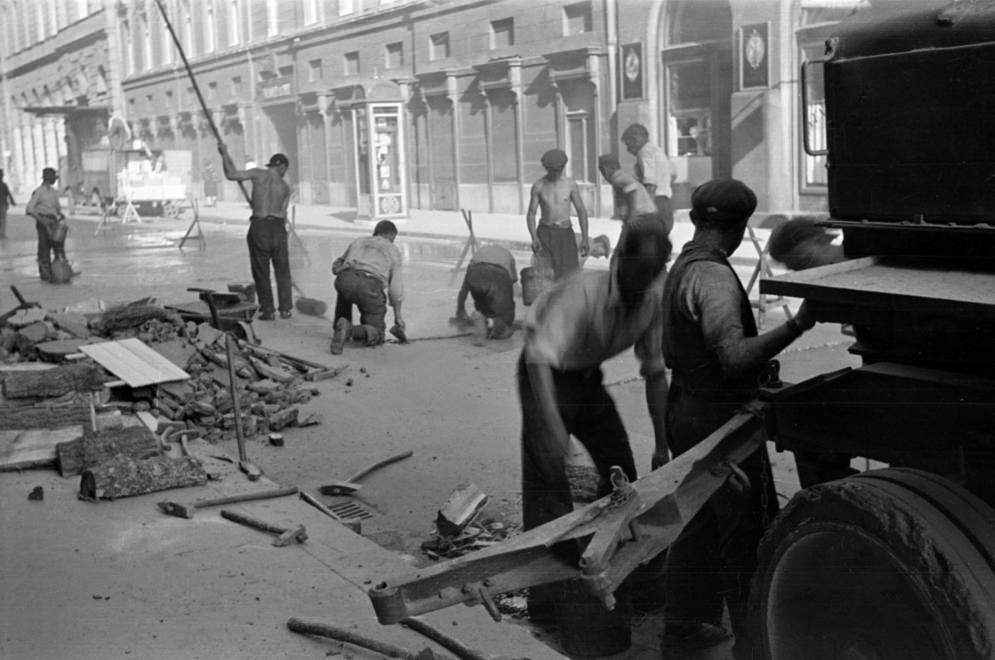
 

Unknown photographer. 'Untitled' 1943


Unknown photographer
Untitled
1943
Fortepan / Capital of Budapest Archives


More than 110,000 photographs of Fortepan’s digital collection were collected by two high school classmates, Miklós Tamási and Ákos Szepessy in the 1980s. After the regular, but possibly collecting, amateur photos and negatives appearing on the out of stock markets, they launched their Internet site in 2010 with the publication of 5,000 digitised photos. Soon, many private individuals and public institutions have joined the donating circle of 600 people, whose images are expanding monthly with the archive.

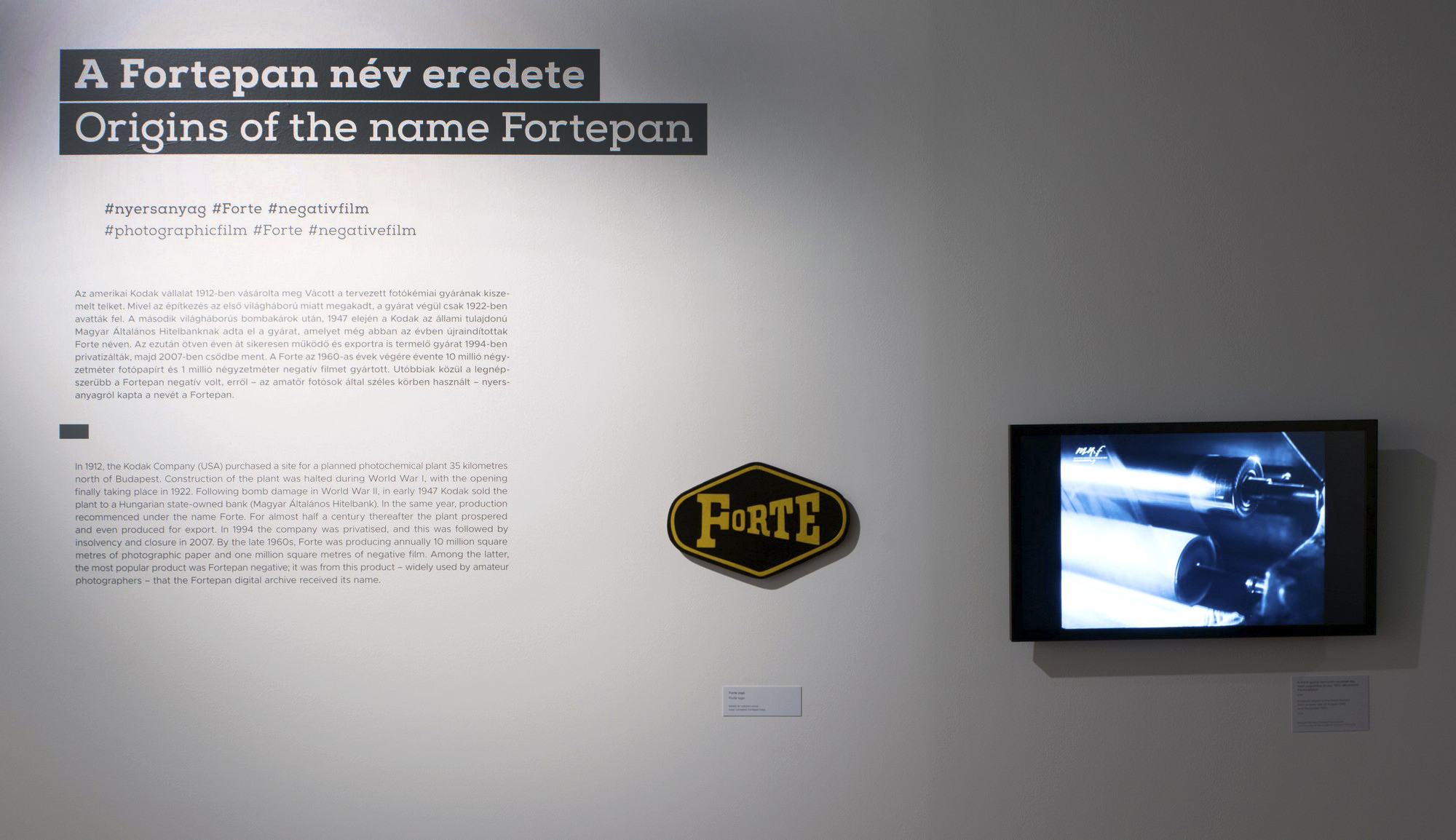
The two most important features of Fortepan’s archive (named after the most popular amateur film by amateur photographers of the former Vác Forte) are free and common. Shared because it is made up of our pictures and is about our world. Shared because it is based on volunteers. Shared because anyone can help identify individual locations and people. Free because it is freely available to anyone without any restrictions, and images can be used without royalty.

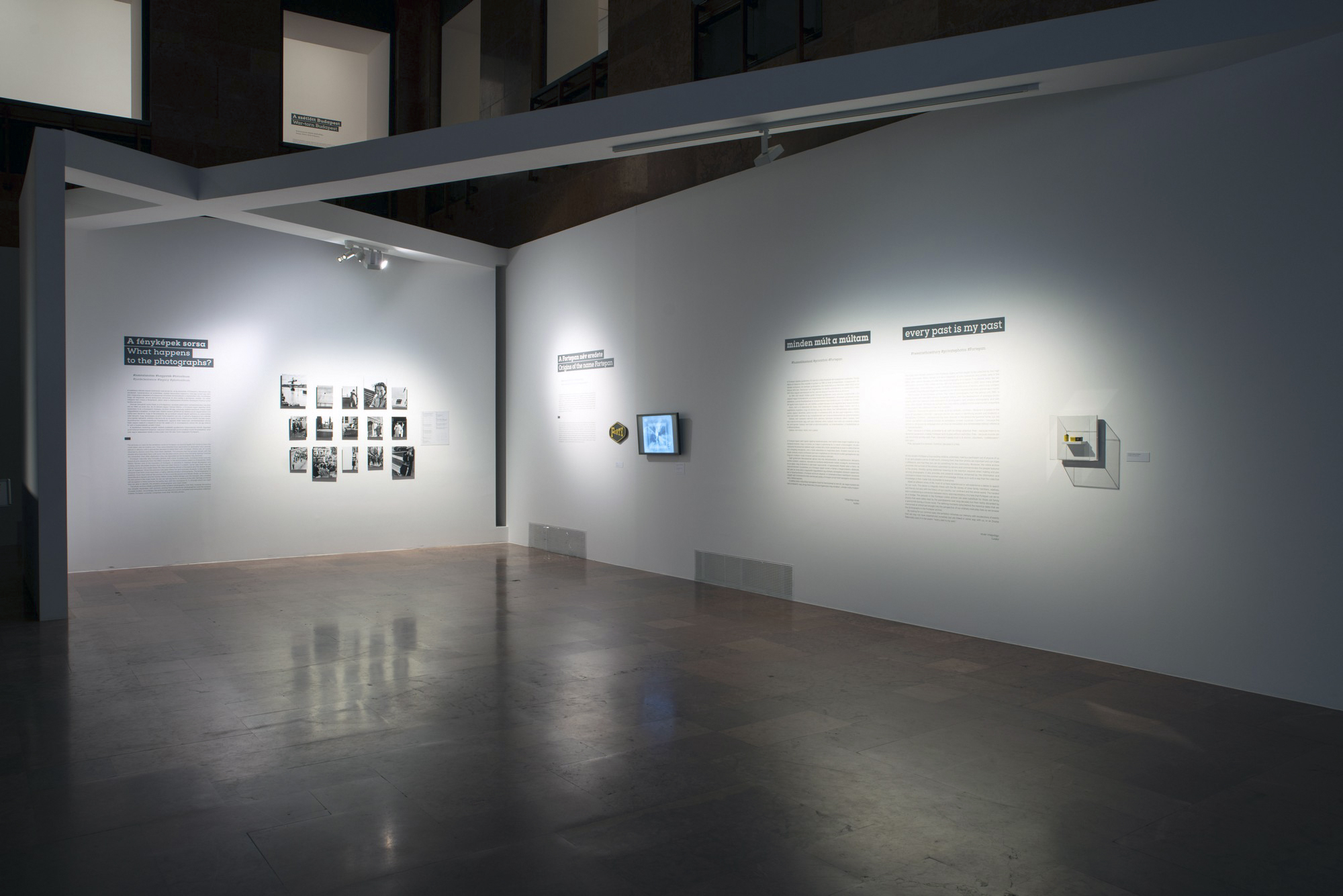
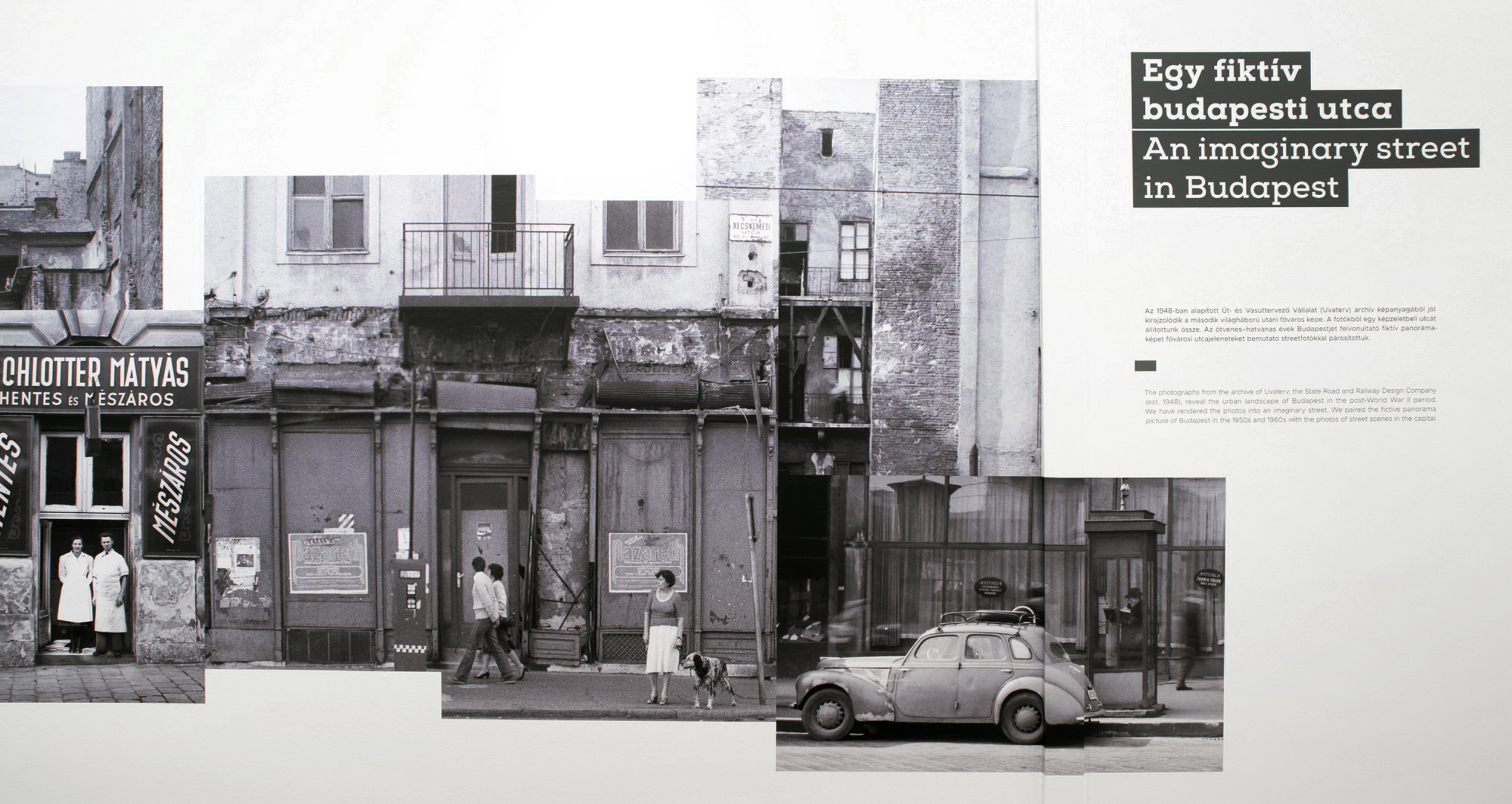
It belongs to all the photos in the exhibition, it was a story. In the fortunate case, this story can be recalled, but in most cases it is no longer known what the individuals in the photos are, the history of the individual images – so the visitor’s imagination is left to see the story behind the photo.  Today’s background stories provide an insight into the misery of the world champion, who is modelled on the figure on the back of the old twenty-pound banknote, or the rescue of a burnt photo archive. In addition to this, the exhibition is strongly summoned by the ruined Budapest destroyed during World War II; visitors can walk through an imaginary capital street with pictures taken over decades and in different places, placed in the position of Fortepan editors and picking pictures of a legacy; or read into the many readers’ letters written to Fortepan.

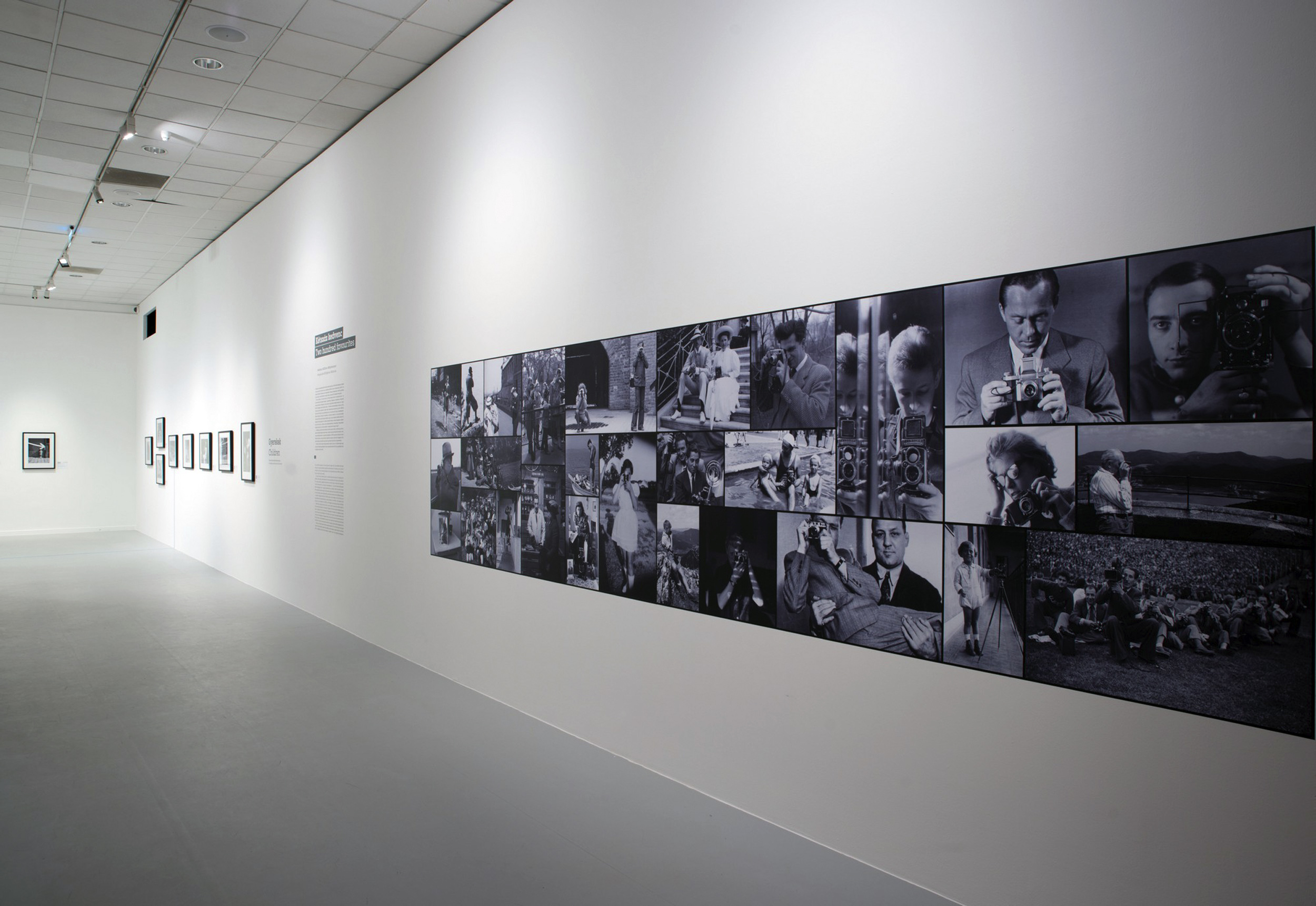
In the exhibition, as well as in a large, common family photo album, along the paths of human life, photographs taken before the 1990s are followed by a total of about 200 pieces. For the first time in this exhibition, the main characters are children, then young people, adults and finally the elderly. In addition, we present more than 150 photos, of which sixteen well-described stories are drawn. Including the 2 World War II fronts – as a war correspondent saw; the idyll of rural life with the eyes of a photographic painter; barely photographed history of the Hungarian Holocaust; life in Transylvania during the dictatorship of the 1980s or everyday life of a First World War Prisoner in Siberia. The pictures of Budapest, destroyed by war, or youth sports with the defence content of the Cold War years form a separate story. But there is more unity in the last years of the Austro-Hungarian Monarchy, pictures of the Stalin statue in 1956, photographs of the rebellious youth of the 1970s and 1980s, or banned photos of commuters from 1964. The sixteen stories, with their associated photos and their complementary items, appear in a separate installation at the exhibition.

In our centuries-old common history, the exhibition updates our memory of the memories that are directly and directly linked to us, just as Zsuzsa Rakovszky puts it in his poem Fortepan: “Every past is my past”.

Text from the Hungarian National Gallery website [Online] Cited 29/06/2019


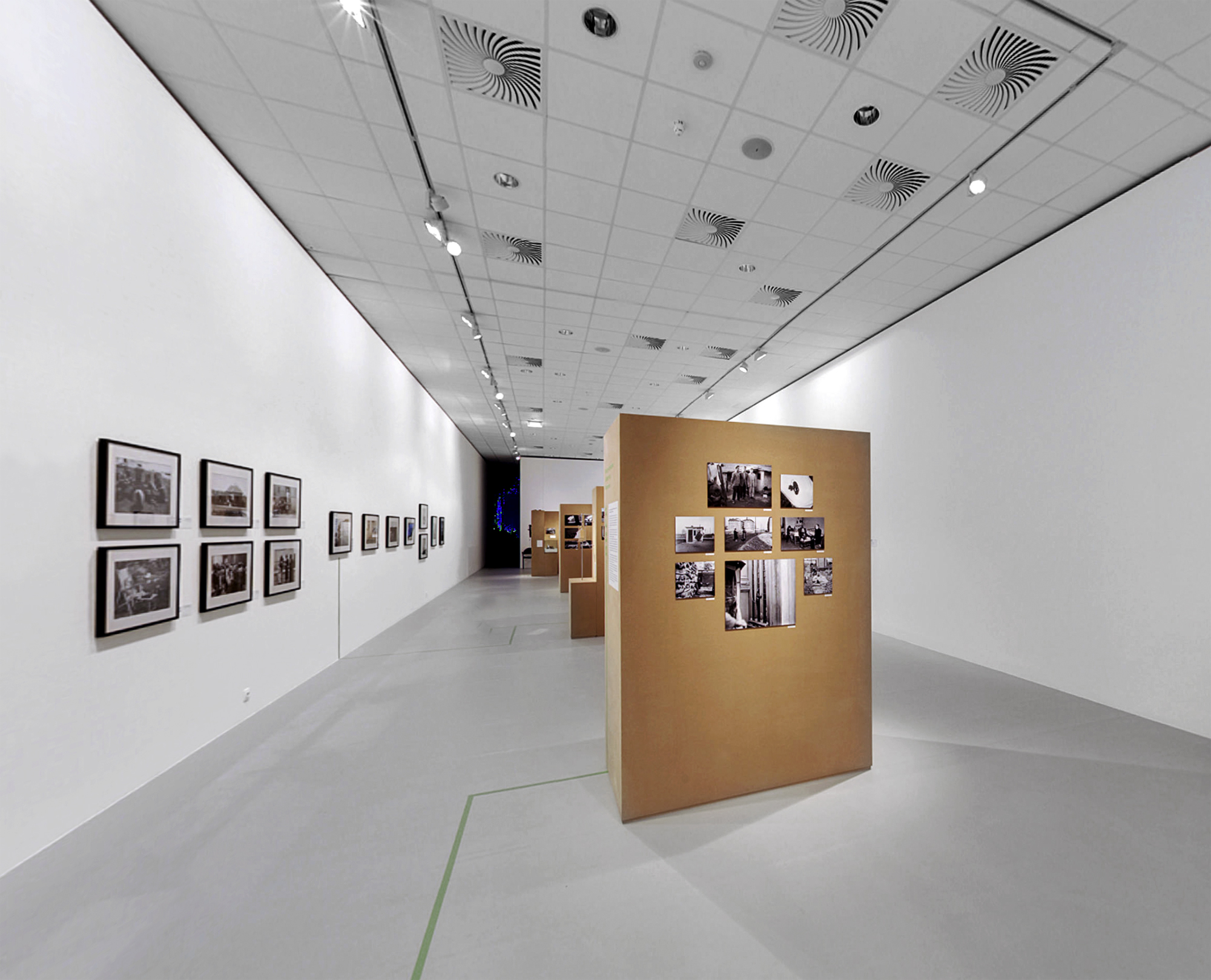
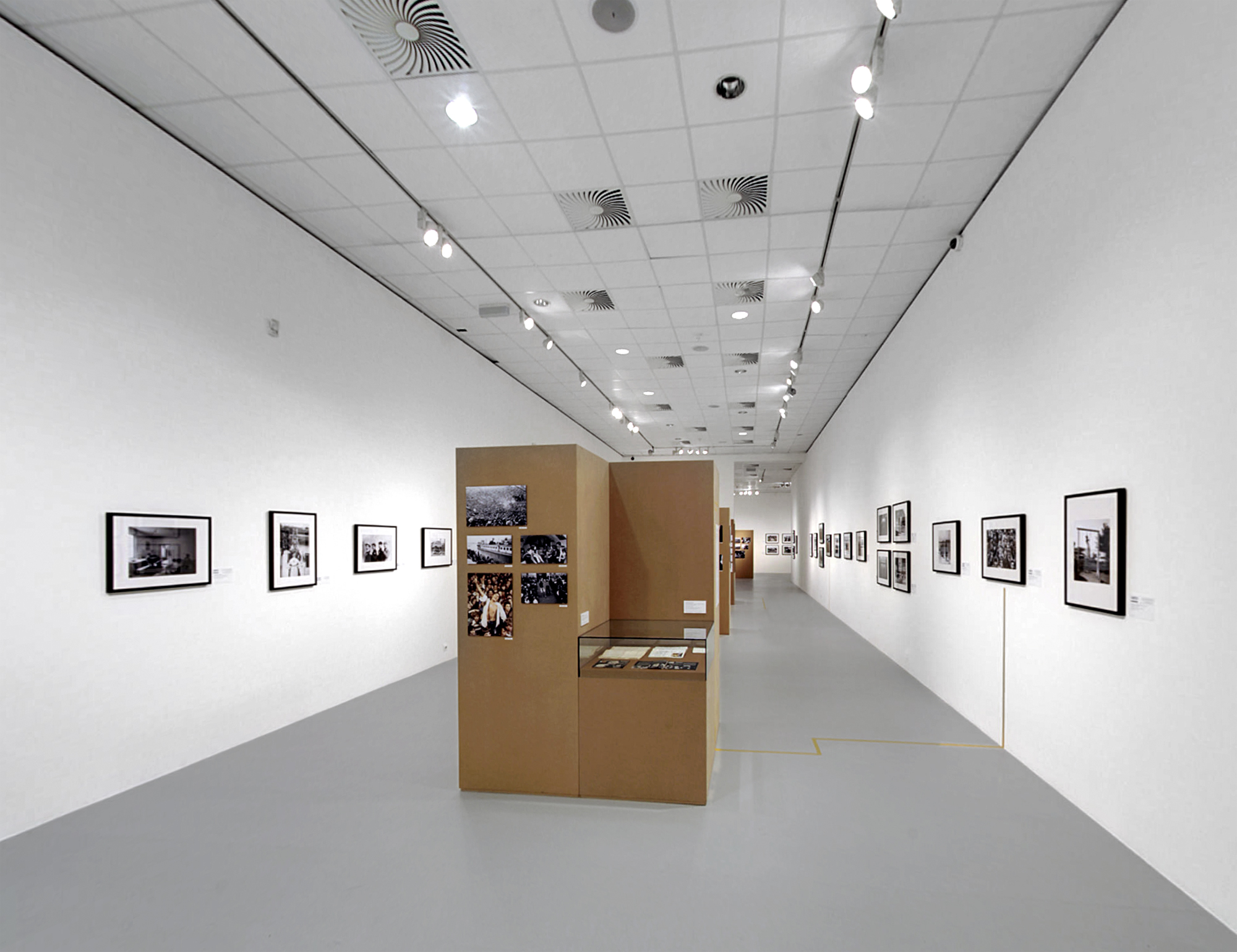
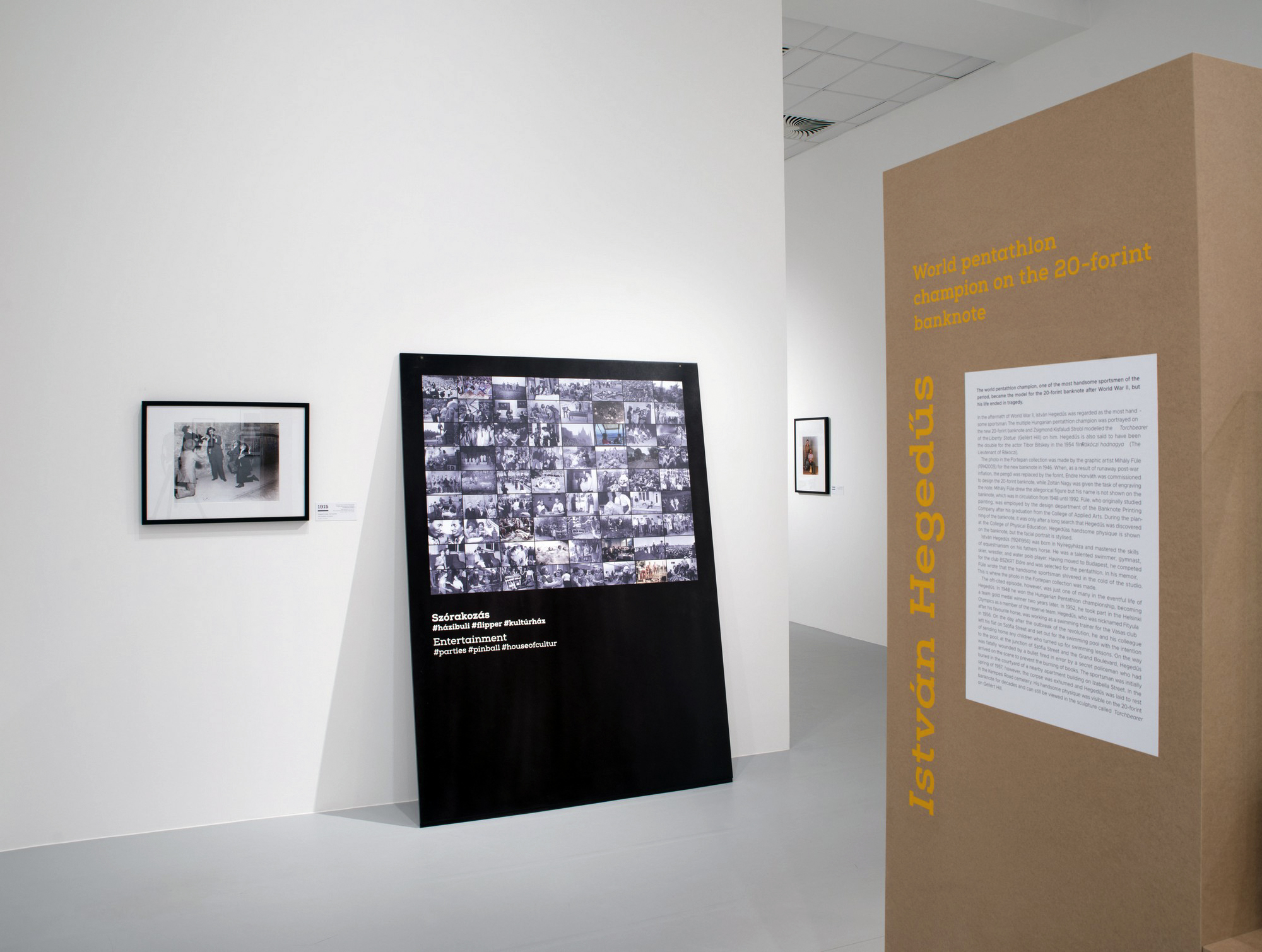
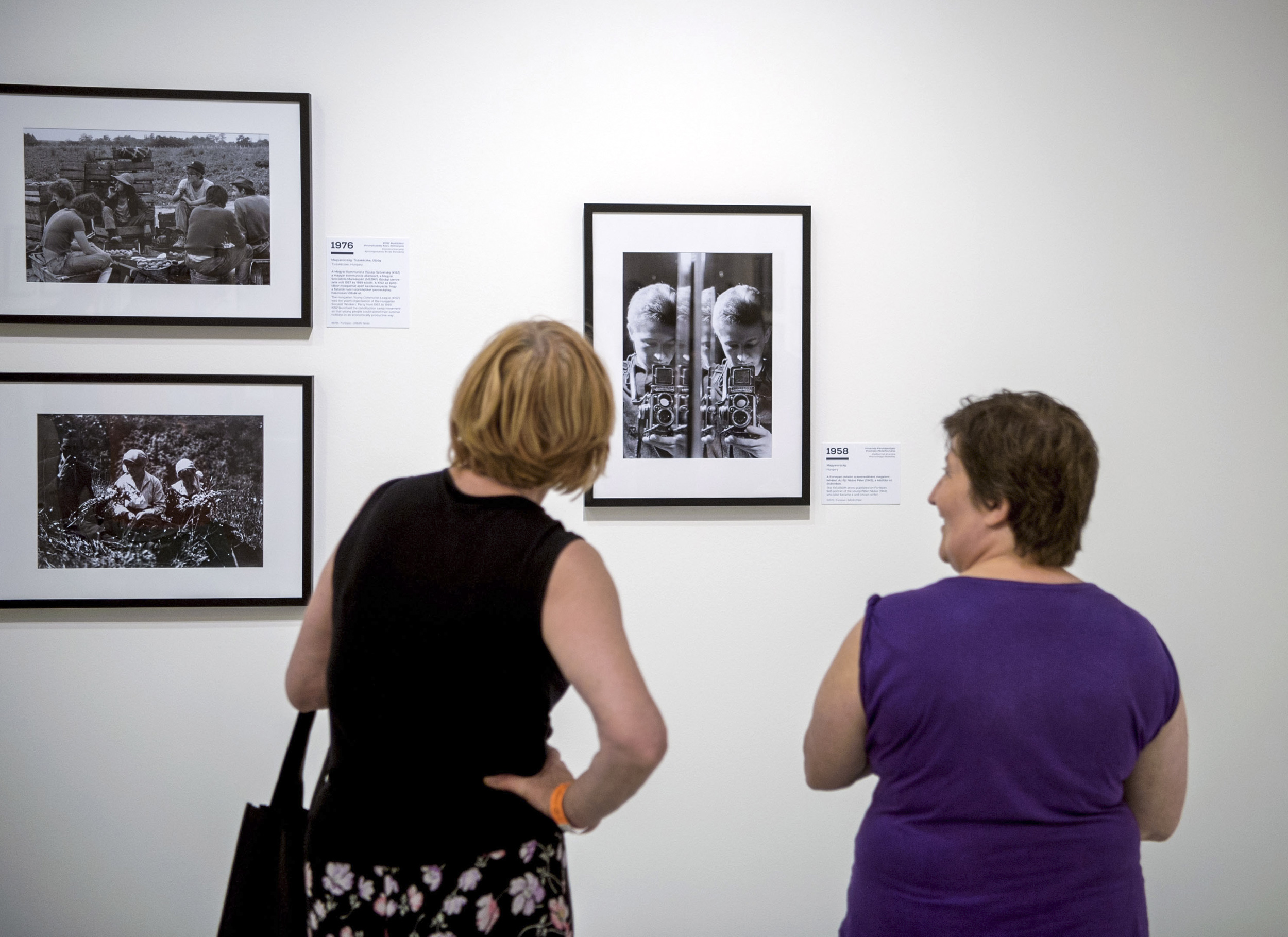
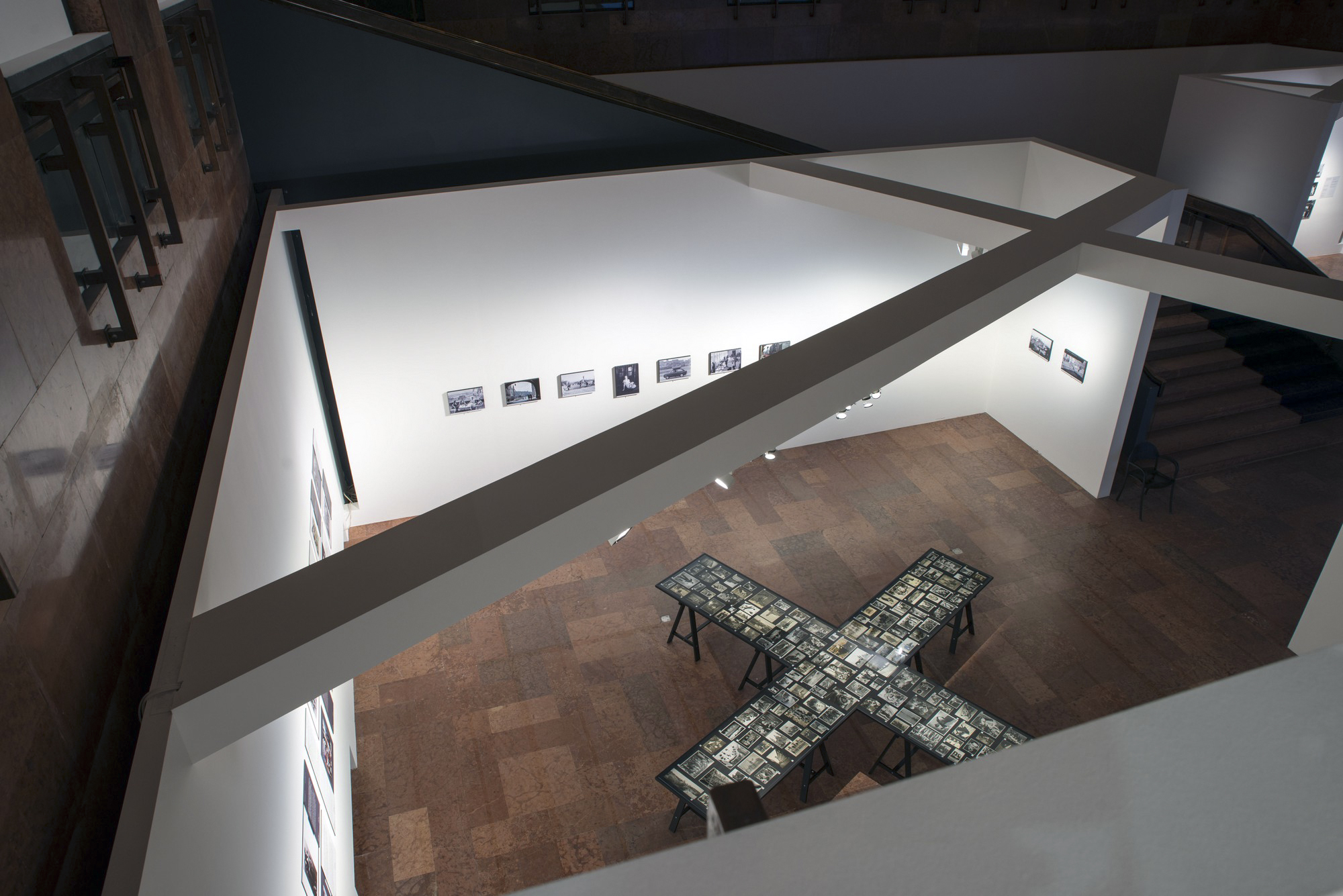
Installation view of the exhibition 'Every Past Is My Past' at the Hungarian National Gallery (MNG), Budapest

Installation view of the exhibition 'Every Past Is My Past' at the Hungarian National Gallery (MNG), Budapest

Installation view of the exhibition 'Every Past Is My Past' at the Hungarian National Gallery (MNG), Budapest

Installation view of the exhibition 'Every Past Is My Past' at the Hungarian National Gallery (MNG), Budapest

Installation view of the exhibition 'Every Past Is My Past' at the Hungarian National Gallery (MNG), Budapest

Installation view of the exhibition 'Every Past Is My Past' at the Hungarian National Gallery (MNG), Budapest

Installation view of the exhibition 'Every Past Is My Past' at the Hungarian National Gallery (MNG), Budapest

Installation view of the exhibition 'Every Past Is My Past' at the Hungarian National Gallery (MNG), Budapest

Installation view of the exhibition 'Every Past Is My Past' at the Hungarian National Gallery (MNG), Budapest

Installation view of the exhibition 'Every Past Is My Past' at the Hungarian National Gallery (MNG), Budapest

Installation view of the exhibition 'Every Past Is My Past' at the Hungarian National Gallery (MNG), Budapest

Installation view of the exhibition 'Every Past Is My Past' at the Hungarian National Gallery (MNG), Budapest

Installation view of the exhibition 'Every Past Is My Past' at the Hungarian National Gallery (MNG), Budapest

Installation view of the exhibition 'Every Past Is My Past' at the Hungarian National Gallery (MNG), Budapest

Installation view of the exhibition 'Every Past Is My Past' at the Hungarian National Gallery (MNG), Budapest

Installation view of the exhibition 'Every Past Is My Past' at the Hungarian National Gallery (MNG), Budapest

Installation view of the exhibition 'Every Past Is My Past' at the Hungarian National Gallery (MNG), Budapest

Installation view of the exhibition 'Every Past Is My Past' at the Hungarian National Gallery (MNG), Budapest

Installation view of the exhibition 'Every Past Is My Past' at the Hungarian National Gallery (MNG), Budapest

Installation view of the exhibition 'Every Past Is My Past' at the Hungarian National Gallery (MNG), Budapest

Installation view of the exhibition 'Every Past Is My Past' at the Hungarian National Gallery (MNG), Budapest

Installation view of the exhibition 'Every Past Is My Past' at the Hungarian National Gallery (MNG), Budapest

Installation view of the exhibition 'Every Past Is My Past' at the Hungarian National Gallery (MNG), Budapest

Installation view of the exhibition 'Every Past Is My Past' at the Hungarian National Gallery (MNG), Budapest


Installation views of the exhibition Every Past Is My Past at the Hungarian National Gallery (MNG), Budapest


About Fortepan

Fortepan is a copyright-free and community-based photo archive with over 100,000 photographs available for anyone to browse and download in high-resolution, free of charge. The images are free to share with the appropriate credit given as FORTEPAN / NAME OF DONOR. Please do provide the full credit at all times as it is a tribute to the selfless contribution of the donor.

This website was launched in 2010 by Ákos Szepessy and Miklós Tamási and it initially contained photographs found randomly in the streets of Budapest. The archive has expanded since then through donations from families, amateur and professional photographers, along with public collections. The images on the website are selected by editors. The descriptions attached to the images are compiled and edited by volunteers, utilising information contributed at the Fortepan Forum. We gladly offer to process your photographs and negatives as well, you can contact us at fortepan@gmail.com.

Fortepan’s collaborators are: László Gál, Luca Jávor, László Lajtai, Pál Négyesi, Tamás Németh, András Pálfi, Zsolt Pálinkás, Gábor Péter, Dávid Sándor, Gyula Simon, Miklós Tamási, András Török, János Varga, János F. Varga. Fortepan’s work is supported by Arcanum, Blinken OSA Archivum, Archive of Modern Conflict and Forum Hungaricum Nonprofit Kft. Administrative management is provided by Summa Artium Nonprofit Kft.

Text from the Fortepan website


Unknown photographer. 'Hungary, Uzsa (at that time part of the Lesenceistvánd settlement), Liget utca' 1950


Unknown photographer
Hungary, Uzsa (at that time part of the Lesenceistvánd settlement), Liget utca
1950
Fortepan / Capital of Budapest Archives


Unknown photographer. 'Hungary on 8126 from Söréd and Csákberény towards Csákberény. To the right is the Bodajk-Gánt railway' 1950s


Unknown photographer
Hungary on 8126 from Söréd and Csákberény towards Csákberény. To the right is the Bodajk-Gánt railway
1950s
Fortepan / Capital of Budapest Archives


Unknown photographer. 'Hungary, Budapest VII. Elizabeth (Lenin) road from New York Palace to Blaha Lujza Square' 1956


Unknown photographer
Hungary, Budapest VII. Elizabeth (Lenin) road from New York Palace to Blaha Lujza Square
1956
Fortepan / Capital of Budapest Archives
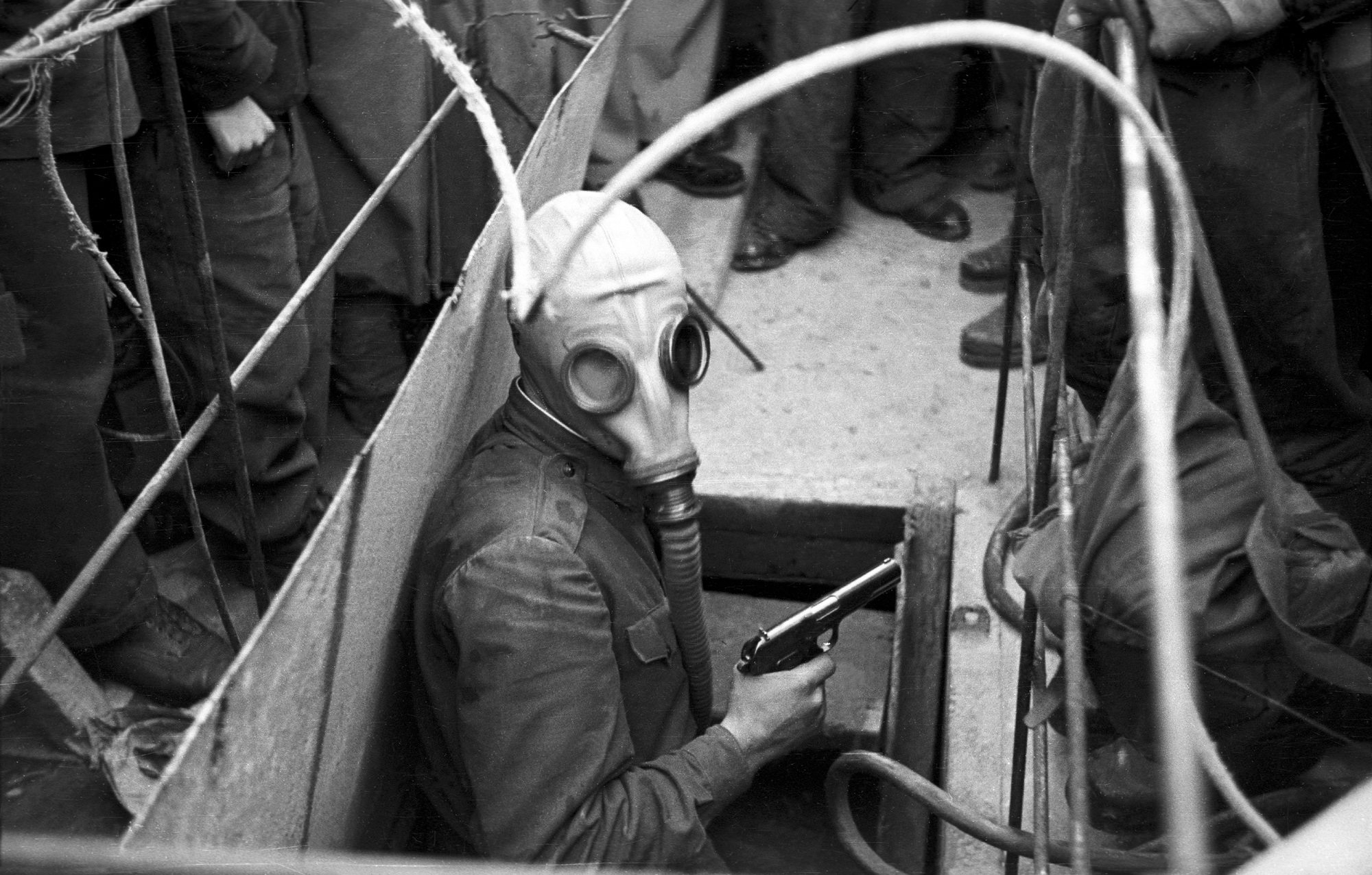
 

Unknown photographer. 'Hungary, Budapest V. South of Kossuth Lajos Square, underground construction area' 1956


Unknown photographer
Hungary, Budapest V. South of Kossuth Lajos Square, underground construction area
1956
Fortepan / Capital of Budapest Archives
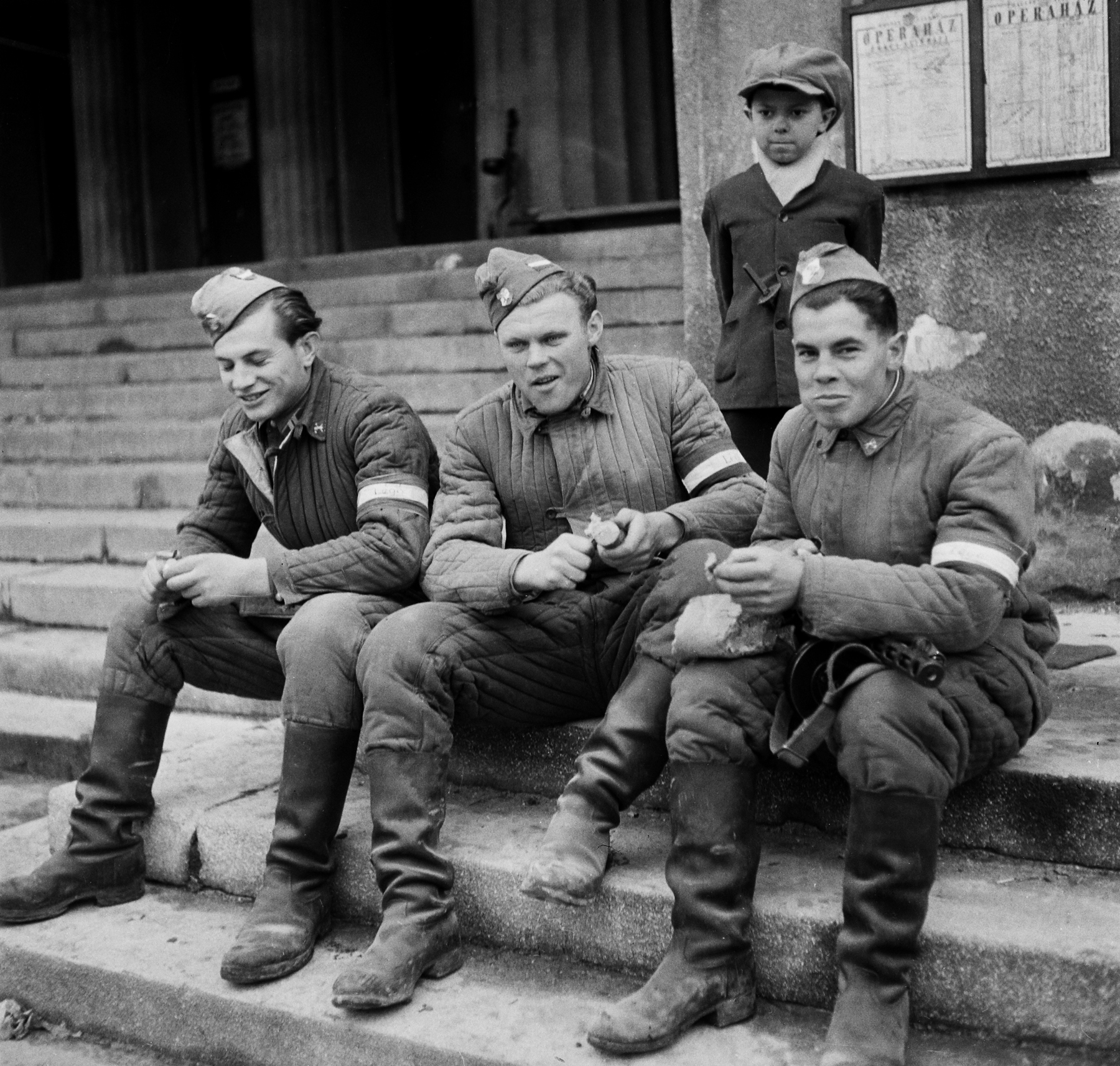
 

Unknown photographer. 'Hungary, Budapest VIII. II. Pope John Paul (Republic) Square, main entrance of the Erkel Theater' 1956


Unknown photographer
Hungary, Budapest VIII. II. Pope John Paul (Republic) Square, main entrance of the Erkel Theater
1956
Fortepan / Capital of Budapest Archives
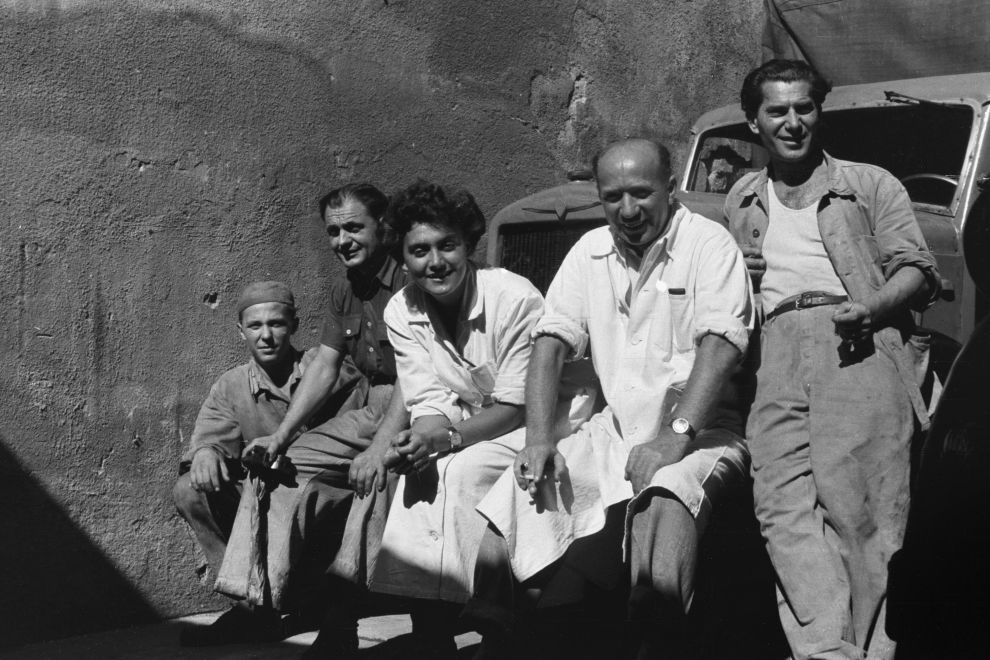


Unknown photographer. 'Untitled' 1957


Unknown photographer
Untitled
1957
Fortepan / Capital of Budapest Archives
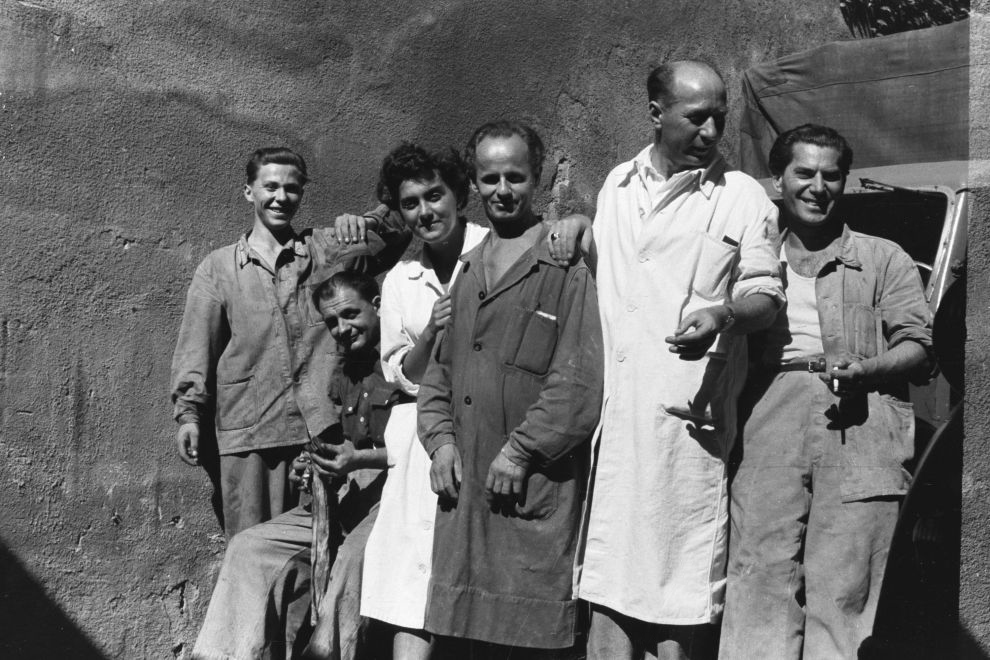
 

Unknown photographer. 'Untitled' 1957


Unknown photographer
Untitled
1957
Fortepan / Capital of Budapest Archives
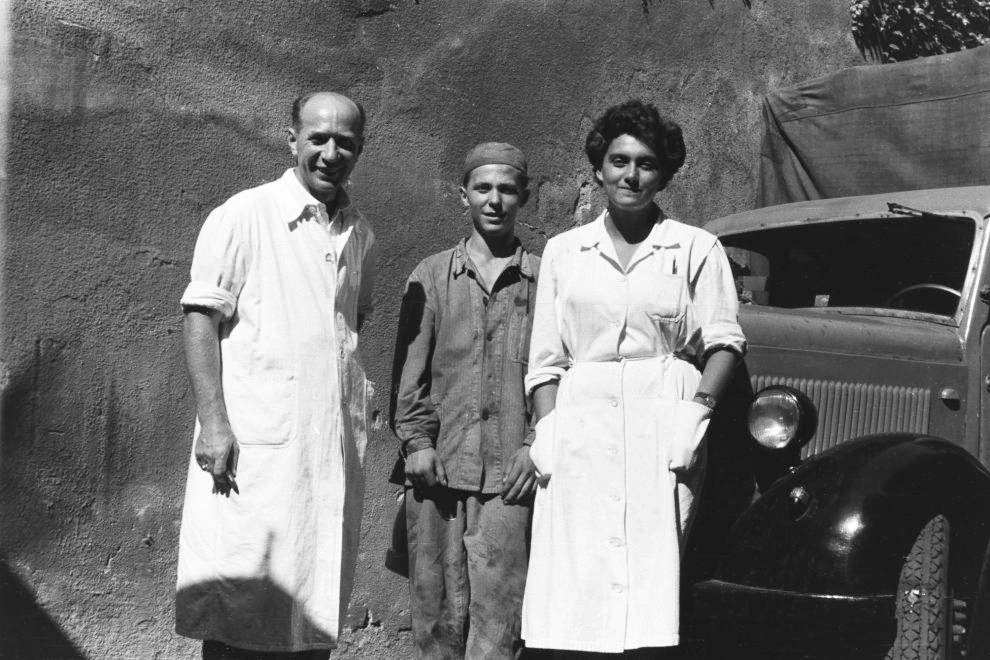
 

Unknown photographer. 'Untitled' 1957


Unknown photographer
Untitled
1957
Fortepan / Capital of Budapest Archives


Unknown photographer. 'Untitled' 1969


Unknown photographer
Untitled
1969
Fortepan / Capital of Budapest Archives


Unknown photographer. 'Untitled' 1969


Unknown photographer
Untitled
1969
Fortepan / Capital of Budapest Archives
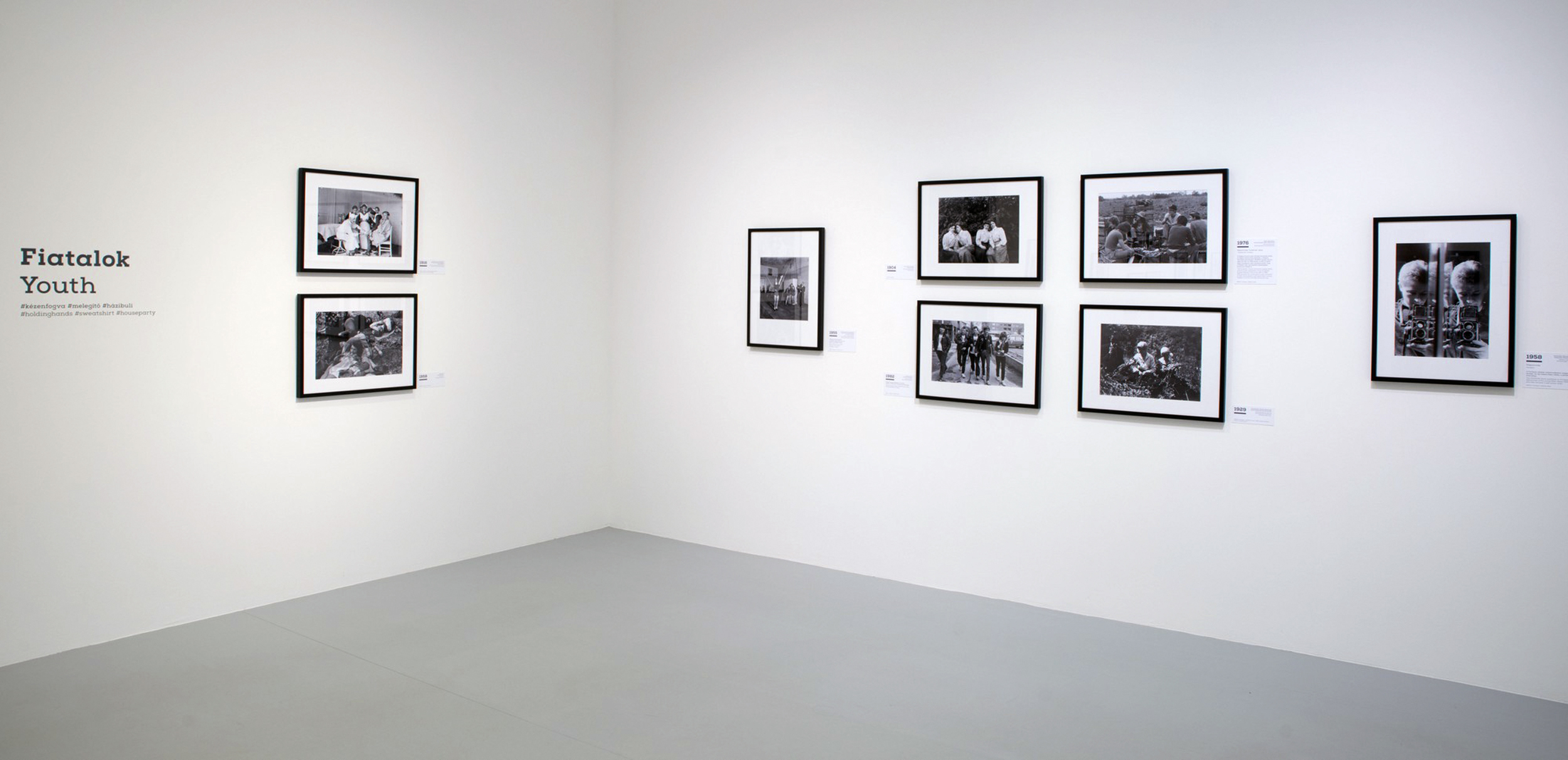
 

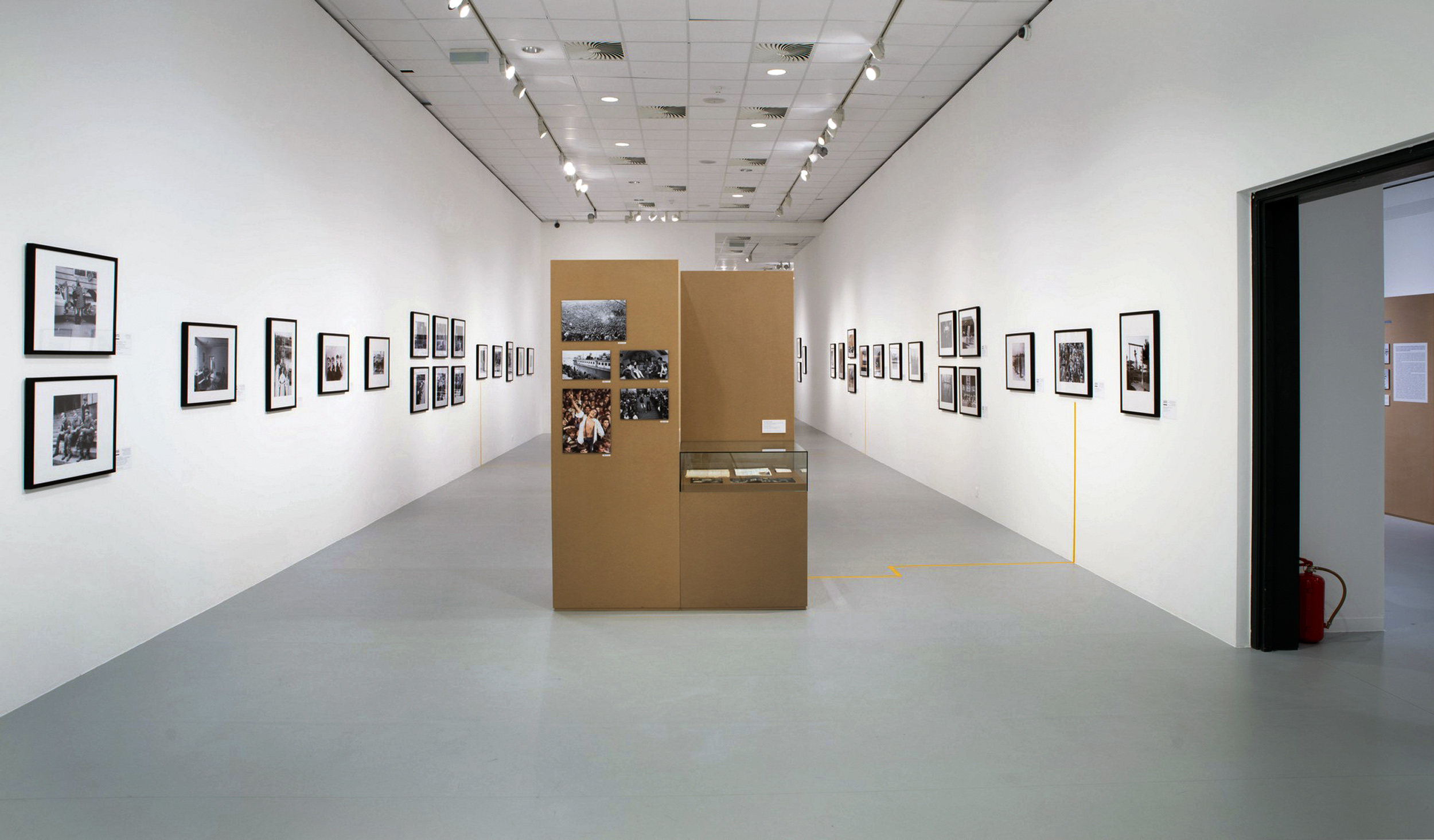
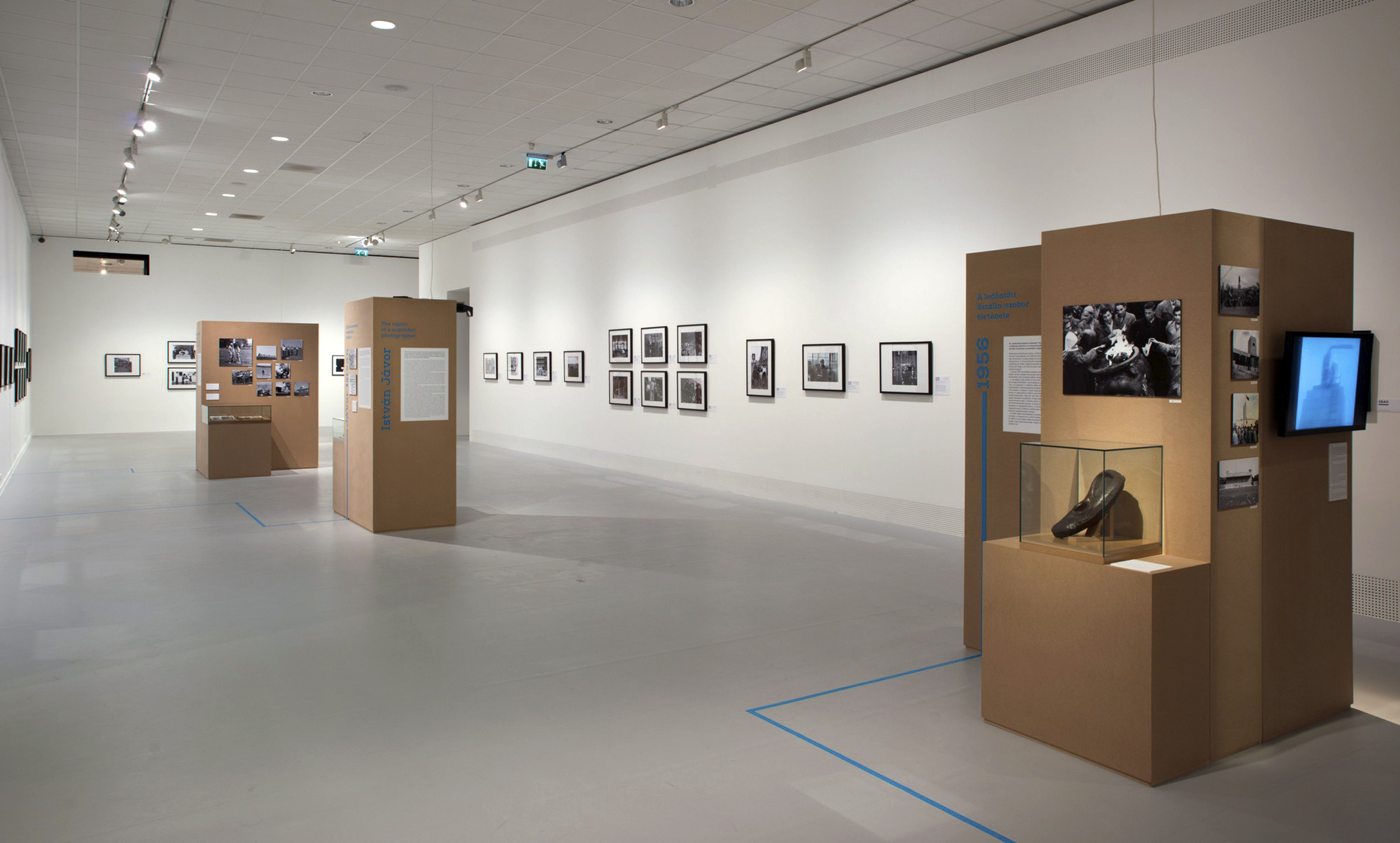
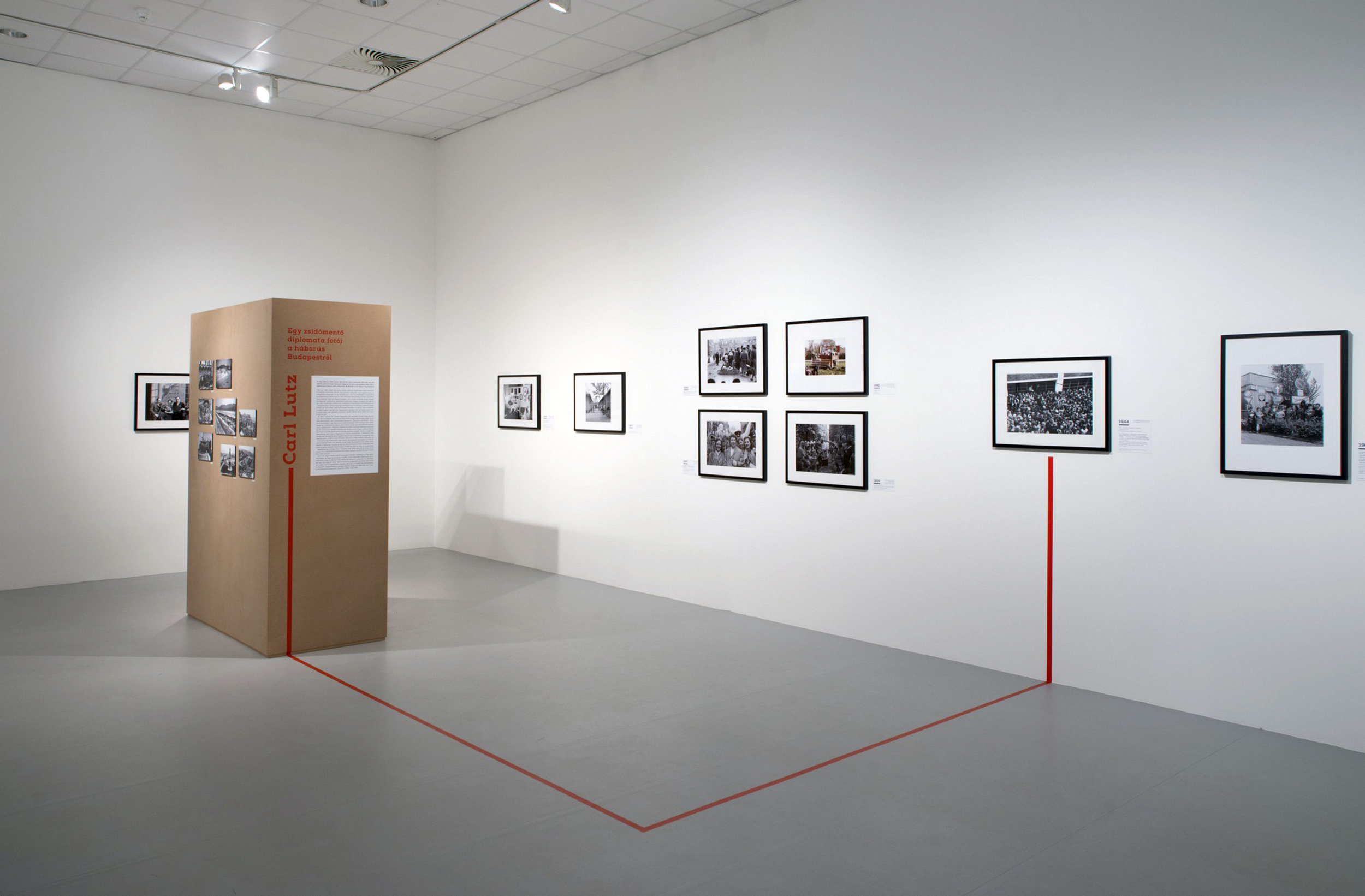
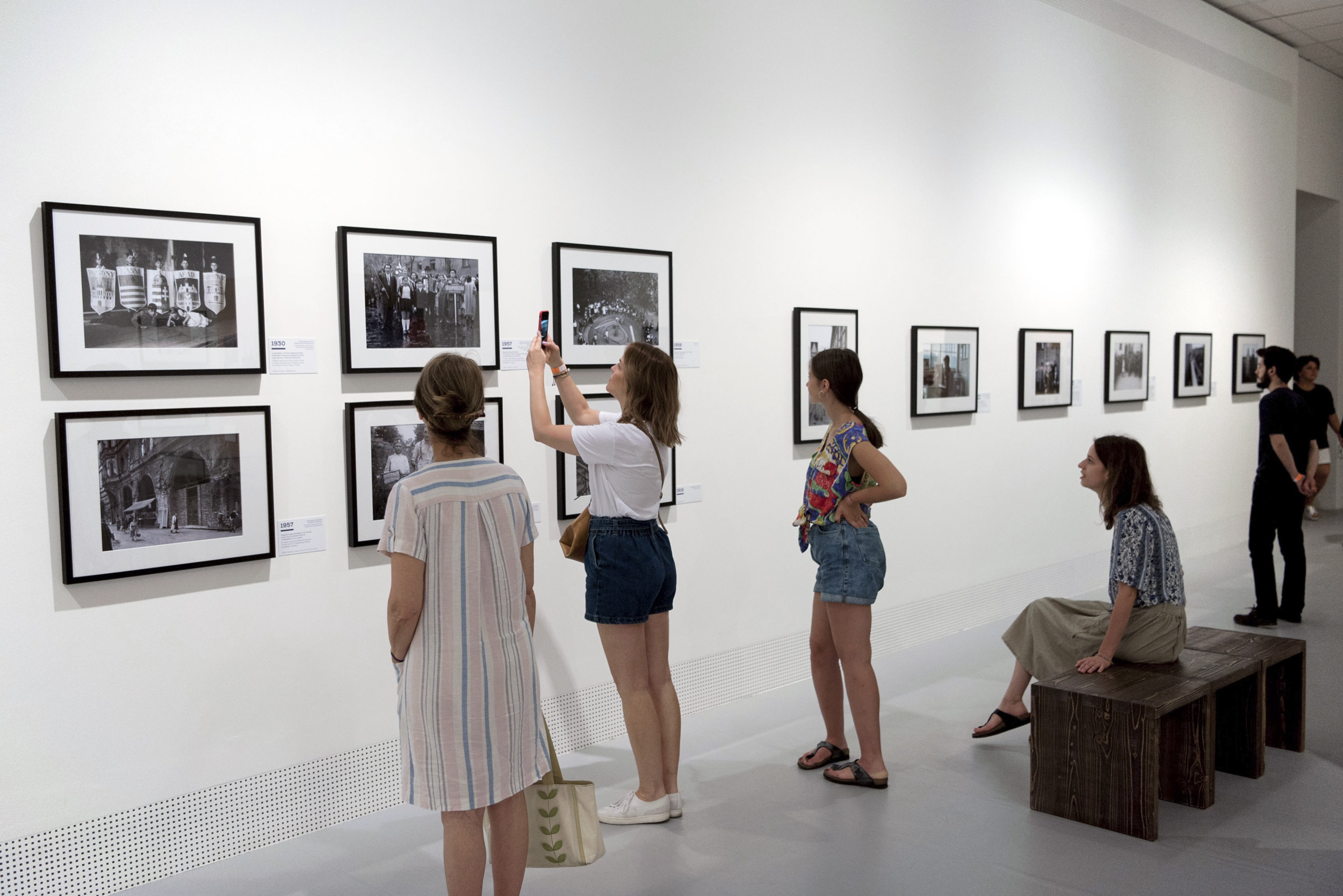
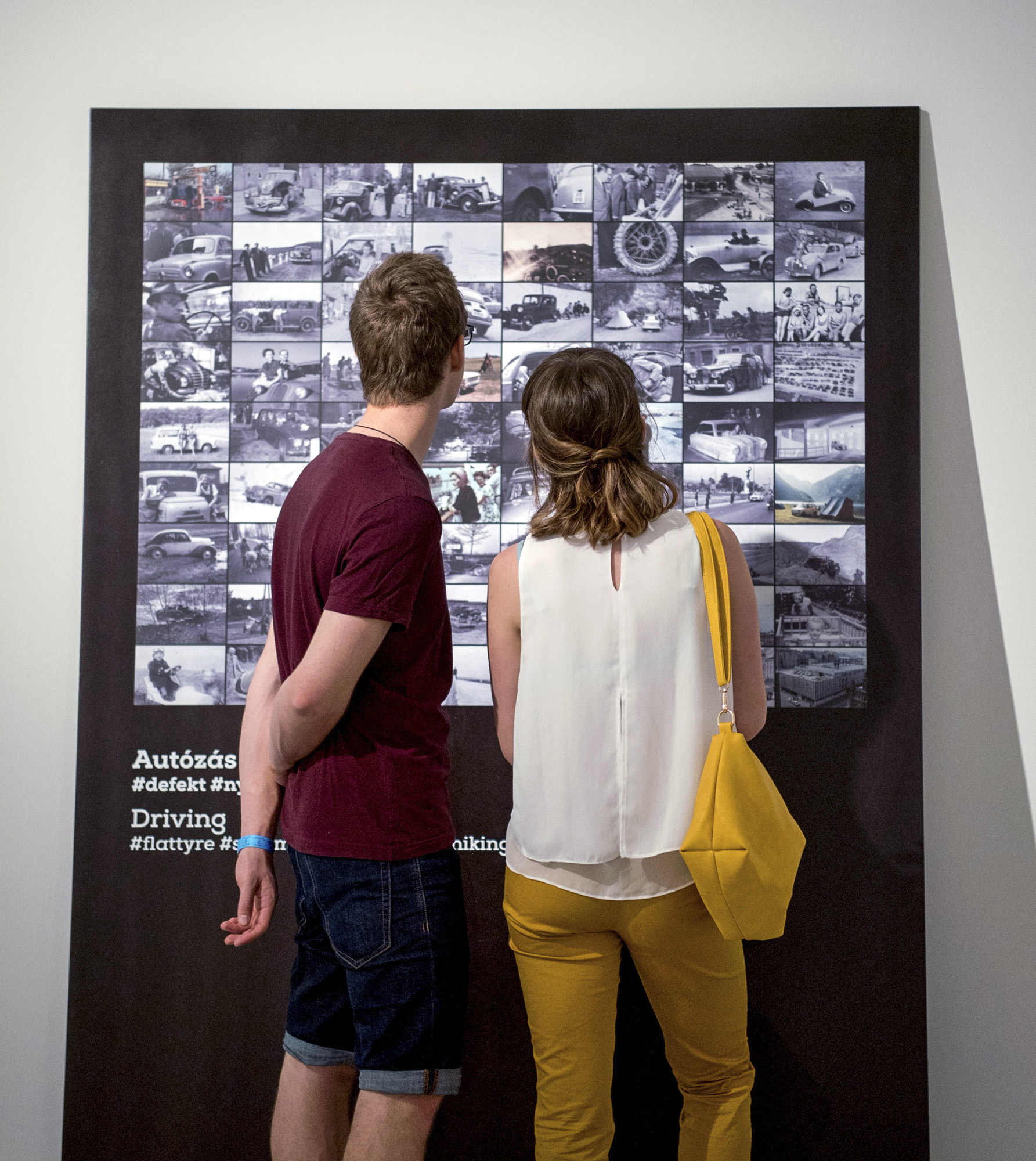
Installation view of the exhibition 'Every Past Is My Past' at the Hungarian National Gallery (MNG), Budapest

Installation view of the exhibition 'Every Past Is My Past' at the Hungarian National Gallery (MNG), Budapest

Installation view of the exhibition 'Every Past Is My Past' at the Hungarian National Gallery (MNG), Budapest

Installation view of the exhibition 'Every Past Is My Past' at the Hungarian National Gallery (MNG), Budapest

Installation view of the exhibition 'Every Past Is My Past' at the Hungarian National Gallery (MNG), Budapest

Installation view of the exhibition 'Every Past Is My Past' at the Hungarian National Gallery (MNG), Budapest

Installation view of the exhibition 'Every Past Is My Past' at the Hungarian National Gallery (MNG), Budapest

Installation view of the exhibition 'Every Past Is My Past' at the Hungarian National Gallery (MNG), Budapest

Installation view of the exhibition 'Every Past Is My Past' at the Hungarian National Gallery (MNG), Budapest


Installation views of the exhibition Every Past Is My Past at the Hungarian National Gallery (MNG), Budapest


Hungarian National Gallery
1014 Budapest, Szent György Square 2
Central Telephone: +361 201 9082

Opening hours
Tuesday to Sunday 10.00 to 18.00
Monday closed

Fortepan website

Hungarian National Gallery website

LIKE ART BLART ON FACEBOOK

Back to top

Text: ‘The multiple singularities of photography’ / Exhibition: ‘Every Photograph is an Enigma’ at Fotomuseum Winterthur, Zurich

Exhibition dates: 24th October 2015 – 14th February 2016


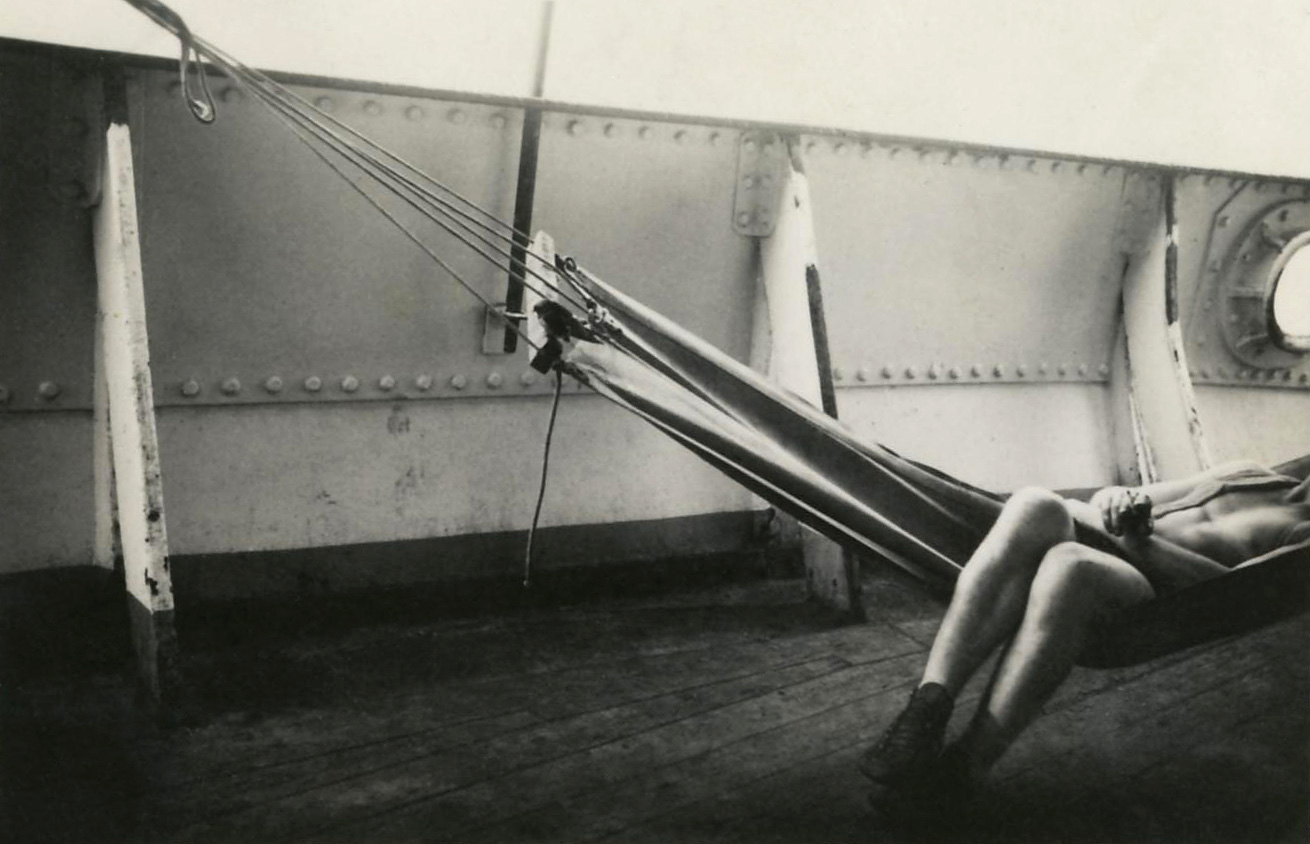
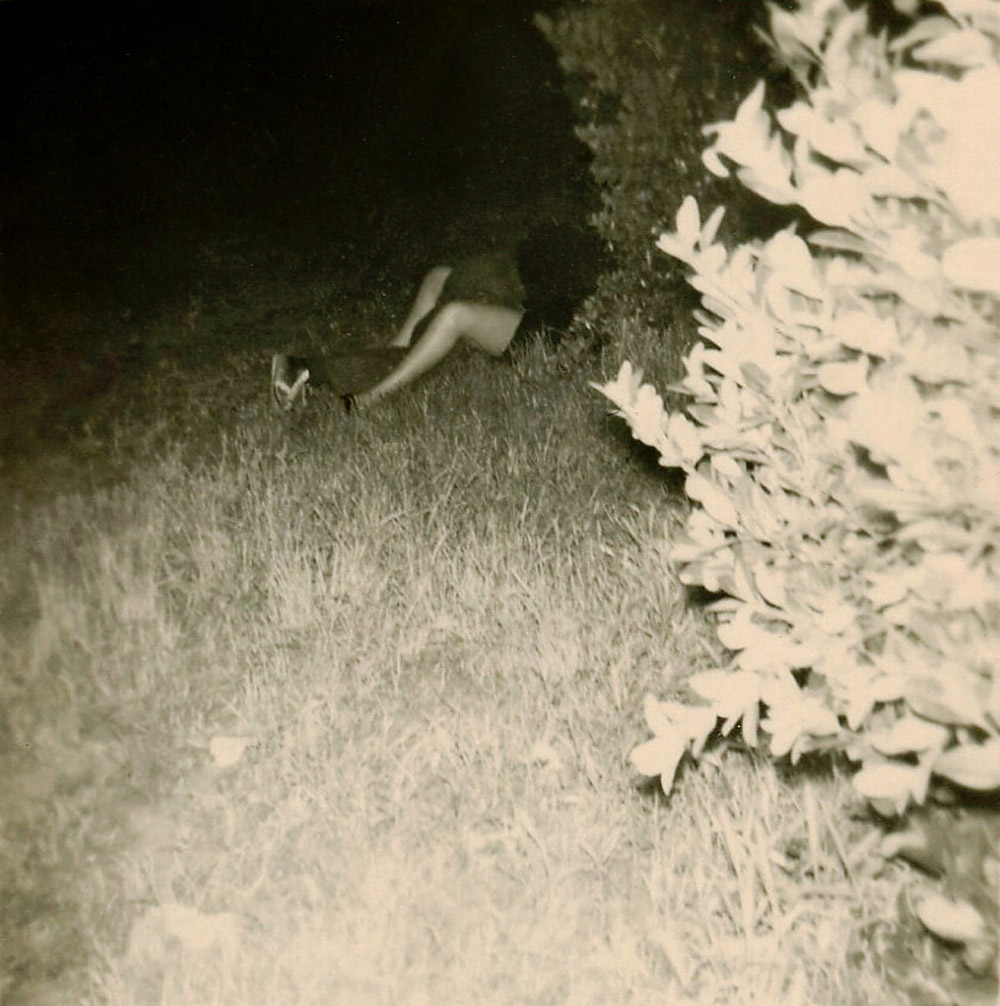
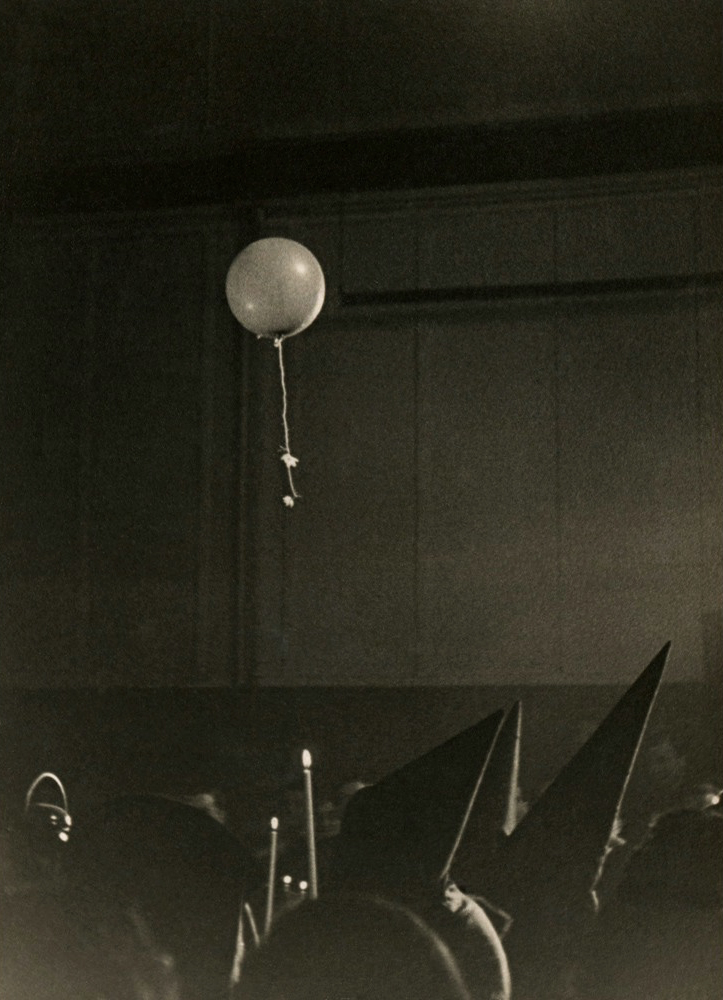
Anonymous. 'Untitled' c. 1930


Anonymous photographer
Untitled
c. 1930
Silver gelatin print
13 x 18cm
© Private collection


The multiple singularities of photography

Photograph, photographer, negative, print


I have never thought of photography as a “singularity” – the singularity of photography. For me, photography has always been about possibilities, multiplicities rather than singularities.

In Kathrin Yacavone’s text below, the “singularity of photography” is defined as the relationship – the hierarchy – among valuable, perceptual and imaginative relations between the beholder and the image. It is the singularity of the individual and their response at any time to a photograph, but these responses cannot be systematically codified, in the sense that no response can ever be relied upon… certainly, no response to a photograph of a mother could be more singular than the response of a son (as claimed by Barthes Camera Lucida).

In other words, the singularity of photography is how the viewer engages and reads a photograph in a singular way at one point in time, from one “point of view.”

While this point of view is singular, it changes from moment to moment, from context to context, from different points of view. Hence, we have a multiplicity of singularities or, if you like, a multiple singularity of photography. Hasn’t it always seemed false to you in Camera Lucida where Barthes talks about his response to an image (for example, the supposed “lost” image of his mother*), he allows it to freeze in his text? Surely he would feel different later (another singularity). And yet the freezing is necessary for the arguments Barthes makes.

It continues to haunt me – much as photographs haunt our memory – why Barthes stuck with the singularity of a photograph, when at the same time he was pushing the multiplicity of readings in his other texts eg. S/Z (1970). Are we missing something really basic here? Why should a photograph be frozen and a text not?

In this exhibition, Michel Frizot defines a series of classifications (or themes, see below) that seek to organise the ambiguity and perplexity of vernacular and surprising photography. As Frizot himself puts it, “the photograph is not in its essence a transparency through which we gain access to a known reality but, on the contrary, a source of ambiguity and often, perplexity. The photographic image is a constellation of questions for the eye because it offers viewers forms and signs they have never perceived as such and which conflict with their natural vision”.

Frizot suggests questions for the eye offered through forms and signs that are in conflict with natural vision. Barthes pushes further, suggesting that it is not the forms and signs of the photograph that challenge natural vision, but a shift away from a semiology of photography to a phenomenology of photography. From guided message (forms/signs) to emotive response (imagination). Umberto Eco comments that, “Semiology shows us the universe of ideologies, arranged in codes and sub-codes, within the universe of signs, and these ideologies are reflected in our pre-constituted ways of using the language,”1 but Barthes, in works such as S/Z, stresses the multiplicity of a reading (its intertextuality). He contends that there can be no originating anchor of meaning in the possible intentions of the author, and that meaning must be actively created by the reader through a process of textual analysis.

An emotive response to a photograph is an “encounter with the represented other [is] a dialectical relationship between the specific and the general, between the personal and the universal, where the dialectic is seen in the psychologically unsettling potential of photographic images, the status of the photographic referent and the poignancy of the relation between time and image.” Thus the photograph can have a capacity for plurality of meaning which is not restrictive.

This response is based on an individuated, ‘feeling’ viewer whose encounter with the photograph is guided by desire and emotion, grounded in his or her unique experience and life history. It is to engage with the photograph in imaginative, affective, and emotional ways. Here, the codified reading is subsumed? by the emotive reading of an enlightened and fully “conscious” reader in the phenomenology of photography. Phenomenology is the study of structures of consciousness as experienced from the first-person point of view. The central structure of an experience is its intentionality, its being directed toward something, as it is an experience of or about some object – a photograph for example – by the imagination, by thought. Phenomenology requires a bit to grasp – to read a phenomenologial text like Gaston Bachelard’s Poetics of Space as its author intended requires a cultivated mindset – but a prepared reader has many pleasures.

This is one possible response by the viewer to unsettling photographs. But what of the photographer?

Les Walking (my lecturer at RMIT University for many years), used to ask “what are you pointing your camera at?”… so this would permit an imaginative journey on his part as he imagined the subject matter, what he knew of the person, and all possibilities. Sometimes everything happens at once (in photography), and sometimes we recognise the richness of where we are in photography’s ability to generate many singularities within us at rapid fire.

As a photographer we go on an imaginative journey when we take a photograph – we previsualise, snap, extend the “point” of exposure (long time exposure), double expose or do away with the camera altogether. Taking a photograph is a multiplicity before the moment of the pushing of the shutter (decisions, angles, camera, film, light, place etc..), and a multiplicity afterwards… but for that split second it is a singularity, “an encounter with the represented other” as Walter Benjamin puts it… as though time, history and memory are all focused through the lens (of the camera, of the enlarger, of the scanner) at the object – like a funnel – which then expands afterwards. At the point of “exposure” there is only ever one singularity. Multiple contexts before and after, multiple phenomena if you like, but only one outcome when the negative is exposed. Being aware of all that happens around us leads to that one singularity – the negative. That’s what photographers do, they focus that energy into a singularity.

But the resulting negative is NOT singular!

Of course, there are some things that are forever predetermined in the analogue negative, eg the depth of field, the focus, the grain. Even in the digital negative these determinations apply. But then you think, if I push this film or pull it back in development “other” things may appear. Probably the Leica manual is as good as any for what come after that – they say that when shooting a roll of film with a variety of tonal scales the exposure should be more than the meter indicated, and the development time less. In the Zone System this would be N-1. And a negative like this is what gives the greatest options with graded papers. Multiple options for printing, multiple options for interpreting a negative. I feel these multiple options have been more or less forgotten in the era of the digital print. What you see on the screen is what you aim to see in the print, which negates the multiplicity of the (digital) negative, often leading to bland and underwhelming digital prints. The pre-determination of the screen leads to an over-determination of the print.

While Minor White observed that there was a dragon in the negative that could be reached by careful printing, this locks you into looking for the “one road” in the negative. One person who didn’t was the English photographer Bill Brandt who printed first in a straight documentary style before “unlocking” the surrealist elements of his negs with very contrasty work. He was open to the multiple contexts of the point of exposure of the negative, and it is his later reprinting of his earlier work for which he has become famous.

While it comes down to only several elements when talking about the phenomena of the negative, it is our direct experience of it IN OUR IMAGINATION that, perhaps, gives the negative presence and transcendence. It is the direction of our thought towards the object of our being. And that is what makes us truly human.

Dr Marcus Bunyan

* Of course, the photograph of his mother did exist, it was just necessary for his argument that we never see it, and that he said that it did not exist.


Word count: 1,400.

1/ Eco, U. (1970). “Articulations of the Cinematic Code,” in Cinematics, 1(1), pp. 590-605


Many thankx to my mentor for his advice and thoughts on this text. Many thankx to the Fotomuseum Winterthur for allowing me to publish the photographs in the posting. Please click on the photographs for a larger version of the image.


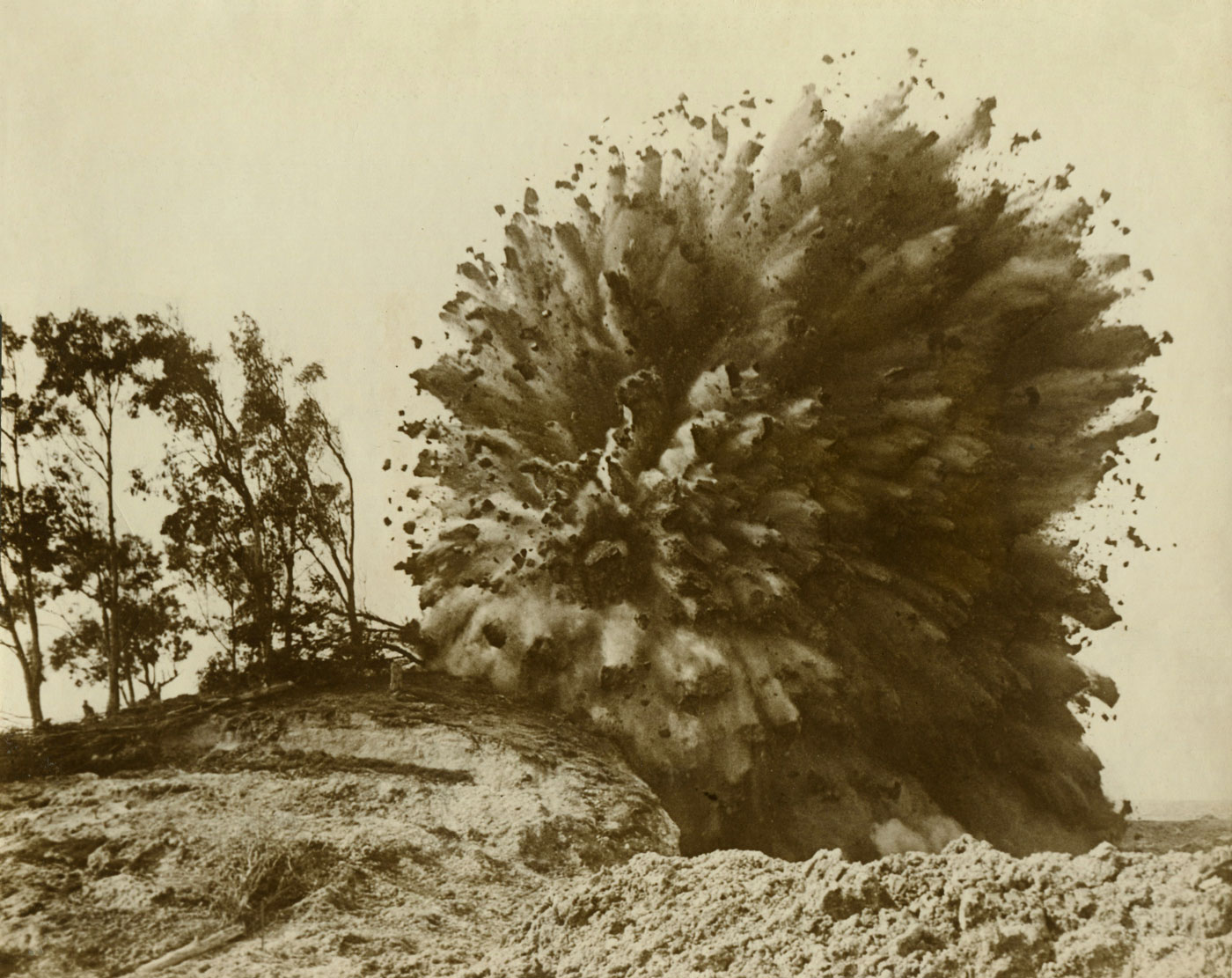
Anonymous (Press Photo) 'Rock and Mud 'Grand Finale',' California, c. 1930


Anonymous (Press Photo)
Rock and Mud ‘Grand Finale’
California, c. 1930
Silver gelatin print
19.7 x 24.7cm
© Private collection


Photographs often seem familiar and understandable, a visual common sense intimately related to our daily lives. But they can also provoke a spark of amazement or generate a more sustained perplexity and inquiry. Curated by the renowned French photo historian, Michel Frizot, Every Photograph is an Enigma interrogates this paradox. Drawing exclusively from photographs in his private collection, many of them anonymous, he presents a selection of photographic moments at once ordinary and marvellous. Frizot develops a system of classification that explores the strangeness generated by the camera lens. Taken by family members, lovers, or unheralded professional and amateur photographers, the assembled images amount to nothing less than a phenomenology of photography.

The exhibition and book are divided into eleven themes, such as:

Ambiguous assemblages
The enigma of relationship
The enigma of context
The enigma of attentiveness
Challenging the figurative order
The aesthetic solution
Original configurations
The photographer’s options
The space of the gaze
The spirit of the place


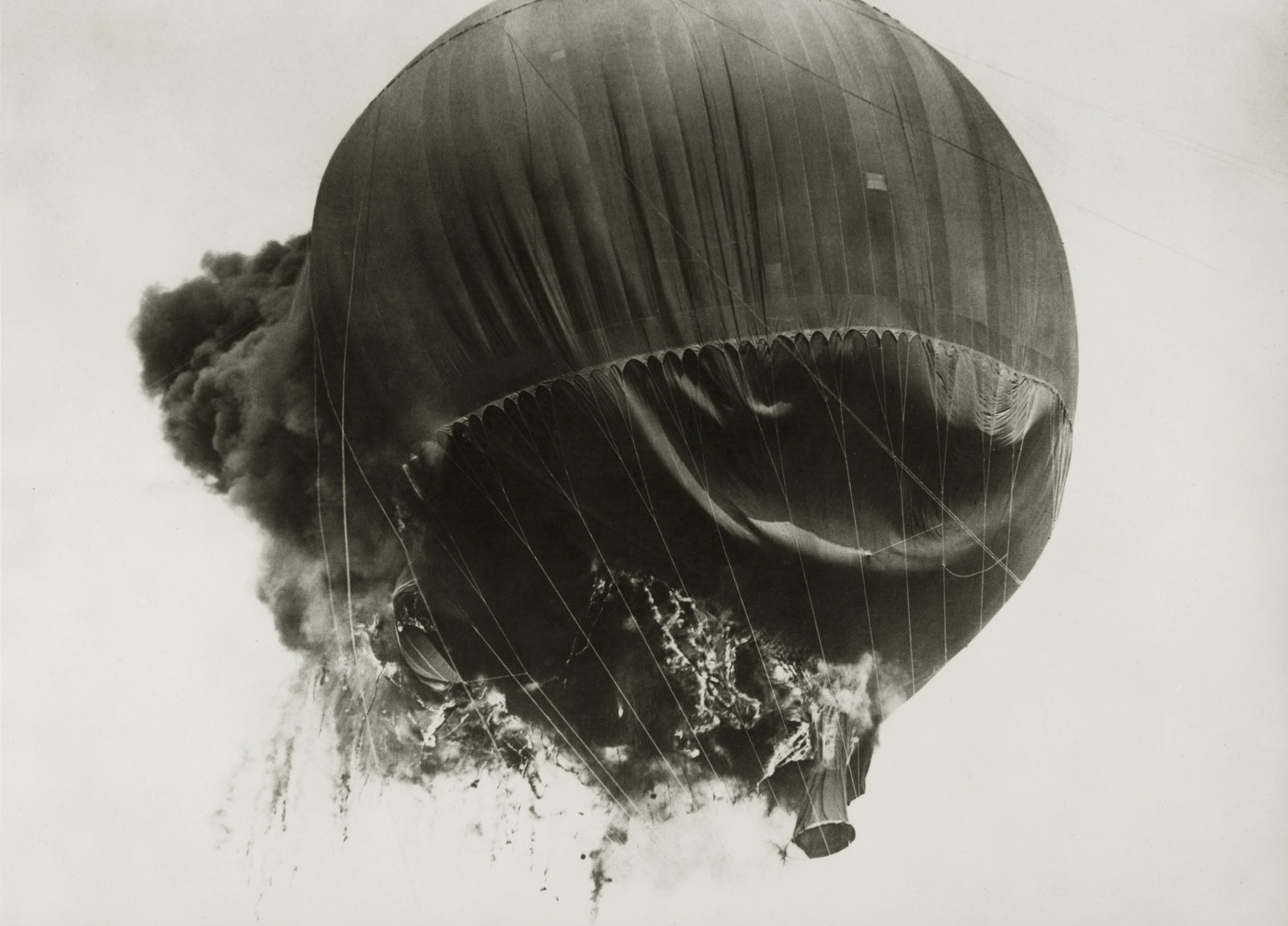
Anonymous (Keystone) 'Professor Piccards Balloon' c. 1930


Anonymous (Keystone)
Professor Piccard’s Balloon Destroyed by Flames
25th May 1937
Silver gelatin print
13.4 x 18.5cm
© Private collection


The stratosphere balloon of Professor Piccard catches fire in the moment of ascending over the area of Brussels, Belgium.

Auguste Antoine Piccard (28 January 1884 – 24 March 1962) was a Swiss physicist, inventor and explorer known for his record-breaking helium-filled balloon flights, with which he studied the Earth’s upper atmosphere. Piccard was also known for his invention of the first bathyscaphe, FNRS-2, with which he made a number of unmanned dives in 1948 to explore the ocean’s depths.


“Every photograph is an enigma for the gaze: for the enigma is part of the photographic act itself. It ensues from the distance between the natural vision and the camera’s photosensitive capture process. By widening this gap, the modes of capture, the photographer’s intentions, and the reactions and involvement of the “photographer” together create new forms and perceptual requirements specific to photography. It is a question, above all, of understanding how much photographs, by transcending our visual capacities and going beyond our intuitions, also give rise to empathy and the need to project personal concerns. The element of enigma in photography bears witness, in fact, to what it is to “be human”.”

“The answer to the Sphinx’s riddle, it should be remembered, is humankind. And looking at a photograph means discovering oneself and the human species. Through the disparity and the dissonance between what it shows and what we experience, photography testifies above all, and at every moment, to what “being human” means. And the riddle, the enigma inherent in looking at a photograph is that of our presence in the world.”


Michel Frizot


Kathrin Yacavone. "Photography and Subjectivity," in 'Benjamin, Barthes and the Singularity of Photography'. Bloomsbury Academic, 2012, pp. 123-124


Kathrin Yacavone. Benjamin, Barthes and the Singularity of Photography. Bloomsbury Academic, 2012, pp. 123-124


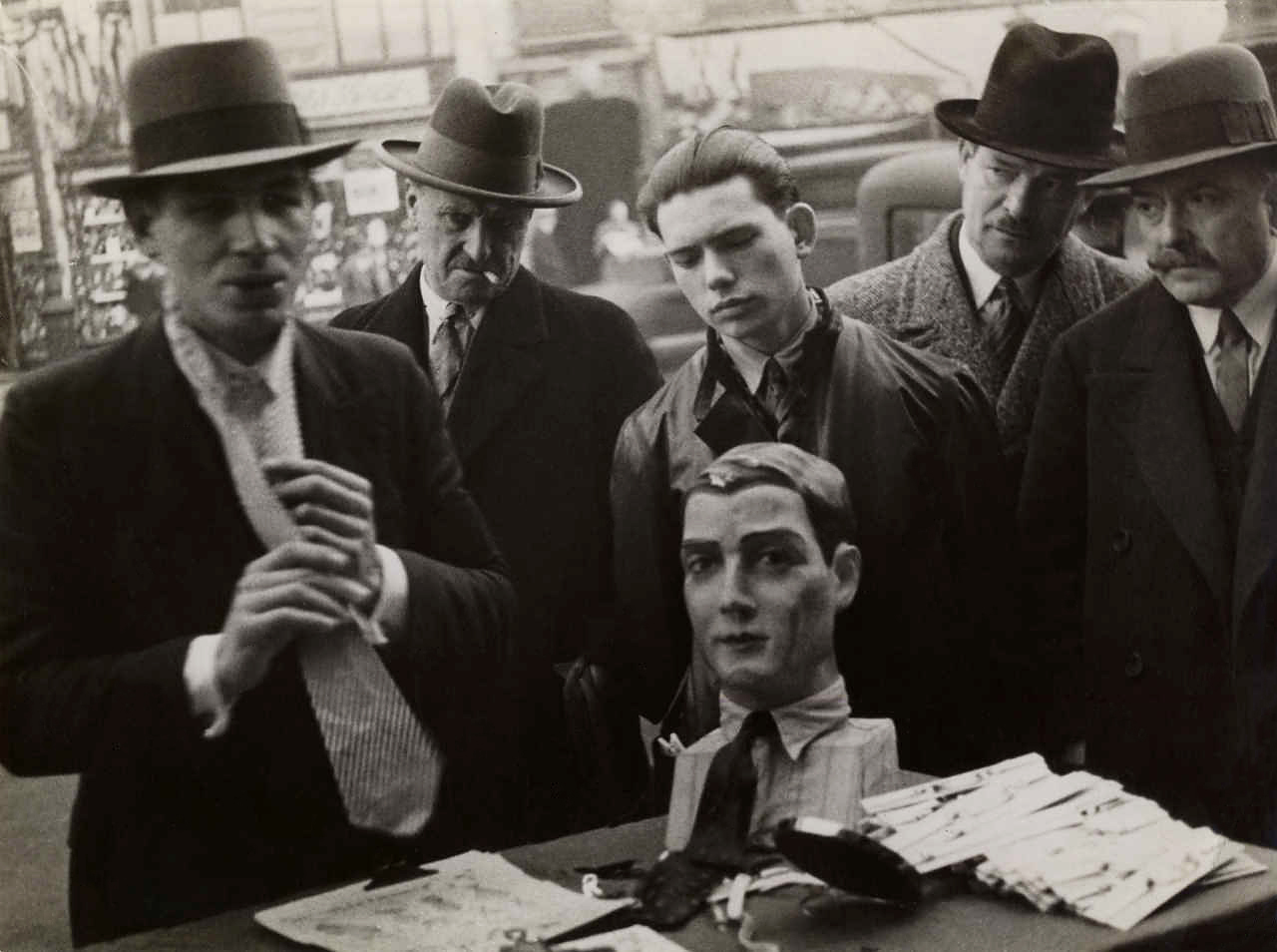
Mr. Brodsky. 'Marchand ties, Paris' 1935


Mr. Brodsky
Marchand ties, Paris
1935
Silver gelatin print
© Private collection


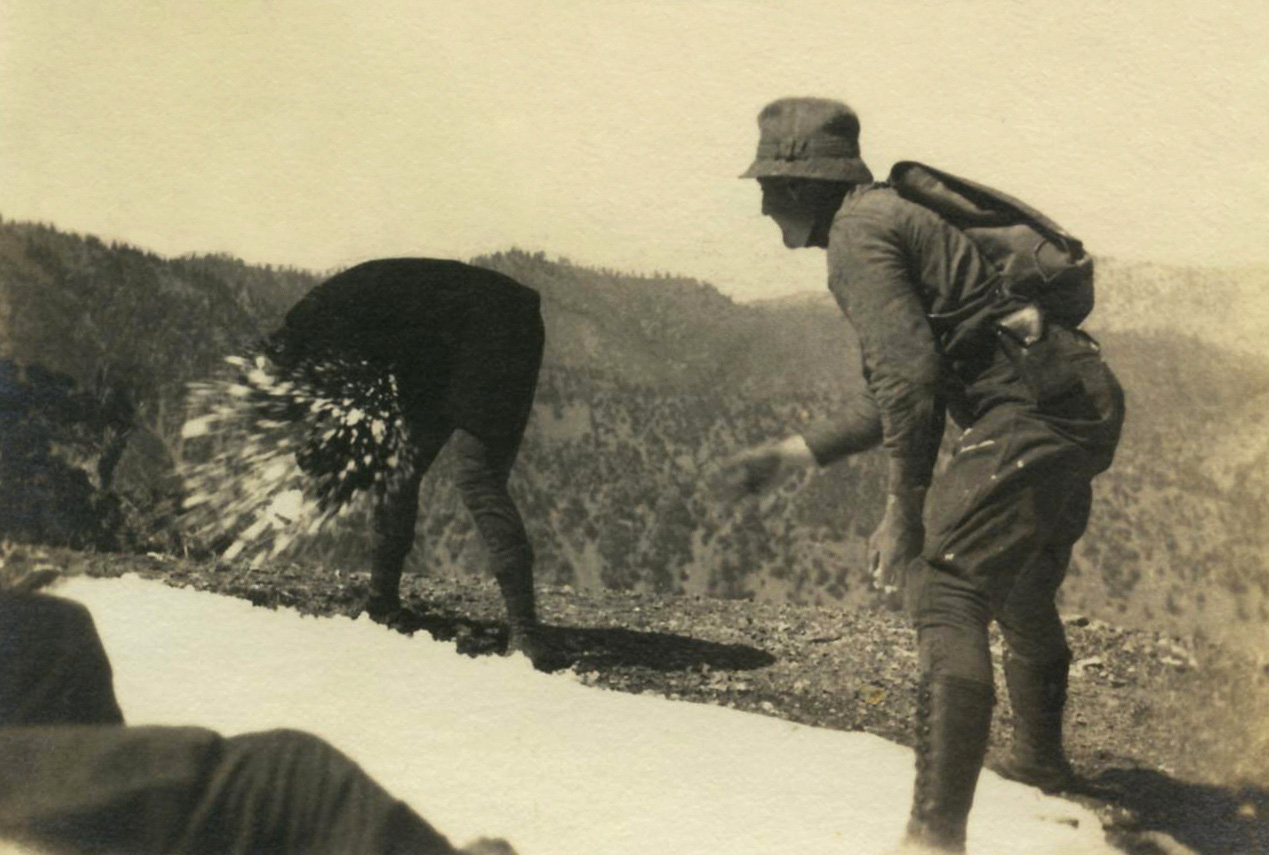
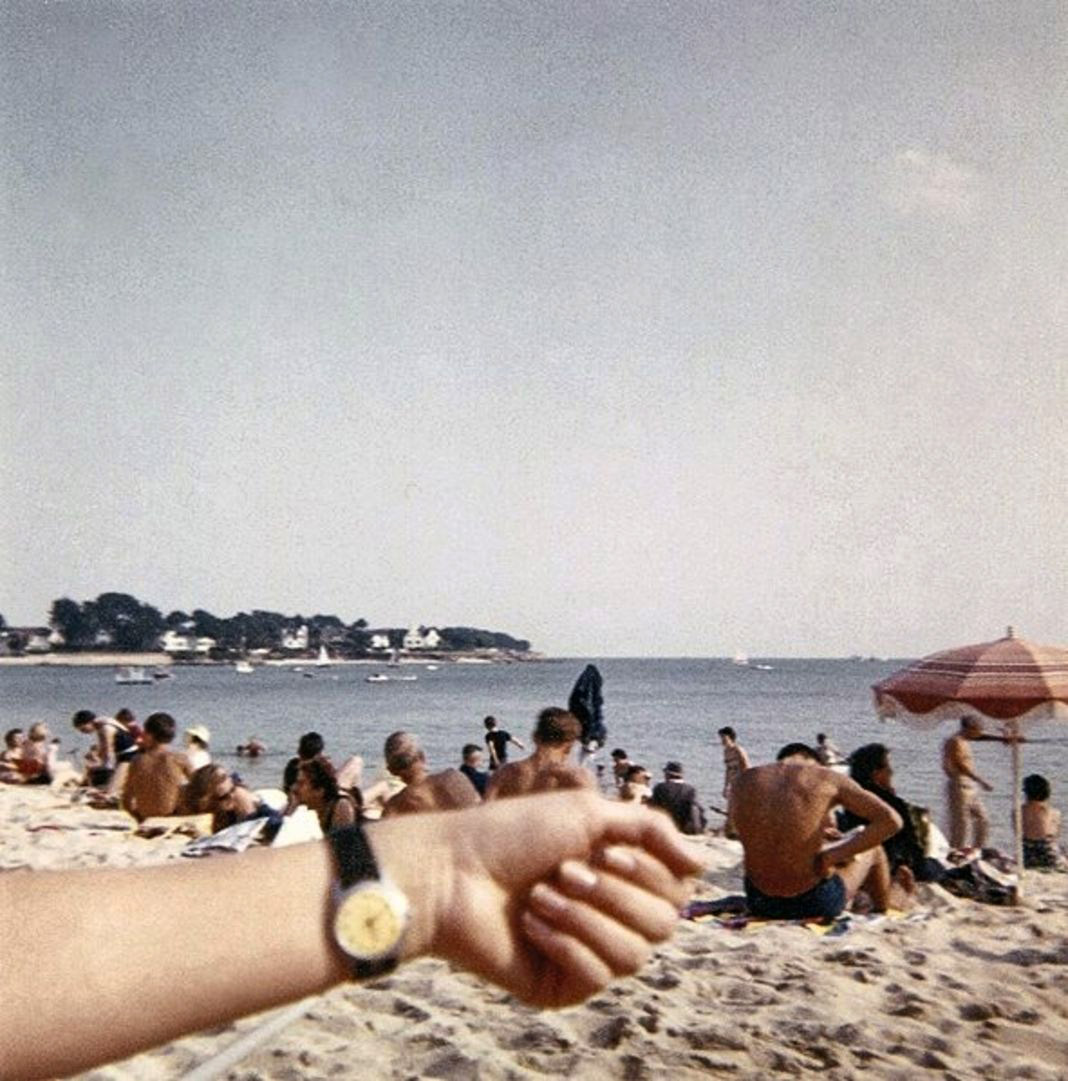
Anonymous photographer. 'Untitled' c. 1930


Anonymous photographer
Untitled
c. 1930
Silver gelatin print
5.9 x 8.1cm
© Private collection


Anonymous photographer. 'Untitled' c. 1950


Anonymous photographer
Untitled
c. 1950
Silver gelatin print
6.5 x 9cm
© Private collection


Anonymous photographer (Hollywood Press photo) 'The Photographer set on by His "Victim",' Hollywood Press photo 1938


Anonymous photographer (Hollywood Press photo)
The Photographer set on by His “Victim”
1938
Silver gelatin photograph
16.9 x 22cm
© Private collection


Anonymous photographer (International News Photos). 'Untitled' Nd


Anonymous photographer (International News Photos)
Untitled
Nd
Silver gelatin print
16.5 x 21.5cm
© Private collection


Anonymous photographer (International News Photos). 'Untitled' Nd (detail)


Anonymous photographer (International News Photos)
Untitled (detail)
Nd
Silver gelatin print
16.5 x 21.5cm
© Private collection


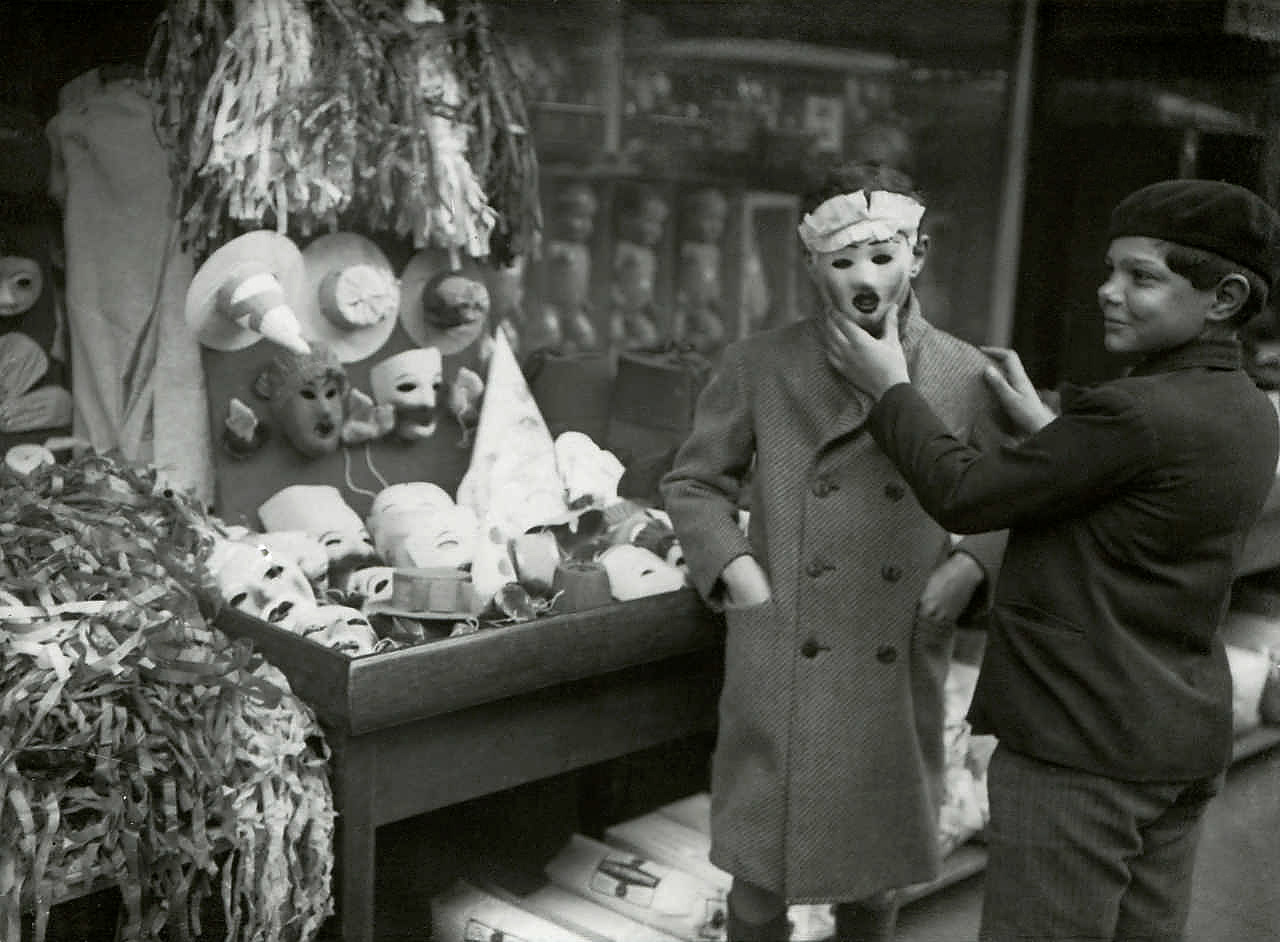
France-Presse. 'C’est demain mardi-gras', 5 mars 1935


France-Presse
C’est demain mardi-gras / Tomorrow is Shrove Tuesday
March 5, 1935
Silver gelatin photograph
© Private collection


Interpress. 'Avant l’ouverture du Salon des Surindépendants' Paris, 1952


Interpress
Avant l’ouverture du Salon des Surindépendants / Prior to the opening of Superintendent’s Fair
Paris, 1952
Silver gelatin photograph
© Private collection


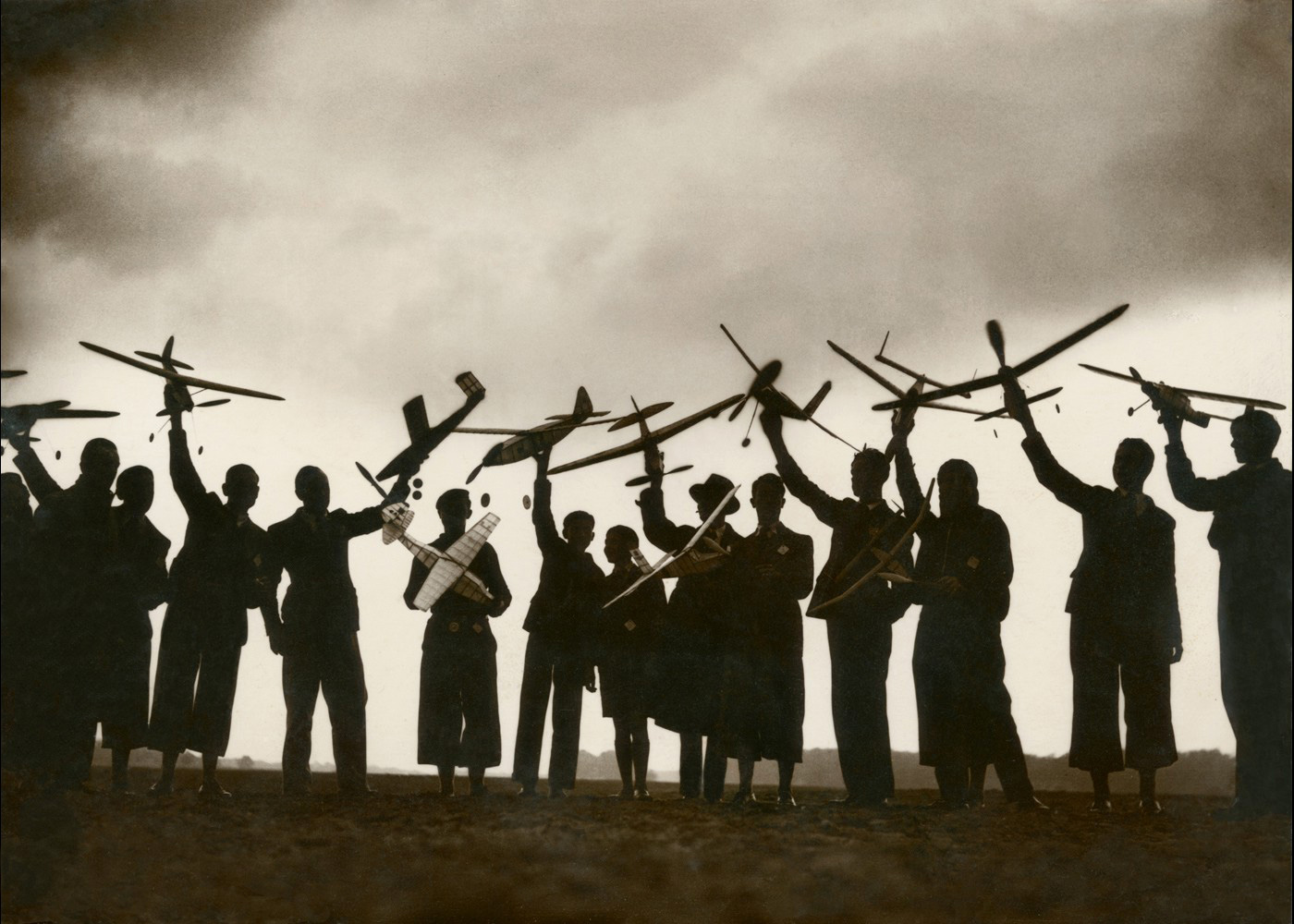
Mondial Photo-Presse. 'Réunion de modélistes' c. 1930


Mondial Photo-Presse
Réunion de modélistes
c. 1930
Silver gelatin photograph
12.8 × 17.6cm
© Private collection


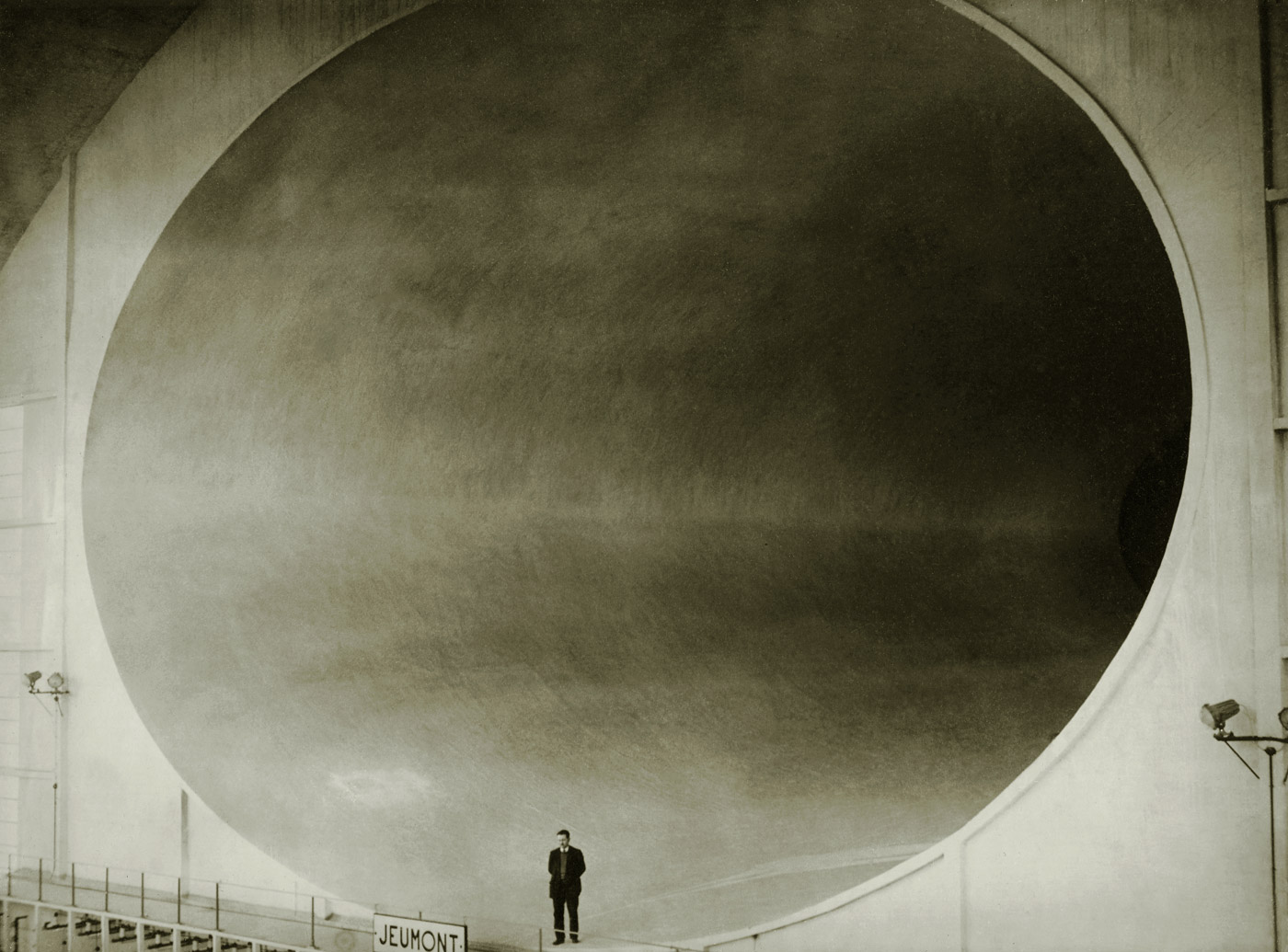
NYT Photo. 'Wind Tunnel in Chalais Meudon' 1935


NYT Photo
Wind Tunnel in Chalais Meudon
1935
Silver gelatin print
18 x 24cm
© Private collection


Photographs often seem familiar and understandable, a visual common sense intimately related to our daily lives. But they can also provoke a spark of amazement or generate a more sustained perplexity and inquiry. Curated by the renowned French photo historian, Michel Frizot, Every Photograph is an Enigma interrogates this paradox. Drawing exclusively from photographs in his private collection, many of them anonymous, he presents a selection of photographic moments at once ordinary and marvellous. Frizot develops a system of classification that explores the strangeness generated by the camera lens. Taken by family members, lovers, or unheralded professional and amateur photographers, the assembled images amount to nothing less than a phenomenology of photography.

Immediately a photograph is taken it generates a distance between what the image reveals and what we have seen for ourselves only seconds before. This observation of disparity is central to the phenomenon of photography, creating a sense of indeterminacy that we might describe as the singularity of the photographic. As Frizot himself puts it, “the photograph is not in its essence a transparency through which we gain access to a known reality but, on the contrary, a source of ambiguity and often, perplexity. The photographic image is a constellation of questions for the eye because it offers viewers forms and signs they have never perceived as such and which conflict with their natural vision”. Every Photograph is an Enigma draws out the full implications of this disparity, everything which constitutes the singularity of the photographic process. This begins with the selection procedure itself: Frizot has collected the photographs over many years, with no predetermined objective, finding scraps and castoffs at flea markets and jumble sales. Abandoned photographs escape traditional standards of classification and judgement and are often the work of anonymous photographers. For Frizot, this artlessness offers ‘an extra touch of photographic naturalness which is not shrouded in conventions’. It is the work of the exhibition to reveal, and the role of the visitor to discover, this photographic supplement.

The exhibition explores the modalities of photographic capture and the out-distancing of the senses that results, above all in the relationship between photographer, subject photographed and the operations of the camera, a technical device. Recording different intensities of light on a photosensitive surface, photography is an index of states of light rather than the reality perceived by the eye. The formal consequences of photographic technique are considerable, whether determined by exposure time, framing, exhaustive detail, or the projection of three-dimensional space onto a two-dimensional surface. At the same time, what are fundamentally physical processes are also determined by the split-second decisions taken by the camera operator. It is precisely this that gives rise to the puzzle of photography: the contradictions between the precision of a physical world and the decision-making of the photographer.

Every Photograph is an Enigma explores other aspects of the riddle of photography, including the complexity of the exchange with the subject of the photograph, embodied by a reciprocal glance. The ability of the camera to record human form and gesture is what lends it its quasi-magical vocation. However, that act of recording is dependent on a vast array of potentialities and constraints, including perhaps the demeanour of the participants. The photographic act transforms emotionally-charged, interpersonal experience into uncertain, interpretable signs, a distillation of affect. At the same time, those signs are also dependent on the astuteness of the eyes that scrutinise the photograph, igniting, perhaps, an empathy with others. A photograph is a fragmentary capture and the gaze of the viewer operates in similarly fragmentary bursts. A viewer’s optical capacities are decisive, interpreting, for example, the photograph’s excess of data. The enigma of photography also emerges from the inadequacies and impasses of the energetic viewer’s scrutiny. These, and many other riddles, are explored across eleven separate chapters in the exhibition, which together provide a method for specifically photographic viewing. They probe the way the photographic device is used to celebrate the subject, or the way that processes unique to photography and the photographer’s command of his or her equipment help determine the final image. A further theme investigates the way that viewers are involved in a perceptual relationship which ordinary vision has not accustomed them to, including a display of stereo images. We encounter the myriad ways that photography overwhelms our senses and the many puzzles it presents.

Every Photograph is an Enigma brings together a remarkable selection of everyday photographs, selected over many years by one of the sharpest eyes in the history photography. It offers us the opportunity of a liberated escape into a ‘pure’ photographic act stripped of artistic pretension or historical portent. As Frizot proposes, there are no hierarchies in photography – it is the activity of the gaze that reveals the richness of the image. For the eye, every photograph is an enigma.

Catalogue

The exhibition is accompanied by the fully-illustrated catalogue Toute photographie fait énigme/Every photography is an enigma, by Michel Frizot, in collaboration with Cédric de Veigy. Published by Éditions Hazan. English/French with a German translation of the main texts. Price 45 CHF.

Credits

The exhibition is curated by Michel Frizot and organised by the Maison Européenne de la Photographie, Paris and the Musée Nicéphore Niépce, Chalon-sur-Saône in collaboration with Fotomuseum Winterthur.”

Text from the Fotomuseum Winterthur website


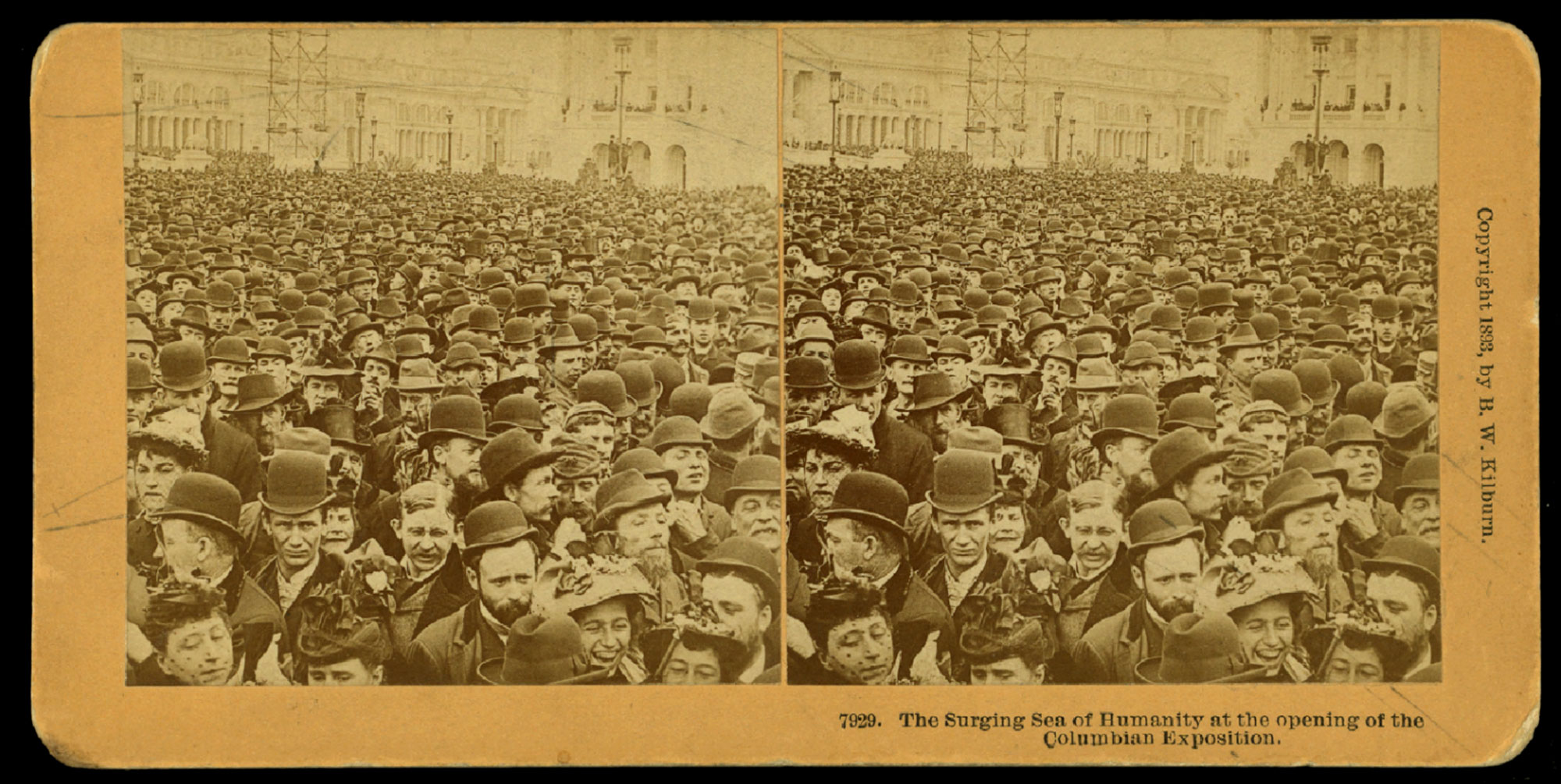
B.W. Kilburn (American, 1827-1909) 'The Surging Sea of Humanity at the Opening of the Columbian Exposition, Chicago' 1893


B.W. Kilburn (American, 1827-1909)
The Surging Sea of Humanity at the Opening of the Columbian Exposition, Chicago
1893
Stereocard
Albumen photographs
© Private collection


B.W. Kilburn (American, 1827-1909) 'The Surging Sea of Humanity at the Opening of the Columbian Exposition, Chicago' 1893 (detail)


B.W. Kilburn (American, 1827-1909)
The Surging Sea of Humanity at the Opening of the Columbian Exposition, Chicago (detail)
1893
Stereocard
Albumen photograph
© Private collection


Anonymous photographer. 'Untitled' c. 1900


Anonymous photographer
Untitled
c. 1900
© Private collection


Anonymous photographer. 'Untitled' c. 1955


Anonymous photographer
Untitled (Flagrants délits / Egregious crimes)
c. 1955
Silver gelatin print
5.5 x 5.5cm
© Private collection


Anonymous photographer. 'Untitled' c. 1970


Anonymous photographer
Untitled
Instamatic Kodak
c. 1970
© Private collection


Anonymous photographer. 'Children Watching the Apollo 12 Flight on Television' 1969


Anonymous photographer
Children Watching the Apollo 12 Flight on Television
1969
Silver gelatin photograph
© Private collection


For many years, Michel Frizot the historian and theorist has been collecting neglected photographs which have been overlooked because they were taken by anonymous, unknown photographers, unheard-of or non-celebrated artists, throughout the entire history of photography. Avoiding “museumification” and classification, selected first of all for their capacity for surprise, these photographs are no less generous, moving and perhaps “photographic” than others. This exhibition reflects on the element of mystery in all photography.

“Because they are so familiar to us, because they are part of our visual space, photographic images seem to be immediately accessible and understandable. But everyone has experienced that sudden burst of amazement they can set off through suspended movements, the rendering of colours, unexpected coincidences or abruptly frozen expressions. If we pay attention to such features, they provoke the feeling that we are faced at once with something obvious and with a question. When we can look at a photograph as soon as we have “taken” it, we immediately, moreover, sense the distance between what the image tells us and what we have been able to see for ourselves only seconds before. The observation of this disparity, recognisable at every moment, is proper to the photographic phenomenon. We grant each photograph an element of truth but suspect its indeterminacy and sense its contradictions.

The photographic image is a constellation of questions for the eye because it offers viewers forms and signs they have never perceived as such and which conflict with their natural vision.

The enigma, the riddle, the puzzle would thus be fundamental to the photographic act itself.

Inherent in the photographic process, it results from the irreducible distance between the human senses and the camera’s light-sensitive capture: it arises from the split between visual perception and the photographic process.

For the eye, every photograph is an enigma.

Whether they are kept in archives, family albums or agencies, or dumped in the street, photographs are virtual objects which only begin to exist when they find a viewer. The selective collecting process is thus carried out “by eye” and not the eye of the connoisseur or the historian, but the paradoxical eye which goes against the tide of the canonically “good” photograph, it is a slow eye which opens itself to the pleasure of choice. The pursuit of irreplaceable strangeness. A determined eye, in search of what it does not yet know and yet perceives as the baring of the “photographic”, the liberated escape into a “pure” photographic act stripped of its eloquence. By repeating the selections, the eye discovers the unknown properties of the photographic image: it spots the elements of a puzzle to be savoured without anticipation of any solution. As a kind of practical application, when we look closely, these photographs seem more “photographic” than so many other images with more conventional features that quickly lose their interest. They reveal what escapes us in the recognition of the world, what lies beyond its photographic figures repeated over and over again.

The answer to the Sphinx’s riddle, it should be remembered, is humankind. And looking at a photograph means discovering oneself and the human species. Through the disparity and the dissonance between what it shows and what we experience, photography testifies above all, and at every moment, to what “being human” means. And the riddle, the enigma inherent in looking at a photograph is that of our presence in the world.”

Michel Frizot
Extract from the book Toute photographie fait énigme  / Every photograph is an enigma, Hazan, 2014

Michel Frizot quoted in “Every Photograph is an enigma,” on the Musée Nicéphore Niépce website [Online] Cited 07/20/2021


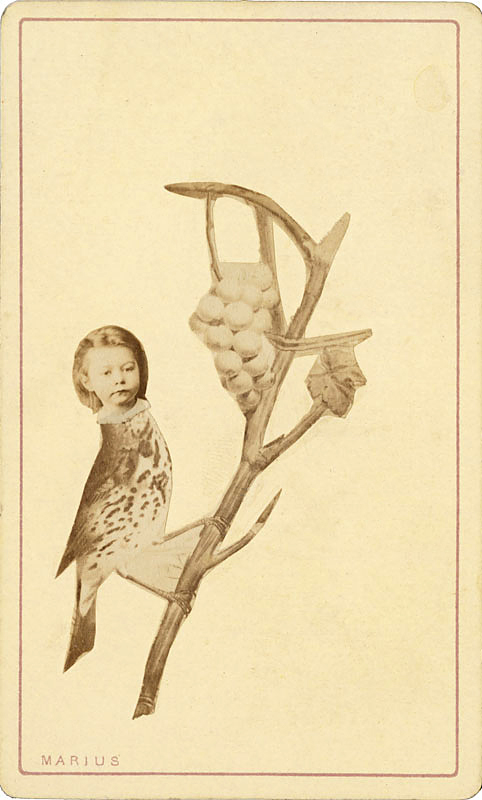
Marius, Paris. 'Photomontage' c. 1865


Marius, Paris
Photomontage
c. 1865
Albumen print
© Private collection


Anonymous photographer. 'Untitled' c. 1910


Anonymous photographer
Untitled
c. 1910
© Private collection


Anonymous photographer. 'Photomontage' (photographic postcard), c. 1920


Anonymous photographer
Photomontage (photographic postcard)
c. 1920
Silver gelatin print
© Private collection


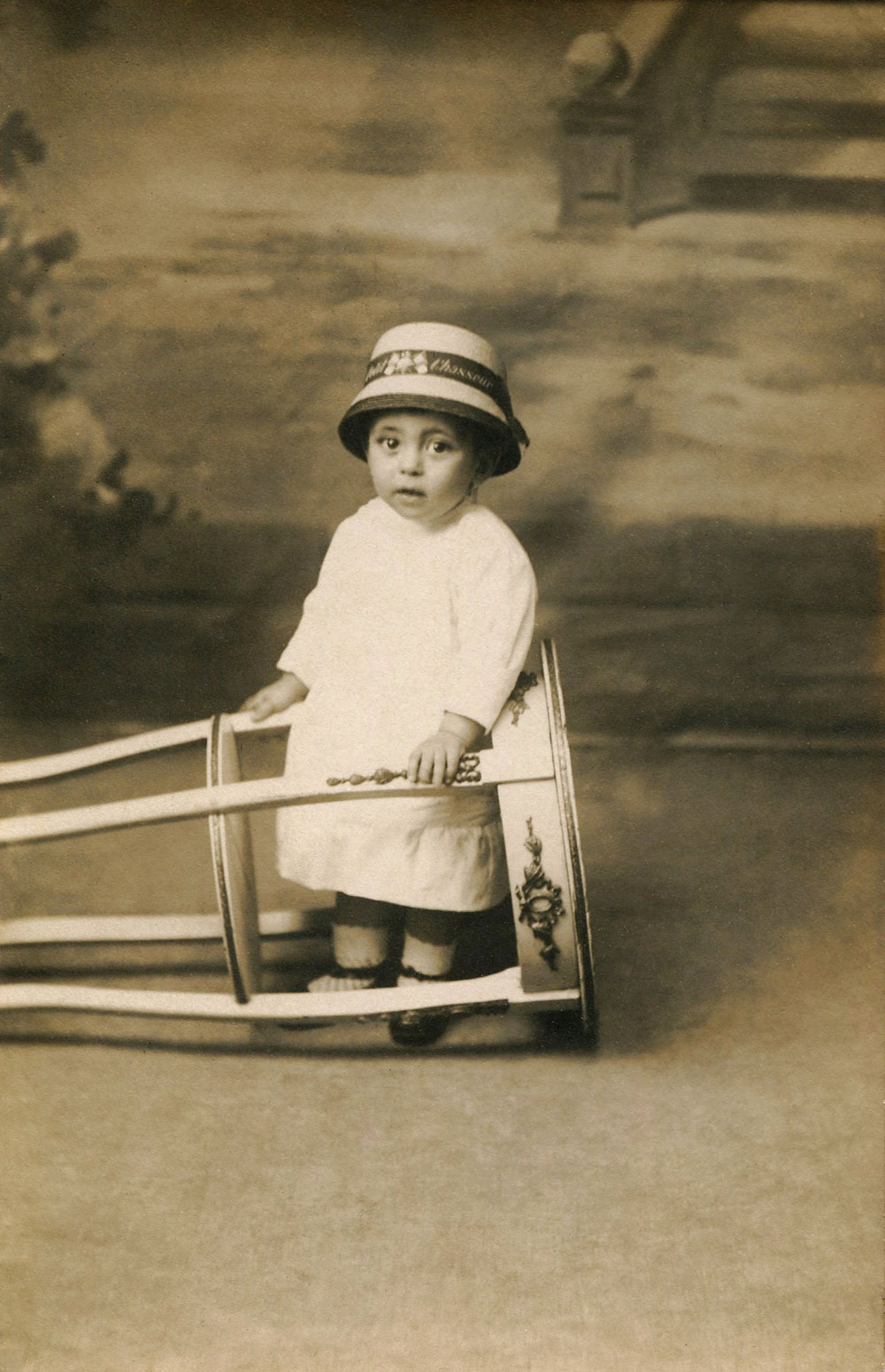
Anonymous photographer. 'Studio Portrait' (Photographic postcard), c. 1910


Anonymous photographer
Studio Portrait (Photographic postcard)
c. 1910
Silver gelatin print
9 x 14cm
© Private collection


Anonymous photographer. 'Untitled' c. 1930


Anonymous photographer
Untitled
c. 1930
Silver gelatin print
© Private collection


Anonymous photographer. 'Transcendental photography with faces of ectoplasm' 1939


Anonymous photographer
Photographie transcendetale avec visages d’ectoplasms / Transcendental photography with faces of ectoplasm
1939
Silver gelatin print
© Private collection


Anonymous photographer. 'Untitled' c. 1935


Anonymous photographer
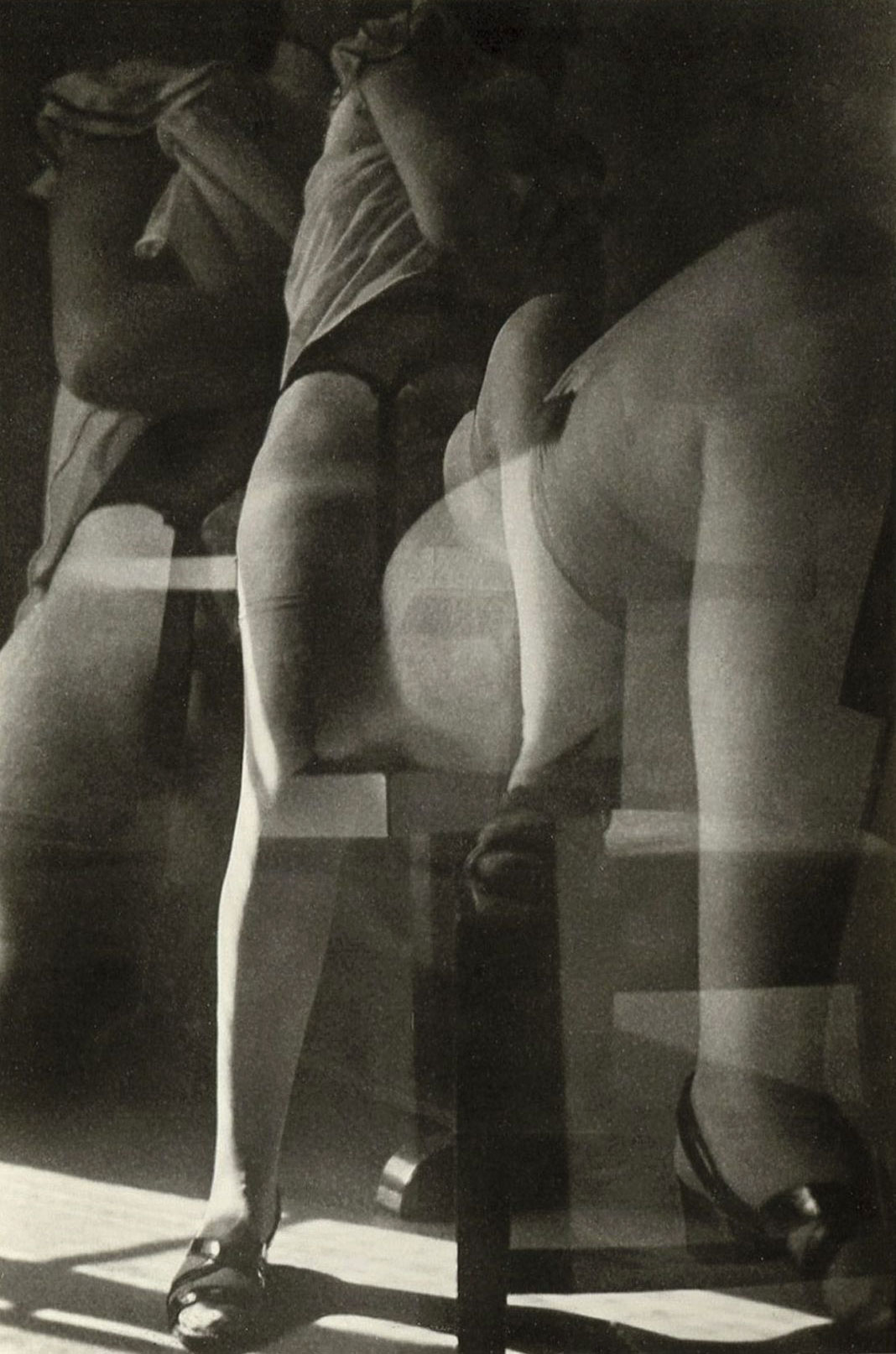
Untitled (Surimpression)
c. 1935
Silver gelatin photograph
8.2 × 5.4cm
© Private collection


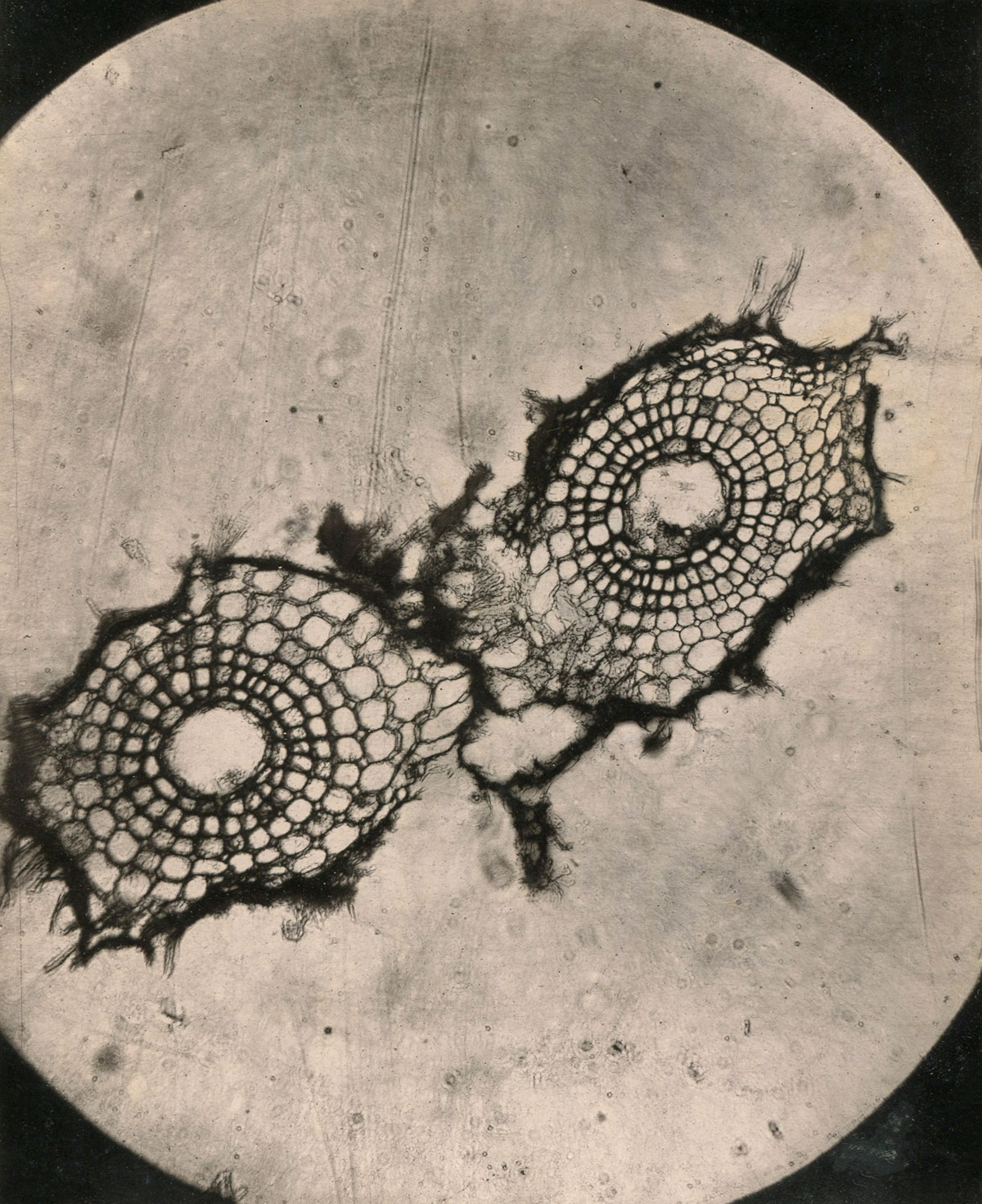
L. Olivier. 'Recherches sur l'appareil tégumentaire des racines Marsilea Quadrifolia' (Photomicrographic plate), 1881


L. Olivier 
Recherches sur l’appareil tégumentaire des racines Marsilea Quadrifolia 
(Photomicrographic plate)
1881
© Private collection


Anonymous photographer (Press photo). 'Patriot Missile Warheads Promoters' 1991


Anonymous photographer (Press photo)
Patriot Missile Warheads Promoters
1991
Gelatin silver print
25.3 x 20.2cm
© Private collection


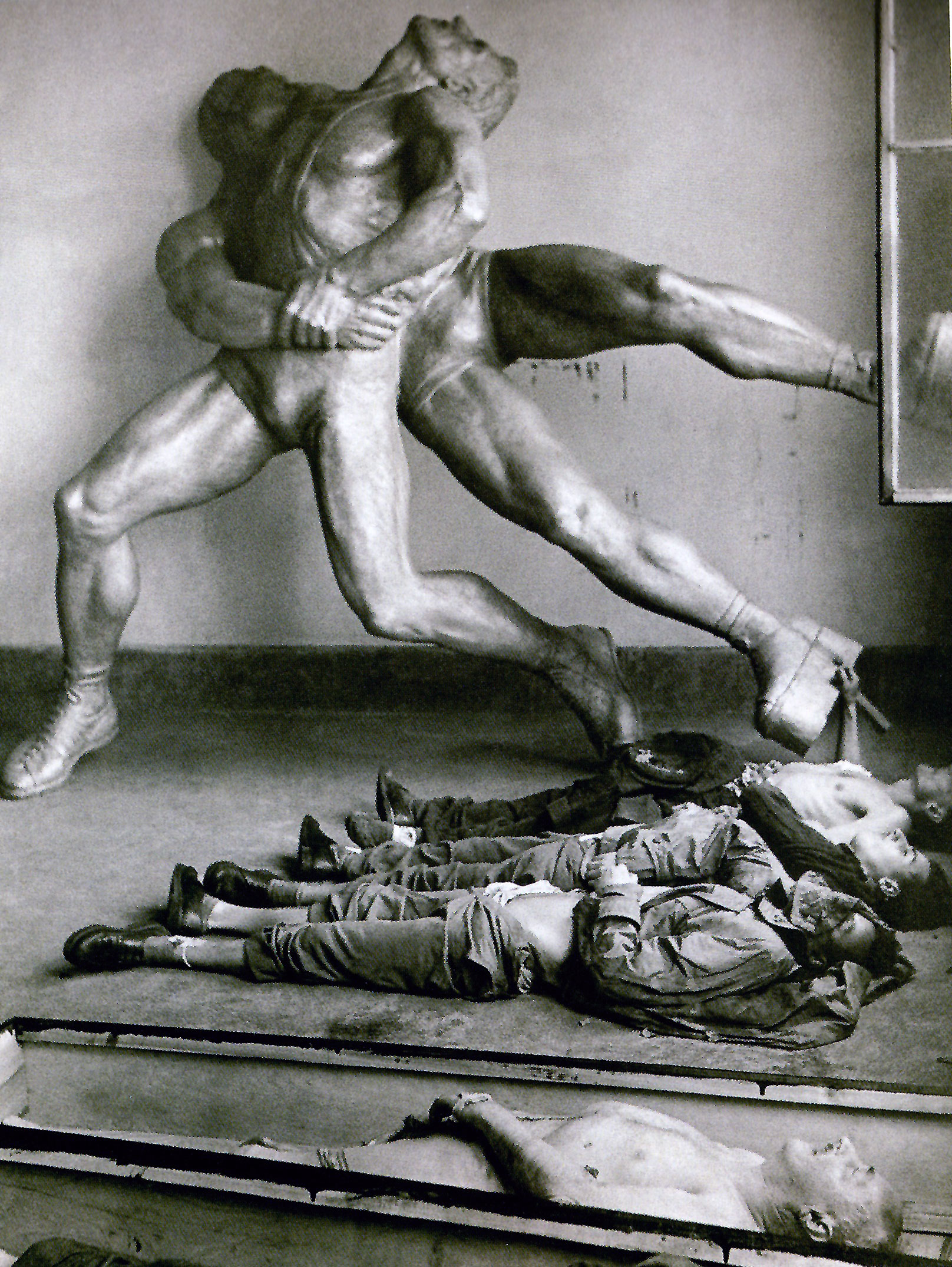
Anonymous photographer. 'Members of the State Protection Authority, ÁVH', Budapest, 1956


Anonymous photographer
Dans un local désaffecté de Budapest, les corps de patriotes hongrois voisinent avec une statue déboulonnée à la gloire du sport soviétique
In some abandoned premises in Budapest, the bodies of Hungarian patriots lie beside a statue removed from its base [dedicated] to the glory of Soviet sports
Members of the State Protection Authority, ÁVH
Budapest, 1956
Gelatin silver print
29.8 × 22.6cm
© Private collection


Victims of the Hungarian Revolution of 1956 brutally put down by the Russians.

Addendum

According to the experts at Fortepan, an open access public resource of the Hungarian audio-visual culture, the dead men in the photograph above are very likely (~99%) not patriots, but members of the State Protection Authority, ÁVH- Államvédelmi Hatóság. The State Protection Authority was the secret police of the People’s Republic of Hungary from 1945 until 1956.

The photograph below recently found on the Fortepan website showing the above sculpture at second back left of the image.


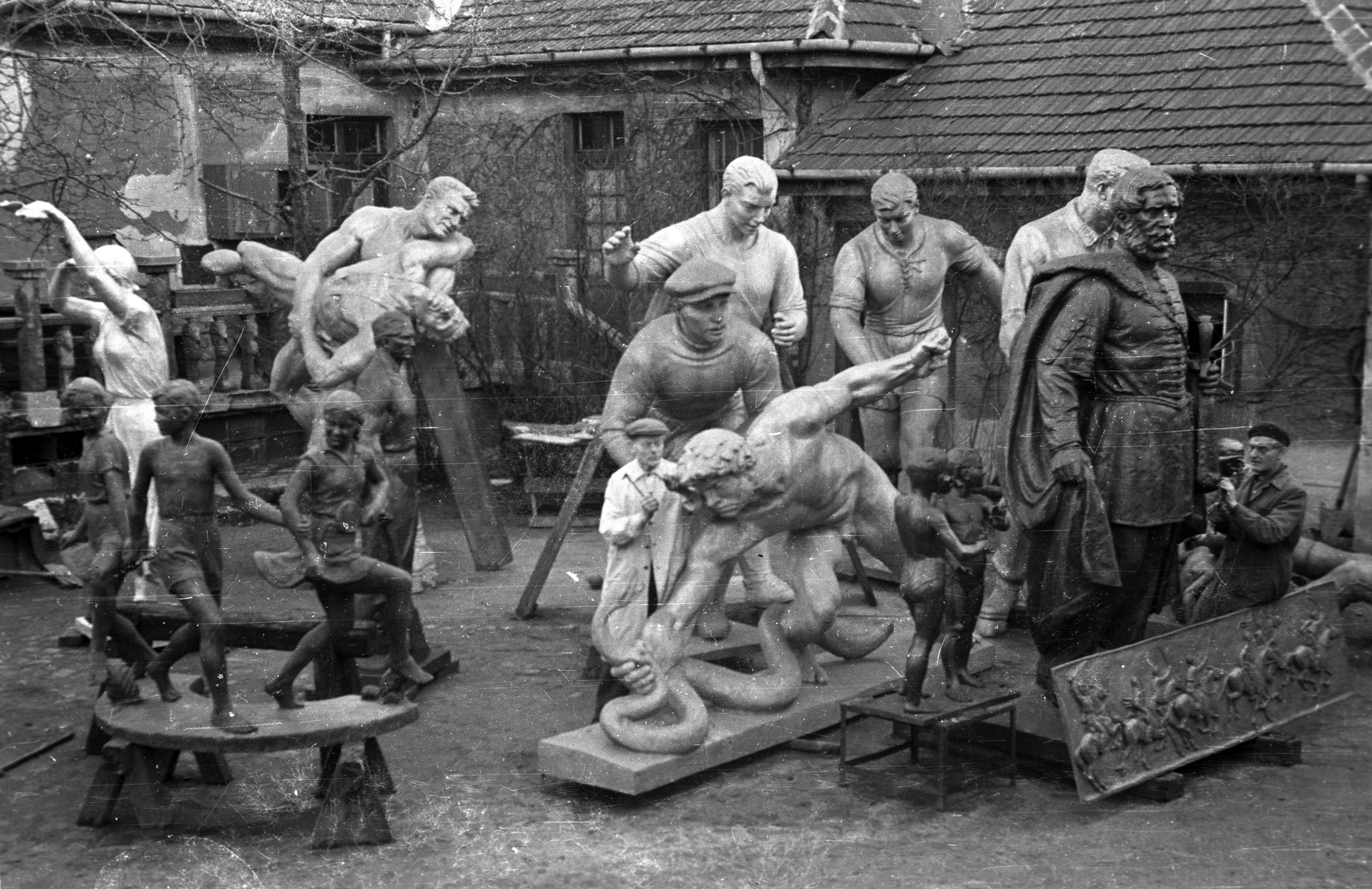
Unknown photographer. 1956 Hungary, Budapest XIII. Jász utca 74, the yard of the sculptural foundry of the Fine Art Designer and Industrial Company


Ismeretlen fotós. 1956. Magyarország, Budapest XIII. Jász utca 74., a Képzőművészeti Kivitelező és Iparvállalat szoboröntödéjének udvara. Sóváry János Táncoló gyerekek alkotása és a mögötte lévő Pátzay Pál Integető című alkotása Budapesten, Antal Károly Birkózók és Mikus Sándor Labdarúgók szobra a Népstadion szoborkertjében, Szomor László Kígyóölő szobra Szolnokon a vérellátónál, Kisfaludi Strobl Zsigmond Kossuth Lajost ábrázoló szobra a Hősök terén került később felállításra.

Unknown photographer. 1956 Hungary, Budapest XIII. Jász utca 74, the yard of the sculptural foundry of the Fine Art Designer and Industrial Company. János Sóváry Creation of Dancing Children and the Pátzay Pál Integető, behind the Antal Károly Birkozók and Mikus Sándor Football Sculpture in the Népstadion Sculpture Garden, The Statue of László Szomor, The Snake Statue in Szolnok, The statue of Kisfaludi Strobl Zsigmond Kossuth Lajost was later erected in the Heroes’ Square.


The Hungarian Revolution of 1956 or the Hungarian Uprising of 1956 (Hungarian: 1956-os forradalom or felkelés) was a nationwide revolt against the government of the Hungarian People’s Republic and its Soviet-imposed policies, lasting from 23 October until 10 November 1956. Though leaderless when it first began, it was the first major threat to Soviet control since the USSR’s forces drove out Nazi Germany from its territory at the end of World War II and broke into Central and Eastern Europe.

The revolt began as a student demonstration, which attracted thousands as they marched through central Budapest to the Parliament building, calling out on the streets using a van with loudspeakers via Radio Free Europe. A student delegation, entering the radio building to try to broadcast the students’ demands, was detained. When the delegation’s release was demanded by the demonstrators outside, they were fired upon by the State Security Police (ÁVH) from within the building. One student died and was wrapped in a flag and held above the crowd. This was the start of the revolution. As the news spread, disorder and violence erupted throughout the capital.

The revolt spread quickly across Hungary and the government collapsed. Thousands organised into militias, battling the ÁVH and Soviet troops. Pro-Soviet communists and ÁVH members were often executed or imprisoned and former political prisoners were released and armed. Radical impromptu workers’ councils wrested municipal control from the ruling Hungarian Working People’s Party and demanded political changes. A new government formally disbanded the ÁVH, declared its intention to withdraw from the Warsaw Pact, and pledged to re-establish free elections. By the end of October, fighting had almost stopped and a sense of normality began to return.

After announcing a willingness to negotiate a withdrawal of Soviet forces, the Politburo changed its mind and moved to crush the revolution. On 4 November, a large Soviet force invaded Budapest and other regions of the country. The Hungarian resistance continued until 10 November. Over 2,500 Hungarians and 700 Soviet troops were killed in the conflict, and 200,000 Hungarians fled as refugees. Mass arrests and denunciations continued for months thereafter. By January 1957, the new Soviet-installed government had suppressed all public opposition. These Soviet actions, while strengthening control over the Eastern Bloc, alienated many Western Marxists, leading to splits and/or considerable losses of membership for Communist Parties in the West.

Text from the Wikipedia website


International Newsreel Photo. 'Governor of Alabama Arrested for Breaking Prohibition Laws' 24 november 1926


International Newsreel Photo
Governor of Alabama Arrested for Breaking Prohibition Laws
24th November 1926
Gelatin silver print
20 x 15cm
© Private collection


Anonymous photographer. 'Untitled' c. 1950


Anonymous photographer
Untitled
c. 1950
Gelatin silver print
7 x 4.5cm
© Private collection


Fotomuseum Winterthur
Grüzenstrasse 44 + 45
CH-8400
Winterthur (Zürich)

Opening hours:
Tuesday to Sunday 11am – 6pm
Wednesday 11am – 8pm
Closed on Mondays

Fotomuseum Winterthur website

LIKE ART BLART ON FACEBOOK

Back to top