Exhibition: ‘Elliott Erwitt. Icons’ at Palazzo Bonaparte, Rome, Italy

Exhibition dates: 28th June – 21st September, 2025

Curator: Biba Giacchetti


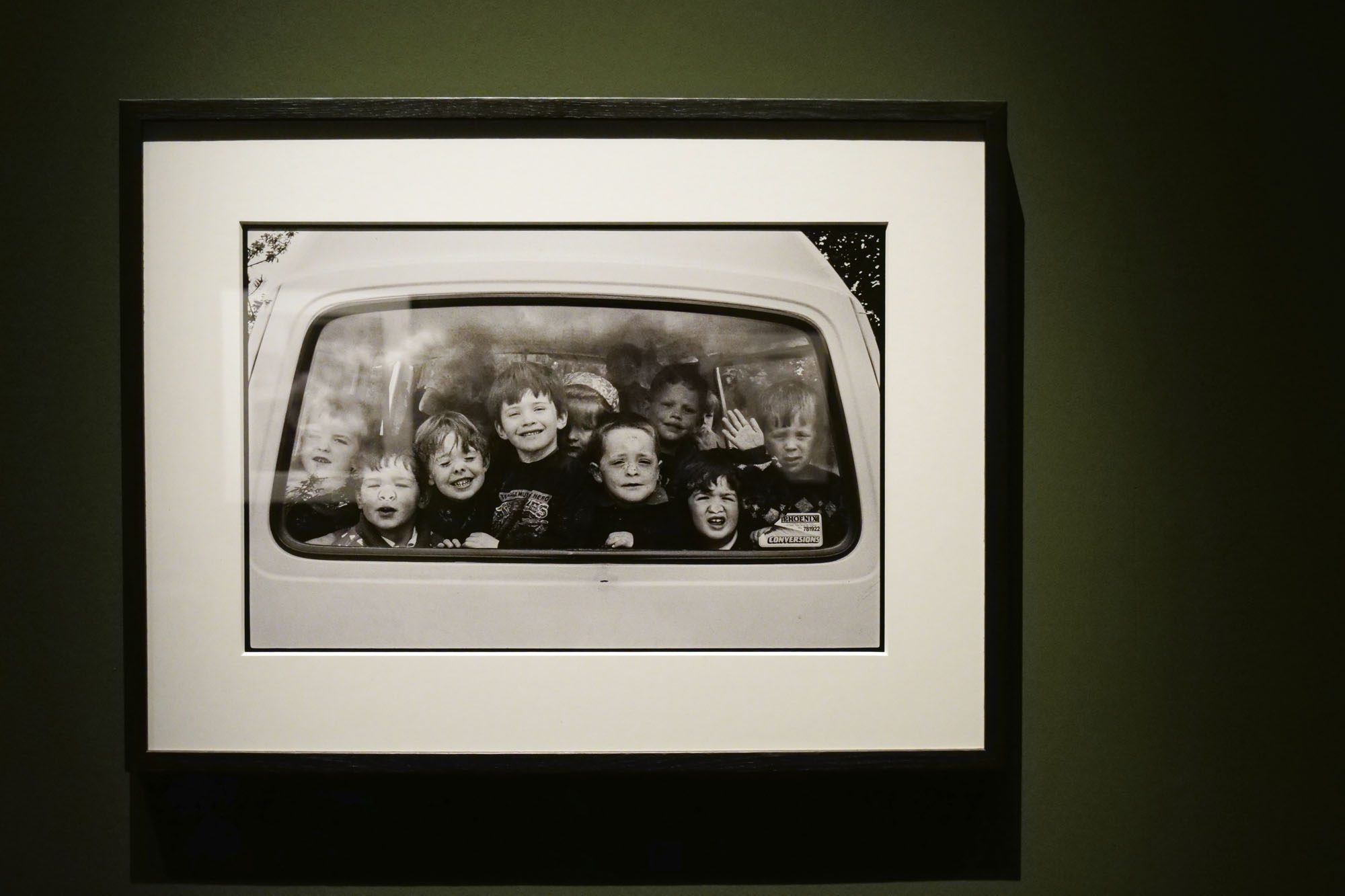
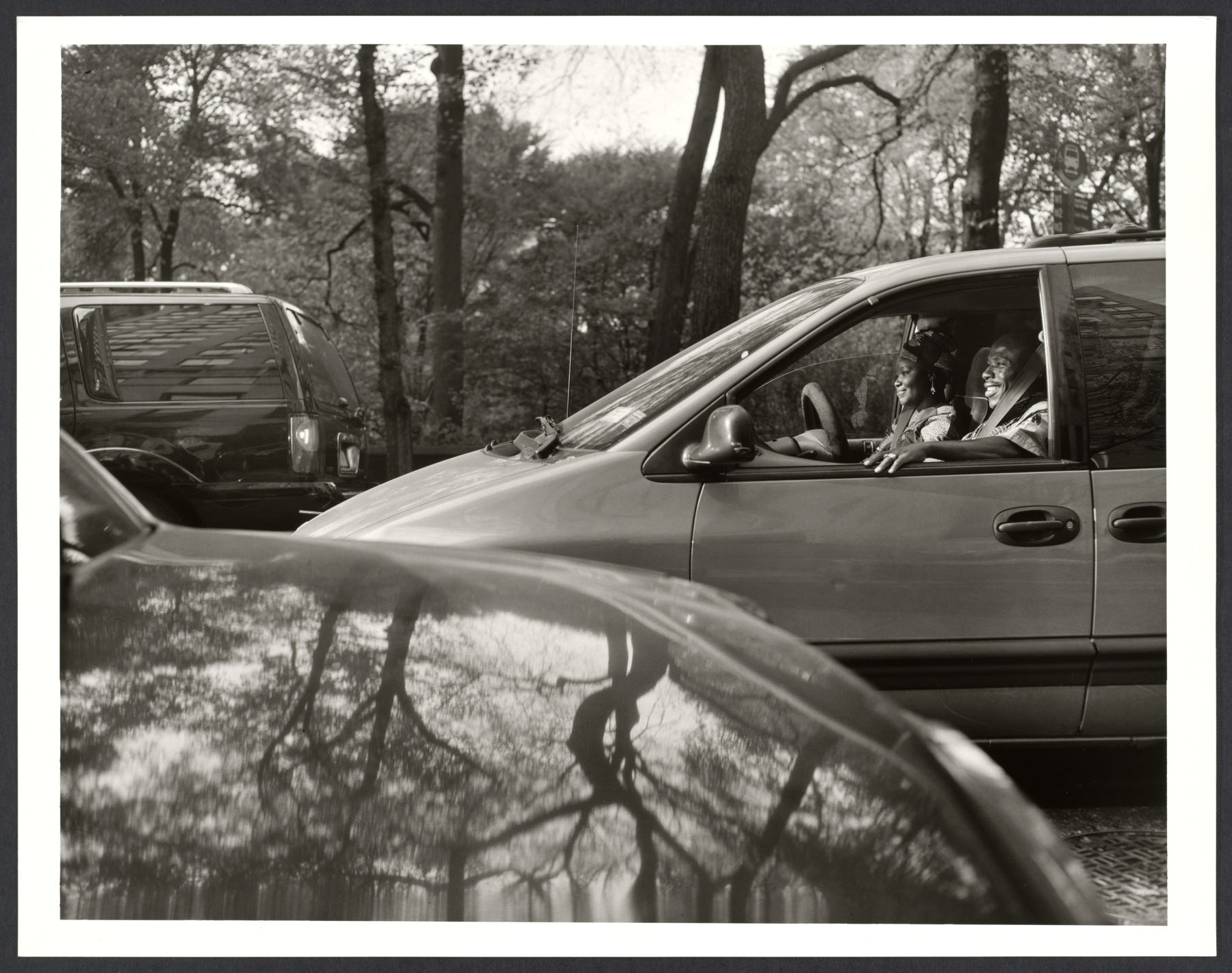
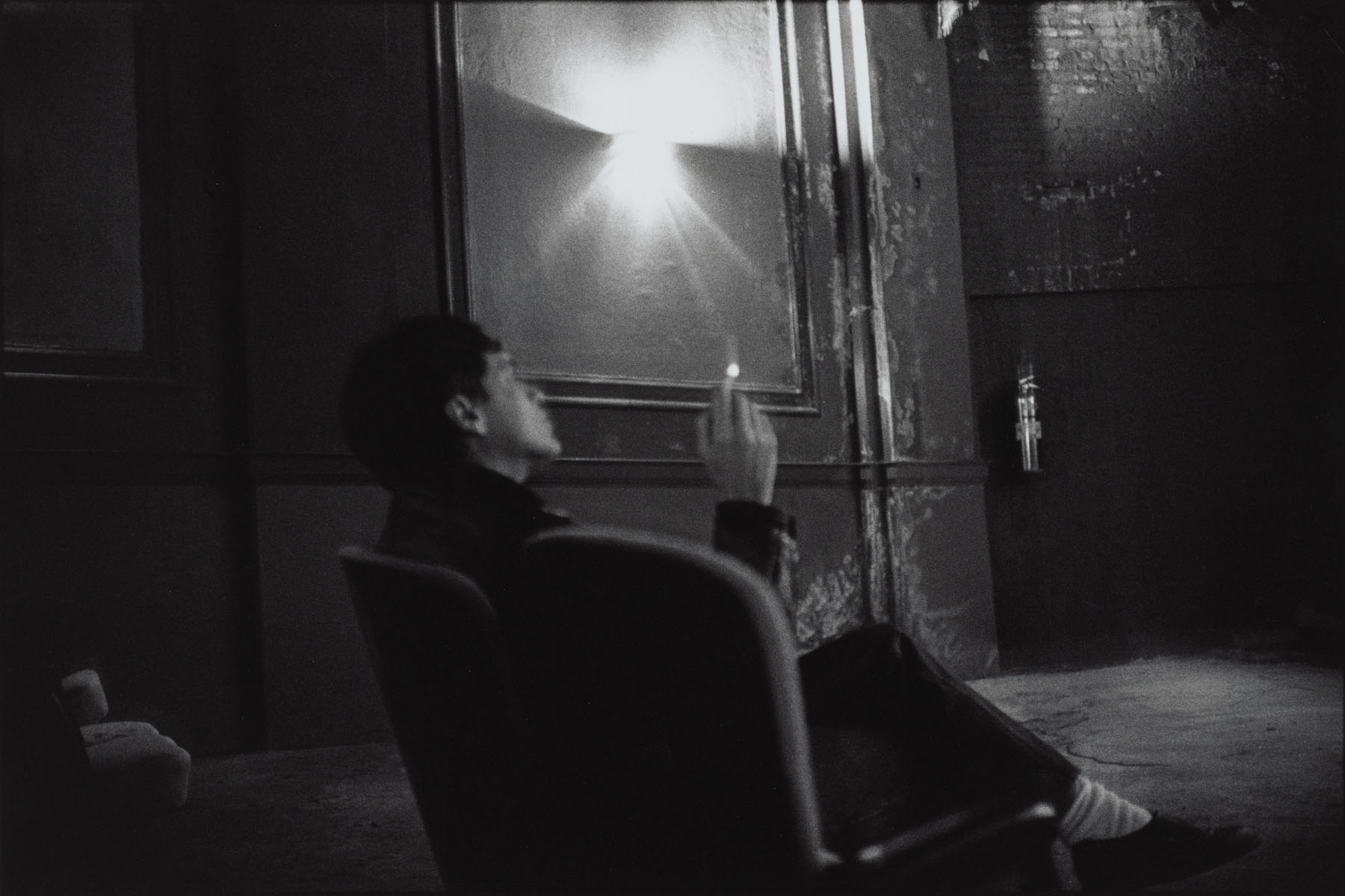
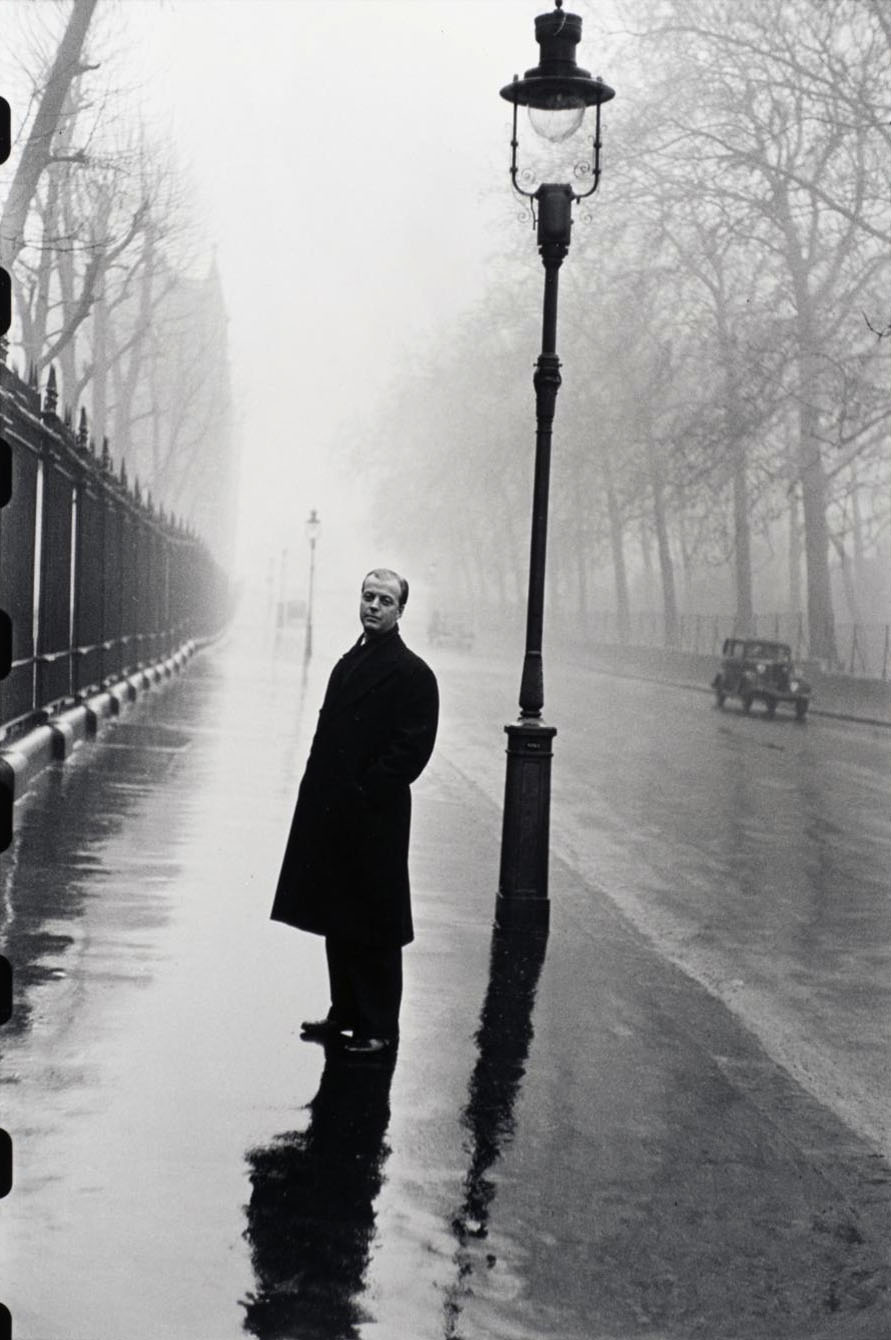
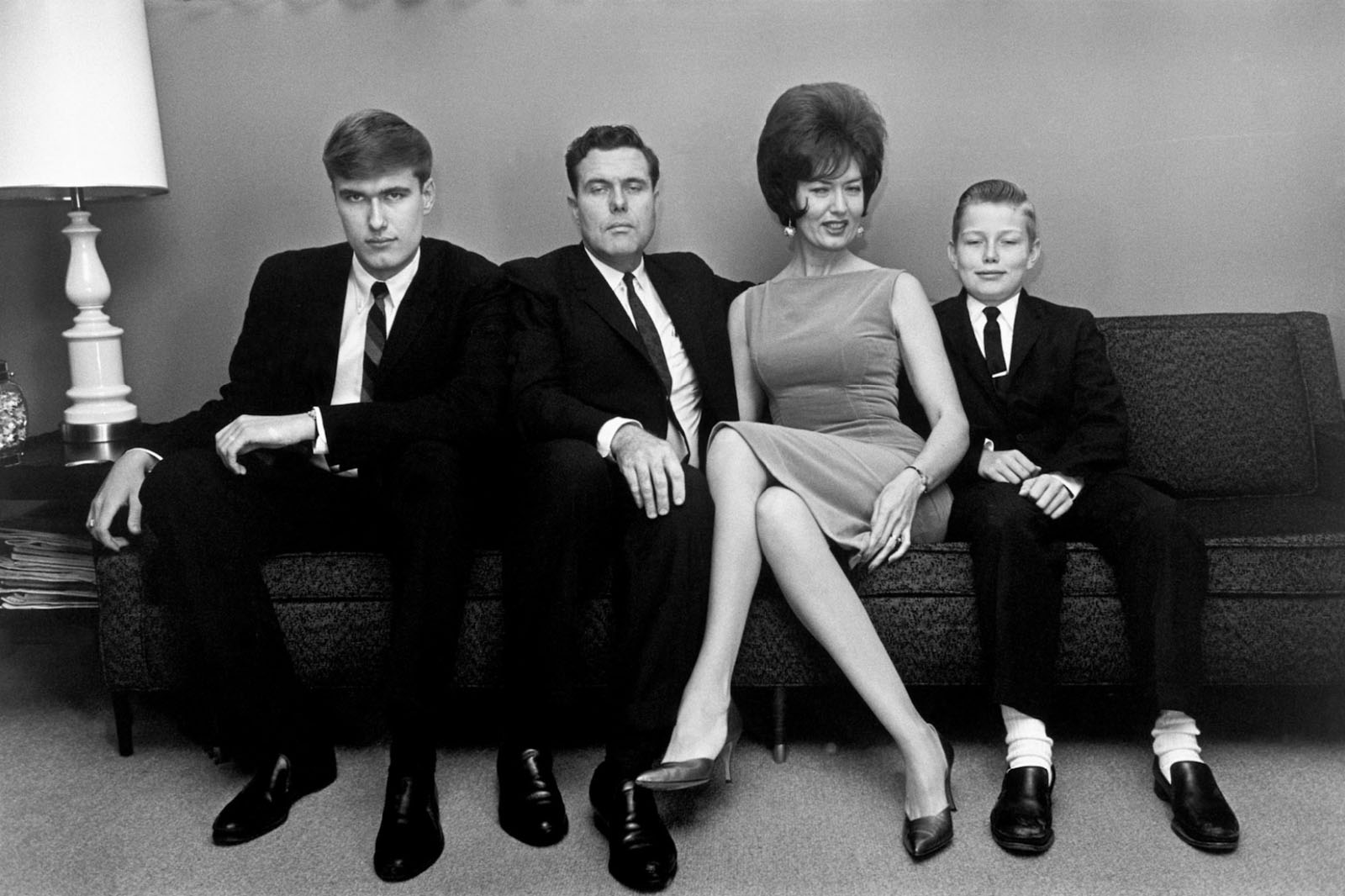
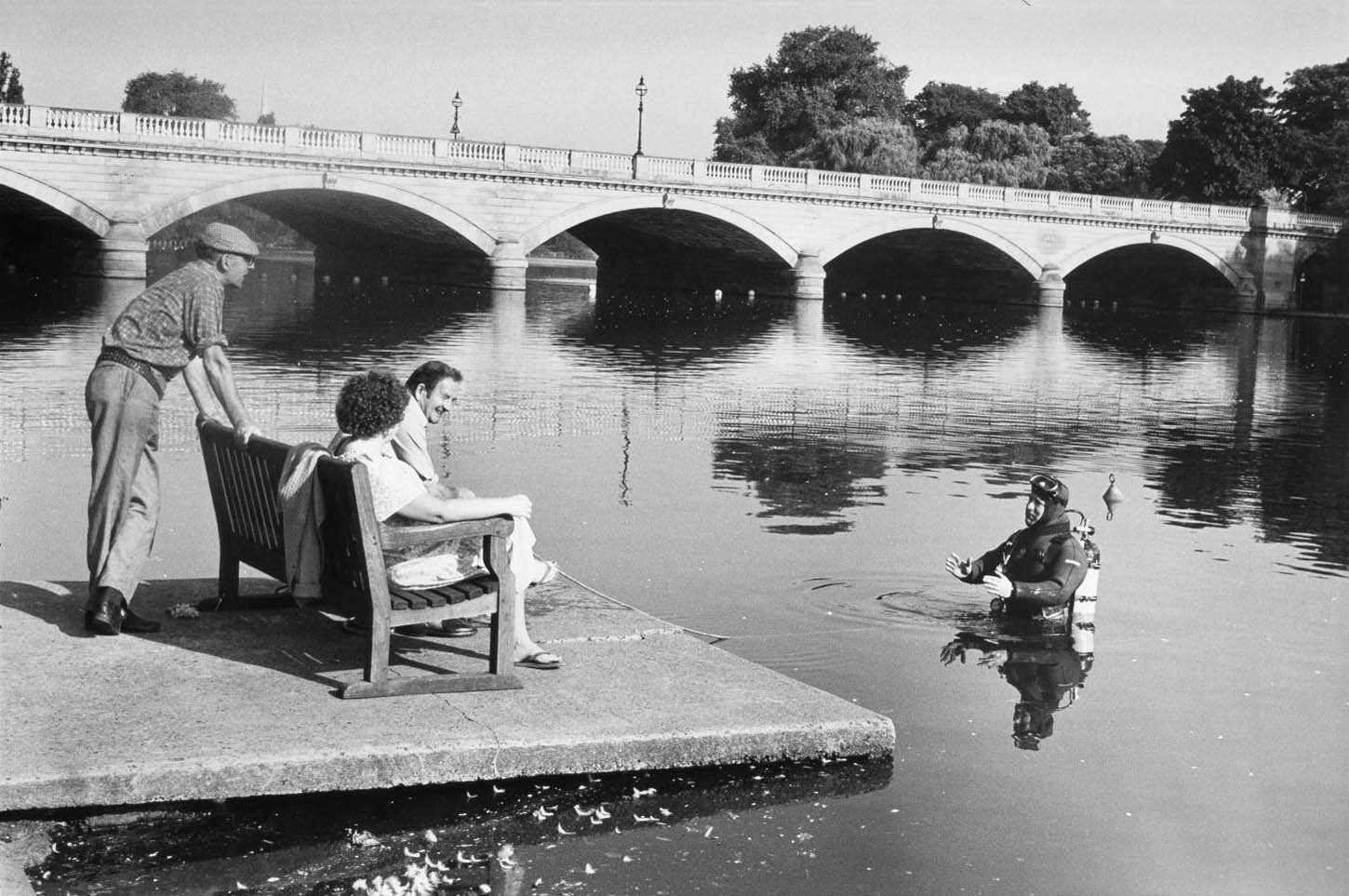
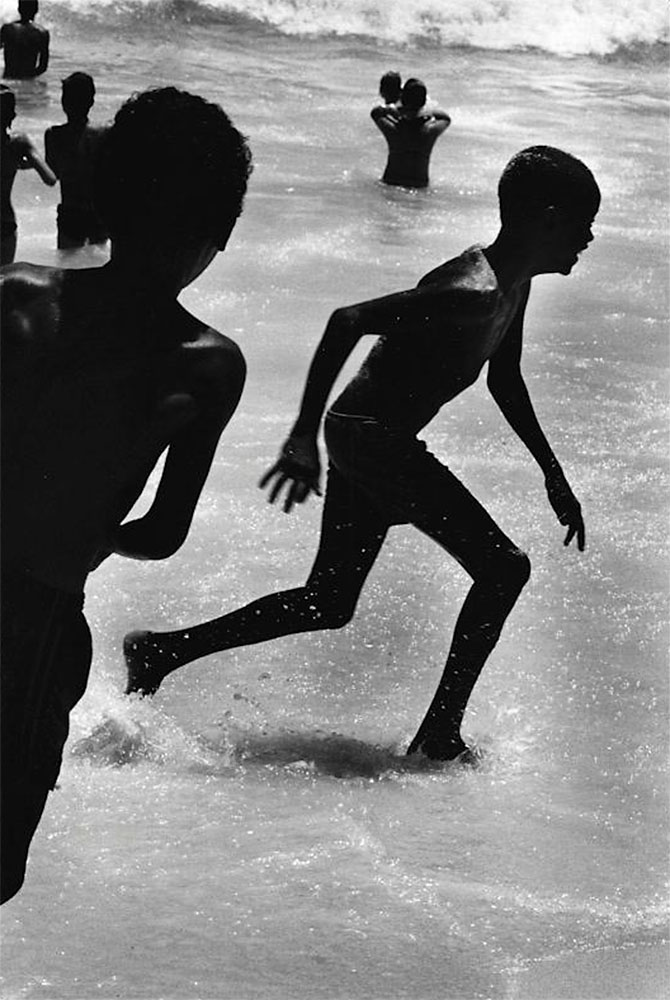
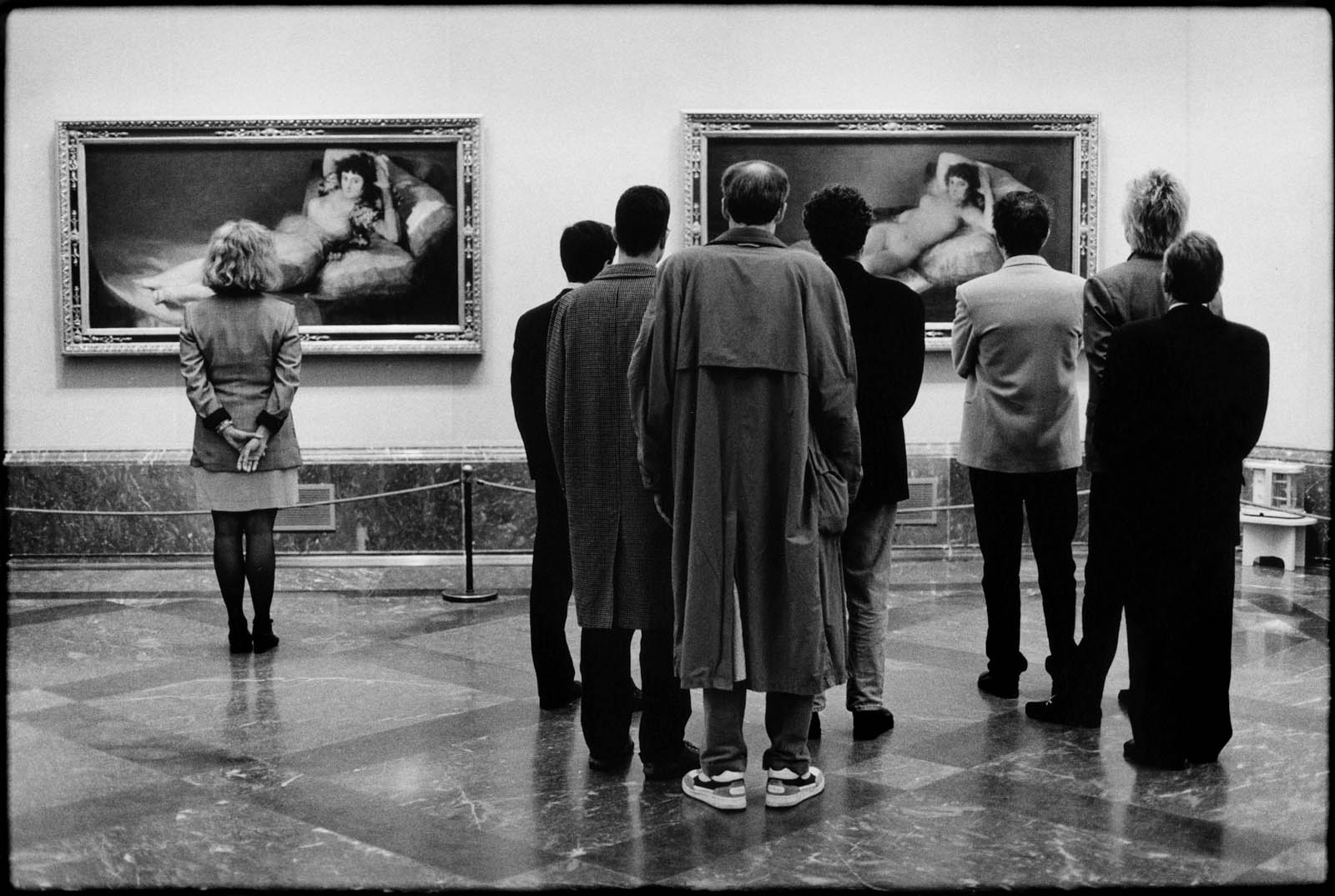
Elliott Erwitt (American born France, 1928-2023) 'England, Birmingham, 1991' 1991


Elliott Erwitt (American born France, 1928-2023)
England, Birmingham, 1991
1991
40 x 50cm
© Elliott Erwitt
Private Collection


Small intimacies

My apologies that I haven’t been writing that much in recent postings, but I am still recovering from my hip replacement operation and the pain is still ongoing over 6 weeks after the operation. I’m a little exhausted to put it mildly…

With this sumptuous exhibition of photographs by Elliott Erwitt – in a beautiful palazzo with painted ceilings and classical sculptures with the walls painted a glorious colour of green – you get what is says on the tin: Erwitt’s iconic and humanist photographs of dogs, children and celebrities, “visual double-takes and finely tuned one-liners.”

That is all the media images consisted of, his famous photographs.

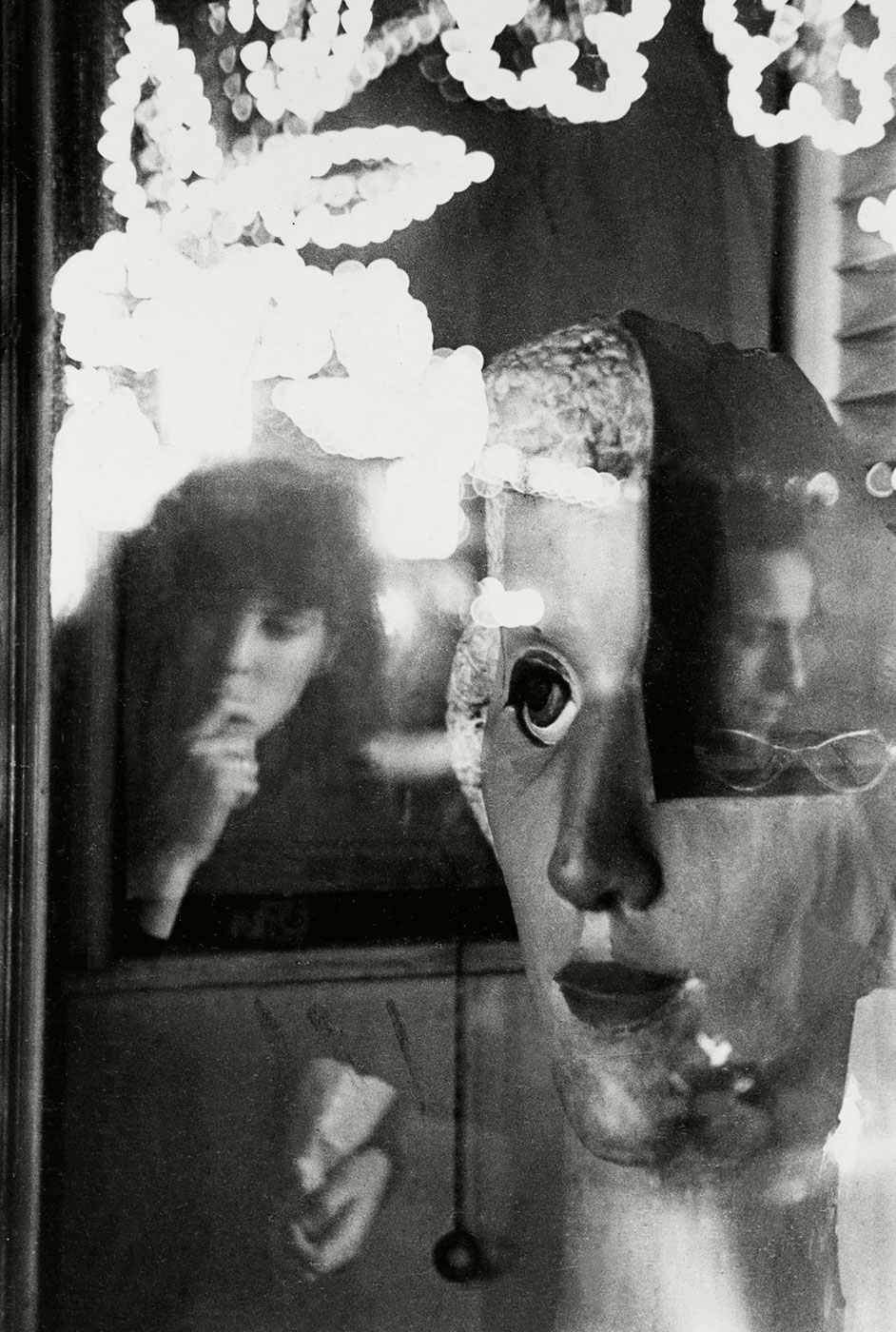
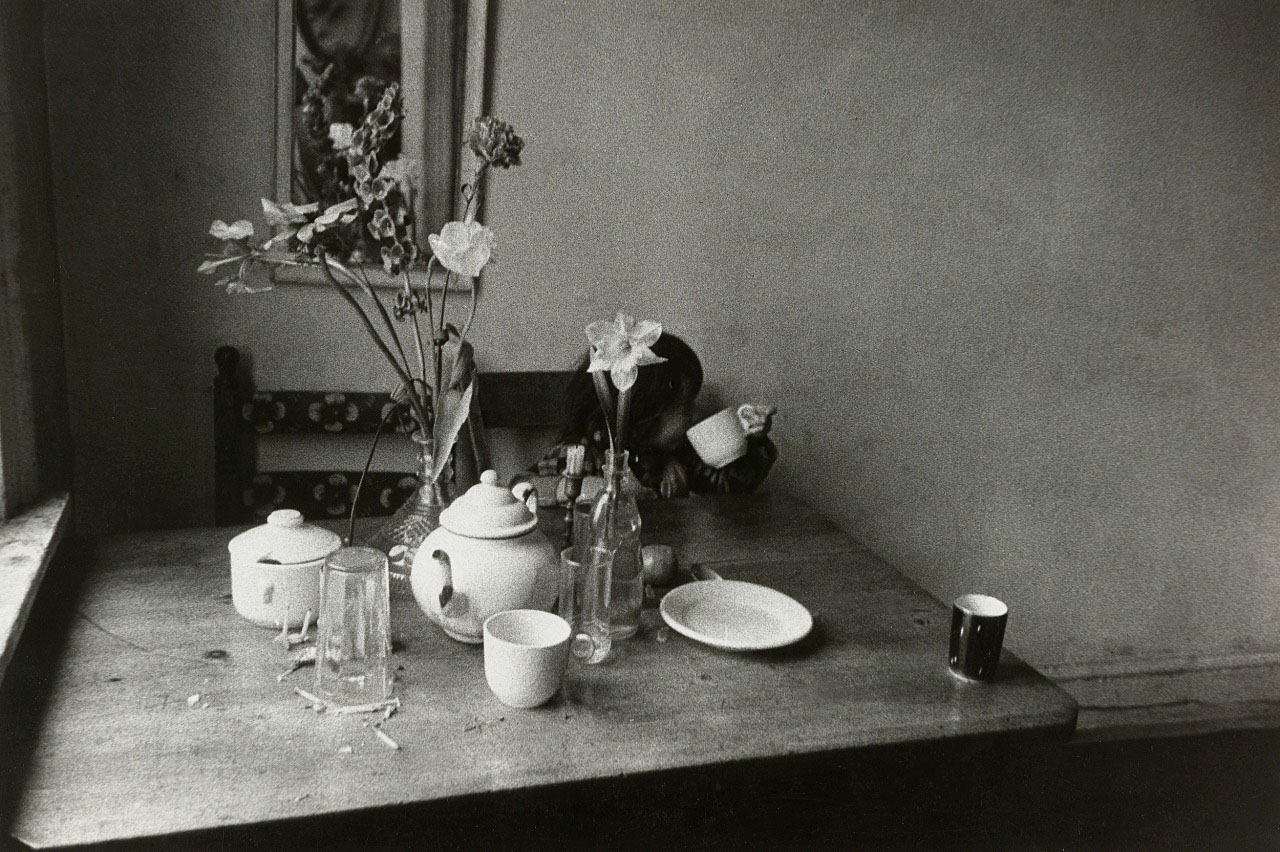
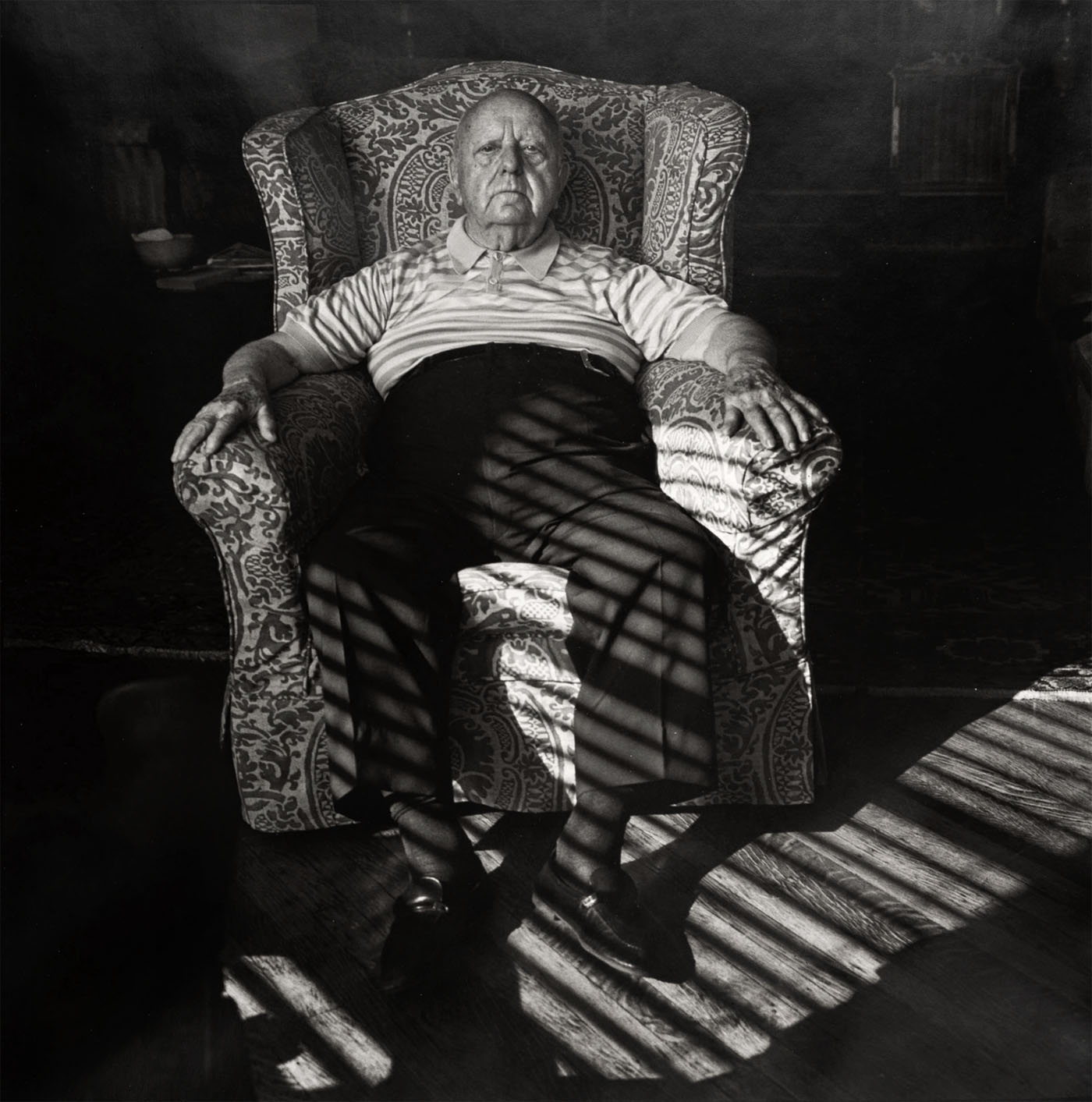
I know that the exhibition, and the artist’s reputation, rests on his “icons” but I just wish we could see past these to his other photographs, photographs of everyday people, captured in the midst of their ordinary lives; photographs that contain a little more gravitas, a little more depth of poignancy / spirit / energy, revealing small intimacies not readily seen and acknowledged.

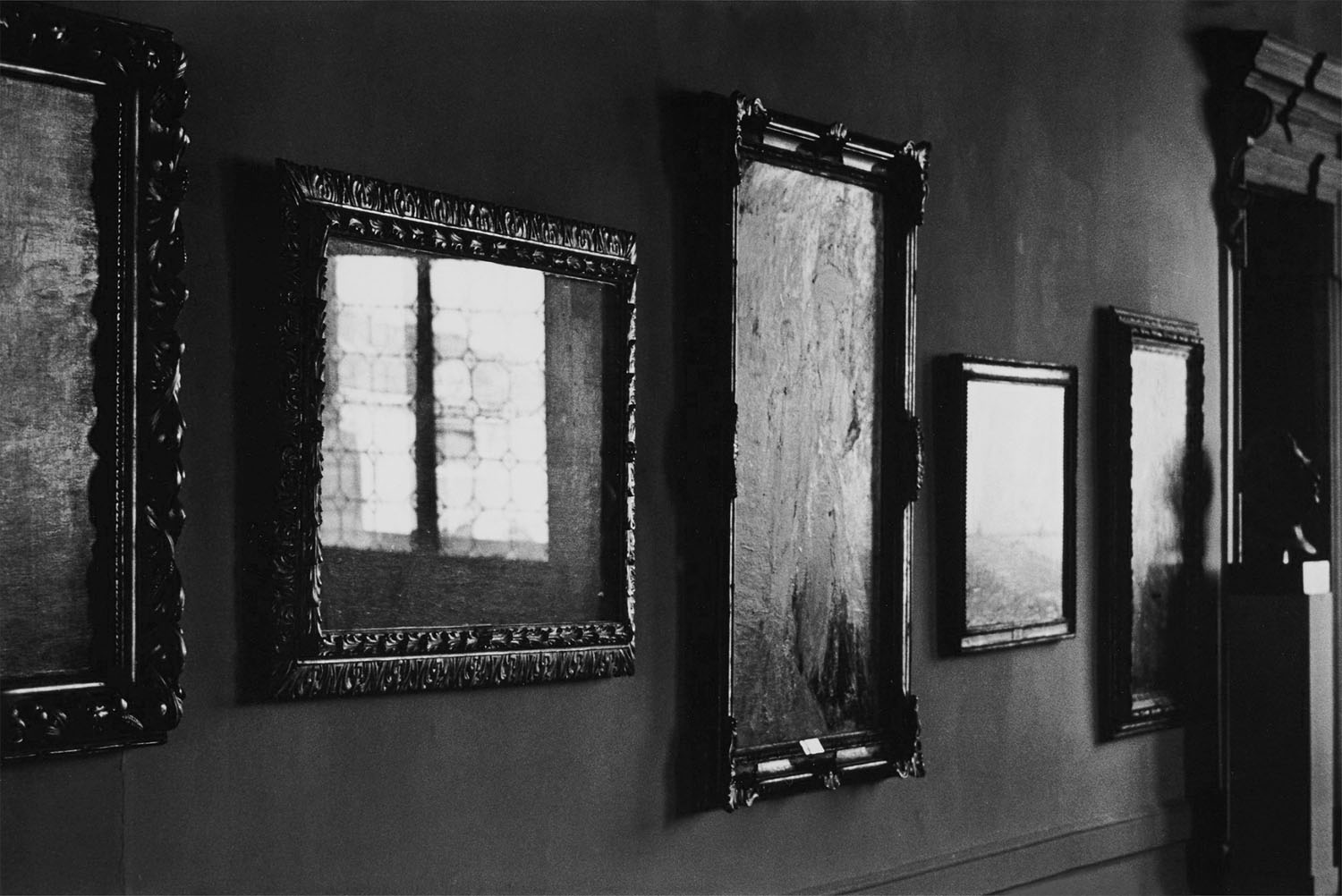
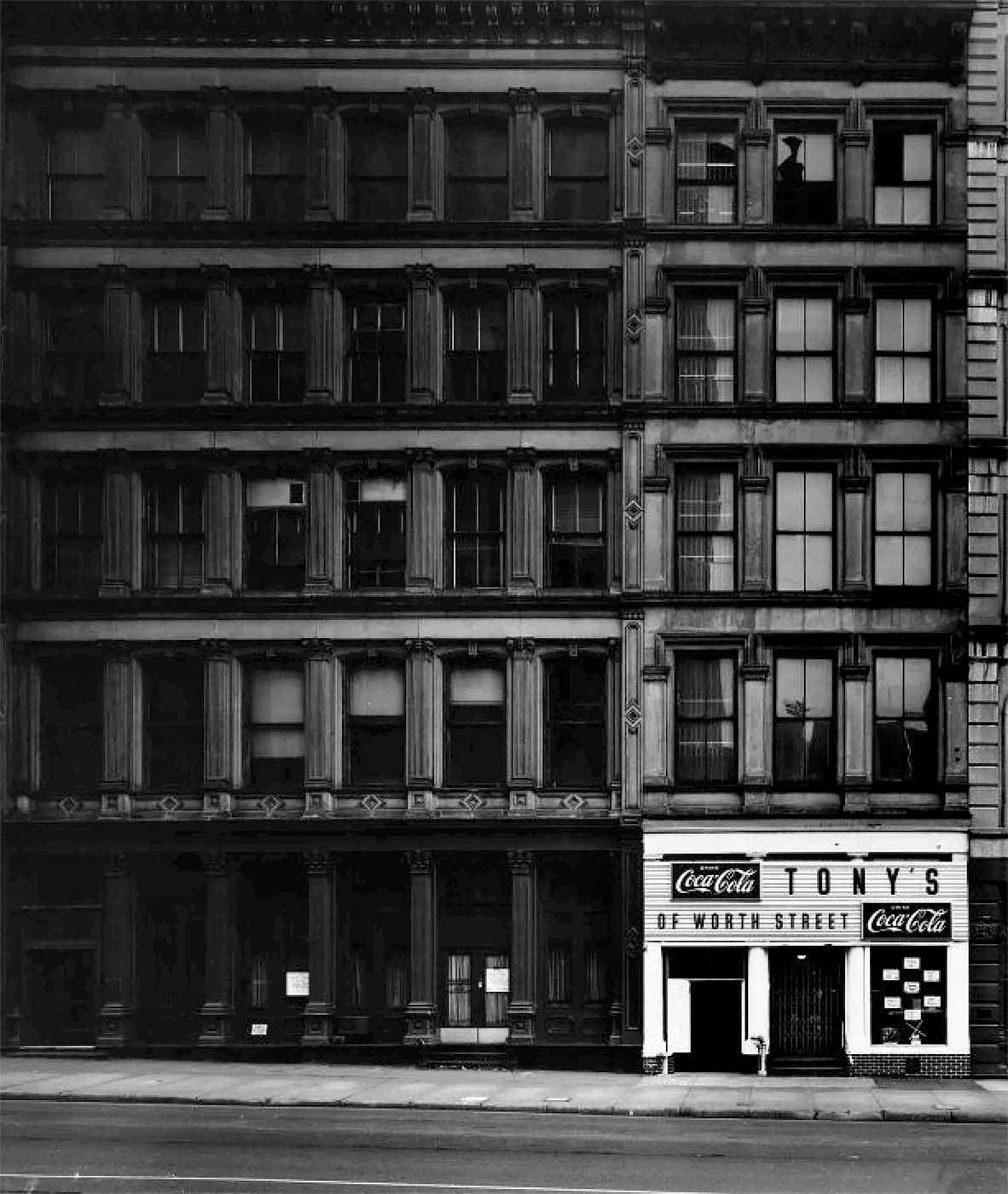
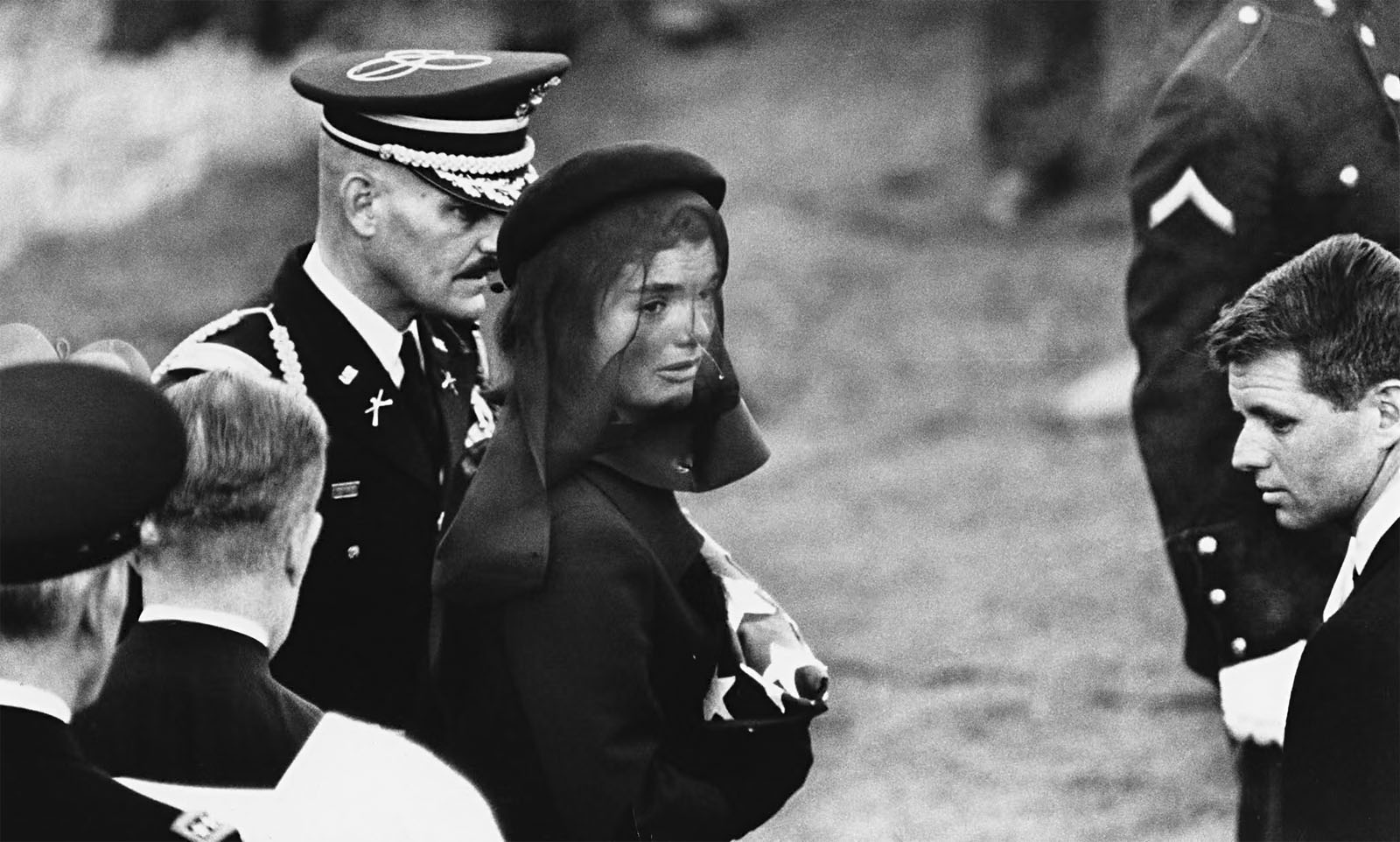
That Erwitt is capable of such images can be see in photographs such as Italy, Venice, Gallerie dell’Accademia, 1965 (below), USA, New York City, 1969 (below) and that most gut wrenching, heart breaking of images, USA, Arlington, Virginia, Jacqueline Kennedy at John F. Kennedy’s funeral, November 25, 1963 (below) – where Erwitt reveals the grief of loss and finally touches the marrow of what it is to be human.

Dr Marcus Bunyan


Many thankx of the Palazzo Bonaparte for allowing me to publish the photographs and video in the posting. Please click on the photographs for a larger version of the image.


Elliott Erwitt. Icons at Palazzo Bonaparte, Rome, Italy

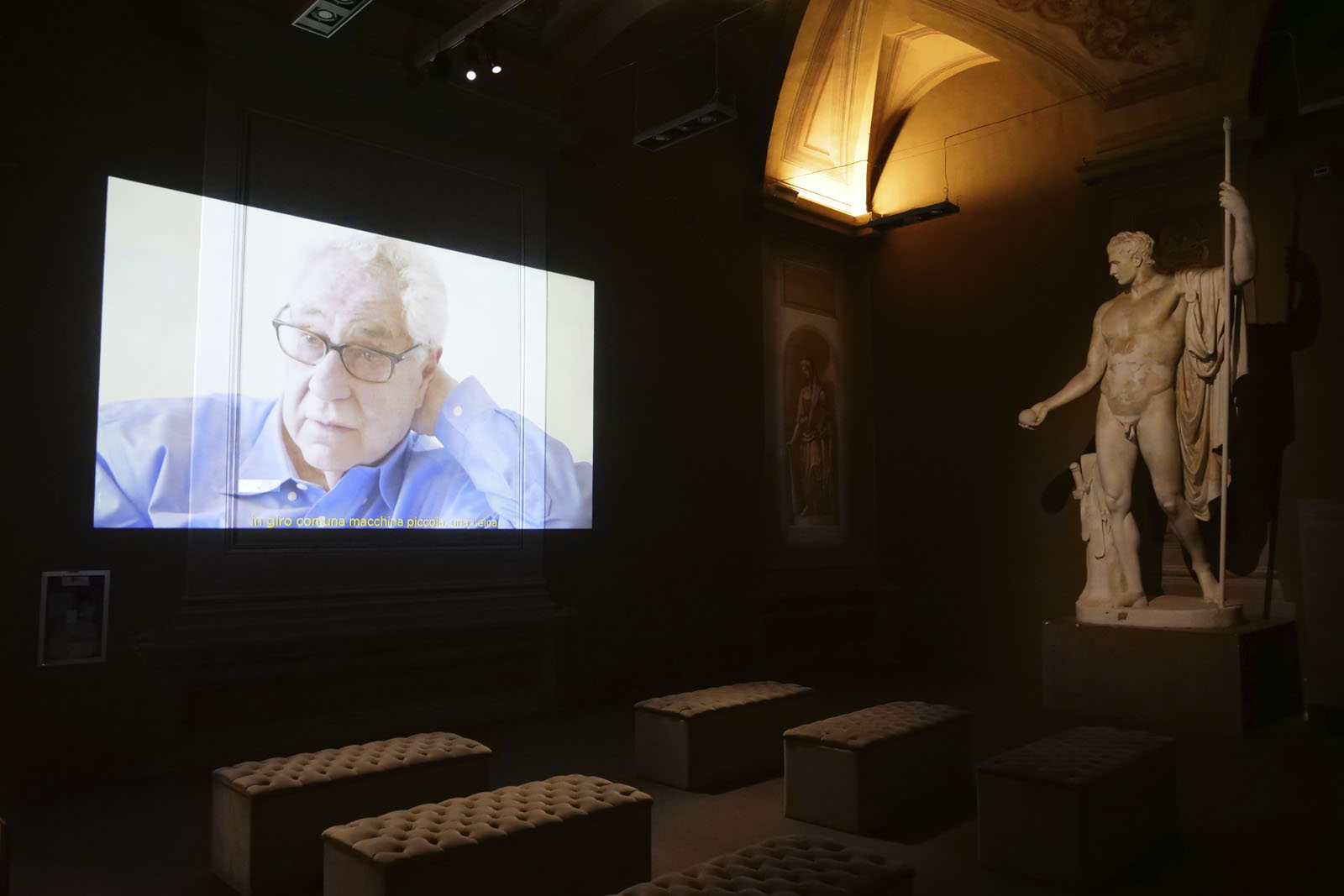
Installation walk through of the exhibition “Elliott Erwitt. Icons,” dedicated to the late master of visual irony and empathy, Elliott Erwitt. This major show offers an intimate look into the universe of one of contemporary photography’s most significant figures, whose work transformed everyday life into profound visual poetry.
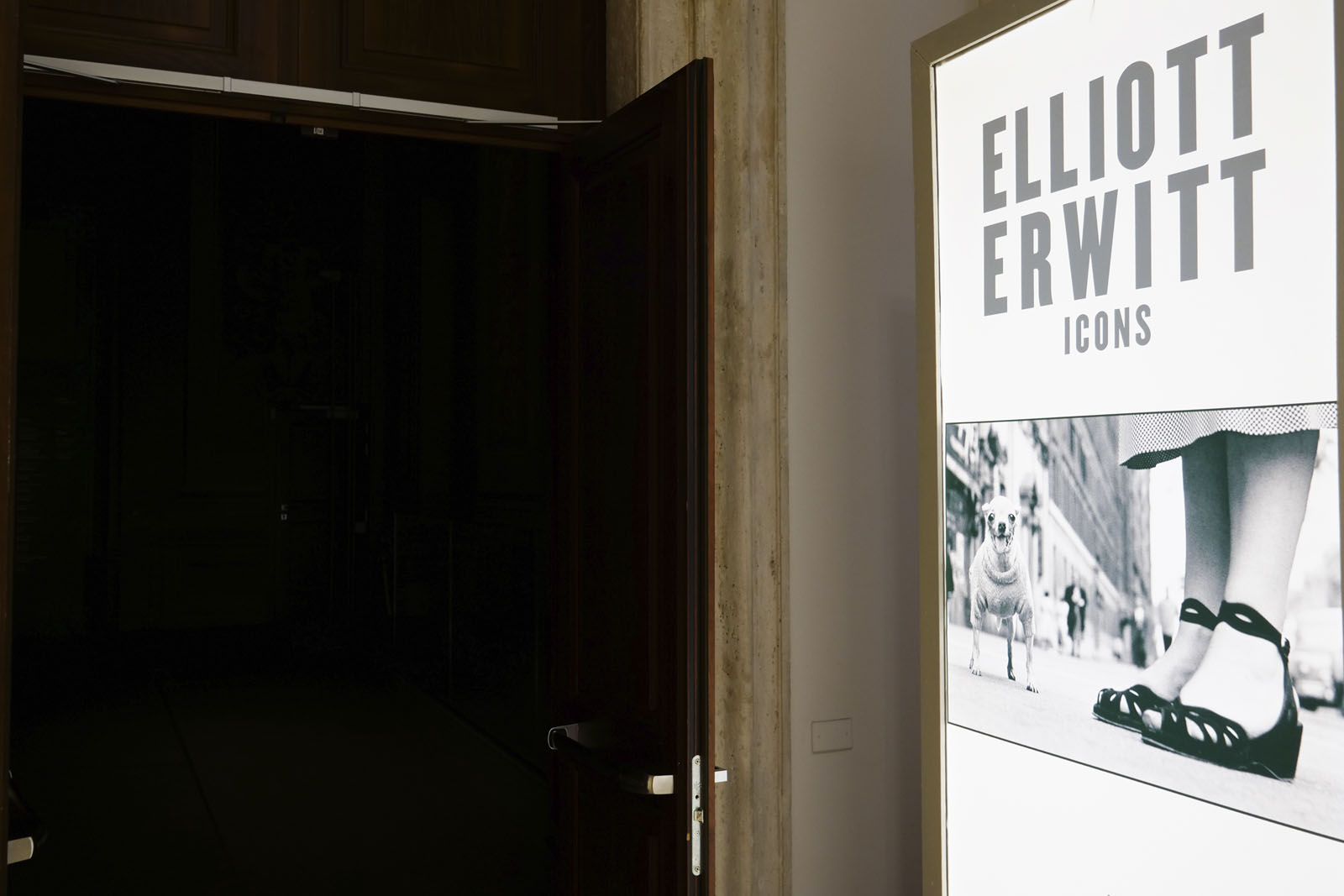
 

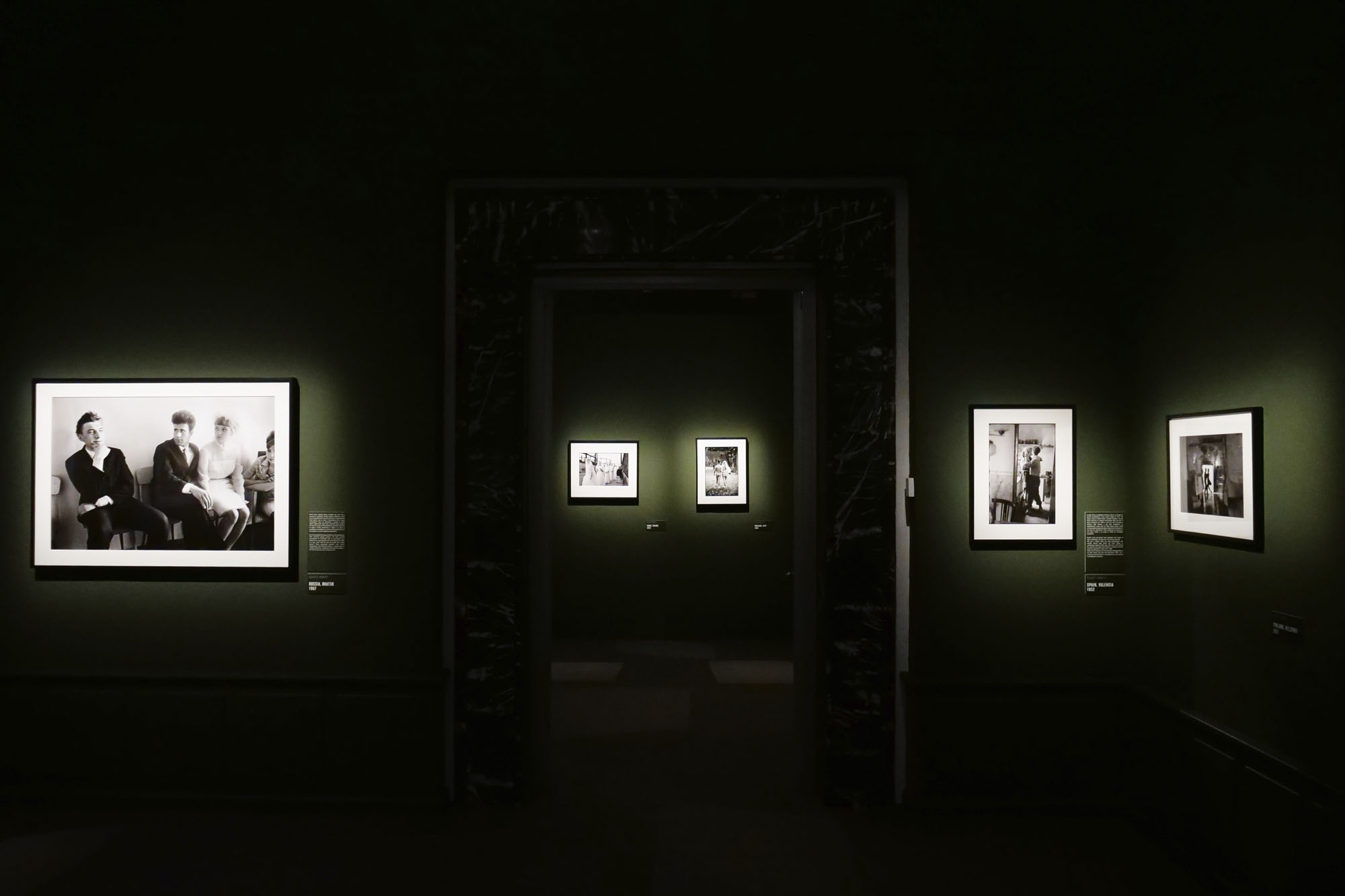
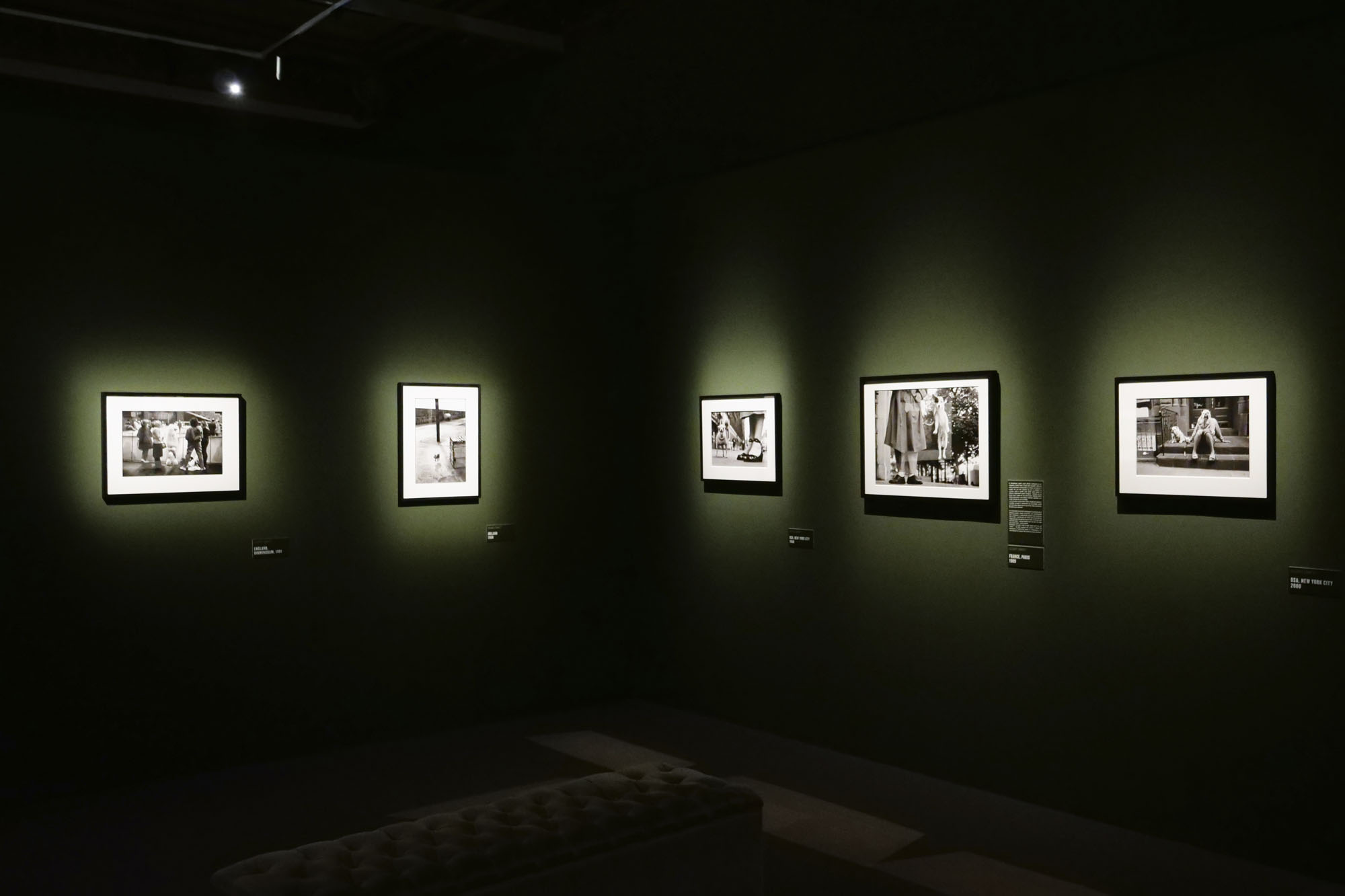
Installation view of the exhibition 'Elliott Erwitt. Icons' at Palazzo Bonaparte, Rome, Italy
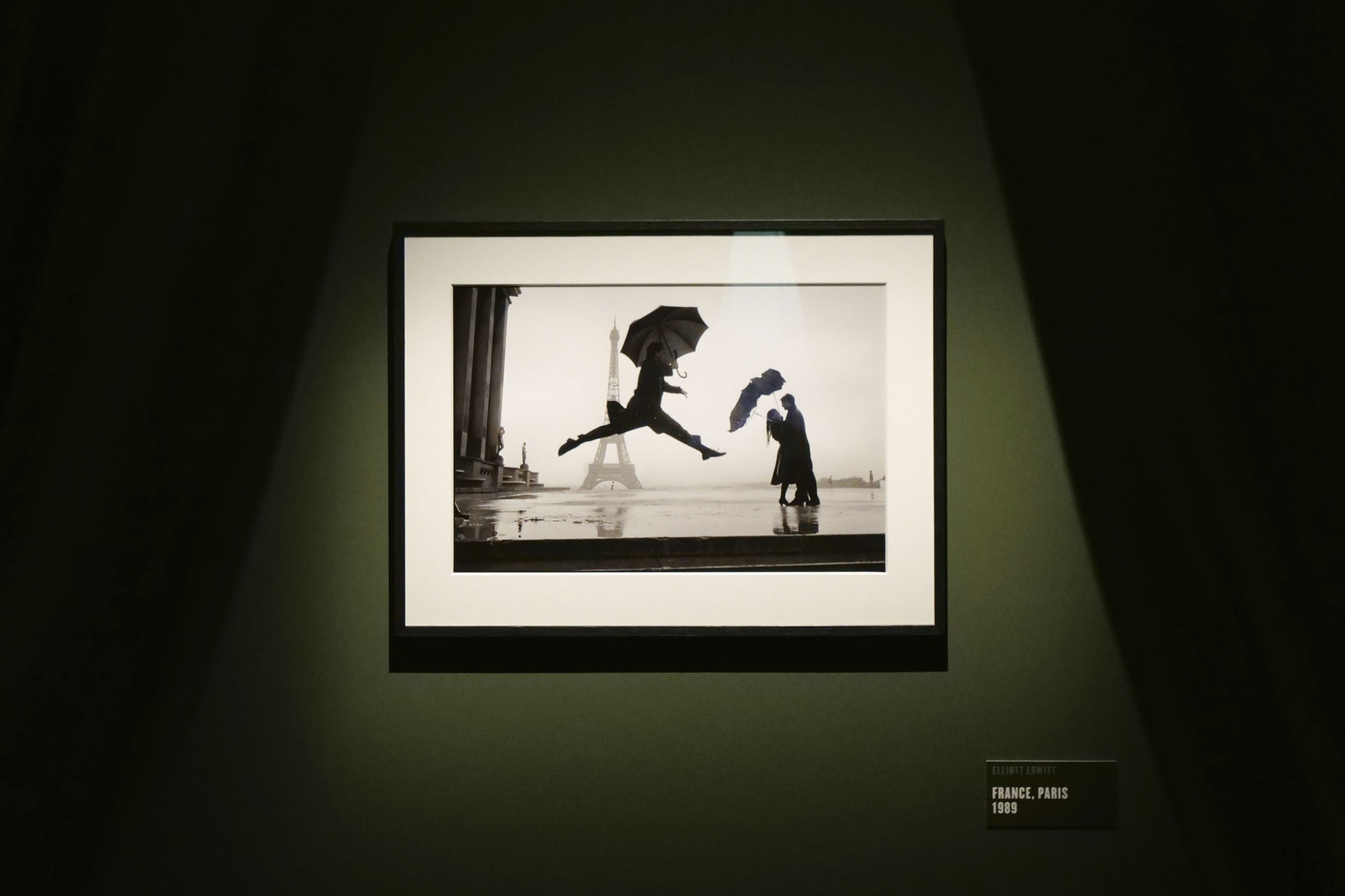
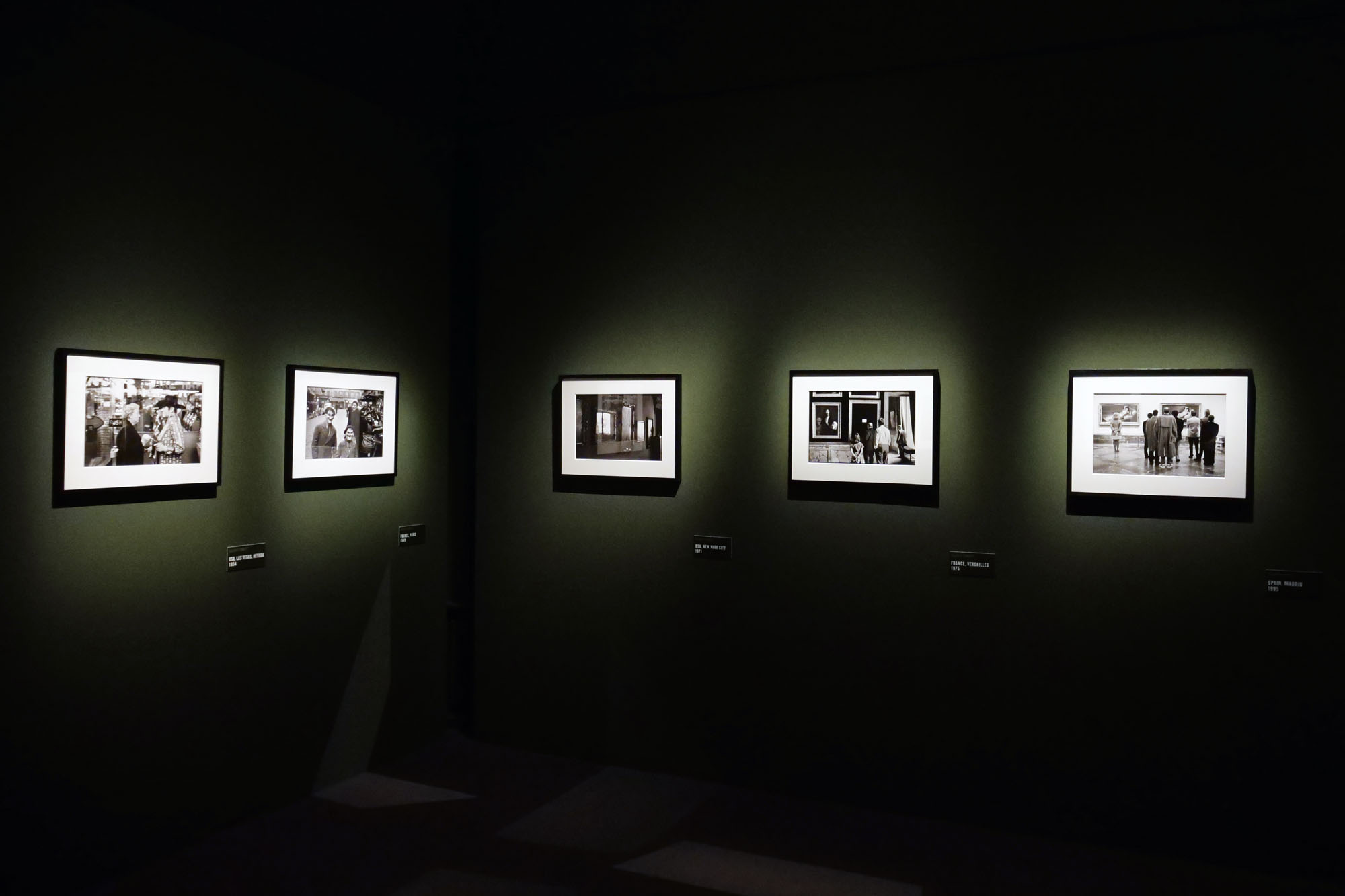
Installation view of the exhibition 'Elliott Erwitt. Icons' at Palazzo Bonaparte, Rome, Italy showing Erwitt's photograph 'France, Paris, 1989'


Installation views of the exhibition Elliott Erwitt. Icons at Palazzo Bonaparte, Rome, Italy showing in the bottom image, the Erwitt’s photograph France, Paris, 1989


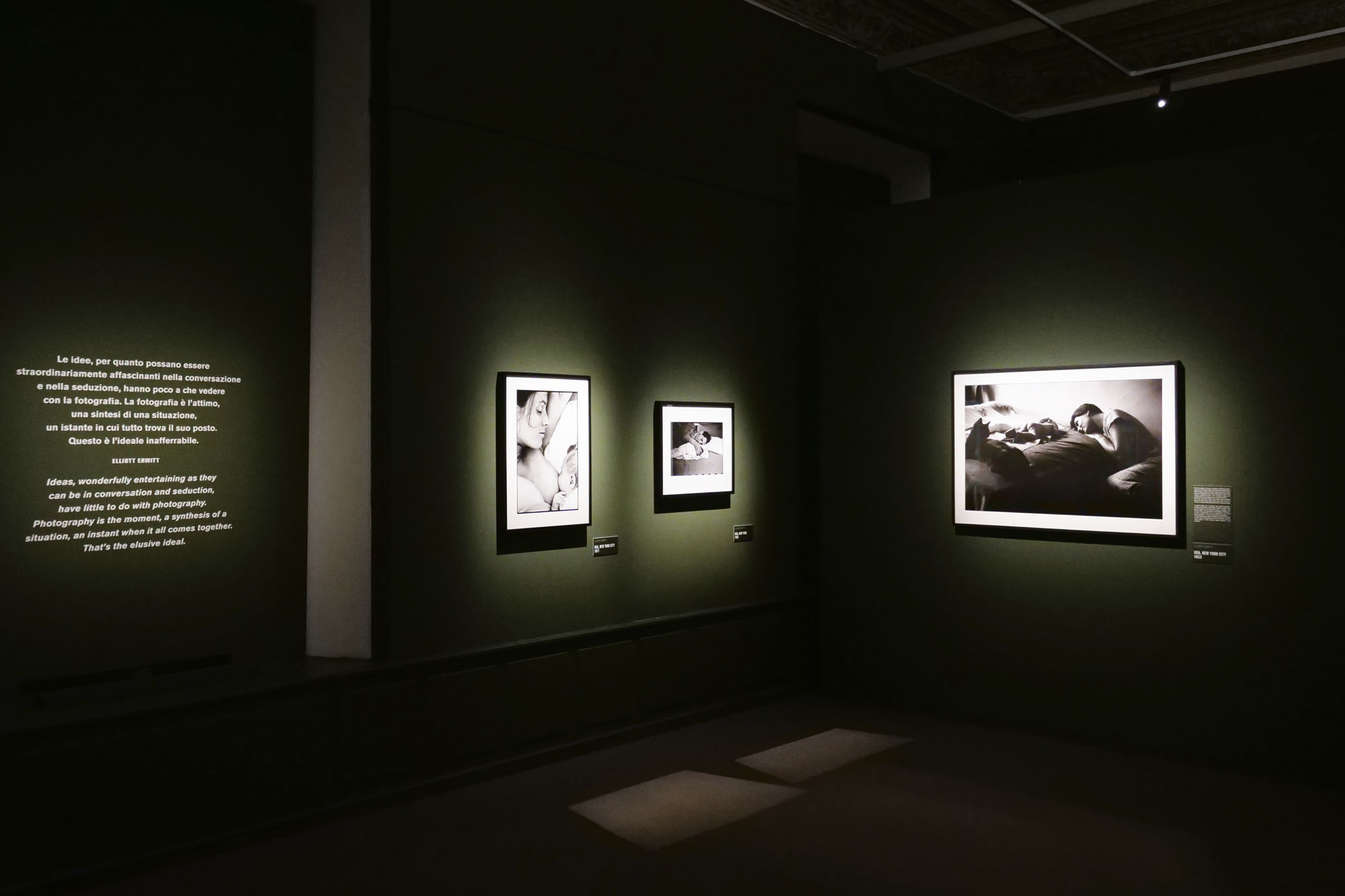
Installation view of the exhibition 'Elliott Erwitt. Icons' at Palazzo Bonaparte, Rome, Italy showing at right Erwitt's photograph 'USA, New York City, 1953'


Installation view of the exhibition Elliott Erwitt. Icons at Palazzo Bonaparte, Rome, Italy showing at right Erwitt’s photograph USA, New York City, 1953


Installation view of the exhibition 'Elliott Erwitt. Icons' at Palazzo Bonaparte, Rome, Italy


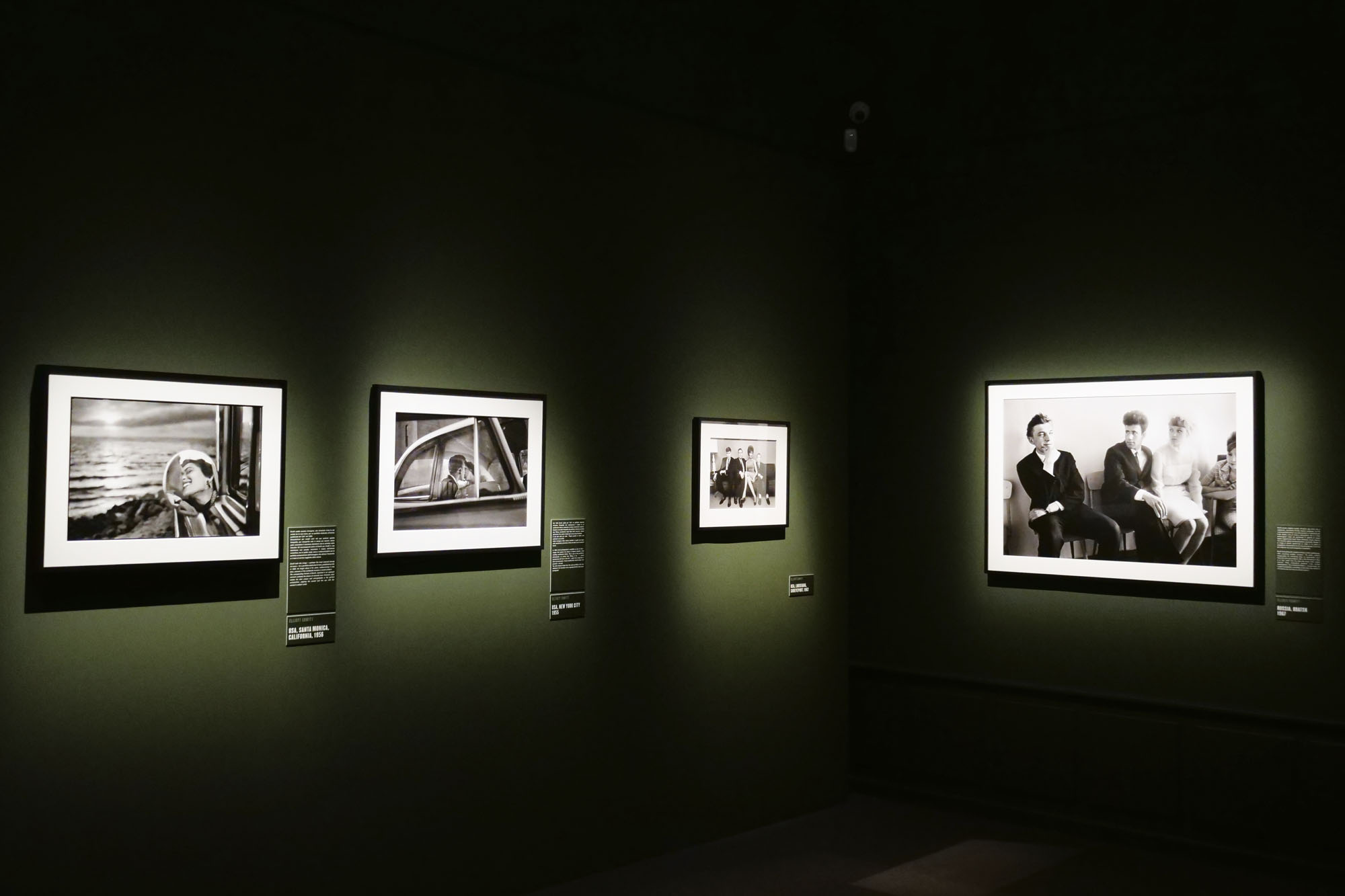
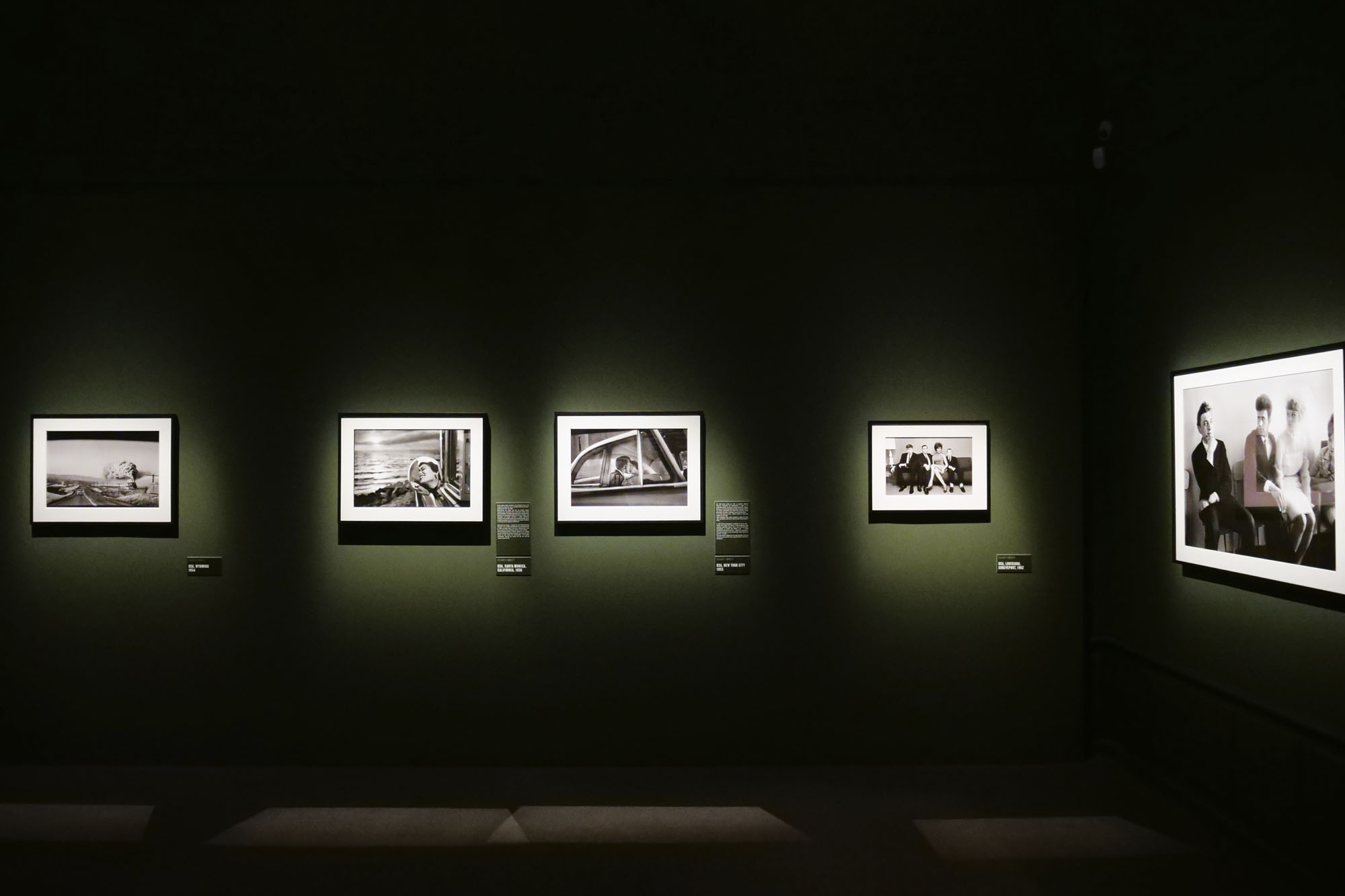
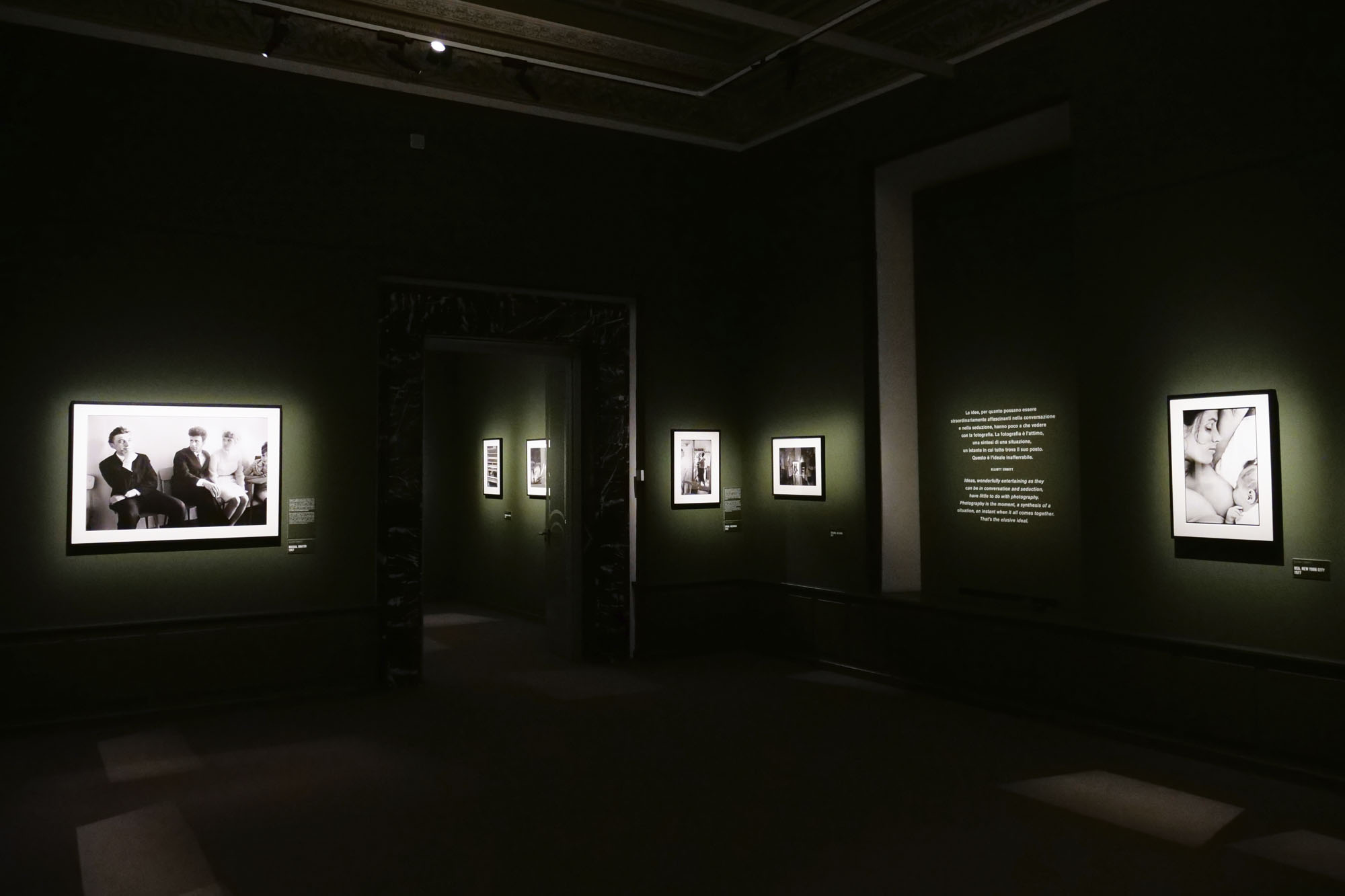
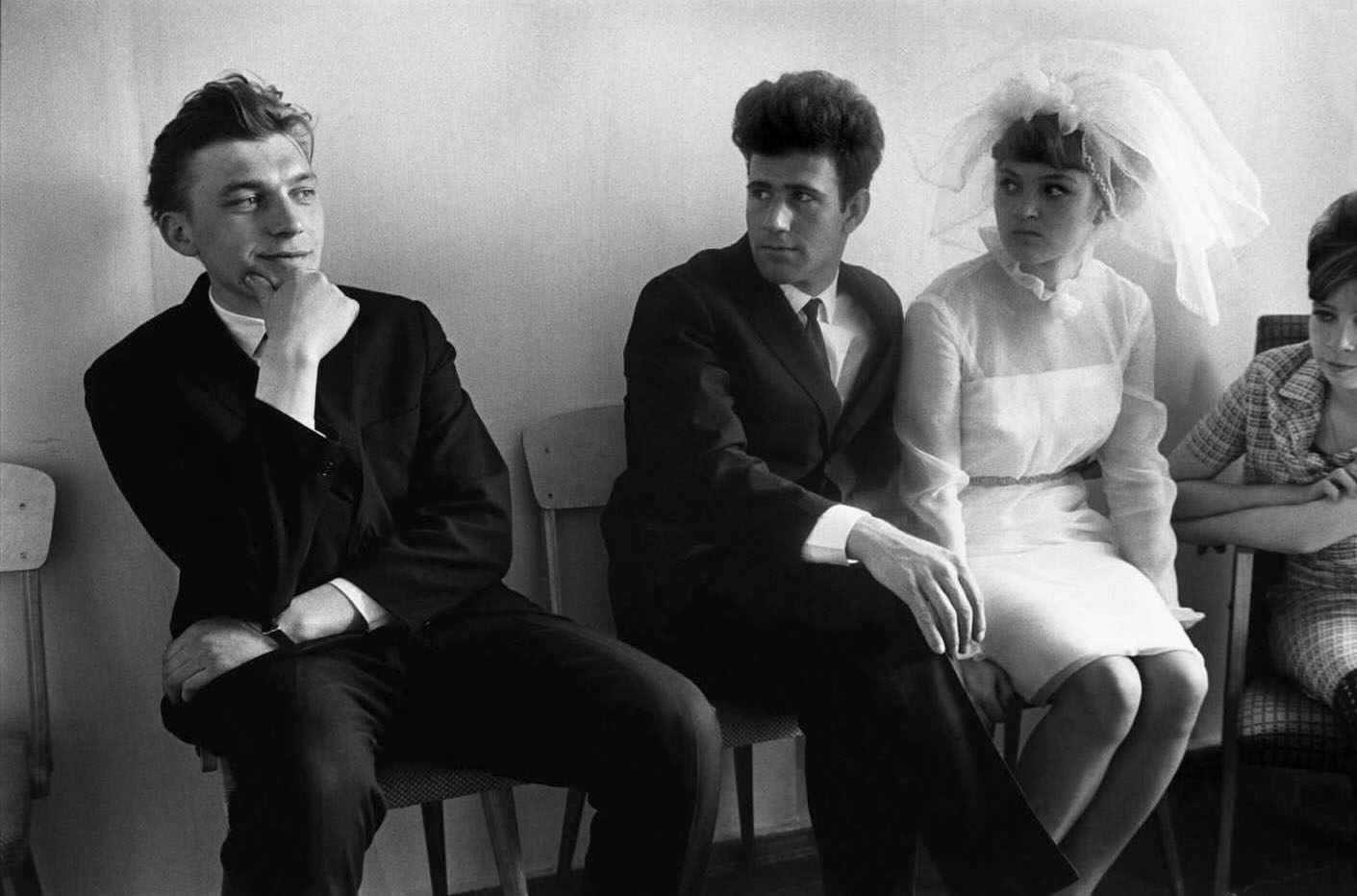
Installation view of the exhibition Elliott Erwitt. Icons at Palazzo Bonaparte, Rome, Italy showing at left, USA, Santa Monica, California, 1956 (below); at second left, USA, New York City, 1955 (below); at third left, USA, Louisiana, Shreveport, 1962; and at right, USSR, Bratsk, Siberia, 1967 (below)


Elliott Erwitt (American born France, 1928-2023) 'USA, Santa Monica, California, 1956' 1956


Elliott Erwitt (American born France, 1928-2023)
USA, Santa Monica, California, 1956
1956
Gelatin silver print
Private Collection
© Elliott Erwitt


Elliott Erwitt (American born France, 1928-2023) 'USA, New York City, 1955' 1955


Elliott Erwitt (American born France, 1928-2023)
USA, New York City, 1955
1955
Gelatin silver print
50 x 60cm
Private Collection
© Elliott Erwitt


Elliott Erwitt (American born France, 1928-2023) 'USSR, Bratsk, Siberia, 1967' 1967


Elliott Erwitt (American born France, 1928-2023)
USSR, Bratsk, Siberia, 1967
1967
Gelatin silver print
Private Collection
© Elliott Erwitt


Starting June 28th, 2025, Palazzo Bonaparte will open its doors to an extraordinary exhibition, “Elliott Erwitt. Icons,” dedicated to the late master of visual irony and empathy, Elliott Erwitt. This major show offers an intimate look into the universe of one of contemporary photography’s most significant figures, whose work transformed everyday life into profound visual poetry.
With over 80 celebrated photographs, “Elliott Erwitt. Icons” invites visitors to experience Erwitt’s distinctive style – irreverent, poetic, and deeply human. He possessed a remarkable ability to capture the lightness of the joy of living, becoming the most insightful and moving chronicler of the human comedy. His lens made us smile, reflect, and feel, turning fleeting moments into unforgettable images.

A Glimpse into Erwitt’s Vision

Erwitt, who passed away in November 2023 at the age of 95, was a master at transforming the ordinary into the extraordinary. His “Icons” are not just photographs; they are symbols of his unique perspective and our shared collective memory. As he once put it, “In the saddest and most wintry moments of life… suddenly the sight of something wonderful can change the aspect of things, your state of mind. The type of photography I like, the one where the instant is caught, is very similar to this break in the clouds. In a flash, a wonderful photo seems to come out of nowhere.”

This exhibition, curated by Biba Giacchetti, a leading international Erwitt expert, along with technical assistance from Gabriele Accornero, offers a comprehensive yet concise overview of his genius. From his anthropomorphic dogs to powerful world leaders, from iconic movie stars like Marilyn Monroe to intimate family moments, Erwitt’s gaze was both incisive and empathetic. He captured not only the irony of daily life but also its underlying complexity.

Beyond the Famous Faces

While the exhibition features renowned portraits of figures such as Che Guevara, Jack Kerouac, Marlene Dietrich, Fidel Castro, and Sophia Loren, it also highlights historical moments like the Nixon-Khrushchev dispute, Kennedy’s funeral, and the Frazier-Ali fight. Yet, Erwitt’s democratic approach to his medium shines through in his focus on everyday people, captured in the midst of their ordinary lives.

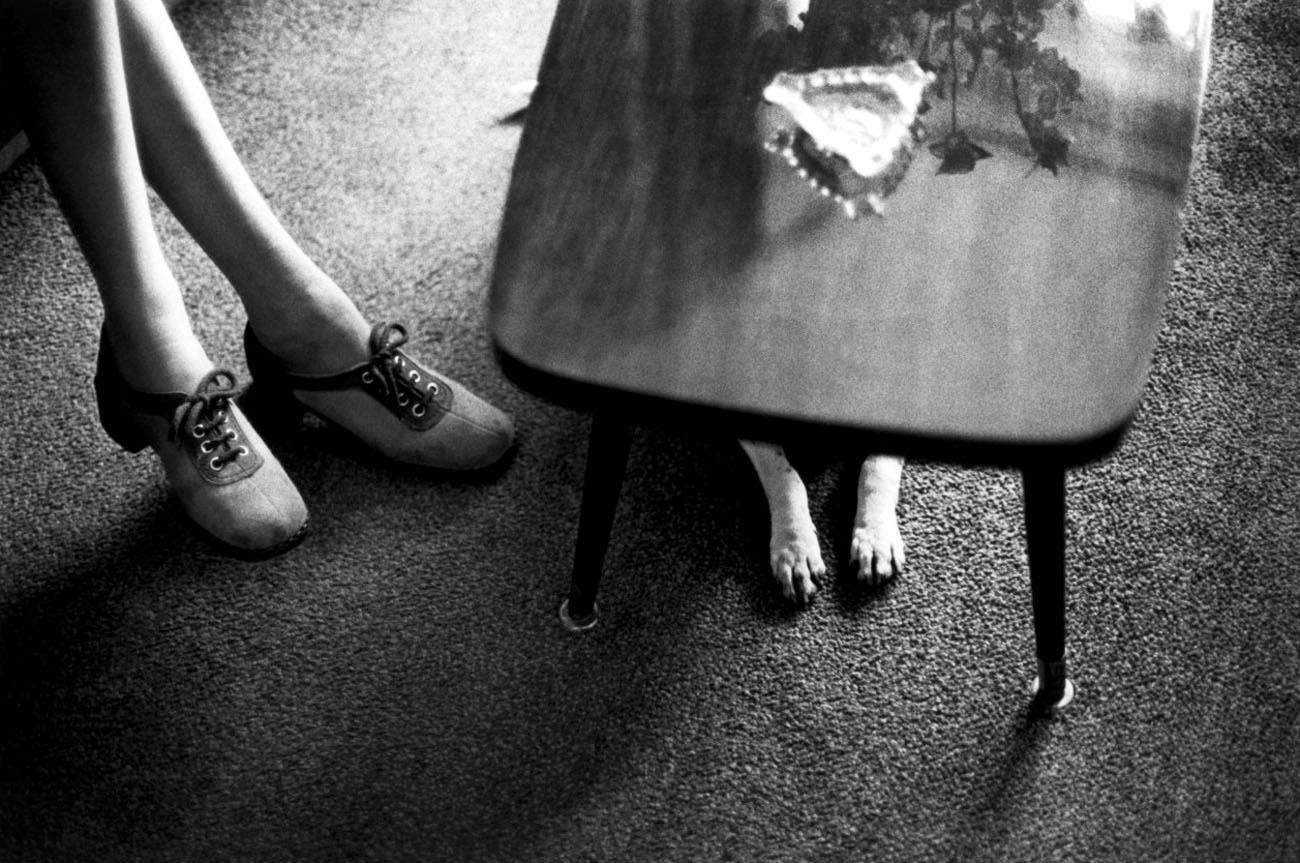
A significant portion of Erwitt’s work showcased his love for dogs, whose free-spirited nature he admired. Many photographs are taken from a dog’s-eye view, often revealing only the feet or legs of their owners. Erwitt ingeniously employed playful tactics, like sounding a horn or mimicking a bark, to elicit natural reactions from the animals, resulting in humorous and endearing compositions.

An Unmissable Summer Event

The “Elliott Erwitt. Icons” exhibition, running until September 21st, 2025, marks the opening of Palazzo Bonaparte’s summer exhibition season. Following the success of the recent Edvard Munch retrospective, this show pays homage to a globally beloved master of photography. Visitors will have the unique opportunity to journey through Erwitt’s surreal, romantic, and playful vision of the world, always capable of grasping the essence of things.

Press release from Palazzo Bonaparte


Installation view of the exhibition 'Elliott Erwitt. Icons' at Palazzo Bonaparte, Rome, Italy
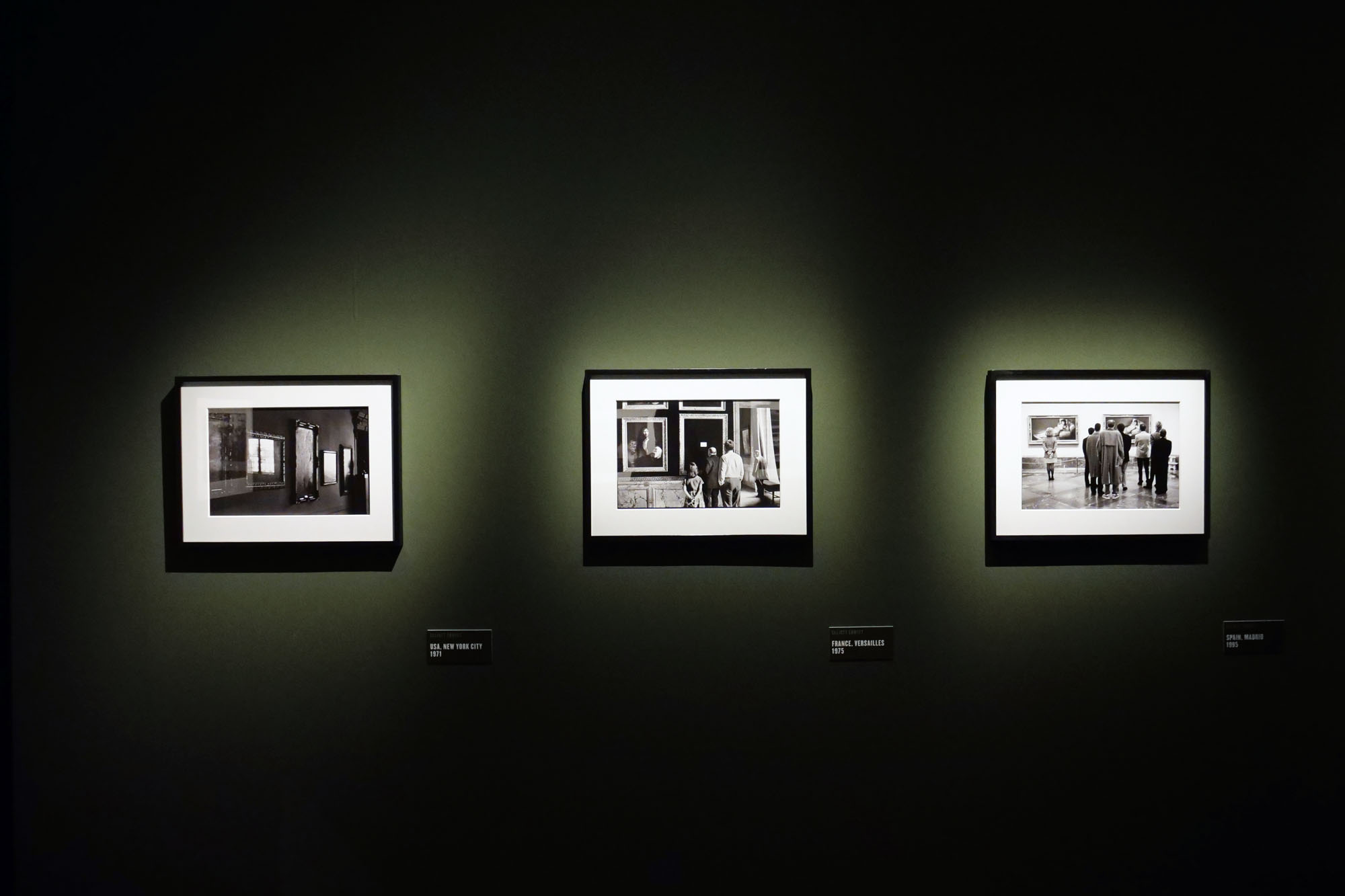
Installation view of the exhibition 'Elliott Erwitt. Icons' at Palazzo Bonaparte, Rome, Italy showing from left to right, 'taly, Venice, Gallerie dell'Accademia, 1965'; 'France, Versailles, 1975'; and 'Spain, Madrid, 1995'


Installation views of the exhibition Elliott Erwitt. Icons at Palazzo Bonaparte, Rome, Italy showing in the bottom image from left to right, Italy, Venice, Gallerie dell’Accademia, 1965; France, Versailles, 1975; and Spain, Madrid, 1995 (below)


Elliott Erwitt (American born France, 1928-2023) 'Italy, Venice, Gallerie dell'Accademia, 1965' 1965


Elliott Erwitt (American born France, 1928-2023)
Italy, Venice, Gallerie dell’Accademia, 1965
1965
Gelatin silver print
Private Collection
© Elliott Erwitt
  

Elliott Erwitt (American born France, 1928-2023) 'Spain, Madrid, 1995' 1995


Elliott Erwitt (American born France, 1928-2023)
Spain, Madrid, 1995
1995
Gelatin silver print
Private Collection
© Elliott Erwitt


Installation view of the exhibition 'Elliott Erwitt. Icons' at Palazzo Bonaparte, Rome, Italy


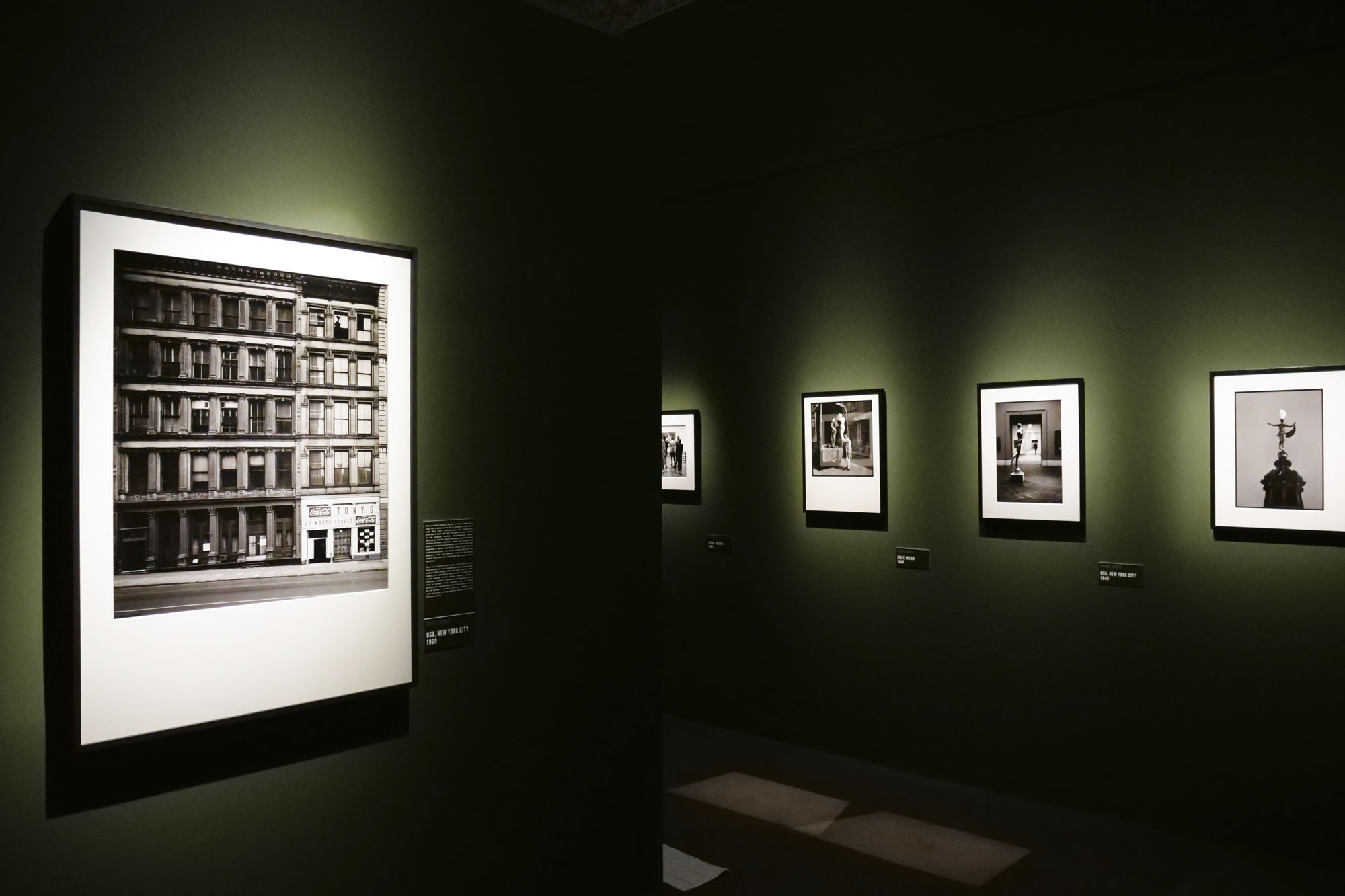
Installation view of the exhibition Elliott Erwitt. Icons at Palazzo Bonaparte, Rome, Italy showing at left, Erwitt’s photograph USA, New York City, 1969 (below)


“A 1969 scene in Amagansett, New York – a sober, soot-stained Victorian office block with a single storefront whose sign (“Tony’s of Worth Street”) is written in cheerful white paint – somehow combines the austerity of Atget with the irreverent glee of Weegee.”

Andrew Dickson. “Elliott Erwitt’s Visual One-liners,” on The New Yorker website October 14, 2016 [Online] Cited 02/09/2025


Elliott Erwitt (American born France, 1928-2023) 'USA, New York City, 1969' 1969


Elliott Erwitt (American born France, 1928-2023)
USA, New York City, 1969
1969
Gelatin silver print
Private Collection
© Elliott Erwitt


From June 28 to September 21, 2025, Palazzo Bonaparte welcomes the most ironic and disarming gaze in twentieth-century photography: Elliott Erwitt. An exhibition that is much more than an exhibition: it is an invitation to observe the world with lightness, empathy, and wonder.

An unmissable event, which recounts – through over 80 iconic shots – the long and brilliant career of an artist capable of capturing the soul of the twentieth century and transforming ordinary moments into unforgettable images, with a profoundly human yet always surprising gaze.

On display in Rome are icons of an era, of a way of looking at the world with lightness and intelligence. “Icons” because each of Erwitt’s shots has become a symbol of his poetics and of our collective memory.

Erwitt is more than just a photographer: he is the poet of human comedy, the unerring witness to life’s small and large absurdities, which he recounts with disarming irony, subtle poetry, and timeless grace. His images – famous, unforgettable, often dazzling – manage to be simultaneously light and profound, intimate and universal. They are shots that make you smile, reflect, and move you.

Elliott Erwitt was – and is – a key figure in the visual culture of our time. His images, books, reportages, illustrations, and advertising campaigns have spanned the decades, appearing in international publications and influencing generations of photographers and artists. This exhibition is a journey through his work and an invitation to look at the world with new eyes: with lightness, empathy, and wonder.

A member since 1953 of the historic Magnum agency – founded by Henri Cartier-Bresson and Robert Capa, among others – Erwitt has chronicled the last sixty years of history and contemporary civilisation with journalistic flair, capturing the most dramatic yet humorous aspects of the life that has passed before his lens.

“In life’s saddest, wintry moments, when a cloud has enveloped you for weeks, suddenly the sight of something wonderful can change the face of things, your state of mind. The kind of photography I like, the one that captures the moment, is very similar to this break in the clouds. In a flash, a wonderful photo seems to come out of nowhere.”

With these words, Erwitt sums up the spirit and poetics with which he filters reality, representing it with his mastery, capturing its sometimes playful, sometimes irreverent, or almost surreal aspects, which make him an undisputed master of the human comedy.

Curated by Biba Giacchetti, one of Erwitt’s leading international experts, with technical assistance from Gabriele Accornero, Elliott Erwitt. Icons is a snapshot of history and customs, a concise and comprehensive journey through his genius and his perspective on the world, from his anthropomorphic dogs to the world’s powerful figures, from the great movie stars – Marilyn Monroe above all – to his children. But it is also a tribute to the man who, with a gentle and disenchanted gaze, was able to portray the world for what it is: tragicomic, tender, absurd, unique.

The exhibition features famous portraits of Marilyn Monroe, Che Guevara, Kerouac, Marlene Dietrich, Fidel Castro, Sophia Loren, Arnold Schwarzenegger, and photographs that have made history, such as the Nixon-Khrushchev quarrel, Kennedy’s funeral, and the great fight between Frazier and Ali. Other iconic photographs, beloved by the public for their romantic power, such as the California Kiss, include more intimate and private ones, such as the snapshot of his newborn firstborn, observed by her mother on the bed.

Above all, Erwitt casts an incisive yet empathetic gaze, revealing not only the irony of everyday life, but also its complexity.

With the same attitude, Erwitt reserves his attention for any other subject, pushing the democratic quality that is typical of his medium to the extreme. His imagery is populated predominantly by ordinary people, men and women, captured in the midst of the normality of their lives.

From portraits of famous people to more ironic and sometimes irreverent images, we move on to some self-portraits where Erwitt no longer leaves anything to chance or intuition, but constructs a self-other, where eccentricity for its own sake is metaphor and pure surreal fun.

Special attention is paid to dogs, whose irreverent, free-spirited attitude Erwitt appreciated, unfettered by the common rules that condition humans, is what Erwitt appreciated.

Many of his shots are “from the dog’s point of view,” allowing only the shoes or parts of their owners’ legs to appear in his compositions. Erwitt wanted these photographs to be comical, and for this reason he employed ingenious strategies, such as blowing a trumpet or emitting a kind of bark, to elicit the most natural reaction from the animals.

The exhibition – on view until September 21st – marks the opening of Palazzo Bonaparte’s summer exhibition season, following the recent resounding success of the Edvard Munch retrospective and paying tribute to one of the world’s most beloved masters of photography. Visitors will have the opportunity to retrace his vision of the world: surreal, romantic, playful, always capable of capturing the essence of things.

The exhibition, “Elliott Erwitt. Icons,” is produced and organised by Arthemisia, in collaboration with Orion57 and Bridgeconsultingpro. The exhibition’s main partner is the Fondazione Terzo Pilastro – Internazionale with Fondazione Cultura e Arte and Poema.

The exhibition’s special partner is Ricola, mobility partner Frecciarossa Treno Ufficiale, and technical sponsor Ferrari Trento.

Text translated from the Italian by Google Translate from the Palazzo Bonaparte website


Installation view of the exhibition 'Elliott Erwitt. Icons' at Palazzo Bonaparte, Rome, Italy


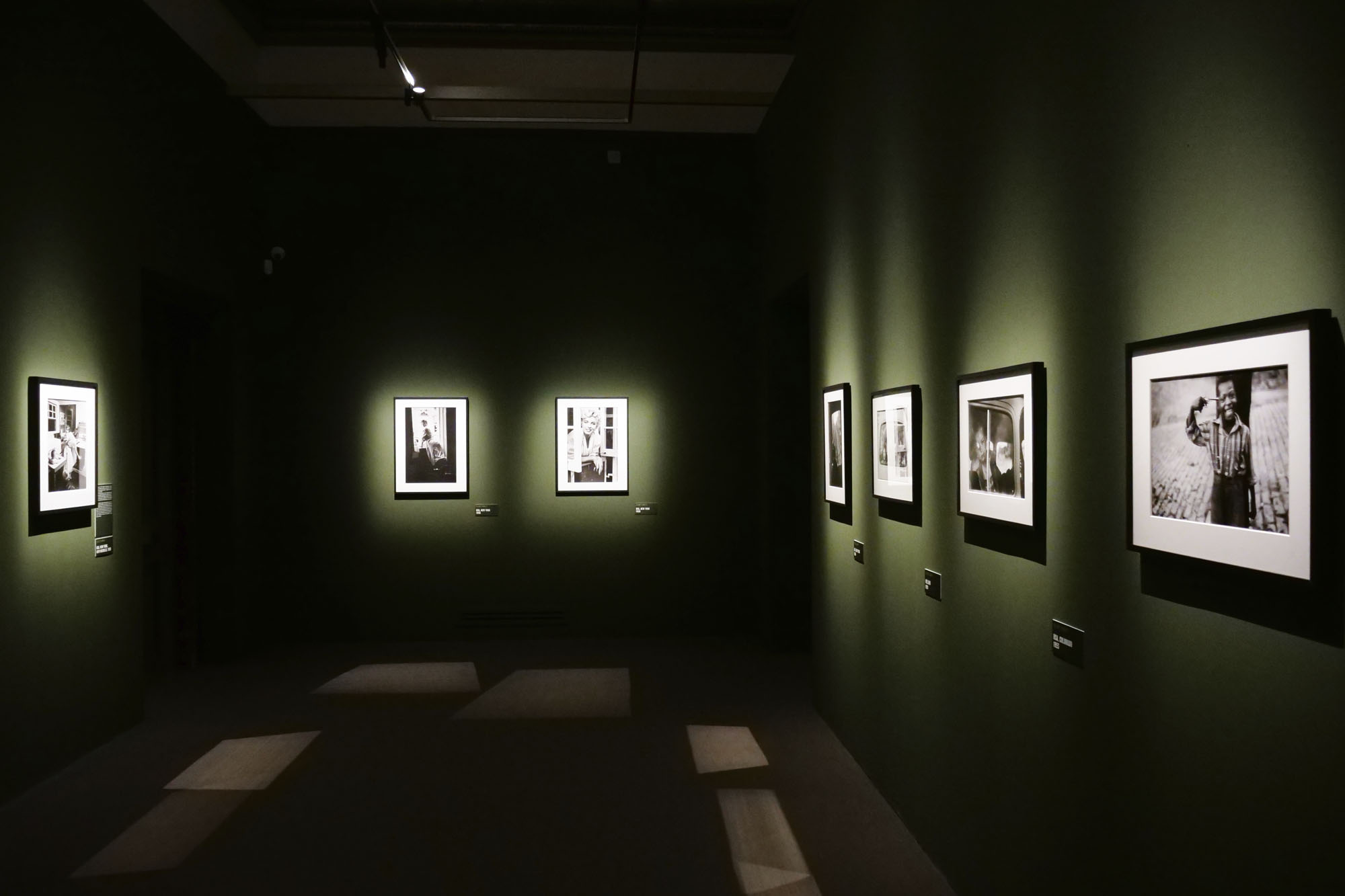
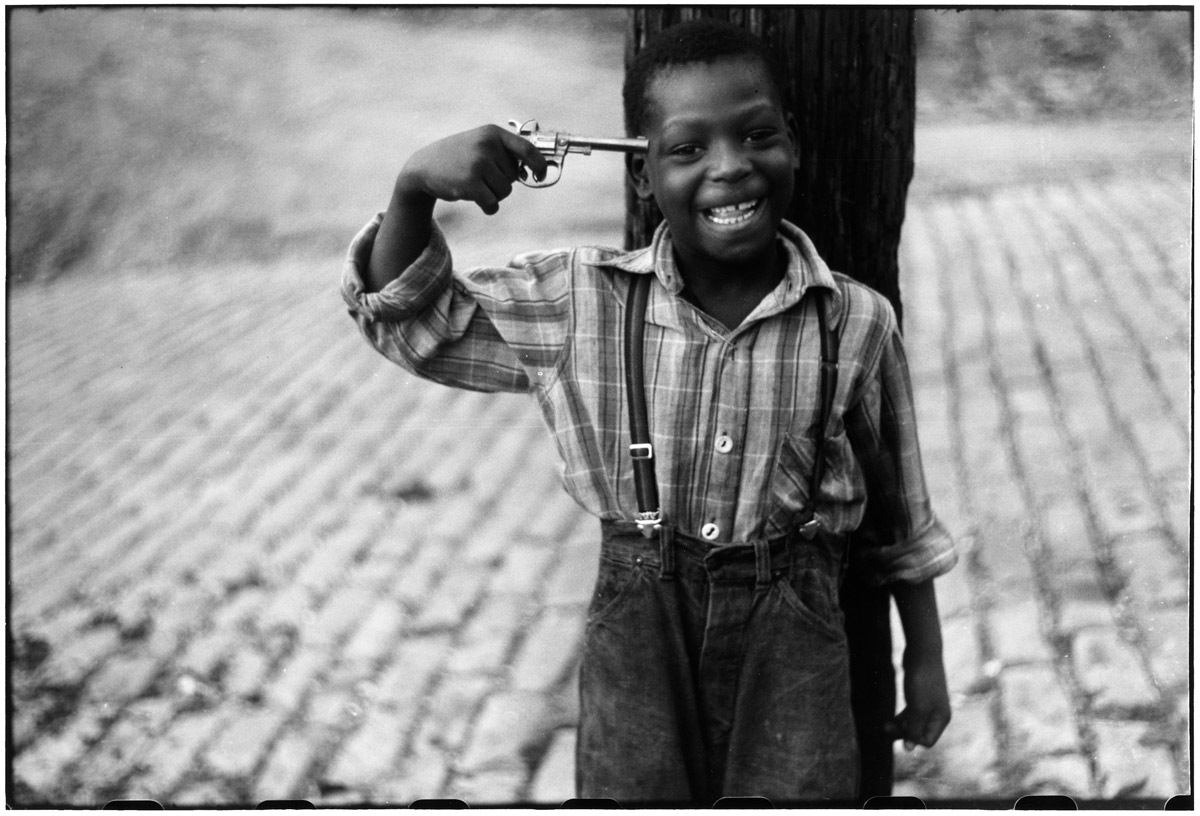
Installation view of the exhibition Elliott Erwitt. Icons at Palazzo Bonaparte, Rome, Italy showing at right, Erwitt’s photograph USA, Pittsburgh, 1950 (below)


Elliott Erwitt (American born France, 1928-2023) 'Pittsburgh, USA' 1950


Elliott Erwitt (American born France, 1928-2023)
USA, Pittsburgh, 1950
1950
Gelatin silver print
Private Collection
© Elliott Erwitt


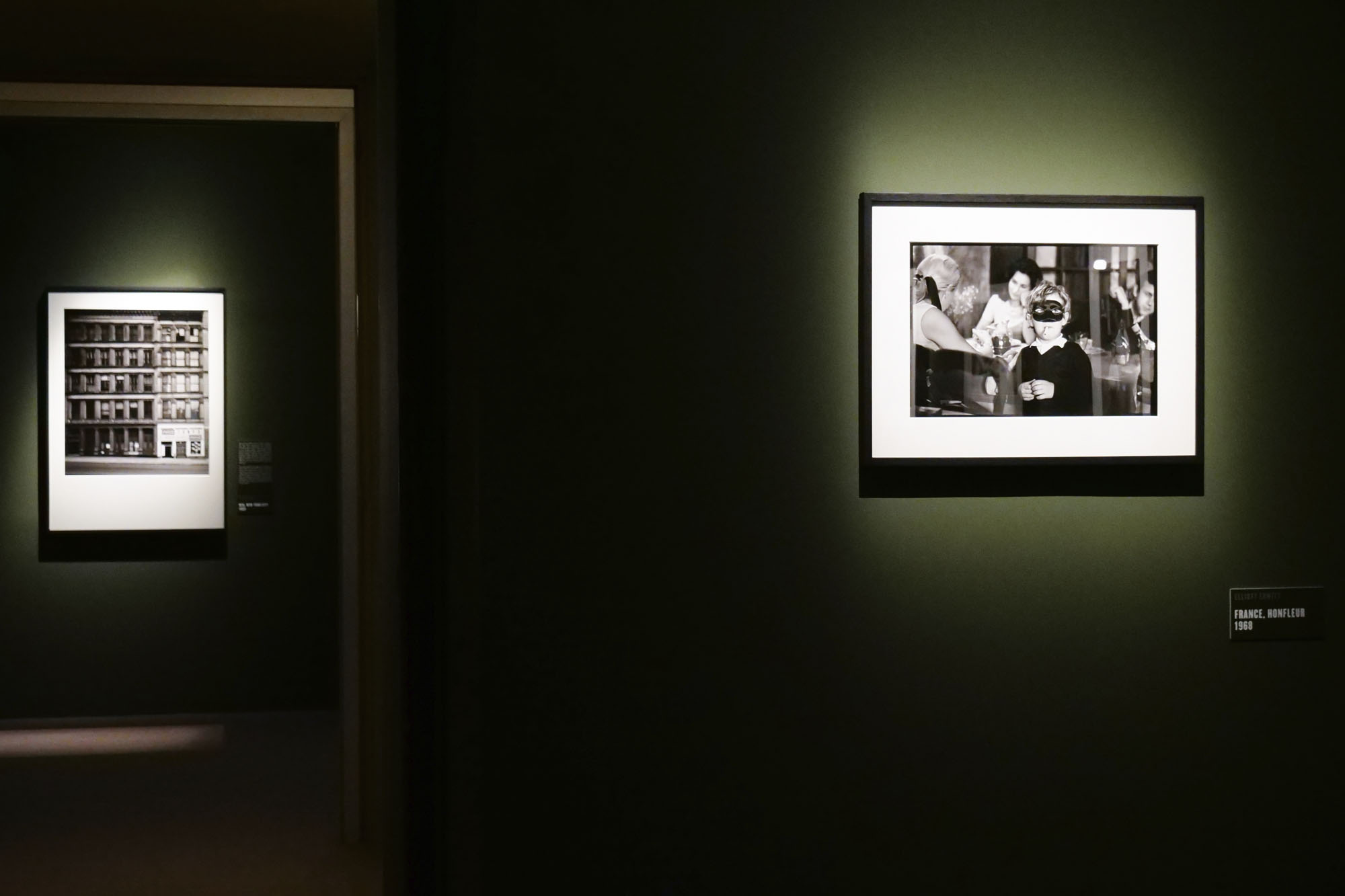
Installation view of the exhibition 'Elliott Erwitt. Icons' at Palazzo Bonaparte, Rome, Italy showing at right, Erwitt's photograph 'France, Honfleur, 1968'


Installation view of the exhibition Elliott Erwitt. Icons at Palazzo Bonaparte, Rome, Italy showing at right, Erwitt’s photograph France, Honfleur, 1968


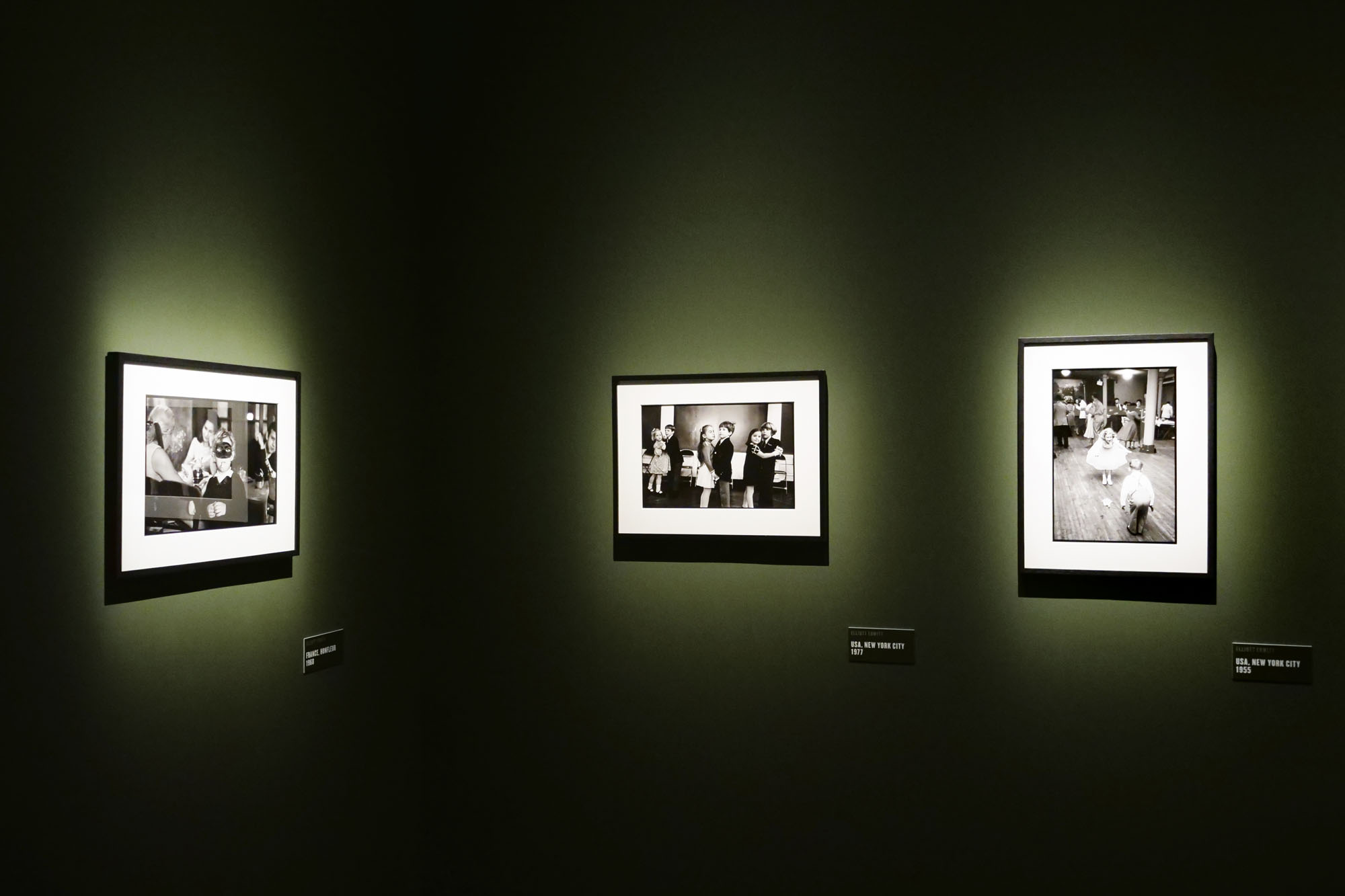
Installation view of the exhibition 'Elliott Erwitt. Icons' at Palazzo Bonaparte, Rome, Italy showing from left to right, 'France, Honfleur, 1968'; 'USA, New York City, 1977'; and 'USA, New York City, 1955'


Installation view of the exhibition Elliott Erwitt. Icons at Palazzo Bonaparte, Rome, Italy showing from left to right, France, Honfleur, 1968; USA, New York City, 1977; and USA, New York City, 1955


Installation view of the exhibition 'Elliott Erwitt. Icons' at Palazzo Bonaparte, Rome, Italy


Installation view of the exhibition Elliott Erwitt. Icons at Palazzo Bonaparte, Rome, Italy showing Erwitt’s photograph Ireland, Ballycotton, 1991


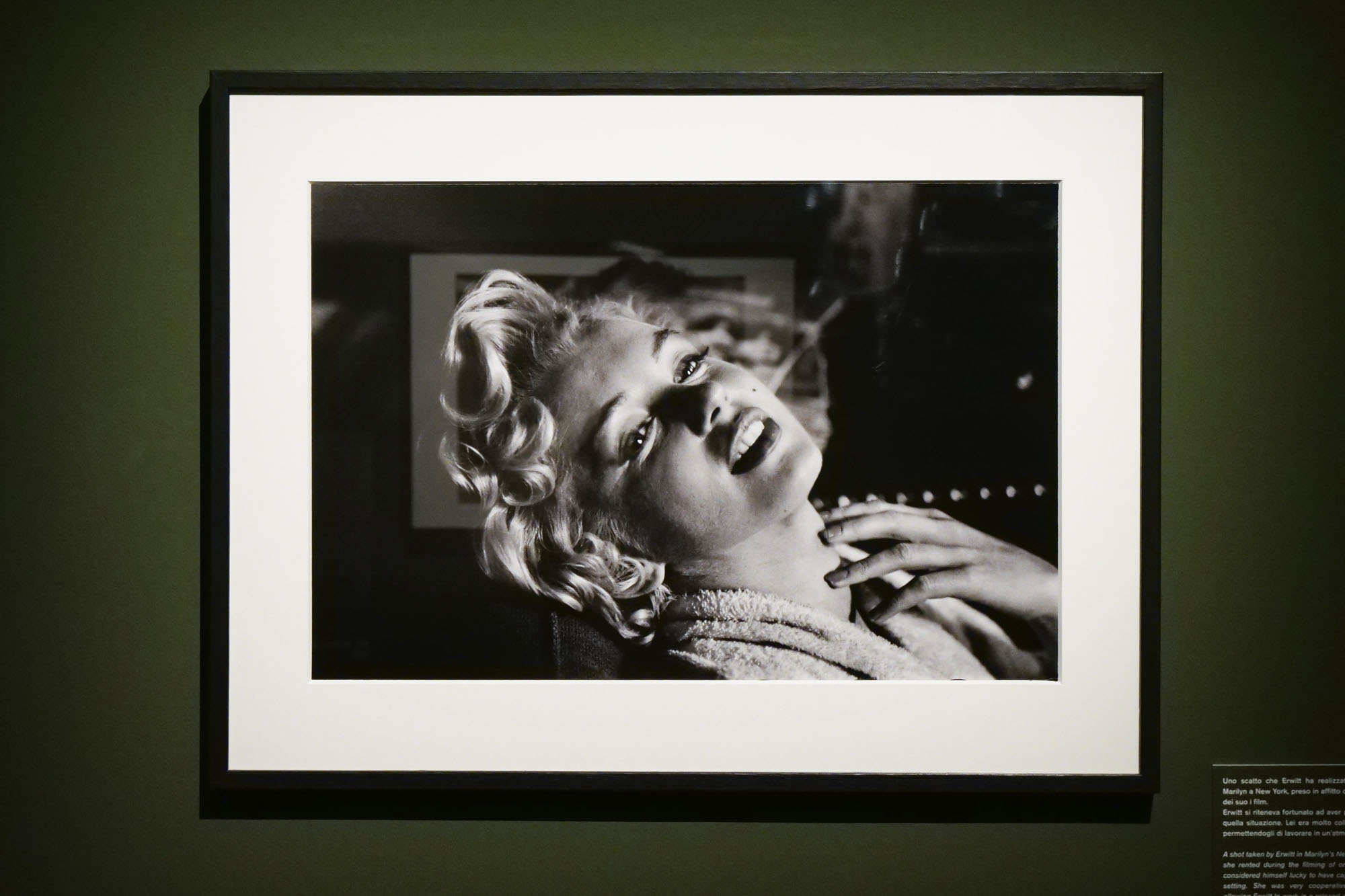
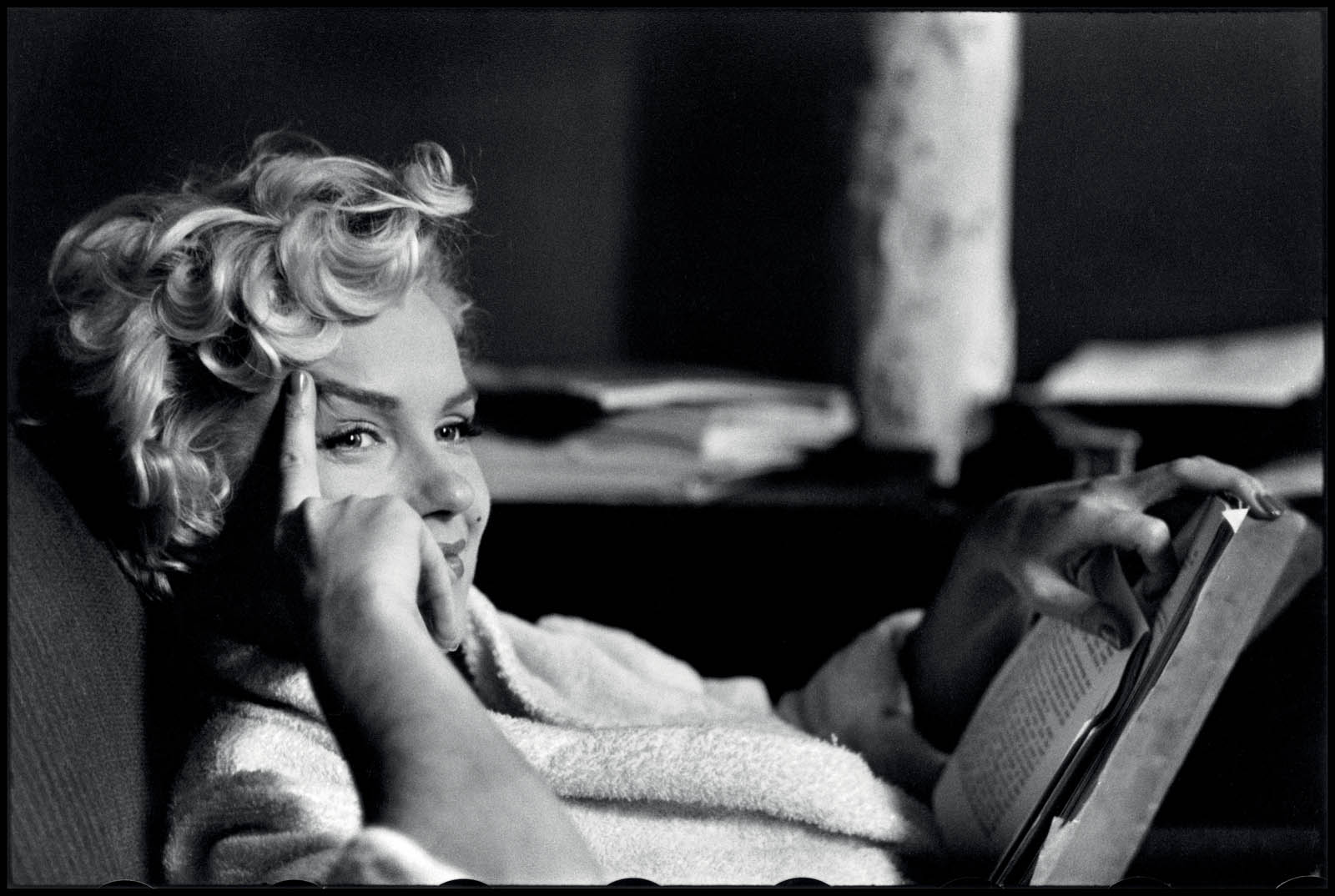
Installation view of the exhibition 'Elliott Erwitt. Icons' at Palazzo Bonaparte, Rome, Italy showing Erwitt's photograph 'USA, New York City, Marilyn Monroe (with hand), 1956'


Installation view of the exhibition Elliott Erwitt. Icons at Palazzo Bonaparte, Rome, Italy showing Erwitt’s photograph USA, New York City, Marilyn Monroe (with hand), 1956


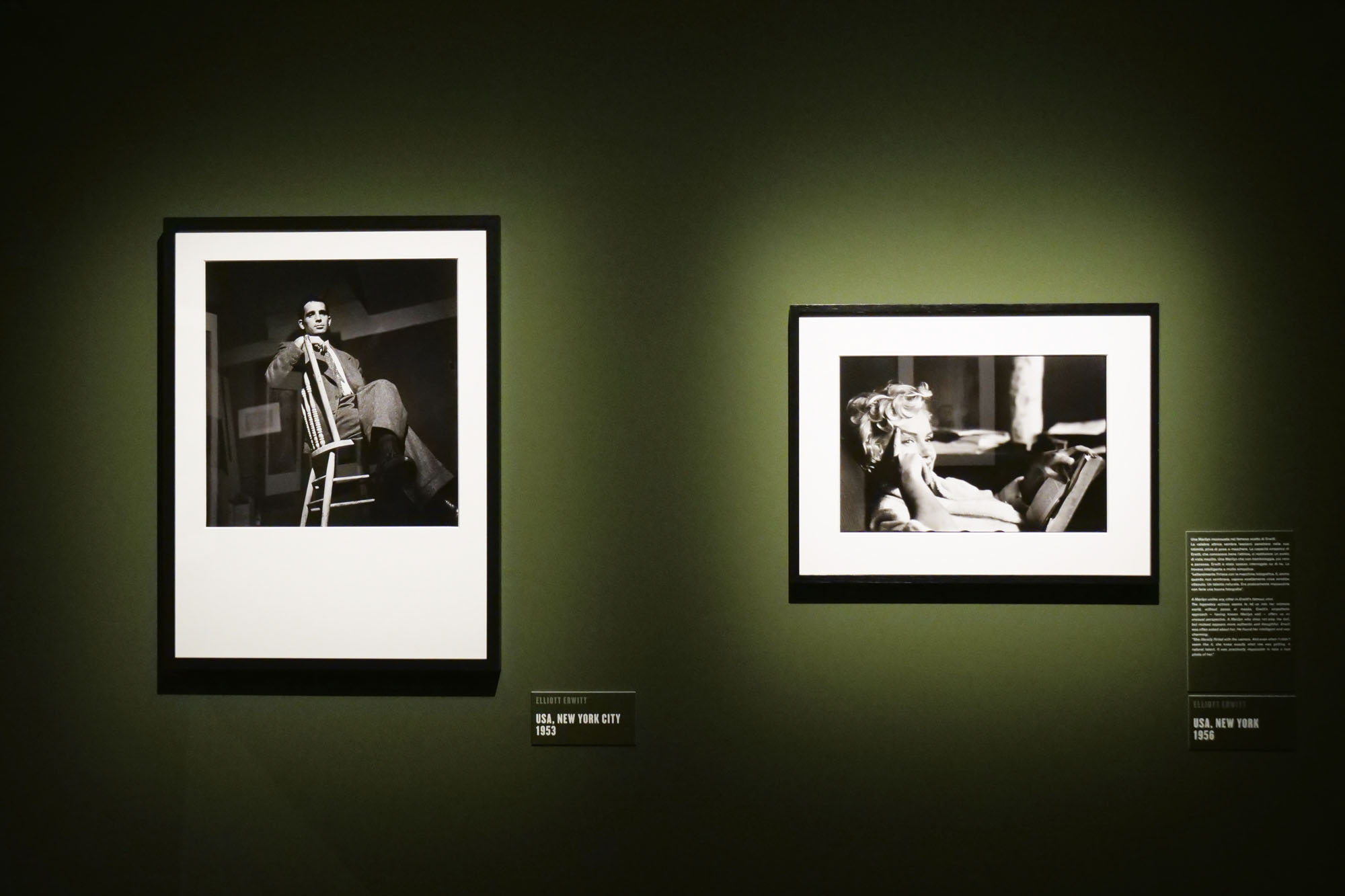
Installation view of the exhibition 'Elliott Erwitt. Icons' at Palazzo Bonaparte, Rome, Italy showing at left, 'USA, New York City, 1953'; and at right, 'USA, NewYork, 1956'


Installation view of the exhibition Elliott Erwitt. Icons at Palazzo Bonaparte, Rome, Italy showing at left, USA, New York City, 1953; and at right, USA, NewYork, 1956 (below)


Elliott Erwitt (American born France, 1928-2023) 'USA, NewYork, 1956' 1956


Elliott Erwitt (American born France, 1928-2023)
USA, NewYork, 1956
1956
Gelatin silver print
40 x 50cm
© Elliott Erwitt
Private Collection


Installation view of the exhibition 'Elliott Erwitt. Icons' at Palazzo Bonaparte, Rome, Italy


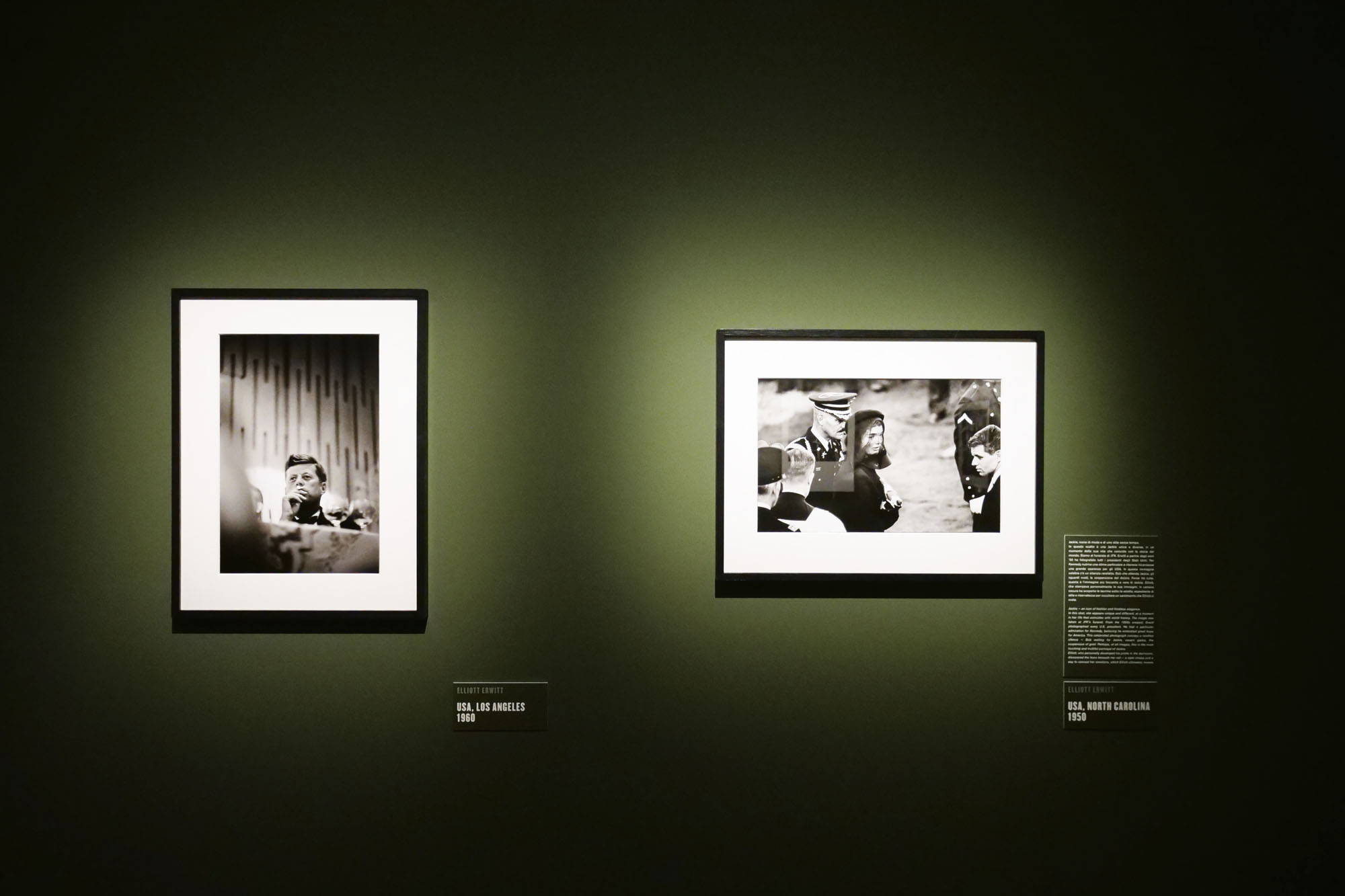
Installation view of the exhibition Elliott Erwitt. Icons at Palazzo Bonaparte, Rome, Italy showing at left, USA, Los Angeles, 1960; and at right, USA, Arlington, Virginia, Jacqueline Kennedy at John F. Kennedy’s funeral, November 25, 1963 (below)

Note: wrong title and date underneath the photograph on the right-hand side


Elliott Erwitt (American born France, 1928-2023) 'USA, Arlington, Virginia, Jacqueline Kennedy at John F. Kennedy's funeral, November 25, 1963' 1963


Elliott Erwitt (American born France, 1928-2023)
USA, Arlington, Virginia, Jacqueline Kennedy at John F. Kennedy’s funeral, November 25, 1963
1963
Gelatin silver print
© Elliott Erwitt
Private Collection


Elliott Erwitt was not just a photographer, but an unparalleled visual storyteller, capable of transforming the moment into history, the everyday into art, irony into poetry. His images evoke in the viewer emotions that move on different registers, from emotion to laughter, to the most spontaneous amusing. Having passed away in November 2023 at the age of 95, he left us an immense legacy: an archive of photographs that span eras, cultures, and feelings with a universal language, inviting us to look at the world with greater indulgence and wonder, always standing by our side in that profound lightness that he himself defined as “The Art of Observation.”

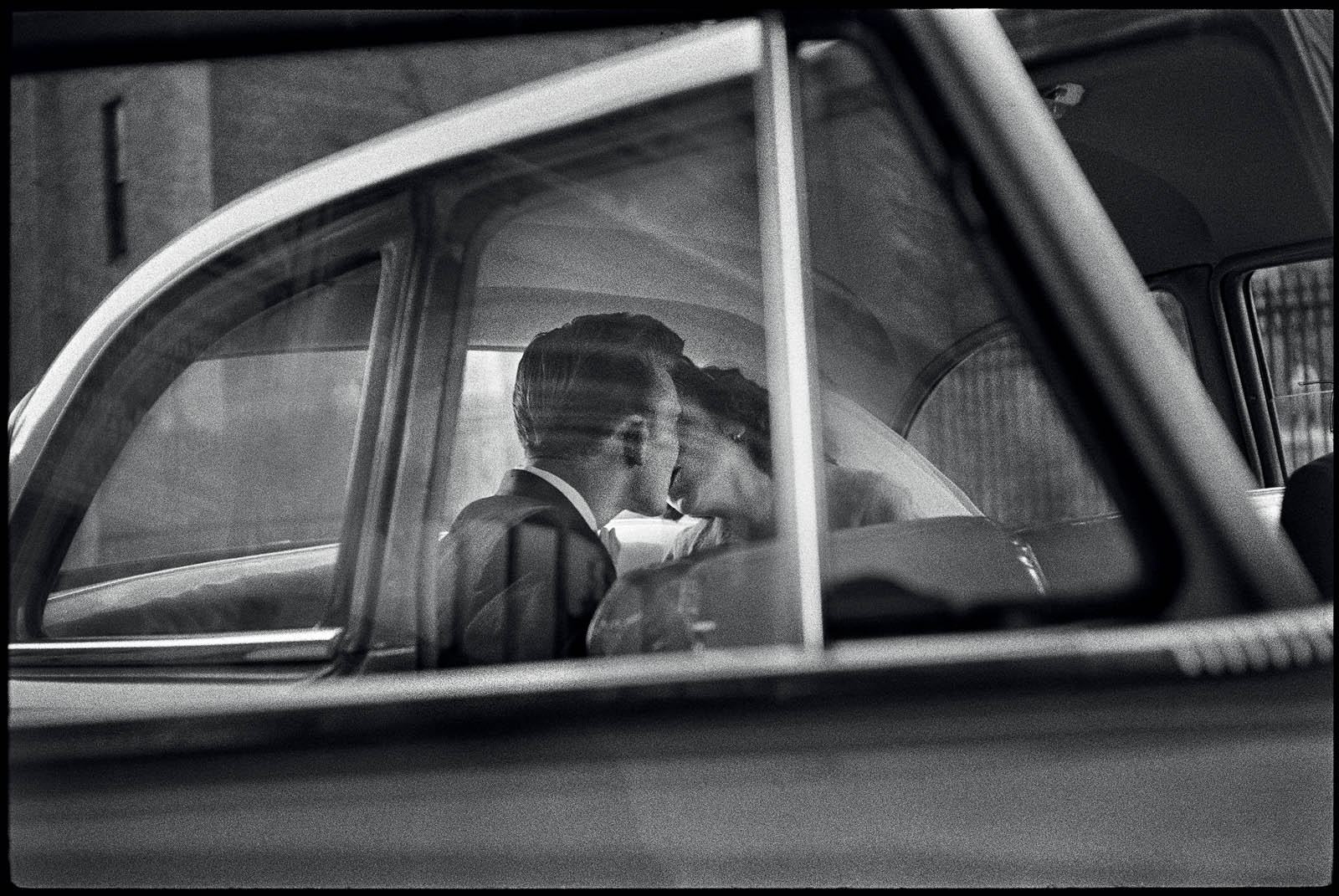
His lens captured iconic moments in history: the tense confrontation between Nixon and Khrushchev, Kennedy’s funeral, the legendary fight between Frazier and Ali. He portrayed legends of our imagination – Marilyn Monroe, Che Guevara, Marlene Dietrich – but he also captured moments of extraordinary intimacy and summarised universal feelings in a single shot: a stolen kiss in the rearview mirror, the gaze of a mother on her newborn baby, a dog lost in thought. Images that transcend time to become iconic.

What makes Erwitt unique is his ability to intertwine emotion and intelligence, making us laugh and moved, surprising us with his irony and his ability to grasp the profound meaning of existence. He has captured the absurd and the surreal with a sharp and light-hearted gaze, always finding in every scene a spark capable of making it memorable.

His anthropomorphic dogs, the protagonists of entire photographic series, are not just amusing images: they are mirrors of the human condition, ironic and melancholic at the same time, sometimes proud and surprising. His children, portrayed with the most authentic spontaneity, convey the wonder of discovery and freedom, still intact, expressing already defined personalities, still unconstrained. His self-portraits, where he pokes fun at himself, remind us that art – like life – should never take itself too seriously.

Elliott Erwitt was all of this: a master of photography, an interpreter of the human comedy, an artist who left an indelible mark on the history of the image. This exhibition is our homage to his vision of the world: a journey through irony, tenderness, depth, and lightness, just as his art has always been able to convey.

Welcome to the world of this great artist. My master.

Biba Giacchetti
Exhibition curator

Text translated from the Italian by Google Translate


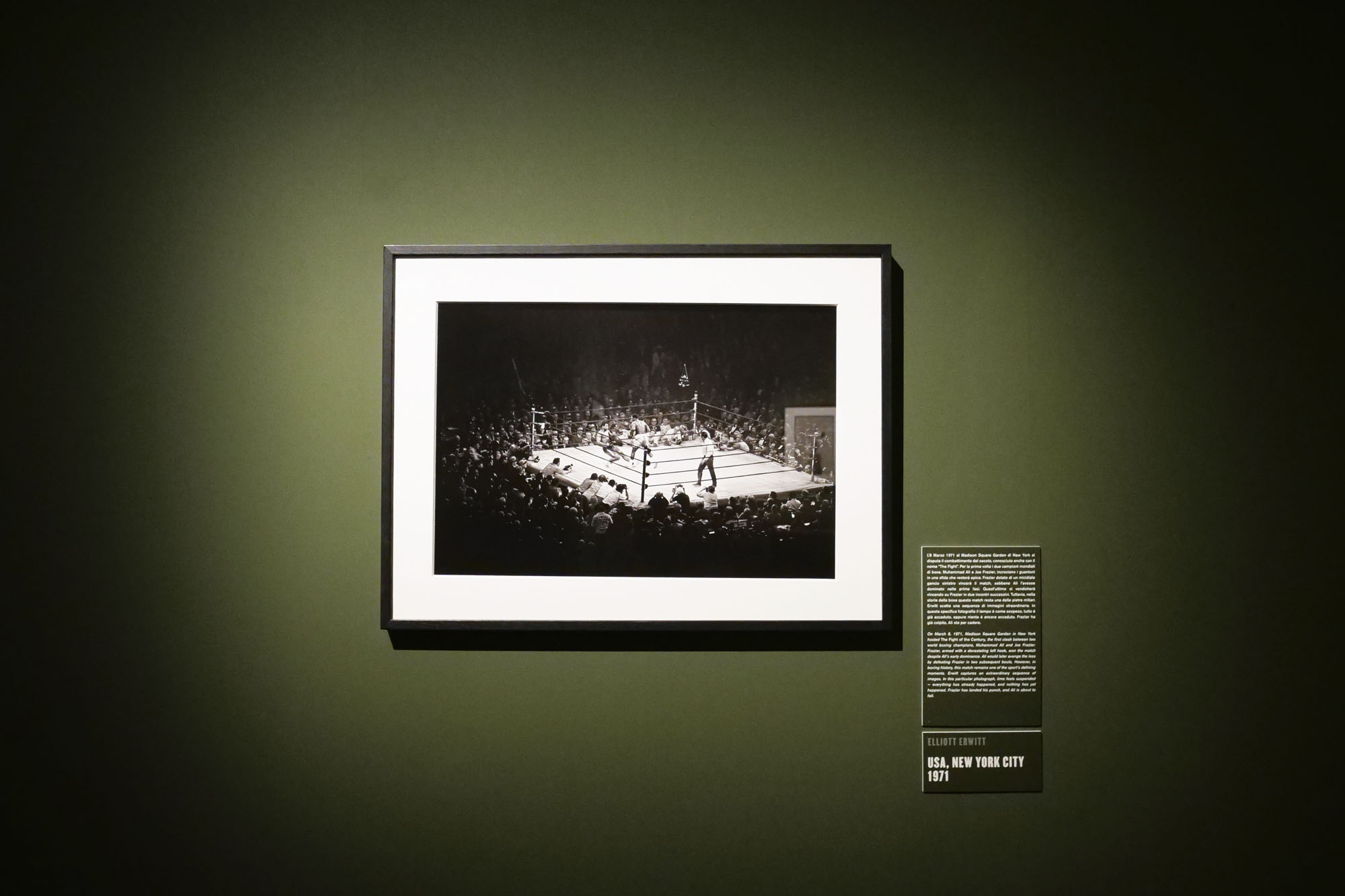
Installation view of the exhibition 'Elliott Erwitt. Icons' at Palazzo Bonaparte, Rome, Italy showing Erwitt's photograph 'USA, New York City, 1971' (Muhammad Ali vs Joe Frazier)


Installation view of the exhibition Elliott Erwitt. Icons at Palazzo Bonaparte, Rome, Italy showing Erwitt’s photograph USA, New York City, 1971 (Muhammad Ali vs Joe Frazier)


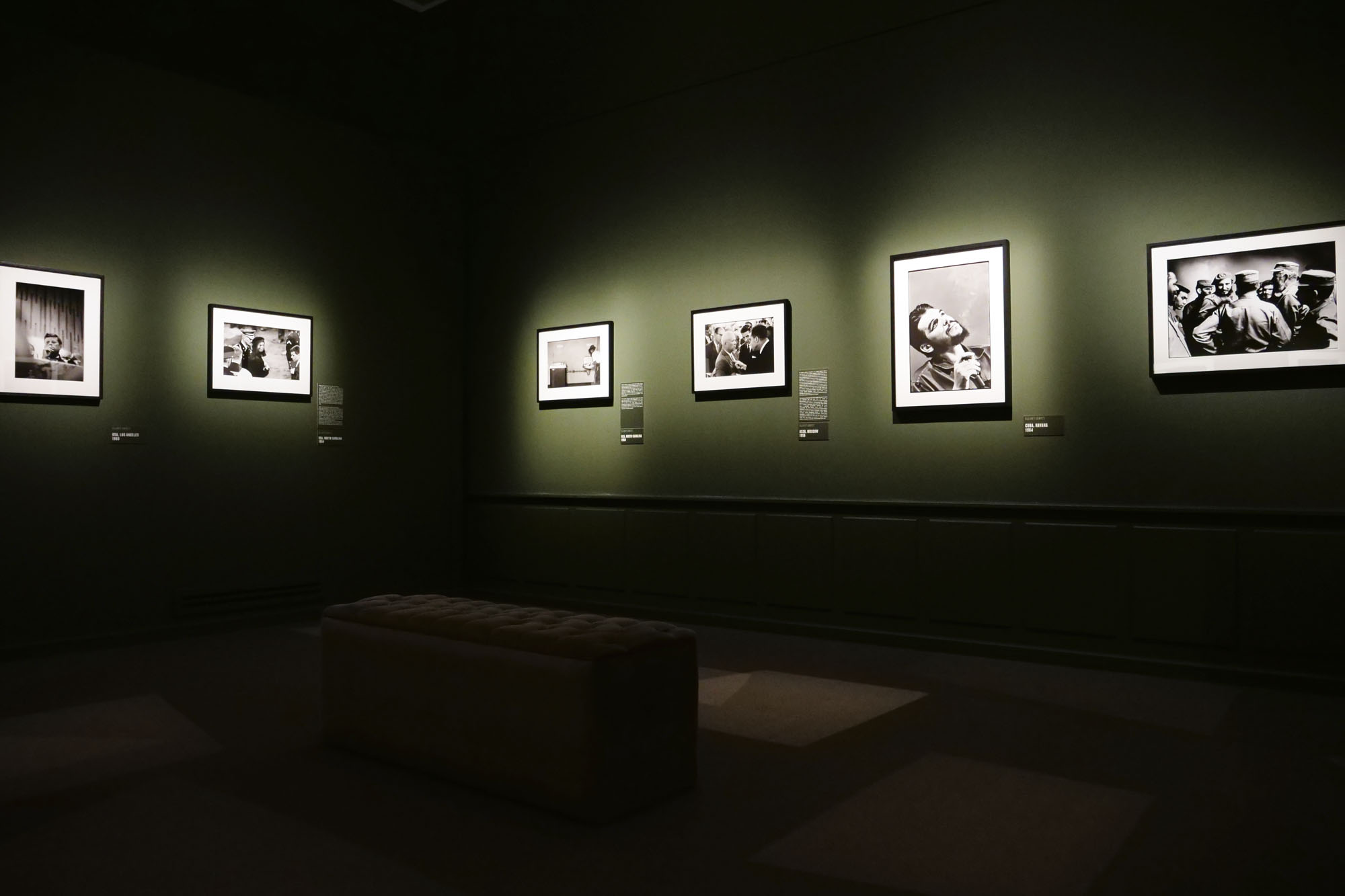
Installation view of the exhibition 'Elliott Erwitt. Icons' at Palazzo Bonaparte, Rome, Italy showing at left, 'USA, Los Angeles, 1960'; and at second left, 'USA, Arlington, Virginia, Jacqueline Kennedy at John F. Kennedy's funeral, November 25, 1963'; at third right, 'USSR, Moscow, 1959'; and at second right, 'Cuba, Havana, 1964'


Installation view of the exhibition Elliott Erwitt. Icons at Palazzo Bonaparte, Rome, Italy showing at left, USA, Los Angeles, 1960; and at second left, USA, Arlington, Virginia, Jacqueline Kennedy at John F. Kennedy’s funeral, November 25, 1963; at third right, USSR, Moscow, 1959 (below); and at second right, Cuba, Havana, 1964 (below)


Installation view of the exhibition 'Elliott Erwitt. Icons' at Palazzo Bonaparte, Rome, Italy showing Erwitt's photograph 'USSR, Moscow, 1959'


Installation view of the exhibition Elliott Erwitt. Icons at Palazzo Bonaparte, Rome, Italy showing Erwitt’s photograph USSR, Moscow, 1959 (below)


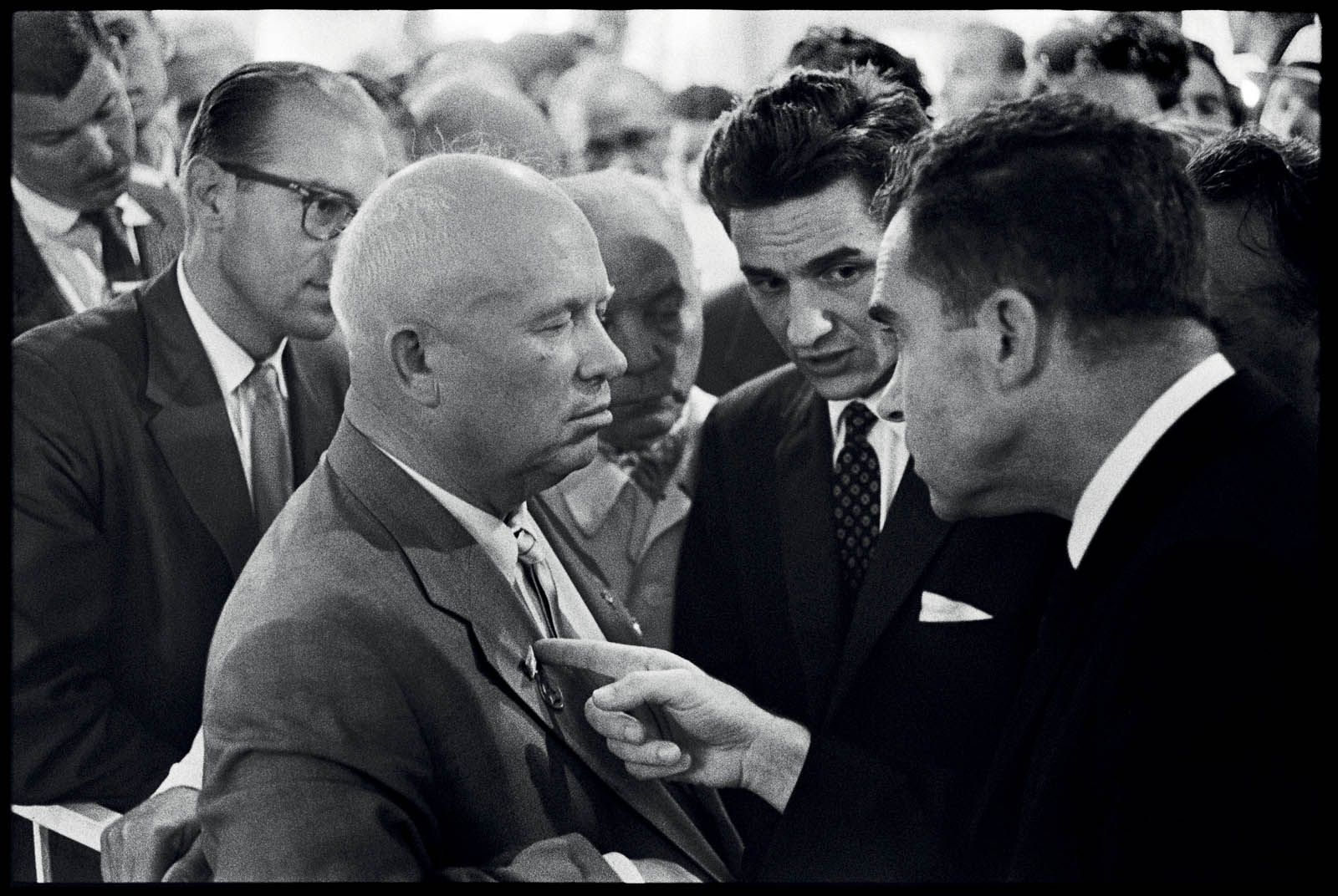
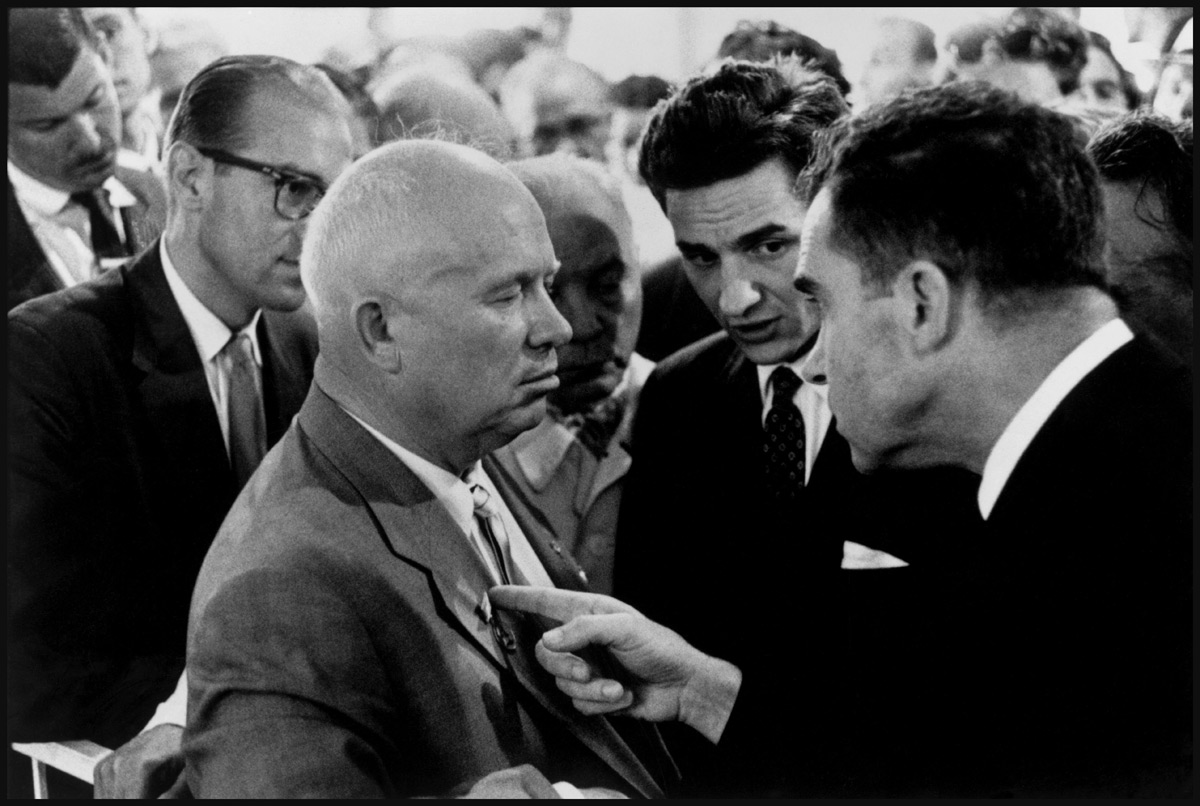
Elliott Erwitt (American born France, 1928-2023) 'USSR, Moscow, 1959' (Nikita Khruschchev and Richard Nixon) 1959


Elliott Erwitt (American born France, 1928-2023)
USSR, Moscow, 1959 (Nikita Khruschchev and Richard Nixon)
1959
Gelatin silver print
40 x 50cm
Private Collection
© Elliott Erwitt
  

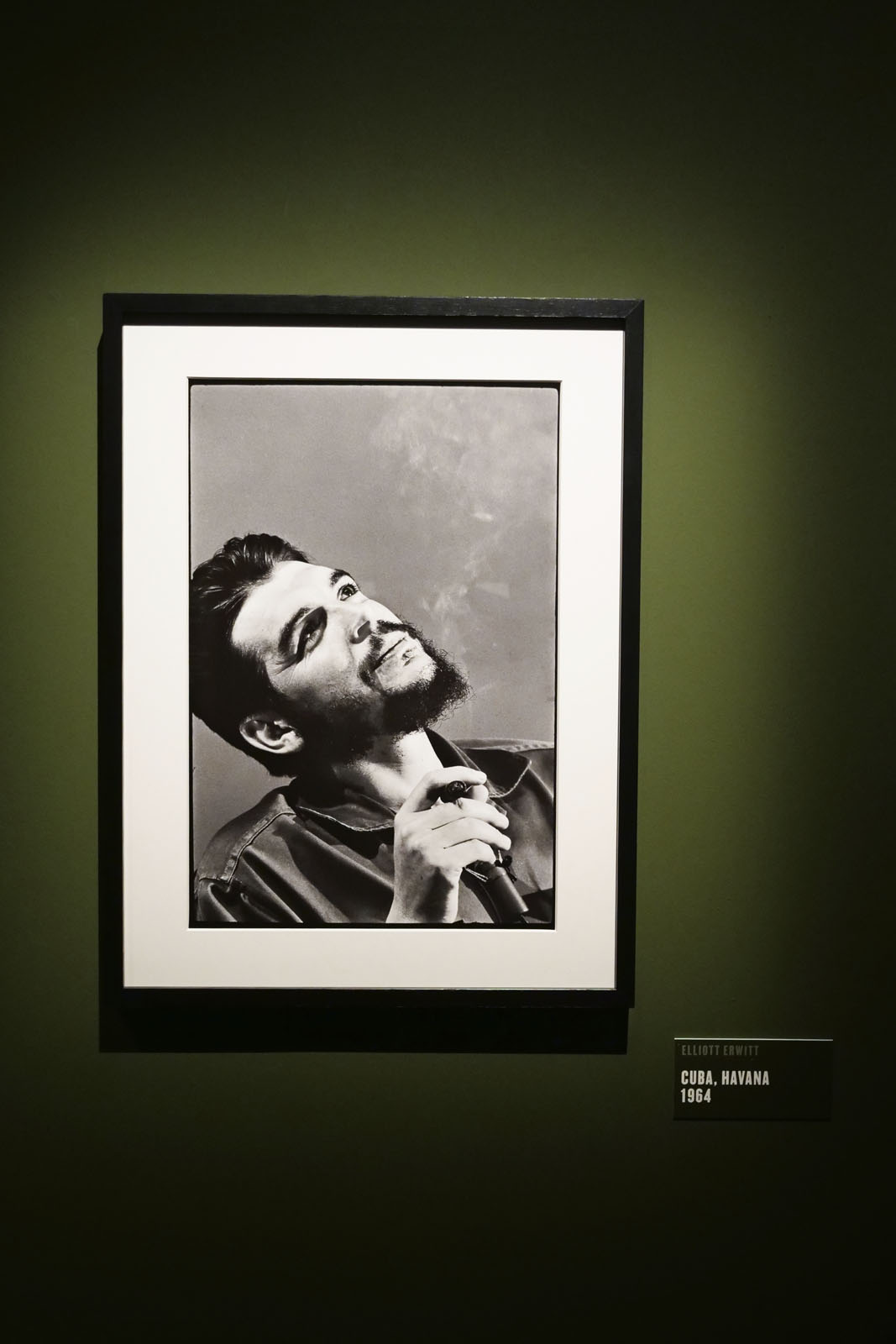
Installation view of the exhibition 'Elliott Erwitt. Icons' at Palazzo Bonaparte, Rome, Italy showing Erwitt's photograph 'Cuba, Havana, 1964


Installation view of the exhibition Elliott Erwitt. Icons at Palazzo Bonaparte, Rome, Italy showing Erwitt’s photograph Cuba, Havana, 1964 (Che Guevara)


Installation view of the exhibition 'Elliott Erwitt. Icons' at Palazzo Bonaparte, Rome, Italy showing at left, 'England, Birmingham, 1991' (top); at third right, 'USA, New York City, 1946'; at second right, 'France, Paris, 1989'; and at right, 'USA, New York City, 2000'


Installation view of the exhibition Elliott Erwitt. Icons at Palazzo Bonaparte, Rome, Italy showing at left, England, Birmingham, 1991 (top); at third right, USA, New York City, 1946 (below); at second right, France, Paris, 1989 (below); and at right, USA, New York City, 2000 (below)


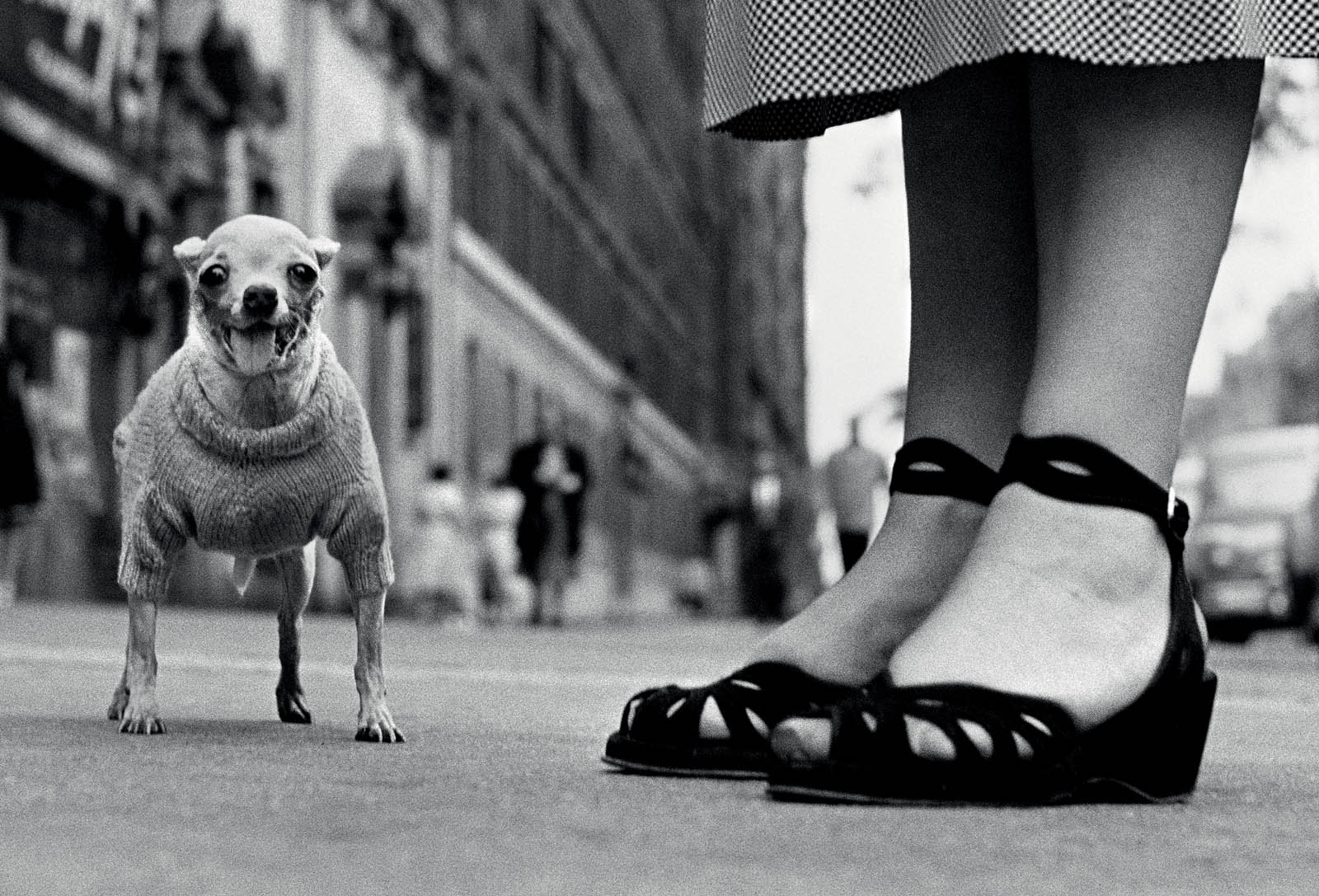
Elliott Erwitt (American born France, 1928-2023) 'USA, New York City, 1946' 1946


Elliott Erwitt (American born France, 1928-2023)
USA, New York City, 1946
1946
Gelatin silver print
40 x 50cm
Private Collection
© Elliott Erwitt


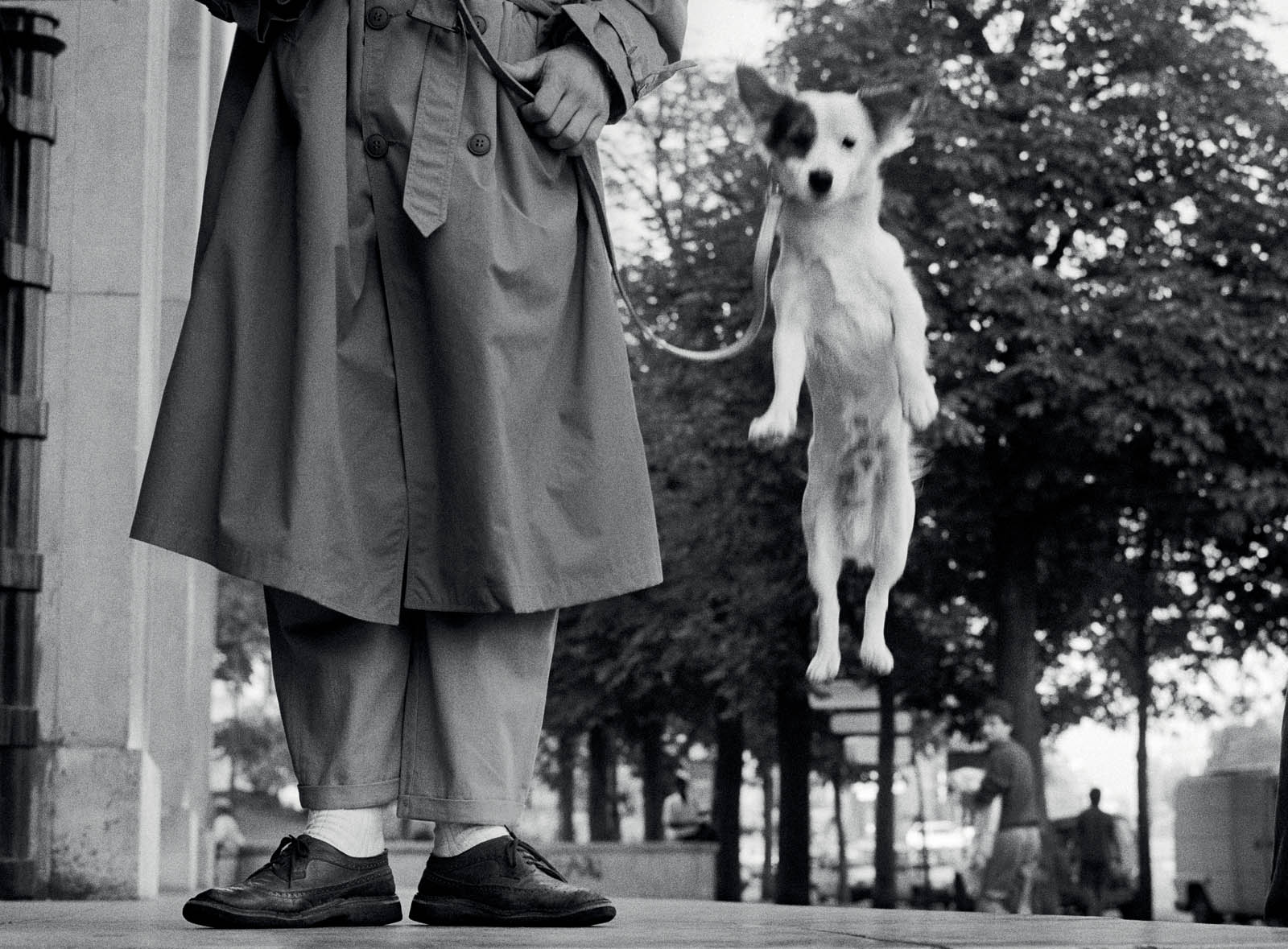
Elliott Erwitt (American born France, 1928-2023) 'France, Paris, 1989' 1989


Elliott Erwitt (American born France, 1928-2023)
France, Paris, 1989
1989
Gelatin silver print
50 x 60cm
Private Collection
© Elliott Erwitt


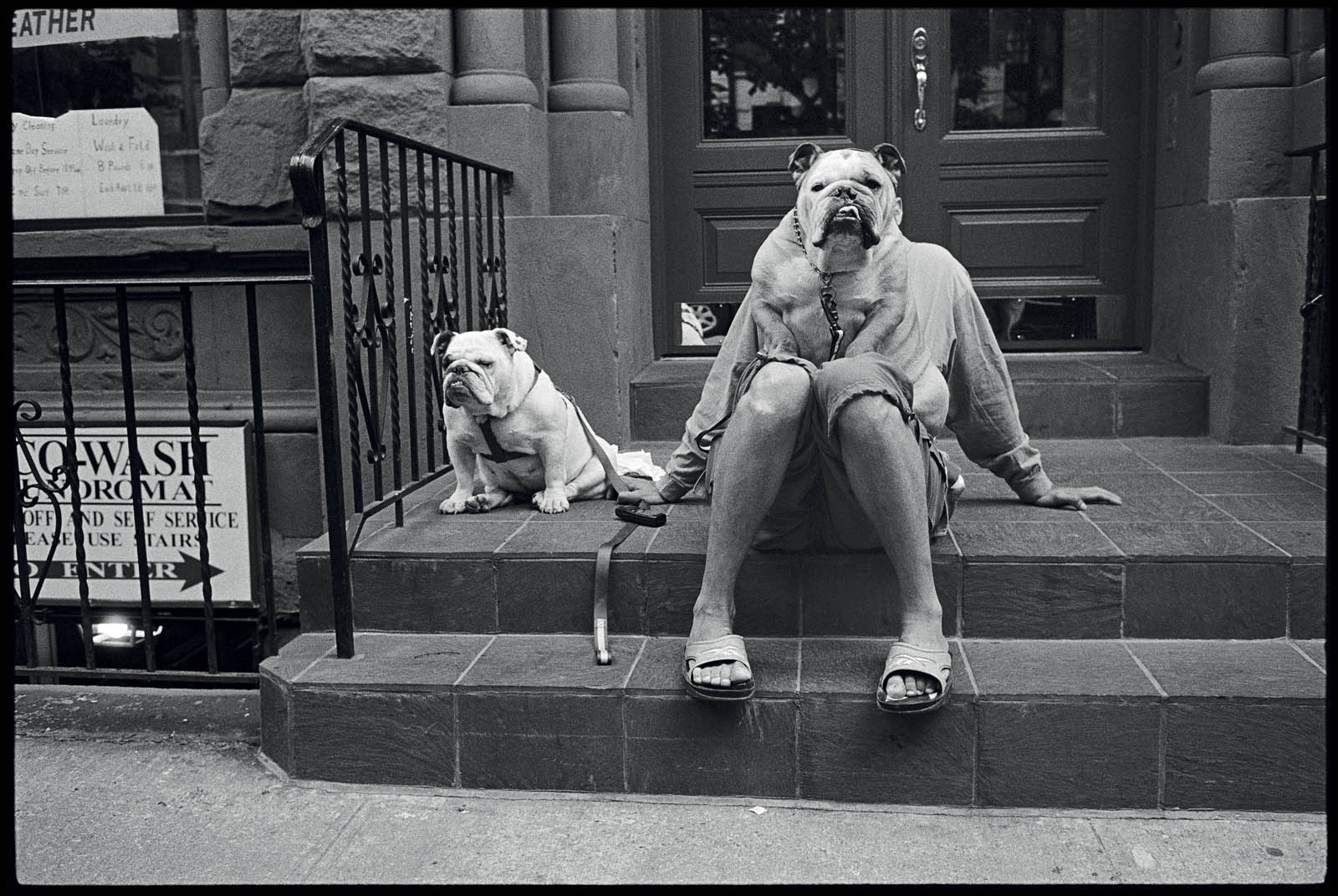
Elliott Erwitt (American born France, 1928-2023) 'USA, New York City, 2000' 2000


Elliott Erwitt (American born France, 1928-2023)
USA, New York City, 2000
2000
Gelatin silver print
50 x 60cm
Private Collection
© Elliott Erwitt


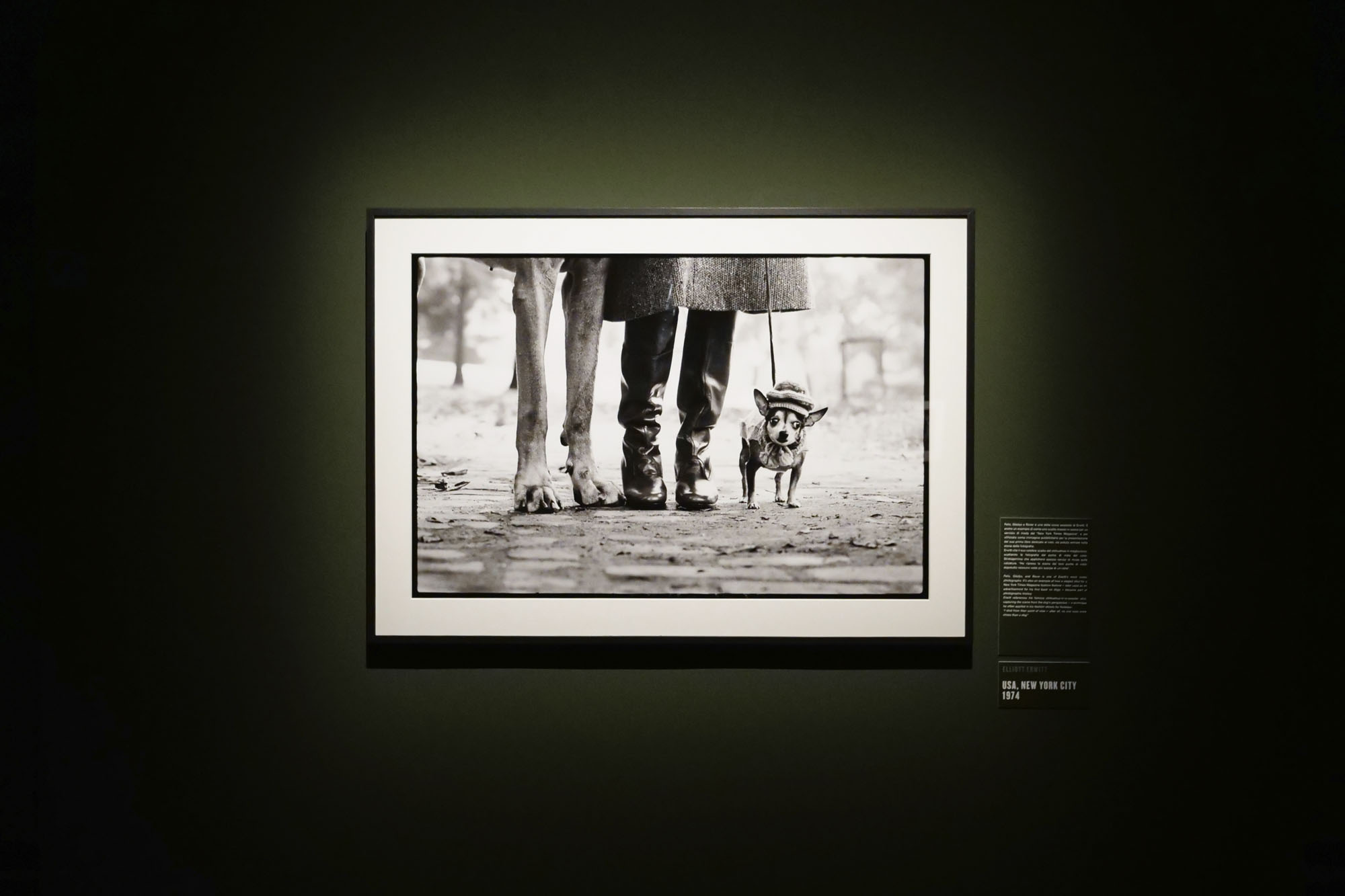
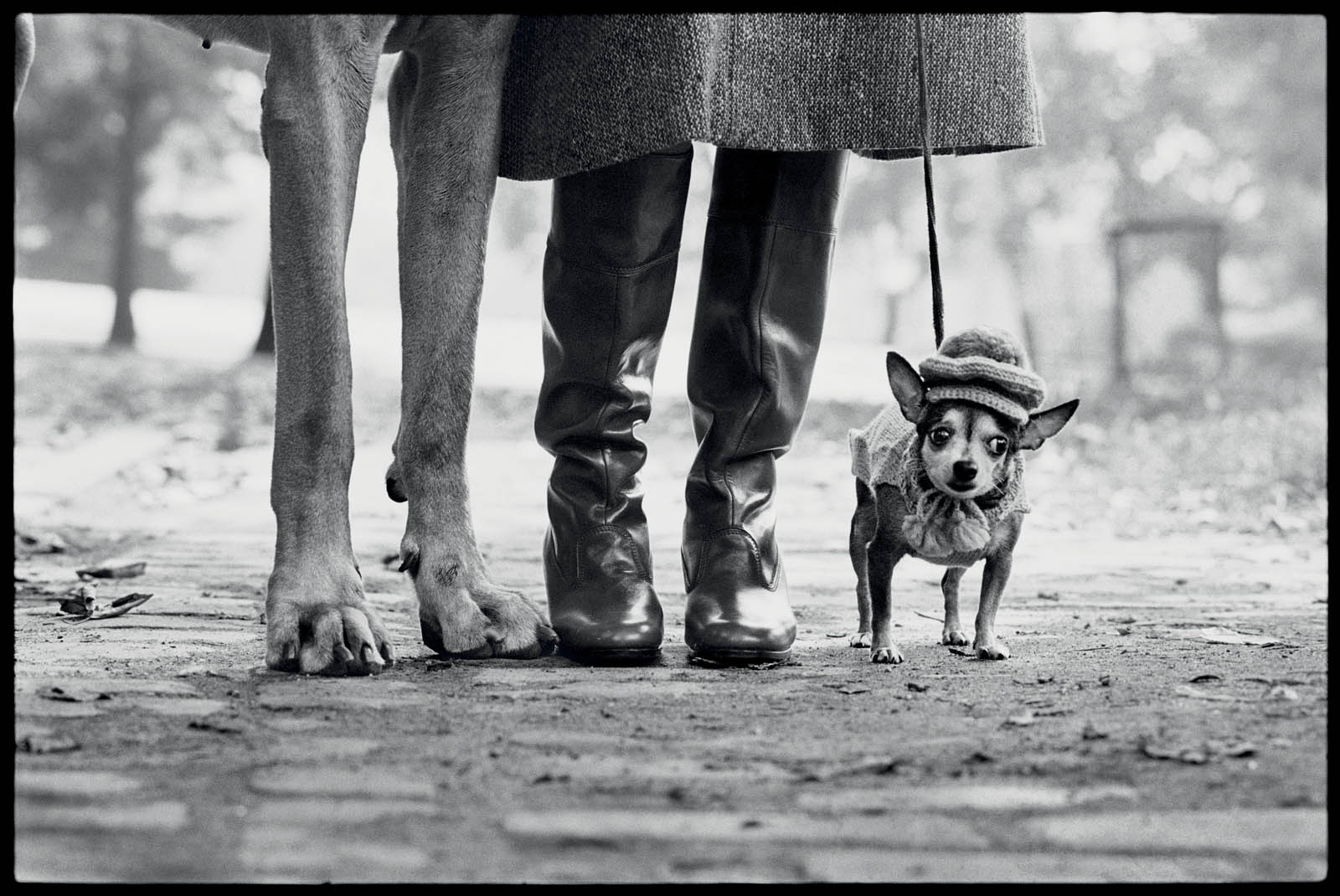
Installation view of the exhibition 'Elliott Erwitt. Icons' at Palazzo Bonaparte, Rome, Italy showing Erwitt's photograph 'USA, New York City, 1974'


Installation view of the exhibition Elliott Erwitt. Icons at Palazzo Bonaparte, Rome, Italy showing Erwitt’s photograph USA, New York City, 1974 (below)


Elliott Erwitt (American born France, 1928-2023) 'USA, New York City, 1974' 1974


Elliott Erwitt (American born France, 1928-2023)
USA, New York City, 1974
1974
Gelatin silver print
50 x 60cm
Private Collection
© Elliott Erwitt


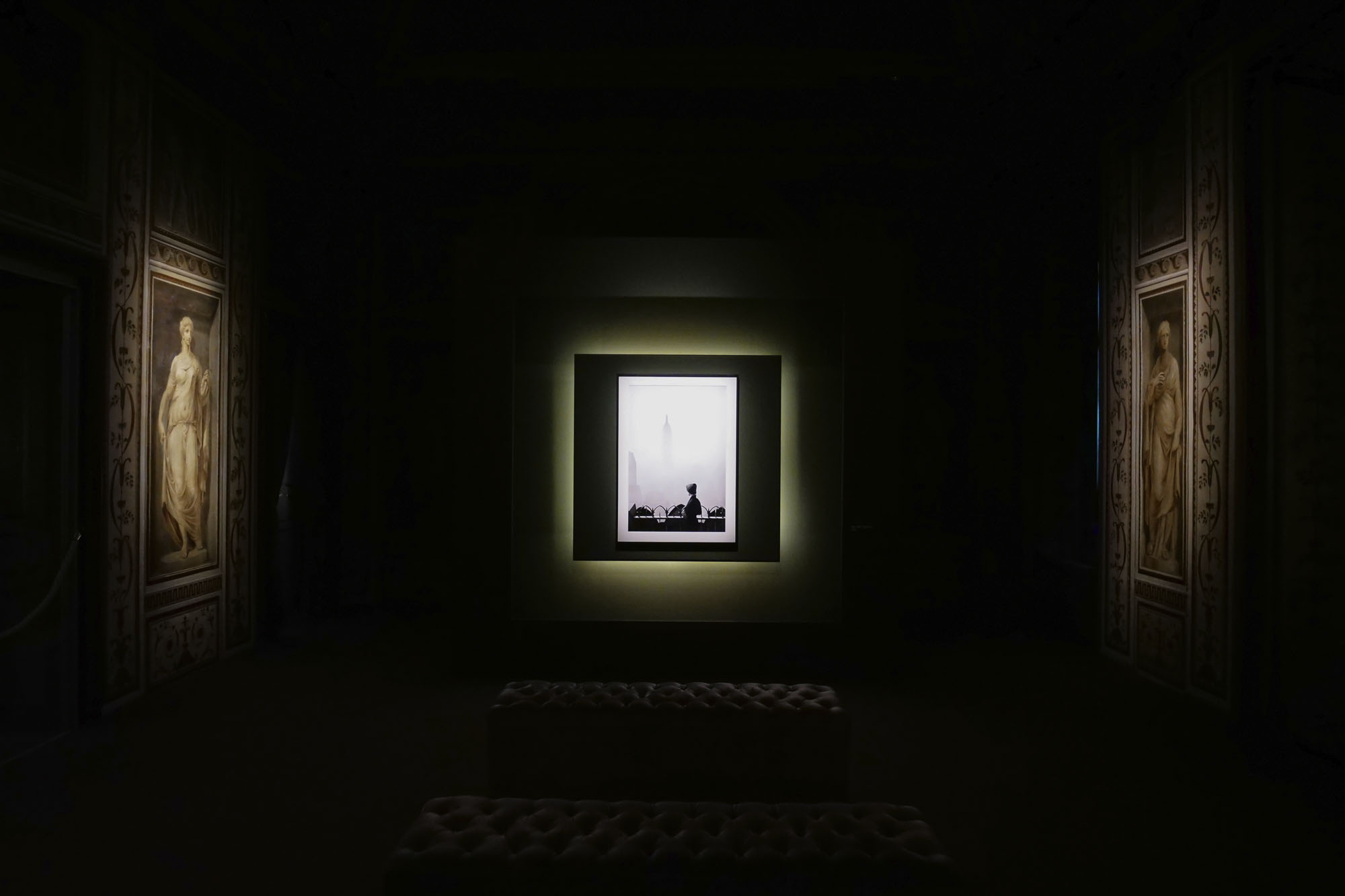
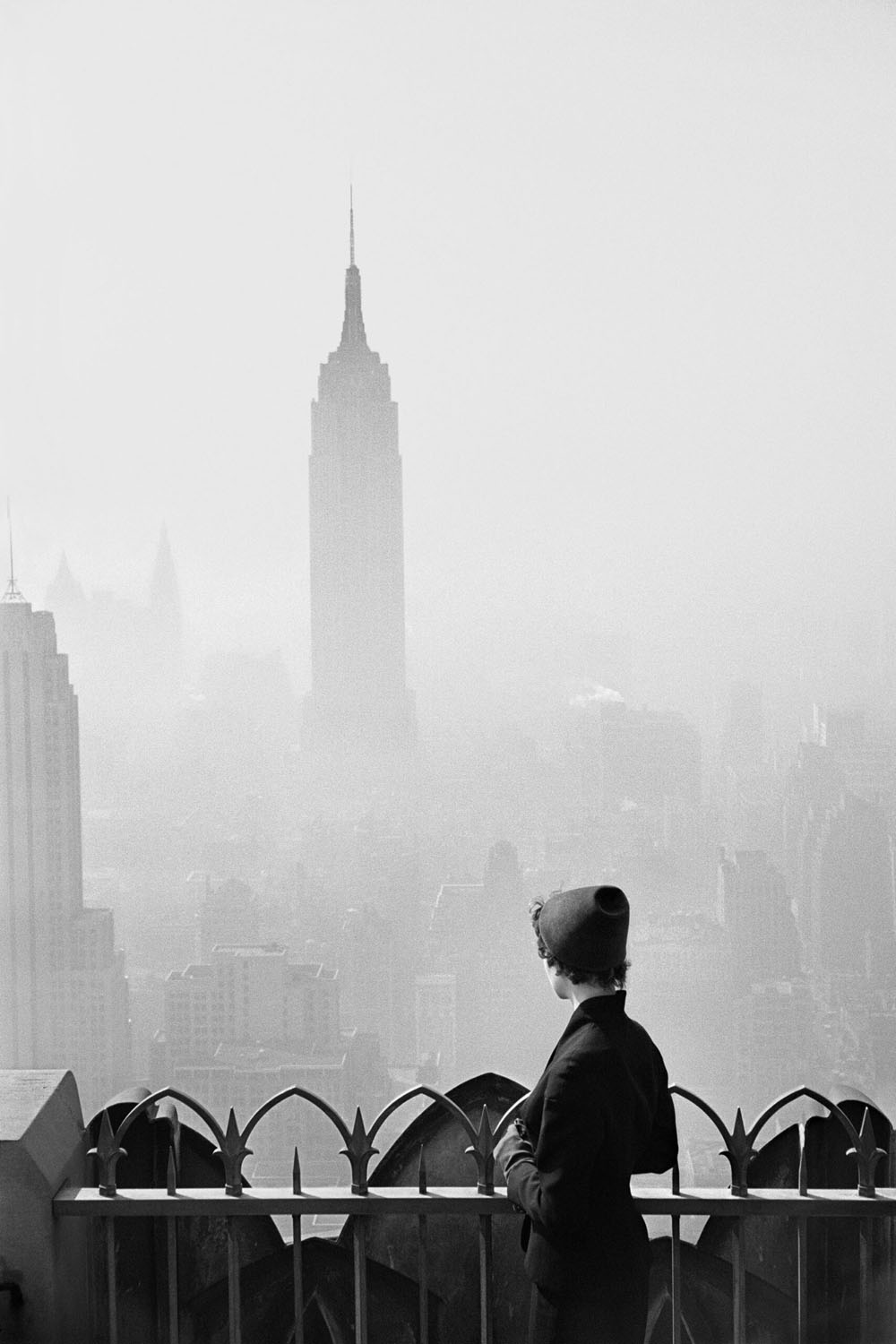
Installation view of the exhibition 'Elliott Erwitt. Icons' at Palazzo Bonaparte, Rome, Italy


Installation view of the exhibition Elliott Erwitt. Icons at Palazzo Bonaparte, Rome, Italy showing Erwitt’s photograph USA, New York City, 1955 (below)


Elliott Erwitt (American born France, 1928-2023) 'USA, New York City, 1955' 1955


Elliott Erwitt (American born France, 1928-2023)
USA, New York City, 1955
1955
Gelatin silver print
Private Collection
© Elliott Erwitt


Palazzo Bonaparte
Piazza Venezia 5, Roma

Palazzo Bonaparte website

Palazzo Bonaparte exhibitions website

LIKE ART BLART ON FACEBOOK

Back to top

Exhibition: ‘Celebrating the City: Recent Acquisitions from the Joy of Giving Something’ at the Museum of the City of New York

Exhibition dates: 18th February – 31st December, 2022

Curator: Sean Corcoran, senior curator of prints and photographs, Museum of the City of New York


William Klein (American, 1928-2022) 'Christmas Shoppers' 1954 from the exhibition 'Celebrating the City: Recent Acquisitions from the Joy of Giving Something' at the Museum of the City of New York, Feb - Dec, 2022
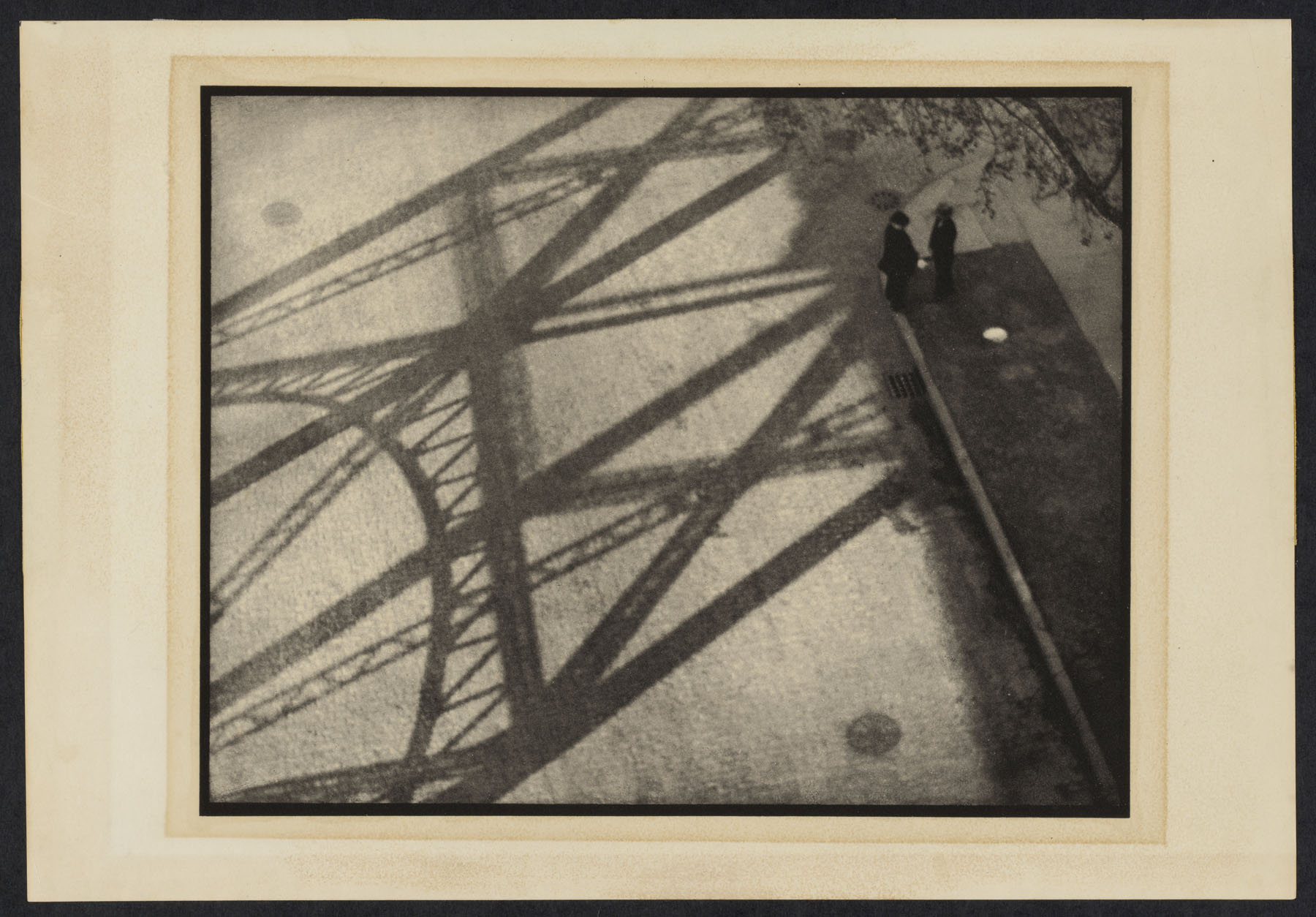
 

William Klein (American, 1928-2022)
Christmas Shoppers
1954
Gelatin silver print
Museum of the City of New York
Gift of Joy of Giving Something, Inc.,


Happy Easter to everyone around the world!

I had to have an emergency appendectomy on Wednesday night. Home now but not feeling so well just taking it easy… therefore a short text.

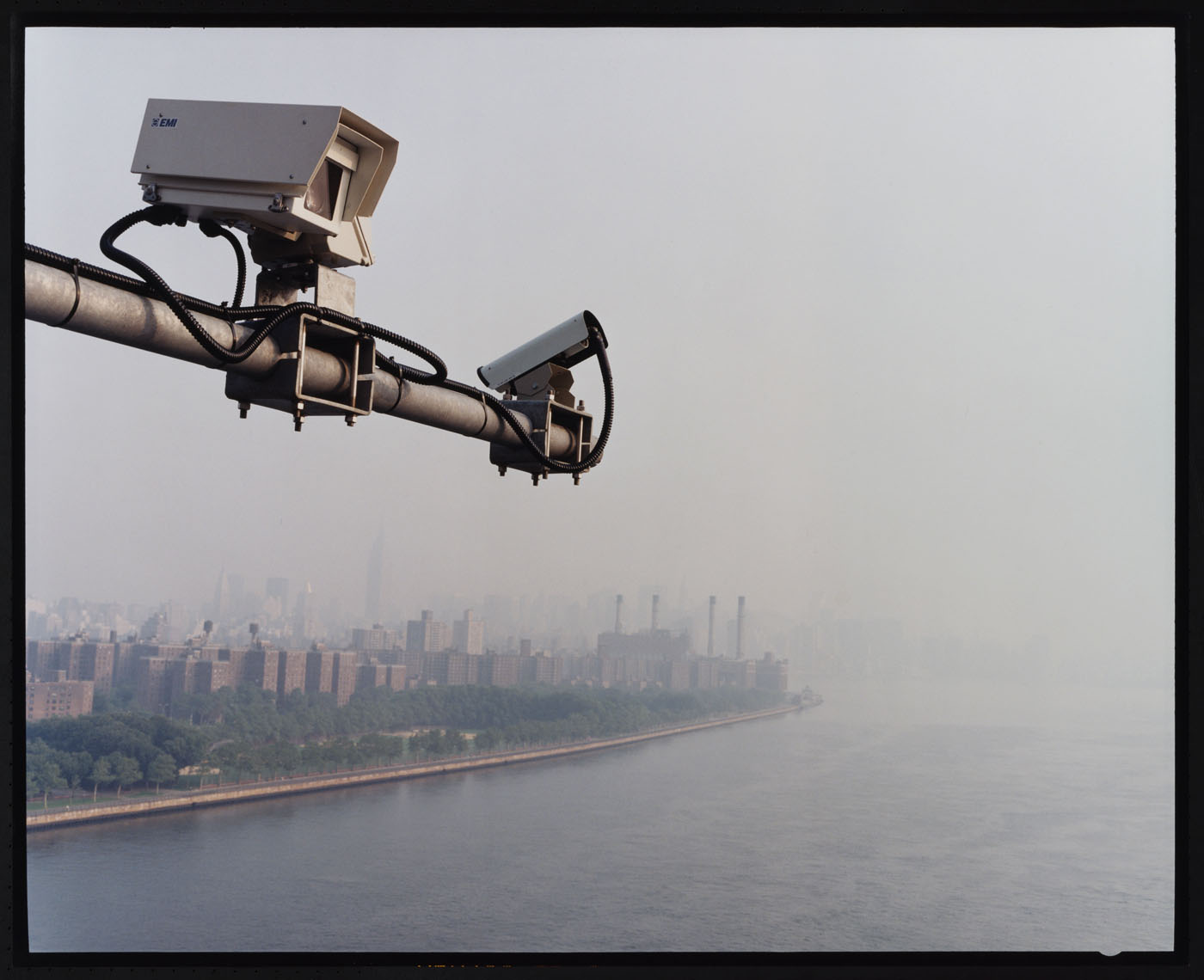
A fabulous exhibition in New York of photographs about New York: working, going, shopping, playing, gathering, loving, gazing, being, reflecting and buildings. Some excellent photographs that I have never seen before which evidence the soul of this imaginative city.

Dr Marcus Bunyan


Many thank to the Museum of the City of New York for allowing me to publish the art work in the posting. Please click on the photographs for a larger version of the image.


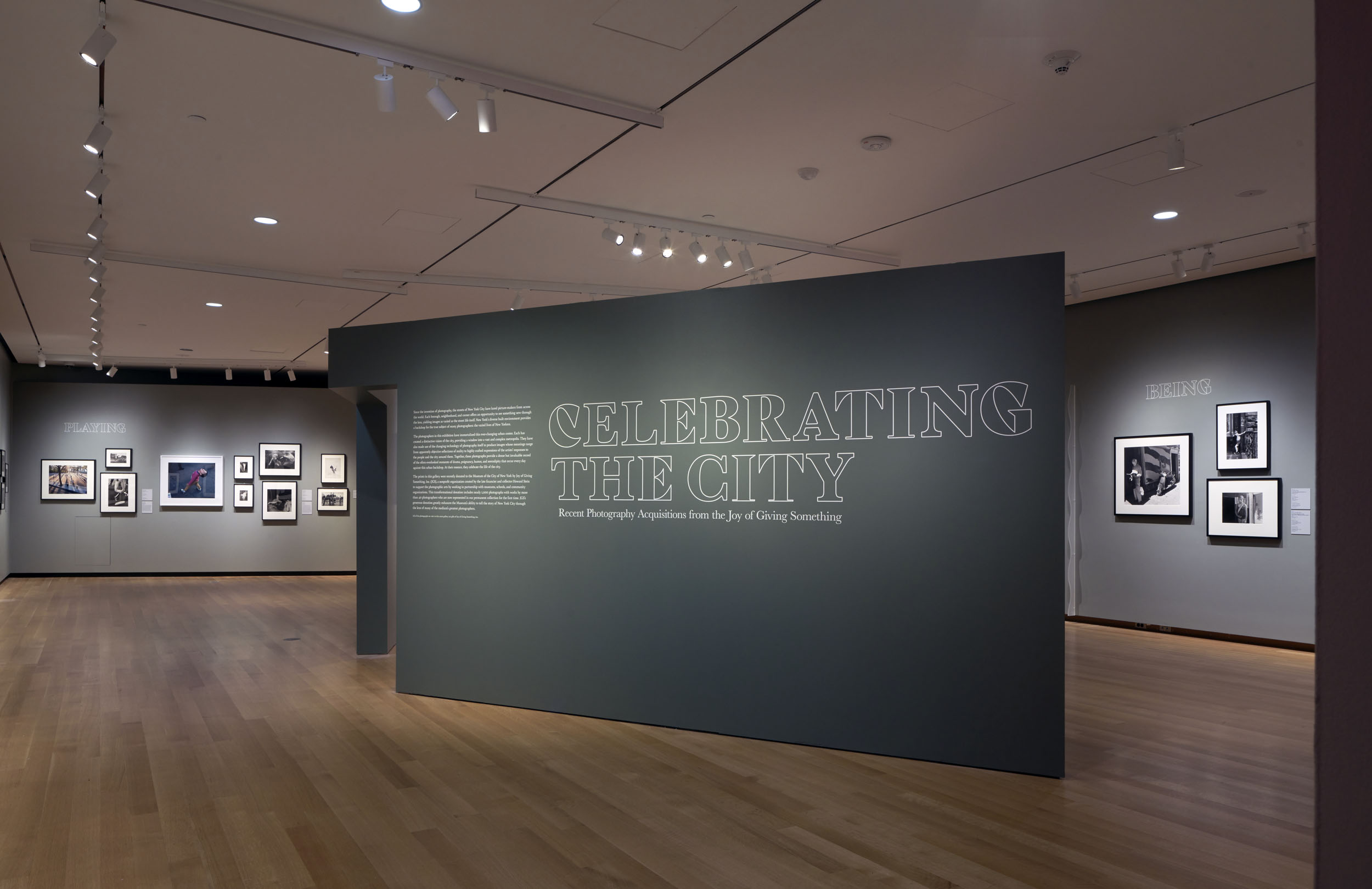
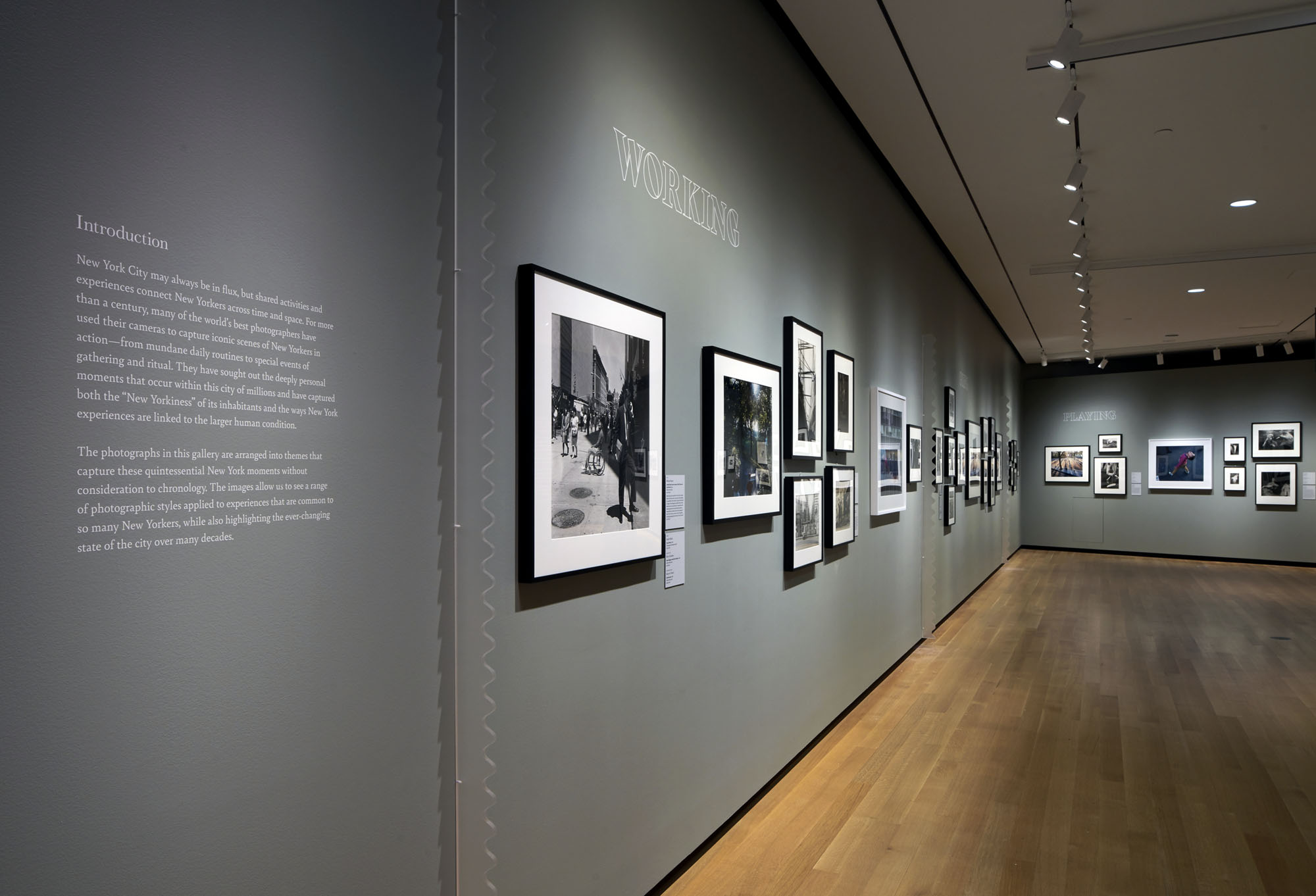
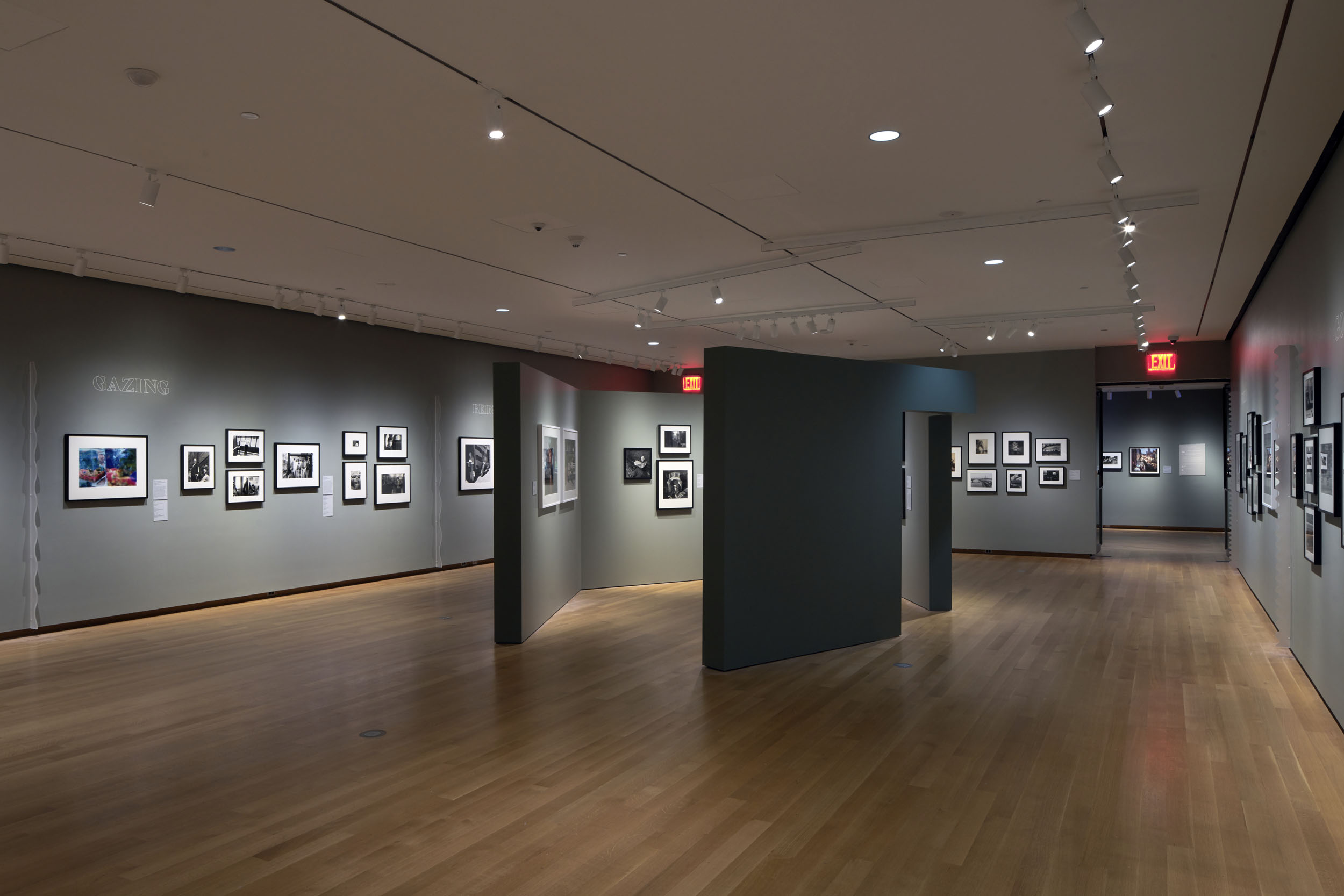
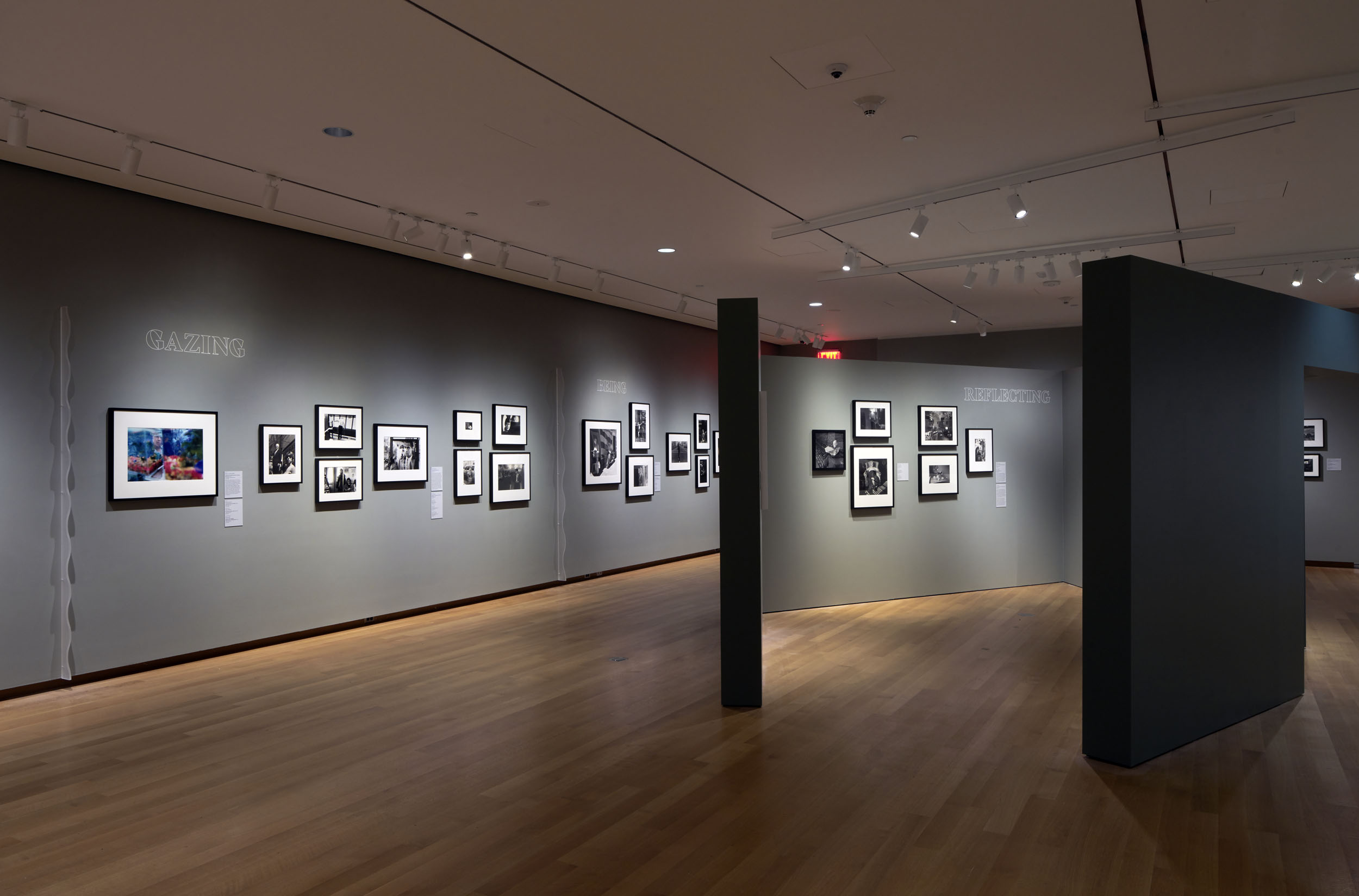
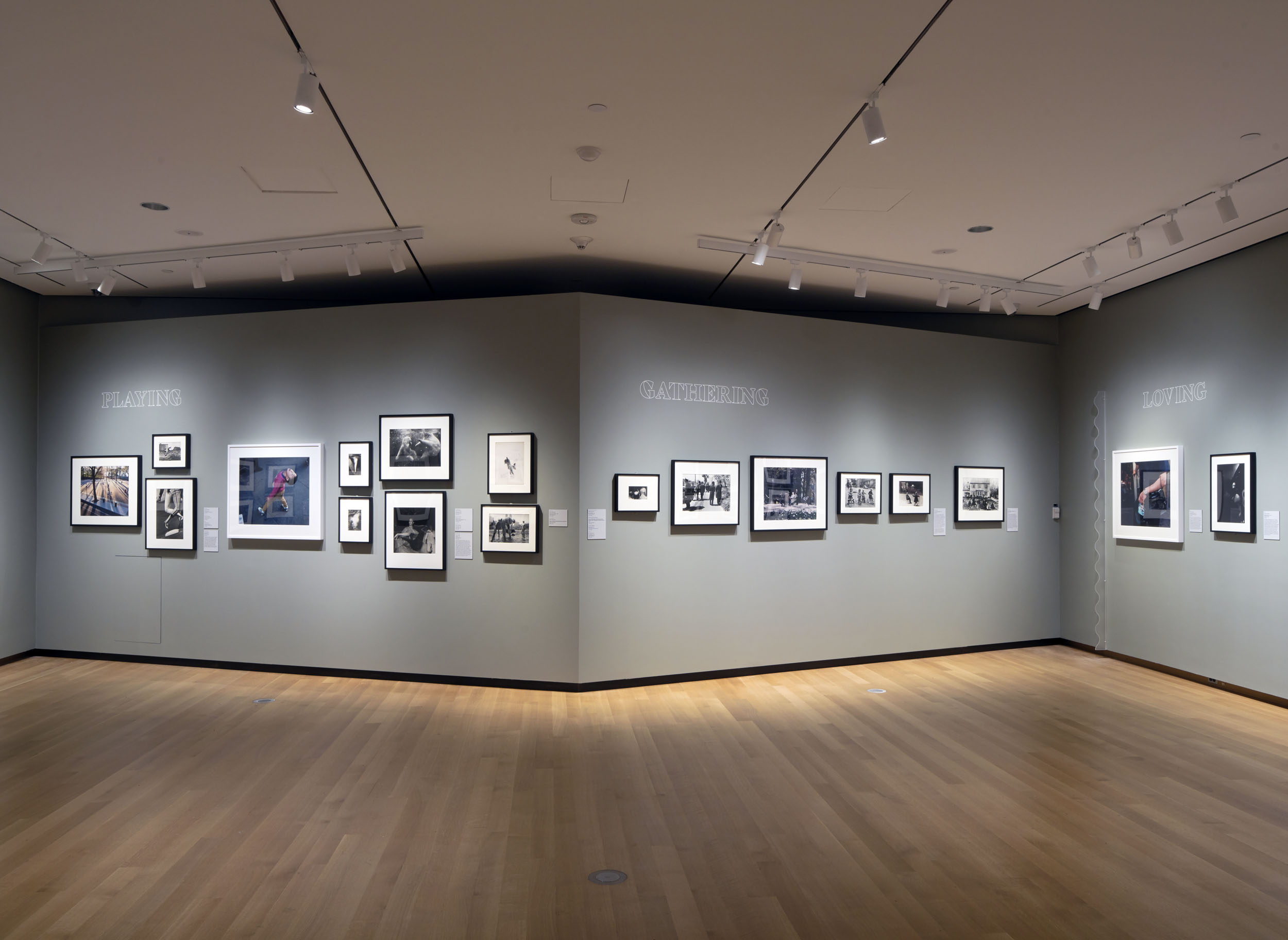
Installation view of the exhibition 'Celebrating the City: Recent Acquisitions from the Joy of Giving Something' at the Museum of the City of New York

Installation view of the exhibition 'Celebrating the City: Recent Acquisitions from the Joy of Giving Something' at the Museum of the City of New York

Installation view of the exhibition 'Celebrating the City: Recent Acquisitions from the Joy of Giving Something' at the Museum of the City of New York

Installation view of the exhibition 'Celebrating the City: Recent Acquisitions from the Joy of Giving Something' at the Museum of the City of New York

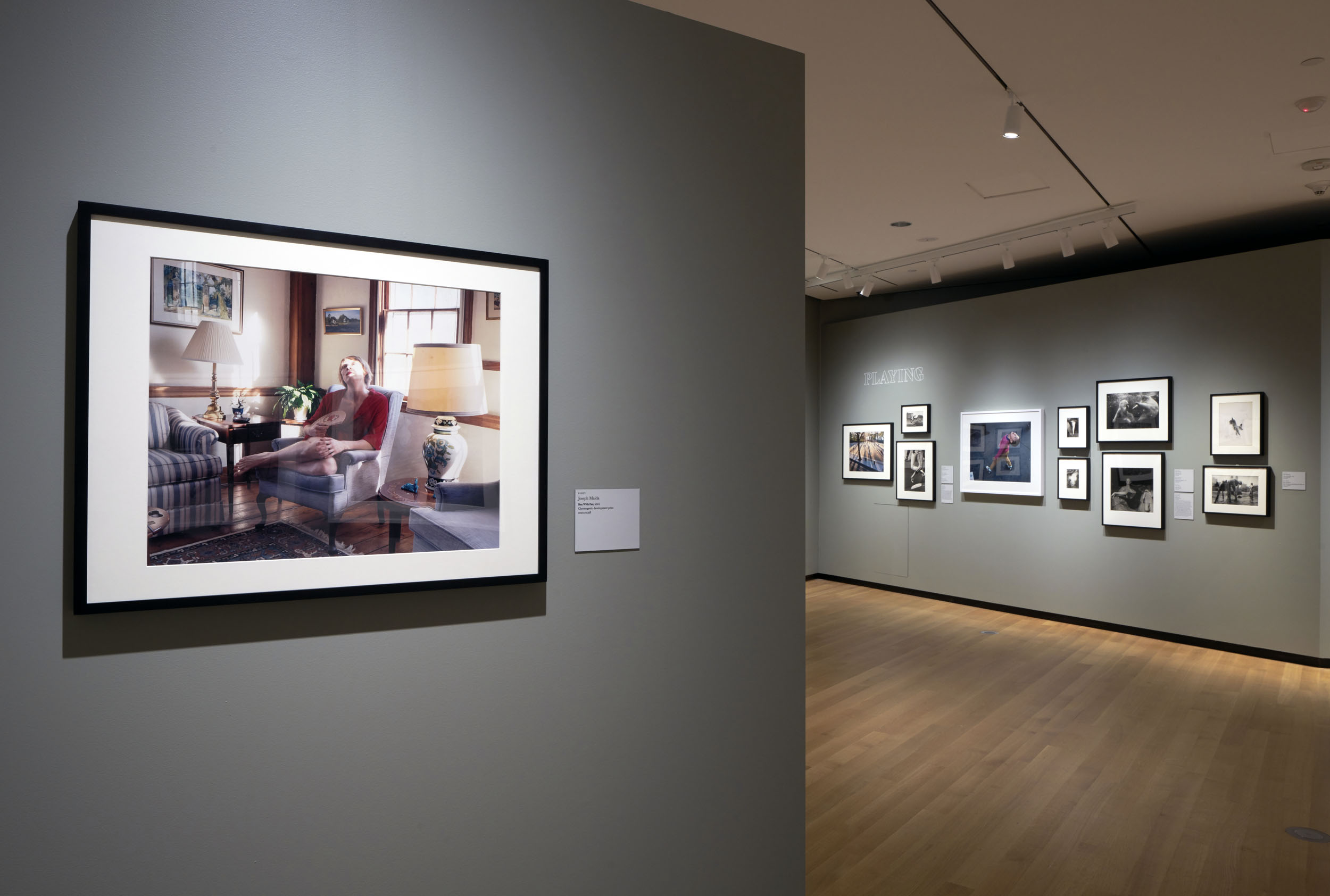
Installation view of the exhibition 'Celebrating the City: Recent Acquisitions from the Joy of Giving Something' at the Museum of the City of New York with at left, Joseph Maida's 'Ben with fan' 2001
At left: Joseph Maida. Ben with fan 2001
Installation view of the exhibition 'Celebrating the City: Recent Acquisitions from the Joy of Giving Something' at the Museum of the City of New York

Installation view of the exhibition 'Celebrating the City: Recent Acquisitions from the Joy of Giving Something' at the Museum of the City of New York showing at right, Mitch Epstein's 'Untitled [New York #3]' 1995
At right: Mitch Epstein. Untitled [New York #3] 1995
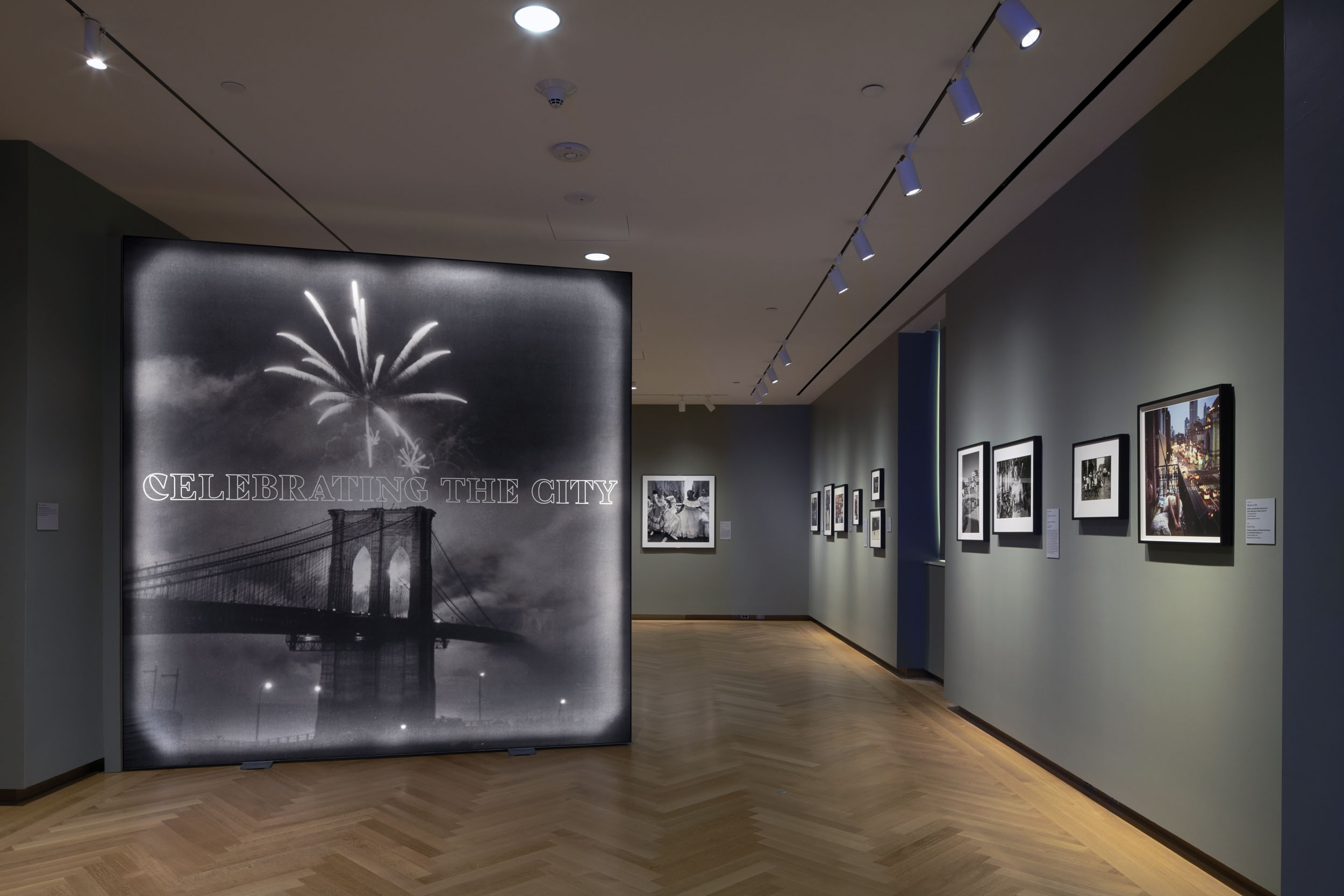
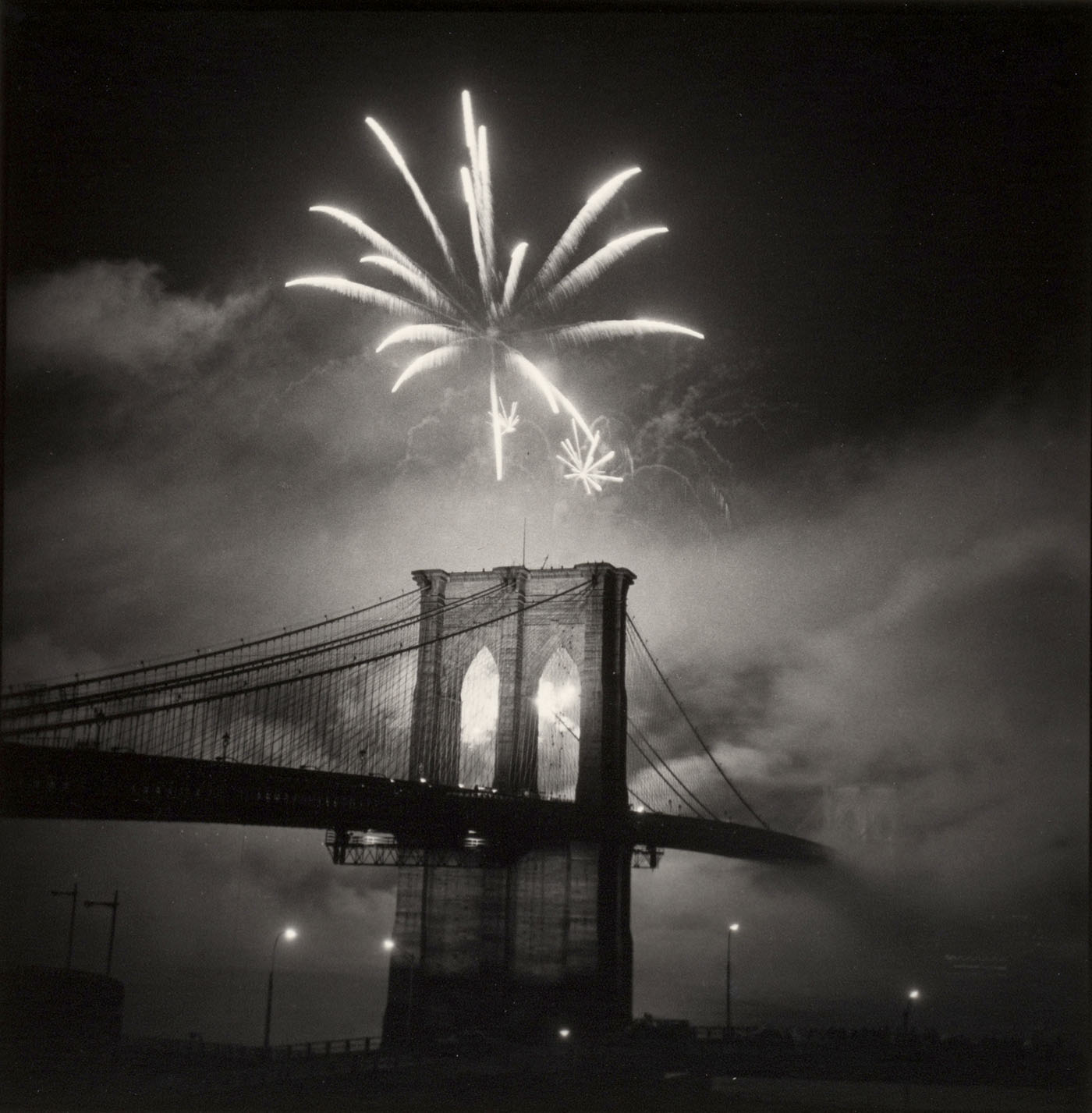
Installation view of the exhibition 'Celebrating the City: Recent Acquisitions from the Joy of Giving Something' at the Museum of the City of New York, showing at left, and enlargement of Bruce Cratsley's 'Brooklyn Bridge Centennial' 1983


Installation views of the exhibition Celebrating the City: Recent Acquisitions from the Joy of Giving Something at the Museum of the City of New York, showing in the bottom photograph at left, and enlargement of Bruce Cratsley’s Brooklyn Bridge Centennial 1983
Photos: Brad Farwell


Celebrating the City: Recent Photography Acquisitions from the Joy of Giving Something highlights a gift that has dramatically advanced the Museum’s already exceptional photography collection. Juxtaposing striking recent images with work by some of the 20th century’s most important photographers, including the Museum’s first images by Robert Frank and William Klein, the exhibition is a moving celebration of the power of photography to capture New York and New Yorkers.

Since the invention of photography, the streets of New York City have lured picture-makers from across the world. Each borough, neighbourhood, and corner offers and opportunity to see something new through the lens, yielding images as varied as the street life itself. New York’s diverse built environment provides a backdrop for the true subject of many photographers: the varied lives of New Yorkers.

The photographers in this exhibition have immortalised this ever-changing urban centre. Each has created a distinctive vision of the city, providing a window into a vast and complex metropolis. The have also made use of the changing technology of photography itself to produce images whose meanings range from apparently objective reflections of reality to highly crafted expression of the artists’ responses to the people and the city around them.

Introduction

New York City may always be in flux, but shared activities and experiences connect New Yorkers across time and space. For more than a century, many of the world’s best photographers have used their cameras to capture iconic scenes of New Yorkers in action – from mundane daily routines to special events of gathering and ritual. They have sought out the deeply personal moments that occur within this city of millions and have capture both the “New Yorkiness” of its inhabitants and he ways New York experiences are linked to the larger human condition.

The photographs in this gallery are arranged into themes that capture these quintessential New York moments without consideration to chronology. The images allow us to see a range of photographic styles applied to experiences that are common to so many New Yorkers, while also highlighting the ever-changing state of the city over many decades.

Wall text from the exhibition


Working


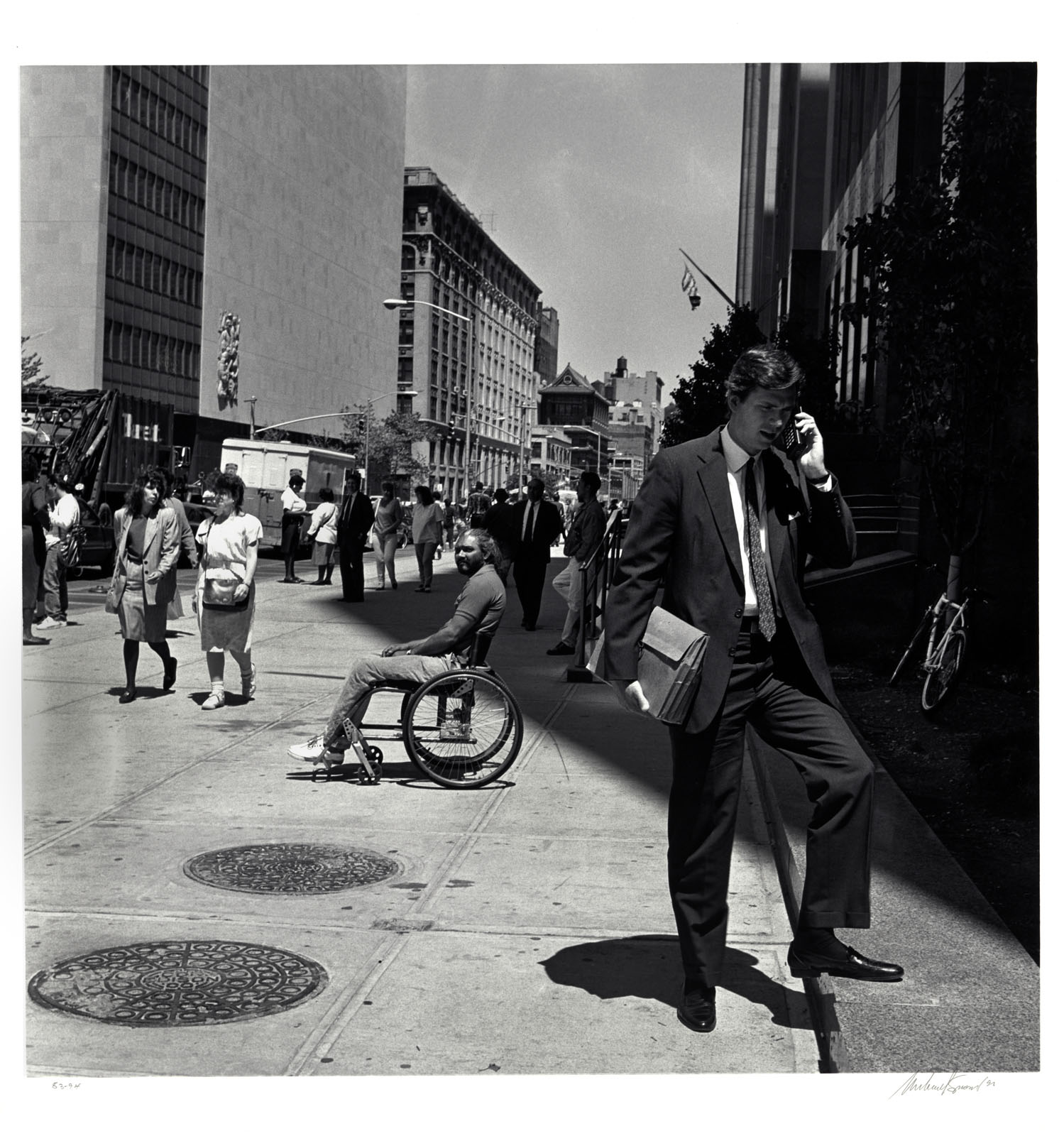
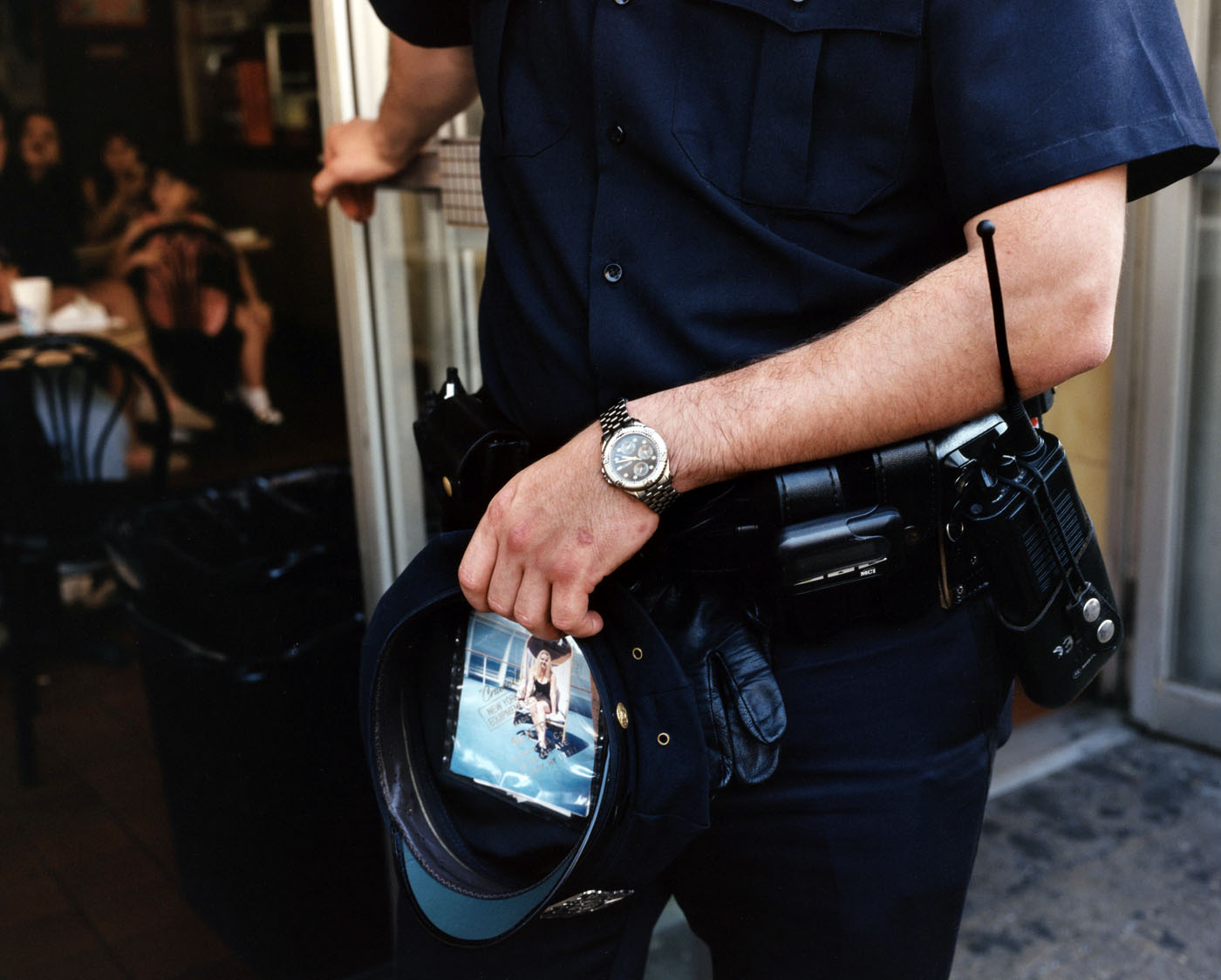
Michael Spano (American, b. 1949) 'Untitled (Man in street on phone, Police Plaza near Canal Street)' 1994 from the exhibition 'Celebrating the City: Recent Acquisitions from the Joy of Giving Something' at the Museum of the City of New York, Feb - Dec, 2022


Michael Spano (American, b. 1949)
Untitled (Man in street on phone, Police Plaza near Canal Street)
1994
Gelatin silver print
Museum of the City of New York
Gift of Joy of Giving Something, Inc.,
Courtesy of the Photographer


Michael Spano has made New York City the constant subject of his work over a long career, while exploring the possibilities of the medium, from print solarisation to collage. This photograph exemplifies Spano’s keen observational eye and attention to composition, with repeating patterns and visual dichotomy produced through light and shadow. Several other examples of work by this artist are on also on view in this gallery, including photographs from the series “Auto Portraits” and “Splits.”


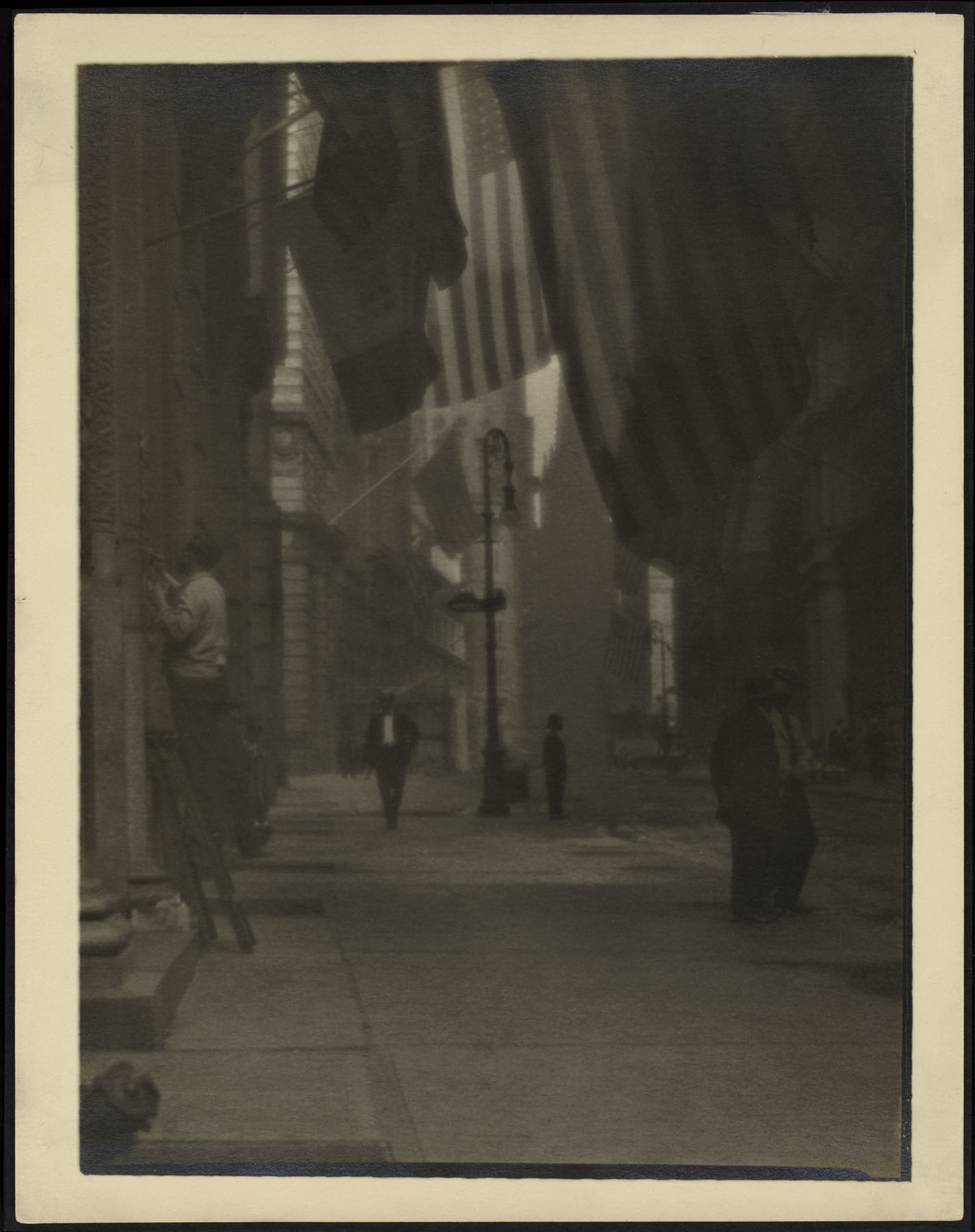
William Gordon Shields (American, 1883-1947) 'Flag Day' 1917 from the exhibition 'Celebrating the City: Recent Acquisitions from the Joy of Giving Something' at the Museum of the City of New York, Feb - Dec, 2022


William Gordon Shields (American, 1883-1947)
Flag Day
1917
Museum of the City of New York
Gift of Joy of Giving Something, Inc.,


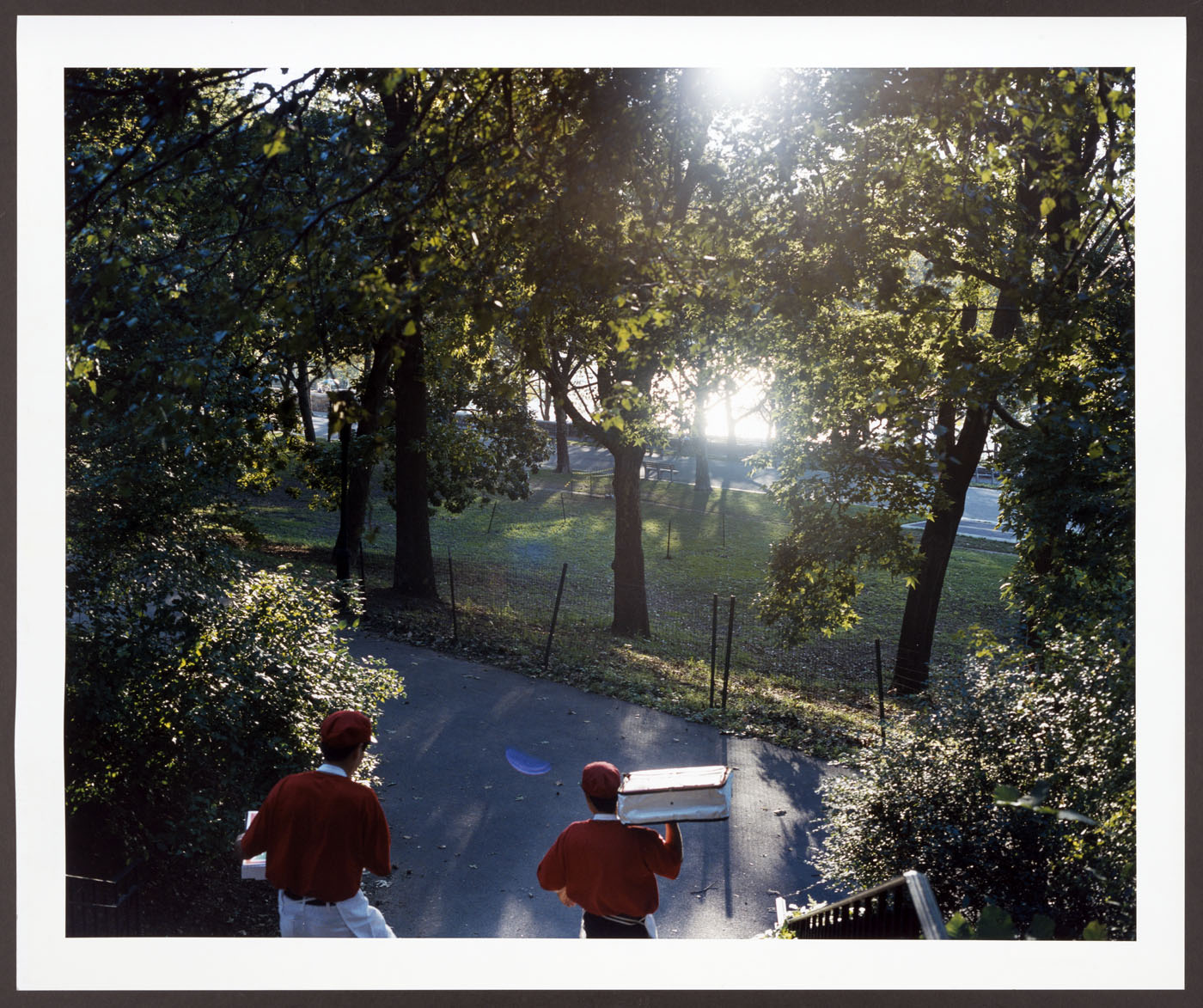
Joseph Maida (American) 'Pizza Delivery' 2002


Joseph Maida (American)
Pizza Delivery
2002
Chromogenic development print
Museum of the City of New York
Gift of Joy of Giving Something, Inc.,
Courtesy of the Photographer


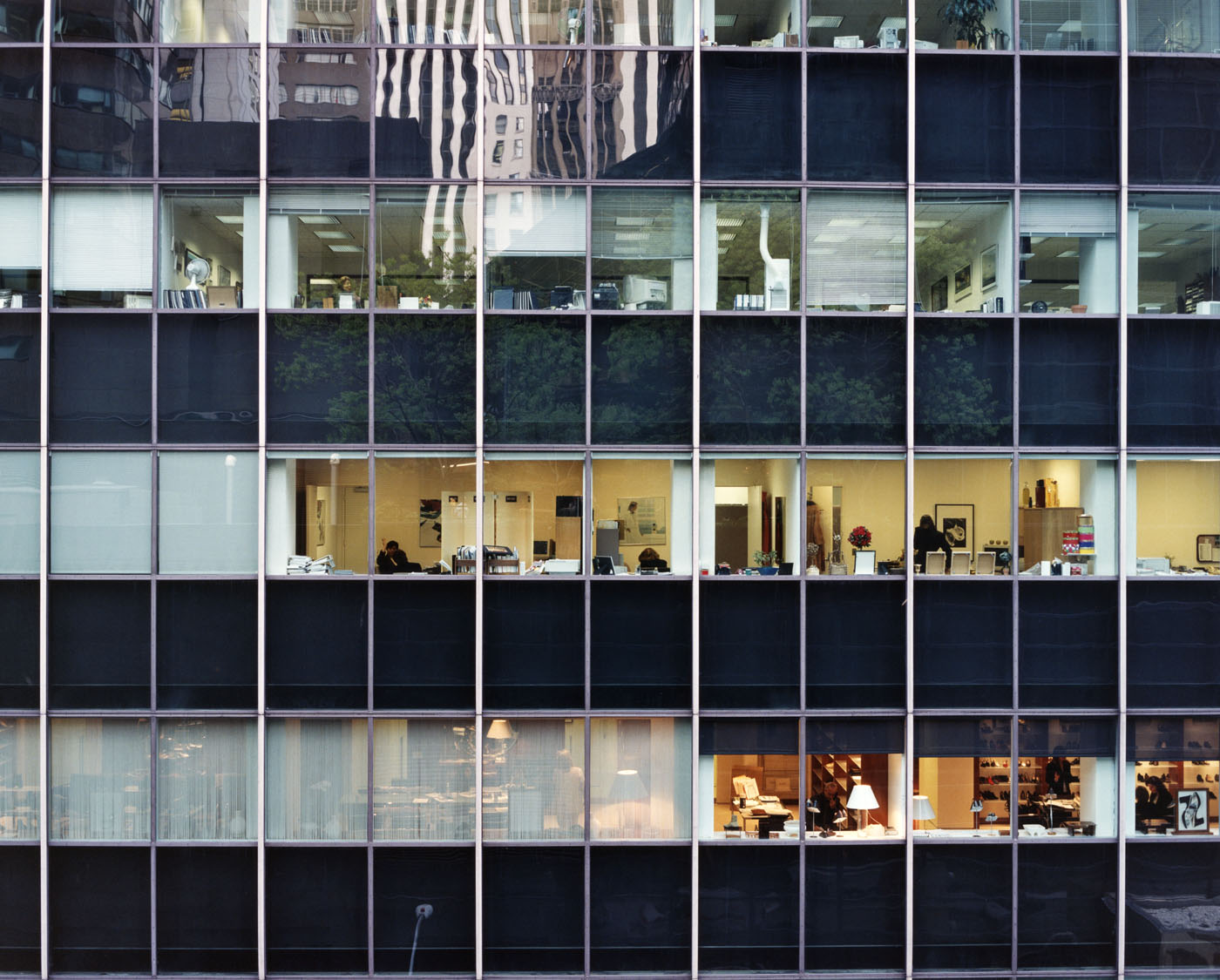
Mitch Epstein (American, b. 1952) 'Untitled (New York City #21)' 1997


Mitch Epstein (American, b. 1952)
Untitled (New York City #21)
1997
Chromogenic development print
Museum of the City of New York
Gift of Joy of Giving Something, Inc.,
Courtesy of the Photographer


Going


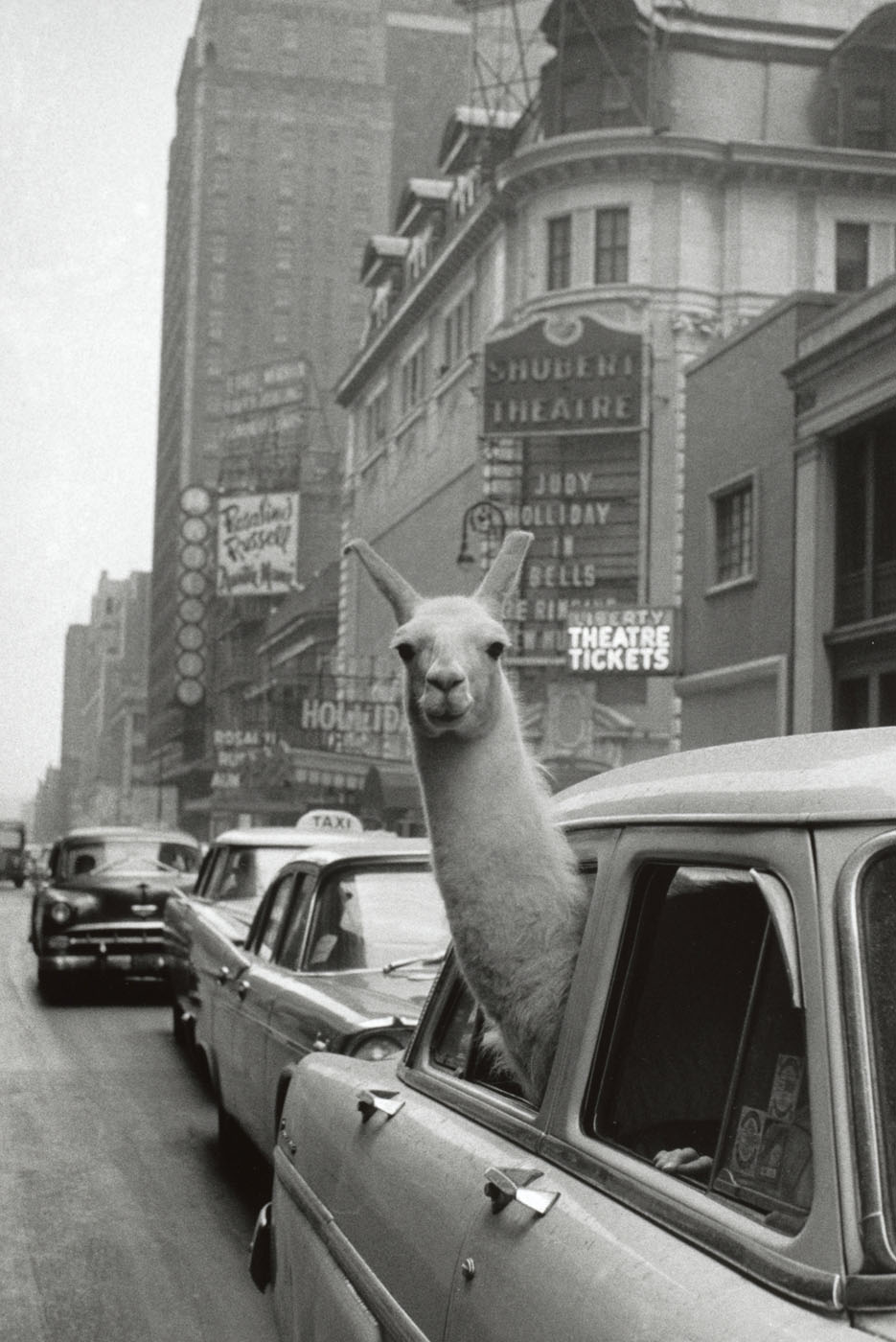
Inge Morath (Austrian, 1923-2002) 'A Llama in Times Square' 1957


Inge Morath (Austrian, 1923-2002)
A Llama in Times Square
1957
Gelatin silver print
Museum of the City of New York
Gift of Joy of Giving Something, Inc.,
Courtesy of the Estate of Inge Morath


The noted photojournalist Inge Morath made this photograph of a llama in Times Square, easily her most recognisable photograph, for Life magazine in 1952. Although the image looks spontaneous, it was part of a highly planned assignment. The image was published in a one-page story, in the magazine’s humorous “Animals” section, and was entitled “High-paid llama in big city.” The piece featured a menagerie of television animals – including, in addition to the llama, dogs, cats, birds, a pig, a kangaroo, and a miniature bull – living at home with their trainers in a Manhattan brownstone. Morath’s full caption for the image reads, “Linda, the Lama [sic], rides home via Broadway. She is just coming home from a television show in New York’s ABC studios and now takes a relaxed and long-necked look at the lights of one of the world’s most famous streets.”


Michael Spano (American, b. 1949) '5th Ave. & the Park' 2005


Michael Spano (American, b. 1949)
5th Ave. & the Park
2005
From the series Auto Portraits
Gelatin silver print
Museum of the City of New York
Gift of Joy of Giving Something, Inc.,
Courtesy of the Photographer


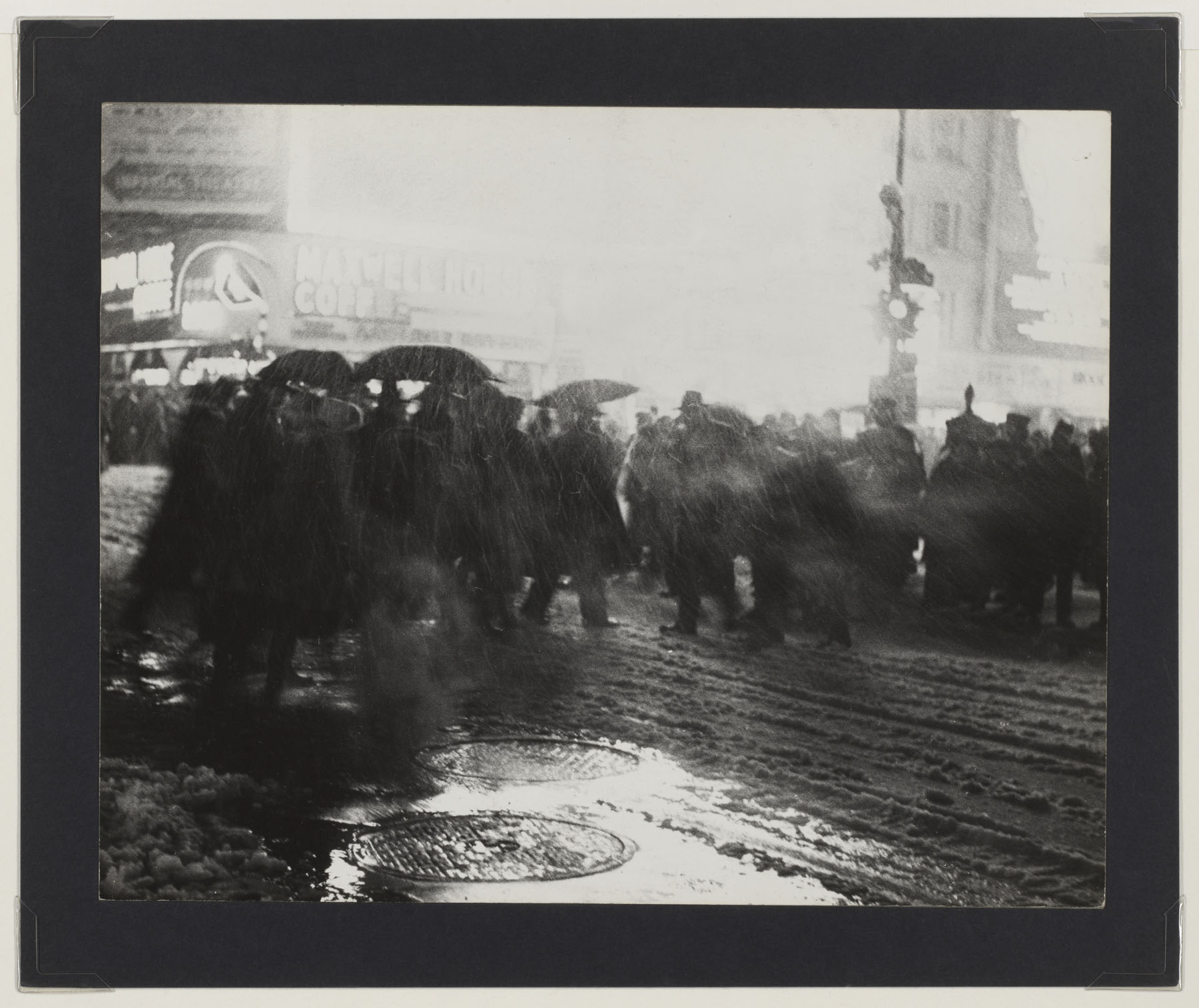
Ted Croner (American, 1922-2005) 'Going Slushy Street, Times Square' 1948


Ted Croner (American, 1922-2005)
Going Slushy Street, Times Square
1948
Gelatin silver print
Museum of the City of New York
Gift of Joy of Giving Something, Inc.,
Courtesy of the Estate of Ted Croner


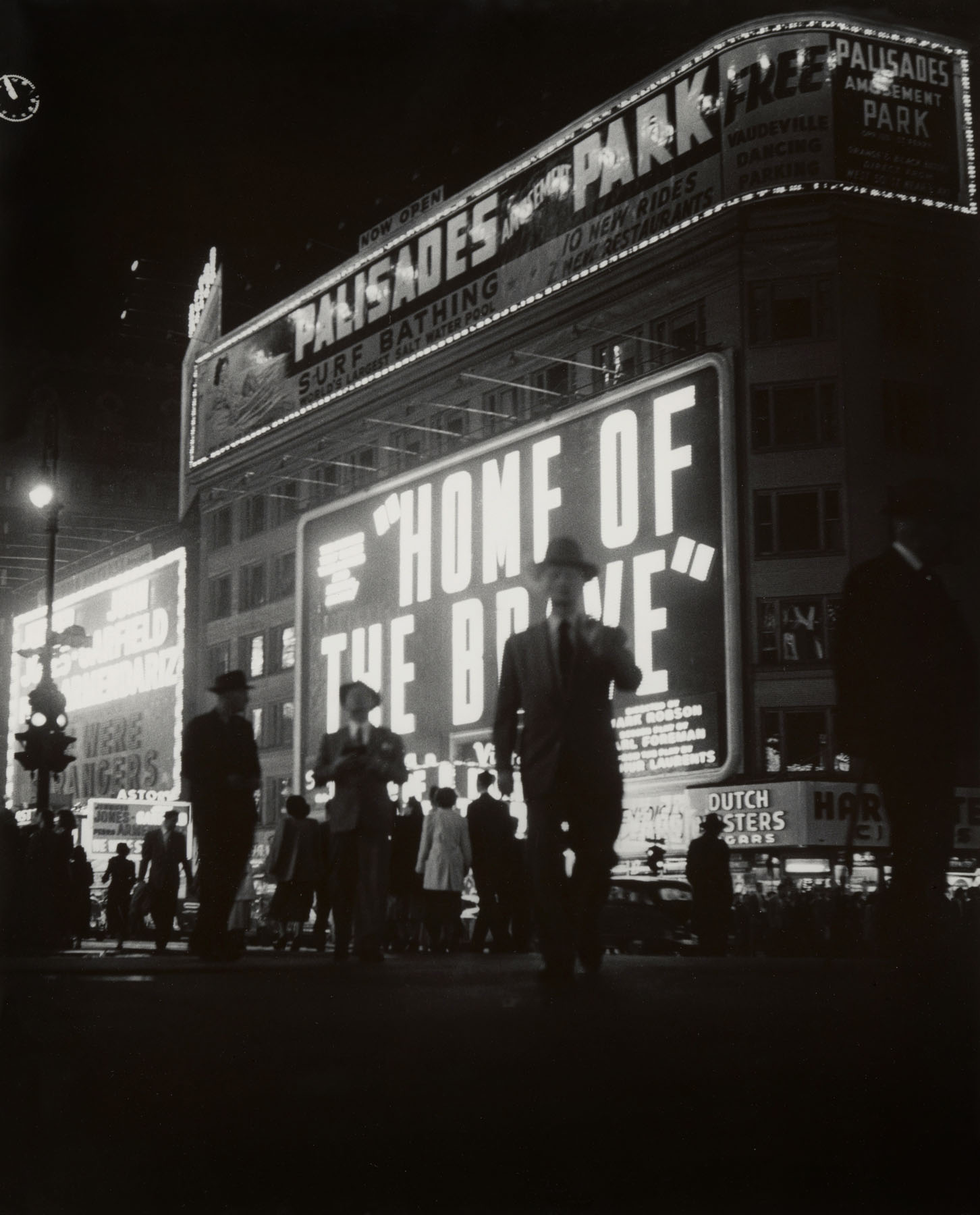
Ted Croner (American, 1922-2005)

Ted Croner (1922-2005) was an American photographer, described as an influential member of the New York school of photography during the 1940s and 1950s. His images are said to represent the best example of this movement.

Born in Baltimore in 1922 and raised in North Carolina, Croner developed an interest in photography while in high school. He honed his skills while serving as an aerial photographer in World War II before settling in New York City in 1947. At the urging of fashion photographer Fernand Fonssagrives, he enrolled in Alexey Brodovitch’s class at The New School where he studied with Diane Arbus, Richard Avedon and Lisette Model. During this period he produced many of his most memorable images including “Taxi, New York Night, 1947-1948”, which appears on the cover of Bob Dylan’s 2006 album, Modern Times. Another of Croner’s photographs was used on the cover of Luna’s album Penthouse.

Croner also had a successful career as a fashion and commercial photographer – his work was published in Harper’s Bazaar and Vogue. He also worked extensively with corporations such as Coca-Cola and Chase Manhattan Bank.

Text from the Wikipedia website


Ted Croner (1922-2005) was born in Baltimore, MD. and grew up in Charlotte, N.C. After joining the army during World War II, Croner worked as an aerial photographer with the United States Army Air Corps stationed in the South Pacific. In1946, Croner went to New York where he and Bill Helburn, another former Air Corps photographer, used their G.I. Bill aid to open a small photography studio on West 57th street in Manhattan. Shortly after that, Croner enrolled in Alexey Brodovitch’s photography class at the New School. Perhaps Croner’s best-known work, Taxi – New York Night, 1947-1948, was taken while he was a student in Brodovitch’s legendary “design laboratory”.

In 1948 Edward Steichen, then the director of photography at the Museum of Modern Art in New York, chose to include Croner in two exhibitions at the Museum: “In and Out of Focus” and “Four Photographers” which included three other photographers: Bill Brandt, Harry Callahan and Lisette Model. Other exhibitions of Croner’s work followed. As he continued to accept commercial work at magazines like Harper’s Bazaar and Vogue, Croner pursued his own photography, producing vigorously experimental, cinematic images of cafeterias, solitary diners and the city after dark.

Interest in Croner’s work was revived with the publication of The New York School, Photographs by Jane Livingston in 1992 which followed the 1985 exhibition of the same name at the Corcoran Gallery in Washington, DC. For the cover of the book, Livingston chose a picture by Croner, “New York at Night, 1948” which shows a Manhattan skyline reduced to abstract slashes of white light among black tall buildings against a gun-metal grey sky. This was followed by inclusion in the exhibition “By Night” at The Cartier Foundation in Paris in 1996, the Whitney Museum’s 1999 exhibition “American Century Part II” and in 2005, in the exhibition “At The Crossroads of Time: A Times Square Centennial” at the Axa Gallery in New York, and in “Street Seen: The Psychological Gesture in American Photography 1940-1959” at the Milwaukee Art Museum in 2010.

Anonymous text from the Howard Greenberg Gallery website [Online] Cited 11/02/2022


Ted Croner (American, 1922-2005) 'Home of the Brave, Times Square' late 1940s


Ted Croner (American, 1922-2005)
Home of the Brave, Times Square
late 1940s
Gelatin silver print
Museum of the City of New York
Courtesy of the Estate of Ted Croner


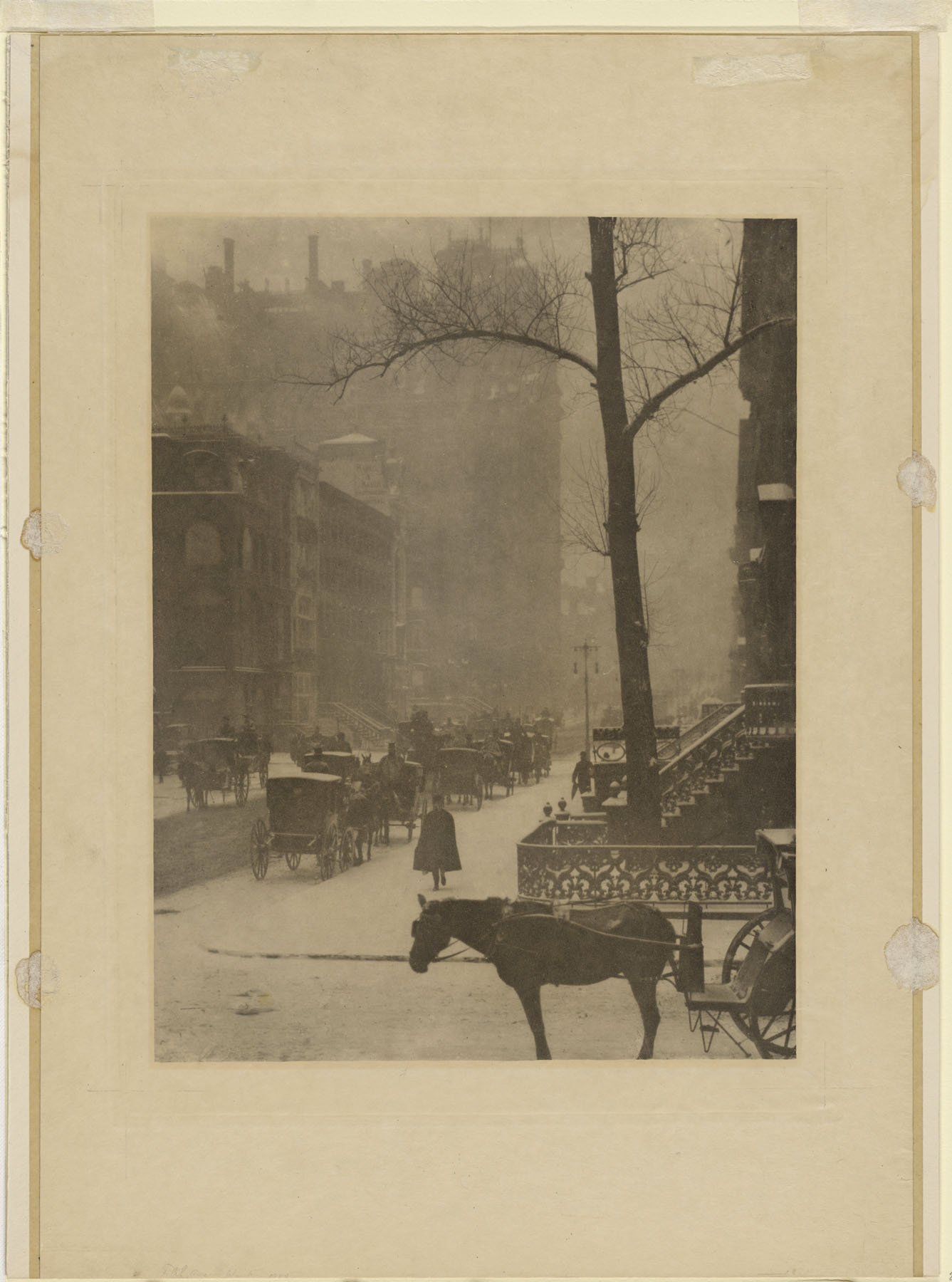
Alfred Stieglitz (American, 1864-1946) 'The Street – Design for a Poster' 1903


Alfred Stieglitz (American, 1864-1946)
The Street – Design for a Poster
1903
Photogravure
Museum of the City of New York
Gift of Joy of Giving Something, Inc.,


In the late 19th and early 20th centuries, there was perhaps no more important figure for the advancement of photography’s position in the arts than Alfred Stieglitz. At a time when photography was viewed as a fact-based, scientific craft, Stieglitz had an unerring ambition to prove that the medium was as capable of artistic expression as painting or sculpture. This photograph, taken at Fifth Avenue and 30th Street, with its moody scene and soft-focused, impressionistic aesthetic, exemplifies the painterly qualities Stieglitz espoused (sometimes described as Pictorialism). In later years, the photographer changed course and embraced “straight” sharp-focused photography as the best representation of the artistic qualities of the medium.


Shopping


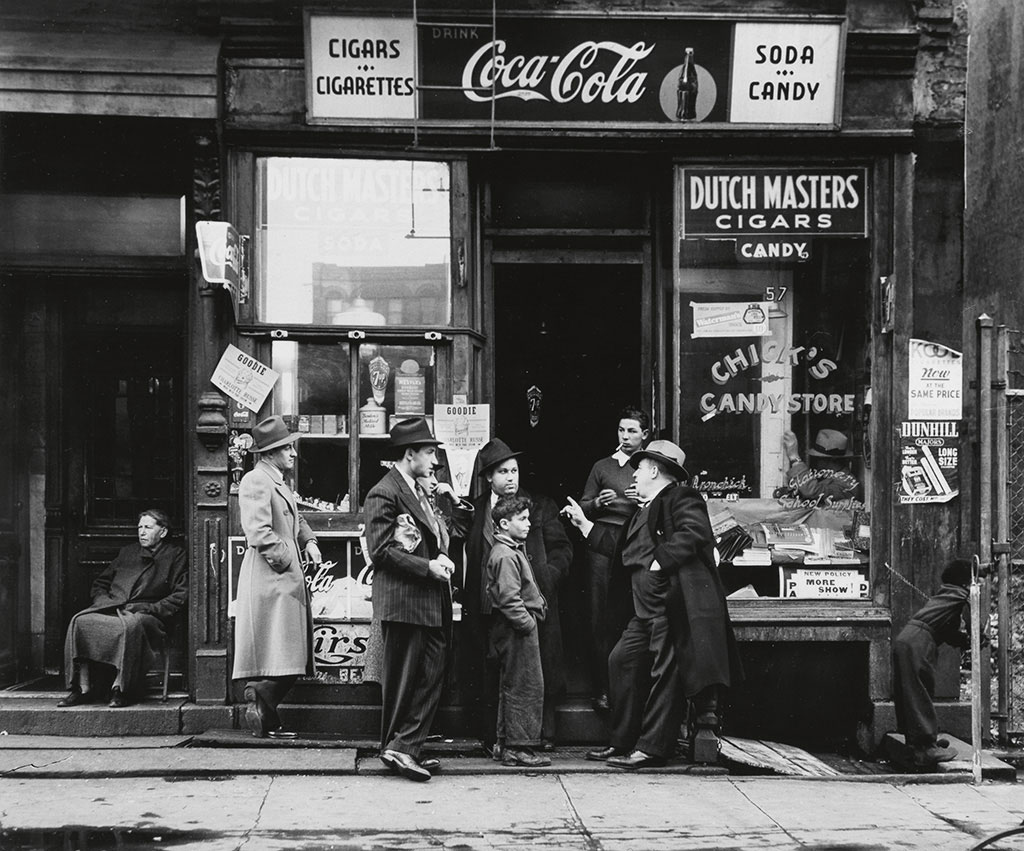
Walter Rosenblum (American, 1919-2006) 'Chick's Candy Store, Pitt Street, NY' 1938


Walter Rosenblum (American, 1919-2006)
Chick’s Candy Store, Pitt Street, NY
1938
Gelatin silver print
Museum of the City of New York
Gift of Joy of Giving Something, Inc.,


Walter A. Rosenblum (1919-2006) was an American photographer. He photographed the World War II D-Day landing at Normandy in 1944. He was the first Allied photographer to enter the liberated Dachau concentration camp.

Rosenblum was a member of the New York Photo League where he was mentored by Paul Strand and Lewis Hine. He became president of the League in 1941. He taught photography at Brooklyn College for 40 years.

Text from the Wikipedia website


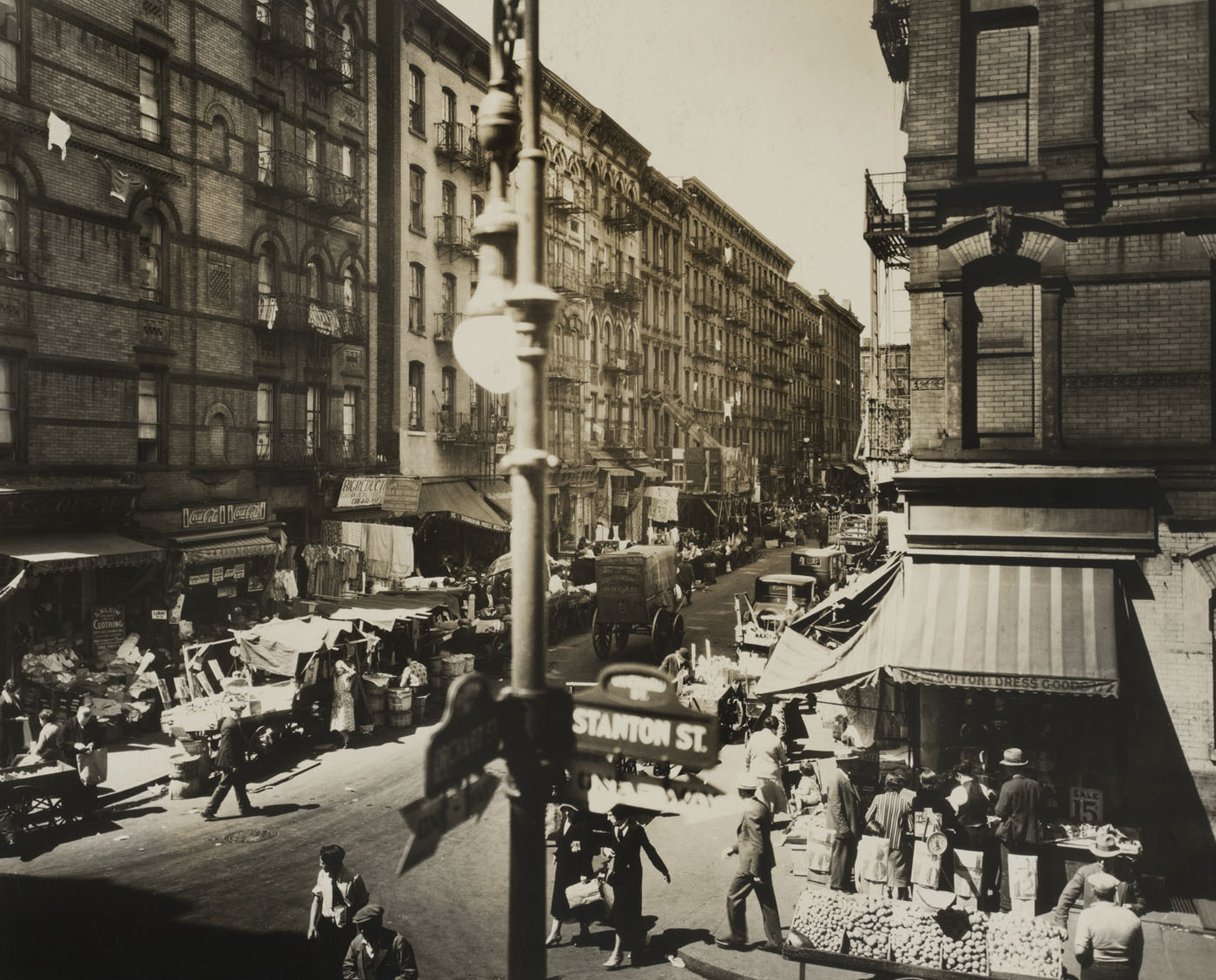
Berenice Abbott (American, 1898-1991) 'Stanton and Orchard Streets' 1936


Berenice Abbott (American, 1898-1991)
Stanton and Orchard Streets
1936
Museum of the City of New York
Gift of Joy of Giving Something, Inc.,


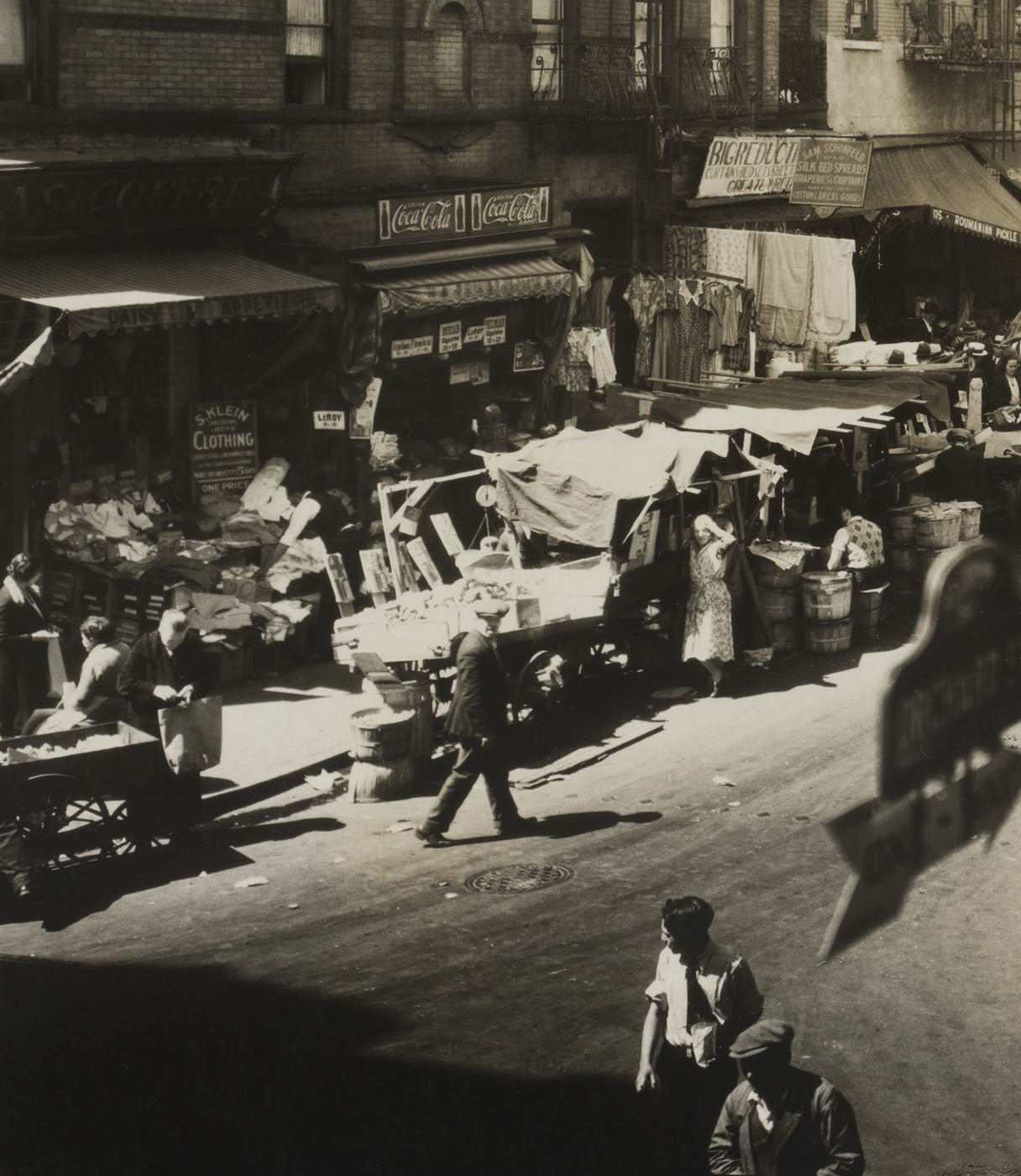
Berenice Abbott (American, 1898-1991) 'Stanton and Orchard Streets' 1936 (detail)


Berenice Abbott (American, 1898-1991)
Stanton and Orchard Streets (detail)
1936
Museum of the City of New York
Gift of Joy of Giving Something, Inc.,


A llama in Times Square… fireworks over the Brooklyn Bridge… polar bears playing in a pool at the zoo… subways, skylines, shadows, and stolen moments… all these things and more tell the varied story of New York City, captured by the lenses of many of the medium’s greatest photographers. Now, these images will be on view as part of “Celebrating the City: Recent Acquisitions from the Joy of Giving Something,” opening February 18th at Museum of the City of New York. The exhibition will feature approximately 100 photographs selected from the more than 1,000 images recently gifted to the Museum by the Joy of Giving Something (JGS), a non-profit organisation dedicated to the photographic arts.

“Photographs of New York are instantly recognisable and help us celebrate and elevate the many stories of our vibrant city that might otherwise go unnoticed,” says Whitney Donhauser, Ronay Menschel Director of Museum of the City of New York. “As we continue to emerge from the challenges of the COVID pandemic, this magnificent gift from the Joy of Giving Something dramatically advances MCNY’s already stellar 400,000+ image photography collection and gives us an even greater ability to share the stories of our beloved city and its inhabitants.”

“JGS is extremely pleased to donate a substantial group of prints from our collection to the Museum of the City of New York. Most of the work in our donation features New York as subject and it is a great match that the photographs stay in New York to be enjoyed by audiences far and wide,” says Jeffrey Hoone, President of Joy of Giving Something (JGS). “New York continues to be a subject for photographic artists from around the world and JGS is proud to help continue that legacy as we support younger artists through our many different programs. We applaud the Museum for their forward-thinking programs and their commitment to preserving and celebrating New York as a vibrant subject for photographers past, present, and future.”

Devoted to the field of photography, and ever on the search for its very best practitioners, JGS founder Howard Stein never limited himself to a single genre or style. Stein began acquiring photographs in the 1980s, eventually forming one of the most comprehensive collections in private hands, spanning the 19th through the 21st centuries. His understanding of the photographic medium and discerning eye for print quality and condition yielded a remarkable collection shared through exhibition loans around the world.

With images ranging from documentary to quirky, architectural to atmospheric, “Celebrating the City” features selections from this transformative donation, which notably includes works by 30+ creators new to the MCNY collection (see list on Page 4). The exhibition presents multiple images from Helen Levitt‘s dynamic and celebrated street photography; Sylvia Plachy‘s playful and eccentric examination of the people, animals, and moments of NYC; and Michael Spano‘s slice-of-life city shots spanning the 1990s and 2000s. Other key figures in 20th century photography are incorporated into the show, including Ilse Bing, Bruce Davidson, Mitch Epstein, Elliott Erwitt, Robert Frank, William Klein, Saul Leiter, Alfred Stieglitz, Rosalind Solomon, and Paul Strand, to name a few – all capturing indelible, sometimes implausible, intimate, and often incredible moments of the city.

MCNY’s “Celebrating the City” is organised into 10 categories, from working, going shopping, playing, and gathering to loving, gazing, being, reflecting and building, all illustrating the universality of the city and offering the opportunity to compare how some of the best-known photographers have returned to the same subjects again and again.

Some exhibition highlights include:

Bruce Cratsley’s “Brooklyn Bridge Centennial” (1983)
Bruce Davidson’s “Square Riggers, South Street Seaport” (1996)
Elliott Erwitt’s “New York City” (1955)
Larry Fink’s “Studio 54” (1977)
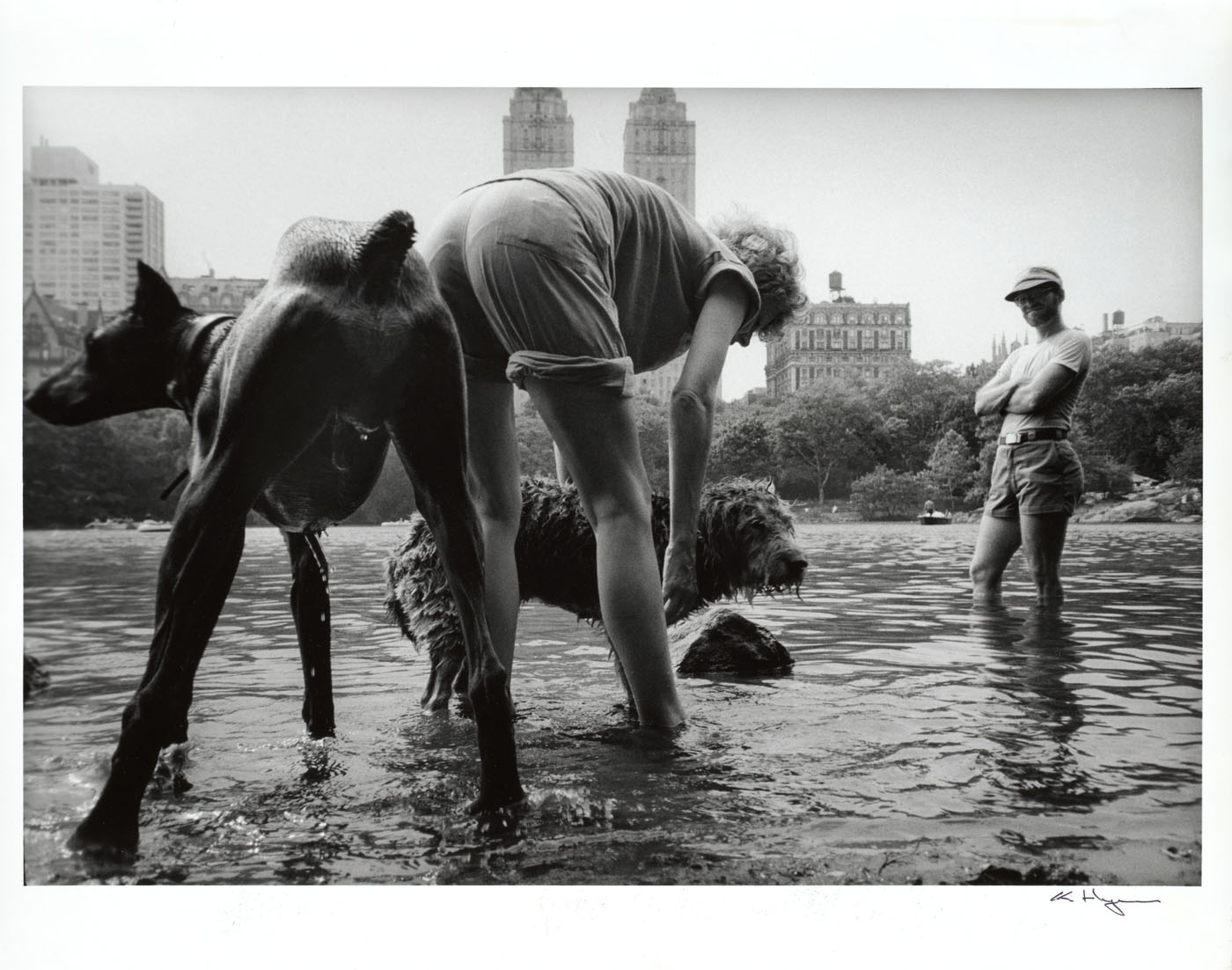
Ken Heyman’s “Dogs’ Last Swim in Central Park Lake, New York” (1985)
Philip-Lorca diCorcia’s “Alice (Alice Rose George)” (1987)
Inge Morath’s “A Llama in Times Square” (1957)
Sylvia Plachy’s “Baseball Plié” (1982)


“In addition to offering glimpses of life in the city, ‘Celebrating the City’ juxtaposes various picture-making approaches, showing the different ways in which photographs are created as well as illuminating the decision-making process behind photography, collecting, and curation,” says Sean Corcoran, senior curator of prints and photographs, Museum of the City of New York. “We’ve paired the JGS photographs with a handful of recently acquired works – presented in the anteroom – in an effort to tell the story of a diverse and contemporary city from a range of perspectives.”

Press release from the Museum of the City of New York


Playing


Ken Heyman (American, 1930-2019) 'Dogs' Last Swim in Central Park Lake, New York' 1985


Ken Heyman (American, 1930-2019)
Dogs’ Last Swim in Central Park Lake, New York
1985
Gelatin silver print
Museum of the City of New York
Gift of Joy of Giving Something, Inc.,
Courtesy of the Estate of Ken Heyman


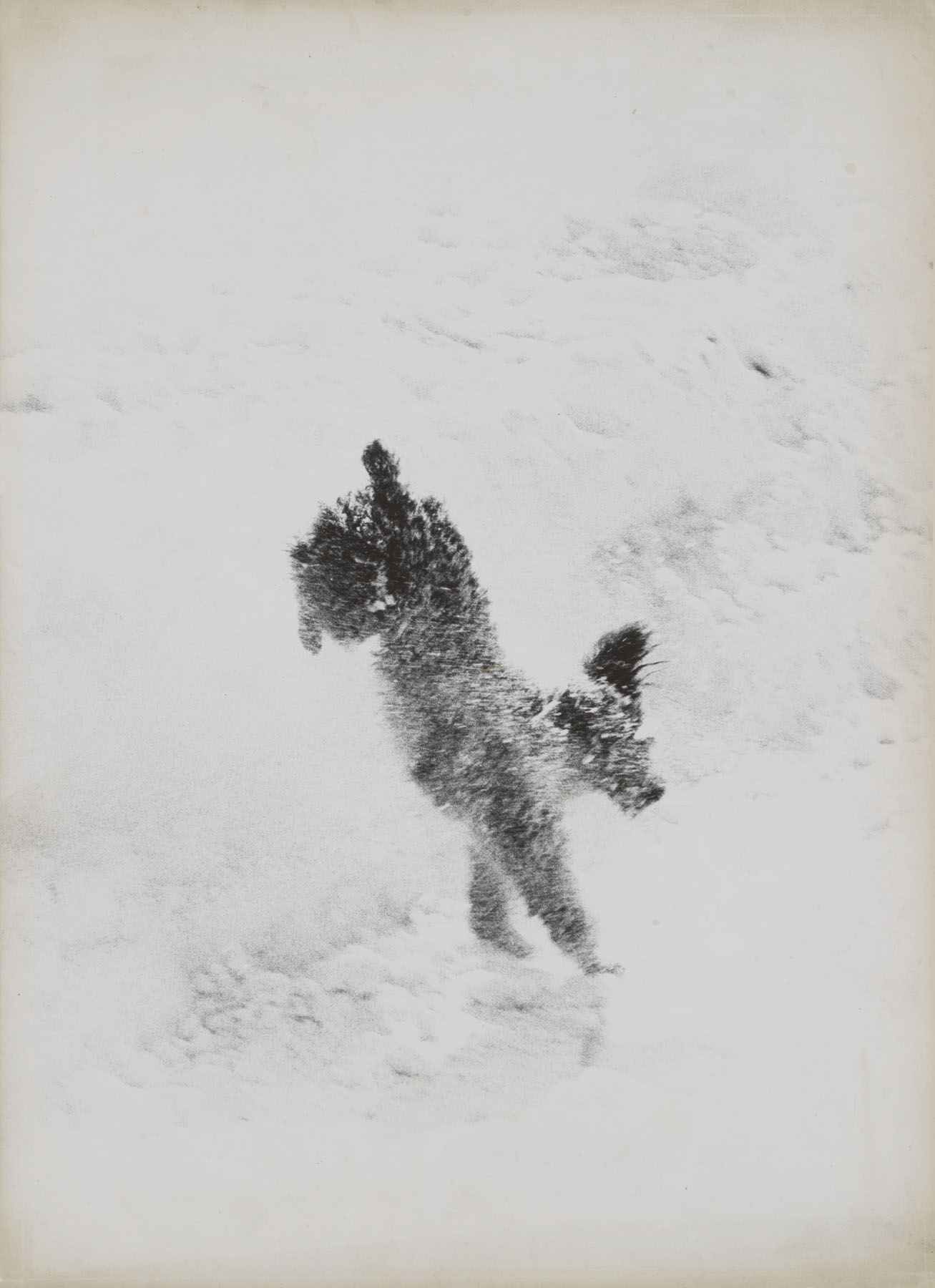
Paul Himmel (American, 1914-2009) 'Dog in Central Park' c. 1955


Paul Himmel (American, 1914-2009)
Dog in Central Park
c. 1955
Gelatin silver print
Museum of the City of New York
Gift of Joy of Giving Something, Inc.,
Courtesy of the Estate of Paul Himmel


Paul Himmel (American, 1914-2009)

Paul Himmel (1914 – February 8, 2009) was a fashion and documentary photographer in the United States.

Himmel was the son of Ukrainian-Jewish immigrants. He took up photography as a teenager and studied graphic journalism under art director Alexey Brodovitch. From 1947 to 1969, he worked as a professional photographer for Vogue and Harper’s Bazaar, and several of his photographs were included in Edward Steichen’s “Family of Man” exhibition.

In the 1950s, Himmel started his own projects, including series on boxers, the circus and ballet. He experimented with grain structure in his negatives and prints, using a series of silhouetted and elongated forms abbreviated almost to the point of abstraction.

Himmel took his last photograph in 1967, and by 1969, he became disenchanted with photography and retrained as a psychotherapist. An exhibit of his photographs in New York City in 1996 brought him back to public attention. Himmel’s photographs are fresh and unusual. Many are high-contrast, emphasising the design and patterns contained in an image. His subjects ranged from New York City scenes to nudes reduced to grainy vestiges to colour abstractions.

Text from the Wikipedia website


Larry Fink (American, 1941-2023) 'Studio 54' 1977


Larry Fink (American, 1941-2023)
Studio 54
1977
Gelatin silver print
Museum of the City of New York
Gift of Joy of Giving Something, Inc.,
Courtesy of the Photographer


Larry Fink was born in Brooklyn in 1941. In the 1960s, he studied with noted photographer Lisette Model. This photograph from Studio 54, made in 1977 in the hedonistic heyday of the disco era, is a well know image from Fink’s series “Social Graces,” which explored social class in America by comparing two different worlds: that of urban New Yorkers of “high society” and that of rural, working-class Pennsylvanians through social events like birthday parties. Fink has described his approach to his subject in a straightforward, non-judgmental manner, “The one thing I was trained in being was non-hierarchical. I don’t have an internal class system. Who you are is who is in front of me and who I am in the same, and that’s how we have to relate to each other.”


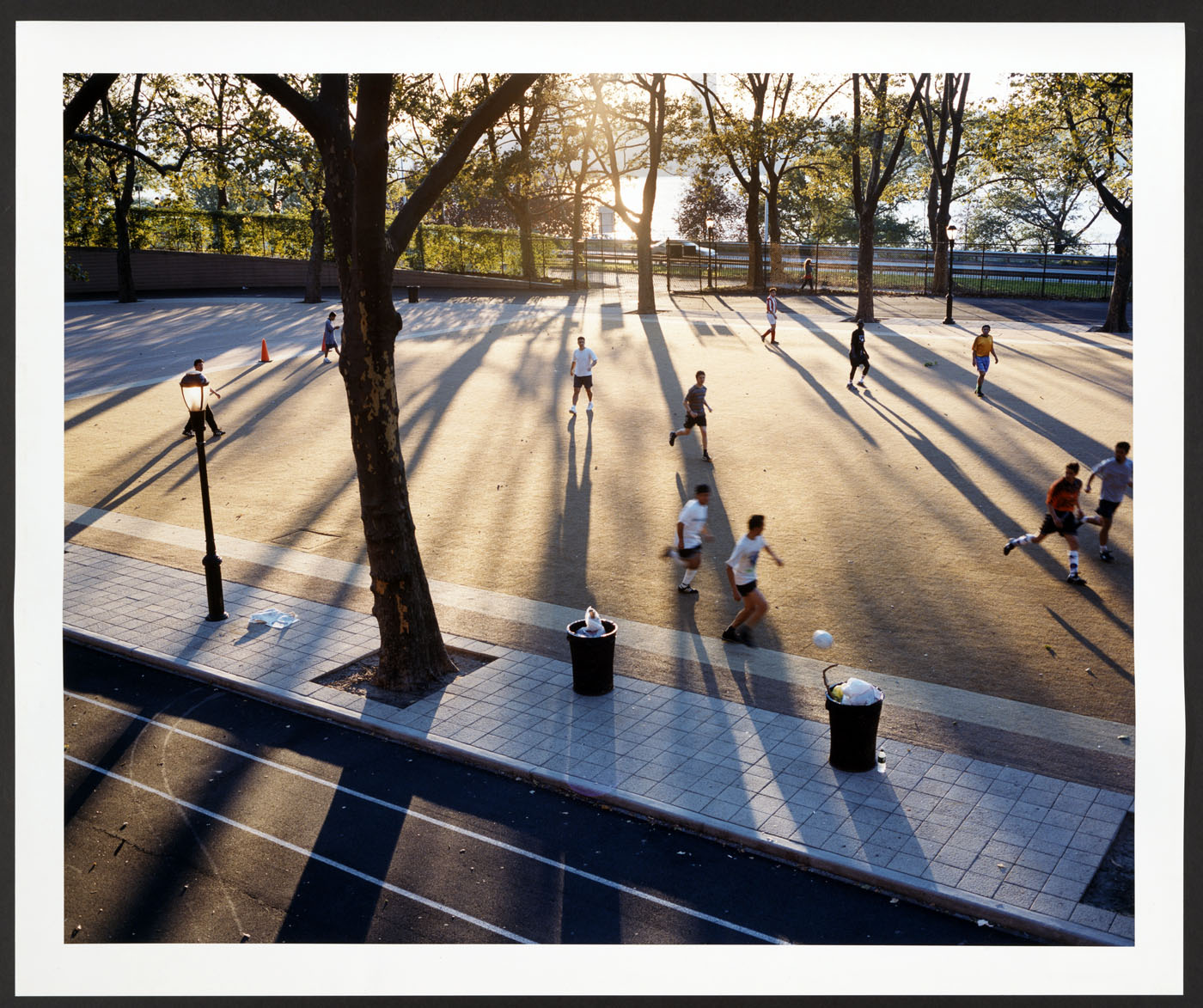
Joseph Maida (American) 'Soccer Game' 2002


Joseph Maida (American)
Soccer Game
2002
Chromogenic development print
Museum of the City of New York
Gift of Joy of Giving Something, Inc.,
Courtesy of the Photographer


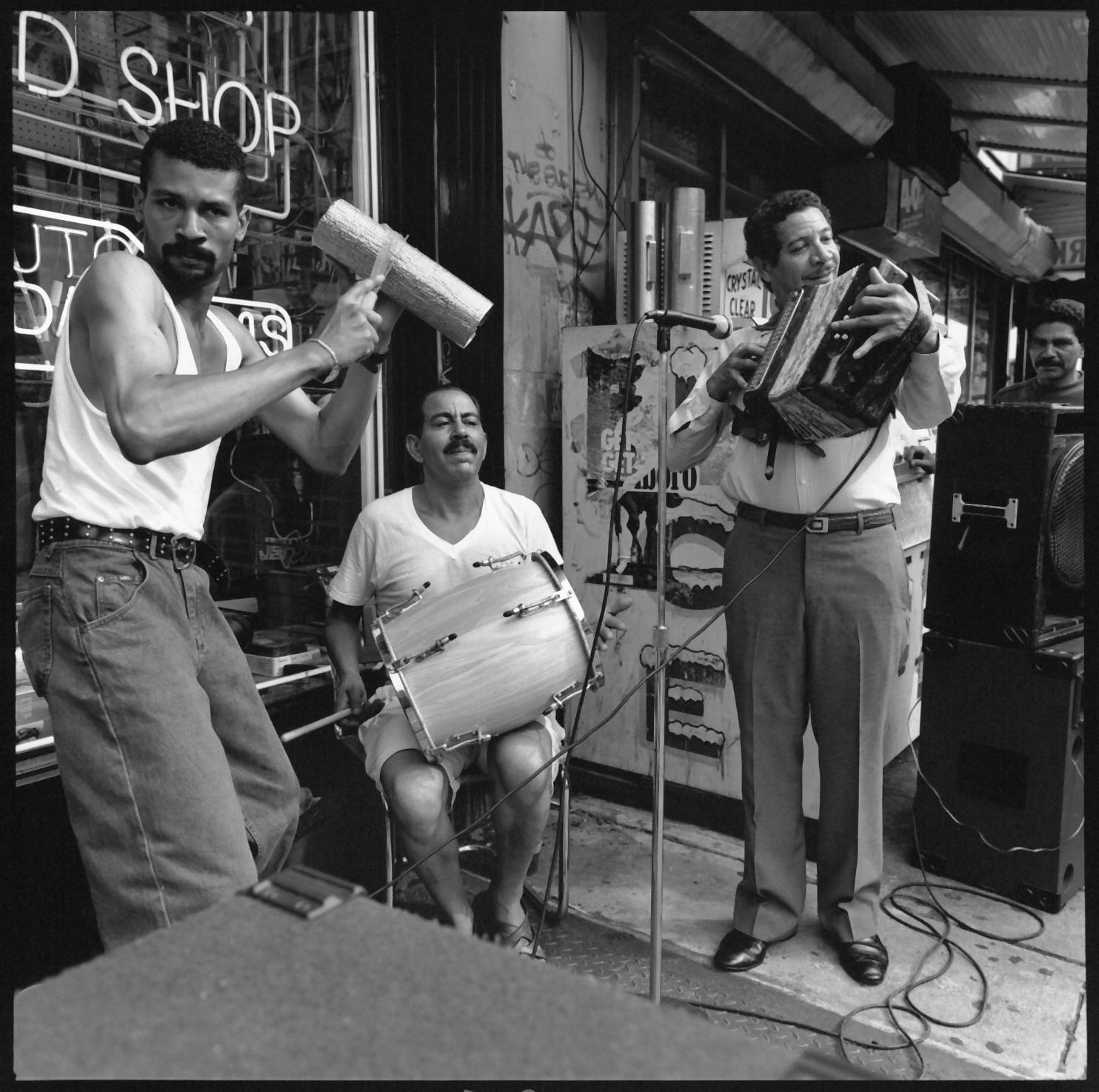
Pablo Delano. 'Merengue Musicians, Upper Broadway' 1994-1995


Pablo Delano (Puerto Rican, b. 1954)
Merengue Musicians, Upper Broadway
1994-1995
Gelatin silver print
Museum of the City of New York
Gift of the photographer


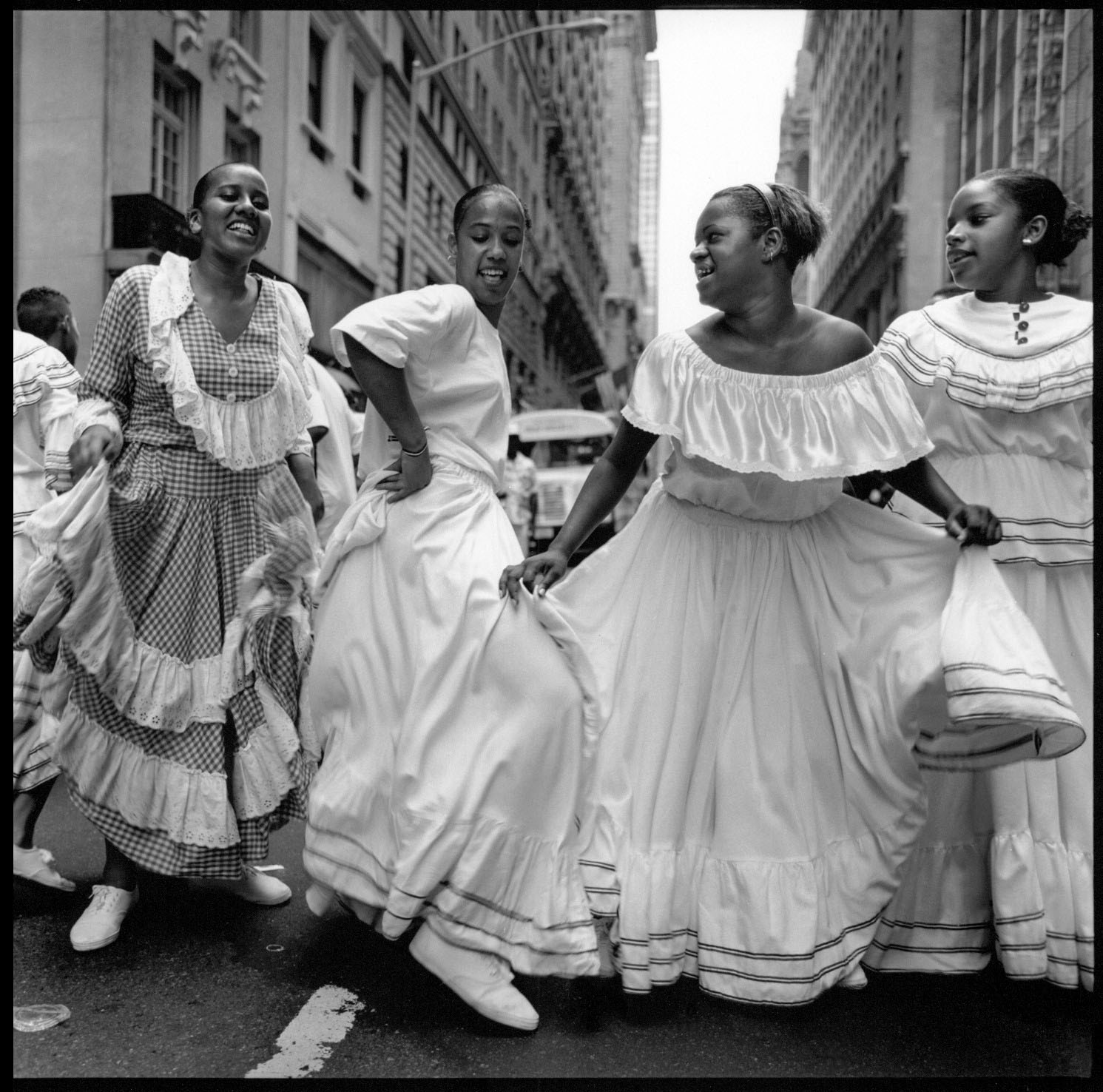
Pablo Delano (Puerto Rican, b. 1954) 'Dancers at Dominican Day, Parade, Midtown' 1994-1995


Pablo Delano (Puerto Rican, b. 1954)
Dancers at Dominican Day, Parade, Midtown
1994-1995
Gelatin silver print
Museum of the City of New York
Gift of the photographer


Gathering


Elliott Erwitt (American born France, 1928-2023) 'New York City' 1955


Elliott Erwitt (American born France, 1928-2023)
New York City
1955
Gelatin silver print
Museum of the City of New York
Gift of Joy of Giving Something, Inc.,
© Elliott Erwitt/MAGNUM PHOTOS


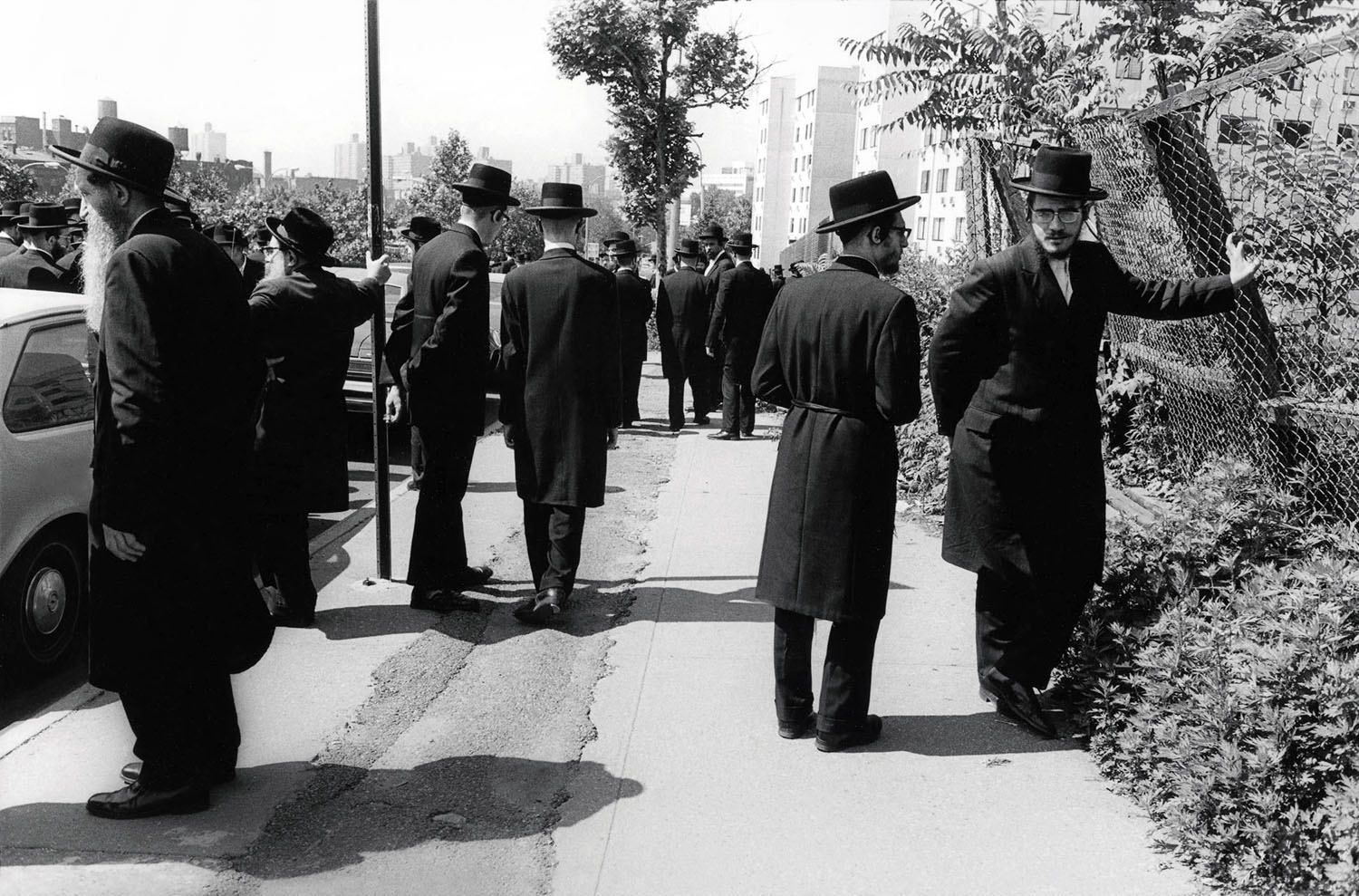
Dona Ann McAdams (American, b. 1954) 'Group of Hassidic Men, Williamsburg, Brooklyn' 1978


Dona Ann McAdams (American, b. 1954)
Group of Hassidic Men, Williamsburg, Brooklyn
1978
From the series Williamsburg, Brooklyn Portfolio
Gelatin silver print
Museum of the City of New York
Gift of Joy of Giving Something, Inc.,


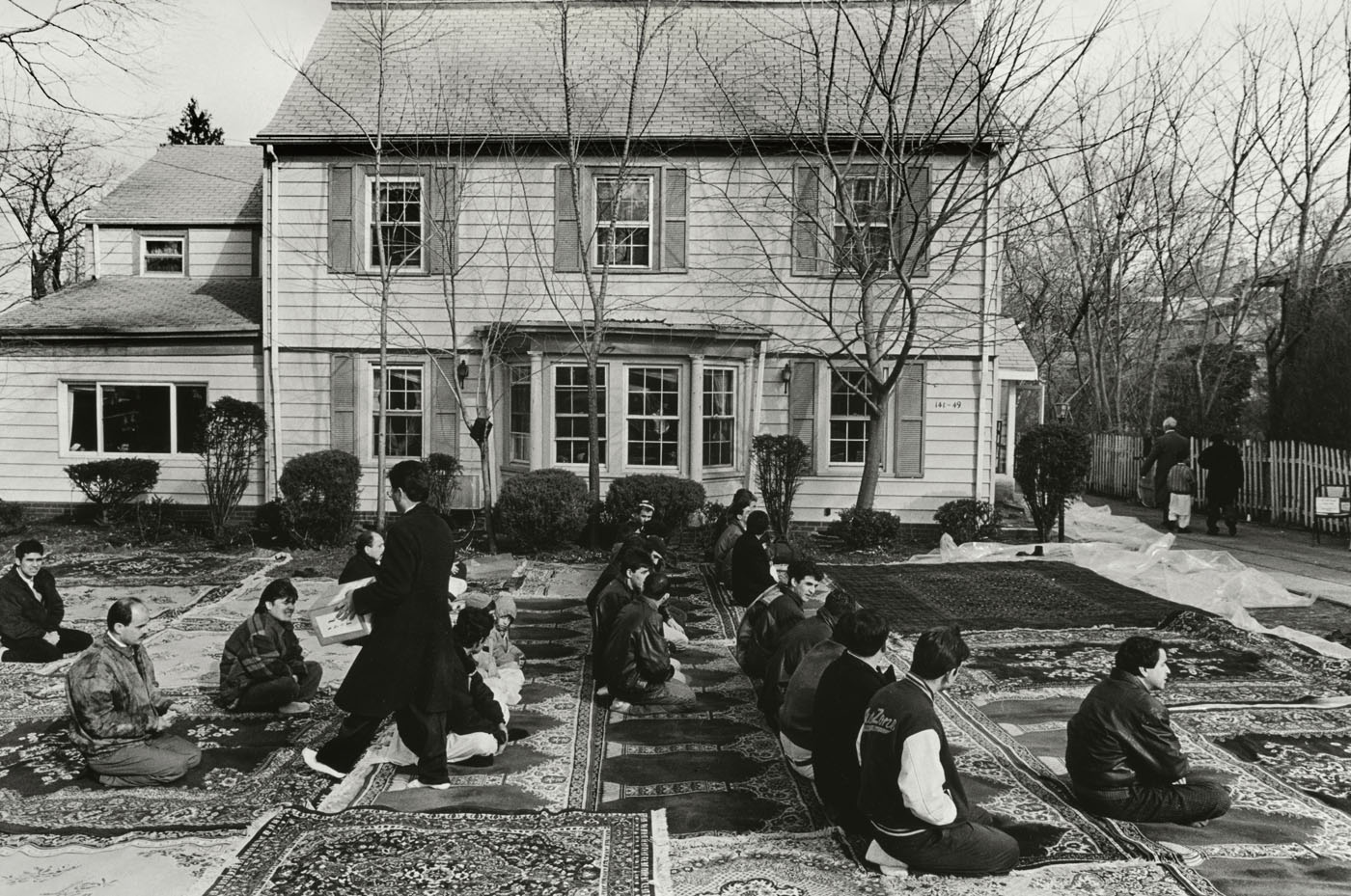
Ed Grazda (American, b. 1947) 'Abu Bakr Sedig Mosque, Flushing NY' 1995


Ed Grazda (American, b. 1947)
Abu Bakr Sedig Mosque, Flushing NY
1995
Gelatin silver print
Museum of the City of New York
Gift of Joy of Giving Something, Inc.,
Courtesy of the Photographer


Ed Grazda, from Flushing, Queens, had been photographing in Pakistan and Afghanistan for almost 15 years when the underground garage at the World Trade Center became the site of a car bomb attack, on February 26, 1993. The explosion killed six people and injured more than a thousand; in both print and televised media, the grisly scene was often accompanied by the phrase “Muslim terrorist.” As a counter to the spreading media stereotypes, Grazda began a new effort: to document some of the dozens of communities of New Yorkers who practice Islam. He engaged both the immigrant populations and the native New Yorkers, including converts, the longstanding African-American Muslim community, and a growing Latino-Muslim community. This project was eventually published as the book New York Masjid: The Mosques of New York in 2002.


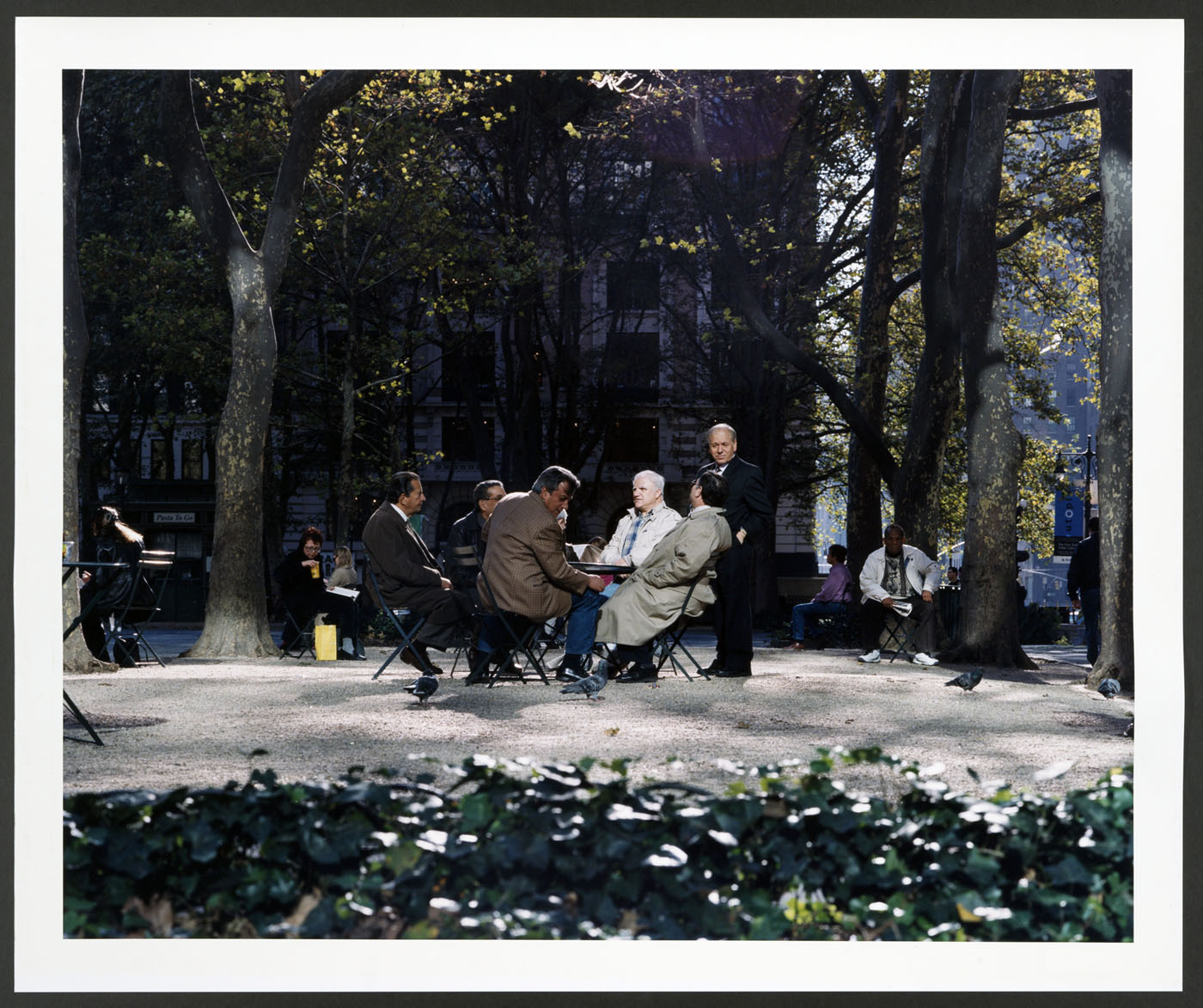
Joseph Maida (American) 'Men in Park' 2001


Joseph Maida (American)
Men in Park
2001
Chromogenic development print
Museum of the City of New York
Gift of Joy of Giving Something, Inc.
Courtesy of the Photographer


Loving


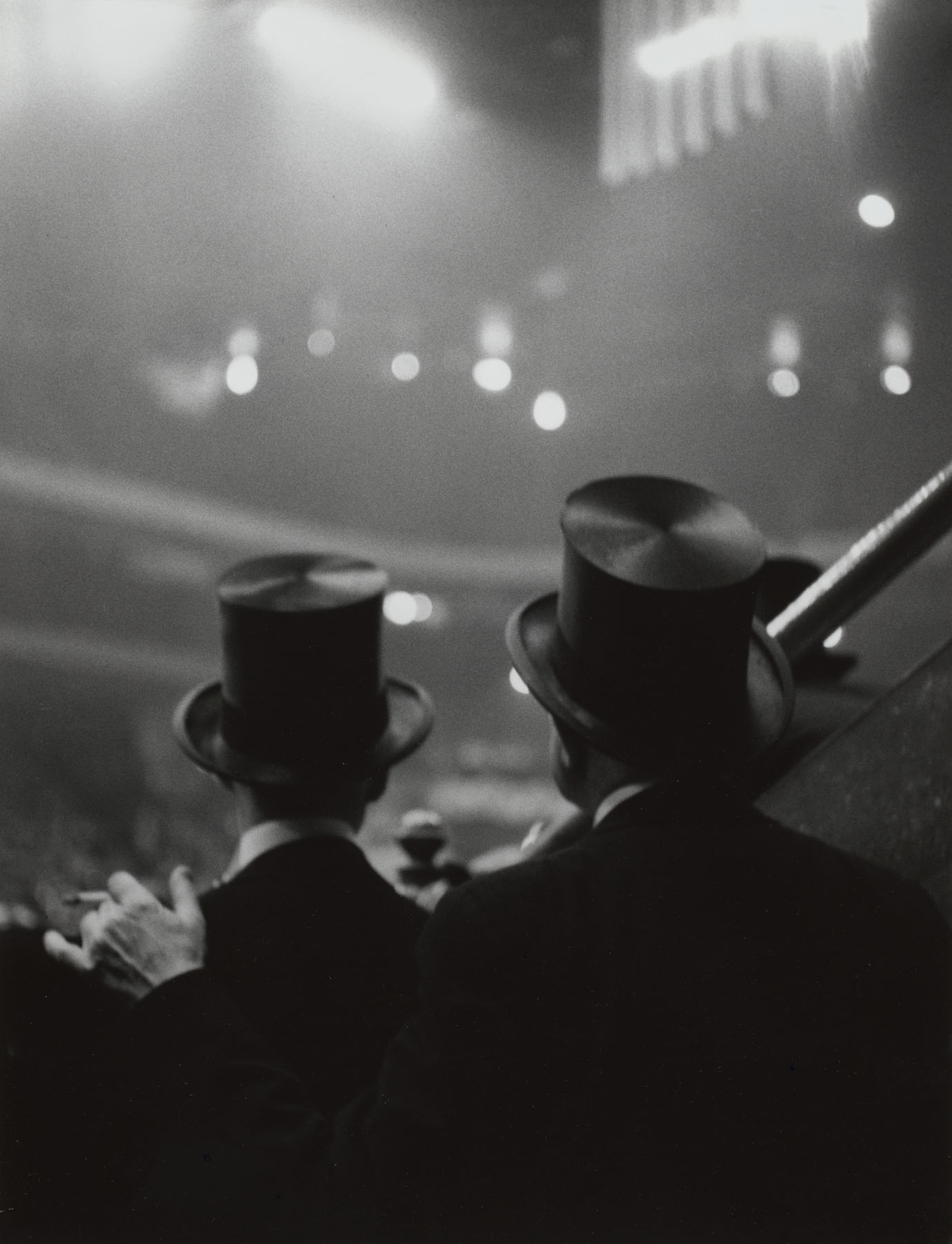
Ted Croner (American, 1922-2005) 'Top Hats at Horse Show' 1947-1949


Ted Croner (American, 1922-2005)
Top Hats at Horse Show
1947-1949
Gelatin silver print
Museum of the City of New York
Gift of Joy of Giving Something, Inc.,
Courtesy of the Estate of Ted Croner


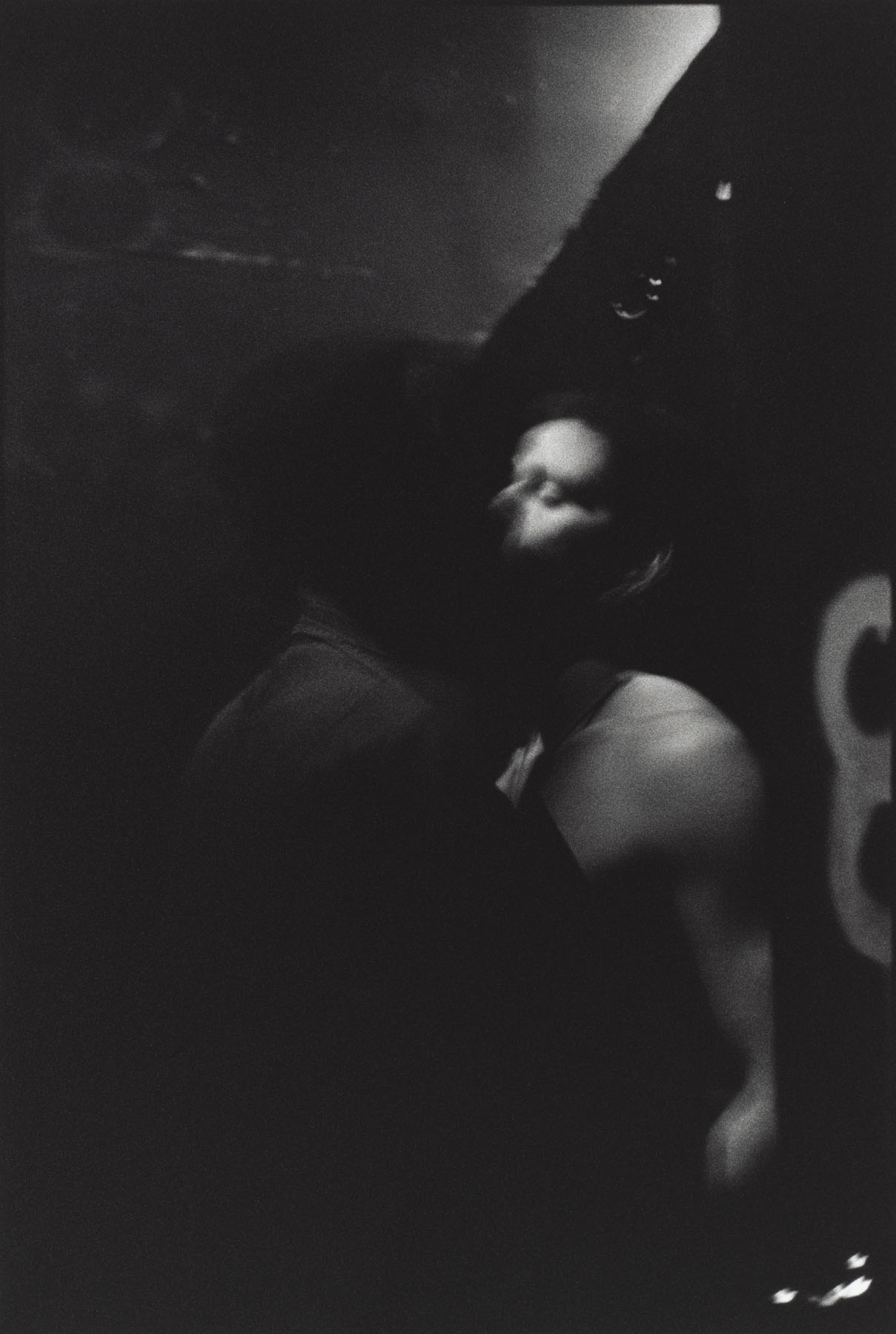
Stephen Barker (American, b. 1956) 'Nightswimming, NYC' 1993-1994


Stephen Barker (American, b. 1956)
Nightswimming, NYC
1993-1994
Gelatin silver print
Museum of the City of New York
Gift of Joy of Giving Something, Inc.,
Courtesy of Daniel Cooney Fine Art, NYC and the Photographer


After Stephen Barker graduated from The Cooper Union School of Art in 1980, he became an assistant for noted portraitist Hans Namuth and architectural photographer Wolfgang Hoyt. In response to the growing AIDS crisis, Barker became an activist, working with ACT UP (the AIDS Coalition to Unleash Power) and managing the Brooklyn Needle Exchange for two years. He also took his camera into New York City’s sex clubs. Given the necessity for anonymity, many of the figures that appeared in this work, entitled Nightswimming, appear indistinct at first glance. The settings are often darkened cinemas and hallways, yet there are flashes of intelligibility – tenderness, passion, and even introspection.


Mitch Epstein (American, b. 1952) 'Untitled (New York #9)' 1996


Mitch Epstein (American, b. 1952)
Untitled (New York #9)
1996
Chromogenic development print
Museum of the City of New York
Gift of Joy of Giving Something, Inc.,
Courtesy of the Photographer


Since the 1970s, Mitch Epstein has been an early proponent of colour photography as a fine art, which he often uses to subtly examine American society. This photograph, and several others on view in this gallery, are drawn from a body of work entitled “The City.” The photographer describes the collection as a “series of photographs that reveal the blurred line between New York City’s public and private space and question its increasing surveillance. These pictures describe a chaotic and layered city, where people create an intimate solar system of family, friends, and associates to survive the brute anonymity of public space.”


Gazing


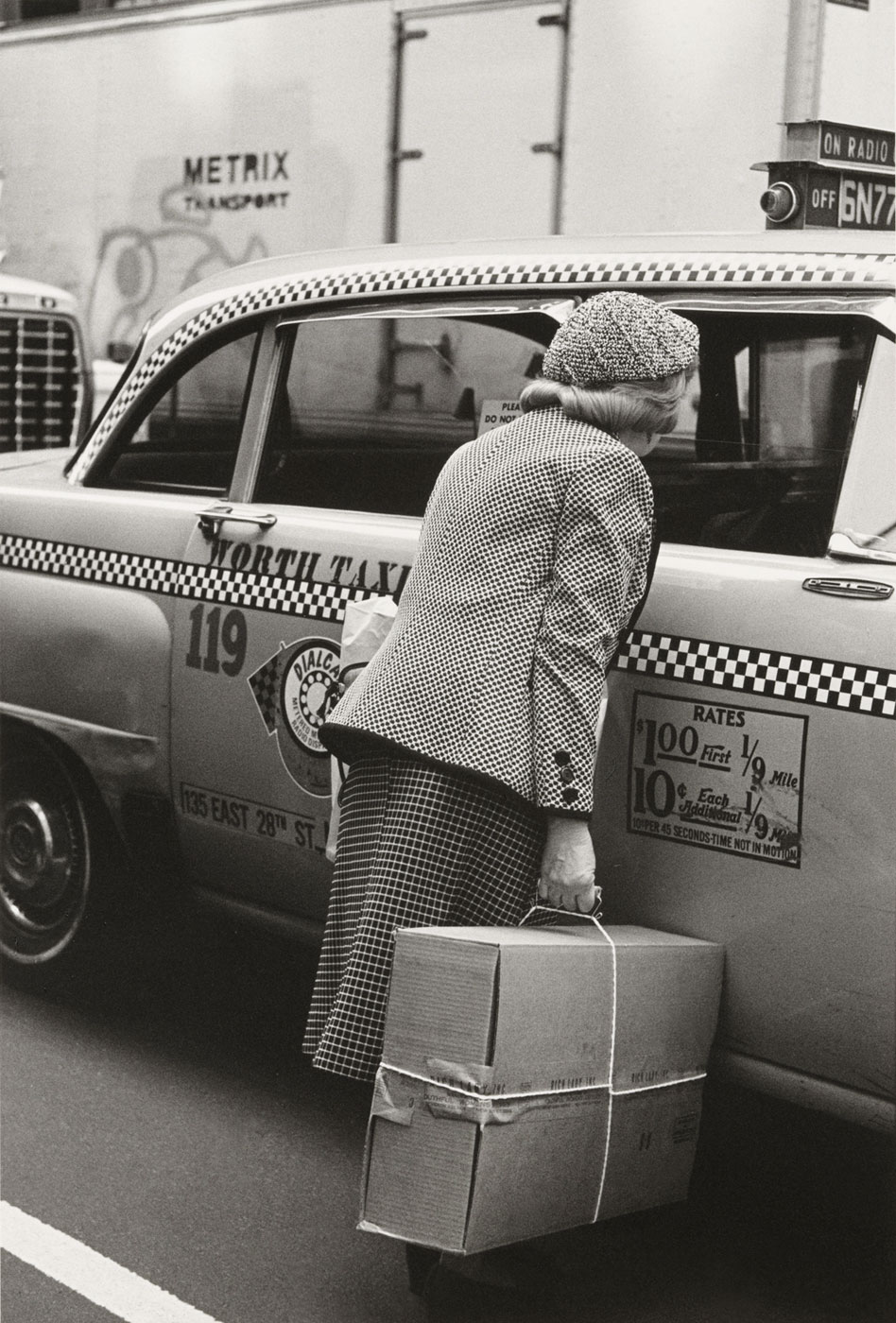
Helen Levitt (American, 1913-2009) 'New York (Woman and taxi)' 1982


Helen Levitt (American, 1913-2009)
New York (Woman and taxi)
1982
Gelatin silver print
Museum of the City of New York
Gift of Joy of Giving Something, Inc.,


Saul Leiter (American, 1923-2013) 'Dick and Adele, the Village' c. 1947


Saul Leiter (American, 1923-2013)
Dick and Adele, the Village
c. 1947
Gelatin silver print
Museum of the City of New York
Gift of Joy of Giving Something, Inc.,


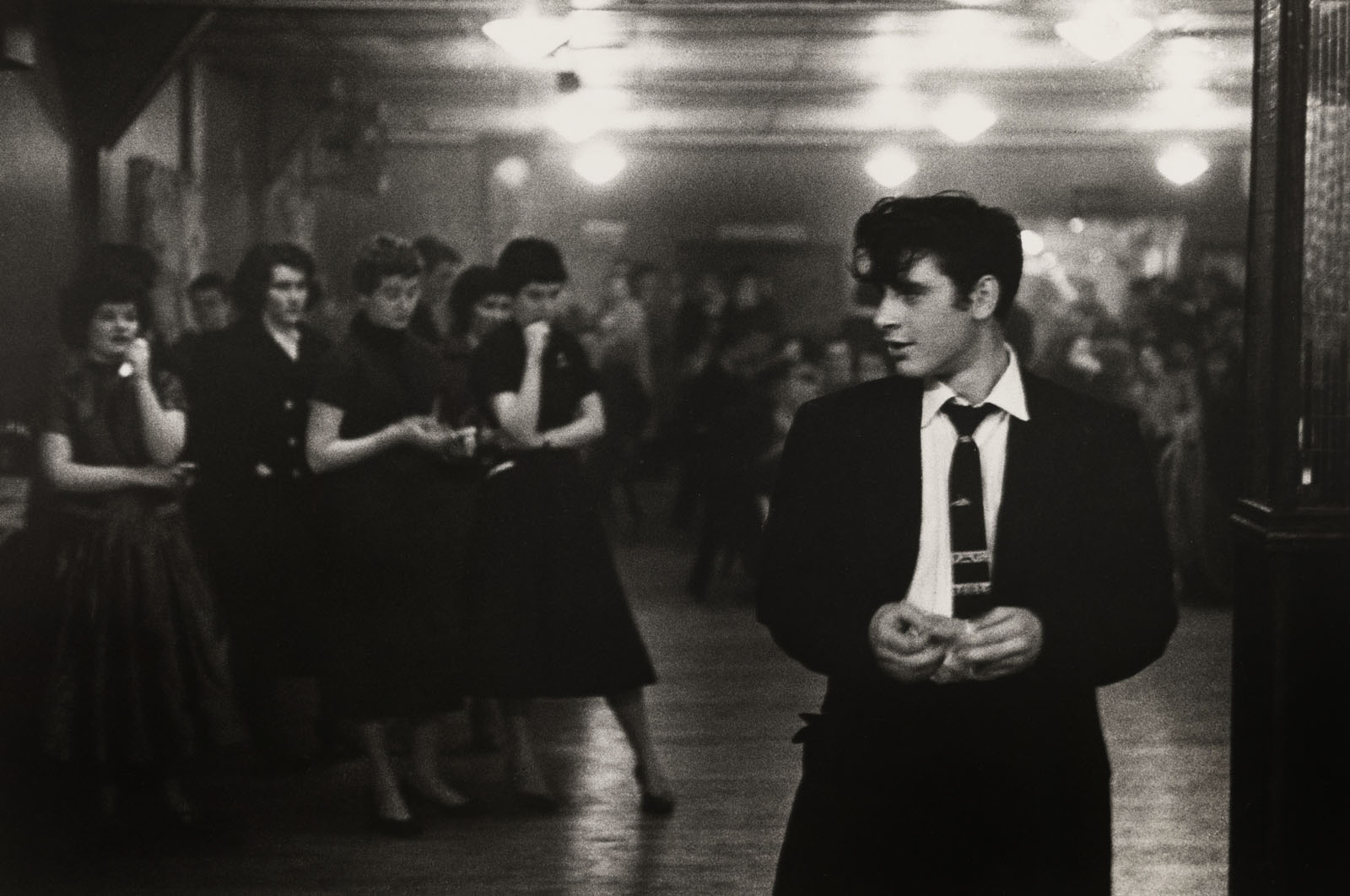
George S. Zimbel (American-Canadian, b. 1929) 'Irish Dance Hall, The Bronx' 1954


George S. Zimbel (American-Canadian, 1929-2023)
Irish Dance Hall, The Bronx
1954
Gelatin silver print
Museum of the City of New York
Gift of Joy of Giving Something, Inc.,


George S. Zimbel (July 15, 1929 – 9 January 2023) was an American-Canadian documentary photographer. He has worked professionally since the late 1940s, mainly as a freelancer. He was part of the Photo League and is one of its last surviving members. Born in Massachusetts, he settled in Canada about 1971. His works have been shown with increasing frequency since 2000, and examples of his work are part of several permanent collections including the Museum of Modern Art and the Montreal Museum of Fine Arts. He has been described as a humanist. He has published several books of his photographs and in 2016 was the subject of a documentary retrospective film co-directed by his son Matt Zimbel and distributed by the National Film Board of Canada.

Text from the Wikipedia website


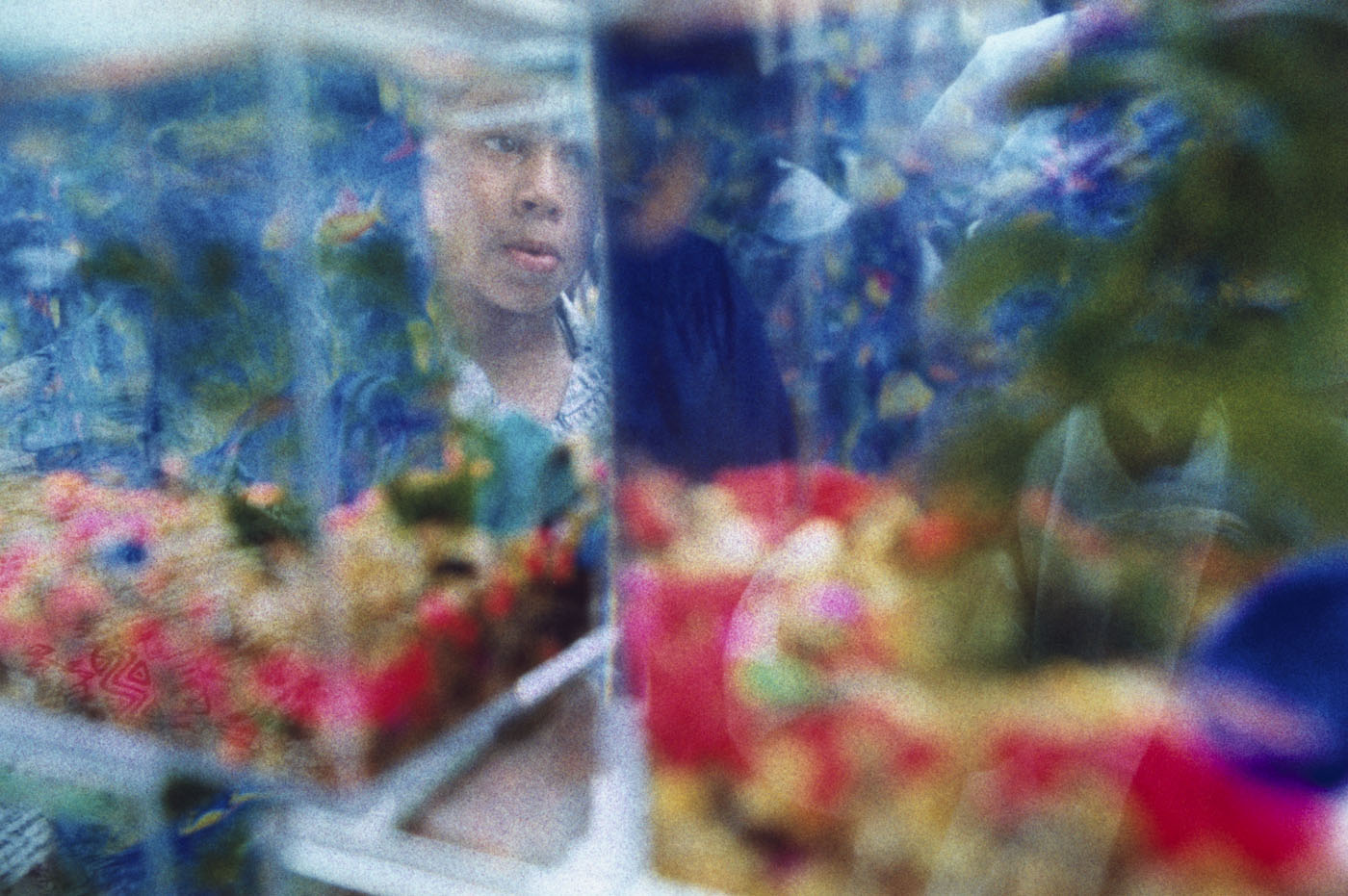
Rebecca Norris Webb (American, b. 1956) 'Brooklyn, NY' 2000


Rebecca Norris Webb (American, b. 1956)
Brooklyn, NY
2000
From the series The Glass Between Us
Chromogenic development print


Rebecca Norris Webb has lived in New York City for more than 25 years. Originally a poet, she brings a lyrical sensibility to her photography and often interweaves text into her imagery. This photograph is part of a larger series published as a book entitled The Glass Between Us: Reflections on Urban Creatures (2006), that examines people’s complex relationship with animals in cities, primarily in the context of “conservation parks” such as zoos and aquariums. This image, taken at the New York Aquarium in Coney Island, uses reflections and distortion of the water tanks to blur the boundaries between the young boy and the aquatic life he is observing.


Being


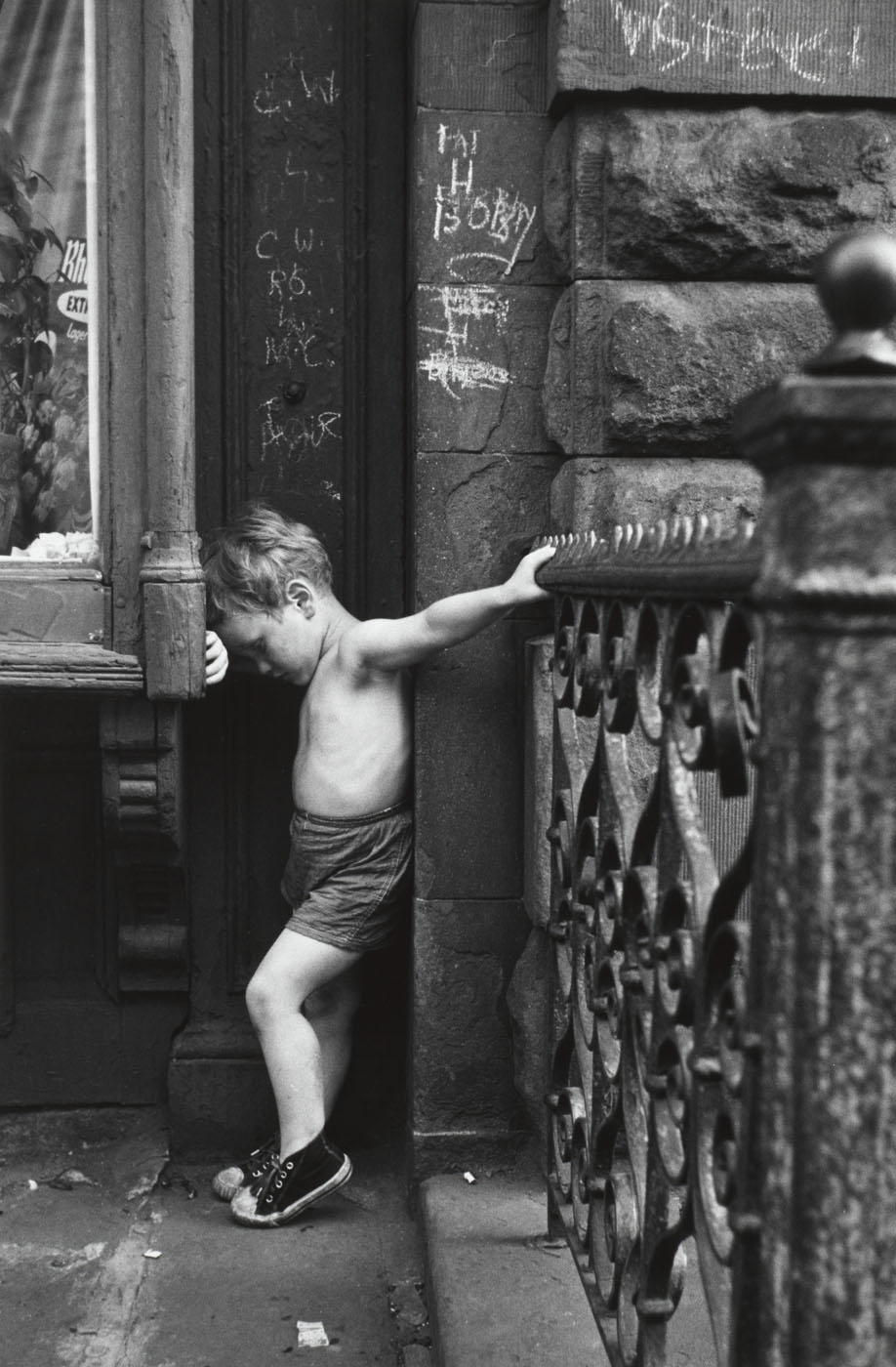
Ken Heyman (American, 1930-2019) 'Willie' 1962


Ken Heyman (American, 1930-2019)
Willie
1962
Gelatin silver print
Museum of the City of New York
Gift of Joy of Giving Something, Inc.,
Courtesy of the Estate of Ken Heyman


Ken Heyman met noted anthropologist Margaret Mead while attending Columbia University. The two became friends and worked together on several projects; the experience influenced Heyman to focus his photography on human relationships and interactions. Heymen went on to become a leading photojournalist, working for Life, LOOK, and TIME magazines. In the mid-1950s Haymen photographed “Willie,” a four-year-old boy from Hell’s Kitchen, over the course of several months in an attempt to observe him negotiate his one-block world. The results were published in Heymen’s first book in 1962. He went on to publish 45 additional books, including collaborations with composer Leonard Bernstein, President Lyndon B. Johnson, and artist Andy Warhol.


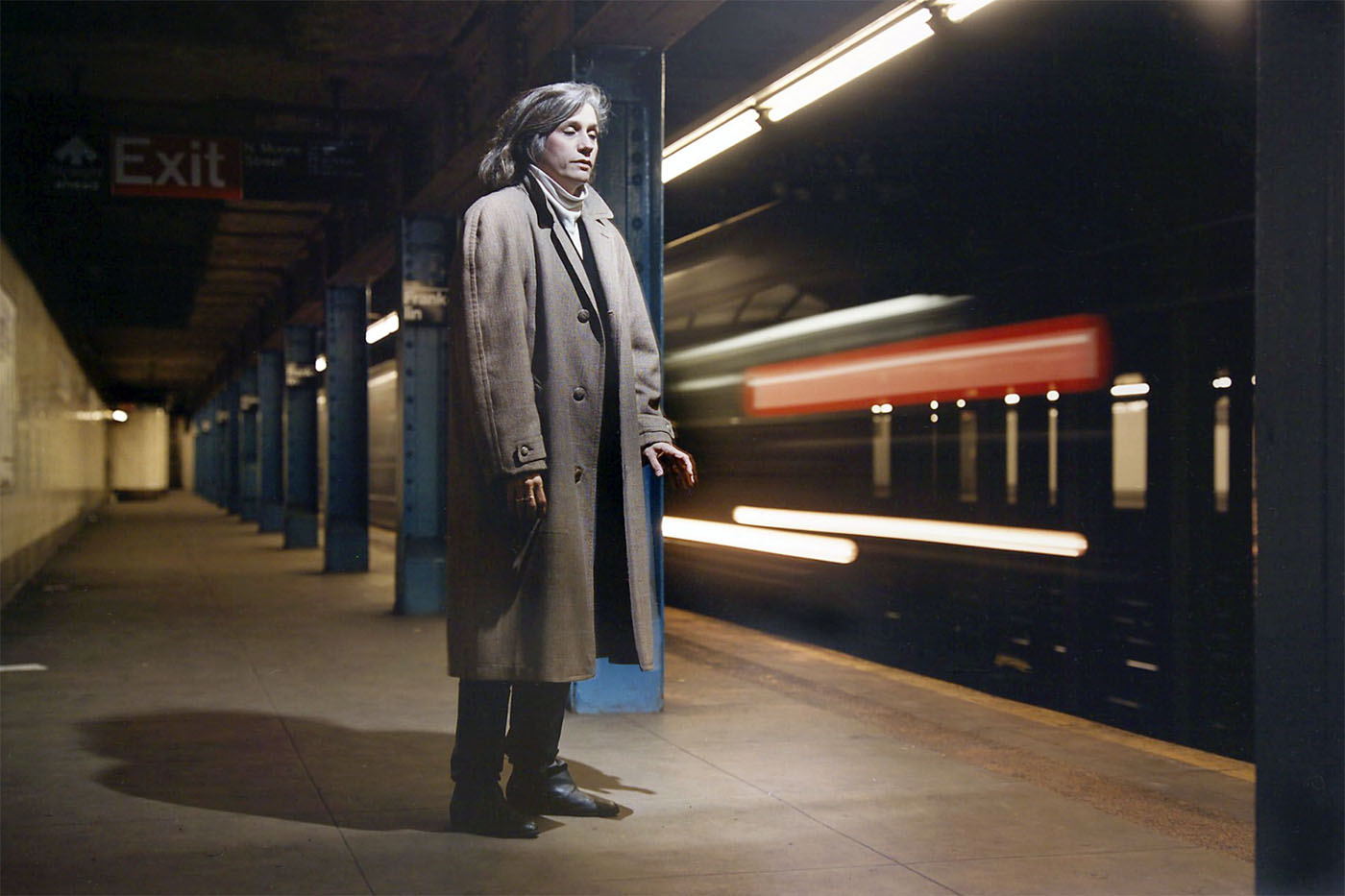
Philip-Lorca DiCorcia (American, b. 1951) 'Alice (Alice Rose George)' 1987


Philip-Lorca DiCorcia (American, b. 1951)
Alice (Alice Rose George)
1987
Chromogenic development print
Museum of the City of New York
Gift of Joy of Giving Something, Inc.,


Philip-Lorca diCorcia, a native of Hartford, Connecticut, currently lives in New York City.He attended the School of the Museum of Fine Arts, Boston with other notable New York-based photographers David Armstrong and Nan Goldin. Beginning in the 1980s, he created an influential body of work that blurred the lines between fact and fiction, blending a documentary style with staged photography techniques. The resulting photographs, often depicting mundane moments of life, are known for their dramatic cinematic quality. This image of noted writer, curator, and photography editor Alice Rose George exemplifies the taut psychological quality of diCorcia staged tableaux.


DiCorcia alternates between informal snapshots and iconic quality staged compositions that often have a baroque theatricality.

Using a carefully planned staging, he takes everyday occurrences beyond the realm of banality, trying to inspire in his picture’s spectators an awareness of the psychology and emotion contained in real-life situations. His work could be described as documentary photography mixed with the fictional world of cinema and advertising, which creates a powerful link between reality, fantasy and desire.

During the late 1970s, during diCorcia’s early career, he used to situate his friends and family within fictional interior tableaus, that would make the viewer think that the pictures were spontaneous shots of someone’s everyday life, when they were in fact carefully staged and pre-planned. His work from this period is associated with the Boston School of photography. He would later start photographing random people in urban spaces all around the world. When in Berlin, Calcutta, Hollywood, New York, Rome and Tokyo, he would often hide lights in the pavement, which would illuminate a random subject, often isolating them from the other people in the street.

His photographs give a sense of heightened drama to accidental poses, unintended movements and insignificant facial expressions of those passing by. Even if sometimes the subject appears to be completely detached from the world around them, diCorcia has often used the city of the subject’s name as the title of the photo, placing the passers-by back into the city’s anonymity. Each of his series, Hustlers, Streetwork, Heads, A Storybook Life, and Lucky Thirteen, can be considered progressive explorations of diCorcia’s formal and conceptual fields of interest. Besides his family, associates and random people he has also photographed personas already theatrically enlarged by their life choices, such as the pole dancers in his latest series.

His pictures have black humour within them, and have been described as “Rorschach-like”, since they can have a different interpretation depending on the viewer. As they are pre-planned, diCorcia often plants in his concepts issues like the marketing of reality, the commodification of identity, art, and morality.

In 1989, financed by a National Endowment for the Arts fellowship of $45,000, DiCorcia began his Hustlers project. Starting in the early 1990s, he made five trips to Los Angeles to photograph male prostitutes in Hollywood. He used a 6×9 Linhof view camera, which he positioned in advance with Polaroid tests. At first, he photographed his subjects only in motel rooms. Later, he moved onto the streets. When the Museum of Modern Art exhibited 25 of the photographs in 1993 under the title Strangers, each was labeled with the name of the man who posed, his hometown, his age, and the amount of money that changed hands.

In 1999, diCorcia set up his camera on a tripod in Times Square, attached strobe lights to scaffolding across the street and took a series of pictures of strangers passing under his lights. This resulted in two published books, Streetwork (1998) which showed wider views including subjects’ entire bodies, and Heads (2001), which featured more closely cropped portraits as the name implies.

Text from the Wikipedia website


Reflecting


Stephen Barker (American, b. 1956) 'Nightswimming' 1993-1994


Stephen Barker (American, b. 1956)
Nightswimming
1993-1994
Gelatin silver print
Museum of the City of New York
Gift of Joy of Giving Something, Inc.,
Courtesy of Daniel Cooney Fine Art, NYC and the Photographer


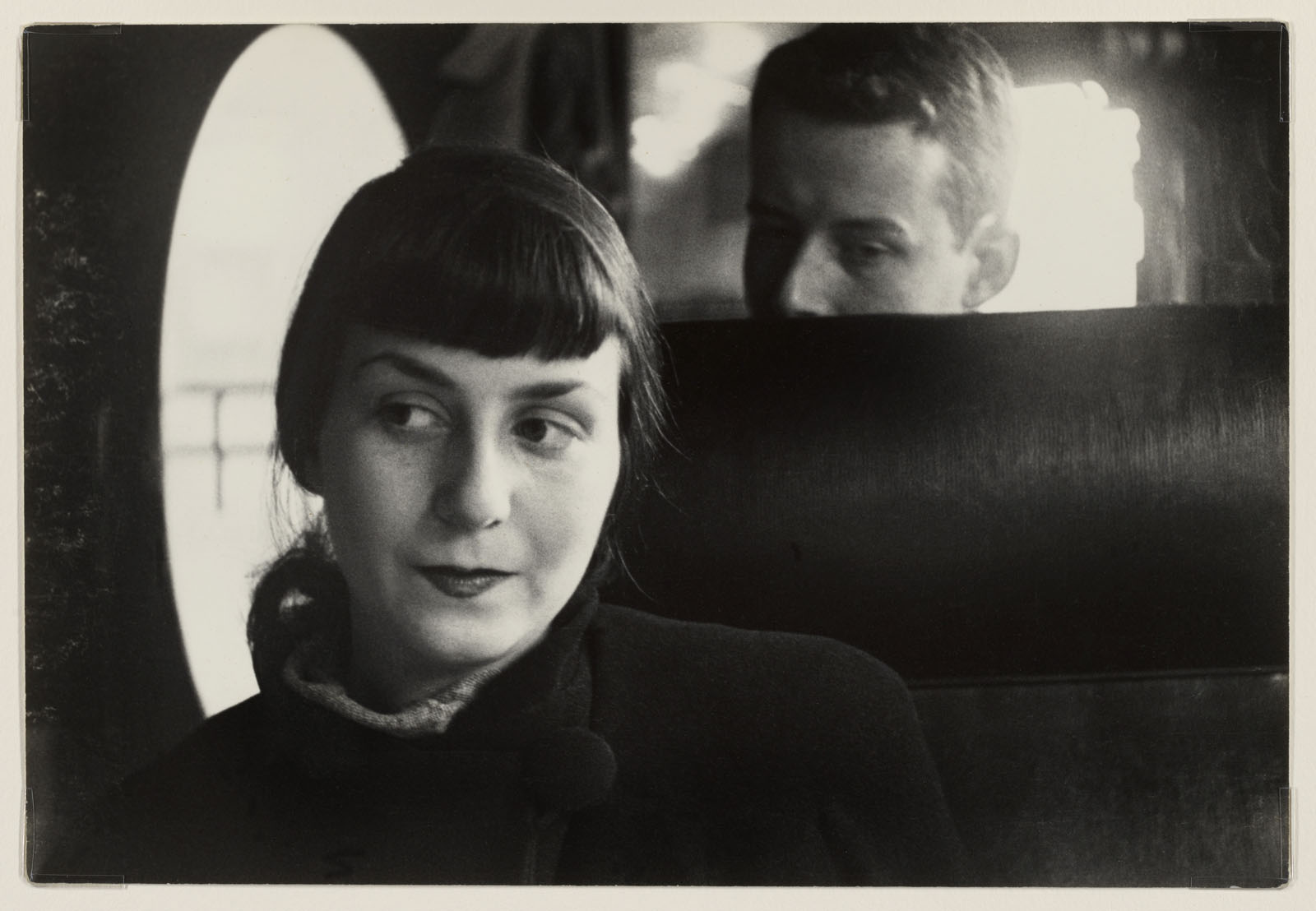
Louis Faurer (American, 1916-2001) 'Mary and Robert Frank at San Gennaro Festival' 1950


Louis Faurer (American, 1916-2001)
Mary and Robert Frank at San Gennaro Festival
1950
Gelatin silver print
Museum of the City of New York
Gift of Joy of Giving Something, Inc.,


Louis Faurer was born in Philadelphia, where he worked as a photo technician in portrait studios. After serving in the U.S. Signal Corps of Philadelphia during World War II, he began to commute to New York City for work at magazines and attended classes at Alexey Brodovitch’s Design Laboratory. There, he met fellow photographer Robert Frank. The two became fast friends and Faurer eventually moved into Frank’s large loft and used his darkroom. At the time, Faurer worked for various magazines, including Harper’s Bazaar, Life, Vogue, and the short-lived Flair.

This image, made in those early days in New York, reflects Faurer’s close relationship with Frank and his then-wife Mary. The late 1940s and 1950s were especially important to Faurer’s development as a photographer and were when he created his most memorable images of New York. As in this photograph, Faurer concentrated his image making on people out on the streets, reflections of store windows, and the bright city lights. This psychologically charged work highlights the complexity and energy of city life.


Louis Faurer (August 28, 1916 – March 2, 2001) was an American candid or street photographer. He was a quiet artist who never achieved the broad public recognition that his best-known contemporaries did; however, the significance and caliber of his work were lauded by insiders, among them Robert Frank, William Eggleston, and Edward Steichen, who included his work in the Museum of Modern Art exhibitions In and Out of Focus (1948) and The Family of Man (1955).

“Faurer … proves to be an extraordinary artist. His eye is on the pulse [of New York City] – the lonely “Times-Square people” for whom Faurer felt a deep sympathy. Every photograph is witness to the compassion and obsession accompanying his life like a shadow. I am happy that these images survive while the world keeps changing.” ~ Robert Frank

Text from the Wikipedia website


Robert Frank (Swiss, 1924-2019) 'Andrea on Third Avenue' 1955


Robert Frank (Swiss, 1924-2019)
Andrea on Third Avenue
1955
Gelatin silver print
Museum of the City of New York
Gift of Joy of Giving Something, Inc.,


Swiss-born Robert Frank immigrated to New York in 1947 to work for Alexey Brodovitch at Harper’s Bazaar. Frank continued to create editorial work for magazines such as Life, LOOK, and Vogue until he was awarded a Guggenheim Fellowship in 1955. The award freed him to travel throughout the country for two years to make the photographs that would result in his seminal book, The Americans. This photograph, of Frank’s daughter Andrea in their apartment near Astor Place on Third Avenue, is emblematic of much of the photographer’s work; it is tender and intimate while remaining slightly enigmatic.


Sylvia Plachy (American born Hungary, b. 1943) 'Virgil Thomson' 1986


Sylvia Plachy (American born Hungary, b. 1943)
Virgil Thomson
1986
Gelatin silver print
Museum of the City of New York
Gift of Joy of Giving Something, Inc.,


Virgil Thomson (November 25, 1896 – September 30, 1989) was an American composer and critic. He was instrumental in the development of the “American Sound” in classical music. He has been described as a modernist, a neo-romantic, a neoclassicist, and a composer of “an Olympian blend of humanity and detachment” whose “expressive voice was always carefully muted” until his late opera Lord Byron which, in contrast to all his previous work, exhibited an emotional content that rises to “moments of real passion”.

Text from the Wikipedia website


Mitch Epstein (American, b. 1952) 'Untitled (New York #11)' 1996


Mitch Epstein (American, b. 1952)
Untitled (New York #11)
1996
Chromogenic development print
Museum of the City of New York
Gift of Joy of Giving Something, Inc.,
Courtesy of the Photographer


Mitch Epstein (American, b. 1952) 'Untitled (New York #3)' 1995


Mitch Epstein (American, b. 1952)
Untitled (New York #3)
1995
Chromogenic development print
Museum of the City of New York
Gift of Joy of Giving Something, Inc.,
Courtesy of the Photographer


Buildings


Paul Strand (American, 1890-1976) 'From the Viaduct, 125th Street, New York' 1915


Paul Strand (American, 1890-1976)
From the Viaduct, 125th Street, New York
1915
Plate from Camera Work No. 49/50, June 1917
Photogravure
Museum of the City of New York
Gift of Joy of Giving Something, Inc.,


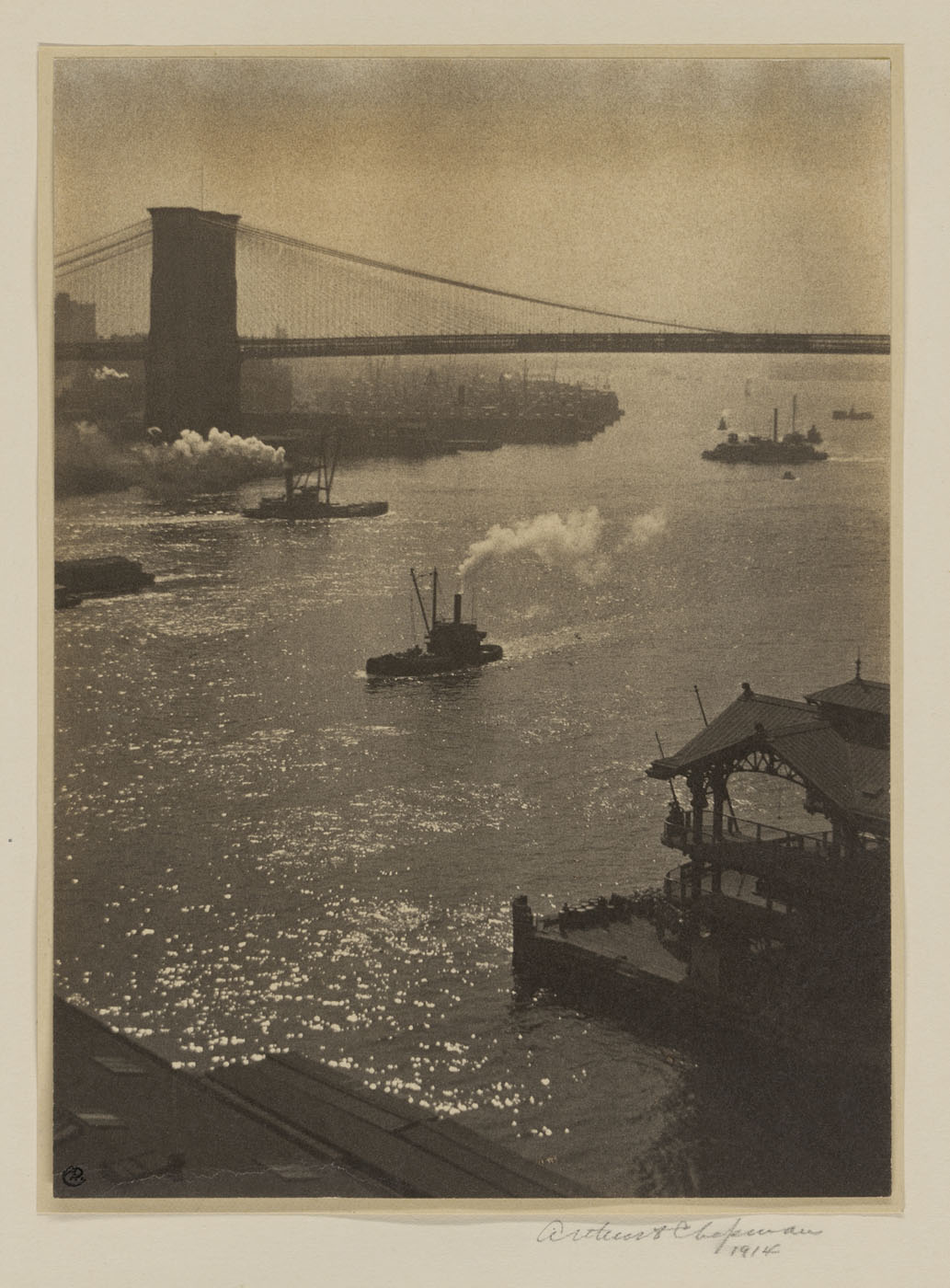
Arthur D. Chapman (American, 1882-1956) 'East River, New York' 1914


Arthur D. Chapman (American, 1882-1956)
East River, New York
1914
Platinum print
Museum of the City of New York
Gift of Joy of Giving Something, Inc.,


Arthur D. Chapman (American, 1882-1956)

Arthur D. Chapman (1882-1956) was born in Bakersfield, California. An amateur photographer, he moved to New York and worked as a printer for The Globe and Commercial Advertiser and The New York American; he also listed himself in the New York City directories as a bookbinder (1913) and a photographer (1917). Chapman lived in Greenwich Village from 1911 until 1917 and, in his afternoons off from work, photographed everyday scenes around Manhattan. In his own neighbourhood, he chose to show not the Bohemian image the Village then projected, but rather what the residential Village looked like. With the use of shadow, Chapman was able to give depth and character to his photographs, and those focused down a street usually featured a striking foreground. His subjects include rooftops, buildings, and street scenes with such titles as “9½ Jane Street,” “Clinton Court,” and “Kelly’s Alley.” Most of the photographs are from the 1910s and show a quaint side of the Village that has all but vanished.

During the early 1950s Chapman thought it would be of historical interest to re-shoot some of the areas in Manhattan he had photographed almost a half-century before, in order to document how time had changed those places. Unfortunately, some of the scenes he wanted to photograph were still considered too “sensitive” so soon after the Second World War, and he was unable to obtain permission from the city government.

The New-York Historical Society bought this collection from Chapman between 1950 and 1955 as he, in his retirement, found and printed from old negatives which had lain hidden in his extensive collection. In 1953, Chapman gave two self-portraits to the Society as a gift, one taken in New York in 1913 and the second taken in 1953 in New Jersey. Both show him working with his photographic equipment.

In 1921, following his World War I service in France with the Photographic Section of the Army Signal Corp Chapman moved to New Jersey, where he continued with his “hobby” until his death on June 5, 1956. He was a member of Pictorial Photographers of America, and a member of New York Typographical Union No. 6 for over fifty years.

Anonymous text from the New York Historical Society website Nd [Online] Cited 11/03/2022


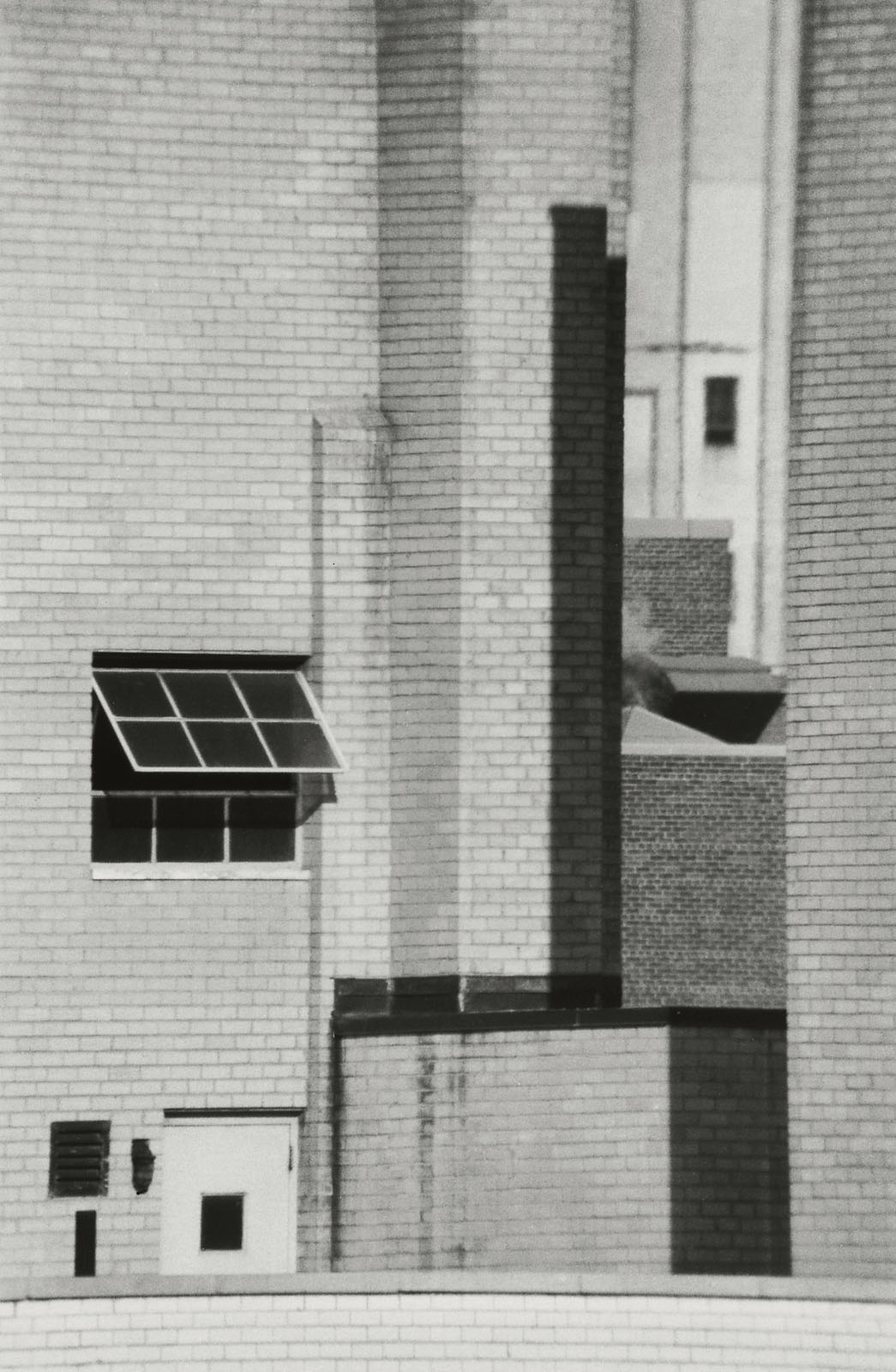
André Kertész (Hungarian, 1894-1985) 'A Brick-Built Wall, New York' 1961


André Kertész (Hungarian, 1894-1985)
A Brick-Built Wall, New York
1961
Gelatin silver print
Museum of the City of New York
Gift of Joy of Giving Something, Inc.,


Bruce Cratsley (American, 1944-1998) 'Brooklyn Bridge Centennial' 1983


Bruce Cratsley (American, 1944-1998)
Brooklyn Bridge Centennial
1983
Gelatin silver print
Museum of the City of New York
Gift of Joy of Giving Something, Inc.,


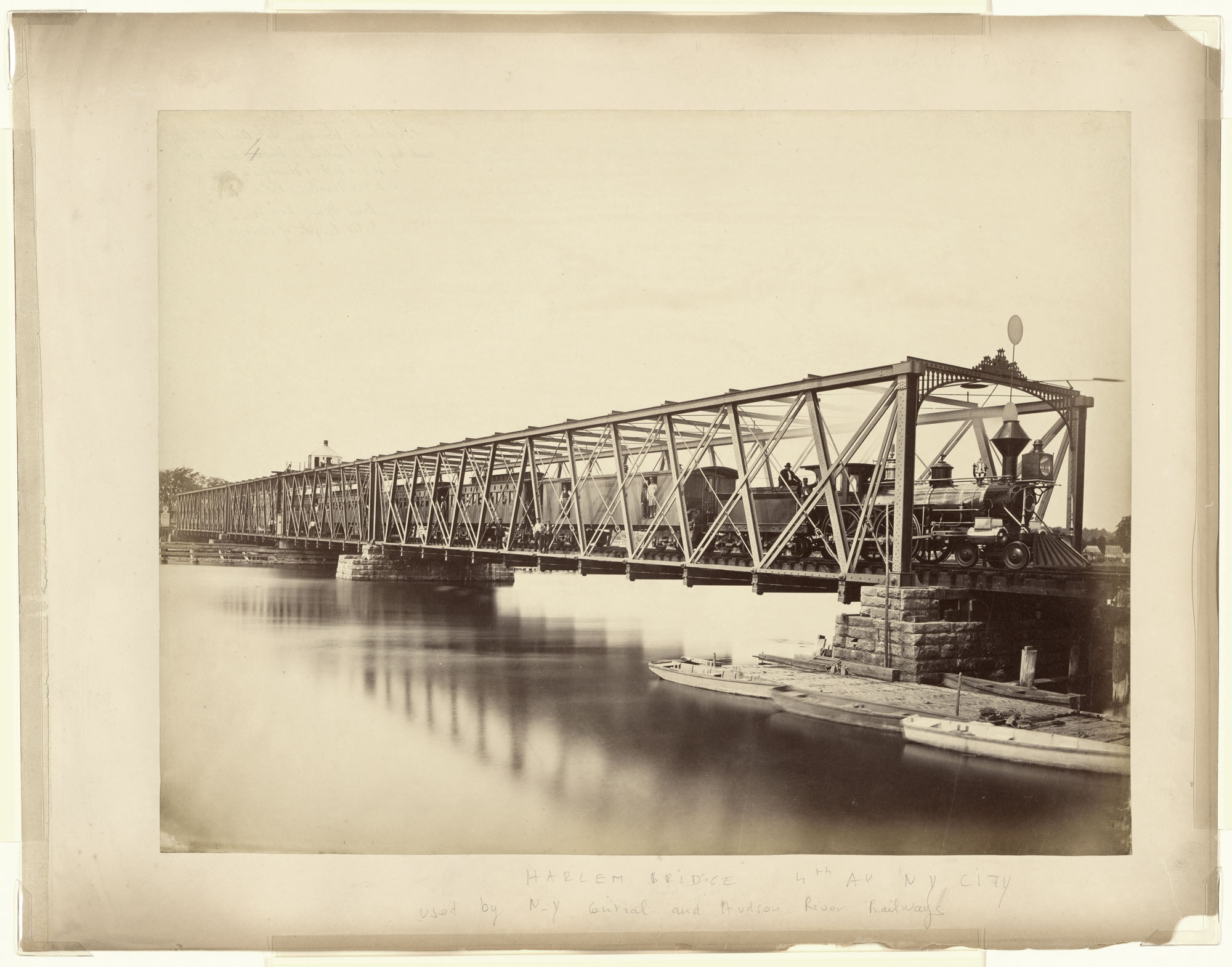
John Reid. 'Harlem Bridge, 4th Ave., NYC' c. 1870


John Reid
Harlem Bridge, 4th Ave., NYC
c. 1870
Albumen print
Museum of the City of New York
Gift of Joy of Giving Something, Inc.,


Museum of the City of New York
1220 Fifth Ave at 103rd St.,

Opening hours:
Open Daily 10am – 6pm

Museum of the City of New York website

LIKE ART BLART ON FACEBOOK

Back to top

Exhibition: ‘Elliott Erwitt. Retrospective’ at Kunst Haus Wein, Vienna

Exhibition dates: 14th June – 30th September 2012


Elliott Erwitt (American, 1928-2023) 'USA. Fort Dix, New Jersey. 1951' 1951


Elliott Erwitt (American, 1928-2023)
USA. Fort Dix, New Jersey. 1951
1951
Gelatin silver print
© Elliott Erwitt/Magnum Photos


There is something whimsical and abidingly Chaplinesque about Elliott Erwitt’s photographs (see the feet in FRANCE. Paris. 1989, below) – that is until he lands a knockout blow flush on the chin with a devastatingly serious, weighty image like USSR. Moscow. 1959. Nikita Khrushchev and Richard Nixon (even though the two protagonists were apparently talking about banalities). Erwitt’s “art of observation” is a gift of the eye and the mind, where the artist must be truly aware of the world around them in order to capture the mosaic of reality.

As the press release astutely observes, “Erwitt has a gift that few photographers possess, the gift of conveying a subtext with each photo: sentiment, anger, a little happiness; an emotion that can only be recognised by looking very closely; a “before” and an “after”. Erwitt himself calls this the “essence of what happens”. For Erwitt, photography is about really seeing things: “You either see, or you don’t see.”

Very perceptive and so very true.

Dr Marcus Bunyan


Many thankx to the Kunst Haus Wein, Vienna for allowing me to publish the photographs in the posting. Please click on the photographs for a larger version of the image.


“It’s not the subject, it’s how you treat the subject.”

“I take a lot of pictures of dogs because I like dogs and because they don’t object to being photographed and they also don’t ask for prints.”


Elliott Erwitt


Elliott Erwitt @ Kunst Haus Wien


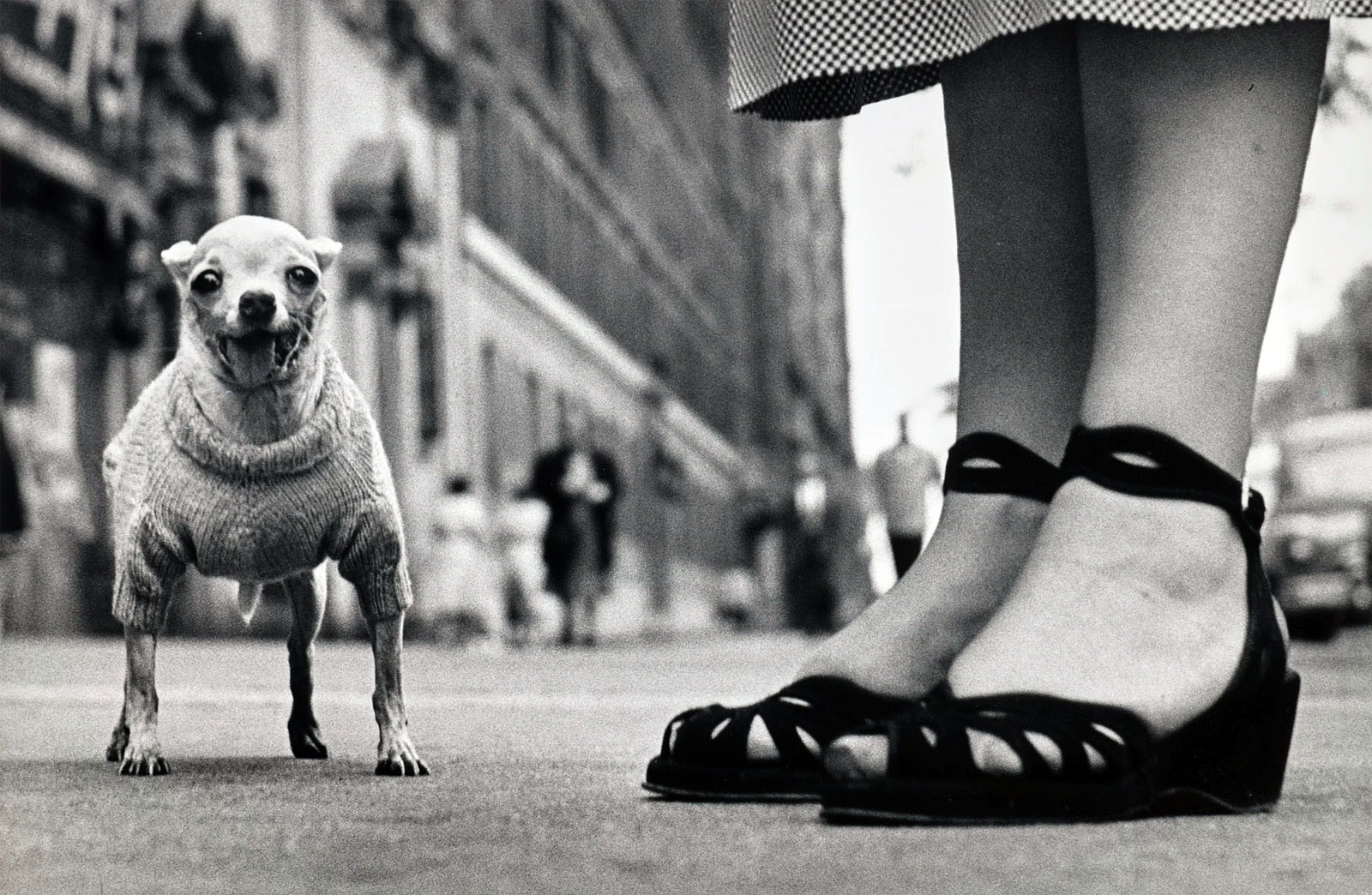
Elliott Erwitt (American, 1928-2023) 'Small dog standing by woman, New York City' 1946


Elliott Erwitt (American, 1928-2023)
Small dog standing by woman, New York City
1946
Gelatin silver print
© Elliott Erwitt/Magnum Photos


Elliott Erwitt (American, 1928-2023) 'ENGLAND. Brighton. 1956. Elizabeth Allan' 1956


Elliott Erwitt (American, 1928-2023)
ENGLAND. Brighton. 1956. Elizabeth Allan
1956
Gelatin silver print
© Elliott Erwitt/Magnum Photos


Elliott Erwitt (American, 1928-2023) 'France' 1965


Elliott Erwitt (American, 1928-2023)
France
1965
Gelatin silver print
© Elliott Erwitt/Magnum Photos


Elliott Erwitt (American, 1928-2023) 'Netherlands' 1973


Elliott Erwitt (American, 1928-2023)
Netherlands
1973
Gelatin silver print
© Elliott Erwitt/Magnum Photos


Elliott Erwitt (American, 1928-2023) 'USA. New York. 1974. Felix, Gladys and Rover' 1974


Elliott Erwitt (American, 1928-2023)
USA. New York. 1974. Felix, Gladys and Rover
1974
Gelatin silver print
© Elliott Erwitt/Magnum Photos


Elliott Erwitt (American, 1928-2023) 'FRANCE. Paris. 1989' 1989


Elliott Erwitt (American, 1928-2023)
FRANCE. Paris. 1989
1989
Gelatin silver print
© Elliott Erwitt/Magnum Photos


Elliott Erwitt (American, 1928-2023) 'New York City, USA' 2000


Elliott Erwitt (American, 1928-2023)
New York City, USA
2000
Gelatin silver print
© Elliott Erwitt/Magnum Photos


Elliott Erwitt, the “Woody Allen of photography”, who views his subjects with his heart as much as with his eye, captures human – sometimes all-too-human – situations in his oeuvre. Kunst Haus Wien presents pieces of the mosaic that is Erwitt’s reality, taken from over half a century of his photographic work. This comprehensive retrospective includes about 150 works by a highly active photographer. Erwitt embodies a type of photographer that has become extremely rare, one who views his subjects with his heart as much as with his eye and thereby sees things that most people rarely notice: the little humorous situations and passions of everyday life, the tiny moments in which gestures and facial expressions say more than a thousand words.

Erwitt is one of the leading photographers of his generation. Extremely versatile, with a broad spectrum of interests, he points his camera at human – sometimes all-too-human – situations: Some of them involve animals, others are political, still others capture a touching moment. Photography, for Erwitt, is above all an “art of observation” that depends first and foremost on the special way in which one views the world. In our world of fast-moving TV images and digitally enhanced pictorially compositions in advertising and fashion, Erwitt’s works restore to the photographic medium its original power. His snapshots are pieces of the mosaic of reality. Erwitt has a gift that few photographers possess, the gift of conveying a subtext with each photo: sentiment, anger, a little happiness; an emotion that can only be recognised by looking very closely; a “before” and an “after”. Erwitt himself calls this the “essence of what happens”. For Erwitt, photography is about really seeing things: “You either see, or you don’t see.”

Kitchen Debate

The ability to tell a whole story in one picture is Elliott Erwitt’s strength – as in the summer of 1959, when US Vice President Richard Nixon met Soviet leader Nikita Khrushchev at the American National Exhibition in Moscow. Erwitt’s snapshot documents how Capitalism and Socialism collided head-on in the form of the volatile Nixon and the surly Khrushchev. Actually, what he photographed was – as he later discovered – merely a conversation about banalities between two politicians during the Cold War, and yet this turned out to be the political photograph that would make him famous. Erwitt’s photo of the so-called Kitchen Debate cemented Nixon’s image as a hardliner and Erwitt’s own reputation as a journalistic photographer who had the qualities of an “invisible insider”.

Dogging Dogs

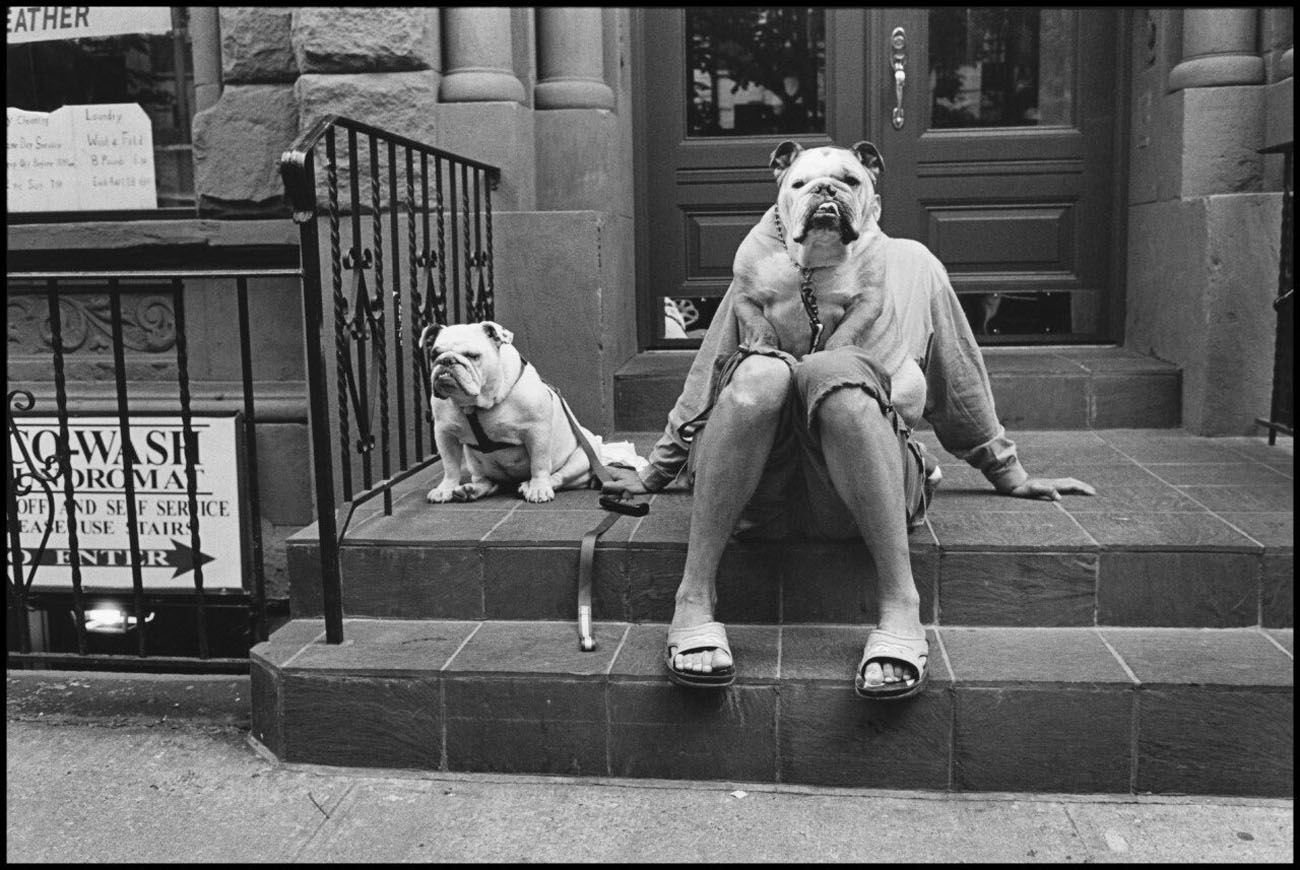
Erwitt has always taken photographs for his own pleasure as well: street scenes, people – and dogs. The photographer relates to dogs on a very friendly basis; he barks at them and photographs them in situations that show how “human” they can be. He takes some of these photos on walks in Central Park in New York, others at dog fairs and dog pageants. Erwitt’s dog photos have filled whole books and he could probably pride himself on having created the first image of dogs as cultural creatures.

Museum Watching

The “art of observation” has led Erwitt to take numerous photographs of people in museums: He portrays people in their silent dialogue with art when they pause – engrossed or sceptical – to take a closer look at an artwork. The particular environment of the museum is an ideal one for his sharp and at the same time affectionately ironic eye for people.

Naked

When Elliott Erwitt mingles with nudists and takes photographs, the result is very different from the usual photographs of nudes. Erwitt shows people unclothed and undisguised, far from ideals of beauty and staged poses. These photos form a kind of sociogram of nudist culture and are perhaps Erwitt’s most extreme attempt to capture the “conditio humana” in photographs.

Personal Exposures

Between politics and irony, between concerned photography and street photography, these works reveal touching moments that Erwitt has encountered and observed. These photographs allow room for intimacy. They include pictures of his family as well as famous portraits of actors and artists.

Photographs and Anti-Photographs

Elliott Erwitt, the son of Russian émigrés, was born in 1928 in Paris. After his birth, the family moved to Milan, where Elliott spent the first ten years of his life. In 1938, the Erwitts fled the Italian fascists and returned to Paris, after which they escaped the Nazis on the last passenger ship to the USA. The family landed in New York, but Elliot’s father soon decided he did not want to stay there. The family travelled all the way across the USA to California and started a new life in Los Angeles. Today, Elliott Erwitt lives in New York.

As a photographer, Erwitt has always worked for the advertising industry and at the same time realised his own photographic projects. This double context of assignment photography and authorship photography has typified his entire career, although the borders between the two fields have often been fuzzy. In 1948, Erwitt met the photographic legend Robert Capa, who invited him to join Magnum Photos. In 1954 he became a full member of the agency, where he soon felt completely at home. He served as President of Magnum Photos from 1966 to 1969.

Elliott Erwitt is one of an elite group of photographers whose pictorial language has heavily influenced American photojournalism. In decades of successful work as a photographer and as a director of documentaries and television films, Erwitt has always also remained an “amateur” – in the sense of its Latin root, meaning “lover” – of photography. In his photos he combines irony with insight and lightness with profundity, thereby creating humorous images that can often make life just a little bit easier for the beholder.

Press release from Kunst Haus Wein, Vienna


Elliott Erwitt (American, 1928-2023) 'USA. Pennsylvania. Pittsburgh. 1950' 1950


Elliott Erwitt (American, 1928-2023)
USA. Pennsylvania. Pittsburgh. 1950
1950
Gelatin silver print
© Elliott Erwitt/Magnum Photos


Elliott Erwitt (American, 1928-2023) 'Eric Ambler' 1952


Elliott Erwitt (American, 1928-2023)
Eric Ambler
1952
Gelatin silver print
© Elliott Erwitt/Magnum Photos


Elliott Erwitt (American, 1928-2023) 'USSR. Moscow. 1959. Nikita Khrushchev and Richard Nixon' 1959


Elliott Erwitt (American, 1928-2023)
USSR. Moscow. 1959. Nikita Khrushchev and Richard Nixon
1959
Gelatin silver print
© Elliott Erwitt/Magnum Photos


Elliott Erwitt (American, 1928-2023) 'Shreveport, LA' 1962


Elliott Erwitt (American, 1928-2023)
Shreveport, LA
1962
Gelatin silver print
© Elliott Erwitt/Magnum Photos


Elliott Erwitt (American, 1928-2023) 'USA. California. Pasadena. 1963' 1963


Elliott Erwitt (American, 1928-2023)
USA. California. Pasadena. 1963
1963
Gelatin silver print
© Elliott Erwitt/Magnum Photos


Elliott Erwitt (American, 1928-2023) 'USA. New York. 1963. 57th Street Gallery' 1963


Elliott Erwitt (American, 1928-2023)
USA. New York. 1963. 57th Street Gallery
1963
Gelatin silver print
© Elliott Erwitt/Magnum Photos


Elliott Erwitt (American, 1928-2023) 'USA. California. Elliott Erwitt. 1976' 1976


Elliott Erwitt (American, 1928-2023)
USA. California. Elliott Erwitt. 1976
1976
Gelatin silver print
© Elliott Erwitt/Magnum Photos


Elliott Erwitt (American, 1928-2023) 'London, England' 1978


Elliott Erwitt (American, 1928-2023)
London, England
1978
Gelatin silver print
© Elliott Erwitt/Magnum Photos


Elliott Erwitt (American, 1928-2023) 'USA. California. Bakersfield. 1983' 1983


Elliott Erwitt (American, 1928-2023)
USA. California. Bakersfield. 1983
1983
Gelatin silver print
© Elliott Erwitt/Magnum Photos


Elliott Erwitt (American, 1928-2023) 'Rio de Janeiro, Brazil' 1984


Elliott Erwitt (American, 1928-2023)
Rio de Janeiro, Brazil
1984
Gelatin silver print
© Elliott Erwitt/Magnum Photos


Elliott Erwitt (American, 1928-2023) 'GB. ENGLAND. Kent. 1984' 1984


Elliott Erwitt (American, 1928-2023)
GB. ENGLAND. Kent. 1984
1984
Gelatin silver print
© Elliott Erwitt/Magnum Photos


KUNST HAUS WIEN
Museum Hundertwasser
Untere Weißgerberstraße 13
1030 Vienna
Phone: +43-1-712 04 91

Opening hours:
Daily 10am – 6pm

Kunst Haus Wein website

LIKE ART BLART ON FACEBOOK

Back to top