
Exhibition: ‘Odyssey: The Photographs of Linda Connor’ at Phoenix Art Museum

Exhibition dates: 30th November, 2008 – 8th March, 2009
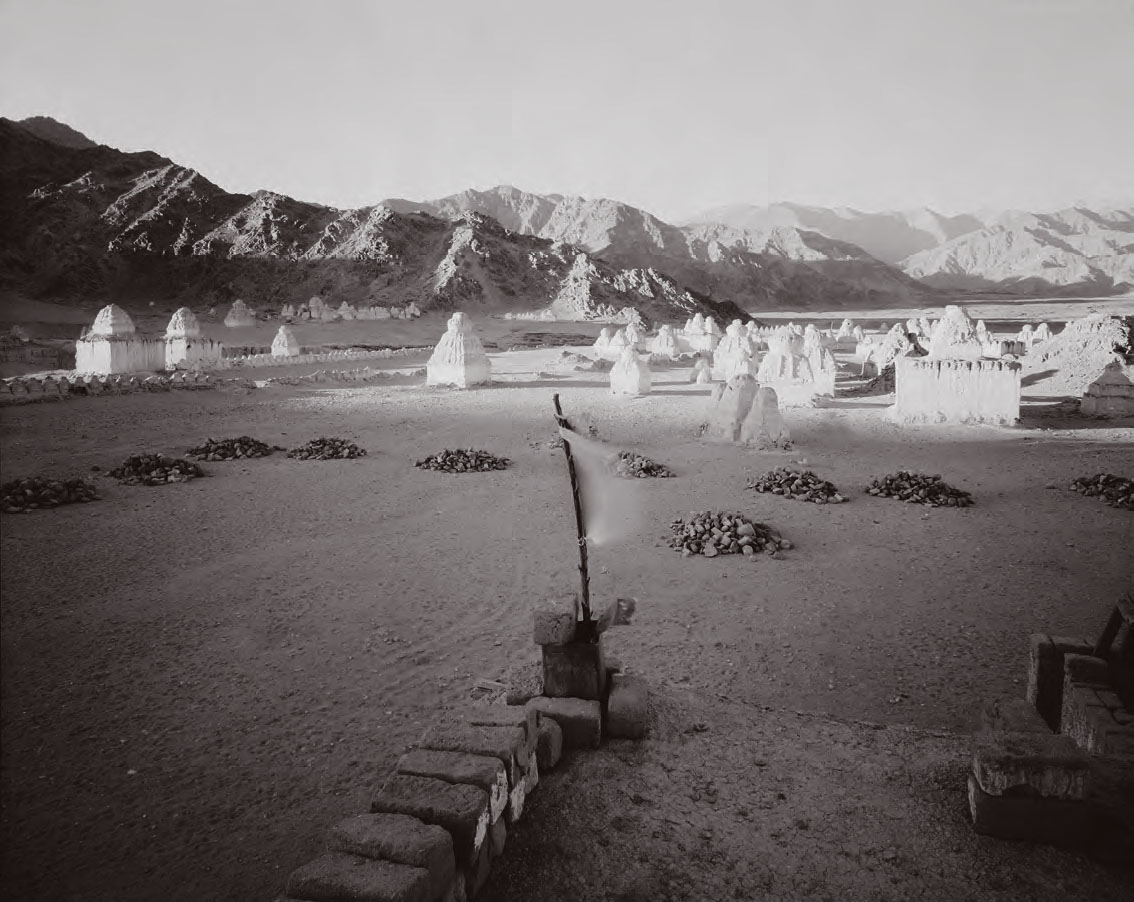
 

Linda Connor (American, b. 1944) 'Prayer Flag and Chortens, Ladakh, India 1988' 1988 from the exhibition 'Odyssey: The Photographs of Linda Connor' at Phoenix Art Museum, Nov 2008 - March 2009


Linda Connor (American, b. 1944)
Prayer Flag and Chortens, Ladakh, India 1988
1988
Silver gelatin print


Connor’s photographs reveal the essence of her subjects, yielding a sense of timelessness while visually evoking the intangible. She uses a distinctive technique. A large-format view camera allows her to achieve remarkable clarity and rich detail. Her prints are created by direct contact of the 8 x 10-inch negative on printing out paper, exposed and developed using sunlight …

Connor embraces a wide range of subject matter, connecting the physical and the spiritual world. Just as sacred art evokes deep meaning even without an explicit understanding, Connor hopes her photographs serve a similar metaphorical function. Upon entering Chartres Cathedral, for example, one feels transported into another realm, regardless of religious beliefs. Connor’s images share this transformative nature as they transcend the boundaries of subject, culture, and time. She brings an equal amount of attention to a rock in the desert as she does when she photographs a temple.

Text from the Phoenix Art Museum website


Many thankx to the Phoenix Art Museum for allowing me to publish the photographs in the posting. Please click on the photographs for a larger version of the image.
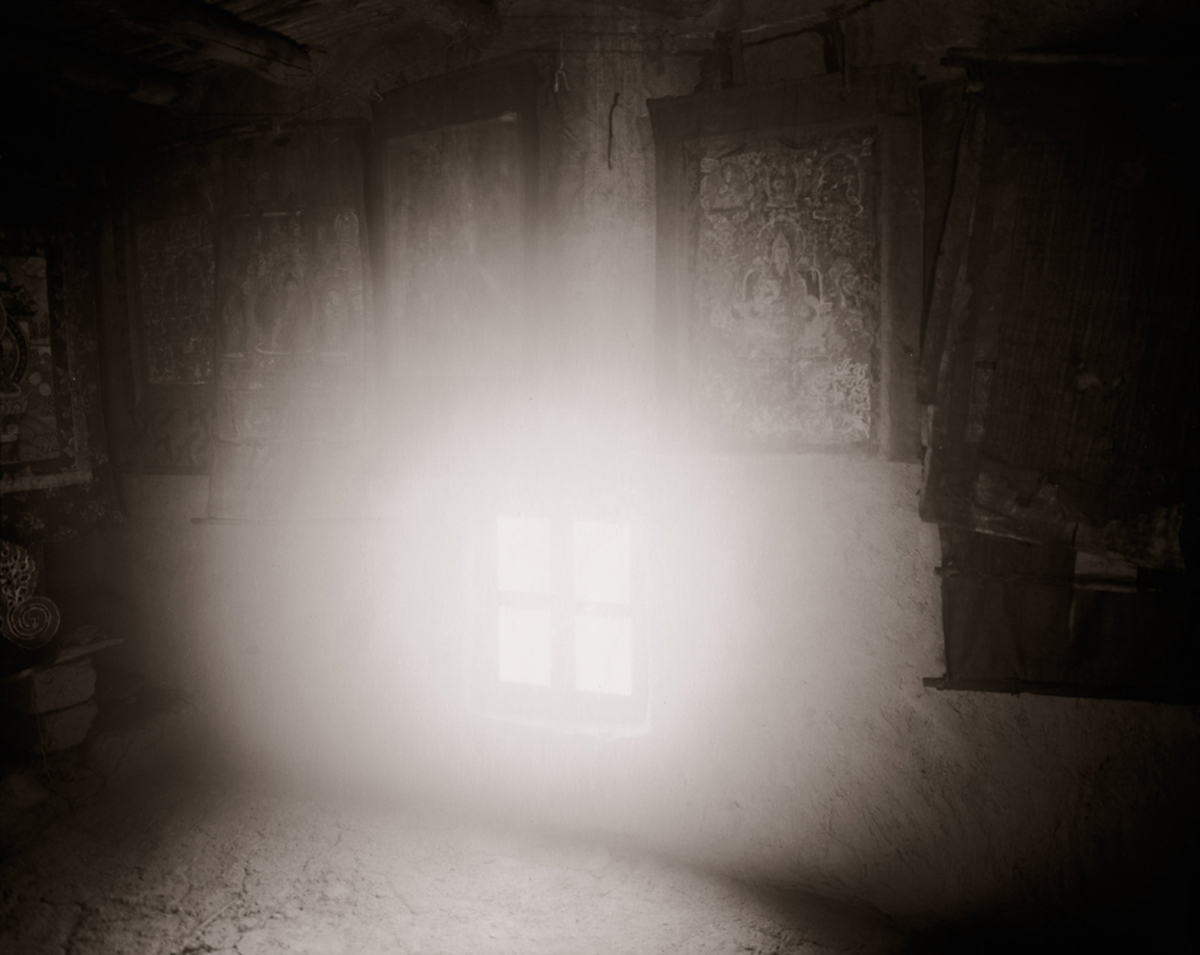


Linda Connor (American, b. 1944) 'Windows and Thangkas, Ladakh' 1988 from the exhibition 'Odyssey: The Photographs of Linda Connor' at Phoenix Art Museum, Nov 2008 - March 2009


Linda Connor (American, b. 1944)
Windows and Thangkas, Ladakh
1988
Silver gelatin print
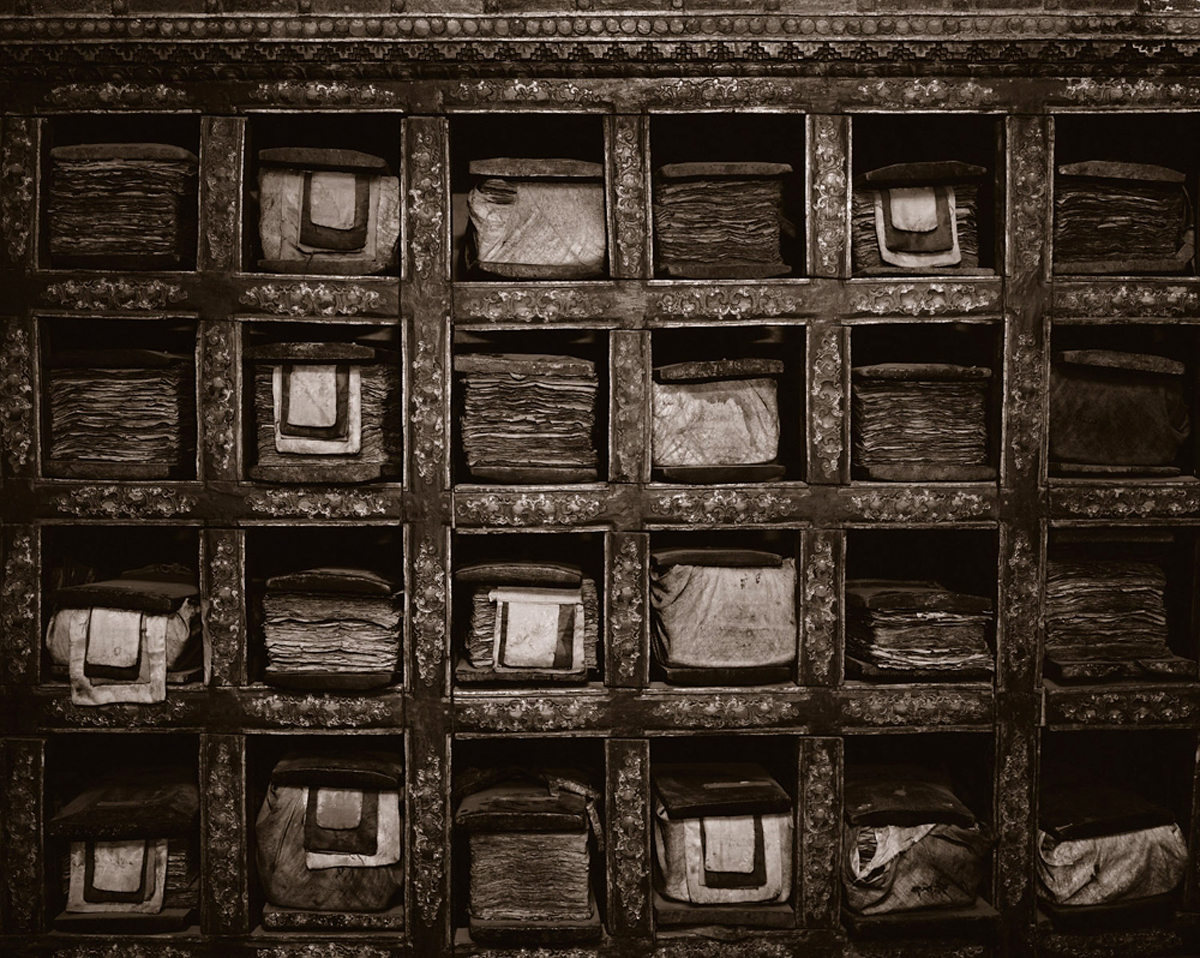
 

Linda Connor (American, b. 1944) 'Library of Prayer Books, Ladakh, India' 1988


Linda Connor (American, b. 1944)
Library of Prayer Books, Ladakh, India
1988
Silver gelatin print


Linda Connor is an American photographer who photographs spiritual and exotic locations including India, Mexico, Thailand, Ireland, Peru, and Nepal. Her photographs appear in a number of books, including Spiral Journey, a catalog of her exhibition at the Museum of Contemporary Photography in 1990 and Odyssey: Photographs by Linda Connor, published by Chronicle Books in 2008. Connor was awarded a National Endowment for the Arts grant in 1976 and 1988 and received a Guggenheim Fellowship in 1979. Connor’s work is included in the collections of the Art Institute of Chicago, Museum of Modern Art, San Francisco Museum of Modern Art, and the Victoria & Albert Museum in London.


Linda Connor (American, b. 1944) 'Portal Figures, Chartres Cathedral, France' 1989


Linda Connor (American, b. 1944)
Portal Figures, Chartres Cathedral, France
1989
Silver gelatin print
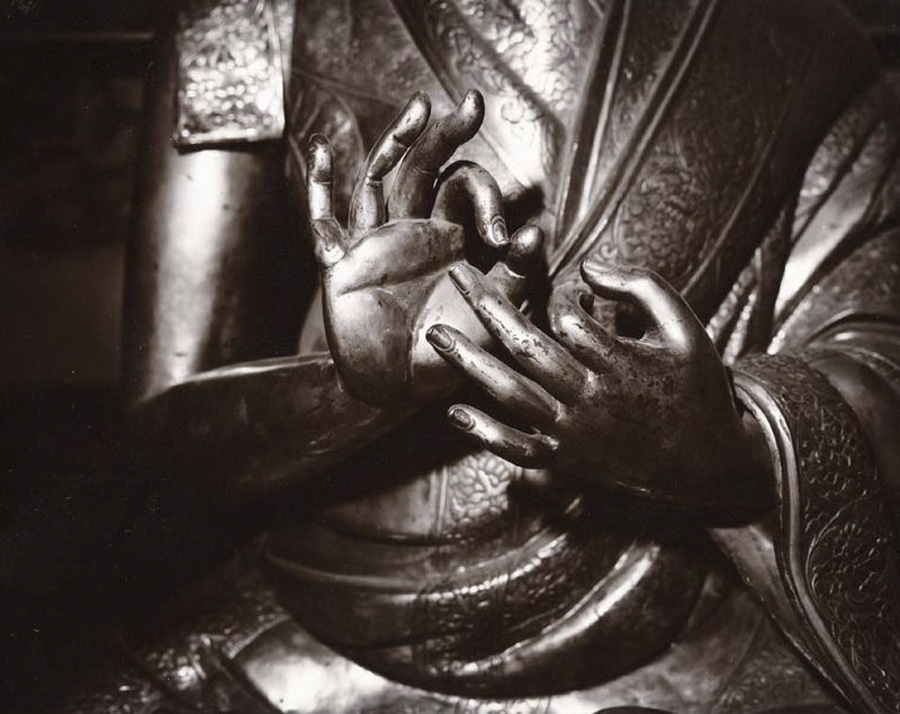
 

Linda Connor (American, b. 1944) 'Mudra, Mindroling Monastery, Tibet' 1993


Linda Connor (American, b. 1944)
Mudra, Mindroling Monastery, Tibet
1993
Silver gelatin print
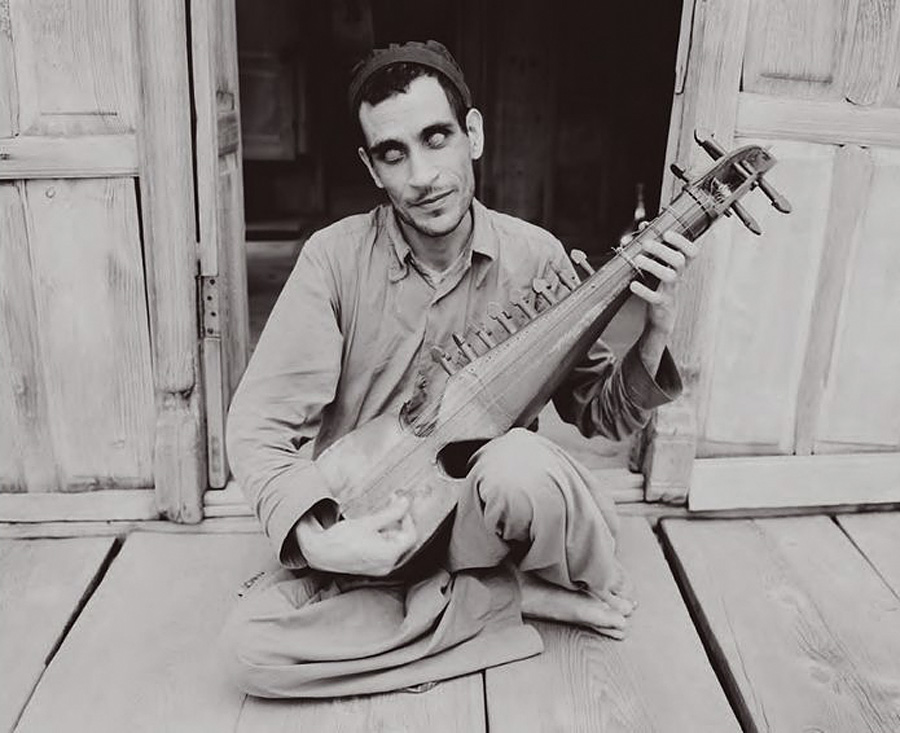
 

Linda Connor (American, b. 1944)
'Blind Musician, Kashmir, India' 1985


Linda Connor (American, b. 1944)
Blind Musician, Kashmir, India
1985
Silver gelatin print
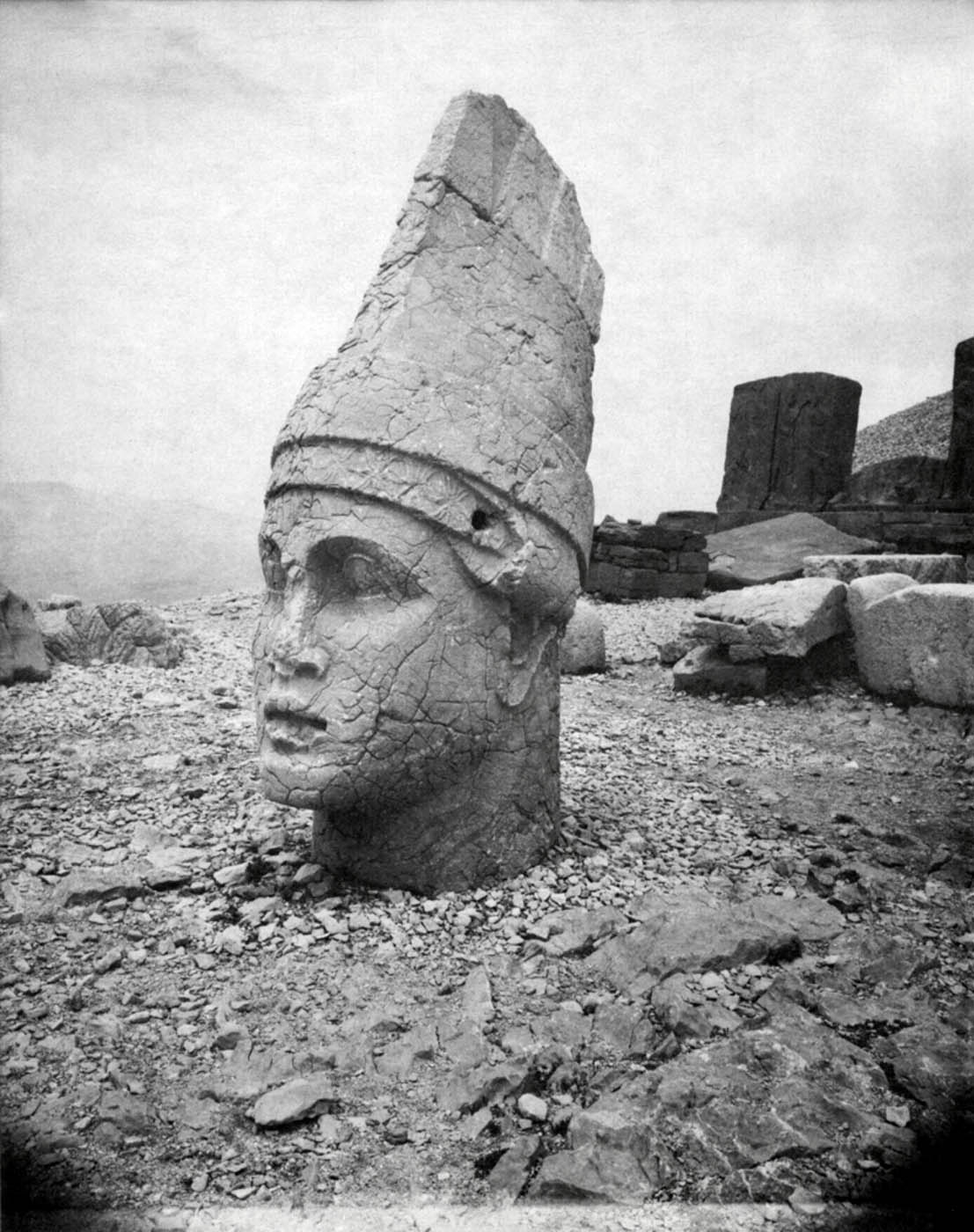
 

Linda Connor (American, b. 1944)
'Apollo, Mt. Nemrut, Turkey' 1992


Linda Connor (American, b. 1944)
Apollo, Mt. Nemrut, Turkey
1992
Silver gelatin print


Doris and John Norton Gallery for the Center for Creative Photography, Phoenix Art Museum
1625 N Central Ave, Phoenix, AZ 85004, USA

Opening hours:
Wednesday 10am – 9pm
Thursday – Sunday 10am – 5pm
Closed Monday and Tuesday

Center for Creative Photography, University of Arizona, Tucson
27th March – 21st June 2009

Phoenix Art Museum website

LIKE ART BLART ON FACEBOOK

Back to top

Book: Edward S. Curtis: Visions of the First Americans (with Eugene Atget and Diane Arbus)

November 2008


Edward S Curtis (American, 1868-1952) 'Nuhlihahla-Qagyuhl' Nd


Edward S Curtis (American, 1868-1952)
Nuhlihahla-Qagyuhl
Nd


Following my thoughts on the series The First Australians on SBS we have this wonderful coffee table book of photographs: Edward S. Curtis: Visions of the First Americans with images taken from his seminal 20 volume work The North American Indian.

Curtis worked on the project from 1906 to 1927 hauling his large format glass plate camera across the United States much as Eugene Atget did at roughly the same time in Paris, taking photographs of the old city and its hotels, shops, parks and gardens. Atget died in 1927 with his art recognised by few whilst Curtis lived on into the 1950’s, dying in obscurity and poverty after the fame of his ground breaking work had disappeared. Both photographed a vanishing world capturing it for prosperity on fragile glass plates. Both brought to their projects a unique vision and a belief in what they were doing.

Atget’s photographs of people half seen through shop doors and windows, like shadows of the night. Curtis’s photographs of masked Yeibichei dancers wearing elaborate attire. Curtis thought he was photographing the dying races of the American Indians. Atget knew he was photographing the collapsing spaces of old Paris. Both use the space of the photograph to signify their intentions: an understanding of their subject matter, an empathy with a disappearing way of life, a need to record their vision of this world – and an intensity of insight into that condition.

No other photograph has the space and timelessness of an Atget. No other image the presence of the plains that Curtis summoned.

His masked dancers remind me of the last photographs of the great American photographer Diane Arbus in their candour and beauty, posthumously called Untitled. Finally Arbus has found a subject matter that she could return to over and over again. As did Atget and Curtis.

As Doon Arbus has commented,

“These images – created out of the courage to see things as they are, the grace to permit them simply to be, and a deceptive simplicity that permits itself neither fancy nor artifice … The photographs appear to be documents of a world we’ve never seen or imagined before – one with its own rituals and icons, its own games and fashions and codes of conduct – which, for all its strangeness, is at the same time hauntingly familiar and, in the end, no more or less unfathomable than our own.”1

Dr Marcus Bunyan


1/ Arbus, Doon. “Afterword,” in Diane Arbus: Untitled. London: Thames and Hudson, 1995.

~ Diane Arbus: Untitled
~ Edward S. Curtis: Visions of the First Americans
~ Some late Diane Arbus photographs from Google Images
~ Eugène Atget Wikipedia entry
~ Eugène Atget Google images


LIKE ART BLART ON FACEBOOK

Back to top