
Exhibition dates: 17th November, 2024 – 11th May, 2025
Curator: Eric Paddock, Curator of Photography at Denver Art Museum

Dawoud Bey (American, b. 1953)
Two Girls from a Marching Band, Harlem, NY
1990
Pigment print
Courtesy the artist and Stephen Daiter Gallery, Chicago
© Dawoud Bey
Street cred
I have posted twice before on Art Blart on Dawoud Bey’s An American Project exhibition – once when it was at the High Museum of Art (November 2020 – March 2021) and then the Whitney Museum of American Art (April – October, 2021)
I waxed lyrical about his photographs which I greatly admire.
“From formal to informal portraiture, through conceptual “bodies”, Bey’s work visualises Black American history in the present moment, not by using the trope of reusing colonial photographs or memorabilia, but by presenting afresh the history of injustice enacted on a people and a culture, picturing their ongoing pain and disenfranchisement – in the here and now – through powerful and deeply political photographs…
From his early street photographs through the later large format Polaroid work and on to the conceptual series, Bey’s photographs have an engaging directness and candour to them. There are no photographic or subjective histrionics here, just immensely rich social documentary photographs that speak truth to subject. The subjects stare directly at the camera and reveal themselves with a poignant honesty.”
If you look at the installation photographs of both postings you will notice the small-scale prints of his notable black and white large-format (4 × 5-inch) camera and Polaroid Type 55 film photographs. But in this exhibition, Dawoud Bey: Street Portraits at the Denver Art Museum, Bey has used the large format negatives “to make large-scale, highly detailed prints that could be enlarged to create monumental portraits.”
To my eye and mind, these monumental portraits simply don’t work … on many levels.
Firstly, the size seems totally inappropriate as a form of theatre (for that is what Bey is making them at this size) and as a photographic document to the honest representation of these people – to me, completely at odds with the spirit of the subject being captured.
Secondly – and remembering that I have not seen the exhibition or walked through it but I am using the numerous installation photographs as my guide – there seems to be little flow to the images, installed as they are cheek by jowl, on the line, with no groupings or spacing, facing off against each other, face after face – with seemingly no understanding by curator or artist of Minor White’s idea of ice/fire, or the space between, the frisson that is generated between two or more images, in conversation, in sequence. Even the lines of sight between exhibition spaces leave little to be discovered afresh.
I have never understood this need for “monumentalism” in contemporary photography especially when the work does not need it and the energy of the work does not support it.
The advent of digital printing and large scale printers have enabled the production of gigantic contemporary photographs. “Large-scale photography challenges traditional notions of what constitutes a photograph and can be seen as a way to engage with the history of painting and cinema… Large-scale photography allows artists to explore the relationship between the overall composition and the individual details within the image. This can create a sense of both macro and micro, where the viewer can zoom in and out to appreciate different aspects of the image… Large-scale photography is used by many artists to explore themes related to identity, technology, consumerism, and environmental issues. The size of the prints can be a way to amplify these themes and create a more impactful visual statement. Large-scale photographs are well-suited for exhibition spaces where they can be displayed in a way that maximizes their impact. The large size of the prints can also create a sense of awe and wonder for the viewer.” (Generative AI on Google)
“In the 1990s, the group most commonly associated with large-scale photography, and in many ways responsible for the worldwide popularity of the technique, were the students of Bernd and Hilla Becher at the Kunstakademie Düsseldorf, including Thomas Struth, Andreas Gursky, Candida Höfer, and Thomas Ruff.” (Artsy website) With the work of artist’s such as Jeff Wall or Gregory Crewdson we become immersed in their cinematically constructed, staged fantasy worlds through the sheer scale of the photographs. With the gigantic portraits of Thomas Ruff it is not so much about the individual persona in the photograph as their every pore, a scientific examination of the surface micro death contained within every image.
Of course, I understand the desire for large photographs in creating a sense of immersion and exploring themes related to scale, power, identity and the human experience … but I don’t necessarily agree with the conditions of their becoming, nor do I think scale necessarily works for every photographic image. A photograph can be printed so that it has many sizes where it “speaks” to you and the viewer, but not every size works. I vividly remember seeing the exhibition Richard Avedon People at The Ian Potter Museum of Art, Melbourne in 2015 and observing that Avedon’s reaction to the ever expanding size of postmodern “gigantic” photography were floor to ceiling photographs, vertiginous overblown edifices which fell as flat as a tack.
I get the same feeling here.
Impact not intimacy, (visually) overwhelming not (visually) engaging.
Fundamentally, these “monumental” photographs by Dawoud Bey are no longer “street portraits” for they lack the intimacy and intensity of that style, becoming something rather less … beguiling, in the process.
Dr Marcus Bunyan
Many thankx to the Denver Art Museum for allowing me to publish the photographs in the posting. Please click on the photographs for a larger version of the image.
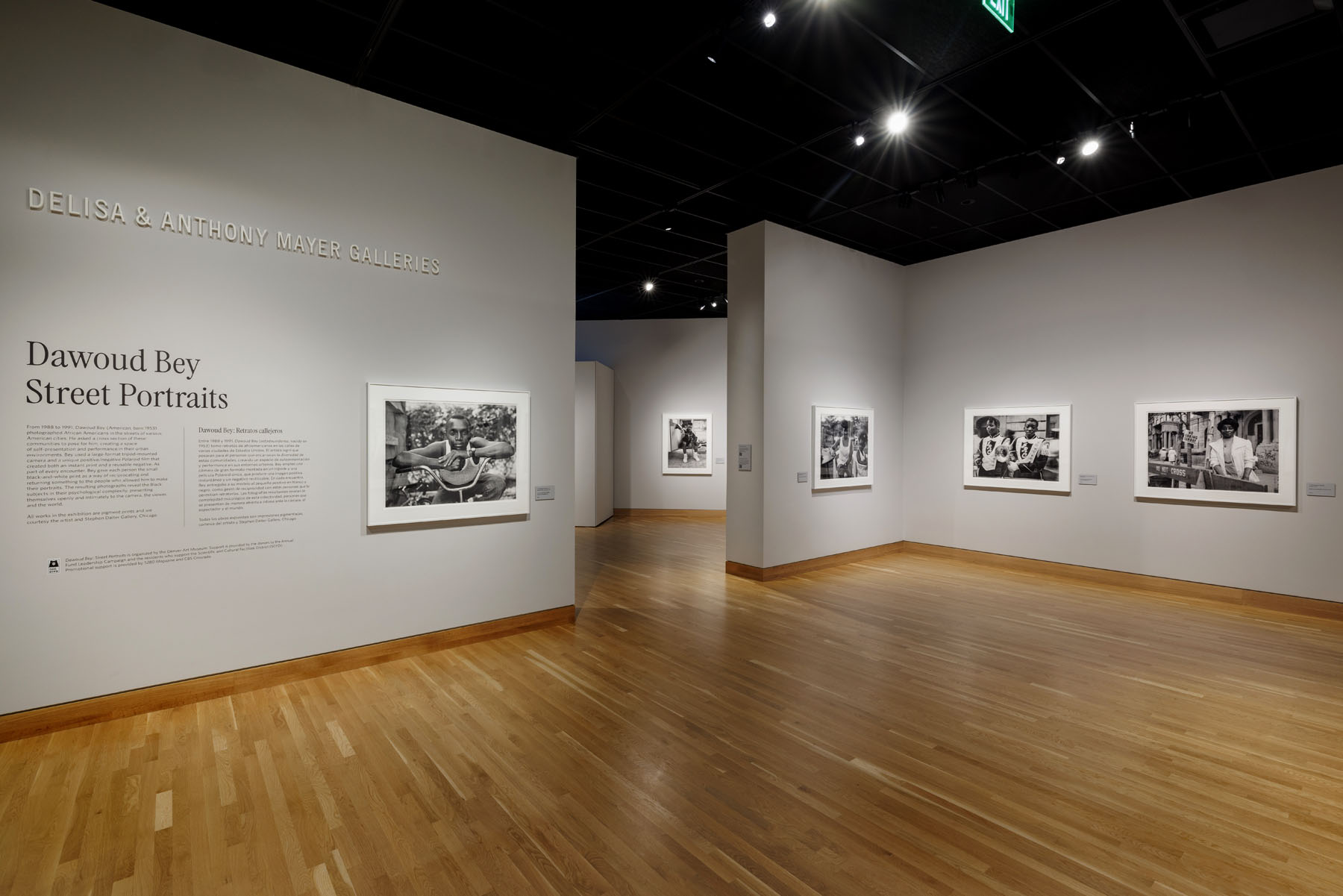
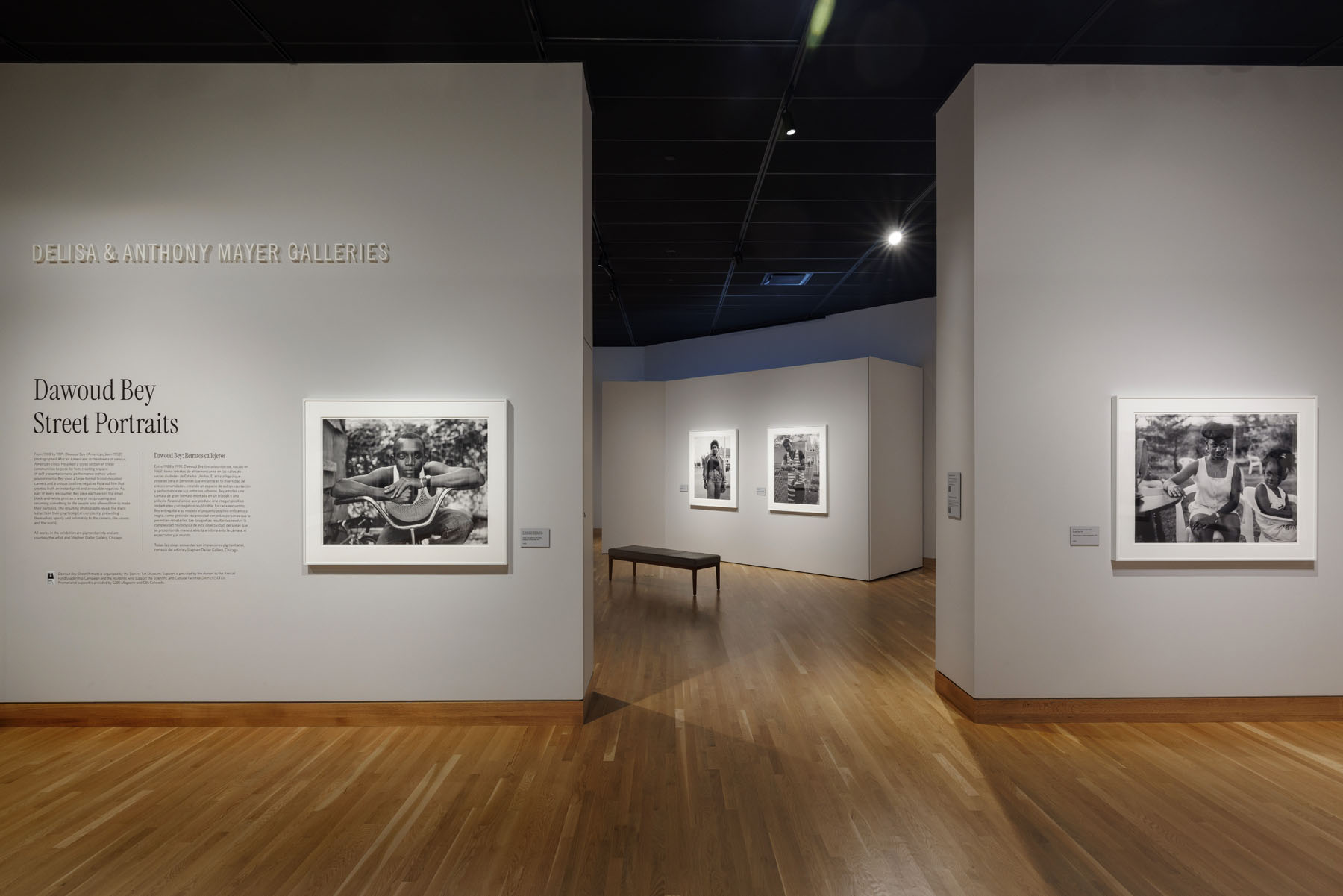
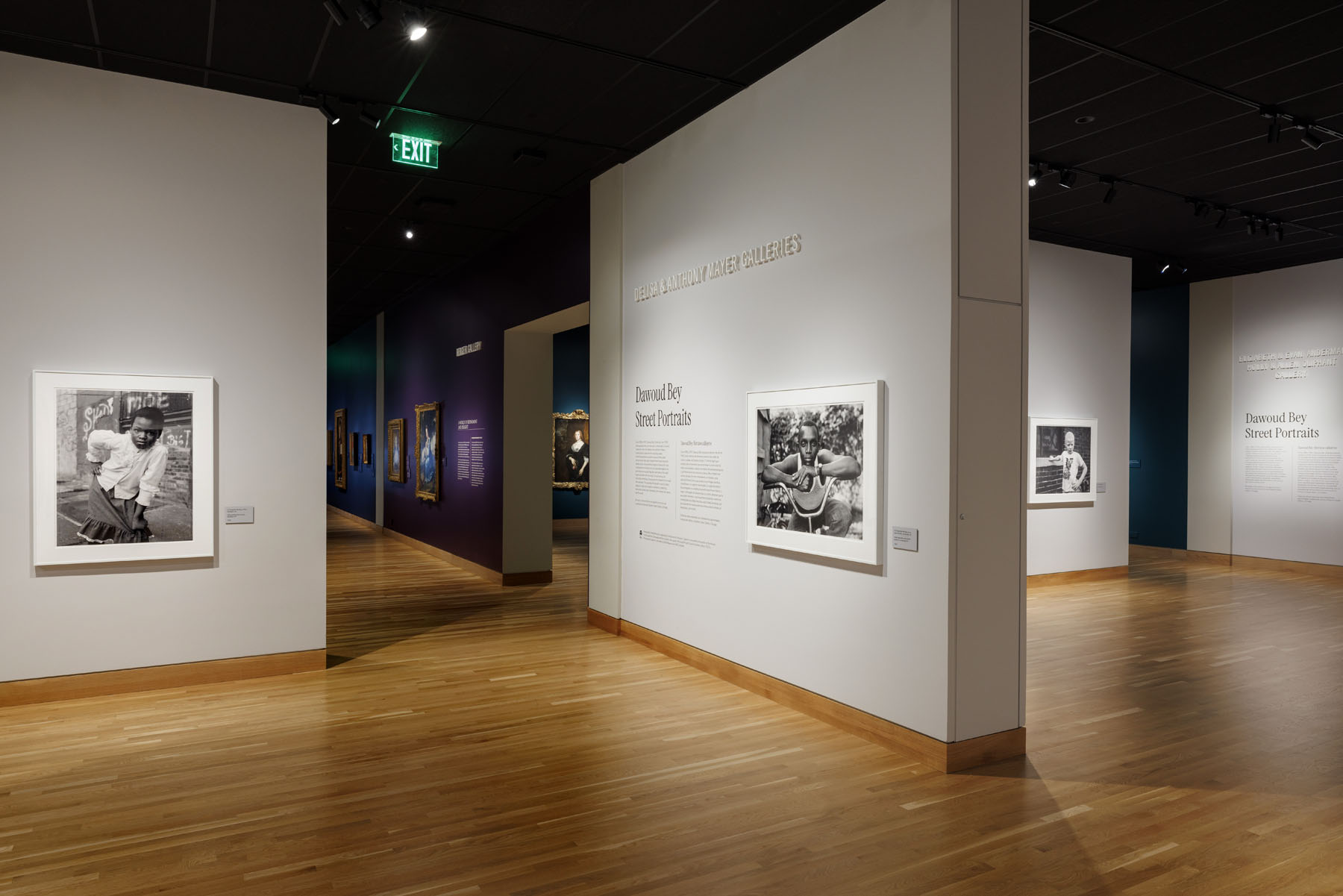
Installation views of the exhibition Dawoud Bey: Street Portraits at the Denver Art Museum
From 1988 to 1991, Dawoud Bey (American, born 1953) photographed African Americans in the streets of various American cities. He asked a cross section of these communities to pose for him, creating a space of self-presentation and performance in their urban environments. Bey used a large format tripod-mounted camera and a unique positive/negative Polaroid film that created both an instant print and a reusable negative. As part of every encounter, Bey gave each person the small black-and-white print as a way of reciprocating and returning something to the people who allowed him to make their portraits. The resulting photographs reveal the Black subjects in their psychological complexity, presenting themselves openly and intimately to the camera, the viewer, and the world.
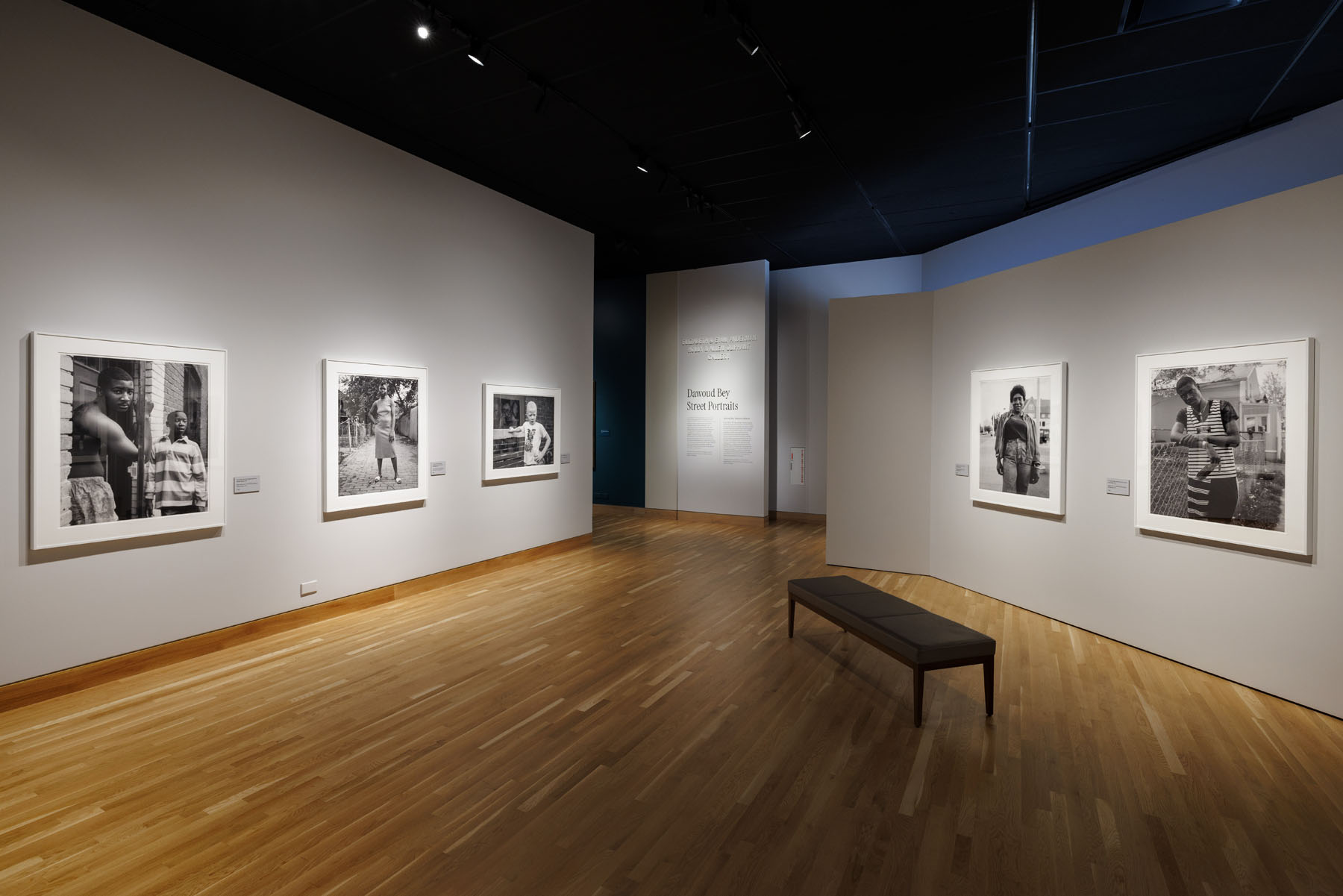
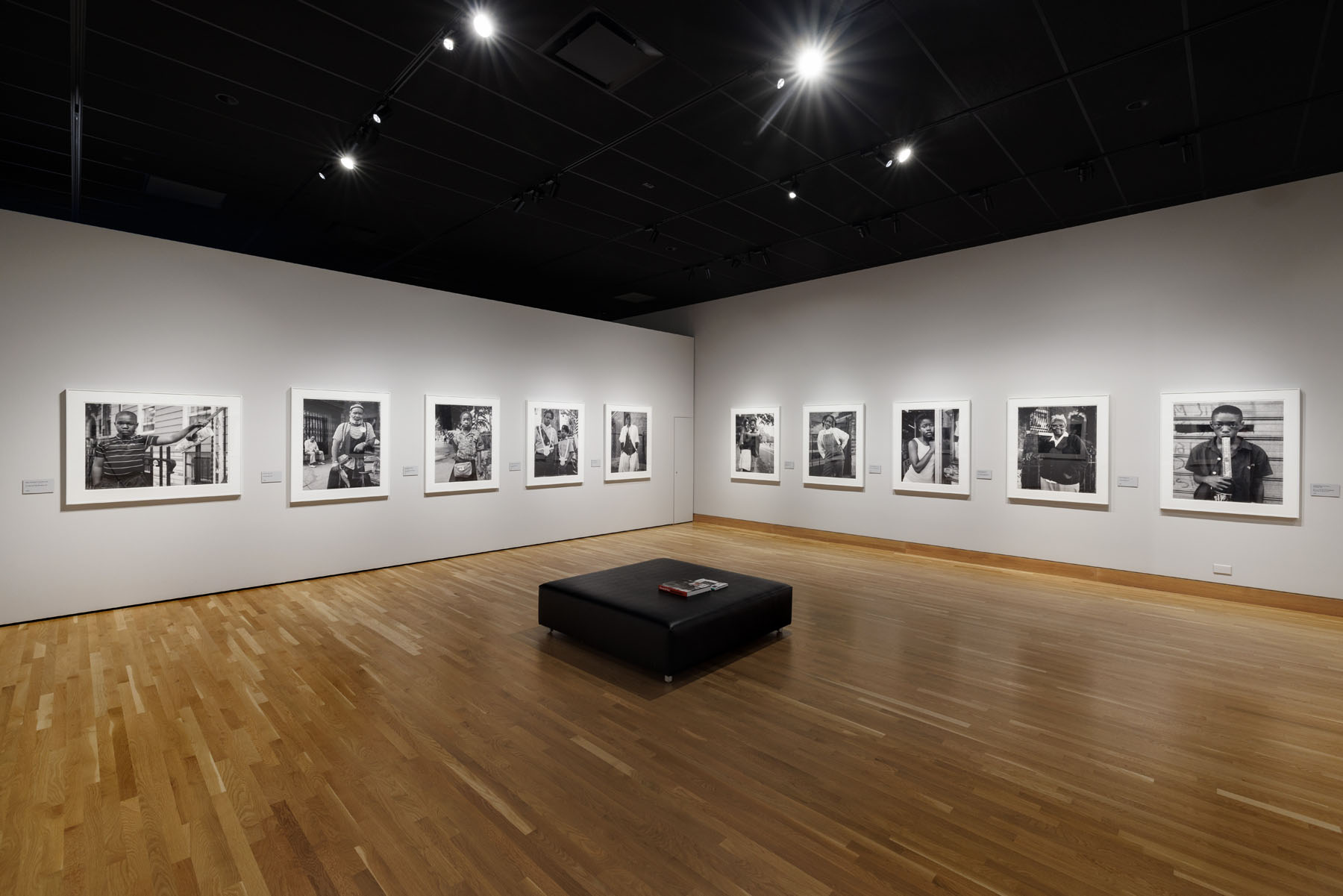
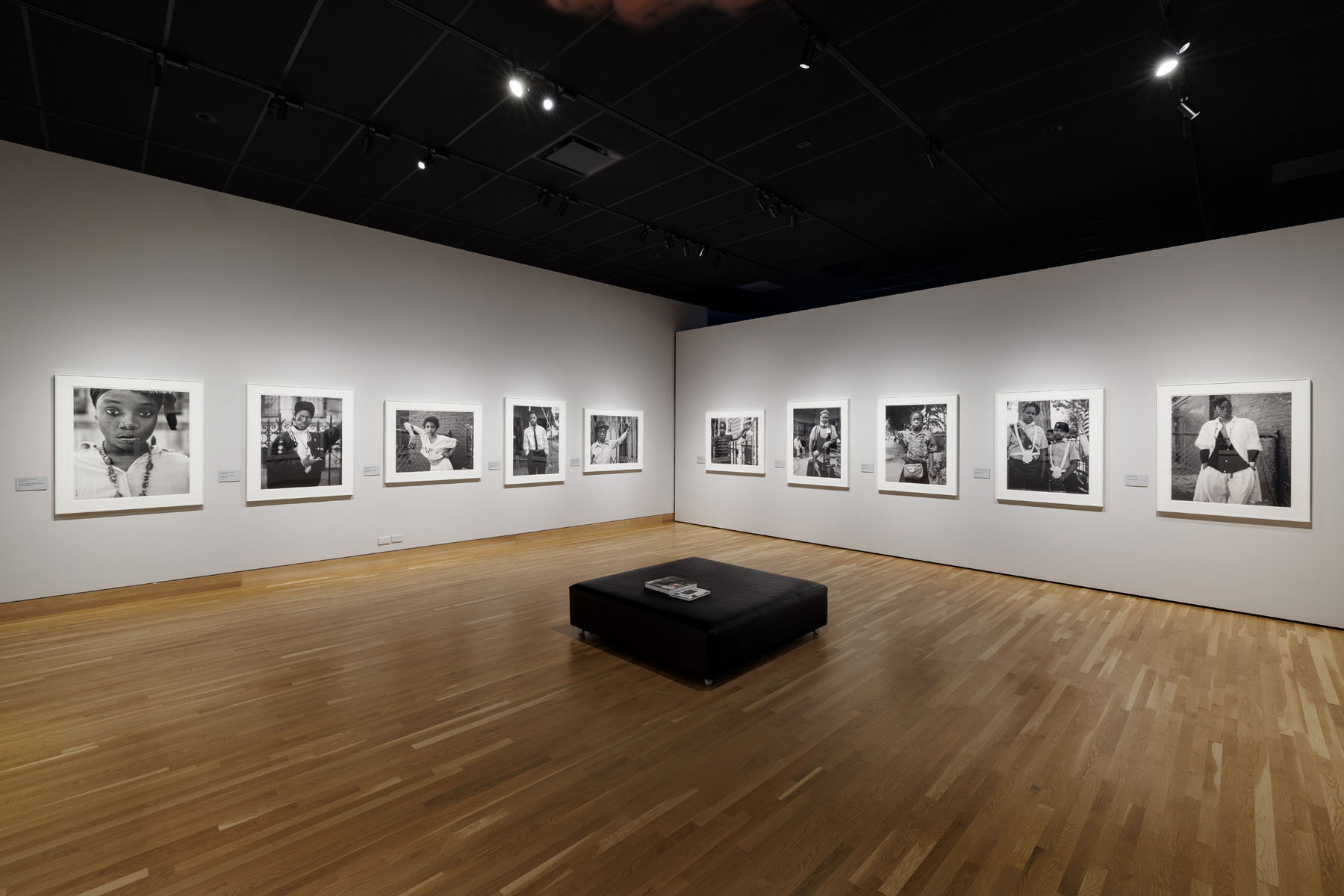
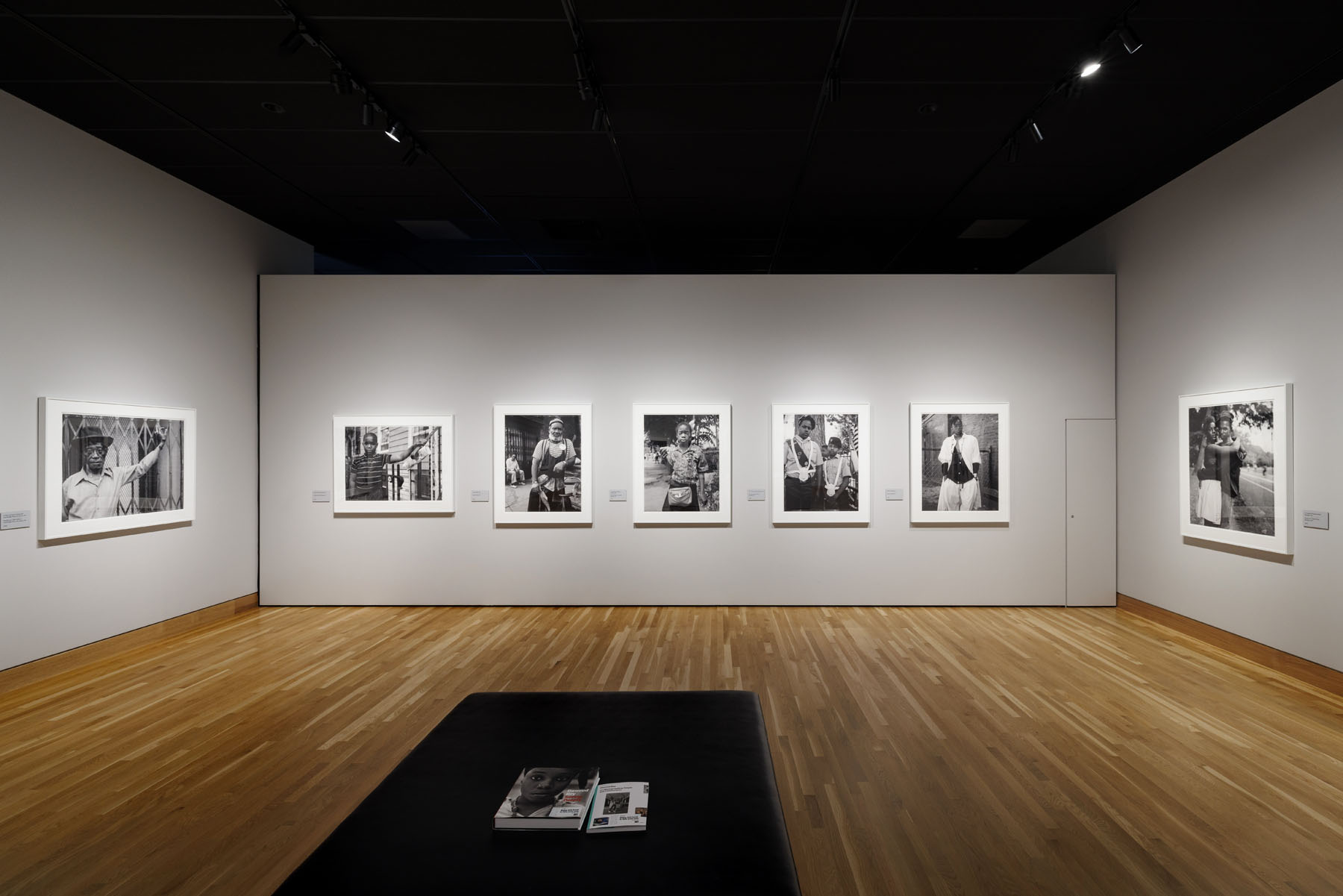
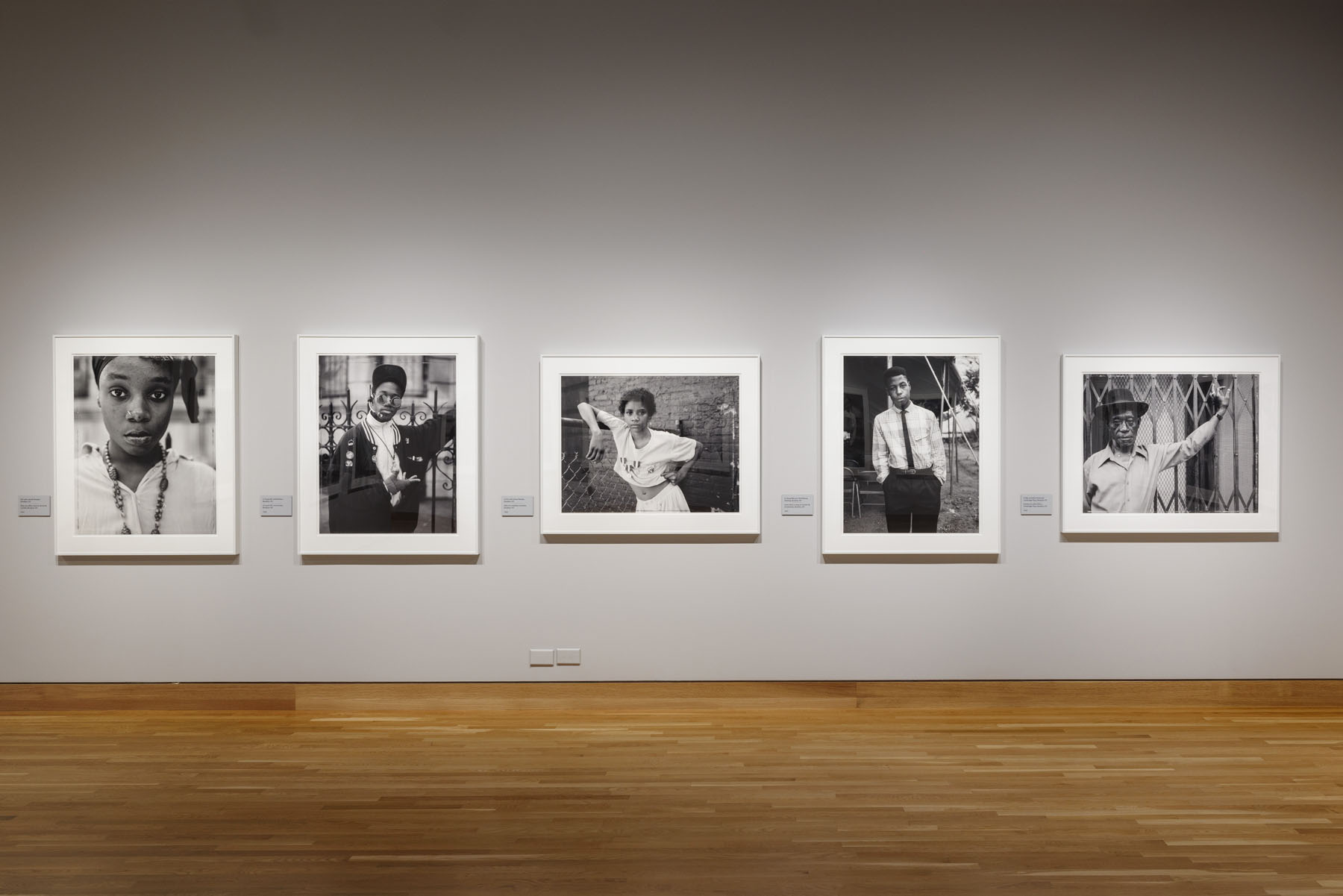
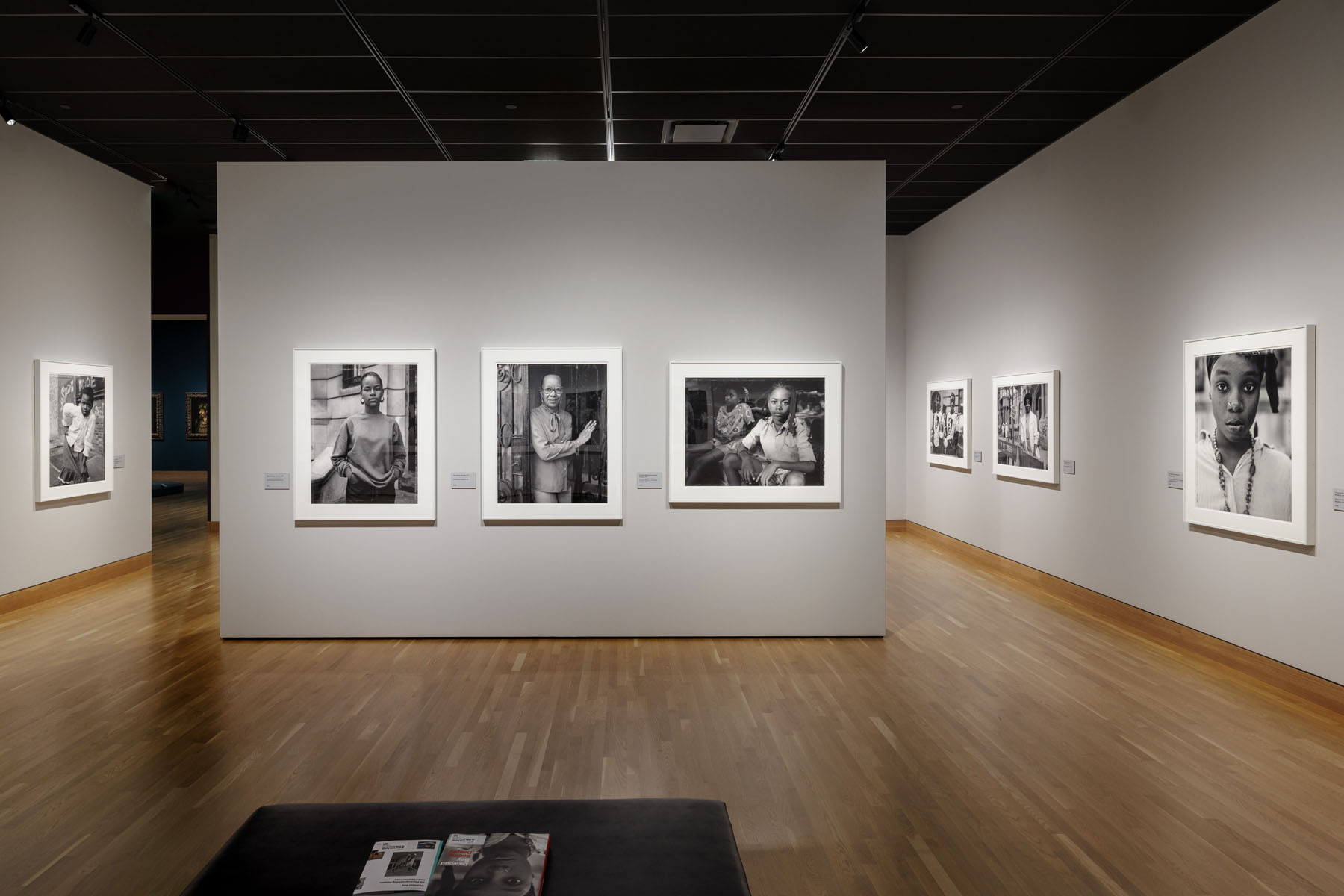
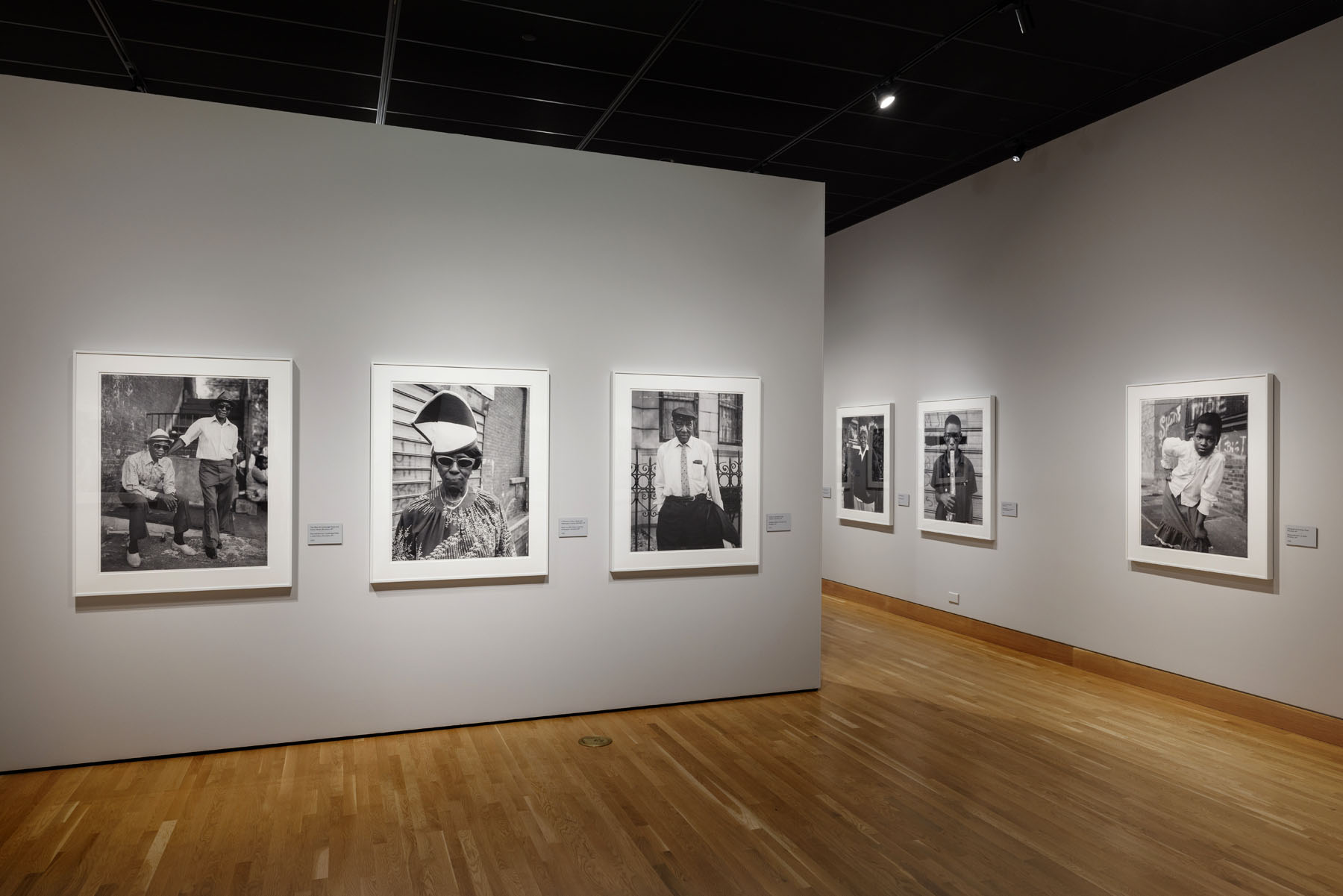
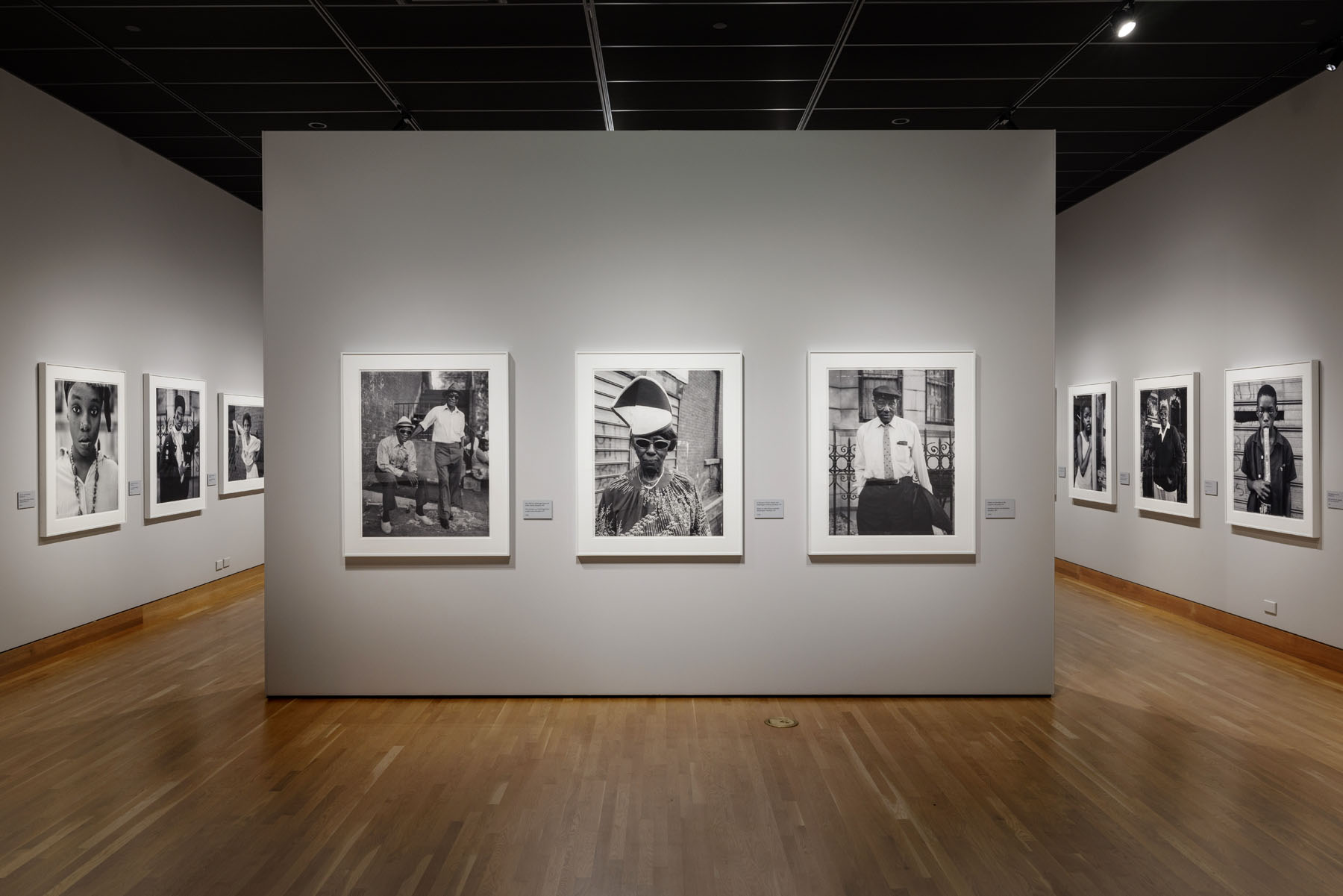
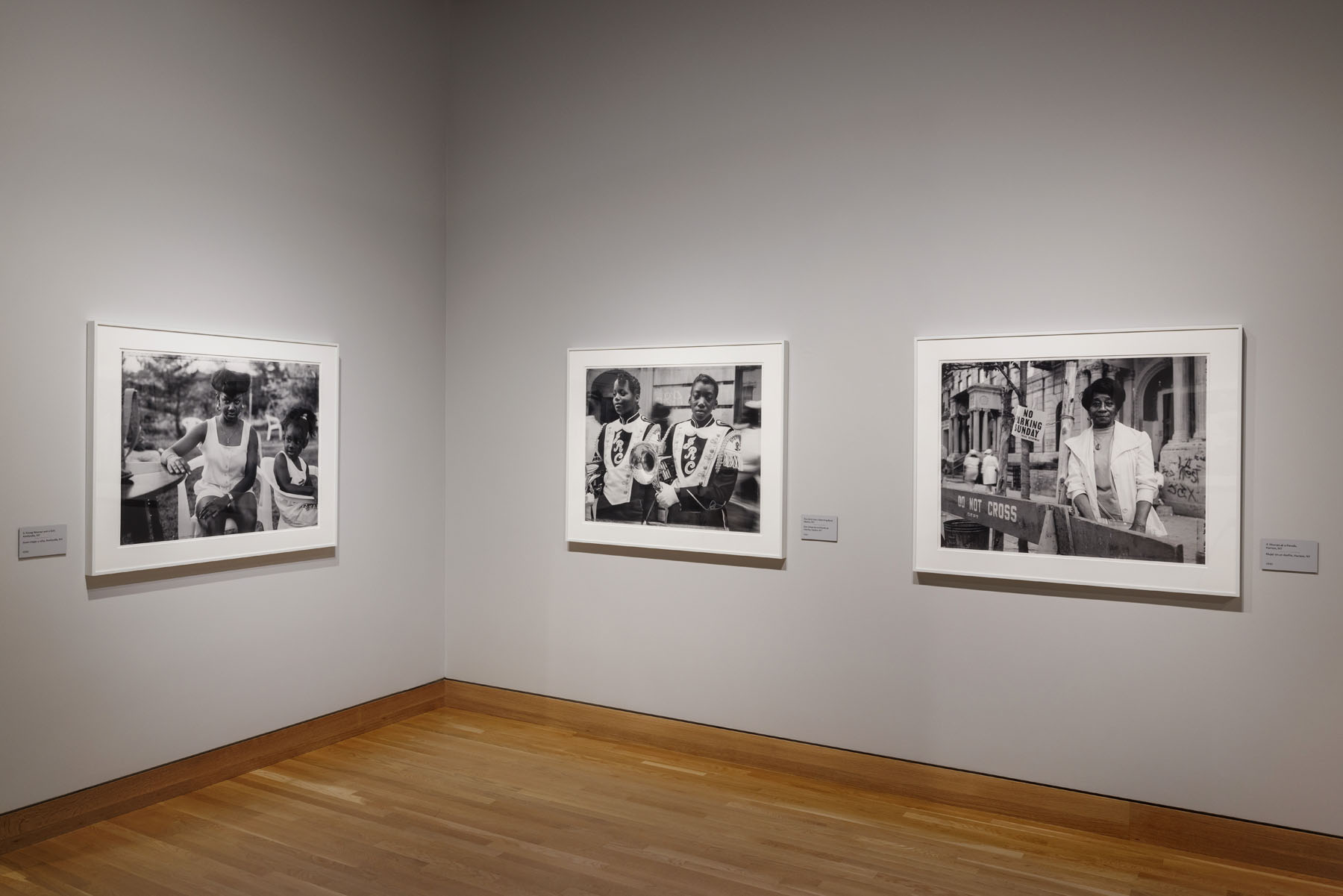
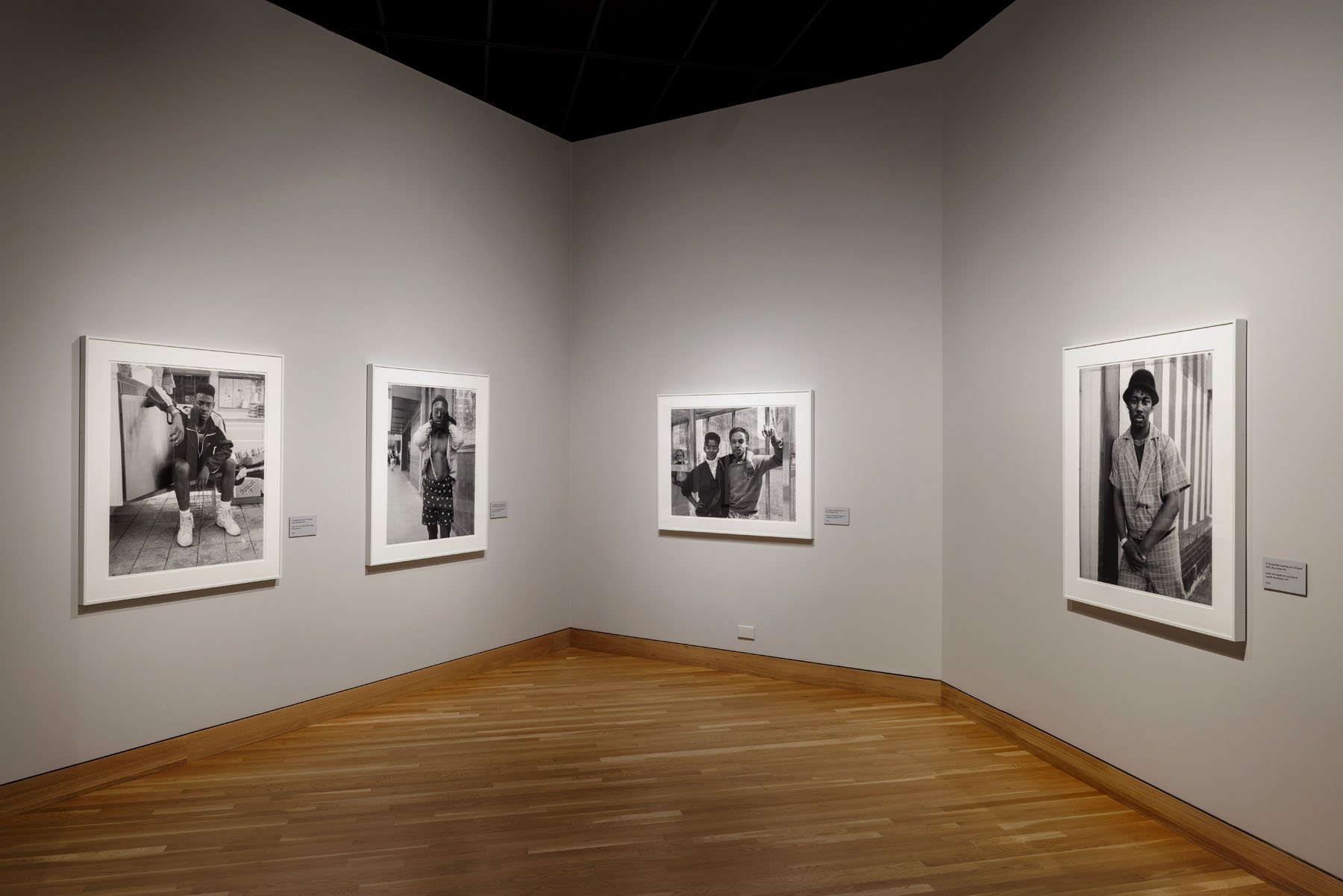
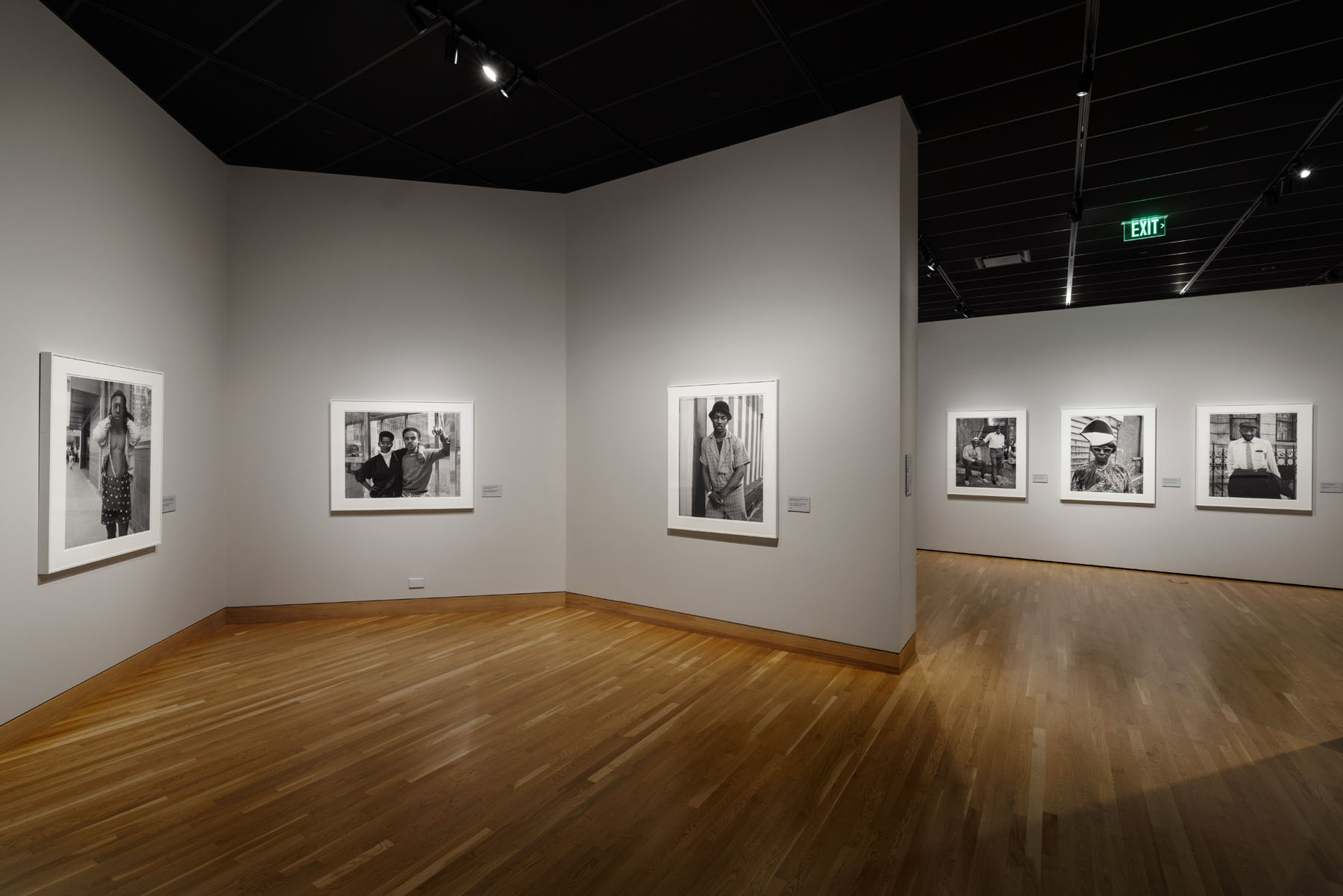
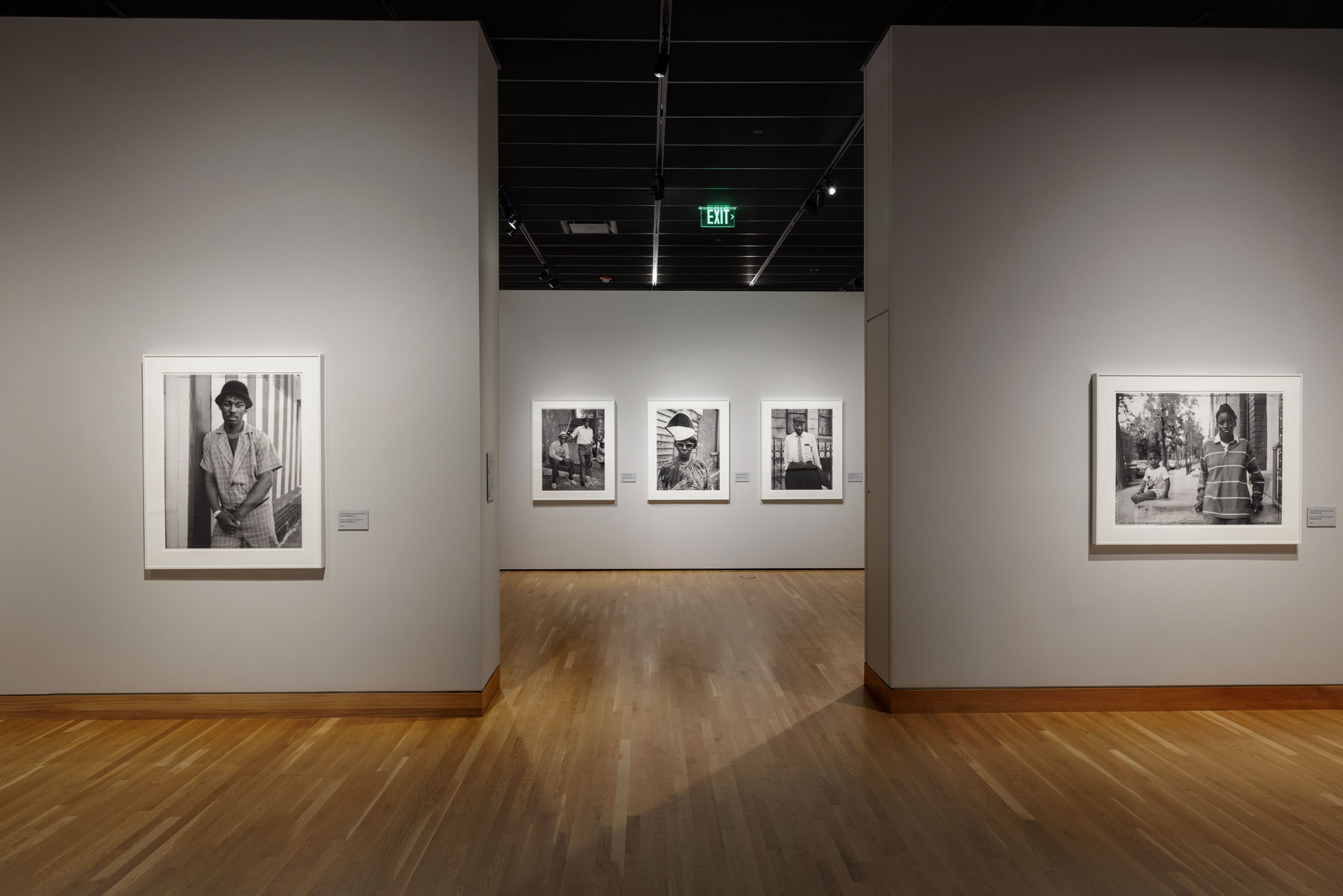
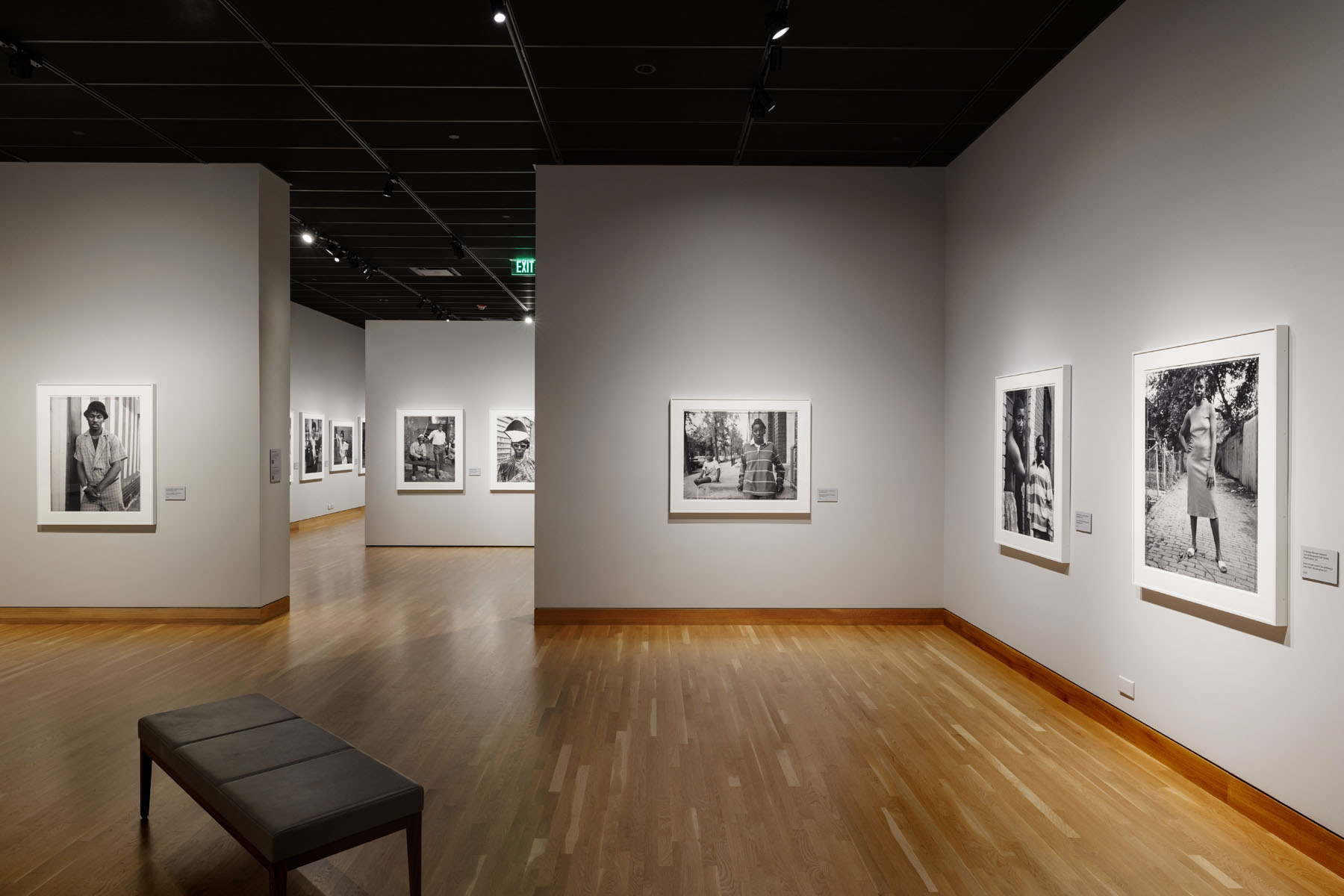
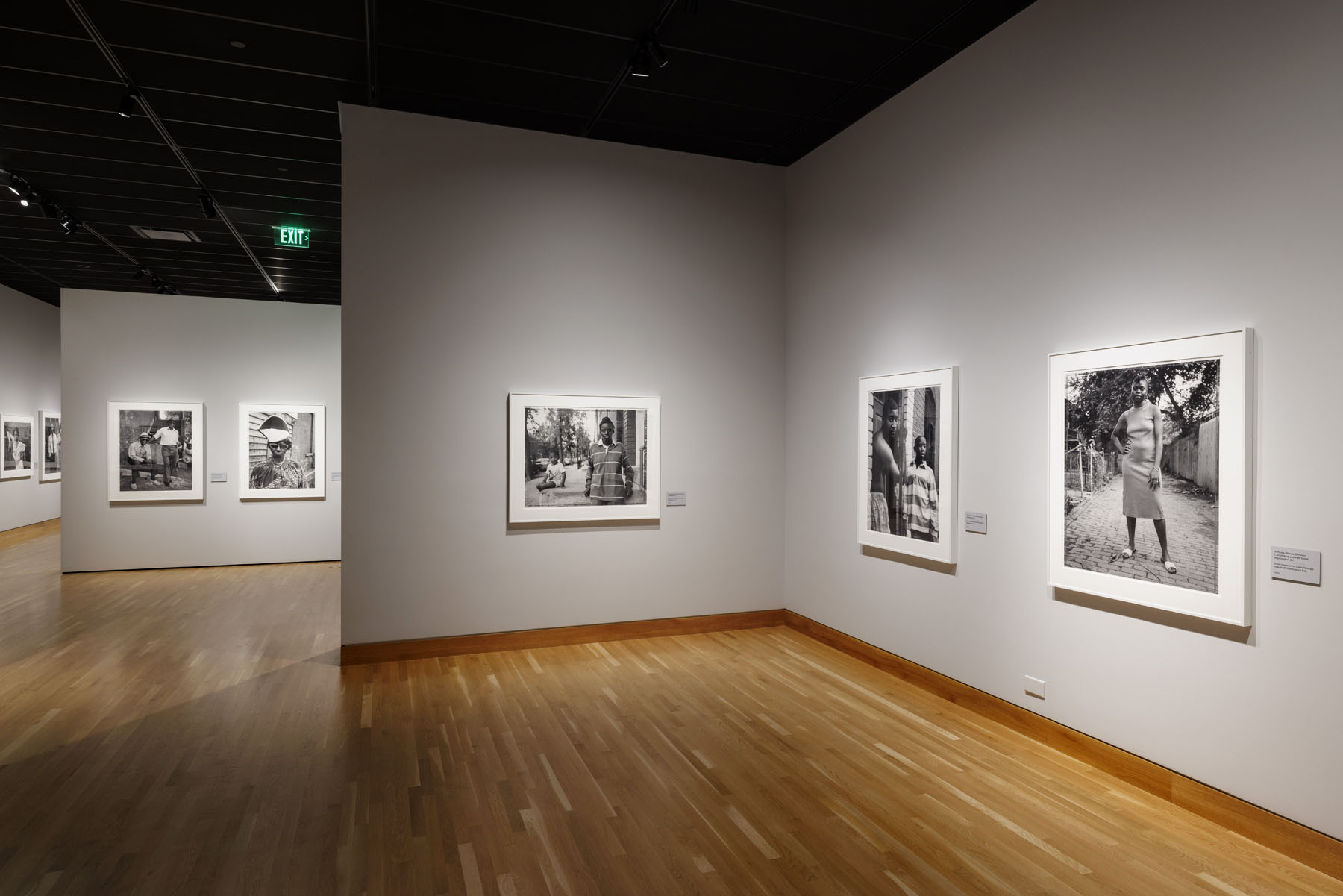
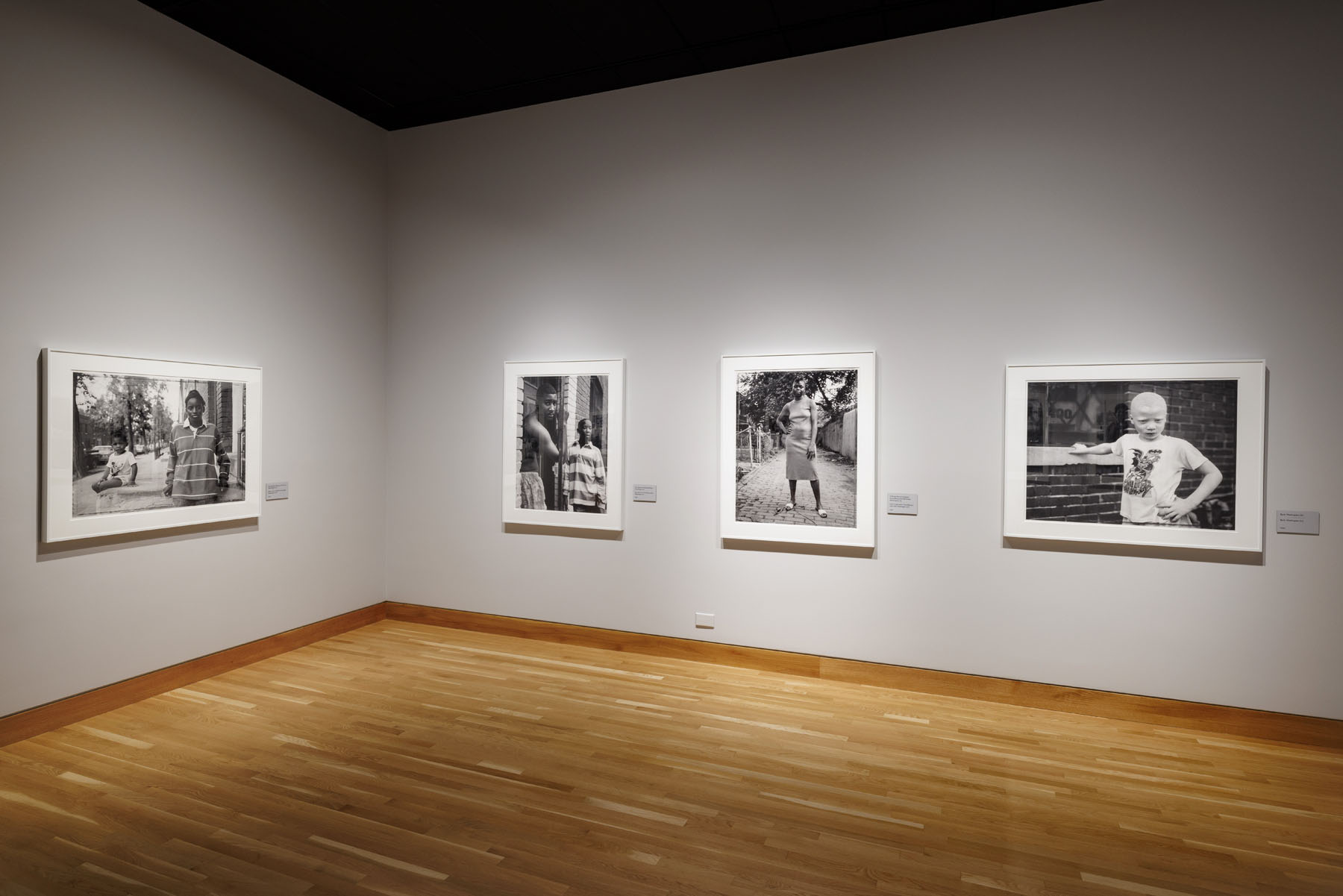
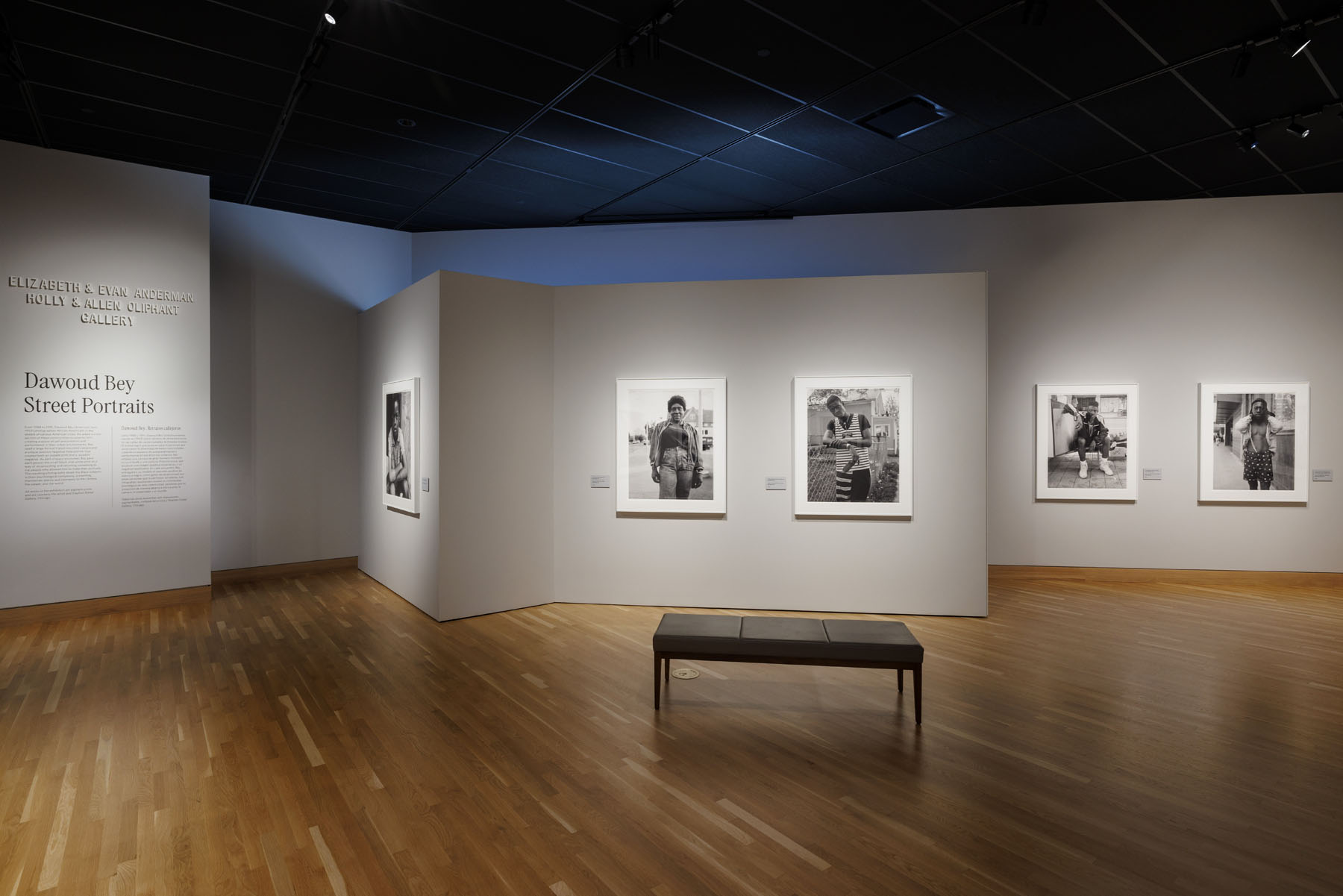
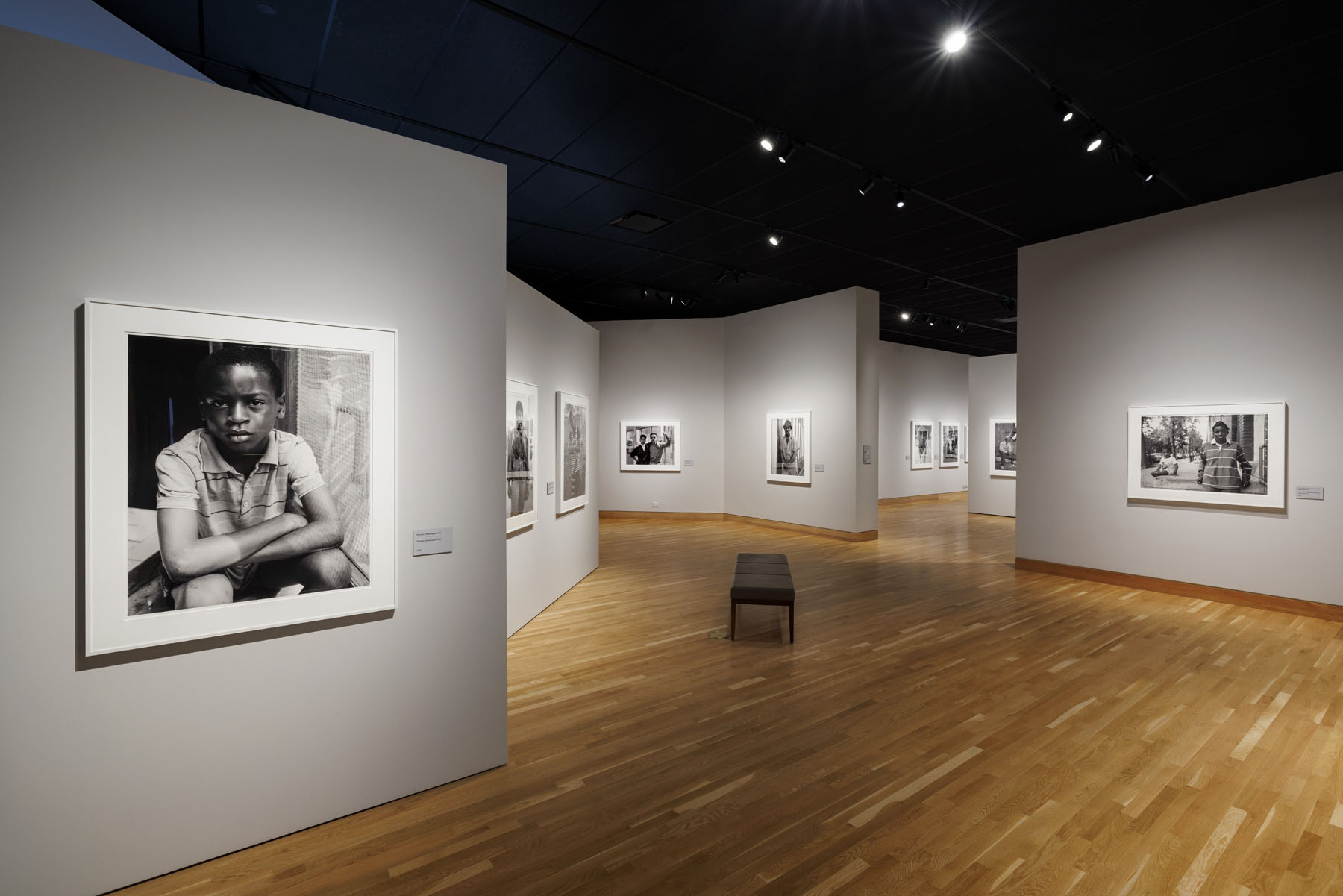
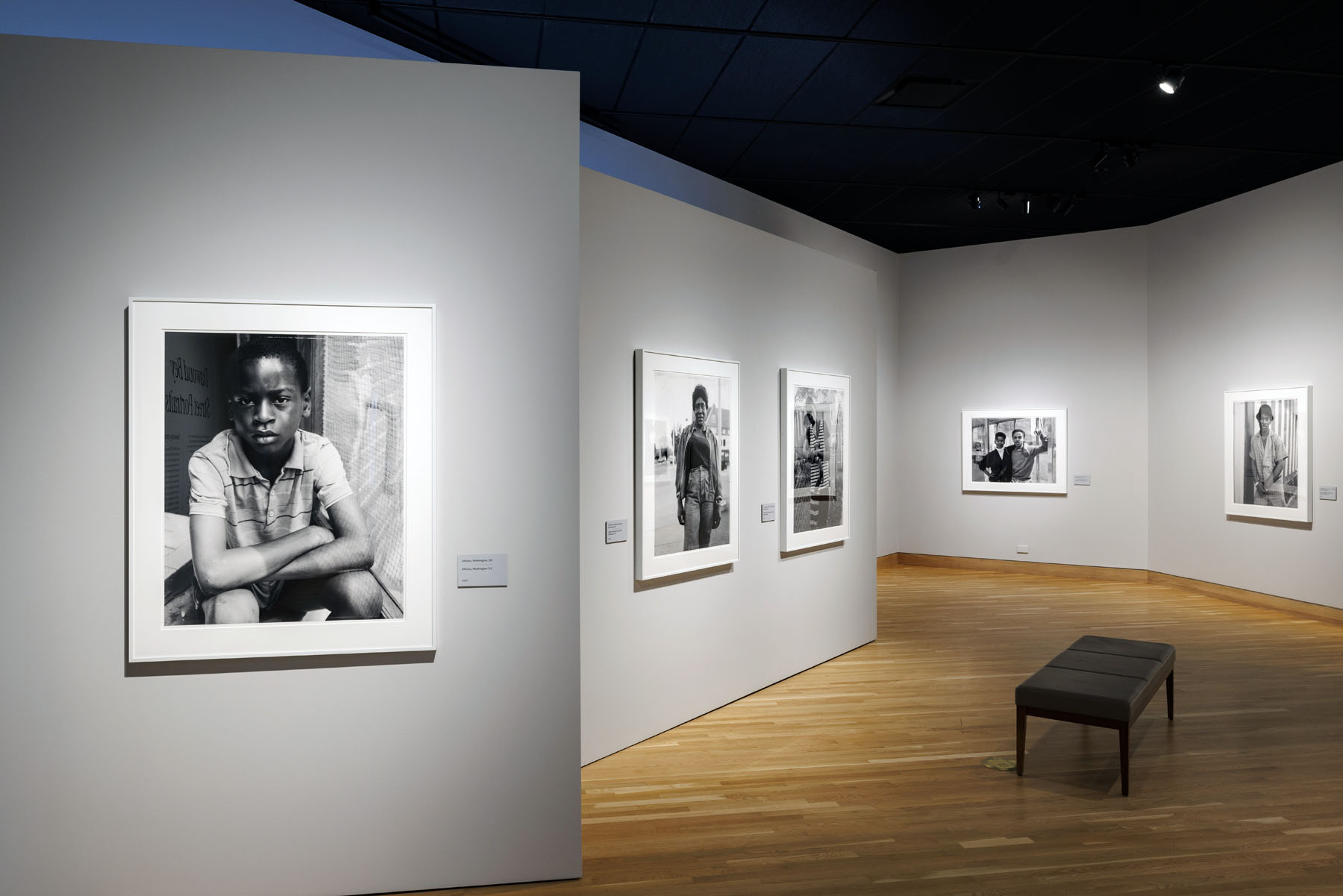
Installation views of the exhibition Dawoud Bey: Street Portraits at the Denver Art Museum
Dawoud Bey: Street Portraits is the first standalone museum show to explore a transformational phase of the celebrated photographer and 2017 MacArthur Fellow Dawoud Bey’s work. The show features 37 portraits he made between 1988 and 1991, when he collaborated with Black Americans of all ages whom he met on the streets of various American cities. He asked a cross section of people in these communities to pose for him, creating a space of self-presentation and performance in their urban environments.
Bey used a large format tripod-mounted camera and a unique positive/negative Polaroid film that created both an instant print and a reusable negative. Bey considers photography an ethical practice that requires collaboration with his subjects. As part of every encounter, he gave each person a small black-and-white Polaroid print as a way of reciprocating and returning something to the people who allowed him to make their portrait.
Street Portraits is organised by the community the photographs were made in: Brooklyn; Washington, D.C.; Rochester; Amityville; and Harlem. Bey defies racial stereotypes by encouraging Black people to present themselves openly and intimately to the camera, the viewer, and the world.
Text from the Denver Art Museum website

Dawoud Bey (American, b. 1953)
A Young Man Resting on an Exercise Bike, Amityville, NY
1988
Pigment print
Courtesy the artist and Stephen Daiter Gallery, Chicago
© Dawoud Bey

Dawoud Bey (American, b. 1953)
Sunshine Bracey and Friend, Brooklyn, NY
1990
Pigment print
Courtesy the artist and Stephen Daiter Gallery, Chicago
© Dawoud Bey

Dawoud Bey (American, b. 1953)
A Girl with School Medals, Brooklyn, NY
1988
Pigment print
Courtesy the artist and Stephen Daiter Gallery, Chicago
© Dawoud Bey

Dawoud Bey (American, b. 1953)
A Couple at a Main Street Bus Stop, Rochester, NY
1989
Pigment print
Courtesy the artist and Stephen Daiter Gallery, Chicago
© Dawoud Bey

Dawoud Bey (American, b. 1953)
A Young Woman and a Girl, Amityville, NY
1988
Pigment print
Courtesy the artist and Stephen Daiter Gallery, Chicago
© Dawoud Bey

Dawoud Bey (American, b. 1953)
Peg’s Grandson, Brooklyn, NY
1988
Pigment print
Courtesy the artist and Stephen Daiter Gallery, Chicago
© Dawoud Bey

Dawoud Bey (American, b. 1953)
Peg, Brooklyn, NY
1988
Pigment print
Courtesy the artist and Stephen Daiter Gallery, Chicago
© Dawoud Bey
The Denver Art Museum (DAM) is proud to present Dawoud Bey: Street Portraits, featuring 37 portraits by celebrated photographer and 2017 MacArthur Fellow Dawoud Bey (American, born 1953).
From 1988 to 1991, Bey collaborated with Black Americans of all ages whom he met on the streets of various American cities. He asked a cross section of people in these communities to pose for him, creating a space of self-presentation and performance in their urban environments.
“We’re pleased to present the first standalone museum show of this important work,” said Eric Paddock, Curator of Photography for DAM. “Dawoud Bey’s Street Portraits mark a turning point where the deliberate, closely observed portraits he had been making with a handheld camera began to contain what he has called ‘the kind of lush physical description’ he wanted his pictures to convey – and that is a consistent part of all the work he has made since. The slower process of working with a camera on a tripod invited collaboration between the artist and his subjects, making each picture both an experiment and a discovery.”
Bey used a large format tripod-mounted camera and a unique positive/negative Polaroid film that created both an instant print and a reusable negative. Bey considers photography an ethical practice that requires collaboration between the artist and his subjects. As part of every encounter, he gave each person a small black-and-white Polaroid print as a way of reciprocating and returning something to the people who allowed him to make their portrait.
The exhibition is organised by the community the photographs were taken in: Brooklyn; Washington, D.C.; Rochester; Amityville; and Harlem. Defying racial stereotypes, the resulting photographs reveal the Black subjects in all of their psychologically rich complexity, presenting themselves openly and intimately to the camera, the viewer, and the world.
Press release from the Denver Art Museum

Dawoud Bey (American, b. 1953)
Mrs. Bracey, Brooklyn, NY
1988
Pigment print
Courtesy the artist and Stephen Daiter Gallery, Chicago
© Dawoud Bey

Dawoud Bey (American, b. 1953)
A Young Man Leaning on a Striped Wall
1989
Pigment print
Courtesy the artist and Stephen Daiter Gallery, Chicago
© Dawoud Bey

Dawoud Bey (American, b. 1953)
A Young Man in a Bandana and Swimming Trunks, Rochester, NY
1989
Pigment print
Courtesy the artist and Stephen Daiter Gallery, Chicago
© Dawoud Bey

Dawoud Bey (American, b. 1953)
A Young Man with His Hotdog Cart, Rochester, NY
1989
Pigment print
Courtesy the artist and Stephen Daiter Gallery, Chicago
© Dawoud Bey

Dawoud Bey (American, b. 1953)
Two Boys on Carrollsburg Place, Washington, DC
1989
Pigment print
Courtesy the artist and Stephen Daiter Gallery, Chicago
© Dawoud Bey

Dawoud Bey (American, b. 1953)
A Young Man at a Tent Revival Meeting, Brooklyn, NY
1989
Pigment print
Courtesy the artist and Stephen Daiter Gallery, Chicago
© Dawoud Bey

Dawoud Bey (American, b. 1953)
A Boy Eating a Foxy Pop, Brooklyn, NY
1988
Pigment print
Courtesy the artist and Stephen Daiter Gallery, Chicago
© Dawoud Bey

Dawoud Bey (American, b. 1953)
A Cute Couple in Prospect Park, Brooklyn, NY
1990
Pigment print
Courtesy the artist and Stephen Daiter Gallery, Chicago
© Dawoud Bey
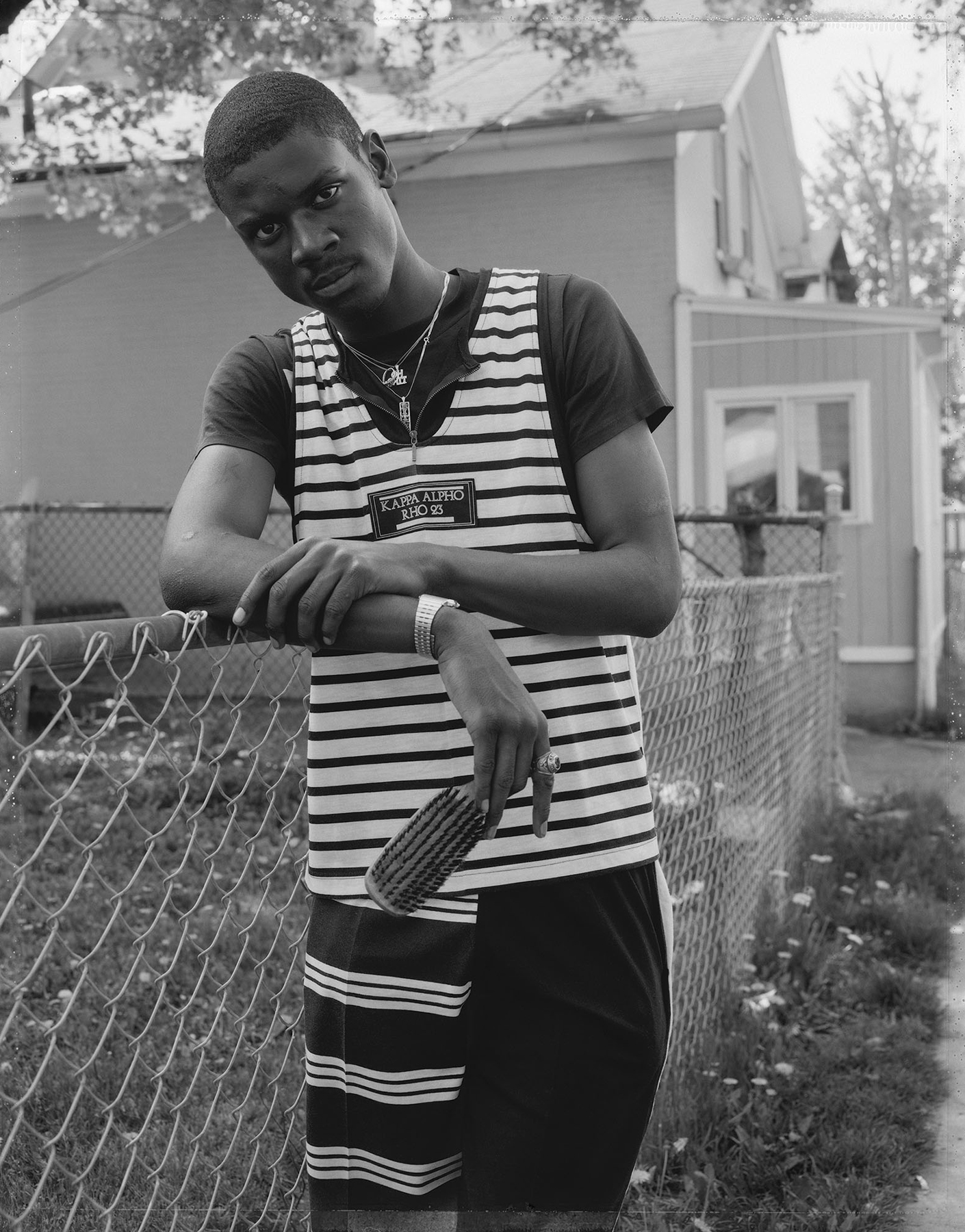
Dawoud Bey (American, b. 1953)
A Young Man with His Hair Brush, Rochester, NY
1989
Pigment print
Courtesy the artist and Stephen Daiter Gallery, Chicago
© Dawoud Bey

Dawoud Bey (American, b. 1953)
A Woman Wearing Denim, Rochester, NY
1989
Pigment print
Courtesy the artist and Stephen Daiter Gallery, Chicago
© Dawoud Bey

Dawoud Bey (American, b. 1953)
A Woman at Fulton Street and Washington Avenue, Brooklyn, NY, 1988
1988
Pigment print
Courtesy the artist and Stephen Daiter Gallery, Chicago
© Dawoud Bey
Denver Art Museum
100 W 14th Ave Pkwy,
Denver, CO 80204, United States
Phone: (720) 865-5000
Opening hours:
Open daily from 10am – 5pm, 10am – 8pm on Tuesdays
 Art Blart _ art and cultural memory archive
You must be logged in to post a comment.