Installation view of Night’s Plutonian Shore by Julia deVille at Sophie Gannon Gallery, Richmond Photo: Marcus Bunyan
This is an excellent exhibition by Julia deVille at Sophie Gannon Gallery in Richmond. Compared to last year’s ‘shock and paw’ exhibition Cineraria reviewed on this blog, this exhibition shows a commendable sense of restraint, a beautiful rise and fall in the work as you walk around the gallery space with the exhibits displayed on different types and heights of stand and a greater thematic development of the conceptual ideas within the work. There are some exquisite pieces.
From the bejewelled Golden Gosling (2010), the goose that wears the gold not lays it to the cute stillborn fawn Lenore (2010), named after Edgar Allan Poe’s poem of the same name that discusses “the proper decorum in the wake of the death of a young woman, described as “the queenliest dead that ever died so young”,” (Wikipedia text) there is a delicacy to these sculptures that seemed absent in the last exhibition. The sleeping fawn wears a little golden bridle and is covered in golden hearts, the harness bringing in the element of control (of life, of death, of the body, of identity) into the pieces not seen in the earlier work. This sense of control is reinforced in other pieces in the exhibition including the three pieces Charon (2010), Nevermore (2010) and Kitten drawn hearse (2010, see photographs below).
In Charon the kitten has an amazing beaded saddle and stirrups to allow the occupant to control the dead stead because in Greek mythology Charon is the ferryman who carries the souls of the newly deceased across the river Styx. Nevermore also features the saddle and bridle whilst the standout piece of the whole exhibition, Kitten drawn hearse just wows you with it’s delicacy and showmanship – the plume atop the harnessed kitten’s head faithfully replicating the dressage of a Victorian horse drawn funeral cortege.
In these pieces there is a simplification of the noise of the earlier works and in this simplification a conversant intensification of the layering of the conceptual ideas. Playful and witty the layers can be peeled back to reveal the poetry of de Sade, the stories of Greek mythology and the amplification of life force that is at the heart of these works.
Good stuff.
Dr Marcus Bunyan
Many thankx to Edwin and Sophie Gannon Gallery for allowing me publish the photographs in the posting. Please click on the photographs for a larger version of the image.
Another well considered response to the exhibition can be found on Karen Thompson’s Melbourne Jeweller blog.
Julia deVille (Australian, b. 1982) Nameless here for evermore 2010 Emu egg, black garnet beads, sterling silver, bronze, enamel paint, egret feathers 31 x 16 x 16cm Courtesy Sophie Gannon Gallery
Julia deVille (Australian, b. 1982) Golden Gosling 2010
Julia deVille (Australian, b. 1982) Ghastly grim and ancient raven 2010
Julia deVille (Australian, b. 1982) Nevermore 2010 Still-born fawn, black garnet beads, sterling silver, coque feathers, chain mail, glass 27 x 41 x 59cm Courtesy Sophie Gannon Gallery
Julia deVille (Australian, b. 1982) Charon 2010 Kitten, hematite beads, mystic spinel beads, sterling silver, chain mail, glass 30 x 12 x 19cm Courtesy Sophie Gannon Gallery
Julia deVille (Australian, b. 1982) Lenore 2010 Stillborn fawn, black garnet beads, sterling silver, gold plate, glass 35 x 17 x 12cm Courtesy Sophie Gannon Gallery
Julia deVille (Australian, b. 1982) Kitten drawn hearse 2010 Kitten, black garnet beads, sterling silver, egret feathers, wood, glass 83 x 30 x 15cm Courtesy Sophie Gannon Gallery
Julia deVille (Australian, b. 1982) Bird or beast 2010 Ostrich skeleton, ostrich feathers, smoky quartz, sterling silver, leather and wood Courtesy Sophie Gannon Gallery
Sophie Gannon Gallery 2, Albert Street, Richmond, Melbourne
Many thankx to the Moderna Museum for allowing me to publish the photographs in the posting. Please click on the photographs for a larger version of the image.
Diane Arbus (American, 1923-1971) Magazine spread featuring Xmas tree in a living room in Levittown, L.I., 1963 and A Young Brooklyn Family Going for a Sunday Outing, N.Y.C. 1966
See either installation photograph below and enlarge to see pairing on the back wall!
Diane Arbus (American, 1923-1971) Magazine spread featuring Mexican Dwarf in his hotel room, N.Y.C., 1970 and Identical twins, Roselle, N.J., 1967
See either installation photograph below and enlarge to see pairing on the back wall!
The exhibition “Pierre Leguillon features Diane Arbus: a printed retrospective, 1960-1971” presents approximately one hundred Diane Arbus photographs for magazines. According to its author, Pierre Leguillon, the aim of the small book that accompanies the exhibition is not to interpret the images or items on display but “simply to replace the photographs in the context of their initial appearance.” The aim of this conversation is in turn to replace this project in the context of Leguillon’s artistic practice.
About the title, Leguillon explains “it is analogous to the term one would use for an exhibition featuring all of Goya’s printwork. Showing everything that appeared in magazines during Diane Arbus’s lifetime participates in the same gesture. It’s also a matter of exposing the working process that shapes the exhibition. The poster created by Philippe Millot from one of my photos plays an important role in this. What we see is the pile of collected magazines that makes up the retrospective, with its somewhat vain and fanciful side, but we also see a sculpture or a monument. […] I wanted to show the pictures that were actually published that differ from some exhibition prints and also to show how they were published. It started from the observation that these photos were printed well in perfect layouts in sixties magazines. So I’m using the page layout as a ‘prefabricated’ exhibition structure: the mats are already there, along with picture titles and artist signature. So I don’t have to add descriptive labels.” (Interview / Pierre Leguillon – “not to be missed”: Diane Arbus, in: Particules no 22 – December 2008 / January 2009) …
The French artist Pierre Leguillon has compiled a unique retrospective on the large body of work produced by Diane Arbus for the Anglo-American press in the 1960s. This spring and summer, the exhibition is being shown at Moderna Museet Malmö, featuring some 100 photos in their original context – on the pages of magazines.
In the 1960s, Diane Arbus (1923-1971) was used widely by publications such as Harper’s Bazaar, Esquire, Nova and The Sunday Times Magazine. Her extensive work for the Anglo-American press is relatively unknown, however, and Pierre Leguillon’s presentation is the first time it has been shown in this way: a printed retrospective in the form of some one hundred original magazine spreads.
The exhibition presents a broad material comprising hundreds of photos that demonstrate her wide variety of subjects and genres: photo journalism, celebrity shots, kids’ fashion and several photo essays. All Arbus’ photos are shown in their original social and political context, in the pages of original magazines. The images are shown as they were intended to be seen, in their intended format and setting and in relation to a text. Interspersed in this rich array of Arbus’ photographic output are various texts and images by other photographers (Walker Evans, Annie Leibovitz, Victor Burgin, Wolfgang Tillmans, Matthieu Laurette, Bill Owens) directly or indirectly referring to a specific part of Arbus’ oeuvre and thus emphasising its strong impact on her contemporary times and the present day.
The retrospective, which was put together by the French artist Pierre Leguillon and is presented as a work of art / exhibition / collection, also encourages us to reflect on these aspects and on the relationship between the original and the copy.
Press release from the Moderna Museet Malmö website [Online] Cited 25/07/2010 no longer available online
Moderna Museet Malmö is located in the city centre of Malmö. Ten minutes walk from the Central station, five minutes walk from Gustav Adolfs torg and Stortorget.
Simryn Gill (Singapore, b. 1959) Pearls 1999 Private collection
This is a strong survey exhibition of the work of Simryn Gill at Heide Museum of Modern Art. Like most survey exhibitions it suffers from a slightly piecemeal approach, dipping in and out of various bodies of work to try to make up a holistic whole. Conceptually this is not a problem as the thematic development of Gill’s work, her narrative arc if you like, is evident throughout. Visually this causes some work to seem isolated and left me wanting more connection between pieces and rooms as you walk around.
Highlights included May 2006 (2006), Pearls (1999 – ongoing), Untitled (interiors) 2008 and Throwback (2007).
In May 2006 (2006) 817 silver gelatin photographs are mounted in columns of images, each column making up one of 30 rolls of film, one shot every day of a month photographing the artist’s immediate neighbourhood in Marrickville, Sydney, in the month in which the film expiration date occurred. Each column has a different number of images and are mounted along the one of the largest walls in the Heide galleries, producing an effect almost like a DNA sequence. Abstract scenes of pathways, fences, cars in streets, broken gutters, planes flying houses, trees, people walking, abandoned telephone directories, Hills hoists, coffee shops, windows, rooftops and factories inhabit the frame of reference – the environment seeming to be abandoned both literally and metaphorically. Empty chairs move from picture to picture. No Parking here!
There are some great angles in these photographs a la Robert Frank The Americans with excellent use of short depth of field shooting across tabletops for example. Above all there is a sense of abandonment, desolation and isolation in the intersection of spaces. Even in strong sunlight there is a strange, haunting melancholy present – an innate understanding of the subconsciously known archetype of space and place, that sense of belonging – and an absolute recognition in the viewer of that.
In Pearls (1999 – ongoing, see photograph above) friends provide Gill with a book of personal value, which she then transforms into beads of paper and then strings them together as necklaces which she then returns to the owner as a gift. The colours, length and heaviness of the necklace depends on the book chosen – the reconstructed text lying like pearls of wisdom against the skin of the giver / receiver, the meaning of the book transformed through the process. What a beautiful gift to receive.
Untitled (interiors) (2008), my second favourite work of the day, features bronze sculptures cast from the empty spaces created by dry cracks in the ground found near Nyngan and Lake George, New South Wales. The sculptures present the cracks inverted so they become like miniature mountain ranges, the cracks in the earth filled and metamorphosing until they thrust into the air, the empty spaces of the earth uplifted, negative / positive spaces interchangeable. This is a simple but beautifully resolved work. Unfortunately I do not have any photographs to show you of these sculptures.
Other work includes My own private Angkor (2007, see photograph above), photographs taken at a housing estate in Port Dickson that is becoming overgrown and returning to the surrounding landscape that Gill has made into her own Angkor Wat in reverse, featuring the detritus of a vanquished, constructed environment; four black and white photographs from Forest (1996) featuring text on leaves; a glass case of curiosities like the Victorian cabinet of curiosities that includes a jar of plastic cowboys and indians, a bowl of Mindanao pearls, found and made spherical objects, cast tin and mango seeds (Some of my best friends suck mangoes, 1998) and different noses of cast tin (Bouquet 1994); Untitled (1998 – ongoing), a glass case full of found and blunt objects arranged like a seismograph recording, small at the ends and big in the centre featuring scissors, clubs, spoons, knives, bottle top openers, tweezers, letter openers and salad servers!; and Paper boats (2008, see photographs below), table and floor covered by paper boats made from the torn out pages of Encyclopedia Britannica 1968 with the invitation to “Please make boats” with no explanation as to how, exactly, to make them – human knowledge as text, detritus, object, place, manufacture and commission.
The absolute star of the exhibition is the installation Throwback (2007, see photographs below). The installation features the interior parts of a Tata truck (the engine and axles) recast in termite mound soils, river clay, laterite, sea shells, fruit skins, coconut bark, resin, and fibre laid on a huge dissecting table (much like the body in Rembrandt’s painting The Anatomy Lesson of Dr Tulp (1632)) – the layout of the engine and axles evoking the spine and interior skeleton of the body. Unfortunately I do not have an overview photograph of the whole work but parts of the work can be seen in the photographs below. The Tata truck spent its working life plying the roads of the forests of Malaysia:
“With the rise of China and India, a voracious market for scrap metal has developed, hastening the disappearance of particular objects, Gill recovers the modern forms of the truck parts by casting them in natural materials found near her studio in Port Dickson.” (Wall text from the exhibition)
. This is an outstanding work that left me stunned with it’s beauty and insightfulness. It literally took my breath away and for that reason alone a visit to this exhibition at Heide is well worth the journey.
Dr Marcus Bunyan
Many thankx to Jade Enge and the Heide Museum of Modern Art for allowing me to publish the photographs in the posting. Please click on the photographs for a larger version of the image.
“The work of Simryn Gill considers questions of place and history, and how they might intersect with personal and collection experience … Using objects, language and photographs, her work conveys a deep interest in material culture, and in the ways that meaning can transform and translate in different contexts. Through the reinterpretation or alteration of existing objects, the photographing of specific locations, and the forming of collections, Gill contemplates how ideas and meanings are communicated between people, objects and sites.”
Wall text from the exhibition
Simryn Gill (Singapore, b. 1959) Untitled 1999 Gouache on National Geographic magazine pages (1970s) Courtesy of the artist, BREENSPACE, Sydney and Tracy Williams Ltd, New York
Simryn Gill (Singapore, b. 1959) Untitled 1999 Gouache on National Geographic magazine pages (1970s) Courtesy of the artist, BREENSPACE, Sydney and Tracy Williams Ltd, New York
Simryn Gill (Singapore, b. 1959) My own private Angkor 2007 Courtesy of the artist, BREENSPACE, Sydney and Tracy Williams Ltd, New York
Installation view of the exhibition Simryn Gill: Gathering at Heide Museum of Modern Art, Melbourne showing the work Throwback 2007
Simryn Gill (Singapore, b. 1959) Throwback (detail) 2007 Interior parts of Tata truck, termite mound soil, river clay, laterite, seashells, fruit skins, leaves, bark and fibre, flowers, glue, resin, milk Buxton Collection Melbourne Courtesy of the artist
Simryn Gill (Singapore, b. 1959) Throwback (detail) 2007 Interior parts of Tata truck, termite mound soil, river clay, laterite, seashells, fruit skins, leaves, bark and fibre, flowers, glue, resin, milk Buxton Collection Melbourne Courtesy of the artist
This exhibition (22 April – 18 July) presents the work of leading Sydney-based Malaysian artist, Simryn Gill. Featuring objects, books, collections, photographs and text pieces from the last six years of Gill’s practice, it explores the artist’s pursuit of meaning through materials, forms and ways of working, such as collecting, reading, archiving, arranging, casting and photographing.
Described in 2009 in the New Yorker as ‘quietly dazzling’, Gill’s work is internationally recognised. She has been honoured with solo exhibitions at the Tate Modern, London and the Smithsonian Institution, Washington DC, both in 2006. Born in Singapore in 1959, Gill lives and works in Sydney and Port Dickson, Malaysia, and has participated in significant exhibitions internationally, including documenta 12 in Kassel, Germany (2007), the Singapore Biennale (2006), the Biennale of Sydney (2002 and 2008), the São Paulo Biennial (2004) and the Venice Biennale (1999).
An MCA touring exhibition curated by Russell Storer, it has been expanded by Heide to include the Australian premiere of Gill’s major work Throwback, originally produced for the documenta 12 exhibition in Kassel, Germany, in 2007. Throwback reworks the inner machinery of a 1985 Tata truck that plied the roads of Malaysia. With the economic rise of China and India, a voracious market for scrap metal has developed, hastening the disappearance of particular objects. Gill recovers the modern forms of truck parts by casting them in natural materials – found near her studio in Malaysia – including river mud, coconut husks, reconstituted termite mounds and fruit skins.
Gill has also produced a new work, an artist’s book reflecting on the gardens at Heide.
Gill’s practice considers how we might experience place as an intersection of personal and collective histories and geographies. Through the reinterpretation or alteration of existing objects, the photographing of specific locations, and the forming of collections, Gill contemplates how ideas and meanings are communicated between people, objects, and sites.
Several works in the exhibition invite audience participation. Paper Boats invites visitors to add their own unique paper boat to the installation by tearing pages from a 1968 Encyclopaedia Britannica and using the sheet to make an origami boat. Another work, Garland (2006) encourages us to hold, touch and rearrange objects collected by Gill on the beaches of Port Dickson, Malaysia, and the islands off Singapore – fragments reshaped by sea and sand that take on almost organic form.
A selection of books, sketches, collections and experimental pieces from the early 1990s to the present, some produced for exhibitions and others never intended as artworks will also be presented as part of the exhibition. Together they offer an insight into Gill’s artistic processes and her interest in art-making as an active engagement with the world.”
Press release from the Heide Museum of Modern Art website [Online] Cited 01/10/2010 no longer available online
Simryn Gill (Singapore, b. 1959) Paper boats 2008 Encyclopaedia Britannica (1968 edition) Courtesy of the artist and BREENSPACE, Sydney
Simryn Gill (Singapore, b. 1959) Paper boats (detail) 2008 Encyclopaedia Britannica (1968 edition) Courtesy of the artist and BREENSPACE, Sydney
Addendum: A Pencil for Your Thoughts
Heide pencil, the confounding pencil
I love to visit Heide, the elegant buildings, the art, the cafe, a stroll in the gardens looking at the sculpture. What I don’t like is being accosted by gallery attendants on my last three visits, twice on the last visit alone to review the Simryn Gill exhibition – accost being not too harsh a word for some of the approaches. The request: to not write in the gallery with a pen but to use a pencil (rushed to the scene of the crime post haste!)
I don’t like writing with a pencil, they go blunt and I can’t read my notes. I like writing with a pen. This is a ridiculous state of affairs, the only gallery in Melbourne that I know of that has such a ‘nanny state’ rule.
Do they think that I am going to:
a) spear the pen into the gallery wall b) attack the attendant with the pen (after this last visit the thought did cross my mind!) or c) scribble all over the art work like a child …
The more we are treated like children the more child-like we become.
“Put the pen on the ground … Step away from the pen.”
Heide Museum of Modern Art 7, Templestowe Road Bulleen, Victoria 3105
Opening hours: (Heide II and Heide III) Tuesday – Sunday 10.00am – 5.00pm
Installation views of the exhibition A Shrine for Orpheus by Pip Stokes at fortyfivedownstairs, Melbourne Photos: Marcus Bunyan
Bees, books, bones… and biding (one’s) time, attaining the receptive state of being needed to contemplate this work.
This is a strong, beautiful installation by Pip Stokes at fortyfivedownstairs that rewards such a process.
What is memorable about the work is the physicality, the textures: the sound of the bees; the Beuy-esque yellowness and presence of the beeswax blocks; the liquidness of the honey in the bowl atop the beehives; the incinerated bones, books and personal photographs; the tain-less mirrors, the books dipped in beeswax; the votive offering of poems placed into the beehive re-inscribed by the bees themselves – and above all the luscious, warm smell of beeswax that fills the gallery (echoing Beuys concept of warmth, to extend beyond the material to encompass what he described as ‘spiritual warmth or the beginning of an evolution’).
This alchemical installation asks the viewer to free themselves from themselves – “the moment in which he frees himself of himself and… gives the sacred to itself, to the freedom of its essence…” as Maurice Blanchot put its – a process Carl Jung called individuation, a synthesis of the Self which consists of the union of the unconscious with the conscious. Jung saw alchemy as an early form of psychoanalysis in which the alchemist tried to turn lead into gold, a metaphor for the dissolving of the Self into the prima materia and the emergence of a new Self at the end of the process, changing the mind and spirit of the Alchemist. Here the process is the same. We are invited to let go the eidetic memory of shape and form in order to approach the sacred not through ritual but through the reformation of Self.
As Pip Stokes last few paragraphs of her artist statement succinctly observes,
“Maurice Blanchot, has interpreted this myth as the descent of the artist to the realm of death to gain the work of art. Out of the failure of the artist, a necessary failure, emerges the artwork, wounded and bearing the ash of its origins.
The work of mourning, the work of healing.
Reflection, apparition, illusion: what appears as image, disappears evaporatively. As we change our place the space is already gone: the mirror holds a trace. What is veiled, enigmatic, uncertain remains as shadow that casts a light.”
The space in which we stand falls away: the mirror may hold a trace but it is only ever a trace. Our visions elude the senses, slipping between dreaming and waking, between conscious and subconscious realms. As Orpheus turns back to look so Eurydice dissolves, “falling out of the skin into the soul.” We, the viewer, are changed.
So far so good.
Unfortunately what does not facilitate this engagement with change is the combined verbiage of both the artist’s statement and the catalogue essay by Lisa Jacobson. These texts, especially the latter one, with quotations by Blanchot, Rilke, Calasso, Beuys, Cocteau, Neruda, Cobb, Virgil, Rilke again, Cocteau again, Poe and Derrida and meditations on mythos, the sacred, resurrection, mourning et al are mostly unnecessary to support what is strong work – in fact they seem to put a physical, textual wall between the viewer and the work, between the installation and the proposed dissolution of Self into the sacred. The catalogue essay is confusing and needed a judicious edit with the understanding that sometimes less is more! The work needs to speak for itself, not to be didactically spoken for and knowing when to merely suggest an idea is one of the skills of good writing. Perhaps all that was needed was the quotation by Blanchot and the two paragraphs above by Pip Stokes – nothing more.
Approaching the sacred is, I believe, and act of letting go, of aware-less-ness. As we immerse ourselves in that enigma we find that it is our fluid shadow aspect that has cast the light, with all attendant expectations, beliefs, dreams, visions, weaknesses, shortcomings, and instincts. This exhibition asks us to reconcile the journey into darkness with the hope of redemption.
“The Greek myth says: one cannot create a work unless the enormous experience of the depths – an experience which the Greeks recognised as necessary to the work, an experience in which the work is put to the test by that enormousness – is not pursued for its own sake. The depth does not surrender itself face to face; it only reveals itself by concealing itself in the work. But the myth also shows that Orpheus’ destiny is not to submit to that law – and it is certainly true that by turning around to look at Eurydice, Orpheus ruins the work… and Eurydice returns to the shadows; under his gaze, the essence of the night reveals itself to be inessential. He thus betrays the work and Eurydice and the night. But if he did not turn around to look at Eurydice, he still would be betraying,… the boundless and imprudent force of his impulse, which does not demand Eurydice in her diurnal truth and her everyday charm, but in her nocturnal darkness, in her distance, her body closed, her face sealed, which wants to see her not when she is visible, but when she is invisible, and not as the intimacy of a familiar life, but as the strangeness of that which excludes all intimacy; it does not want to make her live, but to have the fullness of her death living in her.”
“The sacred night encloses Eurydice, encloses within the song something which went beyond the song. But it is also enclosed itself: it is bound, it is the attendant, it is the sacred mastered by the power of ritual – that word which means order, rectitude, law, the way of Tao and the axis of Dharma. Orpheus gaze unties it, destroys its limits, breaks the law which contains, which retains the essence. Thus Orpheus’ gaze is … the moment in which he frees himself of himself and…, gives the sacred to itself, to the freedom of its essence…”
Installation views of the exhibition A Shrine for Orpheus by Pip Stokes at fortyfivedownstairs, Melbourne Photos: Marcus Bunyan
A Shrine for Orpheus
Pip Stokes
The first temple was made by the bees with feathers, wax and honey.
~ Calasso
… it is Orpheus. His metamorphosis In this one and this. We should not trouble about other names. Once and for all It’s Orpheus when there’s singing.
~ Rilke. Sonnets to Orpheus
We are the bees of the invisible We frantically plunder the visible of its honey To accumulate it in the great golden hive Of the invisible
~ Rilke
In mythology, honey was regarded as a spiritual substance and the bees were godly… This belief was… influenced by the whole process of honey production as constituting a link between earthly and heavenly levels. The influx of a substance from the whole environment – plants, minerals, and sun – was the essence of the bee-cult… The whole builds a unity, … in a humane, warm way, through principles of cooperation and brotherhood.
~ Beuys
This installation, A Shrine for Orpheus, comprises four hundred hand cast beeswax blocks and a traditional beebox, in use by the bees until recently, accompanied by found objects such as old mirrors as well as ephemera collected from nature including feathers, bones and the salt mummified skeleton of a rabbit. Over the past year I have worked with the living beehive, placing votive offerings associated with poetry, death and renewal into the hive: objects such as books, cast wax pages, vessels, textiles and bones. Melbourne writer, Paul Carter has engraved wax tablets with aphoristic poems to the bees. These objects have been transformed through the bees’ processes of honeycomb- building.
The metaphors of the beehive in this connection to poetry, death and renewal are explored in the materials and structures of the installation. The warm sweet- smelling wax of the bees, cast into six sided blocks, provides the building material for the Shrine and two mausoleums, each with a void space, a space of underworld. The void of the larger mausoleum contains, ashy, burnt books, personal photos from family albums scorched by fire, evoking ‘shades’, the shadowy dead – and porcelain-like bones which have been materially transformed by cremation in a kiln. The second beeswax ‘grave’ has two voids, one of which contains a beeswax- bound and dipped facsimile of handwritten poems by Keats and, in the other opening, a book of insect morphology, also dipped and bound in beeswax.
The traditional beebox in the centre of the ruin of the Shrine is placed on a lake of mirrors. The mirrors have lost their tain and been translucently washed with plaster of Paris to further dim our view into the obscurely reflective world that lies beneath. The Shrine is accompanied by offerings of honey, honeycomb, beeswax bound books and pages cast from beeswax awaiting new poems, laid at its entrance.
Myths of death, dismemberment, transformation and resurrection have haunted the Western imagination from Isis to Dionysus, Orpheus and Christ. In his essay, The Gaze of Orpheus, the French literary theorist, Maurice Blanchot, has interpreted this myth as the descent of the artist to the realm of death to gain the work of art. Out of the failure of the artist, a necessary failure, emerges the artwork, wounded and bearing the ash of its origins.
The work of mourning, the work of healing.
Reflection, apparition, illusion: what appears as image, disappears evaporatively. As we change our place the space is already gone: the mirror holds a trace. What is veiled, enigmatic, uncertain remains as shadow that casts a light.
The temple re admits this invisible.
Pip Stokes. May. 2010 A Shrine for Orpheus
Beeswax, beehive box, mirror. Mixed media, dimensions variable. Original texts by Paul Carter, writer. Sound by Kasimir Burgess, filmmaker.
Installation views of the exhibition A Shrine for Orpheus by Pip Stokes at fortyfivedownstairs, Melbourne Photos: Marcus Bunyan
A Shrine for Orpheus
Lisa Jacobson
If Orpheus is guardian of the sacred arts, then it is possible that never before has there been a century so much in need of his song. This is because the world insists, on a daily basis, that we lose ourselves rather than commune with loss, to be drawn to darkness as logos rather than seek out its mythos. The myth of Orpheus has an integral role today in that it returns us and brings us back into communion with the sacred through poetry, dance, music and art.
Pip Stokes’ most recent exhibition, A Shrine for Orpheus, provides a mythic language for the story of Orpheus. It is a contemplation of myth that reflects back on itself in an endless refraction of associations and images; a visual representation of the myth itself which is never simple or linear but, rather, layered with metaphor and re-imaginings. Stokes’ installation reveals the ways in which myth enters us, but does not belong to us. Rather, we are the conduit through which myth runs and Orpheus, indeed, does run and has run through the dreams of humankind for as long as we have been able to dream.
This is in keeping with the Neo-Platonic notion, in which Orpheus plays no small part, that the figures of myth occupy not only the rooms of the psyche, but the rooms of other houses outside of us. It is not the artist who invents these figures of the psyche, of Orpheus and Eurydice, of Persephone and Hades, but they who reinvent themselves. The zeitgeist or midrash (as the Jewish mystics call the spirit of the times) summons up those gods it needs most. In Stokes’ work, it is Orpheus who answers this call.
Orpheus, playing quietly on his lyre in the middle of the forest, coaxes the animals out to listen, as Rainer Maria Rilke writes in his first sonnet to Orpheus:
“… And where there had been just a makeshift hut to receive the music, a shelter nailed up out of their darkest longing, with an entryway that shuddered in the wind- you built a temple deep inside their hearing.”
Summoning the animals translates, perhaps, into an ecological sensibility; to hear the call of Orpheus is to answer the ecological call, to re-sacralise nature. At a time when the world seems intent on hurtling towards its own demise, A Shrine for Orpheus inclines towards meditation and the transformation of nature, the stillness of catacombs, the quietness of wax, the purposeful industry of bees and silkworms, the potential for flight, the distillation of air, the reflective gaze, the emptying out of all colour until there are only shades of white: bleached bones, wax, ash, silk and paper, feathers in contemplation of flight as if, as the poet Pablo Neruda writes, “we lived falling out of the skin into the soul.” Like the bees which flew in through the open window of Stokes’ studio to busy themselves on the beeswax, even the very act of art-making has summoned and sung up, in its own way, the problematic aspects of creation. As Jean Cocteau observes in his film, Orphée, “Look for a lifetime in mirrors and you will see Death at work, like bees in a hive of glass.”
The music of Orpheus, as Noel Cobb has said, is “the activity of the theologos, the one who spoke with and about the Gods.” His sanctuary also encompasses poetry and art. Orpheus’ lyre has to do with both dismemberment and re-membering, god-like attributes, as Stokes alludes to in her depiction of Orpheus’ wax heart awaiting resurrection. Orpheus’ lyre was said to be strung with human sinews, and the music he plays as he sings nature and animals into being dips, inevitably, into the underworld, into death and decay, dismemberment, a scattering of the psyche into fields not yet dreamt of, in the act of its resounding. The wax which forms the foundation of Stokes’ Shrine for Orpheus, the books on which bees have fed in order to make their own inscriptions (texts by writers from Keats to the contemporary Paul Carter) also hint at resurrection and immortality. At the centre of this ‘temple’ is the beehive, symbol of transformation.
As Virgil notes in The Georgics in a section entitled “The Peculiarly Wonderful Features of Bees”, bee stock is immortal in that the hive itself is passed on from generation to generation, the structure keeps on singing, and never really dies despite the passing of the bees who composed it. In a similar fashion, Orpheus’ own lyre is carried forth, made from the shell of a tortoise whose death made possible the music itself. The heart of Orpheus, like his own severed head in the myth, does not cease its previous musicality, the song of its rhythmic beating. So too might the artist reach down into the darkness of herself, even if she risks being torn apart, knowing that the heart remains intact and can be resurrected.
Rilke again:
Only the man who has also raised his lyre among the darkling shades may be allowed a sense of infinite praise.
Inside the Orphic vision which Pip Stokes’ art immerses itself in, everything is panoramic and ornamented by mythic figures whom we cannot ever really know, but only glimpse via the language of metaphor: the hand that plunges through the earth while one is gathering flowers, the hem of a beekeeper’s shroud-like coat, the thin silken thread of a worm, the trace of words upon wax, or feathers, burnt books or ash. These are the images that translate the emotion of the myth but which remain, nevertheless, untranslatable because should they be hardened into the prosaic everyday language of the world, they would cease to be mythos.
Perhaps it is for this very reason that Eurydice cannot be brought back up to the shining world of which Rilke writes, in a different poem on Orpheus, and that Orpheus himself rises into at the very moment Hermes ushers Eurydice once again below. Eurydice is too far into death to be brought back to life. She has sunk into the “dream within the dream” in which, as Edgar Allan Poe writes, we are all participants. All Orpheus can take with him is the imprint of her, the illicit gaze, the melancholic pathology of the backward glance, that perhaps was not so much hastily stolen as executed too quickly. How long must the artist gaze into the underworld? Is it ever enough? Must she not continually turn back and gaze at what cannot be brought to the surface but that she must, even so, attempt to translate? Is it this that Rilke refers to when he writes in his sonnets, “it is in overstepping that [Orpheus] obeys?” Cocteau, speaking about his film, commented that “Poets, in order to live must often die, and shed not only the red blood of their hearts, but the white blood of their souls, that flows and leaves traces which can be followed.”
There is loss in this of course, great loss, that Stokes’ art both acknowledges and makes a place for. As Orpheus travels along “the path ascending steeply into life” towards “the shining exit-gates,” he cannot help but glance back. In the sonnets Rilke cautions, “Be ahead of all parting as though it already were / behind you.” This has echoes of Jacques Derrida’s The Work of Mourning, in which he argues that mourning begins the moment friendship begins; that we cannot enter into relationship without becoming conscious of the loss that will inevitably come with the other’s death. Indeed, the very idea of this loss precipitates the event itself, leaves us prematurely bereft and continually turning back towards the absent loved one in our grief. And if we are always turning back, is not the artist most required to do so, is not the artist most compelled to incline her head towards the darkness in order to write of what stirs beneath the shining surface of the world, of what calls to be heard? Is this not the invisible that Orpheus calls into being through poetry, music and art? Orpheus rises in Rilke’s poem, and in Pip Stokes’ work. In fact, if we dare to journey with him, he will rise in us all.
Installation views of the exhibition A Shrine for Orpheus by Pip Stokes at fortyfivedownstairs, Melbourne Photos: Marcus Bunyan
fortyfivedownstairs 45, Flinders Lane Melbourne 3000
Featuring Museum Highlights: A Gallery Talk by Andrea Fraser (USA) as well as works from the collections of Hany Armanious, Liv Barrett, Polly Borland (UK), Steve Carr (NZ), Lane Cormick, Chantal Faust, Marco Fusinato, Tony Garifalakis, Matthew Griffin, Irene Hanenbergh, Christopher Hanrahan, Hotham Street Ladies, the Kingpins, Paul Knight, Andrew Liversidge, Rob McLeish, Callum Morton, Nat & Ali, Geoff Newton, Martin Parr (UK), Stuart Ringholt, David Rosetzky, Darren Sylvester, Christian Thompson, Lyndal Walker and Caroline Williams.
Curated by Mark Feary, this is a deliciously ironic exhibition that asks the audience to question the social and political construction of the blockbuster exhibitions regularly held by large museums around Australia; to question the role of the curator in assembling such exhibitions; and to question the cultural value of permanent collections of ‘Masterpieces’. Autumn Masterpieces displays work that is anything but permanent and undermines the process whereby museums construct frameworks for social understanding. The work, displayed in a roped off space on plinths of various heights, in cheap frames and at skew-whiff angles, seems ephemeral and transitory all the more to contradict both main tenants of the title of the exhibition: masterpiece and permanence.
Sitting on plinths that are adorned with plastic gold name plaques emblazoned with the condition of the possibility of the works existence, “From the collection of …” , the untitled works reinforce the conceptual thrust of the exhibition. In one sense the content of the specific images seemed almost irrelevant; in another the collective dialectical argument of the images deconstructs normative interpretations of the masterpiece. ‘Instructions for the Tourist’ and ‘Rules for How to use the playground’ sit next to photographs of dejected clowns; ‘Confusion & Reversals’ sit next to ambiguous photographs of events and actions: people doing ‘normal’ things displayed though Polaroids, newspaper clippings, snapshots, photographs from albums, black and white and colour, framed and in museological glass cases.
The highlight of the exhibition for me was the guffaw inducing DVD Museum Highlights: A Gallery Talk (1989) by American artist Andrea Fraser. Where Mark Feary found this post-cultural gem is beyond me but I am so glad he did! I stood transfixed as the narrator / curator takes us on a virtual tour of the Philadelphia Museum of Art, along the way pointing out the magnificence and subliminal beauty of the objects in the museum. She stresses the decorum of the institution, it’s tradition in measured, ordered, dignified arrangements that are fine and simple while addressing a water fountain. Oh the deliciousness! She continues with the exultation of the institution, that is to develop an appreciation of values – true / false, better / worse, right / wrong, what is good for you / what is good for society – standards that should be adopted by a discriminating public, while addressing a broom cupboard. The piece subverts an approach “in which visitors’ individual meanings are only validated by the extent to which they concord with the conclusions intended by exhibition-makers or to which they conform to some predetermined and fixed standard truth.”1 And so it goes in an ever so serious, side-splitting soliloquy, critiquing the functions of art, linking the aspirations of humanity with the highest privileges of wealth and leisure. Wonderful!
Dr Marcus Bunyan
1/ Hein, George E. Learning in the Museum. London: Routledge, 1998 quoted in Sandell, Richard. “Reframing conversations,” in Museums, Prejudice and the Reframing of Difference. London and New York: Routledge, p. 179.
Installation views of the exhibition Autumn Masterpieces: Highlights from the Permanent Collection at the Centre for Contemporary Photography, Melbourne Photos: Marcus Bunyan
Courtesy of the collection of Tony Garifalakis
Courtesy of the collection of Irene Hanenbergh
Courtesy of the collection of Hany Armanious
Andrea Fraser (American, b. 1965) Museum Highlights: A Gallery Talk 1989 DVD (colour video with sound. 29′) Courtesy of the artist and Friedrich Petzel Gallery, New York
Tom Moore Pondlurking installation photographs at Helen Gory Galerie, Prahran Photo: Marcus Bunyan
My apologies to readers for the paucity of reviews of exhibitions in Melbourne recently. It is not that I haven’t been circulating around town to lots of exhibitions, far from it. The fact is that nothing has really rocked my boat, including my visit to a disappointing New 010 exhibition at ACCA, an exhibition redeemed only by the marvellous magnetic levitations of Susan Jacobs installation titled Being under no illusion (2010). Compared to the wealth of interesting work in New 09, work that still resides in my consciousness, the art in the current exhibition seems bland, the work ultimately and easily forgettable (a case of conceptual constipation?). Even though the exhibition lauds the collaboration between artists, designers, curators, architects, trades people and the kitchen sink in the production of the work, nothing substantive or lasting emerges.
No such problem exists with the exhibition Pondlurking by Tom Moore at Helen Gory Galerie in Prahran. Wow, this show is good!
It produced in me an elation, a sense of exalted happiness, a smile on my dial that was with me the rest of the day. The installation features elegantly naive cardboard cityscape dioramas teeming with wondrous, whimsical mythological animals that traverse pond and undulating road. This bestiary of animals, minerals and vegetables (bestiaries were made popular in the Middle Ages in illustrated volumes that described various animals, birds and even rocks) is totally delightful. In the text Moving Right Along the curator Julie Ewington notes connections in Moore’s work to the Garden of Earthly Delights by Hieronymus Bosch, the porcelain monkey orchestras of Miessen, parti-coloured hose of Medieval costume, the animals from Dr Suess’s books for children and Venetian glass figurines to name but a few. Another curator Geoffrey Edwards notes Moore’s accomplished technical skill in glass making, his use of lattice and trellis work in the figures themselves, namely the use of vetro a fili (broadly spaced) and vetro a retorti (twisted spiral) glass cane patterns.
While all of this is true what really stands out is the presence of these objects, their joyousness. The technical and conceptual never get in the way of good art. The Surrealist imagining of a new world order (the destruction of traditional taxonomies) takes place while balanced on one foot (see the installation image at the top of the page). The morphogenesis of these creatures, as they build one upon another, turns the world upside down (as in Web Feet Duck Bum below). Multi-eyed potato cars, ducks with eyes wearing high heeled boots and three-legged devouring creatures segue from one state, condition, situation or element to another in a fluid condition of becoming. This morphogenesis is aided and abetted by the inherent fluidity of the glass medium itself skilfully used by Moore in the construction of his creatures. While the photographs below isolate the creatures within a contextless environment it is when the creatures are placed within the constructed environment so skilfully created by Moore that they come alive.
The interconnectedness of this fantastical world (the intertextual relationship of earth, water, air, life) seeks to break down the binaries of existence – good / bad, normal / mutation, presence / absence – until something else (e)merges. Through their metamorphosed presence in a carnivalesque world that is both weird and the wonderful, Moore’s creatures invite us to look at ourselves and our landscape more kindly, more openly and with a greater generosity of spirit.
Tom Moore Pondlurking installation photographs at Helen Gory Galerie, Prahran Photos: Marcus Bunyan
Tom Moore (Australian) Stylish Car 2008
Tom Moore (Australian) Birdboat with passenger with a vengeance (left) and Robot Island (right) 2010 and 2009
A candy striped fish pokes its head up, all lipstick-pink kissable lips as a voyaging duck sprouts tree-masts and becomes duck-ship-island captained by a lone gherkin boy. Delinquent birds rampage while a crested birdcar peacefully unfurls sweet green shoots. A cardboard city burns and there’s something odd lurking in the pond, metallic and curiously tuberous, it regards it all with a wary eye.
There’s a whole world at play here. Growing, flying and always moving, this isn’t ours turned upside down but something other, a unique universe bound together with a logic entirely its own. Tubers take to the air, birds grow wheels and everything overflows with energy, pushing out green tendrils toward each other.
Tom Moore’s gloriously appealing glass creatures spring from his own fantastical imagination and the rich seabeds of the mythical, imaginary and grotesque. From mediaeval bestiaries with their camel leopards and manticores, to misericord creatures through Lear and Seuss to Moore’s reimagining of an Colonial Australian epergne as a verdantly plumed robot bird with resplendent palm tree, his creatures reuse, recycle and recombine in their never ending metamorphoses.
There’s an irrepressible joyousness in these creatures constant flux as they burst the boundaries of animal / vegetable / mineral and do away with taxonomies and rationality, reinventing themselves in happy disregard of all humanity’s rules.
While lurking seems antithetical to all this busy-ness, to skylarking fatbirds and peripatetic potatoes, the will to knowledge at the core of all lurking is what propels this endless becoming. This insatiable urge to simply find out is the engine of this prolific universe. As duck becomes island and man becomes bird, Moore’s creatures ask an eternal ‘what if?’ and an insouciant ‘why not?’
This transformative energy inheres in the material itself, in the mutable and alchemical nature of glass, in the fusing and melding of forms as light is captured within and bounces off lustrous surfaces. As glass flows through its changeable states, like water, like rain, so do Moore’s folk transform and evolve.
It’s this continuous moving through forms that hints at other meanings. Sharing forms, being made as it were, of each other and sharing an essential nature, each creature reaches out to every other in a net of relations in an intricately connected universe. These deep bonds, seen in their loving regard for each other speak of the delicate structures and balance of ecosystems and an absolutely necessary attention to and care for the world.
For there are no humans here and it seems that it’s this carelessness, this lack of attention to the fragile connections between the world and its creatures that’s the reason. The cities burn and cars rightfully become compost.
This riotous parade has pulled the artist too into their exuberant tumble. Becoming man-bird and greeting the day with a drumming bird song he is the harbinger perhaps of a new order, one bright green and sparkling.
Jemima Kemp, 2010
Press release from the Helen Gory Galerie website [Online] 20/03/2010 no longer available online
Tom Moore (Australian) Web Feet Duck Bum 2009
Tom Moore (Australian) Tasty Eyes With Five Friends 2007
Tom Moore (Australian) Snarsenvorg the Devourer 2008
Camilla Tadich: Slabalong and Mark Hislop: Drawing at Sophie Gannon Gallery; Simon Obarzanek at Karen Woodbury Gallery; Kent Wilson Higher Breeds and Alice Wormald Wayside and Hedgerow at Shifted
Camilla Tadich: Slabalong and Mark Hislop: Drawing at Sophie Gannon Gallery, 2 Albert Street, Richmond March 2nd – March 27th 2010 Sophie Gannon Gallery website
Simon Obarzanek at Karen Woodbury Gallery, 4 Albert Street, Richmond March 3rd – March 27th 2010 This gallery is now closed
Kent Wilson Higher Breeds and Alice Wormald Wayside and Hedgerow at Shifted, Level 1, 15 Albert Street, Richmond This gallery is now closed
All photos by Marcus Bunyan
Sophie Gannon Gallery opening Photo: Marcus Bunyan
Sophie Gannon Gallery opening – Mark Hislop Drawing Photos: Marcus Bunyan
Camilla Tadich (Australian, b. 1982) Bordertown 2010 Photo: Marcus Bunyan
Sophie Gannon Gallery opening – Camila Tadich Slabalong Photo: Marcus Bunyan
Karen Woodbury Gallery opening – Simon Obarzanek Photo: Marcus Bunyan
Simon’s photographs come from observing the physical movements of people pushing through the space around them in a city. He senses a universal language through movement and is drawn to this rather than their faces, as he normally is.
He noted that the “strained movements against gravity struck me with force… When I see a person creating a shape with their body in the street I do not sense the individual but a part, a piece of a larger performance. Each individual connects with others to create a visual language. I did not want faces to interrupt this larger work.”
Simon collects the movements on his camera, as photographic sketches, then he rephotographs the movement using friends and family as models. Removed from the busy streets, dislocated, his subject is isolated and framed against a dark background. Some twist away from the camera, or stagger against an unseen wind, sheltering their face from rain that is not falling. Simon does not show their faces, which emphasises the movement and makes the figures anonymous. These photographs are theatrical and mysterious, emphasising the loneliness and alienation that can be encountered living in a big city.
Exhibition dates: October 15th, 2009 – April 11th, 2010
Many thankx to the Seattle Art Museum for allowing me to publish the art work in the posting. Please click on the photographs for a larger version of the image.
Marcus
Alexander Calder (American, 1898-1976) Form against Yellow (Yellow Panel) 1936
Alexander Calder (American, 1898-1976) Little Spider c. 1940
Alexander Calder (American, 1898-1976) Bracelet c. 1948 Silver, silver wire
Alexander Calder (American, 1898-1976) Louisa Calder’s 53rd Birthday Gift 1958 Pin Gold and steel wire
Alexander Calder (American, 1898-1976) The Y 1960
Alexander Calder (American, 1898-1976) Teodelapio [maquette II] 1962
Alexander Calder: A Balancing Act on view at the Seattle Art Museum (SAM) downtown October 15, 2009, to April 11, 2010, traces the master American sculptor’s work from the late 1920s to the 1970s. Organised by the Seattle Art Museum and curated by Michael Darling, SAM’s Jon and Mary Shirley Curator of Modern and Contemporary Art, the survey features his signature mobiles, stabiles, works on paper and jewellery. Drawn primarily from the Seattle area collection of Jon and Mary Shirley, the exhibition will showcase the wide range of Calder’s interests, abilities, materials and phases during his long and productive career. Accompanying the exhibition will be 44 photographs and a film by Calder’s contemporary Herbert Matter that show his working process in many different studios over the years.
“This will be a singular occasion to appreciate the work of one of the 20th century’s titans of modern art,” said Darling. “The Shirleys’ collection allows us to examine Calder’s variations on themes and scale in a depth that few museums have the opportunity to present.”
The title of the exhibition refers to the artist’s feats of artistry and engineering, as well as his ability to work in many different arenas, from pure abstraction to playful naturalism. Calder was one of the leaders in defining what mattered in 20th-century art, balancing delicacy and the handmade with industrial materials and processes.
Calder’s work is a crucial bridge between abstract painting and sculpture that was taking root in Europe in the first half of the twentieth century and the abstract language being embraced in the US after World War II. The mobiles, in particular, were a giant leap forward in the expansion of artistic possibilities, both for artists and audiences, as their moveable parts ensured that a work was never “finished.” They defy stasis and are constantly, emphatically alive. He also pushed the boundaries of pure colour and bold form to the forefront of aesthetic consideration.
Small-Scale Works in Wire and Metal
Alexander Calder: A Balancing Act features groupings of small standing mobiles that demonstrate how Calder played with variations on certain themes, such as red tripod bases with arcing cantilevers on top. When looking at works such as Black, White, Yellow and Brass on Red (1959) and Polychrome Dots and Brass on Red (1964, see image below), one can imagine them at a gigantic scale, but they are also satisfying at a diminutive size, where the hand-pounding and forming of metal is direct and evident. Some of these spirals and branching forms find direct complements in Calder’s jewellery creations, as well, revealing how fluid his approach was between the two genres. The exhibition includes examples of earrings, bracelets, necklaces, brooches, even a key ring designed and created by the artist. In addition, Alexander Calder: A Balancing Act features several of the artist’s delicate wire sculptures. Often compared to drawings that exist in three-dimensional space, these small-scale works demonstrate Calder’s acuity at balancing his keen artistic sense with playfulness and elegant craftsmanship.
Mobiles and Stabiles
Alexander Calder is perhaps most famous for having invented the fine art mobile. His mobiles and stabiles (or non-moving sculptures) are among his most recognised works, and a number of important pieces in these genres – from smaller maquettes to some of Calder’s largest, monumental works – will be on view in the exhibition. At about eight-feet across, Untitled, a mobile from about 1948, includes organic, leaf-like “paddles” or “leaves” that move gracefully on the breeze, alongside a dangling, abstract carved wood element and a bright yellow circle. The balance of organic and geometric forms makes one think of plants, astronomy or even microbiology, all at once.
Some of the recognised masterpieces in the show include the “standing mobile” (a piece that has moving parts but rests on the ground) Bougainvillier (1947, see image above), and the large-scale, 23-foot mobile Red Curly Tail (1970) from much later in the artist’s career. Eagle (1971) currently in SAM’s collection and on view at the Olympic Sculpture Park is a good example of the later, monumental variants of Calder’s stabiles. Eagle will be part of the exhibition Alexander Calder: A Balancing Act through a live-feed video from the sculpture park and on view in the downtown Seattle galleries.
Photographs and Film by Herbert Matter
Alexander Calder’s working process comes to life in the exhibition through photographs by Herbert Matter that document the artist in his studio. On loan from the Calder Foundation, the photographs span more than ten years in the 1930s and 40s and many different studios and working spaces, revealing the creative chaos of Calder’s working environment, the almost surreal abstraction of having all of that metal and curving wire around and the workmanlike, quasi-industrial feel to the artist’s processes and surroundings. The photographs also document some of his past exhibitions and give museum visitors a sense of how Calder himself liked to display his works. A full-colour film produced by Matter in 1951, with music by John Cage and narration by Burgess Meredith, also gives great insight into Calder’s Roxbury, Connecticut, studio.
Text from the Seattle Art Museum website [Online] Cited 06/02/2010. No longer available online
Alexander Calder (American, 1898-1976) The Spider 1940
Alexander Calder (American, 1898-1976) Blue Feather c. 1948
Alexander Calder (American, 1898-1976) Big Red 1959
Alexander Calder (American, 1898-1976) Polychrome Dots and Brass on Red 1964
Alexander Calder (American, 1898-1976) Eagle 1971 Photo: Ronincmc
Seattle Art Museum Downtown 1300 First Avenue , Seattle, WA 98101-2003 206.654.3100 TTY 206.654.3137
Opening hours: Wednesday – Sunday 10 am – 5 pm Closed Monday and Tuesday
Many thankx to the Palazzo delle Esposizioni for allowing me to publish the photographs in the posting. Please click on the photographs for a larger version of the image.
Marcus
Installation view of the exhibition Calder: Sculptor of Air at the Palazzo delle Esposizioni, Rome, October 2009 – February 2010 showing at centre, Calder’s The Spider 1940 (below) Photograph by Claudio Abate
Alexander Calder (American, 1898-1976) The Spider 1940 Sheet metal, wire, and paint 95″ × 99″ × 73″ Nasher Sculpture Center, Dallas
Alexander Calder (American, 1898-1976) Little Spider c. 1940 Media Sheet metal, rod, wire, and paint 55″ × 50″ National Gallery of Art, Washington, D.C. Gift of Mr. & Mrs. Klaus G. Perls, 1996
Alexander Calder (American, 1898-1976) Gibraltar 1936 Wood, wire, and paint Dimensions 51 7⁄8″ × 24 1⁄4″ × 11 3⁄8″ The Museum of Modern Art, New York; Gift of the Artist
Alexander Calder (American, 1898-1976) Cascading Flowers 1949
The City of Rome is to devote its first ever major exhibition to Alexander Calder. The exhibition is being organised by the Azienda Speciale Palaexpo to celebrate the famous US artist born in Lawnton, Pennsylvania, in 1898 and who died in New York in 1976. His Mobiles are some of the modern era’s most celebrated icons. Exuberance, happiness, vigour and a strong and lively sense of humour are features James J. Sweeney already attributed to Calder in the catalogue of a retrospective held at the Museum of Modern Art in New York in 1943. This was the exhibition that raised Calder to the level of one of the leading artists of the day. After majoring in engineering, being awarded a diploma at the Art Students’ League in New York and immersing himself fully in the Parisian Avant-Garde movement in the twenties, Calder went on in the following decade to produce his first Mobiles, as Marcel Duchamp was to christen them. In these sculptures, which were to become enormously popular, the artist harmonically fused shape, colour and movement into an essential whole, which he himself saw as a “universe” where “each element can move, shift and oscillate back and forth in a changing relationship with each of the other elements.”
The exhibition at the Palazzo delle Esposizioni – over 100 works from major public and private collections and the Calder Foundation itself – is set out in the form of a chronological journey designed to explore the artist’s entire creative cycle starting in the twenties. A large selection of his most important works will be on display, including some of the sculptures that were shown at the 1943 exhibition at the MoMa. The exhibition will also be taking a look at some of the lesser known aspects of his work, with groups of works that are rarely on display to the general public. The exhibition opens with his wire sculptures of acrobats, animals and portraits, most of which were created in Paris in the twenties. They include his first attempts to portray movement in a playful and wryly ironic mood.
A lesser known series of small bronze figures produced in 1930 showing contortionists and acrobats will allow the visitor to see how the artist resorted to different techniques to experiment in expressing the notion of movement. An important selection of works also illustrates the way in which Calder wholeheartedly embraced the Abstract movement after paying a visit to Mondrian’s studio in Paris. The visitor will also be able to track Calder’s surrealist vein and his interest in biomorphic shapes through a series of masterpieces produced in the mid-thirties including: Gibraltar, Tightrope, Yellow Panel and Orange Panel, all completed in 1936 (see images above).
The exhibition will be built around the Mobiles that the artist produced throughout his career, working industrial metal plates using a craftsman’s technique. Throughout the exhibition, visitors will be able to admire a selection of the most representative pieces from different periods: Arc of Petals, 1941 (see image below); Cascading Flowers, 1949 (see image above); Le 31 Janvier, 1950; and The Y, 1960 (see image below). The exhibition will also be hosting a significant selection of Stabiles, free-standing sculptures that were given their name by Hans Arp. The Stabiles on display will range from those produced in the mid-thirties, such as Black Beast and Hollow Egg (dated 1939), right up to the more recent Cactus, dated 1959, and La Grande Vitesse created in 1969 (see image below). The exhibition will also be exploring the chronological development of Calder’s painting, a branch of his art in which the artist resorted principally to the agile and dynamic method of gouache on paper. The exhibition will be accompanied by a catalogue published by Motta, with contributions from Alexander S. C. Rower and Giovanni Carandente as well as a broad anthology of texts by the artist himself and other authors, many of whose works will be appearing in Italian translation for the first time.
Press release from the Palazzo delle Esposizioni website [Online] Cited 01/09/2010. No longer available online
Alexander Calder (American, 1898-1976) Helen Wills 1927
Helen Newington Wills (October 6, 1905 – January 1, 1998), also known as Helen Wills Moody and Helen Wills Roark, was an American tennis player. She became famous around the world for holding the top position in women’s tennis for a total of nine years: 1927-33, 1935 and 1938. She won 31 Grand Slam tournament titles (singles, women’s doubles, and mixed doubles) during her career, including 19 singles titles.
Wills was the first American woman athlete to become a global celebrity, making friends with royalty and film stars despite her preference for staying out of the limelight. She was admired for her graceful physique and for her fluid motion. She was part of a new tennis fashion, playing in knee-length pleated skirts rather than the longer ones of her predecessors. Unusually, she practiced against men to hone her craft, and she played a relentless game, wearing down her female opponents with power and accuracy. In 1933 she beat the 8th-ranked US male player in an exhibition match.
Her record of eight wins at Wimbledon was not surpassed until 1990 when Martina Navratilova won nine. She was said to be “arguably the most dominant tennis player of the 20th century”, and has been called by some (including Jack Kramer, Harry Hopman, Mercer Beasley, Don Budge, and AP News) the greatest female player in history.
Alexander Calder (American, 1898-1976) Parasite 1947 Sheet metal, wire, and paint 41″ × 68″ × 28″ Calder Foundation, New York
Installation view of the exhibition Calder: Sculptor of Air at the Palazzo delle Esposizioni, Rome, October 2009 – February 2010 showing at left, Calder’s Mobile (Arc of Petals) 1941 (below) Photograph by Claudio Abate
Alexander Calder (American, 1898-1976) Mobile (Arc of Petals) 1941 Sheet metal, wire, rivets, and paint 94 1⁄2″ × 86 5⁄8″ × 35 7⁄16″ Solomon R. Guggenheim Foundation Peggy Guggenheim Collection, Venice, 1976
Alexander Calder (American, 1898-1976) The Y 1960 Sheet metal, rod, and paint Dimensions 98 13⁄16″ × 14’6 1⁄2″ × 66 3⁄8″ Collection The Menil Collection, Houston
Installation view of the exhibition Calder: Sculptor of Air at the Palazzo delle Esposizioni, Rome, October 2009 – February 2010 showing at centre, Calder’s La Grande vitesse (1:5 intermediate maquette) 1969 (below) Photograph by Claudio Abate
Alexander Calder (American, 1898-1976) La Grande vitesse (1:5 intermediate maquette) 1969 Sheet metal, bolts, and paint 8’6″ × 11’3″ × 93″ Calder Foundation, New York
Alexander Calder (American, 1898-1976) La Grande Vitesse 1969
Palazzo delle Esposizioni, Rome Via Nazionale, 194, and Via Milano, 9
Jenny Holzer (American, b. 1950) Projections Various dates With poetry by Wislawa Szymborska
“I draw from everything – from the National Security Archives collection to old material from the FBI’s website to postings by the ACLU. I concentrate on the content. It tends to be very rough material about what’s happened to soldiers in the field, about the good and bad choices they’ve been forced to make, and what has happened to detainees and civilians. I also go to material that’s almost completely gone, either whited out or blacked out, because that represents the issue. You don’t have to spill words when the page is completely black.”
Jenny Holzer
This is a patchy but ultimately redemptive exhibition by Jenny Holzer at the Australia Centre for Contemporary Art (ACCA), Melbourne. The main exhibition space at ACCA is filled with one installation created specifically for the space titled For ACCA (2009) that in essence is the same as the installation for The Massachusetts Museum of Contemporary Art (MASS MOCA)(see photographs above).
The work is projected by a Cameleon Teleprojecteur into the large space and features poems by Wislawa Szymborska with titles such as “The End and the Beginning”, “The Joy of Writing”, “Children of Our Age” and “The Terrorist, He’s Watching” scrolling a la Star Wars opening credits from the bottom upwards into the darkened space. The words that flow into the mis en scene are distorted at the edges like a fish eye lens distorts reality. EVERYTHING IS IN CAPITAL LETTERS TO EMPHASISE THE IMPORTANCE OF THE WORDS, JUST IN CASE WE MISSED THE POINT. It feels like you have been metaphorically hit over the head with the artist’s concern and frankly, I soon lost interest in the mobilisation of meaning:
“I don’t require changes from the surf, now diligent, now sluggish, obeying not me.”
“The Bomb in the bar will explode at thirteen twenty Now it’s just thirteen sixteen There’s still time for some to go in, and some to come out.”
“There’s one thing I won’t agree to: My own return. The privilege of presence – I give it up.”
“I survived you by enough, and only by enough, to contemplate from afar – “
“After Every War Someone has to tidy up. Things won’t pick themselves up, after all.”
More interesting are the 4 bean bags placed on the floor that are covered in matt grey heat sensitive fabric. As you sit in the bags your indentation heats up the fabric. Upon standing the mark of your body, your body temperature, forms silver Yves Klein-like paintings of glowing phosphorescence. Looking back into the projector from your recumbent position you get an eerie view of the words coming towards you on the floor and going away on the ceiling, your body illuminated in words. What spoils the installation for me is the didactic nature of the protestations, their proselytising soon wearing thin on a body more attuned to the pithy, insightful phrases of Barbara Kruger.
The electronic sculpture Torso (see image below) “emphatically addresses the private body enmeshed and lost in information and government operations.” (catalogue text). Featuring 10 doubled LED projectors programmed with case files of American soldiers accused of war crimes in the Middle East, abuse questions of detainees, ‘For Official Use Only’ texts and personal messages of love the sculpture is at first seen from a distance, framed by two rectangular doorways of the previous galleries. The mainly blue background and pink lettered light emanating from the sculpture is beautiful and quite magical and as one enters the empty space of the gallery the light focuses the eyes on the moving words, their repetition, their flashing, their running at different speeds and colours, all with the same message – words that seem to appear out of the wall and disappear back into it. The effect soon wears thin however; when you delve into the guts of the torso fascination begins to wane and you are left with repetition for repetition’s sake and with ‘pretty’ words that are just that: patterns of perniciousness displayed for our pleasure.
The reason that you must visit this exhibition is the last body of work. Working with declassified documents that relate to the wars in Iraq and Afghanistan Holzer’s Redaction paintings address the elemental force that is man’s (in)humanity to man (in the study of literature, redaction is a form of editing in which multiple source texts are combined (redacted) and subjected to minor alteration to make them into a single work).1 Silkscreen printed as oil on canvas these paintings are some of the most poignant, moving, terrifying, enraging pieces of art that I have seen in a long time. I was moved to tears. They are tough works and they deserve to be.
Autopsy reports, a “Wish List” for alternative interrogation techniques (Wish List/Gloves Off 2007), a handwritten letter from an Iraq student detailing his experience of torture (By the Name of God 2006) and palm prints – (some totally illegible as the censor eradicates human identity, erases with a double violence – to the person themselves, to the validation that they existed) – document a government’s malfeasance.
What a word malfeasance! Etymology: mal- + obsolete feasance doing, execution …
In these paintings the artist pulls back and lets the work speak for itself – and it is all the more powerful because of this. Using the physical process of the hand in the making of these images implicates every one of us in the complicities of the faceless bureaucrats and military personnel that hide behind blacked out names. The most moving of the hand prints are the partial prints taken after death where some ‘body’ has pressed down the deceased detainees hand to make an impression, mapping an identity already deleted (Faint Hand 2007 – unfortunately I don’t have any images of these paintings to show you). One is even presented as it was taken, upside down (Right Hand Down 2007). These are indescribable images, they tear you up inside.
I left the exhibition feeling shell-shocked after experiencing intimacy with an evil that leaves few traces. In the consciences of the perpetrators? In the hearts of the living! Oh, how I wish to see the day when the human race will truly evolve beyond. We live in hope and the work of Jenny Holzer reminds us to be vigilant, to speak out, to have courage in the face of the unconscionable.
Dr Marcus Bunyan
Many thankx to the Australia Centre for Contemporary Art for allowing me to publish the photographs in the posting. Please click on the photographs for a larger version of the image.
“Date of birth; 1947 Date/time of Death: 26 Nov 2003 Circumstances of Death: This Iraq _____ died in U.S. custody”
“We are American soldiers, heirs to a long tradition of staying on the high ground. We need to stay there.”
Jenny Holzer (American, b. 1950) Torso 2007 LED projectors
Holzer became well-known in the 1980s for her text-based works and public art. Her first series, Truisms (1977-1979), contains concise, aphoristic statements that reveal and question truths, beliefs, and ideologies. While Truisms first appeared on posters placed in the urban environment, Holzer’s texts later took a number of forms including light projections on high-profile public buildings, LED (light emitting diode) signs, stickers placed on surfaces such as parking metres and telephone booths, and public furniture such as marble and granite benches. While Holzer still at times relies on the thirteen texts she wrote from 1977-2001, her recent practice has turned to incorporating the writings of others, including works by internationally celebrated poets and declassified government documents. Like her own texts, the borrowed writings and documents address personal and public calamities in a range of voices and tones that approximates the complexity of daily life.
Though Holzer has used words and ideas in public spaces for the past thirty years, she has also created large-scale projects for prominent institutions such as the Guggenheim Museum (New York), the Guggenheim Museum (Bilbao), the Whitney Museum of American Art (New York), and the Centre Pompidou (Paris).
For ACCA’s main exhibition hall, Holzer will project poetry in the form of light onto the floors, ceilings, and walls, making the language something felt as well as read. In addition, she will display works from a series that began in 2005 where she translates declassified government documents into paintings. The documents are left exactly as they were found when rendered through silkscreen onto oil-painted grounds. The marks of a censor are seen in the text blocked out by a black scribble or box. These works come, as Holzer has said, from her “frantic worrying about the war and attendant changes in American society.” The projections and paintings will be supplemented by an LED installation titled Torso. In this work, Holzer stacks ten semi-circular signs that display in red, blue, white, and purple light the statements, investigation reports, and emails from case files of soldiers accused of various crimes in the Middle East. Providing these voices, part damning, contradictory, sympathetic, anecdotal, and evidentiary, Holzer layers accounts of abuse and blame.
“Jenny Holzer’s words ask us to consider our thoughts and actions in the world. This essentially humanist and philosophical project encourages us to seek self enlightenment through examining our prejudices, false beliefs, fall back positions, and habits, to reach a new level of tolerance, understanding and self awareness”
Juliana Engberg, ACCA’s Artistic Director
Text from the ACCA website [Online] Cited 01/06/2010. No longer available online
Jenny Holzer (American, b. 1950) Left Hand (Palm Rolled) 2007 Oil on linen 80 x 62 in. (203.2 x 157.5cm) Text: U.S. government document
What truly adds substance to the style are the Redaction Paintings. These blown-up pieces of censored materials, silk-screened on to stretched canvas, afford an unnerving glimpse at how we fight wars. Authored by countless bureaucratic functionaries, they feel both predictable and eye-opening.
All of the embedded journalists in the world couldn’t produce as clear a picture as the government did in documenting its own malfeasance. Many of these documents feature the blurred type of countless reproductions, a sign that time is burying these paperwork tragedies until they become illegible and unactionable.
Holzer didn’t have to doctor these documents for heightened effect; the black bars that enshroud the names of victims and their tormentors speak for themselves. One autopsy report describes the fatal suffocation of a prisoner of war forced to maintain a stress position. In some cases nearly whole documents are ominously blacked out, like a national Rorschach test.2
Jenny Holzer (American, b. 1950) DODDOACID 008769 2007 Oil on linen
Jenny Holzer (American, b. 1950) Right Hand (Palm Rolled) 2007 Oil on linen 80 x 62 in. (203.2 x 157.5cm) Text: U.S. government document
Jenny Holzer (American, b. 1950) Wish List/Gloves Off 2006 Oil on linen
“WISH LIST” document:
A captain in the US Army human intelligence division requested a “wish list” from subordinate interrogation teams for, “innovative interrogation techniques that will prove more successful than current methods.” One person interpreted this request to mean, “the captain wanted suggestions legal, illegal and somewhere in between.” The WISH LIST document is a summary of alternative interrogation techniques that the 4th Infantry Division, ICE, devised, including phone book strikes, low voltage electrocution and muscle fatigue inducement.
The document can no longer be found on the American Civil Liberties Union website. The “WISH LIST” is on p. 59.”3
Jenny Holzer (American, b. 1950) Right Hand DOD-044403 2007 Oil on linen
Footnotes
1/ Definition of redaction on Wikipedia website [Online] Cited 6 February 2010
2/ Arizona, Daniel. “Jenny Holzer and the Influence of Anxiety,” on More Intelligent Life.com website [Online] Cited January 2010. No longer available online
3/ Anon. “Jenny Holzer Projections.” on the MASS MOCA website [Online] Cited 17 January 2010. No longer available online
Australian Centre for Contemporary Art (ACCA) 111 Sturt Street Southbank Victoria 3006 Australia
Opening hours: Tuesday to Friday 10am – 5pm Weekends and Public Holidays 11am – 5pm Closed Monday Open all public holidays except Christmas Day and Good Friday

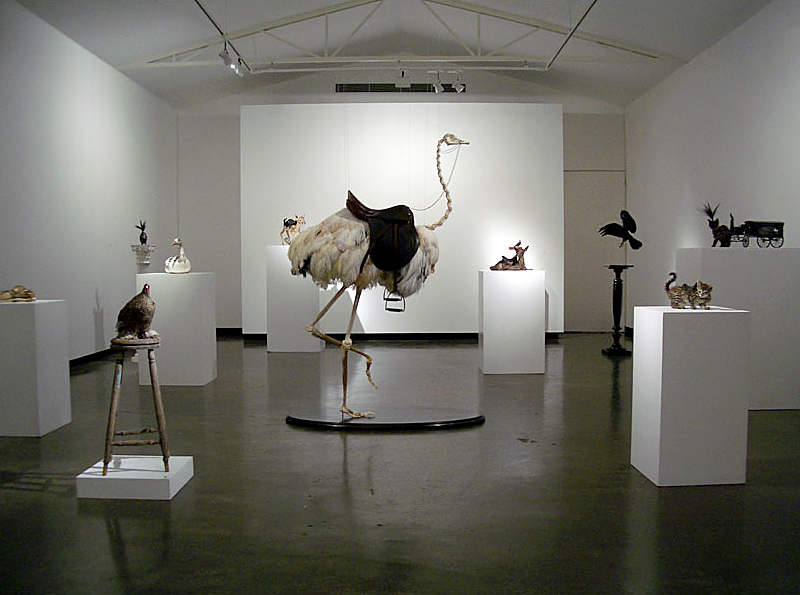
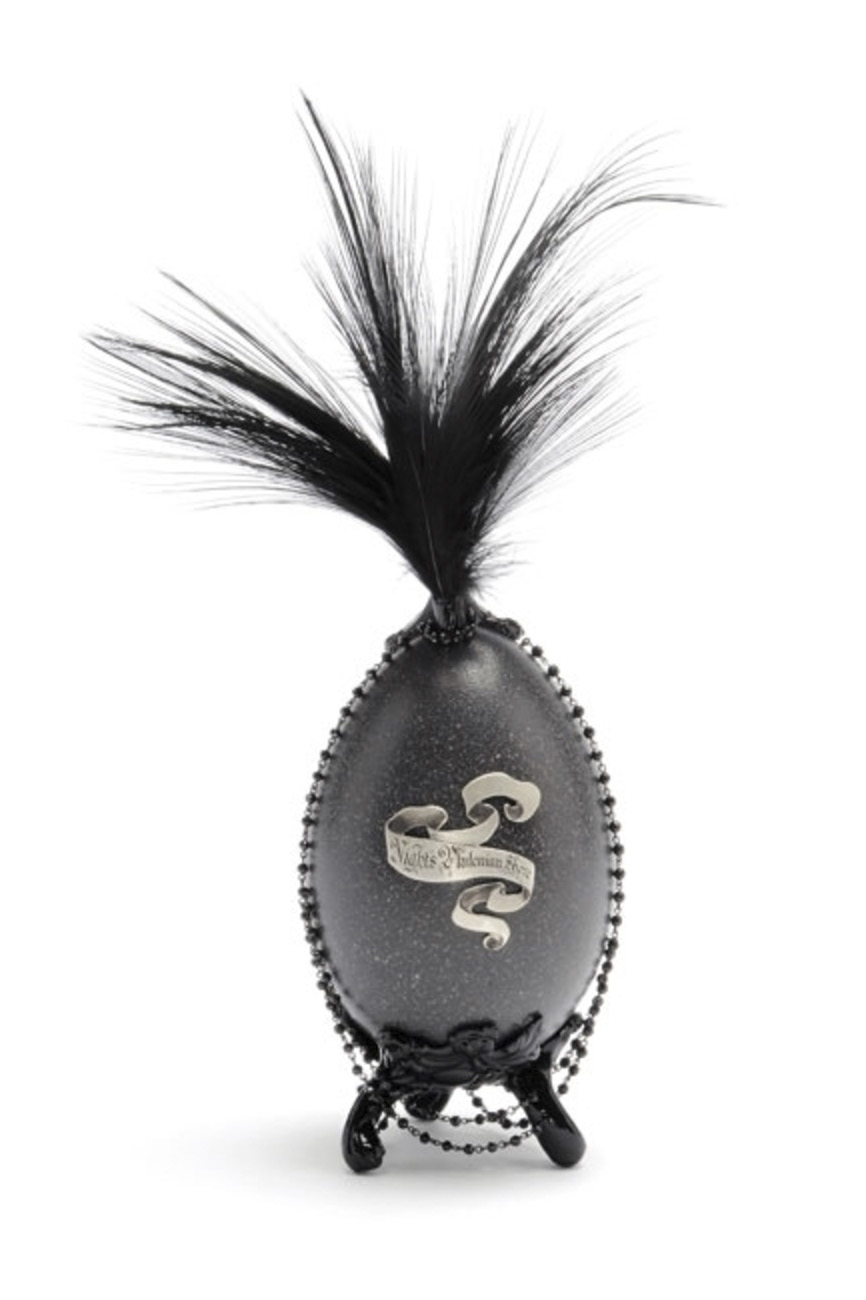
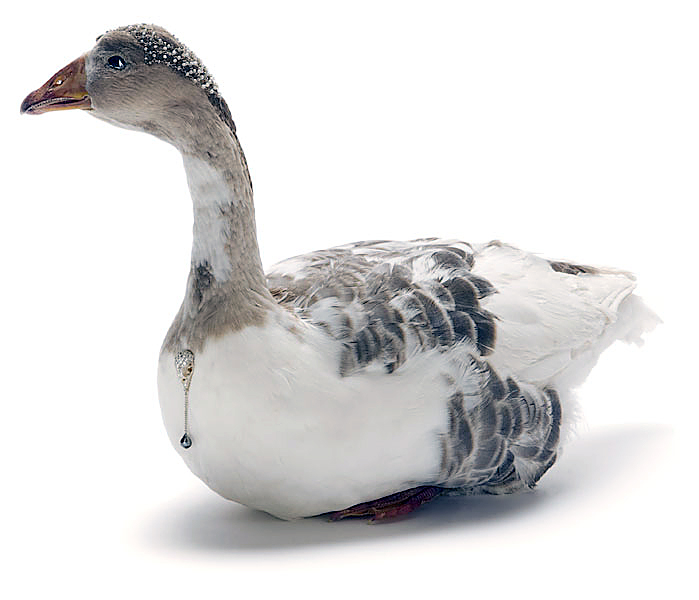
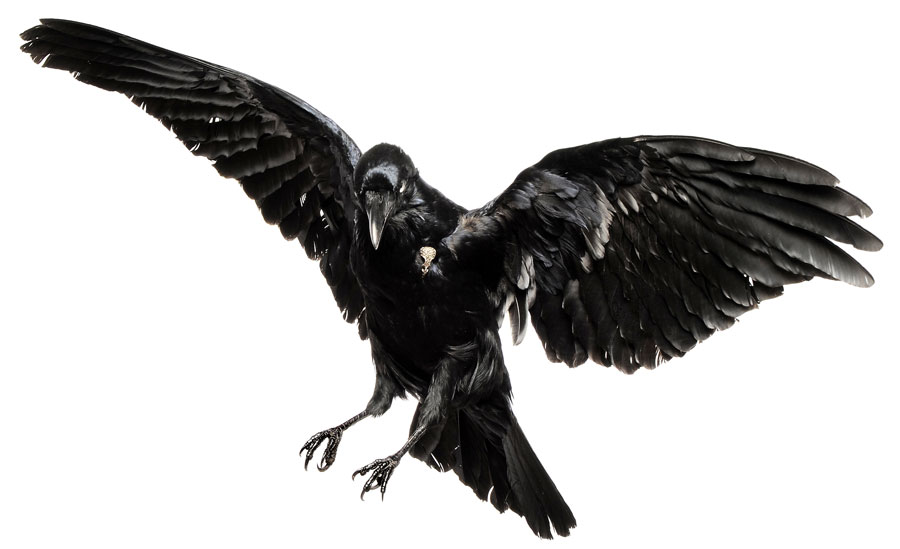
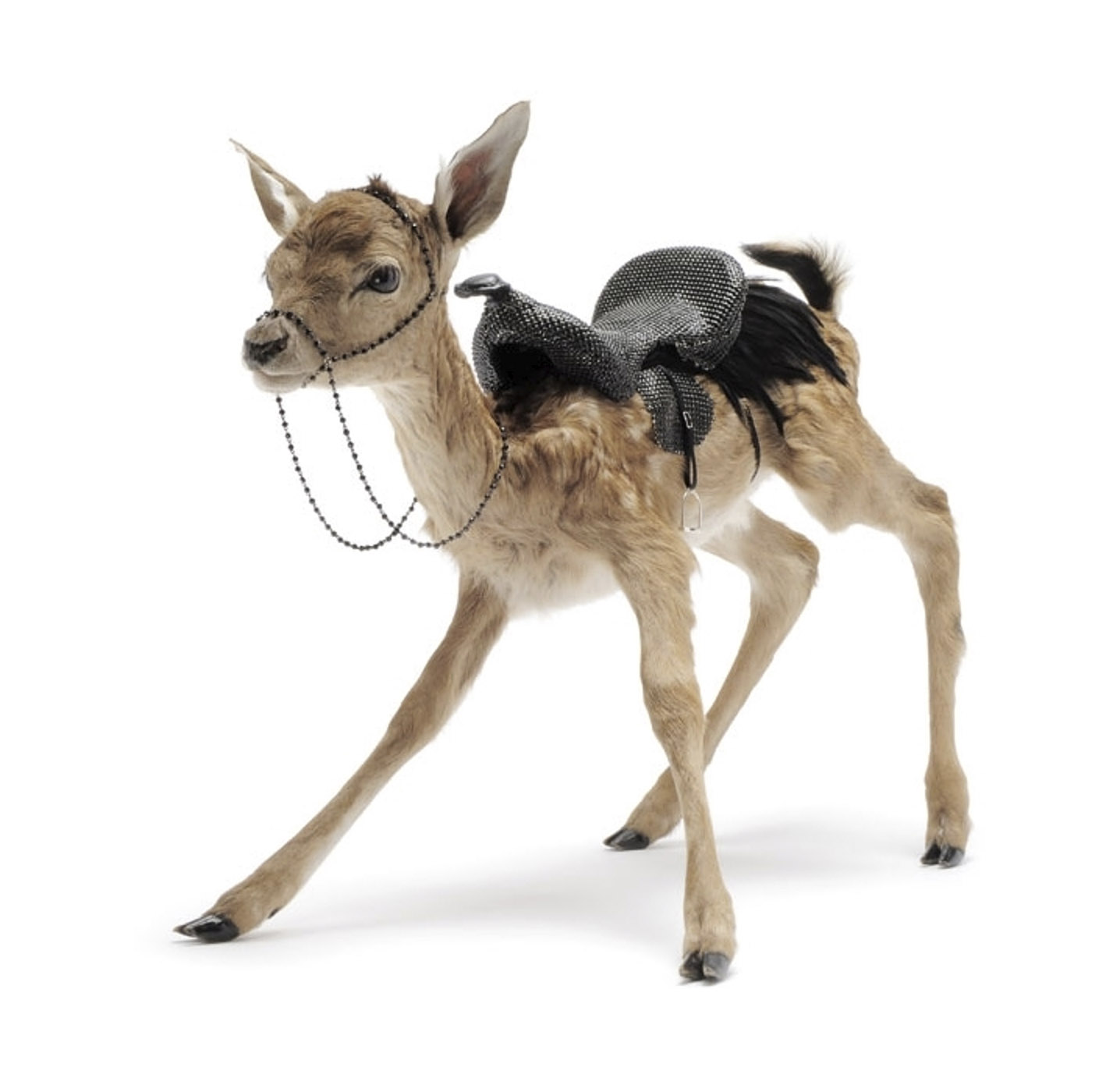
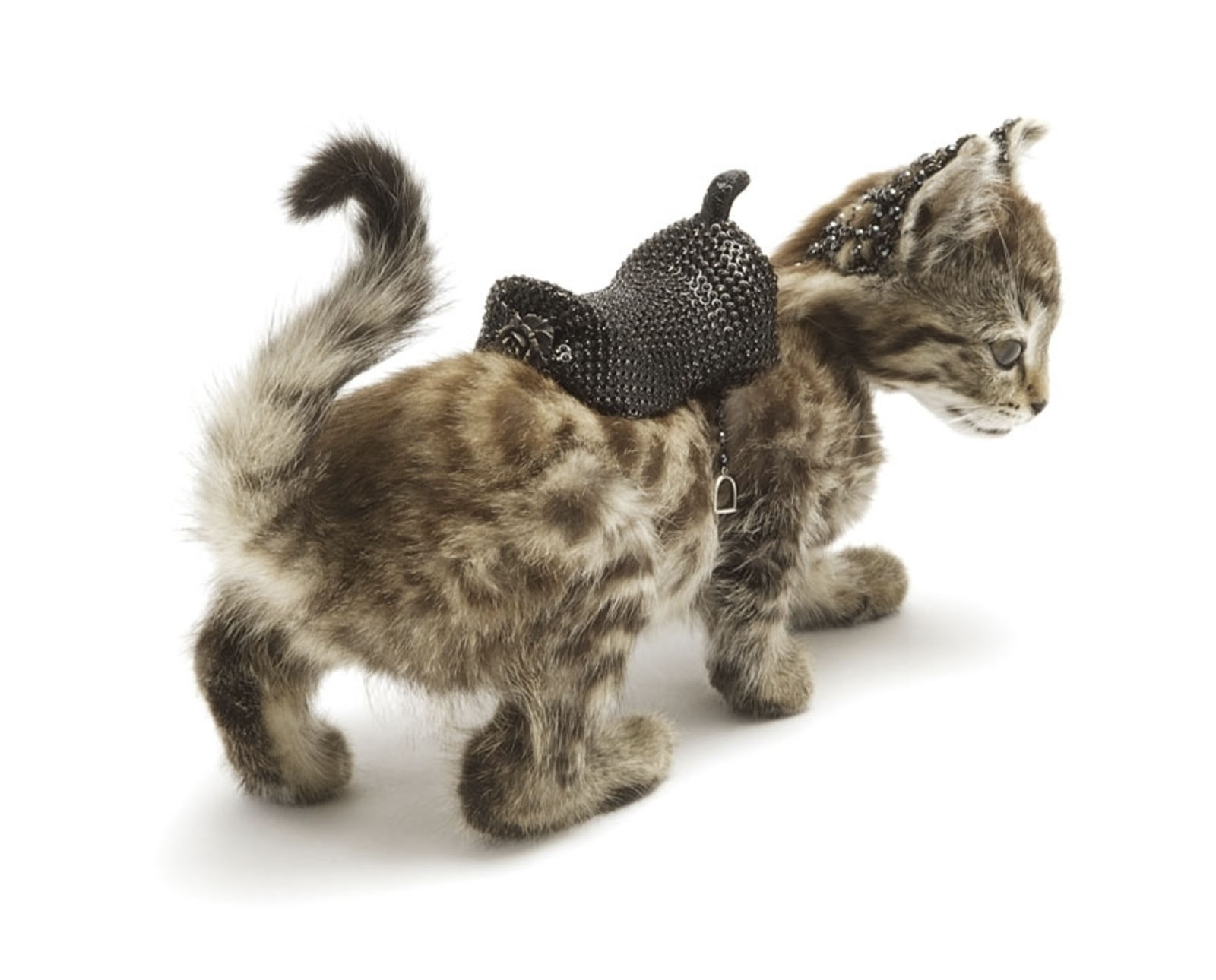
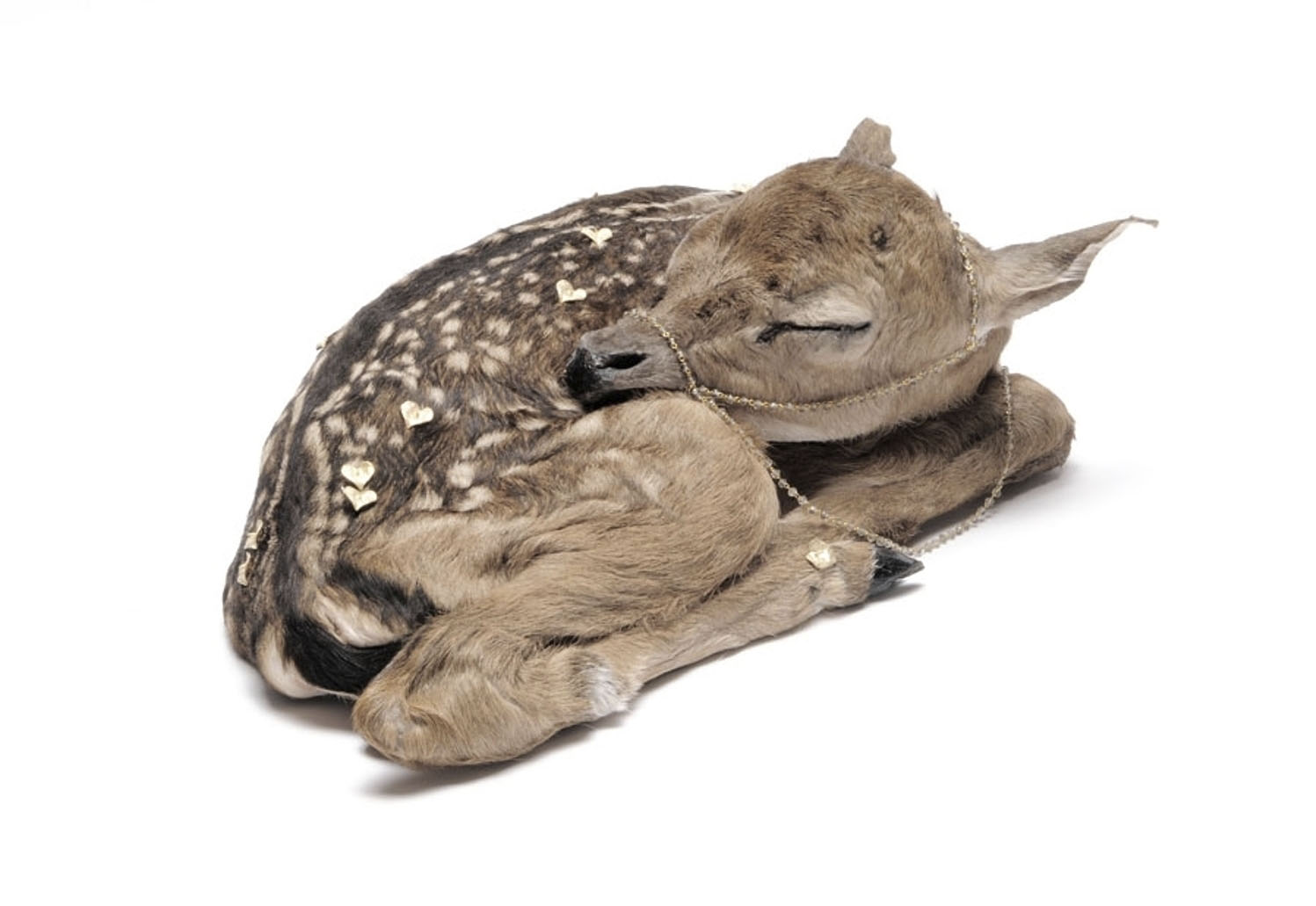
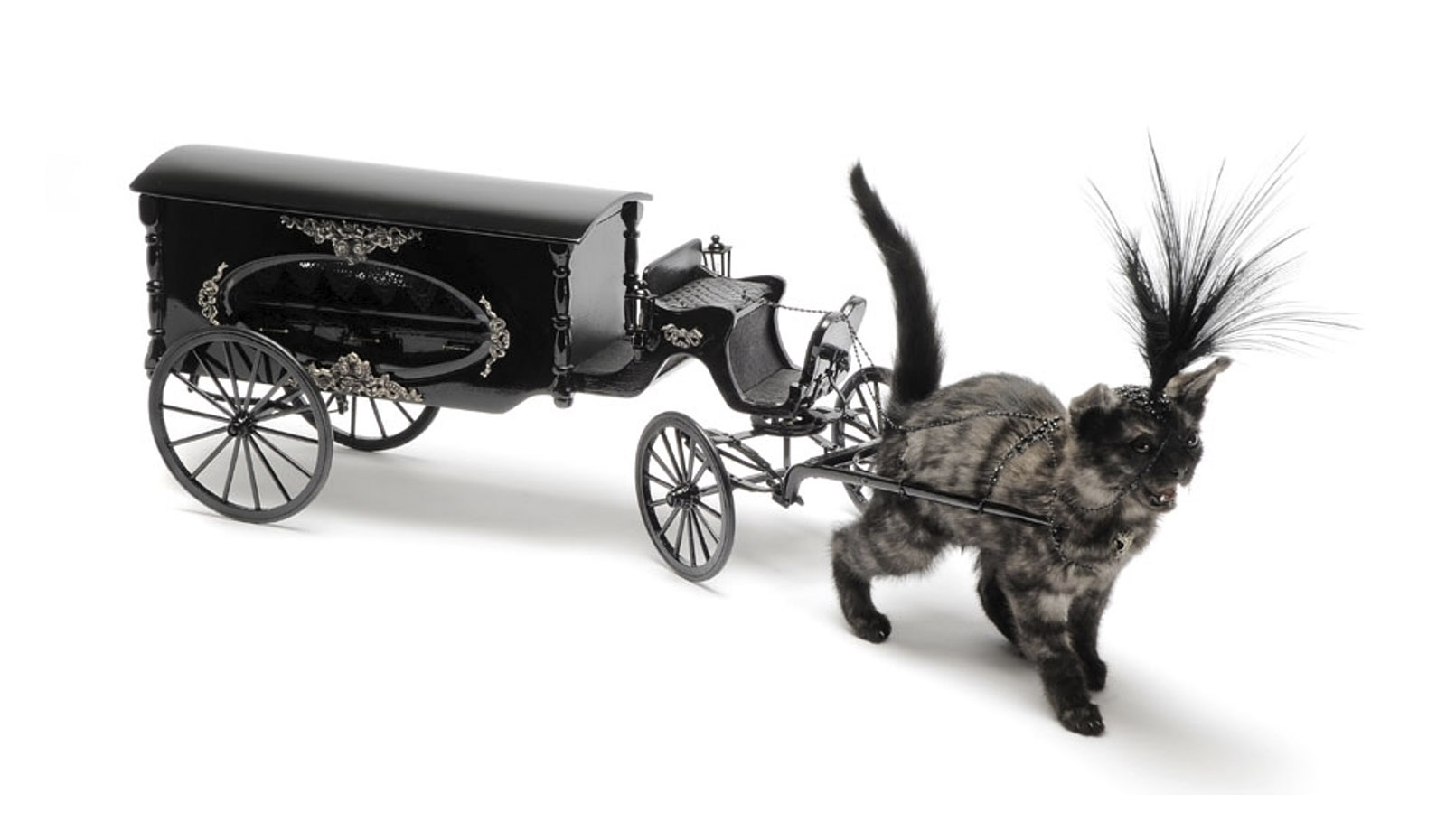
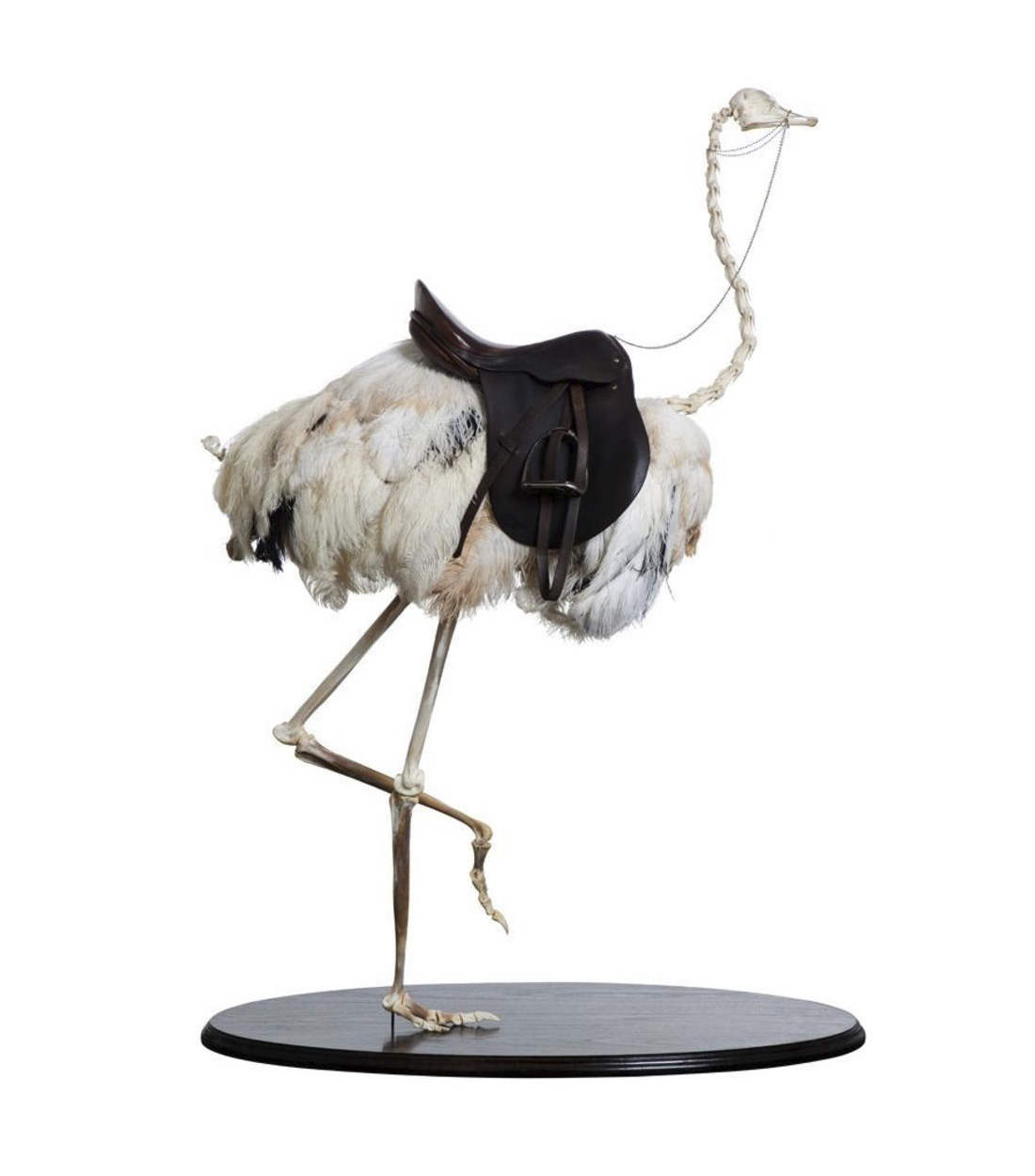

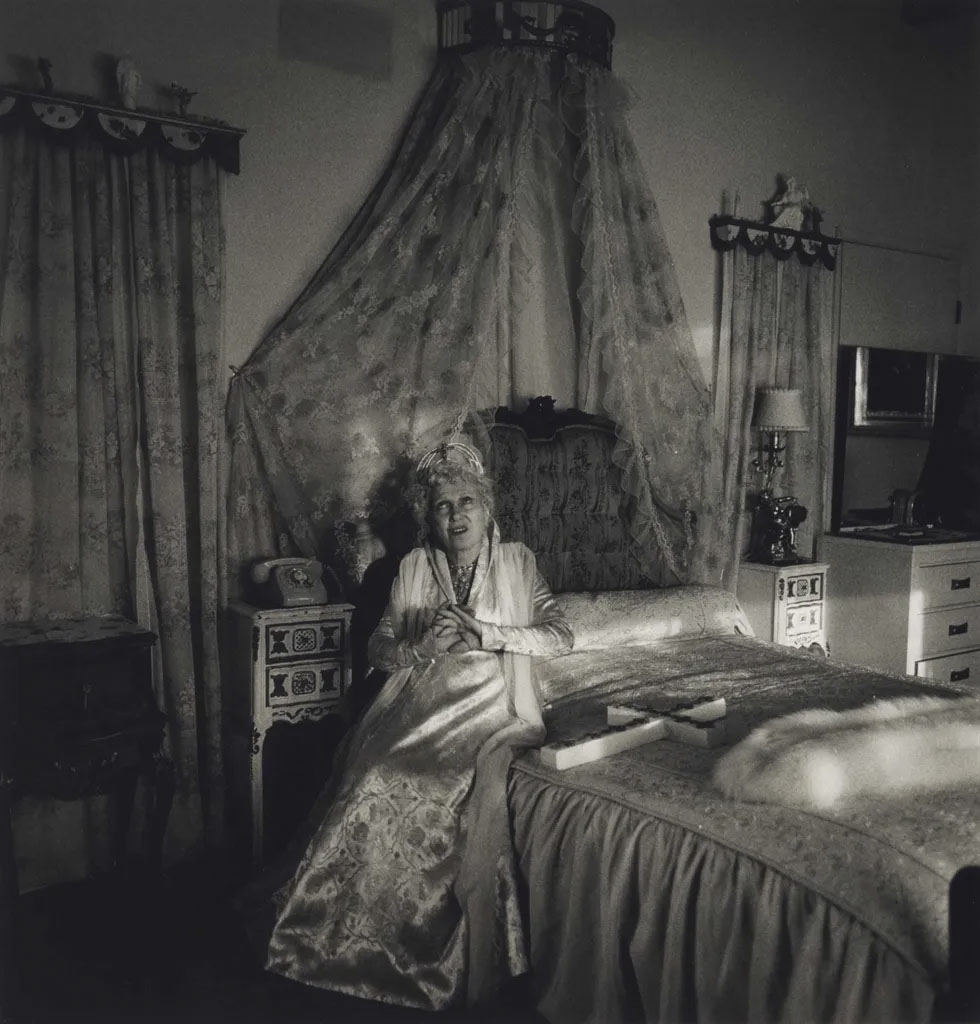


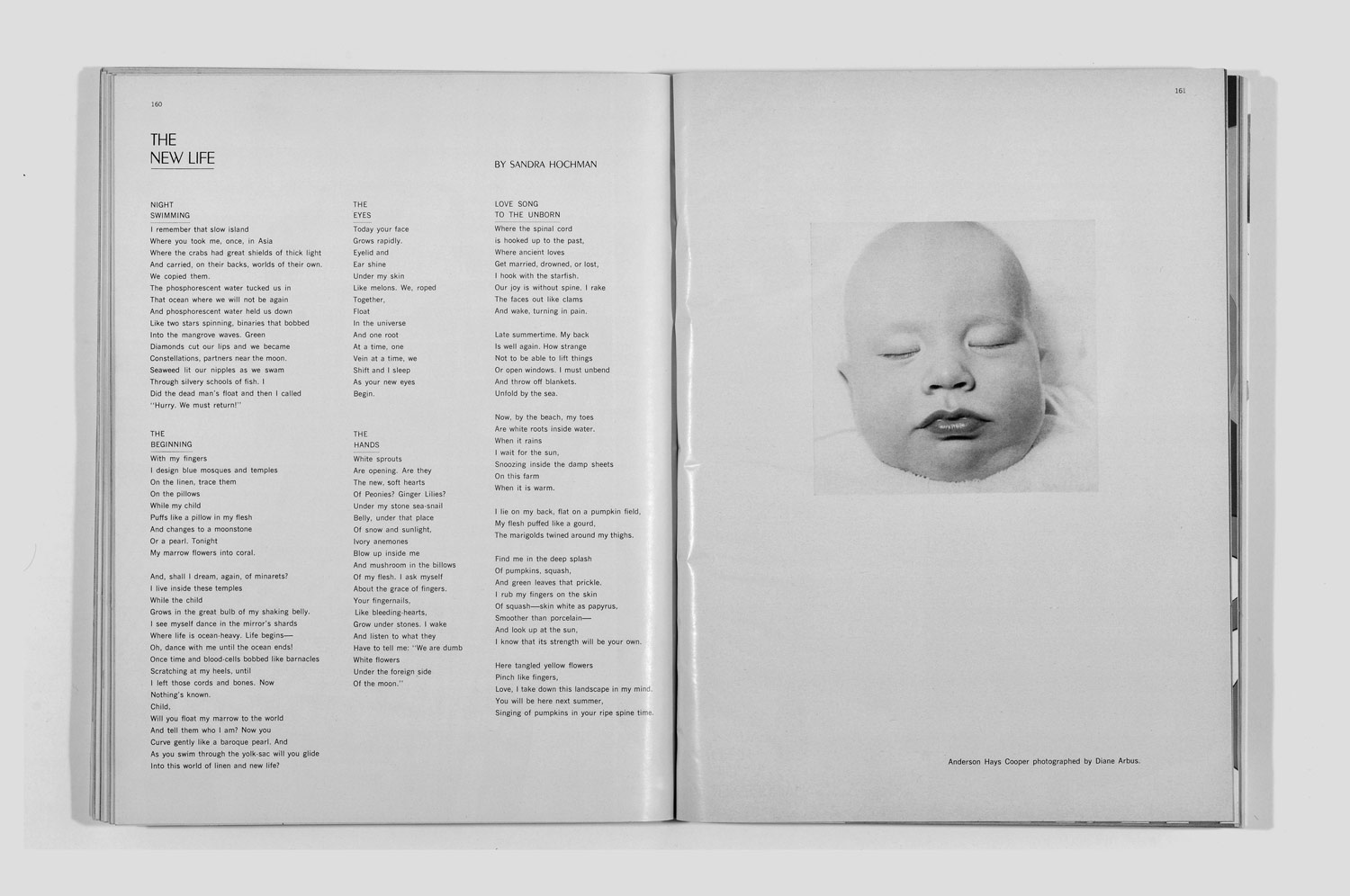
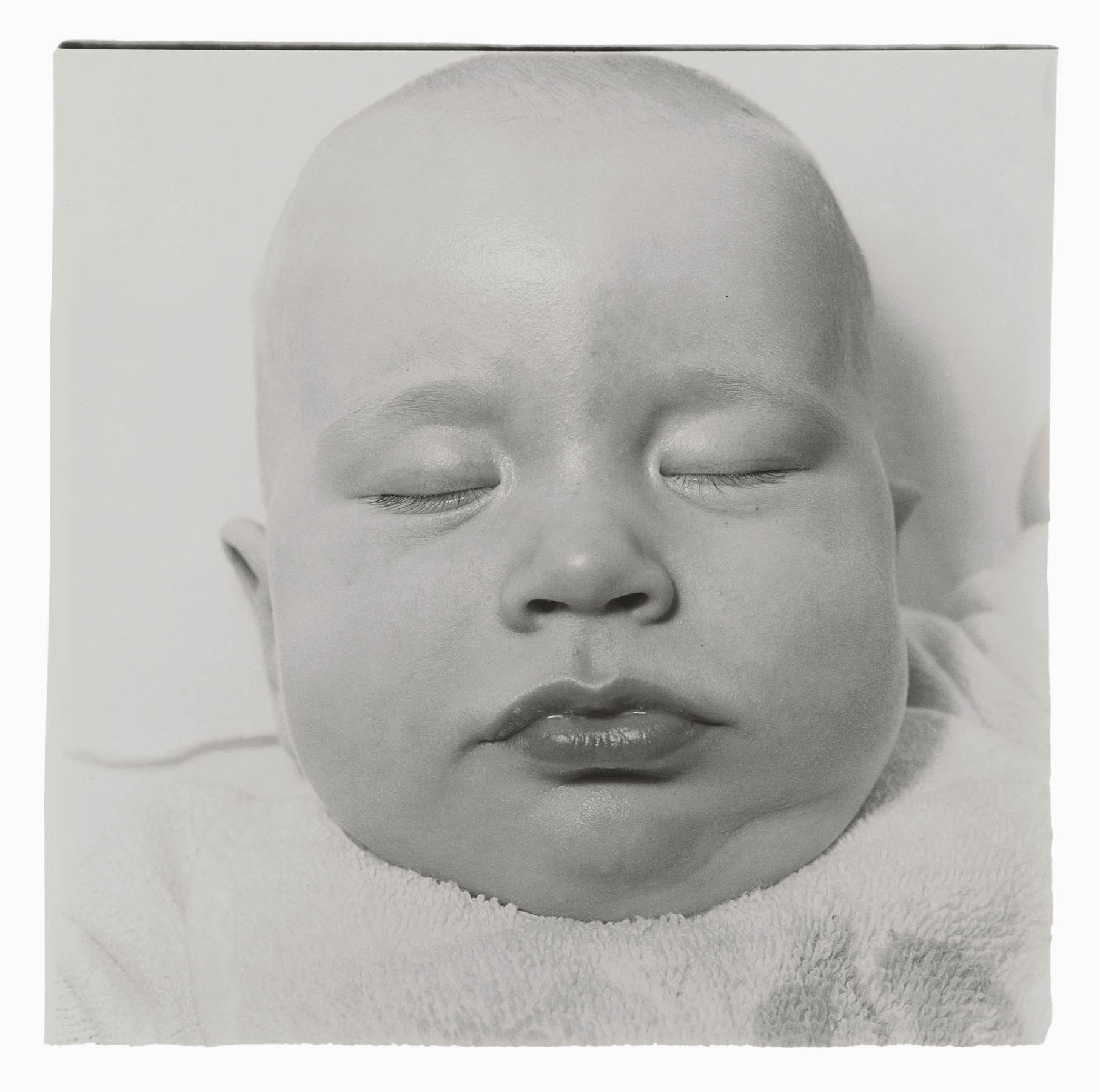
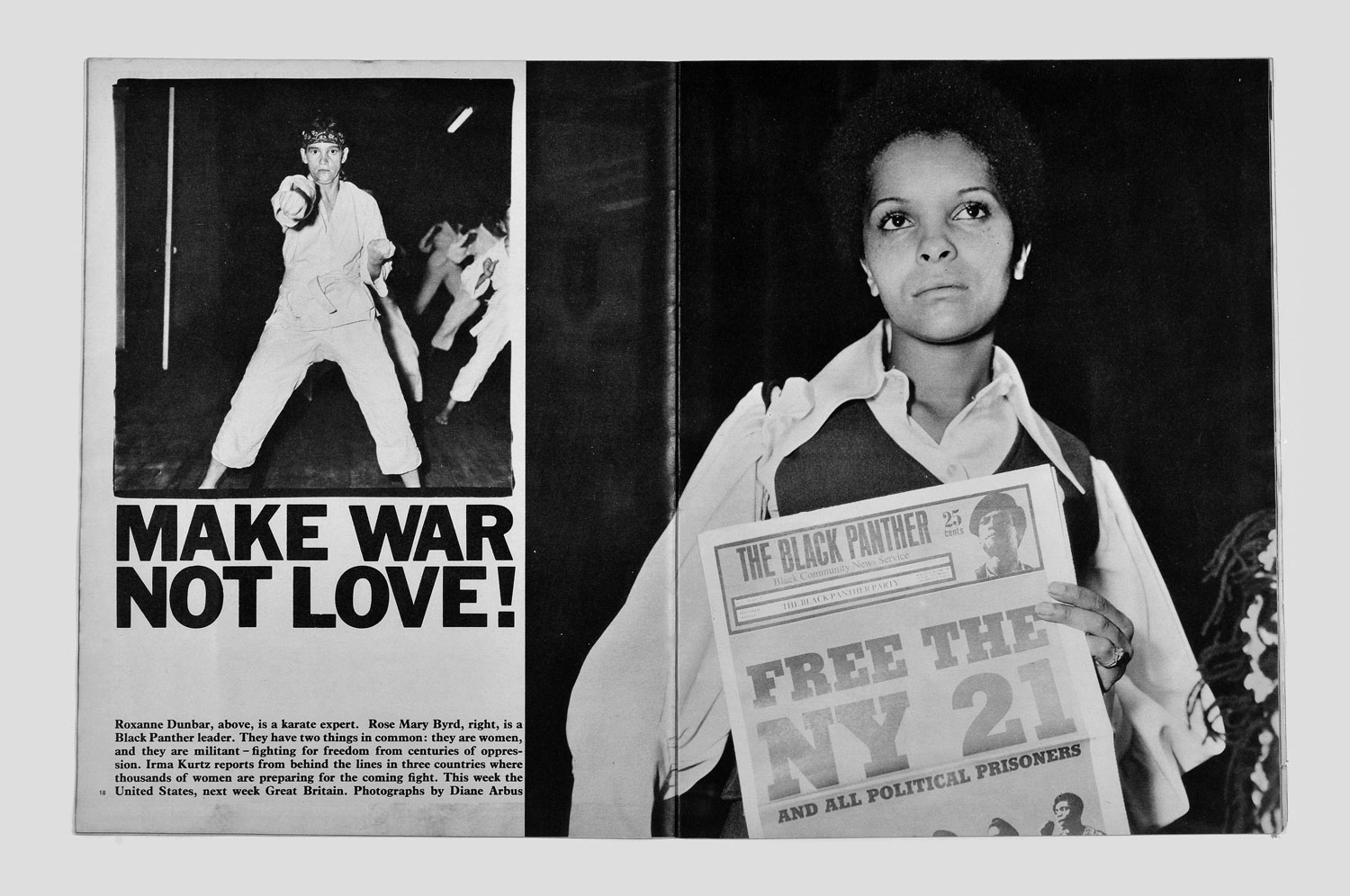


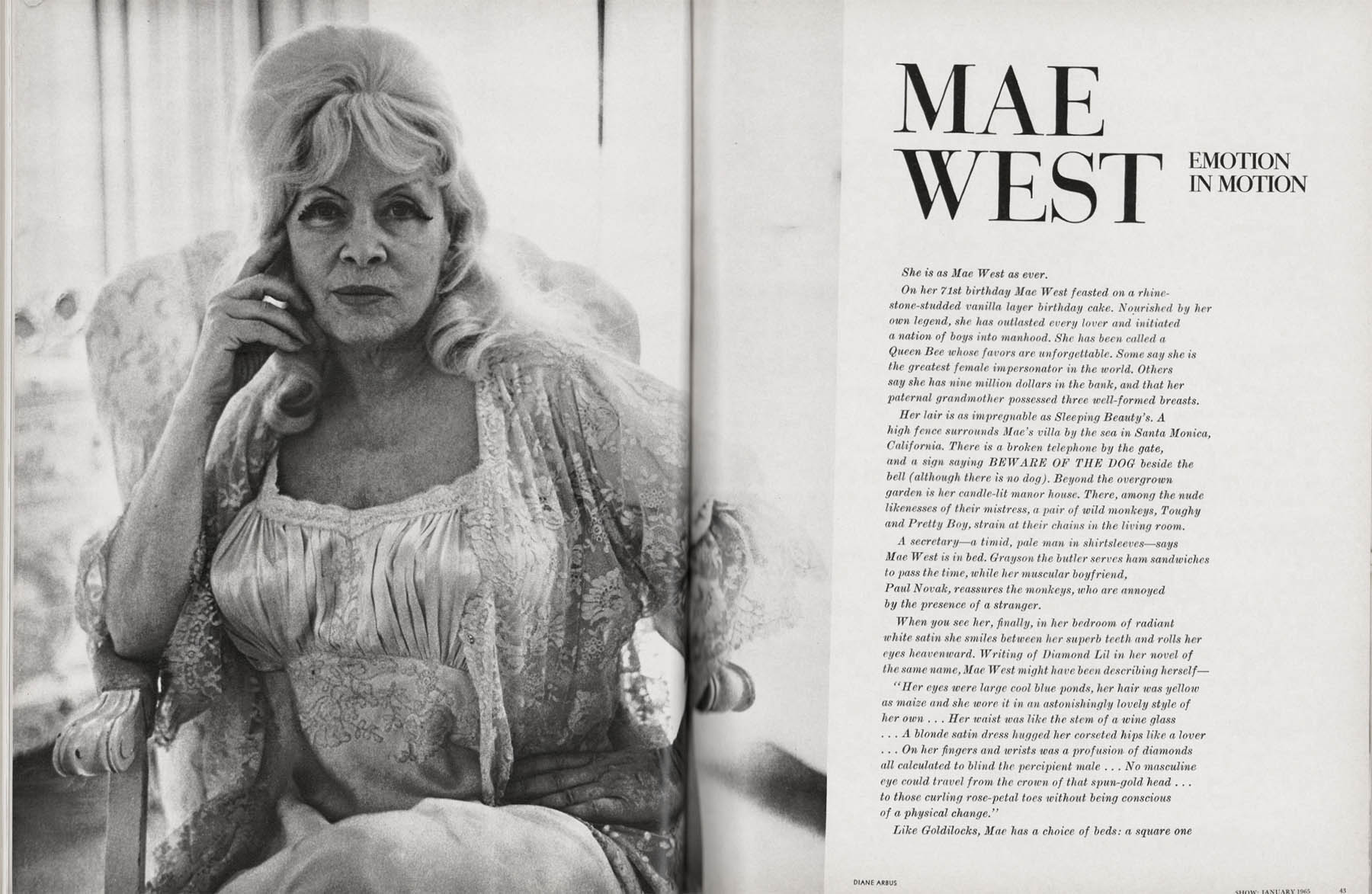
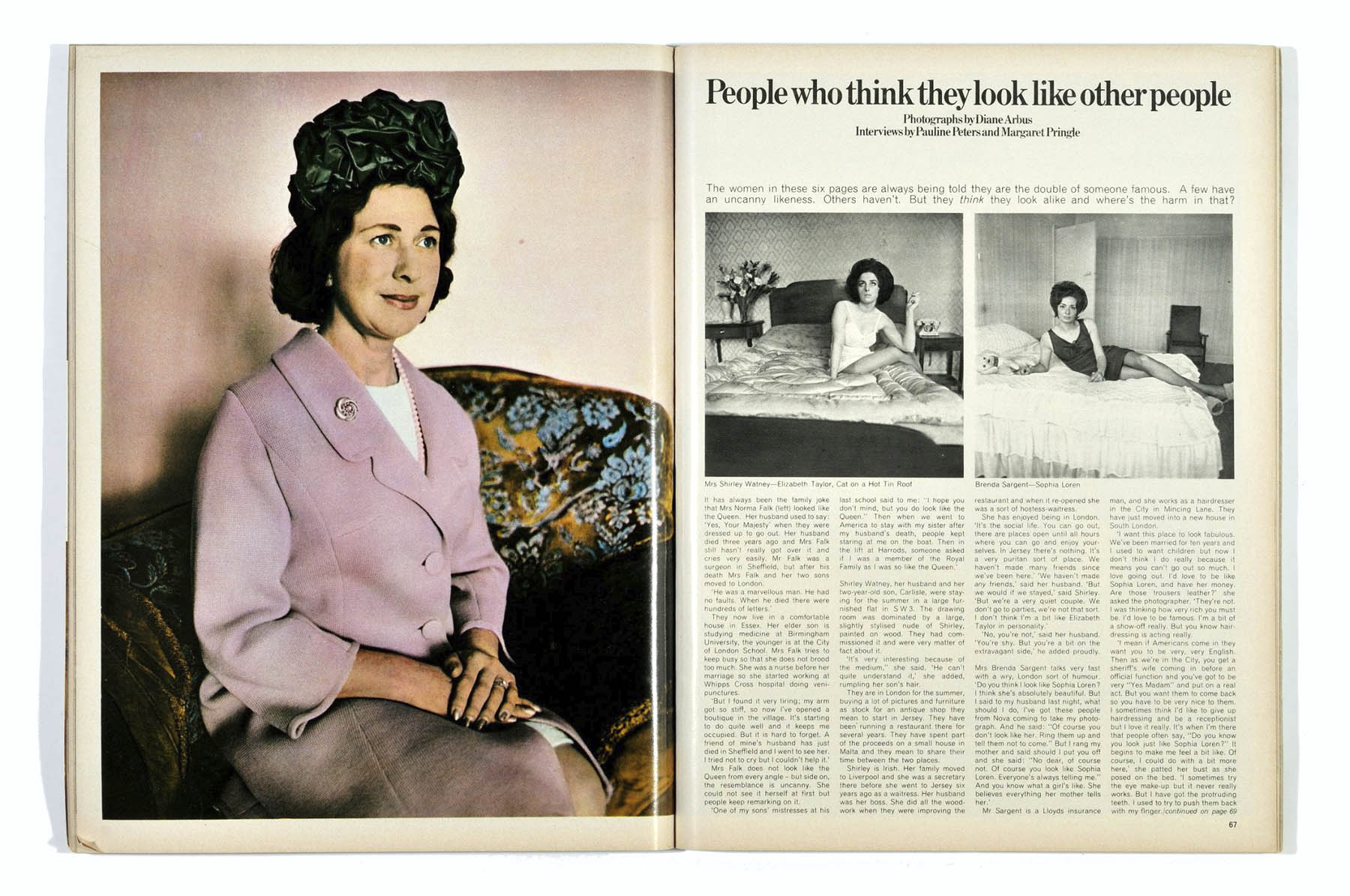


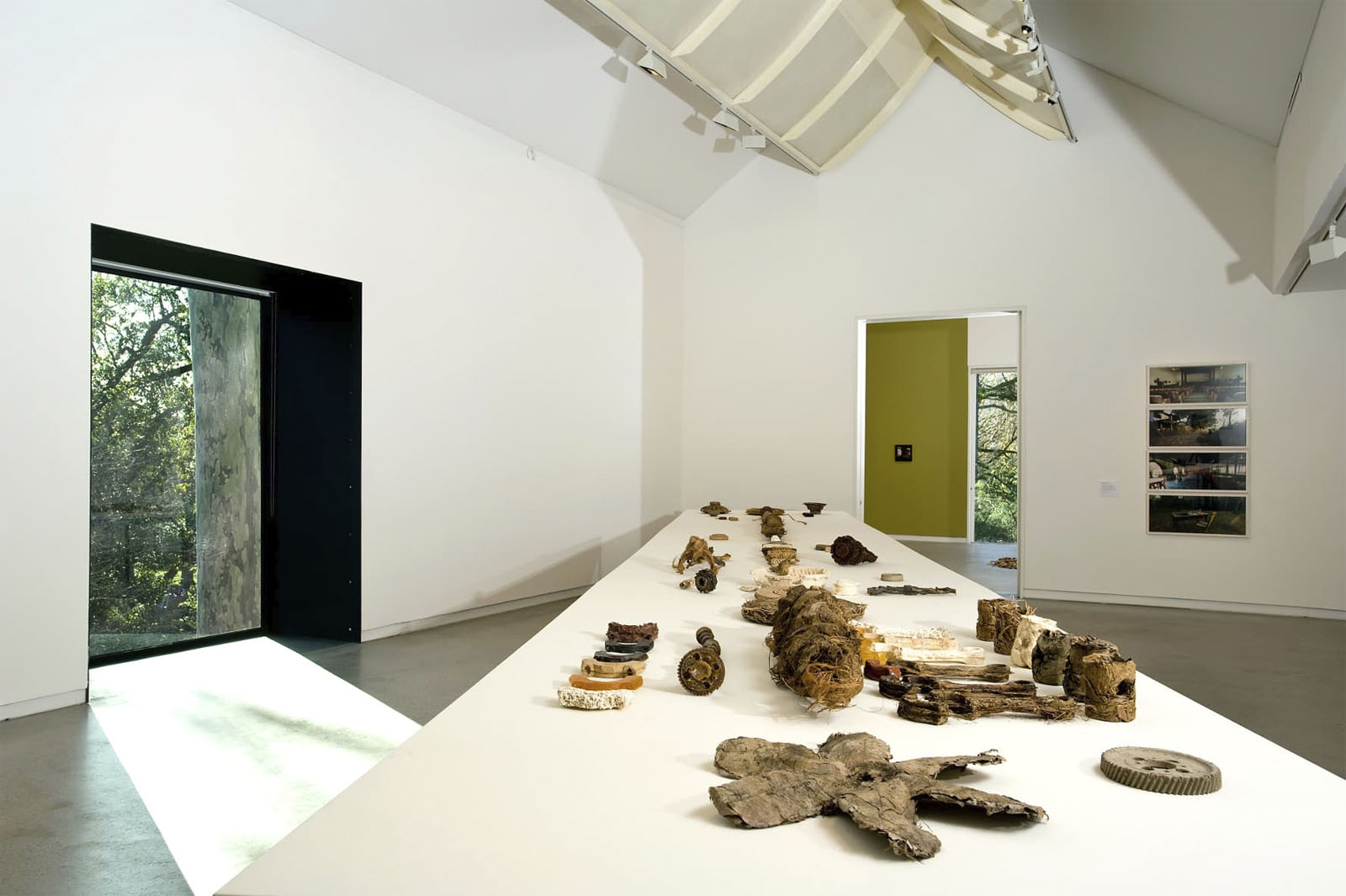


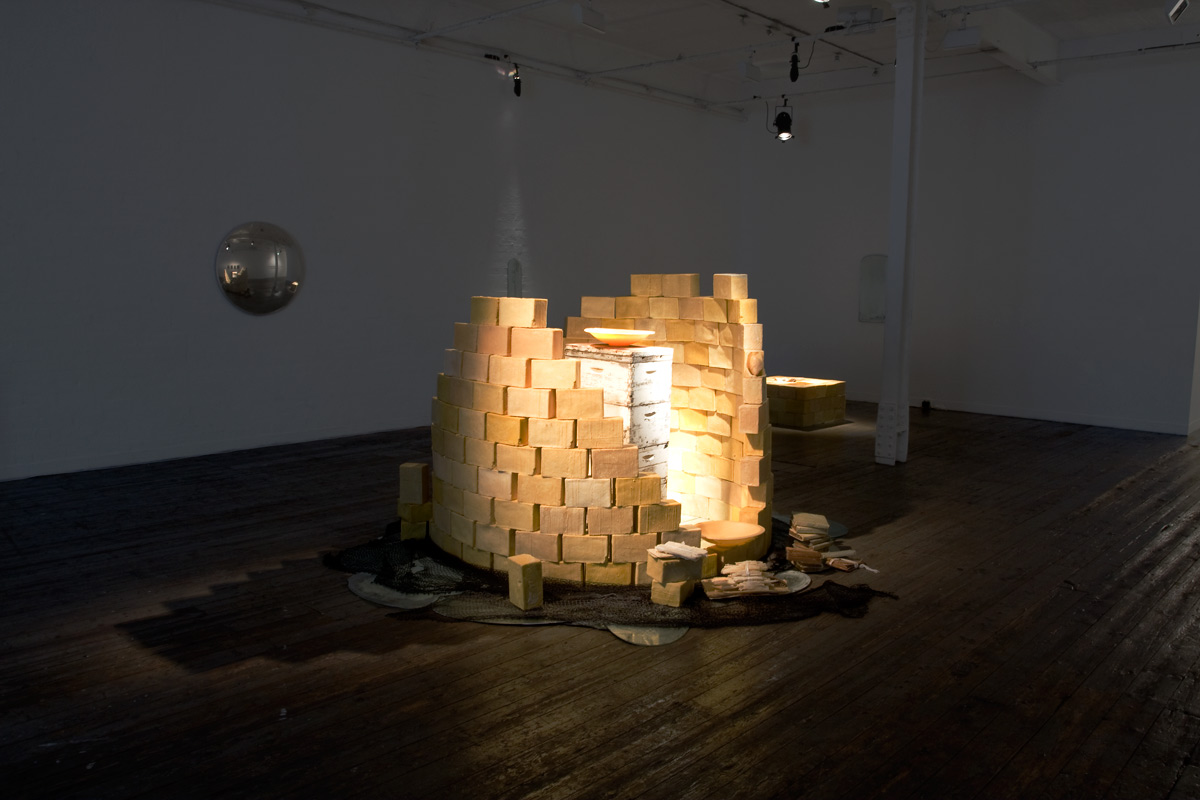
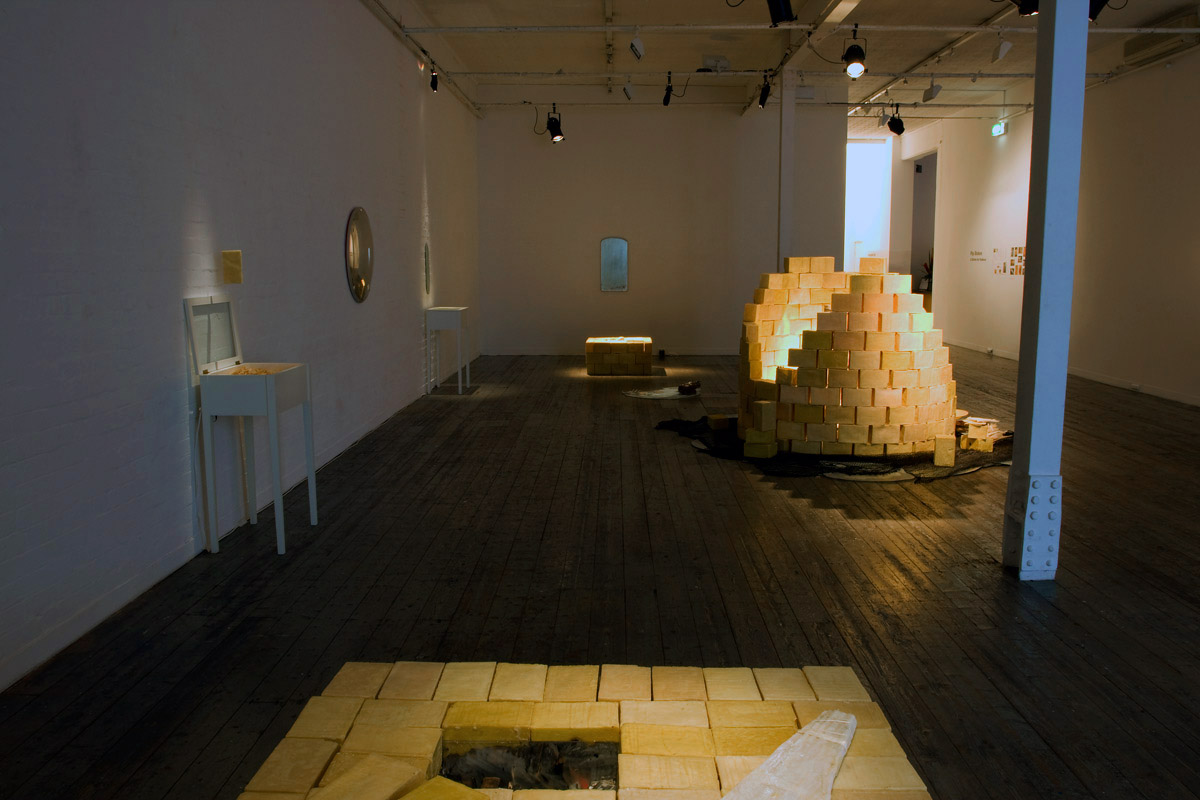
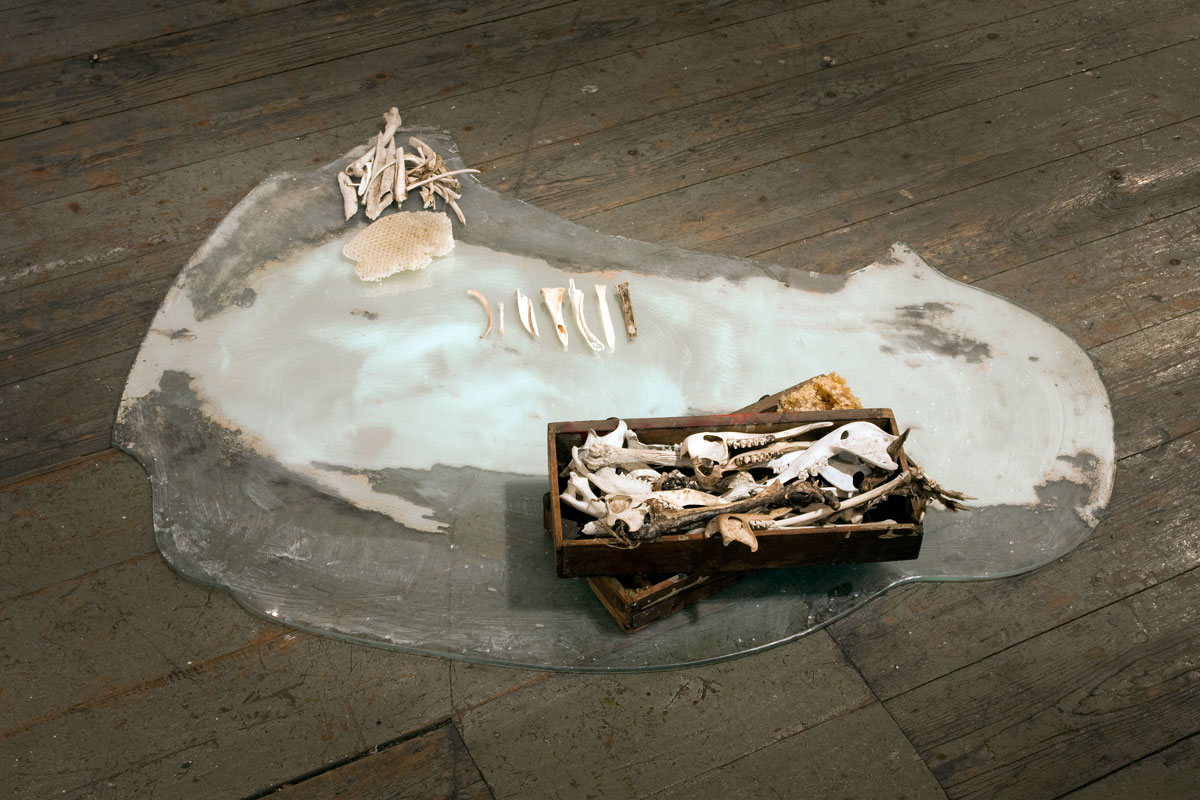
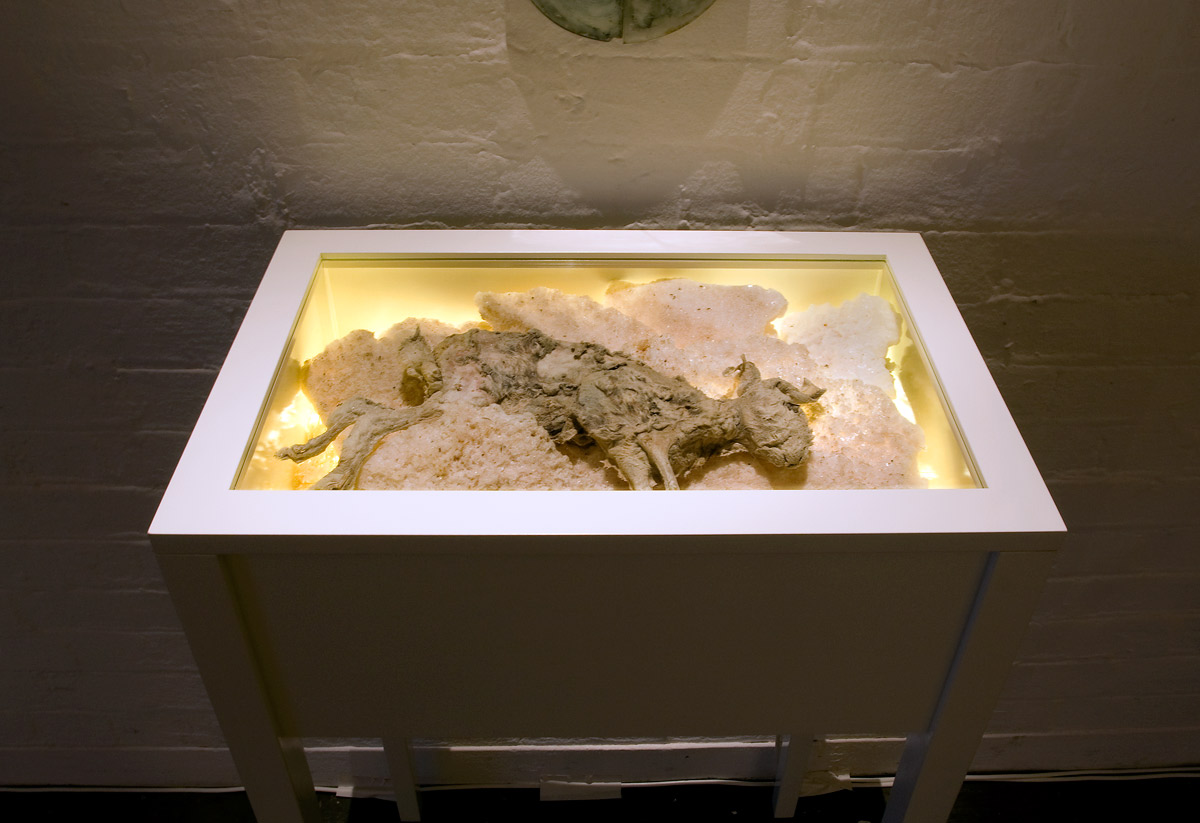
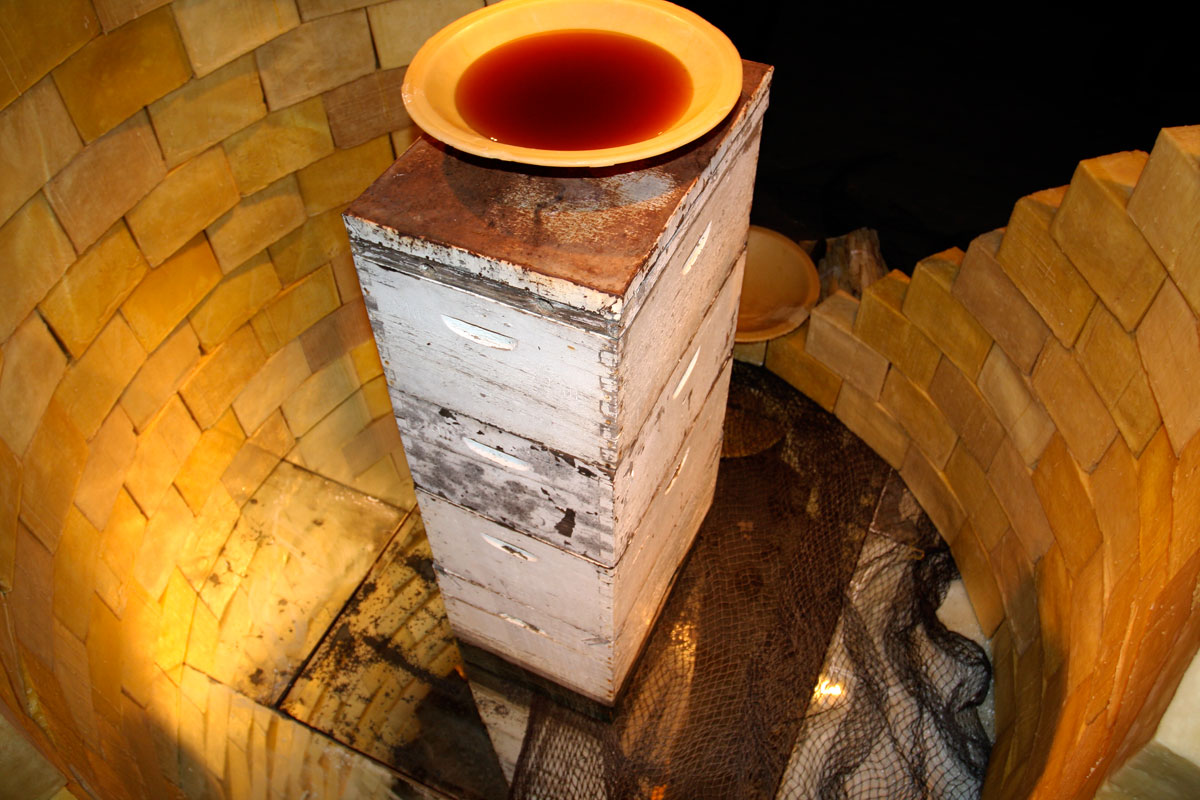
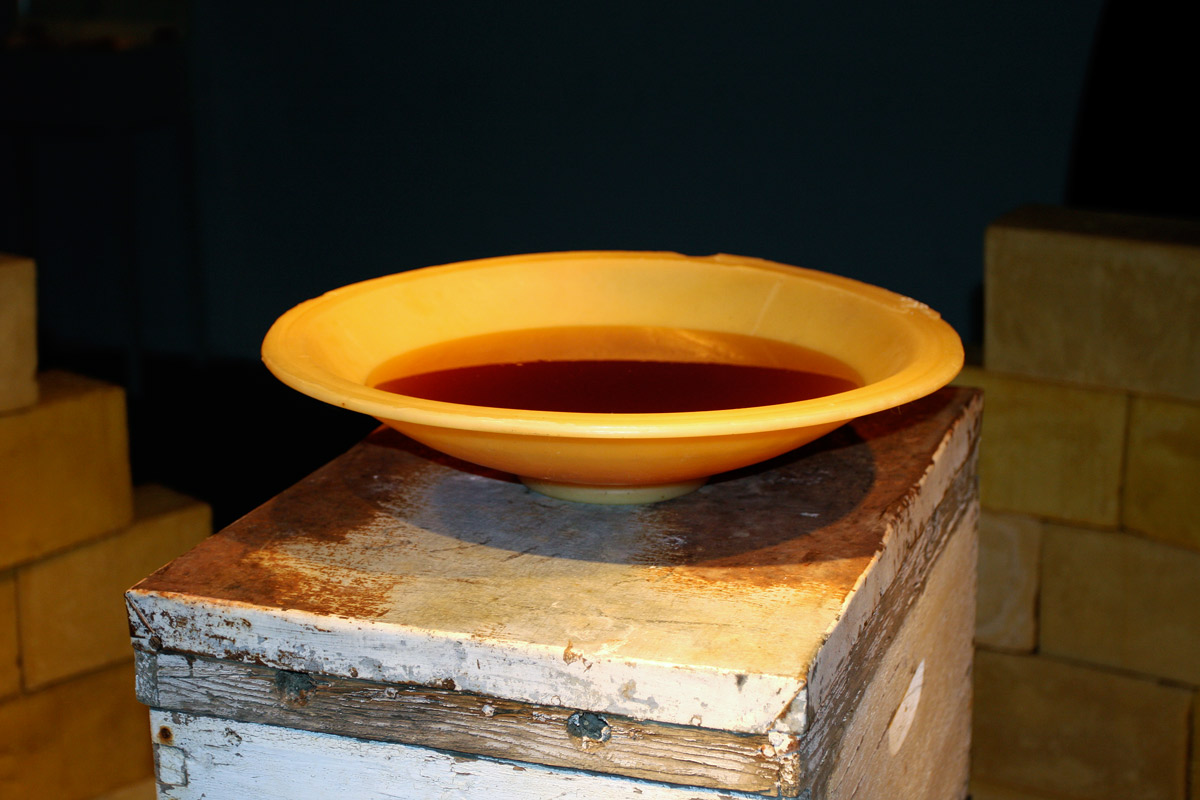
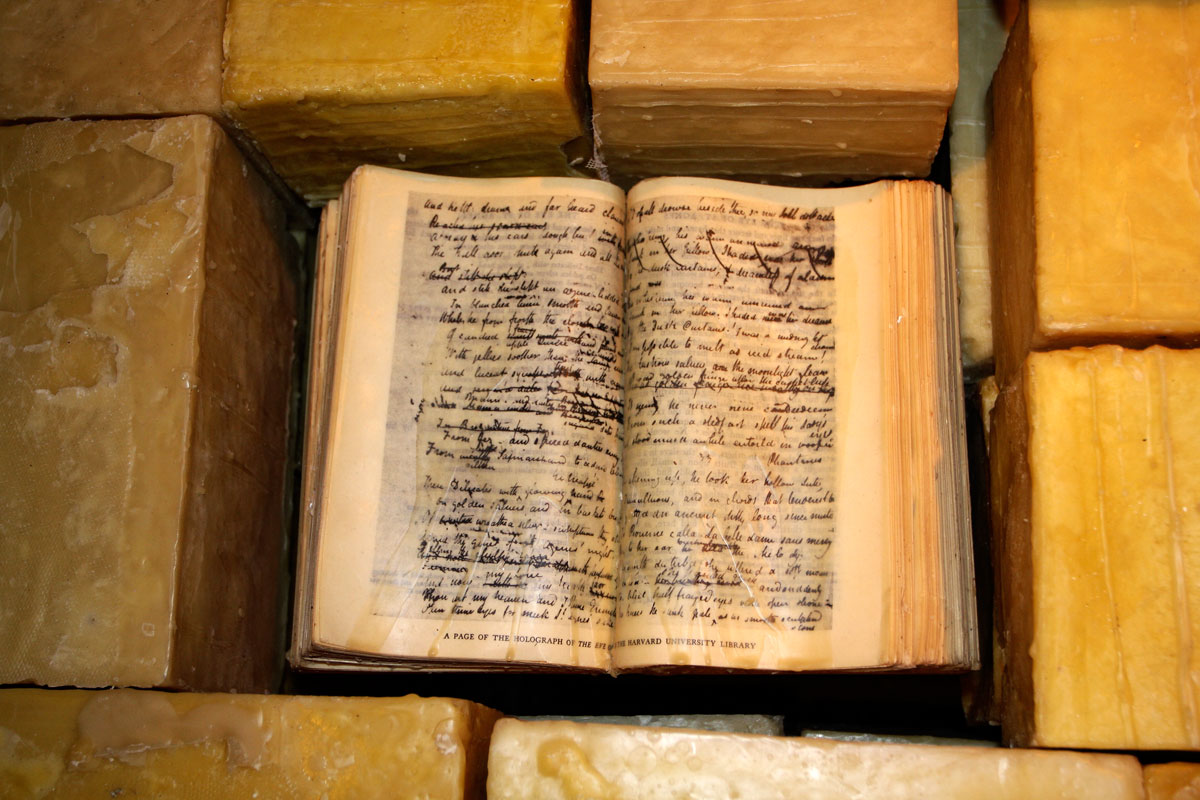
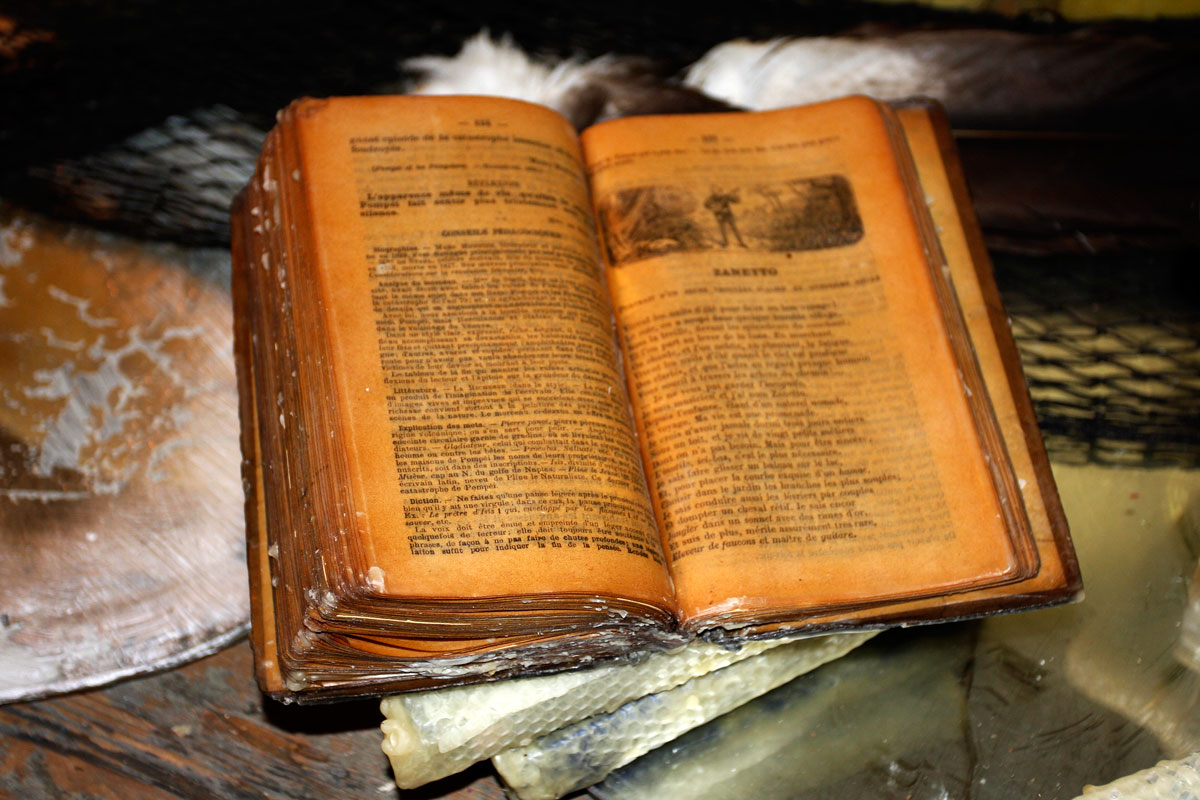
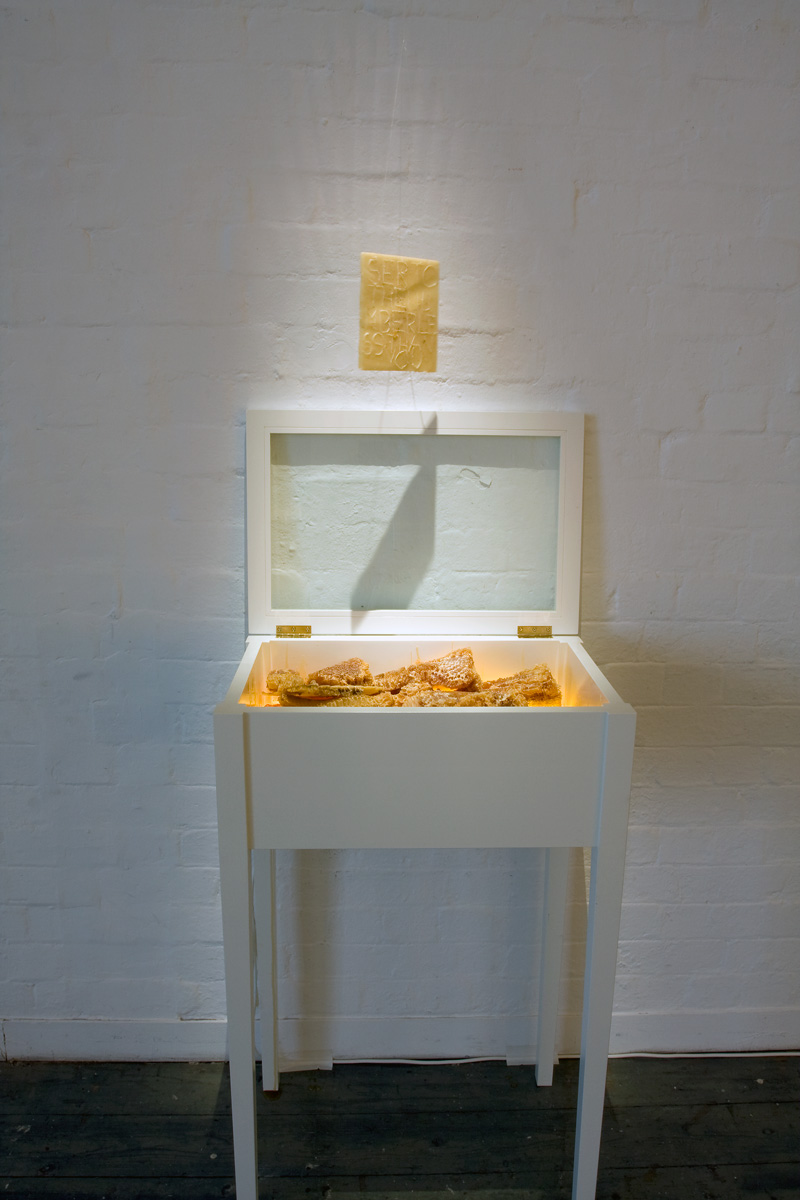
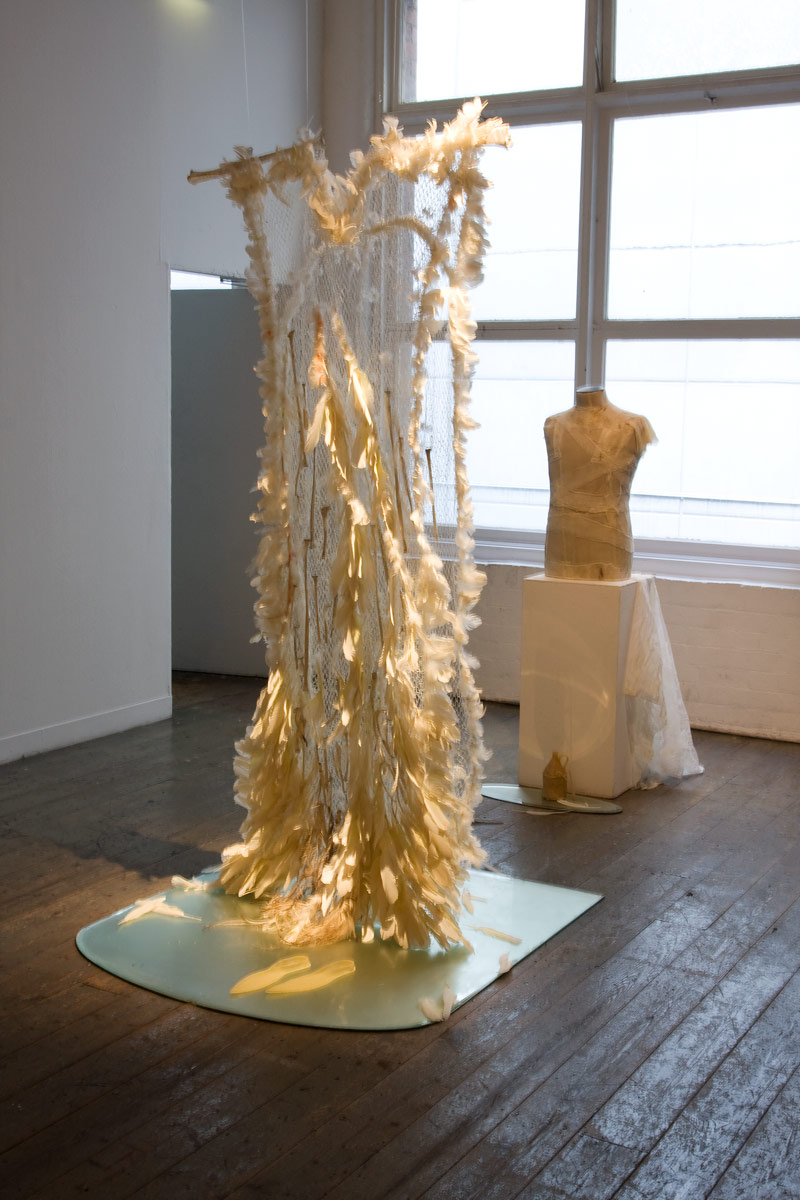
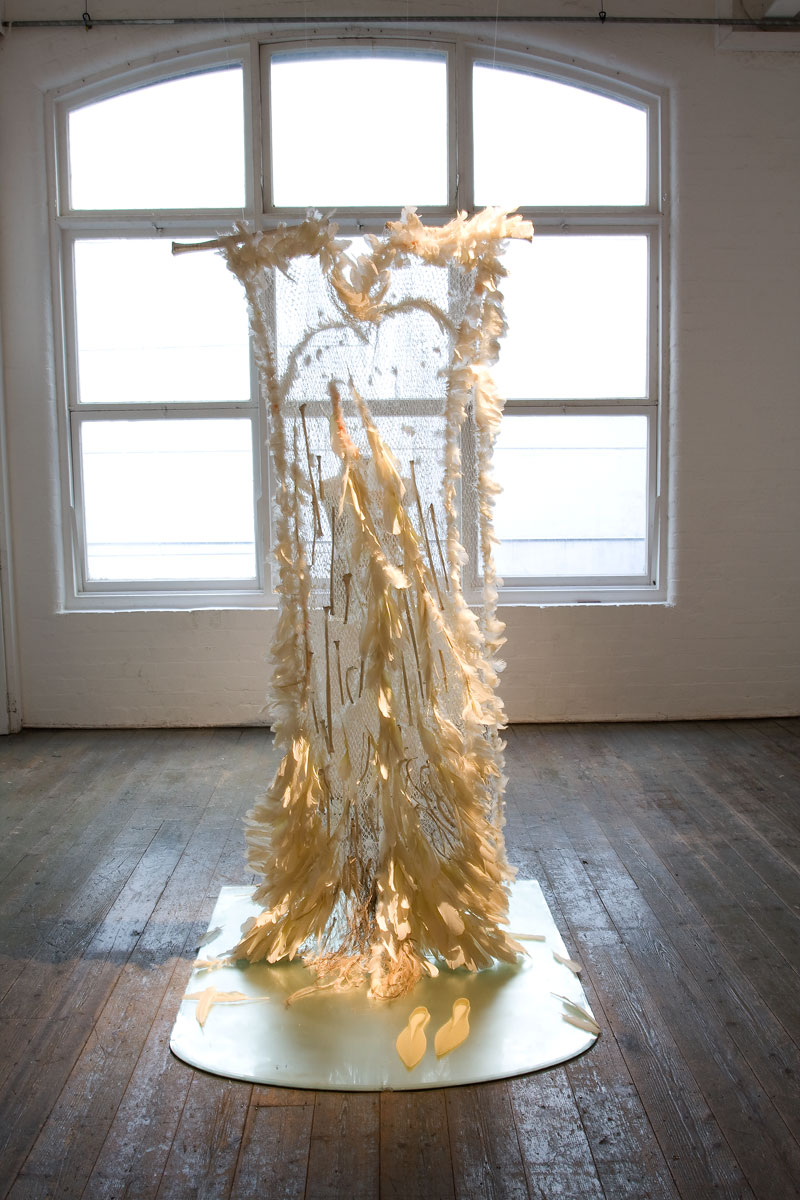
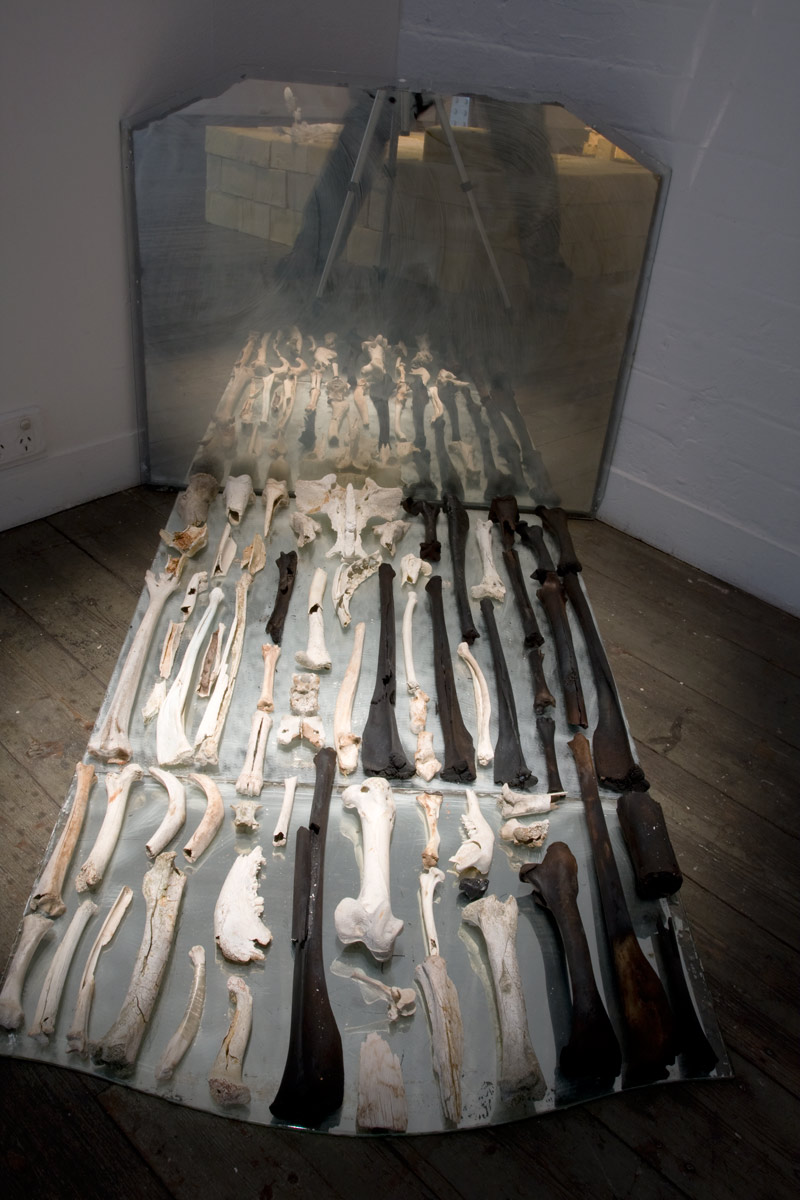

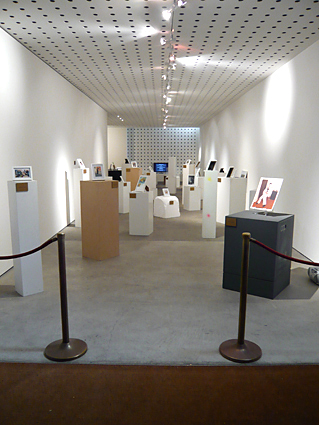
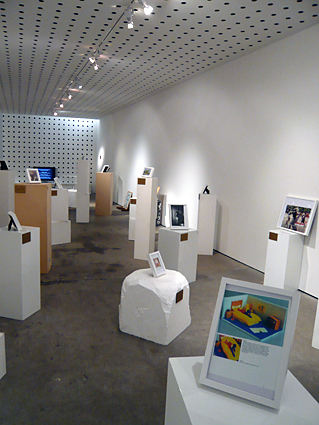
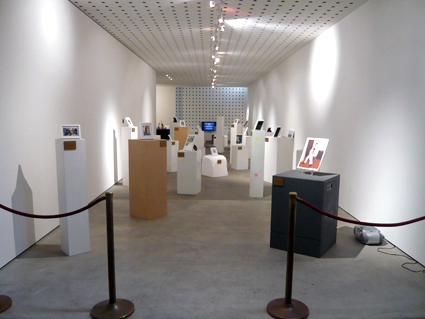
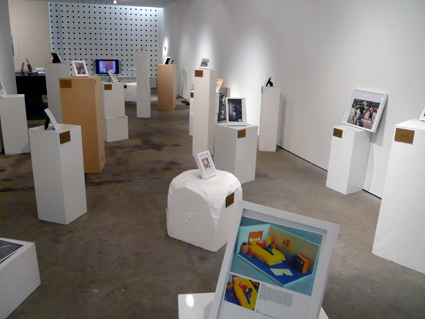

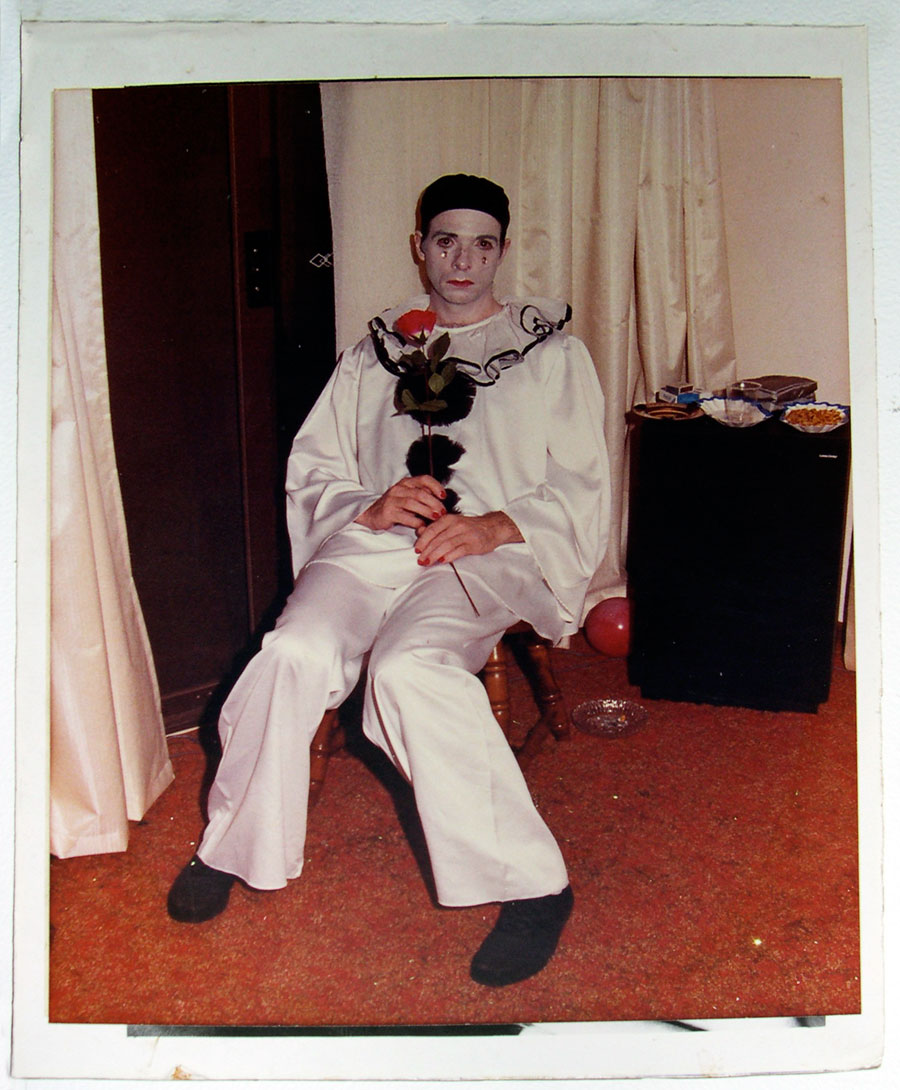


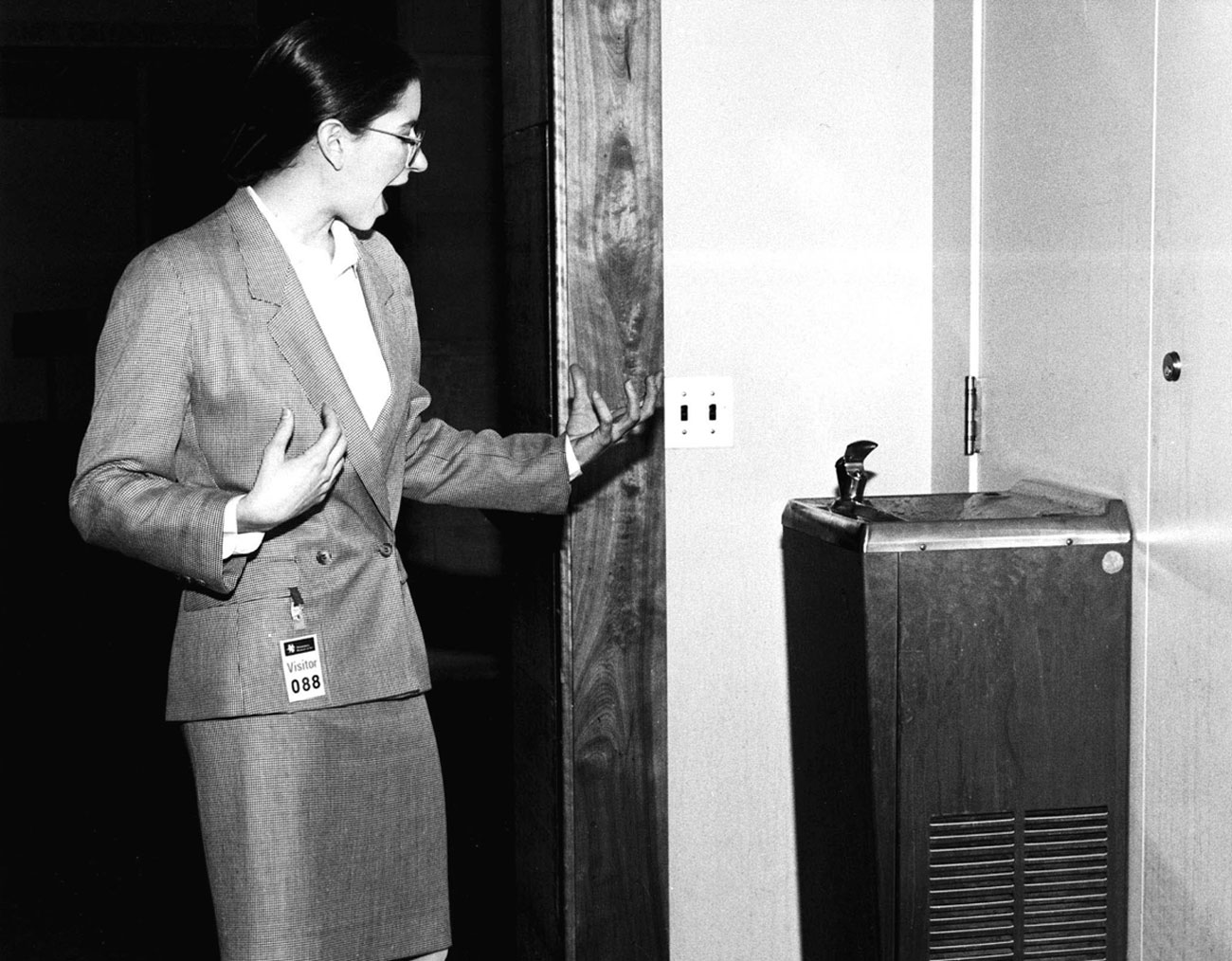

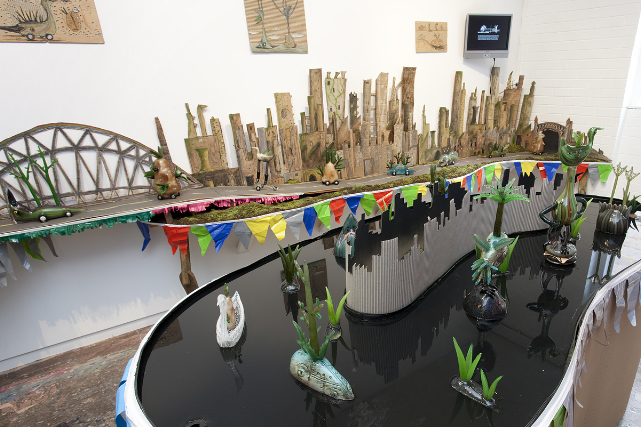
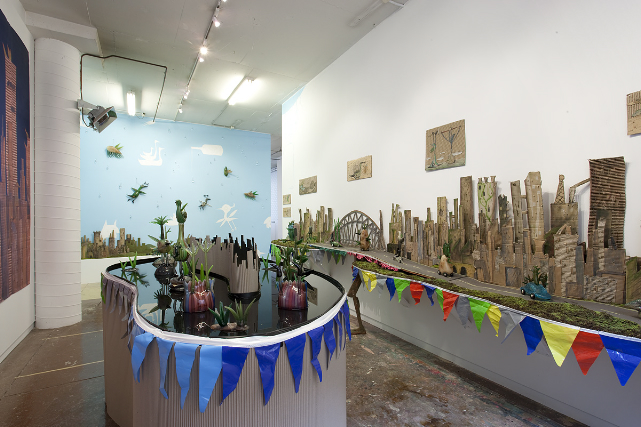
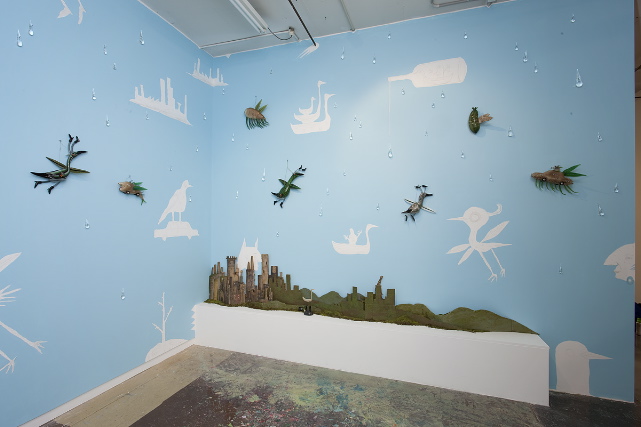
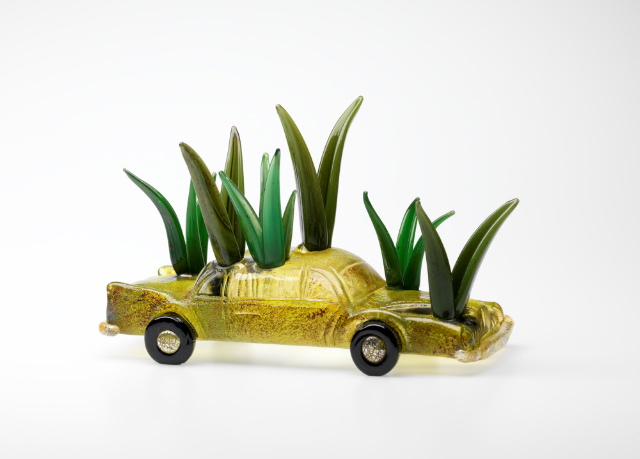
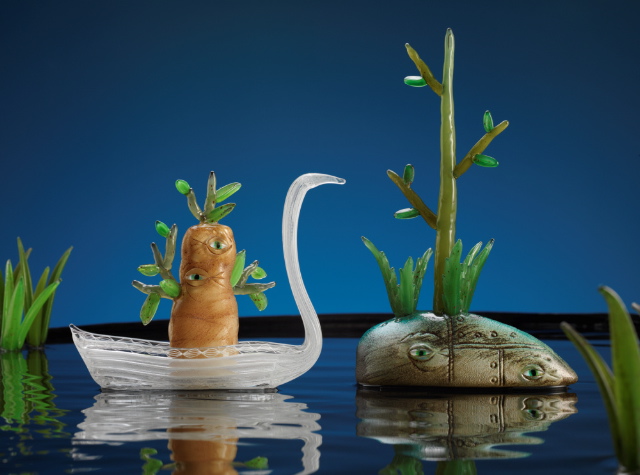
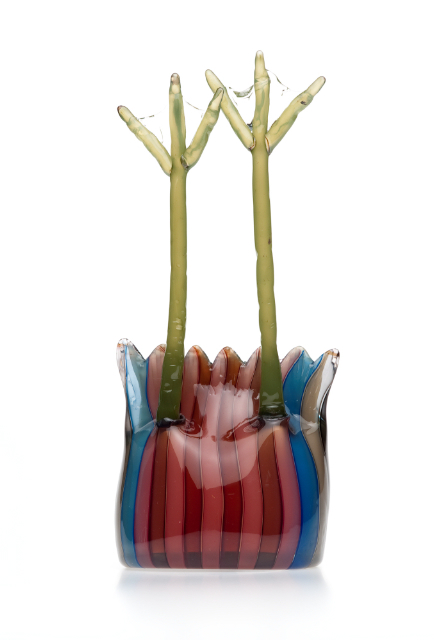
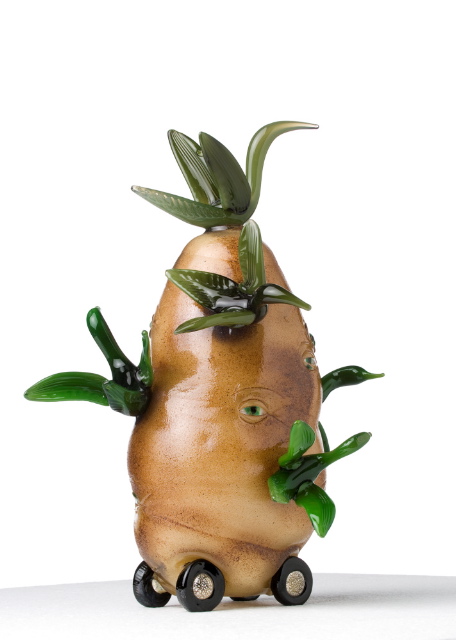
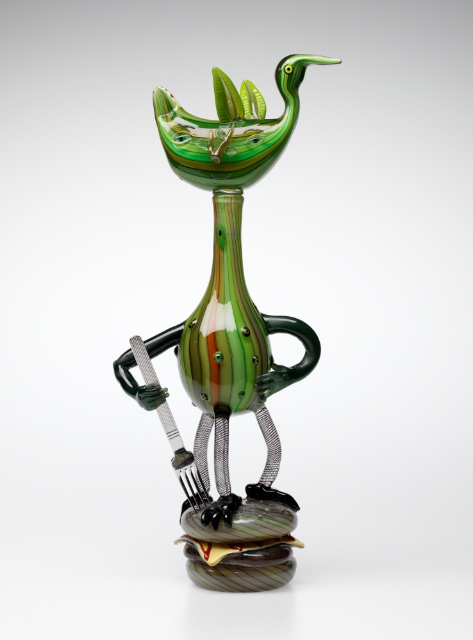
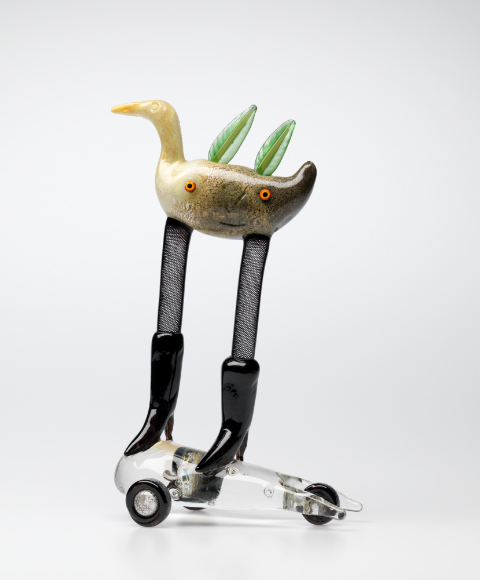
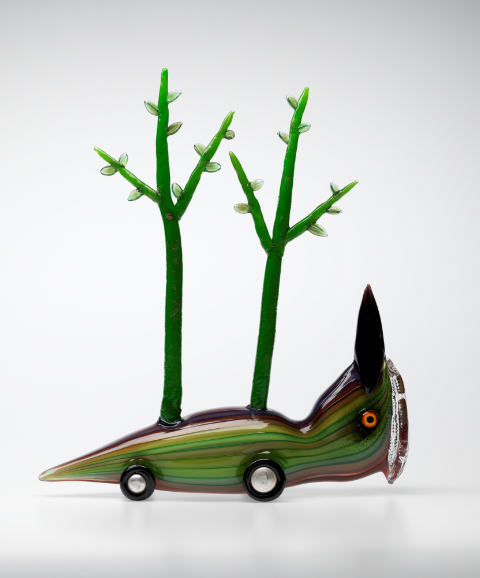





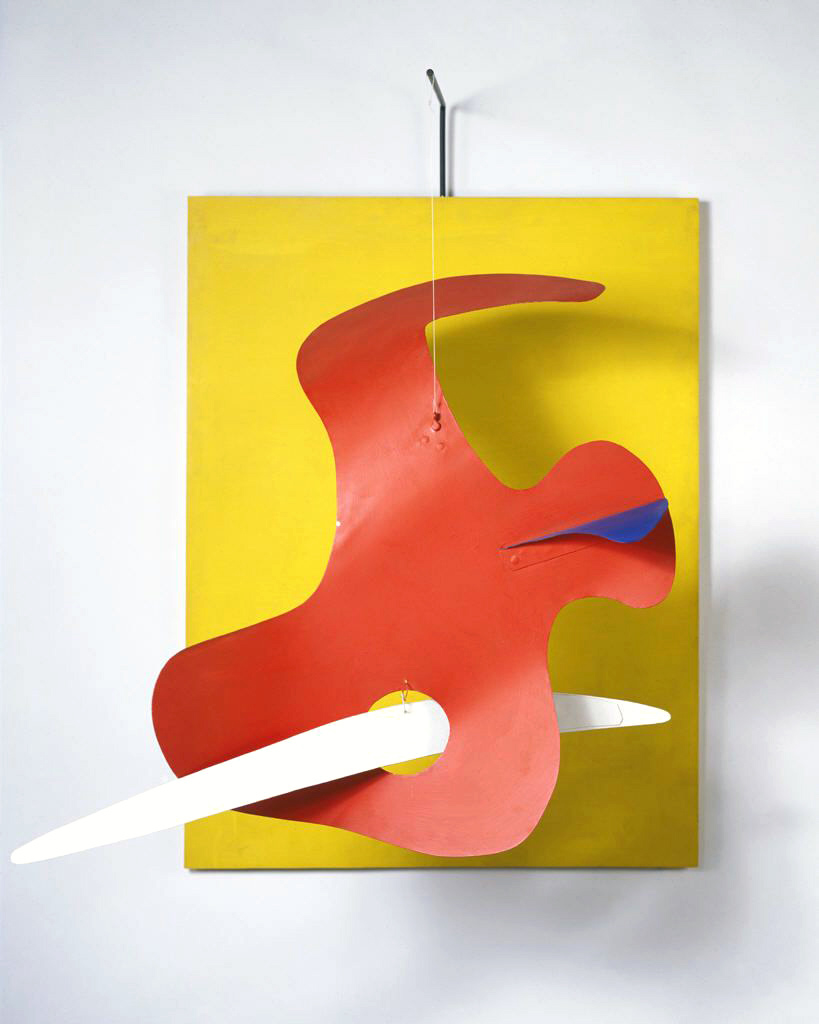
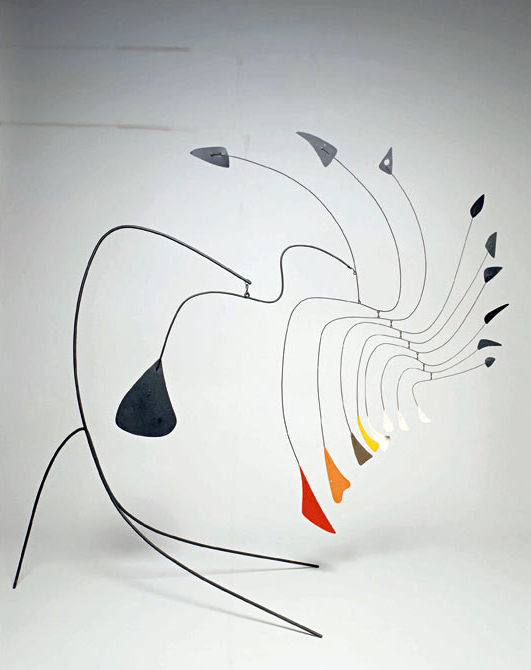
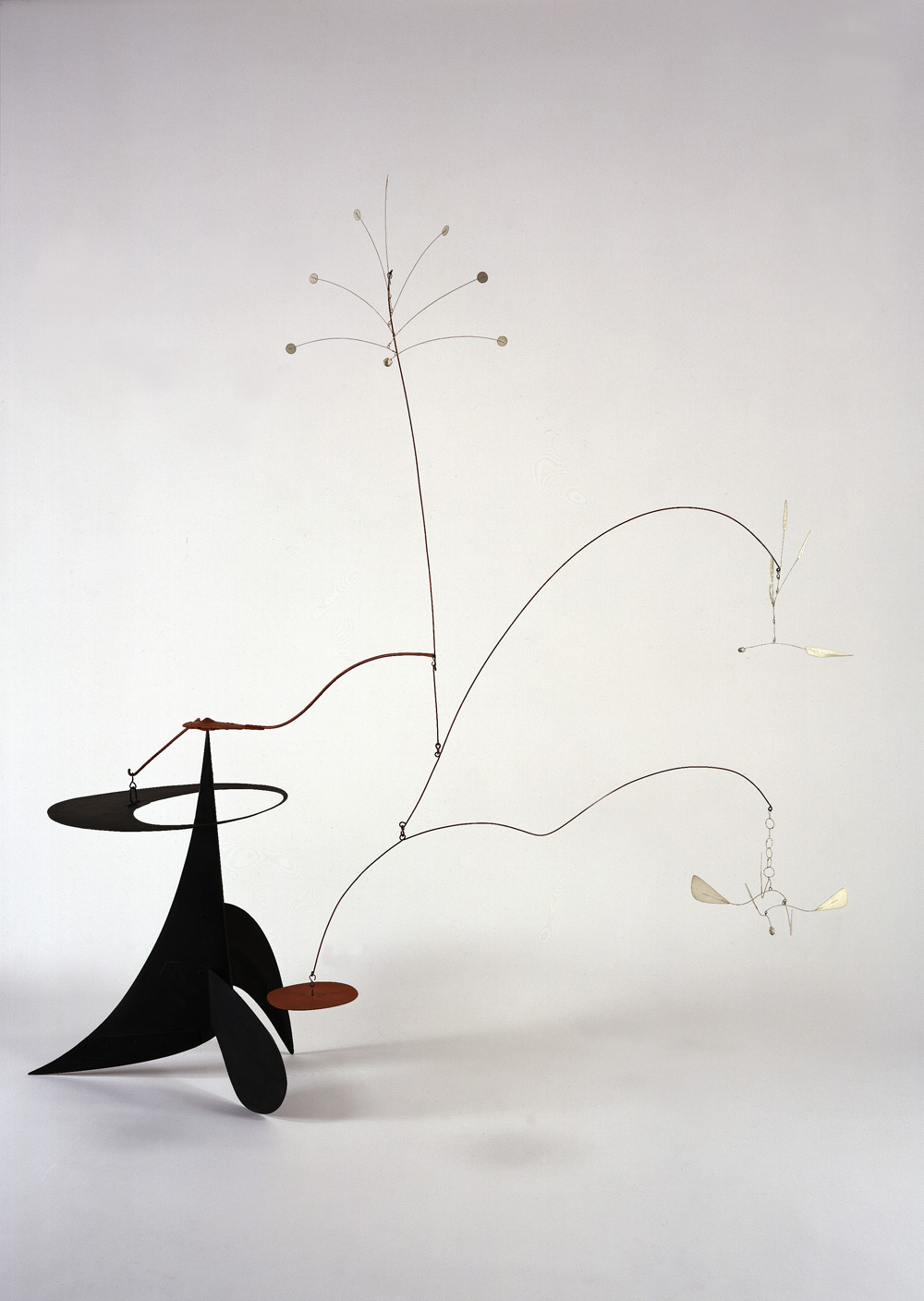
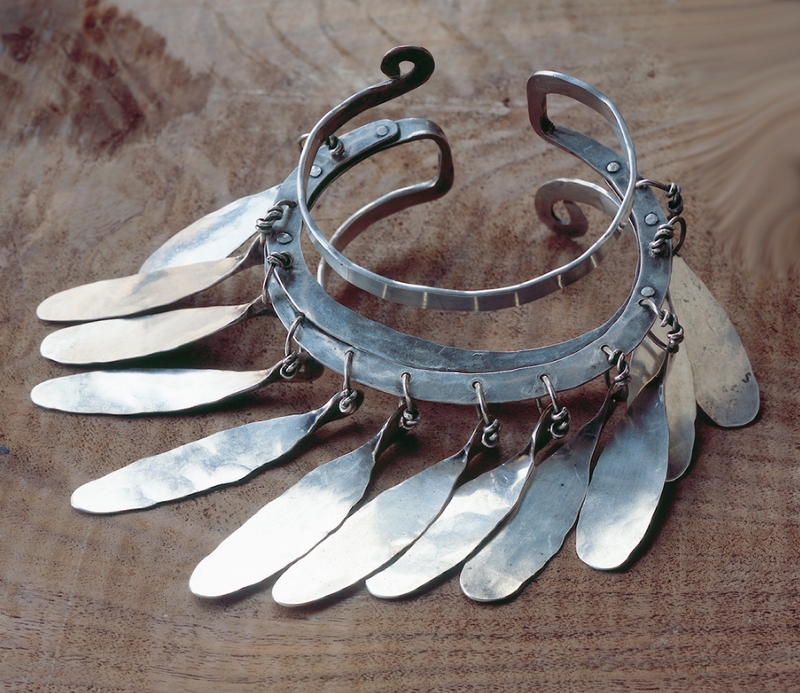
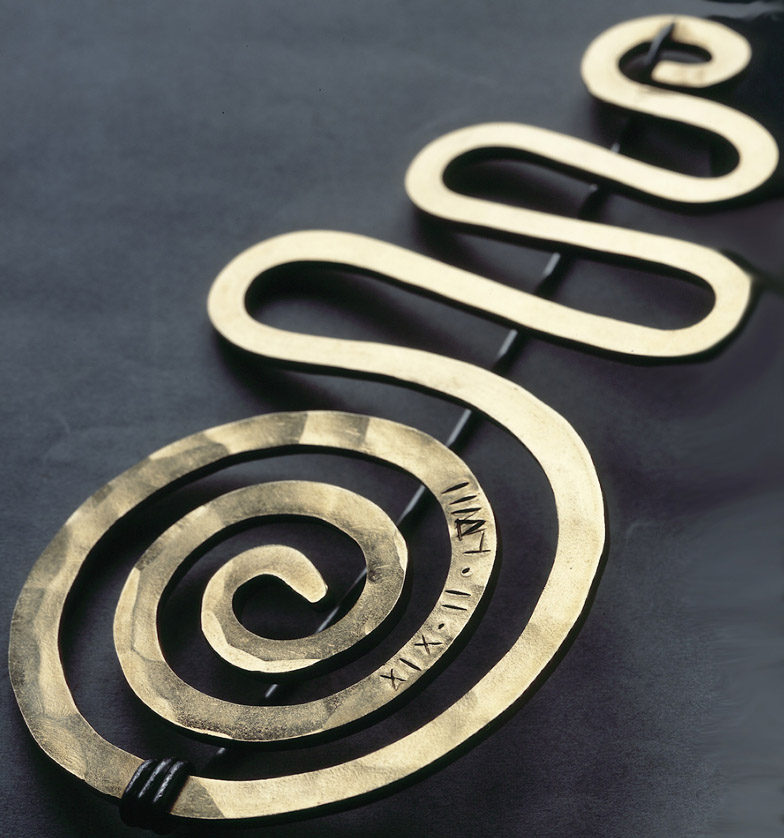
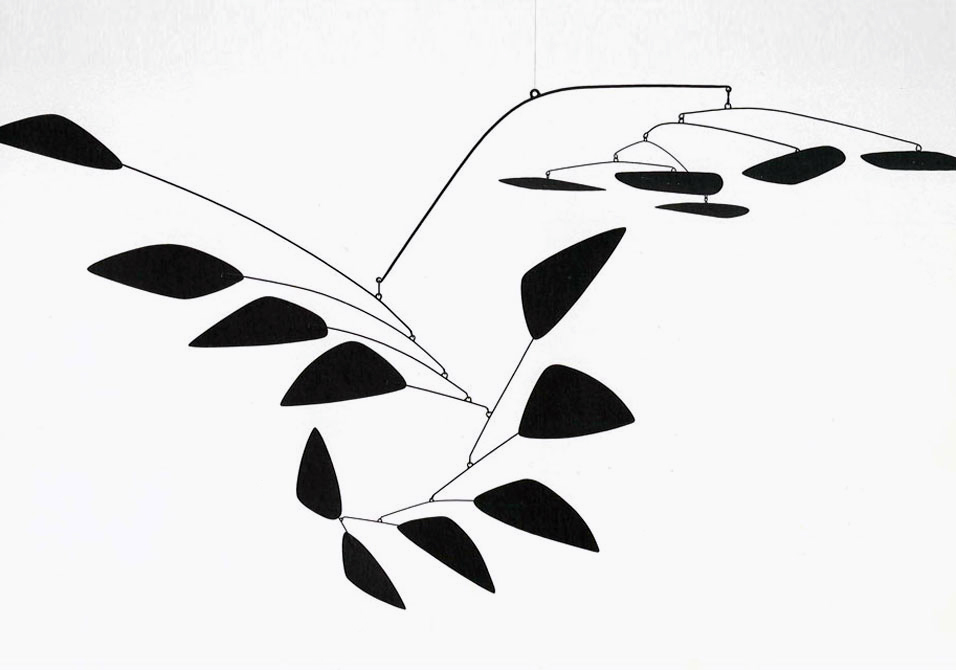
![Alexander Calder (American, 1898-1976) 'Teodelapio [maquette II]' 1962](https://artblart.com/wp-content/uploads/2010/02/calder-teodelapio.jpg "Alexander Calder (American, 1898-1976) 'Teodelapio [maquette II]' 1962")
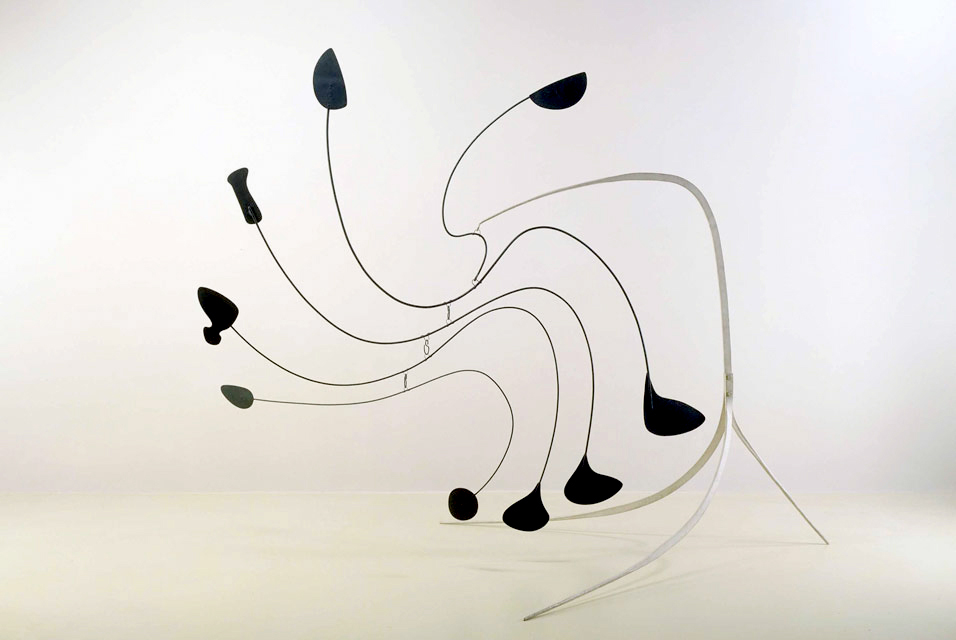
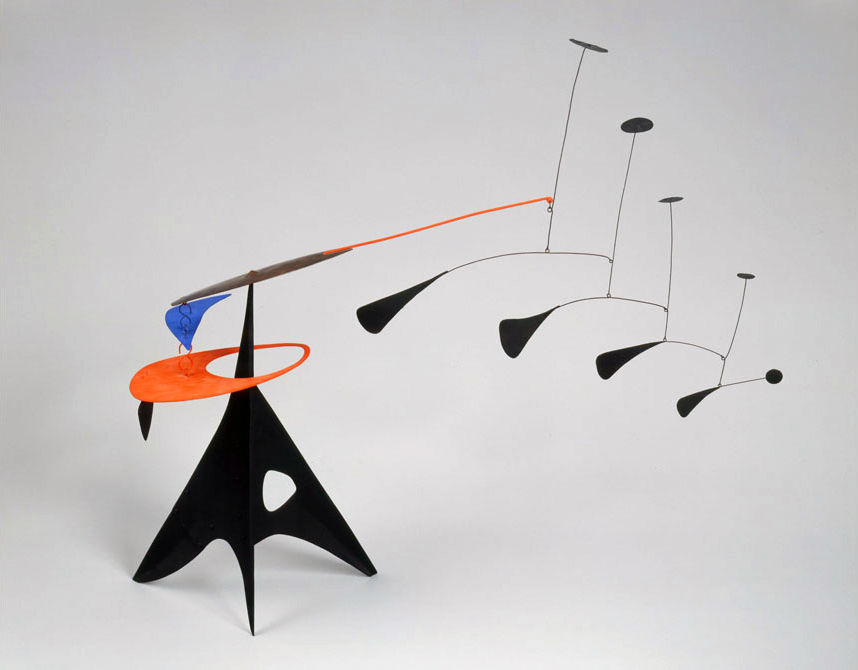
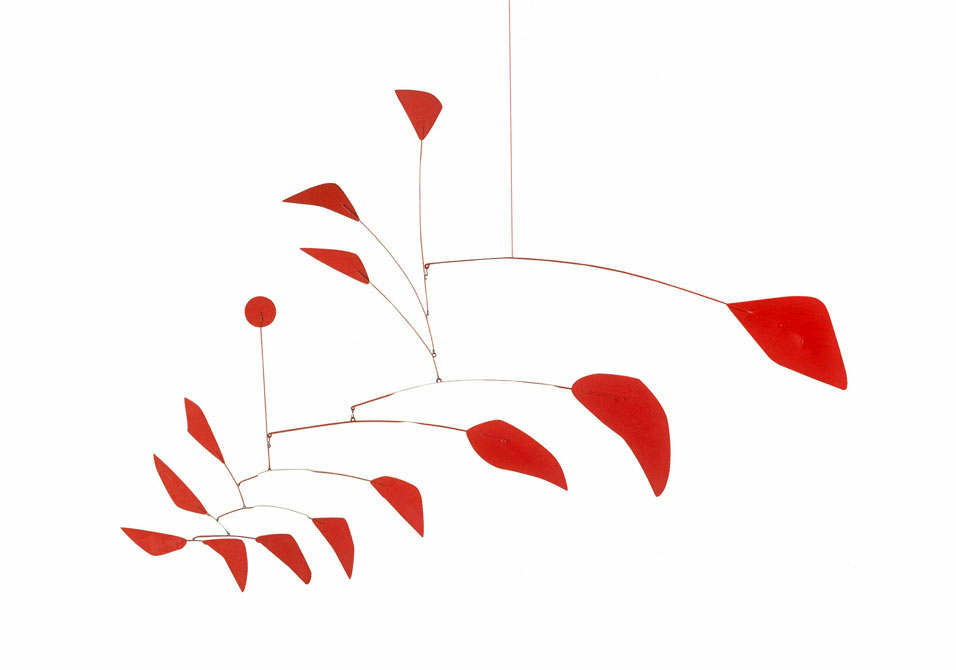
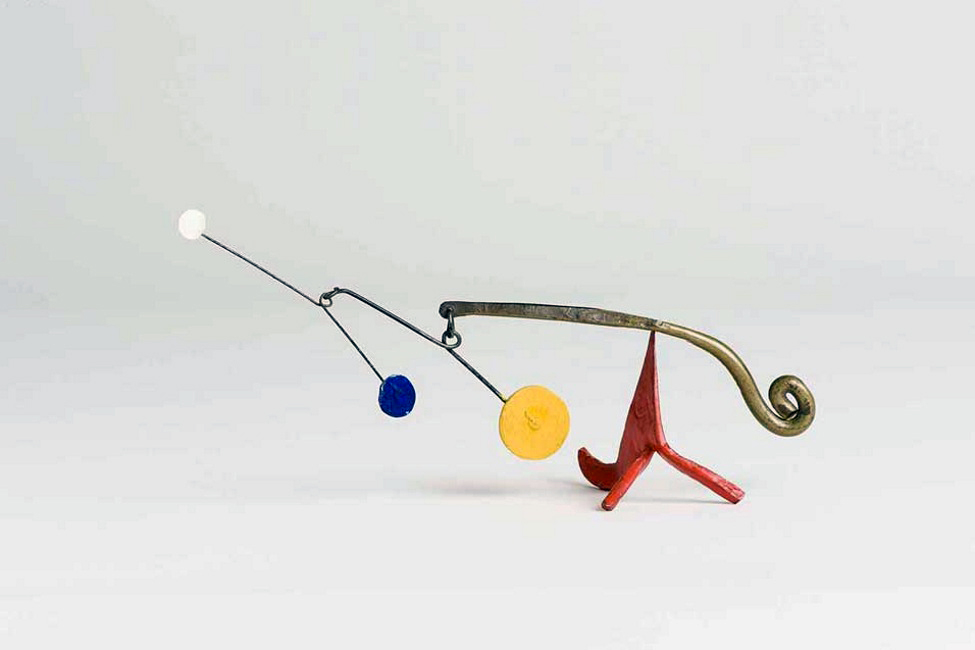
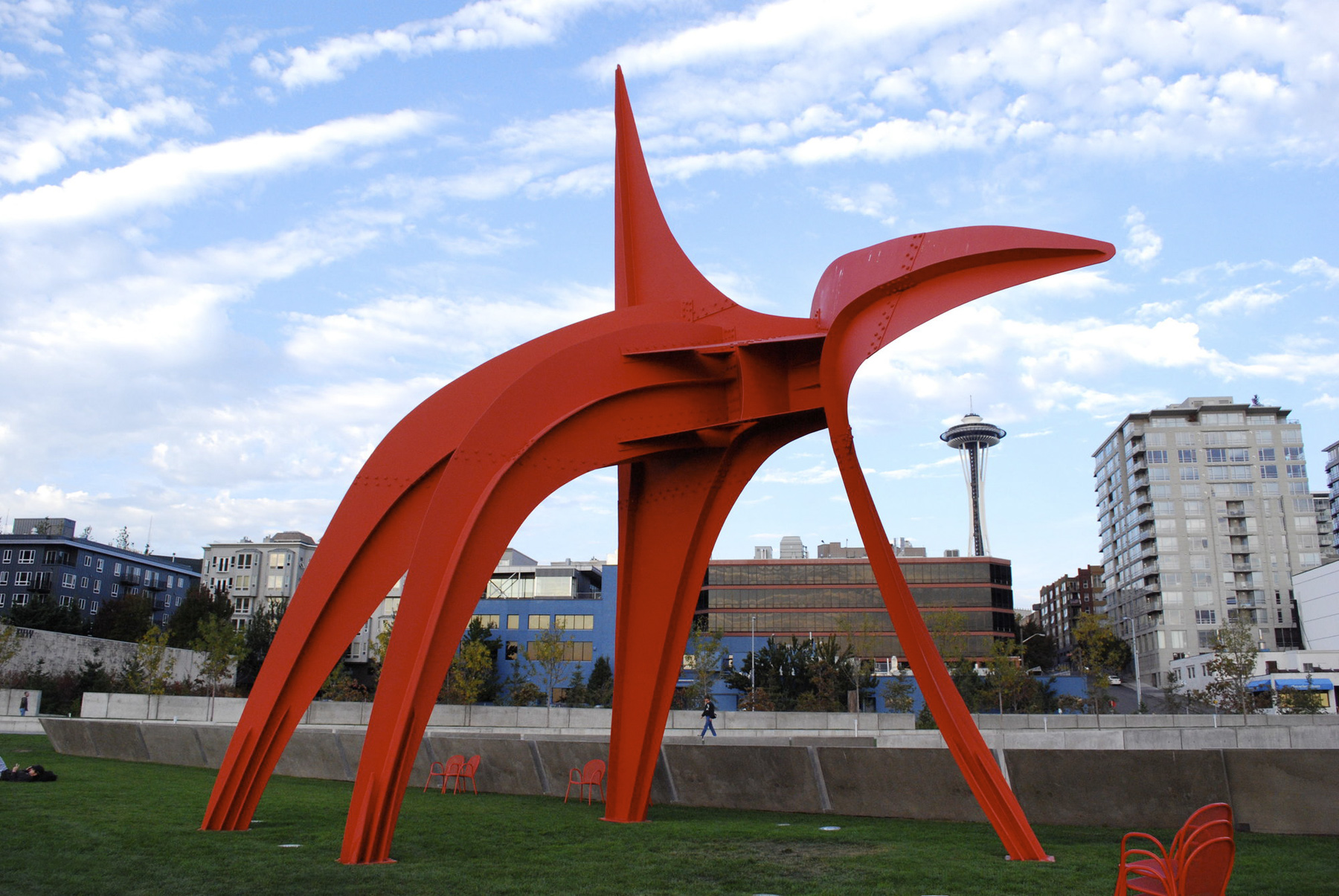
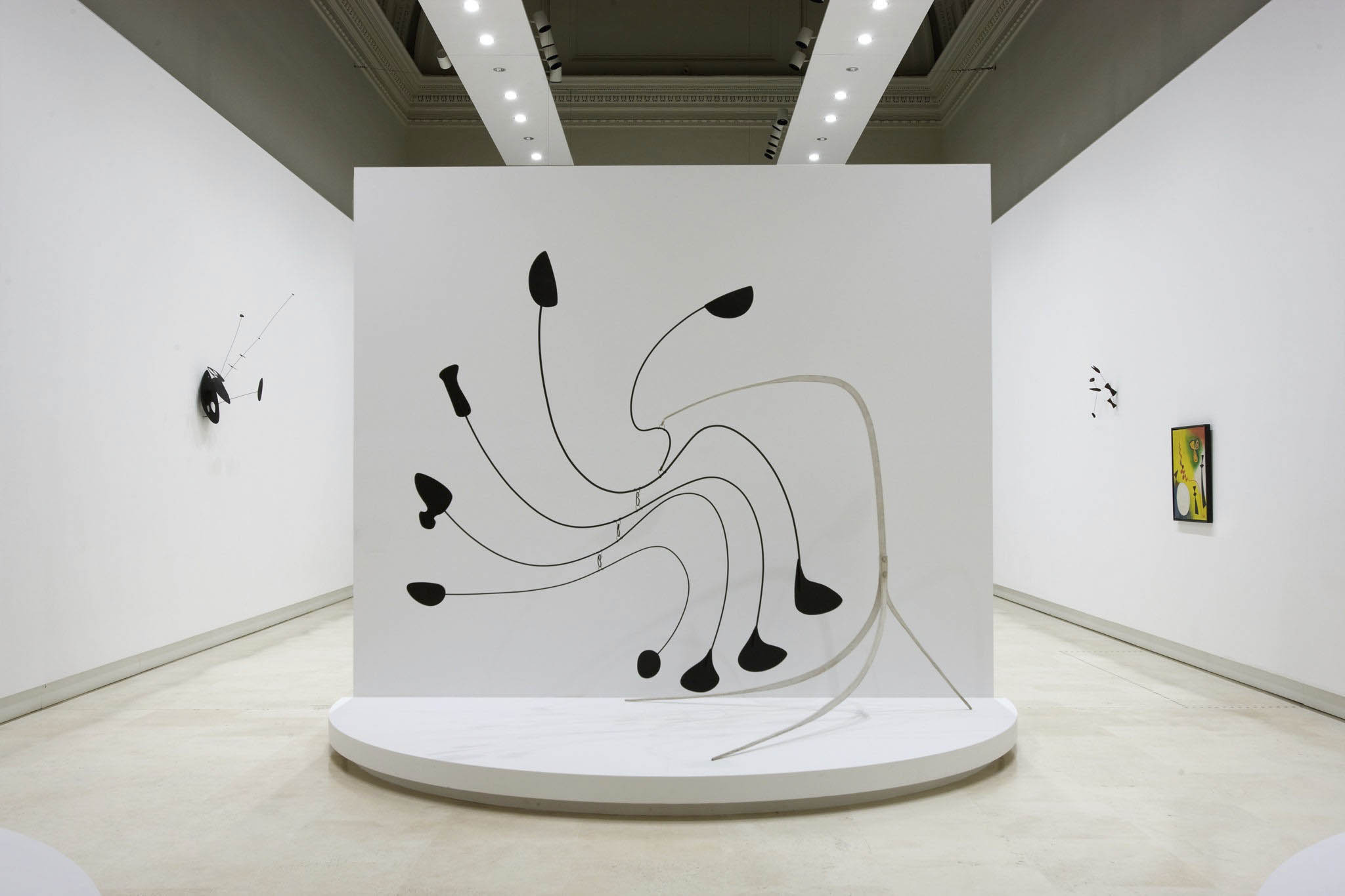
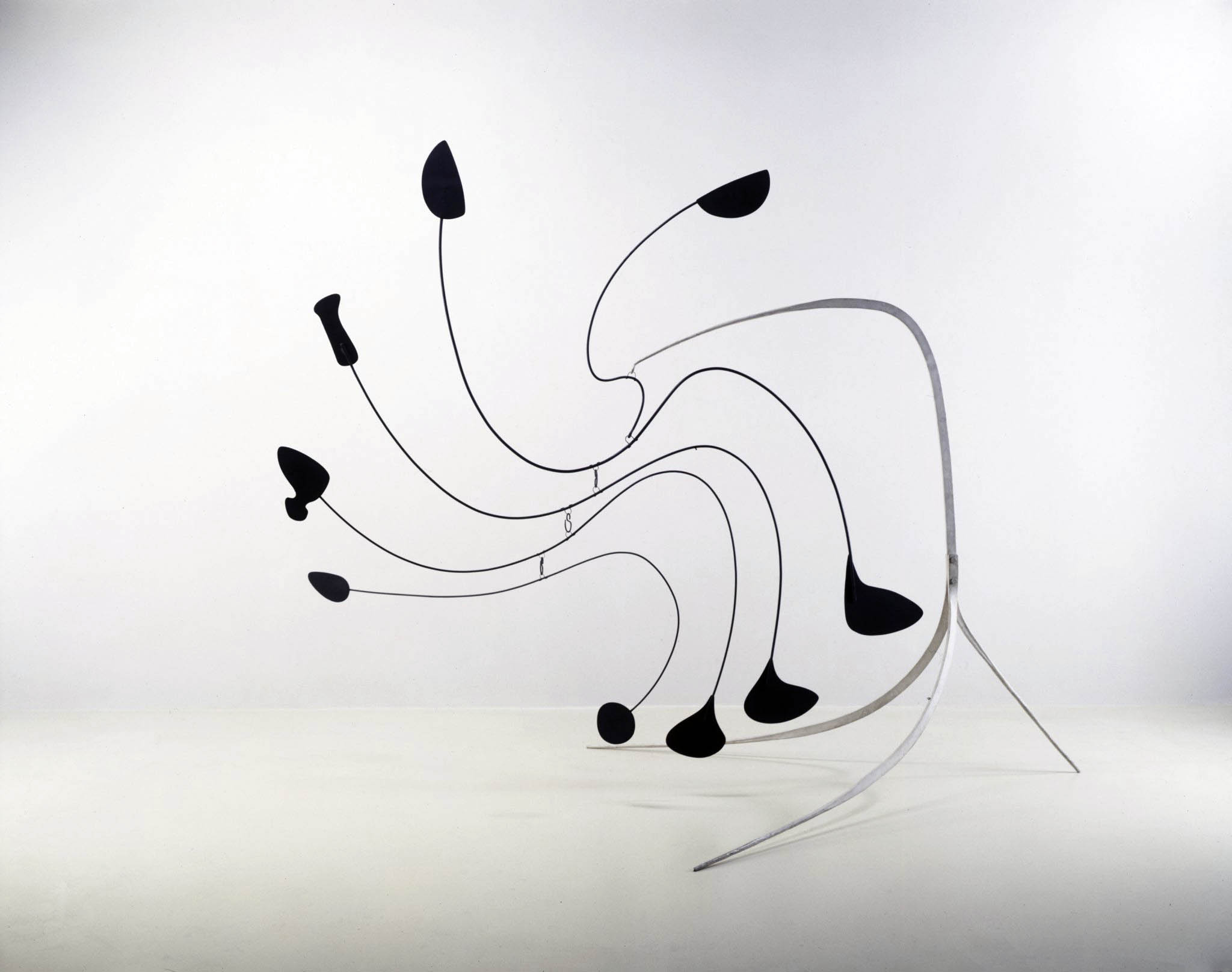
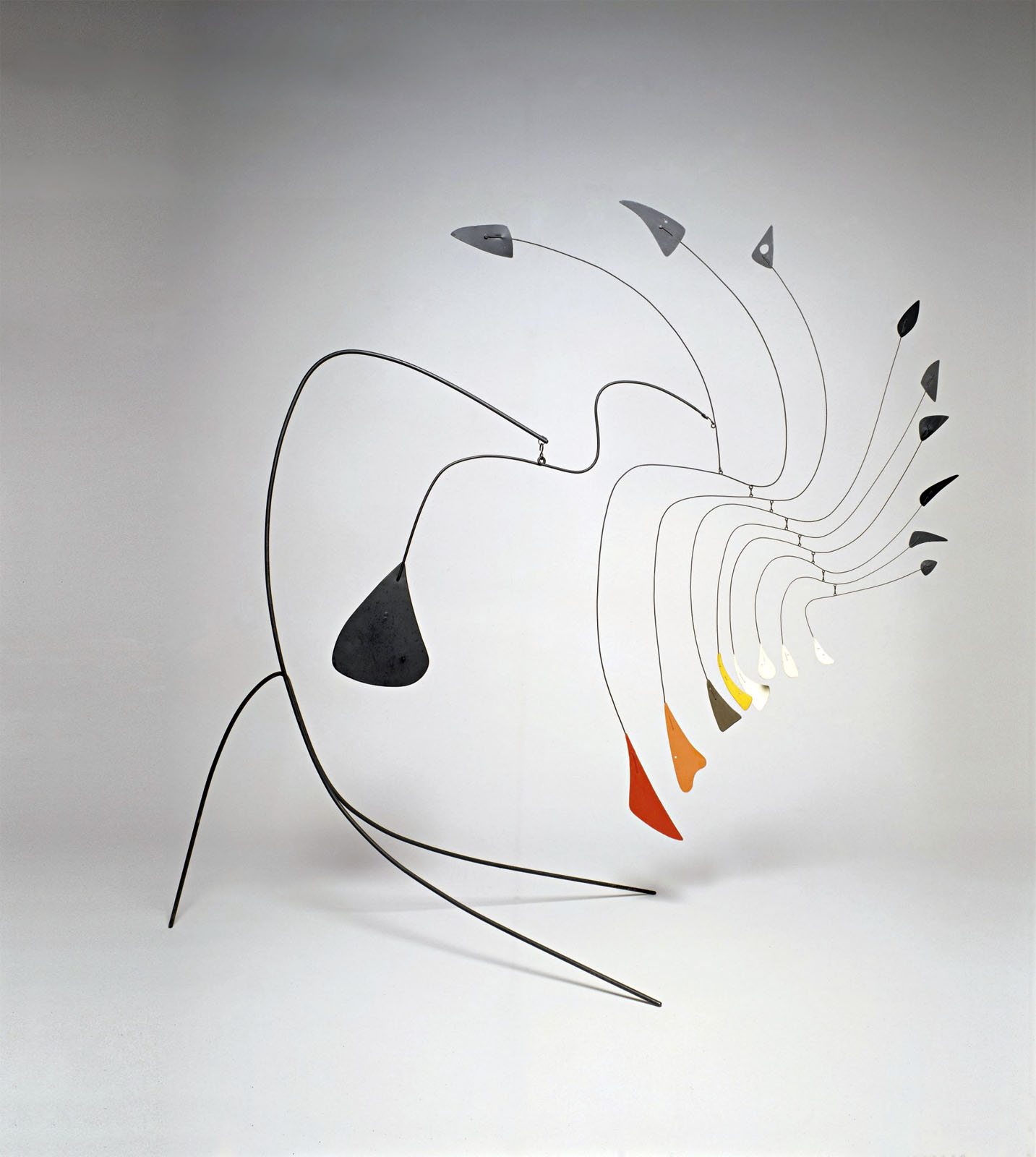
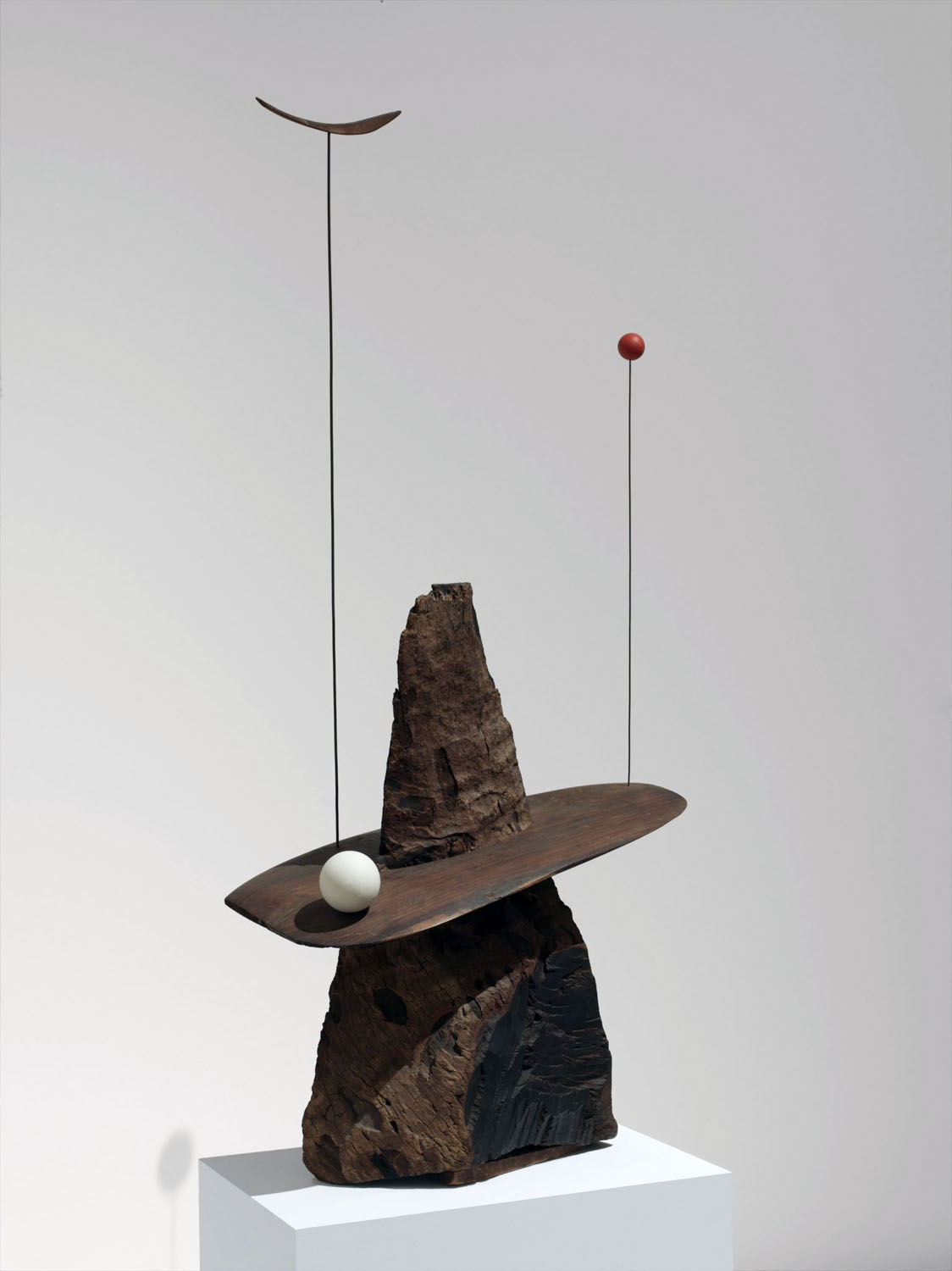


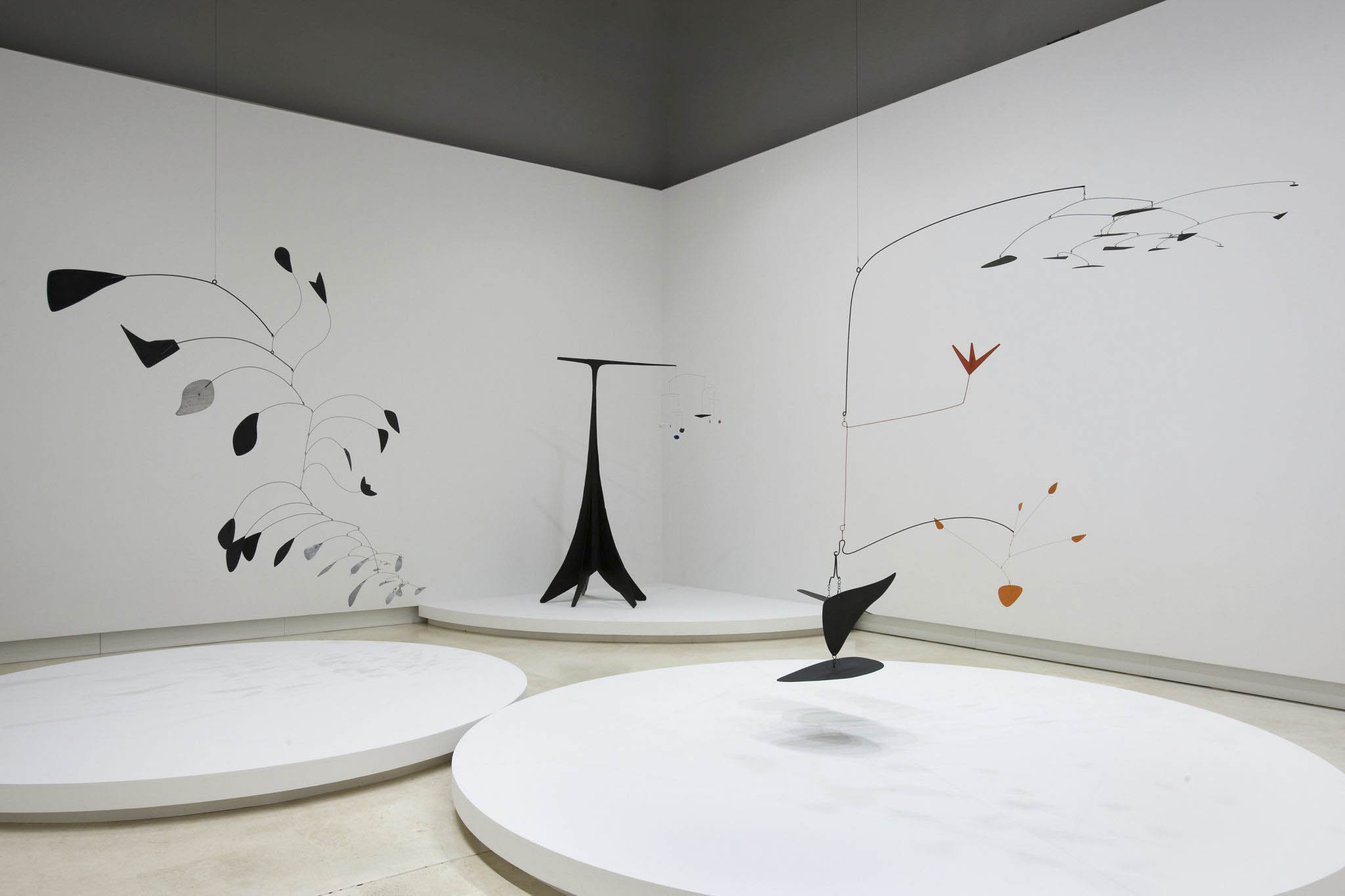
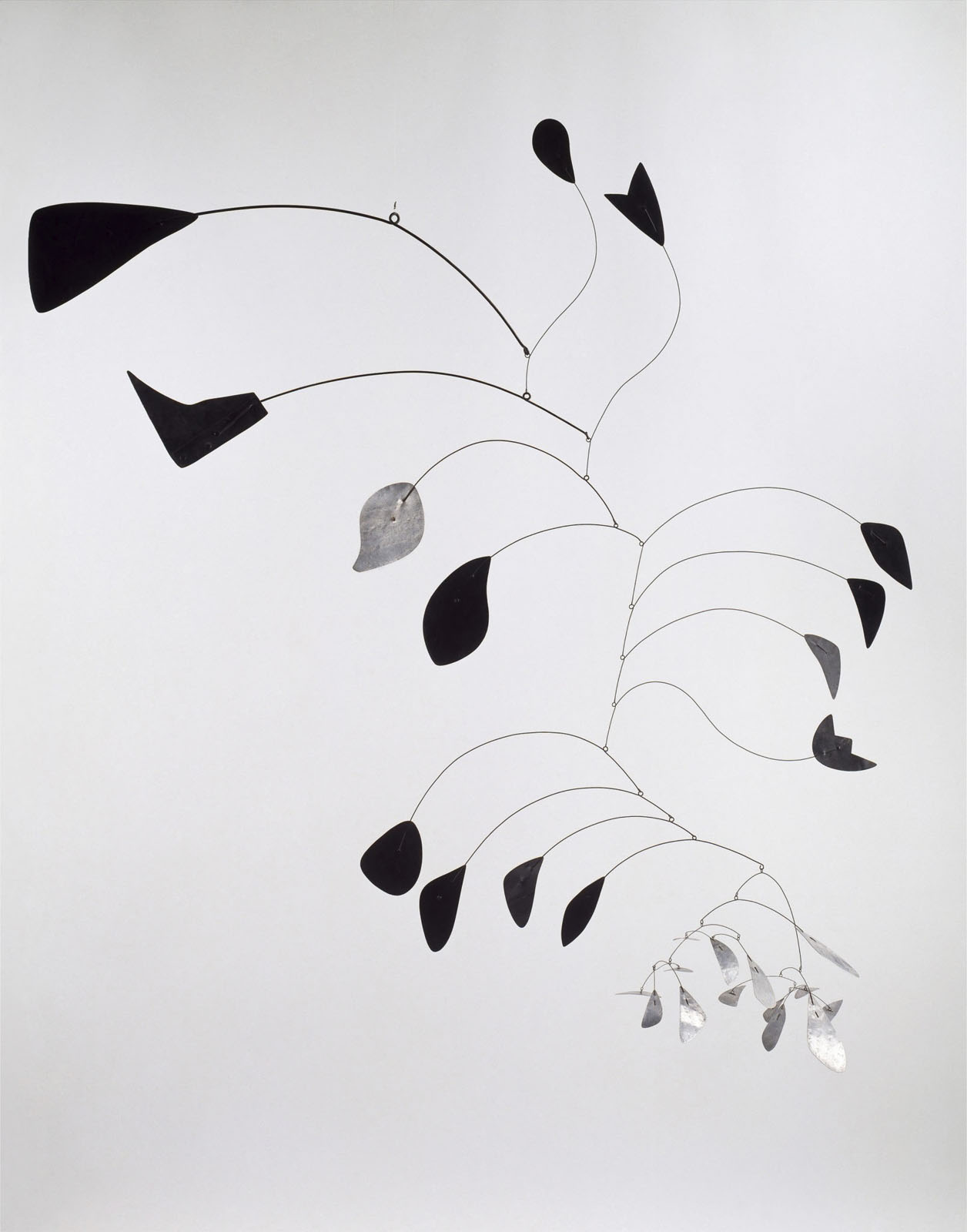
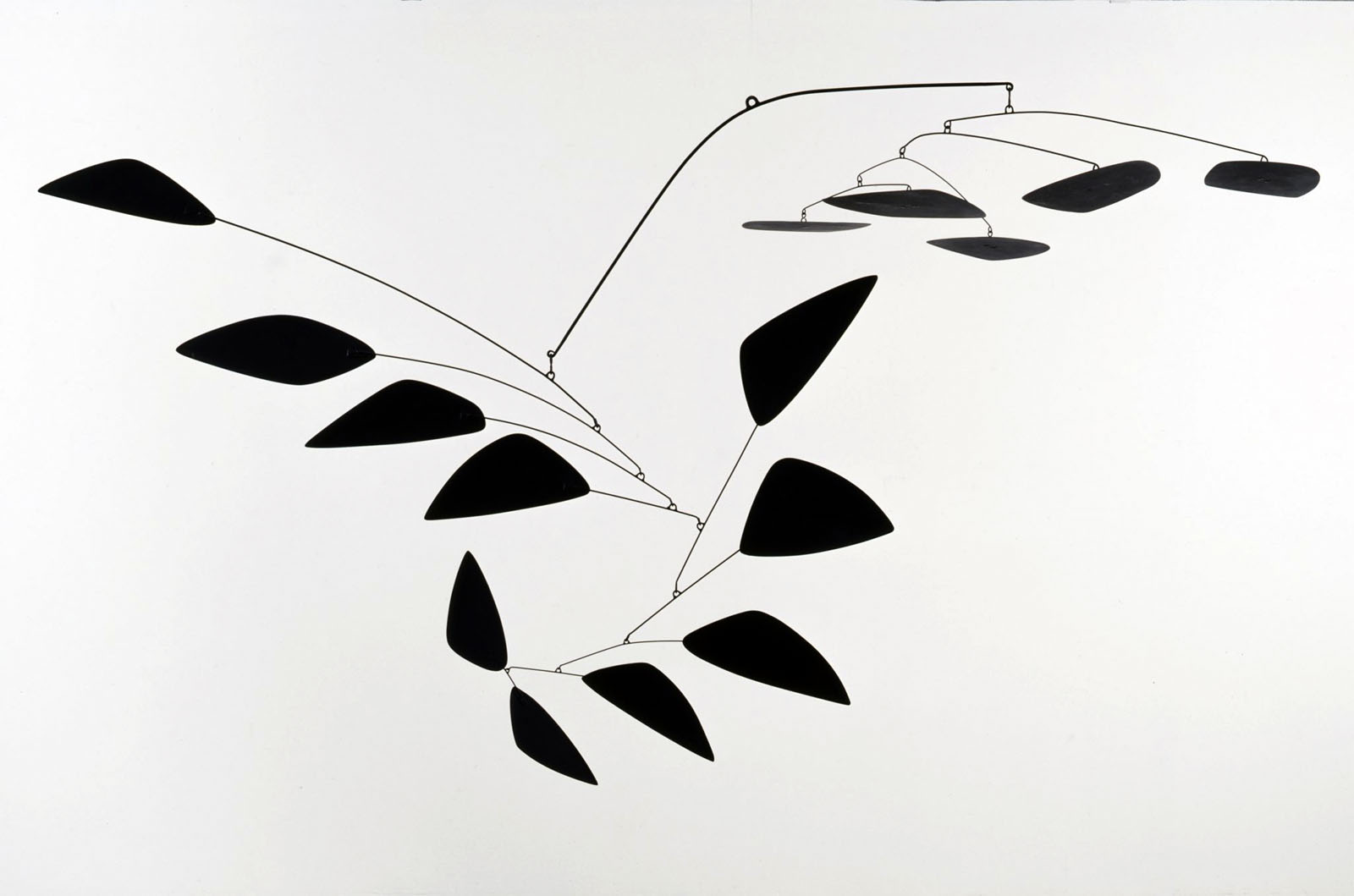
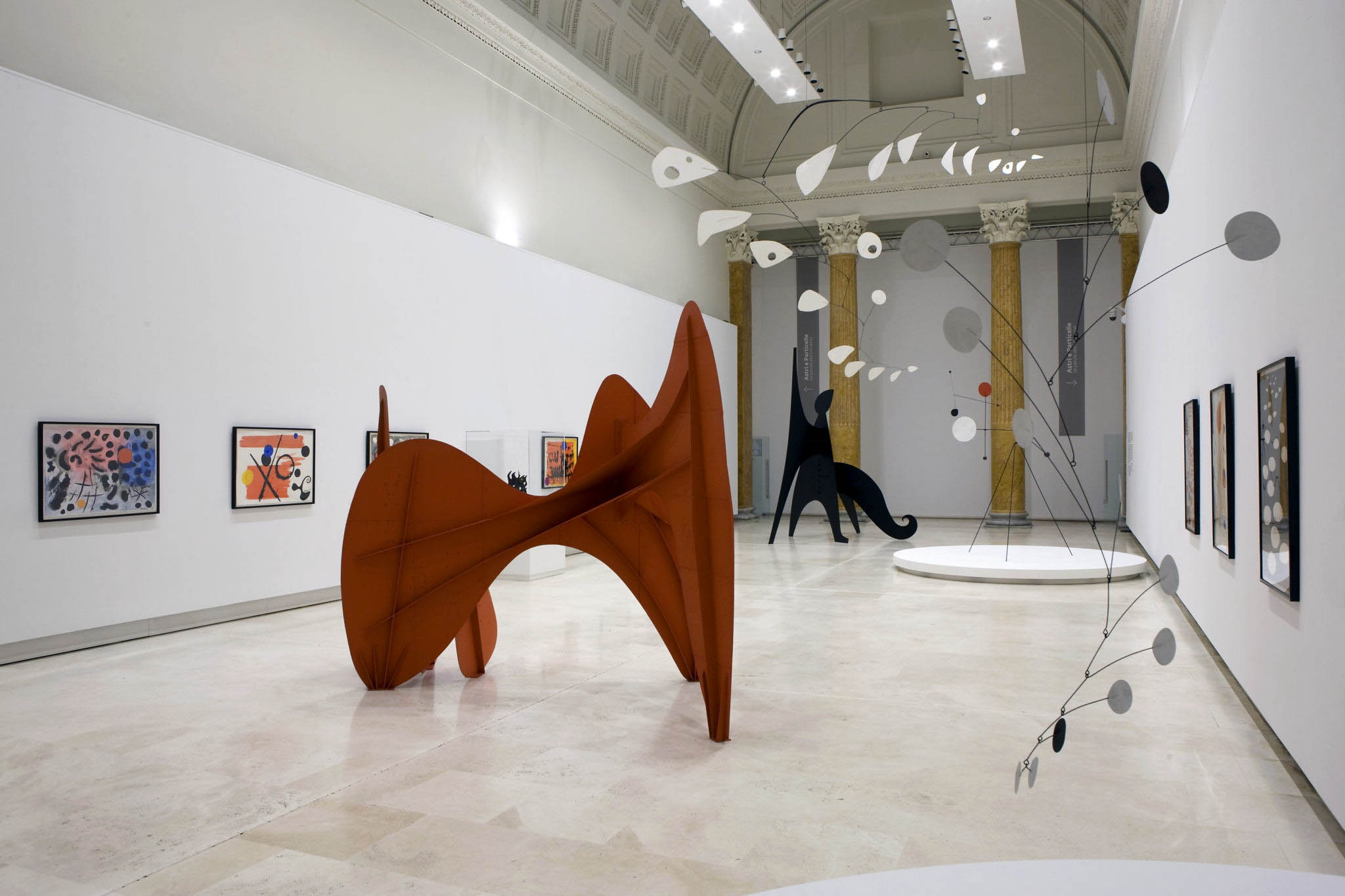
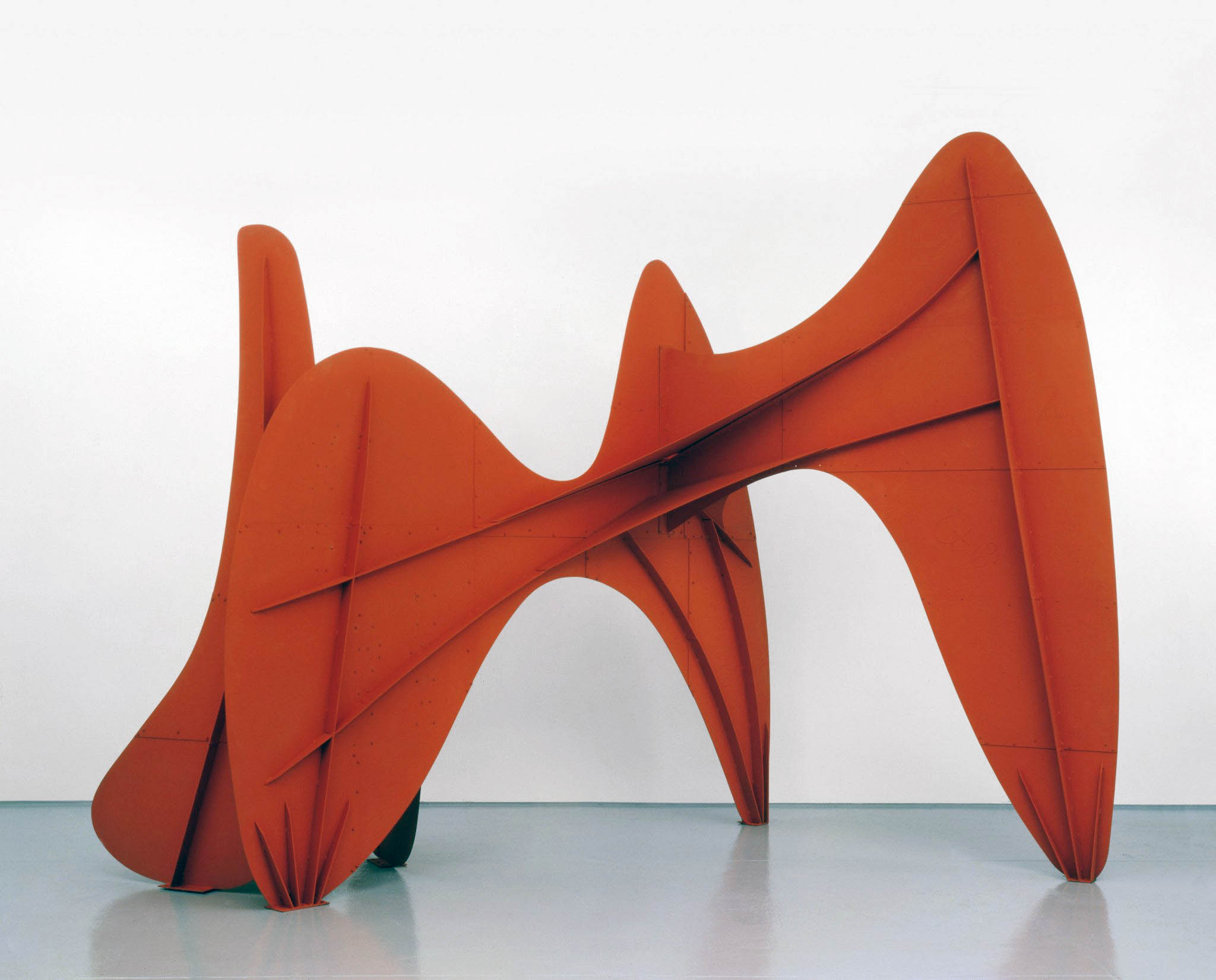

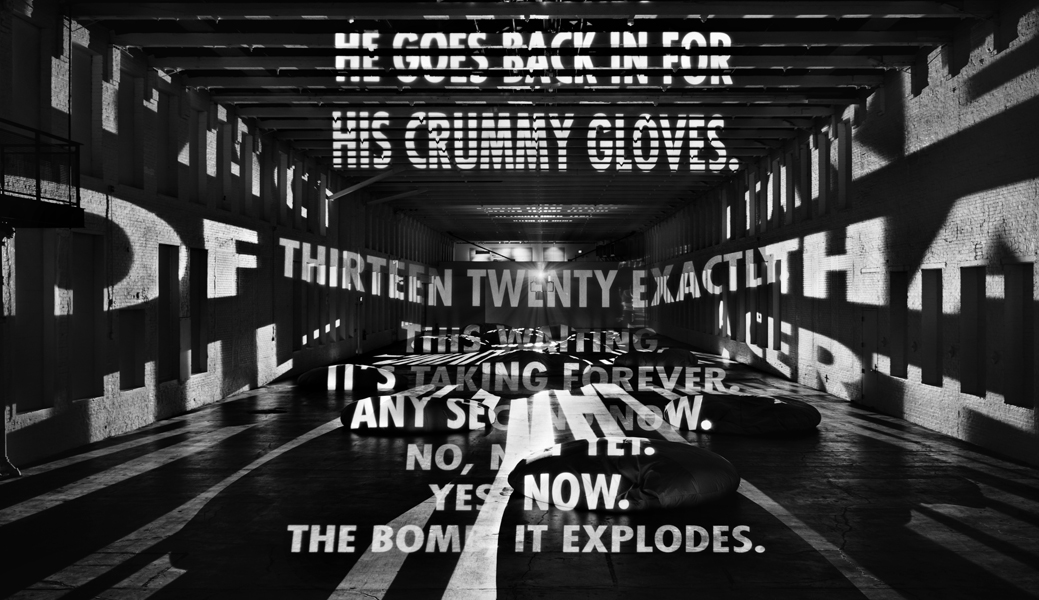
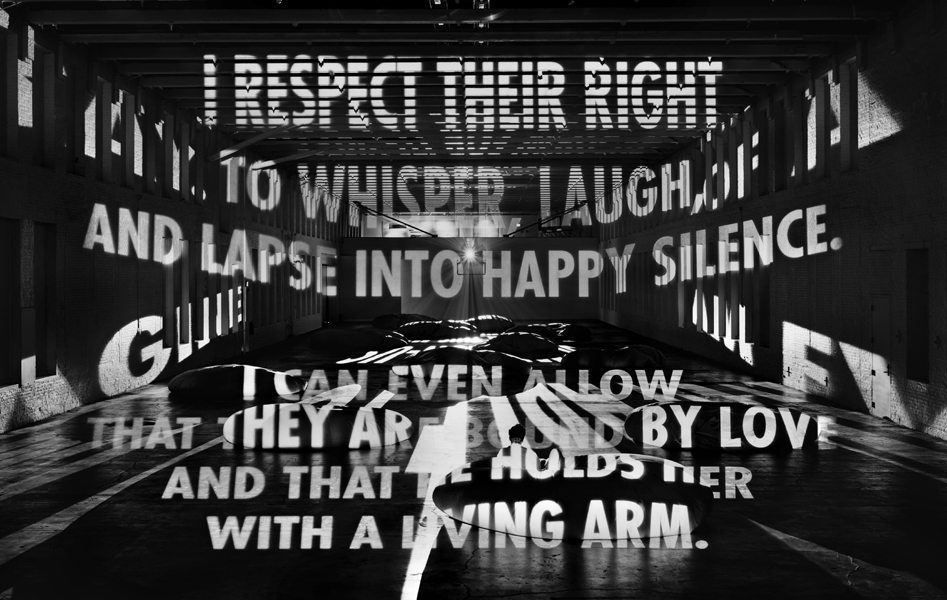
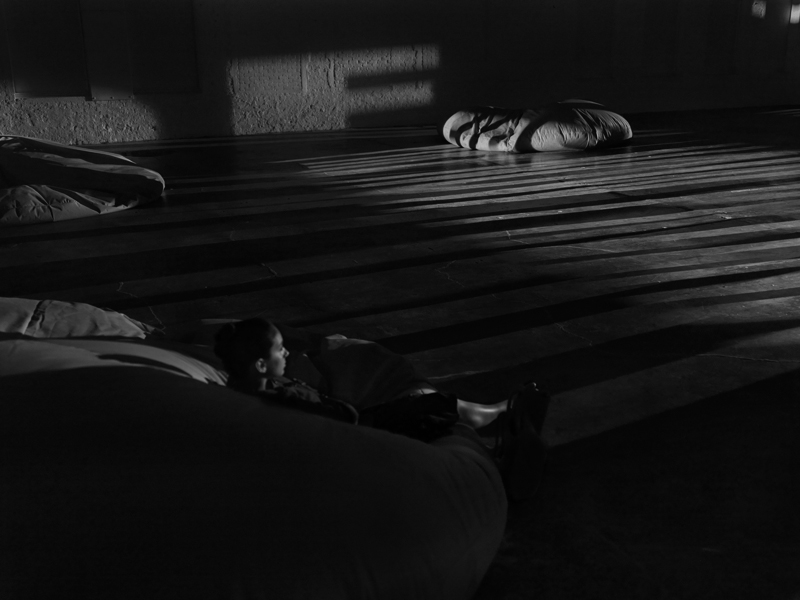
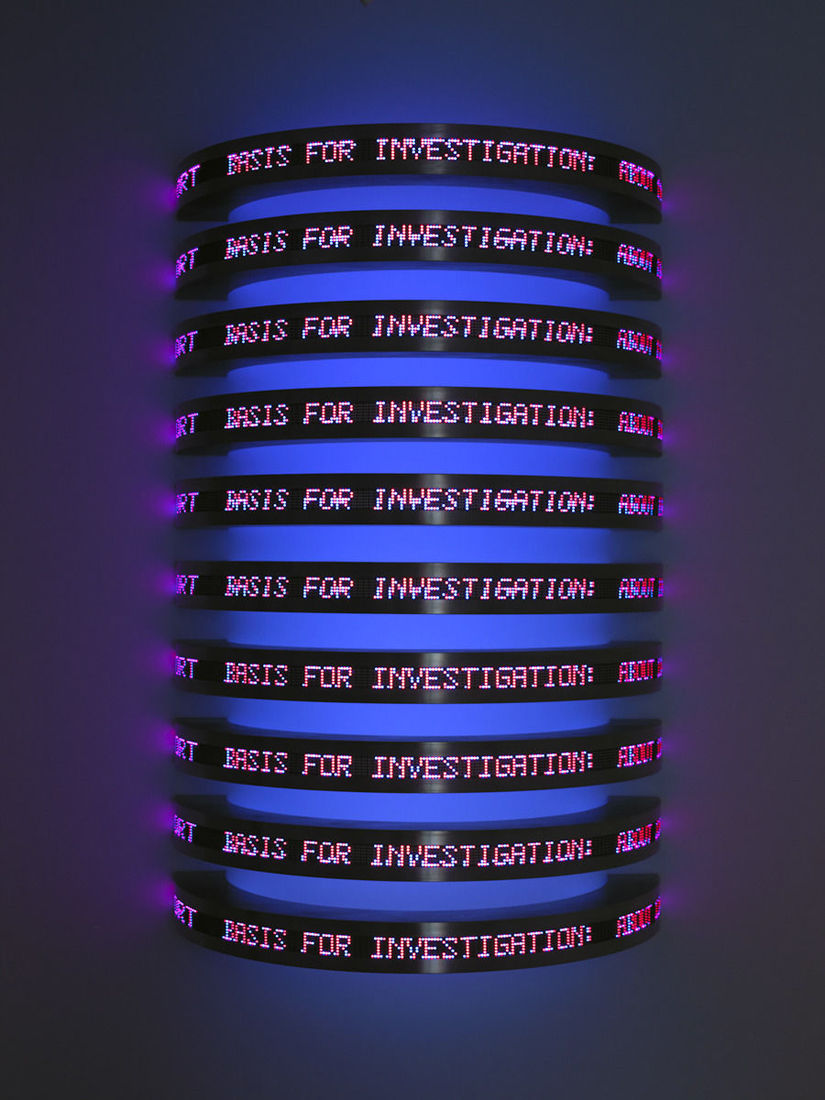
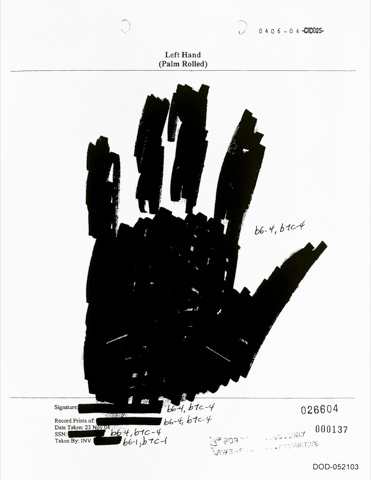
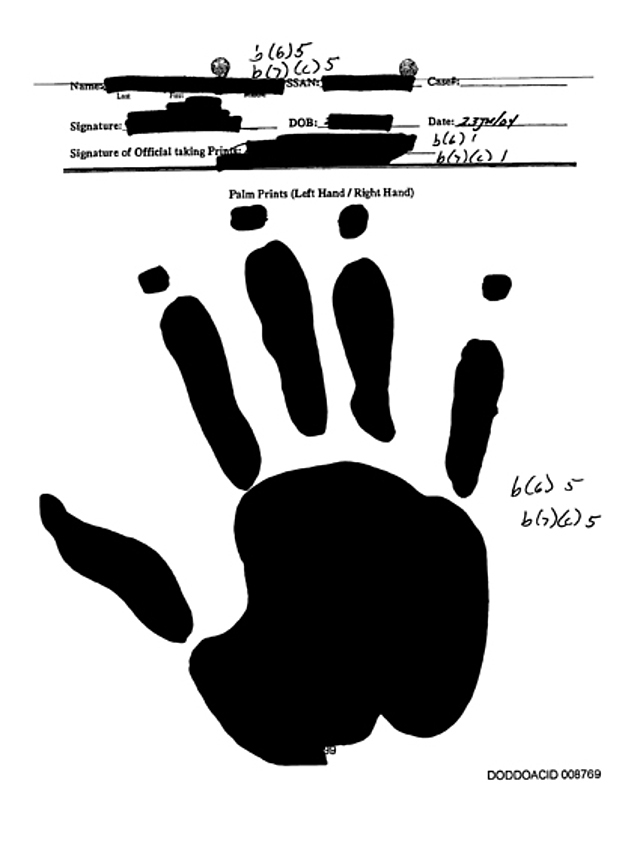
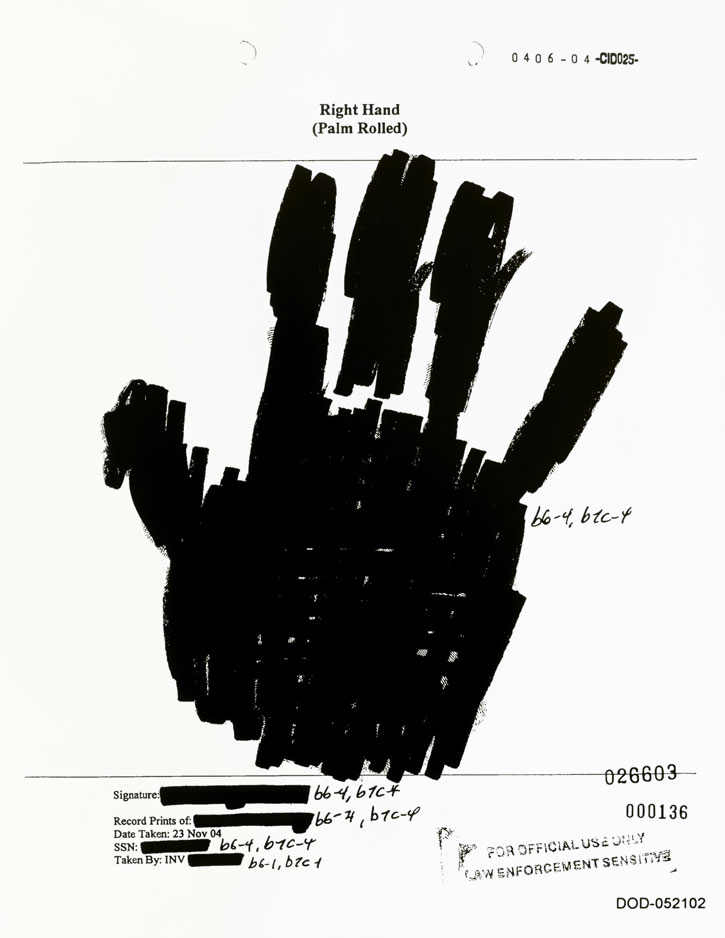
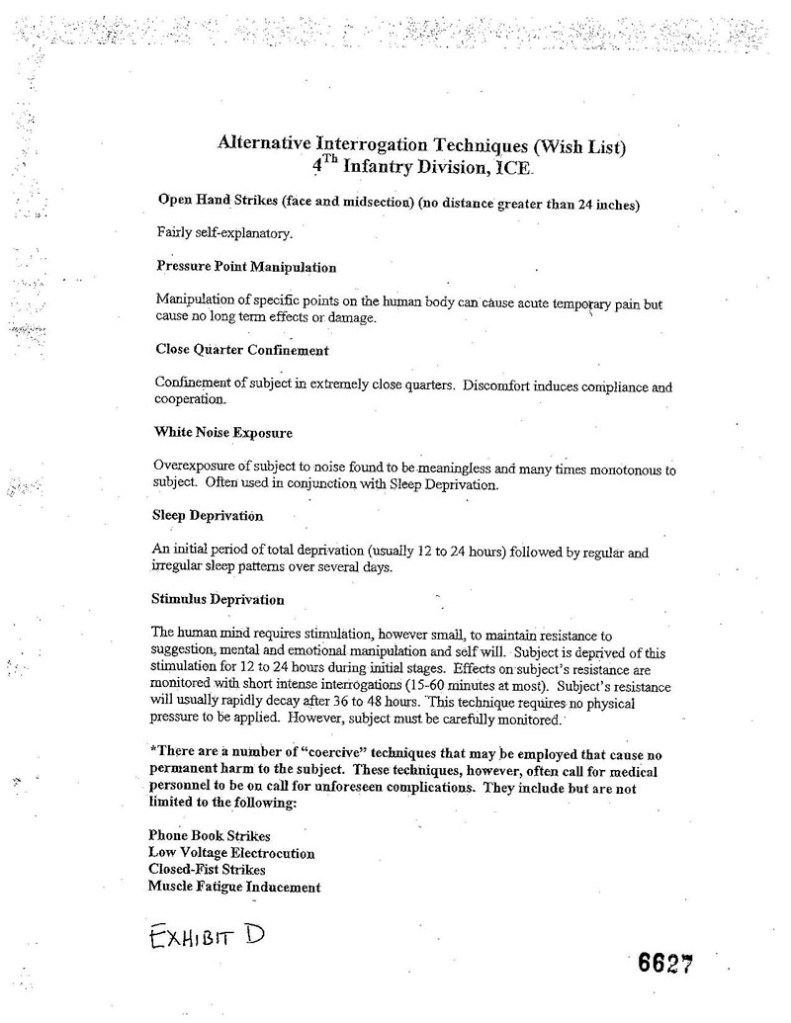
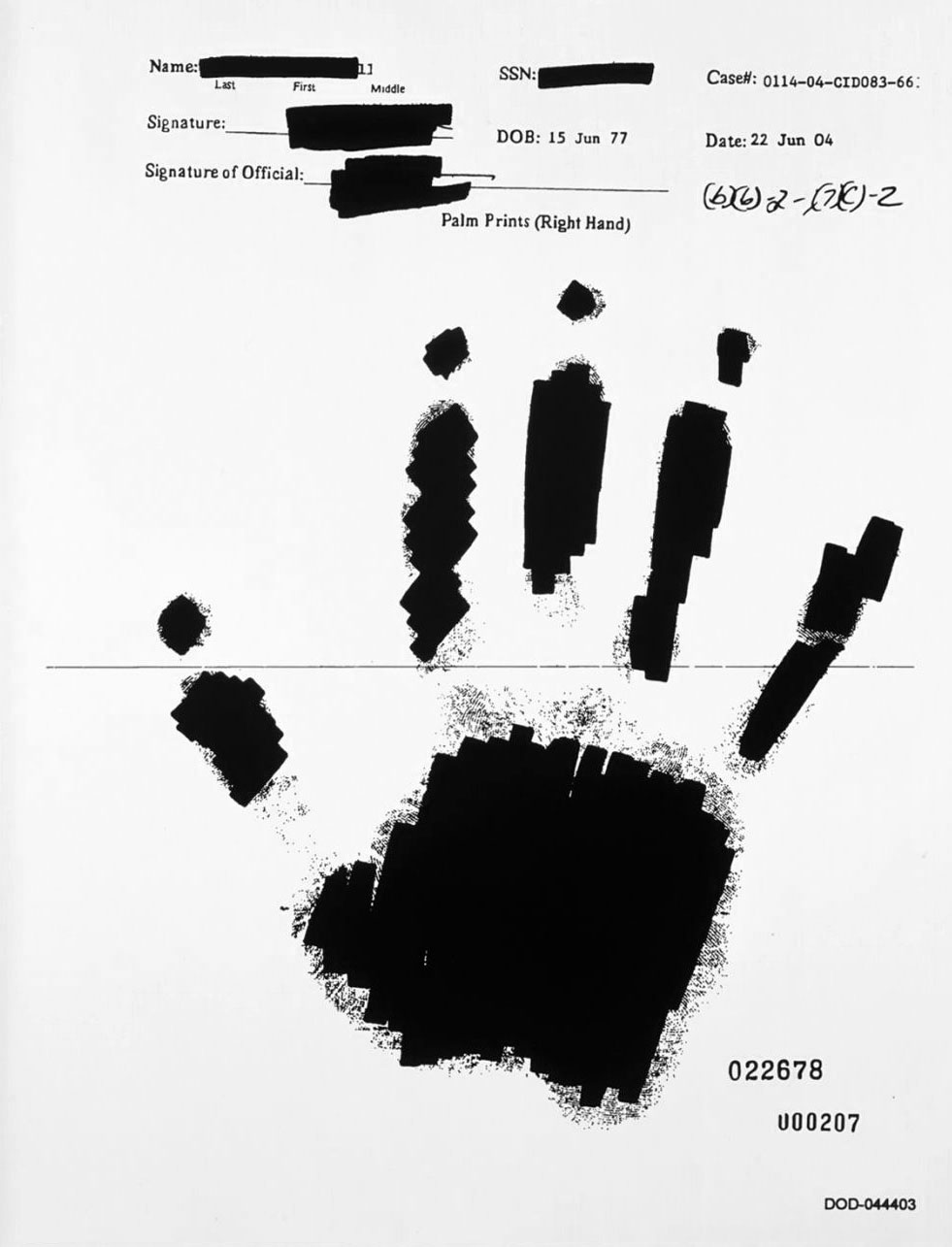
 Art Blart _ art and cultural memory archive
You must be logged in to post a comment.