Exhibition: ‘Fazal Sheikh: Thirst | Exposure | In Place’ at the Denver Art Museum

Exhibition dates: 10th March – 20th October, 2024

Curators: Curator of Photography, Eric Paddock, in collaboration with Kimberly Roberts, Denver Art Museum Curatorial Associate, and Lauren Thompson, Senior Interpretive Specialist
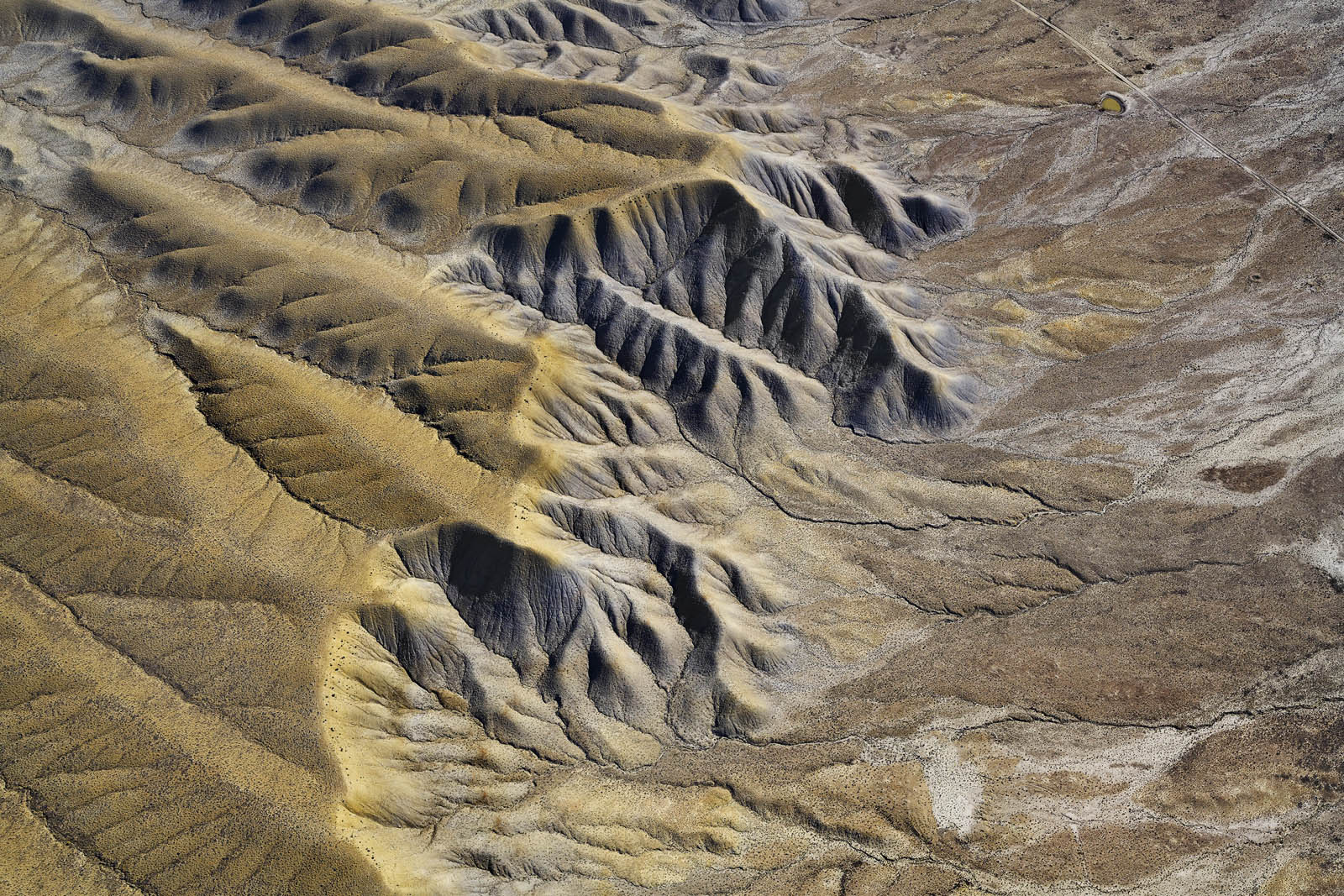
 

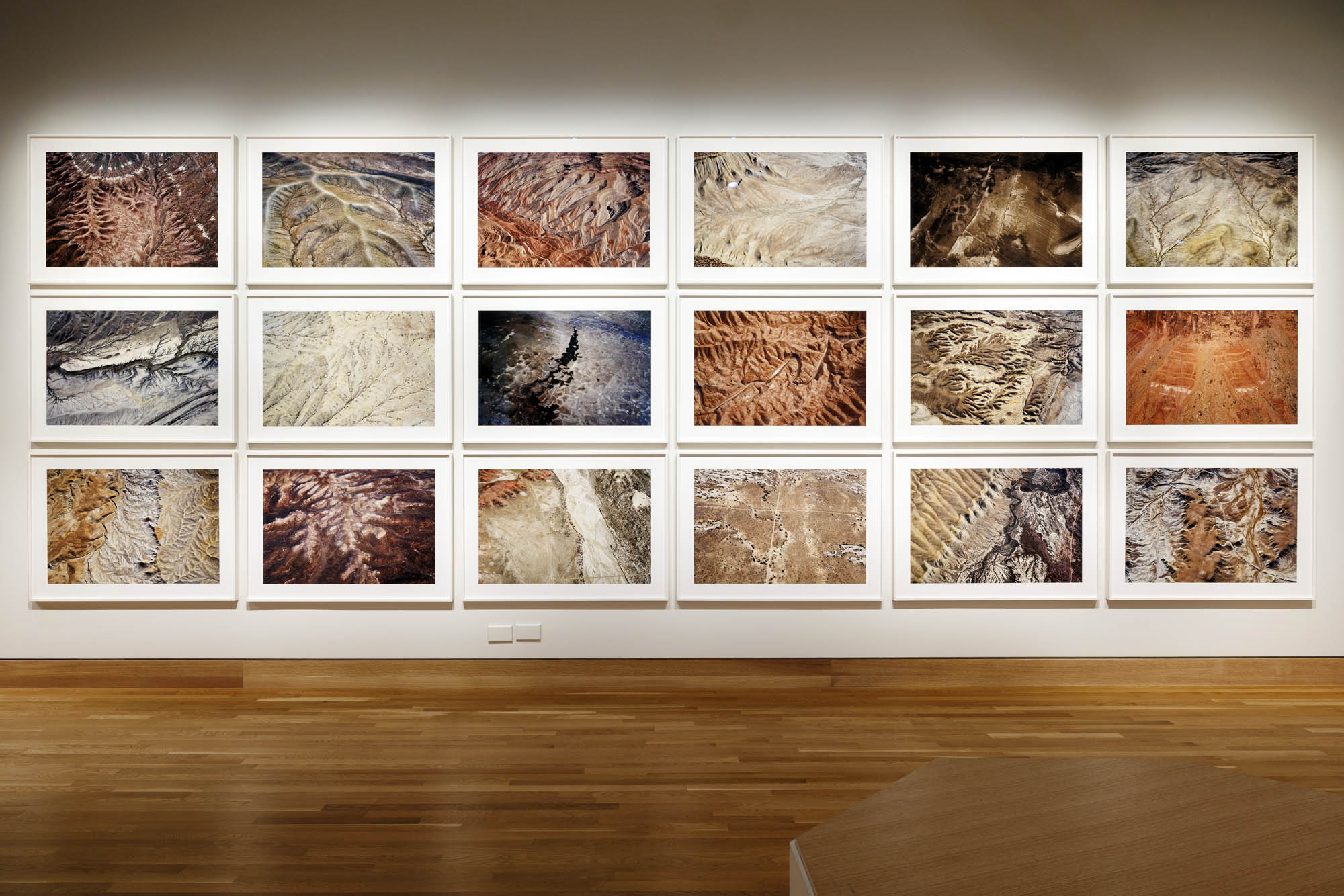
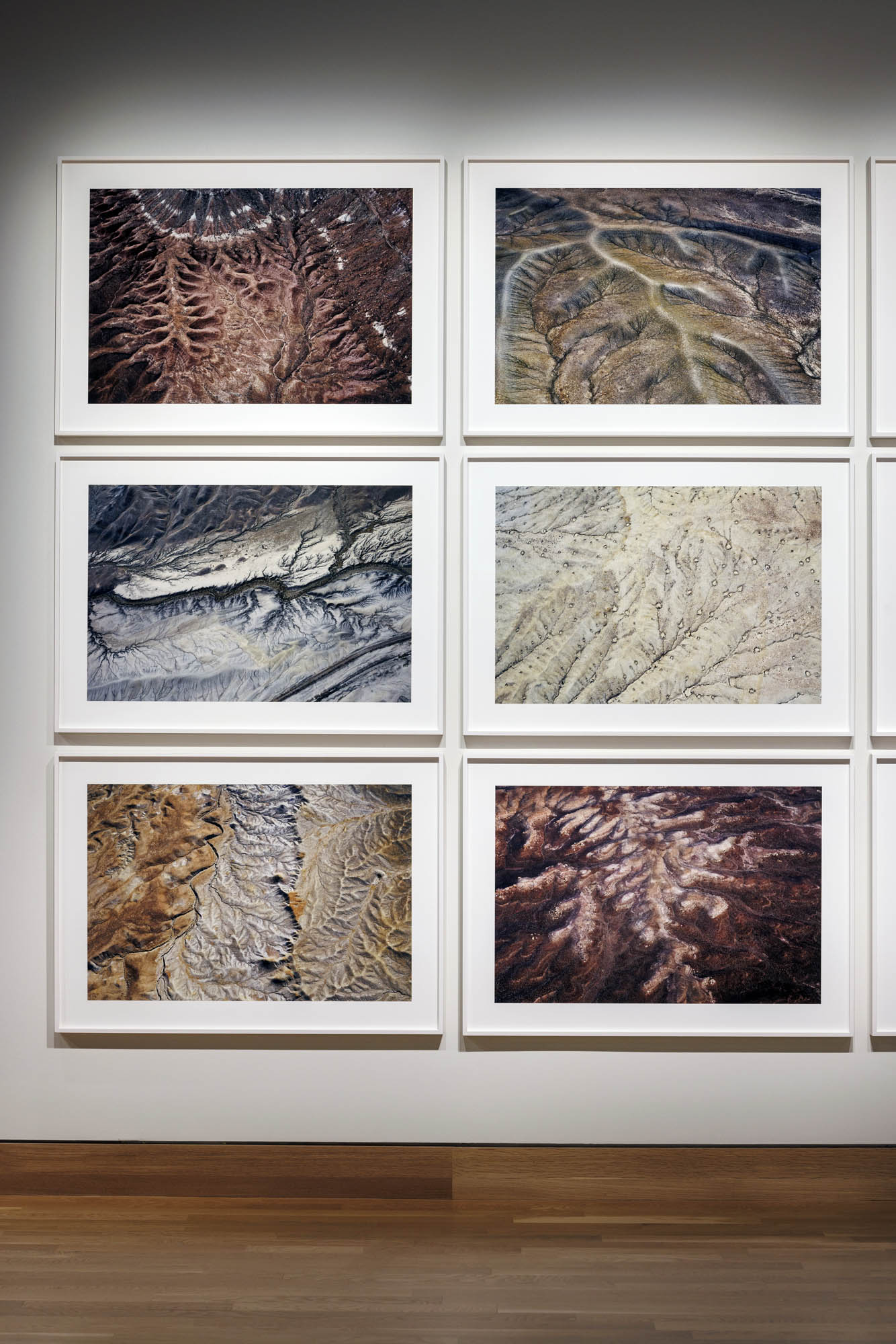
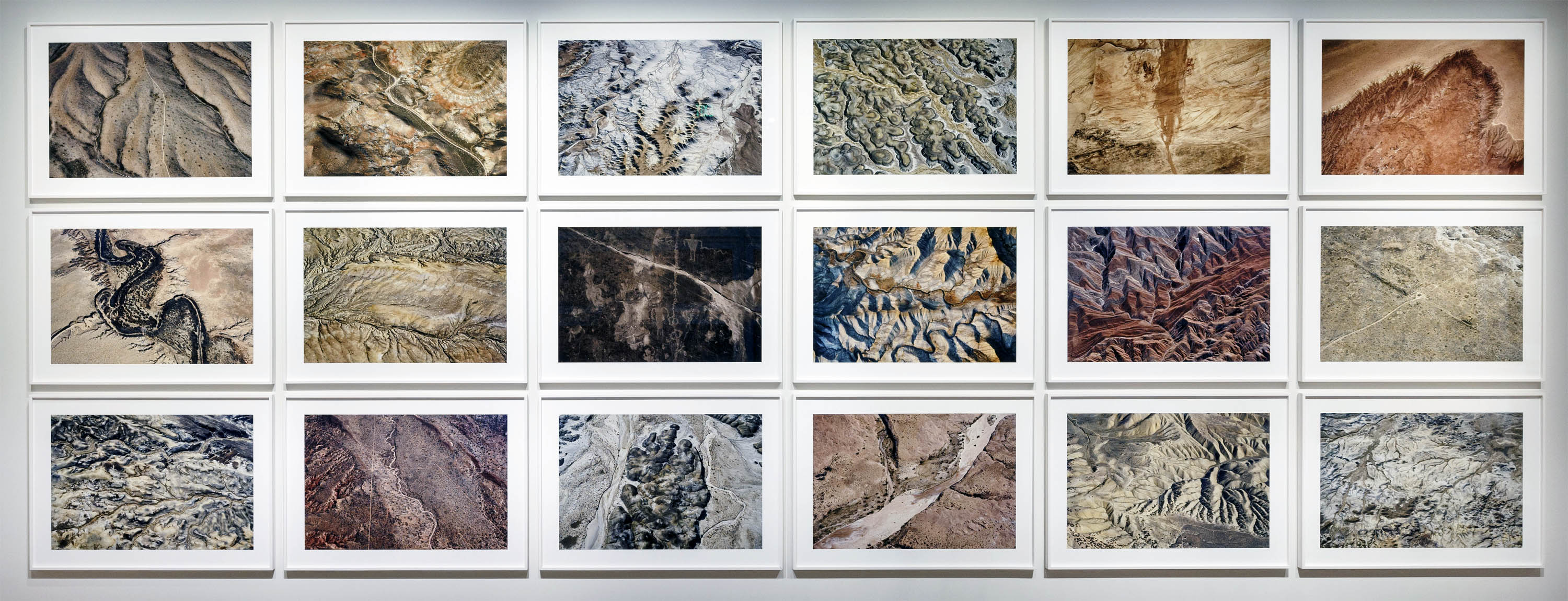
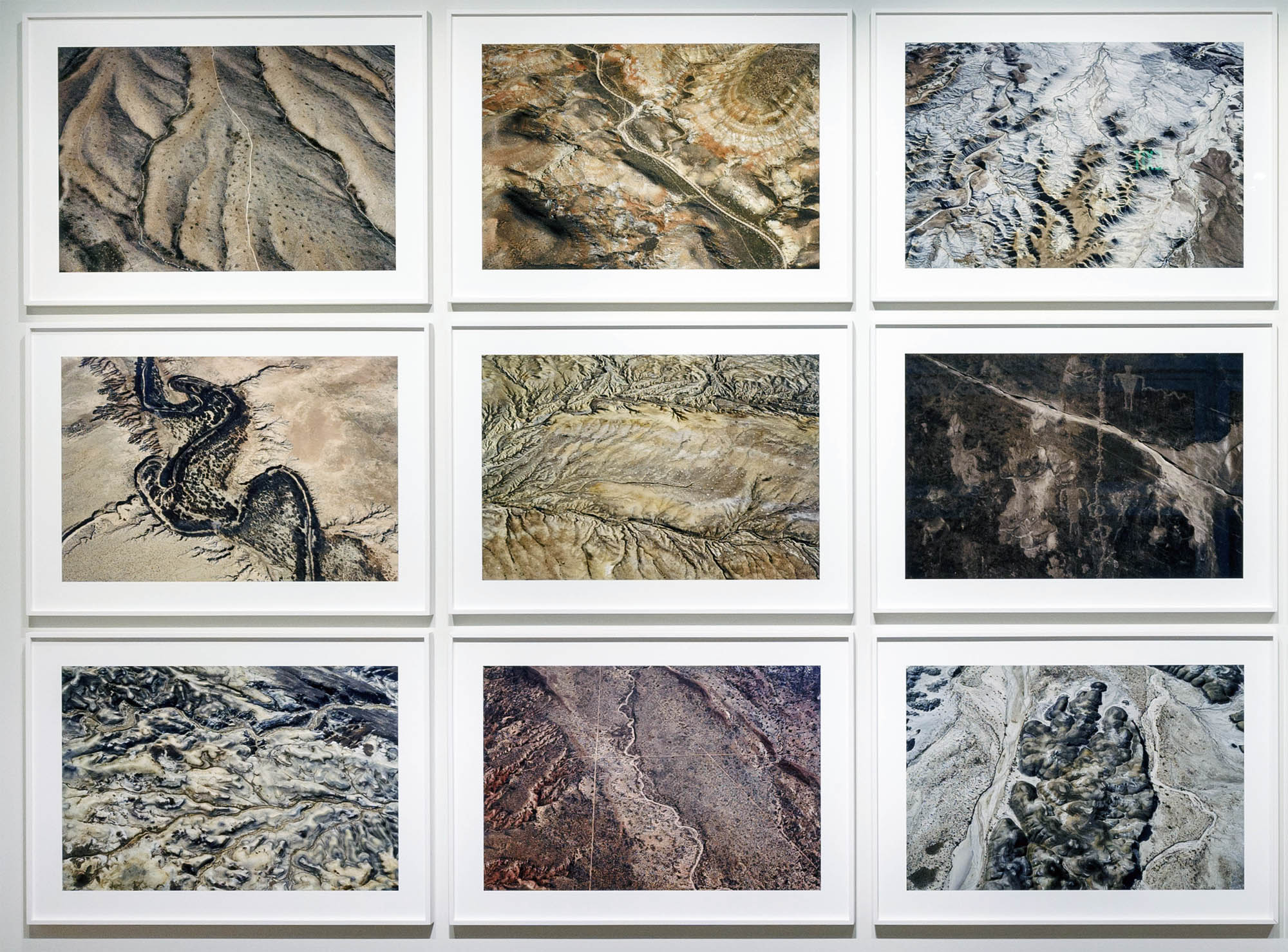
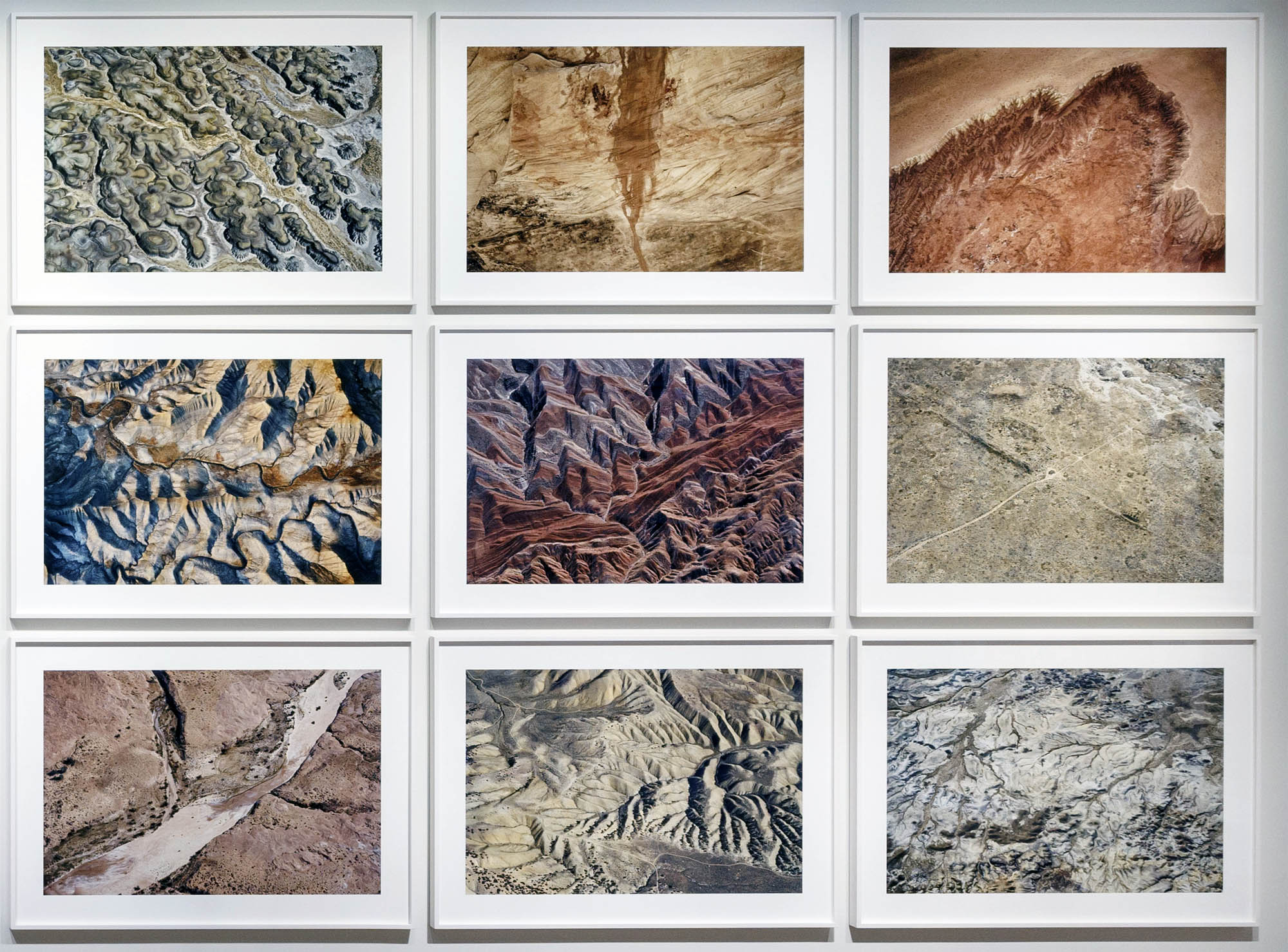
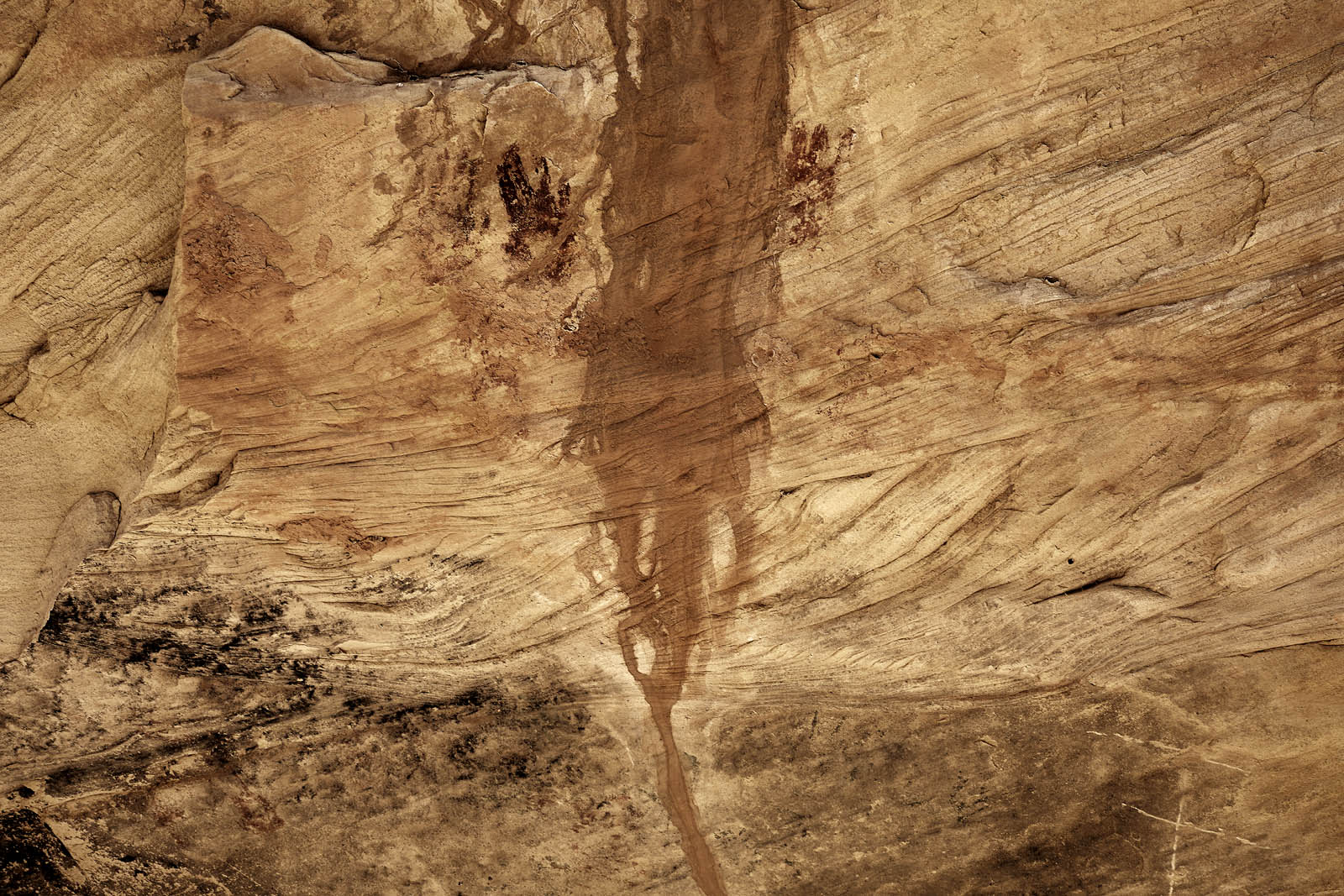
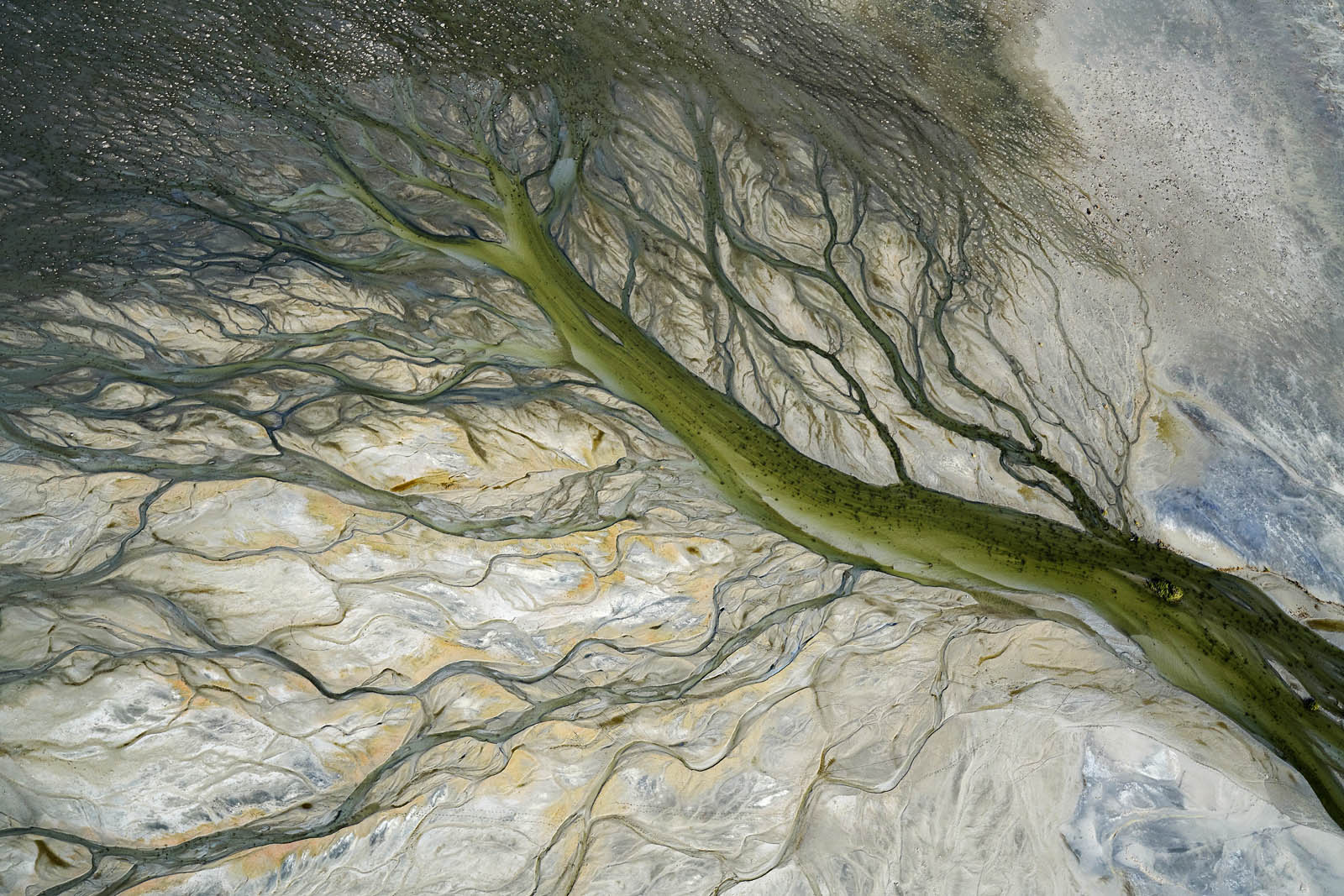
Fazal Sheikh (American, b. 1965) From the installation 'In Place (Utah, Arizona, and New Mexico, Four Corners Region)' 2017-2020


Fazal Sheikh (American, b. 1965)
From the installation In Place (Utah, Arizona, and New Mexico, Four Corners Region)
2017-2020
Pigmented inkjet print
© and courtesy Fazal Sheikh


There are some stunning photographs in this exhibition but their “formula” is well known – aerial photographs of the blighted landscape etched by both geological and human forces (a la Edward Burtynsky, Richard Woldendorp et al) paired with objective, frontal “dead pan” portrait photographs (a la Thomas Ruff, Rineke Dijkstra et al), both forms of topographical mapping (of the land and of the face… as is the regulated presentation) – images which attempt to interrogate “the impact of uranium, coal, oil, and natural-gas extraction on the American Southwest and its Indigenous inhabitants.”

This is strong work but it begs the question: what fresh insight are these photographs giving us into the object of the photographers attention, other than the specifics of “American Southwest” and “Indigenous inhabitants” which turn out to be conceptually and visually generic? Is it necessary for everything to be new again or can work such as this stand in its own right and not just be an echo of what has come before. For the general public the work might seem fresh and new but for the informed observer this is well trodden, indeed trampled ground.

The press release states that “The project reflects on the resilience of Indigenous people in the face of threats to the culture, spirituality, and health.” I don’t feel that with these photographs. Where is the art that expresses through a partnership with the photographer the eloquent, unique voice of the Indigenous inhabitants of this ancestral landscape, its spirit and its fire?

As with any art please make up your own mind.

Dr Marcus Bunyan


Many thankx to the Denver Art Museum for allowing me to publish the photographs in the posting. Please click on the photographs for a larger version of the image.
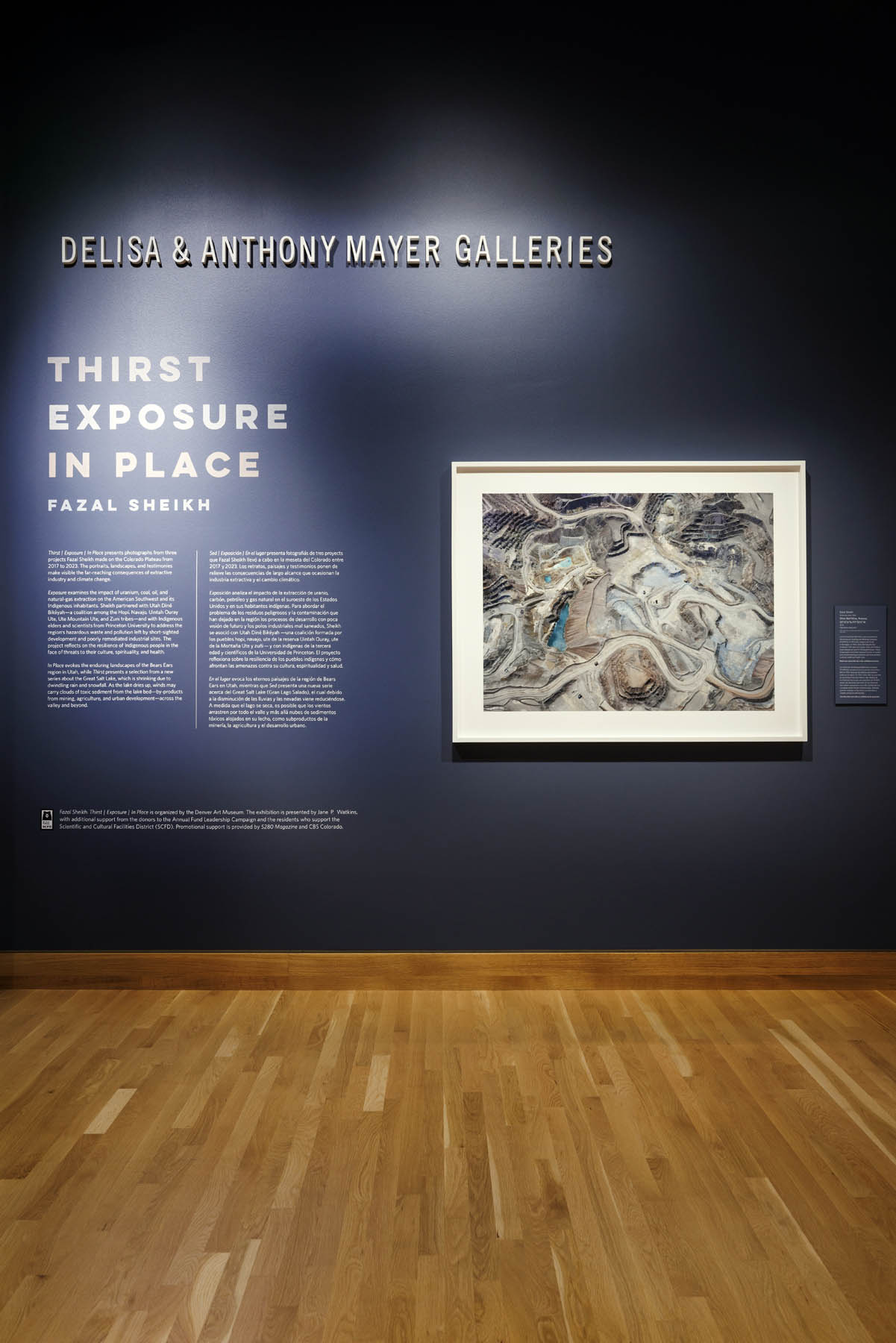


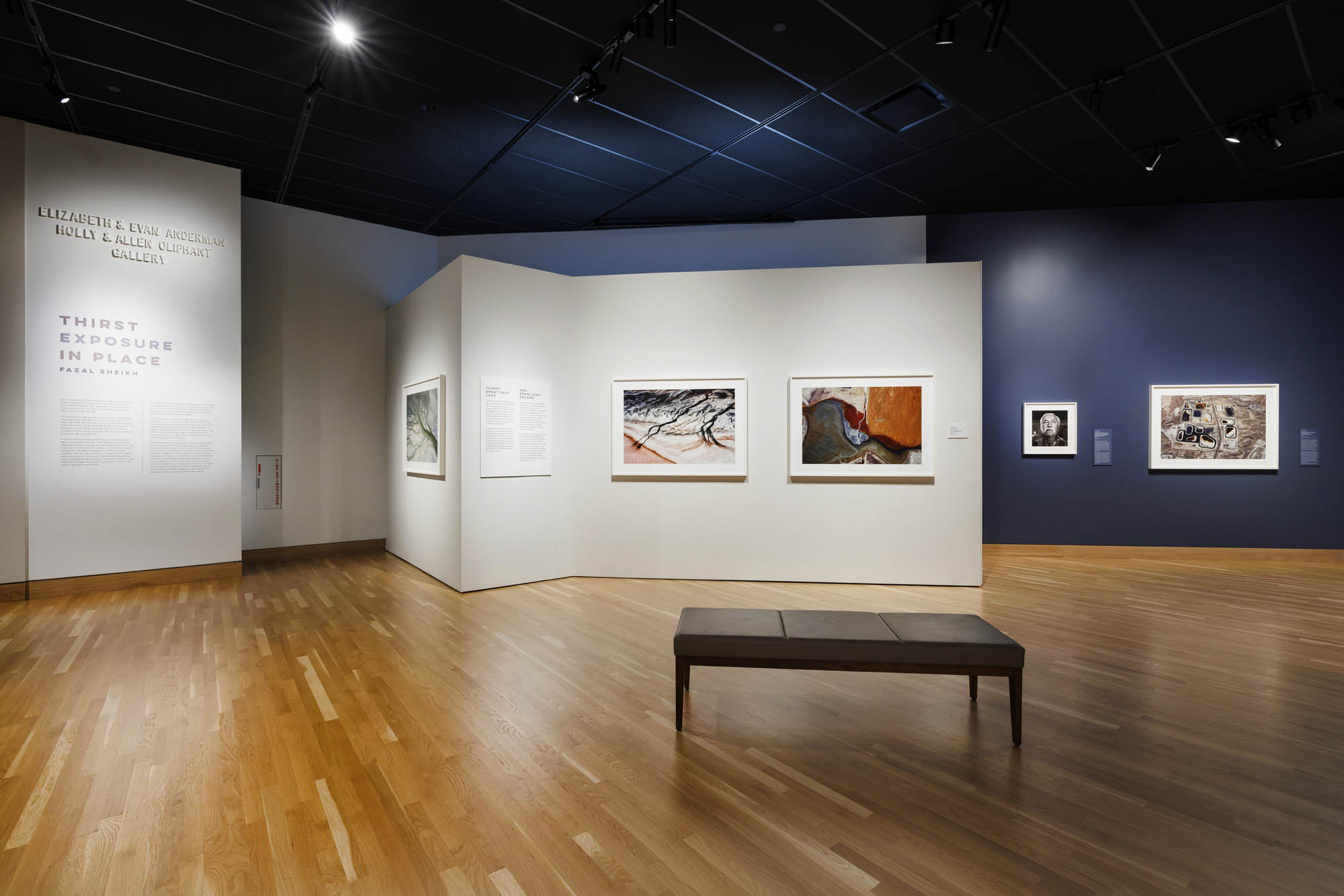
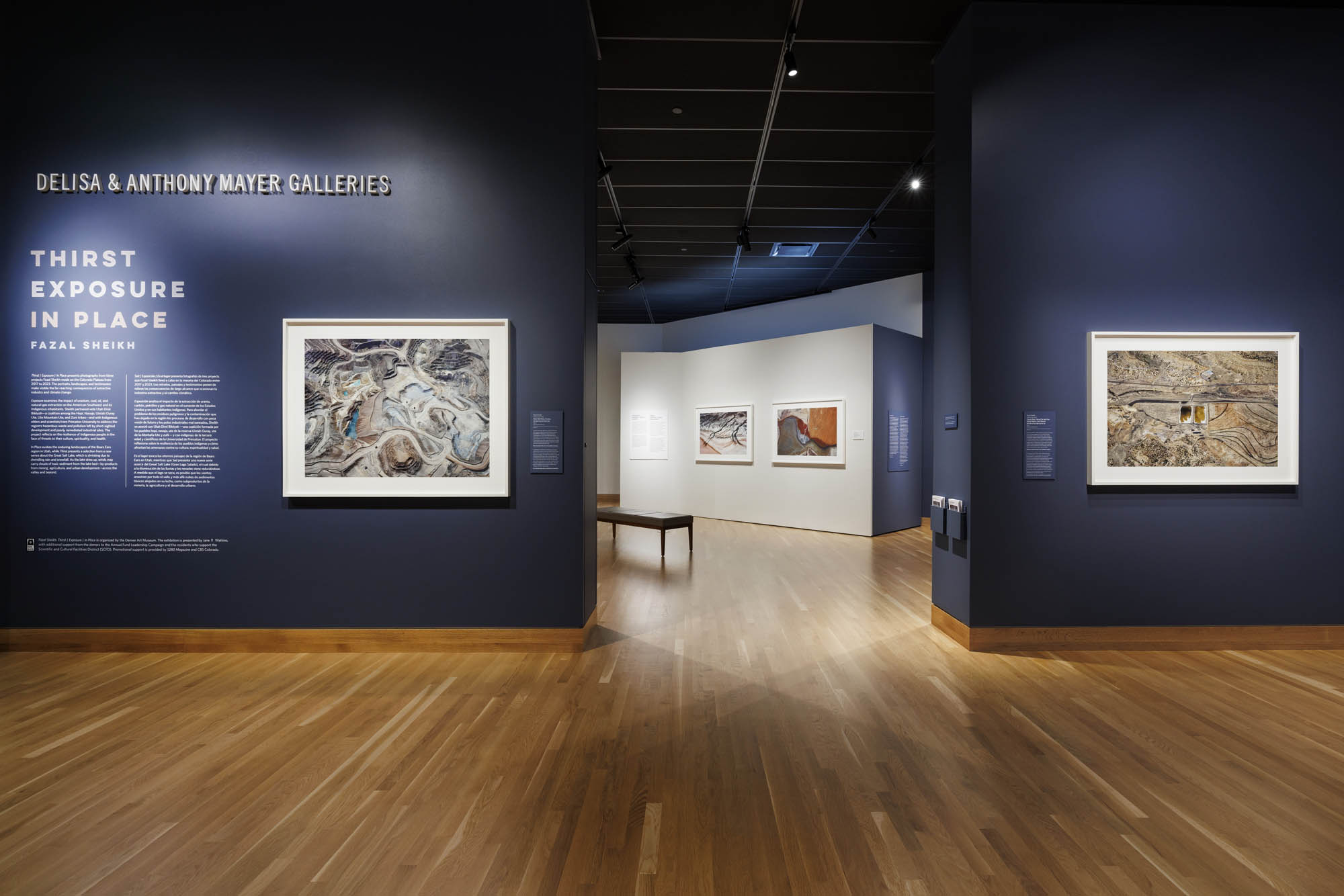
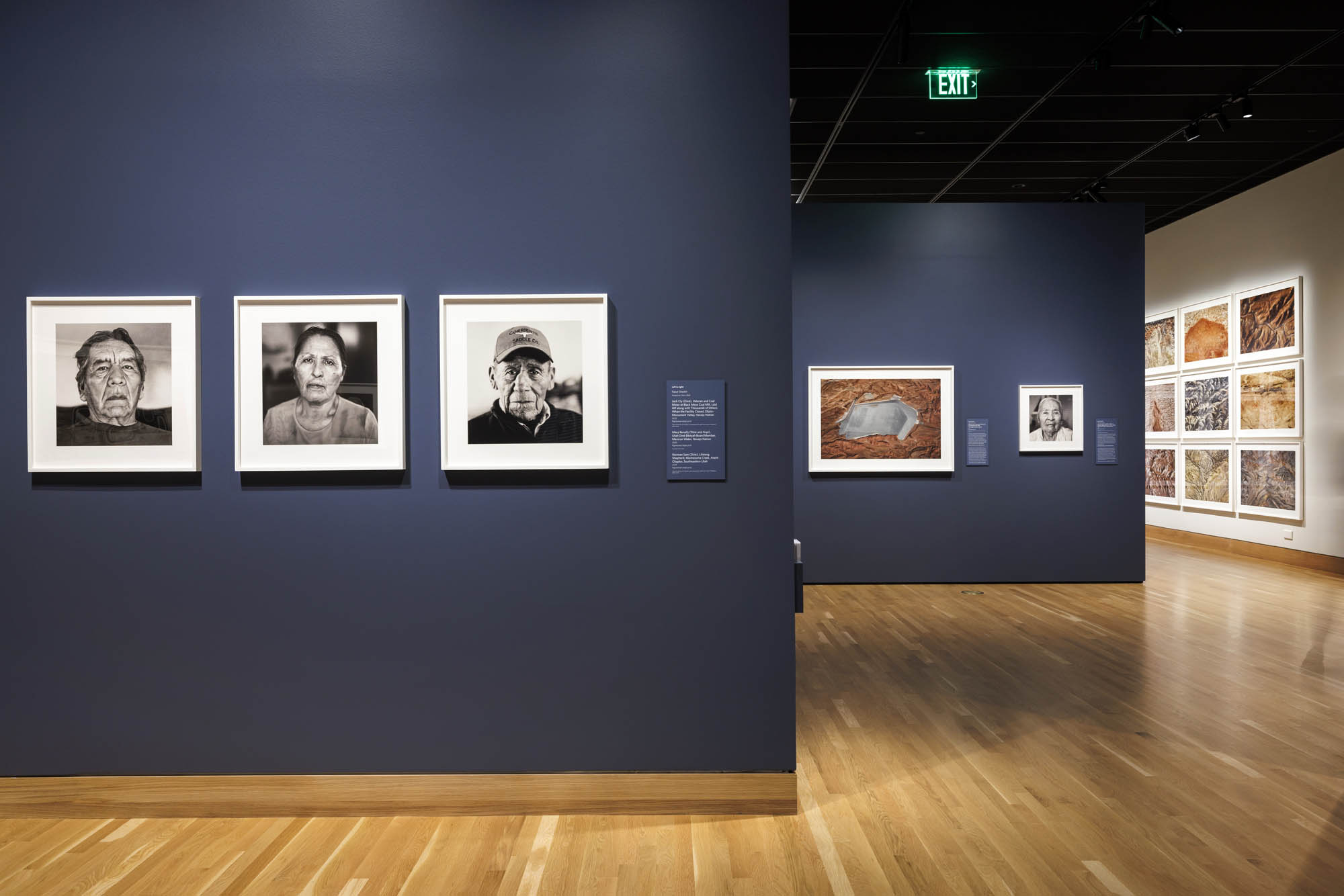
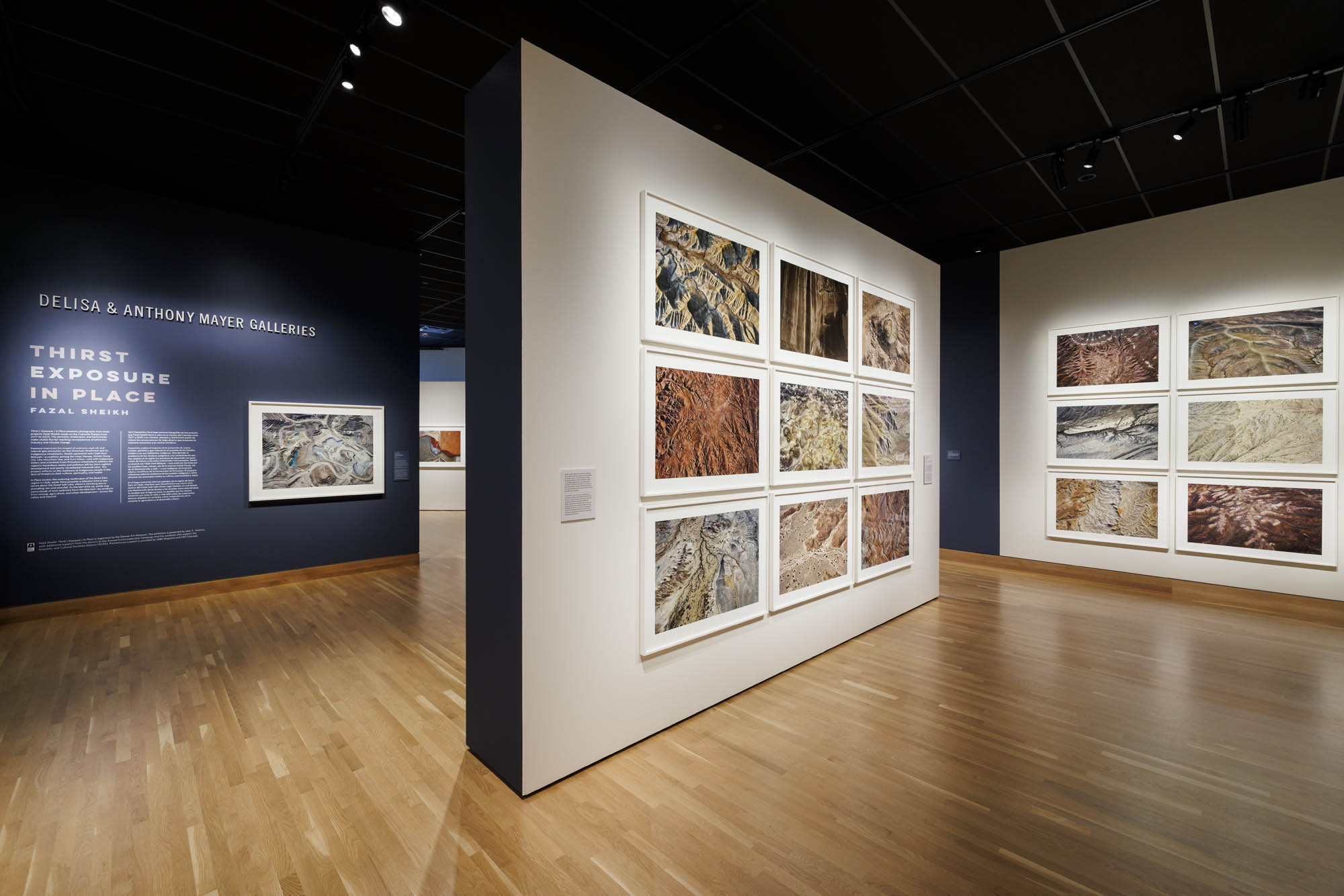
Installation view of the exhibition 'Fazal Sheikh: Thirst | Exposure | In Place' at the Denver Art Museum showing the opening wall text

Installation view of the exhibition 'Fazal Sheikh: Thirst | Exposure | In Place' at the Denver Art Museum showing the opening wall text


Installation views of the exhibition Fazal Sheikh: Thirst | Exposure | In Place at the Denver Art Museum showing the opening wall text (below)


Thirst | Exposure | In Place presents photographs from three projects Fazal Sheikh made on the Colorado Plateau from 2017 to 2023. The portraits, landscapes, and testimonies make visible the far-reaching consequences of extractive industry and climate change.

Exposure examines the impact of uranium, coal, oil, and natural-gas extraction on the American Southwest and its Indigenous inhabitants. Sheikh partnered with Utah Dine Bikeyah – a coalition among the Hopi, Navajo, Uintah Ouray Ute, Ute Mountain Ute, and Zuni tribes – and with Indigenous elders and scientists form Princeton University to address the region’s hazardous waste and pollution left by short-sighted development and poorly remediated industrial sites. The project reflects on the resilience of Indigenous people in the face of threats to the culture, spirituality, and health.

In place evokes the enduring landscape of the Bears Ears region in Utah, while Thirst presents a selection from a new series about the Great Salt Lake, which is shrinking due to dwindling rain and snowfall. As the lake dries up, winds may carry clouds of toxic sediment from the lake bed – by-products from mining, agriculture, and urban development – across the valley and beyond.

Opening wall text from the exhibition


Denver Art Museum Talk with Fazal Sheikh March 9, 2024

Photographer Fazal Sheikh speaks about his recent work in the Four Corners region and at the Great Salt Lake, in connection with his exhibition Fazal Sheikh: Thirst | Exposure | In Place. His photographs address the consequences of industrial land use, engage questions about water use and climate change, and reflect on the ongoing relationship between people and nature. Sheikh discusses the origin of each series, his immersion in the landscapes and communities he photographed, and his collaborations with writers, scientists, and Indigenous community members that are woven throughout this work.

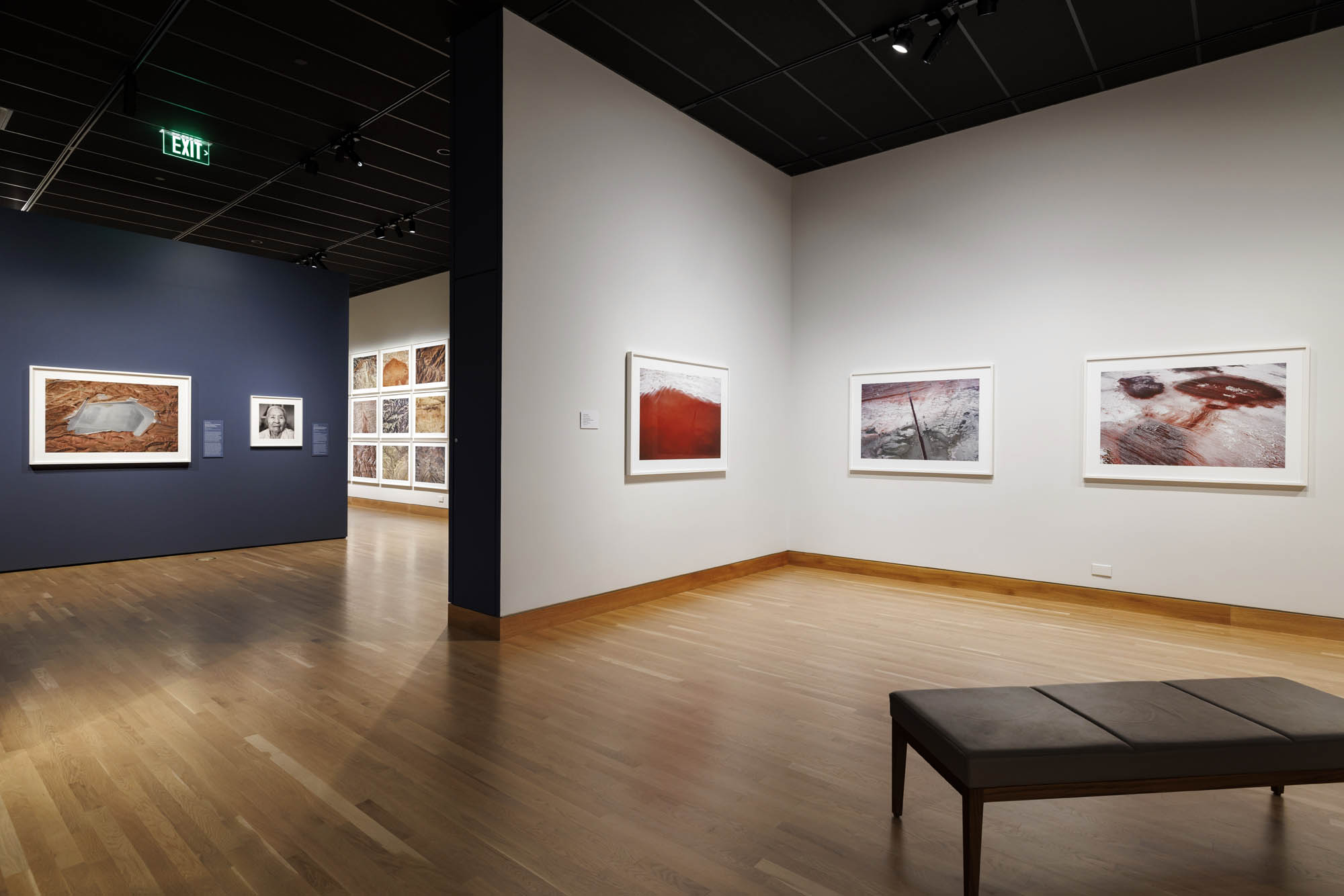
 

Installation view of the exhibition 'Fazal Sheikh: Thirst | Exposure | In Place' at the Denver Art Museum showing work from the series 'Thirst: Great Salt Lake' 2022

Installation view of the exhibition 'Fazal Sheikh: Thirst | Exposure | In Place' at the Denver Art Museum showing work from the series 'Thirst: Great Salt Lake' 2022

Installation view of the exhibition 'Fazal Sheikh: Thirst | Exposure | In Place' at the Denver Art Museum showing work from the series 'Thirst: Great Salt Lake' 2022

Installation view of the exhibition 'Fazal Sheikh: Thirst | Exposure | In Place' at the Denver Art Museum showing work from the series 'Thirst: Great Salt Lake' 2022


Installation view of the exhibition Fazal Sheikh: Thirst | Exposure | In Place at the Denver Art Museum showing work from the series Thirst: Great Salt Lake 2022


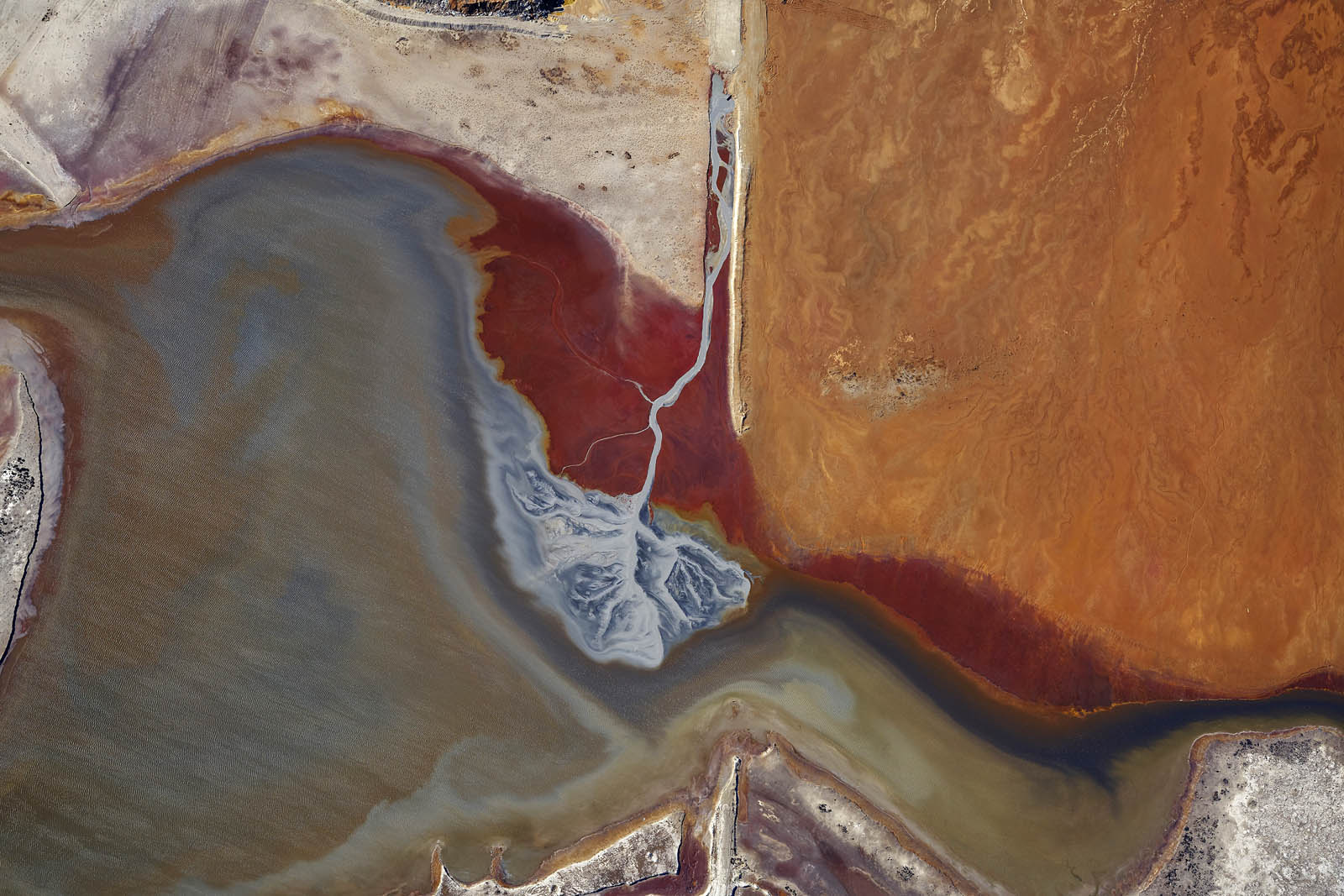
Fazal Sheikh (American, b. 1965) From the series 'Thirst: Great Salt Lake' November 2022


Fazal Sheikh (American, b. 1965)
From the series Thirst: Great Salt Lake
November 2022
Pigmented inkjet print
© and courtesy Fazal Sheikh


Fazal Sheikh (American, b. 1965) From the series 'Thirst: Great Salt Lake' November 2022


Fazal Sheikh (American, b. 1965)
From the series Thirst: Great Salt Lake
November 2022
Pigmented inkjet print
© and courtesy Fazal Sheikh


Fazal Sheikh (American, b. 1965) From the series 'Thirst: Great Salt Lake' November 2022


Fazal Sheikh (American, b. 1965)
From the series Thirst: Great Salt Lake
November 2022
Pigmented inkjet print
© and courtesy Fazal Sheikh


Fazal Sheikh (American, b. 1965) From the series 'Thirst: Great Salt Lake' November 2022November 2022


Fazal Sheikh (American, b. 1965)
From the series Thirst: Great Salt Lake
November 2022
Pigmented inkjet print
© and courtesy Fazal Sheikh


Fazal Sheikh: Thirst | Exposure | In Place is an exhibition created from three projects photographer Fazal Sheikh made on the Colorado Plateau from 2017 to early 2023. Sheikh’s portraits and landscapes shed light on the far-reaching consequences of extractive industry and climate change.

Born in 1965 in New York City, Sheikh creates images of displaced communities and marginalised people that prompt awareness of the world beyond the museum. The photographs in Thirst ǀ Exposure ǀ In Place expose indelible marks on the Colorado Plateau and American Southwest landscape that have been etched by both geological and human forces. Through this beautiful and sometimes frightening new work, Sheikh encourages viewers to witness the consequences of the past and imagine the shape of the future.

The exhibition presents Sheikh’s recent work in three interrelated sections: Thirst is a new series of aerial photographs that document the decline of the Great Salt Lake in northeast Utah, which is shrinking due to overconsumption and dwindling rain and snowfall. Exposure examines the impacts of uranium, coal, oil and natural-gas extraction on the American Southwest and on its Indigenous inhabitants. In Place evokes the enduring landscapes of the Bears Ears region in Utah, bringing Sheikh’s photographs together with contributions from scientists and Indigenous communities in and around Bears Ears in southeastern Utah.

Visitors will reflect upon the transformation – and often devastation – of these landscapes in the context of the past, present and future, while considering the juxtaposition of beauty and catastrophe, as well as intimate, human-scale stories and those spanning vast geological eras and changes.

Text from the Denver Art Museum website


Installation view of the exhibition 'Fazal Sheikh: Thirst | Exposure | In Place' at the Denver Art Museum

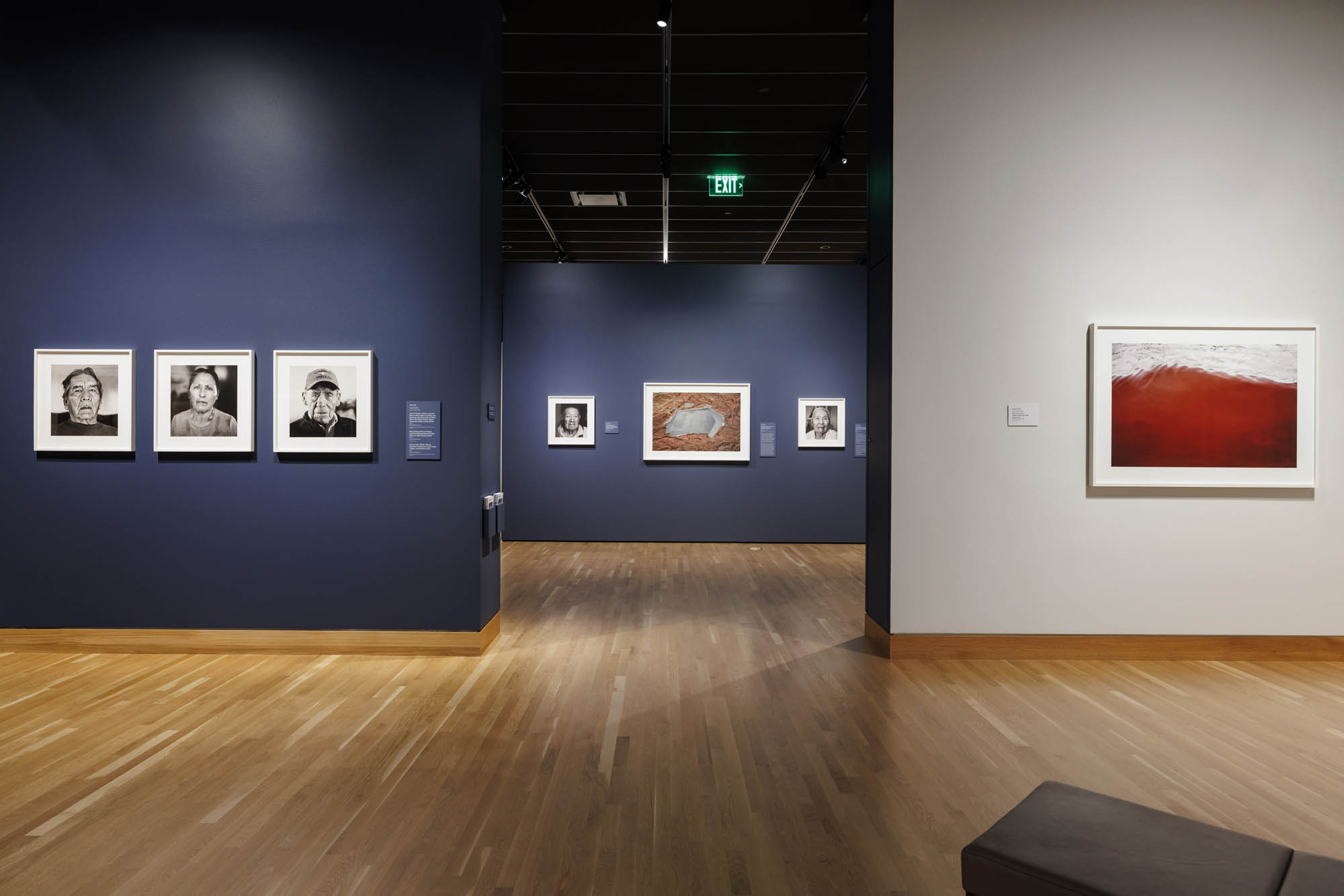
Installation view of the exhibition 'Fazal Sheikh: Thirst | Exposure | In Place' at the Denver Art Museum showing work from the series 'Exposure' 2019 

Installation view of the exhibition 'Fazal Sheikh: Thirst | Exposure | In Place' at the Denver Art Museum showing work from the series 'Exposure' 2019 

Installation view of the exhibition 'Fazal Sheikh: Thirst | Exposure | In Place' at the Denver Art Museum showing work from the series 'Exposure' 2019 


Installation view of the exhibition Fazal Sheikh: Thirst | Exposure | In Place at the Denver Art Museum showing work from the series Exposure 2019


Fazal Sheikh (American, b. 1965) 'Mexican Hat Uranium Mill Disposal Cell, Mexican Hat, Utah, 37°8'0.88"N/109°52'28"W' From the series 'Exposure' 2017


Fazal Sheikh (American, b. 1965)
Mexican Hat Uranium Mill Disposal Cell, Mexican Hat, Utah, 37°8’0.88″N/109°52’28″W
From the series Exposure 2017
Pigmented inkjet print
Yale University Art Gallery, purchased with a gift from Jane P. Watkins, M.P.H. 1979
Image courtesy and © Fazal Sheikh


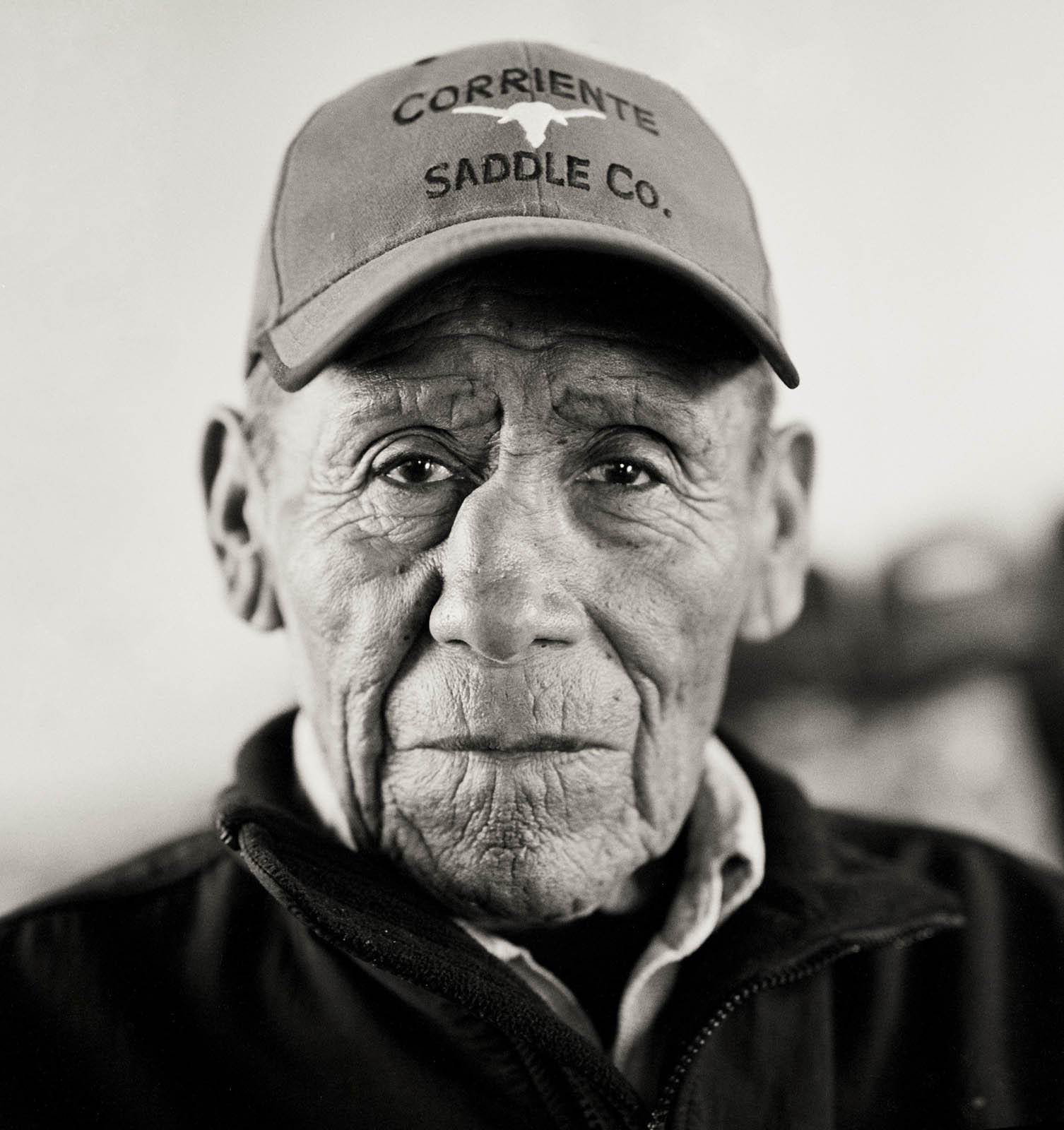
Fazal Sheikh (American, b. 1965) 'Norman Sam (Diné), Lifelong Shepherd, Montezuma Creek, Aneth Chapter, Southeastern Utah' From the series 'Exposure' 2019


Fazal Sheikh (American, b. 1965)
Norman Sam (Diné), Lifelong Shepherd, Montezuma Creek, Aneth Chapter, Southeastern Utah
From the series Exposure 2019
Pigmented inkjet print. Yale University Art Gallery, purchased with a gift from Jane P. Watkins, M.P.H. 1979
Image courtesy and © Fazal Sheikh


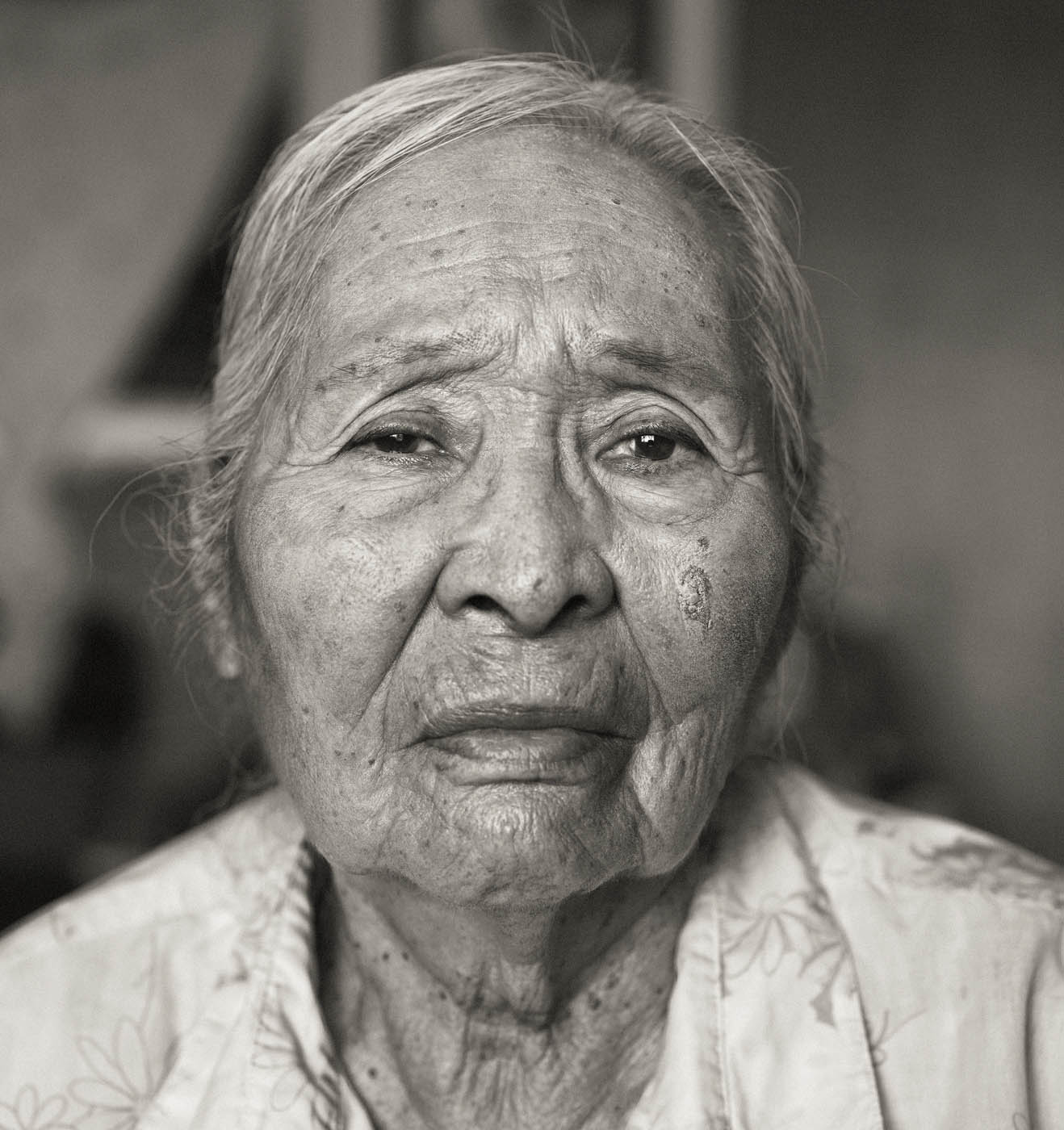
Fazal Sheikh (American, b. 1965) 'Lola Yellowman (Diné), Widow of Uranium Miner John Guy, Cane Valley–Monument Valley, Navajo Nation' From the series 'Exposure' 2019


Fazal Sheikh (American, b. 1965)
Lola Yellowman (Diné), Widow of Uranium Miner John Guy, Cane Valley–Monument Valley, Navajo Nation
From the series Exposure 2019
Pigmented inkjet print
Yale University Art Gallery, purchased with a gift from Jane P. Watkins, M.P.H. 1979
Image courtesy and © Fazal Sheikh


Lola Yellowman’s Testimony

“The medicine men told our men not to work in the mines, that it was dangerous, but the men needed to support their families and had no choice … My husband, John Guy, worked in the mines like my father. He would arrive home during his lunch break with his clothes caked in uranium dust, and I cleaned those clothes in our home every day. The children played on the tailings pile, but no one from the company ever told us the dangers they were being exposed to.”

Wall text from the exhibition


Fazal Sheikh (American, b. 1965) 'Chapita Wells Oil and Gas Field, Uintah Range, Utah, 40°4'10"N/109°27'26"W' From the series 'Exposure' 2017


Fazal Sheikh (American, b. 1965)
Chapita Wells Oil and Gas Field, Uintah Range, Utah, 40°4’10″N/109°27’26″W
From the series Exposure 2017
Pigmented inkjet print
Yale University Art Gallery, purchased with a gift from Jane P. Watkins, M.P.H. 1979
Image courtesy and © Fazal Sheikh


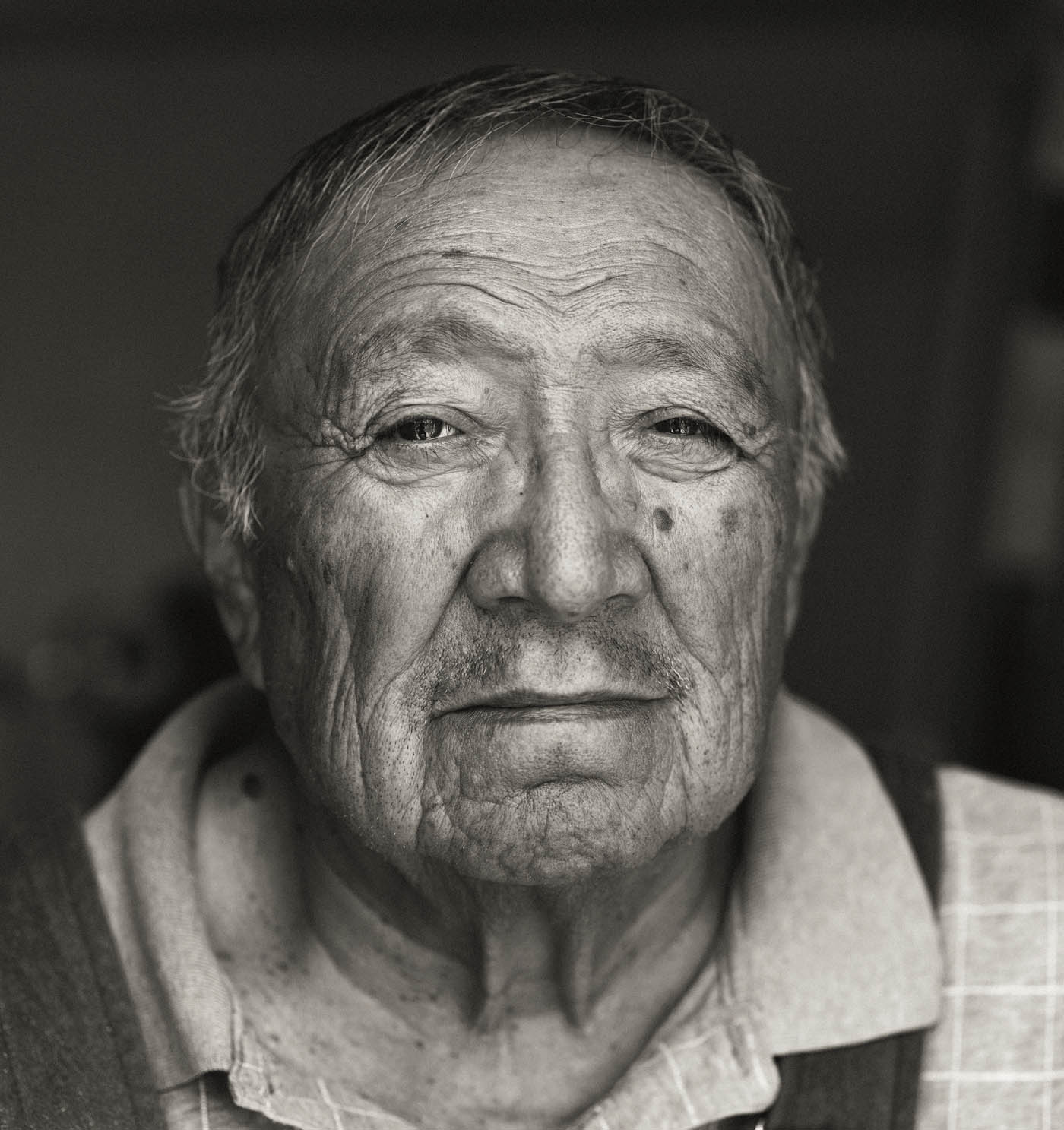
Fazal Sheikh (American, b. 1965) 'Jonah Yellowman (Diné), Spiritual Advisor to Utah Diné Bikéyah, Cane Valley – Monument Valley, Navajo Nation' From the series 'Exposure' 2022


Fazal Sheikh (American, b. 1965)
Jonah Yellowman (Diné), Spiritual Advisor to Utah Diné Bikéyah, Cane Valley – Monument Valley, Navajo Nation
From the series Exposure 2022
Pigmented inkjet print
Image courtesy and © Fazal Sheikh


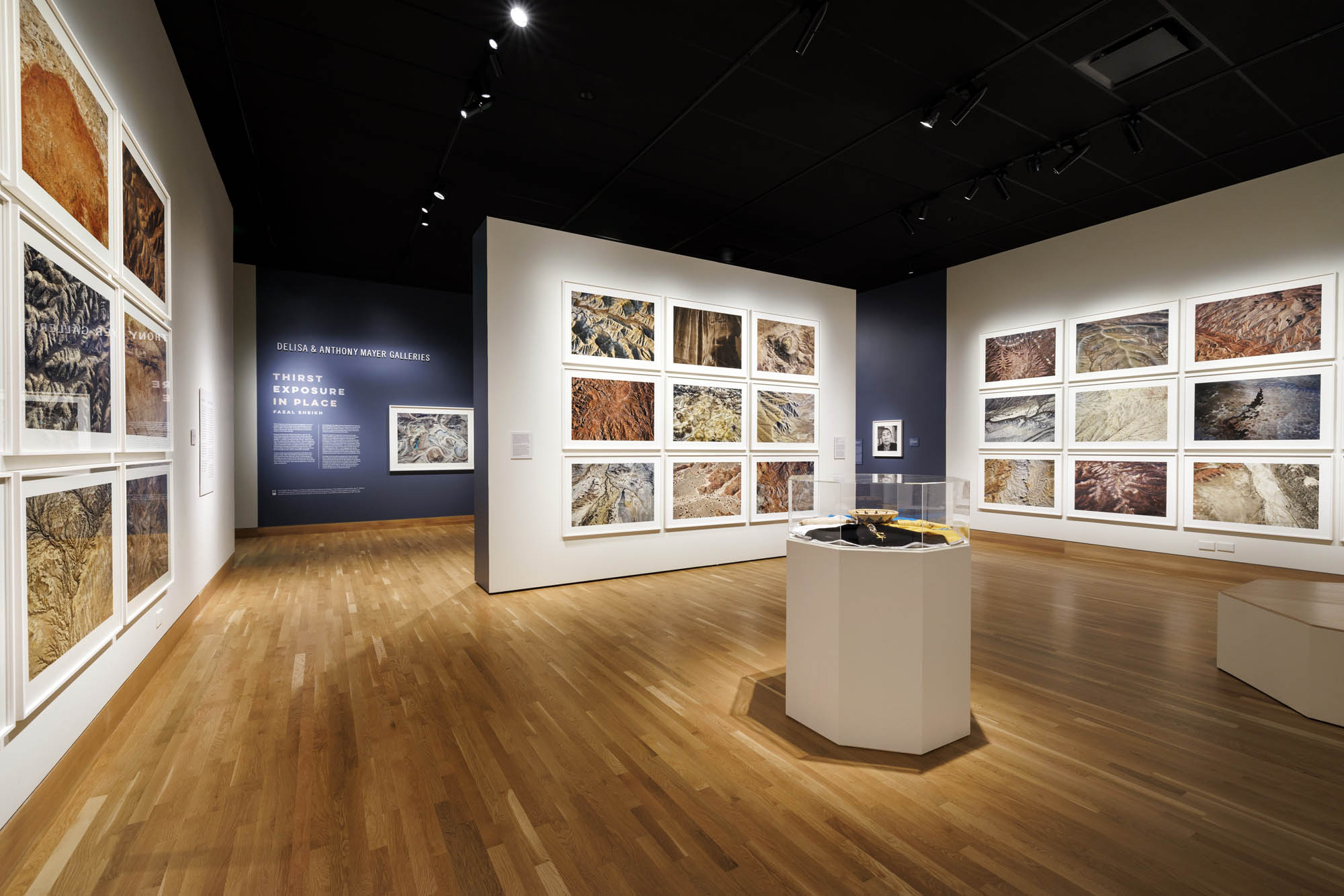
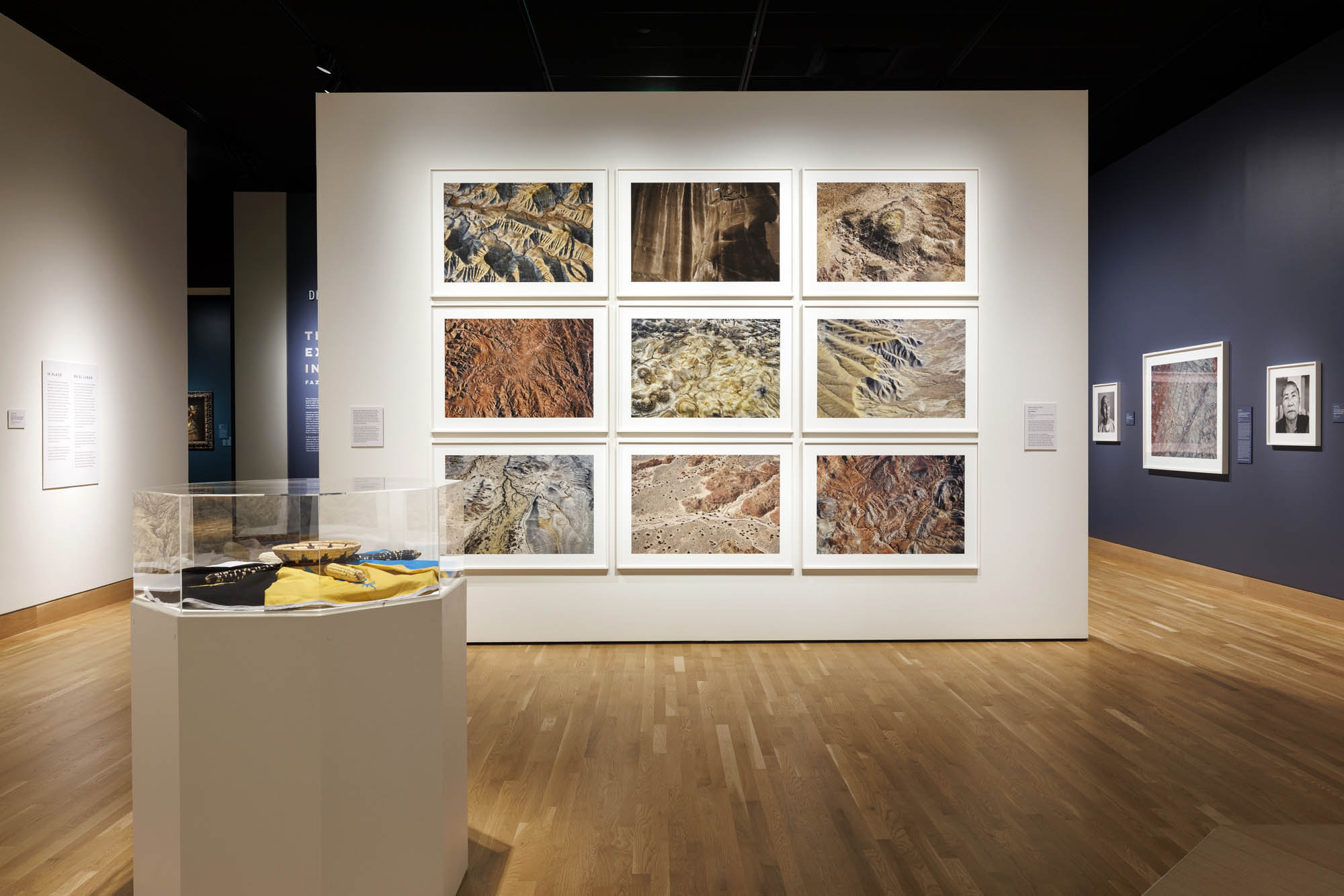
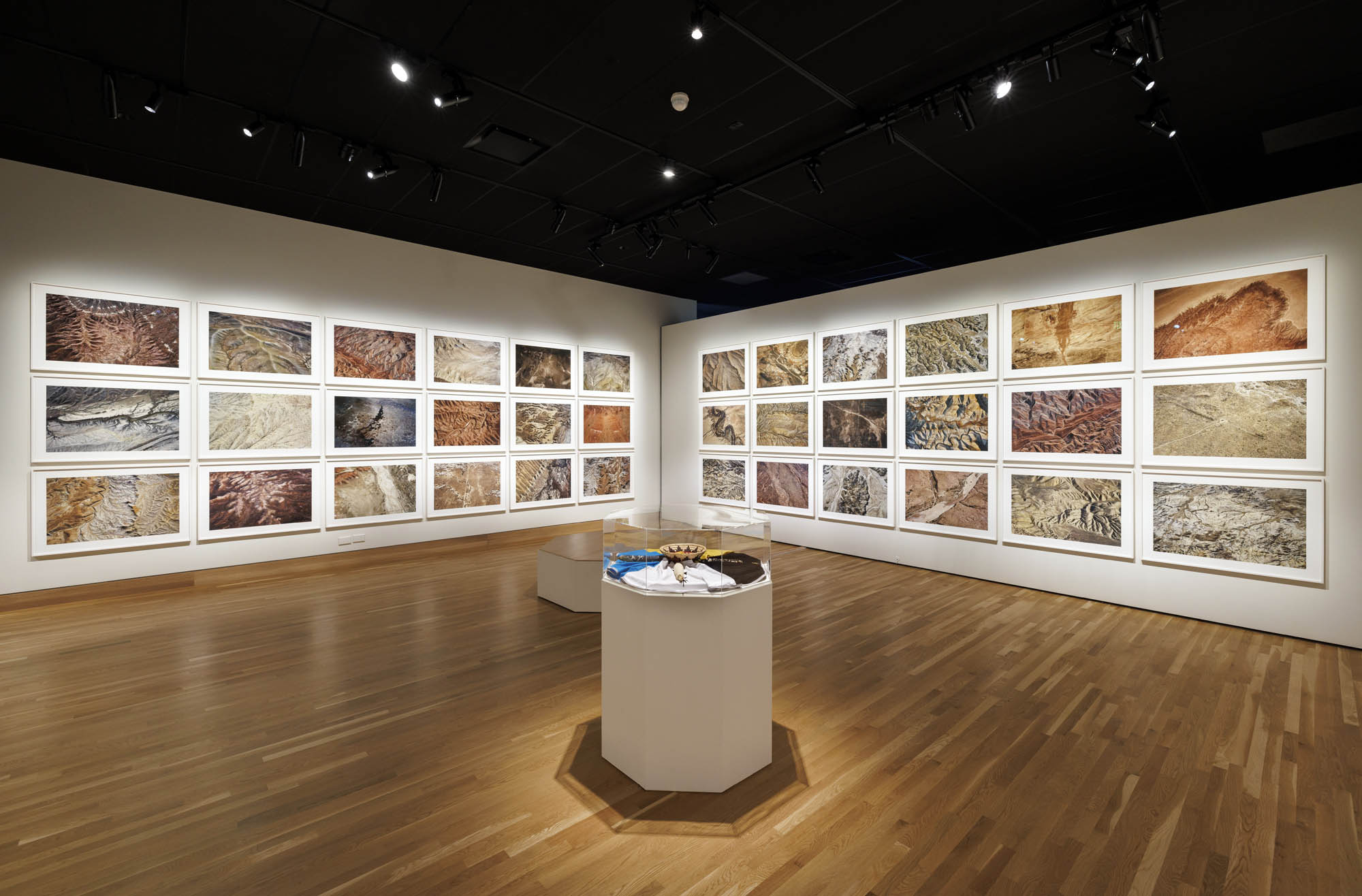
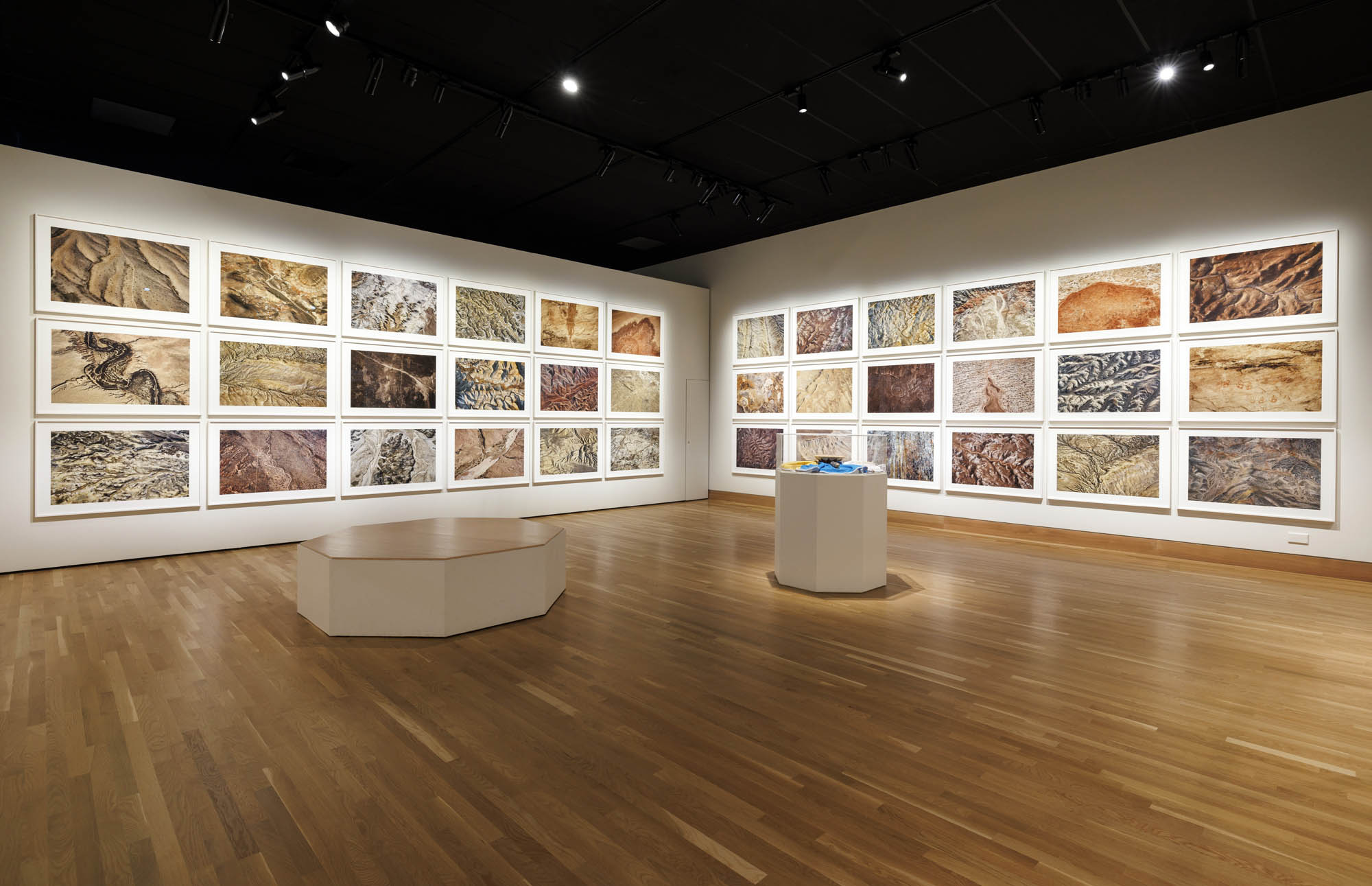
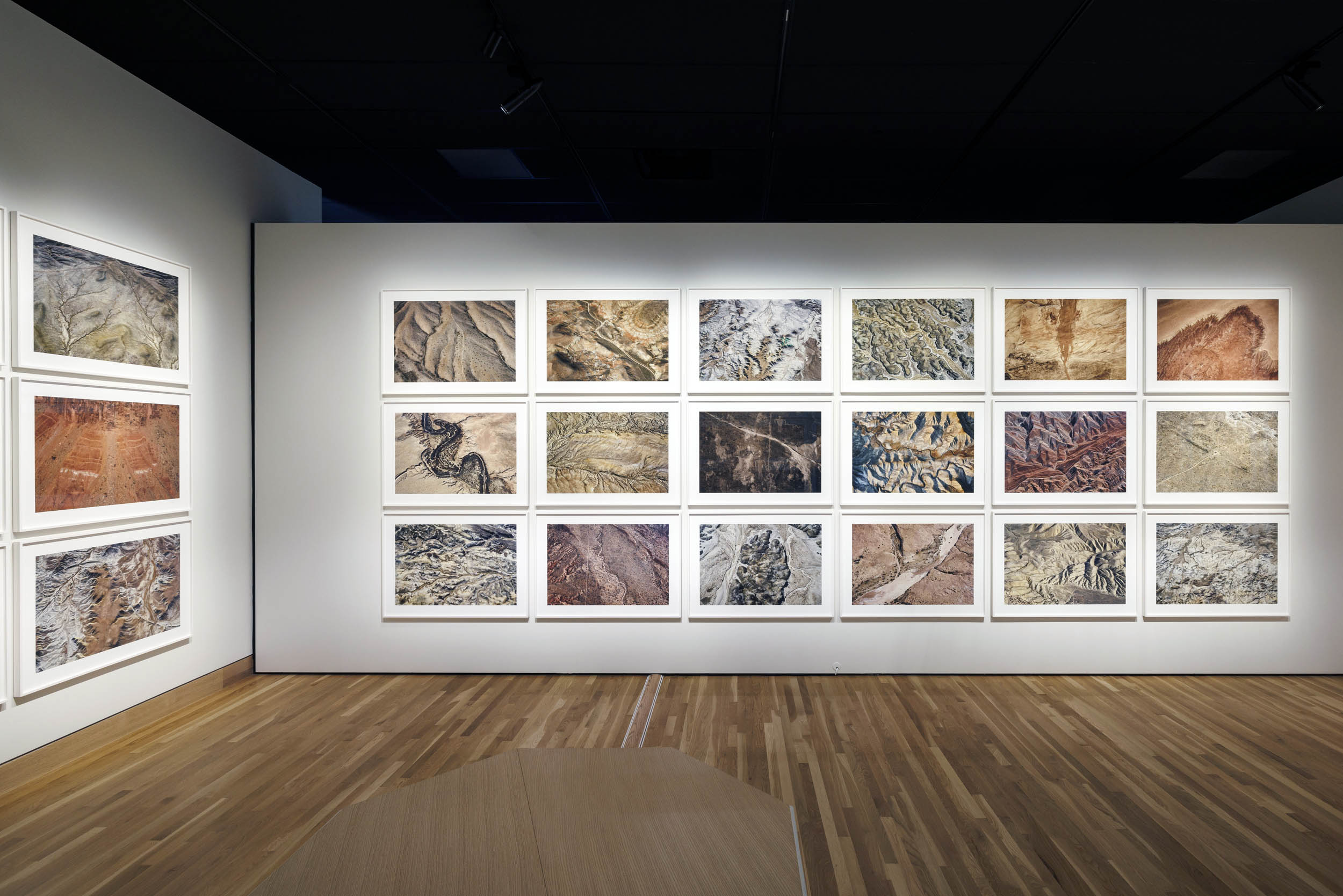
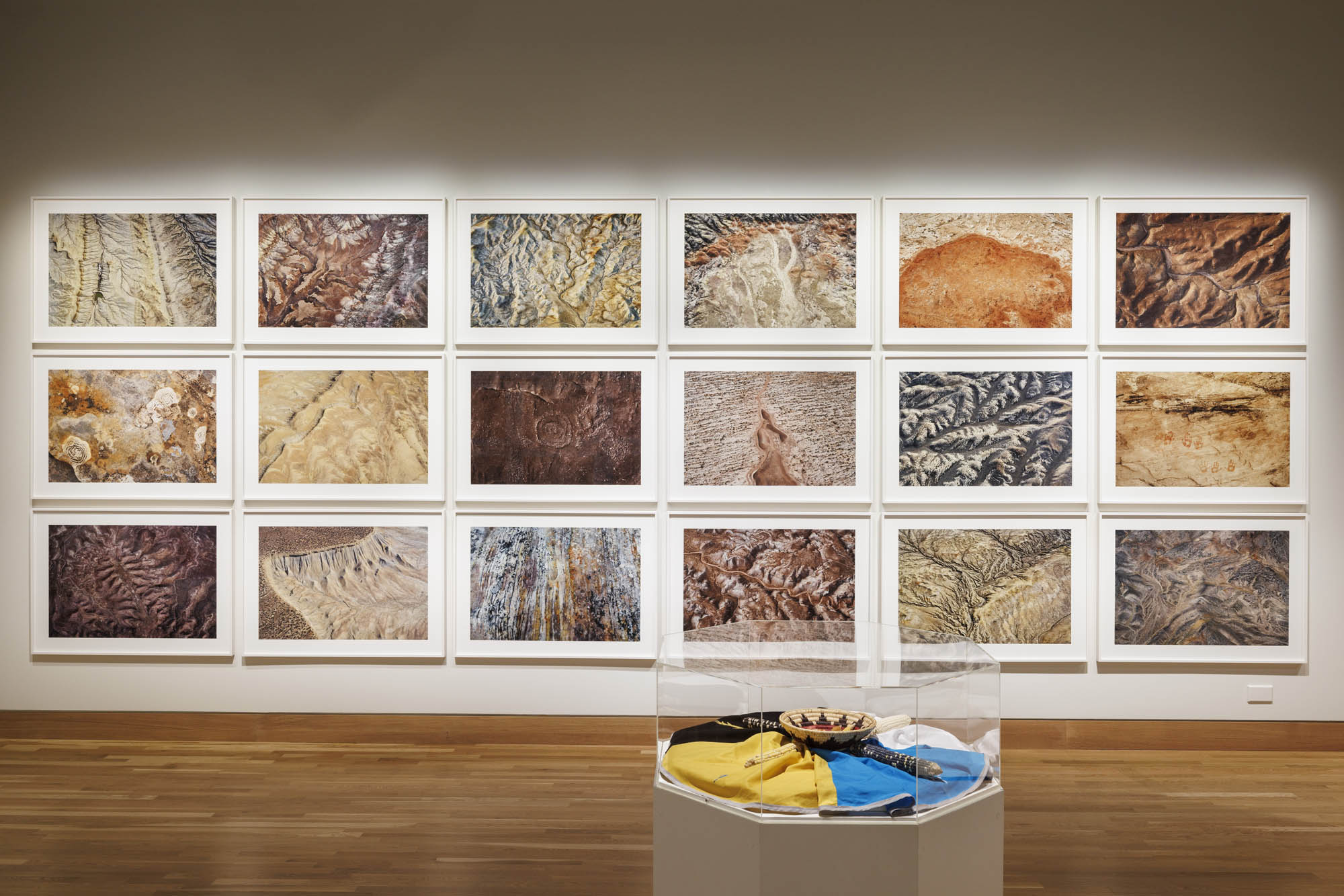
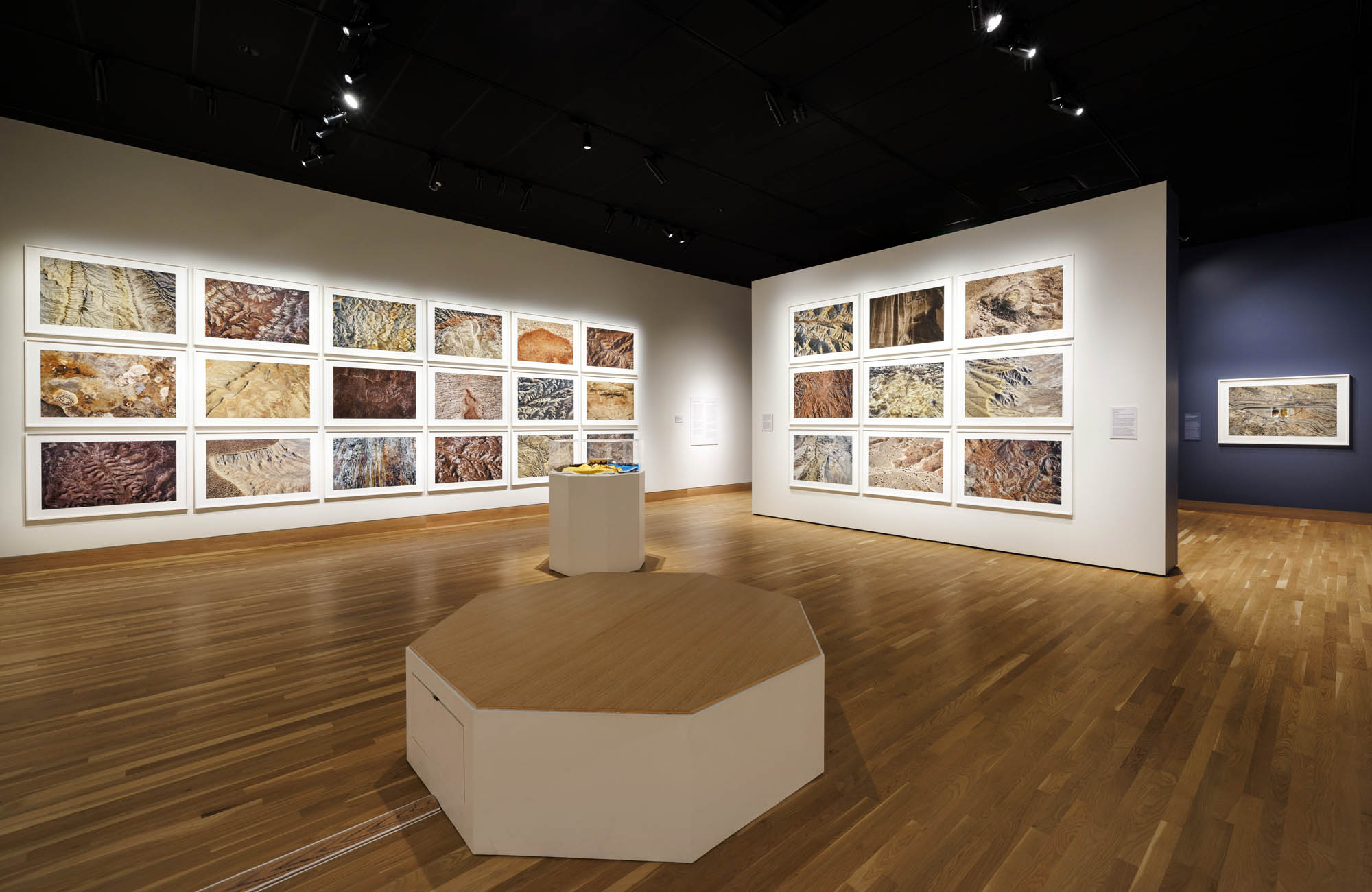
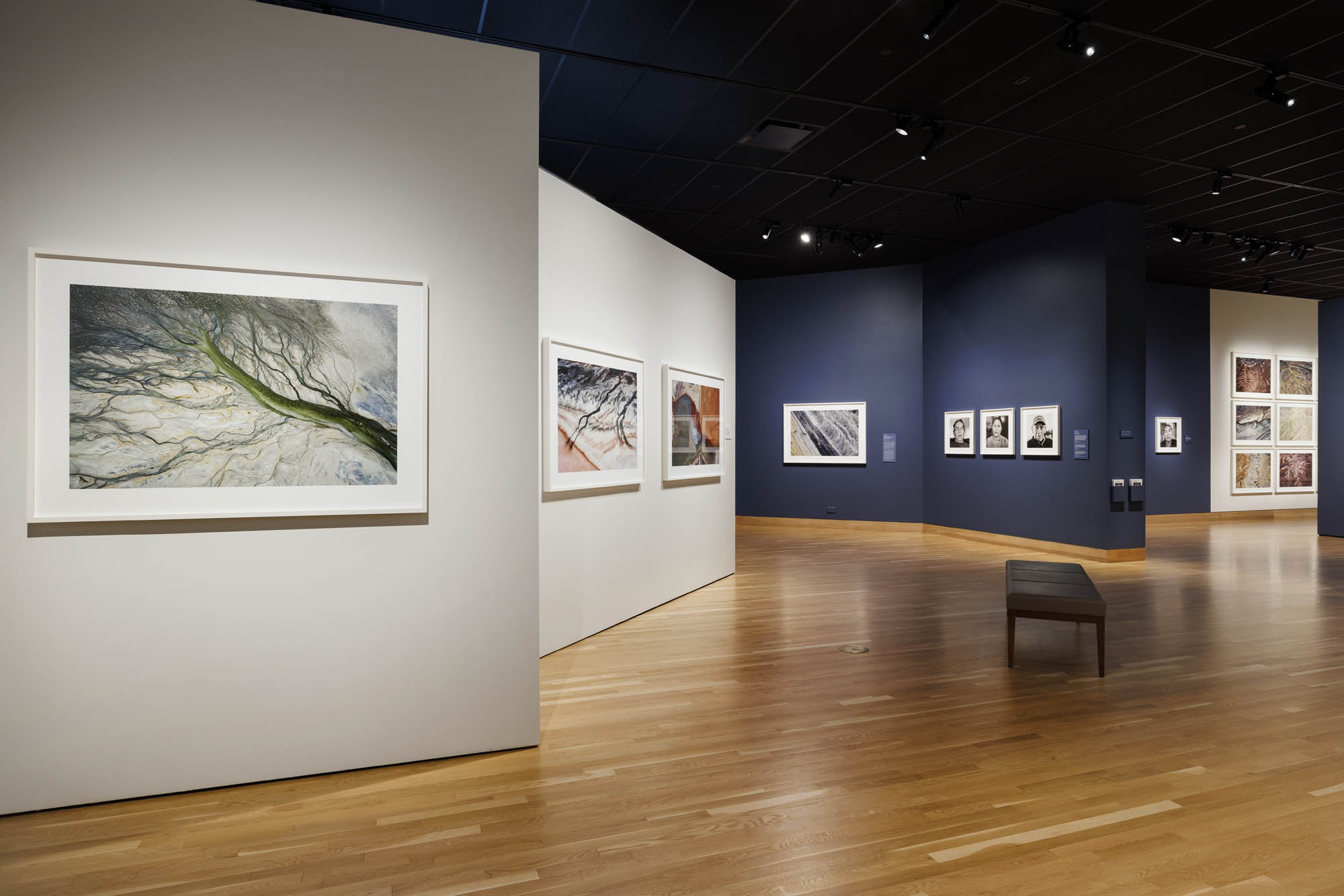
Installation view of the exhibition 'Fazal Sheikh: Thirst | Exposure | In Place' at the Denver Art Museum showing work from the series 'In Place (Utah, Arizona, and New Mexico, Four Corners Region)' 2017-2020

Installation view of the exhibition 'Fazal Sheikh: Thirst | Exposure | In Place' at the Denver Art Museum showing work from the series 'In Place (Utah, Arizona, and New Mexico, Four Corners Region)' 2017-2020

Installation view of the exhibition 'Fazal Sheikh: Thirst | Exposure | In Place' at the Denver Art Museum showing work from the series 'In Place (Utah, Arizona, and New Mexico, Four Corners Region)' 2017-2020

Installation view of the exhibition 'Fazal Sheikh: Thirst | Exposure | In Place' at the Denver Art Museum showing work from the series 'In Place (Utah, Arizona, and New Mexico, Four Corners Region)' 2017-2020

Installation view of the exhibition 'Fazal Sheikh: Thirst | Exposure | In Place' at the Denver Art Museum showing work from the series 'In Place (Utah, Arizona, and New Mexico, Four Corners Region)' 2017-2020

Installation view of the exhibition 'Fazal Sheikh: Thirst | Exposure | In Place' at the Denver Art Museum showing work from the series 'In Place (Utah, Arizona, and New Mexico, Four Corners Region)' 2017-2020

Installation view of the exhibition 'Fazal Sheikh: Thirst | Exposure | In Place' at the Denver Art Museum showing work from the series 'In Place (Utah, Arizona, and New Mexico, Four Corners Region)' 2017-2020

Installation view of the exhibition 'Fazal Sheikh: Thirst | Exposure | In Place' at the Denver Art Museum showing work from the series 'In Place (Utah, Arizona, and New Mexico, Four Corners Region)' 2017-2020

Installation view of the exhibition 'Fazal Sheikh: Thirst | Exposure | In Place' at the Denver Art Museum showing work from the series 'In Place (Utah, Arizona, and New Mexico, Four Corners Region)' 2017-2020

Installation view of the exhibition 'Fazal Sheikh: Thirst | Exposure | In Place' at the Denver Art Museum showing work from the series 'In Place (Utah, Arizona, and New Mexico, Four Corners Region)' 2017-2020

Installation view of the exhibition 'Fazal Sheikh: Thirst | Exposure | In Place' at the Denver Art Museum showing work from the series 'In Place (Utah, Arizona, and New Mexico, Four Corners Region)' 2017-2020Installation view of the exhibition 'Fazal Sheikh: Thirst | Exposure | In Place' at the Denver Art Museum showing work from the series 'In Place (Utah, Arizona, and New Mexico, Four Corners Region)' 2017-2020

Installation view of the exhibition 'Fazal Sheikh: Thirst | Exposure | In Place' at the Denver Art Museum showing work from the series 'In Place (Utah, Arizona, and New Mexico, Four Corners Region)' 2017-2020

Installation view of the exhibition 'Fazal Sheikh: Thirst | Exposure | In Place' at the Denver Art Museum showing work from the series 'In Place (Utah, Arizona, and New Mexico, Four Corners Region)' 2017-2020


Installation view of the exhibition Fazal Sheikh: Thirst | Exposure | In Place at the Denver Art Museum showing work from the series In Place (Utah, Arizona, and New Mexico, Four Corners Region), 2017-2020


The Denver Art Museum (DAM) presents Fazal Sheikh: Thirst | Exposure | In Place, an exhibition created from three projects photographer Fazal Sheikh made on the Colorado Plateau from 2017 to early 2023. Sheikh’s portraits and landscapes shed light on the far-reaching consequences of extractive industry and climate change. Thirst ǀ Exposure ǀ In Place will open March 10, 2024, and will be on view through October 20, 2024, in the museum’s Photography galleries, located on level 6 of the Martin Building, and will be included with general admission.

Born in 1965 in New York City, Sheikh creates images of displaced communities and marginalised people that prompt awareness of the world beyond the museum. The photographs in Thirst ǀ Exposure ǀ In Place expose indelible marks on the Colorado Plateau and American Southwest landscape that have been etched by both geological and human forces. Through this beautiful and sometimes frightening new work, Sheikh encourages viewers to witness the consequences of the past and imagine the shape of the future.

“Through expansive aerial shots and intimate portraits, Fazal Sheikh documents these regions and their people with solidarity and honesty,” said Christoph Heinrich, Frederick and Jan Mayer Director of the Denver Art Museum. “The Colorado Plateau is a region deeply impacted by climate change and economic development. This exhibition offers a nuanced view into the past, present and future lives of its inhabitants.”

Sheikh is best known for his deeply humane photographs of refugees and migrants displaced by war and famine. Focusing on the United States for the first time, Sheikh explores how Indigenous people and the lands they call home have been affected by industrial growth and government policy.

“The aerial photographs in this exhibition remind us of the great age and natural beauty of the Colorado Plateau,” said Eric Paddock, Curator of Photography at the DAM and curator of this exhibition for Denver. “They create an awareness of deep human and geological time and raise questions about the future of the region. In that context, Sheikh’s portraits and accompanying text affirm local communities’ need to protect their sacred spaces and encourage wider recognition of that need.”

The DAM exhibition presents Sheikh’s recent work in three interrelated sections:

Thirst is a new series of aerial photographs that document the decline of the Great Salt Lake in northeast Utah, which is shrinking due to overconsumption and dwindling rain and snowfall. As the lake dries up, winds carry clouds of toxic sediment – by-products from mining, agriculture and urban development – from the lakebed, across the valley and beyond.

Exposure examines the impacts of uranium, coal, oil and natural-gas extraction on the American Southwest and on its Indigenous inhabitants. Sheikh partnered with Utah Diné Bikéyah – a coalition among the Hopi, Navajo, Uintah Ouray Ute, Ute Mountain Ute and Zuni tribes – and with Indigenous elders and scientists from Princeton University – to address hazardous waste and pollution left across the region by short-sighted development and poorly remediated industrial sites. The project reflects on the resilience of Indigenous people in the face of threats to their culture, spirituality and health.

In Place evokes the enduring landscapes of the Bears Ears region in Utah, bringing Sheikh’s photographs together with contributions from scientists and Indigenous communities in and around Bears Ears in southeastern Utah. Visitors are surrounded by images made at a close distance and from high in the air. Sixty-three large colour photographs show the tremendous geological variety and the long cultural continuities of the Four Corners region.

Visitors will reflect upon the transformation – and often devastation – of these landscapes in the context of the past, present and future, while considering the juxtaposition of beauty and catastrophe, as well as intimate, human-scale stories and those spanning vast geological eras and changes.

Jonah Yellowman, spiritual advisor for the Utah Diné Bikéyah intertribal coalition and one of its founding members, will present an offering that represents his Navajo (Diné) spirituality and a deep connection to the land. This offering will be present in the gallery during the run of the exhibition.

Sound recordings taken from seismometer readings by University of Utah geologist Jeffrey Ralston Moore will resonate throughout the gallery space. They represent the otherwise inaudible vibrations of rock formations on the Colorado Plateau.

Taken together, the photographs and collaborations in Thirst | Exposure | In Place lay bare the indelible marks etched on the landscape by geological and human forces. Sheikh asks us to witness the consequences of what has passed and imagine what is yet to come.

Sheikh will speak about his recent work in the Four Corners region and at the Great Salt Lake, in connection with his exhibition in a lecture event at the DAM on March 9, 11am – 12pm. The lecture will take place in the Sharp Auditorium, in the lower level of the museum’s Hamilton Building. Sheikh will discuss the origin of each series, his immersion in the landscapes and communities he photographed and his collaborations with writers, scientists and Indigenous community members that are woven throughout this work. This exhibition follows the Denver Art Museum’s 2017 presentation of Common Ground: Photographs by Fazal Sheikh, 1989-2013.
Fazal Sheikh: Thirst | Exposure | In Place is organised by the Denver Art Museum. The exhibition is presented by Jane Watkins, with additional support from the donors to the Annual Fund Leadership Campaign and the residents who support the Scientific and Cultural Facilities District (SCFD). Promotional support is provided by 5280 Magazine and CBS Colorado.

The exhibition was curated in Denver by Curator of Photography, Eric Paddock, in collaboration with Kimberly Roberts, Denver Art Museum Curatorial Associate, and Lauren Thompson, Senior Interpretive Specialist.


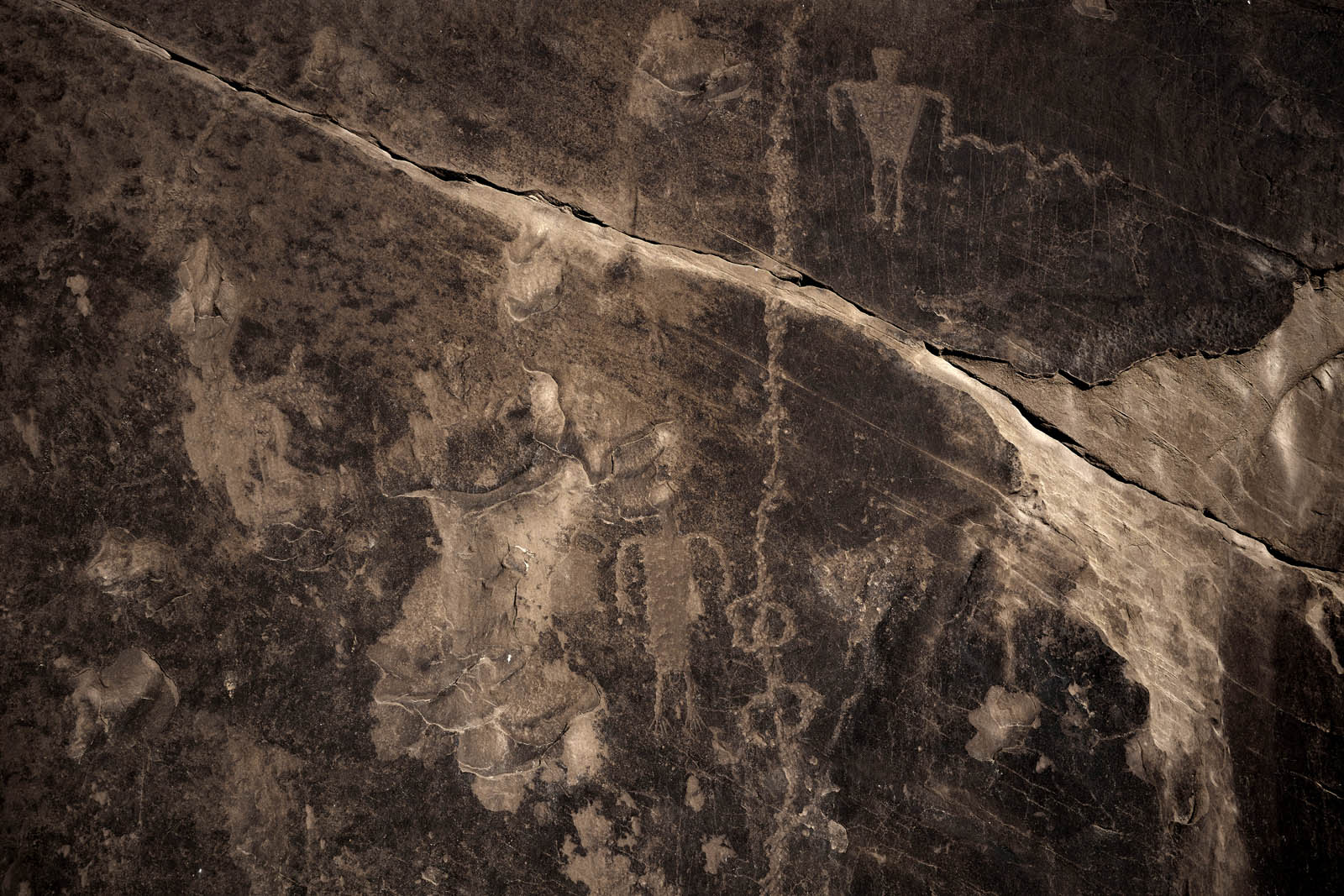
Fazal Sheikh (American, b. 1965) From the installation 'In Place (Utah, Arizona, and New Mexico, Four Corners Region)' 2017-2020


Fazal Sheikh (American, b. 1965)
From the installation In Place (Utah, Arizona, and New Mexico, Four Corners Region)
2017-2020
Pigmented inkjet print
© and courtesy Fazal Sheikh
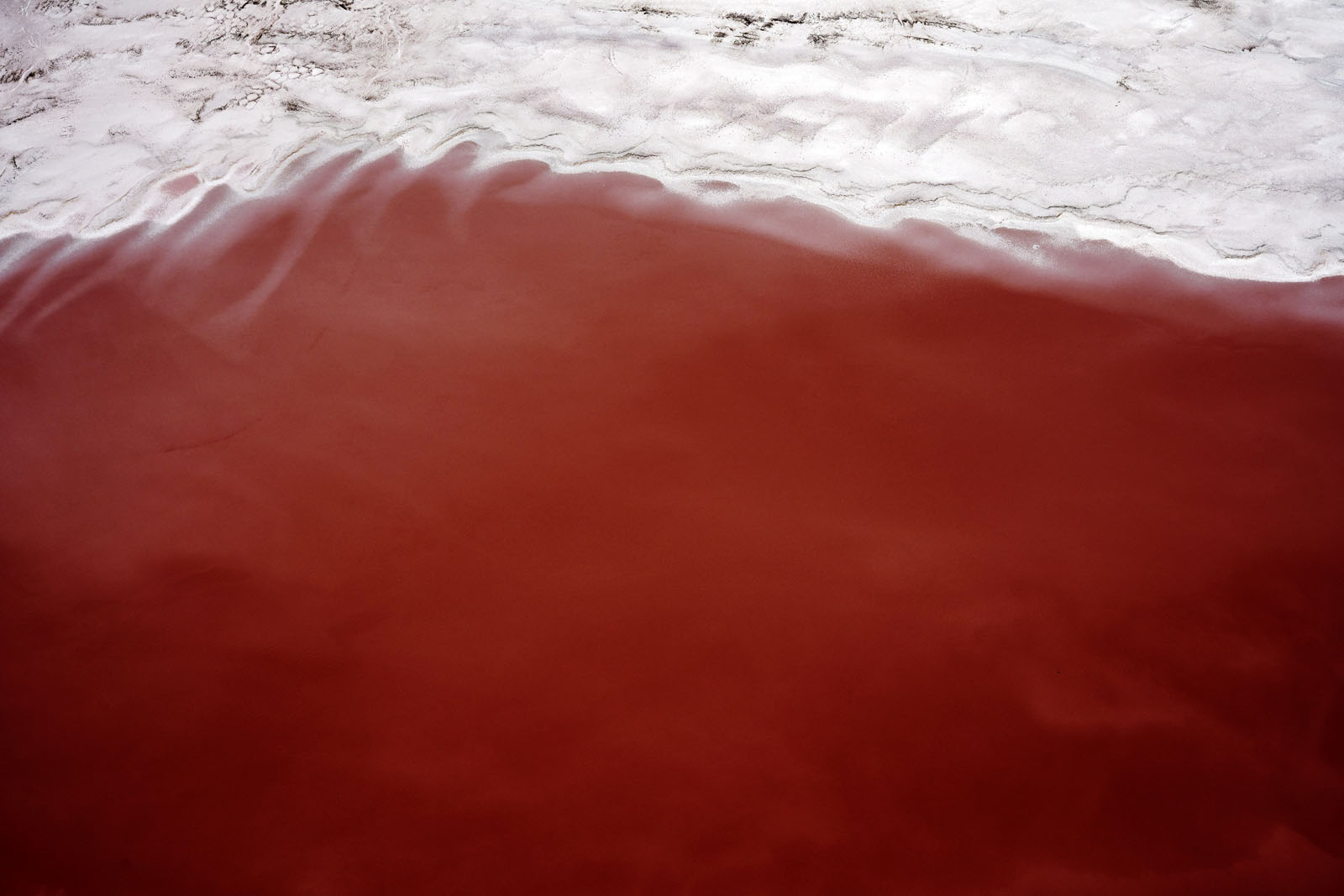
 

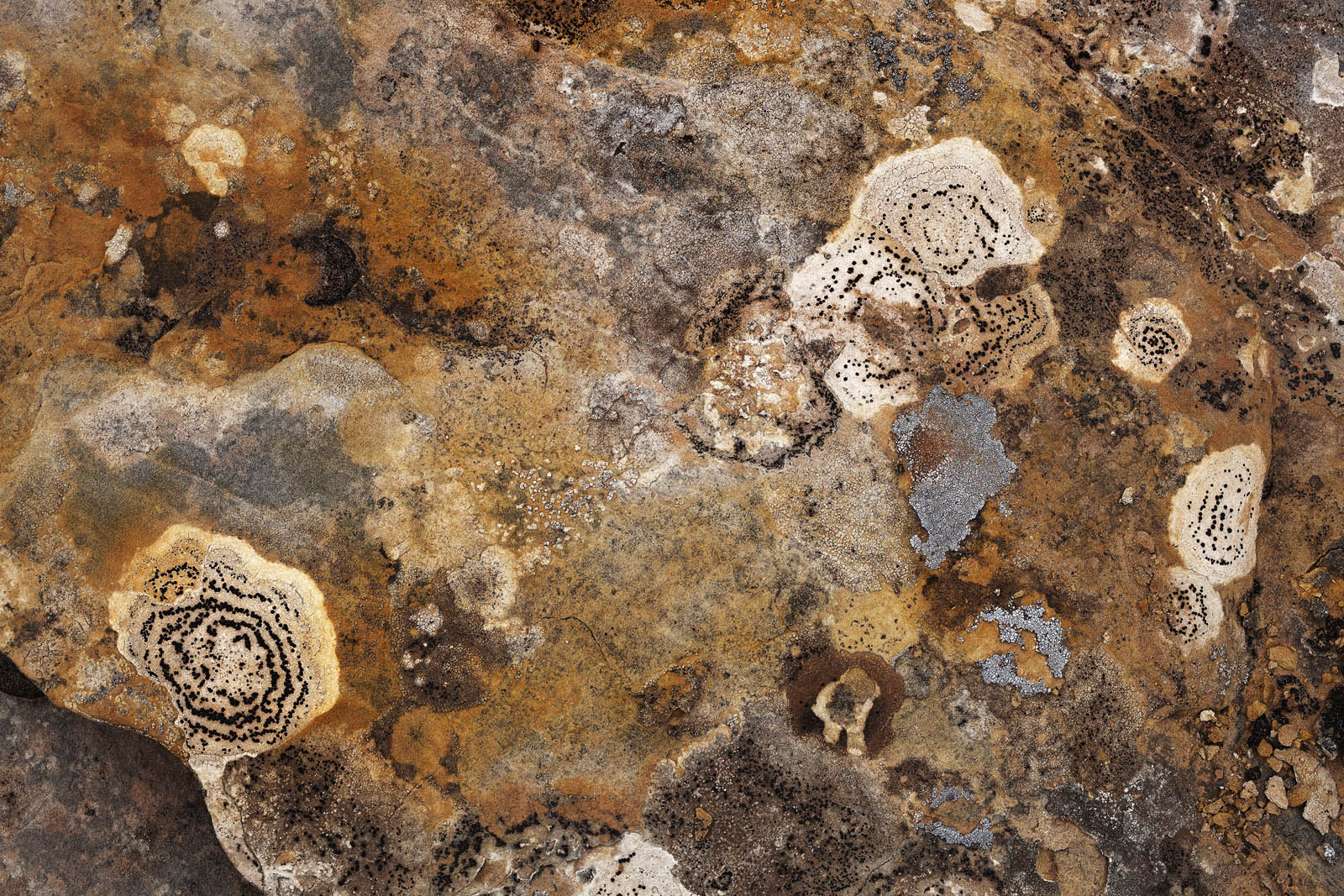
Fazal Sheikh (American, b. 1965) From the installation 'In Place (Utah, Arizona, and New Mexico, Four Corners Region)' 2017-2020


Fazal Sheikh (American, b. 1965)
From the installation In Place (Utah, Arizona, and New Mexico, Four Corners Region)
2017-2020
Pigmented inkjet print
© and courtesy Fazal Sheikh
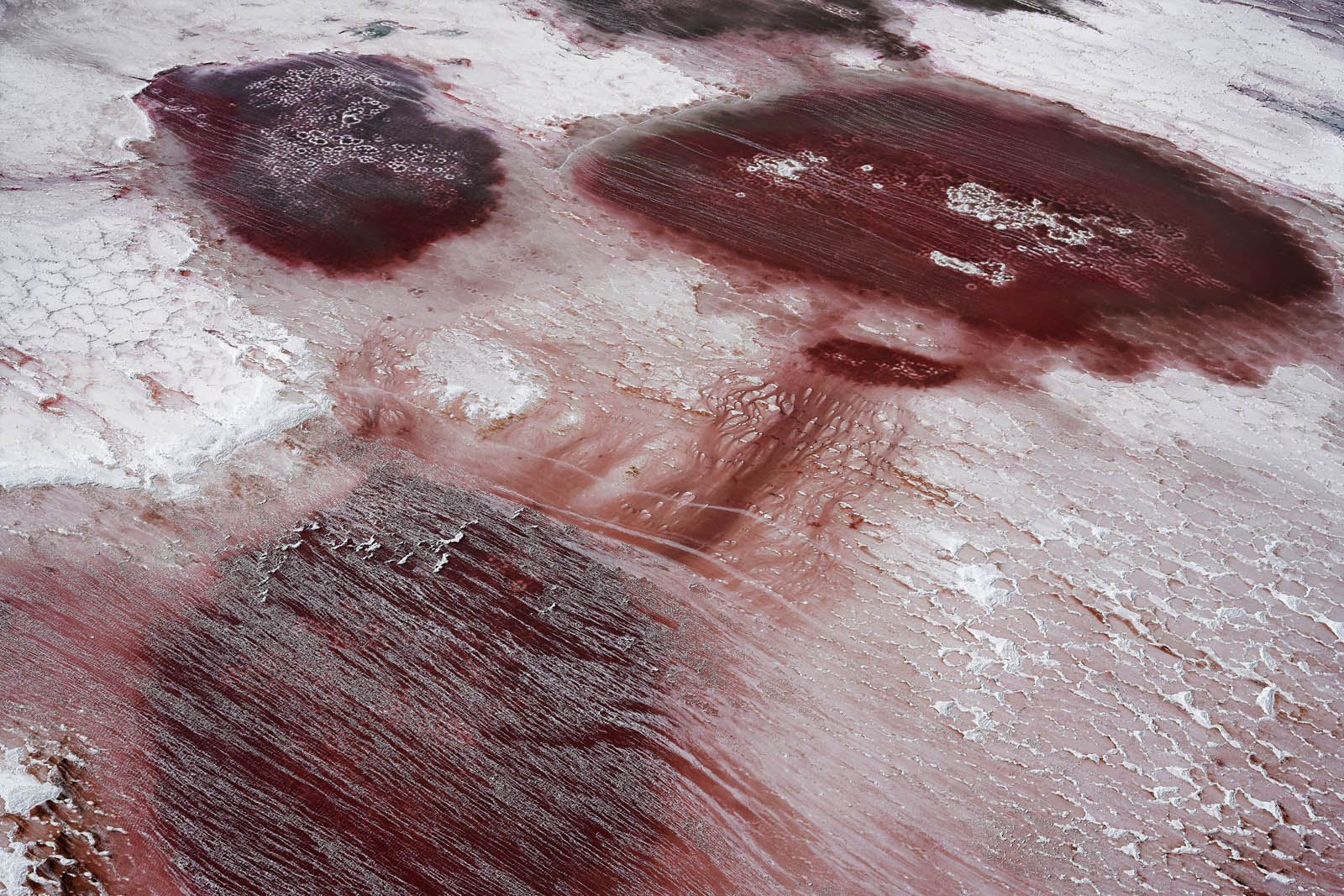
 

Fazal Sheikh (American, b. 1965) From the installation 'In Place (Utah, Arizona, and New Mexico, Four Corners Region)' 2017-2020


Fazal Sheikh (American, b. 1965)
From the installation In Place (Utah, Arizona, and New Mexico, Four Corners Region)
2017-2020
Pigmented inkjet print
© and courtesy Fazal Sheikh


Denver Art Museum
100 W 14th Ave Pkwy,
Denver, CO 80204, United States
Phone: (720) 865-5000

Opening hours:
Open daily from 10am – 5pm, 10am – 8pm on Tuesdays
Denver Art Museum website

LIKE ART BLART ON FACEBOOK

Back to top

Exhibition: ‘Indigenous Beauty: Masterworks of American Indian Art from the Diker Collection’ at the Amon Carter Museum of American Art, Fort Worth, Texas

Exhibition dates: 5th July – 13th September 2015


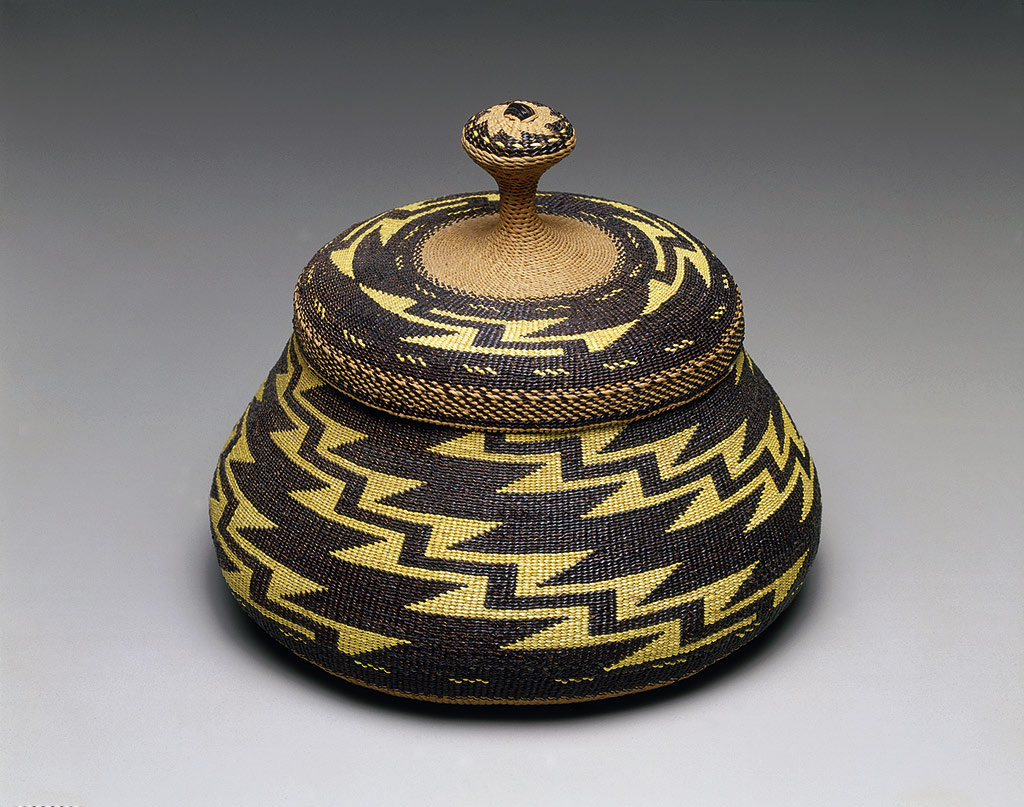
Elizabeth Conrad Hickox (Karuk) Somes Bar, California '"Fancy" lidded basket' c. 1917-1926


Elizabeth Conrad Hickox (Karuk)
Somes Bar, California
“Fancy” lidded basket
c. 1917-1926
Conifer root, maidenhair fern stems, porcupine quills, hazel shoots
Courtesy American Federation of Arts Diker no. 445


Just one word: glorious.

And to think, these disparate cultures were nearly wiped out through genocide enacted upon them by the white race.

Marcus


Many thankx to the Amon Carter Museum of American Art for allowing me to publish the art work in the posting. Please click on the photographs for a larger version of the image.


Drawn from the celebrated American Indian art collection of Charles and Valerie Diker, Indigenous Beauty: Masterworks of American Indian Art from the Diker Collection showcases approximately 120 masterworks, including fine examples of basketry, pottery, sculpture, ivories, kachina dolls, regalia, and pictographic arts from tribes across the North American continent. The exhibition provides rare access to many exquisite works from one of the most comprehensive and diverse collections of American Indian art in private hands.

Indigenous Beauty is organised by the American Federation of Arts. This exhibition was made possible by the generosity of an anonymous donor, the JFM Foundation, and Mrs. Donald Cox.

Text from the Amon Carter website


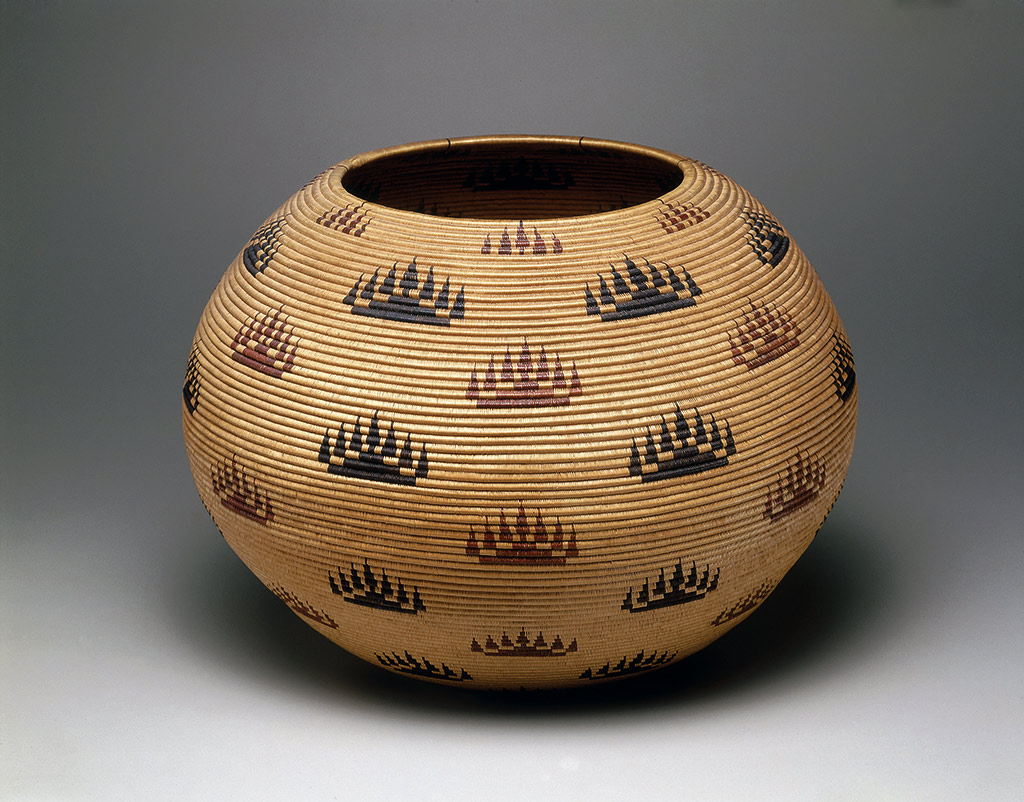
Louisa Keyser (also known as Datsolalee, Washoe) Carson City, Nevada 'Basket bowl' 1907


Louisa Keyser (also known as Datsolalee, Washoe)
Carson City, Nevada
Basket bowl
1907
Willow shoots, redbud shoots, bracken fern root
Courtesy American Federation of Arts Diker no. 326


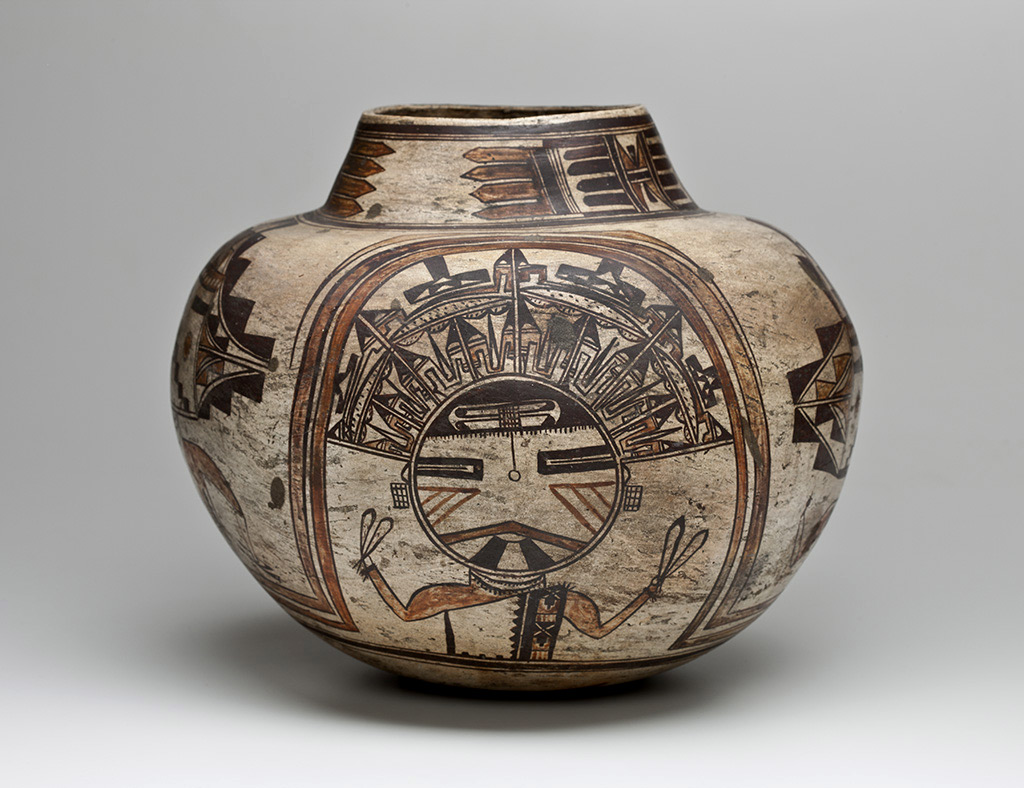
Nampeyo (Hopi-Tewa) Hano Village, Hopi, Arizona 'Water jar' c. 1900


Nampeyo (Hopi-Tewa)
Hano Village, Hopi, Arizona
Water jar
c. 1900
Clay, slip
Courtesy American Federation of Arts Diker no. 824


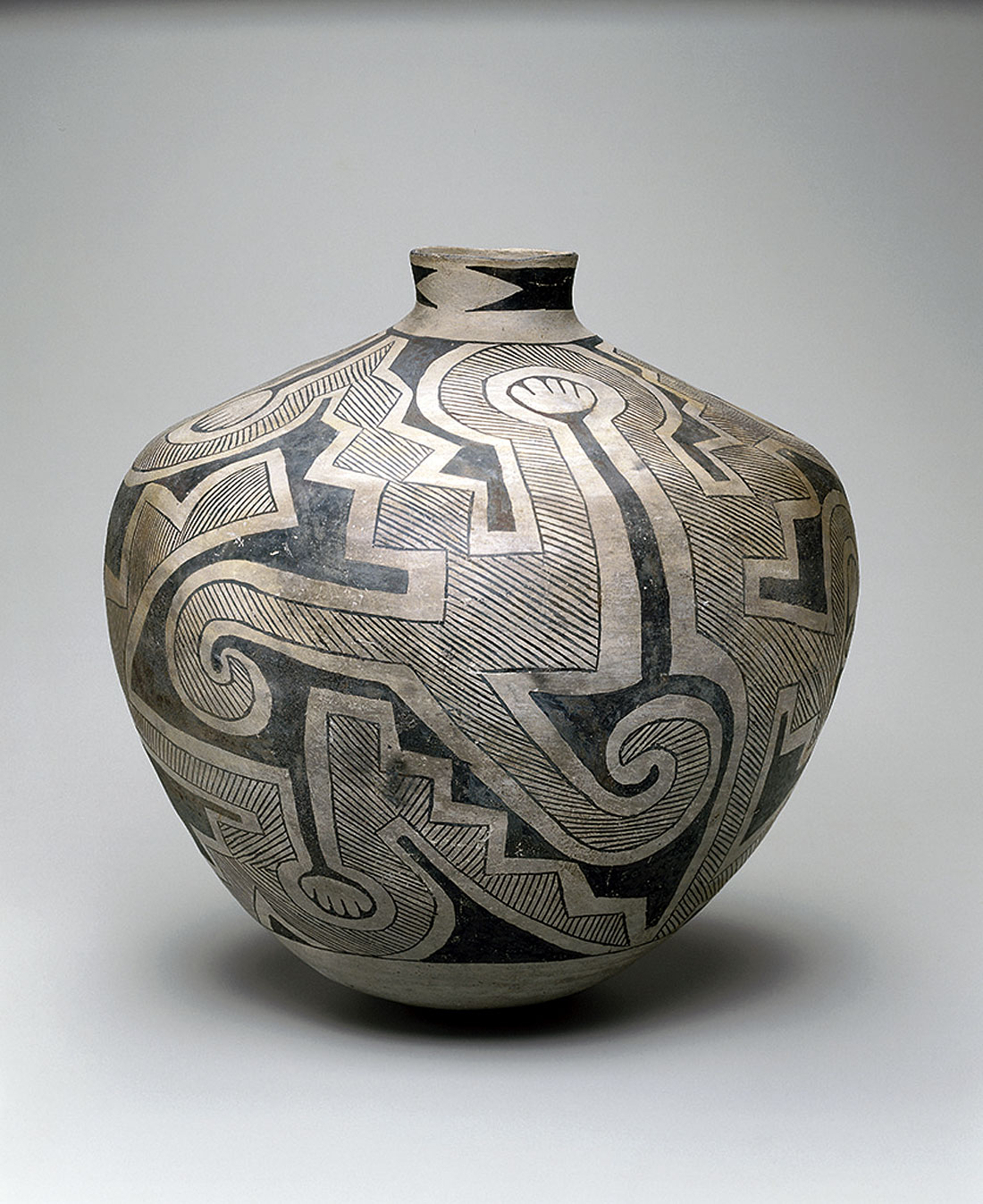
Ancestral Pueblo, New Mexico. 'Water jar' c. 1150


Ancestral Pueblo
New Mexico
Water jar

c. 1150
Clay, slip
Courtesy American Federation of Arts Diker no. 313


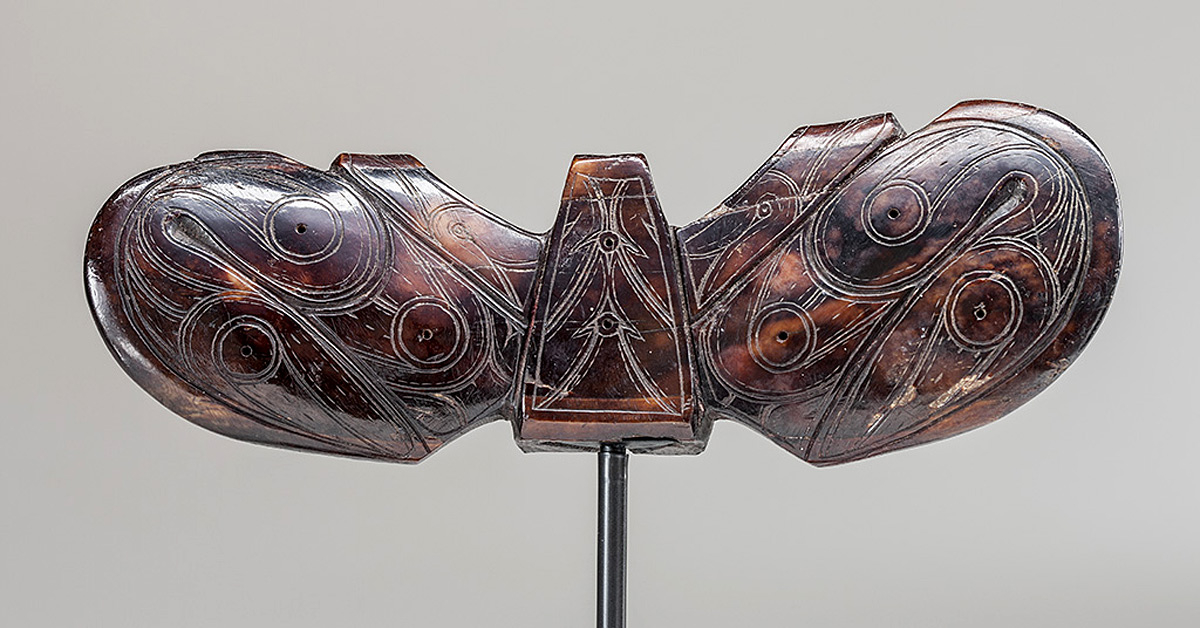
Old Bering Sea III culture. 'Harpoon counterweight (Winged object)' 5th-9th century


Old Bering Sea III culture
Bering Strait region, Alaska
Harpoon counterweight (Winged object)
5th-9th century
Walrus ivory
Courtesy American Federation of Arts Diker no. 731


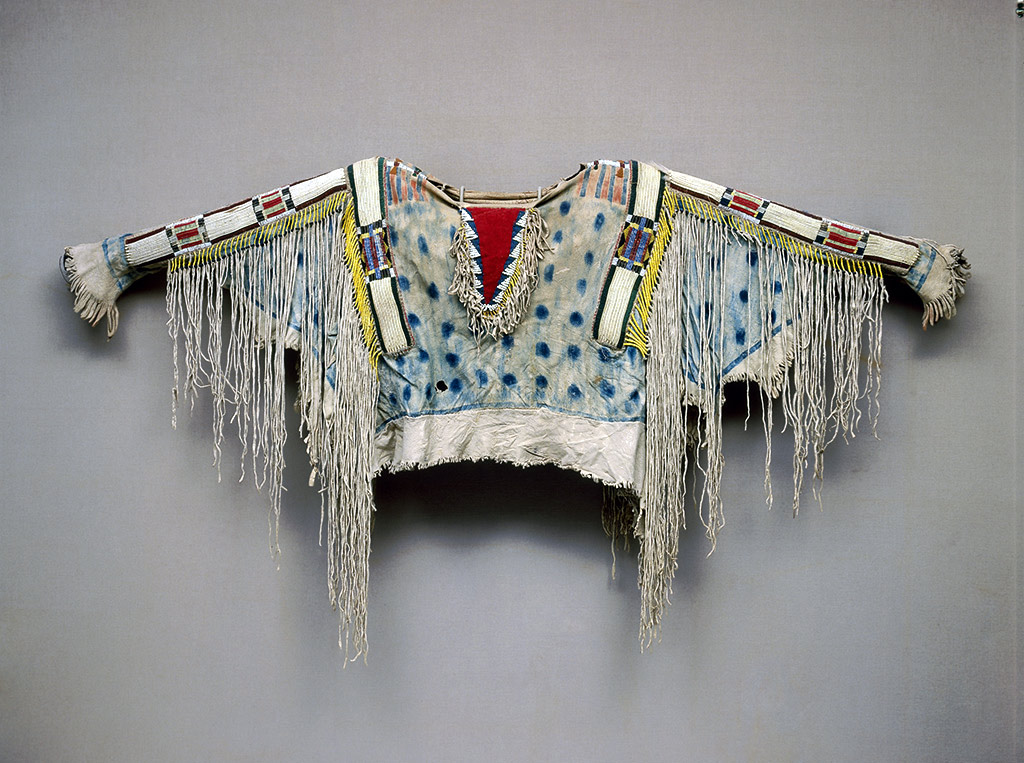
Niimiipu (Nez Perce). 'Man's shirt' c. 1850


Niimiipu (Nez Perce)
Oregon or Idaho
Man’s shirt
c. 1850
Hide, porcupine quills, horsehair, wool, glass beads, pigment
Courtesy American Federation of Arts Diker no. 666


Julian Scott ledger Artist B (Ka’igwu [Kiowa]) Kiowa and Comanche Indian Reservation, Oklahoma. 'Twelve High-Ranking Kiowa Men' Nd


Julian Scott ledger Artist B (Ka’igwu [Kiowa])
Kiowa and Comanche Indian Reservation, Oklahoma
Twelve High-Ranking Kiowa Men
Nd
Pencil, coloured pencil, and ink on paper
Courtesy American Federation of Arts Diker no. 059 LD


This summer, the Amon Carter Museum of American Art presents the traveling exhibition Indigenous Beauty: Masterworks of American Indian Art from the Diker Collection. Organised by the American Federation of Arts (AFA), the exhibition is drawn from the celebrated holdings of Charles and Valerie Diker and features approximately 120 masterworks representing tribes across the North American continent. The exhibition is on view at the Amon Carter from July 7 through September 13, 2015.

“This exhibition has been shaped by the Dikers’ passion for Native American art, and their collection is renowned as one of the largest and most comprehensive in private hands,” says AFA Director Pauline Willis. “We are delighted to bring these exquisite works to Fort Worth.”

Selections from the collection have been presented previously at the Metropolitan Museum of Art (1998-2000) and the Smithsonian’s National Museum of the American Indian (2003-2006), but Indigenous Beauty showcases recent acquisitions never before seen by the public. This is the first traveling exhibition curated from this remarkable collection.

“Charles and Valerie Diker are collectors and stewards of exceptional works of art from all corners of native North America, and audiences will be awed by the transformative spirit of creativity of the First Peoples whose ‘art schools’ were their families and communities,” says Barbara Brotherton, curator of Native American Art at the Seattle Art Museum. “This traveling exhibition and accompanying catalogue will invigorate new perspectives and rich discussion about the ways in which these objects affirm cultural values and express refined aesthetic sensibilities.”

Indigenous Beauty emphasises three interrelated themes – diversity, beauty and knowledge – that relate both to the works’ original contexts and to the ways in which they might be experienced by non-Native visitors in a contemporary museum setting. The exhibition is organised in 11 sections; while the objects within each section demonstrate common formal and functional qualities, the groupings are based primarily on geographic and cultural factors, allowing the viewer to perceive the impact of historical events as well as stylistic shifts over the course of decades or centuries. The range of work represented includes sculpture of the Northwest Coast; ancient ivories from the Bering Strait region; Yup’ik and Aleut masks from the Western Arctic; Kachina dolls of the Southwest pueblos; Southwest pottery; sculptural objects from the Eastern Woodlands; Eastern regalia; Plains regalia; pictographic arts of the Plains; and Western baskets.

Diversity is underlined as an essential aspect of indigenous American art, a corrective to the notion of a homogenous “American Indian” cultural and ethnic identity.

“Visitors to the exhibition are reminded that there is not just one North American Indian culture but hundreds of unique groups whose languages, mythologies and customs have evolved over the centuries,” says Andrew J. Walker, director of the Amon Carter. The comprehensive nature of the Dikers’ collection allows for this broad view of Native American art in all its complexity and historical specificity.”

A hallmark of the Diker Collection is the beauty and visual richness of the objects it comprises. The concept of formal beauty is the oldest and perhaps the strongest link between the material cultures of indigenous people and those of the Euro-American West. All known Native American languages include words that signify beauty or aesthetic quality, and many have more than one term to convey these concepts. For instance, in the language of Anishinaabe peoples which includes the Ottawa, Ojibwa or Algonquin, the word miikawaadiziwin refers to physical comeliness or handsomeness, while bishigendaagoziwin denotes beauty of a more spiritual and ethical nature. Such nuanced vocabularies influence the creation of objects within Native communities, each with its own criteria for technical excellence and aesthetic merit.

Cultural knowledge is inseparable from the practices of traditional art making in Native communities. From their elders, artists learn techniques for gathering and processing materials; production methods; a repertory of designs and patterns and the meanings they may contain; and often songs, prayers and rituals that are closely tied to art making. Over the last few decades, increased scholarship and closer collaborations between museums and Native communities have resulted in the recovery of knowledge about how objects were made, as well as their provenance and the ways they might have been used and understood in the contexts in which they originated.

Indigenous Beauty celebrates native North American artists whose visionary creativity and technical mastery have helped preserve cultural values across generations. The artists identified as members of many tribes and nations, each the product of complex and intertwined histories; and the captivating objects they created convey the extraordinary breadth and variety of Native American experience in North America. The exhibition shows both the deep historical roots of Native art and its dynamism, emphasising the living cultures and traditions of Native American groups through to the contemporary era.

Visitors to the Amon Carter can have a hands-on experience with many of the materials the artists used to create the objects in the exhibition. Tactile boards with several authentic materials (such as buffalo hide, abalone shells and seed beads) will be available for visitors to interact with while viewing the artworks.

Indigenous Beauty: Masterworks of American Indian Art from the Diker Collection is organised by the American Federation of Arts. This exhibition was made possible by the generosity of an anonymous donor, the JFM Foundation and Mrs. Donald M. Cox. The guest curator, David Penney, is an internationally recognized scholar of American Indian art. A fully illustrated catalogue presenting new research on the objects in the exhibition will include an essay by Penney, and contributions offer insight into the visual and material diversity of the collection, providing a greater understanding of the social and cultural worlds from which these works came. The catalogue will retail for $55 in the Museum Store. After closing at the Amon Carter, the exhibition travels to the Michael C. Carlos Museum at Emory University (October 8, 2015 – January 3, 2016) and Toledo Museum of Art (February 14 – May 11, 2016).

Press release from the Amon Carter Museum of American Art website


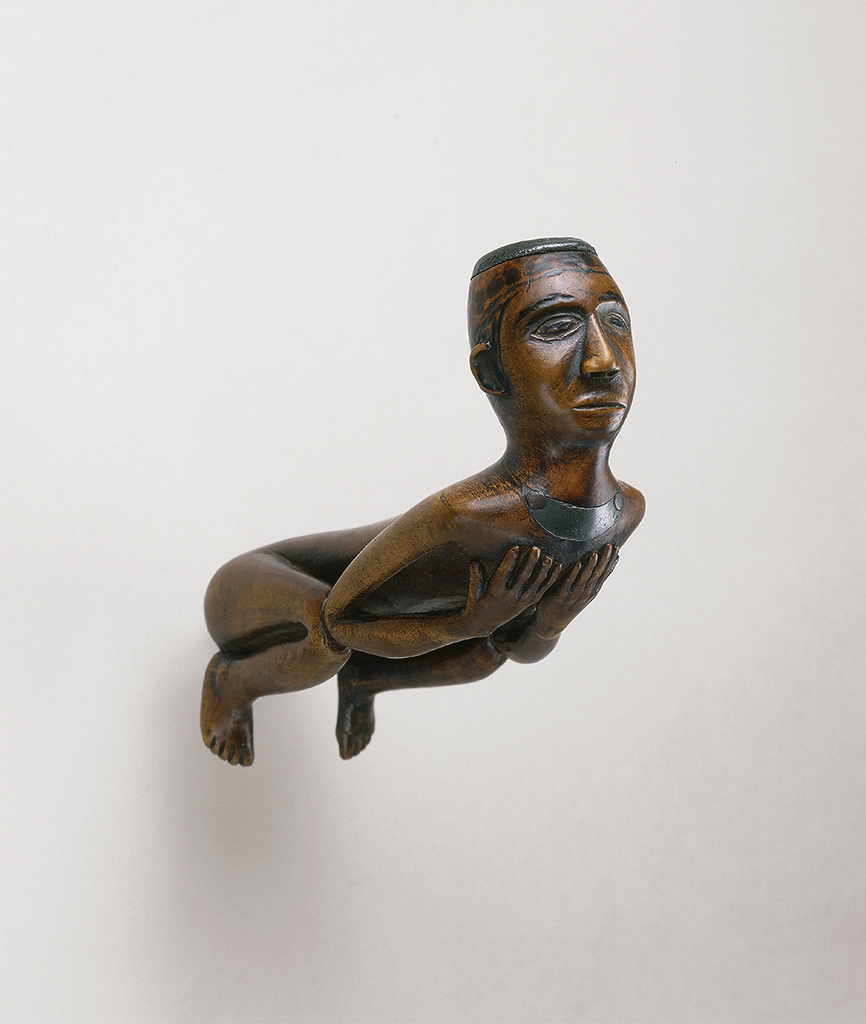
Muscogee (Creek) (?) 'Pipe bowl' c. 1780


Muscogee (Creek)(?)
Georgia or Alabama
Pipe bowl
c. 1780
Wood, brass (?), ferrous nails (?), tin
American Federation of Arts Diker no. 531


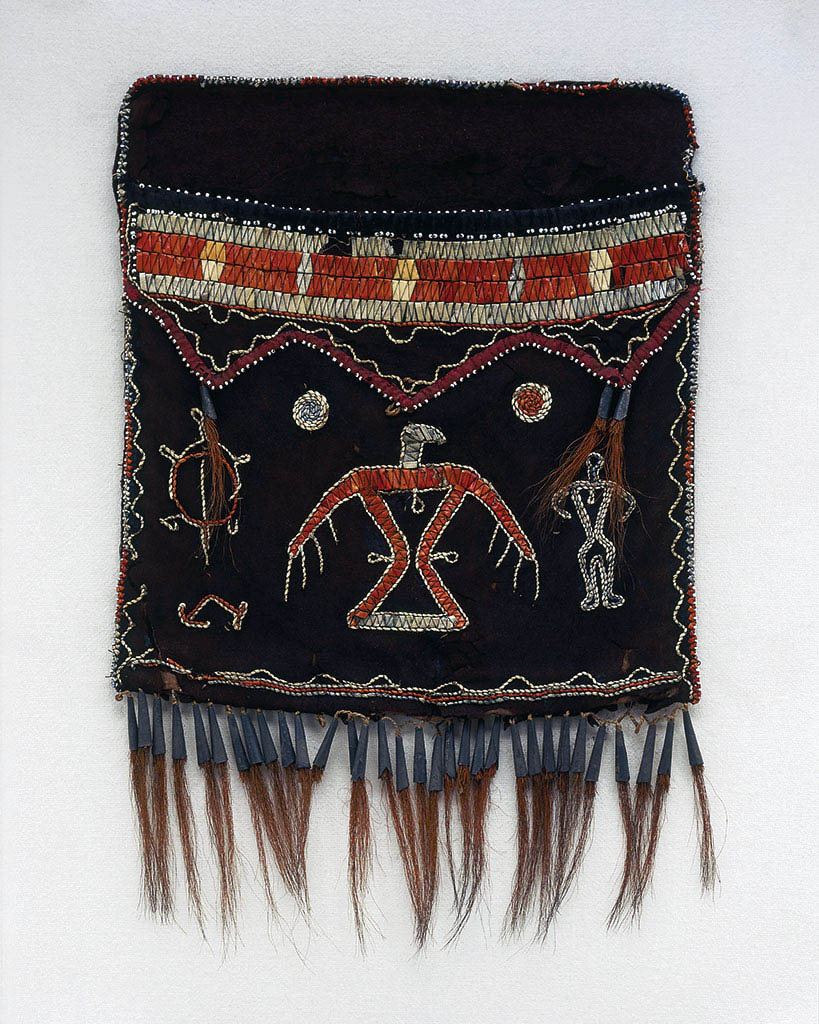
Anishinaabe, Ojibwa, Ontario. 'Shoulder bag (without strap)' c. 1820


Anishinaabe, Ojibwa
Ontario
Shoulder bag (without strap)
c. 1820
Hide, porcupine quills, tin cones, silk ribbon, dyed hair
Courtesy American Federation of Arts Diker no. 586


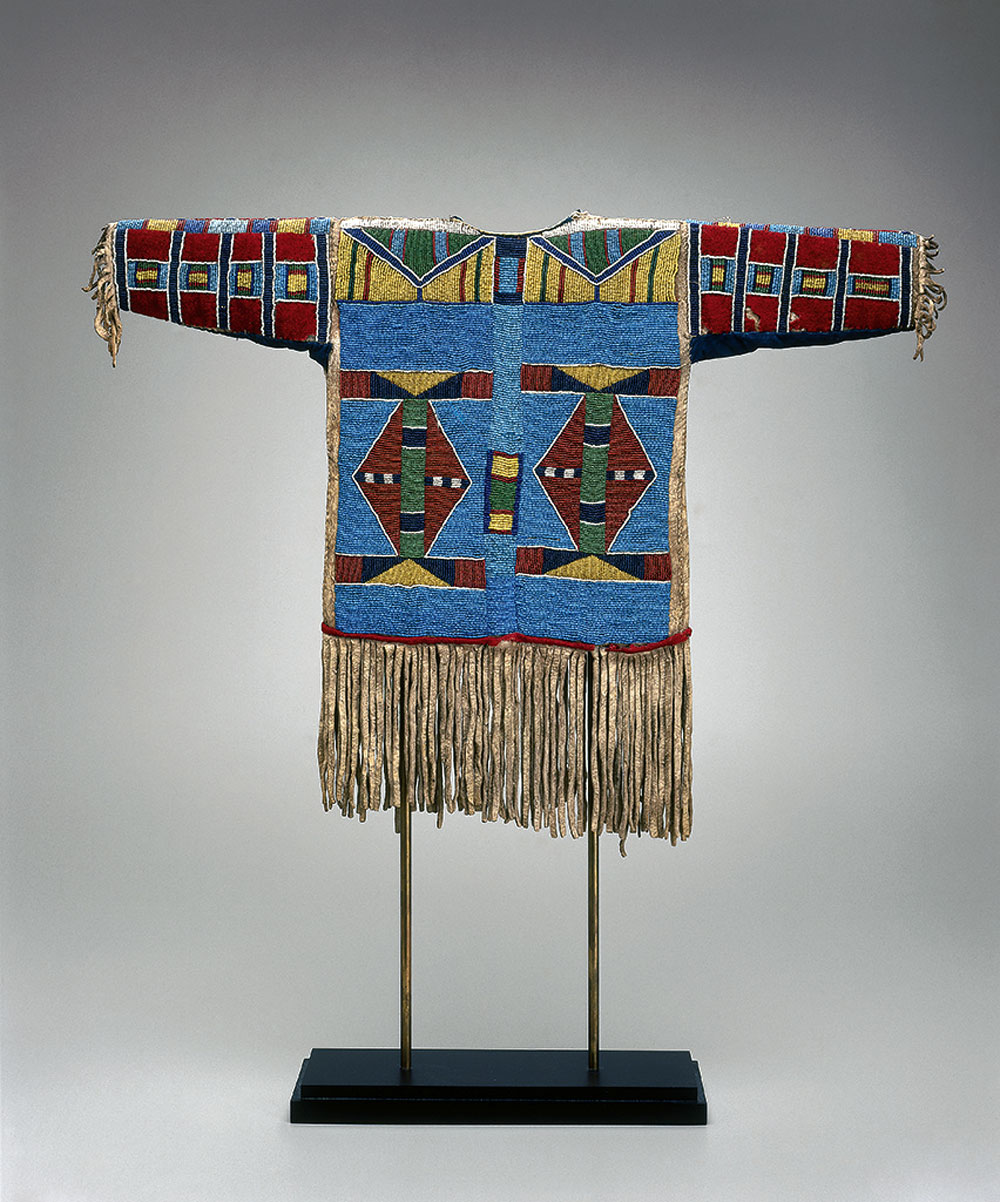
Apsáalooke (Crow), Montana. 'Boy's shirt' c. 1870


Apsáalooke (Crow)
Montana
Boy’s shirt
c. 1870
Hide, glass beads, cotton fabric, wool cloth, sinew, cotton thread
Courtesy American Federation of Arts Diker no. 665


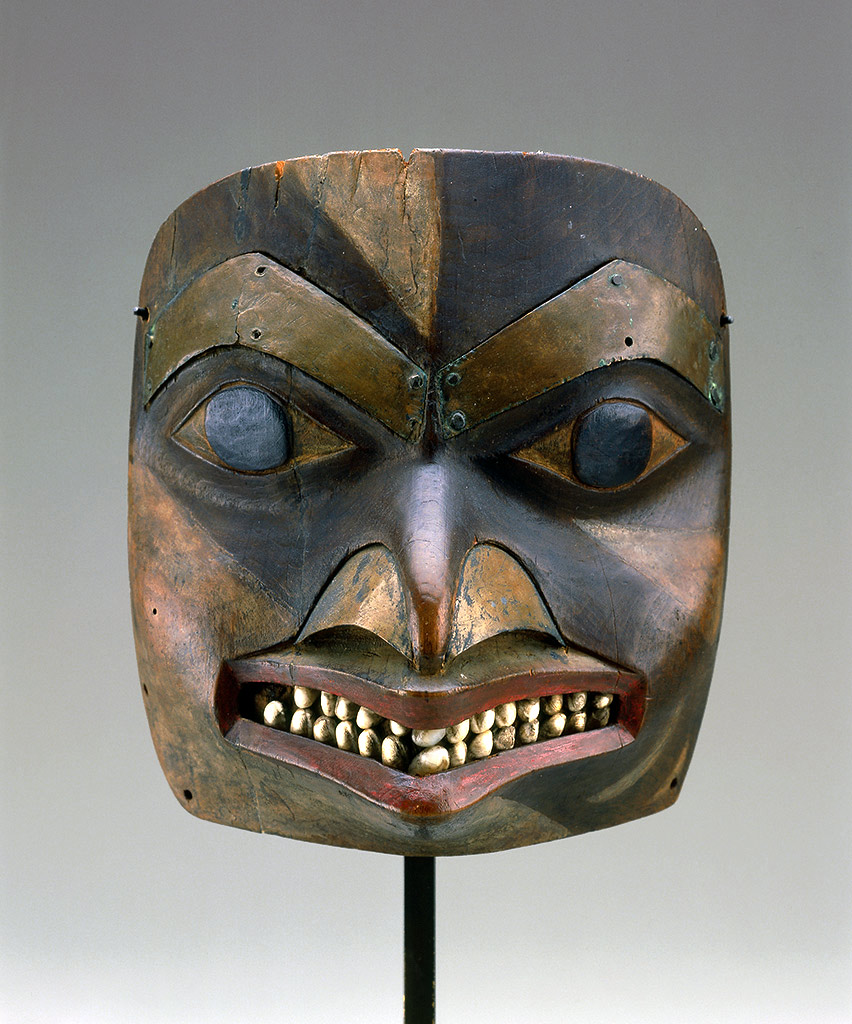
Tsimshian, British Columbia. 'Maskette' 1780-1830


Tsimshian
British Columbia
Maskette
1780-1830
Wood, copper, opercula shell, pigment
Courtesy American Federation of Arts Diker no. 681


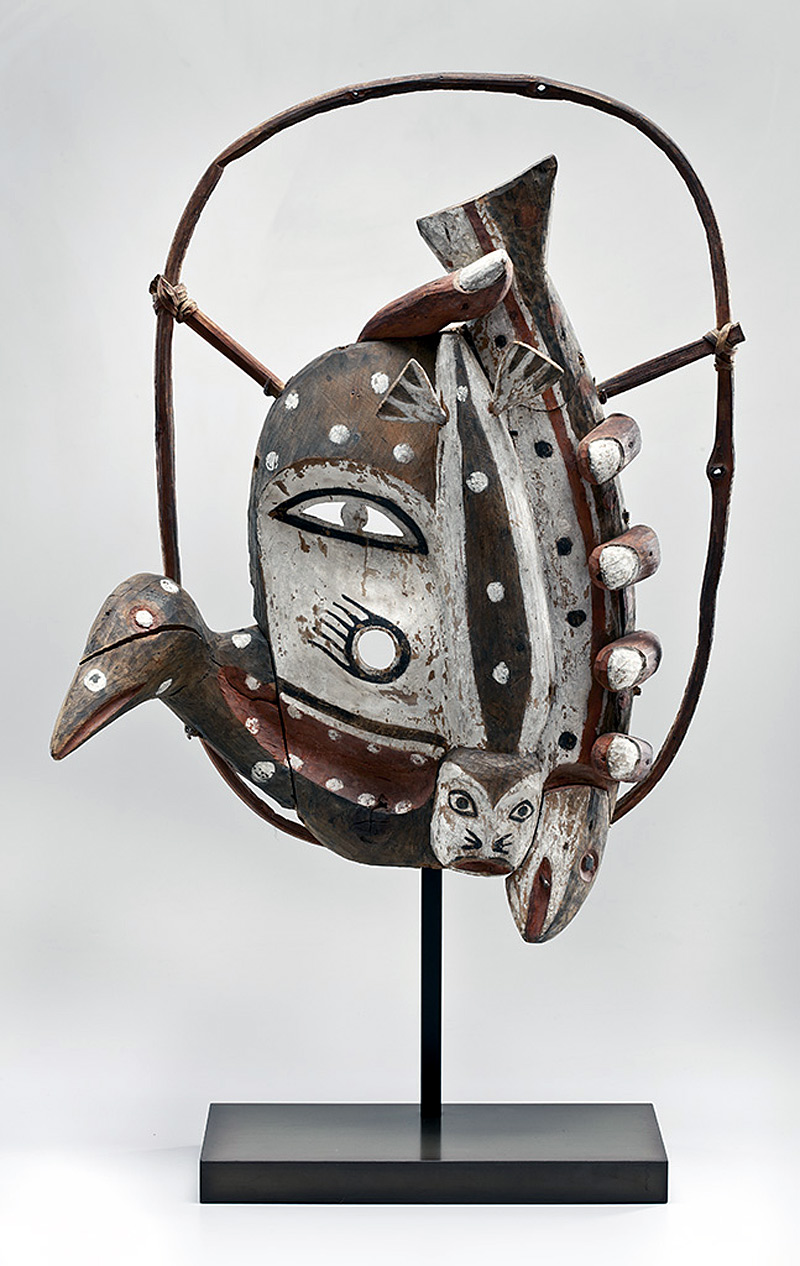
Yup'ik, Hooper Bay, Alaska. 'Mask' 1916-1918


Yup’ik
Hooper Bay, Alaska
Mask
1916-1918
Wood, pigment, vegetal fiber
Courtesy American Federation of Arts Diker no. 788


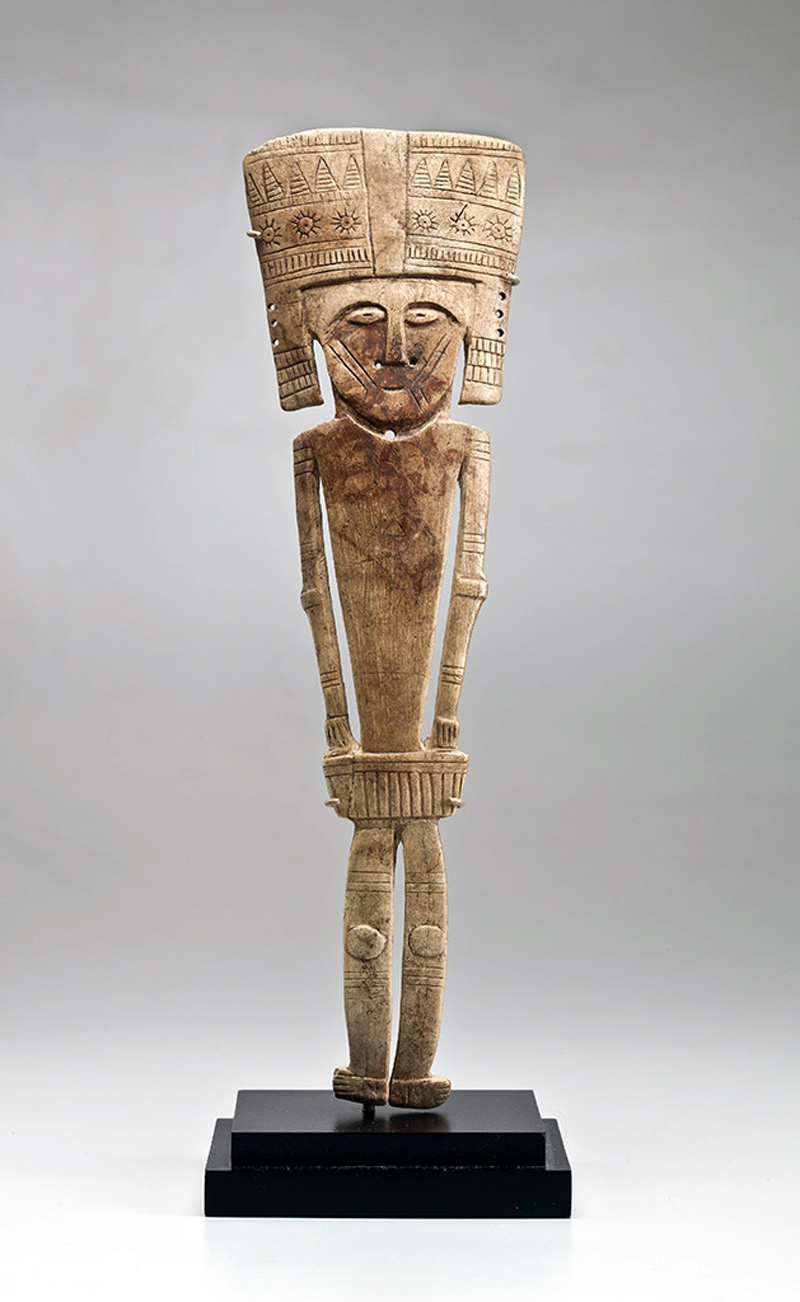
Ancestral Columbia River people, Washington State or Oregon. 'Figure (Pendant?)' 3rd-13th century


Ancestral Columbia River people
Washington State or Oregon
Figure (Pendant?)
3rd-13th century
Antler
Courtesy American Federation of Arts Diker no. 529


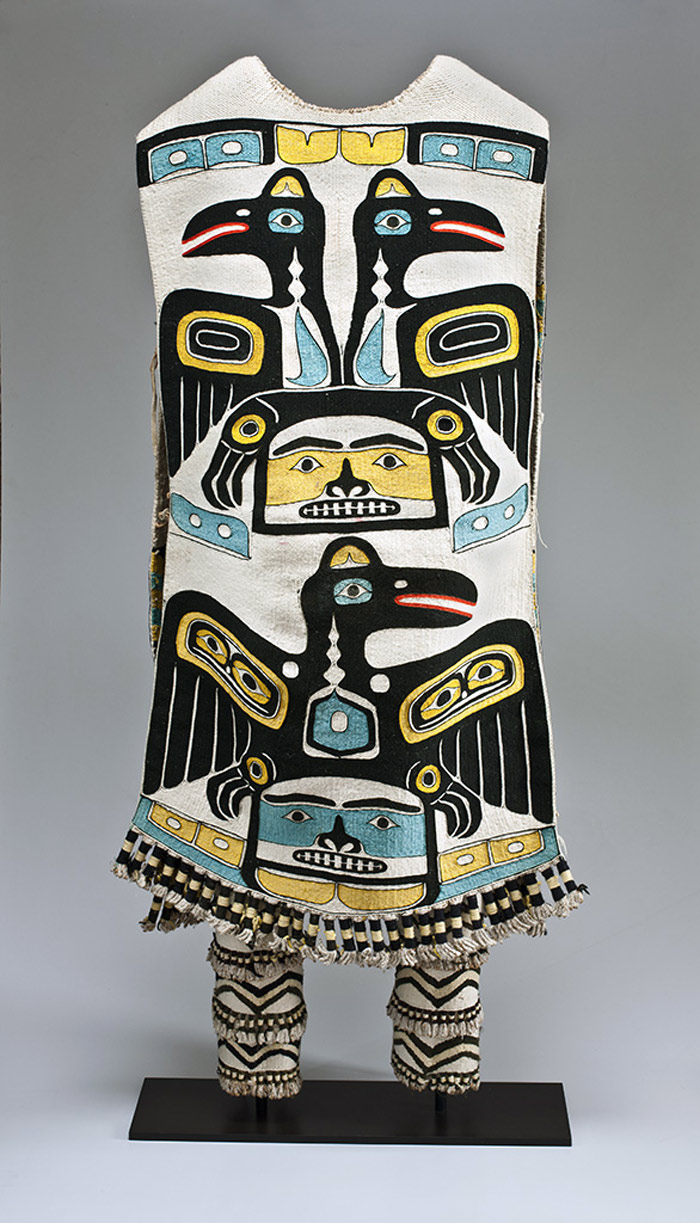
Tlingit, Chilkat, Klukwan, Alaska. 'Tunic and leggings' late 19th century


Tlingit, Chilkat
Klukwan, Alaska
Tunic and leggings
late 19th century
Cedar bark, wool, metal cones
Courtesy American Federation of Arts Diker no. 795


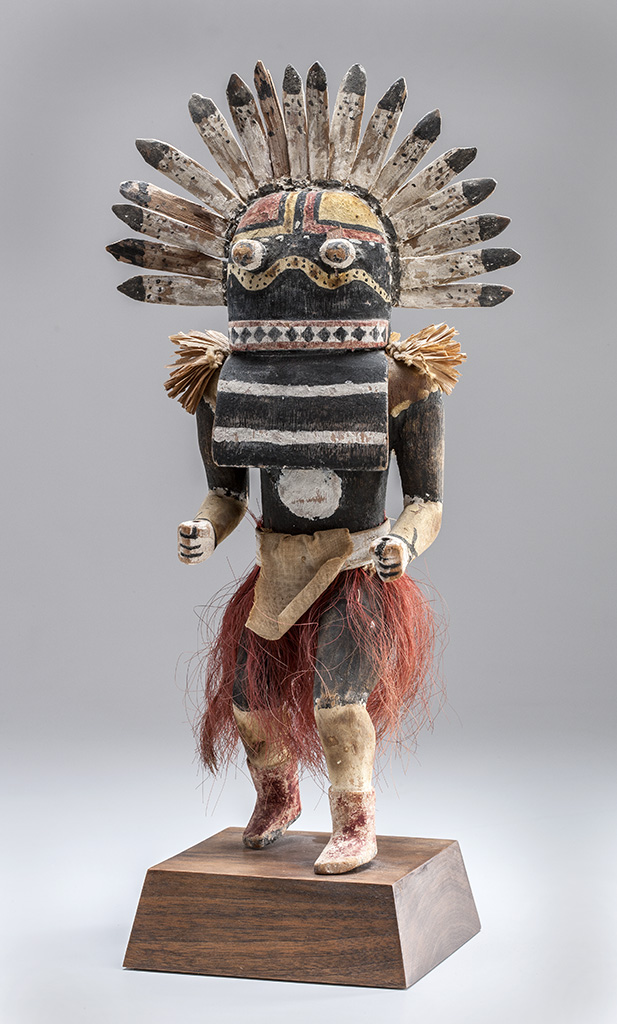
Zuni, New Mexico. 'Situlilu (Rattlesnake) Katsina' 1910-1930


Zuni
New Mexico
Situlilu (Rattlesnake) Katsina
1910-1930
Cottonwood, pine, gesso, pigment, dyed horsehair, cornhusk, cotton cord
Courtesy American Federation of Arts Diker no. 835


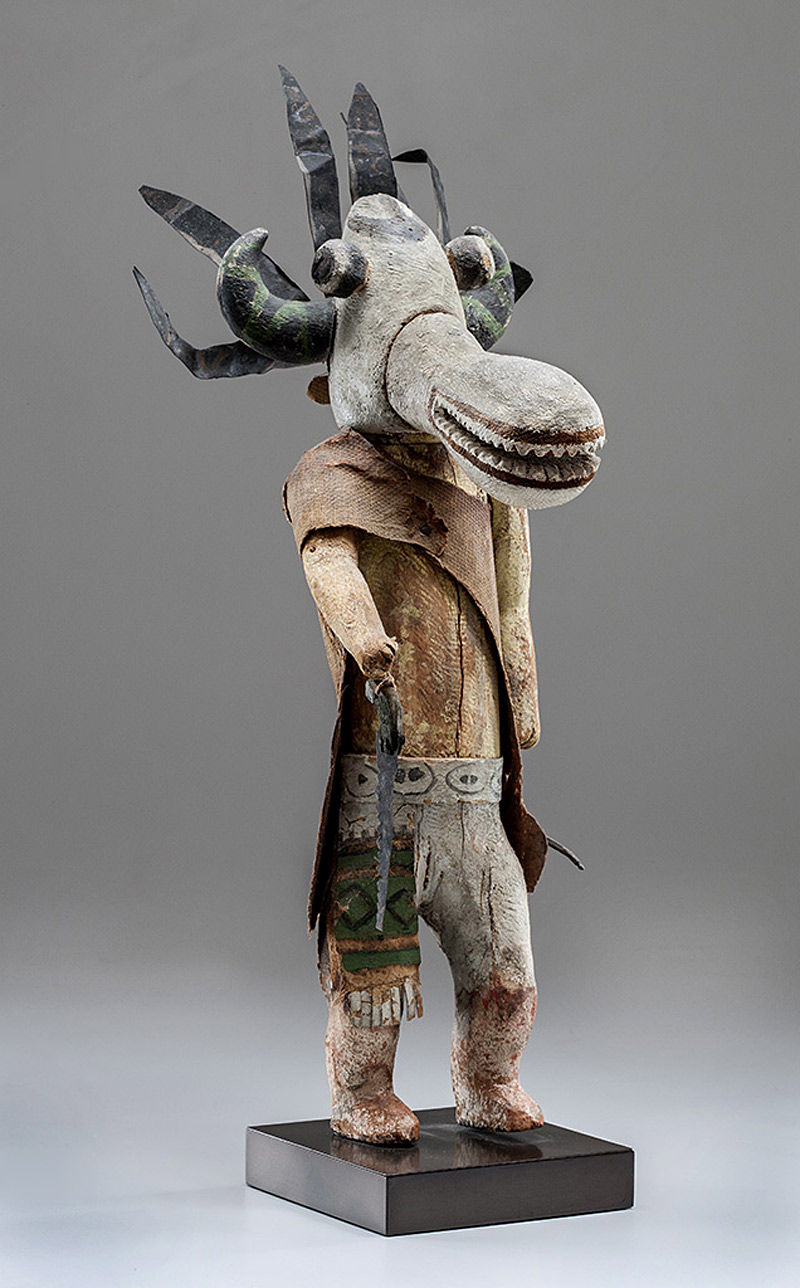
Hopi, Arizona. 'Qötsa Nata’aska Katsina' 1910


Hopi
Arizona
Qötsa Nata’aska Katsina
1910
Cottonwood, cloth, hide, metal, pigment
Courtesy American Federation of Arts Diker no. 831


Amon Carter Museum of American Art
3501 Camp Bowie Boulevard
Fort Worth, TX 76107-2695

Opening hours:
Tuesday, Wednesday, Friday, Saturday:
 10 am – 5 pm
Thursday: 10am – 8pm
Sunday: 12am – 5pm
Closed Mondays and major holidays.

Amon Carter Museum of American Art website

LIKE ART BLART ON FACEBOOK

Back to top