Exhibition: ‘On Her Own. The photographer Elfriede Mejchar’ at Wien Museum MUSA, Vienna

Exhibition dates: 18th April – 1st September, 2024

Curators: Anton Holzer, Frauke Kreutler


Elfriede Mejchar (Austrian, 1924-2020) 'Light and Shade' 1958 from the exhibition 'On Her Own. The photographer Elfriede Mejchar' at Wien Museum MUSA, Vienna, April - Sept 2024


Elfriede Mejchar (Austrian, 1924-2020)
Light and Shade
1958
Wien Museum
© Bildrecht, Vienna 2023


Comment on this magnificent Austrian photographer unknown to me until now will be forthcoming in the future posting on the simultaneous exhibition The Poetry of the Everyday. Photographs by Elfriede Mejchar at Museum der Moderne Salzburg.

Marcus


Many thankx to the Wien Museum for allowing me to publish the photographs in the posting. Please click on the photographs for a larger version of the image.


“I am not an artist, I am a photographer.”


Elfriede Mejchar
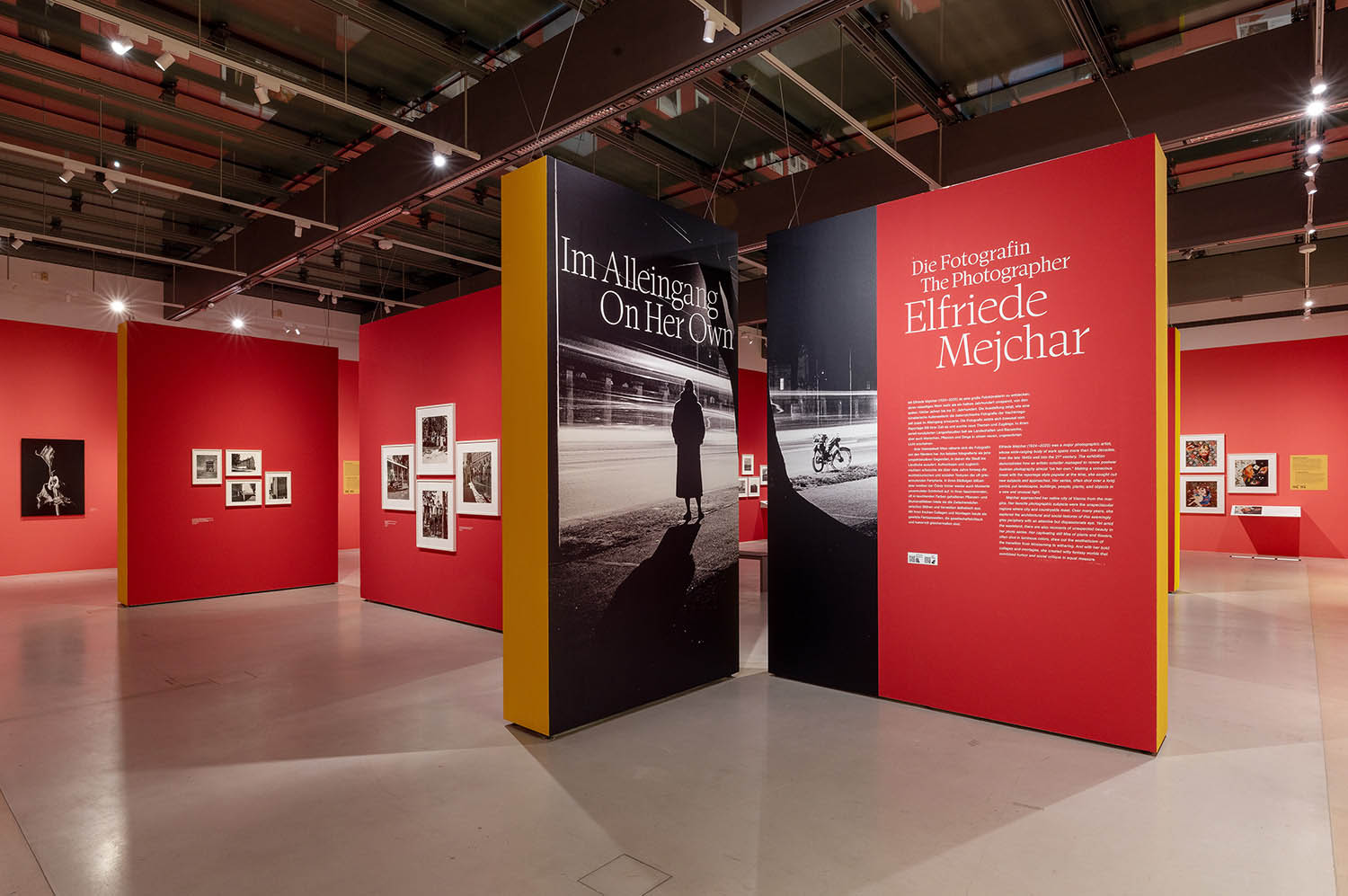


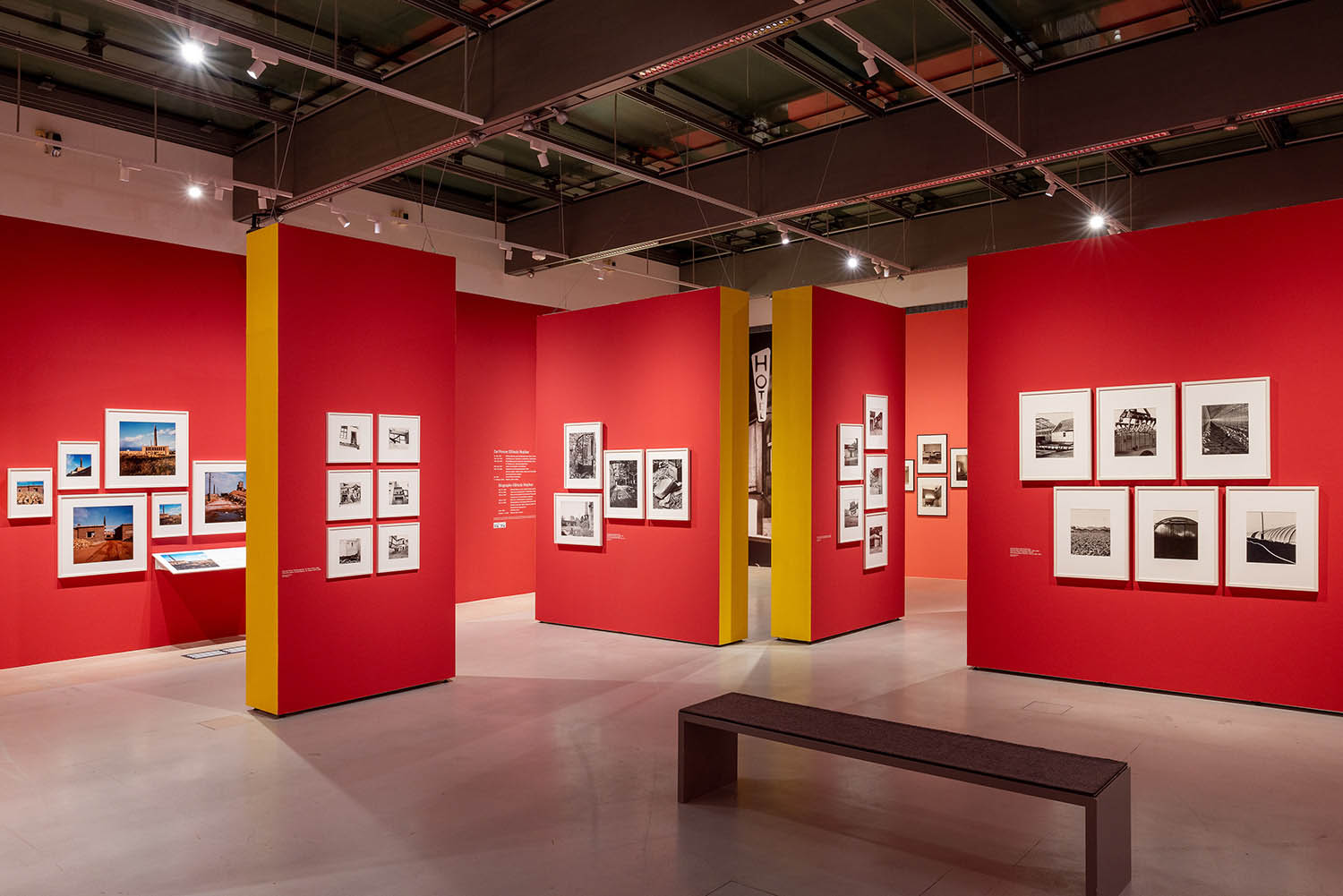
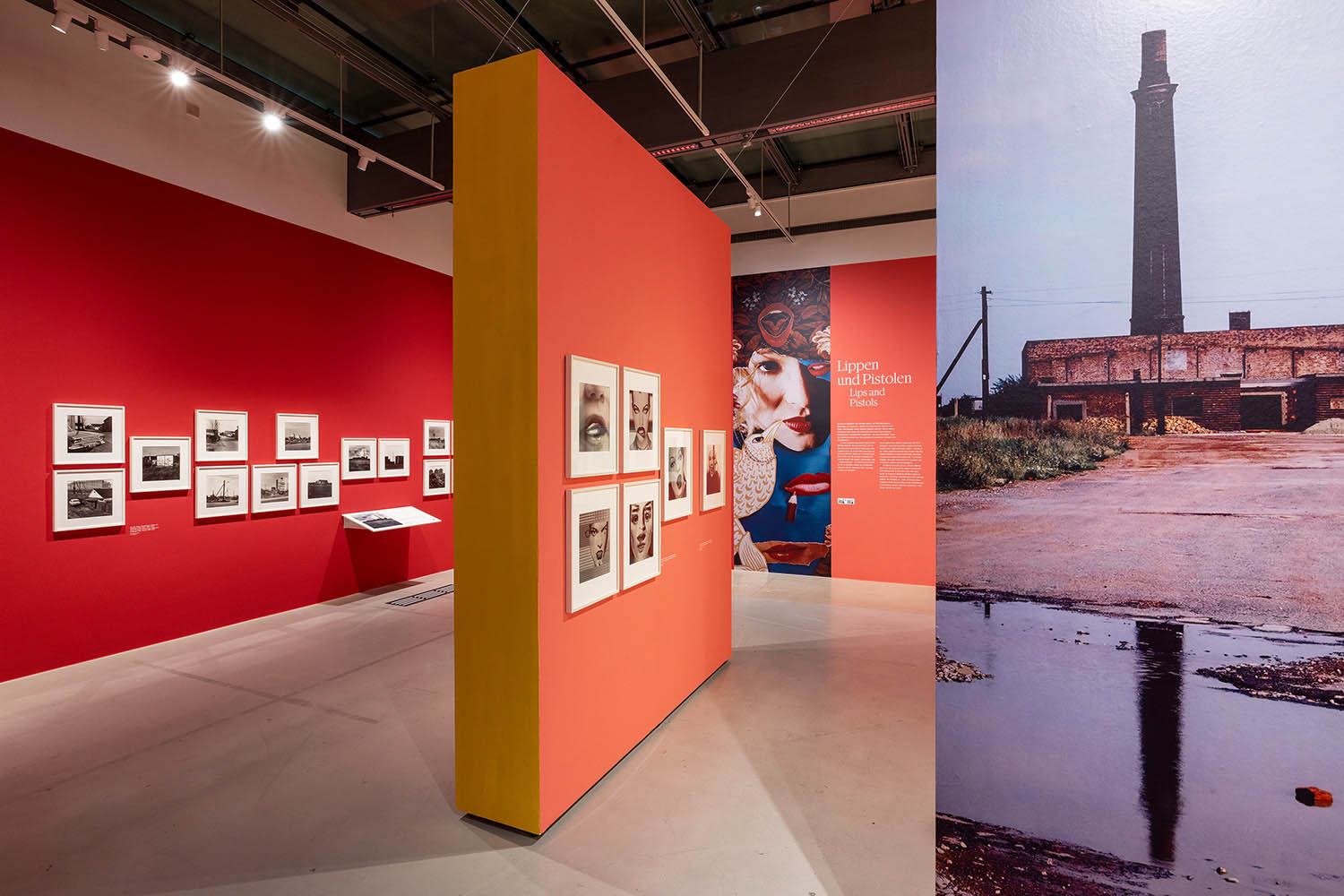
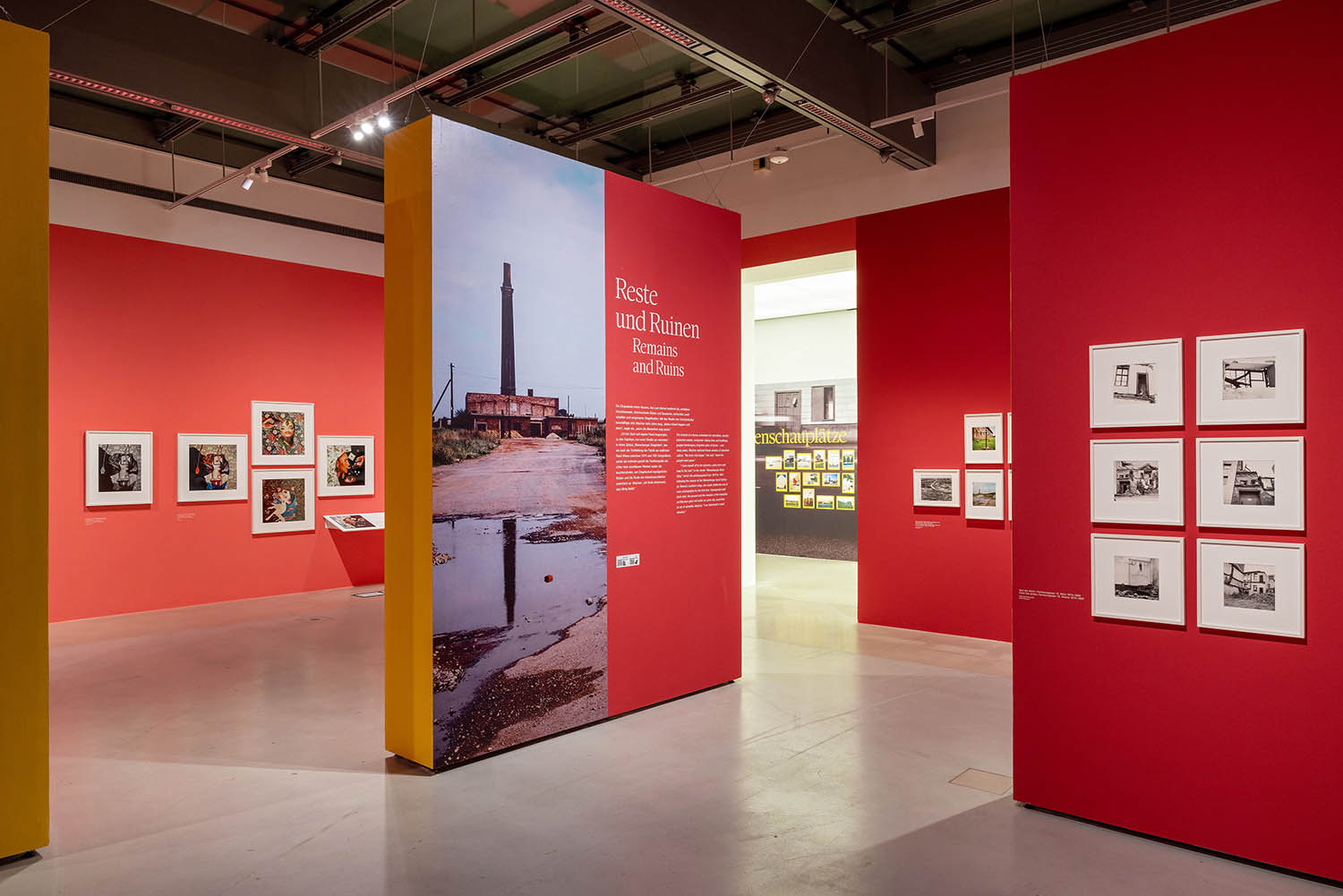
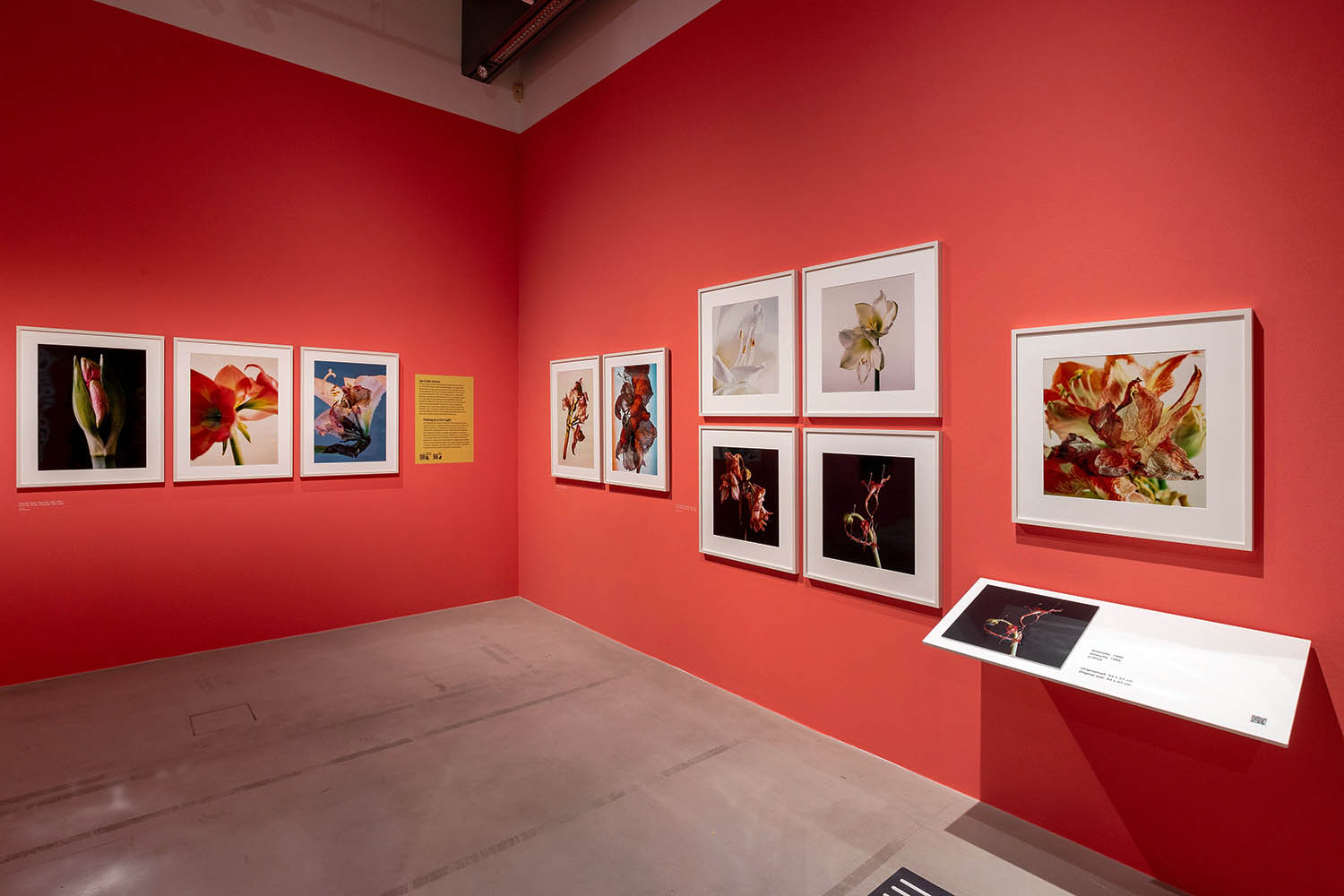
Installation view of the exhibition 'On Her Own. The photographer Elfriede Mejchar' at Wien Museum musa, Vienna

Installation view of the exhibition 'On Her Own. The photographer Elfriede Mejchar' at Wien Museum musa, Vienna

Installation view of the exhibition 'On Her Own. The photographer Elfriede Mejchar' at Wien Museum musa, Vienna

Installation view of the exhibition 'On Her Own. The photographer Elfriede Mejchar' at Wien Museum musa, Vienna

Installation view of the exhibition 'On Her Own. The photographer Elfriede Mejchar' at Wien Museum musa, Vienna

Installation view of the exhibition 'On Her Own. The photographer Elfriede Mejchar' at Wien Museum musa, Vienna

Installation view of the exhibition 'On Her Own. The photographer Elfriede Mejchar' at Wien Museum musa, Vienna


Installation views of the exhibition On Her Own. The photographer Elfriede Mejchar at Wien Museum musa, Vienna


Elfriede Mejchar (1924-2020) was a major photographic artist, whose richly-varied oeuvre spans more than five decades, from the late 1940s well into the 21st century. The Viennese photographer, who only achieved recognition as an artist towards the end of her career, is now regarded as one of the most important representatives of the Austrian and the international photography scenes. May 10, 2024 marks the hundredth anniversary of her birth.

The exhibition at the Wien Museum presents a broad cross-section of the work of this artistic outsider, and demonstrates how the renewal of postwar Austrian photography was almost “all her own work.” Elfriede Mejchar consciously broke away from the photographic mainstream and the reportage style that was popular at the time. Rather than searching for the so-called “decisive moment,” she approached her subjects in a strongly conceptual and serial manner. She focused not on the extraordinary but on the unspectacular and the commonplace, the everyday and the banal, repeatedly addressing these in new ways in her photographic series.

In an Austria-wide cooperation between the Wien Museum, the State Gallery of Lower Austria, and the Museum der Moderne Salzburg, Elfriede Mejchar’s extensive oeuvre is being presented in 2024 for the first time, simultaneously, in three locations across the country. The exhibitions in Vienna, Krems, and Salzburg approach the work of Mejchar from different perspectives. And the three presentations are accompanied by a jointly conceived catalog published by Hirmer Verlag.

A cooperation between the State Gallery of Lower Austria, the Wien Museum and the Museum der Moderne Salzburg.

Text from the Wien Museum website
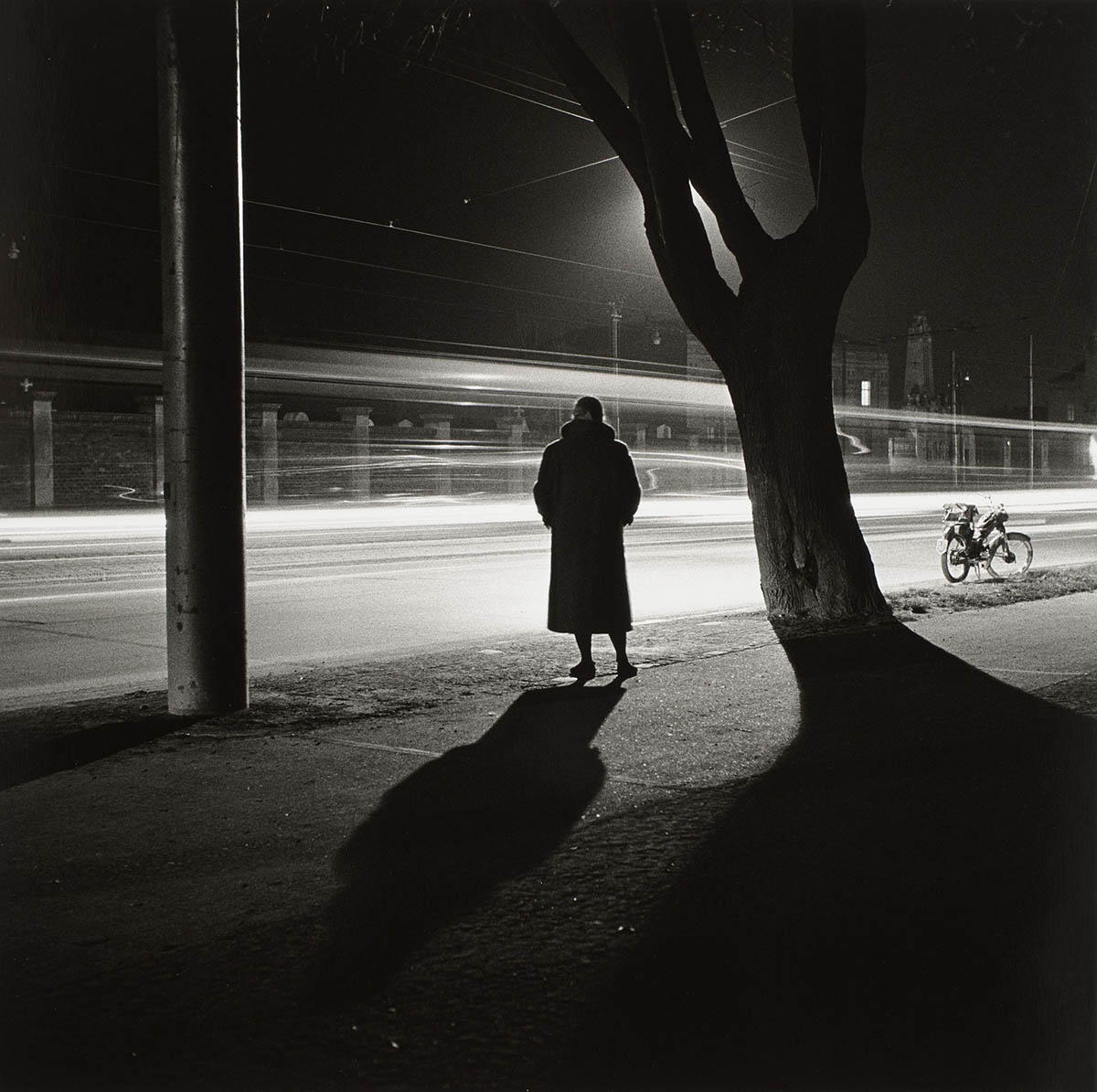
 

Elfriede Mejchar (Austrian, 1924-2020) 'Light and Shade' 1958 from the exhibition 'On Her Own. The photographer Elfriede Mejchar' at Wien Museum MUSA, Vienna, April - Sept 2024


Elfriede Mejchar (Austrian, 1924-2020)
Light and Shade
1958
Wien Museum
© Bildrecht, Vienna 2023
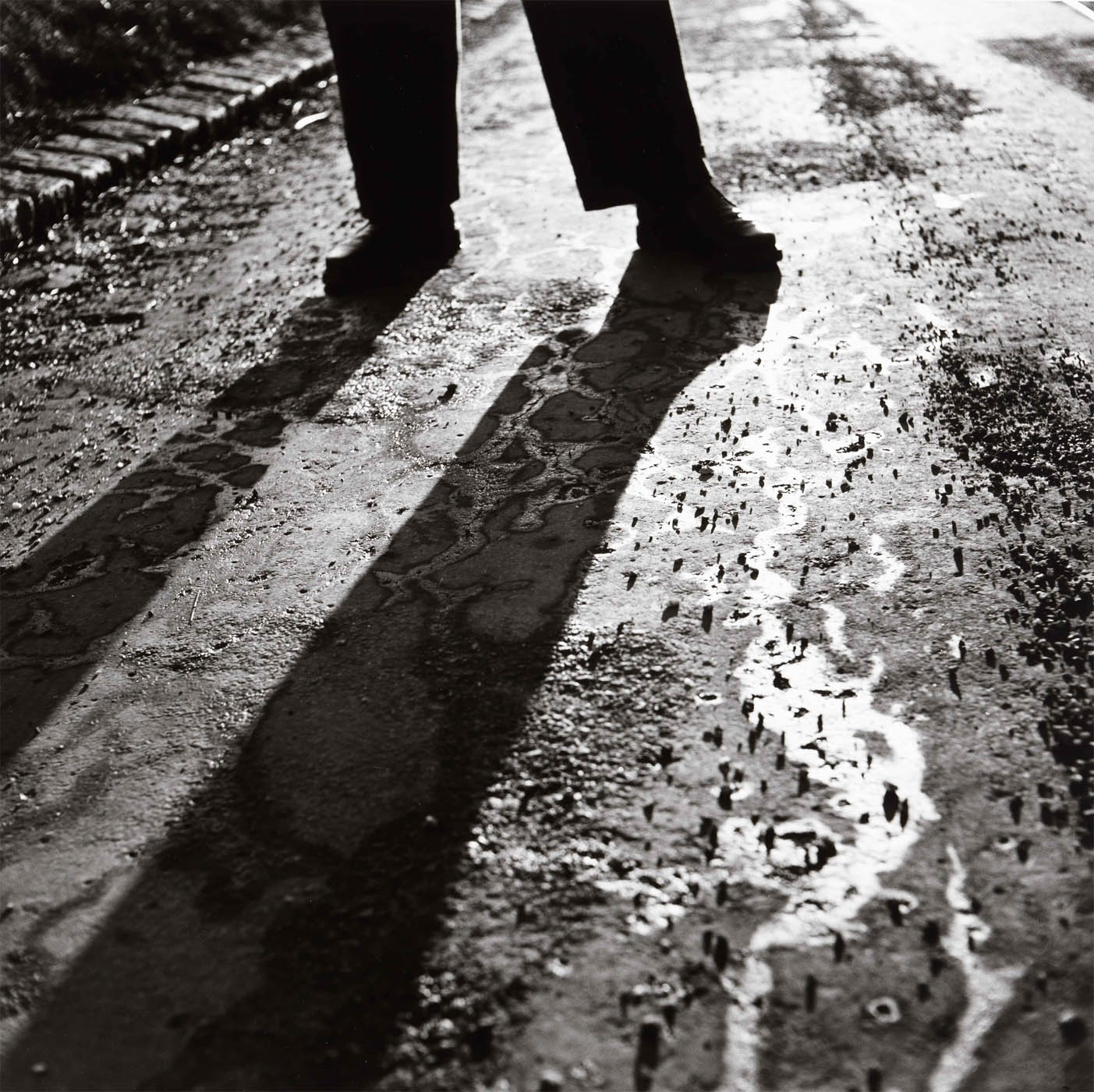
 

Elfriede Mejchar (Austrian, 1924-2020) 'Untitled' 1950-1960  From the series 'Light and Shade' from the exhibition 'On Her Own. The photographer Elfriede Mejchar' at Wien Museum MUSA, Vienna, April - Sept 2024


Elfriede Mejchar (Austrian, 1924-2020)
Untitled
1950-1960
From the series Light and Shade
Wien Museum
© Bildrecht, Vienna 2023


Elfriede Mejchar (Austrian, 1924-2020) 'Untitled (Waiting for the Tram)' 1950-1960


Elfriede Mejchar (Austrian, 1924-2020)
Untitled (Waiting for the Tram)
1950-1960
From the series Light and Shade
Wien Museum
© Bildrecht, Vienna 2023


Elfriede Mejchar (Austrian, 1924-2020) 'Vienna 10, Hasengasse 53' 1950-1960


Elfriede Mejchar (Austrian, 1924-2020)
Vienna 10, Hasengasse 53
1950-1960
Wien Museum
© Bildrecht, Vienna 2023
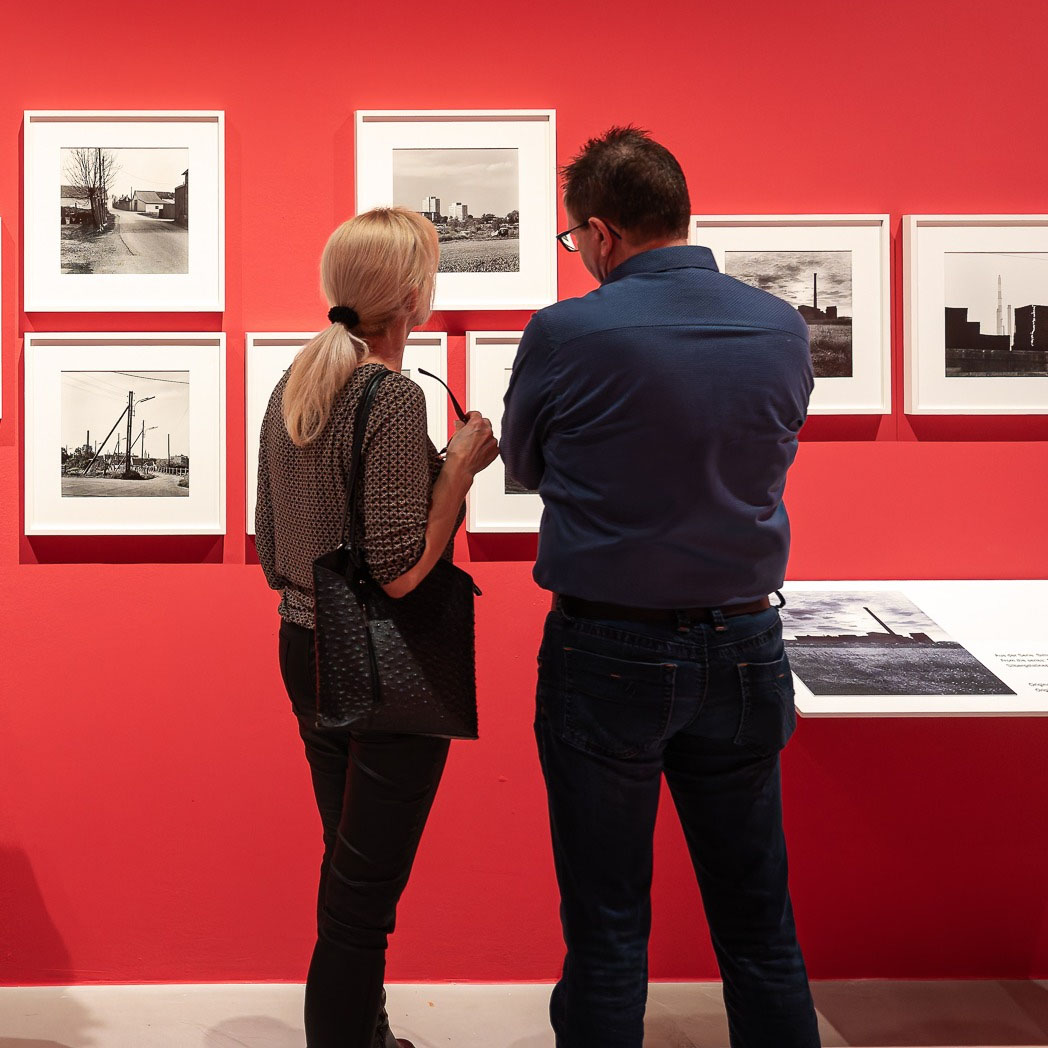
 

Installation view of the exhibition 'On Her Own. The photographer Elfriede Mejchar' at Wien Museum musa, Vienna Installation view of the exhibition On Her Own. The photographer Elfriede Mejchar at Wien Museum musa, Vienna showing photographs from Mejchar's series 'Simmering Heide and Erdberg Mais' (1967-1976)


Installation view of the exhibition On Her Own. The photographer Elfriede Mejchar at Wien Museum musa, Vienna showing photographs from Mejchar’s series Simmering Heide and Erdberg Mais (1967-1976, below)
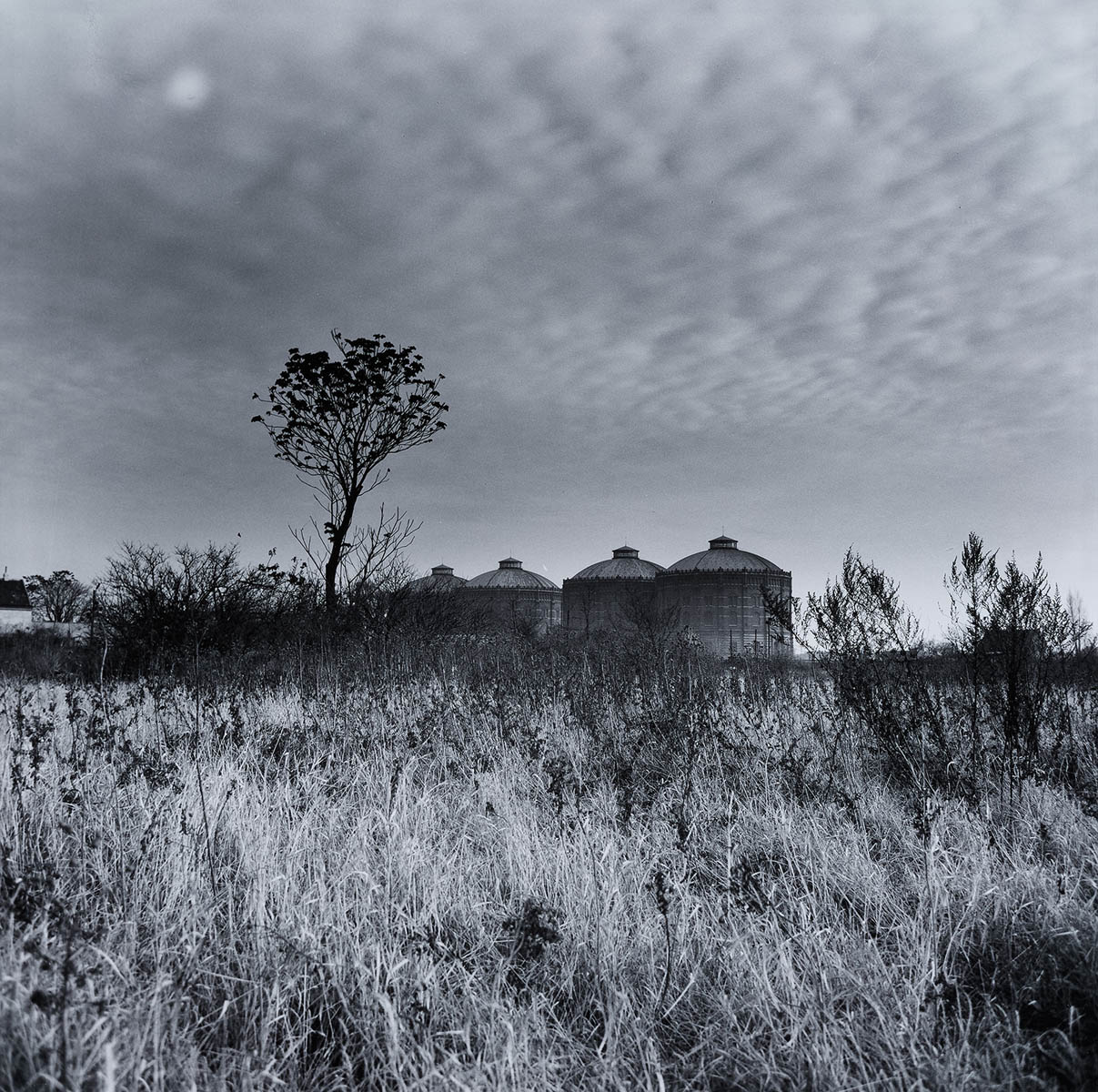
 

Elfriede Mejchar (Austrian, 1924-2020) 'Simmering Heide and Erdberg Mais' 1967-1976


Elfriede Mejchar (Austrian, 1924-2020)
Simmering Heide and Erdberg Mais
1967-1976
Wien Museum
© Bildrecht, Vienna 2023
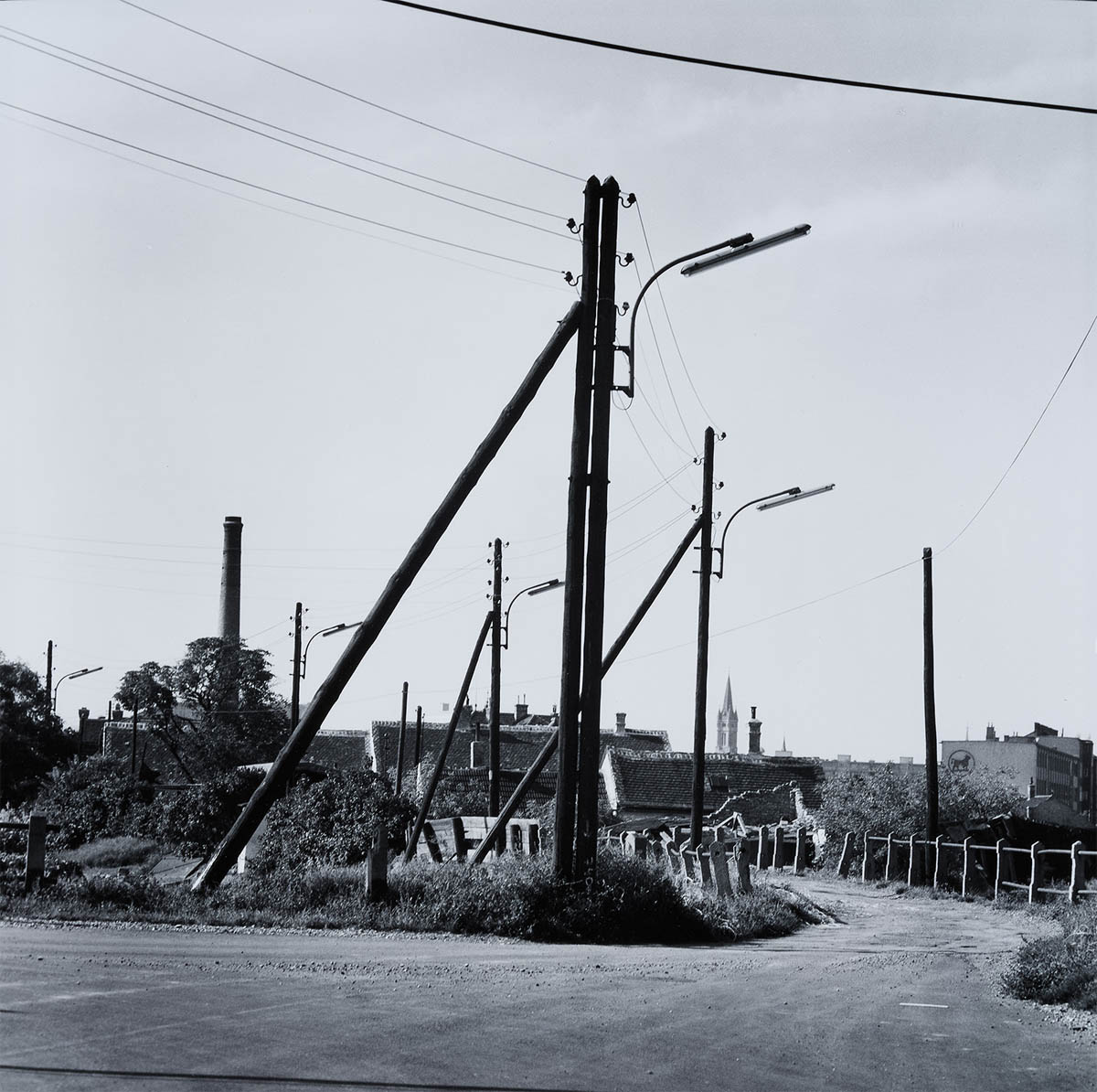
 

Elfriede Mejchar (Austrian, 1924-2020) 'Simmering Heide and Erdberg Mais' 1967-1976


Elfriede Mejchar (Austrian, 1924-2020)
Simmeringer Heide and Erdberger Mais
1967-1976
Wien Museum
© Bildrecht, Vienna 2023
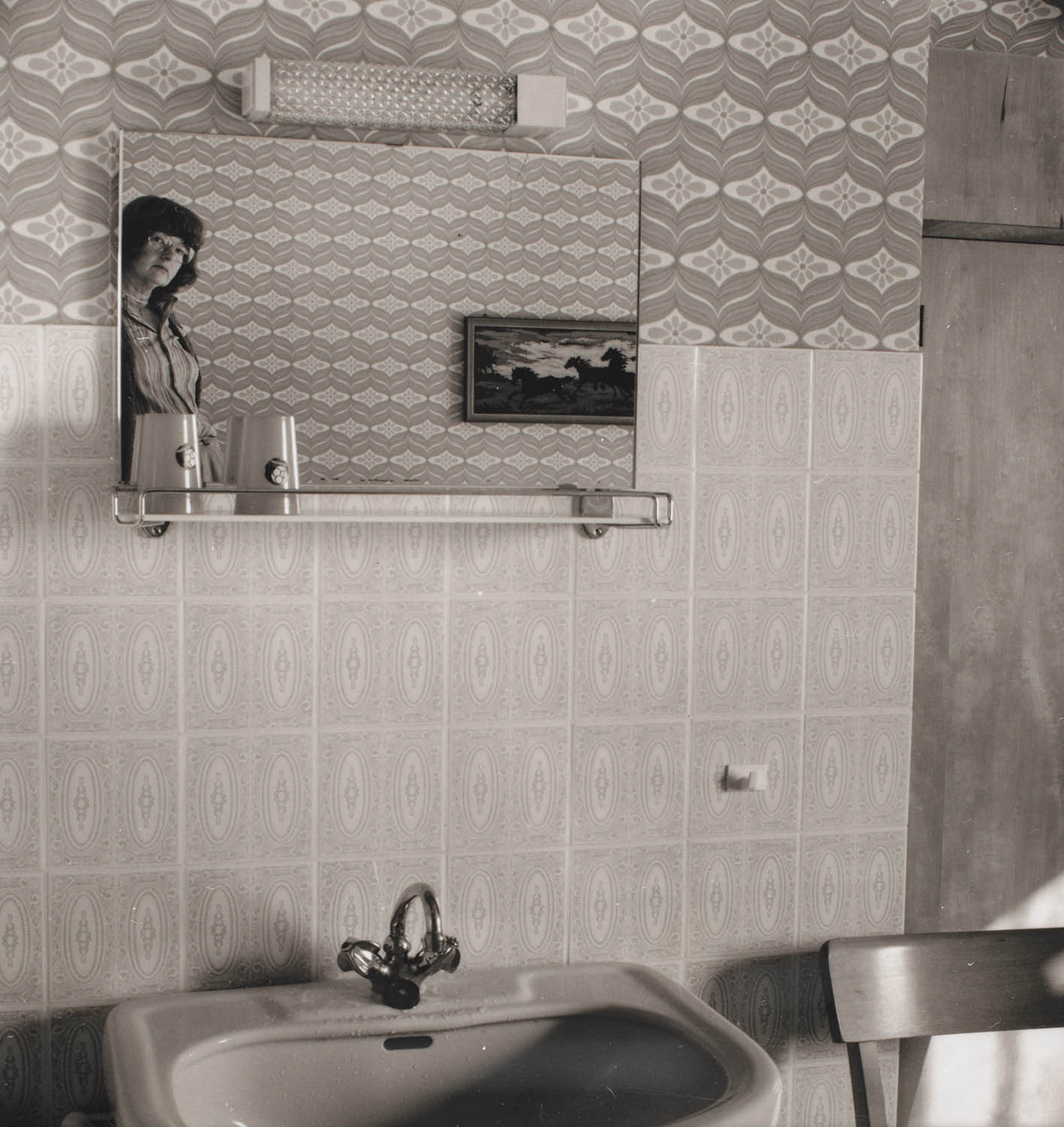
 

Elfriede Mejchar (Austrian, 1924-2020) 'At the Hotel' Around 1980


Elfriede Mejchar (Austrian, 1924-2020)
At the Hotel
Around 1980
Wien Museum
© Bildrecht, Vienna 2023
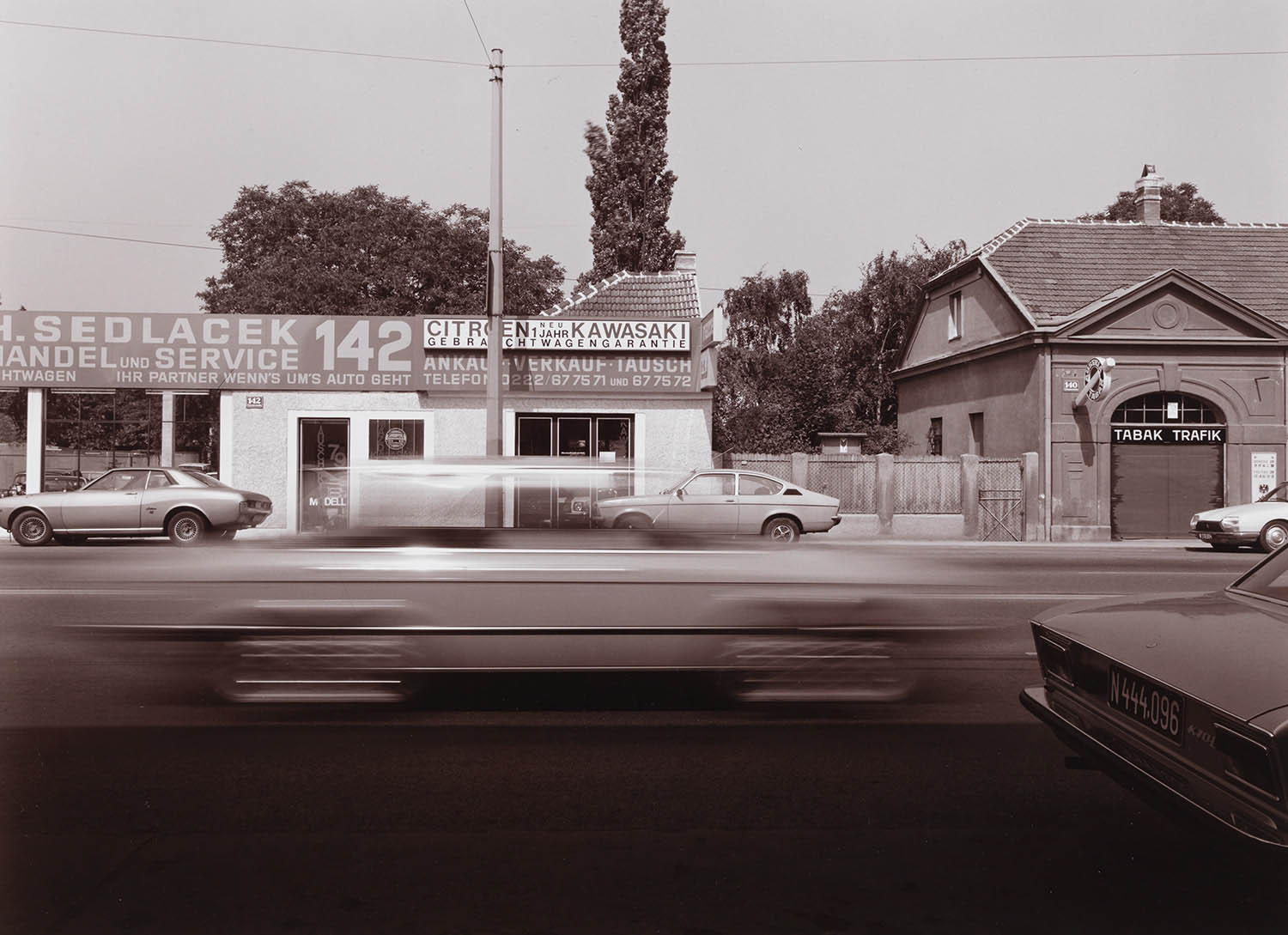
 

Elfriede Mejchar (Austrian, 1924-2020) 'Triester Strasse' 1982-1983


Elfriede Mejchar (Austrian, 1924-2020)
Triester Strasse
1982-1983
Wien Museum
© Bildrecht, Vienna 2023


Elfriede Mejchar (1924-2020) was a major photographic artist, whose richly-varied oeuvre spans more than five decades, from the late 1940s well into the 21st century. The Viennese photographer, who only achieved recognition as an artist towards the end of her career, is now regarded as one of the most important representatives of the Austrian and the international photography scenes. May 10, 2024 marks the hundredth anniversary of her birth.

The exhibition in musa presents a broad cross-section of the work of this artistic outsider, and demonstrates how the renewal of postwar Austrian photography was almost “all her own work.” Elfriede Mejchar consciously broke away from the photographic mainstream and the reportage style that was popular at the time. Rather than searching for the so-called “decisive moment,” she approached her subjects in a strongly conceptual and serial manner. She focused not on the extraordinary but on the unspectacular and the commonplace, the everyday and the banal, repeatedly addressing these in new ways in her photographic series.

Elfriede Mejchar revealed her hometown Vienna from the periphery and had little interest in its iconic center, which was already the subject of countless thousands of photographs. As a photographer, she was at home where the city became rural, at the meeting point between urban development zones, derelict sites, green spaces, and post-industrial decay. In her long-term studies she documented the architectural and social textures of Vienna’s suburbs in a way that was both attentive and sober: new buildings advancing ever further onto green land, the monotony of endless arterial roads, derelict industrial complexes, market gardens and ageing gasometers, run-down housing and forgotten areas of landfill and decay. For Mejchar, however, the image of the urban periphery is not grey and the wasteland and its dereliction are repeatedly brightened by moments of unsuspected beauty.

Even if the urban and architectural photography of Vienna plays a major role in Elfriede Mejchar’s oeuvre, the range of subjects addressed in her work is far broader. Just as the photographer sheds a new photographic light on forgotten landscapes and buildings, she also approaches people and plants, places and things, in unexpected and surprising ways. In her incomparable series “Hotels,” she studies the interiors and typologies of Austrian accommodation in great detail, producing fascinating and often brightly coloured still lifes of plants and flowers as a means of aesthetically investigating the intermediate stages between blooming and withering. And in her bold collages and montages, a complex of work that continued to occupy her into her latter years, she created clever fantasy worlds, whose social criticism is only matched by their humour.

In an Austria-wide cooperation between the Wien Museum, the State Gallery of Lower Austria, and the Museum der Moderne Salzburg, Elfriede Mejchar’s extensive oeuvre is being presented in 2024 for the first time, simultaneously, in three locations across the country. The exhibitions in Vienna, Krems, and Salzburg approach the work of Mejchar from different perspectives:

Landesgalerie Niederösterreich. Elfriede Mejchar. Pushing the Boundaries of Photography April 13, 2024 to February 16, 2025 Tuesday – Sunday, 10am-6pm

musa. On her own. The photographer Elfriede Mejchar April 18 to September 1, 2024 Tuesday – Sunday, 10am-6pm

Museum der Moderne Salzburg. The Poetry of Everyday. Photographs by Elfriede Mejchar April 26 to September 15, 2024 Tuesday – Sunday, 10am-6pm

Biography of Elfriede Mejchar

Elfriede Mejchar (1924-2020) is undisputedly one of the most important personalities in Austrian photography. It was only at an advanced age that she received the public recognition she deserved, and in 2002 she was awarded the Federal Chancellery Prize for Artistic Photography and in 2004 the Lower Austrian Prize for Artistic Photography and the City of Vienna Prize for Fine Arts. In 2013, Elfriede Mejchar donated her entire oeuvre to the Province of Lower Austria. The Provincial Collections of Lower Austria have taken on the task of safeguarding this unique oeuvre for future generations and gradually making it accessible to the public. Her work is also prominently represented in the art collection of the Wien Museum, in the Federal Photography Collection and in the SpallArt Collection.

Press release from Wien Museum, Vienna


Elfriede Mejchar (Austrian, 1924-2020) 'Wienerberger Brick Kilns and Housing Estates' 1979-1981


Elfriede Mejchar (Austrian, 1924-2020)
Wienerberger Brick Kilns and Housing Estates
1979-1981
Wien Museum
© Bildrecht, Vienna 2023
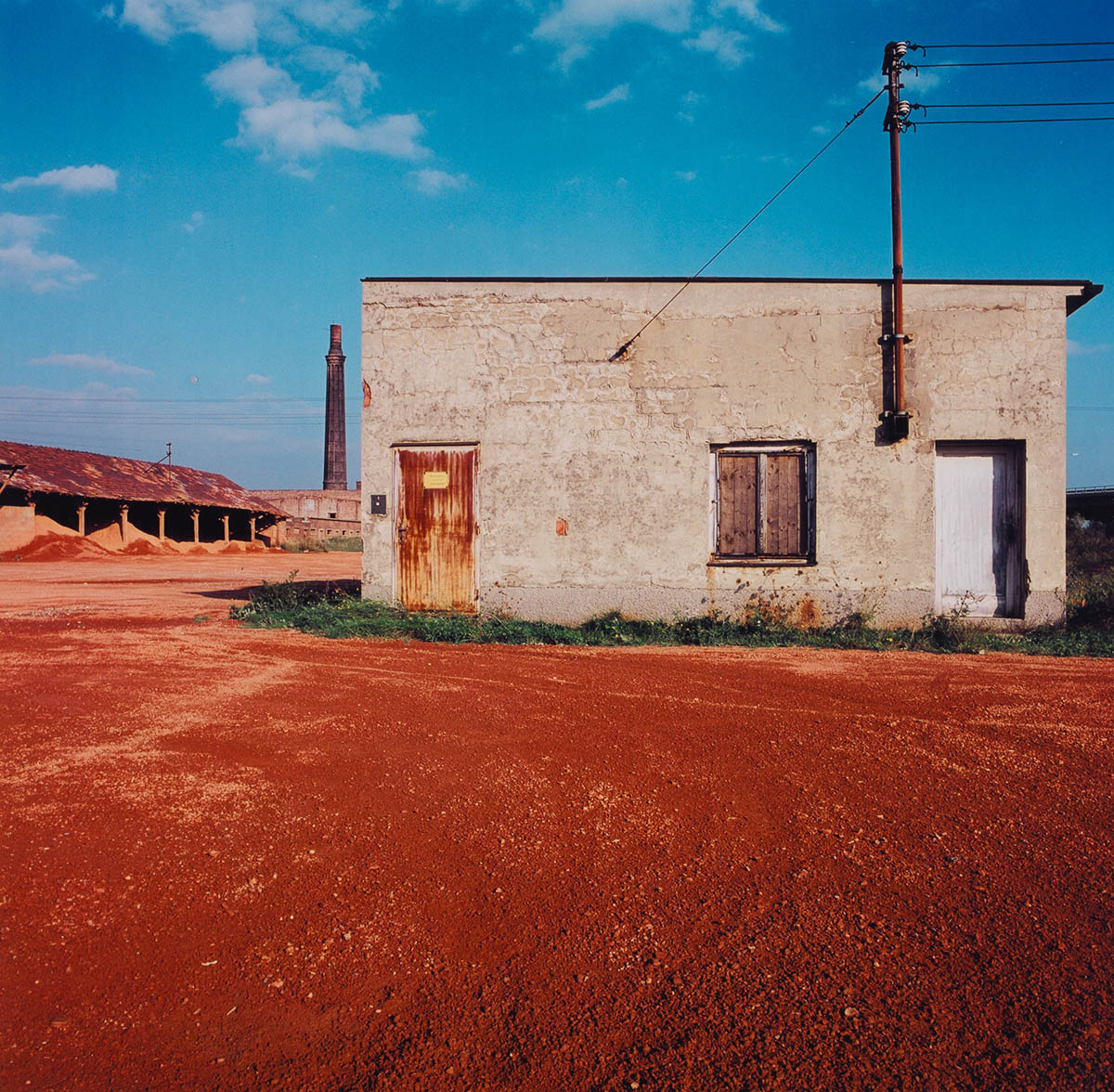
 

Elfriede Mejchar (Austrian, 1924-2020) 'Wienerberger Brick Kilns and Housing Estates' 1979-1981


Elfriede Mejchar (Austrian, 1924-2020)
Wienerberger Brick Kilns and Housing Estates
1979-1981
Wien Museum
© Bildrecht, Vienna 2023


Installation view of the exhibition 'On Her Own. The photographer Elfriede Mejchar' at Wien Museum musa, Vienna showing text and photographs from the section 'Allure of the Everyday'


Installation view of the exhibition On Her Own. The photographer Elfriede Mejchar at Wien Museum musa, Vienna showing text and photographs from the section ‘Allure of the Everyday’


Exhibition texts

“I always marvelled at the wallpaper” (Prologue)

Elfriede Mejchar had two faces as a photographer: one in her day job, and one as an artist. Working for the Federal Monuments Office, she spent many years touring Austria, extensively documenting buildings and artworks in the provinces. On the side, she was a freelance photographic artist. When “at work,” she was bound by the strict criteria of art documentation. As an artist, she forged her own, very different paths.

While in her day job she photographed “great art,” in her free time she focused on the banality of everyday life, for example by taking interior shots of her accommodation over the years. The expenses covered by “the office,” she explained, “were not very generous, and I was always looking for lower-end lodgings. They could be very odd, anything was possible. In particular, I always marvelled at the wallpaper.”

1. Allure of the Everyday

A backlit trash can or advertising column, people waiting on the street, youths in the Bohemian Prater, the geometry of washing lines – even in her early series dating from the 1950s and 1960s, Mejchar’s fascination with scenes from everyday life is clear. She used her camera to record what she saw in the city in a matter-of-fact style, without judgment: the buildings and streets, cars and advertisements, traffic lights and posters. Only occasionally do people feature in her images. Often they seem a little lost. In contrast to many other photographers of her era, Mejchar was not looking for a quick snapshot or the “decisive moment.” “Speed doesn’t suit me,” she once said. Frequently she worked in series, often created over several years. Her focus was not on the extraordinary but on the unspectacular and the commonplace.

Working in Series

“I don’t like single photos very much,” said Elfriede Mejchar, thus describing one of the fundamental features of her photography. For almost 30 years, she explored Vienna’s peripheral zones on the southeast edge of the city. Again and again she returned to these uninviting places on the outskirts, where few people spent much time. In the main she photographed the landscapes, roads, and neighbourhoods in series, usually in parallel, but sometimes as a chronological sequence. For Mejchar as a photographer, the single image could not capture the complexity of this desolate and yet, in her eyes, beautiful landscape. It was the series that allowed her to show the different facets of a subject from ever new perspectives. Through her artistic and conceptual practice, Mejchar forged a completely new path in Austrian photography.

2. Evil Blooms

Throughout her working life, Mejchar photographed art, in other words, things created to last. Her images of flowers were a late counter-project. In these plant studies, some shot in luminous colour, the photographer brought transience and decay into focus, drawing out the fascinating transitions between blooming and withering. “I am not afraid of pathos, nor of kitsch,” Mejchar once said.

Elfriede Mejchar paid no heed to photographic conventions in her freelance work. Unabashed, she took delight in arranging and staging the plants and objects for her photographs in ways that opened up a range of associations. Some of her objects seem almost to come to life under her lens, while others wither away. Yet others invoke images of sexuality and desire.

Putting in a New Light

As a photographic subject, flowers are often dismissed as being romantic, kitsch, or unserious. Mejchar was not afraid of kitsch, but neither was she ever interested in the sweetness of the tulips or amaryllis she photographed. For her, flowers were like sculptures that needed to be shown in a proper light. Mejchar’s “merciless” gaze extended beneath the surface. It drilled into the very substance of the petals, laying bare the skeleton that emerged as the flower withered and capturing the bizarre forms of the dying plant. Yet the artist could not break free entirely of the strong metaphorical imagery of flowers. Sometimes, her shots of them in full bloom or with their inner parts exposed carried a sensual or sexual charge.

3. Measuring the Periphery

New builds encroaching ever further on the countryside, abandoned factories, fields of vegetables, ageing gasometers, the monotony of interminable highways, makeshift housing, wastelands – as a photographer, Elfriede Mejchar was especially keen on these forgotten landscapes on the margins of the Viennese metropolis. “It was the changes that I was concerned with.”

Starting in the 1960s, Mejchar roamed the city’s peripheral zones with her camera. “These were the sites that interested me the most. Where countryside and city collide.” Her long-term series “Simmeringer Heide and Erdberger Mais,” begun in the 1960s and first shown in 1976 in a solo exhibition at the Museum of the 20th Century, established Mejchar’s reputation as leading photo artist.

Constructing Space

Row upon row of plants, damp soil blanketed by the early morning mist, distant greenhouses, lettuces covering the ground, interspaced with sprinklers – Elfriede Mejchar documented every facet of Vienna’s market gardens at the edge of the city, from detached general views to shots that capture the smallest detail. Her images use a deep depth of field, making it seem almost as if the viewer could reach out and touch the clumps of soil or individual leaves in the foreground. But she also regularly translated landscapes, buildings, and spaces into abstract forms by setting up contrasting oppositions between individual motifs, or by reducing an image to monochrome surfaces.

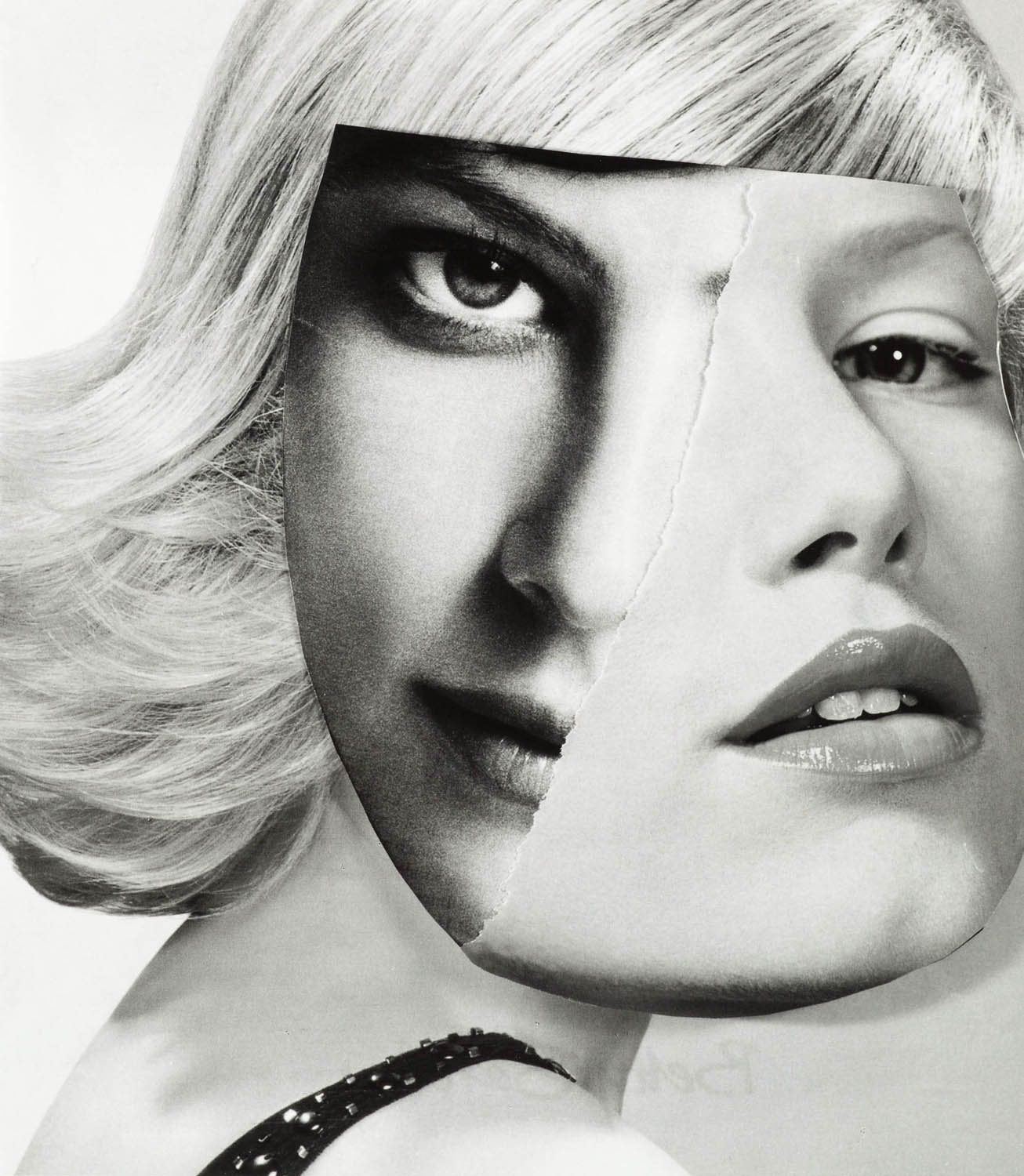
4. Lips and Pistols

Faces ripped from fashion magazines and floral wallpaper, cogs and cigarettes, spools and dressmaking pins, small chains and cables – starting in the 1980s, Mejchar jumbled these found, everyday objects together to create small-scale, theatrical arrangements laced with acerbic wit. “I construct images,” the artist once said of her sarcastic and subversive collages and assemblages. In these composite scenes, Elfriede Mejchar gave free rein to an anarchic desire to assemble and disassemble. At the same time, she used humour and irony to lampoon society’s ideals of perfection, “adorning” beautiful faces with everyday objects, for example, or – with a knowing wink – targeting James Bond’s pistol on the eroticised lips of the beauty industry. Mejchar’s summary: “I like things colourful and crazy.”

Arranging Objects

After retiring from paid employment, Mejchar increasingly concentrated on her work in the studio, which now became a stage for herself and her camera. Here she created ironic, acerbic, and frequently bizarre object combinations, often as an exploration of gender stereotypes. In her collages, she dismantled and critiqued the fashion industry’s preformed ideals of beauty with zest and humour. She took pleasure in experimenting with a whole range of props, rearranging them into new scenes again and again. Fragmented faces from fashion magazines were combined with torn and cut wallpaper, then garnished with cogs, feathers, and cables. She literally nailed the beauty industry to the wall.

5. Remains and Ruins

The innards of a house scheduled for demolition, derelict industrial estates, overgrown railway lines and buildings, gouged landscapes, forgotten piles of bricks – over many years, Mejchar explored these remains of industrial culture. “My work only began,” she said, “when the people were gone.”

“I took myself off to the factories, going from one road to the next.” In her series “Wienerberger Brick Kilns,” which she photographed from 1979 to 1981 following the closure of the Wienerberger brick factory on Vienna’s southern edge, she made deliberate use of colour photography for the first time. Impregnated with brick dust, the ground and the remains of the industrial architecture glow red under an azure sky, assuming an air of unreality. Mejchar: “I am interested in what remains.”

Seeing in Color

During the first decades of her career as a photographer, Elfriede Mejchar worked in black and white because colour photography was too expensive. All the more astonishing, therefore, is the confidence and precision with which she employed colour as an aesthetic element in the photo series “Wienerberger Brick Kilns” in the late 1970s and early 1980s. Similar to the New Color Photography movement in the USA, Mejchar’s photographic explorations focused primarily on the borders between urban and rural spaces. Her main interest was in landscapes subjected to human interventions. She documented these run-down locations using vivid lighting and brilliant colours, producing unsentimental photographs of high aesthetic quality. In doing so, she opened up an entirely new approach to documentary photography in Austria.
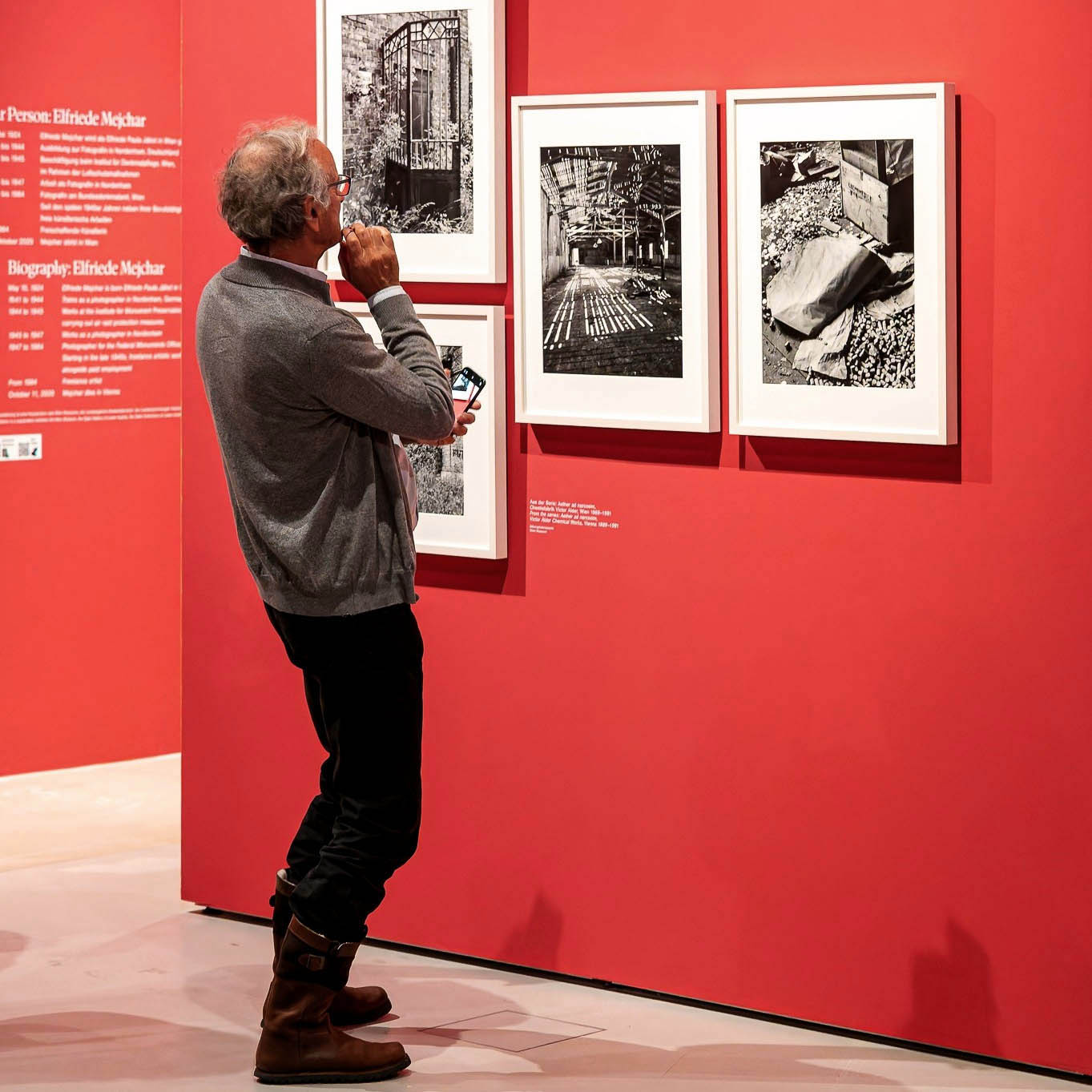
 

Installation view of the exhibition 'On Her Own. The photographer Elfriede Mejchar' at Wien Museum musa, Vienna showing at second right, Mejchar's 'Aether and narcosim' (1989-1991)


Installation view of the exhibition On Her Own. The photographer Elfriede Mejchar at Wien Museum musa, Vienna showing at second right, Mejchar’s Aether and narcosim (1989-1991, below)
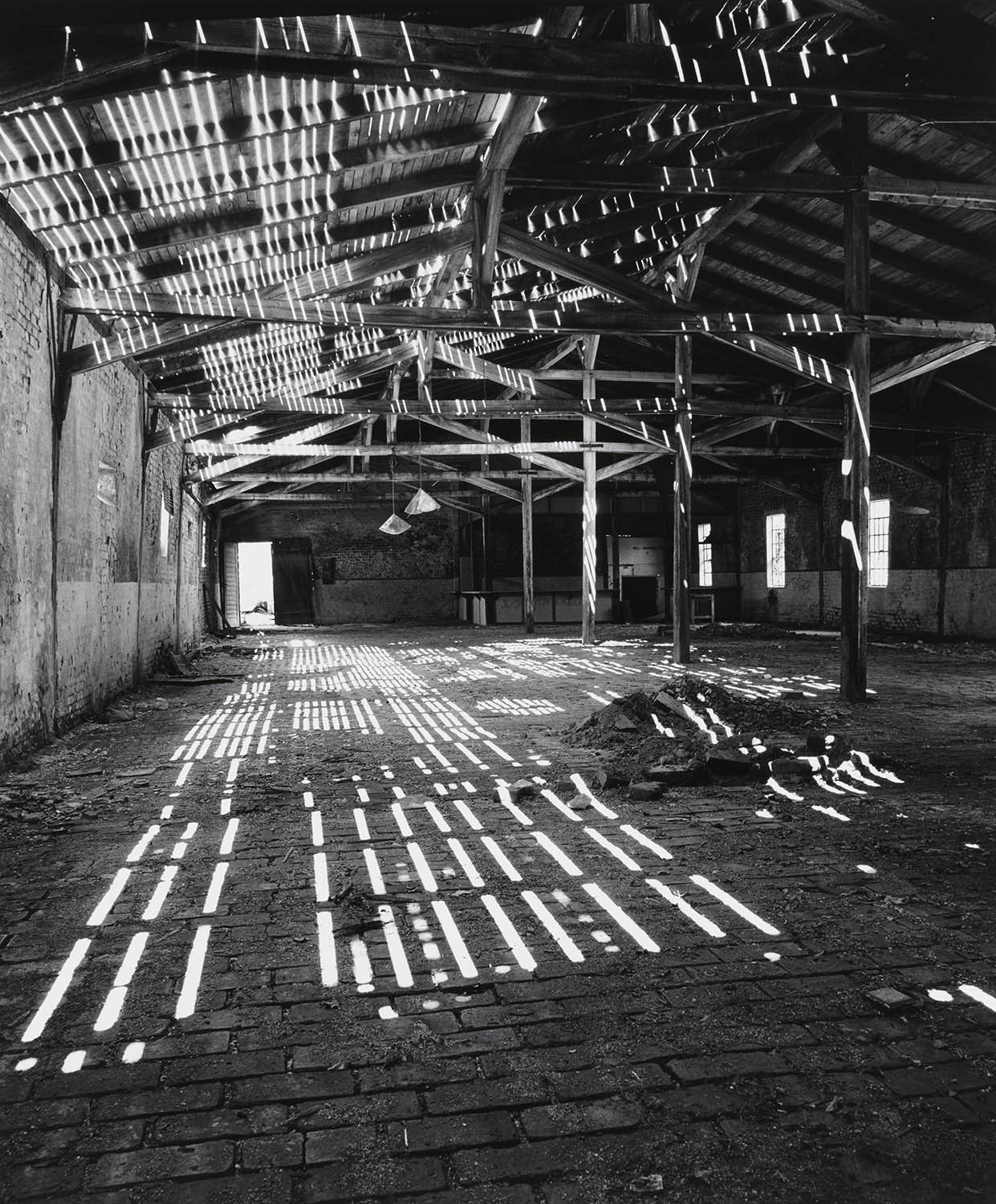
 

Elfriede Mejchar (Austrian, 1924-2020) 'Aether and narcosim' 1989-1991


Elfriede Mejchar (Austrian, 1924-2020)
Aether and narcosim
1989-1991
Wien Museum
© Bildrecht, Vienna 2023
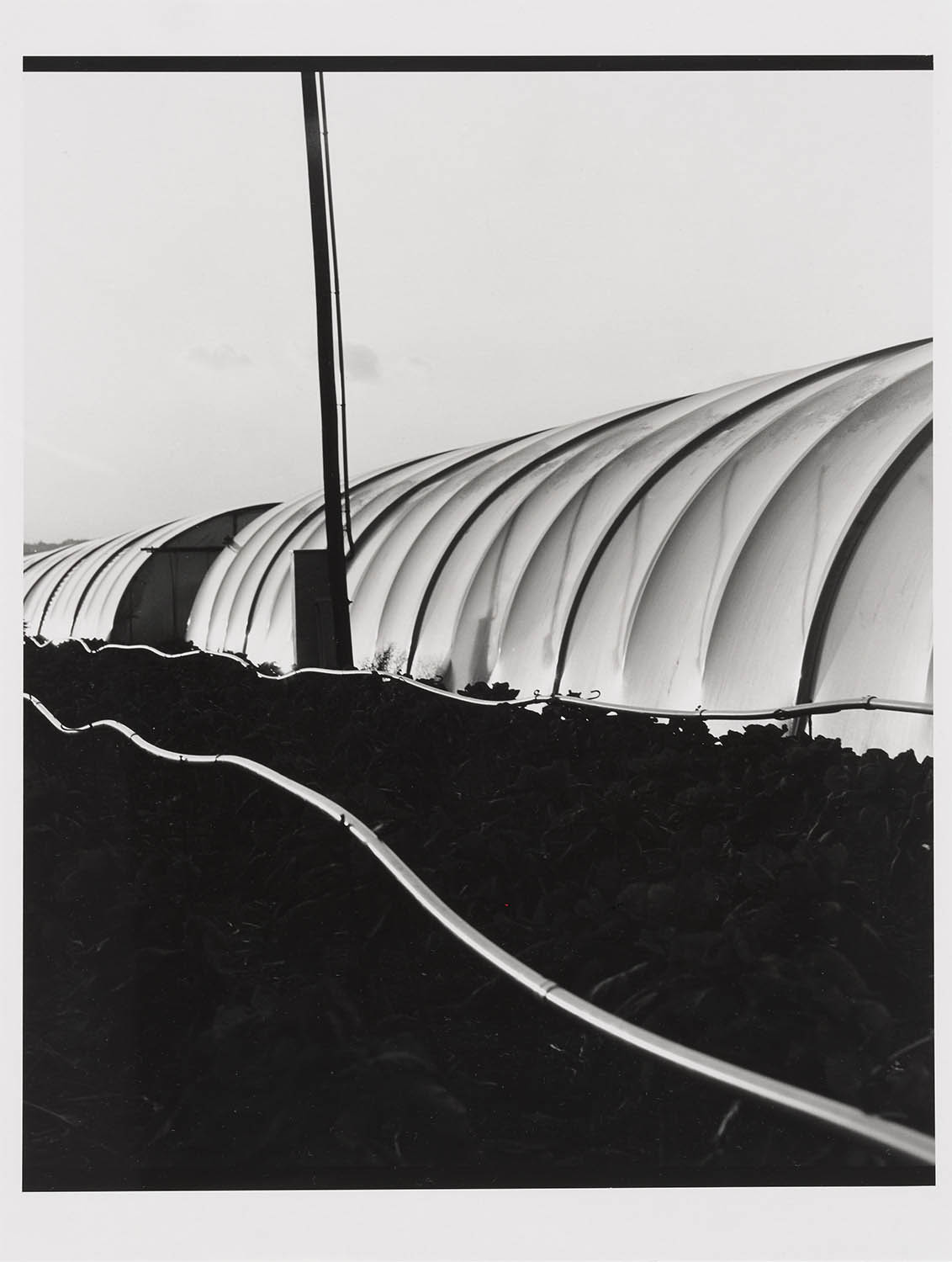
 

Elfriede Mejchar (Austrian, 1924-2020) 'Vegetable Tunnels. Simmering Market Gardens' 1990-1994


Elfriede Mejchar (Austrian, 1924-2020)
Vegetable Tunnels. Simmering Market Gardens
1990-1994
Wien Museum
© Bildrecht, Vienna 2023
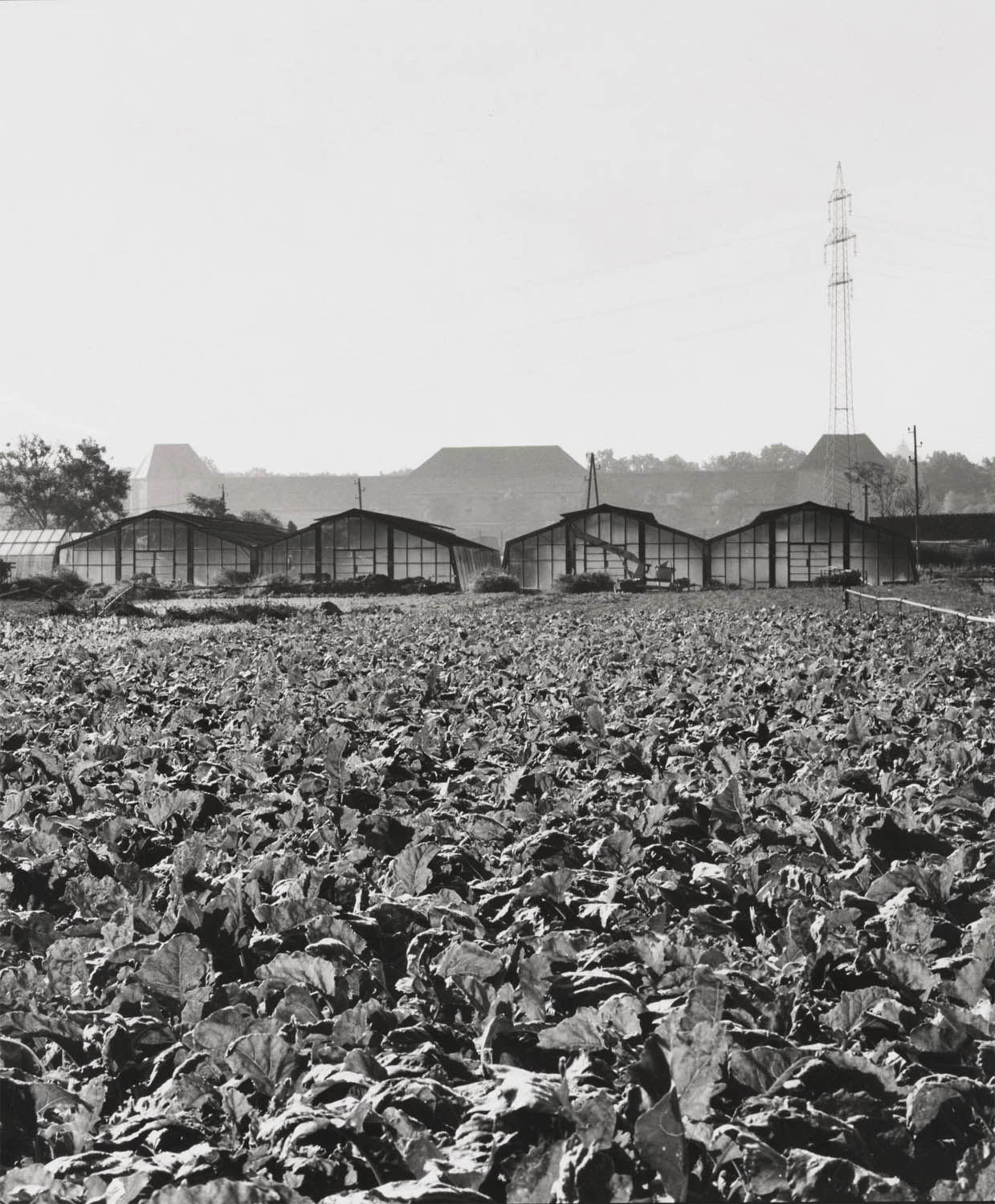
 

Elfriede Mejchar (Austrian, 1924-2020) 'Vegetable Tunnels. Simmering Market Gardens' 1990-1994


Elfriede Mejchar (Austrian, 1924-2020)
Vegetable Tunnels. Simmering Market Gardens
1990-1994
Wien Museum
© Bildrecht, Vienna 2023


Elfriede Mejchar (Austrian, 1924-2020) 'A Costume of Borrowed Identity' 1990-1991


Elfriede Mejchar (Austrian, 1924-2020)
A Costume of Borrowed Identity
1990-1991
Wien Museum
© Bildrecht, Vienna 2023
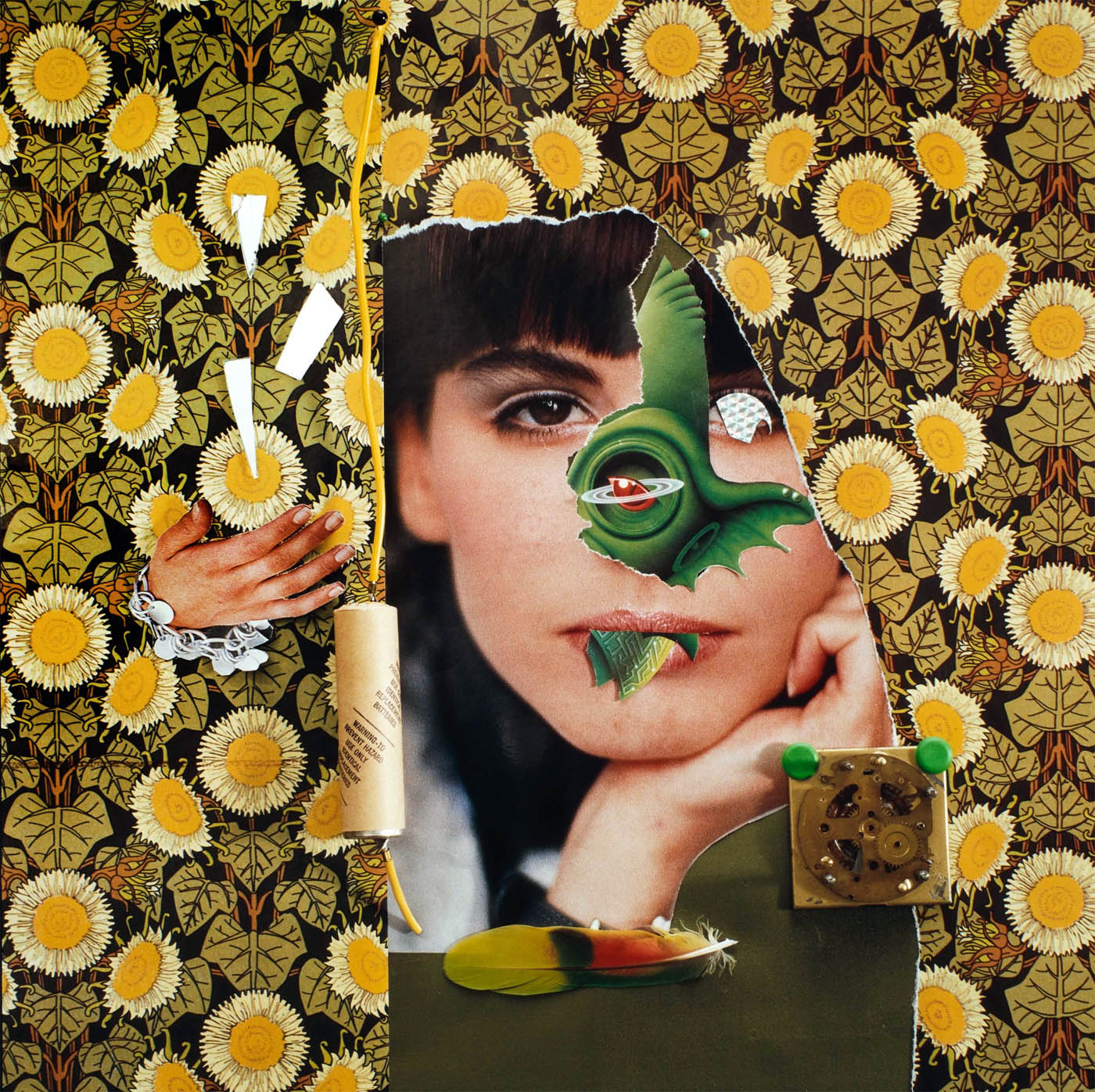
 

Elfriede Mejchar (Austrian, 1924-2020) 'A Costume of Borrowed Identity' 1990-1991


Elfriede Mejchar (Austrian, 1924-2020)
A Costume of Borrowed Identity
1990-1991
Wien Museum
© Bildrecht, Vienna 2023
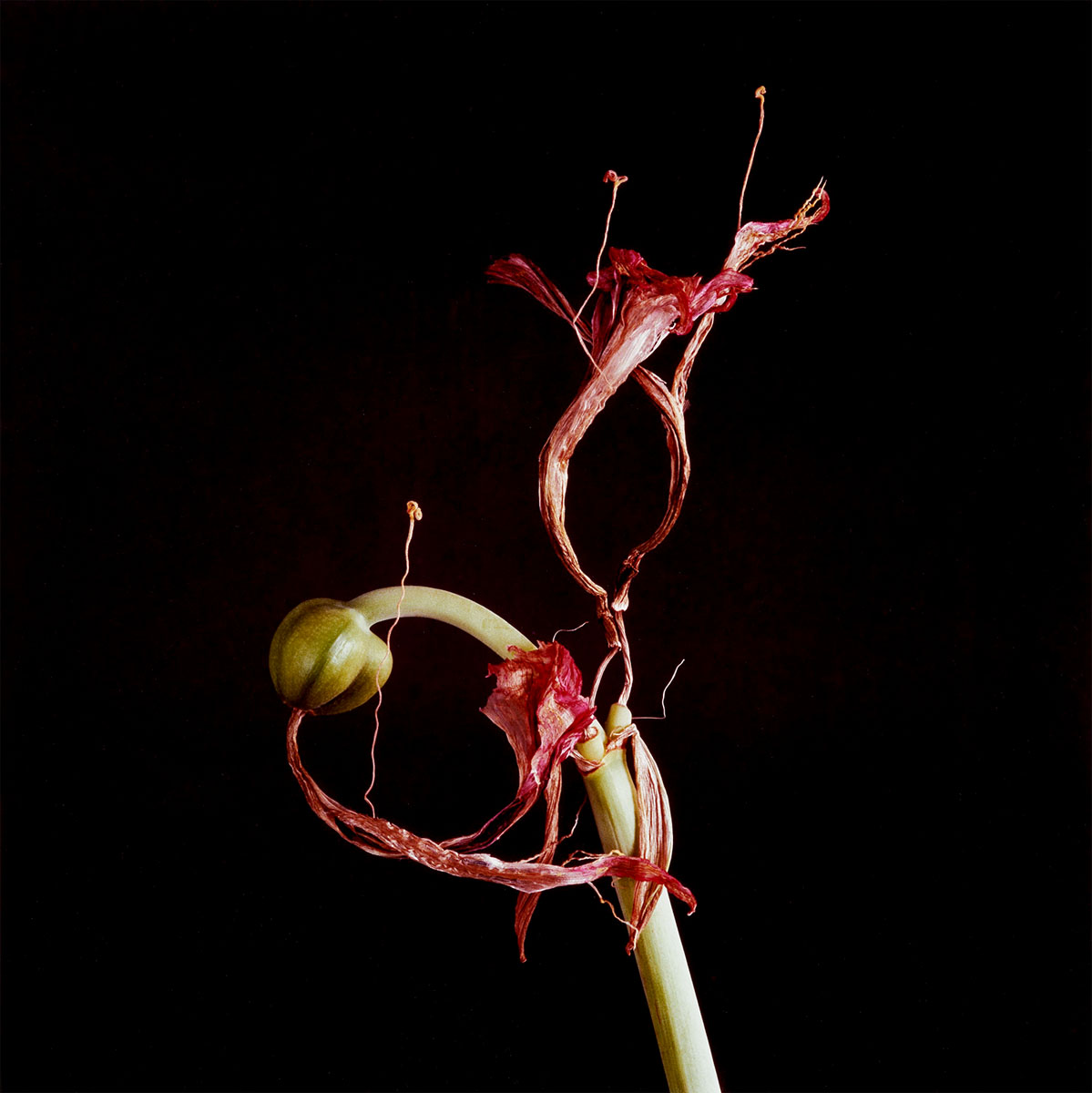
 

Elfriede Mejchar (Austrian, 1924-2020) 'Amaryllis' 1996


Elfriede Mejchar (Austrian, 1924-2020)
Amaryllis
1996
Wien Museum
© Bildrecht, Vienna 2023
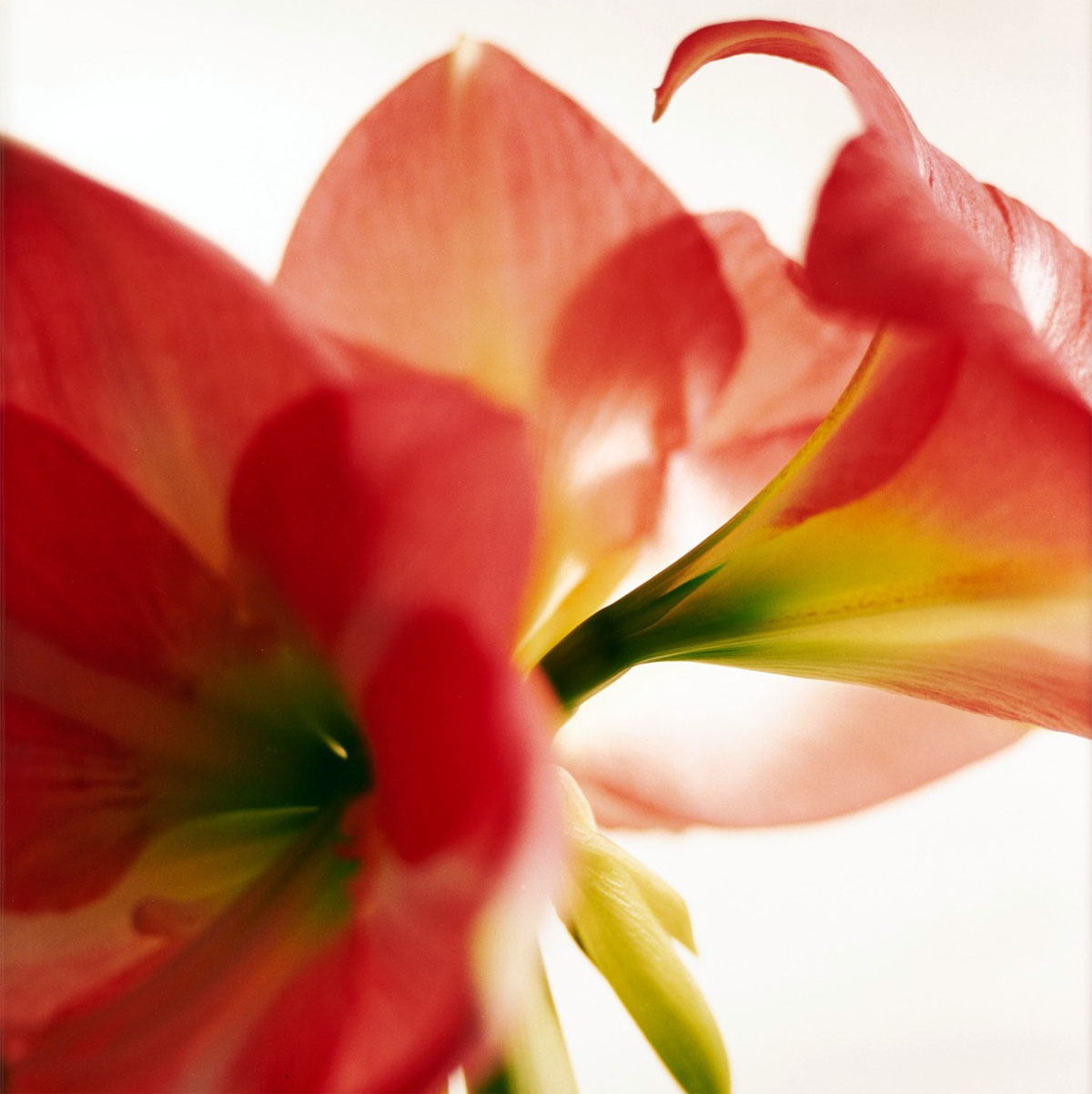
 

Elfriede Mejchar (Austrian, 1924-2020) 'Amaryllis' 2001


Elfriede Mejchar (Austrian, 1924-2020)
Amaryllis
2001
Wien Museum
© Bildrecht, Vienna 2023
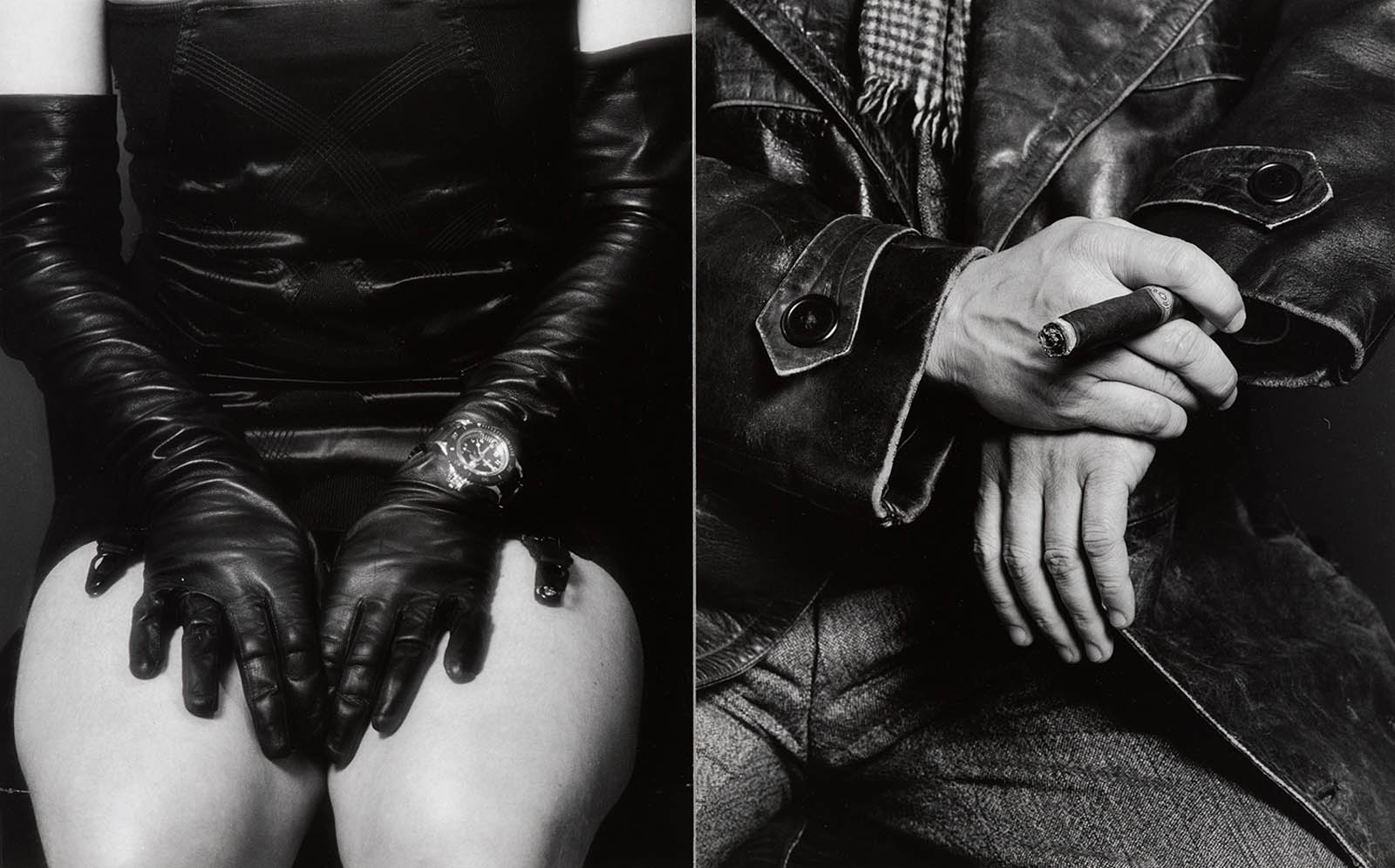
 

Elfriede Mejchar (Austrian, 1924-2020) 'Hands in Lap' 2002


Elfriede Mejchar (Austrian, 1924-2020)
Hands in Lap
2002
Wien Museum
© Bildrecht, Vienna 2023
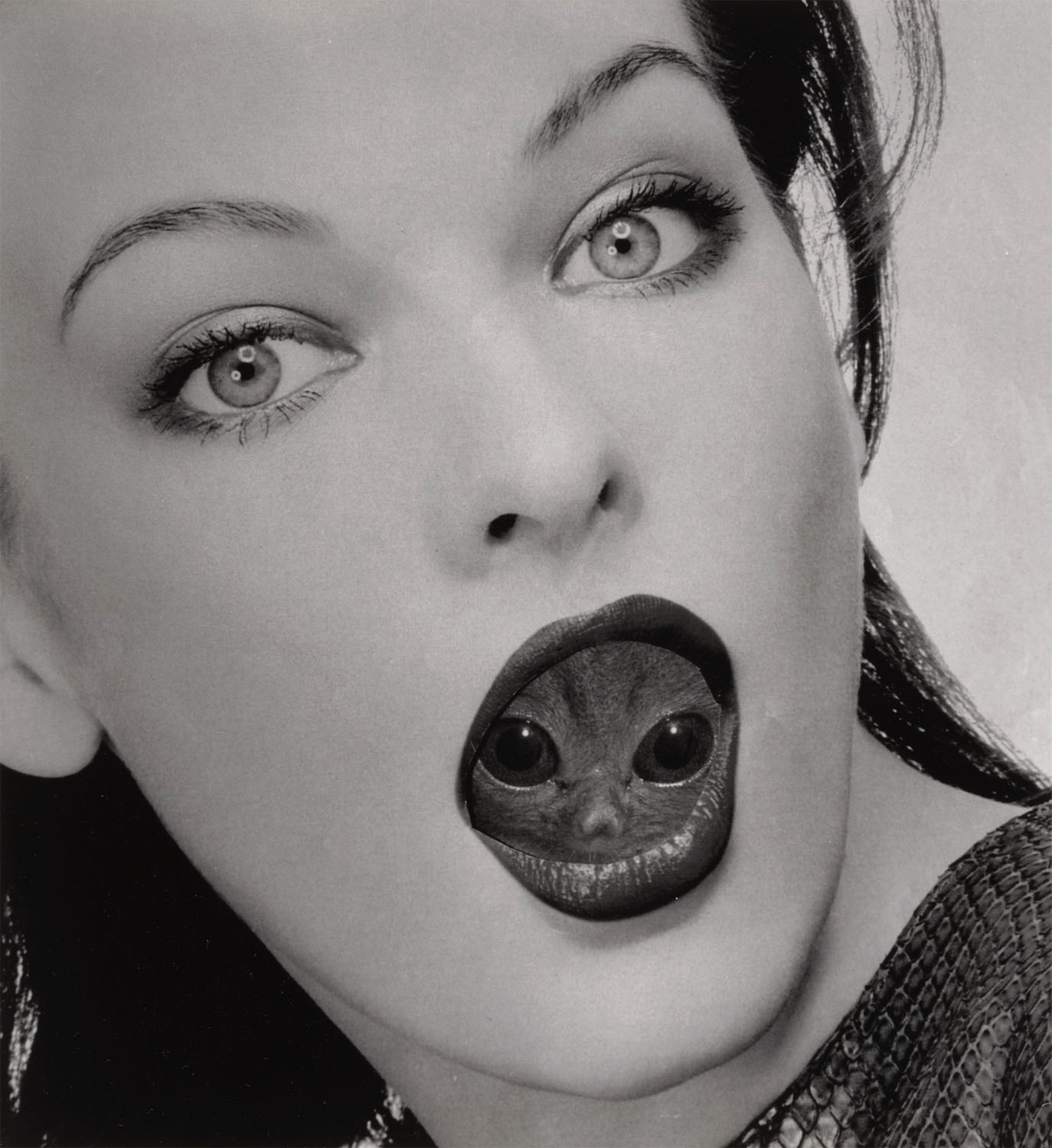
 

Elfriede Mejchar (Austrian, 1924-2020) From the series 'Nobody is Perfect' 1989-2007


Elfriede Mejchar (Austrian, 1924-2020)
From the series Nobody is Perfect
1989-2007
© Bildrecht, Vienna 2024
 

Elfriede Mejchar (Austrian, 1924-2020) From the series 'Nobody is Perfect' 1989-2007


Elfriede Mejchar (Austrian, 1924-2020)
From the series Nobody is Perfect
1989-2007
© Bildrecht, Vienna 2024
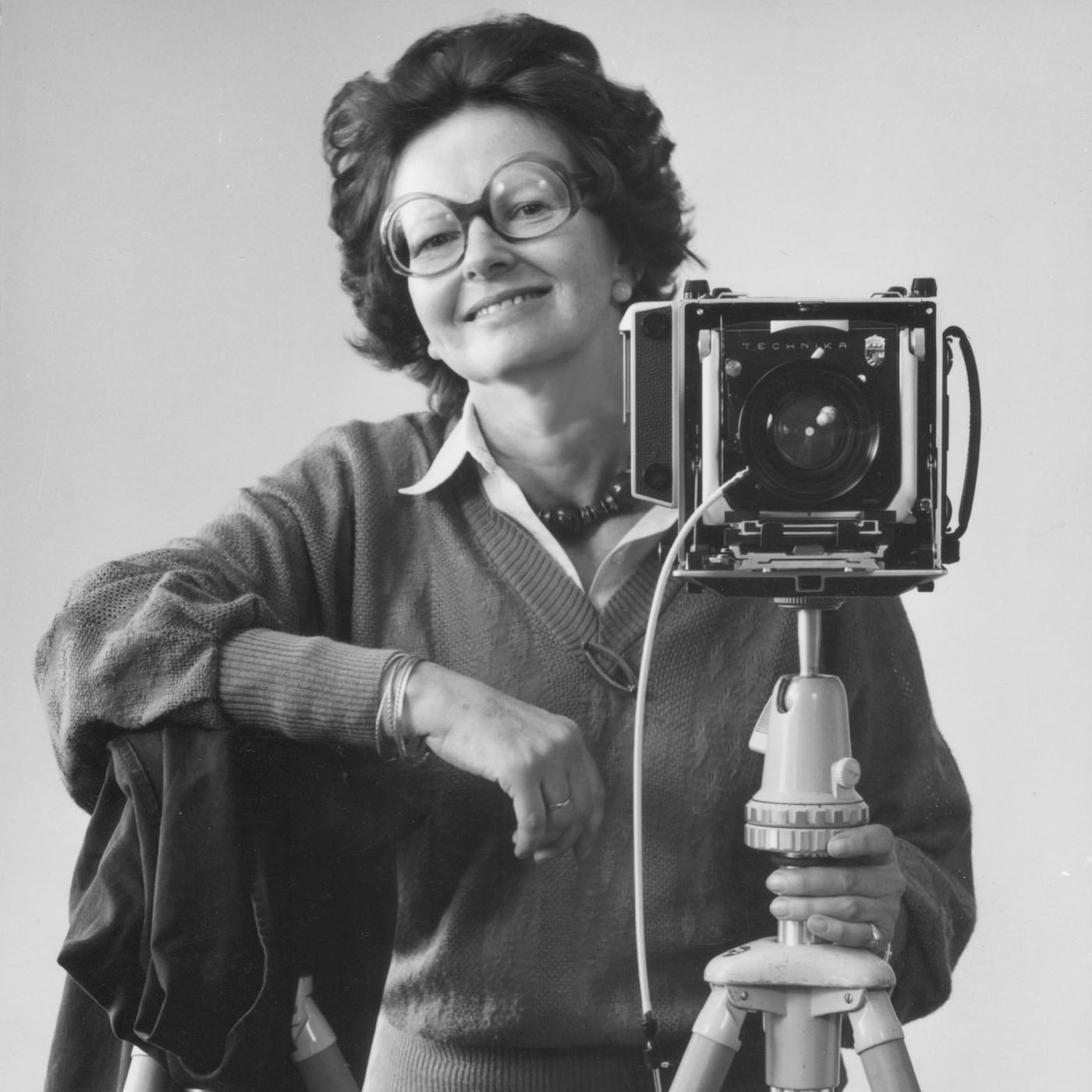
 

Unknown photographer. 'Elfriede Mejchar with Linhof camera and tripod in the Federal Monuments Office' Late 1970s


Unknown photographer
Elfriede Mejchar with Linhof camera and tripod in the Federal Monuments Office
Late 1970s
State Collections of Lower Austria
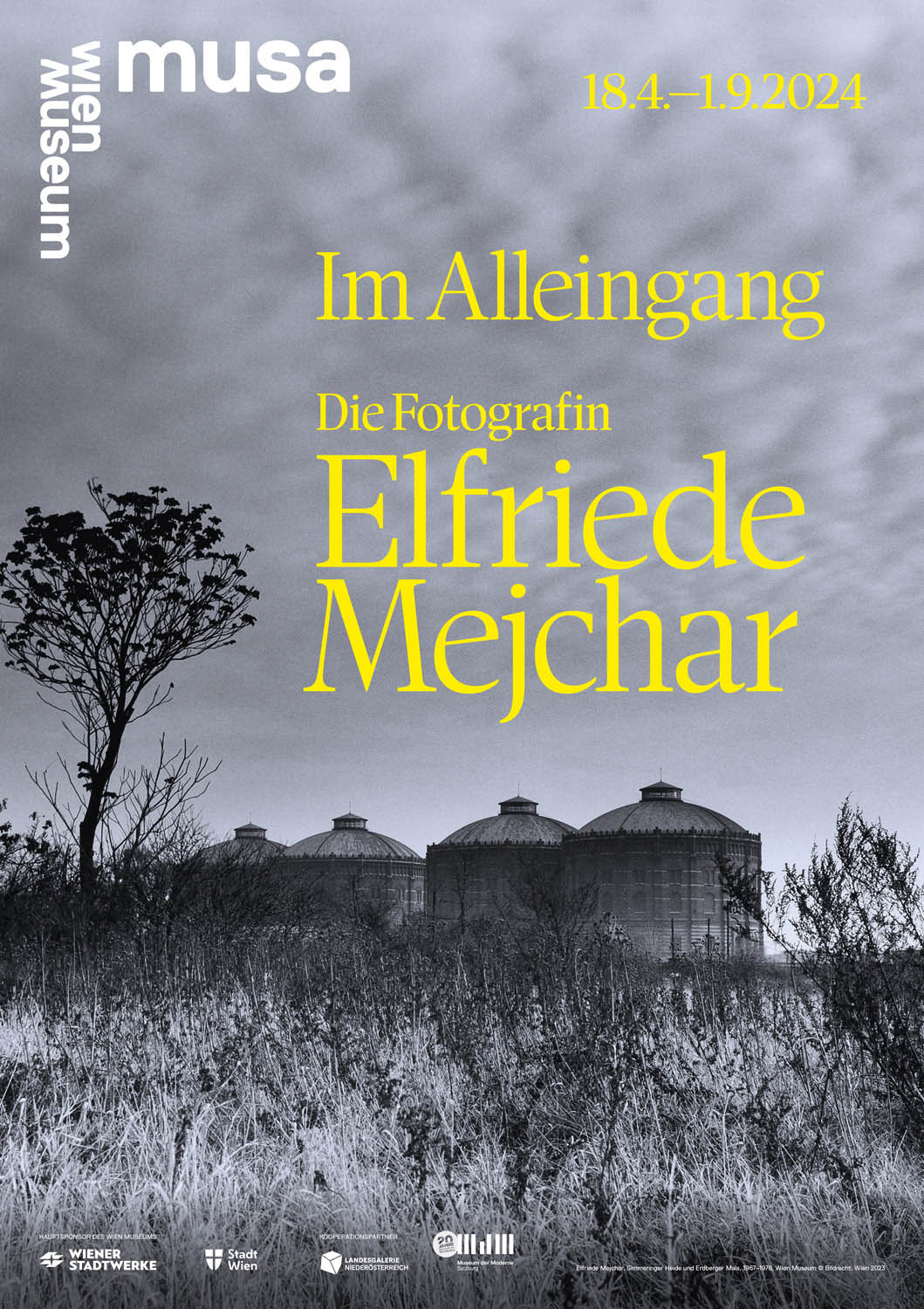
 

Poster for the exhibition 'On Her Own. The Photographer Elfriede Mejchar'


Poster for the exhibition On Her Own. The Photographer Elfriede Mejchar
Graphic: Studio Kehrer


Wien Museum MUSA
1010 Vienna, Felderstraße 6-8

Opening hours:
Tuesday to Sunday 10am – 6pm

Wien Museum website

LIKE ART BLART ON FACEBOOK

Back to top

Exhibition: ‘Instantly! Vienna Street Photography’ at the Wien Museum, Vienna

Exhibition dates: 19th May – 23rd October, 2022


Michael Frankenstein & Comp. 'Währinger Straße' 1880's from the exhibition 'Instantly! Vienna Street Photography' at the Wien Museum, Vienna, May - Oct, 2022


Michael Frankenstein & Comp. (Austrian, 1843-1918)
Währinger Straße
1880’s
Wien Museum Collection


It is so good to post a diverse range of photography exhibitions on Art Blart. Here we have some interesting early street photographs of Vienna, images that I have never seen before.

No bibliographic information was included with the media press kit, not even the nationality of the photographers, so I have added as much information as I could find online about the artists.

Dr Marcus Bunyan


Many thankx to the Wien Museum for allowing me to publish the photographs in the posting. Please click on the photographs for a larger version of the image.


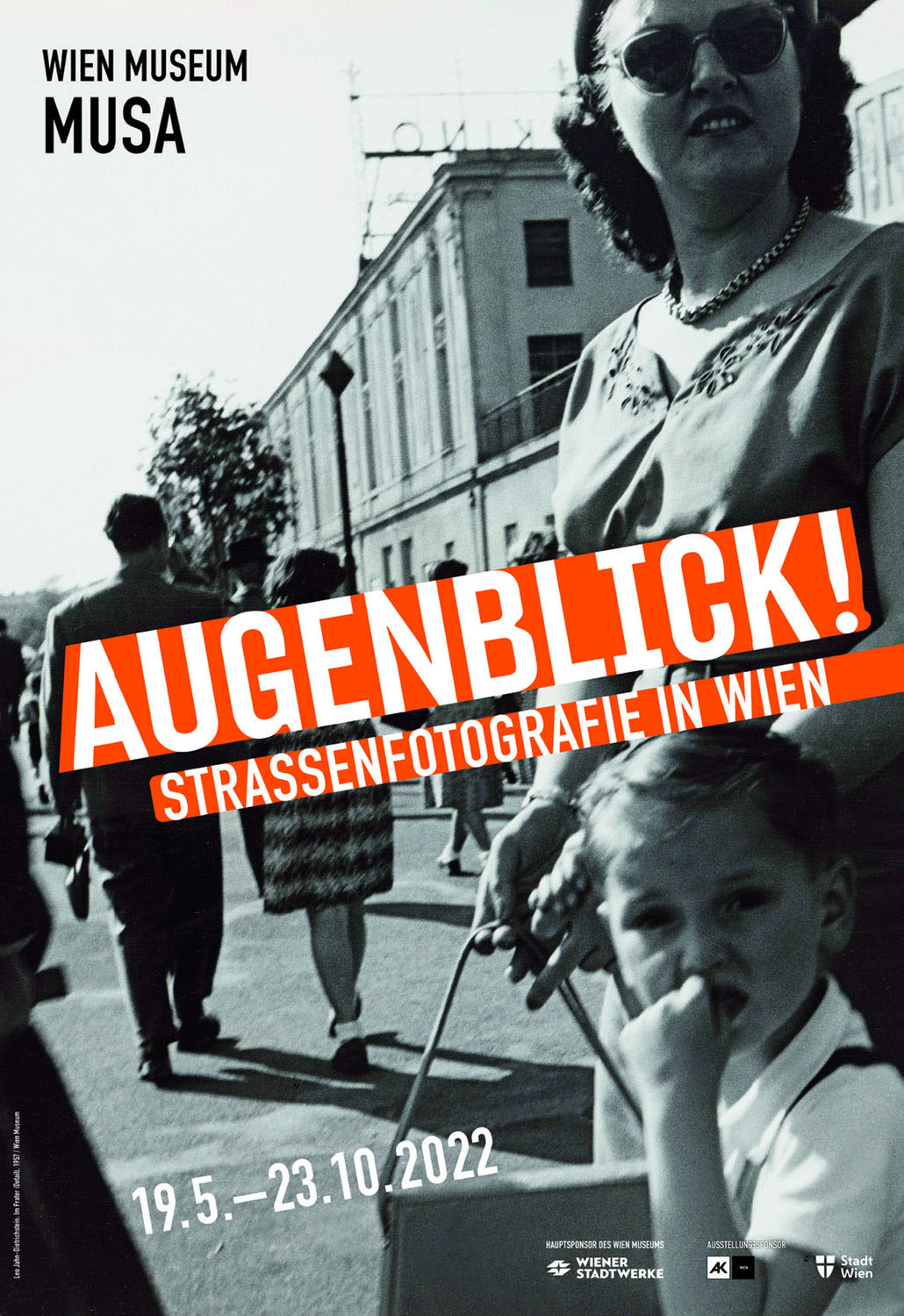
Instantly! Vienna Street Photography, exhibition poster


Instantly! Vienna Street Photography, exhibition poster
Graphics: Schienerl D/AD


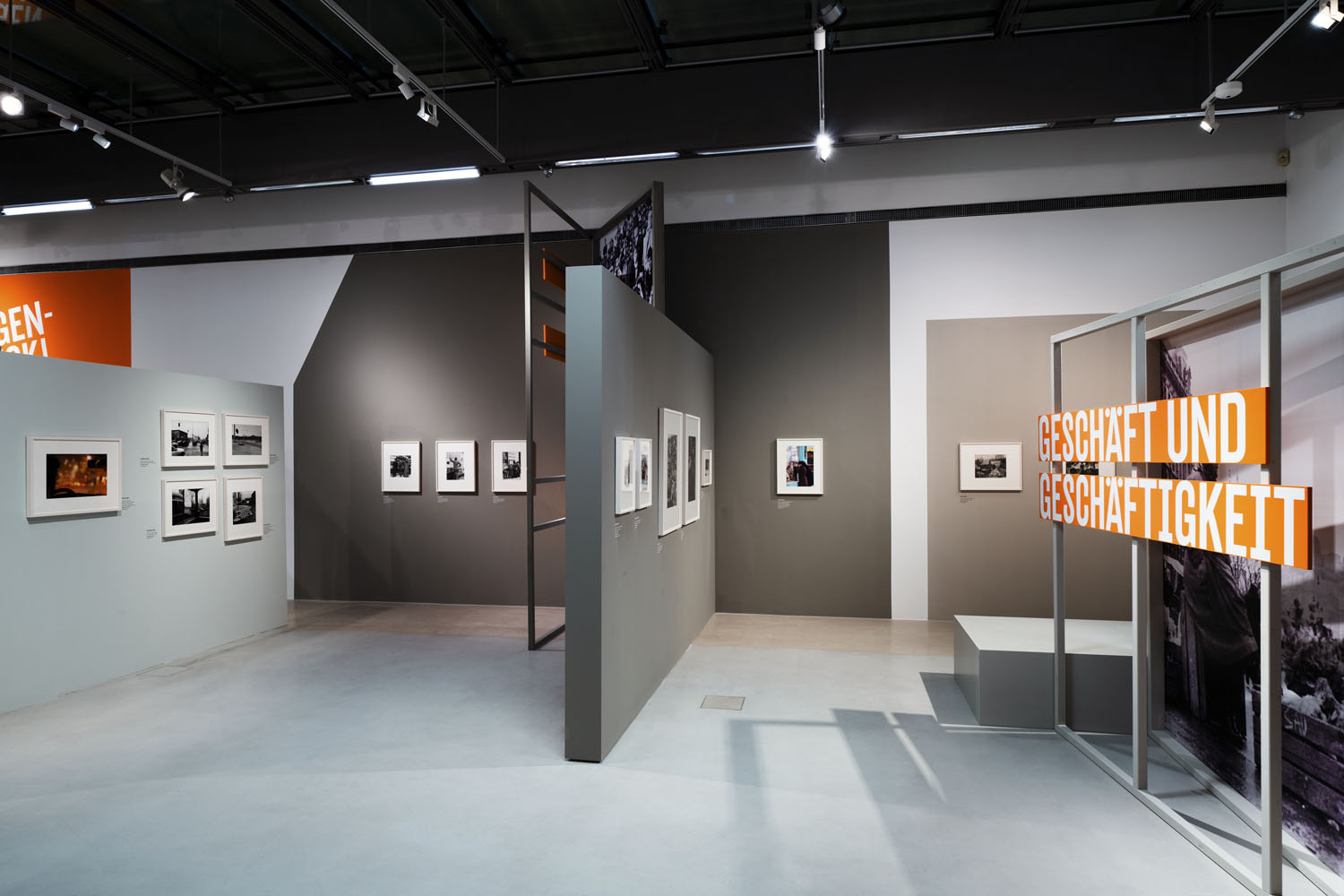
'Instantly! Vienna Street Photography', exhibition view, 2022, Wien Museum MUSA


Instantly! Vienna Street Photography, exhibition view, 2022, Wien Museum MUSA
Photo: timtom


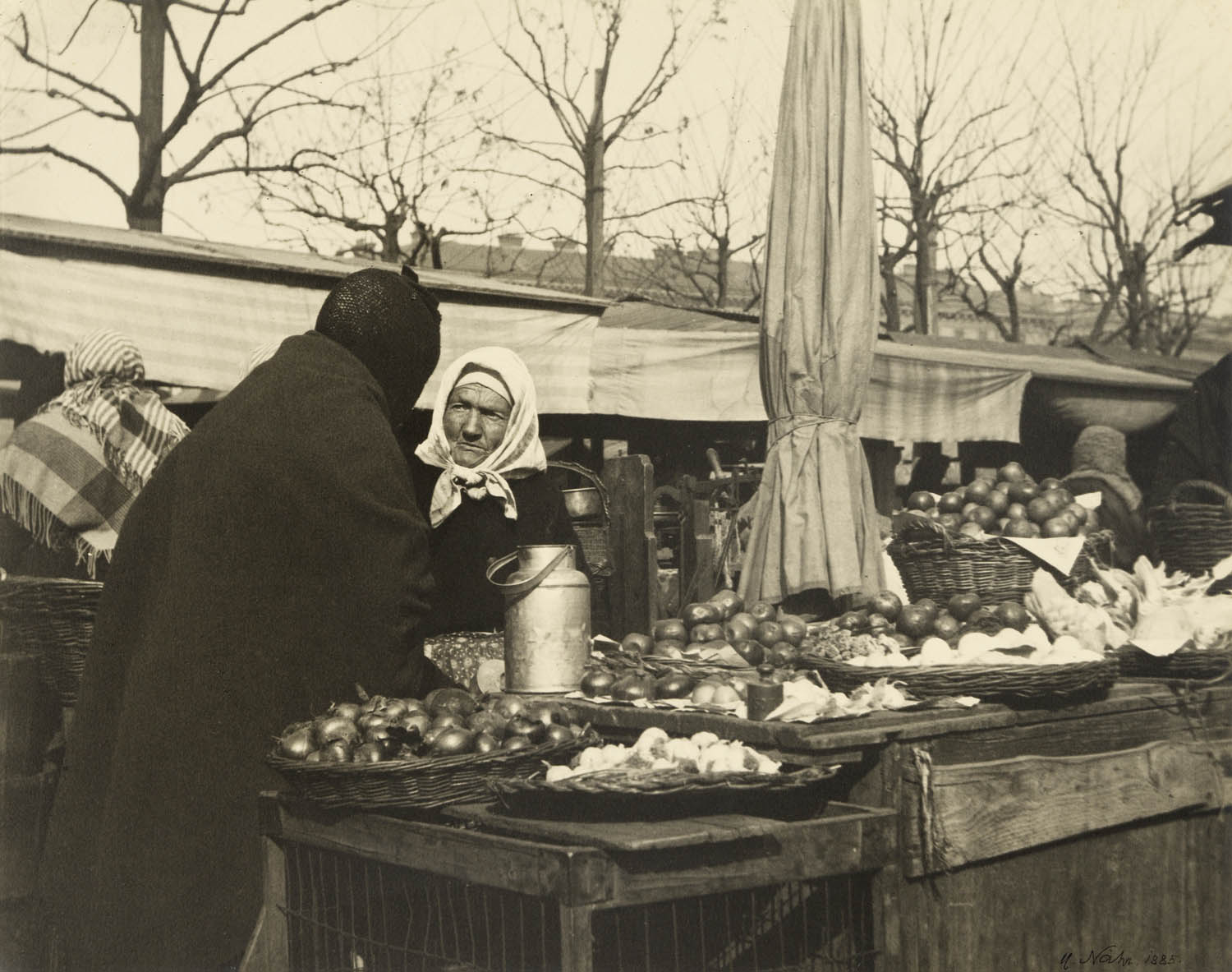
Moriz Nähr (Austrian, 1859-1945) 'At the old Naschmarkt, Vienna' 1885 from the exhibition 'Instantly! Vienna Street Photography' at the Wien Museum, Vienna, May - Oct, 2022


Moriz Nähr (Austrian, 1859-1945)
At the old Naschmarkt, Vienna
1885
Wien Museum Collection


Moriz Nähr (Austrian, 1859-1945)

Moriz Nähr was an Austrian photographer. Nähr was a friend of the members of the Vienna Secession art group. He is best known for his portraits of Gustav Klimt, Gustav Mahler, and Ludwig Wittgenstein.

Moriz Nähr (1859-1945) is one of the most important innovators of photography in “Vienna around 1900”. His photographic oeuvre is mentioned today in the same breath as that of the famous Parisian photographer Eugène Atget. Nähr enjoyed a life-long artist’s friendship with Gustav Klimt and was connected with the artist through a special network of eminent personalities from the arts, culture and philosophy. Numerous portrait photographs of Klimt emphatically document the two artists’ bond. Klimt was also inspired by Nähr’s photographic motifs, as illustrated by the conformities in the photographer’s pictures and Klimt’s painting Beech Forest I created in 1902. The legends surrounding Moriz Nähr are based on the one hand on his close ties with Gustav Klimt and the Vienna Secession and on the other hand on his connections with the family of Ludwig Wittgenstein and the imperial Habsburg family, especially with the heir to the throne Archduke Franz Ferdinand, who appointed him court photographer in 1908. Owing to his work as a freelance photographer as well as to his various commissions, he has left behind a multi-faceted oeuvre comprising not only landscape-, architecture-, and portrait photography but also street photography (Scenes from the Naschmarkt, 1918) as well as photographs documenting exhibitions (Vienna Secession).

Anonymous. “Moriz Nähr: Photographer of Viennese Modernism,” on the Leopold Museum website 2018 [Online] Cited 16/10/2022


'Instantly! Vienna Street Photography', exhibition view, 2022, Wien Museum MUSA


Instantly! Vienna Street Photography, exhibition view, 2022, Wien Museum MUSA
Photo: timtom


August Stauda (Austrian, 1861-1928) 'Kaserngasse (today Otto-Bauer-Gasse), Vienna' c. 1902 from the exhibition 'Instantly! Vienna Street Photography' at the Wien Museum, Vienna, May - Oct, 2022


August Stauda (Austrian, 1861-1928)
Kaserngasse (today Otto-Bauer-Gasse), Vienna
c. 1902
Wien Museum Collection


August Stauda (Austrian, 1861-1928)

August Stauda (b. July 19, 1861 in Schurz , Bohemia ; d. July 8, 1928 in Vienna) was one of the leading Viennese architectural photographers who made a name for himself as a city photographer and documentarist of “old Vienna”.

Stauda first completed an apprenticeship as a clerk in Trautenau, worked as such in Pilsen and came to Vienna in 1882 to do military service. Here he learned the craft of photography from his uncle, the city and portrait photographer Johann Evangelista Stauda and opened his own studio in 1885 at Schleifmühlgasse 5 in the 4th district of Vienna, Wieden (at the current address of the Kargl Gallery). From 1913 he was a sworn expert. During the First World War he had to file for bankruptcy. Stauda was married but had no children.

In addition to landscape shots, he captured the “old Vienna” in more than 3,000 photographs – inspired by the commission of the monument and homeland protector Count Karl Lanckoronski-Brzezie. He was particularly interested in those parts of the city that underwent significant urban planning changes around the turn of the century, especially parts of the 2nd, 3rd and 9th districts. While the appearance of the city centre at that time is still recognisable today, the contemporary pictures of Mariahilfer Strasse or Neulerchenfelder Strasse show how the passage of time has also changed the city.

Almost three thousand negatives and prints of his pictures of Vienna are now in the Austrian National Library in Vienna. The collection of prints in the possession of the Wien Museum is almost as large.

Other large holdings of Stauda are in the graphic collection of the Albertina, in the archive of the Federal Police Headquarters in Vienna and in the Historical Museum of the City of Kraków.

Text from the German Wikipedia website translated by Google Translate


August Stauda (Austrian, 1861-1928) '9., Nußdorfer Straße 24 / Alserbachstraße 1' 1899


August Stauda (Austrian, 1861-1928)
9., Nußdorfer Straße 24 / Alserbachstraße 1
1899
Albumen print
Image: 22.4 × 27.6cm
© Wien Museum


August Stauda (Austrian, 1861-1928) '4., Margaretenstraße 45 / Große Neugasse 37' 1899


August Stauda (Austrian, 1861-1928)
4., Margaretenstraße 45 / Große Neugasse 37
1899
Albumen print
© Wien Museum


'Instantly! Vienna Street Photography', exhibition view, 2022, Wien Museum MUSA


Instantly! Vienna Street Photography, exhibition view, 2022, Wien Museum MUSA
Photo: timtom


Vienna’s street life in fascinating, never-before-seen photos: The exhibition traverses the city’s pictorial history from the 1860s until today. Most of the works come from the photo collection of the Wien Museum, which show-cases its vast holdings like never before.

The focus of the exhibit is the developing gaze on big city life, from the 1860s to the present. In addition to iconic images of Vienna that capture decisive moments in urban life, the show presents numerous never-before exhibited or published photographs that bring the city’s everyday life as well as the lives of
its inhabitants to the fore: impressive street scenes, intimate snapshots, and fleeting glimpses of urban life.

Iconic images by prominent photographers like Franz Hubmann, August Stauda, Elfriede Mejchar, Robert Haas, Erich Lessing, Edith Suschitzky, Ernst Haas, Harry Weber, and Barbara Pflaum are presented alongside countless new discoveries and previously unpublished works. They capture everyday life in Vienna in enduring snapshots.

The exhibit paints a new portrait of the metropolis on the Danube, inviting visitors on an exciting pictorial journey from early urban photography to the Instagram aesthetics of the present.

Text from the Wien Museum website


Emil Mayer (Austrian, 1871-1938) 'On the way with the tram' 1905-1912


Emil Mayer (Austrian, 1871-1938)
On the way with the tram
1905-1912
Wien Museum Collection

Digitally cleaned and balanced by Marcus Bunyan


Emil Mayer (Austrian, 1871-1938)

Dr. Emil Mayer FRPS (October 3, 1871 – June 8, 1938) was an Austrian photographer, lawyer, inventor, and businessperson.

After Mayer completed his studies at the University of Vienna, he established a law practice at Salvatorgasse 10 in Vienna.

Mayer’s first experience in photography was as an amateur and he was a member of several Viennese photographer associations that focused on artistic photography. His artistic photos include documentary images of Wienerstraße.

Mayer was an honorary member of many domestic and foreign photographers’ clubs. He also authored a textbook and was awarded several patents for photographic devices.

Finally, Mayer left his law firm and founded a photographic technology company DREM-Zentrale with Nikolaus Benedik. The company’s name was an abbreviation of DR. E. Mayer. International branches of the company included, DREM Products Corporation in New York and DREM Products Ltd. in London, England.

On June 6, 1903, he married Elisabeth Deutsch (March 18, 1882 – June 8, 1938).

To escape persecution from the Nazi regime after the annexation of Austria in March 1938, Mayer and his wife died by suicide in their home (BöcklinStraße 12) in Vienna on June 8, 1938.

Text from the Wikipedia website

See more photographs by Emil Mayer on the Vintage Everyday website


Emil Mayer was a Viennese photographer who did most of his work with a hand-camera on the streets of Vienna around the 1910s. Although he was a lawyer by profession, his greatest passion was for photography: he was the long-time president of one of Vienna’s most prominent camera clubs, and by the time of his death was internationally known for his work in photography.

Mayer’s photographs document a short-lived period of stability and prosperity in Austria’s history. The Viennese writer Stefan Zweig recalled this time in his autobiography: “Everything had its norm, its definite measure and weight. … Every family had its fixed budget, and knew how much could be spent for rent and food, for vacations and entertainment… In this vast empire everything stood firmly and immovably in its appointed place, and at its head was the aged emperor; and were he to die, one knew (or believed) another would come to take his place, and nothing would change in the well-regulated order.”

Mayer died in June, 1938 – he committed suicide along with his wife, soon after the Nazi occupation of Vienna – and we know that the Gestapo entered his apartment soon afterwards, with the result that his entire personal collection of photographs was almost certainly destroyed.

Anonymous. “Extraordinary Candid Vintage Photographs That Capture Street Scenes of Vienna, Austria From the 1900s and 1910s,” on the Vintage Everyday website January 18th 2016 [Online] Cited 16/10/2022


Unknown photographer. 'At the Ferdinandsbrücke, Vienna' c. 1911


Unknown photographer
At the Ferdinandsbrücke, Vienna
c. 1911
Wien Museum Collection


'Instantly! Vienna Street Photography', exhibition view, 2022, Wien Museum MUSA


Instantly! Vienna Street Photography, exhibition view, 2022, Wien Museum MUSA
Photo: timtom


Franz Holluber. 'In the Schottengasse' 1931


Franz Holluber
In the Schottengasse
1931
Wien Museum Collection


Martin Gerlach jun. (Austrian, 1879-1944) 'Tiefer Graben 36' c. 1935


Martin Gerlach jun. (Austrian, 1879-1944)
Tiefer Graben 36
c. 1935
Wien Museum Collection


Martin Gerlach junior (Austrian, 1879-1944)

Martin Gerlach junior (April 2, 1879 in Vienna – July 18, 1944 in Vienna) was an Austrian photographer.

Martin Gerlach, son of Martin Gerlach senior, first learned the photography trade from his father, attended the Imperial and Royal Graphic Teaching and Research Institute from 1896-1899 and later perfected his knowledge with Josef Löwy and Hermann Clemens Kosel.

In 1906 he founded his own photo studio and after the First World War became the house photographer for the collector Camillo Castiglioni. After the death of Albert Wiedling, he continued to run the Gerlach & Wiedling publishing house from 1923 together with his son Walter Wiedling.

Martin Gerlach junior became famous through his architectural photographs of the interwar period (municipal buildings of the First Republic, construction of the Wiener Höhenstraße, etc.) as well as through his work on the RAVAG program magazine and through publications in collaboration with the artists Josef Hoffmann and Adolf Loos.

His photo archive of Viennese architecture, industry and the interwar period, which his son continued and supplemented with images from the period after 1945, came into the possession of the City of Vienna in 1989 and is now managed by the photo archive of the Austrian National Library.

On March 1, 1940, Gerlach applied for membership in the NSDAP and was accepted on April 1 (membership number 9,017,291). After his death, his widow, Anna (née Mohl), continued the studio, which was then taken over by his son Kurt Gerlach (1919-2003) in 1947. His son donated the famous Loos archive with 200 glass negatives to the Albertina collections in the 1990s .

Alongside Bruno Reiffenstein (1868-1951), Martin Gerlach is today regarded as one of the most important photographers of the Austrian monarchy.

Text from the German Wikipedia website translated by Google Translate


Franz Hubmann (Austrian, 1914-2007) 'Unusual Plant Transport, Wien' 1954


Franz Hubmann (Austrian, 1914-2007)
Unusual Plant Transport, Wien
1954
Wien Museum Collection
© Franz Hubmann / Imagno / picturedesk.com


Franz Hubmann (Austrian, 1914-2007)

Franz Hubmann (born October 2, 1914 in Ebreichsdorf, Lower Austria; died June 9, 2007 in Vienna) was an Austrian photographer and photojournalist.

Hubmann initially embarked on a career as a textile technician, from 1936 to 1938 he ran a hat factory. It was only after the Second World War that he decided to turn his hobby into a career. In 1946, as a 32-year-old father, Hubmann began a three-year apprenticeship at the Graphic Teaching and Research Institute in Vienna.

In 1951, when he was the head of the Austrian tourism advertising agency, he met Karl Pawek , who was the publisher of the Austria International magazine at the time – a long-term collaboration began. In 1954 they founded magnum together – the magazine for modern life. The aim of the magazine was to gently guide people into the new world of modernity. Hubmann’s photo series, such as those about the Café Hawelka, were his breakthrough as a photographer and photojournalist. He was the lead photographer until the magazine closed in 1964.

Over the decades he has published around 80 illustrated books, in particular on contemporary, historical and folklore themes. In addition, he produced 17 television films for ORF in the 1960s and early 1970s, including the 5-part series Die Hohe Schule der Fotografie (The high school of photography).

In professional circles, Hubmann was considered the doyen of Austrian photography, the “Austrian Cartier-Bresson”. He was a photographer who captured what was specifically Austrian and especially Viennese in photographic stories and narratives like no other.

Text from the German Wikipedia website translated by Google Translate


Heinrich Steinfest. 'Spectators at horse race' 1956


Heinrich Steinfest
Spectators at horse race
1956
Gelatin silver print


Leo Jahn-Dietrichstein (Austrian, 1911-1984) 'In the Prater' 1957


Leo Jahn-Dietrichstein (Austrian, 1911-1984)
In the Prater
1957
Wien Museum Collection
© Leo Jahn-Dietrichstein, Wien Museum


Leopold Jahn (Austrian, 1911-1984)

Leopold Jahn, stage name Leo Jahn-Dietrichstein (born March 30, 1911 in Vienna ; † November 1, 1984 in Vienna) was an Austrian artist (photography, painting and graphic artist).

He attended the teacher training college with a focus on mathematics, physics, chemistry and art education. In 1939 he was drafted into the Wehrmacht and assigned to Russia. In the Crimea he was wounded and sent back home. Photos from this period can be found in the Military History Museum in Vienna. After the end of the war he walked from his posting in Yugoslavia to East Tyrol, where his family had been relocated during the war. His sons were born in 1942 (Klaus Leopold) and 1946 (Kurt Georg).

He worked as a photographer, painter (classic modern) and graphic artist and published a photo book about East Tyrol, took part in various exhibitions and also had several solo exhibitions. In 1951 he returned to Vienna with his family. He was reinstated in the teaching profession, but continued to work as a photographer. He photographed post-war Vienna. From this time there are, among other things, spectacular photos of the renovation of St. Stephen’s Cathedral. A selection of these photos is owned by the Vienna Museum and the Vienna Office for the Protection of Monuments.

As an artist, he also photographed his artist friends, such as the New York fashion photographer Roland Pleterski, the sculptor Wander Bertoni, and the painter and sculptor Leherb. A selection of these photos are owned by the Vienna Museum. He also made photo reports on the Balkans and Italy.

In 1957 he published a book on Portugal. He worked for the Österreich Illustrierte, the Oberösterreichische Nachrichten, the Österreichischer Verlag, Radio Österreich, for the Magnum agency and for the Süddeutscher Verlag. In 1973 he published a book about Ludwig Boltzmann in the publishing house Jugend und Volk.

Until his retirement he remained in the school service of the city of Vienna. After that he mainly dealt with macro photography. He was particularly interested in the crystal formation of chemical substances. In this context, he worked with large industrial companies such as Schoeller-Bleckmann and Waagner Biro.

Text from the German Wikipedia website translated from the German by Google Translate


'Instantly! Vienna Street Photography', exhibition view, 2022, Wien Museum MUSA


Instantly! Vienna Street Photography, exhibition view, 2022, Wien Museum MUSA
Photo: timtom


Leo Jahn-Dietrichstein (Austrian, 1911-1984) 'In the Kärntner Straße' 1950-1965


Leo Jahn-Dietrichstein (Austrian, 1911-1984)
In the Kärntner Straße
1950-1965
Wien Museum Collection
© Leo Jahn-Dietrichstein, Wien Museum


Vienna’s street life in fascinating, never-before-seen photos: The exhibition “Instantly! Vienna Street Photography” traverses the city’s pictorial history. Most of the works come from the photo collection of the Wien Museum, which showcases its vast holdings like never before.

The focus of the exhibit is the developing gaze on big city life, from the 1860s to the present. In addition to iconic images of Vienna that capture decisive moments in urban life, the show presents numerous never-before-exhibited or published photographs that bring the city’s everyday life as well as the lives of its inhabitants to the fore: impressive street scenes, intimate snapshots, and fleeting glimpses of urban life.

The exhibit shows how the medium of photography functioned in the creation and dissemination of new urban vistas. In this way, the images also tell the story of a rapidly changing metropolis. They capture the hustle and bustle on streets, squares, and markets, uncover unexpected encounters, and document moments of indolence and pleasure. All in all, the exhibition paints a new portrait of the metropolis on the Danube, inviting visitors on an exciting pictorial journey from early urban photography to the Instagram aesthetics of the present.­

Text from the Wien Museum website


'Instantly! Vienna Street Photography', exhibition view, 2022, Wien Museum MUSA


Instantly! Vienna Street Photography, exhibition view, 2022, Wien Museum MUSA
Photo: timtom


The photographs show Vienna to be a slower, sleepier, and until recently greyer city in contrast to larger metropolises like New York, Paris, and London. In the earliest photographs taken in the latter half of the nineteenth and early decades of the twentieth centuries, the dynamism of modern forms of transportation like the tram and the automobile contrast starkly with the leisurely pace at which people move about the urban landscape.

Not only unhurried in the sense of movement, Vienna is presented as a city which has changed at a slower pace both architecturally and in terms of the manner in which people use it. The photographs capture views and angles down streets or across squares that are largely recognizable and assimilable to the contemporary viewer. Institutions like the Naschmarkt, meanwhile, remain important hubs of commerce just as they were over 100 years ago, as a photograph by Moriz Nähr taken of an elderly fruits and vegetables seller in 1885 shows all too clearly.

Nightlife and Vienna after dark are unimportant subjects in Viennese street photography. It is not that Vienna had or has no nightlife – the theater, the cabaret, and so on – but rather that nightlife was not seen by photographers as important to the city’s understanding of itself. Vienna is not a city of sin but a city of leisure. Photographers turn their lens on the coffeehouse, where patrons read the newspaper, play chess, or hold court. The Viennese are captured swimming in the Danube, sunbathing, playing cards, or going to the funfair. These street photographs perpetuate the idea of a certain Viennese Gemütlichkeit, a feeling of warmth, friendless, and good cheer.

Liam Hoare. “Instantly!” on The Vienna Briefing website Jun 1, 2022 [Online] Cited 08/10/2022


Elfriede Mejchar (Austrian, 1924-2020) From the series 'Simmeringer Haide, Erdberger Mais' 1967-1976


Elfriede Mejchar (Austrian, 1924-2020)
From the series Simmeringer Haide, Erdberger Mais
1967-1976
Wien Museum Collection
© Elfriede Mejchar


Elfriede Mejchar (Austrian, 1924-2020)

Elfriede Mejchar (May 10, 1924 in Vienna – October 11, 2020) was an Austrian photographer.

Elfriede Mejchar grew up in Lower Austria. From 1939 she attended school in Germany, where she then began an apprenticeship as a photographer. When the war ended in 1945, Mejchar lived in Lower Austria again. In 1961 Mejchar passed the master’s examination at the Graphic Teaching and Research Institute in Vienna. From 1952 to 1984, Mejchar worked as a photographer at the Federal Monuments Office in Vienna and then as a freelancer. She was buried at the Vienna Central Cemetery.

Text from the German Wikipedia website translated by Google Translate


Andreas Baumann (Austrian, b. 1968) From the series 'Wiener Autofahrer unterwegs' (Viennese motorists on the road) 1998


Andreas Baumann (Austrian, b. 1968)
From the series Wiener Autofahrer unterwegs (Viennese motorists on the road)
1998
Wien Museum Collection
© Andreas Baumann


'Instantly! Vienna Street Photography', exhibition view, 2022, Wien Museum MUSA


Instantly! Vienna Street Photography, exhibition view, 2022, Wien Museum MUSA showing at right, photographs from Andreas Baumann’s series Wiener Autofahrer unterwegs (Viennese motorists on the road)
Photo: timtom


Reinhard Mandl (Austrian, b. 1960) 'At Franz-Josefs-Kai' 2000


Reinhard Mandl (Austrian, b. 1960)
At Franz-Josefs-Kai
2000
Wien Museum Collection
© Reinhard Mandl


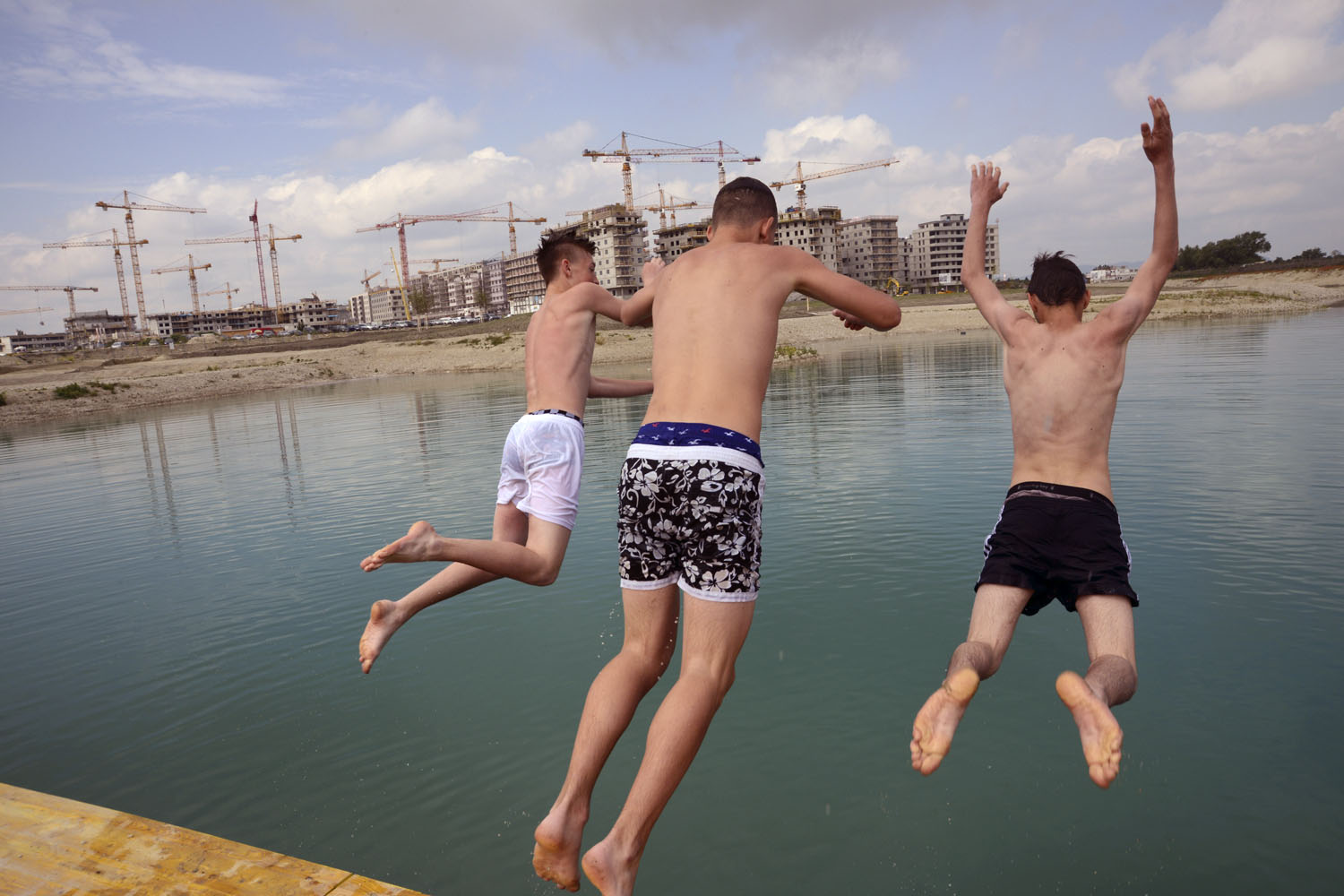
Didi Sattmann (Austrian, b. 1951) 'Seestadt Aspern' 2014


Didi Sattmann (Austrian, b. 1951)
Seestadt Aspern
2014
Wien Museum Collection
© Didi Sattmann

Young people illegally bathing in the lake


'Instantly! Vienna Street Photography', exhibition view, 2022, Wien Museum MUSA


Instantly! Vienna Street Photography, exhibition view, 2022, Wien Museum MUSA
Photo: timtom


Wien Museum
1040 Vienna, Karlsplatz 8
Phone: +43 (0)1 505 87 47 0

Opening hours:
Tuesday – Sunday and public holidays 10am – 6pm

Wien Museum website

LIKE ART BLART ON FACEBOOK

Back to top

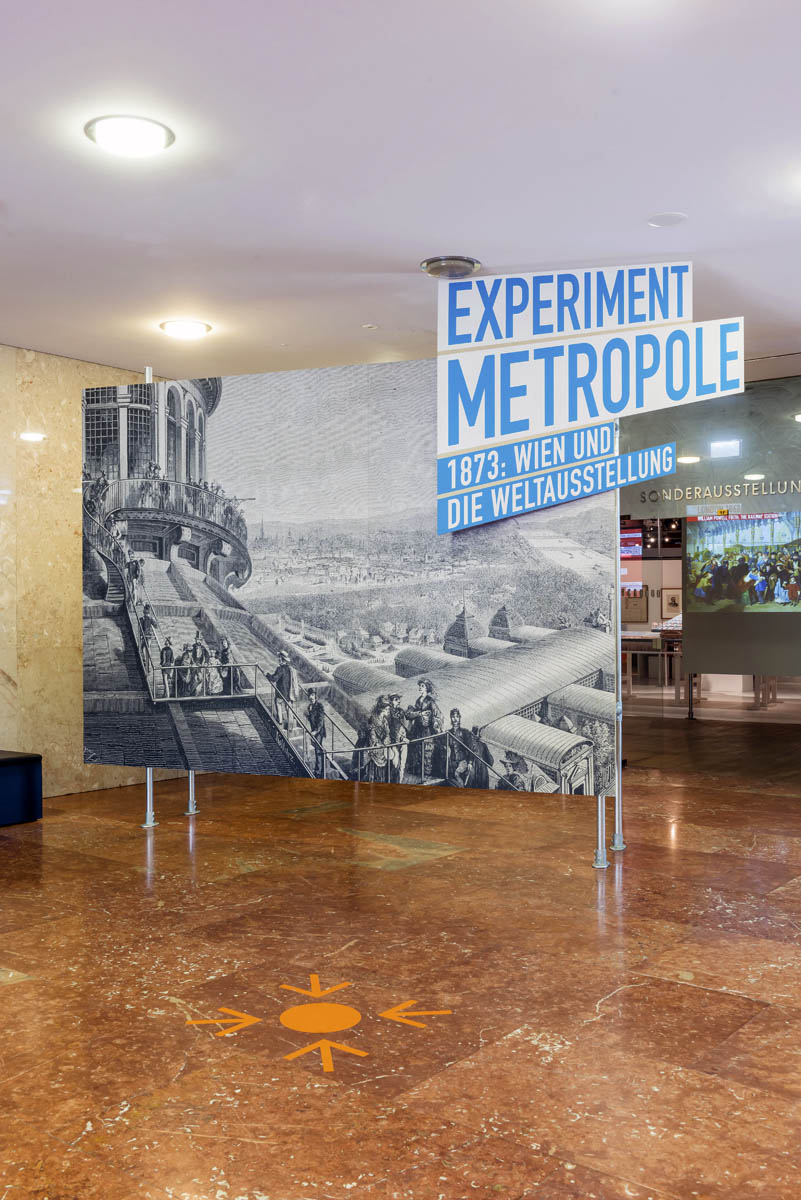
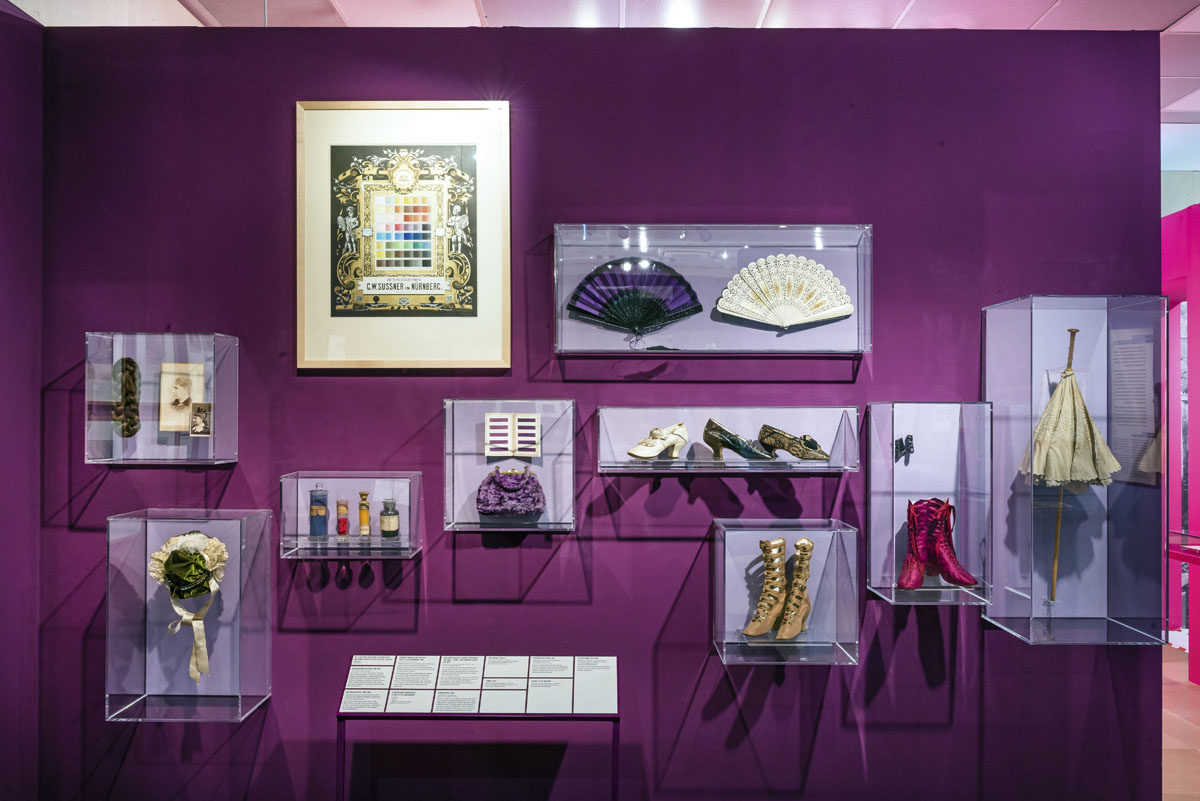
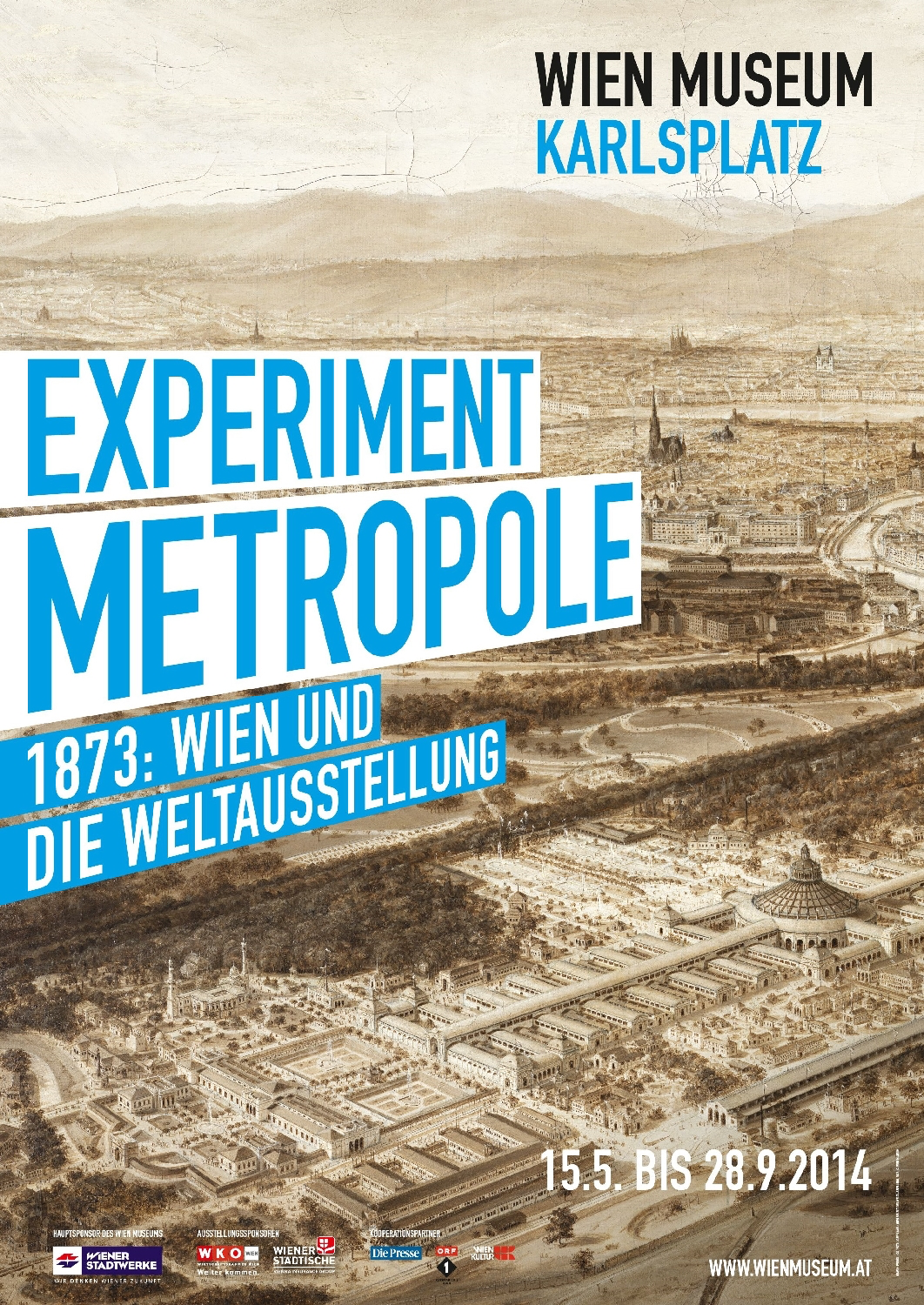
Exhibition: ‘The Metropolis Experiment: Vienna and the 1873 World Exhibition’ at Wien Museum, Vienna

Exhibition dates: 15th May – 28th September 2014


Many thankx to Wien Museum for allowing me to publish the art work and photographs in the posting. Please click on them for a larger version of the image.


Anonymous photographer. 'Main entrance to the World Exhibition' 1873 (detail)


Anonymous photographer
Main entrance to the World Exhibition (detail)
1873
Photograph
© Wien Museum


Anonymous photographer. 'The Palace of Industry under construction' 1872


Anonymous photographer
The Palace of Industry under construction
1872
Photograph
© Wien Museum


Anonymous photographer. 'Presentation of sanitary equipment' 1873


Anonymous photographer
Presentation of sanitary equipment

1873
Photograph
© Wien Museum


Friedrich von Schmidt (Austrian, 1825-1891) 'Winning design for the new City Hall building' 1869


Friedrich von Schmidt (Austrian, 1825-1891)
Winning design for the new City Hall building
1869
Ink drawing and watercolour
© Wien Museum


A panoramic view of the era around 1870

After “The struggle for the city”, a major exhibition on politics, art and everyday life around 1930, Wien Museum presents another panoramic view of an era. This time, the spotlight is trained on the years around 1870, a crucial transformative phase in Vienna’s development towards becoming a major modern metropolis. From 550,000 around 1850, Vienna’s population had almost doubled to about one million by the 1870s.

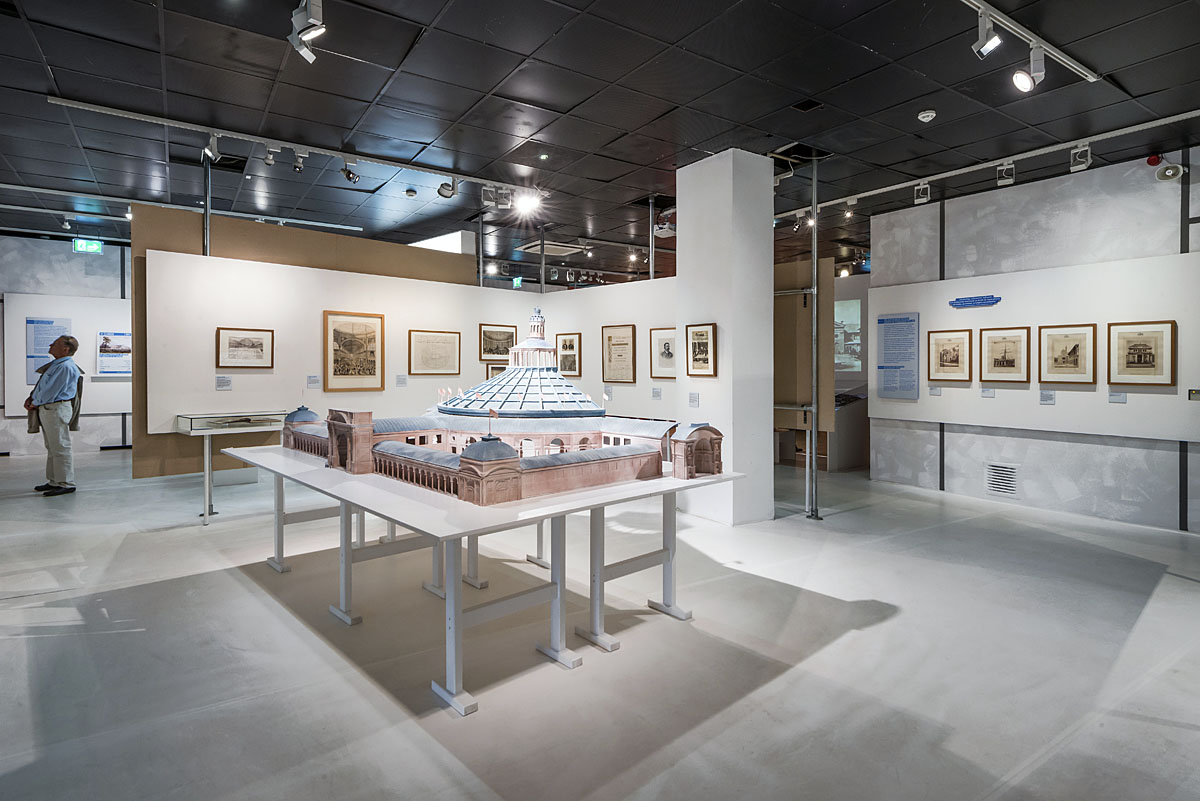
For Vienna, 1873 became the key year of the era. Like the construction of the new Ringstraße, the World Exhibition symbolised the city’s ambitions of attaining international standing. It was the first event of its kind not to be held in London or Paris, and an ostentatious display of superlatives: an area five times as large as the previous show in Paris, 53,000 exhibitors from 35 nations, 194 extravagantly designed pavilions, and crowning it all the Palace of Industry with its 85-metre-high Rotunda, then the world’s largest domed structure and a new Viennese landmark, and the 800-metre-long Engine Hall. The Exhibition attracted more than seven million visitors between 1 May and 2 November, yet its objectives were only partially met. 1873 was also the year of the great stock exchange crash which brought the phase of economic prosperity and optimistic hopes for the future to an abrupt end.

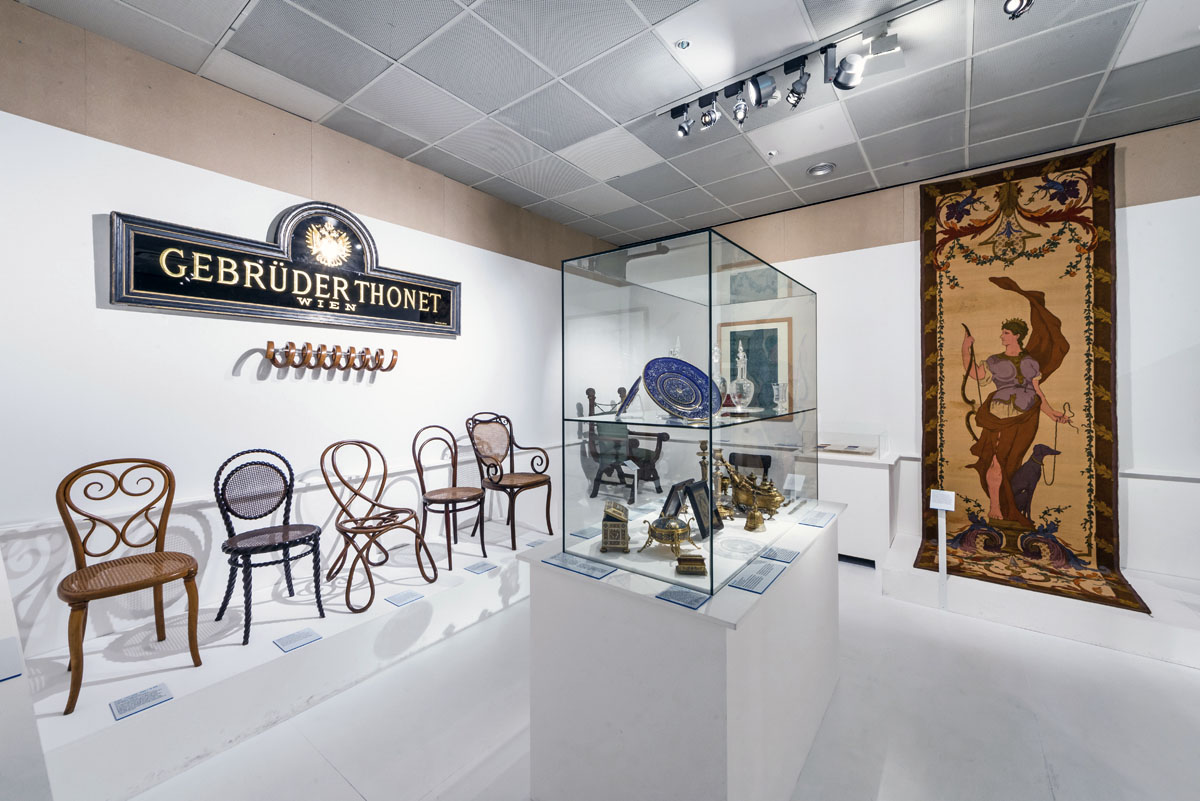
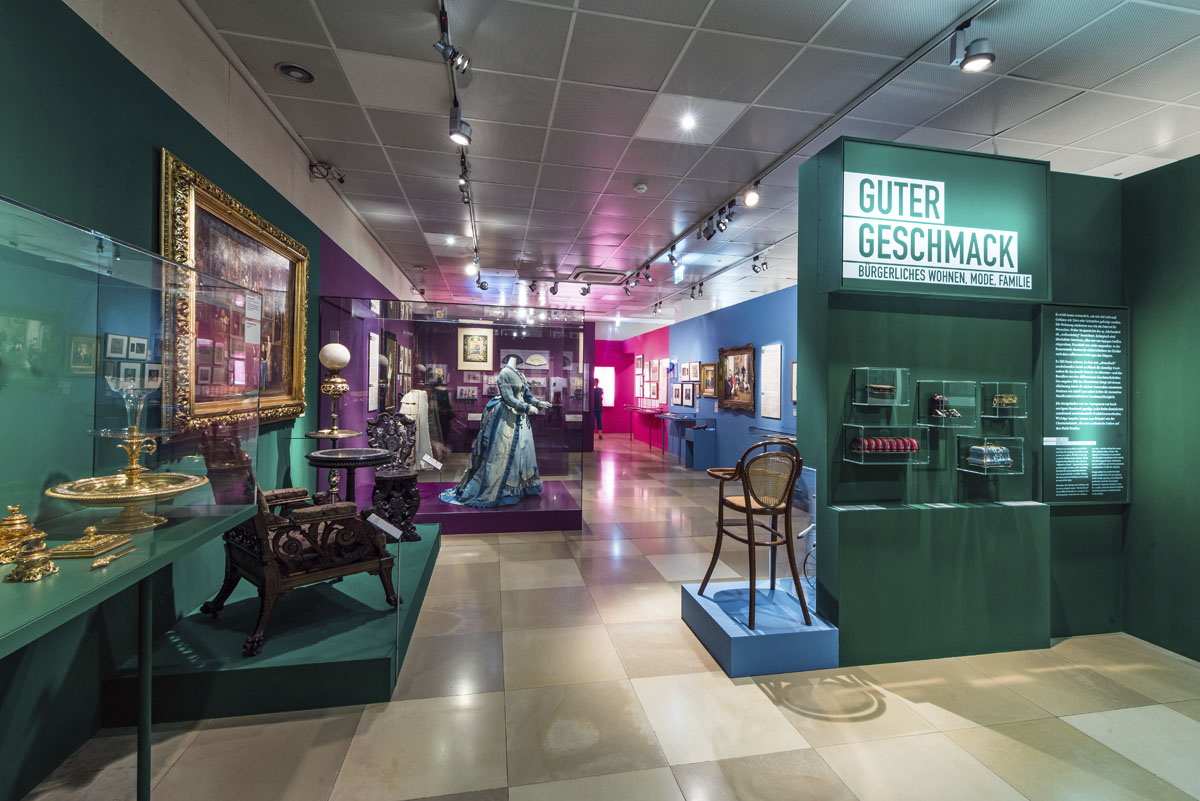
The Wien Museum exhibition tells the story of large-scale building projects and the movers and shakers of the Gründerzeit era, of miserable social conditions, migration and the advent of the mass political parties, of increased mobility thanks to faster transport, of the advances made in medicine and technology and of the fashions of the period, which was a golden age in the decorative arts. Most of the 1000 or so objects on display are from the Wien Museum collections, with the focus on the extensive holdings of over 1600 photos from the Vienna Photographers’ Association, many of which feature here. Also on show are a large number of original exhibits from the 1873 World Exhibition.

A “festival of progress”: how the World Exhibition came about

1867 marked a turning point. After a number of disastrous years the economy made a sudden recovery. A “miracle harvest” opened up opportunities for export, while the state reform that created the Austro-Hungarian Dual Monarchy (the “Compromise” with Hungary) placed trade, customs and fiscal policy on a new basis. Iron production, mechanical engineering and the construction industry were the drivers behind the upswing. Vienna also established itself as a centre of finance, with countless sometimes dubious joint stock companies springing up in the period before 1873.

These boom years presented industrialists, tradespeople and commercial policy-makers, as well as the proponents of reform in the applied arts, with the opportunity to put into action a plan they had long held dear, namely that of staging a World Exhibition in Vienna. Since the “Great Exhibition of the Works of Industry of All Nations” held in London in 1851 there had been three further World Exhibitions (1855 and 1867 in Paris, 1862 in London). These “festivals of progress” not only acted as a forum for global exchange of expertise among engineers and manufacturers but also presented bourgeois society and the respective host country with an ideal platform for self-presentation and image boosting. The Vienna of the Gründerzeit era was “on the fast track” and intended to present itself to the world as a large modern city on its way to becoming a major metropolis.

It was not until 1870 – barely three years before the opening – that Emperor Franz Joseph enacted a sovereign resolution on the holding of the World Exhibition, in the face of resistance from the City Council, the municipal authorities and Mayor of Vienna Cajetan Felder, who cautioned against excessive costs. The influence of the local politicians was still limited at this point, though their scope for action expanded from the 1860s onwards with the end of the neo-absolutist regime. A prominent symbol of the heightened self-confidence of the civic administration vis-à-vis the imperial house was Vienna’s monumental new City Hall, on which work started in 1873.

The city as construction site

The municipal politicians of the liberal age laid the groundwork for a modern technical infrastructure which became a prime driver of the economic boom and radically transformed the city. One of the key projects was the regulation of the Danube, which was undertaken for flood protection purposes as well as with a view to the city’s further expansion. The cutting of a new channel to shift the Danube closer to the city was expected to entail advantages in terms of trade, commerce and transport, the aim being to make the Danube into a navigable waterway. The idea of containing the main arm of the river in a uniform, perfectly straight bed was not a new one, but it was not until now, with the aid of modern steam engines, that it became possible to implement the plan within the space of a few years, from 1869 to 1875.

The most costly of the urban infrastructure projects was the construction of Vienna’s first mountain spring water pipeline (1870-1873), which tapped the Alpine springs of the Rax-Schneeberg massif to supply water to the city and its million-plus inhabitants. Repeated water shortages nevertheless ensued as a result of planning errors coupled with escalating water consumption. Besides water supply and sewage disposal the city fathers also tackled another hygienic problem: like the city as a whole, Vienna’s “communal” cemeteries were in urgent need of expansion by the middle of the century. In 1863 the City Council introduced a system of central planning, and the new Central Cemetery in Simmering was officially opened eleven years later. The “burial question” was fraught with technical, religious and cultural implications that prompted heated debate in Vienna.

Last but not least, Vienna’s transport infrastructure also underwent a radical transformation: the years around 1870 saw the construction of four of the city’s six major Gründerzeit railway termini (Südbahnhof, Nordwestbahnhof, Franz-Josefs-Bahnhof and Staatsbahnhof (later Ostbahnhof)), and within a period of six years five new bridges were built over the newly regulated Danube, among them the Kaiser-Franz-Josefs-Brücke (later Floridsdorfer Brücke) and the Kronprinz-Rudolf-Brücke (which became the Reichsbrücke). To coincide with the World Exhibition, the City Council also had several bridges over the Danube Canal and the River Wien renovated or rebuilt. A task not considered to be within the remit of the civic authorities was the expansion of the public transport network, which was left to private investors: by 1873 a basic tramway system consisting of the Ringstraße lines and some initial links to the suburbs was in place, still operated by horse-drawn trams. The municipal politicians were likewise little concerned with the housing market, with the result that the speculation-driven expansion of new districts on the outskirts was dominated by “American-style” gridiron streets lined with low-standard tenement blocks. Mass immigration of people looking for work and soaring living costs swiftly exacerbated the housing shortage and the squalid living conditions of the urban poor.

Boulevard of grandiose ambitions: the Ringstraße

Alongside the World Exhibition itself, the Ringstraße is another central theme of the exhibition. The Emperor ordered the demolition of the city walls and fortifications in 1857, and an international urban planning competition held a year later yielded the “master plan” which served as the blueprint for the key public buildings, green spaces, vistas and squares. The construction of the Ringstraße was a state-controlled, centrally managed, large-scale project. The overall supervisory role lay with the Ministry of the Interior, with the City of Vienna reduced to the status of onlooker while still being required to finance the new road and sewer network. The building of “New Vienna” became a bone of contention between the imperial court, government, military administration and civic authorities. Compromise was achieved, inter alia, through the assignment of parcels of land free of charge for the laying out of Stadtpark and Rathausplatz. The proceeds from the sale of building plots to private individuals enabled the state to finance representative public buildings like the State Opera House.

1 May 1865 saw the official opening ceremony for the Ringstraße – despite the fact that the major part of the boulevard was not yet built and still at the planning stage. Buildings, most of them inhabited, were already standing on Opernring, Kärntnerring and Schubertring, however, and the economic boom meant that intensive private-sector building activity continued right up until 1873. The clay beneath Vienna was thus transformed into “gold”, as illustrated by the meteoric career of brick manufacturer Heinrich Drasche: after founding the “Wienerberger” joint stock company in 1869, he subsequently rose to become the richest man in Vienna, commissioning the building of the “Heinrichhof”, a huge new-style luxury apartment building directly opposite the opera house. By 1873 all the main public buildings were already under construction or discussion, including the new City Hall, the Parliament and the museums. Vienna’s leading architects, notably Heinrich Ferstel, Theophil Hansen and Friedrich Schmidt, designed the first major buildings in “Viennese style“, an especially opulent variant of the neo-Renaissance style which caused an international furore.

A city within a city: the World Exhibition

Once the Emperor had given his approval for the World Exhibition, a planned city of gigantic proportions sprung up within a very short period of time in Vienna’s Prater area (the site occupied by today’s City Hall had also been discussed as a possible alternative), whose considerable distance from the city centre gave rise to substantial costs. The exhibition grounds not only housed the vast Palace of Industry, Engine Hall and Hall of the Arts and almost 200 national and corporate pavilions, but were also equipped with state-of-the-art infrastructure including a sewer network, rail tracks and their own railway station. At the same time, a side project also saw the long-established Wurstelprater remodelled and expanded into the modern Volksprater amusement park.

The preparatory phase scheduled for the World Exhibition was incredibly brief. Thanks to the latest developments in transport and communications (telegraphy), however, it proved possible, within a very short space of time, to organise worldwide participation, overcome the logistical problems associated with the transport of vast numbers of exhibits and mobilise huge streams of visitors. World Exhibitions were conceived as popular encyclopaedias of humanity, designed to cover an enormous spectrum of different aspects – industry, technology, science, the arts, culture, and so on. At the Vienna Exhibition, the task of representing the world with attributes such as progress, productivity and speed combined with the emotional experience provided by a huge variety of commodities, luxury and exoticism. The World Exhibition not only served as an economic stimulus, but also offered the broader public a global showcase of experiences on a whole new scale: Visitors embarked on a “sightseeing tour” of the Industrial Age, gazed in wonder at the clattering steam engines, looms and sewing machines and found out about innovations in the worlds of transport and science. A society fond of consumption revelled in the assembled profusion of craftsman-made objects and devoted itself to the pursuit of “good taste”, which from the Austrian point of view primarily meant luxury goods in the internationally acclaimed “Viennese Renaissance” style. Artistic designs by sculptors and architects, executed with precise craftsmanship, were a consequence of the reform of the applied arts – and formed the basis for the latter’s success.

But the aim was not only to educate the public: it was also about entertainment and the fascination of faraway places. At the Prater exhibition grounds visitors were able to take an architectural tour of the world; foreigners in exotic costume and authentic dishes from all over the globe became the talk of the town, and cocktails were served in a North American Indian wigwam. The oriental and Asian pavilions exerted the greatest attraction: a defining characteristic of the Vienna World Exhibition, they spawned trends in fashion, lifestyle and the applied arts.

The 1873 World Exhibition is remembered by posterity chiefly for the huge financial deficit it incurred – just 4.2 million gulden in revenues against expenditures of 19 million gulden. In the speculative fever that gripped the age, the hopes of vast attendance figures, not to mention the substantial influx of capital, had led to excessively inflated expectations. Exploding costs, the stock exchange crash and fewer visitors than anticipated – not least due to the cholera epidemic – resulted in sober disillusionment after the event. Ultimately, the only parties who really profited were individual exhibitors from the successful promotion of trade and industry and visitors from the effective transfer of knowledge. This notwithstanding, the capital of the Austro-Hungarian Empire succeeded in returning itself to centre stage in the eyes of the world for the first time since the Congress of Vienna.

Besides the themes outlined above, the Wien Museum exhibition also turns the spotlight on mass entertainments of the Gründerzeit period, innovations in home furnishings and engineering, the role played by the illustrated media, inventions such as pneumatic post and, not least, on the great arts debate of the time. As the capital city of music, Vienna around 1870 provided the stage for a musical “clash of the Titans” between the “consummator” of Viennese Classicism, Johannes Brahms, and the New German School represented by Anton Bruckner and Richard Wagner. The early 1870s also saw Austria’s first ever environmental campaign, to save the Vienna Woods from logging, as well as the expedition to the North Pole, which returned in 1874 after two years trapped in the ice. Grand hotels like the Metropol and Imperial opened their doors, while Lobmeyr unveiled the first “Arabian-style” range of glassware. The latest fashions were imported from the world’s major cities, among them ornate gowns with extravagant bustles.”

Press release from the Wien Museum


Anonymous photographer. 'Construction site on Ringstrasse with Heinrichshof building' c. 1863


Anonymous photographer
Construction site on Ringstrasse with Heinrichshof building
c. 1863
Photograph
© Wien Museum


Anonymous photographer. 'Construction of a new bridge (Reichsbrücke) across the Danube' 1873


Anonymous photographer
Construction of a new bridge (Reichsbrücke) across the Danube
1873
Photograph
© Wien Museum


Anonymous artist. 'Horse-drawn tramway on the Schottenring-Dornbach line' 1868


Anonymous artist
Horse-drawn tramway on the Schottenring-Dornbach line
1868
Watercolour
© Wien Museum


Anonymous photographer. 'North American wigwam at the World Exhibition' 1873


Anonymous photographer
North American wigwam at the World Exhibition
1873
Photograph
© Wien Museum


Wien Museum
1040 Vienna, Karlsplatz 8
Phone: +43 (0)1 505 87 47 0

Opening hours:
Closed until further notice

Wien Museum website

LIKE ART BLART ON FACEBOOK

Back to top