Exhibition: ‘Modernités. Photographie brésilienne (1940-1964)’ at the Fondation Calouste Gulbenkian, Paris

Exhibition dates: 6th May – 26th July 2015

Curators: Antonio Pinto Ribeiro, Ludger Derenthal and Samuel Titan Jr.


Thomaz Farkas (Hungarian-Brazilian, 1924-2011) 'Monumental steps of the gallery Prestes Maia, São Paulo' 1946


Thomaz Farkas (Hungarian-Brazilian, 1924-2011)
Monumental steps of the gallery Prestes Maia, São Paulo
Escalier monumental de la Galerie Prestes Maia, São Paulo

1946
Gelatin Silver photograph
Courtesy of the artist and the Instituto Moreira Salles


Another exhibition on an unusual subject that this website likes supporting: this time Brazilian photography, of which I know very little.

The feeling I get from the photographs in this posting is of an overwhelming interest in avant-garde, urban photography and humanist photography. The standout is the work of José Medeiros (1921-1990), especially the two photographs of an initiation ritual in Salvador. Their force majeure, their irresistible compulsion (presence, ritual), composition and complexity stand them head and shoulders above any of the other works in the posting.

Dr Marcus Bunyan


Many thankx to the Fondation Calouste Gulbenkian for allowing me to publish the photographs in the posting. Please click on the photographs for a larger version of the image.
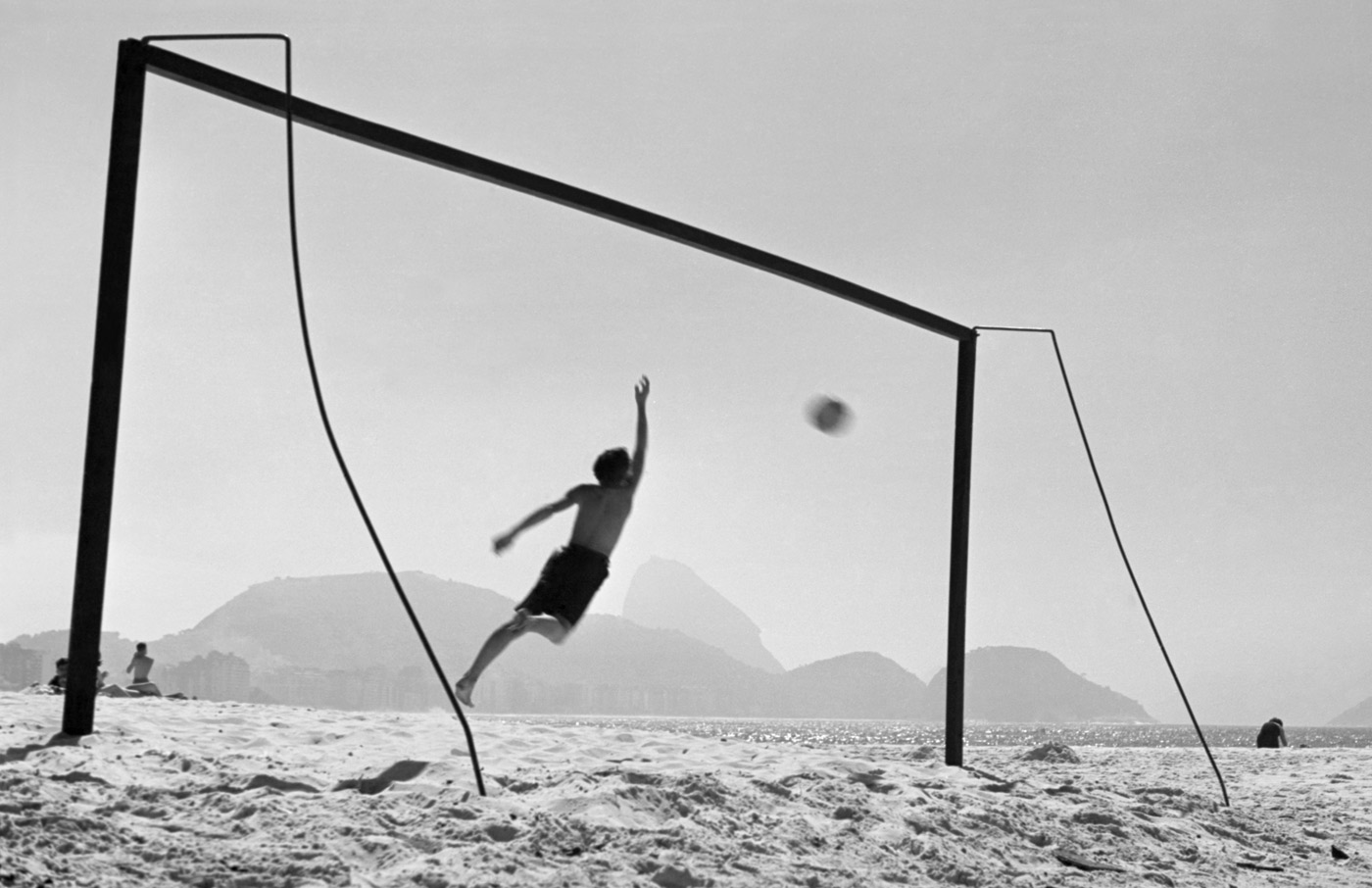


Thomaz Farkas (Hungarian-Brazilian, 1924-2011) 'Copacabana Beach, Rio de Janeiro' 1947


Thomaz Farkas (Hungarian-Brazilian, 1924-2011)
Copacabana Beach, Rio de Janeiro
Plage de Copacabana, Rio de Janeiro

1947
Gelatin Silver photograph
Courtesy of the artist and the Instituto Moreira Salles
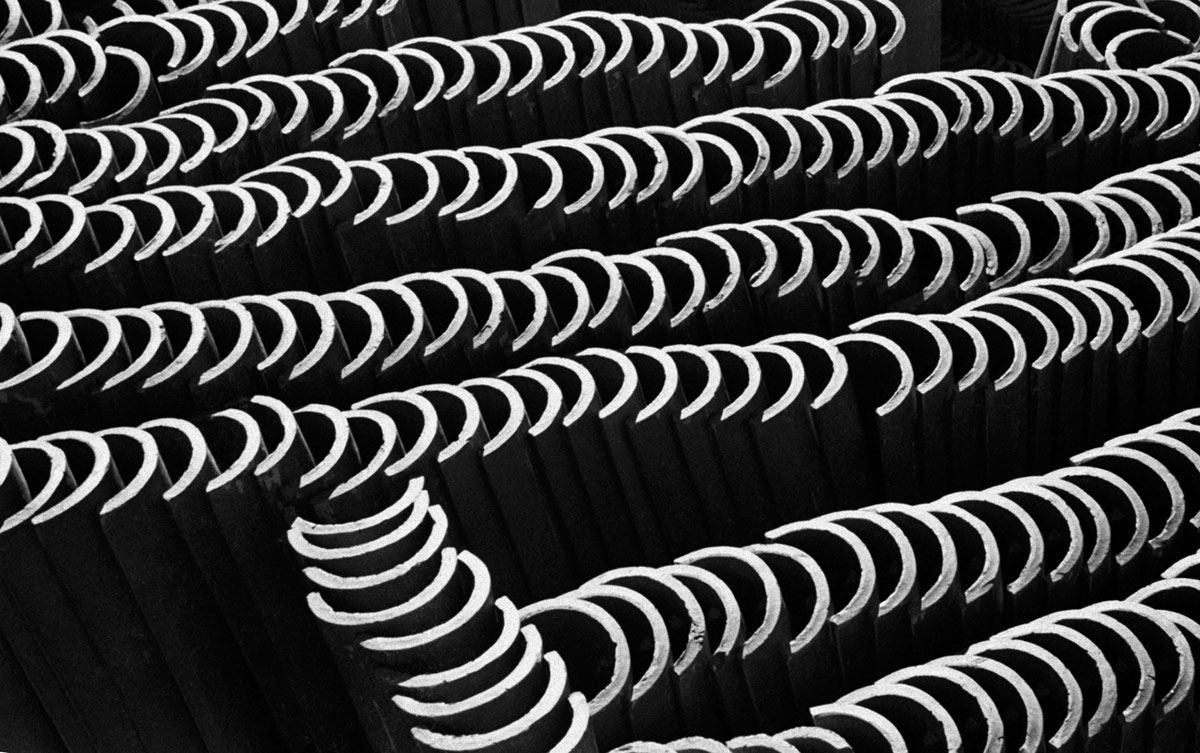
 

Thomaz Farkas (Hungarian-Brazilian, 1924-2011) 'Tiles, São Paulo' 1945


Thomaz Farkas (Hungarian-Brazilian, 1924-2011)
Tiles, São Paulo
Tuiles, São Paulo

1945
Gelatin Silver photograph
Courtesy of the artist and the Instituto Moreira Salles
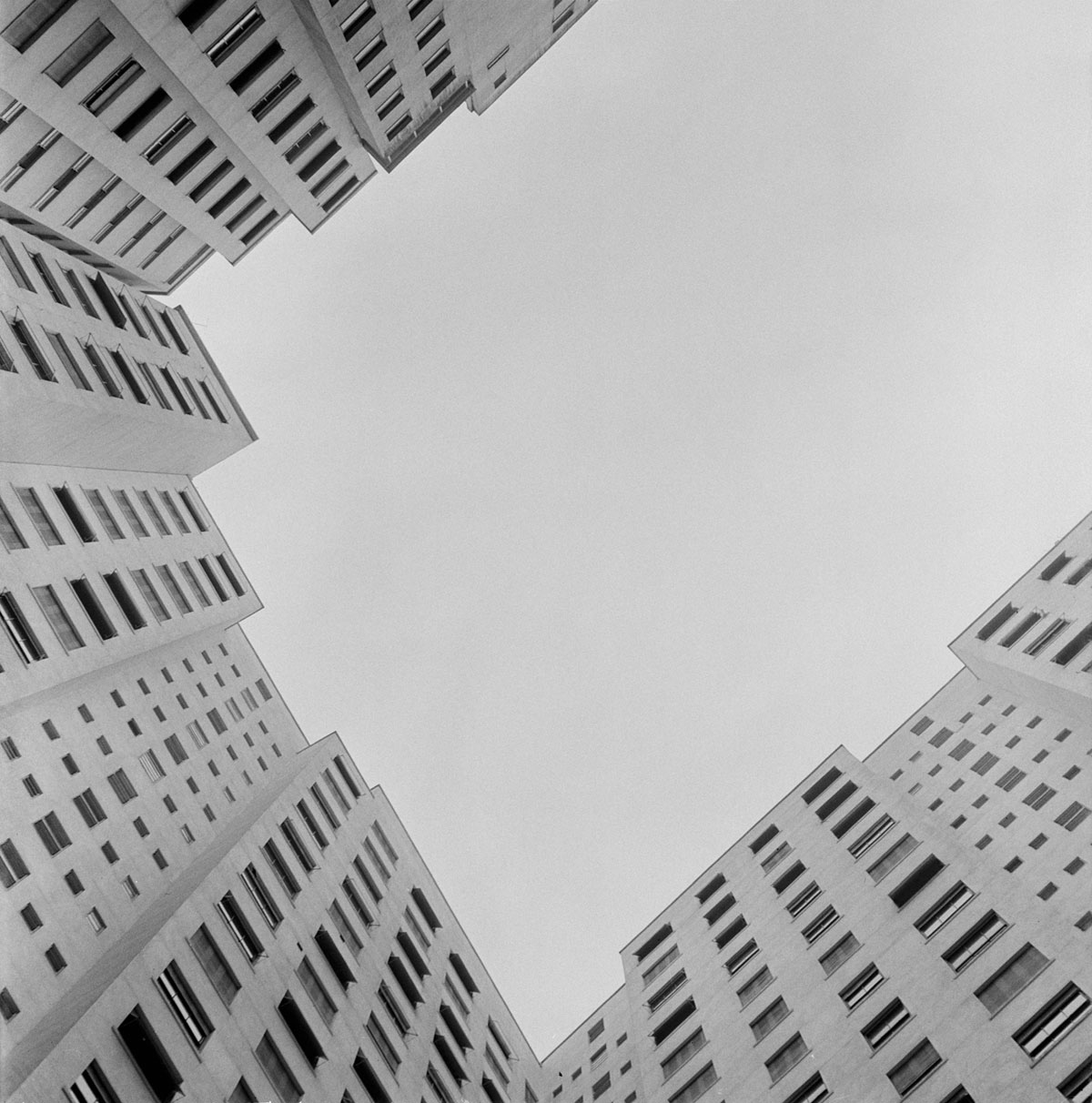
 

Thomaz Farkas (Hungarian-Brazilian, 1924-2011) 'Interior façade of the building São Borja, Rio de Janeiro' c. 1945


Thomaz Farkas (Hungarian-Brazilian, 1924-2011)
Interior façade of the building São Borja, Rio de Janeiro
Façade intérieure du bâtiment São Borja, Rio de Janeiro

c. 1945
Gelatin Silver photograph
Courtesy of the artist and the Instituto Moreira Salles
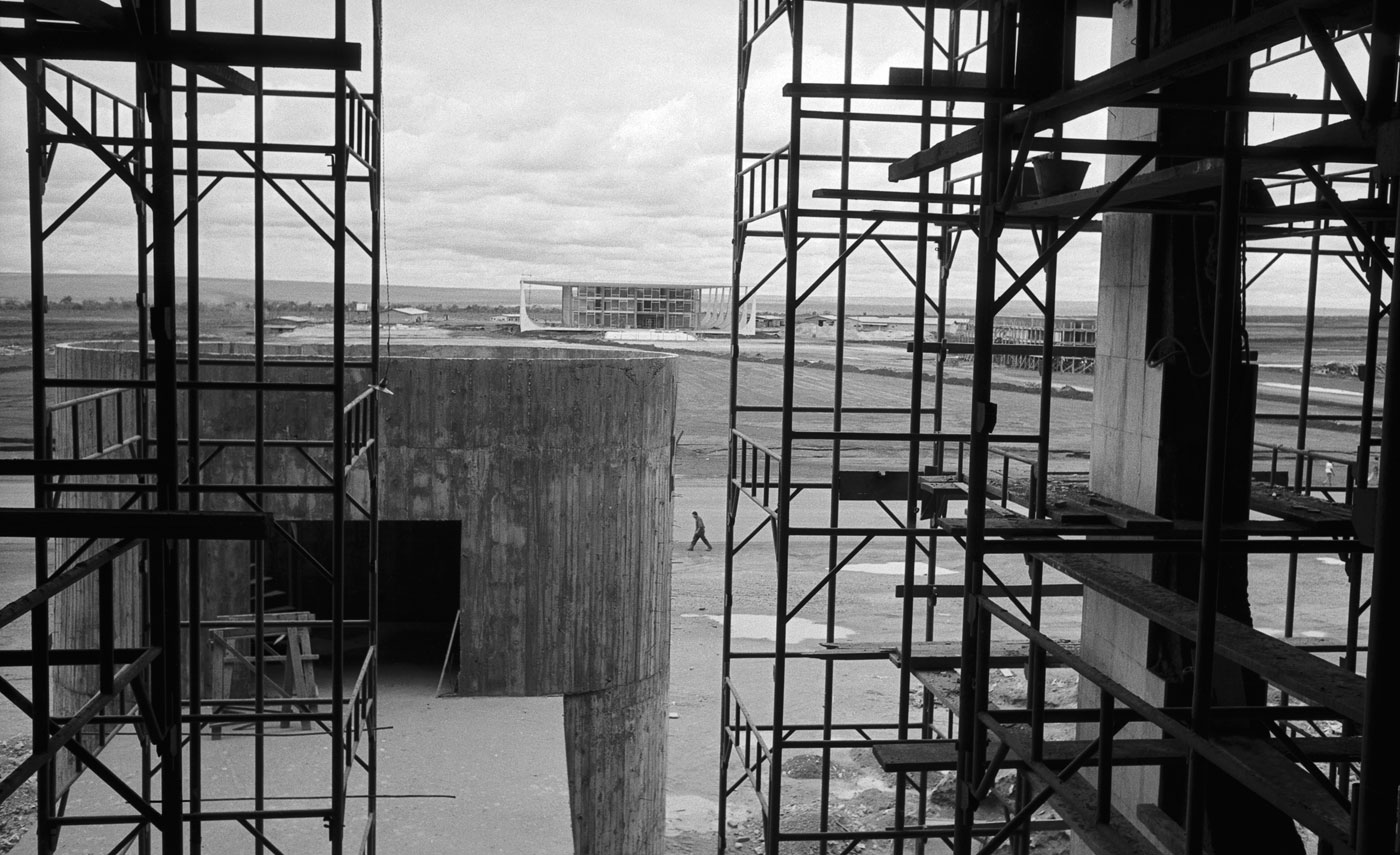
 

Thomaz Farkas (Hungarian-Brazilian, 1924-2011) 'Construction Site, Brasília' c. 1958


Thomaz Farkas (Hungarian-Brazilian, 1924-2011)
Construction Site, Brasília
Chantier de construction, Brasília
c. 1958
Gelatin Silver photograph
Courtesy of the artist and the Instituto Moreira Salles
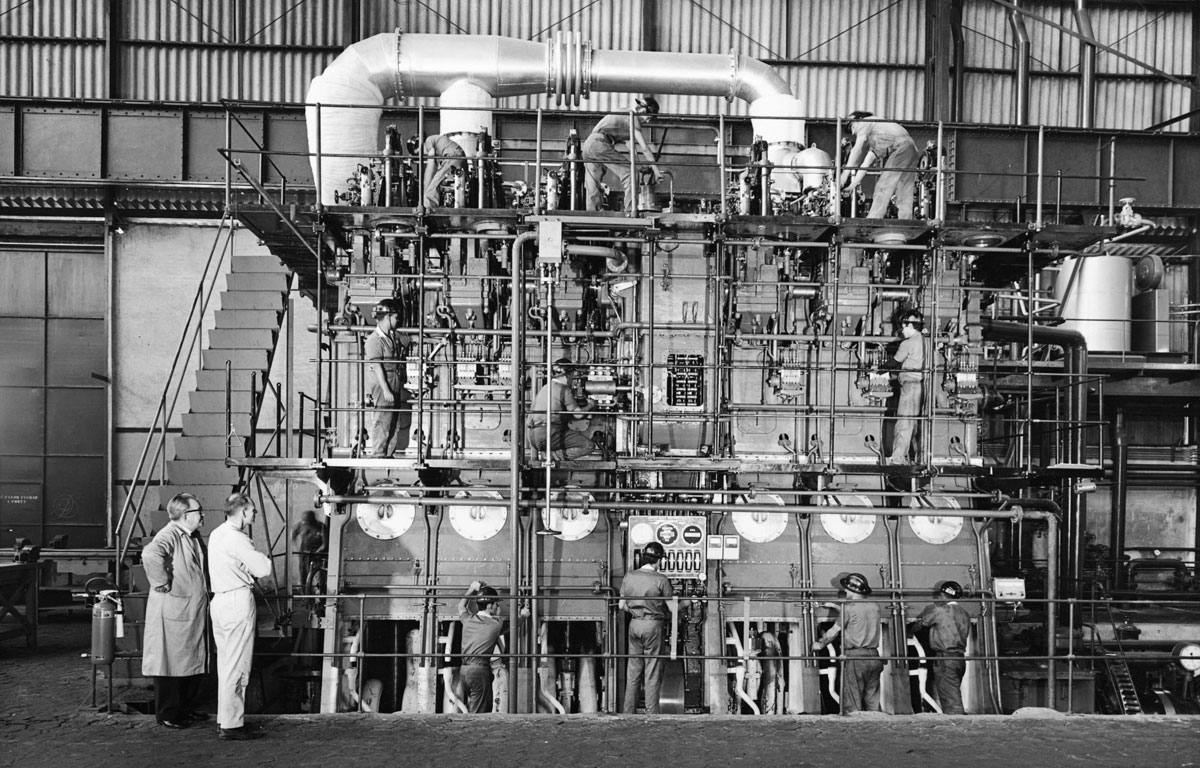
 

Hans Gunter Flieg (Brazilian, b. 1923) 'Construction engines in Villares plant, São Caetano do Sul, São Paulo' 1960


Hans Gunter Flieg (Brazilian, b. 1923)
Construction engines in Villares plant, São Caetano do Sul, São Paulo
Construction de moteurs à l’usine Villares, São Caetano do Sul, São Paulo

1960
Contemporary digital print
Courtesy of the artist and the Instituto Moreira Salles
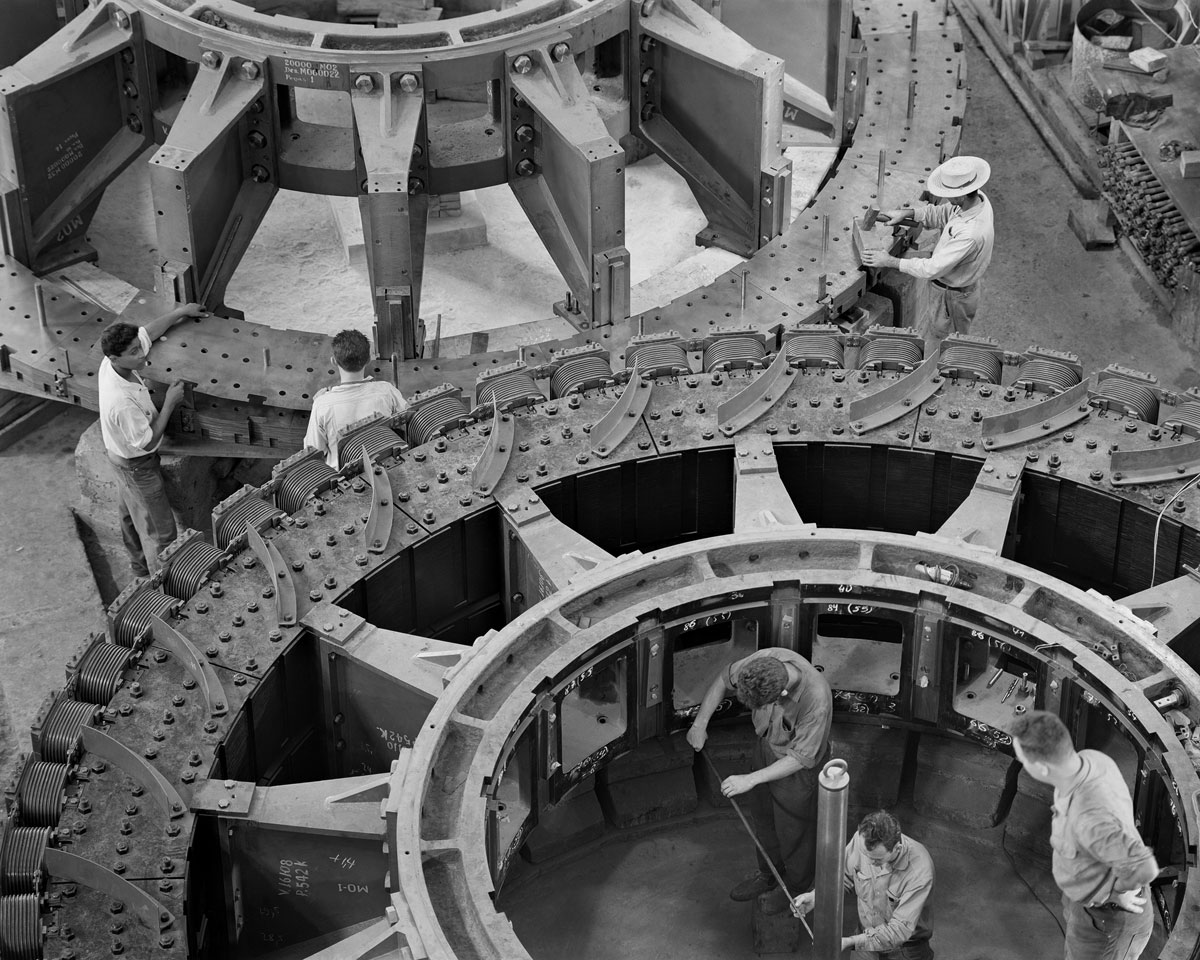
 

Hans Gunter Flieg (Brazilian, b. 1923) 'Brown Boveri Electric Industry S / A Osasco, São Paulo' c. 1960


Hans Gunter Flieg (Brazilian, b. 1923)
Brown Boveri Electric Industry S / A Osasco, São Paulo
Industrie Electrique Brown Boveri S/A Osasco, São Paulo

c. 1960
Contemporary silver gelatin print
Courtesy of the artist and the Instituto Moreira Salles


Hans Gunter Flieg (Brazilian, b. 1923) 'Mercedes Benz booth at the International Exhibition of Industry and Commerce São Cristóvão (project Henri Maluf), Rio de Janeiro' 1960


Hans Gunter Flieg (Brazilian, b. 1923)
Mercedes Benz booth at the International Exhibition of Industry and Commerce São Cristóvão (project Henri Maluf), Rio de Janeiro
Stand de Mercedes Benz lors de l’Exposition internationale d’industrie et de commerce de São Cristovão (projet de Henri Maluf), Rio de Janeiro

1960
Contemporary silver gelatin print
Courtesy of the artist and the Instituto Moreira Salles


Hans Gunter Flieg (Brazilian, b. 1923) 'Eletroradiobras Store (architectural project Majer Botkowski), São Paulo' c. 1956


Hans Gunter Flieg (Brazilian, b. 1923)
Eletroradiobras Store (architectural project Majer Botkowski), São Paulo
Magasin Eletroradiobras (projet architectural de Majer Botkowski), São Paulo

c. 1956
Contemporary silver gelatin print
Courtesy of the artist and the Instituto Moreira Salles


History has taught us that cosmopolitism, people’s mobility and globalised artistic movements are not necessarily recent phenomenons. The exhibition titled Modernités. Photographie brésilienne (1940-1964) aims to demonstrate how contemporaneity does not emerge from a void but is built via continuities and ruptures. At the beginning of the 1940s, during the Second World War, Brazil was a destination of choice for thousands of emigrants. The country went through a unique modernisation process affecting all sectors of Brazilian society.

The exhibition explores this extraordinary transformation through the eyes of four photographers with very different styles and sensibilities. Marcel Gautherot (1910-1996) was a Parisian from a working class background who greatly admired Le Corbusier and Mies van der Rohe’s work; he had access to Brasília as early as 1958, thanks to his friendship with Oscar Niemeyer. Hans Gunter Flieg (1923) fled nazism as a German Jew and came to Brazil in 1939 where he specialised in photographing industries. Thomas Farkas (1924-2011), a Hungarian who emigrated to Brazil, is probably the most well-known of these four photographers, and the most avant-garde of this group since he was interested in photography as a work of art from a very young age. Finally, José Medeiros (1921-1990), a photojournalist who was born in a poor State with very little cultural tradition, had learnt photography by working with the Carioca newspapers. He was attentive to the changes and ruptures in all the social classes.

This exhibition allows the perception of a moment in history: the untouched Amazonia, the beaches and daily life in Rio de Janeiro, as well as the carnival, football, African religions and their initiation rituals, river ports and the Northern fishermen, industries and factories, baroque churches, Indian tribes, mechanical machinery, popular festivals, modernist buildings and Brasília, the new capital. These wide ranging themes sketch a portrait of Brazil during a particular era that ended with the beginning of the military dictatorship in 1964. Through the lens of these four artists whose practices and origins were so diverse, we can also anticipate notions of alterity and cosmopolitism that define our world today.”

Press release from the Fondation Calouste Gulbenkian website


Modernités. Photographie brésilienne (1940-1964)


Marcel Gautherot (Brazilian born France, 1910-1996) 'Maracanã Stadium, Rio de Janeiro' c. 1967


Marcel Gautherot (Brazilian born France, 1910-1996)
Maracanã Stadium, Rio de Janeiro
Stade du Maracanã, Rio de Janeiro

c. 1967
Contemporary silver gelatin print
Courtesy of the artist and the Instituto Moreira Salles


“Photographs by Marcel Gautherot present with pungent and sharp clarity the contrast between the apparent purity of geometric shapes and the modes of rustic and manual labour… ”


Luiz Renato Martina


Marcel Gautherot (1910-96) was a great master of twentieth-century photography, best known for his documentation in some three-thousand images of the construction of the Brazilian capital city Brasilia from 1958 to 1960. Nevertheless, his work remains relatively little known. Even those who are familiar with his beautiful photographs of the construction of Oscar Niemeyer’s Brasilia may be surprised to learn that he produced such a large and strikingly diverse body of work.

The first book to look back on Gautherot’s entire career, Marcel Gautherot: The Monograph takes readers through the architect and photographer’s time as an apprentice in Paris, where he attended evening classes and took an ardent interest in Esprit Nouveau and the Bauhaus, as well as their proponents, including Walter Gropius, Ludwig Mies van der Rohe, and Le Corbusier. In the 1930s, Gautherot abandoned his studies in architecture to follow his passion for photography. This led him to travel extensively, and he eventually came to live and work in the city of Rio de Janeiro, where he was welcomed by a circle of artists and intellectuals who became important figures in Brazilian culture, including the architects Oscar Niemeyer and Roberto Burle Marx.

Text from the Amazon website
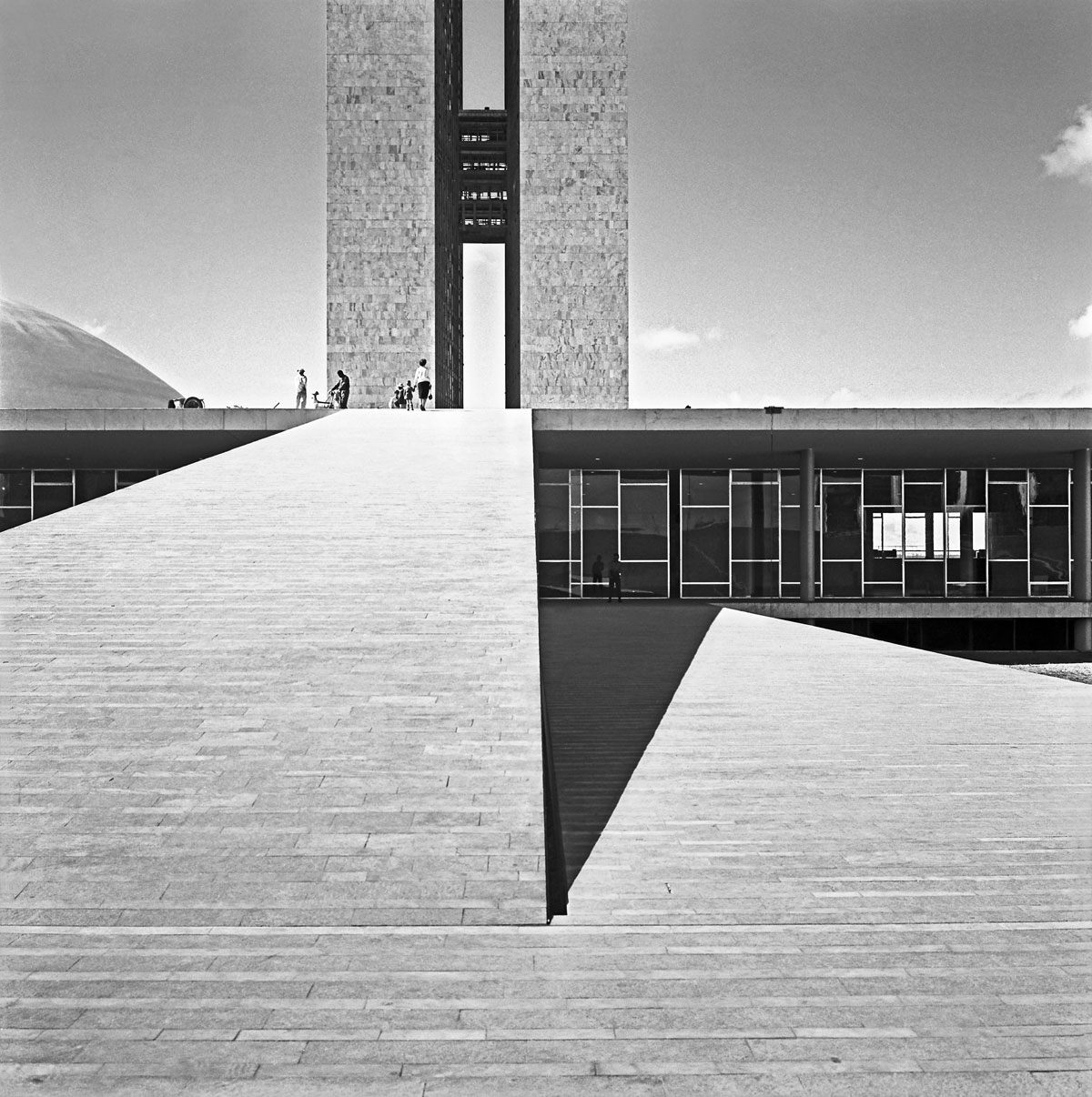
 

Marcel Gautherot (Brazilian born France, 1910-1996) 'Palace of the National Congress, Brasília' 1960


Marcel Gautherot (Brazilian born France, 1910-1996)
Palace of the National Congress, Brasília
Palais du Congrès National, Brasília

1960
Contemporary silver gelatin print
Courtesy of the artist and the Instituto Moreira Salles
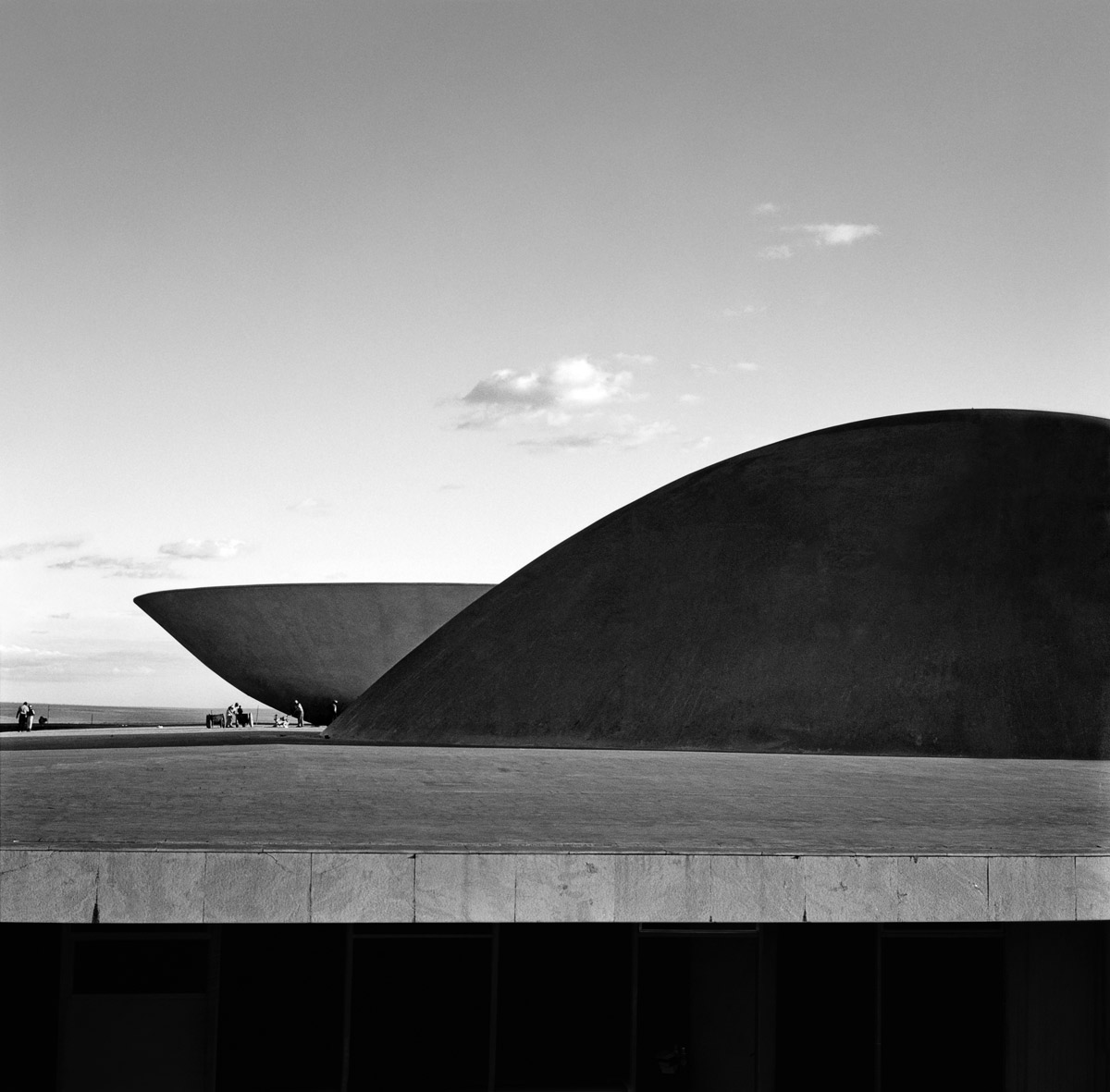
 

Marcel Gautherot (Brazilian born France, 1910-1996) 'Palace of the National Congress, Brasília' 1960


Marcel Gautherot (Brazilian born France, 1910-1996)
Palace of the National Congress, Brasília
Palais du Congrès National, Brasília

1960
Contemporary silver gelatin print
Courtesy of the artist and the Instituto Moreira Salles
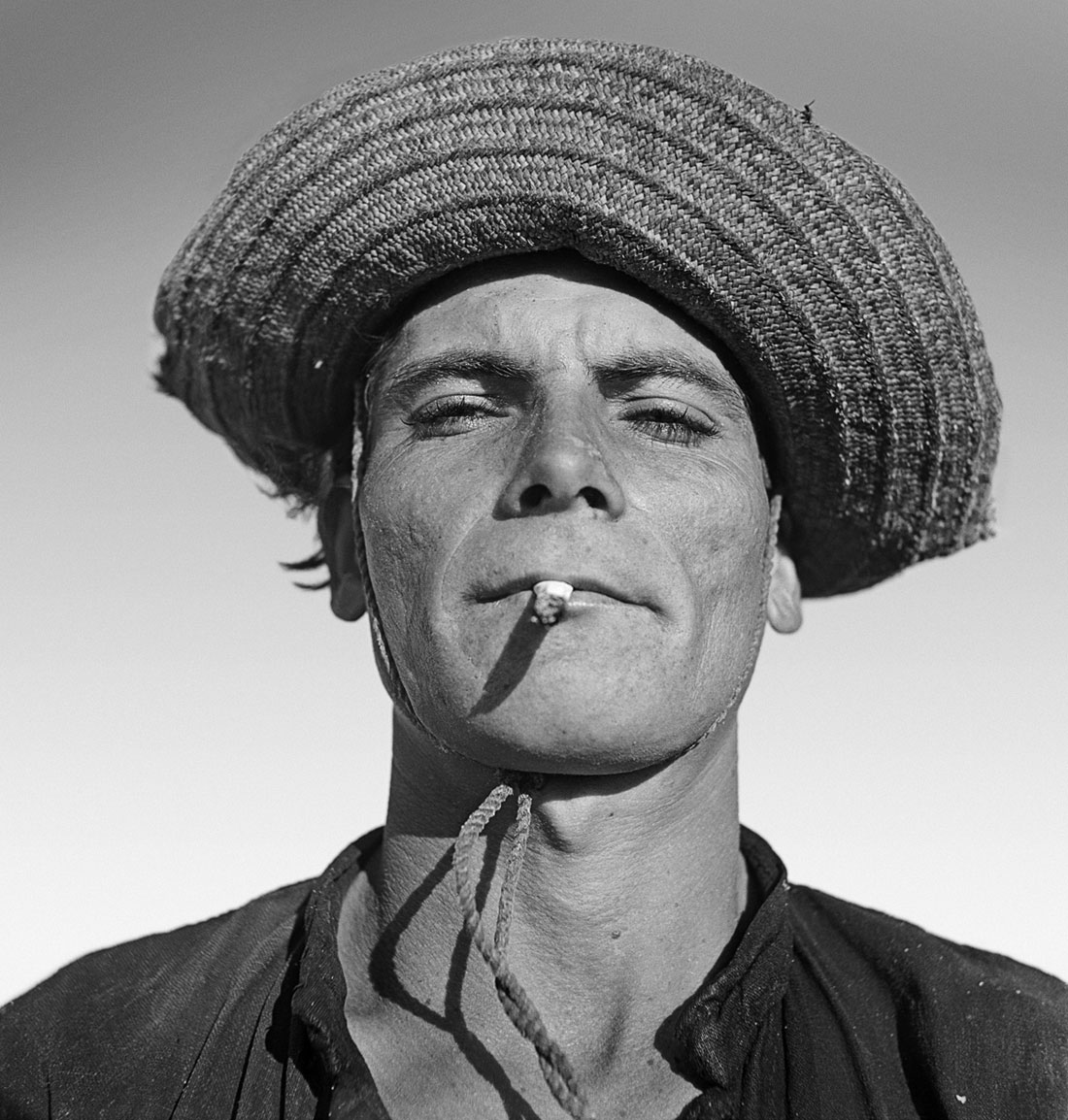
 

Marcel Gautherot (Brazilian born France, 1910-1996) 'Jangadeiro, Aquiraz Ceará' 1950


Marcel Gautherot (Brazilian born France, 1910-1996)
Jangadeiro, Aquiraz Ceará
Jangadeiro, Aquiraz Etat du Ceará

1950
Contemporary silver gelatin print
Courtesy of the artist and the Instituto Moreira Salles
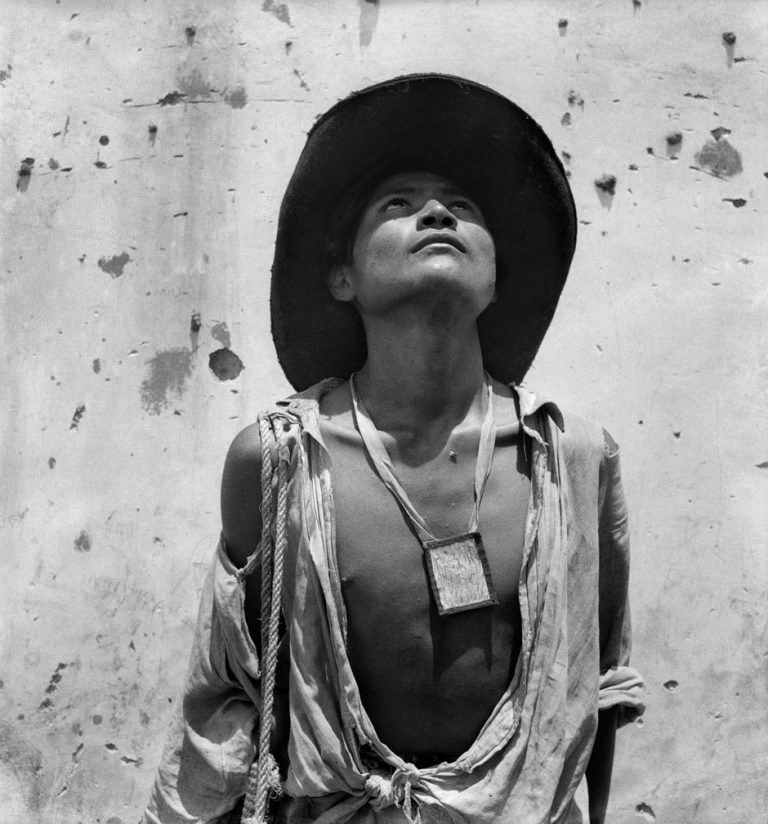
 

Marcel Gautherot (Brazilian born France, 1910-1996) 'Indian' México, 1936-1937


Marcel Gautherot (Brazilian born France, 1910-1996)
Indian
México, 1936-1937
Contemporary silver gelatin print
Courtesy of the artist and the Instituto Moreira Salles
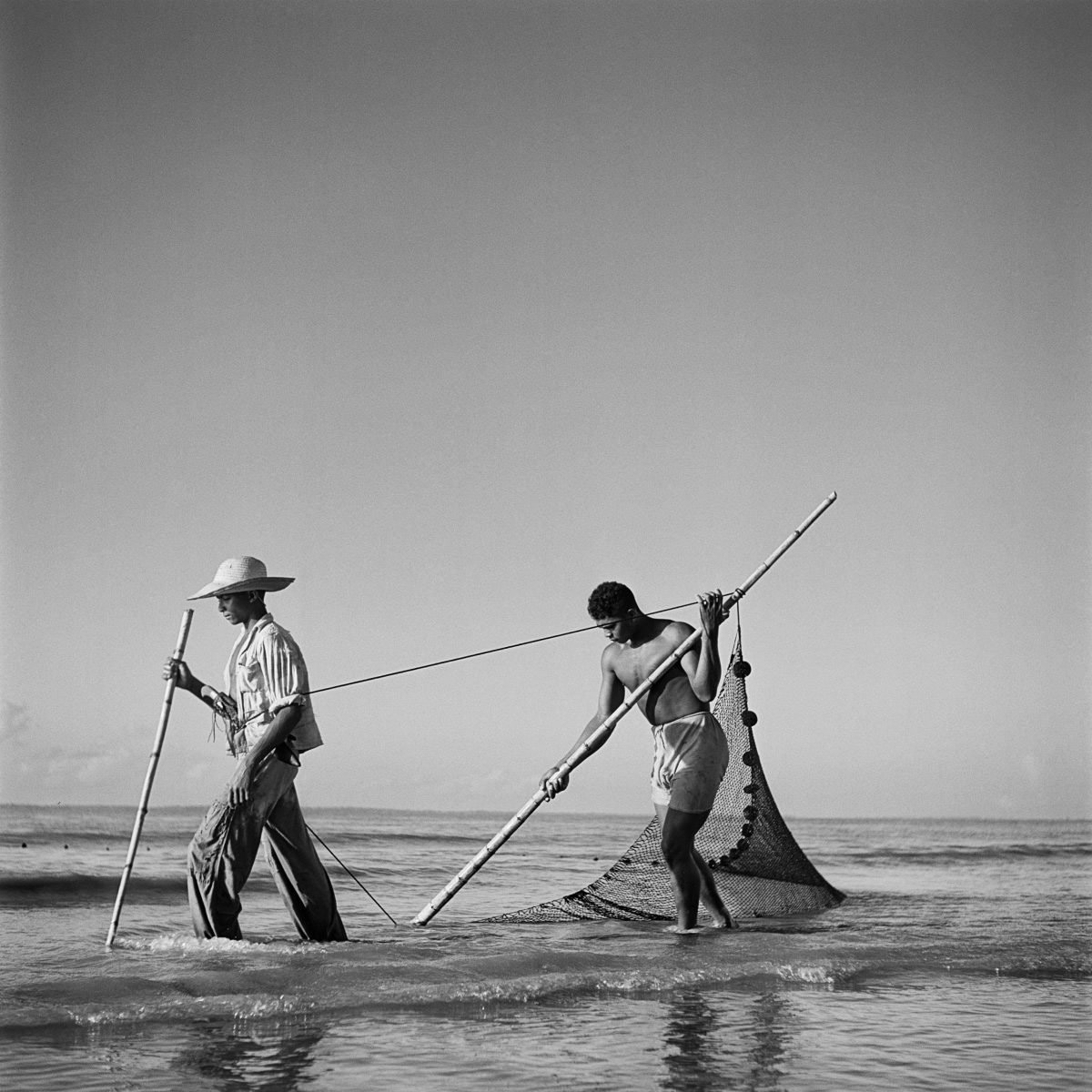
 

Marcel Gautherot (Brazilian born France, 1910-1996) 'Fishermen at Ilha Mexiana, Chaves, PA. Brazil' c. 1943


Marcel Gautherot (Brazilian born France, 1910-1996)
Fishermen at Ilha Mexiana, Chaves, PA. Brazil
c. 1943
Contemporary silver gelatin print
Courtesy of the artist and the Instituto Moreira Salles
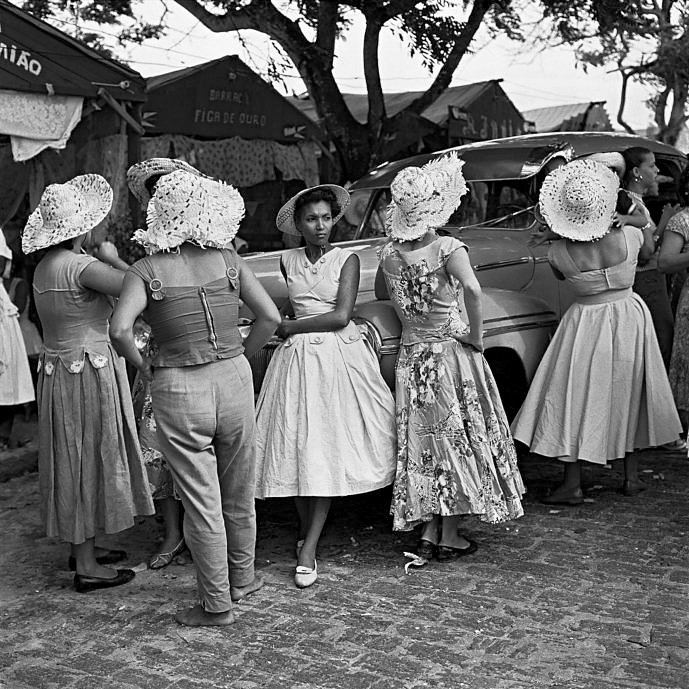
 

Marcel Gautherot (Brazilian born France, 1910-1996) 'Festivities in the Ribeira district, Salvador' c. 1958


Marcel Gautherot (Brazilian born France, 1910-1996)
Festivities in the Ribeira district, Salvador
c. 1958
Contemporary silver gelatin print
Courtesy of the artist and the Instituto Moreira Salles
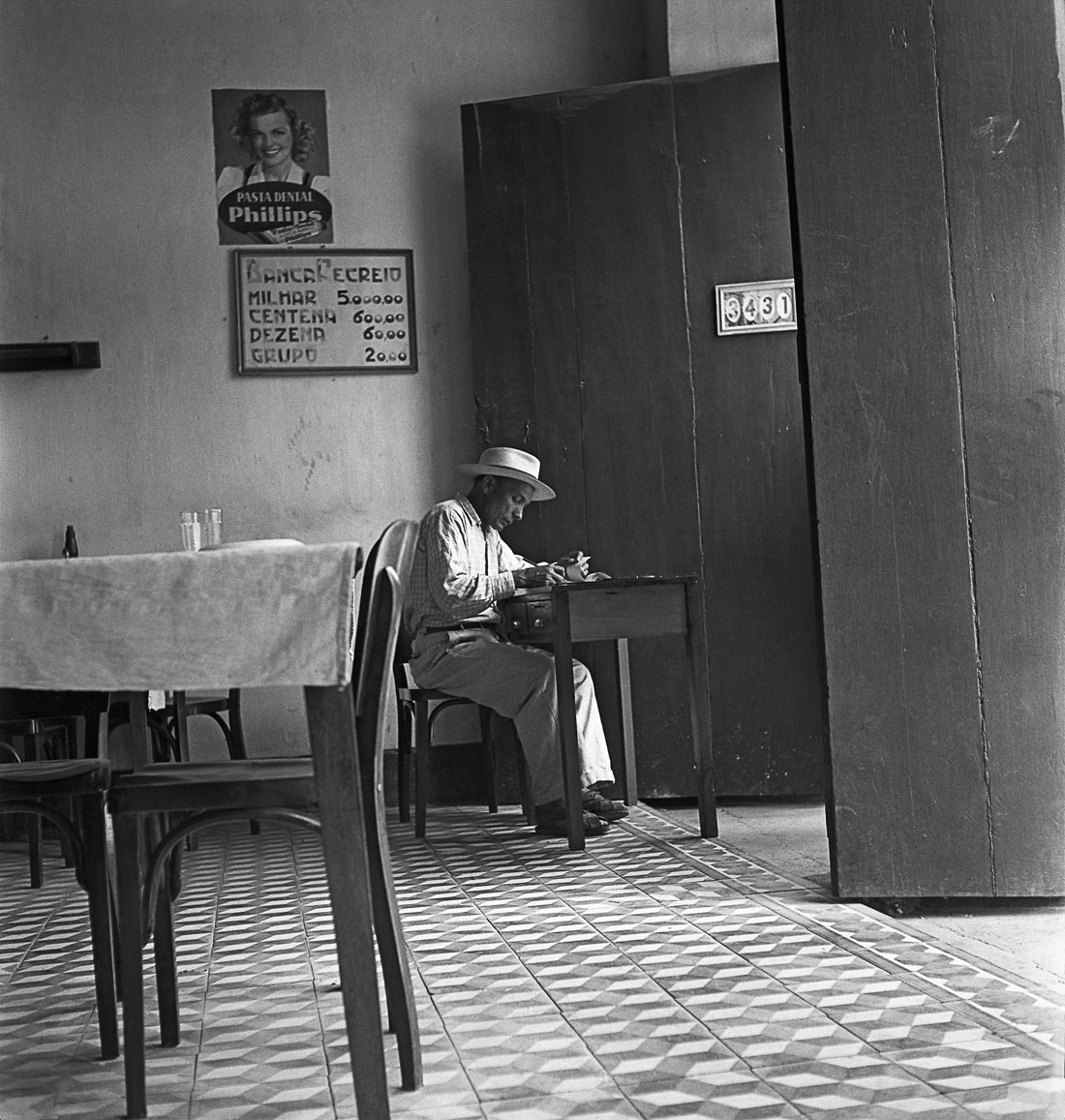
 

José Medeiros (Brazilian, 1921-1990) 'Man sitting in a cafe, probably in Northeast Brazil' Nd


José Medeiros (Brazilian, 1921-1990)
Man sitting in a cafe, probably in Northeast Brazil
Homme assis dans un café, probablement dans le Nordeste

Nd
Contemporary silver gelatin print
Courtesy of the artist and the Instituto Moreira Salles


José Medeiros (Brazilian, 1921-1990)

José Medeiros was a Brazilian reporter-photographer and director of photography, born in 1921 in Teresina, in the Sertão of Northeastern Brazil, and died in 1990 in L’Aquila, Italy. He is considered a master of photojournalism in his country.

He was born in 1921, and was the oldest of five children. He had a brother and three sisters. He was twelve years old when his father, an art enthusiast and amateur photographer, taught him photographic development and printing. He began to photograph family friends using a Fox Kodak donated by his godfather. With the money he earned, he bought a German camera in 9 x 12 format from his father. His first commission was to photograph a local politician, but the mission was cut short.

His family moved to Rio in 1939. He was eighteen and enrolled in a preparatory course to enter university and study architecture. He was not received at the university, so he continued to do photography and set up a shooting studio in his apartment in parallel with a job in the postal service and then in the national coffee department. He began to make portraits of important artists of the time and became known for this work. He was quickly offered contracts for the reviews Tabu, Rio and Sombra. He resigned from public service and married in 1948.

He is one of the first photographers to have met, in 1949, the populations of Xavantes Indians, most of whom had never been in contact with the rest of Brazil. In 1956, he met the French photographer Jean Manzon who integrated him into the team of the illustrated newspaper O Cruzeiro for which he would collaborate for fifteen years. This magazine is innovative in the place given to photography, like its colleagues Life and Paris Match.

His work reflects the many facets and transformations of Brazilian society in the 1940s and 1950s.

In 1962, he left O Cruzeiro to found a photographic agency with photographer Flávio Damm. From the 1960s, José Medeiros also had an important cinematographic career as director of photography and worked for the most prestigious filmmakers of the Brazilian Cinema Novo. Director Glauber Rocha considers that “he is the only one who has known how to translate Brazilian light.”

While participating in a 1990 Brazilian culture festival in the Italian city of L’Aquila, José Medeiros died of a heart attack at the age of 69.

The photographic work of José Medeiros, which has more than 20,000 photos, is kept at the Instituto Moreira Salles in Rio de Janeiro.

Text translated from the French Wikipedia website
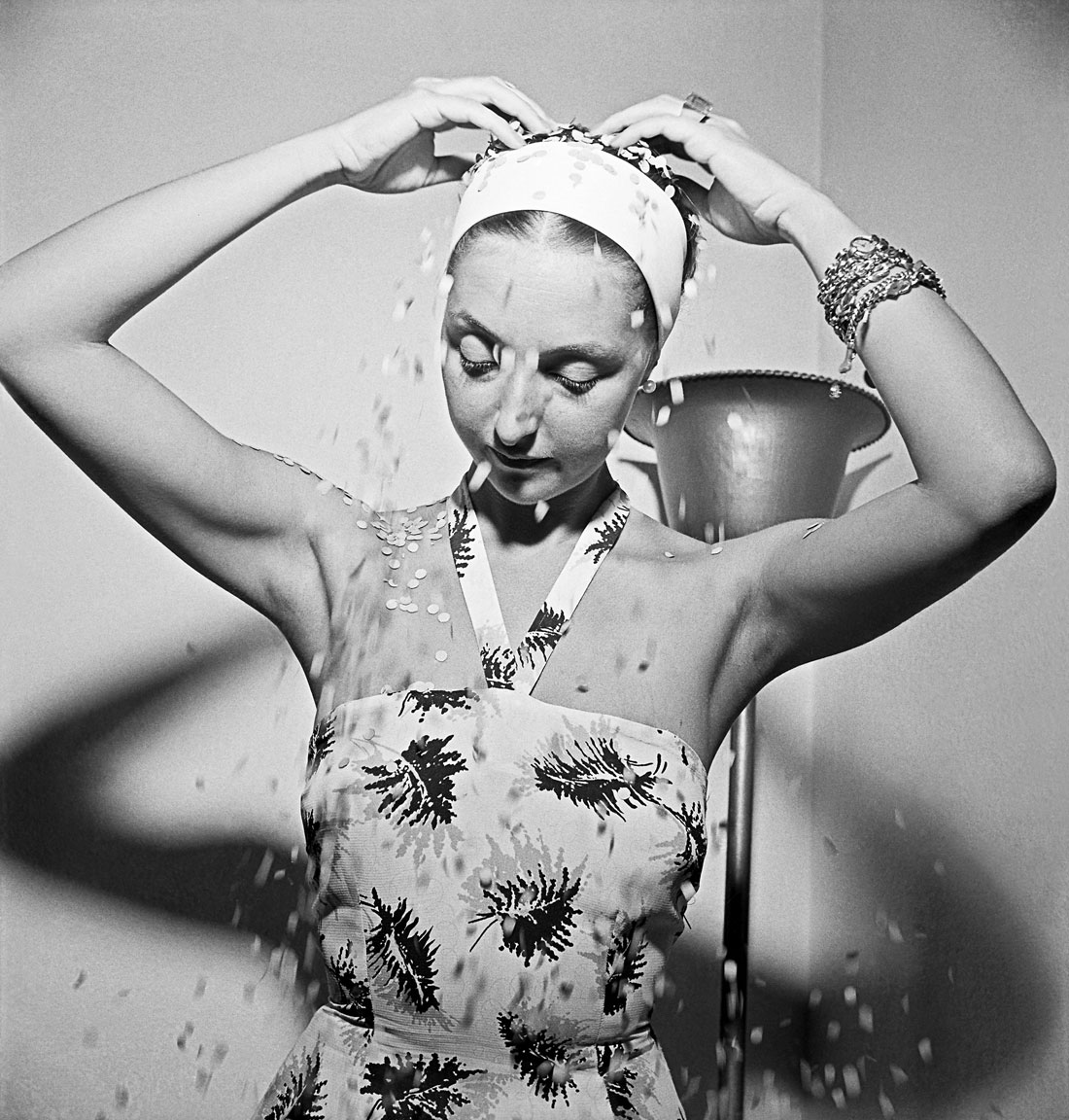
 

José Medeiros (Brazilian, 1921-1990) 'Carnival in the nightclub Au Bon Gourmet, Rio de Janeiro' 1952


José Medeiros (Brazilian, 1921-1990)
Carnival in the nightclub Au Bon Gourmet, Rio de Janeiro
Carnaval dans la boîte Au Bon Gourmet, Rio de Janeiro

1952
Contemporary silver gelatin print
Courtesy of the artist and the Instituto Moreira Salles
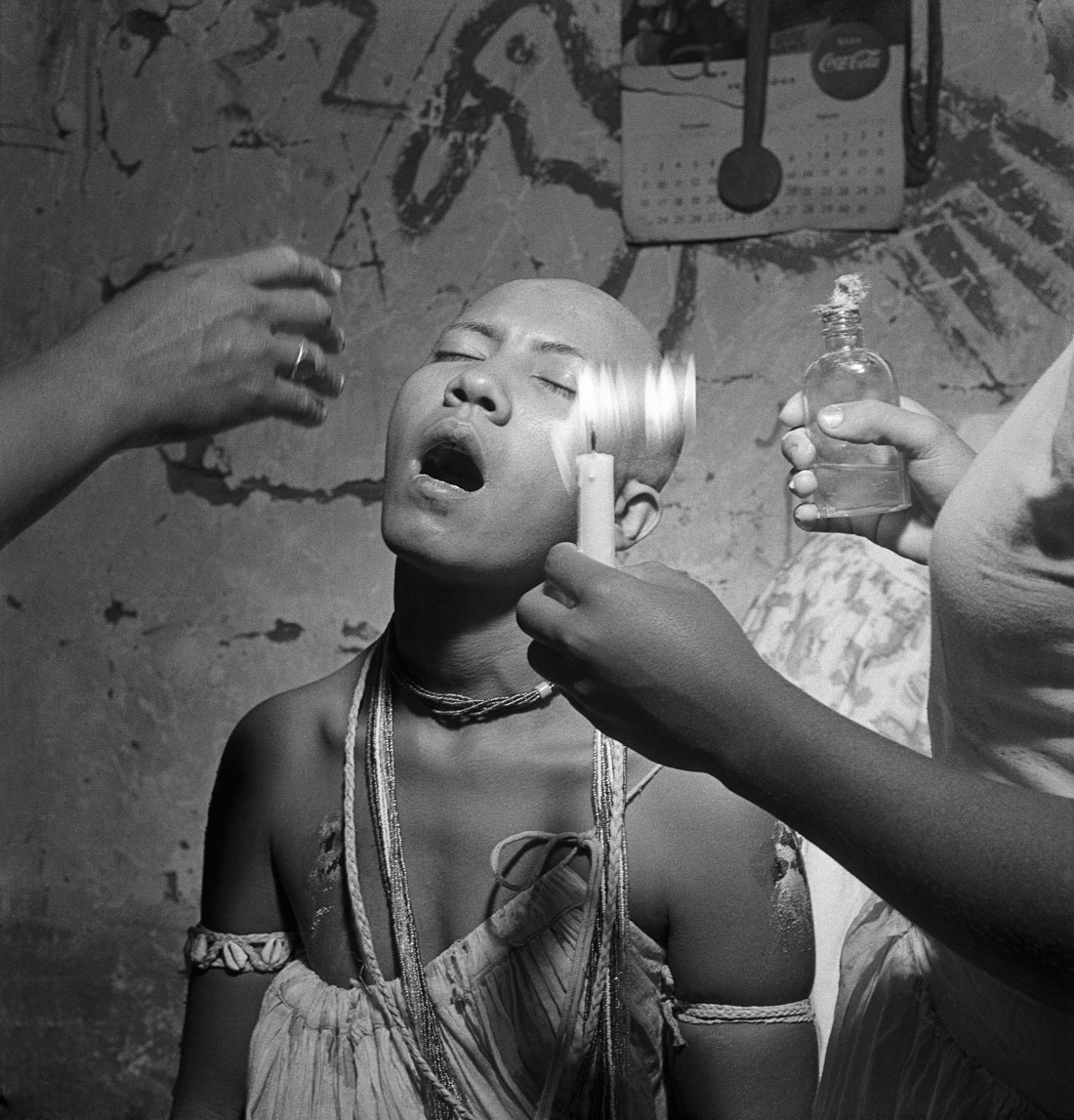
 

José Medeiros (Brazilian, 1921-1990) 'Novice during the initiation ritual of the holy daughters, Salvador' 1951


José Medeiros (Brazilian, 1921-1990)
Novice during the initiation ritual of the holy daughters, Salvador
Novice pendant le rituel d’initiation des filles-de-saint, Salvador

1951
Contemporary silver gelatin print
Courtesy of the artist and the Instituto Moreira Salles
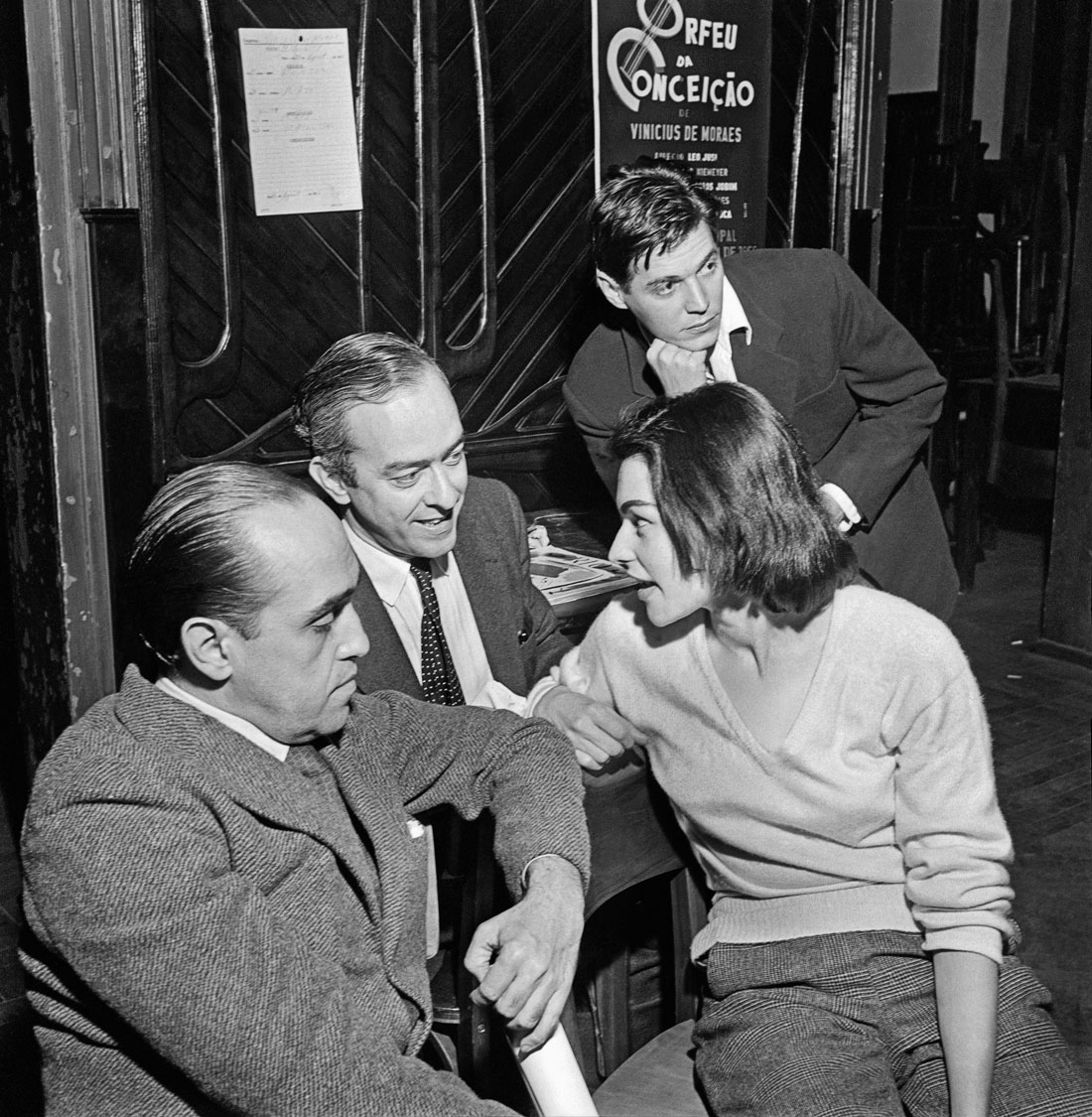
 

José Medeiros (Brazilian, 1921-1990) 'Oscar Niemeyer, Vinicius de Moraes, his wife Lila and Tom Jobim Bôscoli (background), behind the scenes of the first performance of Orfeu da Conceição, Rio de Janeiro' 1956


José Medeiros (Brazilian, 1921-1990)
Oscar Niemeyer, Vinicius de Moraes, his wife Lila and Tom Jobim Bôscoli (background), behind the scenes of the first performance of Orfeu da Conceição, Rio de Janeiro
Oscar Niemeyer, Vinicius de Moraes, son épouse Lila Bôscoli et Tom Jobim (au fond), dans les coulisses de la première représentation de Orfeu da Conceição , Rio de Janeiro

1956
Contemporary silver gelatin print
Courtesy of the artist and the Instituto Moreira Salles
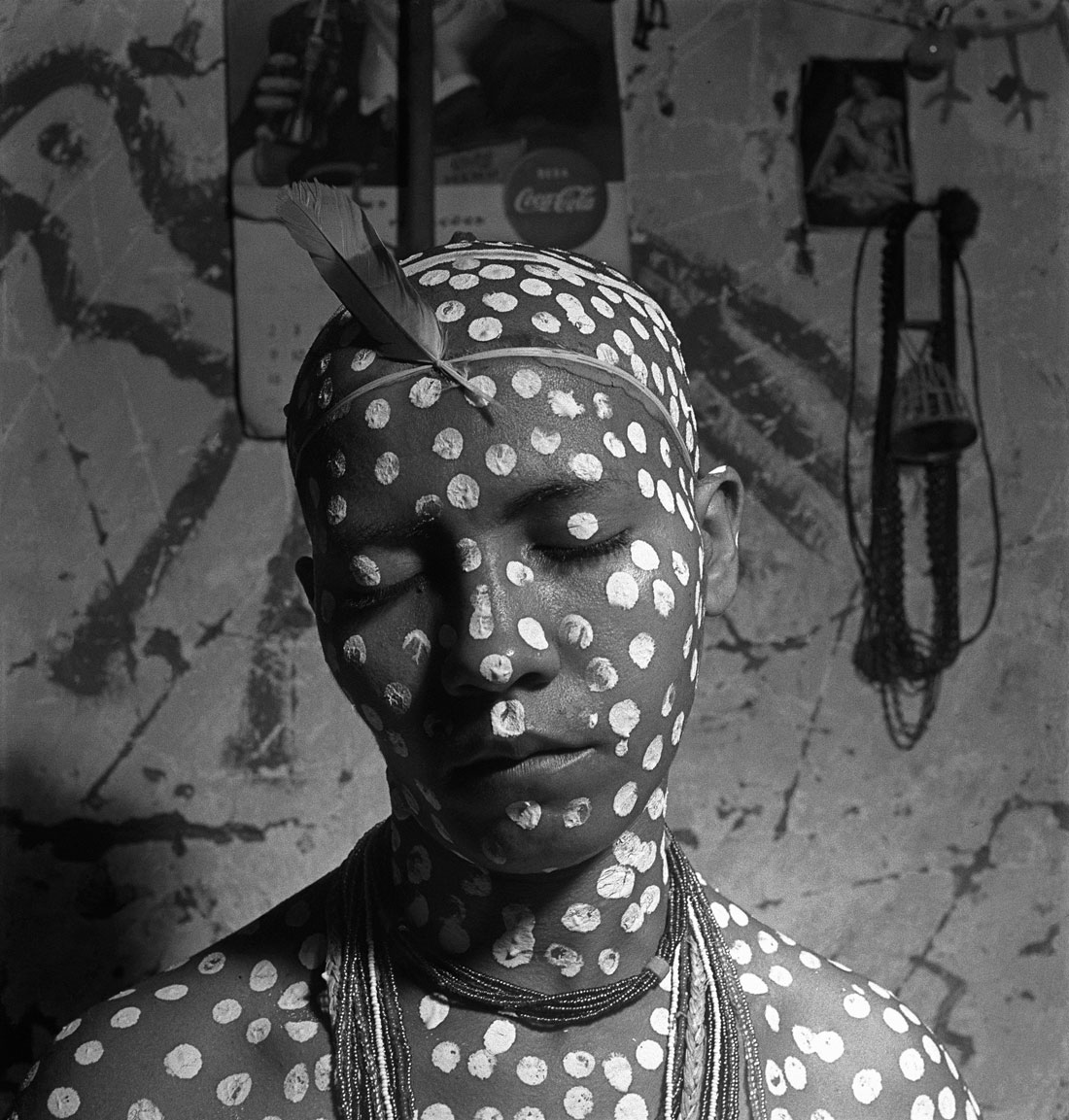
 

José Medeiros (Brazilian, 1921-1990) 'Novice painted with white dots that allude to Oxalá, the god of creation, and with red feathers (ekodidé), the initiation ritual, Salvador' 1951


José Medeiros (Brazilian, 1921-1990)
Novice painted with white dots that allude to Oxalá, the god of creation, and with red feathers (ekodidé), the initiation ritual, Salvador
Novice peinte de points blancs qui font référence à Oxalá, dieu de la création, elle porte la plume rouge (ekodidé) du rituel d’initiation, Salavador

1951
Contemporary silver gelatin print
Courtesy of the artist and the Instituto Moreira Salles
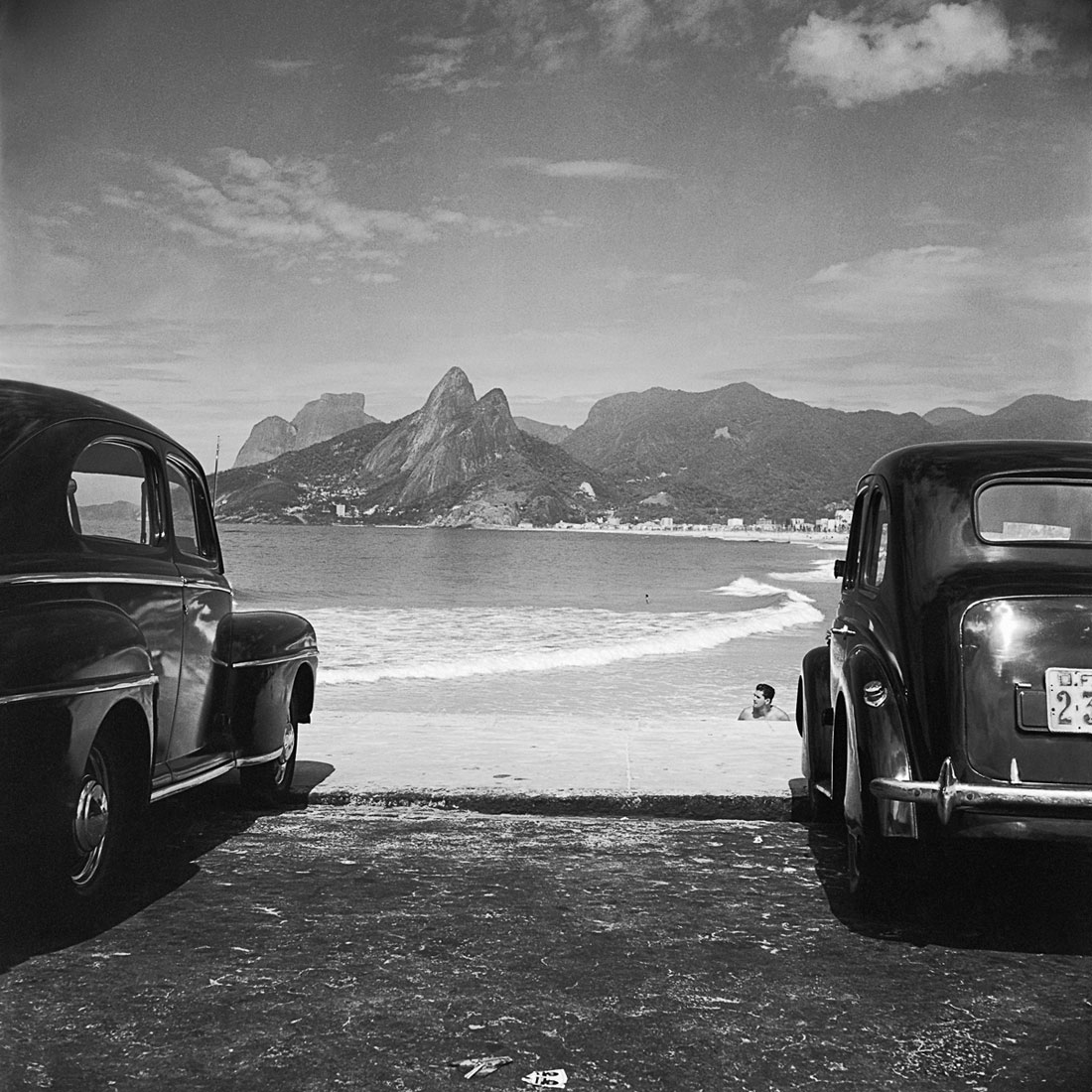
 

José Medeiros (Brazilian, 1921-1990) 'Pedra da Gávea, Morro dos Dois Irmãos and the beaches of Ipanema and of Leblon, Rio de Janeiro' c. 1955


José Medeiros (Brazilian, 1921-1990)
Pedra da Gávea, Morro dos Dois Irmãos and the beaches of Ipanema and of Leblon, Rio de Janeiro
c. 1955
Contemporary silver gelatin print
Courtesy of the artist and the Instituto Moreira Salles
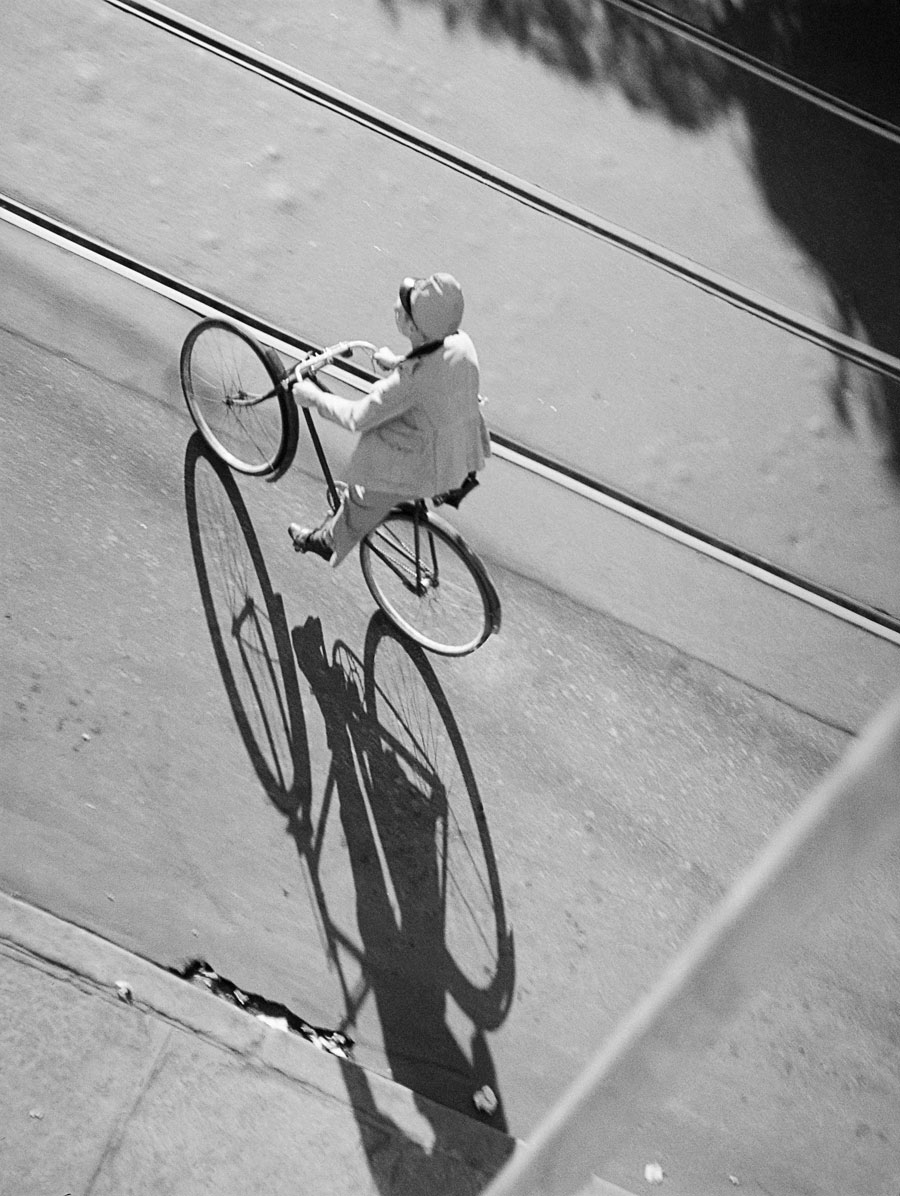
 

José Medeiros (Brazilian, 1921-1990) 'Woman on a bicycle crossing the railroad tracks, Rio de Janeiro' 1942


José Medeiros (Brazilian, 1921-1990)
Woman on a bicycle crossing the railroad tracks, Rio de Janeiro
Femme à vélo traversant les rails du tramway, Rio de Janeiro 

1942
Contemporary silver gelatin print
Courtesy of the artist and the Instituto Moreira Salles


Fondation Calouste Gulbenkian – Délégation en France
54, Bd Raspail
75006 Paris

Opening hours:
Monday, Wednesday, Thursday and Friday from 9am – 6pm
Saturday and Sunday from 11am – 6pm
Closed Tuesday

Fondation Calouste Gulbenkian website

LIKE ART BLART ON FACEBOOK

Back to top

Exhibition: ‘René Burri: A Retrospective’ at Flo Peters Gallery, Hamburg

Exhibition dates: 4th November, 2009 – 15th January, 2010


Many thankx to the Flo Peters Gallery for allowing me to publish the photographs in the posting. Please click on the photographs for a larger version of the image.

Dr Marcus Bunyan


René Burri (Swiss, 1933-2014) 'Tae Soe Dong, Sud Korea' 1961


René Burri (Swiss, 1933-2014)
Tae Soe Dong, Sud Korea
1961
Gelatin silver print


René Burri (Swiss, 1933-2014) 'Bilbao, Spain' 1957


René Burri (Swiss, 1933-2014)
Bilbao, Spain
1957
Gelatin silver print


René Burri (Swiss, 1933-2014)
'Training, Fort Lauderdale, Florida'
1966


René Burri (Swiss, 1933-2014)
Training, Fort Lauderdale, Florida
1966
Gelatin silver print


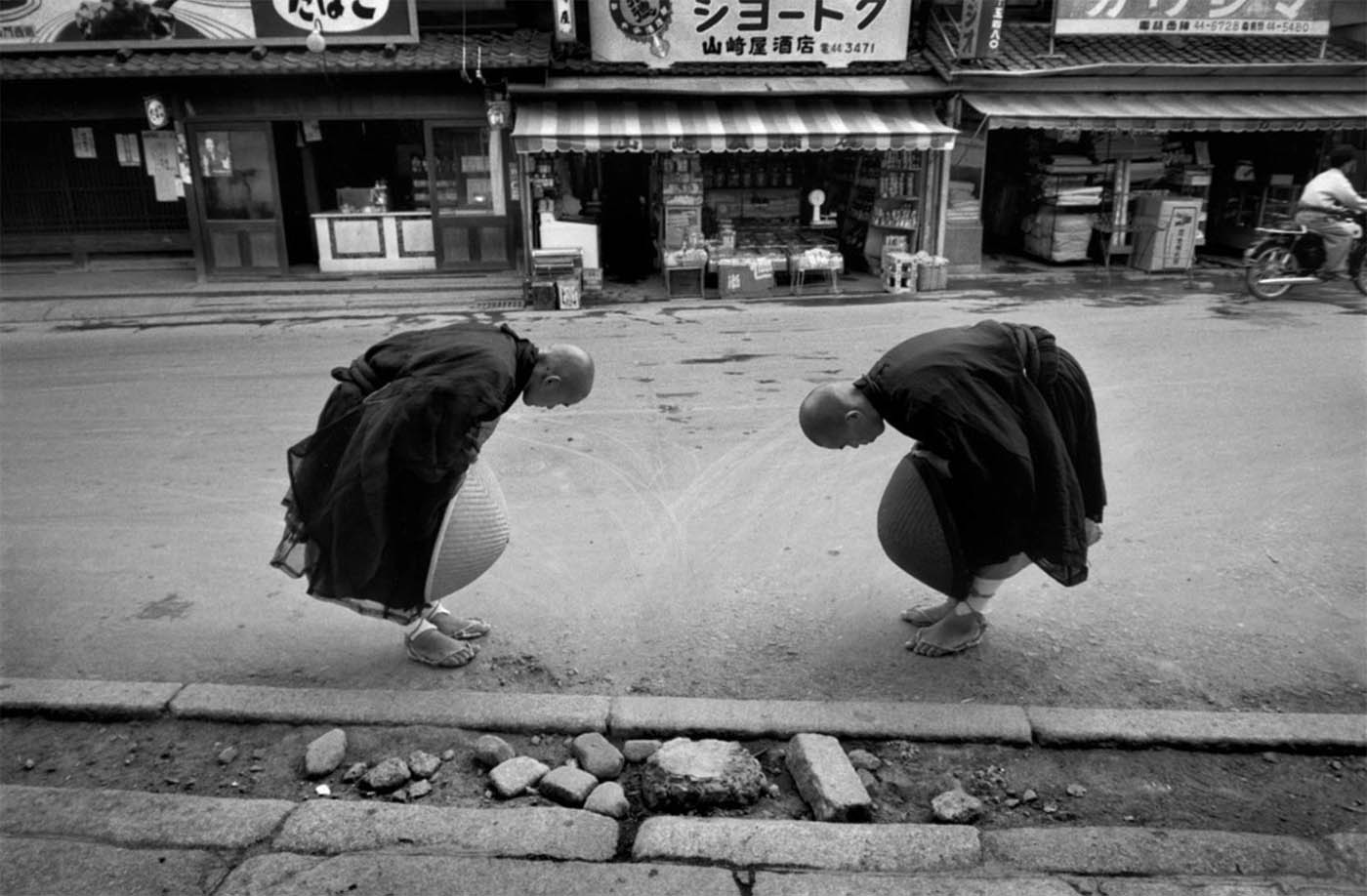
René Burri (Swiss, 1933-2014) 'Two Monks, Kyoto, Japan' 1961


René Burri (Swiss, 1933-2014)
Two Monks, Kyoto, Japan
1961
Gelatin silver print


René Burri (Swiss, 1933-2014) 'Che Guevara, Havana' 1963


René Burri (Swiss, 1933-2014)
Che Guevara, Havana
1963
Gelatin silver print


René Burri (Swiss, 1933-2014) 'Men On A Rooftop, Sao Paulo' 1960


René Burri (Swiss, 1933-2014)
Men On A Rooftop, Sao Paulo
1960
Gelatin silver print


René Burri likes to see his career as a series of happy accidents, which is often just another way of editing out all the downtime and boring bits, the months of no work. But you have to admit it did start with a bang. There he was, 24 years old, mooching around in northern Spain, when he read in a newspaper that Picasso was expected at a bullfight in Nimes the next day. He drove through the night, checked into a hotel early the next morning – and to his surprise was ushered straight into Picasso’s bedroom.

A party was in full swing, and the artist was sitting up in bed, directing a small group of musicians and friends. He nodded at Burri – yes, he could take pictures – and the result is a wonderfully vivid sequence of portraits, Picasso laughing and clapping and betraying not the tiniest sign that a private party has just been interrupted. Burri, of course, took it as a sign from God: with luck like this, he was a born photographer.

So, right from the start, he has had a knack for being in the right place at the right time – and for not making a nuisance of himself once he gets there. He photographed Che Guevara in Havana in 1963, just a few months before the revolutionary disappeared from public life. He got stuck in a lift with President Nasser of Egypt, and took a funny picture of him laughing while a bodyguard looks on murderously.

Of course, for every picture Burri took, there was another he didn’t. He is now 71 and semi-retired (photographers never stop), and says that you could fill volumes with the stories he didn’t get, the places he didn’t go.

The first time he was commissioned to go to Cuba, in 1958 at the height of the revolution, he got drunk the night before he was due to fly, cried off, and went skiing at home in Switzerland instead. He once saw Greta Garbo coming down the road towards him in New York, wearing dark glasses, and at the very last moment put away his camera; she was just too forbidding. In the desert in Egypt, he saw the blackened hand of a corpse reaching up through the sand, and he didn’t take that picture, either. Burri believes in a notion of tact, or what he calls dignity.

Other people might call it cowardice, but he feels strongly that there are some lines you just don’t cross. “I have incredible respect for [war photographers] Don McCullin and Larry Burrows, but you pay a price. What does Don photograph now? Landscapes, pictures of flowers.” This is partly a moral position – photographers can get addicted to war, he says, and he met a lot of them in Vietnam – but it is also a simple instinct for self-preservation. Three of Burri’s great mentors at Magnum – Robert Capa, Werner Bischof, Chim (David Seymour) – lived dangerously and died young, and he always felt it was a tremendous waste of their talent.

For all that, Burri has seen a lot of war. Since joining Magnum in 1959, he has covered conflicts in Cambodia, Korea, Vietnam, Egypt, Syria, Lebanon and China. He says he prefers to photograph the build-up to war, or its aftermath, rather than the violence itself. One of the first big projects he undertook was a portrait of postwar Germany, starting in the bleak mid-1950s and published in book form in 1962.

Of all his photographs, those that most nearly capture the atmosphere of combat are, in fact, of a training exercise in the Swiss Jura. Burri undertook compulsory military service in the 1950s, while still at art school, but with the permission of his training officer ended up shooting more film than anything else; he developed the pictures in his bath tub at the end of the day. At the age of 21, he came to see the camera as a way of removing himself from actual conflict; it also, he says, forced him to look for metaphors about battle, rather than relying on the action picture. (This is a rule of his – don’t be too literal. He once saw Castro standing in a doorway underneath a big exit sign, which was tempting for a second, but then just too obvious.)

Burri’s most powerful war pictures are the ones with no one in them. During the Six Day War between Egypt and Israel in 1967, he took a series of stark, graphic photographs, many of them from the air, which said something about the conflict that any single explosion or corpse might not have. In one, the wreckage of an Egyptian helicopter lies sprawled on a concrete landing pad, looking like a bug squashed on patio paving; in another, a burned-out convoy snakes through the desert like a collection of children’s toys left out in a sand pit.

A third photograph, an extreme close-up of a helmeted soldier with helicopters swarming at his shoulder like mosquitoes, taken in 1974, after the Yom Kippur war, has someone in it, it’s true, but he is silhouetted and faceless – an emblematic soldier, not a real one. In person, Burri is not a man given to big political statements, but on film he has captured the futility of war, the mess and wastefulness of human aggression.

Burri now lives in Paris, which is currently honouring him with a retrospective, and on the opening weekend he rushes around the gallery with his publisher, a TV director, several friends, his wife and 11-year-old son in tow. (He has grown-up children from his first marriage to Rosellina Bischof, who died in 1986.) He is every inch the European photojournalist – battered black fedora, cravat, a thick cloud of cigar smoke; when we move to a cafe to talk and the Americans at the next table complain about the cigar, he points out, in a very genial way, that the pollution is marginally worse outside.

At art school in Zurich, Burri was initially more interested in film. He had a rather off-putting photography teacher who started class with gymnastics and breathing exercises, and was a keen proponent of the “new objectivity” – there was an emphasis on still lifes and form, and what Burri refers to as “coffee cups in light.”

The American photographer Edward Steichen once came to the school looking for work he might include in an exhibition, The Family Of Man, at the Museum of Modern Art in New York – where were the pictures of people, he wanted to know, and left disappointed. It wasn’t until after he graduated that Burri felt free to pursue the more spontaneous, subjective kind of photography that Steichen had come looking for. “I suddenly had to chase after my pictures … Pictures are like taxis during rush hour – if you’re not fast enough, someone else will get there first.”

He started in Paris, as everyone did in the 1950s. Henri Cartier-Bresson had just published his influential book The Decisive Moment, and Robert Doisneau and Willy Ronis were photographing the city’s streets and cafes. At Magnum, they took an interest in a story Burri had published about a school for deaf-mute children, selling it on to Life magazine. He was in – Cartier-Bresson approved, Capa was enthusiastic, so Burri became a part of the greatest photographers’ cooperative in the world.

For the next two decades, he travelled almost incessantly, working on commissions for the New York Times, Vogue, Paris-Match, Time, Der Stern. He has kept every boarding card and press pass; a cabinet in the Paris exhibition is full of them. But although Burri worked constantly throughout the 1950s and 1960s, his photographs were always considered the lesser part of a story; as far as magazine editors were concerned, it was the words that mattered. After Burri accompanied an American journalist on a two-hour interview with Che Guevara, Look magazine ran pages of dense text, cropping his extraordinary portraits and running them very small at the bottom of the page.

One of the chief pleasures of this retrospective stage in life, says Burri, is being able to go back through all that work and decide for himself what was important and what was not. In Phaidon’s new monograph of his work, the portrait of Che is not 2in square but blown up across two pages. He has hung magazine stories in the new exhibition, signing the uncredited ones in red crayon. And as well as the reportage, there are hundreds of portraits of artists and writers and architects – Patricia Highsmith, Alberto Giacometti, Le Corbusier – and of cities: Tokyo, Havana, New York in a blackout, Rio de Janeiro, São Paolo, Brasilia.

Burri fell in love with modern architecture as a student and went on to form close friendships with Le Corbusier, Luis Barragan and Oscar Niemeyer. Some of his best work draws on this innate feel for the form and volume of a building, and of a person’s place within it. A photograph called In The Ministry Of Health, Rio de Janeiro 1960, is so full of light and shadow, it looks at first like a street scene, two young women striding through thick bars of sunlight; in fact, the photograph was taken indoors, in the lobby of a building designed by two of Burri’s favourite architects, Niemeyer and Le Corbusier. Burri’s best known photograph, of four suited men crossing a rooftop in São Paolo, captures all the drama, glamour and vertigo of life in a giant city: the flat roof floats high above the street, dotted with tiny, improbable people.

When Burri left Zurich in the 1950s, he set out to discover the world and some sense of man’s smallness within it. Switzerland was landlocked, bordered by mountains; a camera was a way out. Even then, he worried about what he could do that was new – “when shutters rattle from morning to night in every corner of the world … when every continent is lit with the flash of cameras.” His job, he believes, has been to “trace the enormous social changes taking place in our age, conveying my thoughts and images of them.” And, more poetically, “to put the intensity that you yourself have experienced into the picture – otherwise it is just a document.” He retired from reporting once that intensity, that sense of the bigness of the world, was gone. In 1989, he went to Moscow to photograph Ronald Reagan and Mikhail Gorbachev, but so did 6,500 others, and in the scrum it seemed impossible to take a meaningful picture. He now prefers to paint and take pictures of his wife and son. Of course, he’d start all over again if the world ever became less crowded – if you could walk into Picasso’s bedroom at six in the morning, and be welcome.

Saturday February 7, 2004
The Guardian
Text on the Art Daily website [Online] Cited 19/05/2019


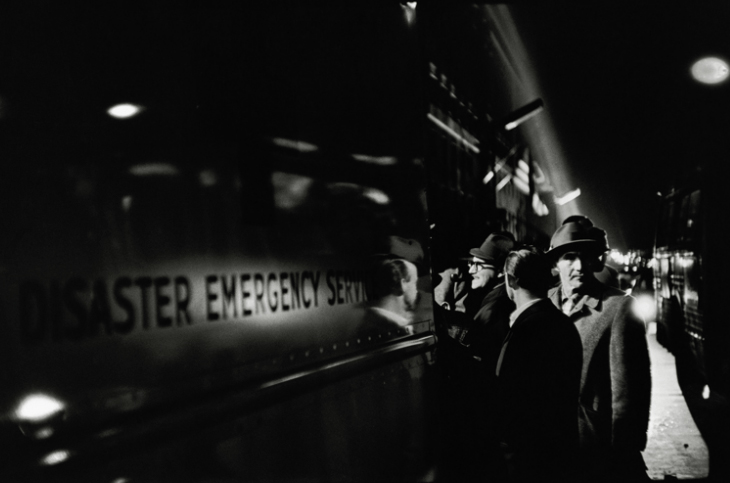
René Burri (Swiss, 1933-2014) 'Blackout New York' November 9, 1965

René Burri (Swiss, 1933-2014) 'Blackout New York' November 9, 1965

René Burri (Swiss, 1933-2014) 'Blackout New York' November 9, 1965

René Burri (Swiss, 1933-2014) 'Blackout New York' November 9, 1965


René Burri (Swiss, 1933-2014)
Four photographs from the series Blackout New York
November 9, 1965
Gelatin silver print


Flo Peters Gallery
Burchardstraße 13
Chilehaus C
20095 Hamburg, Germany

Gallery hours:
Tuesday – Friday 12 – 4pm
Saturday 11 – 3pm

Flo Peters Gallery website

LIKE ART BLART ON FACEBOOK

Back to top