Exhibition: ‘Samuel Fosso’ at the Museum der Moderne Salzburg

Exhibition dates: 22nd October, 2022 – 10th April, 2023

Curator: Jürgen Tabor
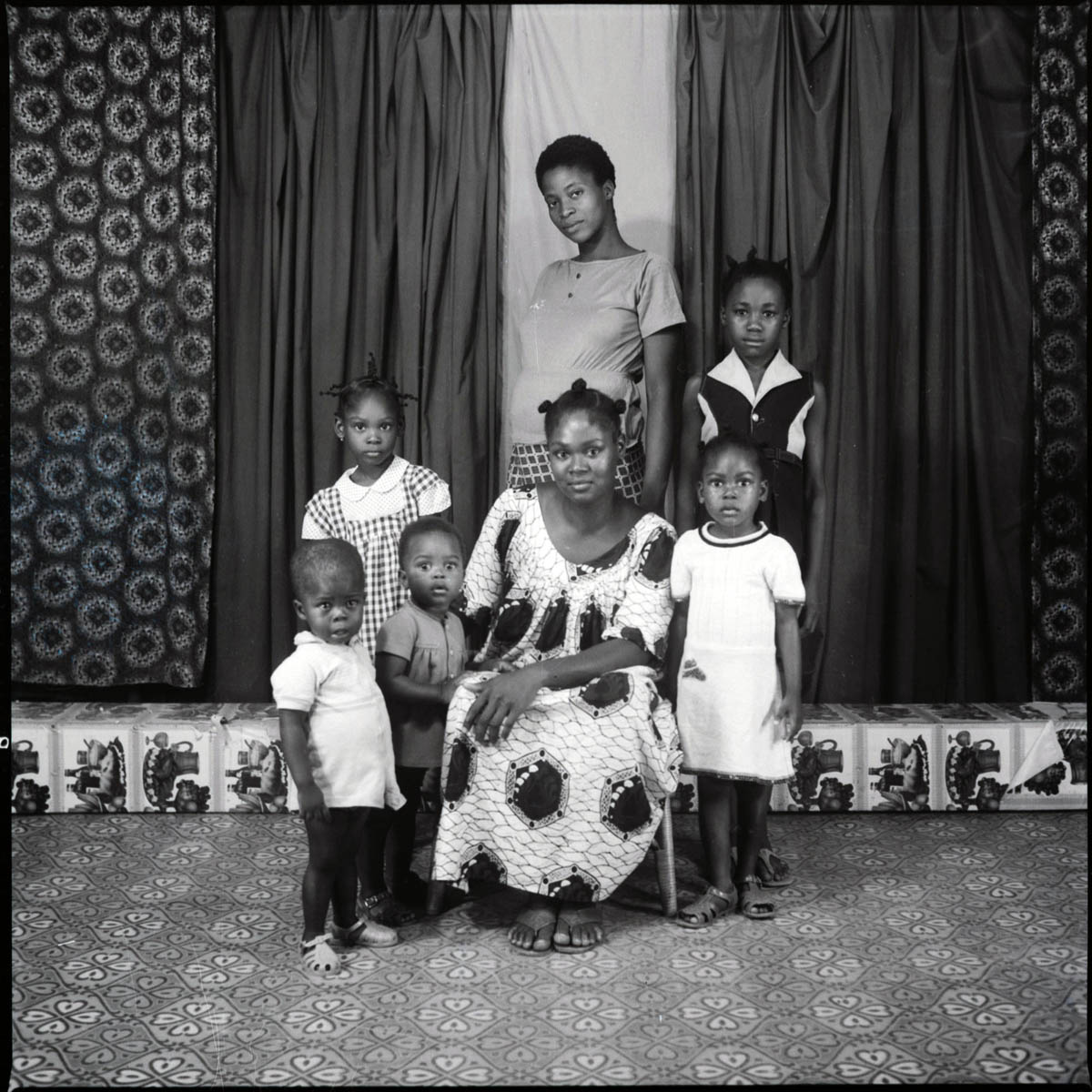
 

Samuel Fosso (Nigerian born Cameroon, b. 1962) 'Archives from Studio Photo National, Samuel Fosso's studio in Bangui' Nd from the exhibition 'Samuel Fosso' at the Museum der Moderne Salzburg, Oct 2022 - April 2023


Samuel Fosso (Nigerian born Cameroon, b. 1962)
Archives from Studio Photo National, Samuel Fosso’s studio in Bangui
Nd
© Samuel Fosso 
courtesy Jean-Marc Patras / Paris


Another exhibition on this wonderful artist with additional photographs… one of four large exhibitions that have take place recently in Europe and America. The other three being:

Samuel Fosso: The Man with a Thousand Faces at the Walther Collection, Germany, May – November 2022
Samuel Fosso: Affirmative Acts at the Princeton University Art Museum, November 2022 – January 2023
Samuel Fosso: African Spirits at the Menil Collection, Houston, August 2022 – January 2023

A well deserved flavour of the year!

Dr Marcus Bunyan


Many thankx to the Museum der Moderne Salzburg for allowing me to publish the photographs in the posting. Please click on the photographs for a larger version of the image.
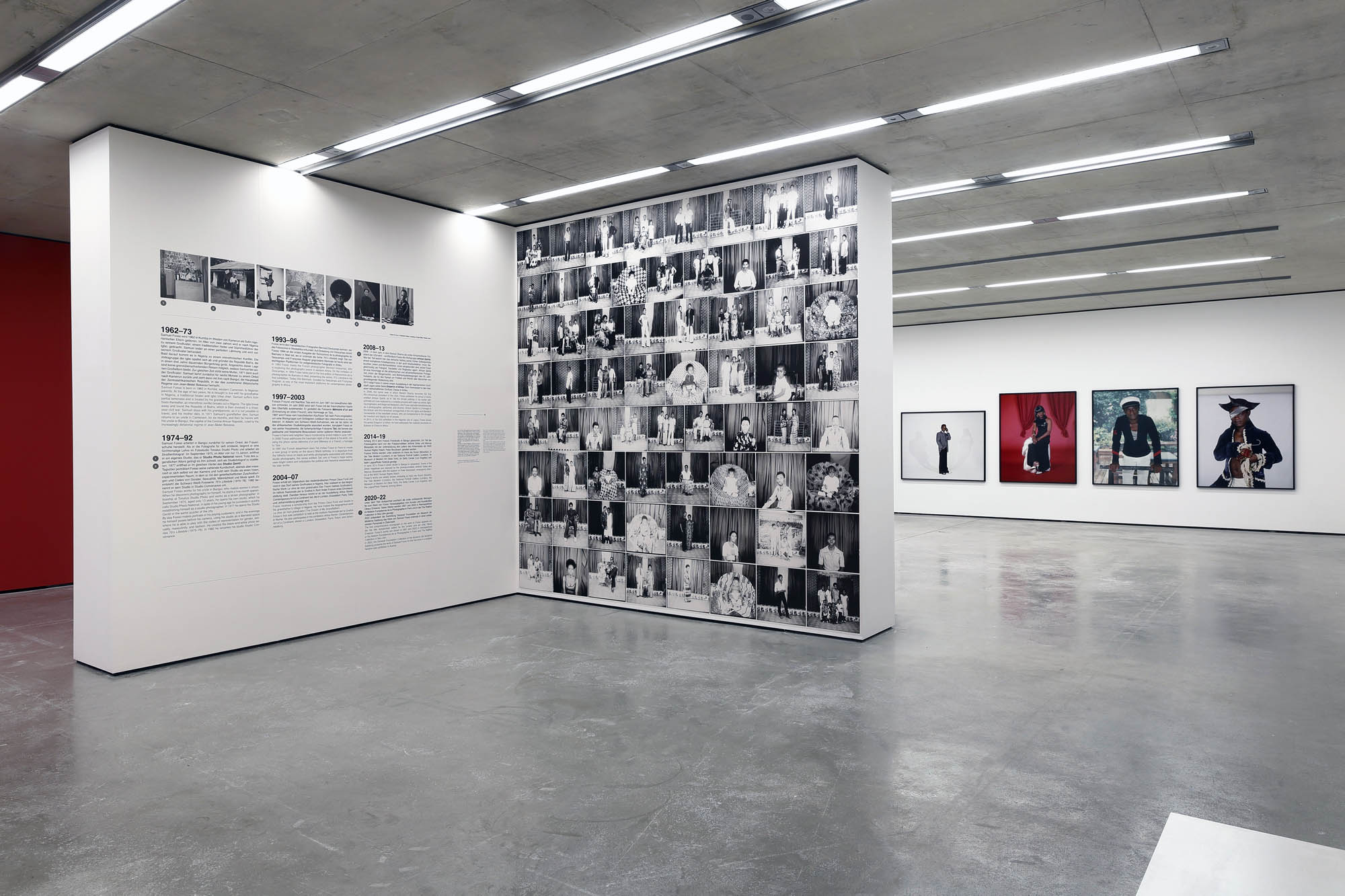


Installation view of the exhibition 'Samuel Fosso' at the Museum der Moderne Salzburg showing at left, photographs from the Archives from Studio Photo National


Installation view of the exhibition Samuel Fosso at the Museum der Moderne Salzburg showing at left, photographs from the Archives from Studio Photo National
Photo: Rainer Iglar
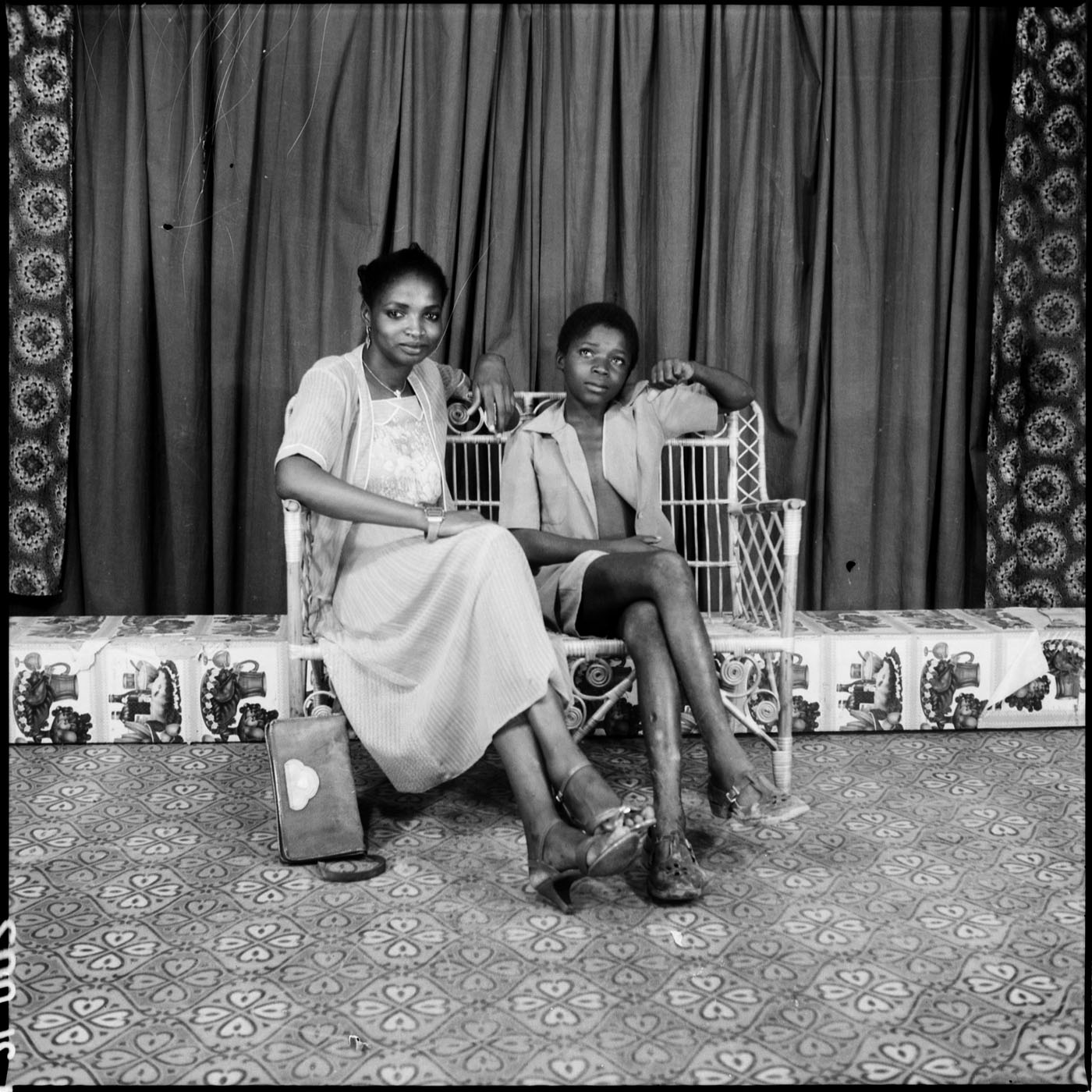
 

Samuel Fosso (Nigerian born Cameroon, b. 1962) 'Archives from Studio Photo National, Samuel Fosso's studio in Bangui' Nd from the exhibition 'Samuel Fosso' at the Museum der Moderne Salzburg, Oct 2022 - April 2023


Samuel Fosso (Nigerian born Cameroon, b. 1962)
Archives from Studio Photo National, Samuel Fosso’s studio in Bangui
Nd
© Samuel Fosso 
courtesy Jean-Marc Patras / Paris
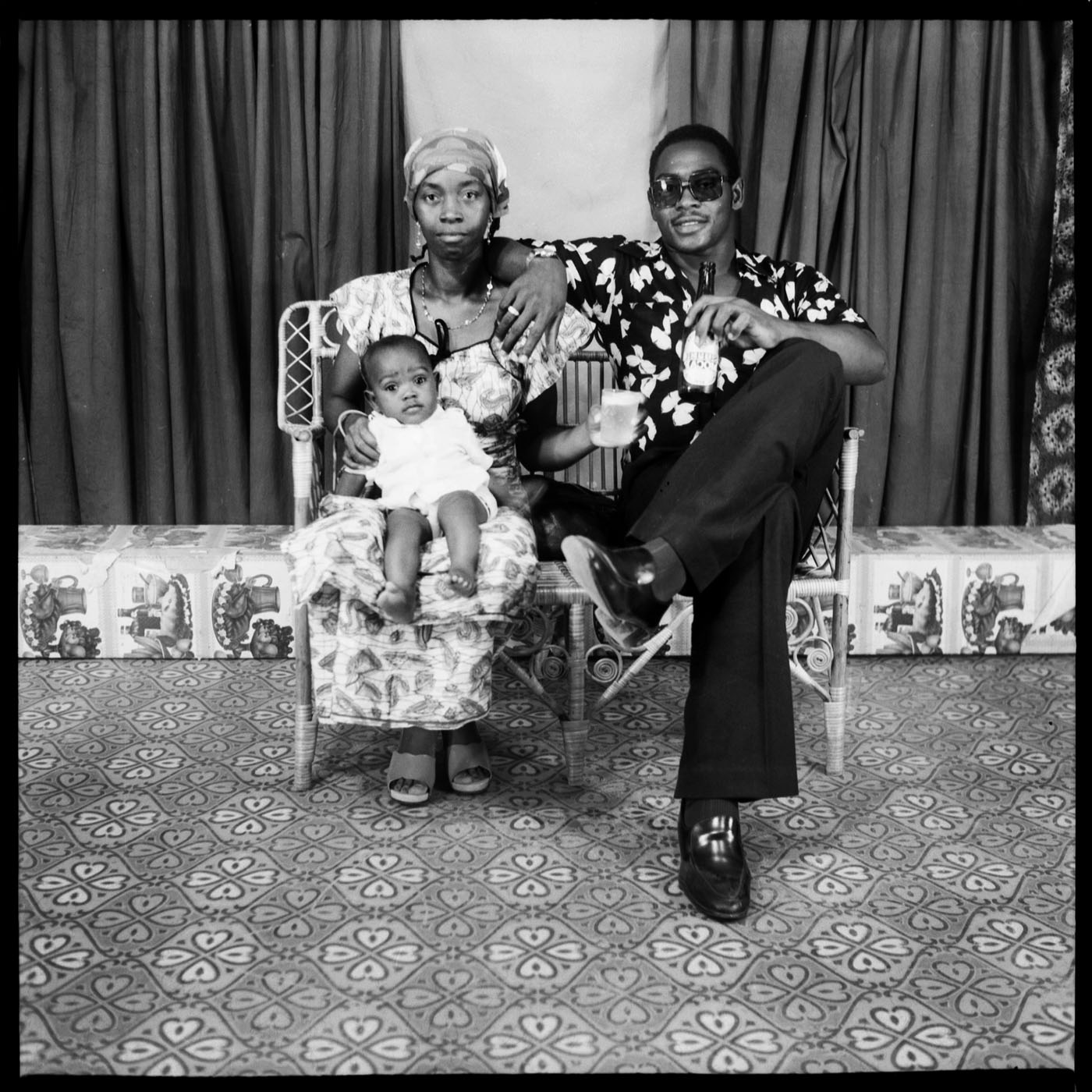
 

Samuel Fosso (Nigerian born Cameroon, b. 1962) 'Archives from Studio Photo National, Samuel Fosso's studio in Bangui' Nd from the exhibition 'Samuel Fosso' at the Museum der Moderne Salzburg, Oct 2022 - April 2023


Samuel Fosso (Nigerian born Cameroon, b. 1962)
Archives from Studio Photo National, Samuel Fosso’s studio in Bangui
Nd
© Samuel Fosso 
courtesy Jean-Marc Patras / Paris
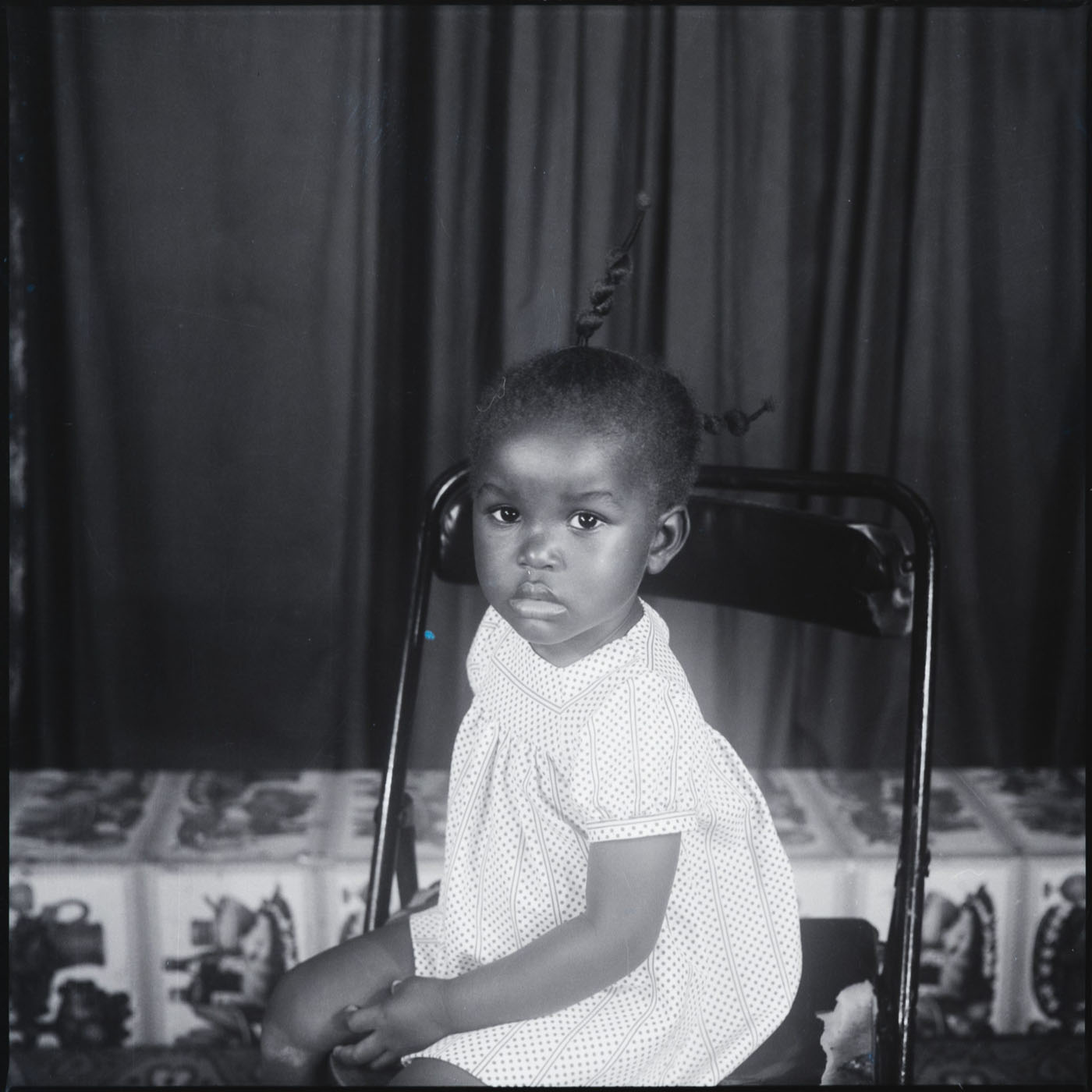
 

Samuel Fosso (Nigerian born Cameroon, b. 1962) 'Archives from Studio Photo National, Samuel Fosso's studio in Bangui' Nd


Samuel Fosso (Nigerian born Cameroon, b. 1962)
Archives from Studio Photo National, Samuel Fosso’s studio in Bangui
Nd
© Samuel Fosso 
courtesy Jean-Marc Patras / Paris
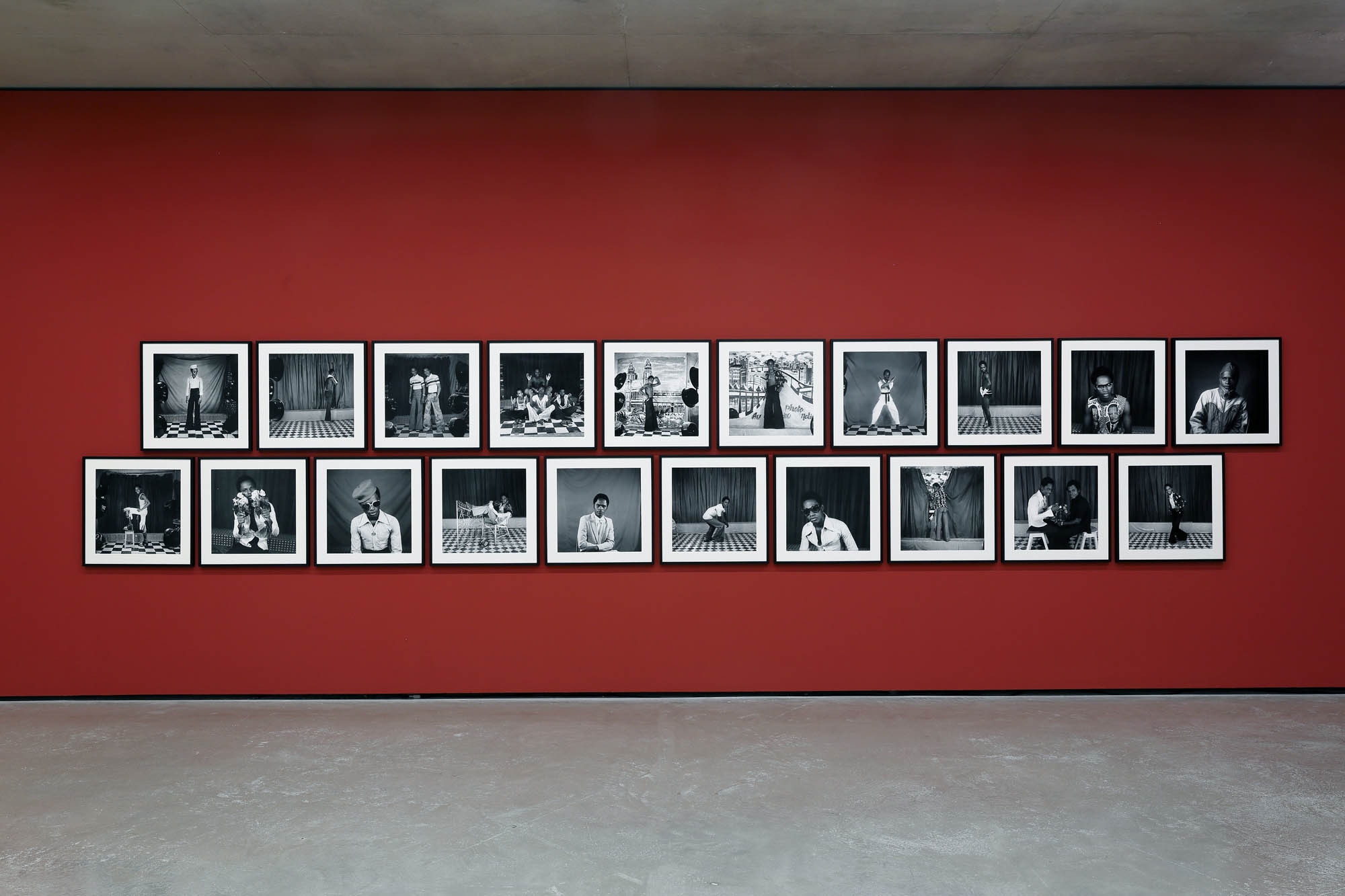
 

Installation view of the exhibition 'Samuel Fosso' at the Museum der Moderne Salzburg showing photographs from the series '70's Lifestyle'


Installation view of the exhibition Samuel Fosso at the Museum der Moderne Salzburg showing photographs from the series 70’s Lifestyle
Photo: Rainer Iglar
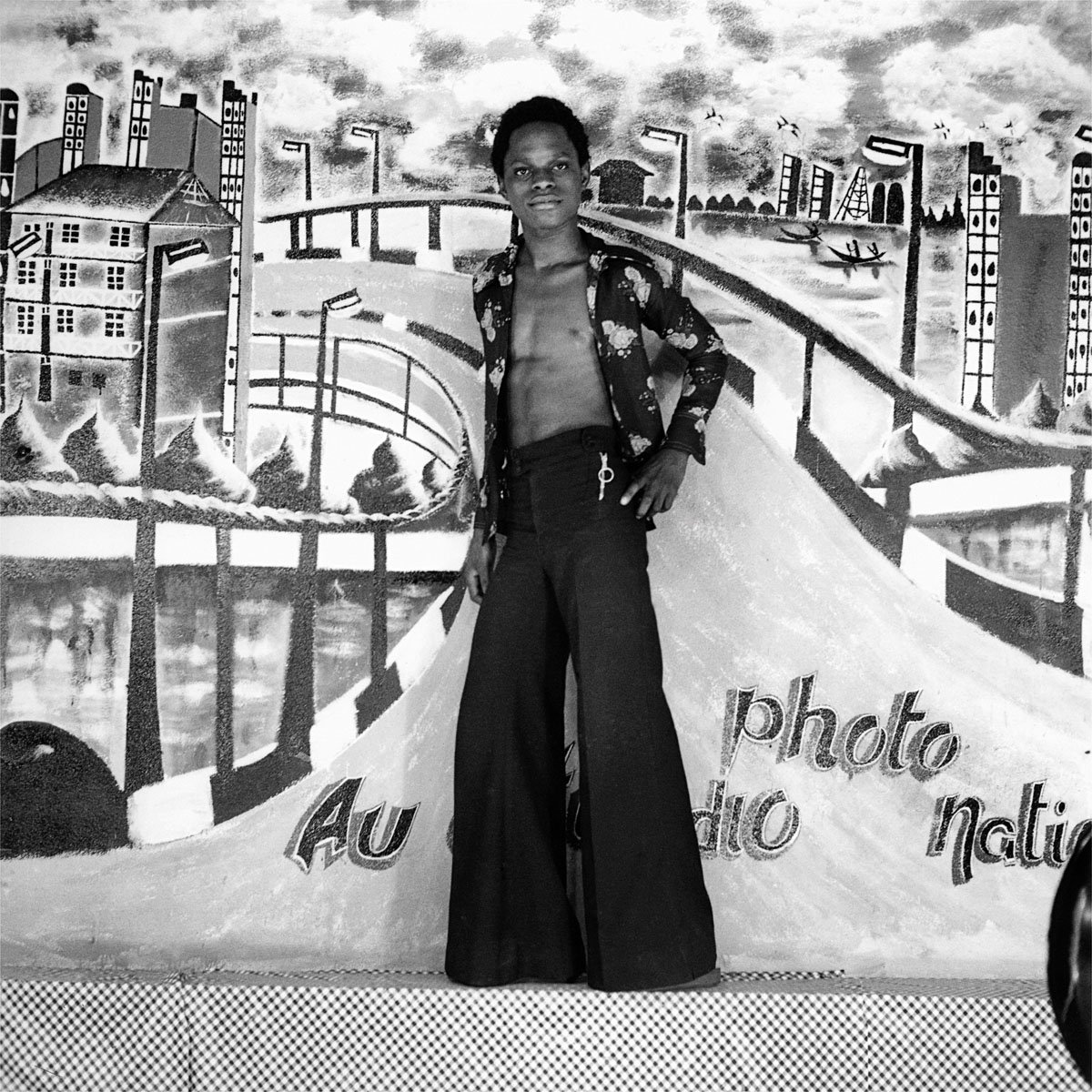
 

Samuel Fosso (Nigerian born Cameroon, b. 1962) '70's Lifestyle' 1974-1978


Samuel Fosso (Nigerian born Cameroon, b. 1962)
70’s Lifestyle
1974-1978
Gelatin silver print
© Samuel Fosso, courtesy of Jean Marc Patras, Paris
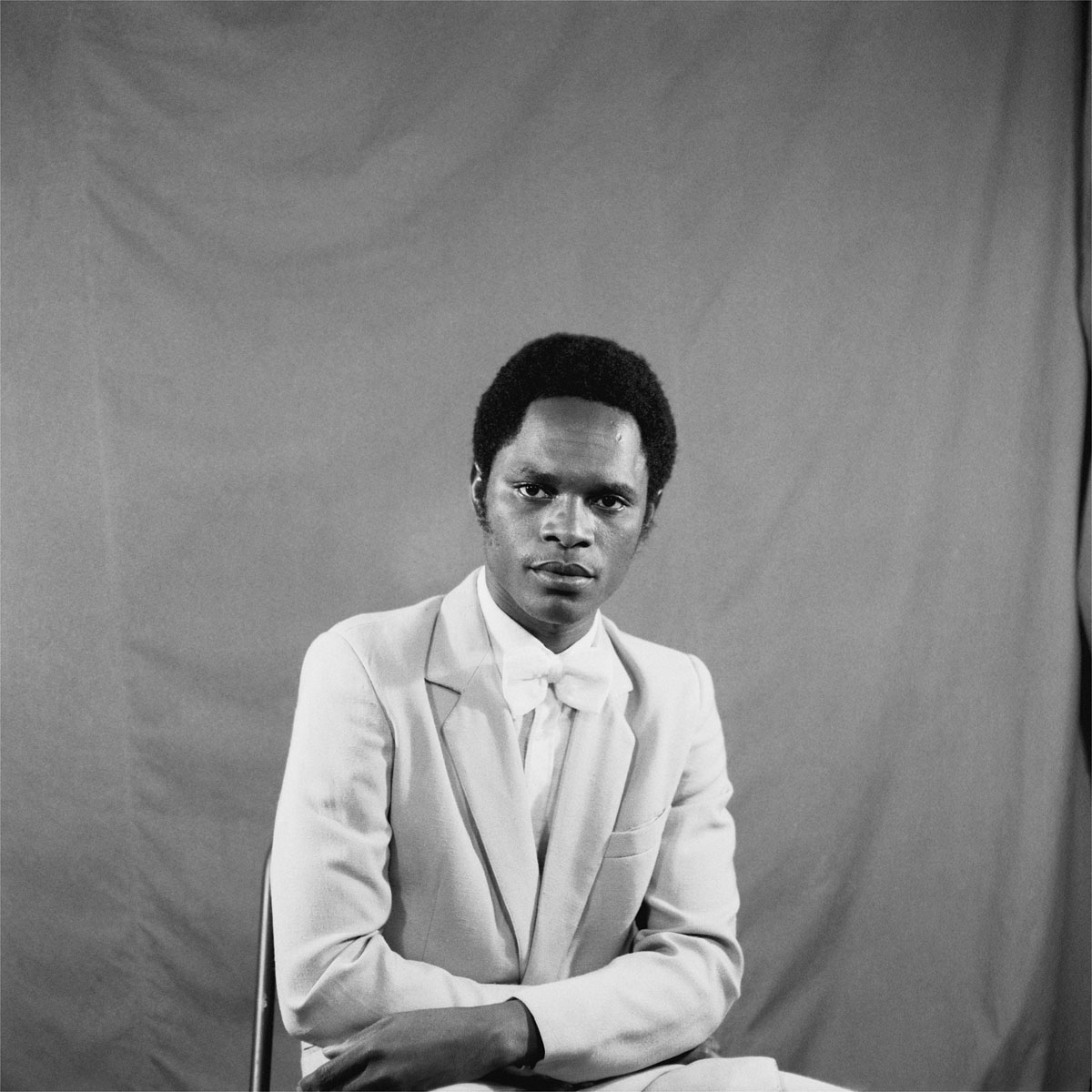
 

Samuel Fosso (Nigerian born Cameroon, b. 1962) '70's Lifestyle' 1974-1978


Samuel Fosso (Nigerian born Cameroon, b. 1962)
70’s Lifestyle
1974-1978
Gelatin silver print
© Samuel Fosso, courtesy of Jean Marc Patras, Paris
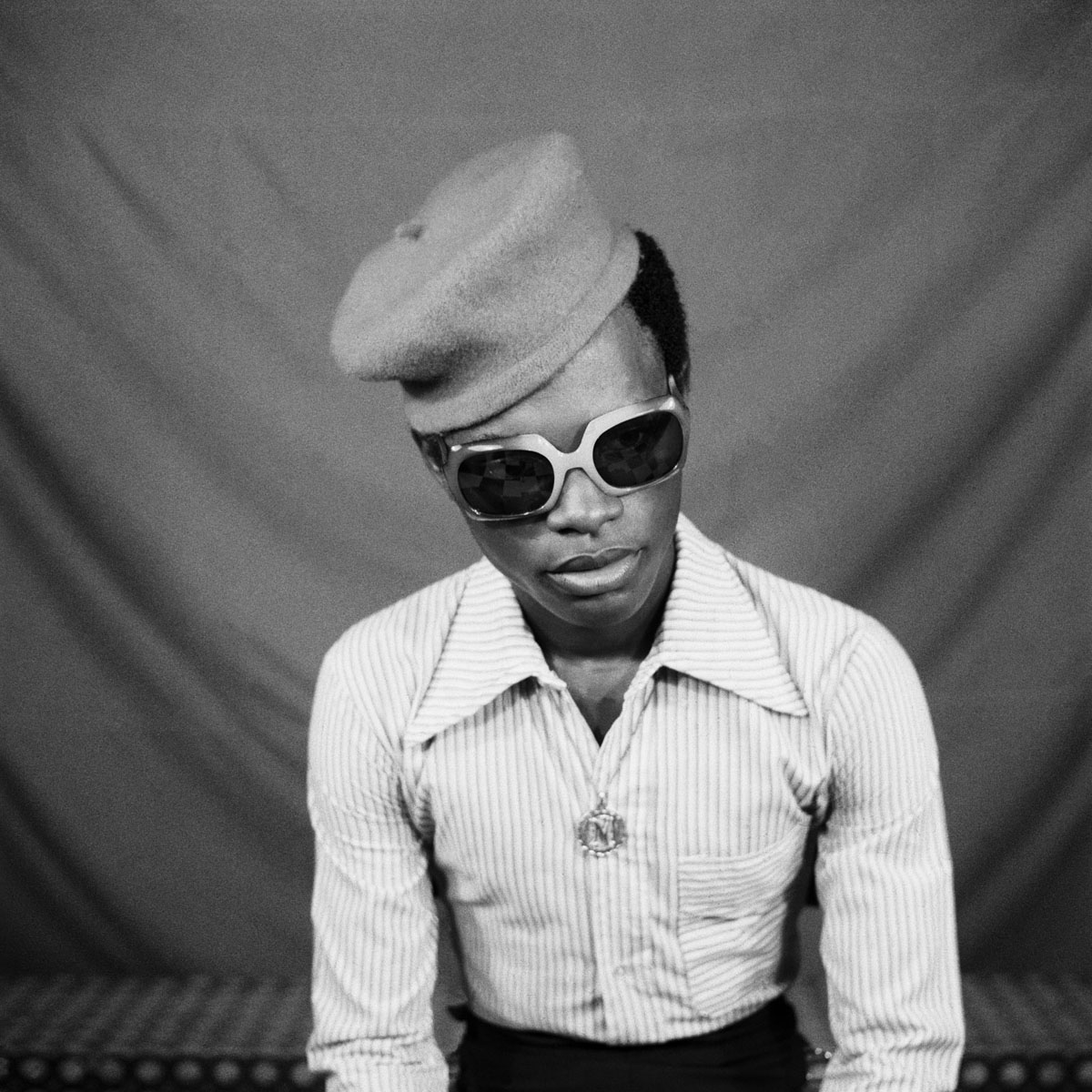
 

Samuel Fosso (Nigerian born Cameroon, b. 1962) '70's Lifestyle' 1974-1978 


Samuel Fosso (Nigerian born Cameroon, b. 1962)
70’s Lifestyle
1974-1978
Gelatin silver print
© Samuel Fosso, courtesy of Jean Marc Patras, Paris


Samuel Fosso (Cameroonian, b. 1962) 'Self-portrait' 1975-1977


Samuel Fosso (Nigerian born Cameroon, b. 1962)
70’s Lifestyle
1974-1978
Gelatin silver print
© Samuel Fosso, courtesy of Jean Marc Patras, Paris
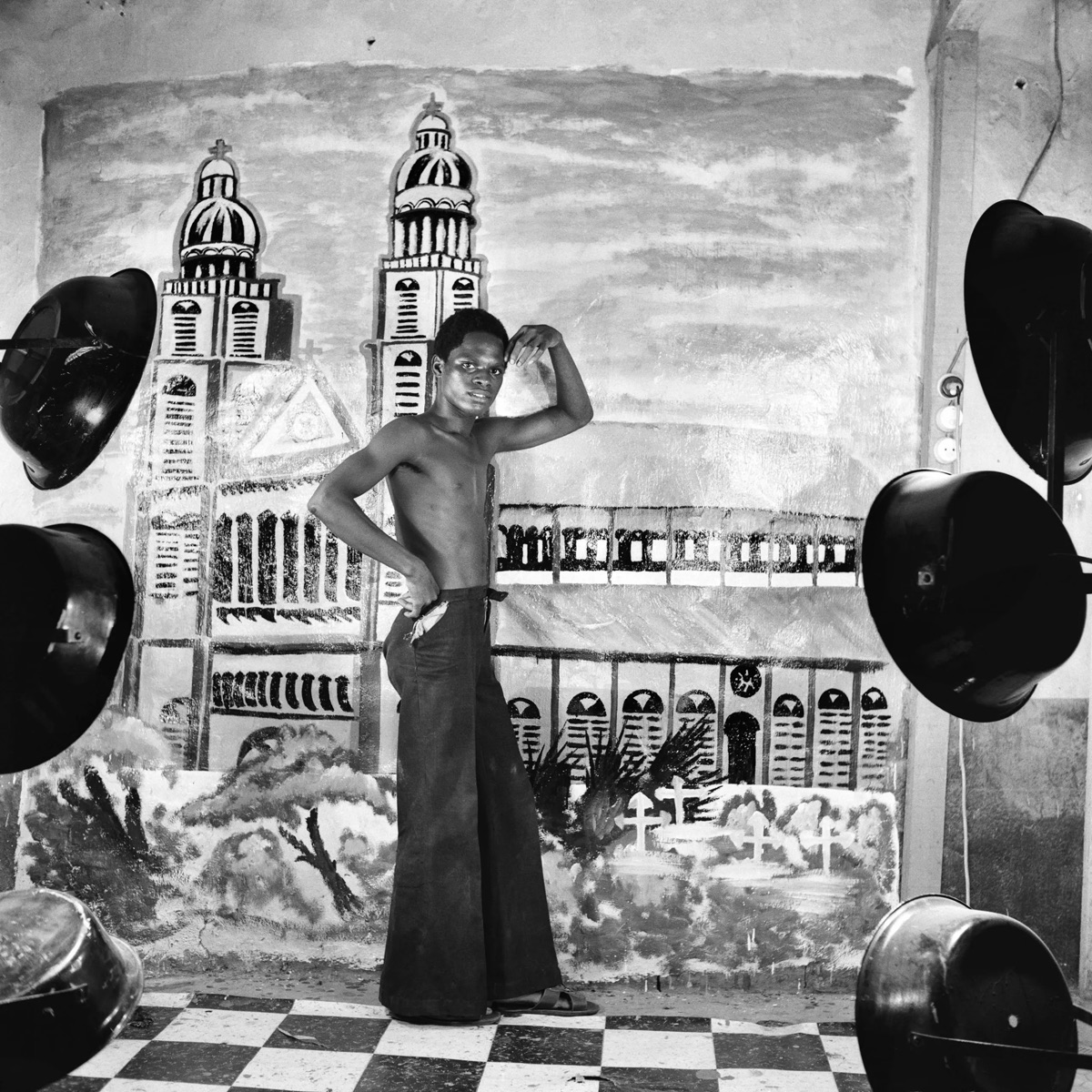
 

Samuel Fosso (Nigerian born Cameroon, b. 1962) 70's Lifestyle 1974-1978


Samuel Fosso (Nigerian born Cameroon, b. 1962)
70’s Lifestyle
1974-1978
Gelatin silver print
© Samuel Fosso, courtesy of Jean Marc Patras, Paris
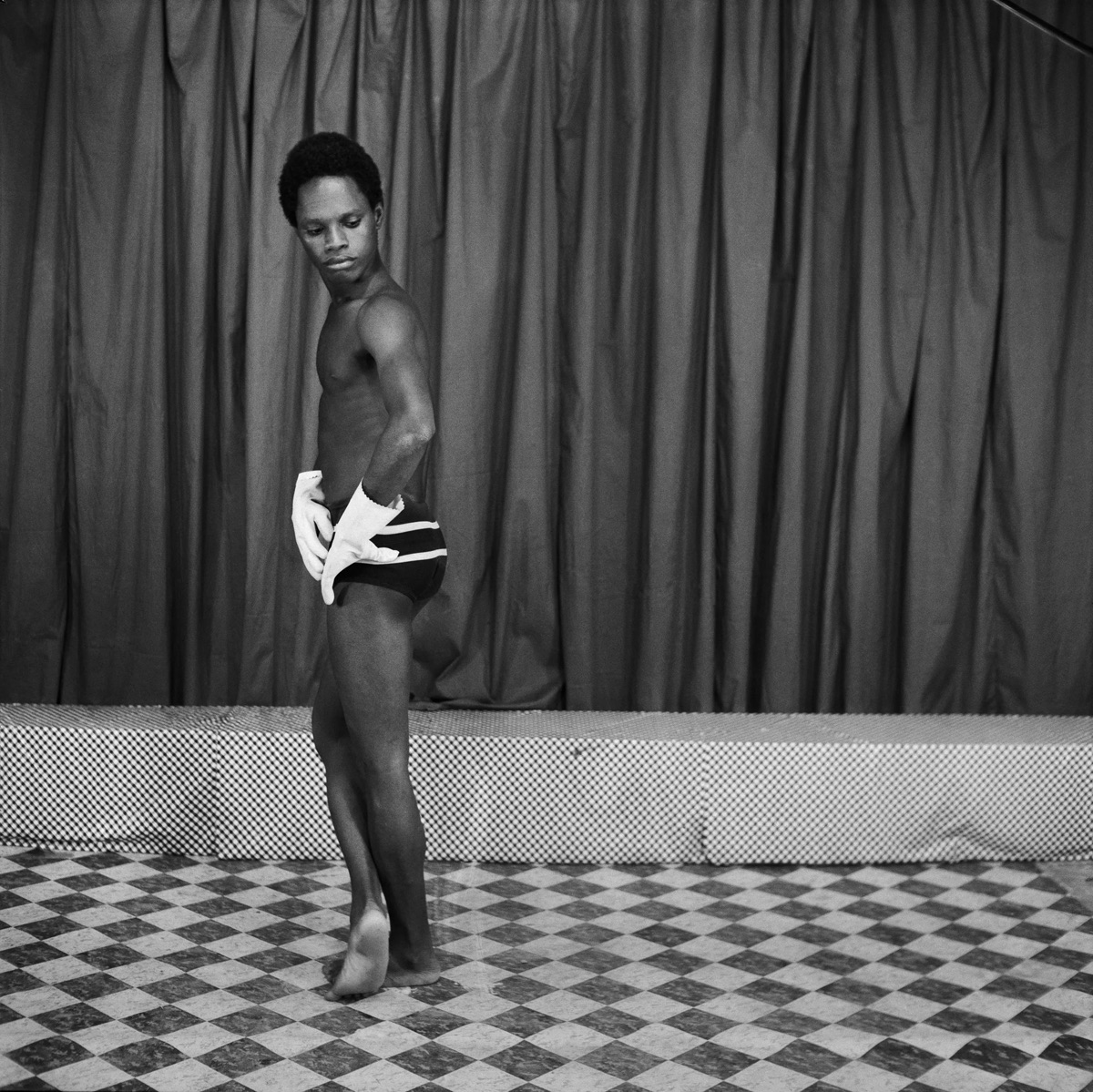
 

Samuel Fosso (Nigerian born Cameroon, b. 1962) 70's Lifestyle 1974-1978


Samuel Fosso (Nigerian born Cameroon, b. 1962)
70’s Lifestyle
1974-1978
Gelatin silver print
© Samuel Fosso, courtesy of Jean Marc Patras, Paris


Introduction

Samuel Fosso (Kumba, CM, 1962 – Bangui, CF; Paris, FR) is one of the most renowned African photographers working today. He has been a key innovator in the great tradition of African studio photography since the mid-1970s, developing and successively refining a distinctive form of explicitly theatrical self-portraiture. Fosso’s self-portraits blend photography with performance and intertwine autobiographical themes and conceptions of the self with political and historical perspectives. The works articulate the complexity and diversity of contemporary identities and explore the relations between Africa and the East and West in the era of post-colonialism and globalisation.

Organised by the Generali Foundation at the Museum der Moderne Salzburg, the retrospective presents a selection from Samuel Fosso’s most important bodies of work. It is the first major exhibition of Fosso’s art in Austria and one of his first solo shows in the German-speaking countries.

Featuring elaborate makeup and lavish costumes, props, and sets, Fosso’s autofictional self-portraits are not so much self-dramatisations as self-transformations. He slips into roles and borrows identities – from pivotal figures in history as well as social archetypes, many of them with deep roots in the globally networked visual memory. Embodying these icons and representations, he interrogates their impact on media, society, and politics, casting himself as a surrogate and catalyst. Fosso’s self-portraits are highly artificial scenic productions on the stage of the photography studio, where he is photographer, performer, and director in one. With analytical acumen and acting skills, he deftly exposes and undercuts social codes around bodies, attire, poses, facial expressions, and gazes and collective assignments of identity based on gender, sexual orientation, and ethnic and social background.

After a brief apprenticeship, Fosso opened his own studio for portrait photography in 1975, when he was thirteen. His business success rested on his flair for fashion and aesthetics and his talent for encouraging his clients to show off their personal style. Having spent his workday taking portraits of paying customers, he switched to the other side of the camera in the evening: taking inspiration from West African and African-American music, youth culture, and political rebellion, he donned tight shirts, extravagant bell-bottoms, platform shoes, and offbeat props to stage himself in unconventional and unconstrained poses. The result was Fosso’s early series of experimental black-and-white self-portraits now known under the title 70’s Lifestyle (1975-1978).

For many years, he shared his self-portraits only with private audiences. At the initiative of the French photographer Bernard Descamps, they made their public debut in 1994 at the inaugural Bamako Encounters – African Biennial of Photography. The self-portraits added an important aspect to the tradition of West African studio photography, which garnered considerable attention in the 1990s. In 70’s Lifestyle, Fosso limns an alternative vision of masculinity by playfully subverting conventions concerning the depiction of bodies, gender, and sexuality. Sustained by a newfound self-confidence, Fosso’s self-portraits reflect a search for fresh conceptions of identity after the early period of postcolonial transformation in the 1960s; they are also a gesture of emancipation from the suffering he experienced as a refugee in Nigeria and under the repressive Bokassa regime in the Central African Republic. Artistic aspects such as theatricality and the appropriation of media imagery that Fosso develops in 70’s Lifestyle become constants in his work.

In 1997, Tati, a French department-store chain, commissioned Fosso to conceive a new body of works. Fosso developed a series of self-portraits in bold colours, some of which became iconic. Hewing to his characteristic style of elaborate and meticulously thought-through masquerade, disguises, and sceneries, now laced with an unmistakable penchant for satire, the Tati series shows him alternating between a number of controversial identities. For instance, he impersonates archetypes of African as well as Western societies like the tribal chieftain, the golfer, and the “liberated” African-American woman. The series’ centrepiece, Le Chef (qui a vendu l’Afrique aux colons) (The Chief [Who Sold Africa to the Colonists]), is both a tribute to African tribal leaders and a critique of the temptations of power in the age of European colonialism.

In later series such as African Spirits (2008) and Emperor of Africa (2003), Fosso’s work takes on a more pronounced political edge. In African Spirits, he embodies historic protagonists of the pan-African independence and civil rights movement including Angela Davis, Patrice Lumumba, Haile Selassie, Martin Luther King Jr., and Muhammad Ali. The large-format self-portraits reenact historic pictures from magazines and newspapers. The satirical-critical element of Tati gives way to a thoroughly serious process of identification: bringing his protagonists to life, Fosso not merely draws a connection between their legacy and his own experience, he seems to positively fuse with them in the strikingly convincing impersonations. The portraits in African Spirits pay homage to the campaigners for civil rights and colonial independence while also suggesting their extraordinary gift for self-dramatisation and media savvy, which helped them frame and disseminate their political ideals.

In the series Emperor of Africa, Fosso grapples with the complexities of the power differential between China and Africa by casting himself in the role of the controversial Chinese revolutionary and Communist Party leader Mao Zedong. In his reenactments, Fosso portrays Mao not only as a liberator, but also as a symbol of a modern imperialism. African leaders initially welcomed China’s growing economic and cultural presence, but the exercise of the power that came with this presence has increasingly prompted concerns. “As a performer, Fosso is both subject and questioner, the man behind the mask, interrogating the imperial and the postcolonial in equal measure.” (Olu Oguibe)

Born in Cameroon, Samuel Fosso spent the first part of his childhood in Nigeria. After the Biafran War, he moved to Bangui, the capital of the Central African Republic. Having completed a brief apprenticeship, the teenaged Fosso opened his own studio for portrait photography in Bangui in 1975, a business he ran until 2014. That year, his home was ransacked during an armed conflict in the Central African Republic, and the photographic archive of his commercial studio was destroyed; some of the material was later reconstructed. The artist lives and works in Bangui, Central African Republic, and Paris, France.

Text from the Museum der Moderne Salzburg
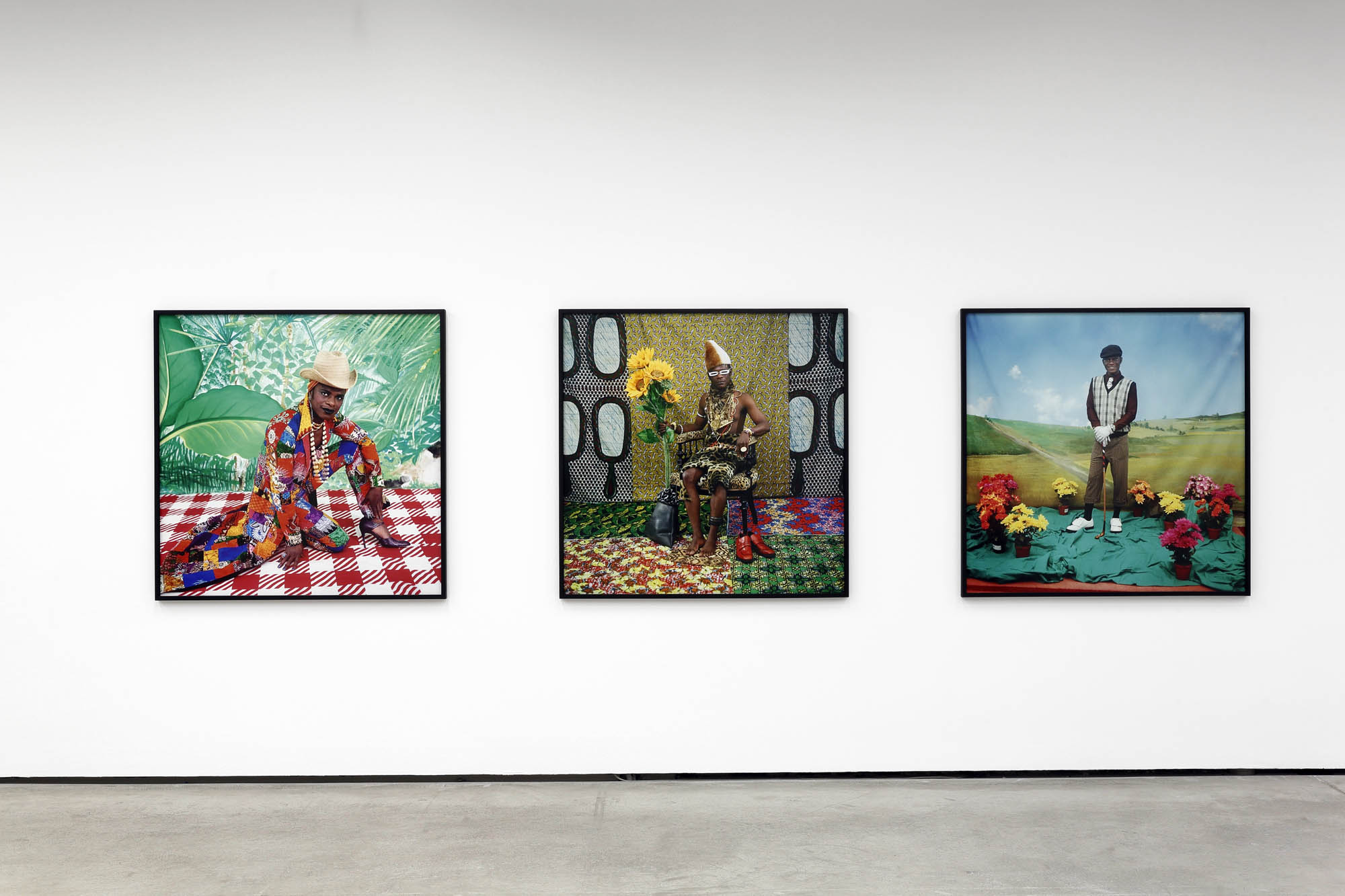
 

Installation view of the exhibition 'Samuel Fosso' at the Museum der Moderne Salzburg showing photographs from the series 'Tati'


Installation view of the exhibition Samuel Fosso at the Museum der Moderne Salzburg showing photographs from the series Tati
Photo: Rainer Iglar


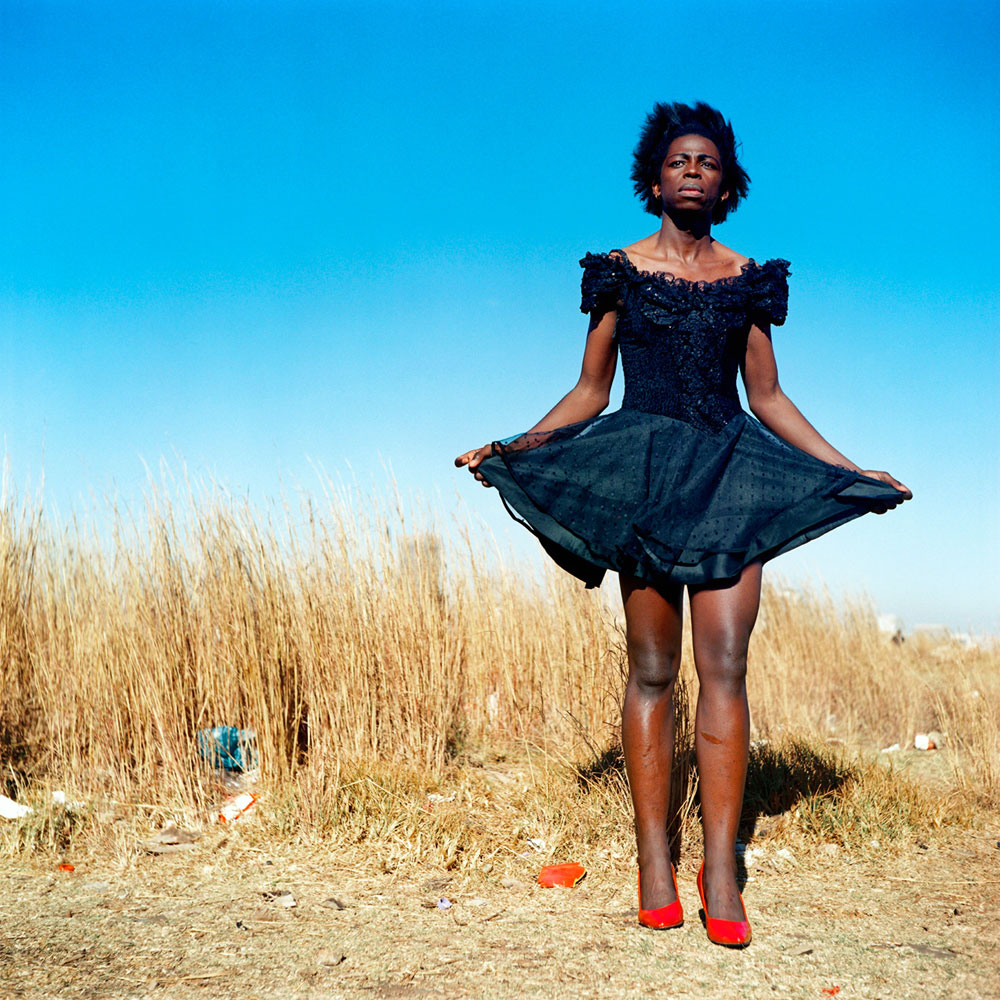
Samuel Fosso (Nigerian born Cameroon, b. 1962) 'La femme américaine libérée des années 70' (The Liberated American Woman of the 1970s) 1997


Samuel Fosso (Nigerian born Cameroon, b. 1962)
La femme américaine libérée des années 70 (The Liberated American Woman of the 1970s)
1997
From the series Tati
Chromogenic print
© Samuel Fosso, courtesy of Jean Marc Patras, Paris
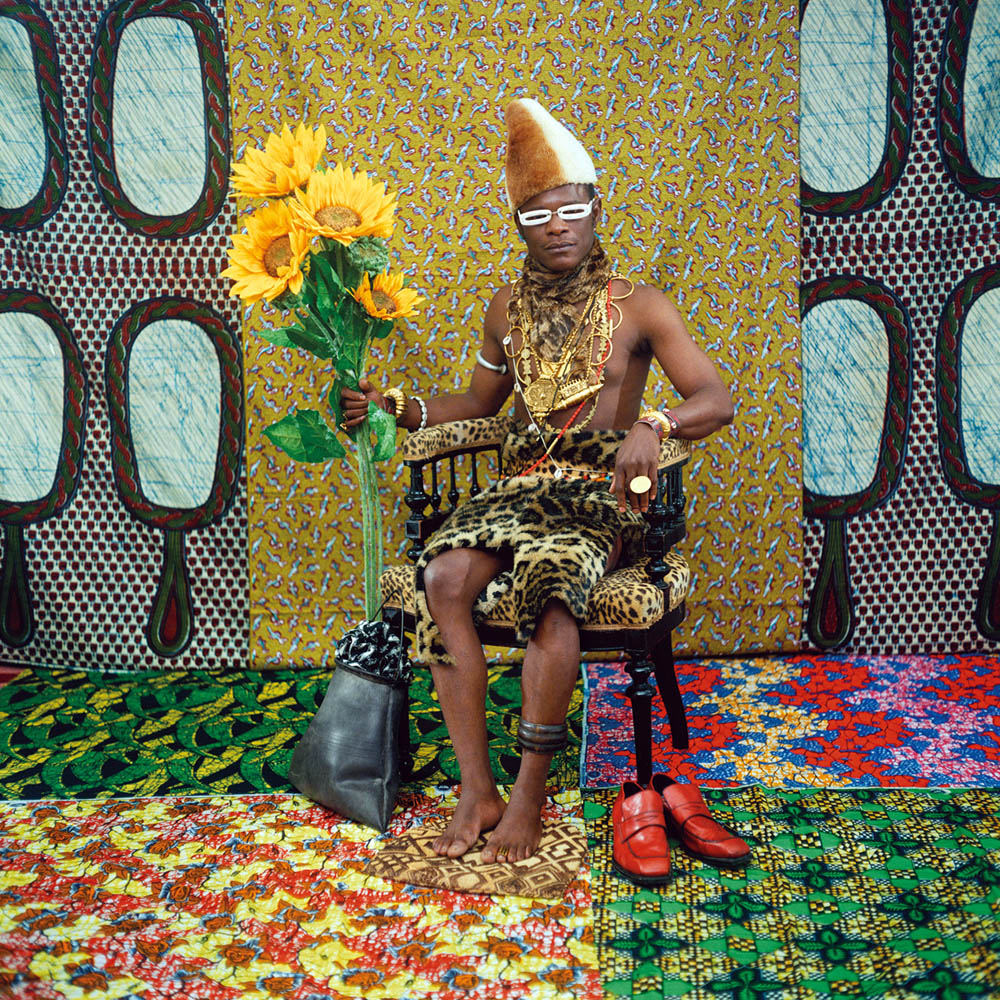
 

Samuel Fosso (Nigerian born Cameroon, b. 1962) 'The Chief (who sold Africa to the Colonists)' 1997


Samuel Fosso (Nigerian born Cameroon, b. 1962)
The Chief (who sold Africa to the Colonists)
1997
From the series Tati
Chromogenic print
© Samuel Fosso, Generali Foundation Collection – Permanent Loan to the Museum der Moderne Salzburg


Samuel Fosso (Nigerian born Cameroon, b. 1962) 'The Golfer' 1997


Samuel Fosso (Nigerian born Cameroon, b. 1962)
The Golfer
1997
From the series Tati
Chromogenic print
© Samuel Fosso, courtesy of Jean Marc Patras, Paris
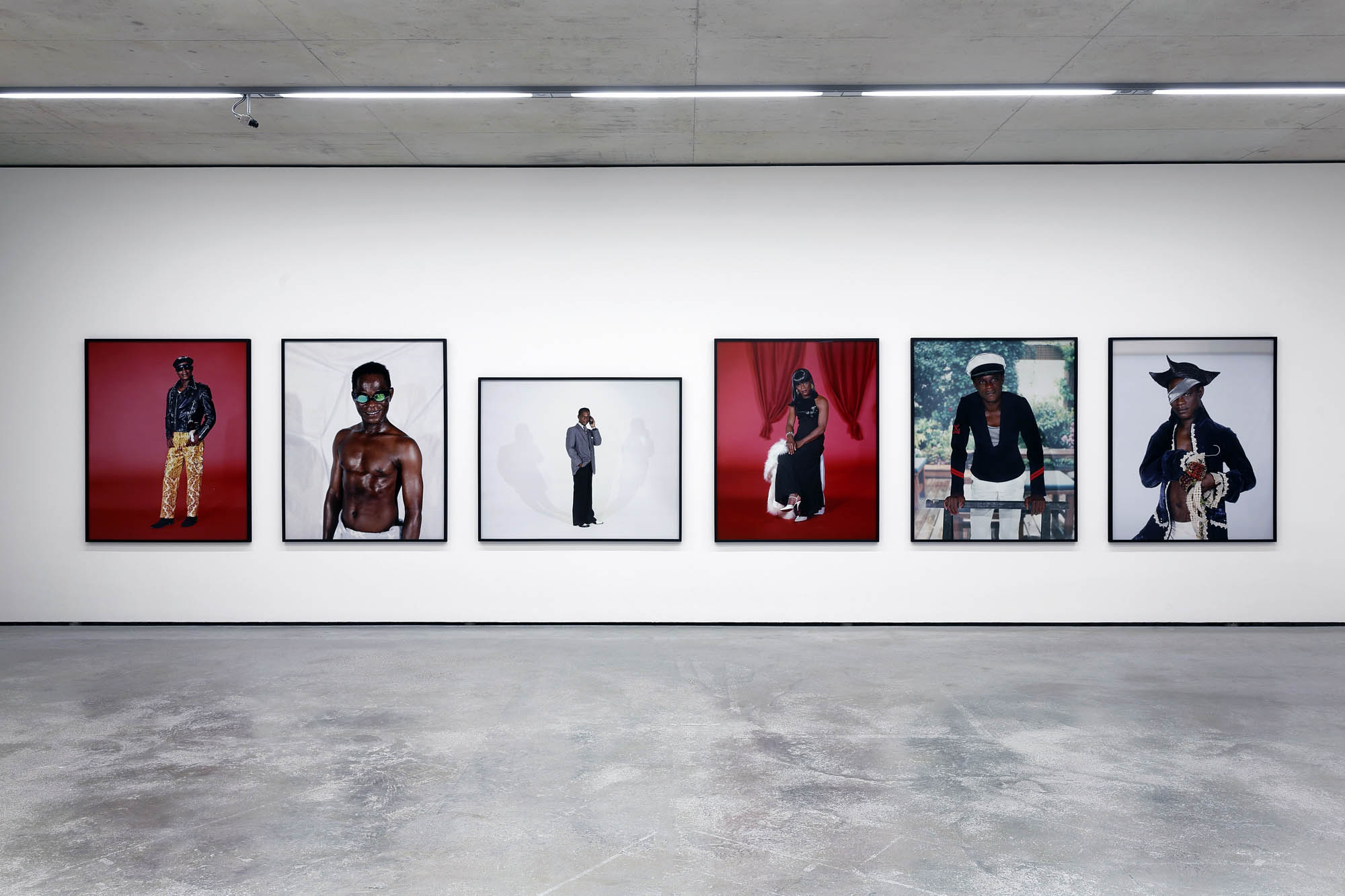
 

Installation view of the exhibition 'Samuel Fosso' at the Museum der Moderne Salzburg showing photographs from the series 'Tati'


Installation view of the exhibition Samuel Fosso at the Museum der Moderne Salzburg showing photographs from the series Tati
Photo: Rainer Iglar


Samuel Fosso (Nigerian born Cameroon, b. 1962) 'Le Rocker' (The Rocker) 1997


Samuel Fosso (Nigerian born Cameroon, b. 1962)
Le Rocker (The Rocker)
1997
From the series Tati
Chromogenic print
© Samuel Fosso, courtesy of Jean Marc Patras, Paris
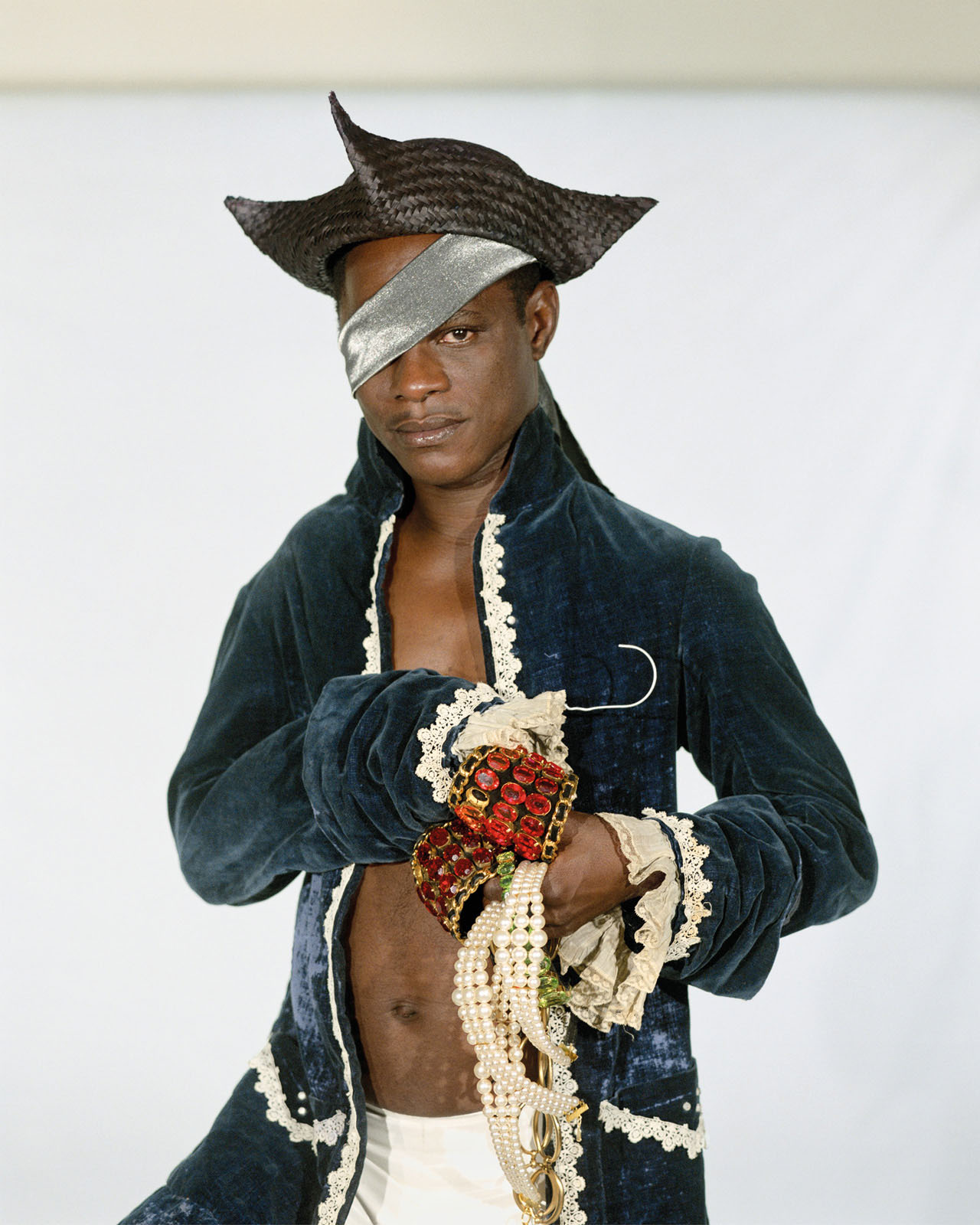
 

Samuel Fosso (Nigerian born Cameroon, b. 1962) 'Le Pirat' (The Pirate) 1997


Samuel Fosso (Nigerian born Cameroon, b. 1962)
Le Pirat (The Pirate)
1997
From the series Tati
Chromogenic print
© Samuel Fosso, courtesy of Jean Marc Patras, Paris
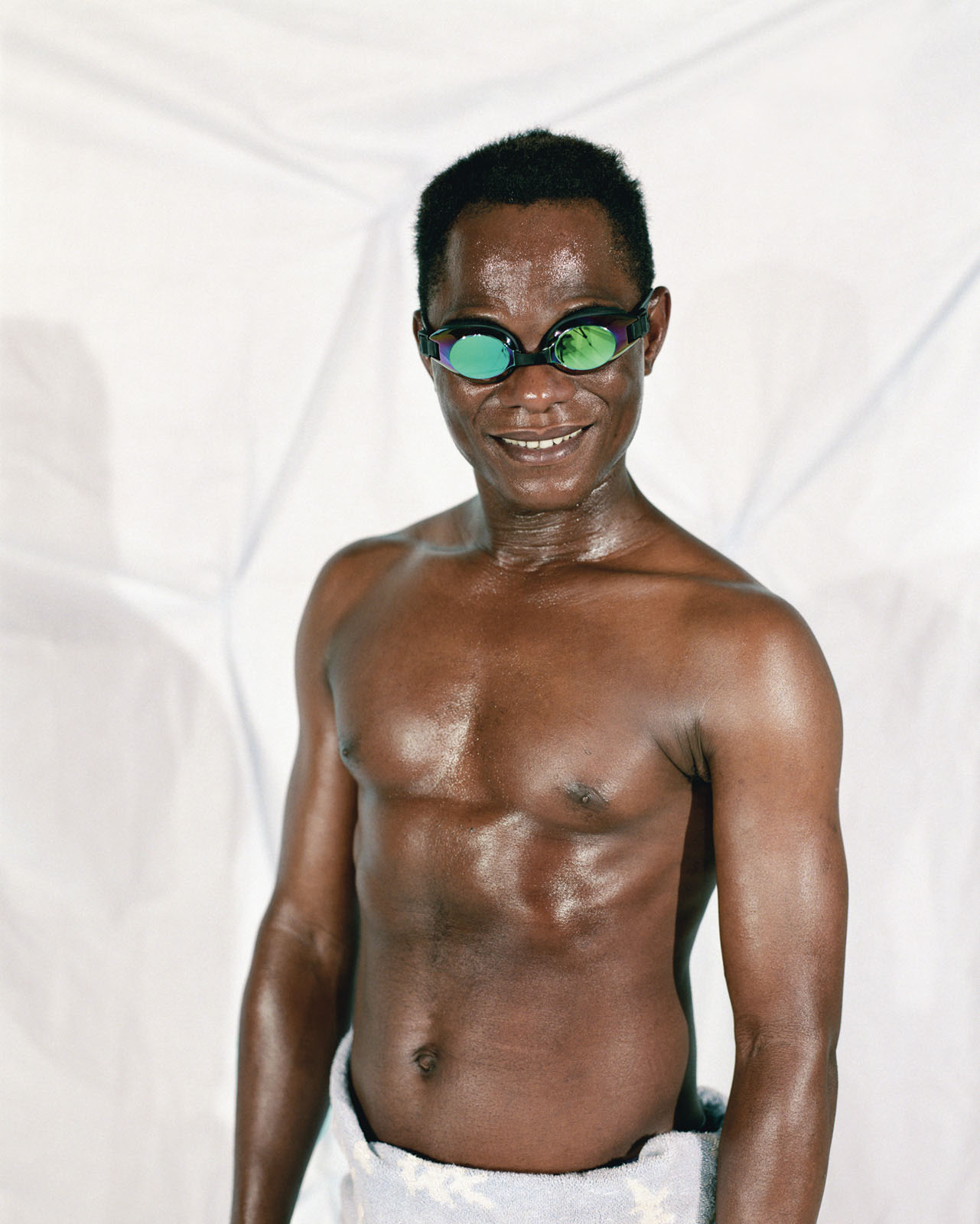
 

Samuel Fosso (Nigerian born Cameroon, b. 1962) 'Le sauveteur' (The Lifeguard) 1997


Samuel Fosso (Nigerian born Cameroon, b. 1962)
Le sauveteur (The Lifeguard)
1997
From the series Tati
Chromogenic print
© Samuel Fosso, courtesy of Jean Marc Patras, Paris
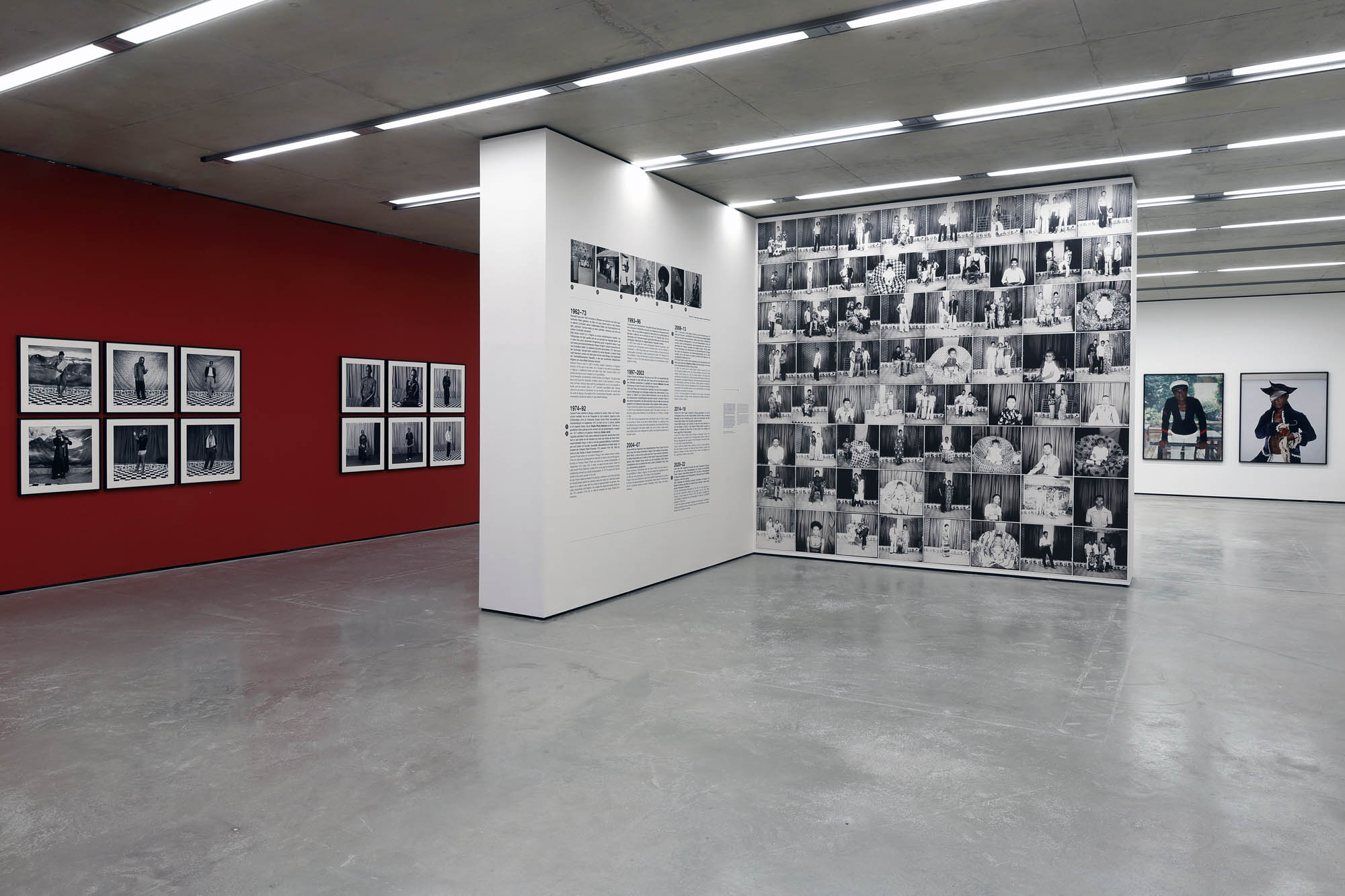
 

Installation view of the exhibition 'Samuel Fosso' at the Museum der Moderne Salzburg showing at left, photographs from the series 'Fosso Fashion', 1999; in the centre, photographs from the 'Archives from Studio Photo National'; and at right, photographs from the series 'Tati' 1997


Installation view of the exhibition Samuel Fosso at the Museum der Moderne Salzburg showing at left, photographs from the series Fosso Fashion, 1999; in the centre, photographs from the Archives from Studio Photo National; and at right, photographs from the series Tati 1997
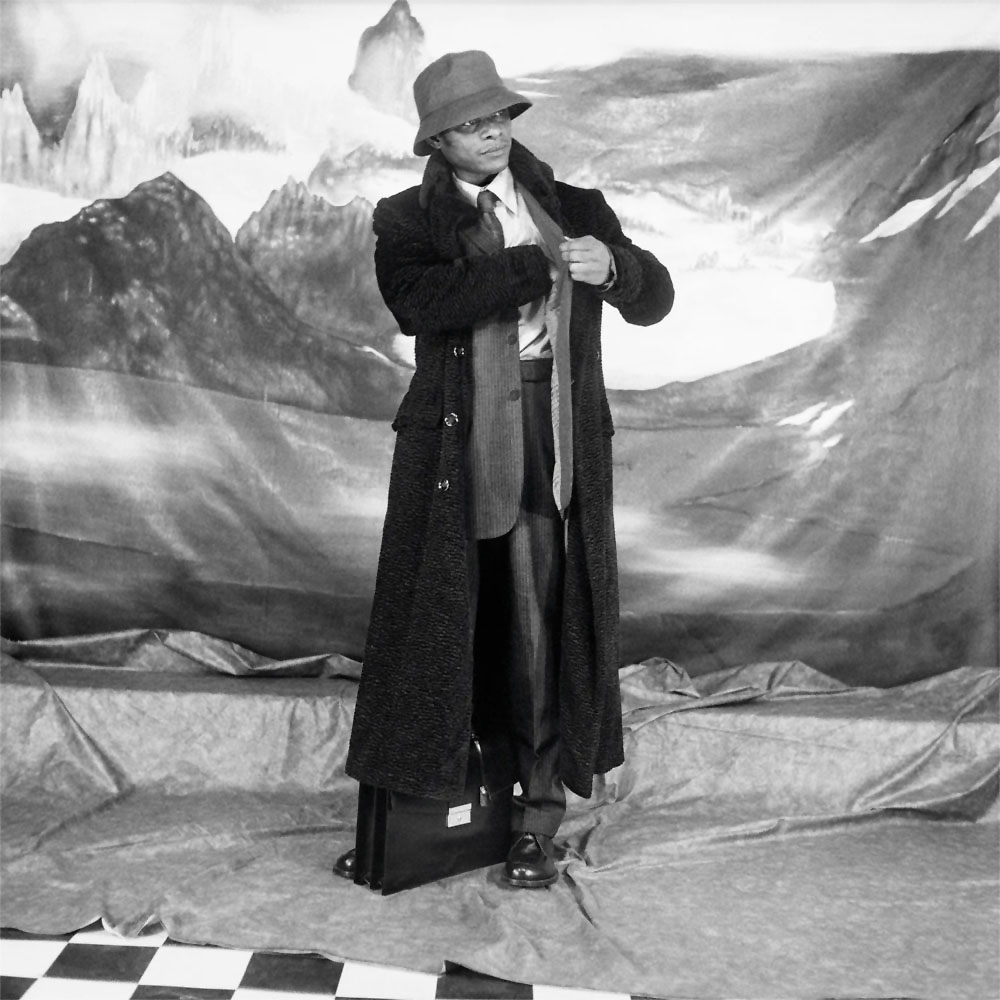
 

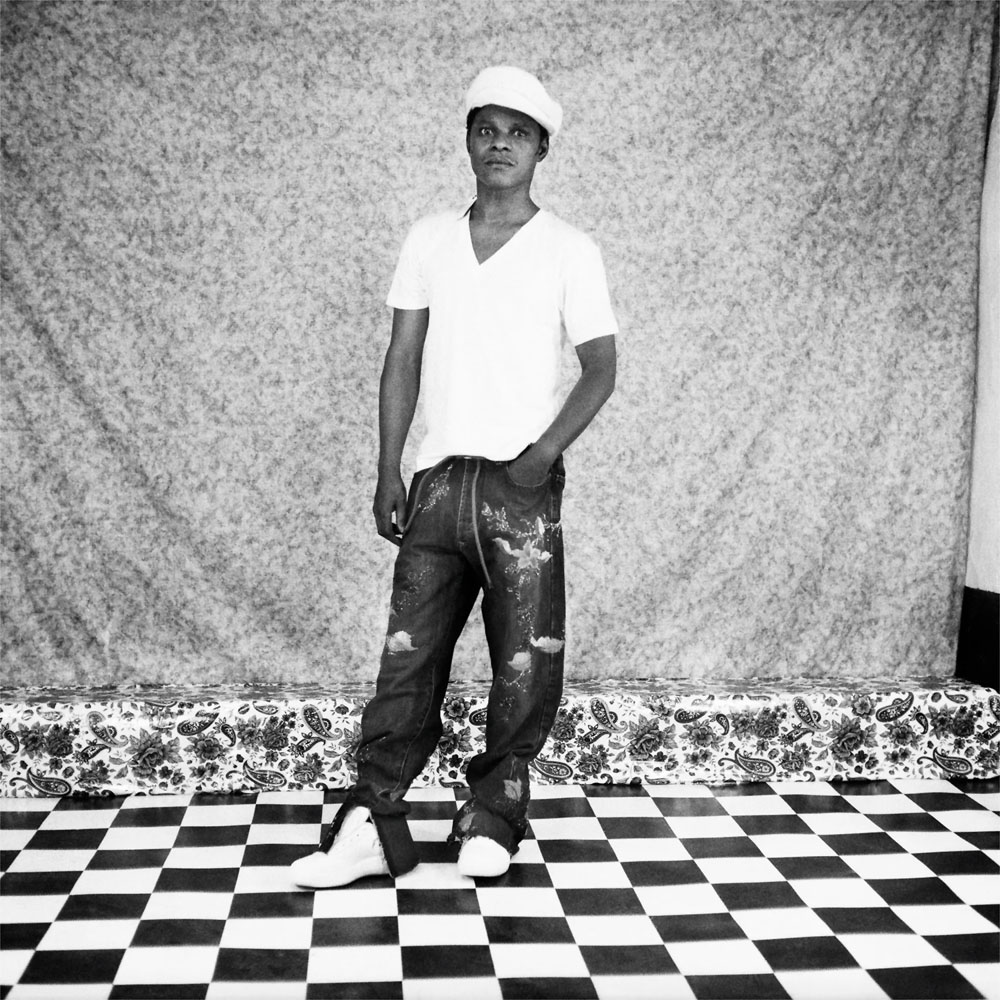
Samuel Fosso (Nigerian born Cameroon, b. 1962) 'Self-portrait' 1999


Samuel Fosso (Nigerian born Cameroon, b. 1962)
Self-portrait
1999
From the series Fosso Fashion, 1999
© Samuel Fosso courtesy Jean-Marc Patras / Paris
 

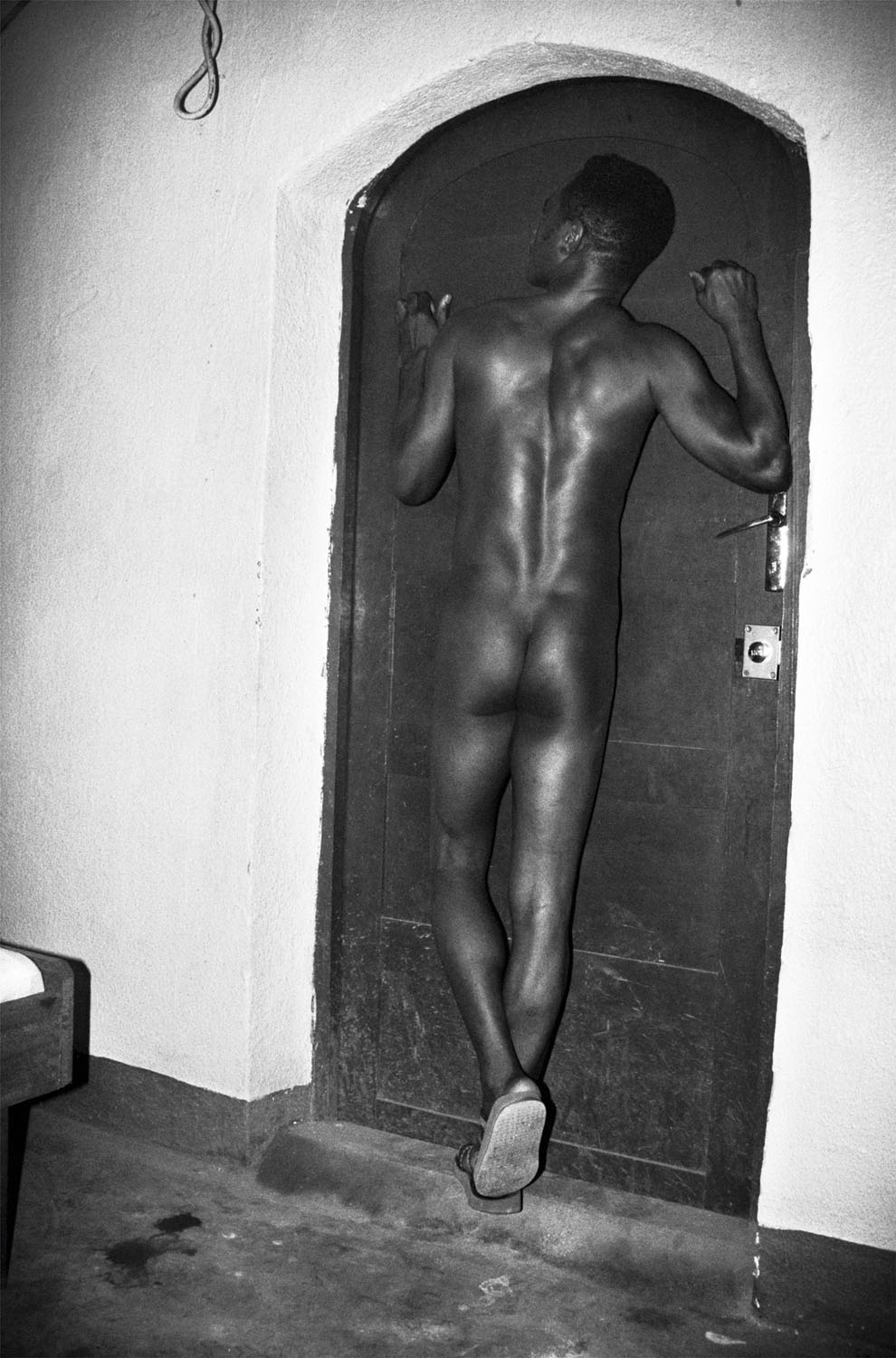
Samuel Fosso (Nigerian born Cameroon, b. 1962) 'Self-portrait' 1999


Samuel Fosso (Nigerian born Cameroon, b. 1962)
Self-portrait
1999
From the series Fosso Fashion, 1999
© Samuel Fosso courtesy Jean-Marc Patras / Paris
 

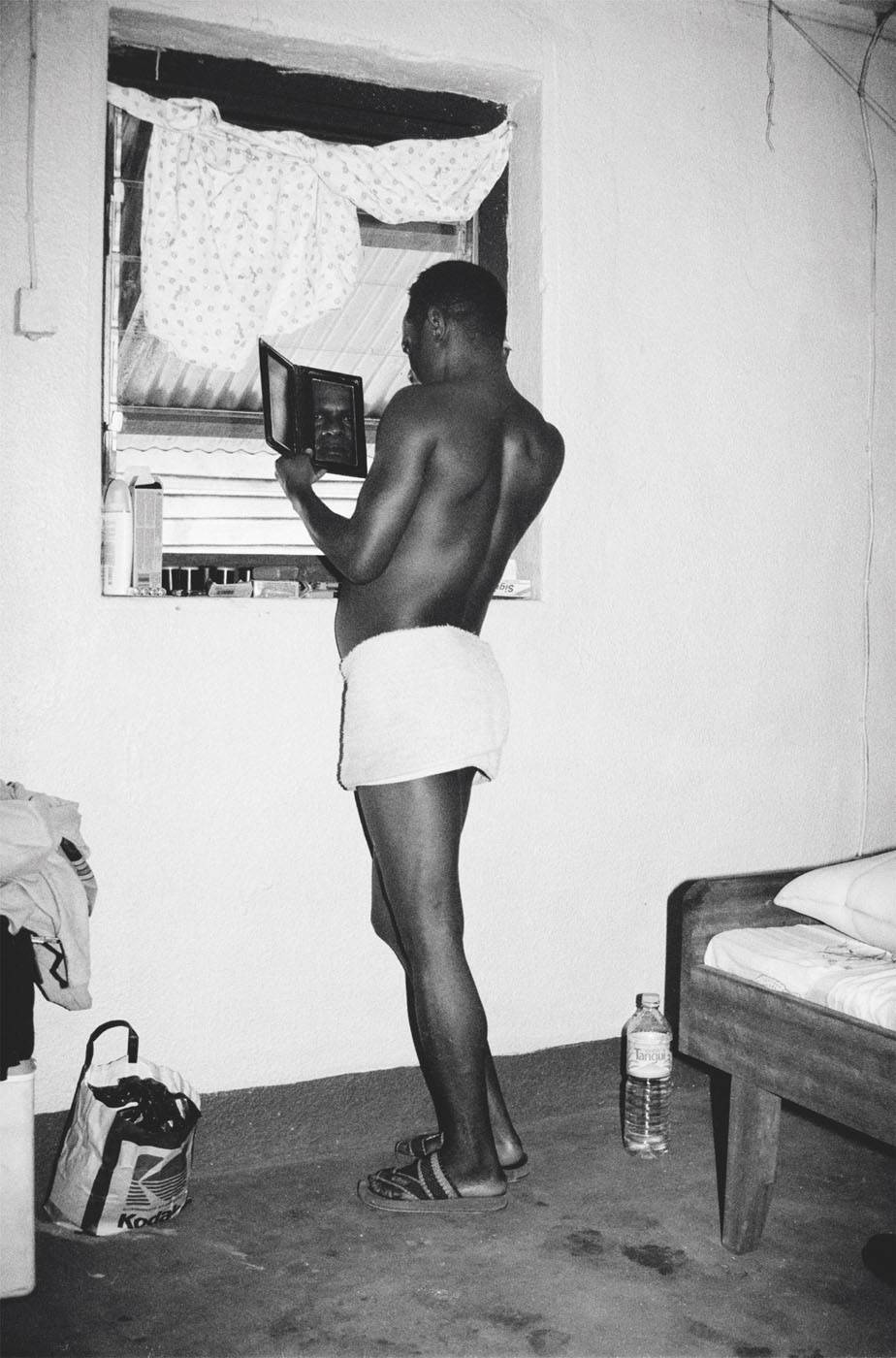
Samuel Fosso (Nigerian born Cameroon, b. 1962) 'Mémoire d'un ami' 2000


Samuel Fosso (Nigerian born Cameroon, b. 1962)
Mémoire d’un ami (Memory of a friend)
2000
Gelatin silver print
© Samuel Fosso, courtesy of Jean Marc Patras, Paris
 

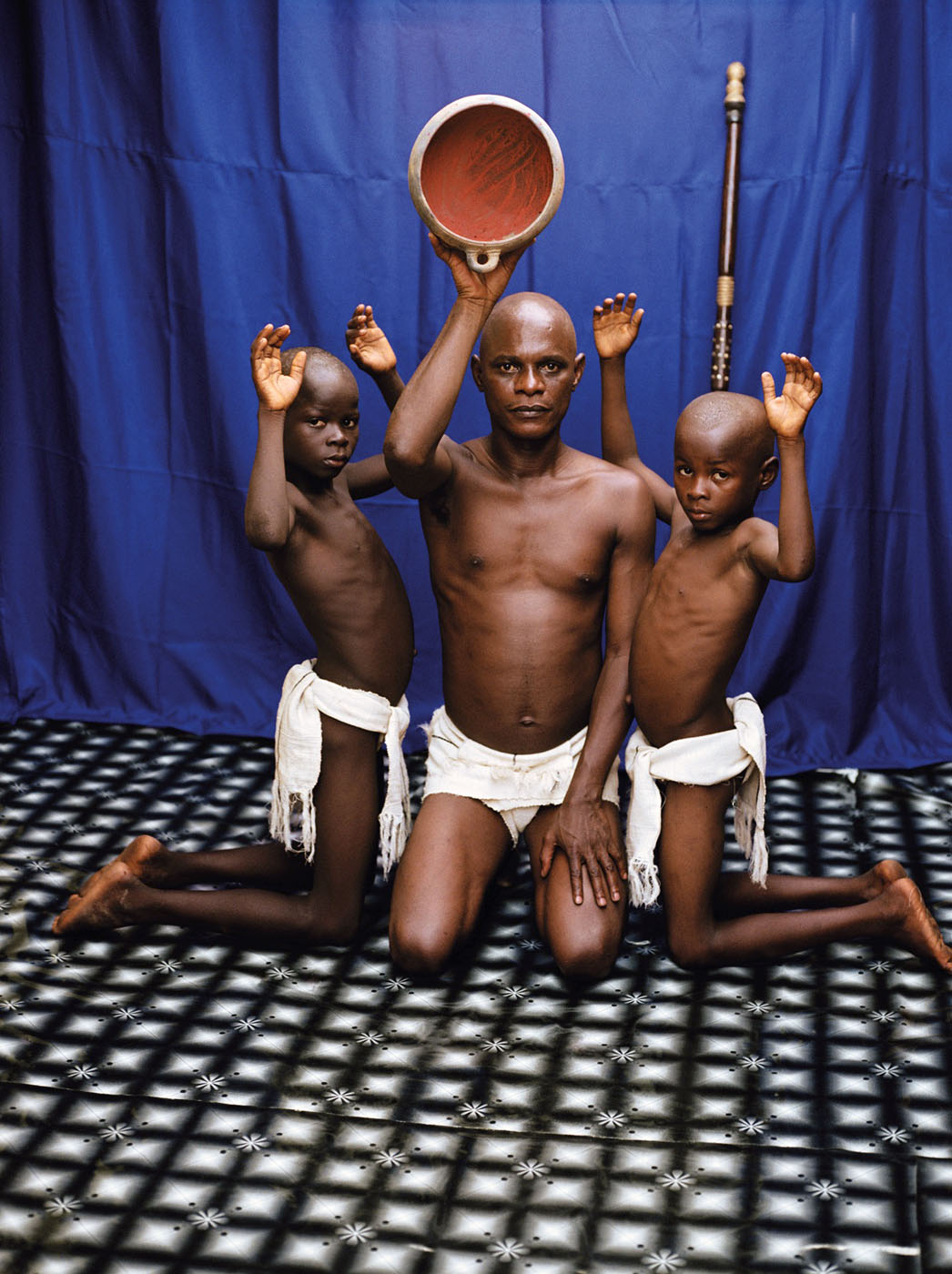
Samuel Fosso (Nigerian born Cameroon, b. 1962) 'Mémoire d'un ami' 2000


Samuel Fosso (Nigerian born Cameroon, b. 1962)
Mémoire d’un ami
2000
Gelatin silver print
© Samuel Fosso, courtesy of Jean Marc Patras, Paris
 

Samuel Fosso (Nigerian born Cameroon, b. 1962) 'Le rêve de mon grand-père' 2003


Samuel Fosso (Nigerian born Cameroon, b. 1962)
Le rêve de mon grand-père (My grandfather’s dream)
2003
Chromogenic print
© Samuel Fosso, courtesy of Jean Marc Patras, Paris
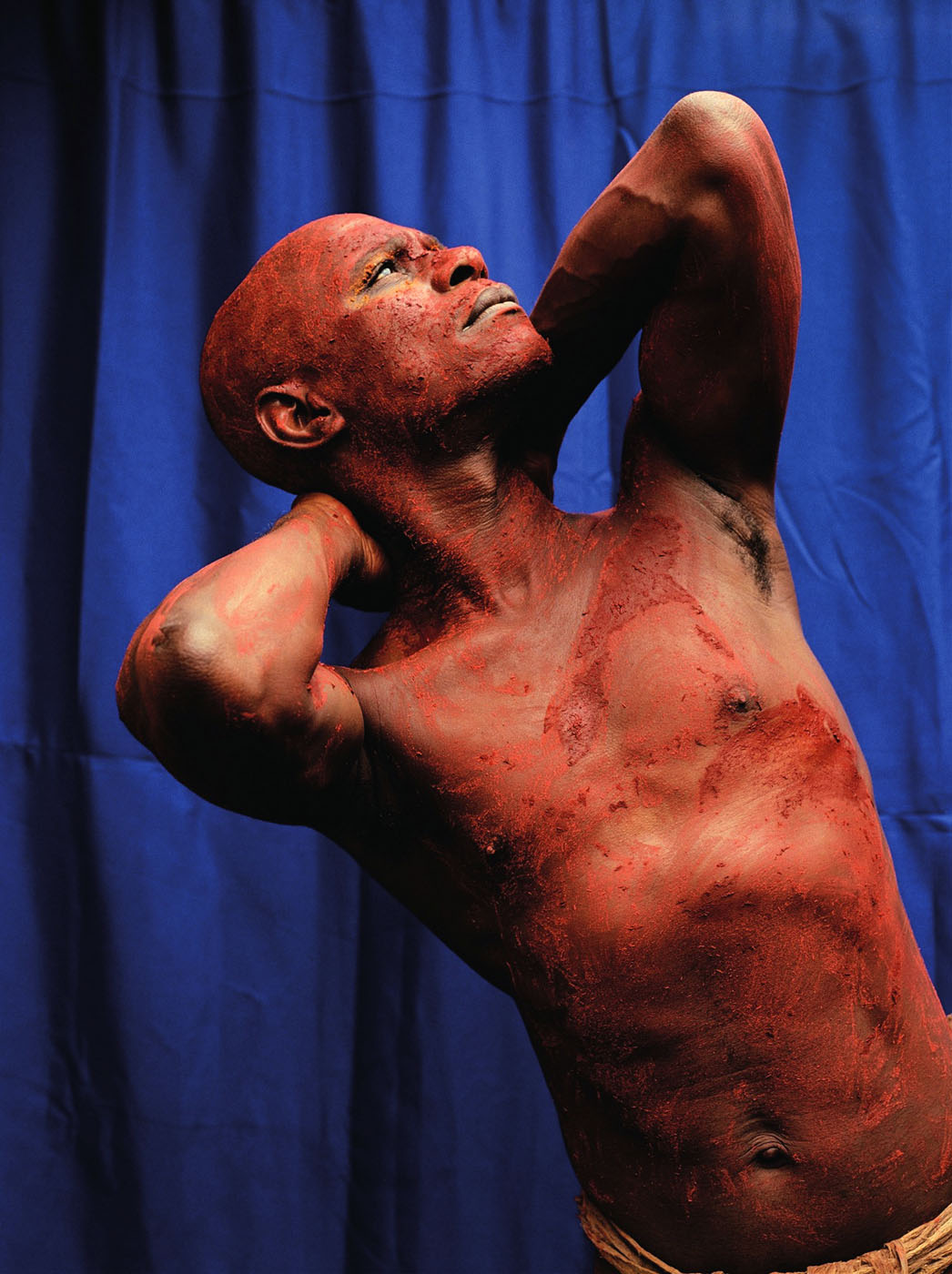
 

Samuel Fosso (Nigerian born Cameroon, b. 1962) 'Le rêve de mon grand-père' 2003


Samuel Fosso (Nigerian born Cameroon, b. 1962)
Le rêve de mon grand-père (My grandfather’s dream)
2003
Chromogenic print
© Samuel Fosso, courtesy of Jean Marc Patras, Paris
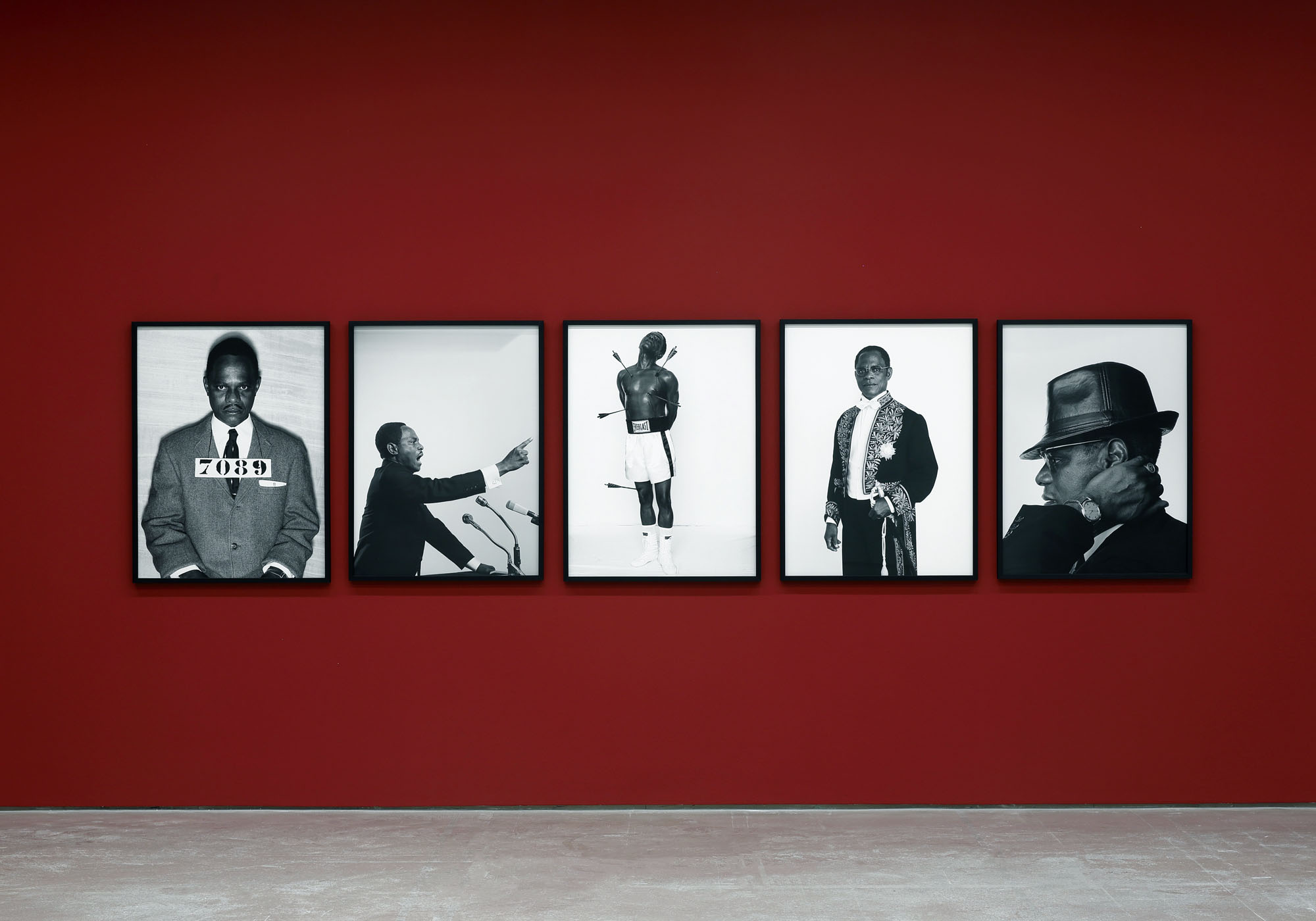
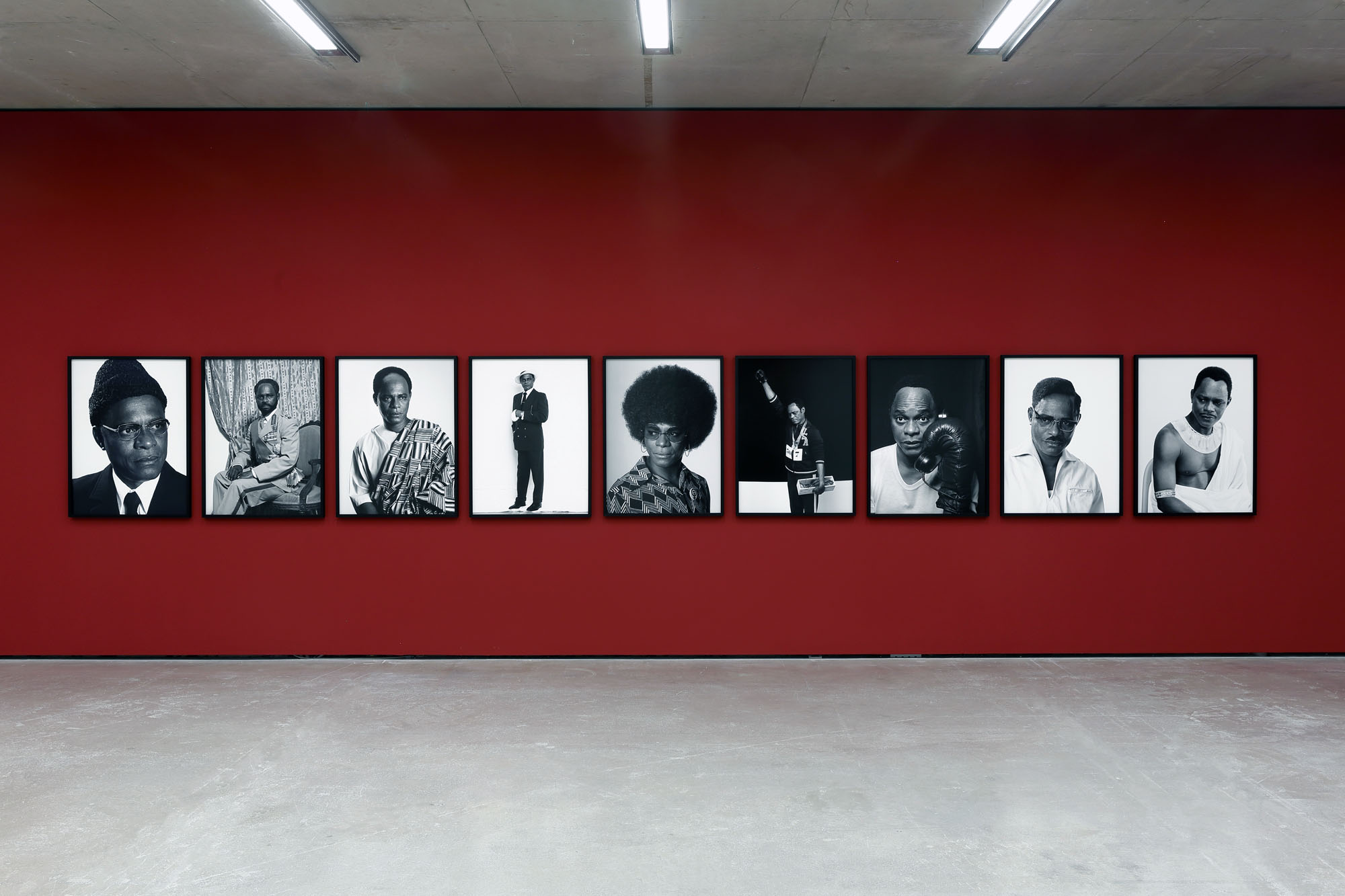
 

Installation view of the exhibition 'Samuel Fosso' at the Museum der Moderne Salzburg showing photographs from the series 'African Spirits'

Installation view of the exhibition 'Samuel Fosso' at the Museum der Moderne Salzburg showing photographs from the series 'African Spirits'


Installation views of the exhibition Samuel Fosso at the Museum der Moderne Salzburg showing photographs from the series African Spirits
Photo: Rainer Iglar
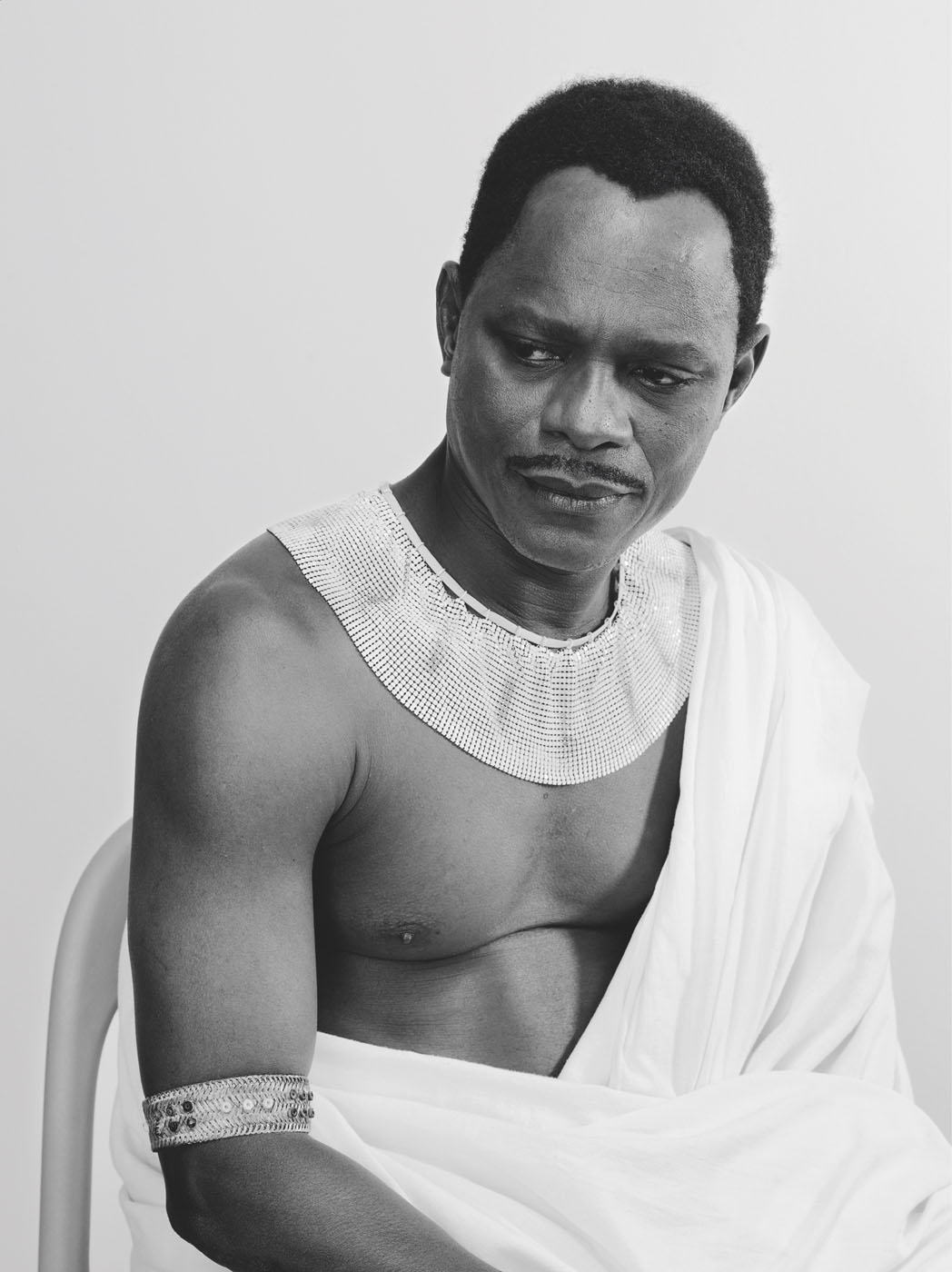
 

Samuel Fosso (Nigerian born Cameroon, b. 1962) 'African Spirits (Nelson Mandela)' 2008


Samuel Fosso (Nigerian born Cameroon, b. 1962)
African Spirits (Nelson Mandela)
2008
Gelatin silver print
© Samuel Fosso, courtesy of Jean Marc Patras, Paris


Samuel Fosso (Nigerian born Cameroon, b. 1962) 'African Spirits (Angela Davis)' 2008


Samuel Fosso (Nigerian born Cameroon, b. 1962)
African Spirits (Angela Davis)
2008
Gelatin silver print
© Samuel Fosso, courtesy of Jean Marc Patras, Paris


Samuel Fosso (Nigerian born Cameroon, b. 1962) 'Self-Portrait (Malcolm X)' 2008


Samuel Fosso (Nigerian born Cameroon, b. 1962)
African Spirits (Malcolm X)
2008
Gelatin silver print
© Samuel Fosso, courtesy of Jean Marc Patras, Paris


Samuel Fosso (Nigerian born Cameroon, b. 1962) 'Self-Portrait (Muhammad Ali)' 2008


Samuel Fosso (Nigerian born Cameroon, b. 1962)
African Spirits (Muhammad Ali)
2008
Gelatin silver print
© Samuel Fosso, courtesy of Jean Marc Patras, Paris
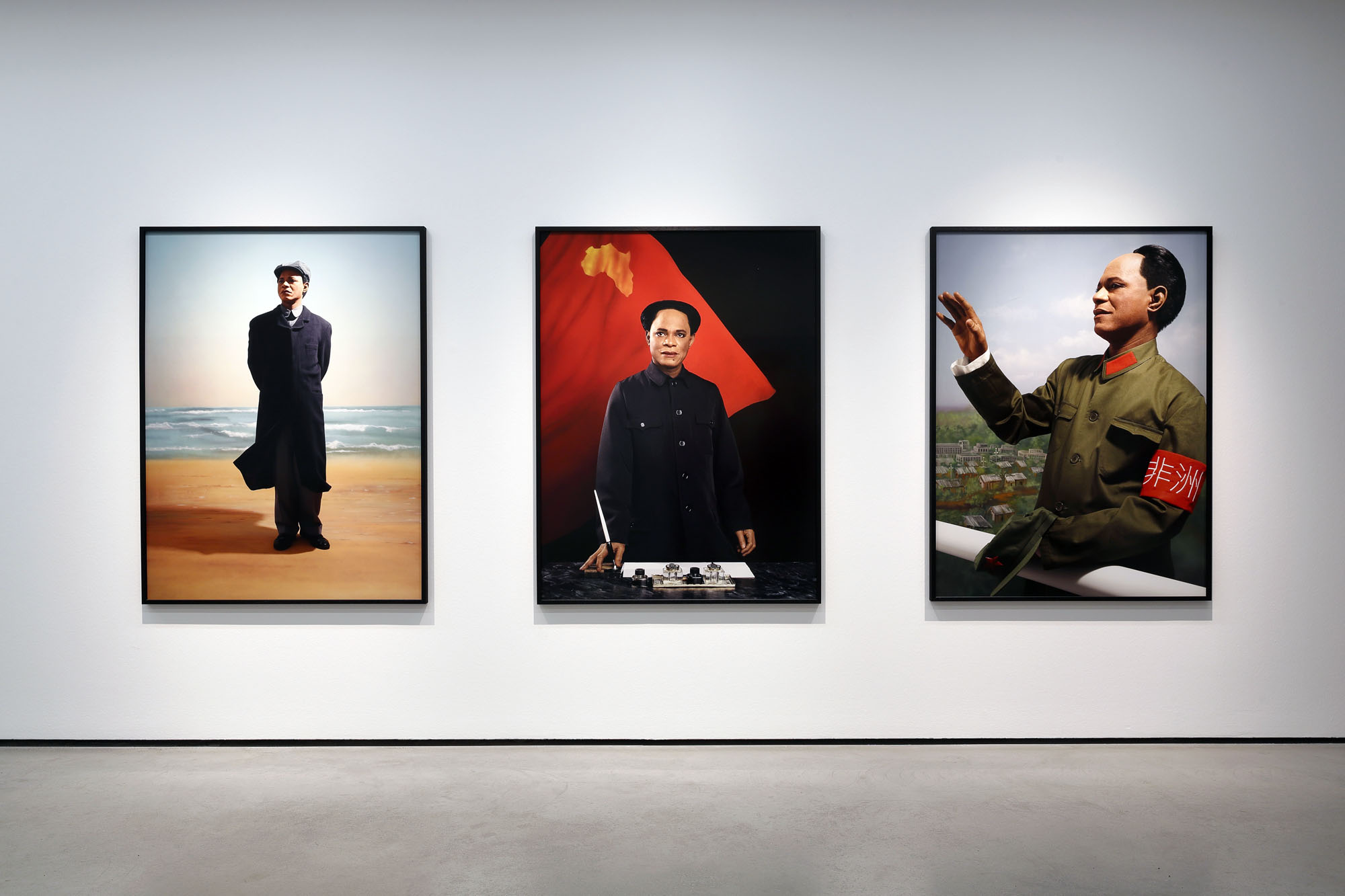
 

Installation view of the exhibition 'Samuel Fosso' at the Museum der Moderne Salzburg showing photographs from the series 'Emperor of Africa'


Installation view of the exhibition Samuel Fosso at the Museum der Moderne Salzburg showing photographs from the series Emperor of Africa
Photo: Rainer Iglar


Samuel Fosso (Nigerian born Cameroon, b. 1962) 'Emperor of Africa' 2013


Samuel Fosso (Nigerian born Cameroon, b. 1962)
Emperor of Africa
2013
From the series Emperor of Africa
Chromogenic print
© Samuel Fosso, courtesy of Jean Marc Patras, Paris
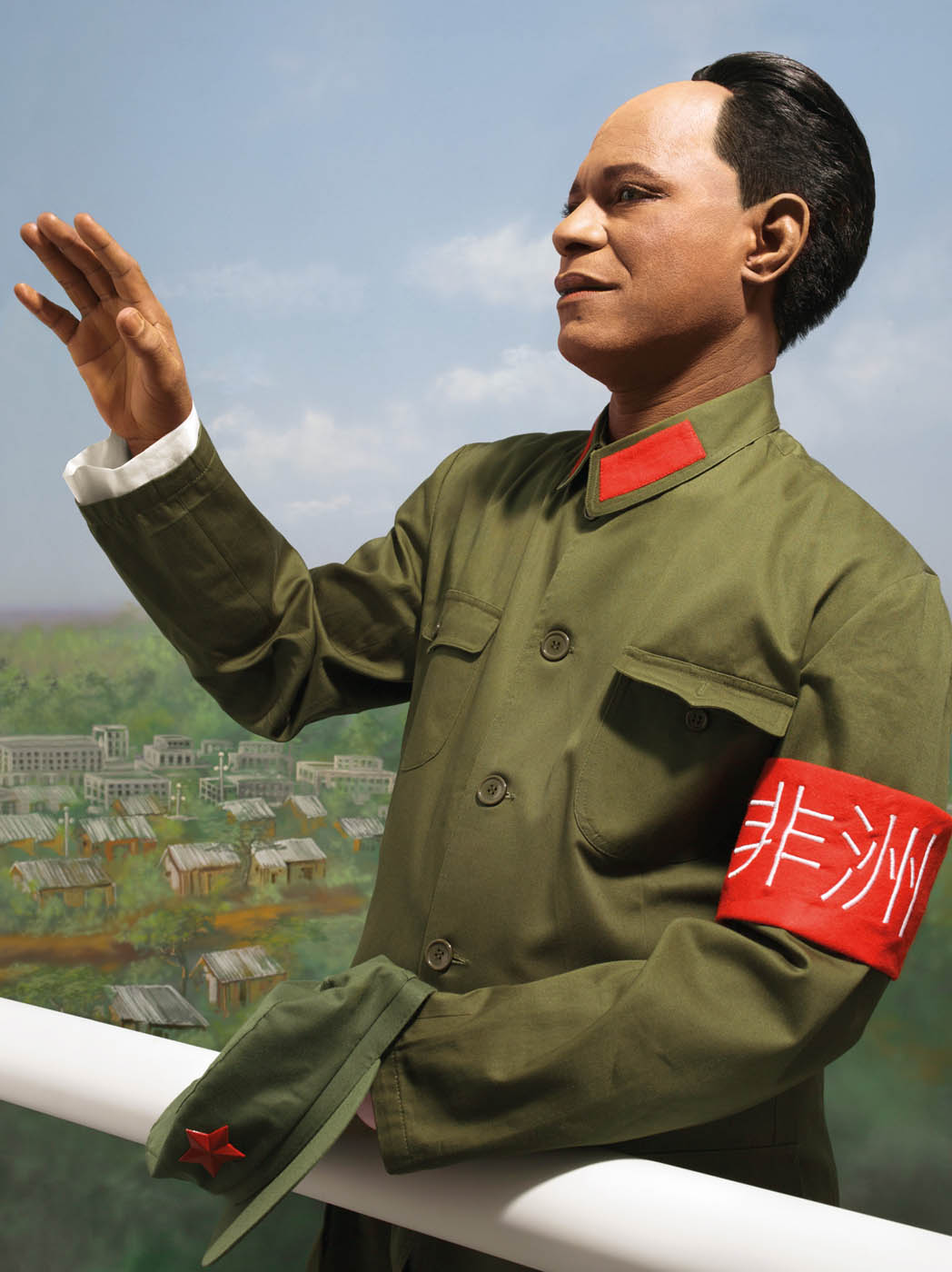
 

Samuel Fosso (Nigerian born Cameroon, b. 1962) 'Emperor of Africa' 2013


Samuel Fosso (Nigerian born Cameroon, b. 1962)
Emperor of Africa
2013
From the series Emperor of Africa
Chromogenic print
© Samuel Fosso, courtesy of Jean Marc Patras, Paris
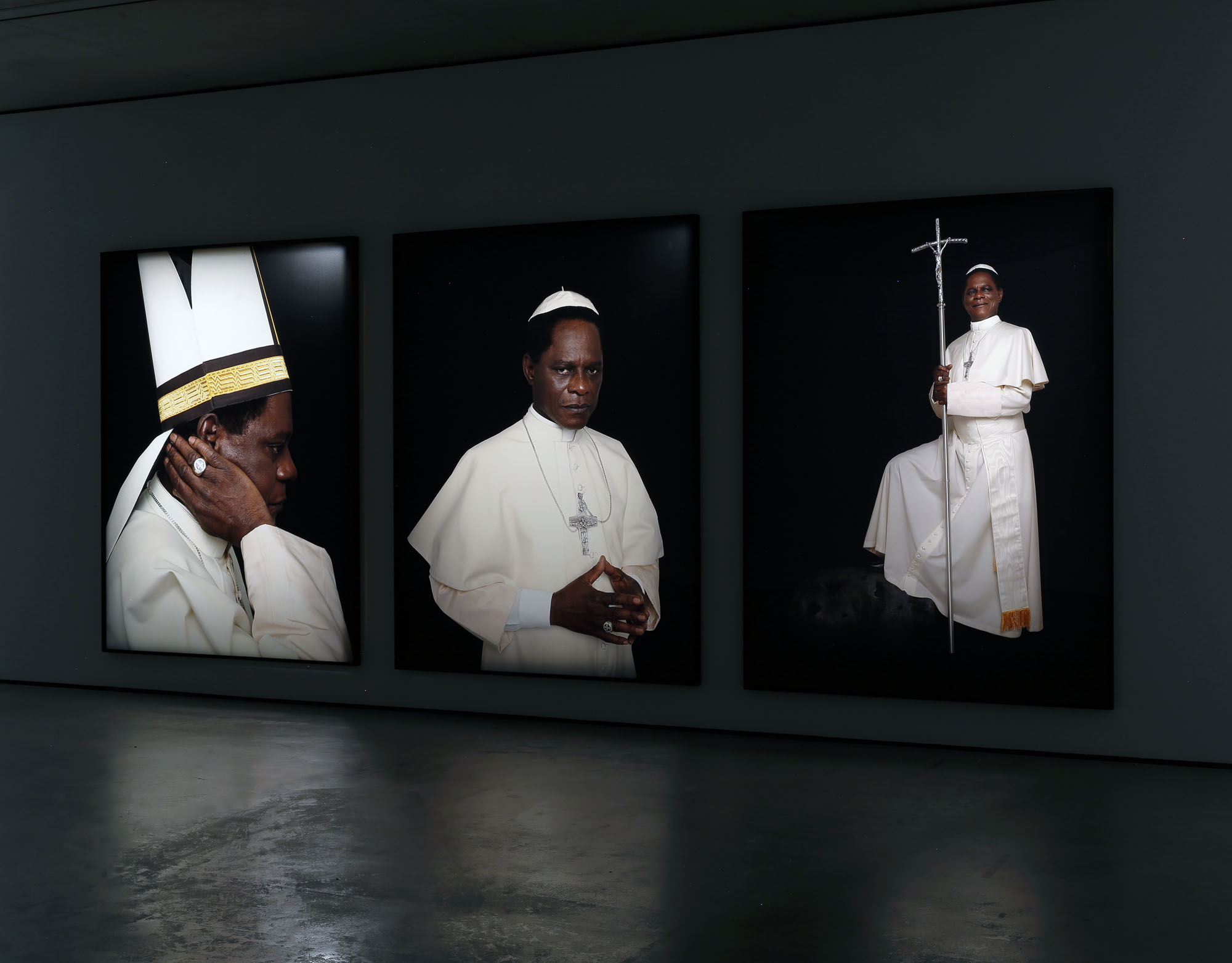
 

Installation view of the exhibition 'Samuel Fosso' at the Museum der Moderne Salzburg showing photographs from the series 'Black Pope'


Installation view of the exhibition Samuel Fosso at the Museum der Moderne Salzburg showing photographs from the series Black Pope
Photo: Rainer Iglar
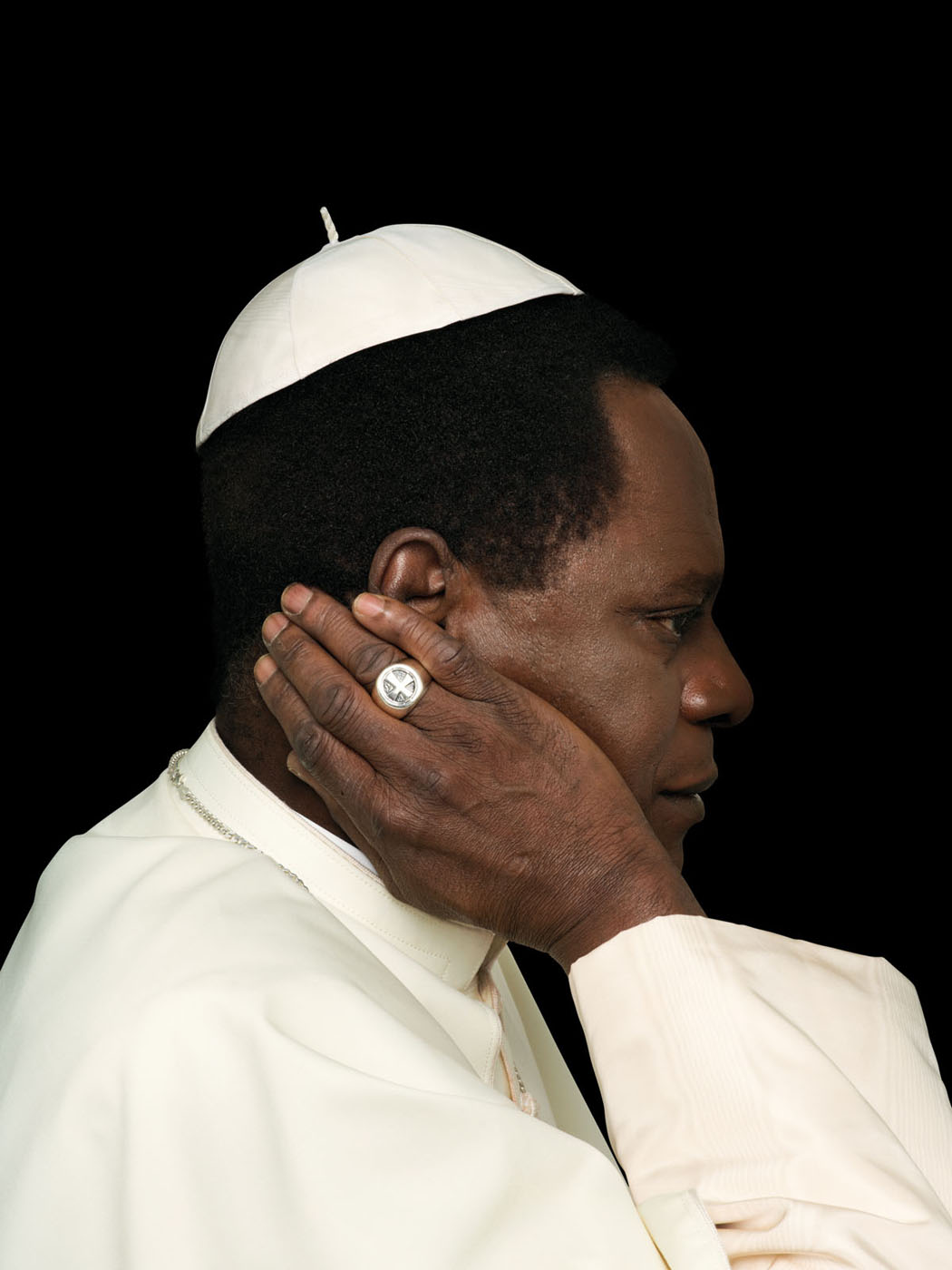
 

Samuel Fosso (Nigerian born Cameroon, b. 1962) 'Black Pope' 2017


Samuel Fosso (Nigerian born Cameroon, b. 1962)
Black Pope
2017
Chromogenic print
© Samuel Fosso, courtesy of Jean Marc Patras, Paris
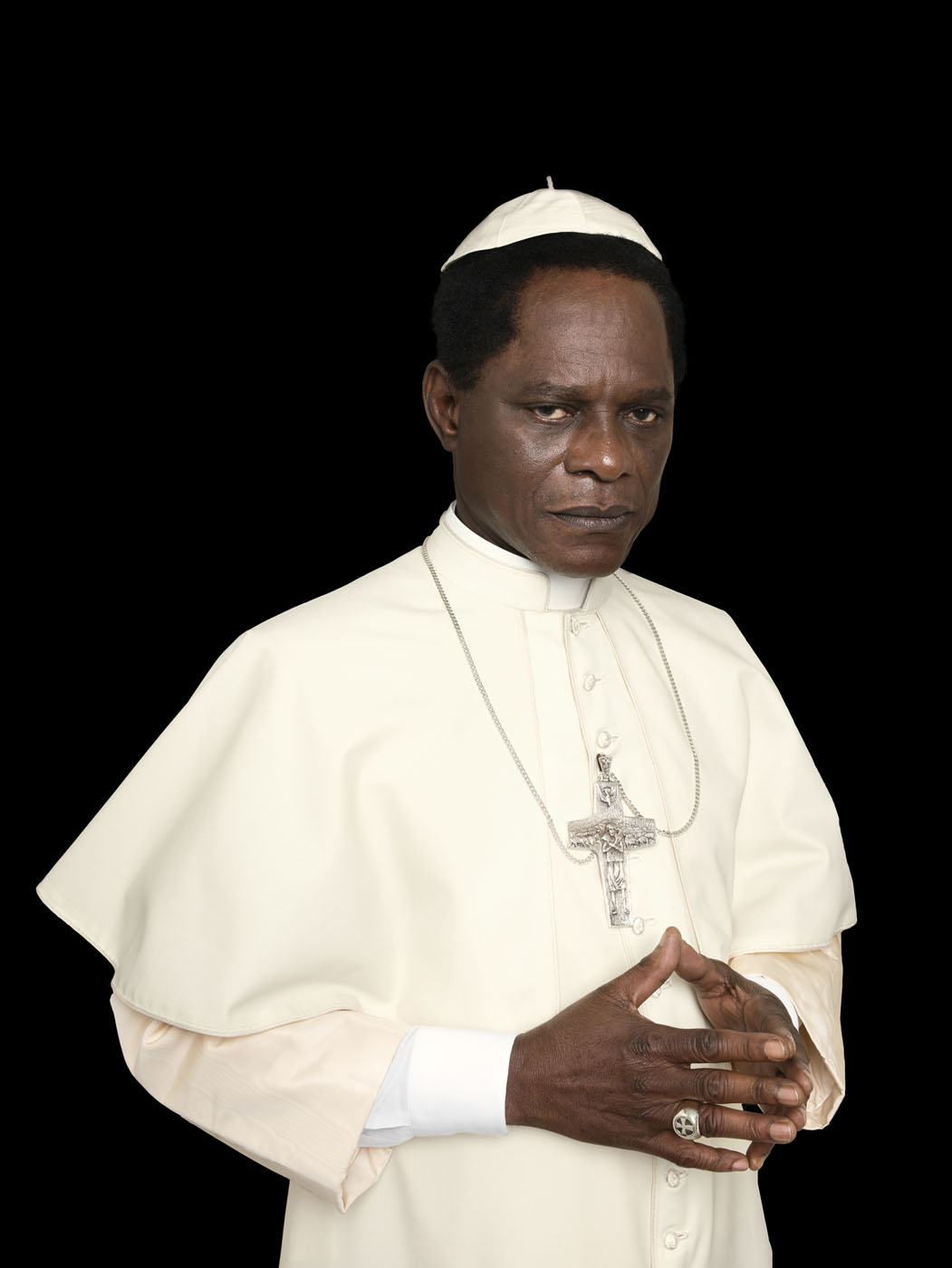
 

Samuel Fosso (Nigerian born Cameroon, b. 1962) 'Black Pope' 2017


Samuel Fosso (Nigerian born Cameroon, b. 1962)
Black Pope
2017
Chromogenic print
© Samuel Fosso, courtesy of Jean Marc Patras, Paris


Museum der Moderne Salzburg
Mönchsberg 32
5020 Salzburg, Austria
Phone: +43 662 842220

Opening hours:
Tuesday – Sunday: 10am – 6pm
Wednesday: 10am – 8pm
Monday: closed

Museum der Moderne Salzburg website

LIKE ART BLART ON FACEBOOK

Back to top

Exhibition: ‘Distance and Desire: Encounters with the African Archive Part II’ at The Walther Collection, Neu-Ulm, Germany

Exhibition dates: 9th June 9 2013 – 17th May 2015


Sammy Baloji (Congolese, b. 1978) 'Untitled 7' 2006


Sammy Baloji (Congolese, b. 1978)
Untitled 7
2006
From Mémoires


This is the last in my trilogy of postings on exhibitions titled Distance and Desire which have featured African art from The Walther Collection, this time focusing on contemporary art.

It is quite instructive to compare this posting with the last, the exhibition My Country, I Still Call Australia Home: Contemporary Art from Black Australia at The Gallery of Modern Art (GOMA), Brisbane. I feel (a critical word) that there is a completely different atmosphere to most of this contemporary art when compared to the Australian iteration. Despite both groups surviving horrendous experiences and the ongoing memories of those acts, there seems to be a lightness of spirit to most of the contemporary African art, a delightful irony, a self deprecating humour, a less backward looking sadness than evidenced in the Australian work.

Of course there are intense moments when contemporary artists mine (and that is an appropriate word, for many Africans worked in servitude in the mines during the Apartheid period) the colonial archive, such as Carrie Mae Weems blood red tondos, You Became a Scientific Profile / An Anthropological Debate / A Negroid Type / A Photographic Subject (1995-1996, below) but what is more in evidence here is a dramatic sense of fashion and the performative and playful manner in which contemporary African identities are explored coupled with a strength in the representation of these identities. These are strong, forthright individuals not hidden off camera or dressed up in European dreamings imagin(in)g utopian “what ifs”; not the obvious crosses on black chests or deleted, delineated faces made of gum blossoms – but vital, alive, present human beings. While both groups of artists use traditional symbology to explore issues of identity and representation, the Australian version often seems dragged down by the portrayed dichotomy between past and present, traditional and contemporary / subversive, as though there must always be a reckoning, a longing, a sadness constantly reiterated in / with the past.

Dr Marcus Bunyan


Many thankx to The Walther Collection for allowing me to publish the photographs in the posting. Please click on the photographs for a larger version of the image. All images Courtesy of The Walther Collection.


Part II: Contemporary Reconfigurations


Pieter Hugo (South African, b. 1976) 'Nandipha Mntambo, Cape Town' 2012


Pieter Hugo (South African, b. 1976)
Nandipha Mntambo, Cape Town
2012
From There’s a Place in Hell for Me and My Friends


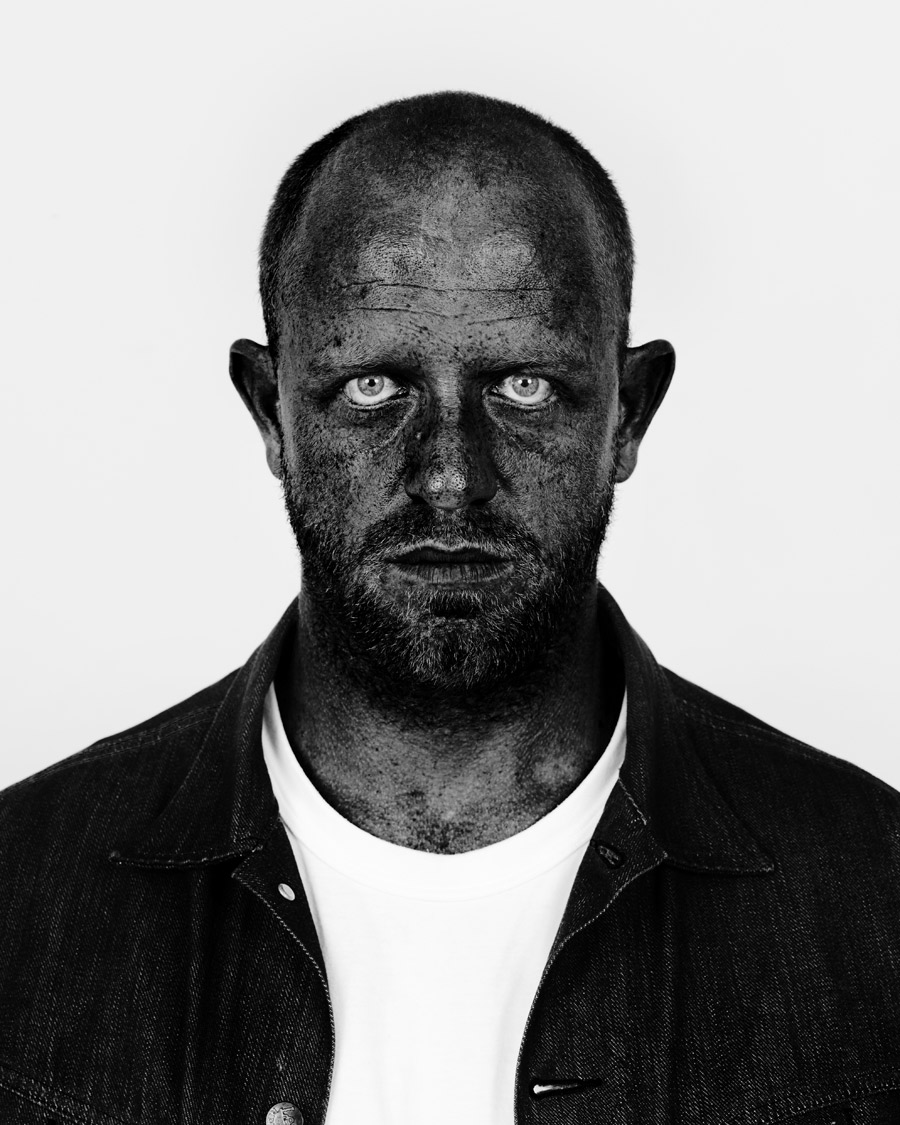
Pieter Hugo’s There’s a Place in Hell for Me and My Friends is a series of close-up portraits of the artist and his friends, all of whom call South Africa home. Through a digital process of converting colour images to black and white while manipulating the colour channels, Hugo emphasises the pigment (melanin) in his sitters’ skins so they appear heavily marked by blemishes and sun damage. The resulting portraits are the antithesis of the airbrushed images that determine the canons of beauty in popular culture, and expose the contradictions of racial distinctions based on skin colour. As the critic Aaron Schuman writes, “although at first glance we may look ‘black’ or ‘white’, the components that remain ‘active’ beneath the surface consist of a much broader spectrum. What superficially appears to divide us is in fact something that we all share, and like these photographs, we are not merely black and white – we are red, yellow, brown, and so on; we are all, in fact, coloured.

Text from the Stevenson Gallery website [Online] Cited 01/10/2013 no longer available online


Sabelo Mlangeni (South African, b. 1980) 'Outside King Mswati's palace' 2011


Sabelo Mlangeni (South African, b. 1980)
Outside King Mswati’s palace
2011
From Iimbali


Sabelo Mlangeni (South African, b. 1980) 'Imbali' 2011


Sabelo Mlangeni (South African, b. 1980)
Imbali
2011
From Iimbali


David Goldblatt (South African, 1930-2018) 'Mineworkers in their hostel, Western Deep Levels, Carletonville' 1970


David Goldblatt (South African, 1930-2018)
Mineworkers in their hostel, Western Deep Levels, Carletonville
1970


Pieter Hugo (South African, b. 1976) 'Yasser Booley, Cape Town' 2011


Pieter Hugo (South African, b. 1976)
Yasser Booley, Cape Town
2011
From There’s a Place in Hell for Me and My Friends


Pieter Hugo (South African, b. 1976) 'Pieter Hugo, Cape Town' 2011


Pieter Hugo (South African, b. 1976)
Pieter Hugo, Cape Town
2011
From There’s a Place in Hell for Me and My Friends


Pieter Hugo (South African, b. 1976) 'Themba Tshabalala, Cape Town' 2011


Pieter Hugo (South African, b. 1976)
Themba Tshabalala, Cape Town
2011
From There’s a Place in Hell for Me and My Friends


Guy Tillim (South African, b. 1962) 'Mai Mai militia in training near Beni, eastern DRC, for immediate deployment with the APC (Armée Populaire du Congo), the army of the RCD-KIS-ML - Portraits I and II' December 2002

Guy Tillim (South African, b. 1962) 'Mai Mai militia in training near Beni, eastern DRC, for immediate deployment with the APC (Armée Populaire du Congo), the army of the RCD-KIS-ML - Portraits I and II' December 2002


Guy Tillim (South African, b. 1962)
Mai Mai militia in training near Beni, eastern DRC, for immediate deployment with the APC (Armée Populaire du Congo), the army of the RCD-KIS-ML – Portraits I and II
December 2002


Sabelo Mlangeni (South African, b. 1980) 'Lwazi Mtshali, "Bigboy"' 2009


Sabelo Mlangeni (South African, b. 1980)
Lwazi Mtshali, “Bigboy”
2009
From Country Girls


Sabelo Mlangeni (South African, b. 1980) 'Xolani Ngayi, eStanela' 2009


Sabelo Mlangeni (South African, b. 1980)
Xolani Ngayi, eStanela
2009
From Country Girls


Zanele Muholi (South African, b. 1972) 'Amogelang Senokwane, District Six, Cape Town' 2009


Zanele Muholi (South African, b. 1972)
Amogelang Senokwane, District Six, Cape Town
2009
From Faces and Phases


Zanele Muholi (South African, b. 1972) 'Sishipo Ndzuzo, Embekweni, Paarl' 2009


Zanele Muholi (South African, b. 1972)
Sishipo Ndzuzo, Embekweni, Paarl
2009
From Faces and Phases


The Walther Collection is pleased to announce Part II of Distance and Desire: Encounters with the African Archive, a three-part exhibition series curated by Tamar Garb. “Contemporary Reconfigurations” offers new perspectives on the African photographic archive, reimagining its diverse histories and changing meanings. The exhibition centres on photography and video by African and African American artists who engage critically with the archive through parody, appropriation, and reenactment.

Carrie Mae Weems introduces the themes of “Contemporary Reconfigurations” with her powerful series From Here I Saw What Happened And I Cried, a revision of nineteenth and twentieth-century anthropometric photographs of African Americans, overlaid with texts by the artist. Sammy Baloji, Candice Breitz, Zwelethu Mthethwa, and Zanele Muholi rethink the ethnographic archive in large-scale colour prints, while Samuel Fosso and Philip Kwame Apagya create exuberant studio portraiture.

Sabelo Mlangeni’s black and white photo-essay, Imbali, documents the reed dances of KwaZulu-Natal, showing the display of virgins vying to be chosen as brides. Pieter Hugo’s series There’s a Place in Hell for Me and My Friends examines ethnicity and skin tonalities through anthropological mug shots. Working in video, Berni Searle performs as a statuesque deity engaged in domestic labor in “Snow White,” and Andrew Putter gives an indigenous voice to the effigy of Marie van Riebeeck, wife of the first Dutch settler in the area known today as Cape Town, in “Secretly I Will Love You More.”

For this group of artists, a stereotype or ethnographic vision in one era may provide material for quotation, irreverent reworking, or satirical performance in another. Illustrating how the African archive – broadly understood as an accumulation of representations, images, and objects – figures in selected contemporary lens-based practices, the exhibition stages a dialogue between the distance of the past and the desiring gaze of the present.

Press release from The Walther Collection website


Zwelethu Mthethwa (South African, b. 1960) 'Untitled' 2010


Zwelethu Mthethwa (South African, b. 1960)
Untitled
2010
From The Brave Ones
Courtesy of Jack Shainman Gallery, New York


Samuel Fosso (Cameroonian, b. 1962) 'La femme américaine libérée des années 70' 1997


Samuel Fosso (Cameroonian, b. 1962)
La femme américaine libérée des années 70
1997


Samuel Fosso (Cameroonian, b. 1962) 'Le Chef qui a vendu l'Afrique aux colons' 1997


Samuel Fosso (Cameroonian, b. 1962)
Le Chef qui a vendu l’Afrique aux colons
1997


Zanele Muholi (South African, b. 1972) 'Miss D'vine I' 2007


Zanele Muholi (South African, b. 1972)
Miss D’vine I
2007


Zanele Muholi (South African, b. 1972) 'Miss D'vine II' 2007


Zanele Muholi (South African, b. 1972)
Miss D’vine II
2007


Candice Breitz (South African, b. 1972) 'Ghost Series #9' 1994-1996


Candice Breitz (South African, b. 1972)
Ghost Series #9
1994-1996


Candice Breitz (South African, b. 1972) 'Ghost Series #4' 1994-1996


Candice Breitz (South African, b. 1972)
Ghost Series #4
1994-1996


Carrie Mae Weems (American, b. 1953) 'You Became a Scientific Profile / An Anthropological Debate / A Negroid Type / A Photographic Subject' 1995-1996


Carrie Mae Weems (American, b. 1953)
You Became a Scientific Profile / An Anthropological Debate / A Negroid Type / A Photographic Subject
1995-1996
From From Here I Saw What Happened and I Cried
Courtesy of Jack Shainman Gallery, New York


Andrew Putter (South African, b. 1965) 'Secretly I Will Love You More' 2007 (video still)


Andrew Putter (South African, b. 1965)
Secretly I Will Love You More (video still)
2007
Courtesy of the artist and Stevenson, Cape Town and Johannesburg


Sue Williamson (South African, b. 1941) 'Helen Joseph' 1983


Sue Williamson (South African, b. 1941)
Helen Joseph
1983
from A Few South Africans


Helen Beatrice Joseph (née Fennell) (8 April 1905 – 25 December 1992) was a South African anti-apartheid activist.

Helen Joseph was born in Eastbourne near Midhurst West Sussex, England and graduated from King’s College London, in 1927. After working as a teacher in India for three years, Helen came to South Africa in 1931, where she met and married a dentist, Billie Joseph. In 1951 Helen took a job with the Garment Workers Union, led by Solly Sachs. She was a founder member of the Congress of Democrats, and one of the leaders who read out clauses of the Freedom Charter at the Congress of the People in Kliptown in 1955. Appalled by the plight of black women, she was pivotal in the formation of the Federation of South African Women and with the organisation’s leadership, spearheaded a march of 20,000 women to the Union Buildings in Pretoria to protest against pass laws on August 9, 1956. This day is still celebrated as South Africa’s Women’s Day.

She was a defendant at the 1956 Treason Trial. She was arrested on a charge of high treason in December 1956, then banned in 1957. The treason trial dragged on for four years but she was acquitted in 1961. In spite of her acquittal, in 13 October 1962, Helen became the first person to be placed under house arrest under the Sabotage Act that had just been introduced by the apartheid government. She narrowly escaped death more than once, surviving bullets shot through her bedroom and a bomb wired to her front gate. Her last banning order was lifted when she was 80 years old. Helen had no children of her own, but frequently stood in loco parentis for the children of comrades in prison or in exile. Among the children who spent time in her care were Winnie and Nelson Mandela’s daughters Zinzi and Zenani and Bram Fischer’s daughter Ilsa. Helen Joseph died on the 25 December 1992 at the age of 87.

Text from Wikipedia website


Sue Williamson (South African, b. 1941) 'Miriam Makeba' 1987


Sue Williamson (South African, b. 1941)
Miriam Makeba
1987
From A Few South Africans


Miriam Makeba (4 March 1932 – 9 November 2008), nicknamed Mama Africa, was a Grammy Award-winning South African singer and civil rights activist.

In the 1960s, she was the first artist from Africa to popularise African music around the world. She is best known for the song “Pata Pata”, first recorded in 1957 and released in the U.S. in 1967. She recorded and toured with many popular artists, such as Harry Belafonte, Paul Simon, and her former husband Hugh Masekela. Makeba campaigned against the South African system of apartheid. The South African government responded by revoking her passport in 1960 and her citizenship and right of return in 1963. As the apartheid system crumbled she returned home for the first time in 1990. Makeba died of a heart attack on 9 November 2008 after performing in a concert in Italy organised to support writer Roberto Saviano in his stand against the Camorra, a mafia-like organisation local to the region of Campania.

Text from Wikipedia website


Kudzanai Chiurai (Zimbabwean, b. 1981) 'The Black President' 2009


Kudzanai Chiurai (Zimbabwean, b. 1981)
The Black President
2009


Zanele Muholi (South African, b. 1972) 'Ms Le Sishi I, Glebelands, Durban' January 2010


Zanele Muholi (South African, b. 1972)
Ms Le Sishi I, Glebelands, Durban
January 2010
From Beulahs (Beauties)


Zanele Muholi (South African, b. 1972) 'Martin Machapa' 2006


Zanele Muholi (South African, b. 1972)
Martin Machapa
2006
From Beulahs (Beauties)


Philip Kwame Apagya (Ghanaian, b. 1958) 'Come on Board' 2000


Philip Kwame Apagya (Ghanaian, b. 1958)
Come on Board
2000


Philip Kwame Apagya (Ghanaian, b. 1958) 'After the Funeral' 1998


Philip Kwame Apagya (Ghanaian, b. 1958)
After the Funeral
1998


The Walther Collection
Reichenauer Strasse 21
89233 Neu-Ulm, Germany

Opening hours:
Thurs – Sunday by appointment and with guided tour only
Public tours Saturday and Sunday at 3pm by appointment only

The Walther Collection website

LIKE ART BLART ON FACEBOOK

Back to top