
Exhibition dates: 13th March – 10th June, 2025
Curator: Stacey Lambrow

Lai Fong (Chinese, c. 1838 or 1839-1890) (Lai Afong / Afong Studio)
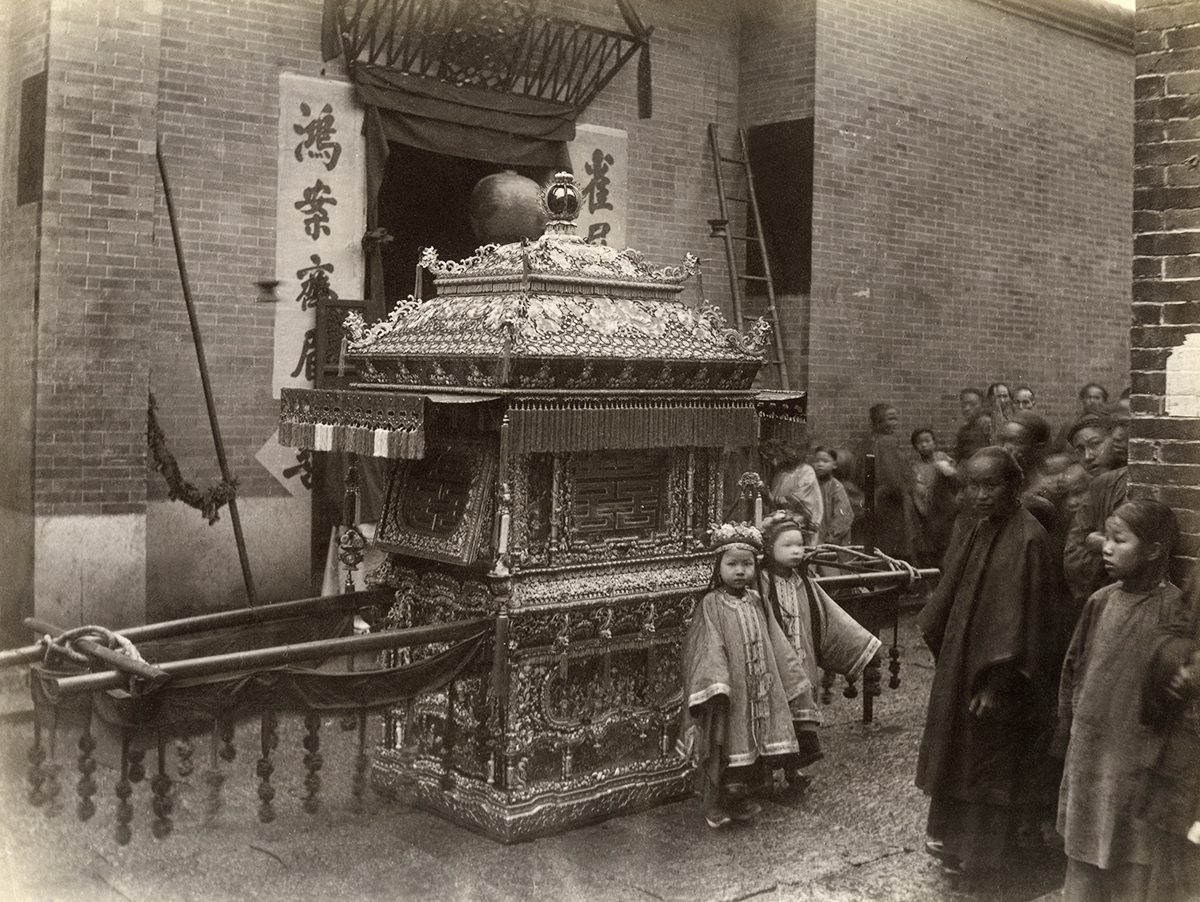
Interior of a Flower Boat
c. 1870
Albumen silver print
A Monday posting!
It is a privilege to be able to publish these beautiful photographs together with installation photographs of the exhibition.
The synthesis of light, perspective and feeling for subject matter is superb. Just look at John Thomson’s River Reeds (c. 1870, below) or Lai Fong’s View in Garden (c. 1870, below), both are which are virtuoso examples of the art of early photography.
The older I get the more attuned I become to these early photographs, a moment in time captured forever in perfect tonality, synchronous to the opening guitar solo of the Adagio of Rodrigo’s Concierto de Aranjuez for guitar and orchestra.
Many thankx to the curator Stacey Lambrow for sending me the media images and installation photographs, the latter allowing us to understand the structure and layout of the exhibition. It is very much appreciated.
Dr Marcus Bunyan
Many thankx to the Loewentheil Photography of China Collection for allowing me to publish the photographs in the posting. Please click on the photographs for a larger version of the image.

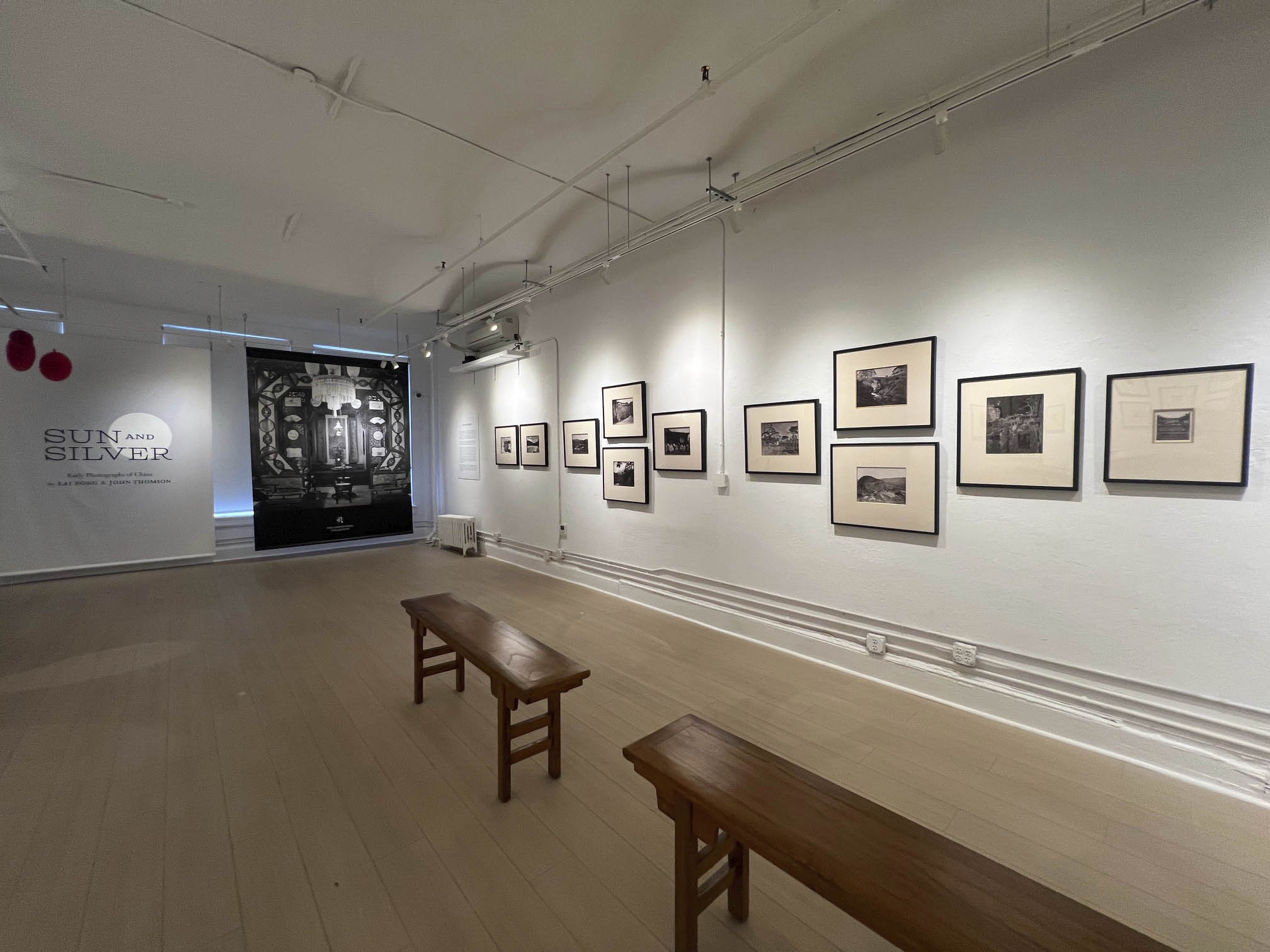
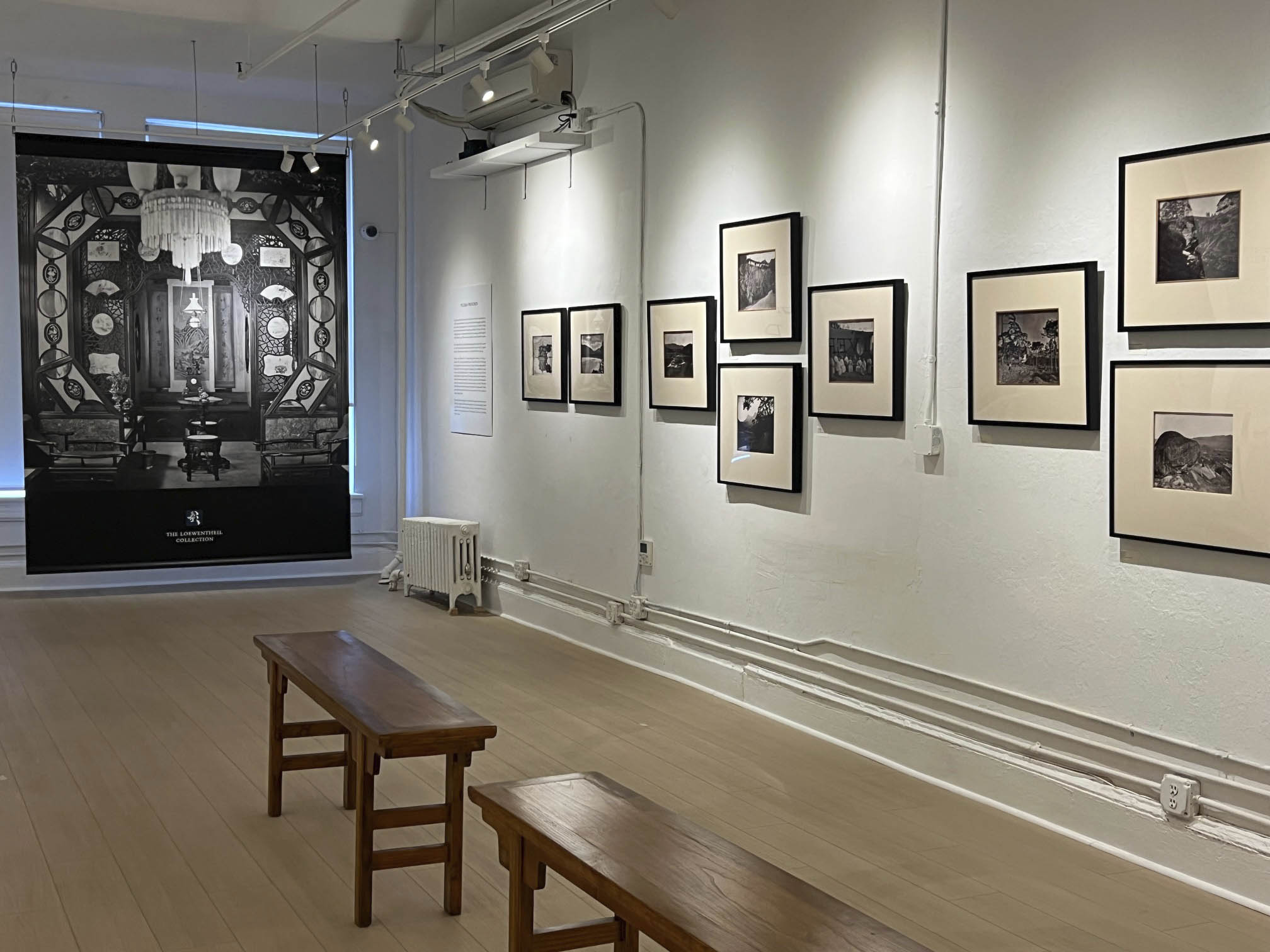
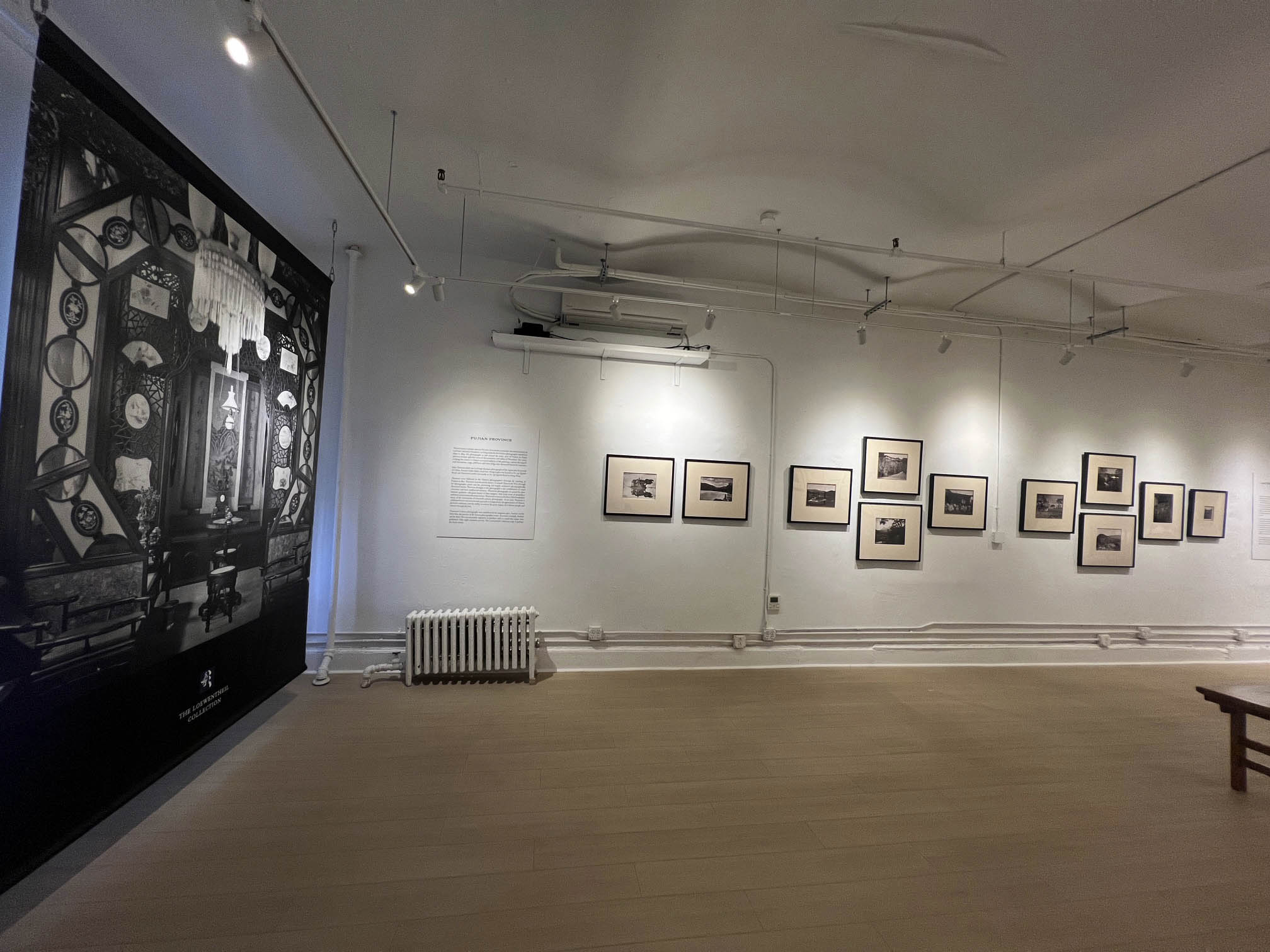
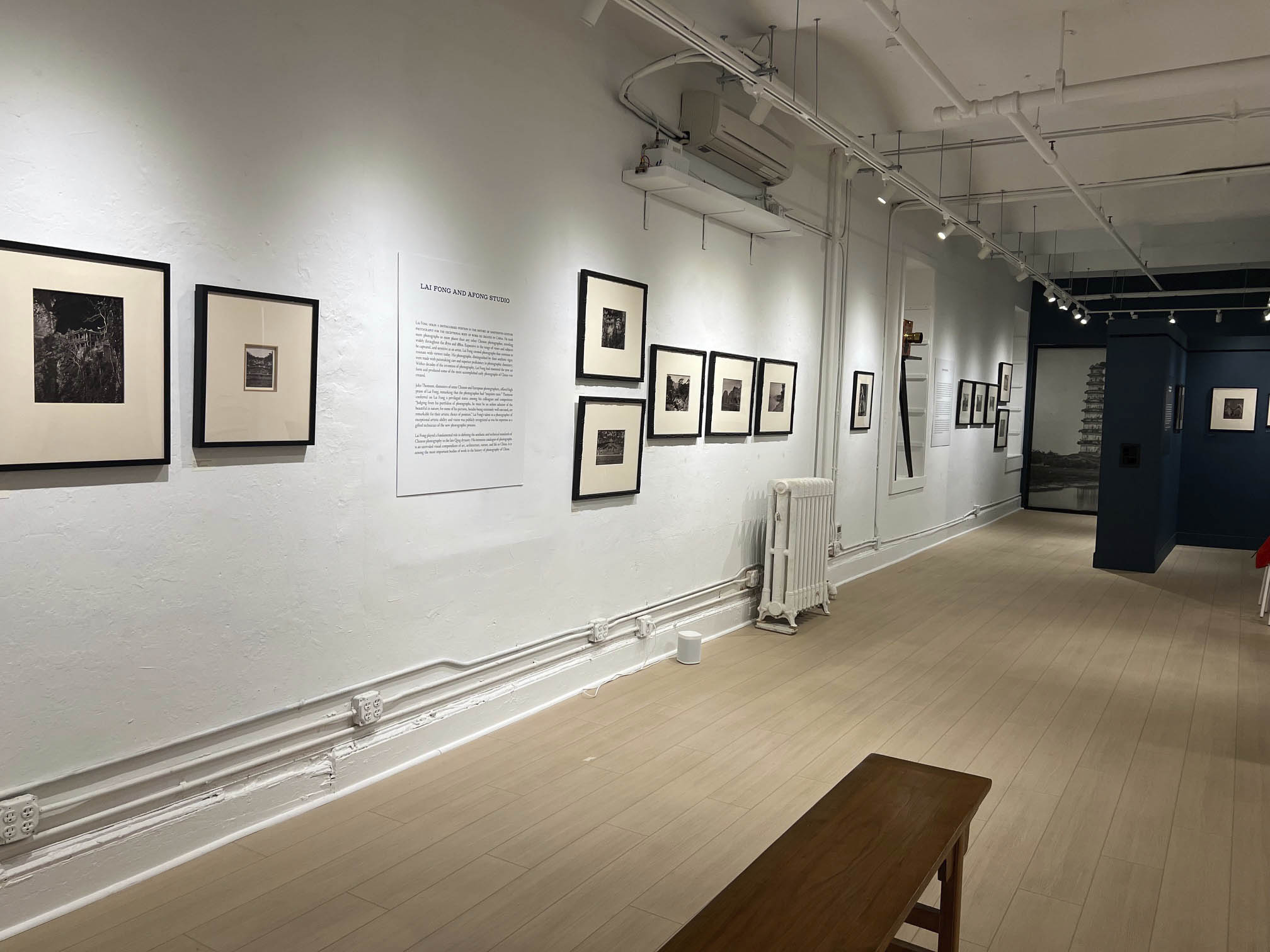
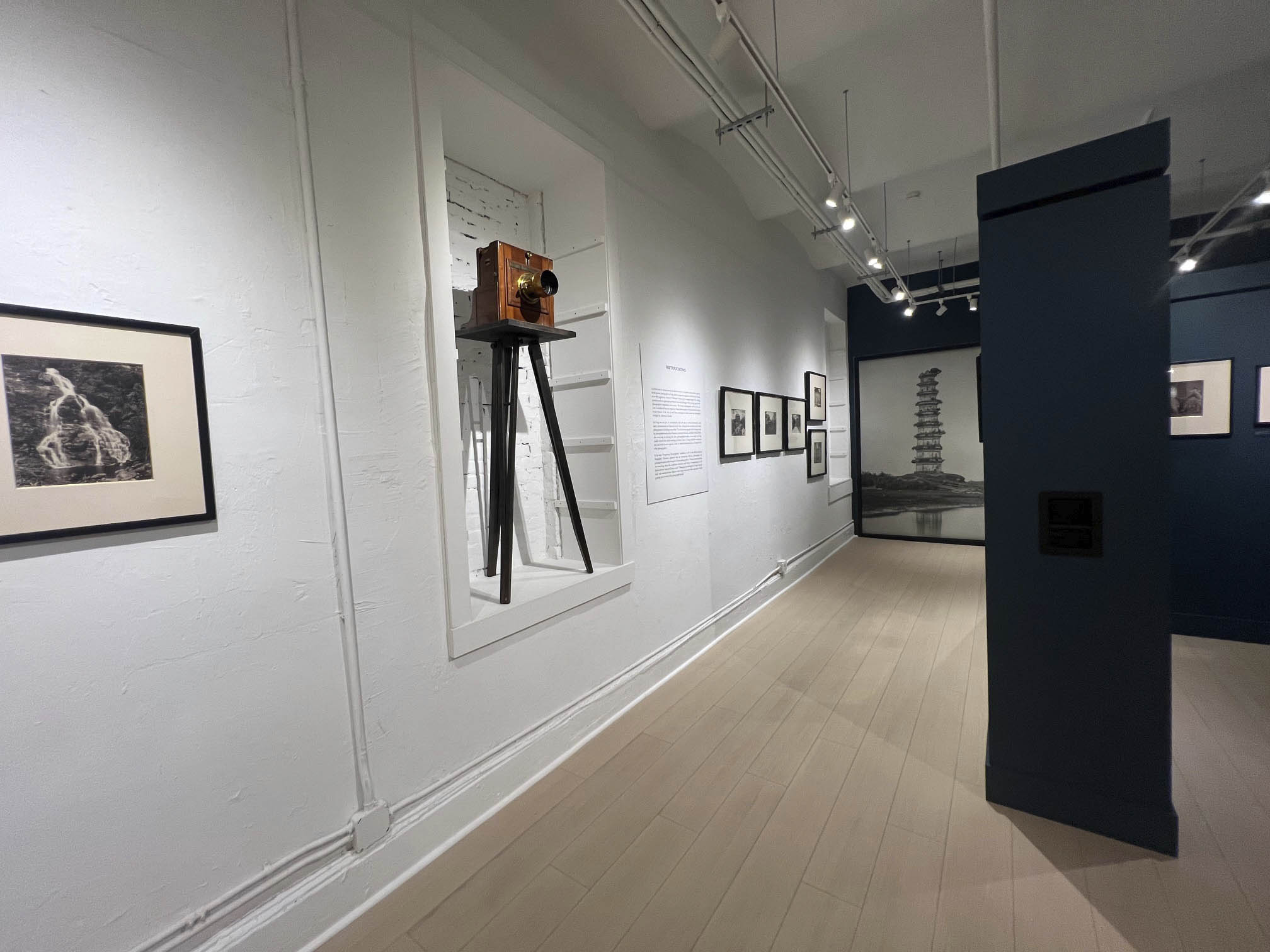
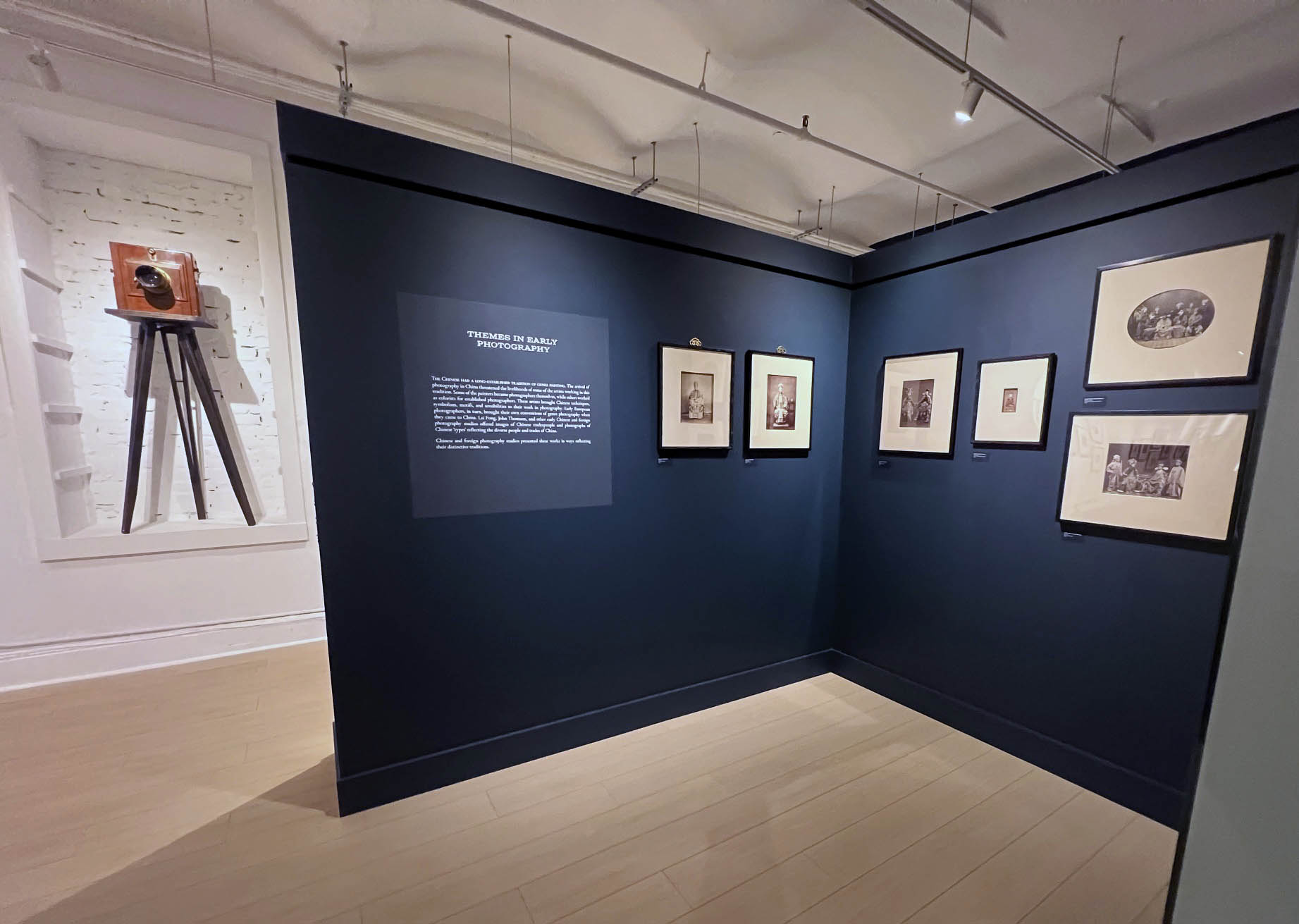

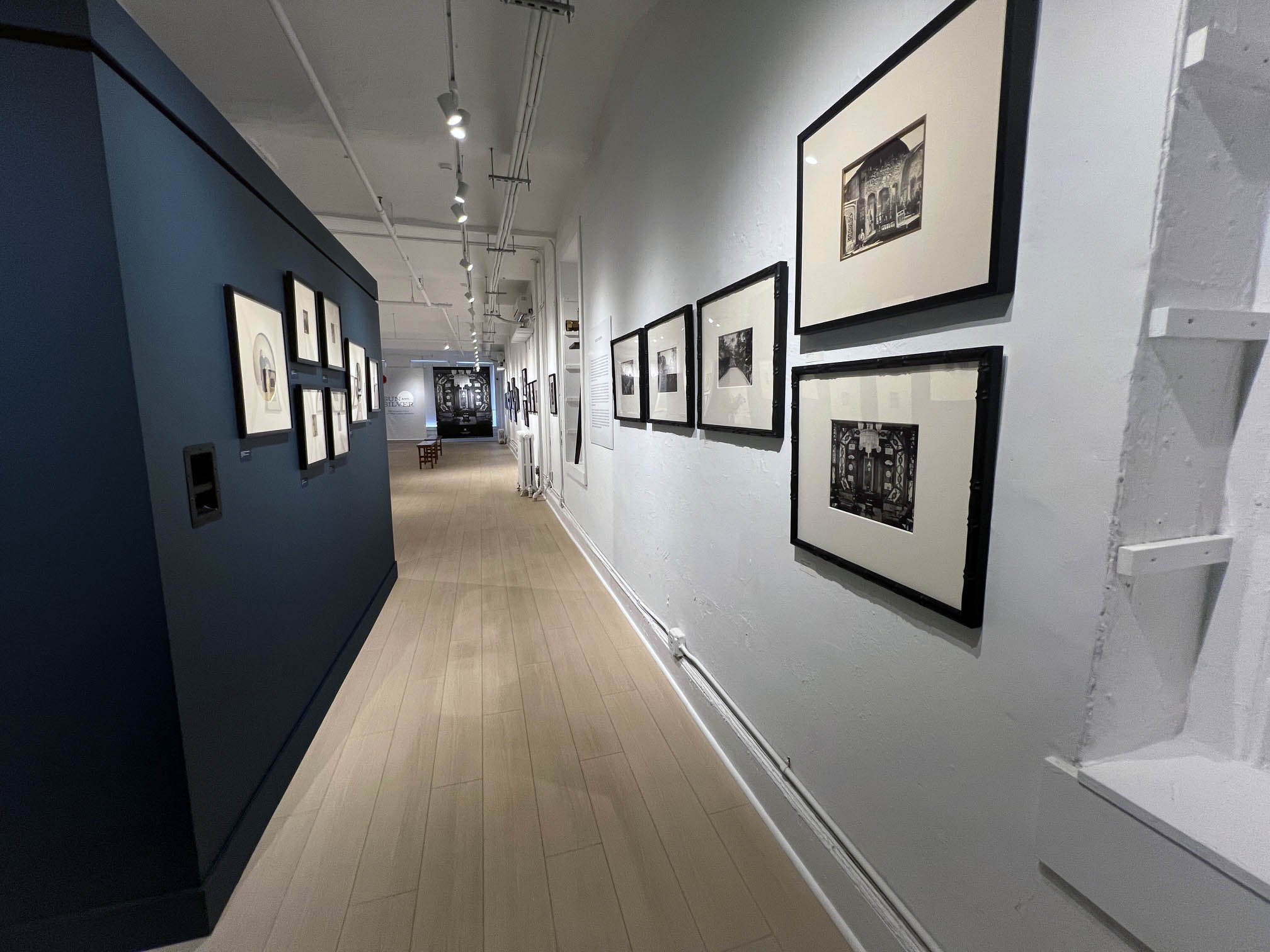
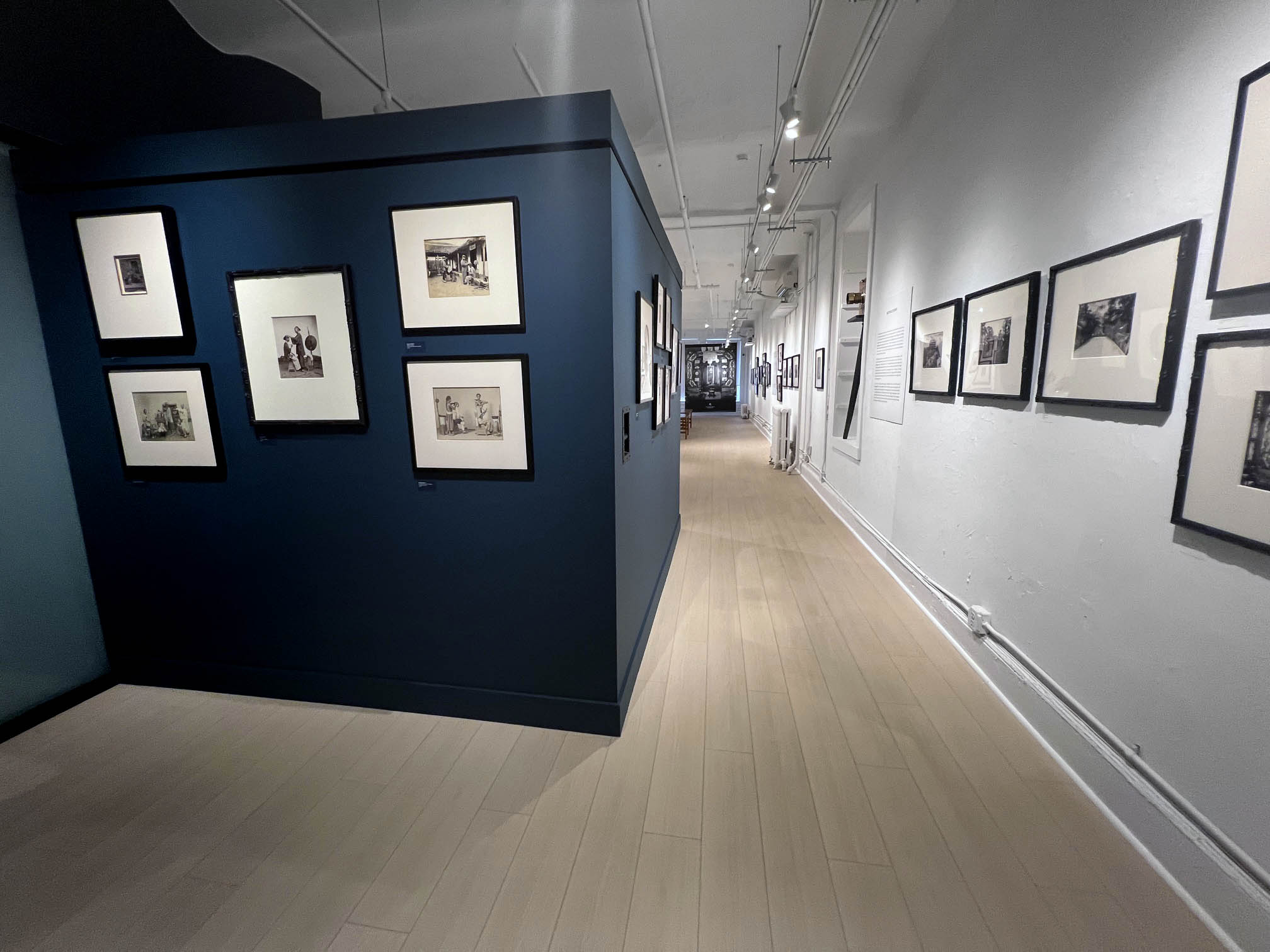
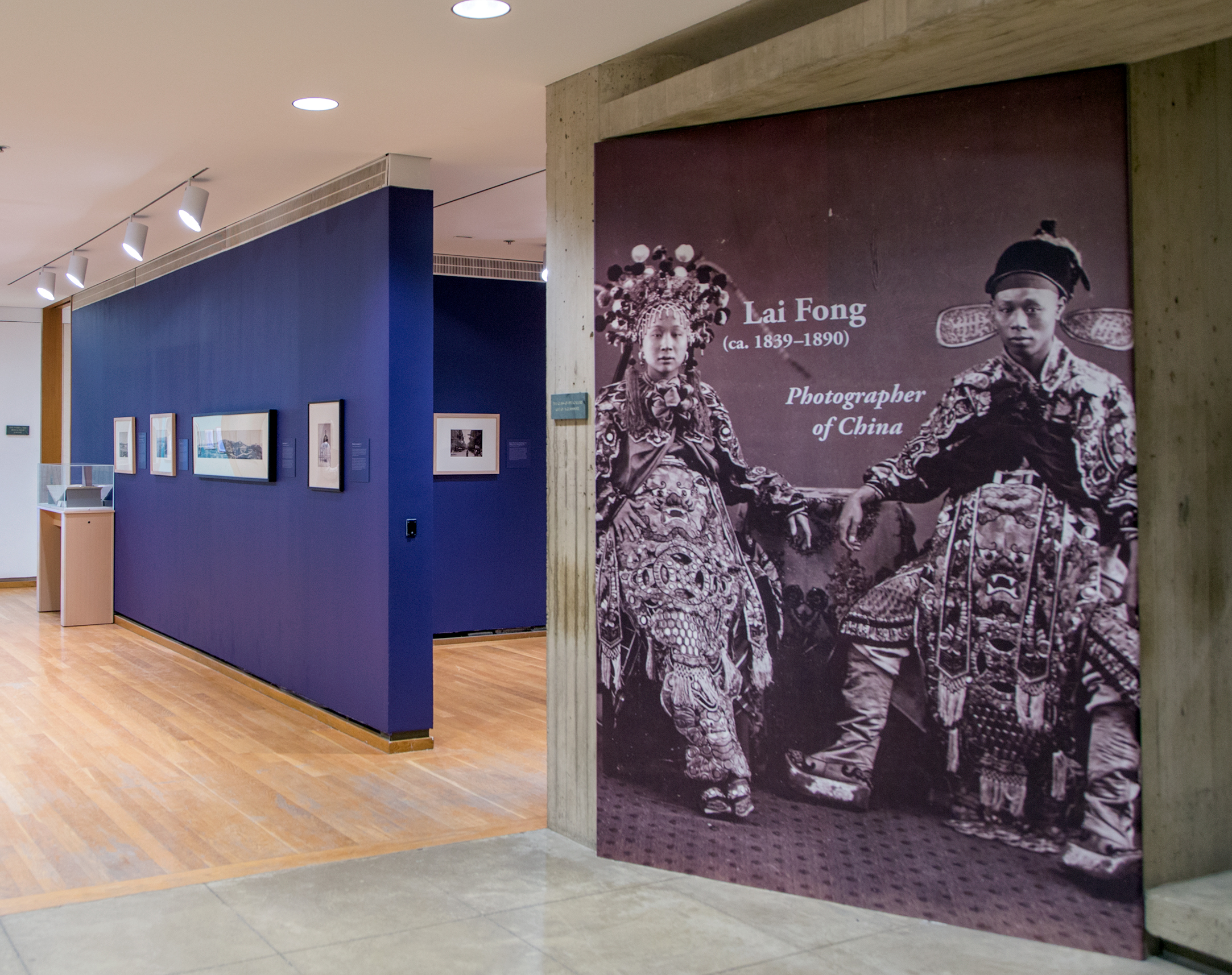
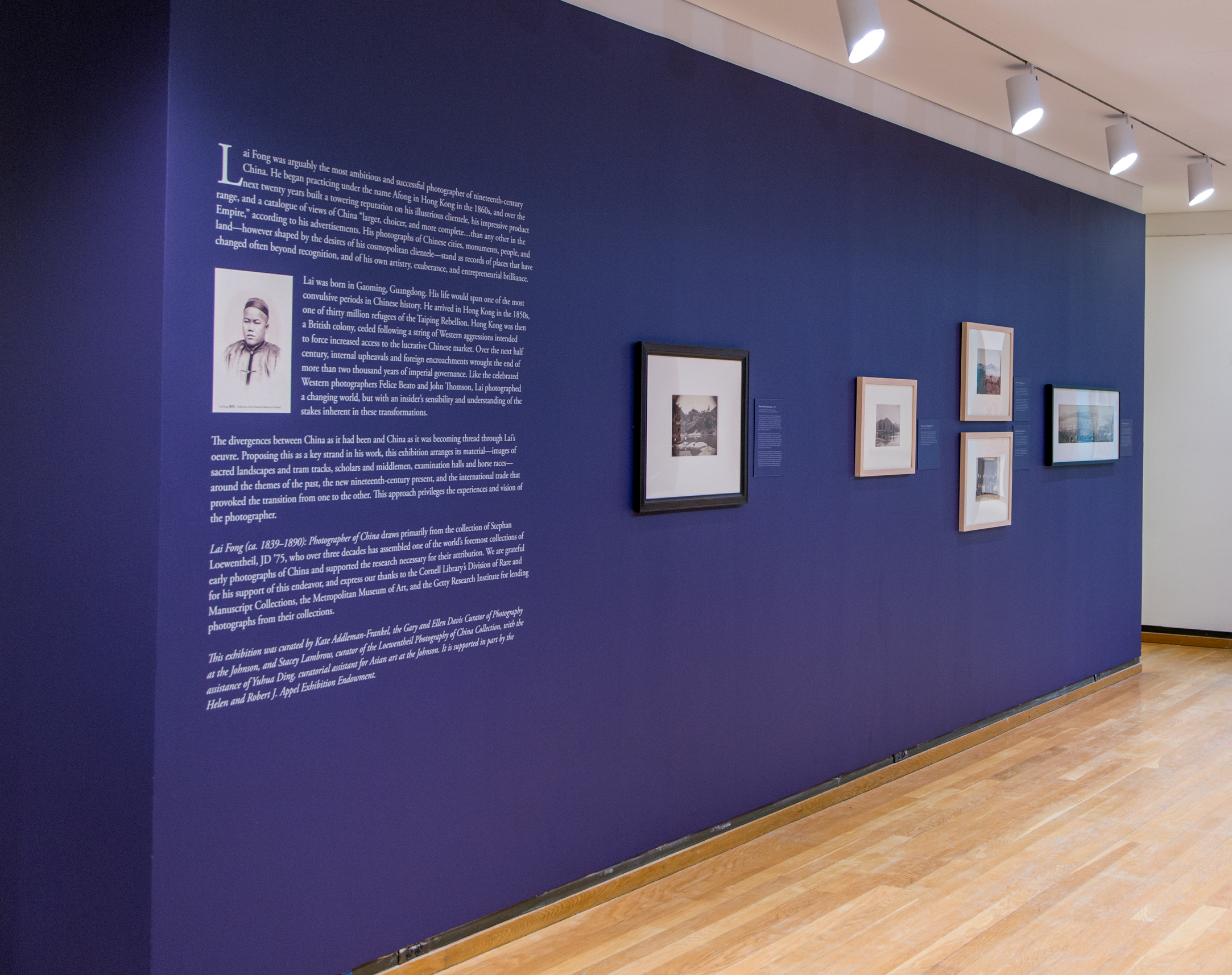
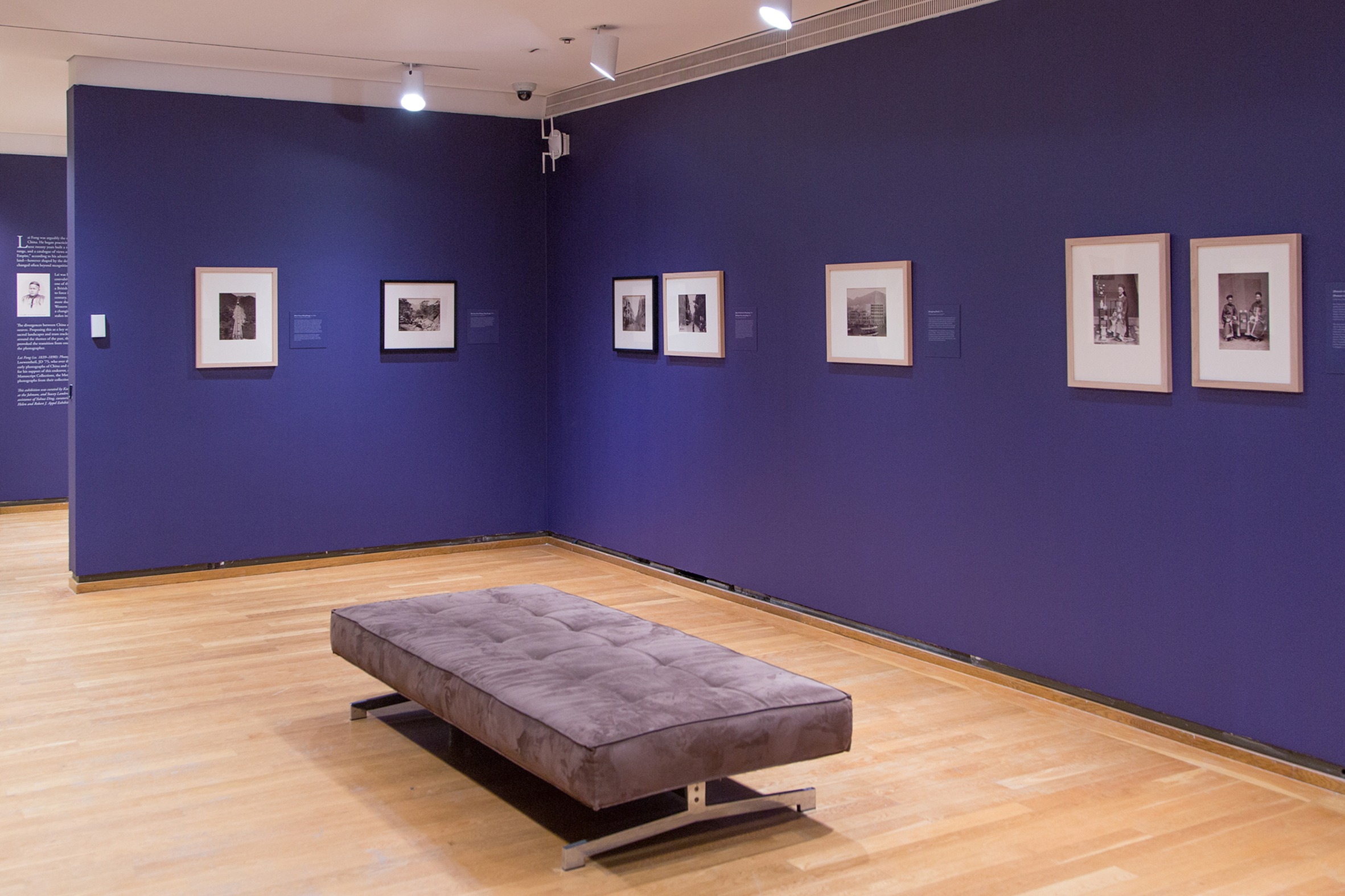
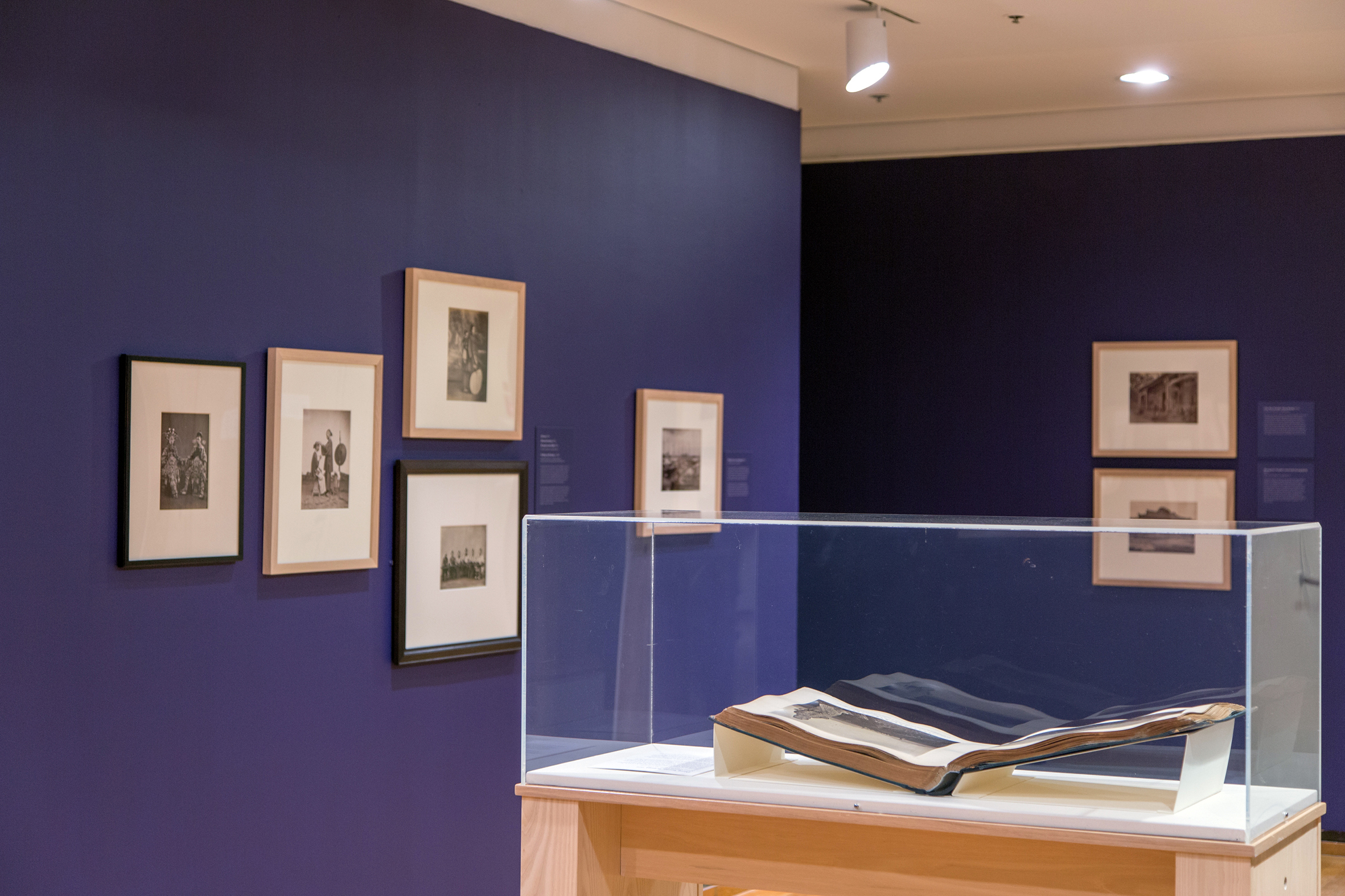
Installation views of the exhibition Sun and Silver: Early Photographs of China by Lai Fong and John Thomson at the Loewentheil Photography of China Collection, New York
The Loewentheil Photography of China Collection presents Sun and Silver: Early Photographs of China by Lai Fong and John Thomson curated by Stacey Lambrow. This exhibition brings together masterpieces by two giants of 19th-century photography of China. Lai Fong and John Thomson originated many of the most significant developments in the early art of photography in China. This show reveals the intricate and fascinating relationship between the works of the most famous early Chinese photographer and those of his leading foreign contemporary. The two photographers crossed paths, competed for patrons, and had a meaningful influence on one another and the art of photography.
This major exhibition gives viewers the opportunity to compare and contrast Lai Fong’s expressive artistry and technical ingenuity alongside Thomson’s stylistic virtuosity.
Sun and Silver: Early Photographs of China by Lai Fong and John Thomson spans the careers of both artists through the finest examples of vintage prints, all dating to the 1860s and 1870s. It also presents works by other 19th-century photography studios in China that share the themes and subjects of Lai Fong’s and Thomson’s photographs. The exhibition suggests new ways of looking at the origins of photography in China.
This exhibition of works by Lai Fong and John Thomson presents a tiny sliver of the holdings of the Loewentheil Collection, the most important collection of early China photographs in the world.
Text from the Loewentheil Photography of China Collection website
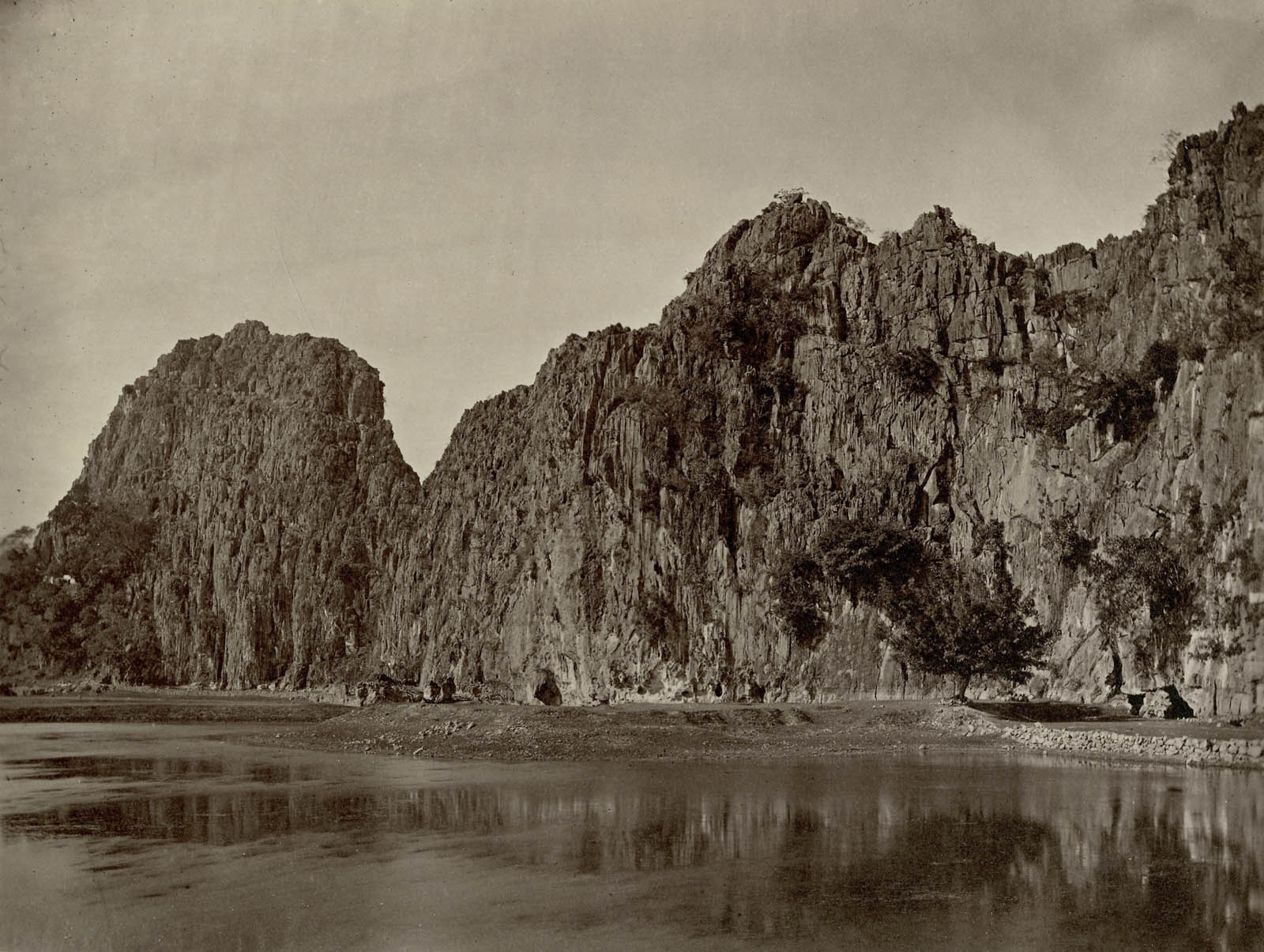
Lai Fong (Chinese, c. 1838 or 1839-1890) (Lai Afong / Afong Studio)
Cliffs View
c. 1870
Albumen silver print
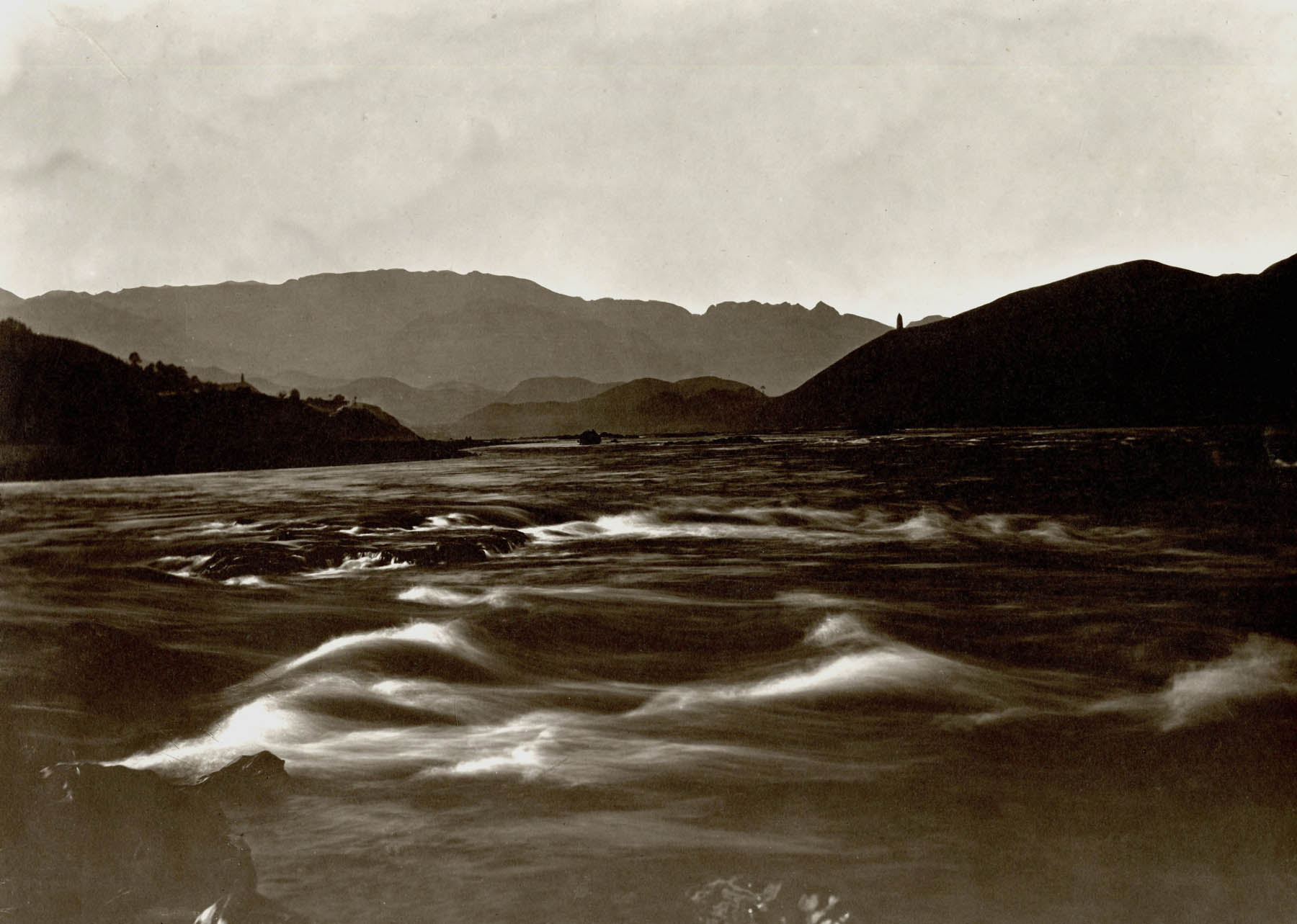
John Thomson (Scottish, 1837-1921)
Yuen Fu Rapids
c. 1870
From Foochow and the River Min
Carbon print
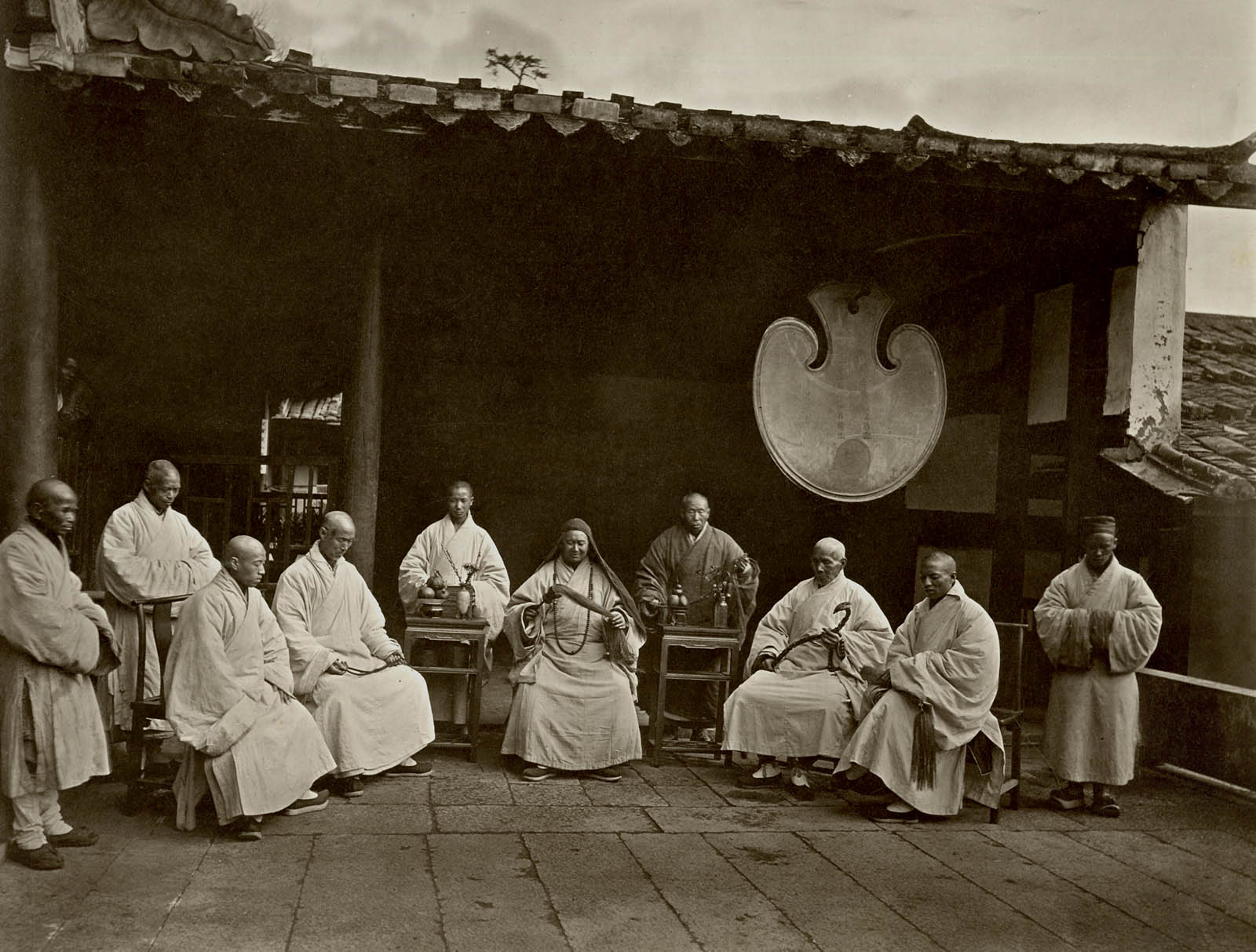
John Thomson (Scottish, 1837-1921)
Buddhist Monks
c. 1870
Albumen silver print
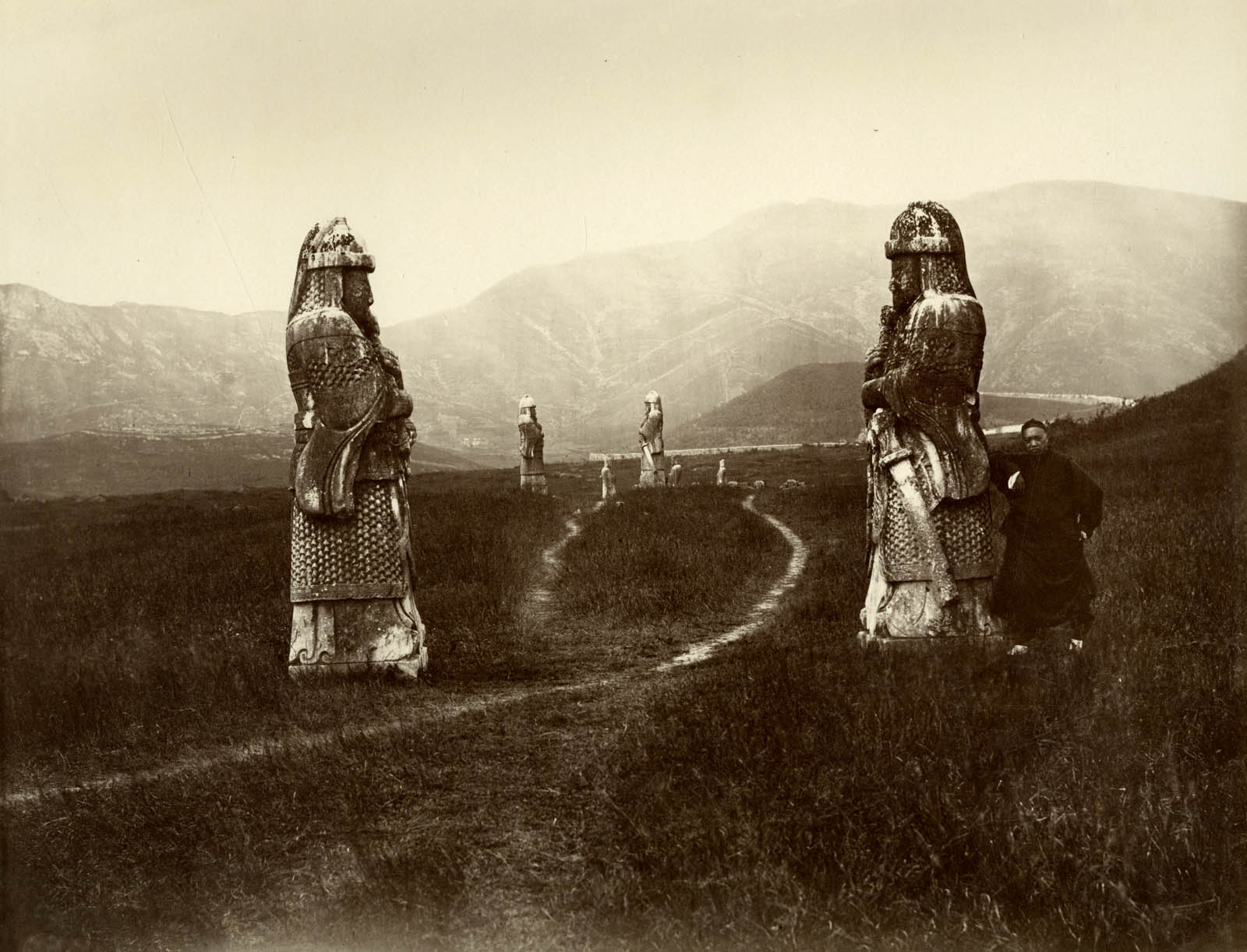
Lai Fong (Chinese, c. 1838 or 1839–1890) (Lai Afong / Afong Studio)
Spirit Way Nanjing
c. 1870
Albumen silver print
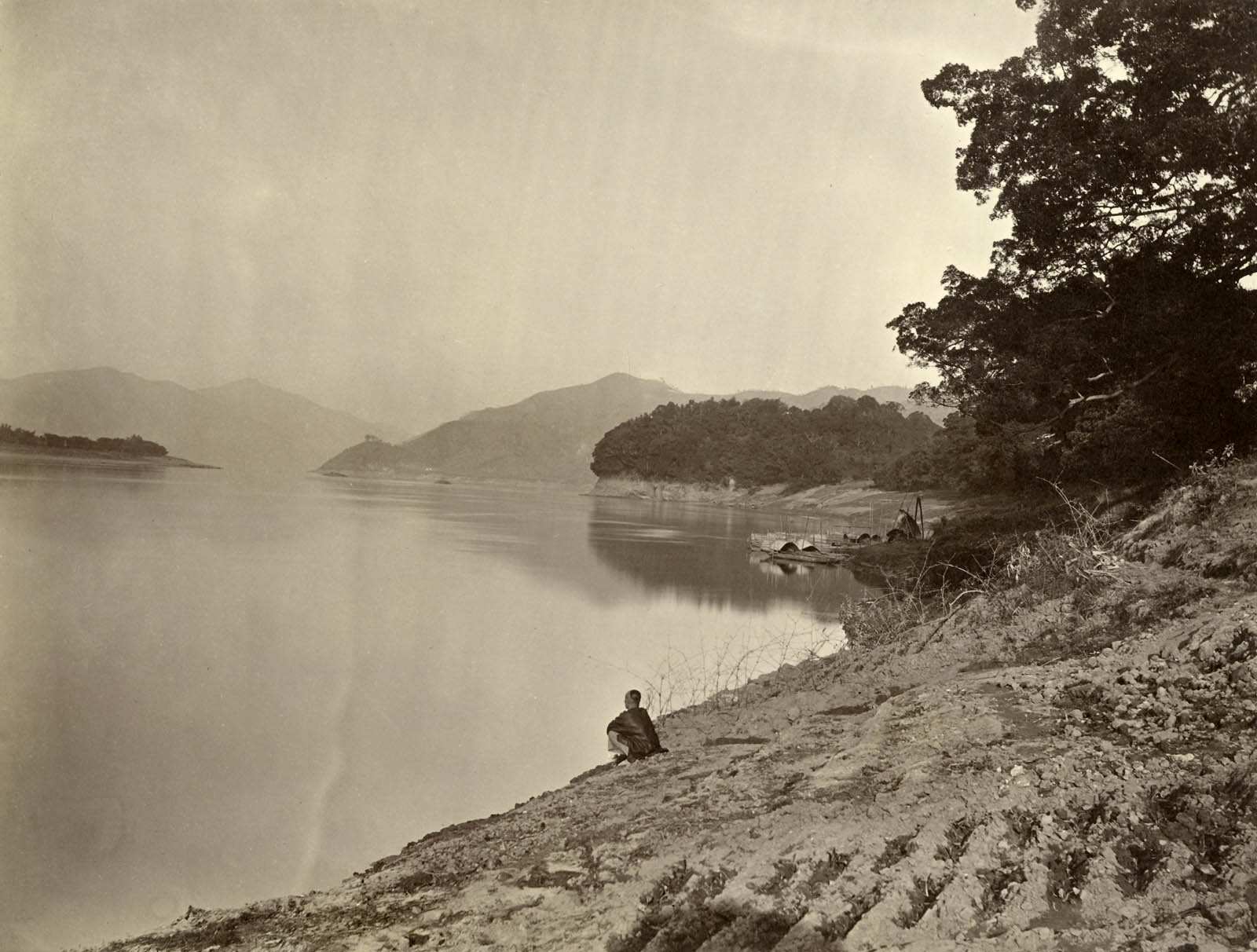
Lai Fong (Chinese, c. 1838 or 1839-1890) (Lai Afong / Afong Studio)
Mountain View
c. 1870
Albumen silver print

Lai Fong (Chinese, c. 1838 or 1839–1890) (Lai Afong / Afong Studio)
Portrait of a Naval Officer
c. 1870
Albumen silver print

Ye Chung (Yi chang studio)
Portrait of Buddhist Nuns
c. 1870
Albumen silver print
LAI FONG AND AFONG STUDIO (c. 1839-1890)
Lai Fong, also known by his trade name Afong, was the leading Chinese photographer of the nineteenth century. His career appears to have started around 1859, and by the 1870s he was the most successful Chinese photographer. A gifted businessman as well as a skilled artist, he developed both a Chinese and foreign cosmopolitan clientele. Lai Afong advertised in English-language newspapers – offering a “Larger, and more complete collection of Views than any other Establishment in the Empire of China” – and the artist captioned much of his work in both Chinese and English. Lai Fong’s talent and reputation secured him photographic sessions with distinguished men and women and everyday citizens of nineteenth-century China. The artist also took striking photographs of Chinese landscapes, cities, landmarks, and architecture.
The Afong studio survived its founder’s death in 1890 and continued to flourish selling prints from negatives made by Lai Fong and his studio decades earlier. Lai Fong’s son Lai Yuet-chen and his daughter in law Cheung Yuen Ming ran the Hong Kong studio until sometime in the 1940s. Thus the studio that Lai Fong established became one of the most prosperous and longest standing photography studios in China.
LAI FONG and AFONG STUDIO
Lai Fong holds a distinguished position in the history of nineteenth-century photography for the exceptional body of work he created in China. He took more photographs in more places than any other Chinese photographer, traveling widely throughout the 1870s and 1880s. Expansive in the range of views and subjects he captured, and sensitive as an artist, Lai Fong created photographs that continue to resonate with viewers today. His photographs, distinguished by their aesthetic rigor, were made with painstaking care and superior proficiency in photographic chemistry. Within decades of the invention of photography, Lai Fong had mastered the new art form and produced some of the most accomplished early photographs of China ever created.
John Thomson, dismissive of some Chinese and European photographers, offered high praise of Lai Fong, remarking that the photographer had “exquisite taste.” Thomson conferred on Lai Fong a privileged status among his colleagues and competitors: “Judging from his portfolios of photographs, he must be an ardent admirer of the beautiful in nature; for some of his pictures, besides being extremely well executed, are remarkable for their artistic choice of position.” Lai Fong’s talent as a photographer of exceptional artistic ability and vision was publicly recognised as was his expertise as a gifted technician of the new photographic process.
Lai Fong played a fundamental role in defining the aesthetic and technical standards of Chinese photography in the late Qing dynasty. His immense catalogue of photographs is an unrivaled visual compendium of art, architecture, nature, and life in China. It is among the most important bodies of work in the history of photography of China.
JOHN THOMSON (1837-1921)
John Thomson is one of the most important figures in nineteenth-century photography of China. He was one of the first European photographers to travel to Asia. Thomson established a photography studio in Hong Kong in 1868 and made photographic journeys throughout China, venturing up the Min and Yangtze rivers. Thomson introduced the beauty of inland China to the world through his photographic prints and his highly acclaimed photographically illustrated books. Thomson’s magnum opus is his photographically illustrated work Foochow and the River Min (1873), which survives in only eight known sets. Thomson’s photographs are prized for his unconventional approach to composition and his ability to convey his great appreciation for Chinese people, culture, and art in the late Qing dynasty.
When Thomson returned to London from his photographic journeys, the publication of the monthly magazine Street Life in London (1876-1877) containing his poignant photographs of the working class and poor cemented his reputation as an important artist. He is considered an early photojournalist. Thomson was elected a member of the Royal Photographic Society in 1879 and was appointed photographer to the British royal family by Queen Victoria in 1881.
FUJIAN PROVINCE
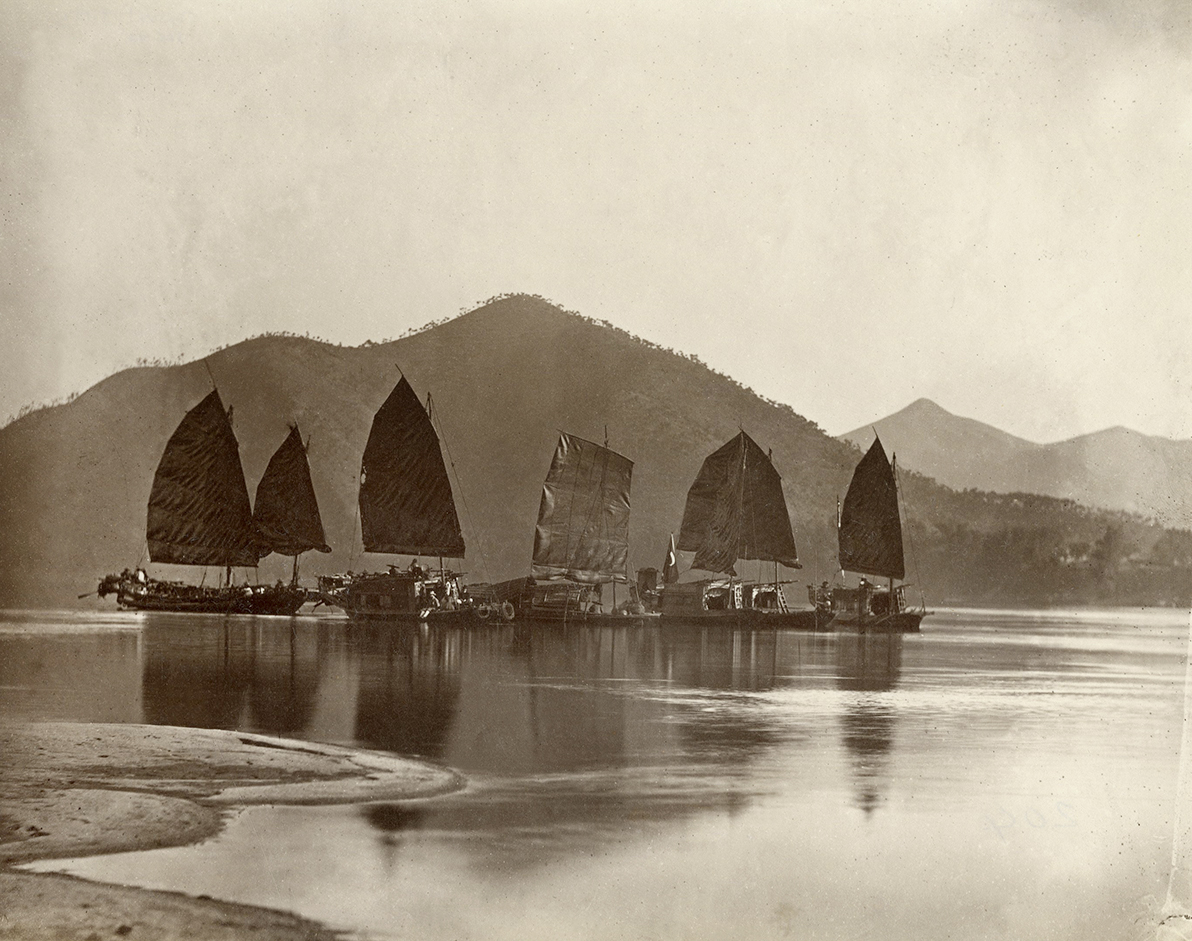
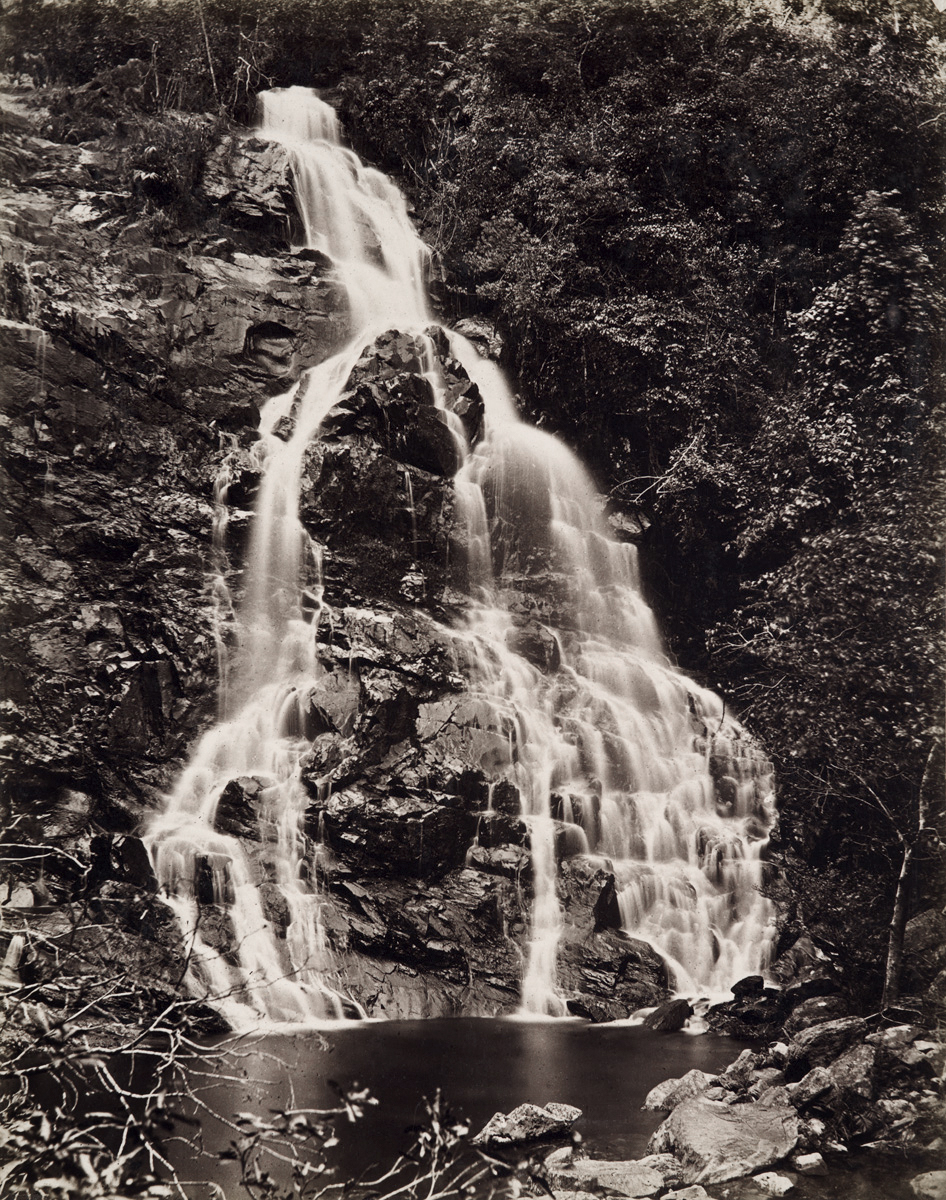
The stunning scenery of around Fuzhou (Foochow) captured the imaginations of Lai Fong and John Thomson. Lai Fong made the first known photographic expedition there in 1869. His photographs in and around the treaty port of Fuzhou in Fujian province include splendid views of the mountains and valleys of Wuyishan. The views, evoking the scenery in China’s venerated tradition of ink paintings, capture the region’s rock formations, crags, cliff faces, and stone ledges that fascinated literati for centuries.
John Thomson likely saw Lai Fong’s dramatic photographs of the region after he arrived in China. Printed studio labels reveal that Afong studio was located at No. 54 Queen’s Road and Thomson’s studio was nearby at No. 29 Queen’s Road in Hong Kong.
Thomson soon followed in the Chinese photographer’s footsteps by traveling to Fuzhou in 1870. Thomson introduced the beauty of inland China to the West through his photographic prints and his pioneering and highly acclaimed photographically illustrated books. Thomson brought to his photography a rare combination of visual virtuosity and keen intellectual curiosity. Thomson’s photographs are prized for their intrinsic qualities – the great beauty of their imagery, their acute sense of immediacy and their unconventional compositions. Thomson’s scenes on the River Min foreshadow many of the innovations of twentieth century photography. As an artist Thomson is celebrated for his unconventional approach to composition, his appreciation of Chinese pictorial traditions, and his ability to convey his great respect for Chinese people and culture through his lens.
Thomson’s Fuzhou photographs were published in his magnum opus, Foochow and the River Min, the greatest of all Chinese photographic works. An artistic triumph, Foochow and the River Min was extremely expensive to produce, and as a result few copies were published. Only eight examples survive. The Loewentheil Collection copy is perhaps the finest extant.
THEMES IN EARLY PHOTOGRAPHY
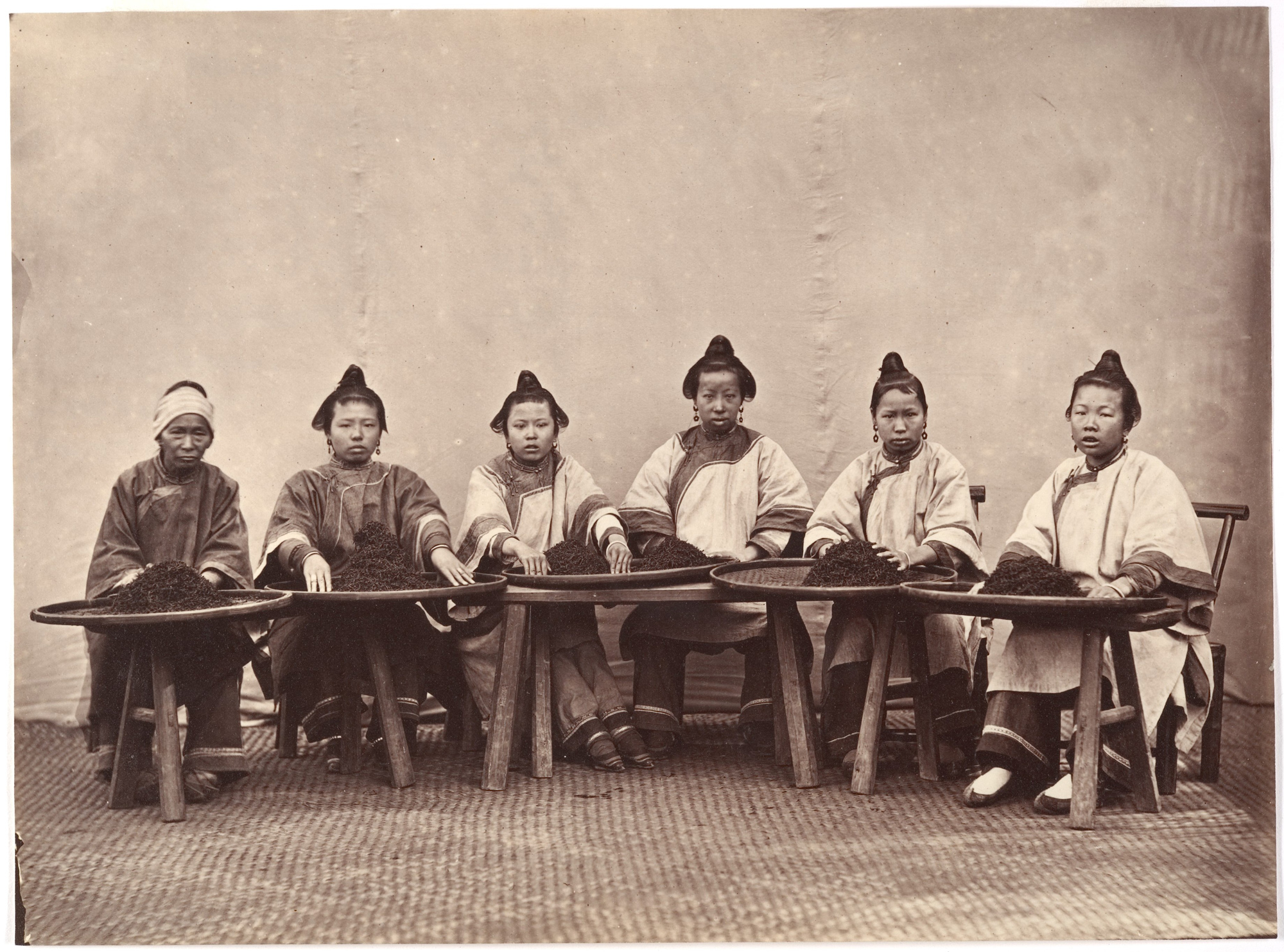
The Chinese had a long-established tradition of genre painting. The arrival of photography in China threatened the livelihoods of some of the artists working in this tradition. Some of the painters became photographers themselves, while others worked as colourists for established photographers. These artists brought Chinese techniques, symbolism, motifs, and sensibilities to their work in photography. Early European photographers, in turn brought their own conventions of genre photography when they came to China. Lai Fong, John Thomson, and other early Chinese and foreign photography studios offered images of Chinese tradespeople and photographs of Chinese ‘types’ reflecting the diverse people and trades of China.
Chinese and foreign photography studios presented these works in ways reflecting their distinctive traditions.
PORTRAITURE IN CHINA
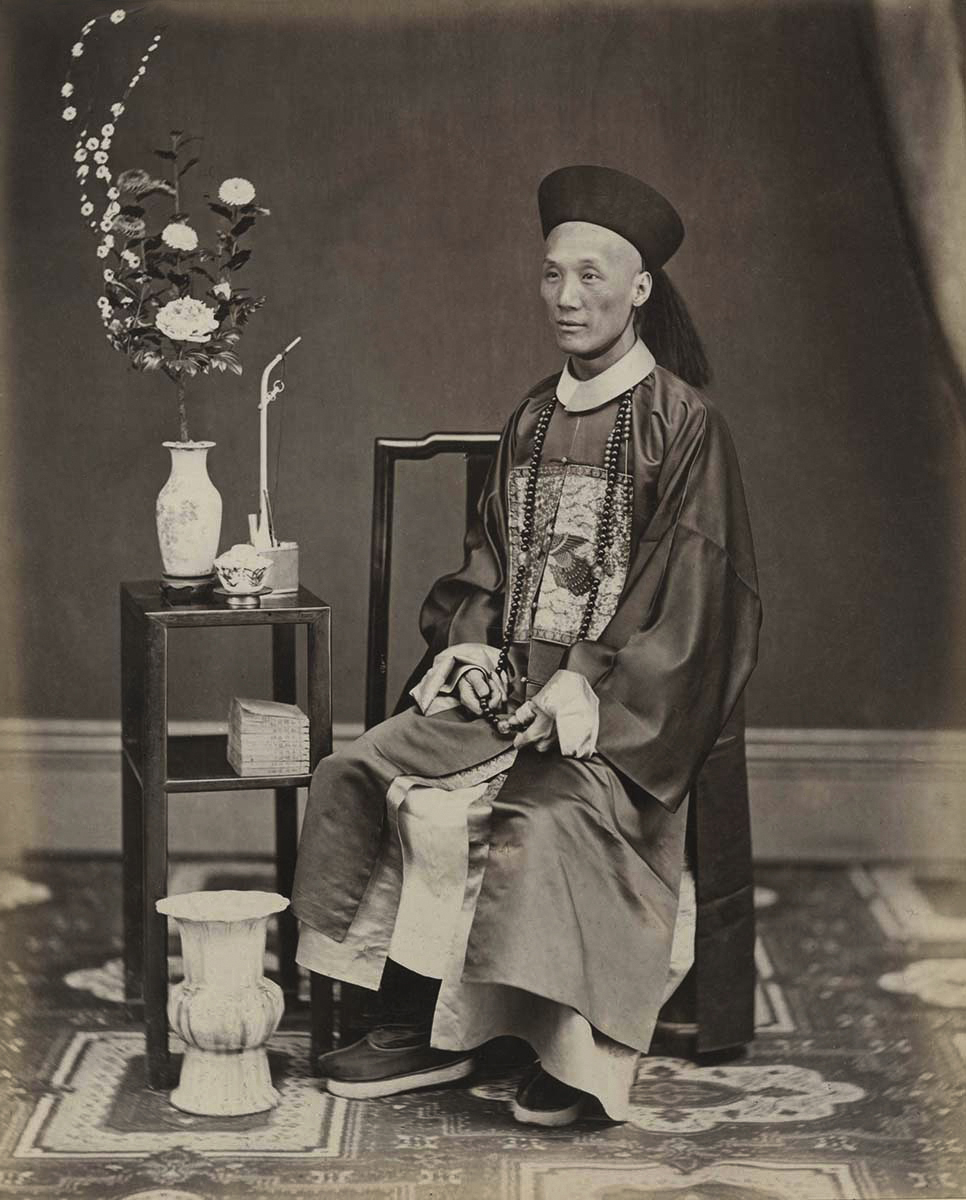
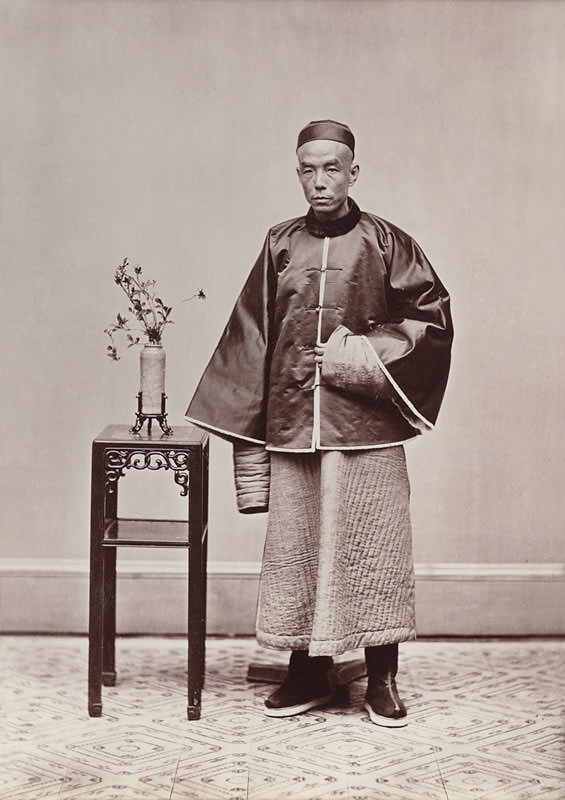
Lai Fong’s portraits are among the most important of the late Qing dynasty. After 150 years, viewers continue to sense the sitter’s inner thoughts, feelings, personality, and even their response to being photographed. Posing for the camera was a formal event for most people in the nineteenth century. Lai Fong was able to collaborate with his Chinese clients to create portraits that at times presented an idealized self. Through the position and gaze of his sitters, their clothing, and the use of symbolic props, Lai Fong conveyed the dignity and character of his sitters. Similarly, John Thomson’s respect for the Chinese people he encountered is evident in his sympathetic and sensitive portraits.
Most late Qing dynasty photographs of Chinese women were created by Chinese photography studios which were culturally sensitive to the needs of their sitters. Appreciation for these portraits of women requires an understanding of the strong influence of traditional Chinese visual culture. Lai Fong’s portraits of women are often rich with Chinese symbolism for beauty, longevity, joy, longing, and love expressed through props such as chrysanthemums and peonies, and folding and round fans. As numerous Chinese art historians and scholars note, Chinese photographers including Lai Fong refashioned compositions, motifs, and tropes from traditional Chinese paintings as they created photographic studio portraits. The art historian Yi Gu observes that all twelve Chinese words for photography in the first decades after its invention were preexisting terms for portrait painting.
Lai Fong and Thomson made significant portraits of the diverse people of late Qing dynasty China, from portraits of princes of the late Qing dynasty and high-ranking government officials to women and children, and others living humble lives in remote rural villages.
The camera’s ability to create an accurate depiction of a human being, together with its power to reveal and touch human emotions, enchanted the Chinese imagination. While contending with the demands of the highly technical wet-plate collodion process, Lai Fong and Thomson created portraits that are haunting and intimate, direct and visceral.
RETOUCHING
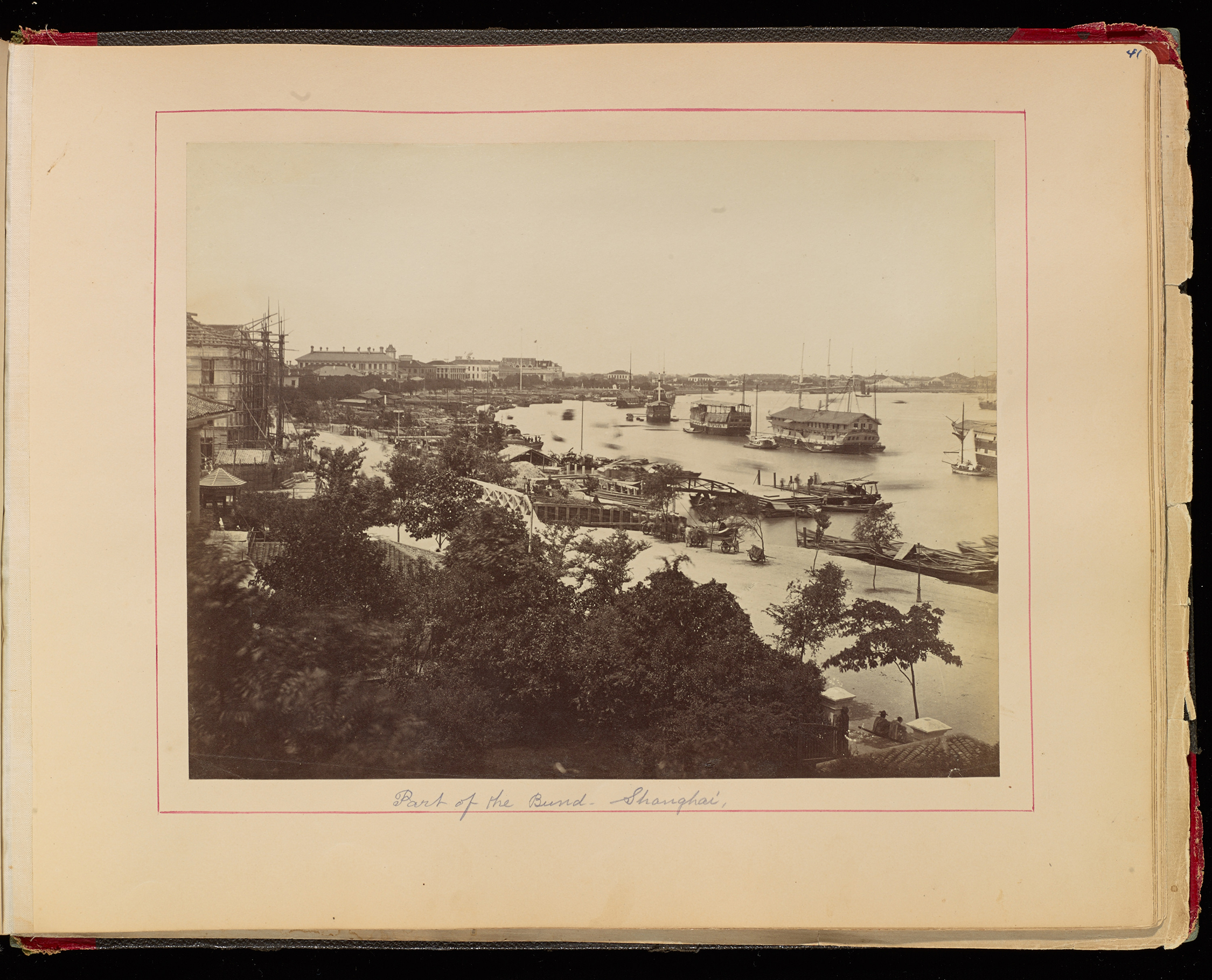
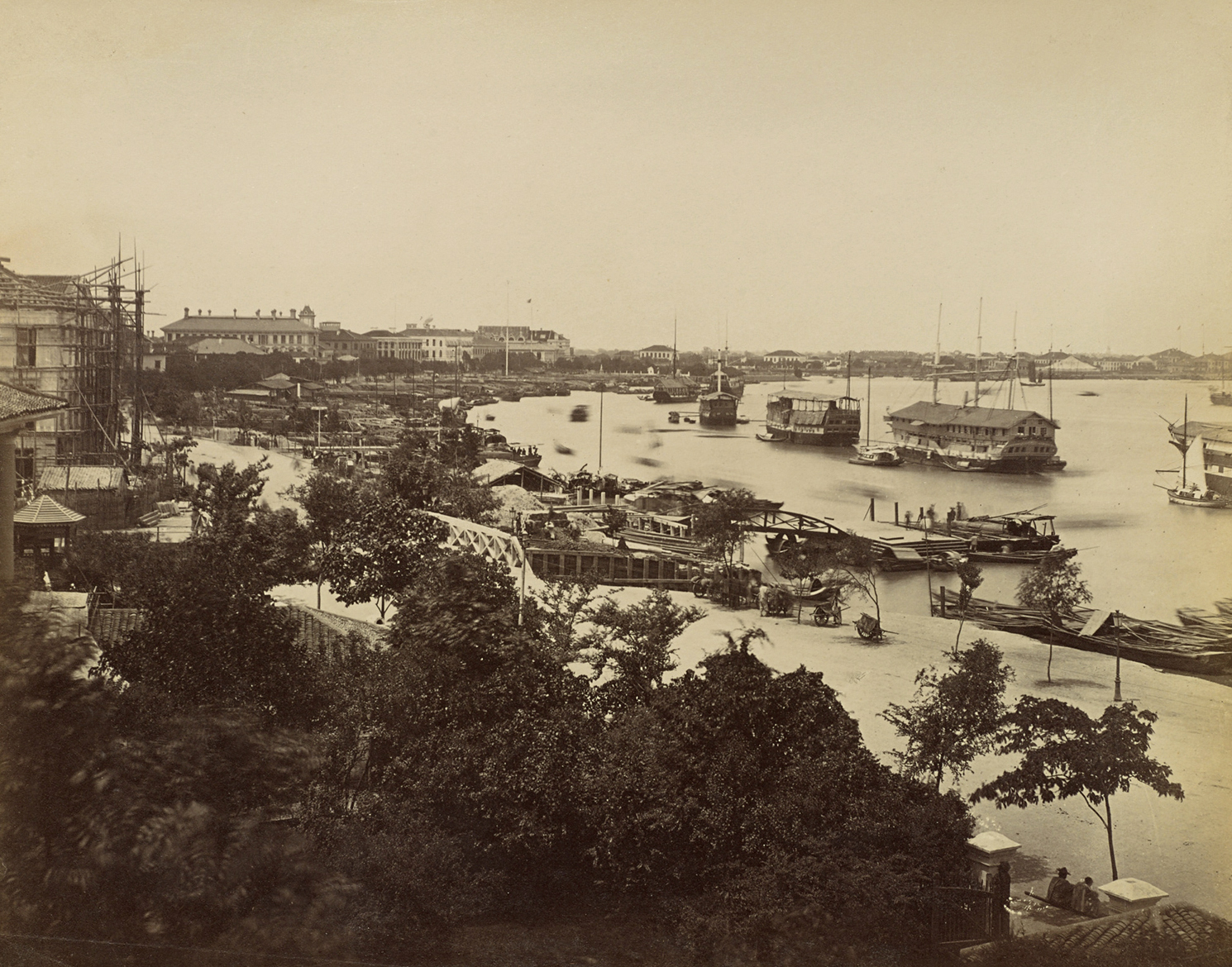
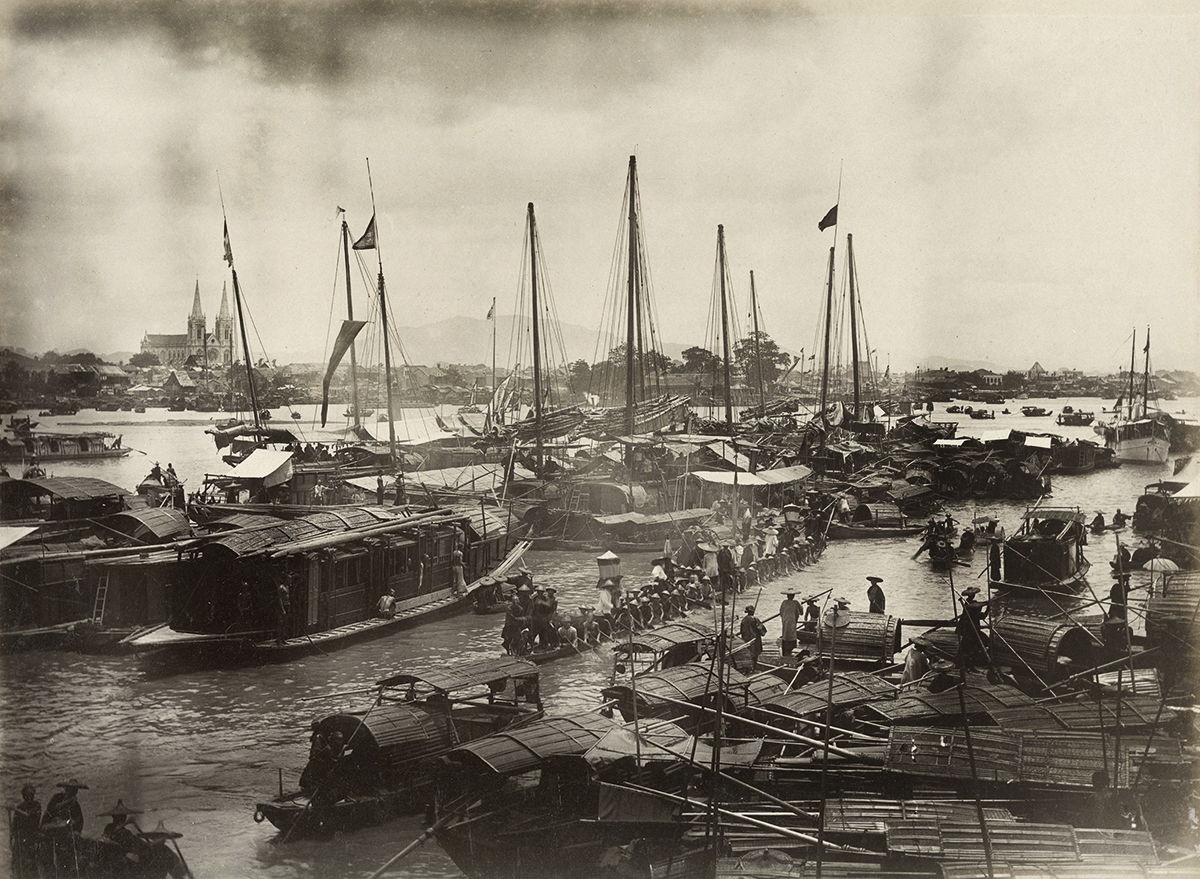
Lai Fong was an innovator in his manipulation of negatives for artistic effect. In the present photograph Lai Fong used a composite negative to add dramatic clouds to an 1863 negative by Dutton & Michaels. Enhancing the original negative by adding painted clouds to a glass plate presented technical challenges while giving scope for the photographer’s imagination and artistry. The French photographic artist Gustave Le Gray is considered the most important French photographer of the nineteenth century in part because of the way he used these techniques to create mood and atmosphere through the addition of clouds.
Lai Fong was not just an accomplished artist but also an astute businessman. Like many contemporaries in China and in the West, Afong Studio used the work of other photographers in building its portfolio. The studio’s photographs include images taken by photographers such as John Thomson, Dutton & Michaels, and Milton Miller. Rather than removing or covering the other photographer’s credit, as was usual, Lai Fong usually retained the studio markings of others. Once Lai Fong travelled to important sites and made his own superior views, he often discontinued his use of negatives by other photographers.
In his essay “Hong-kong Photographers,” published in 1872 in the British Journal of Photography, Thomson explained that the relationship between photography and painting was particularly strong for Chinese photographers. Thomson stated that there was something about the complicated chemistry and “nicety of manipulation” in the darkroom that “suits the Chinese mind.” Thomson acknowledged Lai Fong’s “exquisite taste” and understood Chinese artist’s deep connection with traditional Chinese painting was revealed in his photographic prints.
Wall text from the exhibition from the Loewentheil Photography of China Collection
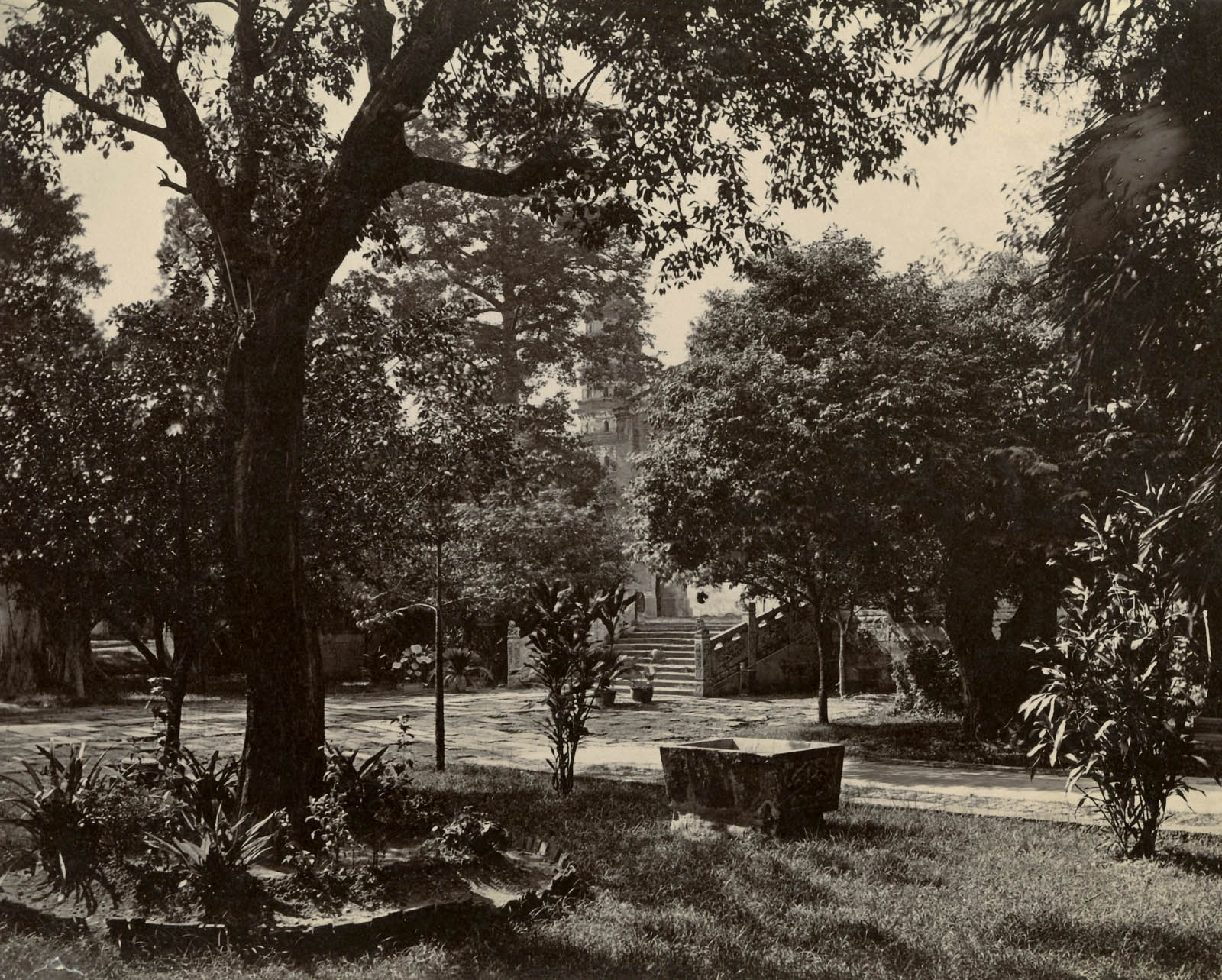
Lai Fong (Chinese, c. 1838 or 1839–1890) (Lai Afong / Afong Studio)
View in Garden
c. 1870
Albumen silver print
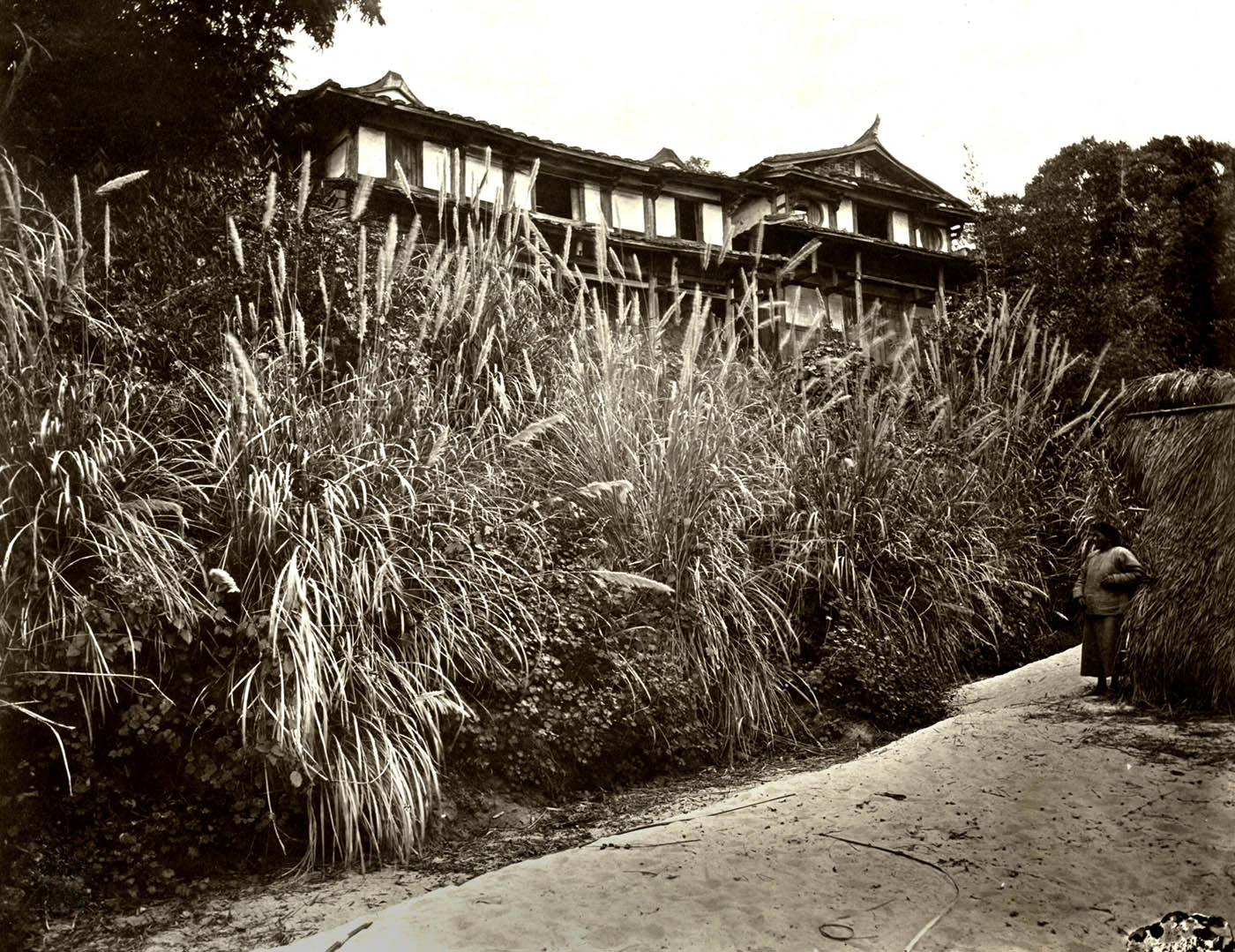
John Thomson (Scottish, 1837-1921)
River Reeds
c. 1870
from Foochow and the River Min
Carbon print
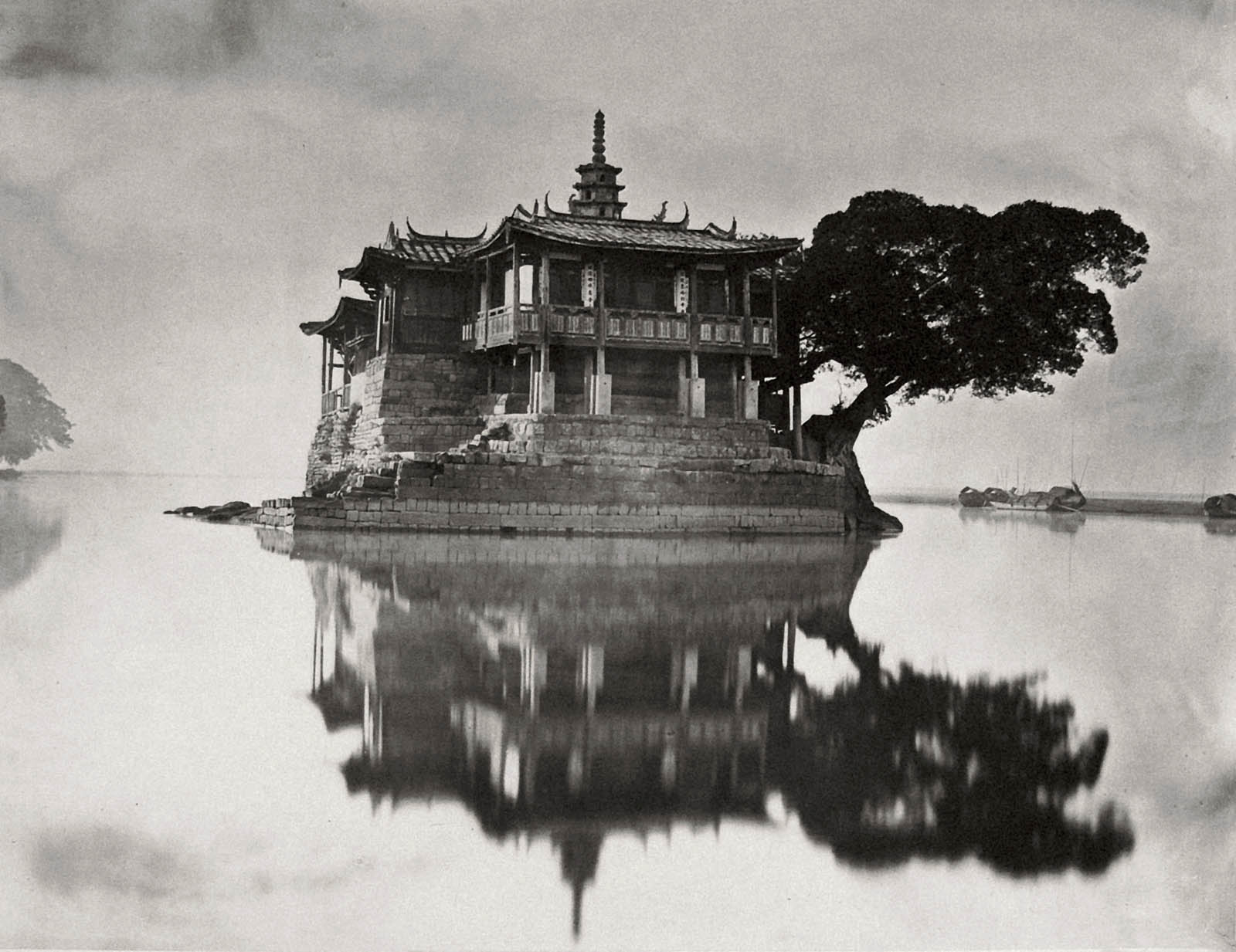
John Thomson (Scottish, 1837-1921)
The Island Pagoda
c. 1870
From Foochow and the River Min
Carbon print
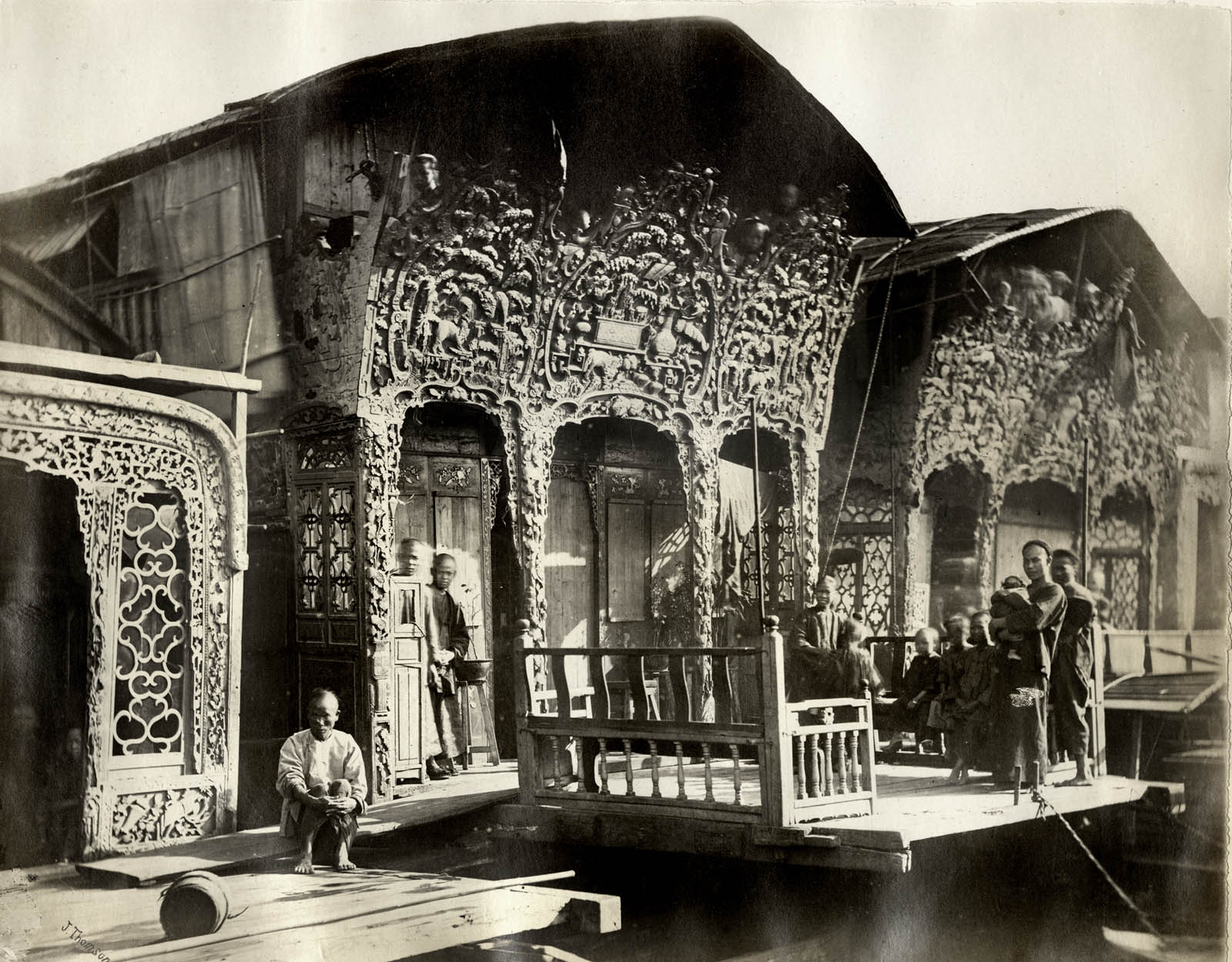
John Thomson (Scottish, 1837-1921)
Exterior of a Flower Boat
c. 1870
Albumen silver print

John Thomson (Scottish, 1837-1921)
Foochow Ladies
c. 1870
From Foochow and the River Min
Carbon print

John Thomson (Scottish, 1837-1921)
Portrait of a Woman
c. 1870
Albumen silver print
Loewentheil Photography of China Collection
10 West 18th Street 7th Floor
Open by appointment only: 646-838-4576 or 410-602-3002
![Lai Fong (Chinese, c. 1839-1890) '[Actors]' 1870s from the exhibition 'Lai Fong (ca. 1839-1890): Photographer of China' at the Herbert F. Johnson Museum of Art, Ithaca, NY, Feb - June, 2020](https://artblart.com/wp-content/uploads/2020/04/hfj-laifong-actors-sl.jpg "Lai Fong (Chinese, c. 1839-1890) '[Actors]' 1870s from the exhibition 'Lai Fong (ca. 1839-1890): Photographer of China' at the Herbert F. Johnson Museum of Art, Ithaca, NY, Feb - June, 2020")
![Lai Fong (Chinese, c. 1839-1890) '[Itinerant barber]' 1870s from the exhibition 'Lai Fong (ca. 1839-1890): Photographer of China' at the Herbert F. Johnson Museum of Art, Ithaca, NY, Feb - June, 2020](https://artblart.com/wp-content/uploads/2020/02/hfj-laifong-barber-sl.jpg "Lai Fong (Chinese, c. 1839-1890) '[Itinerant barber]' 1870s from the exhibition 'Lai Fong (ca. 1839-1890): Photographer of China' at the Herbert F. Johnson Museum of Art, Ithaca, NY, Feb - June, 2020")
![Lai Fong (Chinese, c. 1839-1890) '[Flower boat, Guangzhou]' 1870s](https://artblart.com/wp-content/uploads/2020/04/hfj-laifong-flowerboat-sl.jpg "Lai Fong (Chinese, c. 1839-1890) '[Flower boat, Guangzhou]' 1870s")
![Lai Fong (Chinese, c. 1839-1890) '[Beijing]' 1879](https://artblart.com/wp-content/uploads/2020/04/hfj-laifong-beijing-cornellrare.jpg "Lai Fong (Chinese, c. 1839-1890) '[Beijing]' 1879")
![Lai Fong (Chinese, c. 1839-1890) '[Ming Tombs, Beijing]' 1879](https://artblart.com/wp-content/uploads/2020/04/hfj-laifong-mingtombs-cornellrare-web.jpg "Lai Fong (Chinese, c. 1839-1890) '[Ming Tombs, Beijing]' 1879")
![Lai Fong (Chinese, c. 1839-1890) '[Ming Tombs, Beijing]' 1879](https://artblart.com/wp-content/uploads/2020/04/lai-fong-ming-tombs-beijing-1879.jpg "Lai Fong (Chinese, c. 1839-1890) '[Ming Tombs, Beijing]' 1879")
![Lai Fong (Chinese, c. 1839-1890) '[Group portrait near Fangguangyan Monastery, Fujian]' c. 1869](https://artblart.com/wp-content/uploads/2020/02/hfj-laifong-group-met.jpg "Lai Fong (Chinese, c. 1839-1890) '[Group portrait near Fangguangyan Monastery, Fujian]' c. 1869")
![Lai Fong (Chinese, c. 1839-1890) '[Piled Stone Peaks in Mount Wuyi]' c. 1869](https://artblart.com/wp-content/uploads/2020/02/hfj-laifong-stonepeaks-met.jpg "Lai Fong (Chinese, c. 1839-1890) '[Piled Stone Peaks in Mount Wuyi]' c. 1869")
 Art Blart _ art and cultural memory archive
You must be logged in to post a comment.