Exhibition: ‘Sakiko Nomura: Tender is the Night’ at Fundación MAPFRE, Madrid

Exhibition dates: 6th February – 11th May, 2025

Curator: Enrique Juncosa
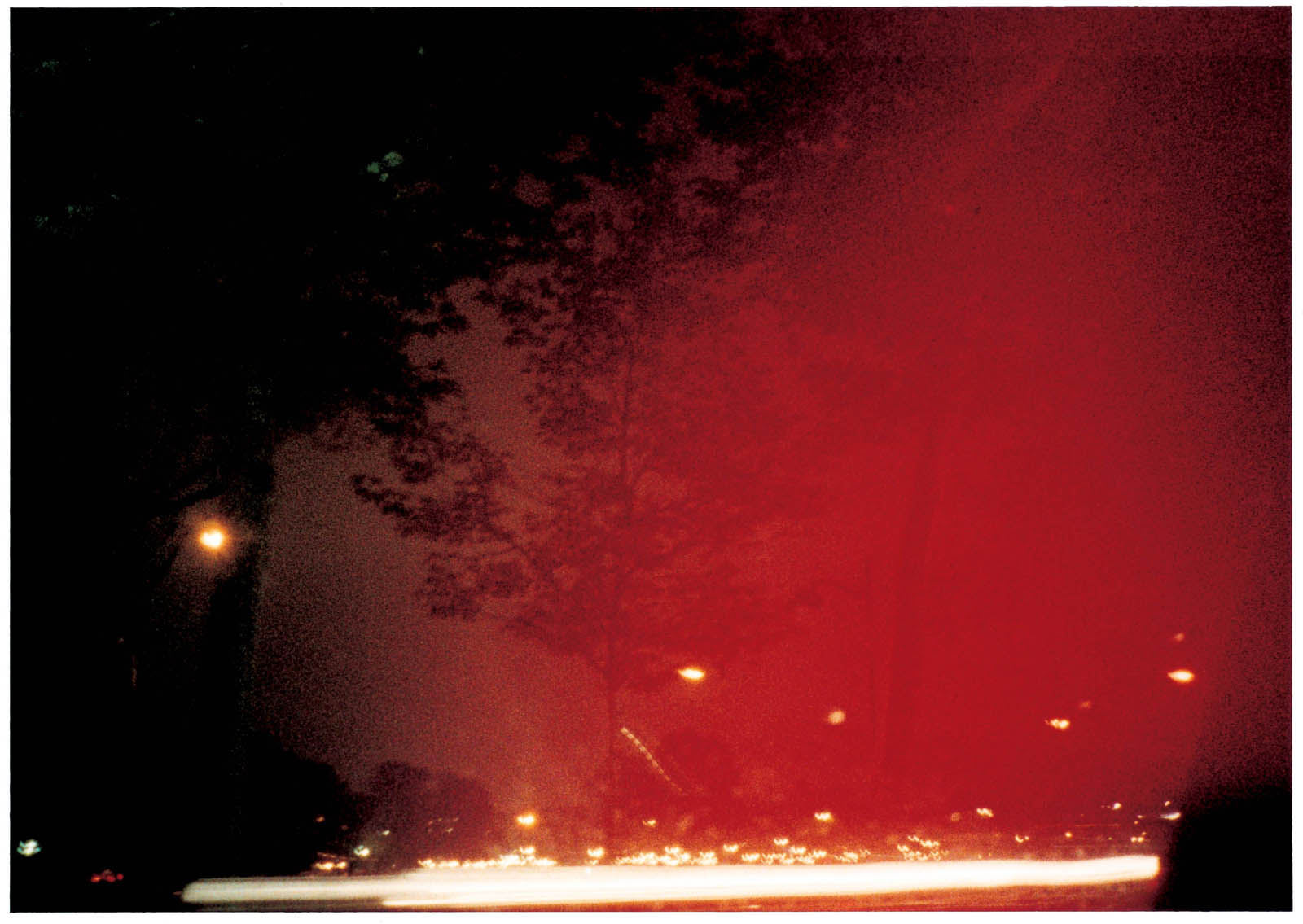
 

Sakiko Nomura (Japanese, b. 1967)
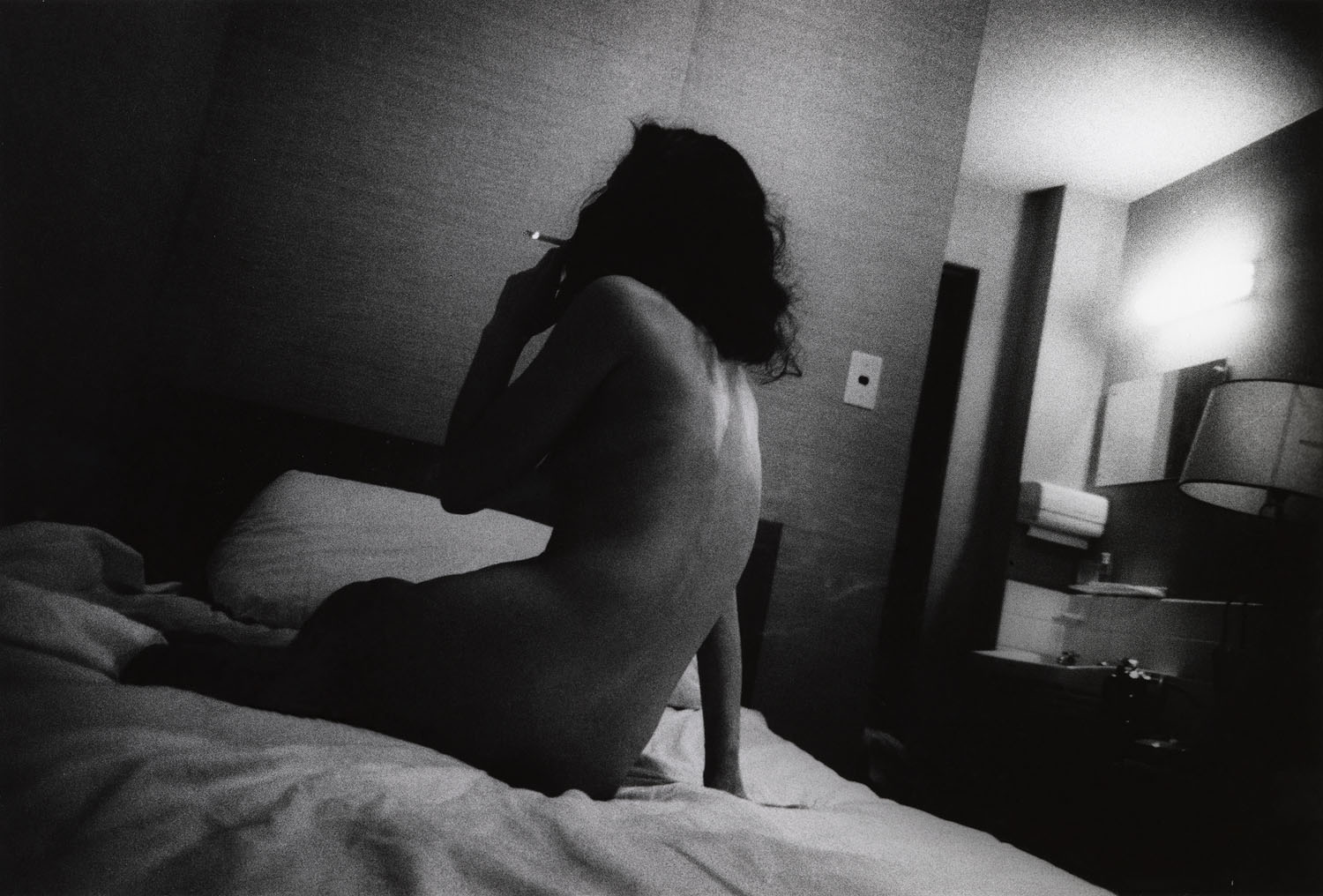
'Night flight 017' 2008 from the exhibition 'Sakiko Nomura: Tender is the Night' at Fundación MAPFRE, Madrid, February - May, 2025


Sakiko Nomura (Japanese, b. 1967)
Night flight 017
2008
Chromogenic copy
Courtesy of Akio Nagasawa Gallery
© Sakiko Nomura


This photographer was unknown to me before starting to assemble this posting.

I love Japanese photography. In Nomura’s photographs I particularly like the “shadowy atmospheres” contained and revealed in her work, the fact that a female has turned the camera lens on the nude male body, and how the artist has combined bodies “with other nighttime views of animals, urban and natural landscapes, airplanes, ships, empty roads, streets, trees, flowers, fireworks, cemeteries, the sea, the sky, weather events, and bedrooms. The photographs are dark, grainy, and even blurry; they depict a world of ambiguous and mysterious, albeit celebratory, shadows.”

The press release puts it more eloquently than ever I could:

“The black and white male nudes, barely illuminated or sometimes silhouetted against nocturnal and shadowy atmospheres, are the best-known pieces in her body of work. The subjects are young and attractive, like the protagonists of Tender Is the Night, the novel by F. Scott Fitzgerald that is explicitly referenced in the title, as power and erotic tension in these images are wrapped in an air of tenderness and certain mystery. These portraits (a real challenge to certain taboos and traditional stereotypes in Japanese culture) alternate in the exhibition with images of animals, still lifes, urban landscapes, atmospheric phenomena, lights and shifting reflections, creating a series of fragmented narratives with a cinematic quality, rich with allegorical meanings about the fleetingness of existence.”

Making a lateral connection, the idea of “atmosphere” can be related to the theatrical work (both landscape and portrait) of the German born British photographer Bill Brandt (1904-1983) who in his landscapes “aimed to introduce an atmosphere that connects with the viewer in order to provoke an emotional response from contemplation of the work.”1

“When these landscapes started to include stone constructions such as tombs and crosses Brandt considered that he had achieved his aim: “Thus it was I found atmosphere to be the spell that charged the commonplace with beauty. … I only know it is a combination of elements … which reveals the subject as familiar and yet strange.””1

In his book Literary Britain published in 1951 “an explanation of his somewhat imprecise concept of “atmosphere” can be found: the moment when the different elements that make up the landscape (nature, light, viewpoint, weather conditions) converge in an aesthetic canon rooted in a cultural tradition.”1

Extending this principle we acknowledge in Nomura’s photographs of nudes, animals, still lifes, urban landscapes, atmospheric phenomena, lights and shifting reflections et al an aesthetic canon rooted in the Japanese cultural tradition, photographs so Japanese that they could be no other, so utterly familiar and yet so magnificently strange.

Dr Marcus Bunyan


1/ Text from the exhibition Bill Brandt at the Fundación Mapfre, Madrid, June – August, 2021


Many thankx to Fundación MAPFRE for allowing me to publish the photographs in the posting. Please click on the photographs for a larger version of the image.
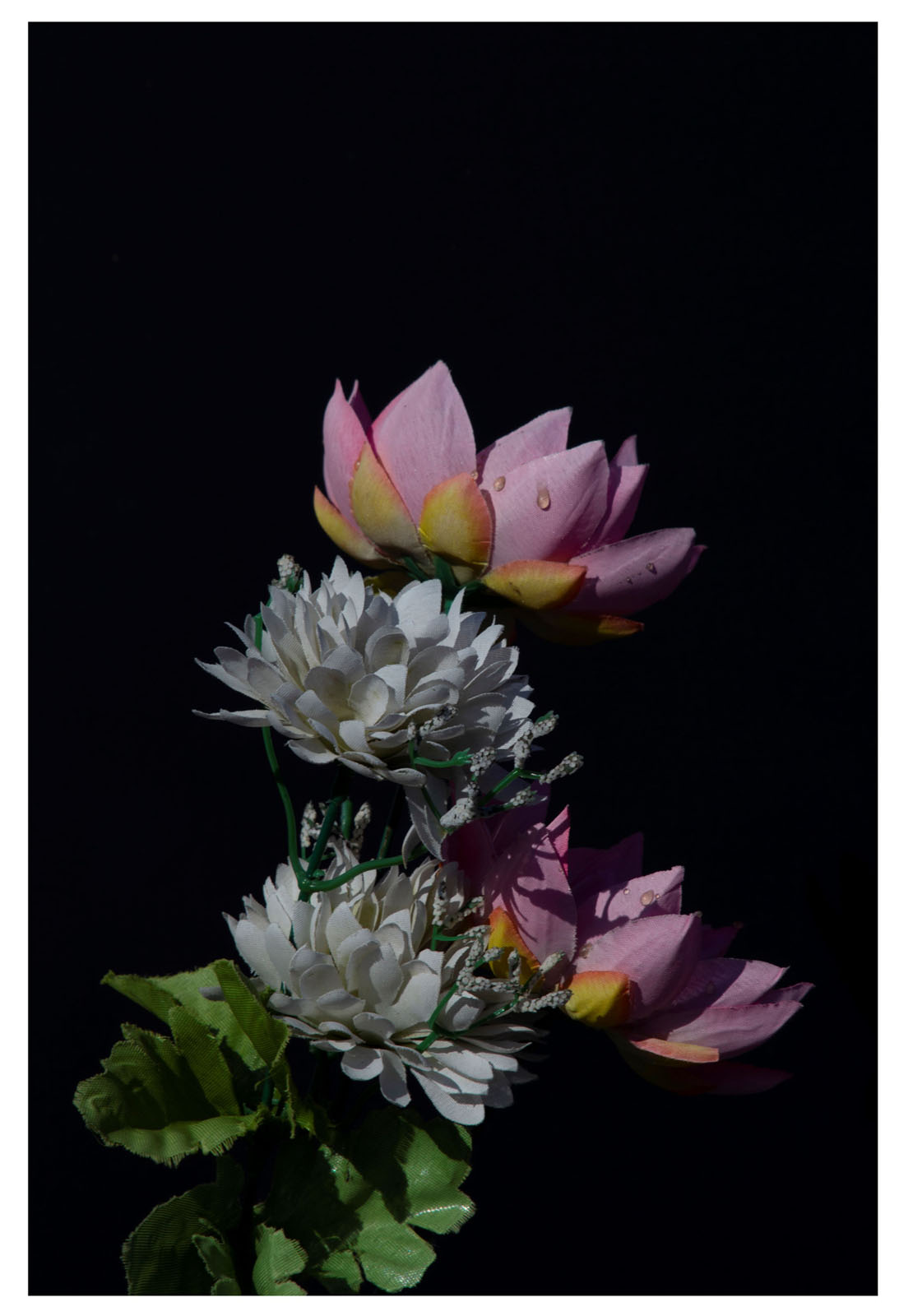


Sakiko Nomura (Japanese, b. 1967)
'Moonlit Night 015' 2023 from the exhibition 'Sakiko Nomura: Tender is the Night' at Fundación MAPFRE, Madrid, February - May, 2025


Sakiko Nomura (Japanese, b. 1967)
Moonlit Night 015
2023
Chromogenic copy
© Sakiko Nomura
Courtesy of Akio Nagasawa Gallery
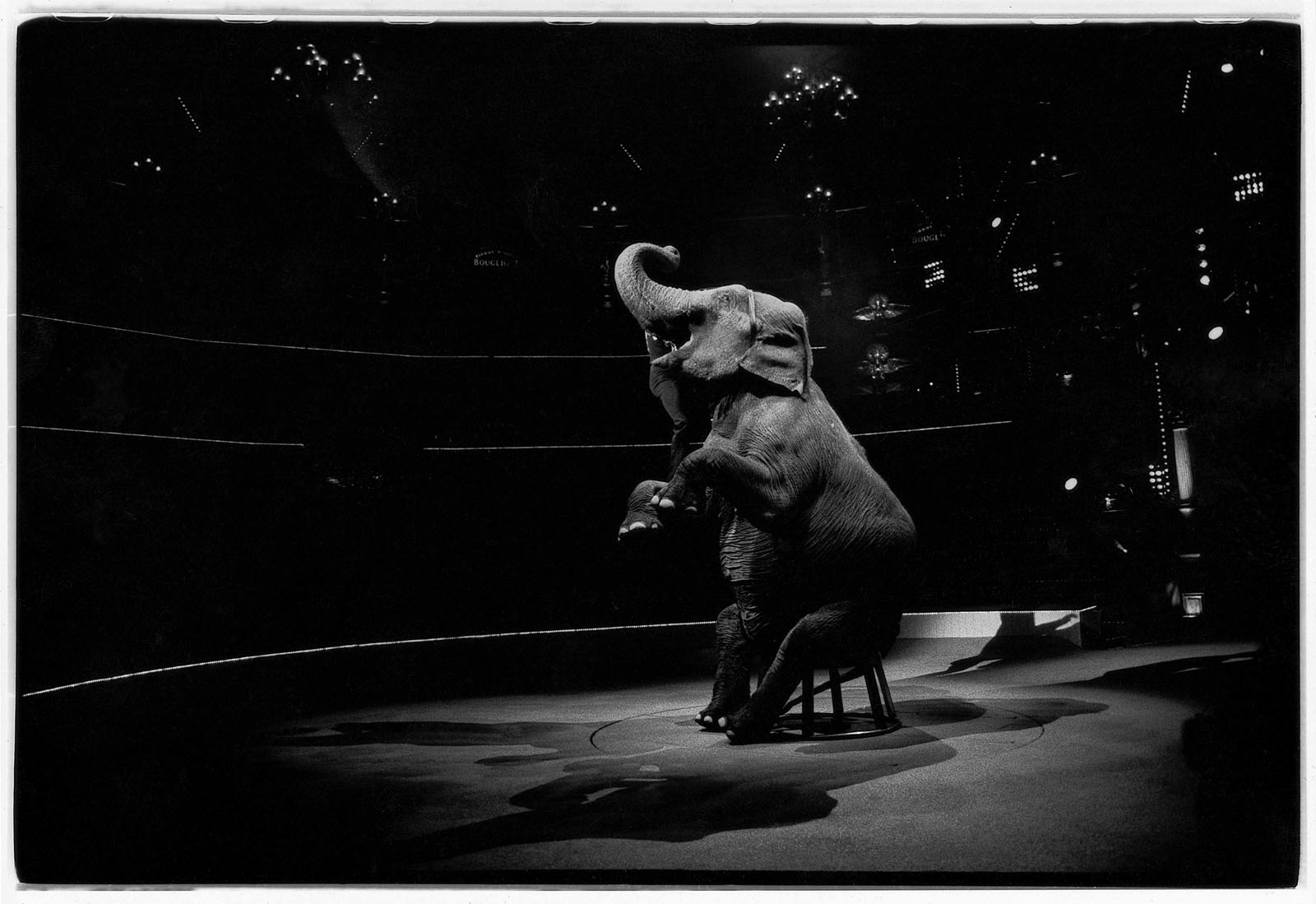
 

Sakiko Nomura (Japanese, b. 1967)
'Fate in spring 001' 2020 from the exhibition 'Sakiko Nomura: Tender is the Night' at Fundación MAPFRE, Madrid, February - May, 2025


Sakiko Nomura (Japanese, b. 1967)
Fate in spring 001
2020
Gelatin silver print
© Sakiko Nomura
Courtesy of Akio Nagasawa Gallery
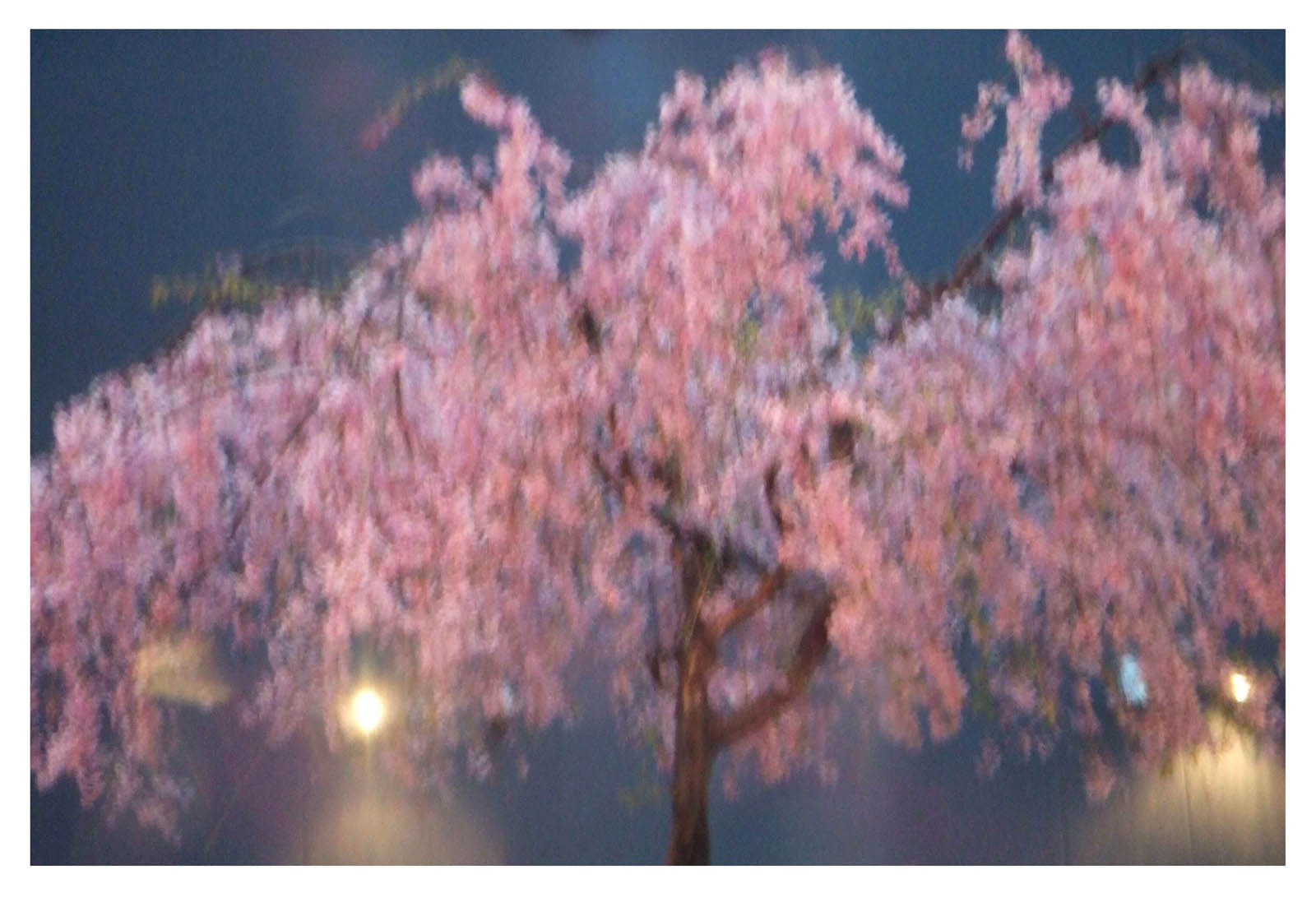
 

Sakiko Nomura (Japanese, b. 1967)
'Hotel Pegasus 030' 2013


Sakiko Nomura (Japanese, b. 1967)
Hotel Pegasus 030
2013
Chromogenic copy
© Sakiko Nomura
Courtesy of Akio Nagasawa Gallery
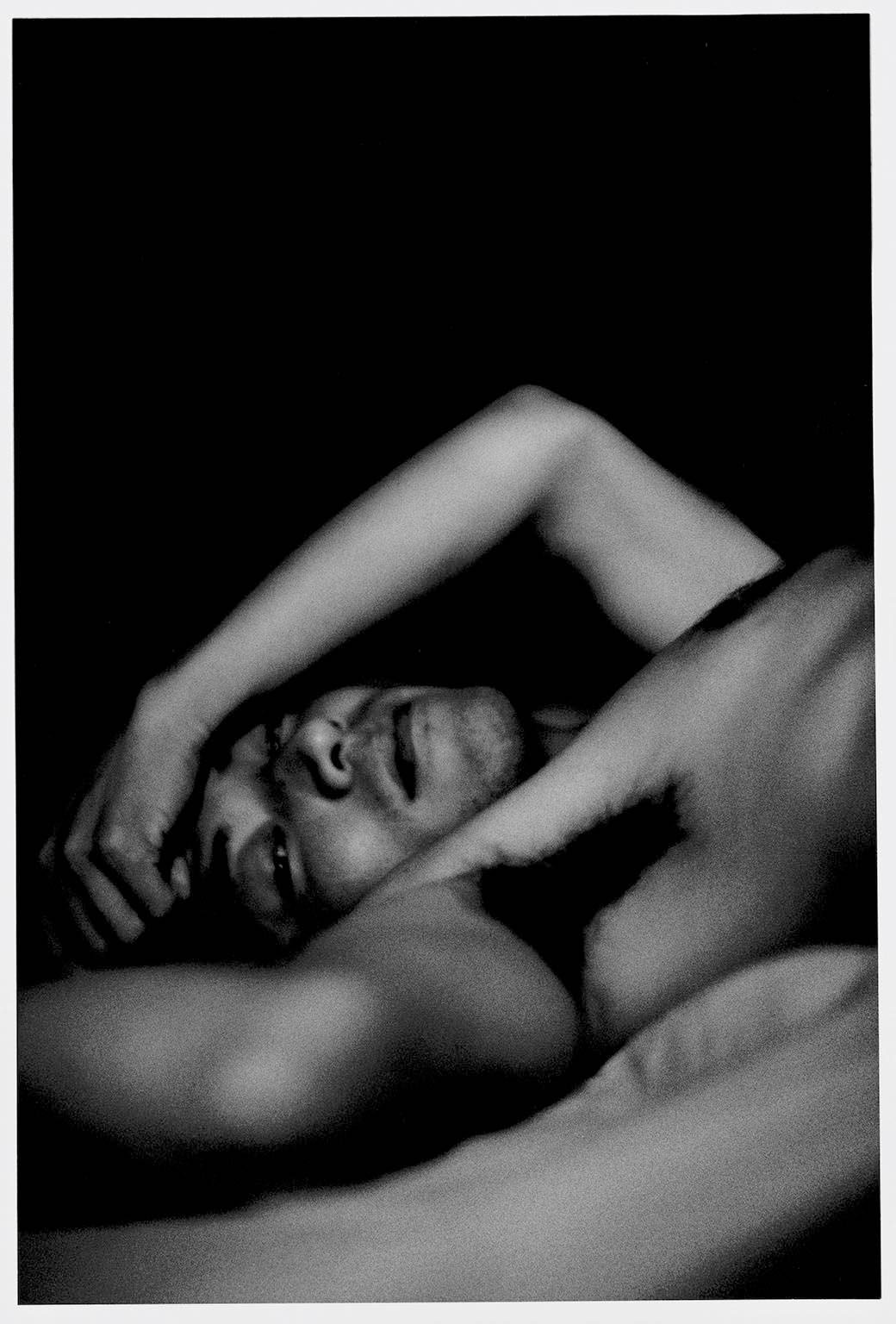
 

Sakiko Nomura (Japanese, b. 1967)
'Black Darkness 061' 2008


Sakiko Nomura (Japanese, b. 1967)
Black Darkness 061
2008
Gelatin silver print
© Sakiko Nomura
Courtesy of Akio Nagasawa Gallery
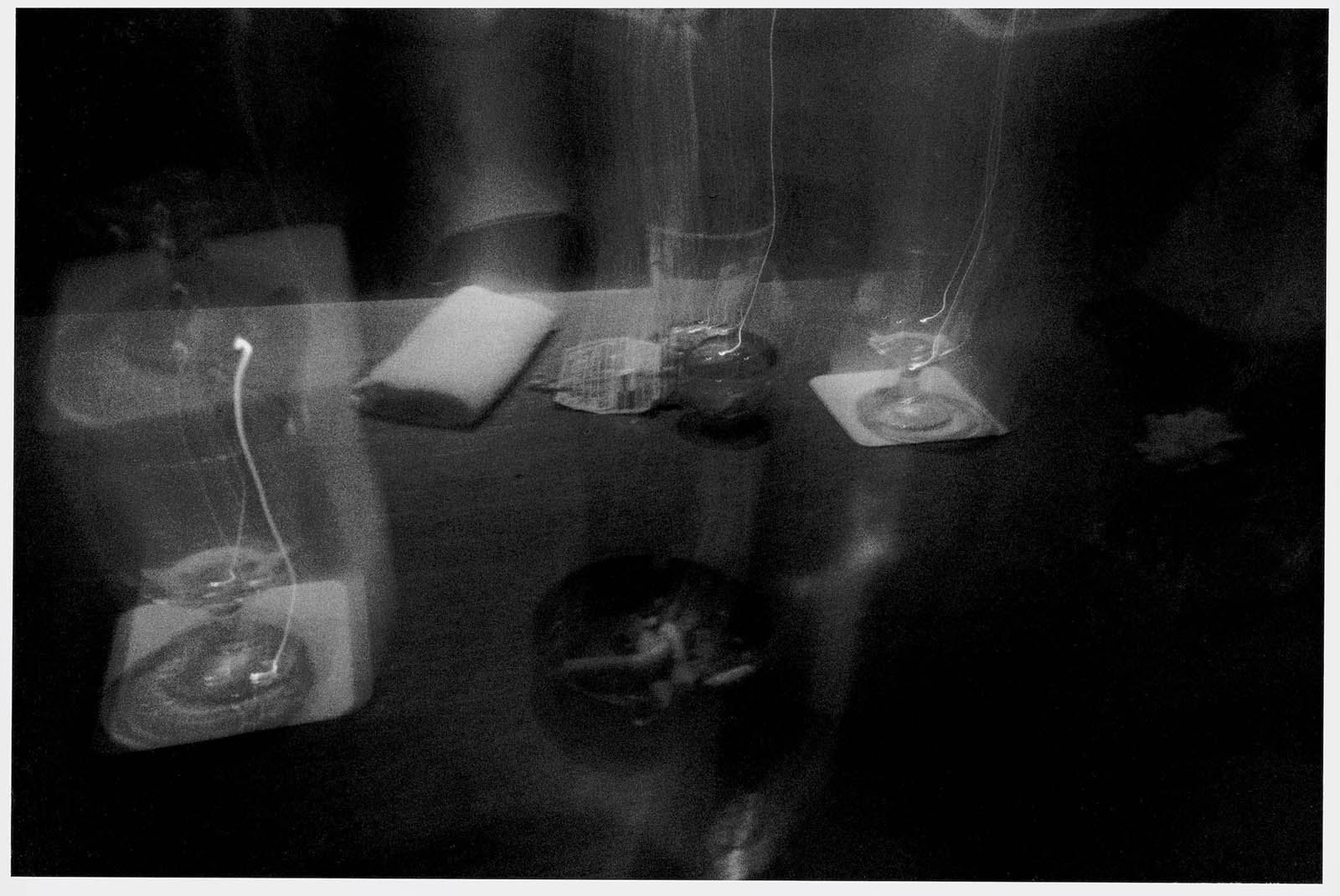
 

Sakiko Nomura (Japanese, b. 1967)
'Black Darkness 017'
2008


Sakiko Nomura (Japanese, b. 1967)
Black Darkness 017
2008
Gelatin silver print
© Sakiko Nomura
Courtesy of Akio Nagasawa Gallery
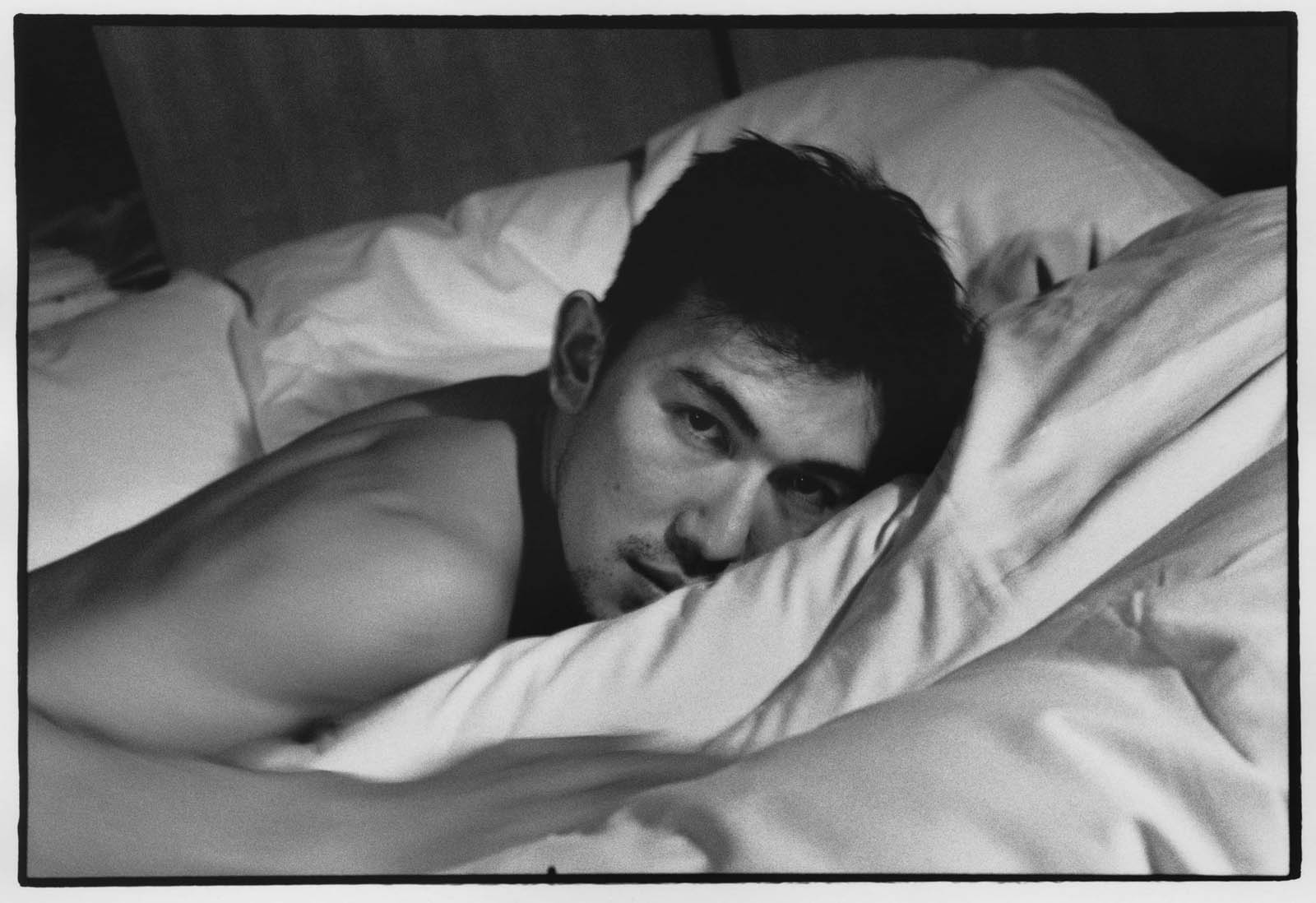
 

Sakiko Nomura (Japanese, b. 1967)
'Naked Time 053' 1997


Sakiko Nomura (Japanese, b. 1967)
Naked Time 053
1997
Gelatin silver print
© Sakiko Nomura
Courtesy of Akio Nagasawa Gallery
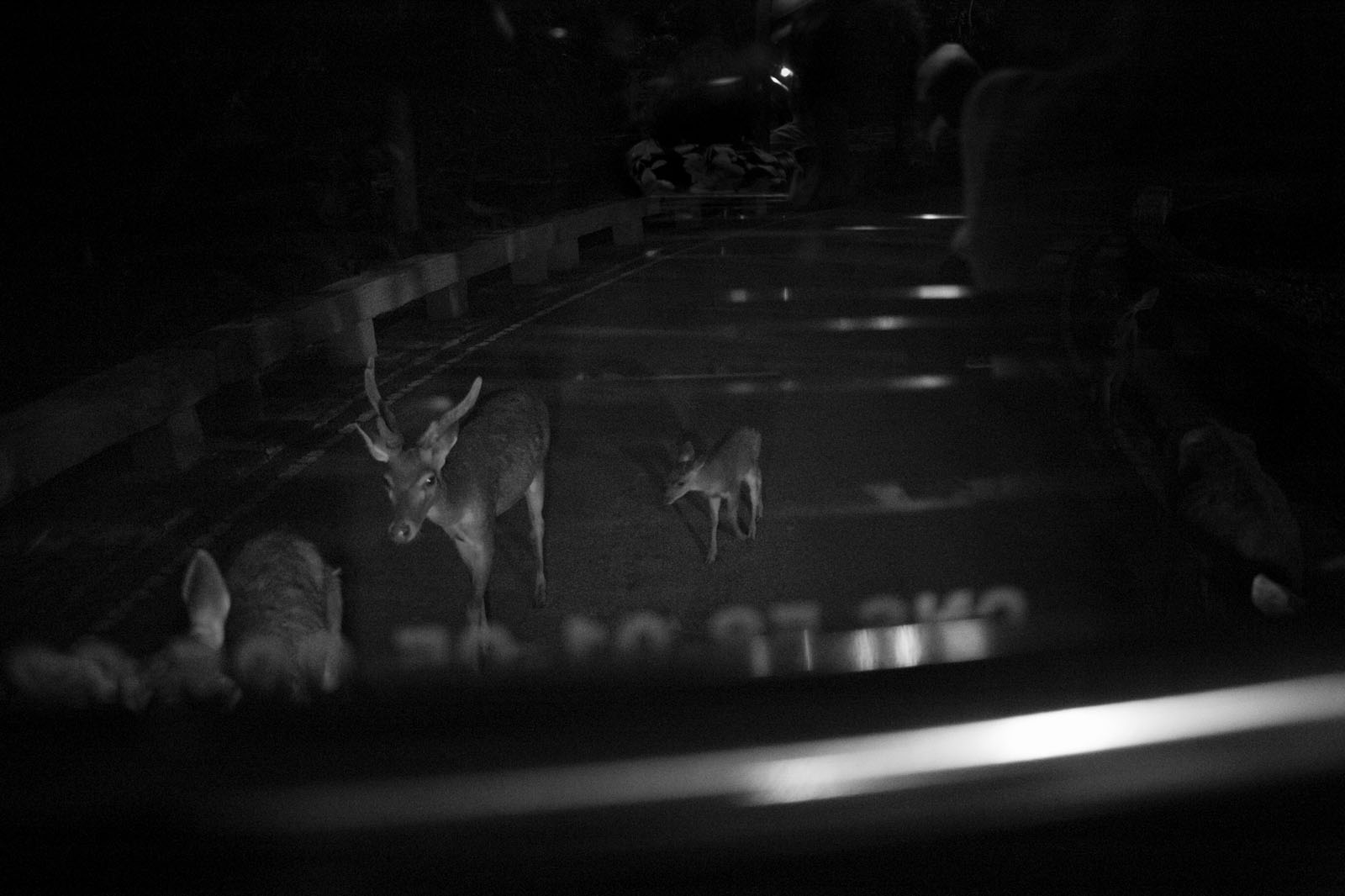
 

Sakiko Nomura (Japanese, b. 1967)
'On Love 229' 2017


Sakiko Nomura (Japanese, b. 1967)
On Love 229
2017
Gelatin silver print
© Sakiko Nomura
Courtesy of Akio Nagasawa Gallery
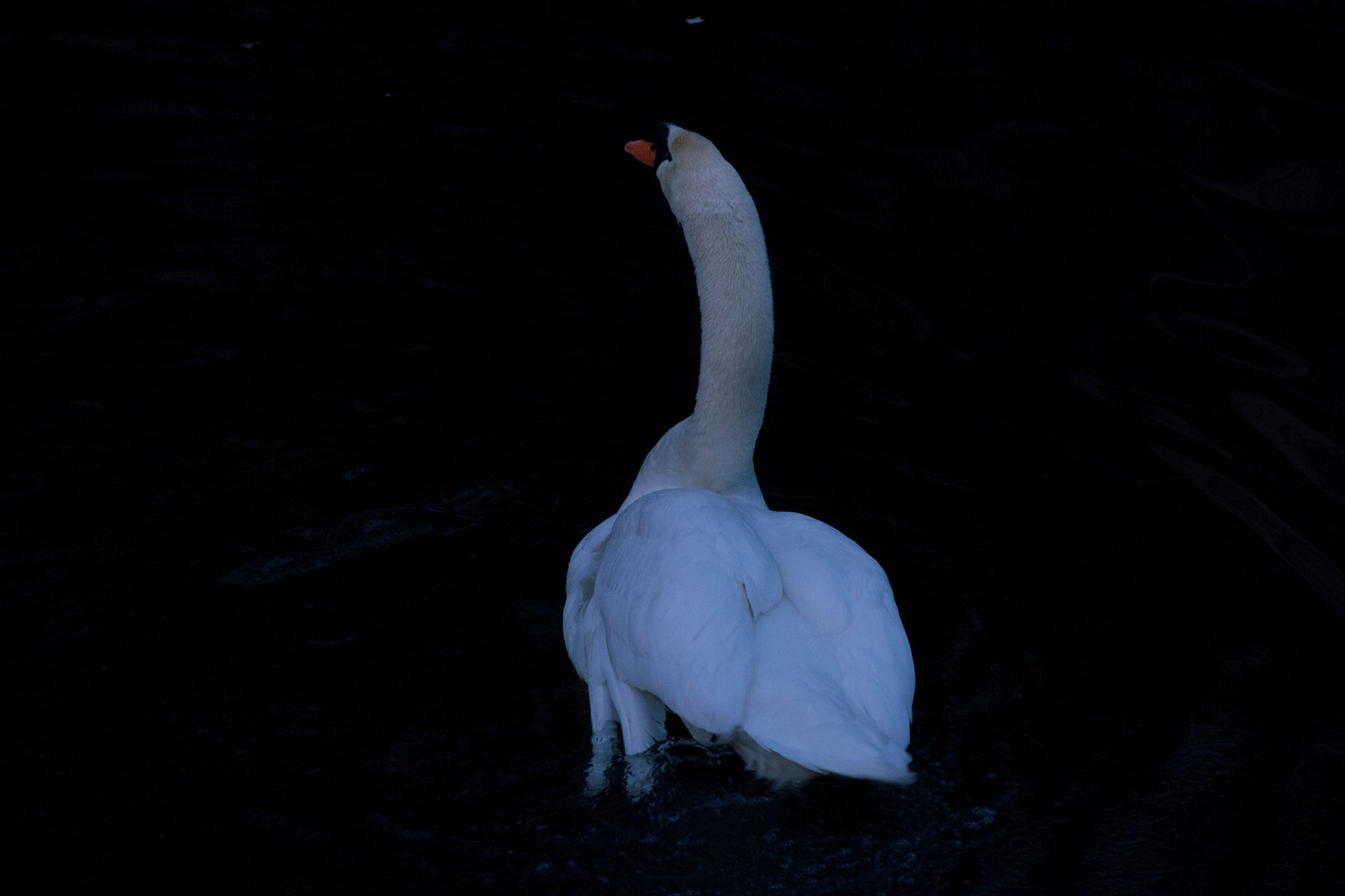
 

Sakiko Nomura (Japanese, b. 1967) 'GO WEST 011' 2019


Sakiko Nomura (Japanese, b. 1967)
GO WEST 011
2019
Chromogenic copy
© Sakiko Nomura
Courtesy of Akio Nagasawa Gallery


Sakiko Nomura (1967) is one of the most outstanding Japanese photographers of her generation. She worked for 20 years as an assistant to Nobuyoshi Araki and since 1993 has exhibited regularly in Japan and other Asian countries, as well as in Europe and Mexico. This exhibition is her first major retrospective.

The black and white male nudes, barely illuminated or sometimes silhouetted against nocturnal and shadowy atmospheres, are the best-known pieces in her body of work. The subjects are young and attractive, like the protagonists of Tender Is the Night, the novel by F. Scott Fitzgerald that is explicitly referenced in the title, as power and erotic tension in these images are wrapped in an air of tenderness and certain mystery. These portraits (a real challenge to certain taboos and traditional stereotypes in Japanese culture) alternate in the exhibition with images of animals, still lifes, urban landscapes, atmospheric phenomena, lights and shifting reflections, creating a series of fragmented narratives with a cinematic quality, rich with allegorical meanings about the fleetingness of existence.

The exhibition also devotes special attention to her photobooks, which constitute a significant part of her career.

Text from the Fundación MAPFRE website
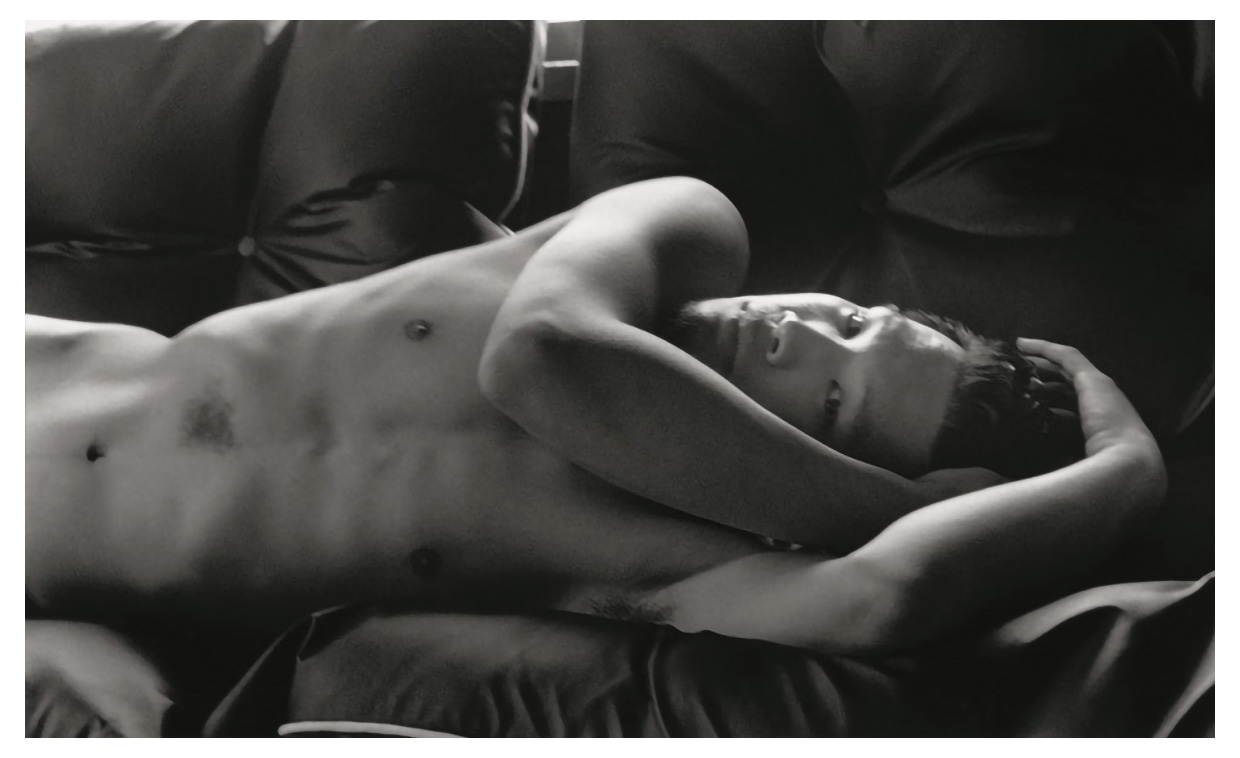
 

Sakiko Nomura (Japanese, b. 1967)
'Naked Time 025' 1997


Sakiko Nomura (Japanese, b. 1967)
Naked Time 025
1997
Gelatin silver print
© Sakiko Nomura
Courtesy of Akio Nagasawa Gallery
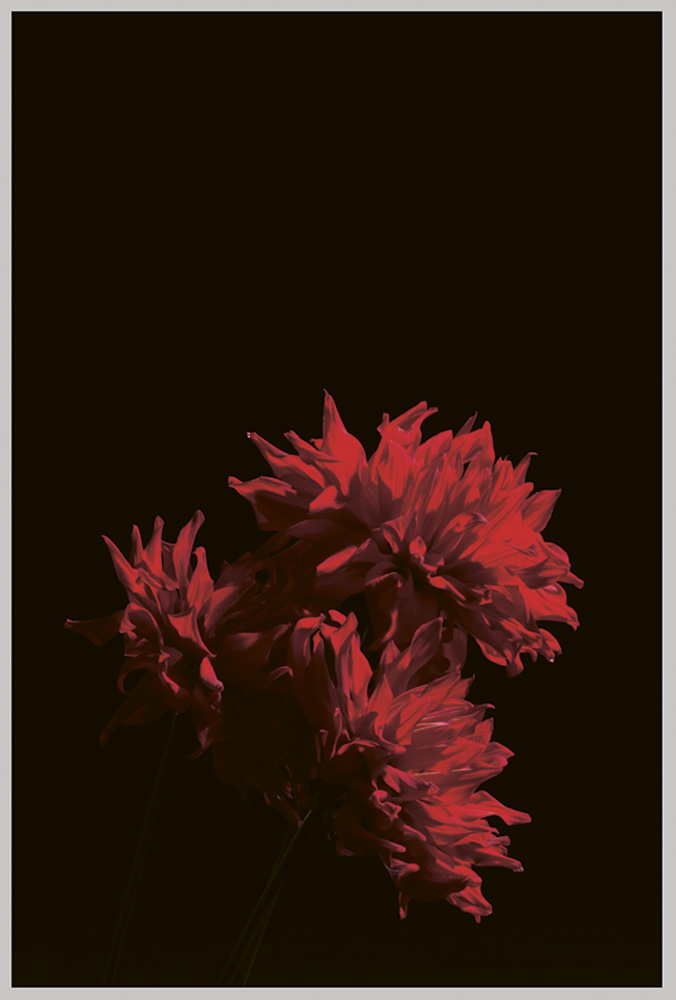
 

Sakiko Nomura (Japanese, b. 1967)
'Flower 055' 2015


Sakiko Nomura (Japanese, b. 1967)
Flower 055
2015
Chromogenic copy
© Sakiko Nomura
Courtesy of Akio Nagasawa Gallery
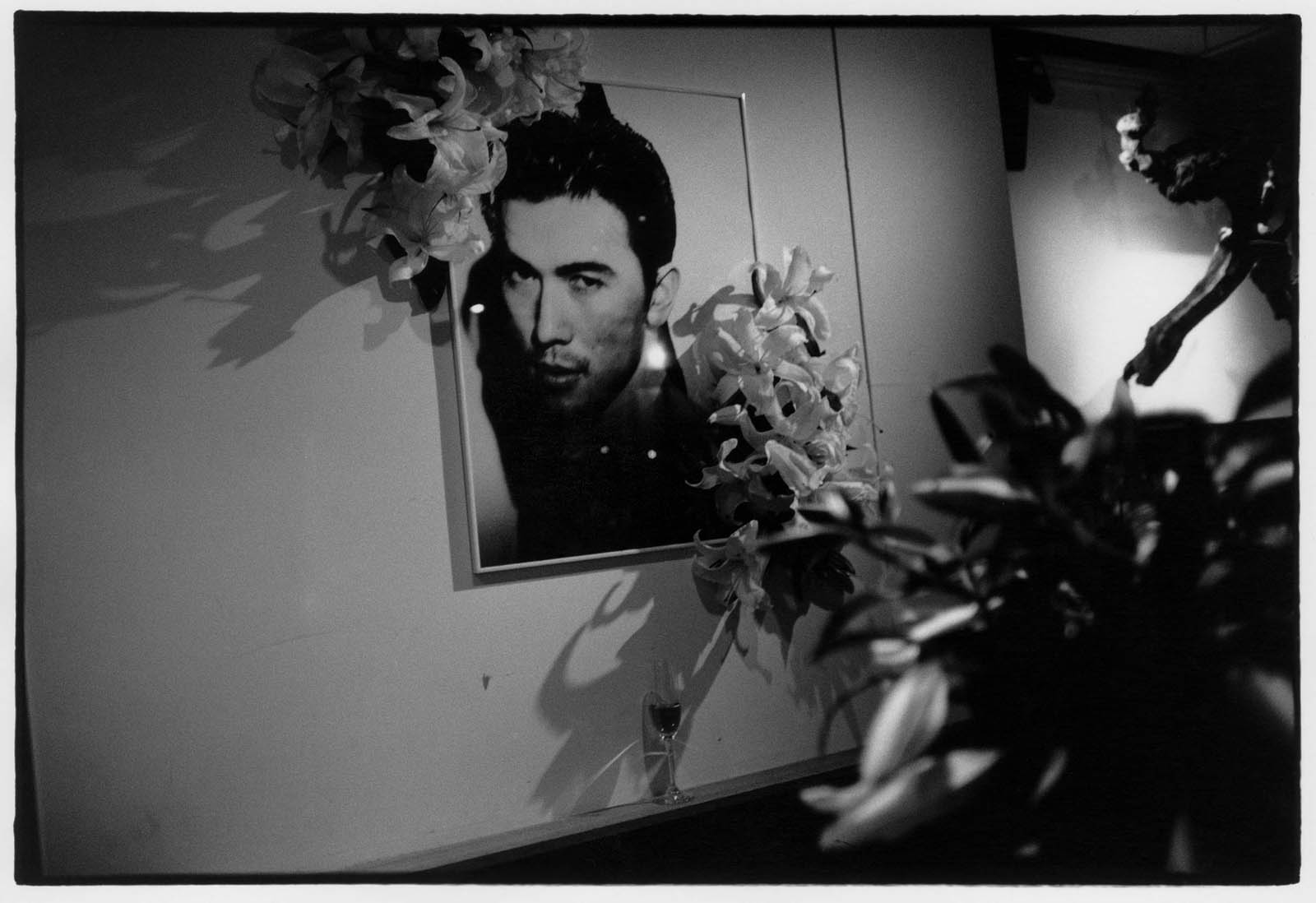
 

Sakiko Nomura (Japanese, b. 1967)
'NUDE/ A ROOM/ FLOWERS 001' 2012


Sakiko Nomura (Japanese, b. 1967)
NUDE/ A ROOM/ FLOWERS 001
2012
Gelatin silver print
© Sakiko Nomura
Courtesy of Akio Nagasawa Gallery


Sakiko Nomura (Shimonoseki, Yamaguchi Prefecture, 1967) is one of the most prominent Japanese photographers of her generation, the first to include a significant number of women. In 1990 Nomura graduated in photography from the University of Kyushu Sangyo (Fukuoka), known for its innovative artistic and cultural programs. Upon completing her studies, she became the assistant of Nobuyoshi Araki, the renowned Japanese photographer, with whom she worked for twenty years. Nomura’s career began in 1993, exhibiting and publishing photobooks. Now numbering close to forty, these publications have always been carefully produced by the artist herself and represent a key aspect of her work. This exhibition constitutes her first retrospective in Europe.

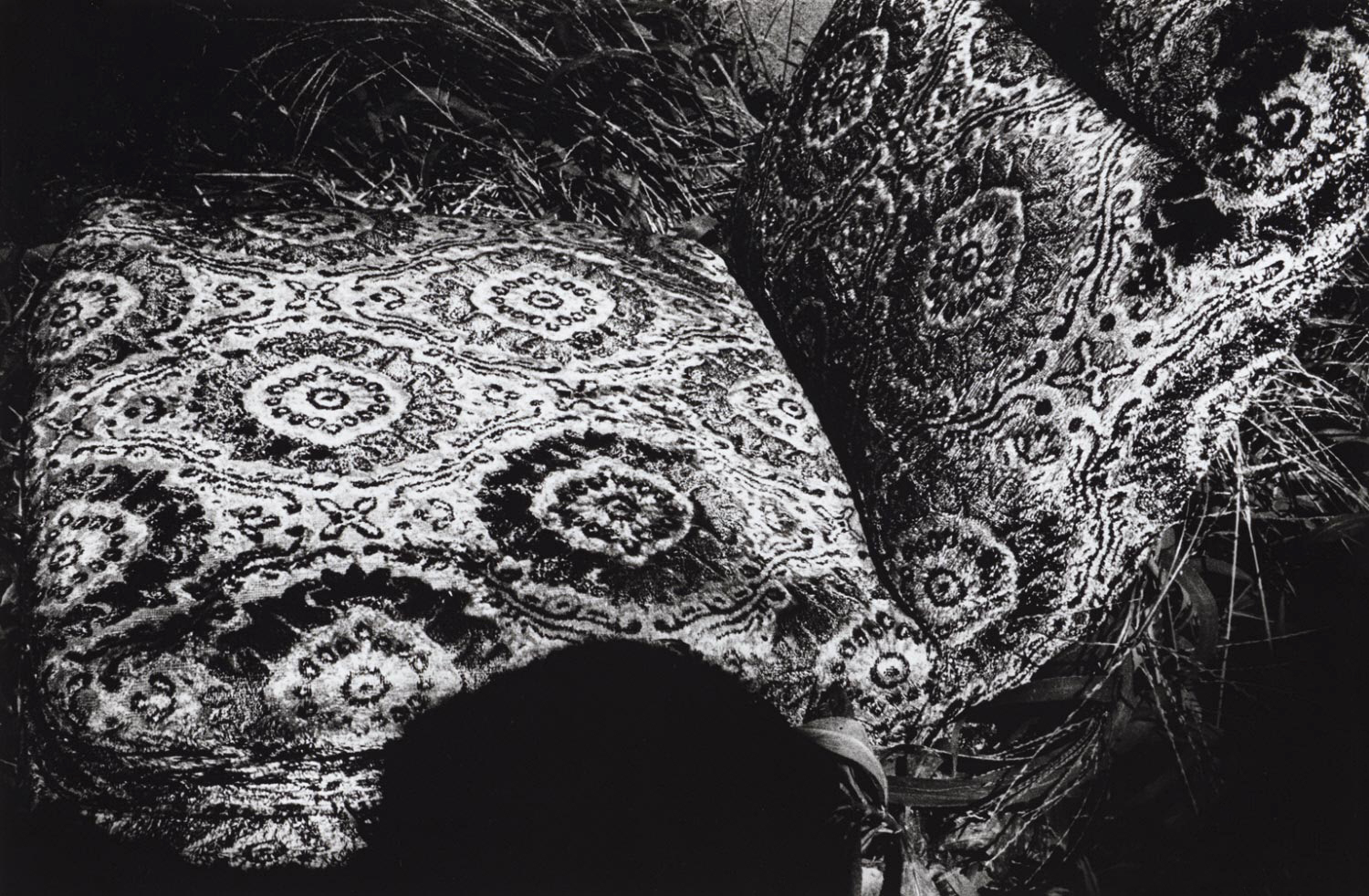
Sakiko Nomura is best known for her dark and nocturnal photographs of male nudes in black and white. She alternates these works with other nighttime views of animals, urban and natural landscapes, airplanes, ships, empty roads, streets, trees, flowers, fireworks, cemeteries, the sea, the sky, weather events, and bedrooms. The photographs are dark, grainy, and even blurry; they depict a world of ambiguous and mysterious, albeit celebratory, shadows. Seen together, these images form temporal narratives that are reminiscent of cinema. Although she also makes portraits of women, as a woman who photographs male nudes, Nomura breaks Japanese stereotypes, taking on feminist perspectives. 

The 1990s are known as the “lost years” in Japan: the economic bubble and the financial crisis of 1989 had stifled the growth of Japanese society. Conversely, photography and art experienced a period of internationalization and change. Museums and galleries opened, while infrastructures surrounding photography were strengthened and both public and private institutions began to collect photographs. Nevertheless, Japanese society, at that time, harbored enormous discrimination against women, which was no different in the world of photography. There were outstanding women photographers, but they were few and far between, and it was difficult for them to abandon anonymity. It was precisely in this context, within a traditional society, that women’s consciousness changed radically, and a true blossoming of new women artists emerged. Nomura was part of this wave and began to pave her way as an important Japanese photographer.

This exhibition presents the works of Sakiko Nomura in thematic categories, which may be specific, such as flowers, nudes, animals, and portraits of a renowned kabuki actor. Likewise, the show features the artist’s photobooks, including Night Flight, and photographs grouped together based on technical characteristics, such as the series Another Black Darkness. Lastly, a selection of photographs produced in Granada during the summer of 2024 that were commissioned by Fundación MAPFRE on the occasion of this exhibition will also be on display.

Night Flight

Night Flight is the title of a photobook produced by Sakiko Nomura in 2008; one of her few publications in color. In this instance, the artist alternates photographs of nude men – who look directly at the camera as they pose on beds in dark hotel rooms and are either smoking or with their lovers – with images of airplanes taking off or landing, out-of-focus night lights, fuming industrial chimneys, and fireworks that acquire obvious erotic undertones. These images appear to be the memories of different sexual encounters and are centered on the moments before or after said encounters, as if ultimately each one were a journey.

The photobook includes a text authored by the filmmaker Tatsushi Omori, in which he recalls posing nude for Nomura ten years earlier, in a dark room with orange light. According to Omori, Nomura places her subjects in a melancholic, chaotic, and seemingly fleeting world of light and shadow, with no precise boundaries, in which the beds are a representation of the sky. Everything is shifty and unstable, conjuring a metaphor of memory as something emotional that is simultaneously precise and inaccurate.

Flowers

Many of the motifs photographed by Sakiko Nomura evoke the intrinsic relationship between life and death. Likewise, the staging of her compositions, the darkness of their atmospheres, and the monotony of tonalities also suggest the coldness of death, as if – despite the artist’s restraint – they were expressing hidden notions of tenderness and intimacy. An example of this can be found in her series of flowers, in which orchids, lilies, roses, chrysanthemums, and other decomposing flowers are placed in vases in the middle of a room; together their form an extension of baroque vanitas and represent allegories of the fleetingness of existence, its beauty being purely transitory.

Three Photobooks

Black Darkness (2008), NUDE / A ROOM / FLOWERS (2012), and Fate in spring (2020) are three of Nomura’s most cherished photobooks, perhaps because they all include photographs that bear the artist’s hallmarks: dark photographs that convey an epic of intimacy.

Black Darkness – a Buddhist term that is related to hell – was jokingly proposed to the artist as a title by the master photographer Nobuyoshi Araki. This book includes images of male nudes, skyscrapers that become visible through the fog, empty bedrooms, flowers, and the seafoam created by crashing waves, all depicted in black and white. The photographs are rather dark, conjuring a variety of dreamlike meanings and ancient emotions.

NUDE / A ROOM / FLOWERS includes a number of photographs in colour and broadens Nomura’s vocabulary with images of trips through different cities – such as Venice, Berlin, Beijing, and Krakow – combined with interiors of hospitals, churches, cemeteries, and a few daytime scenes.

Conversely, in Fate in spring the artist presents pairs of images – which are not necessarily related to one another – that evoke unexpected ideas when combined. 

Another Black Darkness

After participating at the Rencontres d’Arles photography festival in 2016, Nomura published her first experimental works utilising the technique of solarisation. These images were printed with glossy black ink on matte black paper under the title Another Black Darkness.

Dark and hermetic at first sight, on this occasion the viewer is forced into contemplating this untitled and undated series. One must make a considerable effort to decipher the content of these images, which is practically hidden. The figures appear as landscapes flickering in distant memories – the silhouette of a naked man laying on a bed, another of a man sitting down and smoking with his back turned to the viewer as a woman exposes her buttocks, a kiss, the outlines of a city, a forest, a car, a flower, and a tree can all be spotted amidst the shadows – akin to images found in the work of Junichiro Tanizaki.

Nudes

Nomura’s male nudes first appear in her 1994 photobook titled Naked Room. She has since produced this type of portrait recurrently in private or semi-private spaces. When she published her book in the 1990s, Japanese society exerted much discrimination towards women, which extended into the world of photography. Then it was common for women to be the protagonists of nudes, exhibiting themselves for the patriarchal gaze. Nomura subverted the norms that had been tacitly accepted for decades by featuring males as her subjects, despite her work being distanced from the cliché of the naked body as a sexual fantasy. Hiroki Kurotaki was the first model to pose nude for her. The artist portrayed him over the course of twenty years, until his death. Through Kurotaki, Nomura conveyed one of her main beliefs regarding the medium: “Photography is taking pictures of nudes, confronting bare existence,” as she pointed out in an interview in 2022.

Miscellaneous

Koshiro Matsumoto X is another individual who Nomura has portrayed for decades. Born into a family of male Kabuki actors – a genre of Japanese theater that originated in Kyoto in the early 17th century – dating back to his great grandfather, Matsumoto began his career as Kintaro Matsumoto at the age of six. Two years later, he changed his name to Somegoro Ichikawa and acquired his current name in 2018 at the age of forty-five, which he inherited from his father and had been previously carried by nine actors in his family. Nomura published My Last Remaining Dream in 2018, documenting the actor’s career through 593 photographs.

In the photobook majestic, published in 2022, Nomura gathers images of tattooed men who are part of the Edo-choyukai association in their yearly pilgrimage to Mount Oyama. Along with these photographs, this room also includes images of animals – which the artist is interested in as symbols of instinct and desire – combined with others that capture the precise moment when sight is about to vanish at dawn and dusk.

Exhibition texts from Fundación MAPFRE
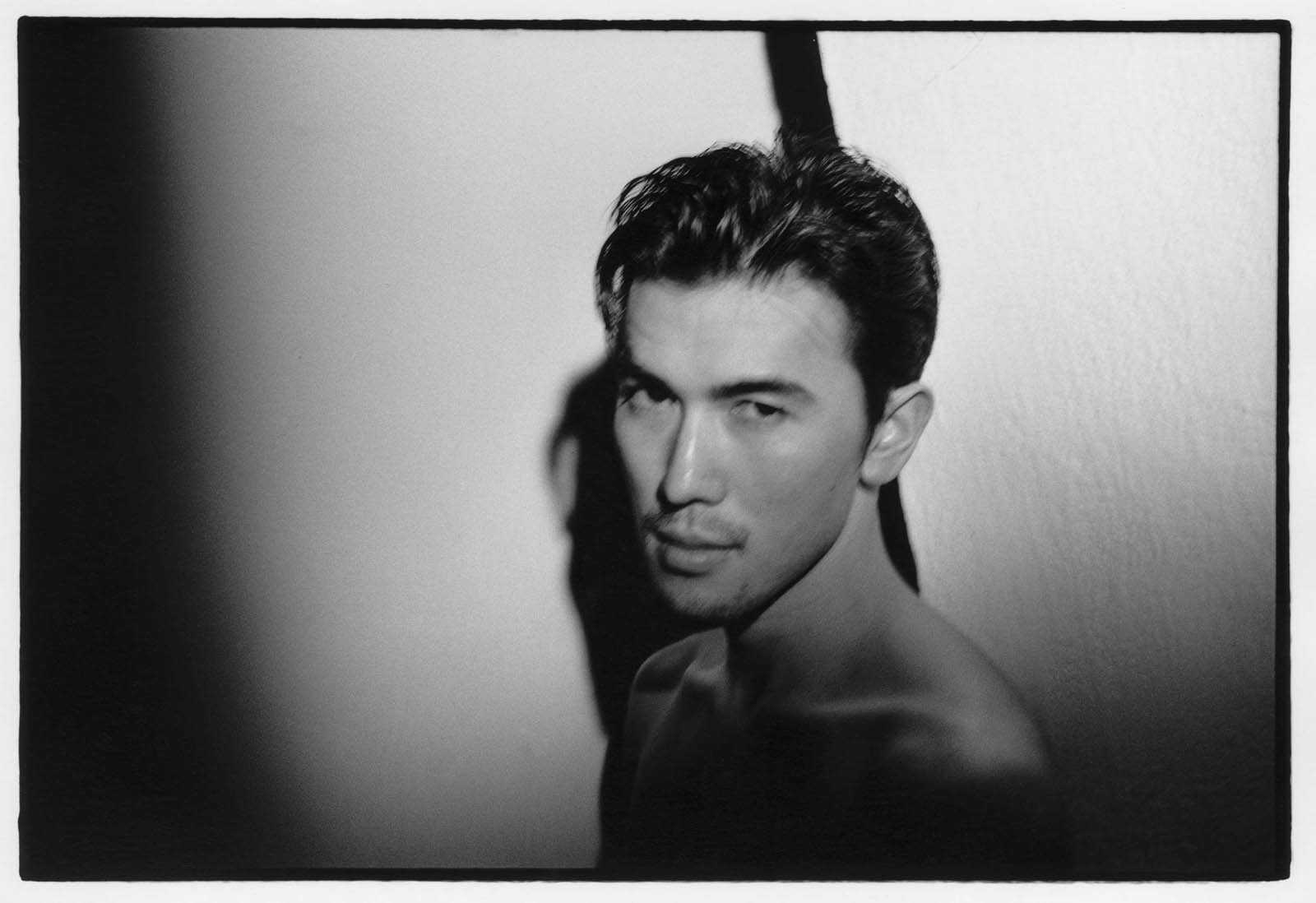
 

Sakiko Nomura (Japanese, b. 1967)
'Naked Room 006 - Nude / A Room / Flowers #041' 1994


Sakiko Nomura (Japanese, b. 1967)
Naked Room 006 – Nude / A Room / Flowers #041
1994
Gelatin silver print
© Sakiko Nomura
Courtesy of Akio Nagasawa Gallery

There seems to be no consensus online about the title, which is either Naked Room 006 OR Nude / A Room / Flowers #041
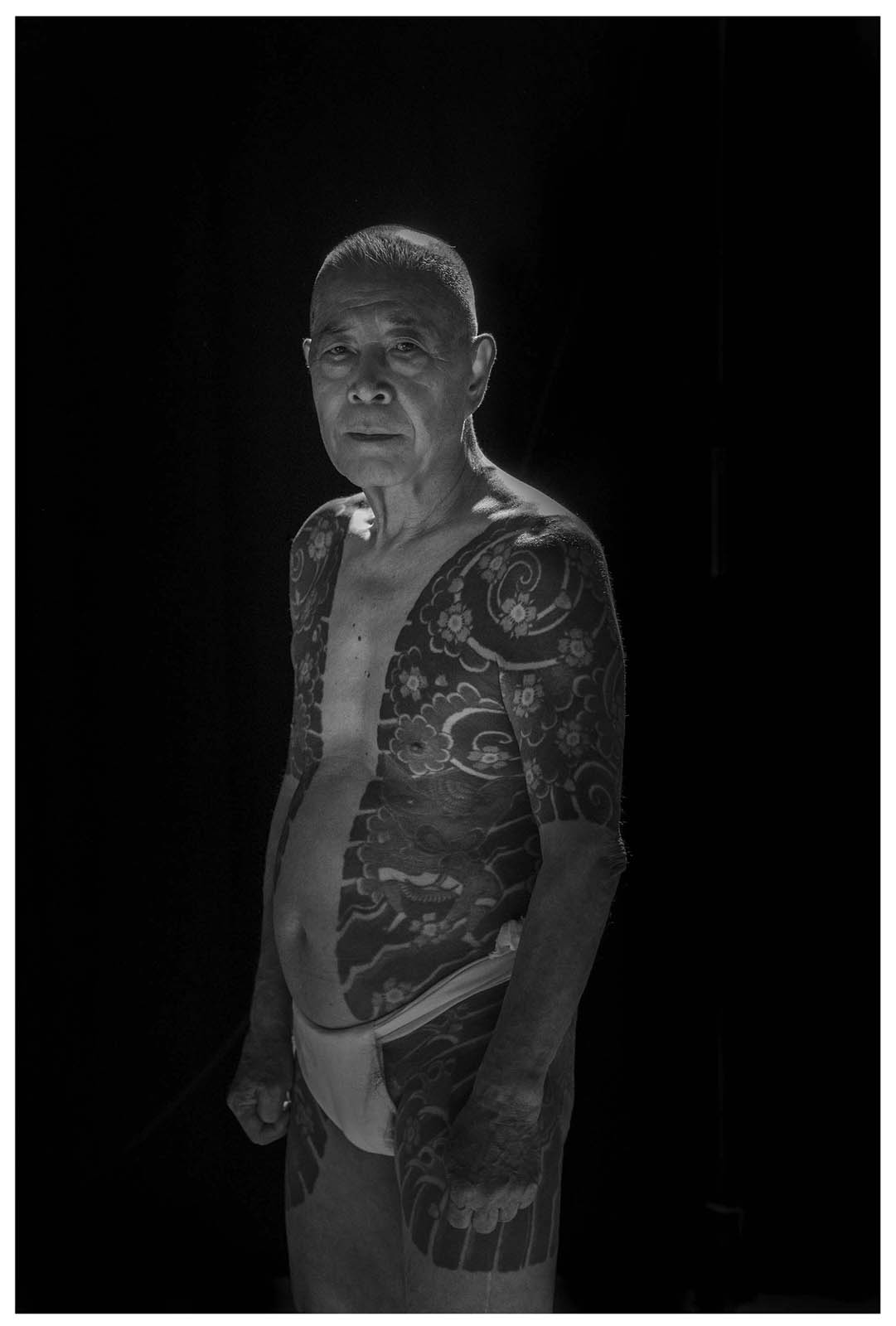
 

Sakiko Nomura (Japanese, b. 1967)
'majestic 012' 2022


Sakiko Nomura (Japanese, b. 1967)
majestic 012
2022
Gelatin silver print
© Sakiko Nomura
Courtesy of Akio Nagasawa Gallery


Sakiko Nomura (Japanese, b. 1967)
My Last Remaining 'Dream 460' 2018


Sakiko Nomura (Japanese, b. 1967)
My Last Remaining Dream 460
2018
Gelatin silver print
© Sakiko Nomura
Courtesy of Akio Nagasawa Gallery


The 1990s are known as “the lost years” in Japan: the financial crisis of 1989 and the bursting of the economic bubble inhibited Japanese society’s growth. Conversely, photography and art experienced a period of change and internationalisation. Museums and galleries opened, while infrastructures surrounding photography were strengthened. Public and private institutions alike began to treasure collections that featured this artform. Nevertheless, Japanese society, at that time, harboured enormous discrimination against women, which was no different in the world of photography. There were outstanding women photographers, but they were few and far between, and it was difficult for them to abandon anonymity. It was precisely in this context that women’s consciousness changed radically, and a true blossoming of new women artists – whose work was often disrespectfully referred to as “girl photographs” – emerged.

Sakiko Nomura (Shimonoseki, Yamaguchi Prefecture, 1967) was part of this current and began to shape her path as a relevant photographer in her country, with interests that would differentiate her from her contemporaries. Nomura worked as Nobuyoshi Araki’s (Tokyo, 1940) assistant for twenty years, one of the most prominent Japanese photographers. In 1993 she began to exhibit her work frequently in Japan and other Asian nations, as well as in Europe and Mexico. Aside from her images, photobooks make up a large portion of her artistic production, publishing close to forty to this day.

Presented by Fundación MAPFRE, this retrospective borrows its title from the renowned F. Scott-Fitzgerald novel Tender Is the Night, published in 1934. Much like the book, the protagonists that make up the artist’s photographs are young and attractive. Likewise, Nomura’s images also convey the power and tension of erotic desire, albeit with much tenderness.

Portrayed almost exclusively in black and white, in mysterious nighttime settings that are full of shadows, and often grainy or out-of-focus, Nomura’s male nudes, which she is best known for, alternate with images of animals, still lives (particularly flowers), views of cities, hotel room interiors, weather events, lights, and moving reflections, to name a few of the motifs developed by the artist.

As a whole, these images have temporal connotations that are reminiscent of cinema. Scenes that the viewer can infer and are loaded with allegorical meanings, such as the transient nature of things and the fleetingness of time; in other words, the passing of life.

Photographs often serve as a registry of events or people. They refer to a date, or to the place where they were taken; they speak of one or several specific individuals. However, Nomura avoids these inquiries. Thus, a chronological order encompassing all of her works does not exist.

For this reason, most rooms have been organised according to the photographs that make up the artist’s photobooks. In others, works are grouped thematically, with occasional overlaps. The show also features a selection of images produced in Granada during the summer of 2024, commissioned by Fundación MAPFRE on the occasion of this exhibition, along with eighteen photobooks and a film created from three shorter films – HIROKI, FLOWER, and, SEA – directed by Nomura herself.

KEYS

Nudes

Titled Naked Room, Nomura’s first book was published in 1994 and includes a cover featuring the silhouette of a young man’s naked chest. The image is grainy, low in contrast, and out of focus. These are some of the traits that would define the artist’s work from that point onward. Alternatively, the history of nudes in photography suggests that this genre has been geared toward a male perspective and is often produced by male photographers, who use the female body as an object to portray. By focusing on male bodies, Nomura has subverted the rules and has challenged the stereotypes of an entire tradition that is greatly influential in both the West and the Far East, particularly in Japan.

Journey Into the Night

Attracted to darkness as the counterpart of light, Nomura’s photographs feature out-of-focus nighttime scenes, shadows, and dim light, as if the artist were seeking a way out, or the light at the end of a journey. The elements and subjects that she captures seem to appear within the magic brought about by darkness, which the artist occasionally discovers only after the film is developed.

Photobooks

Sakiko Nomura has published close to fourty photobooks throughout her career, which is still far from the 450 published by her mentor, the renowned photographer Nobuyoshi Araki, yet play a key role in Nomura’s work. The artist herself supervises their publication with great care and often finds meaning in her work through this process. Viewed from a different perspective, perhaps it is the audience who discovers their meaning, since her photographs – which are undated and do not include specific references – are not always easy to decipher and require some effort. Viewers must be committed to their role as active subjects.

Information and texts from Fundación MAPFRE
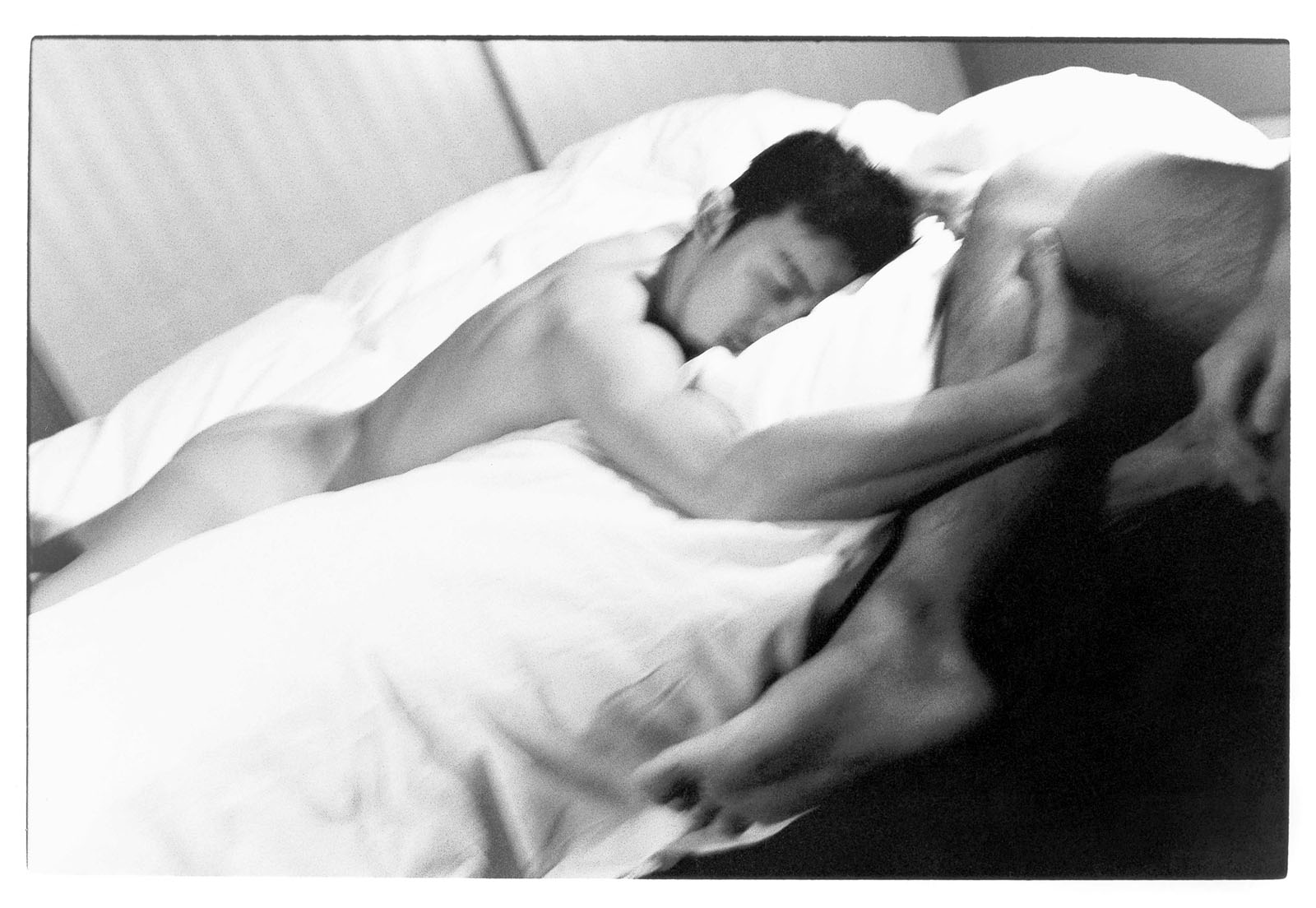
 

Sakiko Nomura (Japanese, b. 1967)
'Naked Time 052 - Nude / A Room / Flowers #166' 1997


Sakiko Nomura (Japanese, b. 1967)
Naked Time 052 – Nude / A Room / Flowers #166
1997
Gelatin silver print
© Sakiko Nomura
Courtesy of Akio Nagasawa Gallery

There seems to be no consensus online about the title, which is either Naked Time 052 OR Nude / A Room / Flowers #166
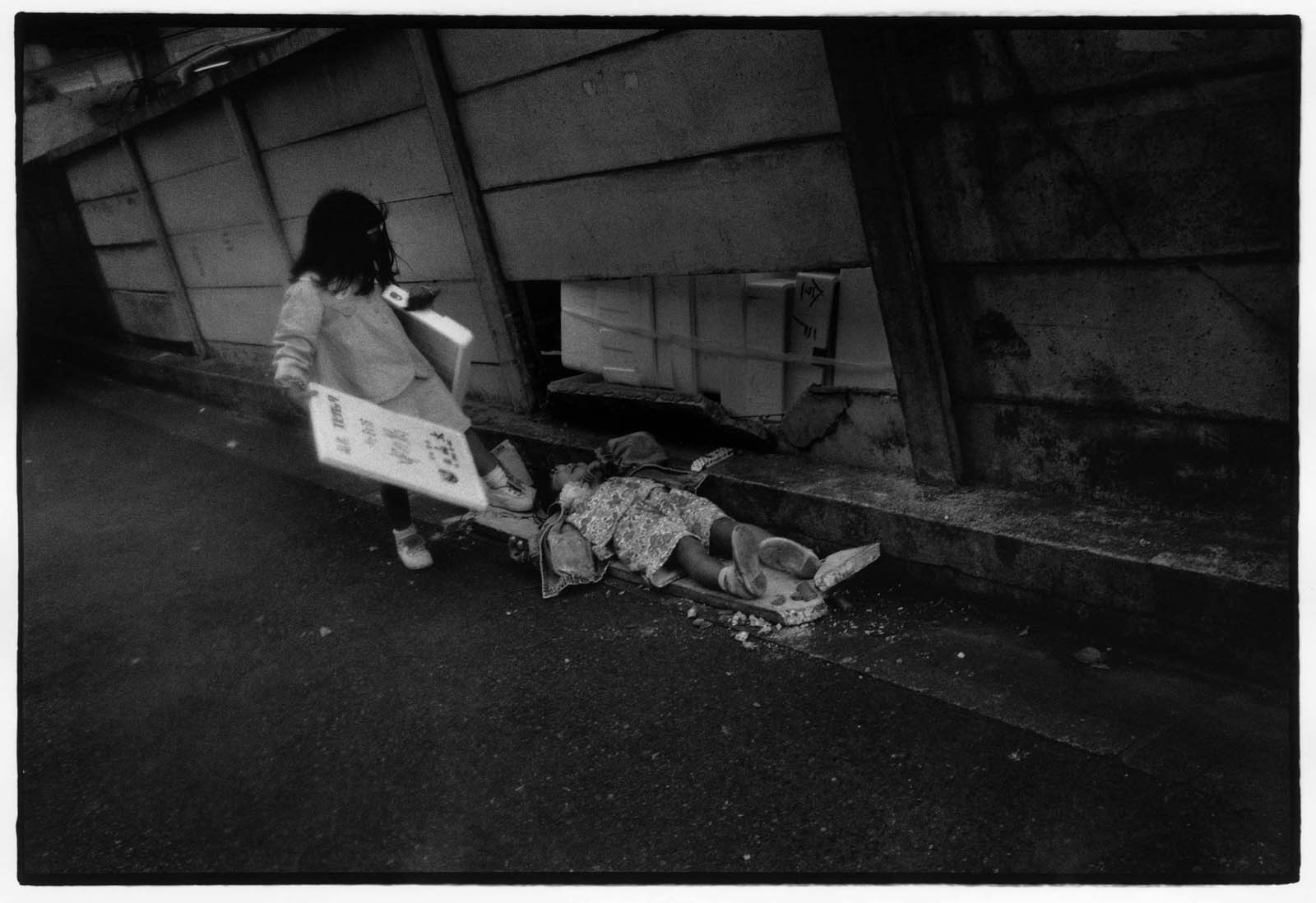
 

Sakiko Nomura (Japanese, b. 1967)
'Black darkness 072'
2008


Sakiko Nomura (Japanese, b. 1967)
Black darkness 072
2008
Gelatin silver print
© Sakiko Nomura
Courtesy of Akio Nagasawa Gallery


Sakiko Nomura (Japanese, b. 1967)
'Granada' 2024


Sakiko Nomura (Japanese, b. 1967)
Granada
2024
Gelatin silver print
© Sakiko Nomura
Courtesy of Akio Nagasawa Gallery


Sakiko Nomura (Japanese, b. 1967)
'My Last Remaining Dream 578' 2018


Sakiko Nomura (Japanese, b. 1967)
My Last Remaining Dream 578
2018
Gelatin silver print
© Sakiko Nomura
Courtesy of Akio Nagasawa Gallery


Fundación MAPFRE
Paseo de Recoletos, 23
28004 Madrid

Opening hours:
Mondays (except public holidays): 2pm – 8pm
Tuesdays to Saturdays: 11am – 8pm
Sundays and public holidays: 11am – 7pm

Fundación MAPFRE website

LIKE ART BLART ON FACEBOOK

Back to top

Exhibition: ‘Daido Moriyama: A Retrospective’ at The Photographers’ Gallery, London

Exhibition dates: 6th October 2023 – 11th February 2024

Curator: Thyago Nogueira, Instituto Moreira Salles, São Paulo, Brazil


Daido Moriyama (Japanese, b. 1938) 'Yokosuka' 1965


Daido Moriyama (Japanese, b. 1938)
Yokosuka
1965
From Japan, a Photo Theater
© Daido Moriyama/Daido Moriyama Photo Foundation


“We are living in a time when, to borrow a phrase and book title of Sigmund Freud’s, civilization and its discontents are becoming painfully evident to us all. Our machine age technology with its private greed, ecologically disastrous policies, crass materialism, human alienation, incessant strife and conflict, and the portent of man’s destroying himself by his own recklessness, is taking its toll in terms of our confidence and optimism about life. …

When we turn to our popular culture – which includes the arts – for diversion and meaning, we are confused, oftentimes, by the welter of contradictory impressions. We are trivialized and mesmerized by the pap that is purveyed on the television and radio, and in newspapers and magazines. We take away from our experience with these forms of entertainment a sense of having spent time but not having been taught anything or having been ennobled. We learn without understanding and visualize without seeing.”


John Anson Warner. “Introduction” to The Life & Art of the North American Indian. London: Hamlyn, 1975, p. 6.


Photography and its discontents

I love Moriyama’s early gritty, surreal, street snap style, high contrast black and white photographs. They possess a certain air, a certain essentialness, established through the artist’s unique aesthetic “famously known by the Japanese phrase ‘are, bure, boke’ (meaning ‘grainy, blurry, out of focus’).” The images are memorable and unforgettable.

I am far lest convinced by Moriyama’s contemporary photographs. His attempts to democratise the image – where he is trying to create something more automatic and where each image becomes of equal importance and meaning – leads to the collective banality of photography. As Diane Smyth observes, “I think he clearly understands that this banality, this horizontality is an essential aspect of photography.”

Instead of a hierarchical system of valuing significant images, Moriyama “rejected the dogmatism of art and the veneration of vintage prints, making the accessible and reproducible aspects of photography its most radical asset.” (Press release)

“Since the 1990s he has used a digital camera to make colour photographs, looking at advertisements in shopping malls and beyond. He is interested in the idea that the image is becoming more present in reality, in certain cases even substituting our reality. His work from the 2000s envelops the architecture of the gallery with vinyls, he makes huge patterns of images that go from floor to ceiling. Of course he’s anticipating our lives completely connected to screens, to these multiple virtual realities of the image which are making and in a way eliminating the real world.”2


As Paul Virlio has observed, images contaminate us like viruses. He suggests that they communicate by contamination, by infection. In our ‘media’ or ‘information’ society we now have a ‘pure seeing’; a seeing without knowing.3 Images “infiltrate our collective consciousness, touching every aspect of our lives. From the advertisements that entice us to purchase particular products, to the news coverage that shapes our understanding of current events, visual imagery surrounds us and leaves an indelible mark on our subconscious. This notion becomes particularly relevant in our increasingly digital age, where images have become the primary vehicle for communication and information dissemination… In an age where images dominate and multiply, the line between reality and its representation blurs.”4

A seeing without knowing… a democracy of the image… the banality of the photograph / photography … the line between reality and its (multiple) representations.

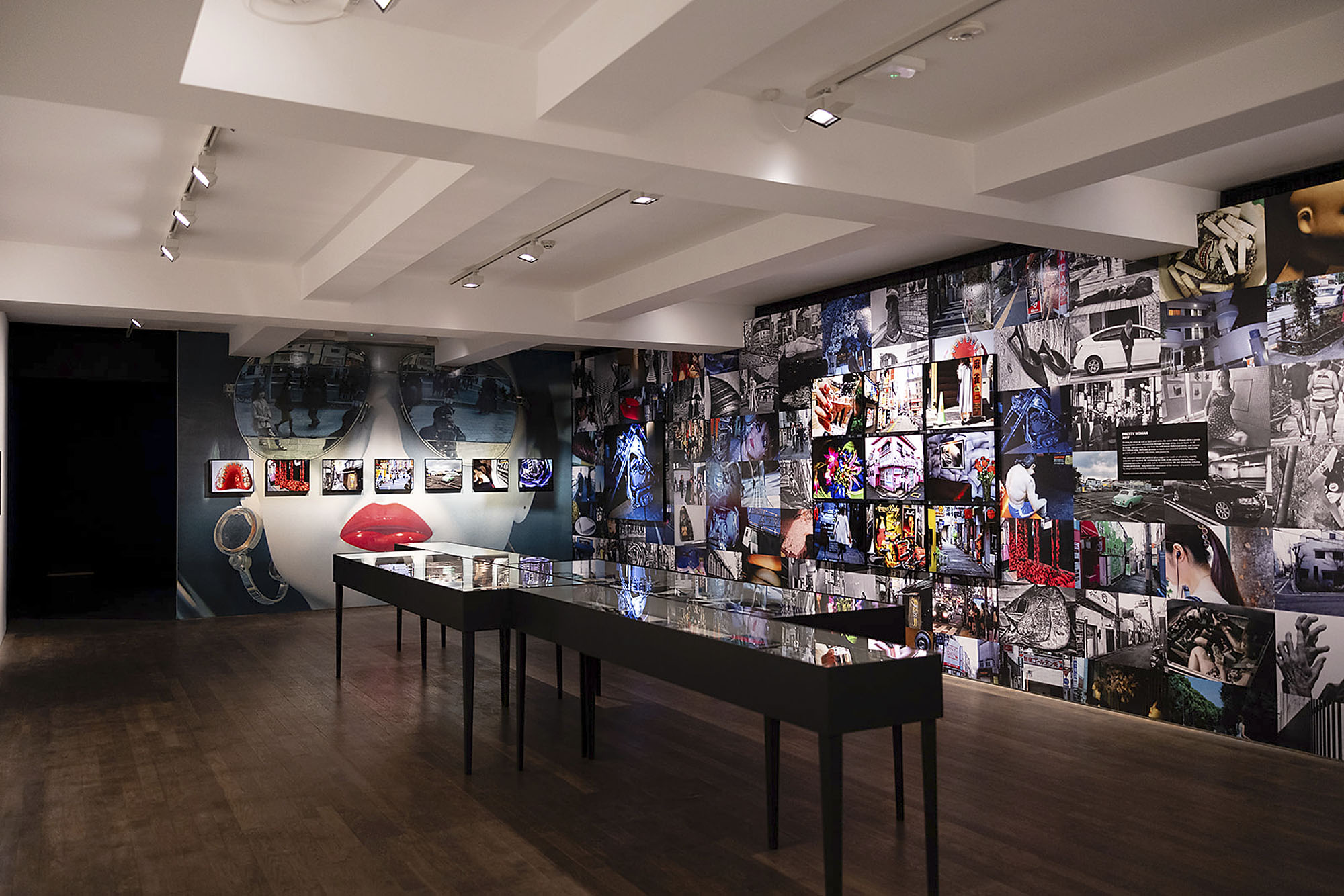
Again, I repeat that I am not convinced by Moriyama’s contemporary photographs. While I understand his investigation into contemporary photographic re/production I am not persuaded by the promiscuity nor by the profundity of his image making. If we look at the installation photographs of Moriyama’s work from Pretty Woman in this exhibition (below) where images go from floor to ceiling I struggle to make sense of this mass of information… and I will struggle to remember any of the images minutes or even seconds after seeing them. None of these photographs leaves an indelible mark on our subconscious. But perhaps that is the point (or just, my point of view).

What makes Moriyama’s early photographs so remarkable is that they are memorable. We remember them because they are iconic, they have a distinctive excellence. The Stray Dog that roaming mongrel staring balefully at us; the surreal Bunuel-like opening of the eye Setagaya-ku, Tokyo, Midnight; the fleeing woman in Yokosuka (1970) so much better in black and white.

Moriyama’s black and white photographs provide “a raw, restless vision of city life and the chaos of everyday existence, strange worlds, and unusual characters.” More than that, they plunge us into a mesmerising, hypnotic world where the viewer is immersed in a fractured dream / scape / space… Strange, haunting and evocative, Moriyama’s black and white photographs project the derangement of the world onto the psyche of the viewer, producing an abnormal condition of the mind that promotes a loss of contact with reality.5 This derangement of the world, this re/arrangement of the world and the mind resonates within our subconscious, like harmonics in music. Something that a thousand thousand thousand irrelevant, inconsiderate (not examined, not remembered) photographs can never do.

Dr Marcus Bunyan


1/ Diane Smyth. “Behind the scenes of Moriyama’s London takeover,” on the British Journal of Photography website 17 October 2023 [Online] Cited 19/12/2023

2/ Paul Virilio. “The Work of Art in the Electronic Age,” in Block No. 14, Autumn, 1988, pp. 4-7 quoted in McGrath, Roberta. “Medical Police,” in Ten.8 No. 14, 1984 quoted in Watney, Simon and Gupta, Sunil. “The Rhetoric of AIDS,” in Boffin, Tessa and Gupta, Sunil (eds.,). Ecstatic Antibodies: Resisting the AIDS Mythology. London: Rivers Osram Press, 1990, p. 143

3/ Herod. “Paul Virilio: ‘Images contaminate us like viruses,” on The Socratic Method website January 2020 [Online] Cited 08/02/2024

4/ Marcus Bunyan commenting on the exhibition Fracture: Daido Moriyama at the Los Angeles County Museum of Art (LACMA) on the Art Blart website July 20, 2012 [Online] Cited 08/02/2024


Many thankx to The Photographers’ Gallery for allowing me to publish the photographs in the posting. Please click on the photographs for a larger version of the image.


The world is a reality,
not because of the way it is,
but because
of the possibilities it presents.


Frederick Sommer


“Forget everything you’ve learned on the subject of photography for the moment, and just shoot. Take photographs – of anything and everything, whatever catches your eye. Don’t pause to think.”

“There may remain some fragments of memory still lying in the depths of my experience waiting to be awakened, and they are ready to evoke new memories at any time. Of course, I need to interpose a camera into that place.”

“To focus on reality or be concerned with memory, choices that, at first glance, seem opposite are, in fact, identical twins for me.”


Daido Moriyama


The retrospective focuses on different moments of Moriyama’s vast and productive career – beginning with his early works for Japanese magazines, interest in the American occupation, and engagement with photorealism. During this time Moriyama also established his unique aesthetic, famously known by the Japanese phrase are, bure, boke (meaning ‘grainy, blurry, out of focus’).

The second part of the exhibition picks up his work from the self-reflexive period in the 1980s and 1990s. In the decades which followed, he explored the essence of photography and of his own self, developing a visual lyricism with which he reflected on reality, memory and cities through tireless documentation and the reinvention of his own archive.

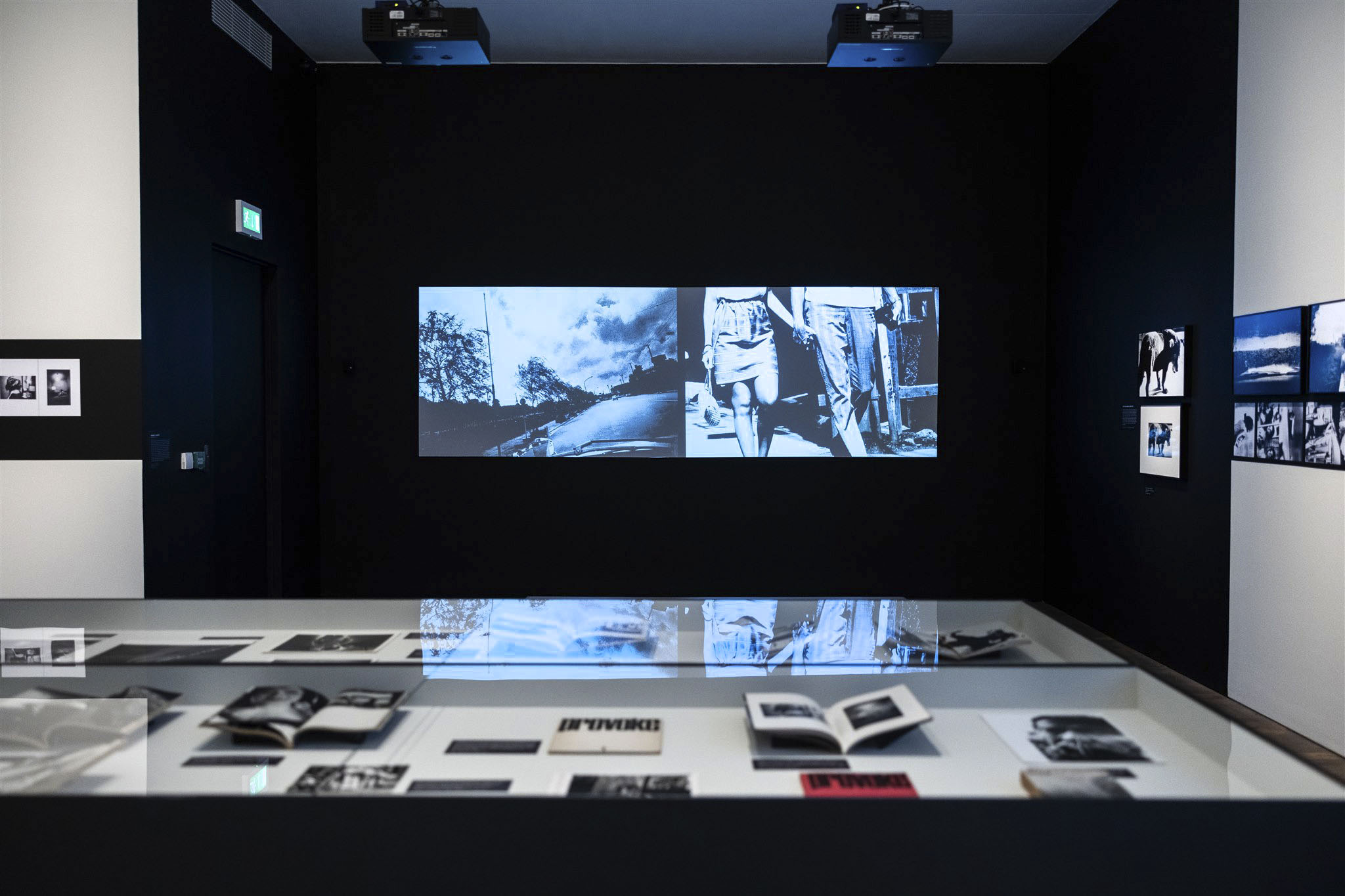
Fittingly, Daido Moriyama: A Retrospective, brings together more than 200 works and large-scale installations, as well as many of Moriyama’s rare photobooks and magazines, for the first time in the UK. One floor of the gallery has been transformed into a reading room – a dedicated space offering a rare opportunity to spend time with his legendary publications.

Text from The Photographers’ Gallery website


For more than sixty years, Daido Moriyama (森山 大道 b. 1938) has used his camera to interrogate and revolutionise the way we look at the world with his dense, grainy images. Even today, Moriyama’s pioneering artistic spirit and visual intensity remain groundbreaking.

The exhibition traces the path of a photographer who transformed the way we see photography and questioned the very nature of photography itself.


Installation view of the exhibition 'Daido Moriyama: A Retrospective' at The Photographers' Gallery, London October 2023 - February 2024

Installation view of the exhibition 'Daido Moriyama: A Retrospective' at The Photographers' Gallery, London October 2023 - February 2024 showing at left work from 'Farewell Photography' (1972)


Installation views of the exhibition Daido Moriyama: A Retrospective at The Photographers’ Gallery, London October 2023 – February 2024 showing at left in the bottom image, work from Farewell Photography (1972).

His 1972 photobook Farewell Photography highlights photography itself, showing edges of discarded film, flecks of dust, and sprocket holes and questioning its role as a medium.


Installation view of the exhibition 'Daido Moriyama: A Retrospective' at The Photographers' Gallery, London October 2023 - February 2024

Installation view of the exhibition 'Daido Moriyama: A Retrospective' at The Photographers' Gallery, London October 2023 - February 2024


Installation views of the exhibition Daido Moriyama: A Retrospective at The Photographers’ Gallery, London October 2023 – February 2024 showing at left in the bottom image, work from Farewell Photography (1972).


Installation view of the exhibition 'Daido Moriyama: A Retrospective' at The Photographers' Gallery, London October 2023 - February 2024 showing work from 'Provoke' (1968-1970)

Installation view of the exhibition 'Daido Moriyama: A Retrospective' at The Photographers' Gallery, London October 2023 - February 2024 showing work from 'Provoke' (1968-1970)


Installation views of the exhibition Daido Moriyama: A Retrospective at The Photographers’ Gallery, London October 2023 – February 2024 showing work from Provoke (1968-1970)


Installation view of the exhibition 'Daido Moriyama: A Retrospective' at The Photographers' Gallery, London October 2023 - February 2024 showing work from 'Japan, a Photo Theater'


Installation view of the exhibition Daido Moriyama: A Retrospective at The Photographers’ Gallery, London October 2023 – February 2024 showing work from Japan, a Photo Theater


Installation view of the exhibition 'Daido Moriyama: A Retrospective' at The Photographers' Gallery, London October 2023 - February 2024


Installation view of the exhibition Daido Moriyama: A Retrospective at The Photographers’ Gallery, London October 2023 – February 2024


Installation view of the exhibition 'Daido Moriyama: A Retrospective' at The Photographers' Gallery, London October 2023 - February 2024 showing work from 'A Hunter'

Installation view of the exhibition 'Daido Moriyama: A Retrospective' at The Photographers' Gallery, London October 2023 - February 2024 showing work from 'A Hunter'


Installation views of the exhibition Daido Moriyama: A Retrospective at The Photographers’ Gallery, London October 2023 – February 2024 showing work from A Hunter


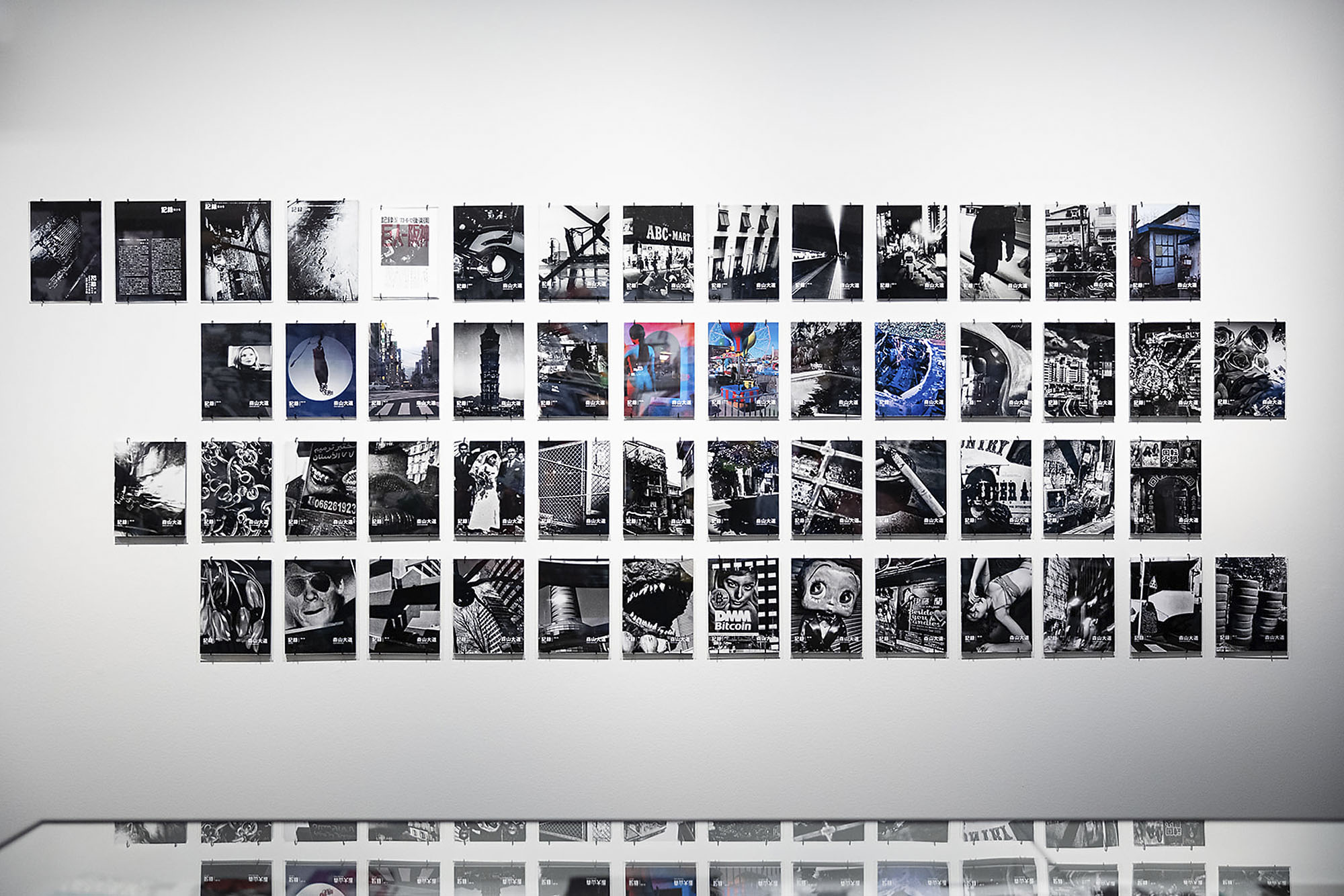
Installation view of the exhibition 'Daido Moriyama: A Retrospective' at The Photographers' Gallery, London October 2023 - February 2024 showing covers of 'Record' magazine top to bottom No's 1-53


Installation view of the exhibition Daido Moriyama: A Retrospective at The Photographers’ Gallery, London October 2023 – February 2024 showing covers of Record magazine top to bottom No’s 1-53


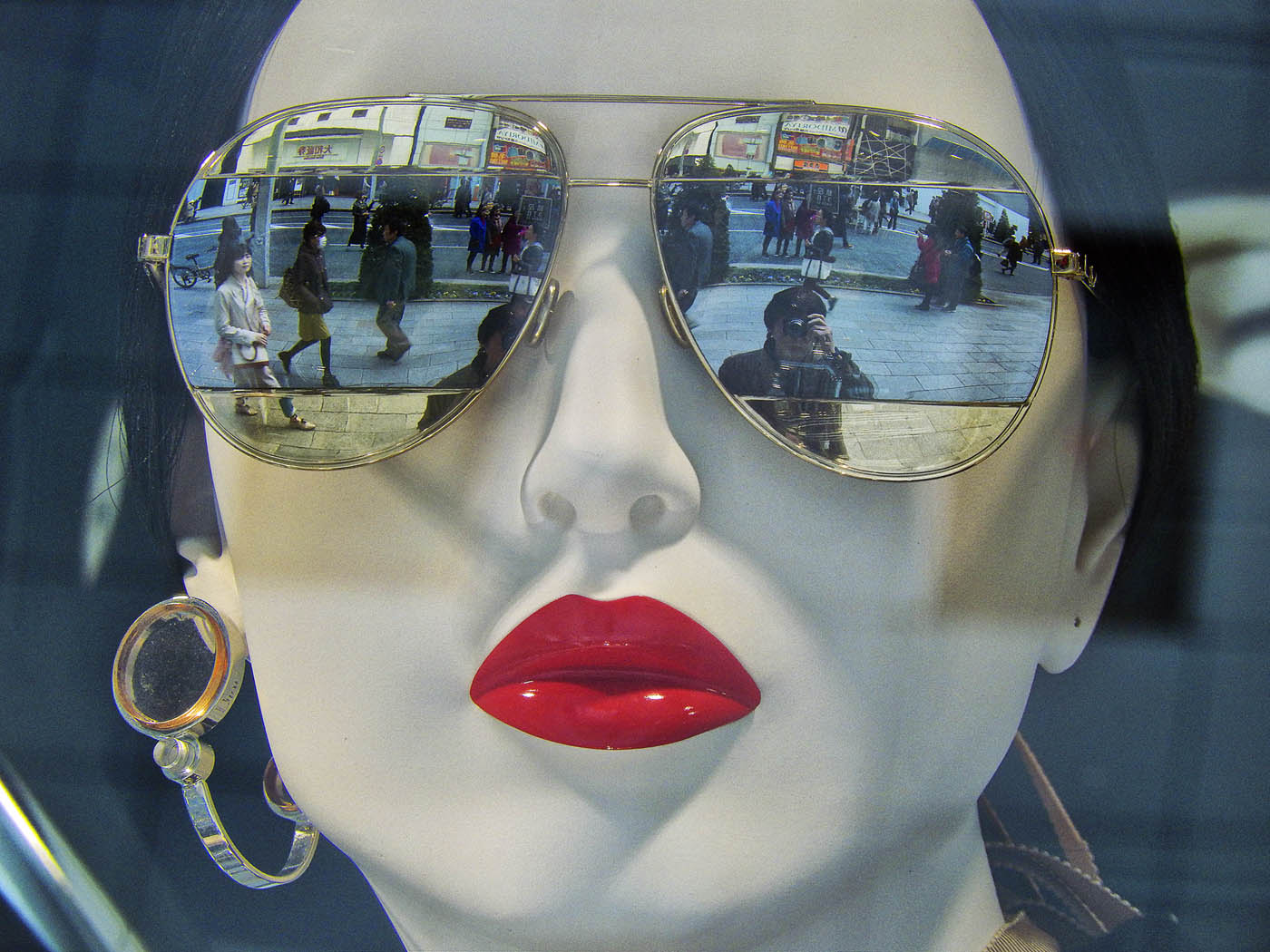
Daido Moriyama (Japanese, b. 1938) From 'Pretty Woman' Tokyo, 2017


Daido Moriyama (Japanese, b. 1938)
From Pretty Woman
Tokyo, 2017
© Daido Moriyama/Daido Moriyama Photo Foundation


Installation view of the exhibition 'Daido Moriyama: A Retrospective' at The Photographers' Gallery, London October 2023 - February 2024 showing work from 'Pretty Woman'

Installation view of the exhibition 'Daido Moriyama: A Retrospective' at The Photographers' Gallery, London October 2023 - February 2024 showing work from 'Pretty Woman'

Installation view of the exhibition 'Daido Moriyama: A Retrospective' at The Photographers' Gallery, London October 2023 - February 2024 showing work from 'Pretty Woman'


Installation views of the exhibition Daido Moriyama: A Retrospective at The Photographers’ Gallery, London October 2023 – February 2024 showing work from Pretty Woman


Curator Thyago Nogueira spent three years working with Moriyama on The Photographers’ Gallery retrospective

What Moriyama is really saying is that it’s in the nature of photography to be reproducible and replicable. He’s against and not interested in the veneration of artworks, he wants photography to be disseminated. It’s one of his most radical ideas. So we’re presenting plenty of pages from the magazines and books, printed, on the gallery walls and for visitors to browse, and have made videos flipping through each of his really rare books. There’s also a whole section dedicated to seeing the original books. It is going to be a very dense show. But we also wanted to break the hierarchy between a framed picture, a printed image, a wallpaper, and a vinyl. So there are all these different and very interesting kinds of images. …

In the 1960s and 70s, he was making extraordinary, beautiful images, capturing Japanese society and this ambiguous feeling towards Westernisation and the erosion of traditional Japanese culture. He was also a very interested in the nature of the language of photography, and all the possibilities that that language could offer. He started to struggle with the idea of photography being a window to the world, and started testing the materiality and the flatness of the image. He worked as a conceptual artist. He was saying, ‘There’s nothing beyond an image, this is just an image’, and to accept that was radically original and beautiful.

But he has continued to move and has become, if anything, more in tune with the times. Since the 1990s he has used a digital camera to make colour photographs, looking at advertisements in shopping malls and beyond. He is interested in the idea that the image is becoming more present in reality, in certain cases even substituting our reality. His work from the 2000s envelops the architecture of the gallery with vinyls, he makes huge patterns of images that go from floor to ceiling. Of course he’s anticipating our lives completely connected to screens, to these multiple virtual realities of the image which are making and in a way eliminating the real world.

Since 2006 he has also published a magazine called Record, where he is photographing every day non-stop, looking at his own neighbourhood and daily life. He’s addressing issues of ego, saying ‘I don’t think artists are more special than anyone else’ and trying to produce something more automatic, and thus democratic. I think he clearly understands that this banality, this horizontality is an essential aspect of photography.

Extract from Diane Smyth. “Behind the scenes of Moriyama’s London takeover,” on the British Journal of Photography website 17 October 2023 [Online] Cited 19/12/2023


Daido Moriyama (Japanese, b. 1938) 'Male actor playing a woman' Tokyo 1966


Daido Moriyama (Japanese, b. 1938)
Male actor playing a woman
Tokyo 1966
From Japan, a Photo Theater
© Daido Moriyama/Daido Moriyama Photo Foundation


His first monograph, Japan: A Photo Theatre (1968) is an edgy trip through a fast-evolving Tokyo


Daido Moriyama (Japanese, b. 1938) 'Tokyo' 1967


Daido Moriyama (Japanese, b. 1938)
Tokyo
1967
Asahi Graph, Apr 1967
© Daido Moriyama/Daido Moriyama Photo Foundation


Daido Moriyama (Japanese, b. 1938) For 'Provoke #2' Tokyo, 1969


Daido Moriyama (Japanese, b. 1938)
For Provoke #2
Tokyo, 1969
© Daido Moriyama/Daido Moriyama Photo Foundation


Daido Moriyama (Japanese, b. 1938) 'Tokyo' 1969


Daido Moriyama (Japanese, b. 1938)
Tokyo
1969
From Accident, Premeditated or not
© Daido Moriyama/Daido Moriyama Photo Foundation


In 1969 he started a one-year series Accident, published in the magazine Asahi Camera, in which he photographed existing images in the media.


Daido Moriyama (Japanese, b. 1938) 'Tokyo' 1969


Daido Moriyama (Japanese, b. 1938)
Tokyo
1969
From Accident, Premeditated or not
© Daido Moriyama/Daido Moriyama Photo Foundation


The Photographers’ Gallery presents the first UK retrospective of work by the acclaimed Japanese photographer, Daido Moriyama (b. 1938).

Featuring over 200 works, spanning from 1964 until the present day, Daido Moriyama: A Retrospective traverses different moments of Moriyama’s vast and productive career.

Taking over the whole Gallery, this exhibition celebrates one of the most innovative and influential artists and street photographers of our day. Championing photography as a democratic language, Moriyama inserted himself up close with Japanese society, capturing the clash of Japanese tradition with an accelerated Westernisation in post-war Japan. With his non-conformist approach and desire to challenge the medium, his work is tirelessly unpretentious, raw, blurred, radical and grainy and has defined the style of an entire generation.

Moriyama has spent his sixty-year career asking a fundamental question: what is photography? He rejected the dogmatism of art and the veneration of vintage prints, making the accessible and reproducible aspects of photography its most radical asset. Over and over, he reused his photographs in different contexts, experimenting with enlargements, crops and printing. Most of his work was made for printed pages rather than gallery walls. Fittingly, Daido Moriyama: A Retrospective is the first UK exhibition to showcase many of his rare photobooks and magazines.

These publications, dating from early rare editions and out-of-print Japanese magazines to more recent titles, are on show alongside large-scale works and installations. The magazines and photobooks will give visitors unrivalled access to abundant archival and visual material to view, read and discover.

Presented in two phases of Moriyama’s work, Daido Moriyama: A Retrospective starts with Moriyama’s early work for Japanese magazines, his challenging of photojournalism, his experiments in Provoke magazine and the conceptual radicalisation of his photobook Farewell Photography (1972). During this period, he established his unique aesthetic, famously known as, buke, boke (meaning ‘grainy, blurry, out of focus’).

The second part of the exhibition starts in the 1980s, when Moriyama overcame a creative and personal crisis. In the following decades, he explored the essence of photography and of his own self, developing a visual lyricism with which he reflected on reality, memory and history.

Moriyama renewed street photography inside and outside Japan. His wanderings led him to cover miles in Tokyo, Osaka and Hokkaido, but also New York, Paris, São Paulo and Cologne. His work and travels are showcased in Record magazine, which the photographer continues to publish today.

Daido Moriyama: A Retrospective is the product of a three-year research period, and is one of the most comprehensive exhibitions ever mounted of this artist’s work. It is organised by Instituto Moreira Salles in cooperation with the Daido Moriyama Photo Foundation.

The accompanying catalogue Daido Moriyama: A Retrospective is published by Prestel, £45.

Press release from The Photographers’ Gallery


Daido Moriyama (Japanese, b. 1938) 'Kanagawa' 1967


Daido Moriyama (Japanese, b. 1938)
Kanagawa
1967
From A Hunter
© Daido Moriyama/Daido Moriyama Photo Foundation


Daido Moriyama (Japanese, b. 1938) 'Stray Dog, Misawa' 1971


Daido Moriyama (Japanese, b. 1938)
Stray Dog, Misawa
1971
From A Hunter
© Daido Moriyama/Daido Moriyama Photo Foundation


7 things to know about Daido Moriyama

Learn more about Moriyama, a name synonymous with avant-garde photography, in this quick guide

Born in 1938 in Osaka, Japan, Moriyama’s photographic journey has been one of constant reinvention, testament to his unrelenting pursuit of the unexpected, chaotic, and the intensely personal.

Here we delve into seven things to know about Moriyama, the subject of the first retrospective of his work in the UK, now on at The Photographers’ Gallery:

1. A lens on post-war Japan

Born in post-war Japan, Daido Moriyama embraced photography as a democratic language, promoted by the mass media industry. His work encapsulates the clash between Japanese tradition and Westernisation, following the US military occupation of Japan after the end of World War II. He saw his camera as a tool for capturing not just images but also the essence of an evolving society, making his photographs a mirror to an era of rapid transformation.

2. Influence of American artists

Moriyama was profoundly influenced by American artists like Andy Warhol and William Klein, as well as novelist and poet Jack Kerouac. Their bold and unconventional styles left a mark on his work. This influence can be seen in his daring approach to photography.

3. Provoke era

Provoke was a Japanese magazine which rejected the glossy commercial imagery and the style of documentary photography. Provoke was part of the photographic movement that arose out of the late 1960s and was motivated by the opposition artists had felt towards the traditional powers of Japan.

Moriyama played a pivotal role in the Provoke era, which saw a radical departure from conventional photography. He, along with other like-minded artists, aimed to free photography from its traditional confines. They believed in creating images that didn’t rely on words for interpretation.

4. Unique aesthetic

Moriyama’s work is known for its distinct style characterised in Japanese by ‘are, bure, boke,’ which translates as ‘grainy, blurry, out of focus’. This unique style challenges the conventional notion of photography and invites us to experience images in a new way.

5. Raw, radical, real approach to photography

Moriyama is a trailblazer in the world of photography, effectively reinventing street photography. He challenged the status quo by rejecting traditional norms and embracing the accessible and reproducible nature of photography as its most radical asset – something he continues to do to this day.

6. Farewell Photography and Record

Photobooks play a critical role in Moriyama’s work – one of his most radical works is Farewell Photography (Shashin yo Sayonara) – a book that pushes the boundaries of photographic reality. Moriyama collected rejected images, discarded photos, and even odd negatives to create a chaotic yet thought-provoking sequence of grainy, cropped, solarised, and scratched images. This work is a rebellion against conventional photography.

Magazines were also Moriyama’s fertile ground for photographic production and debates. His journey through photography can be seen in his ongoing publication, Record magazine. It’s a diary of his life in cities, a place where he explores his obsessions, insecurities, and memories. Flip through its pages, and you’ll experience an intimate glimpse into Moriyama’s life.

7. What is Photography?

Moriyama has spent his career asking a fundamental question: “What is photography?”

He rejected the dogmatism of art and the fetishisation of vintage prints, instead embracing the accessible and reproducible aspects of photography as its most radical asset.

Text from The Photographers’ Gallery website


Daido Moriyama (Japanese, b. 1938) 'Harumi, Chūō' Tokyo, 1970


Daido Moriyama (Japanese, b. 1938)
Harumi, Chūō
Tokyo, 1970
Weekly Playboy, Oct 1970
© Daido Moriyama/Daido Moriyama Photo Foundation


Daido Moriyama (Japanese, b. 1938) 'Yokosuka' 1970


Daido Moriyama (Japanese, b. 1938)
Yokosuka
1970
© Daido Moriyama/Daido Moriyama Photo Foundation


Daido Moriyama. 'Setagaya-ku, Tokyo, Midnight 1986'


Daido Moriyama (Japanese, b. 1938)
Setagaya-ku, Tokyo, Midnight
1986
From Letter to St-Loup 1990
© Daido Moriyama/Daido Moriyama Photo Foundation


Daido Moriyama (Japanese, b. 1938) 'Labyrinth' 2012


Daido Moriyama (Japanese, b. 1938)
Labyrinth
2012
© Daido Moriyama/Daido Moriyama Photo Foundation


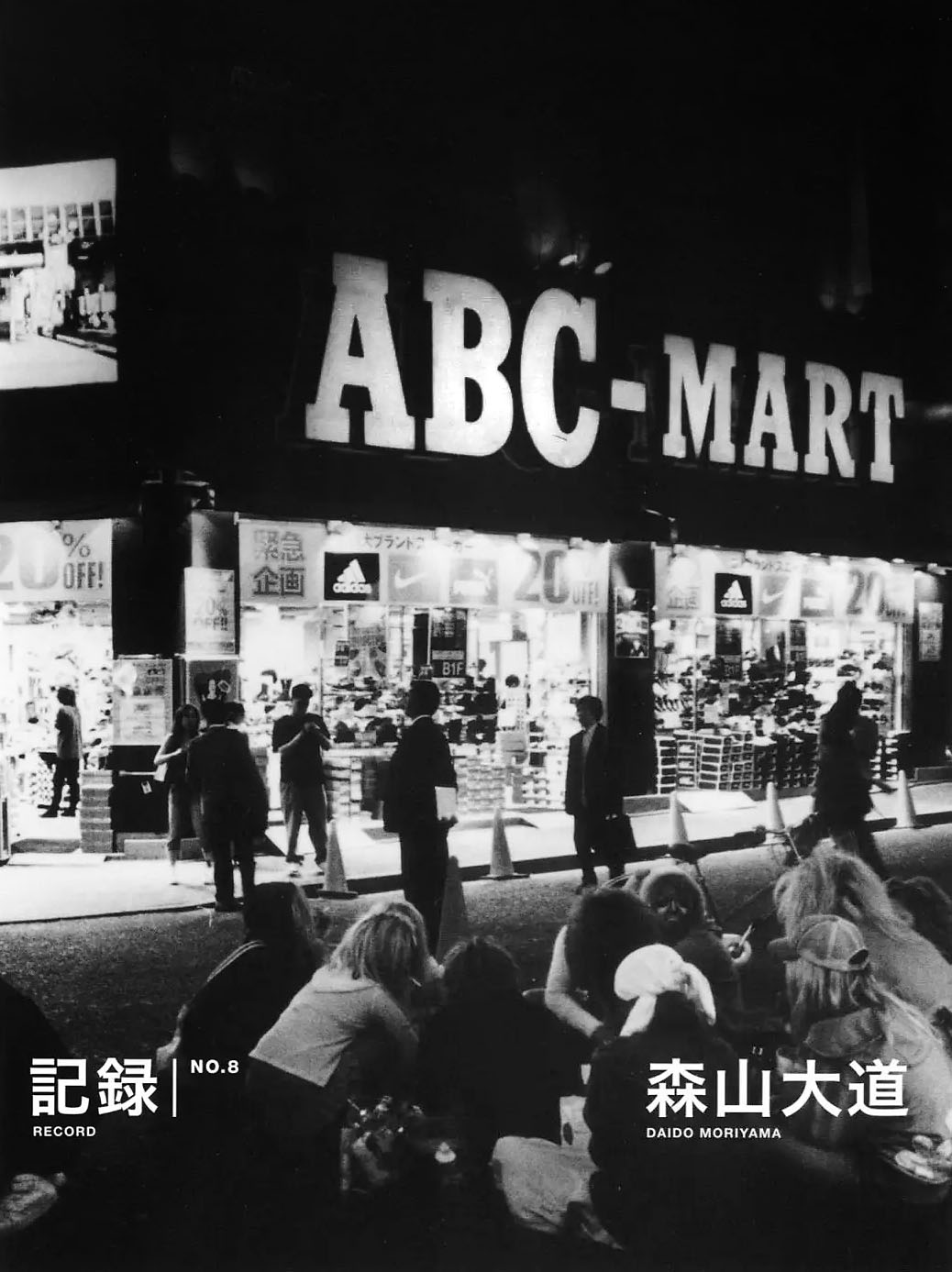
Daido Moriyama (Japanese, b. 1938) 'Cover of Record No. 8' Published 2007


Daido Moriyama (Japanese, b. 1938)
Cover of Record No. 8
Published 2007
Tokyo: Akio Nagasawa Publishing


“It was 34 years ago, back in 1972, that I came out with the self-published photo journal ‘Kiroku.’ At the time, I was busy with all sorts of work for magazines. Partly because of a daily feeling inside that I shouldn’t let myself get carried away by it all, I came up with the idea of a small, self-published personal photo journal. Without any ties to work or any fixed topic, I just wanted to continue publishing a 16-page booklet with an arbitrary selection of favourite photos among the pictures I snapped from day to day. By nature, it was directed first and foremost to myself rather than other people. I wanted a simple, basic title, so I called it ‘Kiroku’ (record). However, the publication of ‘Kiroku’ sadly ended with issue number five. Now, thanks to the willpower and efforts of Akio Nagasawa, ‘Kiroku’ the magazine has resumed publication. Or rather, we should call it a fresh publication. With the hope that it will continue this time, I am selfishly thinking of asking Mr. Nagasawa to publish ‘Kiroku’ at a pace of four issues per year. I happily accept his proposal and look forward now to embarking on a new ‘voyage of recording.'”

~ Daido Moriyama


Daido Moriyama (Japanese, b. 1938) 'Cover of Record No. 48' Published September, 2021


Daido Moriyama (Japanese, b. 1938)
Cover of Record No. 48
Published September, 2021
Tokyo: Akio Nagasawa Publishing


A few days ago in the evening, I suddenly felt the urge to take a train to Yokosuka. It was already after 8 PM when I arrived in the “Wakamatsu Market” entertainment district behind Yokosuka Chuo Station on the Keihin Line, but due to the ongoing pandemic, the lights of the normally crowded shops were all switched off. The streets at night had turned into a bleak, dimly lit place, with the usual drunken crowd nowhere in sight. I eventually held my camera into the darkness and shot a dozen or so pictures, while walking quite naturally down the main street toward the “Dobuita-dori” district. However, most of the shops here were closed as well, and only a few people passed by. It was a truly sad and lonely sight.

“Little wonder,” I muttered to myself, considering that more than half a century had passed since the time I wandered with the camera in my hand around Yokosuka, right in the middle of the Vietnam War.

It was here in Yokosuka that I decided to devote myself to the street snap style, so the way I captured the Yokosuka cityscape defined the future direction of my photographic work altogether. I was 25 at the time, and was still in my first year as an independent photographer. I remember how determined and ambitious I was when I started shooting, eager to carry my pictures into the Camera Mainichi office and get them published in the magazine. It was a time when I spent my days just clicking away while walking around with the camera in my hand, from Yokosuka out into the suburbs, from the main streets into the back alleys.

I had been familiar with the fact that Yokosuka was a US military base since I was a kid, and it also somehow seemed to suit my own constitution, so I think my dedication helped me overcome the fearfulness that came on the flip side of the fun that was taking photos in Yokosuka.

These are the results of a mere two days of shooting, but somewhere between the changing faces of Yokosuka, and my own response from the position of a somewhat cold and distant observer in the present, I think they are reflecting the passage of time, and the transformations of the times.

~ Afterword by Daido Moriyama


The Photographers’ Gallery
16-18 Ramillies Street
London
W1F 7LW

Opening hours:
Mon – Wed: 10.00 – 18.00
Thursday – Friday: 10.00 – 20.00
Saturday: 10.00 – 18.00
Sunday: 11.00 – 18.00

The Photographers’ Gallery website

LIKE ART BLART ON FACEBOOK

Back to top

Exhibition: ‘Daidō Moriyama: Tokyo Photographs’ at Philadelphia Museum of Art

Exhibition dates: 28th February – 31st July, 2009

Curator: Peter Barberie, Curator of Photographs


Many thankx to Philadelphia Museum of Art for allowing me to publish the photographs in the posting. Please click on the photographs for a larger version of the image.


Daido Moriyama (Japanese, b. 1938) 'Untitled' from the series 'Memory of Dog' 1982 from the exhibition 'Daidō Moriyama: Tokyo Photographs' at Philadelphia Museum of Art, Feb - July, 2009


Daidō Moriyama (Japanese, b. 1938)
Untitled from the series Memory of Dog
1982
Gelatin silver print
Image: 8 1/16 × 11 13/16 inches (20.5 × 30cm)
Purchased with funds contributed by the E. Rhodes and Leona B. Carpenter Foundation, 1990
Philadelphia Museum of Art
© Daidō Moriyama


Daidō Moriyama often calls himself a “stray dog,” a reference to one of his iconic early pictures of a roaming mongrel, but also to his preferred incidental vantage points in relation to his subjects and his beguiled yet wary stance toward modernising Japanese society. In the series Memory of Dog, he revisited photographic scenarios and motifs from his previous two decades of work, overlaying his peripheral approach with another quality that he finds crucial to photography: its relationship to memory.


Daidō Moriyama (Japanese, born 1938) 'Untitled (Rose)' 1984 from the exhibition 'Daidō Moriyama: Tokyo Photographs' at Philadelphia Museum of Art, Feb - July, 2009


Daidō Moriyama (Japanese, b. 1938)
Untitled (Rose)
1984
Gelatin silver print
© Daidō Moriyama


Daidō Moriyama (Japanese, born 1938) 'Viaduct 1, Bunkyo-ku, Tokyo' 1981


Daidō Moriyama (Japanese, b. 1938)
Viaduct 1, Bunkyo-ku, Tokyo
1981
Gelatin silver print
© Daidō Moriyama


Daidō Moriyama (Japanese, born 1938) 'Untitled (Bottle)' from the series 'Light and Shadow' 1982


Daidō Moriyama (Japanese, b. 1938)
Untitled (Bottle) from the series Light and Shadow
1982
Gelatin silver print
Image: 7 13/16 x 11 13/16 inches (19.8 x 30cm)
Purchased with funds contributed by the E. Rhodes and Leona B. Carpenter Foundation, 1990
© Daidō Moriyama


Daidō Moriyama is one of the most important and exciting Japanese photographers of our time, having made prolific, often experimental pictures of modern urban life since the 1960s. This exhibition showcases a group of approximately 45 photographs made in and around Tokyo in the 1980s, when Moriyama focused his mature aesthetic on the city with renewed intensity.

Moriyama approaches the world with an equalising eye, capturing disparate peripheral details that in themselves account for little, but together add up to a powerful diagnosis of modern experience. In 1980s Japan such details encompassed the disorienting and sometimes brutal juxtaposition of traditional culture and modernisation, most visible in the glut of consumer goods and images. But in Moriyama’s photographs these subjects appear alongside the banal elements of any streetscape: a derelict patch of pavement and wall, a car with an aggressive key scratch running its full length, even a single rose blossom.

Moriyama’s urban imagery shares some of its qualities with other great street photography of the 20th century, and he has cited the photographs of William Klein as a major influence. But his work involves strong responses to a wide range of modern art and literature, including photographs and graphic designs by many of his Japanese contemporaries, Andy Warhol’s silkscreens, and the novels of Jack Kerouac and James Baldwin. Moriyama’s mix of international and Japanese trends to represent modern Tokyo is one source of his photography’s power, and the exhibition will include a small number of works by other artists to demonstrate his visual sensibility, including prints and photographs by Warhol, Klein, Shomei Tomatsu, and Tadanori Yokoo.

Text from the Philadelphia Museum of Art website [Online] Cited 23/03/2009


Daidō Moriyama (Japanese, born 1938) 'Memory of Dog 2' 1981


Daidō Moriyama (Japanese, b. 1938)
Memory of Dog 2
1981
Gelatin silver print
© Daidō Moriyama


Daidō Moriyama (Japanese, born 1938) 'Untitled' c. 1981-1985


Daidō Moriyama (Japanese, b. 1938)
Untitled
c. 1981-1985
Gelatin silver print
Image: 8 1/4 x 11 7/8 inches (21 x 30.2cm)
Purchased with funds contributed by the E. Rhodes and Leona B. Carpenter Foundation, 1990
© Daidō Moriyama


Daidō Moriyama (Japanese, born 1938) 'Untitled' from the series 'Light and Shadow' 1982


Daidō Moriyama (Japanese, b. 1938)
Untitled from the series Light and Shadow
1982
Gelatin silver print
Image: 7 3/4 x 11 13/16 inches (19.7 x 30cm)
Purchased with funds contributed by the E. Rhodes and Leona B. Carpenter Foundation, 1990
© Daidō Moriyama


Daidō Moriyama (Japanese, b. 1938) 'Untitled (Twin Chairs)' 1986


Daidō Moriyama (Japanese, b. 1938)
Untitled (Twin Chairs)
1986
Gelatin silver print
© Daidō Moriyama


Daidō Moriyama (Japanese, born 1938) 'On the Road (Chair)' from the series 'Light and Shadow' 1981


Daidō Moriyama (Japanese, b. 1938)
On the Road (Chair) from the series Light and Shadow
1981
Gelatin silver print
Image: 7 3/4 x 11 13/16 inches (19.7 x 30cm)
Purchased with funds contributed by the E. Rhodes and Leona B. Carpenter Foundation, 1990
© Daidō Moriyama


Since the 1960s Japanese photographer Daidō Moriyama (born 1938) has been making dynamic, often experimental images of modern urban life, establishing a reputation as one of the most important and exciting photographers of our time. The Philadelphia Museum of Art will present an exhibition of approximately 45 photographs by Moriyama, made in and around Tokyo in the 1980s, when the artist focused his mature aesthetic on the city with renewed intensity. The exhibition will be on view from February 28-June 30, 2009 in the Julien Levy Gallery at the Ruth and Raymond G. Perelman Building.

Born in 1938 in Ikeda-cho (now Ikeda-shi), Osaka, Moriyama witnessed the dramatic changes that swept over Japan in the decades following World War II. After his father’s death in a train accident, he began working as a freelance graphic designer at age 20. He was intrigued by the graphic possibilities of screenprinting, the cheapest and most prolific form for printed imagery, and by international trends in contemporary art. These interests, along with attention to the various forms of visual stimuli that populate the urban landscape have been a hallmark of Moriyama’s career.

In 1960 Moriyama took up the study of photography under Takeji Iwamiya and one year later moved to Tokyo hoping to join the eminent photographers’ group VIVO, a short-lived cooperative whose members were exploring and confronting the revolution in modern Japanese society in their work. Although VIVO disbanded a week after Moriyama’s arrival in the capital, the visual and existential turmoil they explored would become one of the core subjects in Moriyama’s photographs. His gritty, black and white images of streets and highways express the conflicting realities of contemporary Japan, the disorienting and sometimes brutal juxtaposition of traditional culture and modernisation. 

“It is a pleasure to present this group of photographs from the Museum’s collection reflecting the distinctive vision of Daidō Moriyama, who is undoubtedly among the great urban photographers of the 20th century,” Curator of Photographs Peter Barberie said. These particular images focus on the visual experience of modern-day Tokyo, but through them Moriyama is documenting broader global trends of modernisation, and at the same time exploring the unique aesthetic qualities of his medium.”

His early images from the 1960s and 70s tested the notion of photographic artistry in an extreme fashion. He chose seemingly arbitrary subjects, and experimented with motion and overexposure to create blurred or nearly blank images, adopting an anti-aesthetic position. Other Japanese photographers were also working in this vein, but Moriyama’s 1972 book Bye Bye Photography became the defining statement of this particular style. The later photographs presented in this exhibition are generally sharper in focus but maintain the peripheral vantage point that Moriyama so often employed, as well as the seemingly random content. His images capture with an equalising eye the kinds of disparate peripheral details that litter the modern urban experience: shadows, cars, and abandoned corners, as well as the glut of consumer goods and commodities. 

Profoundly influenced by Japanese photographers Eikoh Hosoe and Shomei Tomatsu, Moriyama’s vision was also enriched by his acquaintance with the work of American photographers William Klein and Robert Frank. Like them he practiced a new, more action-oriented street photography. His images are often out of focus, vertiginously tilted, or invasively cropped. 

His work also involves strong responses to a wide range of modern art and literature, including photographs and graphic designs by many of his Japanese contemporaries, Andy Warhol’s silkscreens, and the novels of Jack Kerouac and James Baldwin. The exhibition will include a small number of works by other artists to demonstrate his visual sensibility, including prints and photographs by Warhol, Klein, Shomei Tomatsu, and Tadanori Yokoo.

Press release from the Philadelphia Museum of Art


Daidō Moriyama (Japanese, born 1938) 'Tunnel' 1982


Daidō Moriyama (Japanese, b. 1938)
Tunnel
1982
Gelatin silver print
Image: 7 15/16 x 11 7/8 inches (20.2 x 30.2cm)
Purchased with funds contributed by the E. Rhodes and Leona B. Carpenter Foundation, 1990
© Daidō Moriyama


Daidō Moriyama (Japanese, born 1938) 'Untitled' from the series 'Light and Shadow' 1982


Daidō Moriyama (Japanese, b. 1938)
Untitled from the series Light and Shadow
1982
Gelatin silver print
Image: 7 3/4 × 11 3/4 inches (19.7 × 29.8cm)
Purchased with funds contributed by the E. Rhodes and Leona B. Carpenter Foundation, 1990
© Daidō Moriyama


Daidō Moriyama (Japanese, b. 1938) 'Untitled' c. 1981-1985


Daidō Moriyama (Japanese, b. 1938)
Untitled
c. 1981-1985
Gelatin silver print
Image: 8 3/8 × 11 5/8 inches (21.2 × 29.6cm)
Sheet: 10 × 11 15/16 inches (25.4 × 30.4cm)
Purchased with funds contributed by the E. Rhodes and Leona B. Carpenter Foundation, 1990
© Daidō Moriyama


Daidō Moriyama (Japanese, b. 1938) 'Untitled', from the series 'Light and Shadow' 1982


Daidō Moriyama (Japanese, b. 1938)
Untitled, from the series Light and Shadow
1982
Gelatin silver print
Image: 7 3/4 x 11 13/16 inches (19.7 x 30cm)
Sheet: 10 x 12 1/8 inches (25.4 x 30.8cm)
Purchased with funds contributed by the E. Rhodes and Leona B. Carpenter Foundation, 1990
© Daidō Moriyama


Daidō Moriyama (Japanese, b. 1938) 'Setagaya-ku, Tokyo, Midnight' 1986


Daidō Moriyama (Japanese, b. 1938)
Setagaya-ku, Tokyo, Midnight
1986
Gelatin silver print
© Daidō Moriyama


Philadelphia Museum of Art
26th Street and the Benjamin Franklin Parkway
Philadelphia, PA 19130

Opening hours:
Thursday – Monday, 10.00am – 5.00pm
Closed Tuesday and Wednesday

Daido Moriyama website

Philadelphia Museum of Art website

LIKE ART BLART ON FACEBOOK

Back to top