
Exhibition dates: 5th October 2012 – 3rd March 2013

Thomas Demand (Germany, b. 1964)
Public housing
2003
Type C photograph
100.1 x 157.0cm (image and sheet)
National Gallery of Victoria, Melbourne
Purchased with funds donated by the Bowness Family Fund for Contemporary Photography, 2010
© Thomas Demand/VG Bild-Kunst, Bonn. Licensed by VISCOPY, Sydney
Thinking contemporary photography
At its birth in the 19th century, photography was seen as the ultimate tool for the representation and classification of the visual world.1 Photography recorded reality; a photograph was seen as a visual and literal truth of something that existed in the world. It re-presented the world to the viewer, telling something of the world, reflecting the world. A photograph provided a freeze frame – the snap of the shutter – of one point in time and space. People were astounded that their likeness and that of the world around them could be captured for all to see.
Technological advancements in the early twentieth century, such as faster exposure times and more portable cameras, transformed the potential of the medium to not only show things that escaped the eye but new ways of seeing them as well.2 The photograph began to reveal the personal dimensions of reality. It began to explore the intangible spaces that define our physical and spiritual relationship with reality. “Photographers and artists attempted to depict via photographic means that which is not so easily photographed: dreams, ghosts, god, thought, time” (Jeffrey Fraenkel The Unphotographable Fraenkel Gallery Books 2013). With the advent of modernism, they sought to capture fragments, details and blurred boundaries of personal experience.3 The indexical link photograph and referent, between the camera, the object being photographed and the photograph itself was being stretched to breaking point.
Think of it like this. Think of a photograph of an apple that a camera has taken. There is a link between the photograph and its referent, the photograph of the apple and the object itself (in reality, in the lived world). As a viewer of the photograph of the apple we are secondary witness to the fact that, at some point in time, someone took a photograph of this apple in real life. We bear witness to the eyewitness. Now what if I rip up the photograph of the apple and reassemble it in a different order? Is this still not an apple, only my subjective interpretation of how I see an apple existing in the world? Is it no less valid than the “real” photograph of the apple? What kinds of visual “truth” can exist in images?
Presently, contemporary photography is able to reveal intangible, constructed vistas that live outside the realm of the scientific. A photograph becomes a perspective on the world, an orientation to the world based on human agency. An image-maker takes resources for meaning (a visual language, how the image is made and what it is about), undertakes a design process (the process of image-making), and in so doing re-images the world in a way that it has never quite been seen before.
These ideas are what a fascinating exhibition titled Confounding: Contemporary Photography, at the National Gallery of Victoria, Melbourne investigates. In the confounding of contemporary photography we are no longer witnessing a lived reality but a break down of binaries such as sacred and profane, public and private, natural and artificial, real and dreamed environments as artists present their subjective visions of imagined, created worlds. Each image presents the viewer with a conundrum that investigates the relationship between photographs and the “real” world they supposedly record. How do these photographs make you feel about this constructed, confounding world? These fields of existence?
Thomas Demand’s Public Housing (2003, above) plays with the real and the fictional, presenting the viewer with an idealised vision of a public housing complex illustrated on a Singapore $10 note. Demand makes large models out of paper and cardboard in his studio and then photographs the result before destroying the basis of his performance, the model, leaving only the photograph as evidence of their existence, an existence that emanated from the imagination of the artist. This particular Demand is unusual in that it depicts the totality of an outdoor structure, for the artist usually focuses on details of buildings, plants and environments in mid to close up view. The flattened perspective, limited colour palette and absence of detail adds to the utopian nature of the work (almost like a photographic Jeffrey Smart), aping the aesthetic and social ideals of Le Courbusier. As John Meades notes, “From early in its history, photography was adopted by architects as a means of idealising their buildings. As beautiful and heroic, as tokens of their ingenuity and mankind’s progress, etc. This debased tradition continues to thrive. At its core lies the imperative to show the building out of context, as a monument, separate from streetscape, from awkward neighbours, from untidiness.”4
In Roger Ballen’s photograph Terminus (2004, below), one the more moody works in the exhibition, a heavy wooden board with a deflated leather bladder on top presses down on a human face. Although it is not a human face (it confounds!), it is the painted face of a mannequin which the viewer can only acknowledge after a jolt of recognition. There is a feeling of entombment, a palpable feeling of claustrophobia, as the meta / physical “weight” of the bladder (like the weight of a heavy meteorite) presses down on the half obscured, thin lipped, black eyed face. Similarly confounding are the two photographs by Eliza Hutchison called The ancestors (2004, below). Shot from the waist up, these photographs remind you of those old black and white Photo Booth snapshots that you used to get for passports (there are still two of those machines outside the Elizabeth Street entrance to Flinders Street railway station, standing there like forlorn sentinels of a by gone age), complete with nondescript curtain that you used to pull behind you. There is something “not quite right” about the people in the photographs but you can’t put your finger on it until the text panel, a little gleefully, informs you that the portraits had been shot upside down. Now you realise what is out of kilter: more cheek and jowl rather than cheek by jowl.
The exhibition makes a powerful point as Robert Nelson in his review of the exhibition in The Age newspaper observes: photography doesn’t necessarily have to be confounding to be art, to become enduring, it just has to have a decent idea behind it.
“I would say that being confounding is not a necessary property of art photography; and even when it’s present, it isn’t in itself a sufficient ingredient to guarantee enduringly valuable art. Photography doesn’t have to confound in order to be art, but it does have to have an idea in it. The idea is always the issue, whether it works by confounding us or not.”5
The idea has always been the issue. Collectively, it is the ideas contained within the images in this exhibition that unsettle the relationship between the photograph and the world in the mind of the viewer, not their confounding. I don’t find any of these images contain much emotion (except possibly the Ballen) but the images are transformational because they fire up our imagination. Images speak not just of the world, but to the world; they challenge our beliefs, our politics and our daily practices. The camera’s single viewpoint, our single viewpoint, our field of existence has changed. People find themselves somehow, somewhere, not in a lived reality but in an imagined one.
Much is staged, scaled and variations in perspective are paramount. This affects the relationship between the viewer and the viewed for we can no longer take anything at face value. In a media saturated world full of images we begin to question every image that we see: has it been digitally manipulated, does it, did it actually exist in the world? These days “truth” in photography is an elusive notion and that might not be such a bad thing as people question the nature of images that surround them, their authenticity and their aura. In a media saturated world, in a world no longer of our making, seeing is no longer believing.
Dr Marcus Bunyan
Footnotes
1/ Anon. “Flatlands: photography and everyday space,” press release from the Art Gallery of New South Wales website posted on Art Blart [Online] Cited 19/02/2013
2/ Ibid.,
3/ Ibid.,
4/ Meades, Jonathan. “Architects are the last people who should shape our cities,” on The Guardian website, Tuesday 18 September 2012 [Online] Cited 19/02/2013
5/ “First, do all confounded photographic images qualify as art? Or does a photograph have to be founding in a special way? And second, can a photograph be art without being confounding? Bundling these questions together, I would say that being confounding is not a necessary property of art photography; and even when it’s present, it isn’t in itself a sufficient ingredient to guarantee enduringly valuable art. Photography doesn’t have to confound in order to be art, but it does have to have an idea in it. The idea is always the issue, whether it works by confounding us or not.”
Nelson, Robert. “Getting the picture can be confounding,” in The Age newspaper, Wednesday January 2nd, 2013, p. 11.
Many thankx to the National Gallery of Victoria for allowing me to publish the photographs in the posting. Please click on the photographs for a larger version of the image.
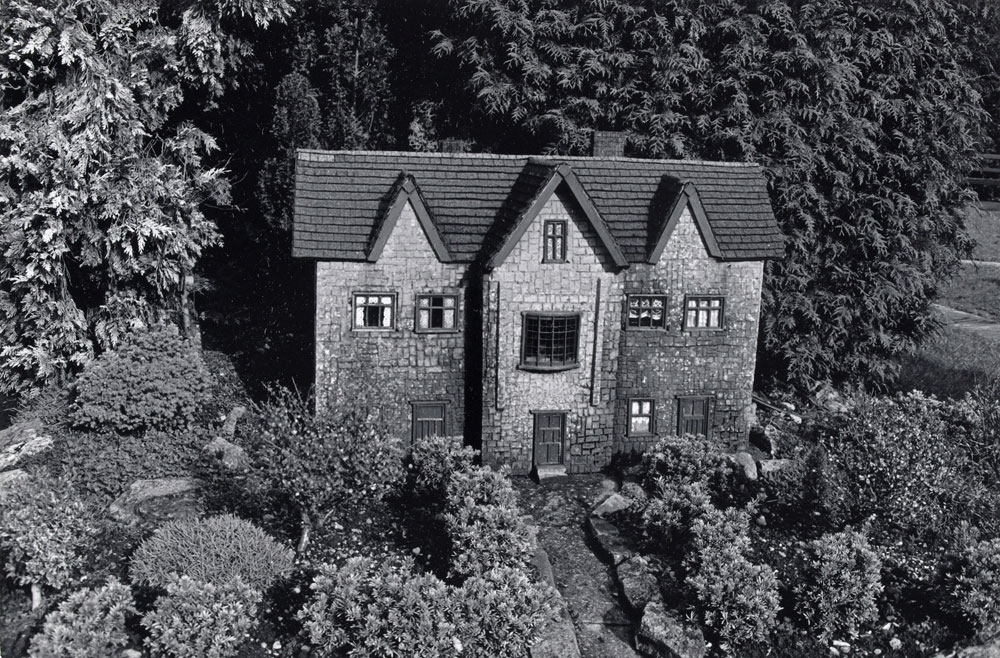
Peter Peryer (New Zealand, 1941-2018)
Home
1991
Gelatin silver photograph
35.6 x 53.8cm
National Gallery of Victoria, Melbourne
Purchased, 1996
© Peter Peryer
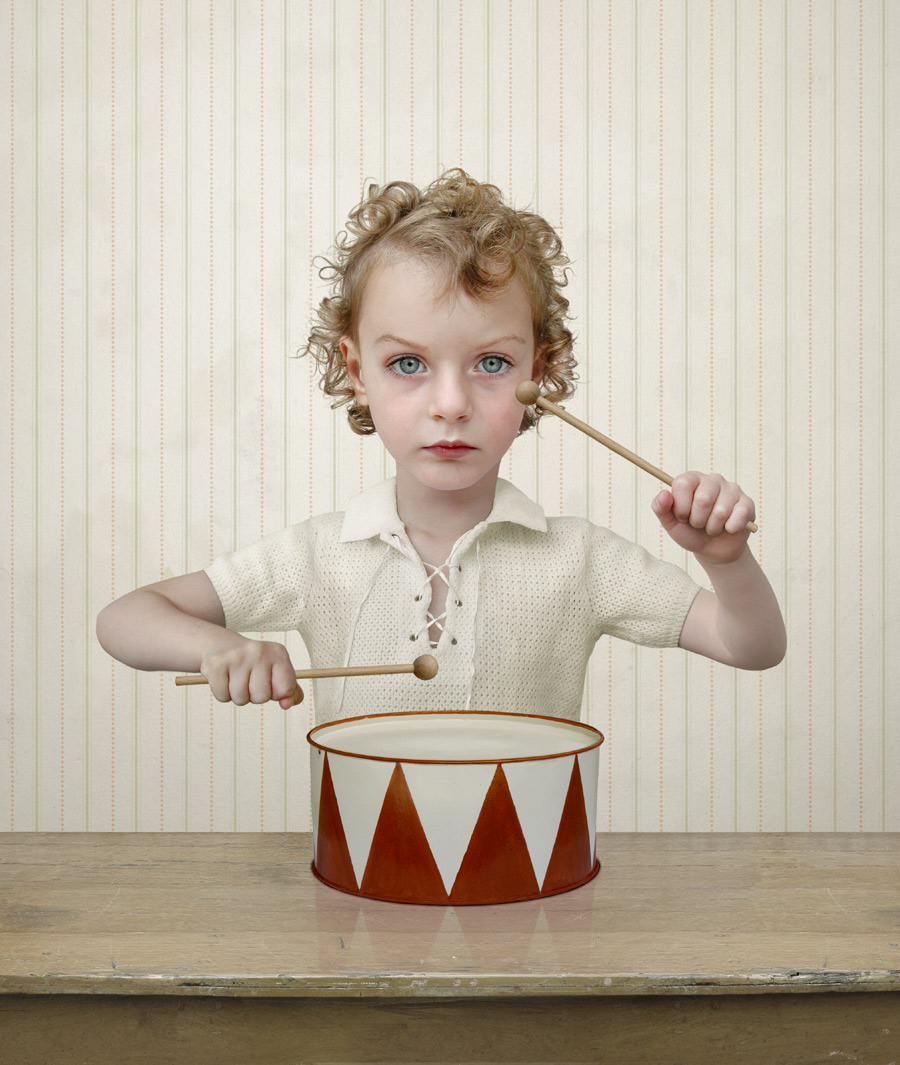
Loretta Lux (Germany, b. 1969)
The drummer
2004
Cibachrome photograph
Image: 45.0 x 37.7cm
Sheet: 56.0 x 49.0cm
National Gallery of Victoria, Melbourne
Purchased, NGV Foundation, 2006
© Loretta Lux/VG BILD-KUNST, Bonn. Licensed by VISCOPY, Australia
On 5 October, the National Gallery of Victoria will present Confounding: Contemporary Photography, an exploration of the uncanny worlds created by human imagination, dreams and memories.
Drawn from the NGV’s collection, the fourteen works on display transform the strange, uncomfortable and awkward into plausible realities. Visitors will discover the gaze of unnerving children in the hyper-real work of Loretta Lux; be jolted upon realising the hidden reality of Wang Qingsong’s monumental tableaux; and wonder at the strange beauty in the carefully constructed cardboard world of Thomas Demand.
Susan van Wyk, Curator, Photography, NGV, said: “Like the recollection of a dream, the photographs displayed in Confounding seem to make sense, but do not sit comfortably in the world. There are subtle, slightly sinister elements within the images that suggest a mystifying alternative reality… Through a selection of works by Australian and international artists, including two new acquisitions by Thomas Demand and Roger Ballen, Confounding explores the unexpected with images that bridge the divide between real and fictional.”
Confounding will present works by contemporary photographers including Roger Ballen, Pat Brassington, Thomas Demand, Eliza Hutchison, Rosemary Laing, Loretta Lux, Patricia Piccinini, Peter Peryer, Wang Qingsong and Ronnie van Hout.
Press release from the National Gallery of Victoria website

Patricia Piccinini (b. Sierra Leone 1965, lived in Italy 1968-1972, arrived Australia 1972)
Protein lattice – subset blue, portrait
1997
From the Protein lattice series 1997
Type C photograph
Image: 80.5 x 80.3cm irreg.
Sheet: 90.0 x 126.9cm
National Gallery of Victoria, Melbourne
Purchased through The Art Foundation of Victoria with the assistance of Optus Communications Pty Limited, Member, 1998
© Patricia Piccinini
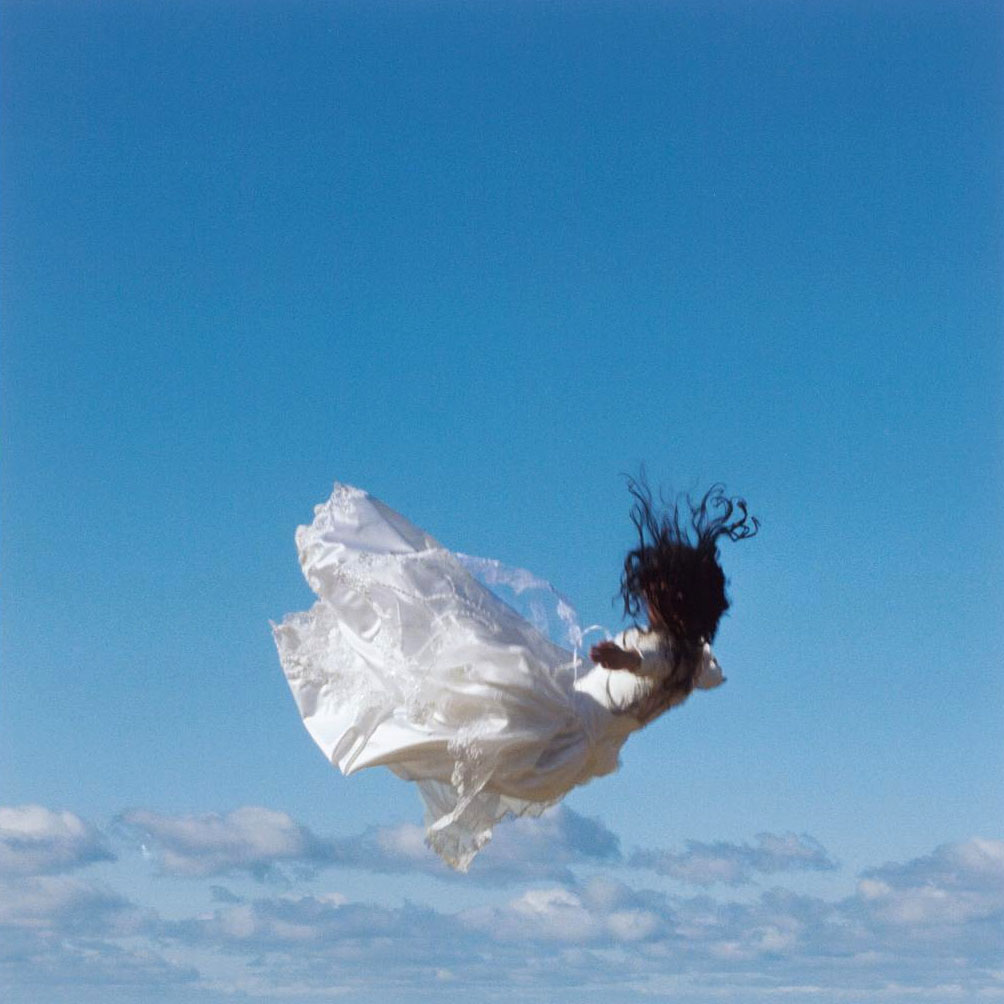
Rosemary Laing (Australian, 1959-2024)
flight research #8
1999, printed 2000
Type C photograph
Image: 59.8 x 59.8 cm
Sheet: 78.7 x 78.7 cm
National Gallery of Victoria, Melbourne
Purchased with funds from the Victorian Foundation for Living Australian Artists, 2004
© Estate of Rosemary Laing
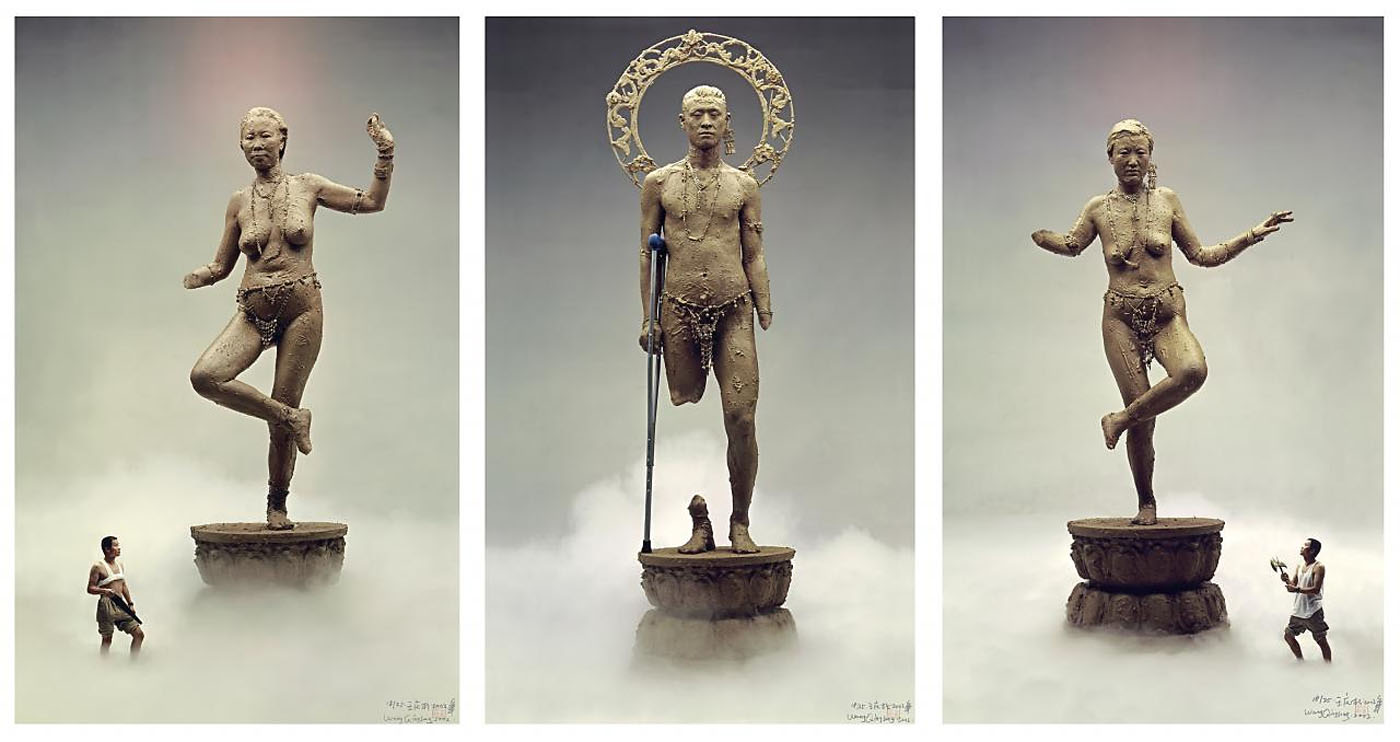
Wang Qingsong (Chinese, b. 1966)
Preincarnation
2002
Type C photographs
(a) 100.0 × 63.0cm (image)
(b) 100.0 × 61.0cm (image)
(c) 100.1 × 63.0cm (image)
National Gallery of Victoria, Melbourne
Purchased with the assistance of the Lillian Ernestine Lobb Bequest, 2007
© Wang Qingsong

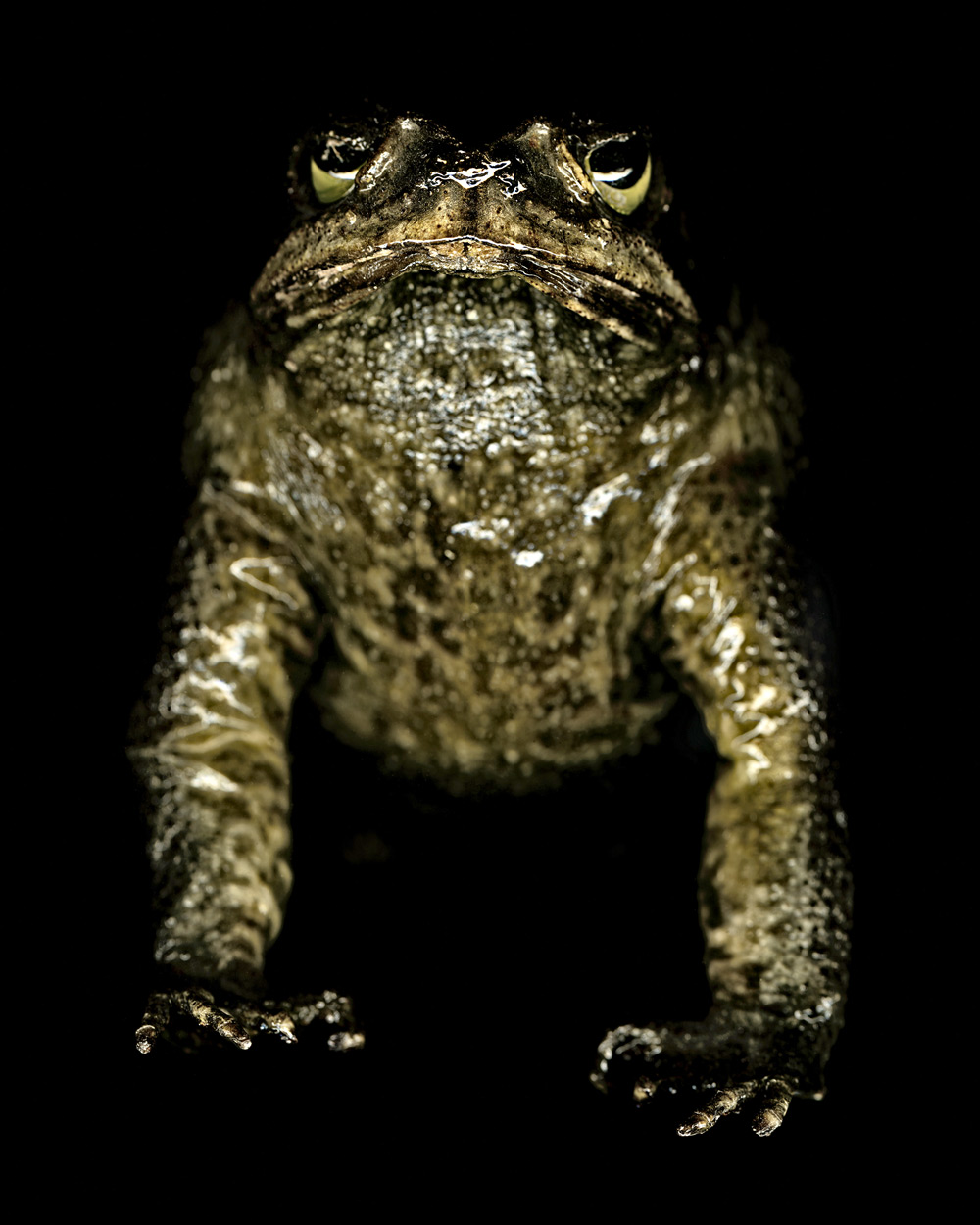
Ronnie van Hout (New Zealand, b. 1962)
Mephitis
1995
Gelatin silver photograph
Image: 47.2 x 32.6cm
Sheet: 50.5 x 40.9cm
National Gallery of Victoria, Melbourne
Purchased, 1996
© Courtesy the artist and Darren Knight Gallery, Sydney

Roger Ballen (American, b. 1950, worked in South Africa 1982- )
Terminus
2004
Carbon print
45.2 x 44.9cm
National Gallery of Victoria, Melbourne
Gift of Bill Bowness through the Australian Government’s Cultural Gift’s Program, 2012
© courtesy the artist and Stills Gallery, Sydney

Eliza Hutchison (Australian, b. 1965)
The ancestors
2004
Light-jet print
Image: 95.4 x 72.9cm
Sheet: 105.4 x 82.9cm
National Gallery of Victoria, Melbourne
Purchased with funds arranged by Loti Smorgon for Contemporary Australian Photography, 2005
© Eliza Hutchison, courtesy Murray White Room
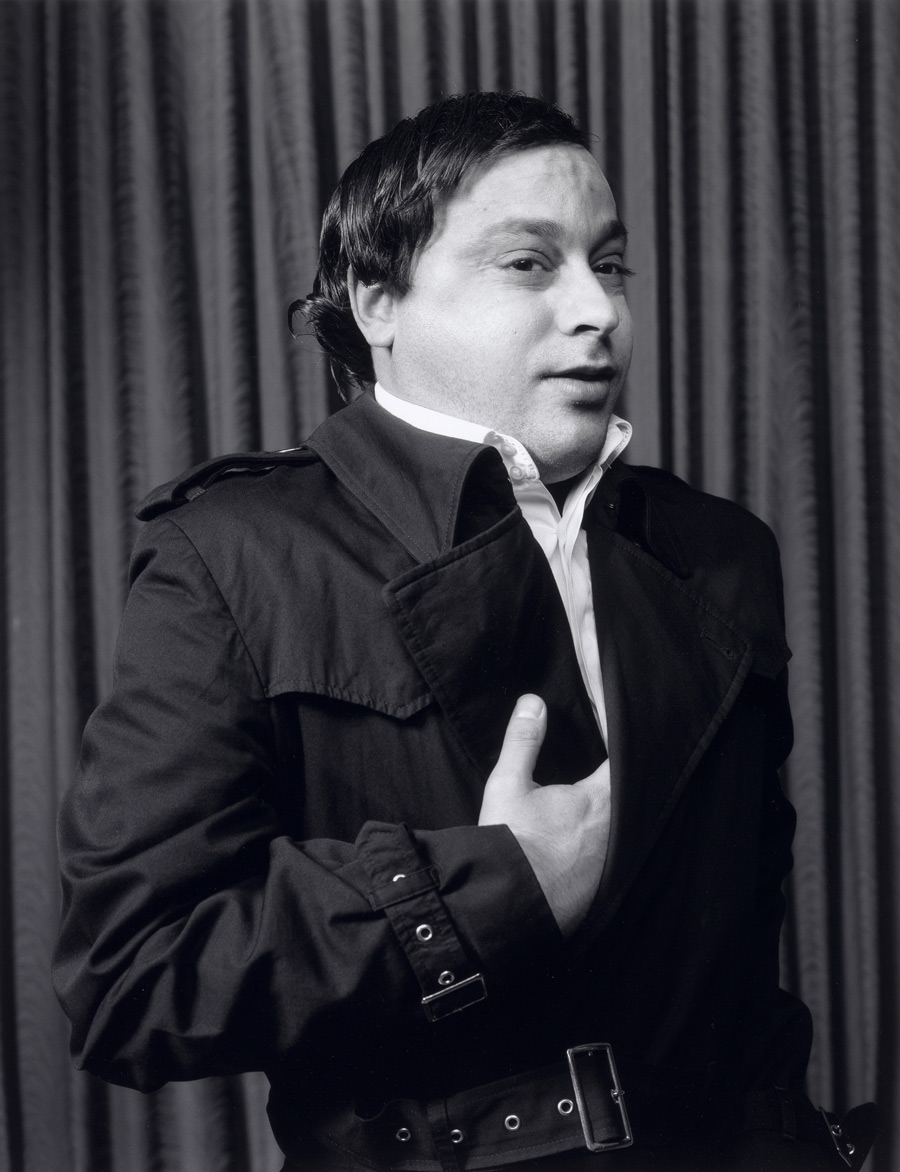
Eliza Hutchison (Australian, b. 1965)
The ancestors
2004
Light-jet print
Image: 95.3 x 73.0cm
Sheet: 105.3 x 83.0cm
National Gallery of Victoria, Melbourne
Purchased with funds arranged by Loti Smorgon for Contemporary Australian Photography, 2005
© Eliza Hutchison, courtesy Murray White Room
NGV International
180 St Kilda Road
Opening hours
Open daily 10am – 5pm


 Art Blart _ art and cultural memory archive
You must be logged in to post a comment.