
Exhibition dates: 18th September 2010 – 18th March 2011

Black-figure hydria: Achilles with Hector’s body
Attica, Leagros group, Antiopa Painter
c. 510 BC
Earthenware
h 49cm
© State Hermitage Museum, St Petersburg
What beautiful artefacts!
Marcus
Many thankx to the Hermitage Amsterdam for allowing me to publish the photographs in the posting. Please click on the photographs for a larger version of the image.

Head of Alexander (fragment of a figure)
Asia Minor, Bithynia (?)
Roman copy, 1st century BC, after Greek original
175-150 BC
Fine-grained marble
h 6cm
© State Hermitage Museum, St Petersburg

Cameo. Twin portrait of Ptolemy II Philadelphos and Arsinoe II (Gonzaga Cameo)
Alexandria
3rd century BC
Three-layer sardonyx
15.7 x 11.8cm
© State Hermitage Museum, St Petersburg

Figure of Cleopatra VII
Egypt
51-30 BC
Basalt
h 104cm
© State Hermitage Museum, St Petersburg

Cuirass breastplate
Italy
Late 16th century
Steel, bone, wrought and carved
h 42cm
© State Hermitage Museum, St Petersburg
No other king from antiquity has such a powerful appeal to the imagination as Alexander the Great (356-323 BC). Nor other king has been so often cited and depicted as an example.
The exhibition The Immortal Alexander the Great will be on view from 18 September 2010 until 18 March 2011 in the Hermitage Amsterdam, with over 350 masterpieces, including the famous Gonzaga cameo from the State Museum the Hermitage in St Petersburg. This is the first time that any Dutch museum has devoted an exhibition to Alexander the Great, his journey to the East, and the influence of Hellenism. The exhibition spans a period of almost 2500 years. In the Hermitage Amsterdam, the ‘immortal’ Alexander will be brought to life for six months.
Alexander was born in 356 BC as the son of King Philip II of Macedonia. In boyhood he was taught by Aristotle, who would be an abiding influence on him. At twenty years of age Alexander succeeded to the throne, following his father’s assassination. Two years later he embarked on the great expedition that would seal his fame. His conquests brought him into contact with numerous countries and cultures: Syria, Egypt, Persia, Bactria, and India. He founded new cities wherever he went, naming many of them Alexandria. His arrival had a lasting impact on local architecture, art, language, and ways of life: in the course of time they assimilated and displayed Greek influence, a process that became known as Hellenism.
The Greek sphere of influence was vast: it extended from Asia Minor to India, from Egypt to Mongolia. Alexander’s name and fame has endured down to the present day.
The exhibition in the Hermitage Amsterdam gives a picture of Alexander himself and of the great cultural and artistic changes that followed in the train of his conquests.
The exhibition begins with the myth of Alexander. Images in paintings dating from the seventeenth to the nineteenth centuries, tapestries, and decorative arts display his heroic deeds and conquests. Impressive examples include paintings by Pietro Antonio Rotari (Alexander the Great and Roxana) and Sebastiano Ricci (Apelles painting Campaspe), and a tapestry depicting The Family of Darius before Alexander the Great.
The exhibition then moves on to Alexander’s reality, his native Macedonia, his teachers, his heroes Achilles and Heracles, and his ideals. The lion’s share of this reality consists of his journey, the Great Expedition to the East: an unparalleled campaign of conquest lasting over ten years, with an army that was more than 50,000 strong. Objects from Egypt and Persia, from the nomads and the Babylonians, attest to the rich cultures that he encountered on his travels. Visitors can follow the route of his celebrated journey on interactive maps and computers.
This part of the exhibition also highlights the Greek influence on those other cultures. Terracotta figurines depicting men and women, gods and satyrs, musicians and Eros, and stone fragments of architecture, testify to the artistic wealth that characterised the Hellenistic territories from the fourth century BC to the first few centuries AD. While many of these works reflect the Greek spirit of cheerfulness and playfulness, the Greeks also took an interest in the atypical, such as disabilities and deformities.
Finally, the exhibition dwells on Alexander’s heritage. Fourth-century reliefs from Palmyra demonstrate the endurance of Greek traditions outside Greece, as do papyruses bearing texts in Greek, which were still being produced in the ninth century. In the fifteenth and sixteenth centuries, Alexander played a prominent role in Persian literature, in which he is known as Iskander. He is recognisable in finely executed miniatures.
Alexander the Great is still a topical figure in our own times. Very recently (2004) a broad international public became better acquainted with him thanks to Oliver Stone’s film of his life. Alexander is a phenomenon. He is immortal. And the exhibition on show at the Hermitage Amsterdam makes this abundantly clear.
Erwin Olaf was asked to make photographic interpretations of Alexander, which he did in a photographic series and a short film. By interlacing objects from the exhibition with photographs of an actual model, Olaf has succeeded in skilfully conveying Alexander’s character traits and his handsome features.
Press release from the Hermitage Amsterdam website [Online] Cited 13/03/2011 no longer available online

Figure of Bacchus/Dionysus
Roman copy, 2nd century AD, after Greek original
Late 4th-early 3rd century BC
Marble
h 207cm
© State Hermitage Museum, St Petersburg

Heracles fighting the Nemaean lion
Rome
2nd-3rd century AD fragments with possible Italian additions 16th-17th century
Marble
h 65cm
© State Hermitage Museum, St Petersburg

Bronze leg-protectors
Greece
4th century BC
Bronze
h right protector 41, h left protector 40cm
© State Hermitage Museum, St Petersburg

Table clock: the vigil of Alexander the Great
Russia, St Petersburg (?), after original by Pierre Philippe Thomire
1830-40 (?)
Bronze, cast, chased and gilded
70 x 30 x 70cm
© State Hermitage Museum, St Petersburg

Cameo: triumph of Dionysus
Alexandria
1st century BC
Sardonyx (on carnelian plaque)
4.2 x 2.7cm
© State Hermitage Museum, St Petersburg

Dove-shaped pendant earrings
Greek goldsmithing, Alexandria (?), 2nd century BC
Gold, hessonite, glass
H 6.3/6.5cm
© State Hermitage Museum, St Petersburg
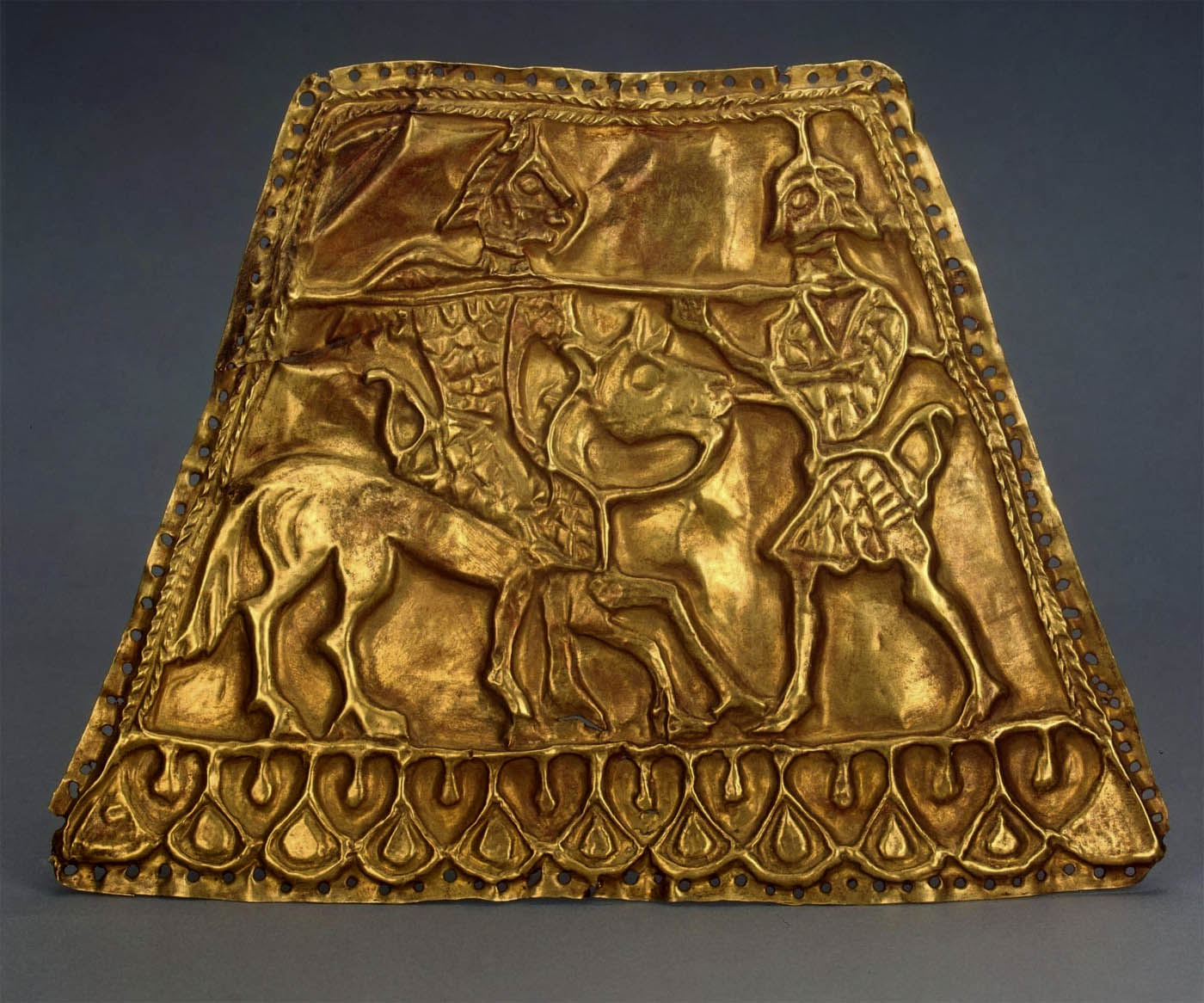
Plaque: Combat between two warriors
Northern Black Sea region. 4th century BC
Gold
14 x 19cm
© State Hermitage Museum, St Petersburg
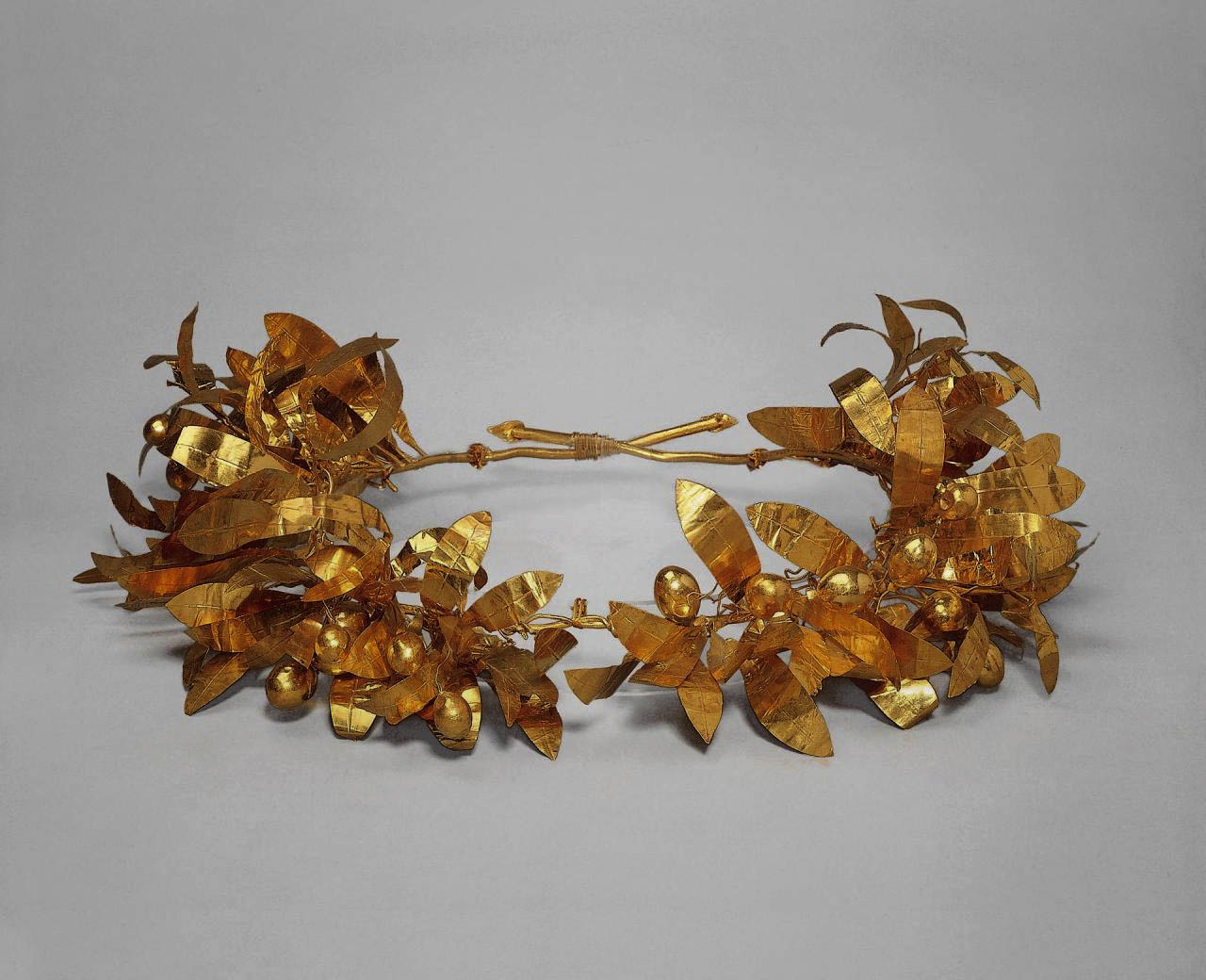
Olive Wreath
Greek goldsmithing, Northern Black Sea region, Bosporus Kingdom. Mid-4th century BC
Gold
Ø approx. 32cm
© State Hermitage Museum, St Petersburg
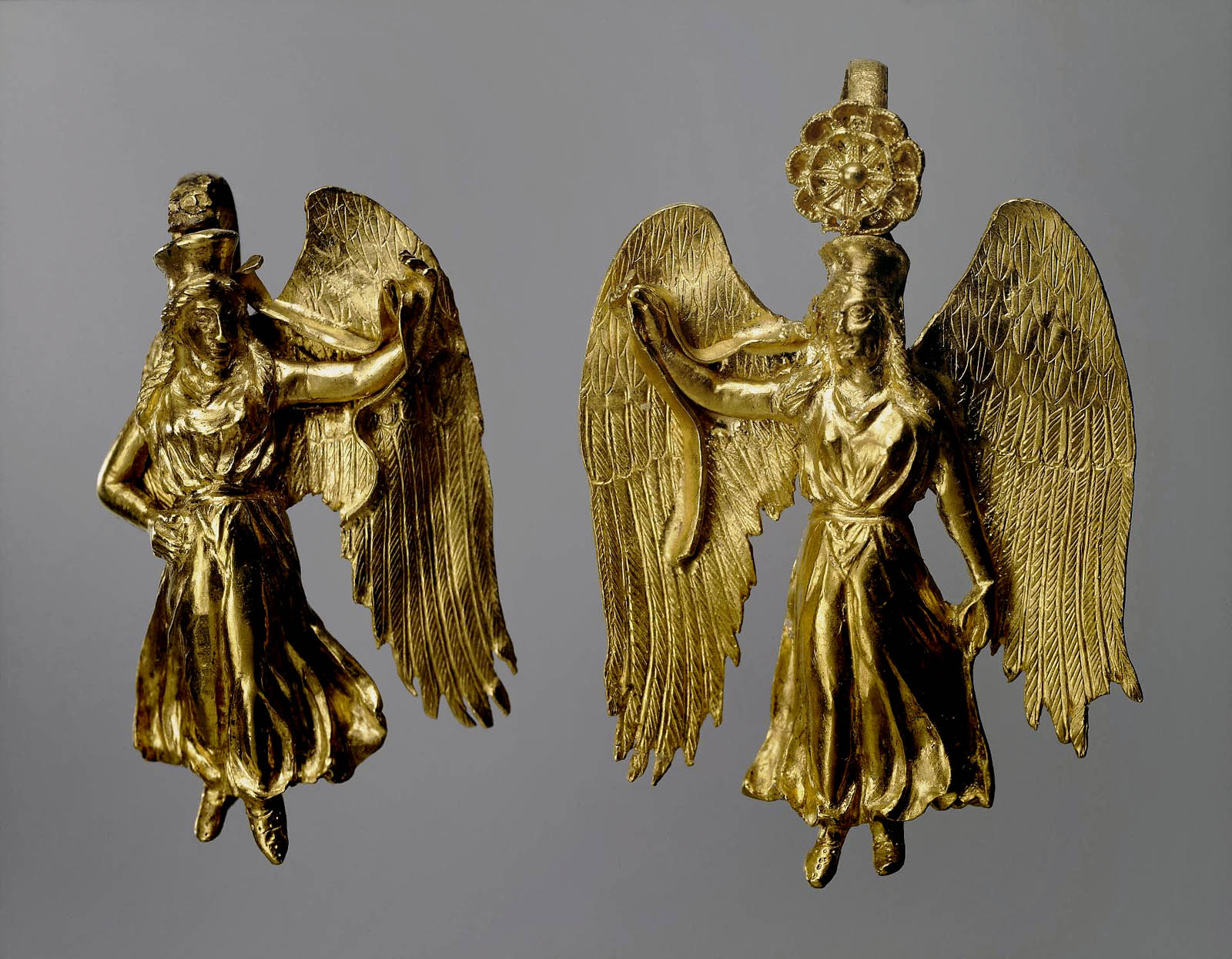
Earrings depicting Nike, goddess of victory
Greek goldsmithing. Mid-4th century BC
Gold
H4.8cm
© State Hermitage Museum, St Petersburg
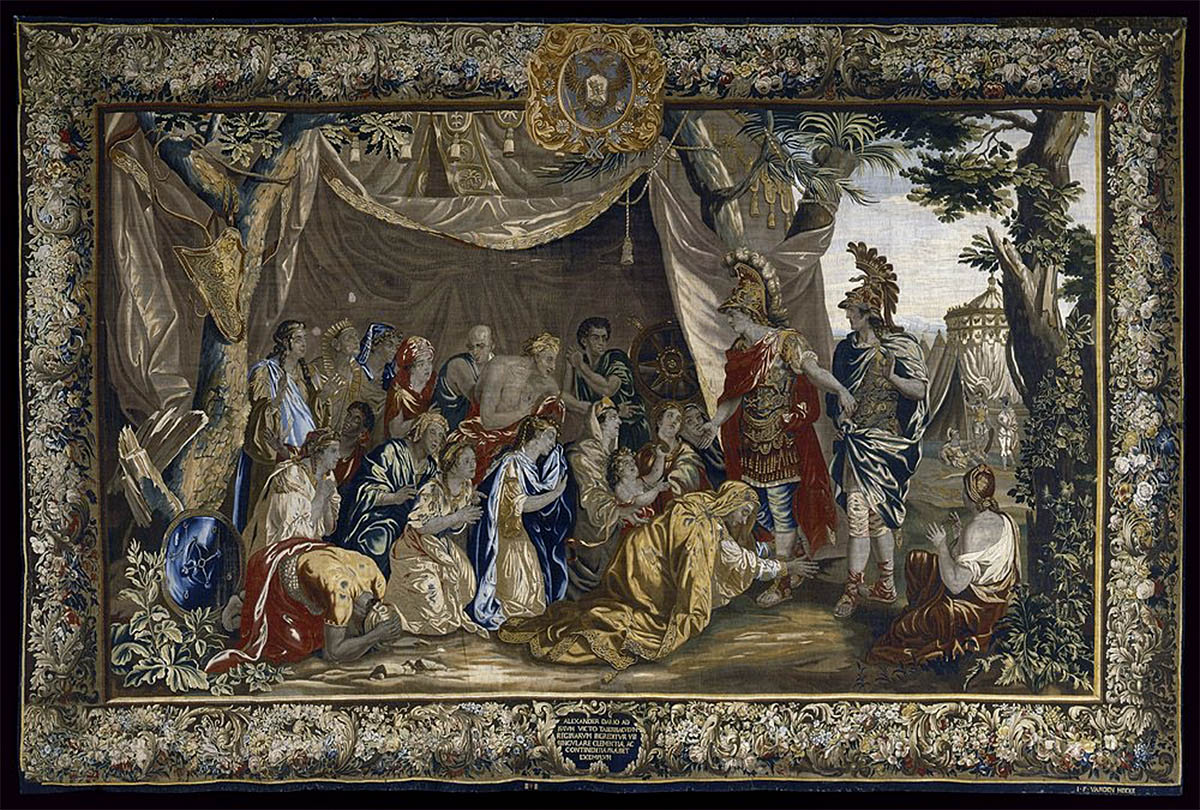
Tapestry: Alexander the Great and the Family of Darius, from the cycle Stories of Alexander the Great, after cartoons by Charles Le Brun
Flanders, Brussels, atelier of Jan Frans van den Hecke
1661-1695
Wool, silk, silver thread
451 x 690cm
© State Hermitage Museum, St Petersburg
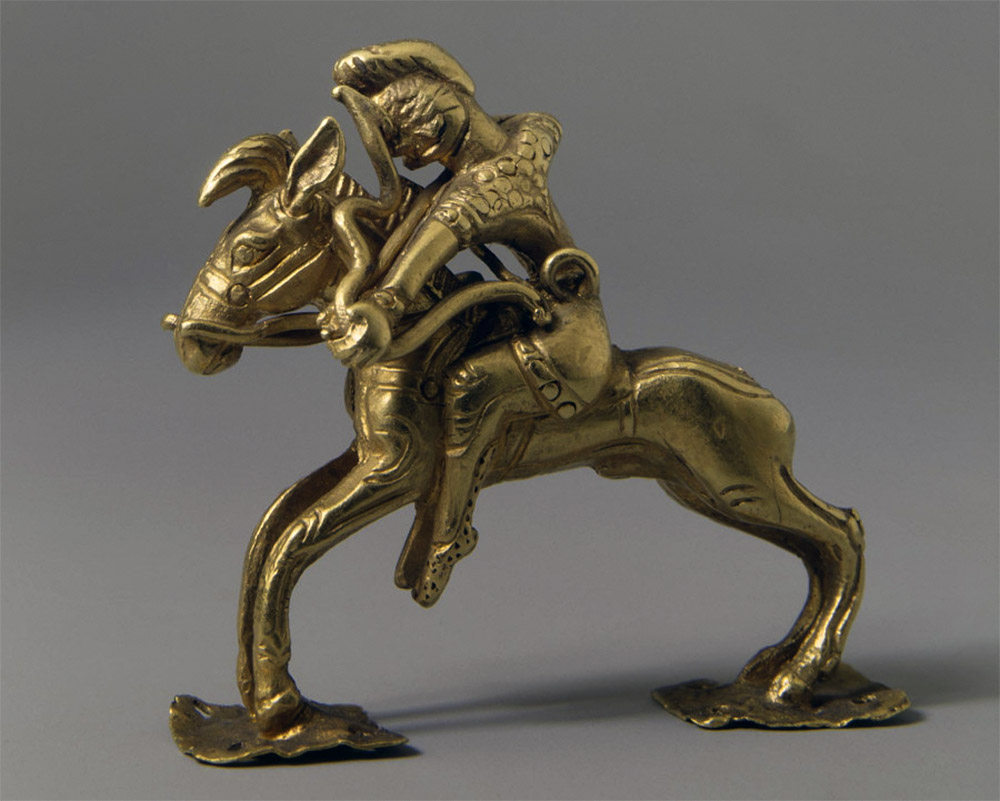
Statuette of a horseman with a bow
Iran. 5th-4th century BC
Gold
H 3.6cm
© State Hermitage Museum, St Petersburg
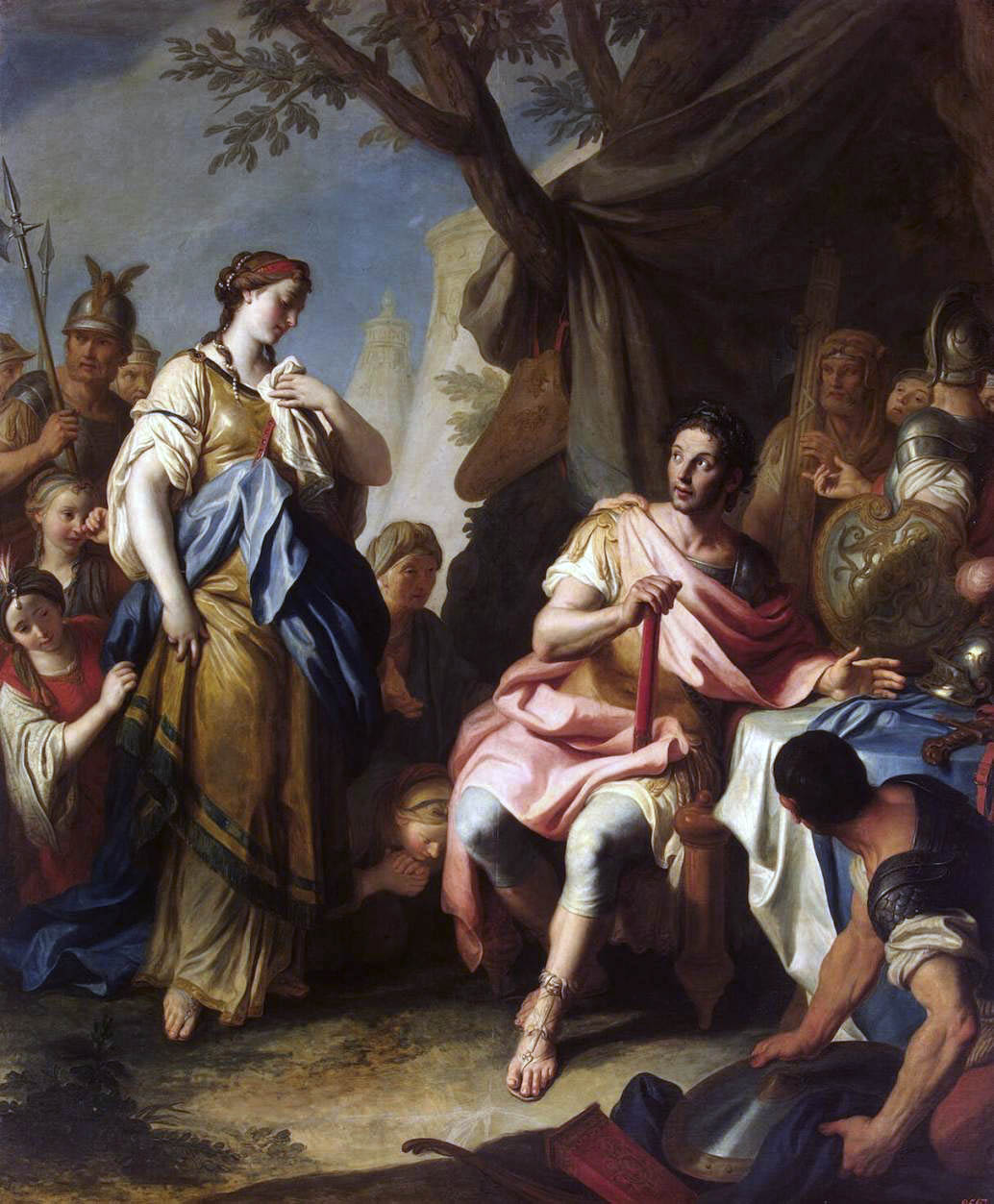
Pietro Rotari (Italian, 1707-1762)
Alexander the Great and Roxane
1756
Oil on canvas
Height: 243cm (95.6 in)
Width: 202cm (79.5 in)
Pietro Antonio Rotari (30 September 1707 – 31 August 1762) was an Italian painter of the Baroque period. Born in Verona, he led a peripatetic career, and died in Saint Petersburg, where he had traveled to paint for the Russian court. His portraits, mostly of women, are renowned for being beautiful and realistic. Rotari’s works were generally limited to royal portraits held by notables such as emperors and court ladies.
Text from the Wikipedia website
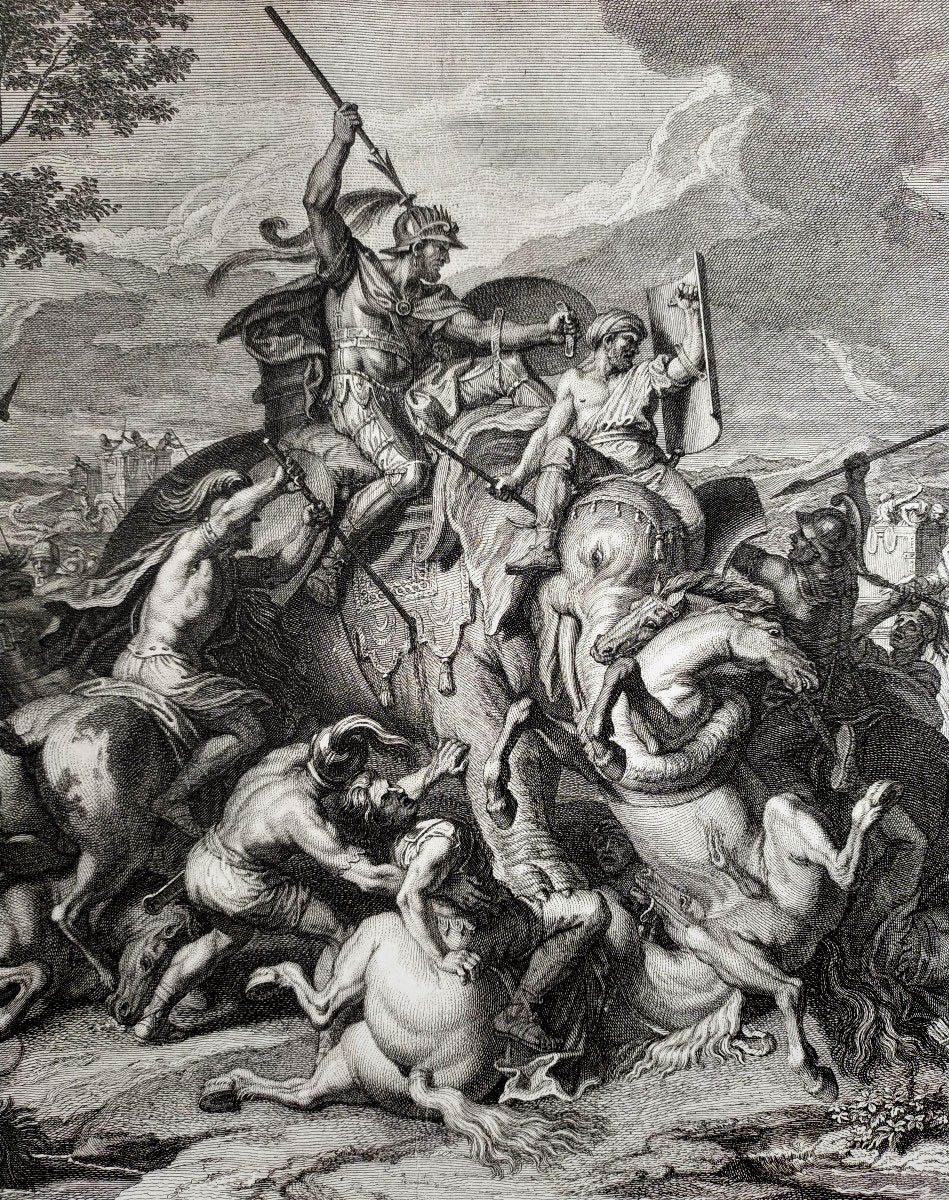
Bernard Picart (French, 1673-1733), from Charles Le Brun
The Courage of Porus
1700-1733
Etching and engraving, 70.6 x 55 cm (second sheet of a series of three)
© State Hermitage Museum, St Petersburg
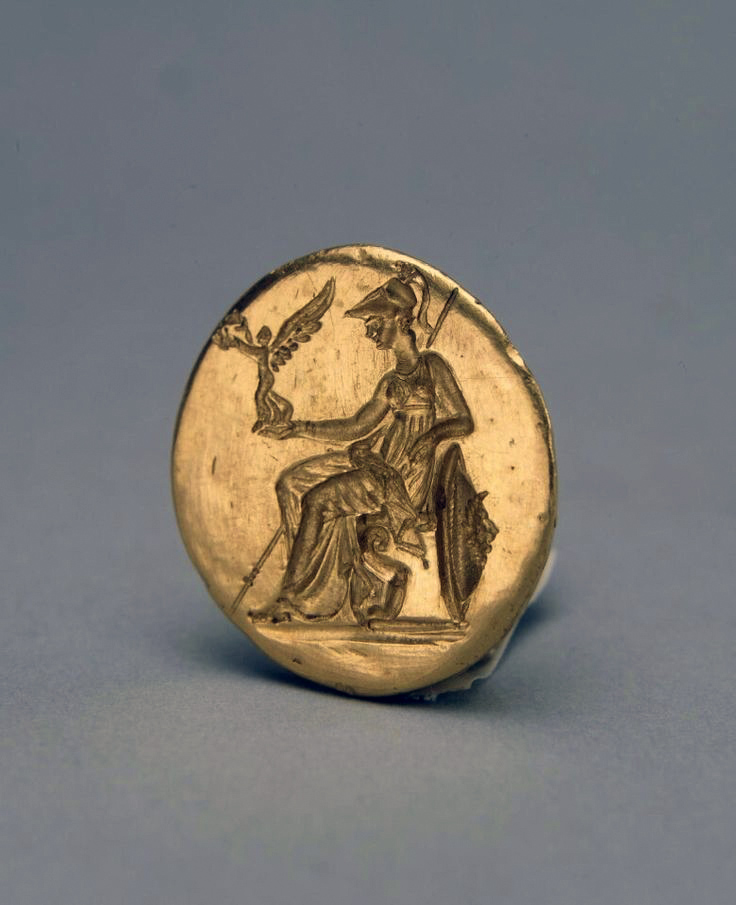
Ring: Athena Nicephora
Greek goldsmithing, Northern Black Sea region, Pantikapeion (?). Late 4th century BC
Gold
Ring Ø 2.3cm
© State Hermitage Museum, St Petersburg
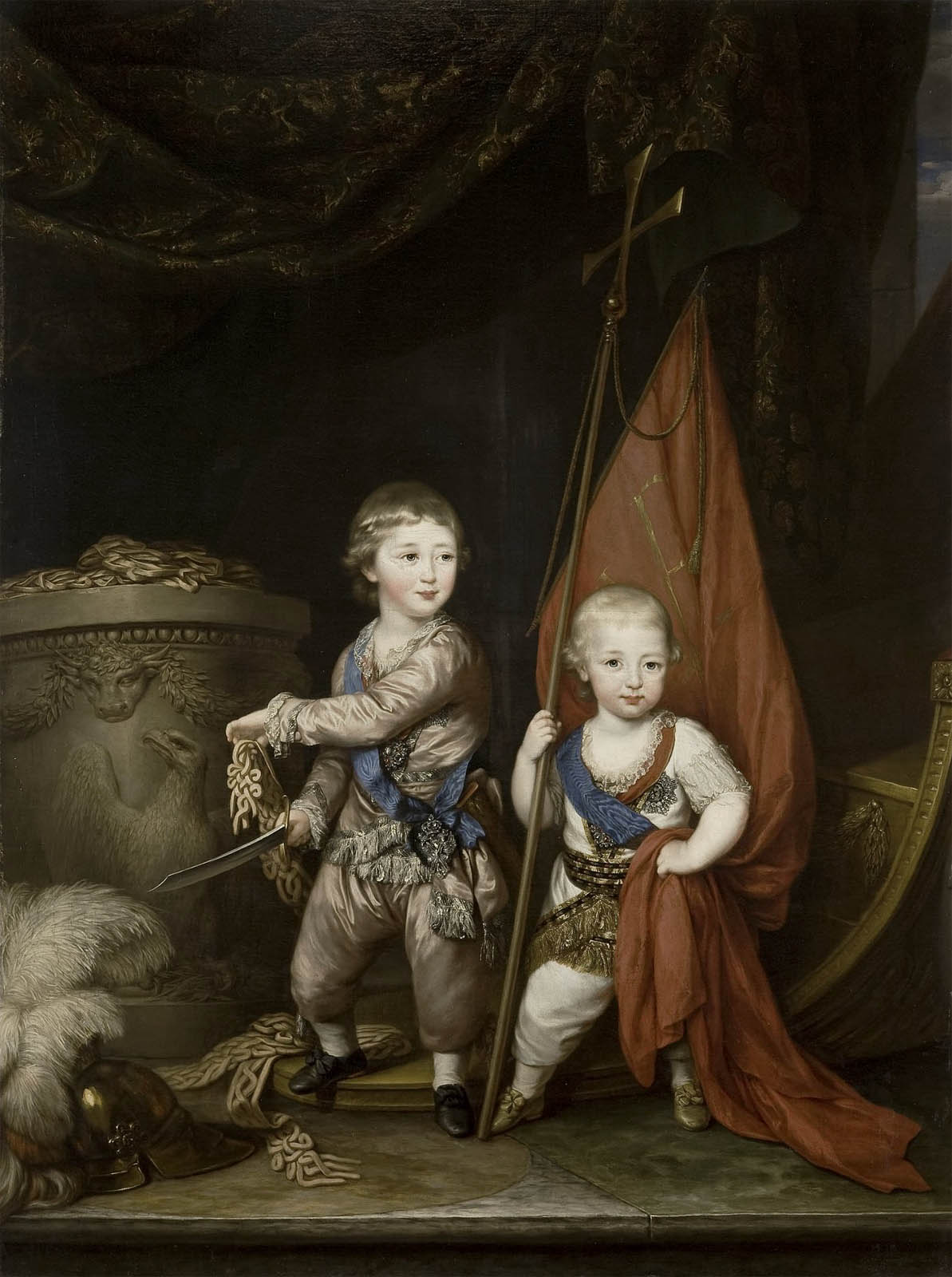
Richard Brompton (English, 1734–1783)
Portrait of Grand Dukes Alexander Pavlovich and Constantin Pavlovich
1781
Oil on canvas
210 х 146.5см
© State Hermitage Museum, St Petersburg
Brompton was a pupil of Benjamin Wilson. He then went to Italy, and spent some time in Rome, where he had lessons with Raphael Mengs. He was also introduced to the patronage of the Earl of Northampton, and accompanied the earl to Venice when he was appointed ambassador to the republic. At Venice Brompton painted a conversation-piece, in which he introduced the portraits of the Duke of York and several English gentlemen then on their travels. The picture was afterwards exhibited at the rooms in Spring Gardens in 1763, at which time he returned to England, and for some years practised portrait painting. Extravagant living and debtors brought him to the King’s Bench, but he was rescued by the Empress of Russia, at whose request he went to St. Petersburg, where he was appointed portrait painter to the empress, and where he met with much employment. During this time he was patronized by the empress favorite, Grigory Potemkin. He died in that city in 1783.
Text from the Wikipedia website

Statue of Heracles with the apples of the Hesperides
Roman copy, 2nd century AD, from a Greek original from the mid-4th century BC
Marble
H 201cm
© State Hermitage Museum, St Petersburg
The Hermitage Amsterdam
Amstel 51, Amsterdam
Opening hours:
Daily from 10am – 5pm
 Art Blart _ art and cultural memory archive
You must be logged in to post a comment.