
Exhibition dates: 25th September – 8th November, 2025
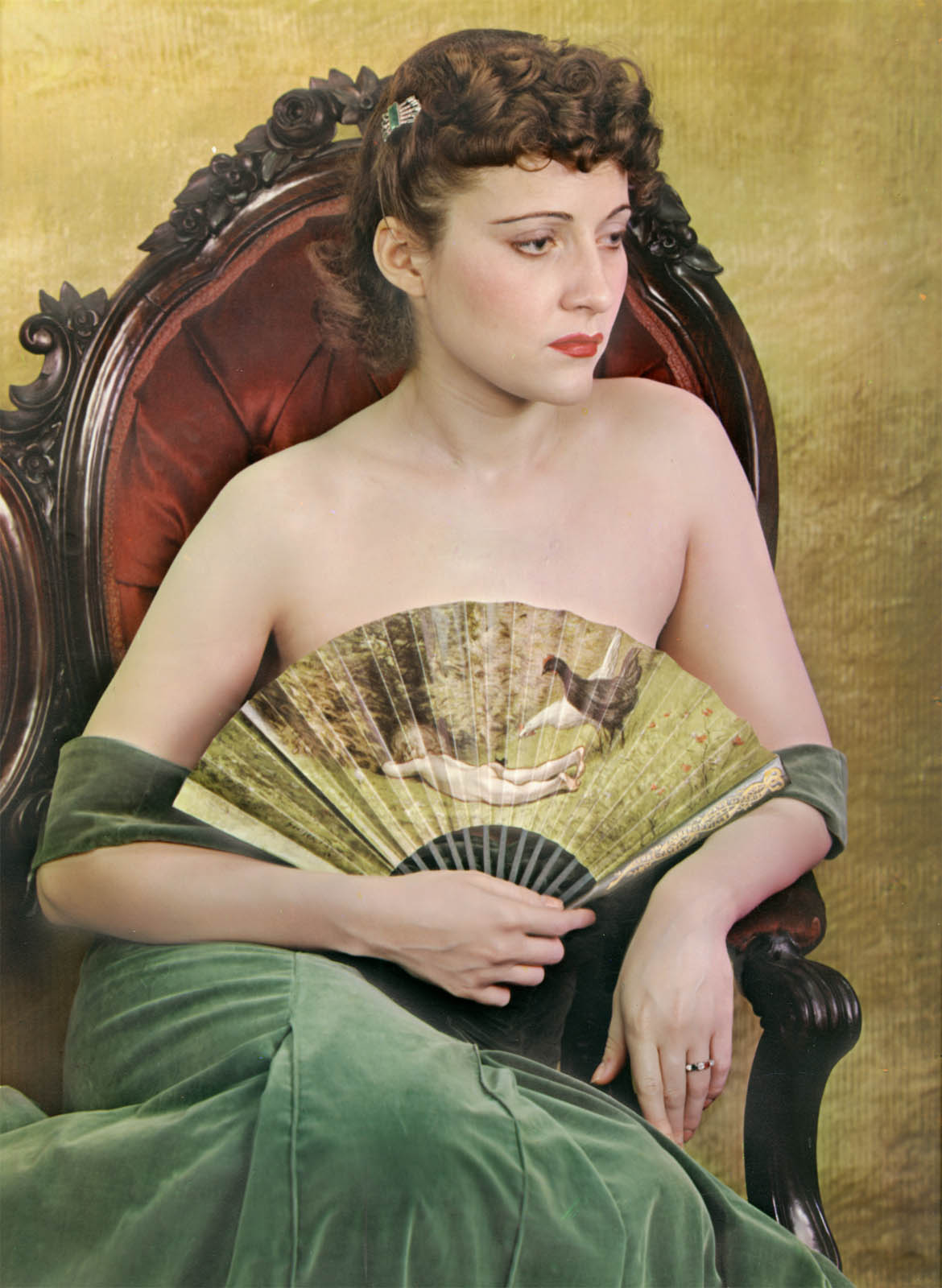
Paul Outerbridge Jr. (American, 1896-1959)
Girl with Fan
c. 1936
Vintage color carbo photograph
17 x 13 inches
© Paul Outerbridge; courtesy of Fahey/Klein Gallery, Los Angeles
I think I was born in the wrong era!
My favourite era in the history of photography is the period between the wars.
The avant-garde photographers of the period were so inventive, challenging the act of looking through modern photographs featuring radical perspective, fragmentation, scale, concept, construction, colour, aesthetics, identity, gender, fashion, performance, photogram, photo collage, to name just a few.
Favourites include Germaine Krull (European, 1897-1985) and her magnificent book MÉTAL (1928) with its dissection of the Eiffel Tower; Florence Henri (Swiss born United States, 1893-1982) and her experimental compositions featuring mirrors and reflections; Claude Cahun (French, 1894-1954) and Marcel Moore (French, 1892-1972) and their subversion of gender norms; August Sander (German, 1876-1964) and his archetypal photographs from “People of the 20th Century”; Alexander Rodchenko (Russian, 1891-1956) and his revolutionary photographs; Walker Evans (American, 1903-1975) revealing photographs of New York subway passengers; Jakob Tuggener’s (Swiss, 1904-1988) alchemical photographs picturing the world or work and industry; Helmar Lerski‘s (Swiss, 1871-1956) metamorphosis of the human face; and Margaret Bourke-White‘s (American, 1906-1971) modern industrial America to name, again, just a few.
There are so many fantastic photographers from this period, pushing the boundaries of what was possible in photography without loosing sight of the stories they wanted to tell, and the immediacy and presence of the photograph.
Paul Outerbridge Jr. is another from the period, a much under appreciated artist in the vanguard of experimental photography, “a bold innovator, transforming ordinary objects, such as milk bottles, collars, eggs, into fractured Cubist constructions of light and form…
Throughout his career, Outerbridge pursued abstraction as both a visual language and an artistic philosophy. His still lifes, nudes, and commercial commissions all demonstrate his preoccupation with fractured planes, geometric tension, and the transformation of the commonplace into the extraordinary.” (Press release)
That’s what I like about this man’s photographs: their bold but radical simplicity, clear visualisation of the pictorial statement, and formal abstracted beauty.
His photographs are, and will remain, a joy to be/hold.
Dr Marcus Bunyan
Many thankx to the Fahey/Klein Gallery for allowing me to publish the photographs in the posting. Please click on the photographs for a larger version of the image.
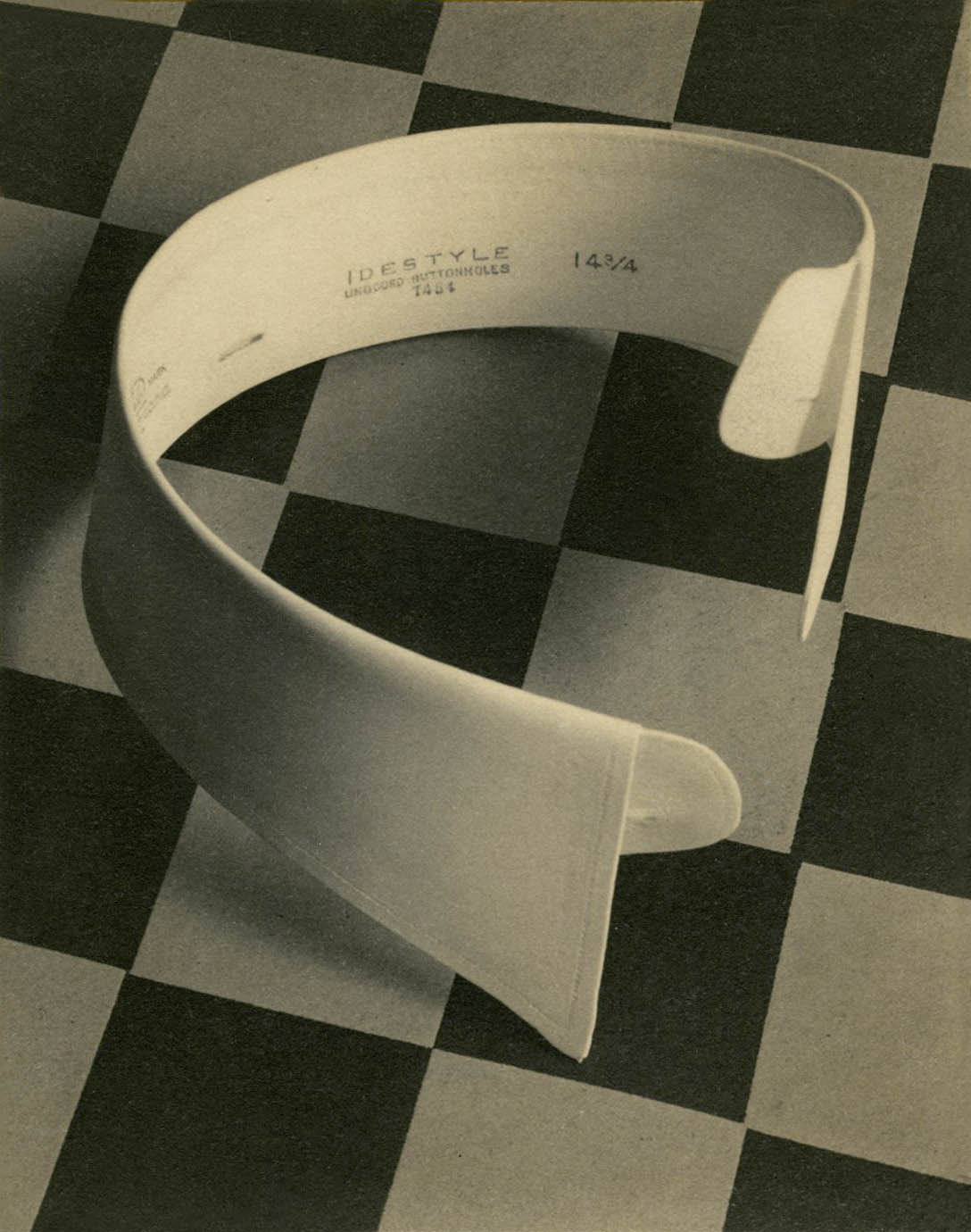
Paul Outerbridge Jr. (American, 1896-1959)
Ide Collar
1922
Platinum photograph
4 1/2 x 3 1/2 inches
© Paul Outerbridge; courtesy of Fahey/Klein Gallery, Los Angeles
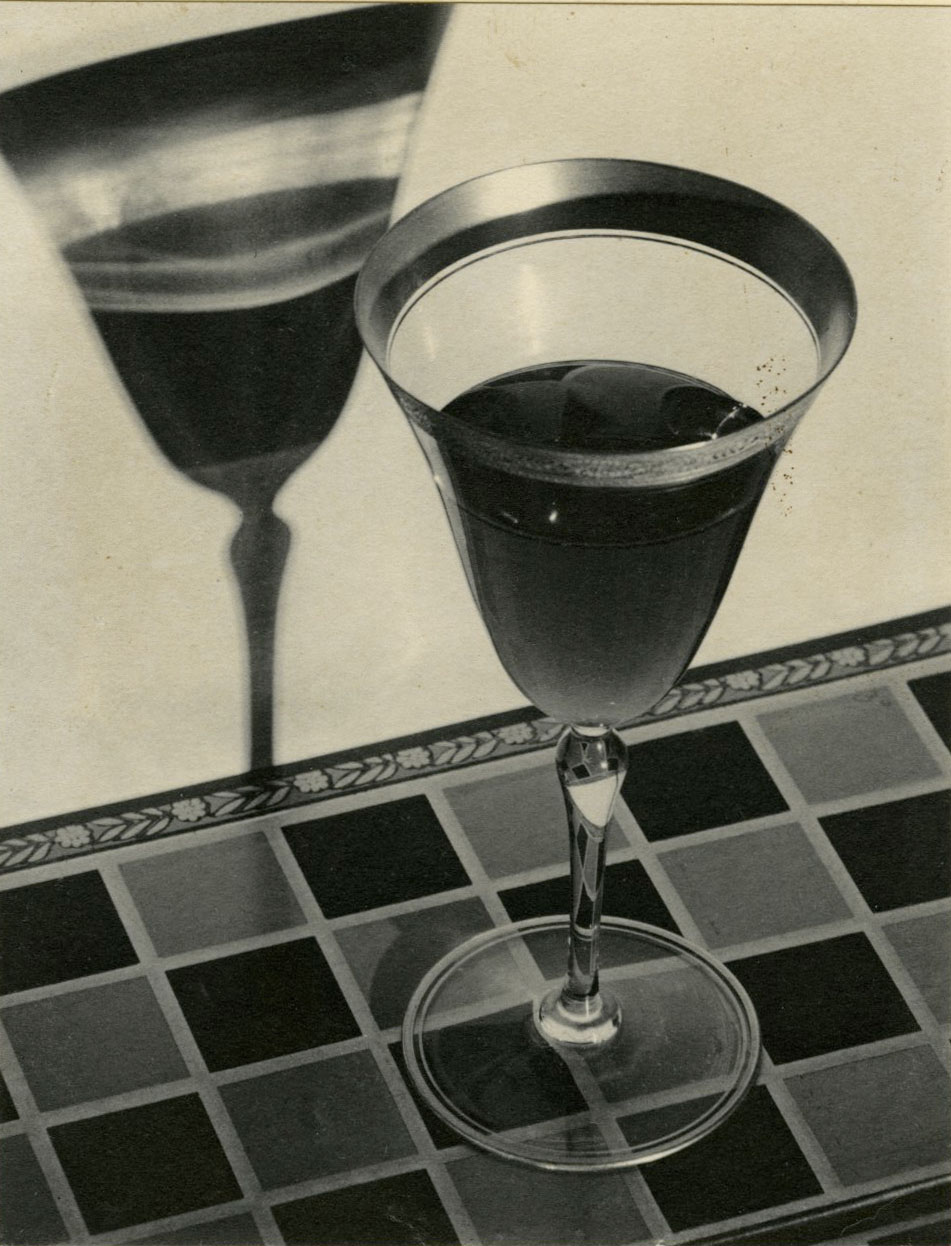
Paul Outerbridge Jr. (American, 1896-1959)
Wine Glass on Checker Board
1922
Vintage platinum photograph
4 1/8 x 3 3/16 inches
© Paul Outerbridge; courtesy of Fahey/Klein Gallery, Los Angeles
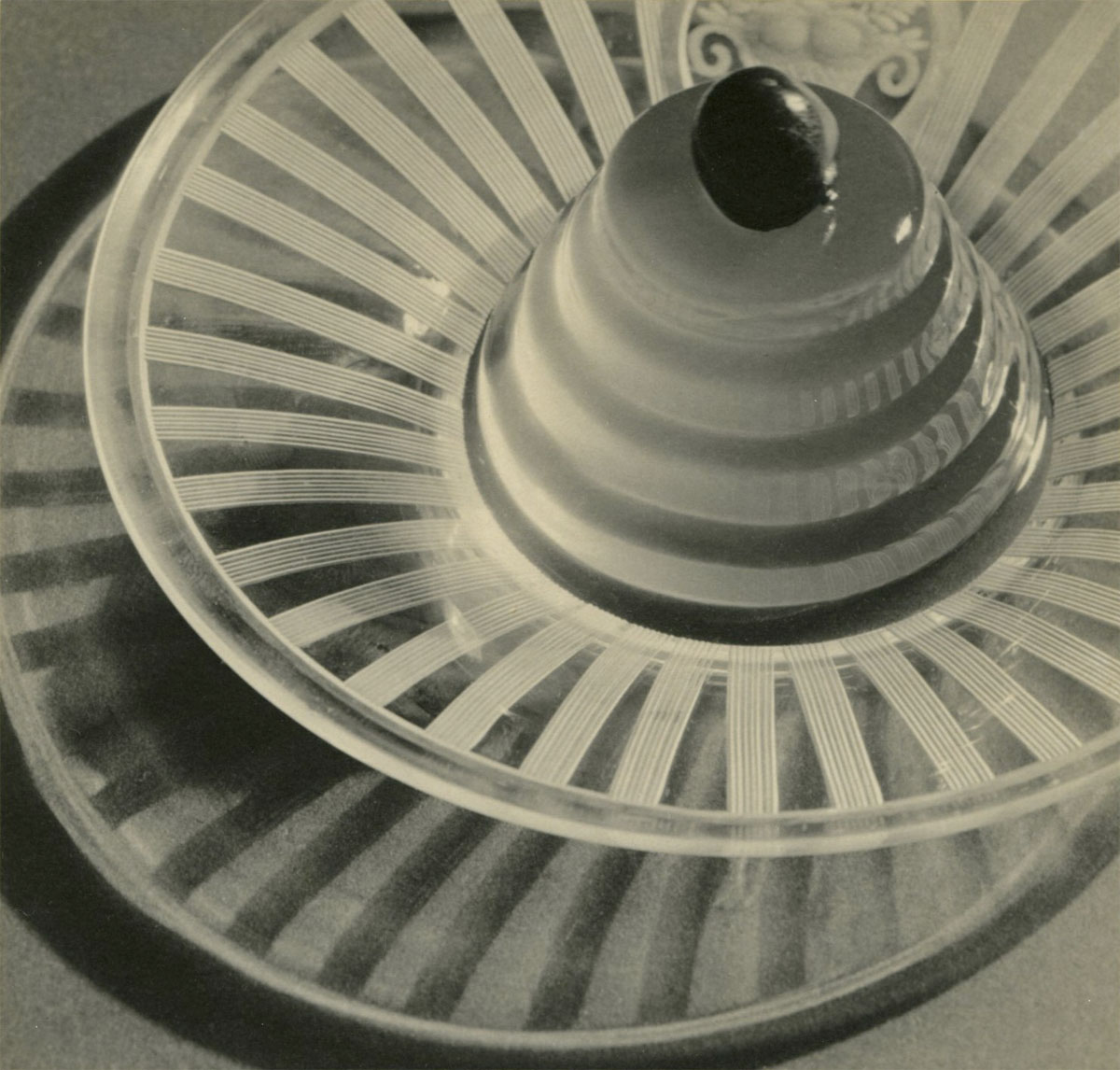
Paul Outerbridge Jr. (American, 1896-1959)
Jello Mould in Dish
1923
Vintage platinum photograph
5 x 4 3/4 inches
© Paul Outerbridge; courtesy of Fahey/Klein Gallery, Los Angeles
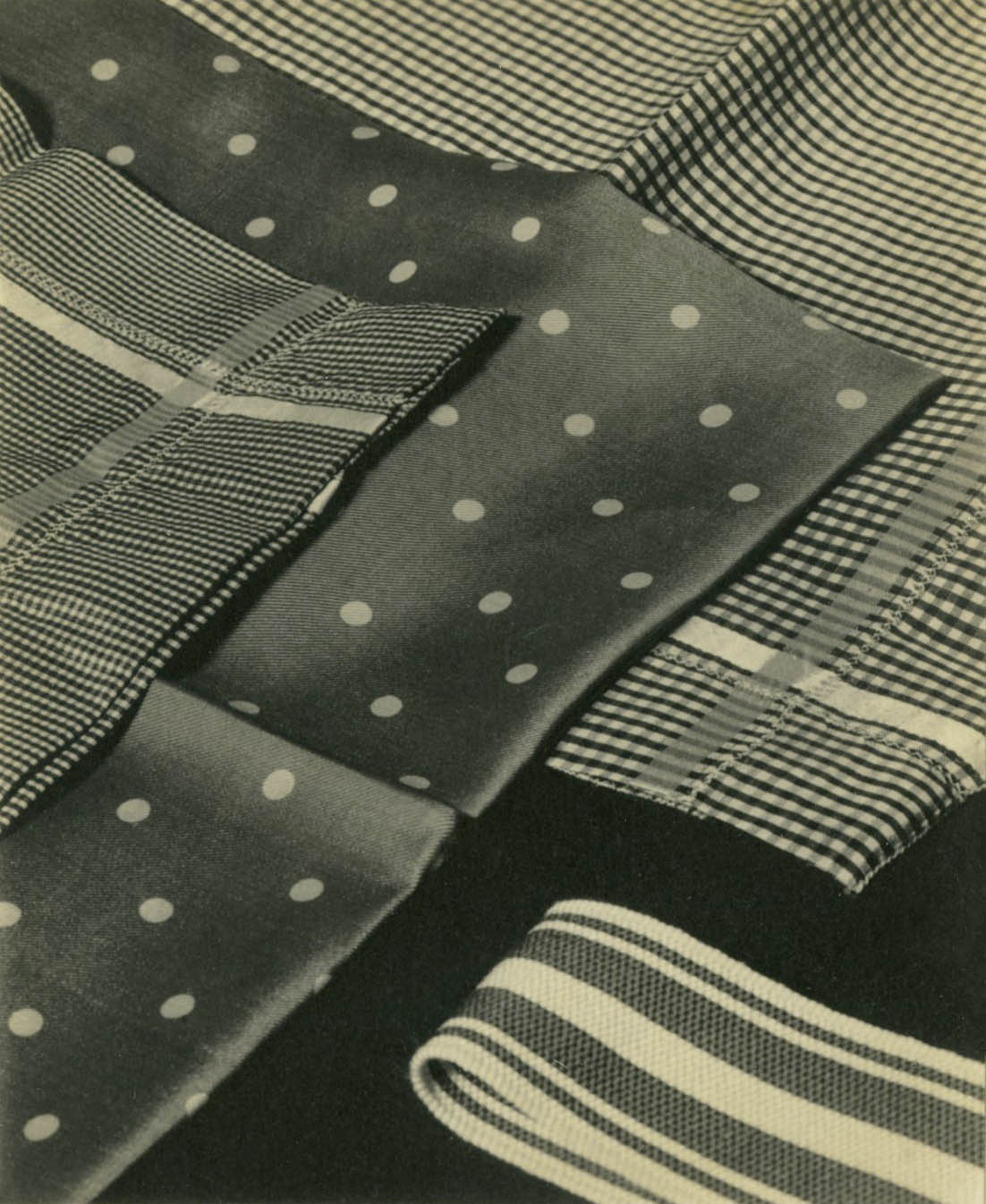
Paul Outerbridge Jr. (American, 1896-1959)
Men’s Scarfs
1924
Vintage platinum photograph
4 5/8 x 3 7/8 inches
© Paul Outerbridge; courtesy of Fahey/Klein Gallery, Los Angeles
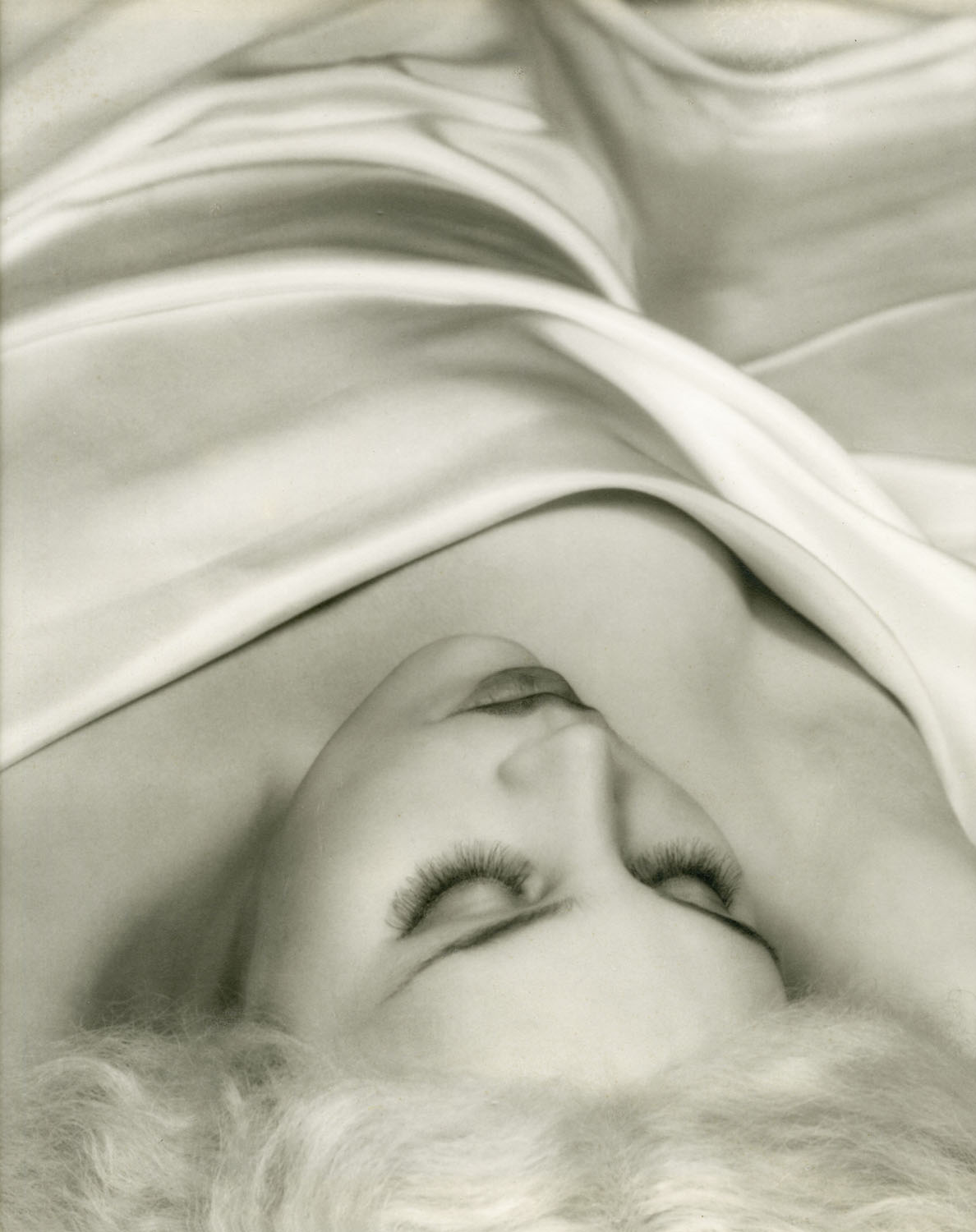
Paul Outerbridge Jr. (American, 1896-1959)
Woman in Bed (under satin sheets)
c. 1933
Vintage silver gelatin photograph
15 3/8 x 13 9/16 inches
© Paul Outerbridge; courtesy of Fahey/Klein Gallery, Los Angeles
Fahey/Klein Gallery is pleased to present Paul Outerbridge: Photographs, a landmark exhibition celebrating the visionary work of Paul Outerbridge (1896-1958), one of the most resourceful and provocative photographers of the twentieth century. This exhibition brings together a rare selection of Carbo prints, silver gelatin photographs, and platinum prints, tracing the evolution of a modernist whose daring vision helped redefine the possibilities of photography through Cubist experimentation and radical abstraction.
Outerbridge emerged in the 1920s as a bold innovator, transforming ordinary objects, such as milk bottles, collars, eggs, into fractured Cubist constructions of light and form. His platinum and silver gelatin prints reduced subjects to intersecting planes and geometric rhythms, revealing a structural beauty aligned with the avant-garde movements of his time. These works positioned him among artists and contemporaries such as Marcel Duchamp, Man Ray, and Edward Steichen, and demonstrate his embrace of Cubism’s challenge: to fracture reality and reassemble it as pure abstraction.
In the 1930s, Outerbridge turned to the technically demanding Carbo process, creating some of the most vibrant and enduring color photographs of the era. Here too, abstraction was his guiding principle. Color became a tool not just for description, but for reimagining form, flattening, faceting, and animating planes into startling compositions that rival the abstract canvases of Picasso and Kandinsky. His photographs were hailed as both artistic and technical sensations. As Outerbridge observed:
“One very important difference between monochromatic and color photography is this: in black and white you suggest; in color you state.”
Outerbridge’s practice blurred the boundaries between fine art and commercial photography. His Ide Collar (1922), published in Vanity Fair, was more than an advertisement. It was celebrated as both functional and formally radical. A chessboard of fractured black-and-white squares disrupted by the crisp curve of a collar. Duchamp himself hung the photograph in his Paris studio, recognising its affinity with the readymade and its radical modernist edge.
Throughout his career, Outerbridge pursued abstraction as both a visual language and an artistic philosophy. His still lifes, nudes, and commercial commissions all demonstrate his preoccupation with fractured planes, geometric tension, and the transformation of the commonplace into the extraordinary.
Paul Outerbridge’s work appeared in Vanity Fair, Harper’s Bazaar, House Beautiful, and McCall’s, and in exhibitions worldwide. After relocating to Southern California in 1943, he continued to write about and practice photography until his death in 1958. Today, his technical virtuosity, daring subject matter, and relentless pursuit of beauty secure his place as a pioneer who expanded the medium’s expressive range.
Text from the Fahey/Klein Gallery website
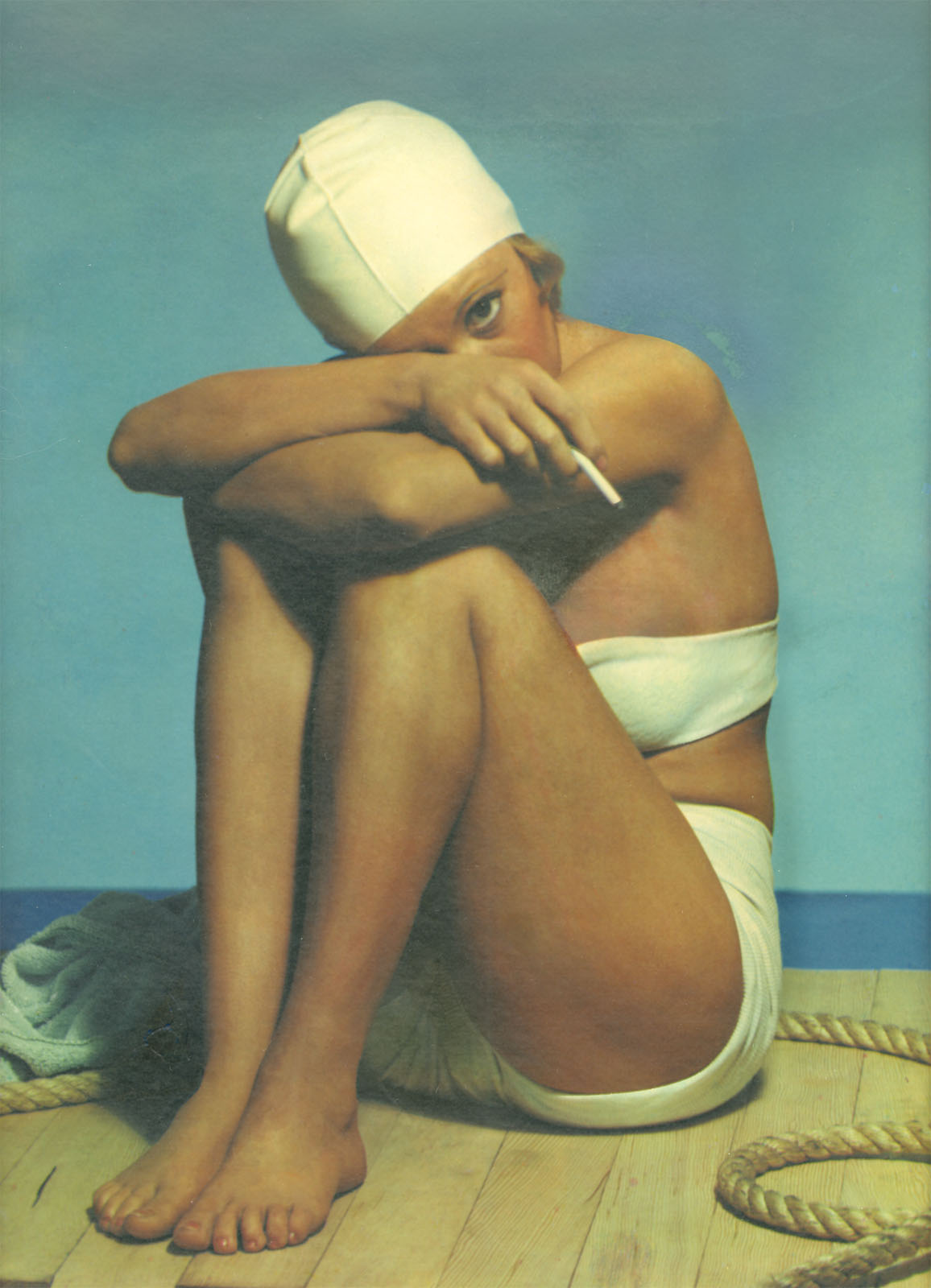
Paul Outerbridge Jr. (American, 1896-1959)
Girl in Bathing Suit
1936
Color carbo photograph
13 1/16 x 9 15/16 inches
© Paul Outerbridge; courtesy of Fahey/Klein Gallery, Los Angeles
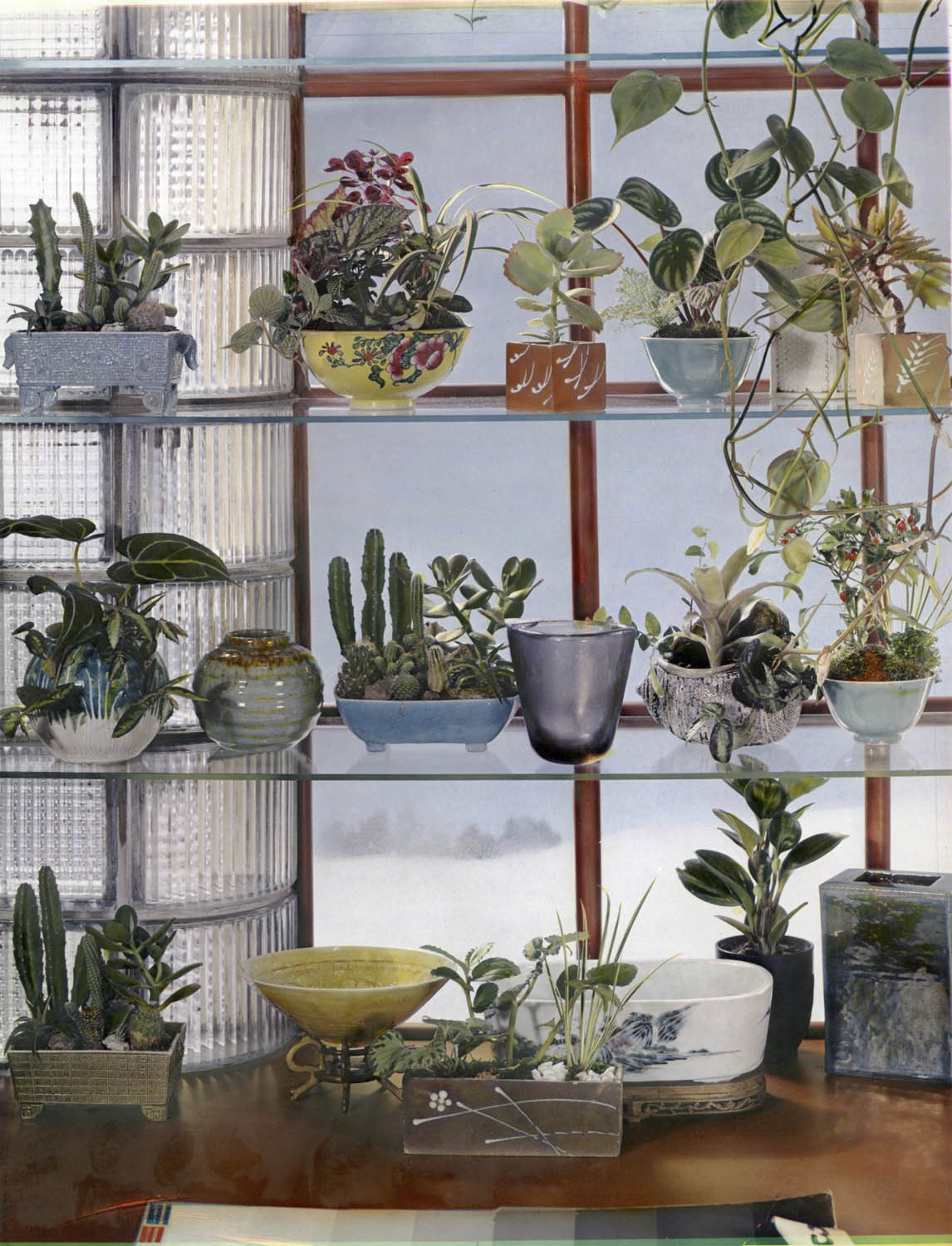
Paul Outerbridge Jr. (American, 1896-1959)
Window with Plants
1937
Color carbo photograph
14 x 11 9/16 inches
© Paul Outerbridge; courtesy of Fahey/Klein Gallery, Los Angeles
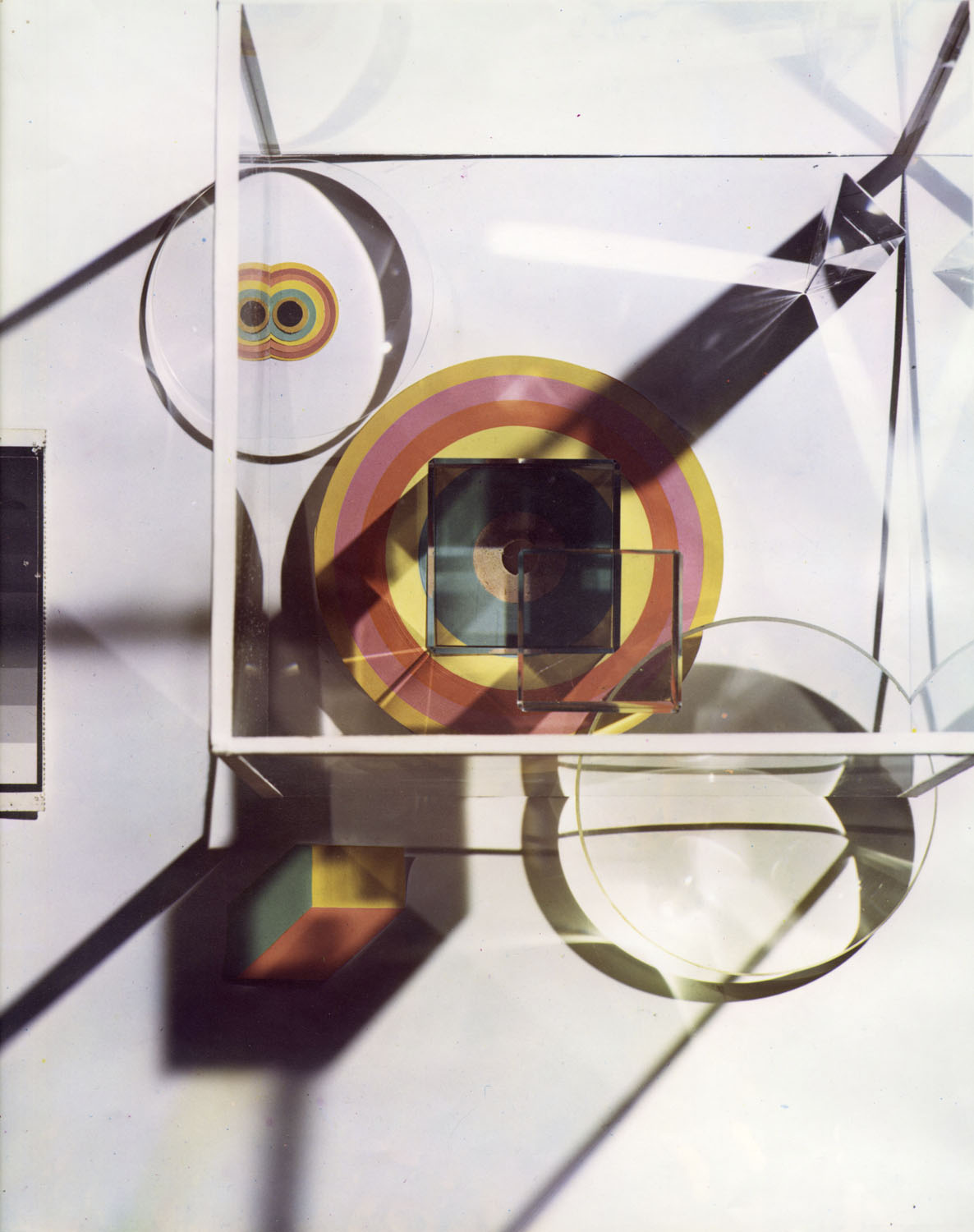
Paul Outerbridge Jr. (American, 1896-1959)
Political Thinking
1938
Color carbo photograph
15 7/16 x 12 11/16 inches
© Paul Outerbridge; courtesy of Fahey/Klein Gallery, Los Angeles
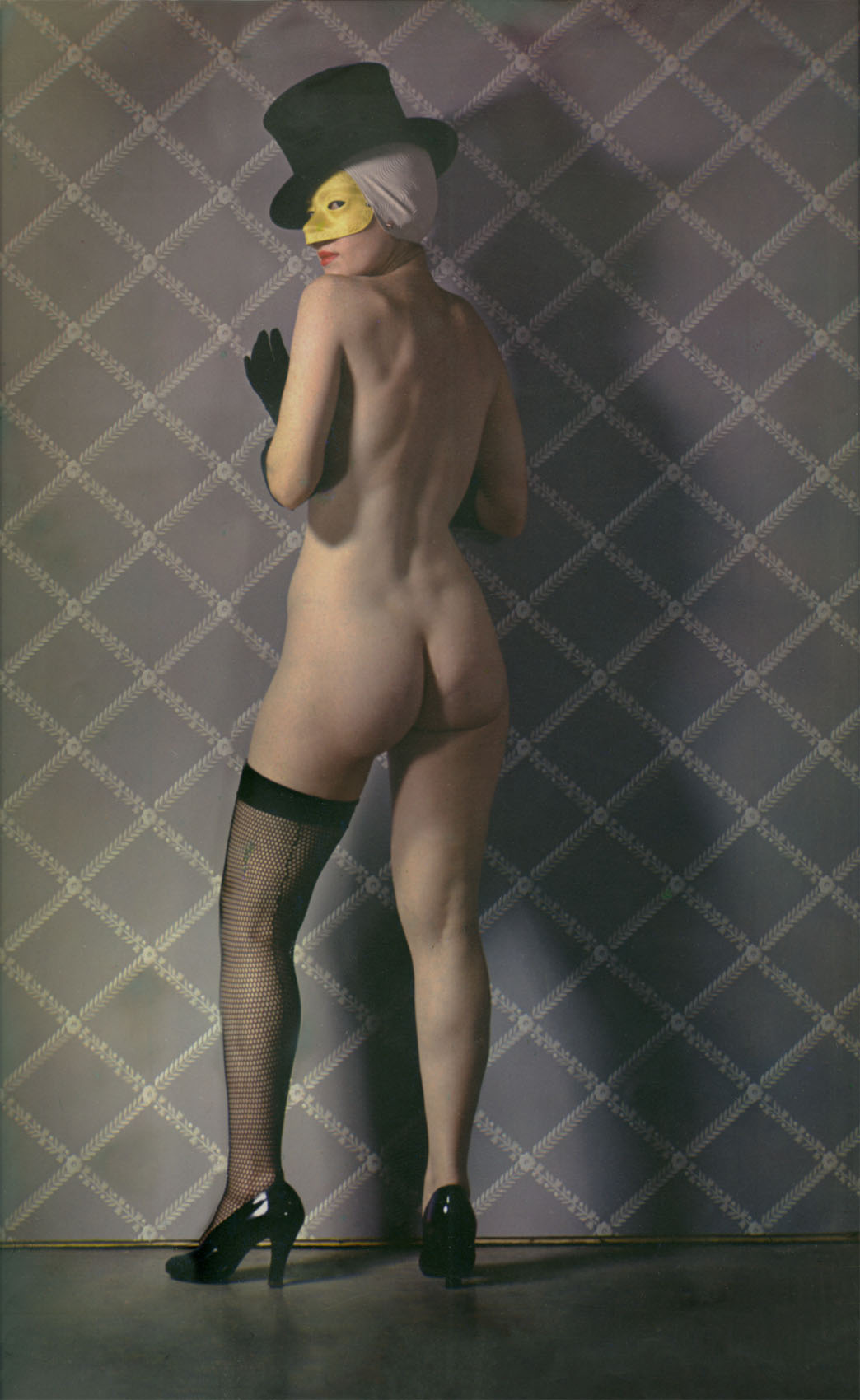
Paul Outerbridge Jr. (American, 1896-1959)
Nude with Mask and Hat
c. 1936
Color carbo photograph
17 1/2 x 11 3/4 inches
© Paul Outerbridge; courtesy of Fahey/Klein Gallery, Los Angeles
Fahey/Klein Gallery
148 North La Brea Avenue,
Los Ángeles, CA 90036
Opening hours
 Art Blart _ art and cultural memory archive
You must be logged in to post a comment.