
Exhibition dates: 21st January – 15th April 2012

Karlheinz Weinberger (Swiss, 1921-2006)
Hardau, Zürich
1962
Schwarz-Weiss Fotografie
50.7 x 58cm
Courtesy The Estate of Karlheinz Weinberger in care of Patrik Schedler, Zürich
Another relatively unknown artist, people whose work I like promoting in this archive. I certainly had never heard of this photographer. A self-taught part-time photographer who worked as a warehouseman most of his life, Weinberger published photographs in the homosexual magazine “Der Kreis,” the same early gay magazine that George Platt Lynes submitted photographs to in the last stages of his life.
While their might seem to be a dichotomy between the desirous photographs of male youth and the city toughs and “rowdies”, gay men have always been drawn to rough trade: from Oscar Wilde who was more sexually drawn towards the swarthy young rough trade to contemporary iconography of gay skinheads and punks, still a prevalent culture in London for example. Tattoos, shaved heads, braces, Docs – in Weinberger’s case rockabillies. Notice how in the photograph of the male reclining with candlestick, the form of the candlestick mimics the spidery tattoo on the hand in the photograph above. Notice also how the crouching nude lad looks almost identical to the lad in the photograph below, with his hands thrust into his pockets emphasising the crutch area. And the earlier crutch photograph with the mating of Elvis and Vince over a skull and cross bones which has delicious, subversive homosocial overtones. Toughs or not, there is always the desire for the dangerous and different.
Dr Marcus Bunyan
Many thankx to the Kunstmuseum Basel for allowing me to publish the photographs in the posting. Please click on the photographs for a larger version of the image.

Karlheinz Weinberger (Swiss, 1921-2006)
Knabenschiessen, Albisgütli, Zürich
1961
Schwarz-Weiss Fotografie
50.5 x 60.5cm
Courtesy The Estate of Karlheinz Weinberger in care of Patrik Schedler, Zürich

Karlheinz Weinberger (Swiss, 1921-2006)
Fisherman with Hat, Sicily
c. 1960
Schwarz-Weiss Fotografie
18.5 x 24cm
Courtesy The Estate of Karlheinz Weinberger in care of Patrik Schedler, Zürich
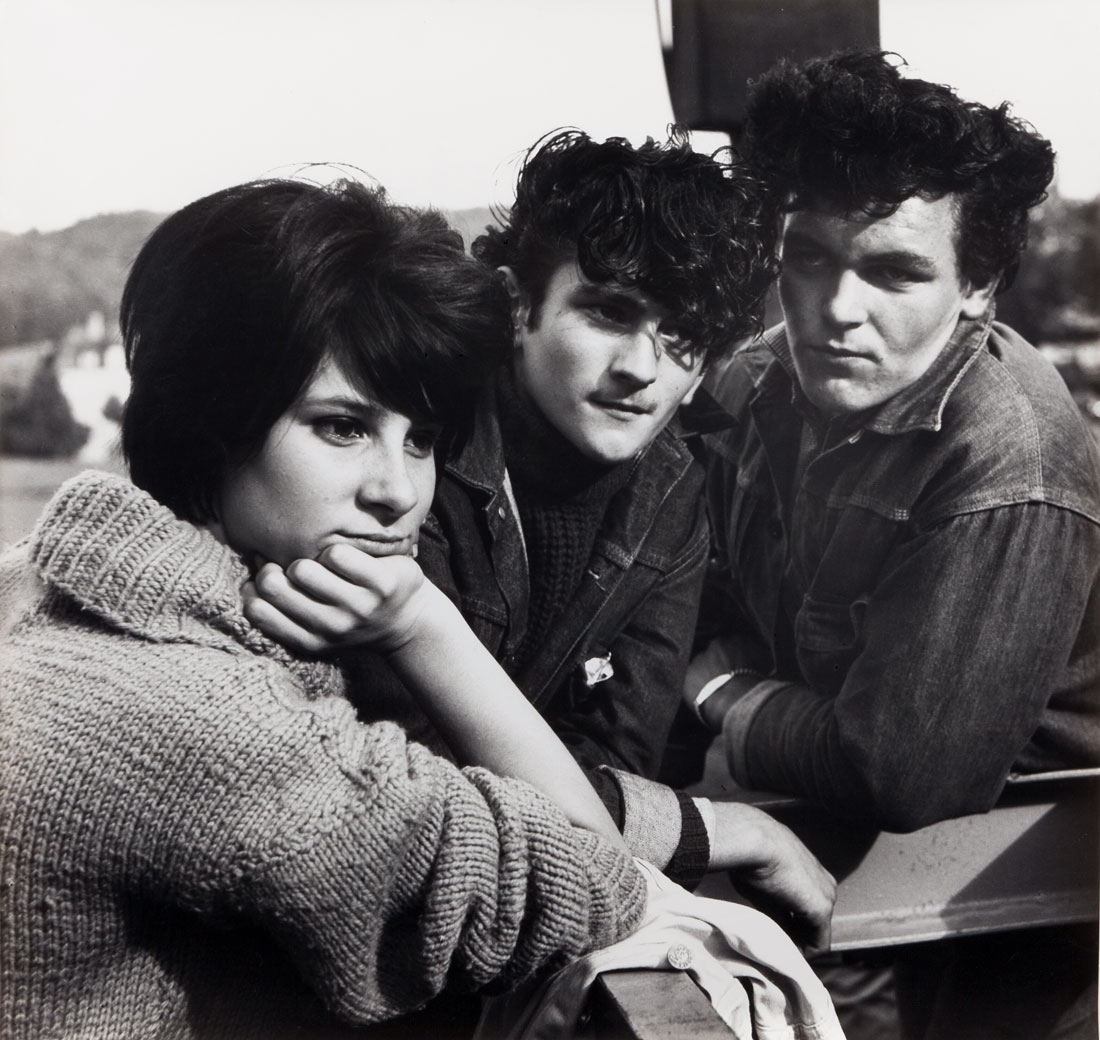
Karlheinz Weinberger (Swiss, 1921-2006)
Drei zusammen (three together)
c. 1965
Schwarz-Weiss Fotografie
50 x 53.5cm
Courtesy The Estate of Karlheinz Weinberger in care of Patrik Schedler, Zürich
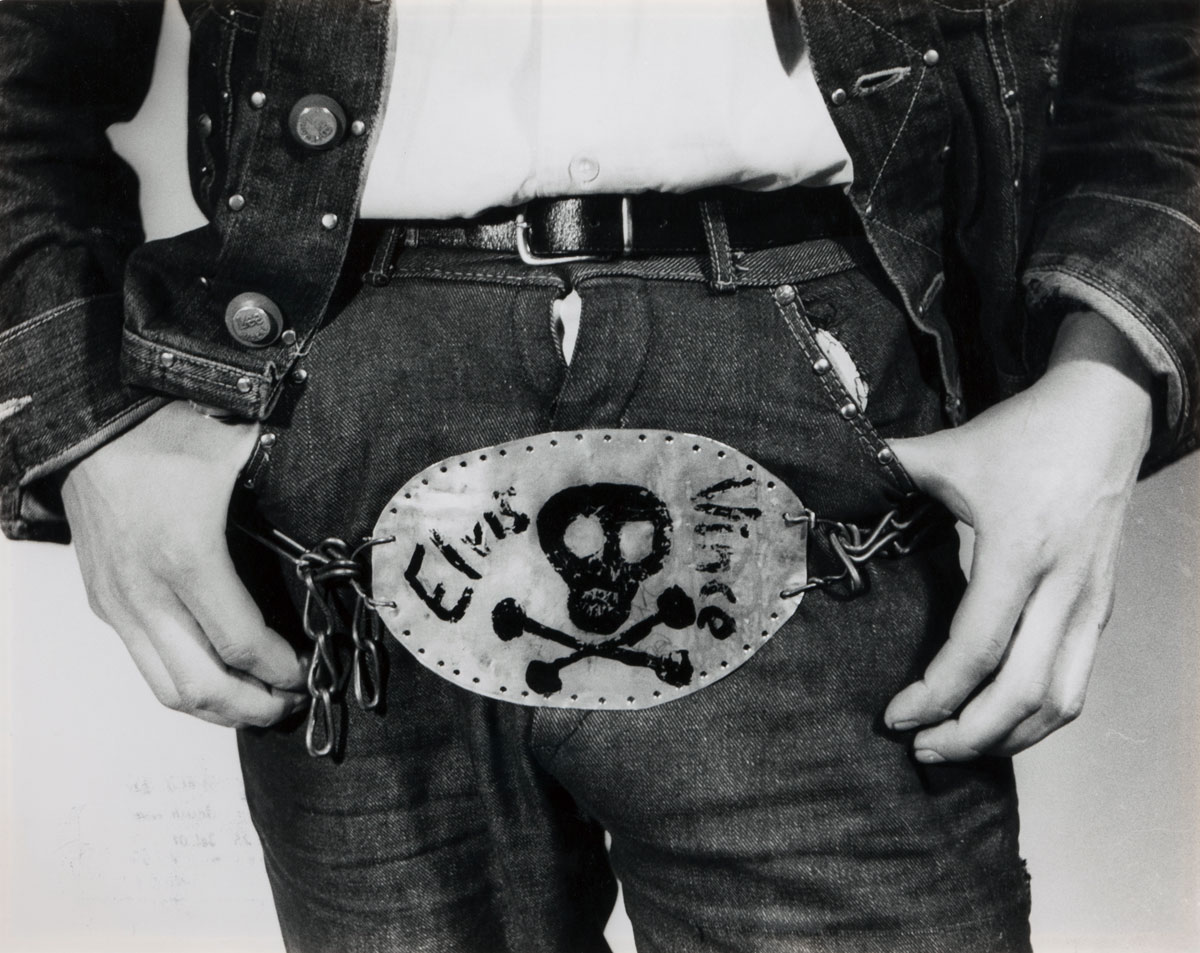
Karlheinz Weinberger (Swiss, 1921-2006)
Untitled, Zürich
c. 1962
Schwarz-Weiss Fotografie
23.8 x 30.4cm
Courtesy The Estate of Karlheinz Weinberger in care of Patrik Schedler, Zürich
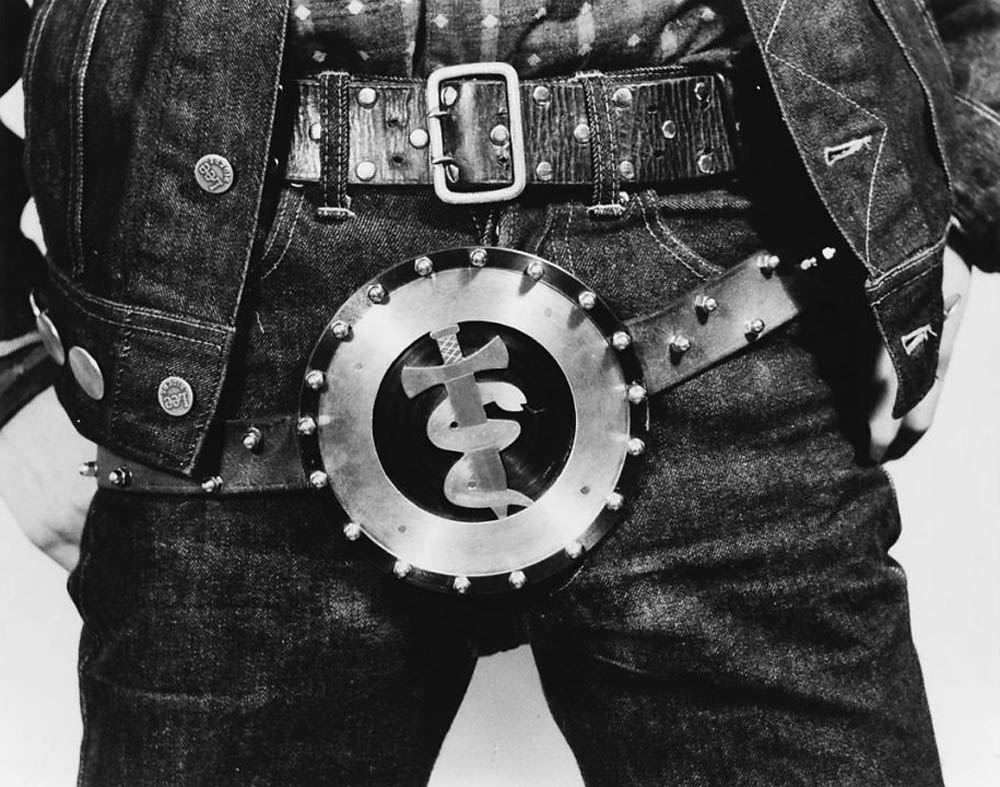
Karlheinz Weinberger (Swiss, 1921-2006)
Untitled, Zurich
c. 1962
Schwarz-Weiss Fotografie
23.8 x 30.4cm
Courtesy The Estate of Karlheinz Weinberger in care of Patrik Schedler, Zürich
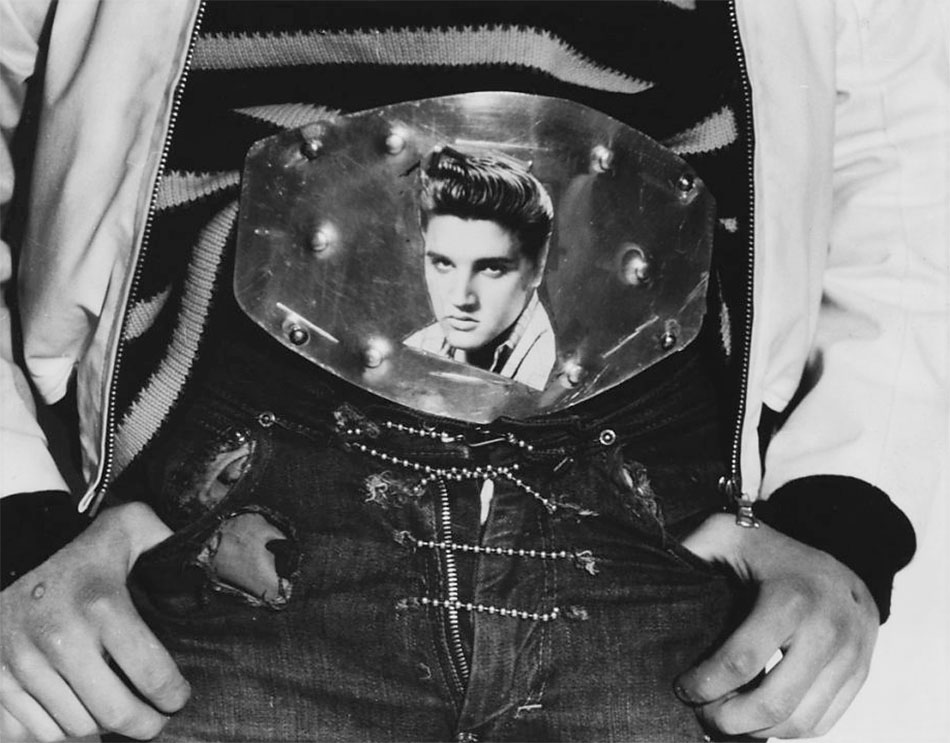
Karlheinz Weinberger (Swiss, 1921-2006)
Untitled, Zurich
c. 1962
Schwarz-Weiss Fotografie
23.8 x 30.4cm
Courtesy The Estate of Karlheinz Weinberger in care of Patrik Schedler, Zürich
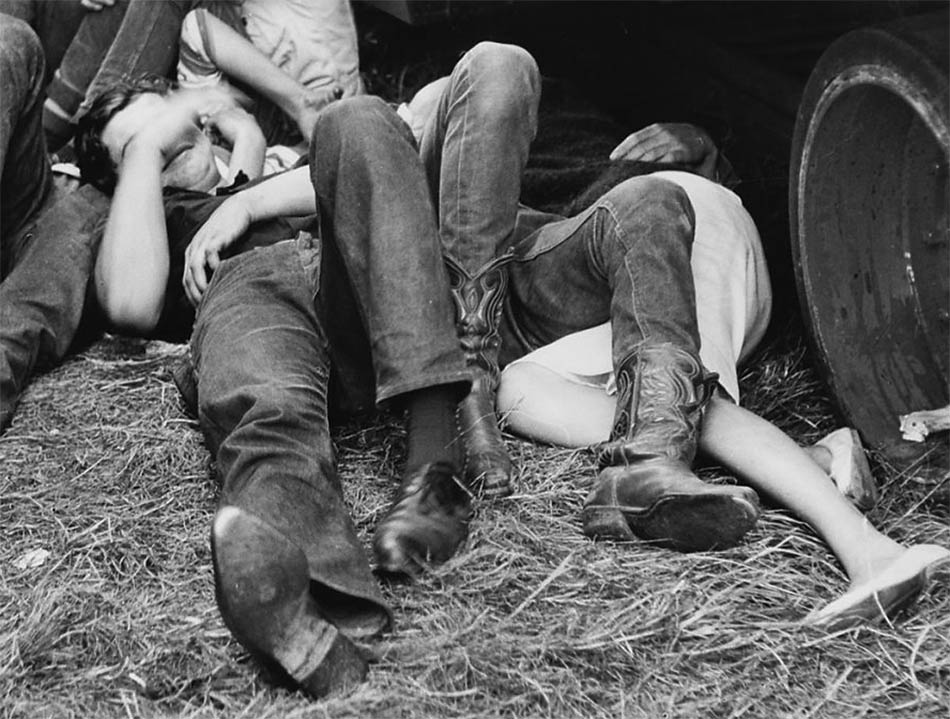
Karlheinz Weinberger (Swiss, 1921-2006)
Untitled, Zurich
c. 1962
Schwarz-Weiss Fotografie
29.7 x 39.1cm
Courtesy The Estate of Karlheinz Weinberger in care of Patrik Schedler, Zürich
The exhibition presents the rarely shown work of the photographer Karlheinz Weinberger (1921-2006). Together with magazines and a selection of vintage apparel, the pictures document a youth culture in Zurich that emerged after World War II whose members sought to subvert contemporary notions of “Swiss correctness.”
Weinberger spent the largest part of his life working as a warehouseman for Siemens-Albis in Zurich. In his free time, he was a self-taught photographer, portraying his lovers and people he met in the street. From the late 1940s on, he frequently published his pictures in “Der Kreis,” a homosexual magazine produced in Zurich from 1943 until 1967 that garnered international attention, pseudonymously signing his work as “Jim.” In 1958, he launched a major project for which he would photograph a group of teenagers, the city’s so-called “Halbstarke,” over an extended period of time. Weinberger’s unfailingly respectful approach allowed him to capture the non-conformism of these “rowdies” with regard to social convention and their play with stereotypes of masculinity and femininity, most readily evident in the way they dressed.
Wearing embroidered denim jackets and oversized belt buckles adorned with the likenesses of idols such as Elvis or James Dean, Weinberger’s adolescent subjects present themselves to his camera in public settings like members of a gang. Photographs such as those taken at the Knabenschiessen, a target shooting competition held at Zurich’s Albisgüetli, show them sprawling on the ground between fairground stalls and compact vans, illustrating the “Halbstarke”‘s refusal to fit in with the traditions surrounding this Zurich folk festival. In addition to the photographs in public settings, Weinberger also took pictures in the improvised studio in his living room. Scantily clad, some of his subjects, mostly young men, strike confident poses showing off their denim shorts and hats, while others cower, their eyes glancing at the camera with a vulnerable expression. Weinberger’s role is that of an Intimate Stranger: he records the attitudes of a generation and its marginal social position in unvarnished pictures and develops the photographs capturing the objects of his fascination in his own photo laboratory.
In an oeuvre that spanned many years, Weinberger portrayed what lay behind the curtains of 1960s bourgeois Switzerland, finding ways to document deviancy without ever putting his protagonists on display.
Press release from the Kunstmuseum Basel website
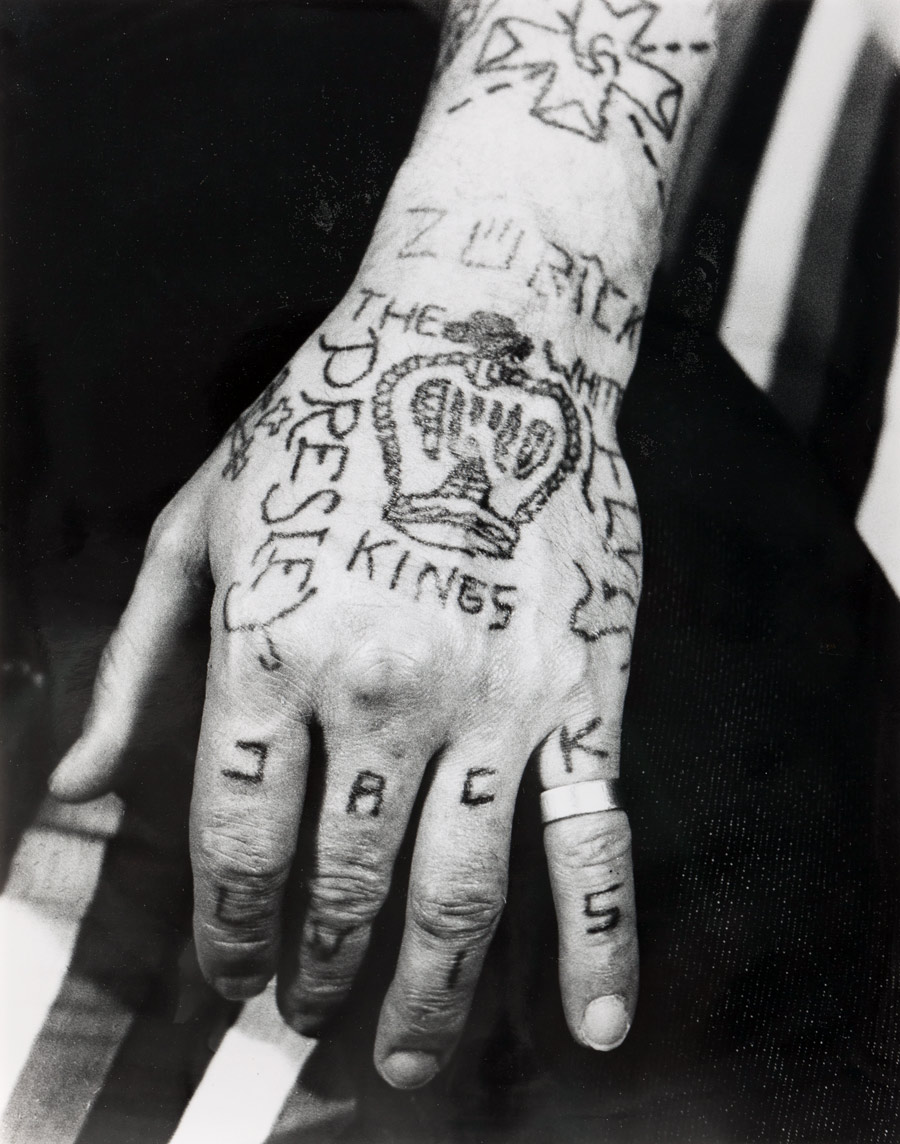
Karlheinz Weinberger (Swiss, 1921-2006)
Untitled
c. 1969
Schwarz-Weiss Fotografie
30.4 x 23.8cm
Courtesy The Estate of Karlheinz Weinberger in care of Patrik Schedler, Zürich

Karlheinz Weinberger (Swiss, 1921-2006)
Untitled
c. 1961
Schwarz-Weiss Fotografie
24 x 18cm
Courtesy The Estate of Karlheinz Weinberger in care of Patrik Schedler, Zürich
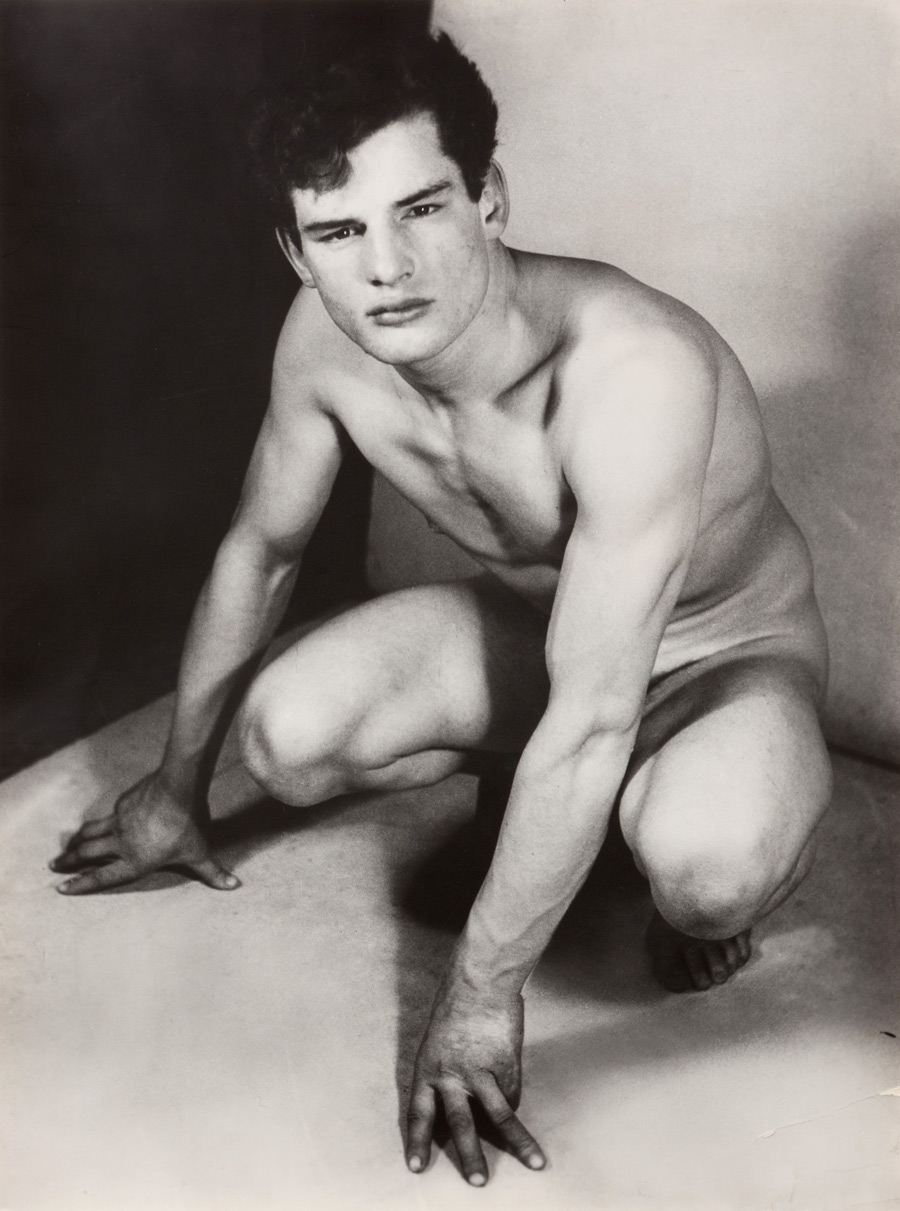
Karlheinz Weinberger (Swiss, 1921-2006)
Untitled
c. 1960
Schwarz-Weiss Fotografie
39 x 29cm
Courtesy The Estate of Karlheinz Weinberger in care of Patrik Schedler, Zürich
What is the story behind Karlheinz Weinberger and his photographs?
Weinberger was totally fascinated with photography. From the day he received his first camera at a very young age, which was given to him by a lover, he felt the urge to take pictures. Although he had a day job as warehouseman and never really made money with his shots, he maintained this passion until the end of his life. Under the pseudonym Jim he began, in the mid 50s, to publish portraits in a gay magazine. Most of them were taken whilst travelling in Southern Italy. In 1958, he met a young rocker named Jimmy Oechslin in the streets of Zurich and asked him, excitedly, if he could take his portrait. Through him he was introduced to the burgeoning gang culture in Switzerland. Teenagers under the influence of American culture celebrated their own lifestyle by wearing customised jeans and by riding motorcycles. Eventually, in the 80s and 90s, Weinberger went on to photograph the Hell’s Angels in Switzerland.
How would you describe Weinberger’s aesthetic?
Rough, personal, artistic. He was at times very commanding during photo shoots and had an almost ethnographic interest in gangs and biker culture. At times, a buckle belt was more important than a face. Through his passion for photography he was part of gangs without adopting their lifestyle.
Who are the people in these images?
In Germany and Switzerland the German term ‘Halbstarker’ was created in the 50s. It literally means half strong. The ‘half strongs’ were gangs of young people who were looking for an identity of their own. They rejected society’s expectation and were pioneers in the establishment of youth culture through music, cloths and assimilation of American culture.
Ricky Lee. “Karlheinz Weinberger: Rebel Youth,” on the AnOther website February 7th, 2011 [Online] Cited 06/04/2012

Karlheinz Weinberger (Swiss, 1921-2006)
The Jets, Basel
1962
Schwarz-Weiss Fotografie
Courtesy The Estate of Karlheinz Weinberger in care of Patrik Schedler, Zürich
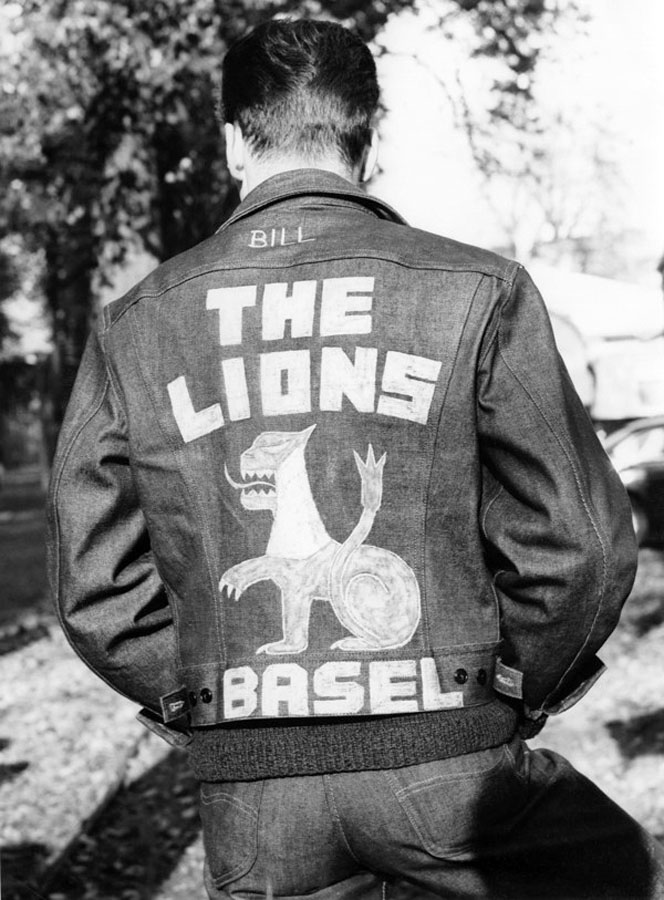
Karlheinz Weinberger (Swiss, 1921-2006)
The Lions, Basel
c. 1962
Schwarz-Weiss Fotografie
Courtesy The Estate of Karlheinz Weinberger in care of Patrik Schedler, Zürich

Karlheinz Weinberger (Swiss, 1921-2006)
Zürich am Limmatquai
1962
Schwarz-Weiss Fotografie
30 x 24cm
Courtesy The Estate of Karlheinz Weinberger in care of Patrik Schedler, Zürich
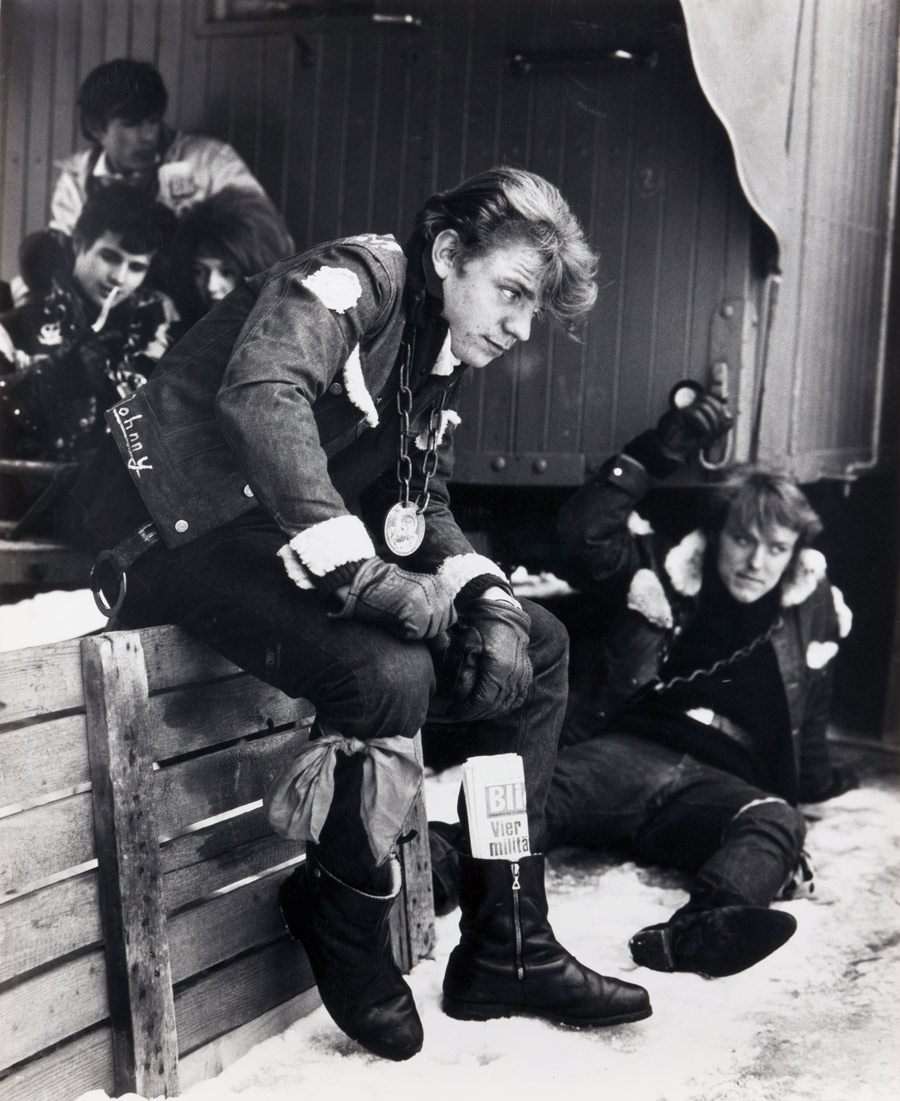
Karlheinz Weinberger (Swiss, 1921-2006)
Milchbuck, Zürich
c. 1962
Schwarz-Weiss Fotografie
60.5 x 49cm
Courtesy The Estate of Karlheinz Weinberger in care of Patrik Schedler, Zürich
Karlheinz Weinberger(Swiss, 1921-2006)
Career
Karlheinz Weinberger was a self-taught photographer spending over sixty years producing intimate, often homoerotic photographs of rebellious male youth, mostly working-class men. Weinberger worked in the warehouse at Zürich’s Siemens factory during the day and his nights he spent shooting portraits of construction workers, bikers, and athletes for the underground gay journal Der Kreis. Weinberger published his works under the pseudonym Jim. In 1958 he began focusing his camera on the Halbstarken, an edgy, antiauthoritarian teen subculture whose members styled themselves as bad boys à la James Dean in Rebel Without a Cause or Elvis Presley.
Work
As early as 1948, Weinberger made contact with the gay magazine Der Kreis, where he used the pseudonym “Jim”. At the parties of the district subscribers, he showed off his musical talent and was the “house photographer”. From September 1952 to 1965 his photographs were an integral part of the circle. With around 80 photos published, he had a significant impact on homosexual aesthetics until the end of the magazine in 1967 and its successor magazine Club68. The photographs, which Weinberger published under the pseudonym “Jim”, mainly show workers and evoke the homoeroticism of simple men.
From 1958 Weinberger began photographing the hooligan scene in Zürich. He was also interested in rockers and tattooed people. Weinberger was one of the first photographers to get permission to document the Hells Angels’ local offshoot. Between 1964 and 1976 Weinberger also worked as a freelancer for various sports magazines and specialised in sports reports.
Text from the Wikipedia website
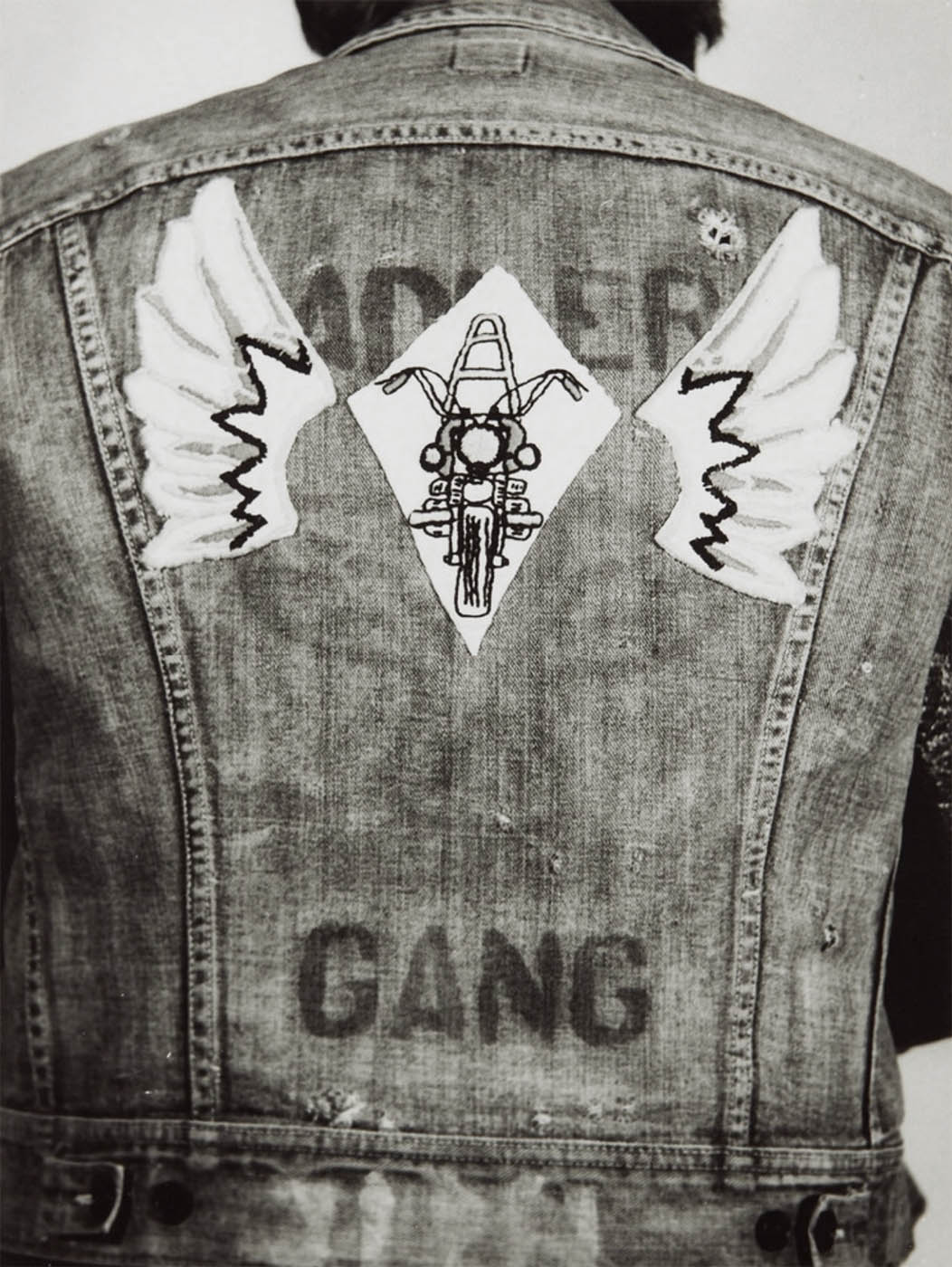
Karlheinz Weinberger (Swiss, 1921-2006)
Adler Gang, Zurich
c. 1966
Schwarz-Weiss Fotografie
Courtesy The Estate of Karlheinz Weinberger in care of Patrik Schedler, Zürich
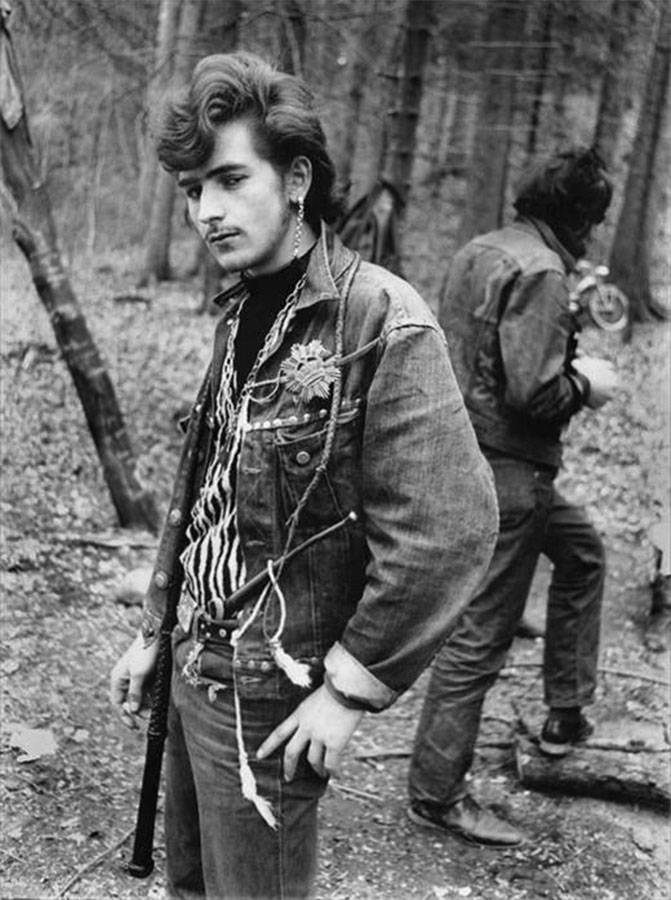
Karlheinz Weinberger (Swiss, 1921-2006)
Lone Star Camp, Gossau
1967
Schwarz-Weiss Fotografie
Courtesy The Estate of Karlheinz Weinberger in care of Patrik Schedler, Zürich
Kunstmuseum Basel
St. Alban-Graben 16
CH-4010 Basel
Phone: 0041 (0)61 206 62 62
Opening hours:
Tuesday – Sunday 10am – 6pm
Closed on Monday
 Art Blart _ art and cultural memory archive
You must be logged in to post a comment.