
Exhibition dates: 7th February – 14th June, 2020
Curators: Kate Addleman-Frankel, the Gary and Ellen Davis Curator of Photography at the Johnson, and Stacey Lambrow, curator of the Loewentheil Photography of China Collection, with the assistance of Yuhua Ding, curatorial assistant for Asian art at the Johnson.
![Lai Fong (Chinese, c. 1839-1890) '[Actors]' 1870s from the exhibition 'Lai Fong (ca. 1839-1890): Photographer of China' at the Herbert F. Johnson Museum of Art, Ithaca, NY, Feb - June, 2020](https://artblart.com/wp-content/uploads/2020/04/hfj-laifong-actors-sl.jpg "Lai Fong (Chinese, c. 1839-1890) '[Actors]' 1870s from the exhibition 'Lai Fong (ca. 1839-1890): Photographer of China' at the Herbert F. Johnson Museum of Art, Ithaca, NY, Feb - June, 2020")
Lai Fong (Chinese, c. 1839-1890)
[Actors]
1870s
Albumen print
Collection of Stephan Loewentheil, Cornell JD 1975
Such a rare commodity (and I use the word deliberately) – an Indigenous photographer – in a world educated “in the colonial view of photography’s history that has privileged Western travel photographers.” And yet, Lai Fong buys into the photographic conventions of the day, based on Western ideals of ethnographic portraiture and documentary landscape photography, to sell his impressive product range. In a photograph such as [Group portrait near Fangguangyan Monastery, Fujian] (c. 1869, below) the positioning of the European figures could have come straight out of an Édouard Manet painting, complete with their air of posed insouciance. Even in the photograph of a brothel, a Canton boat which served only wealthy Chinese clients [Flower boat, Guangzhou] (1870s, below), the West encroaches, as can be seen by the funnels and sails of a ship that lurks behind the traditional floating pleasure den.
Only rarely do we glimpse Lai Fong’s individuality as an artist… the low camera position, long vanishing point and panoramic landscape of the two magnificent images [Ming Tombs, Beijing] (1879, below); or the sublime construction of the image in photographs such as [Piled Stone Peaks in Mount Wuyi] (c. 1869, below) with its reference to Chinese brush-and-ink landscape painting known as Shan shui.
Dr Marcus Bunyan
Many thankx to the Johnson Museum of Art for allowing me to publish the photographs in the posting. Please click on the photographs for a larger version of the image.
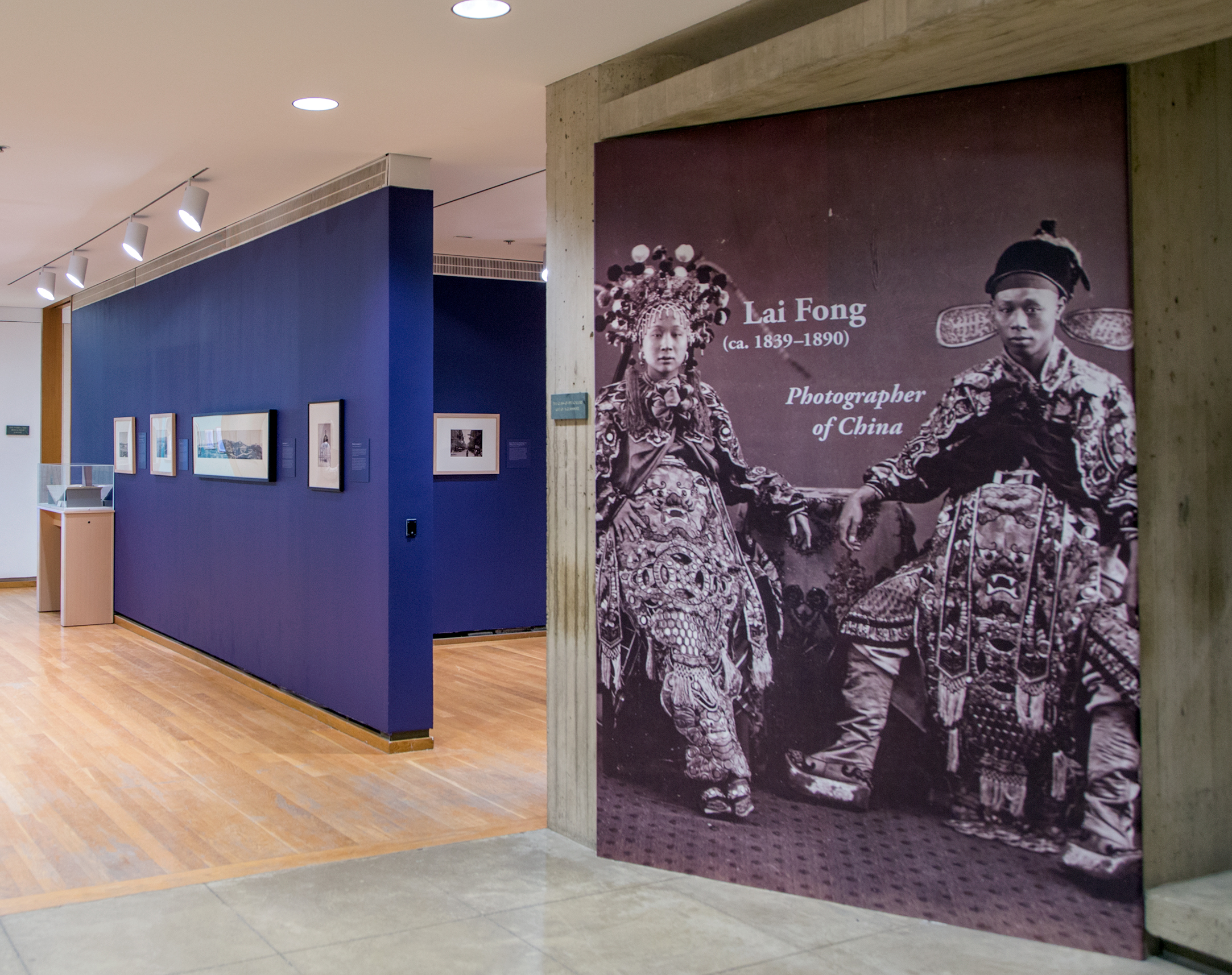
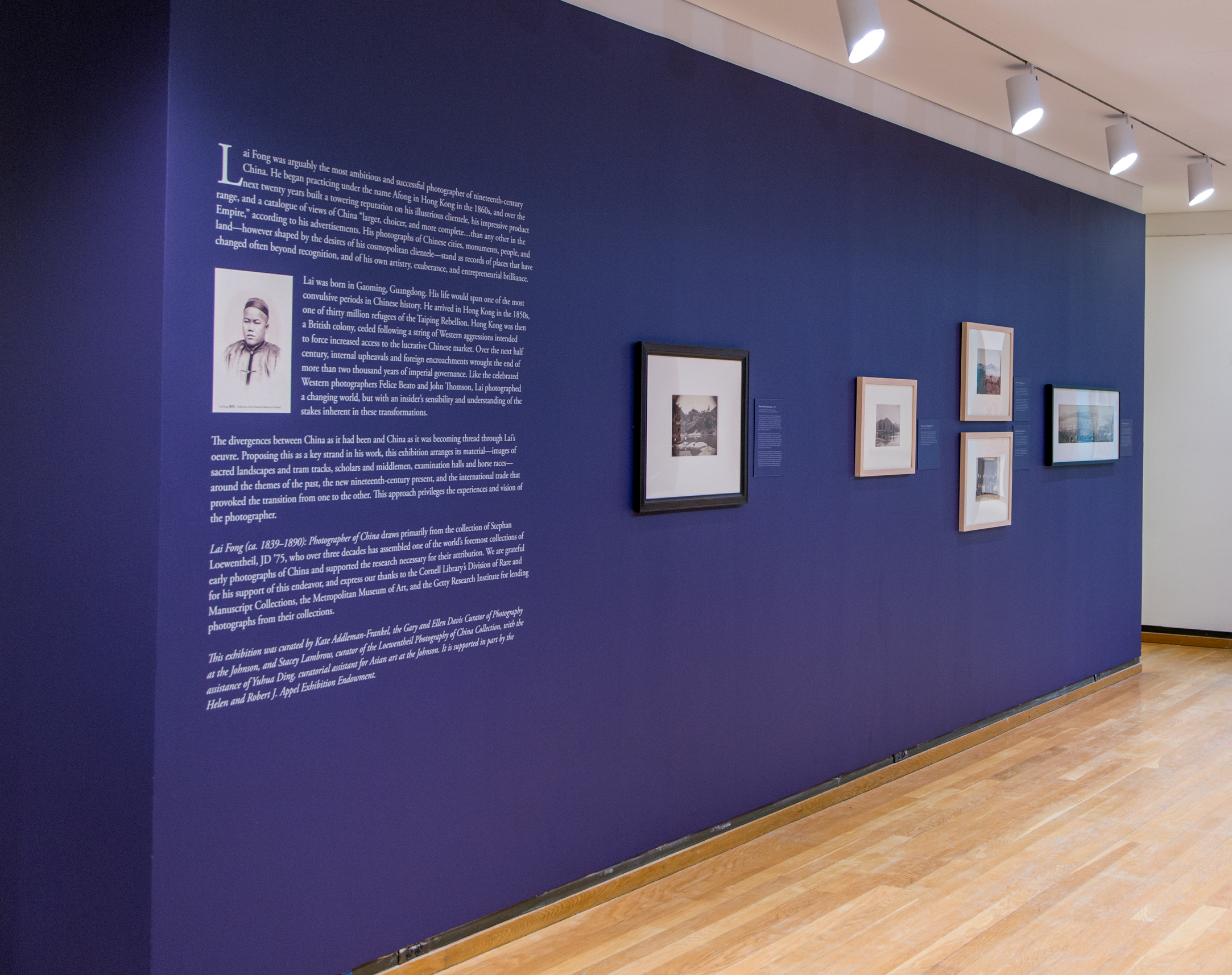
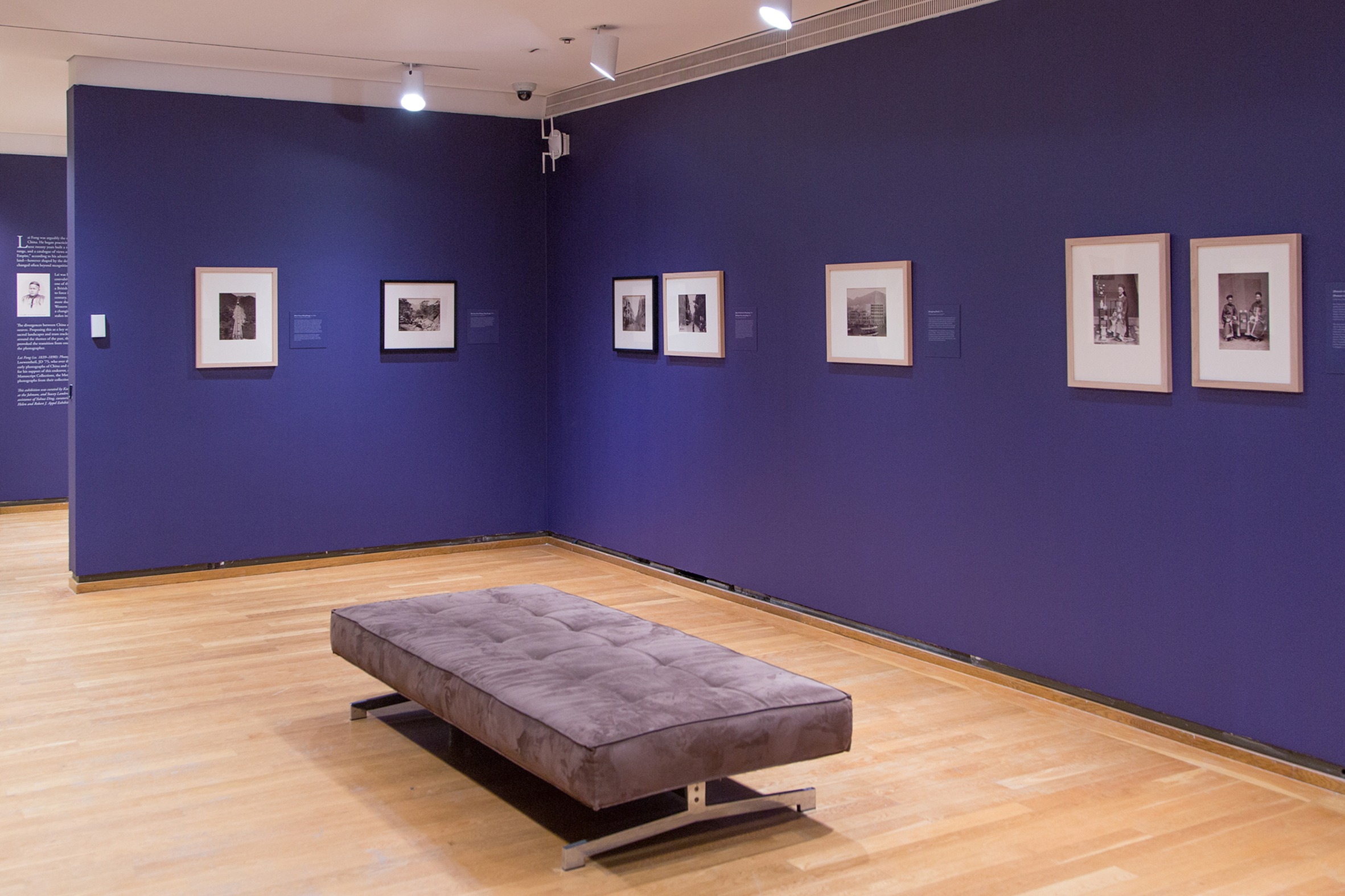
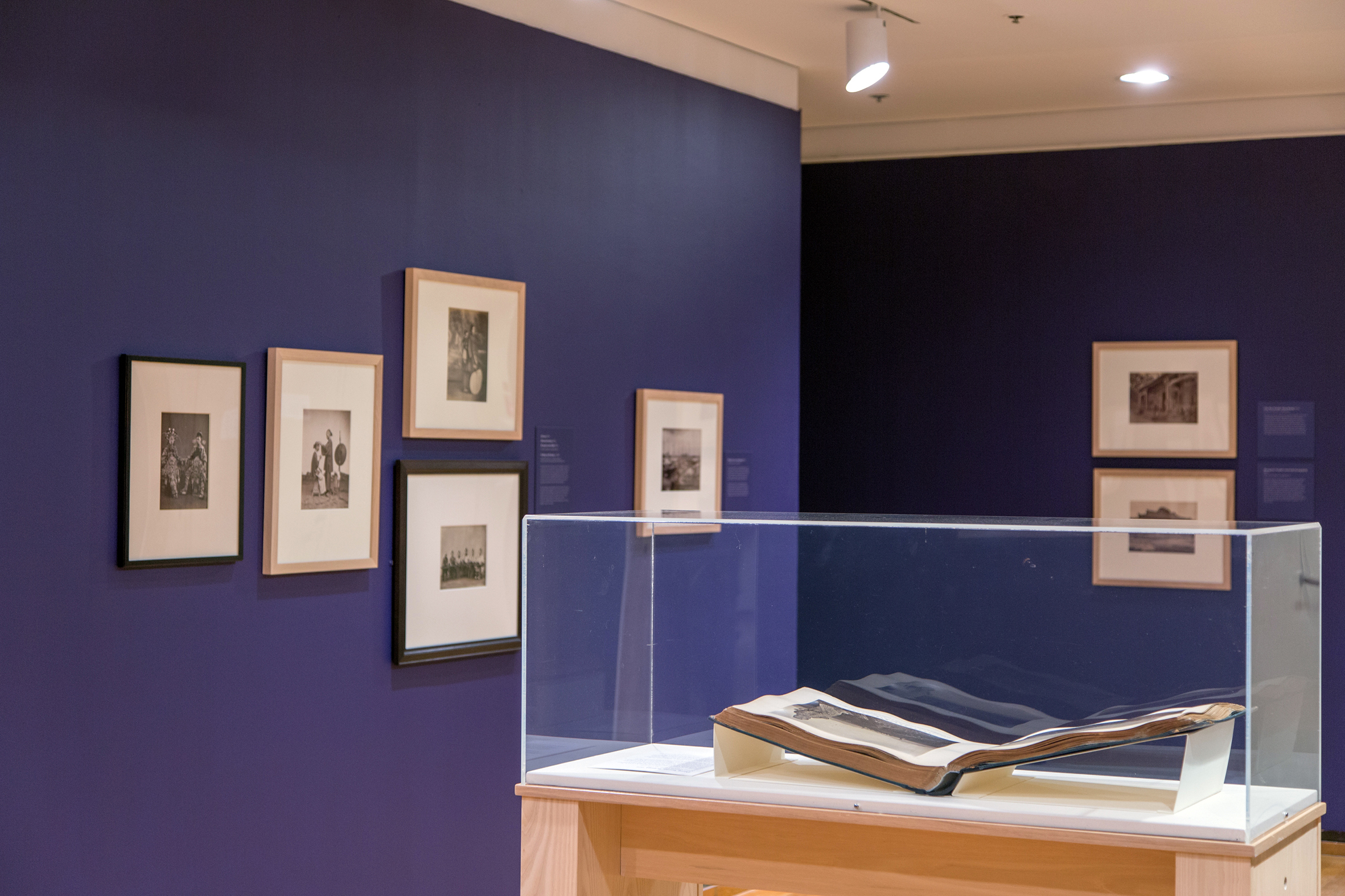
Installation views of the exhibition Lai Fong (ca. 1839-1890): Photographer of China at the Herbert F. Johnson Museum of Art, Cornell University
Credit: David O. Brown, Johnson Museum
This exhibition introduces viewers to the work of Lai Fong, arguably the most ambitious and successful photographer of nineteenth-century China. He began practicing under the name Afong in Hong Kong in the 1860s, and over the next twenty years built a towering reputation on his illustrious clientele, his impressive product range, and a catalogue of views of China “larger, choicer, and more complete… than any other in the Empire,” according to his advertisements. His photographs of Chinese cities, monuments, people, and land – however shaped by the desires of his cosmopolitan clientele – stand as records of places that have changed often beyond recognition, and of his own artistry, exuberance, and entrepreneurial brilliance. Managed by his son and daughter-in-law after his death, his studio persisted into the 1940s, an instance of remarkable longevity in a famously difficult field.
“Despite the historical fame of Lai’s studio and the reach of his photographs, which exist today in collections worldwide, Lai remains little known outside of specialist circles,” said Kate Addleman-Frankel, the Gary and Ellen Davis Curator of Photography at the Johnson Museum. “His work is understudied and rarely exhibited, the result in part of a colonial view of photography’s history that has privileged Western travel photographers over indigenous practitioners. Lai Fong: Photographer of China is not only the first exhibition dedicated to Lai, but to any Chinese photographer working in the initial decades of photography’s global proliferation.”
The exhibition brings together almost fifty images, many of which have never been previously published or exhibited, suggesting them as emblematic of one of the nineteenth century’s most significant, and significantly overlooked, photographic careers. They are drawn primarily from the singular collection of Stephan Loewentheil, JD ’75, who over three decades has assembled one of the world’s foremost collections of early photographs of China. Other lenders to the exhibition include the Cornell Library’s Division of Rare and Manuscript Collections, the Metropolitan Museum of Art, and the Getty Research Institute.
Of special note is the Ming Tombs album from Cornell Library’s Division of Rare and Manuscript Collections. This album of ninety-five photographs of Beijing has been in the collection of the Cornell Library since 1940. In 2019, the photographs were attributed to Lai by Kate Addleman-Frankel, the Gary and Ellen Davis Curator of Photography at the Johnson, as part of ongoing research on the university’s collections of Asian photographs. The album is a remarkable compendium, the most complete collection of Lai’s images of the Chinese capital yet discovered. At least nineteen of them may have been entirely unknown previously; they do not appear in the only catalogue of Lai’s photographs reconstructed to date, by the historian Terry Bennett.
This exhibition was curated by Kate Addleman-Frankel, the Gary and Ellen Davis Curator of Photography at the Johnson, and Stacey Lambrow, curator of the Loewentheil Photography of China Collection, with the assistance of Yuhua Ding, curatorial assistant for Asian art at the Johnson. It is supported in part by the Helen and Robert J. Appel Exhibition Endowment.
Press release from the Herbert F. Johnson Museum of Art
![Lai Fong (Chinese, c. 1839-1890) '[Itinerant barber]' 1870s from the exhibition 'Lai Fong (ca. 1839-1890): Photographer of China' at the Herbert F. Johnson Museum of Art, Ithaca, NY, Feb - June, 2020](https://artblart.com/wp-content/uploads/2020/02/hfj-laifong-barber-sl.jpg "Lai Fong (Chinese, c. 1839-1890) '[Itinerant barber]' 1870s from the exhibition 'Lai Fong (ca. 1839-1890): Photographer of China' at the Herbert F. Johnson Museum of Art, Ithaca, NY, Feb - June, 2020")
Lai Fong (Chinese, c. 1839-1890)
[Itinerant barber]
1870s
Albumen print
Collection of Stephan Loewentheil, Cornell JD 1975
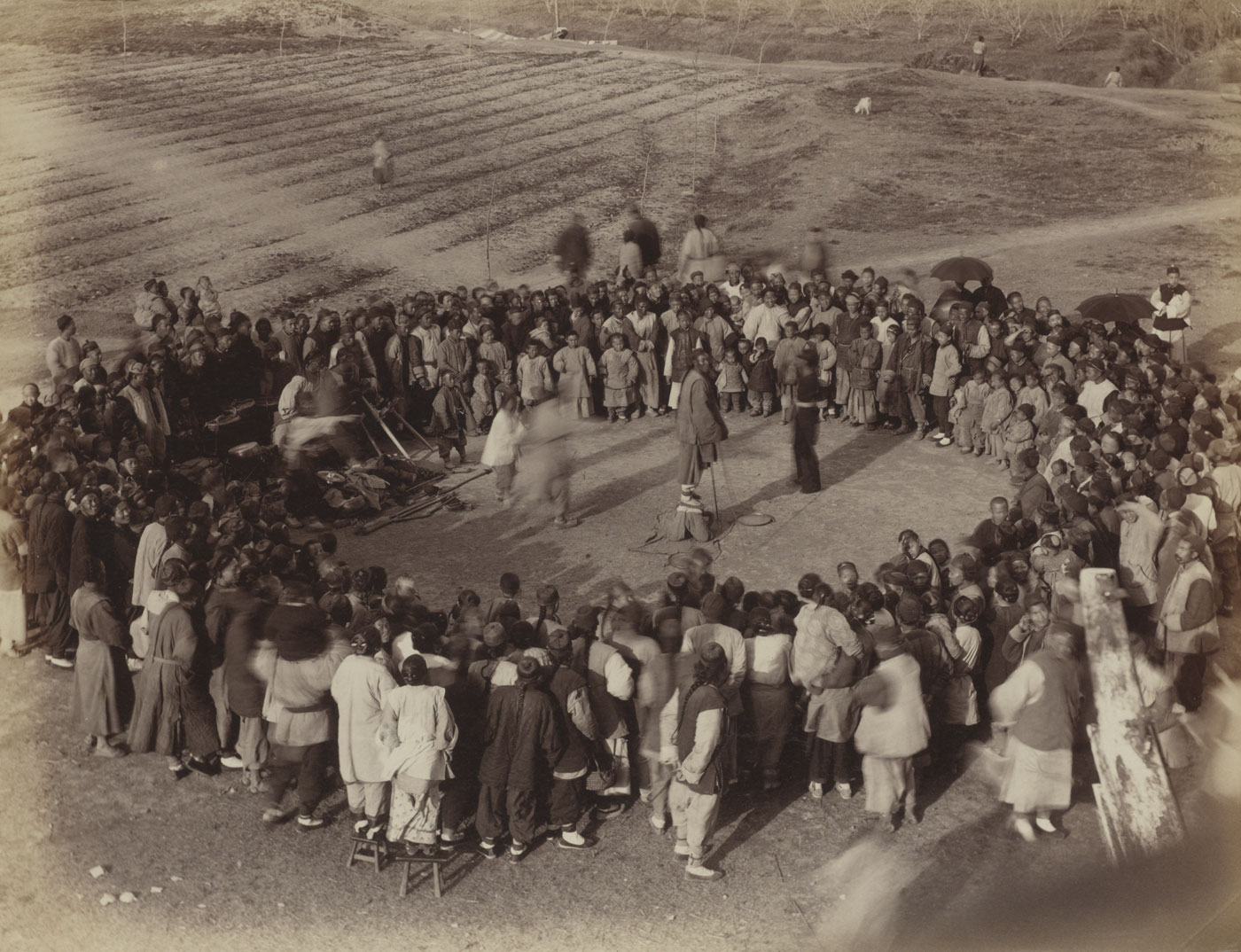
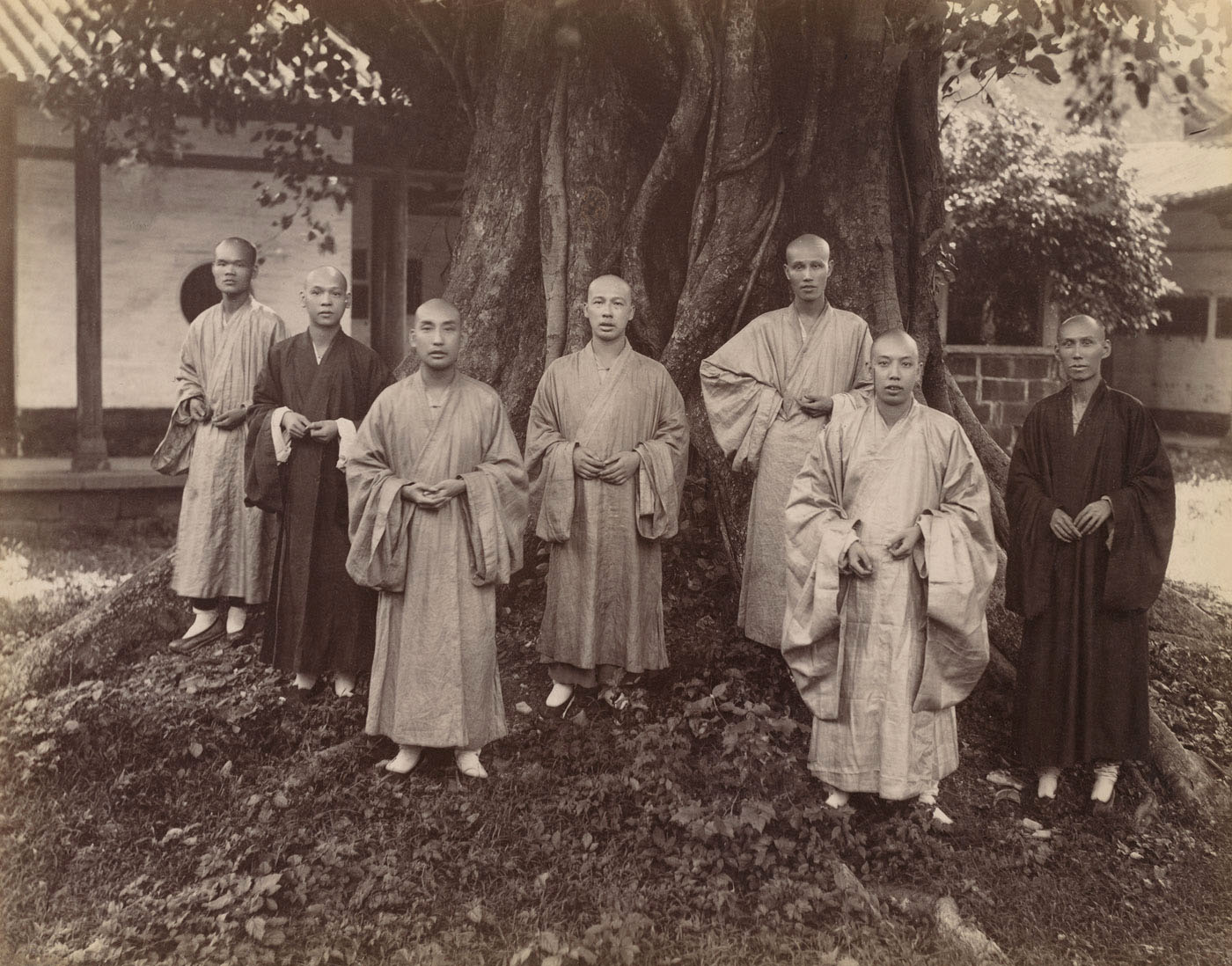
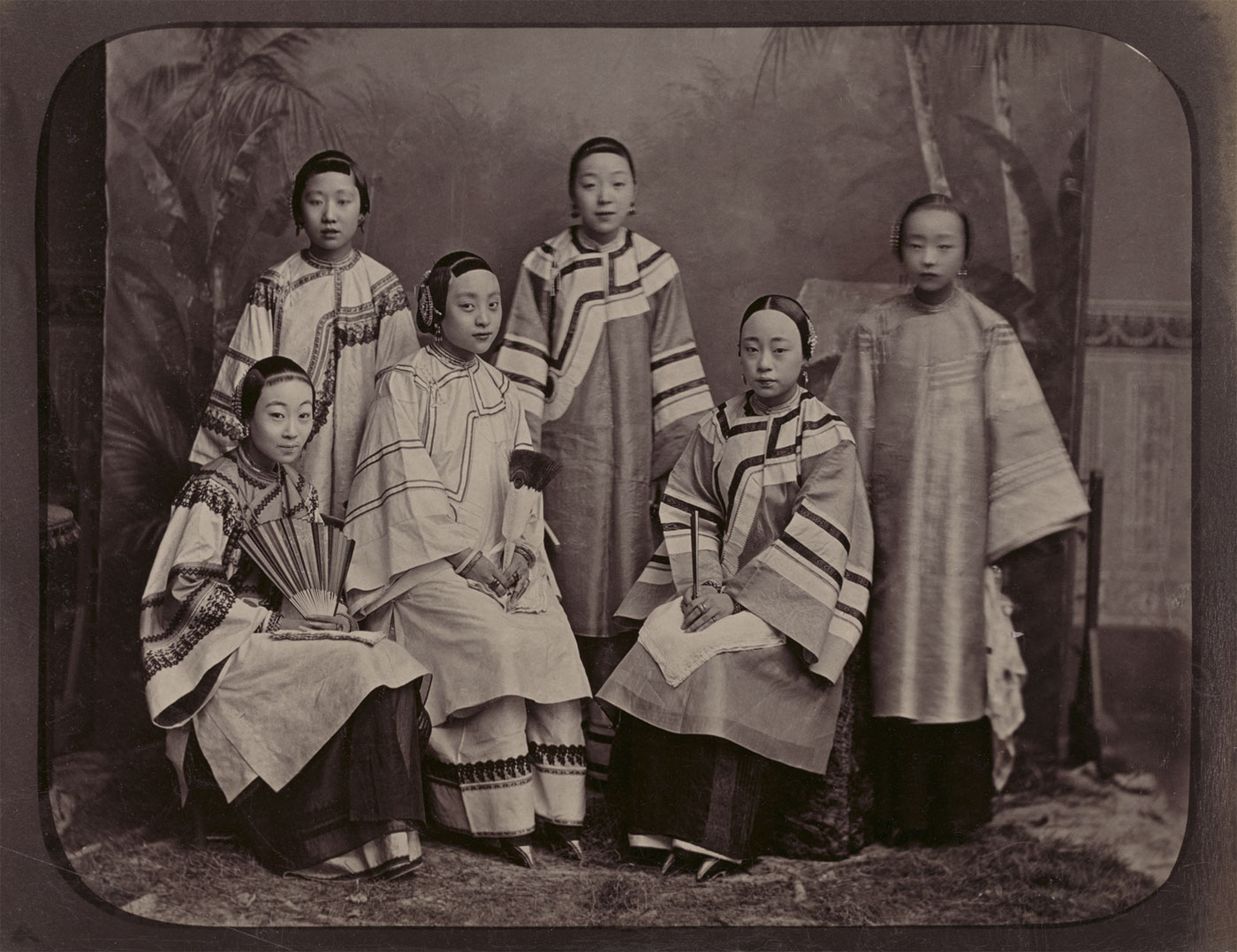
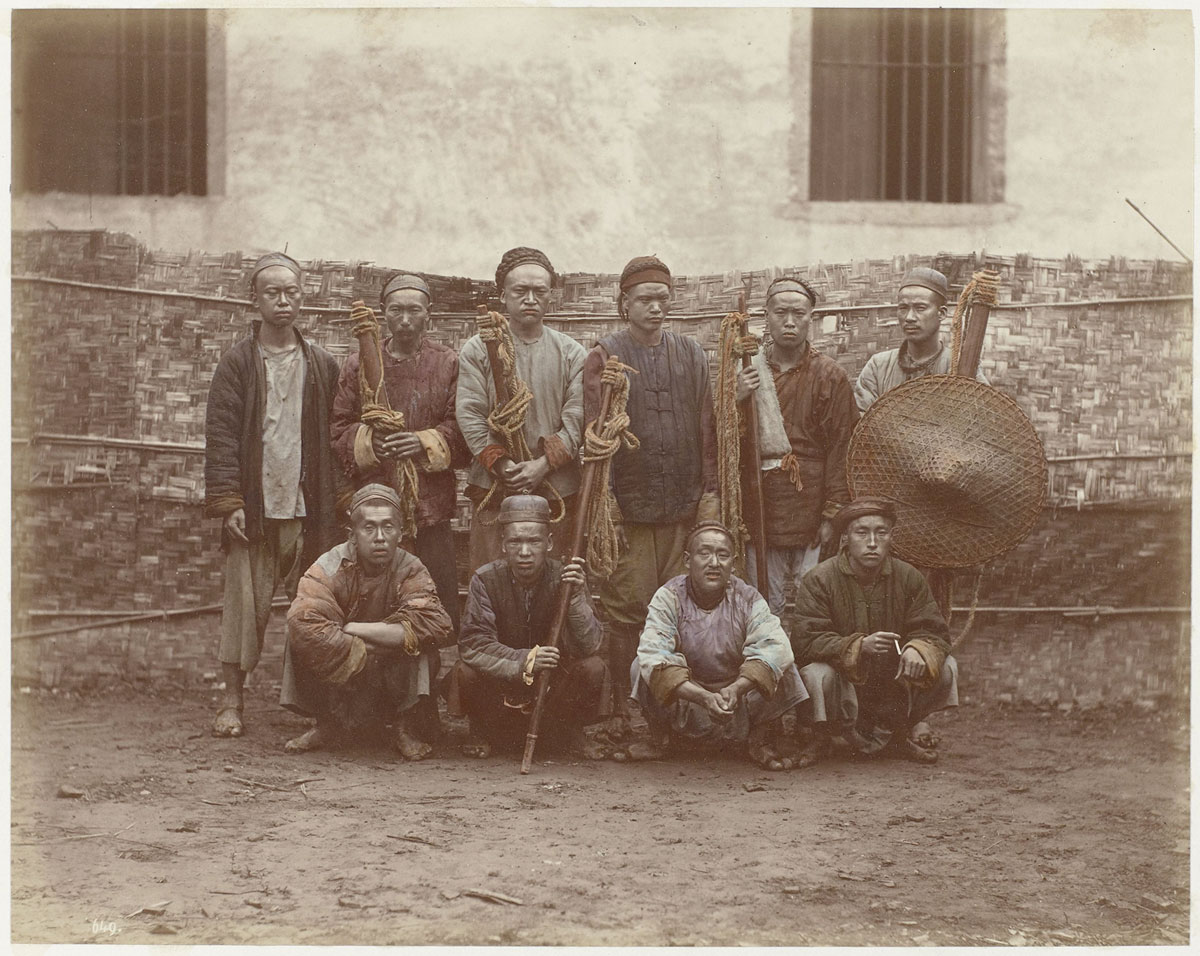
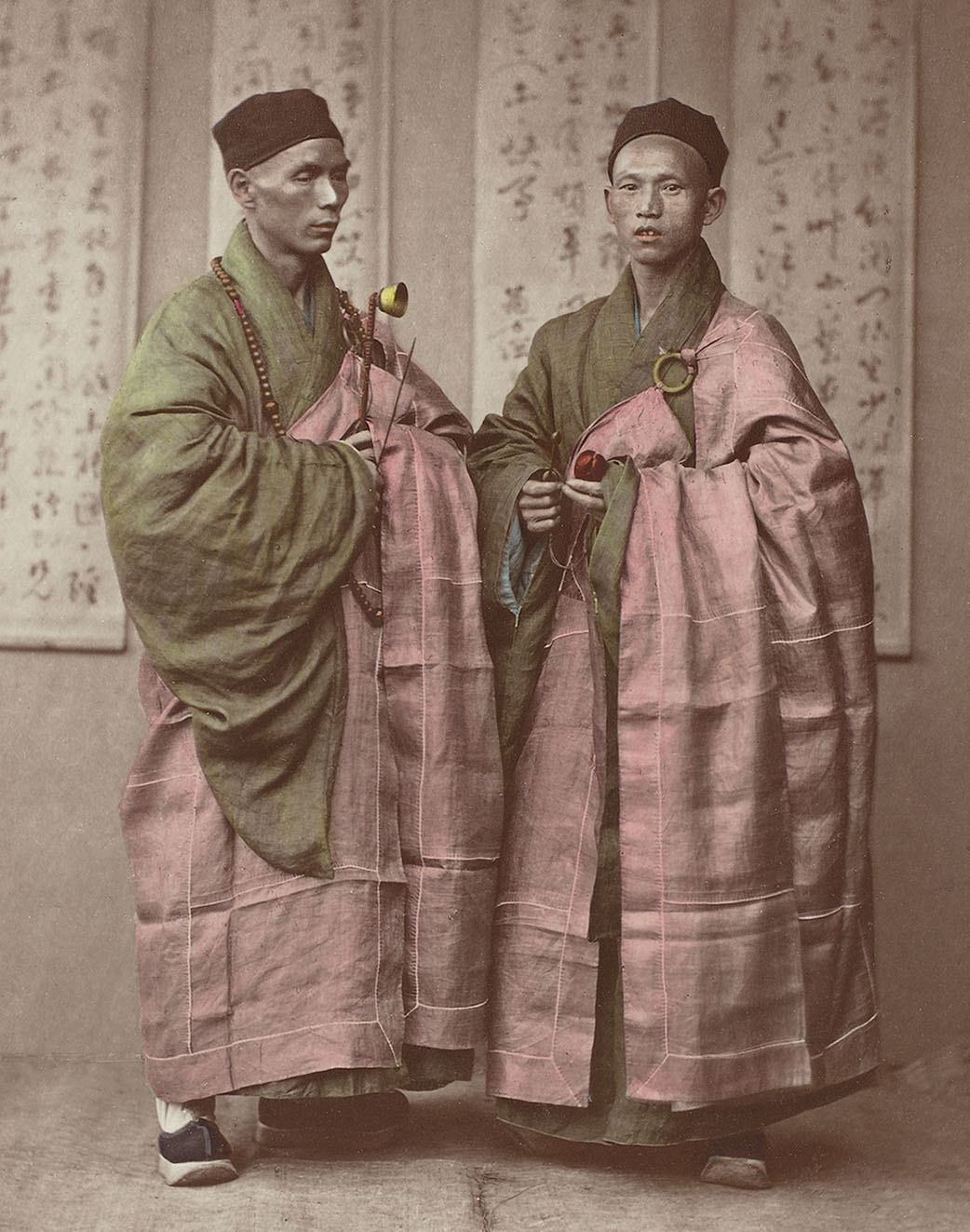
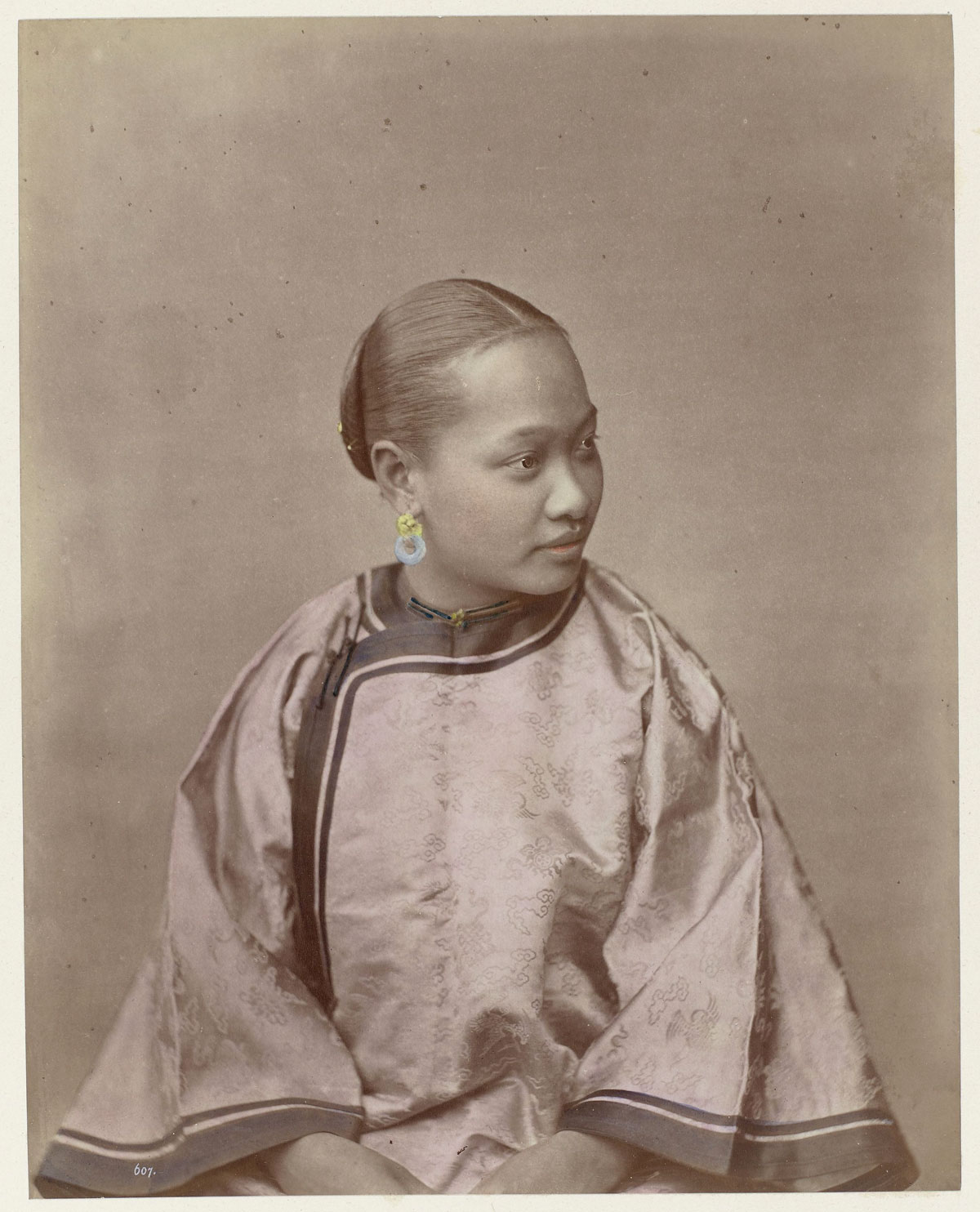
Genre images like these, along with views of monuments, cities, and natural scenery, were central to the Chinese photography market. Lai created them both at home and on expedition, setting up makeshift studios where necessary. The photographs feature people who may or may not have actually inhabited the traditional roles they play for the camera: Lai had a talent for summoning natural postures and expressions from subjects he had costumed and arranged.
Lai’s photographs certainly appealed to Chinese buyers but, like most nineteenth-century photographs of China, they were largely produced for export. They left Hong Kong as souvenirs with the international officials, merchants, missionaries, and tourists who began to enter Chinese cities in great numbers in the 1860s, after successive incursions by the British military forced the Qing dynasty to expand foreigners’ access to the country.
![Lai Fong (Chinese, c. 1839-1890) '[Flower boat, Guangzhou]' 1870s](https://artblart.com/wp-content/uploads/2020/04/hfj-laifong-flowerboat-sl.jpg "Lai Fong (Chinese, c. 1839-1890) '[Flower boat, Guangzhou]' 1870s")
Lai Fong (Chinese, c. 1839-1890)
[Flower boat, Guangzhou]
1870s
Albumen print
Collection of Stephan Loewentheil, Cornell JD 1975
For hundreds of years, floating brothels existed on the Pearl River Delta, part of a river scene that grew alongside maritime trade between China and Europe in the eighteenth century. The boats in most harbours were open to men from any nation, but the Canton boats served only Chinese clients, primarily the wealthy elite. Called flower boats, they were places of lavish entertainment. They could be exquisitely constructed and outfitted, and were often romantically depicted in souvenir paintings.
Despite the boats’ glamorous reputation, the industry turned on slavery. The women and girls working aboard were the property of the boats’ owners, purchased as children and trained in appealing to men of high society. When age or disease rendered them no longer lucrative, they were sold or discarded. Such cruelty was increasingly reviled as the century wore on. The last boats disappeared in the 1930s.
![Lai Fong (Chinese, c. 1839-1890) '[Beijing]' 1879](https://artblart.com/wp-content/uploads/2020/04/hfj-laifong-beijing-cornellrare.jpg "Lai Fong (Chinese, c. 1839-1890) '[Beijing]' 1879")
Lai Fong (Chinese, c. 1839-1890)
[Beijing]
1879
Albumen print
Division of Rare and Manuscript Collections, Cornell University Library
![Lai Fong (Chinese, c. 1839-1890) '[Ming Tombs, Beijing]' 1879](https://artblart.com/wp-content/uploads/2020/04/hfj-laifong-mingtombs-cornellrare-web.jpg "Lai Fong (Chinese, c. 1839-1890) '[Ming Tombs, Beijing]' 1879")
Lai Fong (Chinese, c. 1839-1890)
[Ming Tombs, Beijing]
1879
From an album of albumen prints
Cornell University Library, Division of Rare and Manuscript Collections
![Lai Fong (Chinese, c. 1839-1890) '[Ming Tombs, Beijing]' 1879](https://artblart.com/wp-content/uploads/2020/04/lai-fong-ming-tombs-beijing-1879.jpg "Lai Fong (Chinese, c. 1839-1890) '[Ming Tombs, Beijing]' 1879")
Lai Fong (Chinese, c. 1839-1890)
[Ming Tombs, Beijing]
1879
From an album of albumen prints
Cornell University Library, Division of Rare and Manuscript Collections
This album of ninety-five photographs of Beijing has been in the collection of the Cornell Library since 1940. In 2019, the photographs were attributed to Lai by Kate Addleman-Frankel, the Gary and Ellen Davis Curator of Photography at the Johnson Museum, as part of ongoing research on the university’s collections of Asian photographs. The album is a remarkable compendium, the most complete collection of Lai’s images of the Chinese capital yet discovered. At least nineteen of them may have been entirely unknown previously; they do not appear in the only catalogue of Lai’s photographs reconstructed to date, by the historian Terry Bennett.
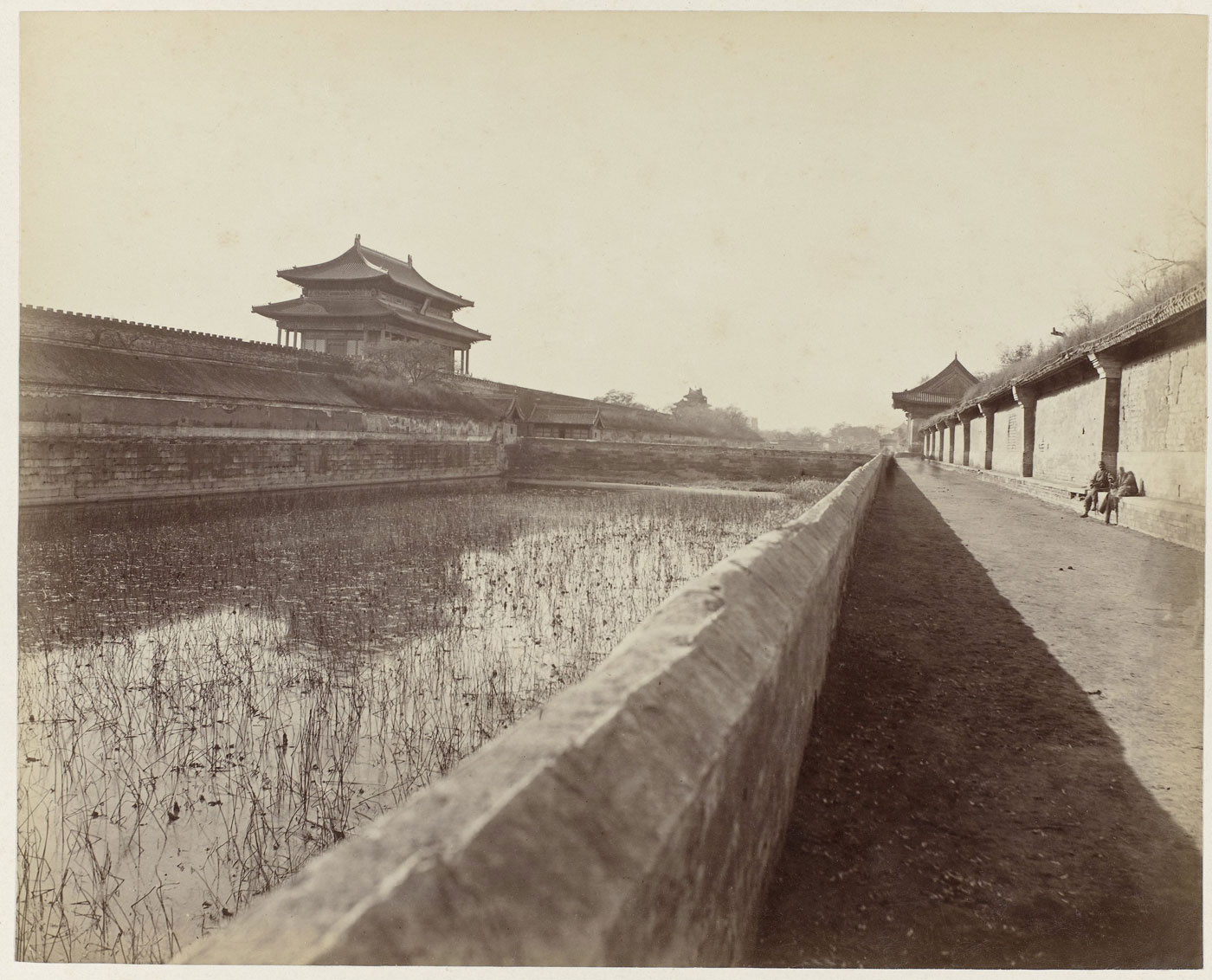
Lai traveled to what was then Peking in 1879, possibly on the invitation of the foreign diplomats whose portraits are included in the album. Alongside these portraits are views of the monuments of the ancient city, including temples, pagodas, the observatory, the Summer Palace, and the Ming Tombs. As here, many of these monuments are pictured from a distance. Lai makes the approach to the subject as central to the picture as the subject itself.
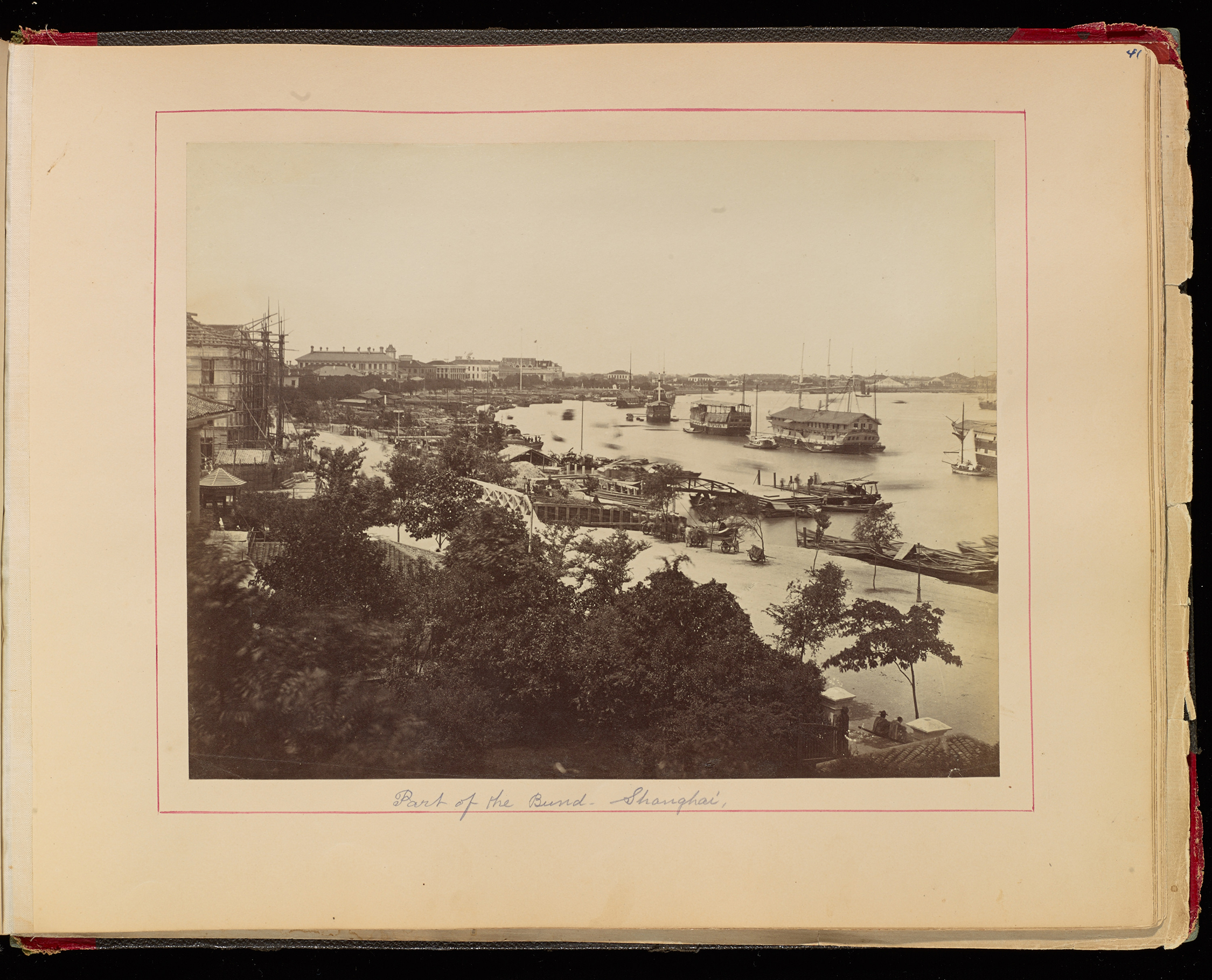
Lai Fong (Chinese, c. 1839-1890)
Part of the Bund, Shanghai
1870s
From an album of albumen prints
Getty Research Institute, Clark Worswick collection of photographs of China and Southeast Asia
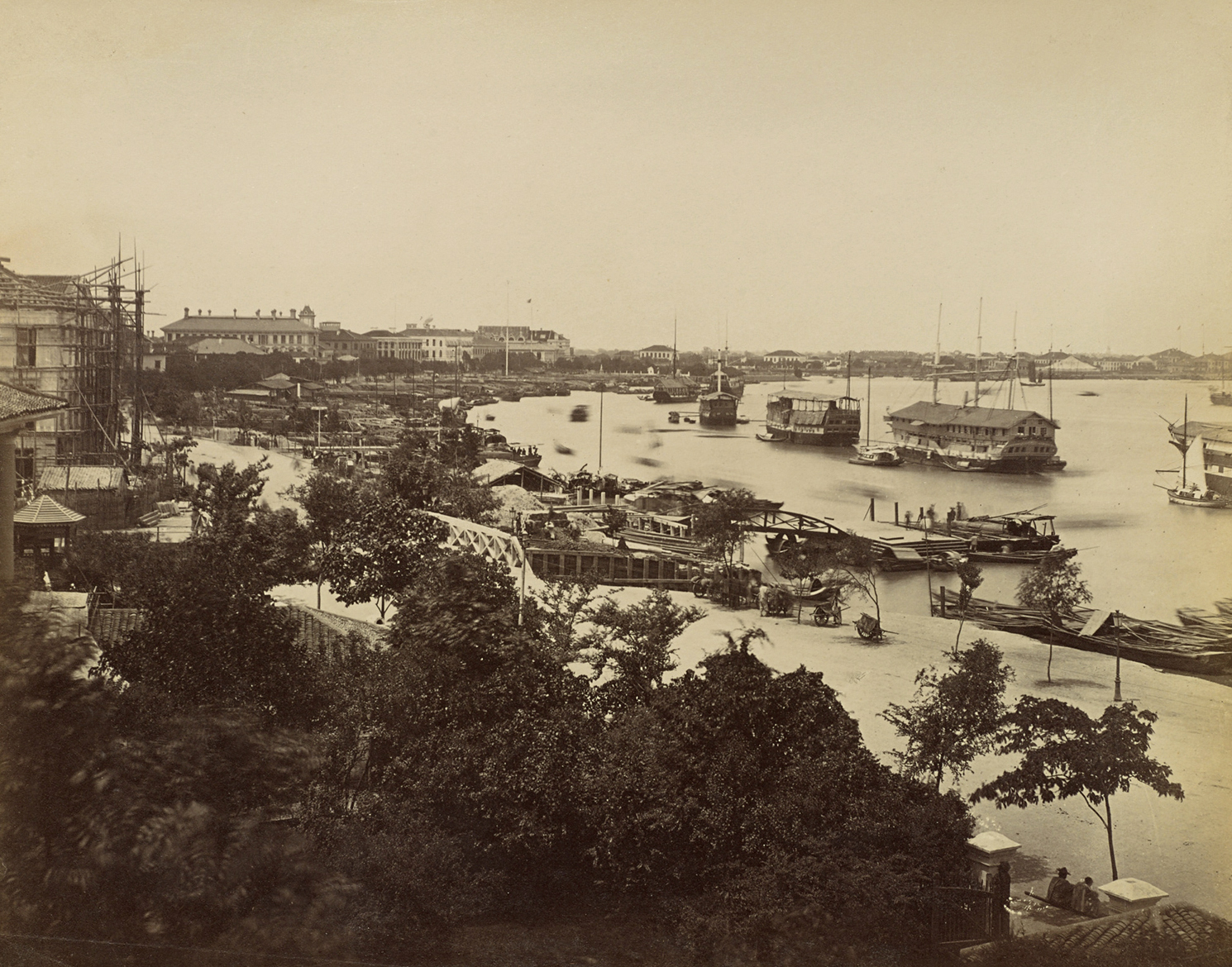
Lai Fong (Chinese, c. 1839-1890)
Part of the Bund, Shanghai
1870s
From an album of albumen prints
Getty Research Institute, Clark Worswick collection of photographs of China and Southeast Asia
Contrary to accounts first propagated by its early European and American inhabitants, Shanghai had not been an inconsequential place – a “fishing village on a mudflat,” as one famous city guide put it – before it was opened to foreign settlement and trade by the 1842 Treaty of Nanking. In fact, for centuries it had been an important point along trade routes between China and Southeast Asia, and by the 1830s it had a quarter of a million inhabitants. Nonetheless, its growth after 1842 was explosive. By the start of the new century its physical size had more than doubled, its population quadrupled, and it had become a global commercial capital.
The landmarks of the early decades of this era – the Hong Kong and Shanghai Bank, the Shanghai Club, many of the important mercantile hongs, or trading houses – were clustered along the Shanghai Bund. This waterfront embankment district reached the International Settlement at one end and the French Concession at the other.
![Lai Fong (Chinese, c. 1839-1890) '[Group portrait near Fangguangyan Monastery, Fujian]' c. 1869](https://artblart.com/wp-content/uploads/2020/02/hfj-laifong-group-met.jpg "Lai Fong (Chinese, c. 1839-1890) '[Group portrait near Fangguangyan Monastery, Fujian]' c. 1869")
Lai Fong (Chinese, c. 1839-1890)
[Group portrait near Fangguangyan Monastery, Fujian]
c. 1869
Albumen print
Metropolitan Museum of Art, Gilman Collection
Purchase, Robert Rosenkranz Gift, 2005
Around 1869, Lai was invited by foreign residents of Fuzhou to record a private excursion by boat to the Fangguangyan Monastery, a “hanging temple” known for its spectacular location and design. Lai posed the group for photographs at several spots along the route.
The rather illustrious expedition party included Charles Sinclair, the British Consult of Fuzhou, who sits on the stool at left; Sinclair’s wife, who leans against the rock wall; Baron de Méritens, an Imperial Maritime Customs Service commissioner, who perches on a rock at center; Prosper Giquel, Director of the Fuzhou Arsenal, who stands by Sinclair’s wife; and Francis Temple, an accountant at the Shanghai branch of the Oriental Bank, who is stretched out informally in the foreground. The man adopting a similar pose in the background remains unidentified.
![Lai Fong (Chinese, c. 1839-1890) '[Piled Stone Peaks in Mount Wuyi]' c. 1869](https://artblart.com/wp-content/uploads/2020/02/hfj-laifong-stonepeaks-met.jpg "Lai Fong (Chinese, c. 1839-1890) '[Piled Stone Peaks in Mount Wuyi]' c. 1869")
Lai Fong (Chinese, c. 1839-1890)
[Piled Stone Peaks in Mount Wuyi]
c. 1869
Metropolitan Museum of Art, Gilman Collection
Purchase, Robert Rosenkranz Gift, 2005
Shan shui was a traditional form of Chinese brush-and-ink landscape painting that followed a complex set of compositional and conceptual rules. Lai refers to it in his images of magnificent natural forms, but photography grounded his representations in the observed, external world – a key difference from the idealism of shan shui pictures.
In his picture of Mount Wuyi, Lai monumentalises the Danxia landform that characterises the mountain, located in the southern suburb of Wuyishan, Fujian. Danxia comprise isolated hills and steep layered rocks of red sandstone that have been shaped by eons of weathering and fluvial erosion. Lai was among the first Chinese photographers to photograph Mount Wuyi’s marvellous stone peaks.
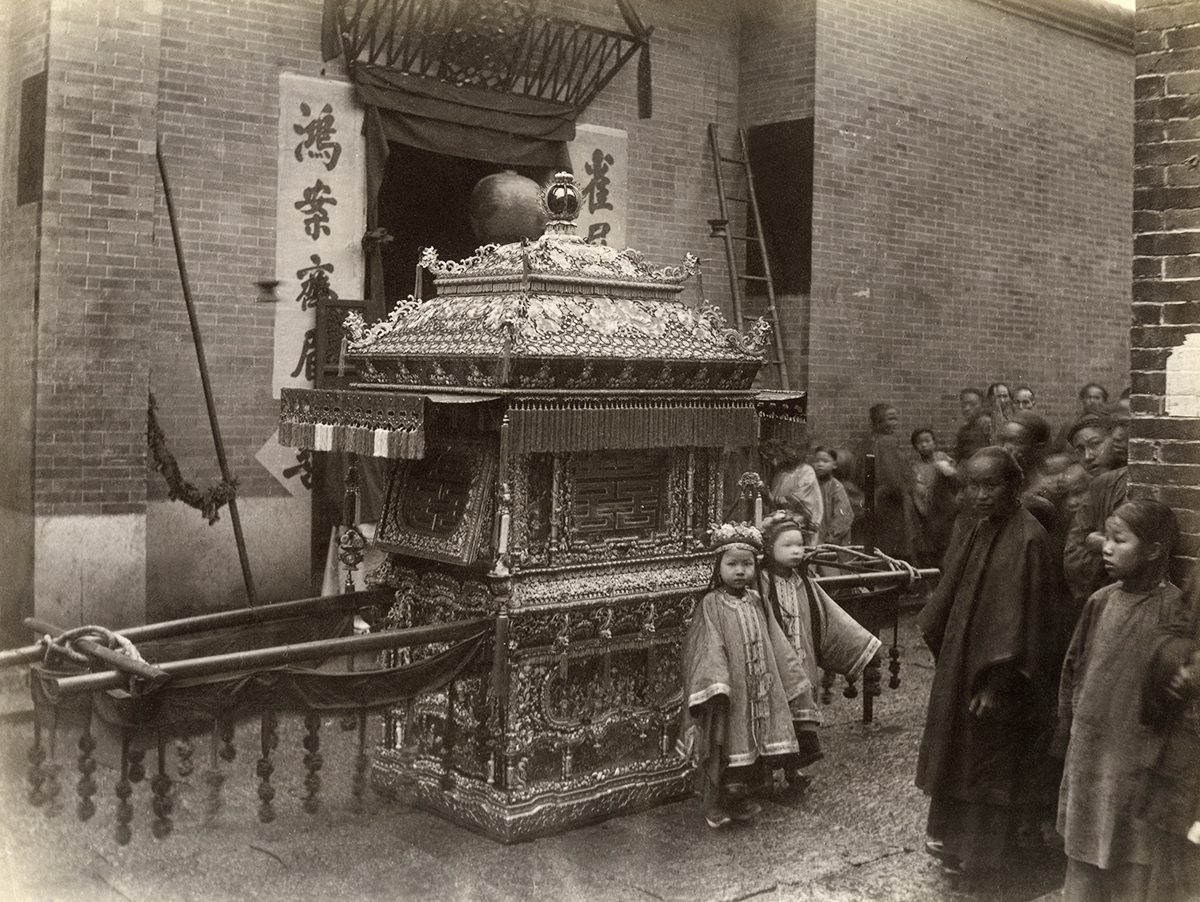
Lai Fong (Chinese, 1839-1890)
Bridal Carriage
1870s
Albumen silver print from glass negative
Courtesy of the Loewentheil Collection
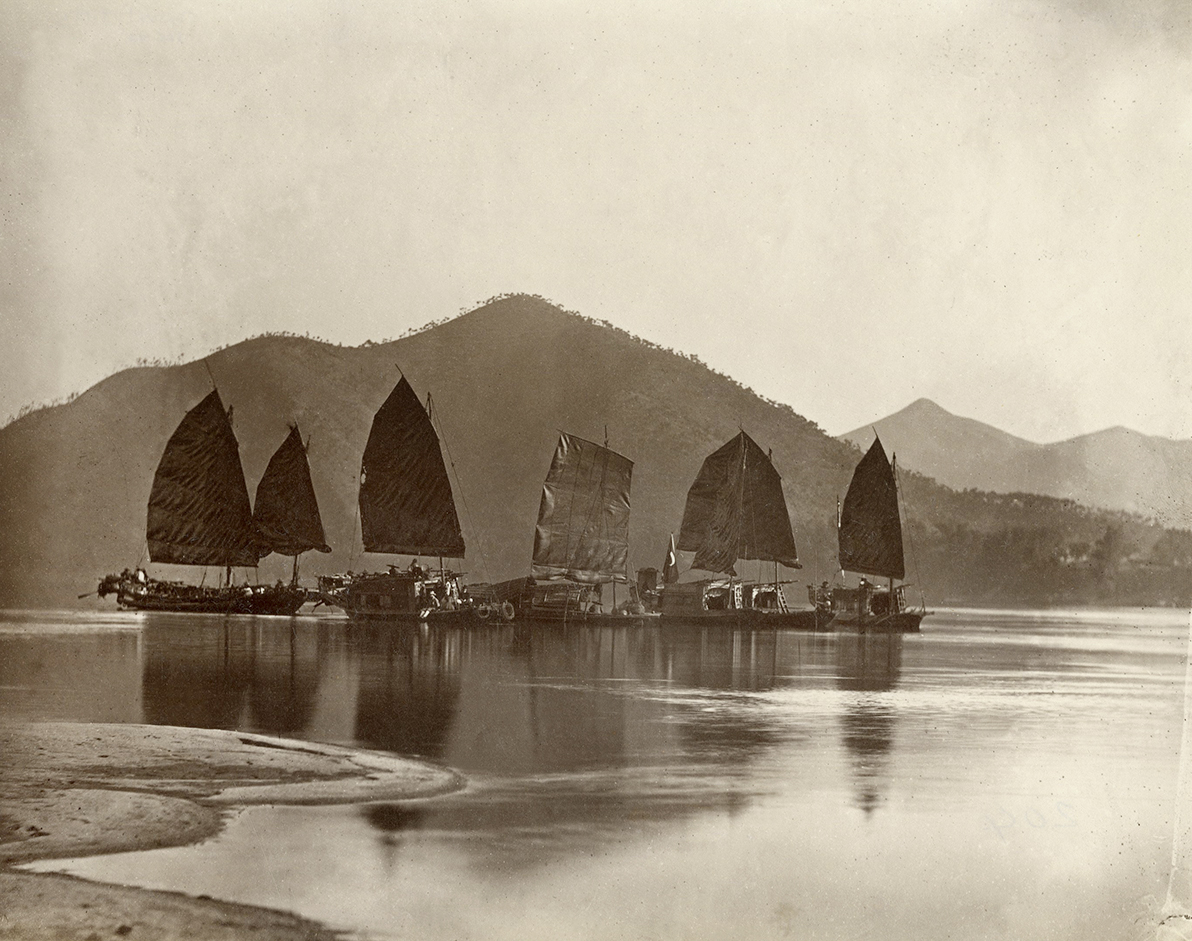
Lai Fong (Chinese, 1839-1890)
Chinese Junks, Hong Kong
1870s
Albumen silver print from glass negative
Courtesy of the Loewentheil Collection
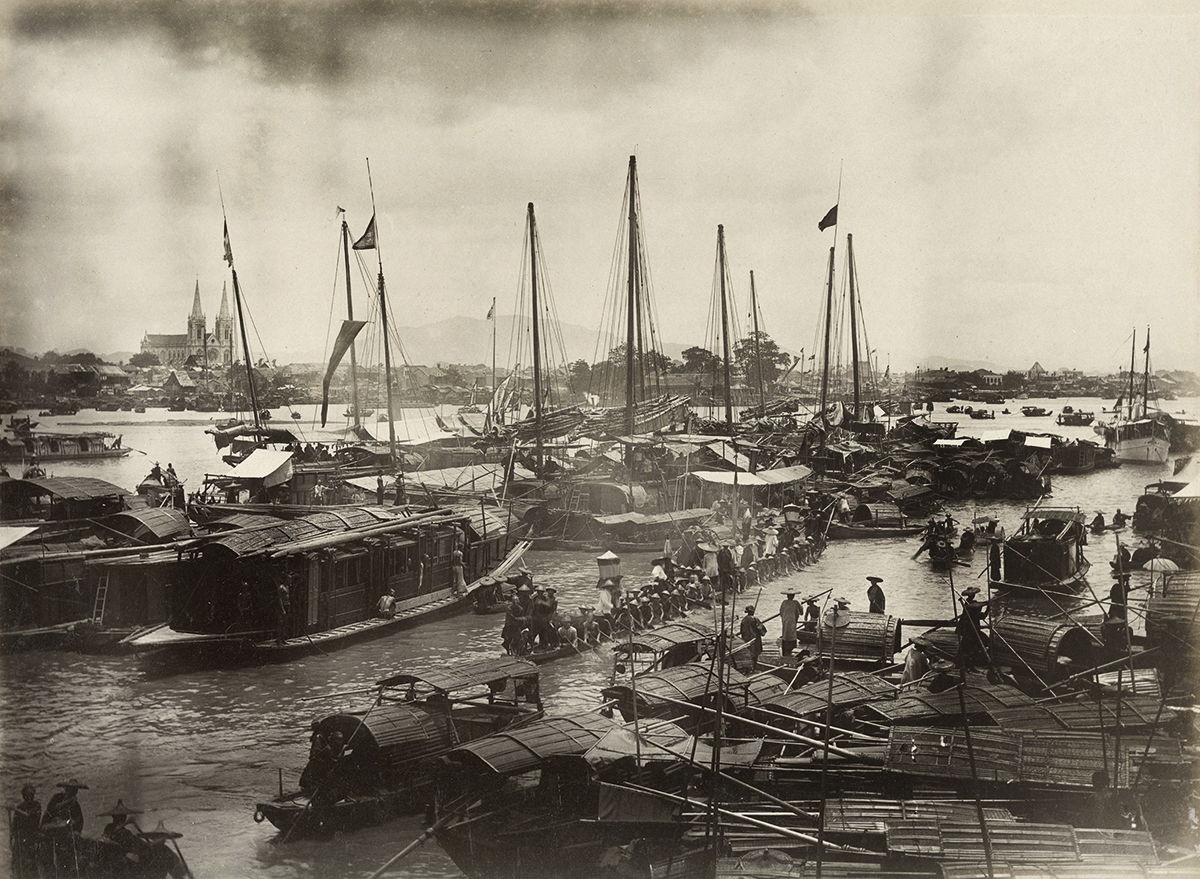
Lai Fong (Chinese, 1839-1890)
Dragon Boat Race, Guangzhou
1870s
Albumen silver print from glass negative
Courtesy of the Loewentheil Collection
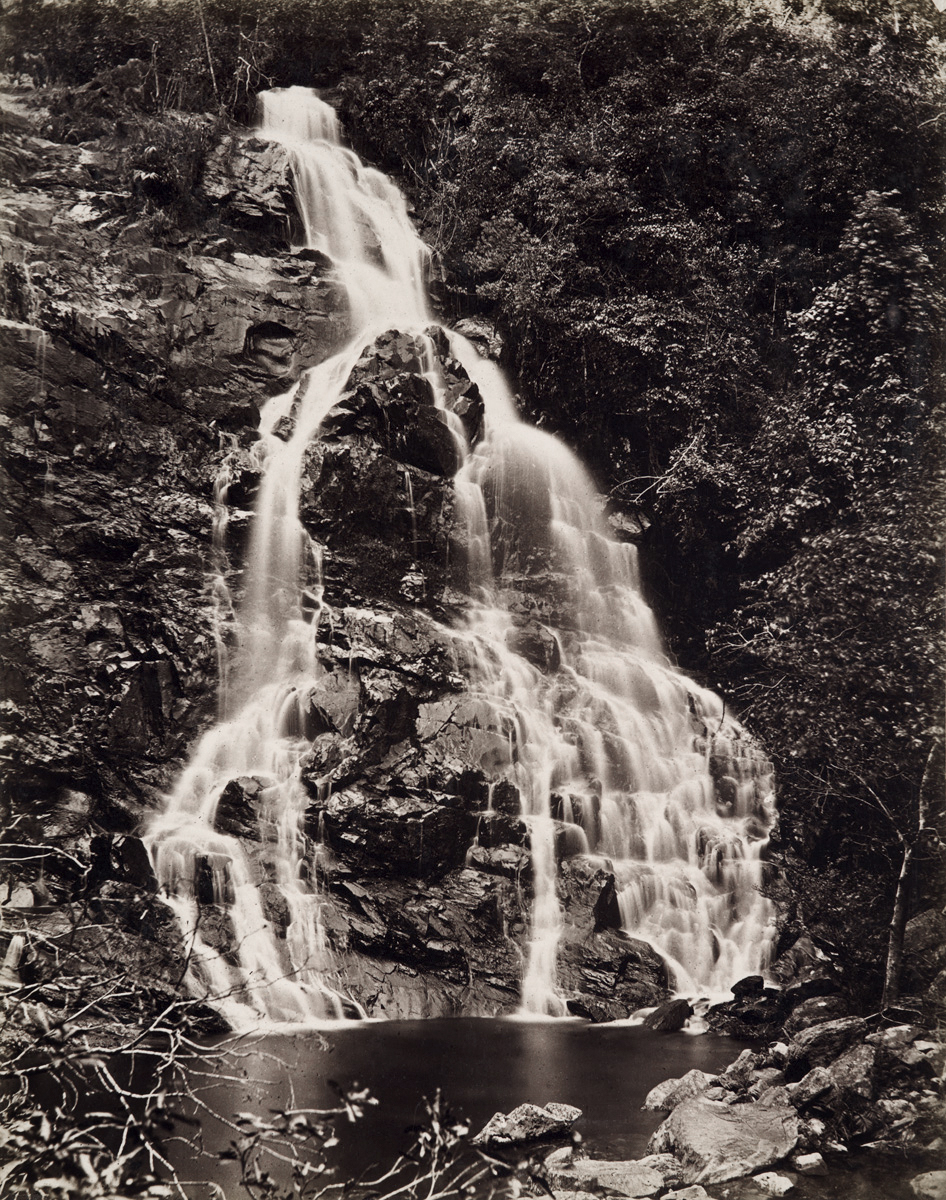
Lai Fong (Chinese, 1839-1890)
Waterfall in the Dinghu Mountains
1870s
Albumen silver print from glass negative
Courtesy of the Loewentheil Collection
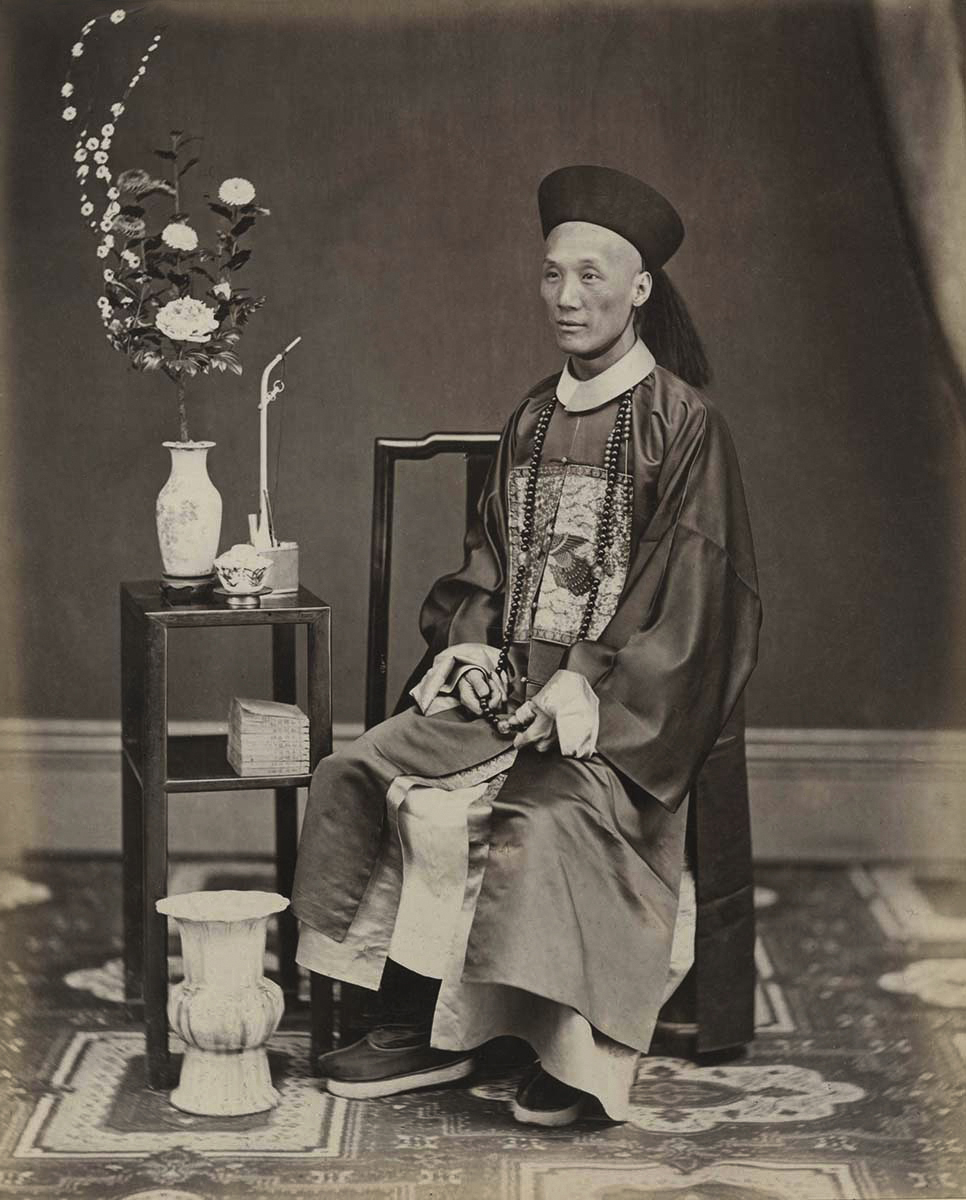
Lai Fong (Chinese, 1839-1890)
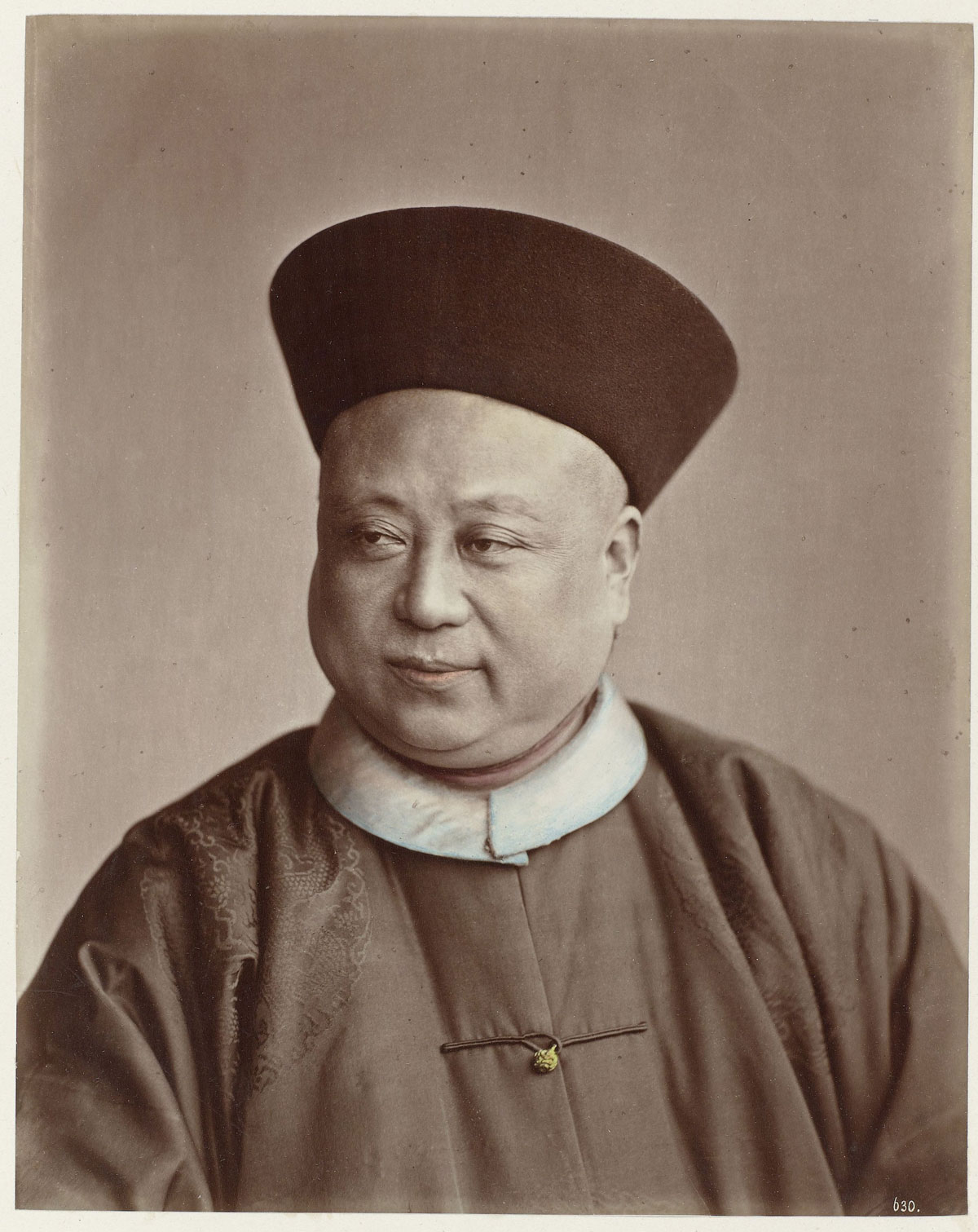
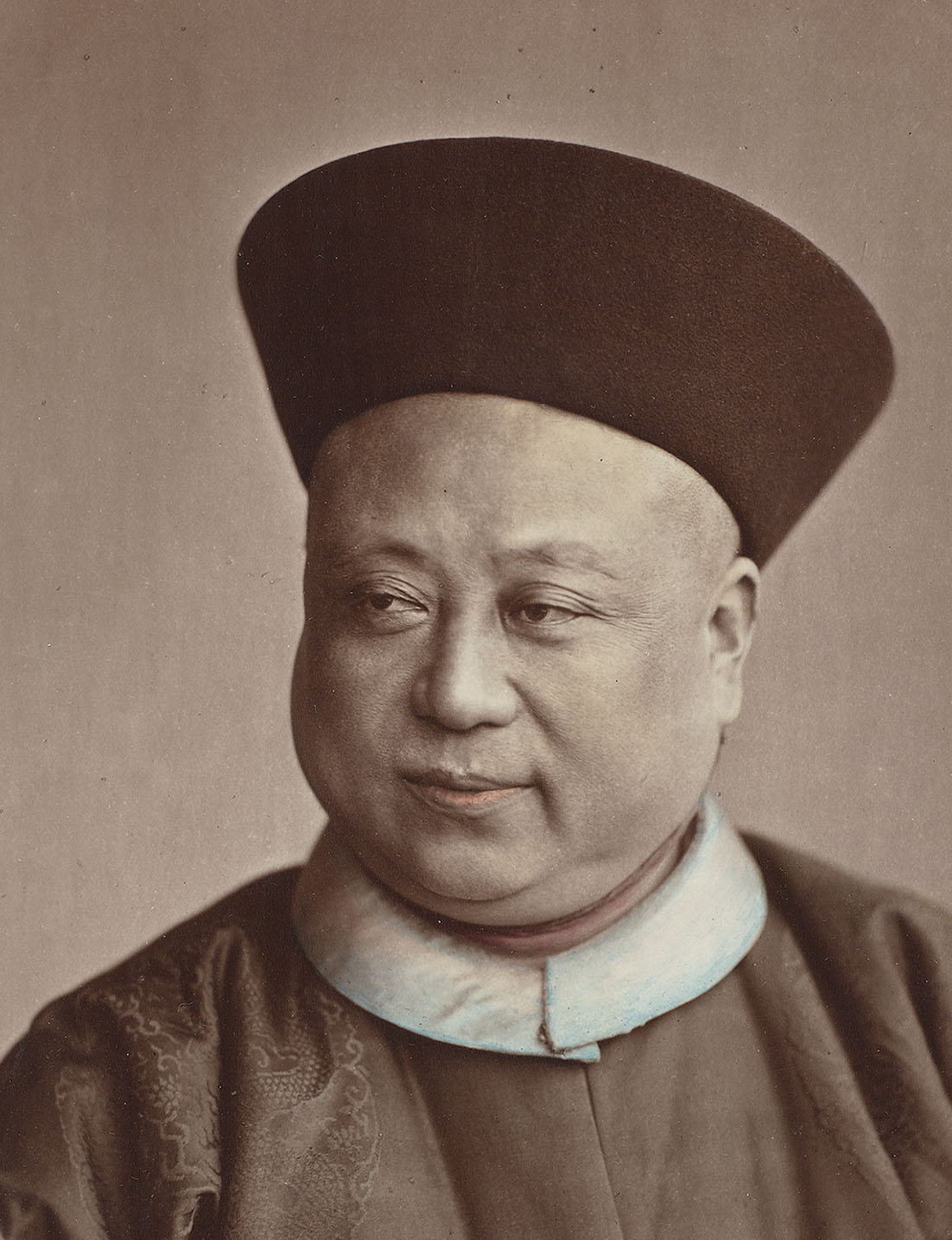
Portrait of an Official
1870s
Albumen silver print from glass negative
Courtesy of the Loewentheil Collection
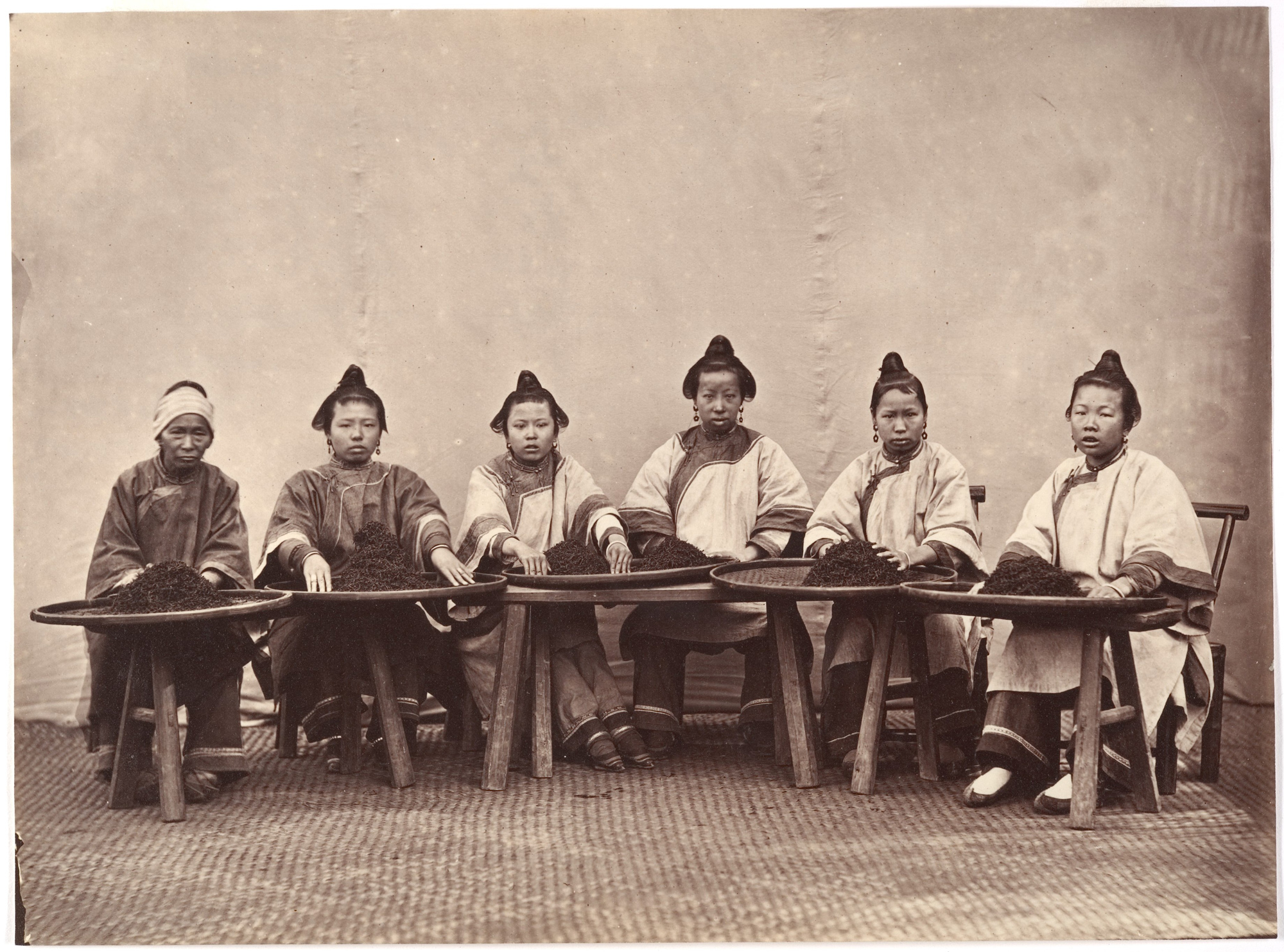
Attributed to Lai Fong (Chinese, 1839-1890)
Culling Tea
c. 1869
Albumen silver print from glass negative
6 15/16 × 9 3/8 in. (17.6 × 23.8cm)
Gilman Collection, Purchase, Robert Rosenkranz Gift, 2005
CC0 1.0 Universal (CC0 1.0) Public Domain
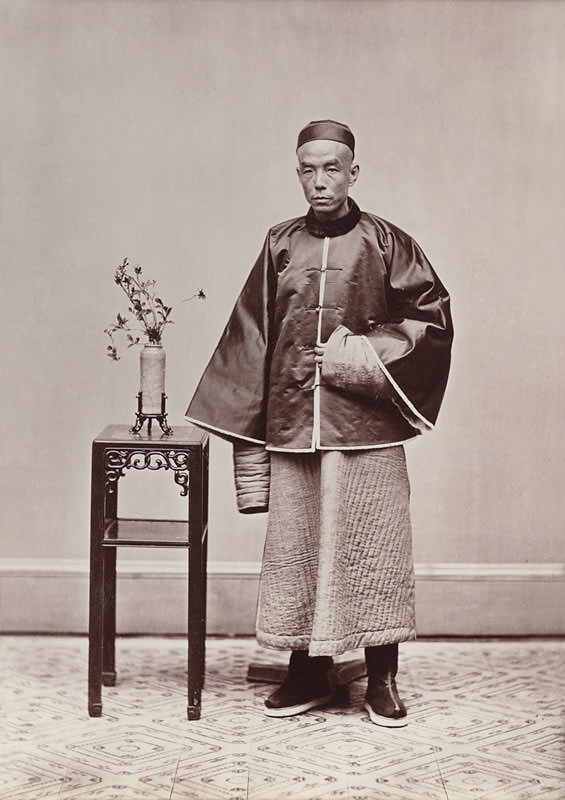
Lai Fong (Chinese, 1839-1890)
Portrait of a Merchant
c. 1870
Albumen print
29 cm x 22cm
Loewentheil Photography of China Collection
Herbert F. Johnson Museum of Art
Cornell University, 114 Central Avenue,
Ithaca, NY 14853
Opening hours:
Wednesday – Sunday, 11am – 4pm
Closed Mondays and Tuesdays
 Art Blart _ art and cultural memory archive
You must be logged in to post a comment.