Russell Lee (American, 1903-1986) Mrs. Manuel Alcala and son in corner of their kitchen. The family lives in company housing project for miners. National Fuel Company, Monarch Mine, Broomfield, Boulder County, Colorado July 2, 1946 National Archives Public domain
The history of today and every day
Continuing Art Blart’s support of photographers with a social conscience, this latest posting complements recent postings on the exhibitions Miners’ Strike 1984-85, and Roger Mayne: Youth. In America this type of attuned social documentary photography has a long history, both prior to and after Russell Lee’s photographs were taken.
From Danish-American social reformer Jacob Riis’ who used his “photographic and journalistic talents to help the impoverished in New York City” to the famous American sociologist and photographer Lewis Hine whose images “were instrumental in bringing about the passage of the first child labor laws in the United States”, onward to the work of the photographers employed by the Farm Security Administration / Office of War Information (FSA / OWI) between 1935-1944,* (notably Dorothea Lange, Walker Evans, Jack Delano, Russell Lee, Marion Post Wolcott) which “form an extensive pictorial record of American life” … and thus to these photographs taken by Russell Lee just after the end of the Second World War. Lee’s photographs were then followed by Gordon Parks‘ photographs of racial intolerance, Marion Palfi‘s photographs of American injustice, Milton Rogovin‘s photographs of “the forgotten ones” and, more recently, James Nachtwey‘s photographs of drug use in America. Of course, there are many other photographers who could be mentioned.
It has been a fascinating journey to engage with over 1000 of Russell Lee’s Coal Survey photographs that are available in the National Archives Catalog to try to fully understand the vision of this artist during the 1946 project picturing miners in their homes, mines, and communities. “Lee provided the photographs for the study which included 90 communities in 22 states… Over the course of the survey, Lee took over 4000 photographs, more than 200 of which are included in the exhibit.”
As with any large of body of work the quality of the photographs varies incredibly – some poor, others prosaic, some insightful, others powerful portraits, some dynamic, others occasionally revelatory. This is only to be expected. In the selection in this posting I have chosen what I think are the best photographs from the 1000 photographs available online. Please note, these photographs are not necessarily in the exhibition.
In looking through the body of work I feel what is envisioned by the photographer in his images is a wonderful empathy for the miners and their families in the situation of their becoming. What Lee pictures are communities that support each other but which are under stress.
Having worked through the Second World War to aid the American war effort, men and women were hard at work in a dangerous job, the families were living in run down houses owned by the coal mining companies, were buying food at the company store, were borrowing money on their earnings from the company to survive and living a subsistence life – having the minimal resources necessary for survival, having just enough food or money to stay alive. Rickety wooden houses with no running water [The only houses with running water inside in this camp are those in which their tennants [sic] have made the installations at no expense to the company], dead animals in streams where water is gathered, roofs lined with newspaper, children with no shoes, men holding serpents praying to an unseen god.
I believe that Lee’s most powerful photographs in the project are the images of the miners at work. There is an intimate directness to these photographs of working men and women. Nothing extraneous, nothing superfluous, just an honest directness picturing their everyday lives, in tiredness, laughter, and desperation.
In these photographs of miners we can see that Lee loved his diagonals, horizontals and verticals in the construction of the image plane. Right to left diagonals in J. M. Hawkins (left) former pharmacists mate in the U.S. Navy and Wm. Smith, former Marine, read notice on the bulletin board at the mine (July 9, 1946, below) and Women pick foreign matter out of coal (July 9, 1946, below); left to right diagonals in Miners boarding buses which will take them to washhouse from lamp house where they have checked out (August 20, 1946, below) and Miners checking in at the lamp house at completion of morning shift (August 22, 1946, below); and verticals in James Robert Howard has gotten his safety lamp at lamp house (August 13, 1946, below).
My two favourite photographs in the posting are both crackers. Firstly, Miners waiting at drift mouth for the afternoon man trip. Koppers Coal Divison, Kopperston Mines, Kopperston, Wyoming County, West Virginia (August 22, 1946, below) in which the languid easiness of the men’s postures are perfectly assimilated within the structure of the buildings and rocks to form an almost Renaissance tableaux of figures. And secondly, Miners bring in their checks and see the sign that there is no Saturday work. P V & K Coal Company, Clover Gap Mine, Lejunior, Harlan County, Kentucky (September 13, 1946, below) in which the languorous flow of bodies moves as in the stillness of a quietly flowing river, revealing a reversed “N” and misspelt “to-morrow” as if the morrow will bring more heartache.
What clarity of vision, what panache in the execution of that vision. You could only wish to be such an accomplished artist taking pictures of the history of yesterday that still have relevance today and every day.
* FSA photographers: Arthur Rothstein (1935), Theodor Jung (1935), Ben Shahn (1935), Walker Evans (1935), Dorothea Lange (1935), Carl Mydans (1935), Russell Lee (1936), Marion Post Wolcott (1936), John Vachon (1936, photo assignments began in 1938), Jack Delano (1940), John Collier (1941), Marjory Collins (1941), Louise Rosskam (1941), Gordon Parks (1942) and Esther Bubley (1942) * OWI photographers: David Bransby (1942), John Collier (1943), Marjory Collins (1943), Jack Delano (1942-1943), Howard Hollem (1941-1943), Fenno Jacobs (1942), Alfred Palmer (1941-1943), William M. Rittase (1942), John Rous (1941), Mark Sherwood (1942), Arthur Siegel (1942), John Vachon (1942-1943), Miscellaneous photographers (Jack Downey, Andreas Feininger, unidentified)
Many thankx to the National Archives for allowing me to publish the photographs in the posting. Please click on the photographs for a larger version of the image. All photographs have been digitally cleaned and balanced by Marcus Bunyan. Please note the photographs in this posting are not necessarily in the exhibition.
“I’m taking pictures of the history of today.”
Russell Lee
Russell Lee (American, 1903-1986) The Sergent Family on their front porch. Reading from L. to R., Franklin D., Louis, Lucy, Mr. Blaine Sergent, Bobbie Jean, Mrs. Sergent, Wanda Lee and Donald. Mr. and Mrs. Sergent have two married sons living nearby, Rufus, who lives next door and is a coal cutter in the same mine and Junior who lives and works at Verda Mine several miles away. P V & K Coal Company, Clover Gap Mine, Lejunior, Harlan County, Kentucky September 15, 1946 National Archives Public domain
Russell Lee (American, 1903-1986) The Sergent Family on their front porch. Reading from L. to R., Franklin D., Louis, Lucy, Mr. Blaine Sergent, Bobbie Jean, Mrs. Sergent, Wanda Lee and Donald. Mr. and Mrs. Sergent have two married sons living nearby, Rufus, who lives next door and is a coal cutter in the same mine and Junior who lives and works at Verda Mine several miles away. P V & K Coal Company, Clover Gap Mine, Lejunior, Harlan County, Kentucky (detail) September 15, 1946 National Archives Public domain
Russell Lee (American, 1903-1986) The Blaine Sergent family’s house. P V & K Coal Company, Clover Gap Mine, Lejunior, Harlan County, Kentucky September 15, 1946 National Archives Public domain
Power & Light: Russell Lee’s Coal Survey is an exhibition of photographs of coal communities by American documentary photographer Russell Lee. These images tell the story of labourers who helped build the nation, of a moment when the government took stock of their health and safety, and of a photographer who recognised their humanity.
About the Exhibit
Power & Light is free and open to the public. The exhibition features more than 200 of Russell Lee’s photographs of coal miners and their families in the form of large-scale prints, projections, and digital interactives from a nationwide survey of housing and medical and community facilities of bituminous coal mining communities. The survey was conducted by Navy personnel in 1946 as part of a strike-ending agreement negotiated between the Department of the Interior and the United Mine Workers of America. The full series of photographs, which numbers in the thousands, can only be found in the holdings of the National Archives. These images document inhumane living and working conditions but also depict the joy, strength, and resilience of the miners’ families and communities.
Note: All photograph captions are original, as provided by the photographer. Unless otherwise noted, the images are in the holdings of the National Archives, Records of the Solid Fuels Administration for War.
Power & Light features Russell Lee’s 1946 coal survey photographs of miners in their homes, mines, and communities.
About Russell Lee
Russell Werner Lee (1903-1986) was born in Ottawa, Illinois. Originally trained as an engineer, he was methodical in his work, but approached his subjects with warmth and respect. The quiet Midwesterner put people at ease, enabling him to capture scenes of surprising intimacy. Many of his photographs reveal worlds through small details – keepsakes on the mantel, lined and calloused hands. What may be most distinctive about these images is their reflection of the photographer’s compassion for his subjects. Despite their plight, it is their strength, dignity, and humanity that strike the viewer.
If you recognise Lee’s photos – but not his name – you’re not alone.
Although the coal survey photos represent some of Lee’s finest work, his best-known photographs are from an earlier project. Lee was one of several photographers hired by the federal government in the 1930s to document the toll of the Great Depression and drought on rural Americans. While he worked alongside famous colleagues including Walker Evans and Dorothea Lange, Lee eschewed celebrity. His aim was to inspire social change, believing visual evidence of struggle and hardship could generate support for reforms.
Text from the National Archives Museum website
Russell Lee (American, 1903-1986) Miners’ wives and children on the front porch of a typical, fifty year old house. Kentucky Straight Creek Coal Company, Belva Mine, abandoned after explosion [in] Dec. 1945, Four Mile, Bell County, Kentucky (Original Caption) September 4, 1946 National Archives Public domain
Russell Lee: Home
Lee’s photographs of miners at home reflect his respect for their individuality and resourcefulness, his fascination with families, and his meticulous attention to the details of everyday life.
Russell Lee (American, 1903-1986) Gonzalla Sullivan, miner, with his two children and another child who lives in the neighborhood. Koppers Coal Division, Federal #1 Mine, Grant Town, Marion County, West Virginia June 13, 1946 National Archives Public domain
Russell Lee (American, 1903-1986) Quarters of Japanese miner who lives in company housing project. Hudson Coal Company, Hudson Mine, Sweet Mine, Carbon County, Utah July 4, 1946 National Archives Public domain
Russell Lee (American, 1903-1986) The only houses with running water inside in this camp are those in which their tennants [sic] have made the installations at no expense to the company. Gilliam Coal and Coke Company, Gilliam Mine, Gilliam, McDowell County, West Virginia (Original Caption) August 13, 1946 National Archives Public domain
Russell Lee (American, 1903-1986) There are ten children in the Lawson Mayo family, the older taking care of the youngest ones. Three of the daughters are now attending high school in Mullens and have part time jobs during summer months. Mullens Smokeless Coal Company, Mullens Mine, Harmco, Wyoming County, West Virginia (Original Caption) August 23, 1946 National Archives Public domain
Russell Lee (American, 1903-1986) Mrs. John Whitehead, wife of miner, and two of her children (or grandchildren) in the kitchen of her three room house. Mr. and Mrs. John Whitehead, their six children and six grandchildren live here. This house, built on company owned land was built by Mr. Whitehead’s half brother at no expense for materials or labor to the company; the builder (half brother) was to receive the use of the house rent-free for three years and at the end of this period the ownership of the house would revert to the company. The brother moved away at the end of one year, receiving no cash settlement from the company. The house now rents for $6 monthly. It has no running water, no electricity, access is over a mountain trail; there are three rooms. Coleman Fuel Company, Red Bird Mine, Field, Bell County, Kentucky (Original Caption) August 31, 1946 National Archives Public domain
Russell Lee (American, 1903-1986) Mrs. John Whitehead, wife of miner, and two of her children (or grandchildren) in the kitchen of her three room house. Mr. and Mrs. John Whitehead, their six children and six grandchildren live here. This house, built on company owned land was built by Mr. Whitehead’s half brother at no expense for materials or labor to the company; the builder (half brother) was to receive the use of the house rent-free for three years and at the end of this period the ownership of the house would revert to the company. The brother moved away at the end of one year, receiving no cash settlement from the company. The house now rents for $6 monthly. It has no running water, no electricity, access is over a mountain trail; there are three rooms. Coleman Fuel Company, Red Bird Mine, Field, Bell County, Kentucky (Original Caption) (detail) August 31, 1946 National Archives Public domain
Russell Lee (American, 1903-1986) Houses along the railroad tracks. Fox Ridge Mining Company, Inc., Hanby Mine, Arjay, Bell County, Kentucky August 31, 1946 National Archives Public domain
Russell Lee (American, 1903-1986) Mrs. Edna Lingar getting wash water from dirty stream; stock wade this stream, privies drain into it, garbage decay in it, a dead animal was in the stream about fifteen feet above where she was getting water. Kentucky Straight Creek Coal Company, Belva, Mine, abandoned after explosion, Four Mile, Bell County, Kentucky (Original Caption) September 4, 1946 National Archives Public domain
Russell Lee: Mines
Russell Lee was attentive to miners’ issues, documenting deductions to their pay, lost work days, perilous conditions, and the union meetings where they fought for a better deal.
Russell Lee (American, 1903-1986) Telesfro Deluna, miner, walking on crutches. He is recovering from a foot injury in mine a accident. He has received medical care at this company owned hospital. Colorado Fuel & Iron Company, Pueblo, Colorado July 1, 1946 National Archives Public domain
Russell Lee (American, 1903-1986) J. M. Hawkins (left) former pharmacists mate in the U.S. Navy and Wm. Smith, former Marine, read notice on the bulletin board at the mine. Union Pacific Coal Company, Reliance Mine, Reliance, Sweetwater County, Wyoming July 9, 1946 National Archives Public domain
Russell Lee (American, 1903-1986) Women pick foreign matter out of coal as it is carried on conveyor thru tipple. Union Pacific Coal Company, Stansbury Mine, Rock Springs, Sweetwater County, Wyoming (Original Caption) July 10, 1946 National Archives Public domain
Russell Lee (American, 1903-1986) James Robert Howard has gotten his safety lamp at lamp house. Of the 232 employees at this mine, 60% are Negroes. Gilliam Coal and Coke Company, Gilliam Mine, Gilliam, McDowell County, West Virginia (Original Caption) August 13, 1946 National Archives Public domain
Russell Lee (American, 1903-1986) Miners boarding buses which will take them to washhouse from lamp house where they have checked out. Koppers Coal Divison, Kopperston Mine, Kopperston, Wyoming County, West Virginia August 20, 1946 National Archives Public domain
Russell Lee (American, 1903-1986) Miners waiting at drift mouth for the afternoon man trip. Koppers Coal Divison, Kopperston Mines, Kopperston, Wyoming County, West Virginia August 22, 1946 National Archives Public domain
Russell Lee (American, 1903-1986) Miners checking in at the lamp house at completion of morning shift. Koppers Coal Division, Kopperston Mines, Kopperston, Wyoming County, West Virginia August 22, 1946 National Archives Public domain
Russell Lee (American, 1903-1986) Furman Currington and his son, miners. Black Mountain Corporation, 30-31 Mines, Kenvir, Harlan County, Kentucky September 6, 1946 National Archives Public domain
Russell Lee (American, 1903-1986) Miners bring in their checks and see the sign that there is no Saturday work. P V & K Coal Company, Clover Gap Mine, Lejunior, Harlan County, Kentucky (Original Caption) September 13, 1946 National Archives Public domain
Russell Lee (American, 1903-1986) Blaine Sergent, left, comes out of the mine at the end of the day’s work. P V & K Coal Company, Clover Gap Mine, Lejunior, Harlan County, Kentucky September 13, 1946 National Archives Public domain
Russell Lee (American, 1903-1986) Rufus Sergent, married son, who is now coal cutter and general all around miner. Rufus did not like school and quit before finishing grade school. He went to work in the mines ten years ago when he was thirteen years old. P V & K Coal Company, Clover Gap Mine, Lejunior, Harlan County, Kentucky September 15, 1946 National Archives Public domain
Russell Lee (American, 1903-1986) Changing shifts at the mine portal in the afternoon. Inland Steel Company, Wheelwright #1 & 2 Mines, Wheelwright, Floyd County, Kentucky (Original Caption) September 23, 1946 National Archives Public domain
Russell Lee (American, 1903-1986) Harry Fain, coal loader. Inland Steel Company, Wheelwright #1 & 2 Mines, Wheelwright, Floyd County, Kentucky September 23, 1946 National Archives Public domain
Russell Lee (American, 1903-1986) Harry Fain, coal loader, drills coal with hand auger. Powder charges are then placed and ignited. Inland Steel Company, Wheelwright #1 & 2 Mines, Wheelwright, Floyd County, Kentucky September 24, 1946 National Archives Public domain
Mining the Catalog – Exploring records from the Exhibit Power & Light
In March, a new exhibit opened at the National Archives building in Washington, D.C. titled “Power & Light: Russell Lee’s Coal Survey.” The exhibit features over 200 photographs of miners and mining communities in the 1940’s from Record Group 245: Records of the Solid Fuels Administration for War.
Russell Lee began his work for the federal government during the Great Depression when he was one of the photographers hired by the Farm Security Administration to document rural poverty. He later photographed the forced relocation of Japanese Americans to detention camps.
The photographs that are the subject of our exhibit come from Lee’s final project for the federal government. In 1946, he was sent to document the lives of coal miners and their communities by the Truman administration. The United Mine Workers’ 400,000 members had gone on strike demanding safer working conditions, improved health benefits, and better pay. As part of the agreement that ended the strike, the federal government agreed to survey the miners’ living conditions.
The photographs, which are part of the series “Photographs of the Medical Survey of the Bituminous Coal Industry,” show homes with backyard outhouses that were often owned by the mining companies themselves and rented to the miners. We also see miners and their families going about their everyday tasks, having fun in recreation halls, and playing outside.
Lee provided the photographs for the study which included 90 communities in 22 states. The program led to improvements in the mining communities, including the building of 13 new hospitals. Over the course of the survey, Lee took over 4000 photographs, more than 200 of which are included in the exhibit. Over 1000 of the photographs are available in the Catalog. Lee focused on three major themes for the project: home, mines, and community, capturing a moment of mid-century American life. His photographs show not just miners but their families, their homes, and their churches.
Text from the National Archives Catalog email
Russell Lee: Community
To fulfil the mandate of the survey, Lee photographed sanitary, medical, and recreational facilities and services. But he also captured moments of joy and connection that characterised the strong community bonds forged by the miners.
Russell Lee (American, 1903-1986) Some of the members of the baseball team of Exeter-Warwick Mines. Kingston Pocahontas Coal Company, Exeter Mine, Welch, McDowell County, West Virginia (Original Caption) August 10, 1946 National Archives Public domain
Russell Lee (American, 1903-1986) Children of miner living in company housing project. Note the homemade baby buggy made of a powder box. Union Pacific Coal Company, Reliance Mine, Reliance, Sweetwater County, Wyoming (Original Caption) August 10, 1946 National Archives Public domain
Russell Lee (American, 1903-1986) Children of miners on the fence in front of the Howard house. Gilliam Coal and Coke Company, Gilliam Mine, Gilliam, McDowell County, West Virginia (Original Caption) August 13, 1946 National Archives Public domain
Russell Lee (American, 1903-1986) The meat and vegetable and fruit department in the company store. Raven Red Ash Coal Company, No. 2 Mine, Raven, Tazewell County, Virginia August 29, 1946 National Archives Public domain
Russell Lee (American, 1903-1986) Handling serpents at the Pentecostal Church of God. Company funds have not been used in this church and it is not on company property. Most of the members are coal miners and their families. Lejunior, Harlan County, Kentucky September 15, 1946 National Archives Public domain
Russell Lee (American, 1903-1986) Local UMWA union meeting is held on Sunday morning in schoolhouse. Inland Steel Company, Wheelwright #1 & 2 Mines, Wheelwright, Floyd County, Kentucky (Original Caption) September 22, 1946 National Archives Public domain
Lee’s next big project, and the topic of the National Archives Power & Light exhibit, came after the war. It was Lee’s last, large federally funded photo documentation project. In 1946 the Truman administration made a promise to striking coal miners that if they resumed work, the federal government would sponsor a nationwide survey of health and labor conditions in mining camps. Lee became an instrumental member of the survey.
Lee’s survey photos give an unprecedented accounting of medical, health, and housing conditions in coal-mining communities. Located in remote areas, these communities were not normally accessible to outsiders. Lee’s photographs demonstrate the difficult circumstances in which miners and their families lived but also show us the strength and resilience of these mining communities.
The National Archives has the complete series of more than 4,000 images, the bulk of which were taken by Russell Lee. They feature mining communities in several states, including Utah, West Virginia, Colorado, Kentucky, Pennsylvania, and Wyoming.
His photographs cover a complete range of activities in mining communities including: interior and exterior shots of both company-owned and private dispensaries; miners at work; mining grounds, equipment, and wash houses; women in the home; children at play; recreation facilities, churches, schools, and clubs; scenes of mining townspeople in and around company stores and town streets; family portraits; members of the medical survey group inspecting grounds and speaking to mine company administrators; and local mine operators and union officials.
The images are great primary sources, particularly because of the way Lee documented his photographs. In his extensive cataloging, he recorded the elements and details of home, workplace, and community, giving us an even greater glimpse into the daily life of miners and their families.
The Department of the Interior used many of Lee’s photographs when it published the final report in 1947, “A Medical Survey of the Bituminous Coal Industry,” and its supplemental report titled “The Coal Miner and His Family.”
Edo period (1615-1868) Group of Inrō 18th century Metropolitan Museum of Art, New York Edward C. Moore Collection, Bequest of Edward C. Moore, 1891 Public domain
Inrō are small, light, tightly nested boxes worn hanging from a man’s obi sash, as a Japanese kimono had no pockets. The term’s literal meaning, “seal basket,” probably refers to an early function, but later they held small amounts of medicine. Once they became fashion items, inrō were carefully selected according to the season or occasion and coordinated with the attached ojime (sliding bead) and netsuke (toggle) as well as with the kimono and obi. Moore and his team surely studied the rich motifs and sophisticated production methods of the inrō he collected.
A change of pace this weekend.
Just because… I love beautiful things; I am a collector of antiques and object d’art; and I have a wonderful standing Tiffany picture frame at home.
Roman glass, Italian Murano glass, Austrian and German glass, Arabic and Persian metalwork, glass and earthenware, Japanese lacquer, wicker, metalware and pottery, Chinese glass and porcelain. All used as inspiration by Edward C. Moore, “the creative force who led Tiffany & Co. to unparalleled originality and success during the second half of the 19th century.”
Enjoy!
Dr Marcus Bunyan
Many thankx to The Metropolitan Museum of Art for allowing me to publish the photographs in the posting. All the text in the posting is from the Metropolitan Museum of Art website. Please click on the photographs for a larger version of the image.
Exhibition Tour – Collecting Inspiration: Edward C. Moore at Tiffany & Co. | Met Exhibitions
Edward C. Moore (1827-1891) – the creative force who led Tiffany & Co. to unparalleled originality and success during the second half of the 19th century – amassed a vast collection of decorative arts of exceptional quality and in various media, from Greek and Roman glass and Japanese baskets to metalwork from the Islamic world. These objects were a source of inspiration for Moore, a noted silversmith in his own right, and the designers he supervised. The exhibition Collecting Inspiration: Edward C. Moore at Tiffany & Co. will feature more than 180 extraordinary examples from Moore’s personal collection, which was donated to the Museum, alongside 70 magnificent silver objects designed and created at Tiffany & Co. under his direction.
Overview
Edward C. Moore (1827-1891) – the creative force who led Tiffany & Co. to unparalleled originality and success during the second half of the 19th century – amassed a vast collection of decorative arts of exceptional quality and in various media, from Greek and Roman glass and Japanese baskets to metalwork from the Islamic world. These objects were a source of inspiration for Moore, a noted silversmith in his own right, and the designers he supervised. The exhibition Collecting Inspiration: Edward C. Moore at Tiffany & Co. will feature more than 180 extraordinary examples from Moore’s personal collection, which was donated to the Museum, alongside 70 magnificent silver objects designed and created at Tiffany & Co. under his direction. Drawn primarily from the holdings of The Met, the display will also include seldom seen examples from a dozen private and public lenders. A defining figure in the history of American silver, Moore played a pivotal role in shaping the legendary Tiffany design aesthetic and the evolution of The Met’s collection.
Text from The Metropolitan Museum of Art website
Edward C. Moore (American, New York 1827 – 1891 New York) Cup 1853 Silver and silver-gilt 3 3/4 x 3 1/4 x 4 3/4 in. (9.5 x 8.3 x 12.1cm); 6 oz. 14 dwt. (208.2 g) Metropolitan Museum of Art, New York Gift of Jerome B. Dwight, in memory of Charles Noyes de Forest and Henry Wheeler de Forest Jr., 2005 Public domain
This cup is an early example of Moore’s sophisticated design sensibilities and technical skills. While it was first thought to be the work of his father, a recently discovered sketch signed “E. C. M.” confirms the twenty-six-year-old Edward as its designer. Characteristic of his inventive eye and hand are the fluidity of the fuchsia vine and the dynamic play between the high-relief flowers and smooth, undecorated ground, which lend it a compositional coherence and show his understanding of the power of negative space. Engraved as a baby gift for Julia Brasher de Forest, sister of artist Lockwood de Forest, and marked “Moore,” the cup appears to have been a commission he considered a personal project.
Tiffany & Co. (1837-present) Mustard Pot c. 1879 Silver, copper, gold, patinated copper-gold alloy, patinated copper-platinum-iron alloy, and niello 3 3/16 × 2 1/2 × 2 in. (8.1 × 6.4 × 5.1cm) Metropolitan Museum of Art, New York Purchase, Friends of the American Wing Fund and Emma and Jay A. Lewis Gift, 2016 Public domain
Following the opening of Japan to the West in the 1850s and the subsequent display of Japanese art at international expositions, the Japanese taste began to captivate American consumers. In response, designers such as Edward C. Moore at New York’s Tiffany & Co. introduced a range of objects inspired by Japanese art works, including ceramics, metalwork, textiles, prints, lacquerware, and netsuke. The decoration on this mustard pot is particularly unusual and innovative. Its baluster form is completely transformed by the asymmetrical inset panels of mixed metal alloys – one of patinated copper and gold (a direct attempt to imitate Japanese Shakudō), and another of patinated copper, platinum, and iron – enclosed by scrolled “Snake Skin” borders. The mottled, multicoloured surface also evokes the swirling array of colours observed in Moore’s collection of ancient mosaic and core-formed glass. Labeled in the Tiffany & Co. Archives as “Mustard to go with Pepper 5493,” this is one of only six decorated versions produced. The Tiffany Archives also retains the Hammering & Inlaying Design drawings for this particular version (#853), which at a cost of $35 was the most expensive iteration.
Tiffany & Co. (1837-present) Cup and saucer c. 1881 Silver, patinated copper, patinated copper-platinum-iron alloy, and gold Cup: 2 1/8 × 2 1/2 × 1 7/8 in. (5.4 × 6.4 × 4.8cm) Saucer: 1/2 × 4 in. (1.3 × 10.2 cm) Metropolitan Museum of Art, New York Purchase, Friends of the American Wing Fund and Emma and Jay A. Lewis Gift, 2016 Public domain
This cup and saucer represent a rare aspect of Tiffany & Co.’s production. As early as 1845 Tiffany & Co. was selling items they promoted as “Indian Goods,” including pipes, belts, pouches, moccasins, and “various fancy articles, made of Birch Bark.” Native American imagery and decorative vocabulary also appeared in Tiffany silver designs, particularly in works conceived by Eugene Soligny (1832-1901) and Paulding Farnham (1859-1927), two of the firm’s leading designers. Here the pattern of alternating red and black triangles is reminiscent of Navajo blankets. During the later decades of the nineteenth century, Tiffany & Co. designers drew inspiration from a diverse array of sources. They had access to the vast collection of books and objects from around the world assembled by the head of the silver division, Edward C. Moore. The decorative pattern on this cup and saucer bears striking similarity to a rendering of floor patterns in one of Moore’s books, The Basilica of San Marco in Venice. Whether referencing Navajo blankets, Venetian floors, or both, the cup and saucer are testaments to the fertile environment in which Tiffany & Co. designers and craftsmen created their innovative work.
Tiffany & Co. (1837-present) Cup and saucer c. 1881 Silver, patinated copper, patinated copper-platinum-iron alloy, and gold Cup: 2 1/8 × 2 1/2 × 1 7/8 in. (5.4 × 6.4 × 4.8cm) Saucer: 1/2 × 4 in. (1.3 × 10.2 cm) Metropolitan Museum of Art, New York Purchase, Friends of the American Wing Fund and Emma and Jay A. Lewis Gift, 2016 Public domain
Camillo Boito (editor) Ferdinando Ongania (1842-1911) (publisher) La Basilica di San Marco in Venezia illustrata nella storia e nell’arte da scrittori veneziani: [volume 3] 1881 41.3 x 34.1 x 3cm Metropolitan Museum of Art, New York Public domain
Moore assembled an extensive library, which includes a rare, lavish fourteen-volume publication on the Basilica of San Marco in Venice. Produced between 1881 and 1888 under the direction of Italian restoration architect and art historian Camillo Boito, it documents in text and chromolithograph illustrations virtually every detail of the centuries-old basilica. The volume on view here is devoted to the mosaic floors. The image replicates multicoloured geometric patterns from borders that frame some of the floors’ rectangular fields. Their variety and rhythmic energy would have resonated with Moore’s aesthetic sensibilities. Figure IX, in the lower right, bears striking similarities to the Tiffany cup and saucer displayed nearby.
Tiffany & Co. (1837-present) Two cups and saucers from the Mackay Service 1878 Silver-gilt and enamel 2 1/4 × 2 × 2 3/4 in. (5.7 × 5.1 × 7cm) Metropolitan Museum of Art, New York Purchase, Cranshaw Corporation Gift, 2017 Public domain
These gilded and enamelled cups and saucers are part of one of the most renowned and lavish dinner services ever created in America.
Commissioned in 1877 by John W. (1831-1902) and Marie Louise Hungerford (1843-1928) Mackay, the dinner service for twenty-four consisted of over 1,250 pieces. A poor Irish immigrant with little education, John W. Mackay became one of the wealthiest men in America when he and three partners, James Fair, James Flood, and William O’Brien, struck a silver deposit known as “The Big Bonanza” at Nevada’s Comstock Lode in 1873. During a visit to the mine, Marie Louise asked her husband for a silver dinner service “made by the finest silversmith in the country.” Her husband responded, “You shall have it. I like the notion of eating off silver brought straight from the Comstock.” He proceeded to have a half ton of silver delivered from the mine to Tiffany & Co., where two hundred men worked for almost two years to complete the commission. After being snubbed by New York City society, the Mackays established themselves in Paris. In 1878 the service was sent to be featured in Tiffany’s award-winning display at the Paris Exposition Universelle before being delivered to the Mackay’s home at 9 Rue de Tilsitt near the Arc de Triomphe. In an era of extravagant social affairs, Mrs. Mackay’s dinners and balls were legendary. The Mackay dinner service would have been at the centre of banquets that included royalty, aristocracy, President and Mrs. Ulysses S. Grant, and one of the most prominent celebrities of the day, Buffalo Bill. Identified in firm records as “Indian” in style, the Mackay service reflects the sophisticated and innovative design sensibilities of Edward C. Moore, the head of Tiffany’s silver division, and the team of designers, chasers, and craftsmen who conceived and realised this commission. The exquisite cloisonné enamelled decoration on these cups embodies Gilded Age extravagance and would have offered a dazzling finale to a meal served on a sea of elaborately chased silver wares in an “exotic” Indian and Near Eastern taste.
Tiffany & Co. (1837-present) Two cups and saucers from the Mackay Service 1878 Silver-gilt and enamel 2 1/4 × 2 × 2 3/4 in. (5.7 × 5.1 × 7cm) Metropolitan Museum of Art, New York Purchase, Cranshaw Corporation Gift, 2017 Public domain
Tiffany & Co. (1837-present) Ice Cream Dish from Mackay Service 1878 Silver, silver gilt 6 × 15 3/8 in. (15.2 × 39.1cm) Metropolitan Museum of Art, New York Purchase, Anonymous Gift, 2023 Public domain
This silver ice cream dish and accompanying plates are part of one of the most renowned and lavish dinner services ever created in America. Commissioned in 1877 by John W. (1831-1902) and Marie Louise Hungerford (1843-1928) Mackay, the dinner service for twenty-four consisted of over 1,250 pieces.
Tiffany & Co. (1837-present) Ice Cream Dish from Mackay Service 1878 Silver, silver gilt 6 × 15 3/8 in. (15.2 × 39.1cm) Metropolitan Museum of Art, New York Purchase, Anonymous Gift, 2023 Public domain
Tiffany & Co. (1837-present) Pitcher 1874-1875 Silver 9 3/8 × 7 × 8 3/8 in. (23.8 × 17.8 × 21.3cm) Metropolitan Museum of Art, New York Sansbury-Mills Fund, 2018 Public domain
This pitcher exemplifies the technical virtuosity and creativity that characterised Tiffany & Co.’s finest silver during the 1870s and 1880s. Under the direction of Edward C. Moore (1827-1891), the silver division at Tiffany & Co. produced a diverse array of exquisitely wrought and highly original work. Created in 1874 or 1875, this pitcher is an early example of Tiffany & Co.’s engagement with Near Eastern and Indian works of art. Edward C. Moore was a passionate and discerning collector of metalwork, glass, ceramics, and textiles from the Islamic world and the Indian subcontinent, and these objects had a profound impact on his creative vision and deigns. The elephant head draped with garlands and the surrounding panels of dahlias, lotus flowers, and other exotic vegetation reflect careful study of Indian and Near Eastern sources and attest to the masterful chasing skills of Eugene Soligny (1832-1901). Together with a matching pitcher that was made several years later, this pitcher was presented in 1883 by Julia Rhinelander (d. 1890) to her niece Mary Rhinelander Stewart (1859-1949) on the occasion of her wedding to Frank Spencer Witherbee (1852-1917).
This pitcher is an especially dynamic and successful example of Tiffany’s engagement with works of art from the Islamic world and the Indian subcontinent. The firm produced numerous versions of this form, most of which feature dahlias and other “Persian” motifs like those seen here. The exquisitely rendered details, particularly the elephant head, attest to the skills of Eugene Soligny, one of Tiffany’s most accomplished chasers. They also reflect ideals promoted by the silver workshop supervisor, Charles Grosjean, who urged careful consideration of the relationship between form and decoration: the pitcher’s curves define the swirling panels of ornament, and the scale and shape of the floral motifs have been carefully calibrated to complement and conform to the undulations.
Tiffany & Co. (1837-present) Pitcher (detail) 1874-1875 Silver 9 3/8 × 7 × 8 3/8 in. (23.8 × 17.8 × 21.3cm) Metropolitan Museum of Art, New York Sansbury-Mills Fund, 2018 Public domain
Tiffany & Co. (1837-present) Charles Osborne (1847-1920) (designer) Pitcher c. 1880 Silver 6 × 4 5/8 × 4 1/4 in. (15.2 × 11.7 × 10.8cm) Metropolitan Museum of Art, New York Purchase, Friends of the American Wing Fund and Emma and Jay A. Lewis Gift, 2016 Public domain
Ceramic vessels may have inspired the organic form of this pitcher, which was described in company records as “Pitcher Top thrown over.” Between 1878 and 1889, Tiffany offered variations of it in at least three decorative schemes. The crabs and crayfish scuttling across this version likely owe their lifelike detail to the designers’ careful study of living creatures alongside Japanese objects and books such as Katsushika Hokusai’s Manga. The silversmith Charles Osborne joined Tiffany around the time this pitcher was made, and similar animal forms and spirals appear on many of the designs produced during his collaboration with Moore: see, for example, the chocolate pot on view nearby, which features spirals and identical crayfish castings.
Tiffany & Co. began retailing and producing silver early in its history, quickly establishing itself as the preeminent silversmithing firm in the United States. This pitcher exemplifies the unprecedented innovation and creativity that characterised Tiffany & Co.’s work during the 1870s and 1880s. Under the direction of Edward C. Moore (1827-1891), the silver division at Tiffany & Co. produced a diverse array of exquisitely wrought and highly original silver, which in turn attracted many of the finest craftsmen and designers to the firm. Indeed, Charles Osborne (1847-1920), who is credited with designing this pitcher, left his position as the chief designer at one of Tiffany’s competitors, the Whiting Manufacturing Company, in order to learn from and work with Moore at Tiffany & Co. The silver that resulted from this mentorship and collaboration is among the finest produced during the second half of the nineteenth century.
Tiffany & Co. (1837-present) Vase 1877 Made in New York, New York, United States Silver 8 1/8 x 4 1/4 x 4 1/4 in. (20.6 x 10.8 x 10.8cm); 14 oz. 19 dwt. (464.5 g) Metropolitan Museum of Art, New York Purchase, Mr. and Mrs. H. O. H. Frelinghuysen Gift, 1982 Public domain
Although largely inspired by Japanese art, this group of objects demonstrates that Tiffany’s designers looked to a variety of sources when creating innovative designs. Manufacturing ledgers describe the creamer and sugar bowl as having “Persian Pierced Handles,” while the splayed feet on the vase mimic those seen on a thirteenth-century Iranian brass casket in Moore’s collection. The firm’s staff also devoted significant time to studying the natural world. The silver workshop supervisor, Charles Grosjean, recorded in his diary that he visited the city’s aquarium and also purchased fish from the Fulton Market, which he then had a colleague sketch. This dedication to close observation resulted in the highly accurate depictions of sunfish, pickerel, and yellow perch on the creamer and sugar bowl and Chinese Brama fish on the vase.
The opening of Japan to the West in the 1850s and subsequent displays of Japanese art at world’s fairs inspired great demand for Japanese-style objects in the United States. Edward C. Moore, the director of Tiffany’s silver department, was an early proponent and collector of Japanese art. The decorative motifs on this vase and their asymmetrical arrangement were clearly inspired by Japanese design. Originally, the vase had a lightly pebbled ground and oxidised accents that emulated Japanese metalwork.
Tiffany & Co. (1837-present) Tray 1879-1880 Silver, copper, brass, gold-copper alloy, and copper-platinum-iron alloy 9 1/8 × 7/8 in., 544.3g (23.2 × 2.2cm, 17.5 oz.) Metropolitan Museum of Art, New York Rogers Fund, 1966 Public domain
Buoyed by the phenomenal success of their Japanese-inspired wares at the 1878 Paris Exposition, Tiffany continued producing innovative designs featuring experimental mixed-metal techniques. A note on the meticulously annotated design drawing for this tray describes the sun or moon as “inlaid red gold, not coloured,” which according to the firm’s technical manual is a combination of “American Gold” and “Fine Copper.” Analysis of the metals reveals that each detail corresponds precisely with the formulas and techniques specified in the drawing. Moore had a particular penchant for objects depicting frogs. Reportedly frogs were kept in an aquarium at the studio for designers to study, so the one leaping and catching mosquitoes here may have been modelled from life.
This lively scene, featuring a frog leaping from the water to catch a mosquito in its open mouth, was part of a series of objects created by Tiffany & Co. in a distinctive Japanese style. The imagery both engraved and rendered in relief was derived from European print sources depicting the arts of Japan and art objects made in Japan collected by Edward C. Moore, head of the silver division and creative director at Tiffany. For example, the swarm of insects depicted on this tray mirrors a small mosquito printed as a page filler in L’Art Japonais, written by Louis Gonse and published in 1883 in Paris. The copy of this publication held in the Thomas J. Watson Library at the Met was Moore’s personal copy, donated in 1891.
Along with his copy of L’Art Japonais, Moore gave his collection of more than five hundred books and two thousand objects, collected from around the world, to The Metropolitan Museum of Art in 1891. His collection offers ample evidence of his interest in animal imagery, particularly frogs. Indeed, it included many objects depicting frogs and toads, including several small Japanese netsuke. Furthermore, live frogs were kept in the silver studio at Tiffany for designers to study. Rendering this frog from life rather than from a print source likely led to its dynamic pose and sense of movement.
The use of multiple metals and mixed-metal alloys to animate both the frog and rising sun were inspired by Japanese metalwork and Moore’s passion for innovative metalworking techniques and virtuosic craftsmanship. Looking closely at the body of the jumping frog, yellow, pink, and silver coloured metals have been used together to give the appearance of a lifelike, textured amphibian body. XRF (x-ray fluorescence) analysis was used to identify the metals and exact composition of the alloys used on this tray. This analysis, together with Tiffany’s design drawing for this tray and a surviving technical manual – allows for an understanding of what alloys Tiffany used to render certain colours and the shorthand for these mixtures. The rising sun was to be inlaid with “red gold,” determined to be a copper-gold alloy, the frog’s body was to be cast in “Y.M.;” (yellow metal), identified as an alloy of copper and zinc. The designer did not indicate what metal would comprise the pink coloured spots along the frog’s body and legs, but analysis revealed them to be an alloy of copper, platinum, and iron, which is similar to “Metal no, 47,” which the technical manual also describes as Japanese Gold #2 and “Shakado.”
Tiffany & Co. (1837-present) Charles Osborne (1847-1920) (designer) Chocolate Pot 1879 Silver, patinated copper, gold, and ivory 11 5/8 × 7 × 5 1/2 in. (29.5 × 17.8 × 14cm) Metropolitan Museum of Art, New York Purchase, Louis and Virginia Clemente Foundation Inc. and Emma and Jay A. Lewis Gifts, 2017 Public domain
The luminous red surface of this vessel, evoking Asian lacquer and ceramic glazes, established a new paradigm for silverwares. Tiffany records indicate that “Chocolate Pot Big Belly” was offered in two versions, the one seen here and another in silver with copper, gold, and “yellow metal” decoration. With a wholesale cost of $175, the copper version was more than twice as expensive to produce. The firm’s technical manual documents the painstaking experimentation undertaken to achieve red surfaces. References to Japanese sources include the inlaid silver pattern on the neck, which resembles the auspicious shippō pattern, as seen in a seventeenth-century incense box earlier in this exhibition, and the applied silver and gold kirimon (paulownia-tree crest), the emblem of the Japanese government.
This chocolate pot exemplifies the unprecedented innovation and creativity that characterised Tiffany & Co.’s work during the 1870s and 80s. Under the direction of Edward C. Moore (1827-1891), Tiffany’s produced exquisitely wrought and highly original silver, which in turn attracted many of the finest craftsmen and designers to the firm. Indeed, Charles Osborne (1847-1920), who is credited with designing this chocolate pot, left his position as chief designer at one of Tiffany’s competitors, the Whiting Manufacturing Company, in order to learn from and work with Moore at Tiffany’s. The silver that resulted from this mentorship and collaboration is among the finest produced during the second half of the nineteenth century. The spiral motifs accenting the pot’s body together with the masterfully chased leaves wrapping the spout are signatures of Osborne’s work. The lifelike cast ornaments of crawfish and crabs further demonstrate technical virtuosity and inventive aesthetic sensibilities, as does the rich red colour, the result of painstaking experimentation and innovative use of electrolytic technology to achieve new surface tones and effects. Moore and Osborne were inspired by Japanese objects; however, their work is in no way imitative. This striking chocolate pot makes clear why The Connoisseur celebrates Tiffany & Co. in an 1885 article entitled “Artistic Silverware” for having “raised the making of artistic silver to a height never reached to my knowledge by silversmiths in preceding ages.”
Tiffany & Co. (1837-present) Vase 1879 Silver, copper, gold, and silver-copper-zinc alloy 11 1/2 × 6 3/8 in. (29.2 × 16.2cm) Metropolitan Museum of Art, New York Sansbury-Mills Fund, 2019 Public domain
An accomplished manifestation of Tiffany’s mastery of techniques to redden copper, this bold vase presents an imaginative take on East Asian art and sensibilities. Surviving design drawings reveal that each detail was carefully planned. The seemingly random splatters on the body are all meticulously noted, with an indication that they should be made with fine silver. The trompe-l’oeil effect of cascading liquid spilling over the lip of the vase and down the body references Asian bronzes in Moore’s collection. Charles Grosjean, the workshop supervisor, recorded in his diary, “E. C. M. showed me … a Bronze with ‘drip’ ornament,” which could well be the vase surrounded by waves displayed nearby. Thereafter, Grosjean proudly declared the firm’s designs with drip motifs to be great successes.
This vase exemplifies the creativity and innovation that characterised Tiffany & Co.’s work during the 1870s and 1880s. Under the direction of Edward C. Moore (1827-1891), the silver division at Tiffany & Co. produced a diverse array of exquisitely wrought and highly original work, and this vase is a bold example of their experimentation with novel techniques and Asian-inspired designs. First conceived and created in 1879, this vase was produced both in copper with silver drips, as seen here, and in silver with copper drips. Surviving drawings for the vase reveal that the seemingly random splotches on the red surface and the layered, cascading drips were meticulously planned. Notes on the drawings also specify that the fine gold was to be “inlaid by chasers,” while the copper and green gold ornament was to be “inlaid by battery,” evidence of Tiffany’s progressive engagement with innovative electrolytic processes. Inspired by the colours in Asian ceramics as well as glass and ceramics from the ancient and Islamic worlds that Moore collected and made available to his staff, Tiffany’s craftsmen worked tirelessly to produce coloured surfaces. As one of very few extant examples of Tiffany’s work with red surface treatments and the only significant object currently known that employs drip ornament inspired by Japanese works of art in Moore’s collection (see Japanese bronze vase amid waves), this vase is a rare and important illustration of the firm’s imaginative and technically sophisticated responses to Asian art.
Tiffany & Co. (1837–present) Pair of Candelabra 1884 Silver 70 1/4 × 22 1/2 in. (178.4 × 57.2cm) Metropolitan Museum of Art, New York Purchase, Lila Acheson Wallace Gift, 2024 Public domain
Ideas inspired by the full range of Moore’s collections inform the design of these monumental candelabra. Tiffany records describe the form as “Roman,” and the female figures, paw feet, and baluster-shaped stand all evoke ancient Roman art. Yet the decorative scheme is also manifestly non-Western – the dense floral and vegetal composition enlivening the surface draws on East and West Asian sources as well as close study of natural specimens. Commissioned by Mary J. Morgan, one of Tiffany’s most avid and progressive patrons, these candelabra are the grandest works produced during Moore’s tenure.
These dazzling, monumental candelabra are the most ambitious and virtuosic examples of nineteenth-century American silver known. Created at Tiffany & Co. under the direction of Edward C. Moore (1827-1891), they exemplify the technical and artistic preeminence the firm had achieved by the late nineteenth century. The dynamic decoration that enlivens the almost six-foot high forms incorporates masterfully executed sinuous floral and vegetal ornament, informed by Moore’s extensive collection of works of art from Ancient Greece and Rome, Europe, East Asia, and the Islamic world that Moore’s heirs donated to The Met in 1891. The candelabra were commissioned by one of Tiffany & Co.’s most enthusiastic and progressive patrons, Mary Jane (Sexton) Morgan (1823-1885), wife of railroad, steamship, and iron magnate Charles Morgan (1795-1878). Like Moore, Morgan was an avid collector, and they appear to have been kindred spirits with respect to their passion for Asian art and innovative silver design. Upon her husband’s death, Morgan was reported to have a net worth of over five million dollars, and she set about assembling a significant collection of fine and decorative arts that ranged from paintings by Delacroix to Tiffany silver, European ceramics, and East Asian bronzes, ceramics, lacquerwares, and jades. In an era dominated by men, Morgan was a rare, pioneering collector. The Tiffany silver made for her is among the firm’s most technically and artistically innovative work, suggesting she was a sophisticated connoisseur of silver with an eye for avant-garde designs. Surviving ledger books in the Tiffany & Co. archives indicate 3050 ounces of silver were used to create these candelabra and that the cost associated with producing them was far more than any other works Tiffany had created. After Morgan’s death in 1885, her collection was sold at an auction attended by thousands. At the time, The New York Times reported: “The more the collection is viewed the greater one’s regret that she should have been taken before willing her treasures in a block to some established museum or to one to be established.”
Tiffany & Co. (1837-present) Designer: Designed by James Horton Whitehouse (1833-1902) Decorator: Chased by Eugene J. Soligny (1832-1901) Designer: Medallions by Augustus Saint-Gaudens (American, Dublin 1848–1907 Cornish, New Hampshire) The Bryant Vase 1876 Silver and gold 33 1/2 x 14 x 11 5/16 in. (85.1 x 35.6 x 28.7cm); Diam. 11 5/16 in. (28.7cm); 452 oz. 16 dwt. (14084.2 g) Metropolitan Museum of Art, New York Gift of William Cullen Bryant, 1877 Public domain
To honour the poet and newspaper editor William Cullen Bryant (1794-1878) on his eightieth birthday, a group of his friends commissioned “a commemorative Vase of original design and choice workmanship” that would “embody … the lessons of [his] literary and civic career.” Its design, which combines Renaissance Revival sensibilities with those of the Aesthetic movement, consists of a Greek vase form ornamented with symbolic imagery and motifs. The fretwork of American flora covering the body of the vase, including apple branches and blossoms, represents the beauty and wholesome quality of Bryant’s poetry, while the scenes in the oval medallions allude to his life and works. From the moment the commission was announced until well after its completion, the vase was widely publicised and celebrated. After it was presented to Bryant in 1876, Tiffany & Co. displayed it at the Centennial Exhibition in Philadelphia. The following year, the vase was presented to the Metropolitan Museum, making it the first acquisition of American silver to enter the Museum’s collection.
Manufactured by Tiffany & Co. (1837-present) Designer: Designed by James Horton Whitehouse (1833-1902) Decorator: Chased by Eugene J. Soligny (1832-1901) Designer: Medallions by Augustus Saint-Gaudens (American, Dublin 1848–1907 Cornish, New Hampshire) The Bryant Vase (detail) 1876 Silver and gold 33 1/2 x 14 x 11 5/16 in. (85.1 x 35.6 x 28.7cm); Diam. 11 5/16 in. (28.7cm); 452 oz. 16 dwt. (14084.2 g) Metropolitan Museum of Art, New York Gift of William Cullen Bryant, 1877 Public domain
Tiffany & Co. (1837-present) (manufacturer) The Magnolia Vase 1893 Silver, enamel, gold, and opals Overall: 30 7/8 x 19 1/2 in. (78.4 x 49.5cm); 838 oz. 11 dwt. (26081.6 g) Foot Diameter: 13 1/2 in. (34.3cm) Metropolitan Museum of Art, New York Gift of Mrs. Winthrop Atwill, 1899 Public domain
A triumph of enamelling that reflects Moore’s enduring legacy, this commanding vase presided over Tiffany’s celebrated display at the 1893 Chicago World’s Fair. In keeping with the event’s theme, the anniversary of Columbus’s voyage, Tiffany touted the work’s “American” materials and design. Pueblo pottery was cited as inspiration for the shape, and Toltec or Aztec objects for the handles. The decoration references different regions – pinecones and needles symbolise the North and East, magnolias the South and West, and cacti the Southwest, while the ubiquitous goldenrod unifies the composition. The enamelled blossoms captivated visitors, and one critic declared Tiffany’s display “the greatest exhibit in point of artistic beauty and intrinsic value that any individual firm has ever shown.”
The Magnolia Vase was the centrepiece of Tiffany & Co.’s display at the 1893 World’s Columbian Exposition in Chicago – a display Godey’s Magazine described as “the greatest exhibit in point of artistic beauty and intrinsic value, that any individual firm has ever shown.” The design of the vase was a self-conscious expression of national pride. Pueblo pottery inspired the form, while Toltec motifs embellish the handles. The vegetal ornament refers to various regions of the United States: pinecones and needles symbolise the North and East; magnolias, the South and West; and cacti, the Southwest. Representing the country as a whole is the ubiquitous goldenrod, fashioned from gold mined in the United States. The exceptional craftsmanship and innovative techniques manifested in the vase – particularly the naturalism of the enamelled magnolias – were much discussed in the contemporary press. Indeed, the work was heralded by the editor of the New York Sun as “one of the most remarkable specimens of the silversmith … art that has ever been produced anywhere.”
Tiffany & Co. (1837-present) (manufacturer) The Magnolia Vase (detail) 1893 Silver, enamel, gold, and opals Overall: 30 7/8 x 19 1/2 in. (78.4 x 49.5cm); 838 oz. 11 dwt. (26081.6 g) Foot Diameter: 13 1/2 in. (34.3cm) Metropolitan Museum of Art, New York Gift of Mrs. Winthrop Atwill, 1899 Public domain
Tiffany & Co. (1837-present) John T. Curran (1859-1933) (designer) “Umbrella” Magnolia 1891 Opaque and transparent watercolour, and graphite on paper Overall: 13 7/8 x 8 5/8 in. (35.2 x 21.9cm) Design: 13 7/8 x 8 5/8 in. (35.2 x 21.9cm) Matted: 19 1/4 x 14 1/4 in. (48.9 x 36.2cm) Metropolitan Museum of Art, New York Gift of Tiffany & Co., 1985 Public domain
Introduction
Edward C. Moore was the creative force behind the magnificent and inventive silver produced at Tiffany & Co. during the second half of the nineteenth century. His is a tale of phenomenal artistry, ambition, innovation, and vision. In his drive to study and create beauty, Moore sought inspiration in diverse cultures and geographies. He amassed a vast collection of artworks from ancient Greece and Rome, Asia, Europe, and the Islamic world with the aim of educating and sparking creativity among artists and artisans in the United States, particularly those at Tiffany. He believed American design could be transformed through engagement with historical and international exemplars, and his collection not only revolutionised Tiffany’s silver but also came to influence generations of artists and craftspeople.
Moore’s commitment to education led him to designate that his collection be bequeathed to a museum. Upon his death in 1891, his family donated his more than two thousand objects and five hundred books to The Met so that they would continue to be available to all. The Museum displayed the works together in a dedicated gallery until 1942, after which they were dispersed to specialised departments that had developed in the intervening decades.
This exhibition reunites more than 180 works from Moore’s collection, presenting them alongside Tiffany silver created under his direction. The juxtapositions reveal that Moore and his team engaged with these objects in dynamic ways, producing hybrid designs with experimental techniques that endowed silver with new colours, textures, decorative vocabularies, and aesthetic sensibilities.
Early Years
Throughout his career, Edward C. Moore guided the design and manufacture of silver bearing the Tiffany mark. Trained in his family’s New York City silversmithing shop, he proved to be a gifted designer and silversmith at an early age, and in 1849 he joined his father in the partnership John C. Moore and Son. Two years later, Tiffany, Young & Ellis, the firm that would later become Tiffany & Co., secured an agreement to be the sole retail outlet for Moore silver. Edward soon took charge of the family business and served as Tiffany’s exclusive supplier; later, in 1868, his silver manufactory was transferred to Tiffany & Co. in exchange for cash and shares in the newly incorporated company.
Moore’s position afforded him opportunities to travel and access to social and artistic circles that informed his collecting. His holdings became integral to the training and working methods of Tiffany designers and silversmiths; he set up a design room where a vast array of objects and an extensive library were made available to apprentices and staff. He created a collaborative work environment, and each exquisite piece reflects the contributions of many individuals. Their work soon attracted international attention, receiving awards and accolades at world’s fairs and enjoying avid patronage in the United States and around the globe.
Tiffany silver and Greek and Roman Art
Throughout the nineteenth century, Western collectors were captivated by the art of ancient Greece and Rome. Moore amassed an impressive assemblage of Greek and Roman glass vessels and fragments as well as terracotta vases, jugs, and lamps. Much of the silver produced under his direction reflects classical sources, as seen in the symmetrical forms, figural compositions inspired by black- and red-figure Greek vases, and distinctive decorative vocabulary such as helmets, shields, and stylised plant motifs.
Moore embraced the trend of collecting ancient glass; of the approximately 650 classical objects he left to The Met, 618 of them are glass. Spanning a range of manufacturing techniques from the late sixth century BCE through the sixth century CE, the exceptional collection features core-formed, cast, blown, and mold-blown vessels and fragments. Their lustrous surfaces and rich colours fuelled Moore’s experiments with mixed metal compositions and surface treatments for silver. Although Moore and his team were on the vanguard of looking beyond the canon that had defined Euro-American art for centuries – exploring more progressive and non-Western styles – Greek and Roman art remained foundational for Tiffany designers, and classically inspired silver continued to be a mainstay of the company’s production.
Tiffany silver and European Glass
Moore had a particular passion for glass. While his collection features a broad range of art forms, the modern European works are primarily glass. The selection on view here, drawn from the larger group of 116, conveys Moore’s fascination with the variety of colours and forms that could be realised through different glass working techniques.
Ranging in date from the 1500s to the mid-nineteenth century, Moore’s European glass collection is particularly strong in Venetian and façon de Venise (Venetian style) objects. The revival of the Venetian glass industry in the 1860s aligned with his own interest in invigorating contemporary design and artistic practice. He was clearly drawn to the dynamic hot-working techniques that exploited glass’s molten state to create new forms, integrate colours, and shape energetic decorative details. While some direct parallels in vessel shape and decoration exist between the glass and the silver produced at Tiffany, this part of the collection appears to have offered inspiration on a more abstract, visceral level, encouraging Moore and his designers to transcend silver’s traditionally monochromatic palette with the use of enamels, mixed metals, and tonal surface treatments.
Tiffany silver and Arts of the Islamic World
A pioneering American collector of art from the Islamic world, Moore created designs inspired by Islamic sources from his earliest days at Tiffany. He began acquiring outstanding examples of Islamic ceramics, glass, textiles, jewellery, and metalwork at a time when there was neither a U.S. market for this art nor notable domestic interest in it. His bequest of approximately four hundred works from Islamic lands remains the largest and most comprehensive collection of material of this type to have entered The Met.
This gallery reflects the quality and diversity of the objects he collected, marked by a chronological and geographic scope that ranges from the 1100s to the 1800s and from Spain to the Middle East and India. Sinuous forms, brilliant colours, and interlaced motifs appealed to Moore and reinvigorated Tiffany’s designs with new sensibilities and artistic vocabularies. The mixed-metal wares in Moore’s collection inspired experiments with what Tiffany called “chromatically decorated” silver, inlaid with reddish copper and black niello, while the firm’s success with enamelling techniques recalls the colourful enamelled glassware and Iznik ceramics. Inventive designs identified in company records as “Moresque,” “Persian,” and “Saracenic” brought Tiffany new patrons and critical acclaim.
Tiffany silver and Arts of East Asia
The decorative arts of East Asia captured Moore’s imagination and inspired inventive flights of fancy from Tiffany designers and craftspeople. About eight hundred Japanese works of art that he collected are now at The Met, including metalwork, textiles, lacquerware, ceramics, bamboo basketry, and sword fittings, and he gave an equally varied group of more than one hundred Chinese works. A fashion for Japanese art, or “Japanism,” swept through Europe and the United States following the 1854 opening of several ports in Japan for trade with the West, and many regarded Japanese artistic practices as an exemplar for avant-garde design reform. Guided by his desire to spark creativity and innovation, Moore acquired a range of exceptional objects and relatively inexpensive collectibles from the Edo (1615-1868) and Meiji (1868-1912) periods.
Moore and his team carefully studied materials, techniques, decorative vocabularies, and compositions in East Asian art. The related silver designs incorporate novel methods for creating multicoloured alloys and mixed-metal laminates, as well as fresh combinations of imagery – and they made Tiffany an international sensation. One critic wrote in 1878 that the artists’ study of “Japanese forms and styles … has led not to imitation of those models, but to adaptations that have resulted in the creation of a new order of production.”
Legacy
Moore’s legacy of creativity and innovation endured well beyond his death in 1891, as exemplified by the famed Magnolia Vase. Toward the end of his life, he was deeply engaged in planning for the 1893 Chicago World’s Fair. One of his last designs would be the centrepiece of the Tiffany & Co. exhibit, a grand vase embellished with exquisitely rendered enamelled magnolia blossoms.
A newspaper account heralding the vase and Moore’s role in its design reported, “It is a triumph of the goldsmith’s art to have overcome the difficulty of representing a dull surface by means of enamel.” Moore had long been passionate about perfecting and advancing the art of enamelling, experimenting especially with ways to achieve naturalistic effects with matte enamels. After much trial and error, his staff succeeded in replicating the velvety texture of magnolia petals through the controlled use of fluoric acid fumes. In a remarkable technical feat, they managed to adhere the enamels to an undulating, convex metal surface, while enlivening the design with subtle tonal shifts in the blossoms. Guided by Moore’s protégé and successor John Curran, more than fifteen different craftspeople, including lead enamelist Godfrey Swamby, worked for nearly two years to create a tour de force that fulfilled Moore’s ambitious vision.
Text from The Metropolitan Museum of Art website
Roman Fragments of ancient glass Late 1st century BCE – early 1st century CE
In addition to collecting intact glass vessels, Moore acquired 410 fragments of ancient glass. These fifteen pieces from cast mosaic bowls display a delightful variety of colours, shapes, and techniques. Moore recognised the differences, though he was more likely enticed by the bright patterns and diverse hues than by their technical features. While many of the pieces are small, almost all were repolished to bring out the vibrant colours and motifs.
Glass mosaic ribbed bowl fragment Period: Early Imperial Late 1st century BCE – early 1st century CE Culture: Roman Glass; cast and tooled 1 15/16 x 1 3/16 in. (4.9 x 3cm) Metropolitan Museum of Art, New York Edward C. Moore Collection, Bequest of Edward C. Moore, 1891 Public domain
Body fragment. Translucent cobalt blue, purple, and opaque white. Convex curving side tapering downward. Marbled mosaic pattern formed from sections of a single cane in blue ground with irregular white and purple threads and streaks; on exterior, vertical rib, tapering and becoming deeper with rounded outer edge. Polished exterior and edge along rib; pitting of surface bubbles on interior; pitting and dulling on interior; some weathering on jagged edges.
Glass mosaic ribbed bowl fragment Period: Early Imperial Late 1st century BCE – early 1st century CE Culture: Roman Glass; cast and tooled 2 3/8 x 1 7/16 in. (6.1 x 3.7cm) Metropolitan Museum of Art, New York Credit Line: Edward C. Moore Collection, Bequest of Edward C. Moore, 1891 Public domain
Body fragment. Translucent honey brown, cobalt blue, and opaque white. Slightly outsplayed neck; straight side tapering downward and curving in at bottom. Ribbon mosaic pattern formed from sections of a single cane in brown ground with irregular wavy white and blue threads in parallel lines; on exterior, two broad vertical ribs, fairly widely spaced, with flattened tops and rounded outer edges. Polished interior; pitting of surface bubbles on interior; dulling and patches of creamy iridescent weathering on exterior; some weathering and chipping of jagged edges.
Glass striped mosaic bowl fragment Period: Early Imperial Late 1st century BCE – early 1st century CE Culture: Roman Glass; cast 1 9/16 x 1 1/4 in. (4 x 3.2cm) Metropolitan Museum of Art, New York Edward C. Moore Collection, Bequest of Edward C. Moore, 1891 Public domain
Rim fragment. Translucent blue, turquoise blue, purple appearing opaque brick red, yellow, and white, with colourless glass. Applied coil rim with rounded, vertical lip; slightly convex side, curving inward at bottom. Rim in blue with white spiral thread; body decorated with bands slanting slightly from top right to bottom left, forming a pattern: yellow, colourless, yellow, blue with single spiral white thread, blue layered with white, blue, red, yellow, red, blue, blue layered with white, colourless with double spiral yellow threads, turquoise, colourless, and turquoise. Pinprick bubbles; exterior polished, with pitting of surface bubbles; creamy weathering on interior and some iridescent weathering on edges.
Glass mosaic ribbed bowl fragment Period: Early Imperial Late 1st century BCE – early 1st century CE Culture: Roman Glass; cast and tooled 1 11/16 x 2 3/16 in. (4.2 x 5.5cm) Metropolitan Museum of Art, New York Edward C. Moore Collection, Bequest of Edward C. Moore, 1891 Public domain
Body fragment. Translucent cobalt blue, purple, and opaque white. Slightly outsplayed neck; deep, slightly convex curving side, tapering downward. Composite mosaic pattern formed from polygonal sections of a single cane in a blue ground with a circle of white rods around a white circle surrounding a purple ground with a central white rod; on exterior, two broad vertical ribs, fairly widely spaced, with flattened tops and rounded outer edges, tapering downward. Polished interior; pitting of surface bubbles and iridescent weathering in one chip on interior; dulling and iridescent weathering on exterior and jagged edges.
Glass network mosaic fragment Period: Early Imperial late 1st century BCE – early 1st century CE Culture: Roman Glass; cast 15/16 x 1 1/16 in. (2.4 x 2.7cm) Metropolitan Museum of Art, New York Edward C. Moore Collection, Bequest of Edward C. Moore, 1891 Public domain
Rim fragment. Translucent blue, opaque yellow, and colourless. Applied coil rim with vertical rounded lip; slightly tapering side. Rim in blue with white spiral thread; body decorated with ten colourless vertical narrow canes, decorated with double spiral yellow threads. Pinprick bubbles; exterior polished, with slight pitting of surface bubbles; dulling and creamy iridescence weathering on interior; jagged, weathered edges.
Glass ribbed bowl and Glass ribbed bottle 1st century CE Culture: Roman Metropolitan Museum of Art, New York Edward C. Moore Collection, Bequest of Edward C. Moore, 1891 Public domain
Glass ribbed bowl Period: Early Imperial Mid-1st century CE Culture: Roman Glass; blown, trailed, and tooled Height: 2 9/16 in. (6.5cm) Diameter: 3 5/8 in. (9.2cm) Metropolitan Museum of Art, New York Edward C. Moore Collection, Bequest of Edward C. Moore, 1891 Public domain
Translucent deep purple; trail in opaque white. Outsplayed rim, with cracked off and ground lip; short concave neck; broad, globular body curving in to slightly convex and thicker bottom. Thick trail applied on bottom and wound spirally eleven times up side to neck, ending in a large blob; side tooled into fourteen widely-spaced, vertical ribs. Intact, except for one chip in rim, and short sections of trail on body missing through weathering; pinprick bubbles and one glassy inclusion on interior of bottom; some pitting, dulling, and iridescence, with creamy weathering covering most of trail on exterior, little weathering on interior.
Examples of this type of glass bowl are known from many sites across the Roman Empire. Those found in the eastern provinces are generally in pale, almost colourless, transparent glass, but those found in the West are made in rich, deep colours and usually have an opaque white trail decoration.
The ribs on these blown-glass vessels appear on earlier cast-glass versions and were likely added for decorative effect. Ribbed bowls and bottles reveal how shapes and styles of blown glass quickly spread throughout the Roman Empire in the first century CE, as a result of the invention of blowing and demand for glass vessels. The bowl is typical of examples found in Italy and the western provinces, while the rarer bottle has parallels from Cyprus.
Glass ribbed bottle Period: Early Imperial 1st century CE Culture: Roman Glass; blown and tooled Height: 3 1/2 in. (8.9cm) Diameter: 3 1/4 in. (8.3cm) Metropolitan Museum of Art, New York Edward C. Moore Collection, Bequest of Edward C. Moore, 1891 Public domain
Translucent blue. Everted rim, folded over and in; cylindrical neck, expanding downwards; pushed-in shoulder; squat, globular body; thick, slightly concave bottom. Twelve, regularly-spaced vertical ribs extending from rim down neck and body, ending above bottom, and forming projecting solid fins on side of body. Intact; pinprick bubbles; pitting, dulling, iridescence, and patches of limy encrustation and brownish weathering.
Glass perfume bottle Period: Early Imperial 1st century CE Culture: Roman Glass; blown Height: 4 1/4 in. (10.8cm) Diameter: 2 1/2 in. (6.4cm) Metropolitan Museum of Art, New York Edward C. Moore Collection, Bequest of Edward C. Moore, 1891 Public domain
Translucent purple. Thin, everted rim; slender cylindrical neck, with slightly bulging profile and tooled indent around base; horizontal shoulder, with rounded edge; carinated body, with side to long, upper body tapering downward and lower side curving in sharply; concave bottom. Body intact, but half of rim missing, with weathered edges; some bubbles; severe pitting and brilliant iridescence.
The free-blowing technique developed by the Romans made glass bottles relatively simple and quick to produce. Moore collected some unusual examples of this common type. The brightly striped container, made by fusing together slices of various colours before the bottle was shaped by blowing, resembles cast mosaic glass. The dark iridescent vessel imitates the shape of expensive cast bottles that incorporated gold leaf.
Glass garland bowl Period: Early Imperial, Augustan Late 1st century BCE Culture: Roman Glass; cast and cut Height: 1 13/16 in. (4.6cm) Diameter: 7 1/8 in. (18.1cm) Metropolitan Museum of Art, New York Edward C. Moore Collection, Bequest of Edward C. Moore, 1891 Public domain
Colourless, translucent purple, translucent honey yellow, translucent cobalt blue, opaque yellow, and opaque white. Vertical, angular rim; convex curving side, tapering downwards; base ring and concave bottom.
Four large segments of colourless, purple, yellow, and blue, and applied to the interior of the bowl at the centre of each segment a hanging garland, comprising an inverted V-shaped white string above a U-shaped swag made up of a mosaic pattern formed from polgonal or circular sections of four different composite canes: one in a yellow ground with a white spiral, a second in a purple ground with yellow rods, the third in a colourless ground with white lines radiating from a central yellow rod, and the fourth in a blue ground a white spiral. The four different canes are arranged in pairs side by side but the order in which they are placed differs in each swag. On interior, a single narrow horizontal groove below rim.
Intact, except for one small chip in rim; pinprick and larger bubbles; dulling, pitting of surface bubbles, faint iridescence on interior, and creamy iridescent weathering on exterior.
This cast glass bowl is a tour-de-force of ancient glass production. It comprises four separate slices of translucent glass – purple, yellow, blue, and colourless – of roughly equal size that were pressed together in an open casting mold. Each segment was then decorated with an added strip of millefiori glass representing a garland hanging from an opaque white cord. Very few vessels made of large sections or bands of differently coloured glass are known from antiquity, and this bowl is the only example that combines the technique with millefiori decoration. As such it represents the peak of the glass worker’s skill at producing cast vessels.
With its exceptional workmanship and design, this cast bowl is the most important ancient glass vessel in Moore’s collection. Few vessels with large sections of coloured glass survive from antiquity, and this is the only intact example that combines the technique with mosaic-inlay decoration. Four separate pieces of translucent glass – purple, yellow, blue, and colourless – of roughly equal size were pressed together in an open casting mold. Each segment was then embellished with mosaic glass representing a garland hanging from a white cord. Glass canes (rods) of four different colour combinations arranged in pairs form the individual swags. Bowls decorated with garlands have been found in Italy, Cyprus, and Egypt.
Situla Early 16th century Culture: Italian, Venice (Murano) Glass, enamelled and gilt Dimensions: confirmed, glass bowl only: 3 13/16 × 8 × 8 in. (9.7 × 20.3 × 20.3cm) Confirmed, as mounted, handle raised: 10 5/16 × 8 3/4 × 8 in. (26.2 × 22.2 × 20.3cm) Metropolitan Museum of Art, New York Edward C. Moore Collection, Bequest of Edward C. Moore, 1891 Public domain
Influenced by Islamic craftsmen, Venetian glassblowers began making gilt and enamelled vessels as early as the fifteenth century. The decorative scales on this situla resulted from a multi-step process, which entailed reheating the piece a second time after the vessel was blown. The crudely finished handle is most likely not original.
Moore collected several examples of colourful enamelled glass from both the Islamic and Venetian worlds, seeking decorative inspiration for his silver production. Influenced by craftspeople from Islamic lands, Venetian glassblowers started making gilt and enamelled vessels as early as the fifteenth century. The decoration on this situla is the result of a multistep process, which entailed reheating the piece a second time in the furnace. The crudely finished handle is most likely not original.
Footed vase (Vasenpokal) c. 1570-1590 Culture: Austrian, Innsbruck Glass; blown, applied mold-blown, impressed, and milled decoration, engraved, cold-painted, and gilded 12 3/4 × 8 1/2 in. (32.4 × 21.6cm) Metropolitan Museum of Art, New York Edward C. Moore Collection, Bequest of Edward C. Moore, 1891 Public domain
This vase is ambitiously ornamented in the Venetian style with engraved decoration and gold, red, and green cold painting. It also shows key characteristics of pieces from the glassworks that served the Innsbruck court in the late sixteenth century. Archduke Ferdinand II of Austria secured skilled glassworkers and raw materials from Venice, famed for its thin and clear glass known as cristallo. Glass was valued for the technical artistry that transformed humble sand, soda ash, and lime into a nearly weightless, translucent object precious enough to be adorned with gold.
Glassware made outside of Venice but in the same style is known as façon de Venise. This incredibly ambitious Austrian example of a footed vase with engraved decoration and gold, red, and green cold-painting likely came from the Innsbruck court glasshouse of Archduke Ferdinand II. At the time Moore purchased this piece, it had several missing pieces and cracks, which are now restored. The cold-painting is extremely well preserved considering the inherently fragile nature of the technique.
Tankard 1716 Culture: probably South German Glass; blown, applied and marvered decoration; pewter mount 7 9/16 × 5 1/2 × 4 5/8 in. (19.2 × 14 × 11.7cm) Metropolitan Museum of Art, New York Edward C. Moore Collection, Bequest of Edward C. Moore, 1891 Public domain
The shape of this tankard, with its bulbous bottom and flared foot, is typical of German pewter and stoneware vessels. The lid features a crudely engraved symbol of what appears to be carpenter’s tools, suggesting that the piece served as a guild vessel, possibly for a carpenters’ association. Its charm derives from the striking contrast between the rough-hewn pewter mounts and the calligraphic trails of white glass decorating the transparent purple glass body.
Beaker Mid-19th century Culture: Italian, Venice (Murano) 3 3/8 × 2 5/8 in. (8.6 × 6.7cm) Metropolitan Museum of Art, New York Edward C. Moore Collection, Bequest of Edward C. Moore, 1891 Public domain
One of the great Venetian innovations in glassblowing is filigrana. Drawn-out canes of colourless, white, and coloured glass were fused together to create the patterned structure of the vessel. Moore had several examples in his collection. This small beaker of more complex canes with multiple spiralling threads, referred to as filigrana a retorti, was made in Venice.
Tray Stand Mid-14th century (after 1342) Attributed to Egypt or Syria Brass; hammered, turned, and chased, inlaid with silver, copper, and black compound Height: 10 1/4 in. (26 cm) Diameter: 9 5/8 in. (24.4 cm) Metropolitan Museum of Art, New York Edward C. Moore Collection, Bequest of Edward C. Moore, 1891 Public domain
Similar stands were widely employed in the Mamluk period to host large rounded metal trays, on which fruits and other food were displayed.
The cup motif inlaid with copper stands out among the richly decoration of this tray. It was a blazon of the cupbearer, one of the differentiated offices of the court of the Mamluk sultans. The inscription reads Husain, son of Qawsun, who was cupbearer to Muhammad b. Qalawun (al-Malik al-Nasir) (1294-1340/41). Despite having been ousted after the sultan’s death, Qawsun’s prestige must have endured, as his sons continued to use his emblem of the ringed cup set within a divided shield.
This work consists of two truncated cones soldered together with a central ring and a flared foot and rim. It belongs to a group of medieval inlaid brass works from the Islamic world that are commonly identified as tray stands, and which supported circular metal platters that displayed and served food. French collectors introduced treasures like this one to the art market in Paris beginning in the 1860-1870s. Moore was likely drawn to them for the visual effects of the inlaid mixed metalwork.
Tray Stand (detail) Mid-14th century (after 1342) Brass; hammered, turned, and chased, inlaid with silver, copper, and black compound Height: 10 1/4 in. (26 cm) Diameter: 9 5/8 in. (24.4 cm) Metropolitan Museum of Art, New York Edward C. Moore Collection, Bequest of Edward C. Moore, 1891 Public domain
‘Umar ibn al-Hajji Jaldak (maker) Ewer with Inscription, Horsemen, and Vegetal Decoration Dated 623 AH/1226 CE Brass; inlaid with silver and black compound Height: 14 1/2 in. (36.8 cm) Width: 12 1/16 in. (30.6 cm) Diameter: 8 3/8 in. (21.3 cm) Metropolitan Museum of Art, New York Edward C. Moore Collection, Bequest of Edward C. Moore, 1891 Public domain
This lavishly decorated object is inscribed around the neck: “Made by ‘Umar ibn al-Hajji Jaldak, the apprentice of Ahmad al-Dhaki al-Naqqash al-Mawsili in the year 623 [1226 A.D.].” Ahmad al-Mawsili, originally from Mosul in Upper Mesopotamia, was a famous metalworker who had a number of pupils.
Moore was particularly interested in lavish works made by mixing and inlaying metals, techniques that artists in the Middle East had developed to a high art centuries earlier for the upper echelons of society. Blending complex geometric and vegetal compositions with fine calligraphy or expressive imagery, they created polychromatic effects comparable to those achieved in painting. The objects here hail from three different Islamic regions around 1100-1400, when the art form flourished.
The ewer is among the earliest dated examples of a prominent school of inlaid metalwork known as “al-Mawsili” (from Mosul) that thrived during the thirteenth and fourteenth centuries, first in Mosul and later in centres such as Cairo and Damascus. Their work often features thin foils of precious metals inlaid on a gleaming brass body. This example includes detailed scenes of the courtly activities of an ideal ruler and interlacing medallions.
‘Umar ibn al-Hajji Jaldak (maker) Ewer with Inscription, Horsemen, and Vegetal Decoration (detail) Dated 623 AH/1226 CE Brass; inlaid with silver and black compound Height: 14 1/2 in. (36.8 cm) Width: 12 1/16 in. (30.6 cm) Diameter: 8 3/8 in. (21.3 cm) Metropolitan Museum of Art, New York Edward C. Moore Collection, Bequest of Edward C. Moore, 1891 Public domain
Inscribed Pen Box Made in early – late 14th century; altered shortly before mid-15th century Probably originally from Northern Iraq or Western Iran. Attributed to Afghanistan, probably Herat Brass; engraved and inlaid with silver, gold, and black compound Length: 11 1/2 in. (29.2cm) Height: 2 3/8 in. (6cm) Width: 2 1/2 in. (6.4cm) Metropolitan Museum of Art, New York Edward C. Moore Collection, Bequest of Edward C. Moore, 1891 Public domain
Luxurious writing tools inlaid with precious metals reflected the literary culture of the upper classes from Cairo to Herat, including a respect for the transmission of knowledge. This pen box with its combination of techniques – filigree in relief on the lid and classical inlay on the body – made a fitting acquisition for a collector with a passion for inlaid metal.
This brass pen box was made in the late fourteenth century but significantly altered by the mid-fifteenth century. The interior decoration of a small-scale pattern of roundels with flying birds and running motifs provides a glimpse into the original decoration of the box. After the exterior surface was burnished to remove this original decoration, new patterns, including a series of interlocking medallions and cartouches and incised lotus blossoms, were set against a cross-hatched background. The inkwell and surrounding insert were added at a yet later date. The inscriptions in thuluth and naskh scripts include poetic verses and good wishes to the owner.
Inscribed Pen Box Made in early – late 14th century; altered shortly before mid-15th century Probably originally from Northern Iraq or Western Iran. Attributed to Afghanistan, probably Herat Brass; engraved and inlaid with silver, gold, and black compound Length: 11 1/2 in. (29.2cm) Height: 2 3/8 in. (6cm) Width: 2 1/2 in. (6.4cm) Metropolitan Museum of Art, New York Edward C. Moore Collection, Bequest of Edward C. Moore, 1891 Public domain
Plate with Vegetal Decoration in a Seven-pointed Star c. 1655-1680 Made in Iran, Kirman Stonepaste; polychrome-painted under transparent glaze H. 2 1/2 in. (6.4 cm) Diam. 18 1/4 in. (46.4cm) Metropolitan Museum of Art, New York Edward C. Moore Collection, Bequest of Edward C. Moore, 1891 Public domain
Moore collected ceramics from Iran, which during the 1870s and 1880s were shipped in great quantities to London, as well as a few pieces from the Ottoman lands (Iznik), Egypt, Syria, and Spain. The large platter from seventeenth-century Kirman, Iran, combines a central star with densely applied Chinese-inspired motifs and colours, features that Moore favoured and incorporated into his own designs.
Dish c. 1500 Spanish, Valencia Tin-glazed and luster-painted earthenware Irregular diameter: 3 1/8 × 18 7/8 in. (7.9 × 47.9cm) Metropolitan Museum of Art, New York Edward C. Moore Collection, Bequest of Edward C. Moore, 1891 Public domain
Moore clearly appreciated lusterware, with its distinctive shiny metallic surfaces. He owned a number of pieces; this dish and other examples from Spain are among the first works he collected. Braseros typically feature radial designs filled with dense patterns, and often present a heraldic emblem – here, a rising eagle, symbol of power and royalty across the Mediterranean.
Tin-glazed earthenware, of which lusterware is one type, was developed in the Middle East in the ninth and tenth centuries to imitate the porcelains produced in China. The opaque white glaze concealed the clay body, which could range from pale buff to brick red, allowing for brilliant effects created by painting the white surface with metal oxides that fired to a range of colours. This technique, as well as the use of metallic luster – an iridescent, coppery painted glaze – spread throughout the Muslim world, arriving among the potters of Valencia in the thirteenth century. The so-called Hispano-Moresque lusterware, with its fusion of Islamic and Gothic styles and motifs, often in shaped imitating those of metal vessels, was treasured by the elite in Spain during the fifteenth century and exported to the courts of Europe. The Valencian industry declined in the late sixteenth century, as colourful Italian Renaissance maiolica gained in popularity among the fashionable and as Spanish centres were founded to produce versions of its pictorial forms. Adding to this decline was the expulsion from Valencia in 1609 of all the remaining Moriscos (Muslims converted to Christianity), though Christian potters reestablished the industry shortly thereafter.
On the front of the dish, Manises lusterware braseros were decorated with radial designs and filled with dense, regularised vegetal motifs and other patterns, all organised around a central device. On the back, they were also luster-painted, usually with larger-scale designs and often with more exuberance. Puncture holes in the rims indicate that such dishes were sometimes displayed on walls when not in use.
Footed Bowl with Eagle Emblem Mid-13th century Attributed to probably Syria Glass; dip-moulded, blown, enamelled, and gilded Height: 7 3/16 in. (18.3cm) Maximum Diameter: 8 in. (20.3cm) Diameter of Base: 5 in. (12.7cm) Metropolitan Museum of Art, New York Edward C. Moore Collection, Bequest of Edward C. Moore, 1891 Public domain
Along with gilded examples, the most treasured glass objects in the Islamic world were enamelled ones. Developed during the thirteenth and fourteenth centuries in Syria and Egypt under the Ayyubids and Mamluks, they were rediscovered in the 1800s and copied extensively by Western manufactories. When Moore was collecting, this vessel was already celebrated among collectors, dealers, and artists. It was displayed at the 1867 Paris Exposition together with a glass copy by renowned French glassmaker Philippe Joseph Brocard. Moore acquired it from a leading French collector and scholar of Islamic glass, Charles Schefer. After it entered The Met, the bowl was lauded as “the gem of the collection” and “the most beautiful as well as valuable” example of enamelled glass.
Vessels of this characteristic shape, a rounded bowl with a pronounced, tall foot, were sometimes called tazze and were thought to evoke Christian chalices. They became popular in the Islamic eastern Mediterranean during the twelfth and thirteenth centuries, a period of active exchange between the Islamic and Christian worlds. This piece is among the earliest known examples of enamelled glass. Its ornament and iconography is part of the “courtly cycle” referring to the lifestyle of the rulers and elites of medieval Islamic societies from Egypt to Anatolia.
The design features four circular medallions with a bird of prey. While no particular ruler or officer can be associated with the emblem, such birds of prey were common symbols of power, kingship, and to a certain extent, protection in both Muslim and Christian contexts. Flanking the inscription band and on the foot, rows of dogs chasing hares evoke the hunt, while a frieze of seated musicians and feasting figures replaces part of the inscription. Both the hunt and the feast pertain to the courtly cycle and evoke ideals of kingship.
Footed Bowl with Eagle Emblem (detail) Mid-13th century Attributed to probably Syria Glass; dip-moulded, blown, enamelled, and gilded Height: 7 3/16 in. (18.3cm) Maximum Diameter: 8 in. (20.3cm) Diameter of Base: 5 in. (12.7cm) Metropolitan Museum of Art, New York Edward C. Moore Collection, Bequest of Edward C. Moore, 1891 Public domain
Mosque Lamp 14th century Probably from Egypt (Cairo) or Syria Glass; blown, enamelled, and gilded Height: 12 1/2 in. (31.8cm) Maximum Diameter: 8 13/16 in. (22.4cm) Diameter with handles: 9 1/8 in. (23.2 cm) Metropolitan Museum of Art, New York Edward C. Moore Collection, Bequest of Edward C. Moore, 1891 Public domain
Enamelled and gilded glass objects from Syria and Egypt are among the most sophisticated crafts created during the Middle Ages. This example has a characteristic shape that was used for portable lamps from Iran to Egypt. During Mamluk rule, enamelled “mosque lamps” were commissioned for many mosques, madrasas (public schools), tombs, and other buildings in the capital city of Cairo. In the nineteenth century, French individuals established in Cairo introduced treasures like these to the European market. Moore was likely intrigued by the lamp’s colours, sheen, and detailed ornamentation.
One of the conventions of Mamluk mosque lamp decoration was to execute one inscription band in blue and the other in reserve against a blue ground. On this lamp, the neck and foot repeat the phrase al‑’alim (“The Wise”), punctuated by an as yet unassigned emblem, while the body bears a formulaic dedicatory inscription but no name.
Swan-Neck Bottle (Ashkdan) Probably 19th century Attributed to Iran Glass; mold-blown, tooled Height: 15 1/8 in. (38.4 cm) Maximum Diameter: 4 7/16 in. (11.2cm) Metropolitan Museum of Art, New York Edward C. Moore Collection, Bequest of Edward C. Moore, 1891 Public domain
During Moore’s lifetime, European and American collectors were particularly drawn to glass made fairly recently in Iran or by the Ottomans at Beykoz in Istanbul. Moore and other collectors purchased many of these readily available and affordable wares and donated them to European and American museums. Moore’s eagerness to explore new shapes is evident in his later glass holdings. He often collected multiple examples of the same type, such as rosewater sprinklers, in different shapes and colours. Many were available for study at his Prince Street manufactory and a few directly inspired his designs.
The variety of forms and colours featured in this selection show the eclectic approach of Iranian glassmakers and their tendency to look both locally and globally for inspiration. The Qajar vessels’ shapes either follow Iranian metal and ceramic models or echo Venetian glass. For instance, the swan-neck bottle mimics Venetian glass, while the gulabpash and the ewer likely inherited their forms from long-standing design traditions in different media.
Two Rosewater Sprinklers Late 18th – 19th century Probably from Turkey, Beykoz, Istanbul Glass; blown Metropolitan Museum of Art, New York Edward C. Moore Collection, Bequest of Edward C. Moore, 1891 Public domain
Rosewater Sprinkler Late 18th – 19th century Probably from Turkey, Beykoz, Istanbul Glass; blown Height: 8 3/4 in. (22.2cm) Width: 3 3/8 in. (8.5cm) Diameter: 2 3/8 in. (6cm) Metropolitan Museum of Art, New York Edward C. Moore Collection, Bequest of Edward C. Moore, 1891 Public domain
This bottle is typical of the objects that were displayed in open niches in reception rooms of Ottoman-period upper-class Syrian homes.
During Moore’s lifetime, European and American collectors were particularly drawn to glass made fairly recently in Iran or by the Ottomans at Beykoz in Istanbul. Moore and other collectors purchased many of these readily available and affordable wares and donated them to European and American museums. Moore’s eagerness to explore new shapes is evident in his later glass holdings. He often collected multiple examples of the same type, such as rosewater sprinklers, in different shapes and colours. Many were available for study at his Prince Street manufactory and a few directly inspired his designs.
These two marbled Ottoman sprinklers reveal Moore’s keen eye for nuances in glassmaking techniques and patterns. In one, a mixture of red and brown opaque glass served as the base material, and the spiral marbling was created as the body was blown and turned into its distinctive onion-like form with cylindrical neck. In the other, a hot gather of greenish iridescent glass was rolled in crushed red glass and then blown into the final shape. This led to the patchy marbled pattern on the body that develops into alternating lines on the elongated neck.
Rosewater Sprinkler Late 18th – 19th century Probably from Turkey, Beykoz, Istanbul Glass; blown Height: 7 3/16 in. (18.2cm) Maximum Diameter: in. 2 13/16in. (7.2cm) Metropolitan Museum of Art, New York Edward C. Moore Collection, Bequest of Edward C. Moore, 1891 Public domain
Jar 14th century Attributed to Syria Stonepaste; polychrome-painted under transparent glaze Height: 13 1/4 in. (33.7cm) Maximum Diameter: 9 1/4 in. (23.5cm) Metropolitan Museum of Art, New York Edward C. Moore Collection, Bequest of Edward C. Moore, 1891 Public domain
This pear-shaped jar is characteristic of medieval ceramics from the eastern Mediterranean. The body is dominated by a cursive inscription wishing “Lasting glory, abundant power, and good fortune.” Messages on utilitarian vessels were intended to protect the owner as well as the contents. The blue-and-white colour palette derives from Chinese porcelain, which Mamluk rulers in Egypt and Syria collected for use during festive and ceremonial occasions or for diplomatic gifts. This jar thus reflects the taste of the elite, adjusted for a broader middle-class market.
Underglaze painting in blue and black on a white stonepaste body is characteristic of Mamluk production in Syria. The main decoration on this jar is the large inscription in thuluth: “Lasting glory, increasing prosperity, and good fortune.”
Vase in the Form of a Double Gourd Second half of the 17th century Attributed to Iran Stonepaste; painted under transparent glaze Height: 5 1/2 in. (14cm) Diameter: 2 3/4 in. (7cm) Metropolitan Museum of Art, New York Edward C. Moore Collection, Bequest of Edward C. Moore, 1891 Public domain
In the seventeenth century, as the Ming dynasty declined in China, Iranian potters in Kirman and Nishapur increased the production of blue-and-white stonepaste ceramics for domestic use and export. Some of these wares closely follow Chinese prototypes, while others, such as this small gourd-shaped vase, show ideas developed by Chinese potters used as a catalyst for distinctive creations. One side of the vase depicts a sketchily drawn walking crane in a Chinese style, while on the other side decorative rock forms, vegetation, and other floating elements follow Iranian tradition. The result resonates with Moore’s diverse collecting interests and the hybrid designs they inspired.
Bottle Late 17th century Made in Iran Stonepaste; luster-painted on opaque blue glaze, with silver fitting Height: 11 in. (27.9cm) Maximum Diameter: 6 1/2 in. (16.5cm) Metropolitan Museum of Art, New York Edward C. Moore Collection, Bequest of Edward C. Moore, 1891 Public domain
An invention of the Islamic world, lusterware ceramics have distinctive shiny metallic surfaces that particularly appealed to Moore. An early inventory of the Moore collection suggests that the bottle may have been acquired from the Castellani Collection, evidence of Moore’s engagement with networks of European collectors. To compensate for breakage, a silver mount and lid with embossed decoration and niello were added to this piece at some point. While decorated in an “Islamic” style, the mount was most likely made in the West, in either Europe or North America.
Very few pieces of Iranian lusterware survive from the fifteenth and sixteenth centuries, but this technique was revived in the seventeenth century. During this period, lusterware was produced in a relatively limited range of shapes, including elegant bottles, such as the one here, as well as dishes, bowls, cups, ewers and sand-shakers. This bottle may have been used for wine, and has a molded, pear-shaped body with a long neck, and is covered with a silver fitting and sealed with a silver top.
Bottle Late 17th century Attributed to Iran Stonepaste; luster-painted on yellow glaze ground with cobalt blue glaze Height: 15 in. (38.1cm) Maximum Diameter: 5 1/4 in. (13.3cm) Metropolitan Museum of Art, New York Edward C. Moore Collection, Bequest of Edward C. Moore, 1891 Public domain
This colourful lusterware bottle in yellow, ruby, and blue tones depicts myriad motifs, such as trees, flowering plants growing out of a grassy ground, birds, and lush vegetation with sinuous vines, poppy flowers, and a large iris. The combination of colours, sheen, and dense decoration aligns with Moore’s design sensibilities.
Edo period (1615-1868) Inrō with Stylised Flower Patterns in Interconnected Roundels 18th century Culture: Japan Inrō; four cases; lacquered wood with gold, silver, yellow, and red togidashimaki-e, mother-of-pearl inlay on black lacquer ground; ojime: malachite bead; netsuke: openwork (ryūsa); ivory Height: 2 7/8 in. (7.3cm) Width: 2 1/16 in. (5.2cm) Depth: 7/8 in. (2.2cm) Metropolitan Museum of Art, New York Edward C. Moore Collection, Bequest of Edward C. Moore, 1891 Public domain
The rare, early example in tortoiseshell was made at the beginning of the Edo period, when inrō were first developed.
Edo period (1615-1868) Inrō with Shells and Seaweeds amid Rocks and Waves 17th-18th century Culture: Japan Inrō; four cases; lacquered wood, gold and silver takamaki-e, hiramaki-e, togidashimaki-e, cutout gold foil application, silver inlay on gold ground; metal cord runners; ojime: copper with mixed-metal inlay and gilded details; netsuke: carved ivory Height: 3 1/16 in. (7.8cm) Width: 2 1/2 in. (6.3cm) Depth: 1 in. (2.5cm) Metropolitan Museum of Art, New York Edward C. Moore Collection, Bequest of Edward C. Moore, 1891 Public domain
Meiji period (1868-1912) Inrō with Lotus and Crab (obverse); Lotus and Tadpole (reverse) Second half 19th century Culture: Japan Inrō; four cases; wood with gold and silver takamaki-e, hiramaki-e, lead, mixed-metal inlay; ojime: tadpoles in a stream; copper alloy with mixed-metal inlays; netsuke: turtle in a lotus leaf; carved ivory with gilded copper Height: 3 1/16 in. (7.7cm) Width: 1 15/16 in. (5cm) Depth: 1 in. (2.5cm) Metropolitan Museum of Art, New York Edward C. Moore Collection, Bequest of Edward C. Moore, 1891 Public domain
Edo period (1615-1868) Inrō with Butterflies and Pampas Grass Mid-19th century Culture: Japan Inrō; three cases; lacquered wood with cherry bark, gold and silver hiramaki-e, gold and silver foil application; ojime: semiprecious stone bead; netsuke: Chinese boy (karako) with covered brazier; carved wood with red lacquer Height: 3 3/16 in. (8.1cm) Width: 1 15/16 in. (5cm) Depth: 1 in. (2.5cm) Metropolitan Museum of Art, New York Edward C. Moore Collection, Bequest of Edward C. Moore, 1891 Public domain
Some inrō likely served as inspiration for Tiffany design elements: the butterflies here are similar to those populating a colourful silver tray nearby, while the wisteria pattern could have inspired the silver vase embellished with the same motif.
Meiji period (1868-1912) Sake Bottle (Tokkuri) Mid-19th century Porcelain with overglaze enamel, gold and silver hiramaki-e (Kyoto ware) Height: 6 in. (15.2cm) Diameter: 2 3/4 in. (15.2 × 7cm) Diameter of rim: 7/8 in. (2.2cm) Diameter of base: 2 in. (5.1cm) Metropolitan Museum of Art, New York Edward C. Moore Collection, Bequest of Edward C. Moore, 1891 Public domain
The small porcelain sake bottle appears to be made of wood covered in lacquer. Its dark brown glaze, mimicking a black lacquer surface, is embellished with a gold and silver “sprinkled picture” (maki-e) bird-and-flower composition. The design may be based on a traditional pattern showing a warbler on a plum tree, an auspicious symbol of the new year that refers to the “First Song of Spring” (Hatsune) chapter of The Tale of Genji. Moore and his team designed a tea and coffee set around 1870-1875, on view nearby, that incorporates a similar composition.
Meiji period (1868-1912) Tea Caddy (Natsume) Second half 19th century Culture: Japan Stoneware with polychrome overglaze enamels and gold Height: 3 in. (7.6cm) Diameter: 3 in. (7.6cm) Metropolitan Museum of Art, New York Edward C. Moore Collection, Bequest of Edward C. Moore, 1891 Public domain
The surface of the unusual ceramic tea caddy shows fish and crabs behind a fishing net. The net pattern may have been inspired by lacquer tea caddies. Both the technique and the playful design bear resemblances to compositions by Makuzu Kōzan, one of the master potters of the period. Fish, crabs, and lobsters often appear on Moore’s silverwares. Examples include a creamer and sugar bowl designed in 1876 and a rectangular vase made in 1877 – both featuring a scene with fish and seaweed – and a chocolate pot from 1879 decorated with a lobster.
Meiji period (1868-1912) Brush Holder (Fude-zutsu) Early 1870s Culture: Japan Cast iron with relief inlay in silver, gold and shibuichi Height: 6 3/4 in. (17.1cm) Diameter of rim: 3 3/8 in. (8.6cm) Diameter of foot: 4 in. (10.2cm) Metropolitan Museum of Art, New York Edward C. Moore Collection, Bequest of Edward C. Moore, 1891 Public domain
On the patinated cast-iron surface of this vessel, various metal alloys are inlaid in relief to create effects of light and colour. Moonlight seems to glisten on the web executed in shibuichi (an alloy of roughly three parts copper and one part silver) that fans out over the cylindrical form. A spider, in patinated shibuichi, scurries toward the outer edge of the web, where a dragonfly of inlaid copper alloy and silver with gilt copper eyes is caught on the other side. A Tiffany vase displayed nearby closely replicates this decorative scheme. In response to sociocultural changes in the 1870s, Japanese craftspeople began to produce fine ornamental wares like this one with a focus on the Western market.
Edo period (1615–1868) Buddhist Altar Cloth (Uchishiki) First half 19th century Culture: Japan Twill-weave silk with supplementary weft patterning 28 x 27 in. (71.12 x 68.58cm) Metropolitan Museum of Art, New York Edward C. Moore Collection, Bequest of Edward C. Moore, 1891 Public domain
The Buddhist altar cloth (uchishiki) serves to cover the tops of tables and altars, especially the one placed in front of the temple’s main icon. This example here is decorated with lotus flowers in a roundel surrounded by large geometric patterns (hakogata) on a dark blue ground. Lotus flowers are revered in Japan for their ability to rise from muddy waters to become beautiful blossoms, and they are commonly associated with purity and the Buddhist achievement of enlightenment.
Edo period (1615–1868) Fragment 18th century Culture: Japan Twill-weave silk with brocading in silk and supplementary weft patterning in silk (karaori) Dimensions: Overall (a): 12 1/4 x 11 1/4 in. (31.1 x 28.6cm) Overall (b): 11 x 9 1/4 in. (27.9 x 23.5cm) Overall (c): 11 x 8 1/4 in. (27.9 x 21cm) Overall (d): 11 1/2 x 2 1/4 in. (29.2 x 5.7cm) Overall (f): 31 x 11 in. (78.7 x 27.9cm) Metropolitan Museum of Art, New York Edward C. Moore Collection, Bequest of Edward C. Moore, 1891 Public domain
This textile fragment features a pattern with a stylised fence or lattice and moonflowers (yūgao; literally, “evening faces”) of various colours against a white ground. Originally, it may have been part of a Noh theater costume. The moonflower plays a role in chapter 4 of The Tale of Genji, “The Lady of the Evening Faces.” Collecting textile samples as a kind of visual dictionary of motifs and a resource for technical analysis was common among Western collectors in Moore’s era.
Yuan dynasty (1271-1368) Incense Box 14th century Culture: China Carved lacquer Height: 1 1/4 in. (3.2cm) Diameter: 3 3/8 in. (8.6cm) Metropolitan Museum of Art, New York Edward C. Moore Collection, Bequest of Edward C. Moore, 1891 Public domain
This box exemplifies a sophisticated type of Chinese carved lacquer known as tixi, a term referring to the marbled appearance of its layers. The elegant design and skilful carving distinguish the box as the work of a master, and the signature of the fourteenth-century master Yang Mao is incised on the underside. Moore’s small but carefully selected collection of Chinese lacquer reflects the designer’s refined taste for the art form.
Meiji period (1868-1912) Plate Mid-19th century Culture: Japan Copper Height: 7/8 in. (2.2cm) Diameter: 12 in. (30.5cm) Metropolitan Museum of Art, New York Edward C. Moore Collection, Bequest of Edward C. Moore, 1891 Public domain
During the Edo and Meiji periods, several Japanese artists experimented with trompe l’oeil effects by simulating the appearance of one material with another. This plate’s copper body is covered with enamels to create a rich, shiny surface recalling the texture of ceramics. The eggplant motif is executed in gold and silver maki-e, a lacquer technique. In addition to its unusual combination of materials, the vessel has a shape that resembles that of a Western plate. A similar inquisitiveness and interest in bringing together East and West can also be found in Moore’s methods.
Edo (1615-1868) or Meiji period (1868-1912) Basketwork Box with Ivy Mid-19th century Culture: Japan Bamboo, and lacquer, with gold and silver hiramaki-e with red lacquer accents Height: 1 1/2 in. (3.8cm) Width: 5 1/2 in. (14cm) Length: 3 7/8 in. (9.8cm) Metropolitan Museum of Art, New York Edward C. Moore Collection, Bequest of Edward C. Moore, 1891 Public domain
The lid of this document box features fine strips of bamboo covered in lacquer and then decorated with a stylised autumn ivy vine design. A similar ivy motif appears on a silver Tiffany teapot (combined with a dragonfly) made about 1878; an early inventory suggests that Moore may have acquired this box that year at the Paris Exposition. A box like this is also mentioned in discussions of the colours Tiffany aspired to create in the Conglomerate Vase on view nearby.
Edo (1615-1868) or Meiji period (1868-1912) Basketwork Box with Ivy Mid-19th century Culture: Japan Bamboo, and lacquer, with gold and silver hiramaki-e with red lacquer accents Height: 1 1/2 in. (3.8cm) Width: 5 1/2 in. (14cm) Length: 3 7/8 in. (9.8cm) Metropolitan Museum of Art, New York Edward C. Moore Collection, Bequest of Edward C. Moore, 1891 Public domain
Knife Handle (Kozuka) With Lotus Motif (蓮図小柄) 19th century Culture: Japanese Copper, copper-silver alloy (shibuichi), gold Length: 3 7/8 in. (9.8cm) Width: 9/16 in. (1.4cm) Thickness: 1/4 in. (0.6cm); Wt. 1 oz. (28.3 g) Metropolitan Museum of Art, New York Edward C. Moore Collection, Bequest of Edward C. Moore, 1891 Public domain
Moore amassed a study collection of nearly 150 Japanese sword fittings along with complete mounts and blades for Tiffany’s designers to consult. A selection of the sword guards (tsuba) and utility knife handles (kozuka) is presented here. Regarded as autonomous works of art, the component parts of Japanese sword mounts were often signed by makers. Embellished with a wide range of decorative techniques, they typically feature representations of the natural world as well as depictions of social customs, scenes from popular stories, and religious symbols. They served as sources of inspiration for many of Tiffany’s Japanesque mixed-metal wares, as seen throughout this gallery.
The upper plate of this kozuka is of copper and carved in high relief, representing lotus, whose leaves and seeds are highlighted in gold. The reverse is of shibuichi, polished, and decorated with file marks (yasurime).
A kozuka is a handle of a by-knife that is part of a sword mounting. It is kept in a slot on the reverse of a katana scabbard, often with a matching kōgai (hairdressing tool).
Minzan (artist) Edo (1615-1868) or Meiji period (1868-1912) Mosquito Smoker (Katori) First half 19th century Culture: Japan Earthenware with white lead glaze and polychrome overglaze enamels (Sanuki ware) Height: 11 1/8 in. (28.3cm) Diameter: 3 in. (7.6cm) Width of base: 4 1/4 in. (7.6cm) Metropolitan Museum of Art, New York Edward C. Moore Collection, Bequest of Edward C. Moore, 1891 Public domain
Mosquito smokers were filled with plant material that was burned and then doused with water to produce insect-repelling smoke. The iris, a symbol of early summer in Japan, also refers to an episode in a famed tenth-century literary work The Tales of Ise. An inscription on the underside indicates that Moore purchased the smoker from his son William, an early dealer of Asian decorative arts.
Makuzu Kōzan I (Miyagawa Toranosuke) (Japanese, 1842-1916) Meiji period (1868–1912) Jar (Mizusashi) 1870-1880s Culture: Japan Stoneware with polychrome overglaze enamels and gold, wood lid, ivory knob (Makuzu ware) Height: 5 5/8 in. (14.3cm) Diameter: 6 1/4 in. (5.9cm) Height (with cover and finial): 7 1/2 in. (19.1cm) Metropolitan Museum of Art, New York Edward C. Moore Collection, Bequest of Edward C. Moore, 1891 Public domain
A star of the Moore ceramic collection, this freshwater jar features a whimsical composition with a procession of grasshoppers and a few wasps. The grasshoppers, carrying flowers as weapons or insignia, accompany an insect cage that echoes the palanquin of a high-ranking lady in a wedding procession or feudal lord’s procession. Inspired by paintings of the same subject, the theme must have appealed to Moore, who gravitated to anthropomorphic insects and animals. The Makuzu workshop exhibited a wide range of ceramics at the Philadelphia Centennial Exhibition of 1876.
Makuzu Kōzan I (Miyagawa Toranosuke) (Japanese, 1842-1916) Meiji period (1868–1912) Jar (Mizusashi) (detail) 1870-1880s Culture: Japan Stoneware with polychrome overglaze enamels and gold, wood lid, ivory knob (Makuzu ware) Height: 5 5/8 in. (14.3cm) Diameter: 6 1/4 in. (5.9cm) Height (with cover and finial): 7 1/2 in. (19.1cm) Metropolitan Museum of Art, New York Edward C. Moore Collection, Bequest of Edward C. Moore, 1891 Public domain
Meiji period (1868-1912) Vase Second half 19th century Culture: Japan Copper alloy with inlaid silver and gold Height: 11 in. (27.9cm) Width (at handles): 7 1/4 in. (18.4cm) Depth: 6 in. (15.2cm) Metropolitan Museum of Art, New York Edward C. Moore Collection, Bequest of Edward C. Moore, 1891 Public domain
After their goods began to appear at world’s fairs, metal smiths in Japan must have realised that Westerners appreciated not only their traditional, stylised motifs but also their more naturalistic designs. At the same time, decorative patterns of flowers, plants, birds, and insects proved to suit the Victorian taste. The resulting “hybrid” sensibility of the period is well represented by this vase imitating a bamboo basket, decorated with climbing vines and gourds as well as butterflies with fine inlaid patterns.
Hayakawa Shōkosai I (Japanese, 1815–1897) Meiji period (1868–1912) Karamono-Style Flower Basket (Hanakago) c. 1870s-1880s Culture: Japan Timber bamboo and rattan Height: 19 3/4 in. (50.2cm) Diameter: 16 in. (40.6cm) Metropolitan Museum of Art, New York Edward C. Moore Collection, Bequest of Edward C. Moore, 1891 Public domain
Shōkosai is believed to be the first master basket craftsman to sign his name to his compositions. This would also have verified that his Chinese-inspired (karamono) works were made by a Japanese individual. He concentrated mainly on tea utensils, reflecting the needs of participants in the period’s thriving sencha tea culture. Of the varied bamboo works Moore collected, most were made in the Osaka-Kyoto region around 1870-1890, in the Chinese style, and relate to the sencha tea tradition or ikebana flower arranging.
Meiji period (1868-1912) Flower Basket in the Shape of a Cicada Mid-19th century Culture: Japan Bamboo, rattan Height: 9 3/4 in. (24.8cm) Width: 7 1/2 in. (19.1cm) Metropolitan Museum of Art, New York Edward C. Moore Collection, Bequest of Edward C. Moore, 1891 Public domain
In Japan, the cicada represents summer. Since, depending on the species, this insect may take as long as seventeen years to develop underground before it emerges as a nymph, it has come to represent concepts such as hope for rebirth and immortality. Displayed on the pillar of the tokonoma (alcove) in the tearoom, this hanging flower basket would recall a cicada on a tree – a summer scene expressing the seasonal setting of the tea gathering.
Qing dynasty (1644-1911), Qianlong mark and period (1736-1795) Vase Mid-18th century Culture: China Glass, blown and ground Height: 5 3/4 in. (14.6cm) Diameter: 3 in. (7.6cm) Diameter of foot: 1 3/4 in. (4.4cm) Metropolitan Museum of Art, New York Edward C. Moore Collection, Bequest of Edward C. Moore, 1891 Public domain
Glass works made in the Qing imperial workshops in Beijing reflect both the royal taste for a substance not local to China and the dynamic technical exchange between that country and Europe. Under the direction of Jesuit missionaries, imperial glass production peaked between 1740 and 1760. The sleek octagonal shape and uniform blue tone of this vase exemplify this short but exciting era of Chinese glass production. This vessel enriched Moore’s extensive glass holdings.
Qing dynasty (1644–1911), Kangxi mark and period (1662–1722) Water coupe Late 17th century Culture: China Porcelain (Jingdezhen ware) Height: 3 1/4 in. (8.3cm) Diameter: 5 in. (12.7cm) Metropolitan Museum of Art, New York Edward C. Moore Collection, Bequest of Edward C. Moore, 1891 Public domain
The lush, pinkish-red glaze on this writing desk accessory is known as “peach bloom.” Works decorated in this way are arguably the most cherished type of imperial porcelain from the Kangxi period. In addition to being highly prized in China, peach-bloom porcelain enjoyed popularity among collectors in the United States during the late nineteenth and early twentieth centuries. Its presence in Moore’s collection reflects this collecting trend.
The Metropolitan Museum of Art 1000 Fifth Avenue at 82nd Street New York, New York 10028-0198 Phone: 212-535-7710
Curators: Curator of Photography, Eric Paddock, in collaboration with Kimberly Roberts, Denver Art Museum Curatorial Associate, and Lauren Thompson, Senior Interpretive Specialist
There are some stunning photographs in this exhibition but their “formula” is well known – aerial photographs of the blighted landscape etched by both geological and human forces (a la Edward Burtynsky, Richard Woldendorp et al) paired with objective, frontal “dead pan” portrait photographs (a la Thomas Ruff, Rineke Dijkstra et al), both forms of topographical mapping (of the land and of the face… as is the regulated presentation) – images which attempt to interrogate “the impact of uranium, coal, oil, and natural-gas extraction on the American Southwest and its Indigenous inhabitants.”
This is strong work but it begs the question: what fresh insight are these photographs giving us into the object of the photographers attention, other than the specifics of “American Southwest” and “Indigenous inhabitants” which turn out to be conceptually and visually generic? Is it necessary for everything to be new again or can work such as this stand in its own right and not just be an echo of what has come before. For the general public the work might seem fresh and new but for the informed observer this is well trodden, indeed trampled ground.
The press release states that “The project reflects on the resilience of Indigenous people in the face of threats to the culture, spirituality, and health.” I don’t feel that with these photographs. Where is the art that expresses through a partnership with the photographer the eloquent, unique voice of the Indigenous inhabitants of this ancestral landscape, its spirit and its fire?
As with any art please make up your own mind.
Dr Marcus Bunyan
Many thankx to the Denver Art Museum for allowing me to publish the photographs in the posting. Please click on the photographs for a larger version of the image.
Installation views of the exhibition Fazal Sheikh: Thirst | Exposure | In Place at the Denver Art Museum showing the opening wall text (below)
Thirst | Exposure | In Place presents photographs from three projects Fazal Sheikh made on the Colorado Plateau from 2017 to 2023. The portraits, landscapes, and testimonies make visible the far-reaching consequences of extractive industry and climate change.
Exposure examines the impact of uranium, coal, oil, and natural-gas extraction on the American Southwest and its Indigenous inhabitants. Sheikh partnered with Utah Dine Bikeyah – a coalition among the Hopi, Navajo, Uintah Ouray Ute, Ute Mountain Ute, and Zuni tribes – and with Indigenous elders and scientists form Princeton University to address the region’s hazardous waste and pollution left by short-sighted development and poorly remediated industrial sites. The project reflects on the resilience of Indigenous people in the face of threats to the culture, spirituality, and health.
In place evokes the enduring landscape of the Bears Ears region in Utah, while Thirst presents a selection from a new series about the Great Salt Lake, which is shrinking due to dwindling rain and snowfall. As the lake dries up, winds may carry clouds of toxic sediment from the lake bed – by-products from mining, agriculture, and urban development – across the valley and beyond.
Opening wall text from the exhibition
Denver Art Museum Talk with Fazal Sheikh March 9, 2024
Photographer Fazal Sheikh speaks about his recent work in the Four Corners region and at the Great Salt Lake, in connection with his exhibition Fazal Sheikh: Thirst | Exposure | In Place. His photographs address the consequences of industrial land use, engage questions about water use and climate change, and reflect on the ongoing relationship between people and nature. Sheikh discusses the origin of each series, his immersion in the landscapes and communities he photographed, and his collaborations with writers, scientists, and Indigenous community members that are woven throughout this work.
Installation view of the exhibition Fazal Sheikh: Thirst | Exposure | In Place at the Denver Art Museum showing work from the series Thirst: Great Salt Lake 2022
Fazal Sheikh: Thirst | Exposure | In Place is an exhibition created from three projects photographer Fazal Sheikh made on the Colorado Plateau from 2017 to early 2023. Sheikh’s portraits and landscapes shed light on the far-reaching consequences of extractive industry and climate change.
Born in 1965 in New York City, Sheikh creates images of displaced communities and marginalised people that prompt awareness of the world beyond the museum. The photographs in Thirst ǀ Exposure ǀ In Place expose indelible marks on the Colorado Plateau and American Southwest landscape that have been etched by both geological and human forces. Through this beautiful and sometimes frightening new work, Sheikh encourages viewers to witness the consequences of the past and imagine the shape of the future.
The exhibition presents Sheikh’s recent work in three interrelated sections: Thirst is a new series of aerial photographs that document the decline of the Great Salt Lake in northeast Utah, which is shrinking due to overconsumption and dwindling rain and snowfall. Exposure examines the impacts of uranium, coal, oil and natural-gas extraction on the American Southwest and on its Indigenous inhabitants. In Place evokes the enduring landscapes of the Bears Ears region in Utah, bringing Sheikh’s photographs together with contributions from scientists and Indigenous communities in and around Bears Ears in southeastern Utah.
Visitors will reflect upon the transformation – and often devastation – of these landscapes in the context of the past, present and future, while considering the juxtaposition of beauty and catastrophe, as well as intimate, human-scale stories and those spanning vast geological eras and changes.
Text from the Denver Art Museum website
Installation view of the exhibition Fazal Sheikh: Thirst | Exposure | In Place at the Denver Art Museum showing work from the series Exposure 2019
“The medicine men told our men not to work in the mines, that it was dangerous, but the men needed to support their families and had no choice … My husband, John Guy, worked in the mines like my father. He would arrive home during his lunch break with his clothes caked in uranium dust, and I cleaned those clothes in our home every day. The children played on the tailings pile, but no one from the company ever told us the dangers they were being exposed to.”
Installation view of the exhibition Fazal Sheikh: Thirst | Exposure | In Place at the Denver Art Museum showing work from the series In Place (Utah, Arizona, and New Mexico, Four Corners Region), 2017-2020
The Denver Art Museum (DAM) presents Fazal Sheikh: Thirst | Exposure | In Place, an exhibition created from three projects photographer Fazal Sheikh made on the Colorado Plateau from 2017 to early 2023. Sheikh’s portraits and landscapes shed light on the far-reaching consequences of extractive industry and climate change. Thirst ǀ Exposure ǀ In Place will open March 10, 2024, and will be on view through October 20, 2024, in the museum’s Photography galleries, located on level 6 of the Martin Building, and will be included with general admission.
Born in 1965 in New York City, Sheikh creates images of displaced communities and marginalised people that prompt awareness of the world beyond the museum. The photographs in Thirst ǀ Exposure ǀ In Place expose indelible marks on the Colorado Plateau and American Southwest landscape that have been etched by both geological and human forces. Through this beautiful and sometimes frightening new work, Sheikh encourages viewers to witness the consequences of the past and imagine the shape of the future.
“Through expansive aerial shots and intimate portraits, Fazal Sheikh documents these regions and their people with solidarity and honesty,” said Christoph Heinrich, Frederick and Jan Mayer Director of the Denver Art Museum. “The Colorado Plateau is a region deeply impacted by climate change and economic development. This exhibition offers a nuanced view into the past, present and future lives of its inhabitants.”
Sheikh is best known for his deeply humane photographs of refugees and migrants displaced by war and famine. Focusing on the United States for the first time, Sheikh explores how Indigenous people and the lands they call home have been affected by industrial growth and government policy.
“The aerial photographs in this exhibition remind us of the great age and natural beauty of the Colorado Plateau,” said Eric Paddock, Curator of Photography at the DAM and curator of this exhibition for Denver. “They create an awareness of deep human and geological time and raise questions about the future of the region. In that context, Sheikh’s portraits and accompanying text affirm local communities’ need to protect their sacred spaces and encourage wider recognition of that need.”
The DAM exhibition presents Sheikh’s recent work in three interrelated sections:
Thirst is a new series of aerial photographs that document the decline of the Great Salt Lake in northeast Utah, which is shrinking due to overconsumption and dwindling rain and snowfall. As the lake dries up, winds carry clouds of toxic sediment – by-products from mining, agriculture and urban development – from the lakebed, across the valley and beyond.
Exposure examines the impacts of uranium, coal, oil and natural-gas extraction on the American Southwest and on its Indigenous inhabitants. Sheikh partnered with Utah Diné Bikéyah – a coalition among the Hopi, Navajo, Uintah Ouray Ute, Ute Mountain Ute and Zuni tribes – and with Indigenous elders and scientists from Princeton University – to address hazardous waste and pollution left across the region by short-sighted development and poorly remediated industrial sites. The project reflects on the resilience of Indigenous people in the face of threats to their culture, spirituality and health.
In Place evokes the enduring landscapes of the Bears Ears region in Utah, bringing Sheikh’s photographs together with contributions from scientists and Indigenous communities in and around Bears Ears in southeastern Utah. Visitors are surrounded by images made at a close distance and from high in the air. Sixty-three large colour photographs show the tremendous geological variety and the long cultural continuities of the Four Corners region.
Visitors will reflect upon the transformation – and often devastation – of these landscapes in the context of the past, present and future, while considering the juxtaposition of beauty and catastrophe, as well as intimate, human-scale stories and those spanning vast geological eras and changes.
Jonah Yellowman, spiritual advisor for the Utah Diné Bikéyah intertribal coalition and one of its founding members, will present an offering that represents his Navajo (Diné) spirituality and a deep connection to the land. This offering will be present in the gallery during the run of the exhibition.
Sound recordings taken from seismometer readings by University of Utah geologist Jeffrey Ralston Moore will resonate throughout the gallery space. They represent the otherwise inaudible vibrations of rock formations on the Colorado Plateau.
Taken together, the photographs and collaborations in Thirst | Exposure | In Place lay bare the indelible marks etched on the landscape by geological and human forces. Sheikh asks us to witness the consequences of what has passed and imagine what is yet to come.
Sheikh will speak about his recent work in the Four Corners region and at the Great Salt Lake, in connection with his exhibition in a lecture event at the DAM on March 9, 11am – 12pm. The lecture will take place in the Sharp Auditorium, in the lower level of the museum’s Hamilton Building. Sheikh will discuss the origin of each series, his immersion in the landscapes and communities he photographed and his collaborations with writers, scientists and Indigenous community members that are woven throughout this work. This exhibition follows the Denver Art Museum’s 2017 presentation of Common Ground: Photographs by Fazal Sheikh, 1989-2013.
Fazal Sheikh: Thirst | Exposure | In Place is organised by the Denver Art Museum. The exhibition is presented by Jane Watkins, with additional support from the donors to the Annual Fund Leadership Campaign and the residents who support the Scientific and Cultural Facilities District (SCFD). Promotional support is provided by 5280 Magazine and CBS Colorado.
The exhibition was curated in Denver by Curator of Photography, Eric Paddock, in collaboration with Kimberly Roberts, Denver Art Museum Curatorial Associate, and Lauren Thompson, Senior Interpretive Specialist.
This is another excellent exhibition with a social conscience from Four Corners, ably supported by the Martin Parr Foundation.
THE LEGACY: “The strike was lost, Scargill defeated. But the greatest losers were not just the miners, but the whole labour movement which soon found itself trampled by the global restructuring of business by Thatcher and her successors on both sides of the Atlantic.
Workers in Britain and the world would soon awake to the reality of the new Thatcher – and Reagan – industrial revolution; a huge rise in ‘compensation’ for a few executives, and gutted workplaces, leading to low-paying McJobs for the rest.”
Audsley Edwards
Losers and losers
Pardon my language but, in a guttural English accent, I declare Thatcher and her minions, police and media, bastards … bloody bastards!
Her name still sends shivers down my spine. Vindictive, unbending, inhuman.
Class warfare has never been far from the surface in British society. Upstairs downstairs, the haves and the have nots. New wealth devolved from the British Industrial Revolution 1750-1900 (which produced machine-made, mass produced goods) used man power and child power – in the factories, down the pits.
Trade unions were legalised in 1871 in the UK and sought to reform socio-economic conditions for people in British industries. They were especially strong in the coal mining industry. Coal mining in the UK has a long history dating back to Roman times and this history has long been celebrated, as can be seen in Bill Brandt’s photographs of the tough life of miners and their families (1937, below) and the ACKTON HALL COLLIERY commemorative plate (1985, below).
After the Second World War, “All the coal mines in Britain were purchased by the government in 1947 and put under the control of the National Coal Board (NCB).”1 Pit closures became a regular occurrence in many areas. “Between 1947 and 1994, some 950 mines were closed by UK governments.”1 “In early 1984, the Conservative government of Margaret Thatcher announced plans to close 20 coal pits which led to the year-long miners’ strike which ended in March 1985.”2
“A strike was called by the Yorkshire region of the NUM in protest against proposed pit closures, invoking a regional ballot result from 1981. The National Executive Committee, led by Arthur Scargill, chose not to hold a national ballot on a national strike, as was conventional, but to declare the strike to be a matter for each region of the NUM to enforce. Scargill defied public opinion, a trait Prime Minister Thatcher exploited when she used the Ridley Plan, drafted in 1977, to defeat the strike. Subsequently, over several decades, almost all the mines were shut down.”3
“Scargill stated, “The policies of this government are clear – to destroy the coal industry and the NUM.” … This was denied by the government at the time, although papers released in 2014 under the thirty-year rule suggest that Scargill was right.”4
In the era of anti-Apartheid (in June 1984 Thatcher received a visit from P. W. Botha the South African premier), anti-war, pro abortion, nuclear disarmament, Gay Liberation, Women’s Liberation, Clause 28, anti-fascist marches and student protests – in the era of Thatcherism (“deregulation, privatisation of key national industries, maintaining a flexible labour market, marginalising the trade unions and centralising power from local authorities to central government”),5 Thatcher saw strong trade unions as an obstacle to economic growth through the implementation of neoliberal economic policies.
“Neoliberalism sees competition as the defining characteristic of human relations. It redefines citizens as consumers, whose democratic choices are best exercised by buying and selling, a process that rewards merit and punishes inefficiency…. The organisation of labour and collective bargaining by trade unions are portrayed as market distortions that impede the formation of a natural hierarchy of winners and losers.”5
The losers from the Miners’ Strike were the working class communities and people of the mining villages… and the power of the unions. Thatcher wanted to destroy their power more than anything else and bugger the cost to communities and human beings. Their side of this conflict is portrayed in this exhibition through artefacts and photographs using photography as a tool of resistance.6
The photographs depict the miners struggle for existence through nuance, context and detail and set out to portray the essence of the mining communities identity under duress. There is a wonderful sense of empathy from the photographers towards the people they are photographing, a warts and all approach documenting their class struggle. But we must also be aware that photographs were used by the government and the media to portray the miners as the villains of the conflict, for photography is situated ‘within the reproduction of certain forms of power that can reorganise, map, and penetrate the body’.7 This power is then used in exploitative and controlling ways… as in when the “BBC reversed footage on the Six O’Clock News to suggest the miners had attacked the police, and that the police had simply retaliated. [Despite an Independent Police Complaints Commission report in 2015 confirming the reversal, the BBC has never officially accepted this.]”8 Other examples of the exploitative use of photographs and biased reporting to denigrate the fight and plight of the miners appeared in the tabloid press with newspapers facing allegations that the coverage of the strike amounted to a “propaganda assault on the miners.”9
Photography and film, then, was used to reorganise the truth, map the conflict on tv and in the media, and penetrate the political and social “body” of the United Kingdom, used by the powers that be in controlling and exploitative ways to demonise the miners’ cause in the eyes of the British public.
Susanna Viljanen perceptively, directly and sadly observes that,
“While technically Thatcher was right – most of the mines were unprofitable, many worked at loss and each tonne of coal produced negative cash flow – the aftermath was sad. Thatcher was not only a crank, she was utterly vindictive. The Unions had brought down Edward Heath’s cabinet 1974, and now the Conservatives extracted revenge on the Unions – and on the British working class. Many of the former mine towns fell into bankruptcy, poverty and despair.
It also turned out that her theory of self-correctiveness of the market economy was simply wrong. New businesses did not emerge and the miners did not get relocated on job markets, but mass unemployment ensued. The aftermath also destroyed the social fabric and the networks of the mining towns and the working class, exacerbating the situation even worse. The destruction wasn’t creative, it was merely destructive.”
While I realise the coal mining industry would have eventually closed with the move to renewables (the United Kingdom has just become the first major country to announce the closure of all coal fired power stations ending its 142-year reliance on the fossil fuel) – there is still a double loss from the British state’s abuse of power and the outcome of the Miners’ Strike, the results of which are still being felt today – namely that Britain lost any form of empathy for the working man, and it lost the history of its working people, its culture and social community.
Men had to move away to find jobs as new industries did not emerge where old ones were closed. Country towns and mining towns were depopulated and became even more impoverished than they were before. Colliery bands and choirs vanished, a sense of community was eviscerated and with the closure of the pits the life energy of the villages was destroyed. Bankruptcy, poverty and despair ensued. A social history that stretched back centuries had been disembowelled, obliterated.
This is the great sadness of those times. This cold, freezing winter of our discontent.
6/ “Photography has long been associated with acts of resistance. It is used to document action, share ideas, inspire change, tell stories, gather evidence and fight against injustice.”
7/ Michael Hayes. “Photography and the Emergence of the Pacific Cruise: Rethinking the representational crisis in colonial photography,” in Eleanor M. Hight and Gary D. Sampson (eds.,). Colonialist Photography: Imag(in)ing Race and Place. Routledge, 2002, pp. 172-87.
“The miners always said the police had brutally attacked them without justifiable provocation, and that the attack felt preplanned. They complained that the BBC had reversed footage, to show miners who threw missiles seemingly before the police charge rather than in retaliation for it…
Far less publicised, a year later, was the unravelling of the police case. Officers had arrested and charged 95 miners with riot, an offence of collective violence carrying a potential life sentence. Yet in July 1985 the prosecution withdrew and all the miners were were acquitted after the evidence of some police officers, including those in command, had been discredited under cross-examination.
In 1991 South Yorkshire police paid £425,000 compensation to 39 miners who had sued the force for assault, unlawful arrest and malicious prosecution. But still the police did not admit any fault, and not a single police officer was ever disciplined or prosecuted.”
9/ “My recent research, which involved analysis of both news language and press photographs of the time, shows that this year-long strike was portrayed by newspapers – on all sides – as a metaphorical war between the government and the National Union of Mineworkers.
It shows how the media used “war framing” words, phrases and photographs while reporting the strike – often drawing on iconic texts and images associated with World War I. This framing presented the miners as “the enemy”, while at the same time, it justified the actions of the government and the police as necessary and even noble.”
“The 1984-1985 miners’ strike was a defining moment in British industrial relations. Shafted, edited by Yorkshire freelance Granville Williams and published by the Campaign for Press and Broadcasting Freedom (CPBF), to which the NUJ is affiliated, has been published to commemorate the 25th anniversary of the start of the strike. It bravely explores the ways in which the media covered the strike and looks into the devastating impact of the pit closure programme on mining communities.
It analyses the pressures on journalists who reported the strike, with accounts from prominent reporters, among them Pete Lazenby of the Yorkshire Evening Post, Nick Jones of the BBC, and Paul Routledge of The Times. But the book also looks at the important contribution from the alternative media and the coverage of the long conflict by freelance photographers and filmmakers.”
Julio Etchart. “Shafted,” on the Freelance website May 2009 [Online] Cited 03/10/2024
Many thankx to Zena Howard for her help, and to the Martin Parr Foundation and Four Corners for allowing me to publish the photographs and art work in the posting. Please click on the photographs for a larger version of the image.
“We face not an employer, but a government aided and abetted by the judiciary, the police and you people in the media.”
Arthur Scargill
“For those who have lived through this strike, its enormity cannot be underestimated. We have brought together some of the best-known photographs – including John Harris’s image of a policeman with a truncheon held from a horse swinging at a cowering woman, and John Sturrock’s photograph of the confrontation between mass pickets and police lines at Bilston Glen – to rarely seen snapshots taken by Philip Winnard, a striking miner himself.”
Martin Parr
“The exhibition is an attempt to commemorate and reflect on the miners’ strike of 1984-85, a seismic, yet often overlooked event in the recent history of Britain. By focusing on the complex role photographs played during the year-long struggle we hope for the show to transcend the purely historical or nostalgic and take the visitor on a journey through a series of timeless images that show the resilience, camaraderie and violence of the strike, to reconnect and consider it again in relation to the present. The ephemera materials show the urgent use of images and the creativity that was deployed in support of the striking miners. Together, the works tell a story of the battle against Margaret Thatcher and the National Coal Board’s pit closures, but what ultimately shines through is the unity and imagination of people coming together in defence of their communities and the basic rights to work and to survive.”
Isaac Blease, Exhibition Curator
ONE YEAR! Photographs from the Miners’ Strike 1984-85 explores the vital role that photography played during this bitter industrial dispute. To commemorate the 40th anniversary of the miners’ strike, Four Corners is delighted to tour this exhibition from the Martin Parr Foundation. One of Britain’s longest and most violent disputes, the repercussions of the miners’ strike continue to be felt today across the country.
The exhibition looks at the central role photographs played during the year-long struggle against pit closures, with many materials drawn from the Martin Parr Foundation collection. Posters, vinyl records, plates, badges and publications are placed in dialogue with images by photographers, investigating the power and the contradictions inherent in using photography as a tool of resistance. They include photographs by Brenda Prince, John Sturrock, John Harris, Jenny Matthews, Roger Tiley, Imogen Young and Chris Killip, as well as Philip Winnard who was himself a striking miner.
The photographs show some familiar imagery – the lines of police and the violence – but also depict the remarkable community support from groups such as Women Against Pit Closures and the Lesbians and Gays Support the Miners. Photography was used both to sway public opinion and to document this transformative period in British history.
The catalyst for the miners’ strike was an attempt to prevent colliery closures through industrial action in 1984-85. The industrial action, which began in Yorkshire, was led by the National Union of Mineworkers (NUM) and its President, Arthur Scargill, against the National Coal Board (NCB). The Conservative government under Margaret Thatcher opposed the strikes and aimed to reduce the power of the trade unions. The dispute was characterised by violence between the flying pickets and the police, most notably at the Battle of Orgreave. The miners’ strike was the largest since the General Strike of 1926 and ended in victory for the government with the closure of a majority of the UK’s collieries.
Text from the Four Corners website
Neoliberalism
Neoliberalism sees competition as the defining characteristic of human relations. It redefines citizens as consumers, whose democratic choices are best exercised by buying and selling, a process that rewards merit and punishes inefficiency. It maintains that “the market” delivers benefits that could never be achieved by planning.
Attempts to limit competition are treated as inimical to liberty. Tax and regulation should be minimised, public services should be privatised. The organisation of labour and collective bargaining by trade unions are portrayed as market distortions that impede the formation of a natural hierarchy of winners and losers. Inequality is recast as virtuous: a reward for utility and a generator of wealth, which trickles down to enrich everyone. Efforts to create a more equal society are both counterproductive and morally corrosive. The market ensures that everyone gets what they deserve.
Bill Brandt (British, born Germany 1904-1983) Unemployed miner returning home from Jarrow
1937
Gelatin silver print
Used under fair use conditions for the purposes of education and research
Installation view of the exhibition ONE YEAR! Photographs from the Miners’ Strike 1984-85 at Four Corners, London showing:
At top left
Unknown maker (British) Dartboard with Margaret Thatcher photograph Nd
Martin Parr Foundation Collection
At left,
John Sturrock (British) In the wake of an earthmoving machine, men search for small lumps of coal on an old colliery tip at South Kirby
13th December, 1984
At second left,
Unknown maker (British) When They Close A Pit They Kill A Community Welsh Congress in Support of Mining Communities 1984-1985
1985
Poster
Bill Brandt (British, born Germany 1904-1983) Coal-Miner’s Bath, Chester-le-Street, Durham
1937
Gelatin silver print
Used under fair use conditions for the purposes of education and research
Bill Brandt (British born Germany, 1904-1983) Northumbrian Miner at His Evening Meal
1937
Gelatin silver print
Used under fair use conditions for the purposes of education and research
Installation view of the exhibition ONE YEAR! Photographs from the Miners’ Strike 1984-85 at Four Corners, London showing below the text from the magazine at left:
The Women’s Support Group
“This Time We Didn’t Want To Be On The Outside”
At Lea Hall women came to play a crucial role in the dispute. And the same was true throughout the country. In the past women have often been criticised for putting pressure on their husbands during strikes, pressures that come from the responsibilities of paying the rent or the mortgage, of keeping the house nice and making sure that the children are well clothed and fed. But the Lea Hall women stood by their husbands, their sons and their fathers for the whole twelve months. To being with they set up the Lea Hall Women’s support Group, and organised it along similar lines to the Strike Committee. They appointed their own officials, and they met on a regular basis. At first their main concern was with raising money and making sure that everyone was fed. But later they came to be concerned with the whole running of the strike, and demanded that they should have their own representatives on the Strike Committee. In December four of their members were admitted, and in that way the women came to be unbolted in organising everything from picketing to fundraising to welfare.
“It started one Sunday. We talked about it and walked around the estate trying to find out if women were interested. We got quite a good response. The first meeting was at Chris’ house, 30 women turned up, we chose a Chairwoman, a Secretary and a Treasurer. After that we met at the Social Club. We had weekly meetings where we discussed things like correspondence, what we can afford to buy, food parcels and collections. We organised ourselves as Lea Hall Women’s Support Group; it was something separate from the Strike Committee.”
Installation view of the exhibition ONE YEAR! Photographs from the Miners’ Strike 1984-85 at Four Corners, London showing at left, Jenny Matthews’ quilt commissioned by the Martin Parr Foundation to mark the 40th anniversary of the miners’ strike
Detail from a quilt commissioned by the Martin Parr Foundation to mark the 40th anniversary of the miners’ strike.
Installation view of the exhibition ONE YEAR! Photographs from the Miners’ Strike 1984-85 at Four Corners, London showing at left the wall text below; in the four photographs from top left clockwise, John Sturrock’s Miners’ Strike 1984 mass picket confronting police lines, Bilston Glen. Norman Strike at the front of a mass picket, Scotland, unknown photographer Carcroft NCB Central Store 1984, Howard Sooley’s Rossington Main Colliery 1984, Roger Tiley’s ‘Scabs’ returning to work, Newbridge, South Wales, 1984-1985; and at right, the poster VICTORY TO THE MINERS, VICTORY TO THE WORKING CLASS (below)
To mark the 40th anniversary of the 1984-85 miners’ strike, Four Corners is delighted to present this exhibition from the Martin Parr Foundation, which looks at the vital role that photographs played during the year-long struggle against pit closures.
The miners’ strike was one of Britain’s longest and most bitter industrial disputes, the repercussions of which continue to be felt throughout the country today. This industrial action was led by the National Union of Mineworkers and its president, Arthur Scargill, against planned colliery closures by the National Coal Board which threatened 20,000 job losses.
Margaret Thatcher’s Conservative government strongly opposed the strike and aimed to reduce the power of the trade unions. It was a dispute characterised by weaponised news coverage and visual media created sway public opinion against the strike. Photographs documenting the events in 1984-85 are exhibited here in dialogue with selected ephemera created in support of the miners – including posters, vinyl records, plates, badges and publications.
The exhibited works cover a variety of approaches, from photo-journalism to photo-montage, as well as vernacular photographs taken by Philip Winnard, himself a striking miner. They include some iconic imagery of the lines of police and picket violence – most notably at the infamous Battle of Orgreave. But they also depict the remarkable community solidarity from groups including Women Against Pit Closures and Lesbians and Gays Support the Miners.
The strike ended in defeat for the miners on the 3rd March 1985, with most of Britain’s coal mines shut down. It was a running point in British society, leading to weakened trade unions and loss of workers’ rights, the privatisation of nationalised industries, and today’s insecure jobs market. Forty yeas on, ex-mining communities face a legacy of mass unemployment and social inequality. This exhibition offers a unique account of the strike, but also a space to reflect on power, community and the relationship between photography and societal change.
The exhibition features work by John Harris, Chris Fillip, Jenny Matthews, Brenda Prince, Neville Pyne, Howard Sooley, John Sturrock, Roger Tiley, Philip Winnard, Imogen Young and uncredited photographers of original press prints. It includes many materials drawn from the Martin Parr Foundation collection. The original exhibition was curated by Isaac Blease at Martin Parr Foundation. A book to accompany the exhibition is published by Bluecoat Press.
This exhibition is made possible with the generous support of Alex Sainsbury, Foyle Foundation, Hallett Independent, National union of Mineworkers and the Society for the Study of Labour History. With many thanks to the Martin Parr Foundation, Mary Halpenny-Killip, Matthew Fillip, Ceri Thompson, National Museum of Wales, Craig Oldham, Graham Smith, Bluecoat Press, British Journal of Photography, Isaac Blease, Tom Booth Woodger, Mick Moore and Safia Mirzai.
Wall text from the exhibition
Unknown maker (British) VICTORY TO THE MINERS, VICTORY TO THE WORKING CLASS
Nd
Poster
Installation view of the exhibition ONE YEAR! Photographs from the Miners’ Strike 1984-85 at Four Corners, London showing closed colliery commemorative plates:
Commemorative Plates
Left, top to bottom
Clayton West NUM Yorkshire Area The Dirty Thirty No Surrender Durham Miners Association
Right, top to bottom
Justice for Mineworkers Littleton Miners’ 1984 Struggle 1985 Loyal to the Last Ollerton Miners
Unknown maker (British) ACKTON HALL COLLIERY commemorative plate
1985
A series of commemorative plates was made for closed collieries. As shaft sinking began in 1873 the year 1877 may indicate when coal production began.
Installation view of the exhibition ONE YEAR! Photographs from the Miners’ Strike 1984-85 at Four Corners, London showing at second left in the bottom image, Brenda Prince’s photograph Women’s’ picket at Bevercotes Colliery, night shift, 11pm. Nottingham, February 1985 (below); and at third right top, Roger Tiley’s photograph NUM union officials, Maerdy Miners’ Hall, Rhondda Fach, South Wales, 1984-1985
We were all documentary photographers who had our own
projects and interests. We would work on our own stories and
my miners’ strike images came out of that. As a working class
woman, I became aware of the inequalities in society; not just
between men and women but also relating to race, class,
people with disabilities and sexuality. The miners’ strike gave
me the opportunity to document working class people who were
really struggling to keep their jobs and keep their communities
alive.
…on starting to document the miners’ strike
My brother lived in Calverton, a small pit village so I was able to
stay with him. I got in touch with Women’s action groups in the
area (Hucknall & Linby, Ollerton) and they put me in touch with
others (Clipstone, Blidworth). I began by photographing the
striking miners’ communal kitchens or soup kitchens and they
gradually got to know me. I was accepted by the men because
they knew I was on their side and perhaps because I was a
woman, they didn’t take me seriously as a ‘Press’
photographer. The more I went up there the more I got to know
people. They’d say, ‘oh you should come with us to so and so’.
I think that’s how I heard about the night pickets at Blidworth.
…on covering the role played by women in the miners’
strike:
There was so much the women were doing. What I found
important about the miners’ strike and women getting involved,
is that up till then many hadn’t taken so much interest in what
was happening in this country politically, but the strike
politicised them – they began to take note and watch the news
and realise that a lot of politicians are hypocrites, and you can’t
trust them and you still can’t.
Women became more confident as a result of the strike, which I
thought was great. It was good for other women and young girls
to see their Mums and daughters speaking out at the meetings,
doing things they wouldn’t have done before, eg. picketing.
Most of them would have been typical mothers and wives,
cleaning, cooking, shopping, looking after their children instead
of going on the picket line, visiting and supporting other
collieries, getting together with other women and planning days
of action, e.g., Women Against Pit Closures.
After the strike, as told to me and recorded in interviews about
the strike, they saw things differently, so it was a positive
experience for some women despite the hardship but hard for
the men who lost their jobs.
Photographer uncredited Three coaches used to take miners to Hem Heath Colliery, burning fiercely at a depot at Trentham near Stoke-on-Trent
1984
Press print
The last picket line at Darfield Main. Monday morning March 4th 1985.
Houghton Main scabs had been taken in 2 hours early (we called at Darfield on way home)
The last picket line of the strike. This was at Corton Wood waiting for scabs comeing out at dinner time. Mont 4th March 85. The Picket’s were joined by Women from the Support Group.
Text from the photo album pages above
“The media was a very important aspect of the miners’ strike – the photographs were used against the miners in terms of demonising them,” Blease explains. “Images were used to illustrate violence and chaos in quite demonising and weaponised ways, but then on the other hand photographs were used to debase that media bias – through posters, photojournalists working for left-wing and union press, and people like Sturrock, John Harris, Prince and Imogen Young who were photographing the strike in a more holistic way.” …
Many of the photographers featured were part of the communities that they were documenting. Philip Winnard was one such example, as he was on strike himself from the Barnsley Main Colliery. “When he went on strike, he took his camera along and started recording his experiences when he was picketing,” Blease says. “We wanted to focus on how photographs were used in different ways and shared with friends and colleagues. He compiled these really amazing photo albums and they follow the strike chronologically, starting with the first picket lines and finishing with the return to work marches a year later.”
“They feel like family albums and spare no punches in how they record the strike,” he continues. “There’s violence, the intimidation of strike breakers, fundraising community activities, newslettering – there’s everything, and it gives an intimate familiarity with the event.”
Women also feature heavily throughout the exhibition, highlighting the oft-overlooked role they played in supporting – from those making food in the striking miners’ kitchens to all female picket lines at the collieries. Photographers such as Brenda Prince, who was a member of women’s only photography agency Format, documented this.
“Prince was focusing a lot on women’s roles in the strike,” Blease says. “So miners’ wives, community work, fundraising, picketing themselves, gathering food packages, and they played a very important role. These photographers were not just focusing on the sensational battle that was going on, they were showing how communities were coming together, but also how communities were being destroyed by the dispute, and photography was the medium that was catching this.”
ONE YEAR! Photographs from the Miners’ Strike 1984-85 explores the vital role that photography played during this bitter industrial dispute.
To commemorate the 40th anniversary of the miners’ strike, Four Corners is delighted to tour this exhibition from the Martin Parr Foundation. One of Britain’s longest and most violent disputes, the repercussions of the miners’ strike continue to be felt today across the country.
The exhibition looks at the central role photographs played during the year-long struggle against pit closures, with many materials drawn from the Martin Parr Foundation collection. Posters, vinyl records, plates, badges and publications are placed in dialogue with images by photographers, investigating the power and the contradictions inherent in using photography as a tool of resistance. They include photographs by Brenda Prince, John Sturrock, John Harris, Jenny Matthews, Roger Tiley, Imogen Young and Chris Killip, as well as Philip Winnard who was himself a striking miner.
The photographs show some familiar imagery – the lines of police and the violence – but also depict the remarkable community support from groups such as Women Against Pit Closures and the Lesbians and Gays Support the Miners. Photography was used both to sway public opinion and to document this transformative period in British history.
The catalyst for the miners’ strike was an attempt to prevent colliery closures through industrial action in 1984-85. The industrial action, which began in Yorkshire, was led by the National Union of Mineworkers (NUM) and its President, Arthur Scargill, against the National Coal Board (NCB). The Conservative government under Margaret Thatcher opposed the strikes and aimed to reduce the power of the trade unions. The dispute was characterised by violence between the flying pickets and the police, most notably at the Battle of Orgreave. The miners’ strike was the largest since the General Strike of 1926 and ended in victory for the government with the closure of a majority of the UK’s collieries.
Used under fair use conditions for the purposes of education and research
Photographer Lesley Boulton is attacked by a truncheon-wielding policeman at Orgreave. The picture was published by only one of 17 national newspapers in Britain.
On 18 June, miners came from all over the country to picket the coking plant outside Orgreave village, near Rotherham. I arrived at about 9.15am, with my camera – I was documenting life on the picket line. It was a glorious day: miners were sitting in the sun, or playing football, when suddenly police horses charged out in small groups. They did this twice, then there was a massive charge and they started attacking people. I didn’t see any trigger for this.
People tried to escape across the railway line, which led to a lot of injuries. And there were policemen on foot with short shields, laying about people with truncheons. I was numb with shock. This was violence far in excess of anything I’d ever witnessed: they were whacking people about the head and body with impunity. Some men tried to defend themselves. We couldn’t believe it when the BBC reversed footage on the Six O’Clock News to suggest the miners had attacked the police, and that the police had simply retaliated. [Despite an Independent Police Complaints Commission report in 2015 confirming the reversal, the BBC has never officially accepted this.]
It was chaos. I ran back to the village and hid in a car repair yard. After a few minutes, I came out and photographed one man pinned to a car bonnet, being beaten terribly. At the bus stop, a man was lying on the ground with a chest injury. I was calling to a policeman standing in the road, asking him to get an ambulance, when these two mounted police bore down on me. A man pulled me out of the way just as one of them took a full swipe at my head with his truncheon, and missed.
When I look at this photograph, I wonder what was going through his mind. The police claimed the image was doctored; when I tried to press charges for assault, the director of public prosecutions’ office told me there wasn’t enough evidence. How much did they need?
I don’t take this image personally, because it’s not about me; it’s about something much bigger: an expression of arbitrary power, and what can happen when our masters decide to put us in our place. Besides, I didn’t suffer the way the miners and their families did.
The Battle of Orgreave was a violent confrontation on 18 June 1984 between pickets and officers of the South Yorkshire Police (SYP) and other police forces, including the Metropolitan Police, at a British Steel Corporation (BSC) coking plant at Orgreave, in Rotherham, South Yorkshire, England. It was a pivotal event in the 1984–1985 UK miners’ strike, and one of the most violent clashes in British industrial history.
Journalist Alastair Stewart has characterised it as “a defining and ghastly moment” that “changed, forever, the conduct of industrial relations and how this country functions as an economy and as a democracy”. Most media reports at the time depicted it as “an act of self-defence by police who had come under attack”. In 2015, the Independent Police Complaints Commission (IPCC) reported that there was “evidence of excessive violence by police officers, a false narrative from police exaggerating violence by miners, perjury by officers giving evidence to prosecute the arrested men, and an apparent cover-up of that perjury by senior officers”.
Historian Tristram Hunt has described the confrontation as “almost medieval in its choreography … at various stages a siege, a battle, a chase, a rout and, finally, a brutal example of legalised state violence”.
71 picketers were charged with riot and 24 with violent disorder. At the time, riot was punishable by life imprisonment. The trials collapsed when the evidence given by the police was deemed “unreliable”. Gareth Peirce, who acted as solicitor for some of the pickets, said that the charge of riot had been used “to make a public example of people, as a device to assist in breaking the strike”, while Michael Mansfield called it “the worst example of a mass frame-up in this country this century”.
In June 1991, the SYP paid £425,000 in compensation to 39 miners for assault, wrongful arrest, unlawful detention and malicious prosecution.
Poster for the exhibition ONE YEAR! Photographs from the Miners’ Strike 1984-85 at Four Corners, London showing in the background, Brenda Prince’s photograph Riot police await orders in fields surrounding Orgreave coke works, S. Yorkshire, Miners’ dispute, 1984
Poster for the exhibition ONE YEAR! Photographs from the Miners’ Strike 1984-85 outside of Four Corners, London
Martin Parr Foundationsupports emerging, established and overlooked photographers who have made and continue to make work focused on Britain and Ireland. We preserve a growing collection of significant photographic works and strive to make photography engaging and accessible for all. We are committed to making the Martin Parr Foundation a place for everyone and to reflect the diversity of British and Irish culture.
Four Corners
Four Corners centre for film and photography has been based in East London for 50 years. We champion creative expression for social change, connecting communities and image-makers to learn skills and create new work. Drawing on our radical history, our exhibitions explore how photography and film can tell stories from the margins, looking to the past to inspire the future.
Four Corners
121 Roman Road, Bethnal Green,
London E2 0QN
Nearest tube: Bethnal Green, Central Line
Opening hours:
Tuesday to Saturday 11am – 6pm
Thursday 11am – 8pm (July and on 31 Aug)



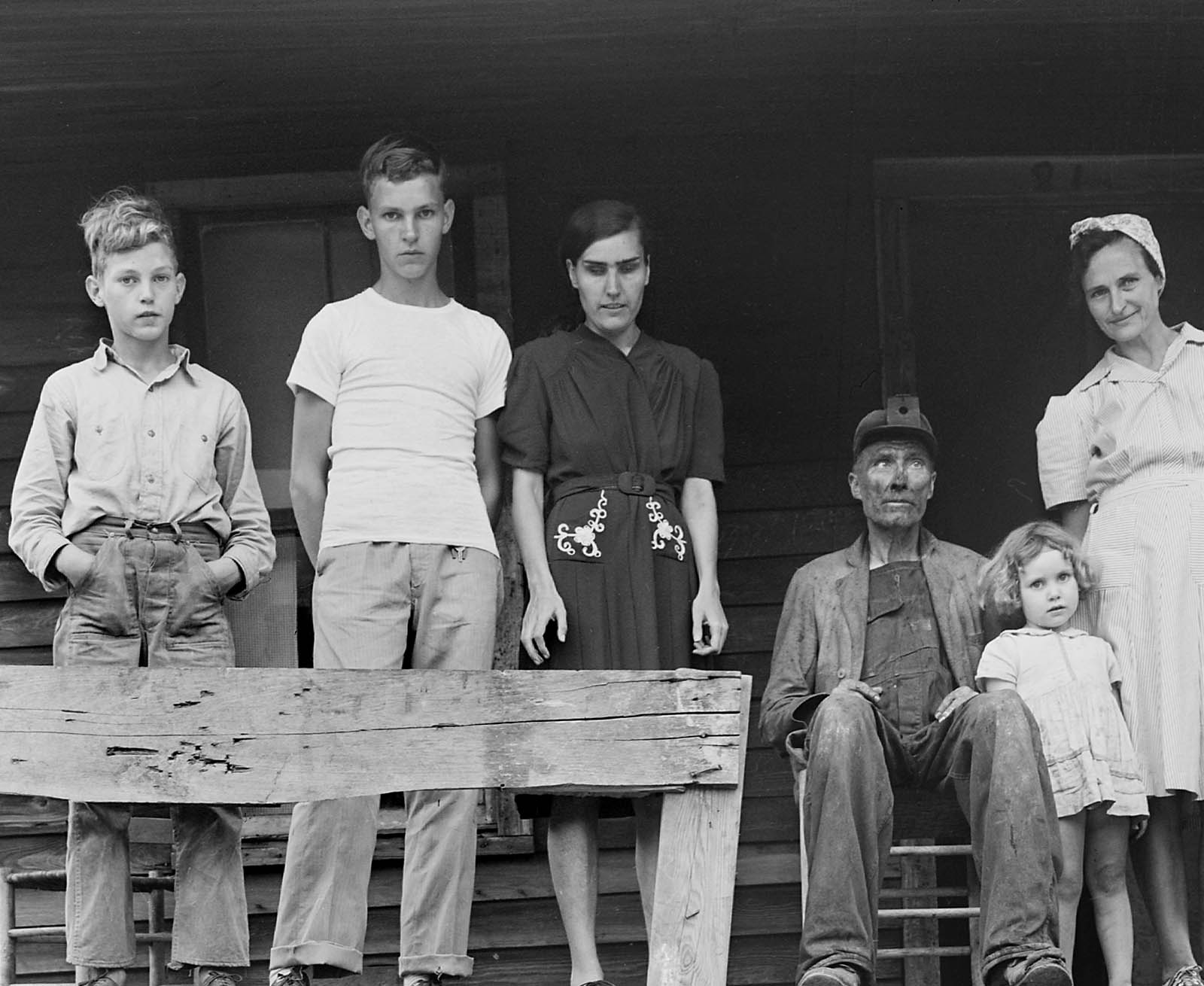
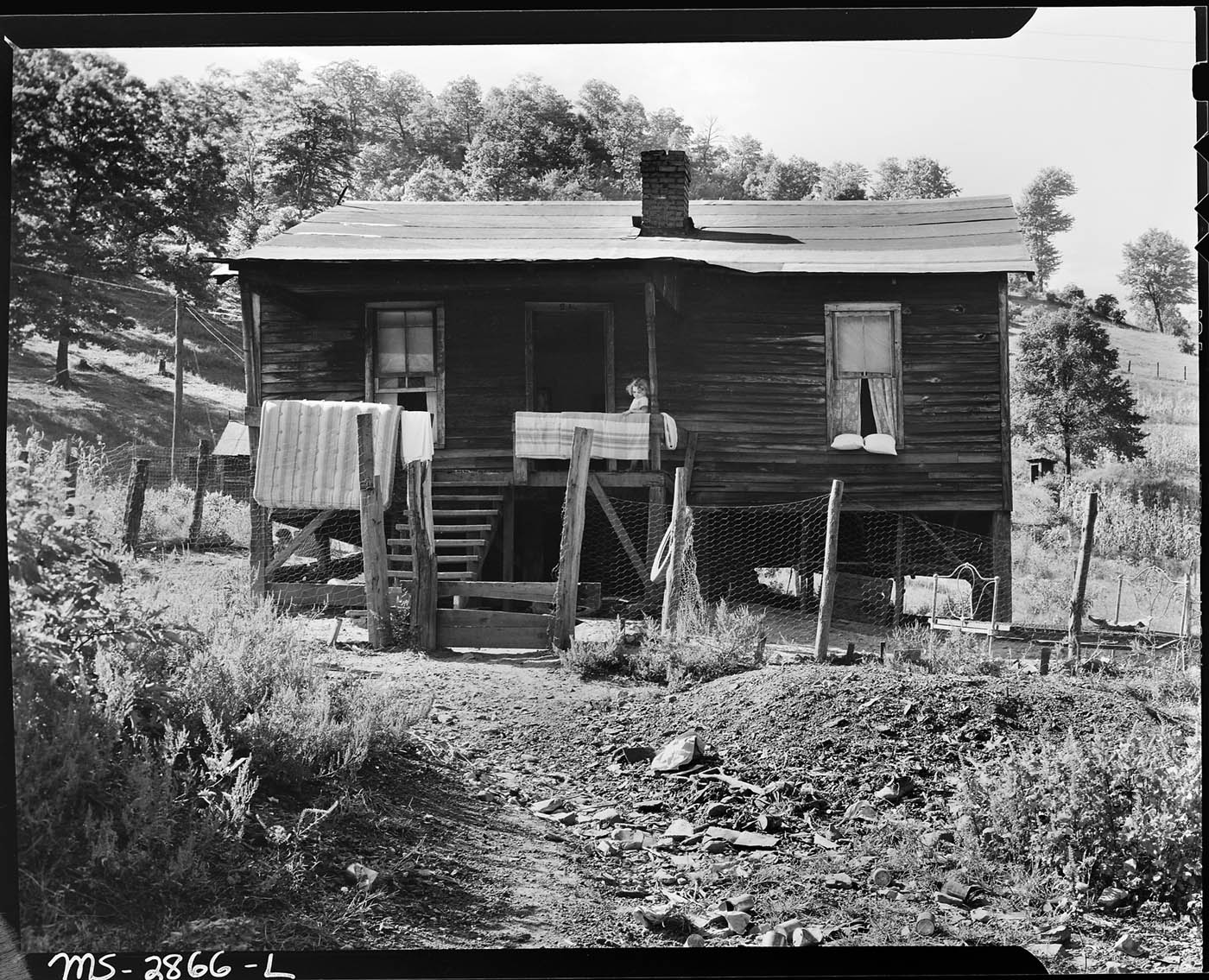
![Russell Lee (American, 1903-1986) 'Miners' wives and children on the front porch of a typical, fifty year old house. Kentucky Straight Creek Coal Company, Belva Mine, abandoned after explosion [in] Dec. 1945, Four Mile, Bell County, Kentucky' (Original Caption) September 4, 1946](https://artblart.com/wp-content/uploads/2024/05/lee-miners-wives-and-children.jpg "Russell Lee (American, 1903-1986) 'Miners' wives and children on the front porch of a typical, fifty year old house. Kentucky Straight Creek Coal Company, Belva Mine, abandoned after explosion [in] Dec. 1945, Four Mile, Bell County, Kentucky' (Original Caption) September 4, 1946")
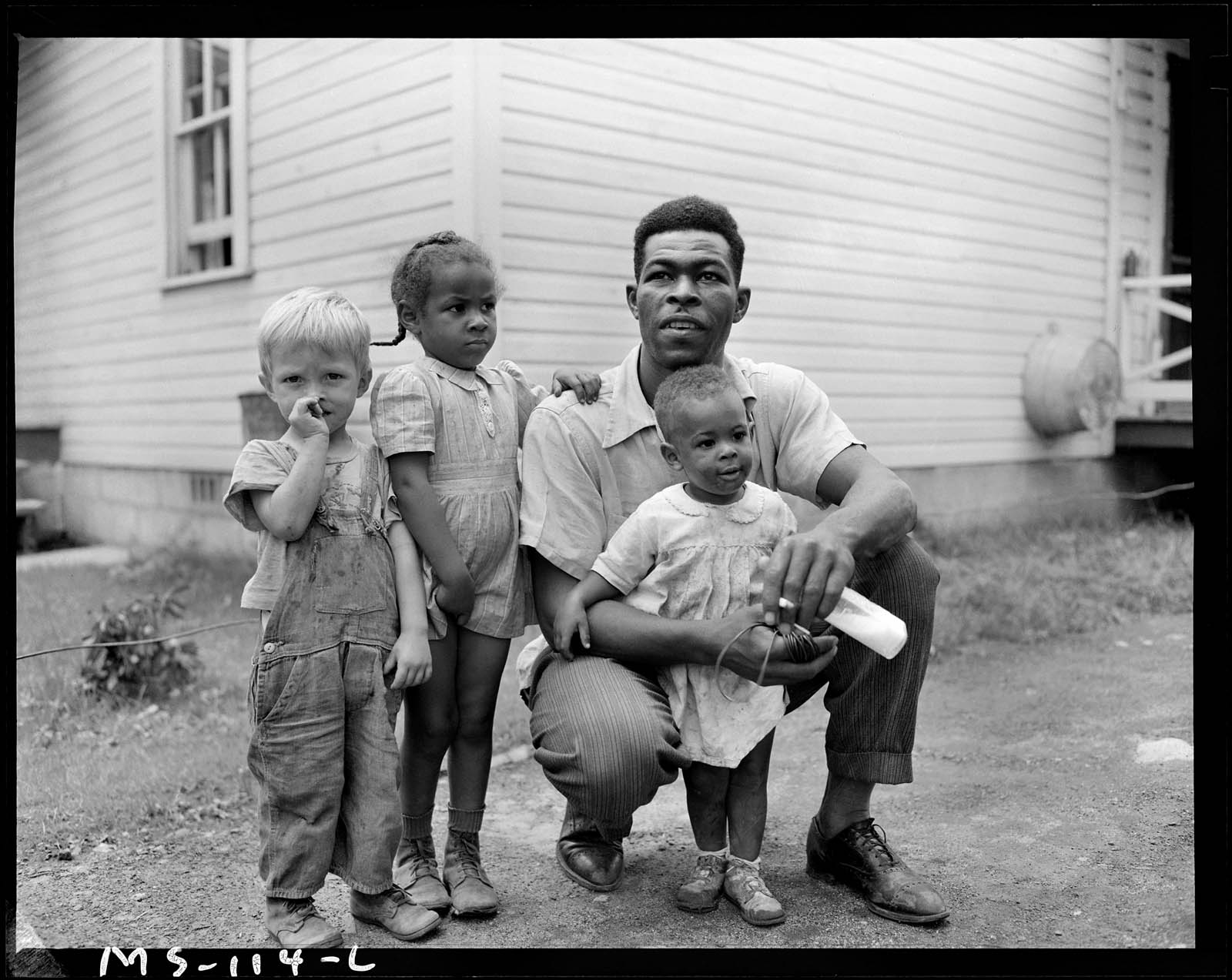
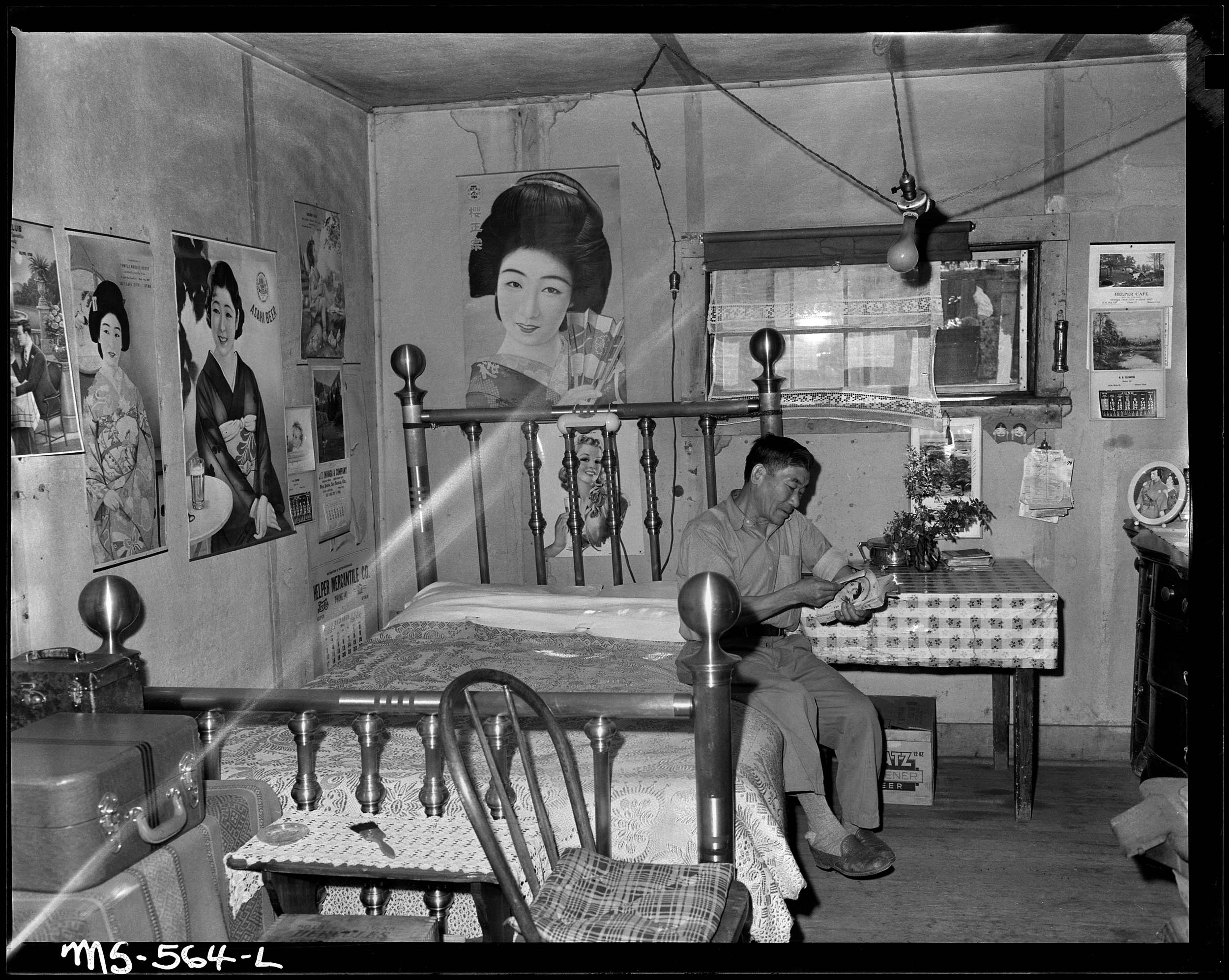
![Russell Lee (American, 1903-1986) 'The only houses with running water inside in this camp are those in which their tennants [sic] have made the installations at no expense to the company. Gilliam Coal and Coke Company, Gilliam Mine, Gilliam, McDowell County, West Virginia' (Original Caption) August 13, 1946](https://artblart.com/wp-content/uploads/2024/05/lee-the-only-houses-with-running-water.jpg "Russell Lee (American, 1903-1986) 'The only houses with running water inside in this camp are those in which their tennants [sic] have made the installations at no expense to the company. Gilliam Coal and Coke Company, Gilliam Mine, Gilliam, McDowell County, West Virginia' (Original Caption) August 13, 1946")
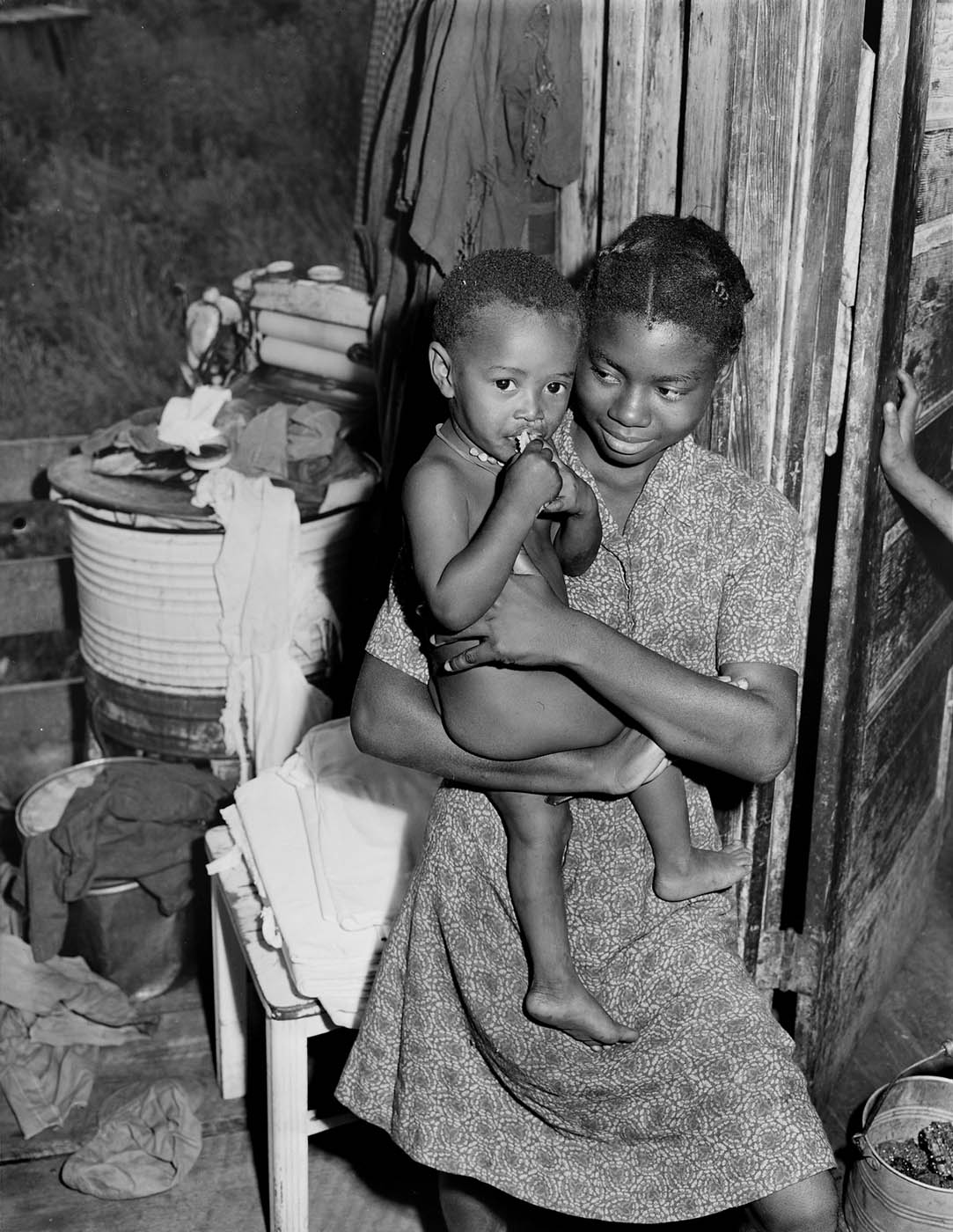

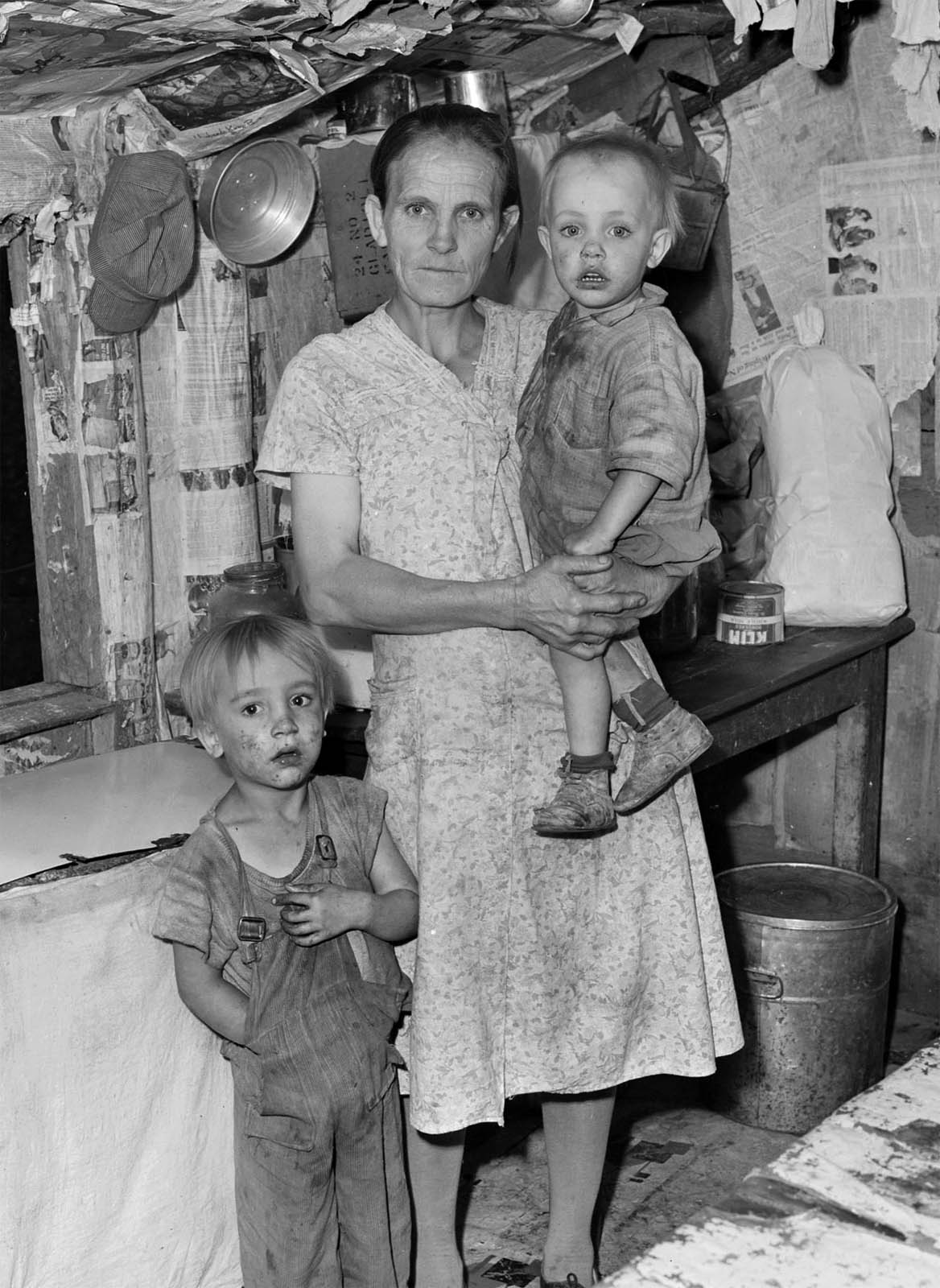
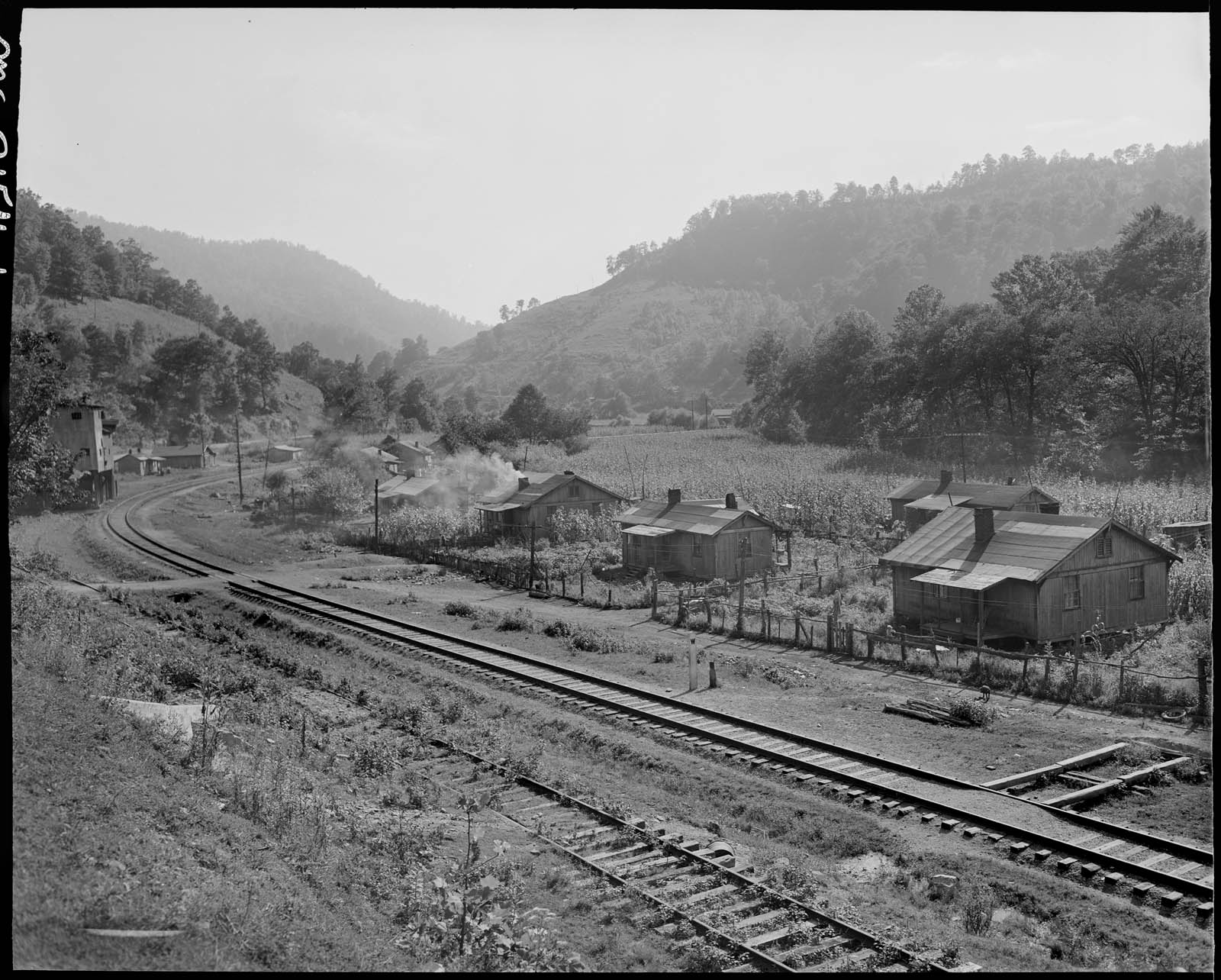
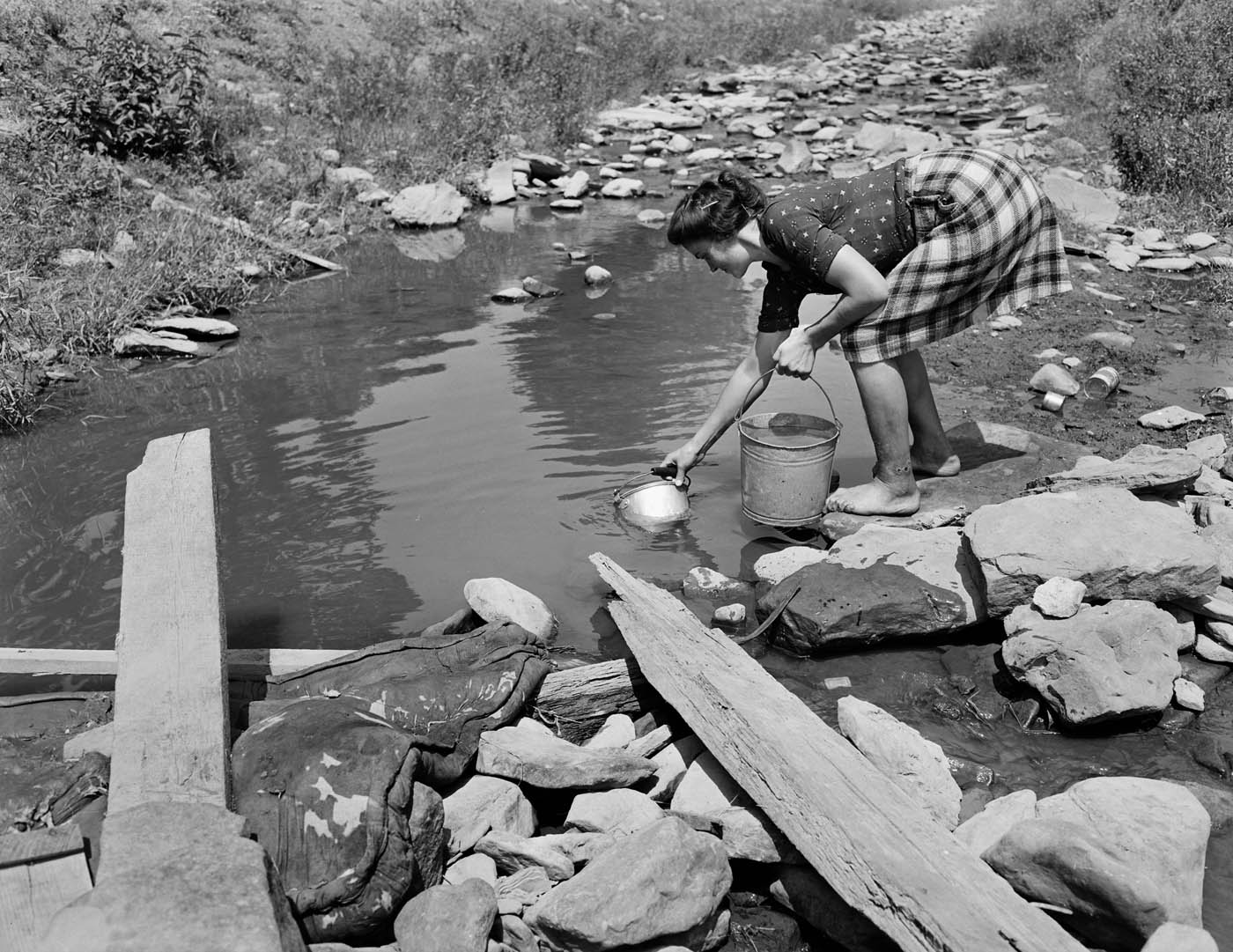


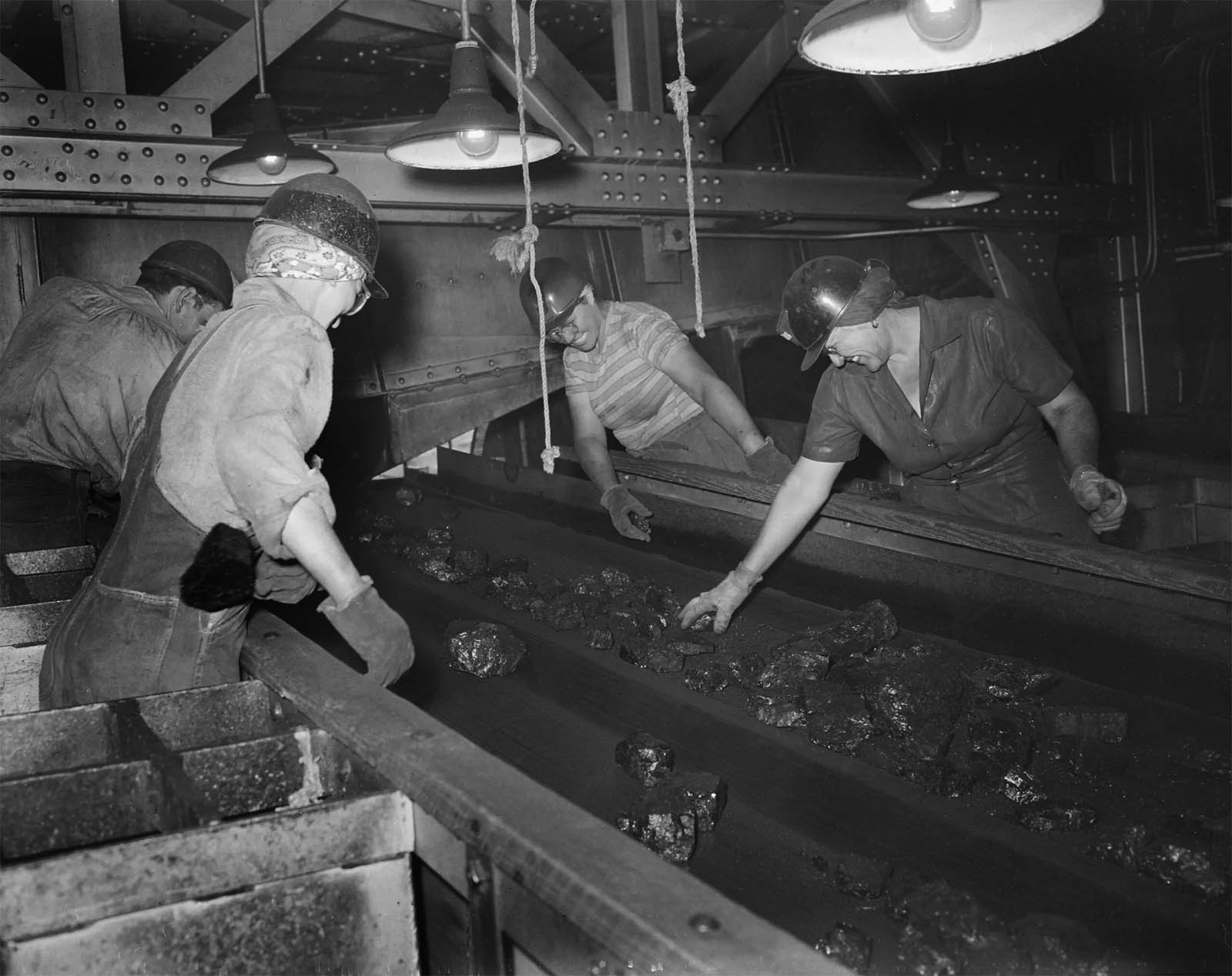
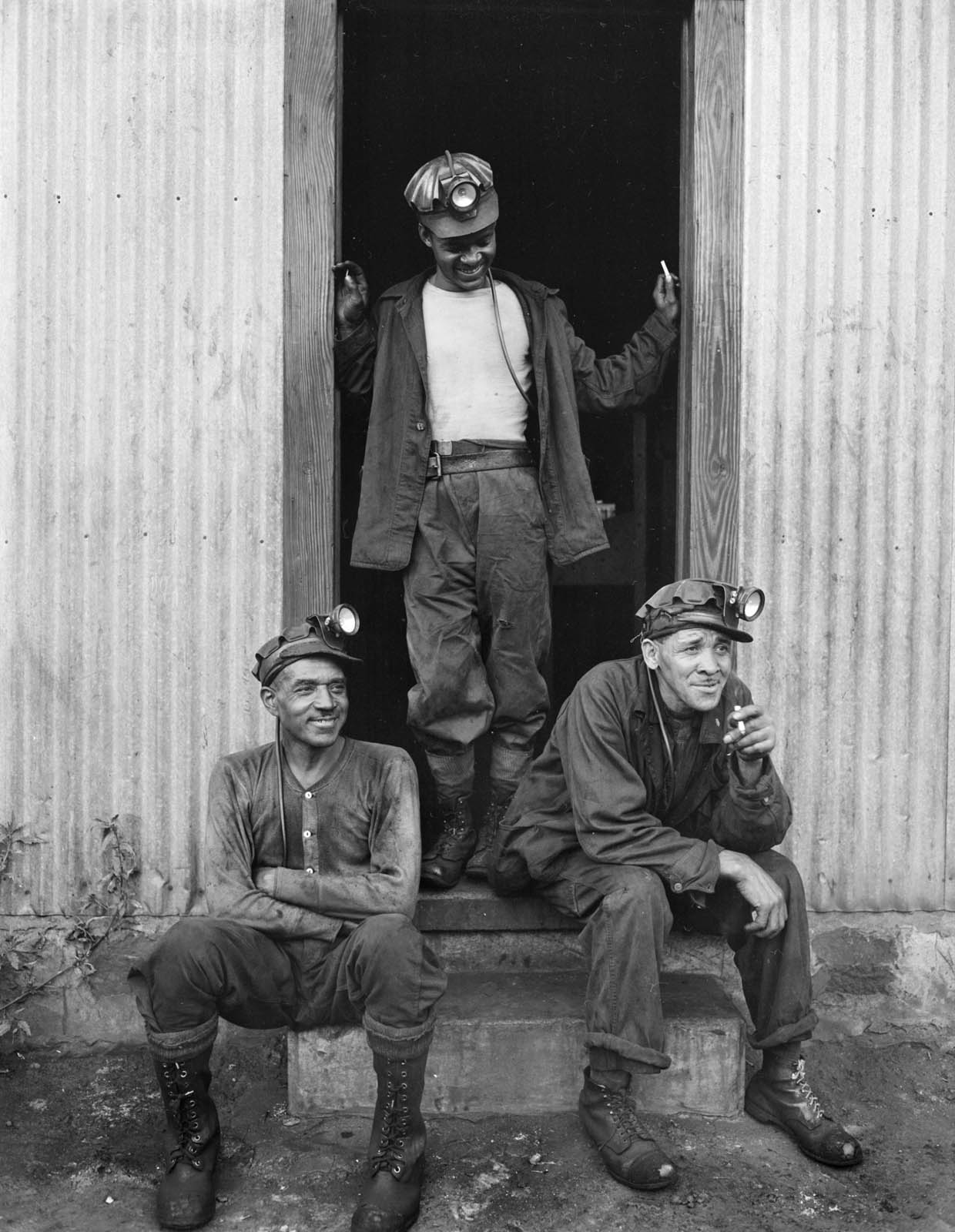
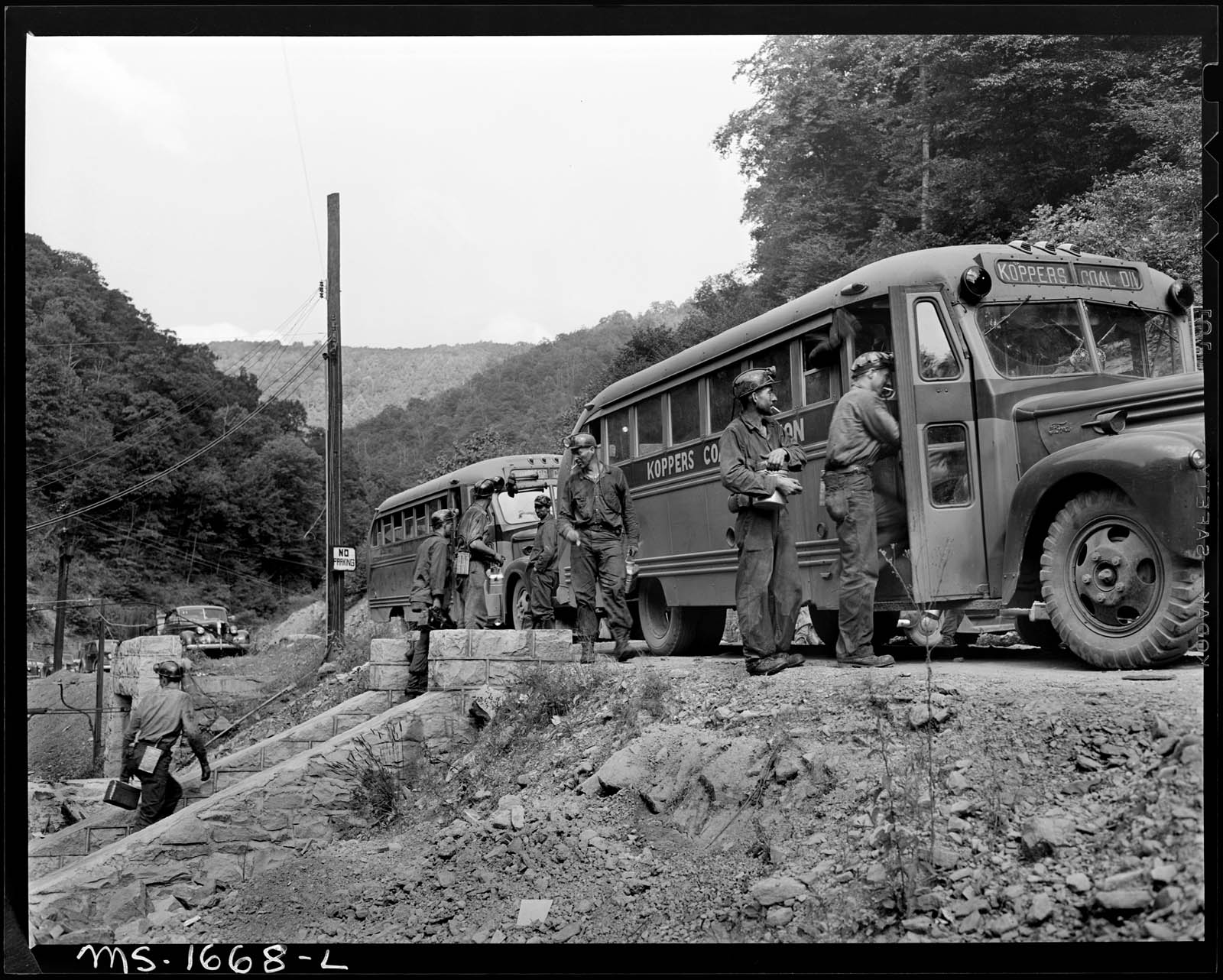
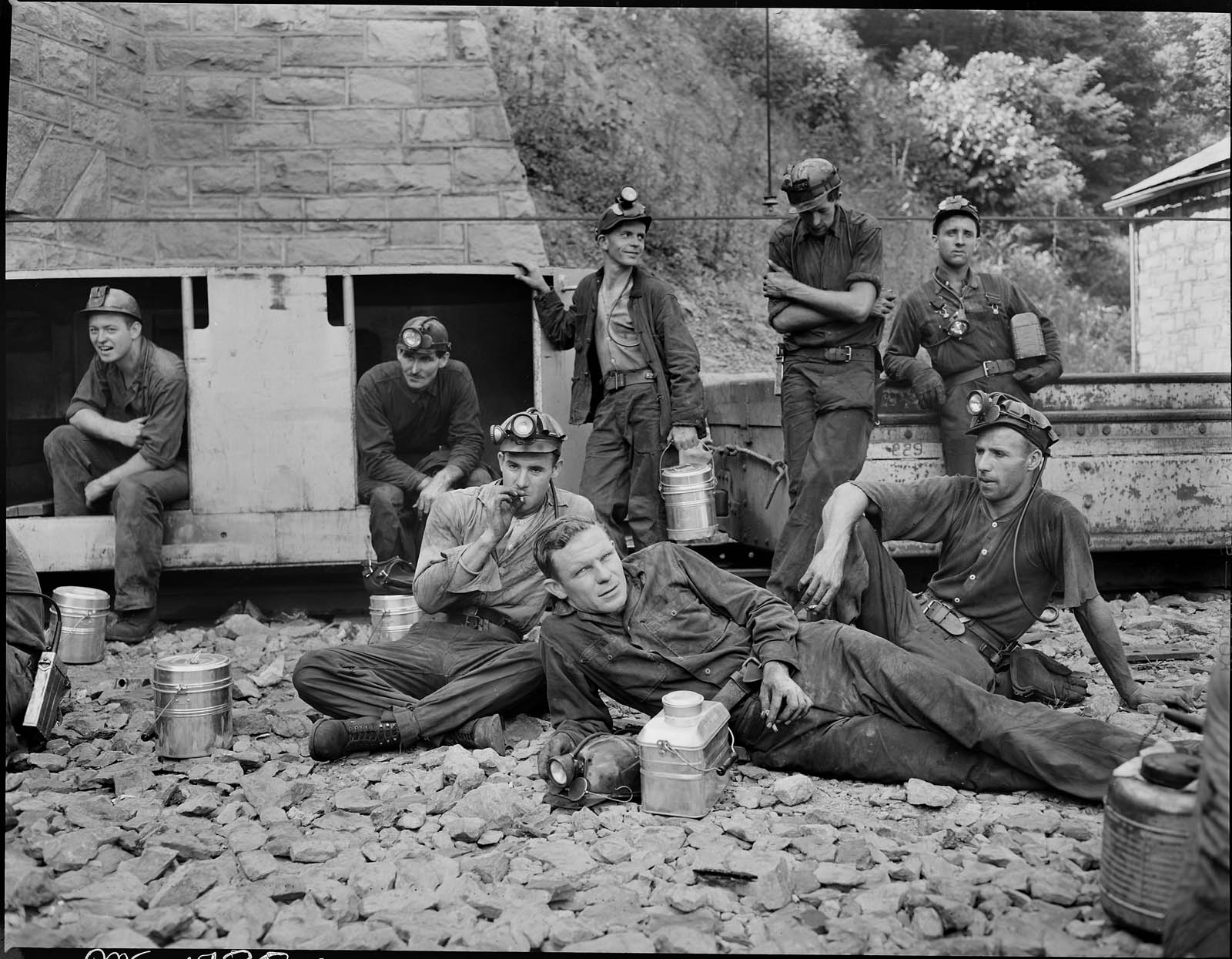
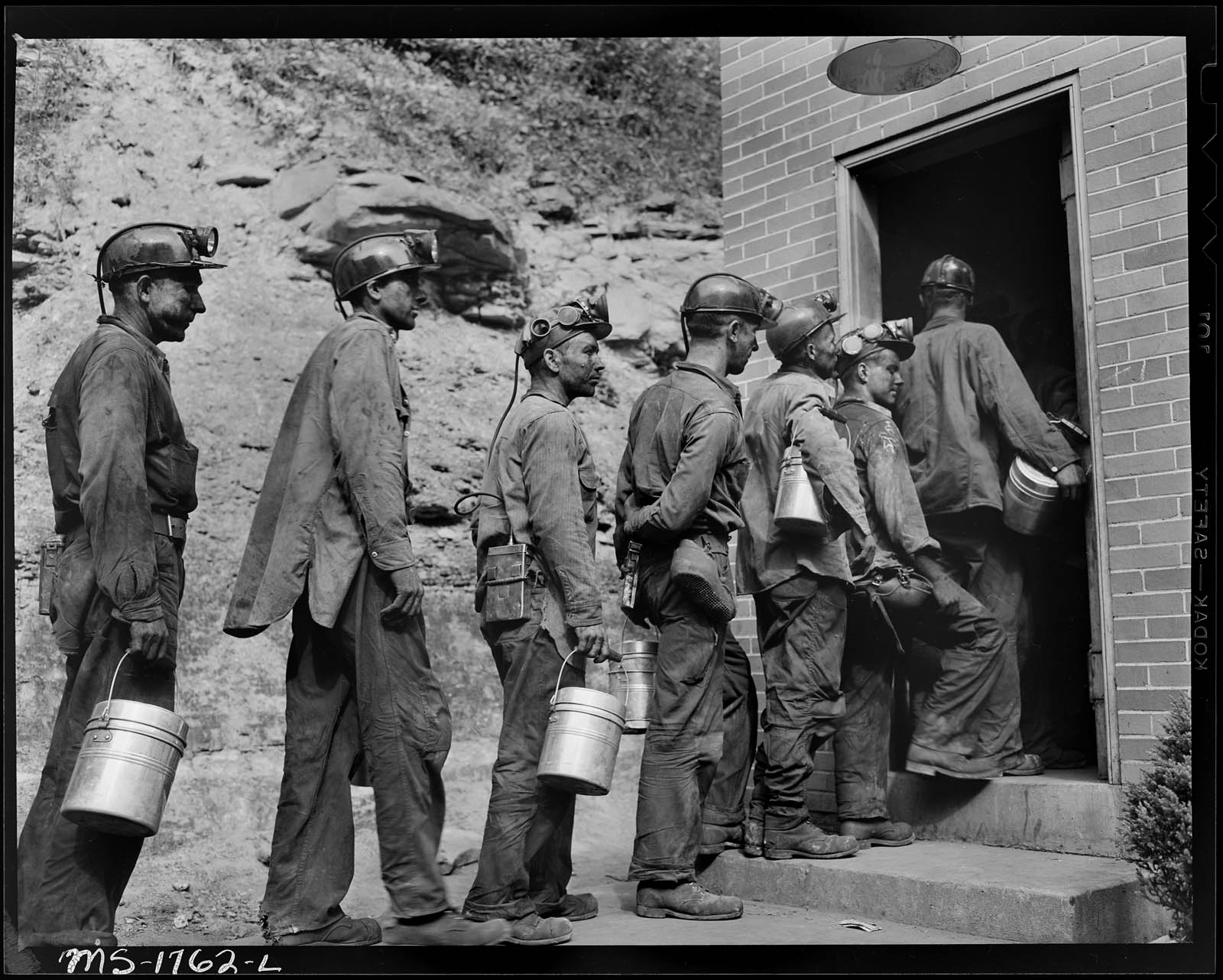
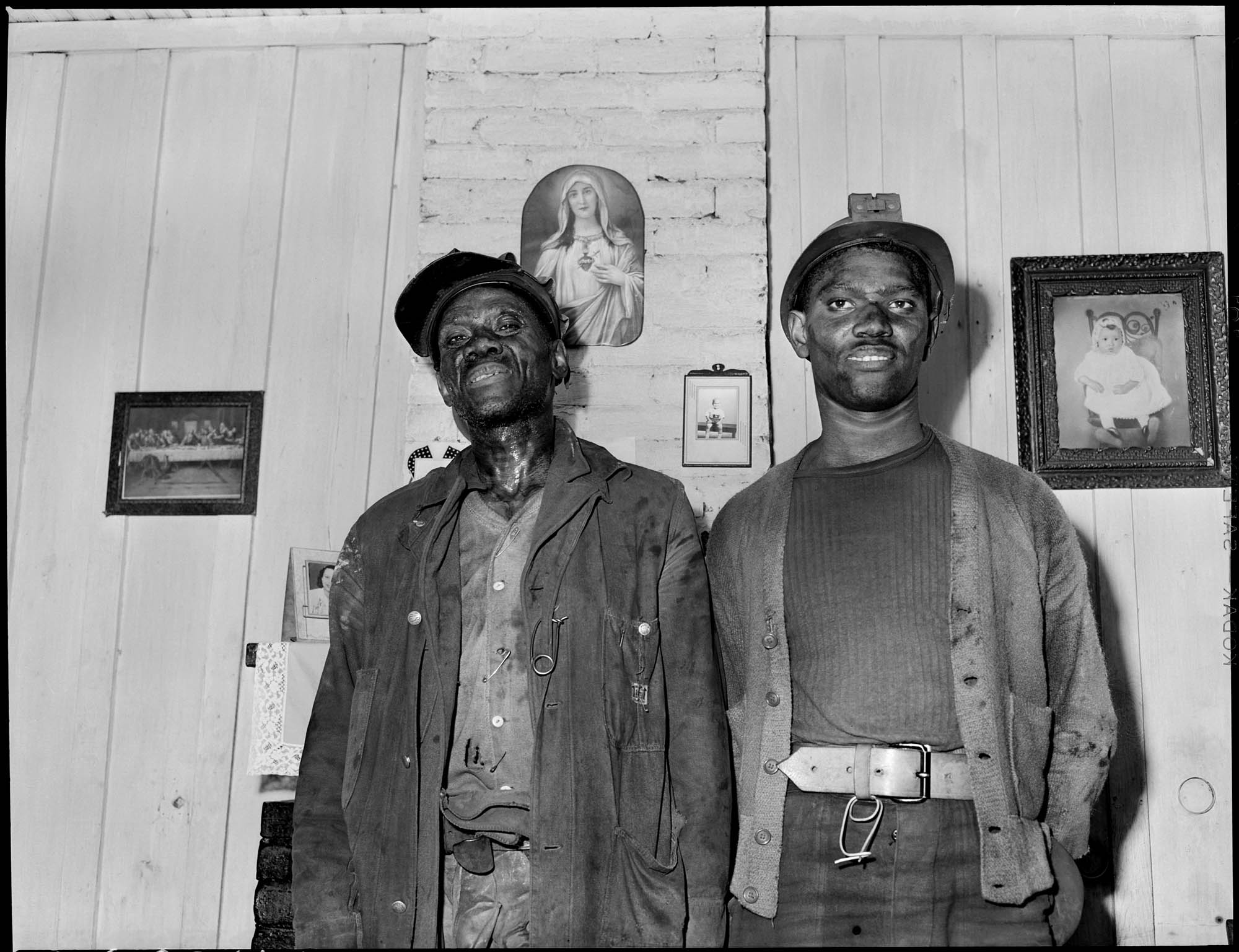
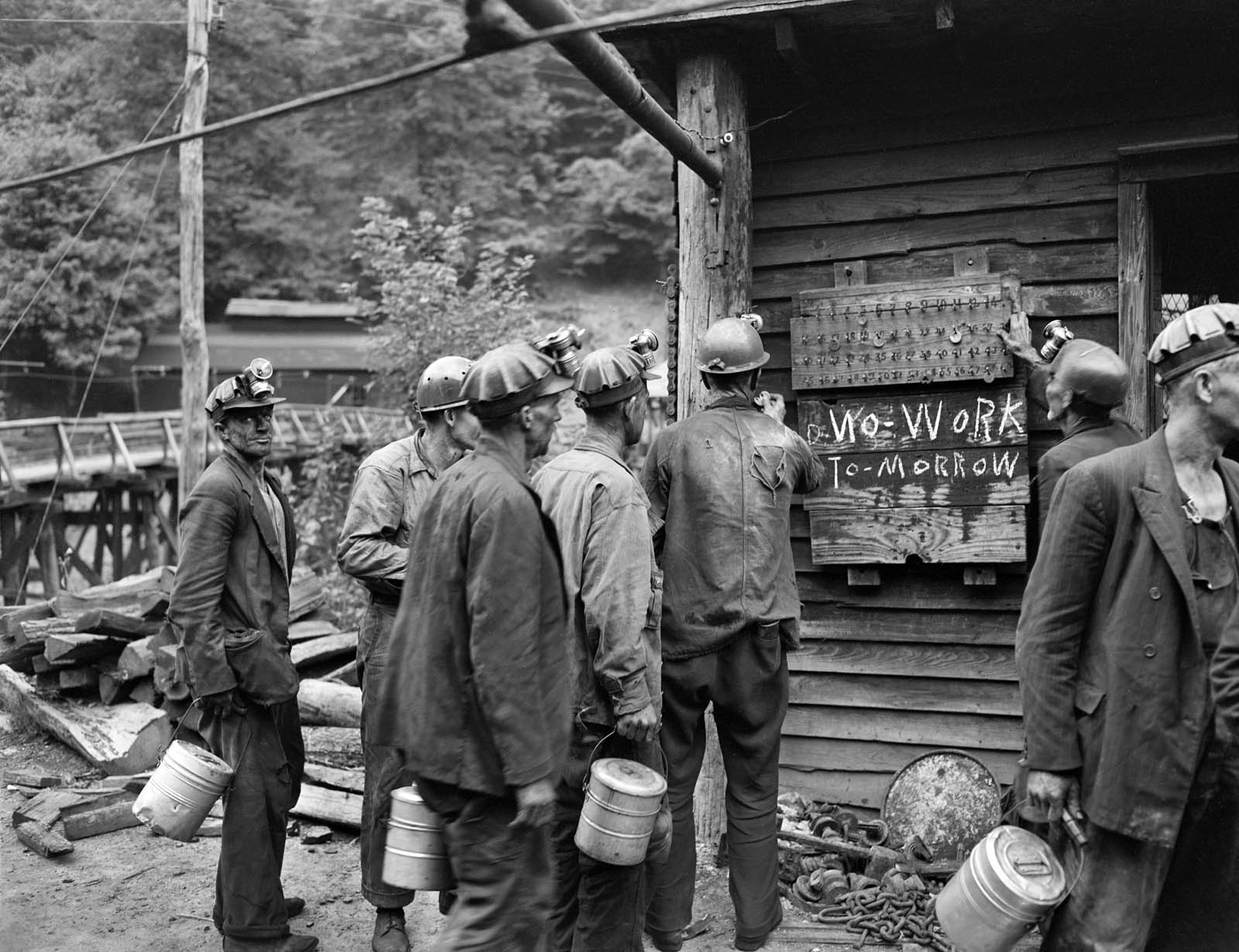
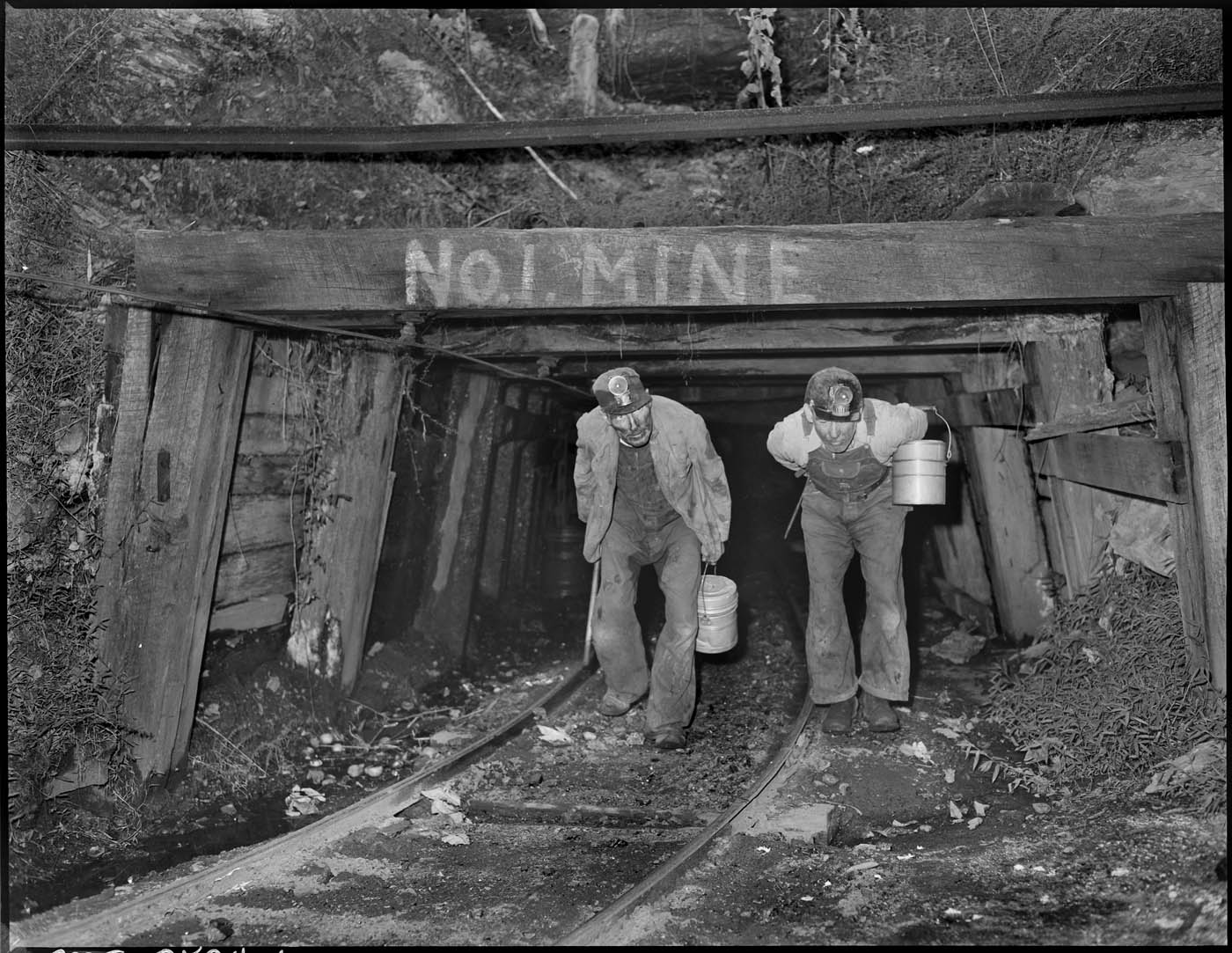
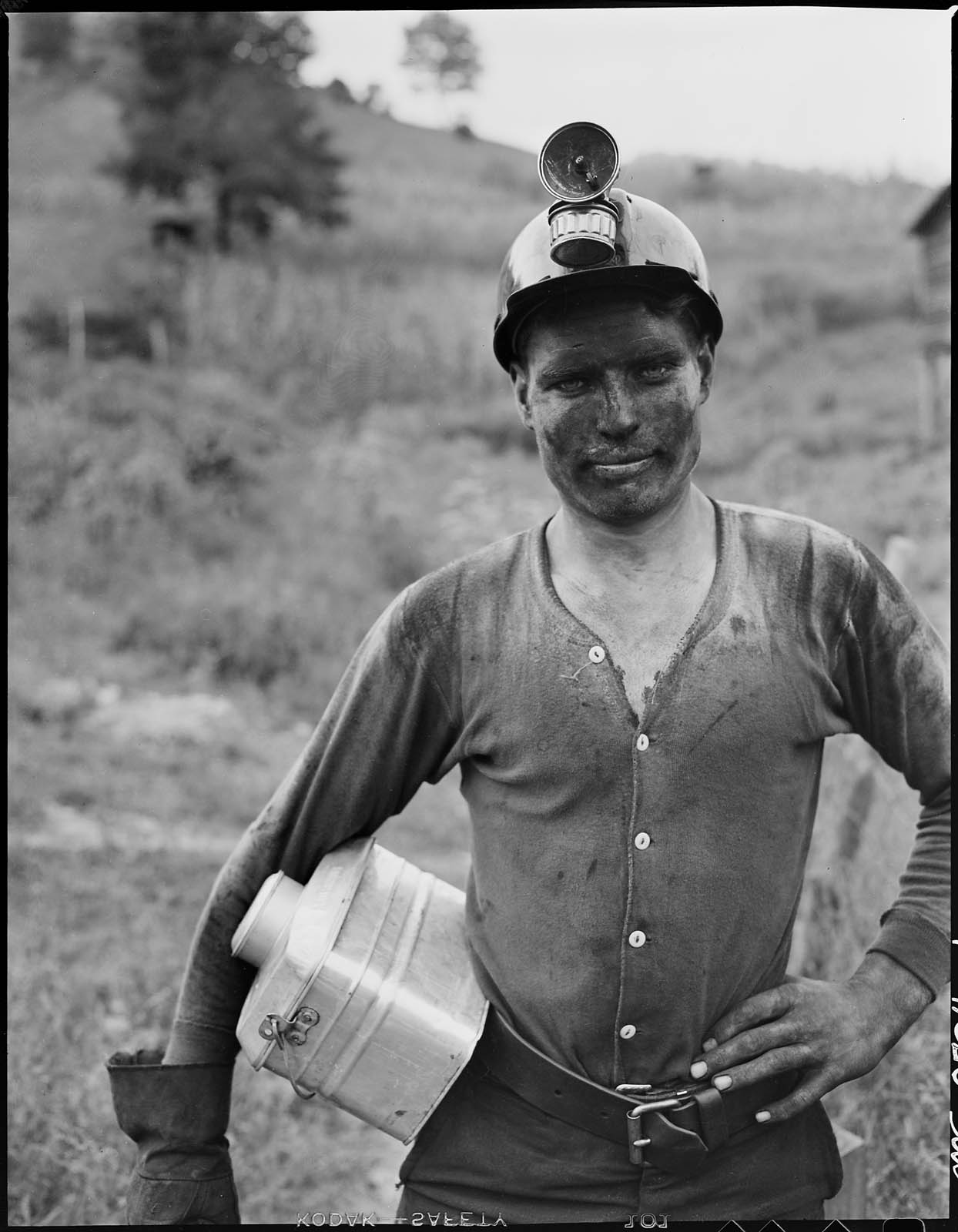
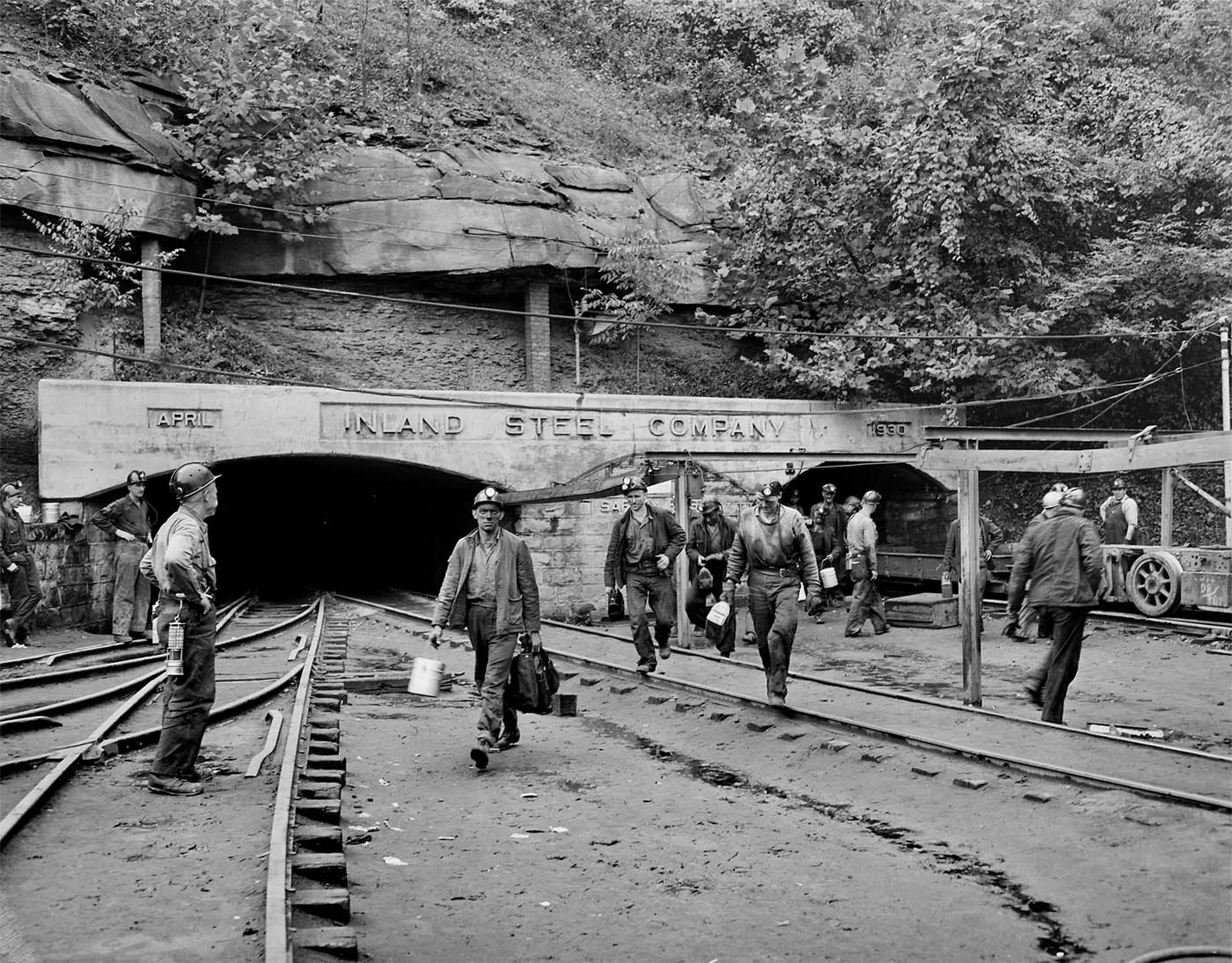

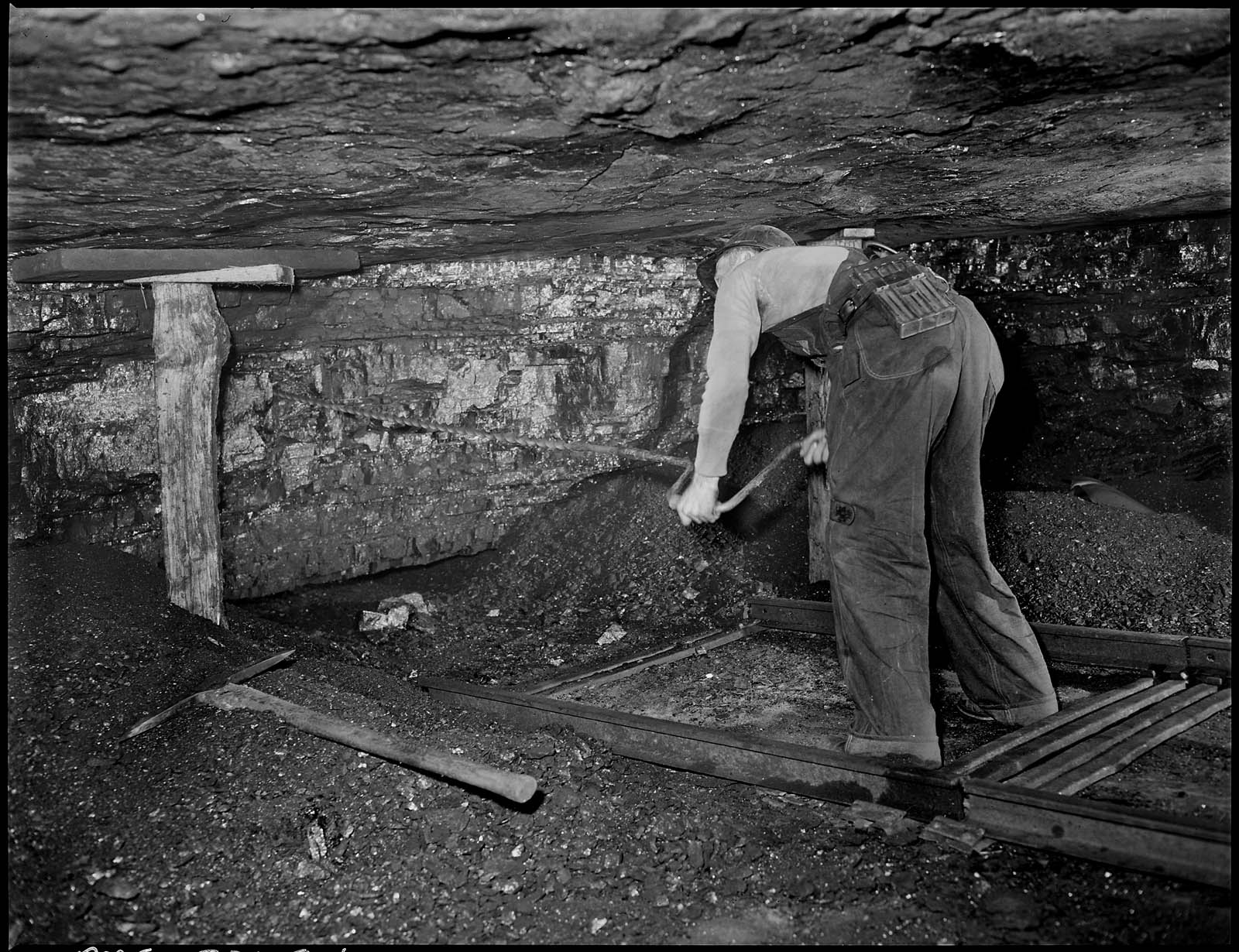
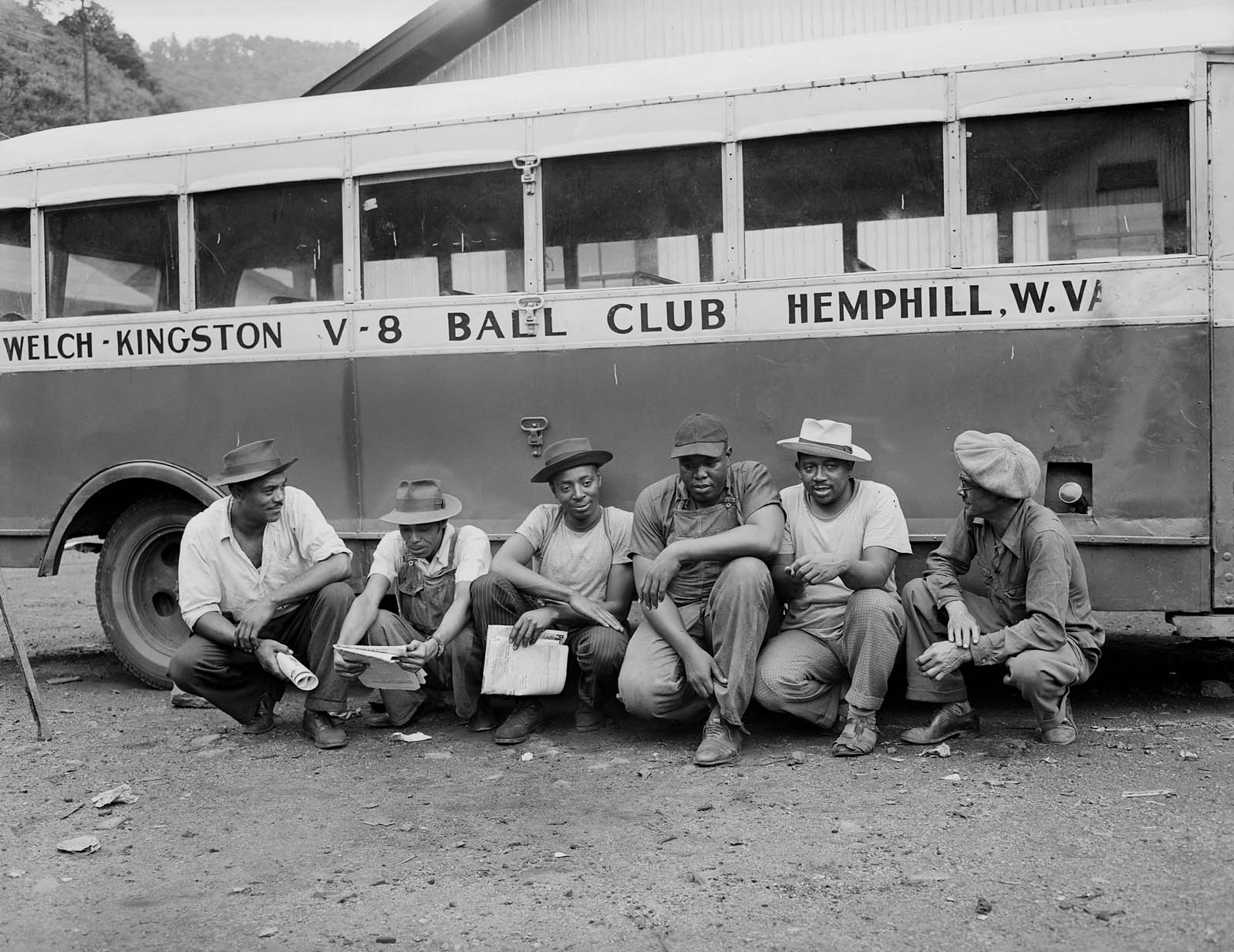
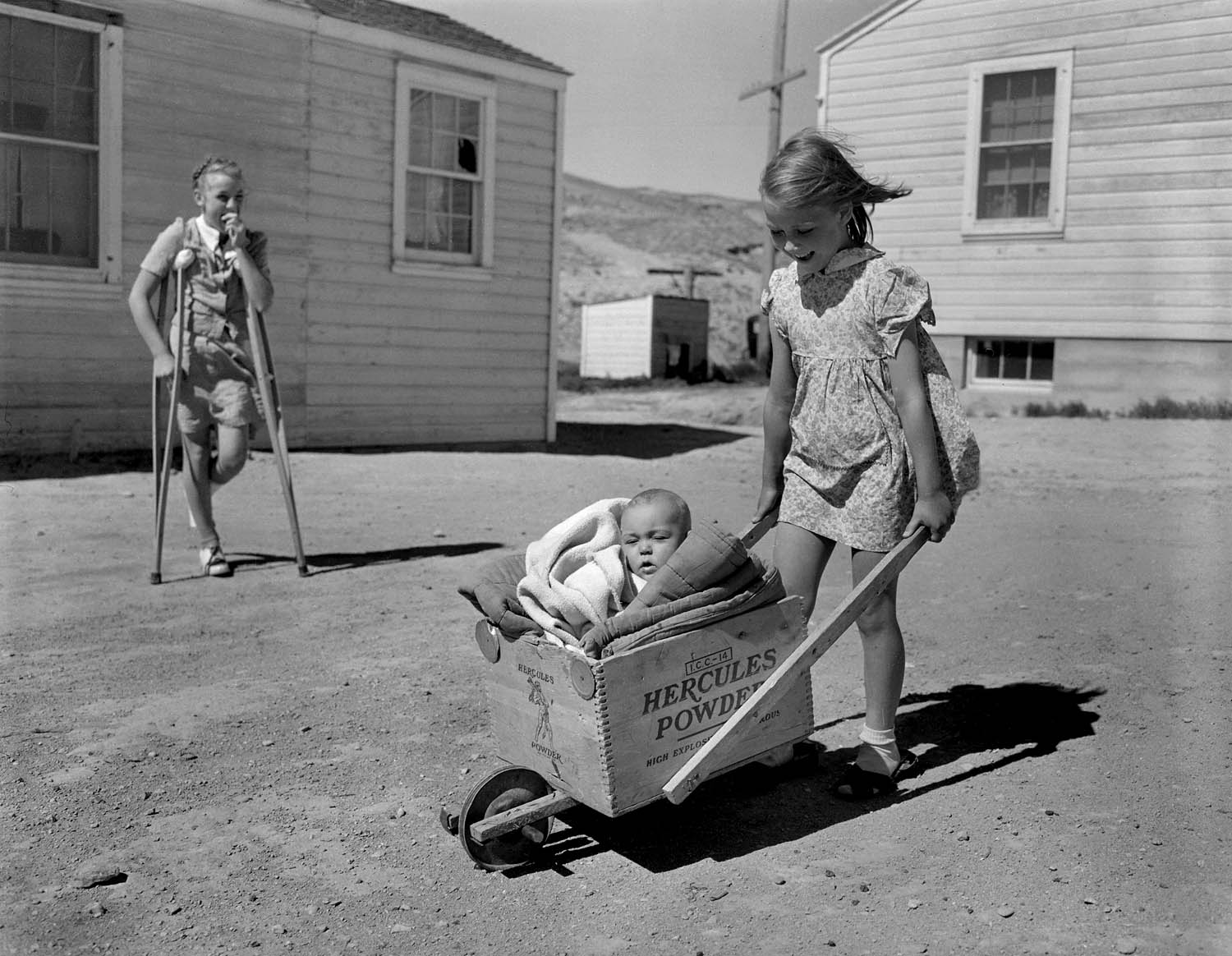


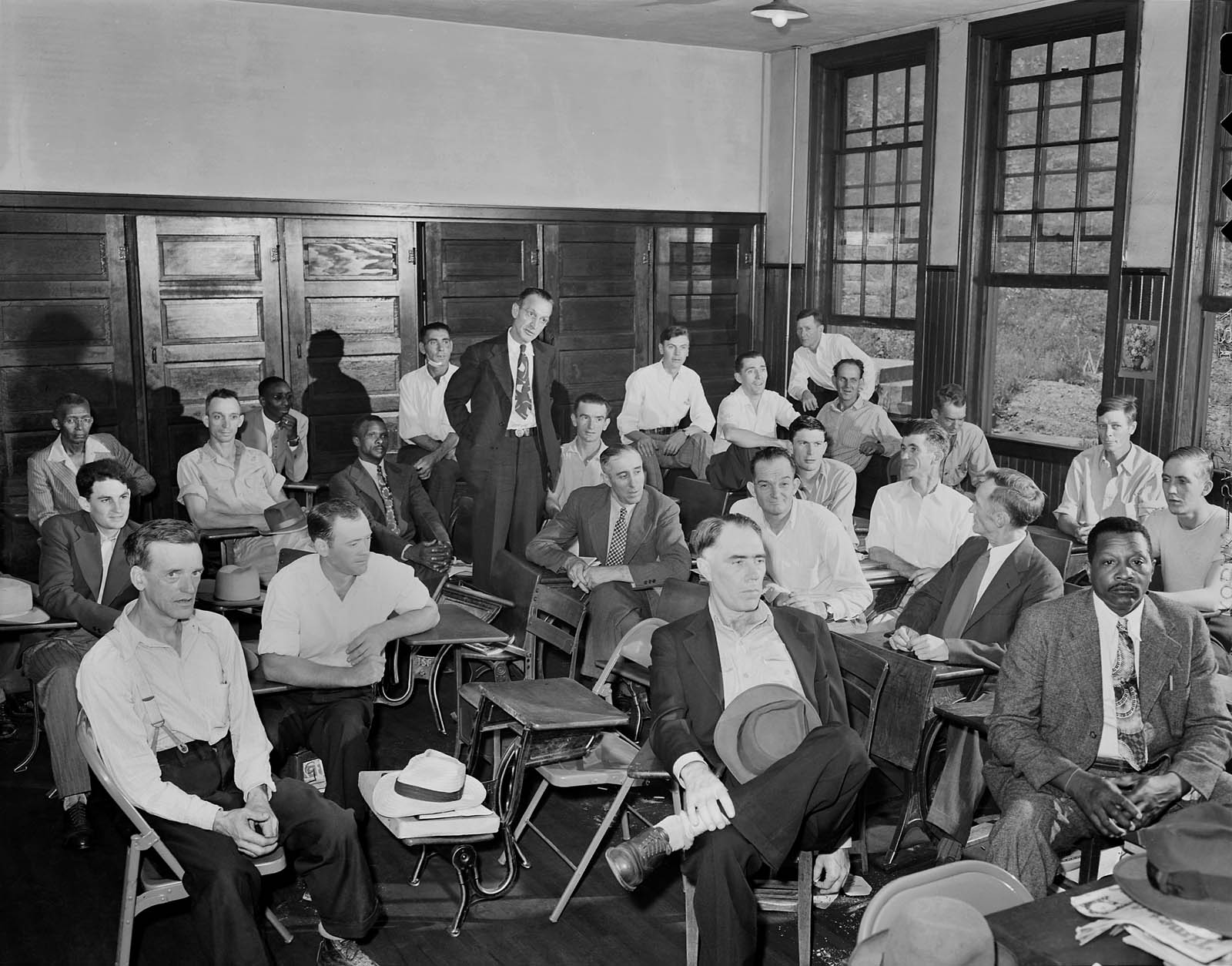
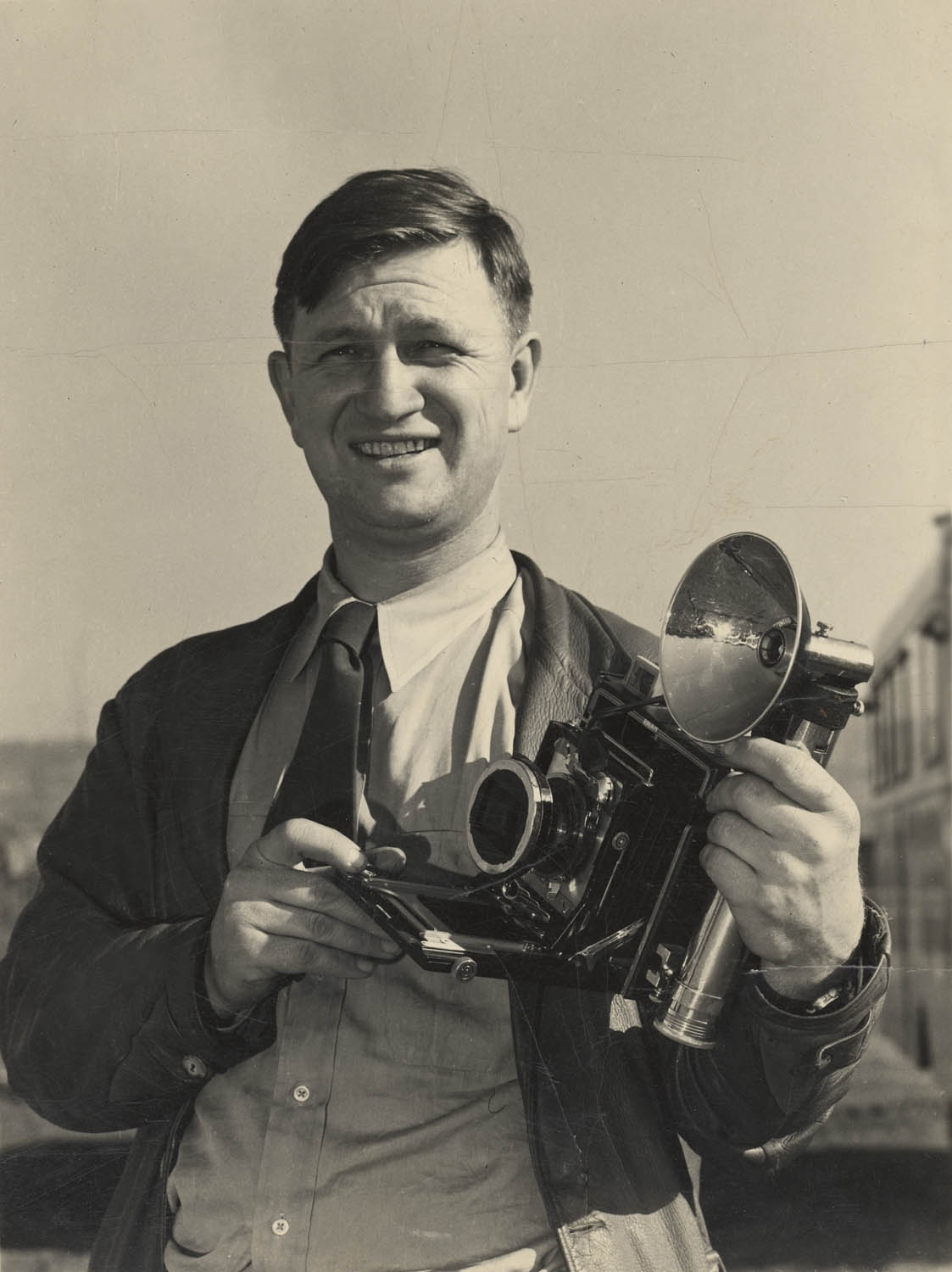
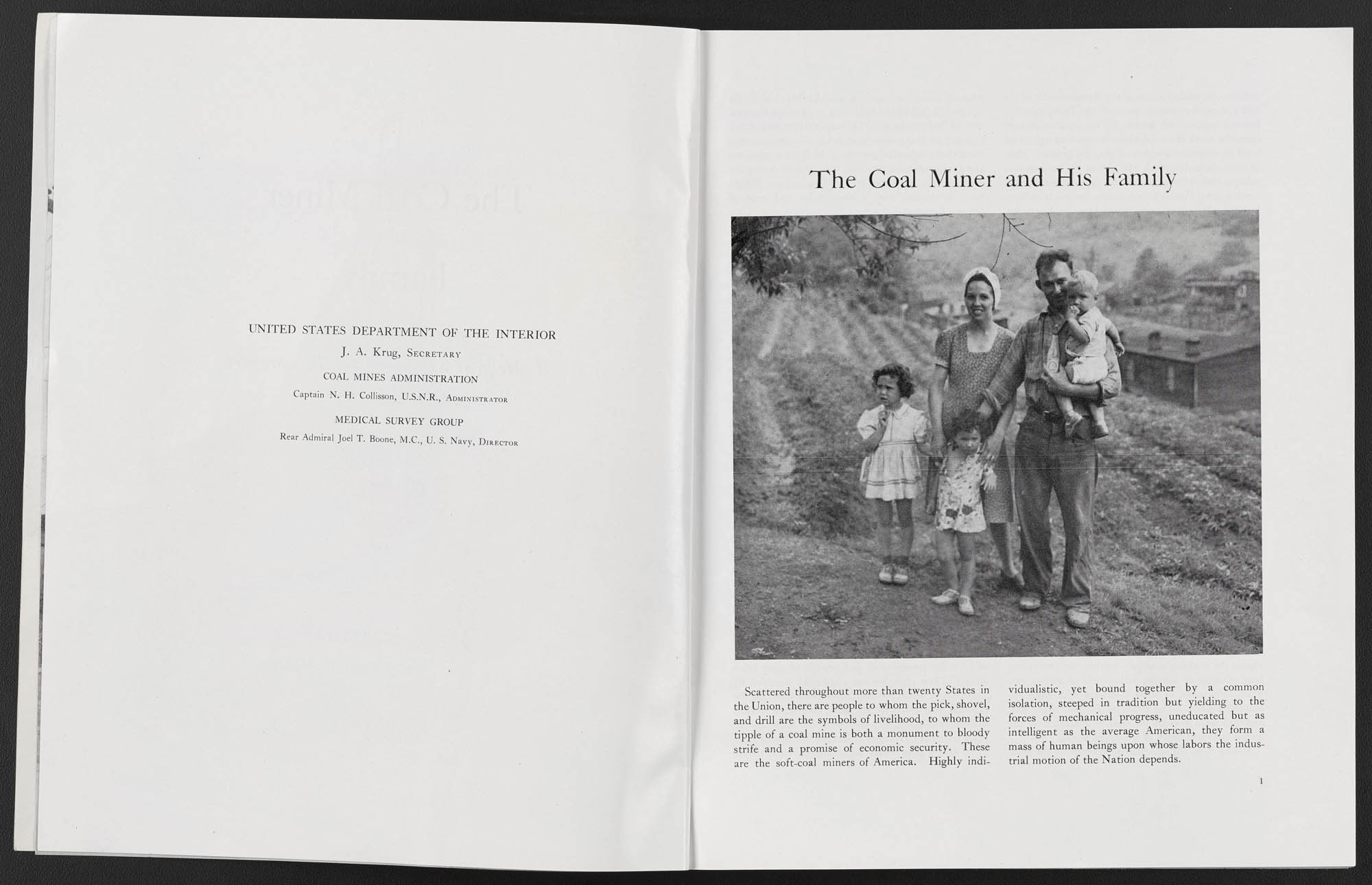
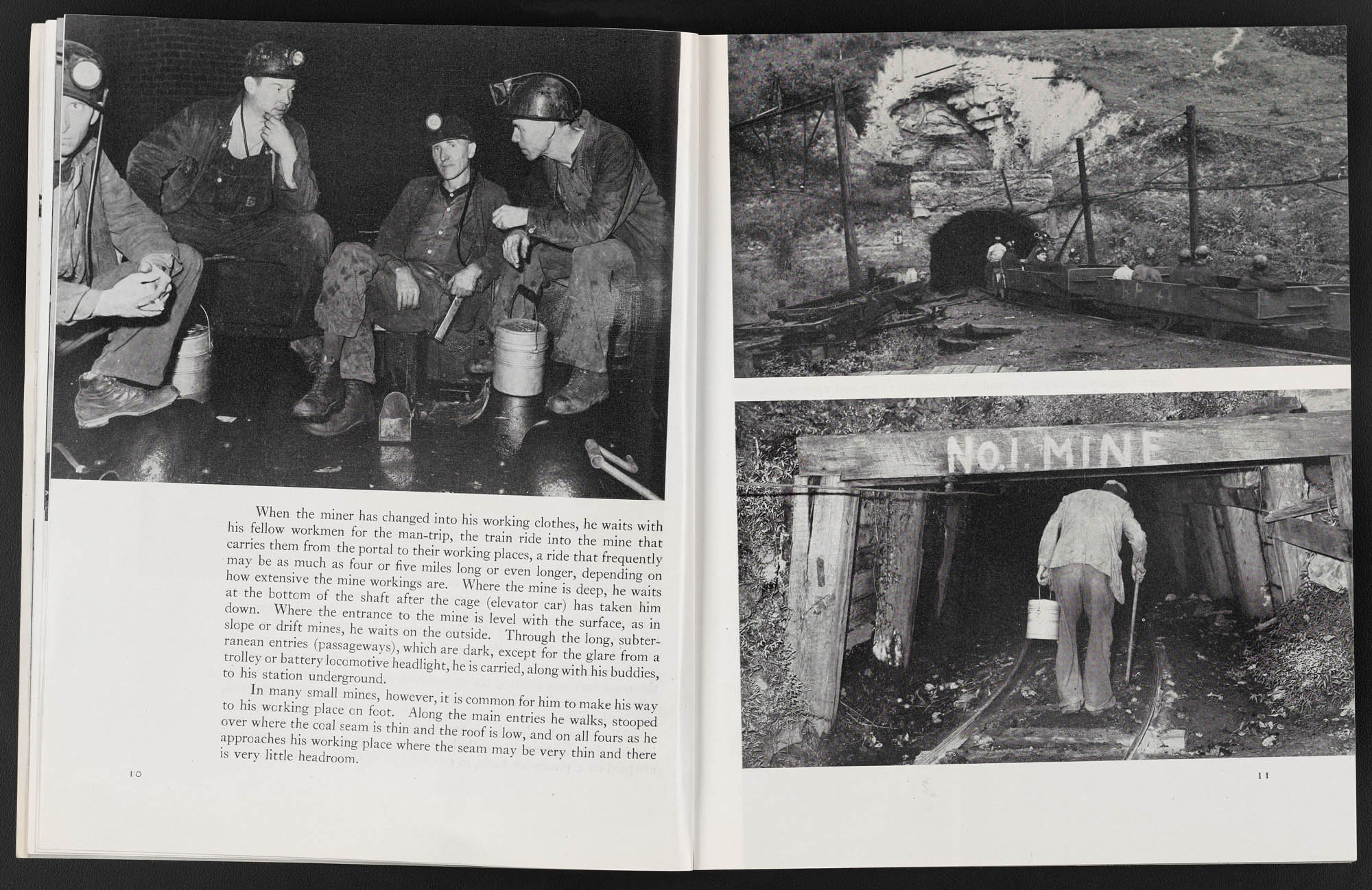

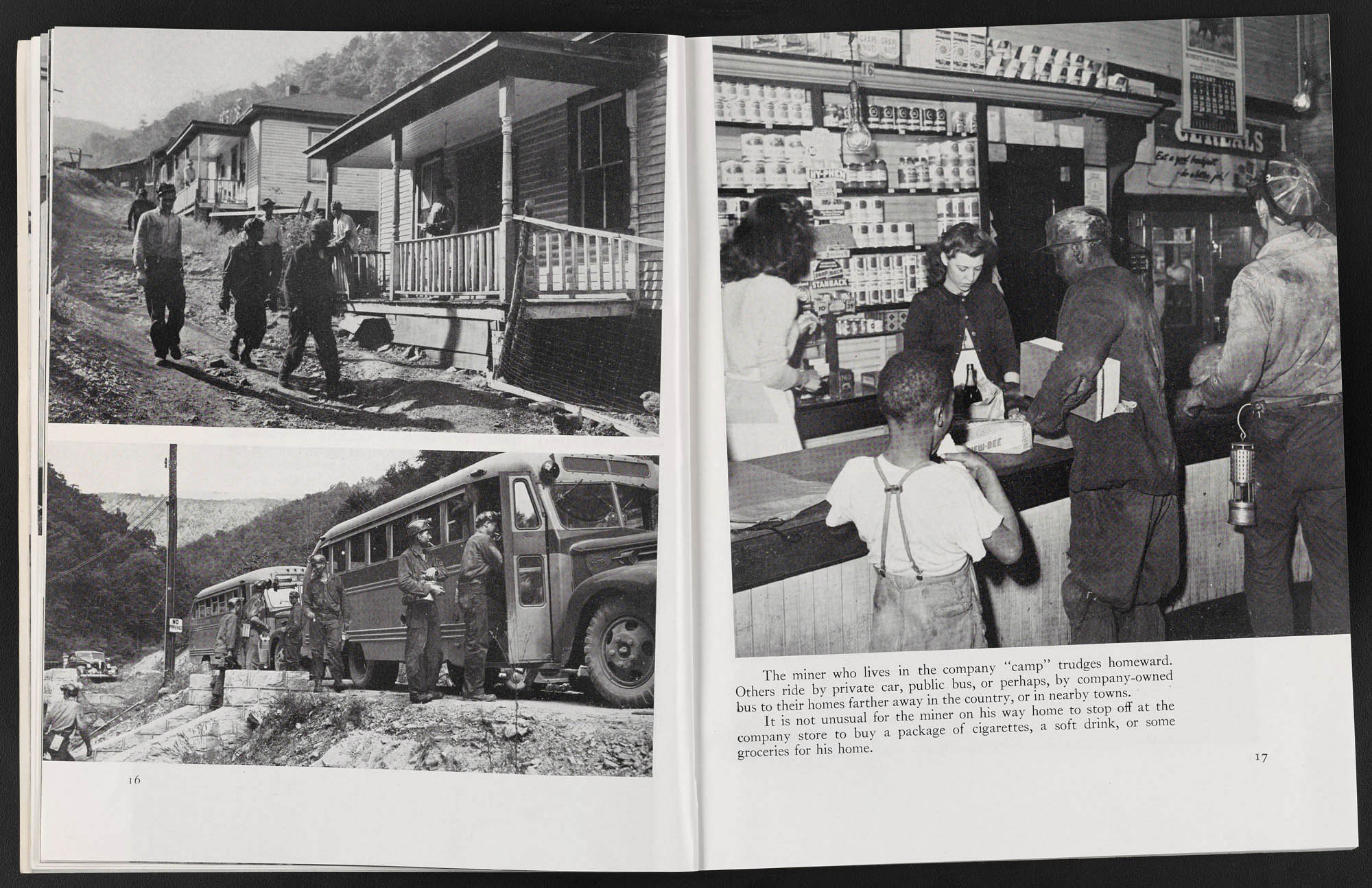
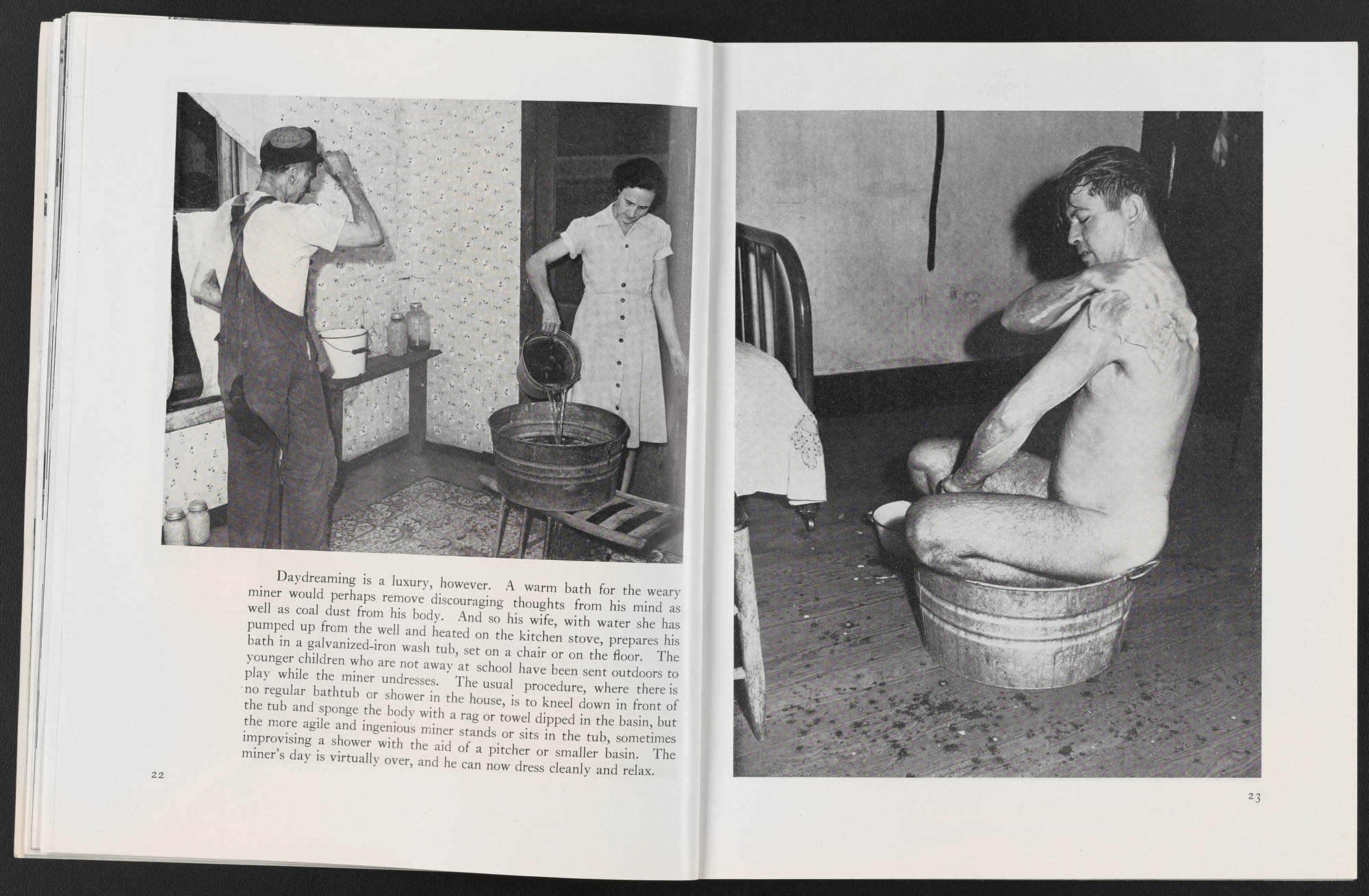
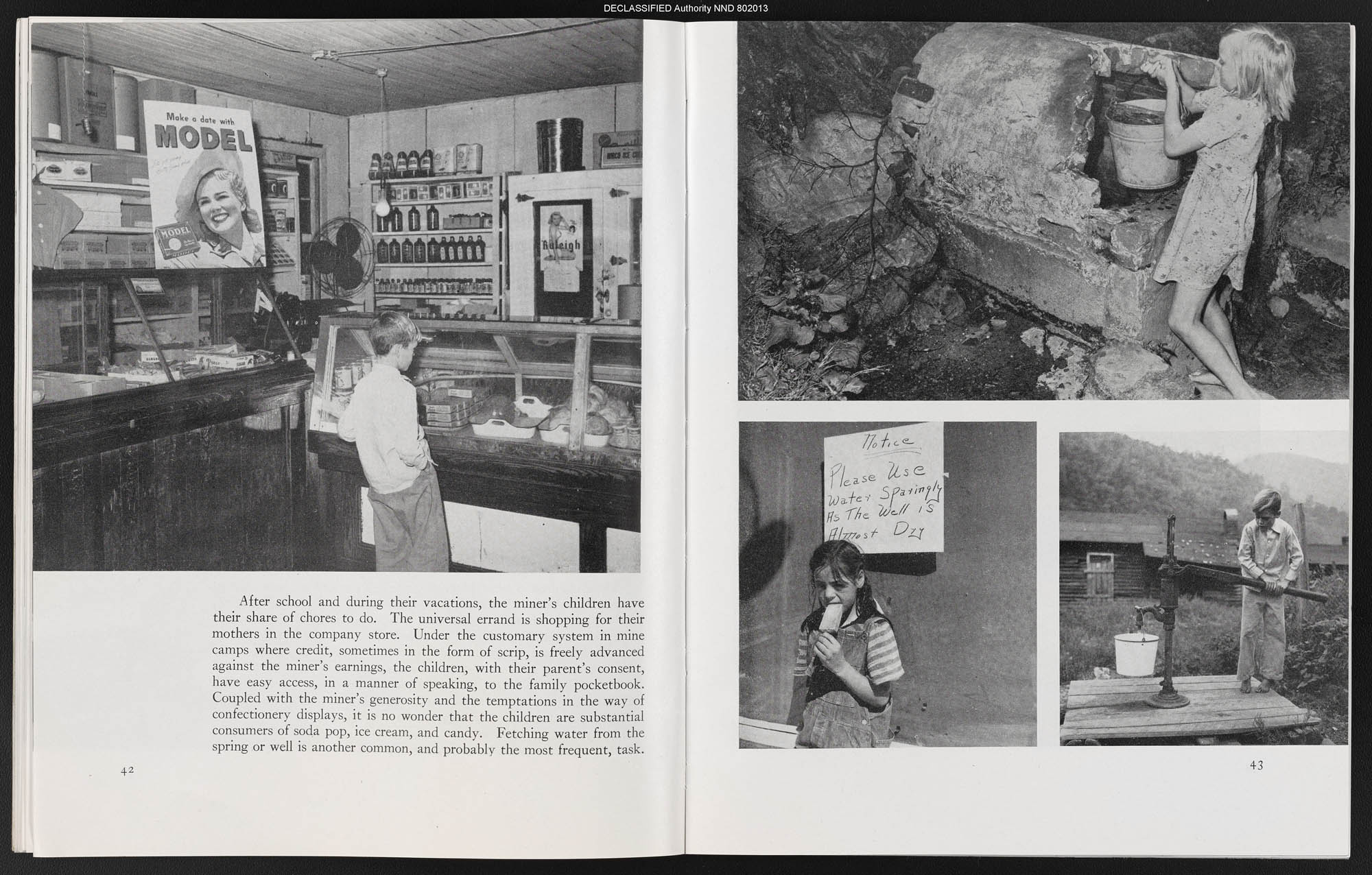

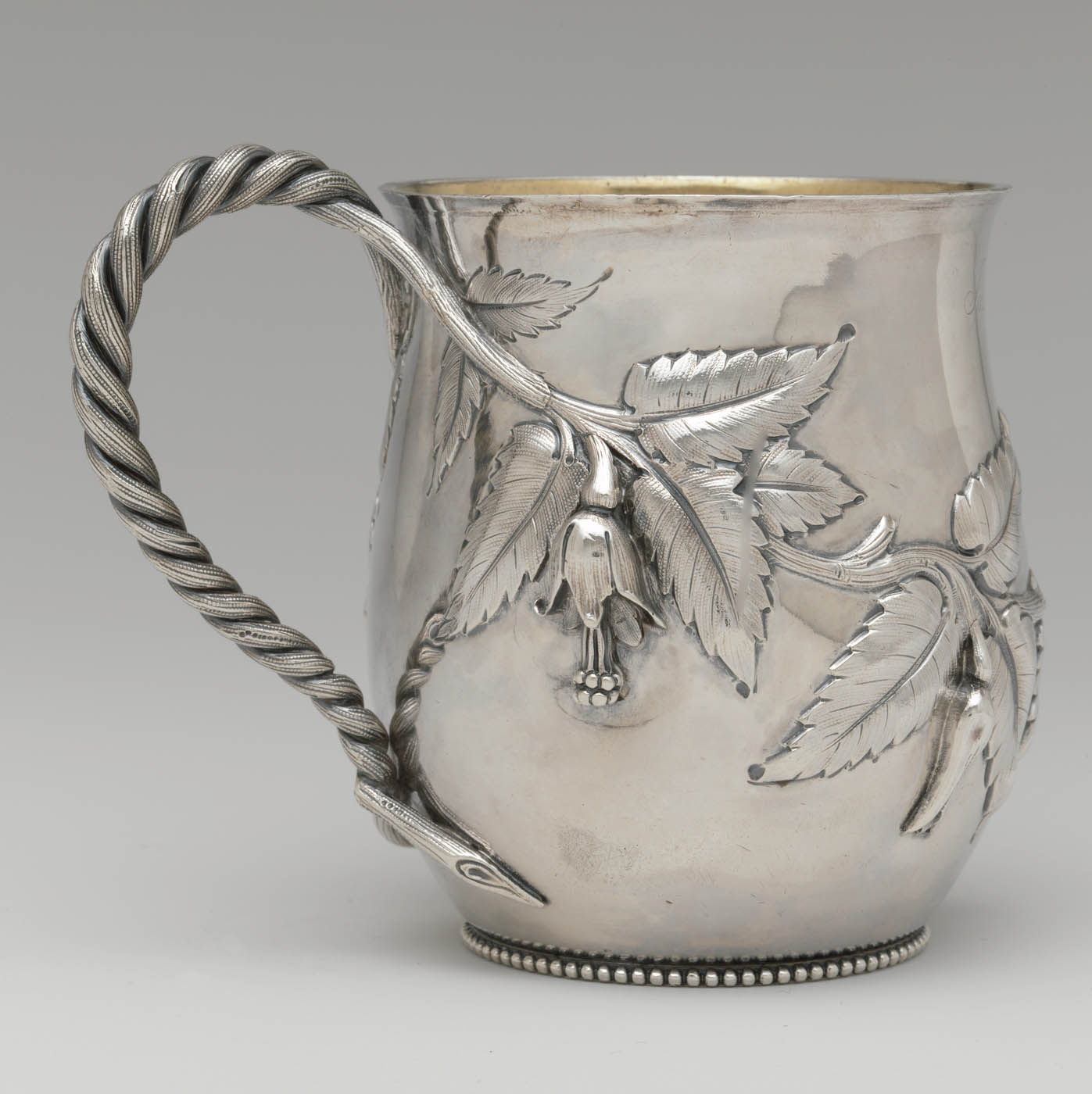
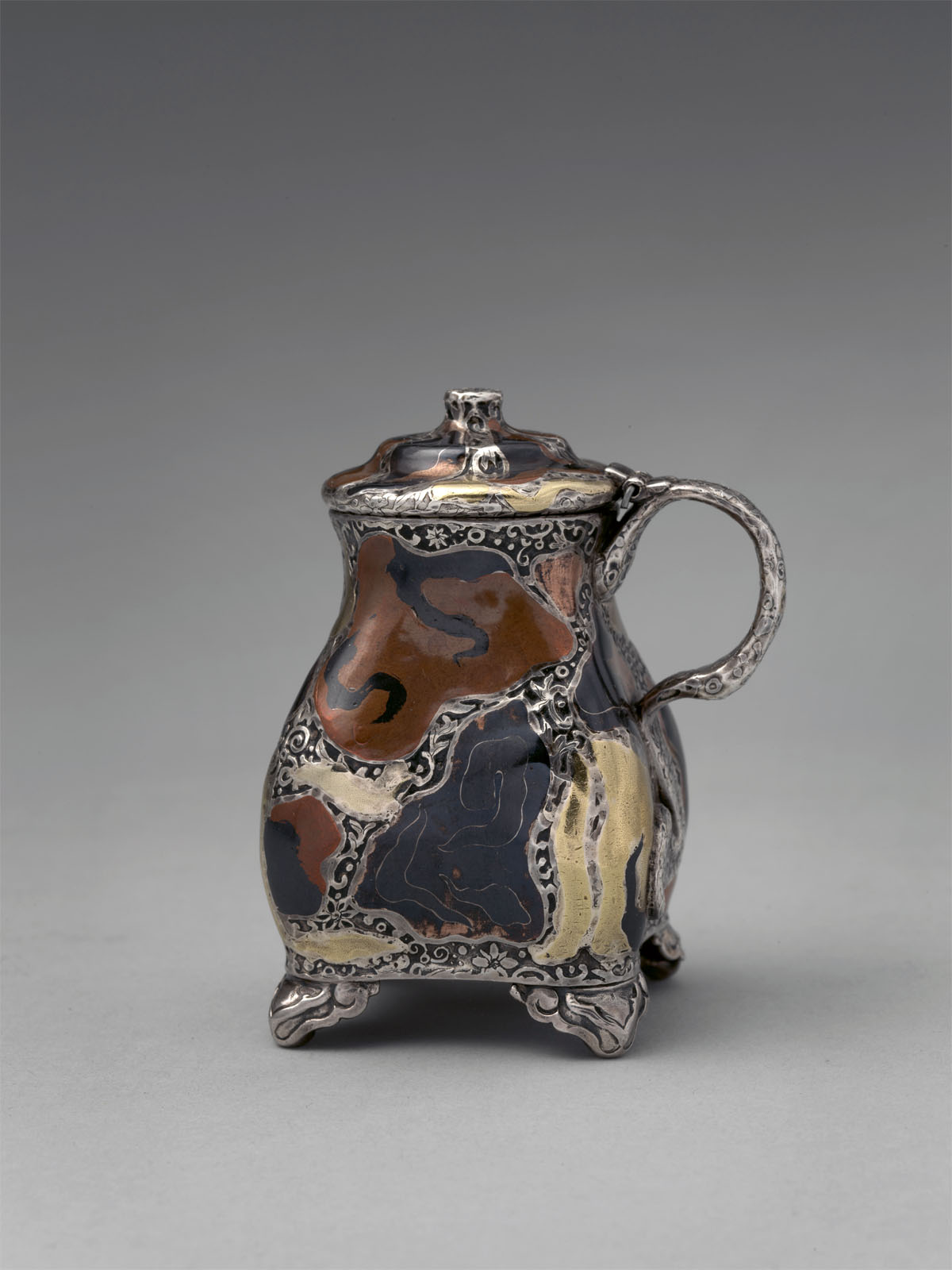
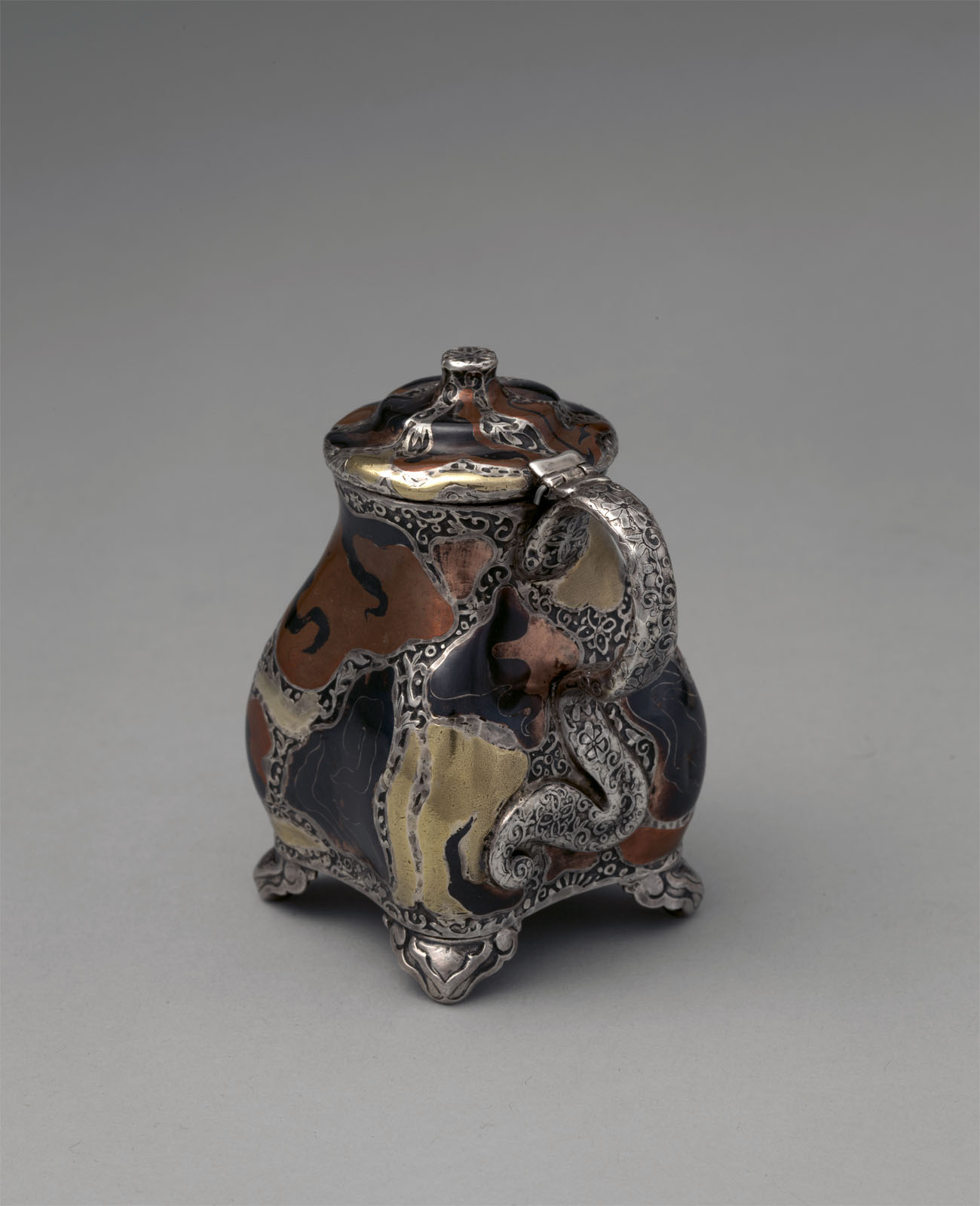

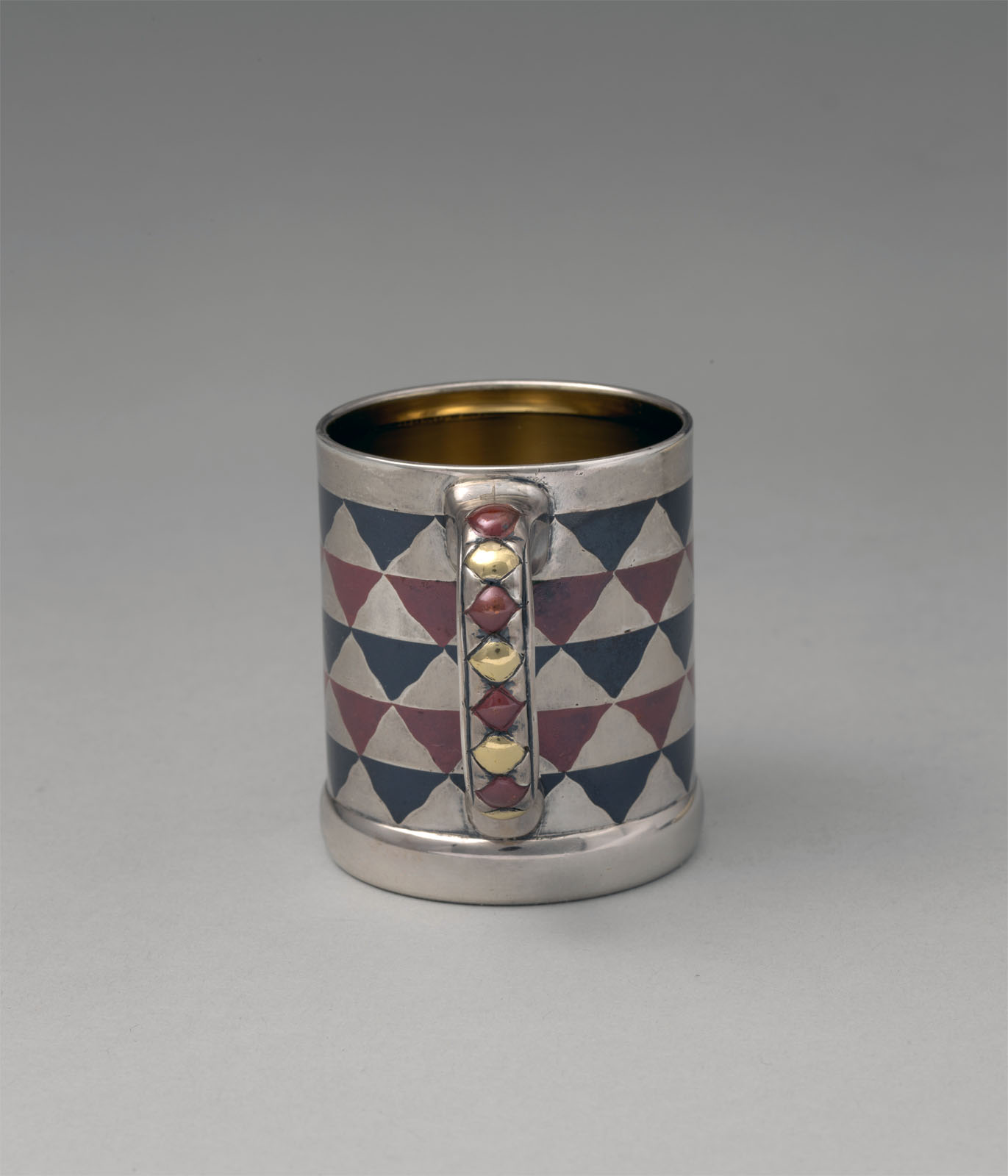
![Camillo Boito (editor) Ferdinando Ongania (1842-1911) (publisher) 'La Basilica di San Marco in Venezia illustrata nella storia e nell'arte da scrittori veneziani: [volume 3]' 1881](https://artblart.com/wp-content/uploads/2024/09/la-basilica-di-san-marco-in-venezia-illustrata.jpg "Camillo Boito (editor) Ferdinando Ongania (1842-1911) (publisher) 'La Basilica di San Marco in Venezia illustrata nella storia e nell'arte da scrittori veneziani: [volume 3]' 1881")
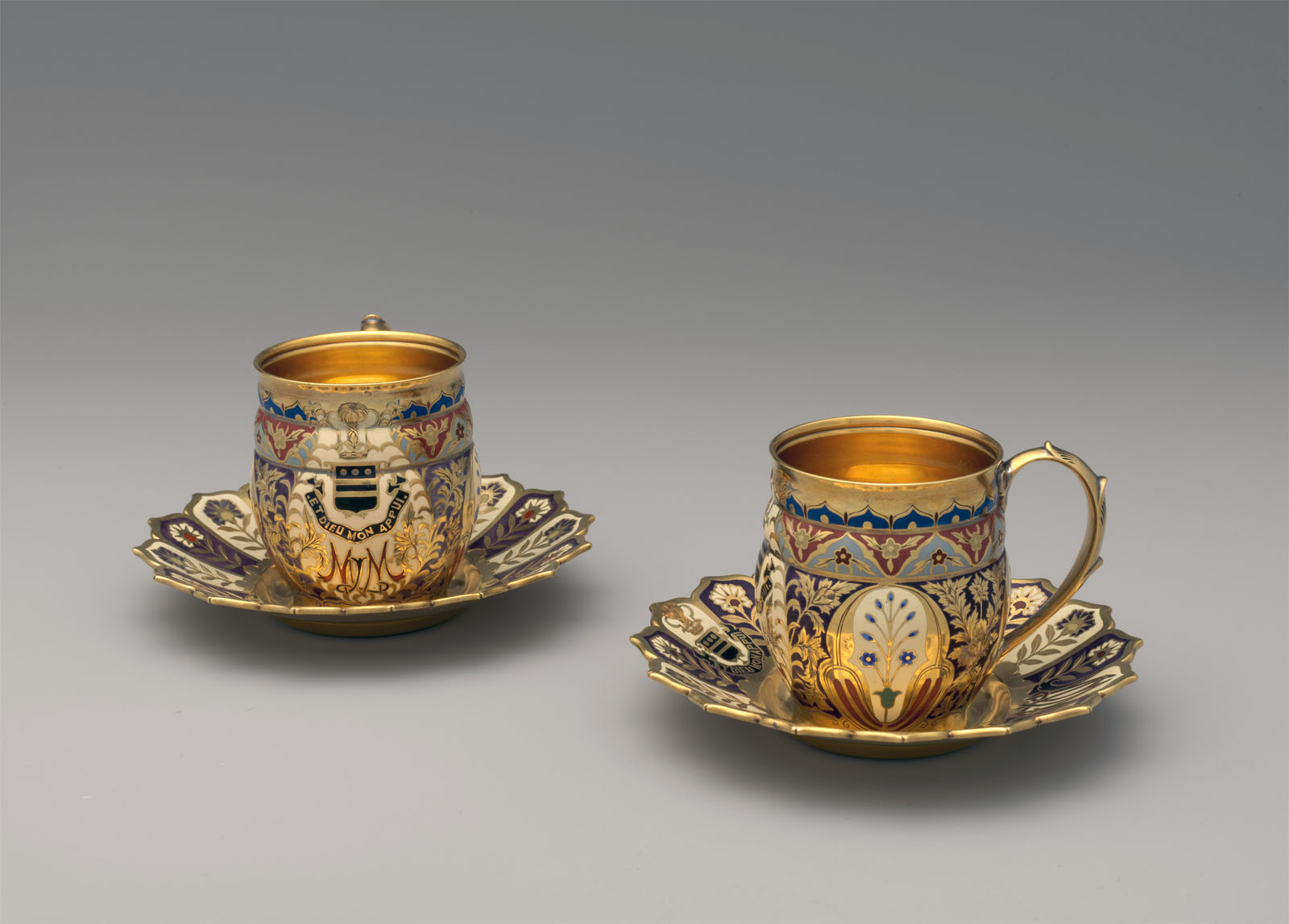
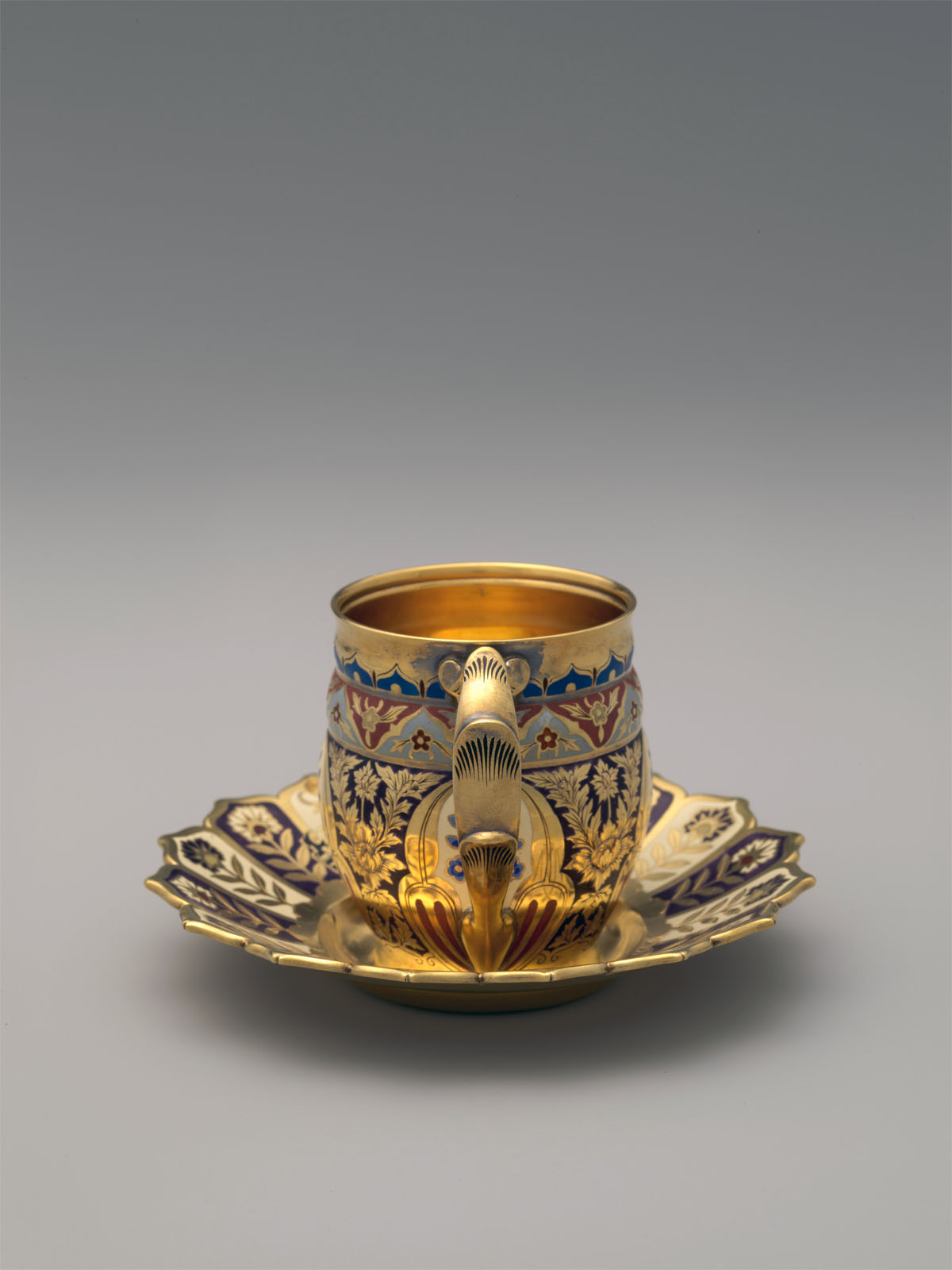
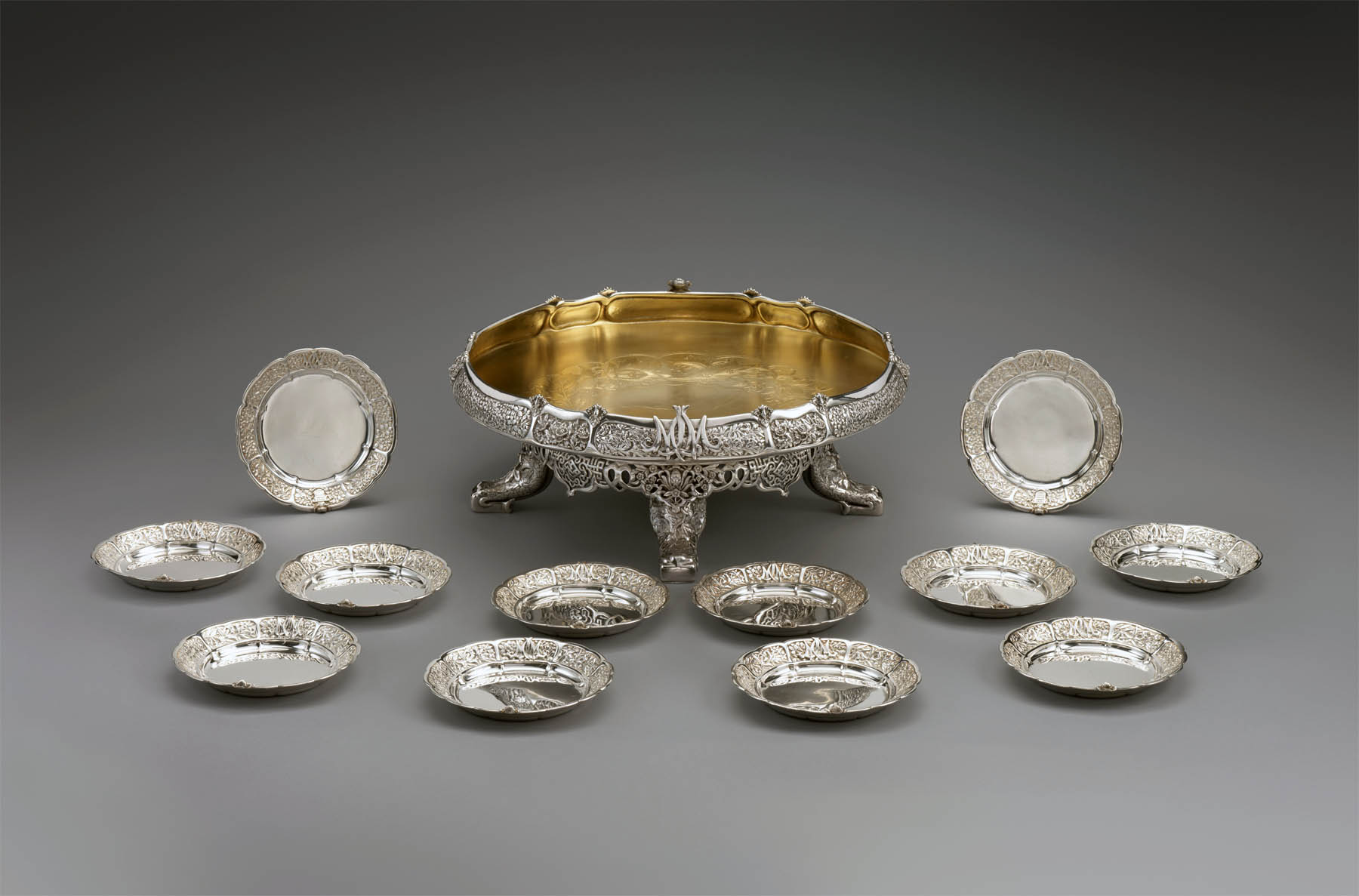
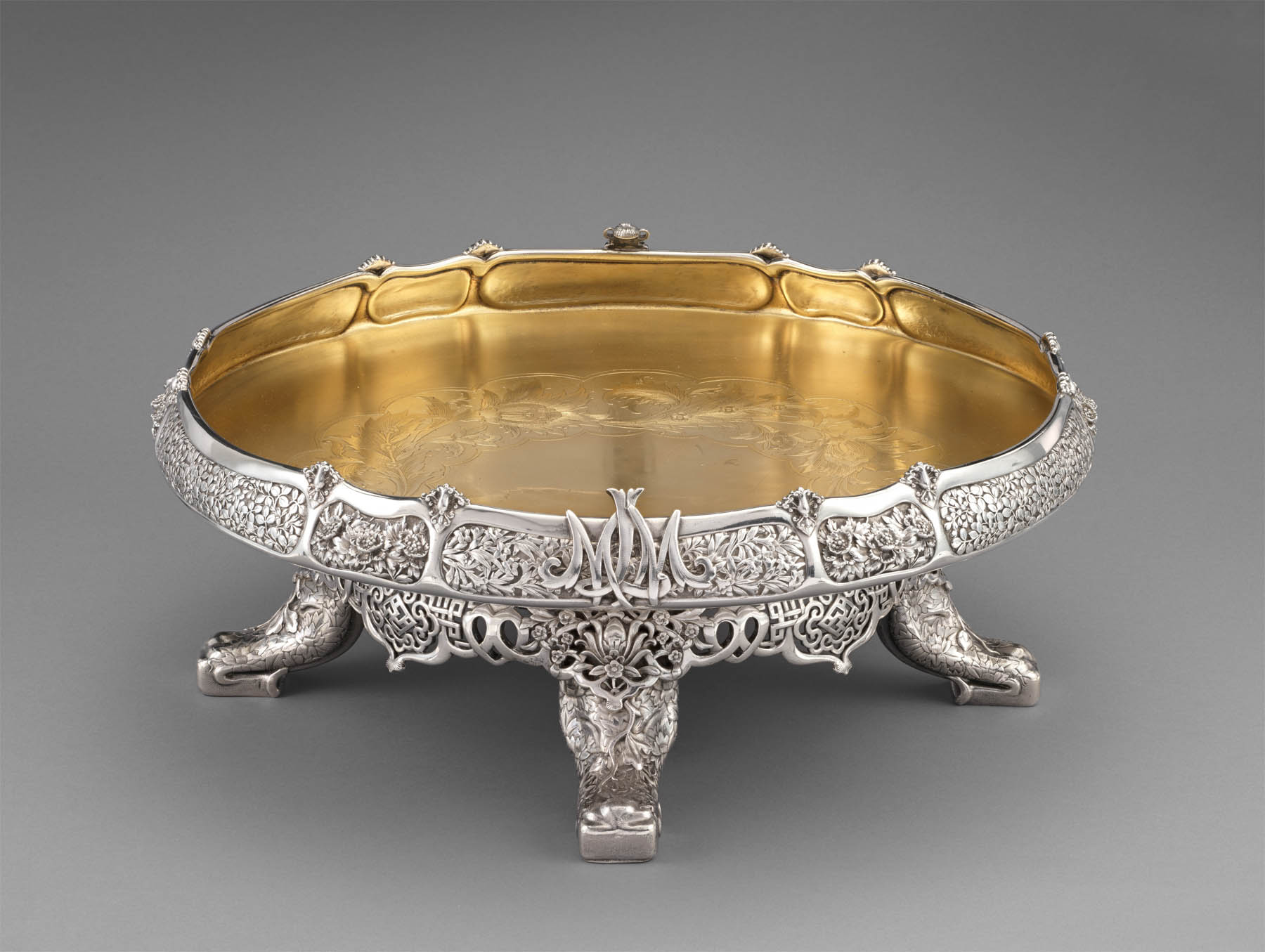
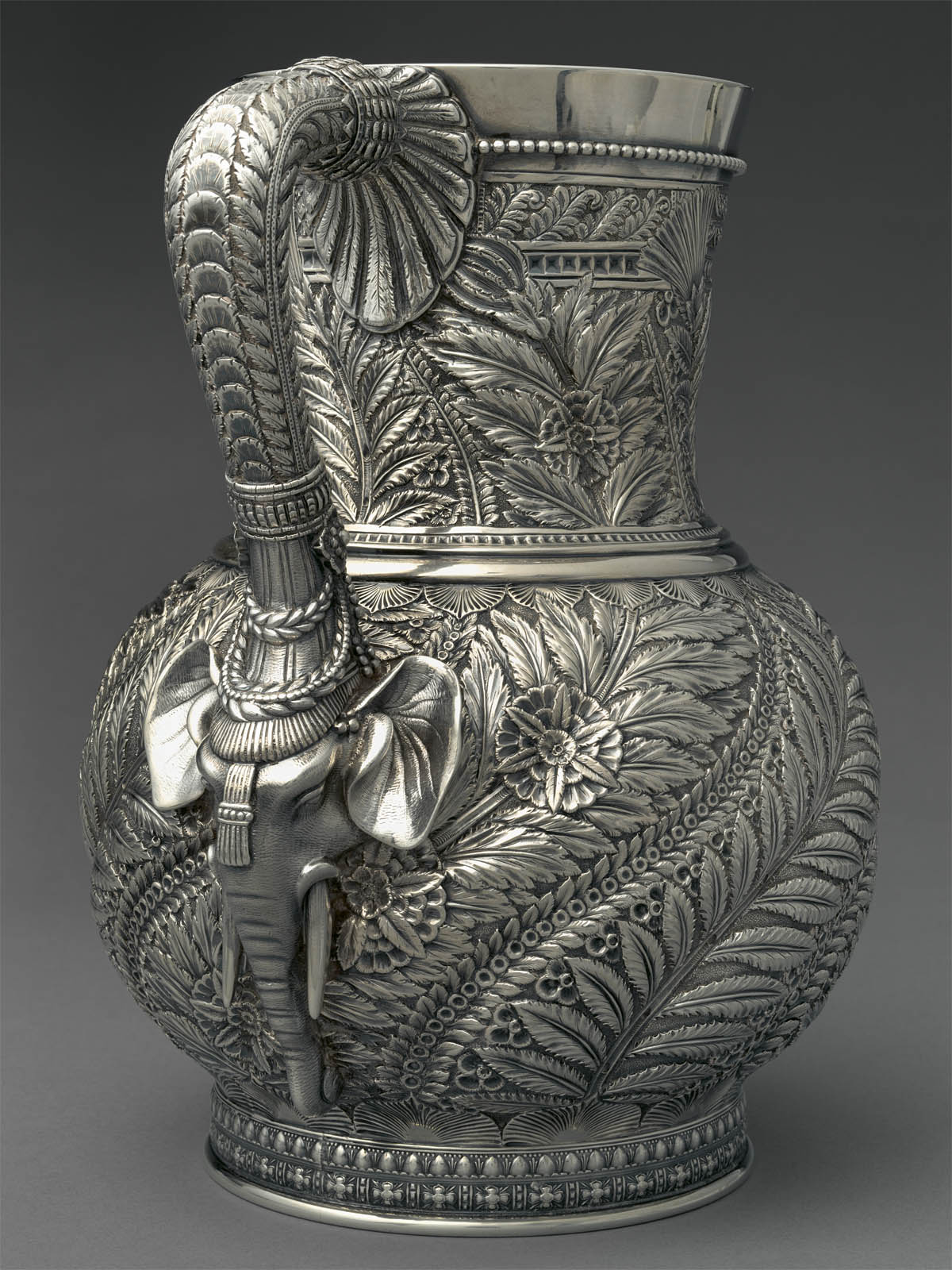

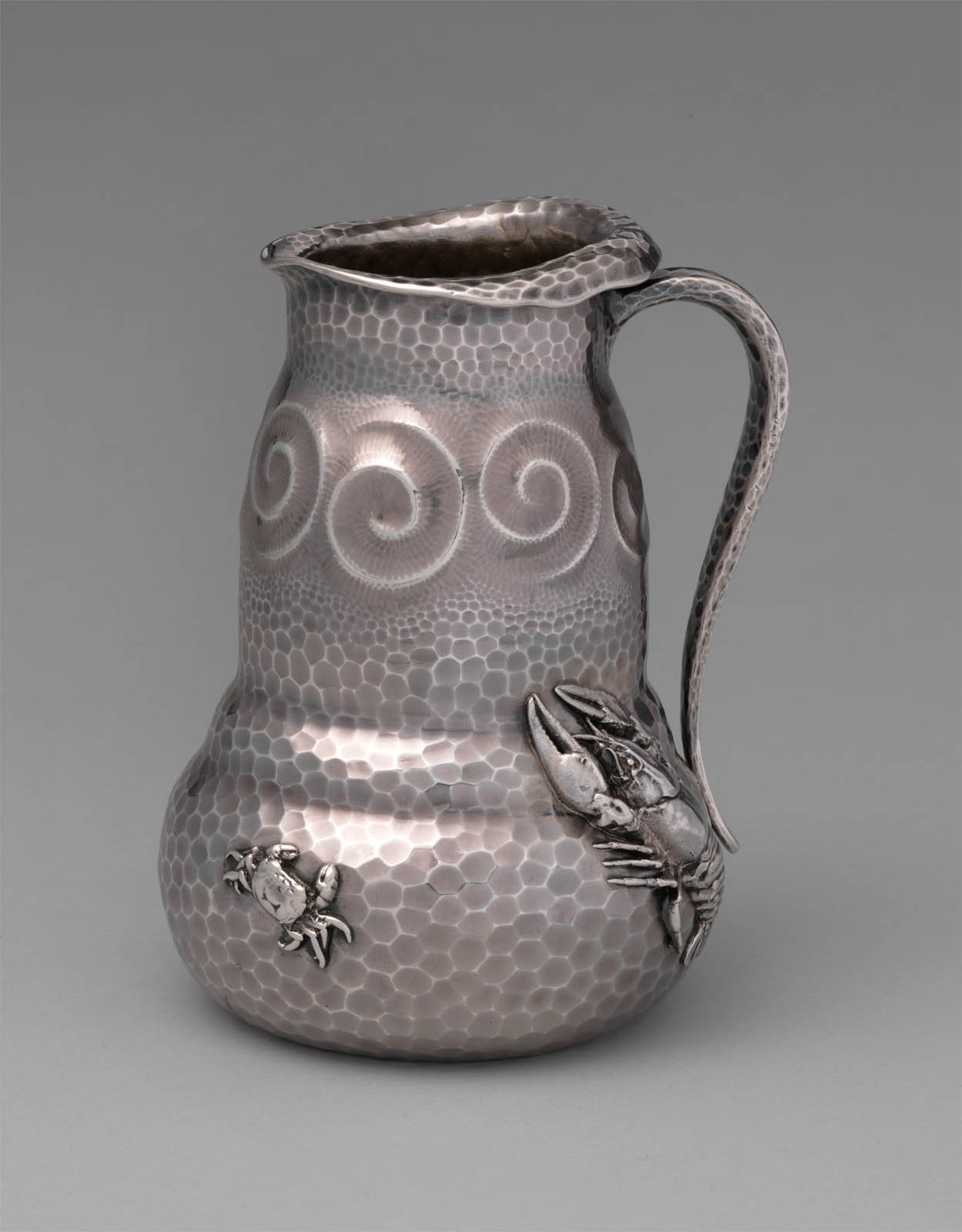

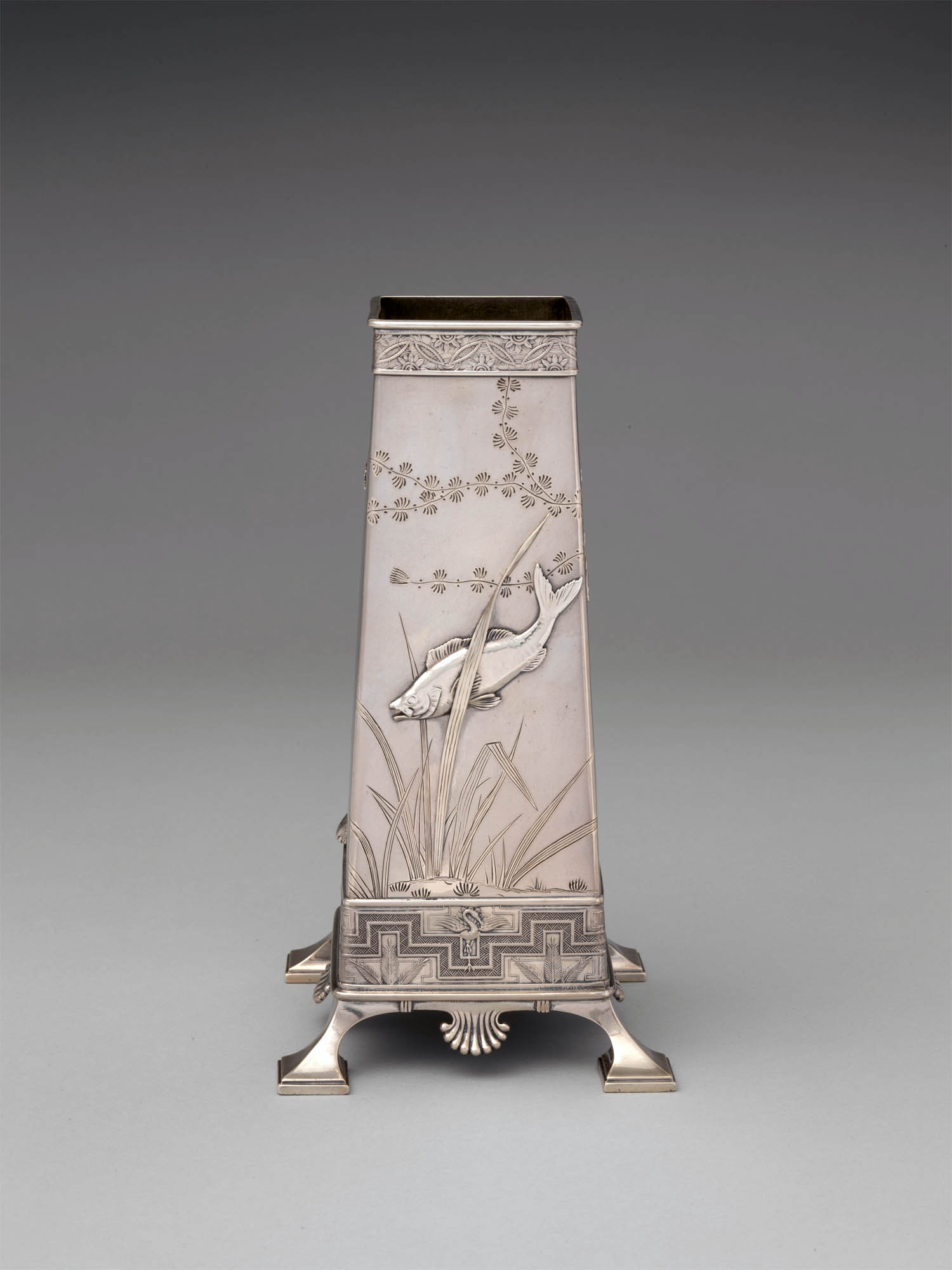

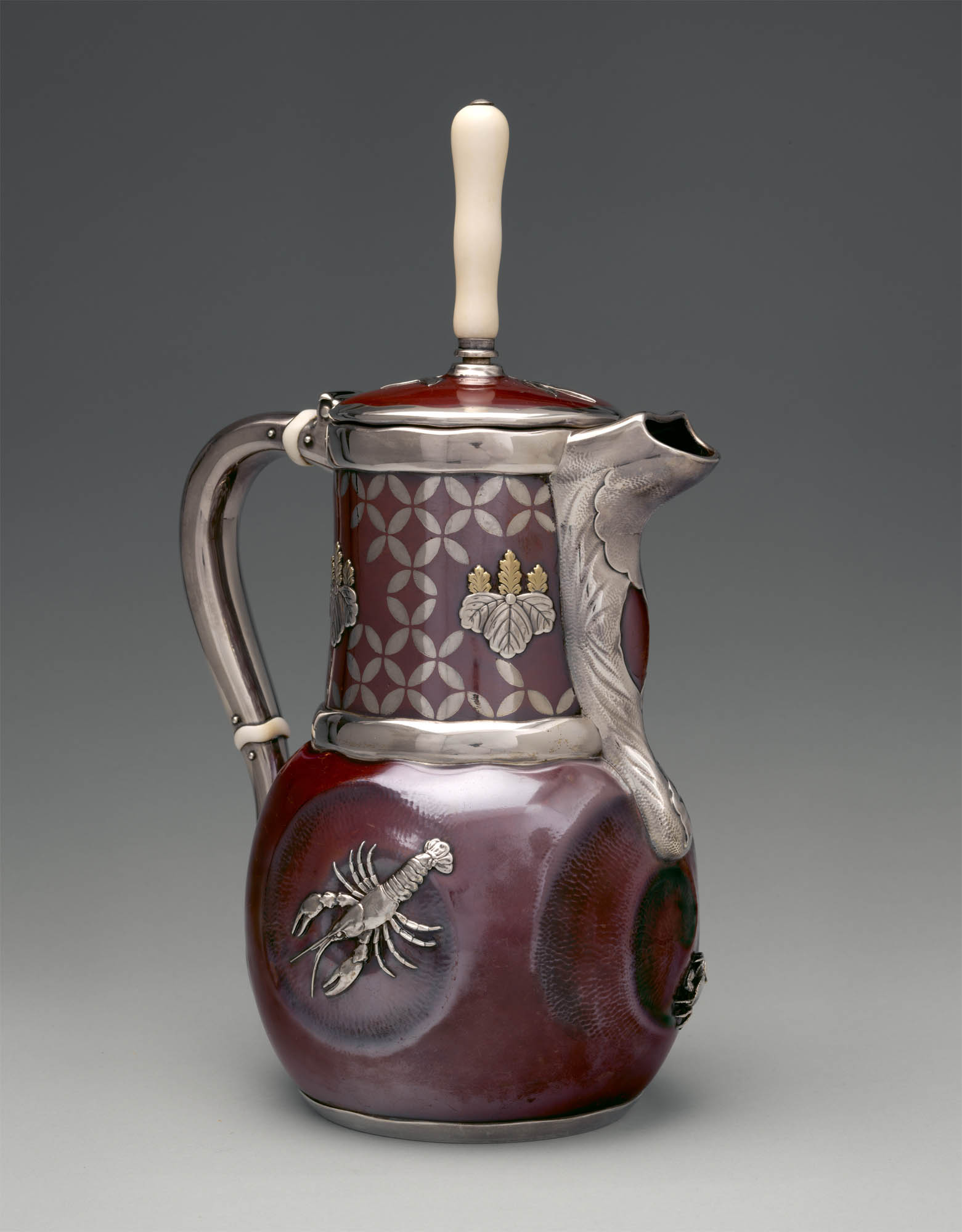

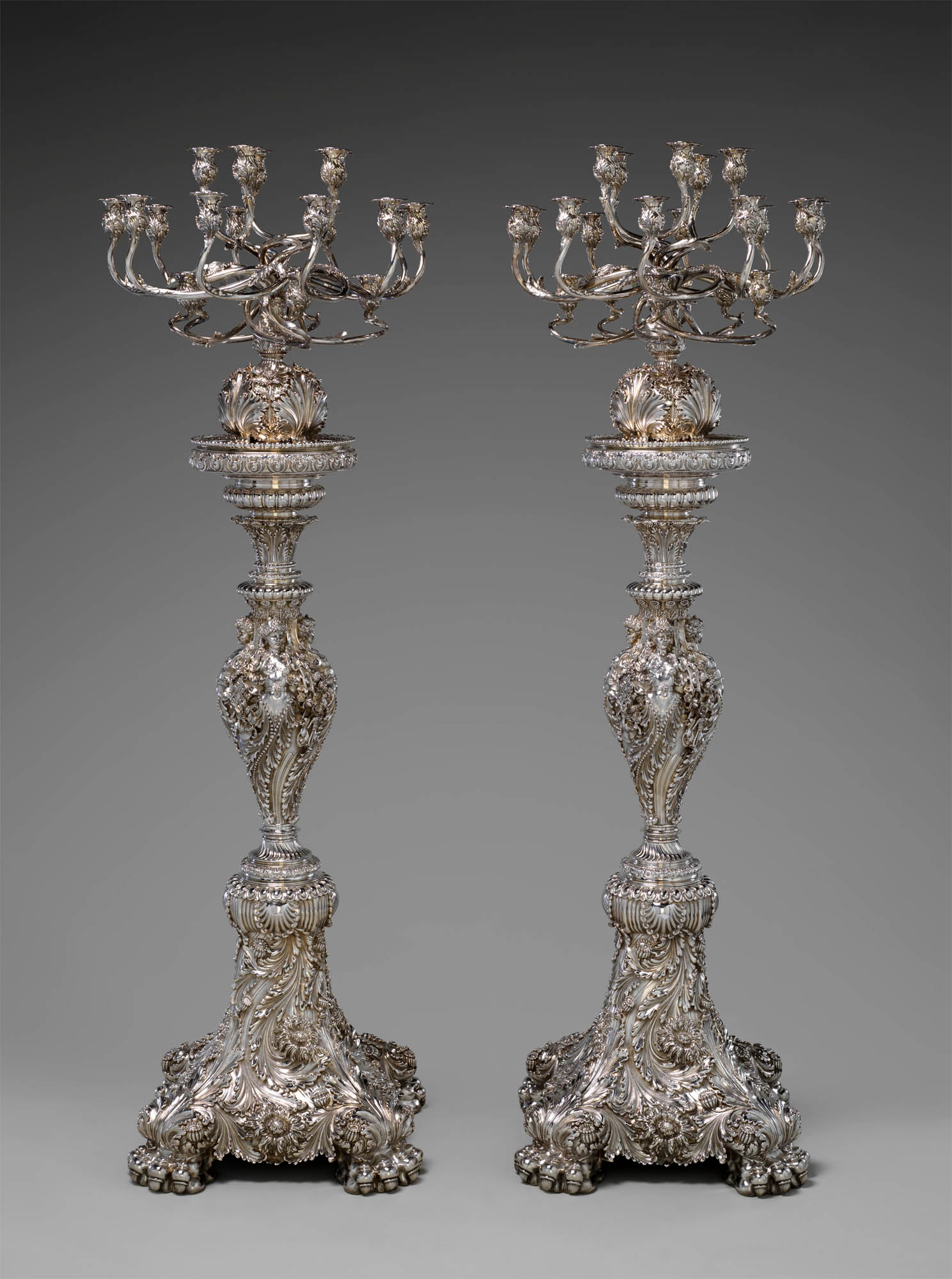
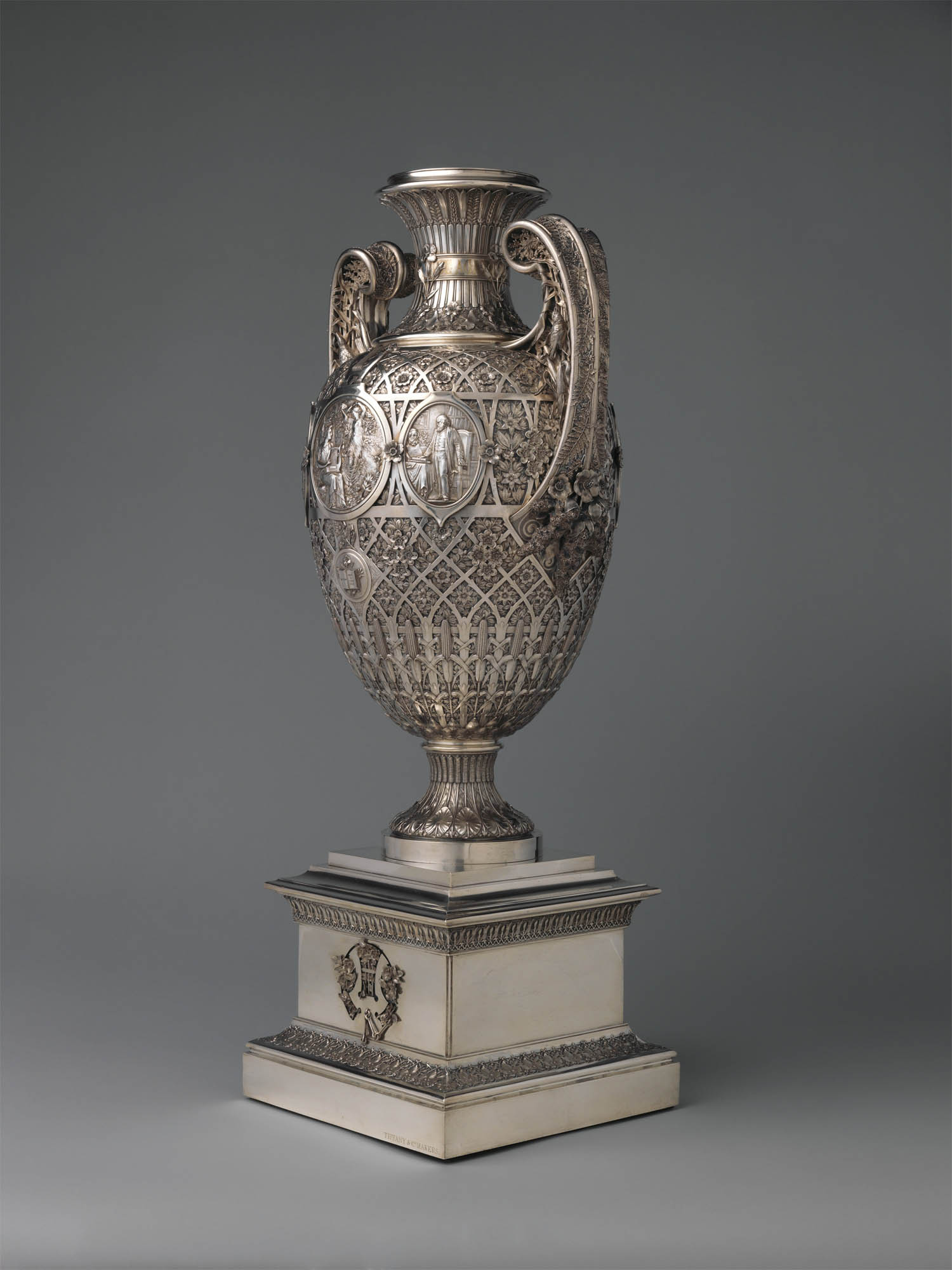
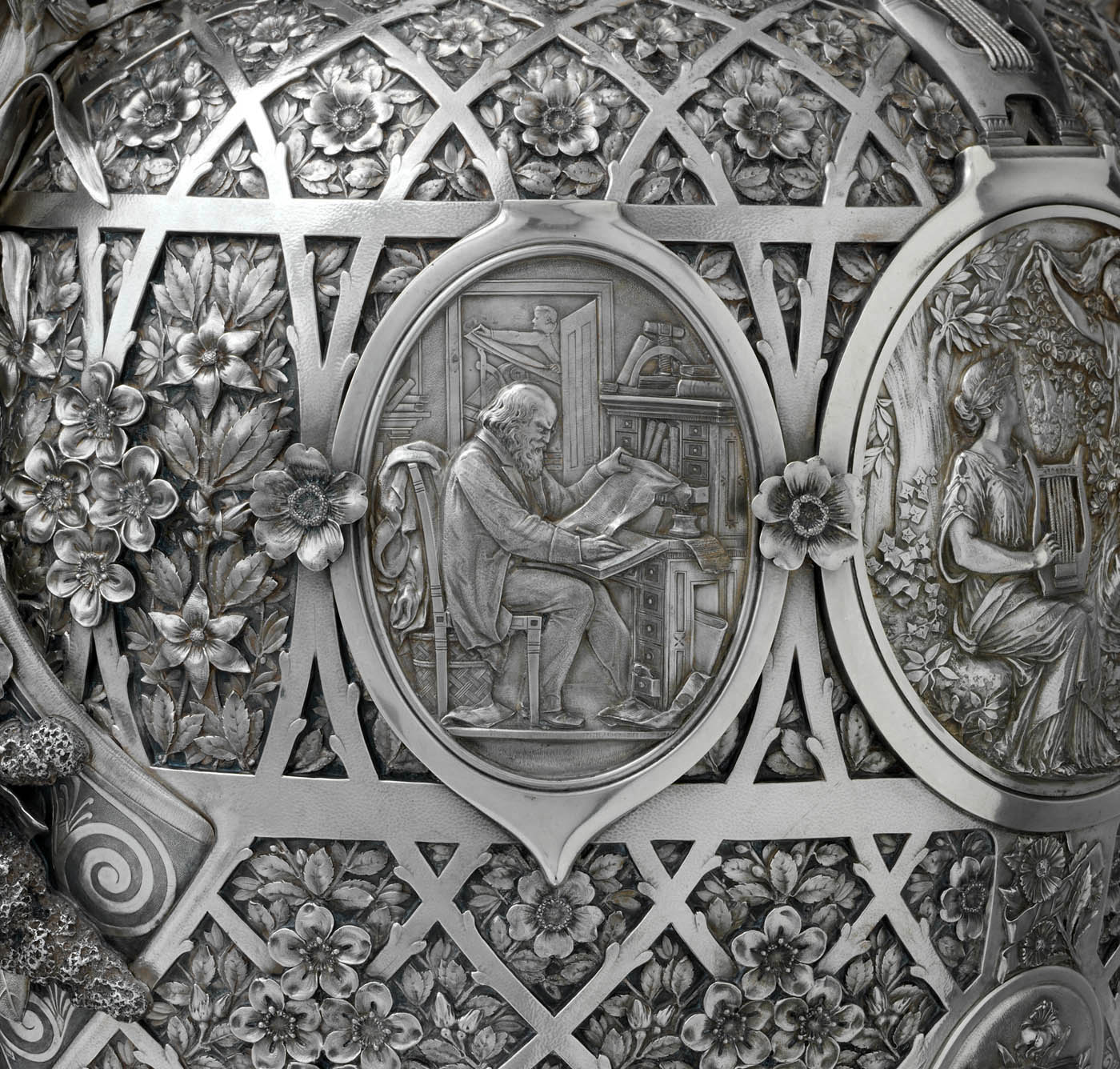
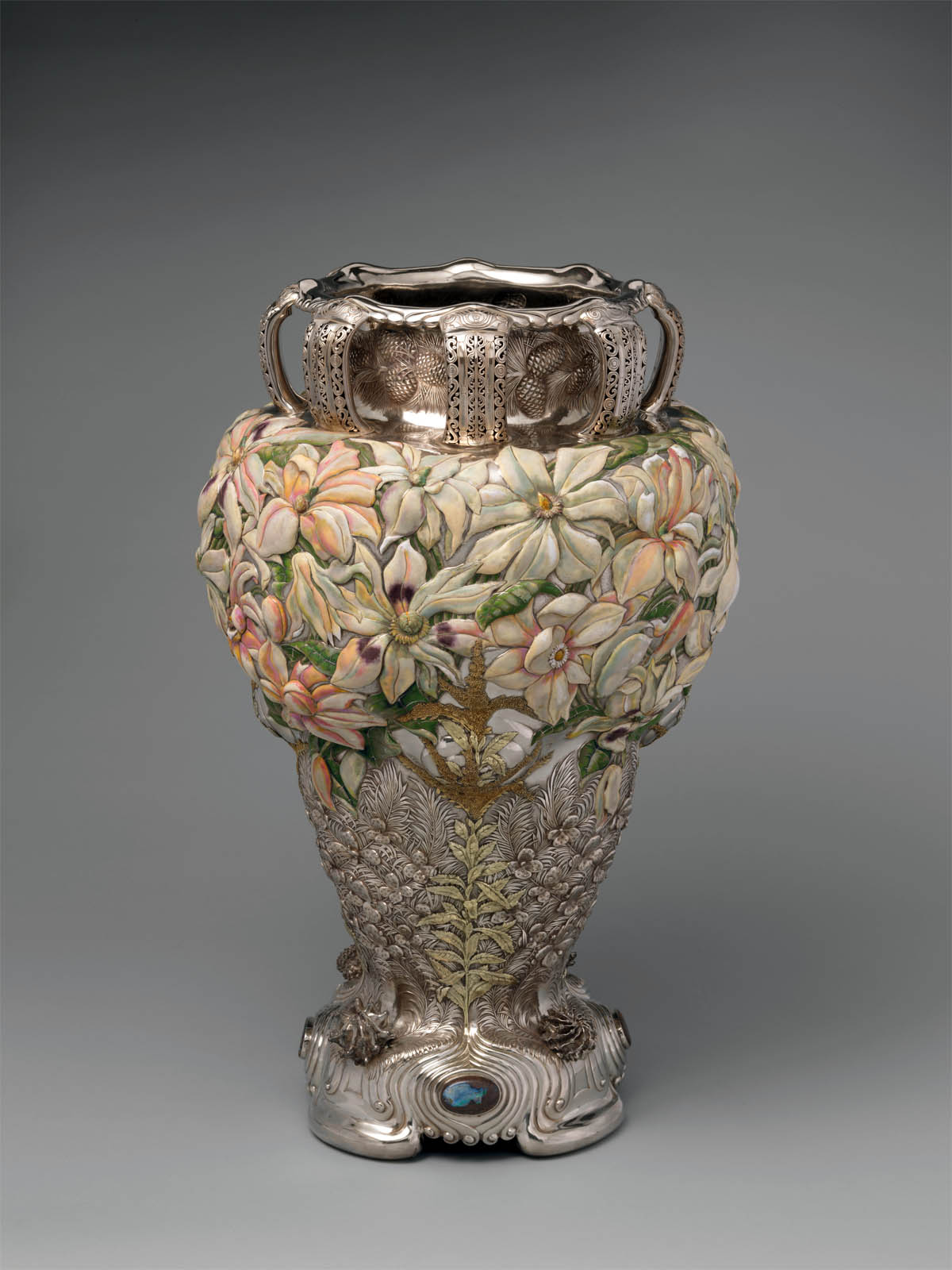

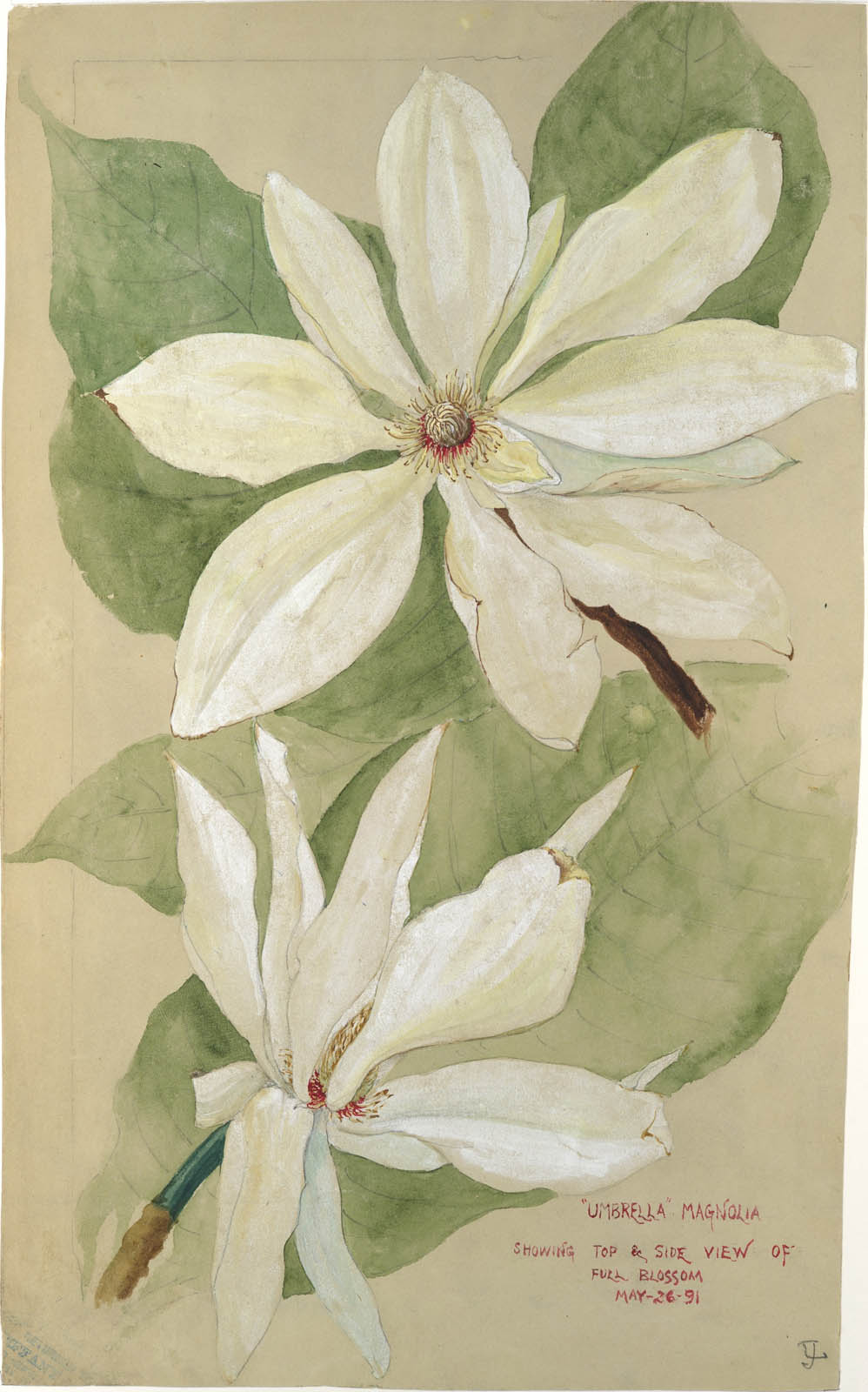

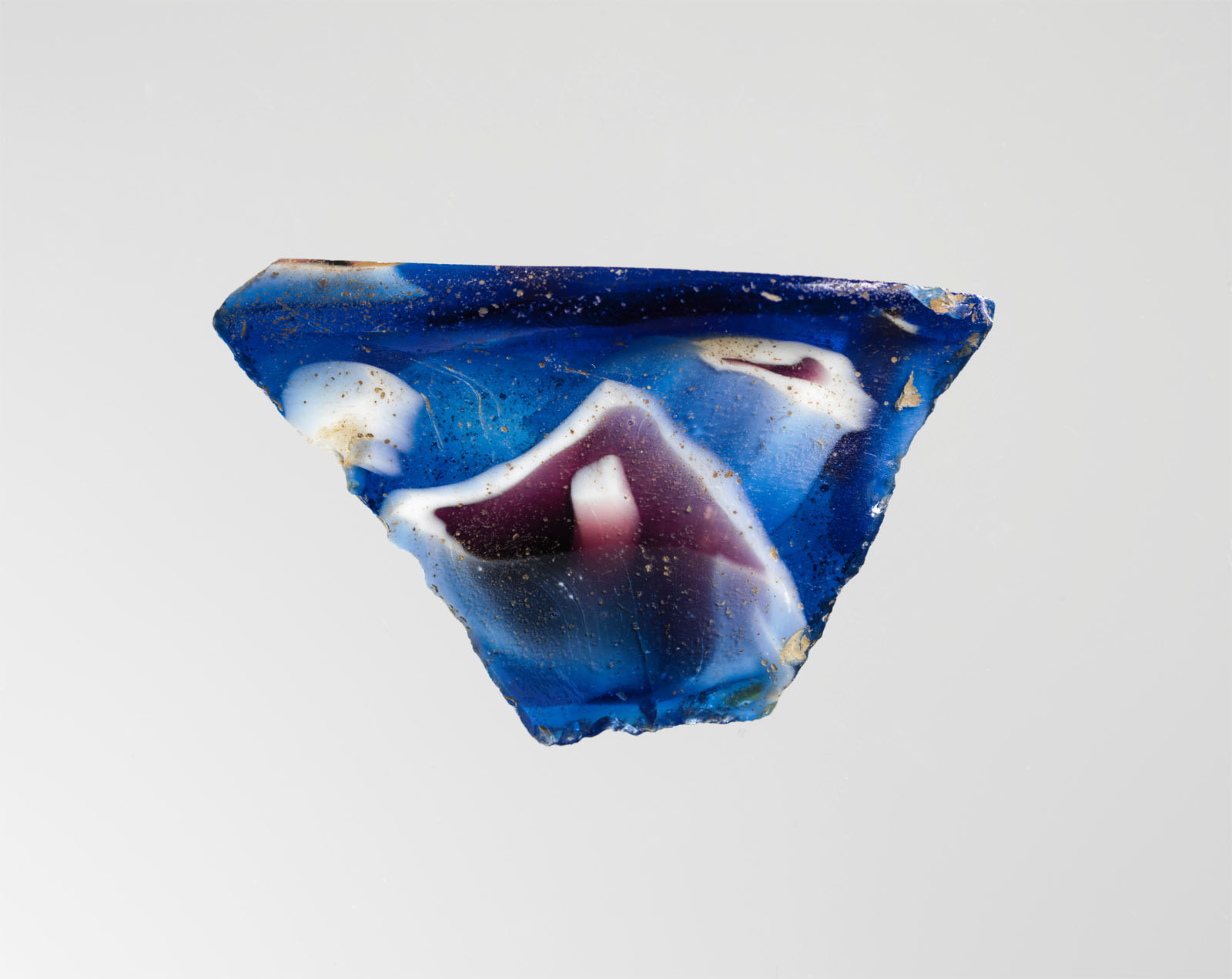
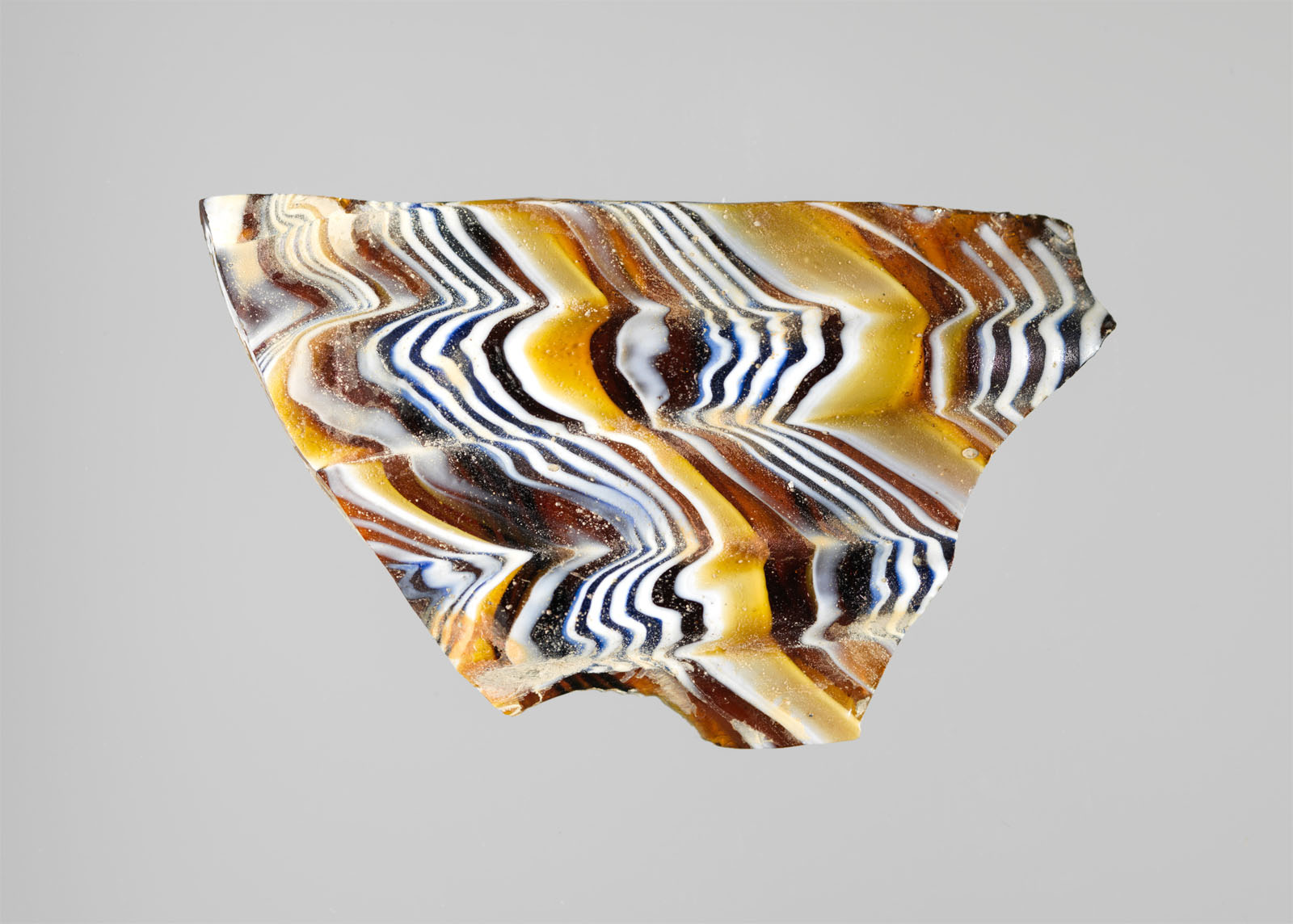
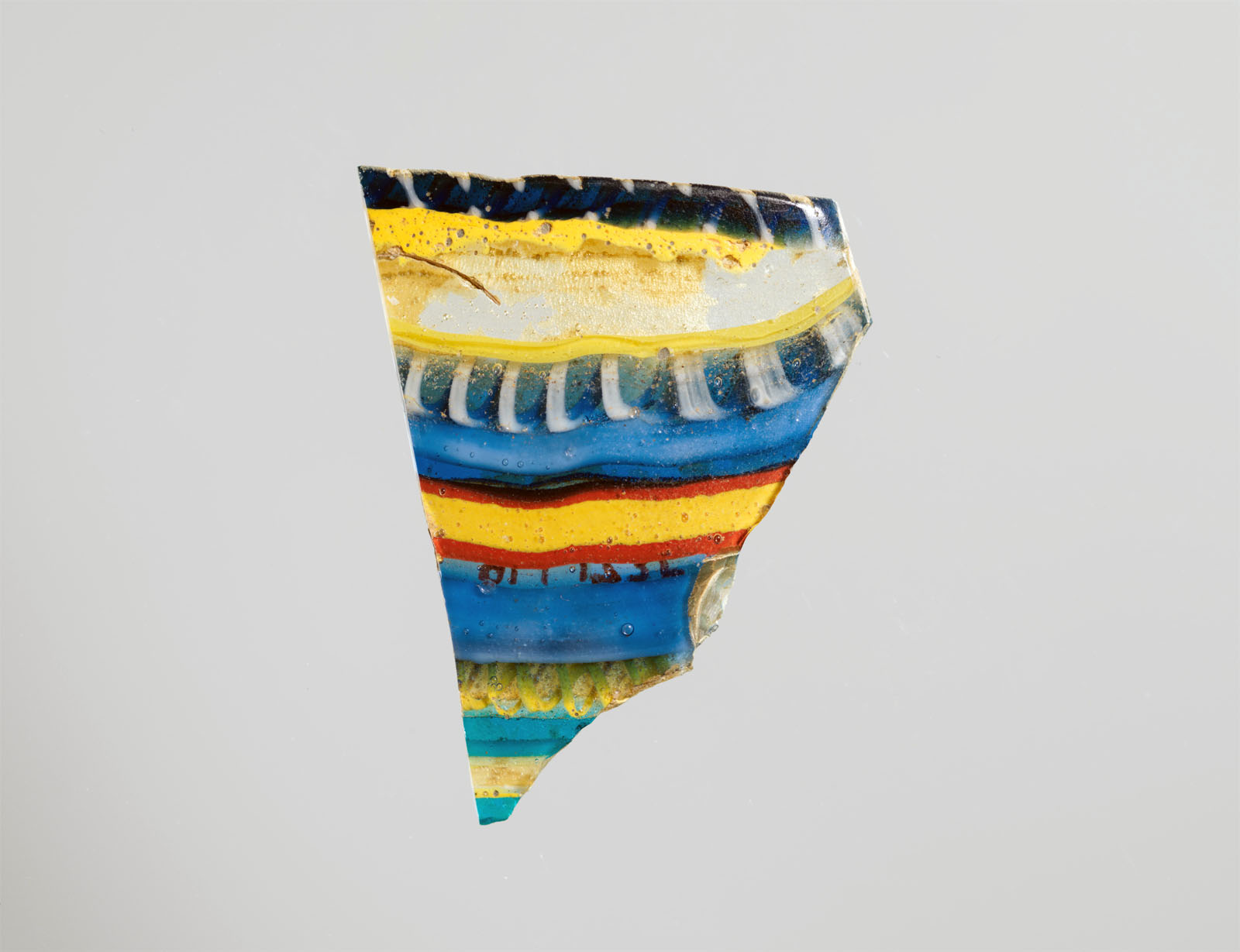

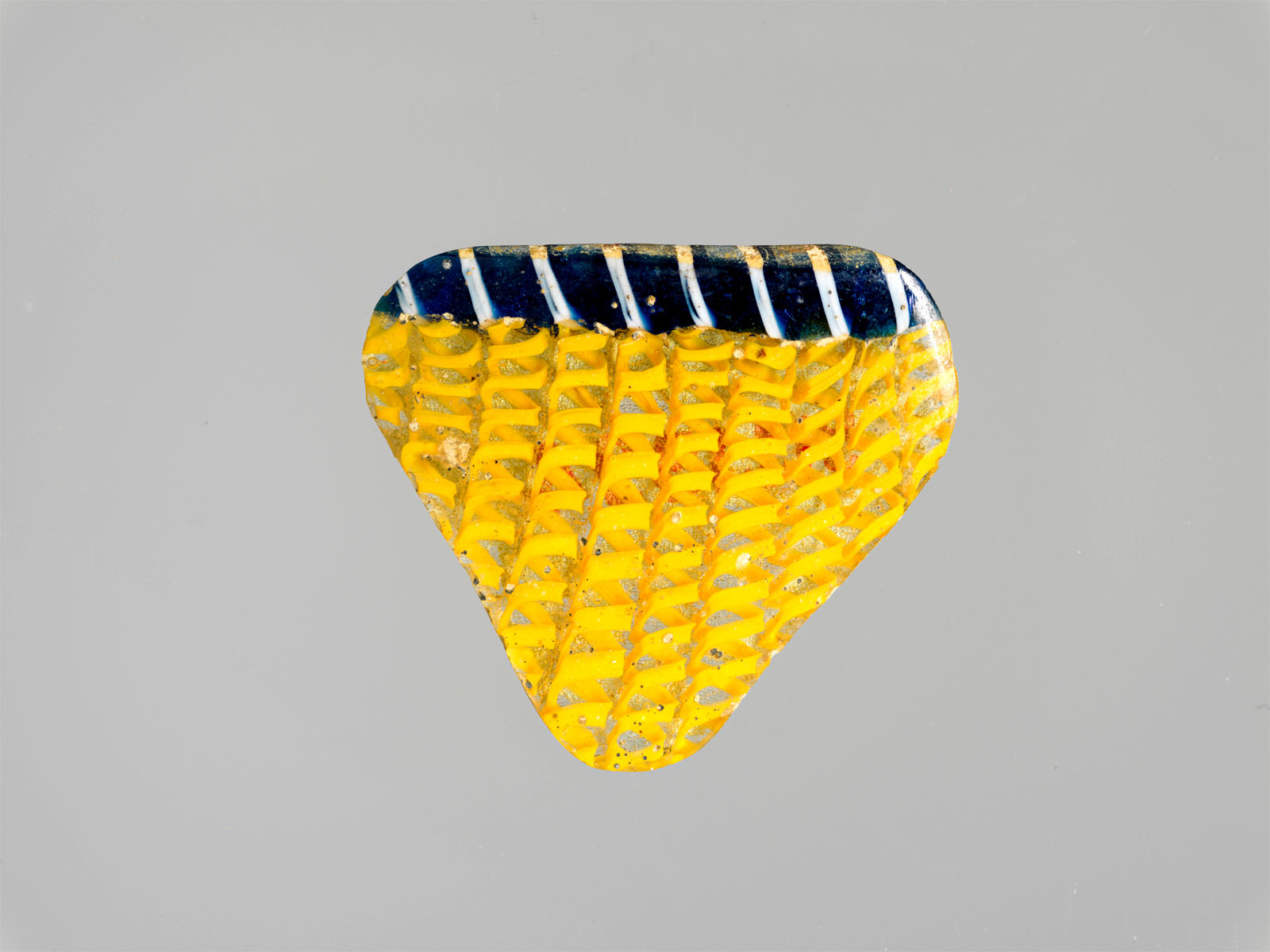
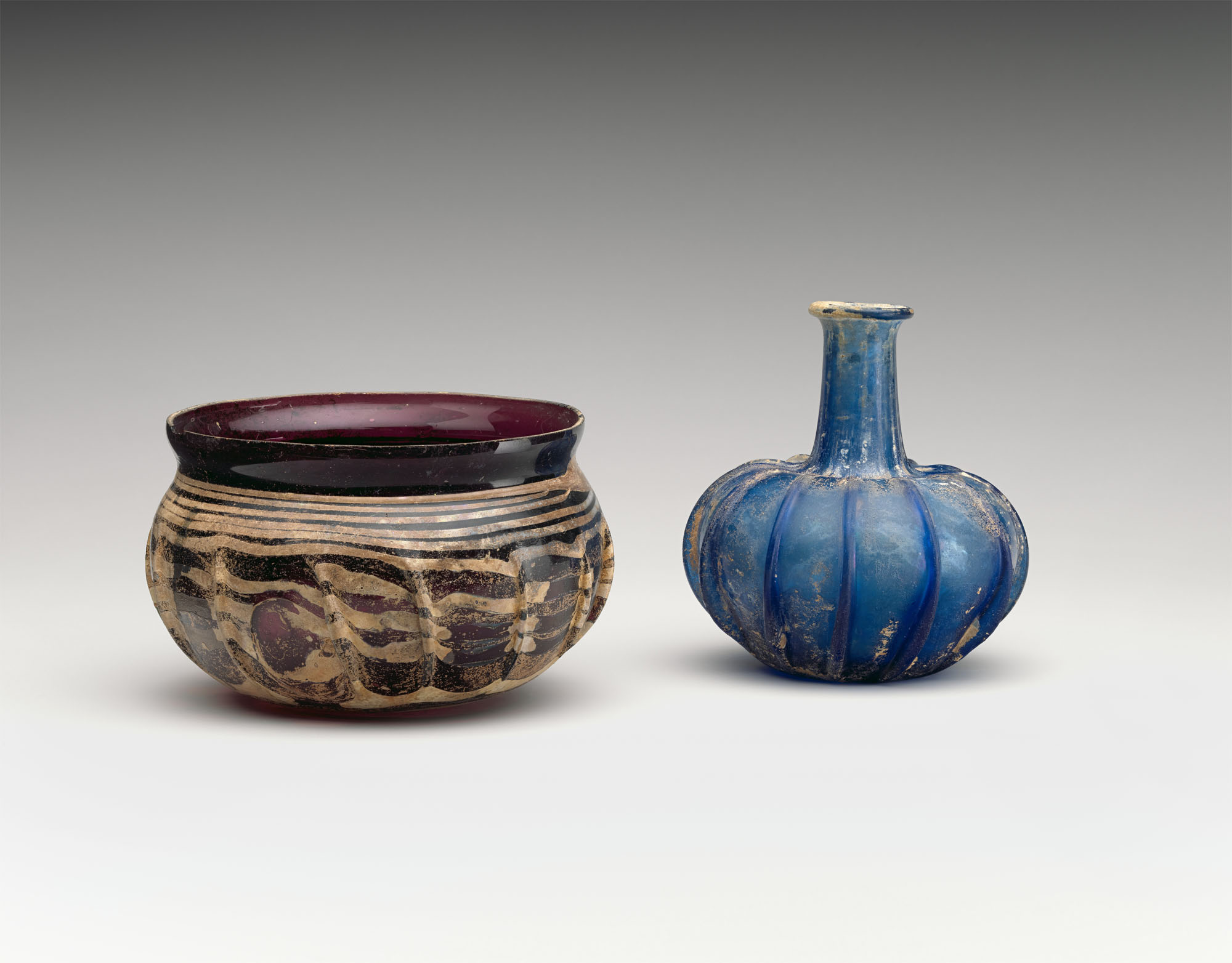
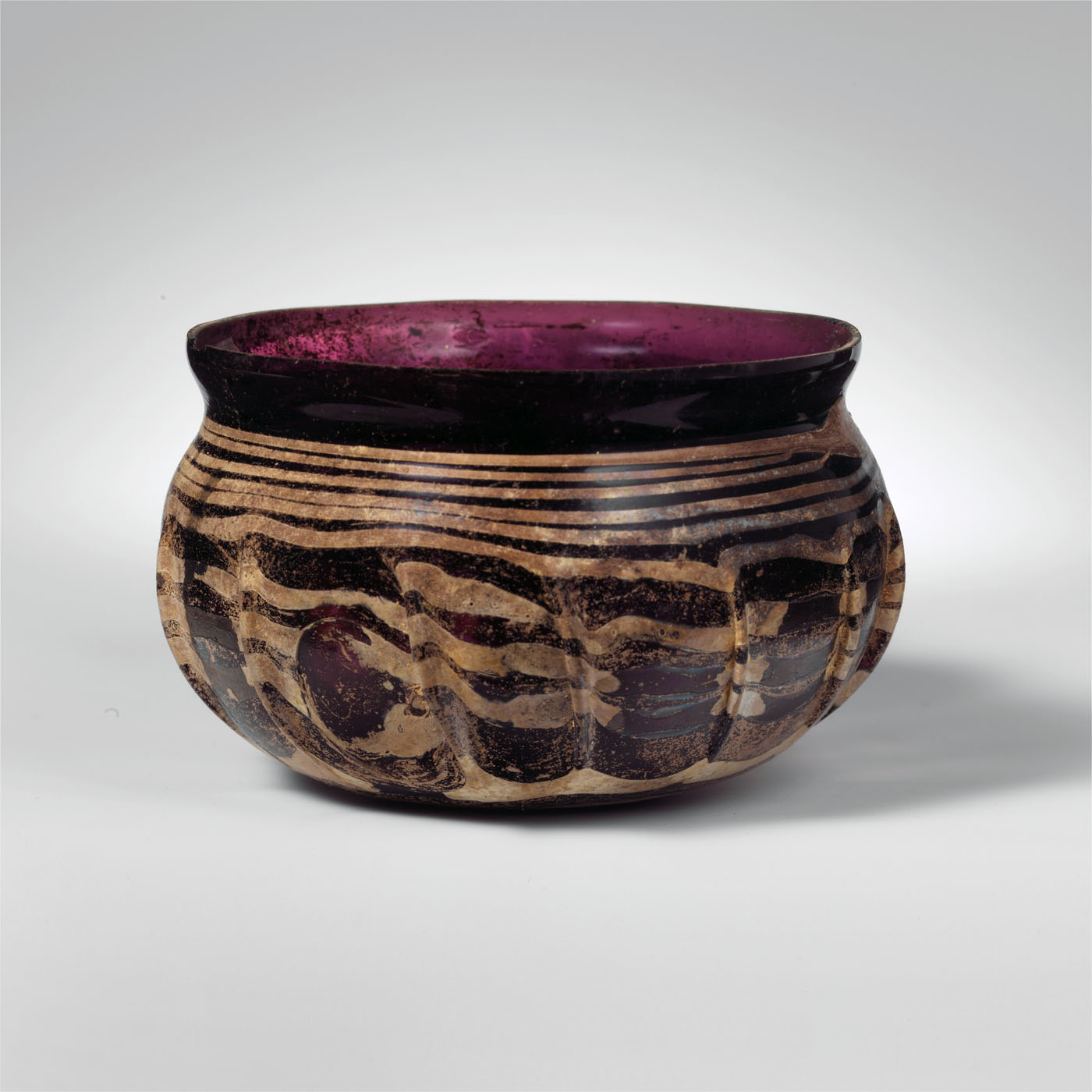

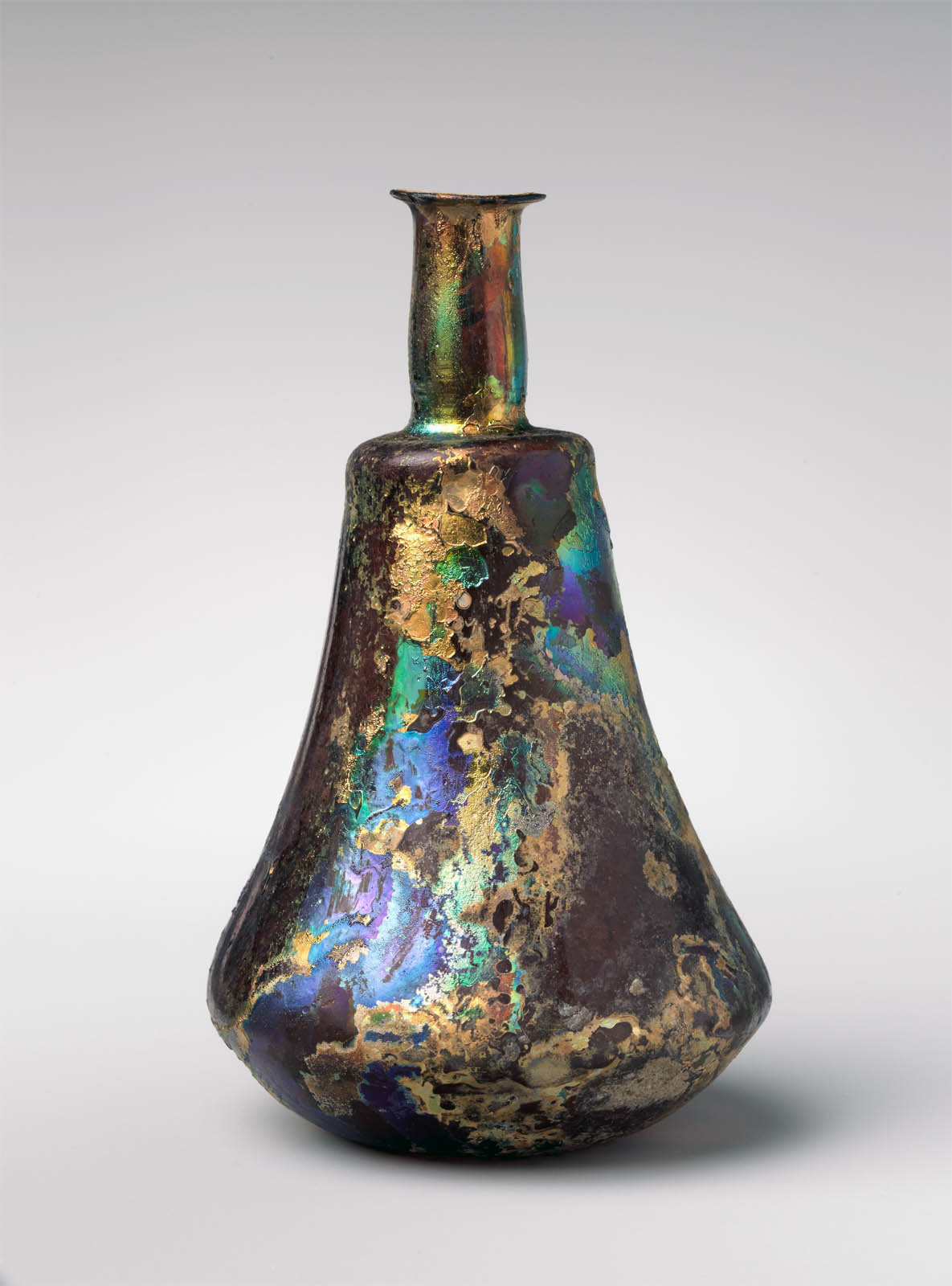
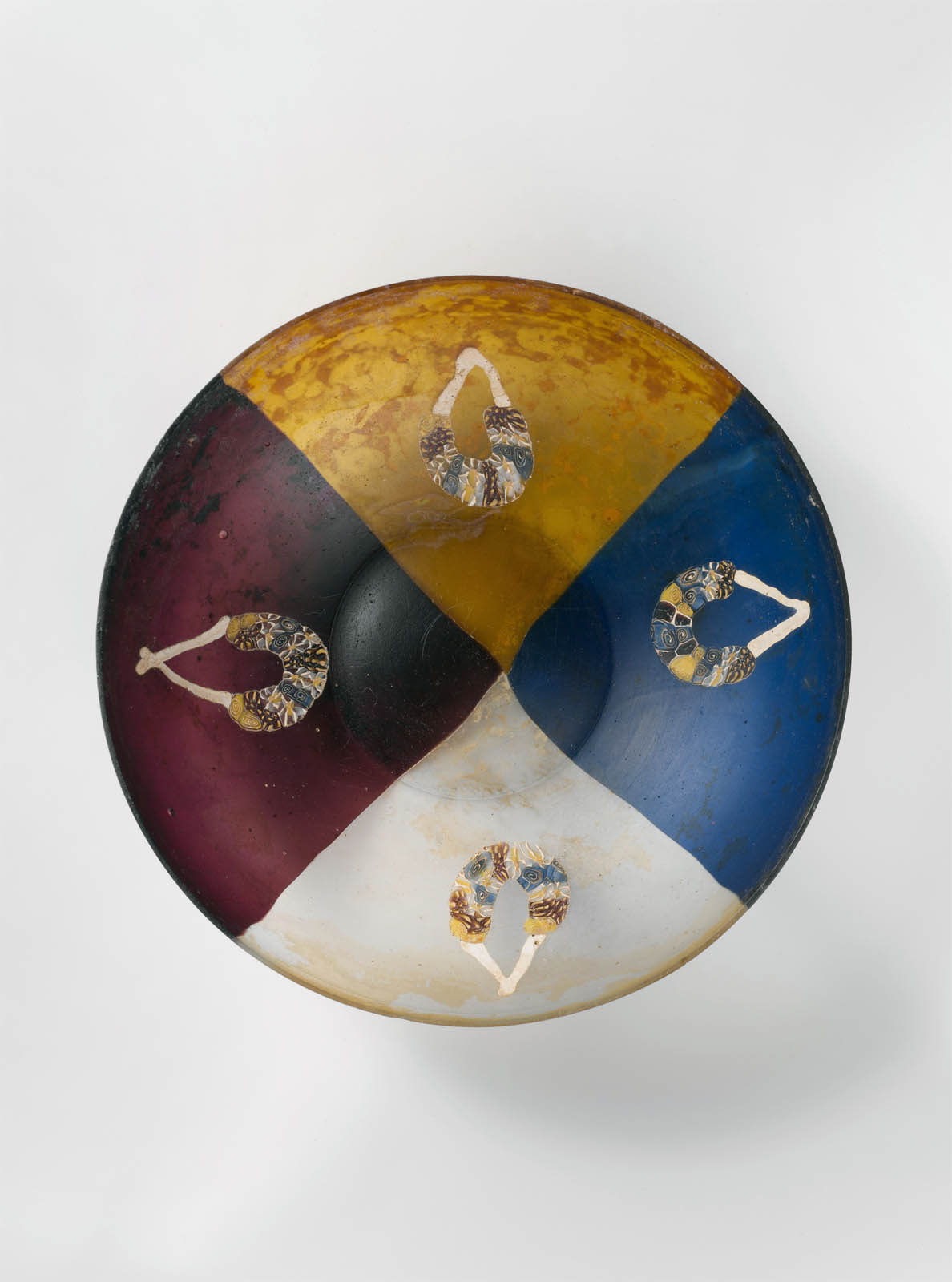
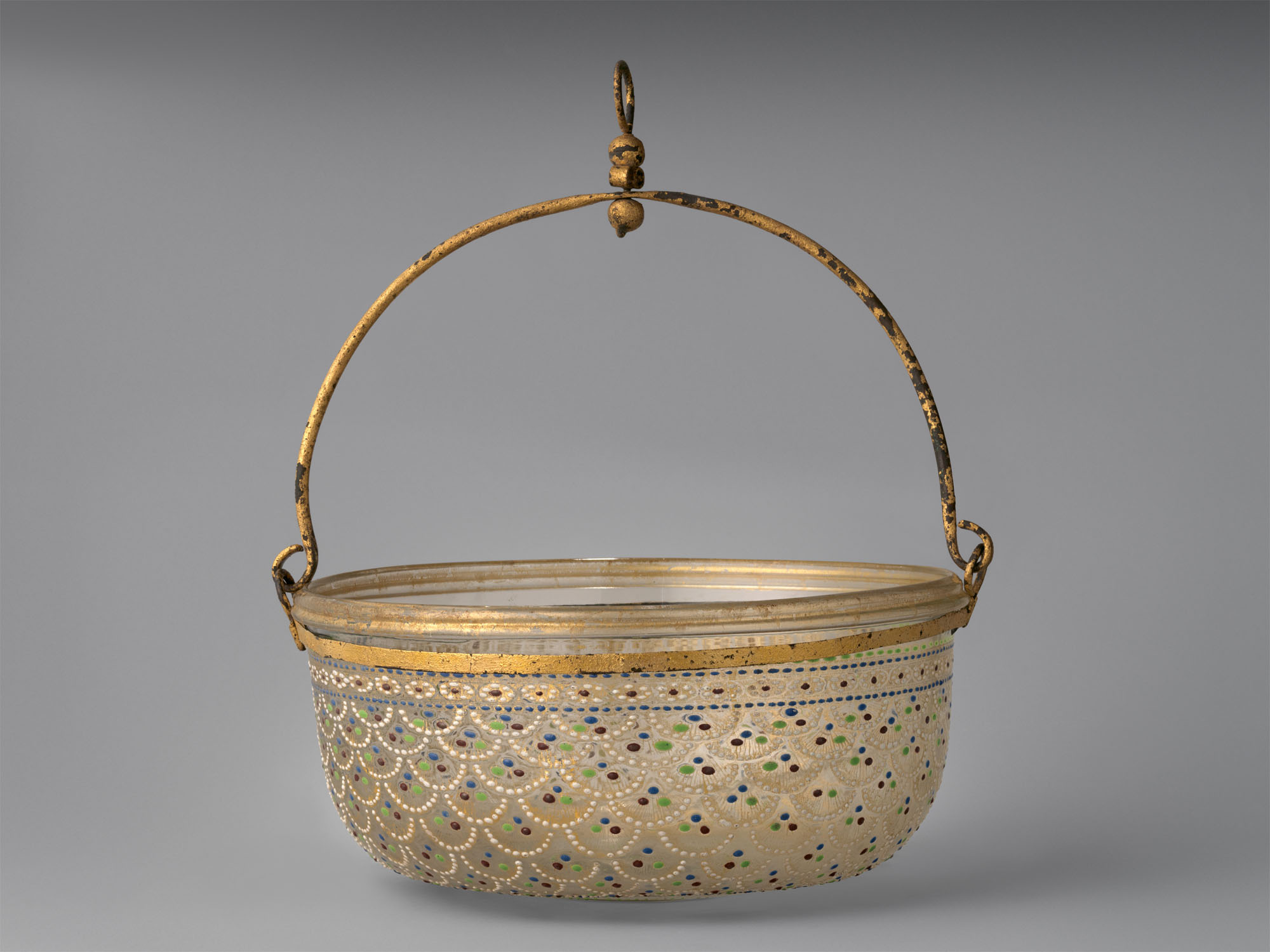
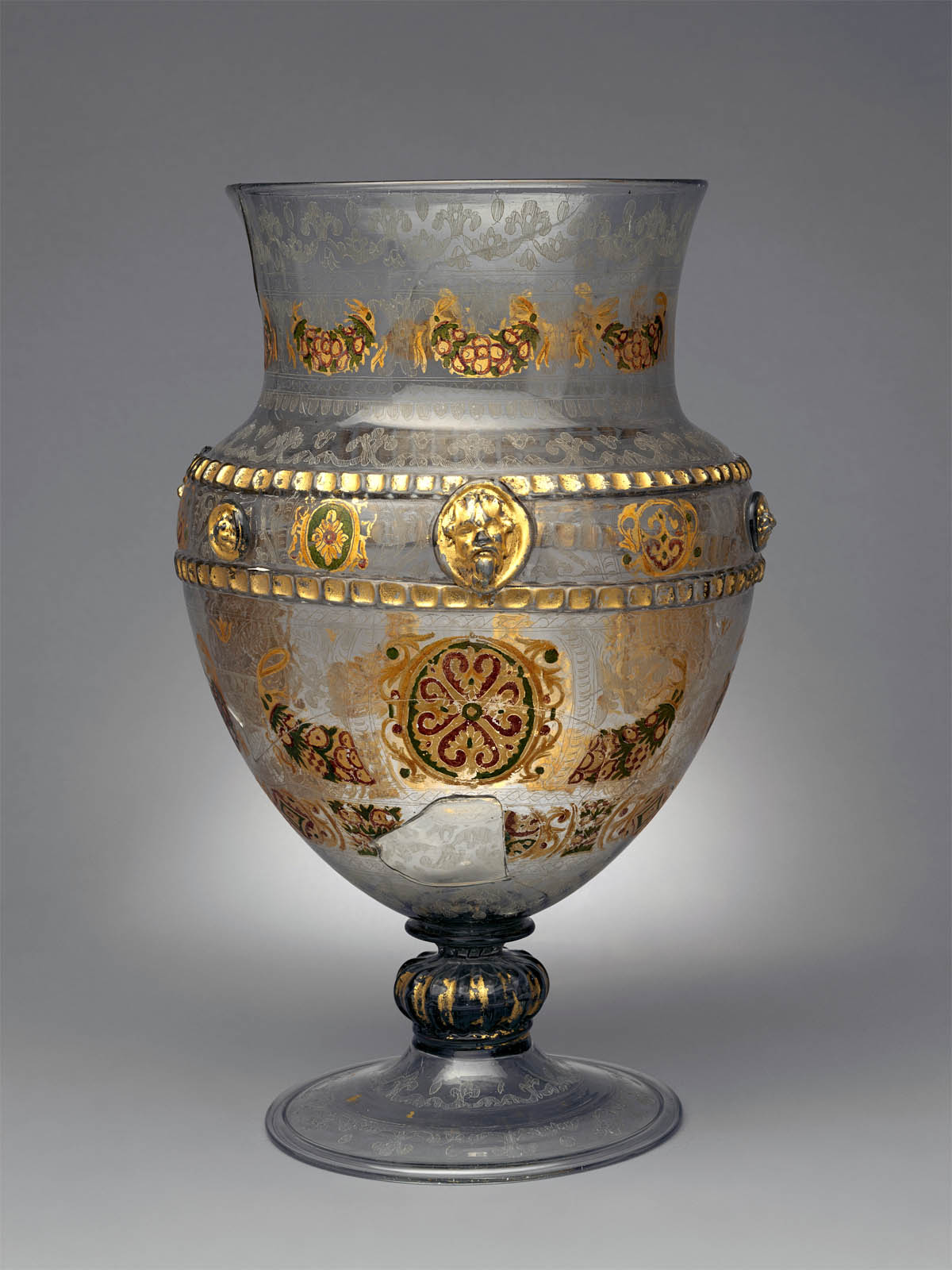

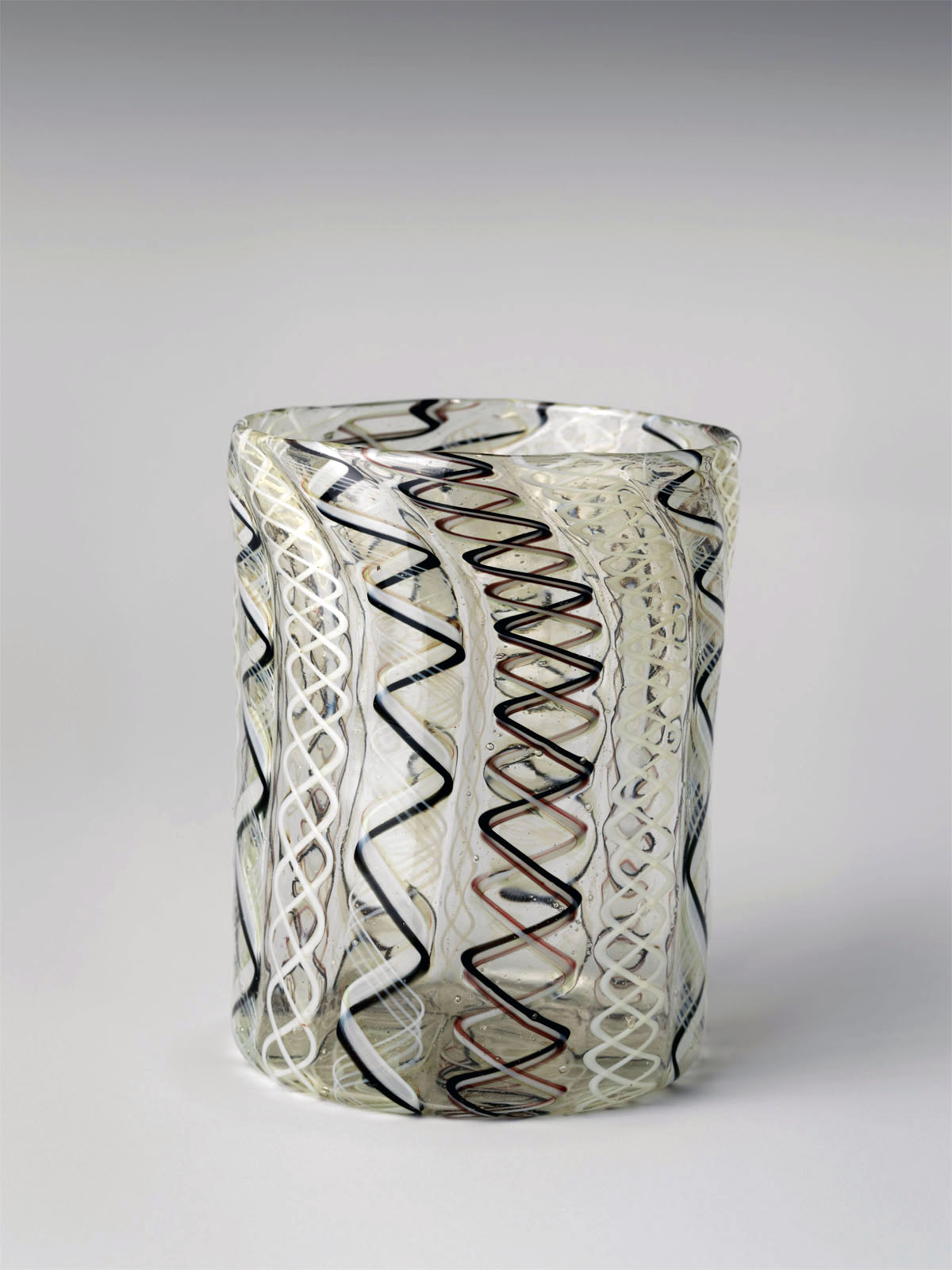
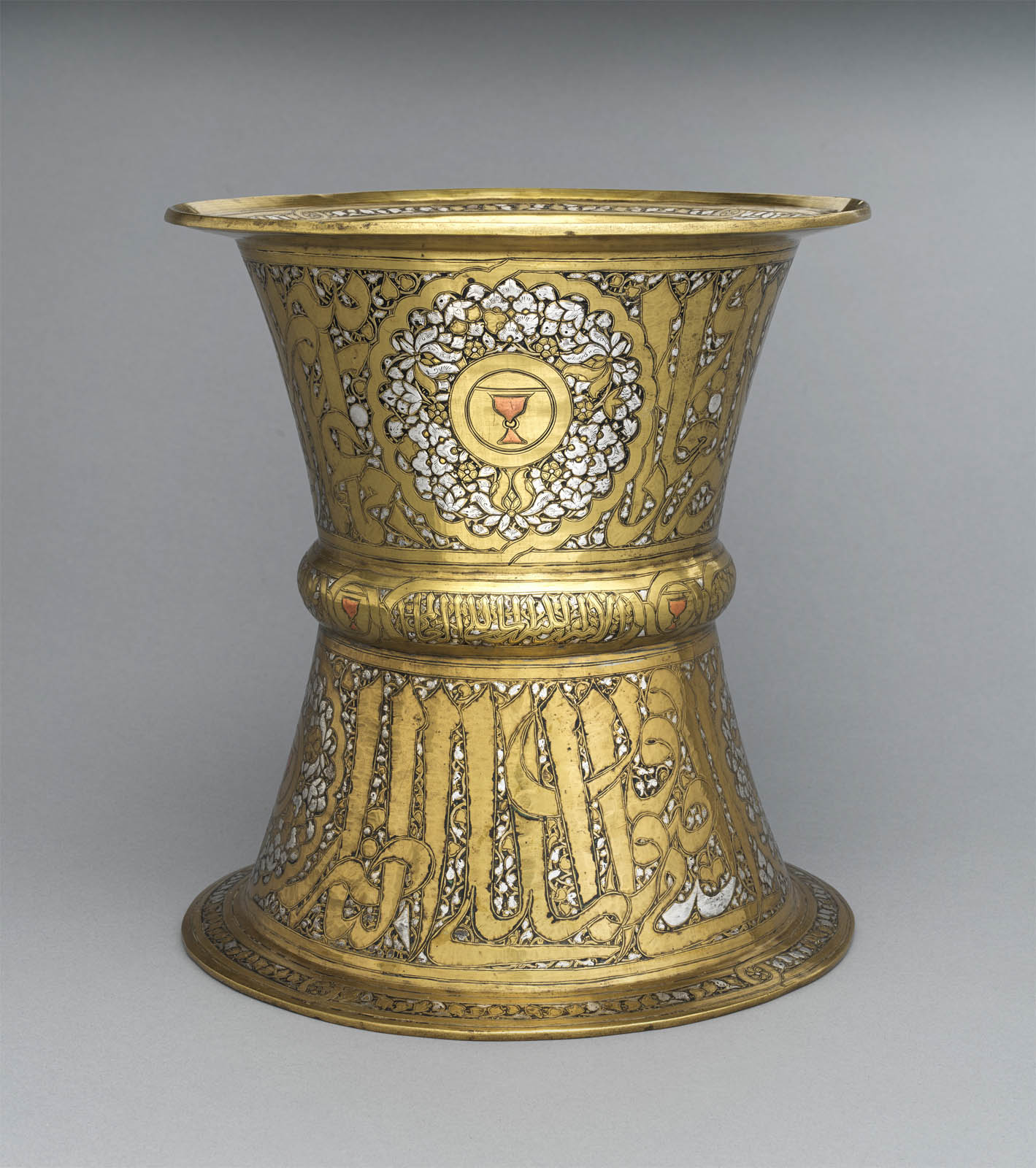
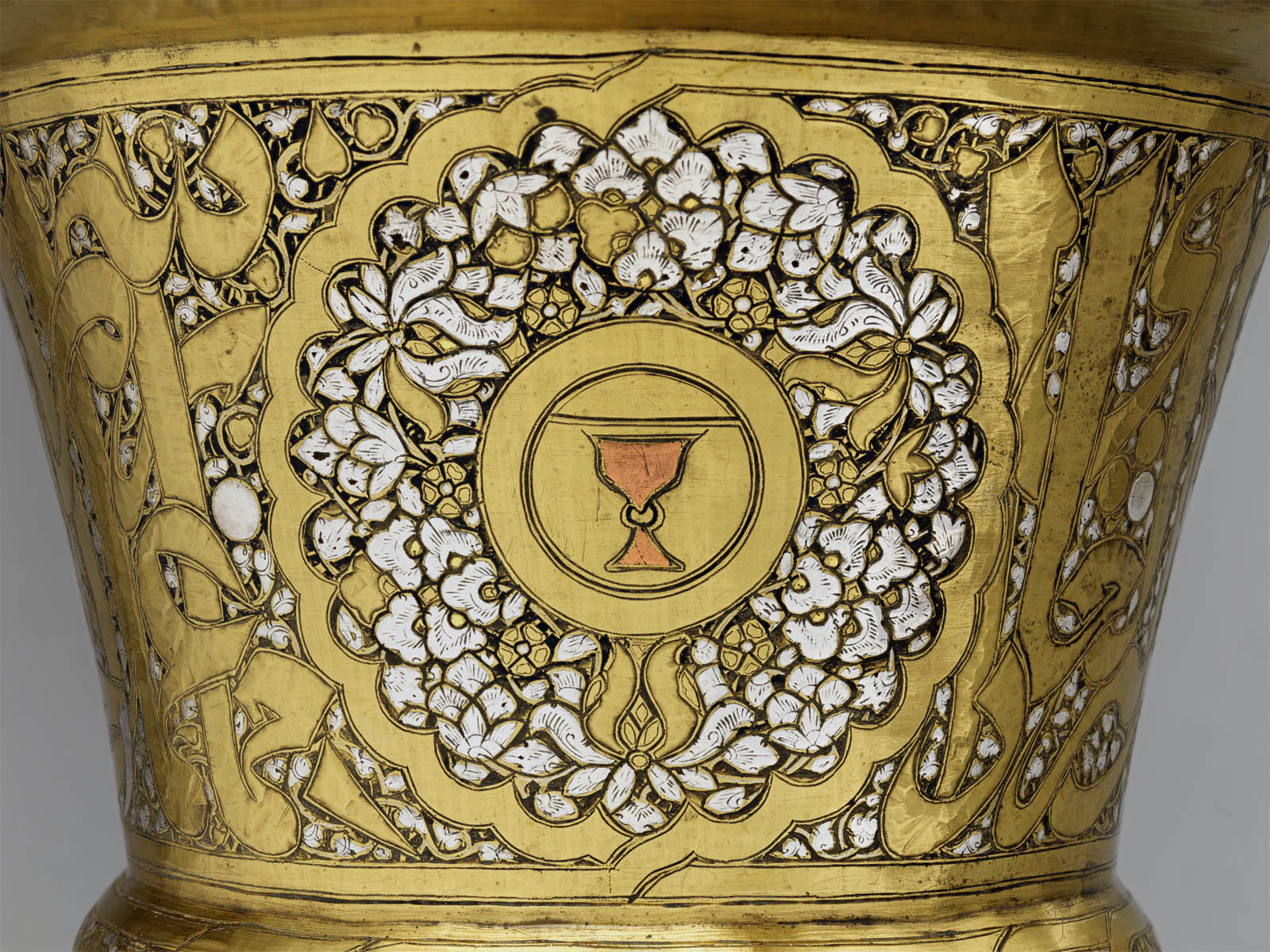

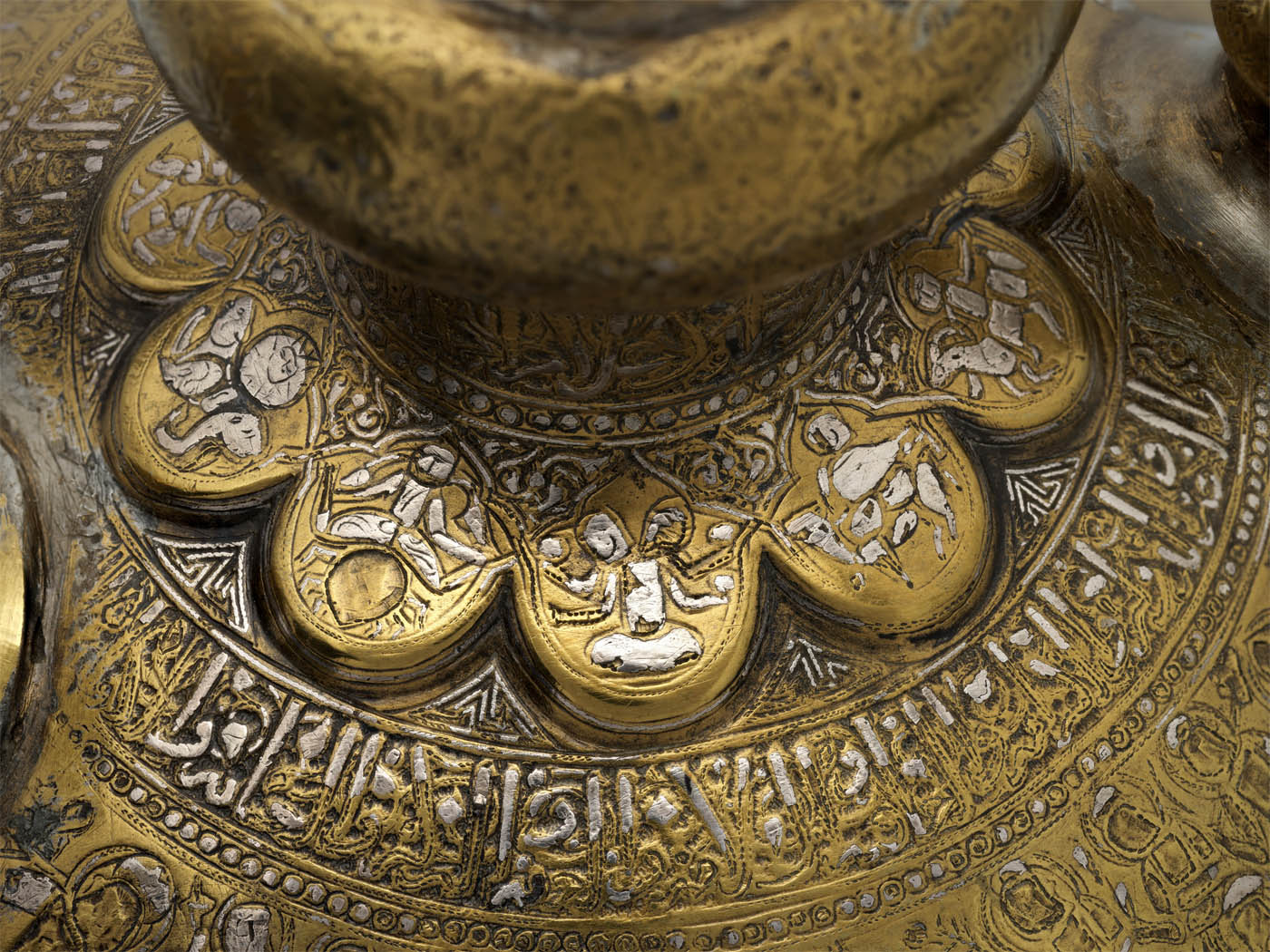
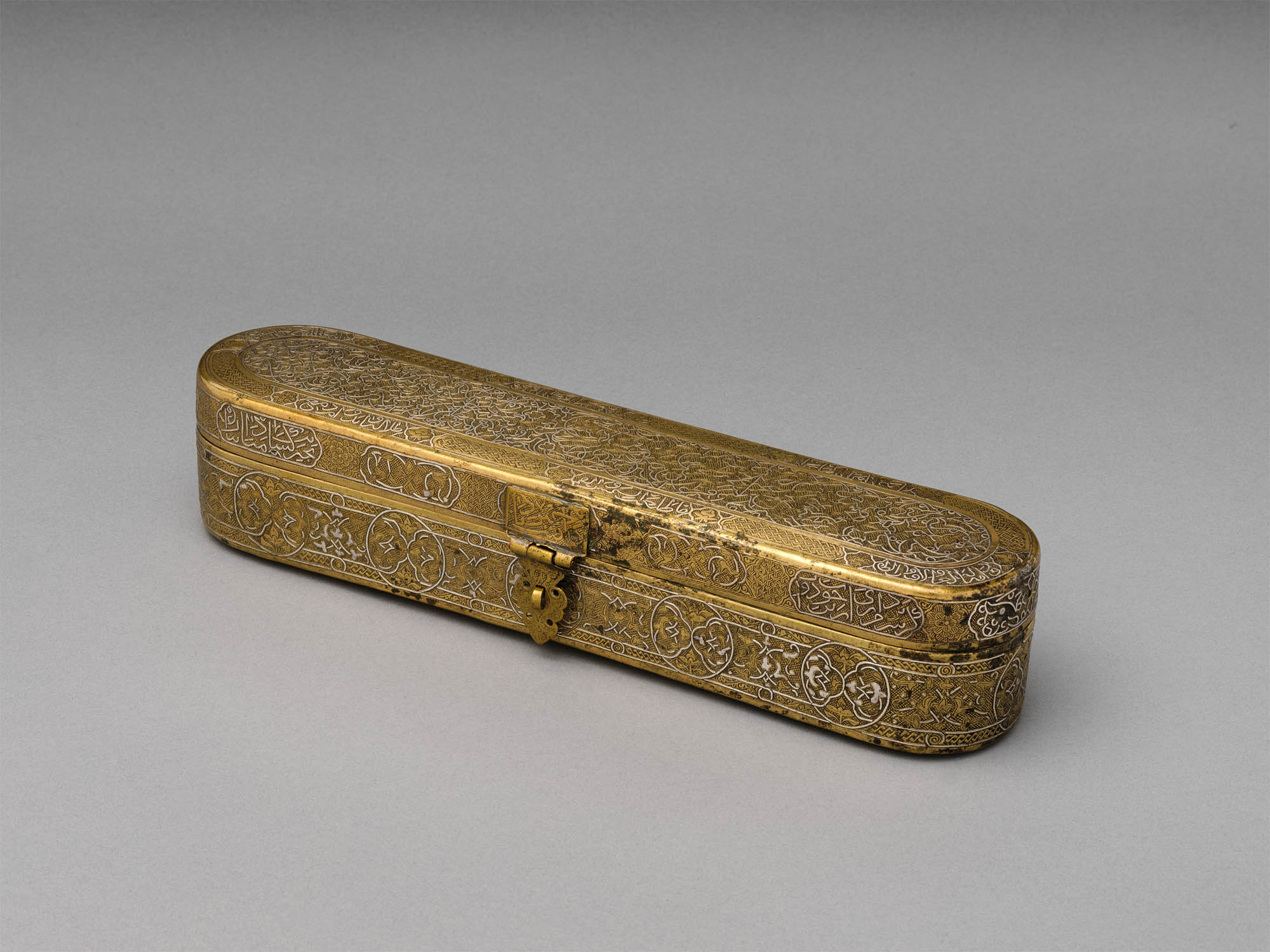
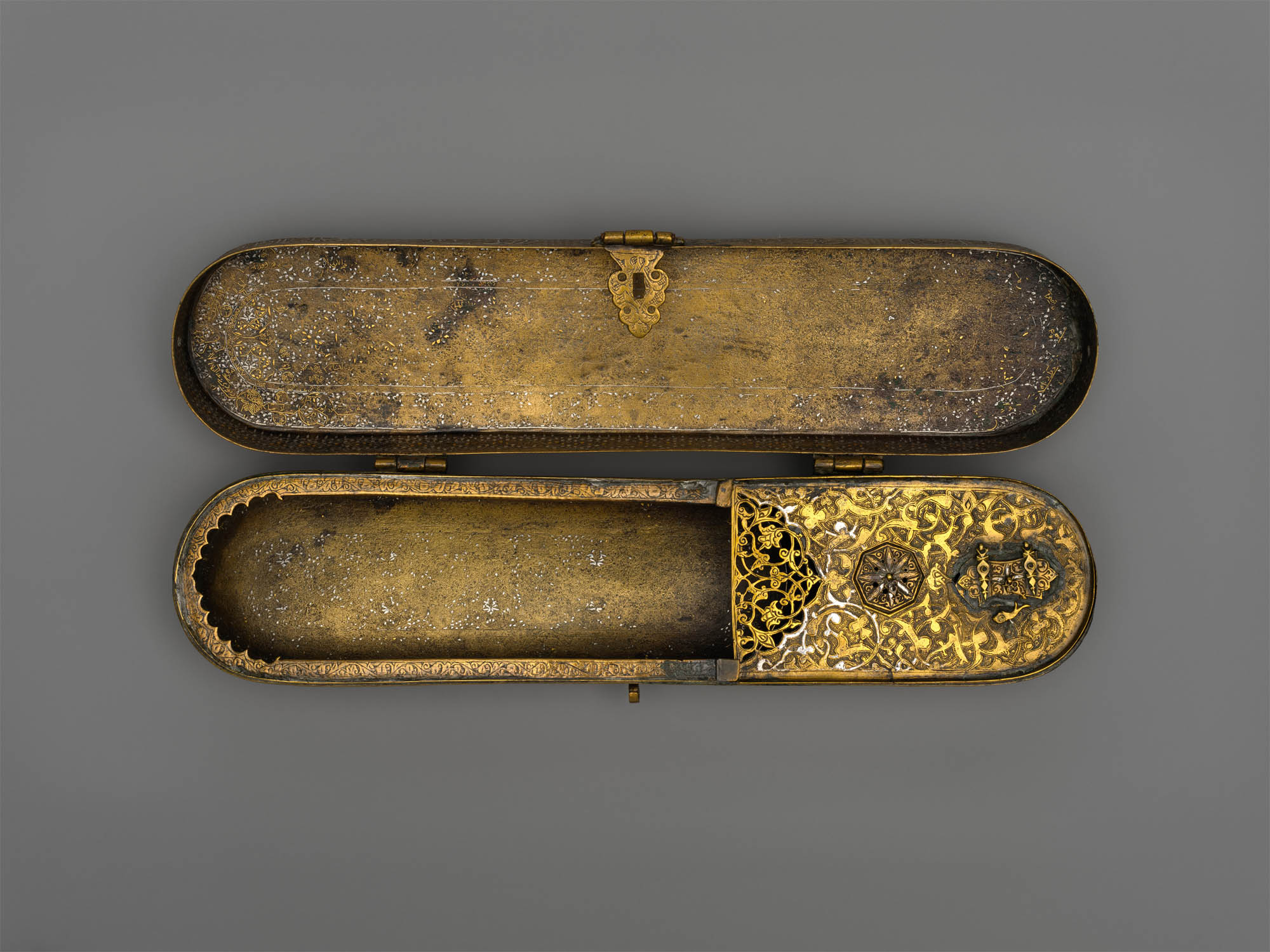
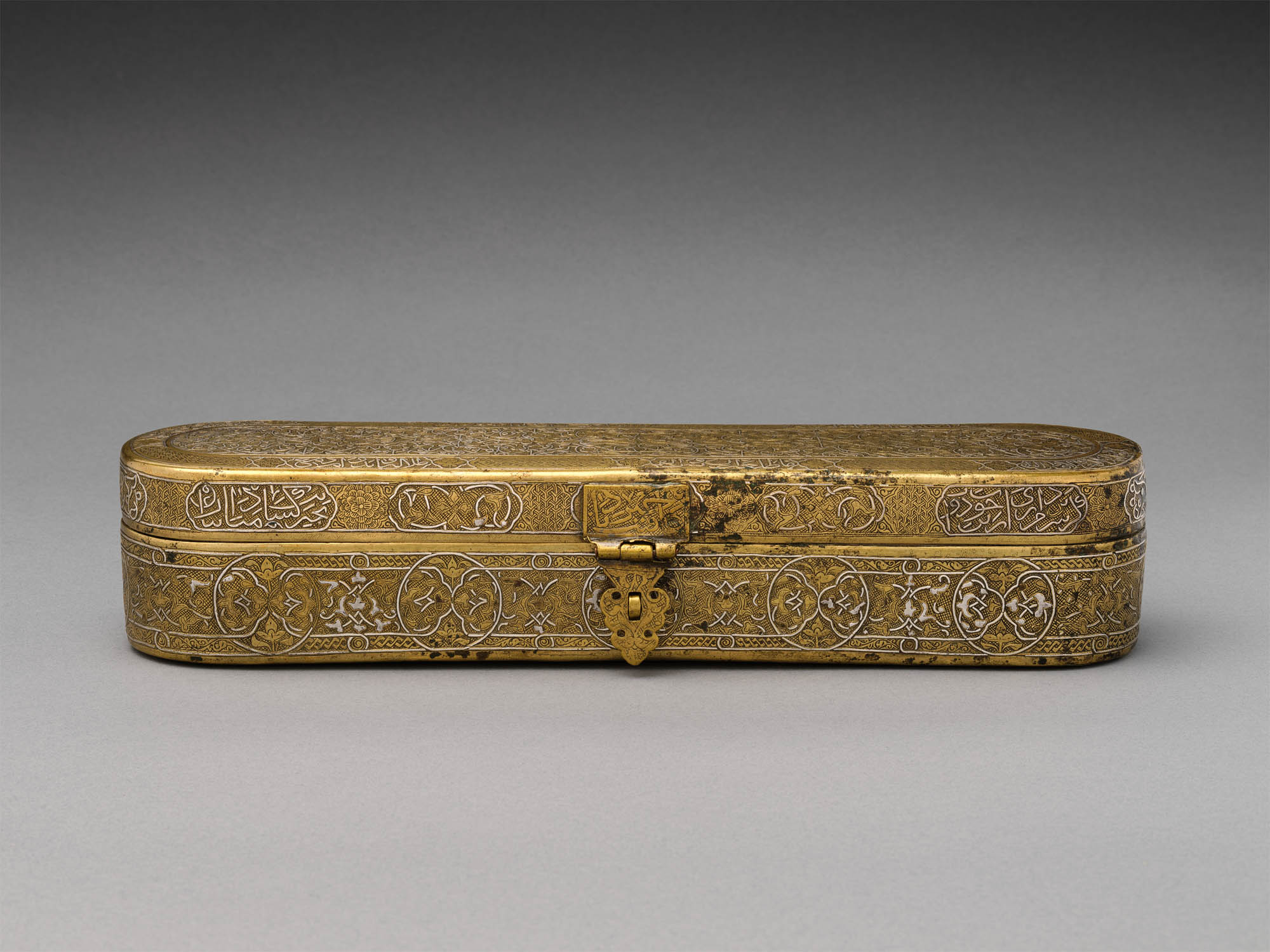
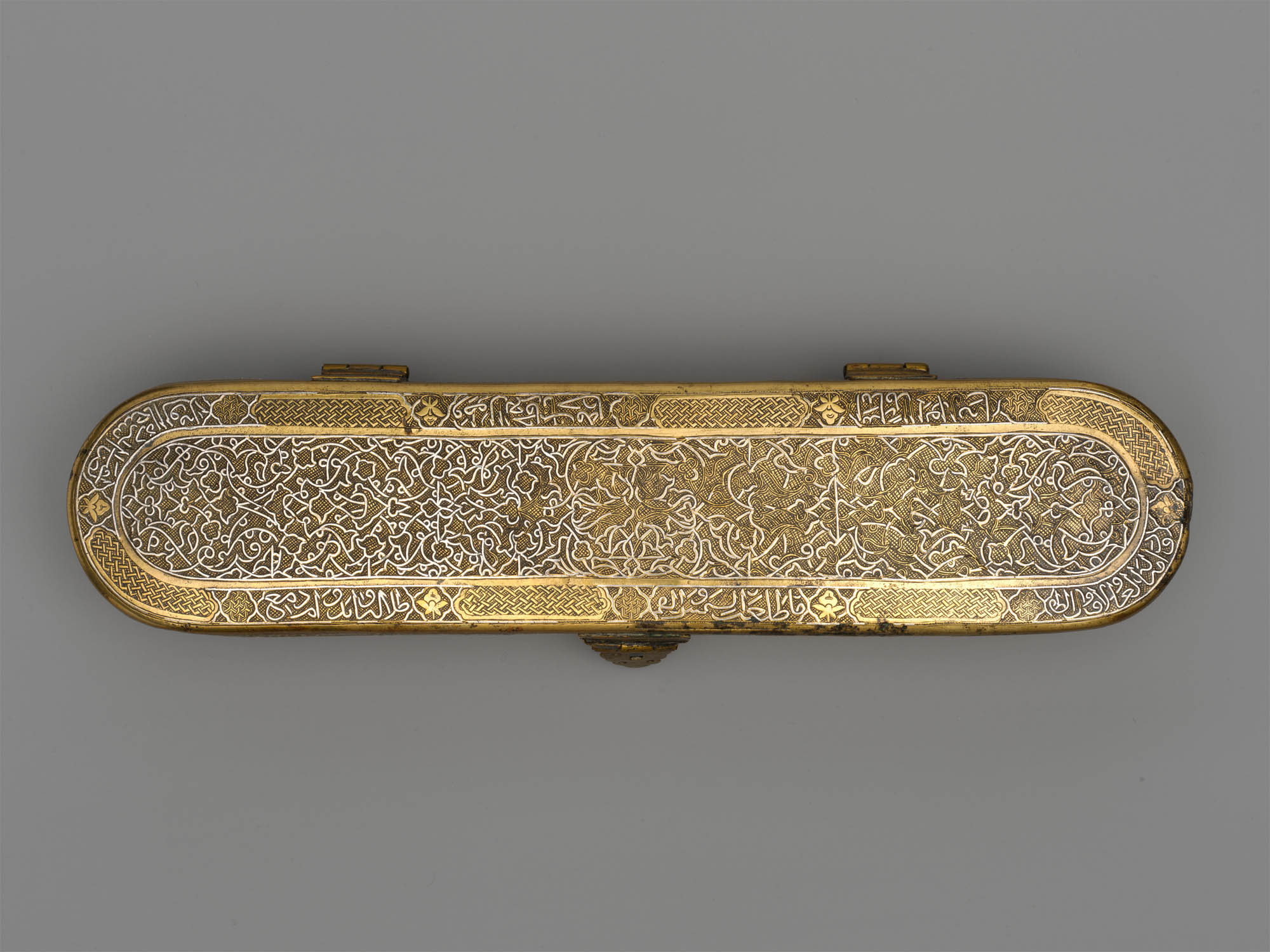


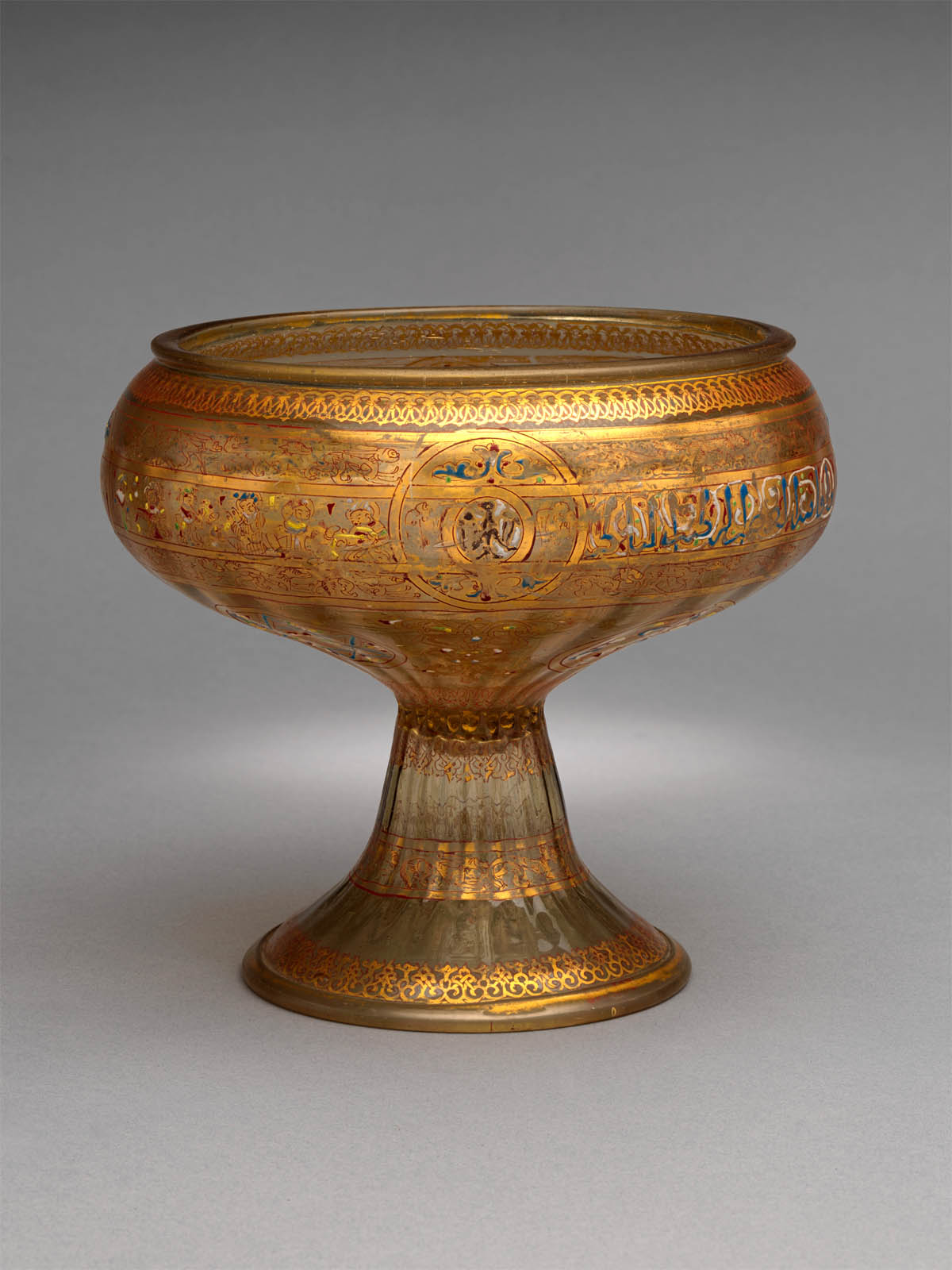


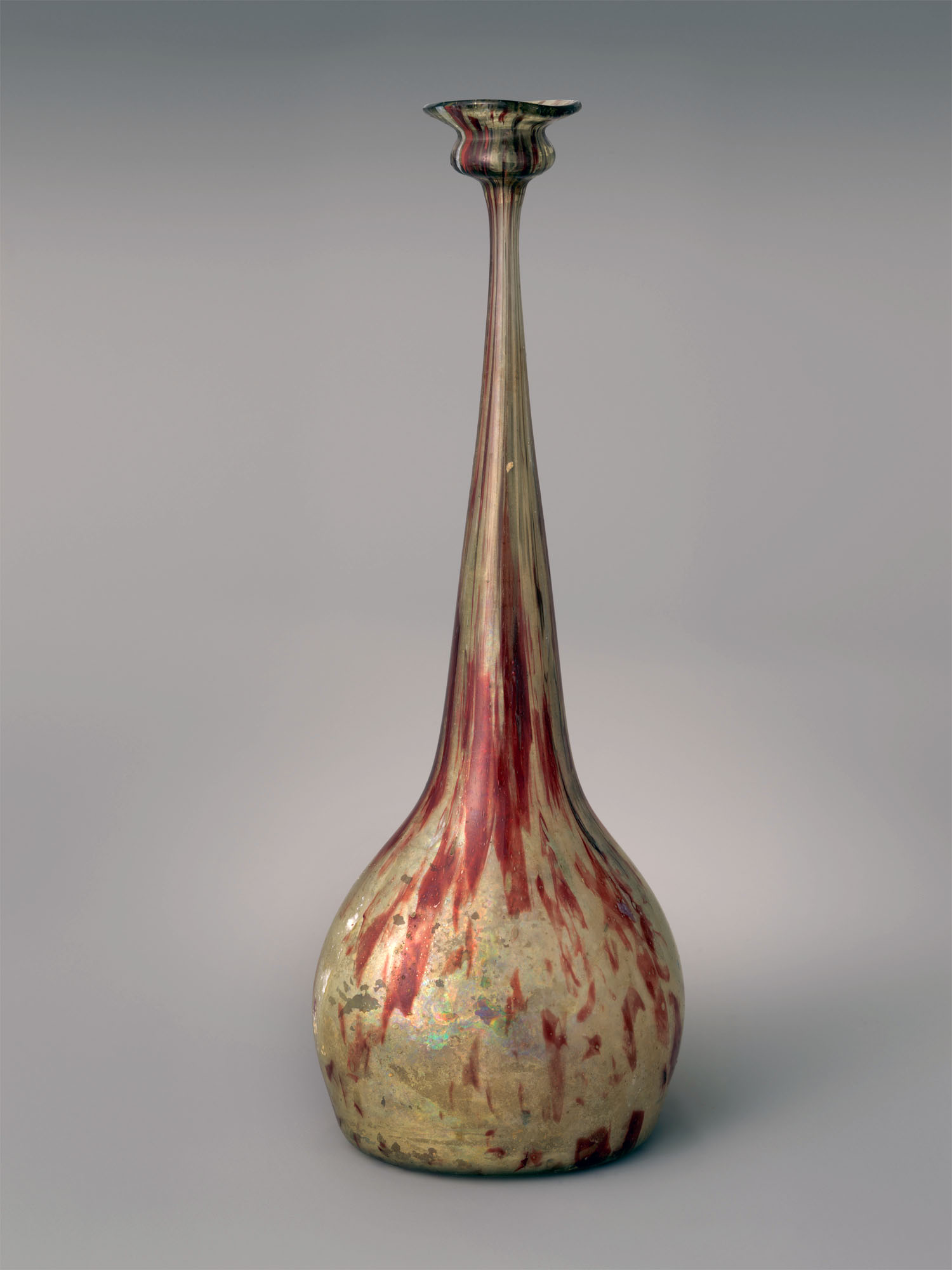


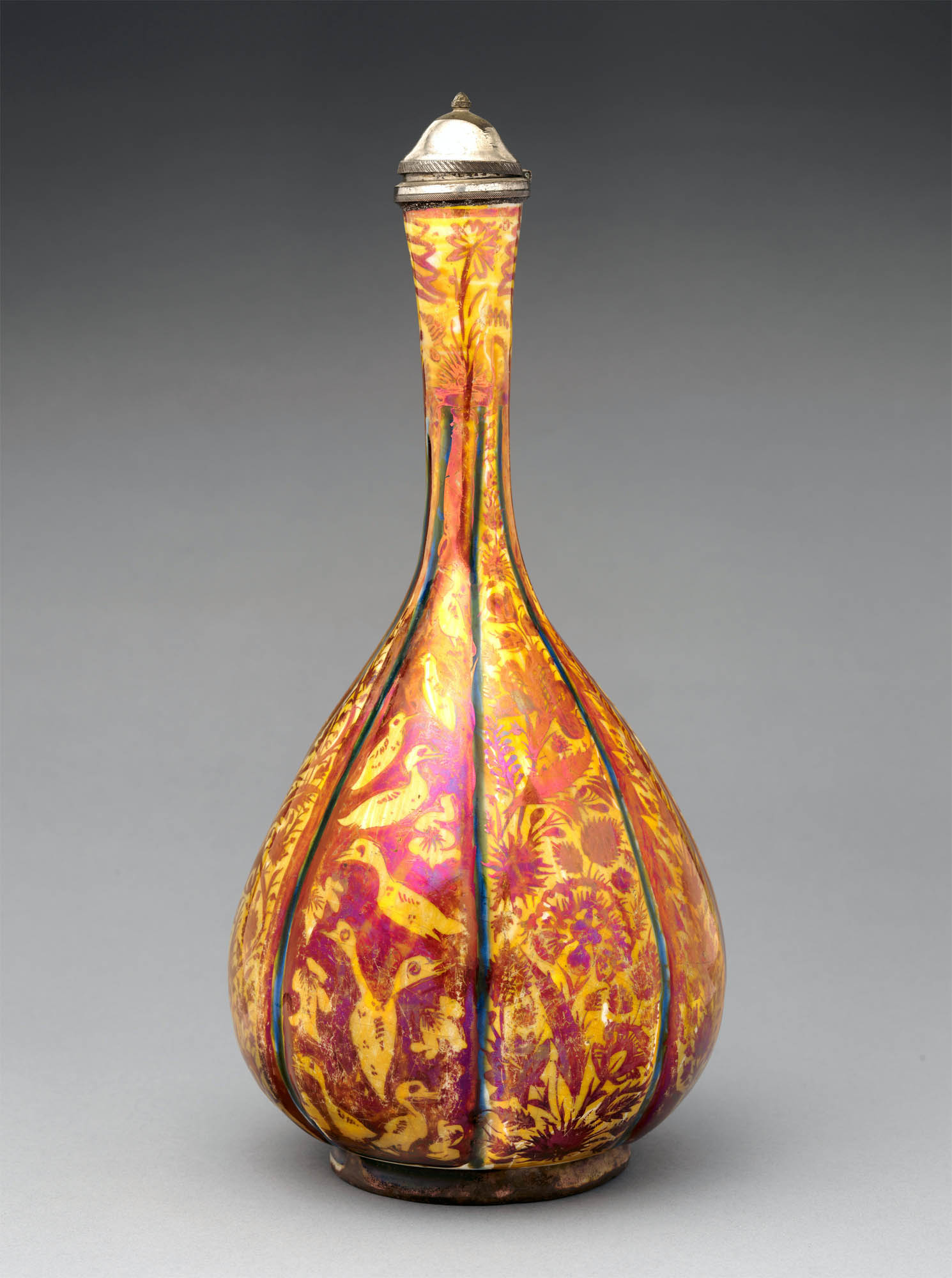
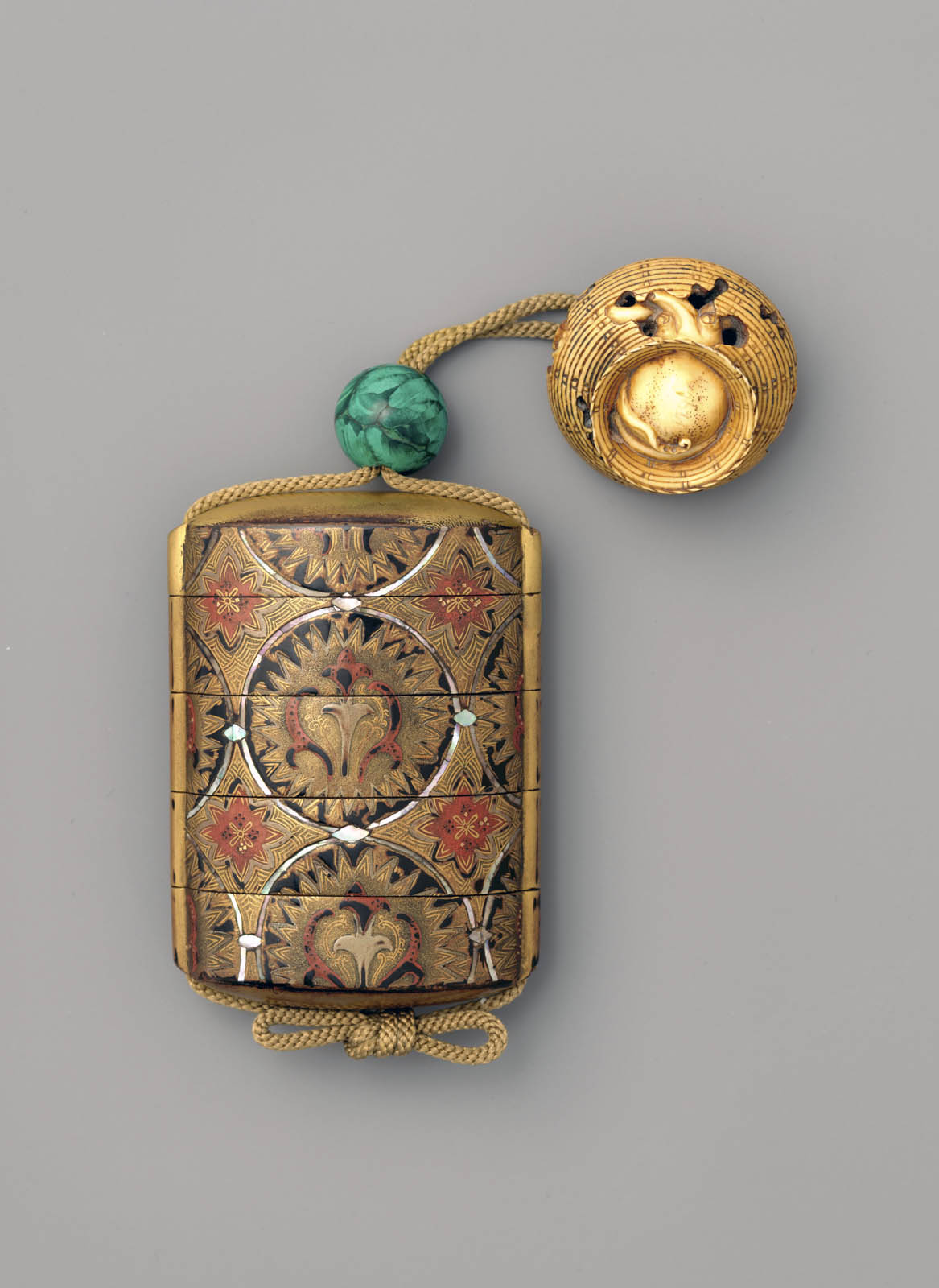
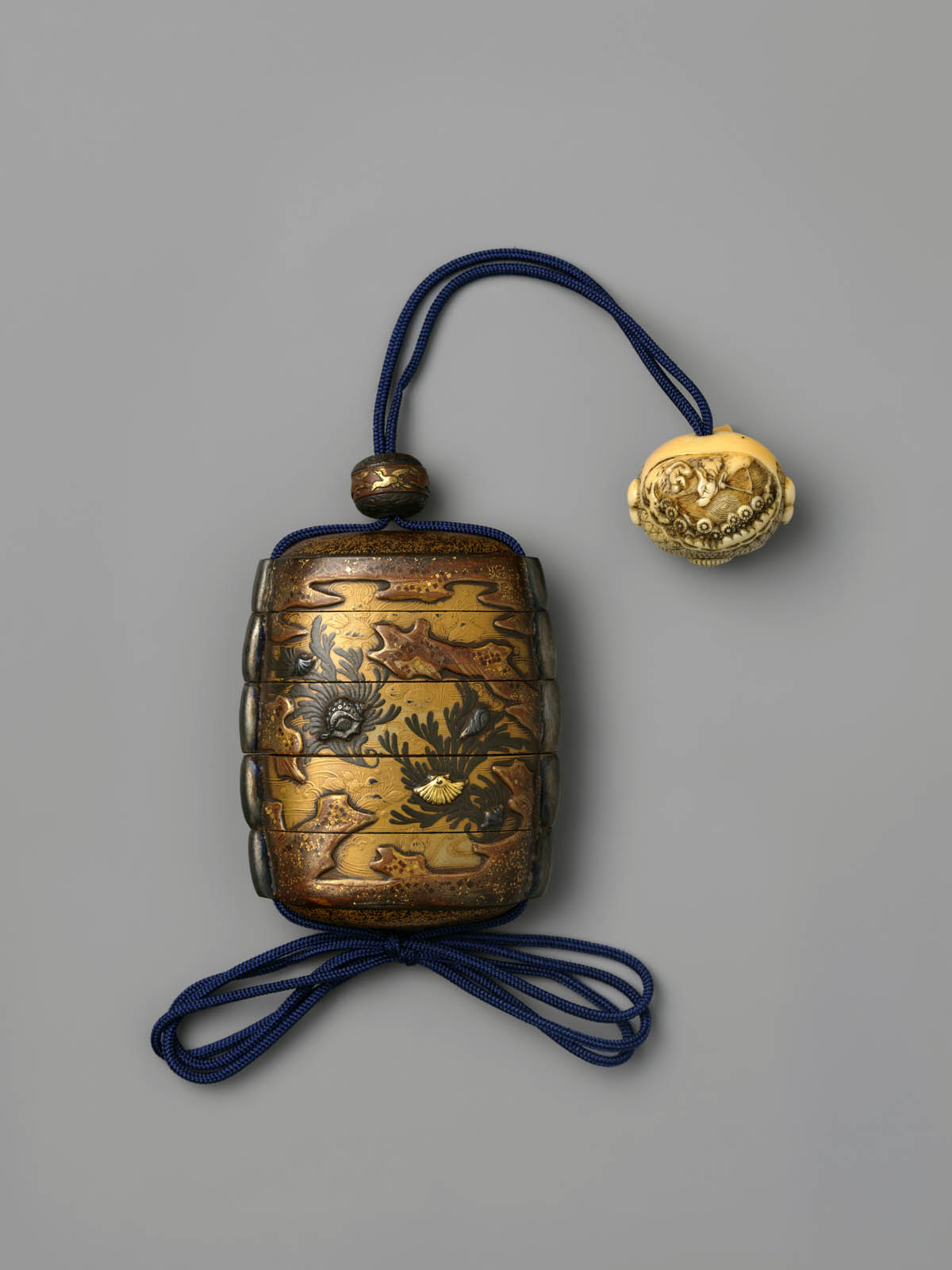
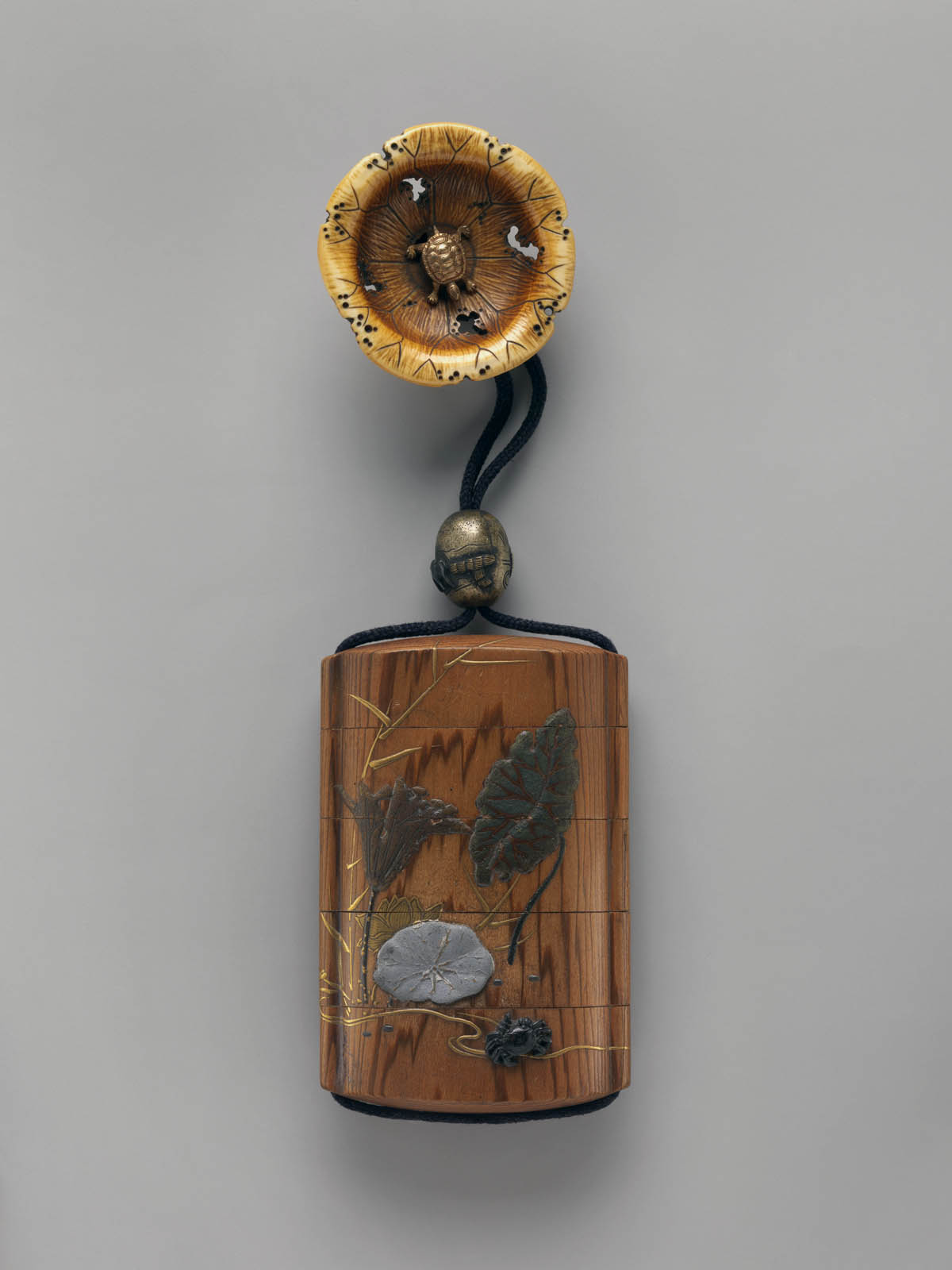
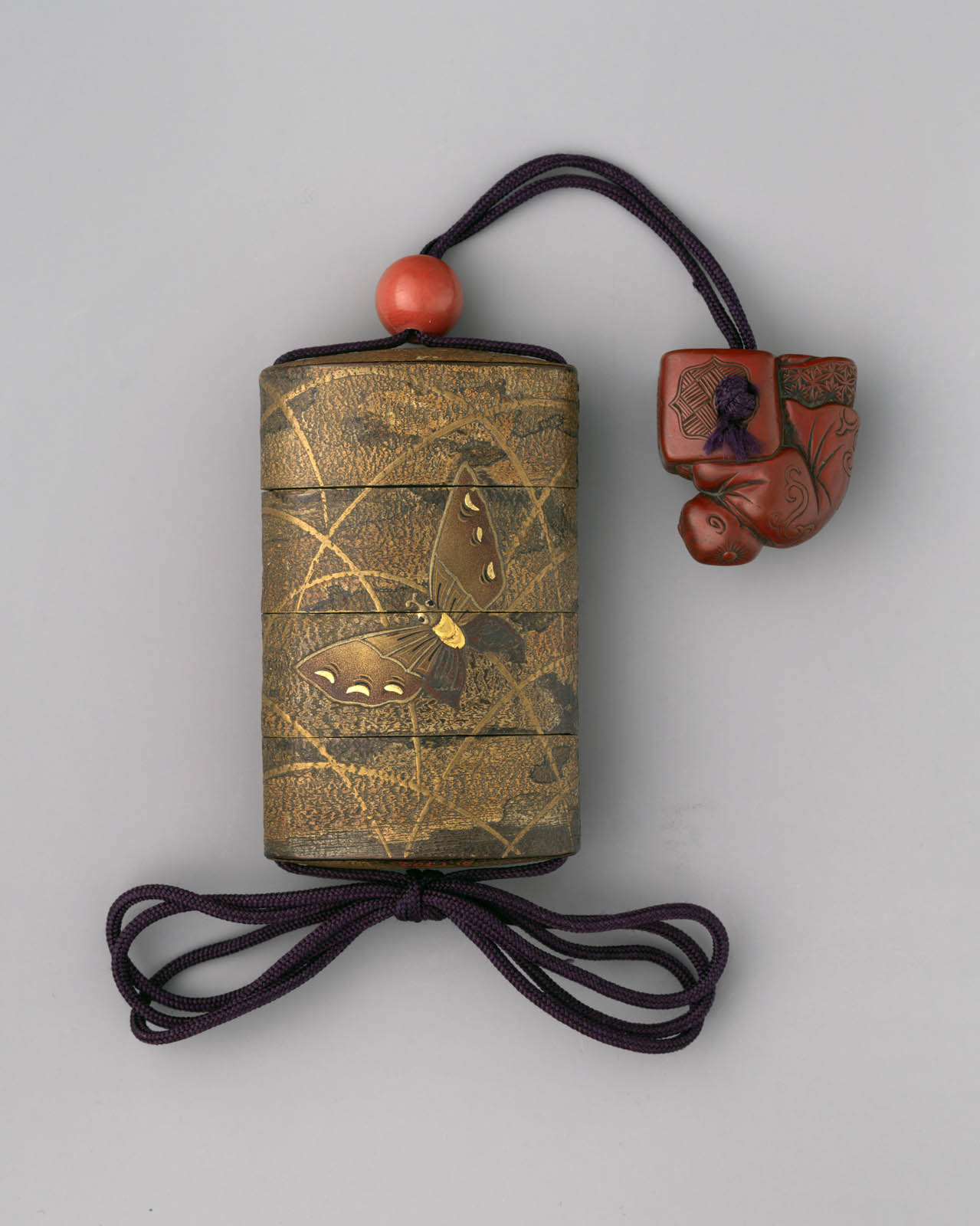


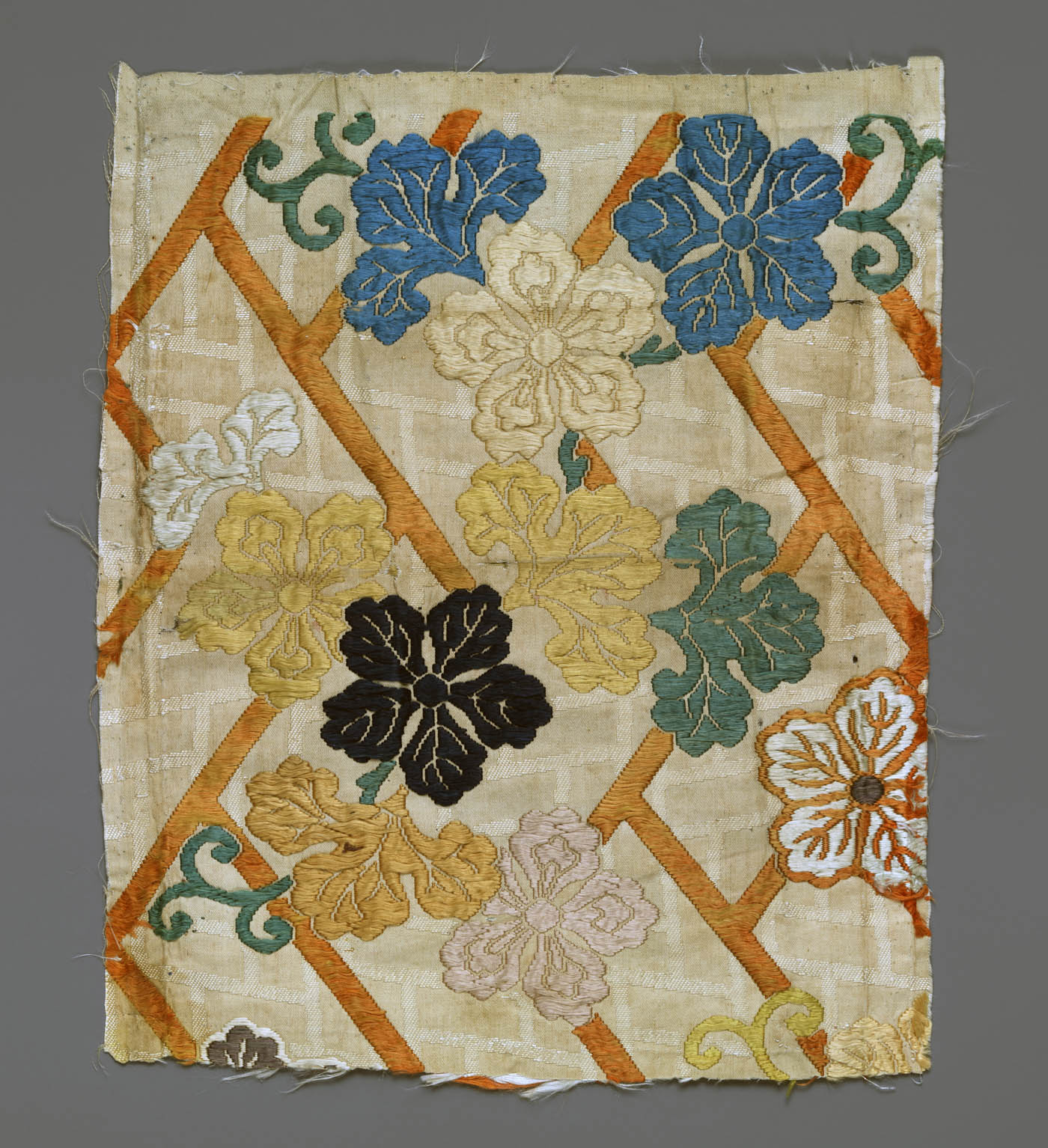
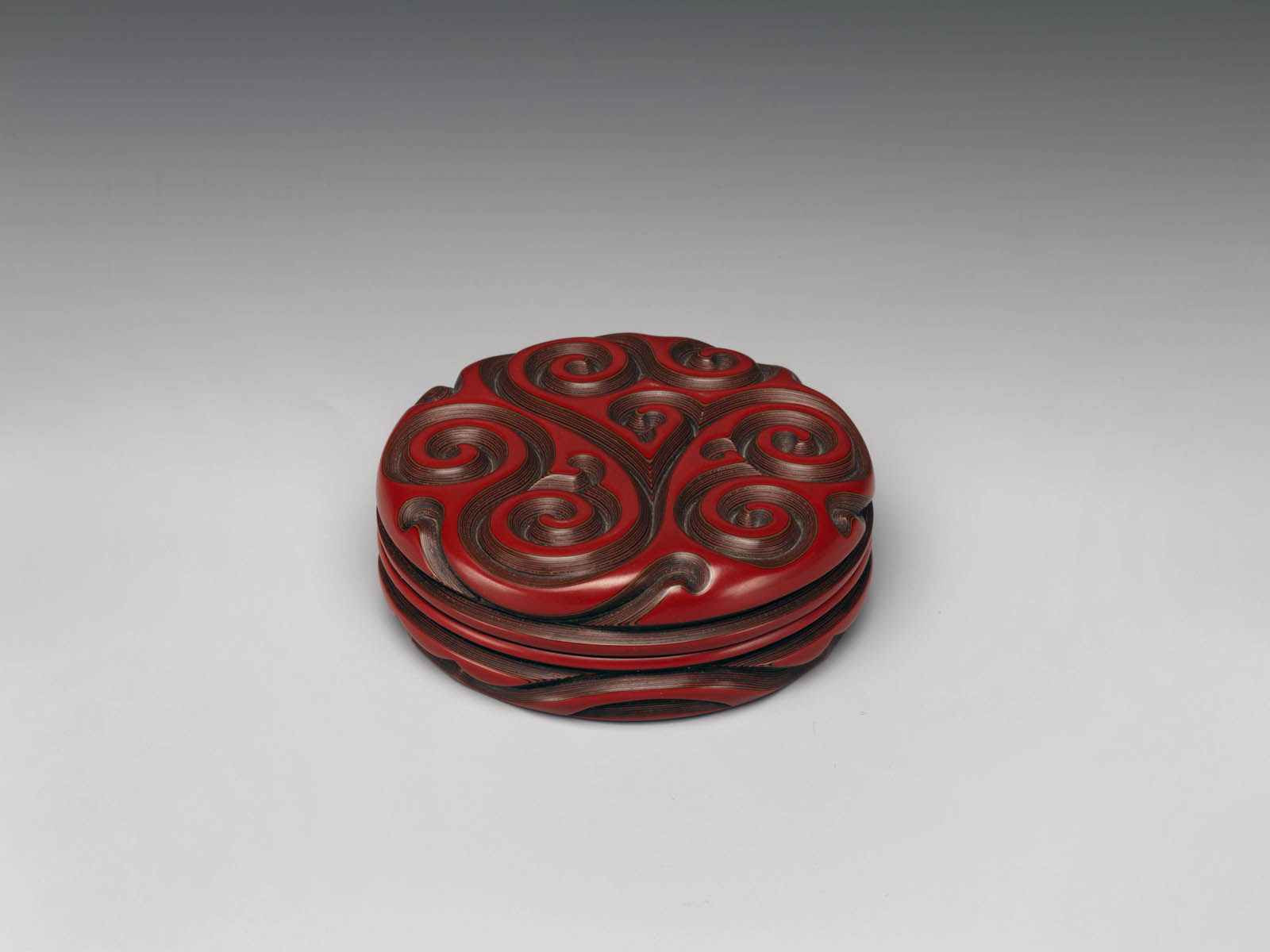
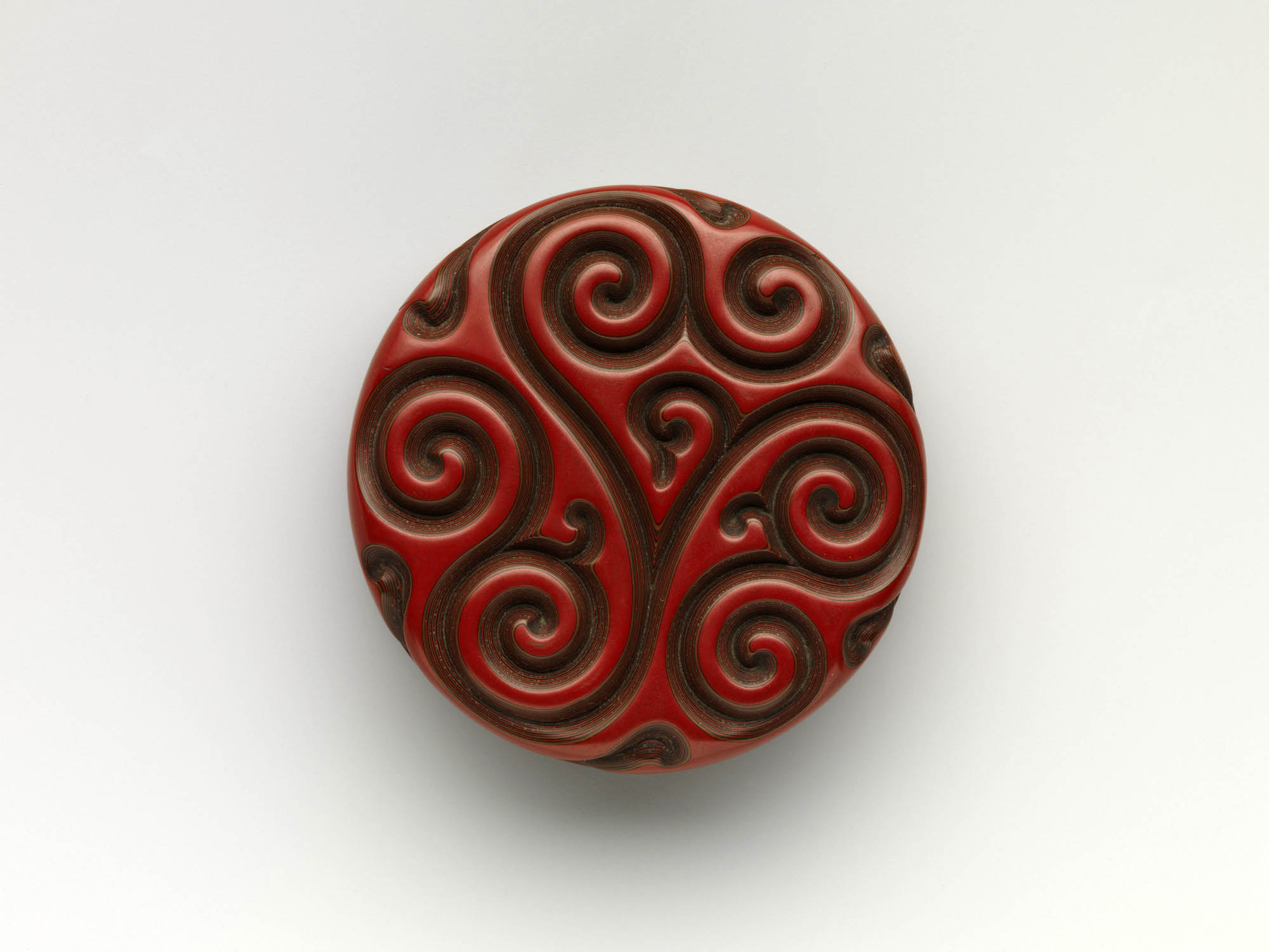
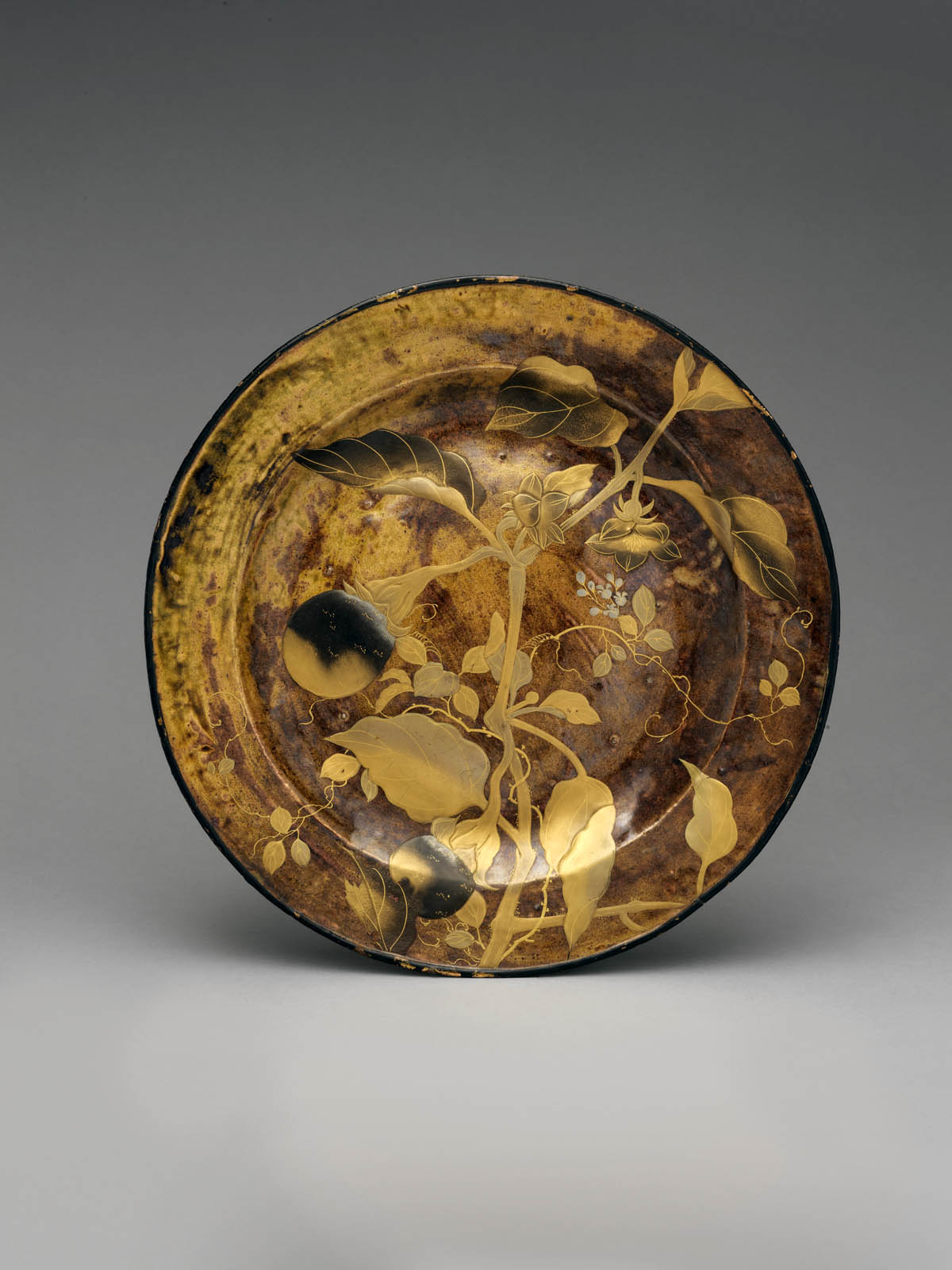
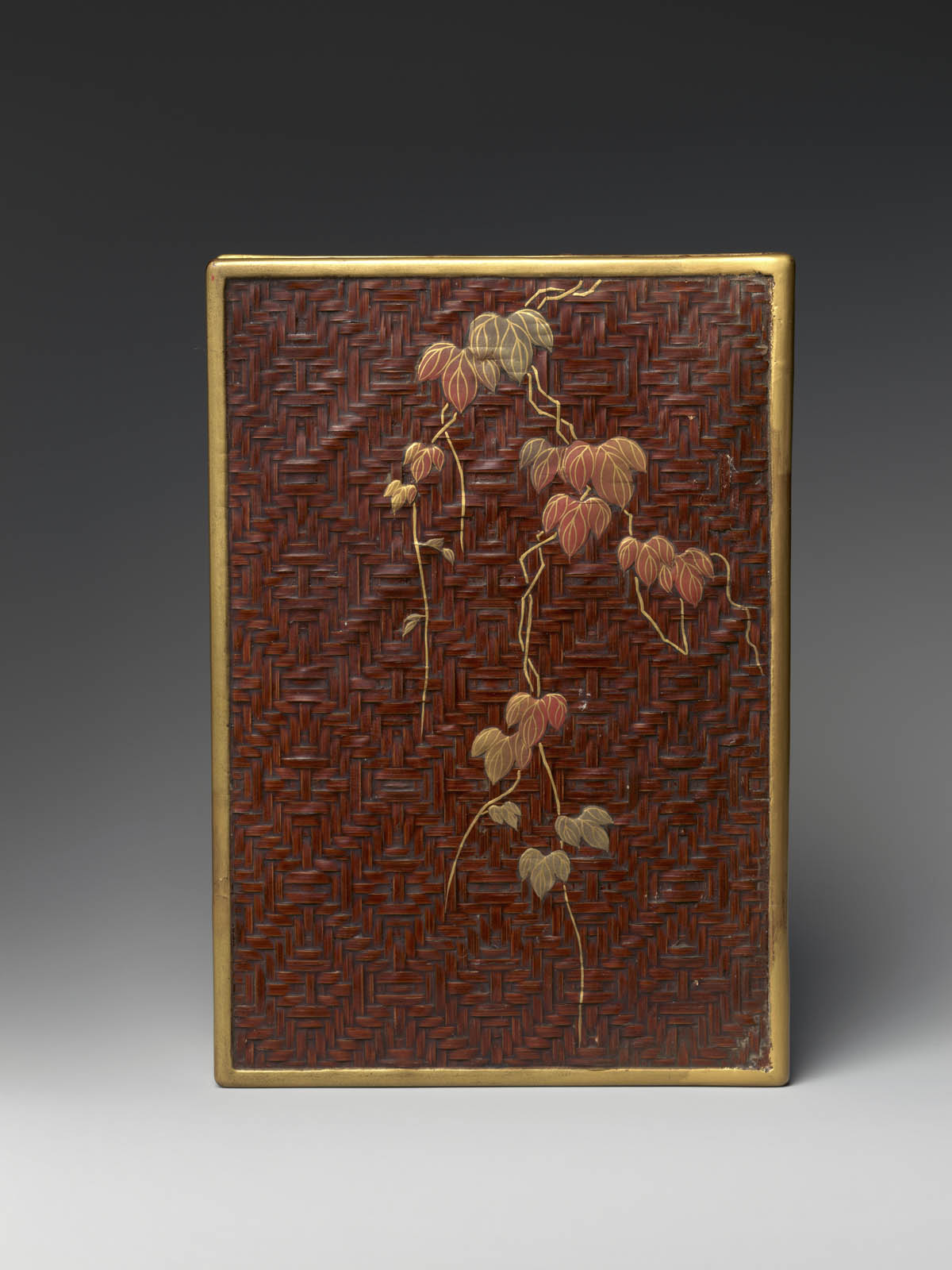
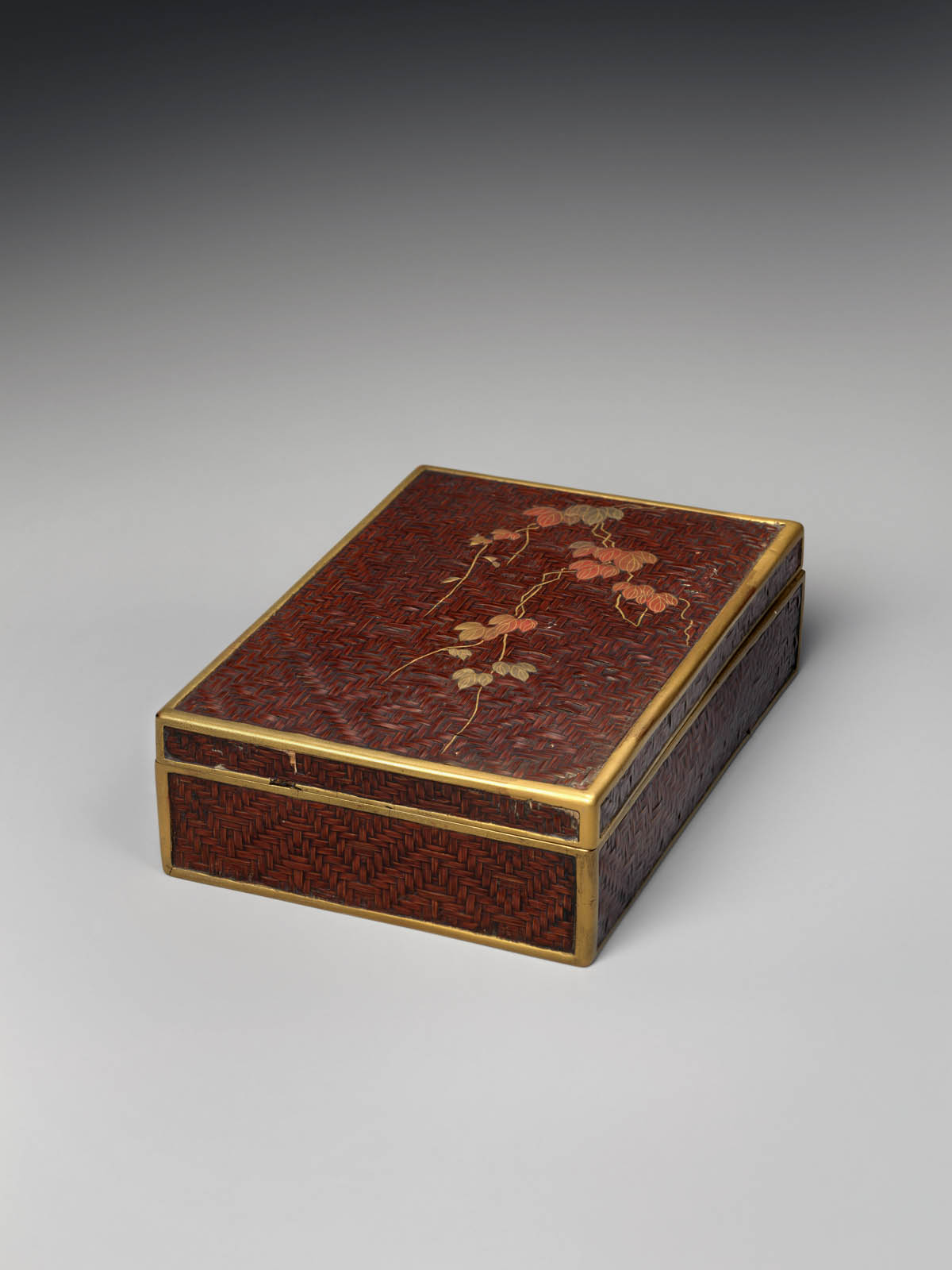
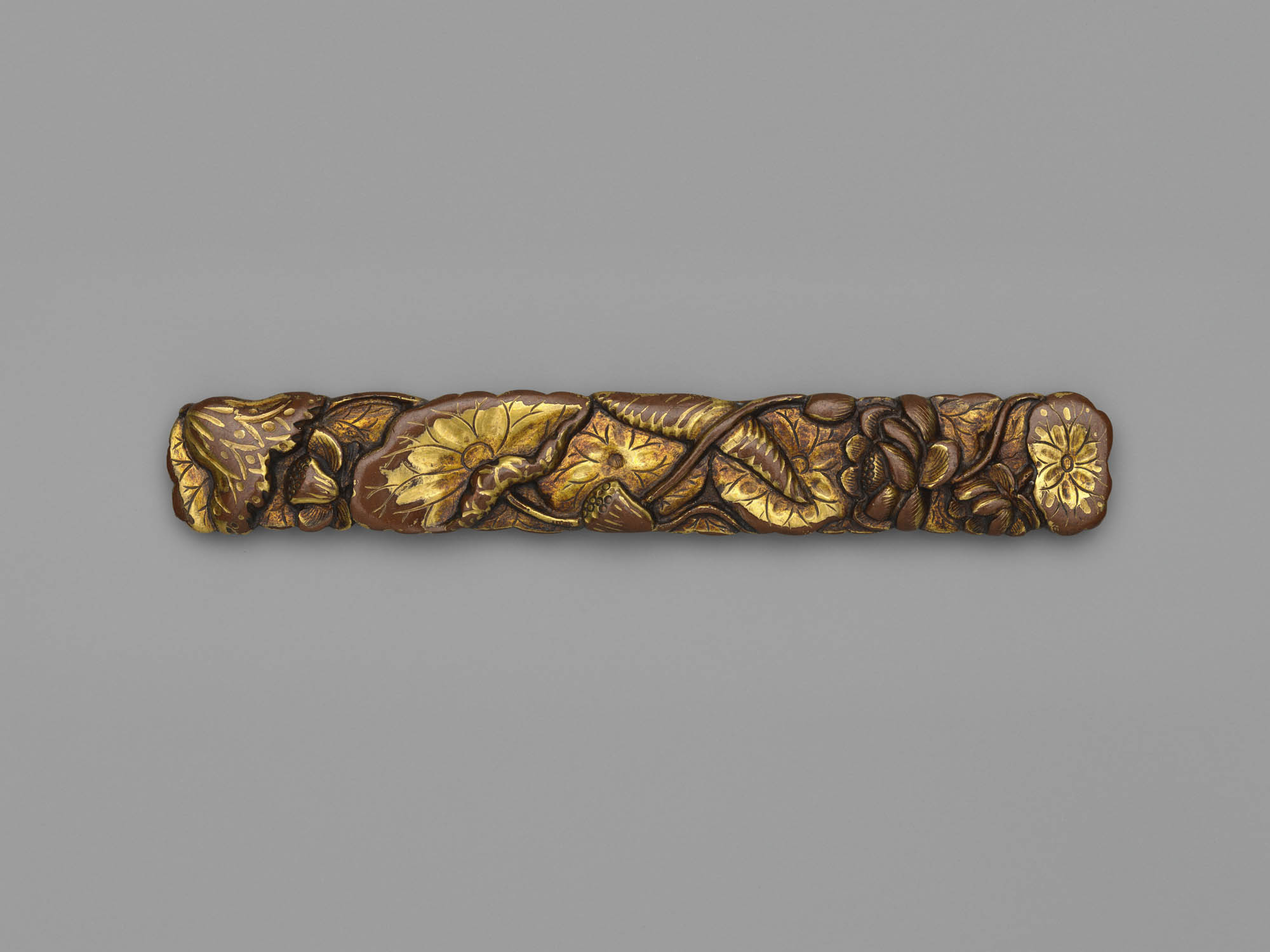
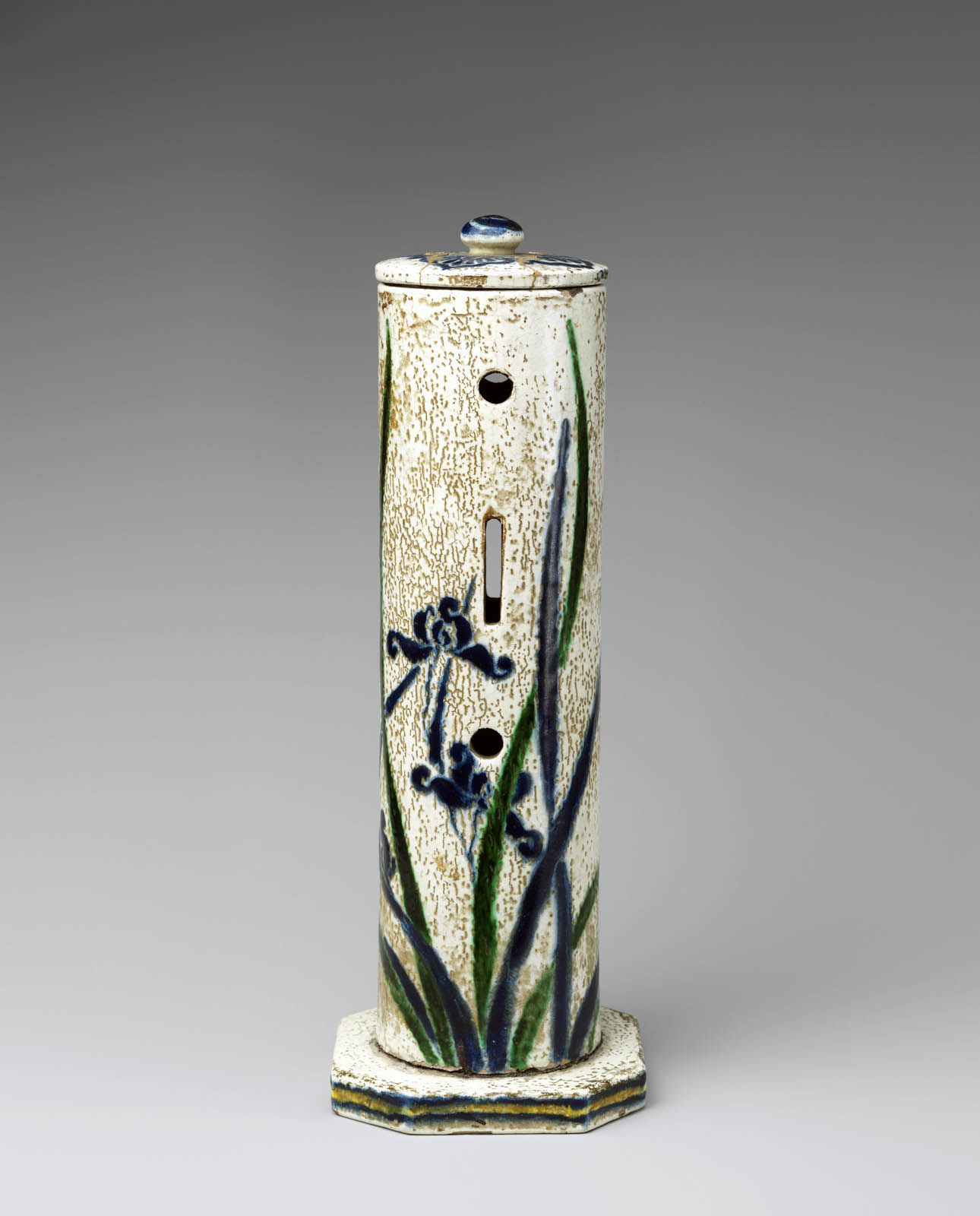
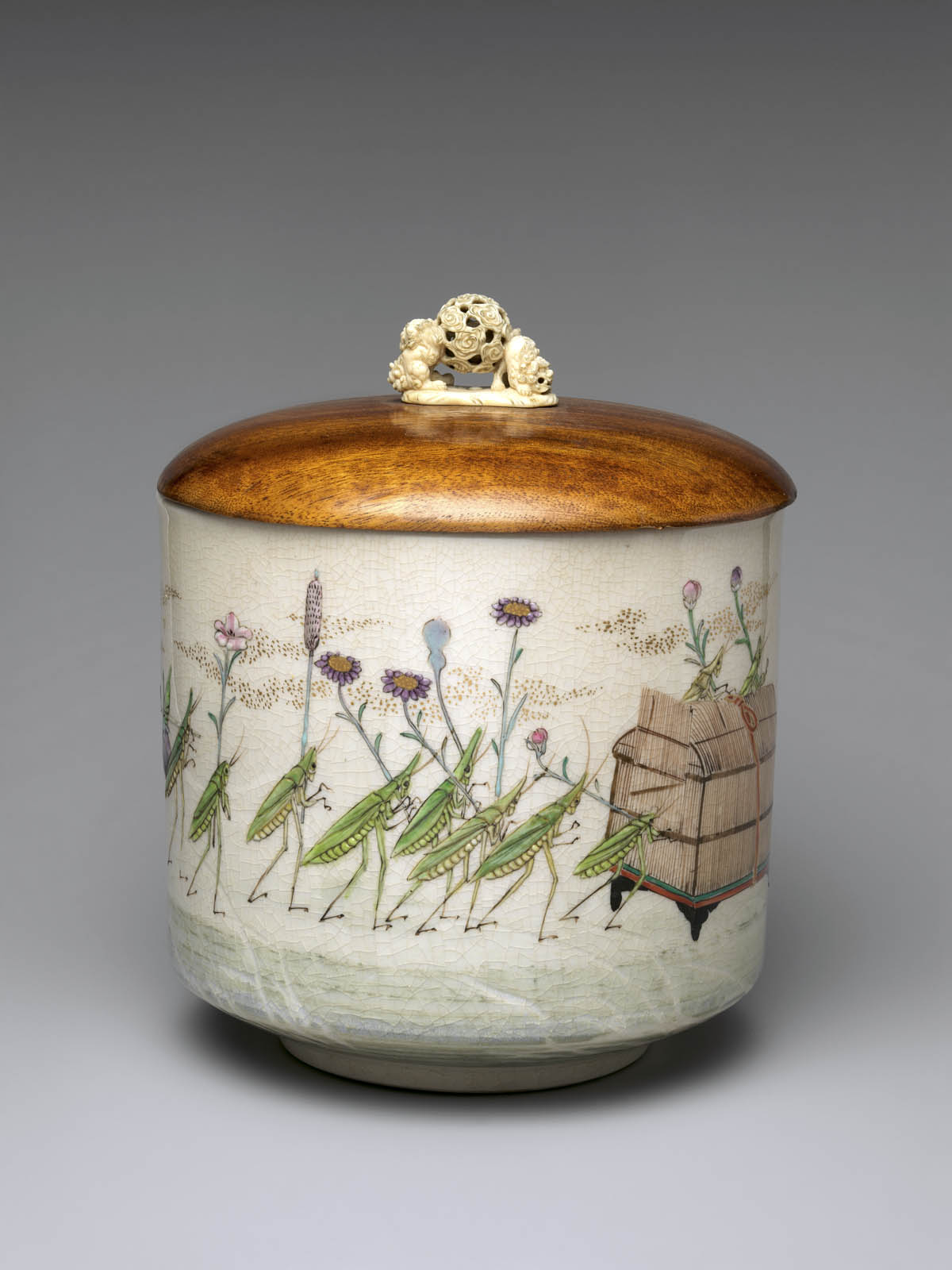
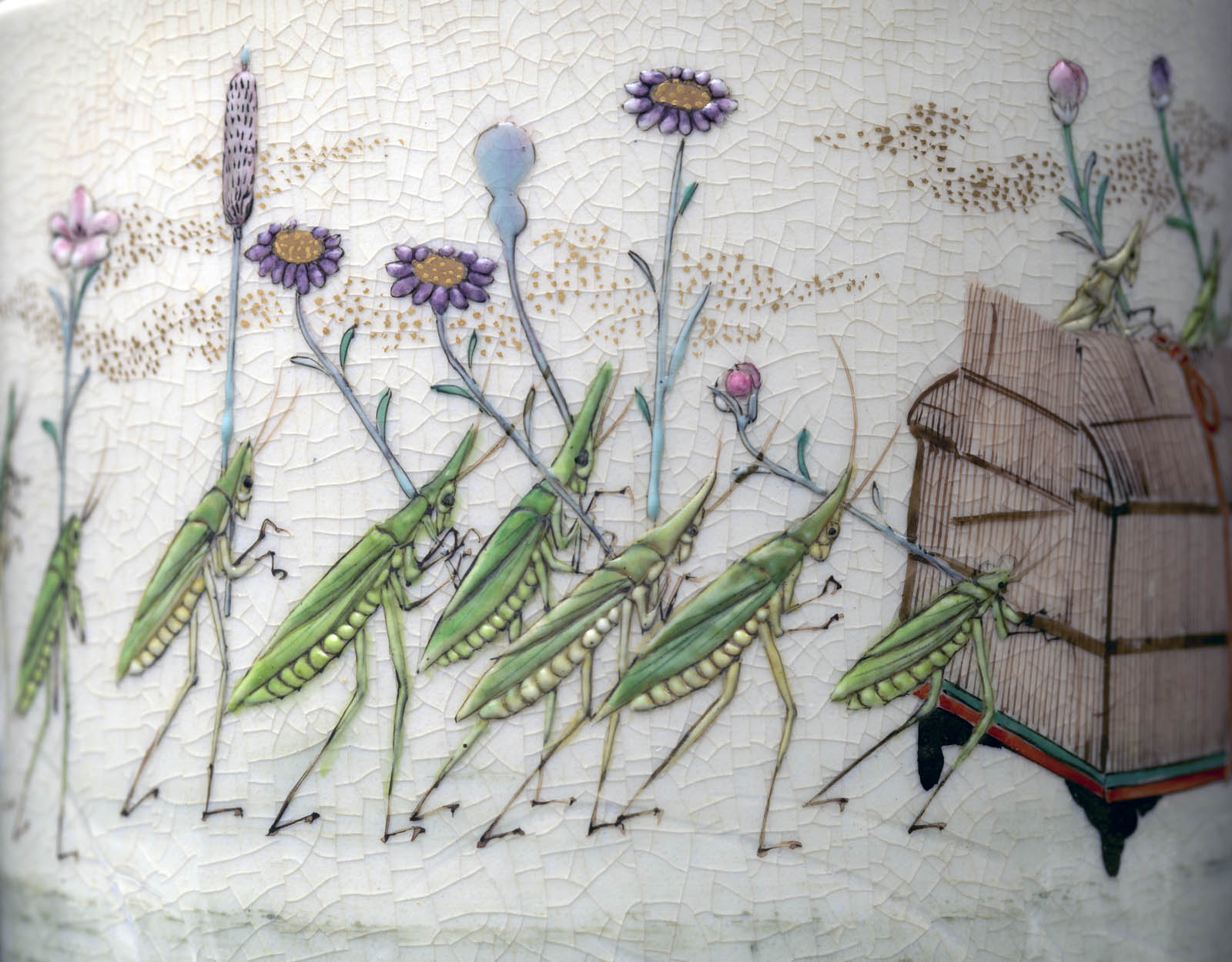
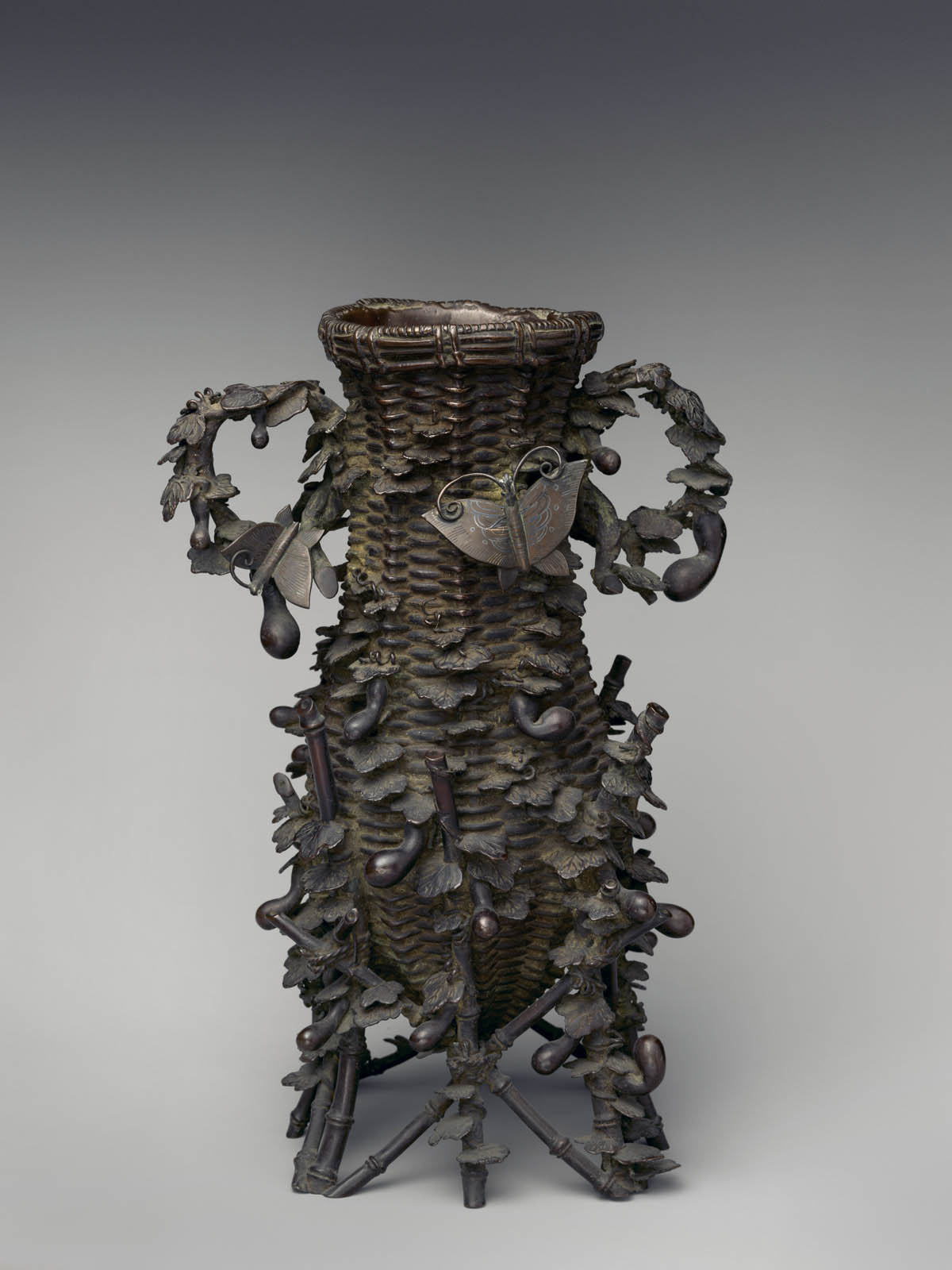
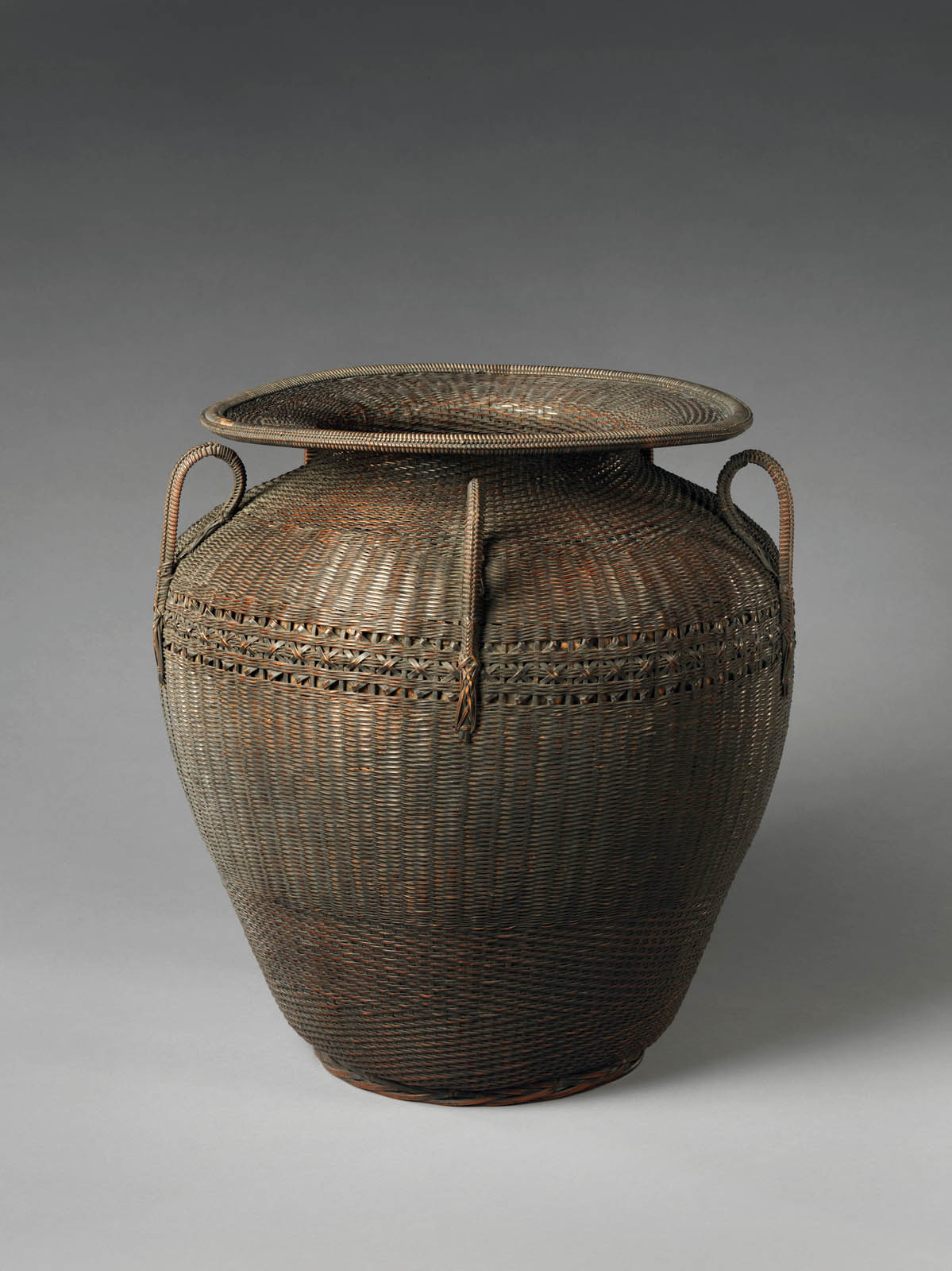
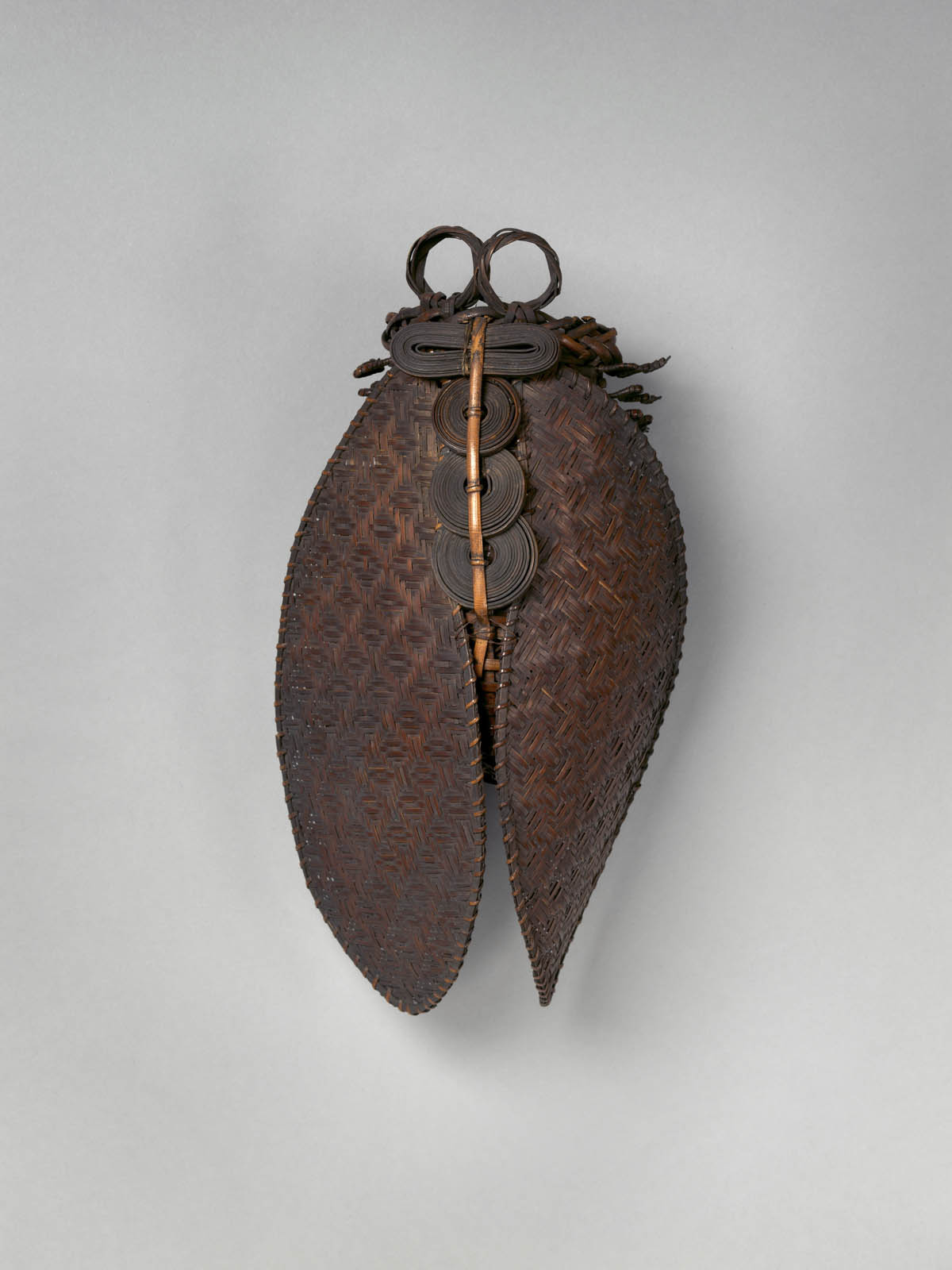

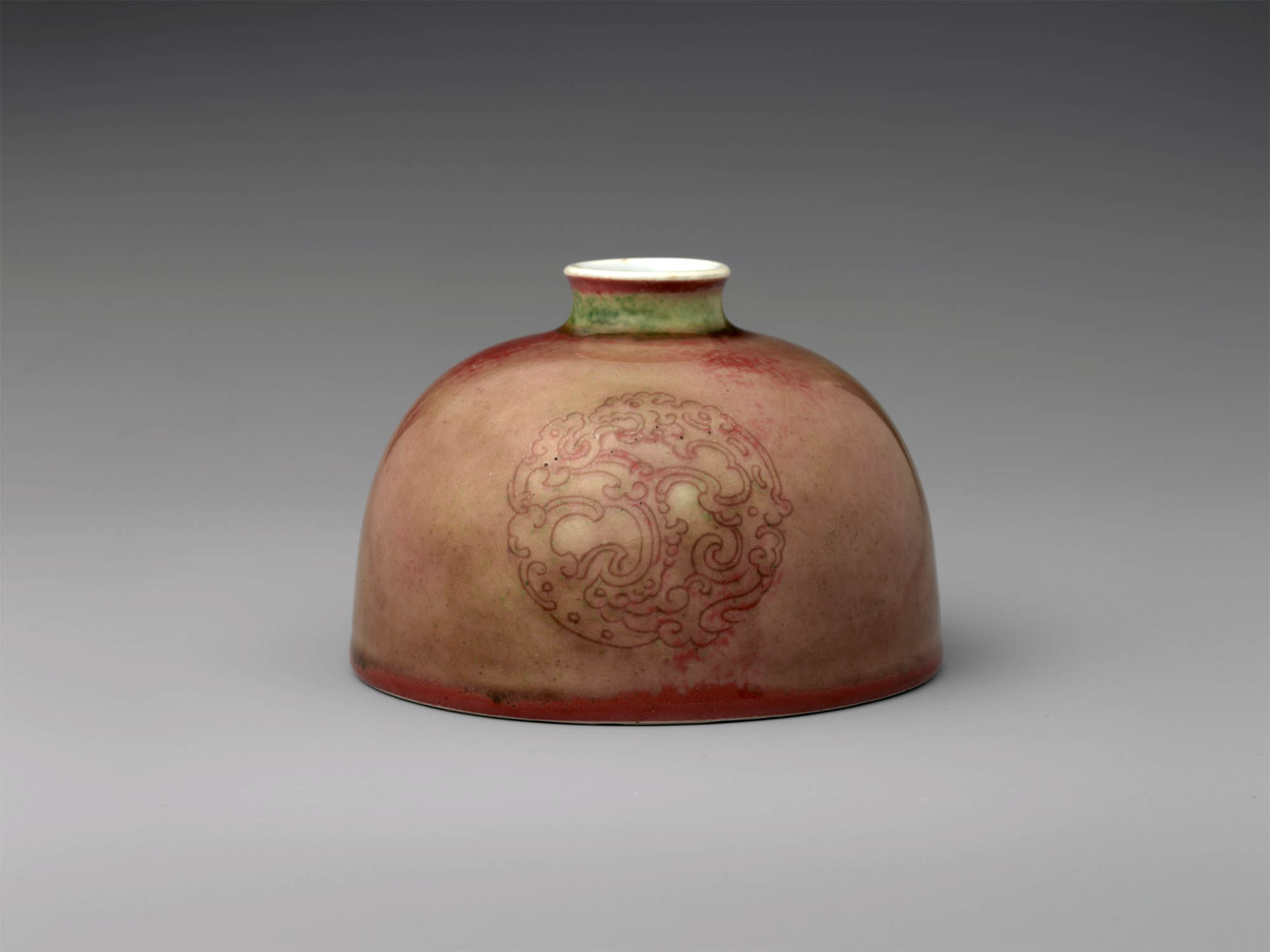













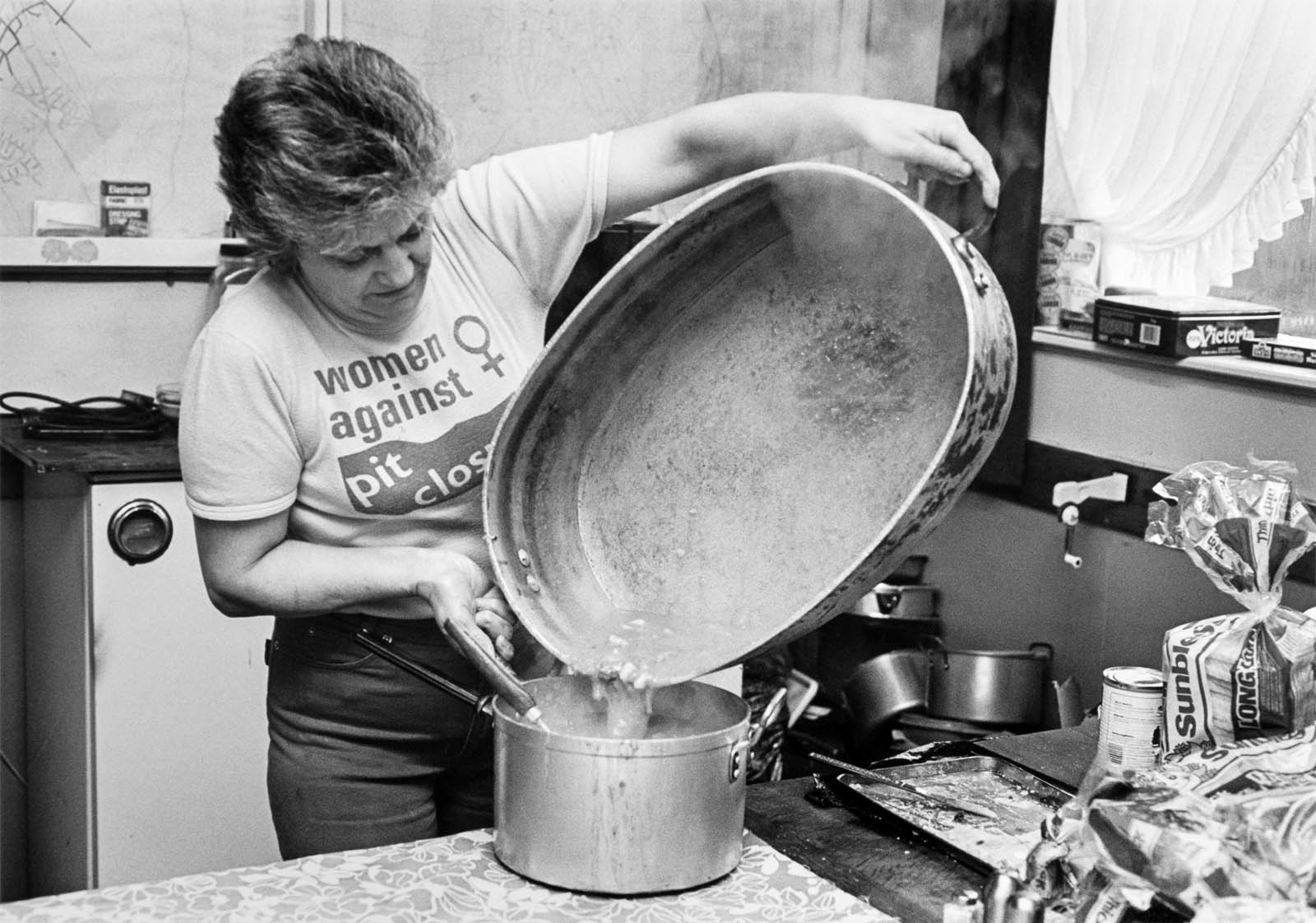

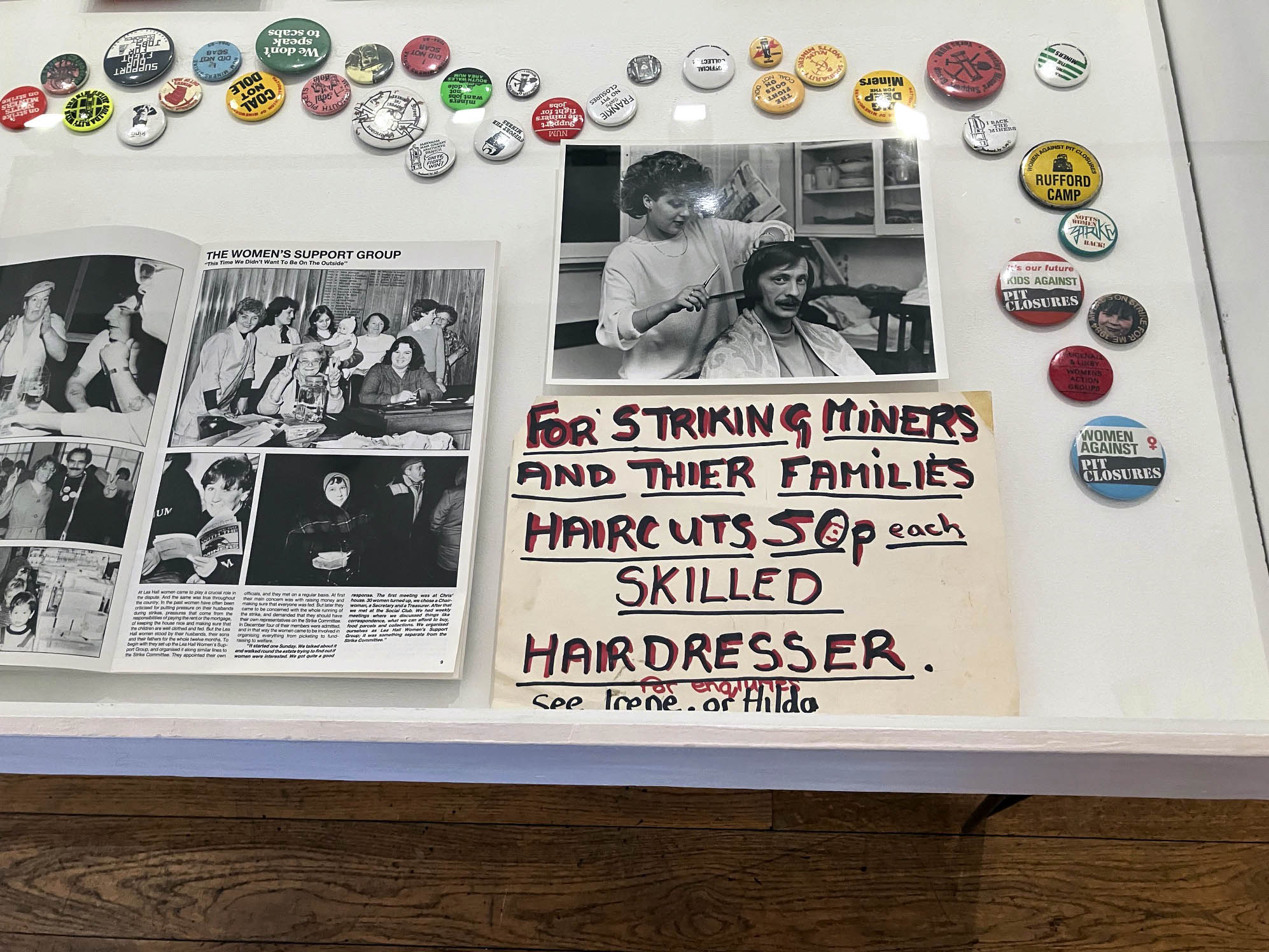




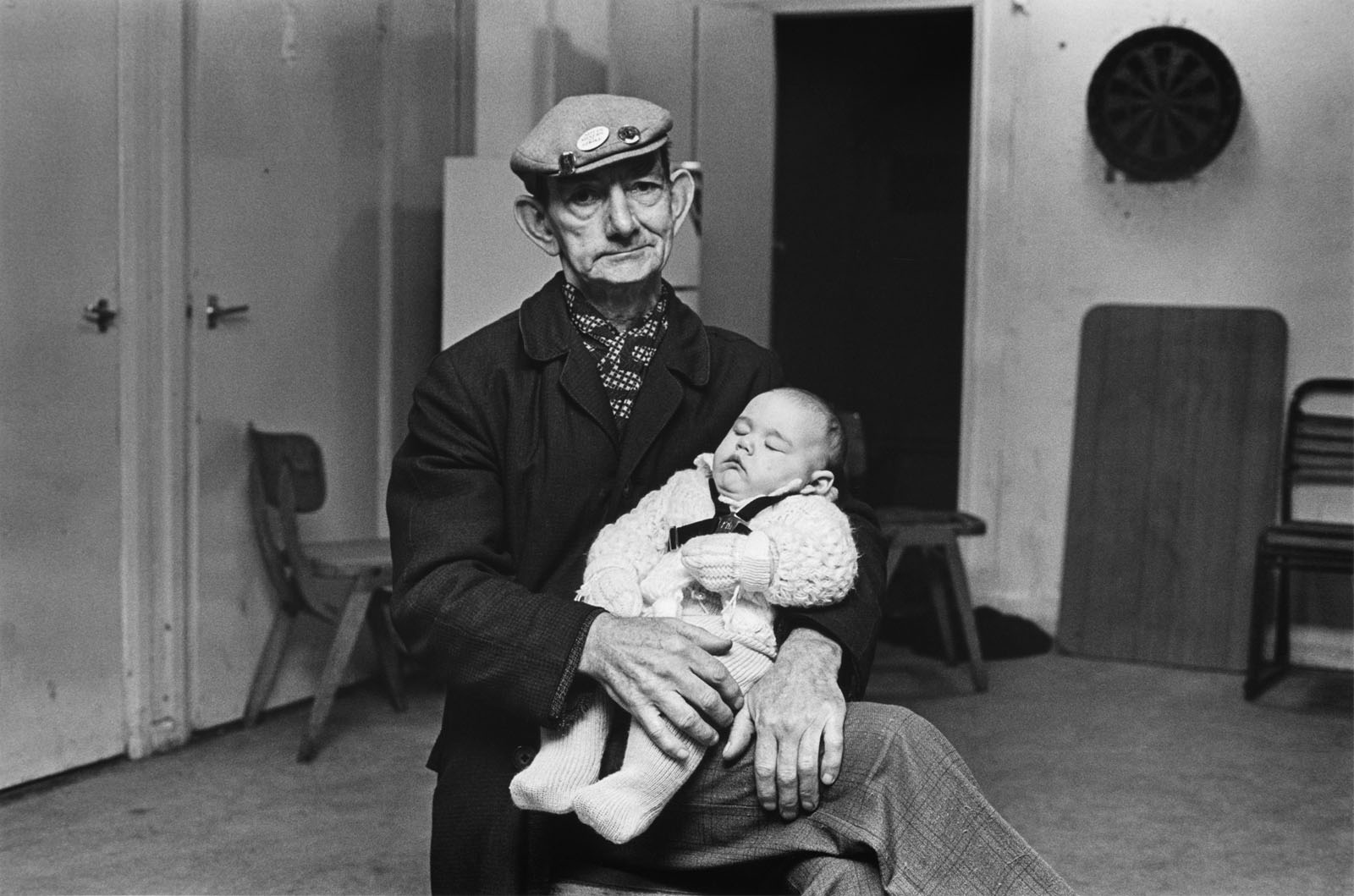
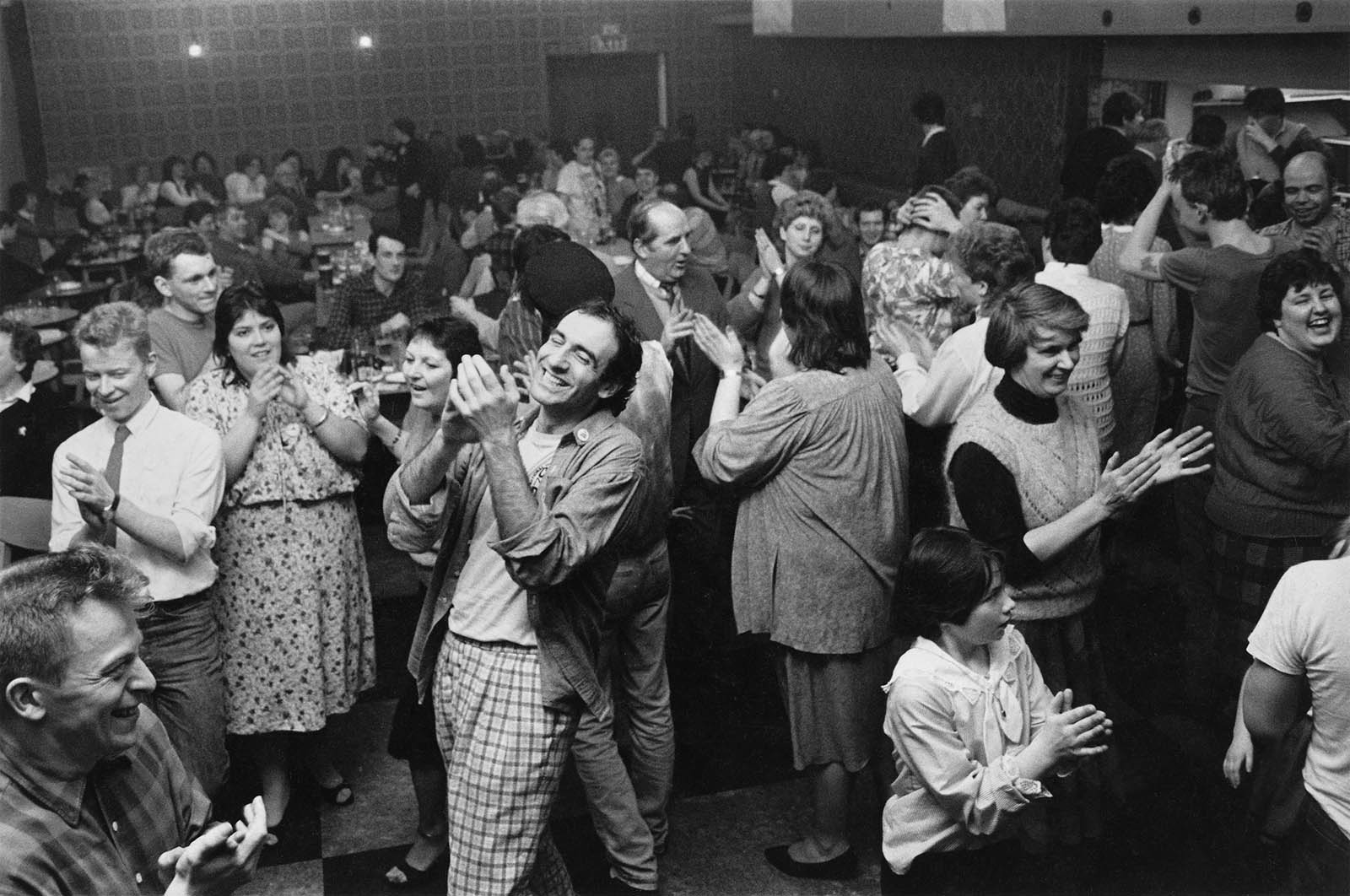


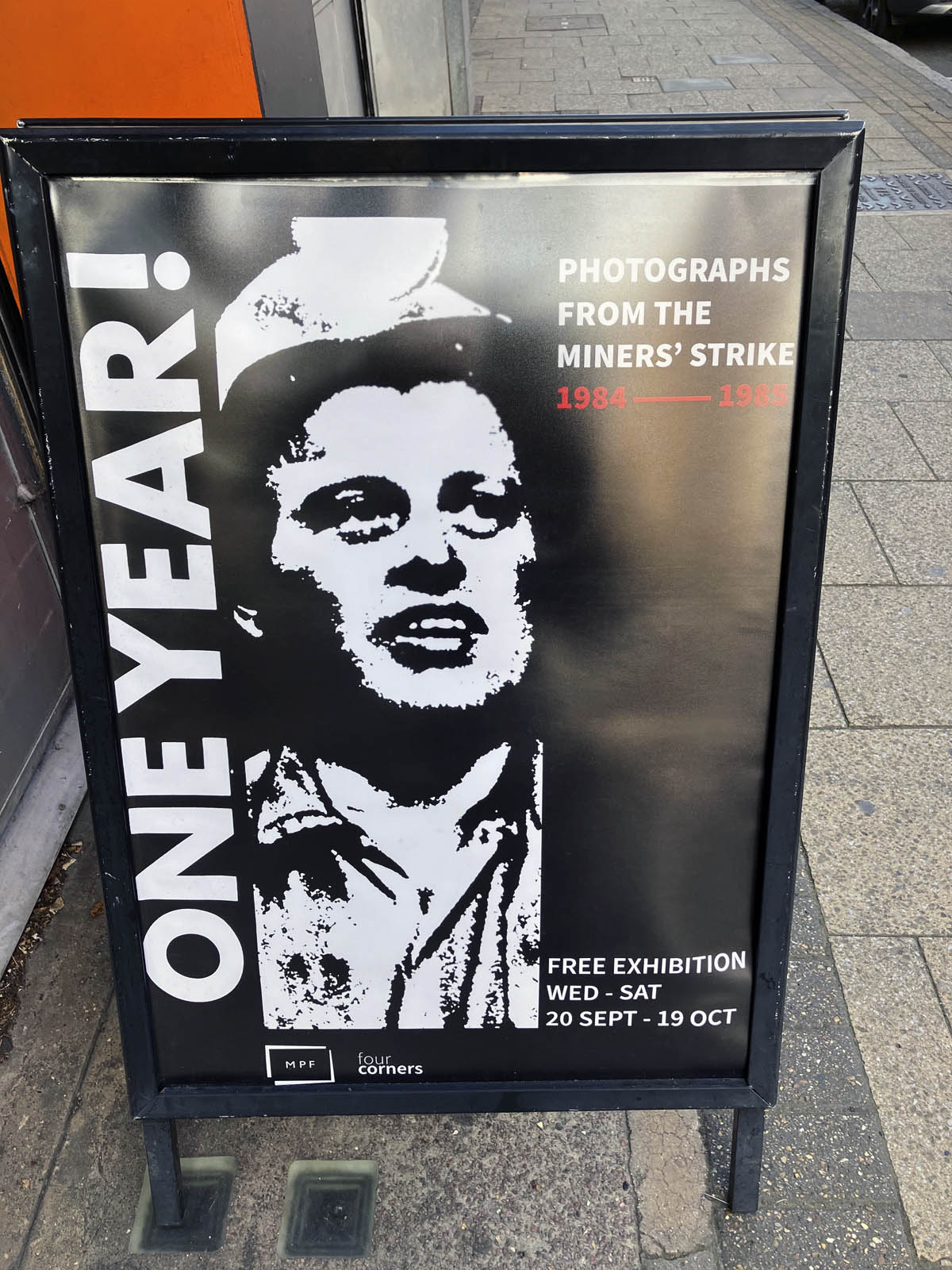
 Art Blart _ art and cultural memory archive
You must be logged in to post a comment.