
Exhibition dates: 10th January – 16th February 2013
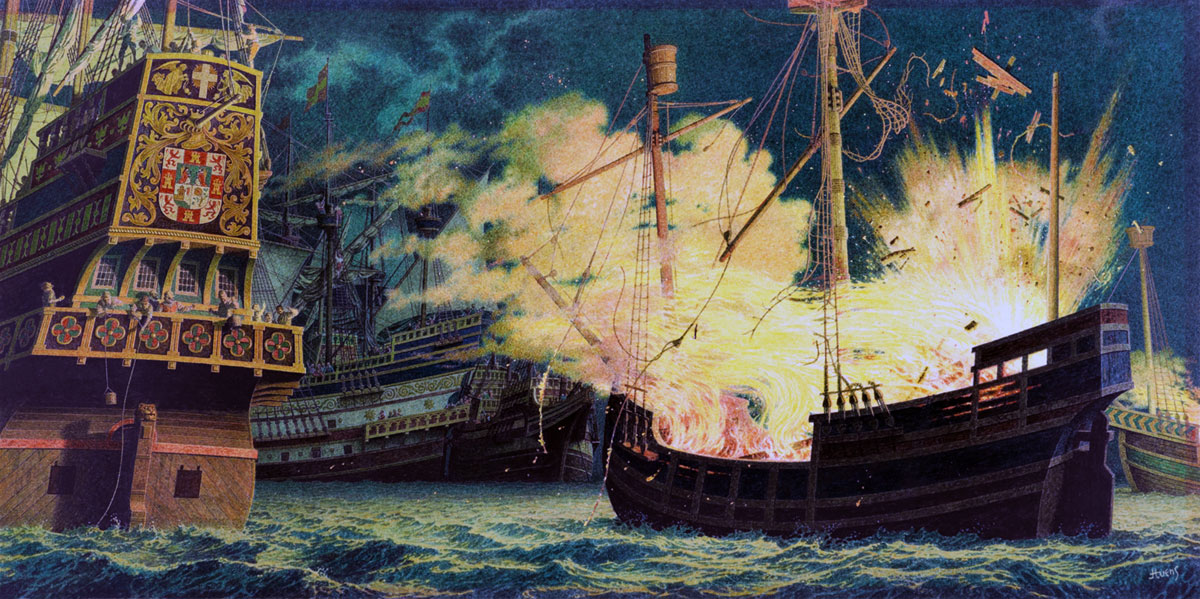
Jean-Leon Huens (Belgian, 1921-1984)
Sir Frances Drake, Unmanned British Ships with Flammables Explode Among Spanish Ships
Nd
Jean-Leon Huens / National Geographic Society / Steven Kasher Gallery
A wonderfully eclectic posting!
Marcus
Many thankx to Steven Kasher Gallery for allowing me to publish the photographs in the posting. Please click on the photographs for a larger version of the image.
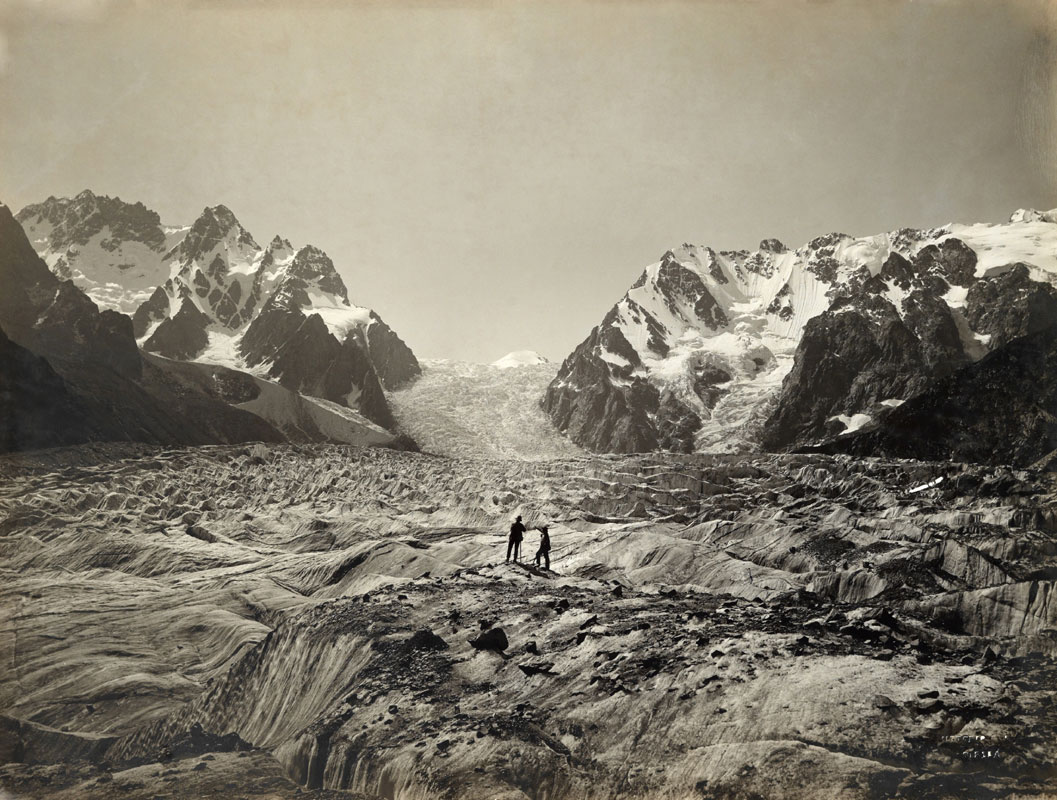
Vittorio Sella (Italian, 1859-1943)
A Cascade of Weathered Ice Spills From the 14 Square Mile Glacier
Karagom Glacier, Caucasus Mountains, Russia
1890
Vittorio Sella / National Geographic Image Collection / Steven Kasher Gallery
Vittorio Sella (28 August 1859 – 12 August 1943) was an Italian photographer and mountaineer, whose photographs of mountains are regarded as some of the finest ever made. …
The high quality of Sella’s photography was in part due to his use of 30×40 cm photographic plates, in spite of the difficulty of carrying bulky and fragile equipment into remote places. He had to invent equipment, including modified pack saddles and rucksacks, to allow these particularly large glass plates to be transported safely. His photographs were widely published and exhibited, and highly praised; Ansel Adams, who saw thirty-one that Sella had presented to the US Sierra Club, said they inspired “a definitely religious awe.” Many of the photographs he took were of mountains which had not been previously recorded and so have historical as well as artistic significance; for example by recording the retreat of glaciers in the Rwenzori mountains in Central Africa.
Text from the Wikipedia website
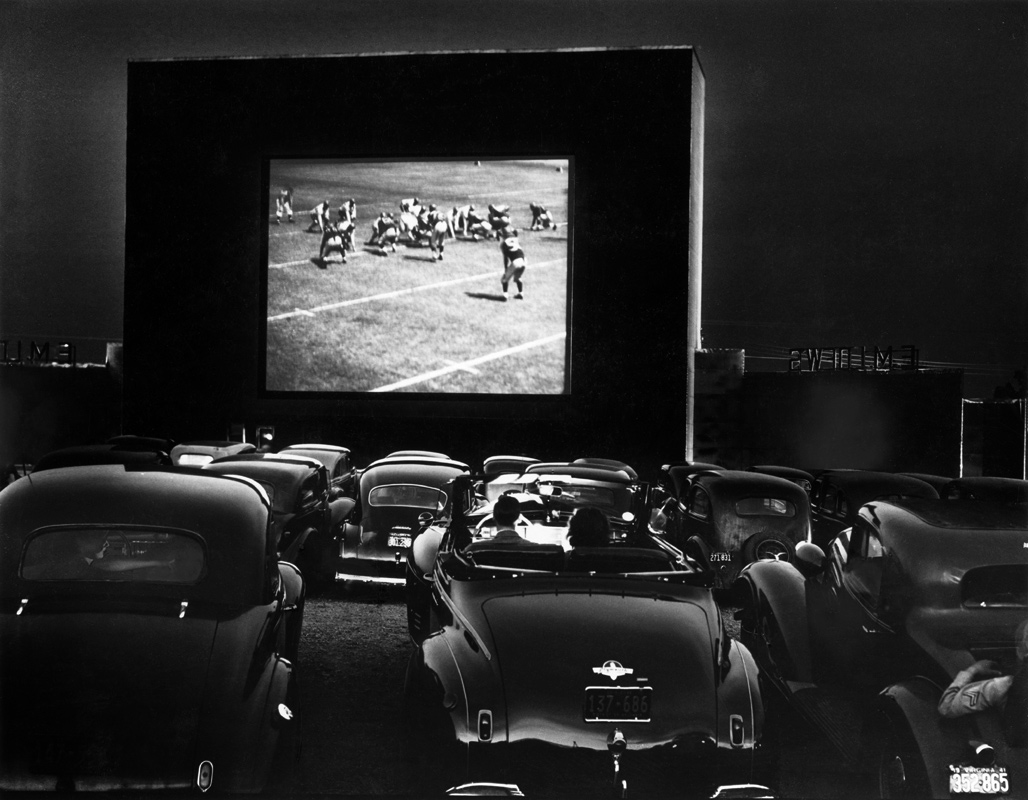
J. Baylor Roberts (American, 1902-1994)
The Drive-In on Route 1
Alexandria, Virginia, 1941
J. Baylor Roberts / National Geographic Image Collection / Steven Kasher Gallery

Jacques Ertaud (French, 1924-1995)
Jacques Yves Cousteau Films A Jet-propelled Submersible
Caribbean Sea, 1959
Jacques Ertaud / National Geographic Image Collection / Steven Kasher Gallery

Ned M. Seidler (American, 1922-2007)
Freshwater Pond Life
c. 1970
Gouache and watercolour on paper
12 1/2 x 28 1/2 inches
Steven Kasher Gallery is proud to present the exhibition National Geographic: The Past and Future Present. It is the gallery’s fifth show of works from the National Geographic archives, but our first that presents vintage illustrations side by side with vintage photographs. The one hundred works presented span the entire 20th century. Photographers will include Herbert Ponting, Baron von Gloeden, Maynard Owen Williams, and Hiram Bingham. Illustrators will include Thornton Oakley, Louis Agassi Fuertes, and Tom Lovell. The exhibition will encompass works that represent National Geographic’s rich history in the fields of geography, archaeology, exploration, science, wildlife and world cultures.
Themes explored include Past Civilizations, the Age of the Dinosaur, Space Travel, Native American Cultures, American Industry, the Sea, and Flora and Fauna. National Geographic: The Past and Future Present juxtaposes photographic images taken from life, botanical studies drawn from live specimens, and depictions of the past and the future, imagined but unseen. These juxtapositions will highlight changing visions of natural and human history as they have evolved over the twelve decades of the Society’s image making.
“This exhibition represents the continuation of a four-year partnership with the Steven Kasher Gallery to put our commissioned work in the public eye. The inclusion of illustrations in this exhibition demonstrates the overall range of our archive, which spans vintage and contemporary photography, as well as drawings, paintings and other illustrations from the late 1800s to the present day.”
Maura Mulvihill, Senior Vice President for National Geographic Society and Director of the National Geographic Image Collection
Press release from the Steven Kasher Gallery website
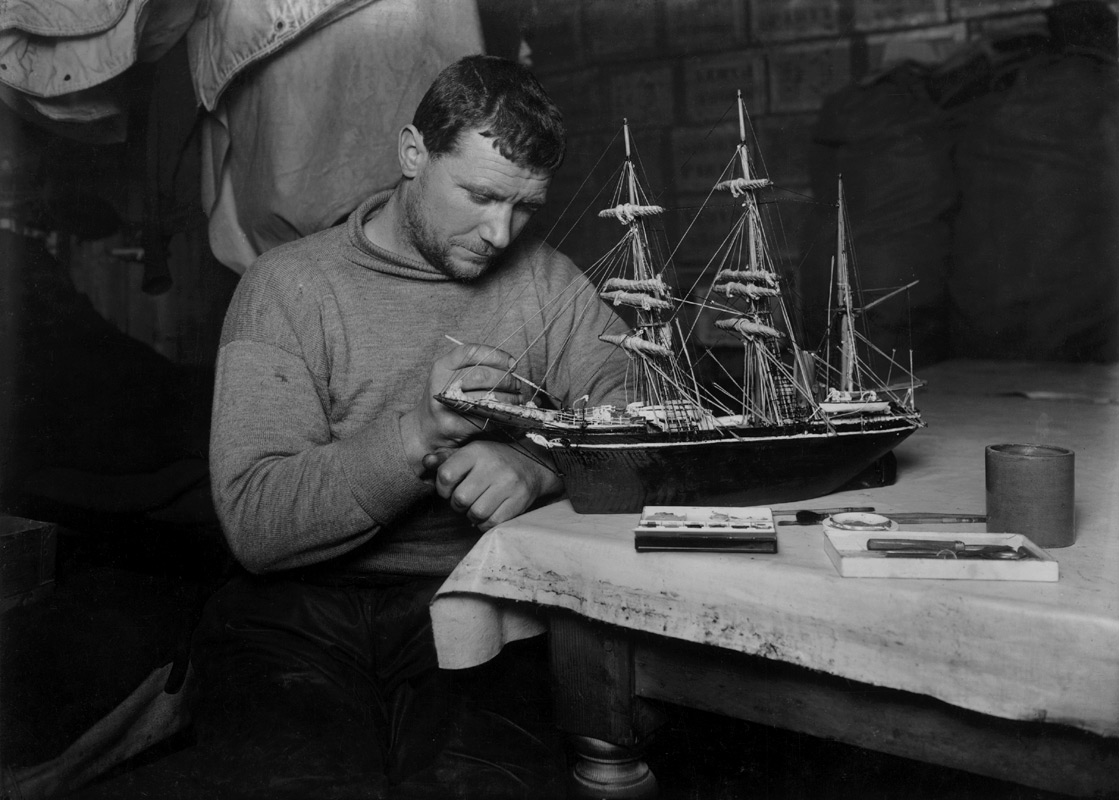
Herbert Ponting (British, 1870-1935)
Aboard the Terra Nova on the British Antarctic Expedition 1910-1913
c. 1911
Herbert Ponting / National Geographic Image Collection / Steven Kasher Gallery
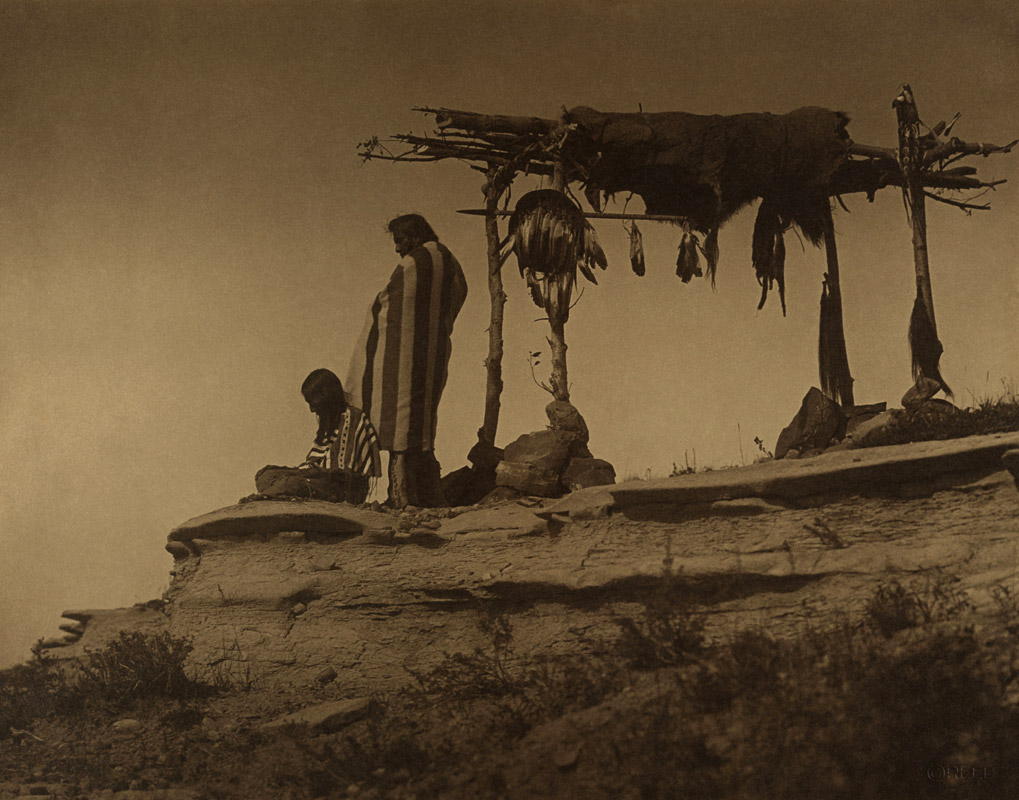
Roland Reed (American, 1864-1934)
Tribute to Dead Piegan Blackfoot
Montana, 1912
Roland Reed / National Geographic Image Collection / Steven Kasher Gallery
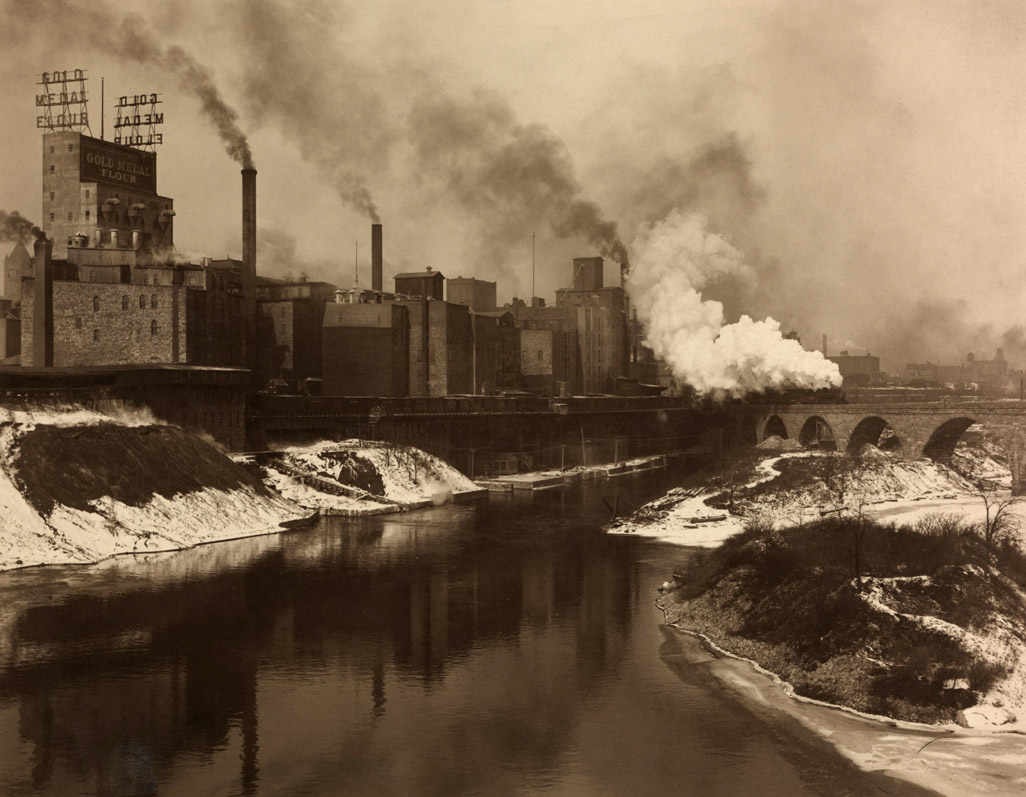
Washburn-Crosby Company (American)
The Minneapolis Milling District, The Largest U.S. Flour Producer
1915
Washburn-Crosby Company / National Geographic Image Collection / Steven Kasher Gallery
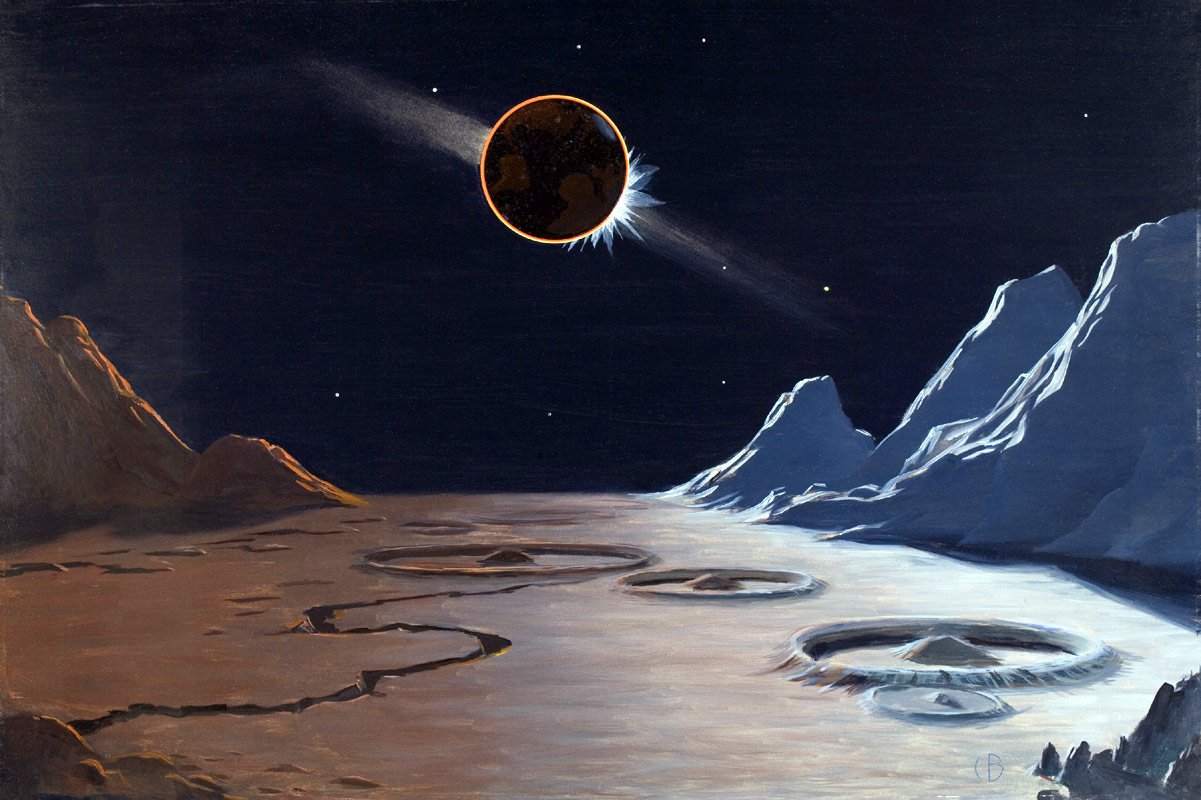
Charles Bittinger (American, 1879-1970)
Eclipse of the Sun by the Earth
1930s
Charles Bittinger / National Geographic Society / Steven Kasher Gallery
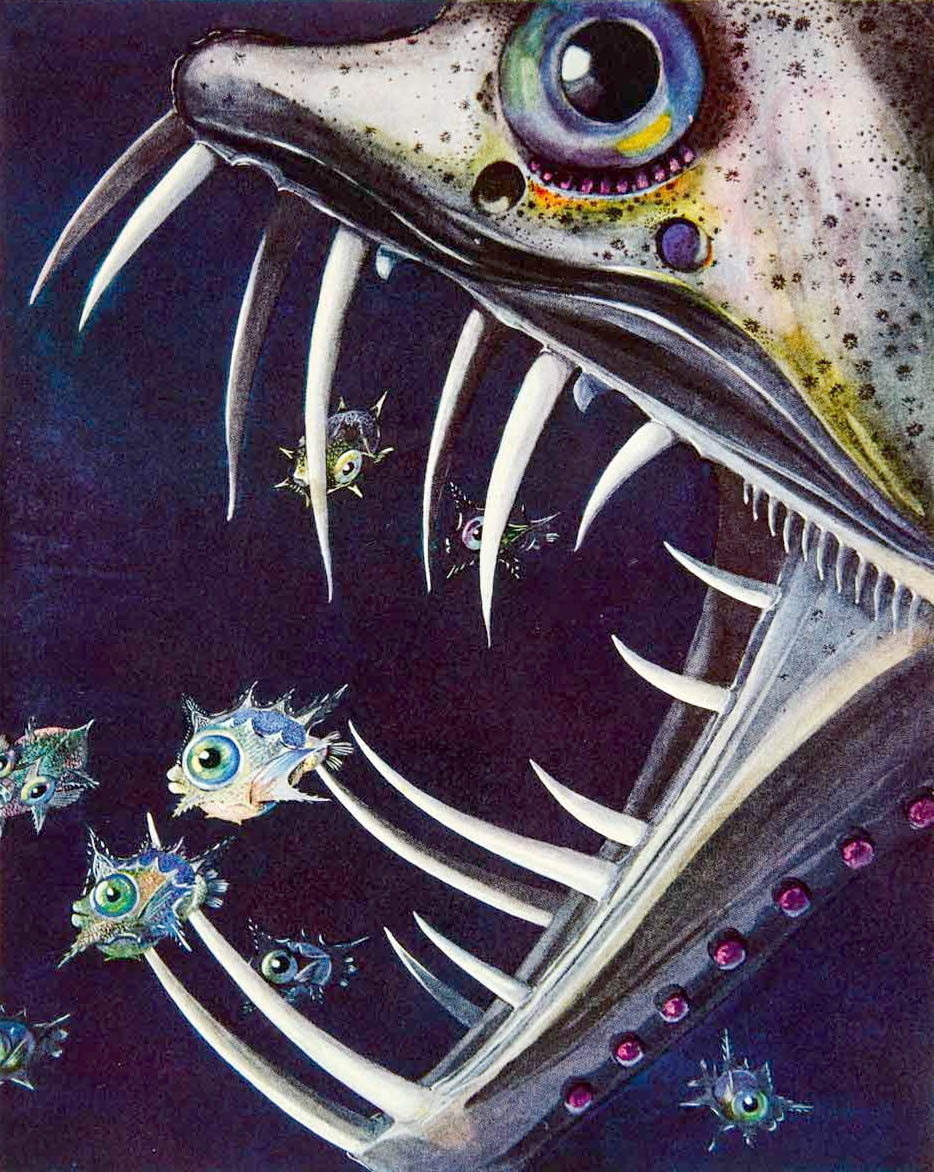
Else Bostelmann (American born Germany, 1882-1961)
A Saber-Toothed Viperfish Attacking Young Ocean Sunfish
c. 1934
Gouache on paper
14 x 11 inches
Else Winkler von Röder (Roeder) Bostelmann (1882-1961), a German Empire-born American artist, joined the New York Zoological Society (now the Wildlife Conservation Society) in 1929 to paint marine life during William Beebe’s bathysphere oceanographic expeditions at Bermuda’s Nonsuch Island (1930-1934).
Bostelmann’s marine life paintings depicted the unbelievable sights that Beebe encountered from great depths in the ocean. “Had it not been for Mrs. Bostelmann’s deftness in rapidly sketching what she saw, much of the colour and drama would have been lost.” …
Bostelmann’s marine life art was published in several National Geographic Magazines in the 1930s, 1940s and beyond. Her depiction of the bioluminescence of unknown ocean life caused a stir in the oceanographic world.
Although she did not descend in the Bathysphere, her studies and final paintings were true to life at the time. Beebe described what he saw as he descended in the bathysphere through a direct telephone line to the ship above him. Detailed notes were taken by Gloria Hollister, a member of the research team. When Beebe exited the bathysphere, he immediately worked with Bostelmann as she put his descriptions to paper using watercolour, gouache and pencil. She did don a 16-pound copper helmet with an air hose attached to the ship above, sat on a chair on the ocean floor (20-35 feet down) with her canvas attached to an iron music stand weighted with lead and her brushes tied to the stand as she painted with oil the fish she saw around her. Due to the change in available light at that depth, the colours in her paintings were muted.
Text from the Wikipedia website

Richard Hewitt Stewart (American, 1901-2004)
Colossal Olmec Head
La Venta, Mexico, 1940
Richard Hewitt Stewart / National Geographic Image Collection / Steven Kasher Gallery
Richard Hewett Stewart (1901-2004) began working for the National Geographic Society as a photo lab technician in 1924. Ten years later, he joined Matthew Stirling’s archeological team to photograph and, to a lesser extent, film the team’s eight expeditions to Veracruz and Tabasco (1939-1946). As a result, Stewart’s photographs illustrated all of National Geographic articles about the Olmec excavations carried out by the Smithsonian. Stewart again joined Stirling for the 1948-1949 archaeological expedition to Panama, sponsored by the Smithsonian Institution and the National Geographic Society.
Text from the Smithsonian Institution website

Thorton Oakley (American, 1881-1953)
Liquid Steel Pours From an Electric Furnace
1940s
Thorton Oakley / National Geographic Society / Steven Kasher Gallery
Steven Kasher Gallery
166 Second Ave., 3A
New York, NY 10003
Phone: 917 922 6861
Opening hours:
By appointment only
 Art Blart _ art and cultural memory archive
You must be logged in to post a comment.