Exhibition: ‘Anselm Kiefer’ at BALTIC Centre for Contemporary Art, Gateshead

Exhibition dates: 8th October 2010 – 16th January 2011


Many thankx to the BALTIC Centre for Contemporary Art for allowing me to publish the photographs in the posting. Please click on the photographs for a larger version of the image. All images © Tate, London 2010.
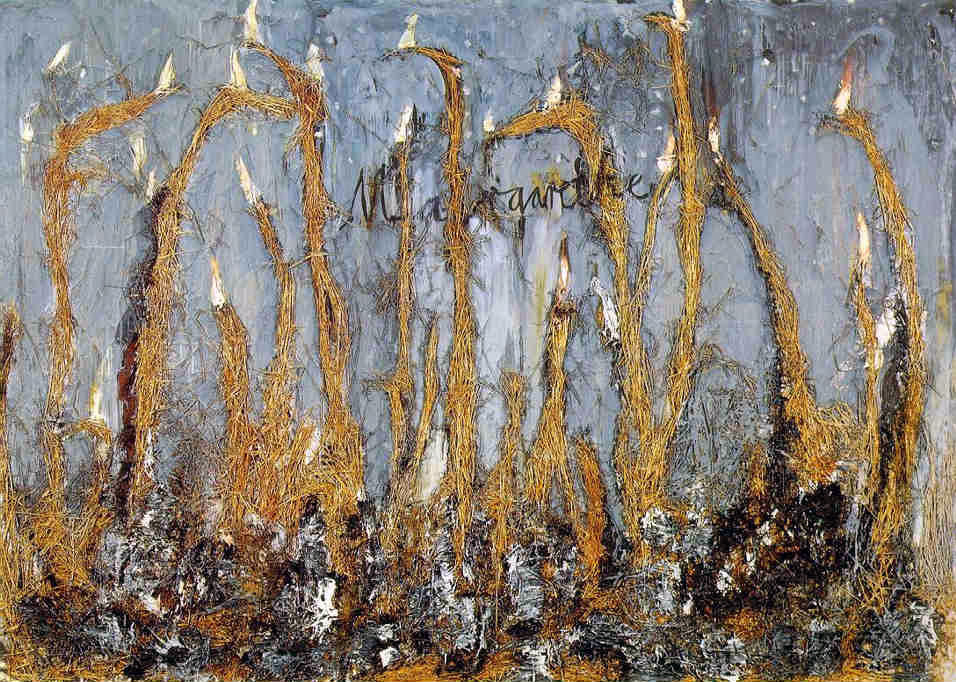
 

Anselm Kiefer (German, b. 1945) 'Margarette' 1981 from the exhibition 'Anselm Kiefer' at BALTIC Centre for Contemporary Art, Gateshead


Anselm Kiefer (German, b. 1945)
Margarette
1981
Oil and straw on canvas
280 cm x 380cm


Anselm Kiefer (German, b. 1945) 'Man under a Pyramid' 1996 from the exhibition 'Anselm Kiefer' at BALTIC Centre for Contemporary Art, Gateshead


Anselm Kiefer (German, b. 1945)
Man under a Pyramid
1996
Emulsion, acrylic, shellac and ash on burlap
2810 x 5020 x 50 mm
ARTIST ROOMS: Tate and National Galleries of Scotland. Acquired jointly through The d’Offay Donation with assistance from the National Heritage Memorial Fund and the Art Fund 2008
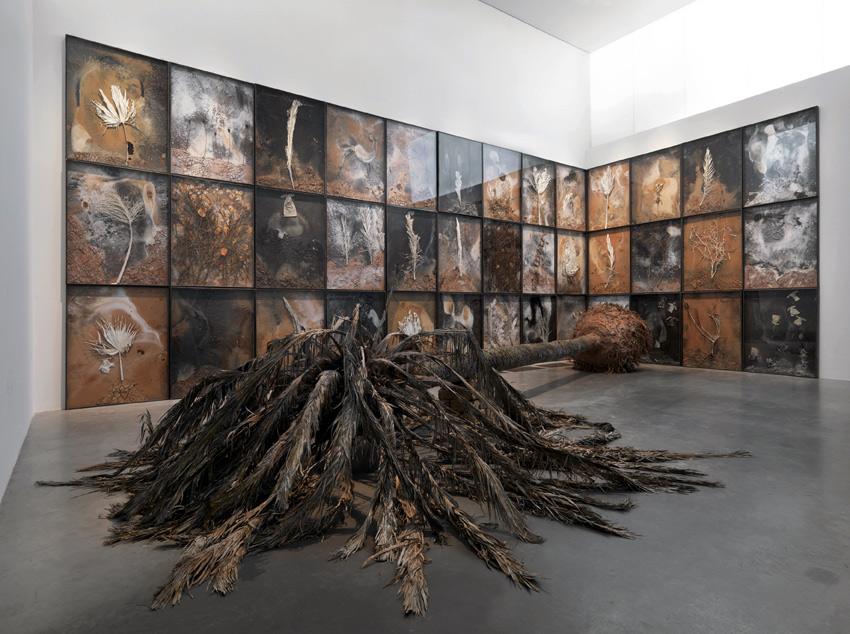
 

Anselm Kiefer (German, b. 1945) 'Palm Sunday' 2006 from the exhibition 'Anselm Kiefer' at BALTIC Centre for Contemporary Art, Gateshead


Anselm Kiefer (German, b. 1945)
Palm Sunday
2006
Mixed media installation
Overall display dimensions variable
ARTIST ROOMS: Tate and National Galleries of Scotland. Acquired jointly through The d’Offay Donation with assistance from the National Heritage Memorial Fund and the Art Fund 2008


Installation view of the exhibition 'Anselm Kiefer' at the BALTIC Centre for Contemporary Art, Gateshead showing at left, Keifer's work 'Palette' (1981)


Installation view of the exhibition Anselm Kiefer at the BALTIC Centre for Contemporary Art, Gateshead showing at left, Keifer’s work Palette (1981, below)
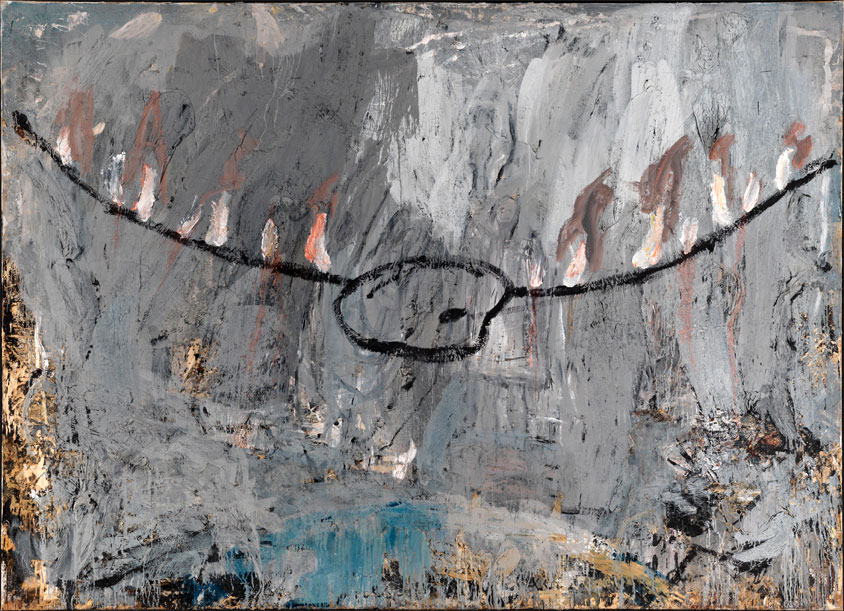
 

Anselm Kiefer (German, b. 1945) 'Palette' 1981 from the exhibition 'Anselm Kiefer' at BALTIC Centre for Contemporary Art, Gateshead


Anselm Kiefer (German, b. 1945)
Palette
1981
Oil, shellac and emulsion on canvas
2917 x 4000 x 35 mm
ARTIST ROOMS: Tate and National Galleries of Scotland. Acquired jointly through The d’Offay Donation with assistance from the National Heritage Memorial Fund and the Art Fund 2008


BALTIC Centre for Contemporary Art proudly announces a major exhibition of the work of Anselm Kiefer, one of the foremost figures of European post-war painting. The exhibition includes a diverse body of work, offering a selection that spans four decades and ranges from early paintings to monumental installations. Presented over two floors of BALTIC’s galleries, the exhibition is Kiefer’s largest in the UK for many years and has been made possible by ARTIST ROOMS On Tour with the Art Fund.

Following the success of 2009, 21 museums and galleries across the UK in 2010 will be showing 25 ARTIST ROOMS exhibitions and displays from the collection created by the curator and collector, Anthony d’Offay, and acquired by the nation in February 2008. ARTIST ROOMS On Tour with the Art Fund has been devised to enable this collection held by Tate and the National Galleries of Scotland, to reach and inspire new audiences across the country, particularly young people.

Anselm Kiefer at BALTIC includes painting, sculpture and installation, some of which has been rarely seen before. The starting point for Kiefer’s work is his fascination with myth, history, theology, philosophy and literature. For many years his painting was a vehicle to come to terms with his country’s past, and subsequently became ever concerned with religious traditions and the symbolism of different cultures. Kiefer’s weighty subject matters are reflected in the monumental scale of many of his works, while his keen exploration and visceral layering of materials such as lead, ash, rope and human hair bring an emotional potency.

Among the paintings to be included in the exhibition are three works from the artist’s early Parsifal series (1973), drawn from Richard Wagner’s last opera and its 13th century source, a romance by Wolfram von Eschenbach based upon the legend of the Holy Grail. With Palette 1981, Kiefer revealed the problematic legacy inherited by artists in post-war Germany: the artist’s palette hangs from a single burning thread evoking shame, loss and the apparent impossibility of artistic creation. The expansive Man under a Pyramid 1996, which measures more than five meters long, continues the artist’s interest in meditation and the linking of body and mind.

Also included is Palmsonntag 2006 which comprises a vast sequence of 36 paintings arranged around a full-size palm tree. While avoiding explicit religious statement, the work draws upon the Christian narrative of Palm Sunday to explore death and resurrection, decay, re-creation and rejuvenation; human themes that are central to Kiefer’s practice and that will be identified throughout this presentation.

Anselm Kiefer biography

Anselm Kiefer was born 1945 in Donauschingen, Germany, at the close of World War II. He studied art formally under Joseph Beuys at the Düsseldorf Academy in the early 1970s where history and myth became central themes in his work.

In 1971 Kiefer produced his first large-scale landscape paintings and from 1973 he began to experiment with wooden interiors on a monumental scale. His preoccupation with recent German history is seen throughout his work and his use of recurring motifs, such as an artist’s palette symbolises his emotional journey relating to this period. Kiefer has made increasing use of materials such as sand, straw, wood, dirt and photographs, as well as sewn materials and lead model soldiers. By adding found materials to the painted surface Kiefer invented a compelling third space between painting and sculpture. Recent work has broadened his range yet further: in 2006 he showed a series of paintings based around the little-known work of the modernist Russian poet Velimir Chlebnikov (1885-1922).

Kiefer has had extensive exhibitions internationally including the Museum of Modern Art, New York (1987), Neue Nationalgalerie, Berlin (1991), The Metropolitan Museum, New York (1998), Royal Academy, London (2001), Fort Worth Museum of Art, Fort Worth (2005) and the San Francisco Museum of Modern Art (2006).

Press release from the BALTIC Centre for Contemporary Art website


Anselm Kiefer (German, b. 1945) 'Urd Werdande Skuld (The Norns)' 1983 from the exhibition 'Anselm Kiefer' at BALTIC Centre for Contemporary Art, Gateshead


Anselm Kiefer (German, b. 1945)
Urd Werdande Skuld (The Norns)
1983
Oil, shellac, emulsion and fibre on canvas
4205 x 2805 x 60 mm
ARTIST ROOMS: Tate and National Galleries of Scotland. Acquired jointly through The d’Offay Donation with assistance from the National Heritage Memorial Fund and the Art Fund 2008


Installation view of the exhibition 'Anselm Kiefer' at the BALTIC Centre for Contemporary Art, Gateshead showing from left to right, 'Parsifal I' (1973); 'Parsifal II' (1973); and 'Parsifal III' (1973)


Installation view of the exhibition Anselm Kiefer at the BALTIC Centre for Contemporary Art, Gateshead showing from left to right, Parsifal I (1973, below); Parsifal II (1973, below); and Parsifal III (1973, below)


Anselm Kiefer (German, b. 1945) 'Parsifal I' 1973 from the exhibition 'Anselm Kiefer' at BALTIC Centre for Contemporary Art, Gateshead


Anselm Kiefer (German, b. 1945)
Parsifal I
1973
Oil on paper laid on canvas
3247 x 2198 mm


Anselm Kiefer (German, b. 1945) 'Parsifal II' 1973 from the exhibition 'Anselm Kiefer' at BALTIC Centre for Contemporary Art, Gateshead


Anselm Kiefer (German, b. 1945)
Parsifal II
1973
Oil and blood on paper laid on canvas
3247 x 2188 mm
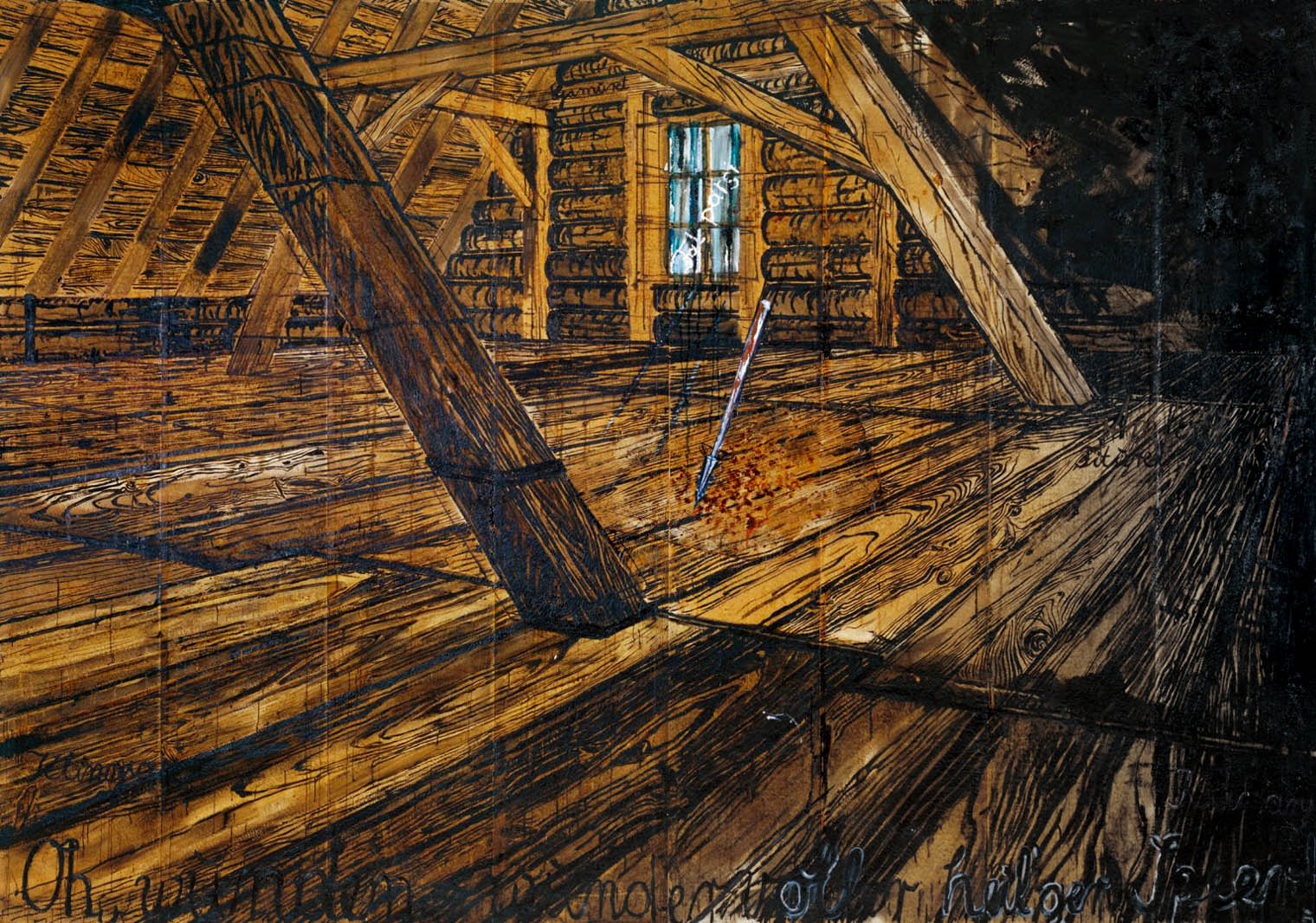
 

Anselm Kiefer (German, b. 1945) 'Parsifal III' 1973 from the exhibition 'Anselm Kiefer' at BALTIC Centre for Contemporary Art, Gateshead


Anselm Kiefer (German, b. 1945)
Parsifal III
1973
Oil and blood on paper on canvas
3007 x 4345 mm


BALTIC Centre for Contemporary Art
Gateshead Quays, South Shore Road, Gateshead
NE8 3BA, UK
Phone: +44 (0) 191 478 1810

Opening hours:
Wednesday – Sunday 10am – 6pm
BALTIC Centre for Contemporary Art website

LIKE ART BLART ON FACEBOOK

Back to top

Exhibition: ‘Josef Albers: Innovation and Inspiration’ at the Hirshhorn Museum, Washington, D.C.

Exhibition dates: 13th February – 11th April, 2010


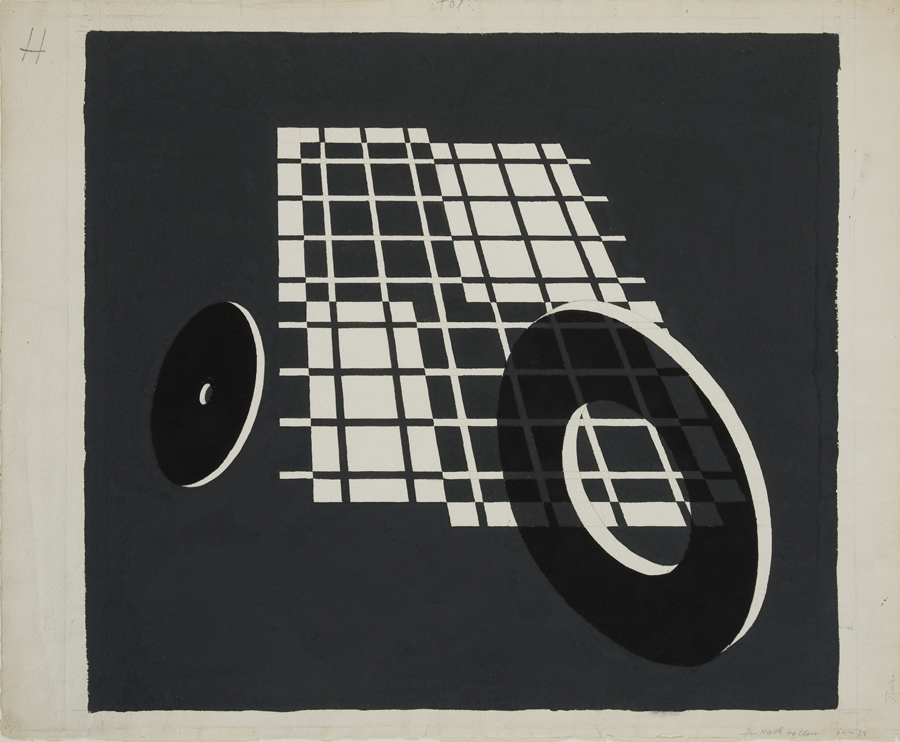
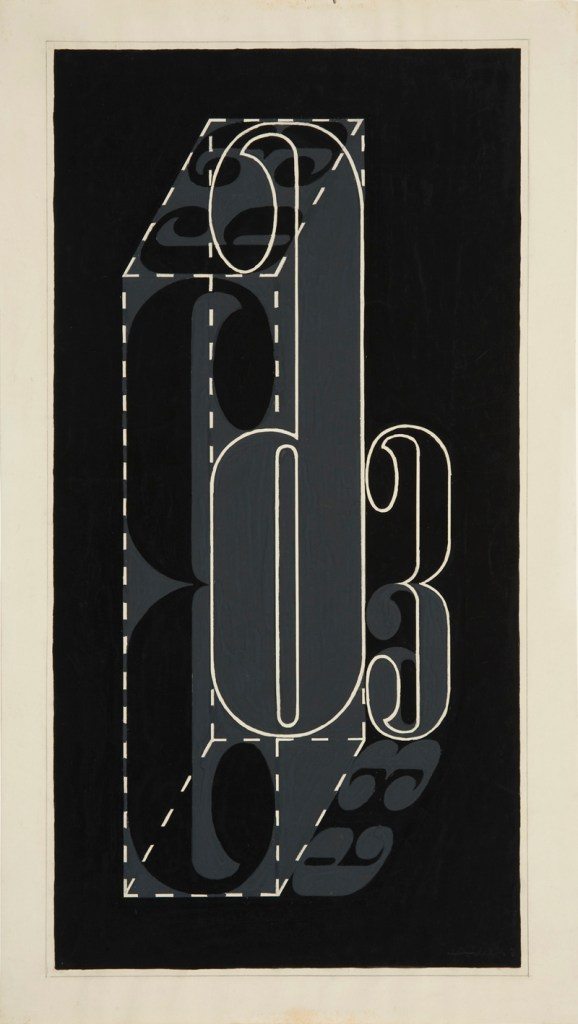
Josef Albers (German, 1888-1976) '6 and 3' 1931 from the exhibition 'Josef Albers: Innovation and Inspiration' at the Hirshhorn Museum, Washington, D.C., February - April, 2010


Josef Albers (German, 1888-1976)
6 and 3
1931


One of my favourite artists – what a genius!

His exploration of colour and form is exquisite, sensitive and very moving – despite his belief that colours have no inherent emotional associations.

Marcus


Many thankx to the Hirshhorn Museum for allowing me to publish the images in the posting. Please click on the photographs for a larger version of the image.


Josef Albers (German, 1888-1976) 'Rolling After' 1925-1928 from the exhibition 'Josef Albers: Innovation and Inspiration' at the Hirshhorn Museum, Washington, D.C., February - April, 2010


Josef Albers (German, 1888-1976)
Rolling After
1925-28


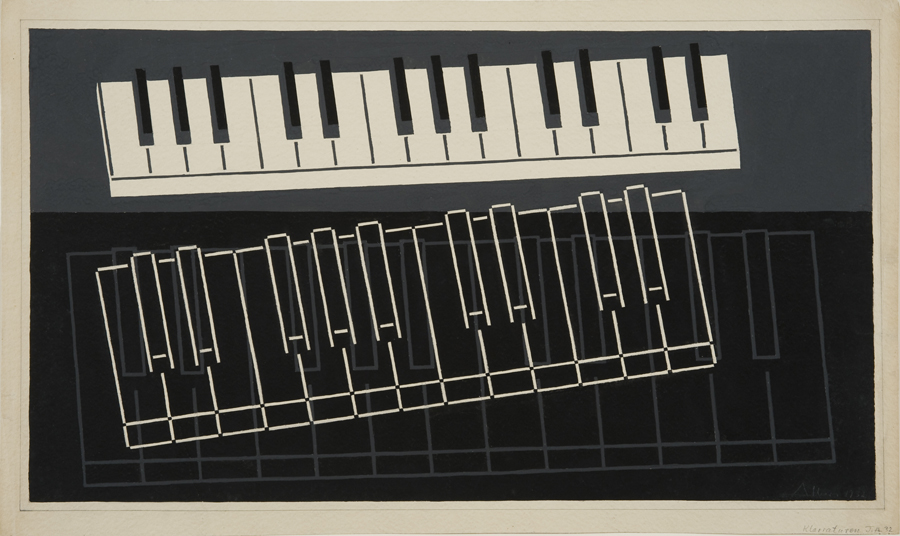
Josef Albers (German, 1888-1976) 'Piano Keys' 1932 from the exhibition 'Josef Albers: Innovation and Inspiration' at the Hirshhorn Museum, Washington, D.C., February - April, 2010


Josef Albers (German, 1888-1976)
Piano Keys
1932


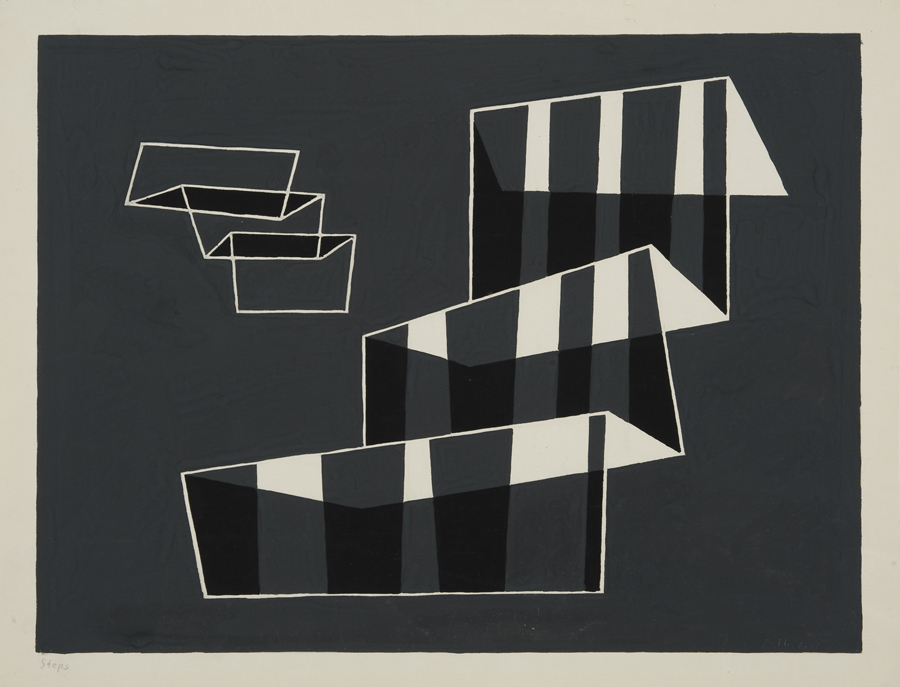
Josef Albers (German, 1888-1976) 'Steps' 1932 from the exhibition 'Josef Albers: Innovation and Inspiration' at the Hirshhorn Museum, Washington, D.C., February - April, 2010


Josef Albers (German, 1888-1976)
Steps
1932


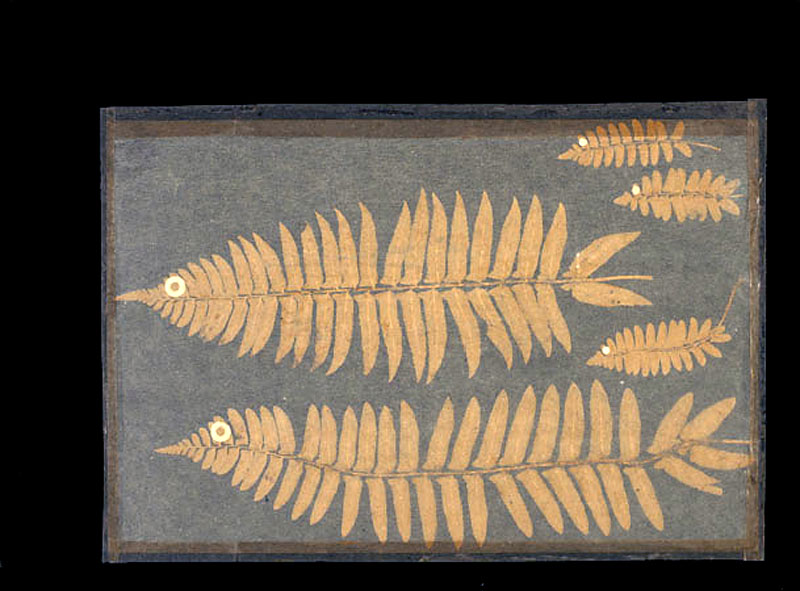
Josef Albers (German, 1888-1976) 'Untitled (Leaf Study)' c. 1940


Josef Albers  (German, 1888-1976)
Untitled (Leaf Study)
c. 1940


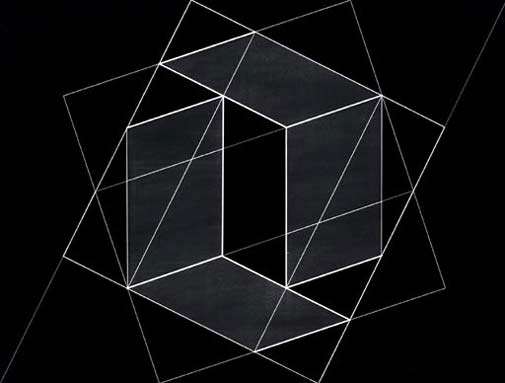
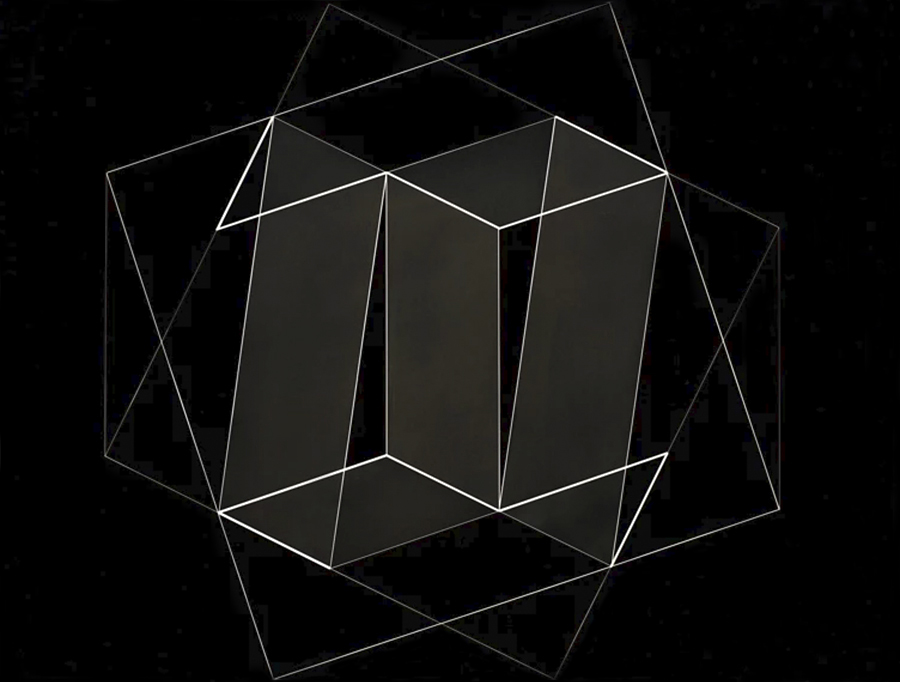
Josef Albers (German, 1888-1976) 'Structural Constellation, Transformation of a Scheme No.12' 1950


Josef Albers (German, 1888-1976)
Structural Constellation, Transformation of a Scheme No.12
1950
Machine engraving on black vinylite mounted on board


Josef Albers (German, 1888-1976) 'Structural Constellation, Transformation of a Scheme No.23' 1951


Josef Albers (German, 1888-1976)
Structural Constellation, Transformation of a Scheme No.23
1951
Machine engraving on black vinylite mounted on board


Josef Albers (German, 1888-1976) 'Structural Constellation, Transformation of a Scheme No.10' 1950-1951


Josef Albers (German, 1888-1976)
Structural Constellation, Transformation of a Scheme No.10
1950-51
Machine engraving on black vinylite mounted on board


Exhibition Illustrates Albers’ Sphere of Influence

The Hirshhorn possesses one of the world’s largest and most comprehensive collections of work by Josef Albers (b. Bottrop, Germany, 1888; d. New Haven, Connecticut, 1976). “Josef Albers: Innovation and Inspiration” presents nearly 70 works spanning the artist’s 55-year career, many on view for the first time. Supplementing pieces from the museum’s holdings are key objects on loan from the Josef and Anni Albers Foundation. Organised by senior curator Valerie Fletcher, the exhibition also includes documentary photographs and examples of Albers’ teaching aids, and concludes with a display of works by artists who knew, worked with, studied under or openly admired Albers. The exhibition opens on February 11 and runs through April 11, 2010.

Josef Albers: Innovation and Inspiration encompasses the artist’s distinguished career from 1917 to 1973. The exhibition begins with four early self-portrait prints dating from the years of World War I, followed by a group of boldly abstract compositions from Albers’ tenure at Germany’s revolutionary Bauhaus, where he taught alongside such remarkable modernists as Wassily Kandinsky, Paul Klee, László Moholy-Nagy, Walter Gropius and Mies van der Rohe. Albers participated in the school’s utopian aspiration to improve modern life through manufacturing and design-ideas that resonated throughout Albers’ career. The Hirshhorn’s show includes a series of black-and-white designs intended for mass production in glass, such as “6 and 3” (1931, see above), and an illuminated display of eight glass panels, in which the artist modernised and transformed the medieval tradition of stained-glass windows, best characterised by “Fugue (B)” (1925-1928).

Following the Nazi party’s rise to power, the Bauhaus was forced to close in 1933. Albers fled to the United States, where he was recruited to head the art program at the new Black Mountain College in North Carolina. There, Albers introduced a modified Bauhaus curriculum and hired vanguard modernists as teachers. He enthusiastically taught his students how art could be made from virtually any material, which he demonstrated in some of his own works, such as three “Leaf Study” collages (c. 1940, see above). Albers continued to advocate the clear structures of geometric abstraction, still mostly in black, white and primary colours, but was open to different stylistic approaches. He also briefly adopted the biomorphic forms associated with surrealism, as seen in the work “Proto-Form (B)” (1938).

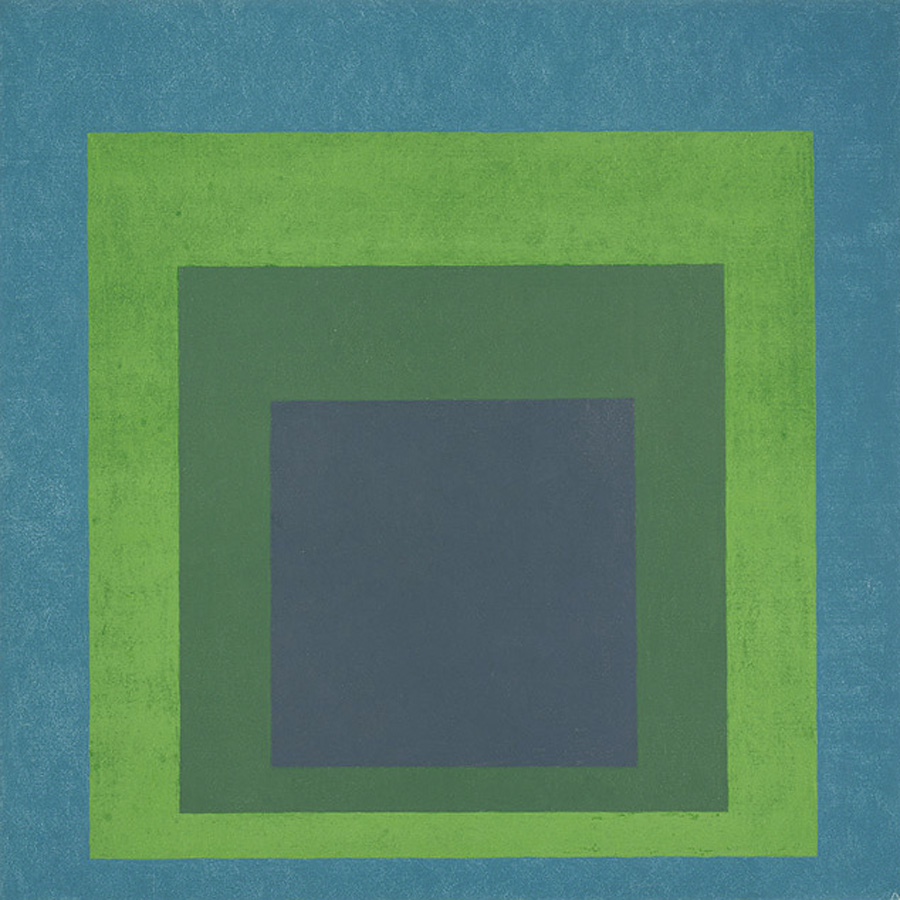
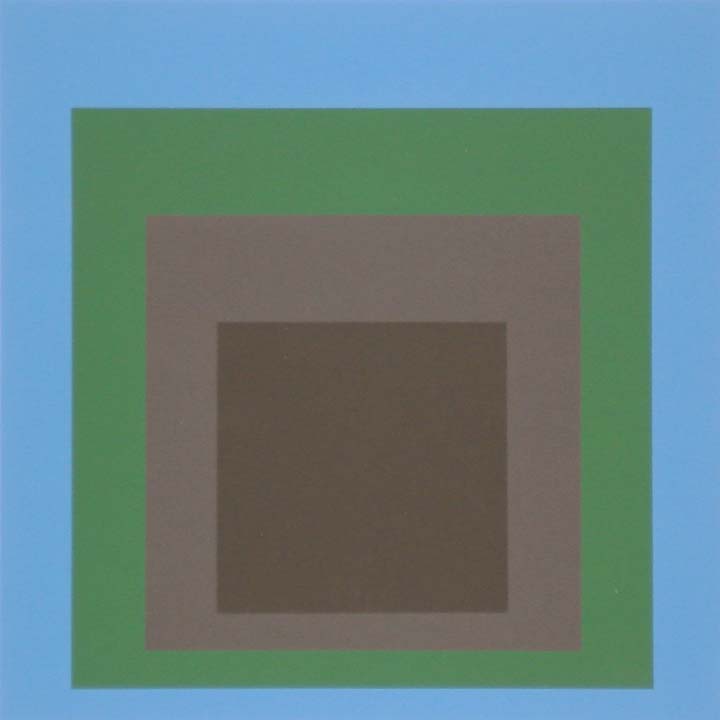
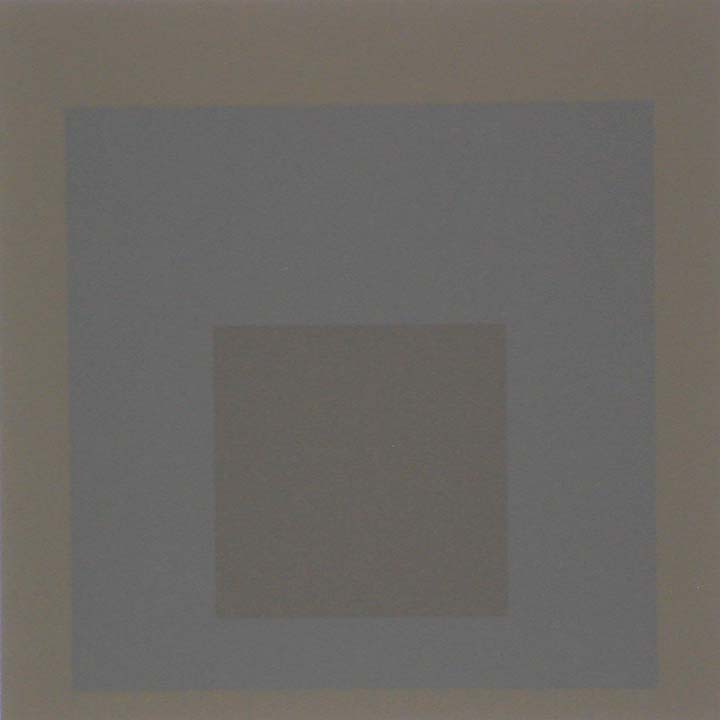
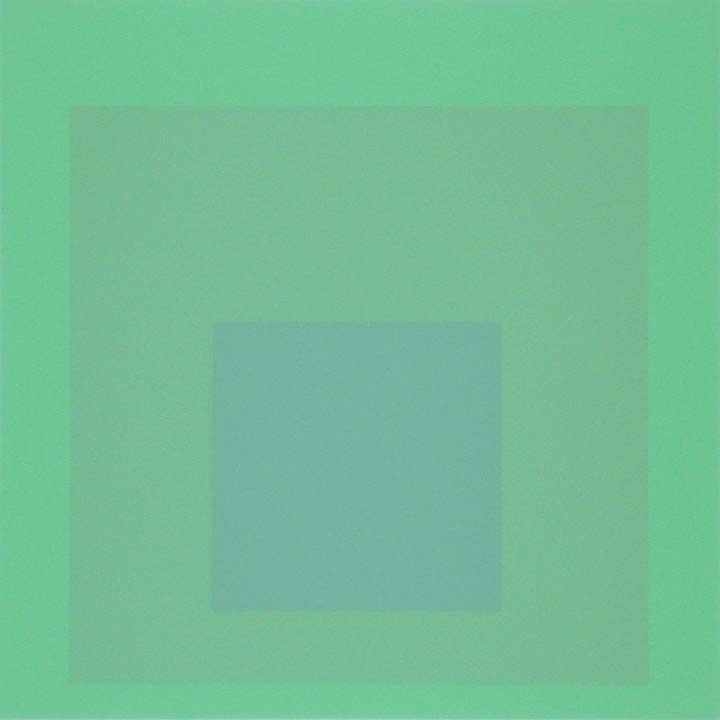
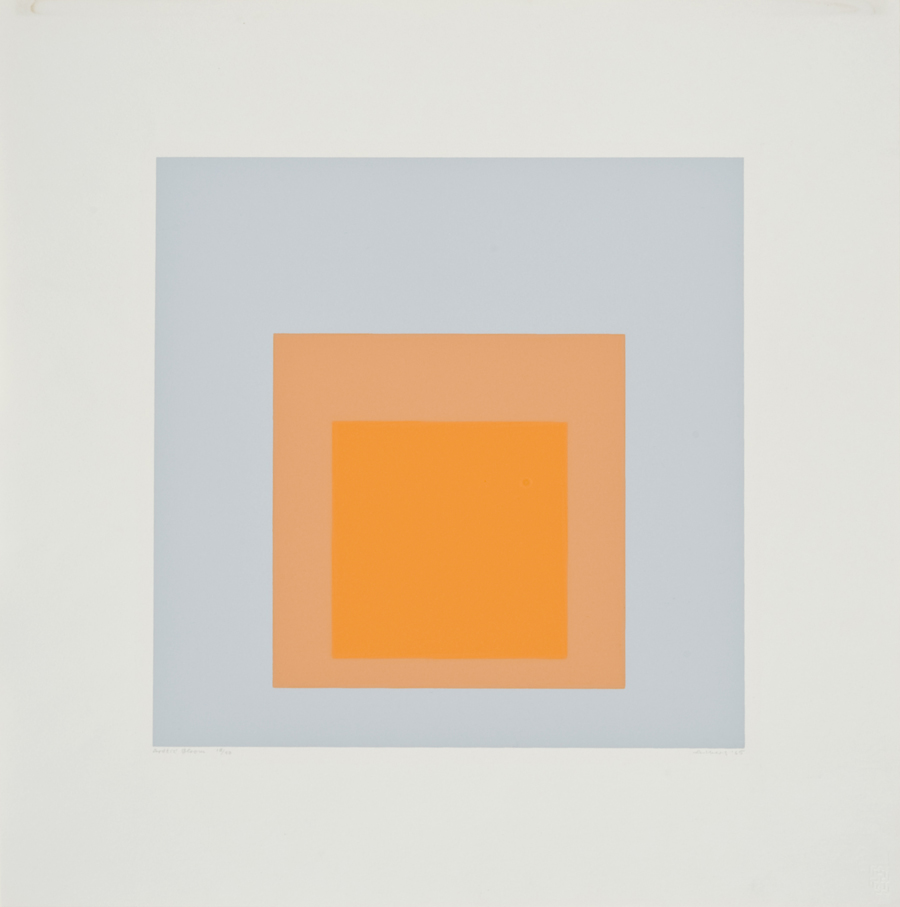
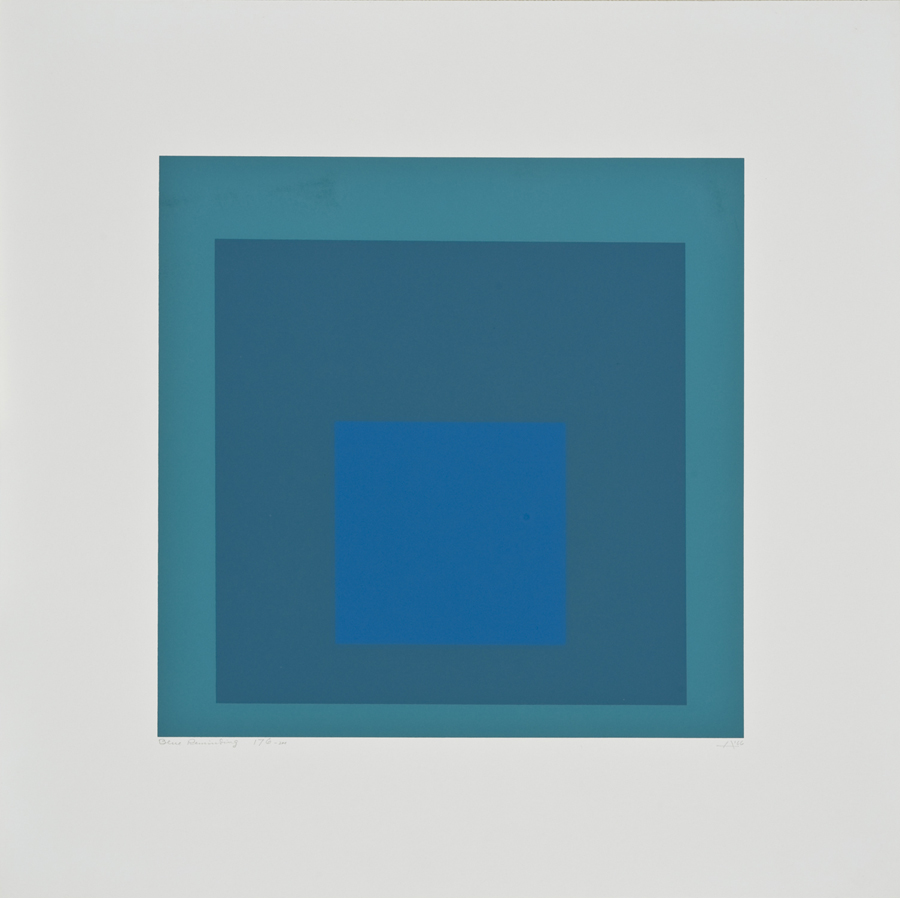
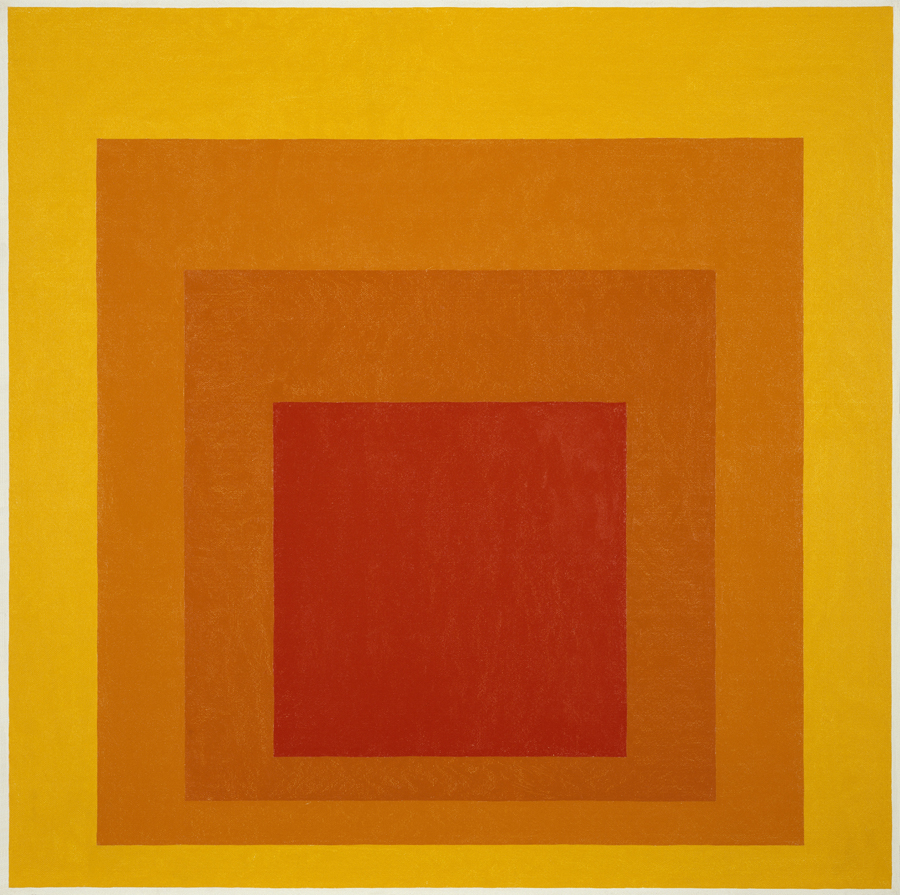
In 1949, at the age of 62, Albers became chairman of the art school at Yale University, with a mandate to transform it from a conservative academic program to a proponent of modern concepts and applications. Believing firmly that colours have no inherent emotional associations, he meticulously explored their nuances and combinations in his work. He eventually limited the shape and number of his forms, which resulted in a standardised format that he called “Homage to the Square,” for which he is best known. Two dozen “Homage to the Square” compositions fill the central gallery in the exhibition, inviting viewers to examine the subtle complexities of their perceptions. The vivid yellow-orange-reds of “Glow” (1966, see below) startle the eye, while the pale grays of “Nacre” (1965, see below) suggest cool neutrality. These images create optical illusions, challenging viewers’ visual acuity. This series concludes with the artist’s vivid red-print duo, “In Honor of the Hirshhorn Museum,” on view for the first time since the museum opened in 1974.

In addition, this exhibition includes examples from Albers’ “Structural Constellation” series of reliefs (1954-1964, see above), which anticipated op art with their linear patterns. The reliefs’ commonplace material-laminated plastic-also fulfils the utopian goal of making art affordable to everyone. The two largest paintings on view, both titled “Variant” (1973), were donated by the artist’s wife and foundation in 1979.

Albers remained active and influential until his death in 1976, and many of his pedagogical innovations have become standard methodology in art schools across the country. His explorations of abstract form and colour also inspired and stimulated generations of artists and designers. Shortly after his arrival in America, he became a co-founder of the American Abstract Artists group and participated in exhibitions across the country, from New York to Michigan and beyond. The Hirshhorn’s exhibition ends with an array of works by colleagues, students and admirers, among them: weavings by the artist’s wife, Anni Albers; abstract constructions by Burgoyne Diller; streamlined images of labor by Jacob Lawrence; a large op art painting by Richard Anuskiewicz; textured creations by Eva Hesse and Robert Rauschenberg; and a minimalist stacked wall sculpture by Donald Judd.”

Press release from The Hirshhorn Museum website [Online] Cited 01/04/2010 no longer available online


Josef Albers (German, 1888-1976) 'Homage to the Square - Soft Spoken' 1969


Josef Albers (German, 1888-1976)
Homage to the Square – Soft Spoken
1969


Josef Albers (German, 1888-1976) 'Homage to the Square - Porta Negra' 1965


Josef Albers (German, 1888-1976)
Homage to the Square – Porta Negra
1965


Josef Albers (German, 1888-1976) 'Homage to the Square - Profundo' 1965


Josef Albers (German, 1888-1976)
Homage to the Square – Profundo
1965


Josef Albers (German, 1888-1976) 'Homage to the Square - Nacre' 1965


Josef Albers (German, 1888-1976)
Homage to the Square – Nacre
1965


Josef Albers (German, 1888-1976) 'Homage to the Square. Soft Edge - Hard Edge' 1965


Josef Albers (German, 1888-1976)
Homage to the Square. Soft Edge – Hard Edge
1965


Josef Albers (German, 1888-1976) 'Homage to the Square - Arctic Bloom' 1965


Josef Albers (German, 1888-1976)
Homage to the Square – Arctic Bloom
1965


Josef Albers (German, 1888-1976) 'Homage to the Square - Blue Reminding' 1966


Josef Albers (German, 1888-1976)
Homage to the Square – Blue Reminding
1966


Josef Albers (German, 1888-1976) 'Homage to the Square - Glow' 1966


Josef Albers (German, 1888-1976)
Homage to the Square – Glow
1966


The Hirshhorn Museum and Sculpture Garden

The Hirshhorn is located on the National Mall at the corner of 7th Street and Independence Avenue SW, Washington D.C.

Opening hours:
Open daily 10am – 5.30pm

The Hirshhorn Museum website

LIKE ART BLART ON FACEBOOK

Back to top