
Exhibition dates: 9th June 2013 – 17th May 2015
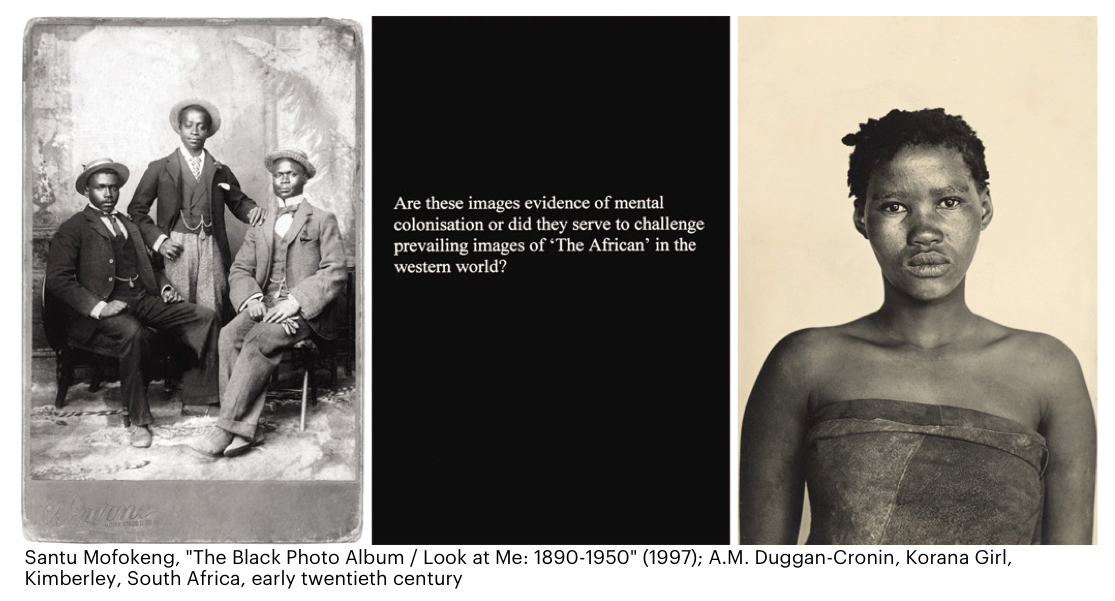
Santu Mofokeng (South African, 1956-2020)
The Black Photo Album / Look at me: 1890-1950
1997
© Santu Mofokeng / Courtesy of Lunetta Bartz, MAKER, Johannesburg
Another group of interesting colonial African photographs from The Walther Collection. Similar in scope to the 20 volume series The American Indian (1906-1930) by ethnologist and photographer Edward S. Curtis which “documented as much American Indian (Native American) traditional life as possible before that way of life disappeared,” (Wikipedia), A. M. Duggan-Cronin’s 11 volume series The Bantu Tribes of South Africa (1928-1954), “set out to depict what he considered the disappearing indigenous populations of South Africa.” Disappearance and loss are the all to ready themes of these recorders of vanishing races.
“Santu Mofokeng’s The Black Photo Album / Look at Me: 1890-1950 introduces the concept of the photographic archive as both a repository of documents and an assemblage of representations ” (media release). In this work Mofokeng juxtaposes images of “civilised” natives – images urban black working- and middle-class families had commissioned, requested, or tacitly sanctioned without evidence of coercion – with text that spurns, questions or challenges official integrationist policies taking their model from colonial officials and settlers. “The images depicted here reflect their sensibilities, aspirations and their self-image.”
The artist asks:
“Are these mere solemn relics of disrupted narratives or are these images expressive of the general human predicament?”
“Who is gazing”
“Who are these people?”
“What were their aspirations?”
“Did these images serve to challenge prevailing western perceptions of the African?”
“Do these images serve as testimony of mental colonisation?”
Dr Marcus Bunyan
Many thankx to The Walther Collection for allowing me to publish the photographs in the posting. Please click on the photographs for a larger version of the image.

A.M. Duggan-Cronin (South African born Ireland, 1874-1954)
Korana Girl, Kimberley, South Africa
c. 1900-1930
Gelatin-silver developed-out print
Paper: 5.67 x 3.86 inches (14.4 x 9.8cm)
The Walther Collection
Part I: The Black House: Santu Mofokeng and A.M. Duggan-Cronin
A juxtaposition of A. M. Duggan-Cronin’s The Bantu Tribes of South Africa and Santu Mofokeng’s The Black Photo Album / Look at Me: 1890-1950 introduces the concept of the photographic archive as both a repository of documents and an assemblage of representations. Duggan-Cronin, an Irish South African who lived in the mining town of Kimberley, set out to depict what he considered the disappearing indigenous populations of South Africa. His monumental study, entitled The Bantu Tribes of South Africa, published between 1928-1954, includes photographs, descriptive captions, and anthropological essays. In addition to presenting all eleven Bantu Tribes books, a complete sequence of photogravure plates from The Nguni: Baca, Hlubi, Xesibe (1954) will be on view, alongside a selection of vintage gelatin-silver prints by Duggan-Cronin, which had previously circulated as individual objects.
In contrast to Duggan-Cronin’s renowned and contested ethnographic vision of African heritage, Santu Mofokeng’s The Black Photo Album / Look at Me: 1890-1950 portrays the modern self-representation of African subjects. In the early 1990s, the artist collected family studio portraits from late-nineteenth and early-twentieth century South Africa and transformed the images into a slide show, complete with narratives about the sitters. He also produced a series of gelatin-silver print reproductions of the portraits, which are on view together with a selection of the project’s original vintage prints and Mofokeng’s research notes. Envisioned as a “counter-archive,” The Black Photo Album challenges fixed ideas most often associated with images of Africans.
By placing these two bodies of work alongside one another, Part I of Distance and Desire opens up the question of the “African Archive,” understood here not so much as an official repository of documents and objects but as a contested assemblage of representations that have helped to construct and project a dominant image of Africans that is now under pressure and revision.
Press release from The Walther Collection website
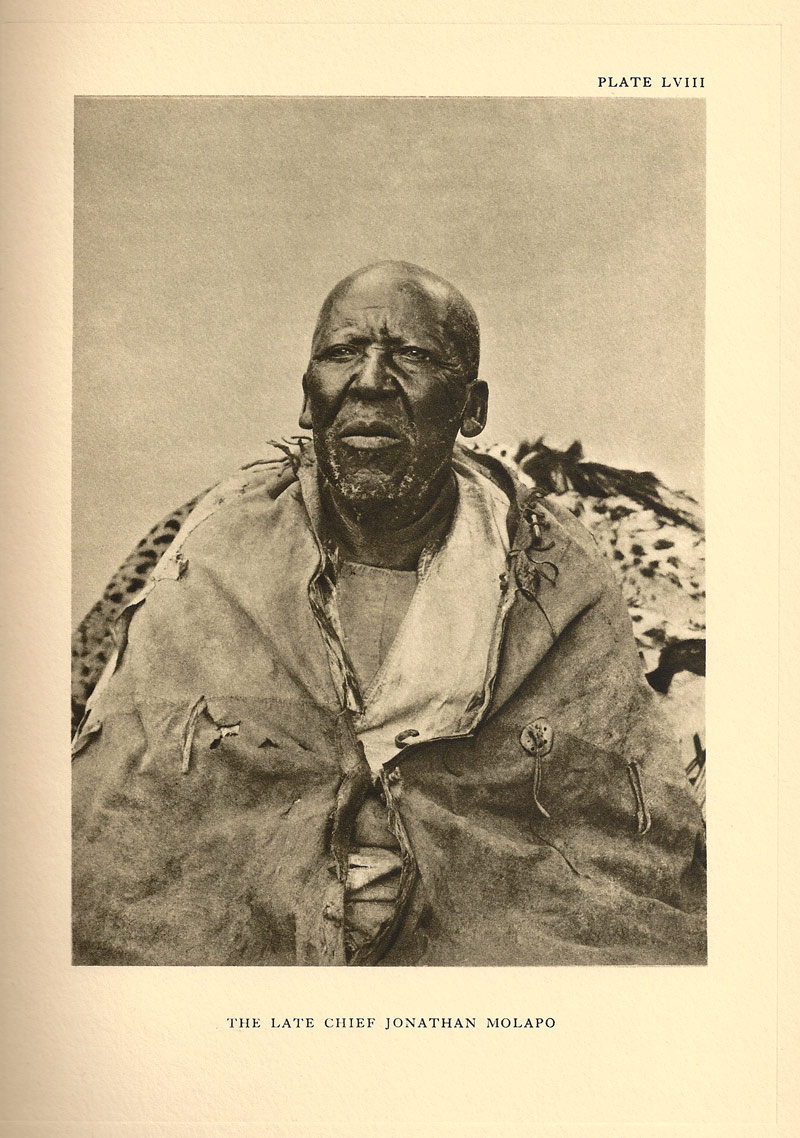
A.M. Duggan-Cronin (South African born Ireland, 1874-1954)
The Late Chief Jonathan Molapo
South Africa, early twentieth century
The Walther Collection
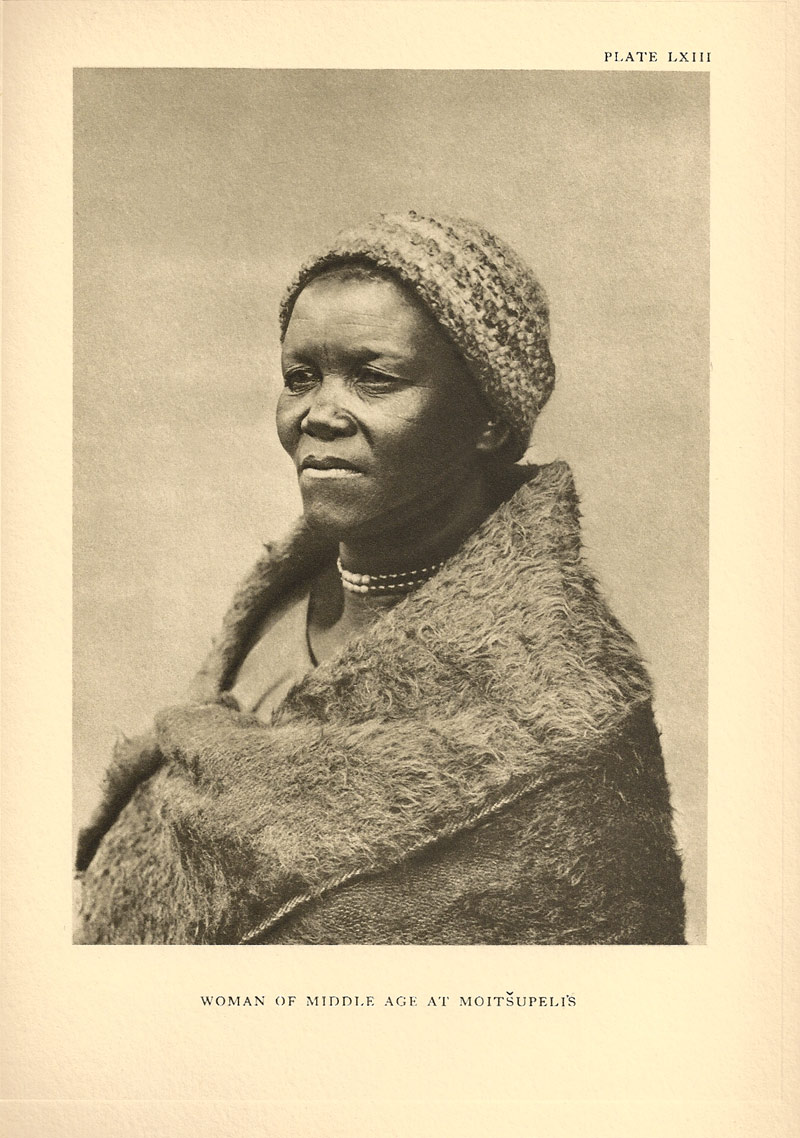
A.M. Duggan-Cronin (South African born Ireland, 1874-1954)
Woman of Middle Age at Moitšupeli’s
South Africa, early twentieth century
The Walther Collection
Alfred Martin Duggan-Cronin was an Irish-born South African photographer who undertook several photographic and collecting expeditions in South Africa and adjacent territories between 1919 and 1939, in the course of which he documented people and rural life throughout the subcontinent. Based in Kimberley, it was while working in the mine compounds that he initially encountered African migrant workers, stimulating an interest in ethnographic subjects. Duggan-Cronin was born on 17 May 1874 in Innishannon, County Cork, Ireland, and died on 25 August 1954 in Kimberley, South Africa. …
Duggan-Cronin embarked on the first of his major ethnographic endeavours in 1919 when he went to the Langeberg to photograph the San people living there – the first of many expeditions into Kimberley’s Southern African hinterland. Between the world wars he travelled some 128 000 kilometres, making at least 18 expeditions to photograph the peoples of southern Africa. He was accompanied by his Mfengu assistant, Richard Madela, on some of these expeditions.
A significant number of his photographs were published in The Bantu Tribes of South Africa: Reproductions of Photographic Studies by A.M. Duggan-Cronin, eleven volumes of which appeared under the imprint of the McGregor Memorial Museum, Kimberley, between 1928 and 1954. In 1925 he opened his first ‘Bantu Gallery’ at his home on Kimberley’s outskirts, his collection of some 8,000 photographs and ethnographic objects being more permanently housed at what was named the Duggan-Cronin Bantu Gallery at The Lodge in Kimberley from the late 1930s.
Text from the Wikipedia website
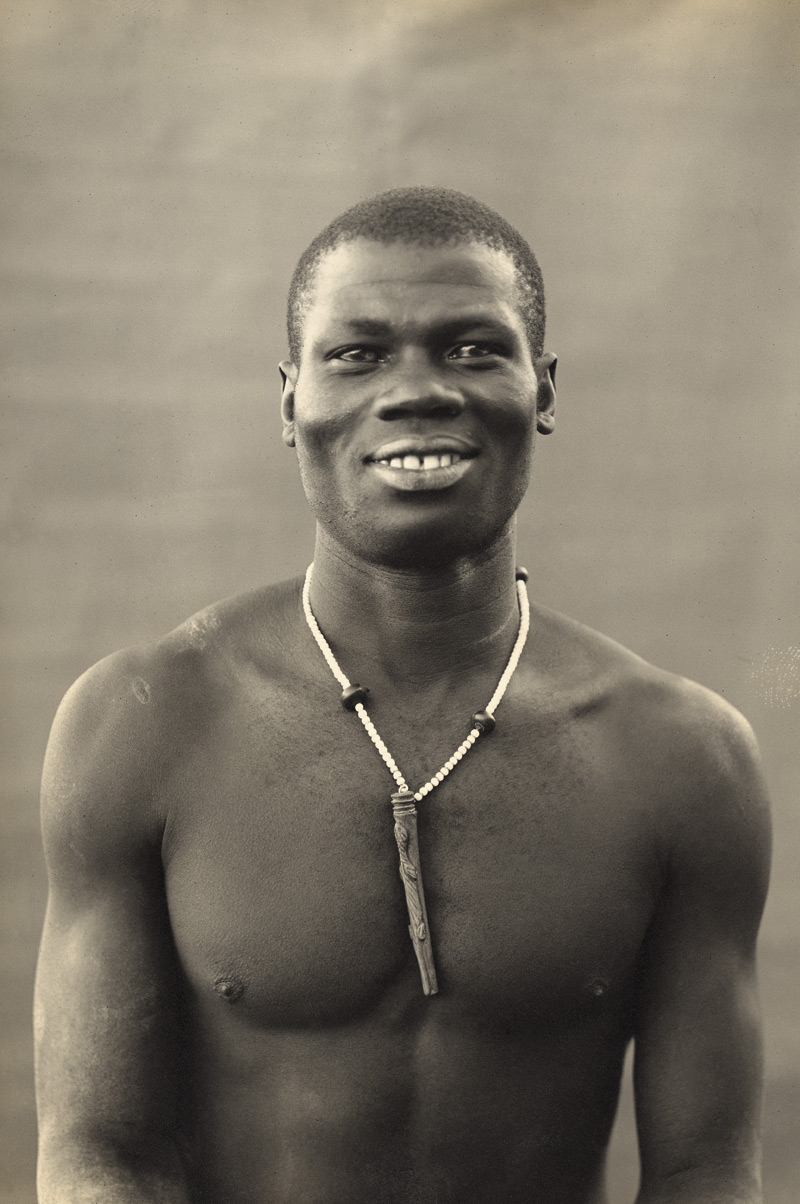
A.M. Duggan-Cronin (South African born Ireland, 1874-1954)
A Morolong Youth
South Africa, early twentieth century
The Walther Collection
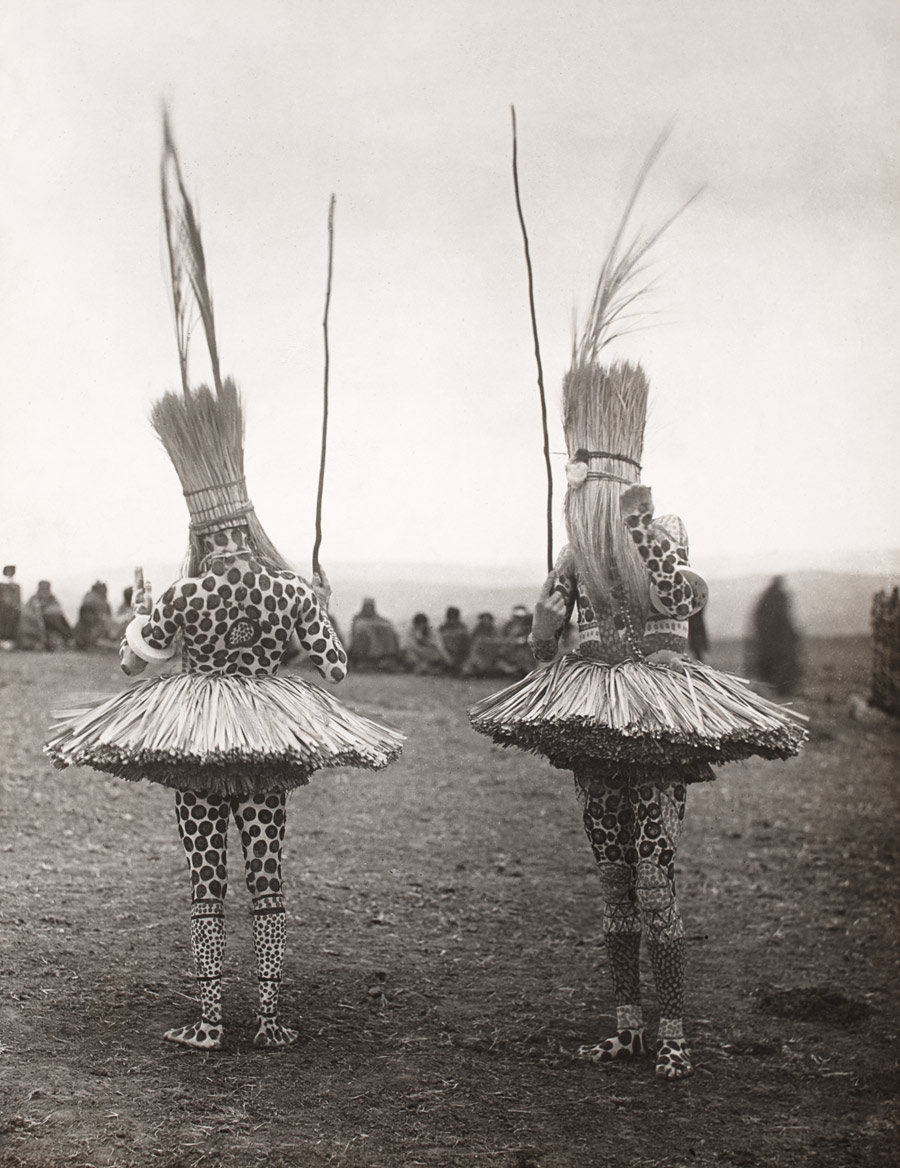
A.M. Duggan-Cronin (South African born Ireland, 1874-1954)
Bomvana Initiates
1930
The Walther Collection
Bomvana
According to their own tradition, the Bomvana originate from the AmaNgwane people of KwaZulu-Natal. The AmaBomvana are descended from Nomafu, the first of the AmaNgwana tribe and from Bomvu, who gave rise to the AmaBomvu tribe. Bomvu’s Great Son, Nyonemnyam, carried on the Bomvu dynasty. His son Njilo is the progenitor of the AmaBomvana. The AmaBomvana people left Natal in 1650 to settle in Pondoland after a dispute over cattle. After the death of Njilo’s wife, their grandson Dibandlela refused to send, in accordance with custom, the isizi cattle to his grandfather. This led to an open dispute. Dibandlela fled with his supporters and their cattle to settle in Pondoland.
The AmaBomvana remained in Pondoland until 1837. After experiencing two centuries of tribal wars, the amaBomvana were driven out of Pondoland into the area east of the Mbashe river, including the present-day Cwebe reserve and they put themselves under the wing of the Gcaleka, with permission from King Hintsa, who was the Paramount of all states in the Eastern Cape.
They are historically related and share a common lineage with the AmaMpondomise, AmaXesibe, AbakwaMkhize, AmaBomvu and AmaMpondo as they all have related cultural similarities. The passing of four centuries since their division and the influence of neighboring tribal groups have brought about the linguistic and cultural differences, and differences in their rituals and rites of passage that we observe today.
Text from the Wikipedia website
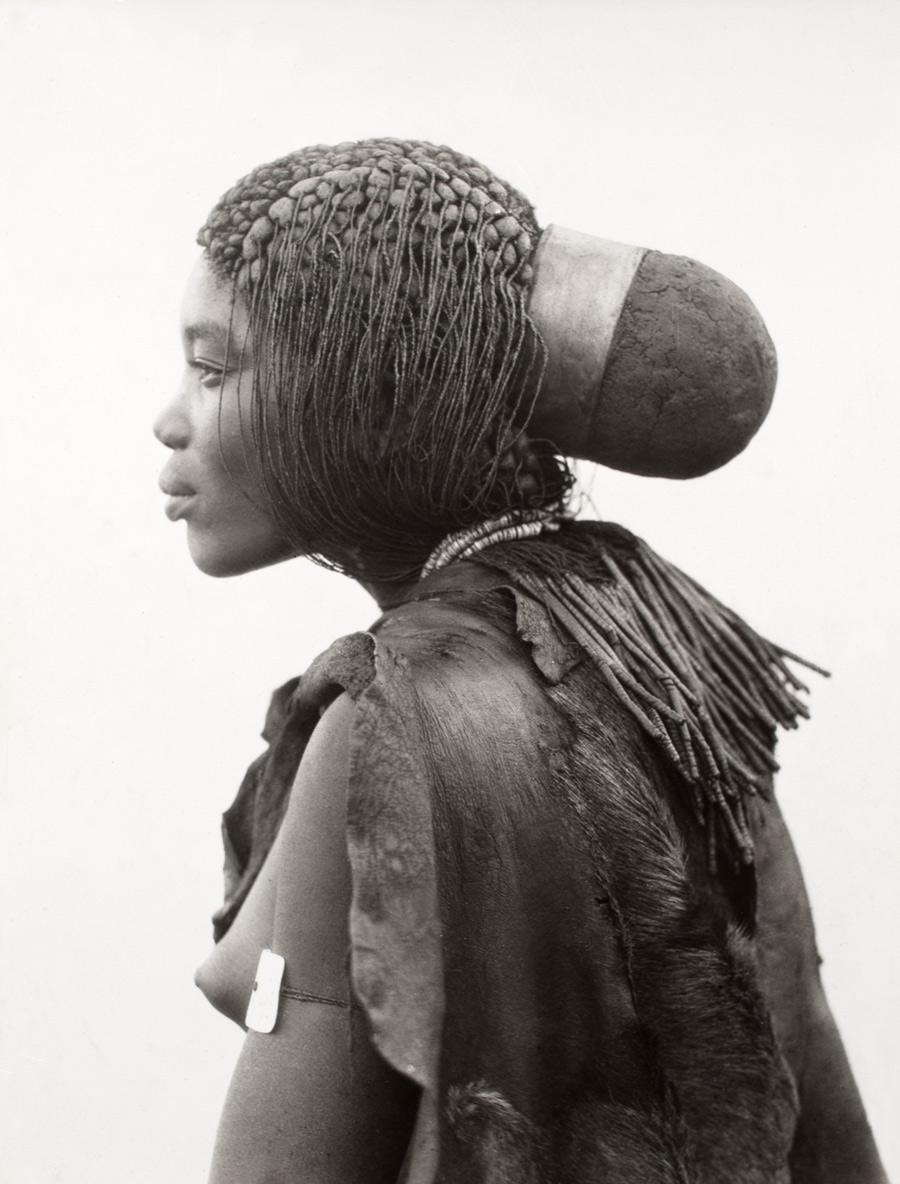
A.M. Duggan-Cronin (South African born Ireland, 1874-1954)
Ovambo (Ogandjera) Woman
1936
The Walther Collection
Ongandjera
Ongandjera (from “aagandji yiiyela”, place of gold metal thread beads) is a tribal area near Okahao in the Omusati Region in northern Namibia. Ongandjera is the birthplace of Sam Nujoma, the country’s first president, and of Pendukeni Iivula-Ithana who was the secretary-general of South West Africa People’s Organisation (SWAPO) from 2007 to 2012.
Historically part of Ovamboland, Ongandjera is the seat of a traditional kingship, the Ongandjera Traditional Authority. In 1917, South Africa stripped the rulers of seven kingships, including Ongandjera, of their authority to rule their territory. Nevertheless, the position of King of the Ongandjera was continued. Following Namibia’s independence, the king of Ongandjera declared the royal family restored.
Text from the Wikipedia website
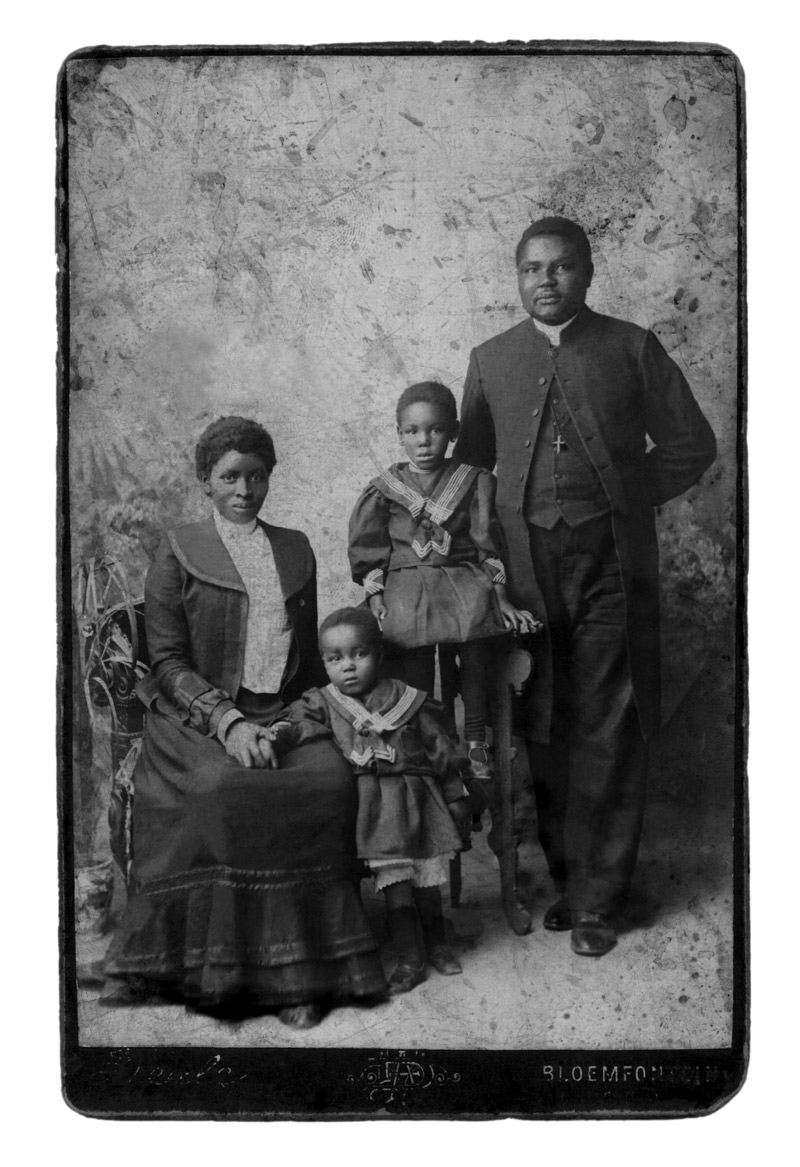
Santu Mofokeng (South African, 1956-2020)
The Black Photo Album / Look at Me: 1890-1950
1997
(Bishop Jacobus G. Xaba and his family? Photographer: Deale, Bloemfontein, Orange River Colony, c. 1890s)
© Santu Mofokeng / Courtesy of Lunetta Bartz, MAKER, Johannesburg
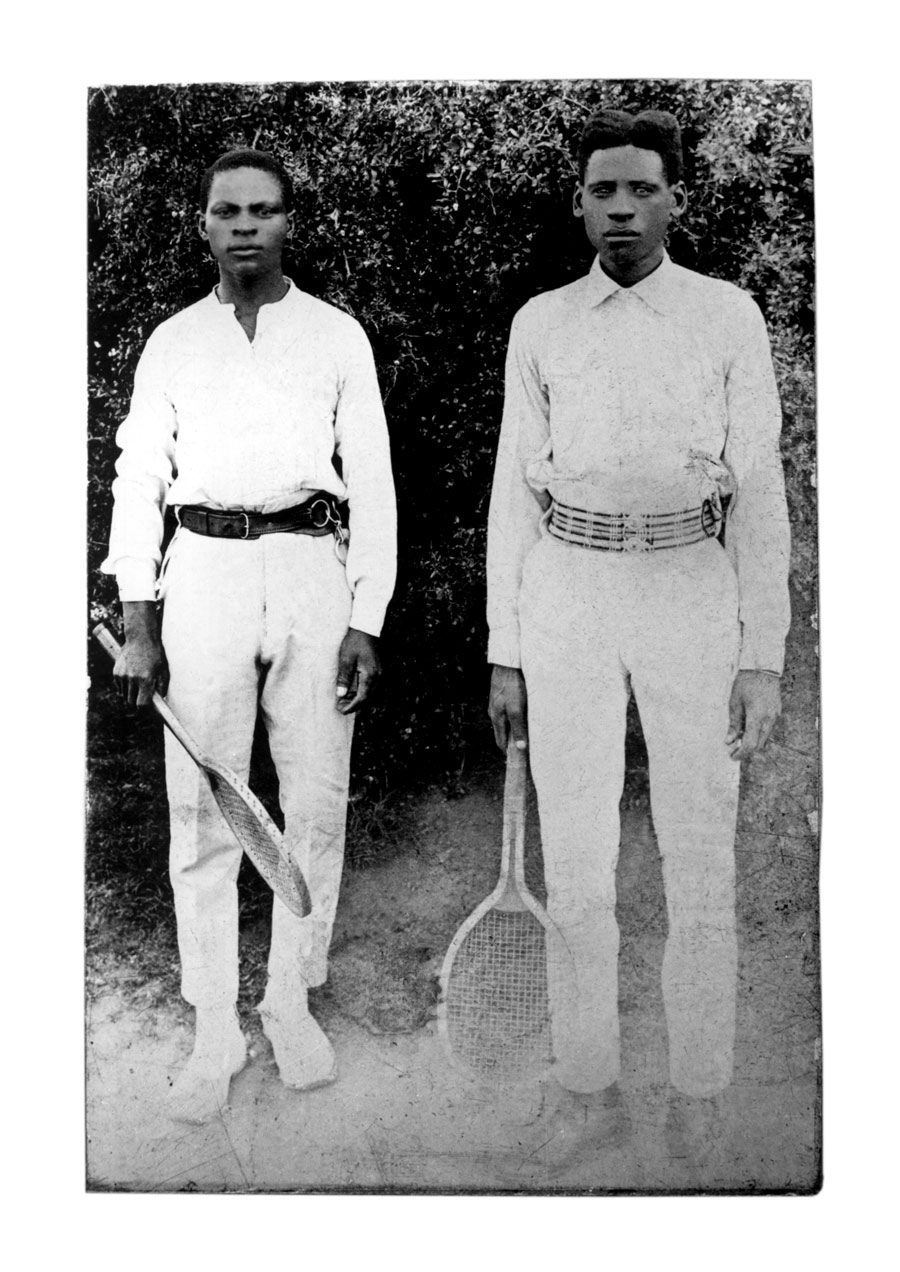
Santu Mofokeng (South African, 1956-2020)
The Black Photo Album / Look at Me: 1890-1950
1997
(Unidentified photographer, Moeti and Lazarus Fume)
© Santu Mofokeng / Courtesy of Lunetta Bartz, MAKER, Johannesburg
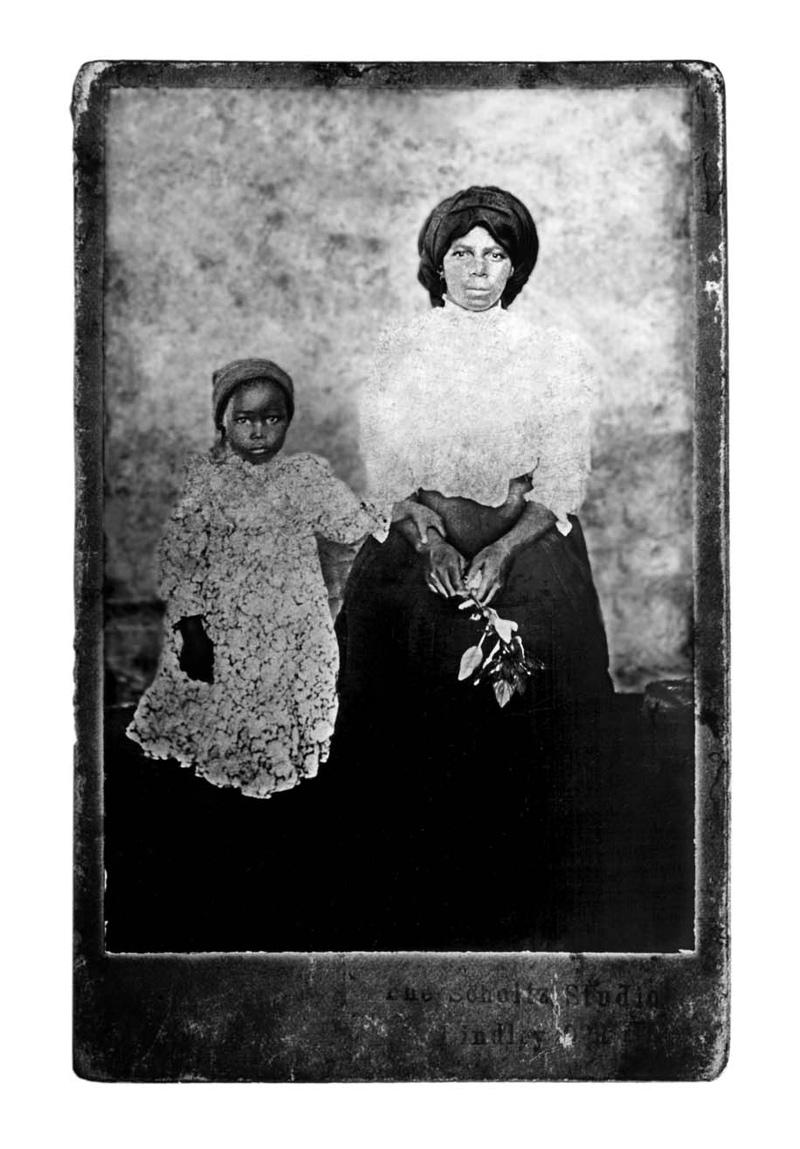
Santu Mofokeng (South African, 1956-2020)
The Black Photo Album / Look at Me: 1890-1950
1997
(Scholtz Studio, Lindley, Ouma Maria Letsipa, née van der Merwe, with her daughter Minkie, Orange River Colony, c. 1900s)
© Santu Mofokeng / Courtesy of Lunetta Bartz, MAKER, Johannesburg
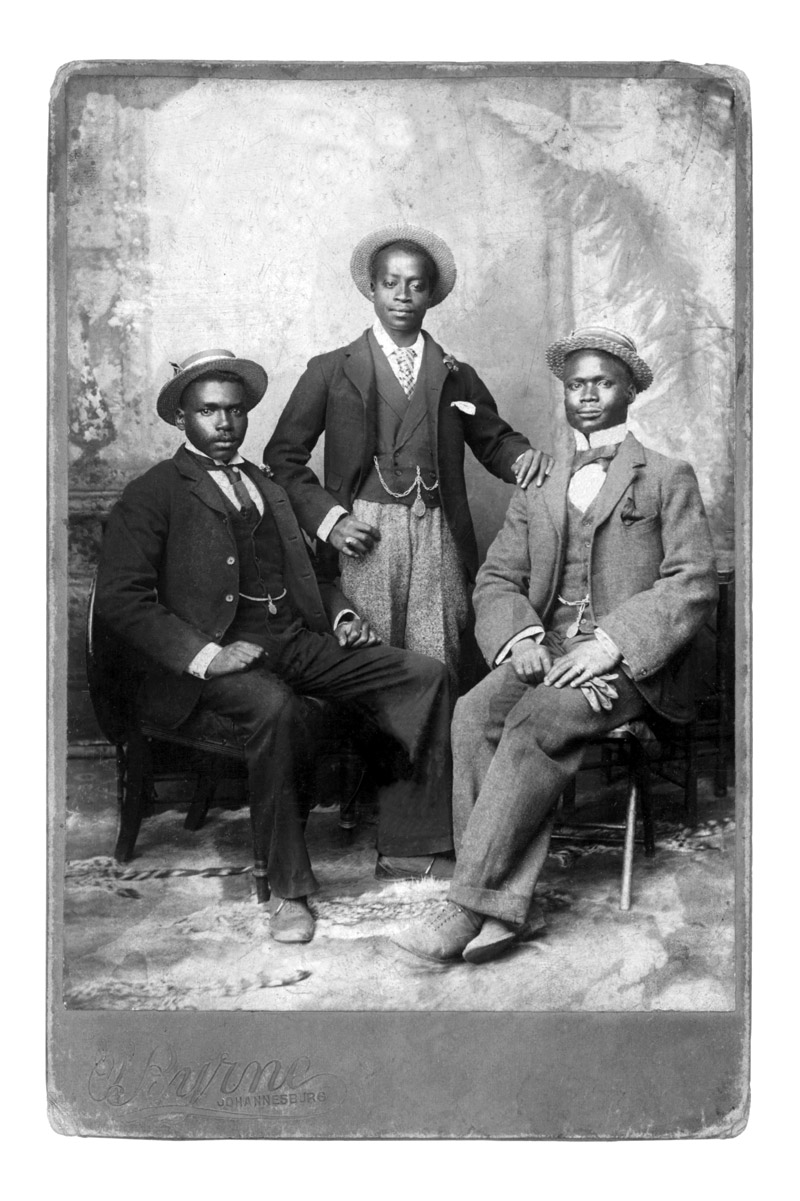
Santu Mofokeng (South African, 1956-2020)
The Black Photo Album / Look at Me: 1890-1950
1997
(Unidentified photographer, South Africa, early twentieth century)
© Santu Mofokeng / Courtesy of Lunetta Bartz, MAKER, Johannesburg
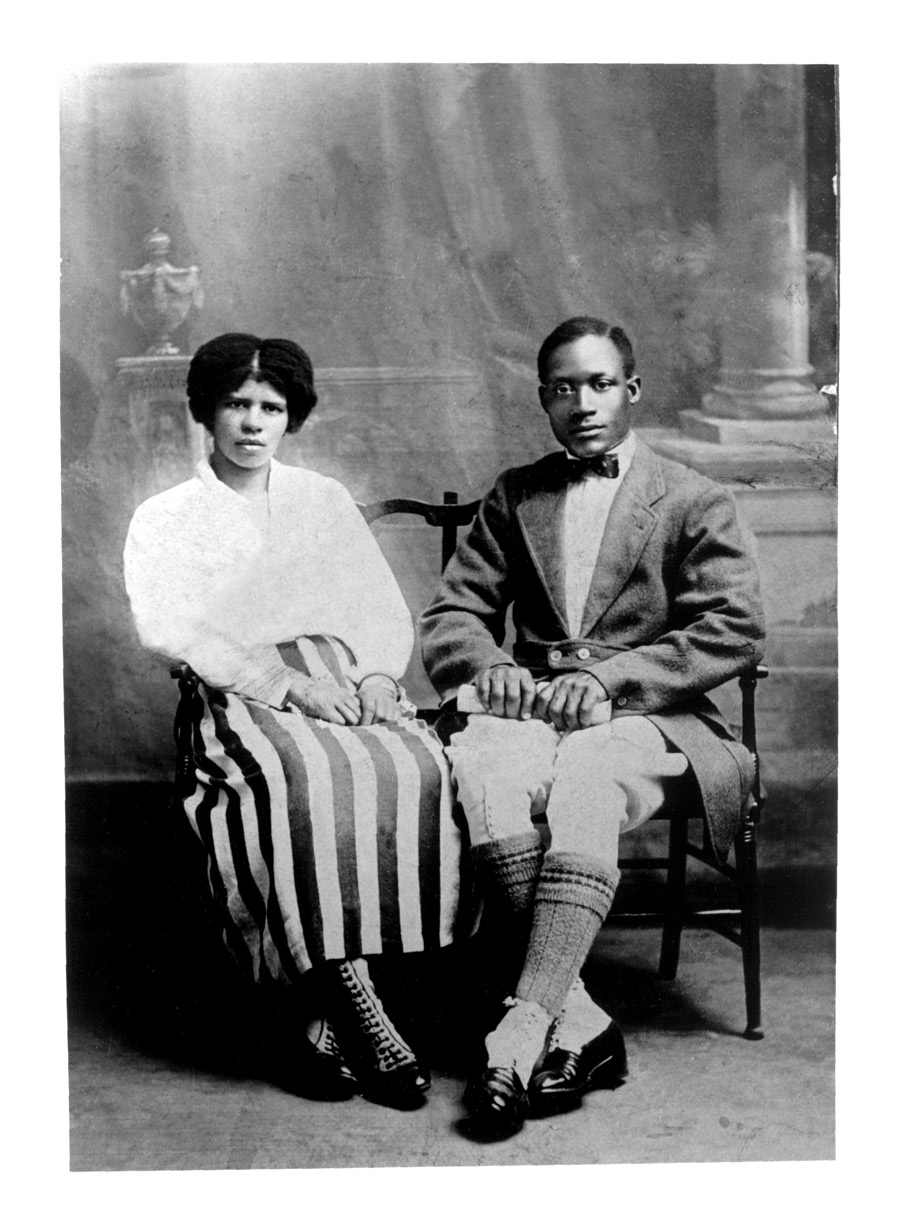
Santu Mofokeng (South African, 1956-2020)
The Black Photo Album / Look at Me: 1890-1950
1997
(Unidentified photographer, Elizabeth and Jan van der Merwe, Johannesburg, c. 1900s)
© Santu Mofokeng / Courtesy of Lunetta Bartz, MAKER, Johannesburg
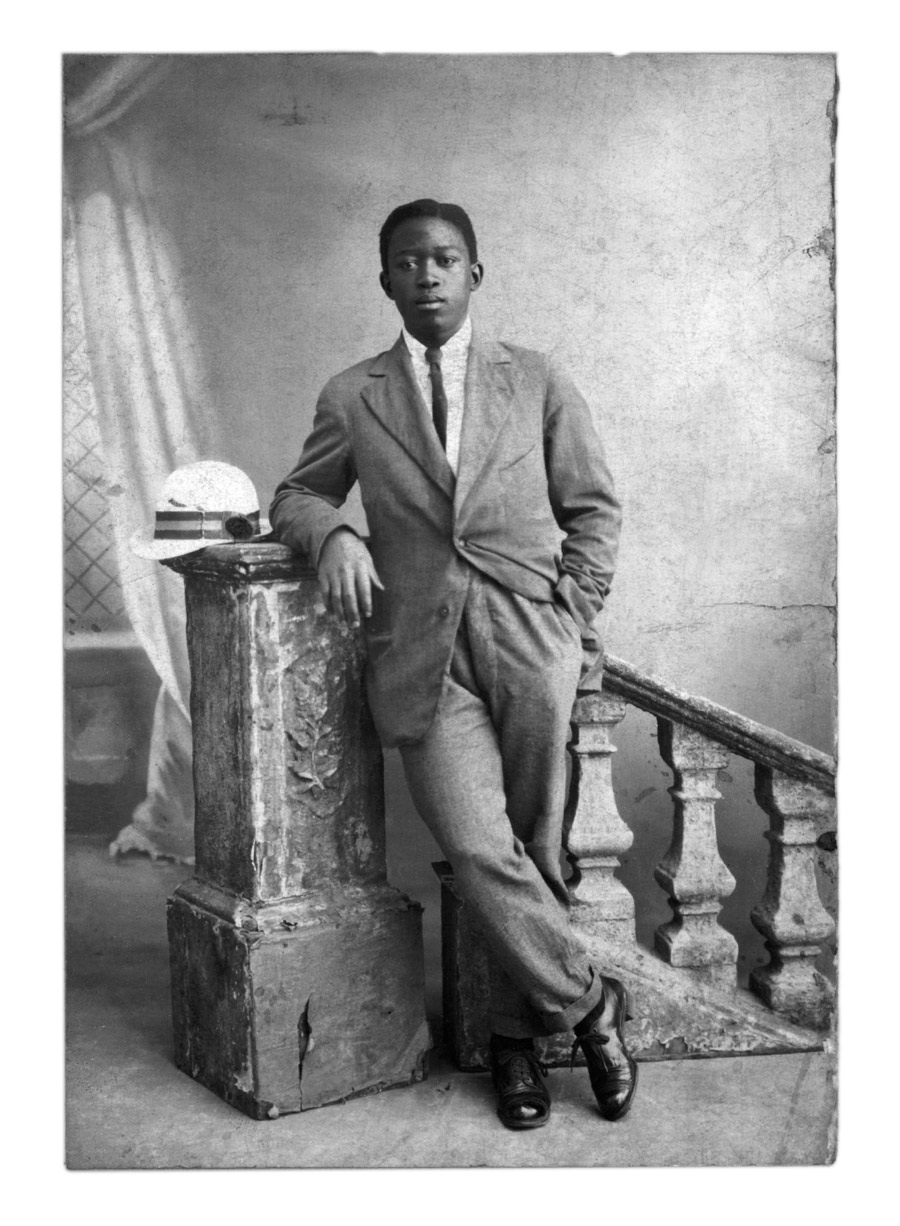
Santu Mofokeng (South African, 1956-2020)
The Black Photo Album / Look at Me: 1890-1950
1997
(Unidentified photographer, Elliot Phakane, Bethlehem Location, c. 1900s)
© Santu Mofokeng / Courtesy of Lunetta Bartz, MAKER, Johannesburg
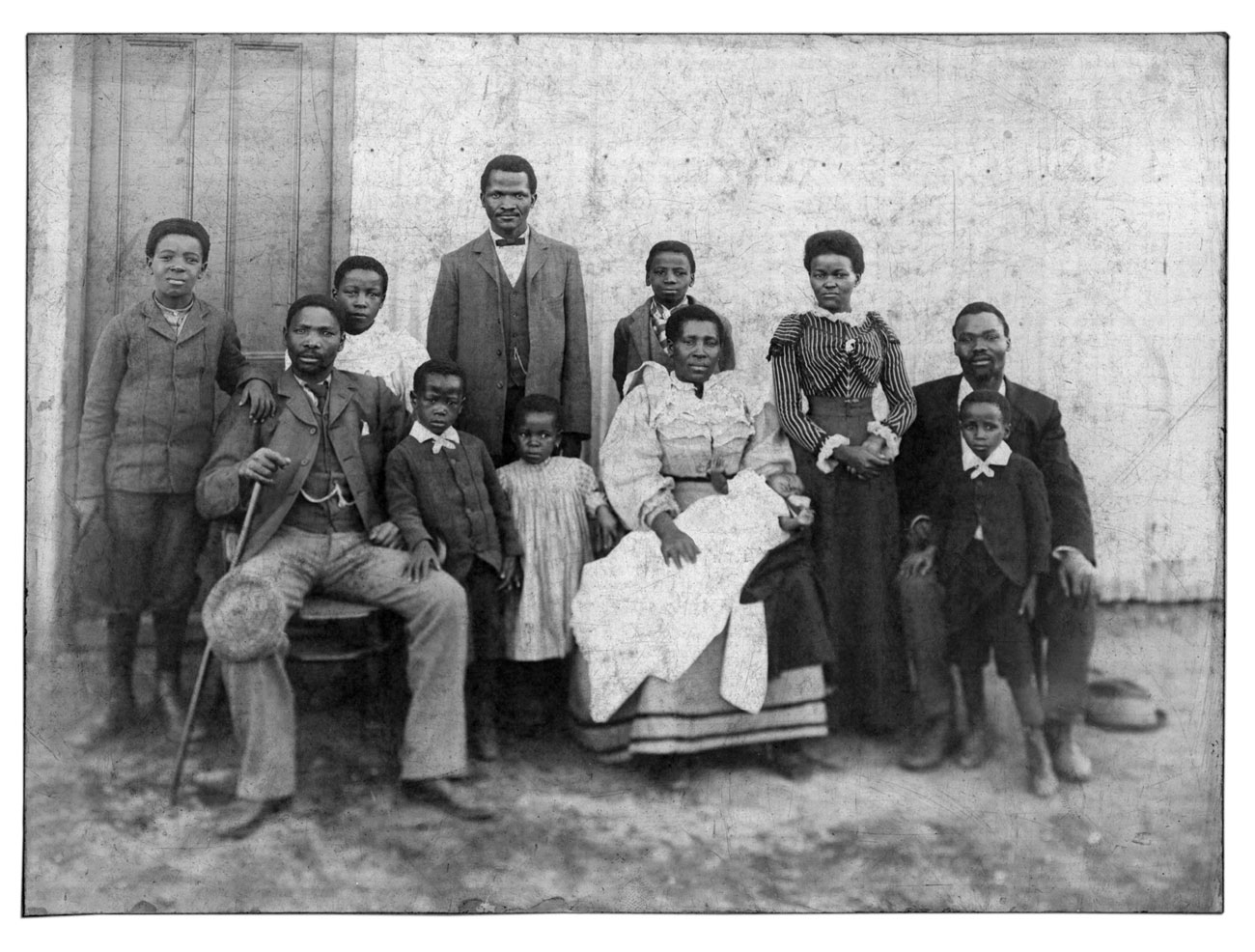
Santu Mofokeng (South African, 1956-2020)
The Black Photo Album / Look at Me: 1890-1950
1997
(Unidentified photographer, c. 1900s)
© Santu Mofokeng / Courtesy of Lunetta Bartz, MAKER, Johannesburg
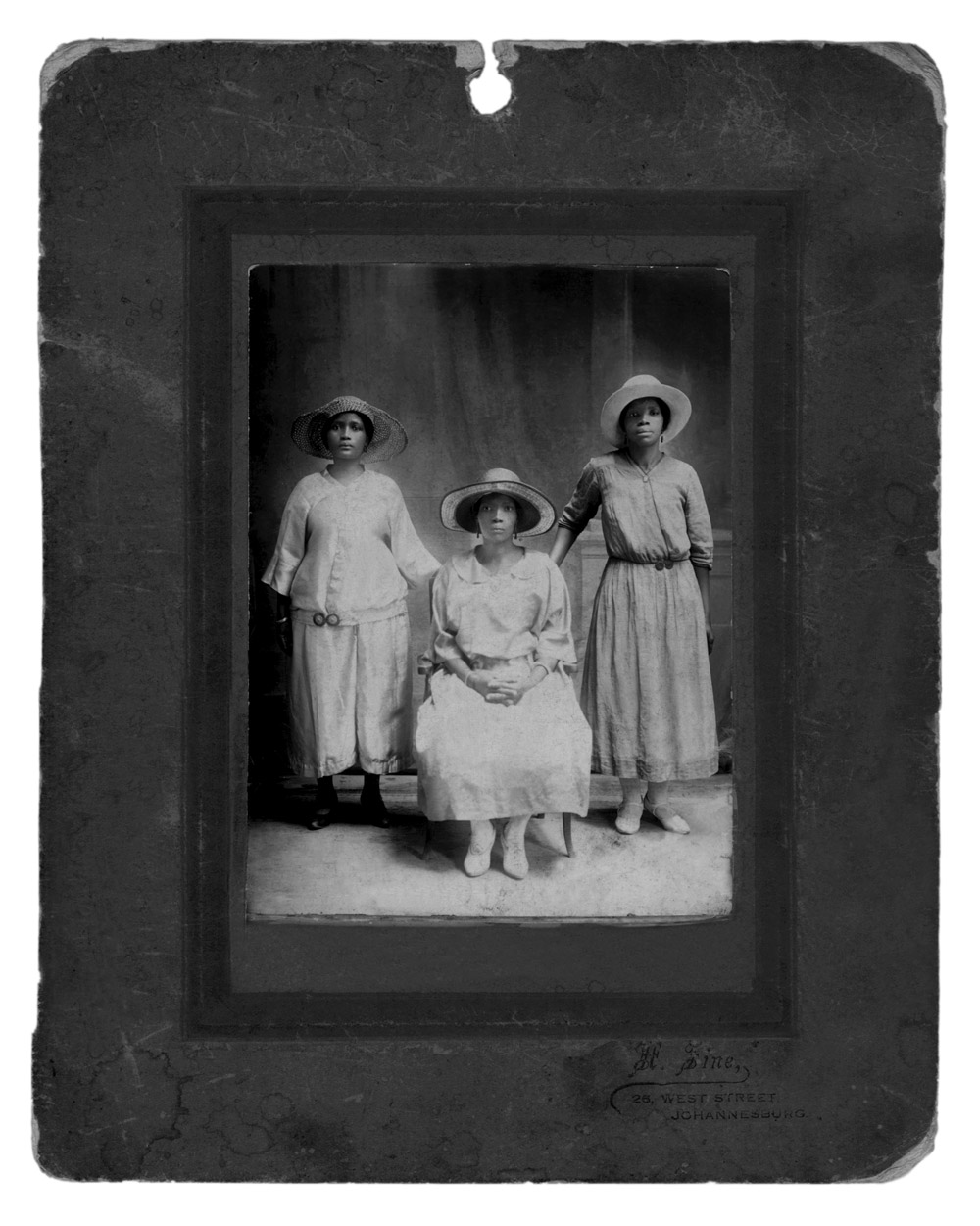
Santu Mofokeng (South African, 1956-2020)
The Black Photo Album / Look at Me: 1890-1950
1997
(Unidentified photographer, c. 1900s)
© Santu Mofokeng / Courtesy of Lunetta Bartz, MAKER, Johannesburg
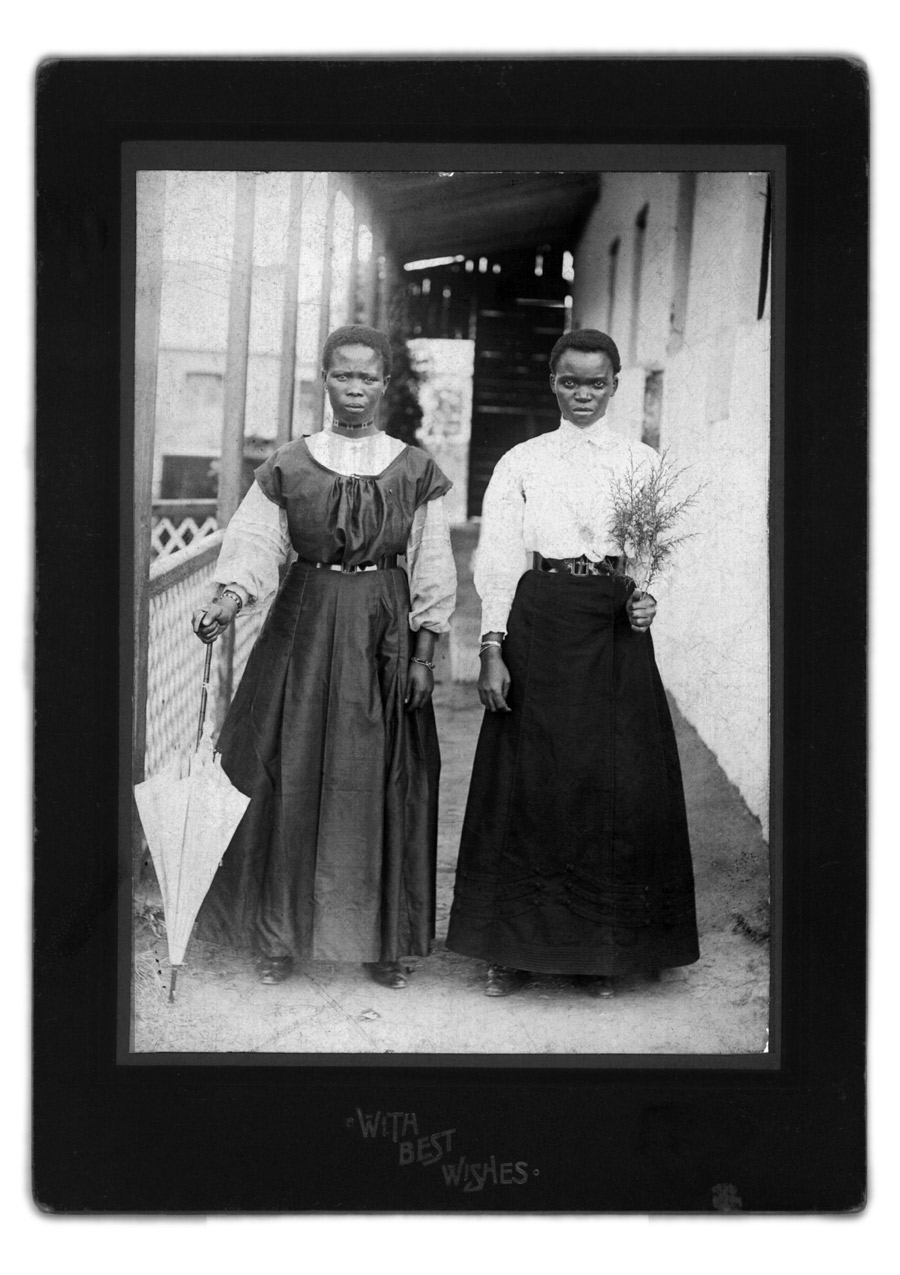
Santu Mofokeng (South African, 1956-2020)
The Black Photo Album / Look at Me: 1890-1950
1997
(Unidentified subjects, Clifton Studio, Braamfontein c.1900s)
© Santu Mofokeng / Courtesy of Lunetta Bartz, MAKER, Johannesburg
The Walther Collection
Reichenauer Strasse 21
89233 Neu-Ulm, Germany
Opening hours:
Thurs – Sunday 2 – 5pm
The Walther Collection website

 Art Blart _ art and cultural memory archive
You must be logged in to post a comment.