In the nearly eighteen year history of constructing this archive there has never been a posting on the American photographer Ralph Eugene Meatyard (American, 1925-1972) which tells you a/ how rare exhibitions of his work are today and b/ how under appreciated his art is in recent times when compared to his white, male contemporaries such as Harry Callahan, Minor White and Aaron Siskind. Thus it is a great pleasure to promote this exhibition on Art Blart. I just wish I had more photographs to show you!
His work is polarising. People either hate it or love it. I’m in the latter camp. I admire Meatyard’s disturbing? challenging photographs where youth and innocence meld into a dystopian old age of special beauty, where other worlds of which we know very little are brought close to our imagination.
I admire them for their unconventionality, for their spectral aspect … that fluid dichotomy between reality and fantasy, dreams and nightmares, where the mask comes to stand for another state of being of its subject1 – shadowy, other-worldy phantoms brought into our presence through romantic-surrealist, abstract realisms – un/earthly in/corporealities, bodies and people who are both grounded in the present and transmogrifying in a tumult of magic realism (a literary and artistic genre that seamlessly blends fantastical or mythical elements into otherwise realistic, mundane settings, treating the supernatural as normal).
This unexplained magic, fluid time contains a social critique of childhood, family and adulthood and (most importantly) mortality, merging real-world settings with unbelievable elements.
Meatyards’s staged scenes – often using exposure, shadow (in Jung referencing the unconscious, hidden part of the personality), depth of field, or motion blur – suggest “an absurd fantasy set in the dilapidated houses and banal suburban environs near his home in Lexington, Kentucky … [which] reveal Meatyard’s search for inner truths amid the ordinary.” (Text from the High Museum of Art)
His photographs contain elements of his imagination in segments of the actuality around him, an interface of emotion and feeling about the world which is reflected back to us through his experimental, fantastical images. His subjects simply exist in youth and old age and resonate (that musical influence) “within the infinite possibilities of this fictional world.” Thus, in this fictional world, the masks serve “… to equalise his subjects and shift focus elsewhere – to the poignant juxtaposition of otherworldly faces on human bodies, to the ambiguous and unknowable in human nature.”2
The unknowable in human nature. The phenomenal (appearances) and the noumenal (the harsh reality of things-in-themselves).3 Interstitial. Interspatial. The space between…
Dreams and realities, masks and identities, emotions and fluidities. Gestures on what it is to be human.
Dr Marcus Bunyan
1/ “The word “persona” originally refers to a theatrical mask worn by actors to depict the roles played by them…
The ego refers to our centre of consciousness which is responsible for our continuing sense of identity throughout our life and the persona is the social mask that we put on. We all embody different masks in different settings, as it is our way to adapt to the demands of society, playing an important part in shaping our social role and in how we deal with other people.”
3/ The phenomenal world is the reality we experience through senses and mental structures (space/time), while the noumenal is the unknowable, objective reality existing independently of perception, such as God or the true nature of objects.
Many thankx to the High Museum of Art for allowing me to publish the photographs in the posting. Please click on the photographs for a larger version of the image.
“I seek to create a picture that has implications which may be explored for a new concept of thinking – a picture seen largely from the subjective viewpoint. The man of ideas and ideals will search for and find elements of his imagination in segments of the actuality around him. My pictures are an extension of myself and invite the viewers to participate in my thinking about the object pictured.”
Ralph Eugene Meatyard, Lexington Camera Club, Creative Photography – 1956 catalogue statement
“I adhere to the techniques of the earliest and most sincere workers of the camera – straight, unmanipulated pictures. That which I present is that which I see. However, I work a great deal in romantic-surrealist as well as abstract for I feel that ‘more real than real’ is the special province of the serious photographer.”
Ralph Eugene Meatyard, quoted in Beaumont Newhall, “New Talent in Photography USA,” Art in America 49, No. 1, 1961
Installation view of the exhibition The Family Album of Ralph Eugene Meatyard at the High Museum of Art, Atlanta, GA
As an optician by profession, Meatyard’s photography training was largely self-taught. He grew up in Normal, Illinois, and eventually moved to Lexington to take a job at the Tinder-Knaus-Tinder optical shop. Through his occupation, he became fascinated by visual perception, but he did not pick up a camera until the early 1950s when his first son, Michael, was born. He began experimenting with photography and joined the Lexington Camera Club, a group of serious amateur photographers that met regularly to share their work. Meatyard made this self-portrait outside a warehouse in downtown Lexington. The composition, with the artist standing next to the word yard, is a playful visual take on his unusual surname.
A largely self-taught photographer, Ralph Eugene Meatyard (American, 1925–1972) was a pioneering and inventive artist who created some of the most original images of the mid-twentieth century. His work defies easy categorization as he experimented across various genres and subjects, and throughout his career, he maintained the ethos of an amateur, approaching photography with a sense of affection, discovery, and surprise. He is best known for his staged scenes that suggest an absurd fantasy set in the dilapidated houses and banal suburban environs near his home in Lexington, Kentucky. These scenes, often featuring his family as actors and using props such as masks and dolls, reveal Meatyard’s search for inner truths amid the ordinary.
This exhibition, coinciding with the artist’s centenary, features the thirty-six prints that comprise the artist’s first monograph (Gnomon Press, 1970) – one of only two books he published in his lifetime – which Meatyard intended to stand as his definitive artistic statement. All thirty-six prints were recently acquired by the High for the Museum’s permanent collection. Through his idiosyncratic selection of images, this exhibition explores how Meatyard’s singular approach and voracious curiosity expanded photography’s expressive and conceptual potential.
Since his untimely death in 1972, American photographer Ralph Eugene Meatyard has come to be regarded among the most pioneering and inventive artists of the medium, and his expressive, surreal photographs are widely celebrated today. This winter, the High Museum of Art presents “The Family Album of Ralph Eugene Meatyard” (Dec. 12, 2025 – May 10, 2026), an exhibition featuring 36 photographs that Meatyard considered his best work, created for one of only two monographs published by the artist in his lifetime. The High recently acquired the prints from his estate, making the museum one of the leading repositories of his photographs in the world.
“Ralph Eugene Meatyard created some of the most original photographs of the mid-20th century, and the prints in this exhibition are exquisite examples of his innovation and creativity,” said the High’s Director Rand Suffolk. “We are grateful to his estate for the opportunity to acquire and present these works and to celebrate his unorthodox yet remarkably generative practice with this exhibition.”
Born in Illinois in 1925, Meatyard eventually settled in Lexington, Kentucky. Because of his professional training as an optician, he was fascinated by visual perception, but he did not pick up a camera until the early 1950s. He began experimenting with photography and joined the Lexington Camera Club, immersing himself in the city’s creative community, which included artists and writers Van Deren Coke, Jonathan Williams, Wendell Berry and Thomas Merton.
Over the next 15 years, Meatyard maintained the ethos of an amateur, approaching the medium with a sense of affection, discovery and surprise. He experimented across various genres and subjects, including portraiture, abstraction, landscape and gothic narrative, constantly seeking to distort proper vision through photographic processes and the unconventional narrative structures that would make him an innovator of the medium.
He is best known for his staged scenes that suggest absurd fantasies, played out in the dilapidated houses and banal suburban environs of Lexington. Often featuring his family as actors and including props such as masks and dolls, the scenes reveal his search for inner truths among the ordinary. Though he wasn’t unknown in his lifetime – he exhibited, lectured and showed his work regularly throughout the 1960s – he worked both geographically and conceptually outside of the mainstream of photographic modernism, and it wasn’t until after his death that his reputation began to grow steadily.
More than a dozen books of Meatyard’s photographs have been released to date, but he only published two monographs in his lifetime. “Ralph Eugene Meatyard” (Gnomon Press, 1970), edited while he was dying of cancer, is a survey of what he considered his best work. He hoped the book would stand as his definitive artistic statement, offering his own perspective on his distinctive photographs.
This exhibition features rare prints the artist made of the 36 photographs in the book. These include signature photographs from Meatyard’s “Romance” series, which depict his family in fantastical scenarios, staged in abandoned buildings and bucolic landscapes. The series subverts the traditional family snapshot with a sense of the uncanny, combining youthful innocence with a sense of mortality. Meatyard often referred to these pictures as “romantic-surrealist,” and their fictional aspects were motivated by his desire to make photographs that weren’t bound by reality but were still grounded in the world as we see it. The exhibition also includes a selection of Meatyard’s portraits of writers, poets and artists from his circle, including Merton, Williams, Berry and Guy Davenport, among others. Collectively, the photographs create an unconventional family album by one of the most distinctive artists of the post-war period. The exhibition delves into Meatyard’s personal perceptions of his photographs and his process as a maker and will underscore the important influence of his artistic and intellectual contemporaries in Lexington, all of whom greatly affected his work. It also explores how Meatyard’s singular approach and voracious curiosity expanded photography’s expressive and conceptual potential.
“A family album is a relatable practice of memory, storytelling, aspiration and fabrication familiar to almost everyone,” said Gregory Harris, the High’s Donald and Marilyn Keough Family curator of photography. “While these works echo that nostalgic format, they also offer plenty of surprises and an extraordinary window into Meatyard’s life and creative process. We’re thrilled to share them with our audience.”
“The Family Album of Ralph Eugene Meatyard” is presented in the Lucinda Weil Bunnen Gallery for Photography on the lower level of the High’s Wieland Pavilion.
Meatyard suffered a heart attack in 1961. After this brush with mortality, he gave himself ten years to master photography. A sense of anxiety runs through many of his photographs. This image of a vacant masked face with hands pressed against its cheeks and a shard of broken mirror floating above embodies the persistent sense of pressure and tenuousness motivated by the finiteness of time.
Meatyard began editing the Gnomon Press book soon after he was diagnosed with cancer in 1970, and the looming reality of his fragility no doubt informed his selection of images. Arnold Gassan echoed the need to confront death in the longer, unpublished version of his essay for the book.
The 36 photographs include a number of signature portraits from Meatyard’s series Romance, and portray his family members, sometimes masked, inhabiting abandoned southern landscapes. Meatyard challenges the idea of traditional family portraits. In some images, children play in deserted rooms, maintaining their innocence in disconcerting environments. They are not afraid or amused – they simply exist within the infinite possibilities of this fictional world. In one image, an unrecognisable figure jumps out of a window into a yard where a little boy awaits. The movement of the jumping figure makes it resemble a spirit appearing to the boy in a dream. In creating this series, Meatyard was inspired by Ambrose Bierce’s definition of “romance” in “The Devil’s Dictionary” – defined as “fiction that owes no allegiance to the God of Things as They are.”
Victoria Gonzalez. “The Family Album of Ralph Eugene Meatyard,” on the Musee website December 15, 2025 [Online] Cited 15/02/2026. Used under fair use conditions for the purposes of education and research
As an adult, Meatyard lived in the South but grew up in Normal, Illinois – an apt birthplace for this man who led a very normal life. (“Meatyard” is an arcane 17th century English surname, but its surrealistic sound is an apt byline for the photographer. Meatyard himself collected strange names that he noted in a loose-leaf binder.) He did not consider himself a Southerner, although he has often been associated with Southern photography.
Although Meatyard counted himself as an amateur and hobbyist, he exhibited his work nationally with fine art photographers such as Minor White (who introduced him to Zen Buddhism), Harry Callahan, Aaron Siskind and Emmet Gowin. His national reputation had grown enough that his 1972 passing garnered a New York Times obituary that described Meatyard as living (somewhat disparagingly) in a backwater. Yet, it was living outside major centers of art and photography that allowed him the freedom to pursue his idiosyncratic creative strategies.
The photographs of his friends are more straightforward but equally poetic and surrealistic. An example is his portrait of close friend and fellow Lexington Camera Club member Cranston Ritchie (1923-1961). Like Meatyard, Ritchie received an untimely terminal cancer diagnosis, resulting in multiple amputations of his arm. Facing forward, Cranston stands with an armless mannequin and mirror, a humorous but tragic take on fate and mortality.
Cranston Ritchie was a photographer in the Lexington Camera Club and friend of fellow club member, Ralph Eugene Meatyard. Ritchie died young at the age of 38 from cancer. James Rhem in his essay, Gene’s Friend – Cranston Ritchie, writes, “A little knot the size of a grape and sore to the touch appeared on his right hand. It turned out to be a malignancy. Doctors then thought if the arm were removed above the elbow, the cancer might be stopped from continuing to his lungs. It wasn’t. After five surgeries, each an effort to stop the cancer’s spread, Ritchie died the day after Christmas in 1961.” Rhem quotes Meatyard’s 1971 recollection of Ritchie, “He will certainly be recognised in years to come as an outstanding individual photographer as many of the 19th century men are being recognised today.”
While Meatyard regularly photographed his family, his pictures are rarely conventional portraits and are not necessarily indicative of his relationships. Even when he wasn’t including masks, he often obscured his sitters’ identities by skilfully deploying exposure, shadow, depth of field, or motion blur. In this silhouetted image, his wife, Madelyn, and their daughter, Melissa, become the archetypal mother and daughter, their fused forms expressing intimacy and connection. The title of the piece, Madonna, and Meatyard’s use of the arched window as a framing device indicate his desire to place his work within an art historical lineage.
The High Museum of Art 1280 Peachtree St NE Atlanta, GA 30309
I went for a new passport photograph yesterday and the nice person took the first photographs, looked at them, and then said “too much smile”, close your mouth more, and took them again with no teeth exposed and my mouth in a thin, rictus line.
How do our “photographic faces” differ from our everyday faces?
Does not smiling in a photograph prevent us from displaying our individual personality?
What different types of smile are there and what do they signify?
“Smiles are complex, with researchers identifying up to 19 types ranging from genuine joy to social masking, with only six occurring during positive emotions. Key types include the genuine Duchenne smile (involving eyes), polite social smiles, and non-enjoyment smiles like contempt or discomfort, signalling various emotional, social, or, in some cases, aggressive messages.”1
Smiling does not just depend on social norms but researchers have found it may actually be programmed into our DNA, creating in built reactions to certain situations.2 From the miserable smile, to the dampened smile, qualifier smile, contempt smile and fear smile, there are many ways we can interact with others and with the camera lens.
From this distance in Australia and having not see the exhibition in person I can’t tell you whether this exhibition addresses the issues of different smiles pictured in photography but it seems unlikely given the text and media images.
For more information on facial expressions please see my text Facile, Facies, Facticity (January 2014) which examines the facticity of the face, in which only through the “thrownness” of the individual rendered in the lines of the human face can we engage with the intractable conditions of human existence.
Many thankx to Museum Ludwig for allowing me to publish the photographs in the posting. Please click on the photographs for a larger version of the image.
Installation view of the exhibition Smile! How the smile came into photography at the Museum Ludwig, Cologne, November 15, 2025 – March 22, 2026 showing at left, Hugo Erfurth’s Hildegard Seemann-Wechler (painter), (1929, below) Photo: Historisches Archiv mit Rheinischem Bildarchiv/ Mark Weber
Paul-Marie-Léon Regnard (French, 1850-1927) Passionate Ecstatic Position/Expression 1878 Part of Iconographie Photographique de la Salpetriere (Service de M. Charcot) Photogravure Image: 10.3 × 7.1cm (4 1/16 × 2 13/16 in.) The J. Paul Getty Museum, Los Angeles
NB. PHOTOGRAPH IS NOT IN THE EXHIBITION
Hugo Erfurth (German, 1874-1948) Hildegard Seemann-Wechler (painter) 1929 Oil pigment print on cardboard 38.3 x 26.6cm Museum Ludwig, Cologne Repro: Historisches Archiv mit Rheinischem Bildarchiv
When Hildegard Seemann-Wechler had her portrait taken in Hugo Erfurth’s studio in Dresden, she was studying painting with Otto Dix. The strict frontality of this picture, the neutral background, and the direct gaze into the camera are softened by the slight hint of a smile at the corners of the artist’s mouth. Hildegard Seemann-Wechler’s bob hairstyle identifies her as a New Woman who rejects conservative role models. Her portrait breaks with the tradition of serious facial expressions in the 19th century and marks the threshold between not smiling and smiling. Collection presentations like this help us to explore our own works. On the back of this picture, the name “Hilde Wächler” is written in pencil. It was only during the preparations for Smile! that we noticed the mistake and were able to assign the person portrayed to her real name. In 1940, Hilde Seemann-Wechler was murdered by the Nazis.
Hildegard Seemann-Wechler (German, 1903-1940)
Hildegard Wechler came from a bourgeois background. She began her studies at the Staatliche Akademie für Kunstgewerbe in Dresden and moved to the Dresdener Kunstakademie in 1921, where she studied with Richard Müller, Robert Sterl, Ludwig von Hofmann and from 1927 with Otto Dix, three semesters of which as an individual student. In particular, she was supported by Sterl and Dix. Since that time she was friends with Eva Schulze-Knabe and Fritz Schulze. Since Hans and Lea Grundig also studied at the academy, it can be assumed that she also had contact with them.
After her studies, Hildegard Wechler worked in Dresden as a freelance artist. In 1929 she married the painter Herbert Seemann (1900-1945). In 1931, she had the first symptoms of mental illness. The doctors diagnosed an incurable schizophrenia and referred her to the Landesheil- und Pflegeanstalt Arnsdorf. She spent eight and a half years there. She was forcibly sterilized at the State Women’s Hospital Dresden.
In 1940 she was transferred to the Landesheil- und Pflegeanstalt Leipzig-Dösen, on 18. June 1940 to the Heil- und Pflegeanstalt Großschweidnitz. On the 3rd In September 1940, a transport commando brought her to the Pirna-Sonnenstein killing center. She was murdered there shortly afterwards as part of the euthanasia “Aktion T4” as one of at least 14,751 victims of this institution, including the Dresden painters Gertrud Fleck and Elfriede Lohse-Wächtler, in the gas chamber disguised as a bathroom.
Installation view of the exhibition Smile! How the smile came into photography at the Museum Ludwig, Cologne, November 15, 2025 – March 22, 2026 showing at right, Man Ray’s Lips, (Lee Miller), (1930, below) Photo: Historisches Archiv mit Rheinischem Bildarchiv/ Mark Weber
Man Ray (American, 1890-1976) Lips, (Lee Miller) 1930 Print 21 x 25.5cm Museum Ludwig, Cologne Repro: Historisches Archiv mit Rheinischem B
Lee Miller’s closed lips reveal hardly any emotion. And yet every facial expression communicates something about the time and circumstances in which a portrait was taken. Even today, we find fashions in lip positioning when a person is photographed – such as pursed lips in the “duckface” or the slight opening of the mouth in the “fish gape.” The development of dental care is certainly only one of the reasons why we statistically show more teeth when being photographed today than we did a hundred years ago, and why saying “cheese” is supposed to make our faces look their most photogenic.
Smizing, squinching, duck face, fish gape, cheese, or prunes: Beauty ideals and social media have given rise to increasingly mercurial trends in portrait photography. Until the late nineteenth century, having one’s photo taken required the sitter to remain absolutely motionless in order to produce a sharp image, which more often than not resulted in a fixed and lifeless expression.
Smile! How the Smile Came Into Photography, presented in the Museum Ludwig Photography Rooms, investigates how our “photographic faces” have evolved over time. The show assembles a range of anonymous and artistic portrait photographs from the nineteenth to the twenty-first century to recount a history of the smile.
Whether or not we smile when being photographed, or whether we show our teeth, depends on social norms and the photographic technology available. In 1878, the photographer Josef Janssen observed that “the awkward situation in which a person finds themselves at the moment of having their photo taken is in itself enough to prevent them from displaying their individual personality. Motionless and with a fixed gaze, their head leaning on that dreaded, detestable head rest, they are required for a set period of time to stare at a certain point in space that generally offers the eye nothing of interest. What else could this result in but stiffness and lifelessness?”
The fact that people in the nineteenth century rarely smiled when having their picture taken in a photographic studio also reflected contemporary norms regarding how one should appear in a portrait, norms based on conventional ideas of class, gender, and context. Emotions were considered a private matter that had no place in a portrait.
The emergence of silent film played a key role in the appearance of the smile in twentieth-century portraits. Facial expressions were used to convey emotions, filling the frame in tight close-up shots. Parallel to this, headshots increasingly replaced full-body portraits. Then came advertising, where the beaming smiles of actors served to embody the allure of products. The corners of the mouth began to rise ever upward. A 2015 study of student portraits in American yearbooks revealed that smiling in photographs has consistently increased since the start of the twentieth century, with results confirming that women smile more than men. A trend toward increased facial expressiveness can be observed the world over. A look at fashion photography, however, shows that status and coolness are conveyed with barely a smile. As early as 1927, the sociologist Siegfried Kracauer noted that the world – and thus the people in it – had taken on a “photographic face.” The presentation at the Museum Ludwig aims to show that this observation still holds true today and that the smile has a history.
The show is accompanied by a publication with a text by Katharina Sykora. #PhotographyFaces #MLxPhotography
Press release from Museum Ludwig
Installation view of the exhibition Smile! How the smile came into photography at the Museum Ludwig, Cologne, November 15, 2025 – March 22, 2026 showing Afga Advertising tests (around 1965, below) Photo: Historisches Archiv mit Rheinischem Bildarchiv/ Mark Weber
These two photographs can be found in the archives of Agfa’s advertising department, which are now kept at the Museum Ludwig. While the color chart in one picture reveals that it is an informal test shot for the photographer, the other picture shows the official version of the advertisement. Only in the official version is everyone smiling – even the man holding the camera in front of his face to take a snapshot of his family. Since advertising has to communicate people’s happiness with a particular product, it contributed enormously to the spread and normalisation of smiling, laughing people in pictures. This is particularly the case with the advertisement of the photo industry. As Christina Kotchemidova writes in her article “Why we say ‘Chesse’: Producing the Smile in Snapshot Photography”: “Obviously, amateurs learned from advertisements (…). The visuals ensured that the advertising ideal was accurately replicated, thus making popular photography an extension of advertising culture.”
Unknown Photographer Agfa advertising test around 1965 Color photography Museum Ludwig, Cologne
Photo studio on the roof 1845 Illustration from Erich Stenger: Siegeszug der Photographie in Kultur, Wissenschaft, Technik, 1950 Archiv Museum Ludwig, Köln
The more light there is, the shorter the exposure time when taking photographs. That is why photo studios in the 19th century were often set up in attics with large windows. In good weather, photographs were sometimes taken directly on the roof. Nevertheless, we can still see the head support that kept the person being photographed motionless for the duration of the shot and helped to ensure that the image was sharp. Such head supports were part of the necessary equipment of a photo studio and certainly did not help the subject to relax. In 1878, photographer Josef Janssen observed: “[…] the predicament in which the person finds themselves at the moment of the shot is enough to prevent them from freely expressing their individuality. Leaning against the much-hated and feared, yet indispensable head support, they are supposed to remain motionless and stare intently for a while at a certain point that usually offers nothing for the eye to look at. What else can be the result of this but rigidity and lifelessness?”
Adolf Hengeler (German, 1863-1927) “At the photographer’s: ‘Now, young lady, please smile nicely and look friendly!…One, two, three!… That’s it, thank you! Now you can go back to your natural expression!'” Published in Fliegende Blätter, 1893 Print 47 x 36.4cm Museum Ludwig, Cologne Repro: Historisches Archiv mit Rheinischem Bildarchiv
“Now, young lady, please make a nice and friendly!… One, two, three!… That’s it, thank you! Now you can go back to your natural expression!” This was the caption accompanying the caricature when it was published in the magazine Fliegende Blätter in 1893. The fact that the subject is depicted wearing a clown mask shows, on the one hand, that people were already familiar with smiling “photography faces” at the end of the 19th century and, on the other hand, that the women portrayed were supposed to appear ‘nice’ and ‘friendly’ through their smiles. The fact that there are other types of smiles was already mentioned in Grimm’s dictionary from 1885, such as happy, cheerful, mischievous, furtive, shy, malicious, bitter, scornful, mocking, and forced. In 2020, Carolita Johnson described in her article “‘I don’t have to smile if I don’t feel like it!’: Covid freed me from politeness and unwanted touching” in The Guardian how wearing face masks during the coronavirus pandemic freed her from the pressure of having to wear the mask of the friendly smiling woman.
Julia Margaret Cameron (English born India, 1815-1879) Summer-days 1866 Albumen print on cardboard 34.0 x 27.6cm Museum Ludwig, Cologne Repro: Historisches Archiv mit Rheinischem Bildarchiv
Nadar (Gaspard-Félix Tournachon) (French, 1820-1910) Portrait of Marc de Montifaut around 1877 Woodburytype on cardboard 22.9 x 18.6 cm Museum Ludwig, Cologne Repro: Historisches Archiv mit Rheinischem Bildarchiv
Gaspard-Félix Tournachon (French, 5 April 1820 – 20 March 1910), known by the pseudonym Nadar or Félix Nadar, was a French photographer, caricaturist, journalist, novelist and balloonist who was a proponent of heavier-than-air flight. In 1858, he became the first person to take aerial photographs. Photographic portraits by Nadar are held by many of the great national collections of photographs. His son, Paul Nadar, continued the studio after his death.
Smiling: A Photographic Balancing Act between Seriousness and Laughter
Katharina Sykora
Between spontaneity and strategy: smiling as an indicator of emotion
In everyday life, a smile immediately inspires feelings of happiness. While today we experience smiling as a spontaneous expression of affection, our understanding of smiling as a legible, socially acceptable facial gesture is the result of centuries of debate. It was oten viewed as an expression that sat midway between seriousness and laughter. Discussions around the nature of the smile gained in intensity in the nineteenth century with the invention of photography, which saw many in the aristocracy and the upwardly-mobile bourgeoisie discovering themselves anew in portrait studios. Meyers Encyclopaedia (1865) describes smiling as a weaker version of laughing because “it lacks the intermittent exhalation,”1 while in his remarks on The Expression of the Emotions in Man and Animals (1872), Charles Darwin describes laughter as “the full development of a smile or … a gentle smile as the last trace of a habit, firmly fixed during many generations, of laughing.”2 In both cases, smiling is cast not as an emotion in its own right but as a relative form derived from a strong, joyful feeling. This contrasts with the expressive range of smiles allowed for by the Brothers Grimm: “Smiling,” they write in their German Dictionary (1885) “may be friendly, happy, cheerful, affectionate, gentle, mischievous, furtive, shy, even malevolent, biter, mocking, scornful, or forced.”3
This highlights the long-standing controversy that has historically accompanied discussions around smiling and that continues today. On the one hand, a smile is evaluated based on where it is perceived to sit on a spectrum between seriousness and laughter and – depending on its proximity to either extreme – subjected to positive or negative moral, societal, or aesthetic judgements. On the other hand, because the spectrum between seriousness and laughter contains many nuances, smiling is perceived as a versatile expression that can attest to a variety of different feelings and communicate a broad range of meanings in social interactions depending on the socio-historical context. The first perspective tends to view smiling within normative parameters, while the second situates it within a kaleidoscope of micro-sociological observations.
An important question running through historical and historiographical discussions of seriousness, smiling, and laughter asks whether these are expressions of inner emotion or learned facial gestures and behaviour patterns. In other words, whether laughing and smiling are anthropological constants common to all humans as immediate expressions of emotion, or whether they are a strategic means of communication used to one’s own advantage in specific situations.
In the mid-nineteenth century, photography played a prominent role in this debate. In his book The Mechanism of Human Facial Expression, published in 1862 and containing a hundred photographs,4 the doctor and physiologist Guillaume-Benjamin-Armand Duchenne de Boulogne presented an experiment in which he used targeted electric shocks to trigger a wide range of expressions on a test person whose facial nerves lacked sensation. One of these included a homogenous smile involving all of his features that resembled the kind of facial expression observed in everyday settngs. But Duchenne was also able to trigger paradoxical facial expressions that could only be induced by electric shocks, such as a smiling mouth combined with eyes and forehead contorted by pain. Through such experiments, Duchenne sought a systematic “orthography of a supposedly universal language”5 of human physiognomy in order to render it more legible. Paradoxically, he disconnected inner affects from their outer manifestations while connectng them all the more strongly in terms of their meaning, as when, by analogy with the laughing muscle, he describes the nasalis (nose) muscle as a “muscle of aggression” or the frontalis muscle (that moves the eyebrows) as a “muscle of suffering.”6
One far-reaching side effect of Duchenne’s test setup was the realization that manifestations of human emotion can be manufactured without necessarily corresponding to a felt equivalent. By twinning electro-physical and photographic procedures, Duchenne proved in the field of science what had long been commonplace in the world of the theater – where professional actors routinely simulate emotions – and everyday life – where individuals control their expressions when interacting with others. In this way, Duchenne contributed his “theater of science”7 to the list of “production sites” for the decoupling of facial expression from emotion, where it joined the theatrical stage and milieus of social interaction.
At the same time, Duchenne’s use of electric shocks to produce expressions revealed their dual social function: Anyone could use them as a systematic means of portraying emotion detached from any corresponding internal feeling, and they could be decoded just as systematically by others as “artificial” rather than “natural” displays of sentiment. This benefited another site invested in the social coding of emotions: the increasingly numerous photographic studios where the middle classes were now able to have portraits made of themselves, creating a specific repertoire of facial expressions as part of a class-specific pose. What these theatrical, scientific, and photographic settings all demonstrate is that seriousness, smiling, and laughter can be performed in a way that is legible. They are part of a social act that always involves two or more people.8 With Duchenne’s contribution to the visual ordering and classification of seriousness, smiling, and laughter, photography advanced over the course of the nineteenth century to become the primary medium for the representation, communication, and standardisation of emotions. It became a platform for self-portrayal, for the negotiation of social hierarchies and values, and for the establishment and reinforcement of universal forms of emotional expression.
Looking back: a brief discursive and visual history of smiling
The history of smiling, as traced through past discourses and visual representations, reflects the shifts in society’s acceptance of the portrayal of specific emotions and the influence this has had on photographic (self-) presentations of people since the nineteenth century. What immediately becomes clear is that smiling has not always been understood as the midpoint between seriousness and laughter but situated somewhere closer to the later. Even more surprisingly from today’s perspective, laughter and especially smiling historically occupied no place at all in social behaviours and visual representations, and when they did appear, their initial connotations were largely negative.
“Before the twelfth century,” writes the art historian Monika E. Müller, “one can expect to find almost no illustrations of emotion in the form of facial expressions.”9 The reason for this was the dominance of Christian morals, which opposed the portrayal of strong emotions in general. The Greek and Roman Church Fathers shared a negative view of laughter, considering it antithetical to the ideal of a God-fearing person leading a life of humility and atonement. As a result, books of monastic precepts banned laughter as sinful behaviour.10
In the twelfth and thirteenth centuries, grinning devils increasingly appeared in portrayals of the Apocalypse, there were chortling henchmen along Christ’s route to Calvary, and there were grotesque heads guffawing on the capitals of cathedrals or in the margins of illuminated manuscripts. These polarising counter-figures were depicted as bystanders, relegated to the edges of the sacred realm. Here, laughter was not an expression of cheerfulness but a sign of vice and evil.
In the thirteenth century, smiling made its first appearance as a positive trait in Christian iconography but was reserved for Mary, the Christ Child, angels, and those souls resurrected into a state of heavenly bliss. Here, too, exceptions gradually emerged: In the portal of the Last Judgement at Strasbourg Cathedral, for example, we find the Prince of this World (c. 1280) flashing a mischievous grin in the direction of a Foolish Virgin with a flirtatiously simpering smile. This erotically charged tête-à-tête takes on a negative tone, however, once one notices that the Prince’s back is being devoured by snakes and vermin. Moreover, the coquette is shown to be doubly foolish – distracted by her “sinful” fleshly desire for a figure whose true nature is hidden from her, unlike the lamenting Wise Virgins, she has unwittingly dropped the oil lamp that was meant to remain lit in anticipation of Christ’s arrival. In this way, depictions of smiling joined those of laughter in Christian iconography, where their differentiation into the beatific and the seductive supported theological morals.
Once smiling began to feature in secular imagery – as in the statue of Margravine Regelinda in the west choir at Naumburg Cathedral (c. 1250) – the binary Christian model underwent a fundamental reevaluation. In the thirteenth century, a tradition of courtly politeness emerged in which smiling carried positive connotations, signalling friendly attentiveness guided by self-restraint. Books on courtly etiquete established gestural moderation as the norm. Smiling was courtly in a double sense: It bound the nobility together through a shared code of conduct while also distinguishing them from the “uncouth” populous.
As the modern age progressed, further differentiation took place. Courtiers amused each other by engaging in witty repartee. Eliciting a subtle smile that acknowledged one’s skill while remaining shielded from ridicule behind a noncommittal smile of one’s own was the basis of an amicable but increasingly competitive court culture. Smiling became an instrument with which to perpetually renegotiate one’s position within the court hierarchy. As a result, the rules governing seriousness, laughter, and smiling became ever more rigid and complex, so that only a select few courtiers ever mastered the art of it. This in turn created gender and aesthetic norms: Young girls and high-ranking ladies were expected to wholly avoid displays of loud laughter, as they pointed to a lack of self-control in the “weaker sex,” and its distortion of the facial features was considered inappropriate for the “fairer sex.”
In the Renaissance, these norms were applied to portraits of the wealthy burghers of the urban centers. Here, the hint of a smile was considered acceptable, while open laughter was viewed as the hallmark of courtesans, marginal figures at court who, together with the fool or jester, broke with the rules of politeness through displays of untamed conduct while simultaneously affirming them.
A similarly paradoxical relationship emerged in the sixteenth and seventeenth centuries with the rise in popularity of genre paintings, which often depicted members of the lower classes boisterously laughing during exuberant scenes of eating and drinking and were often filled with erotic allusions. These paintings, mostly by Dutch artists, both challenged and affirmed the cultural conventions around laughter, often involving the viewer by establishing direct eye contact, creating a sense of complicity and shared amusement.
By contrast, in the eighteenth century, the aspiring bourgeoisie increasingly set itself apart, imposing stricter limits on exuberant laughter. With reference to the aristocratic norm of disciplined facial expressions, it adopted smiling as its hallmark. At the same time, it distanced itself from the courtly performance of smiling. Since those at court were all trying to functionalise their facial expressions and tame their emotions, it was no longer possible to trust their smiles.11 From the viewpoint of the bourgeoisie, courtly smiling was now considered unnatural. This reflected changes in affect theory, as Johann Caspar Lavater’s physiognomy and Georg Christoph Lichtenberg’s pathognomy now postulated congruency between facial expressions and inner emotions.12 The “forced” smiles of the aristocrats at court were contrasted with the “genuine,” “heartfelt” bourgeois laughter that did not hurt anyone or assume superiority. However, such amiable laughter among equals was not part of public displays of bourgeois identity. In public and in official portraits, the bourgeoisie presented themselves with a seriousness that matched their social aspirations. The network building, convivial laughter of bourgeois men and the smiles of bourgeois women were reserved for smaller, more intimate formats such as drawings or miniatures. In other words, such displays of emotion were privatised, confined to salons and the home.
Photography and the smile: a tense relationship
At the end of the 1830s, during this transitional phase when bourgeois culture was still navigating between seriousness and smiling, photography emerged as a new medium for recording and representation. Its specific qualities allowed facial expressions to be captured with great precision while also imposing limits on the expression of emotions such as smiling and laughter.
The indexicality of photography – namely, the fact that the subject must have been present while their likeness was being transferred onto the image – meant that photographs were like a second skin. Just as it was assumed that one’s facial expression was a direct translation of one’s emotion, it was also believed that this emotion was directly imprinted onto the photograph. The indexical promise of photography thus suggested that one was looking directly – through a kind of double, transparent membrane – into the soul of the sitter. For the bourgeoisie, with its imperative of natural, uncontrived expression of emotions, photography thus served as proof of the authenticity of the emotions on display. It is all the more surprising, then, that it was well into the twentieth century before smiles began to appear on the faces of the bourgeoisie in studio photographs. For bourgeois men in particular, the expression of seriousness that prevailed in this context was a strategy that allowed them to present themselves as level-headed, stabilising members of society. The resulting contradiction remained a blind spot in their self-image: Photography as an apparatus for capturing an indexical authentication of “genuine feelings” turned into its opposite as demonstrative seriousness became part of a bourgeois pose that was legitimated as “real” by the medium’s promise of truth.
Just as important as indexicality is another specific quality of the photographic medium: the way it cuts through space and time. Since laughing and smiling are “fleeting signs of an emotion as expressive movement,”13 the moment in which a photograph is taken, fixing a single instant in the flow of living time, is especially precarious. While it is easy to maintain a serious expression for a long exposure time, laughter is comparatively brief and consists of a sequence of different expressions. Capturing a laugh at the peak of its crescendo requires a short exposure time, as well as technical skill and psychological foresight on the part of the photographer; they must be able to quickly intuit when to press the shutter in order to capture the laugh on the sitter’s face, in turn underscoring the photographer’s ultimate control over the image compared to that of the subject. In temporal terms, photographs of laughter thus tend to be “stolen” images, a quality that can be compensated for by the consenting gaze of the sitter. The belated arrival of laughter as a viable photographic motif in the 1920s was, on the one hand, due to technical developments that allowed for shorter exposure times and, on the other, the result of a renegotiation of the power dynamics between the photographer and their subject.
Photographing a smile is different to capturing laughter. A smile can be maintained for considerably longer than a laugh, though not as long as a serious expression. Since smiling is a fluid movement of the mouth and the corners of the eyes, the way a photograph severs the sequence of a smile is both all the more obvious and all the more arbitrary. In the twentieth century, the request to “smile please” performed a function similar to that of “don’t move” in the studio photography of the previous century. It directed the subject to “freeze” their smile, thus detaching it from any emotion that might have prompted it and seeing it into a pose. As a stabilised facial expression, smiling complied with the technical parameters of photography at the time. On a cultural level, however, it was precisely this compatibility that led to the smiling photo face becoming the norm – as witnessed in the monotony of smiles from family photographs after World War II to the selfies of the 2000s.
How the smiling photo face came to be
“Why do we smile in photographs?” asks the art historian André Gunthert,14 who suggests that this phenomenon may be due to the coincidence of two important developments: the evolving concept of the individual and its self-portrayal in the Western world and the emergence of visual mass media – first illustrated newspapers, then photography, and finally film. These developments influenced each other and continue to do so today: Thanks to mass media, images are propagated at an increasingly rapid speed, reaching ever greater numbers of people, who model their behaviour on them. Photography, as a genuinely reproducible medium, has been foundational to these developments. As a result, the spread of the smile in photographs is closely linked to the medium’s technical developments and its growing accessibility. It wasn’t until the 1890s that cameras fell into the hands of amateur photographers, a transition made possible by the roll-film camera developed in 1888 by George Eastman. This was followed by ever more lightweight, user-friendly cameras, such as the first Leica made for small-format negatives, prototyped in 1913 and mass produced from 1925, or the Ermanox, designed in 1924, which played a crucial role in photojournalism, enabling images to be taken in low-light conditions. The studios, where the standards of bourgeois seriousness were still largely upheld, now found themselves in competition with amateur photographers.
This shift altered the relationship between photographers and their subjects. The intimacy of the family or circle of friends made it possible to capture forms of coexistence that were not bound to the strict rules of public image. In such familiar settings, private “snapshots” of laughing or smiling people no longer risked being viewed as “stolen images” that would be exposed to an unpredictable public response. Instead, the pictures remained private, with viewing sessions and the exchange of prints strengthening ties among friends and family members. As an agent of social cohesion, smiling demonstrated the sitter’s consent to being photographed and was just as important as the shared private enjoyment the resulting pictures generated. From this time, family albums began to contain more and more images of people smiling and laughing. Even in these private photographs, smiles often varied depending on the gender of the subject; bourgeois women and children of the late nineteenth and early twentieth centuries were still confined primarily to the private sphere, with smiling the “natural,” morally acceptable, and aesthetically appropriate mode of expression in this domain. A broad smile while looking directly into the camera continued to be associated more with the lower classes and those on the fringes of society, such as demimondaines, sex workers, and stage performers.
For a long time, studio photography clung to the tradition of a public image based on serious expressions and rigid poses, but it was unable to entirely prevent the new tendency toward smiling from creeping in. The studios countered this with biting satires that ridiculed smiling as improper and “false.” Spontaneous, private expressions of emotion did not make the transition to the studios, where smiling remained a mask assumed only for the time it took to take a picture.
This changed over the course of the 1920s and 1930s. In 1932, the photographer Gilbert de Chambertrand declared the old form of studio photography obsolete. It treated people like statues, he argued, whereas modern portrait photography focused on people influenced by outdoor pursuits, sports, and the cinema whose faces expressed lively emotions.15 Shifts in society, such as the rise of the urban middle classes (the “salaried masses”) and the emancipation of women (the “New Woman”), led to a greater variety of facial expressions in photographic portraits, and an aesthetic shaped by the motion pictures contributed to a greater expressivity.16 With its extreme close-ups, bold cropping, and shifts in perspective, the New Vision movement was characterised by a formal dynamism that amplified the dynamism of the facial expressions it captured. And the role models multiplied, too: In studio portraits of the 1920s and 1930s, elegant women gaze out at us bearing smiles copied from photographs of famous actresses and sporty young girls laugh warmly at the person behind the camera. In extreme cases, a smile may even appear without a face, in a close-up shot of a mouth with lipstick. As its range expanded, smiling became the norm, fostered by its dissemination via the mass media of magazines and movies through which it eventually conquered the public sphere and official portrait photography.
After World War II, this development intensified, especially in the West, beginning in the United States where the commercialisation of amateur photography had opened up a huge market. An analysis of high school yearbook photographs over several decades shows the gradual trend toward smiling.17 By the 1950s at the latest, “social smiles” that marked those photographed as friendly members of the community had become mandatory.
Spontaneous smiles, which engaged the eye muscles, increasingly gave way to a mere upward curve of the mouth. In public, this more restrained smile became a compulsory sign of polite distance when encountering strangers, as an overly serious expression risked being misconstrued as aggression.18 Pervasive advertising, movies, and later television increasingly blended private and public spheres, ultimately elevating the once-private smile to the status of an omnipresent social norm.
In the United States in particular, this was accompanied by an upgrading of the kind of smile required by photographers, as “please smile” was replaced by calls to “say cheese,” prompting the sitter to smile broadly, showing their teeth. Different reasons have been given for this “cheesy grin”: the need for non-confrontational interactions in times of increasing social insecurity or the desire to display one’s wealth and radiant state of good health. (In the past, possessing a perfect set of teeth could not be taken for granted and often involved considerable costs.) This time, the media role models were Hollywood stars,19 pin-up models, and the happy families depicted in advertisements.20 In this way, a flourishing post-war America spread its broad smile not only across its own country but across the whole of the Western world.
Since the 1990s, if not before, we have witnessed a strong counter-movement to the dominance of the smile. The concept of “coolness” categorically refuses the call to smile, demonstratively playing with the latent aggression associated with a serious expression, from which it derives the power of its image and gaze. The subject of a “cool” portrait is most often young, versed in street culture and involved in the worlds of music and fashion and their advertising campaigns. The straight face of cool has become the new photo face. Or has it turned back into the old one? What distinguishes the serious expression of the “cool guy” from that of the bourgeois man in nineteenth-century studio photography? The underlying model of masculinity is comparable, a display of self-confidence, self-control, and defensiveness. The difference lies in the casual pose, the informal clothing, and the overt display of a fit physique, all set against an urban setting or edgy studio backdrop. But it is above all its contrast to the typical cheesy grin that makes not smiling such a surefire fashion statement. A scene in the movie Triangle of Sadness (2022) offers a striking illustration of this: At a casting session, a number of young male models are asked to pose for the camera. To test their range of facial expressions, instead of asking for “cool” or “cheese,” the photographer alternately calls out “Balenciaga!” and “H&M!” Here, seriousness and smiling have undergone another shift in function and meaning: No longer manifestations of emotion or masks, they have become brands.
Footnotes
1/ Neues Konversations-Lexikon, ein Wörterbuch des allgemeinen Wissens, ed. Hermann J. Meyer, (Hildburgshausen: Bibliographisches Institut, 1865), 10: 474, under “Lachen,” quoted in Timm Starl, “Vom Lächeln: Erörterungen zu einer seltenen fotografischen Erscheinung des 19. Jahrhunderts,” in Fotografische Leidenschaften, ed. Katharina Sykora et al. (Marburg: Jonas, 2006), 34. 2/ Charles Darwin, The Expression of the Emotions in Man and Animals (New York: Appleton, 1872), 209. 3/ Jacob Grimm and Wilhelm Grimm, Deutsches Wörterbuch, vol. 6 (Leipzig: Hirzel, 1885; rep., Munich: dtv, 1984), 14-15, quoted in Starl, “Vom Lächeln,” 33. 4/ Guillaume-Benjamin-Armand Duchenne de Boulogne, Mécanisme de la physiognomie humaine ou analyse électrophysiologique de l’expression des passions (Paris: Asselin, 1862). 5/ Petra Löffler, Fabrikation der Affekte: Fotografien zwischen Wissenschaft und Ästhetik,” in Fotografische Leidenschaften, 43. 6/ Duchenne de Boulogne, quoted in Petra Löffler, Affektbilder: Eine Mediengeschichte der Mimik (Bielefeld: transcript, 2004), 123. 7/ Gunnar Schmidt, Das Gesicht: Eine Mediengeschichte (Munich: Fink, 2003), 51-75. 8/ See Beatrix Müller-Kampel, “Komik und das Komische: Kriterien und Kategorien,” in Lithes, Zeitschrift für Literatur- und Theatersoziologie 7 (2012): 22. See also Werner Rocke and Hans Rudolf Velten, “Einleitung,” in Lachgemeinschaften: Kulturelle Inszenierungen und soziale Wirkungen von Gelächter im Mittelalter und in der Frühen Neuzeit (Berlin: de Gruyter, 2005), 13: 22. 9/ Monika E. Müller, “Das Lachen ist dem Menschen eigen … Seine Darstellung in der Kunst des Mitelalters,” in Seliges Lächeln und höfisches Gelächter, exh. cat., Dom- und Diözesanmuseum Mainz (Regensburg: Schnell & Steiner, 2012), 71. The way strong emotions and passions were portrayed in antiquity, as in the statue of the Laocoön Group or Aristotle’s remarks on the link between affect and physical-facial expressions of emotion, only gained importance later. 10/ Müller, “Das Lachen ist dem Menschen eigen,” 72. 11/ See Adolph Freiherr von Knigge, Über den Umgang mit Menschen, 5th ed. (Hanover: Schmidtsche Buchhandlung, 1796). 12/ See Johann Caspar Lavater, Essays on Physiognomy, Designed to Promote the Knowledge and the Love of Mankind. Georg Christoph Lichtenberg, “On Physiognomy: Against the Physiognomists” (1778). 13/ Löffler, Affektbilder, 164. 14/ André Gunthert, Pourquoi sourit-on en photographie? (Lyon: 205, 2023). 15/ See Gilbert de Chambertrand, Le Portrait et l’Amateur (Paris: Paul Montel, 1937), 5, quoted in Gunthert, Pourquoi sourit-on en photographie?, 36. 16/ In the first half of the twentieth century, Expressionist and Soviet films in particular helped expand the vocabulary of facial expressions seen in modern individuals and their photographic portraits. See Gunthert, Pourquoi sourit-on en photographie?, 36-39. 17/ See Shiry Ginosar et al., “A Century of Portraits: A Visual Historical Record of American Highschool Yearbooks,” in IEEE Transactions on Computational Imaging 3, no.3 (2017): 421-31, quoted in Gunthert, Pourquoi sourit-on en photographie?, 15, fn. 7. 18/ Maria A. Arapova has shown that in the Soviet Union, in contrast to countries influenced by the United States, smiling in public was not customary, reserved instead for the private sphere. See Maria A. Arapova, “Cultural Differences in Russian and Western Smiling,” Russian Journal of Communication 9 (2017): 34-52, quoted in Gunthert, Pourquoi sourit-on en photographie?, 47, fn. 30. 19/ See Angus Tumble, A Brief History of the Smile (New York: Basic Books, 2004), quoted in Gunthert, Pourquoi sourit-on en photographie?, 12, fn. 2. 20/ See Christina Kotchemidova, “Why We Say ‘Cheese’: Producing the Smile in Snapshot Photography,” Critical Studies in Media Communication 22, no. 1 (March 2005), quoted in Gunthert, Pourquoi sourit-on en photographie?, 14, fn. 6.
Test images from the photo booth, Kaufhof, Cologne 1920s Gelatin silver paper Archiv Museum Ludwig, Köln
The introduction of photo booths in the 1920s meant that portraits could be taken cheaply and without being observed by photographers, which encouraged people to experiment, as we can see in this test strip taken in a Cologne department store.
Unknown photographer Class photo 1923 Archive Museum Ludwig
A comparative study of school photographs in the USA showed that the corners of the mouth have been rising steadily in portraits since 1900. A comparison of two class photos from the Museum Ludwig archive, taken forty years apart, confirms this: whereas in 1923 the expressions were still serious, in 1963 there are smiling faces. However, the US study also showed that girls and women smile significantly more than boys and men. “Photography faces,” whether they smile or not, are culturally formed faces.
Unknown photographer Class photo 1963 Archive Museum Ludwig
Andy Warhol experimented early on with the Polaroid instant camera. He photographed himself as well as visitors to his studio, The Factory, in New York in the 1970s. He collected the snapshots in several photo albums. Their spontaneity is evident in the fact that they often appear flawed, whether because only the forehead is visible in the picture or because the face of the person portrayed is not yet a standard “photography face.”
Since the 1980s, Thomas Struth has been photographing families from his circle in their familiar surroundings. While the people in his pictures choose their own clothing, gestures, and looks, he asks them not to smile for the camera. In an interview with the Süddeutsche Zeitung, the photographer explained this as follows: “It is often said that when everyone smiles, they all look the same. But they can’t all look different either. In my opinion, there are enough photos of people laughing.” Ann Katrin Harfensteller-Rufenach adds in her book Dazwischen-Sein. Familienporträts von Thomas Struth und jüngere Positionen in der Fotokunst in Deutschland (Being in Between: Family Portraits by Thomas Struth and Recent Positions in Photographic Art in Germany): “But the unusual size of the camera may also have been fascinating and encouraged an appealing facial expression.” In fact, Thomas Struth photographed this image with a large-format camera on a tripod, similar to the photographers of the 19th century.
Museum Ludwig Heinrich-Böll-Platz, 50667 Köln, Germany
Opening hours: Tuesday through Sunday: 10am – 6pm
All the haughtiness of the upper-upper, lower-upper, socialites and high society in Promenade des Anglais, Nice (1934, below) versus all the “colour” and characters of Sammy’s Bar in New York, salt of the earth, dead beat party animals (1940-1944, below).
All the obsequious opulence of the women in Fashion Show, Hotel Pierre, New York (1940-1946, below) versus all the low angle, unbuttoned bulk of a New York bag lady in Lower East Side, New York (1940-1947, below)
Model sure doesn’t pull any punches and, perchance, you know which side of the fence she sits.
Combining social realism and emotional expression Model’s street-life scenes and portraits are shot with a razor sharp mind and eye, honed with emotional insight and social conviction, promoting “a fierce attack on the bourgeoisie of the time.” These images are shot from the gut, felt in the gut! Oooof! Kapow!
This philosophical, libertarian vision is grounded in the everydayness of working people, not in men “who sit at desks as large as thrones, who gather in solemn hemicycles, in splendid and severe seats…”
Her Promenade des Anglais photographs are incisive, cutting to the marrow, evidencing a piercing, core-level truth about the nature of power, money, humility, humanity. Knowing exactly the story she wanted to tell, Model cropped her negatives in the darkroom to get the desired, constructed photographs of the elite, this promenade of the privileged. That she passed on her wisdom to Diane Arbus is only to our benefit.
Model’s photographs in this series are more biting, satirical and oblique than those of Arbus. Direct in one way (in the placement of the camera in front of the subject) but oblique in another … in the asymmetrical placement of the figures within the picture plane, in the sly acknowledgement (or not) and resentment of the camera by the subject. Conversely, her photographs of people in nightclubs, jazz performers and the socially disadvantaged are humanist photographs of the highest order, unorthodox musical compositions that sing with light, movement, and life much more so than the square, formal attributes of the Arbus.
God bless Lisette Model for her glorious irreverence and musical lyricism.
Dr Marcus Bunyan
Many thankx to The Albertina Museum for allowing me to publish the photographs in the posting. Please click on the photographs for a larger version of the image.
“As long as man exploits man, as long as humanity is divided into masters and servants, there will be neither normality nor peace. The reason for all the evil of our time is here. Do you see these? Severe, double-breasted, elegant men who get on and off airplanes, who run in powerful cars, who sit at desks as large as thrones, who gather in solemn hemicycles, in splendid and severe seats: these men with the faces of dogs or of saints, of hyenas or eagles, these are the masters.”
Pier Paolo Pasolini
Model’s libertarian philosophy is not easy to classify… it is often stuck in the approximation of street photography… but photography, when it is great, is one! and one only!… Genres only serve to sink it into the language of commerce! The lopsided shots, the deep blacks, the stellar whites… beaded with emotional uniqueness… see the human being as an end and never as a means… they invite us to think that justice is inseparable from beauty, it is a way of doing things well, like a chair-setter, a coalman, or a bricklayer… to flee from the arrogance, imitation, and contempt that accompany social codifications… what is beautiful is naturally right… because photography is not just a linguistic quest, but precisely as a linguistic quest, it is a philosophical vision… that respects no barriers or emulates the gods… it is an original, archetypal desire, that takes precedence over everything and carries it as the absolute value of beauty and justice!
Pino Bertelli. “Lisette Model. Sulla fotografia del disinganno,” on the Phocus Magazine website Nd [Online] Cited 02/02/2026. Translated from the Italian by Google Translate. Used under fair use conditions for the purposes of education and research
“Visiting her mother in Nice in 1934 Model took her camera out on the Promenade des Anglais and made a series of portraits which to this day are among her most widely reproduced and widely exhibited images. With them Model declared her trademark style: Close-up, biting, satirical – almost like photographic political cartoons. In a nice bit of art history sleuthing, Thomas discovered that this series was published in the communist periodical Regards, a publication led by Ehrenburg, Gide, Gorky and Malreaux in 1935. Model, she says, never denied having published her work in Europe, but neither did she ever precisely acknowledge having done so… Thomas also relates Model’s style to the style of images published in Regards and what was being shown in small galleries – that approach, almost mocking, surely exposing, with the photographer or artist clearly separate/different if not superior from the subject – was in the air. Model perfected it, but she didn’t invent it.”
Elsa Dorfman. “Ann Thomas on Lisette Model,” on the AMERICANSUBURB X: THEORY website, June 14, 2010 [Online] Cited 03/02/2026. Used under fair use conditions for the purposes of education and research
Lisette Model (1901-1983), born into a Viennese Jewish family, is regarded as one of the 20th century’s most influential photographers. This ALBERTINA exhibition presents a broad retrospective covering her most important groups of works created between 1933 and 1959. Alongside iconic photographs such as Coney Island Bather and Café Metropole, the selection will also include seldom-seen works.
Model, following her emigration to New York in 1938, quickly rose to prominence with her pictures for magazines such as Harper’s Bazaar showing facets of urban life: the poverty of the Lower East Side, the upper class at their leisure pursuits, and night life at bars and jazz clubs. Model went on to become an influential teacher during the McCarthy Era. The exhibition features the first-ever public presentation of the original draft of her 1979 monograph, a classic of photo book history.
Text from The Albertina Museum website
Lisette Model (American born Austria, 1901-1983) First Reflection, New York 1939-1940, printed 1976-1981 Gelatin silver print Estate of Gerd Sander, Julian Sander Gallery, Cologne
Lisette Model (American born Austria, 1901-1983) Window, Bonwit Teller, New York 1939-1940, printed 1976-1981 Gelatin silver print Estate of Gerd Sander, Julian Sander Gallery, Cologne
Born into a Viennese family with Jewish roots, Lisette Model (1901-1983) is considered one of the most internationally influential female photographers. The exhibition at the ALBERTINA Museum is the most comprehensive presentation of the artist in Austria to date and brings together her most important groups of works from 1933 to 1959. In addition to iconic photographs such as Coney Island Bather and Singer at the Metropole Café, the exhibition also includes lesser-known works that have never been shown before.
While Lisette Model initially pursued a musical education, it was only in France, where she lived from the mid-1920s, that she found her way to photography: in 1934, the self-taught photographer took her revealing series of portraits of rich idlers in Nice, which caused a sensation as a biting social critique in the heated political climate of the time. After Model emigrated to New York in 1938, she quickly made a name for herself in the vibrant art scene as a freelance photographer for style-setting magazines such as Harper’s Bazaar. She photographed the diverse and contradictory facets of urban life: Model showed the poor population of the Lower East Side district in unsparing shots, the upper class at their pleasures in confrontational portraits and the vibrant nightlife in bars and jazz clubs in dynamic series. In the late 1940s and 1950s, she created extensive groups of works outside New York.
The photos of the west coast of the USA or Venezuela are characterised by a melancholy and gloomy mood without Model losing sight of social conditions. Due to political reprisals during the McCarthy era, Model began her second, enormously influential career as a teacher. After decades of effort, the publishing house Aperture published her first monograph in 1979. The exhibition Lisette Model presents the original design of this publication, which is now a classic among photo books, for the first time.
Lisette Model
Lisette Model (1901-1983) brought about a sudden change in photography with her spectacularly direct pictures. Her immediate, humorous, frequently confrontational, yet sometimes also empathetic style of representation revolutionised traditional documentary photography. Her pictures of street-life scenes and portraits combine social realism and emotional expression: “Shoot from the gut!” was her famous credo. This retrospective brings together Model’s most important groups of works from her nearly thirty-year career, from 1933 to 1959, including works that have never been on view before.
Lisette Model was born as Elise Amelie Felicie Stern (Seybert) into an upper class Viennese family with Jewish roots in 1901. She initially pursued a musical education and from 1919 to 1921 attended courses taught by composer Arnold Schönberg at the progressive Schwarzwald School, which had been founded by Eugenie Schwarzwald. Her contact with Schönberg proved formative for Model’s artistic work. After her father’s death, Lisette Model, together with her mother and sister, moved to France in 1926, where she discovered photography. In 1934 she shot her first extensive portrait series of wealthy idlers in Nice, which caused a furor for betraying social criticism in the heated political climate of the time.
Having emigrated to New York in 1938, Model quickly made a name for herself in the art scene as a freelance photographer for such influential magazines as Harper’s Bazaar. She photographed the contrasts of urban life: in unsparing images, Model presented the impoverished population of the Lower East Side; in scathing portraits, she depicted the upper classes indulging in their pleasures; and in a number of dynamic series, she captured the pulsating nightlife of the metropolis. In the late 1940s and 1950s she created her first series of works outside New York. Due to political reprisals during the McCarthy era, Model’s artistic work stagnated. She embarked on an influential career as a teacher, shaping an entire generation of photographers, including Larry Fink, Diane Arbus, and others.
France
In 1926, Lisette Model moved to France, where she continued her vocal training, which she was forced to discontinue abruptly due to voice problems. In 1933 she turned to photography instead. The threatening political situation in Europe made it necessary for her to learn a profession, and photography offered itself as a modern field of activity especially for women. Model’s sister Olga, a trained photographer, and the artist Rogi André provided important inspiration, including the momentous advice to photograph only what aroused her passionate interest.
The economic crisis and the rise of fascism went hand in hand with a debate among committed left-wing artists about documentary photography. The central question was to what extent photography could expose social injustices and serve as a weapon in social conflicts. It is unclear how closely Model followed these debates; in later years, she remained persistently silent on the subject. Her early photographs from Paris clearly reveal a socially critical approach. Going about her work with distinct directness, she photographed sleeping homeless people and blind beggars, whom she characterised as victims of social circumstances through their bent bodies.
In July 1934, Lisette Model used a Rolleiflex to photograph a series of portraits of wealthy idlers on the Promenade des Anglais in Nice. It was synonymous with glamour and elite tourism and a popular motif at the time. Yet Model portrayed her subjects as caricatures through their facial expressions, postures, and gestures. The narrow cropping of the motifs suggests that the photographer was in close proximity to her subjects, who look condescendingly into the camera. In fact, however, Model achieved this effect in the darkroom, where she selected radically novel perspectives from the negatives.
Regards
Although Lisette Model was only at the beginning of her career, the respected communist magazine Regards published her photographs from the series Promenade des Anglais in 1935. The layout of the article juxtaposed Model’s portraits with an image of a female worker with a fishing net. The accompanying text also embeds the photographs in the ideological rhetoric of class struggle: “The Promenade des Anglais is a zoological garden where the most abominable specimens of the human species lounge in white armchairs. Their faces betray boredom, condescension, impertinent stupidity, and at times malice. These rich people, who spend most of their time dressing, adorning themselves, manicuring their nails, and applying makeup, fail to conceal the decadence and immeasurable emptiness of bourgeois thinking.”
Against the backdrop of the repressive climate of the McCarthy era in the 1950s, Lisette Model would later tone down the political content of her images from Nice. Instead, she emphasised the humour and her intuitive approach to portraiture in public spaces.
New York
In October 1938, Lisette Model emigrated to New York with her husband Evsa Model, a Jewish-Russian painter. Her first series shot there reveal her great fascination with the metropolis. The work Reflection, which makes use of reflections in shop windows, merges motifs and spaces to create an enigmatic collage. For the Running Legs photographs, Model did not point her camera upwards at the skyscrapers as usual, but looked at the feet of passersby at street level. Model experienced New York’s hectic and consumer-oriented culture as ambivalent: the dark shadows in the windows of the department stores seem threatening, and the dense crowds of legs have a claustrophobic effect. In portraits of people on Fifth Avenue and Wall Street photographed from below, Model highlights the arrogance of the pedestrians rushing by.
Shortly after her arrival in New York, Lisette Model attracted the attention of several key figures in the art and media world. Her contacts with Ralph Steiner, editor of the magazine PM’s Weekly, and Alexey Brodovitch, the legendary art director of Harper’s Bazaar, proved momentous. In 1941, Steiner published Model’s biting photographs of the Promenade des Anglais in Nice under the provocative title “Why France Fell” as an explanation for the country’s defeat in World War II. Model’s first commission for Harper’s Bazaar took her to the popular leisure destination of Coney Island, where she shot her iconic photographs of a bather with an empathetic eye. As early as 1940, the Museum of Modern Art in New York acquired one of Model’s pictures and continued to show her works in exhibitions in the following years.
Lower East Side
In one of her most extensive groups of works, Lisette Model focuses on the residents of the Lower East Side. Model’s attention to physical peculiarities and extremes becomes particularly apparent in it. Retrospectively defined cropping detaches the people from their spatial surroundings and emphasises the sitters’ statuesque monumentality.
Lisette Model shared her interest in the socially disadvantaged with photographers from the New York Photo League, an influential left-wing political association dedicated to socially committed photography. Becoming a member, Model actively participated in Photo League events and exhibited on its premises. And yet she distanced herself from her photography being categorised as political or social documentary. She also rejected accusations of portraying her models overly sarcastically, arguing instead for a humanist point-of-view that focuses on the strength and personality of her subjects. Emotional expression and social realism are inextricably linked in these photographs: the expressive bodies clearly display the burden of tough living conditions.
Entertainment
Similar to her photographs from France, Model also explored disparities in urban life in New York. The harsh images of the Lower East Side are juxtaposed with photographs of people indulging in leisure activities and amusing themselves at all kinds of shows. Model captured these scenes with a keen eye for human contradictions and bizarre moments: dressed-up ladies at a fashion show are just as much a part of this as participants in a dog show bearing a striking resemblance to their four-legged friends. Photographs taken in museums do not focus on the artworks intently viewed by visitors, but rather on the act of vision itself. With a few exceptions, the series Dog Show and Museum have only survived as negatives. They can now be presented here in digital form for the first time.
Nightlife
Lisette Model’s intuitive approach to photography reached its peak in her pictures of nightclubs. Using bright flashes, she snatched the celebrating guests and energetic performers from the darkness and in the subsequent post-editing of the images tilted the motifs to render the compositions more dynamic. The depiction of expressive gestures and people in moments of emotional tension recalls the body images of the early Viennese Expressionists, whom Model got to know through her contact with Arnold Schönberg. Model, who always vehemently denied the influence of other artists, acknowledged solely Schönberg’s impact on her work. His theory of the “emancipation of dissonance,” which expands on classical harmony, is echoed both in Model’s unorthodox compositions and in her caricatures.
The traumatic experience of exile left deep traces in Lisette Model’s work. Like the Lower East Side before, nightclubs were places populated by immigrants. They evoked a sense of social belonging and cultural familiarity in the artist.
West Coast
In 1946, Lisette Model accompanied her husband Evsa to San Francisco on an invitation from the California School of Fine Arts (CSFA). She quickly established connections with the lively photography scene on the US West Coast, where famous photographers such as Ansel Adams and Edward Weston were active. Model returned several times and in 1949 taught a course on documentary photography at the CSFA’s photography department; she continued with her teaching in New York from 1951 onward.
Model did her first major groups of works outside New York. The photographs of visitors to the opera of San Francisco rank among her most striking portraits and illustrate her strategy of bringing out individual characters by exaggerating physical peculiarities.
In 1949 an assignment for the Ladies Home Journal took Lisette Model to Reno, Nevada. She photographed women staying at so-called “divorce ranches,” waiting for their divorces to be finalised. Thanks to more liberal laws, divorce was possible in Nevada after a waiting period of just a few weeks – compared to the patriarchal rules of other states, this was an uncomplicated way for women in particular to separate from their spouses. Lisette Model’s sympathy for her sitters becomes palpable. Unlike the pictures taken in San Francisco, these portraits are less expressive, but more melancholic instead.
Venezuela
In the 1950s, in the wake of Senator Joseph McCarthy’s communist witch hunt, the Federal Bureau of Investigation (FBI) inquired into Lisette Model’s activities. Neighbours and even her grocer were questioned about the artist. In February 1954 two FBI agents finally interrogated Lisette Model and accused her of alleged membership in the communist party and of her actual affiliation with the Photo League, which had already disbanded in 1951 due to political pressure. The agents were unable to prove any wrongdoing on Model’s part, but classified her as uncooperative and recommended that she be placed on the security watch list. As a result of these accusations, Model lost some of her most important clients and was forced to supplement her income by working as a teacher.
Plagued by financial difficulties, she travelled to Caracas in 1954, accepting an invitation extended by the Venezuelan government. By then, Venezuela had been under the presidency of Marcos Evangelista Pérez Jiménez for two years – a military officer and dictator who modernised Caracas and exploited the country’s rich oil reserves. In photographs that were unusual for her in terms of motif and style, Model captured the technical infrastructure for oil production around Lake Maracaibo. Because of their gloomy atmosphere, the images were unsuitable for use in advertising and propaganda. Unsettled by the paranoia of the McCarthy era, the photographer often found it difficult to relate to her surroundings.
Jazz
As a result of the reprisals during the McCarthy era, Lisette Model photographed significantly less in the 1950s than in the promising decades before. One exception were the photographs she took during a horserace in New York in 1956, where she directed her attention at the audience instead of the competition. Her preoccupation with the subject of jazz was most intense. It is Model’s largest body of work, which developed from her photographs of New York nightclubs in the 1940s. Model was one of the few women to photograph jazz events such as the Newport Jazz Festival or concerts of the Lenox School of Jazz at the Berkshire Music Barn in Massachusetts. Highly musical herself, Model knew how to use her straightforward approach to convey the passion and intensity of the musicians’ playing as an immediate experience. No musician was photographed by her as often as Billie Holiday. One of Lisette Model’s last pictures, taken in 1959, shows the singer lying in her coffin.
In the 1950s, Model planned to publish her jazz photographs. It would have been the first monographic jazz book in history, but the project failed when her former client at Harper’s Bazaar discredited Model as a “troublemaker” and, due to her “political unreliability,” dissuaded potential financial backers.
Starting in the 1970s, Lisette Model was rediscovered in exhibitions and interviews. After years of effort, the first monograph on her work, with an introduction by Berenice Abbott, came out in 1979 with the renowned publisher Aperture. It is now considered an incunabulum within the photo book genre. The Albertina owns the hitherto unpublished dummy with original prints. Originally, the book was to be printed with a comprehensive biography of the artist penned by author Phillip Lopate. Dissatisfied with the text, Model had the manuscript withdrawn and commented on it with scathing remarks: “I thought an introduction was to be written – not that I was to be put on trial,” she noted down on the title page.
Model’s behaviour was indicative of the protective shield she had built around her private life as a result of her threatening encounter with the paranoia of the McCarthy era. In her public statements and interviews she obscured facts and details of her biography. She resisted simplistic interpretations of her work, but also concealed and marginalised references to politically explosive works, such as the publication of her photographs from Nice in the communist publication Regards in the mid-1930s.
Lisette Model (American born Austria, 1901-1983) Albert-Alberta, Hubert’s Forty-second Street Flea Circus, New York 1945, printed 1980s Gelatin silver print Estate of Gerd Sander, Julian Sander Gallery, Cologne
Lisette Model (American born Austria, 1901-1983) Female impersonator c. 1945 Gelatin silver print National Gallery of Canada, Ottawa
Lisette Model (Vienna, 1901 – New York, 1983) was one of the main practitioners of North American direct photography. Born into a Jewish bourgeois family in Vienna, she studied piano and singing with Arnold Schönberg. In 1926 she moved to Paris where she became interested in painting and photography. Due to the oncoming war in Europe and growing anti-Semitism spreading throughout the continent, Model moved to New York in 1938 and began to work as a photographer for the magazine Harper’s Bazaar under the guidance of Alexey Brodovitch. She became a member of the Photo League.
Free of any sort of indoctrination, Model’s work stands out for her use of direct portraiture and for focusing on the peculiarities of the people she portrayed. Her images are full of low-angle shots, radical framings, and powerful black and white contrasts, making them greatly expressive. Some of her most renowned series – Promenade des Anglais, Reflections, and Running Legs – were produced in the French Côte d’Azur and in New York.
At the end of her career Model worked with Gerhard Sander, grandson of the photographer August Sander, who became her art dealer and lab assistant. Her work as an instructor was also notable. She began teaching in 1949 at the California School of Fine Arts and continued to teach throughout her life at other institutions such as the New School for Social Research. Her role as a professor would leave a mark on some of the most important photographers of the following generation, such as Diane Arbus, Larry Fink, and Peter Hujar, to name a few.
Model’s photographs are close. Uncomfortably close. Faces, bodies, gestures fill the frame, often to the limit of what is bearable. The famous tight cropping, often decided only in the darkroom, frees the people from their surroundings and confronts the viewer with full presence. There is no escaping. No decorative surroundings.
And yet there is no voyeurism. No mockery. Despite all the harshness, these images carry a form of respect, often with a good dose of humor or, depending on the subject, social criticism. You sense that someone is looking here, not looking down. There is tension hanging in the air – between ruthlessness and empathy – and it keeps the work relevant to this day.
I profoundly admire the work of Polish social documentary photographer Zofia Rydet.
There are no ‘look at me I’m the photographer’ flourishes to her photographs, no egotistical excess, just a version of reality pictured through direct flash photography – rural Polish life, interiors and ancestors, families and marriages, portraits of younger self, older self and the transience of time.
Here lives religion, wallpaper, stencils pasted directly onto thick, rough hewn walls, patterned, fabrics, youth and old age. A boy in his flat with a racing helmet and a poster of Brazilian Formula 1 driver Carlos Reutemann on the wall, bottles of gin and brandy above the door; a young girl, wall plastered with posters of Sting and the band The Police; a woman sitting on a chair, bare feet, rickety bed to left, portraits of wedding day and husband and life behind her. Ancient and modern.
Like August Sander’s unfinished magnum opus People of the 20th Century in which the photographer attempted “to produce a definitive atlas of the German people over the course of his lifetime” (Getty), Zofia Rydet’s archive, record, document, is “an unfinished atlas of memory” of a Polish way of life that is fast disappearing. Her stories of Polish humanity with their huts and habitations speaks to the essential nature, the rootedness, of a people and culture.
The souls are not photogenic, but through Rydet’s direct, engaging process they become photo-gene(ic), archetypes and representatives of ancestors past, present and future which together form the genetic make-up of Polish society. Rydet tells their stories with empathy and compassion, the artist “captivated by something worth preserving – especially the wonderful human stories I hear during these visits.”
These photographs hold the viewers attention because they mean something in this transient world of facile images. As Youssra Manlaykhaf cogently observes,
“Today, in an age when we document ourselves endlessly but often forget what those images mean, Rydet’s work feels newly vital. Her archive is a reminder that photography can still be an act of devotion, a way of saying I see you, and you matter. Rydet didn’t just photograph people; she photographed the fragile dignity of being human. And in doing so, she built a record not just for Poland, but for all of us; an unfinished atlas of memory, tender and eternal.”1
Dr Marcus Bunyan
1/ Youssra Manlaykhaf. “The Unfinished Archive,” on The Photographers’ Gallery website Nd [Online] Cited 05/02/202. Used under fair use conditions for the purposes of education and research
Many thankx to The Photographers’ Gallery for allowing me to publish the photographs in the posting. Please click on the photographs for a larger version of the image.
“I knock on the door, I say ‘hello’, and I shake hands.”
“Even if they don’t publish it… this will remain, not art perhaps, but a document of the times.”
“For me, photography is not just a visual image, but above all, a language I’d like to speak to ordinary people, not great artists. Photography’s greatest value lies in its informative role, its content – not in its transient artistic endeavours. The more my “Record” grows, the more I believe it will have lasting value. I’m convinced I’m on the right track – I still have so many plans, just not enough life ahead of me…”
“I know some people think I’m hypocritical, self-serving, telling these people they’re beautiful. But I truly see something interesting, beautiful in every person, and I’m captivated by something worth preserving – especially the wonderful human stories I hear during these visits. Each person is a story in itself, some very interesting, some instructive, sometimes moving…”
Zofia Ryde
Interview with the Zofia Rydet Foundation | The Photographers’ Gallery
Delve into the life and work of the warmly remembered Polish social documentarian, Zofia Rydet in an interview with the Zofia Rydet Foundation and Clare Grafik, Head of Exhibitions, The Photographers’ Gallery.
Sociological Record by Zofia Rydet is a sweepingly comprehensive documentary portrait of Polish domestic life which spans decades, eras, regions and cultures.
Head curator and art historian Karolina Ziębińska explorie the work and legacy of Zofia Rydet (1911-1997), one of Poland’s most significant post-war photographers.
Best known for her lifelong project The Sociological Record (1978-1990), Rydet sought to systematically document the interiors and inhabitants of Polish homes, creating a vast visual archive of everyday life during a time of profound social and political transformation.
In this talk, Ziębińska introduce Rydet’s distinctive approach to photography, situating her practice within the shifting cultural, historical and ideological contexts of 20th-century Poland. It also spotlights other areas of Rydet’s practice and is an opportunity to consider how Rydet’s work resonates within broader conversations about identity, memory and the role of the photograph as social document.
Installation view of the exhibition Zofia Rydet: Sociological Record at The Photographers’ Gallery, London
From 1978, when she was 67, Zofia Rydet (1911-1997) set out to photograph the inside of every Polish household. She would approach a home unannounced, knock, and warmly introduce herself and ask the people living there if they would like to take part in her project.
Rydet was always on the road, with a camera in her hand. For nearly three decades, she photographed people in their homes, still lives, building exteriors and landscapes. She also returned to the same houses several years after she first visited to document the transformation of rural Poland. The result – Sociological Record – is a monumental project and one of the most important achievements in 20th century Polish photography.
Rydet used photography to express everyday stories and capture the essence of what it meant to be human. Despite the project’s epic scope, the individual portraits often feel intimate and revealing. Her careful and considered practice spans decades and she worked on the project until her death in 1997.
Rydet is best known for The Sociological Record – an extraordinary lifelong project documenting thousands of domestic interiors and portraits across Poland from the late 1970s onwards. Her work captured the nuances of everyday life during a time of rapid social and political change, revealing how identity, class and belonging were expressed within the home. For me, Rydet’s photographs are a commentary on a particular period in time, a transition from communism to capitalism, a shift from rural to the urban and a way of seeing that span the personal and the collective. …
I discussed Sociological Record with my mum who also visited the exhibition. We were both deeply moved by the large vinyl image of a straw house surrounded by smaller photographs of other homes. It is heartwarming to see such intimate, everyday experiences documented and acknowledged in the Gallery – moments that resonate deeply with many Polish people living in the UK. …
The recurring presence of John Paul II in Rydet’s work also struck a familiar chord; his image continues to appear in Polish households both in the UK and in Poland, carrying with it layers of cultural memory, belonging, but also conflict. Some of Rydet’s portraits – with their lace curtains, tablecloths, patterned rugs and carefully arranged family photographs – reminded me of our own home in Poland. They share an aesthetic and emotional language that feels instantly recognisable: the way ancestors’ portraits watch quietly from the walls, the mix of pride and modesty in how people present their space. To see this visual culture acknowledged and valued within a major British art institution feels both affirming and long awaited – a recognition of a Polish history that has long existed yet has rarely been seen.
Delve into the life and work of the warmly remembered Polish social documentarian, Zofia Rydet
By the time Zofia Rydet began her greatest work, she was already in her sixties, an age when most photographers might be reflecting on what they’ve accomplished, not setting out to capture an entire nation. Yet that’s exactly what she did. From the late 1970s until a few years before the end of her life, Rydet roamed through towns and villages across Poland, camera in hand, knocking on doors and asking to come inside.
Her project, Sociological Record (Zapis socjologiczny), became one of the most extraordinary photographic archives of the twentieth century: over 20,000 black-and-white portraits, most taken inside a person’s home. The format rarely changed. Her subjects stand in their living rooms, surrounded by furniture, family photos, crucifixes, embroidery, clocks and wallpaper that tells as much of a story as their faces do. Every image is composed with the same direct flash, the same square frame, and the same feeling that time has briefly stood still.
At first glance, Rydet’s portraits might seem uniform, almost bureaucratic in their repetition. But look longer, and the sameness dissolves. You begin to notice the delicate individuality in each frame: the proud tilt of a chin, a mismatched chair, a child’s toy tucked behind an armchair. Each photograph becomes a world of its own.
Rydet was born in 1911 in Stanisławów, a city that no longer exists as it once did. Over her lifetime, Poland’s borders shifted, wars came and went, and entire ways of life vanished. Perhaps that’s why she photographed with such urgency. She once said she wanted to “save people from disappearing,” and in Sociological Record, that impulse becomes visible. Her archive reads like a collective portrait of Poland on the brink of transformation, the last breaths of a rural and domestic culture before modernity swept through. “I can already see the difference now, three or four years later – the huts are disappearing, being rebuilt… I miss the houses near Warsaw, but I’m afraid to go there…”
Before she began this monumental project, Rydet had already spent two decades photographing daily life: children playing in the streets, fishermen, women at markets. Her early images are tender and human, often filled with humour. But in the late 1970s, she found her true calling. Carrying her medium-format camera and a small flash, she entered the homes of strangers, sometimes by invitation, sometimes by bold insistence, and created what she saw as a kind of “photographic sociology.”
What’s remarkable is that Rydet’s approach, while systematic, never feels cold. Her use of flash flattens space so that every detail, faces, furniture, wallpaper and light becomes equally significant. It’s as if she believed that the soul of a person might just as easily reside in the pattern of a curtain as in their expression.
Her images speak not only of individuals but of collective identity: Polish Catholic iconography, working-class aspiration, domestic pride. And beneath it all, the quiet ache of time passing. In one photo, a couple stands shoulder to shoulder beneath their wedding portrait, two images separated by decades, yet bound by the same gaze. In another, a young boy stares directly at the camera, his future still unwritten.
Rydet continued photographing well into the 1980s, often assisted by younger artists who recognised the importance of what she was building. She never considered the project finished; how could she? The very premise, recording the human condition through its domestic spaces, was infinite by nature. When she died in 1997, she left behind a sprawling, incomplete monument to ordinary lives.
Today, in an age when we document ourselves endlessly but often forget what those images mean, Rydet’s work feels newly vital. Her archive is a reminder that photography can still be an act of devotion, a way of saying I see you, and you matter. Rydet didn’t just photograph people; she photographed the fragile dignity of being human. And in doing so, she built a record not just for Poland, but for all of us; an unfinished atlas of memory, tender and eternal.
Youssra Manlaykhaf. “The Unfinished Archive,” on The Photographers’ Gallery website Nd [Online] Cited 05/02/202. Used under fair use conditions for the purposes of education and research
Opening this October at The Photographers’ Gallery, as part of the UK/Poland Season 2025, Sociological Record is a landmark photographic project undertaken by Polish photographer Zofia Rydet. The series is a comprehensive documentary portrait of Polish domestic life which spans decades, eras, regions and cultures.
Starting in 1978, aged 67 years old, Zofia Rydet (1911-1997) set out on a mammoth task to photograph the inside of ‘every’ Polish household. Motivated by a desire to capture the ordinary, unsung populations, particularly of the countryside – but also covering towns and cities – Rydet would become increasingly obsessed with her mission to record the cultures and people that she sought out.
Rydet cut an unlikely figure on her field trips to different regions, a diminutive woman travelling by bus or with the help of friends who could drive her. Approaching households unannounced, she would knock and warmly introduce herself, asking those living there if they would like to take part in her project. Using a newly acquired wide angle lens and flash, Rydet was able to capture often darkened interiors of homes and their inhabitants in great detail. Asking her sitters not to smile and look straight ahead into the camera lens, her subjects are posed in their homes, rich in personal histories.
As the series progressed, Rydet would identify different categories within the Sociological Record such as ‘Women on Doorsteps’, ‘Professions’, ‘The Ill’, ‘Road Signs’, ‘Windows’, ‘Houses’ and ‘Televisions’. She would also come to identify more philosophical themes such as ‘Presence’ – noting the omniscience of the Polish Pope John Paul II’s image (inaugurated the same year Rydet started the Record in 1978) within Polish households. Others included ‘The Myth of Photography’ focusing on the central position and significance of family photographs within the home, such as traditional, hand-painted studio photographs of married couples in homes with little or no other decoration.
Through the cumulative interactions with her sitters, sometimes returning to households more than once over time, Rydet identified a change in her own personal and artistic journey and the role photography played within it. Creating over 20,000 images, many of which by the end of the project were never printed – Sociological Record is a monumental project and one of the most important achievements in 20th century Polish photography.
Rydet said of her hopes for the work: “Even if they don’t publish it… this will remain, not art perhaps, but a document of the times.” Rydet continued working on the Record until 1990, seven years before she died aged 86 years old.
This is the first substantial exhibition of Zofia Rydet’s Sociological Record in the UK. It focuses on the small proportion of rare prints she made from the series in her home darkroom, including the significant ‘People in Interiors’ works, and other sub-series such as ‘Women on Doorsteps’ and ‘Presence’. It will also feature ephemera from Rydet’s archives and original publications. Polish filmmaker Andrzej Różycki’s 1989 documentary film about Rydet, ‘Endlessly Distant Roads’, as well as Polish photographer Anna Beata Bohdziewicz’s documentary portraits of Rydet at work will also be on show.
Zofia Rydet: Sociological Record is part of the UK/Poland Season 2025. It is produced by The Photographers’’’ Gallery in partnership with the Adam Mickiewicz Institute (co-financed by the Ministry of Culture and National Heritage), Poland, and the Zofia Rydet Foundation.
A new English catalogue will accompany the exhibition featuring texts by Zofia Rydet and 100 images from the Sociological Record series. Edited by co-curators of the exhibition, Clare Grafik and Karol Hordziej, image edit with the collaboration of Wojciech Nowicki. Produced by Lola Paprocki and designed by Brian Kanagaki / Kanagaki Studio. Co-published by The Photographers’ Gallery and Palm* Studios, with support from the Adam Mickiewicz Institute.
About Zofia Rydet
Zofia Rydet was born in 1911 in Stanisławów, Galicia – then part of the Austro-Hungarian Empire, later Poland, now Ivano-Frankivsk, Ukraine. The daughter of a Polish lawyer and judge who served the rural populations of the area, her first photographs were in the regions of south-eastern Polish borderlands.
Following the brutal and tumultuous occupation of Nazi Germany in World War II and the region’s absorption into the Ukrainian Soviet Socialist Republic, her family fled into the newly defined borders of Poland at the end of the war to Rabka and then Bytom in Upper Silesia. There she would focus on her passion for photography, as one of the few women members of the Gliwice Photography Society, which she joined in 1954. She met other avant-garde photographers, became a photography teacher and began sending her photographs to international and national competitions.
Her artistic career developed through many distinct but overlapping phases which included the seminal series and photobook Little Man (Mały Człowiek), which drew on her many photographs of children taken during her national and international travels, highlighting humanist approaches to documentary photography and emphasising the complexities and challenges of childhood. Her long-standing surrealist collage series The World of Feelings and Imagination (Świat uczuć i wyobraźni) also marked an important expressive phase in her creative practice. Sociological Record (Zapis socjologiczny) would become her final and largest artistic project.
About Adam Mickiewicz Institute
The Adam Mickiewicz Institute (AMI) brings Polish culture to people around the world. Being a state institution, it creates lasting interest in Polish culture and art through strengthening the presence of Polish artists on the global stage. It initiates innovative projects, supports international cooperation and cultural exchanges. It promotes the work of both established and promising artists, showing the diversity and richness of our culture. The Adam Mickiewicz Institute is also responsible for the Culture.pl website, a comprehensive source of knowledge about Polish culture. For more information please visit: www.iam.pl.
Press release from The Photographers’ Gallery
Portrait of Zofia Rydet Nd
Zofia Rydet and photographer friends Nd
Zofia Rydet with camera and subjects Nd
The Photographers’ Gallery 16-18 Ramillies Street London W1F 7LW
The base images for this series of work come from a book on the history of St. James’s Gate Brewery in Dublin published in 1931. These images have then been reflected, distorted, overlapped and filters have been used to produce the desired feeling. Each image has a different number of variations depending on this feeling. The 75 images in the series are sequenced as in the book.
The influences on the work were the architecture in Fritz Lang’s 1937 film Metropolis; the surrealist photography of Dora Maar notably her image Le Simulateur (The Pretender) 1936; the modernist photographs of factory machines by artists such as Jakob Tuggener and Albert Renger-Patzsch; and the prisons of Piranesi’s etchings published in Carceri d’invenzione, often translated as Imaginary Prisons, c. 1745 to 1750.
Please click on the photographs to see a larger version of the image. Please view the work on a large computer screen if possible. Please see the whole series on my website. Many thankx to Elizabeth Gertsakis for her invaluable help.
Marcus Bunyan (Australian, b. 1958) No. 2 Brewery 2026 from the series Metropolis
Marcus Bunyan (Australian, b. 1958) Boiler House B 2026 from the series Metropolis
Marcus Bunyan (Australian, b. 1958) Old Engine A 2026 from the series Metropolis
Marcus Bunyan (Australian, b. 1958) Electric Power Station A-B 2026 from the series Metropolis
Marcus Bunyan (Australian, b. 1958) Compressor Machines A-B 2026 from the series Metropolis
Marcus Bunyan (Australian, b. 1958) Refrigerating Plant A 2026 from the series Metropolis
Marcus Bunyan (Australian, b. 1958) Robert St. Malt Store – Exterior A-B 2026 from the series Metropolis
Marcus Bunyan (Australian, b. 1958) Robert St. Malt Store – Interior A-B 2026 from the series Metropolis
Marcus Bunyan (Australian, b. 1958) Loading Malt Wagons B, D 2026 from the series Metropolis
Marcus Bunyan (Australian, b. 1958) Cooke’s Lane Malt House A-C 2026 from the series Metropolis
Marcus Bunyan (Australian, b. 1958) Barley in Process of Being Malted 2026 from the series Metropolis
Marcus Bunyan (Australian, b. 1958) Malt Train Outside No. 2 Brewery B 2026 from the series Metropolis
Marcus Bunyan (Australian, b. 1958) Hops in Store A-C 2026 from the series Metropolis
Marcus Bunyan (Australian, b. 1958) Loading Hop Wagons A-B 2026 from the series Metropolis
Marcus Bunyan (Australian, b. 1958) Regulating Mash Temperatures B 2026 from the series Metropolis
Marcus Bunyan (Australian, b. 1958) Copper Stage A-C 2026 from the series Metropolis
Marcus Bunyan (Australian, b. 1958) “Striking Off” a Copper 2026 from the series Metropolis
Marcus Bunyan (Australian, b. 1958) A Corner of No. 11 Vat House A 2026 from the series Metropolis
Marcus Bunyan (Australian, b. 1958) Vat House – Another View A-C 2026 from the series Metropolis
Marcus Bunyan (Australian, b. 1958) Cask Making Shop – Blazing A-C 2026 from the series Metropolis
Marcus Bunyan (Australian, b. 1958) Cask Magazine A-C 2026 from the series Metropolis
Marcus Bunyan (Australian, b. 1958) Cooperage Yard A-B 2026 from the series Metropolis
Marcus Bunyan (Australian, b. 1958) Cask Cleansing Shed A-D 2026 from the series Metropolis
Marcus Bunyan (Australian, b. 1958) Racking Room, Showing Casks being Filled 2026 from the series Metropolis
Marcus Bunyan (Australian, b. 1958) Loading Railway Wagons 2026 from the series Metropolis
Marcus Bunyan (Australian, b. 1958) Low Platform Vehicle A-B 2026 from the series Metropolis
Marcus Bunyan (Australian, b. 1958) Some of the Delivery Fleet About to Start 2026 from the series Metropolis
Marcus Bunyan (Australian, b. 1958) Loading Wharf on River Liffey C-D 2026 from the series Metropolis
Curators: Laurie Hurwitz and Shoair Mavlian in collaboration with Boris and Vita Mikhailov
Installation view of the exhibition Boris Mikhailov: Ukrainian Diary at The Photographers’ Gallery, London showing at left, photographs from his series Luriki (1971-1985, below) and Sots Art (c. 1975-1986, below); and at right, a photograph from the series National Hero (1991, below)
“The world is made up of many worlds. Some are connected and some are not.”
From the film Perfect Days, 2023 directed by Wim Wenders
I love this man’s work. I feel very connected to his worlds. His constructed discontinuities. His ruptures, compressions, ambiguities. His social codifications of rich, poor, haves and have nots, and, as someone said, his portrayal of “the overlooked, the uncomfortable, and the unabashedly human.”
“Mikhailov’s visual pairings deliver unambiguous messages, almost violent in their straightforwardness. Multiple juxtapositions of unconsciously drunk men prostrating under passers-by feet to that of stray dogs, dead or alive, explicitly comment on human’s life disintegration to the state of an animal, its reduction to bare bones – and yes, an animal carcass, a metaphoric sign of abject poverty, is also present in this visual narrative in a scene with two men dragging a piece of spinal vertebrae of a large creature, a cow or, perhaps, a horse. Rotten banana peels sit across the page from infected flaccid limbs and genitalia. A posture of a naked woman reclining on a sullied mattress echoes that of a rubber sex doll staring from the next page. A close-up of a bruised woman’s breast with a crude stitches over a wound parallels gaping cracks of a damaged mail box. Thus the physical body of a homeless person starts speaking about the city as an organism, equally abused and dismembered. Wounds inflected upon flesh are surface manifestations of wounds inflected upon the city and the society at large.”1
“By subverting idealised Soviet imagery, he proposed a raw, ironic, and unremarkable version of reality, always seeking to capture the spirit of his times through the everyday. Or, better yet, to condense that spirit for others, not through words but through a visual semantics of his own making.”2
Experimental, conceptual, staged, performative, his photographs appeal to my subversive nature, prodding as they do at the status quo. His “rebellious visual language” takes us on a journey – his journey, Ukraine’s journey – “a journey through time, loss, and transformation.”
“Mikhailov’s photographs are emotionally powerful, politically astute and uncannily effective conversations with the world… about subjects that should matter to all of us: war, destitution, poverty, oppression, and the power of an authoritarian state to control the thoughts and actions of human beings under its control. They are about the freedom of individual people to live their lives as they choose; and they are about the freedom of a group of people which form a country to not be subjugated under the rule of another country to which they are historically linked.
His photographs are about choice and difference, they are about life.
They perform a task, that is, they bring into consciousness … the ground on which we stand together, against oppression, for freedom. Of course, no country is without its problems, its historical traumas, prejudices and corruption but the alternative is being ruled over without a choice, which is totally unacceptable.
Against the “failed promises of both communism and capitalism” and the “economic history that is written on the flesh” of the poor, Boris Mikhaïlov’s Ukrainian diary documents day after day the dis-ease and fragility, but also resilience, of his subjects and the world in which they live. He uses his art as a visual tool for cultural resistance. And the thing about his images is: you remember them. They are unlike so much bland, conceptual contemporary photography because these are powerful, emotional images. In their being, in their presence, they resonate within you.”
In this earlier posting you will find a longer text that I wrote, descriptions of the each of the artist’s series and more images. I hope you can view the posting.
2/ Kateryna Filyuk. “Recalcitrant Diarist of the Everyday,” on The Photographers’ Gallery website Nd [Online] Cited 05/02/2026
Many thankx to The Photographers’ Gallery, London for allowing me to publish the photographs in the posting. Please click on the photographs for a larger version of the image.
“I chose to focus on ordinary, everyday scenes and the search for formal solutions to translate this mundaneness into photography.”
Boris Mikhailov, “Everyone has became more circumspect…,” in Tea Coffee Cappuccino. Köln: König, 2011, p. 230
“Central themes – heroism, failure, power, the body, identity, absurdity, ideology – recur throughout, not as definitive conclusions but as open-ended provocations that invite sustained contemplation. In this way, the exhibition operates as both a temporal sequence and a constellation of moments – fragmented yet interconnected – that collectively evoke the complexity, contradictions, and richness of Mikhailov’s visionary practice.”
Laurie Hurwitz curator
“The explicit, dramatic and total power of the absolute monarch had given place to what Michel Foucault has called a diffuse and pervasive ‘microphysics of power’, operating unremarked in the smallest duties and gestures of everyday life. The seat of this capillary power was a new ‘technology’: that constellation of institutions – including the hospital, the asylum, the school, the prison, the police force – whose disciplinary methods and techniques of regulated examination produced, trained and positioned a hierarchy of docile social subjects in the form required by the capitalist division of labour for the orderly conduct of social and economic life.”
John Tagg. The Burden of Representation. Essays on Photographies and Histories. Minneapolis: University of Minnesota Press, 1993
From the beginning, we conceived two video works as conceptual bookends. At the entrance, Yesterday’s Sandwich – a seminal project from the late 1960s – presents a hallucinatory sequence of double exposures set to music by Pink Floyd. These psychedelic, surreal images, rejecting Soviet visual orthodoxy, open up a new, rebellious visual language. At the exit, Temptation of Death (2019) offers a quieter, meditative counterpoint. Combining images from a crematorium in Ukraine with intimate portraits and cityscapes, it evokes the myth of Charon, ferryman of the dead, and a journey through time, loss, and transformation. Together, these two works, created nearly fifty years apart, frame the exhibition with a meditation on mortality, reinvention, and the fragile persistence of life.
Installation view of the exhibition Boris Mikhailov: Ukrainian Diary at The Photographers’ Gallery, London showing at left, photographs from his series Salt Lake (1986, below); at at right in the background, photographs from his series I am not I (1992, below)
A major retrospective of work by influential Ukrainian artist Boris Mikhailov (b. 1938, Kharkiv, Ukraine).
Ukrainian Diary is the first major UK retrospective of work by Boris Mikhailov, one of the most influential contemporary artists from Eastern Europe. Mikhailov has explored social and political subjects for more than fifty years through his experimental photographic work.
Described as an outsider, a trickster and ‘a kind of proto-punk’, Mikhailov combines humour, mischief and tragedy in his pioneering practice, ranging from documentary photography and conceptual work, to painting and performance. Since the 1960s, he has been creating a powerful record of the tumultuous changes in Ukraine that accompanied the collapse of the Soviet Union.
Ukrainian Diary brings together work from over twenty of his most important series, up to his more recent projects. Viewed today, against the backdrop of current events and ongoing war in Ukraine, Mikhailov’s work is all the more poignant and enlightening.
“The word ‘red’ in Russian contains the root of the word for beauty. It also means the Revolution and evokes blood and the red flag. Everyone associates red with Communism. Maybe that’s enough. But few people know that red suffused all our lives, at all levels.”
Ukrainian Diary is the first major UK retrospective of work by Boris Mikhailov (b. 1938, Kharkiv). One of the most influential contemporary artists from Eastern Europe, Mikhailov has explored social and political subjects for more than fifty years through his experimental photographic work.
Described as an outsider, a trickster and ‘a kind of proto-punk’, Mikhailov combines humour, mischief and tragedy in his pioneering work, ranging from documentary photography and conceptual work, to painting and performance. Since the 1960s, he has been creating a powerful record of life in the Ukraine and the tumultuous changes that accompanied the collapse of the Soviet Union.
From early underground works and images of everyday life in Kharkiv, to his self-depreciating self-portraits which mock traditional Soviet masculine stereotypes, Mikhailov creates an ambiguous, fragmented view of a world in constant flux. His photographs contradict the onesideness of Soviet ideology, especially during the time when photography was heavily controlled and censored in the Soviet Union.
Ukrainian Diary brings together work from over twenty of Mikhailov’s most important series, including Yesterday’s Sandwich, I am not I, Salt Lake, Red, Sots Art, Luriki, Case History and Theatre of War.
Self-taught and ‘somewhat careless’ (in his words), Yesterday’s Sandwich (1960s-1970s), one of his most important series, began as an accident when a handful of slides stuck together. He was fascinated by the result and continued to randomly layer slides, creating new combinations which ‘reflected the dualism and contradictions of Soviet Society’.
Mikhailov created ‘bad photography’ as a way to undermine official Soviet aesthetics, as introduced in the series Black Archive (1968-1979). Badly printed, damaged or poor-quality productions were an artistic device that Mikhailov described as ‘lousy photography for a lousy reality’.
The series Red (1965-1978) bridges documentary photography and conceptual art – over 70 images taken in the late 1960s and 1970s highlighting the colour red in everyday objects and scenes. His documenting of red reveals the extent to which communist ideology saturated daily life.
Together his uncompromising, subversive work is a powerful photographic narrative on Ukraine’s contemporary history.
The exhibition is organised in collaboration with the MEP – Maison Européenne de la Photographie, Paris.
About Boris Mikhailov
Born in Kharkiv, Ukraine in 1938, Boris Mikhailov is a self-taught photographer. Having trained as an engineer, he was first introduced to photography when he was given a camera to document the state-owned factory where he worked. With access to a camera, he took advantage of this opportunity to take nude photographs of his first wife – an act forbidden under Soviet norms – which he developed and printed in the factory’s laboratory. He was fired when the photographs were found by KGB agents. From then he pursued photography full time, using it as a subversive tool and operating as part of the underground art scene. His work first gained international exposure in the 1990s with the series Case History, a shockingly direct portrayal of the realities of post-Soviet life in the Ukraine.
Curator and researcher, Kateryna Filyuk, explores the intimate diaristic qualities of Boris Mikhailov’s subversive body of work.
Even before seeing Ukrainian Diary at The Photographers’ Gallery, I found myself thinking about its title. The idea of a diary fits naturally with Mikhailov’s work: instead of creating a grand, official narrative inherent to Soviet photography, he developed an intimate and fragmented way of seeing. The term Ukrainian, however, is less straightforward. Some of his more recent bodies of work that directly address Ukrainian events: Parliament (2015-17); and Temptation of Death (2014-19), which adopts the Kyiv Crematorium as its binding motif, are not included in the exhibition.
Mikhailov began challenging Soviet photographic norms as early as the mid-1960s, working with a circle of like-minded friends. At the time, photographing “for no reason” could be equated with spying; showing Soviet life as anything less than ideal was seen as an attack on communist values; and photographing the naked body could result in prison. Mikhailov did all of this and more. He turned his camera toward mundane subjects, mixed genres freely and questioned photography’s claim to present an ultimate truth. By subverting idealised Soviet imagery, he proposed a raw, ironic, and unremarkable version of reality, always seeking to capture the spirit of his times through the everyday. Or, better yet, to condense that spirit for others, not through words but through a visual semantics of his own making.
Art historian Nadiia Bernard-Kovalchuk reflects on whether Ukrainian is an appropriate label for the Kharkiv School of Photography, of which Mikhailov is a founding figure. She writes that ”the school’s activities stretch between two heterogeneous historical realities: on the one hand, Brezhnev’s ‘stagnation’ and the perestroika fatal to the USSR, and on the other, the economically brutal birth of the Ukrainian state.” [2] This dramatic time span, during which Ukrainians experienced long-awaited yet destabilising transformation, offers a more fitting temporality for understanding Mikhailov’s work in Ukrainian Diary. Geographically, most of his projects take place in what was first Soviet Ukraine and later became independent Ukraine. Temporally, however, they exist within a landscape marked by ruptures, discontinuities, and perpetual new beginnings.
In the preface to one of his most audacious works, Case History (1997-98), Mikhailov reflects on the lack of a photographic record documenting complex historical shifts in Ukraine: ”I was aware that I was not allowed to let it happen once again that some periods of life would be erased.” [3] After returning to Kharkiv from a year in Berlin, he was struck by the stark divide between the newly rich and the newly poor, a process already in full swing. Yet his aim in photographing the homeless did not follow the classic documentary model, such as the USA Farm Security Administration’s work, which sought to highlight a social problem and prompt state intervention. Instead, by showing the everyday lives of those most affected by the collapse, Mikhailov “directly assaults the onlookers’ sensitivity” [4] and “transgresses the acceptable limits of representation,” [5] His goal was not to provoke pity or shock though.
Rather, Mikhailov asserts something more fundamental: the individual’s right to exist and express themselves beyond convention. Through his unwavering attention to ordinary lives, he bears witness to massive transformations unfolding beyond any single person’s control. Ukrainian Diary, then, is not simply a national label or a chronological record. It is a testament to how one artist has persistently documented a world defined by instability, reinvention, and the fragile, but enduring presence, of everyday life.
Kateryna Filyuk
Kateryna Filyuk is a curator and researcher, who holds PhD from the University of Palermo. In 2017-2021 she served as a chief curator at Izolyatsia., a Platform for cultural initiatives in Kyiv. Before joining Izolyatsia, she was co-curator of the Festival of Young Ukrainian Artists at Mystetskyi Arsenal, Kyiv (2017). The co-founder of the publishing house 89books in Palermo, she has participated in curatorial programmes at Fondazione Sandretto Re Rebaudengo (Turin, 2017), De Appel (Amsterdam, 2015-16), the National Museum of Modern and Contemporary Art (Seoul, 2014) and the Gwangju Biennale (2012). In 2023 Filyuk was a visiting PhD student at the Central European University (Vienna) and in 2024 a visiting researcher at FOTOHOF Archiv (Salzburg) and the Predoctoral Fellow at the Bibliotheca Hertziana (Rome). Currently she develops a two-year scholarly initiative – the Methodology Seminars for Art History in Ukraine in collaboration with the Bibliotheca Hertziana and the Max Weber Foundation’s Research Centre Ukraine.
Footnotes
1/ Boris Mikhailov, “Everyone has became more circumspect…,” in Tea Coffee Cappuccino (Köln: König, 2011), 230. 2/ Nadiia Bernard-Kovalchuk, The Kharkiv School of Photography: Game Against Apparatus. Kharkiv: Museum of Kharkiv School of Photography, 2020, 17. 3/ Boris Mikhailov, Case History (Zurich: Scalo, 1999), 7. 4/ “Symbolic Bodies, Real Pain: Post-Soviet History, Boris Mikhailov and the Impasse of Documentary Photography,” in The Image and the Witness: Trauma, Memory and Visual Culture (London: Wallflower Press, 2007), 58. 5/ Olena Chervonik, “Urban Opera of Boris Mikhailov,” MOKSOP, accessed November 25, 2025
Text from The Photographers’ Gallery website
Installation view of the exhibition Boris Mikhailov: Ukrainian Diary at The Photographers’ Gallery, London showing photographs from his series Case History (1997-1998, below)
In the [Case History] book preface, Mikhailov explains that already in 1997 he vividly apprehended the rupture of Ukrainian society into new, burgeoning social strata, when the new rich and the new poor began to acquire features of class identities with their own psychology and behavioural modalities. The new rich were already hard to approach, protecting themselves with bodyguards and other social fences. The new poor, however, specifically the bomzhes (homeless people with no social support) could still allow an outsider in their midst – this was “a chance”, according to Mikhailov, that could only last for a short period of time. Most of the book’s protagonists had only recently lost their homes. Their rapidly deteriorating social position was still uncertain, malleable, and flickering with hope. Yet, the transformation was inevitable, which propelled the artist to act: “For me it was very important that I took their photos when they were still like “normal” people. I made a book about the people who got into trouble but didn’t manage to harden so far.” [2] …
Mikhailov’s visual pairings deliver unambiguous messages, almost violent in their straightforwardness. Multiple juxtapositions of unconsciously drunk men prostrating under passers-by feet to that of stray dogs, dead or alive, explicitly comment on human’s life disintegration to the state of an animal, its reduction to bare bones – and yes, an animal carcass, a metaphoric sign of abject poverty, is also present in this visual narrative in a scene with two men dragging a piece of spinal vertebrae of a large creature, a cow or, perhaps, a horse. Rotten banana peels sit across the page from infected flaccid limbs and genitalia. A posture of a naked woman reclining on a sullied mattress echoes that of a rubber sex doll staring from the next page. A close-up of a bruised woman’s breast with a crude stitches over a wound parallels gaping cracks of a damaged mail box. Thus the physical body of a homeless person starts speaking about the city as an organism, equally abused and dismembered. Wounds inflected upon flesh are surface manifestations of wounds inflected upon the city and the society at large. …
The majority of Mikhailov’s photographs provide no emotional crutches to lean on, no mechanism of ennobling or aestheticising infected abused flesh of the homeless. It is presented “as is”: frontal, looming large with all its detailed naturalistic vividness. If there is a visual code that Mikhailov activates in these images, it comes from a clinical rather than an art discourse, from surveilling patents for medical records. It is a discourse that John Tagg described as a nineteenth century record-keeping practice associated with certain disciplinary institutions such as an asylum or a prison that with the help of photography created a new social body of dependent subjects upon whom power could be exercised due to their newly-minted subaltern position.
Art, following Barthes’ dictum, domesticates and tames photography [21]. It generates the level of “studium”, accepted cultural knowledge that veils the trauma, renders it familiar, therefore trivial, therefore easily dismissed. Mikhailov makes his viewers constantly oscillate between images that give themselves for contemplation and images that confront with their clinical nature that can be scrutinised and observed but certainly not contemplated. Not one or the other type of image, but the switch between the two unsettles the viewing process. Mikhailov orchestrates poses and gestures of his subjects to create this visual roller-coster of plunging in and out of the aesthetic.
2/ Boris Mikhailov, Case History (Zurich: Scalo, 1985) 21/ Matthias Christen, “Symbolic Bodies, Real Pain: Post-Soviet History, Boris Mikhailov and the Impasse of Documentary Photography,” in The Image and the Witness. Trauma, Memory and Visual Culture (London: Wallflower Press, 2007), 52-66
Extract from Olena Chervonik, “Urban Opera of Boris Mikhailov,” on the MOKSOP website, 9th April 2020 [Online] Cited 27/01/2026. Used under fair use conditions for the purposes of education and research
Curator: Taous Dahmani, art historian and writer. The exhibition was developed in collaboration with Autofoto (Rafael Hortala Vallve and Corinne Quin) and features archival material from Raynal Pellicer
Untitled [Women Photobooth Portraits] c. 1940s-1950s
This “small archival display celebrating 100 years of the much-loved photobooth” (which occurred in 2025) – no installation photographs available – seems not a patch on one of the best photography exhibitions on Art Blart in 2025: Auto-Photo: A Life in Portraits at RMIT Gallery, Melbourne, June – August 2025 which introduced us to “Alan Adler (2932-2024), who while little known, was the oldest and longest serving photobooth technician in the world… For over 50 years, Adler maintained a fleet of photobooths across Melbourne / Narrm, most notably the site at Flinders Street Station.”
There are still some delightful, happy, joyful snapshots in this posting however.
Pay the money, cross the threshold of the booth, draw the curtain, adjust the seat, comport yourself into whatever “pose” you choose, then perform for each flash of the Time Machine.
Captured in a space of privacy and experimentation these portraits of the self (your essential being at that moment in time), eventually, minutes later, reveal you to yourself.
Some conforming, some rebelling, some crossing the taboo of self-revealing.
Dr Marcus Bunyan
Many thankx to The Photographers’ Gallery for allowing me to publish the photographs in the posting. Please click on the photographs for a larger version of the image.
“Practical at first – cheap, quick and accessible identity photos – the booth quickly became something else: a private stage. Behind the curtain, anyone could perform beyond the gaze of a photographer. Sitters experimented alone or packed in with friends, kissing, laughing, trying on disguises or staring back with deadpan seriousness. The Photomaton promised autonomy: pull the curtain, face the lens, decide how to appear. Some likened the ritual to a slot machine: drop a coin, wait for the surprise. Josepho’s invention, in hindsight, feels like the ancestor of the selfie: it put image-making directly into the hands of its subjects, a century before smartphones did the same. …
In our digital world, we’re used to photographs that are instant, endless and easily stored or deleted. By contrast, the analogue photobooth resists perfection. Control is never total: the flashes are blinding, the stool wobbles, the timing is merciless. Each strip bears the marks of chance – a blink, a smirk, a blur, a half-formed gesture. That unpredictability is its charm, giving the images a peculiar energy that no app filter can replicate.
Their resurgence taps into the wider appetite or the tactile and the ‘vintage’: objects that feel authentic precisely because they escape the seamlessness of the digital. The photobooth doesn’t have a photographer mediating or directing the sitter. It’s a space of agency and play, where friends cram together or someone experiments alone, producing an image that can be private or shared, that can be spontaneous or completely staged.
In contemporary culture, where self-presentation is curated and optimised online, the photobooth is a refreshing counterpoint. The strips are imperfect, uneditable and physical – small paper relics that capture a moment in time with all its messiness intact. That’s why they resonate now: they remind us that identity is not just polished images, but also the accidents, surprises and fleeting gestures that make us human.”
Installation view of the AUTOFOTO photobooth at the exhibition Strike a Pose! 100 Years of the Photobooth at The Photographers’ Gallery, London
Anonymous photographer Portrait of Anatol Josepho in his Photomaton United States of America, 1927 Courtesy Raynal Pellicer
French Photomaton Advertising “6 photos in 8 minutes. Identity” 1927 Courtesy Raynal Pellicer
8 Poses Strip USA, 1927 Courtesy Raynal Pellicer
8 Poses Strip (details) USA, 1927 Courtesy Raynal Pellicer
“Always thinking of you” United States of America, 1930s Courtesy Raynal Pellicer
A special, small archival display celebrating 100 years of the much-loved photobooth.
2025 marks 100 years since the invention of the photobooth in New York. A game-changer for the world of photography, photobooths became an everyday sight in cities around the world.
In the 1950s and 1960s, photobooths were a common feature at fairs, shopping centres and train stations. With no technical knowledge needed and no operator, anyone could step behind the curtain, alone or crammed in with friends, put their money in the slot and strike a pose. The booths were loved by everyone, from John Lennon and Yoko Ono, to John and Jacqueline Kennedy, and used by artist Andy Warhol for his famous series of self-portraits.
These popular coin-operated booths began to disappear with the rise of digital photography in the 1990s. Now, restored by dedicated experts, analogue booths are reappearing in cities across the world and enjoying a resurgence of interest and delight with modern-day fans.
This autumn we’re celebrating the centenary by telling the story of the much-loved photobooth. Through a small archival display, Strike a Pose! 100 Years of the Photobooth will explore the history, imperfections and quirks of the booth. There’s also a 1960s analogue booth at the Gallery for everyone to create their own selfie souvenir and a live feed to see the unique mechanics of the booth in action.
Strike a Pose! 100 Years of the Photobooth features work from the collection of Raynal Pellicer and is part of a year-long programme of centenary celebrations, in partnership with AUTOFOTO.
Photomaton Pochette France, c. 1930s-1950s Courtesy Raynal Pellicer
Couple c. 1930s-1950s Courtesy Raynal Pellicer
Couples c. 1930s-1950s Courtesy Raynal Pellicer
Couples (details) c. 1930s-1950s Courtesy Raynal Pellicer
This autumn The Photographers’ Gallery celebrates 100 years of the much-loved photobooth.
Through a special archival display, Strike a Pose! 100 Years of the Photobooth looks back on the history of the photobooth and explores its intimate charms, imperfections and quirks.
2025 marks the year-long celebration of the 100th anniversary of the invention of the analogue photobooth by Anatol Josepho. His first Photomaton appeared on Broadway in New York in 1925. The photobooth was a game-changer for the world of photography and quickly became an everyday sight in cities around the world.
A combined studio and photography lab in one place, booths offered the first affordable access to photography. With no technical knowledge needed and no operator, anyone could step behind the curtain, put their money in the slot and strike a pose.
After the success of the first booth, when over 7,500 New Yorkers used the booth in its first 5 days, global success quickly followed. The first photobooth launched in the UK in Selfridges, London, in 1928 and was an immediate hit.
In the 1950s and 1960s, photobooths were a common feature at fairs, shopping centres and train stations. These intimate inexpensive spaces gave everyone the freedom to control their own images. Behind the curtain, whether alone or crammed in with friends, the photobooth was a playground, beyond the gaze of a photographer. The booths were loved by everyone, from John Lennon and Yoko Ono, to John and Jacqueline Kennedy, and used by artist Andy Warhol for his famous series of self-portraits.
The coin-operated booths, once ever-present on high streets and stations, disappeared with the rise of digital photography in the 1990s. Now, restored by dedicated experts, analogue booths are reappearing in cities across the world and enjoying a resurgence of interest and delight with modern-day fans. Alongside the display of archive prints, vintage strips and materials, there’ll also be a booth at the Gallery for everyone to create their own selfie souvenir and a live feed to see the unique mechanics of the booth in action.
Strike a Pose! 100 Years of the Photobooth features work from the collection of Raynal Pellicer and is part of a year-long programme of centenary celebrations, in partnership with AUTOFOTO.
AUTOFOTO are analogue photobooth experts who have been rescuing and restoring original auto-photography machines for over a decade. Their restored machines can be found in locations across London and Barcelona. Through careful restoration and servicing, AUTOFOTO’s mission is to ensure the survival of these beautiful machines and photobooth photography for future generations.
Press release from The Photographers’ Gallery, London
Untitled [Color Photobooth Portraits] c. 1940s-1950s Courtesy Raynal Pellicer
Untitled [Color Photobooth Portraits] (details) c. 1940s-1950s Courtesy Raynal Pellicer
Strip United States of America, 1950s Courtesy Raynal Pellicer
In my humble opinion Diane Arbus is the best portrait photographer of the 20th century.
As can be seen in the quotation from a 1939 high-school essay on Plato when Arbus was just 19 years old (below), latent inside her was an appreciation of difference, uniqueness, and the importance of life – all awaiting an out, an emanation of her spirit later manifested in her photographs through the picturing of her subjects.
Arbus found her mature voice as an artist, her métier if you like, when in 1962 she switched from a 35mm camera to a 2 1/4 inch twin-lens reflex (TLR) Rolleiflex (later a Mamiyaflex), a square format which became her iconic signature.
In the photograph Nancy Bellamy’s bedroom, N.Y.C. 1961 (1961, below) we therefore have evidence of the early results of the use of this new camera. In this photograph I believe you can feel how Arbus is still getting used to his new way of seeing the world, for you have to approach your visualisation of the world in a completely different way when constructing the image plane in a square format. Here she is still unsure as to where to place the camera. The light is fantastic coming in through the window and flooding the room but the out of focus left wall is weak and simply does not work with the image.
Fast forward to 1963-1965 and we see Arbus in complete control of her physical and emotional environment. In photographs from this period, whether medium distance portraits showing subjects in situ or tightly cropped portraits with minimal backgrounds, we see her undoubted mastery of natural light, flash, construction and tensioning of the image plane but, above all, in control of the feeling that emanates from the photographs that flows to the viewer.
Whether direct / acceptance / this is who I am (Interior decorator at the nudist camp in his trailer, New Jersey, 1963, 1963 below) to contained / introspective (Lucas Samaras, N.Y.C. 1966, 1966 below) – but never the dreaded “dead pan” – and on to the inscrutable / open / closed looks on each of the three faces in the photograph Triplets in their Bedroom, N.J., 1963 (1963, below), Arbus is the master at conjuring, no what is the word I’m looking for … Arbus is the master at materialising the energy of a person or place before our very eyes.
As the press release so eloquently states, “Through her singular combination of intelligence, charisma, intuition, and courage, Diane Arbus was frequently invited into homes and other private realms seldom seen by strangers. Though made in intimate settings, her photographs evidence no sense of intrusion or trespass. Instead, they reveal an unspoken exchange between photographer and subject, a moment of recognition in which confidences emerge freely and without judgment.”
An unspoken exchange between photographer and subject. A moment of revelation, or revelatio, where the curtain is pulled back to reveal our innermost secrets. Visualised by Arbus without judgement.
As the years progress towards 1968-1970 Arbus becomes bolder still. In photographs such as A naked man being a woman, N.Y.C., 1968 (1968, below), Girl sitting on her bed with her shirt off, N.Y.C., 1968 (1968, below) and Mexican Dwarf in his hotel room, N.YC., 1970 (1970, below) we see and feel such an intimate bond between the photographer and the subject – all crap cut out, all extraneous noise gone, just the baring of the soul of the sitter looking directly into the camera. As Minor White used to say, a communication / communion between the photographer and the subject, back through the lens of the camera and onto the film, forming a Zenian circle of energy, hoping for a revelation of spirit in the negative and subsequent print – whether that be from a rock, a landscape or a portrait.
And in two photographs from the same sitting, we can begin to understand how Arbus achieved her aim. In the photograph Transvestite at the birthday party, N.Y.C. 1969 (1969, below) we have the subject in situ, in context, laughing, happy, enjoying her birthday party surrounded by her things. Then things change. In Transvestite with her birthday cake, N.Y.C. 1969 (1969, below) Arbus closes in on this wonderful human being on her bed with her birthday cake. Isolating her from the background through the use of flash, there she is, fag in hand, staring directly into the camera in all her strength and vulnerability. Arbus evinces what it is to be this human being, she has empathy for the subject in these intimate settings.
I believe that Arbus’ empathy for her subjects was greatly enhanced by the waist level engagement with her sitters when using her medium format camera. Instead of bringing the camera up to the eye, Arbus looks down into the viewfinder to locate and ground the energy of her subjects, and the camera is nestled at solar plexus / belly button, with all the connection to mother, blood, energy and water (Amniotic Fluid) from which we all come. When singing and in yoga practice, breathing comes from the stomach and the energy flows in an out of the navel, the Manipura (solar plexus) in yoga, linked to personal power, emotional balance, and metabolism, acting as a hub for energy distribution.1 Having used an old Mamiya twin-lens C220 medium format camera myself I can totally appreciate the unique perspective and energy such a camera position brings to picturing the world.
“These archetypal images have become deeply embedded in the collective conscience where conscience is pre-eminently the organ of sentiments and representations. The snap, snap, snap of the shutter evinces the flaws of human nature, reveals the presence of a quality or feeling to which we can all relate. As Arbus states, the subject of the picture is always more important than the picture. And more complicated. That is why these photographs always capture our attention – because we become, we inhabit, we are the subject.”2
Dr Marcus Bunyan
1/ The (navel) is seen as a powerful energy centre in many traditions (Yoga, Ayurveda, TCM) and science, representing our origin, core strength, digestion (Agni/digestive fire), self-esteem, and life force (prana).
2/ Marcus Bunyan commenting on the exhibition Diane Arbus at Jeu de Paume, Paris, October 2011 – February 2012
Many thankx to David Zwirner for allowing me to publish the 5 images and installation photographs in the posting. All other photographs are used under fair use conditions for the purposes of eduction and research. Please click on the photographs for a larger version of the image.
“For me the subject of the picture is always more important than the picture. And more complicated.”
Diane Arbus
“There are and have been and will be an infinite number of things on earth: individuals all different, all wanting different things, all knowing different things, all loving different things, all looking different. Everything that has been on earth has been different from any other thing. That is what I love: the differentness, the uniqueness of all things and the importance of life…. I see something that seems wonderful; I see the divineness in ordinary things.”
Used under fair use conditions for the purposes of education and research
Installation view of the exhibition Diane Arbus: Sanctum Sanctorum at David Zwirner, London showing at left, Arbus’ Girl sitting on her bed with her shirt off, N.Y.C., 1968; at centre, Interior decorator at the nudist camp in his trailer, New Jersey 1963; at second right, Mrs. T. Charlton Henry in a negligee, Philadelphia, Pa. 1965; and at right, Triplets in their Bedroom, N.J., 1963
Installation view of the exhibition Diane Arbus: Sanctum Sanctorum at David Zwirner, London showing at second left, Arbus’ Two friends at home, N.Y.C., 1965; at second right, Brenda Diana Duff Frazier, 1938 Debutante of the Year, at home, Boston, Mass. 1966; and at right, Transvestite at her birthday party, N.Y.C., 1968
Installation view of the exhibition Diane Arbus: Sanctum Sanctorum at David Zwirner, London showing Arbus’ photograph A naked man being a woman, N.Y.C. 1968
Installation view of the exhibition Diane Arbus: Sanctum Sanctorum at David Zwirner, London showing in the centre distance, Arbus’ Mexican dwarf in his hotel room, N.Y.C. 1970; at second right, Lucas Samaras, N.Y.C. 1966; and at right, Bishop on her bed, Santa Barbara, Cal., 1964
Lucas Samaras (Greek: Λουκάς Σαμαράς; September 14, 1936 – March 7, 2024) was a Greek-born American photographer, sculptor, and painter. …
His “Auto-Interviews” were a series of text works that were “self-investigatory” interviews. The primary subject of his photographic work is his own self-image, generally distorted and mutilated. He worked with multi-media collages, and by manipulating the wet dyes in Polaroid photographic film to create what he calls “Photo-Transformations”.
~ Sanctum Sanctorum: a sacred room or inner chamber; a place of inviolable privacy
Diane Arbus: Sanctum Sanctorum, an exhibition of forty-five photographs made in private places across New York, New Jersey, California, and London between 1961 and 1971, is on view at David Zwirner, London, from 6 November to 17 January 2025, and travels to Fraenkel Gallery, San Francisco in spring 2026. The exhibition will be accompanied by a comprehensive monograph reproducing all works in the exhibition, jointly published by both galleries.
Through her singular combination of intelligence, charisma, intuition, and courage, Diane Arbus was frequently invited into homes and other private realms seldom seen by strangers. Though made in intimate settings, her photographs evidence no sense of intrusion or trespass. Instead, they reveal an unspoken exchange between photographer and subject, a moment of recognition in which confidences emerge freely and without judgment.
Arbus’s desire to know people embraced a vast spectrum of humanity. Her subjects in Sanctum Sanctorum include debutantes, nudists, celebrities, aspiring celebrities, socialites, transvestites, babies, widows, circus performers, lovers, female impersonators, and a blind couple in their bedroom.
The exhibition brings together little-known works, such as Girl sitting in bed with her boyfriend, N.Y.C. 1966; Ozzie and Harriet Nelson on their bed, Los Angeles1970; and Interior decorator at the nudist camp in his trailer, New Jersey 1963, alongside celebrated images like Mexican dwarf in his hotel room, N.Y.C. 1970 and A naked man being a woman, N.Y.C. 1968.
While many of Arbus’s photographs have become part of the public’s collective consciousness since her landmark retrospective at The Museum of Modern Art, New York, in 1972, seen in this context, viewers may discover aspects of even familiar works that have previously gone unnoticed.
Sanctum Sanctorum follows two recent major exhibitions of the artist’s work: Cataclysm: The 1972 Diane Arbus Retrospective Revisited at David Zwirner New York (2022) and Los Angeles (2025), and Diane Arbus: Constellation at LUMA, Arles (2023–2024) and the Park Avenue Armory, New York (2025).
Exhibition Catalogue
This new title ‘Sanctum Sanctorum’ illuminates Diane Arbus’s singular ability to enter private worlds.
Used under fair use conditions for the purposes of education and research.
One of Arbus’s lesser known pictures, this photograph is of the bedroom of Nancy Bellamy, the wife of Richard Bellamy, a leading gallerist in 1960s New York who influentially championed Pop Art and Minimalism. Before she began her personal projects, Arbus worked in fashion photography with her husband, Allan, and she first met Nancy when she modelled for the Arbuses on a fashion shoot. As well as modelling, Bellamy also worked as a dancer, painter and costume designer, and had a keen interest in spiritualism. Like ‘Xmas Tree in a Living Room in Levittown 1963’, Arbus uses an empty room to create a portrait of the person – the dressmaker’s dummy, the canvas on the wall, the photographs by the mirror and the simple, yet elegant furnishings together create an impression of Arbus’s friend’s personality.
Used under fair use conditions for the purposes of education and research.
The bishop in Diane Arbus’s photograph “Bishop on her bed, Santa Barbara, Cal.” (1964, above) was Bishop Ethel Predonzan, a unique figure who believed she was in Santa Barbara to await the Second Coming of Christ and wore elaborate robes, described by Arbus as a “small lady in damask robes with hair of phosphorescent pink”.
Predonzan was a key subject in Arbus’s exploration of individuals on the fringes, showcasing the artist’s ability to find deep personal connection and reveal inner strangeness.
Used under fair use conditions for the purposes of education and research.
Mrs T. Charlton Henry was a Philadelphia socialite, a philanthropist, and a fashion icon – often top of the ‘best-dressed’ lists. She was the kind of wealthy upper-class woman that Arbus’s father would have hoped to see in his Fifth Avenue department store buying the latest furs.
“Mrs. Henry, born Julia Rush Biddle of Philadelphia’s Main Line, weighs approximately 88 pounds. She will be 82 years old this month. She has been on the best-dressed list so often that she is now a member of fashion’s Hall of Fame. She still lives in Philadelphia, but commutes to New York for luncheon, shopping, theater. She sits, with the posture of another era, on a bound-to-be-seen banquette at La Caravelle restaurant and delves into a curry (“I’ll have jellied soup for dinner tonight”). Her silver and gold “57 varieties” hair is meticulously coifed; the fingernails that blow delicate little kisses of greeting to friends are tinted a deep pink. Her brown and white gingham Mainbocher is perked up with her favorite day jewels. There are marble-size pearls around the neck and one wrist, and massive yellow sapphires at the other wrist, the ears, and flashing away on a ring and a brooch.”
Around the world, 2025 hasn’t been a great year for photography exhibitions. As a friend of mine said on Facebook it has been a dreary year and I would tend to agree with him.
Curatorially, everything was pretty cut and dried, relying on the usual one artist show or group exhibition on a theme with nobody prepared to take a risk on anything creative, inventive even.
I found little to inspire me in terms of idiosyncratic but illuminating pairings of photographers or unusual insights into the conditions and conceptualisation of photographic production and presentation – other than a few of the exhibitions noted below: costume, gesture and expression – yes! the development of colour photography pre the ubiquitous American artists – yes! and the life in self-portraits of a photobooth operator in Melbourne, part magician, part artist – YES!
Out of the 60 postings on Art Blart in 2025 I’ve picked what I think are the 11 best exhibitions, plus a couple of honourable mentions.
I hope you enjoy the selection and a Happy New Year to you all!
Dr Marcus Bunyan
1/ Marcus Bunyan. “Past present,” on the exhibition Still Performing: Costume, Gesture, and Expression in 19th Century European Photography at the Nelson-Atkins Museum of Art, Kansas City, August 2024 – January 2025
Victor Plumier (Belgian, 1820-1878) Lady in Costume About 1850 Daguerreotype, half plate 5 1/2 × 4 1/2 inches The Nelson-Atkins Museum of Art Gift of the Hall Family Foundation
“The emotions and the sentiments, the gestures and the expressions. The actor and the stage, the photographer and the sitter. The staged photograph and the tableaux vivant. The Self and the Other.” ~ MB
2/ A Long Arc: Photography and the American South since 1845 at the Virginia Museum of Fine Arts, Richmond, October 2024 – January 2025
Andrew Joseph Russell (American, 1829-1902) Slave Pen, Alexandria, Virginia 1863 Albumen silver print High Museum of Art Purchased with funds Lucinda Weill Bunnen Fund and the Donald and Marilyn Keogh Family
“Photographs are containers of, fragments of, memories of, histories of, events – remembrances of events – brought from past into present, informing the future, showing only snippets of the stories of both past and present lives. Parallel to the usual thought that photographs are about death, they are also memory containers for (still) living people.” ~ MB
3/ Marcus Bunyan. “Out in the midday sun,” on the exhibition Martin Parr. Early Works at Fotografie Forum Frankfurt (FFF), September 2024 – February 2025
“I am always fascinated with the early work of an artist. In essence, the photographs tell you what are the primary concerns for the artist and these themes usually remain with them for the rest of their career. These early black and white photographs provide a window into that ongoing investigation, that golden path. They are more subtle in their modulation of British life than in the later colour work – it’s as though the artist had to change gears with the use of colour developing a more ironic way of seeing British life through a different spatial relationship to his subjects – but in these photographs there is still that deprecating humour that is often missing in the work of his contemporaries…” ~ MB
“There are the things that are out in the open, and there are the things that are hidden, and life has more to do, the real world has more to do with what is hidden.” ~ Saul Leiter
5/ True Colors: Color in Photography from 1849 to 1955 at Albertina Modern, Vienna, January – April, 2025
Léon Vidal (French, 1833-1906) Oriental Onyx Sardonyx Cup (16th century) 1876 Photomechanical proof (photochromy using the Léon Vidal process) mounted on cardboard H. 20.8 ; L. 26.2 cm. Don Fondation Kodak-Pathé, 1983
“What a wonderful exhibition. It’s so exciting to see the history and development of colour photography pre the ubiquitous, American artists William Eggleston and Stephen Shore, much as I like both artists.” ~ MB
6/ The basement: photography from Prahran College (1968-1981) at the Museum of Australian Photography, Wheelers Hill, Melbourne, March – May 2025
Julie Millowick (Australian, b. 1948) Mother and child from 46 Blanche Street, St Kilda 1977 Gelatin silver print 15.9 x 23.7cm Museum of Australian Photography, City of Monash Collection donated by Julie Millowick 2024
“Prahran College itself played a critical role in the legitimisation of photography as an art form within Australia. It spearheaded the integration of art photography into tertiary education curricula, fostering an environment where young artists … could experiment formally and conceptually.”
James McArdle. “Epoch,” on the On This Date in Photography website, 25th April, 2025 [Online] Cited 28/04/2025
“The wit, the humour (pigeons sitting outside the racing pigeon shop), the stiff upper lip, the carry on regardless, the working class pantomime of life and death – the public commission flats where people formed caring communities that were destroyed through redevelopment – the integrity of an existence that has largely come and gone pictured with warmth and empathy.” ~ MB
8/ Auto-Photo: A Life in Portraits at RMIT Gallery, Melbourne, June – August 2025
Installation view of the exhibition Auto-Photo: A Life in Portraits at RMIT Gallery, Melbourne, June – August, 2025 Photo: Marcus Bunyan
“Through the strip self-portraits Adler took while servicing and then testing the photobooths that he operated in Melbourne, Australia we become immersed in an archive of his world, the exhibition becoming a joyous ode to a man who devoted his life to photography (not in the traditional sense): in turns humorous and historical, a travelogue, his travelogue, through time and space.’ ~ MB
“Rodríguez’s moody, high contrast photographs of humanity and street scenes pictured from behind the wheel of his taxi in New York proffer an intuitive, empathetic and subjective view of the city and its people at a time of great economic and social upheaval…
Uncertain times, uncertain angles and perspectives, uncertain light give rise to a powerful body of work made certain by the talent of an impressive photographer. Glorious work.” ~ MB
10/ Marcus Bunyan. “Myths of the American West,” on the exhibition Richard Avedon ‘In the American West’ 1979-1984 at the Fondation Henri Cartier-Bresson, Paris, April – October 2025
“Avedon, while undercutting the myth of the American West through his storytelling, doesn’t seek to document, exploit or misrepresent his subjects, but to subjectively present them as on a theatrical set devoid of scenery – where their very appearance becomes scene / seen. As he himself said, “My concern is… the human predicament; only what I consider the human predicament may simply be my own.”” ~ MB
“The Bechers’ typologies and grids, their topographic state, their same same photographs and perspectives of industrial sculptures and landscapes are anything but objective. Their pictorial grammar, underlaid by a conceptual approach to subject matter, continuously reflected in the systematics of capture and display (the juxtaposition of works together), is constantly undermined by the ghost in the machine – those viral codes of mutation and difference which cannot be controlled.” ~ MB
“Weems blends the poetic and conceptual in photographs and bodies of work which investigate history, identity, racism, executive and patriarchal power from the perspectives of female / Black American.
What a fabulous artist, a guide into circumstances seldom seen, now revealed.” ~ MB
Curators: Stephanie D’Alessandro, Leonard A. Lauder Curator of Modern Art and Senior Research Coordinator in Modern and Contemporary Art at The Met, and Stephen C. Pinson, Curator in the Department of Photographs at The Met, with the assistance of Micayla Bransfield, Research Associate, Modern and Contemporary Art.
“Like the undisturbed ashes of an object consumed by flames these images are oxidized residues fixed by light and chemical elements of an experience, an adventure, not an experiment. They are the result of curiosity, inspiration, and these words do not pretend to convey any information.”
Man Ray1
The rayographs
Although not the inventor of the photogram, a photograph made without the use of a camera by placing objects directly onto sensitised photographic paper and then exposing the paper to light, Man Ray’s rayographs have become the most recognisable and famous form that photograms have taken. This is because of their inventiveness, their subliminal connection to the psyche, and the use of “objects from the real world to make ambiguous dreamscapes.”7
It is interesting that Man Ray called his images rayographs, for a graph implies a topographical mapping, a laying out of statistics, whereas Lucia Moholy and László Moholy-Nagy’s photograms imply in the title of their technique the transmission of some form of message, like a telegram. The paradox is that, as the quotation above states, Man Ray always insisted that his rayographs imparted no information at all; perhaps they are only dreams made (un)stable. Contrary to this the other two artists believed that, “photographic images – cameraless and other – should not deal with conventional sentiments or personal feelings but should be concerned with light and form,”8 quite the reverse of the title of their technique.
After his arrival in Paris Man Ray started experimenting in his darkroom and discovered the technique for his rayographs by accident. With the help of his friend the Surrealist poet Tristan Tzara, he published a portfolio of twelve Rayographs in 1922 called Les champs délicieux (The delicious fields). “This title is a reference to ‘Les champs magnétiques’, a collection of writings by André Breton and Philippe Soupault composed from purportedly random thought fragments recorded by the two authors.”9 The rayographs are visual representations of random thought fragments, “photographic equivalents for the Surrealist sensibility that glorified randomness and disjunction.”10
Man Ray, “denied the camera its simplest joy: the ability to capture everything, all the distant details, all the ephemeral lights and shadows of the world”11 but, paradoxically, the rayographs are the most ephemeral of creatures, only being able to be created once, the result not being known until after the photographic paper has been developed. In fact, for Man Ray to create his portfolio Les champs délicieux (The delicious fields), he had to rephotograph the rayographs in order to make multiple copies.12
Man Ray “insisted in nearly every interview that the rayograph was not a photogram in the traditional sense. He did something that a photogram didn’t; he introduced depth into the images,”13 which denied the images their photographic objectivity by depicting an internal landscape rather than an external one.14 What the rayographs do not deny, however, is the subjectivity of the artist, his skill at placing the objects on the photographic paper, expressed in their dream-like nature, both a subjective ephemerality (because they could only be produced once) and an ephemeral subjectivity (because they were expressions of Man Ray’s fantasies, and therefore had little substance).
Through an alchemical process the latent images emerge from the photographic paper, representations of Man Ray’s fantasies as embodied in the ‘presence’ of the objects themselves, in the surface of the paper. Perhaps these objects offer, in Heidegger’s terms, ‘a releasement towards things’,15 “a coexistence between a conscious and unconscious way of perceiving which sustains the mystery of the object confusing the distinction between real time and sensual time, between inside and outside, input and output becoming neither here nor there.”16
Finally, within their depth of field the rayographs can be seen as both dangerous and delicious, for somehow they are both beautiful and unsettling at one and the same time. As Surrealism revels in randomness and chance these images enact the titles of other Man Ray photographs: Danger-Dancer, Anxiety, Dust Raising, Distorted House. The rayographs revel in chance and risk; Man Ray brings his fantasies to the surface, an interior landscape represented externally that can be (re)produced only once – those dangerous delicious fields.
1/ Man Ray quoted in Janus (trans. Murtha Baca). Man Ray: The Photographic Image. London: Gordon Fraser, 1980, p. 213
7/ Mark Greenberg (ed.,). In Focus: Man Ray: Photographs from the J. Paul Getty Museum. Los Angeles, The J. Paul Getty Museum, 1998, p. 38
8/ Naomi Rosenblum. A World History of Photography. New York: Abbeville Press, 1997, 394
9/ Greenberg, op. cit., p. 28
10/ Jed Perl (ed.,). Man Ray: Aperture Masters of Photography. New York: Aperture, 1997 pp. 11-12
11/ Perl, op. cit., pp. 5-6
12/ Greenberg, op. cit., p. 28
13/ Greenberg, op. cit., p. 112
14/ Greenberg, op. cit., p. 28
15/ “We stand at once within the realm of that which hides itself from us, and hides itself just in approaching us. That which shows itself and at the same time withdraws is the essential trait of what we call the mystery … Releasement towards things and openness to the mystery belong together. They grant us the possibility of dwelling in the world in a totally different way…”
Martin Heidegger. Discourse on Thinking. New York: Harper & Row, 1966, pp. 55-56 quoted in Mauro Baracco. “Completed Yet Unconcluded: The Poetic Resistance of Some Melbourne Architecture,” in Leon van Schaik (ed.,). Architectural Design Vol. 72. No. 2 (‘Poetics in Architecture’). London: John Wiley and Sons, 2002, 74, Footnote 6.
Many thankx to The Metropolitan Museum of Art for allowing me to publish the photographs in the posting. Please click on the photographs for a larger version of the image.
“Stepping into the exhibition Man Ray: When Objects Dream at The Metropolitan Museum of Art feels like entering the bellows of an old camera. Through a rectangular frame cut into the entry, the darkened walls unfold, accordion-like, to reveal a visual feast of the artist’s work, as Man Ray’s earliest film, “Retour à la raison (Return to Reason)” (1923), flickers across the screen opposite. Although the exhibition brings together approximately 160 works from an impressive array of lenders, it reveals itself gradually, taking the viewer through several turns before one can grasp its sheer enormity. When Objects Dream proves, thrillingly, that anyone left feeling jaded from the many, many recent exhibitions surrounding Surrealism’s centennial in 2024 can still see the movement’s key photographer with a fresh set of eyes.”
“Objects to touch, to eat, to crunch, to apply to the eye, to the skin, to press, to lick, to break, to grind, objects to lie, to flee from, to honor, things cold or hot, feminine or masculine, objects of day or night which absorb through your pores the greater part of our life. … These are the projections surprised in transparence, by the light of tenderness, of objects that dream and talk in their sleep.”
. Tristan Tzara, “When Objects Dream,” 1934
“One sheet of paper got into the developing tray – a sheet unexposed that had been mixed with those already exposed under the negatives. … Regretting the waste of paper, I mechanically placed a small glass funnel, the graduate, and the thermometer in the tray on the wetted paper. I turned on the light; before my eyes an image began to form, not quite a simple silhouette of the objects as in a straight photograph, but distorted and refracted by the glass more or less in contact with the paper and standing out against a black background. … I remembered when I was a boy, placing fern leaves in a printing frame with proof paper, exposing it to sunlight, and obtaining a white negative of the leaves. This was the same idea, but with an added three-dimensional quality and tone graduation. I made a few more prints … taking whatever came to hand; my hotel-room key, a handkerchief, some pencils, a brush, a candle, a piece of twine … excitedly, enjoying myself immensely. In the morning I examined the results. … They looked startlingly new and mysterious.”
American artist Man Ray (1890-1976) was a visionary known for his radical experiments that pushed the limits of photography, painting, sculpture, and film. In the winter of 1921, he pioneered the rayograph, a new twist on a technique used to make photographs without a camera. By placing objects on or near a sheet of light-sensitive paper, which he exposed to light and developed, Man Ray turned recognisable subjects into wonderfully mysterious compositions. Introduced in the period between Dada and Surrealism, the rayographs’ transformative, magical qualities led the poet Tristan Tzara to describe them as capturing the moments “when objects dream.”
The exhibition will be the first to situate this signature accomplishment in relation to Man Ray’s larger body of work of the 1910s and 1920s. Drawing from the collections of The Met and more than 50 U.S. and international lenders, the exhibition will feature approximately 60 rayographs and 100 paintings, objects, prints, drawings, films, and photographs – including some of the artist’s most iconic works – to highlight the central role of the rayograph in Man Ray’s boundary-breaking practice.
“Before my eyes an image began to form, not quite a simple silhouette of the objects as in a straight photograph, but distorted and refracted … In the morning I examined the results, pinning a couple of the rayographs – as I decided to call them – on the wall. They looked startlingly new and mysterious.” ~ Man Ray
Text from The Metropolitan Museum of Art website
Installation views of the exhibition Man Ray: When Objects Dream at The Metropolitan Museum of Art, New York, September 2025 – February 2026
In the 1923 silent short of the same title, Man Ray filmed barely discernible scenes of Paris at night along with his own enigmatic photograms and conglomerations of spiraling or gyrating objects. The resulting sequence of near-total abstractions seems devoid of sense or purpose. The “return to reason” in the film comes finally in the form of a woman’s torso – modelled by cabaret personality Kiki de Montparnasse – turning to and fro beside a rain-covered windowpane. Man Ray reproduced the seductive finale, as well as other moments from the film, as photographs, singly and in strips. A still from Man Ray’s film, this particular photograph appeared on its own in the first issue of the key avant-garde journal La Révolution surréaliste, in 1924.
Le retour à la raison (Return to Reason), Man Ray, 1923
Emak-Bakia (1926) – directed by Man Ray
Emak-Bakia (Basque for Leave me alone) is a 1926 film directed by Man Ray. Subtitled as a cinépoéme, it features many techniques Man Ray used in his still photography (for which he is better known), including rayographs, double exposure, soft focus and ambiguous features.
Emak-Bakia shows elements of fluid mechanical motion in parts, rotating artifacts showing his ideas of everyday objects being extended and rendered useless. Kiki of Montparnasse (Alice Prin) is shown driving a car in a scene through a town. Towards the middle of the film Jacques Rigaut appears dressed in female clothing and make-up. Later in the film a caption appears: “La raison de cette extravagance” (the reason for this extravagance). The film then cuts to a car arriving and a passenger leaving with briefcase entering a building, opening the case revealing men’s shirt collars which he proceeds to tear in half. The collars are then used as a focus for the film, rotating through double exposures.
The film features sculptures by Pablo Picasso, and some of Man Ray’s mathematical objects both still and animated using a stop motion technique.
Originally a silent film, recent copies have been dubbed using music taken from Man Ray’s personal record collection of the time. The musical reconstruction was by Jacques Guillot.
When the film was first exhibited, a man in the audience stood up to complain it was giving him a headache and hurting his eyes. Another man told him to shut up, and they both started to fight. The theatre turned into a frenzy, the fighting ended up out in the street, and the police were called in to stop the riot.
Emak bakia can also mean “give peace” (“emak” is the imperative form of the verb “eman”, which means “give”) in Basque.
The film was based on Robert Desnon’s surrealist poem L’Étoile de mer.
The Met Presents First Major Exhibition on Man Ray’s Radical Reinvention of Art through the rayograph
Featuring 160 rayographs, paintings, objects, prints, drawings, films, and photographs, Man Ray: When Objects Dream highlights the principal place of the rayograph – a type of cameraless photograph – within the context of many of the artist’s most important works
This exhibition includes thirty-five works by Man Ray which are part of the major promised gift of nearly 200 works of Dada and Surrealist art from Trustee John Pritkzer
Man Ray: When Objects Dream at The Metropolitan Museum of Art is the first major exhibition to examine the radical experimentation of American artist Man Ray (1890-1976) through one of his most significant bodies of work, the rayograph. Man Ray coined the term rayograph to name his version of the 19th-century technique of making photographs without a camera. He created them by placing objects on or near a sheet of light-sensitive paper, which he then exposed to light and developed. These photograms – as they are also called – appear as reversed silhouettes, or negative versions, of their subjects. They often feature recognisable items that become wonderfully mysterious in the artist’s hands. Their transformative nature led the Dada poet Tristan Tzara to describe rayographs as capturing the moments “when objects dream.” While Man Ray acknowledged the photographic origins of his new works, he did not think of them as strictly bound by medium. Taking Man Ray’s lead, this presentation is the first – more than a century since he introduced the rayograph – to situate this signature accomplishment in relation to his larger artistic output. The exhibition is on view September 14, 2025, through February 1, 2026.
“As one of the most fascinating and multi-faceted artists in the avant-garde movements of the early 20th century, Man Ray challenged traditional narratives of modernism through his daring experimentation with diverse artistic mediums,” said Max Hollein, The Met’s Marina Kellen French Director and Chief Executive Officer. “Anchored by Man Ray’s innovative and mesmerising rayographs along with new research and discoveries, this exhibition invites visitors to explore his ground-breaking manipulation of objects, light, and media, which profoundly reframed his artistic practice and impacted countless other artists. We’re so thrilled to include thirty-five works by Man Ray in this exhibition as part of John’s incredible promised gift.”
Drawing from the collections of The Met and more than 50 U.S. and international lenders, the presentation includes more than 60 rayographs, many of which were featured in important publications and exhibitions at the time of their making, and 100 paintings, objects, prints, drawings, collages, films, and photographs to highlight the central role of the rayograph in Man Ray’s boundary-breaking practice. The exhibition marks a collaboration with the recently closed Lens Media Lab, Yale University, under the direction of Paul Messier, and with photography conservators and curators at various lending institutions, to study more than fifty rayographs.
In the winter of 1921, while working late in his Paris darkroom, Man Ray inadvertently produced a photogram by placing some of his glass equipment on top of an unexposed sheet of photographic paper he found among the prints in his developing tray. As he wrote in his 1963 autobiography, “Before my eyes an image began to form, not quite a simple silhouette of the objects as in a straight photograph, but distorted and refracted … In the morning I examined the results, pinning a couple of the rayographs – as I decided to call them – on the wall. They looked startlingly new and mysterious.” This supposed accident, now the stuff of legend, has obscured the fact that rayographs might be seen as the culmination of Man Ray’s work up to 1921 as well as the frame through which he would redefine his work thereafter. They harnessed his interests in working between dimensions, media, and artistic traditions, fittingly at the moment between Dada and Surrealism, which writer Louis Aragon once called the mouvement flou (flou means “hazy, blurry, or out of focus” in French).
Unfolding in a series of spaces that intersect with a central, dramatic presentation of rayographs, the exhibition illuminates their connections with Man Ray’s work in other media, including assemblage, painting, photography, and film. In approaching the rayograph in this expansive way, the exhibition also offers a reappraisal of the most productive and creatively significant period of his long career, beginning in New York around 1915 with his ambitious paintings and concluding in Paris in 1929 with his fine-tuning of the solarization process with Lee Miller. A critical factor across the exhibition is the central role of objects for Man Ray’s career, both in the creation of many of the rayographs and in his work more generally.
At its core, Man Ray: When Objects Dream focuses new attention on some of the artist’s most recognised, but little-studied, works, most particularly the rayograph. The exhibition opens with Champs délicieux (Delicious Fields) (1922), a portfolio of 12 rayographs which marks the first time Man Ray presented his photograms to the public. Critics hailed them for putting photography on the same plane as original pictorial works. The presentation concludes with the working copy of Champs délicieux, which the artist canceled and dedicated to his friend, Dada artist Tristan Tzara, in 1959.
Between these two works, twelve thematic sections of the exhibition explore such concepts as the silhouette, the dream, the body, the object, and the game, which are inspired by Man Ray’s experimentation with the rayograph. Other groupings will focus on specific media and techniques, and the artist’s studio, as well as watershed moments in the artist’s production, such as the years of 1923 and 1929, when Man Ray unexpectedly returned to painting. Three of his newly restored films, Retour à la raison (Return to Reason) (1923), Emak Bakia (1926), and L’étoile de mer (The Starfish) (1928), will be screened within the exhibition.
Highlights include such iconic objects like Man Ray’s iron studded with tacks, known as Cadeau (Gift) (1921), and his metronome, Object to be Destroyed (1923), that keeps time with the swinging eye of his companion, the photographer Lee Miller. Celebrated photographs, including his landmark Le violon d’Ingres (1924), in which the torso of the artist and performer Kiki de Montparnasse (Alice Prin) is depicted as a musical instrument, are also featured. The exhibition brings together some of his boldest but most refined experimental works – compositions like Aerograph (1919), a painting made with an airbrush and pigment sprayed through and around items from his studio. For Man Ray, objects could function as metaphors for the body, as demonstrated in works such as Catherine Barometer (1920) and L’homme (Man). Rarely seen paintings in the exhibition, including Paysage suédois (Swedish Landscape) (1926) record the artist’s great experimentation, working paint without a brush and in an almost sculptural way, building up and scraping down the surface that reflects his experiments in the darkroom.
Man Ray: When Objects Dream is curated by Stephanie D’Alessandro, Leonard A. Lauder Curator of Modern Art and Senior Research Coordinator in Modern and Contemporary Art at The Met, and Stephen C. Pinson, Curator in the Department of Photographs at The Met, with the assistance of Micayla Bransfield, Research Associate, Modern and Contemporary Art.
Installation view of the exhibition Man Ray: When Objects Dream at The Metropolitan Museum of Art, New York, September 2025 – February 2026 showing at centre, Man Ray’s photograph Le violon d’Ingres 1924 (below)
American artist Man Ray (1890-1976) was a visionary known for his radical experimentation that pushed the limits of art. His most iconic works – an iron studded with sharp tacks, a woman’s back reimagined as a violin – combine this boundary-breaking attitude with a singular belief in the transformative potential of everyday things.
In the 1920s, the most significant of Man Ray’s investigations – and the thing that connected much of his work – was what he called the rayograph, a new twist on an old technique for making photographs without a camera. By placing objects on or near a sheet of sensitised paper, which he then exposed to light and developed, he turned recognisable subjects into wonderfully mysterious compositions. This radical art form, inextricably linked to the era’s Dada and Surrealist movements, grew out of his early work in New York and redefined his groundbreaking career in Paris.
Introduction
This exhibition’s subtitle, When Objects Dream, comes from a phrase by Tristan Tzara, a poet, artist, and early champion of Man Ray. Witness to some of the earliest rayographs, Tzara understood perhaps better than anyone else their physical and metaphorical link to objects reimagined through art. In a similar spirit, the current presentation reconsiders the role of the rayograph within Man Ray’s practice, especially its ability to extend his ideas across diverse media. The loosely chronological installation unfolds across a series of interconnected galleries organized around ideas that motivated the artist; to that end, visitors are invited to explore it in any number of ways.
All works in the exhibition are by Man Ray (American, 1890-1976).
Champs délicieux
In April 1922, readers of a French literary journal discovered a curious announcement for an album titled Champs délicieux (Delicious Fields). Its twelve “original photographs” by Man Ray feature objects from his studio – tongs, a comb, string, a hotel room key – composed in groupings. The images are ordered without clear logic or narrative. Instead, as advertised, they mark a “state of mind,” the artist’s free play, alone at night and without work obligations, in his studio darkroom.
Man Ray introduced Champs délicieux in the period between two revolutionary movements that arose in the wake of World War I: Dada and Surrealism. Both challenged conventional art and society by upending traditional subjects, techniques, and expectations. Inspired in part by a collection of unconsciously driven, automatic writings by poets André Breton and Philippe Soupault, Man Ray sought to render everyday objects unfamiliar. As early subscriptions attest, the album found an enthusiastic audience who appreciated the language of the rayograph and its ability to open up a new visual world.
A New Art
Before Man Ray first picked up a camera in 1915, he was focused on painting. He set out to stake his claim in the exhilarating avant-garde scene, his interest fueled by cutting-edge exhibitions at Alfred Stieglitz’s gallery, 291, and thrilling examples of Cubism, Expressionism, Fauvism, and Futurism at the modern art presentation known as The Armory Show in 1913. Unexpectedly, photography offered Man Ray a path forward. Noting the way a camera lens could compress and flatten space, he determined to endow art with a similar “concentration of life” while simultaneously freeing it from the burden of illusionism. “The creative force and the expressiveness of painting,” he wrote at the time, “reside materially in the colour and texture of pigment, in the possibilities of form invention and organisation, and in the flat plane on which these elements are brought to play.” He made paintings using palette knives and other tools instead of brushes and employed patterns, cutouts, and collage to create a self-proclaimed “new art of two dimensions.”
Objects At Hand
NOT RESPONSIBLE FOR GOODS LEFT OVER THIRTY DAYS. So reads a sign in a photo, displayed nearby, of Man Ray’s West Eighth Street studio in New York. It was one of several items the artist discovered in the trash heap at his apartment building and brought up to his top-floor space. He considered retooling the sign to read LEFT OVER GOODS NOT RESPONSIBLE FOR THIRTY DAYS but decided it was perfect as is. This act – of elevating junk to art – is a familiar one in histories of the avant-garde, especially for the Dada movement. Art did not have to be painted or modelled or made with traditional materials and tools; it could be found in the everyday world and appreciated for the idea that it introduced, not for its beauty.
As Man Ray developed his “new art,” he came to see the latent potential of all the objects within his studio. This spurred further investigations that likewise tested the limits of two and three dimensions and blurred the boundaries between media. At the same time, he continued to explore how the camera could be used not only to document his work but to open new perspectives onto ordinary objects and their creative possibilities.
Clichés-verre
While the rayograph is often described as Man Ray’s first experiment with cameraless photography, that moment occurred years earlier. Around 1917 he explored several photographically based techniques, including the cliché-verre, or “glass-plate” print. A nineteenth-century reproductive process that incorporates both photography and printmaking, a cliché-verre is traditionally made by covering a plate of glass with a darkened medium and drawing into it to produce clear lines. When set onto sensitised paper and exposed to a light source, the plate transmits the scratched away areas as dark lines. Man Ray chose to incise directly into the emulsion of an exposed photographic plate, which he then subjected to light again with paper below it to make a contact print.
Photography
Man Ray first picked up a camera in 1915, to document his art. Through this experience, he discovered that the works acquired new qualities when reproduced in black and white. He made photographic portraits, too, which in Paris would become a dependable source of income. Revelling in the camera’s transformative optical abilities, Man Ray soon used it as a tool to facilitate his self-appointed role as a “marvellous explorer of those aspects that our retinas will never record.” He sought to reveal the creative potential of objects in his studio and in 1918 began a series of photographs using specifically arranged everyday items.
Aerographs
Still grappling with how to paint without a brush, Man Ray found inspiration at his day job working for an advertising agency, where he was introduced to an airbrush. He later brought the equipment back to his attic studio and began to experiment. Using an air compressor, the artist directed pigment through stencils and around masked areas and objects, which he rested on the composition board and repositioned as he worked. “It was thrilling,” he would later recount, “to paint a picture, hardly touching the surface – a purely cerebral act.” These works, which he termed “aerographs” were made, in effect, before they hit the paper. Objects were carved, shaped, and modeled in the air. Voids register as substance, and what we see on the paper is residue fused to the surface. “I tried above all,” Man Ray explained, “to create three-dimensional paintings on two-dimensional surfaces.”
Flou
Man Ray introduced his rayographs during a transitional period between the Dada and Surrealism movements that the French writer Louis Aragon called the mouvement flou – flou translating to “blurry” or “out of focus.” The term also suits these works, which viewers initially deemed curious and captivating but difficult to pin down. Rayographs, as cameraless photographs, exist in an indistinct place between photography and painting, the mechanical and the handmade, documentation and dream.
During the 1920s Man Ray also explored blurriness in his camera images. Even as technical improvements facilitated increased focus and detail, and the preference for sharp photographs grew, he generally pursued a flattering, soft-focus technique in his growing business of portrait commissions. At other times, he sought more radical effects, which the director Claude Heymann described as “strange, troubling blurs” produced “through distortions, prolonged poses or special focusing techniques.” The anomalies in the resulting photographs are visible signs of the effort and time Man Ray spent to realise the images – even if he later called them unplanned or accidental.
A New Field of Gravity
In his preface introducing the album Champs délicieux (Delicious Fields), Tristan Tzara remarked that rayographs “present to space an image that exceeds it, and the air, with its clenched fists and superior intelligence, seizes it and holds it next to its heart.” Indeed, objects in Man Ray’s images beckon us in but keep us thrillingly at the edge – or put another way, they test our senses of proximity and location. His experiments in New York expanded the bounds of the photograph, object, painting, and installation, and he developed a novel relationship between object and viewer. These works demonstrate in their construction what the French writer Georges Ribemont-Dessaignes would identify in the artist’s rayographs as a “new field of gravity.”
The rayograph
The term rayograph designates Man Ray’s version of a technique for making photographs without a camera: by setting objects on or near sensitised paper and exposing it to light. In his autobiography, the artist described happening upon the process by chance, late one night, while developing prints in his makeshift darkroom. For subjects, he looked no further than the things in his studio. When exposed to a directed flash of light, they appear as reversed silhouettes – but in Man Ray’s hands they also gained new life. The nature of the image depended on the items’ translucency, reflectivity, density, placement, and distance from the sheet, as well as the source and location of the illumination and the number of exposures. Surfaces could cast unexpected reflections or eclipse elements in darkness. Forms might multiply or transform. Sometimes Man Ray’s objects and the space between them acquired an insistent, compressed volume that registered on the paper. The resulting works present what writer Pierre Migennes described as a “metamorphosis of the most vulgar utensils.” Everyday things became wonderfully unfamiliar as Man Ray wielded light in the darkroom like a brush in paint.
As he prepared to launch his rayographs in Champs délicieux, Man Ray also considered how to disseminate them for reproduction in magazines. On November 1, 1922, he wrote to Harold Loeb, editor of Broom: “Each print is an original, no plate or duplicate exists, as the process is manipulated directly on the paper, like a drawing. If you could assure me that the … originals would be safely handled and returned, I shall gladly send them on [to Berlin]. If, however, you cannot guarantee their safe return, I can re-photograph them … which, while not having the intensity and contrast of the originals, would nevertheless reproduce well.” Loeb offered to transport them personally and published these four in Broom the following March.
Man Ray transformed and energised ordinary objects in his rayographs by tapping their powers of translucency or reflectance. Bodies and their proxies, however, remain stubbornly recognisable. Hands reach out, hold things, and interact with objects; heads turn to kiss and drink, even if the action might be staged. The artist’s rayographs tie the body to a kind of specificity that his objects do not experience; this might explain why there are fewer of these works with bodies than without. As Tristan Tzara explained in his appreciation of the rayographs in 1934, Man Ray approached objects in a manner that allowed them to be free “to dream.”
Dangerous Games
Reactions to Man Ray’s cameraless photographs consistently identified them with the realm of play. The first to comment on the rayograph was French poet Jean Cocteau, who wrote in an open letter, “You, my dear Man Ray, will nourish our minds with those dangerous games it craves.” He was soon joined by Tristan Tzara, who likened the rayograph to a “game of chess with the sun.”
Man Ray had a strong sense of the game as a strategy for producing art. For him, play was a state of readiness to engage. This comes through in the provocative humour of his objects and collages and in the invitation to chance embedded in the rayograph process – the “discovery” of which, he recounted, entailed real amusement. Marcel Duchamp once playfully defined his friend as synonymous with the joy of the game: “MAN RAY, n.m. synon. de joie, jouer, jouir” (joy, to play, to enjoy).
Chemical Paintings
In April 1922, the same month that the Champs délicieux album was announced, Man Ray proudly reported to friends and patrons that he had freed himself “from the sticky medium of paint.” His rayographs claimed a rebellious position aimed at the traditional hierarchy of fine art – and particularly its apex, painting. Critics asserted they had equal status, and New York’s Little Review even called them “chemical paintings.”
Just a year later, however, while his rayograph production remained steady, Man Ray quietly returned to painting. The works here show how his practice had changed. Abstract and relatively small, they were made on commercially available boards, wood, sandpaper, or metal supports. With their overlapping pictorial elements and dramatic contrasts of luminosity and shadow, angled and geometric forms, the compositions emulate aspects of rayographs. Each is a thorough exploration of depth on a flat surface and a bid to make paint reflect its own material reality.
Objects and Bodies
Man Ray’s experience of making rayographs informed his consideration of the human body, which he handled, at times, like an object, devoid of personhood and open for manipulation. Writing about the artist’s portraits and rayographs, André Breton noted that Man Ray considered the bodies of women in his work no different from the objects at hand in his darkroom:
The very elegant, very beautiful women who expose their tresses night and day to the fierce lights in Man Ray’s studios are certainly not aware that they are taking part in any kind of demonstration. How astonished they would be if I told them that they are participating for exactly the same reasons as a quartz gun, a bunch of keys, hoar-frost or fern!
For Man Ray, a body could function as a kind of concentrated equivalence, like the essence represented by an object. This attitude is visible in some of the most iconic works of his career, in which his presentation of female models such as the artist and performer Kiki de Montparnasse (Alice Prin) also involved darkroom manipulation. While his approach to men’s bodies was notably less sexualised, they too were posed and set up like the objects in his rayographs.
Darkroom Manoeuvres
Like other pictures of Kiki de Montparnasse in this gallery, Le violon d’Ingres involved multiple darkroom campaigns. For the version published in Littérature, Man Ray worked on a print to sharpen the contours and smooth the forms; he added f-shaped sound holes directly onto it with dark ink.
The version here, larger than the first, is the result of further experimentation. Man Ray covered the entire print with a mask from which he hand cut two f-shaped forms. He then made a second exposure, which turned the exposed spaces black. Instead of ink shapes that disrupt the surface, these marks read as deep, dark space compressed within the flat surface of the photograph. Man Ray described this version as “a combination of a photo and a rayograph.” As such, the f-holes are eerily – seamlessly – part of the woman’s body. She appears as a kind of dreamlike human-instrument hybrid, a whole object to be visually taken in and possessed.
Dreams
Even before the Surrealist manifesto of 1924 claimed the fertile ground of the unconscious, many poets and artists in Man Ray’s circle focused on dreams. The same group, two years earlier, had followed André Breton’s experiments with hypnosis and trance states. They practiced séances and so‑called sleeping fits, writing down or drawing what came to them in order to reveal hidden desires. The poet Louis Aragon wrote of these slumberous escapades: “Dreams, dreams, dreams, the domain of dreams expands with every step.”
Apart from photographing the sleep sessions, Man Ray remained an independent supporter of the group, explaining, “It has never been my object to record my dreams, just the determination to realise them.” Even so, Aragon included him in his multipage inventory of dreamers, with a nod to the rayographs: “Man Ray … dreams in his own way with knife rests and salt cellars: he gives meaning to light, which now knows how to speak.” The artist found great support among the Surrealist circle in Paris, whose members acquired his work and included him in exhibitions and publications.
Dream Objects
Man Ray’s dreamlike rayographs have counterparts in the new kinds of hybrid objects he began to make at the same time. These mysterious works seize upon unexpected transformations: a fragile soap bubble rendered solid; the taut strings on a musical instrument’s neck turned loose and sensuous; or a budding plant metamorphosed into a pudgy hand.
The strange bundle wrapped with string has long been associated with the power of objects to stir the unconscious. In 1920 Man Ray assembled, photographed, and deconstructed the original object. The Untitled photograph appeared in the first issue of La revolution surréaliste, in 1924, with the text “Surrealism opens the door of the dream to all those for whom night is miserly.” Over the next decade, the image came to embody another phrase popular among the Paris Surrealist group, by the poet Isidore Ducasse: “as beautiful … as the chance encounter of a sewing machine and an umbrella on a dissecting table.”
“Objects to touch, to eat, to crunch, to apply to the eye, to the skin, to press, to lick, to break, to grind, objects to lie, to flee from, to honor, things cold or hot, feminine or masculine, objects of day or night which absorb through your pores the greater part of our life. … These are the projections surprised in transparence, by the light of tenderness, of objects that dream and talk in their sleep.” (Tristan Tzara, “When Objects Dream,” 1934)
Returns
In 1929 Man Ray found himself “longing to touch paint again.” By the fall, he had taken a second Paris studio, near the Luxembourg Gardens, where he painted in the mornings before returning home to oversee photographic portraits and magazine work. In his new compositions, he let paint drip across a canvas from a poured line and squeezed pigment directly from the tube onto a support in a loose, calligraphic manner. Trading on narratives of chance and automatism, he later called these paintings “unpremeditated.”
Another return accompanied the arrival in Paris of Lee Miller, who became Man Ray’s apprentice in photography and then his personal and professional partner. As a result, he again embraced the camera as his primary tool of photographic experimentation, after years of making rayographs without one. Together, Miller and Man Ray discovered a creative synergy that led to their joint development of the solarization process. The same year signalled the near culmination of Man Ray’s exploration of the rayograph: by some accounts, he made one hundred in 1922, but just one in 1929.
Solarization
Together with Lee Miller, Man Ray developed a darkroom technique that complemented his return to painting. Like the rayograph, solarization was not entirely new, and both he and Miller claimed that it similarly resulted from an accident. The process involves exposing a negative a second time during development, which causes a reversal of the expected tonalities. Honed by Miller and Man Ray and applied to their portraits and nudes beginning in fall 1929, the process often endowed subjects with subtly glowing black contours that Miller called “halos.” This feature became so well-known – largely through reproductions of the solarized portrait of Miller shown nearby – that a 1932 article called it both “the beacon and despair of experimenters.” Like the drips and skeins in Man Ray’s 1929 paintings, these lines create a friction between the subject and surface of the image – a noted departure from the artist’s earlier approach to the flat plane.
Revisiting Champs délicieux
Man Ray completed his Champs délicieux project nearly forty years after its debut. A handwritten inscription to Tristan Tzara in the final copy (number 41, displayed here) refers to the sparks set off by their initial exploration of the rayograph; he added an almost identical inscription in his 1922 working copy. This suggests a Dada game between the two artists: the announcement laid out the rules and the inscriptions signified its end.
As promised in the 1922 first announcement of the album, the last copy features the canceled proofs (a practice meant to show that no further prints can be made from the originals). A canceled print edition is not unusual. In this case, however, a purposeful ambiguity was in play from the beginning of the project – when it was presented as an album of “original photographs” copied from unique rayographs – to the end. Only the negatives used to produce the album were canceled, meaning that the primary rayographs might still exist. Ever the prankster, Man Ray ensured that the game continues.
Man Ray (American, 1890-1976) Catherine Barometer 1920 Glass, metal, felt, washboard, tube, wire, wood, steel wool, gouache on paper, and paper stamp 48 1/8 × 12 × 2 1/8 in. (122.2 × 30.5 × 5.4cm) The Metropolitan Museum of Art, New York, Bluff Collection, Promised Gift of John A. Pritzker Photo courtesy of The Bluff Collection, photo by Ian Reeves

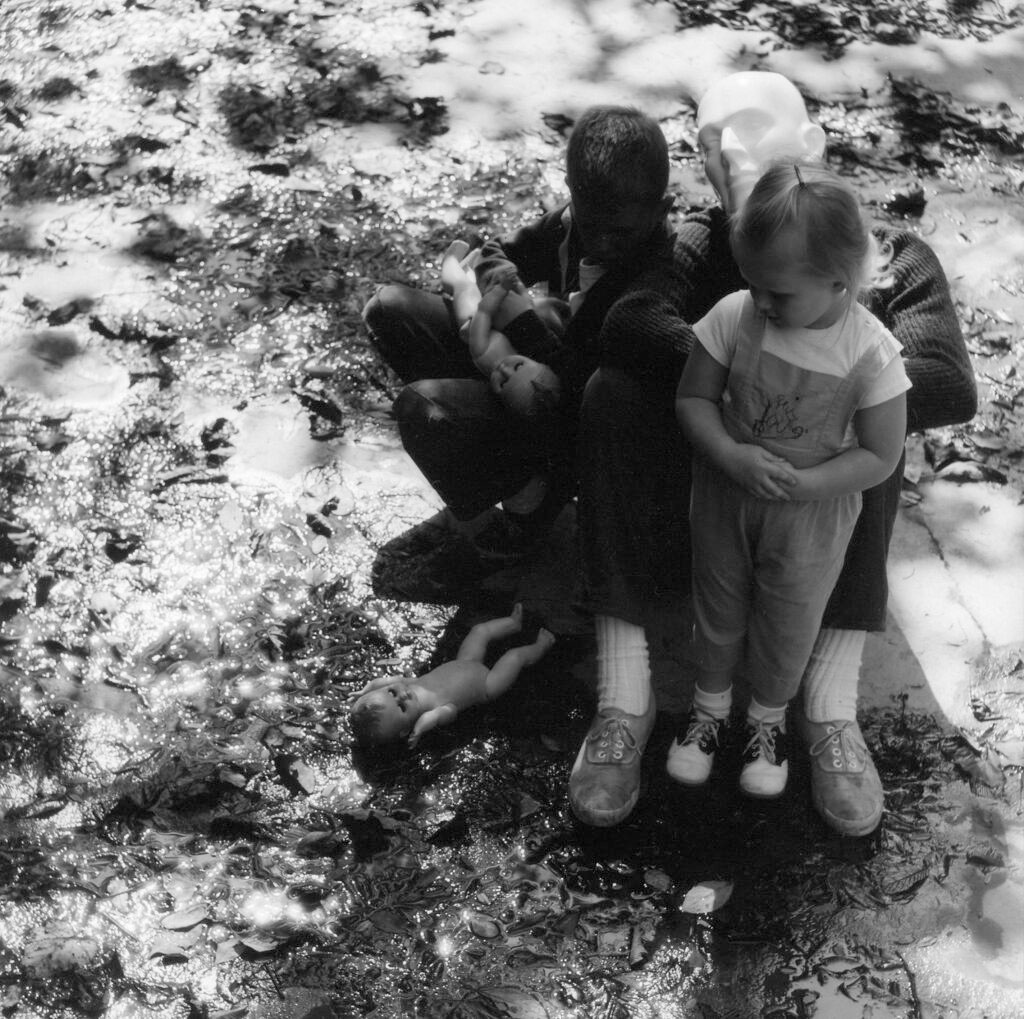
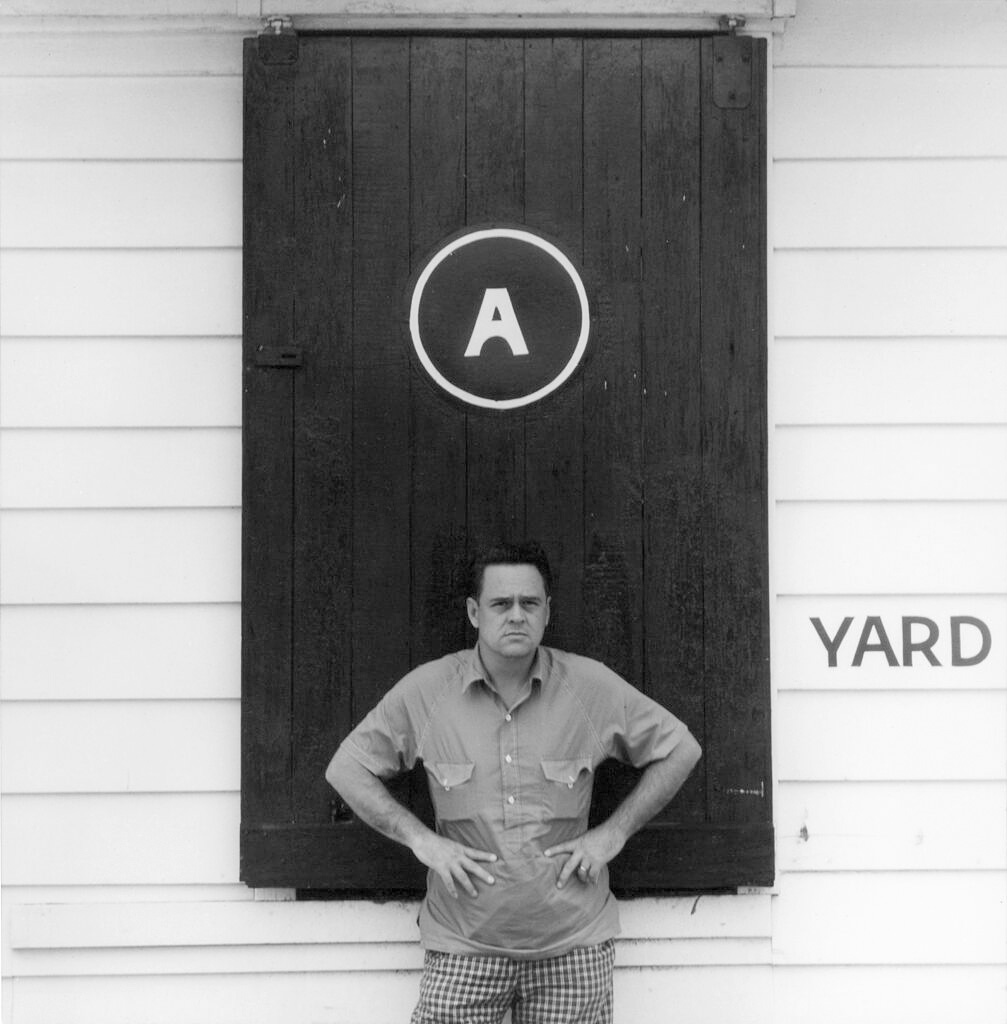
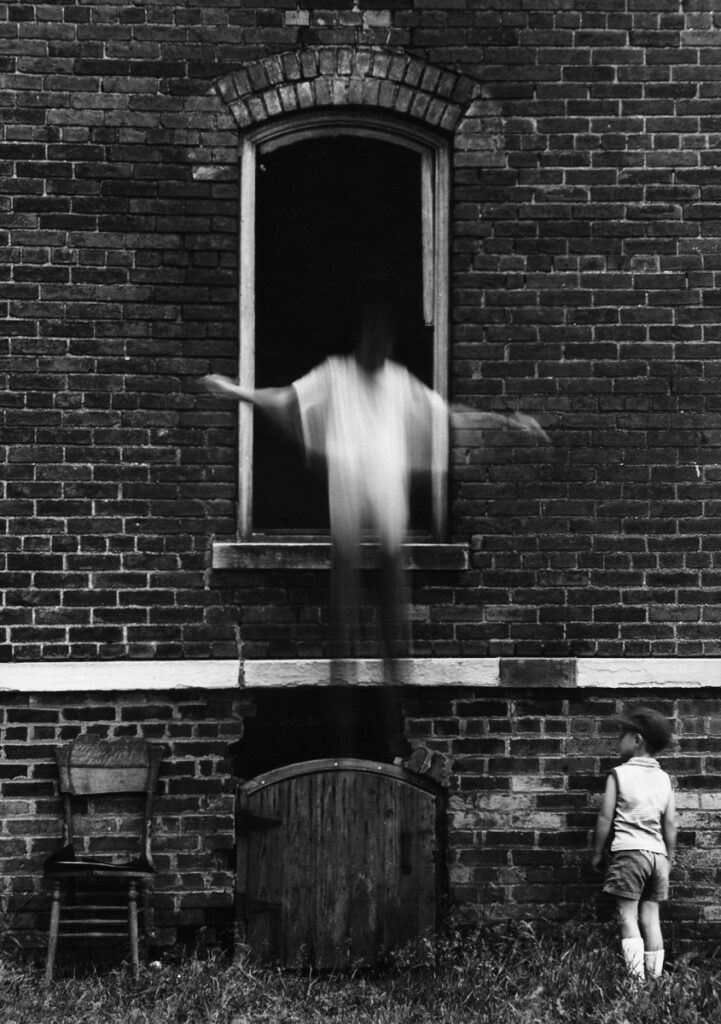
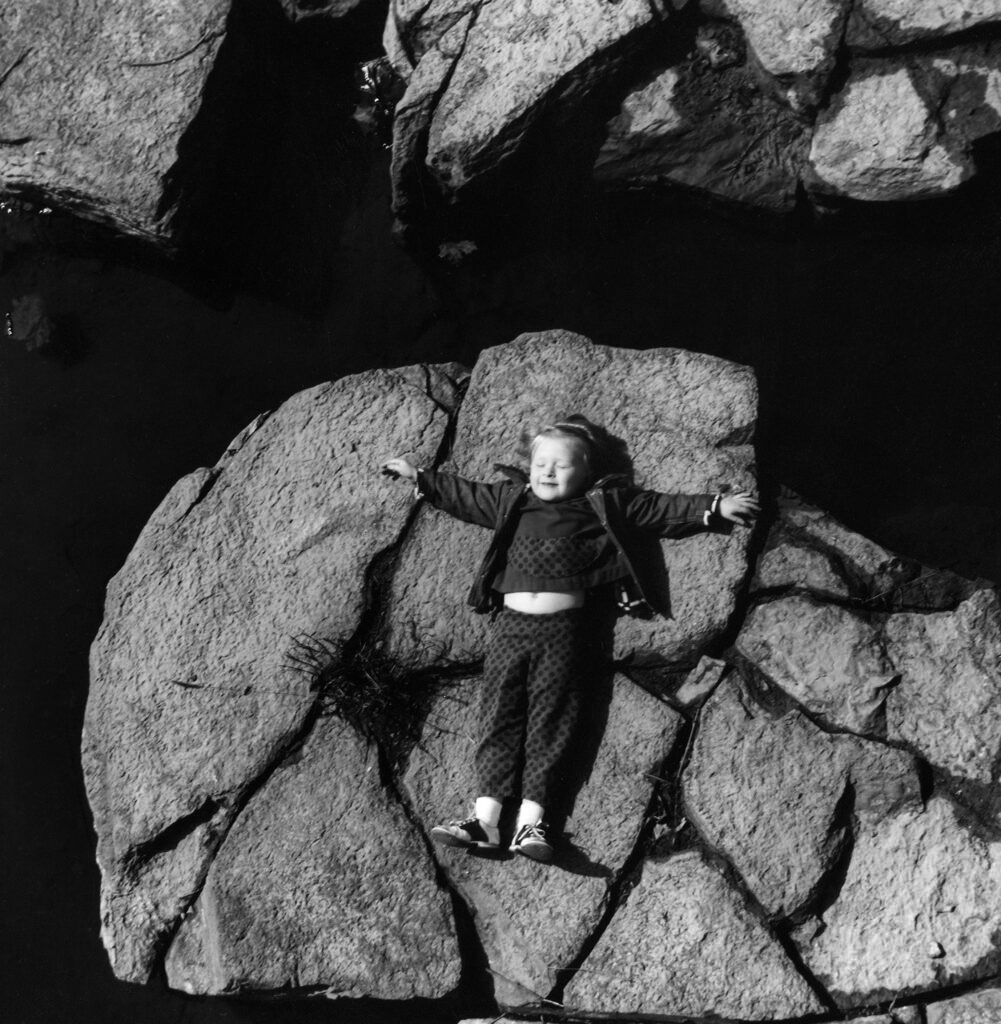
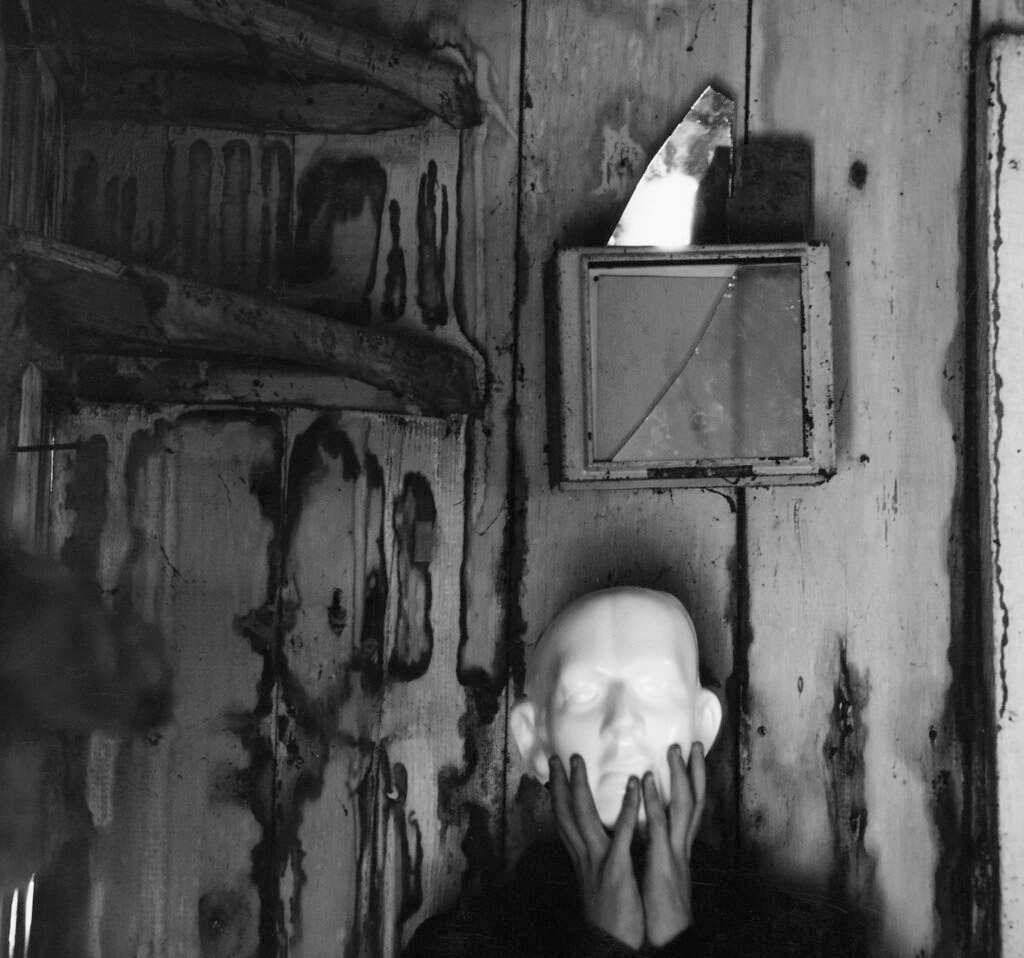
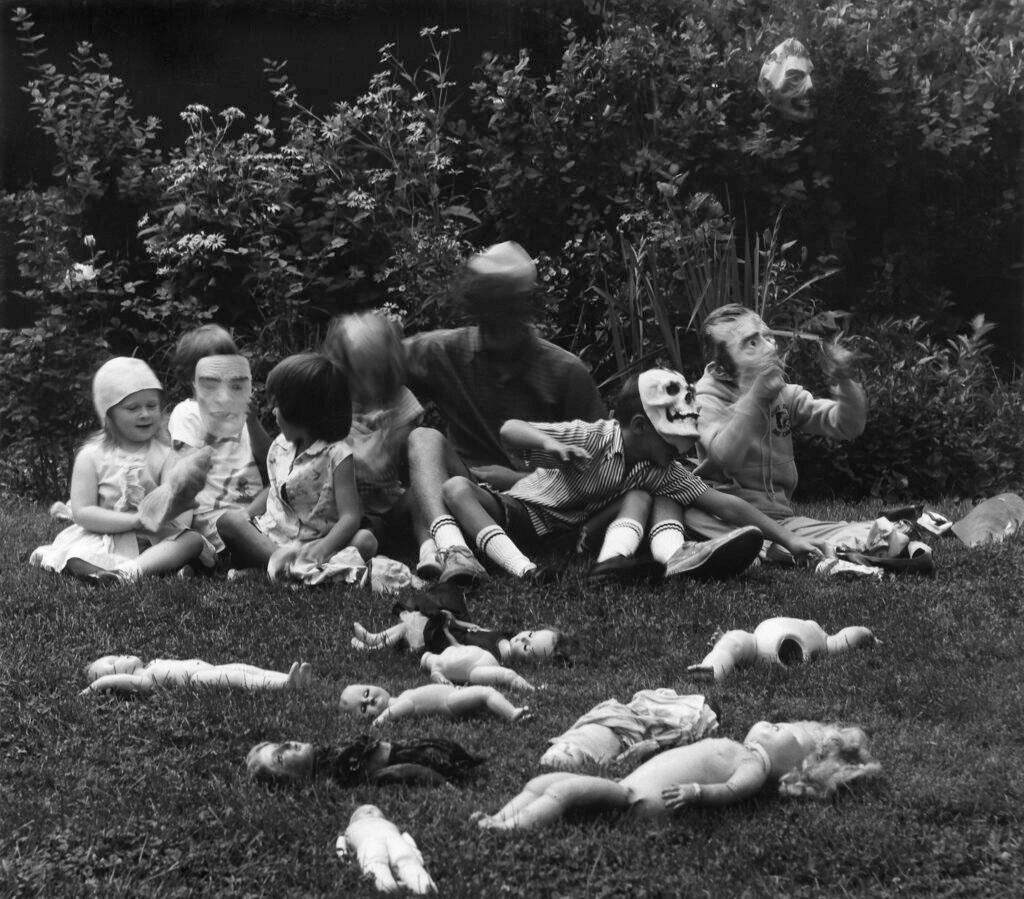
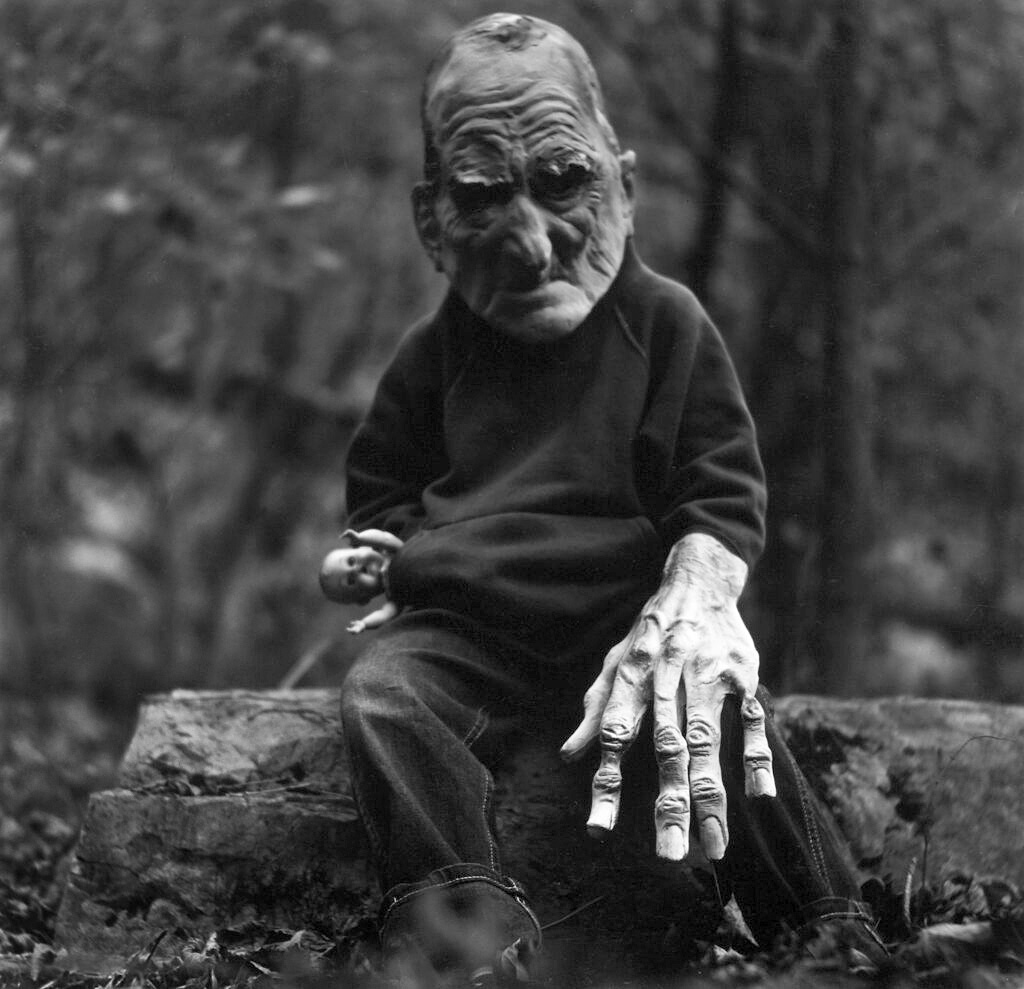
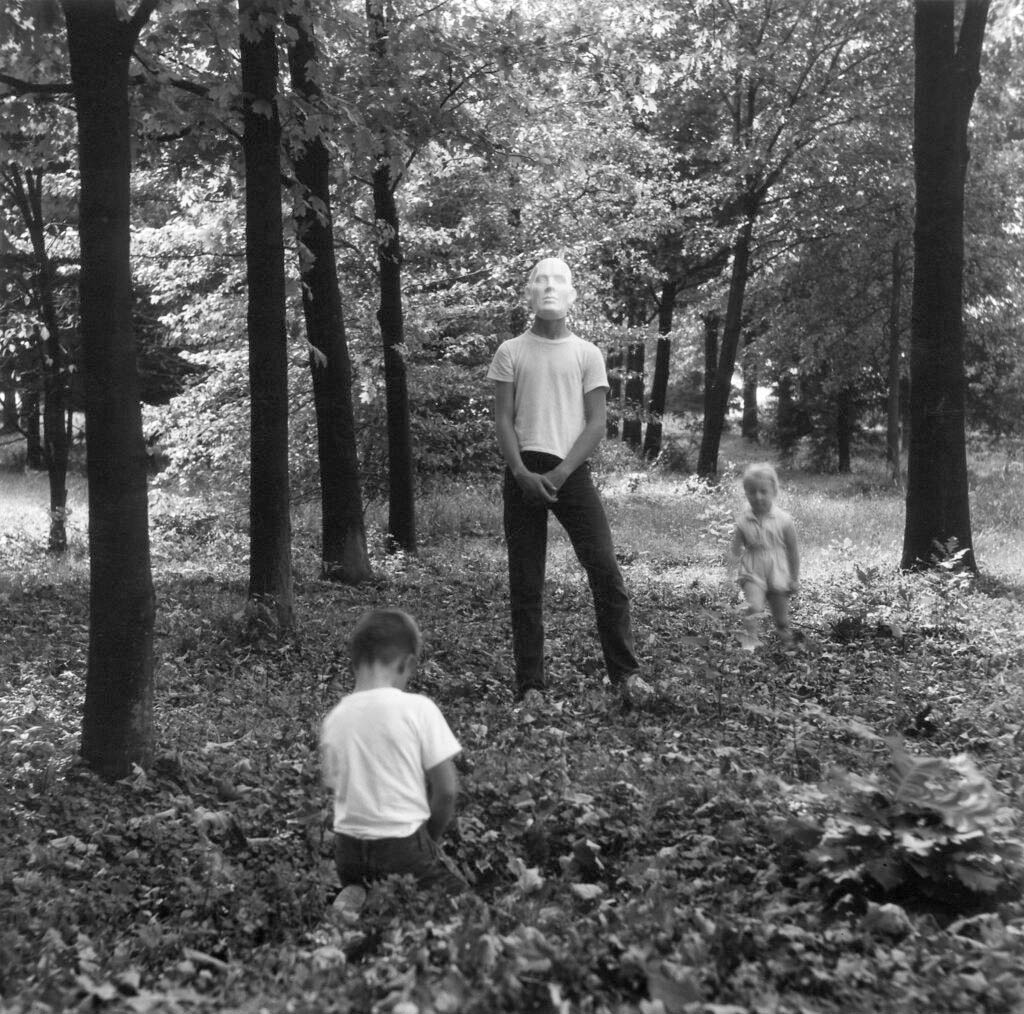
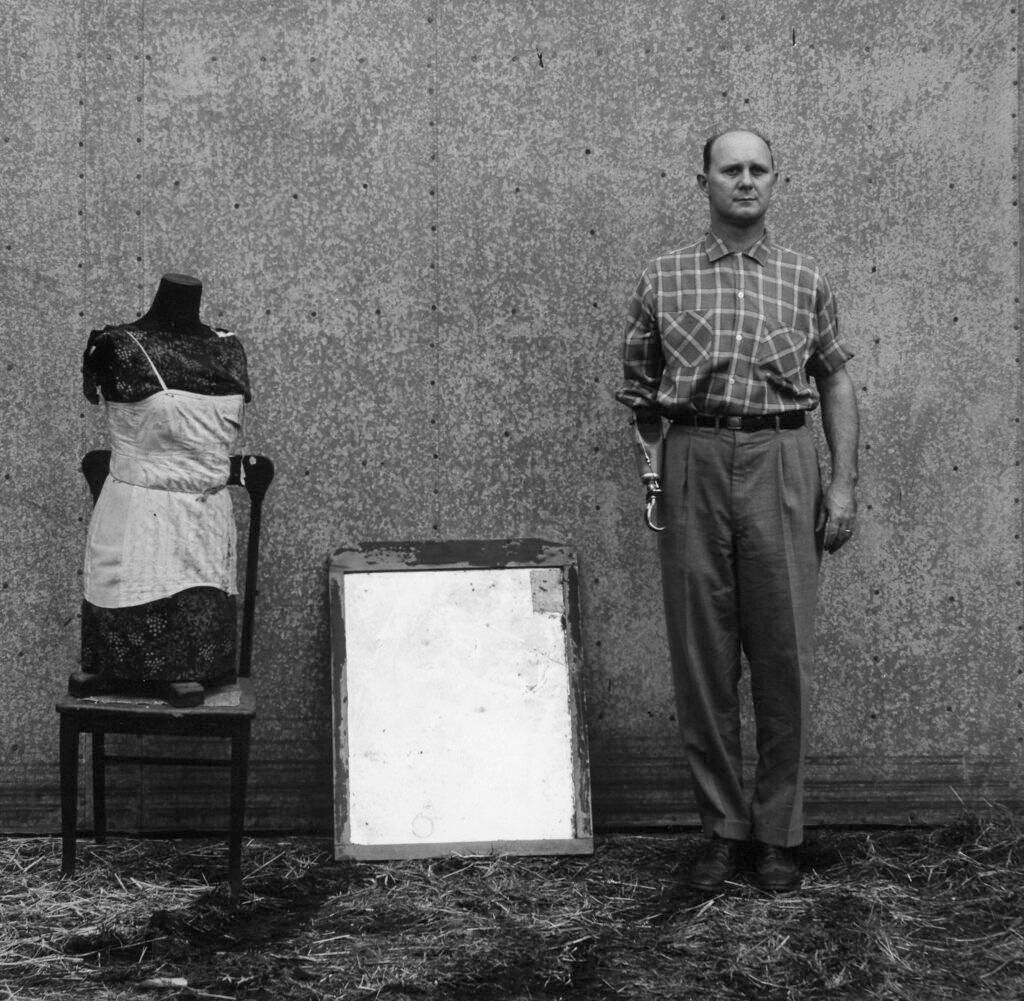
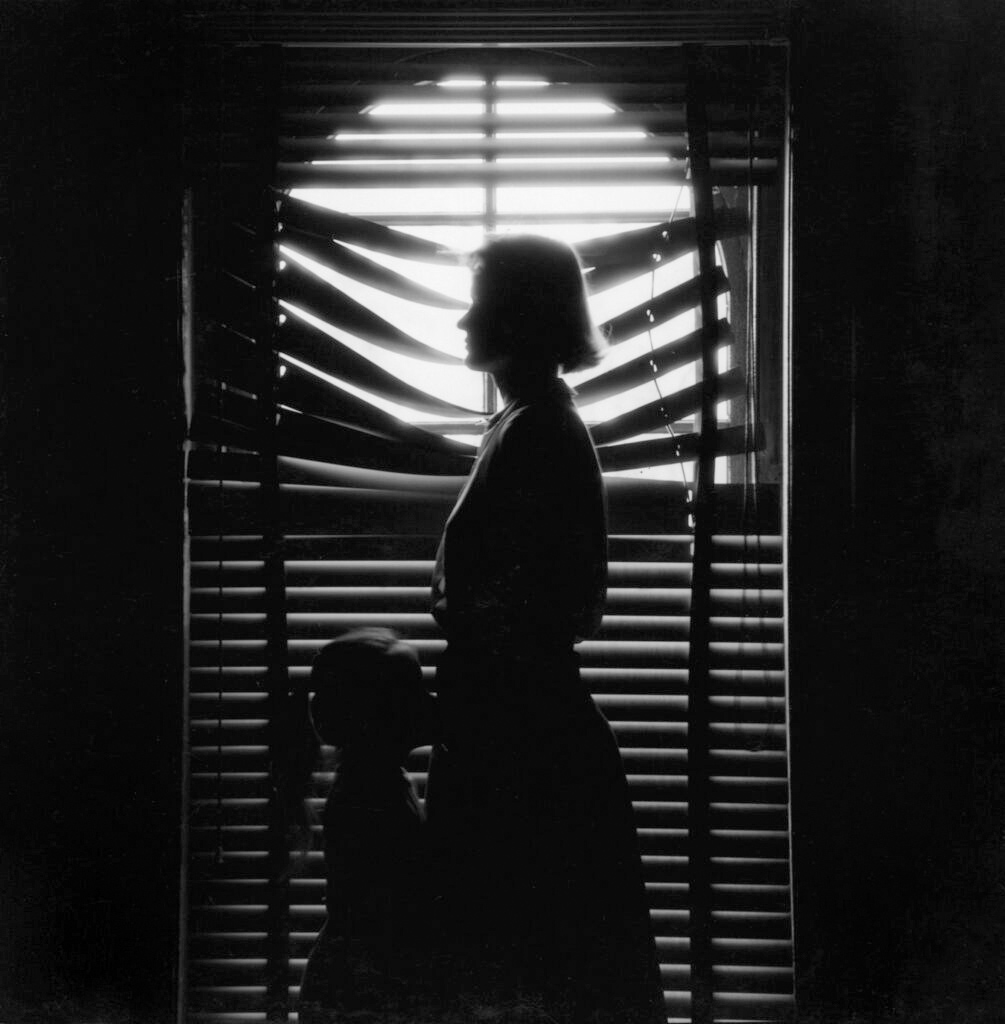
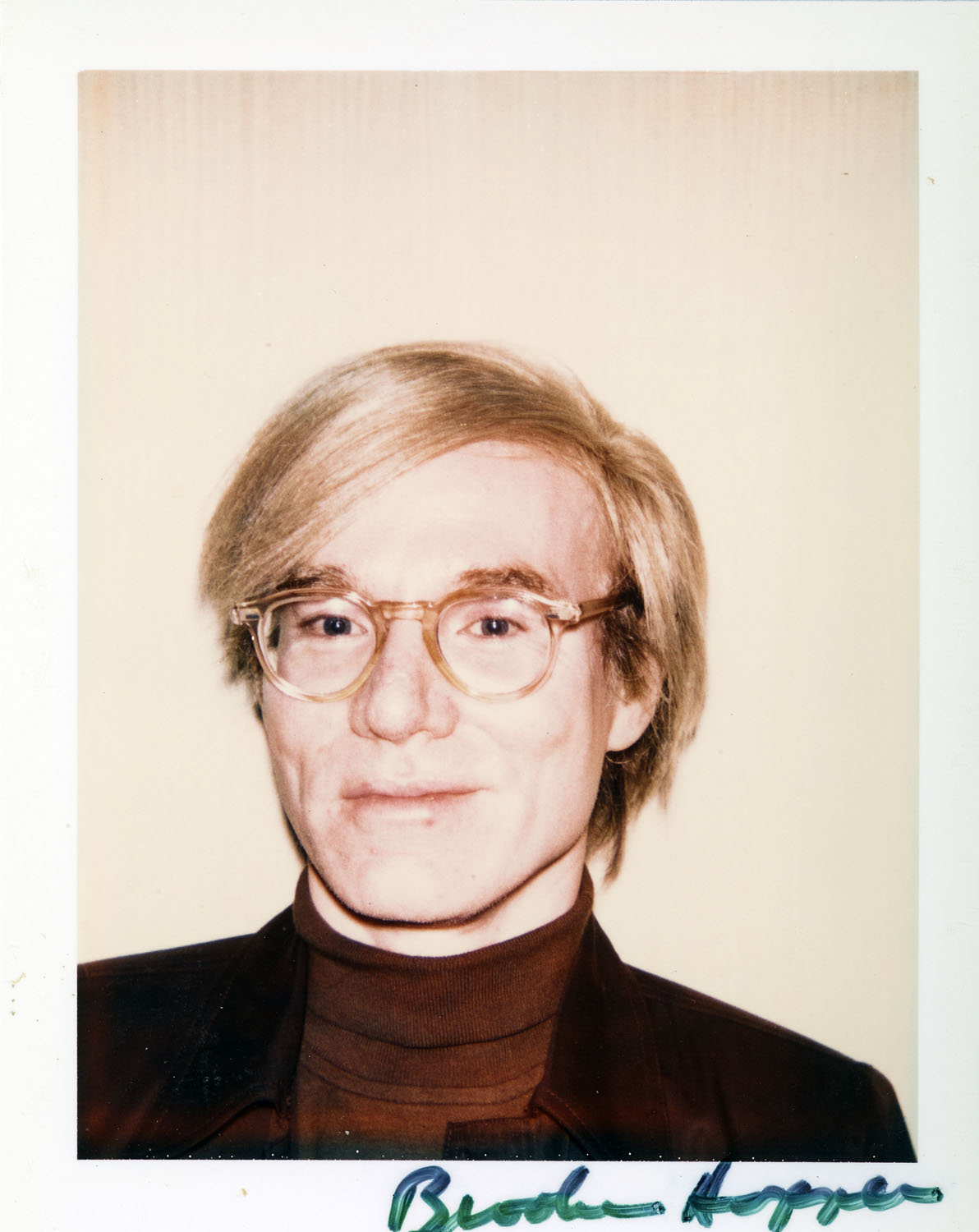
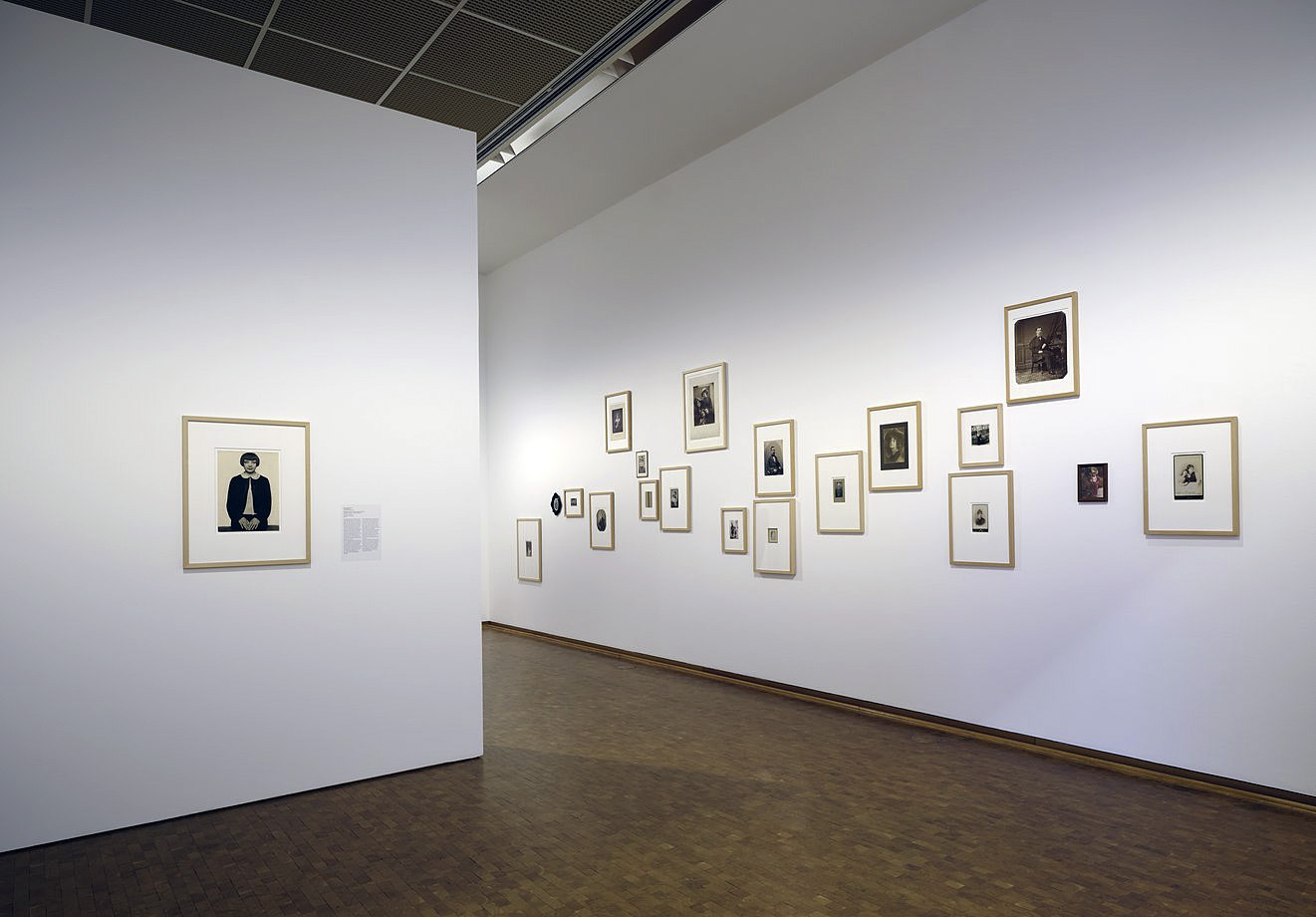
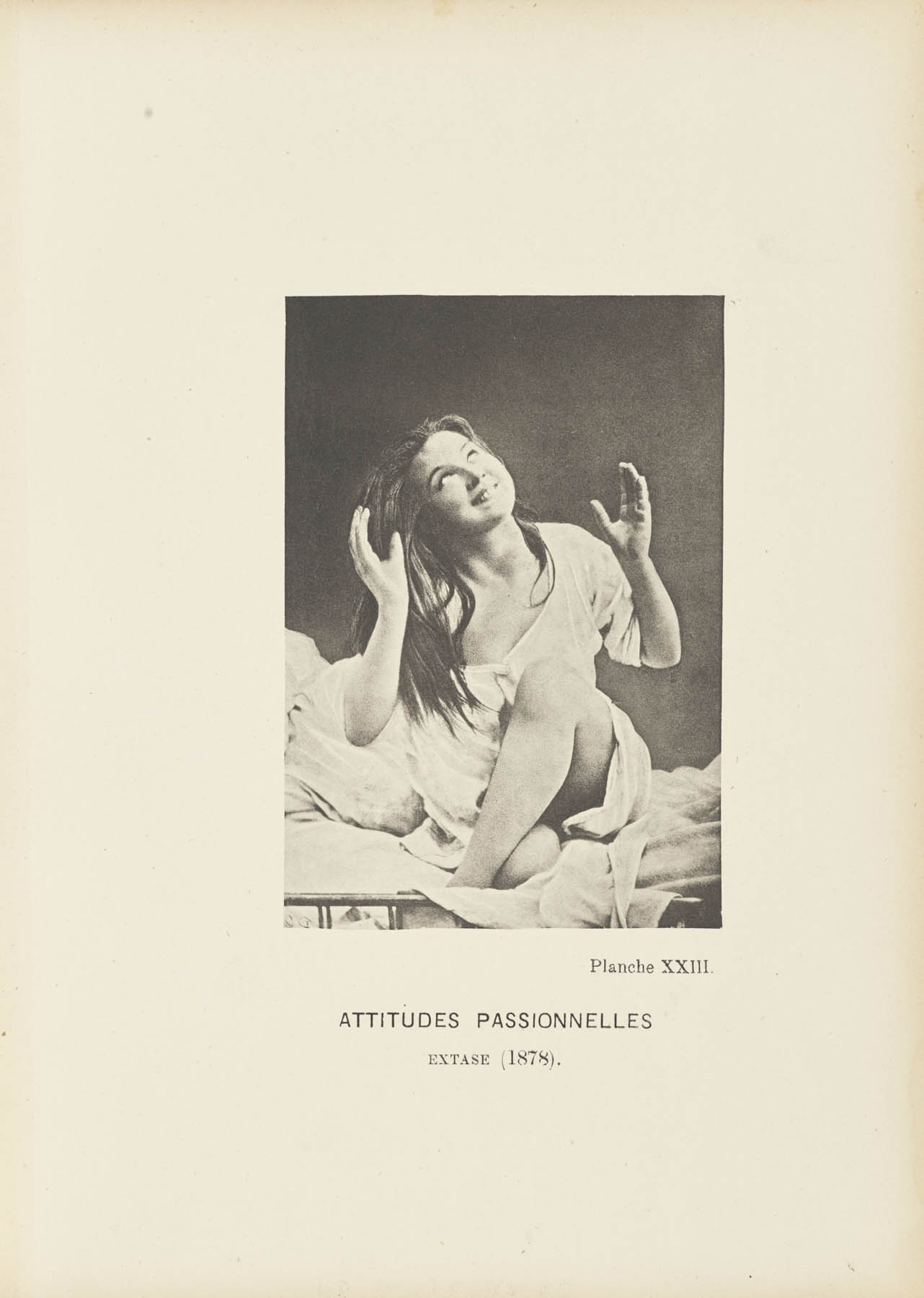
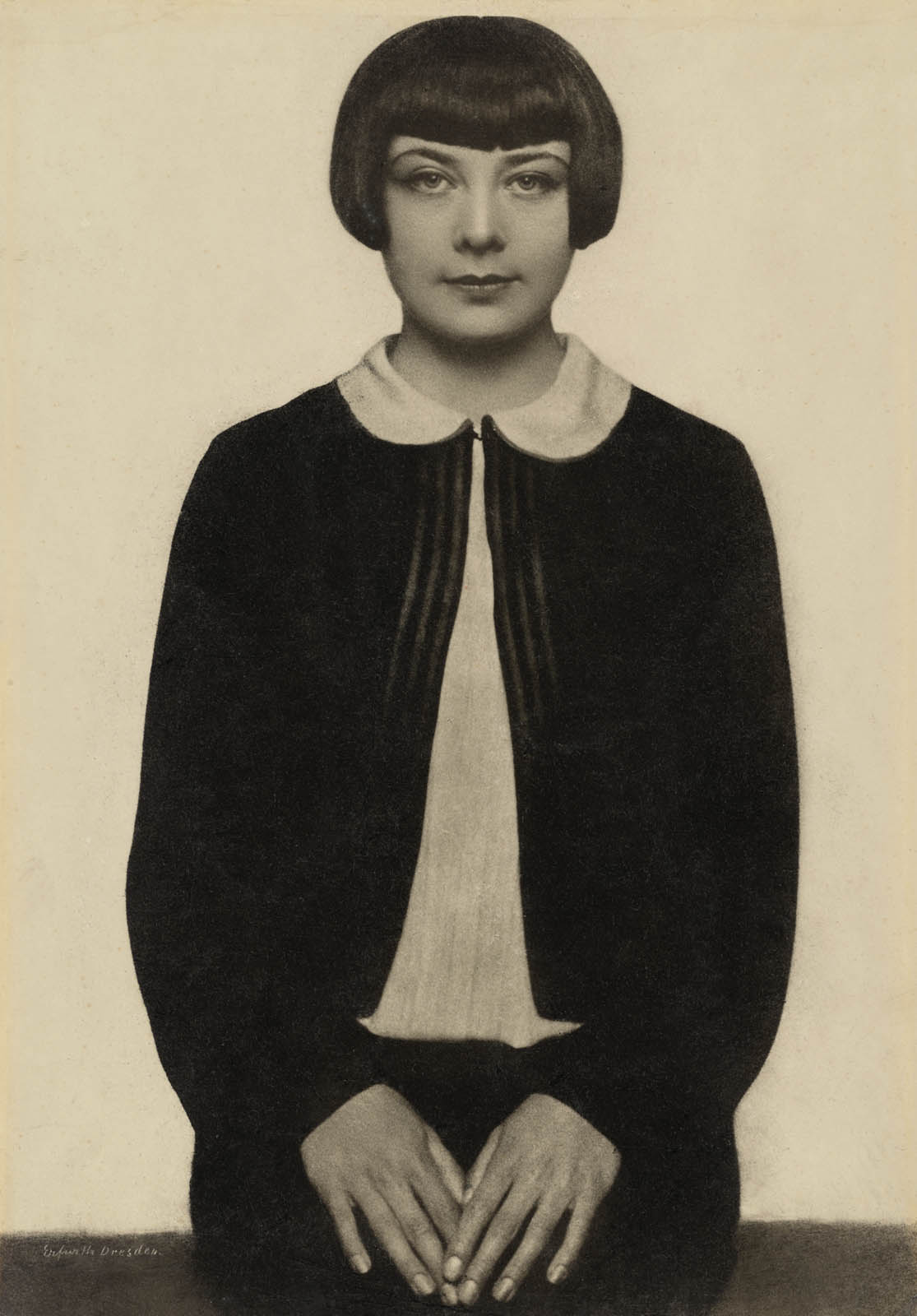
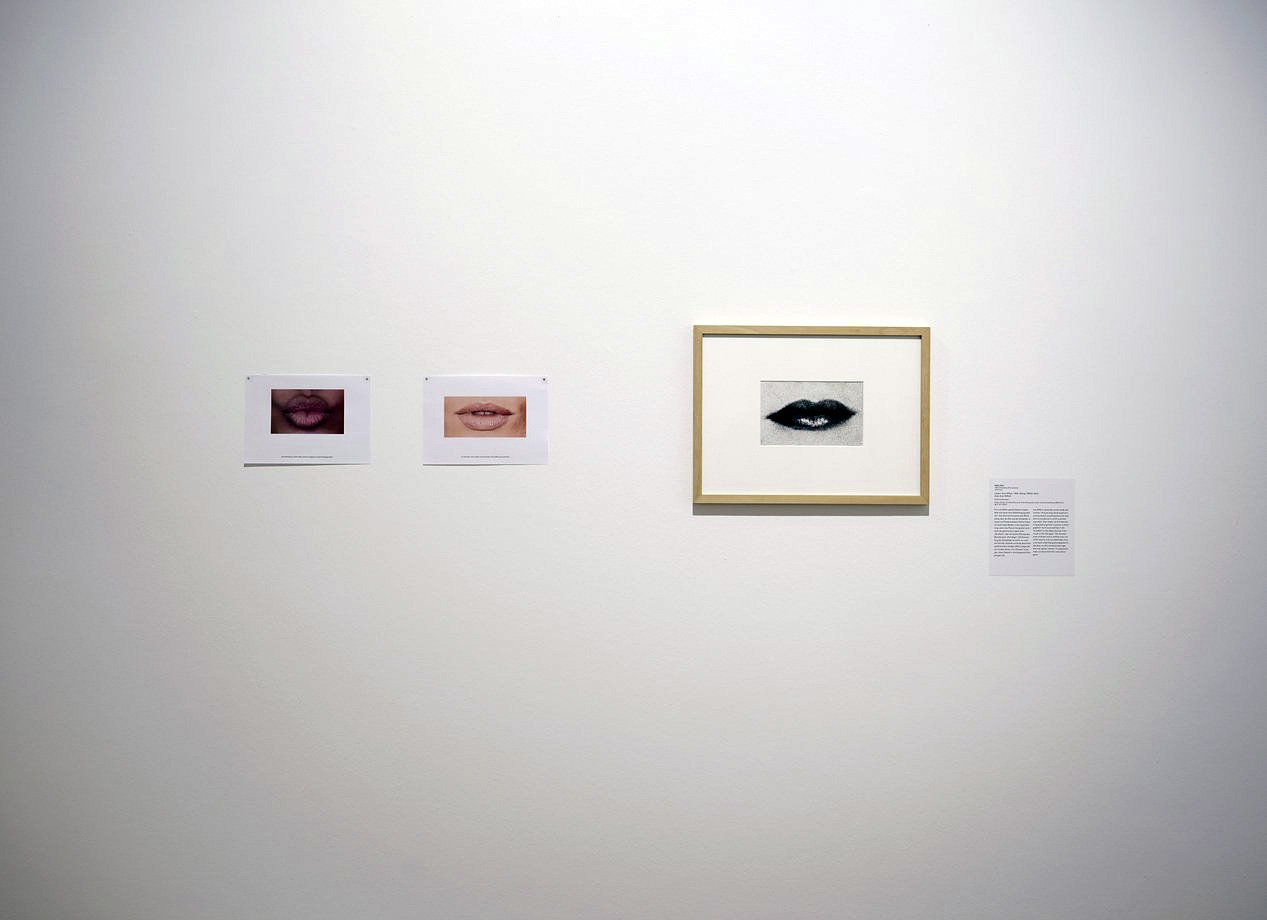
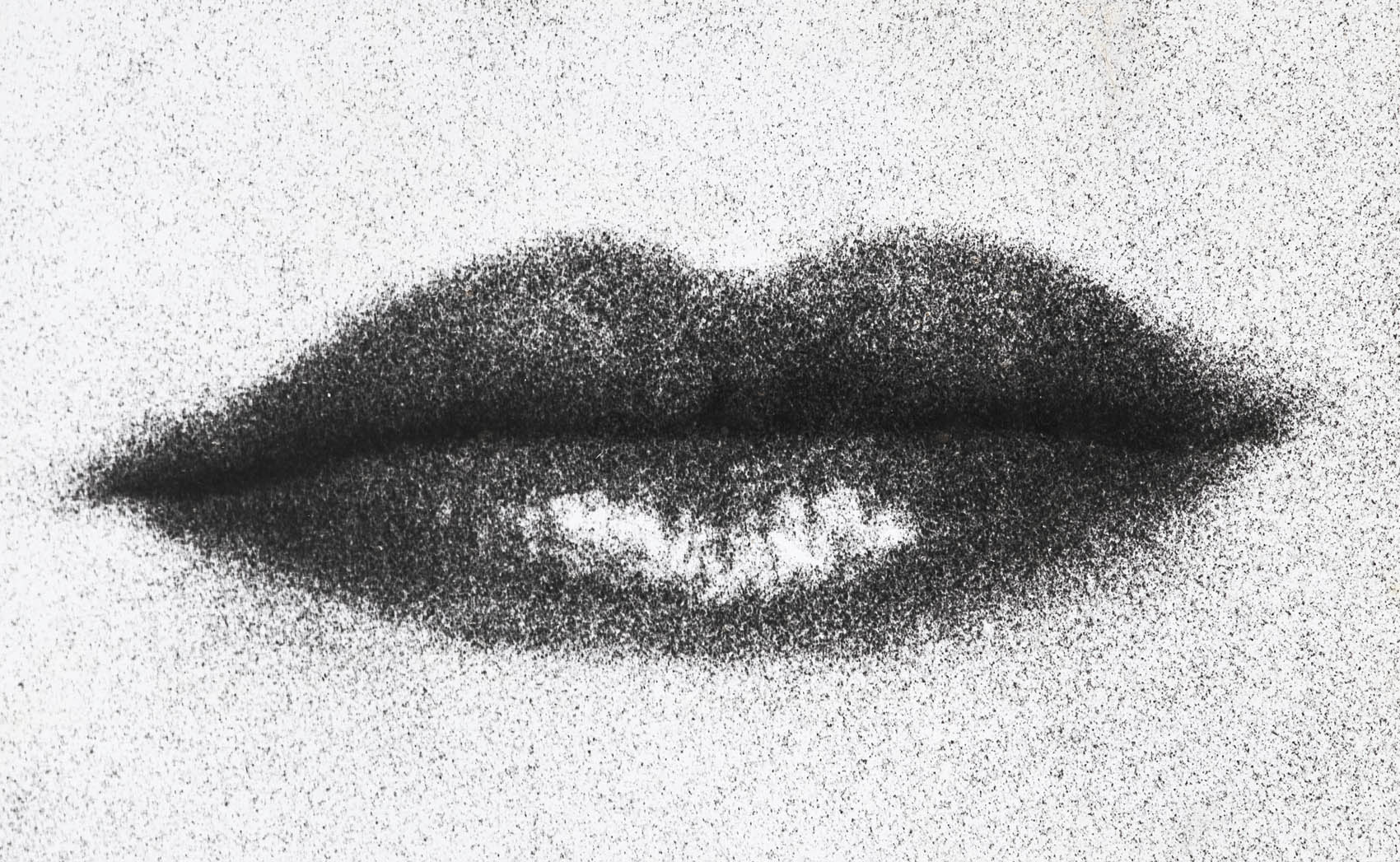
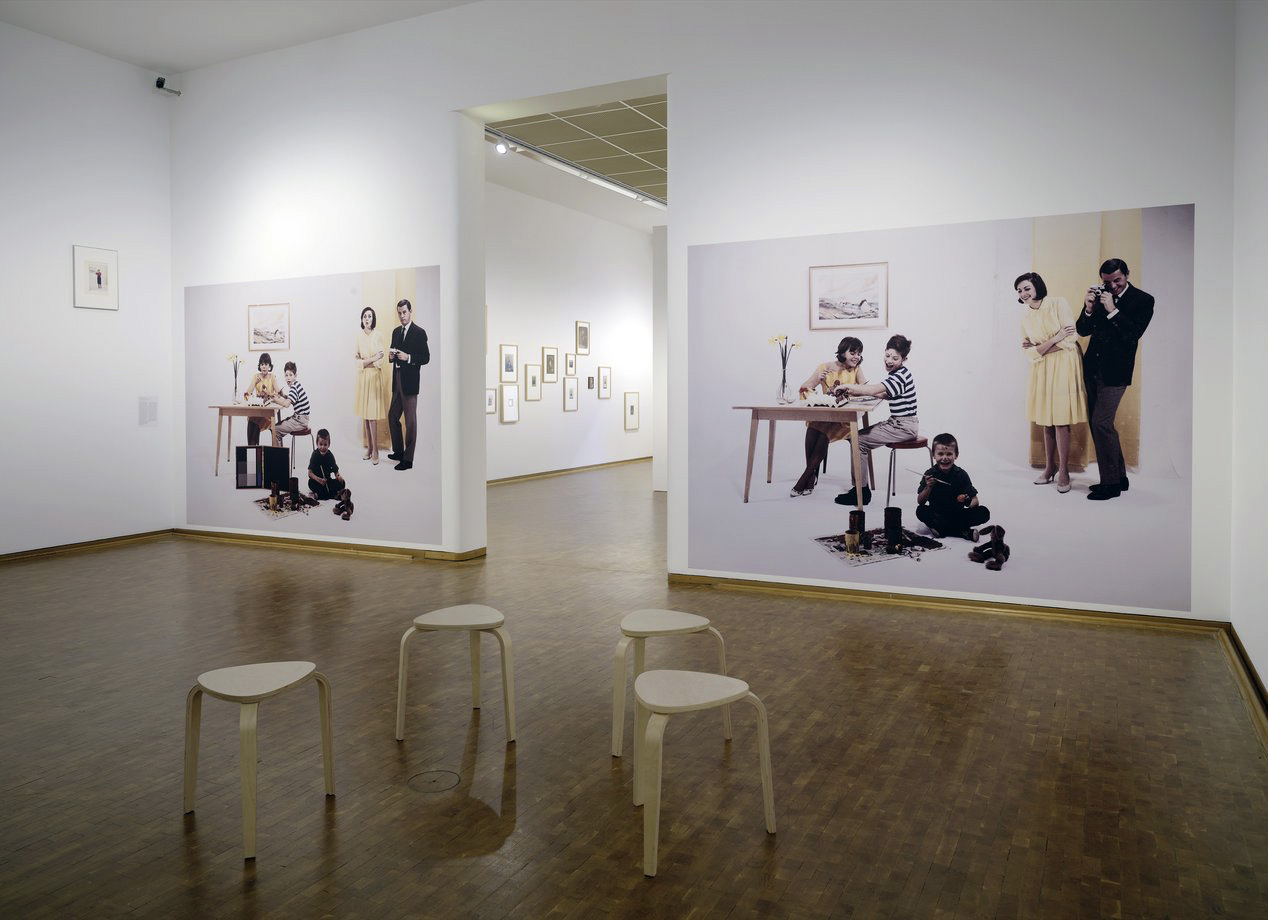
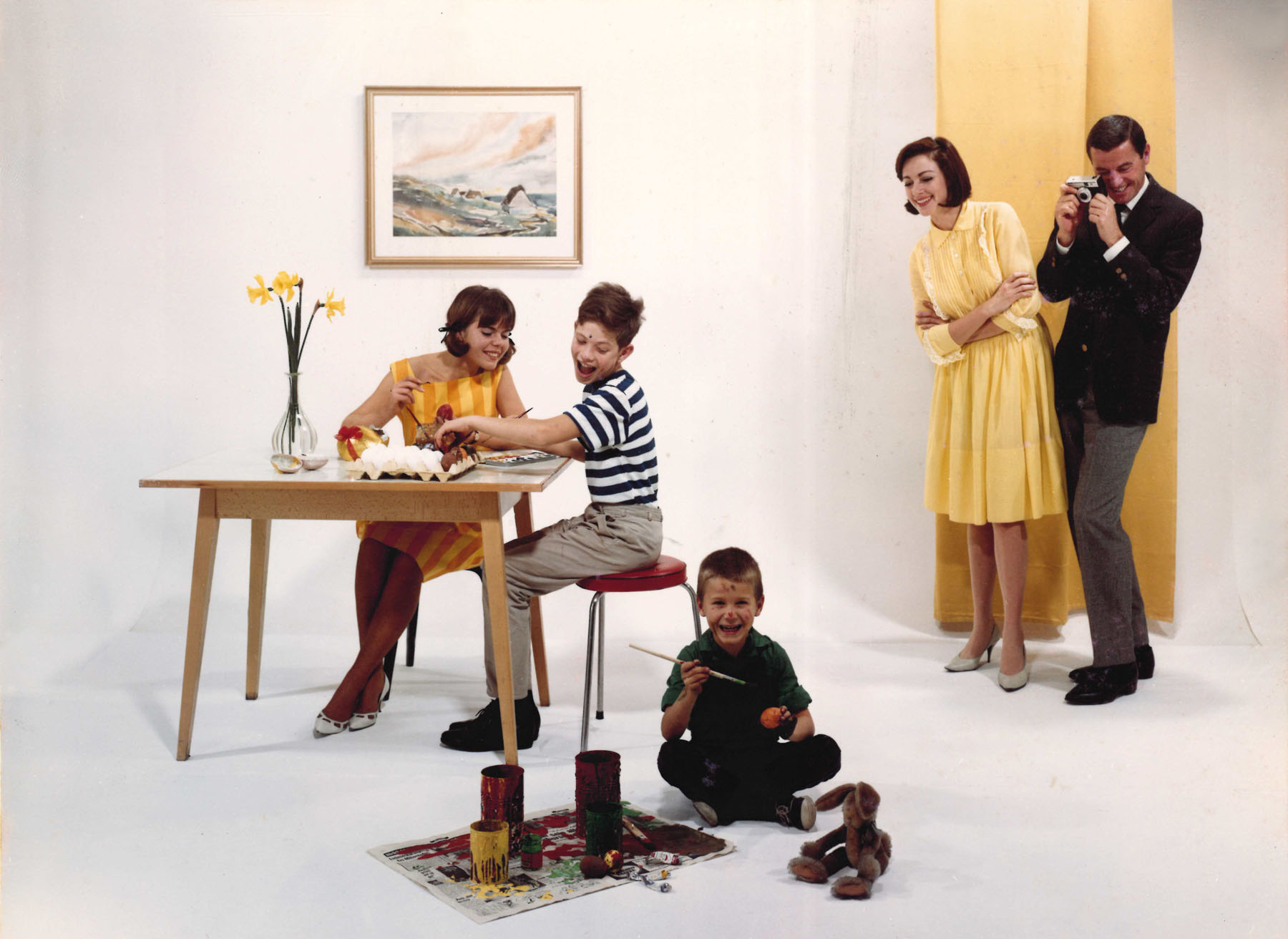
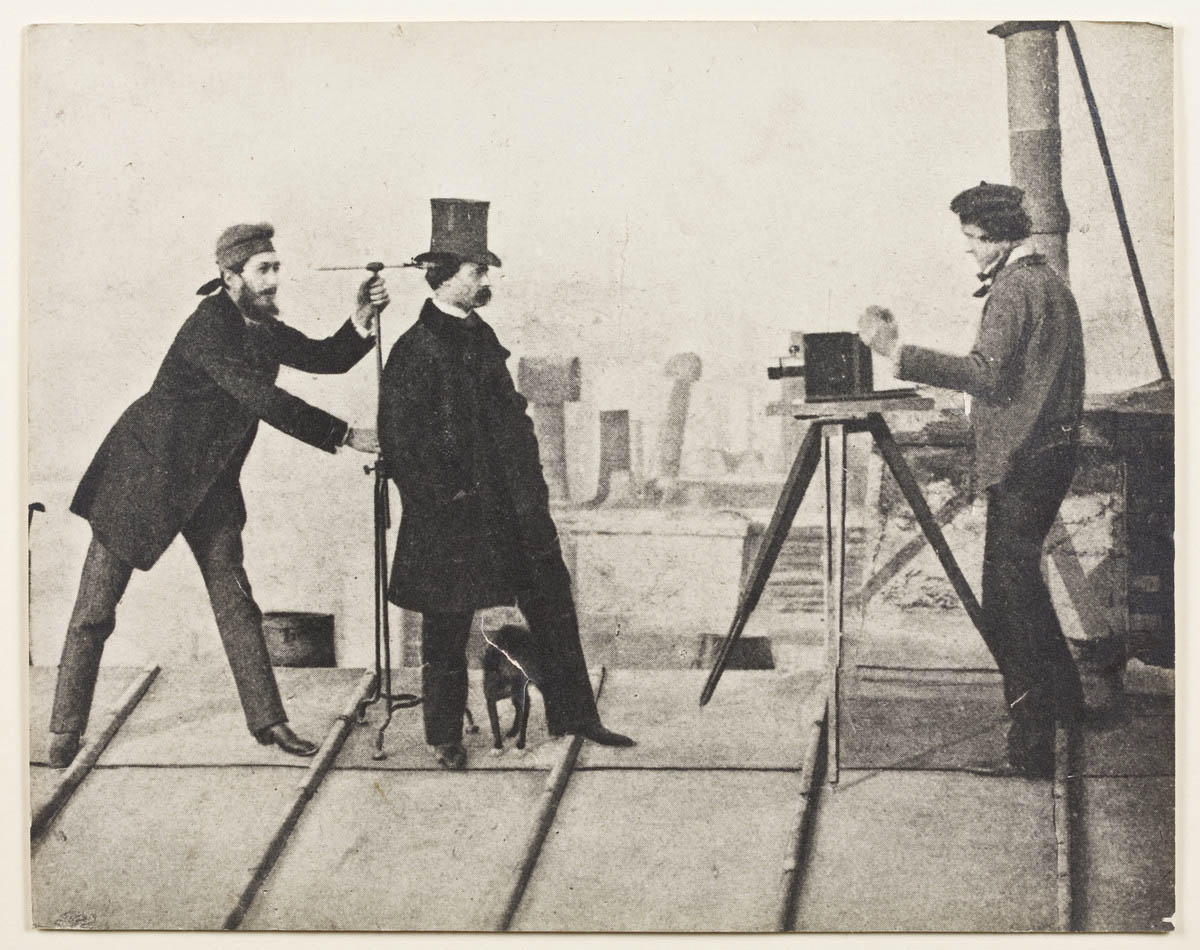
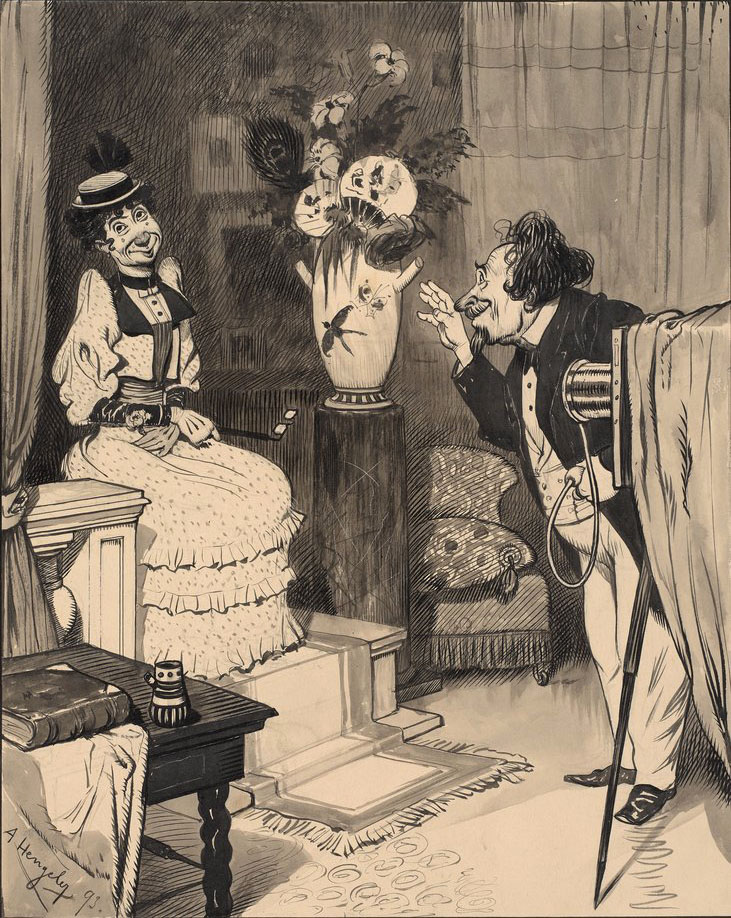
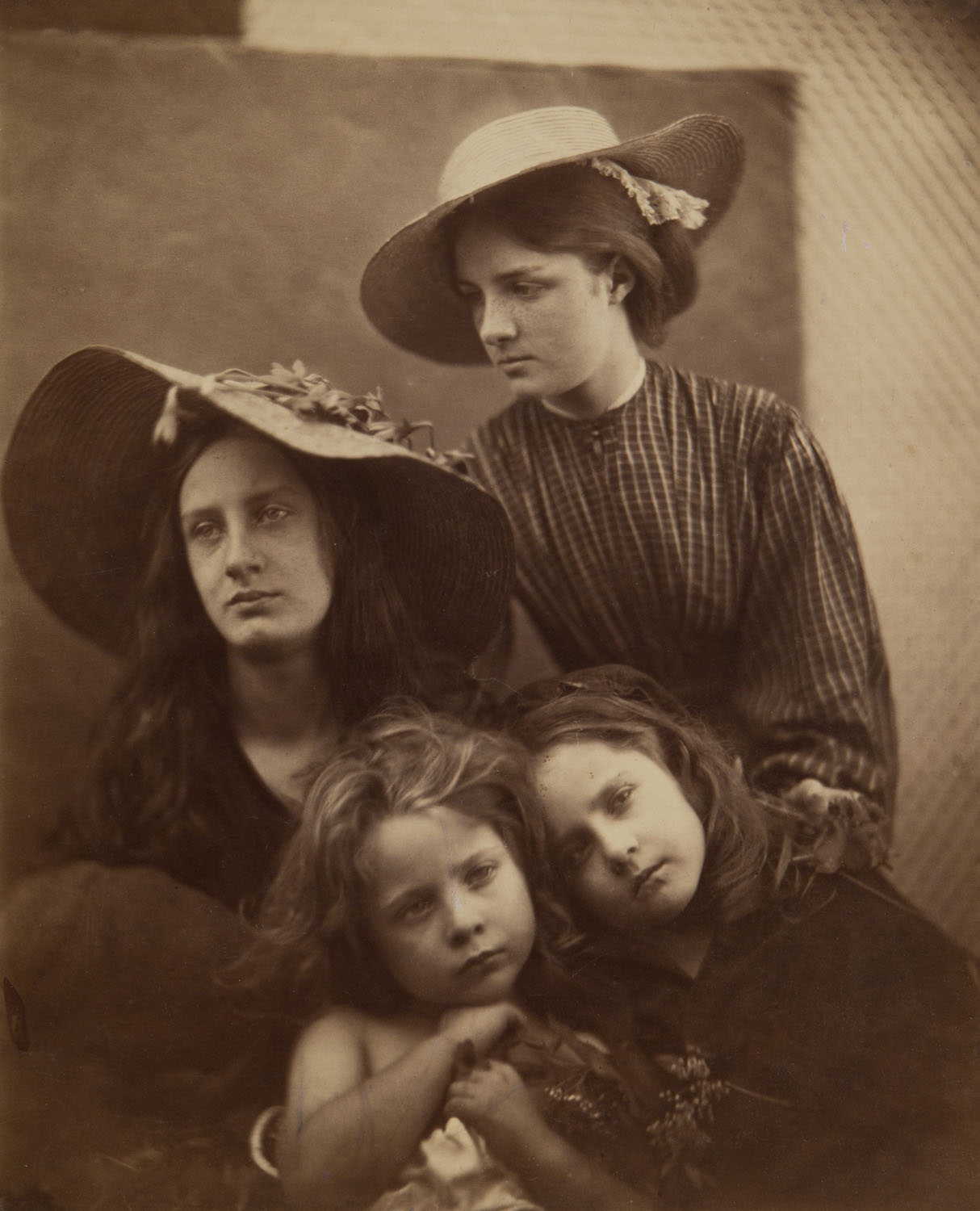
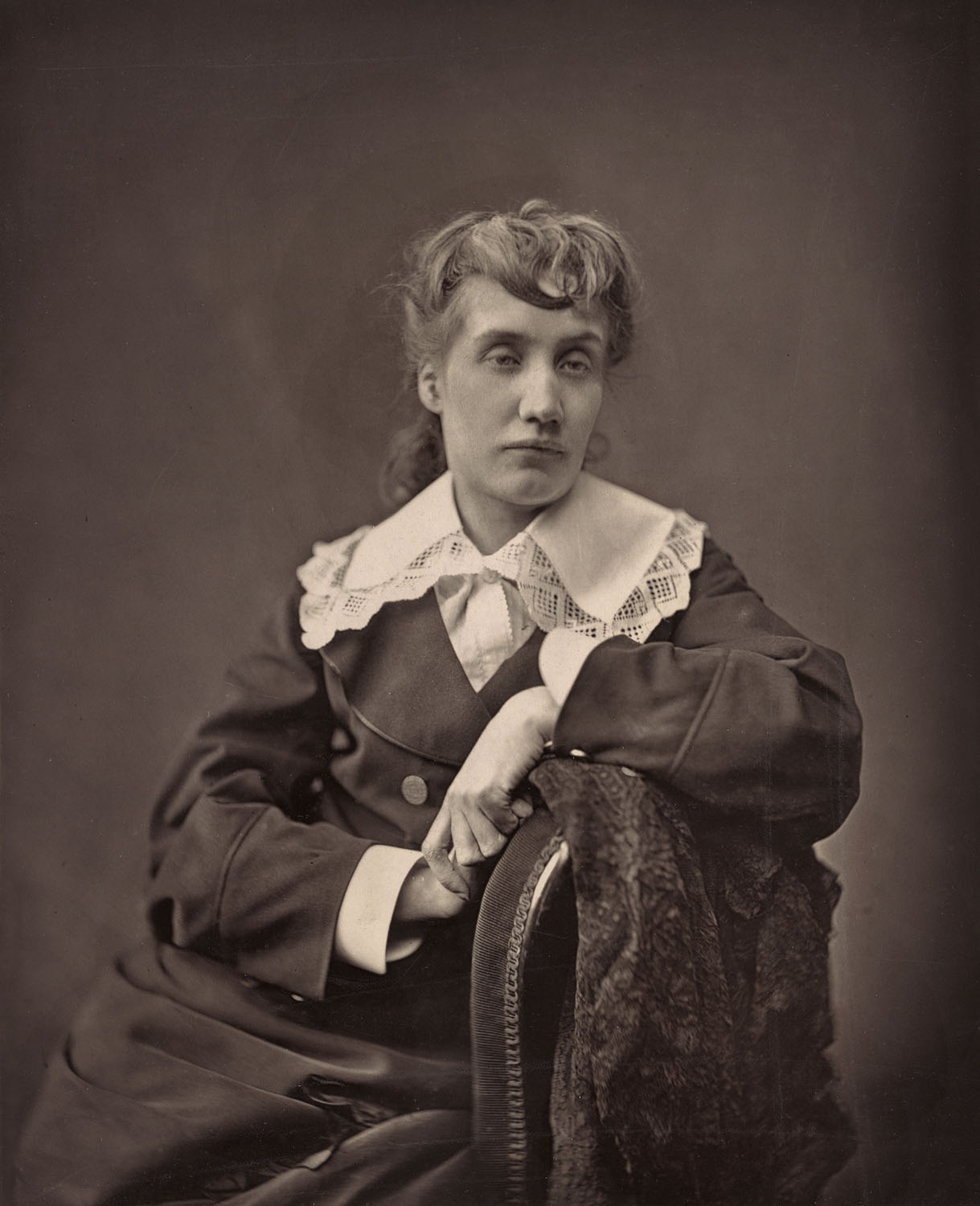
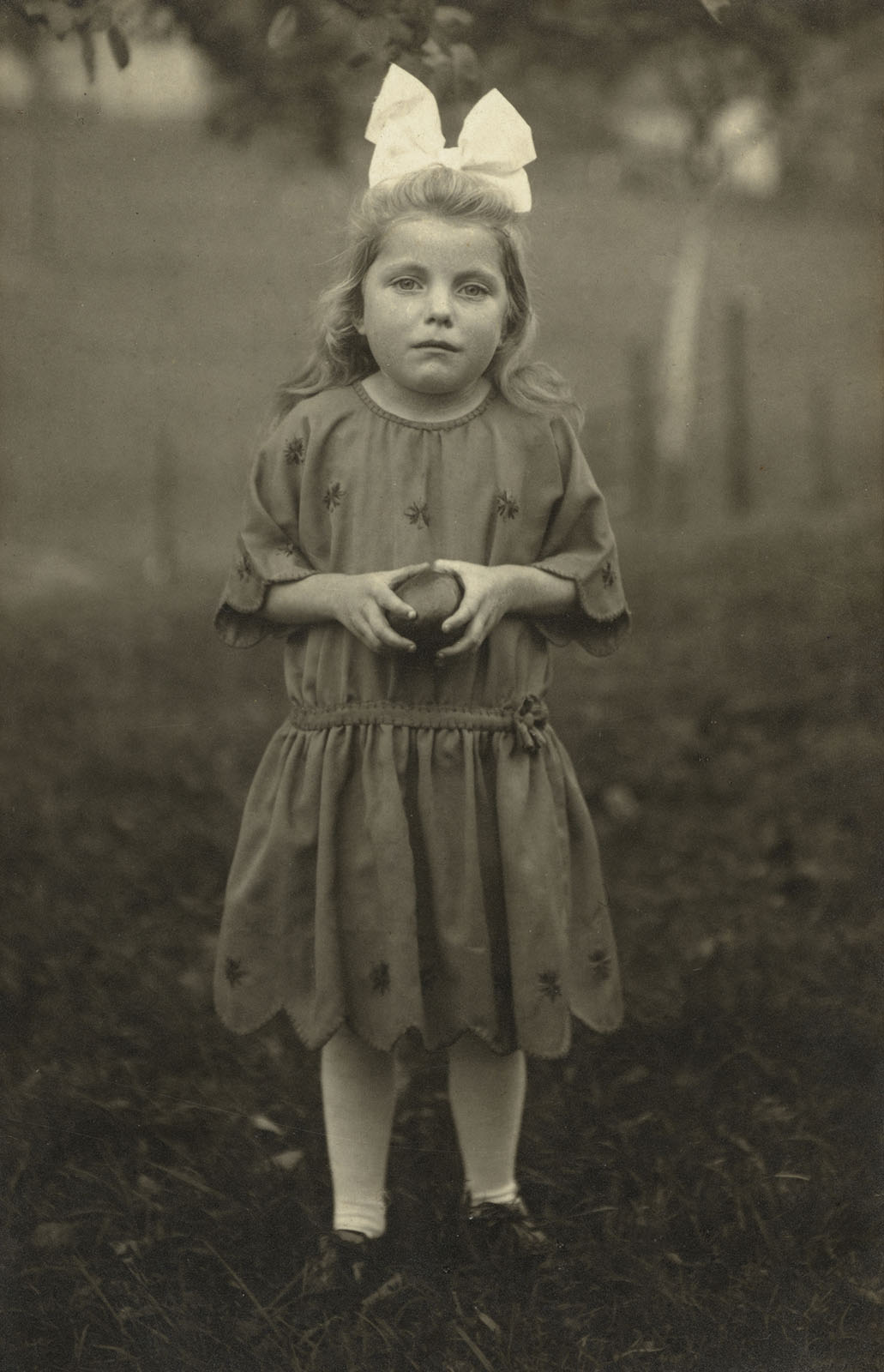
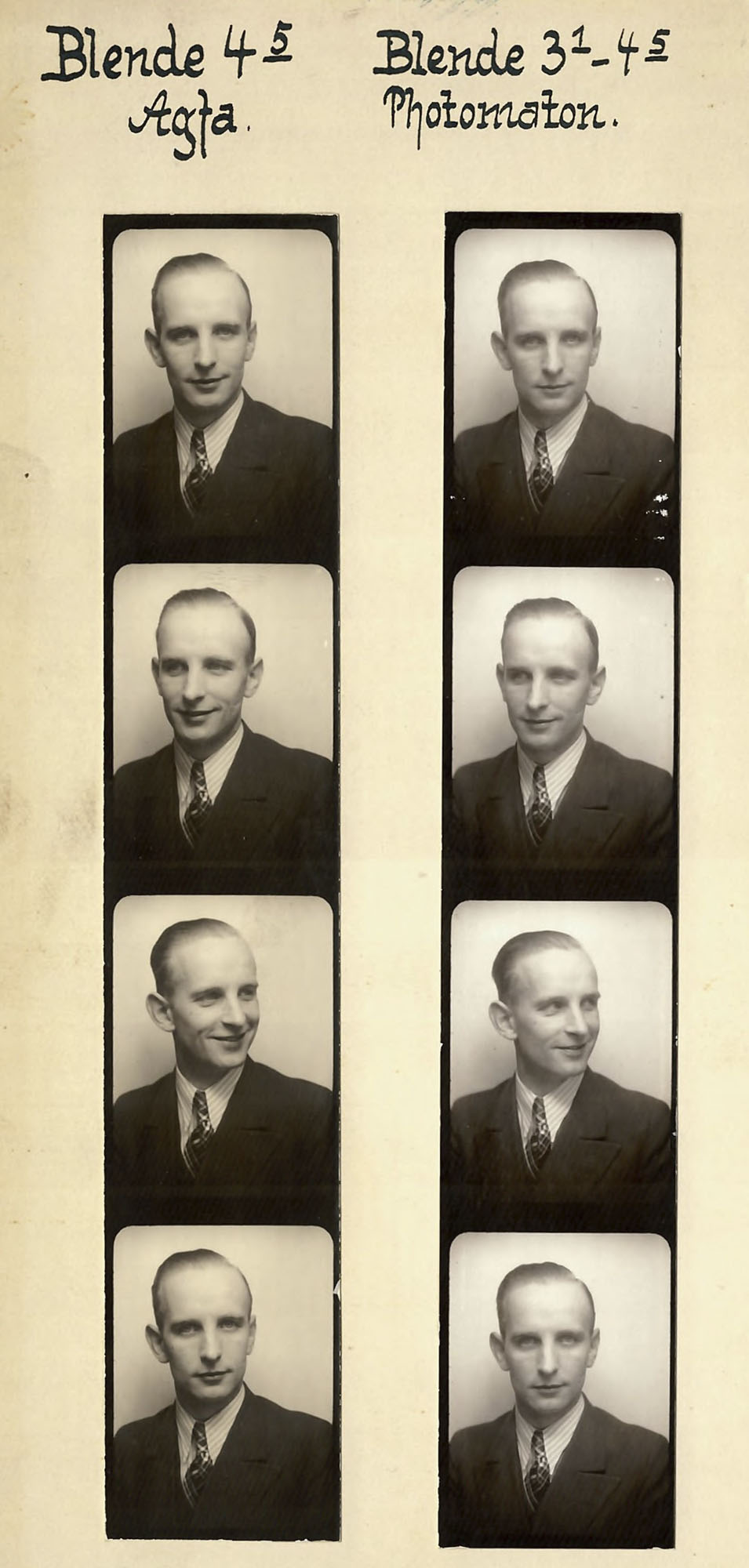
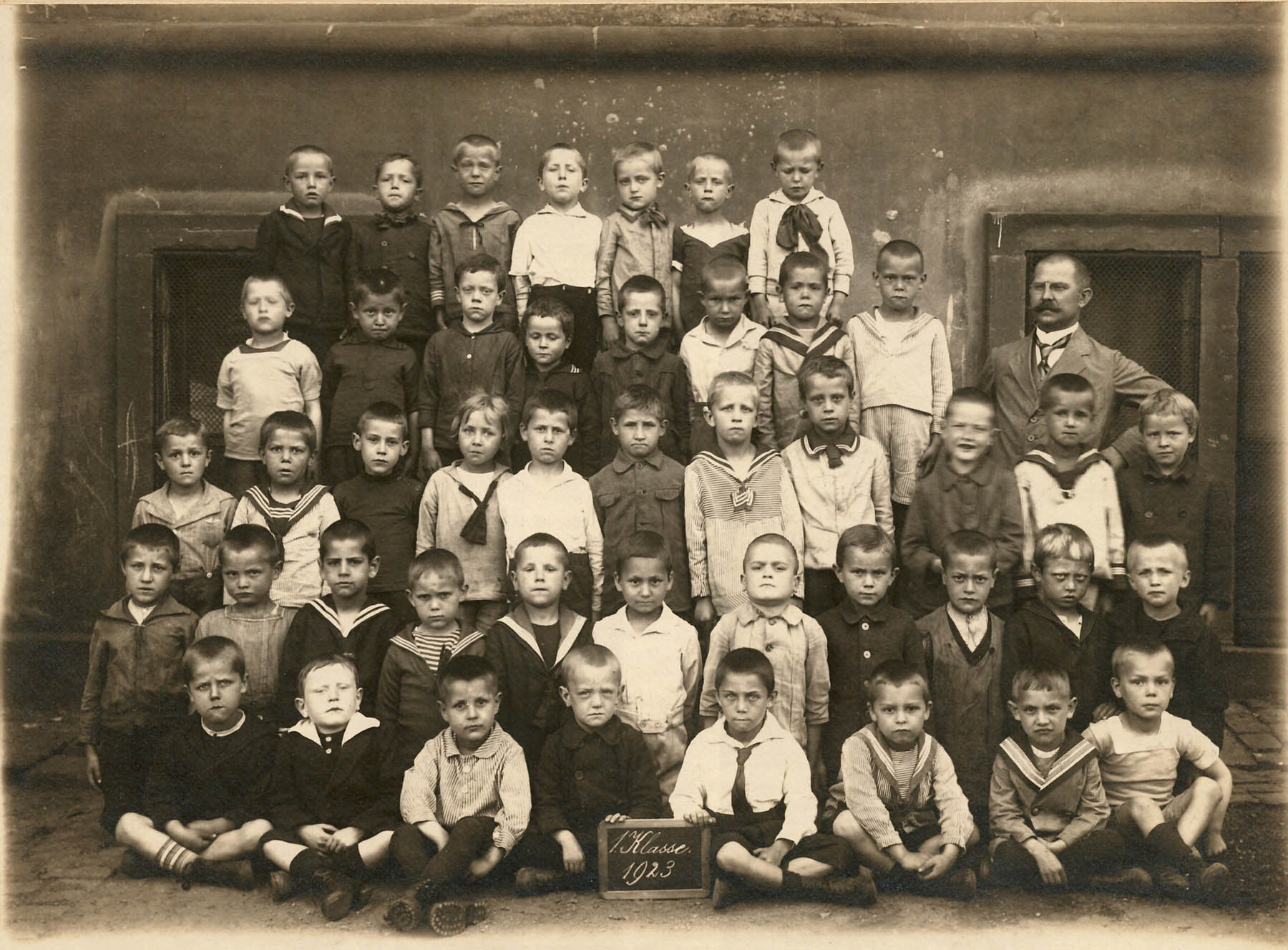
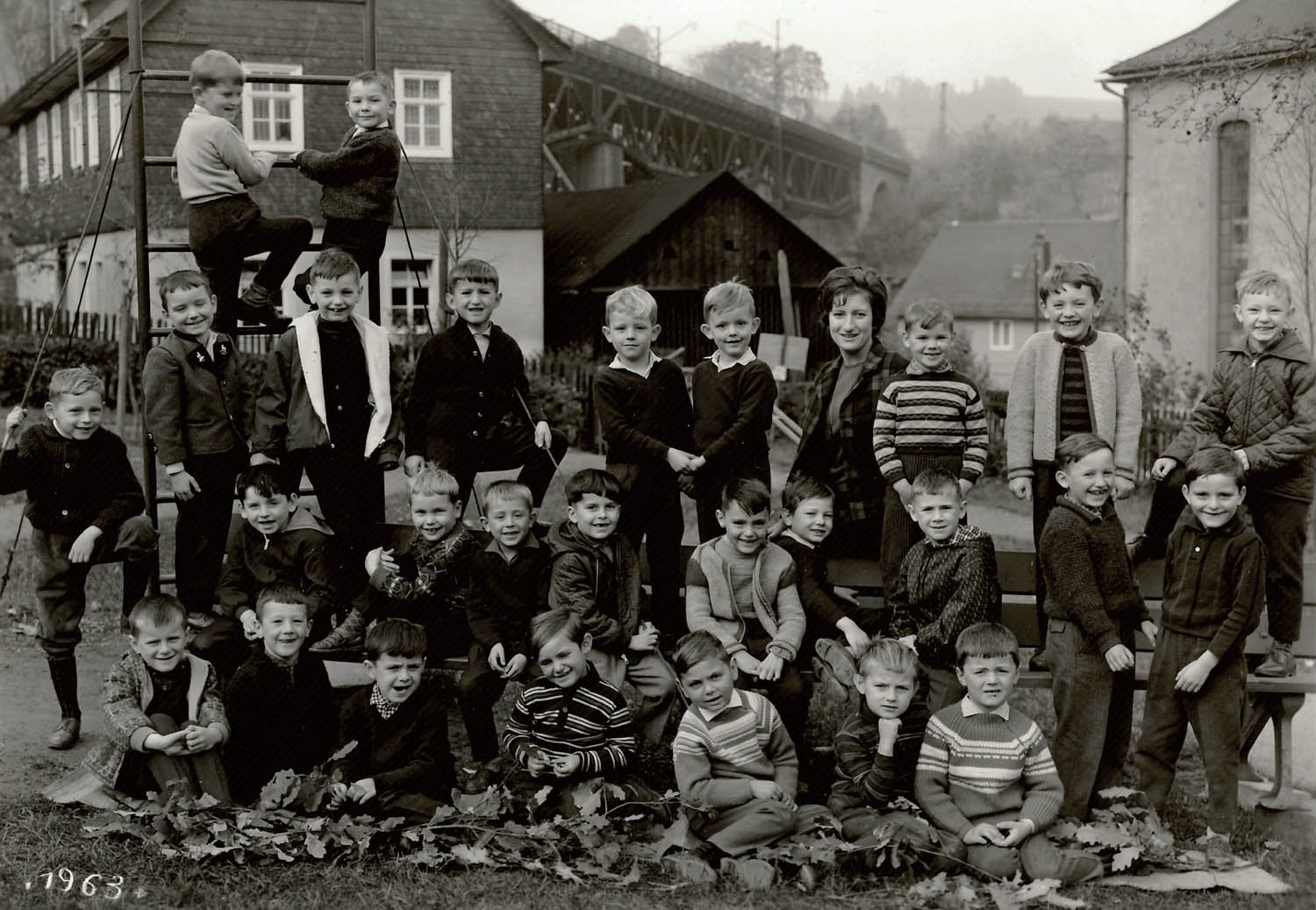
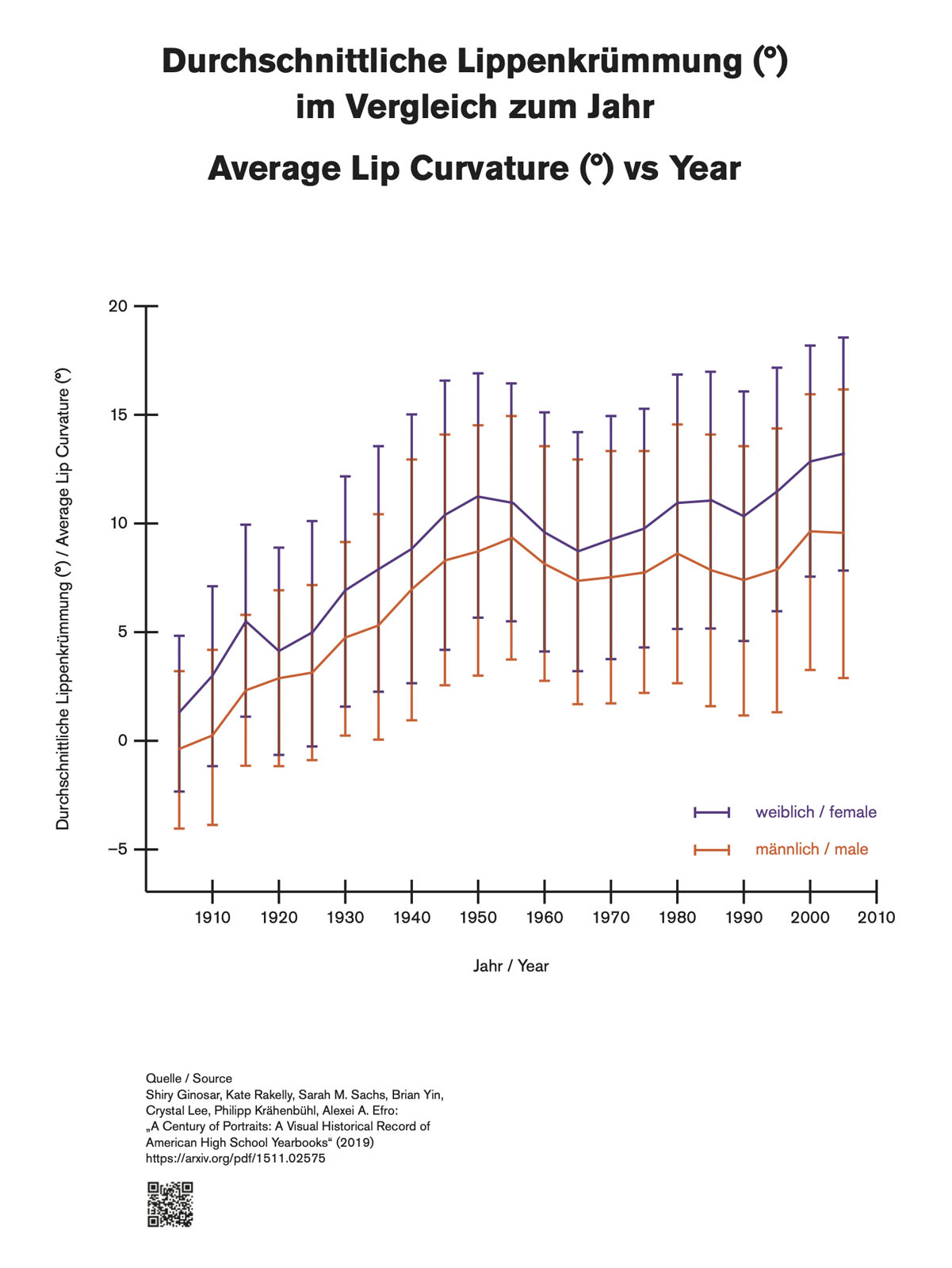
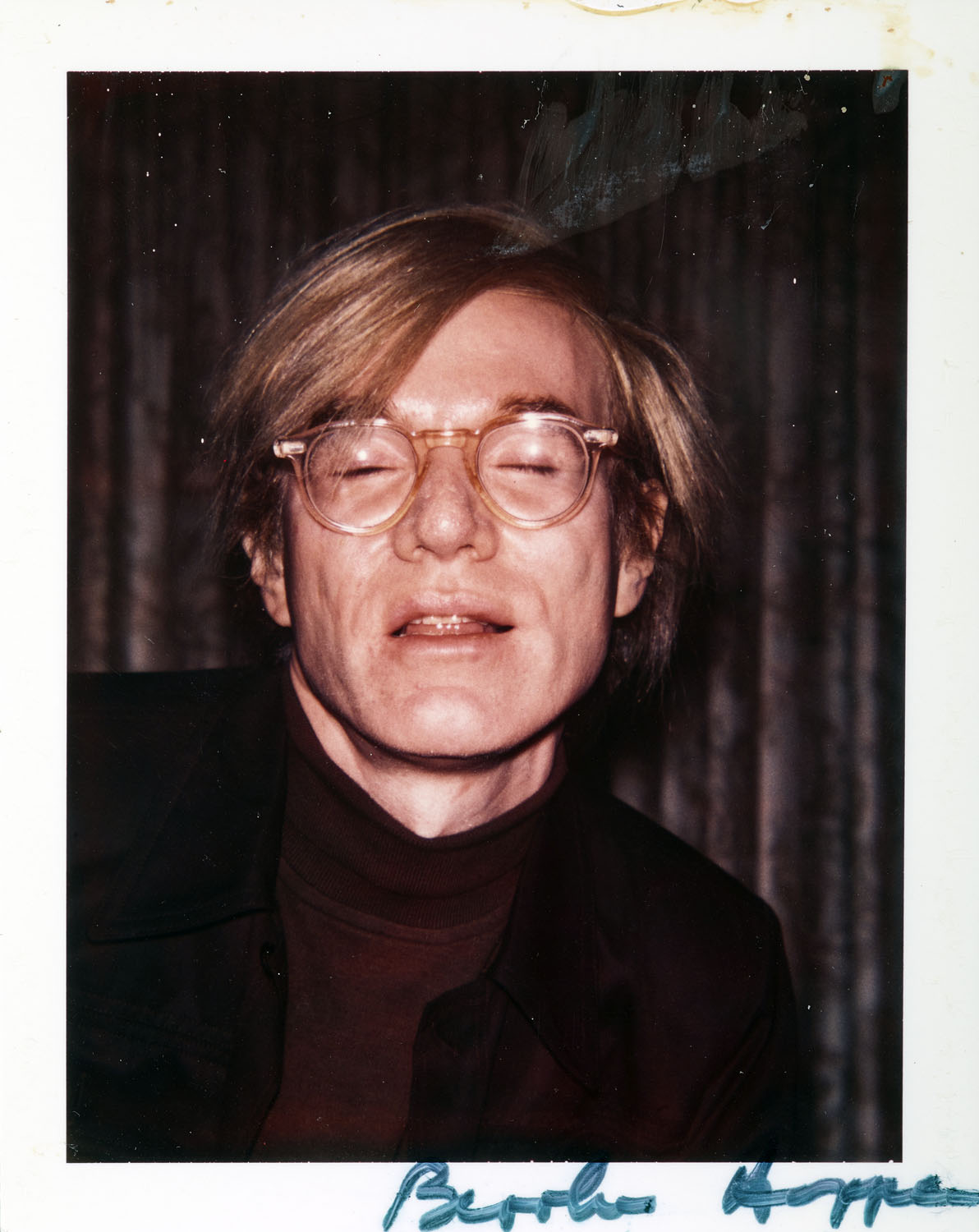
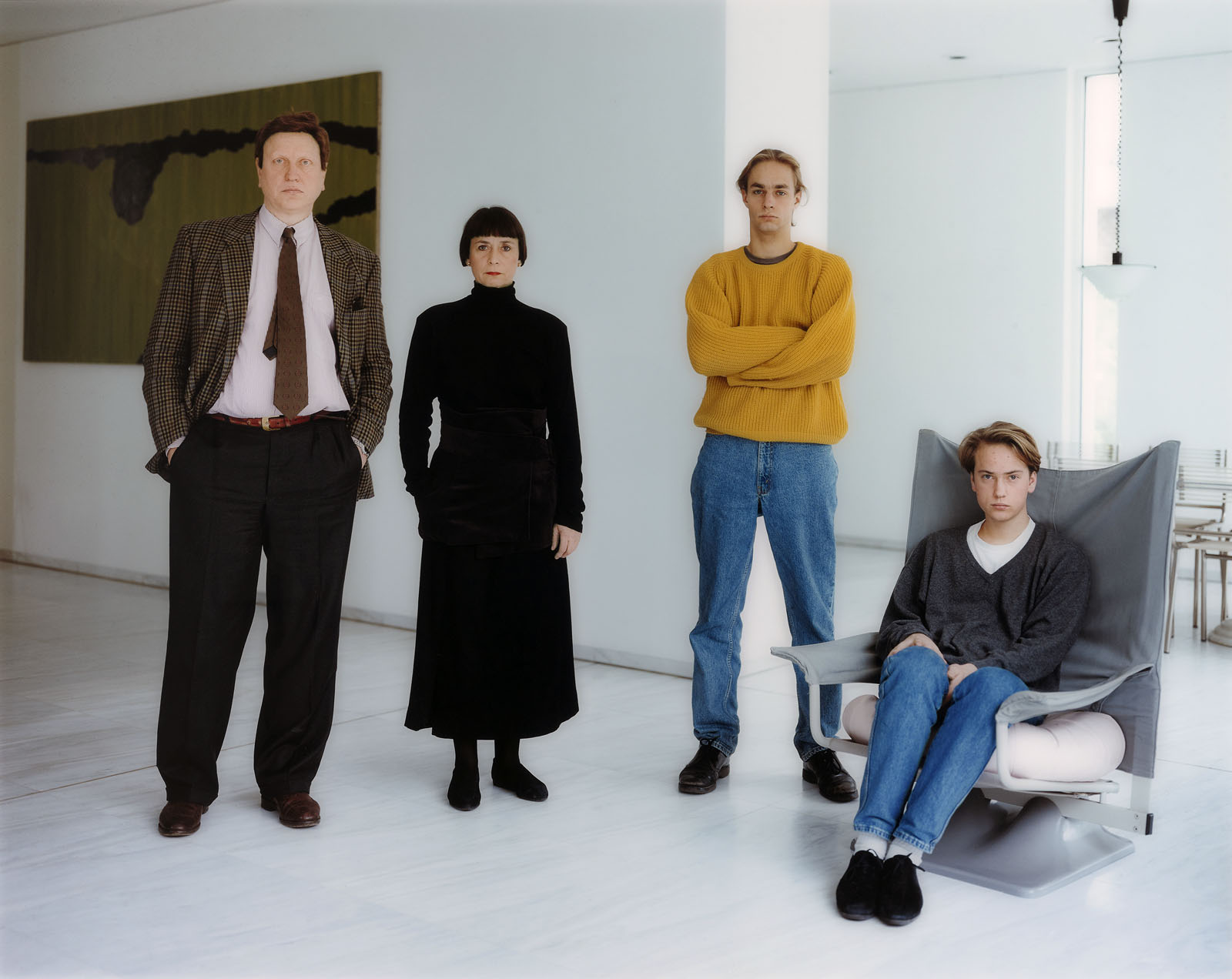
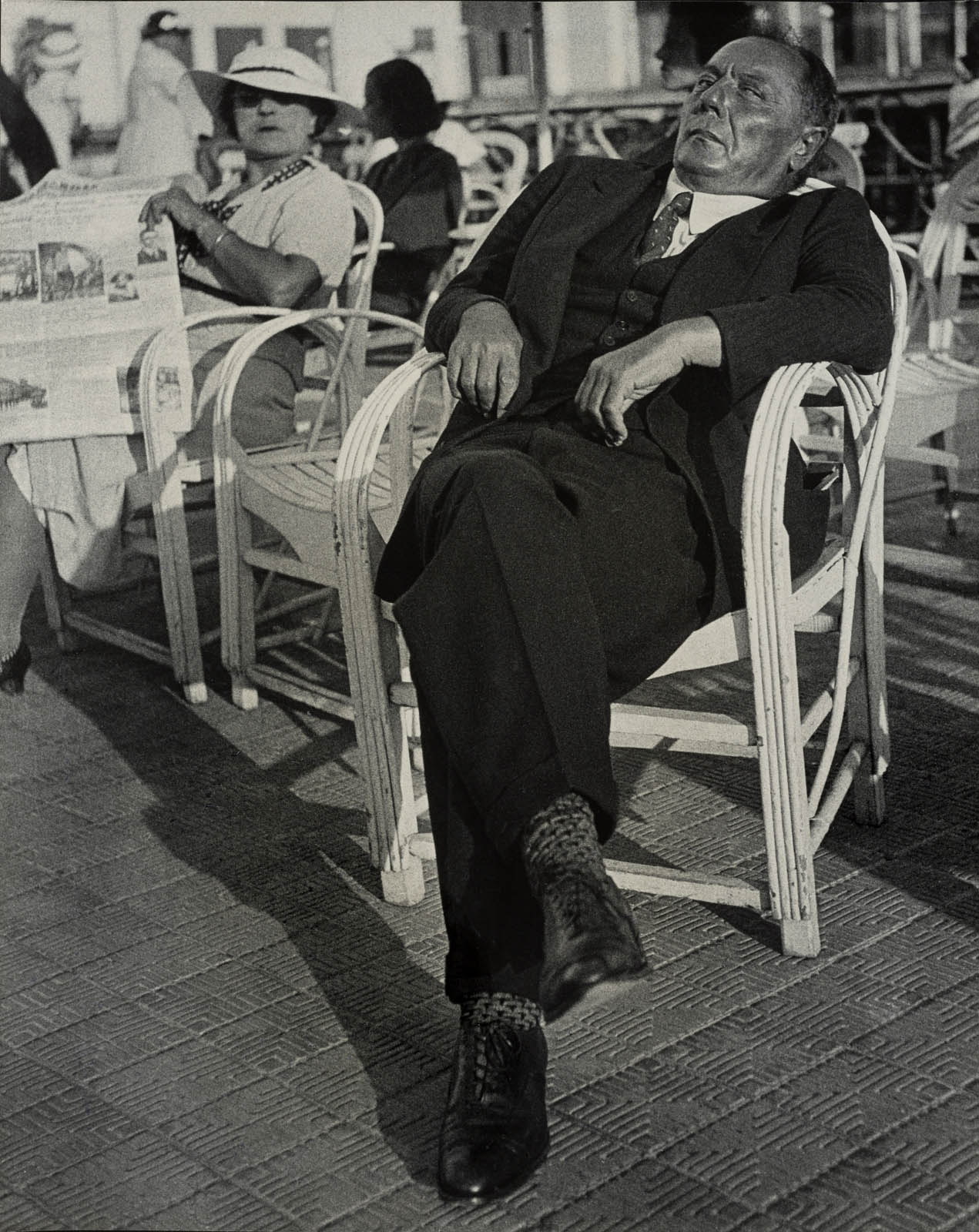
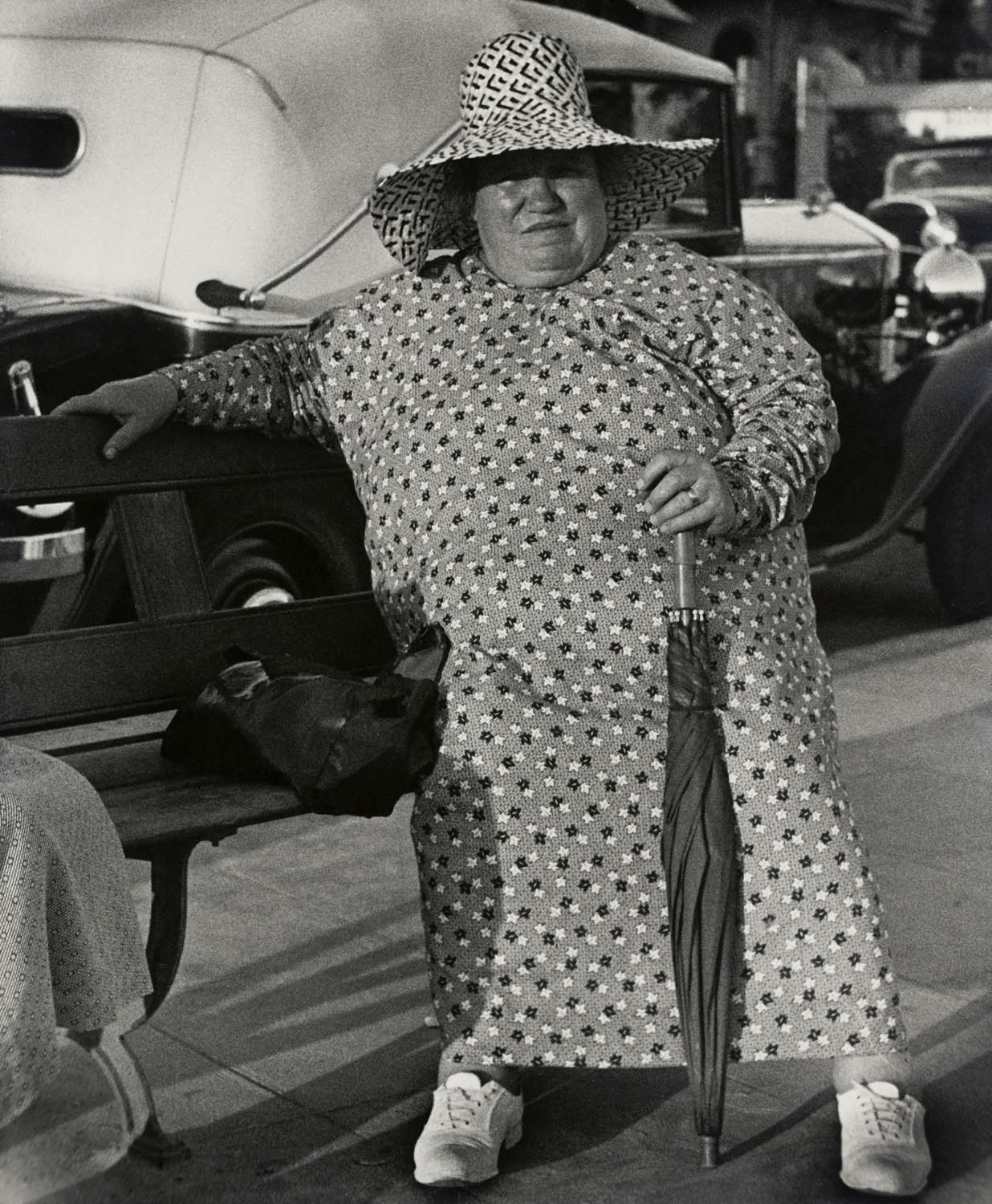
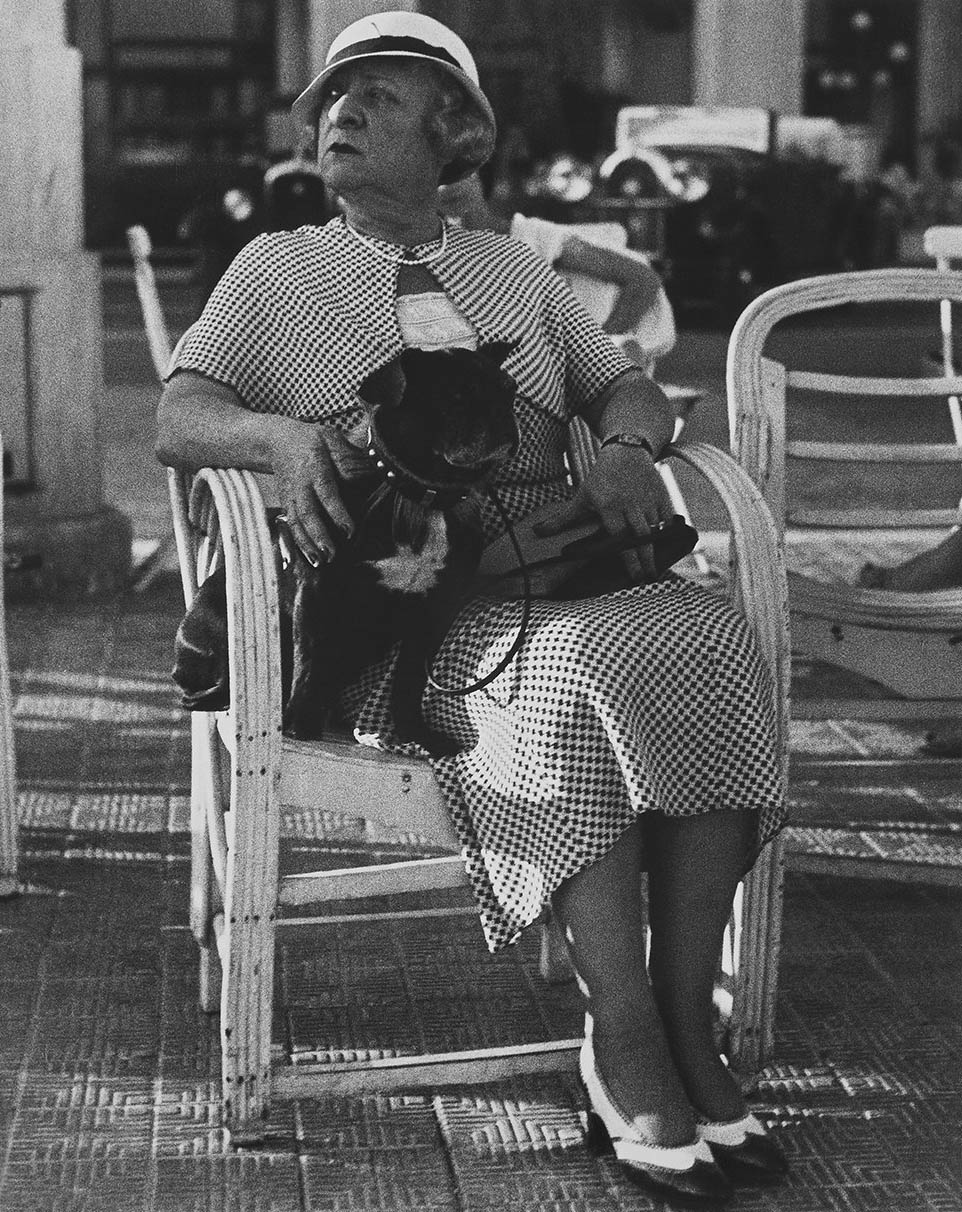
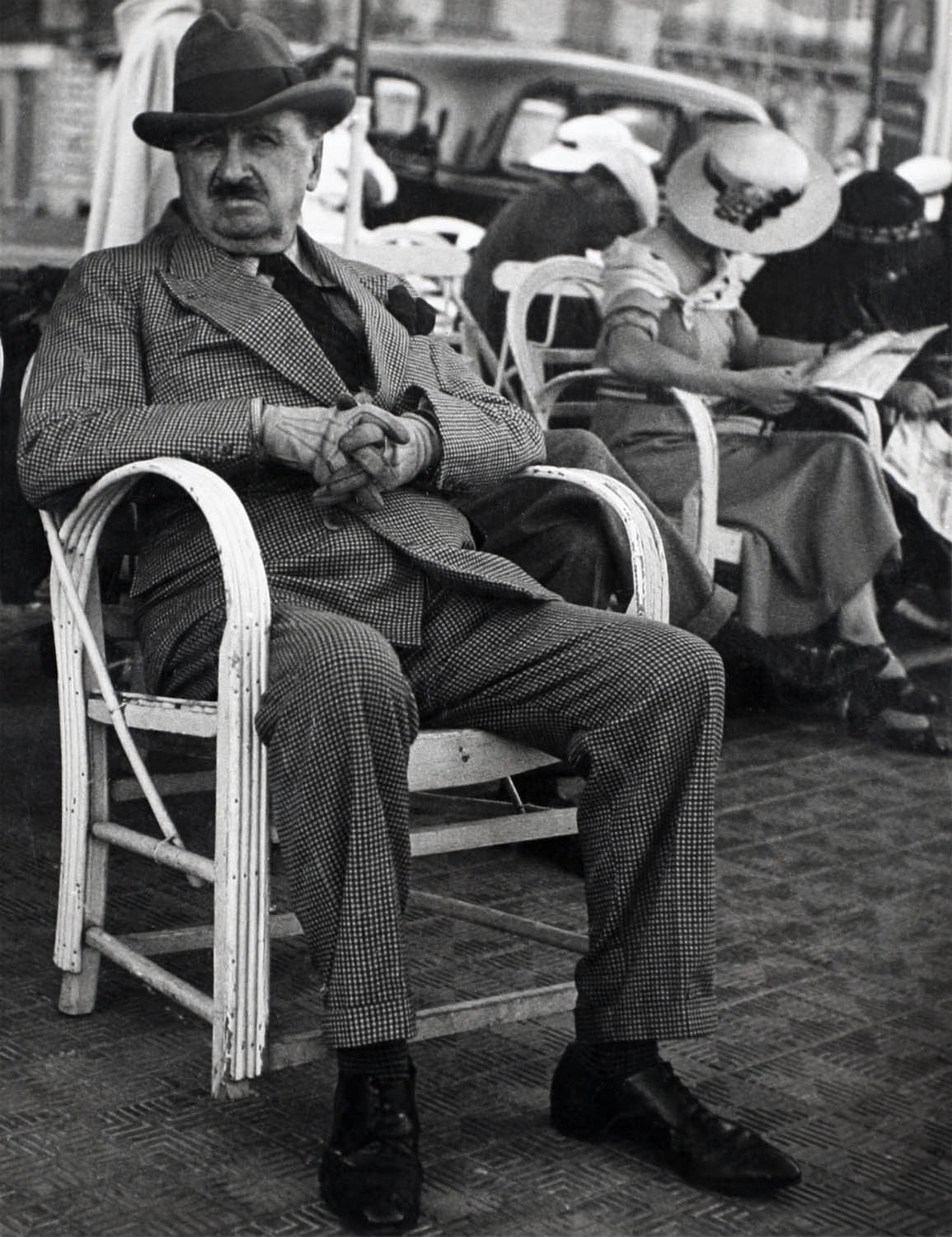
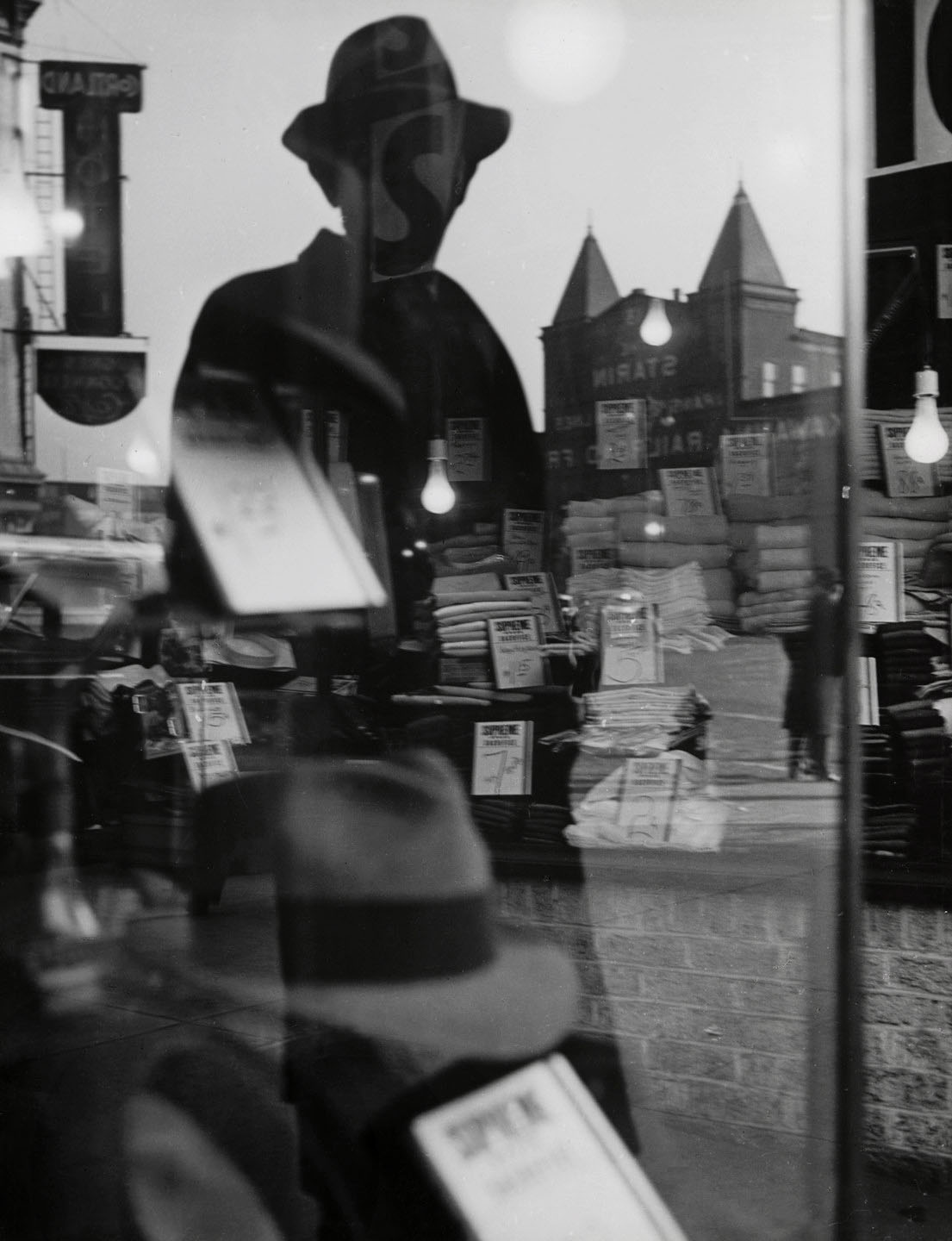
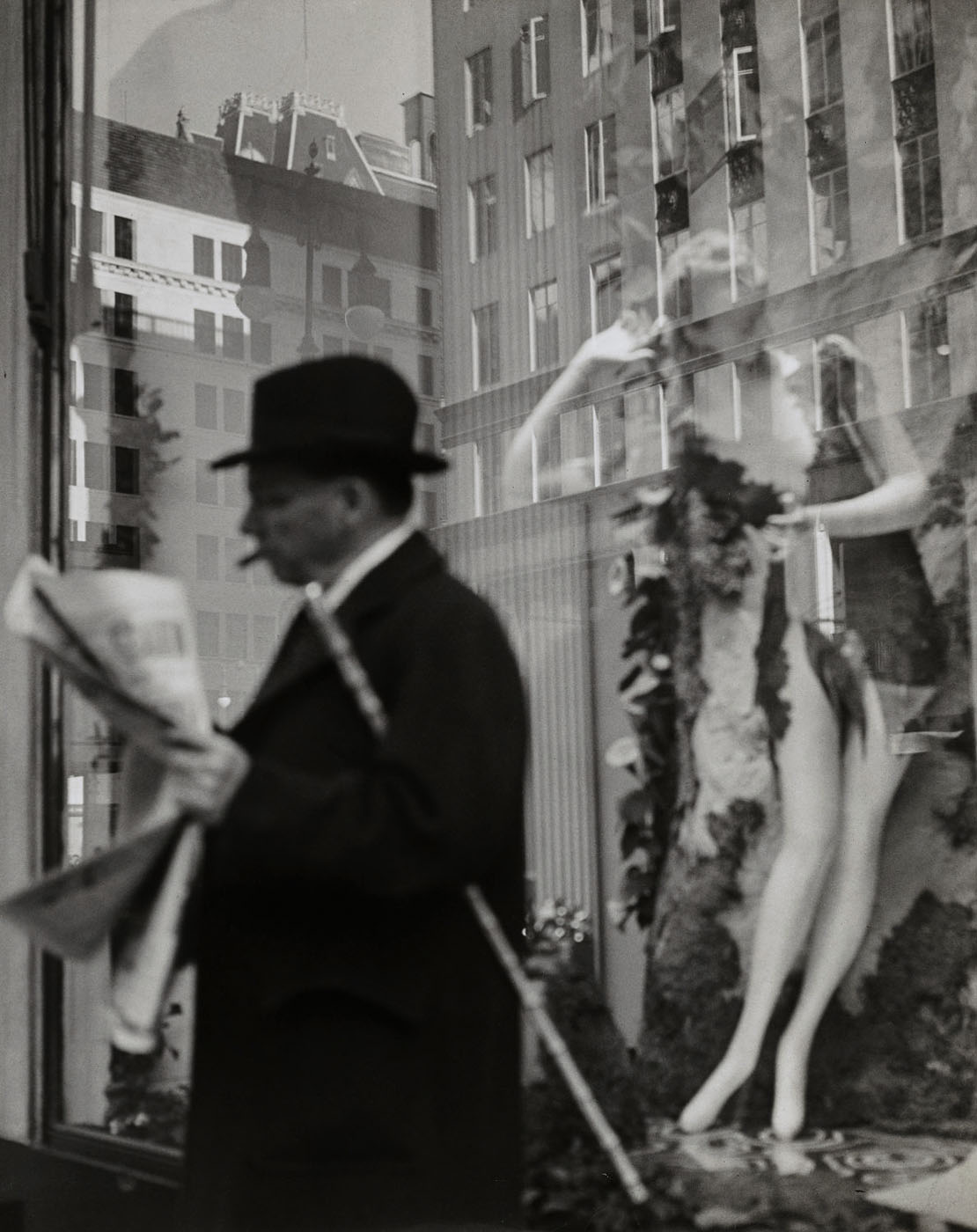
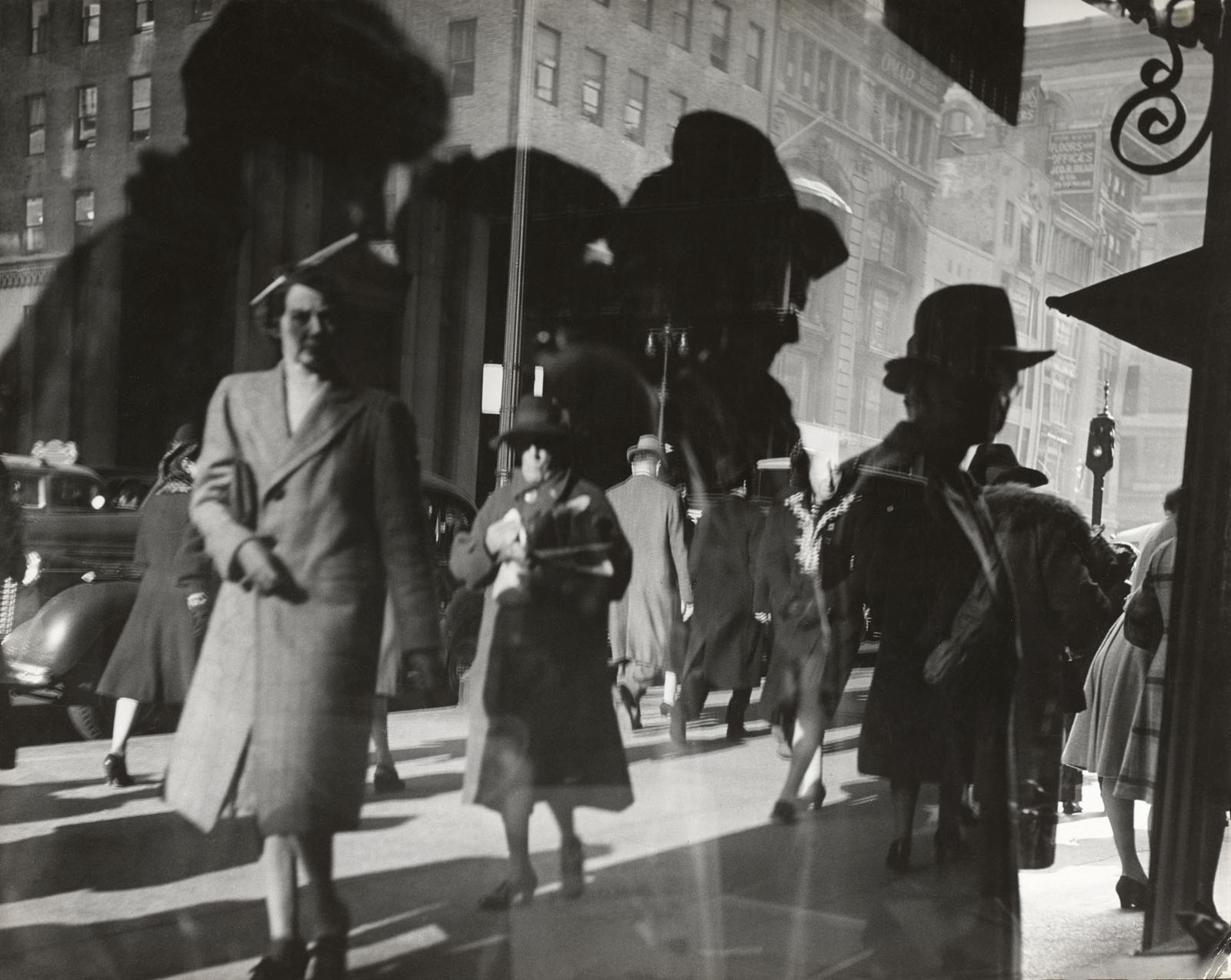
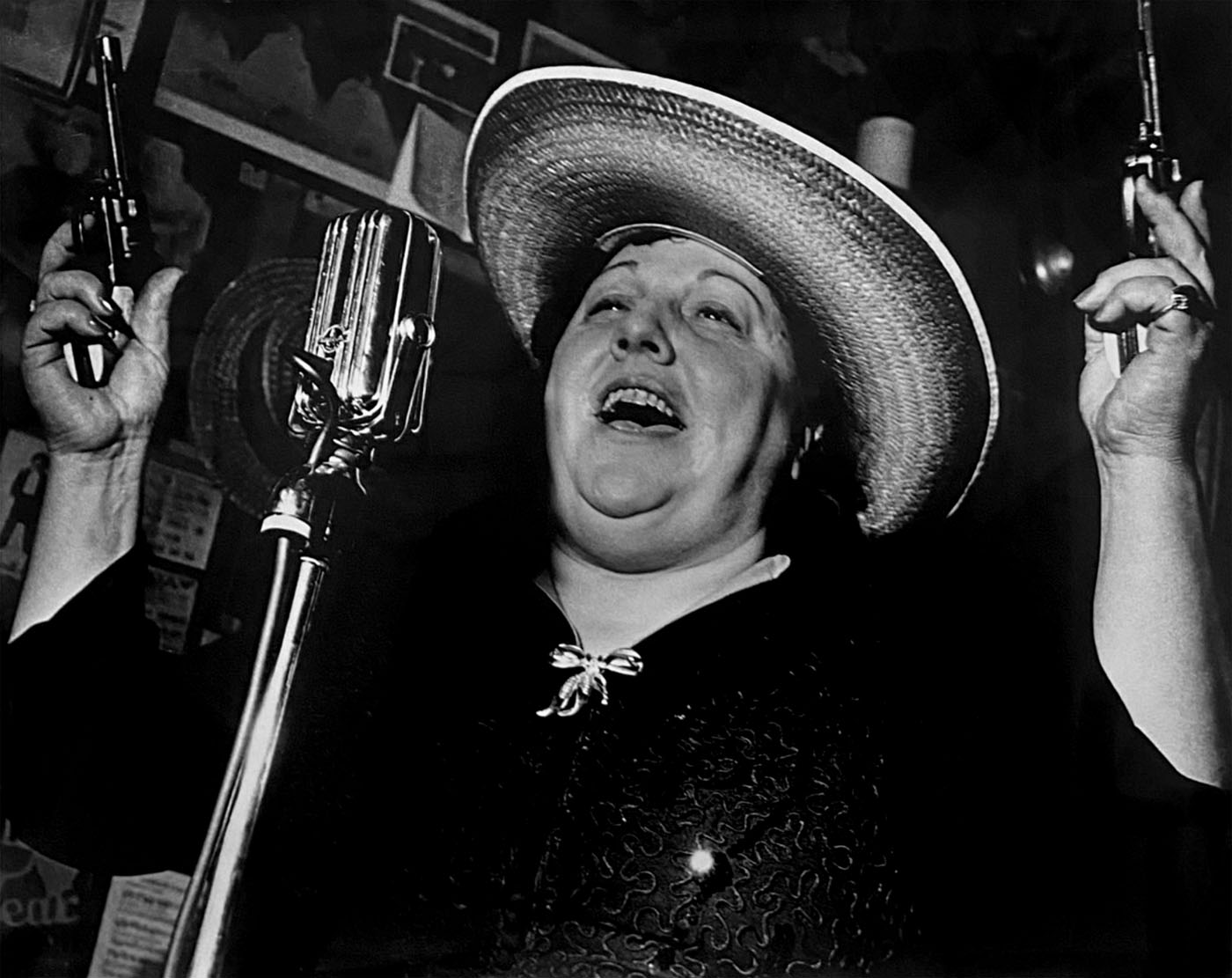
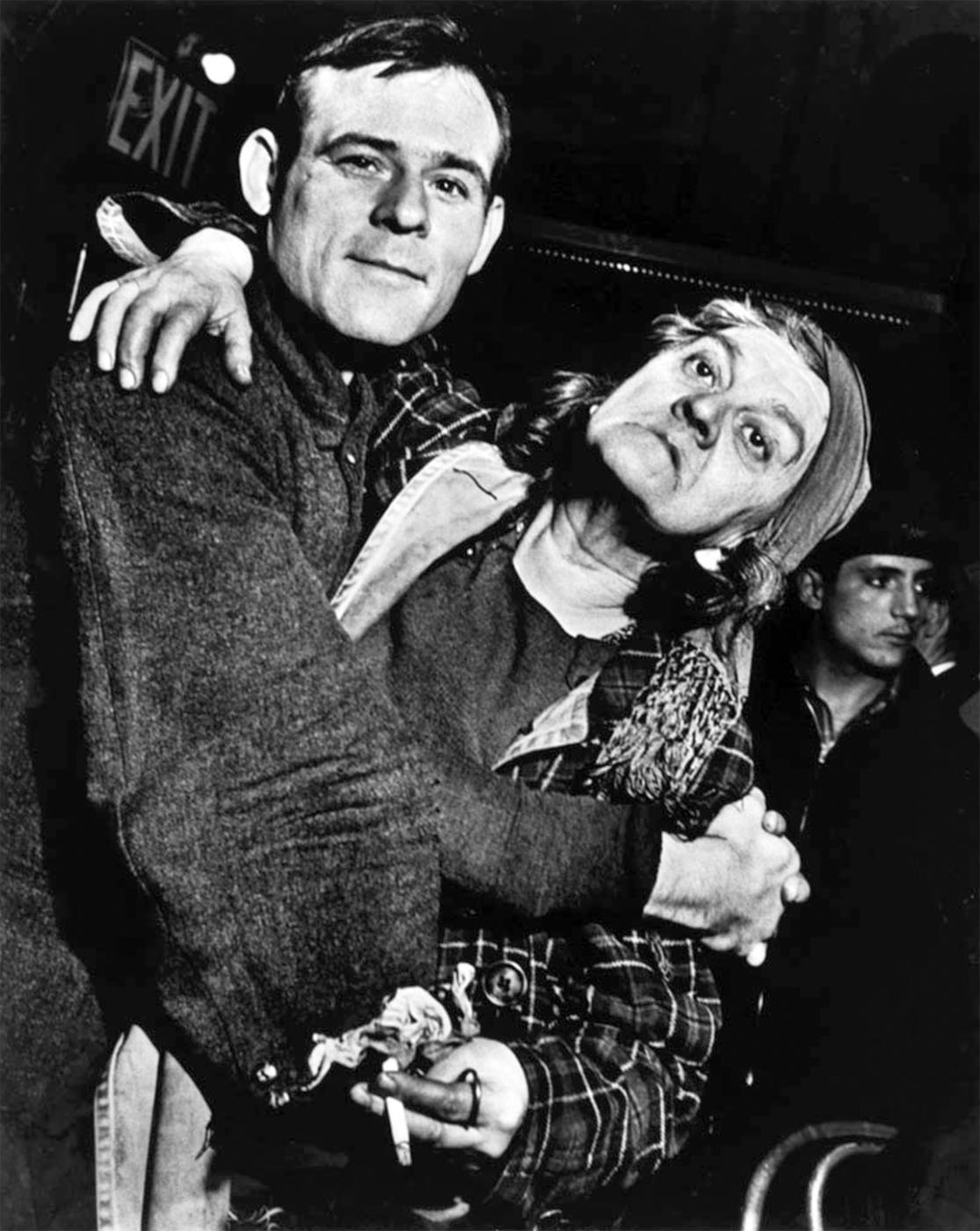
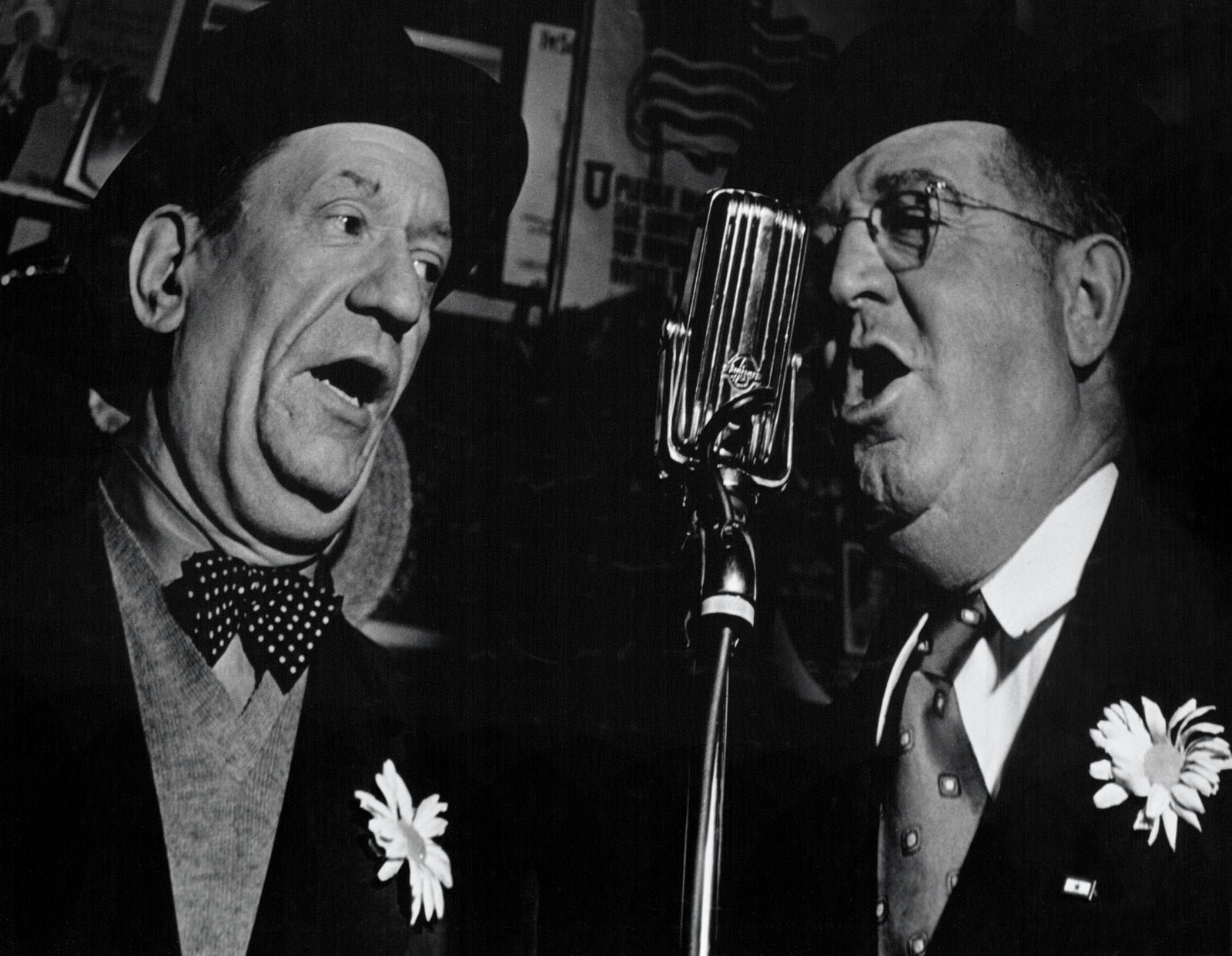

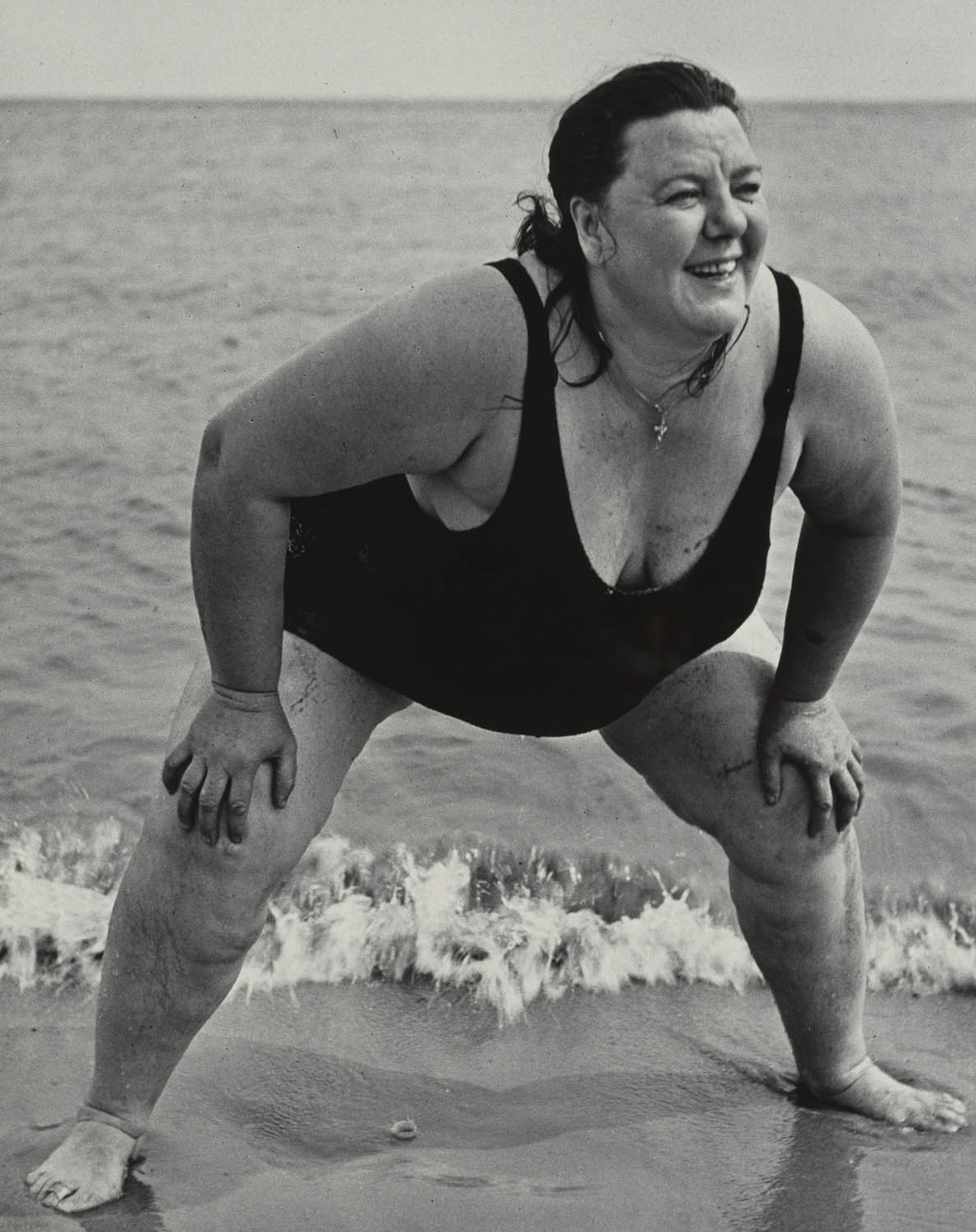
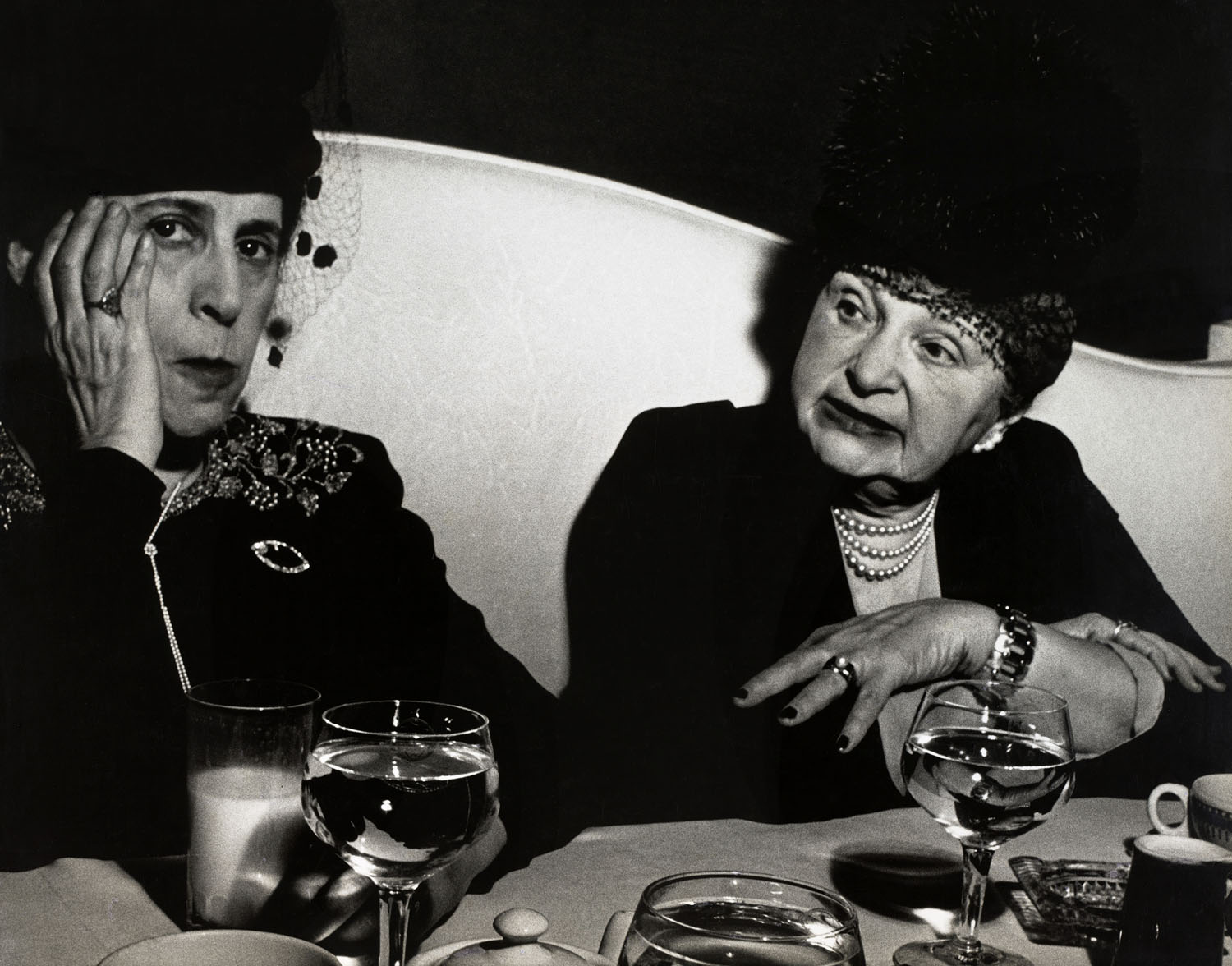
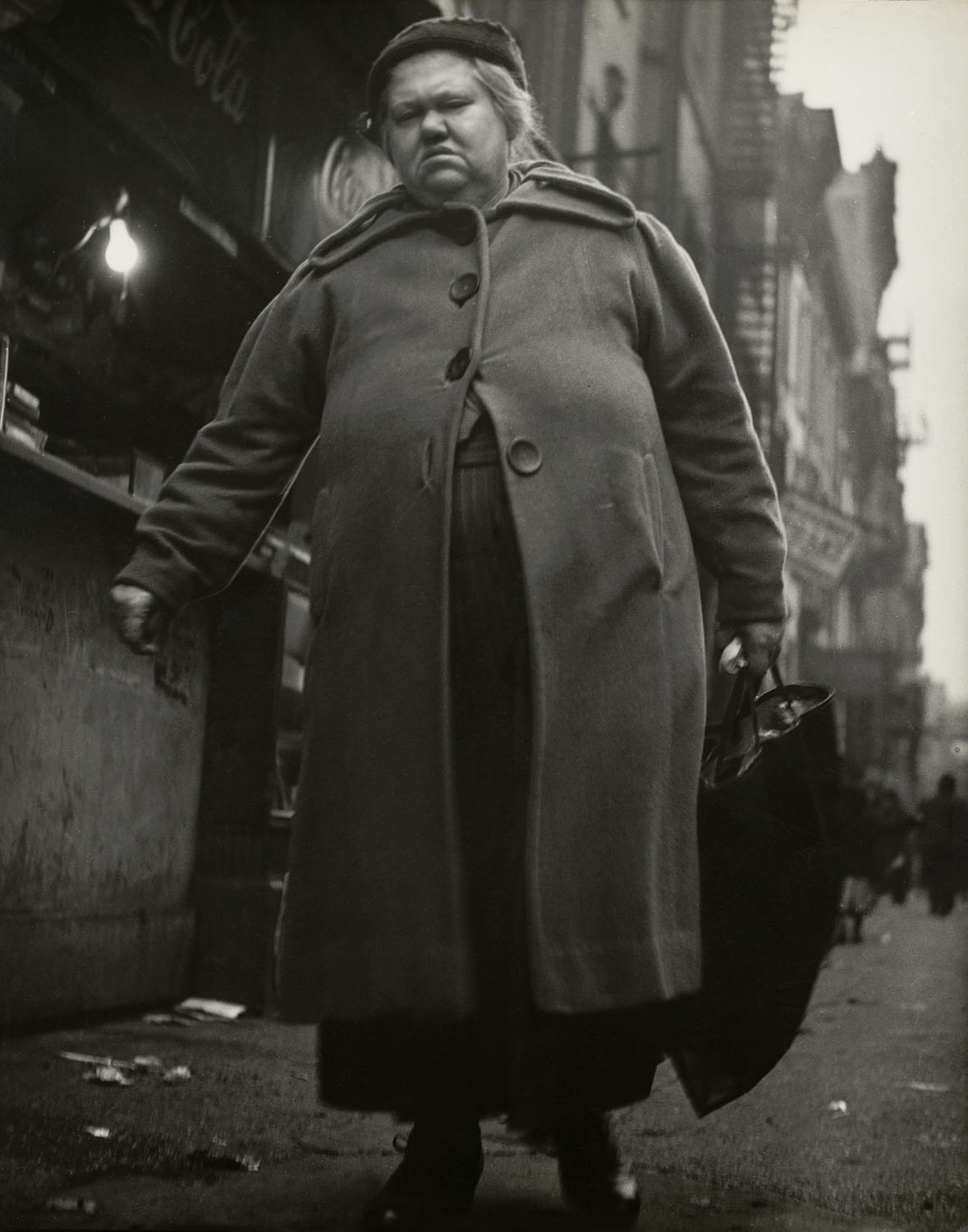

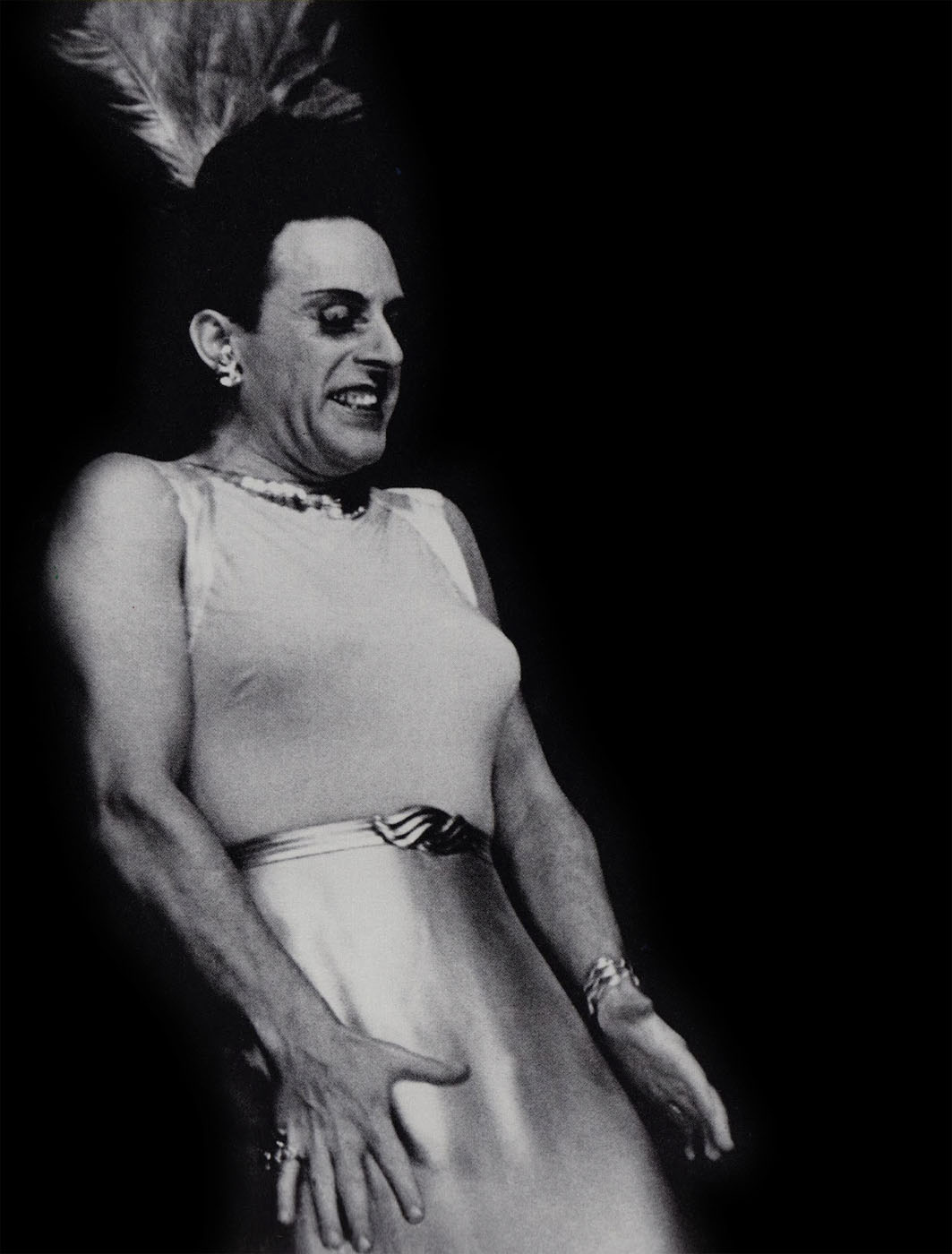
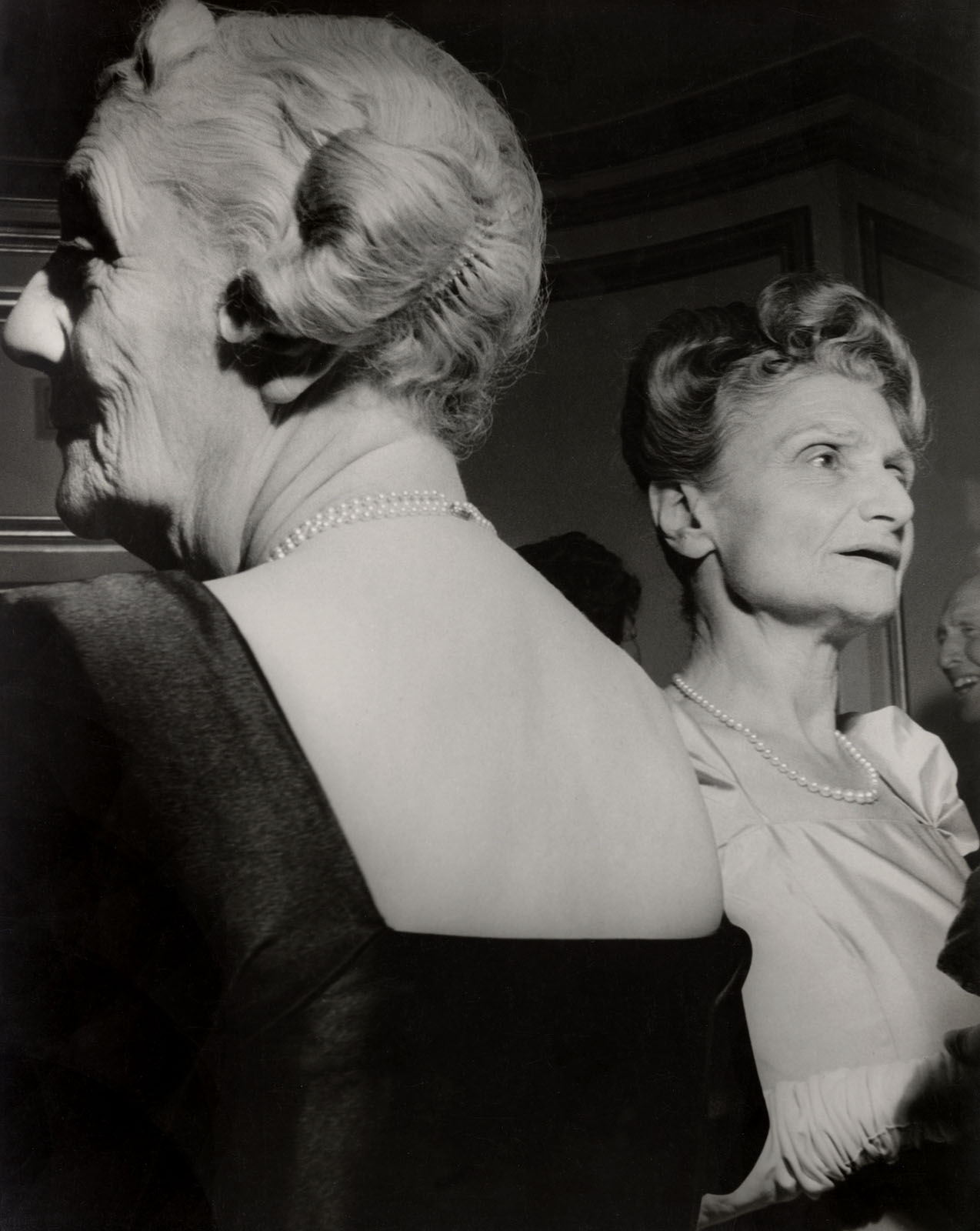

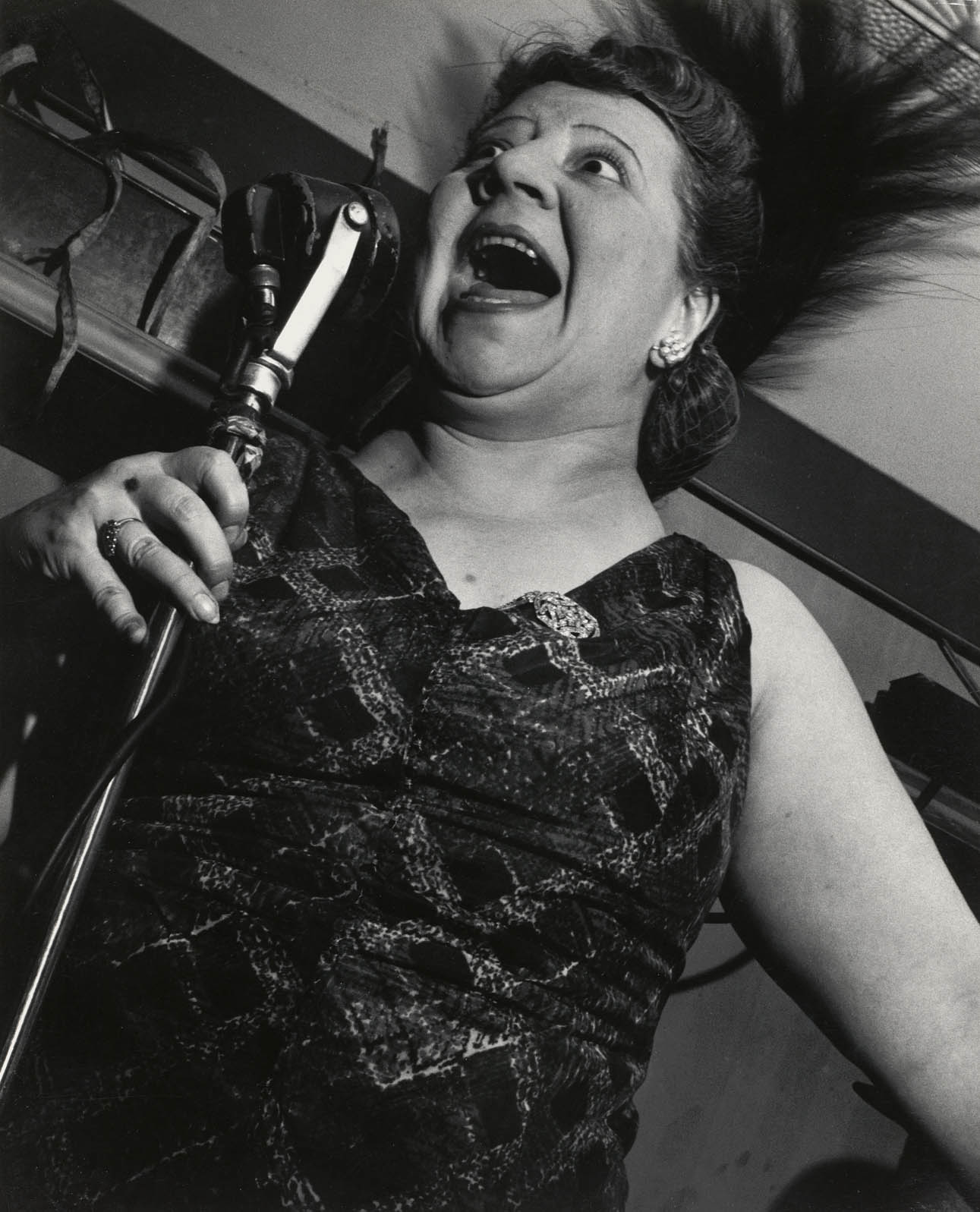
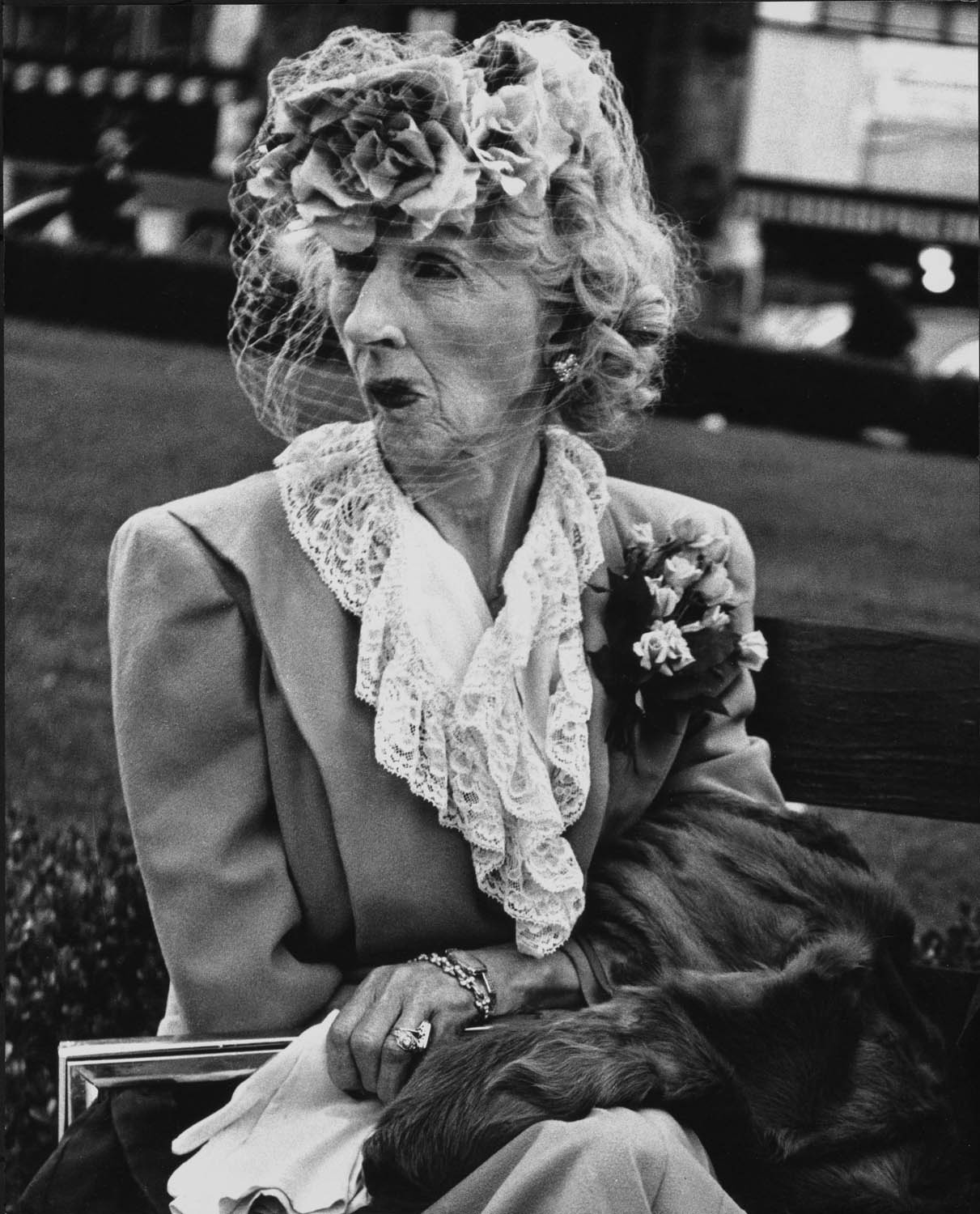
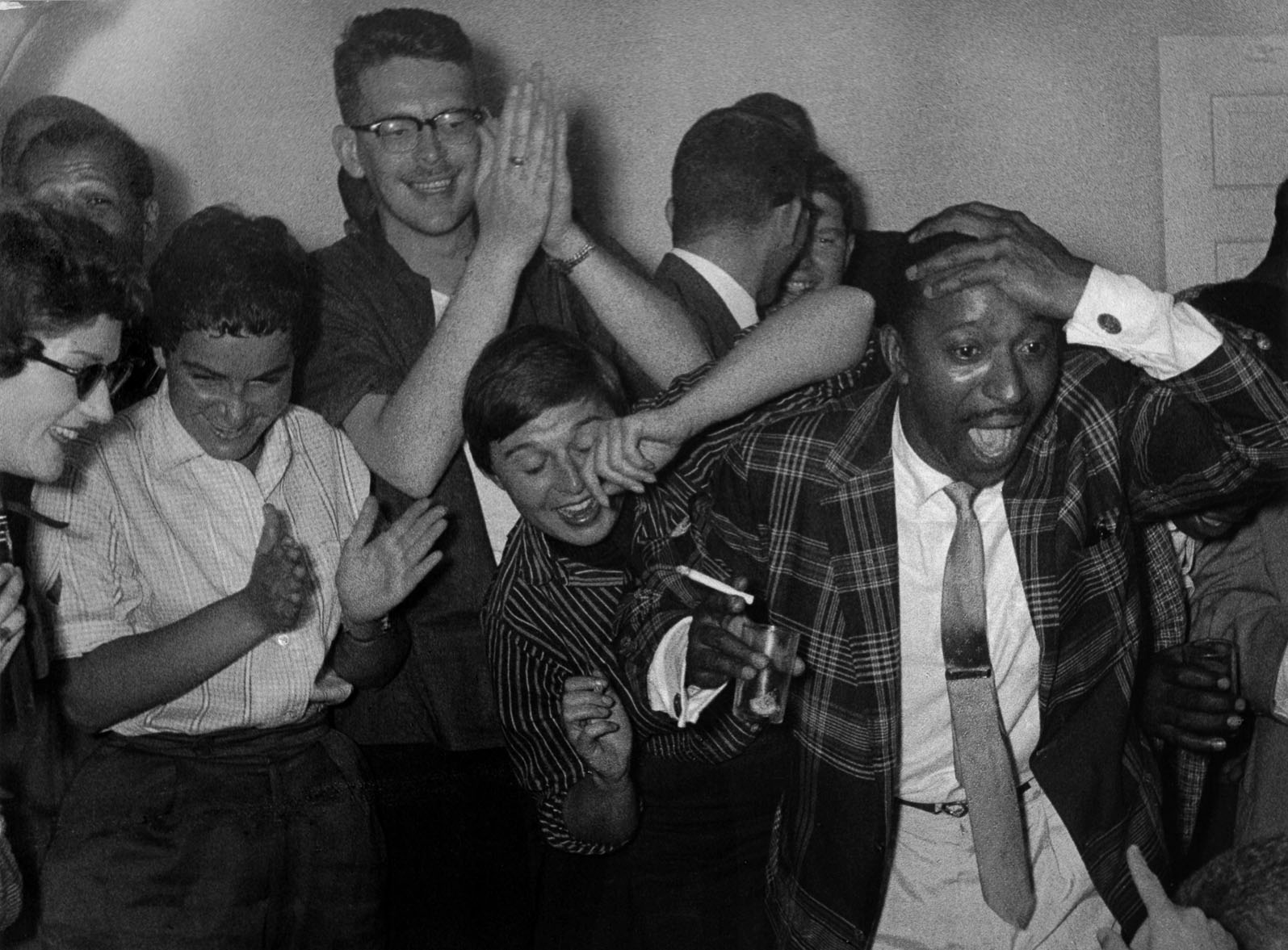
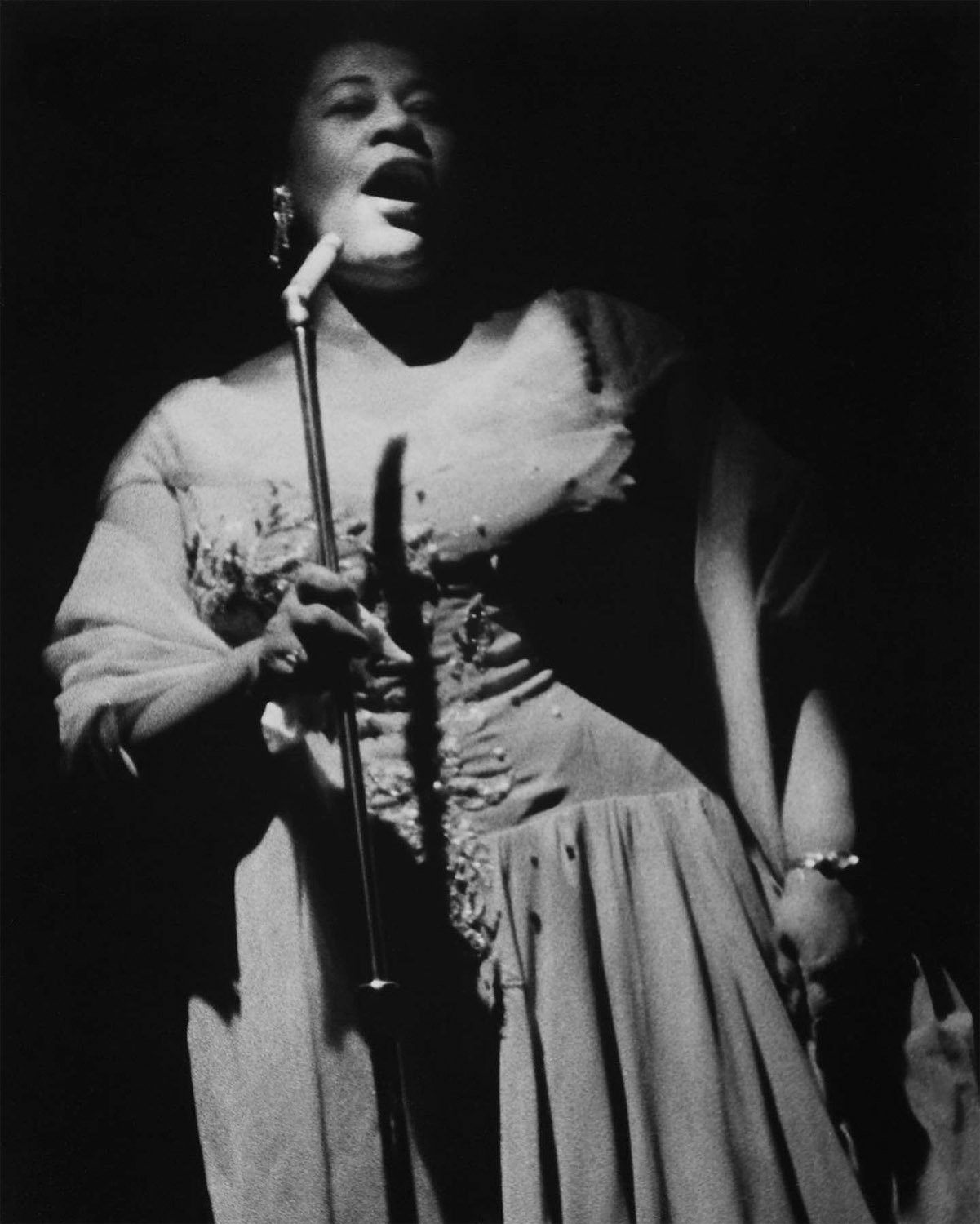
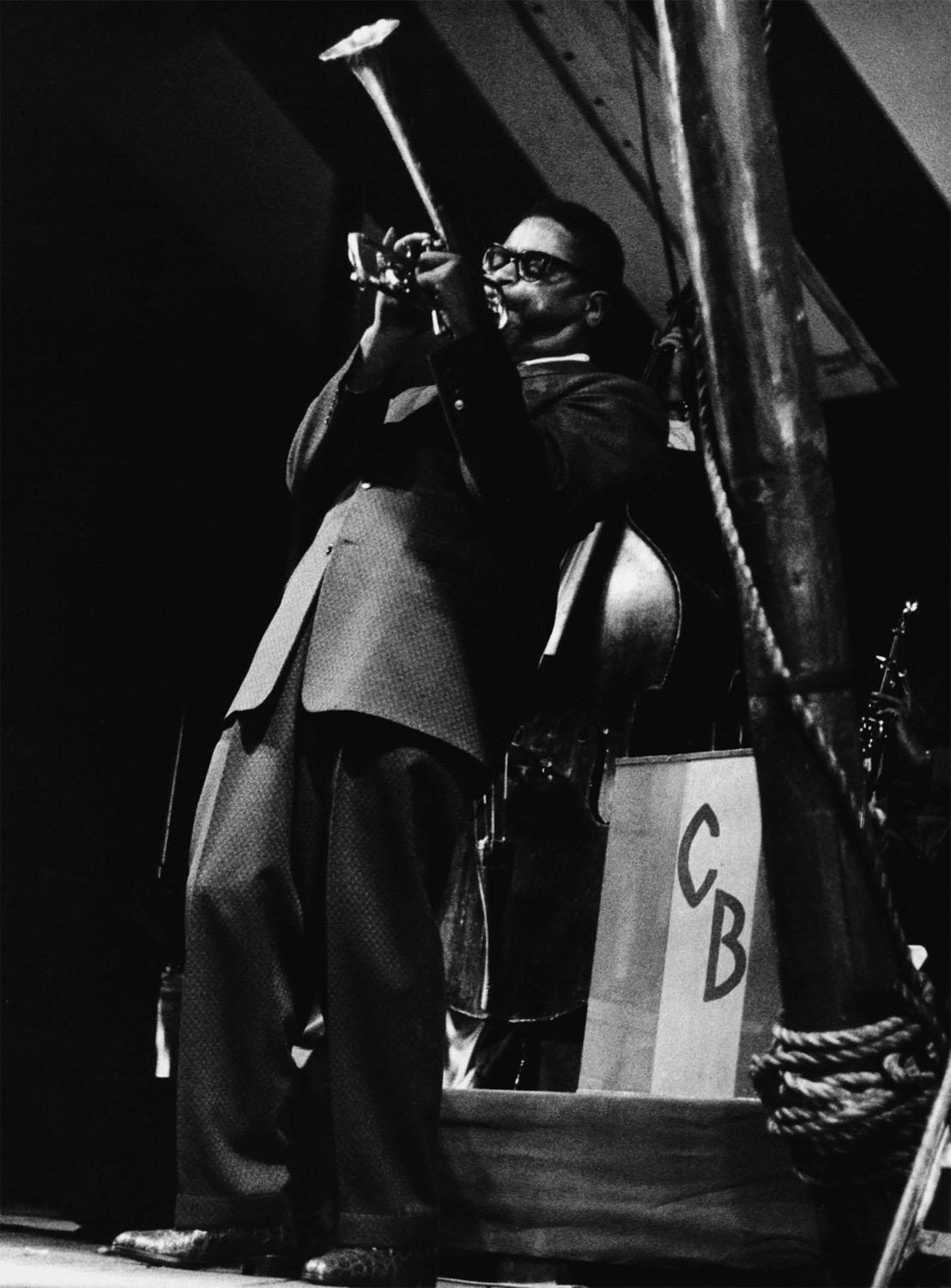
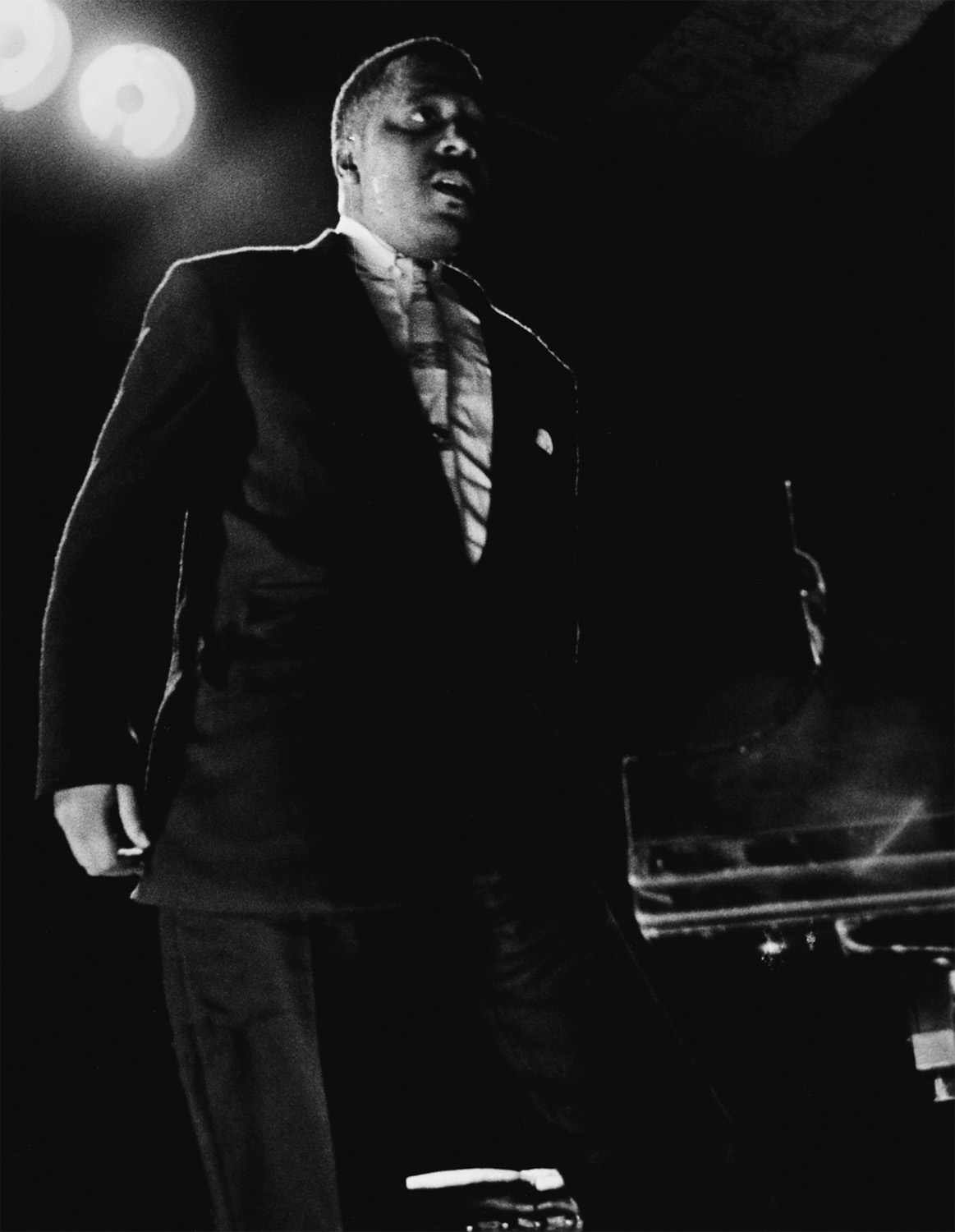
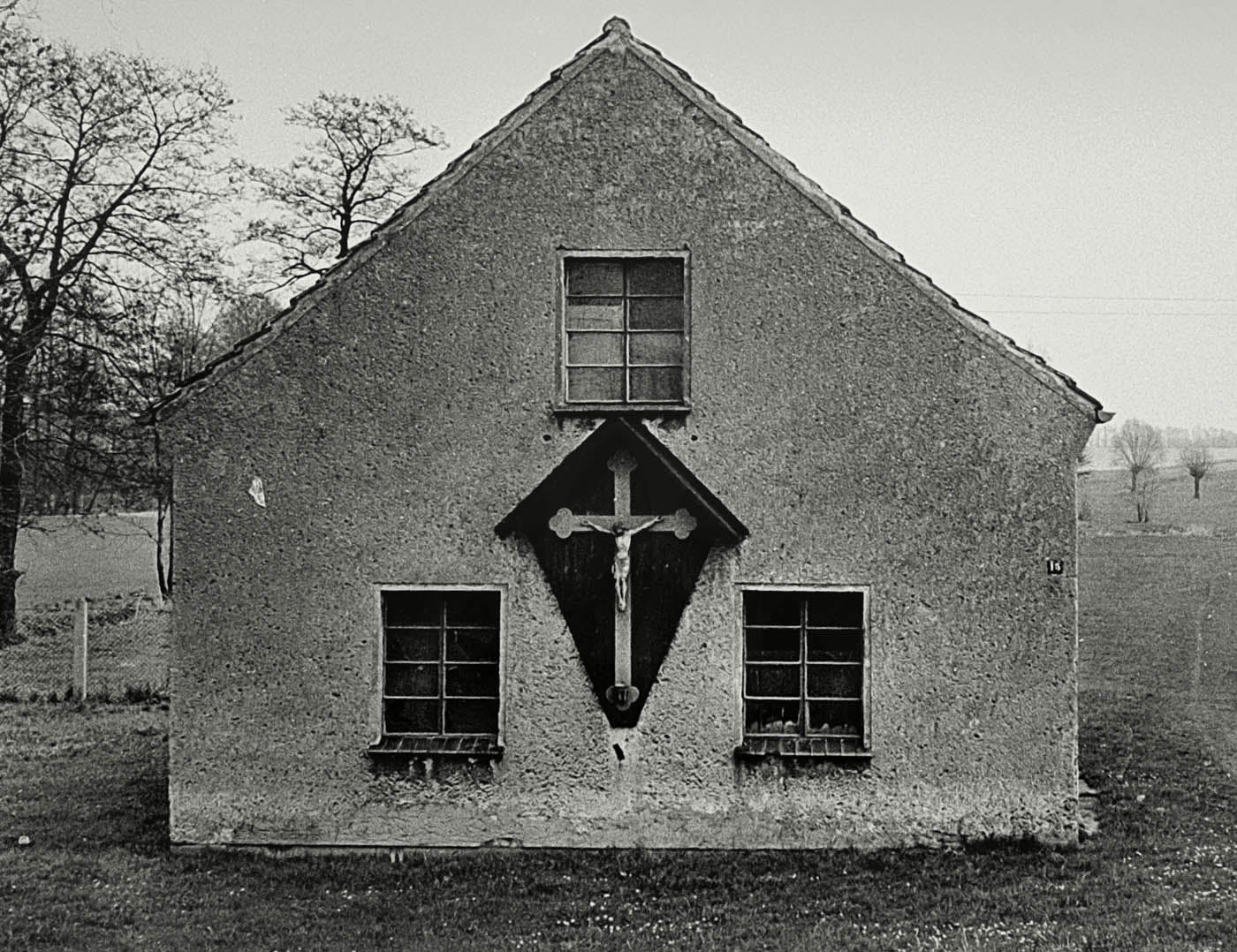
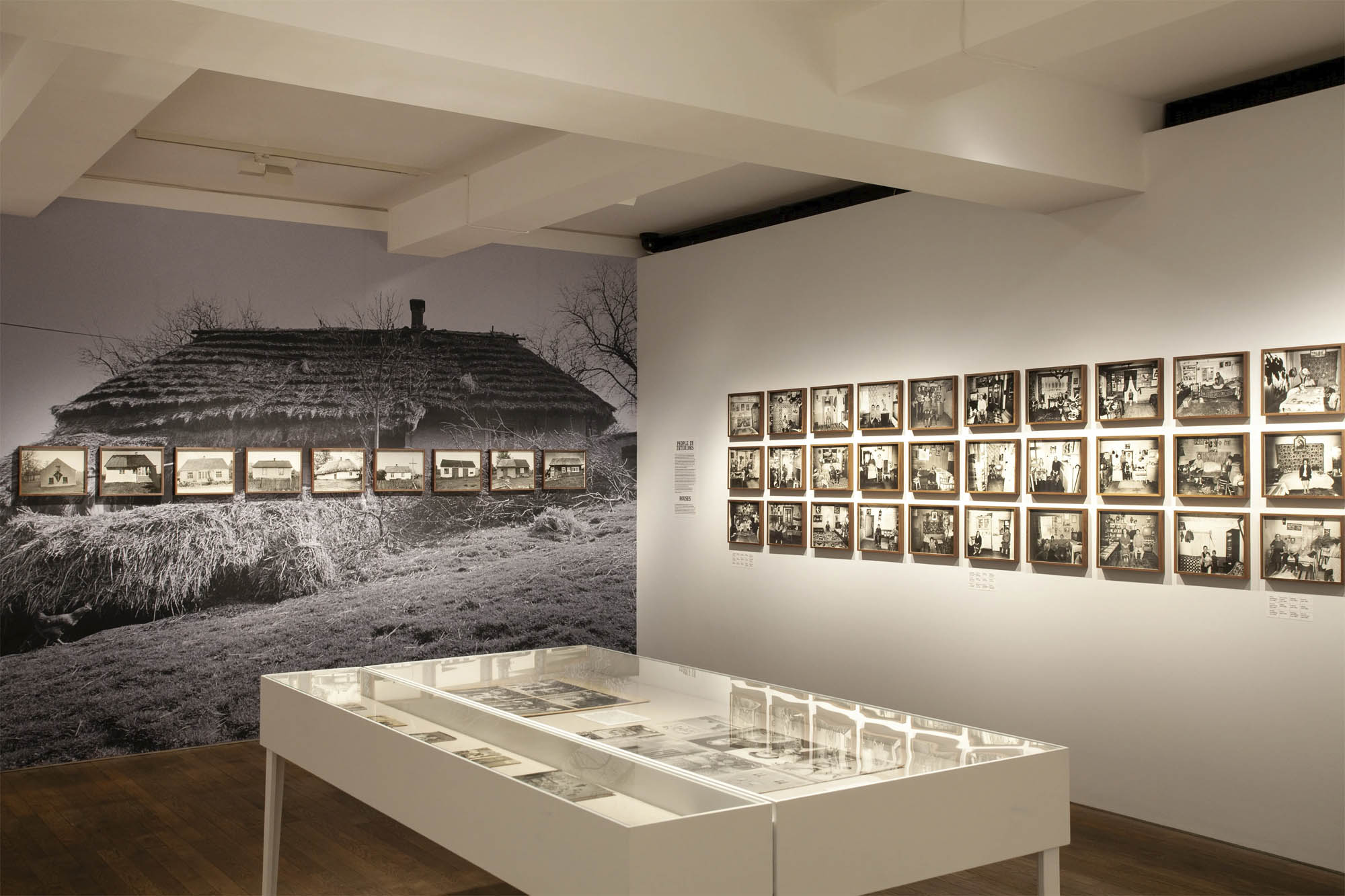
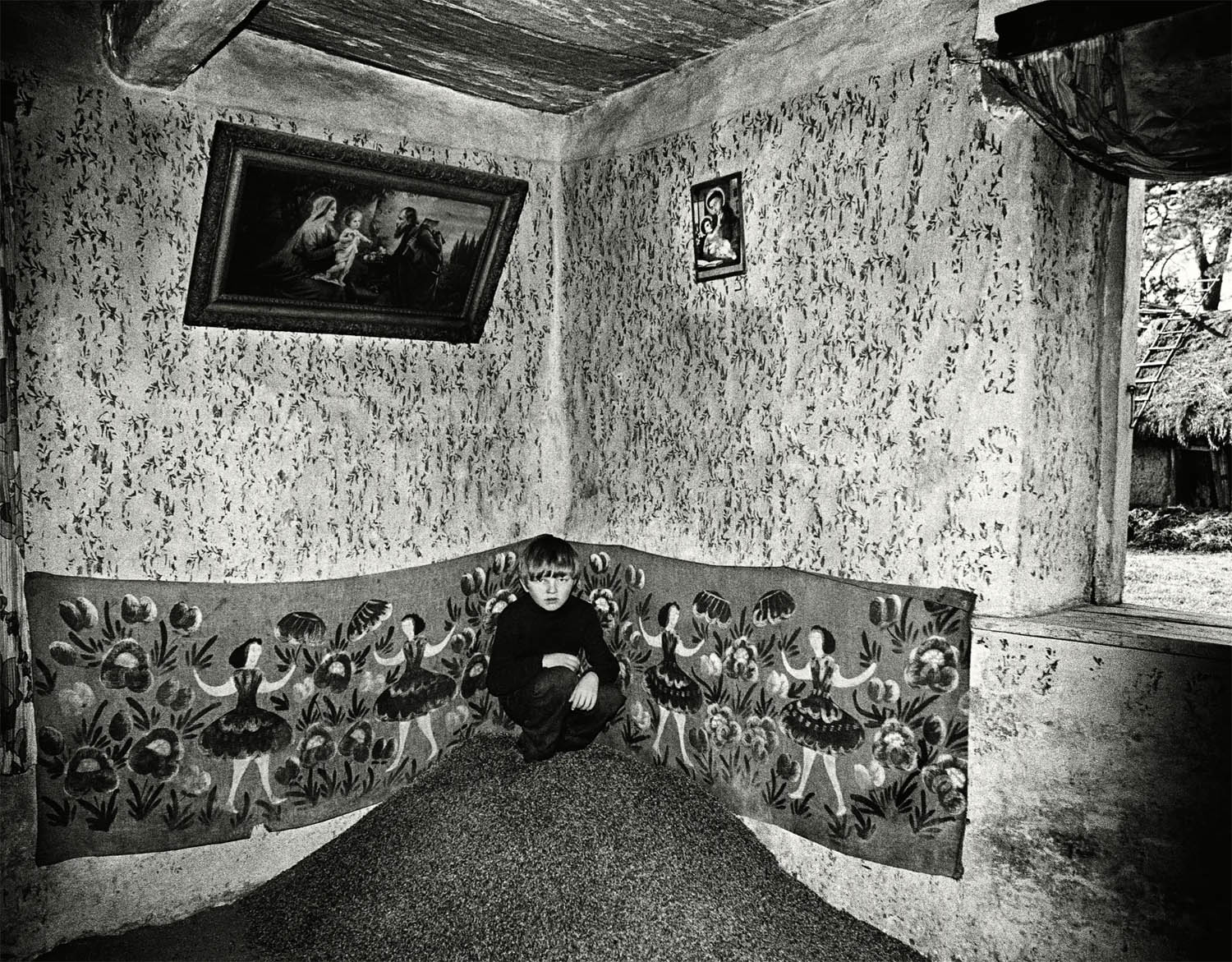
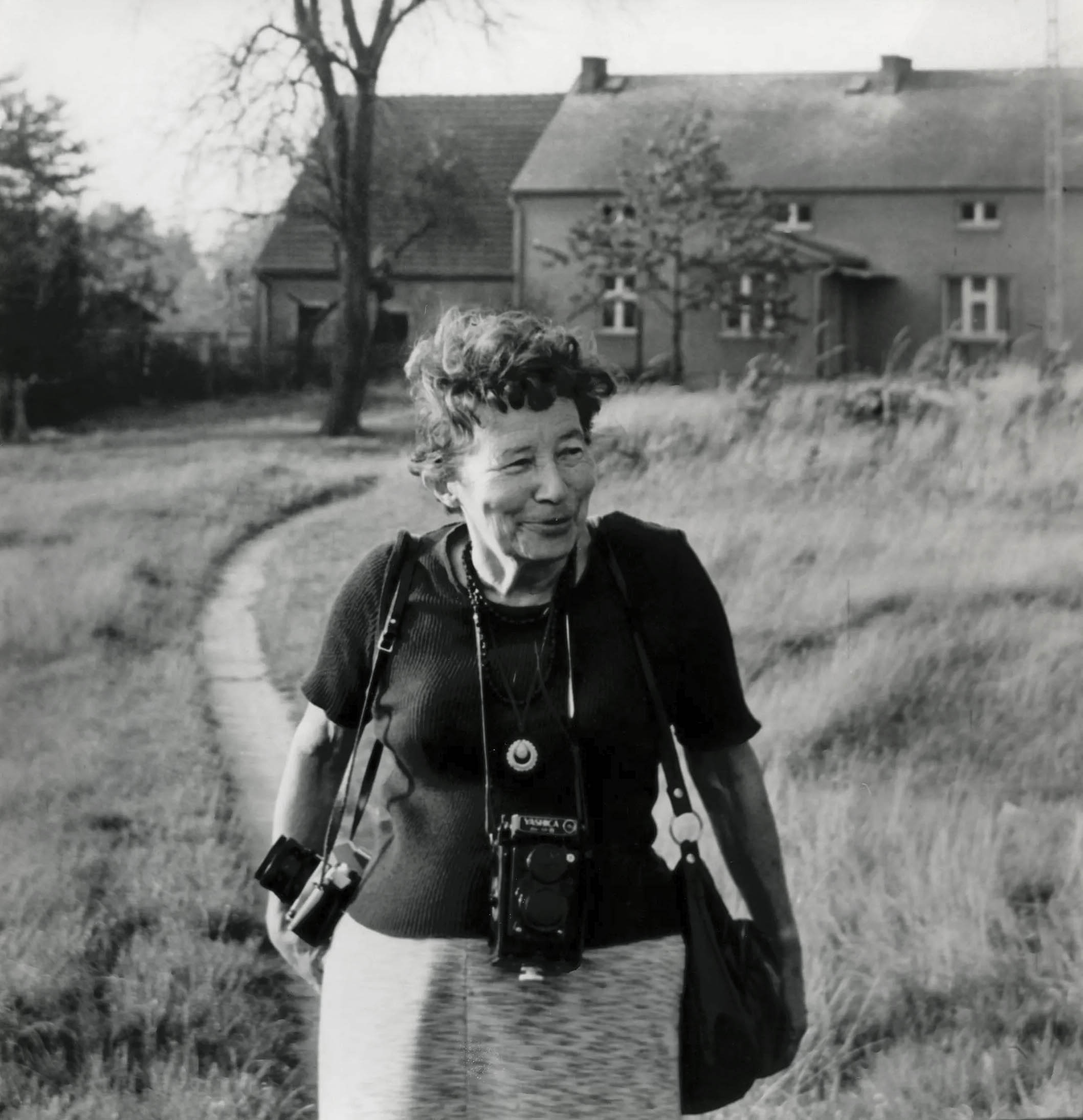
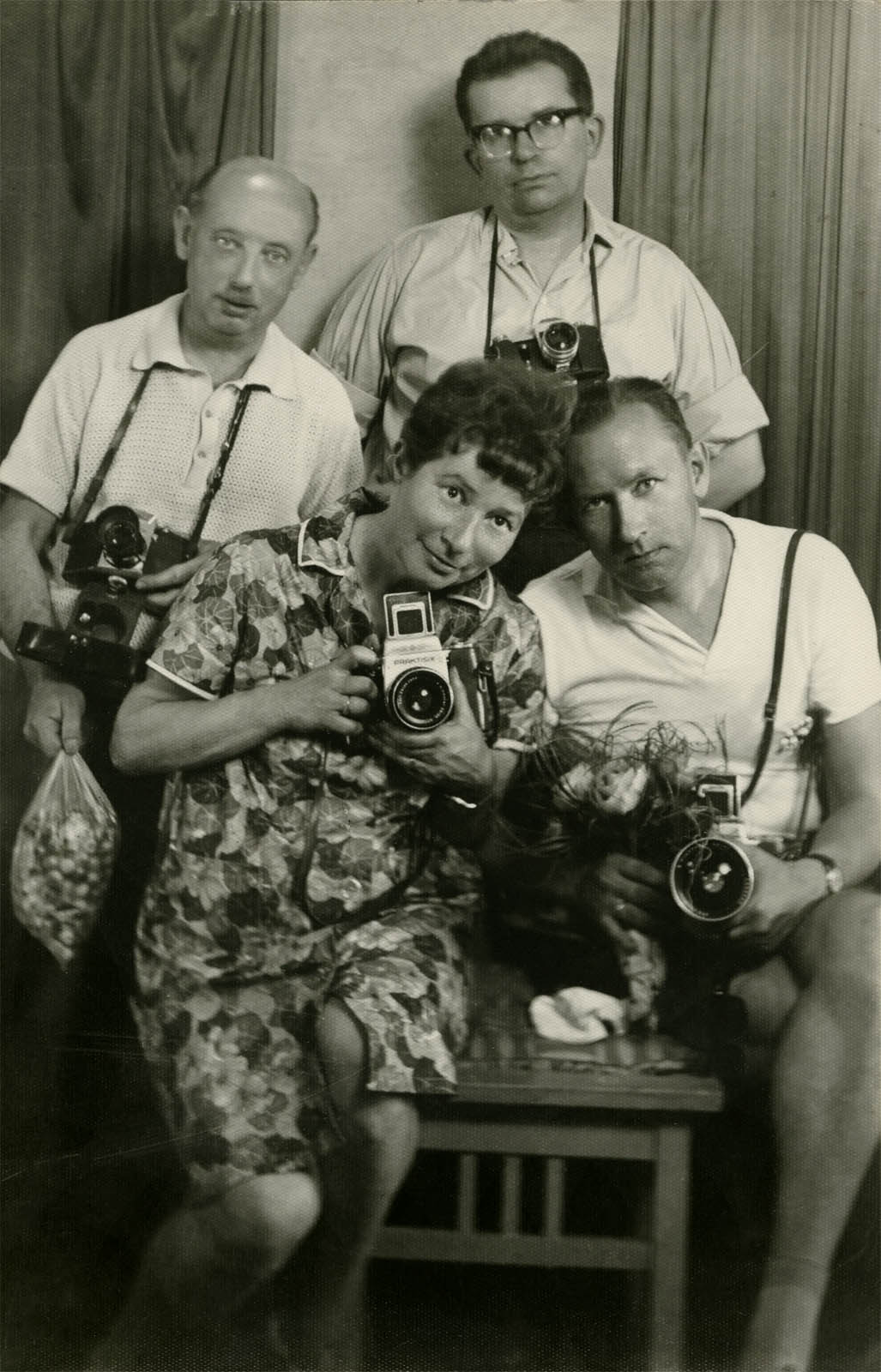
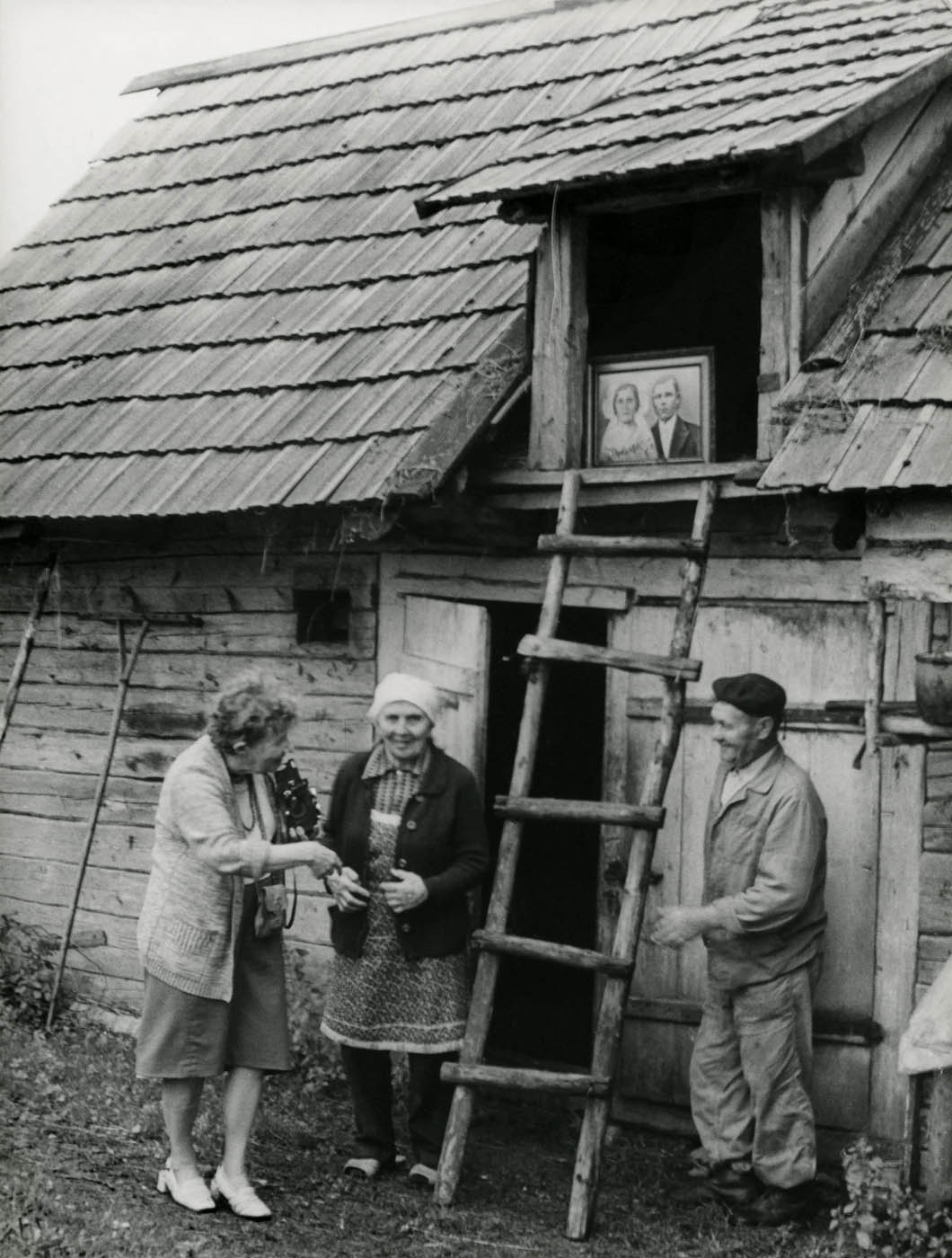





!['Untitled [Women Photobooth Portraits]' c. 1940s-1950s from the exhibition 'Strike a Pose! 100 Years of the Photobooth' at The Photographers' Gallery, London, October 2025 - February 2026](https://artblart.com/wp-content/uploads/2026/01/women-photobooth-portraits.jpg "'Untitled [Women Photobooth Portraits]' c. 1940s-1950s from the exhibition 'Strike a Pose! 100 Years of the Photobooth' at The Photographers' Gallery, London, October 2025 - February 2026")

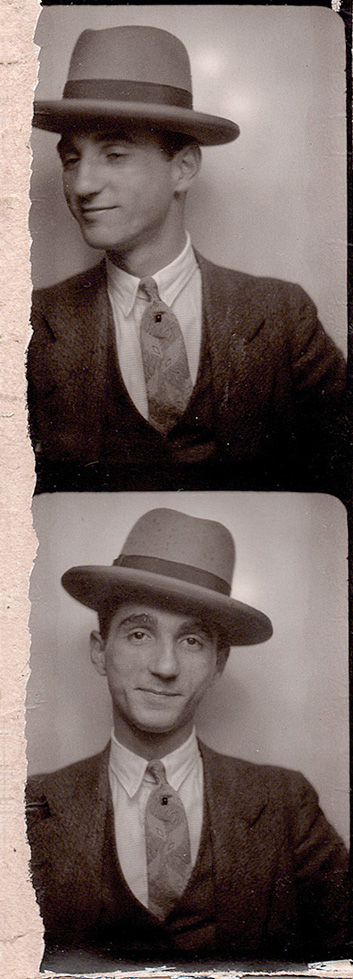
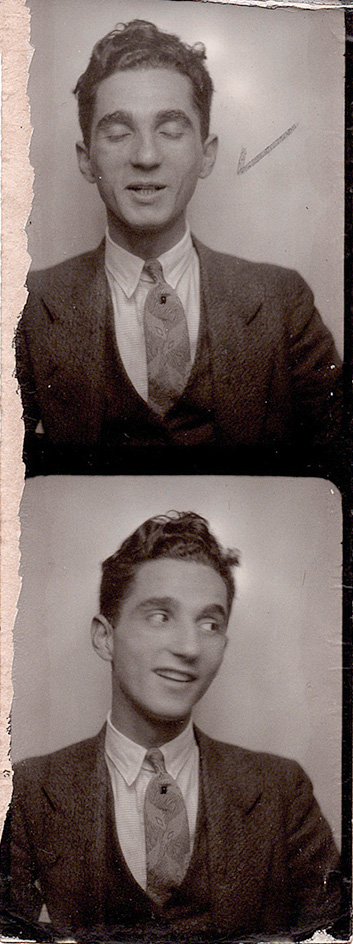
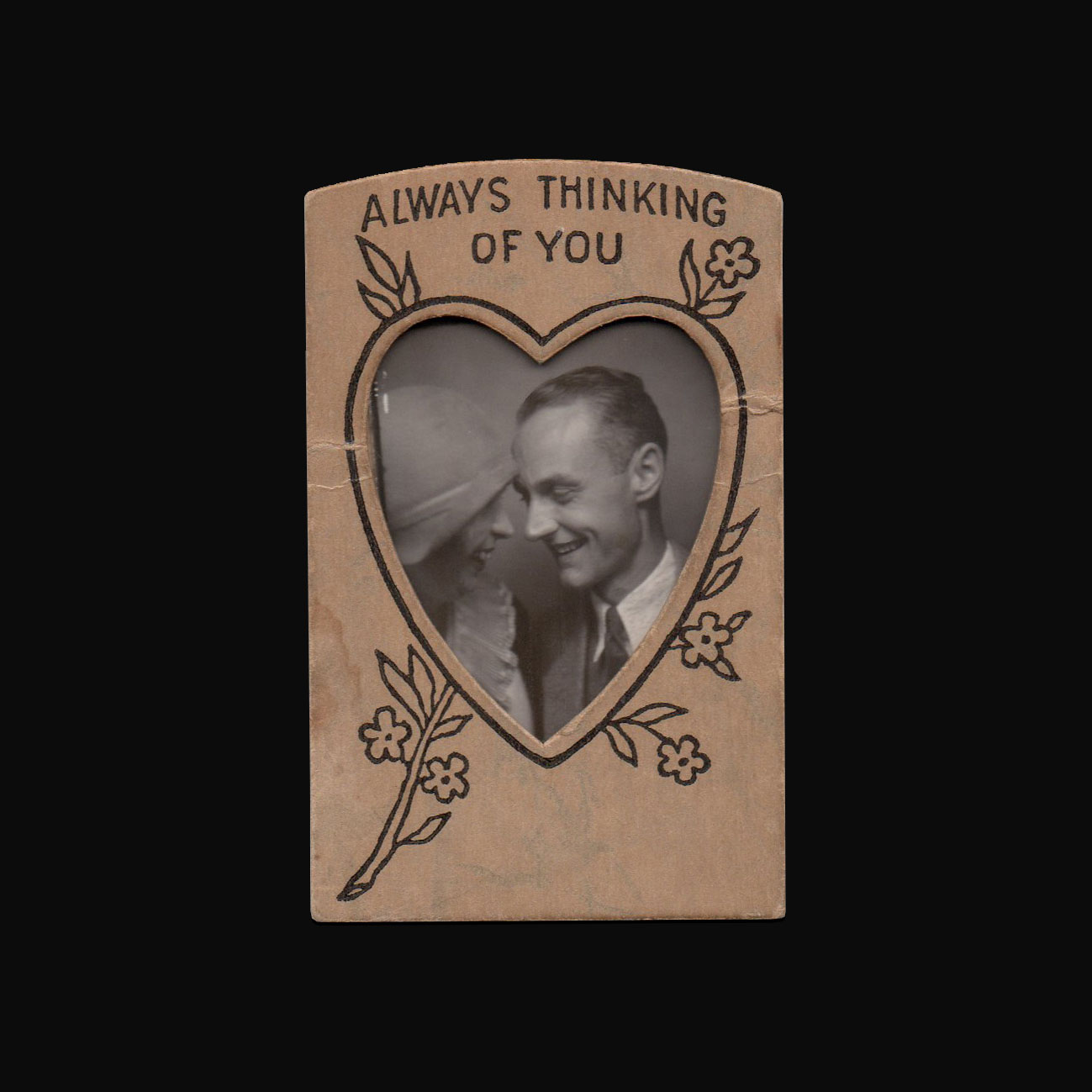
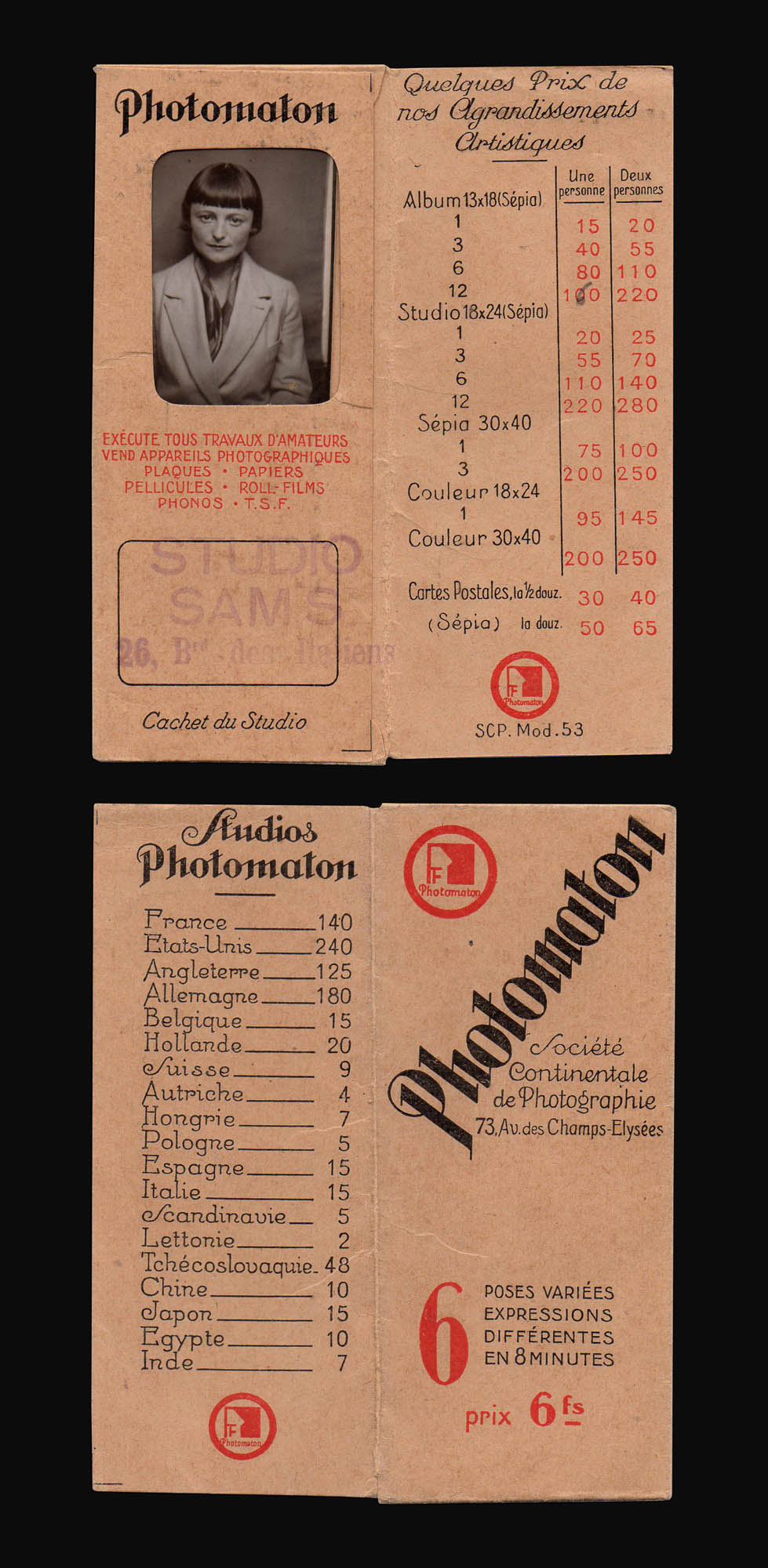
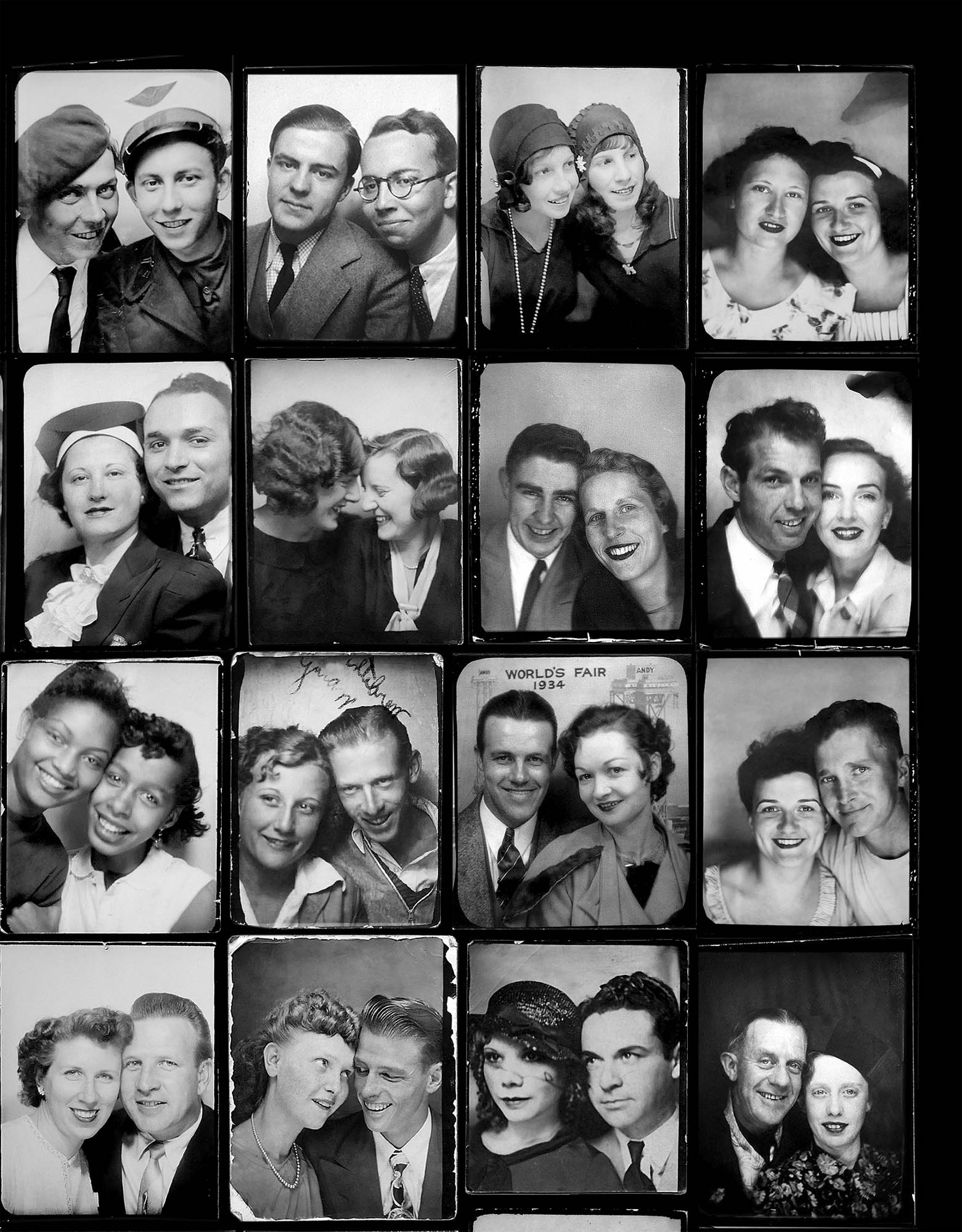
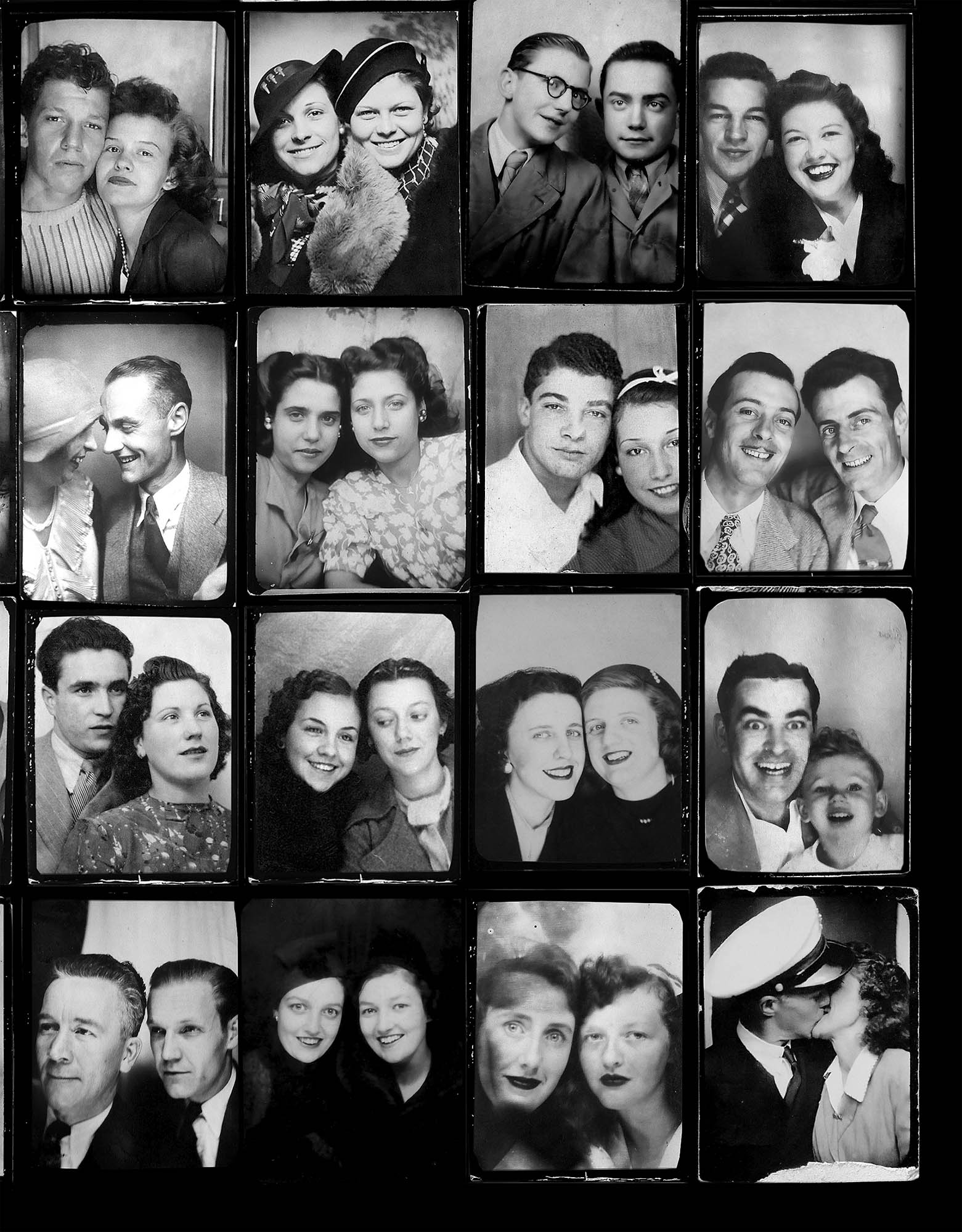
!['Untitled [Color Photobooth Portraits]' c. 1940s-1950s](https://artblart.com/wp-content/uploads/2026/01/untitled-color-photobooth-portraits.jpg "'Untitled [Color Photobooth Portraits]' c. 1940s-1950s")
!['Untitled [Color Photobooth Portraits]' c. 1940s-1950s (detail)](https://artblart.com/wp-content/uploads/2026/01/untitled-color-photobooth-portraits-a.jpg "'Untitled [Color Photobooth Portraits]' c. 1940s-1950s (detail)")
!['Untitled [Color Photobooth Portraits]' c. 1940s-1950s (detail)](https://artblart.com/wp-content/uploads/2026/01/untitled-color-photobooth-portraits-b.jpg "'Untitled [Color Photobooth Portraits]' c. 1940s-1950s (detail)")
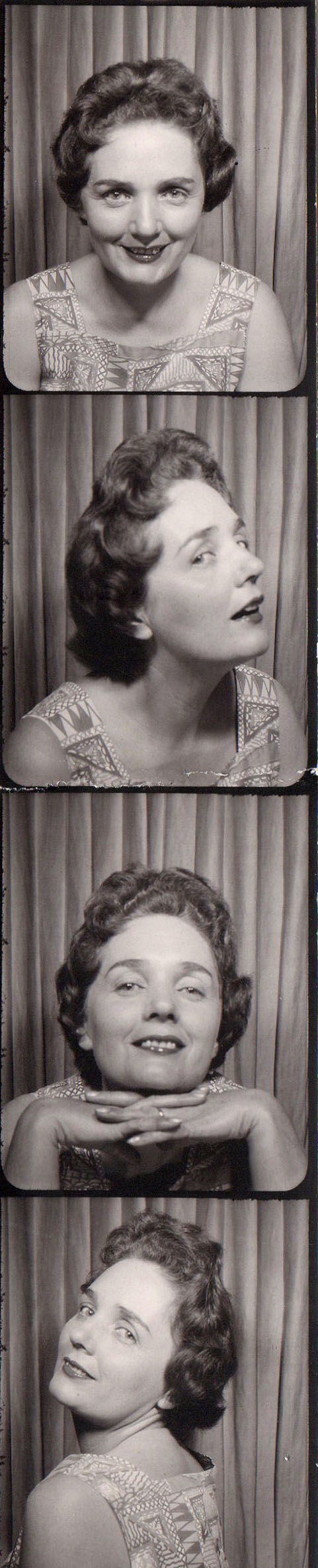
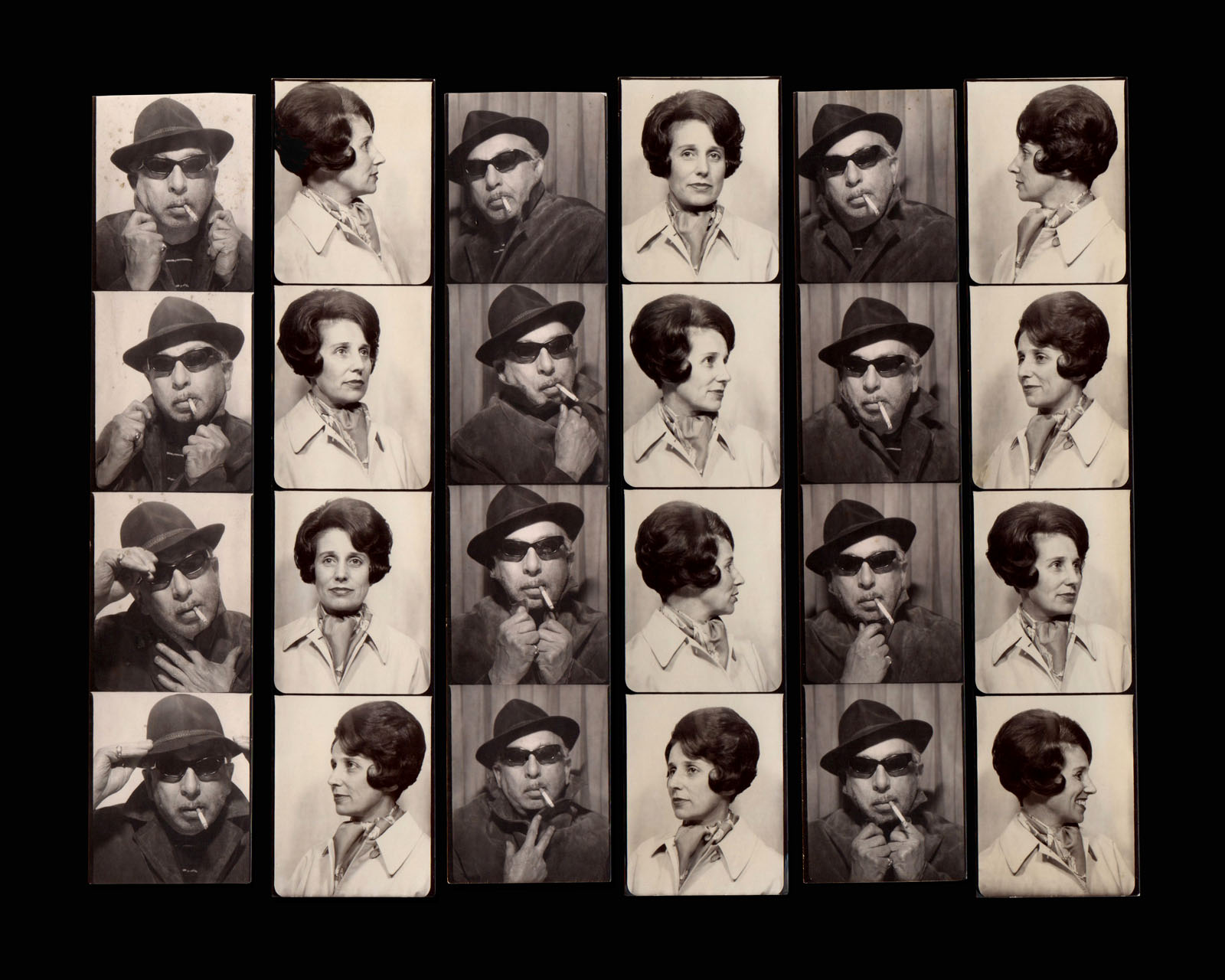

![Dennis McGuire (American) 'Untitled [Diane Arbus using her medium format Mamiya camera]' Nd](https://artblart.com/wp-content/uploads/2026/01/dennis-mcguire-diane-arbus.jpg "Dennis McGuire (American) 'Untitled [Diane Arbus using her medium format Mamiya camera]' Nd")
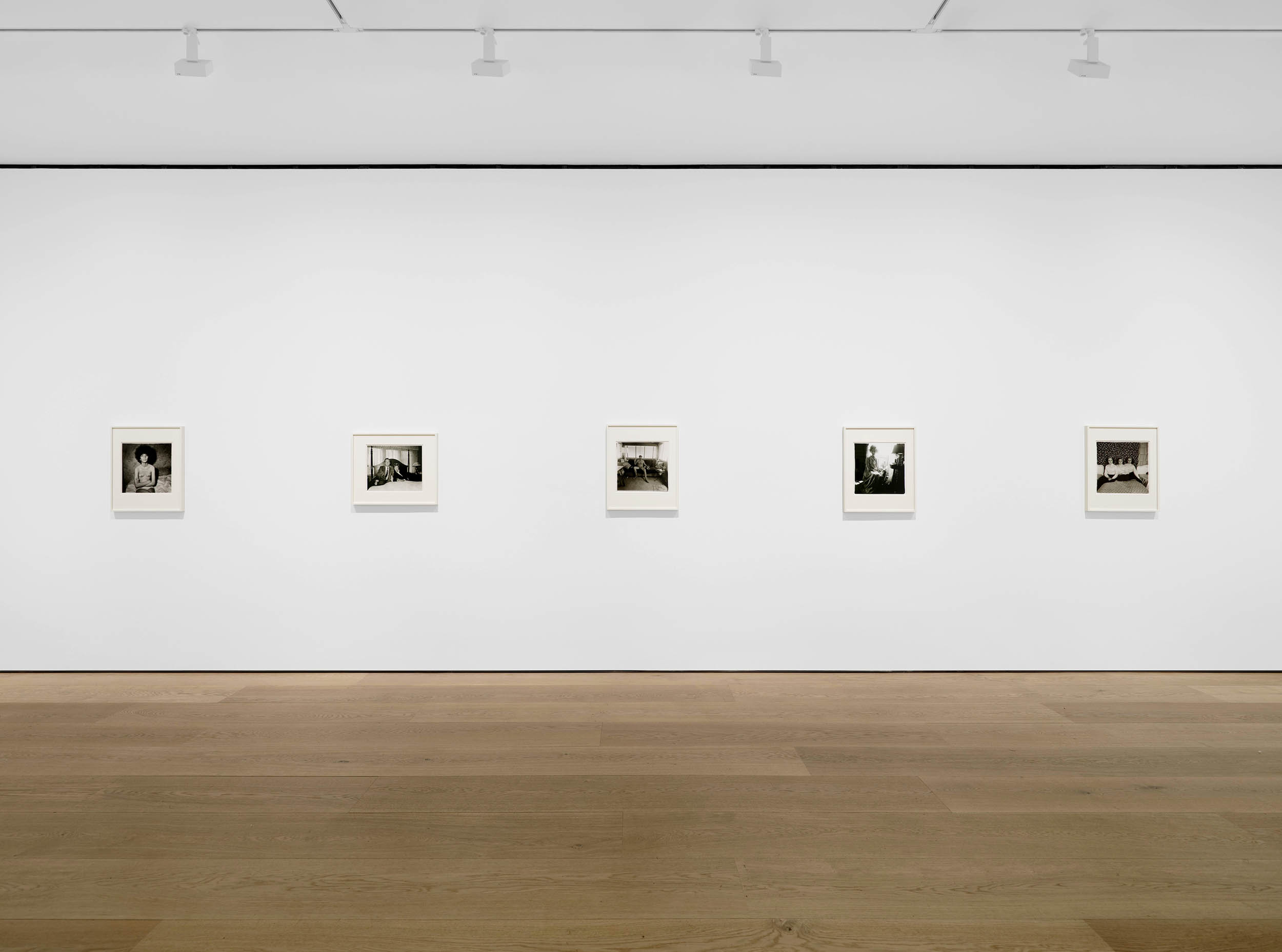
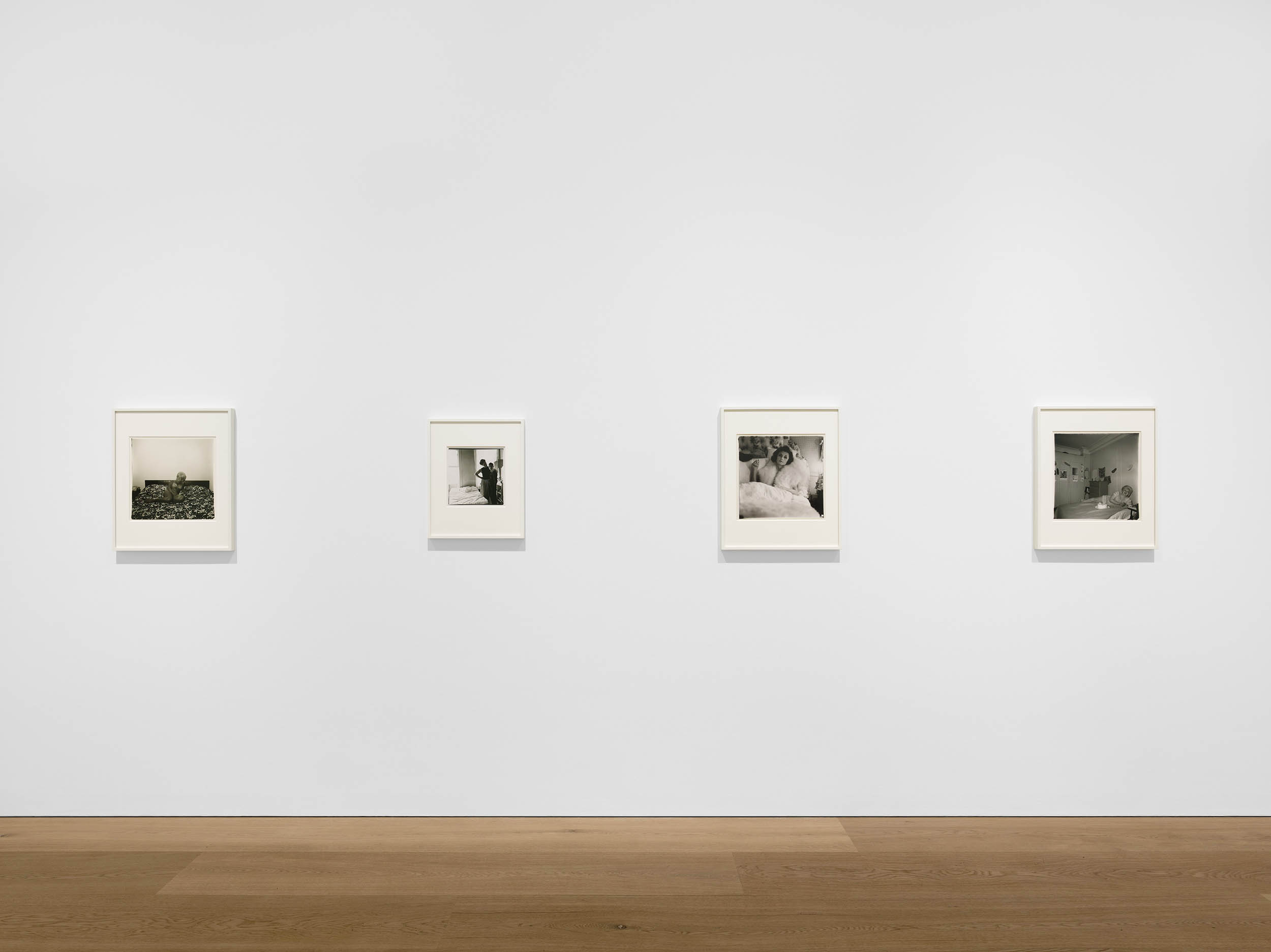
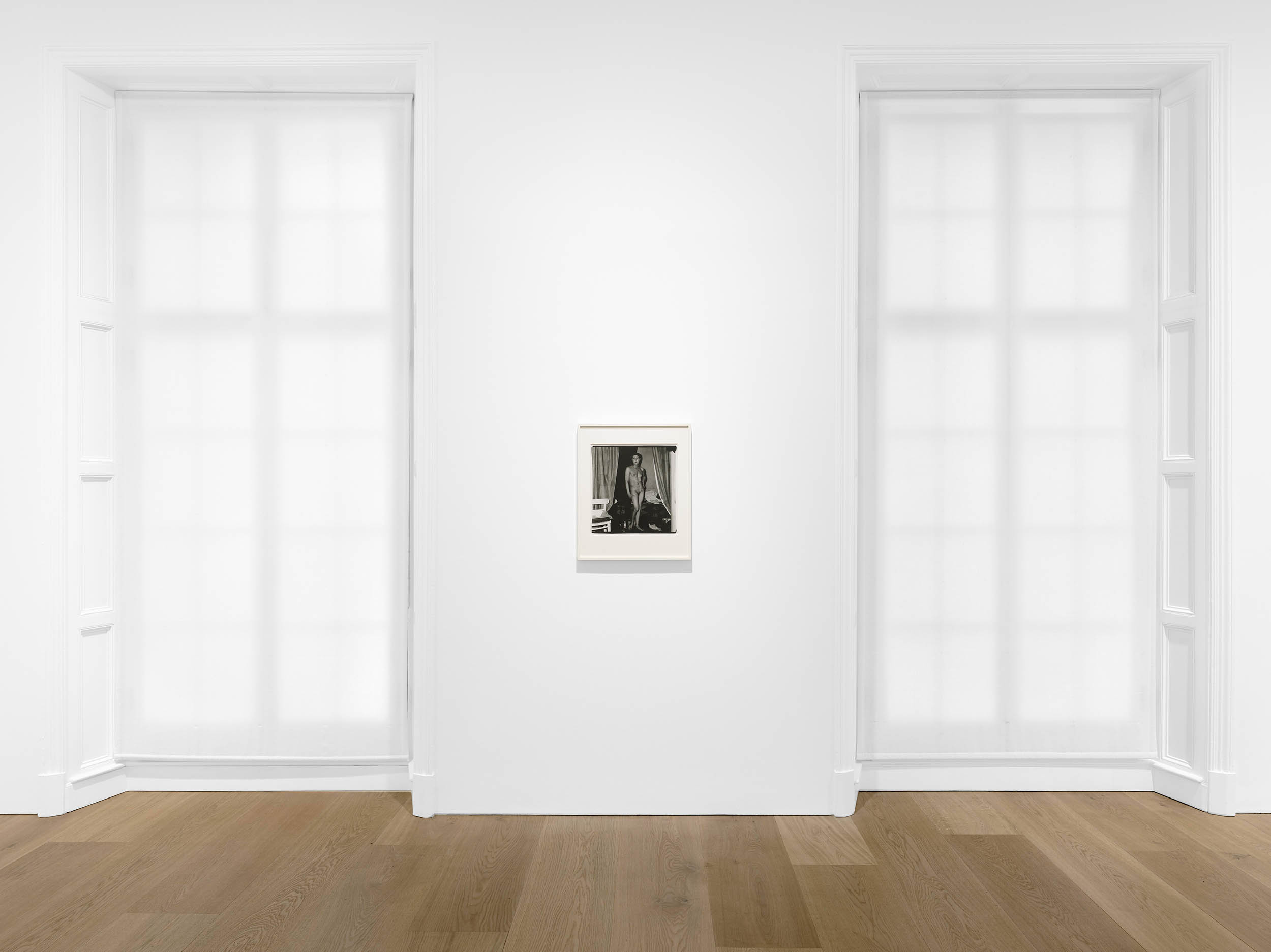
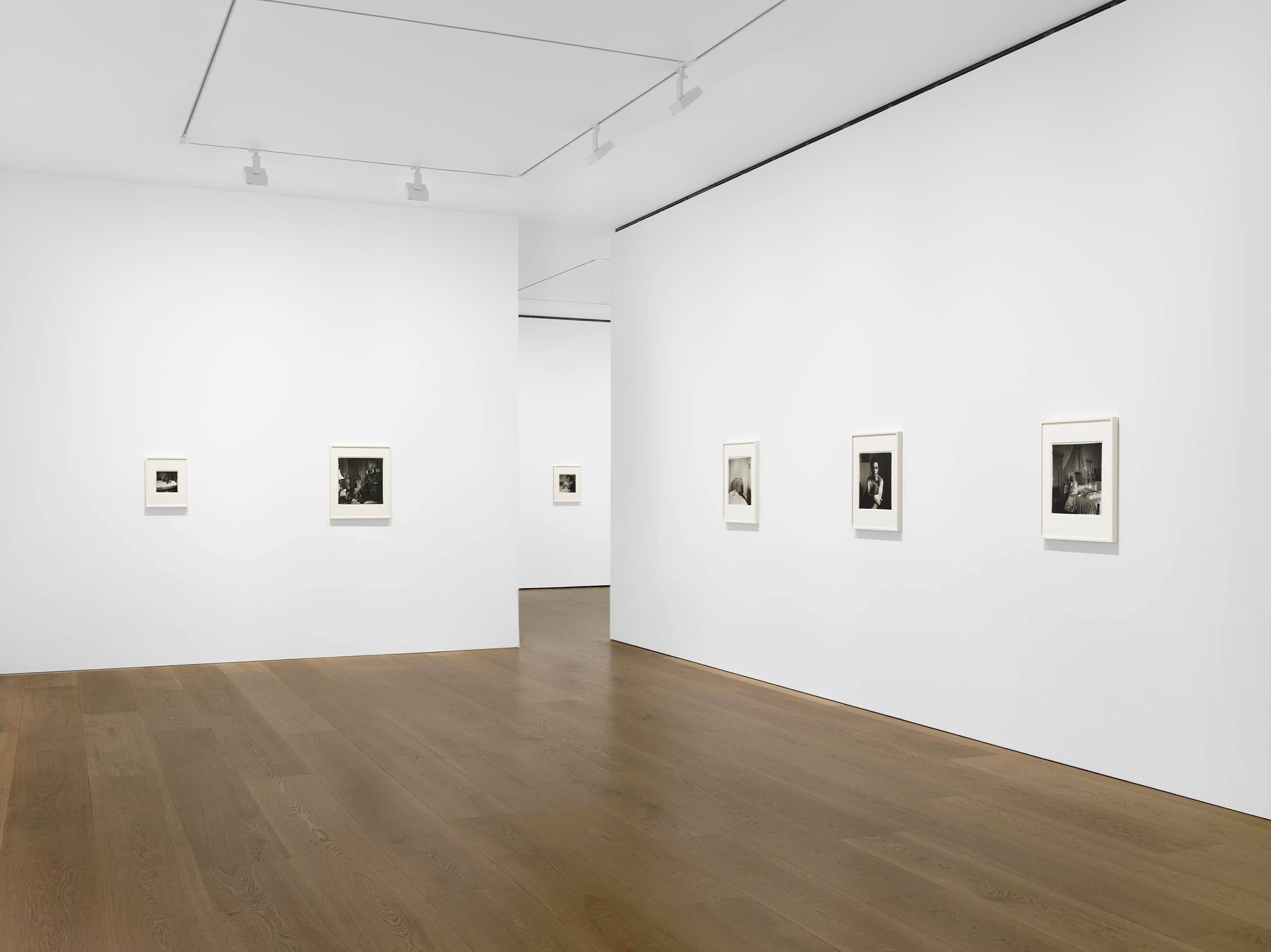

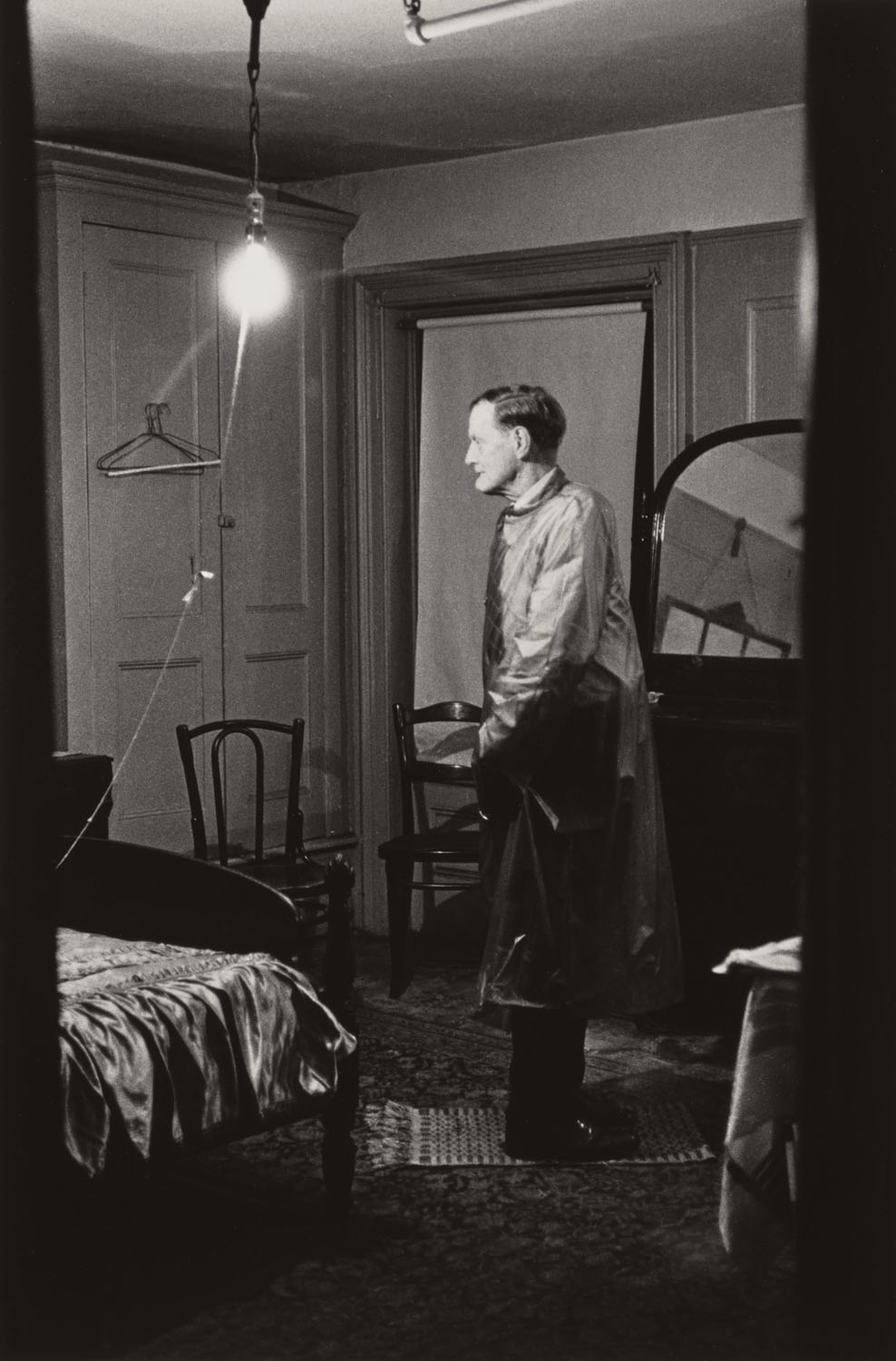
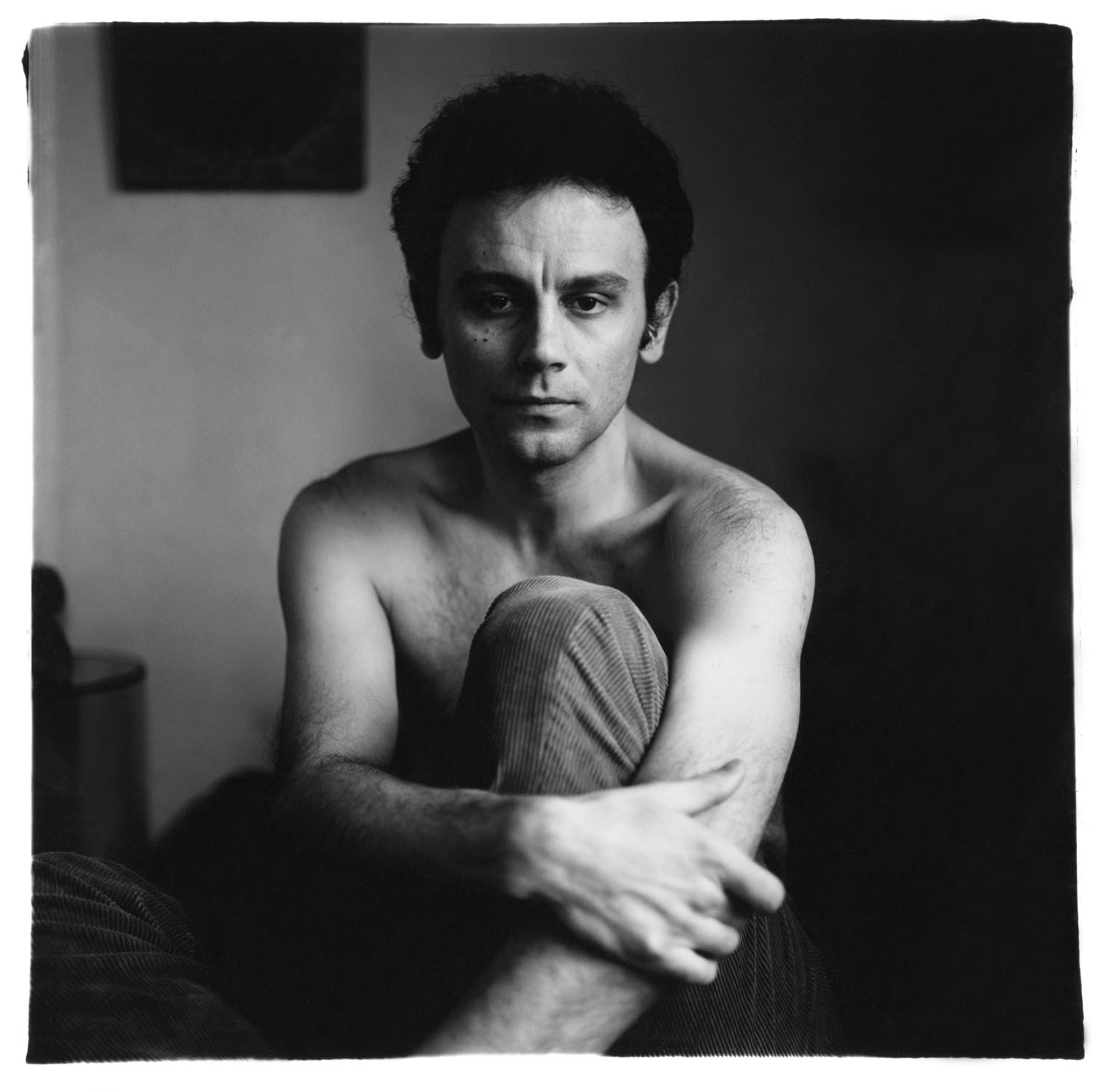

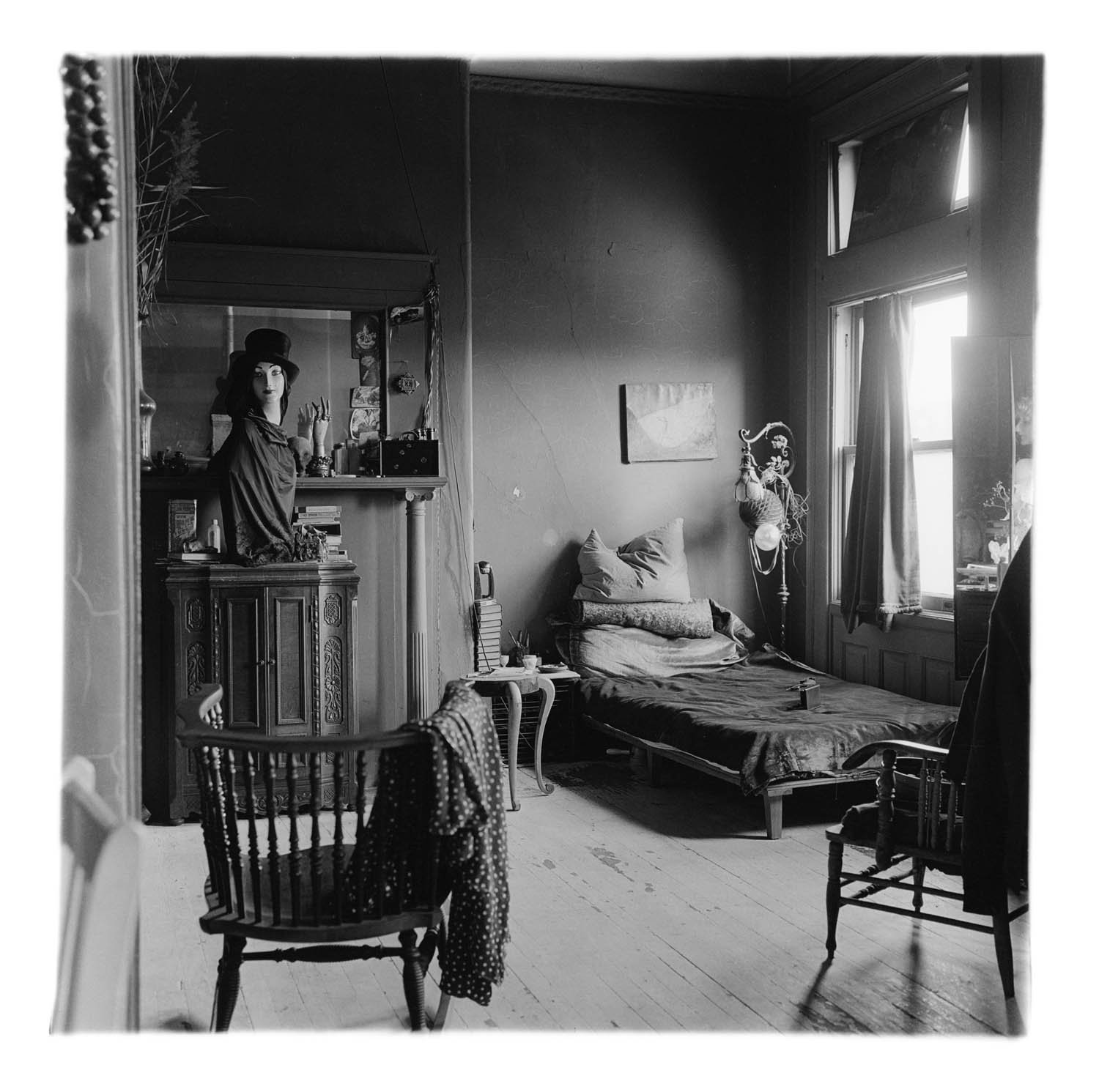

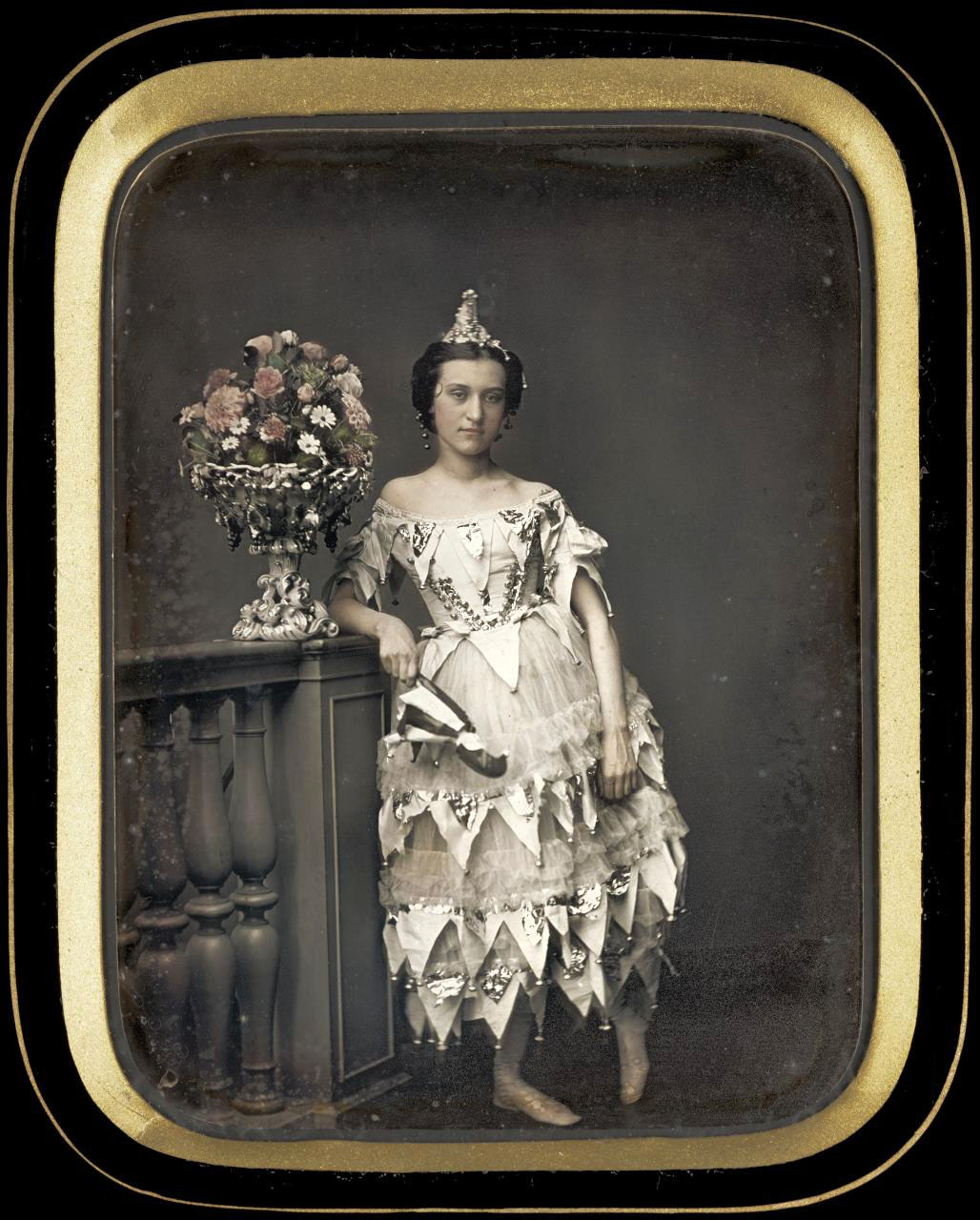

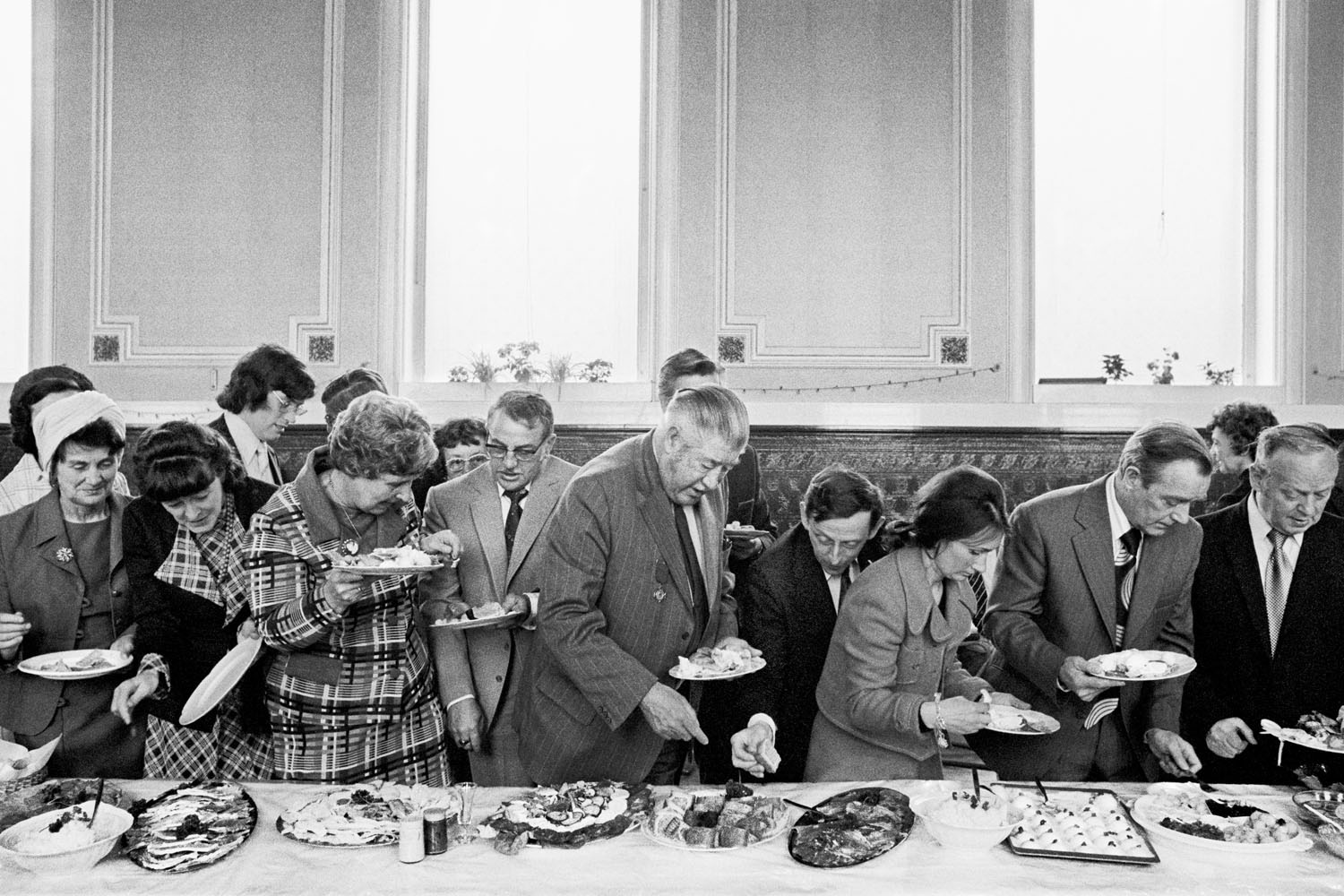



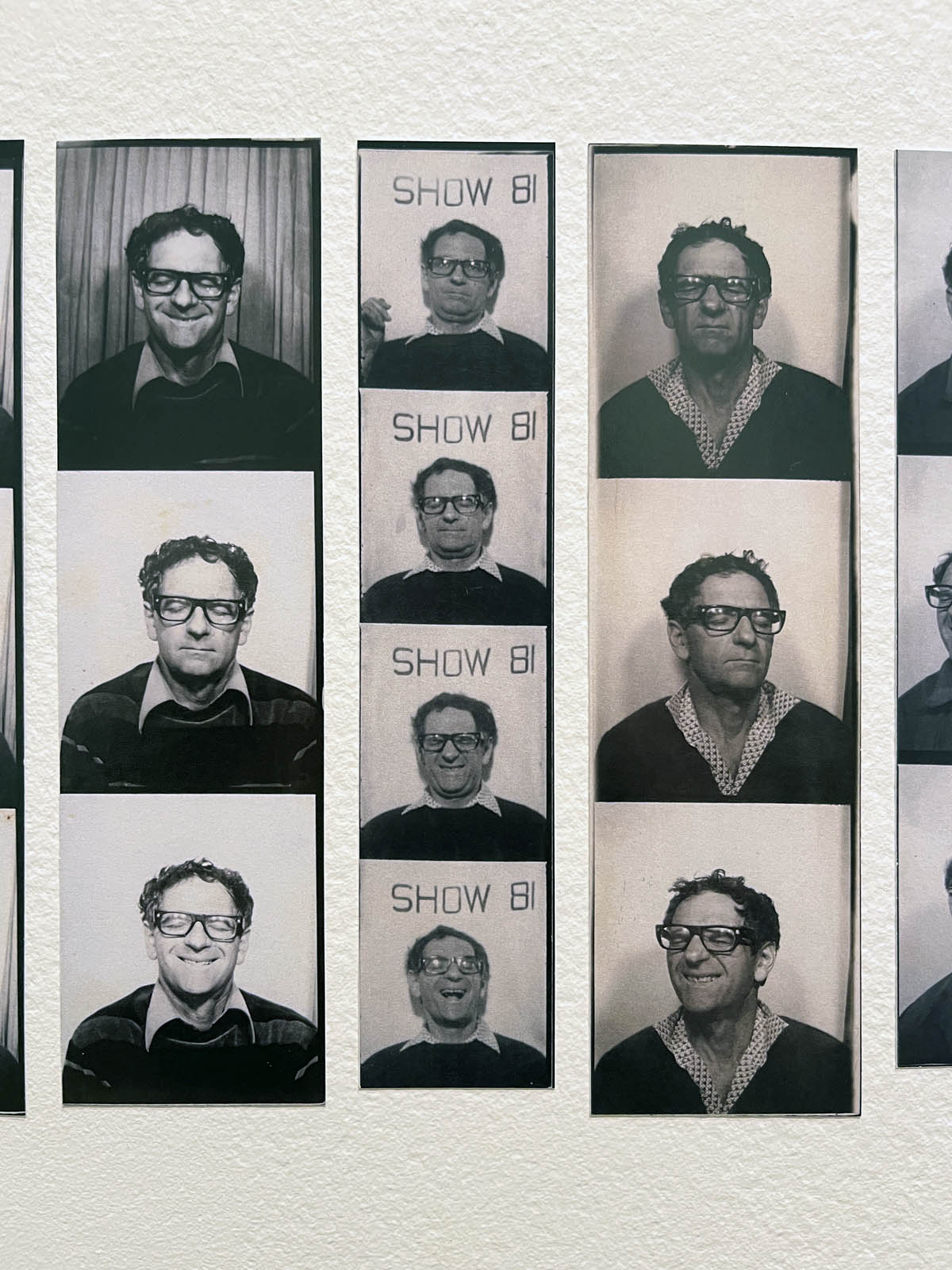

![Heinrich Riebesehl (German, 1938-2010) 'Menschen Im Fahrstuhl, 20.11.1969' [People in the Elevator, 20.11.1969] 1969](https://artblart.com/wp-content/uploads/2025/06/2-typologien_heinrich-riebesehl_siae_sm.jpg "Heinrich Riebesehl (German, 1938-2010) 'Menschen Im Fahrstuhl, 20.11.1969' [People in the Elevator, 20.11.1969] 1969")



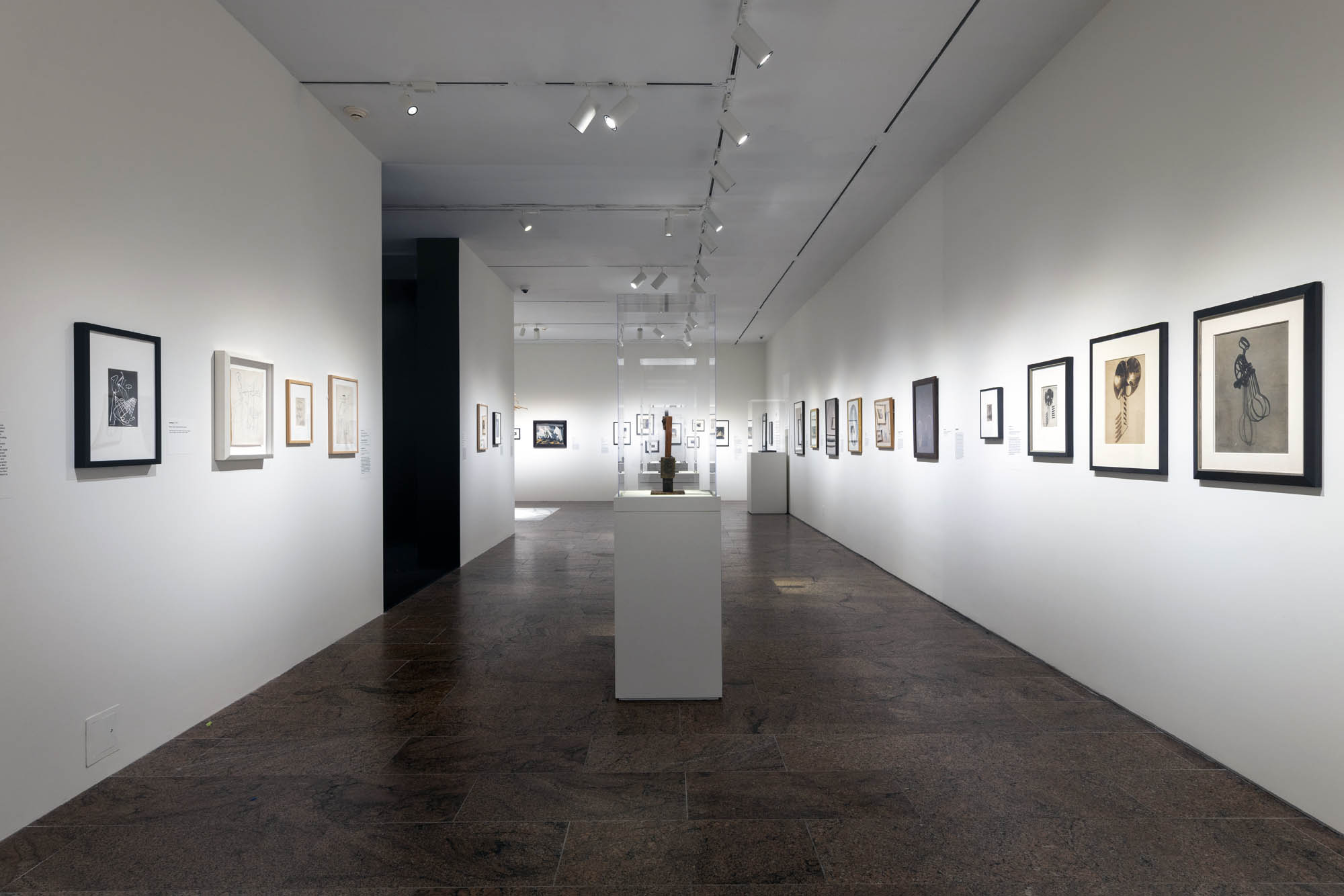
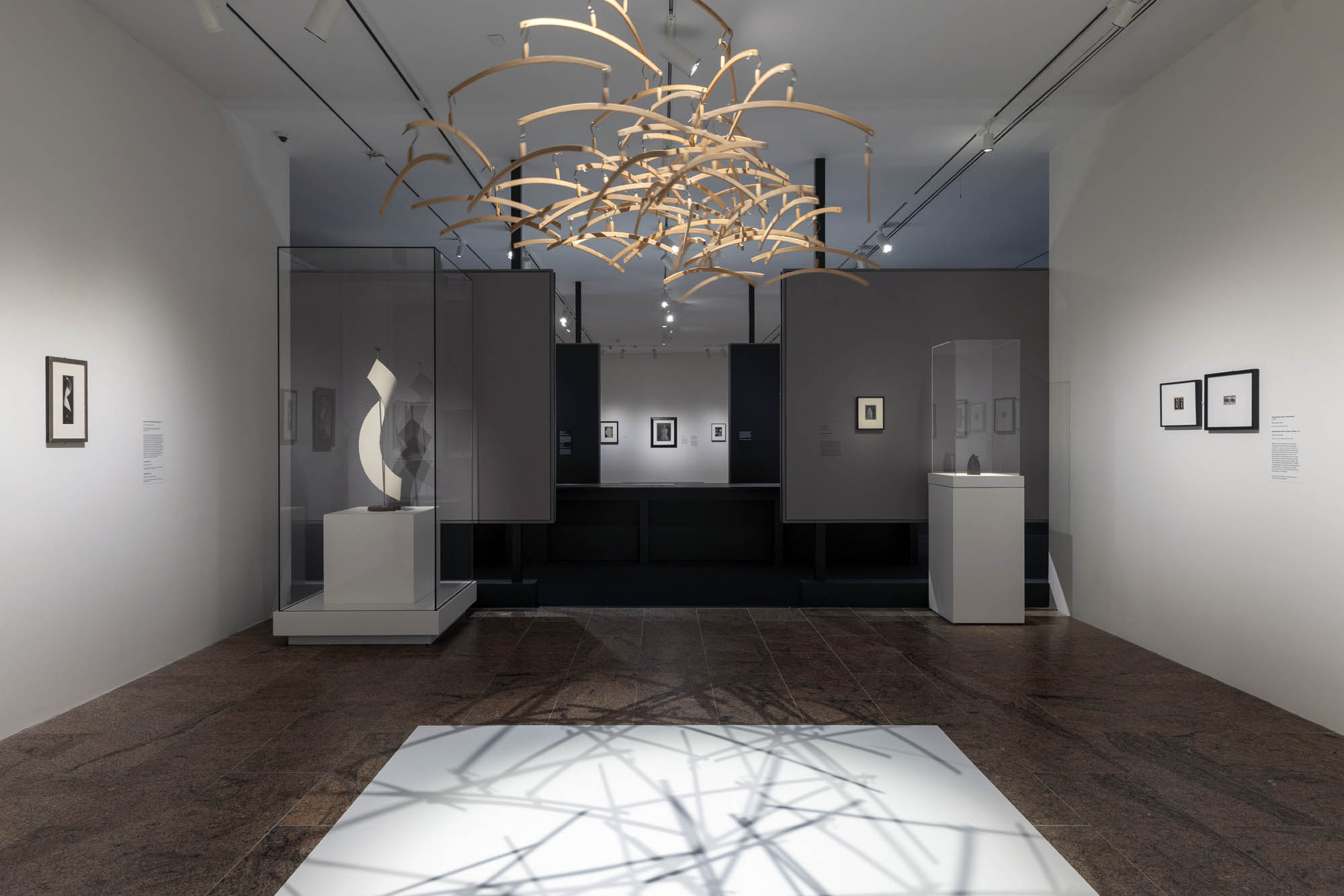
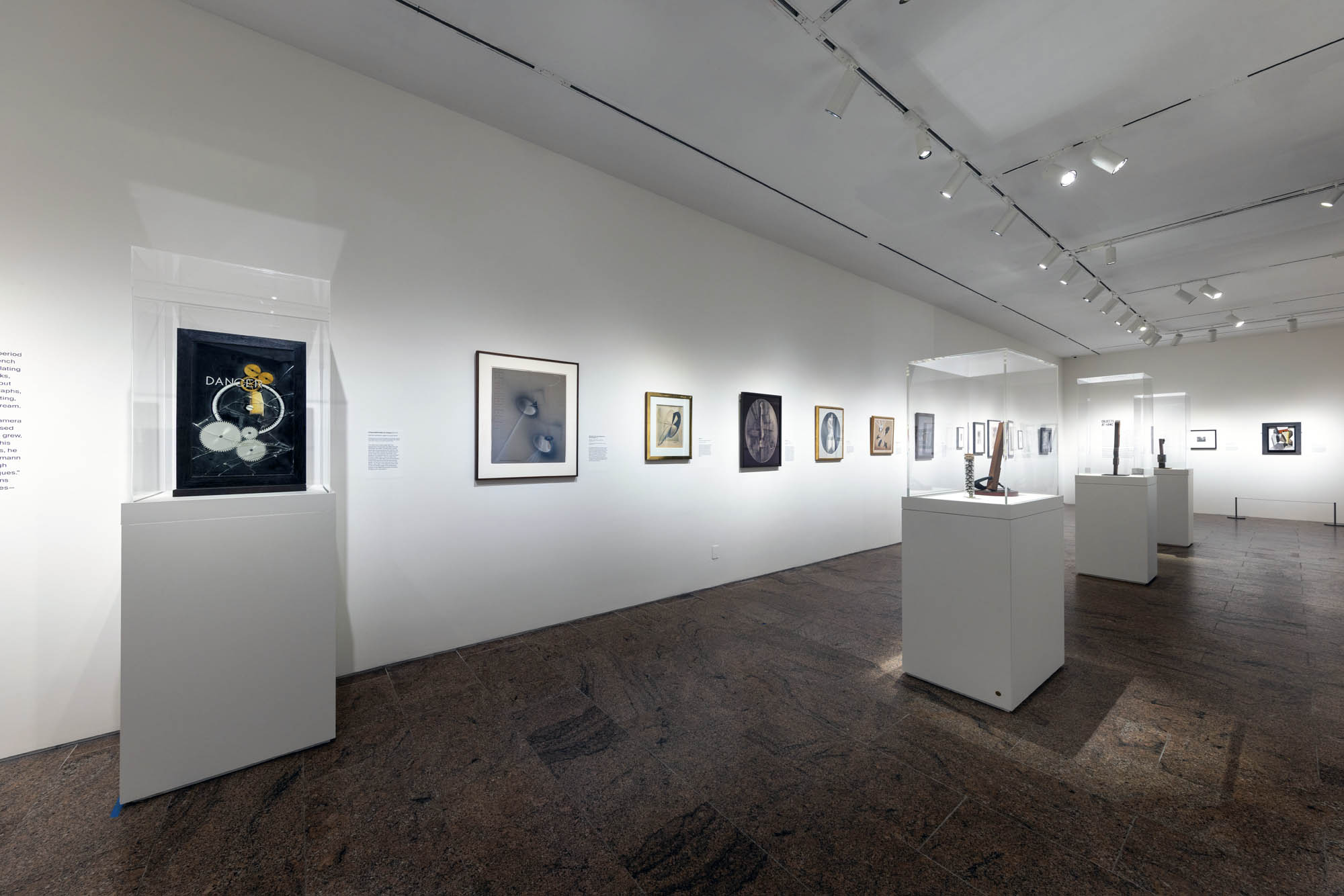


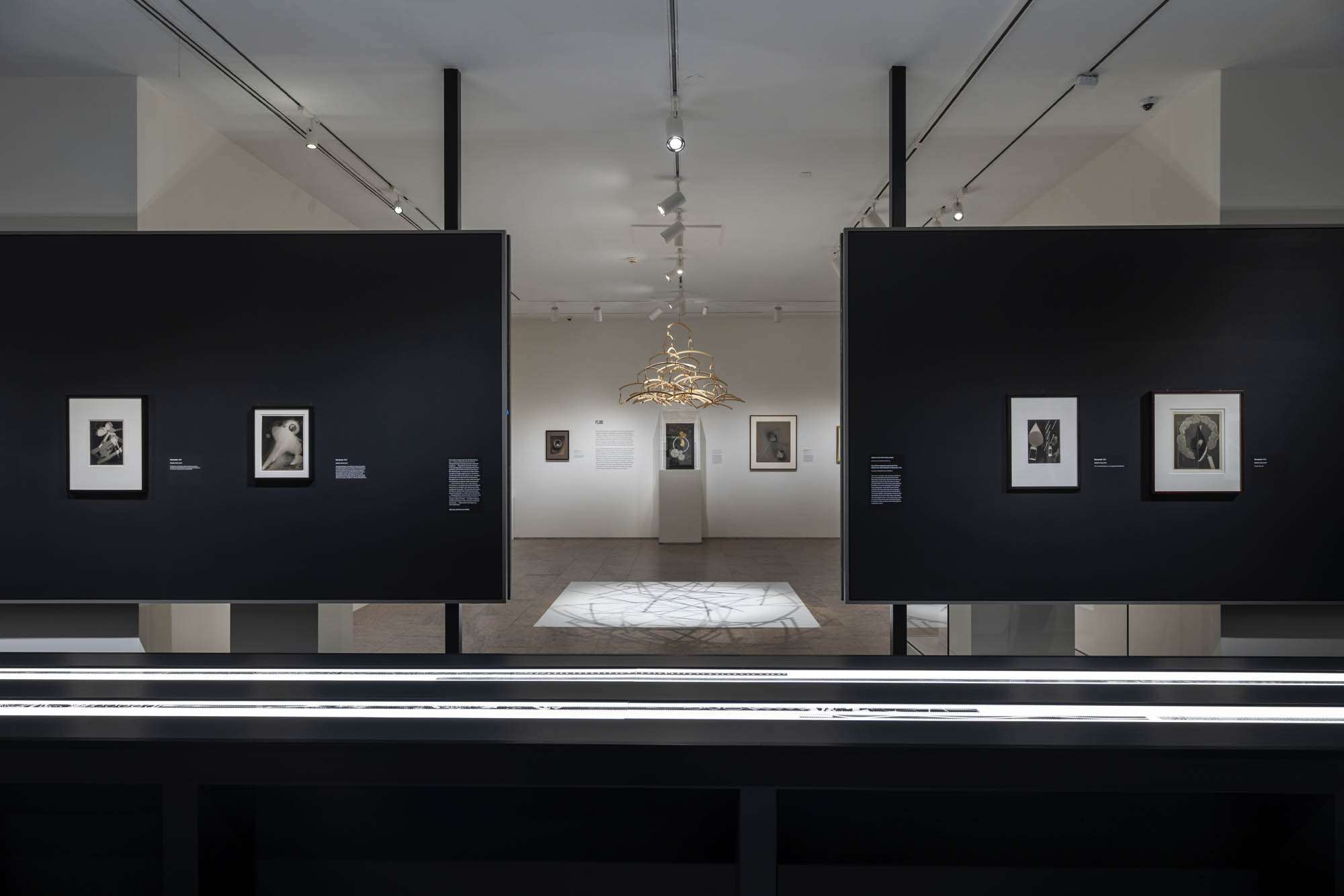
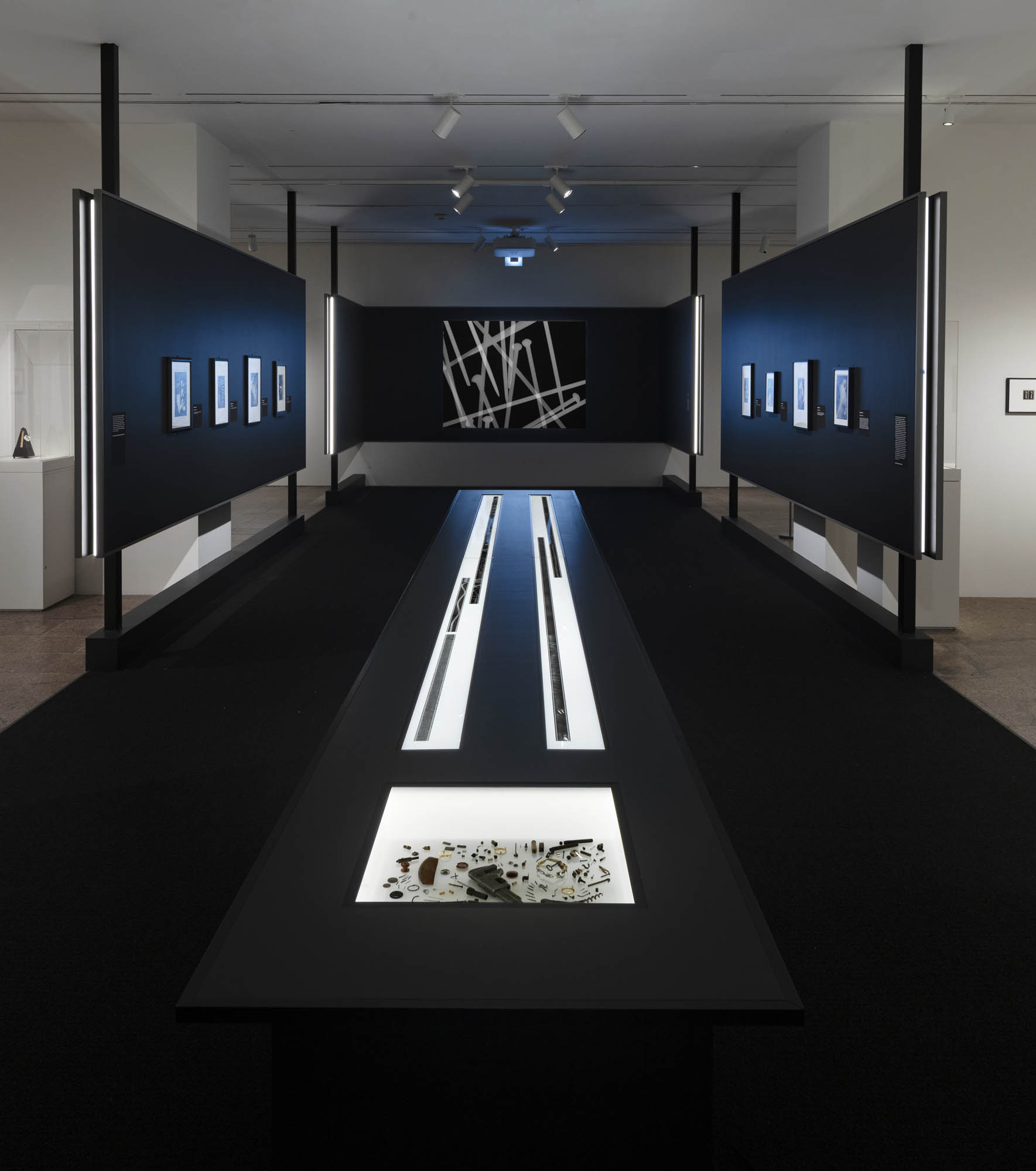
![Man Ray (American, 1890-1976)
'Torse (Retour à la raison)' (Torso [Return to Reason]) 1923, printed c. 1935](https://artblart.com/wp-content/uploads/2014/09/man-ray-retour-c3a0-la-raison-web.jpg "Man Ray (American, 1890-1976) 'Torse (Retour à la raison)' (Torso [Return to Reason]) 1923, printed c. 1935")
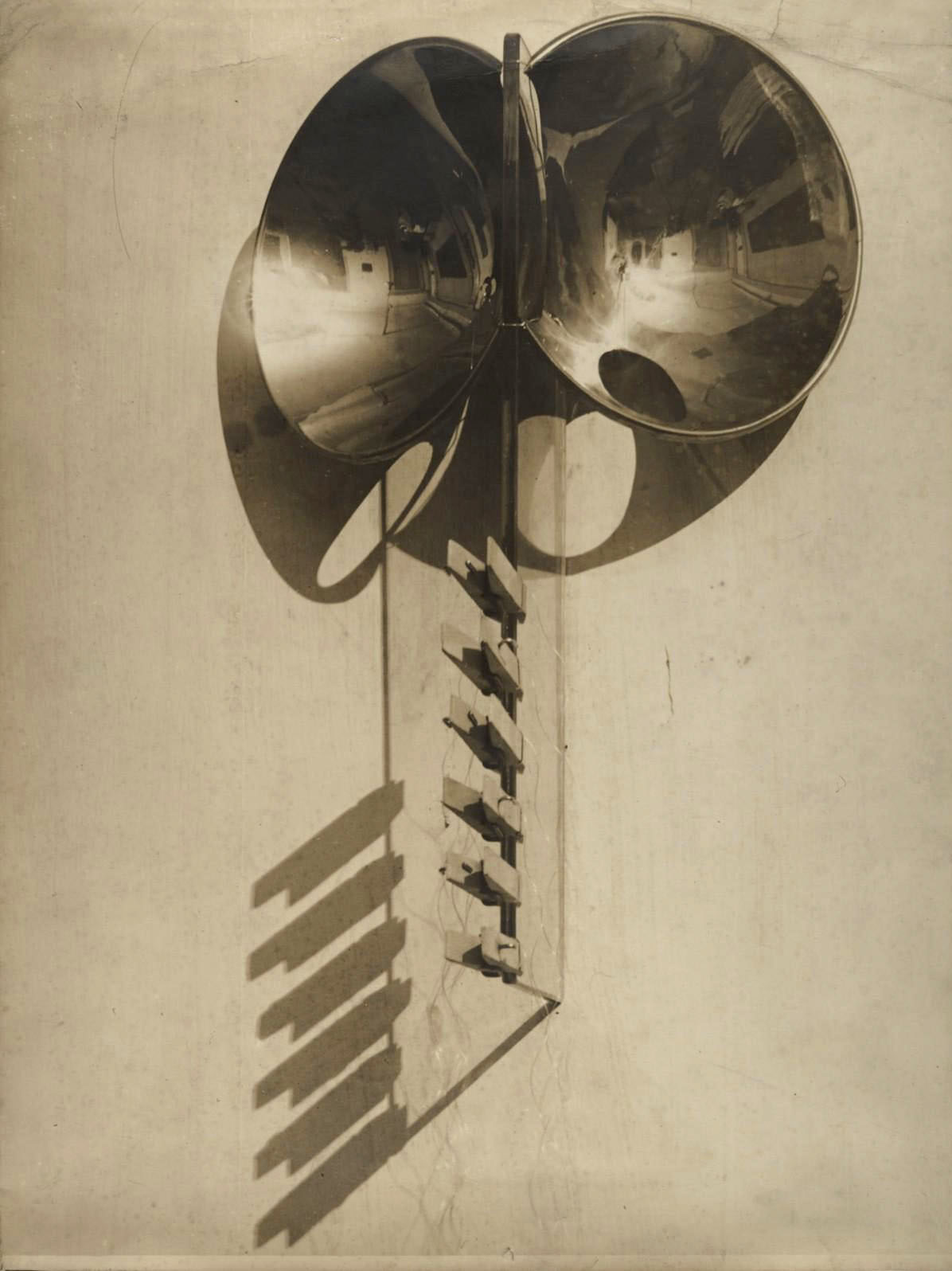
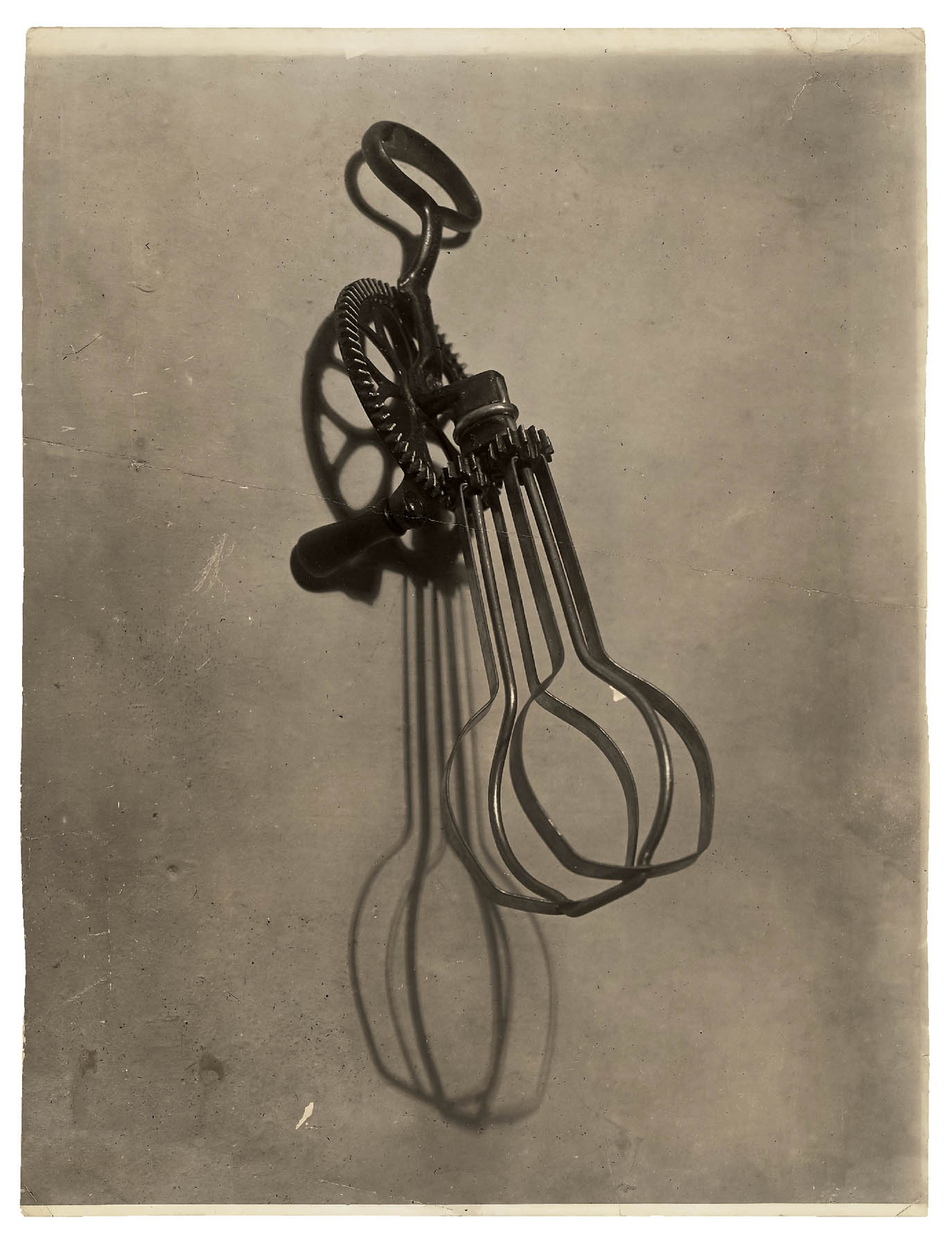

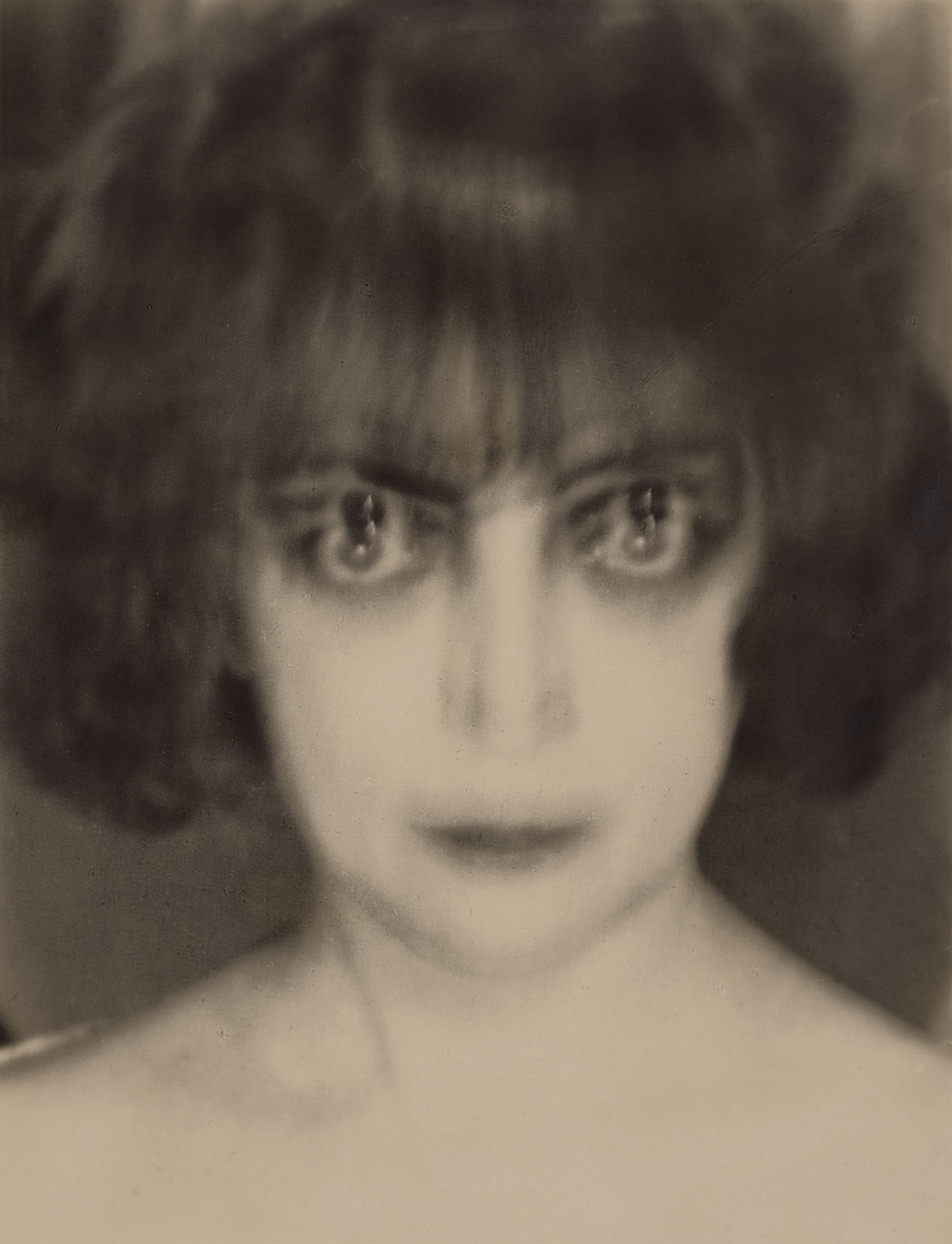

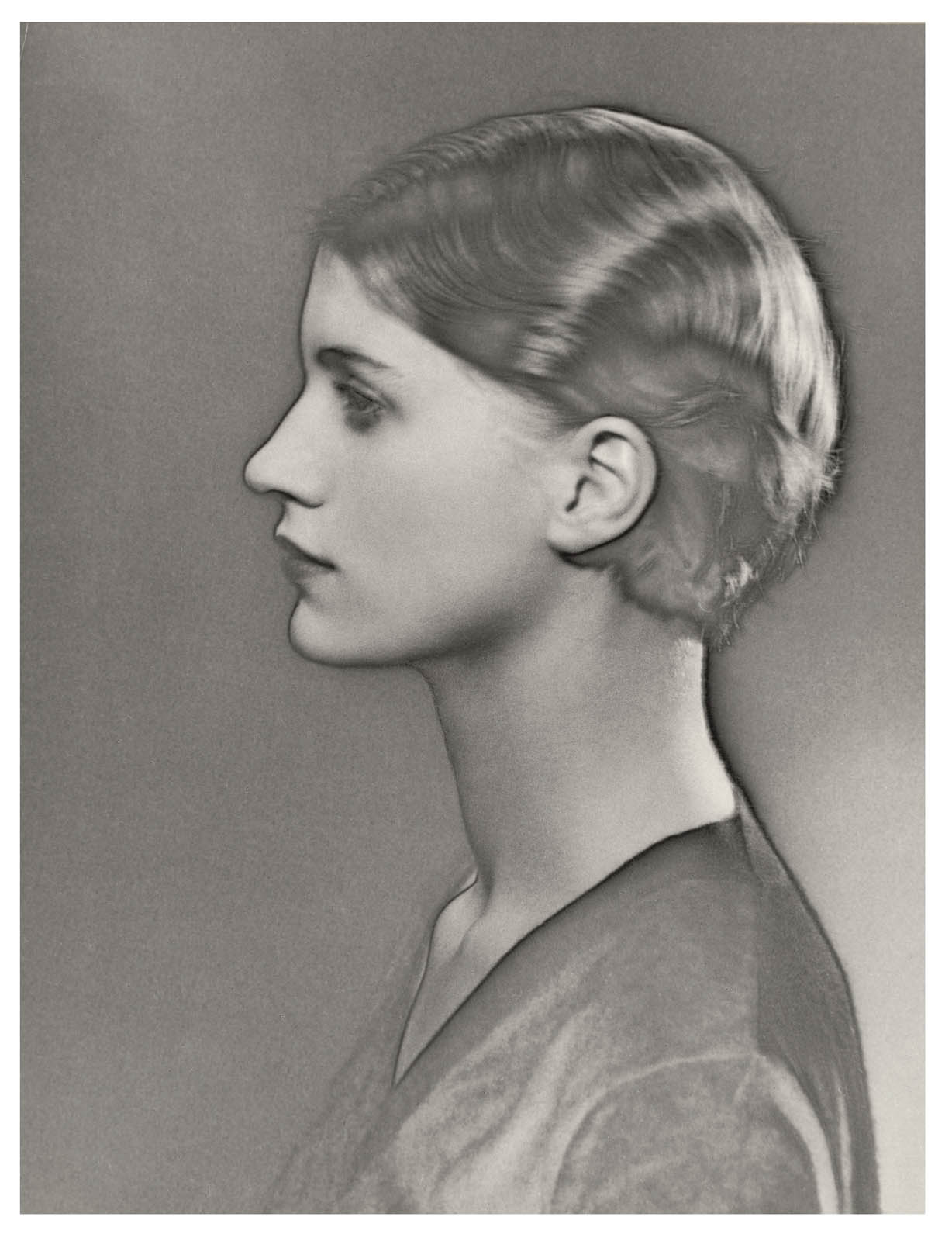

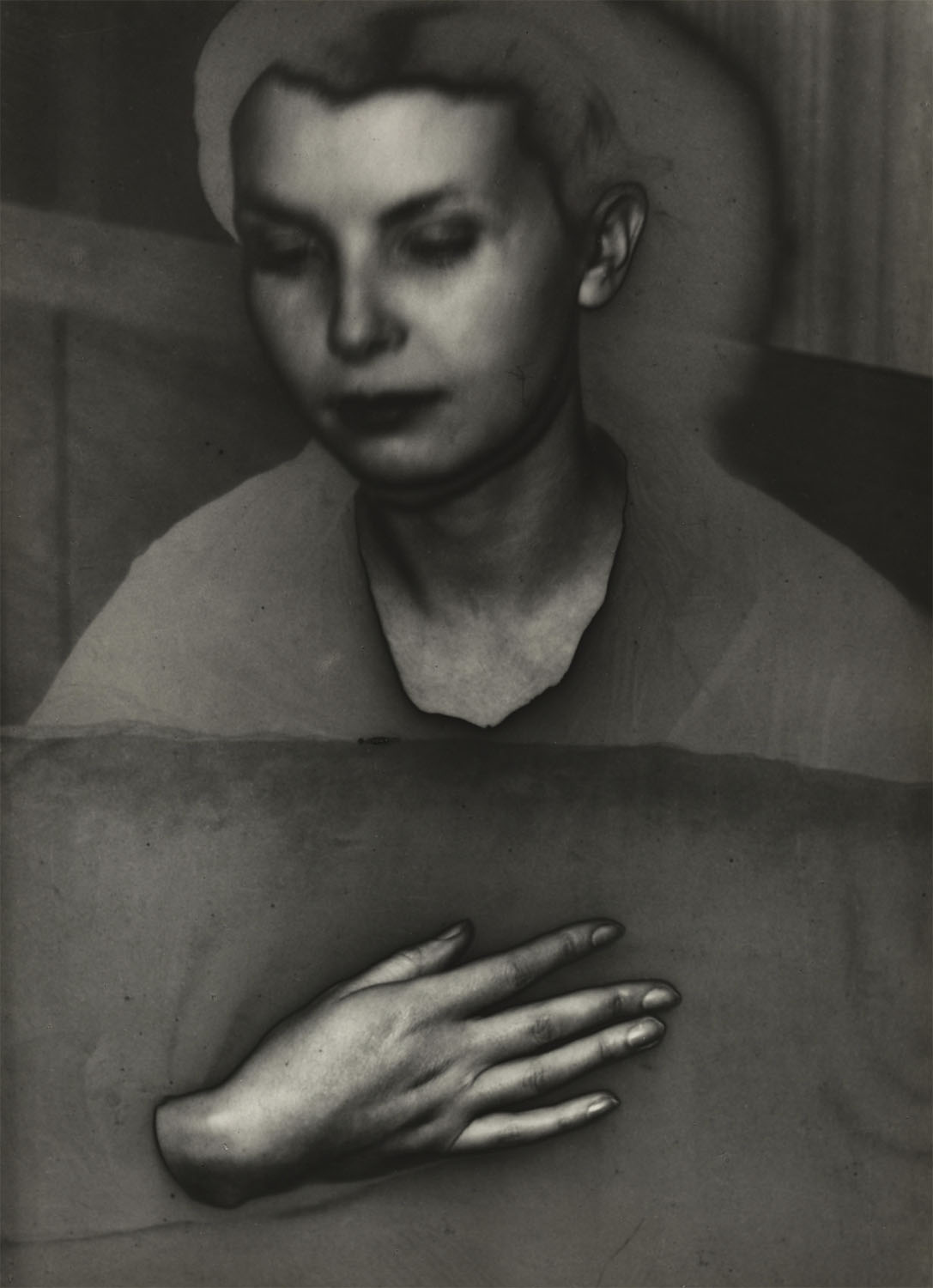

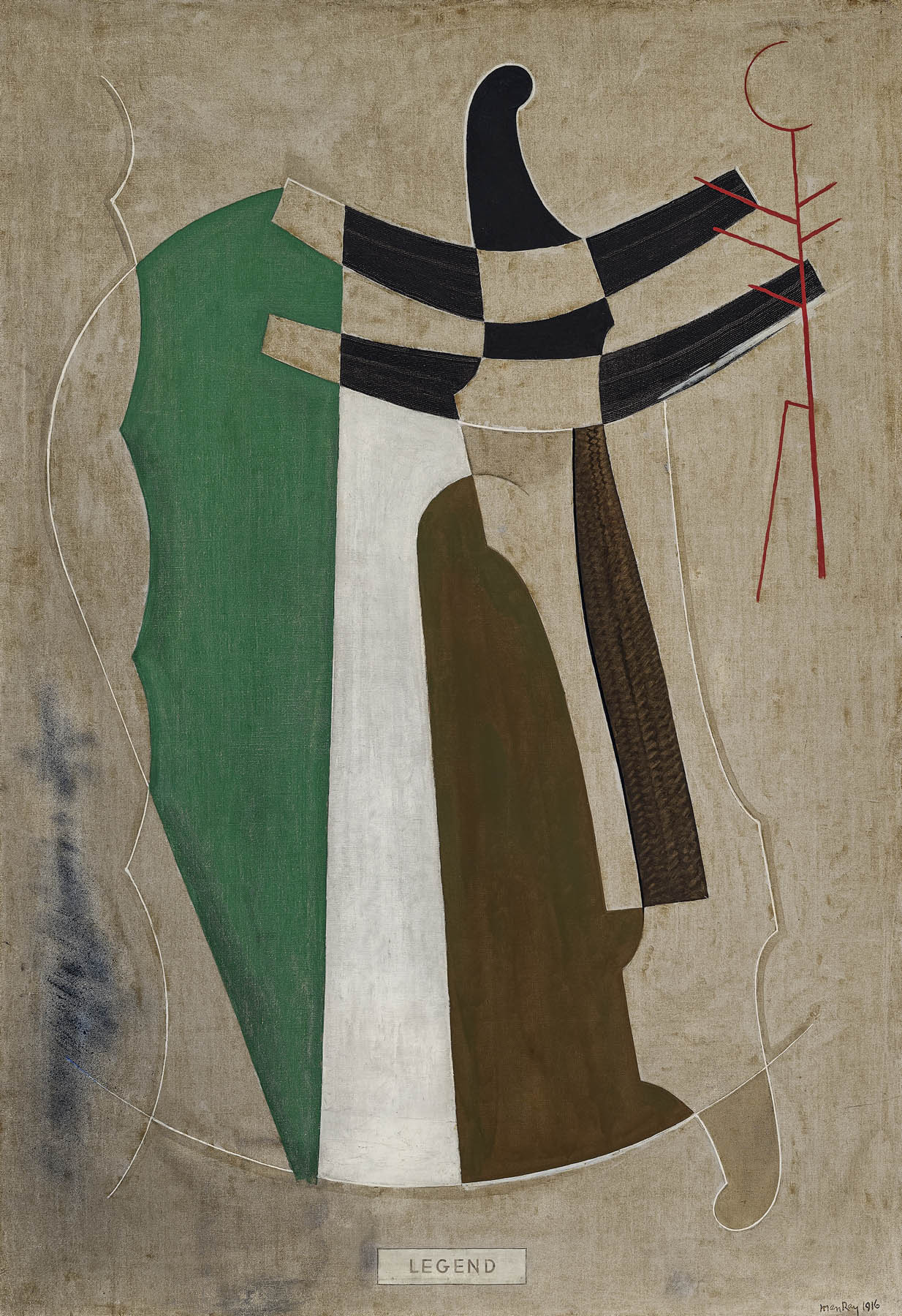
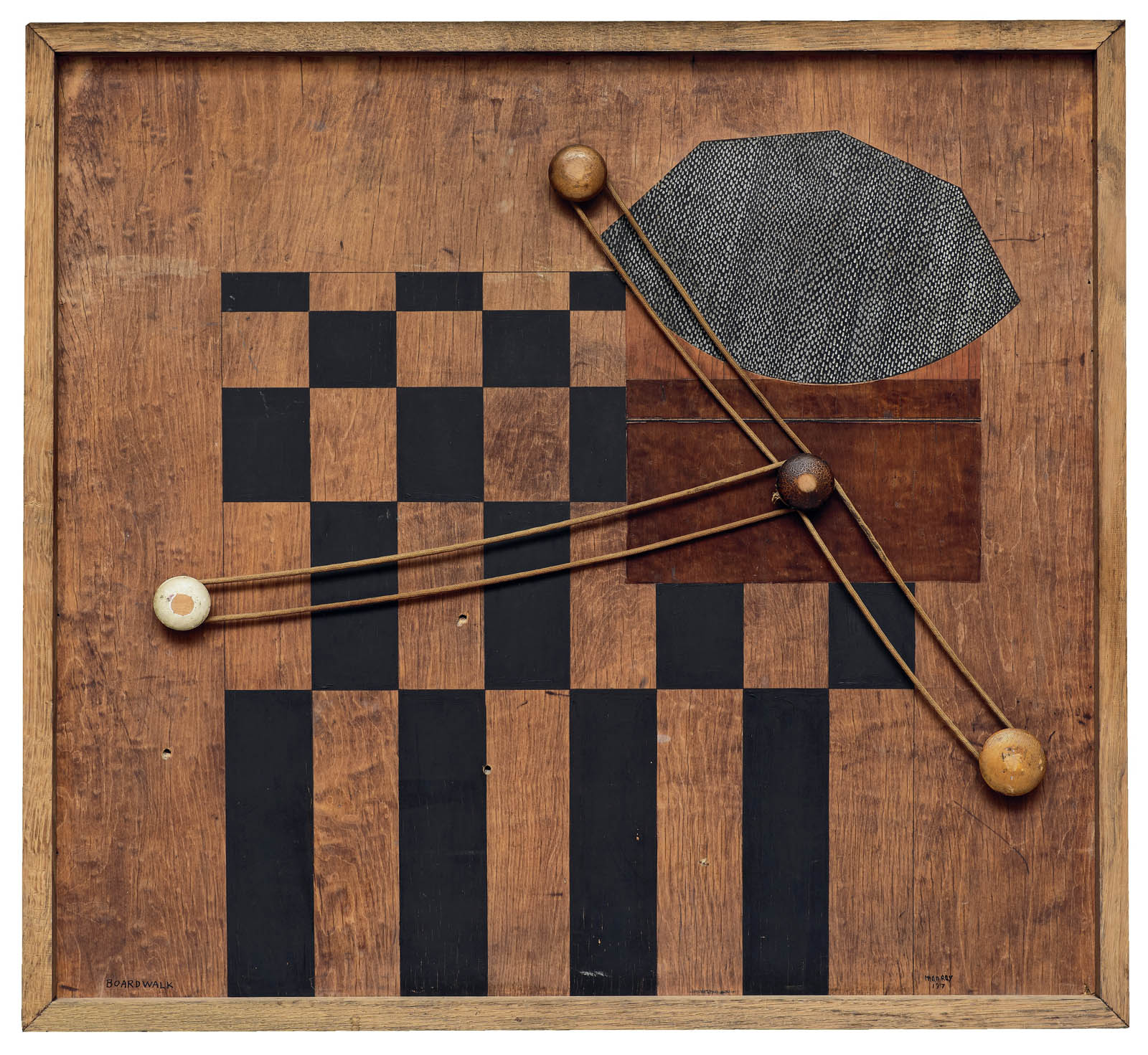

 Art Blart _ art and cultural memory archive
You must be logged in to post a comment.